
by Olivia Discon
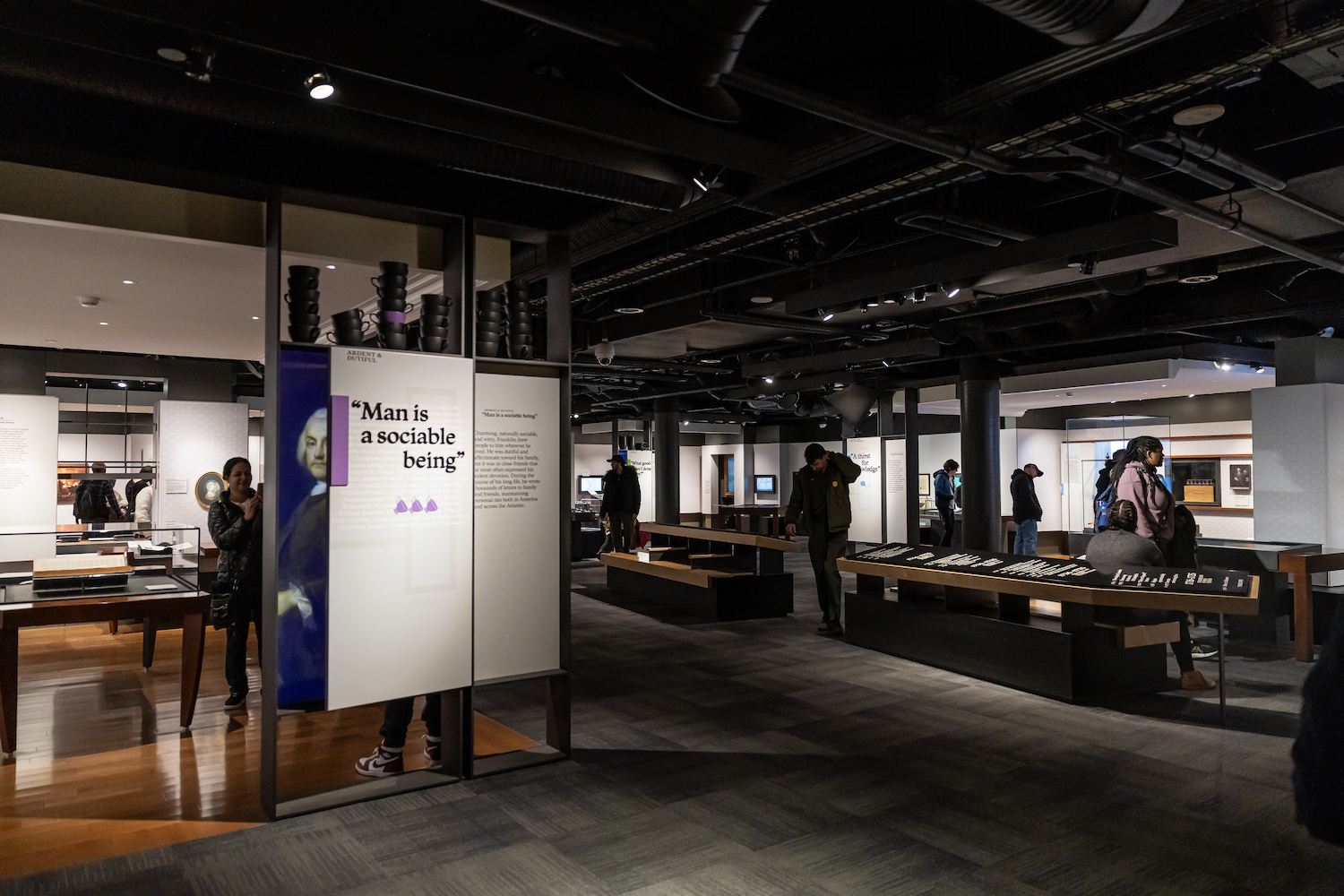
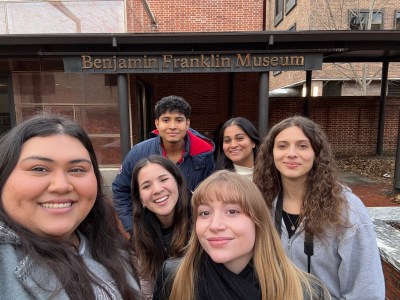
As the United States Presidential Inauguration approaches, one is reminded of the principles that we were founded upon. Virtue can be identified in many of our founding fathers, but one that infamously possesses 13 of them was an excellent choice to start the Philadelphia leg of our democracy tour. In addition, the Benjamin Franklin Museum was a fun experience to share alongside the SHAIP interns, who are getting their first crack at what it means to impact others through policy and the democratic process.
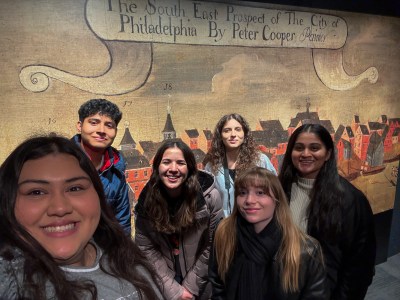
Beyond that, Benjamin Franklin is simply a fascinating individual. An inventor, postmaster, writer, scientist, diplomat, and a ladies man, his life was filled with innovation and service. The museum gave us a closer look at his achievements and his role in shaping early America.

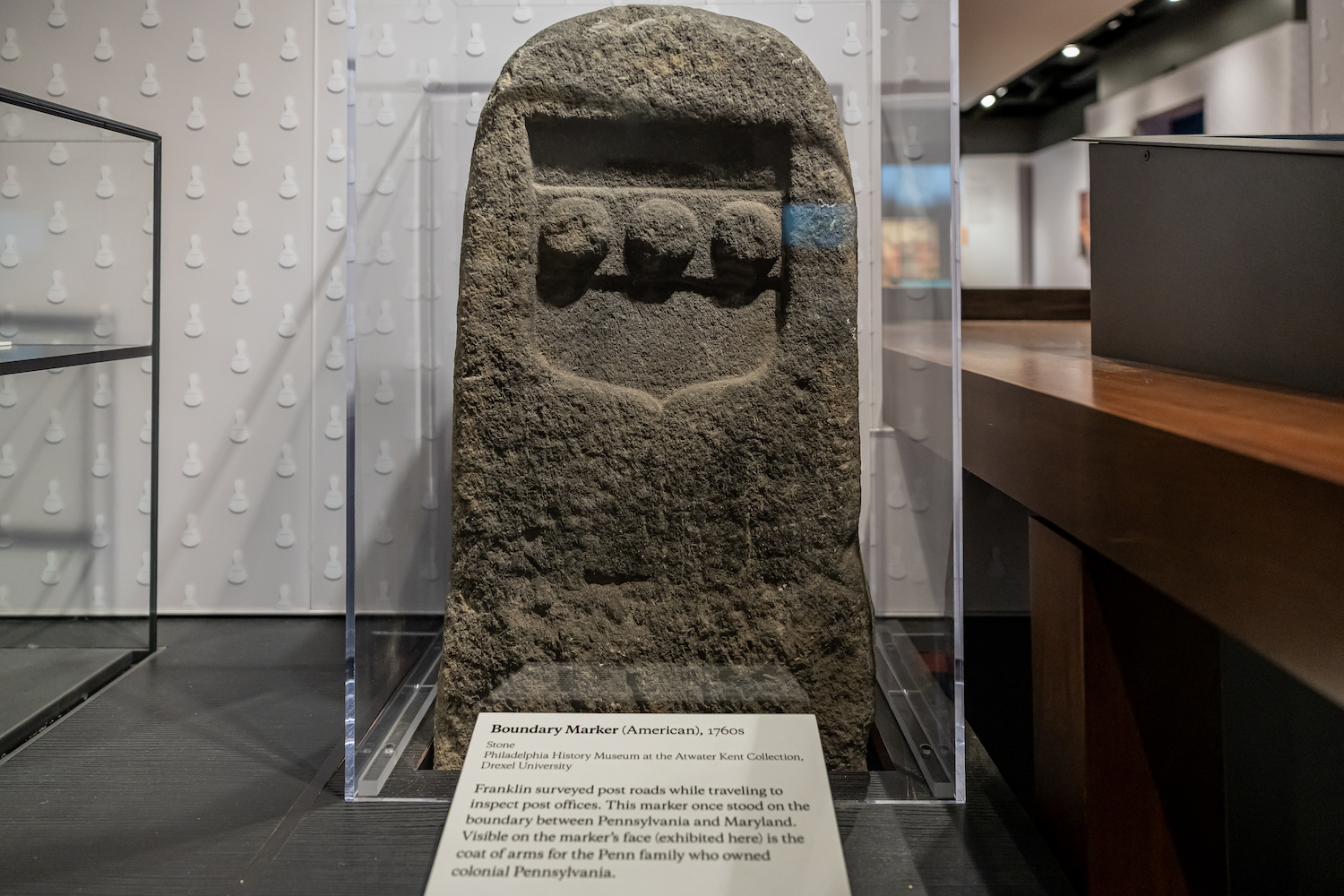
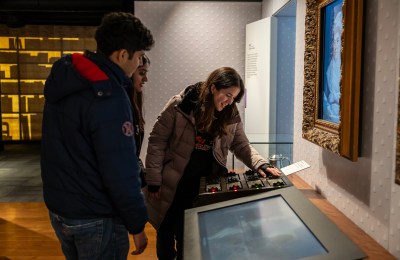
One of my favorite artifacts was a mile marker Franklin introduced as postmaster to help standardize postal routes. Made of concrete, it would be difficult to (for me, at least) read compared to today’s clearly printed green signs, but it felt meaningful to see how he worked to modernize communication systems. We also saw ink balls from his printing press, along with other instruments used at the time.


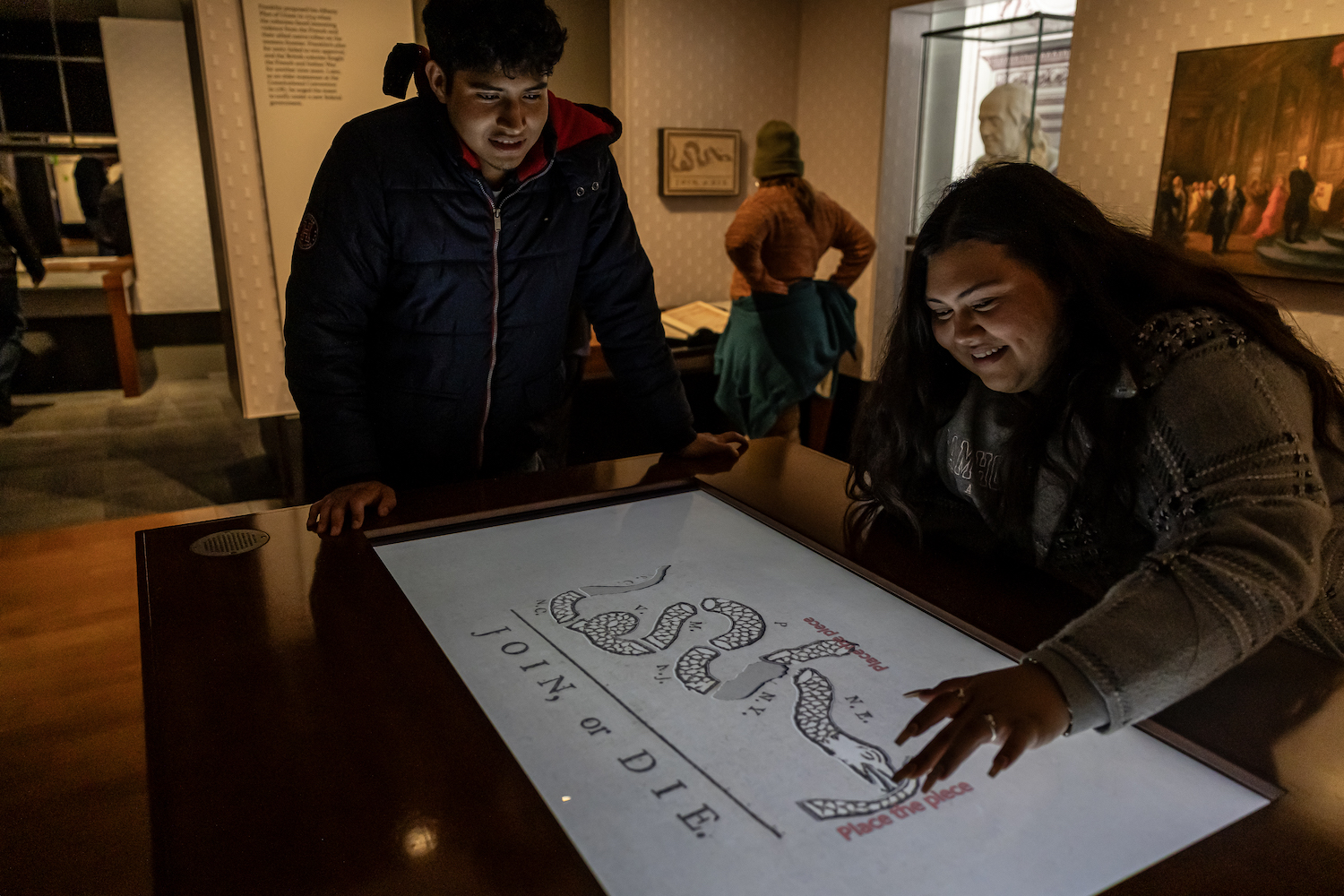
Israel and Michelle especially appreciated the “Join, or Die” mementos, inspired by Franklin’s iconic segmented snake cartoon. The message of fragmentation is relevant now more than ever!

Another awesome feature was the Lion’s Mouth—a slot where citizens could anonymously submit letters, including grievances or suggestions for improvement. It served as an early mechanism for public participation, and I appreciated the practical approach to governance, as well as his recognition of the importance of engaging with the broader community.
In many ways, LEAP and SHAIP strive to embody the spirit of civic engagement and the principles Benjamin Franklin instilled in our nation. As he once said, ‘Nothing so likely to make a man’s fortune as virtue.’ Through experiences like these, we continue to cultivate our understanding of the world to then contribute meaningfully to our communities.
 Center for Law, Engagement, and Politics