
Who is more professional than the current LEAP Ambassadors? Not many, but if there is a group that can lay claim to this designation, it is LEAP Alumni. Over the twenty years of the group’s existence, there have been approximately 60 students who can lay claim to the title of “Junior Fellows” or “LEAP Ambassadors.” These students have been very successful, and last Friday, they returned to campus to impart some of their knowledge to current SHSU students.
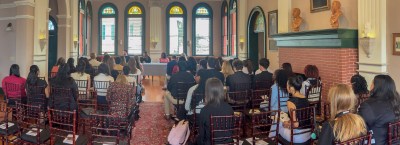
Megan Chapa Martin, who now has her own law firm, moderated the panel…
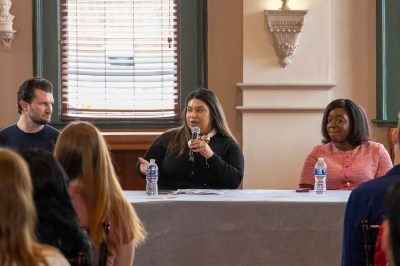
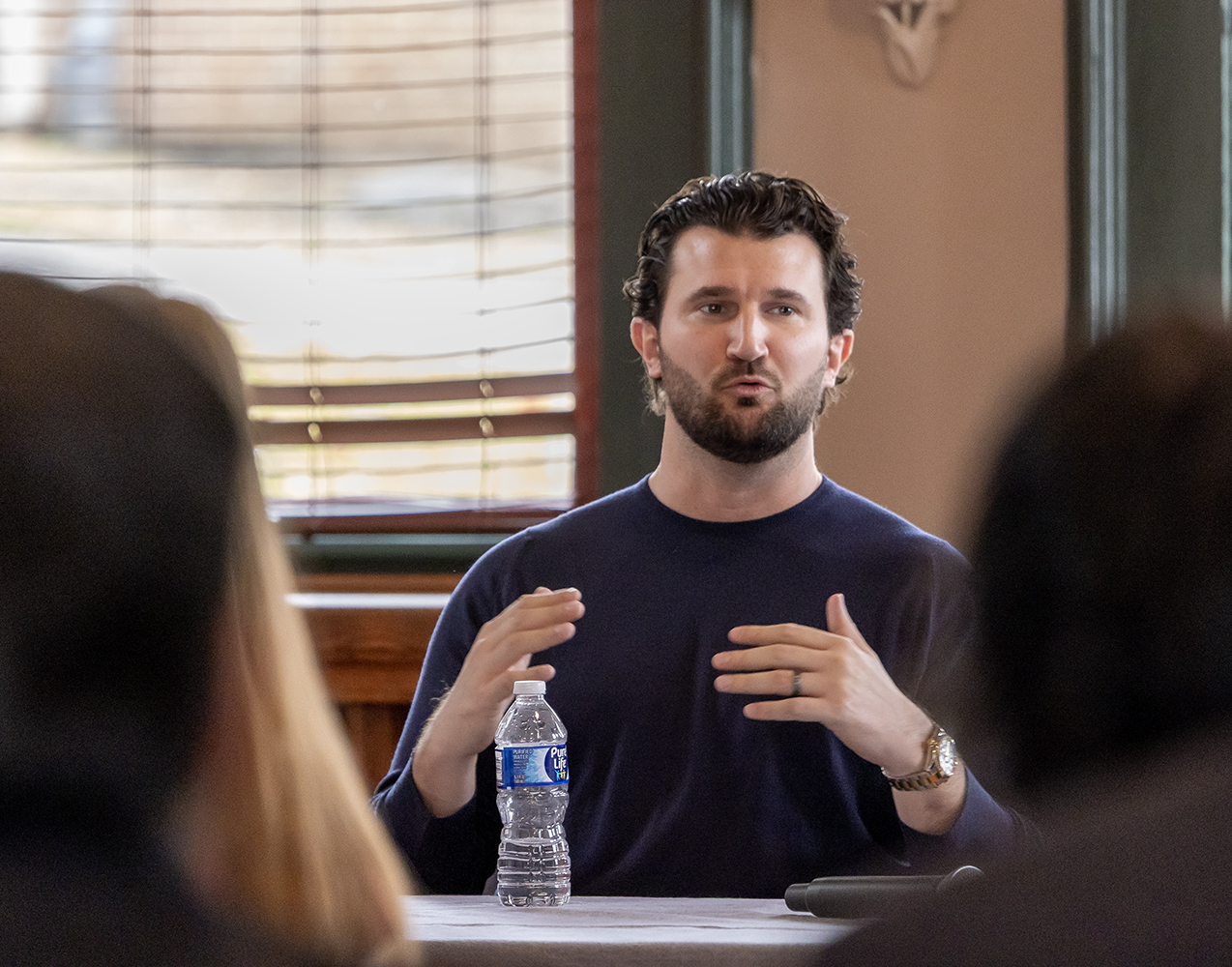
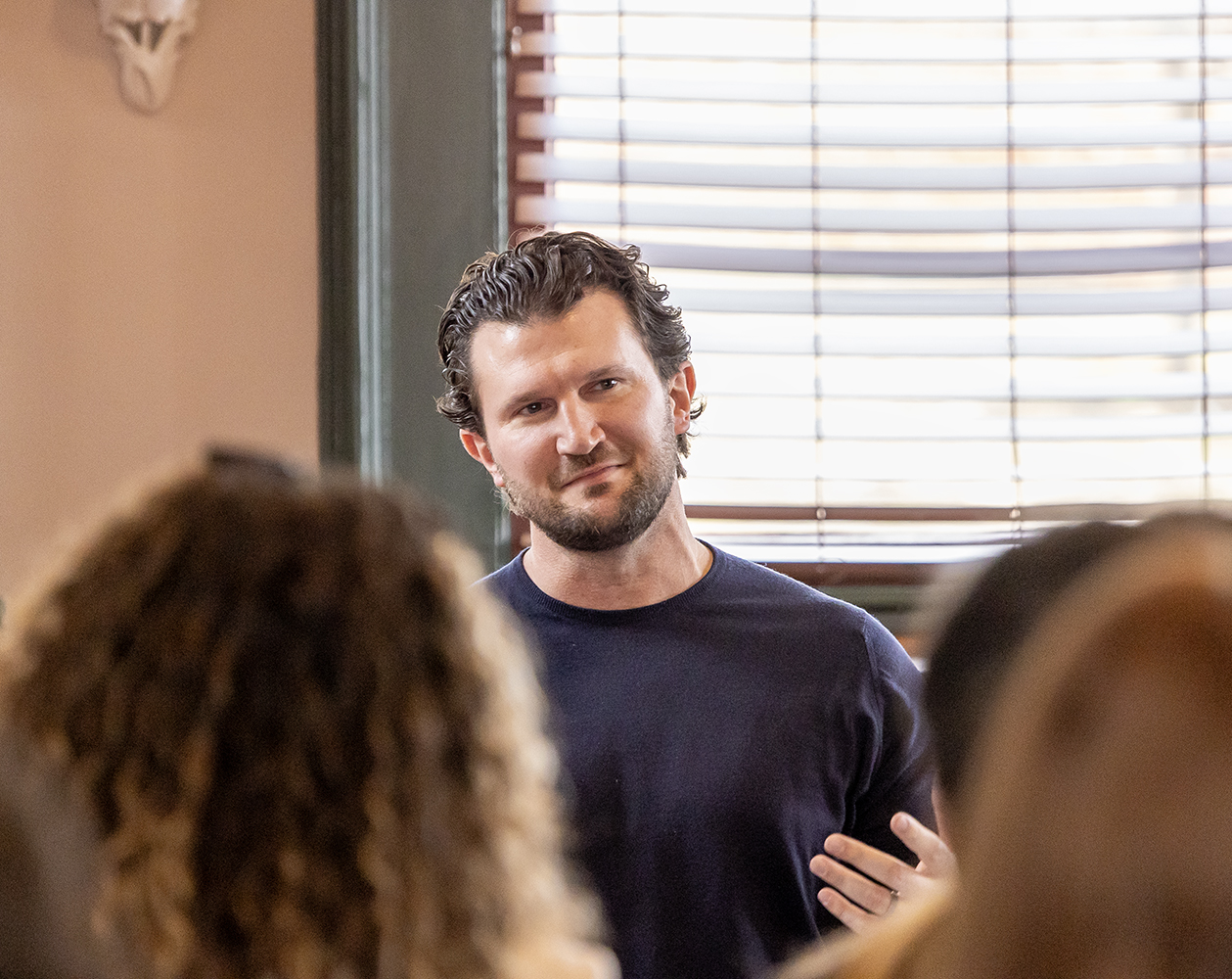
…which featured: Daniel North, partner at a major law firm in Chicago…
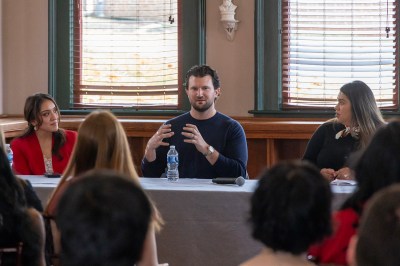
…Ademide Adedokun, who works as external relations for Immigration Services…
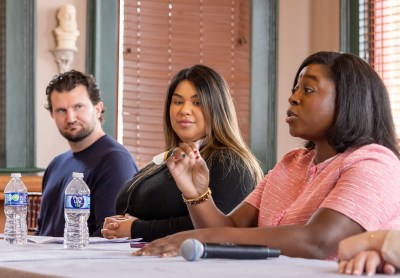
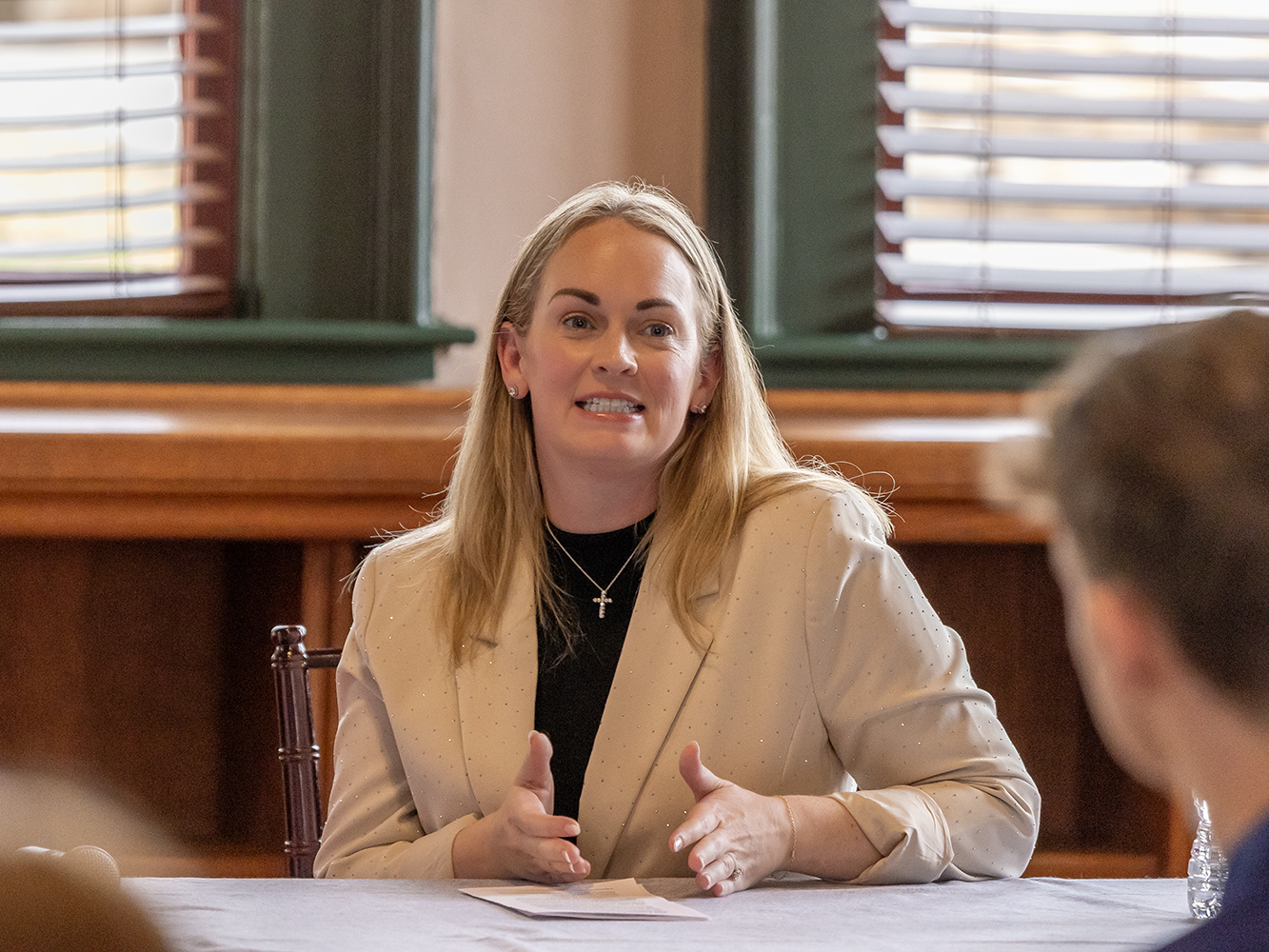
…Megan O’Flaherty, who worked for Arnold Ventures…
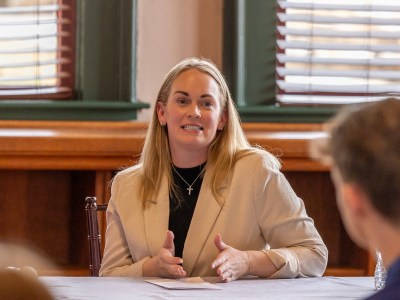
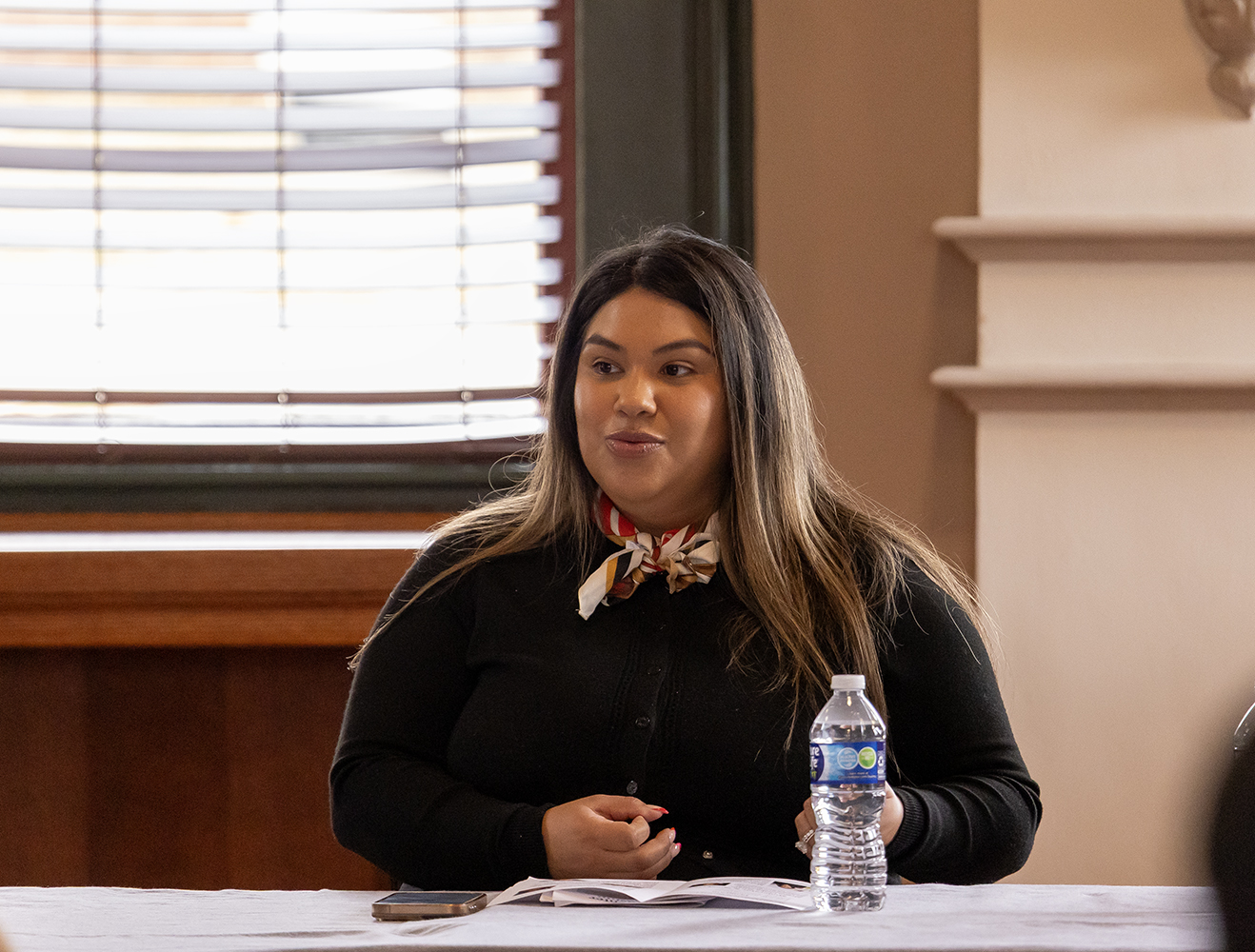
…and Melva Gomez, Deputy Political Director for Governor Greg Abbott.

They, along with about 60 current students, met to discuss career skills, aptitude, and strategies.
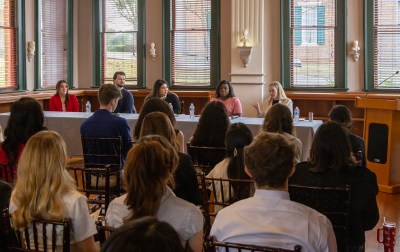
Martin steered the conversation to the first major skill all panelists agreed that LEAP help them develop: navigating interviews. Ademide Adedokun emphasized the importance of bouncing back, describing one of her early setbacks, and how she learned from it. Melva Gomez encouraged students to mitigate their weaknesses by working to improve in weak areas, while developing their natural strengths. All agreed that internships are one of the key ways that these strategies can be implemented.

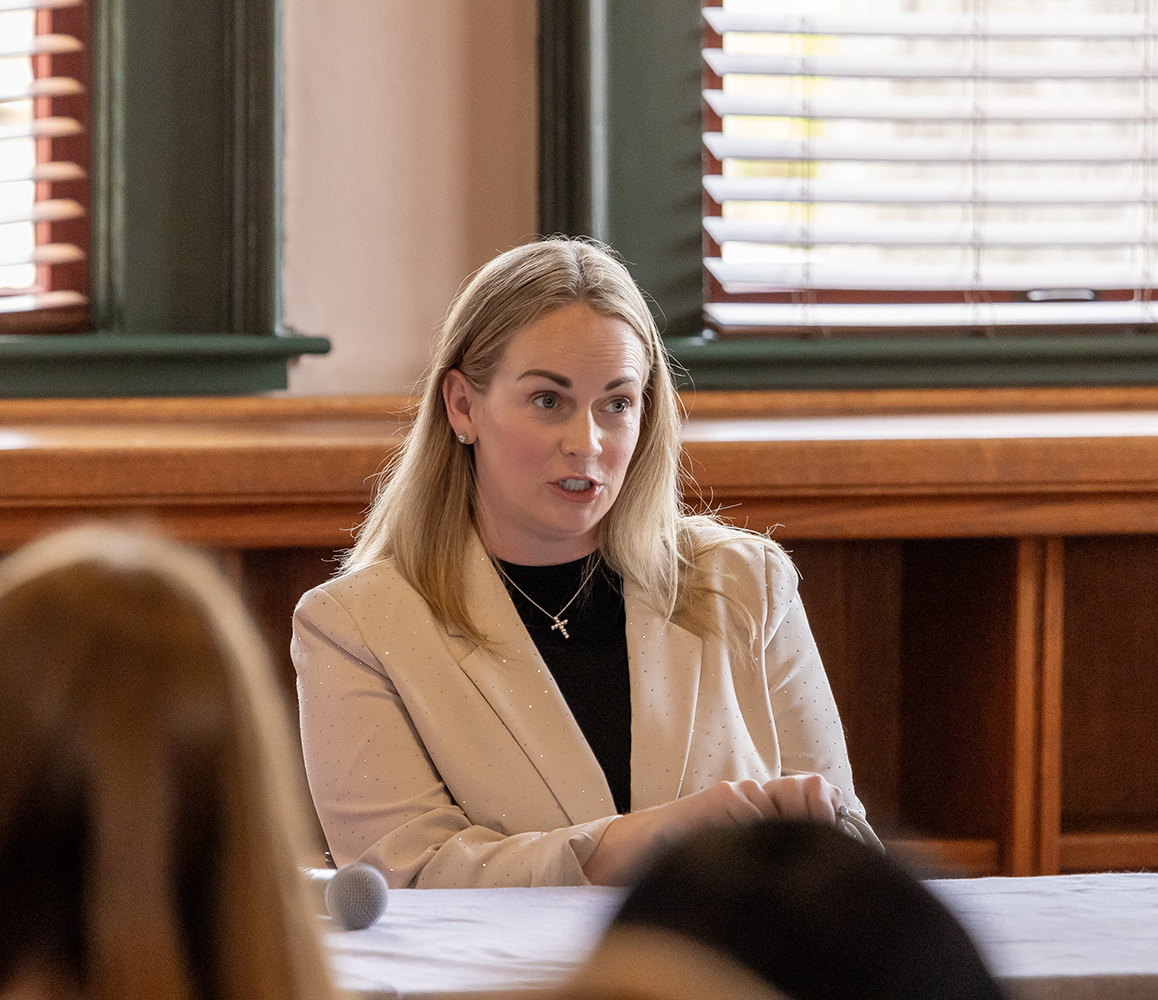

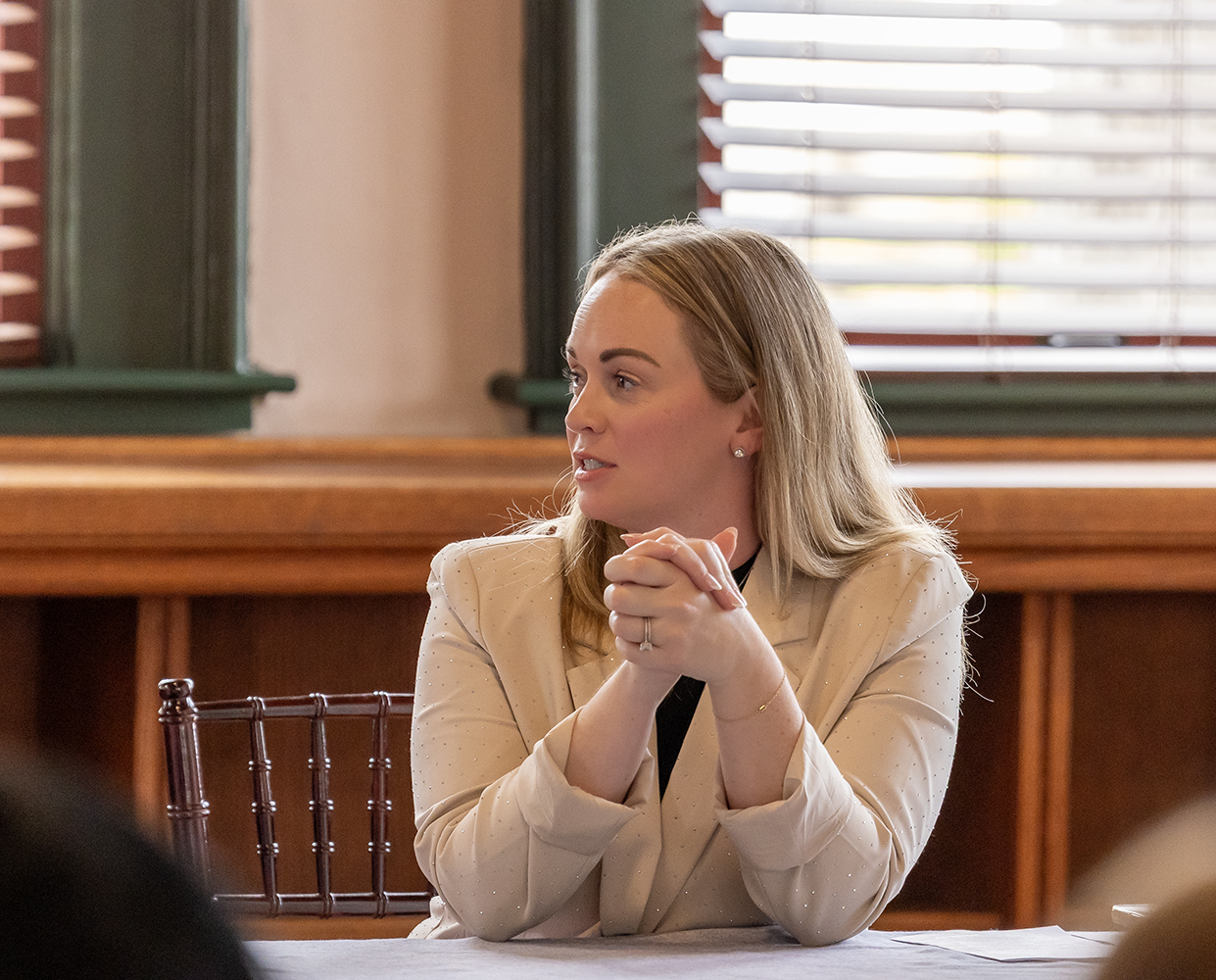
All agreed that students should begin with foundational skills. Adedokun stressed the importance of reading and writing, noting that while AI might enhance these skills, they will not replace them. O’Flaherty stressed skills such as organization, managing expectations, and meeting deadlines–all of which relate to self-management, professionalism, and taking responsibility.

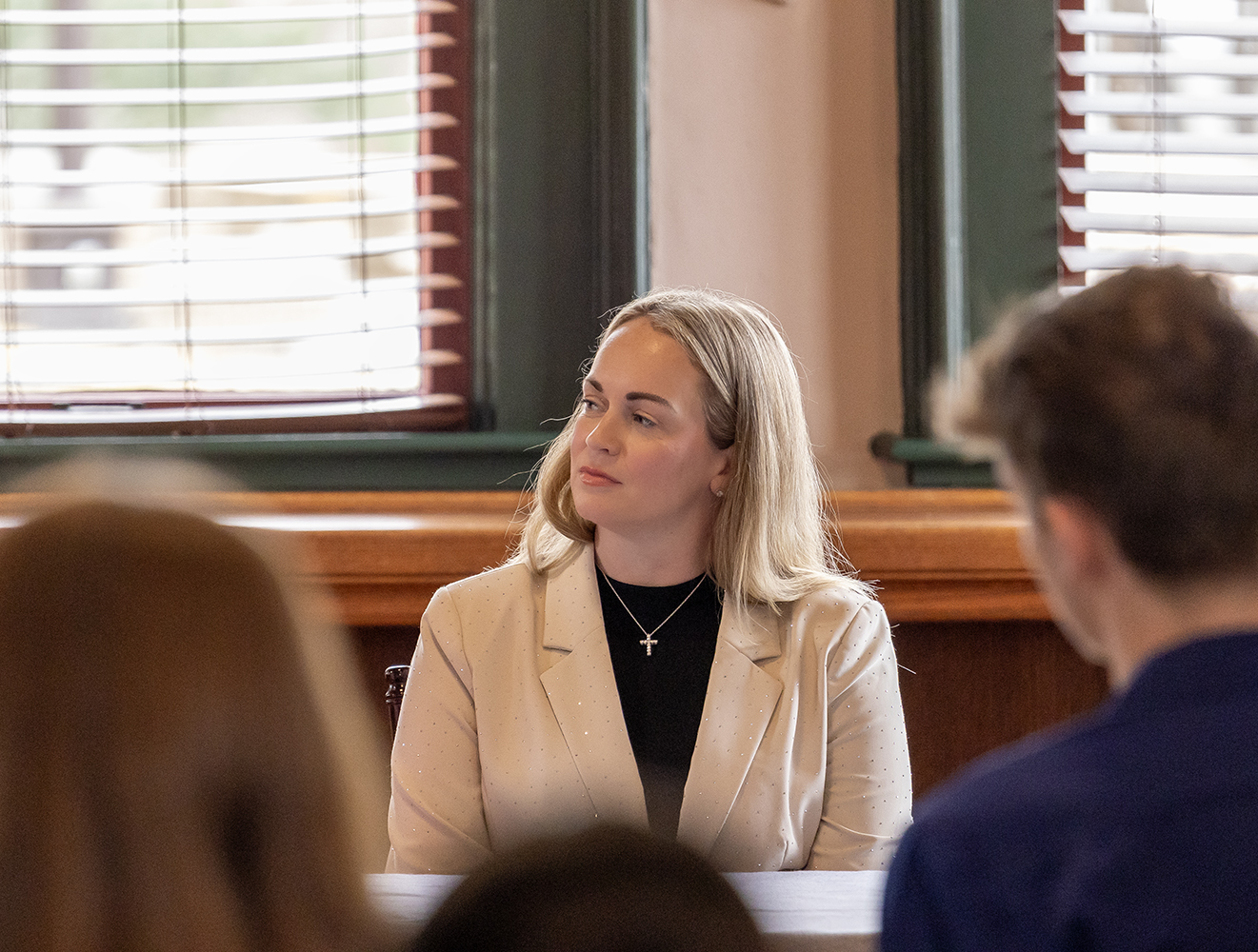

While all of these skills can be applied to the various fields represented on the panel, different occupational categories have different workloads. When North began his practice, for example, he was expected to bill more than 2,100 hours per year, and this often meant working 60-70 hours per week. An intense work-load is also true of campaign work, particularly as Election Day draw nears, and operatives may work up to 100 hours per week.
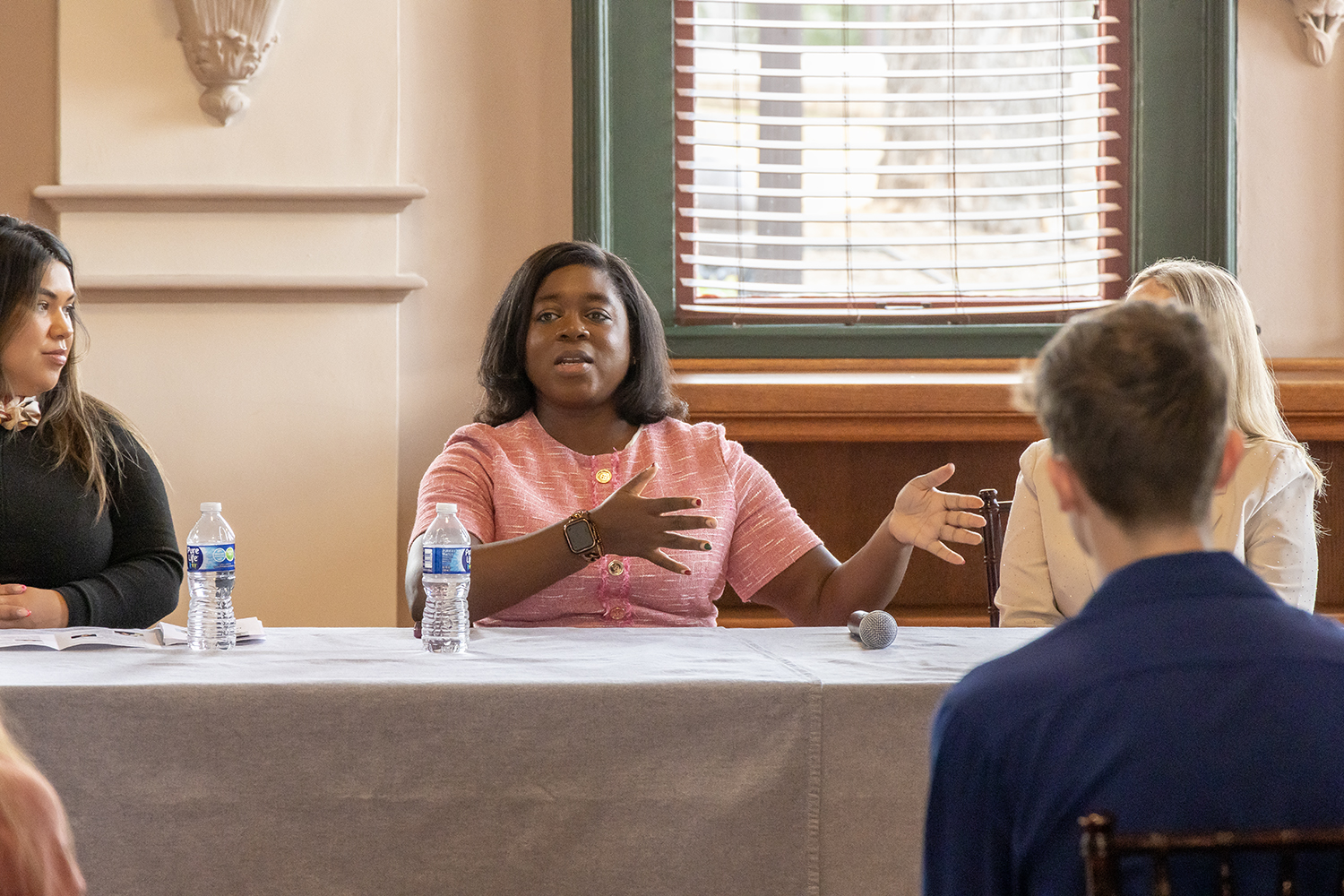
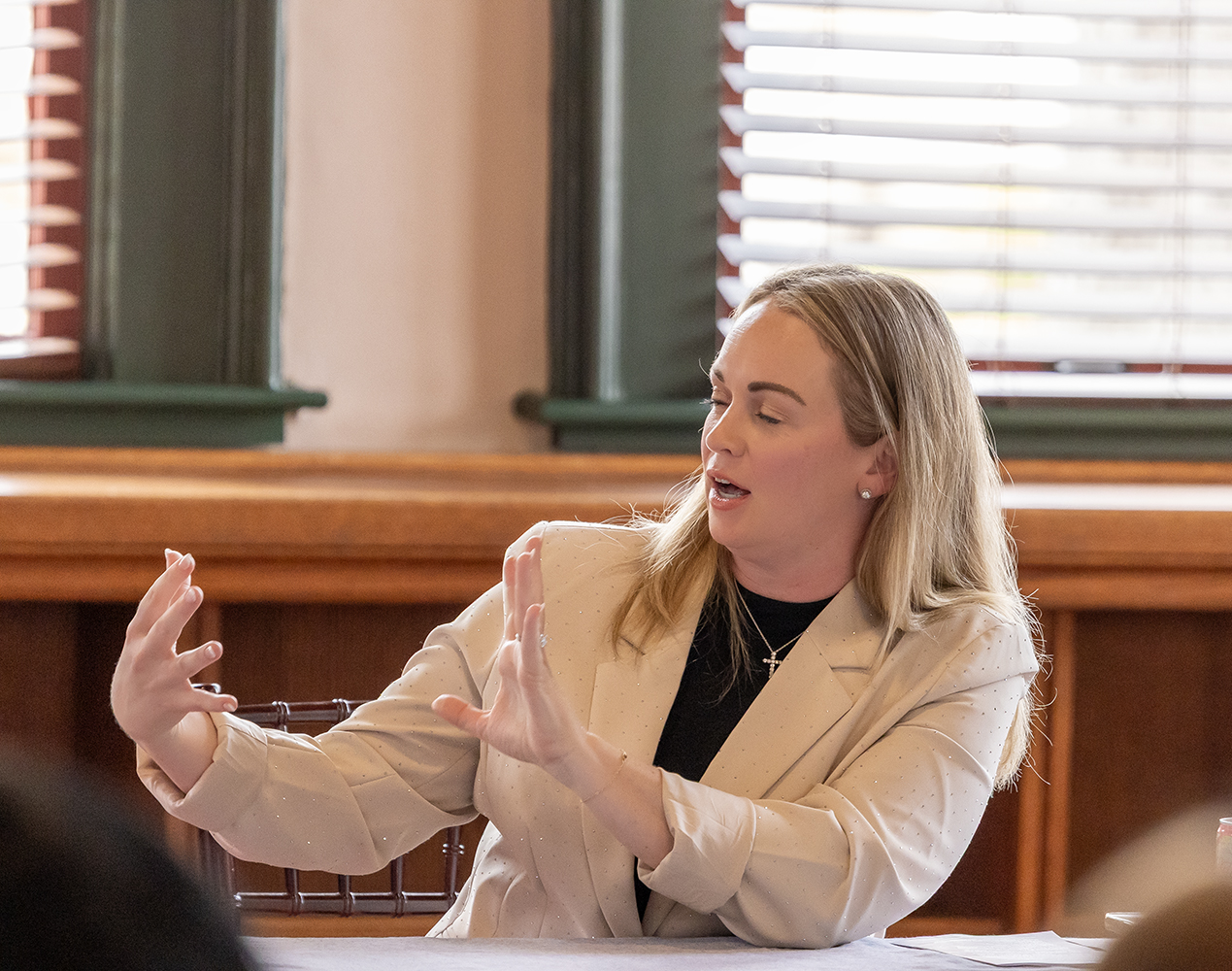
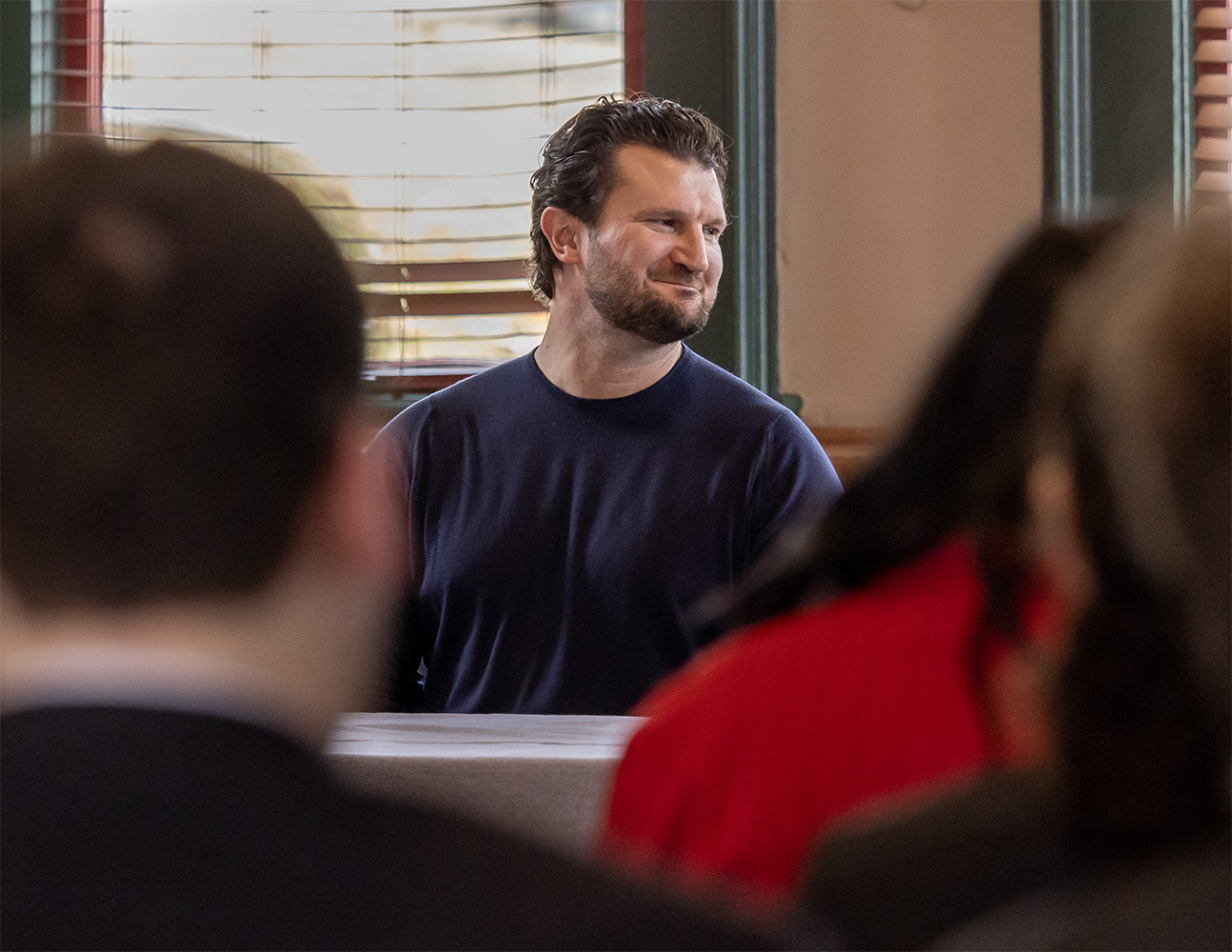
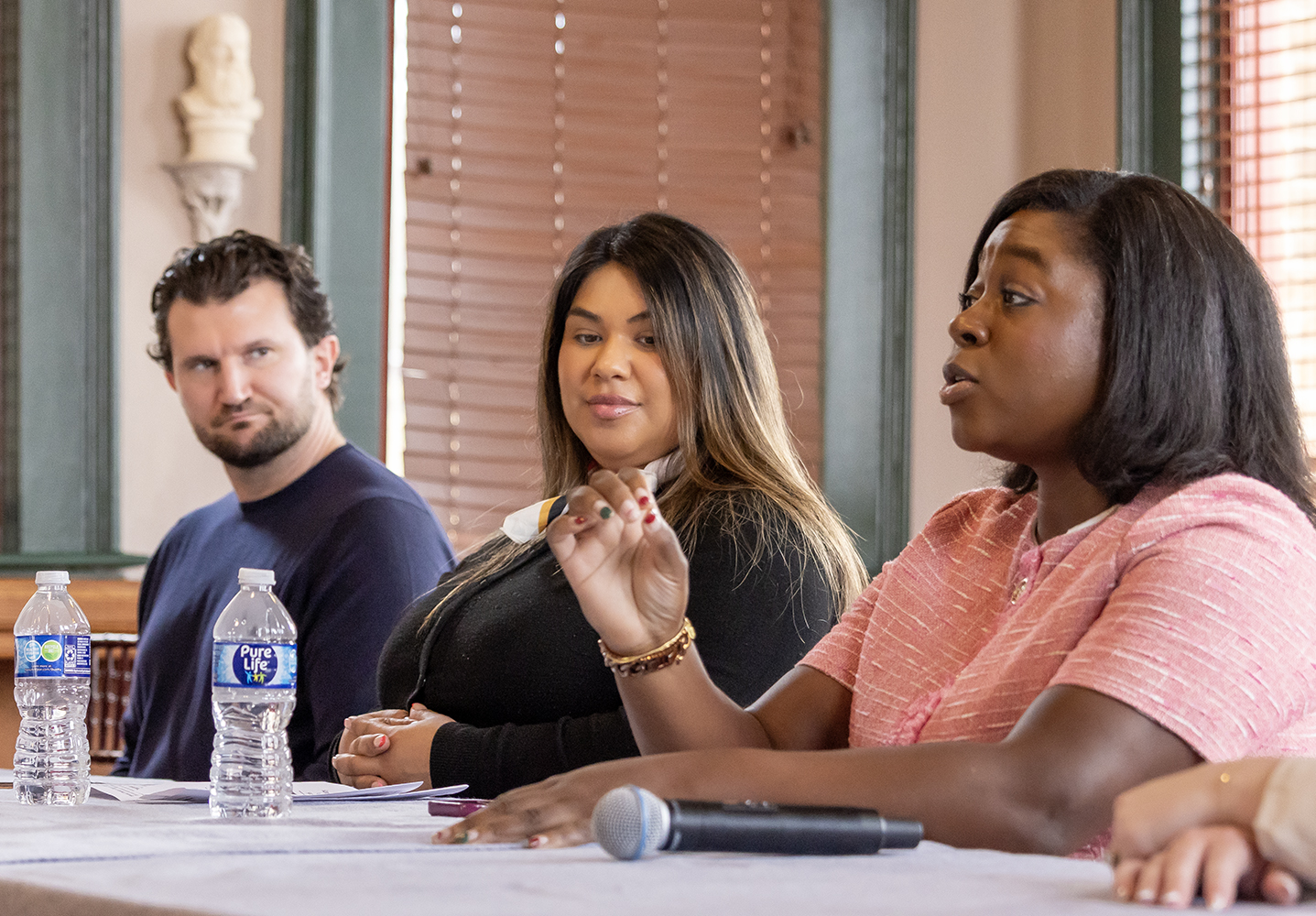
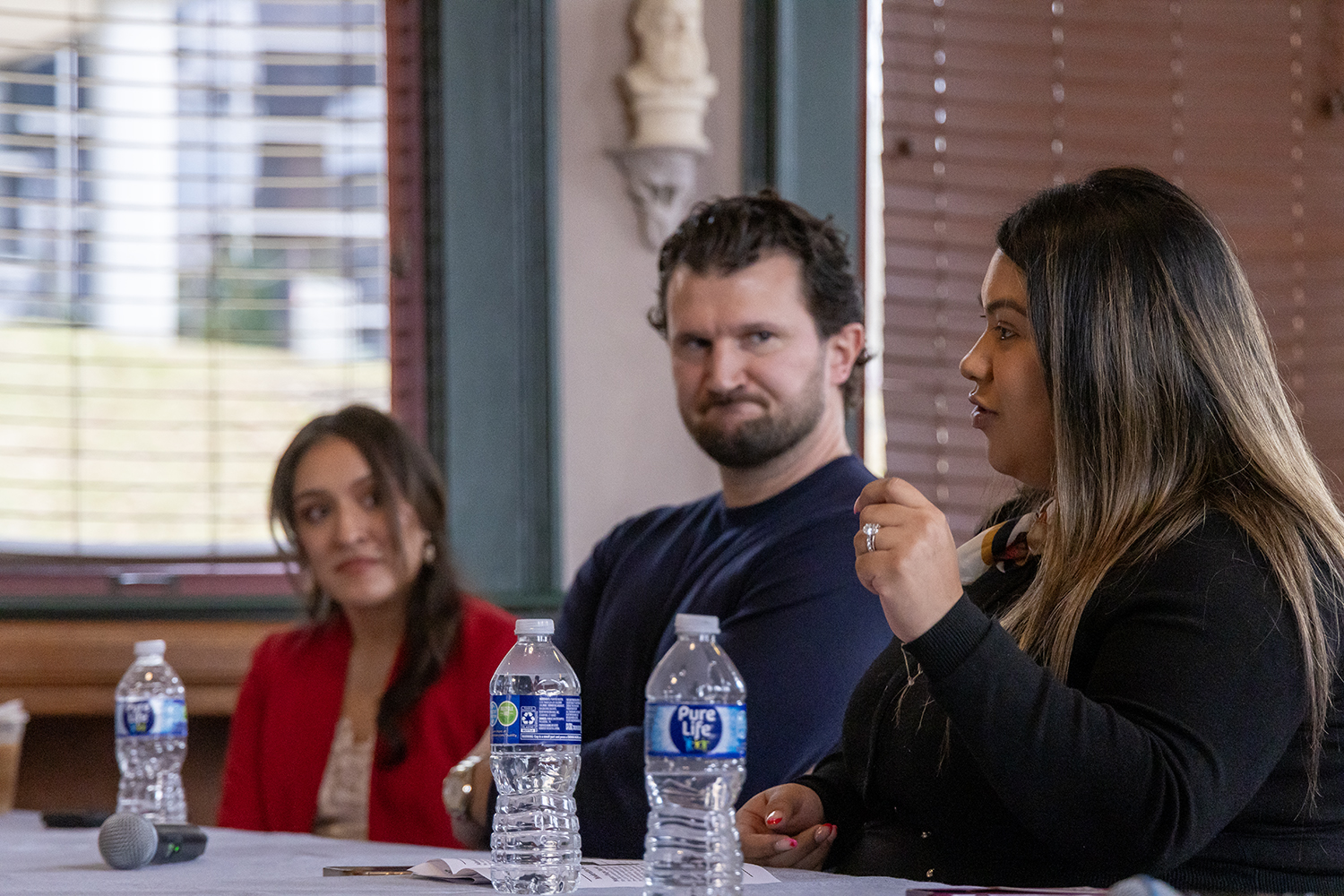
By contrast, Ademide pointed out that, in the federal workforce, 40-45 hour work weeks are the norm. In non-profits, the work week can vary wildly, depending on the size of the organization and whether it is primarily a programming office. In thinking about what’s best for them, students will need to think hard about their work ethic, their work-life balance, and what a “successful life” means to them–questions worthy of the philosophers that adorn the beautiful Peabody Library.

Successful employees, irrespective of career, learn from their mistakes; take responsibility for their employees and work productivity; and combine hard skills, soft skills, integrity, deep knowledge of your industry, and an impressive work ethic.
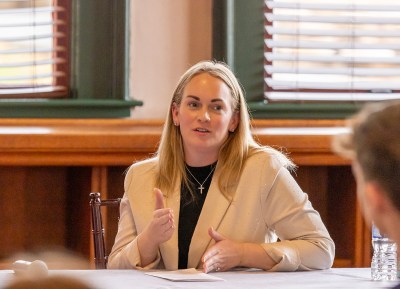
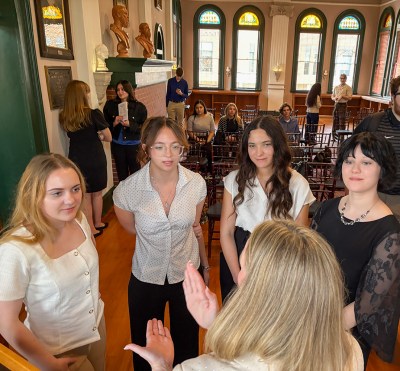
Once the formal panel was done, students had the opportunity to ask one-on-one questions with each panelist. Some shared with Ms. Gomez and Mrs. Martin how much of an inspiration they are to current first-generation students. Mr. North and Ms. Adedokun chatted with students about the opportunities provided by LEAP for out of state work, which also caught the interest of many. Others bonded with Mrs. O’Flaherty over their experience on the cheer team here at SHSU or their interest in non-profits. In short, there was something for everyone.

 Center for Law, Engagement, and Politics