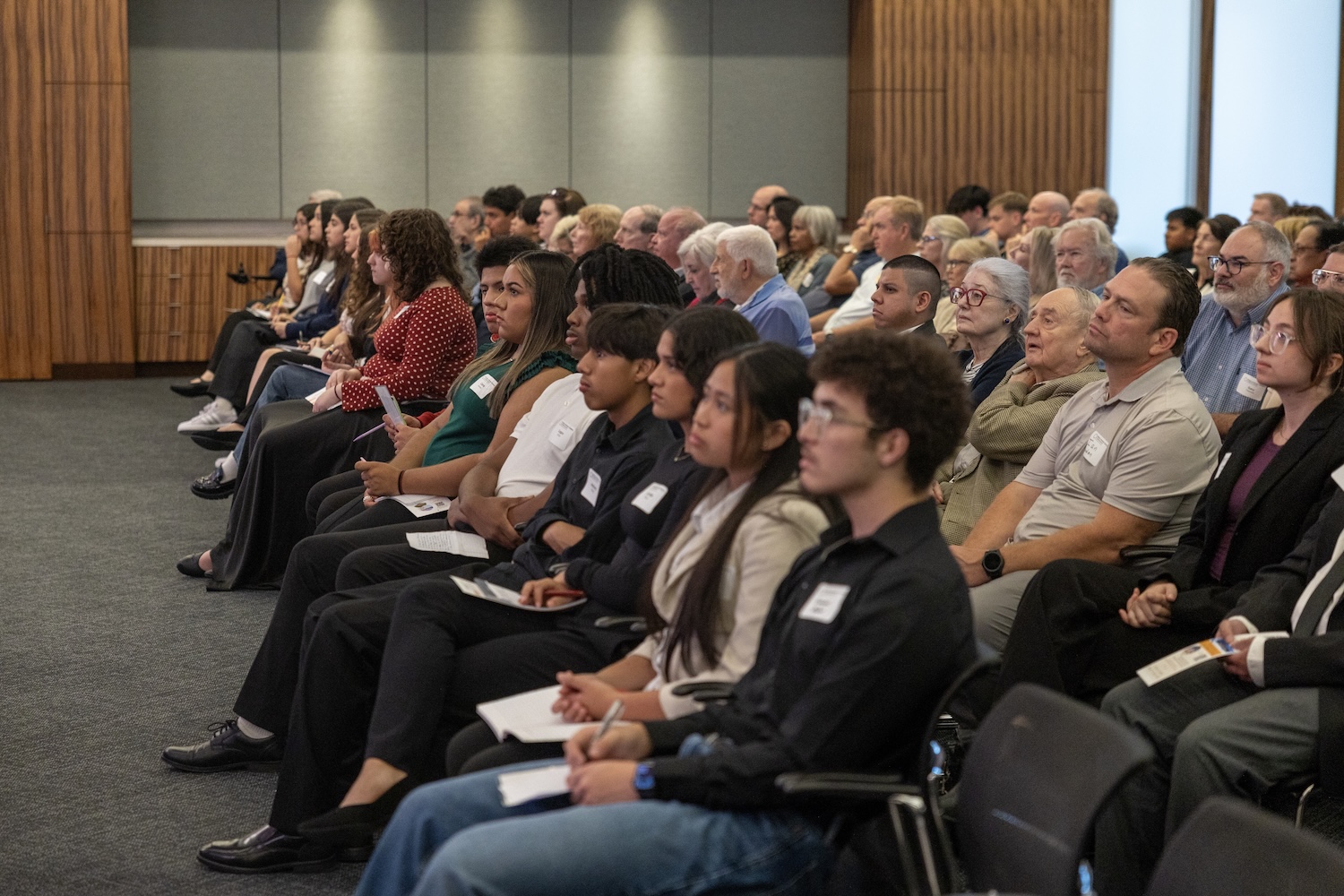
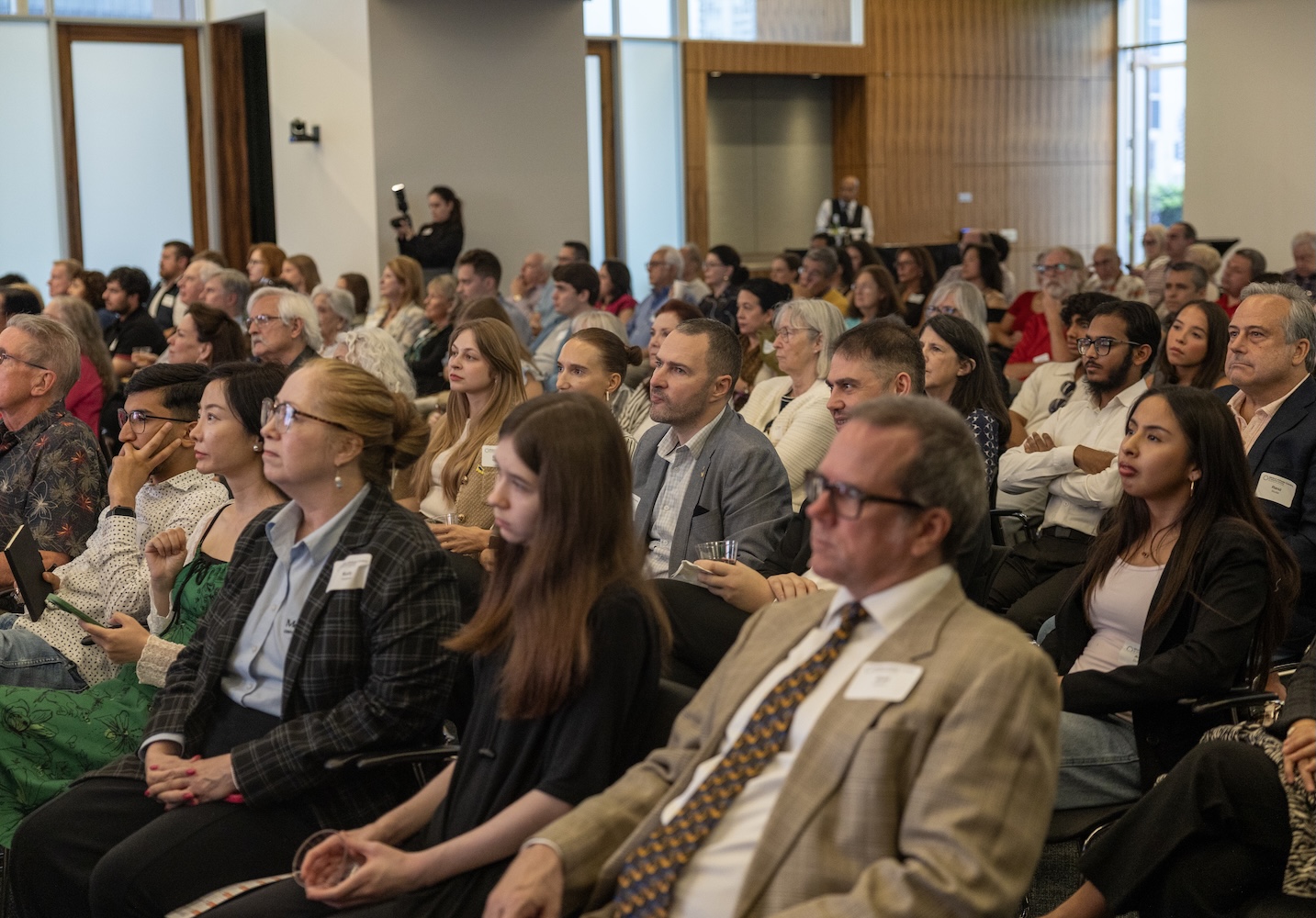
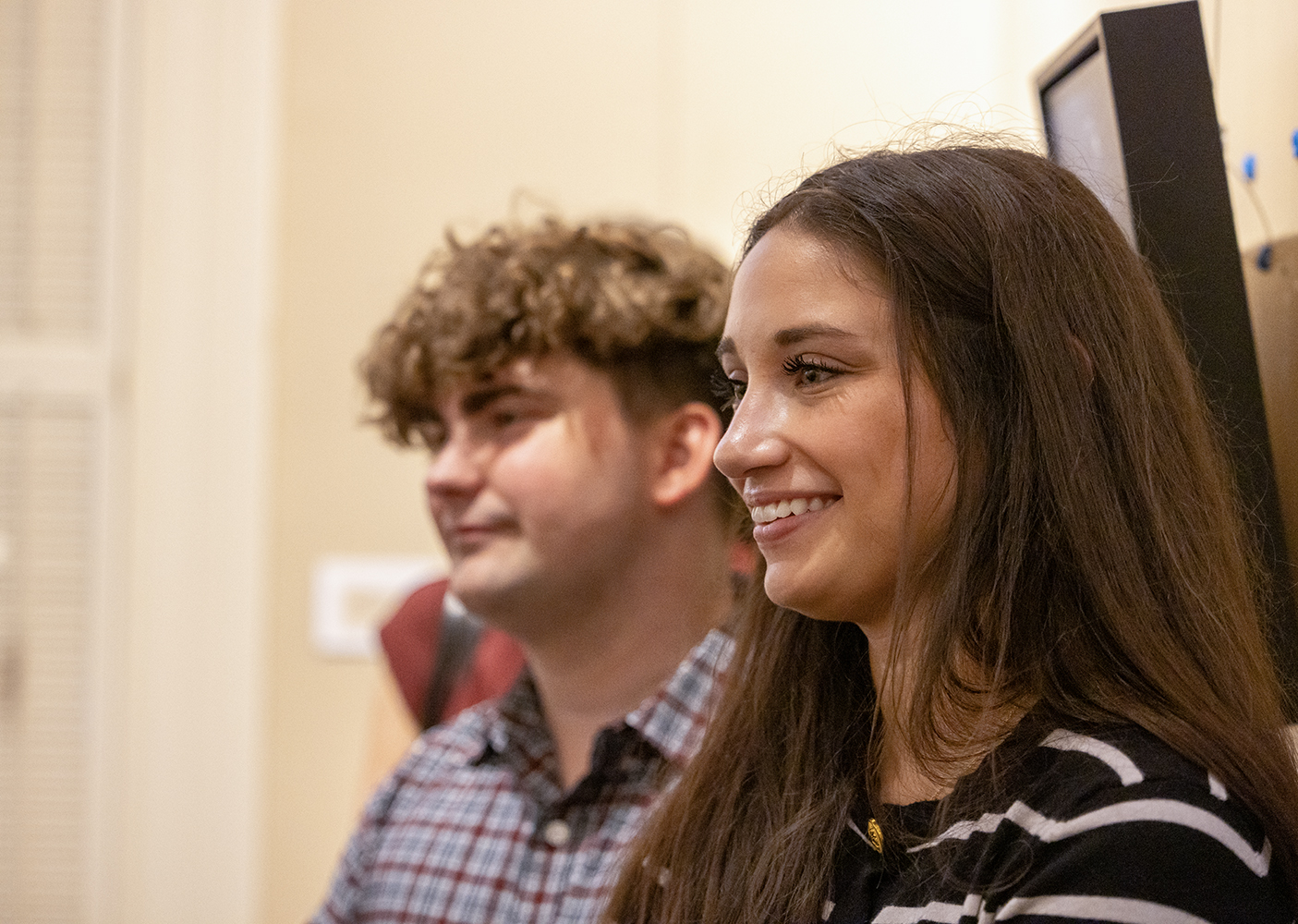
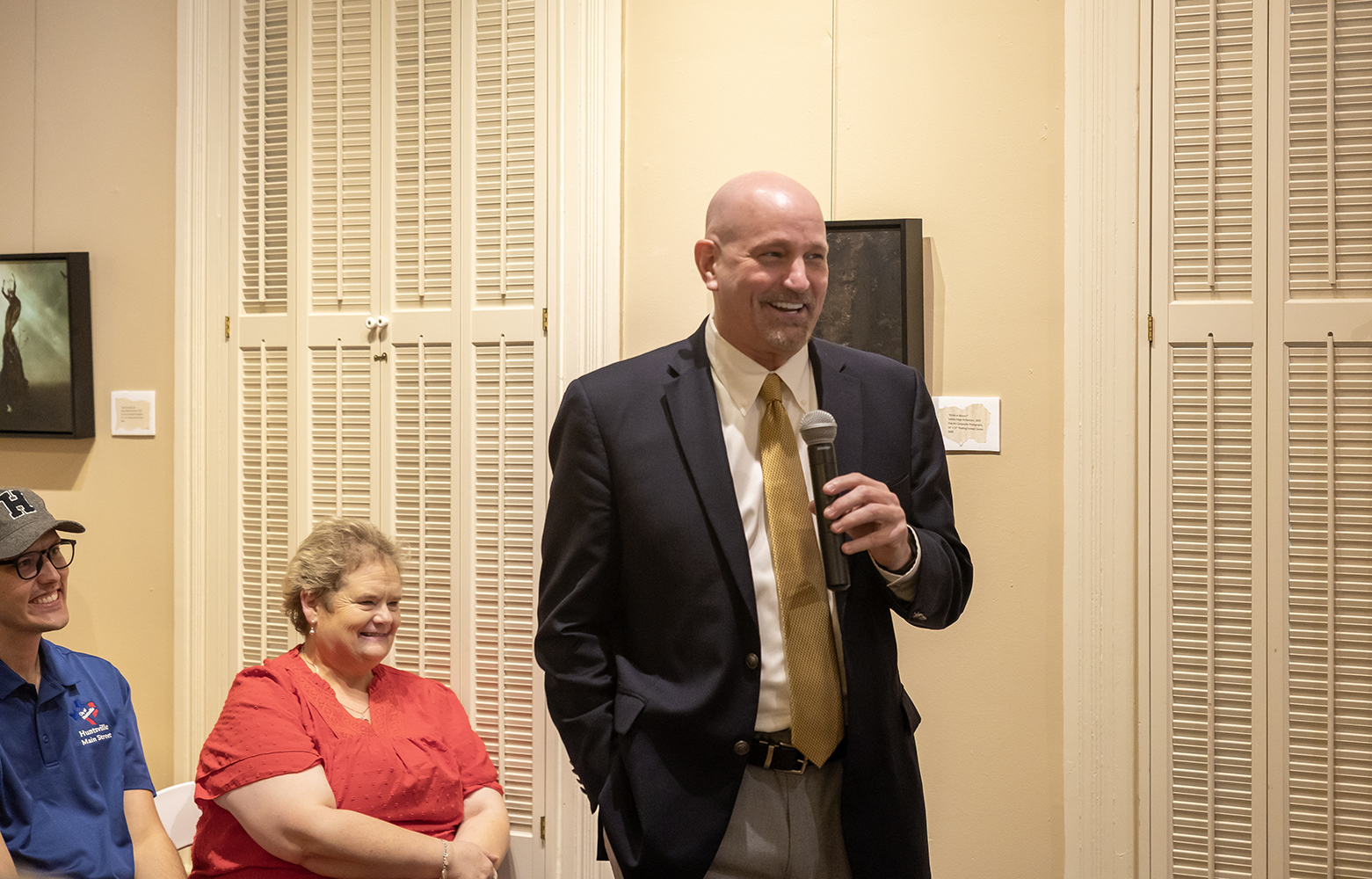
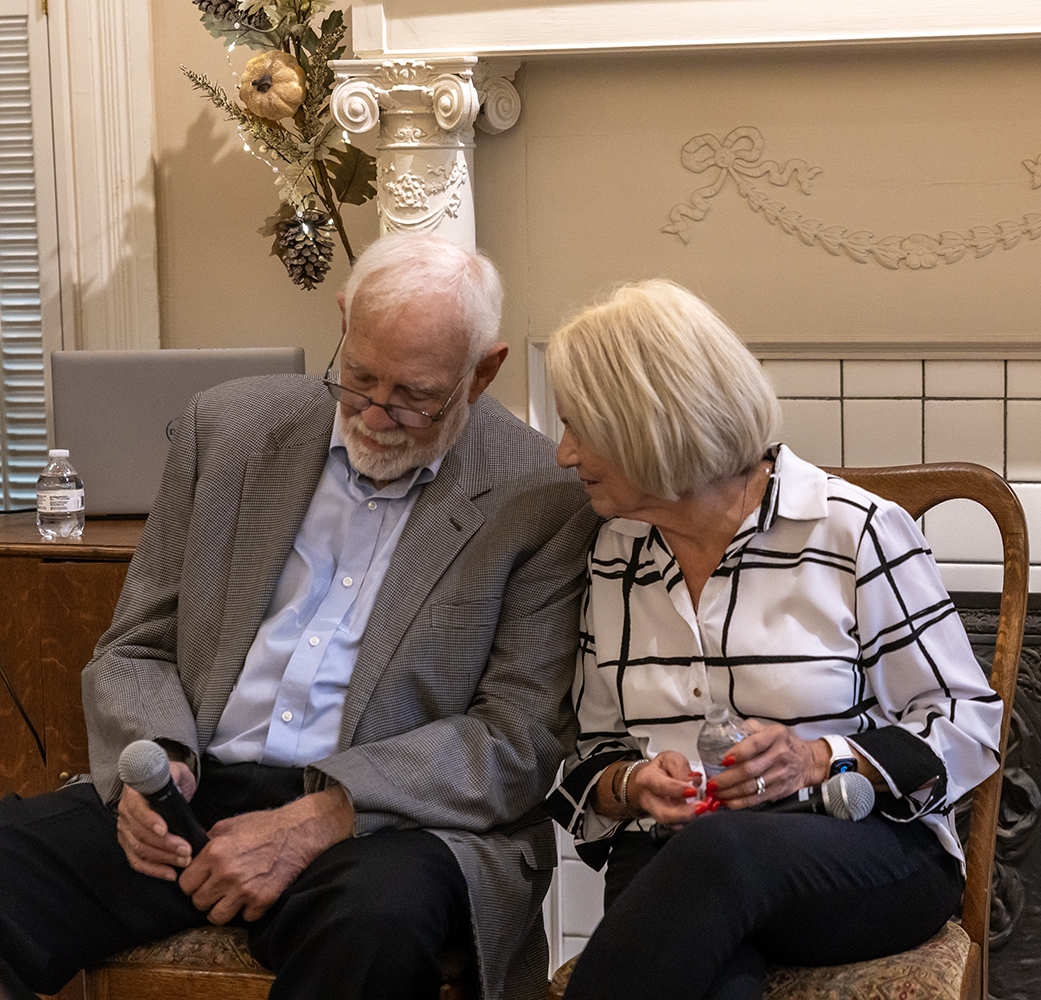
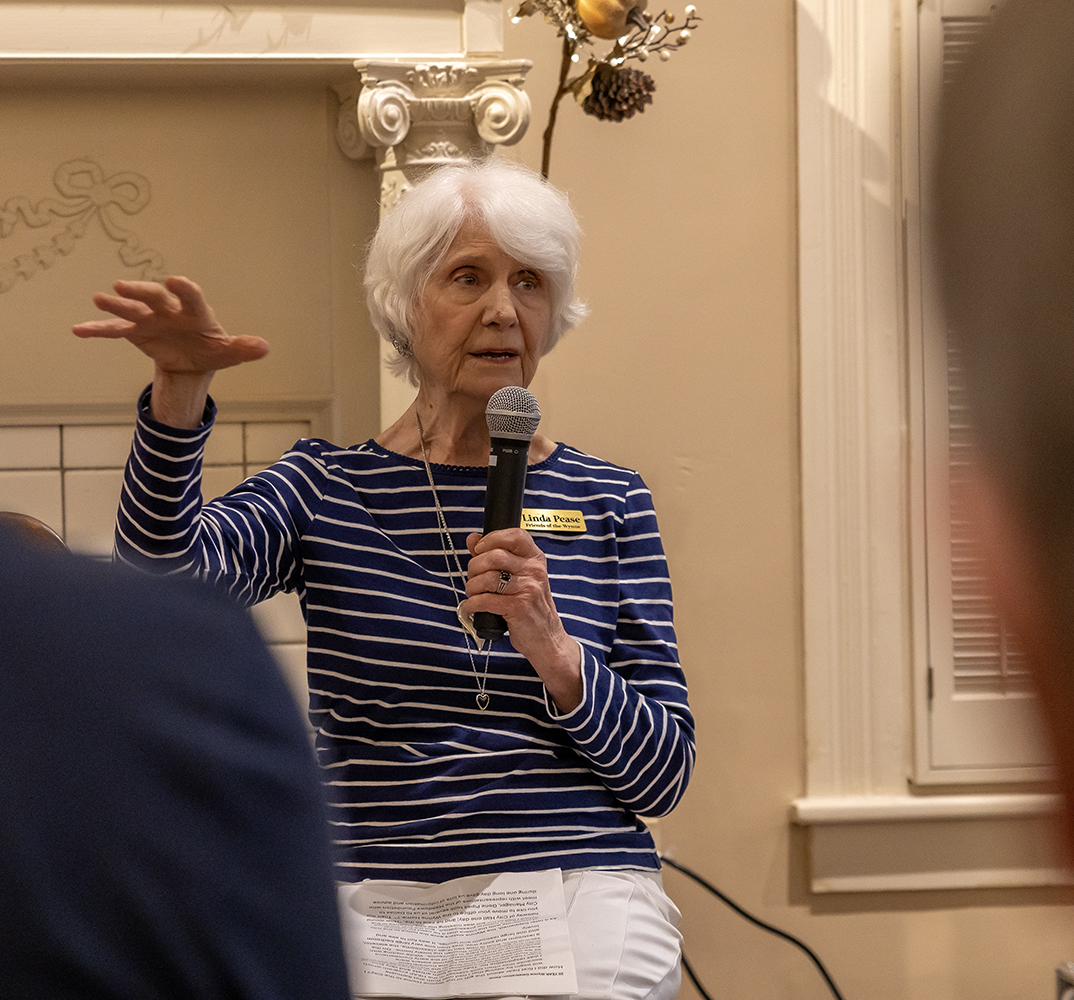
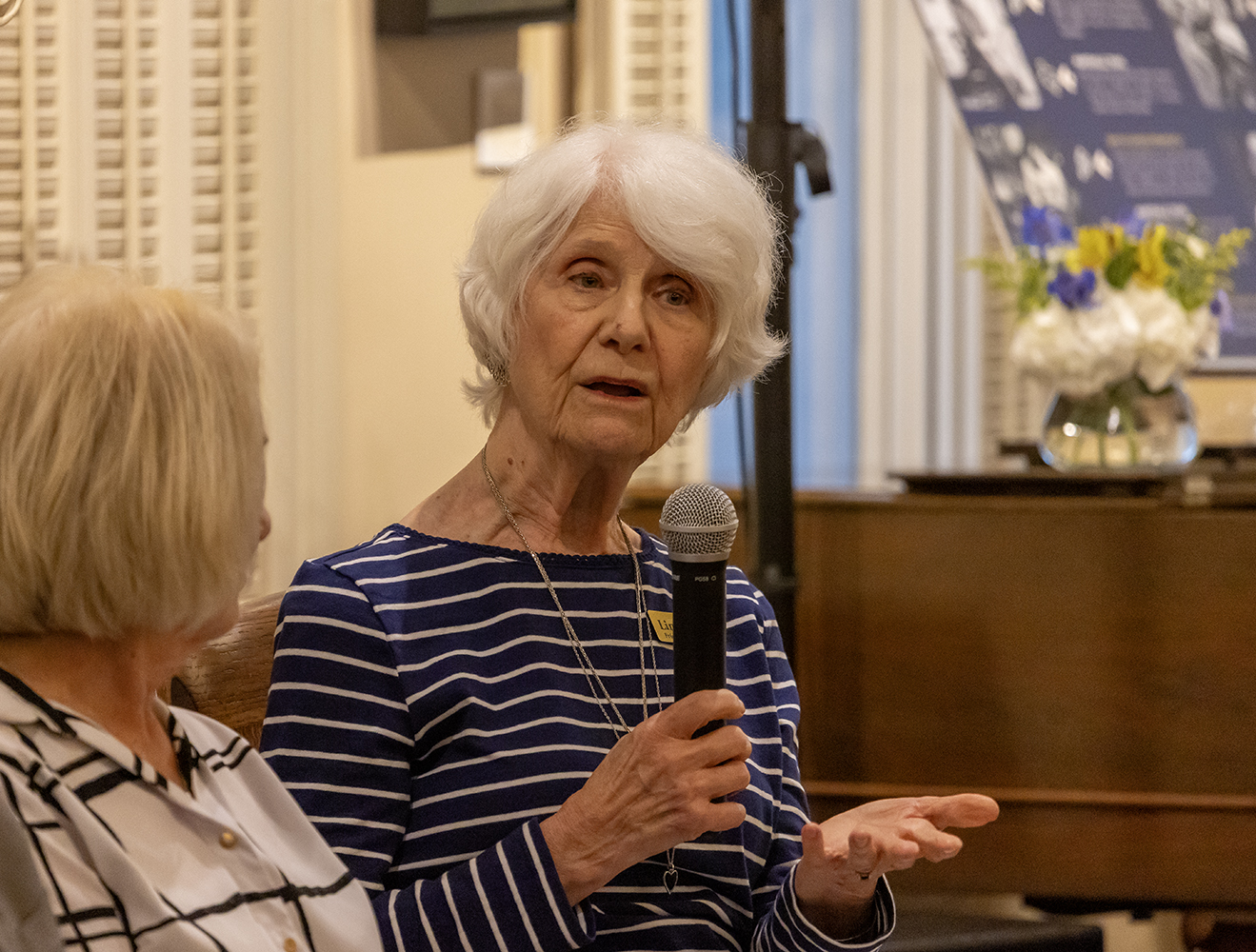
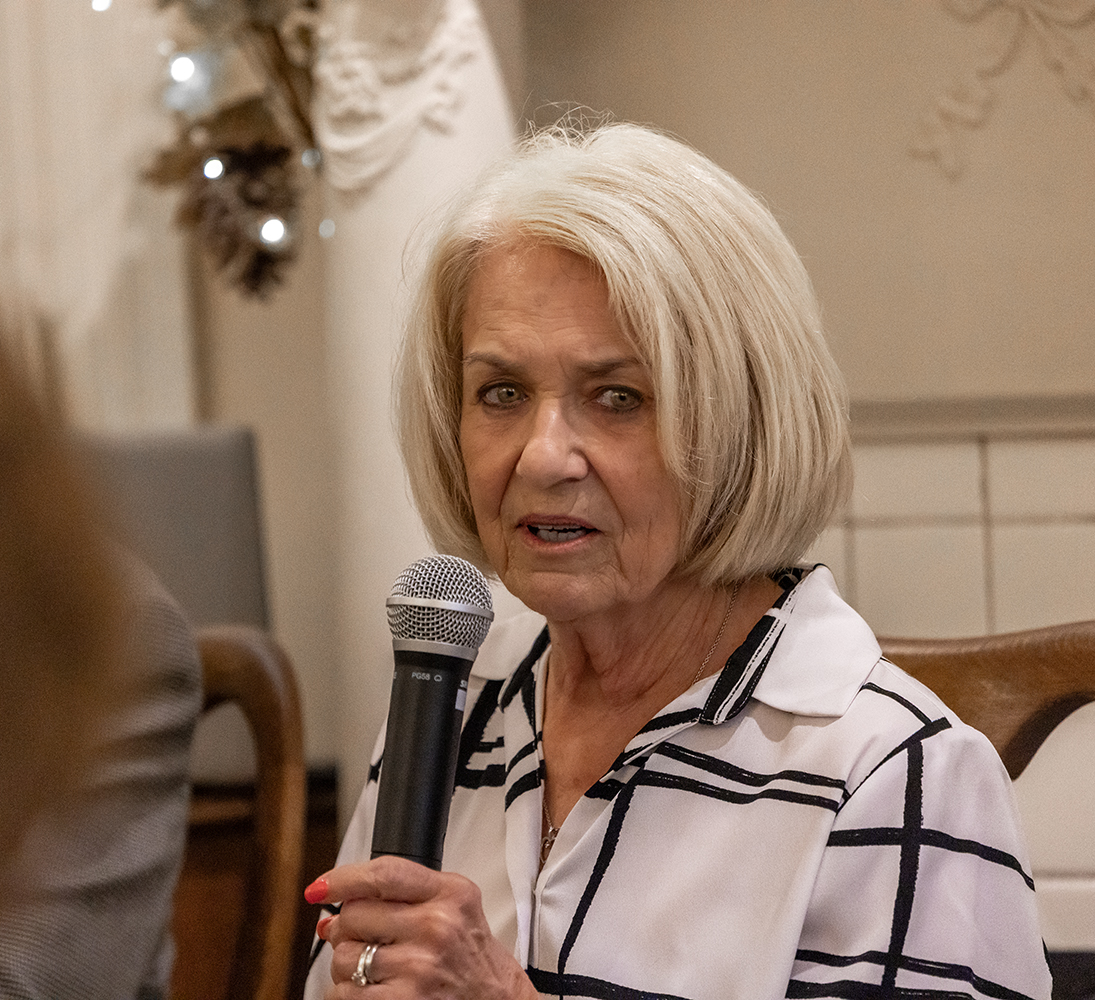
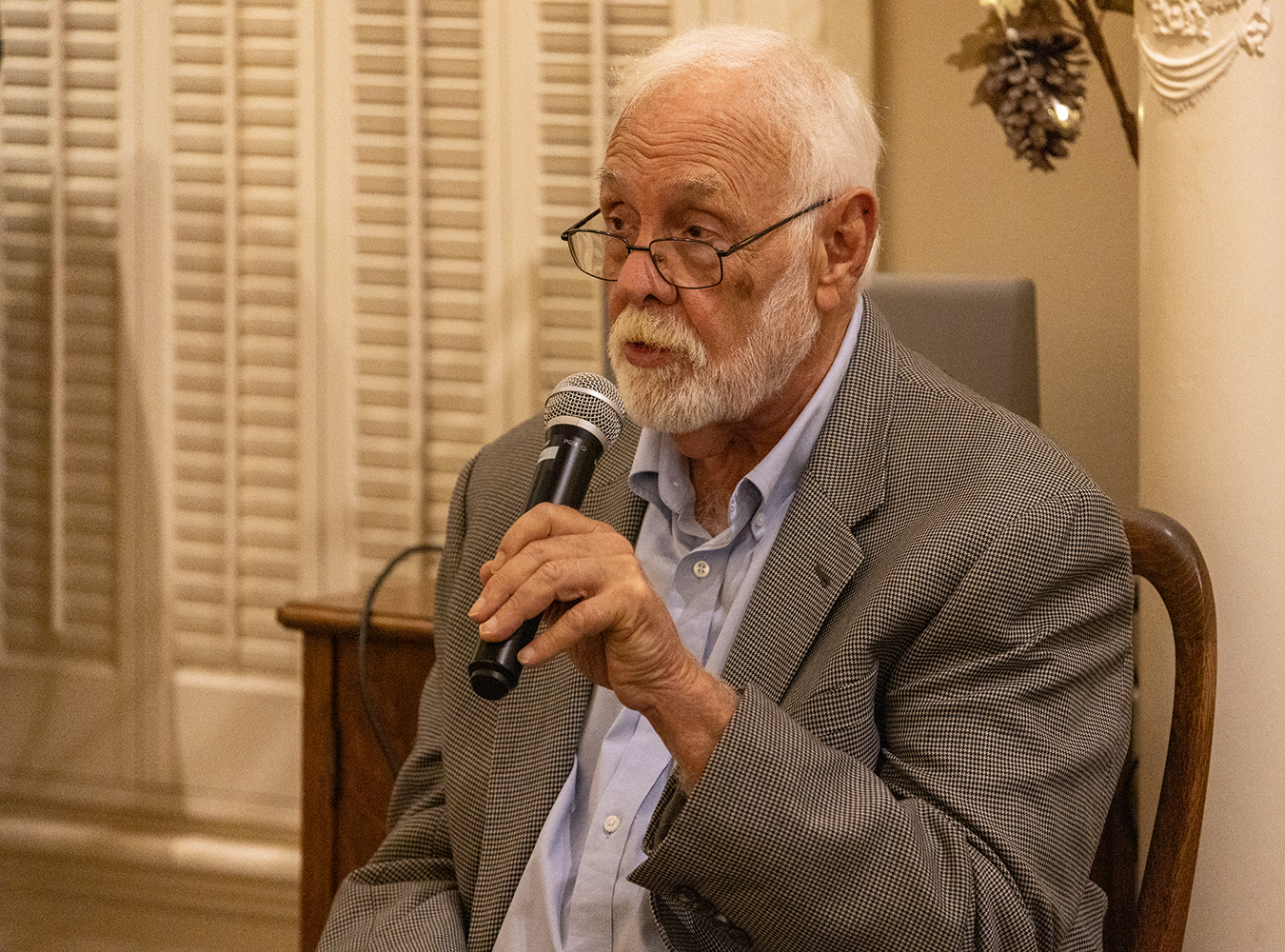
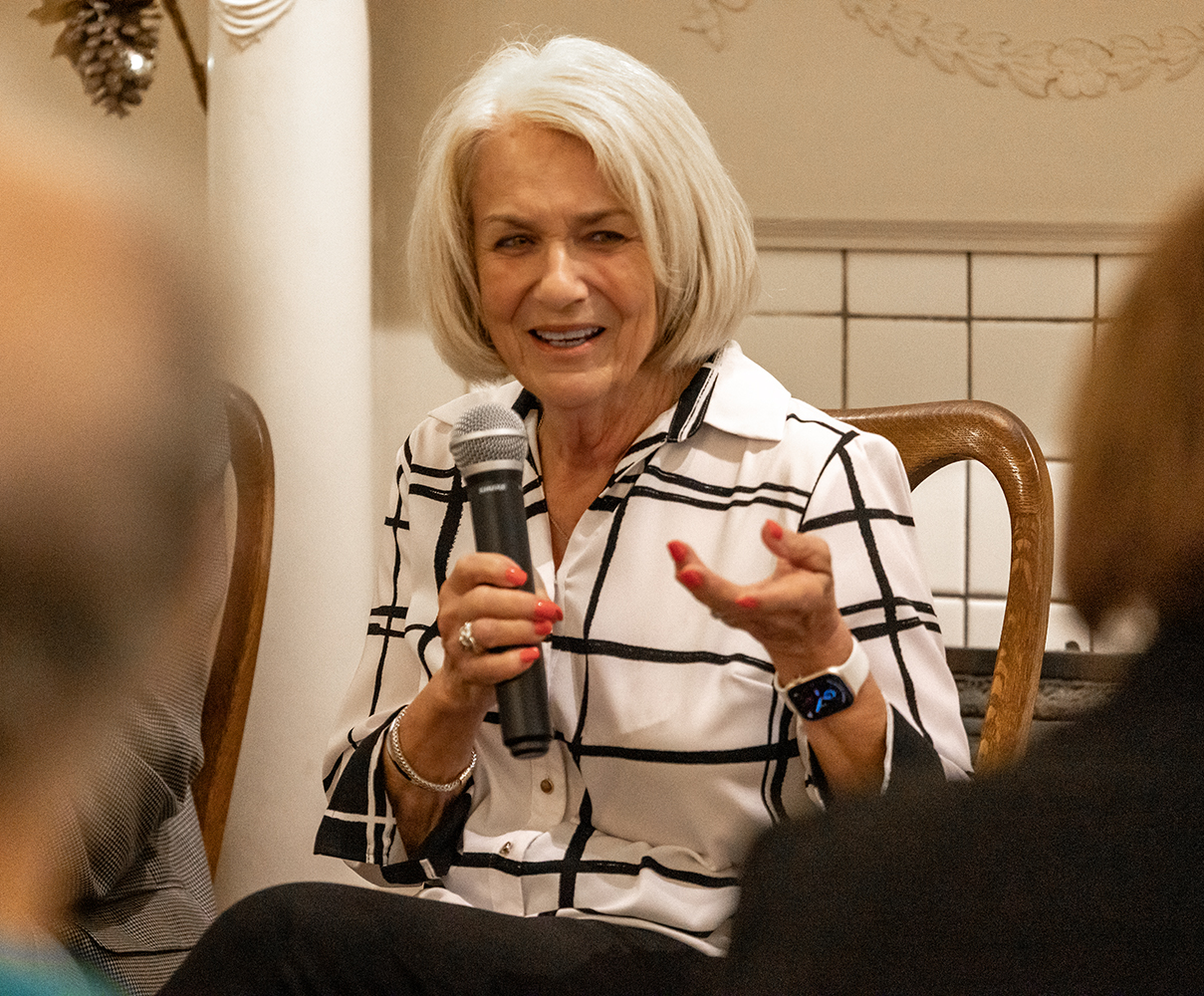
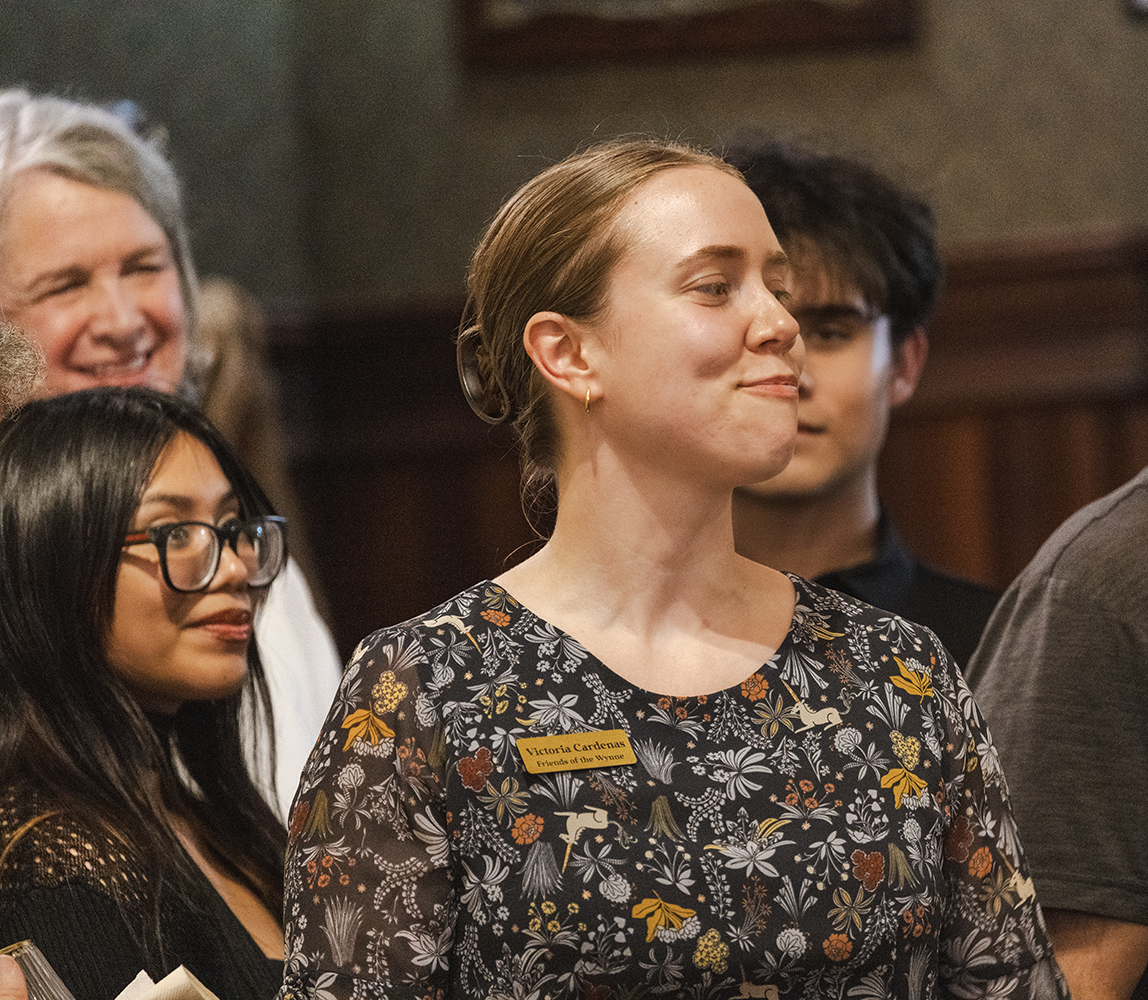
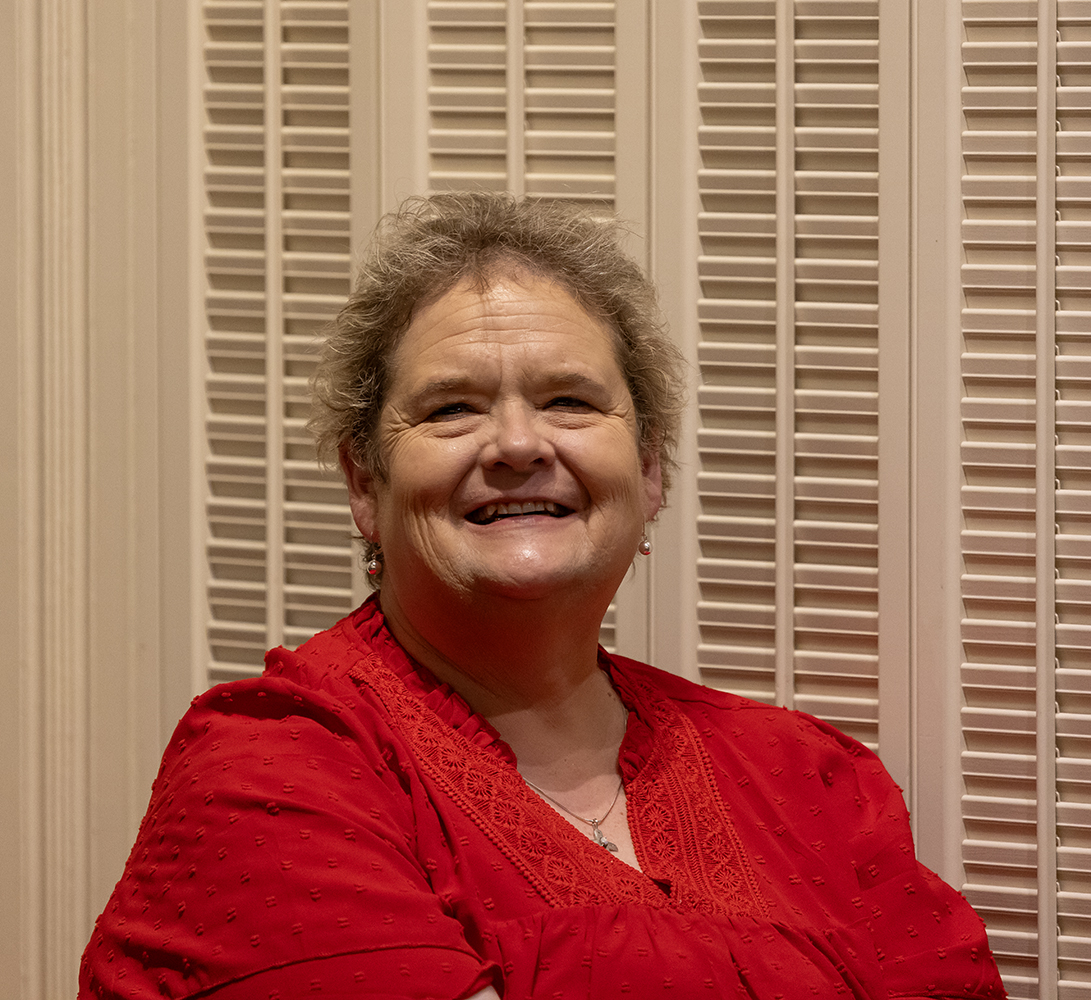
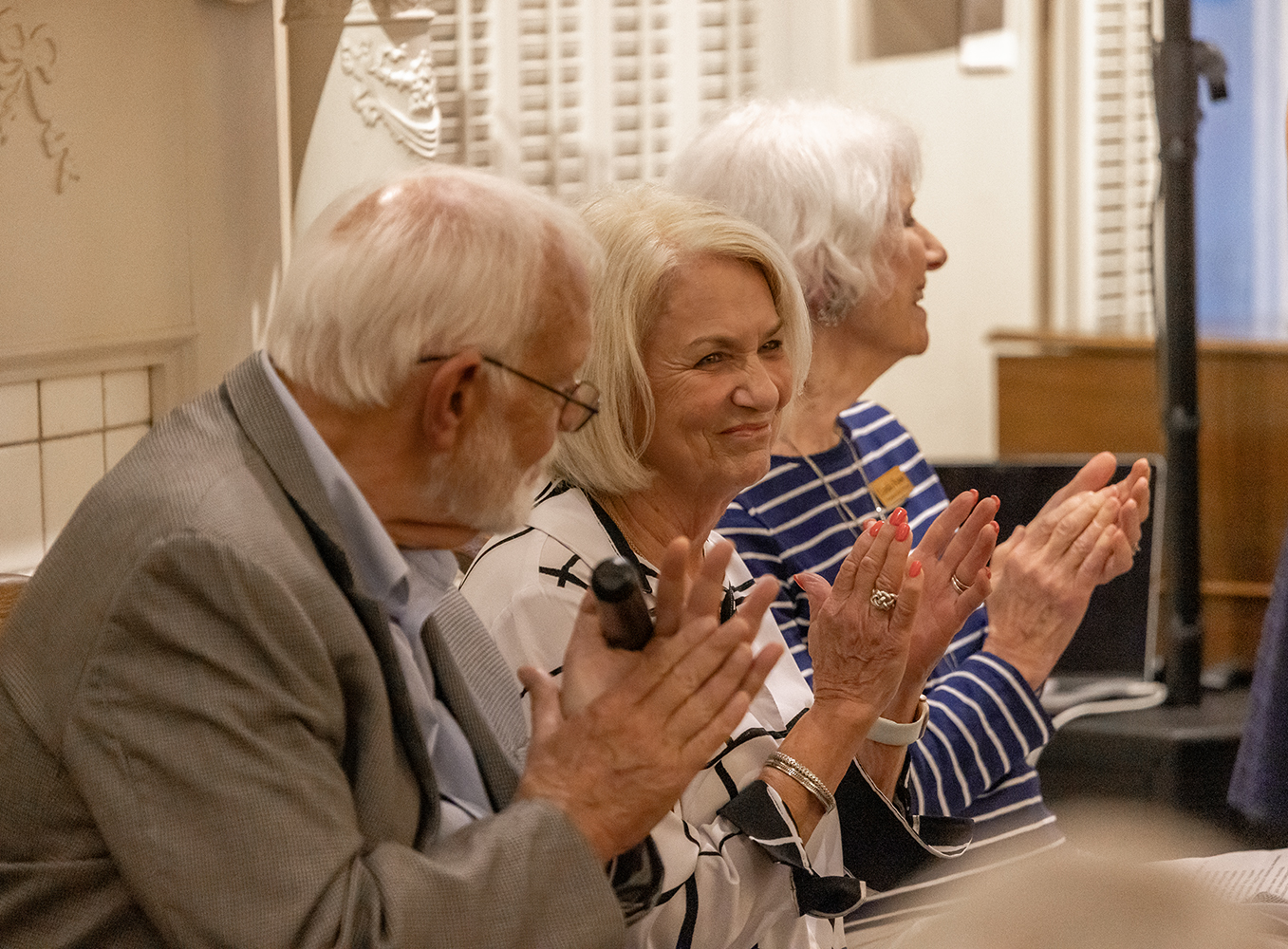
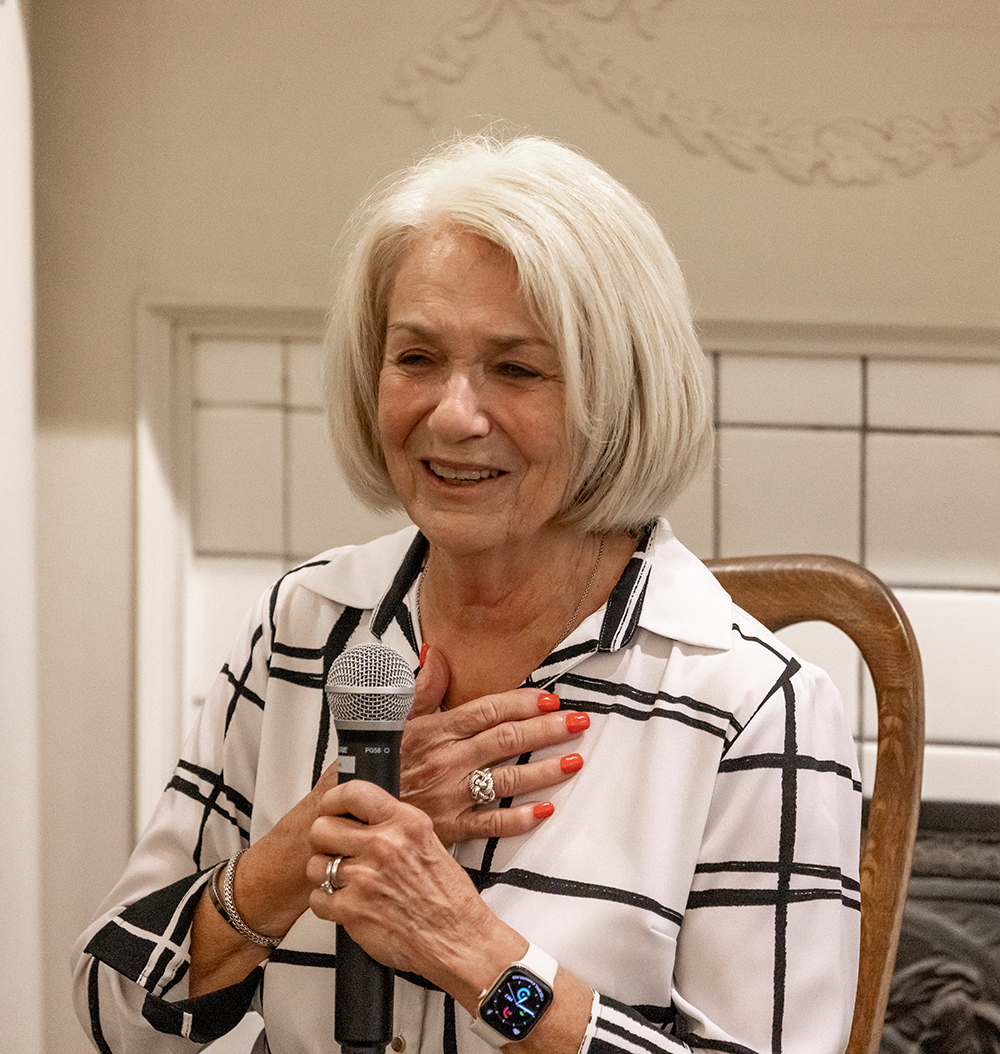
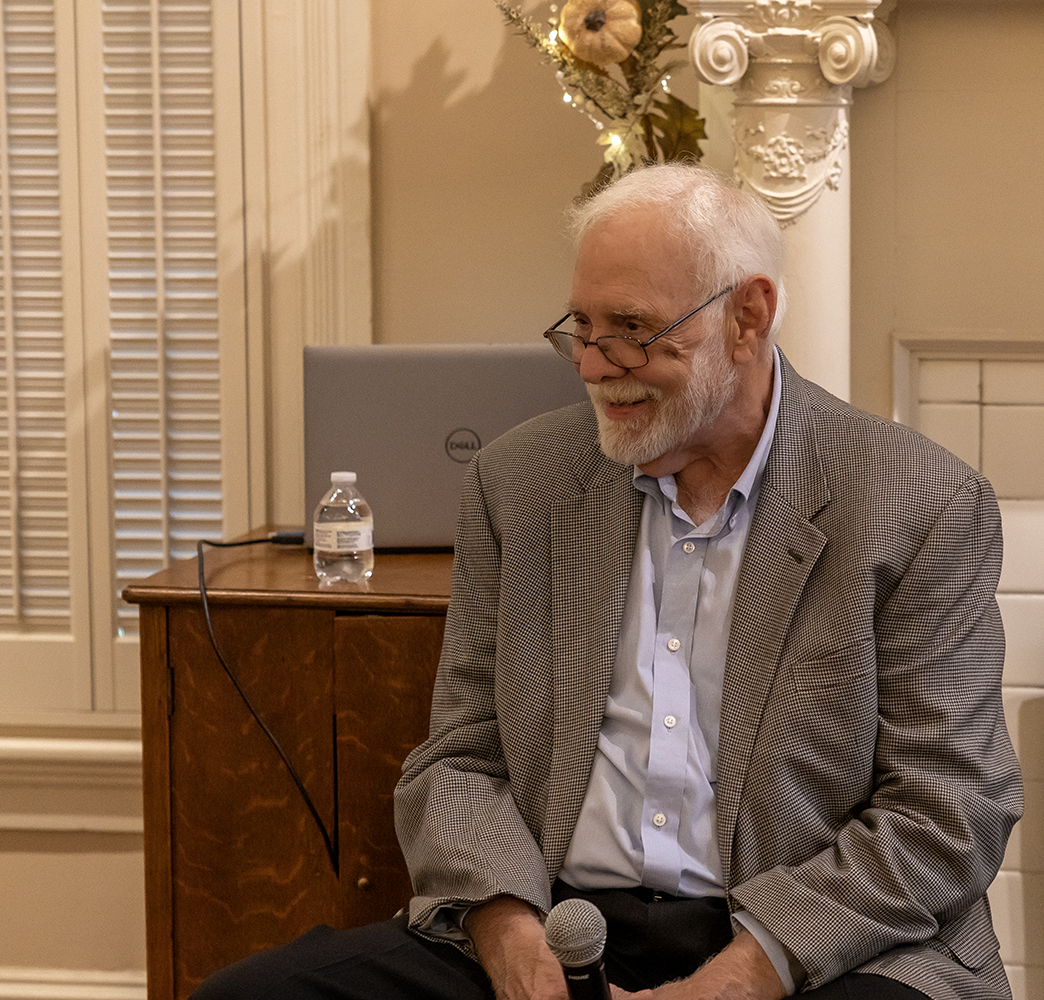
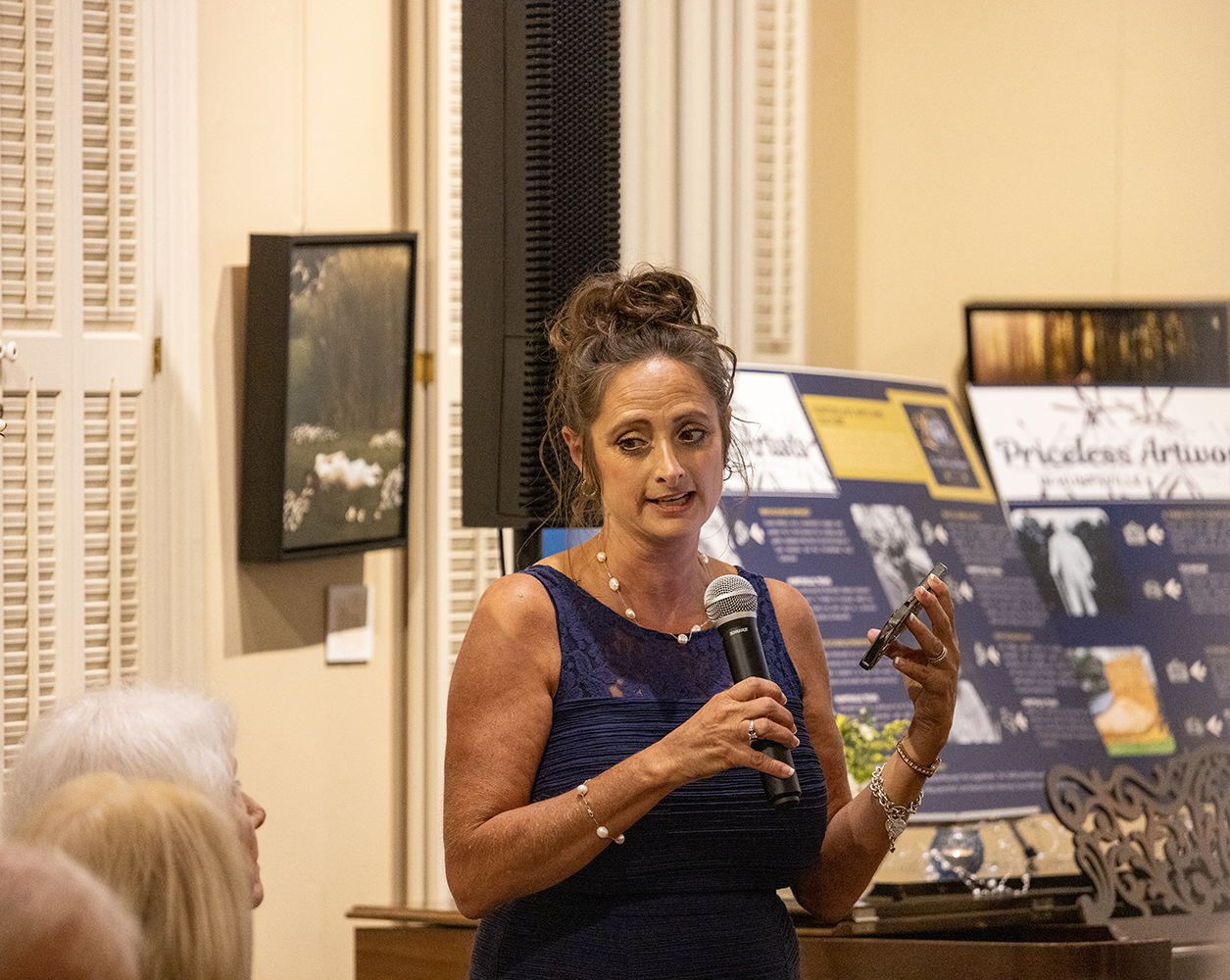
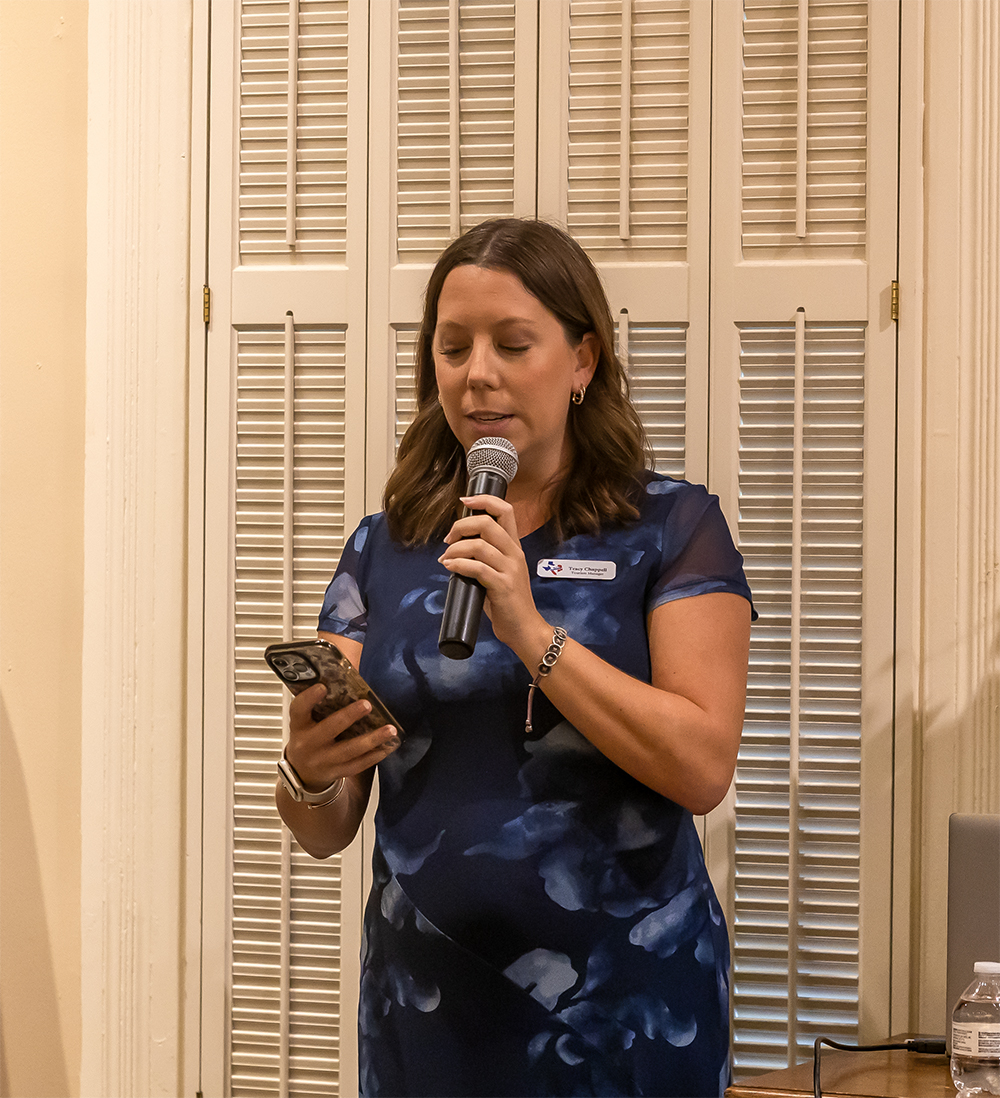
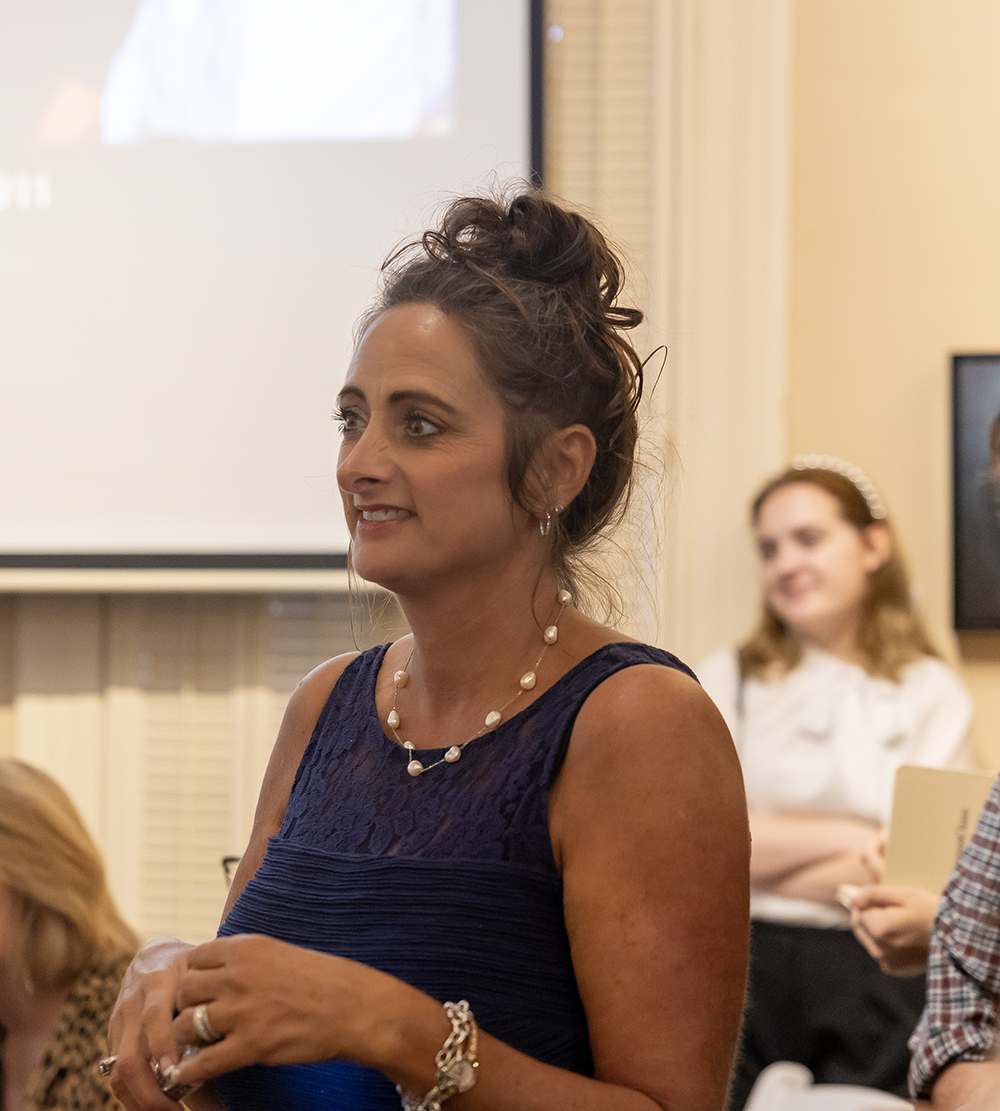
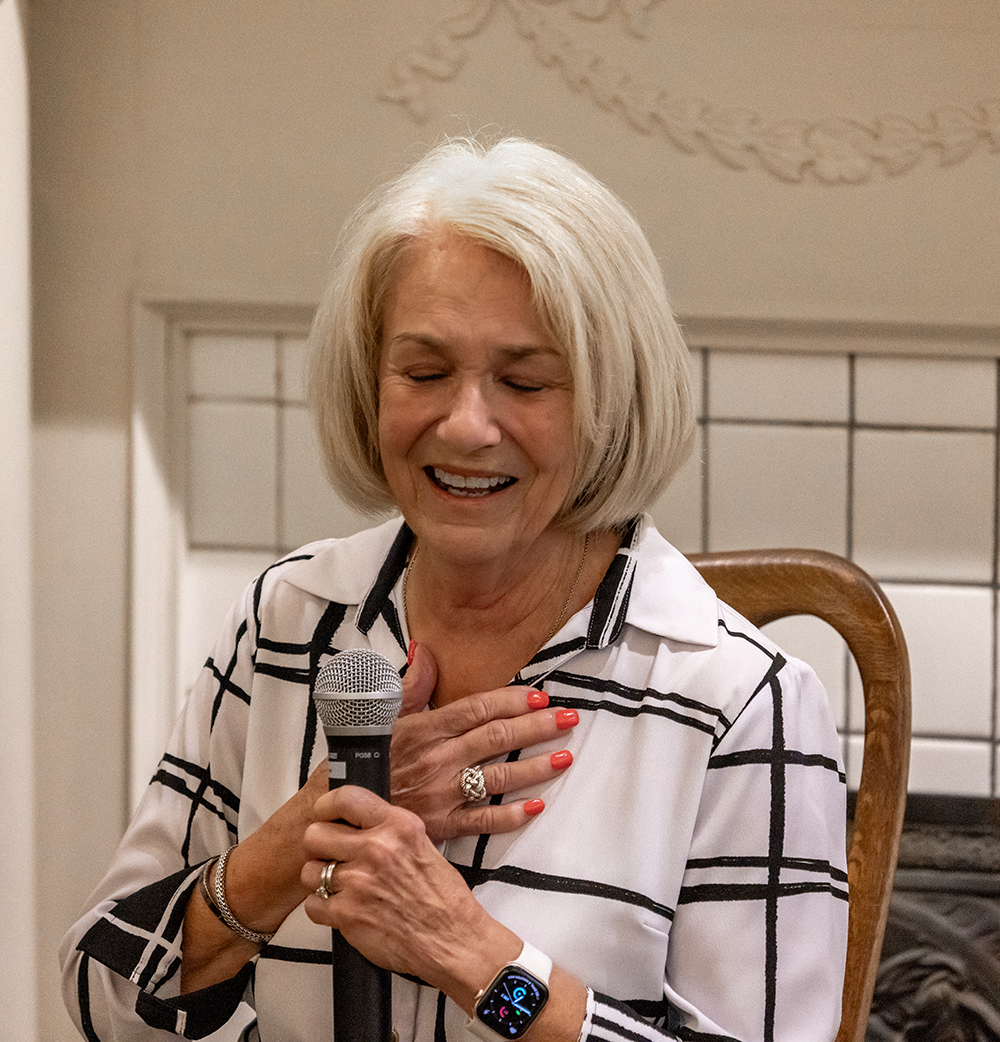
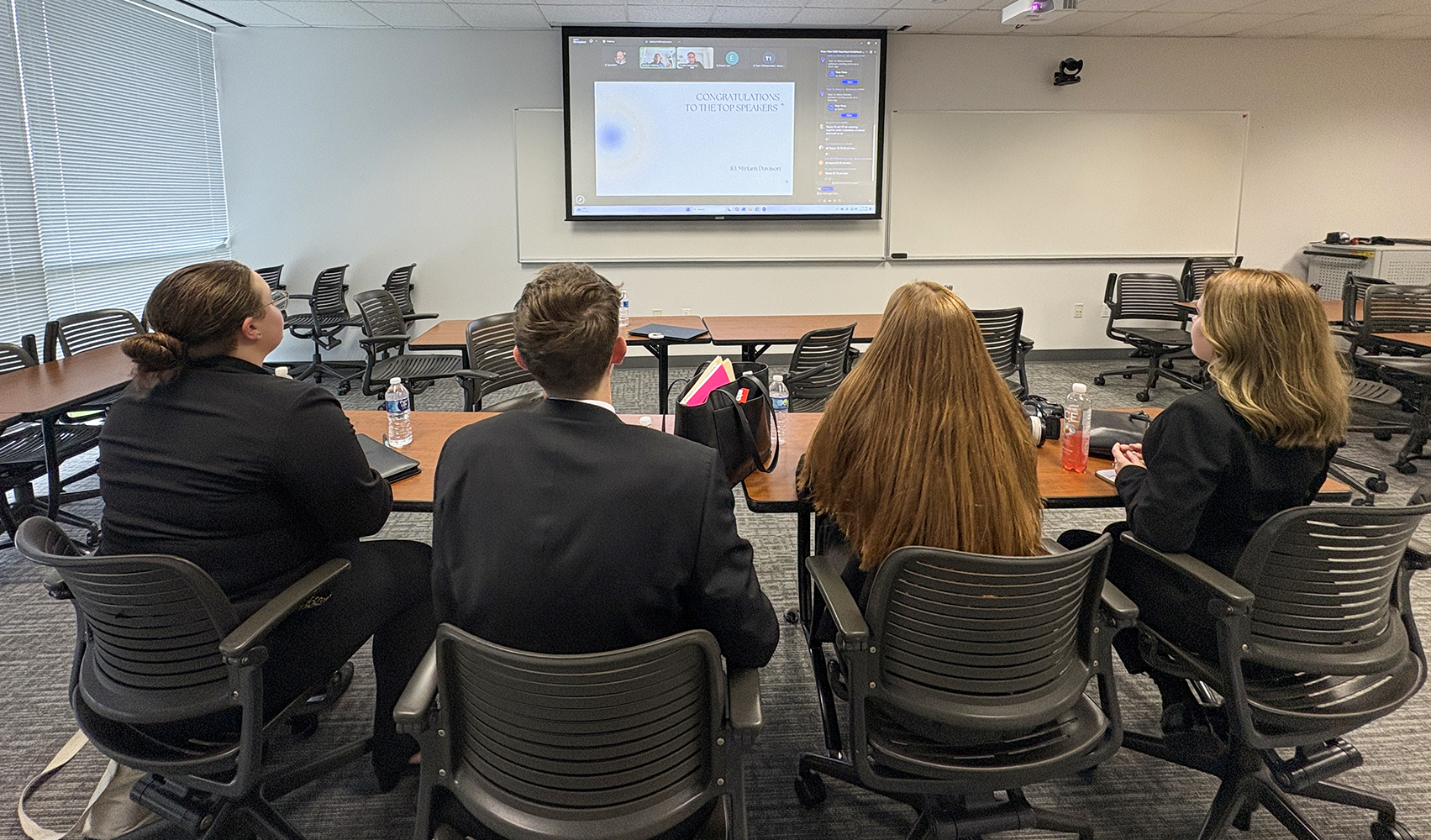
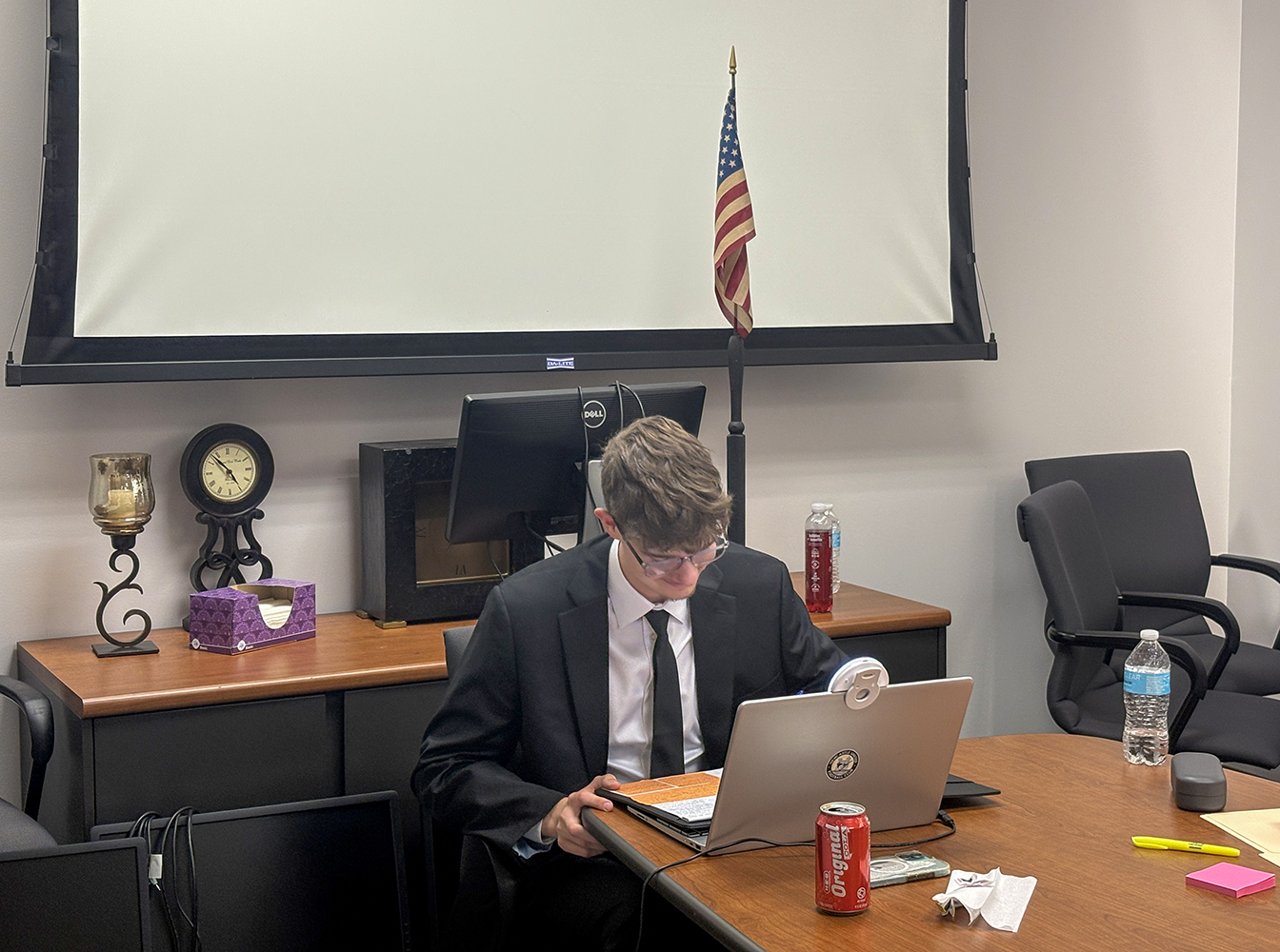
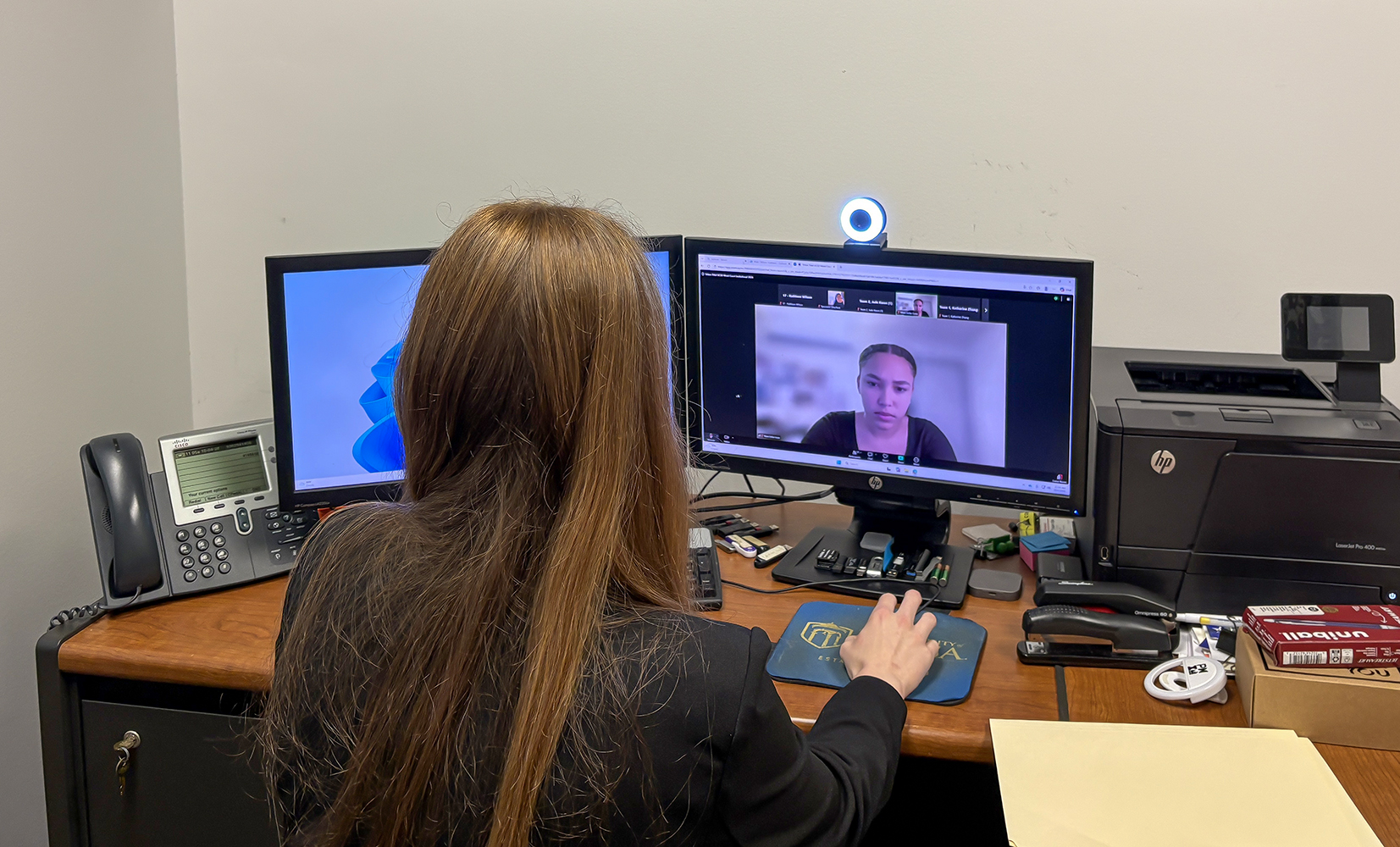
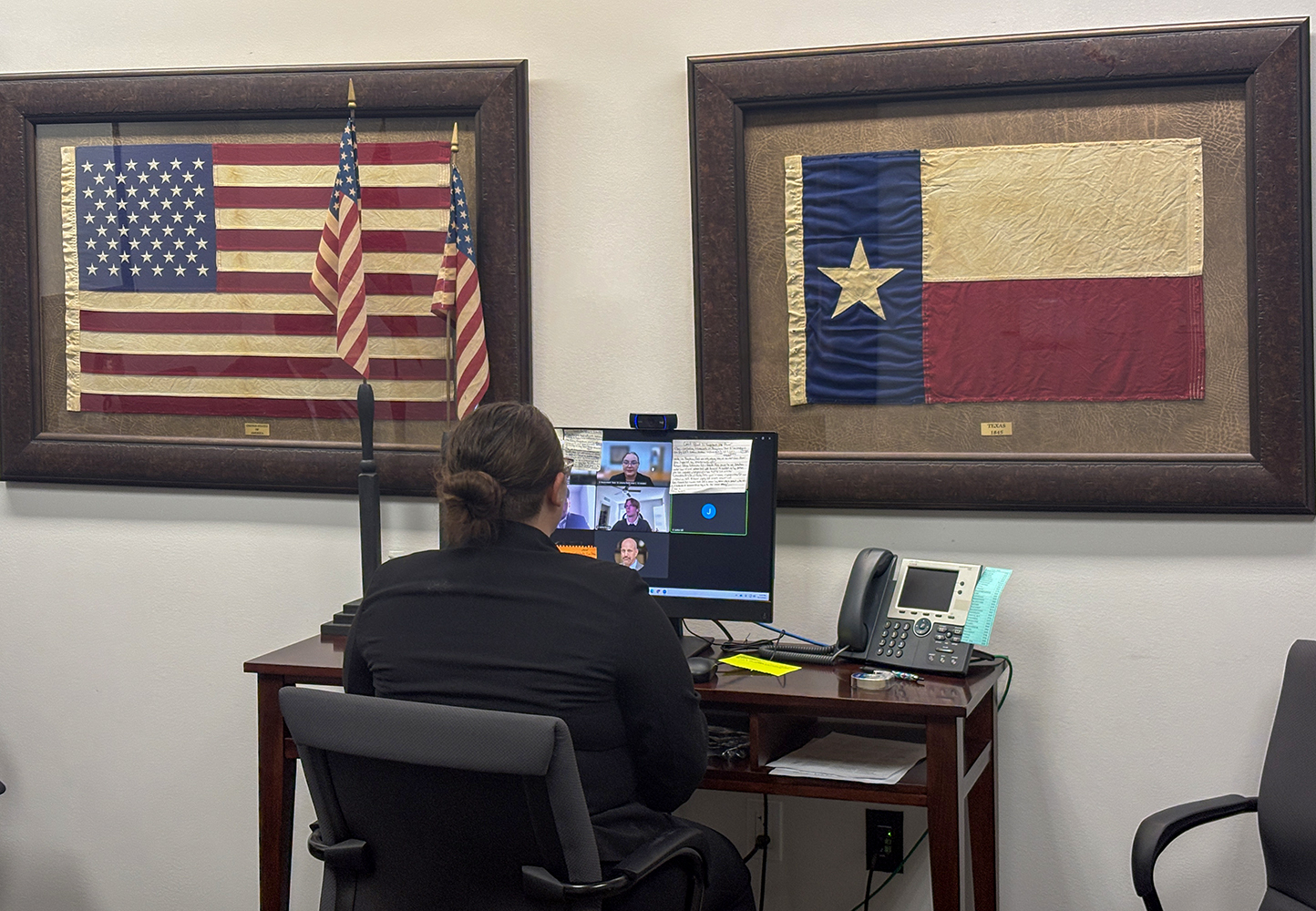
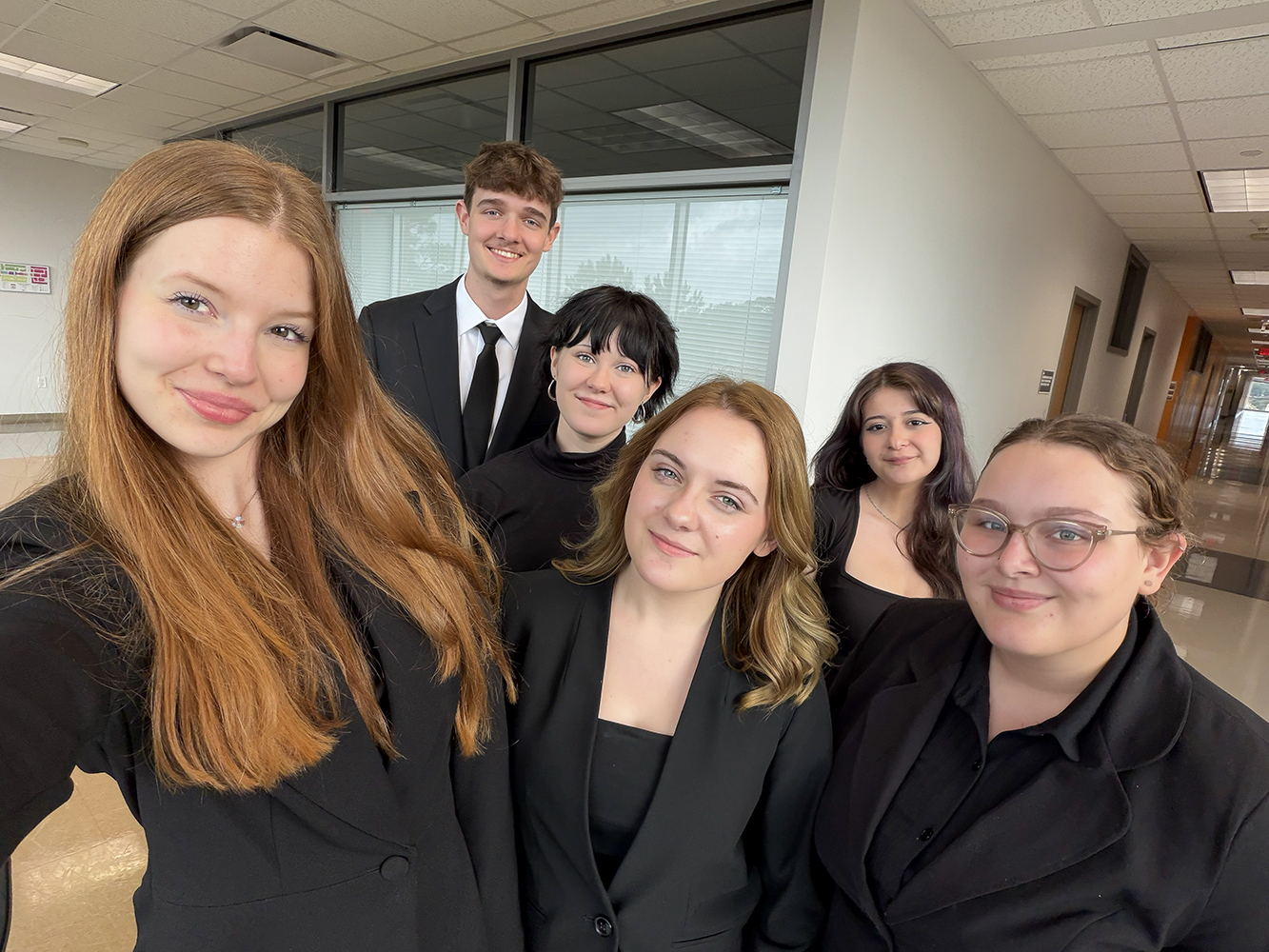
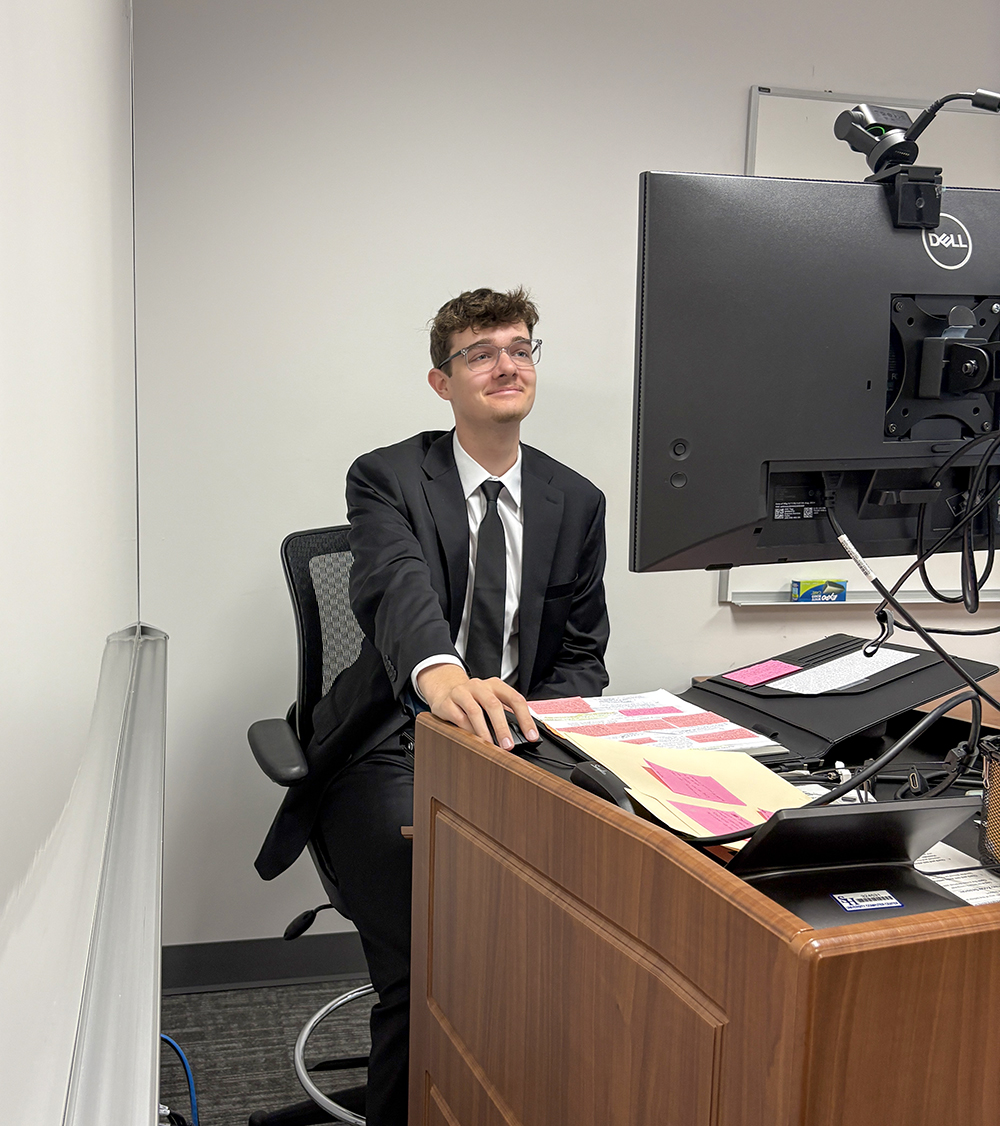
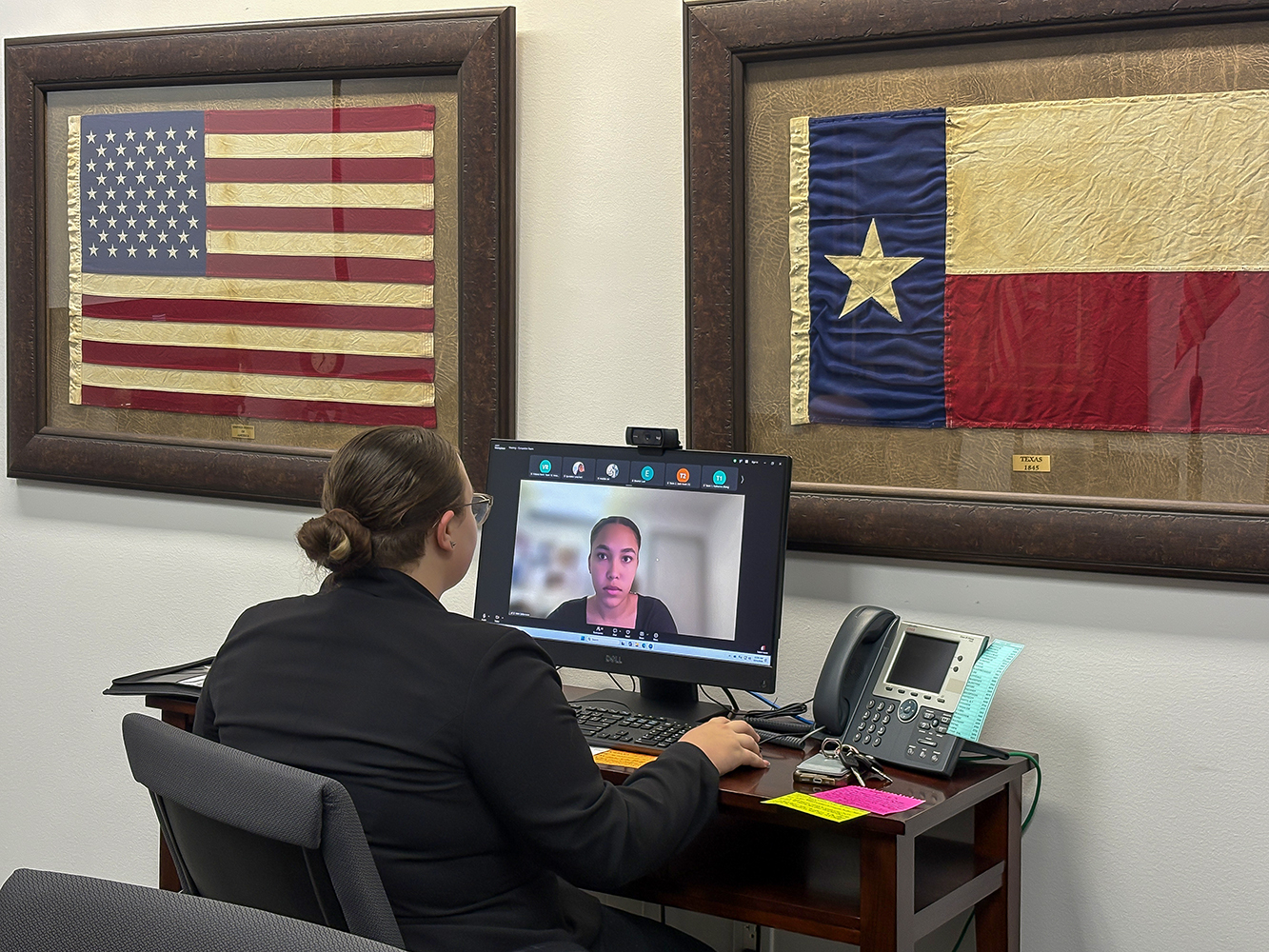
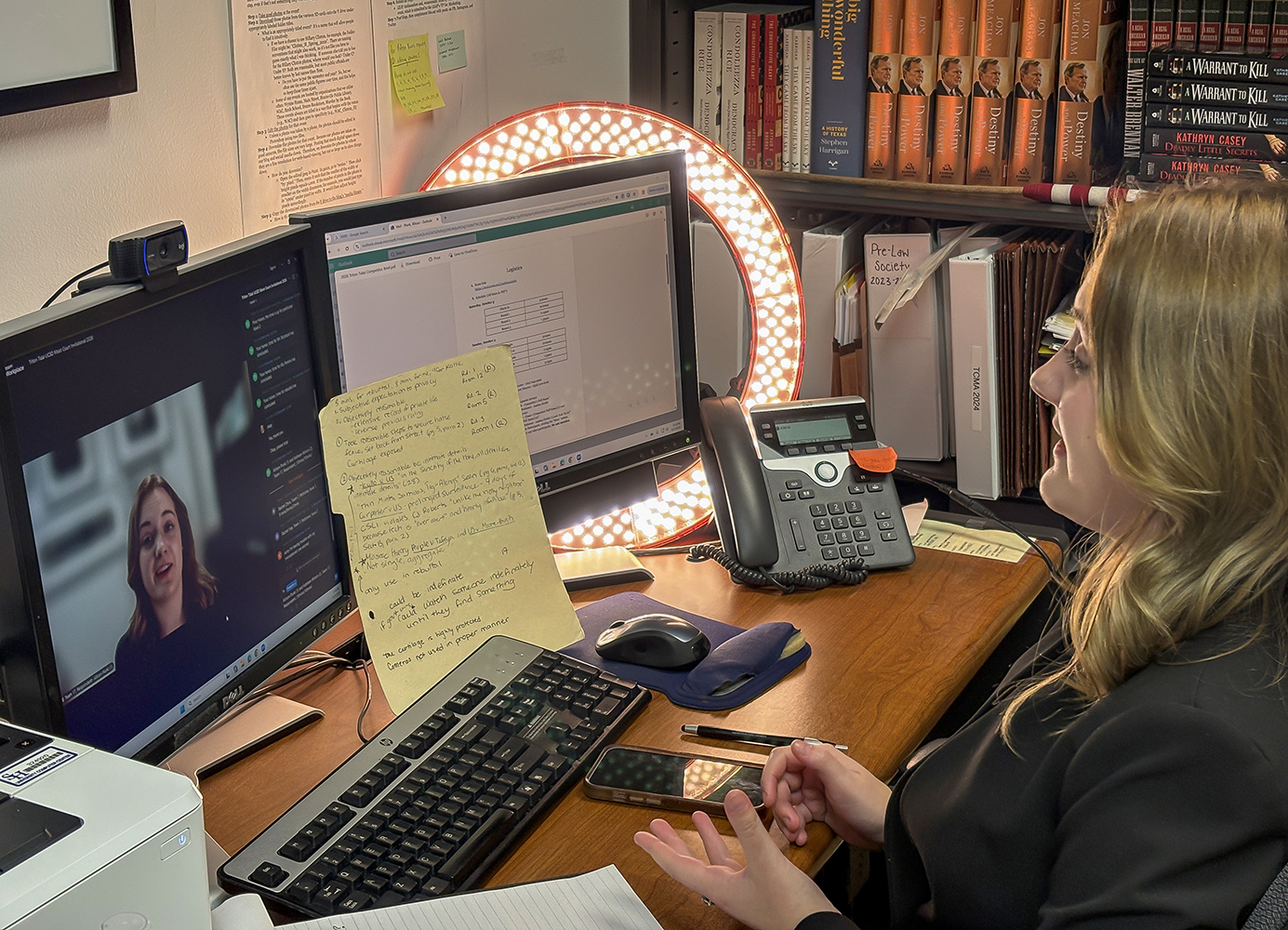
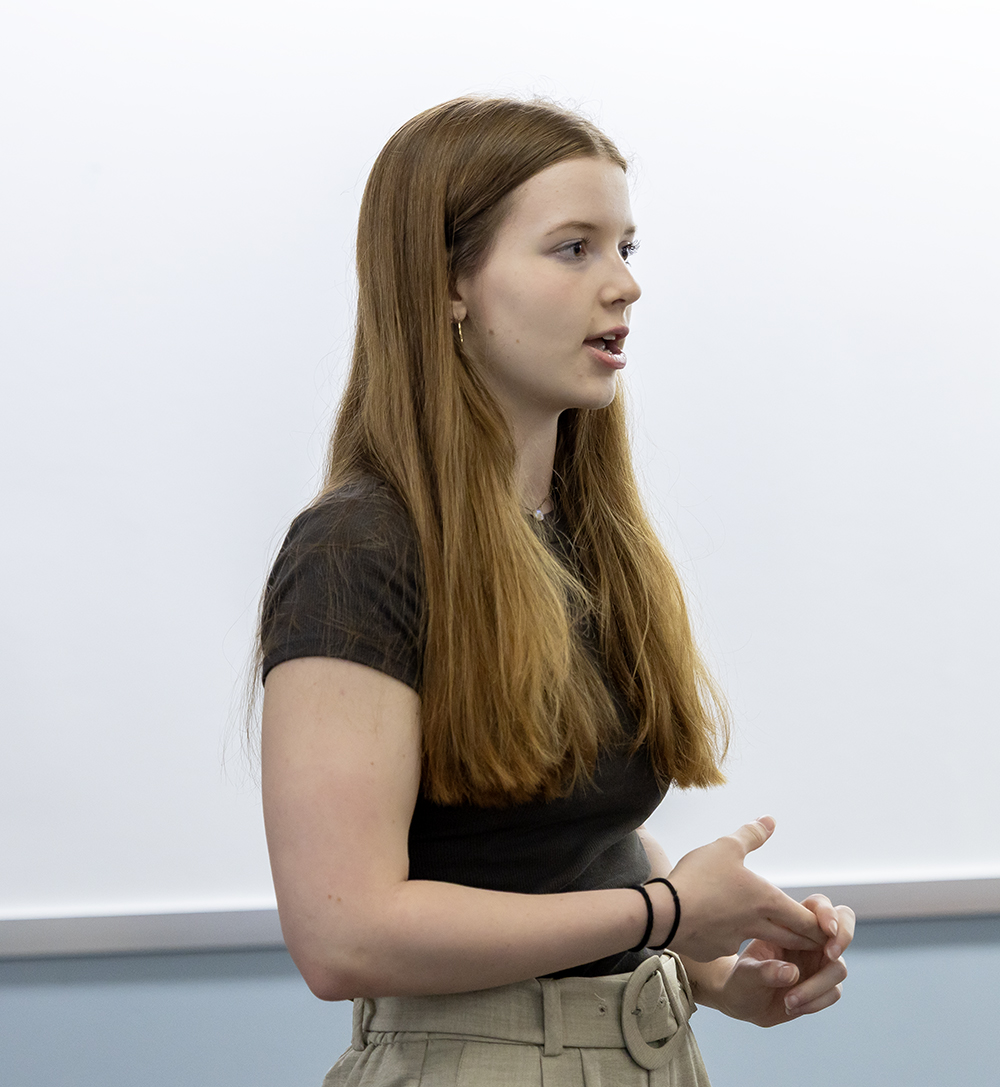
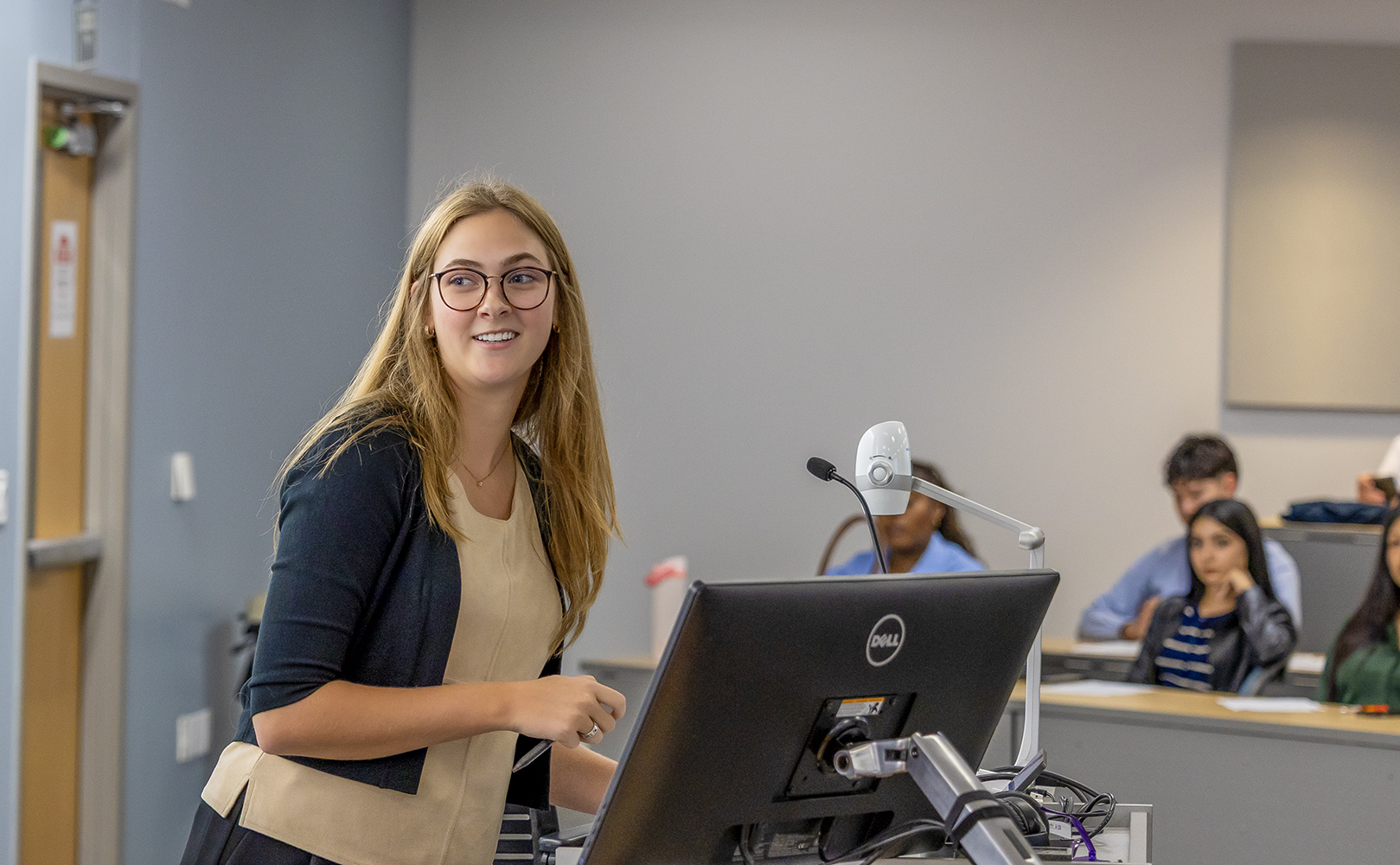
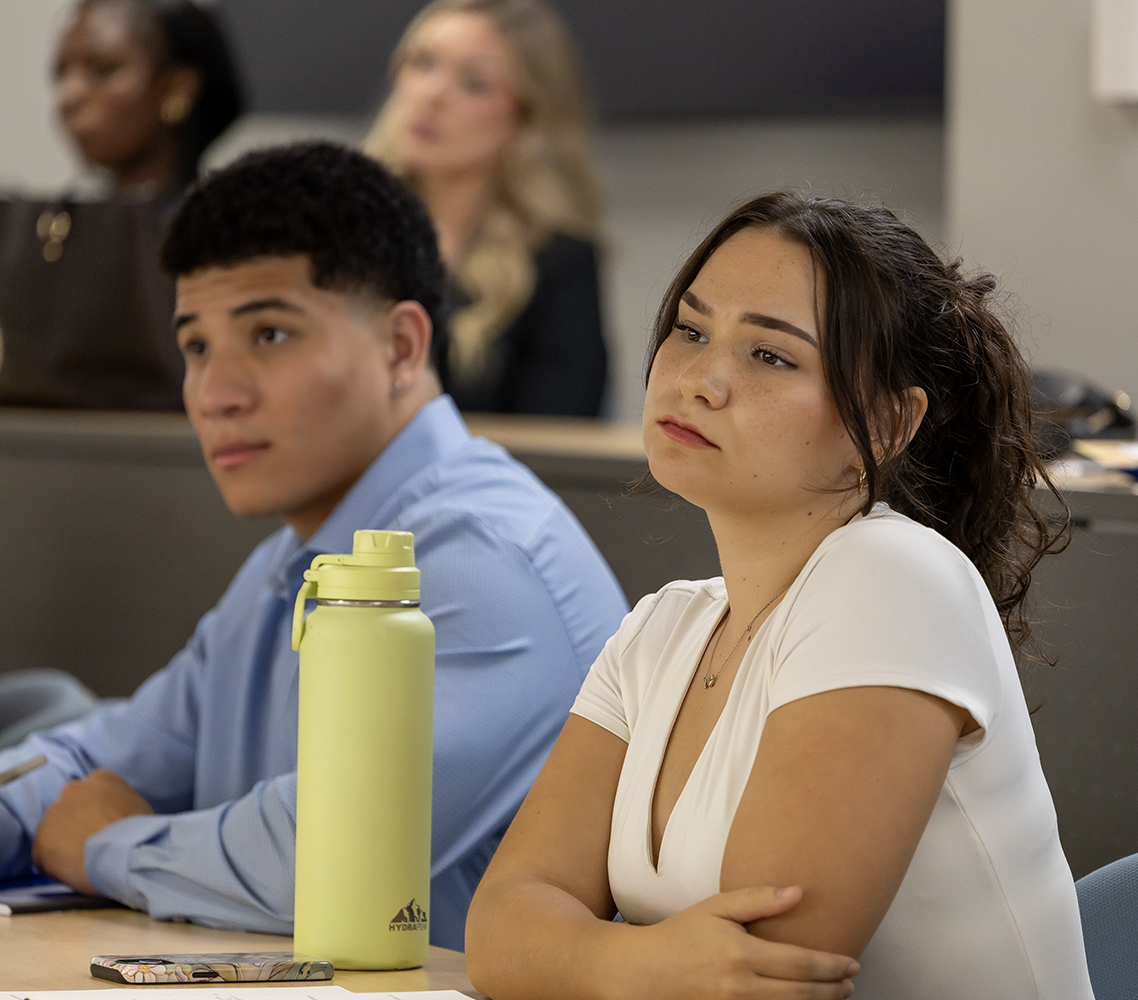
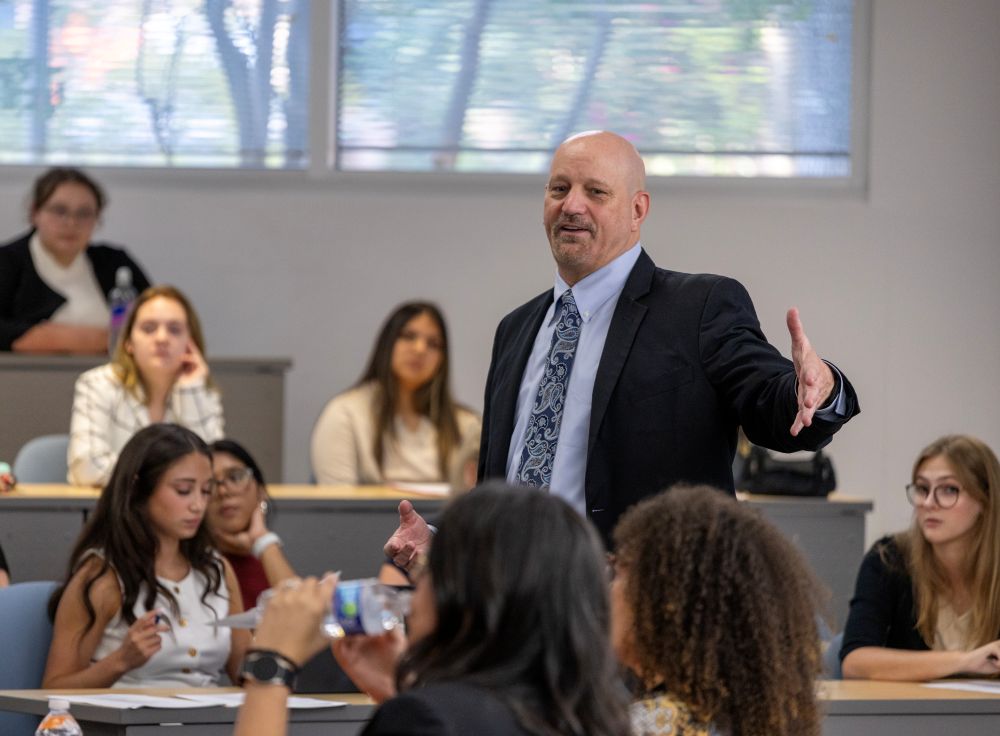
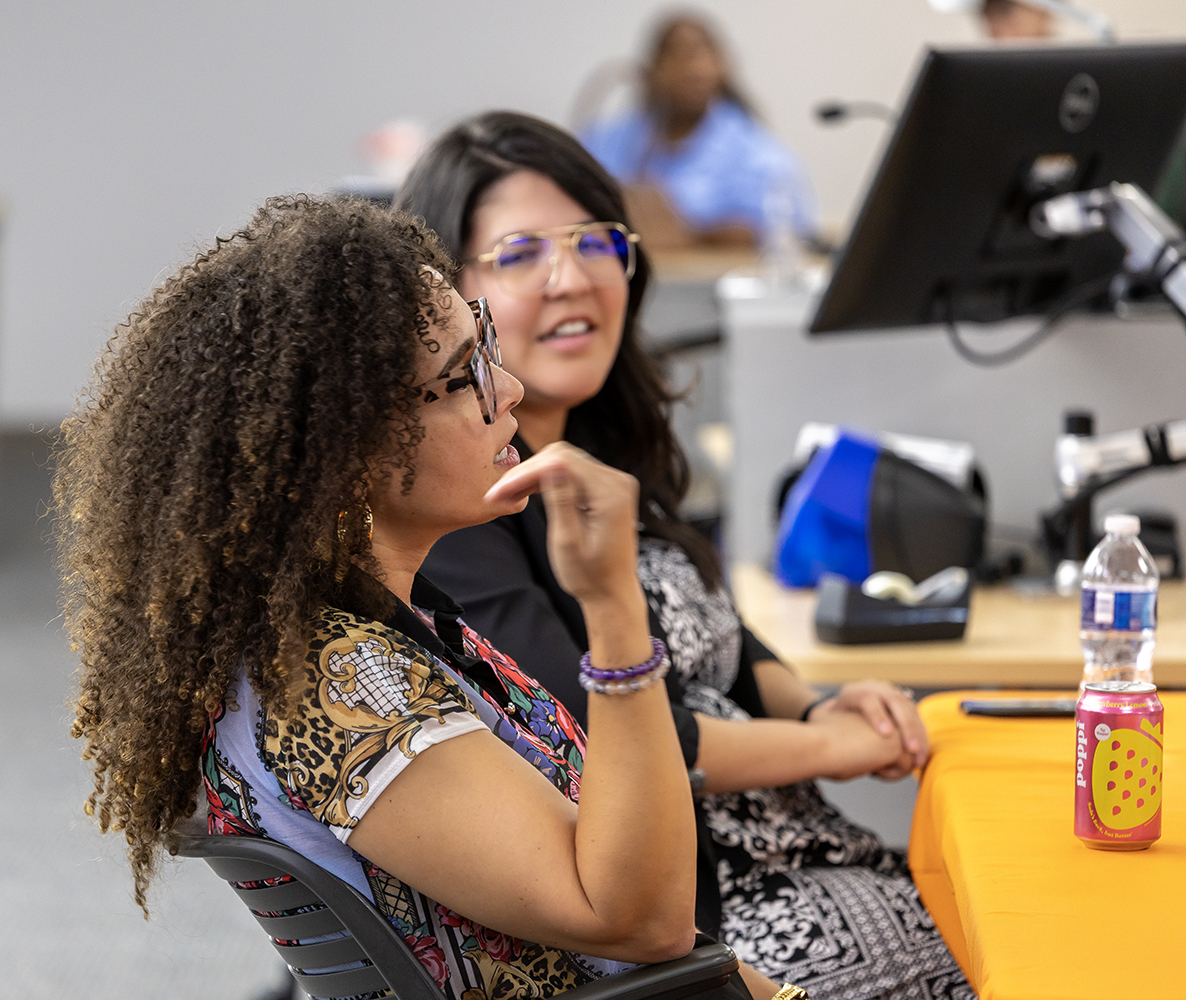
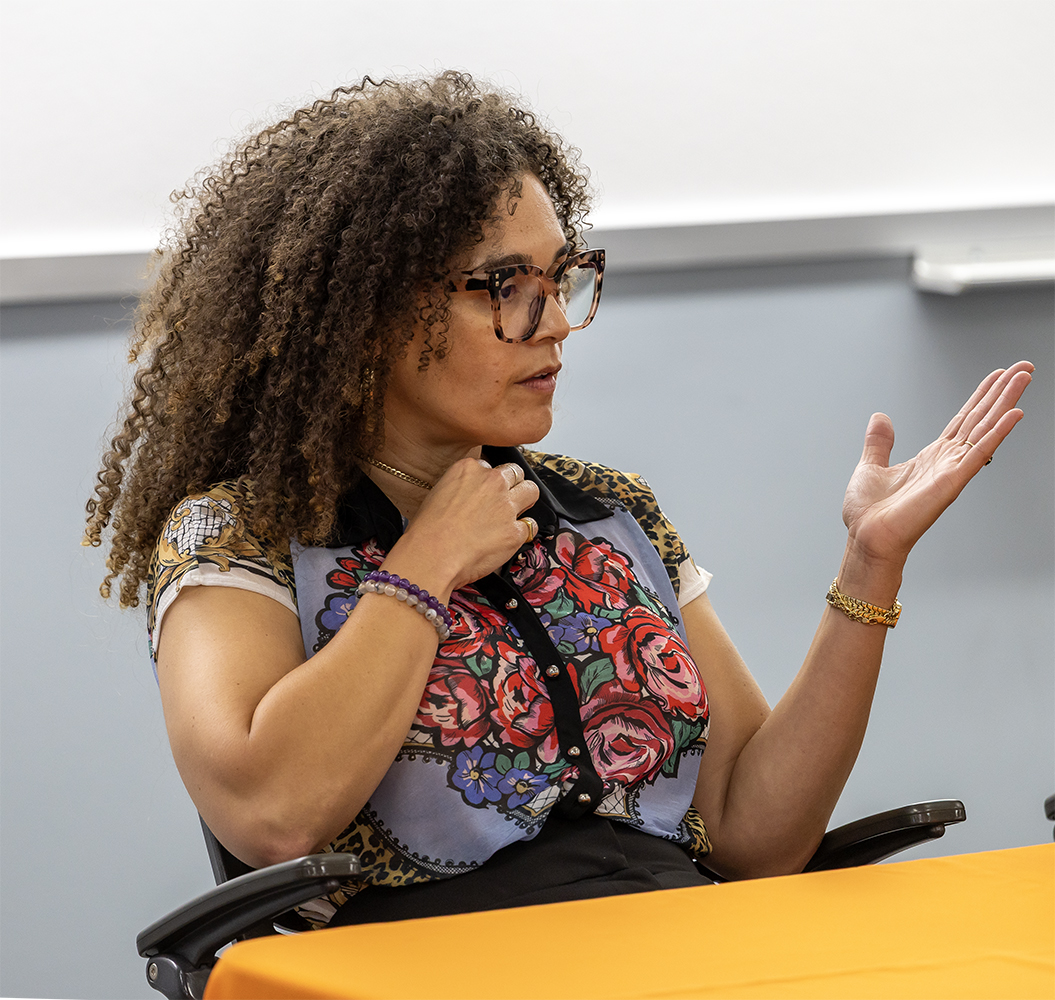
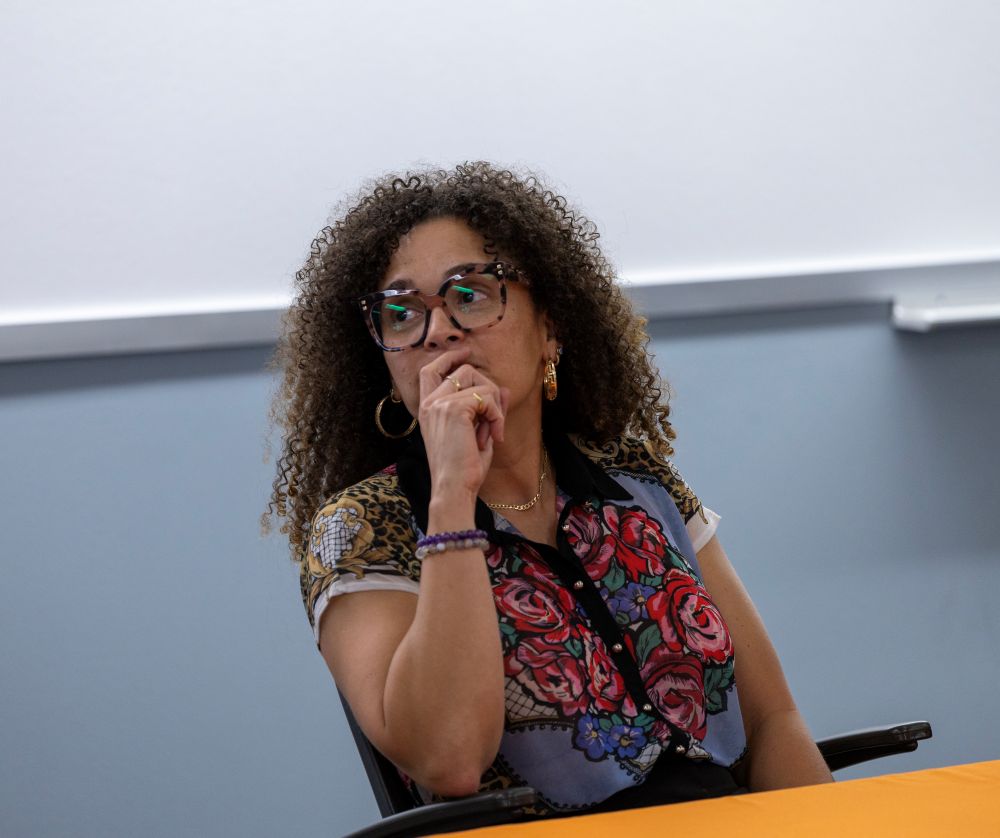
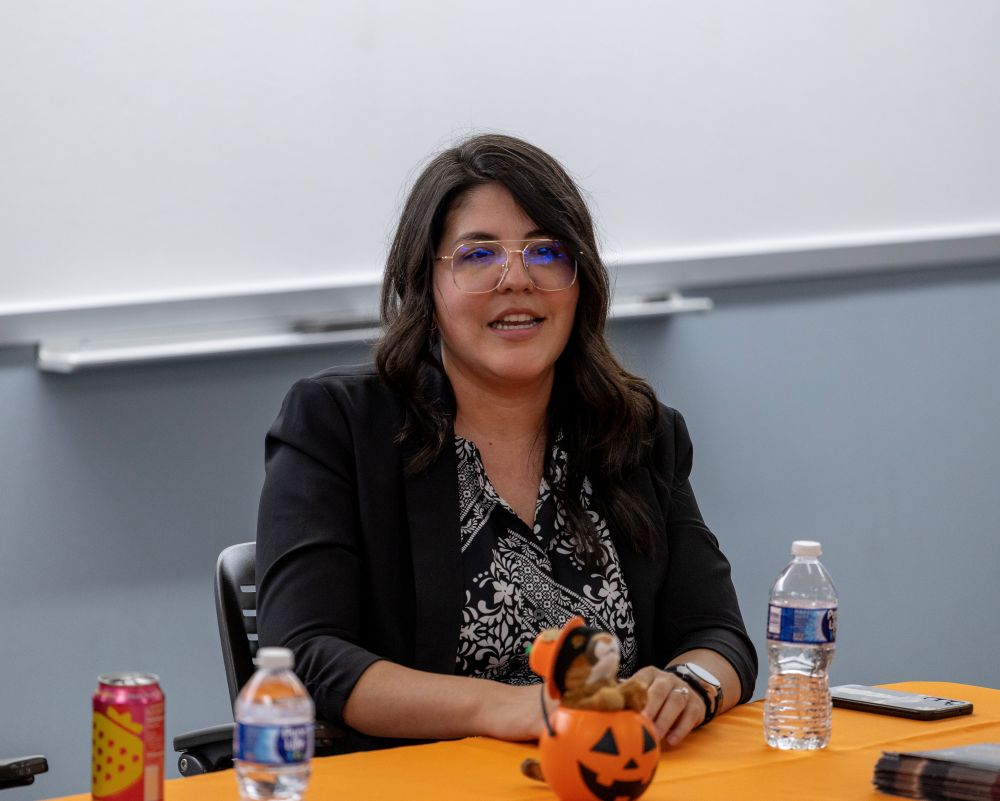
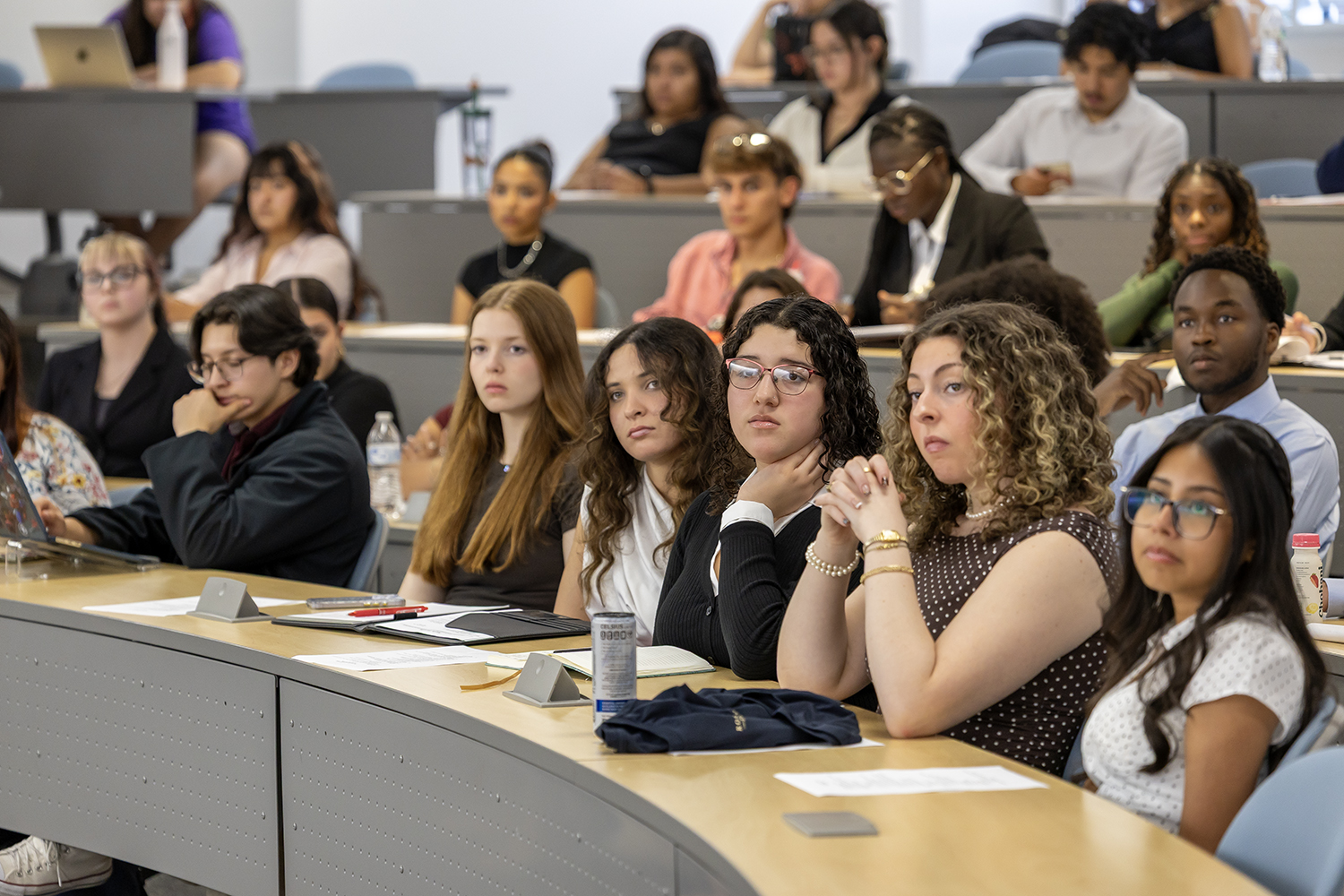
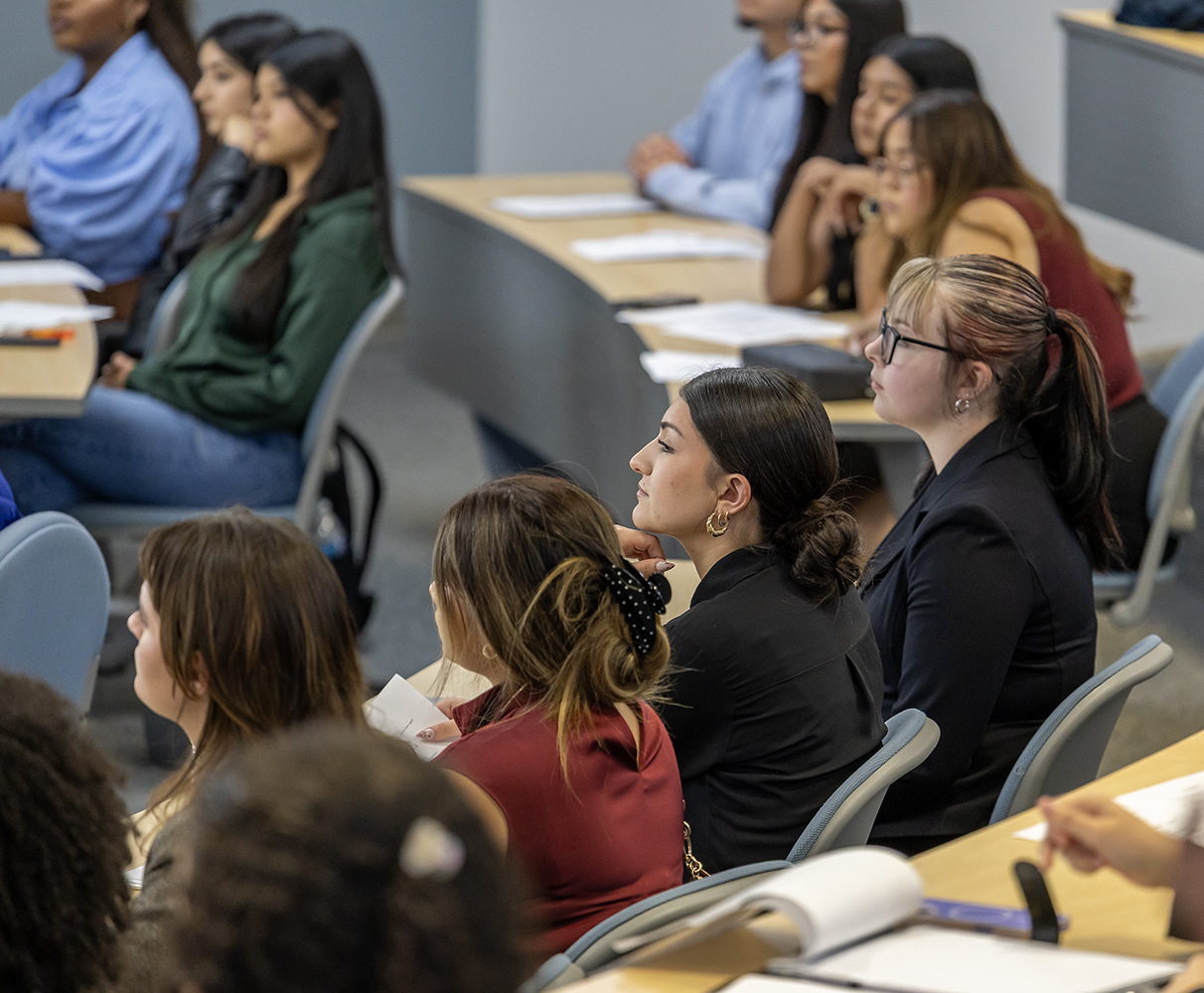
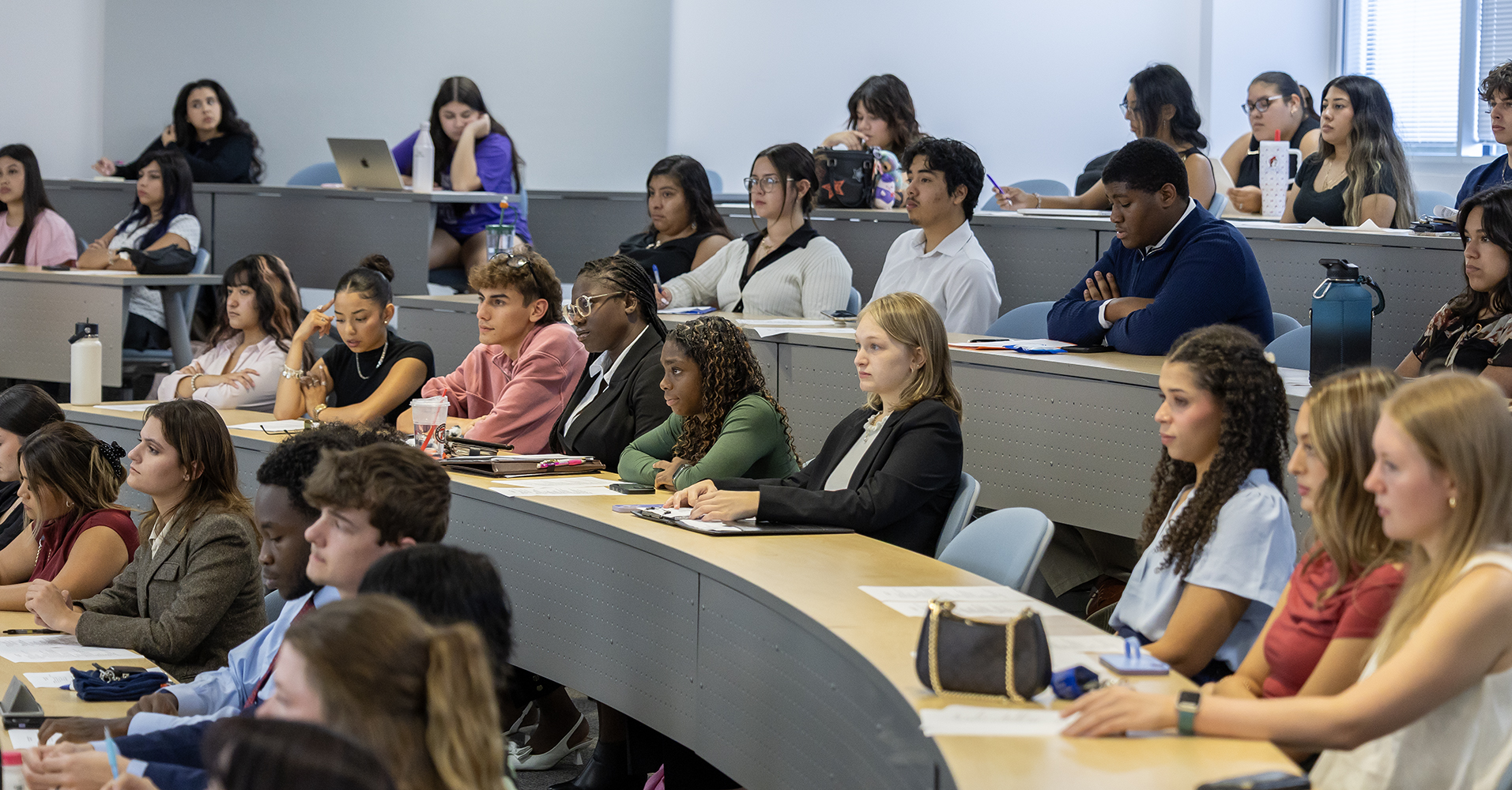
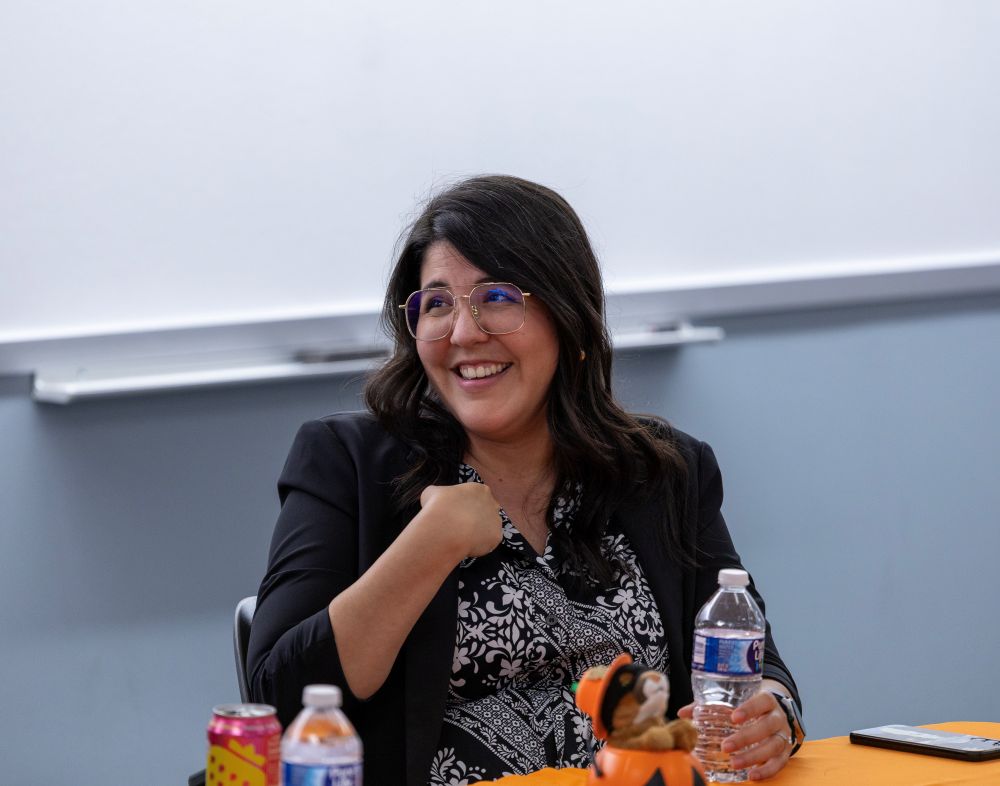
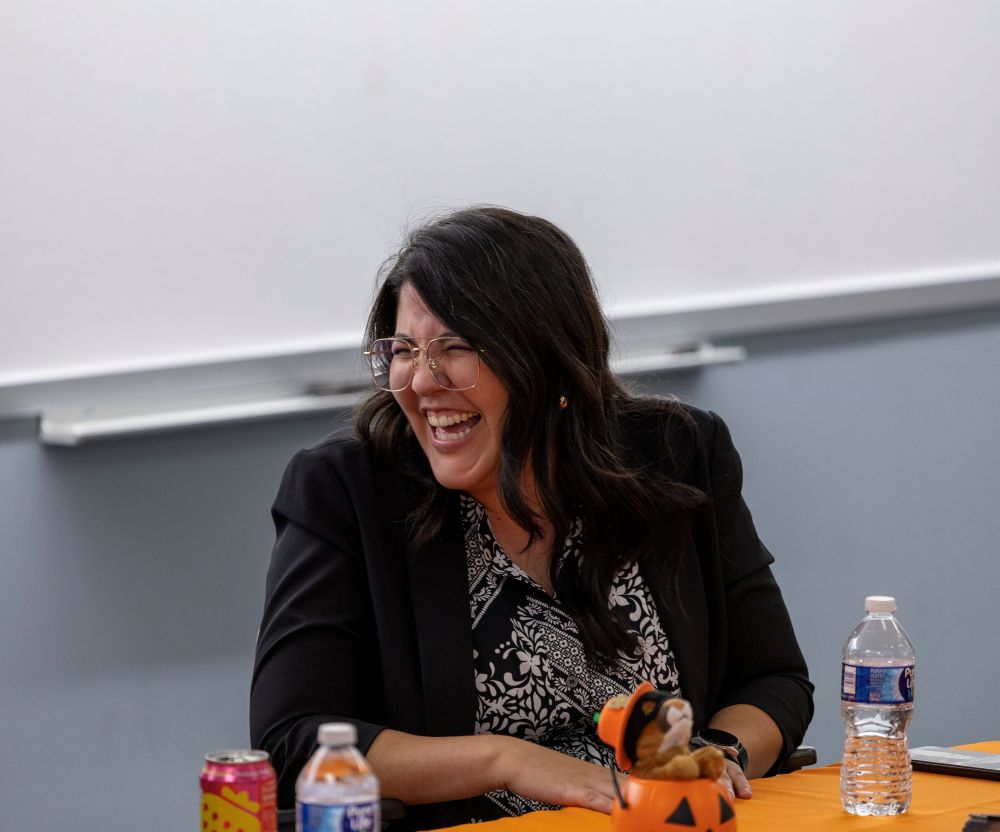
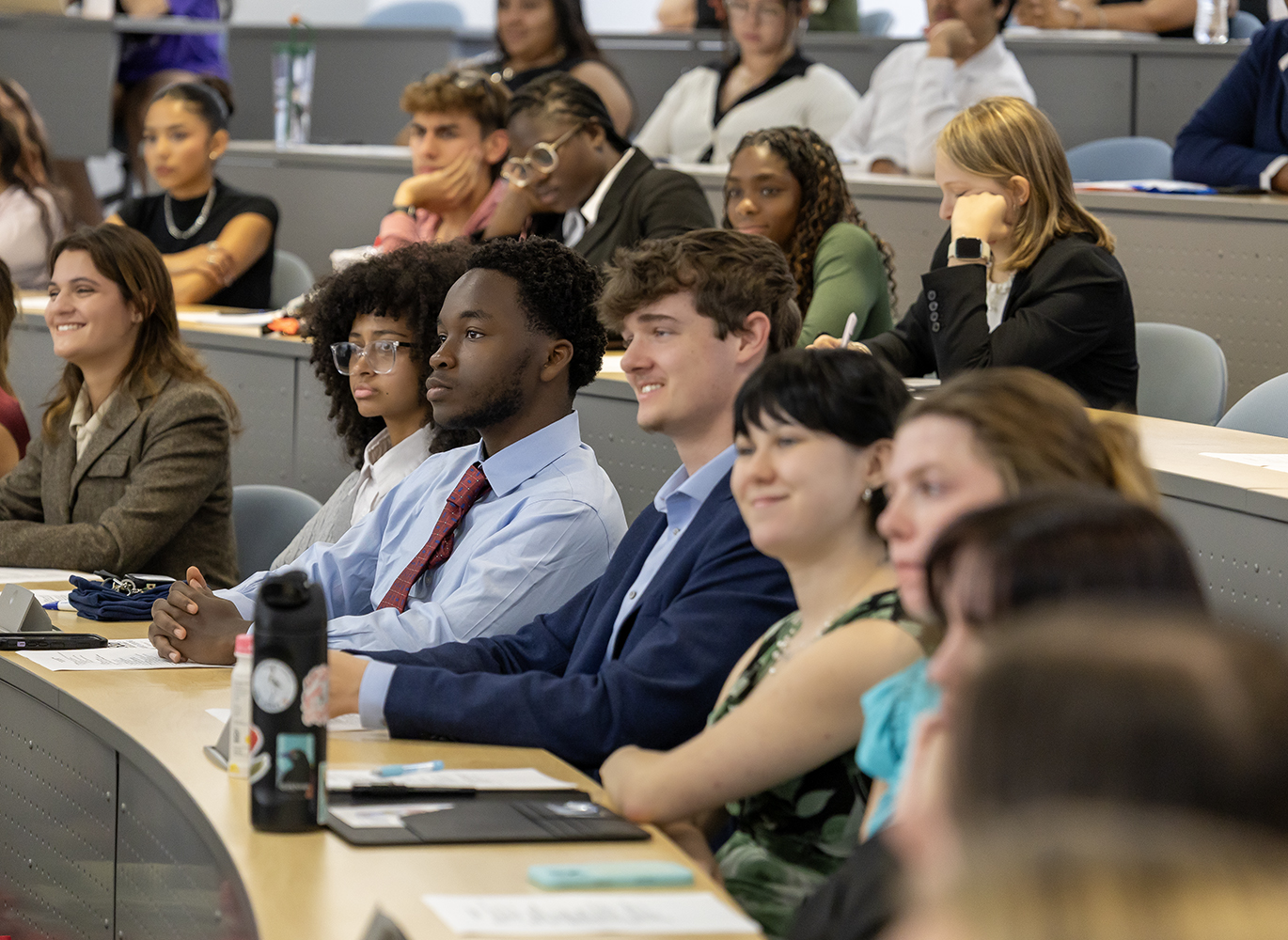
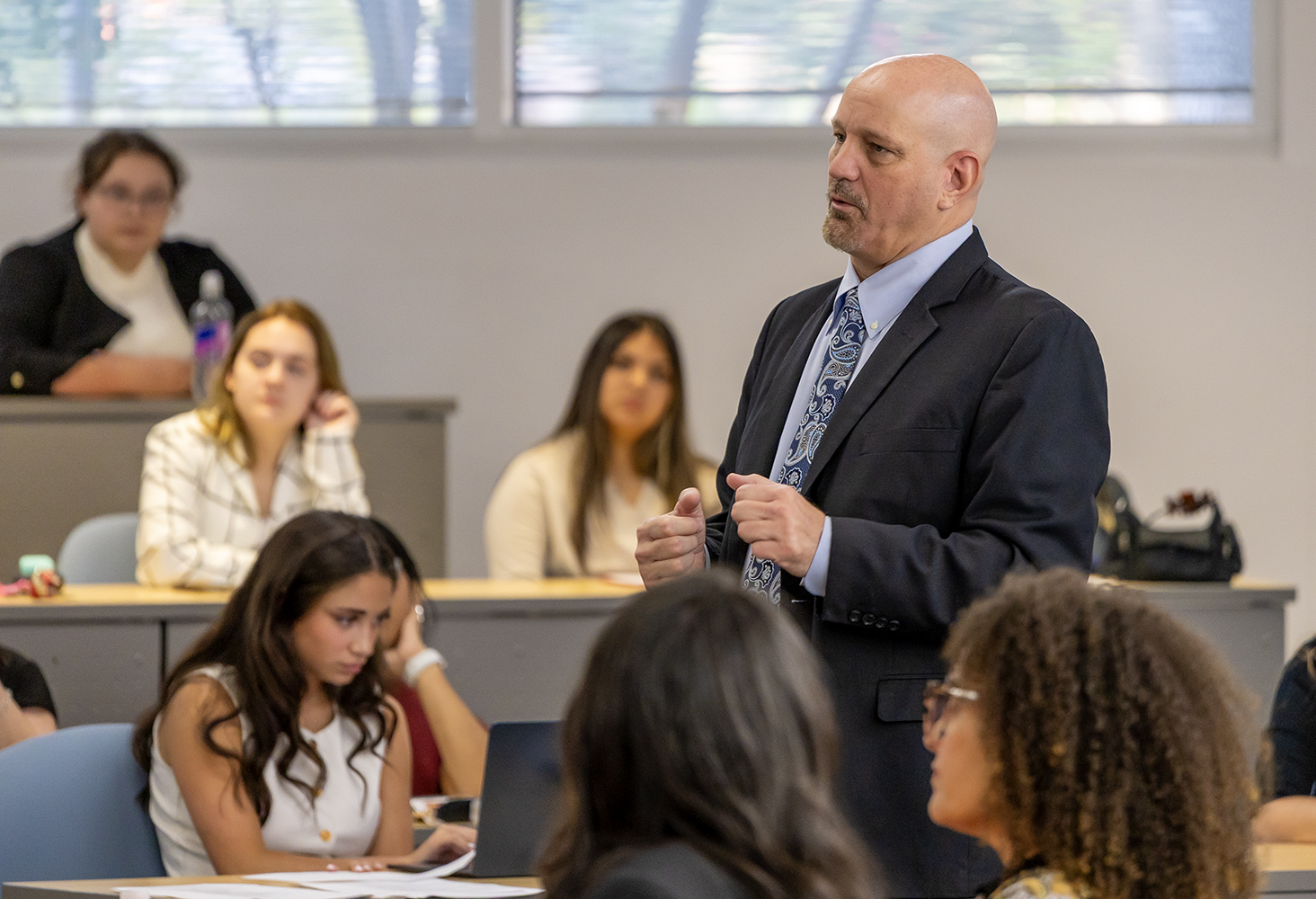
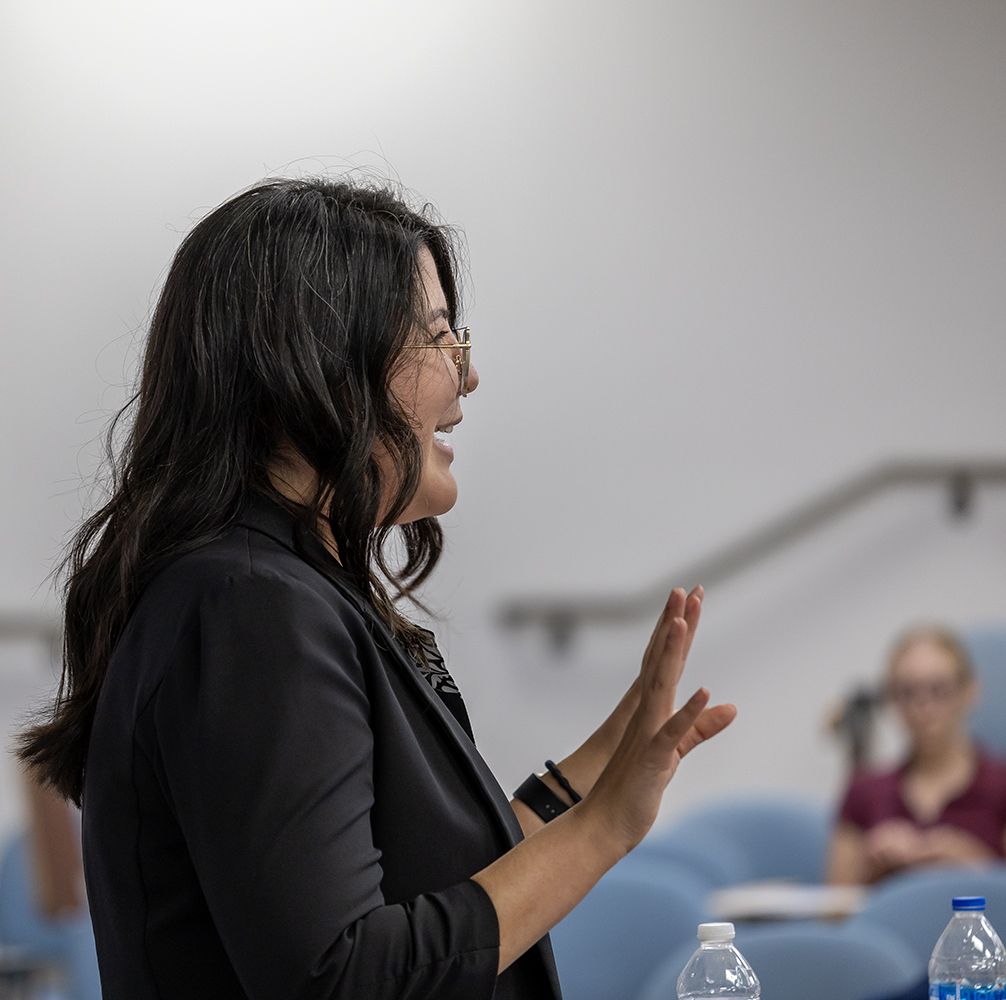
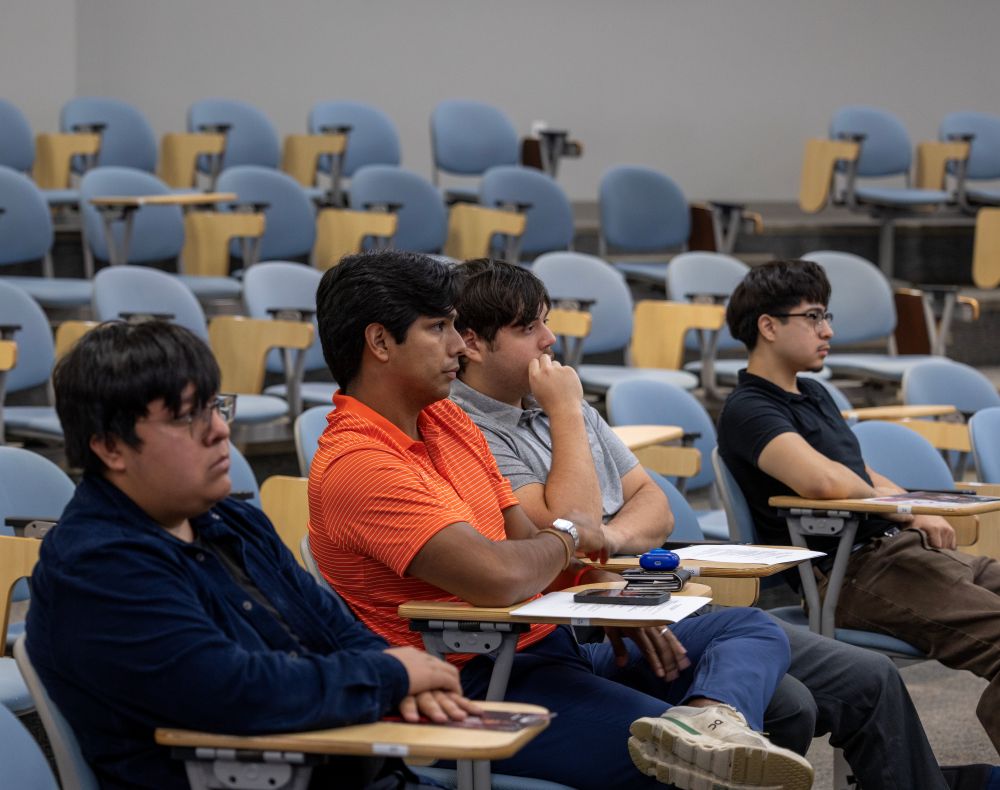
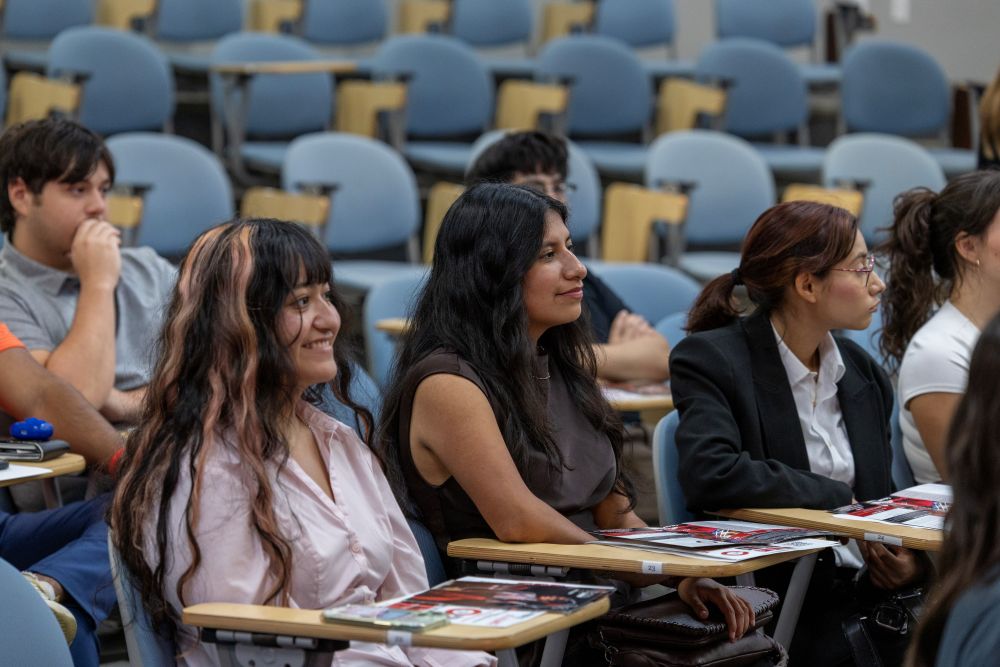
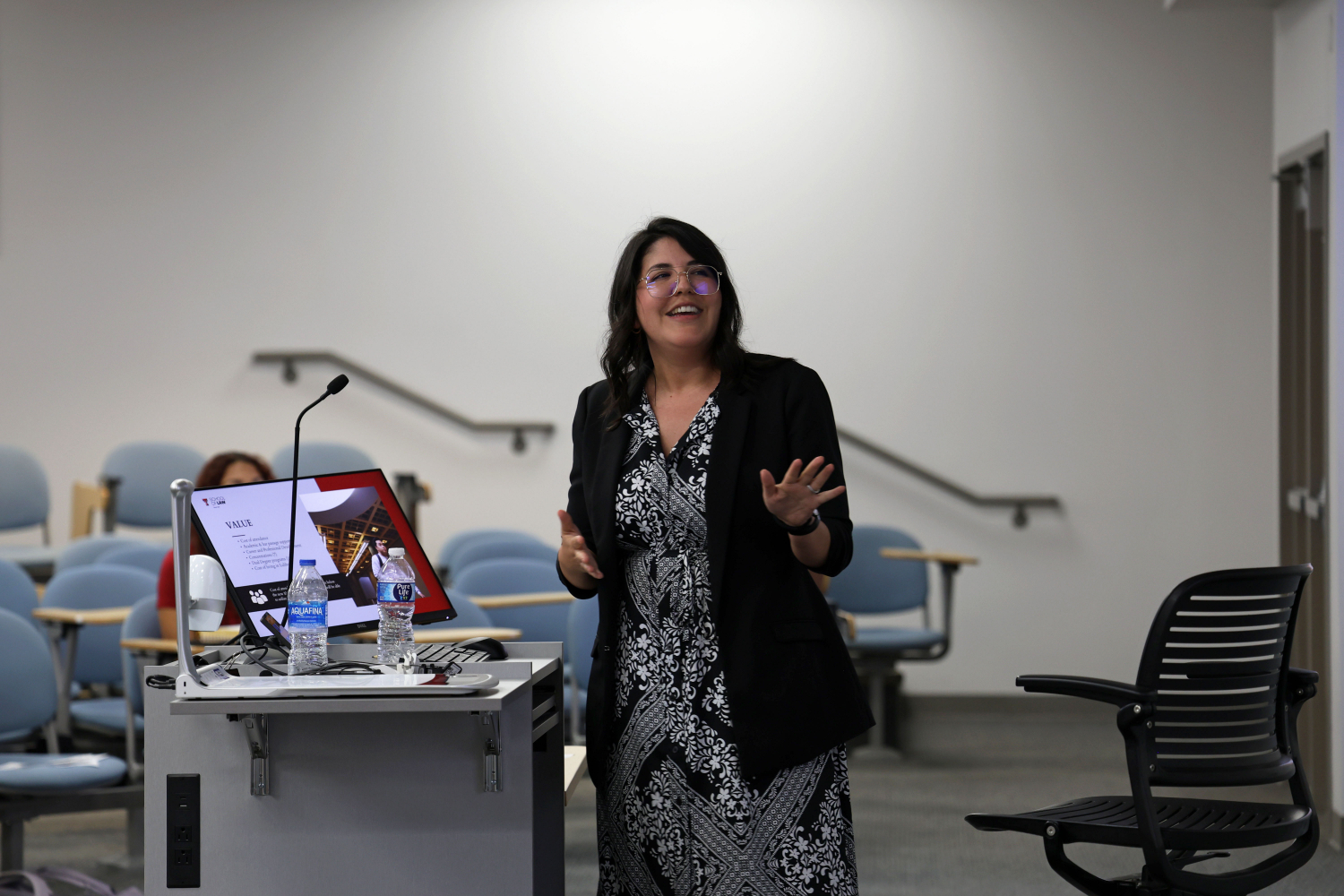
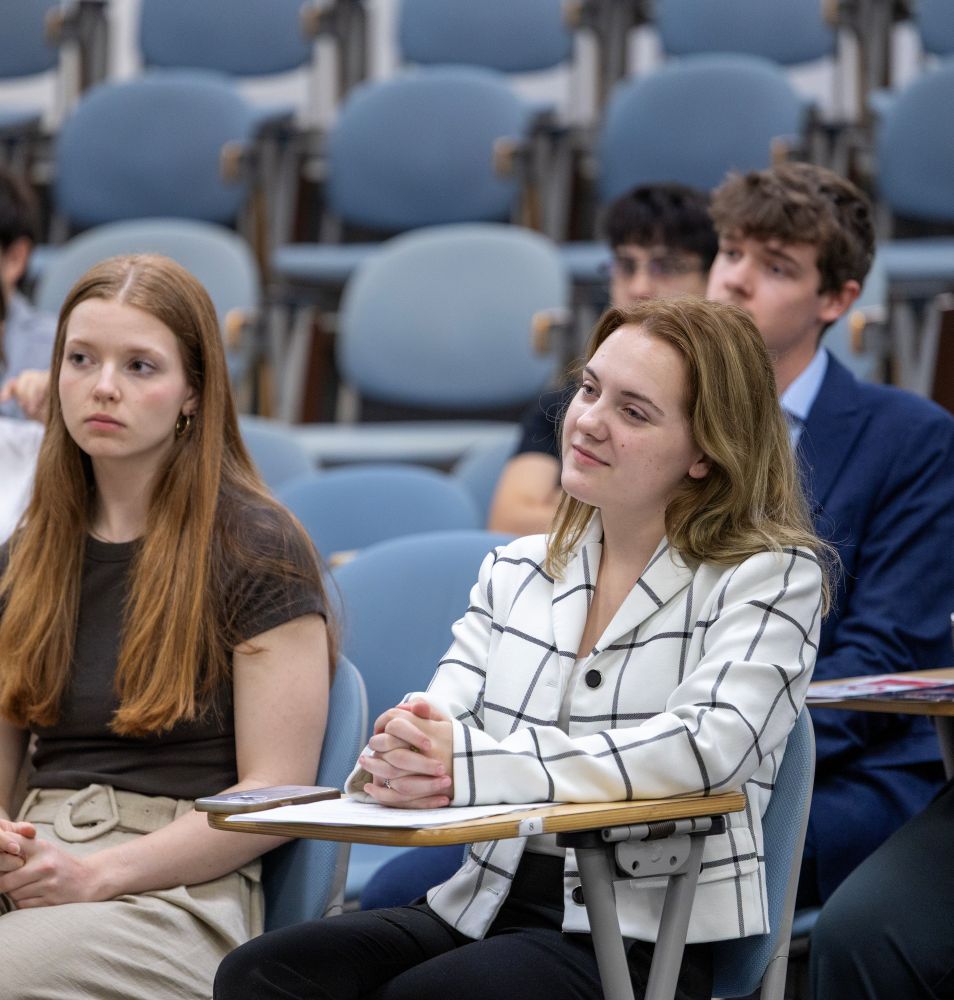
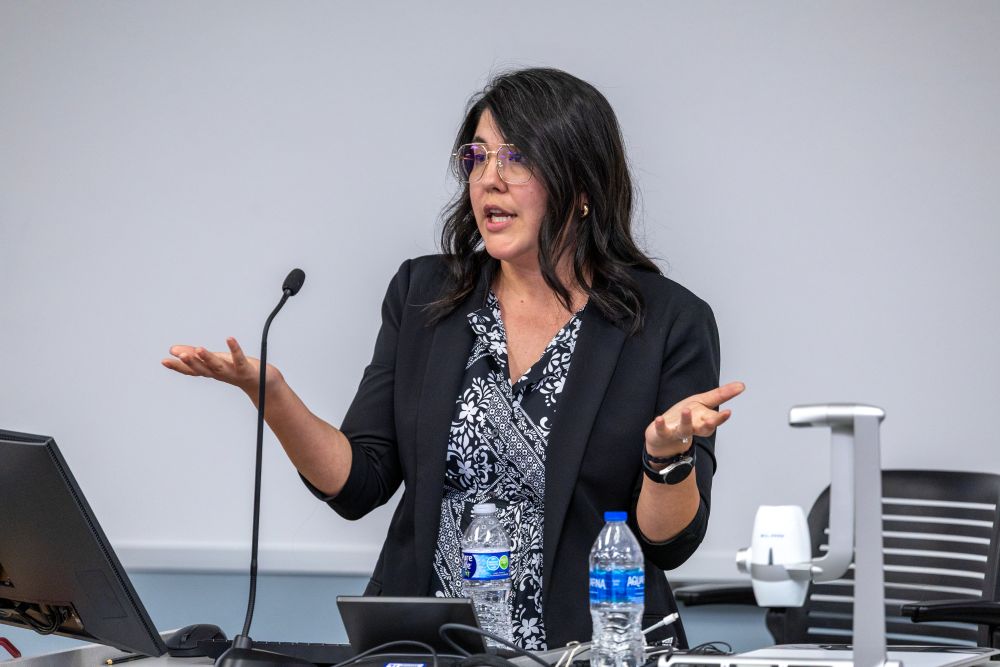
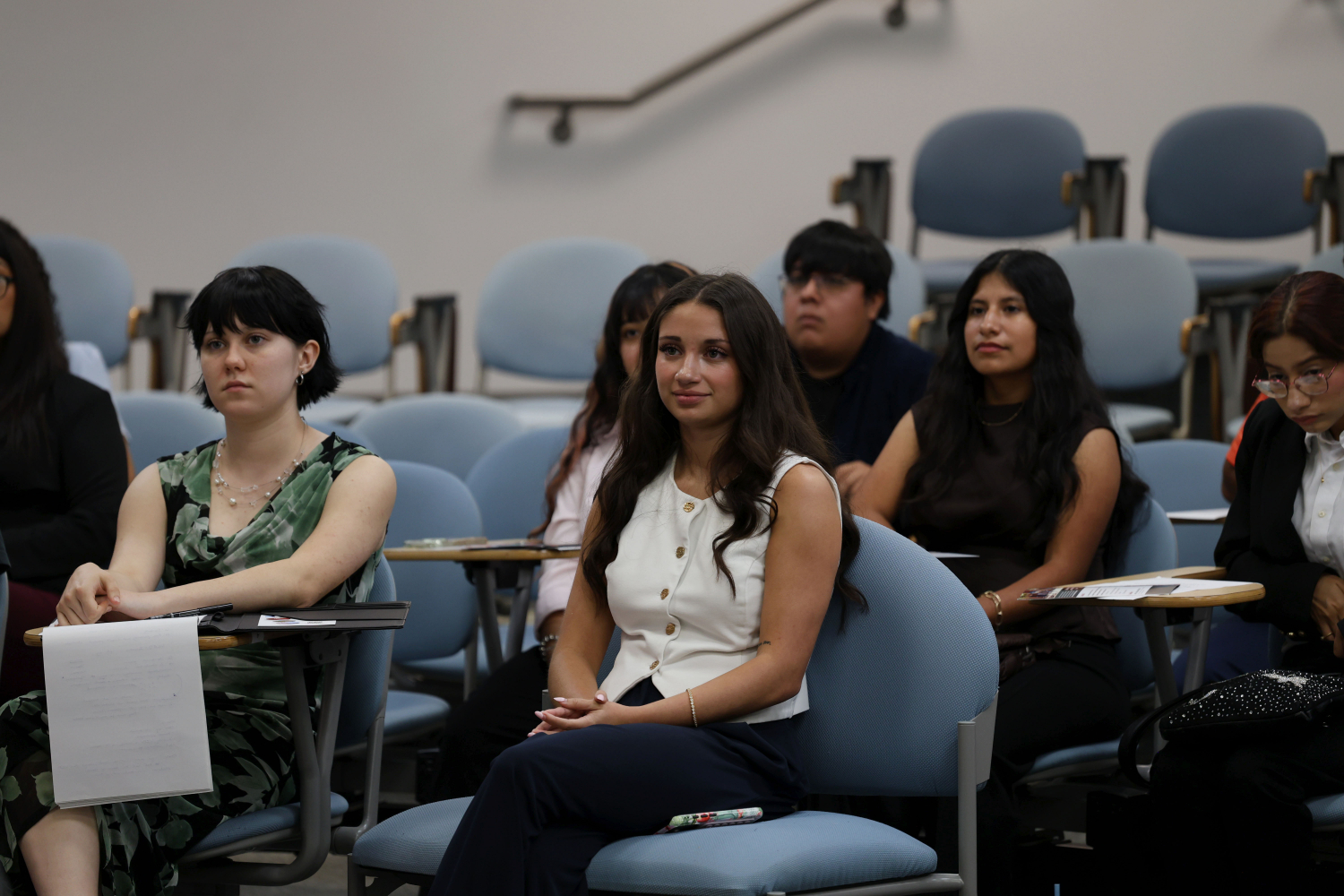
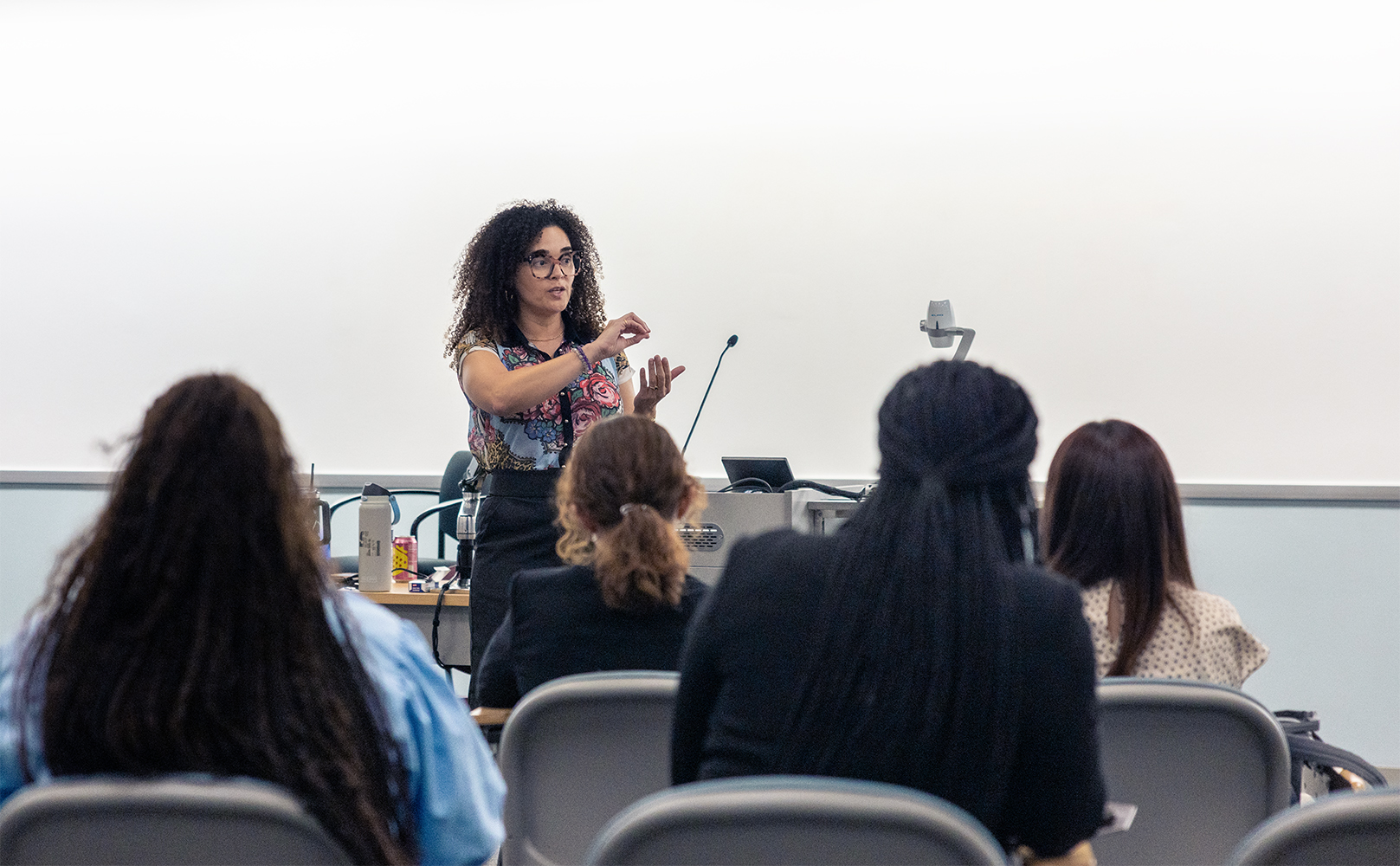
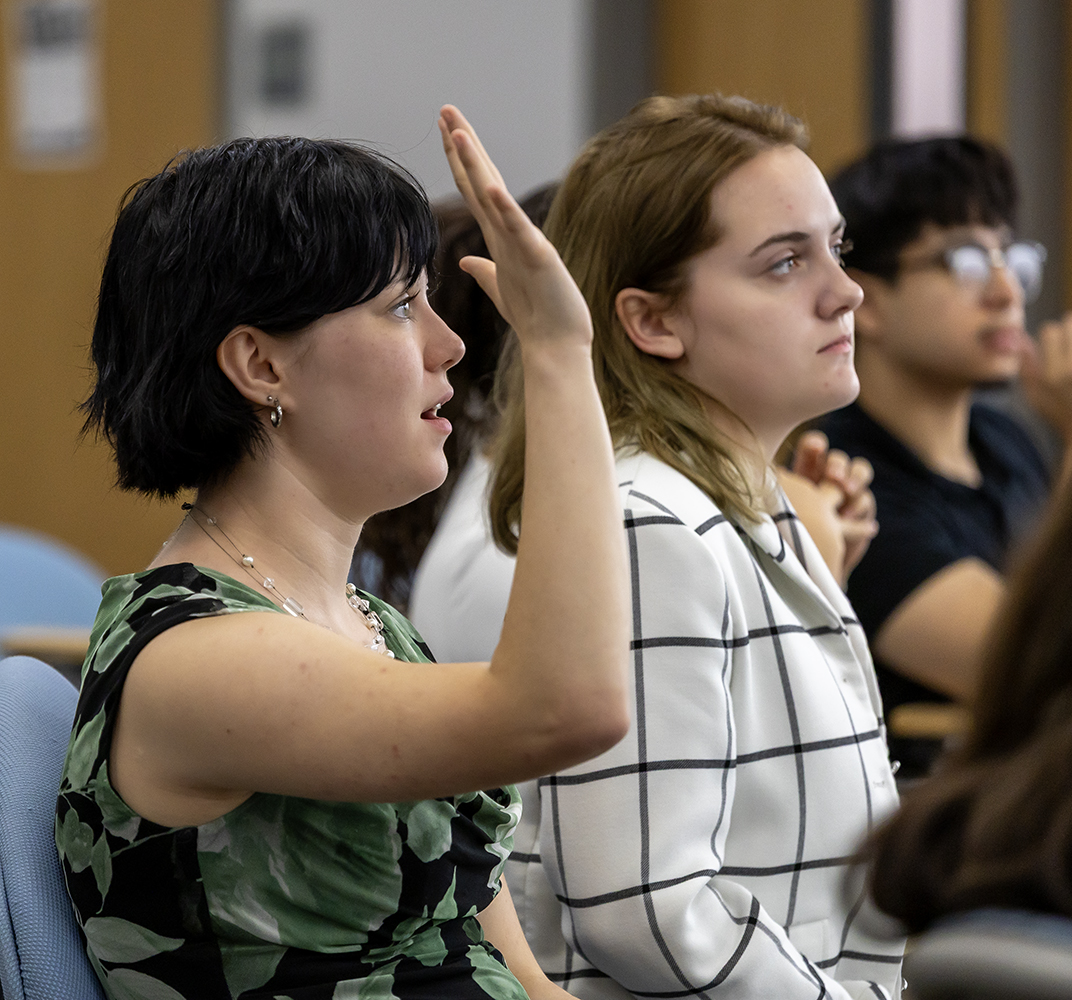
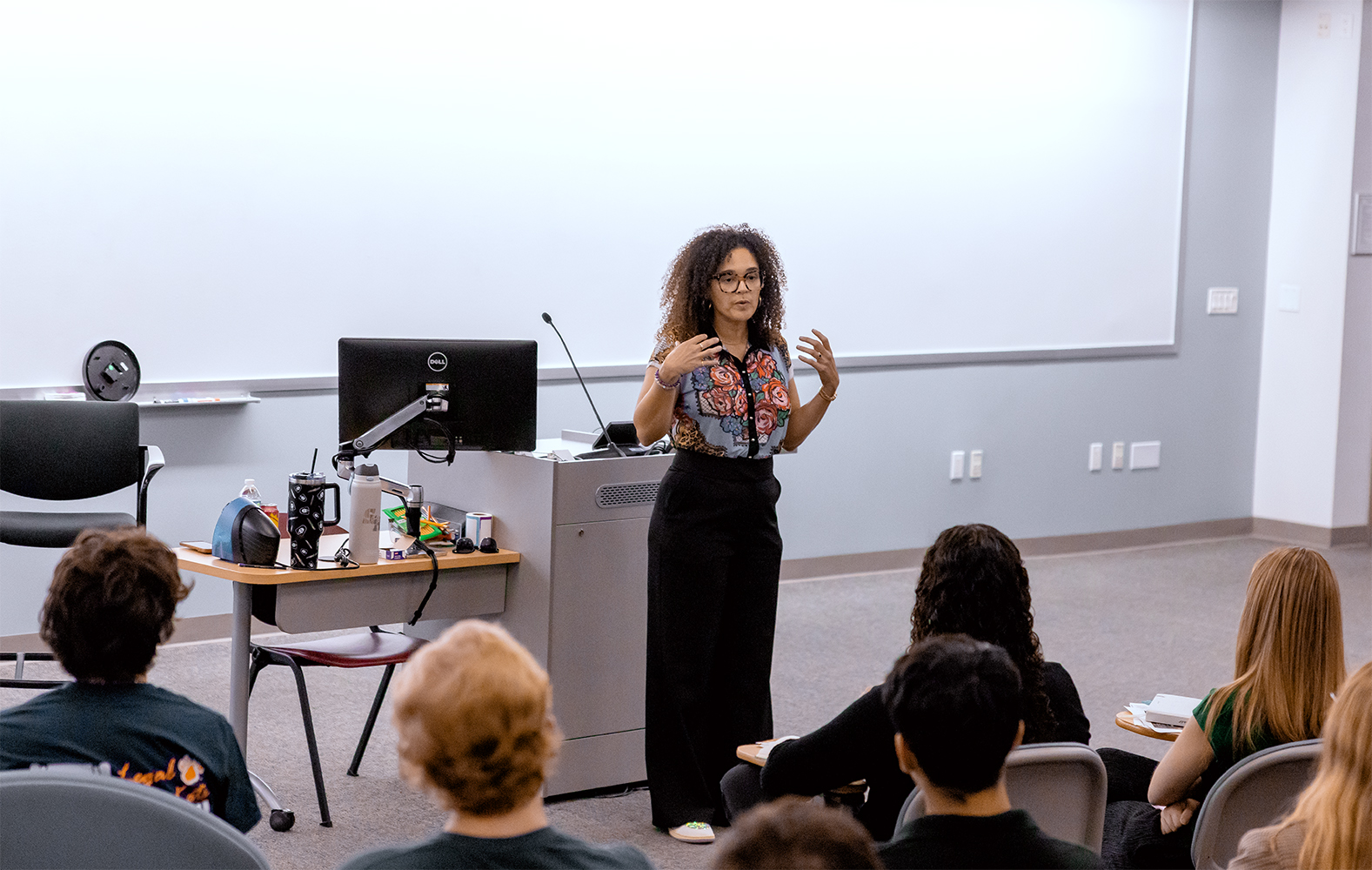
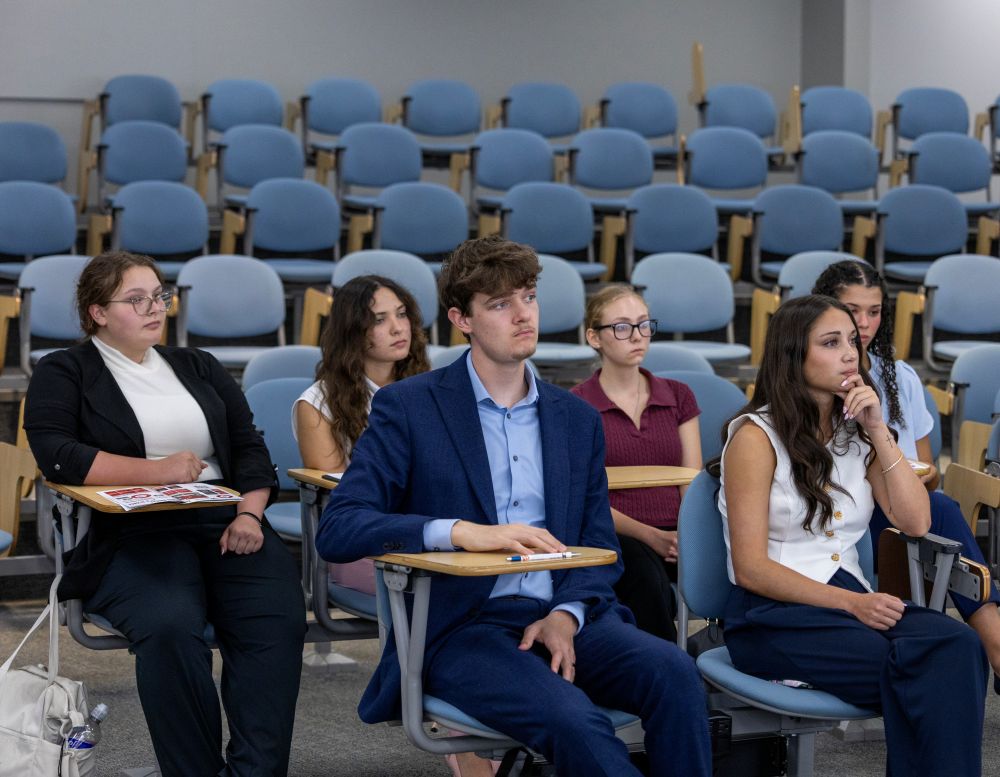
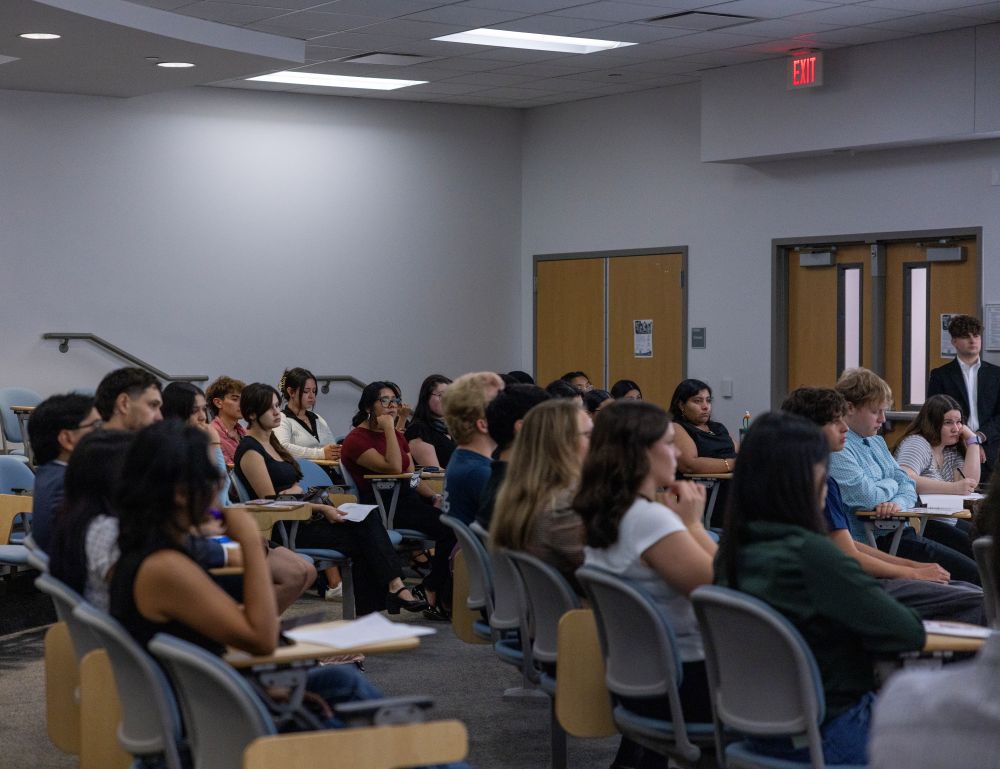
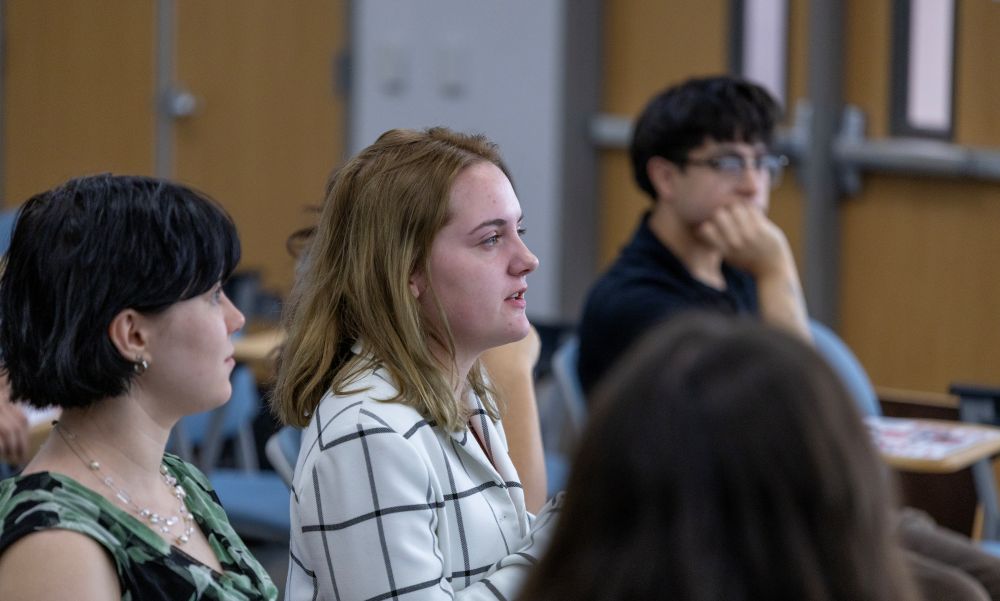
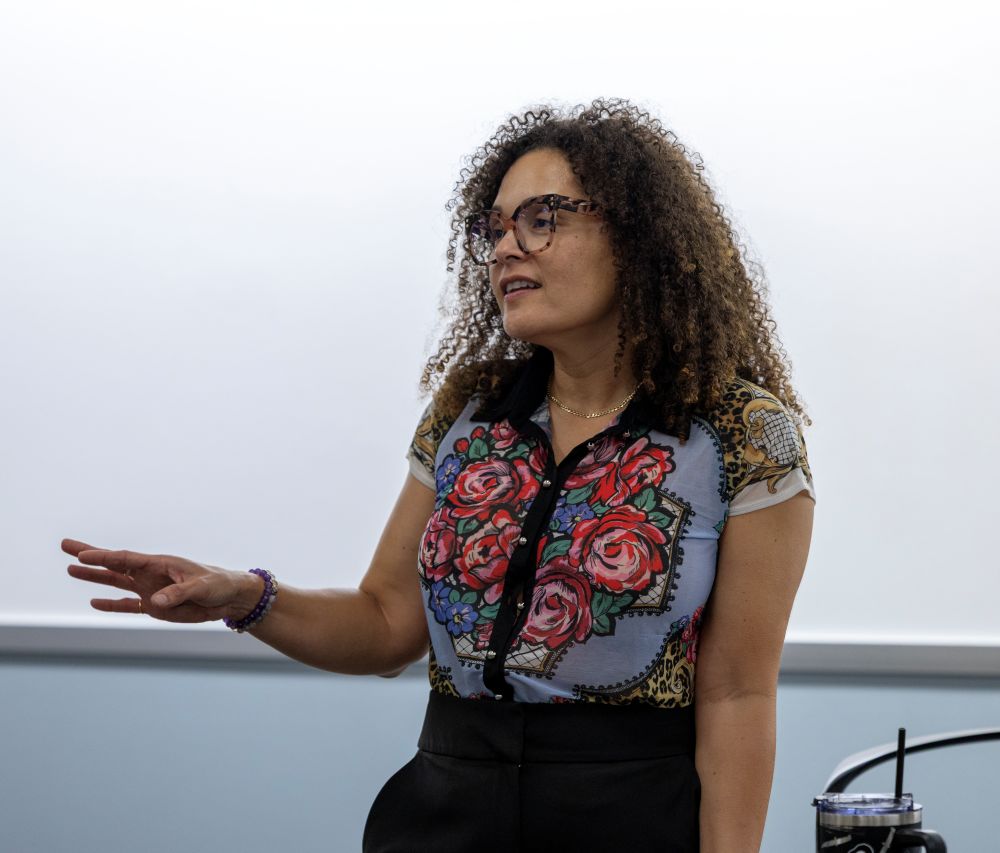
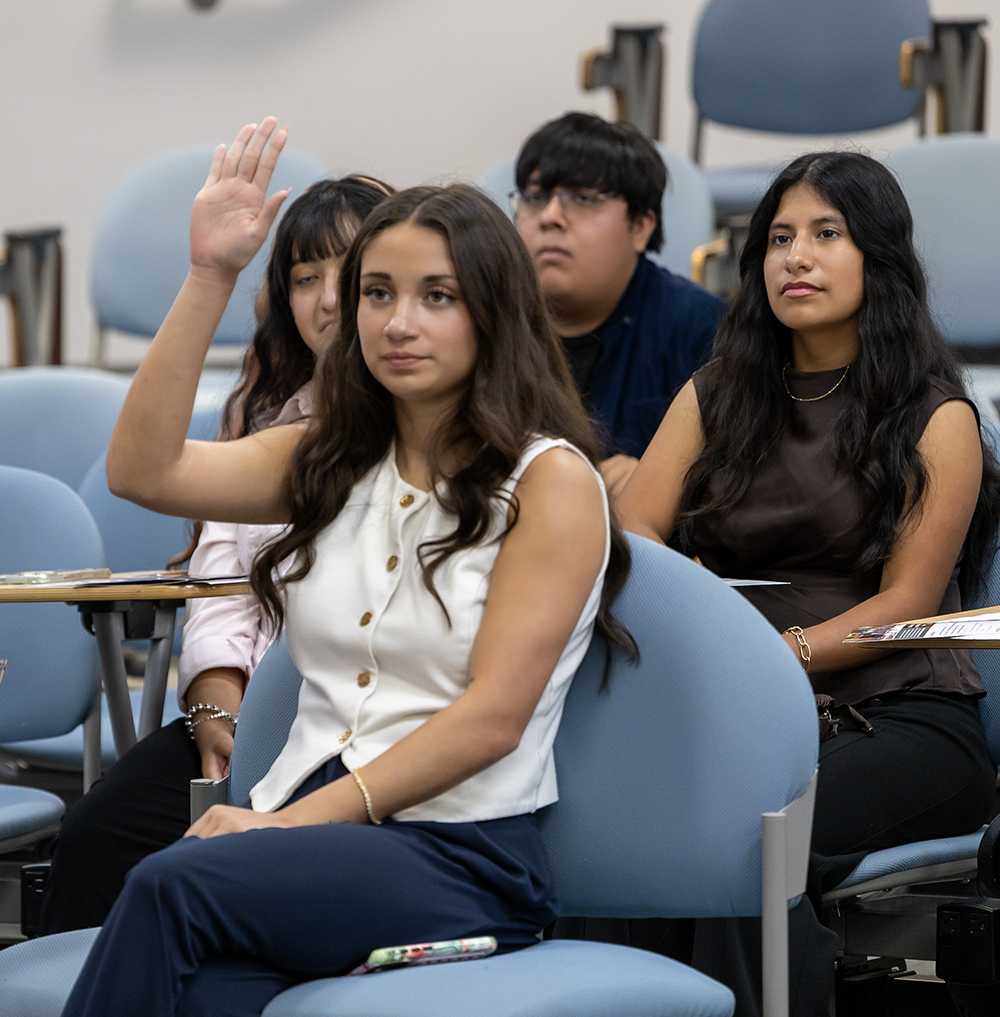
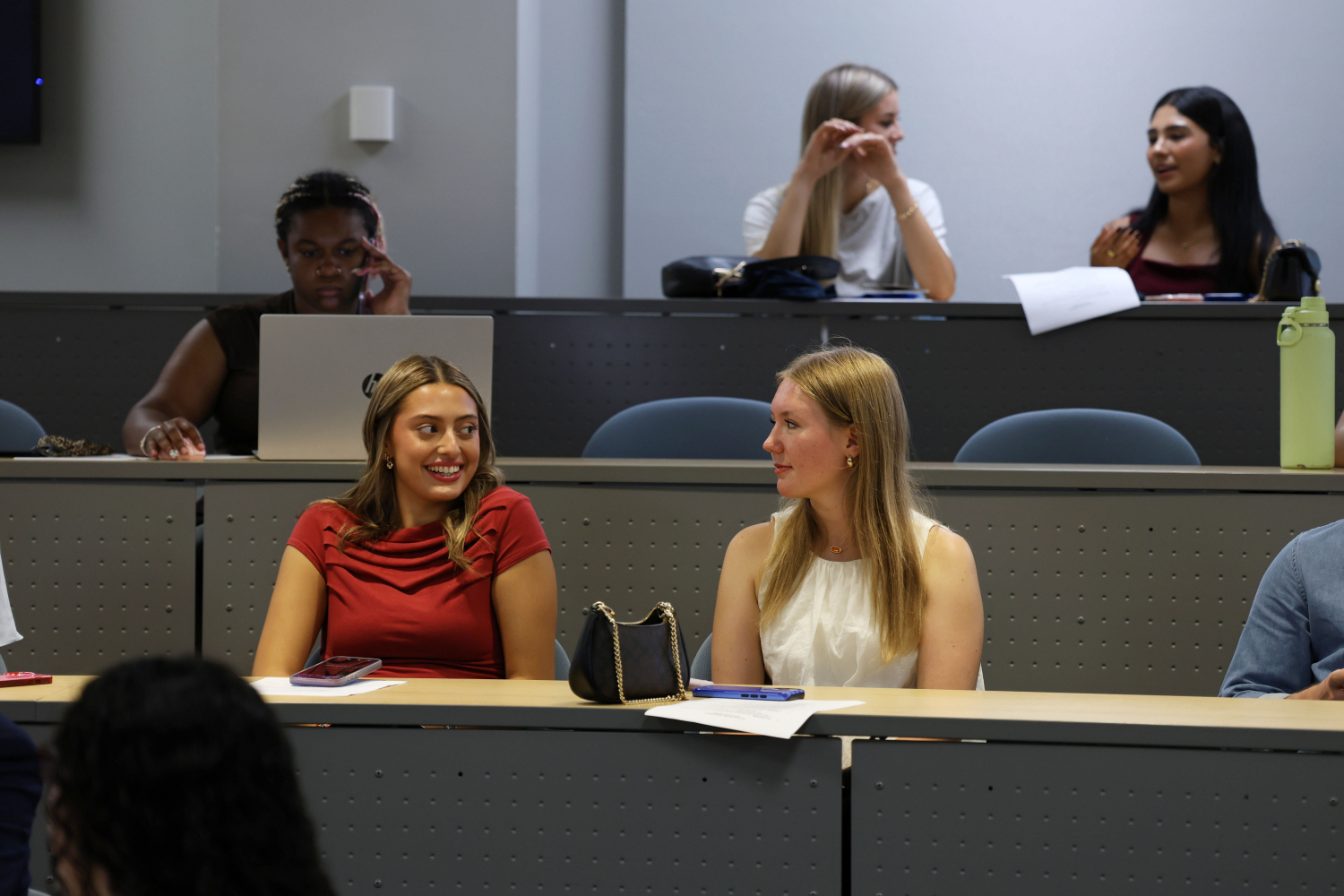
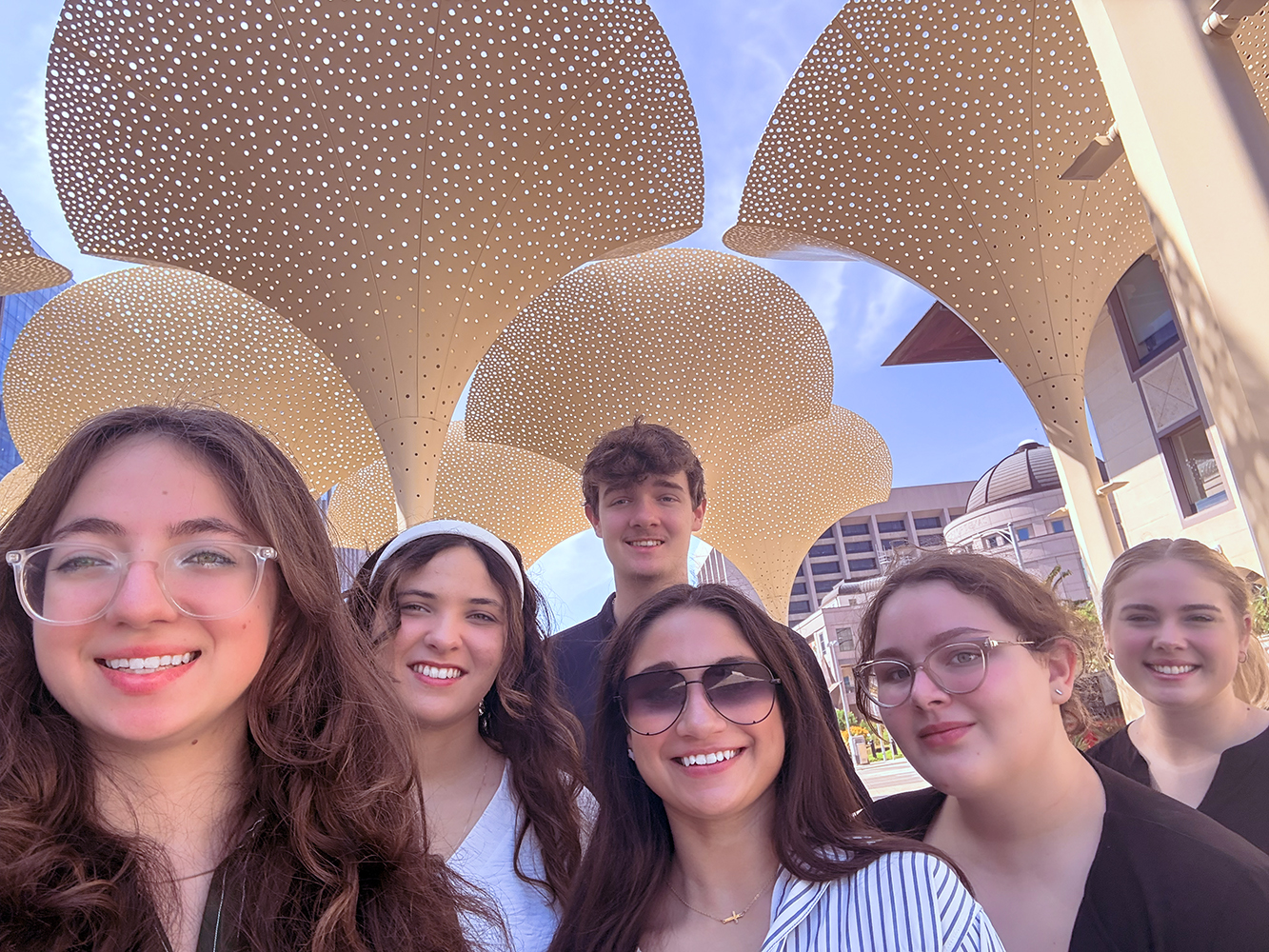
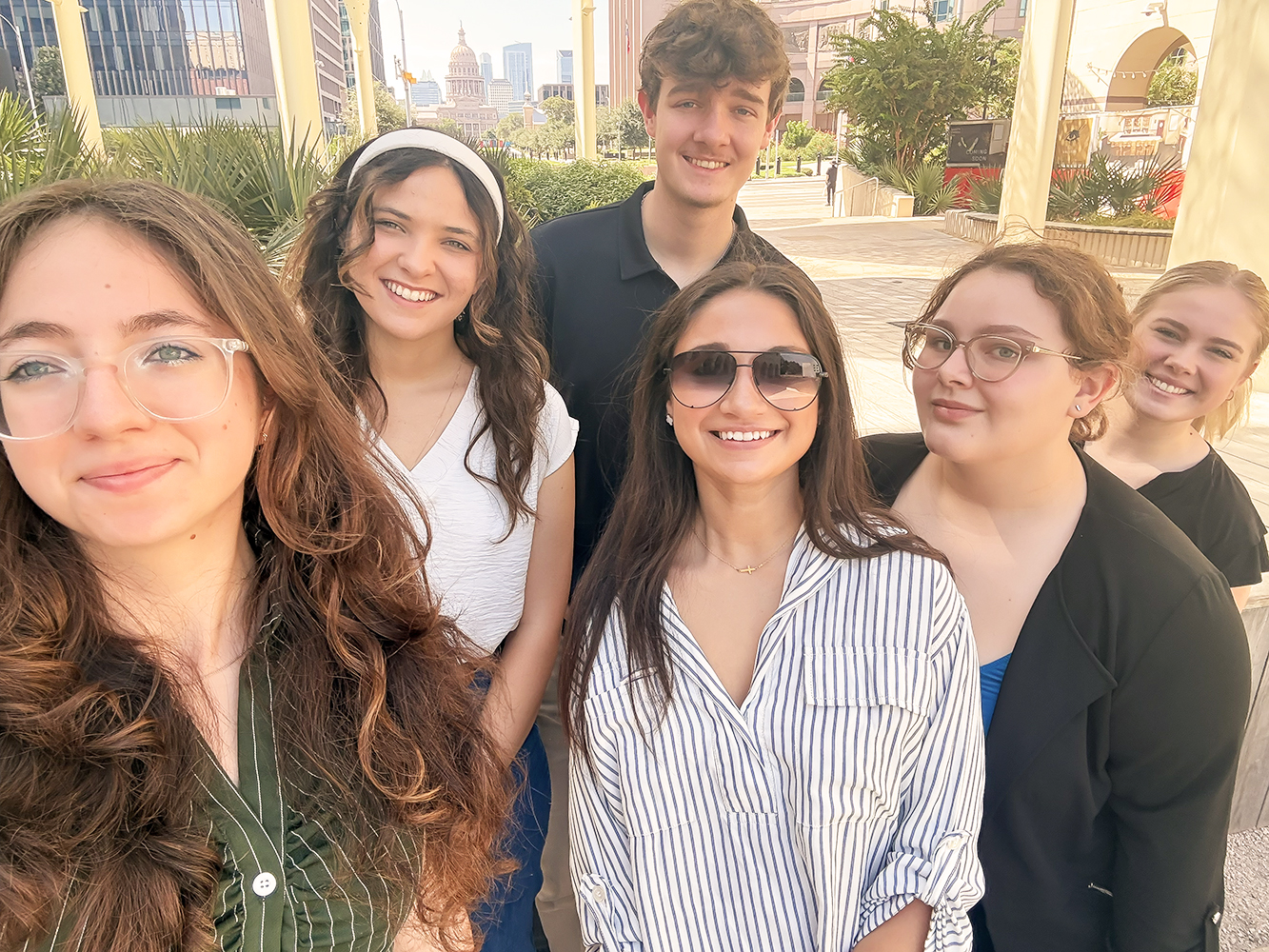
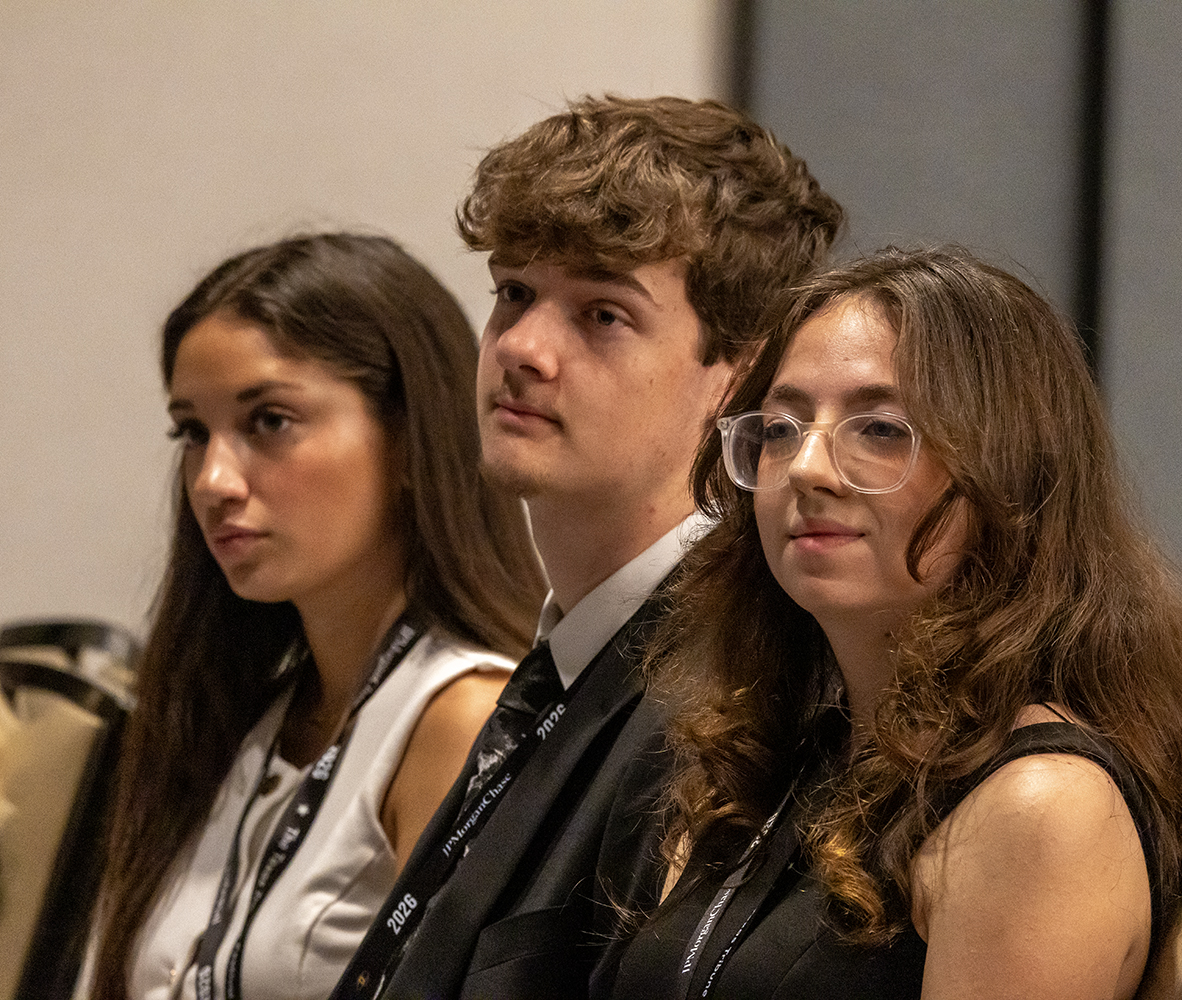
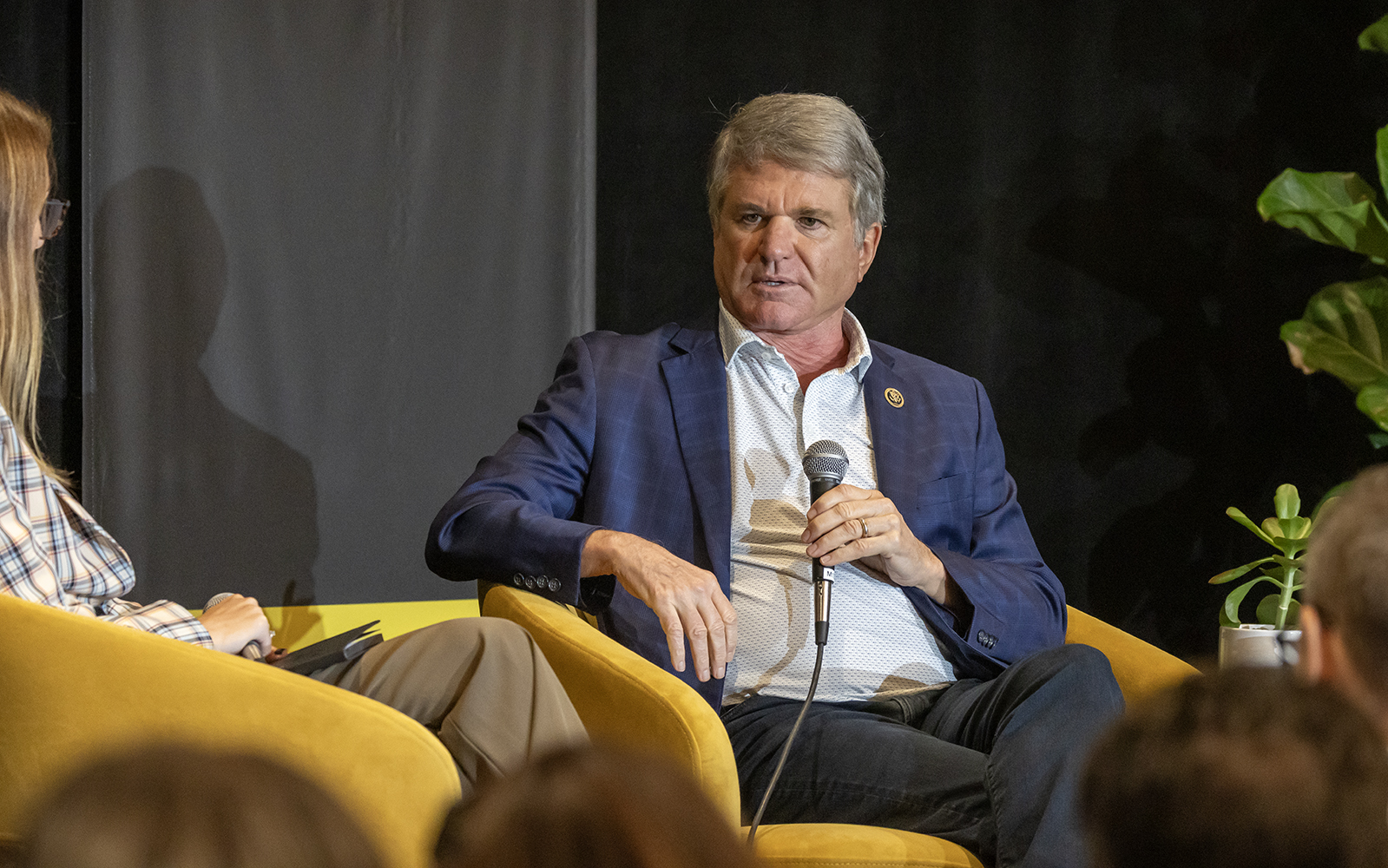
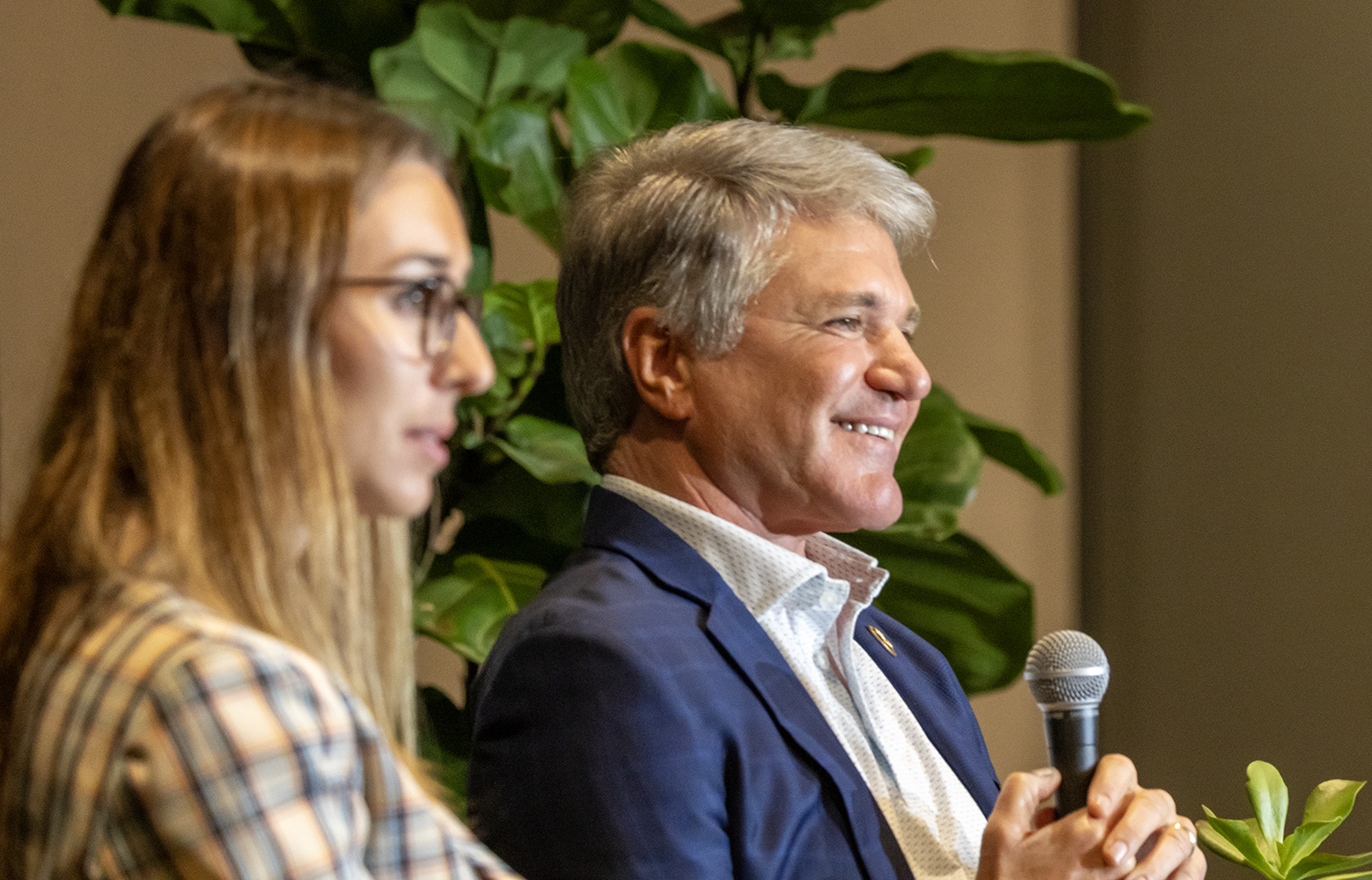
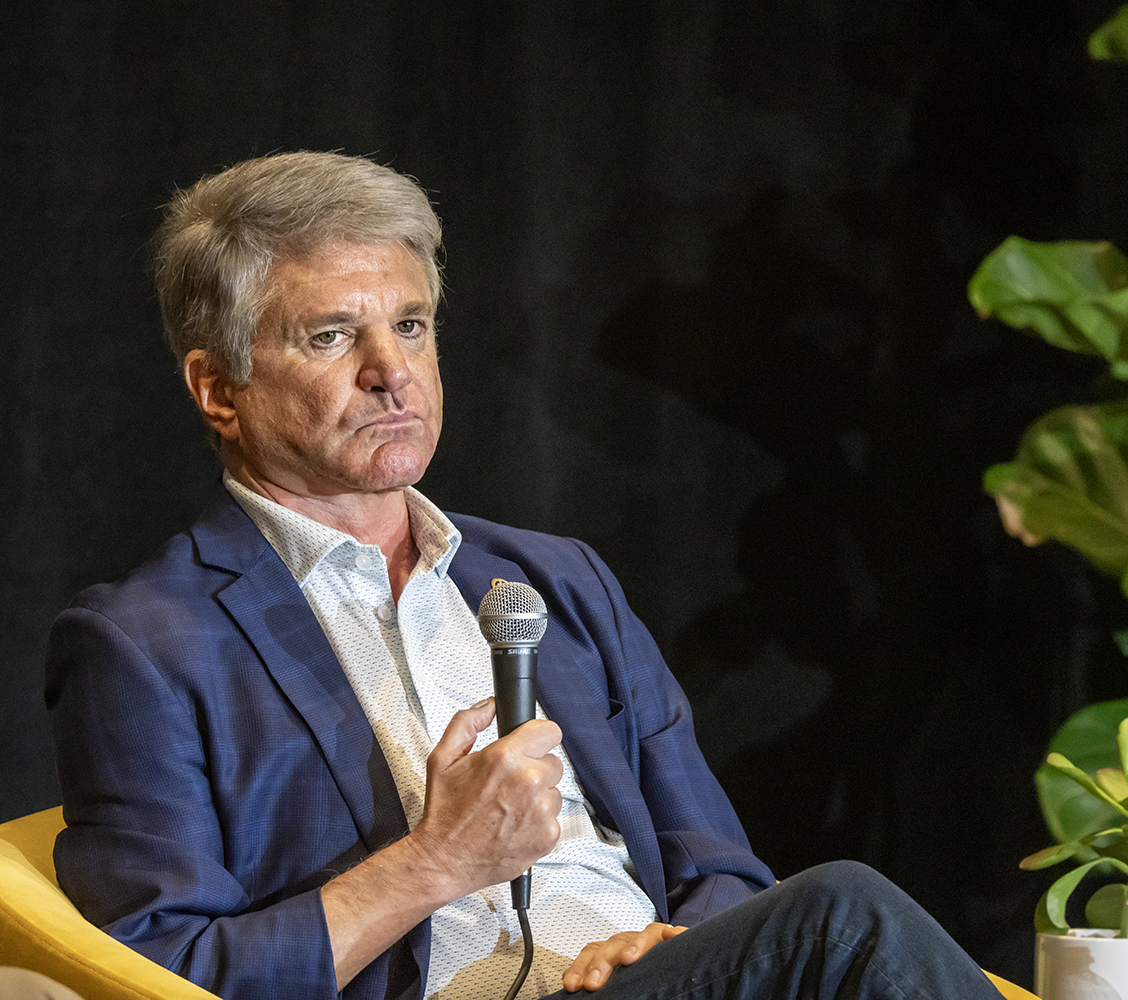
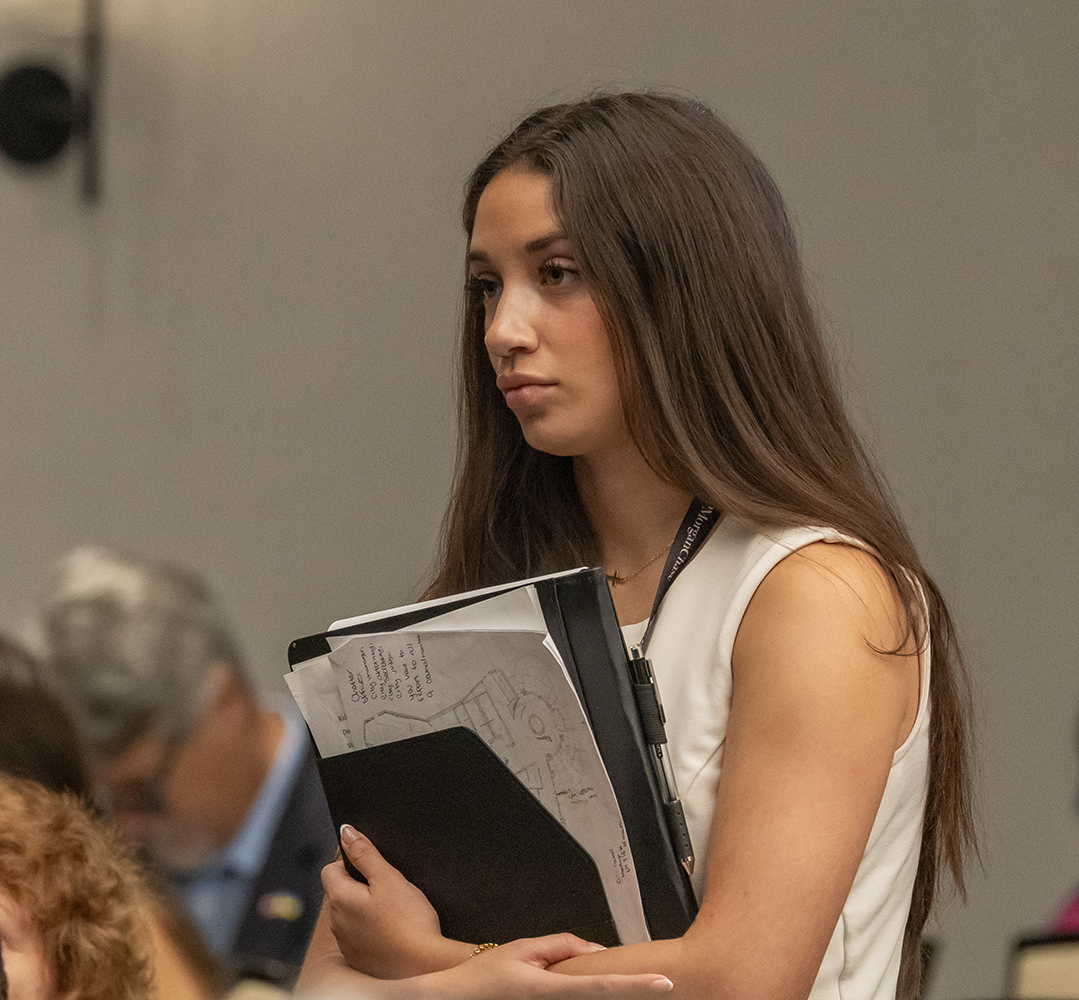
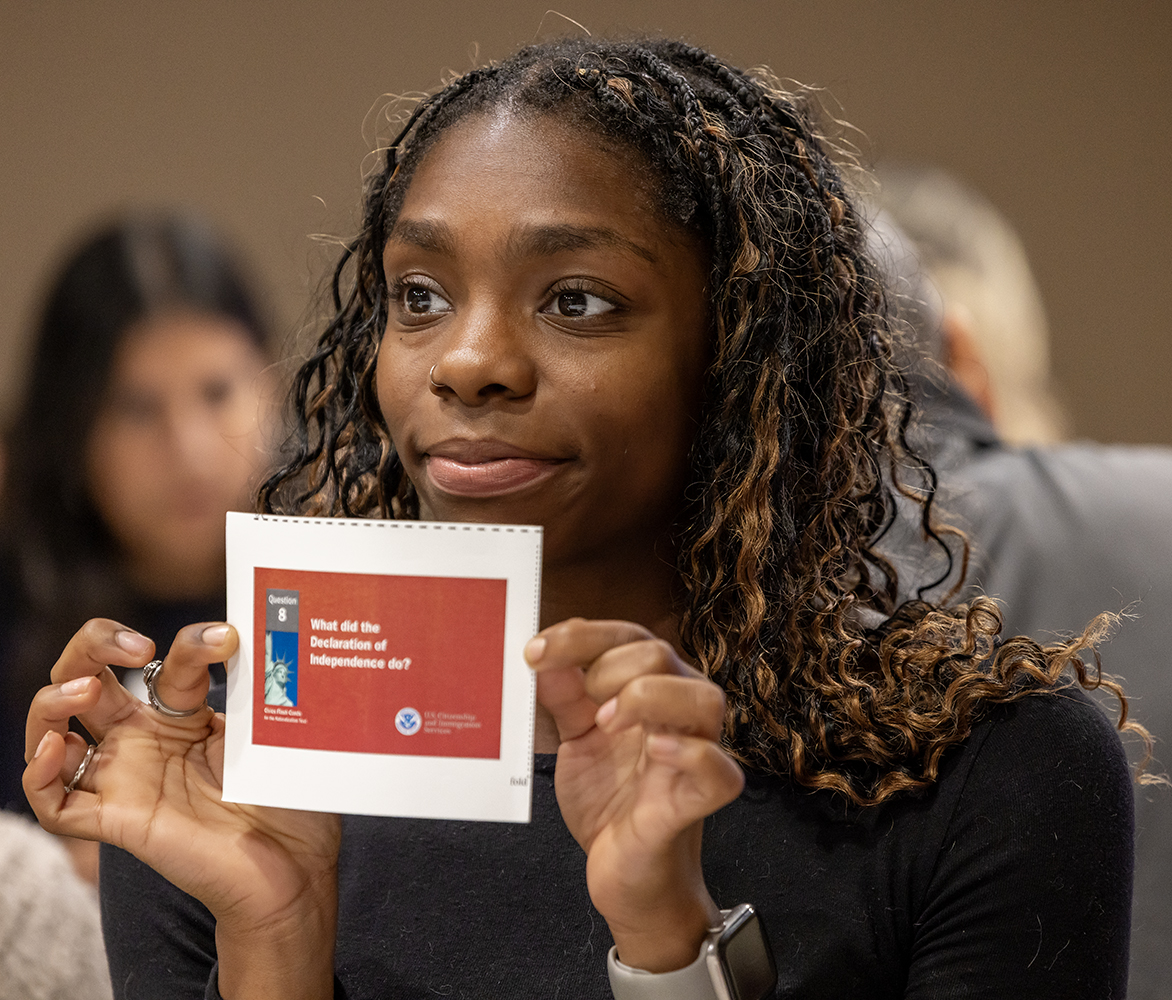
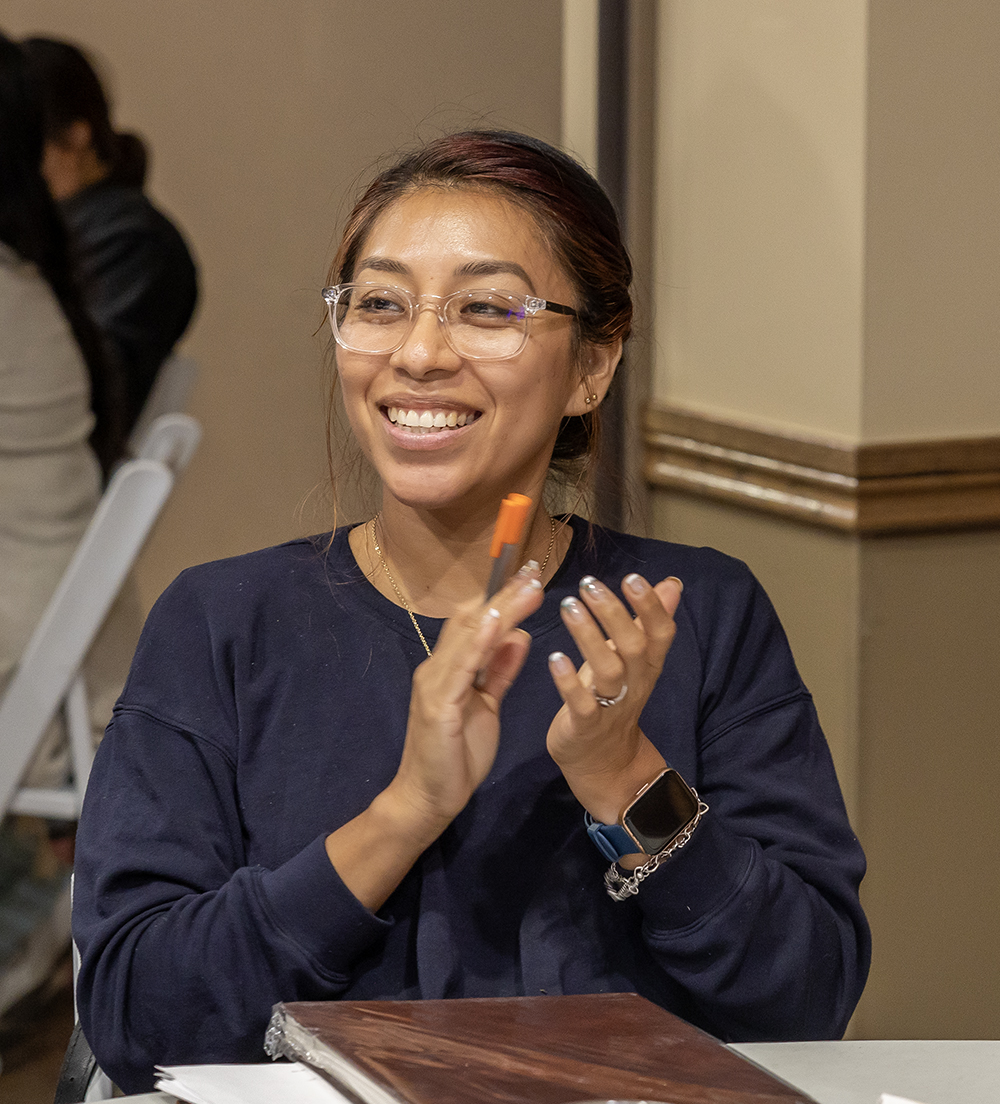
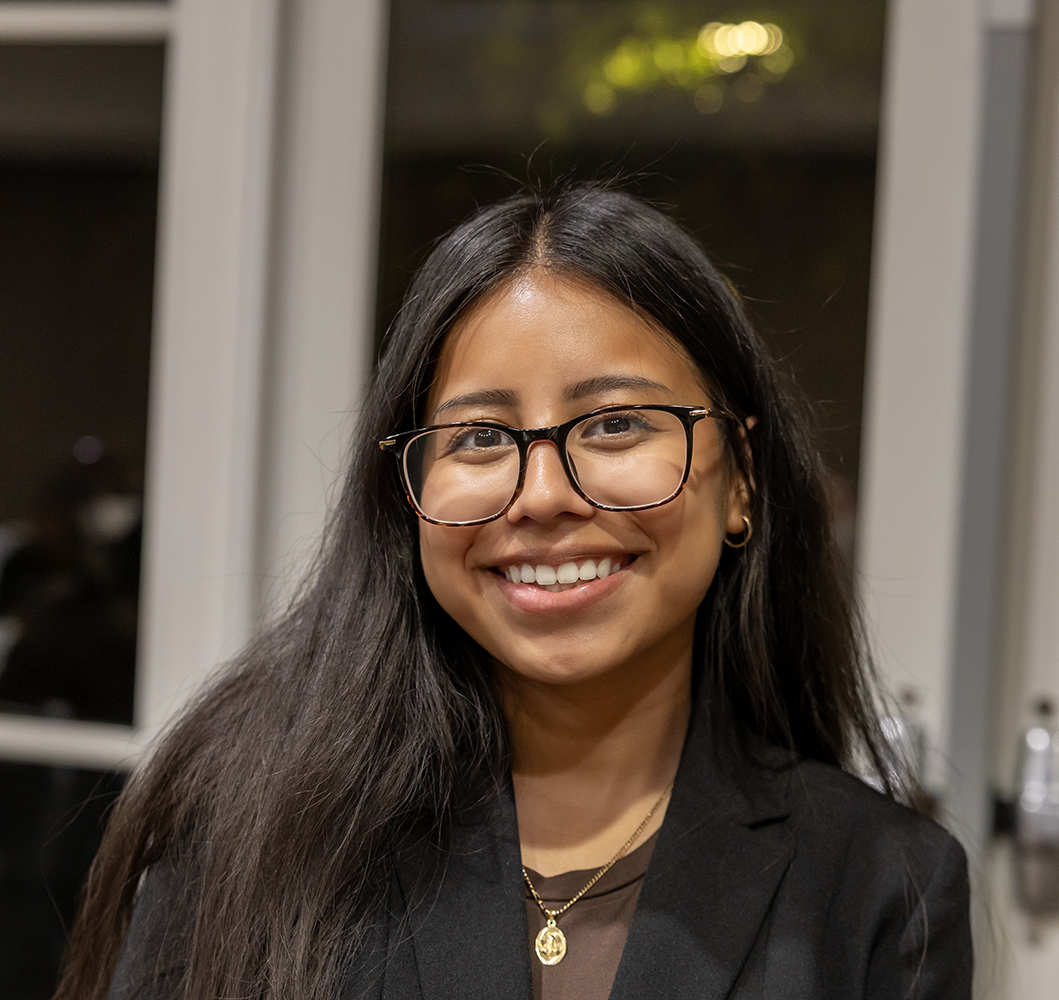
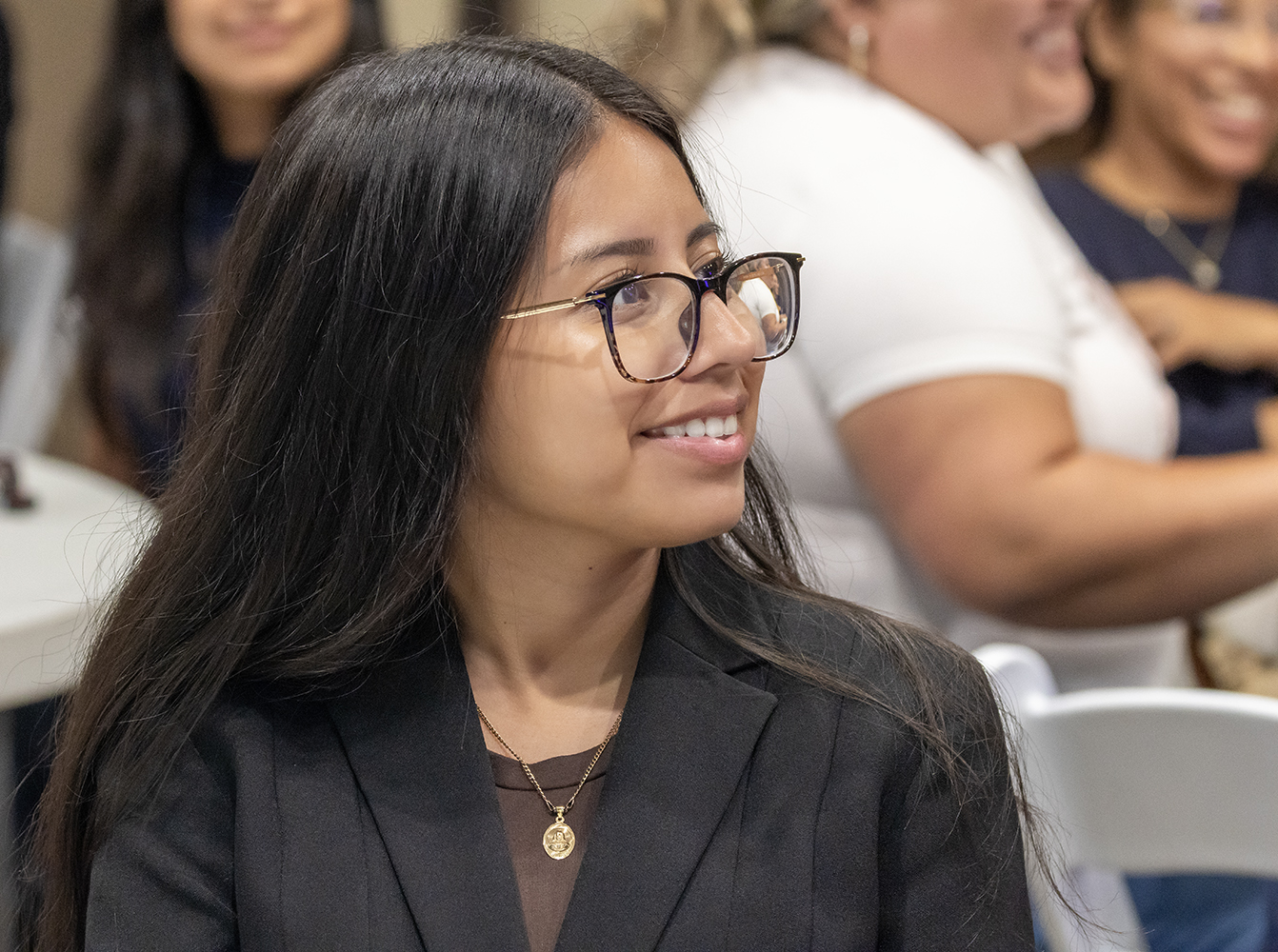
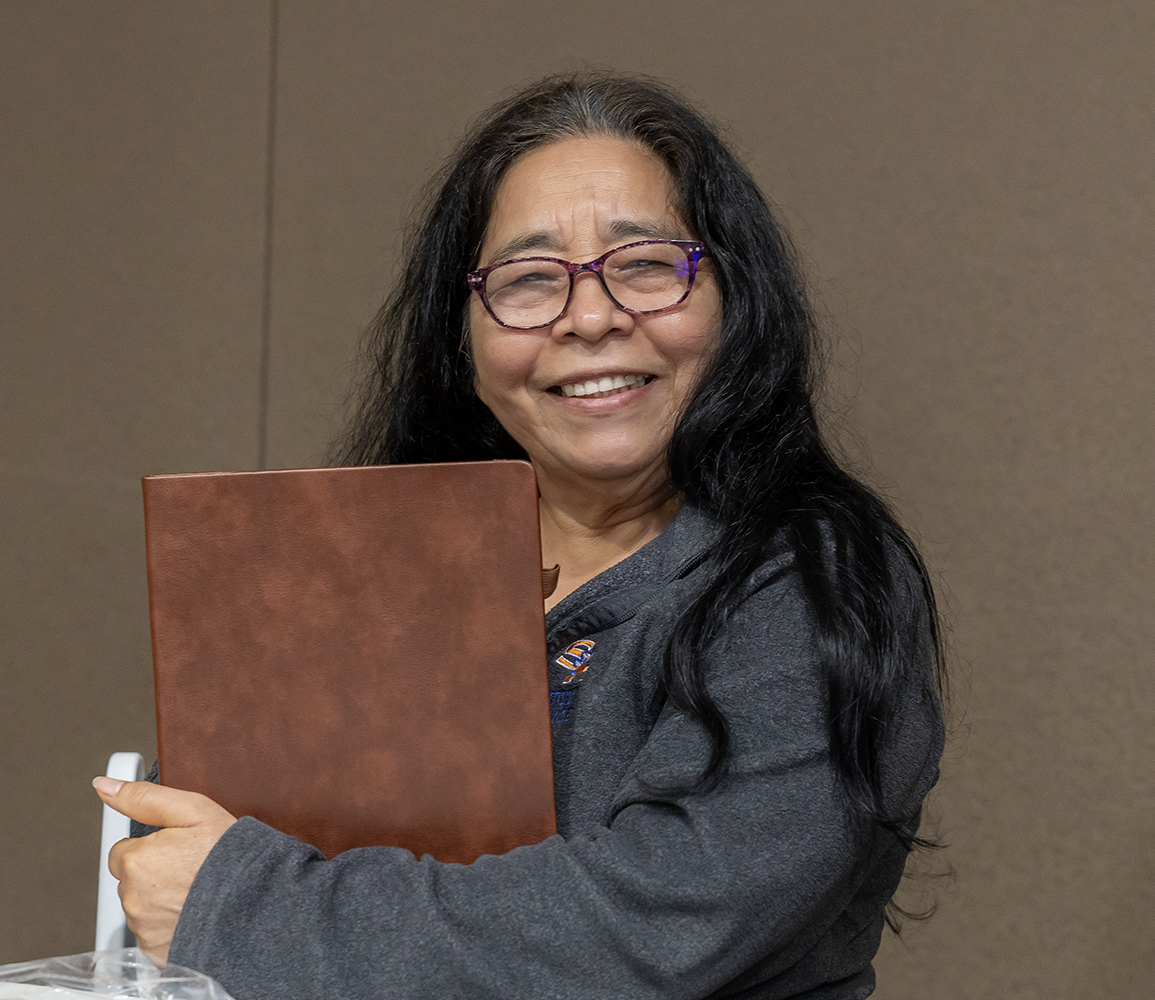
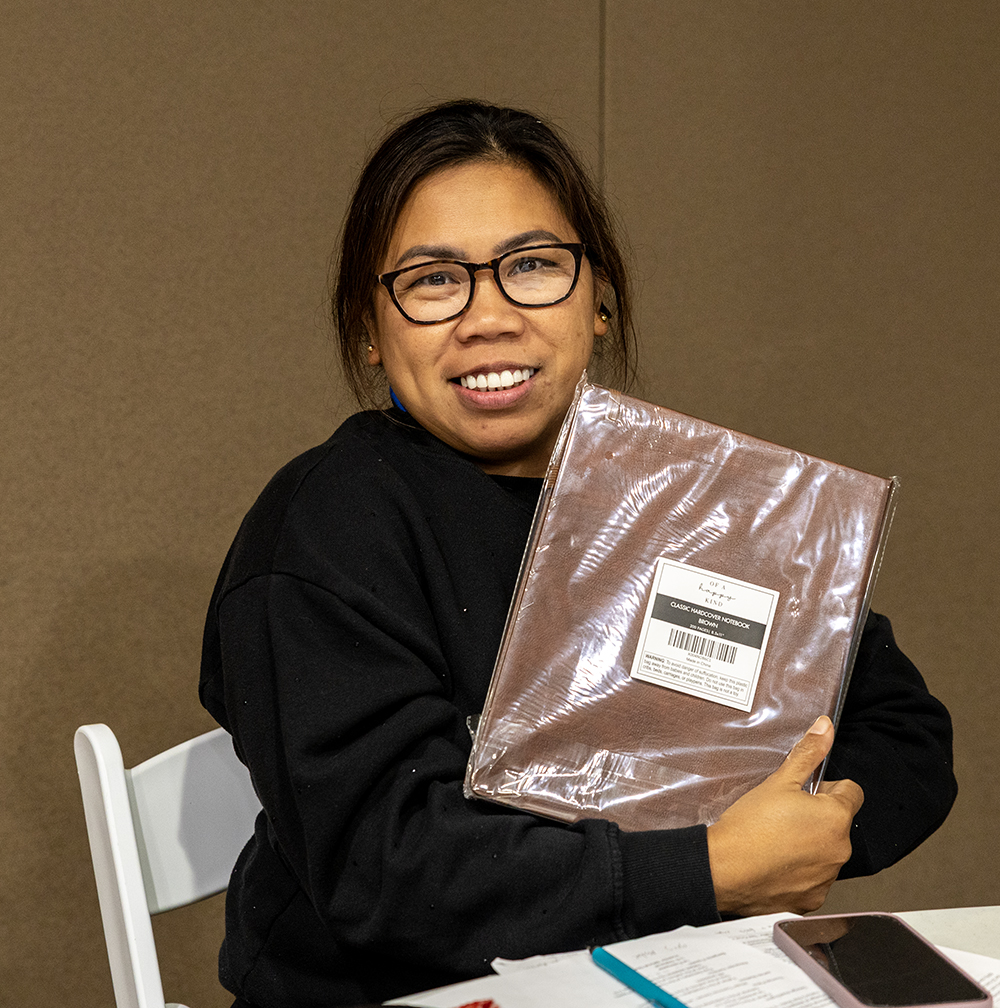
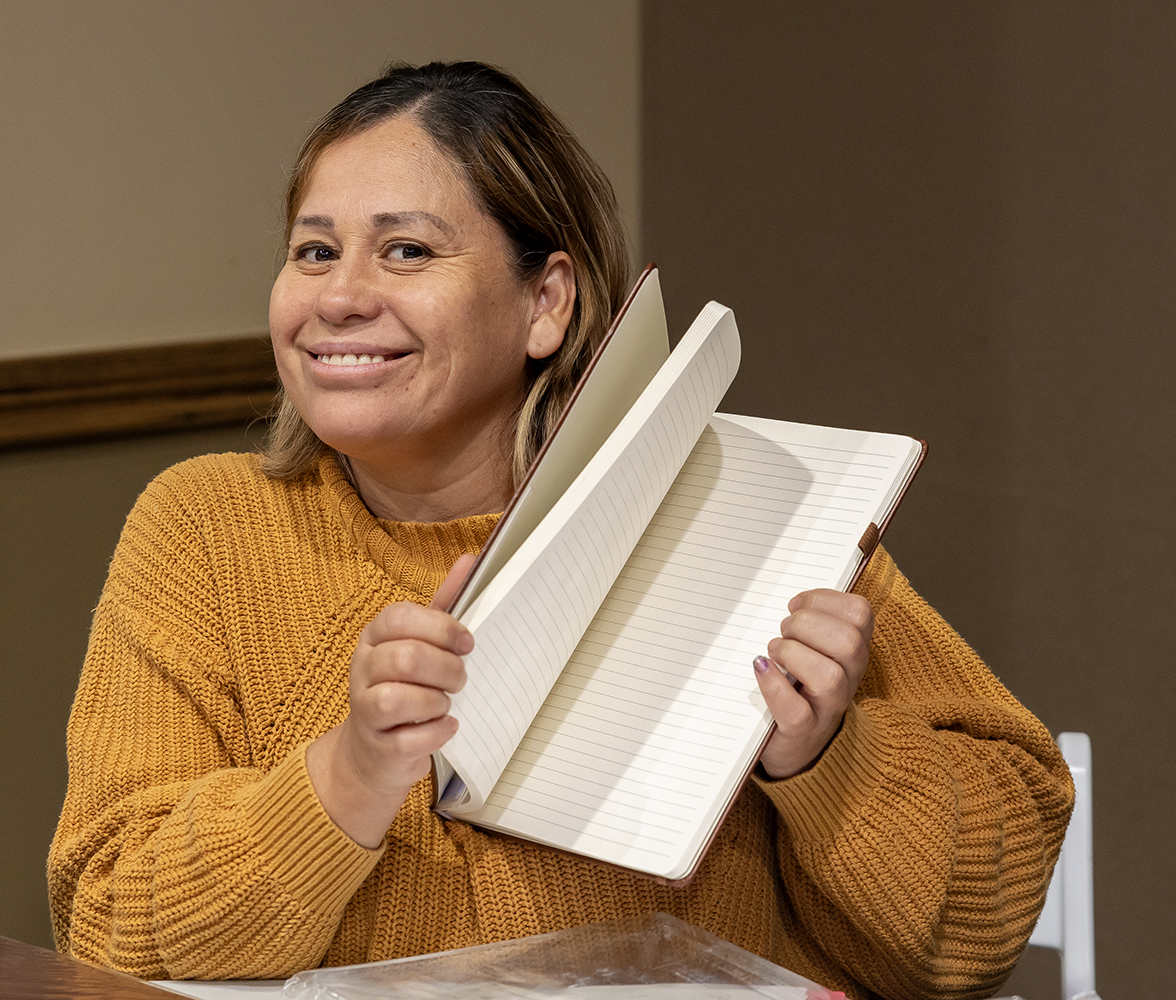
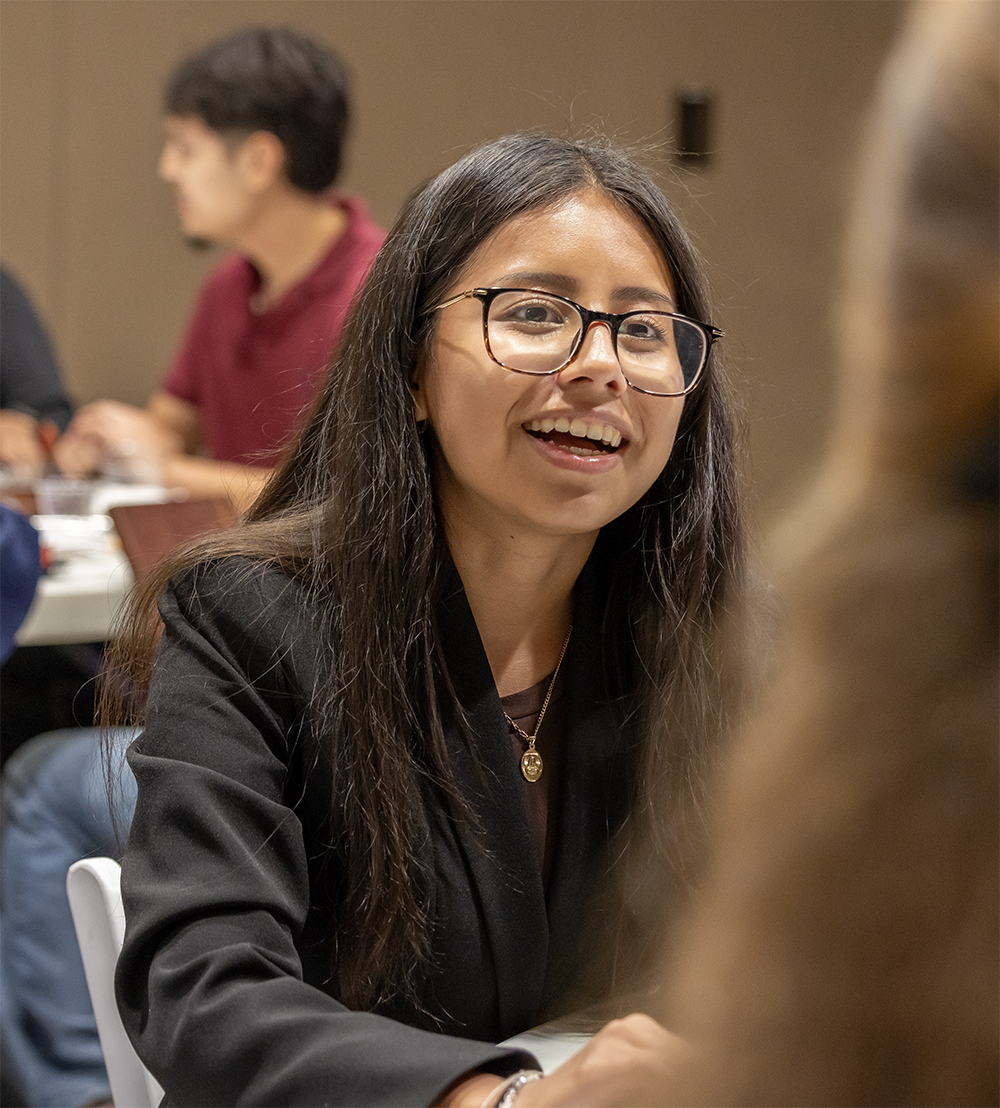
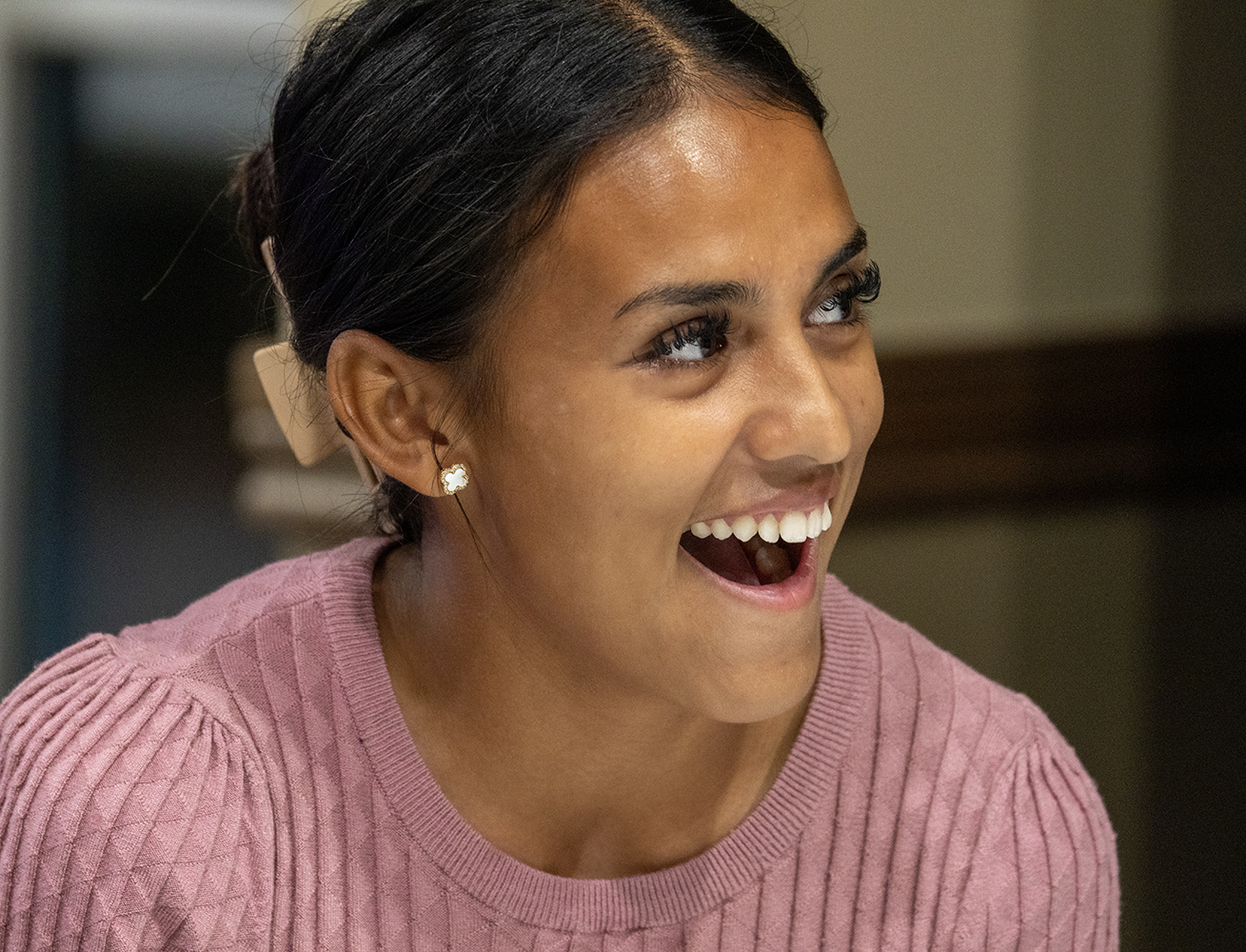
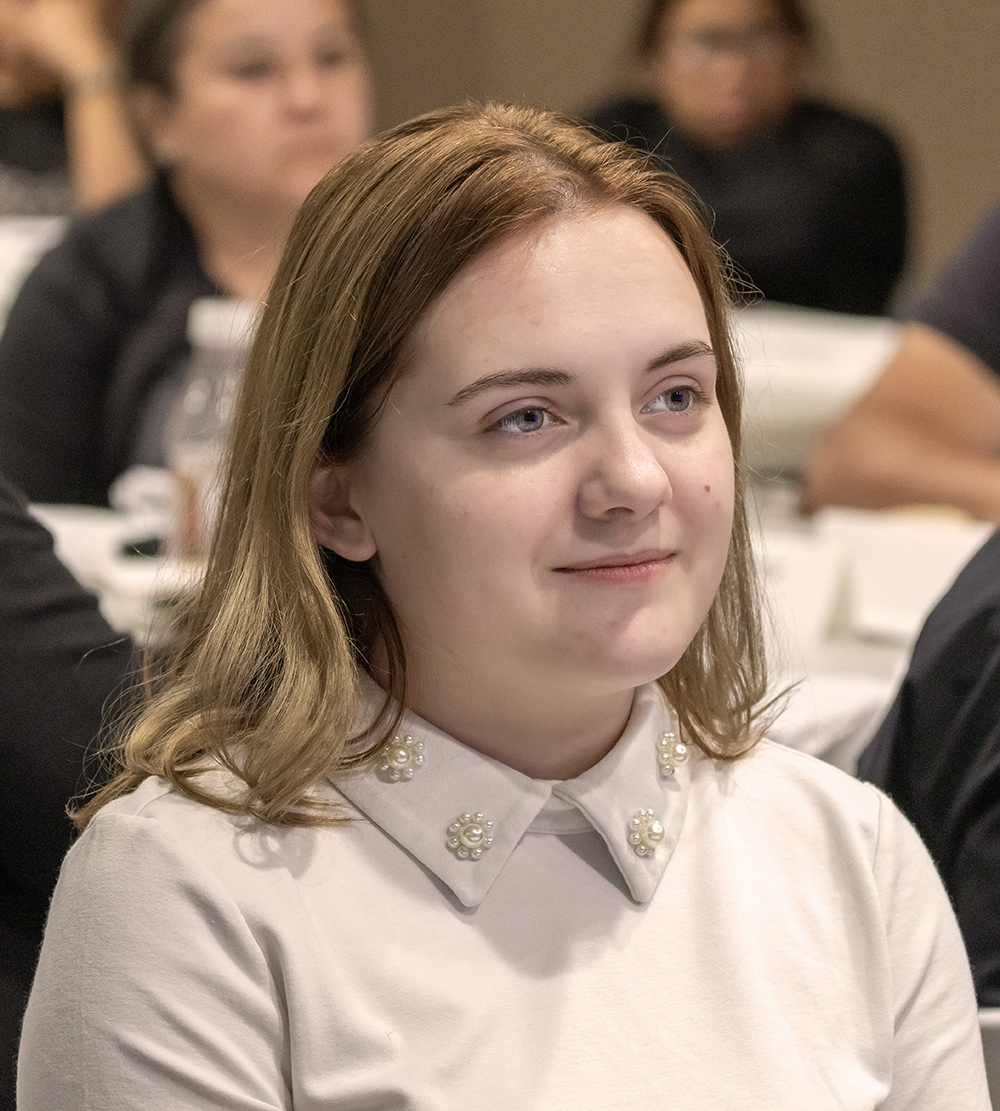
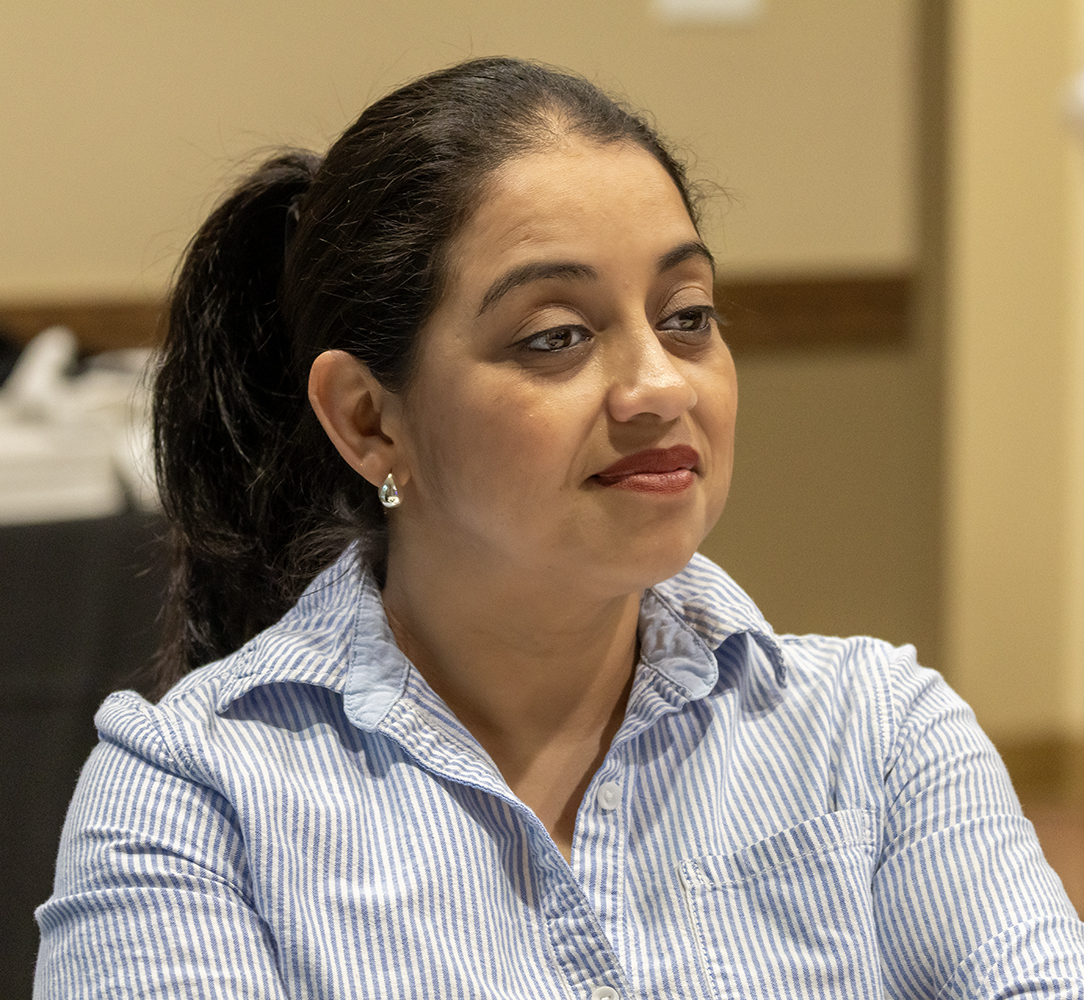
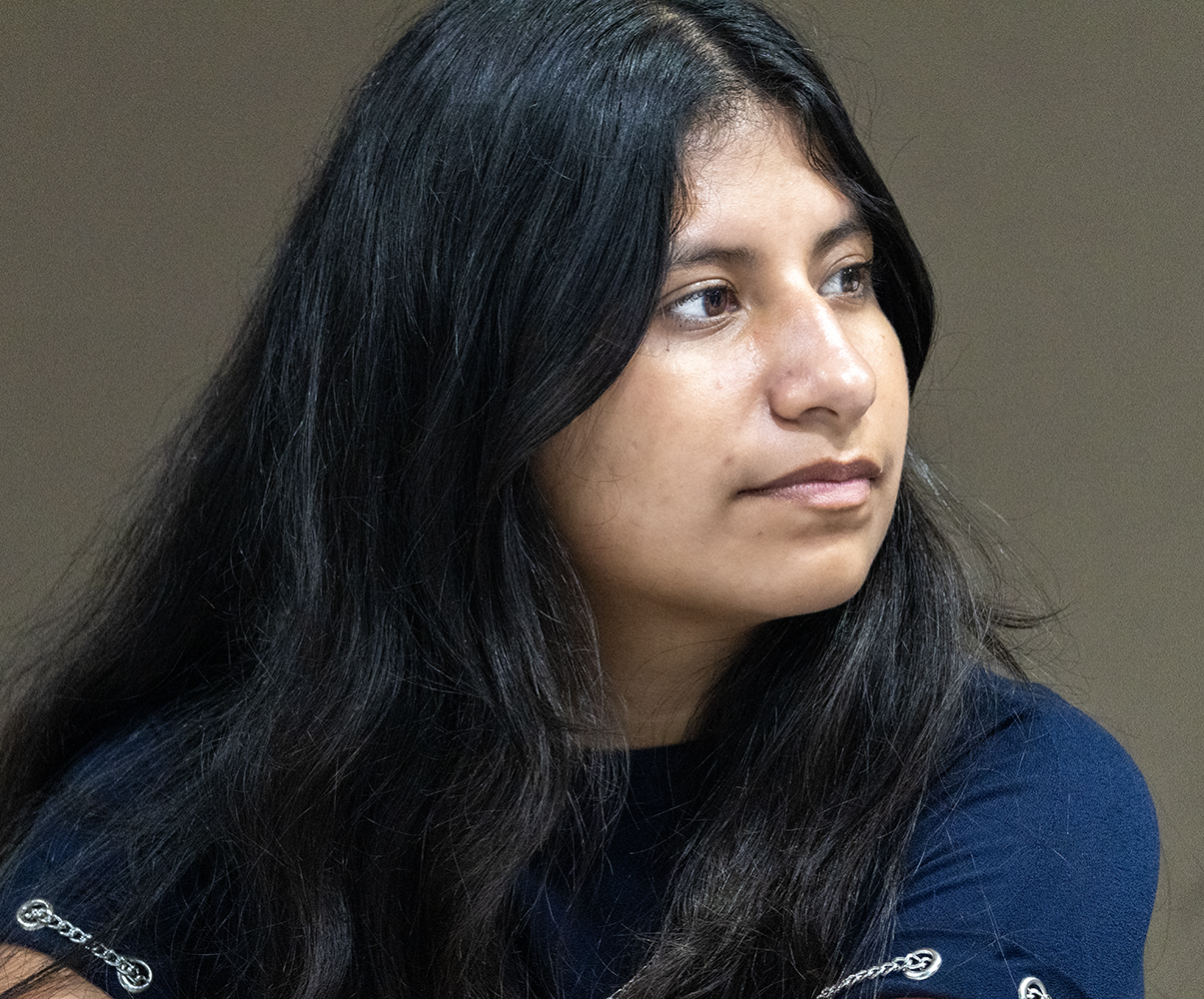
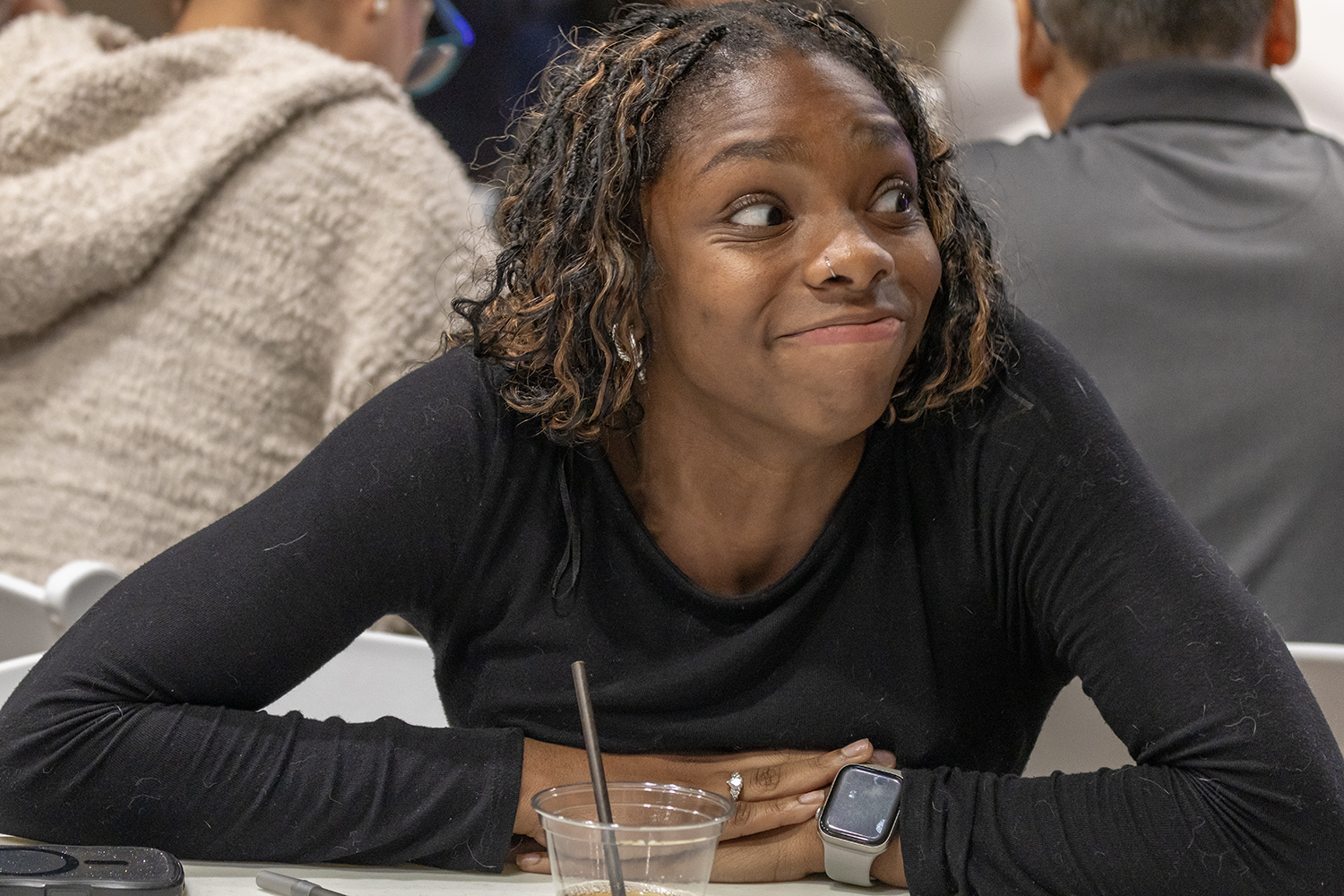
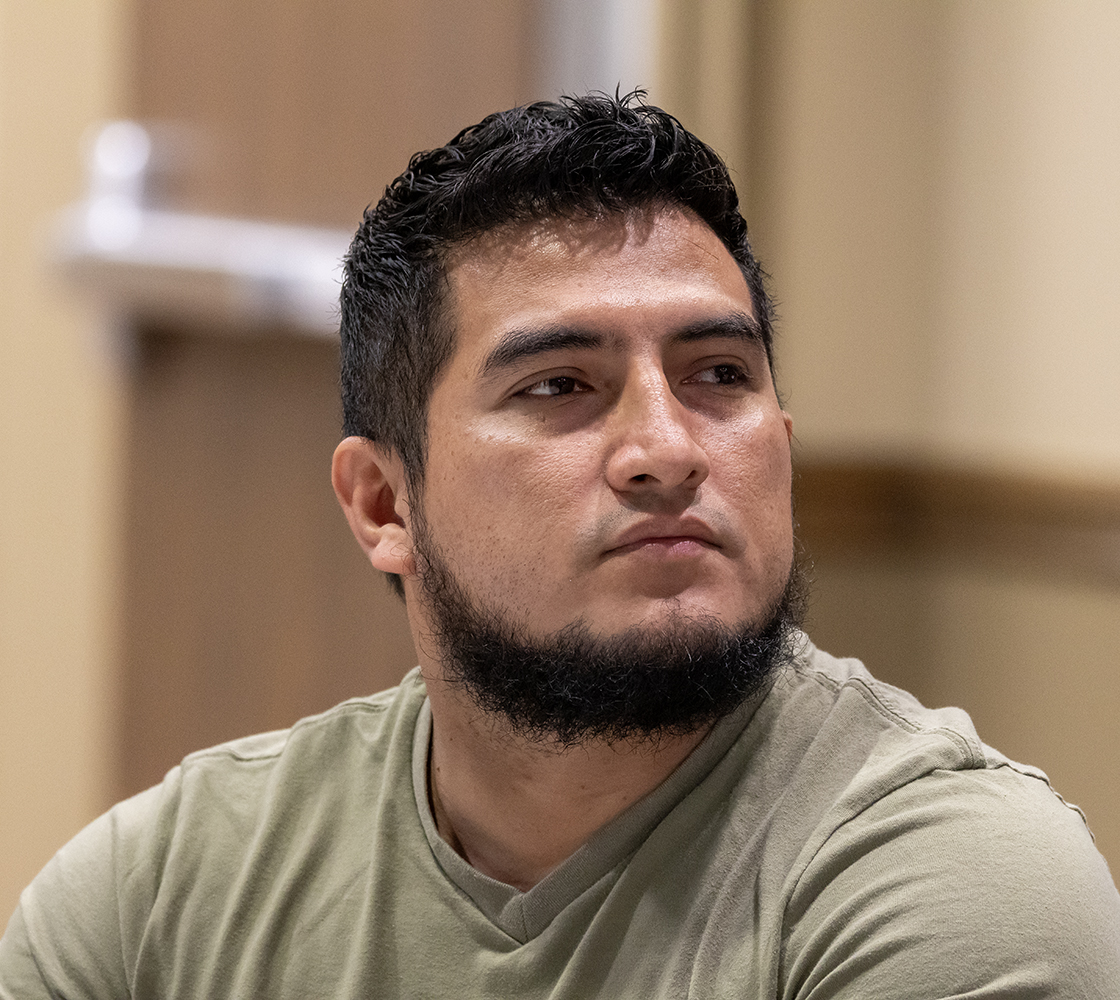
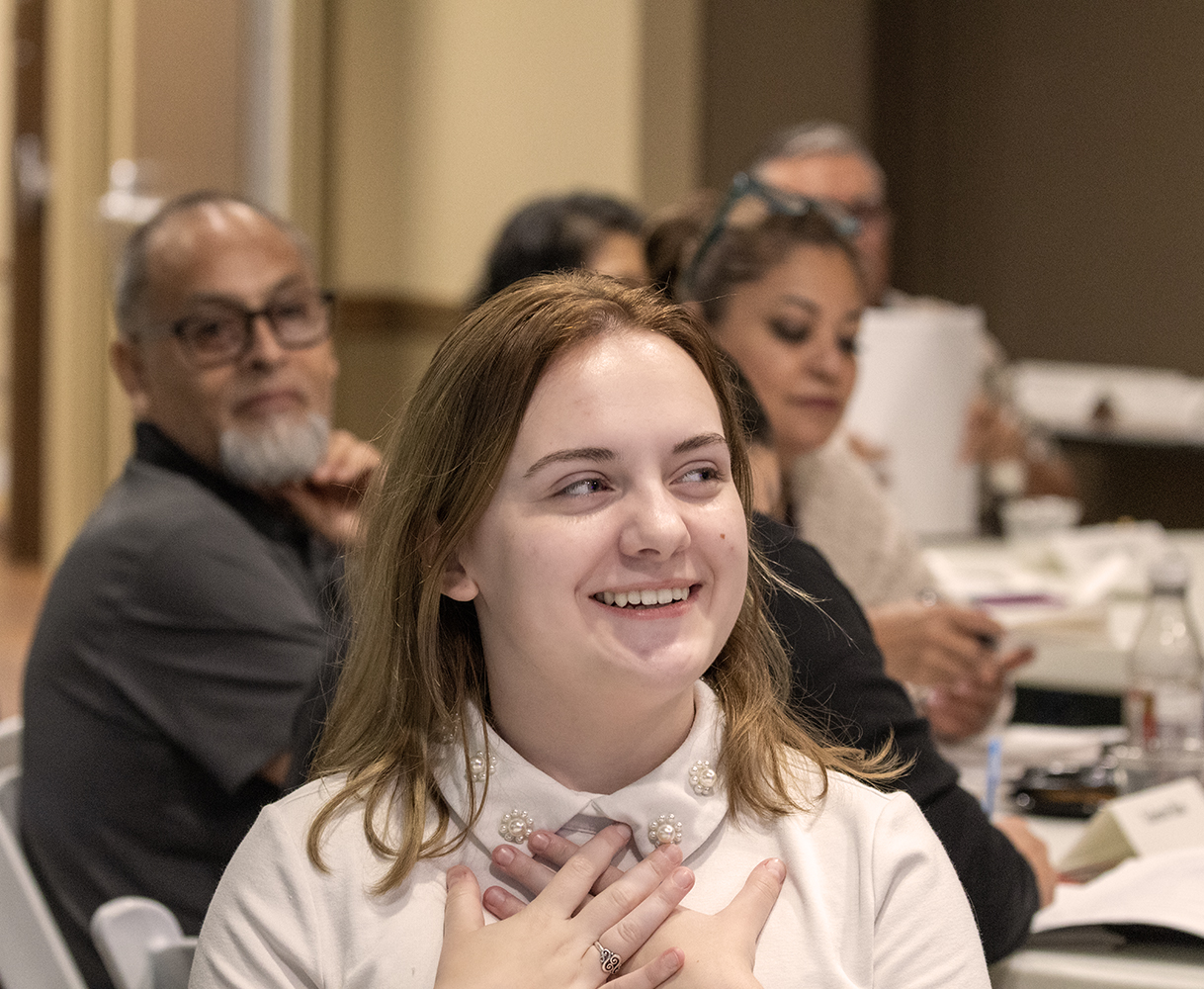
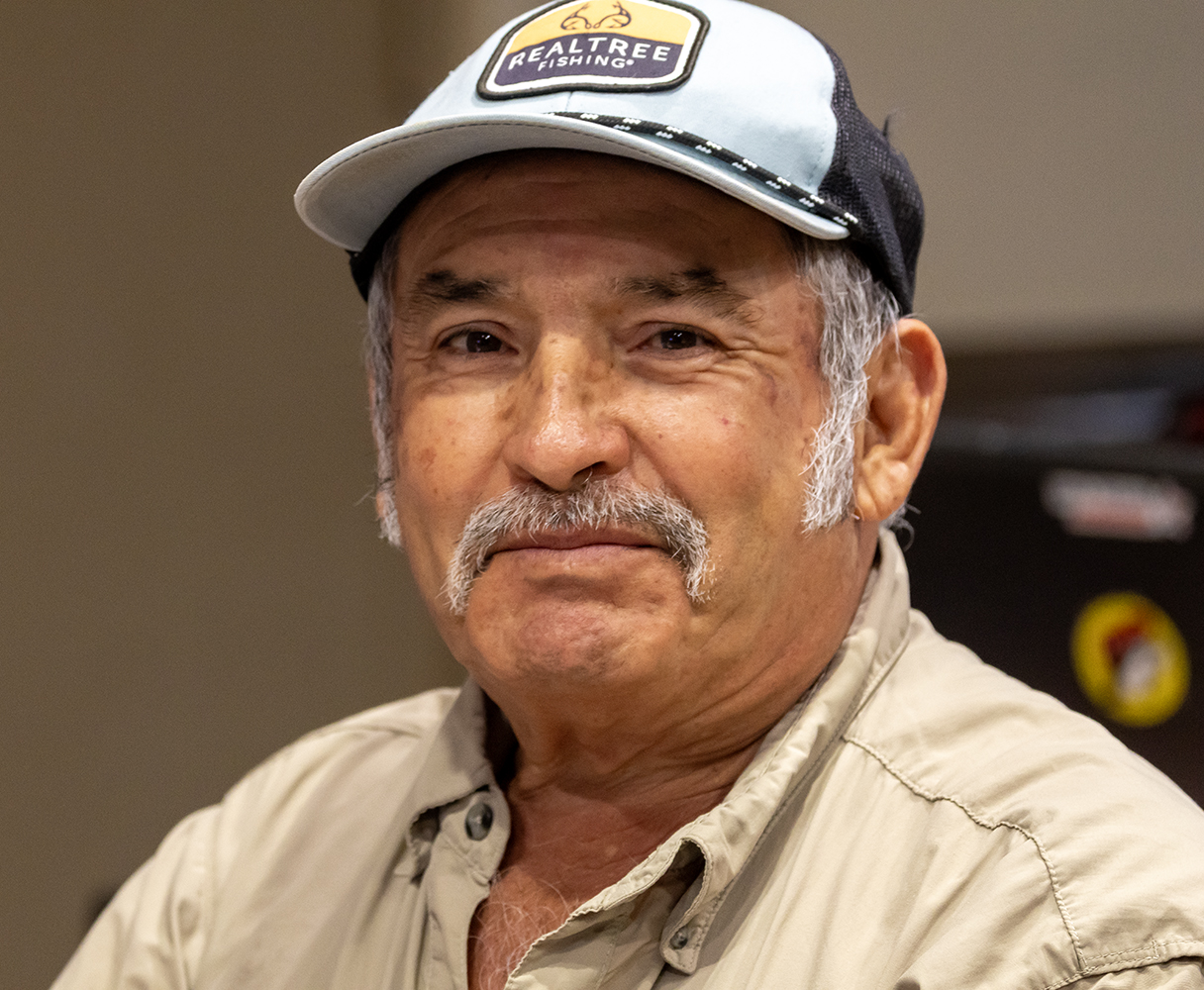
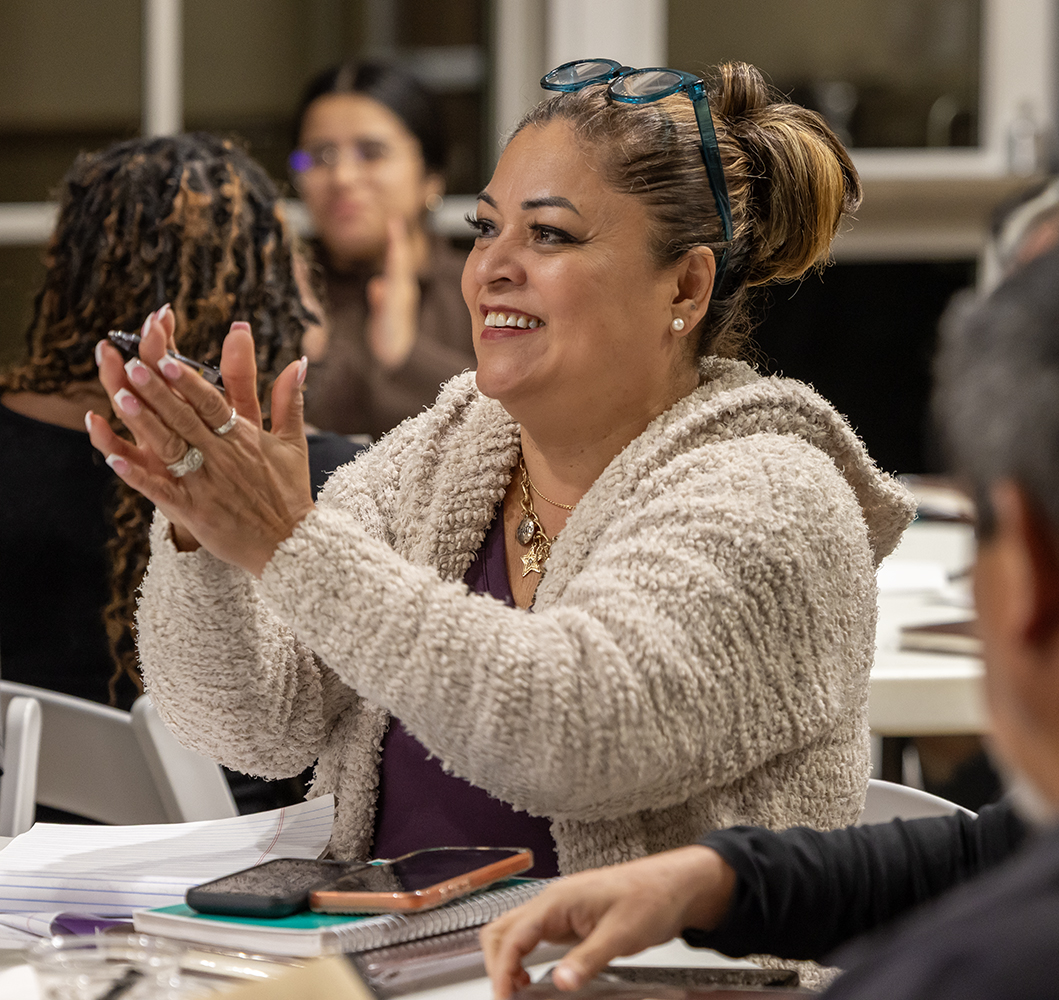
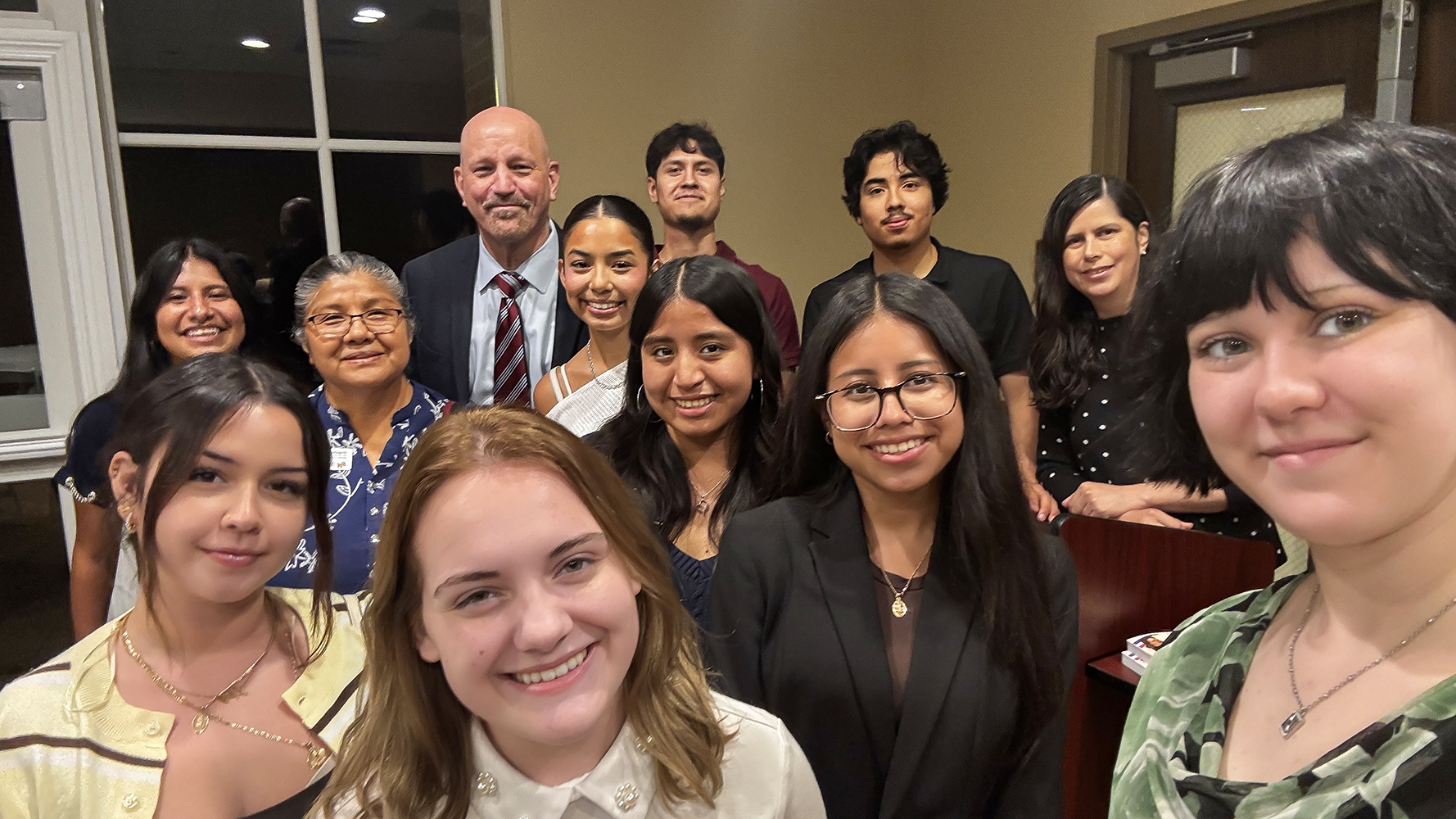
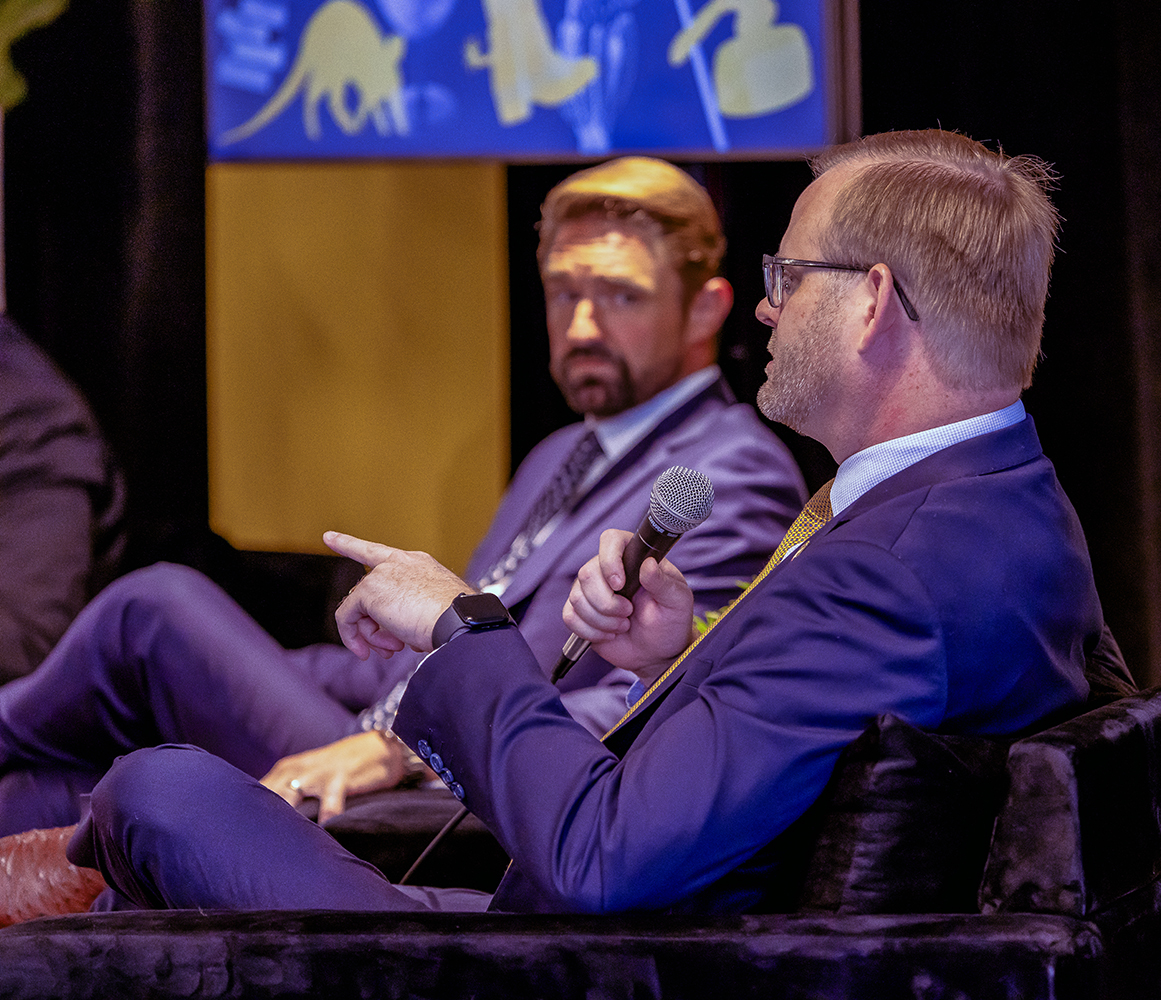
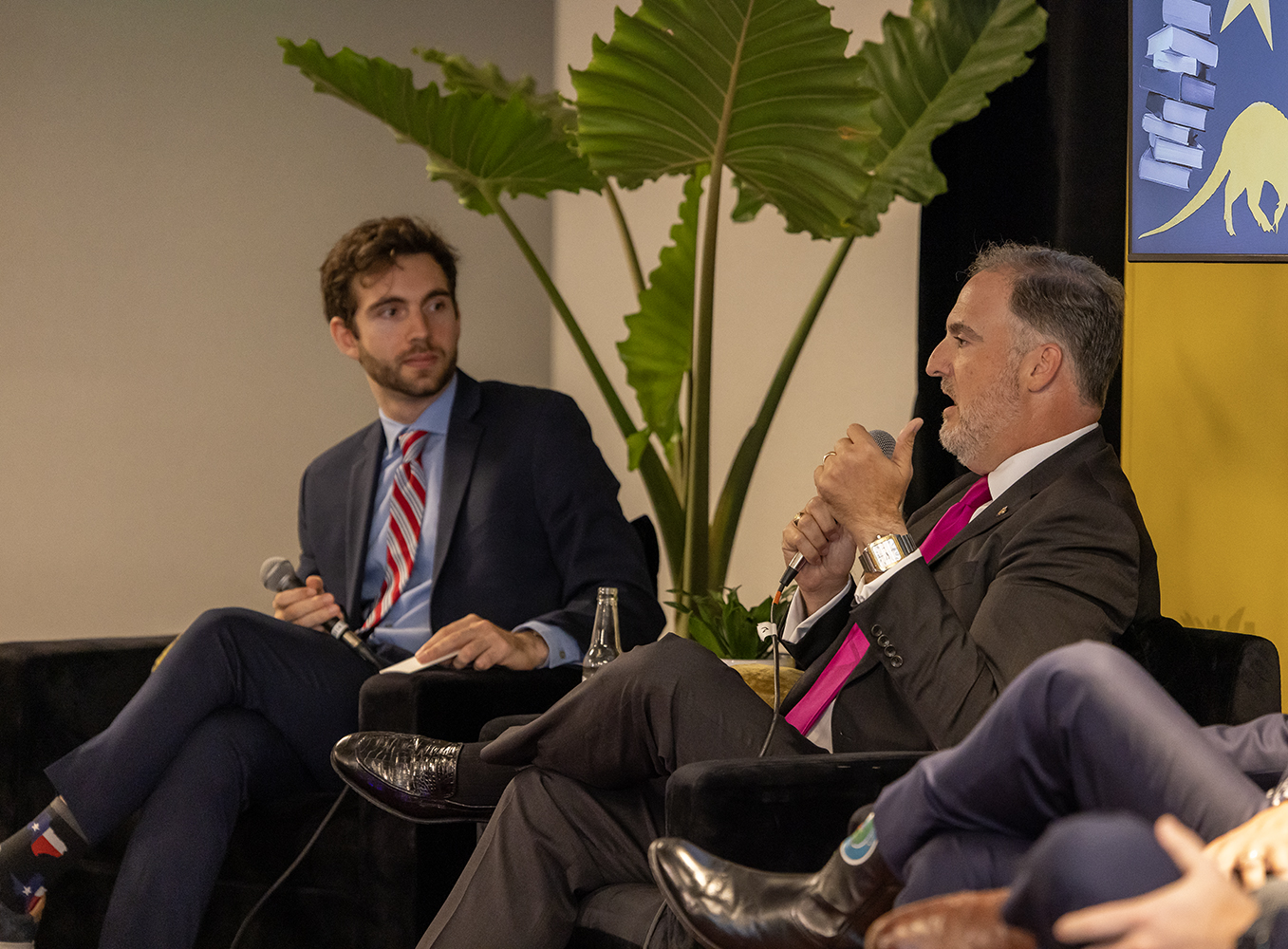
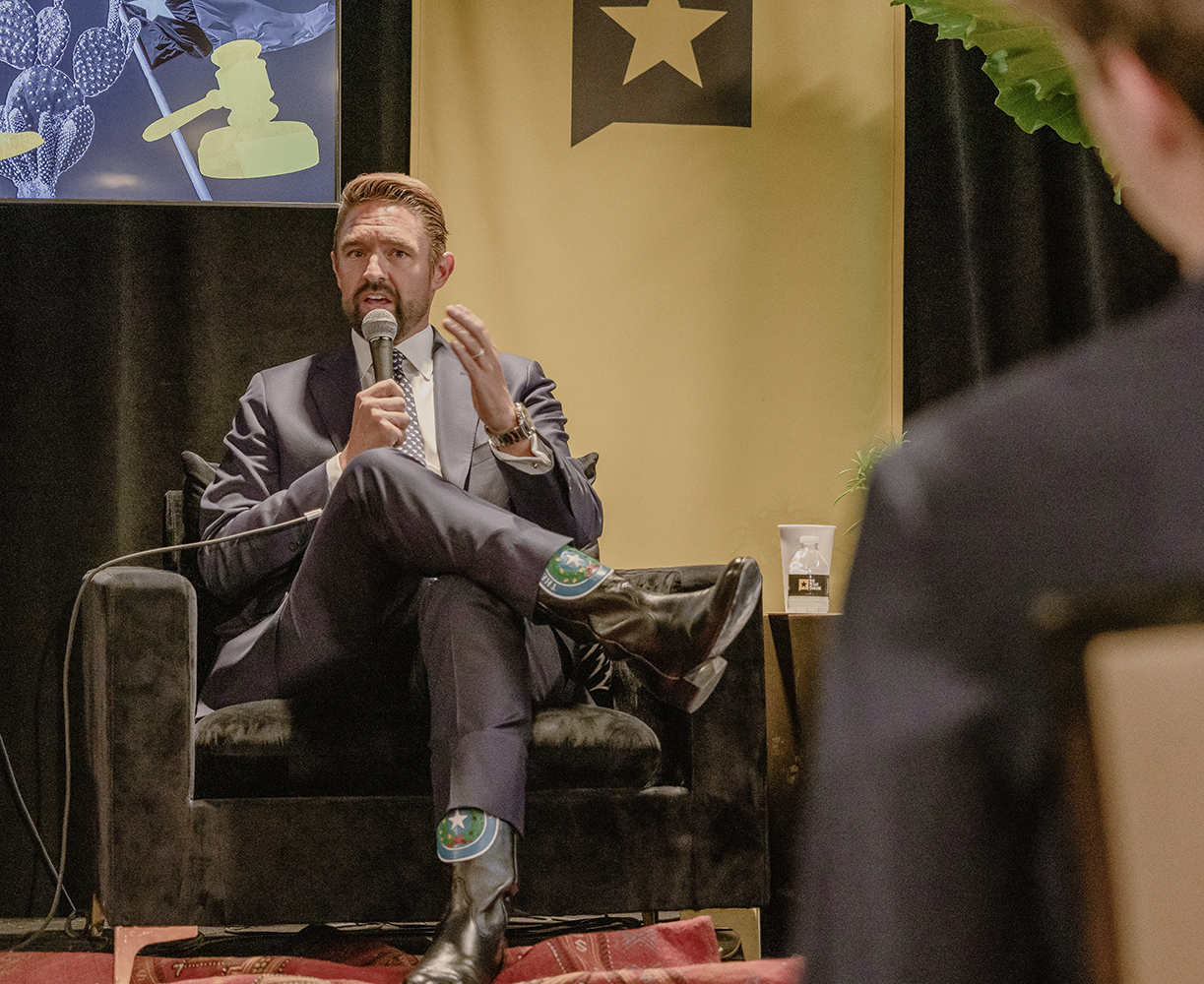
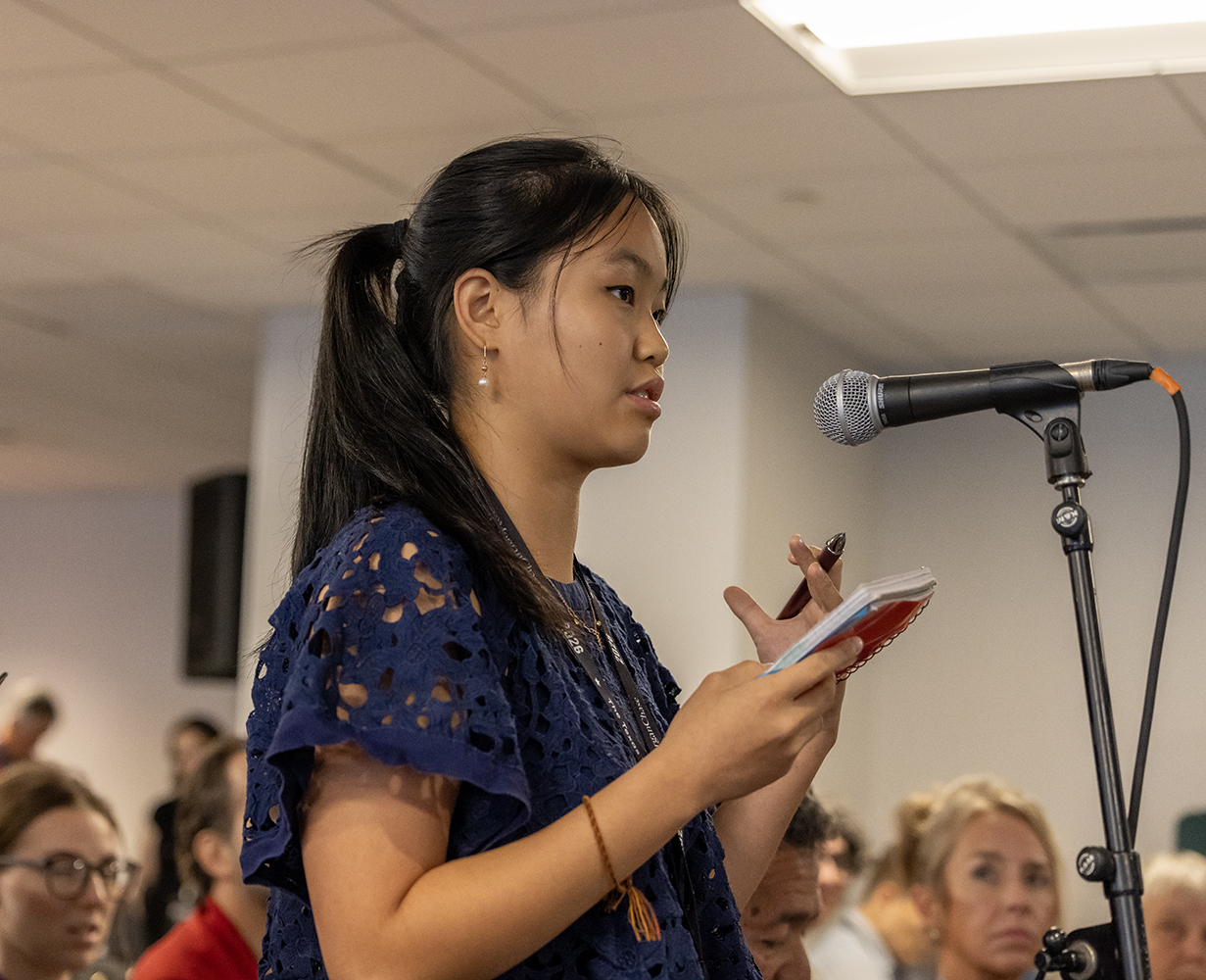
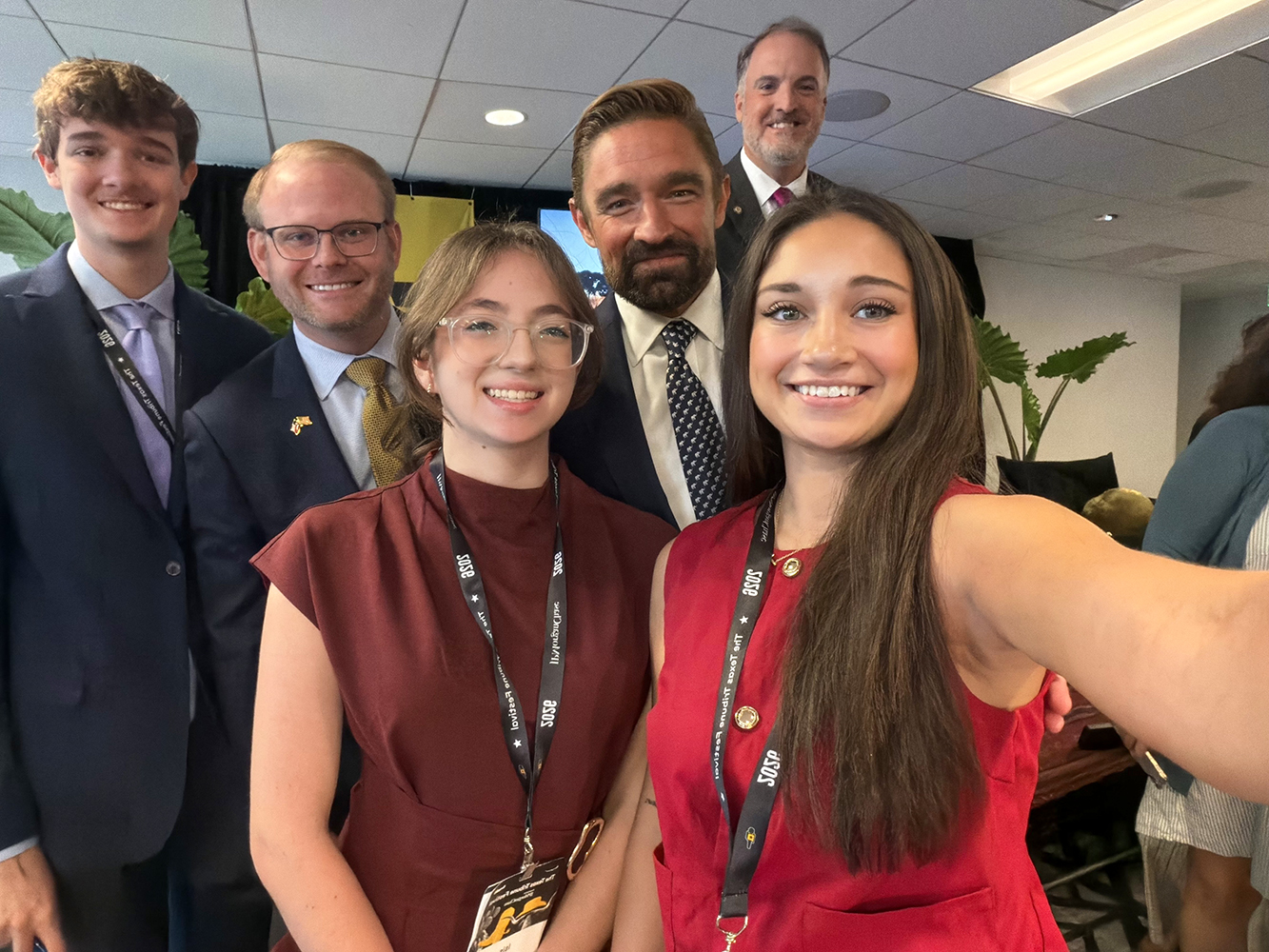
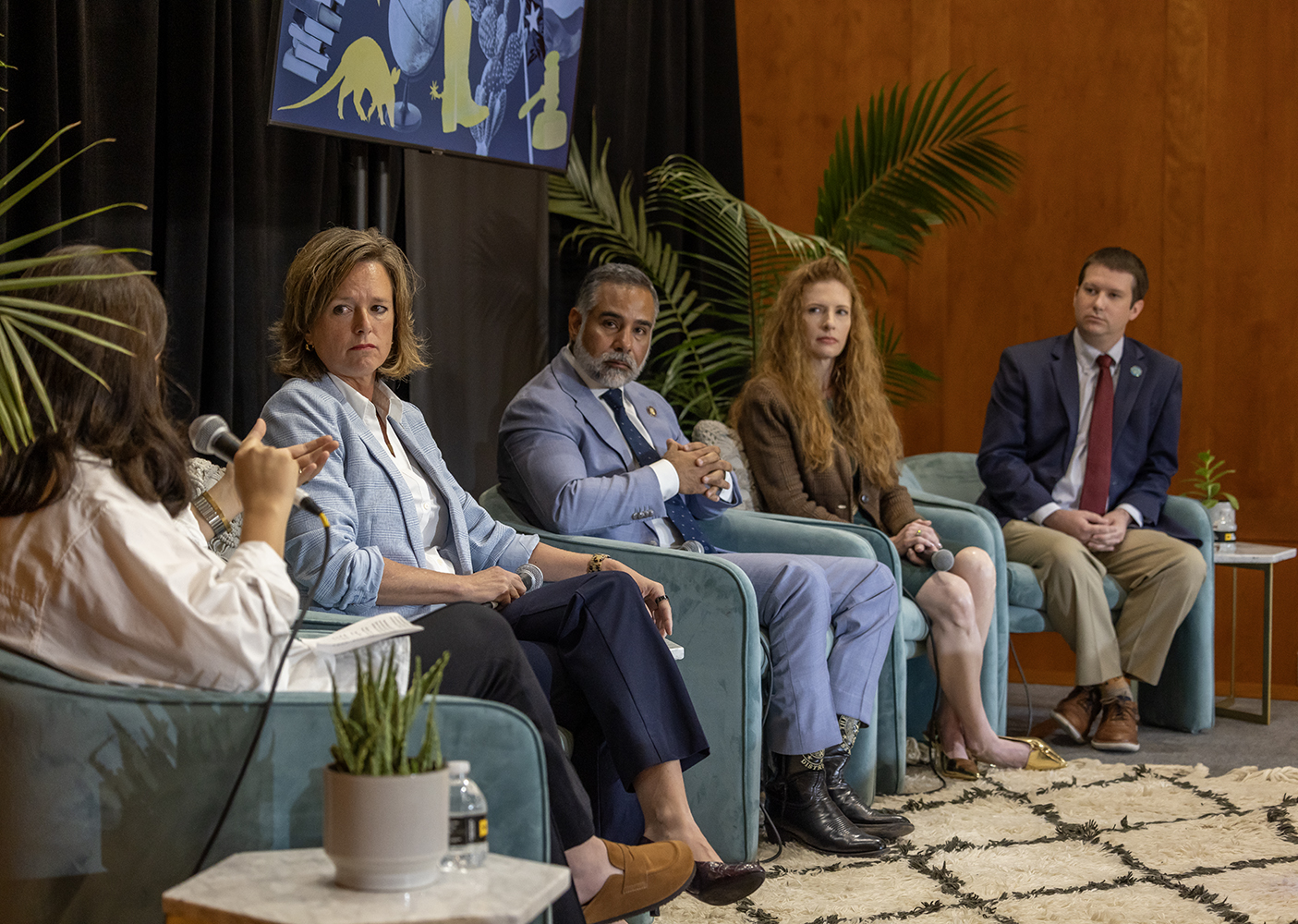
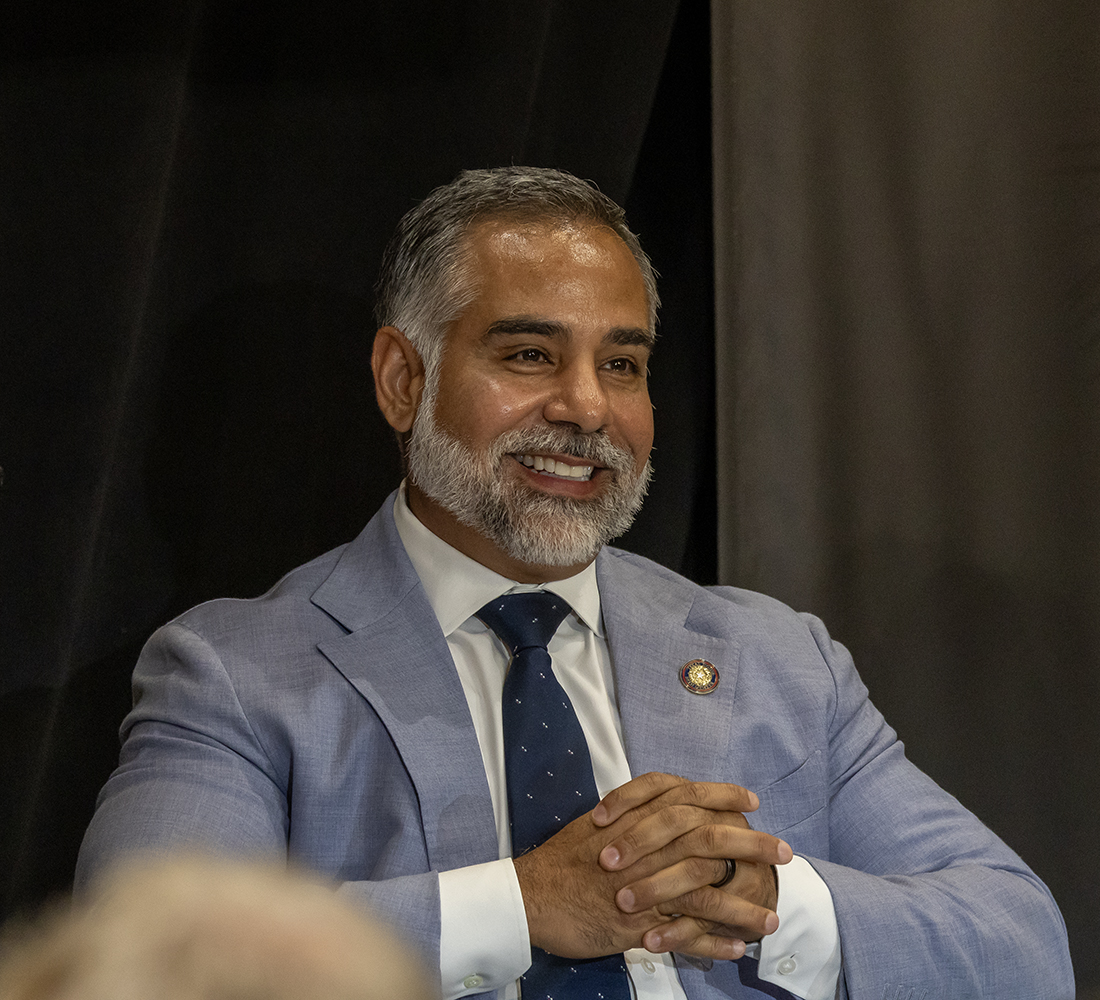
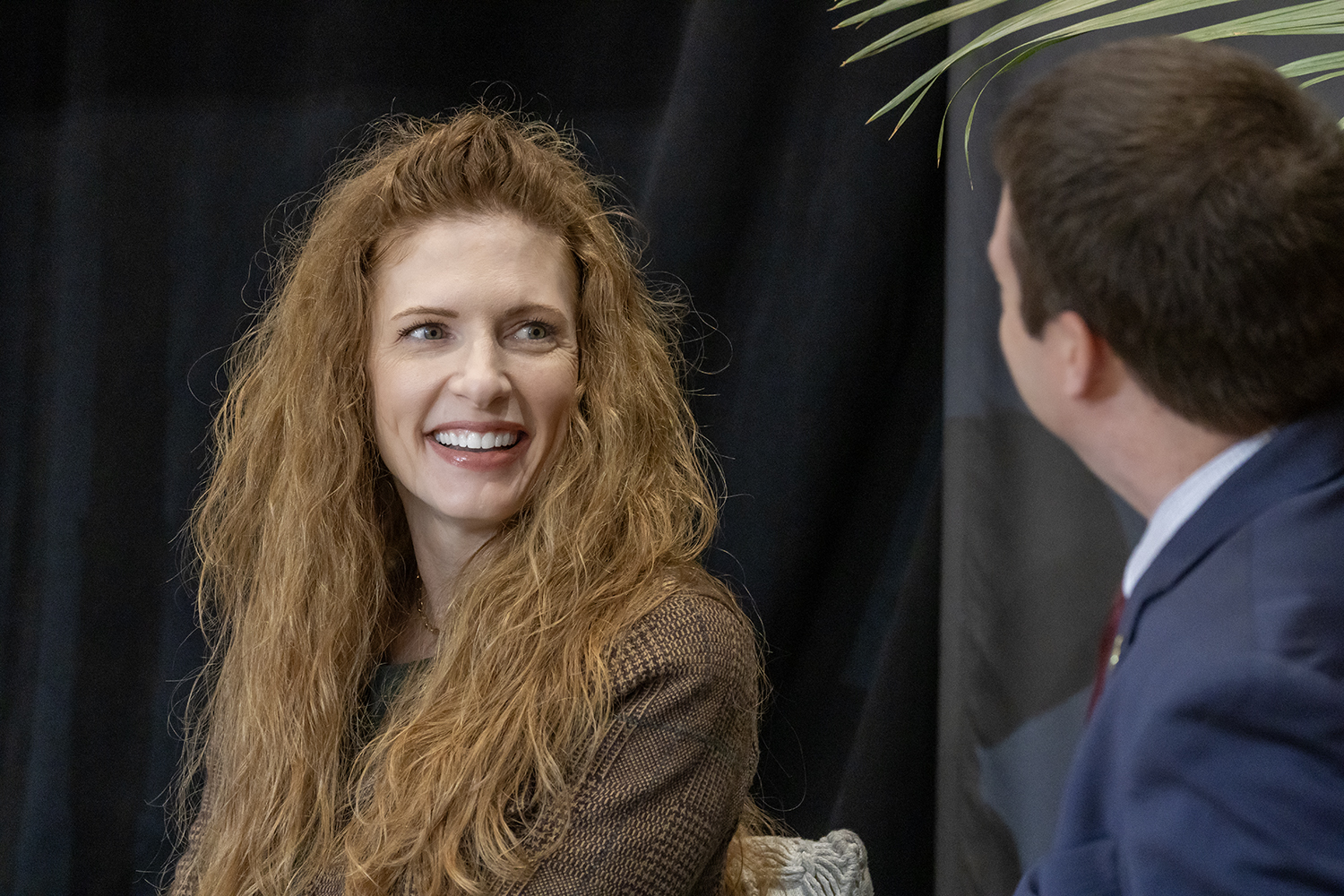
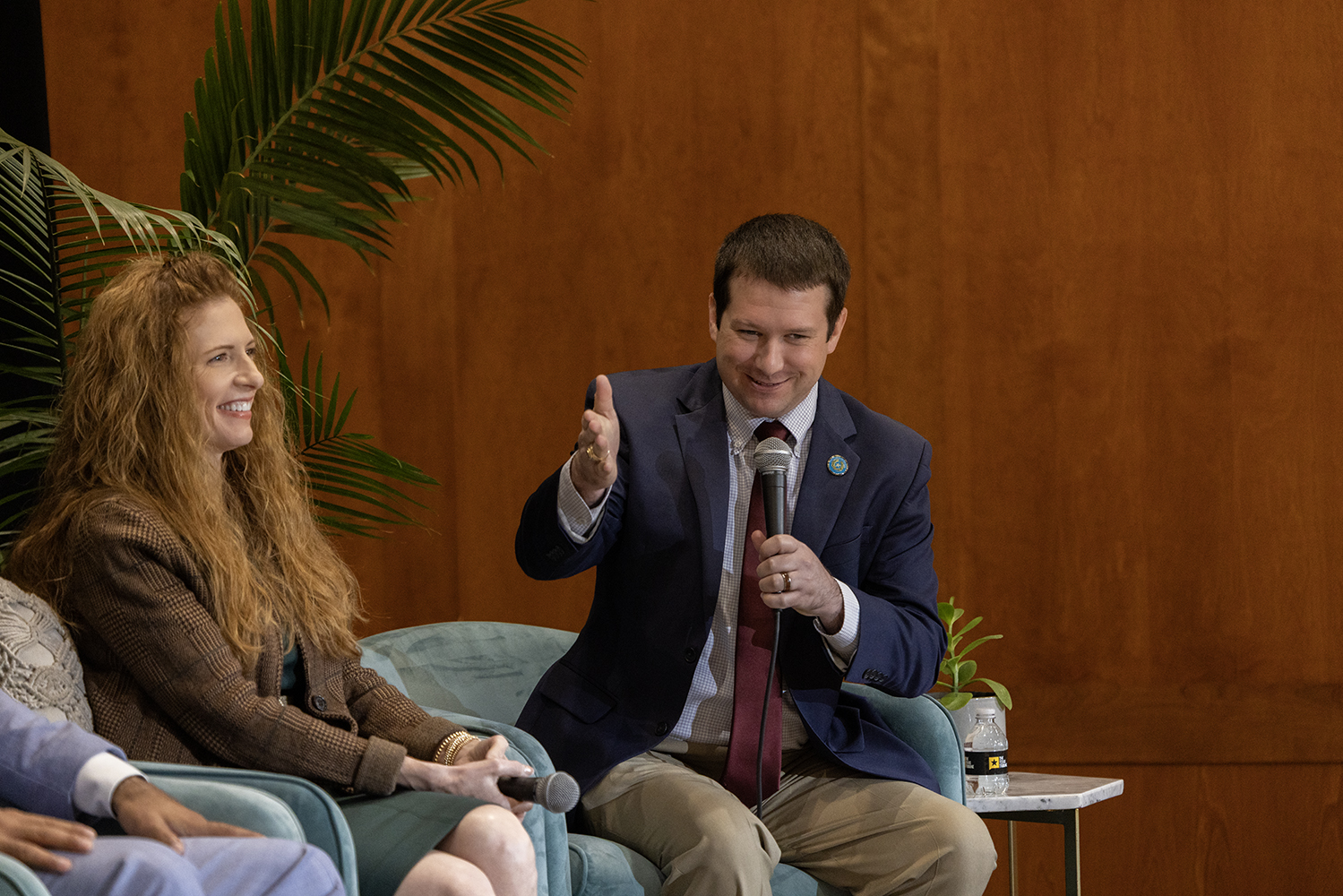
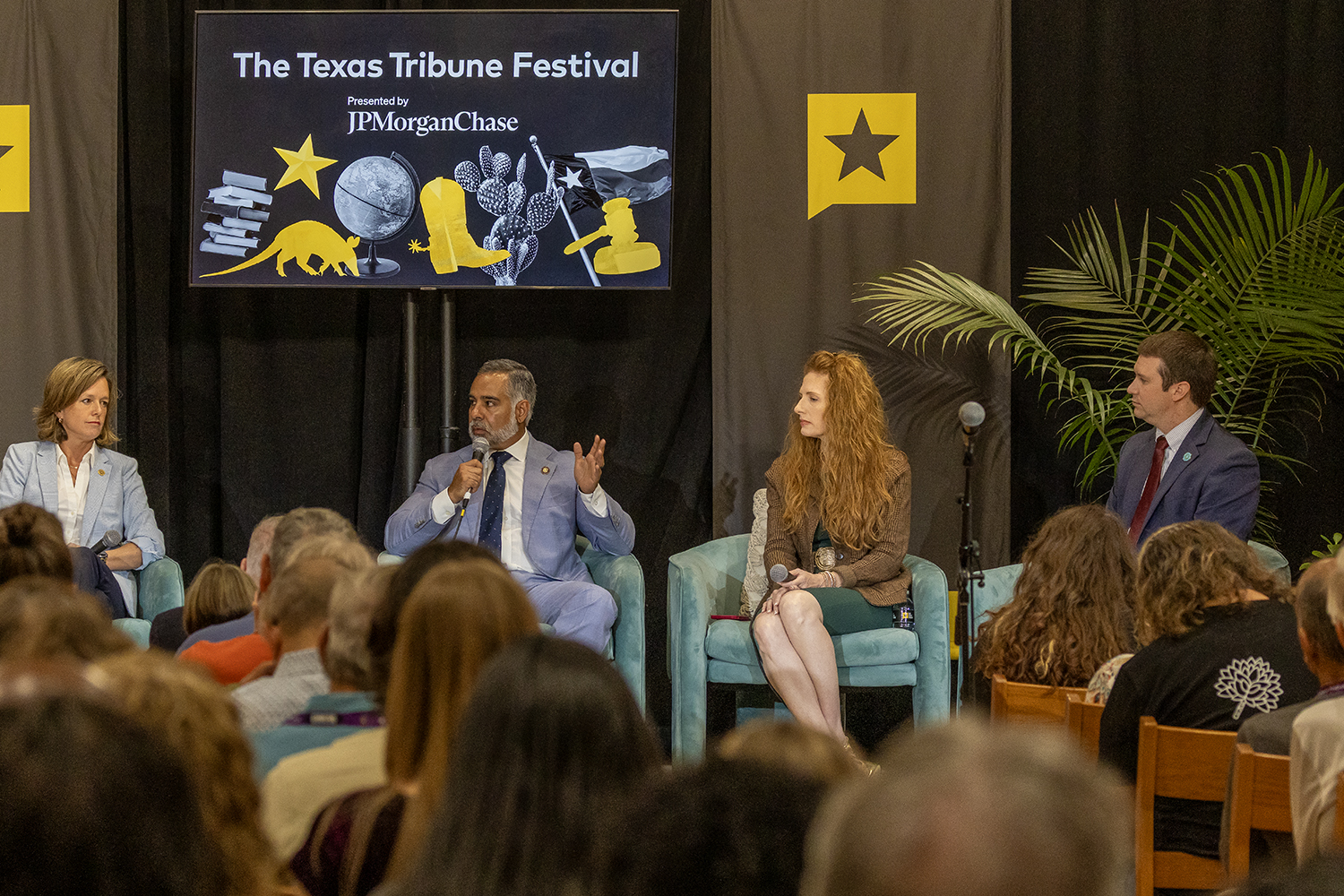
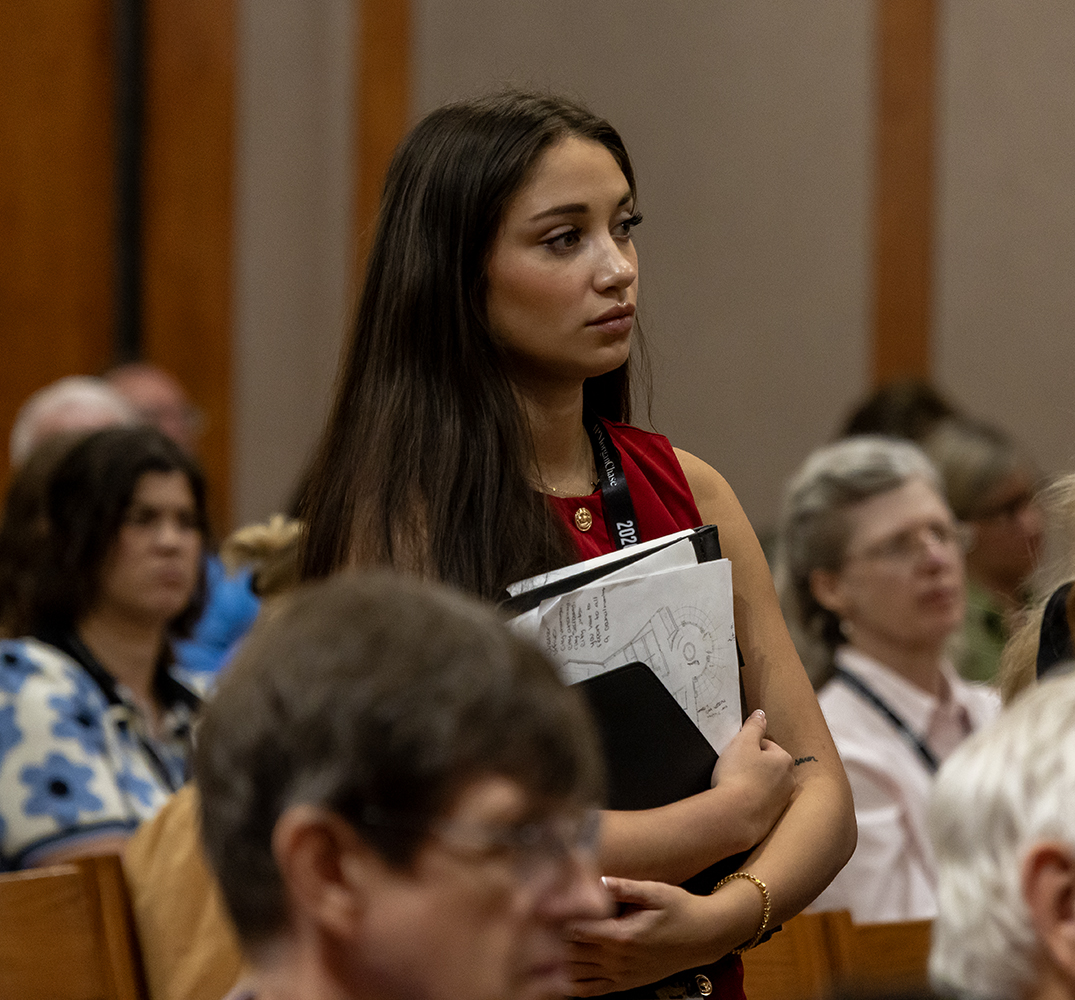
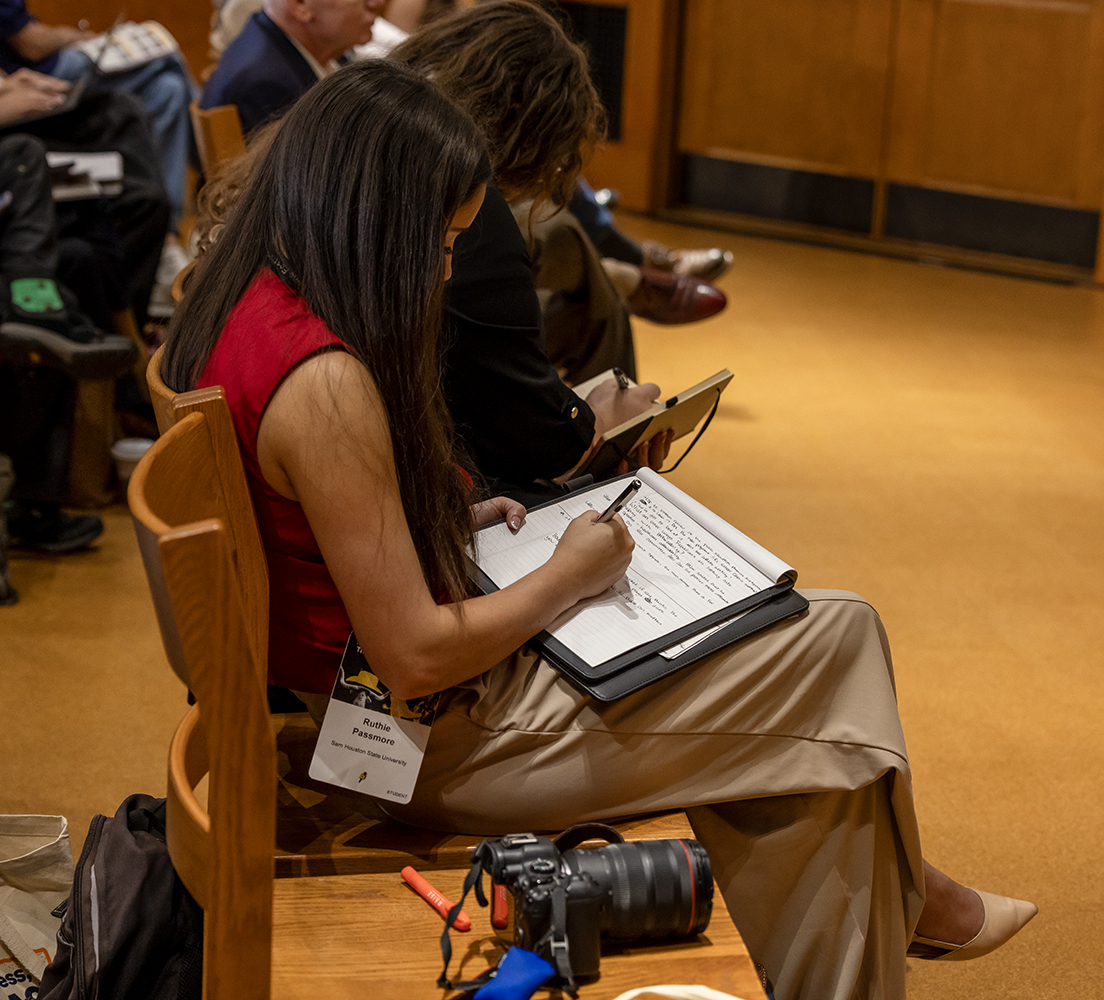
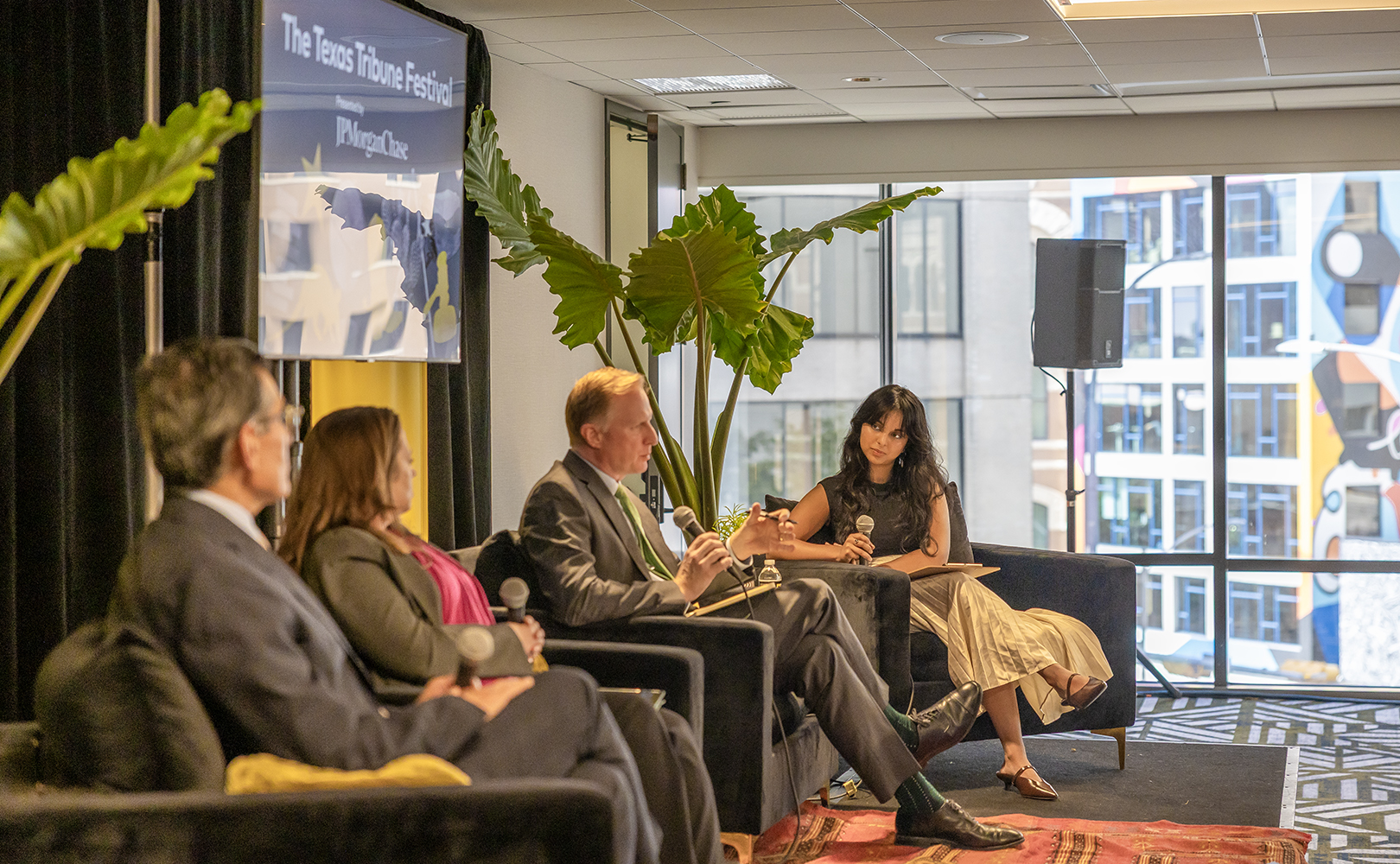
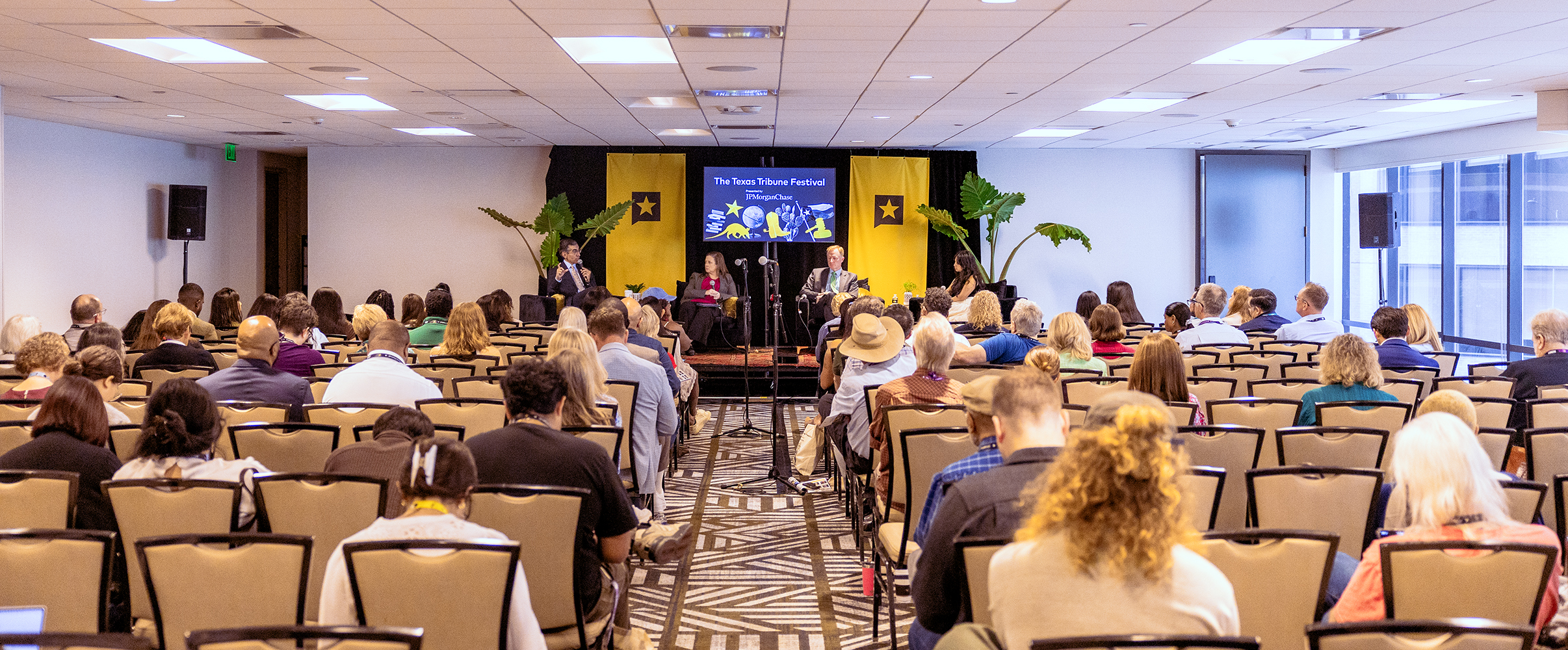
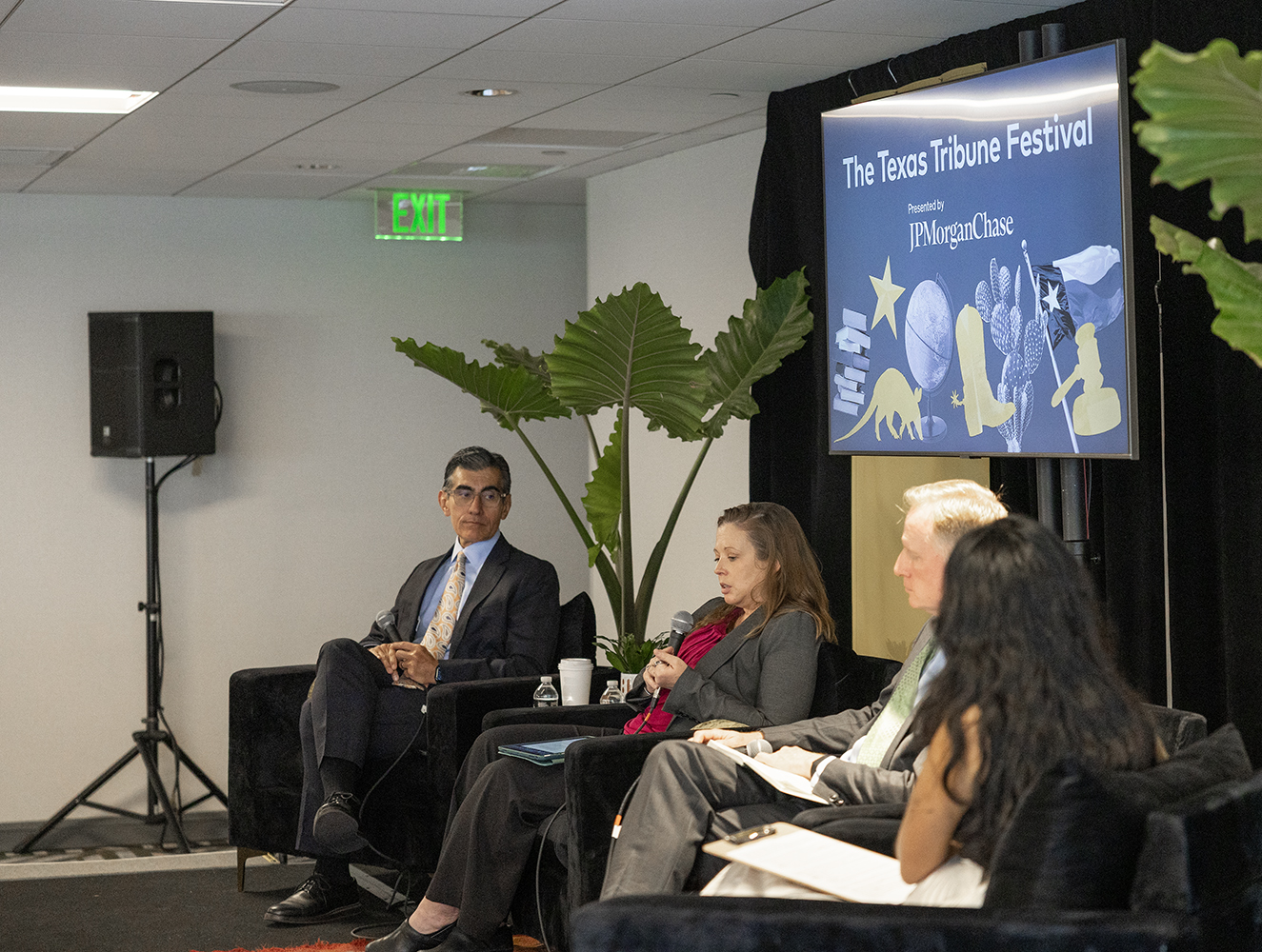
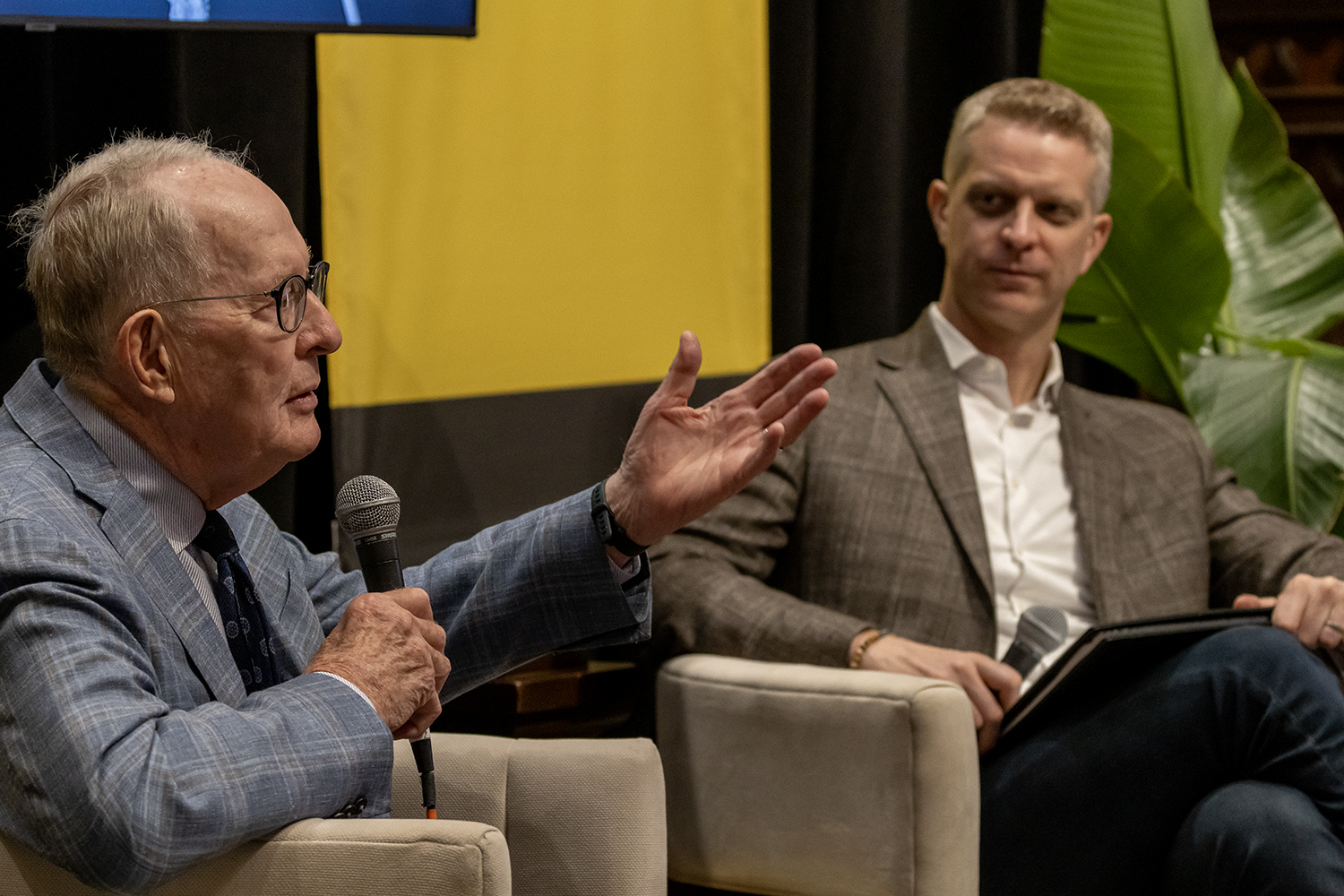
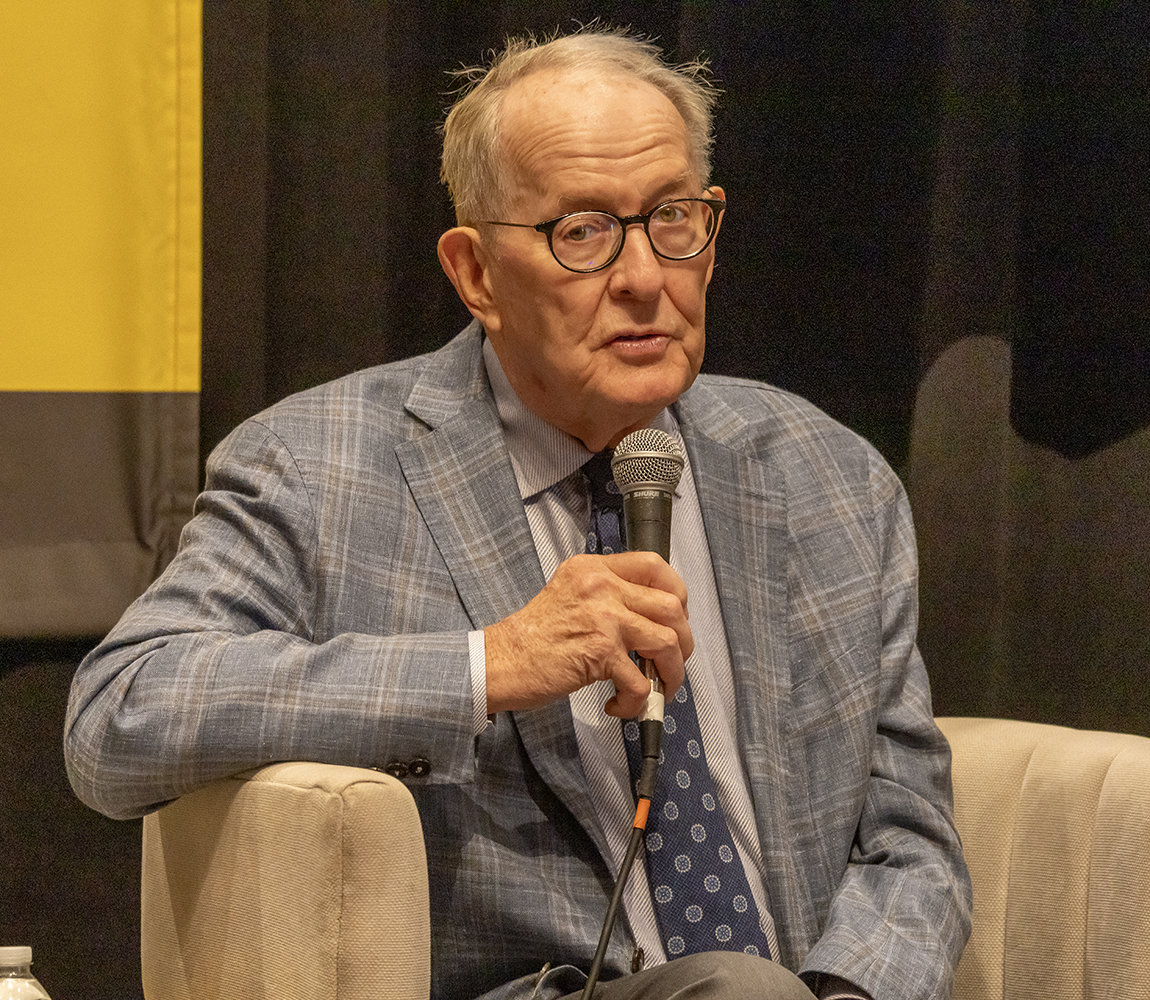
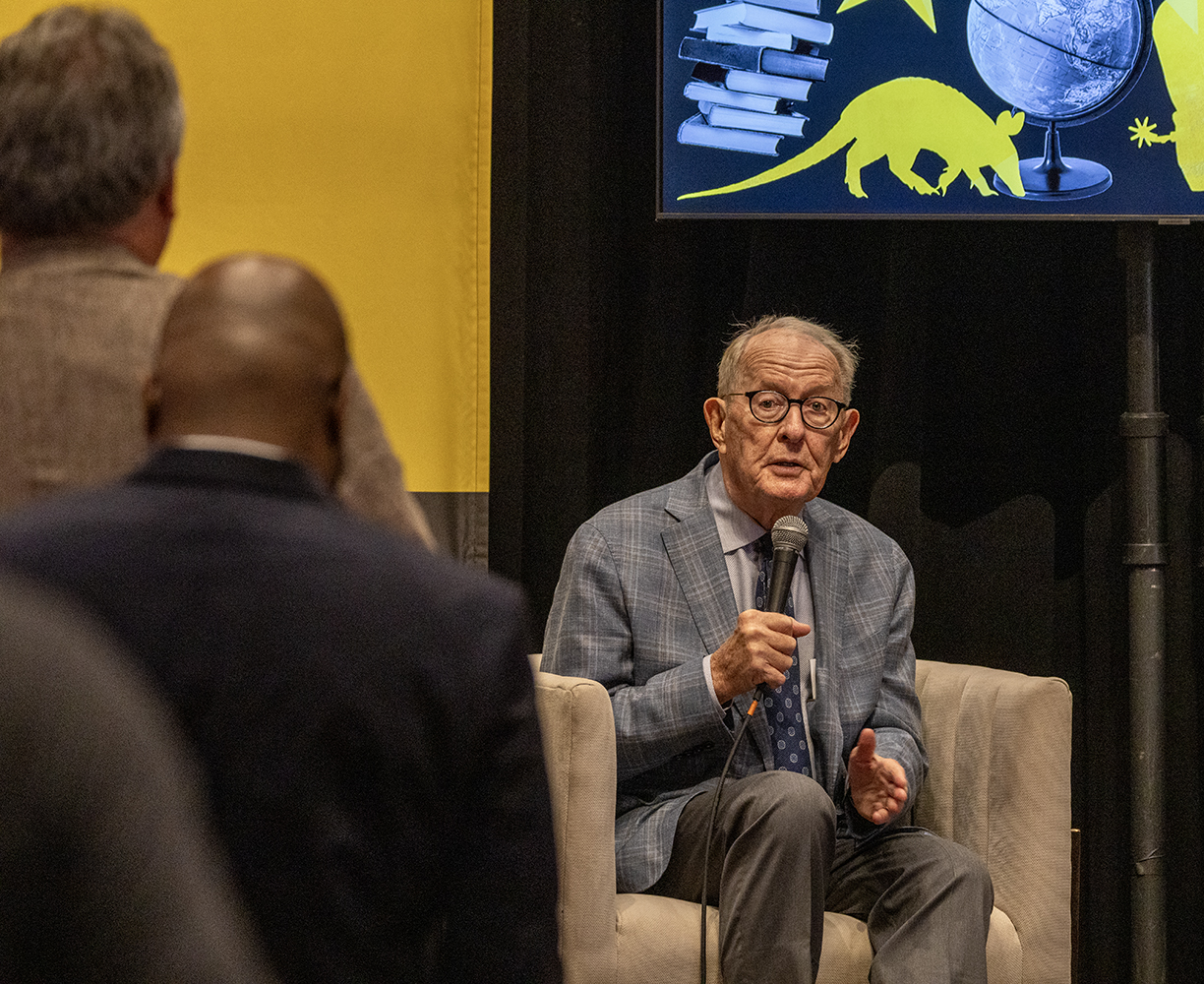
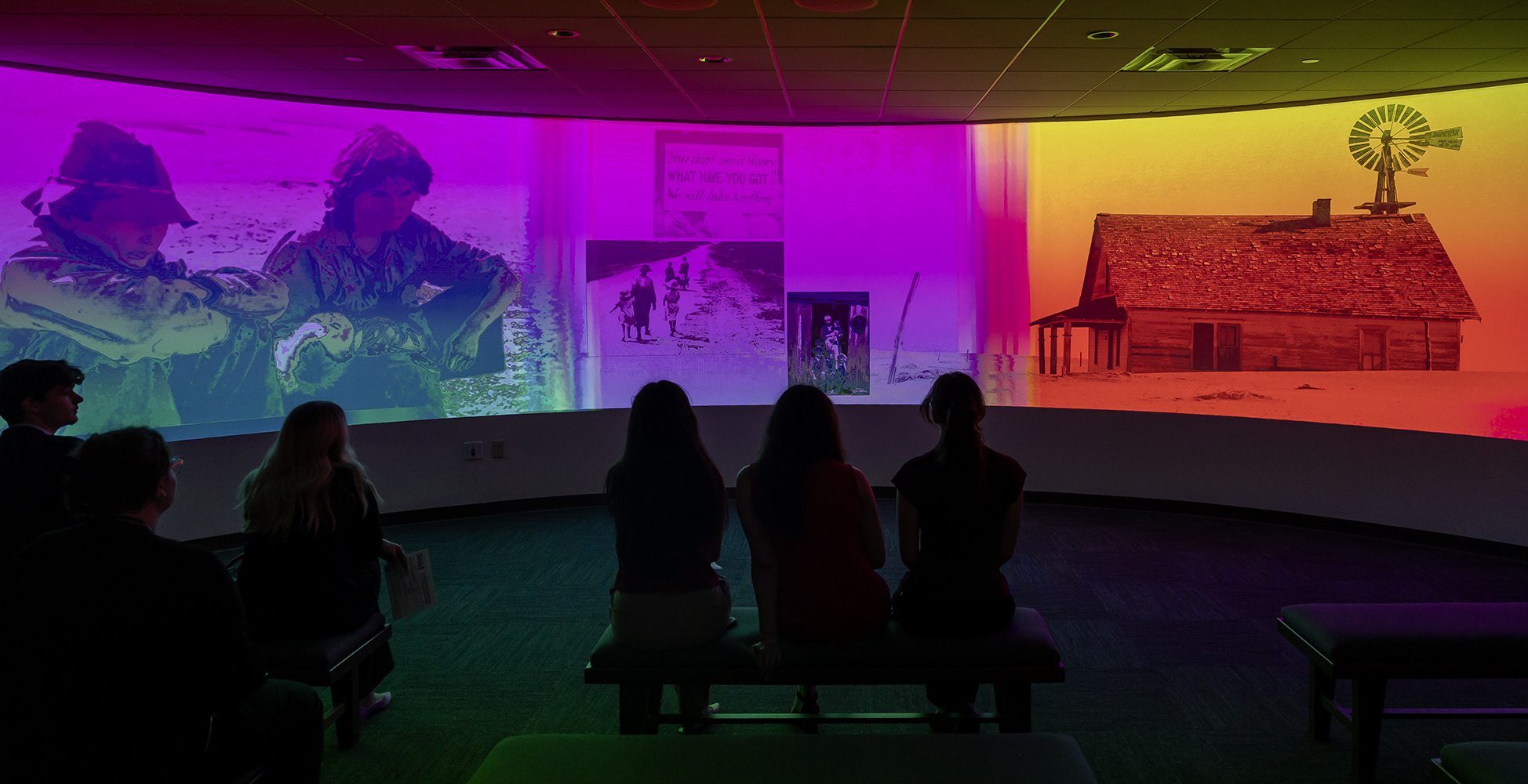
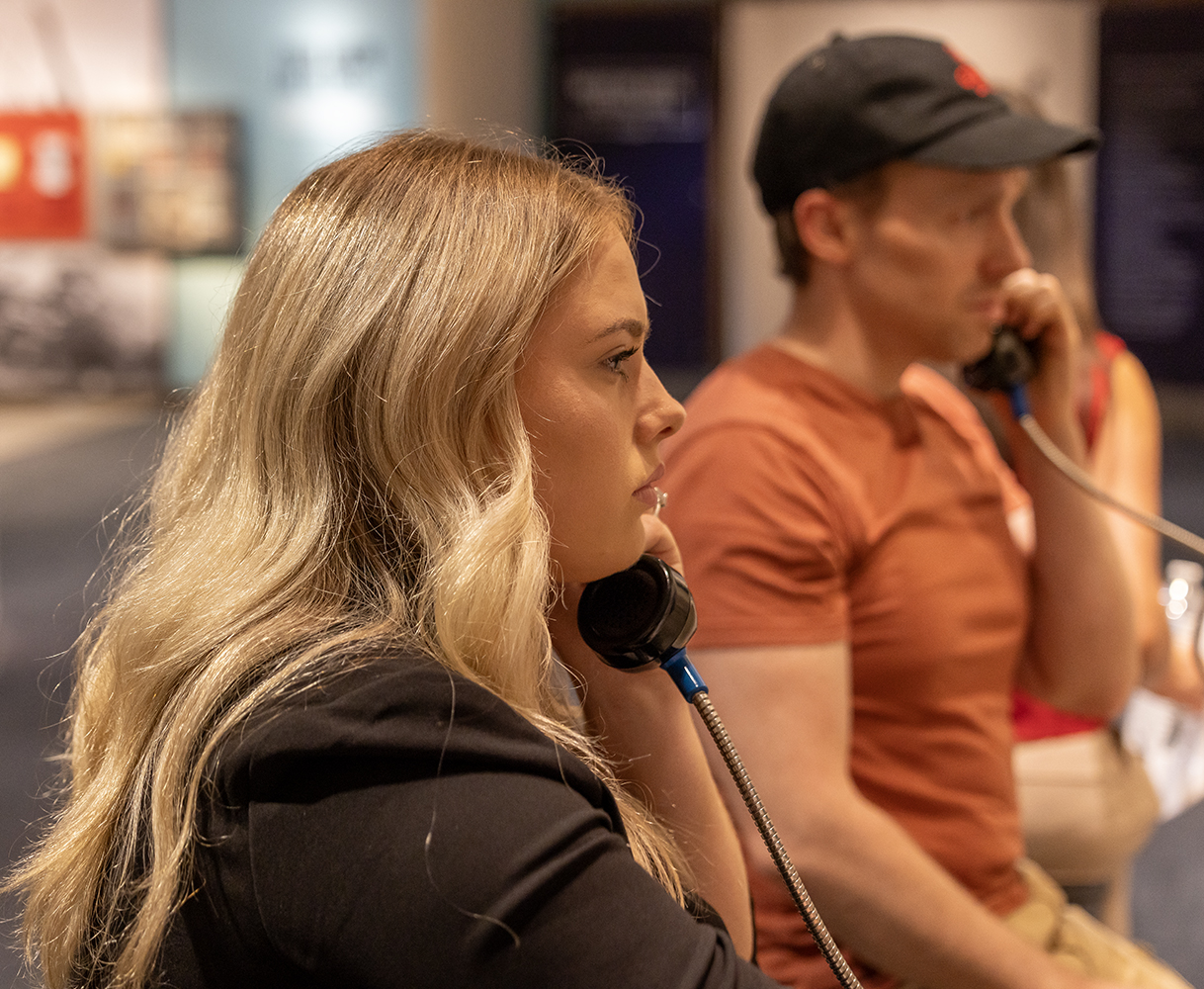
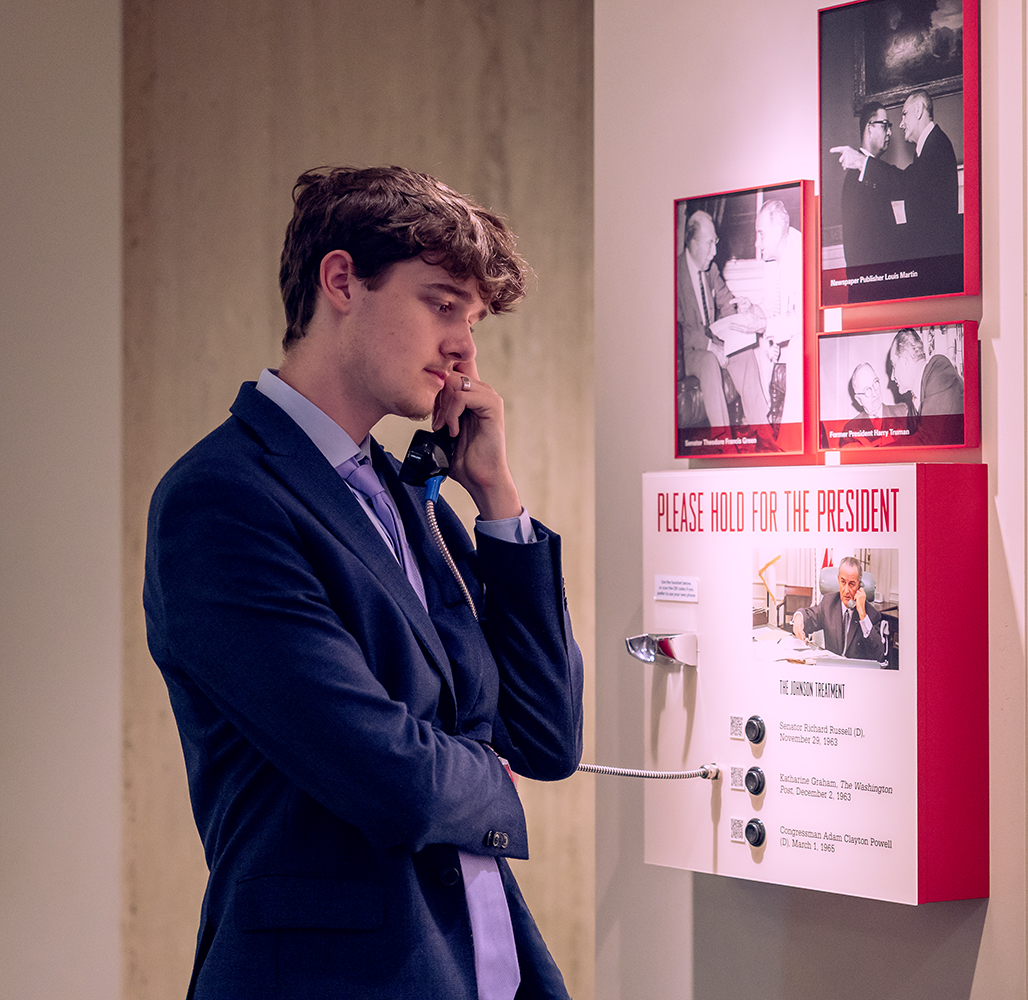
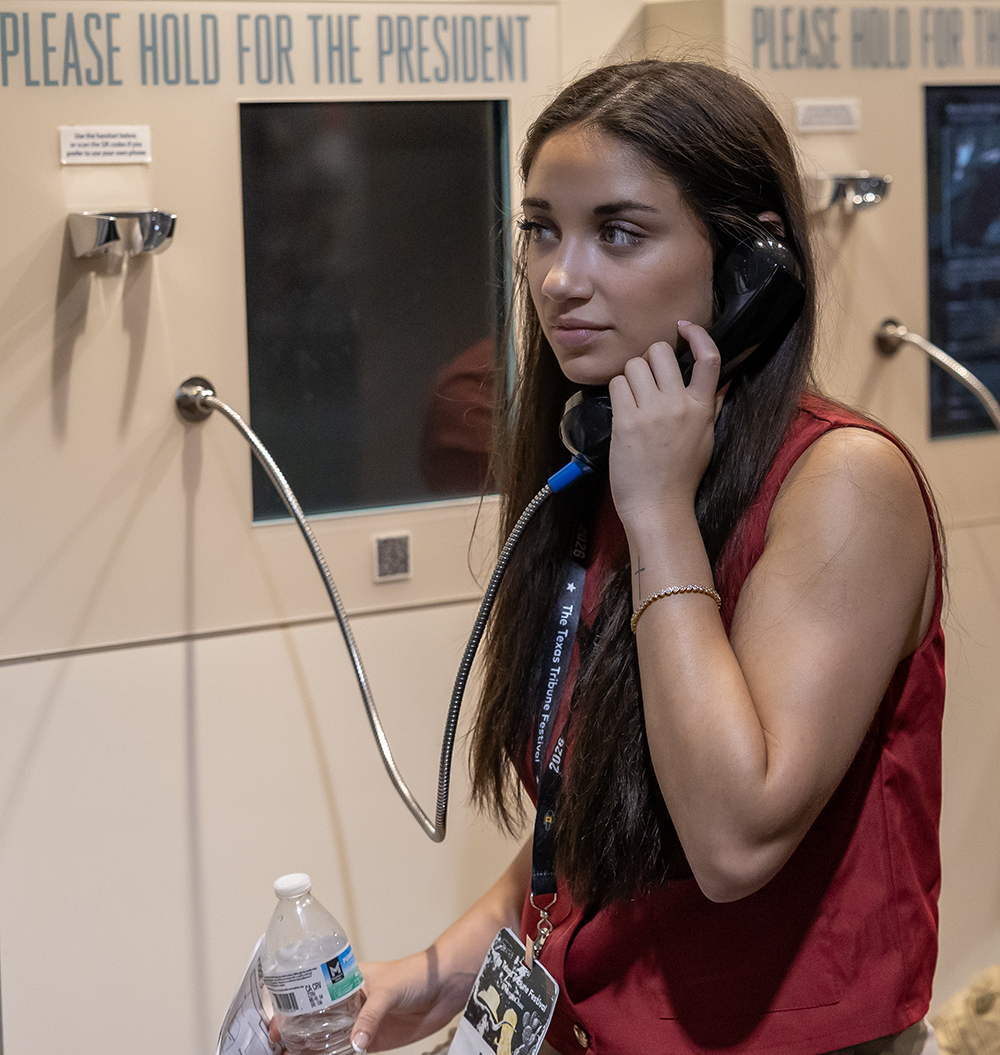
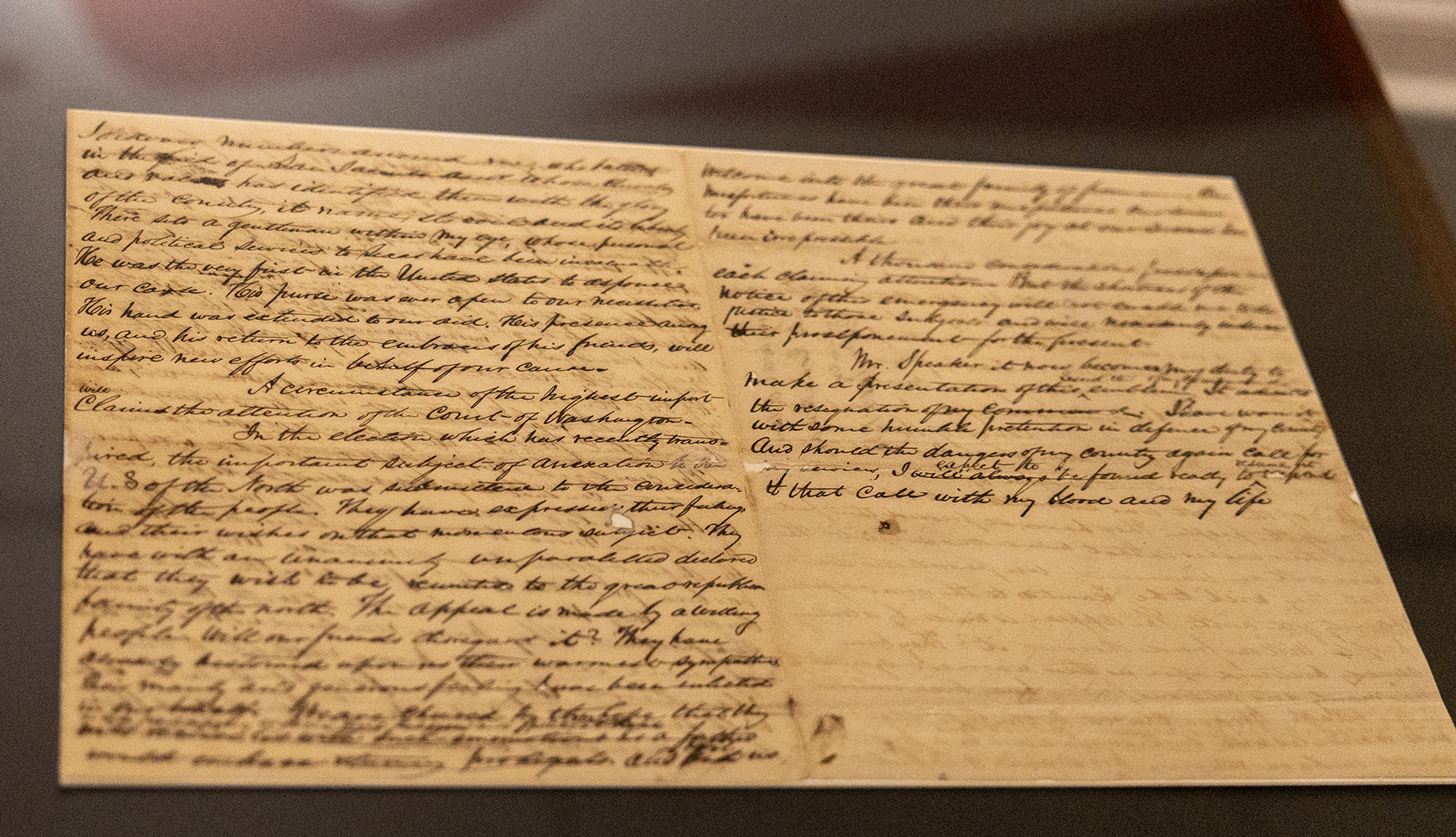
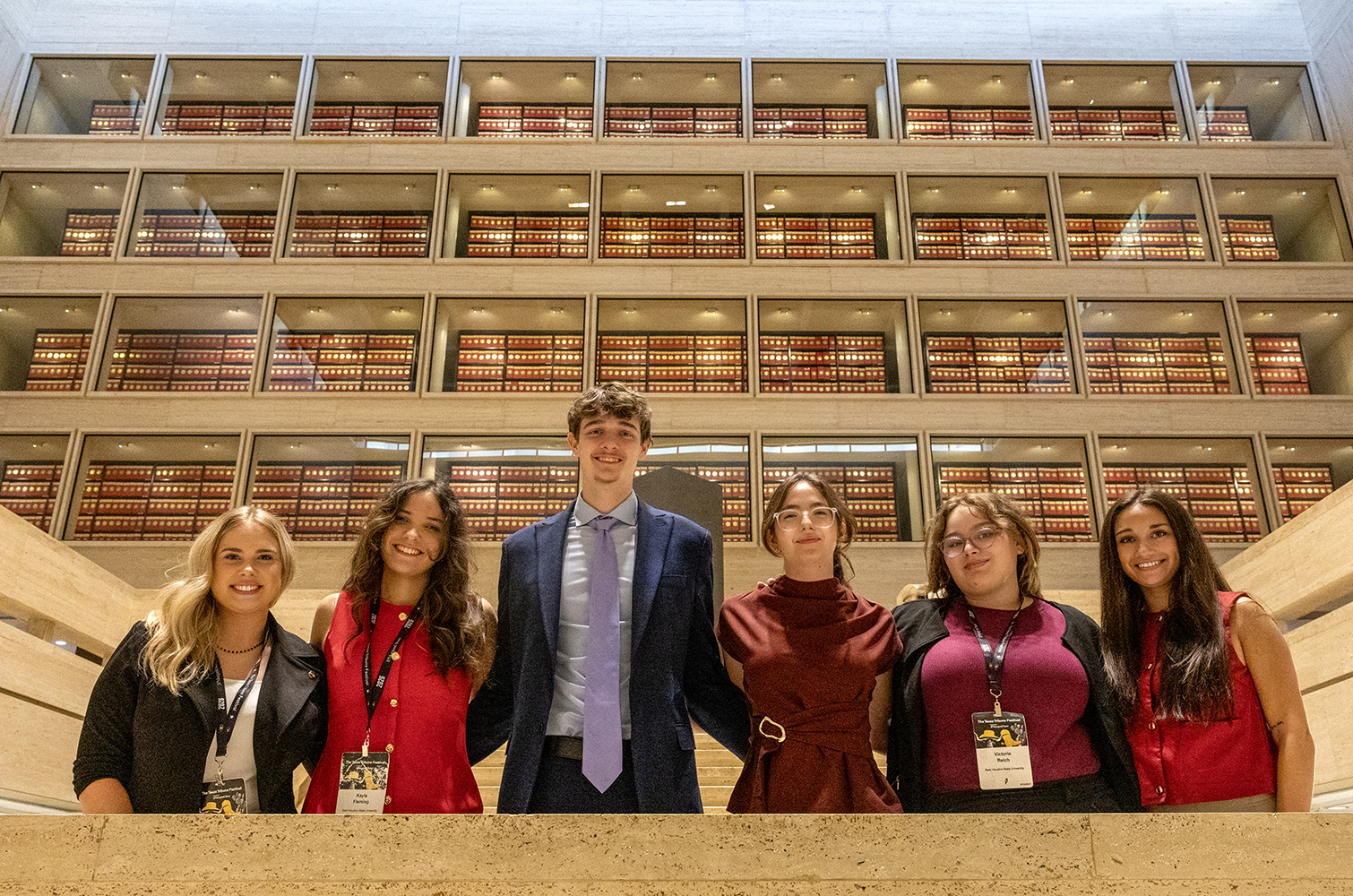
After a summer of serving local government and nonprofit organizations throughout the Huntsville community, interns in the Center for Law, Engagement, and Politics (LEAP) at Sam Houston State University concluded the City Fellows Internship Program by presenting their experiences to supervisors, mentors, and fellow interns.
The presentations highlighted not only the projects each student completed, but also the personal and professional growth that occurred throughout the semester. Participating interns included Elizabeth Werts (Fort Bend District Clerk’s office)…
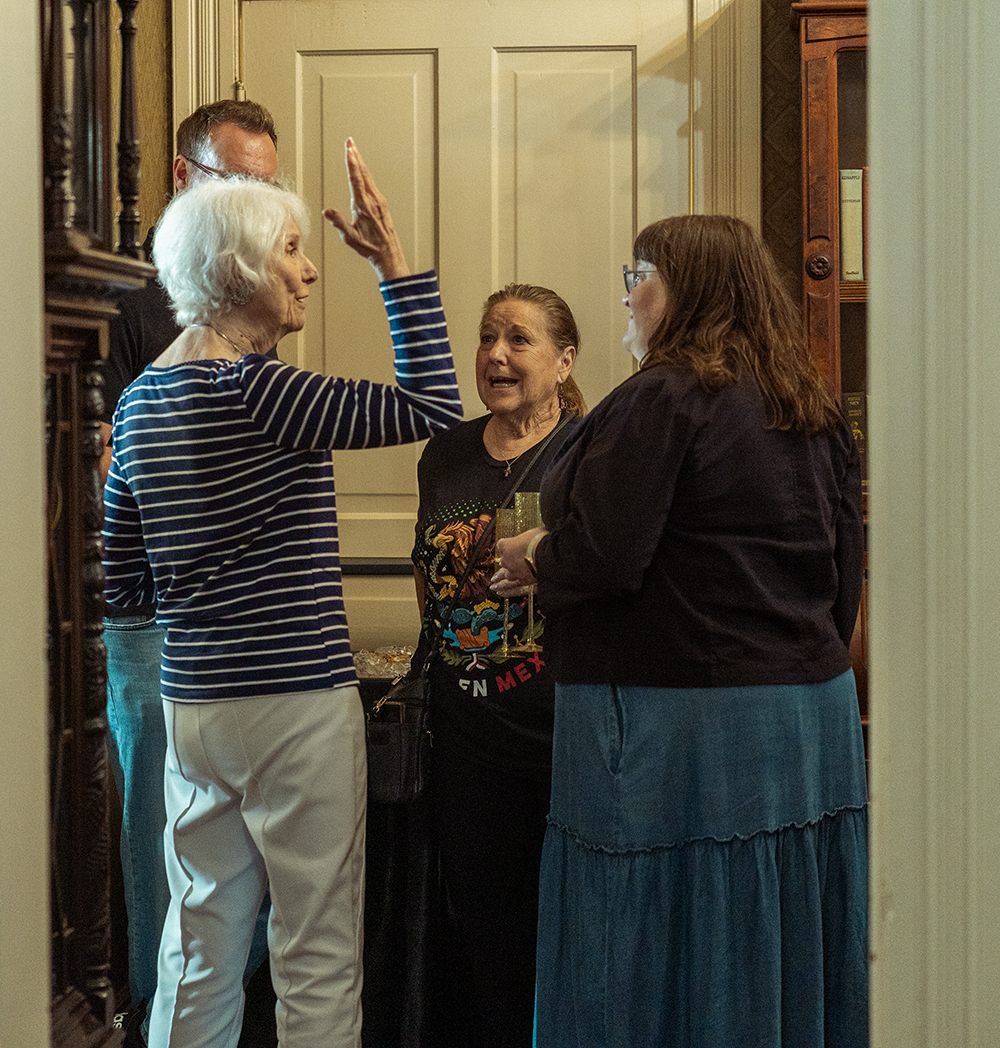
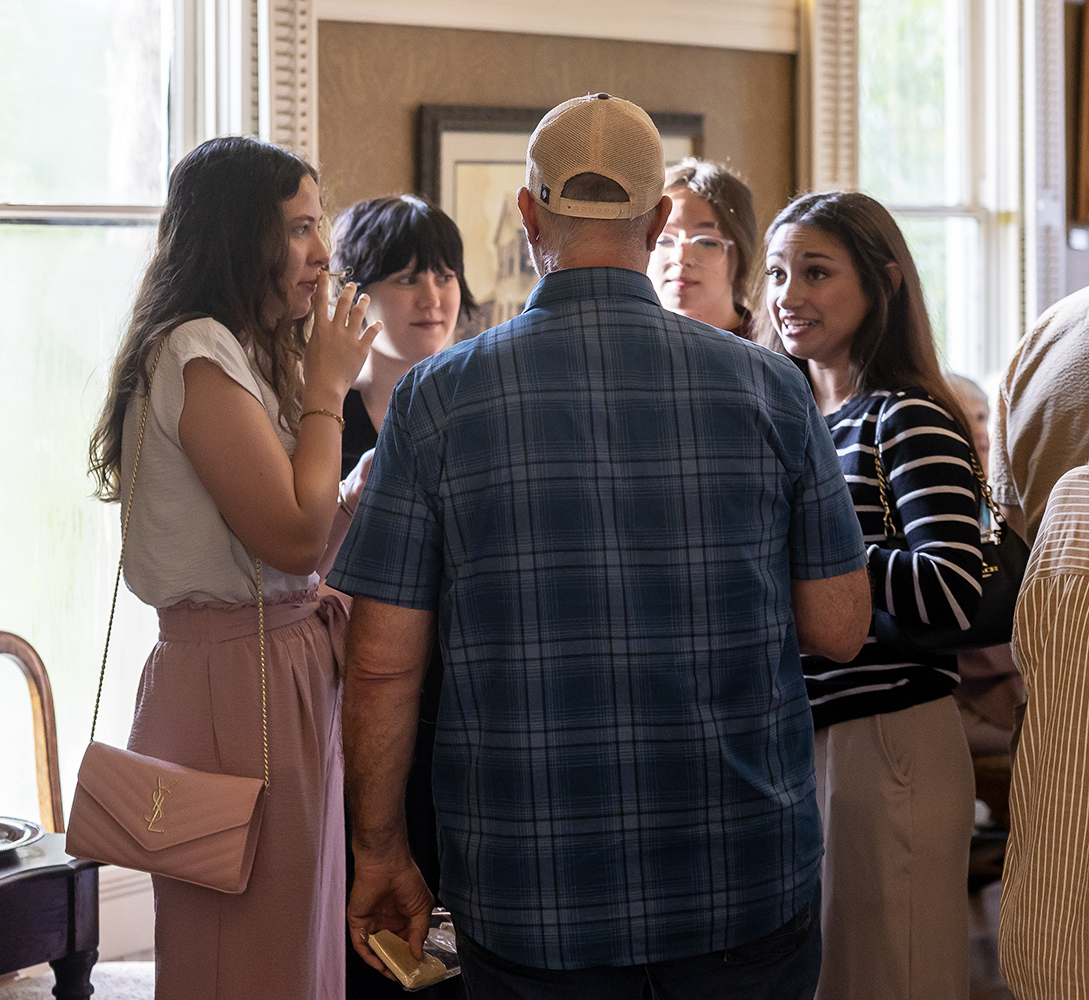
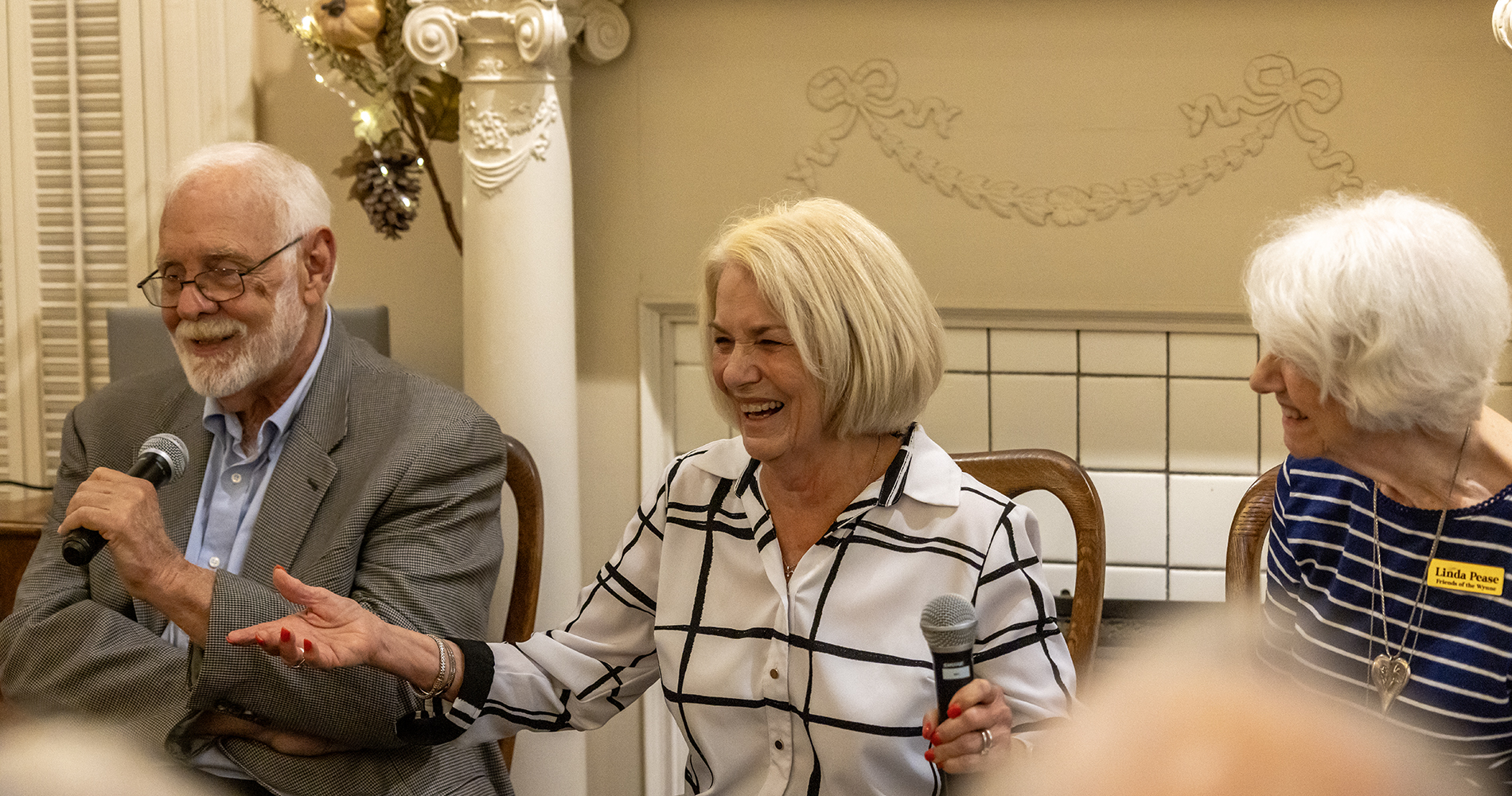
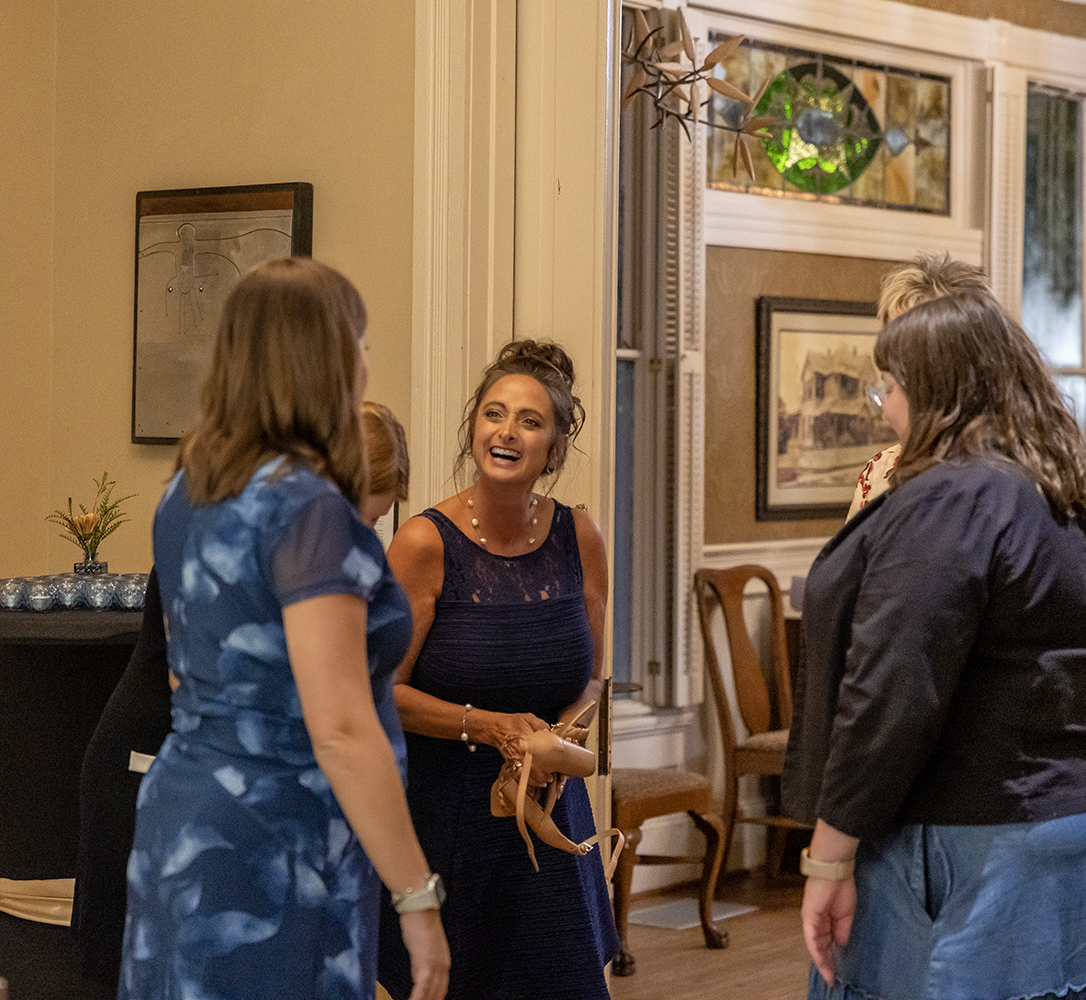
The event was well attended by many of the students’ supervisors and community partners, demonstrating the strong relationships that make the City Fellows program successful. Among those in attendance were Kristy Wheeler and Penny Joiner from Huntsville Parks and Leisure; Amanda Sewell and Olivia McCaughan from Main Street Huntsville; Angela Robinson from the Wynne Home Arts and Visitor Center; Tracy Stoudt and Colleen Garza from SAAFE House; and Marshall Altom of The Altom Group. Also attending were Brian Beasley, Assistant City Manager for the City of Huntsville, and Sandra Rodriguez, Human Resources Coordinator for the City.
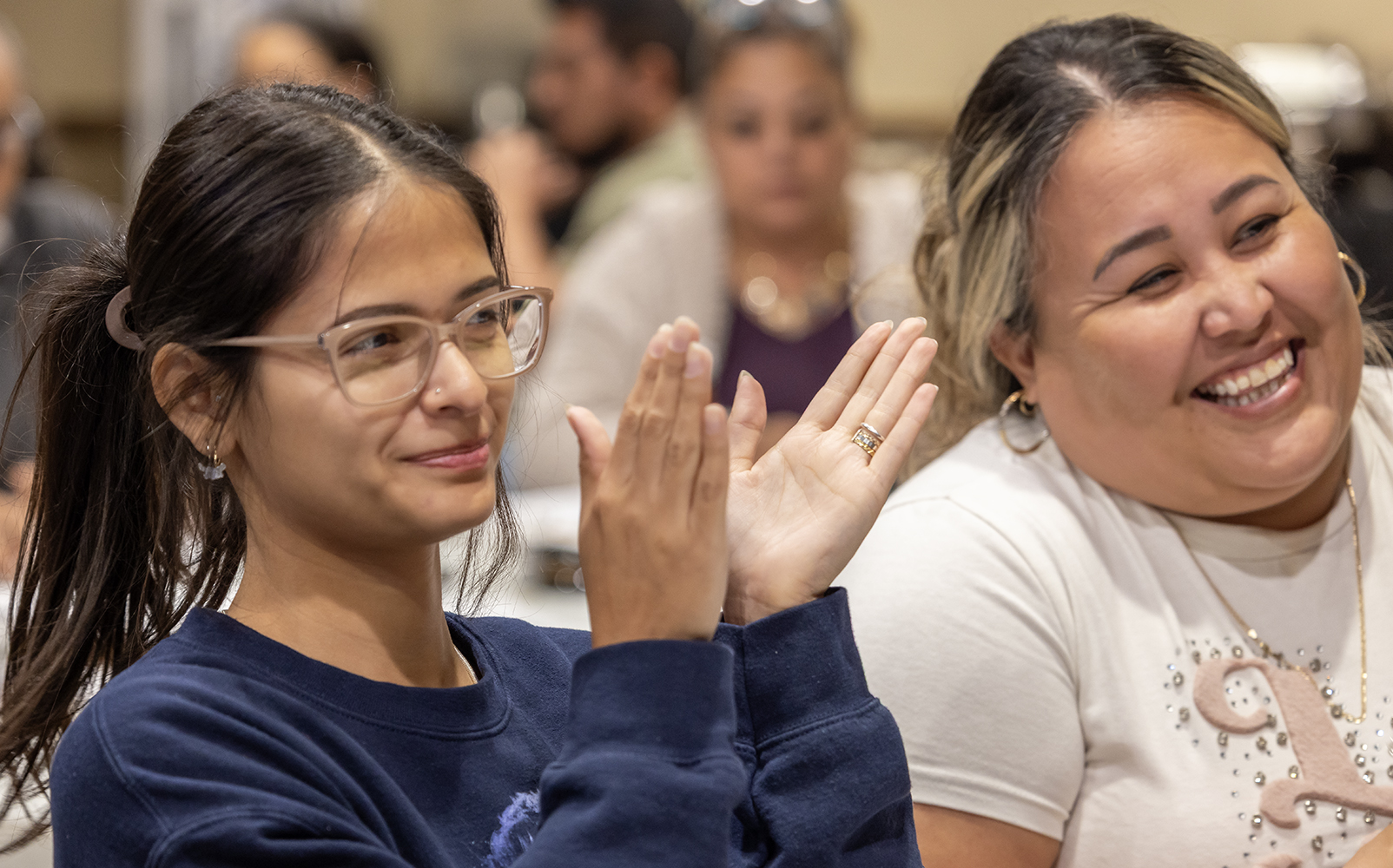
Each presentation focused on a significant project completed during the internship. Indeed, this is one key aspect of the City Fellows program: the internships are project based. For Tania Ramirez in Parks, for example, that included coming up with activities for the City’s July 4th celebration and its accompanying parade (where the Parks department one the Spirit Award). The students also discussed the challenges encountered and the lessons learned along the way. Several students admitted they were initially nervous about speaking before an audience, with nearly half acknowledging that public presentations pushed them well outside their comfort zones. By the end of the program, however, each intern confidently shared the accomplishments of the summer and reflected on the skills they had developed.
Many of the students discussed overcoming personal limitations, whether it was learning unfamiliar office software, adapting to a professional workplace, or building confidence in communicating with coworkers and the public. Their stories illustrated that internships provide far more than workplace experience—they foster resilience, adaptability, and self-confidence.
One theme echoed by every presenter was a newfound appreciation for local government and community organizations. Whether engaging in the day-to-day work of the organization or through one of the City Fellows’ tours, the interns gained a better understanding of how many moving parts exist in local government and how each component has to have dedicated staff behind their mission.
It was, of course, icing on the cake to have many of those dedicated staff in the room while the presentations were being conducted, and the LEAP Center remains grateful to the City of Huntsville, SAAFE House, The Altom Group, the Old Town Theatre, and the Fort Bend County Clerk’s Office for providing students with rich opportunities.
As summer came to a close, LEAP Students had the opportunity to spend another Wednesday morning volunteering at the Walker County Senior Center! The time we spend with the seniors of Walker County has quickly become one of our favorite volunteer activities this semester. Each visit gives us the chance to spend time together, make new memories, and enjoy the company of the wonderful seniors in our community.
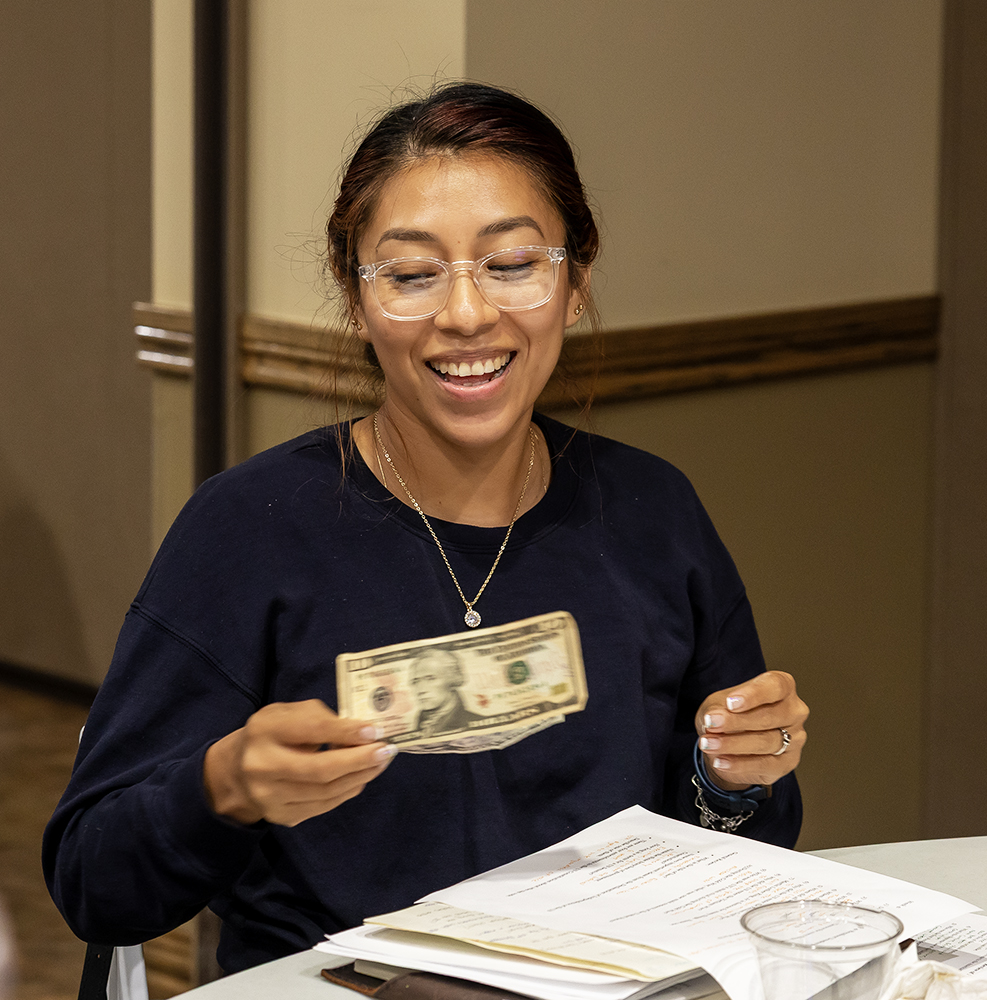
We started the morning with several rounds of bingo, with Olivia and Brittlyn taking turns calling out the numbers. Though the game was intense, there were several winners that were able to take home the best prize of all: bragging rights. In fact, three of the wins ended up going to the same table! Everyone had a great time getting into the spirit of the game and cheering each other on.
One of the biggest surprises of the morning was seeing Grace Eronini, who stopped by after we had not seen her for a few months. As soon as she walked through the door, she was greeted with plenty of smiles and excitement. Grace also brought cupcakes for everyone, making her visit even sweeter—literally! It was wonderful to catch up with her, and it was especially heartwarming to see how much the seniors appreciated both her visit and the thoughtful treat she brought with her.
After bingo, we invited the seniors to help us record a short video celebrating The Wynne Home’s 20th anniversary and thanking them for their continued support of Meals on Wheels. It was a special opportunity to recognize the important role they play in our community and to celebrate such a meaningful milestone together.
Once we finished recording, the morning continued with plenty of conversation and activities. Many of the seniors spent time playing board games, working on puzzles, and visiting with one another, while the LEAP volunteers joined in and enjoyed the activities alongside them. One of the most highly invested in games was a fifty piece miniature puzzle painting of Van Gogh’s Sunflowers. The tiny pieces proved a challenge for everyone involved, though it was eventually completed, much to our pride.
After lunch, we ended the morning by enjoying the cupcakes Grace brought for everyone before saying our goodbyes. We left the Senior Center with full stomachs, happy memories, and plenty of smiles, grateful for another wonderful morning spent with the seniors of Walker County.
The Huntsville Fire Department does far more than respond to fires, and a group of City Fellows interns recently had the opportunity to see that firsthand during a behind-the-scenes tour led by Fire Chief Greg Mathis.
The City Fellows program, administered through the LEAP Center at Sam Houston State University, places students in internships throughout the Huntsville community while providing professional development experiences that introduce them to the people and organizations serving the city. This summer’s interns include Brittlyn Jackson, who is interning with Huntsville Main Street; Tania Ramirez, with Huntsville Parks and Leisure; Christine James, with SAAFE House; and Allie Plunk, who serves with Old Town Theatre and The Altom Group.
The tour began with a look into the department’s history, including a beautifully restored 1928 Huntsville fire truck and several artifacts that illustrate how firefighting has evolved over the past century.
From there, Chief Mathis explained that today’s fire chief wears many hats. In addition to emergency response, his responsibilities include budgeting, securing grants, overseeing personnel, and ensuring firefighters have the training and equipment necessary to protect the community.
As the group toured the station, they visited the department’s watch room, where emergency calls and alarms are monitored around the clock, and learned about the important role volunteers continue to play alongside career firefighters. They also had an opportunity to get some hands-on experiences with the equipment, including the firetruck.
We learned that Allie shouldn’t be trusted with sharp objects, and that Brittlyn might not be cut out to be a firefighter.
Chief Mathis emphasized that modern fire departments handle far more than structure fires. The Huntsville Fire Department maintains specialized capabilities such as a dive team and rope rescue team, allowing firefighters to respond to water emergencies, technical rescues, and other situations requiring specialized training. Of course, not every call is dramatic—sometimes firefighters are even called upon to rescue stranded cats.
Perhaps the most memorable portion of the visit came as Chief Mathis recounted some of Huntsville’s most significant fires. He described the devastating 1954 First Baptist Church fire and the 1982 blaze that destroyed Old Main at Sam Houston State University, illustrating how these historic events shaped both the department and the community it serves.
It was a fascinating afternoon, one that provided an education on how various aspects of the city were interconnected, the training that goes into emergency services, and the many roles played by the fire department–all of which enriched our internships and our education.
Many thanks to Chief Greg Mathis for the tour, the time, the history, and the education.
Although the most wonderful time of the year is still six months away, CASA of Walker County brought plenty of holiday spirit to the Lowman Student Center Orange Ballroom during its annual Christmas in July fundraiser.
Organized by Laura Green, the fundraiser united hundreds of community members to support CASA’s mission of providing every child with a safe, permanent, and nurturing home.
CASA volunteers took great strides toward this mission this year, travelling more than 44,000 miles and contributing over 3,200 hours–all in the service of children!
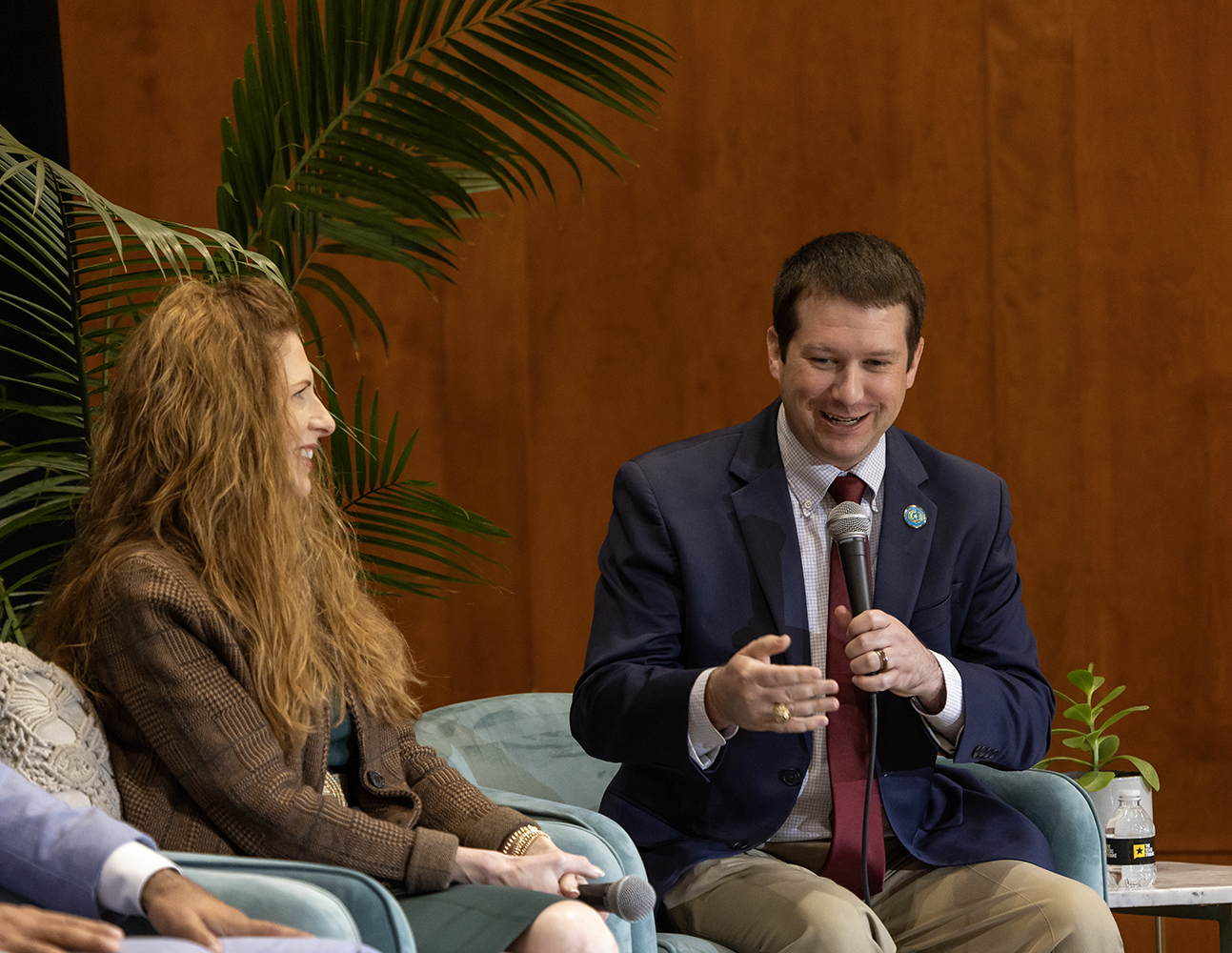
This year’s “Christmas in July” event offered similar support. Terrence Bell–SHSU Alum, local Pastor, and Huntsville High teacher–called 15 rounds of Bingo; Victoria White (Assistant Dean of Students) announced raffle winners; and auctioneer Kevin McMillan led an exciting auction intermission. In all, the event raised some $160,000 for CASA (CASA will release its official and final results later this week), providing needed support for its volunteers and staff.
After placing our tickets for the raffle and grabbing delicious Hawaiian inspired food sponsored by Dealer Solutions Automotive, Jolie Godfrey Mortgage Team, Dr. Victoria Hsiao, and Dr. Glenda Read, it was time for the game to begin! Greg Smith, Director of Sam Houston Memorial Funeral Home and this year’s presenting sponsor, opened the evening with a prayer.
Although LEAP students had much of the ups and downs of the other participants, we were ultimately shut out of this year’s winnings, much to the dismay of some competitive members.
The Woodwards won twice and Stephanie won one of the raffles!
It was also fun to see the many winners throughout the evening, which offers a good reflection of the fun that was had by all.
While bingo provided plenty of excitement, the children’s art auctions were the highlight of the evening. Before each piece was auctioned, volunteers walked around the room, holding the artwork high while a video highlighted aspects of the art (which was often very touching) and the child who created it, and then the bidding began.
It was truly remarkable to see the members of our community getting into bidding wars to support CASA and the children they represent.
Mayor Russell Humphrey was, as always, impactful, spending thousands to buy three pieces, giving two back to the children that made them. Tim Rushing was also a strong supporter of CASA, purchasing multiple art pieces and donating tens of thousands of dollars. The auction did not just touch hearts though; it broke records, raising more than $50,000 in total.
Particularly moving was the presence of some of the adoptive parents on hand, couples who were in the process of adopting CASA children.
Seeing them interact with their children’s CASA advocates and the bidders on their children’s works of art was a highlight of the evening.
Just before the last rounds of bingo, Elliott Herzlich on behalf of Elliott’s Jewelers gave out Hawaiian flower Christmas Ornaments so that everyone could go home with a prize, whether they were lucky enough to win something or or not.
Any time you have good people coming together for a good cause, we see familiar faces. Marshall Altom and his wife, the Woodards, President White and Elliot Herzlich, Jason Brandolini and his wife, Victoria White and Jalon Berry, Lois Stehlik, our old friend Macey Schank (who still volunteers for CASA, despite graduating), and the Slaters.
This added to the already festive aspect of the evening, sending us all home with Christmas spirit–and the children of the region in better hands, the hands of loving families, the committed CASA advocates, and caring community members.
The LEAP Center follows a rigorous process in planning trips, ensuring maximum learning, fun, and reward. The trips are scheduled such that the conferences take priority, while supplementary activities enhance learning, knowledge of others’ cultures, and the expansion of professional networks–with fun sprinkled in.
When things go well, the students take ownership of this process, and this was one of the many happy outcomes of this trip. After a year-long moratorium on LEAP travel, the students prepared well for the trip (taking a photography course and watching a documentary on one of the conference’s keynote speakers), maintained a good attitude despite long days and little sleep, and stayed up-to-date with the blogs and photo editing.
In light of the above and with a little reflection, they offered their favorites of the trip:
Conference Sessions:
This had the least consensus, probably because there was much to like and the students attended different sessions.
Probably the favorite was the “policy tour,” in which the students had a chance to deep-dive into a policy area–including a tour–led by experts. For Isis, Allie, and Jacob, this was the crisis center, in which the students learned of techniques to allow social workers to take over many of the processes involving low-level criminal conduct by people struggling with mental illness. For Robin and Olivia, the tour explored water issues in the West and one of the things Utah is doing to combat shortages, while also involving a wetlands tour on an airboat.
The students also enjoyed “Getting the Right Response,” which also involved crisis response by mental health and law-enforcement personnel. They also enjoyed meeting the keynote speakers, particularly Elizabeth Smart and Evy Poumpouras.
Restaurants:
Central by Saffron Valley was on all five students’ “best-of” lists, and it was the top choice for four of the students.
The food was, in every way, excellent, and amid all the appetizers and entrees, there was not a bad (or even so-so) choice.
Caputo’s was a strong second. appearing on four of the students’ choices. Their sandwiches were impressive–all tasty–and their shop selection was excellent. We wish we could have stayed longer and tried their food classes. Rounding out the top three was Plates and Palates, which had great service and sandwiches in Bountiful, UT.
Coffee:
For coffee, “Ten” ranked first. We had two visits there, and both times, the staff were pleasant, responsive, and helpful, and their coffee was excellent. Also top-notch was the Honeysuckle Coffee Co, which has great service, coffee, and pastries. King’s Peak was perhaps a distant third, while still recommendable. Their coffee is good, while their pastries and service are not up to “Ten’s” standards. On a trip of this nature, coffee shops are much sampled, and we went to the above shops on two occasions. In addition, we went to “The People’s Coffee,” which was adequate, and we also visited “Roots” and “Publik”, although we declined to try their coffee when the baristas indicated that it wasn’t fresh–and didn’t offer to make a fresh cup.
Non-Conference Activities
Beyond the conference, there was even less consensus on the most rewarding activities. Some thought Park City was the most interesting…
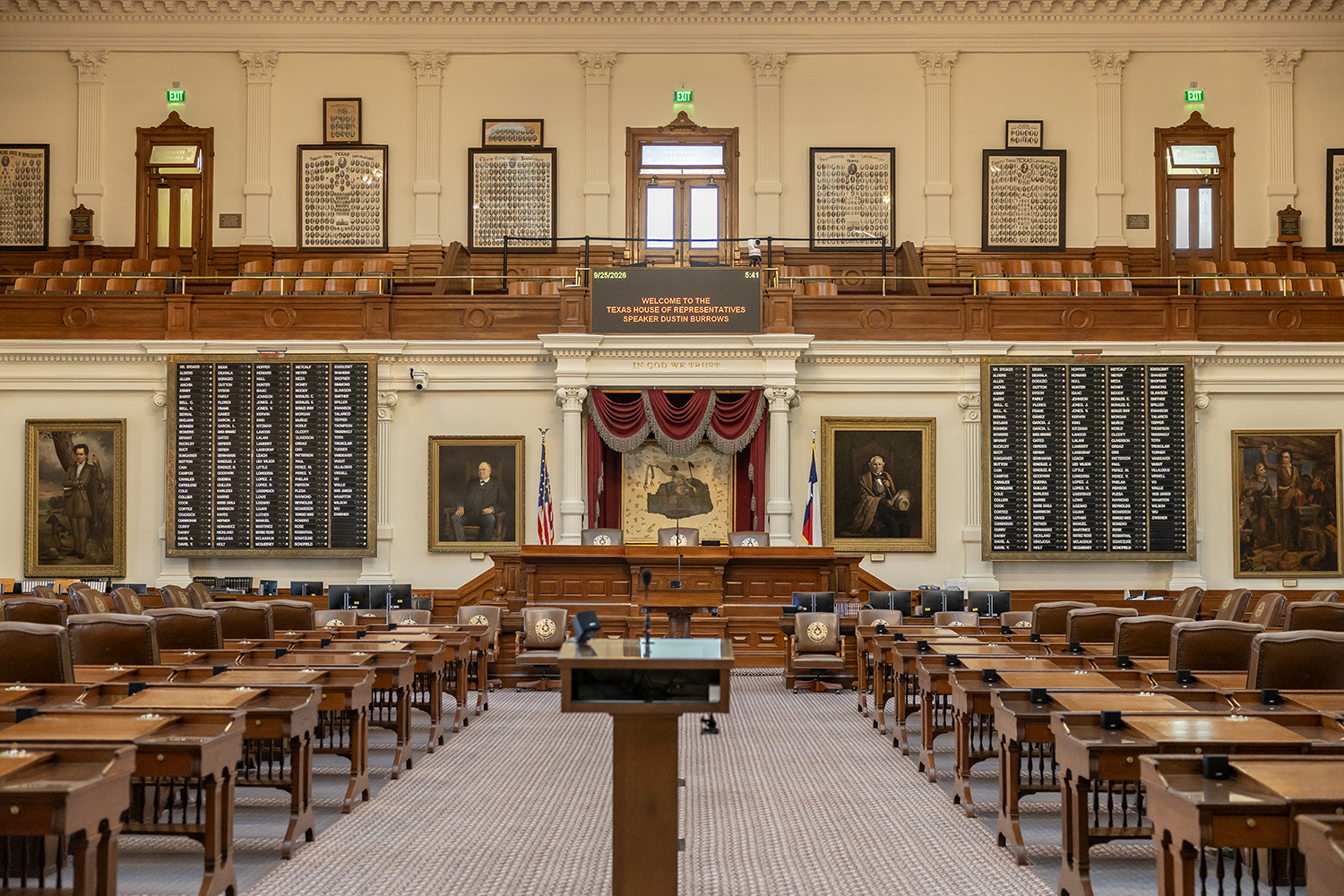
…the Capitol Tour had a lot of support, with a majority of the students believing that Utah’s Capitol was, overall, more polished, cohesive, and interesting than the Texas Capitol.
The students also enjoyed the trip through the Big Cottonwood Canyon Scenic Byway, where the temperatures were twenty-five degrees cooler than Salt Lake City, the scenery was beautiful, and there was an adventure around every corner.
Advisor’s Wrapup
This was the first trip where the students managed to organize their time and energy in such a way as to finish their blogs on time, edit all their photos, and post on social media daily. Olivia McCaughan did a great job facilitating the many tasks that go into making the trip work; Allie did a great job editing the blogs; Jacob and Allie took the lead on editing photos, but everyone edited some photos; and Robin and Isis proved versatile, editing photos, writing blogs, compiling lists, asking questions.
The result was a broad-based learning trip, with leadership lessons built in. The students explored other cities’ downtowns, city halls, and libraries; met numerous legislators and policy experts, promoting their leadership and potentially helping to prepare them for the Austin Internship Program; toured two Museums and one educational center; heard the Tabernacle Choir, one of the ten best choirs in the world; sat in on numerous policy sessions; took thousands of photos; saw numerous animal species for the first time; and managed to complete a 2.5 mile round-trip hike–with a 1,000 foot elevation gain–all in six days!
The students’ teamwork was impressive and effective, with student leadership helping to maintain morale, ensure logistical efficiency, and meet all deadlines, which, in turn, helped make this an excellent trip!
Written By: Isis Hollis, Robin Houghton, and Allie Plunk
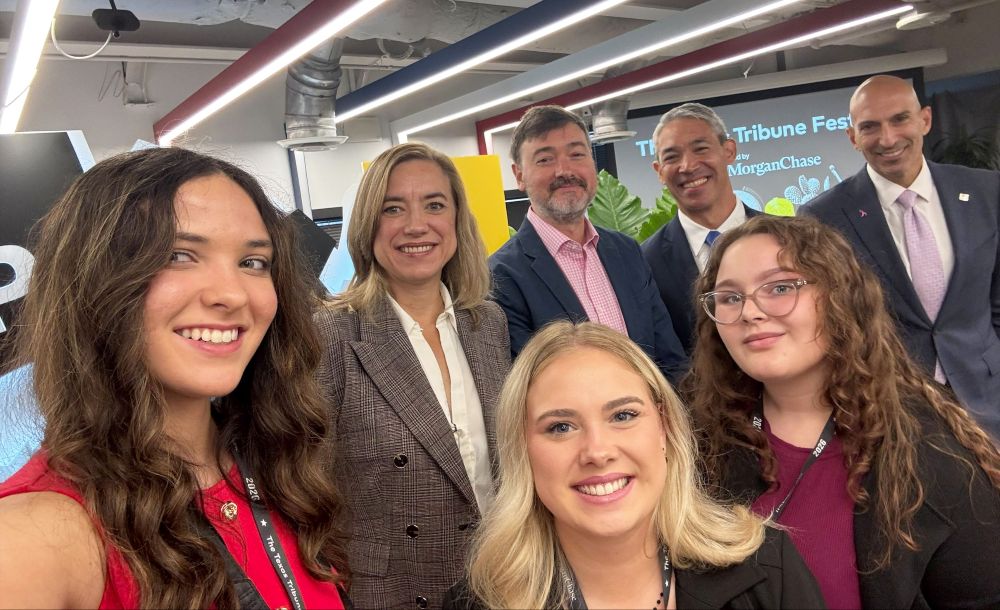
Throughout the conference, LEAP Ambassadors have had the opportunity to learn about policy from esteemed legislators and guest speakers, but on our last day, we got to experience a much more personal session, hearing from activist Elizabeth Smart, the CSG Justice Center on mental health, and attending the closing dinner.
Elizabeth Smart
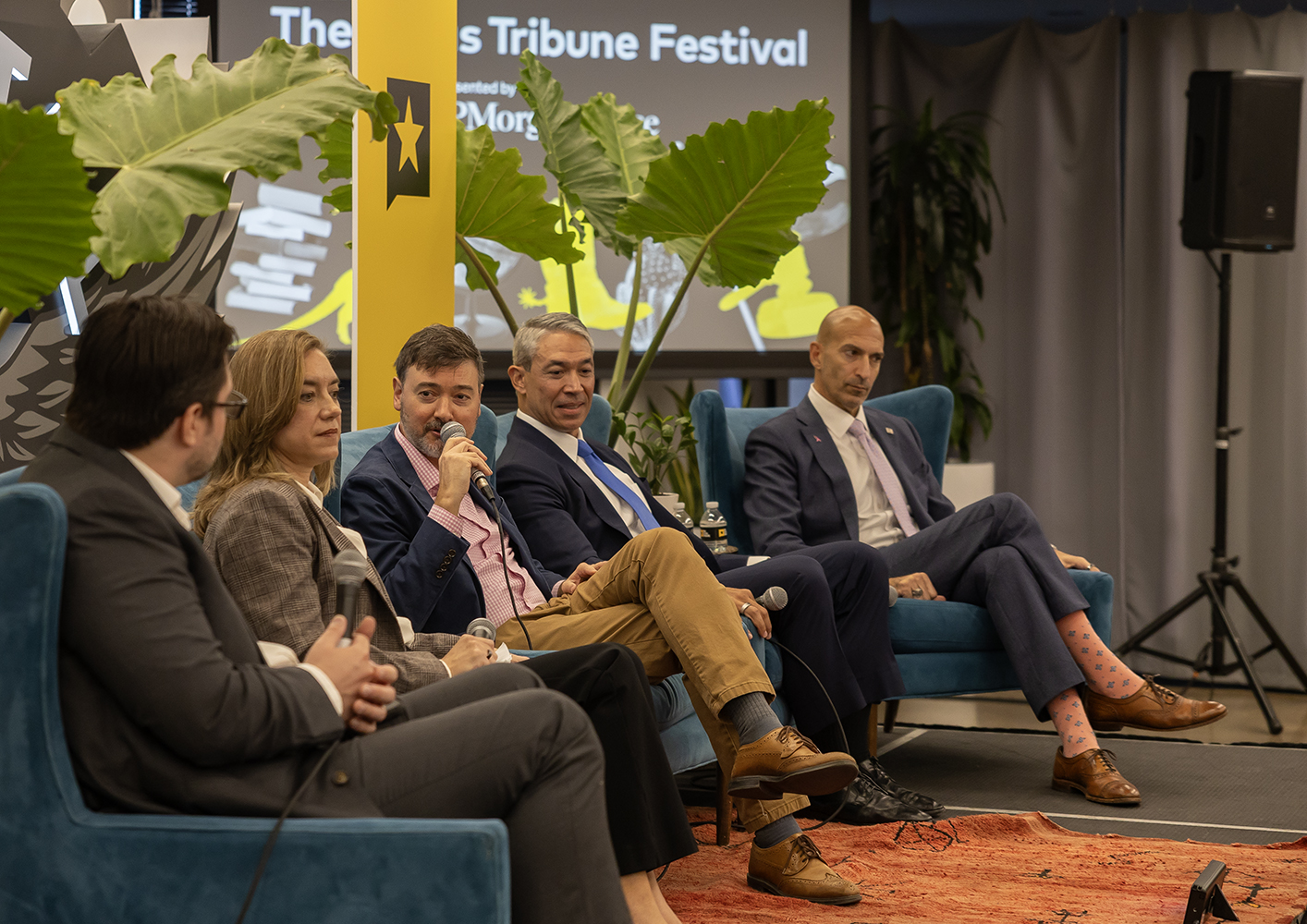
Before we heard from today’s remarkable keynote speaker, there were a few mentions and introductions from Chair Senator Todd Weiler (UT) and Chair-Prospect Senator Löki Tobin (AK). Together, they previewed next year’s CSG West meeting, which will be taking place in Alaska! Following a short “sizzle reel” for the state, Chair Senator Todd Weiler (UT) introduced Elizabeth Smart.
Smart was abducted from her bedroom at the age of 14 and survived nine months in captivity before being rescued. Though it was law enforcement that put her captors behind bars, there would be no story to tell had it not been for her resilience. It was incredibly inspiring to hear her story, and how she pushed through the darkness around her by focusing on positivity. Even though terrible things were happening to her, she reminded herself constantly throughout her abduction that things could always be worse. It was this strategy, as well as remembering the unconditional love of her family, that kept her going.
Smart also touched on the incredible difficulty she had finding value within herself during and following her captivity. Because she hadn’t been taught the difference between consensual sex and rape, she felt like she had done something horrible. It took her a long time to be able to rationalize that she hadn’t been the one to do anything wrong. I appreciated her candor and that she made it clear that recovery after something so terrifying was a long process.
Now an advocate for safety and sexual assault victims, Smart has used what happened to her for as much good as she can. This resilience and compassion is something we all admired. She was an incredible speaker, and we felt honored to have been able to listen to her.
CSG Justice Center
Following Elizabeth Smart’s moving speech, we attended a session on the CSG Justice Center, and their approach to mental health advocacy. Ernest Stevens, former San Antonio police officer and Crisis Intervention Team (CIT) member, current Managing Director of Behavioral Health at the CSG Justice Center, Madeleine Dardeau, CSG Justice Center State Initiatives Program Director, and Leanne Huff, Mobile Crisis Outreach Team (MCOT) Act specialist, had a panel discussion about the implementation and development of MCOTs, as well as CIT Trainings and help line 988.
The key point was the pressing need for more CIT trained teams to go out and address people with mental health problems. Stevens stated that if you send an untrained officer to deal with mental health crises “there will always be a gun.” Many people struggling with mental health have been shot or killed by officers unable to deal with their problems, and this is exactly what the CSG Criminal Justice center is trying to stop. At the core of this session was a statistic: officers spend only 8 hours learning about mediation techniques, which is something they are supposed to use every day, as opposed to a whopping 20 hours learning to use a gun, which many officers only discharge a few times.
Another factor in this issue is the stigmatization of mental health problems. If we can make people unafraid to get the help they need, then we won’t have as many suicides or overdoses. This issue is becoming something that is particularly close to a few of our hearts, and we hope that in the future we can be a part of the solution.
Dinner
We ended the conference with fun in a closing dinner hosted at the Natural History Museum of Utah, which was just as beautiful of a venue as it was informative. After ascending the stairs, we were greeted with a wall of fossils, crystals, flora, and taxidermy that stretched from floor to ceiling, immediately captivating several Ambassadors.
The dinner also featured a local band, by the name of The Bombshell Flowers. A high-energy indie rock group, their layered harmonies added a relaxed, yet tasteful atmosphere.
For dinner, we had tri-tip steak, cauliflower, asparagus, mashed potatoes, and salad, followed by desserts of fruit tarts and banana pudding.
While the dinner was good, it was the museum that was truly memorable. We spent a lot of time exploring the exhibits, each highlighting an important aspect of Utah’s natural history. We even discovered that Allie is likely descended from the Allosaurus, which is where she gets her t-rex nature!
As we left, we managed to grab a shot of the breathtaking views from the museum terrace.
From dinosaurs to rock formations to earthquakes, Utah’s Natural History Museum was a wonderful place to close out the conference.
Conclusion
Our final conference day left us with a lot to think about, looking at the world through new eyes. We all admired the incredible work people like Elizabeth Smart and the CSG Criminal Justice Center are doing for those struggling with mental health and sexual assault.
Written By: Isis Hollis, Robin Houghton, Allie Plunk, and Jacob Wessels
LEAP Ambassadors had a wonderful second day at the Council of State Governments Western Legislative Conference! We enjoyed learning about Quantum Computing, the West’s take on the upcoming Olympics, Policy tours, and a visit to the Church of Jesus Christ of Latter-Day Saints’ Salt Lake City Temple Visitors Center.
Quantum Computing
Though a daunting subject, we attended a conference session on the implications and impacts of Quantum Computing, hosted by Senator Catherine Blakespear (CA) and Representative Justin Wilmeth (AZ).
With a series of presentations by Rohan Basu Roy, Professor at the University of Utah; Pratik Soni, Professor at the University of Utah; Chris Spitzer, of Lawrence Berkeley Laboratory; and Ben Eikey, of the Levin Center, we were amazed to learn about the quickly approaching 2030 deadline for the official implementation of Quantum.
This astounding software will significantly cut down the production time for molecule simulators used in drug manufacturing, risk analysis for things like finance, and even enhanced AI. However, as Professor Soni stated, Quantum also comes with significant risk to national security and could potentially widen the employment gap. In order to resolve this conflict, speakers suggested training programs for teachers and students as young as elementary school to introduce Quantum so that we can raise a generation of young people properly equipped to handle the technology.
The tone of the session was one of preparation: Quantum is coming to the West, and it’s up to the legislators to build a safety net to keep things from going downhill. Quantum Computing is a somewhat new concept to the Ambassadors, though one that got us thinking about our own futures and how Quantum might affect our careers in law.
The Power of Sports
Following our crash course in Quantum, we were off to lunch! Before the keynote speech began, Chair Senator Todd Weiler (UT) presented the Bettye Fahrenkamp Award to Senator Ron Winters (UT) for his outstanding leadership.
After the awards, we learned about the value of sports from Kelsey Berg, who is currently leading government relations for the Utah 2034 Organizing Committee for the Olympic and Paralympic Winter Games…
…and Chris Mazdzer, Olympian and Paralympic activist, and moderator Senator Todd Wieler (UT).
Following the incredible success of the 2002 Winter Olympics hosted in Utah– one of the only Olympic games in which the host country made a profit– the state is thrilled to host the 2034 Winter Games.
However, the benefits of Olympic sports are not only financial. The speakers testified to the incredible cultural unification that happens when people from across the globe unite in the name of sports, citing the overwhelmingly positive reaction from visitors to the World Cup.
Even as someone who has never been particularly athletic, I found this connection inspiring, and I look forward to being a part of the host country for another worldwide sporting event.
Huntsman Crisis Center
The LEAP Ambassadors had the opportunity to attend post-lunch policy tours to witness the effects of legislation in action.
Isis, Allie, and Jacob attended a tour of the Huntsman Mental Health Institute and Crisis Center of Utah. The institute is leading the way for many significant improvements in behavioral health by focusing on creating a welcoming environment for its patients through a variety of methods, including referring to those whom they treat not as patients, but as guests. The architecture of the building helps achieve this as well by being intentional with every aspect, all the way down to the lighting, which is timed to the body’s circadian rhythm!

Representative Steve Eliason and Operations Manager Kevin Curtis shared how they have made an impact through collaborating with local police departments and hospitals to keep those facing mental challenges out of prisons and instead getting the care they need. Their work has helped many people with rehabilitation after facing a crisis while creating a more accepting community for those who may have mental problems. The session informed us on the resources available for nearly every demographic to seek care, along with ways legislators can help push for destigmatizing mental health treatment.
The tour created a lot to think about for the Ambassadors, but it brought along with it a newfound interest in psychology and the treatment of the mentally ill.
The Great Salt Lake
Robin, Olivia, and Professor Yawn chose to attend the policy tour on Water and the Future of the West. On the bus ride there, we learned about water usage in Utah. Utah Water Ways, led by Executive Director Tage Flint, is behind a campaign called “Slow the Flow.”
Their organization is unique: it is set up as a non-profit, but it is funded in part by the Utah Legislature and in part by community/corporate partners, with a goal of reducing per capita water consumption by almost a third in the next twenty-five years.
Part of this goal is to save the Great Salt Lake.
The Lake has been subsiding in the past several decades, a particularly trouble phenomenon because it offers a unique ecosystem, providing a home for hundreds of thousands of migratory birds.
…we spent a wonderful couple of hours exploring the Utah wetlands, seeing birds, insects, and other wildlife critical to the wetland ecosystem.
Seeing the wetlands in person reminded all of us of the importance of water conservation, especially in Utah, the second-driest state in the country.
The Church of Jesus Christ of Latter-day Saints’ Salt Lake City Temple
Following the Policy tours, LEAP ambassadors headed out to explore the historic Temple Square for a tour of the Church of Jesus Christ of Latter-Day Saints’ Salt Lake City Temple Visitors Center. Though not allowed in the Temple itself without a Temple Recommend from the LDS Church, we were soon immersed in the history, culture, and beliefs of the Church.
Our first stop was to take a picture with Thorvaldsen’s Christus, an 11-foot-tall statue of Jesus Christ that has a unique connection to Huntsville. Home to a full-scale bronze replica of the same statue (which can be found in historic Oakwood Cemetery), Huntsville possesses the only full-sized replica of Christus in the state of Texas.
We then were led through five rooms of a replica temple: the foyer, the baptistry, the celestial room, the instruction room, and the sealing room, each of which are copies of real temple rooms.
The most interesting room to me was the baptistry, which features a large bath resting on the backs of twelve life-sized oxen that symbolize the Twelve Tribes of Israel. The baptistry is also located on the temple’s lowest level to represent the symbolic burial and resurrection associated with baptism. Members of the Church perform baptisms there on behalf of their deceased ancestors who did not have an opportunity to convert, though their ancestors still must choose to accept the baptism.
After the tour, we were taken to the Tabernacle to listen to the Grammy, Emmy, Peabody, and Mother Teresa award-winning Tabernacle Choir perform.
Many of the ambassadors were deeply moved by the experience, and we all understood why it is considered one of the ten greatest choirs in the world.
Overall, we enjoyed our visit to The Church of Jesus Christ of Latter-Day Saints. The experience gave us a greater appreciation for the culture, history, and beliefs of many of the people who call Salt Lake City home.
Central by Saffron Valley
Hungry after our longest conference day, we stopped in to Central by Saffron Valley for a meal that would have made the James Beard Foundation proud. Actually, it must have made the Foundation proud, because the chef, Lavanya Mahate, was nominated for a James Beard award in 2024.
The restaurant is an homage to the “golden age of India’s train travel,” and it is themed accordingly. The tables are labeled by platform, there is a “railroad crossing” sign in a corner, there is a faux train compartment wallpaper in parts of the restaurant, and some of the dishes are served in the tins used on Indian train travel.
The theme is appropriate, in that the meals come from different regions of India: curries from across the country; chicken tikka dosa from “southbound parts”; and a dessert menu featuring “sweet departures.”
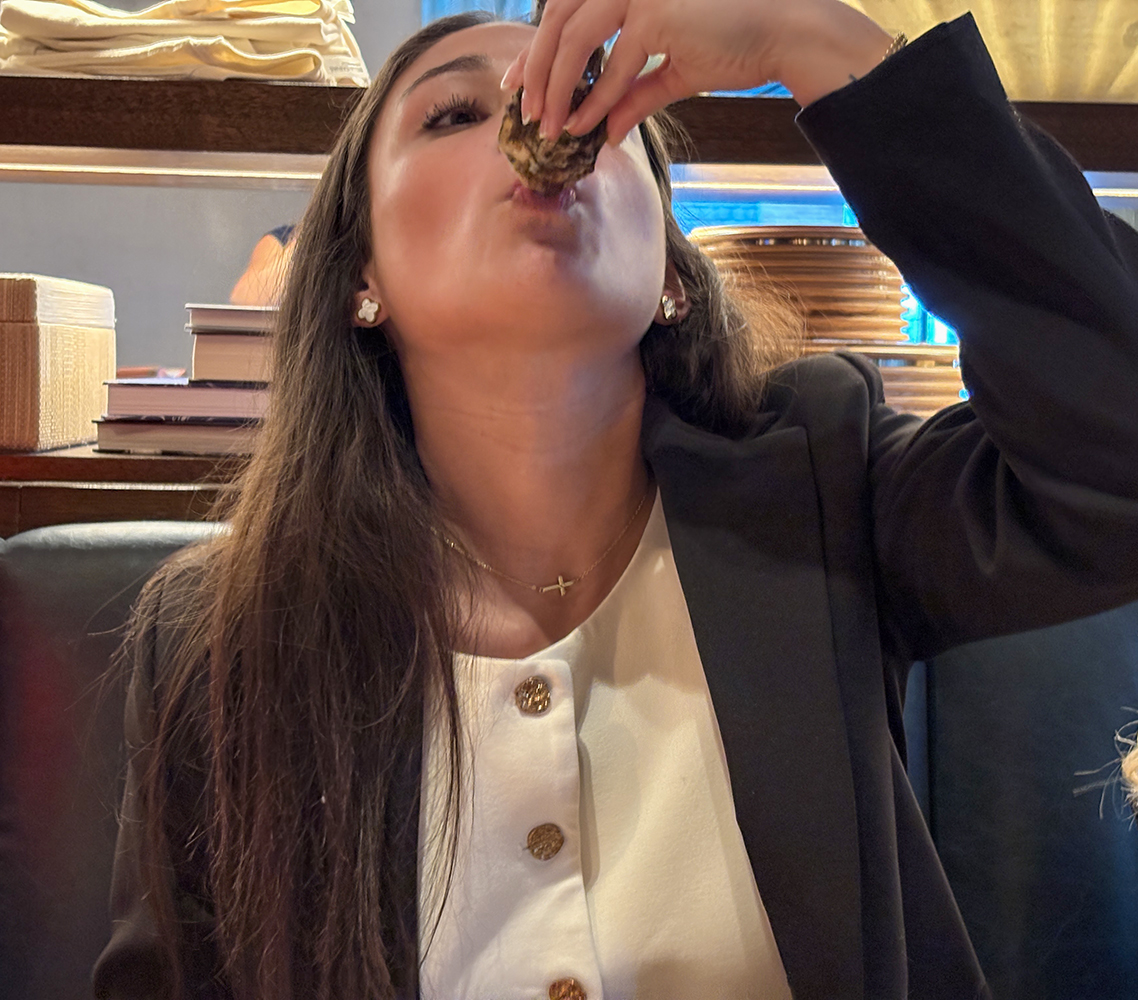
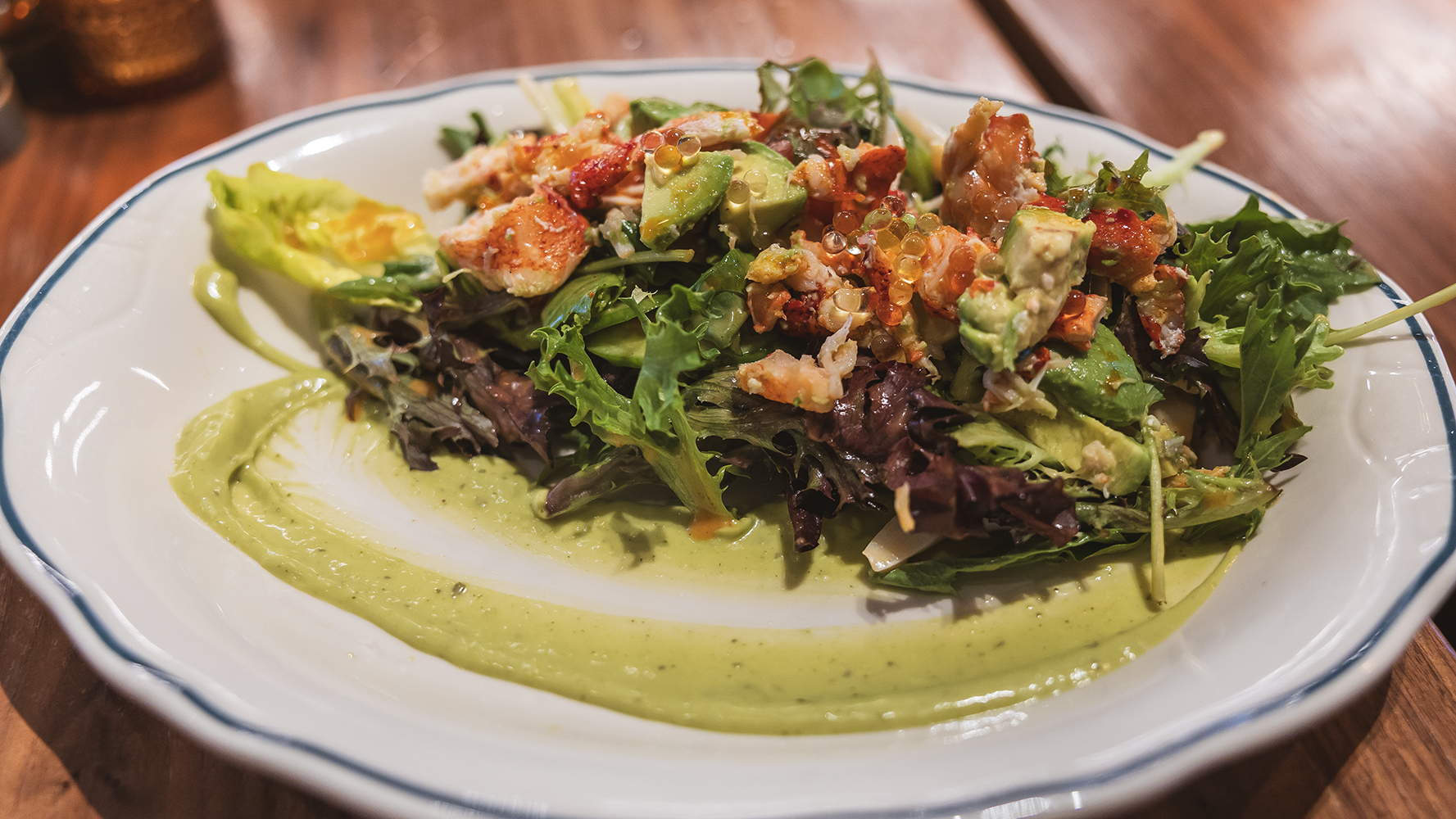
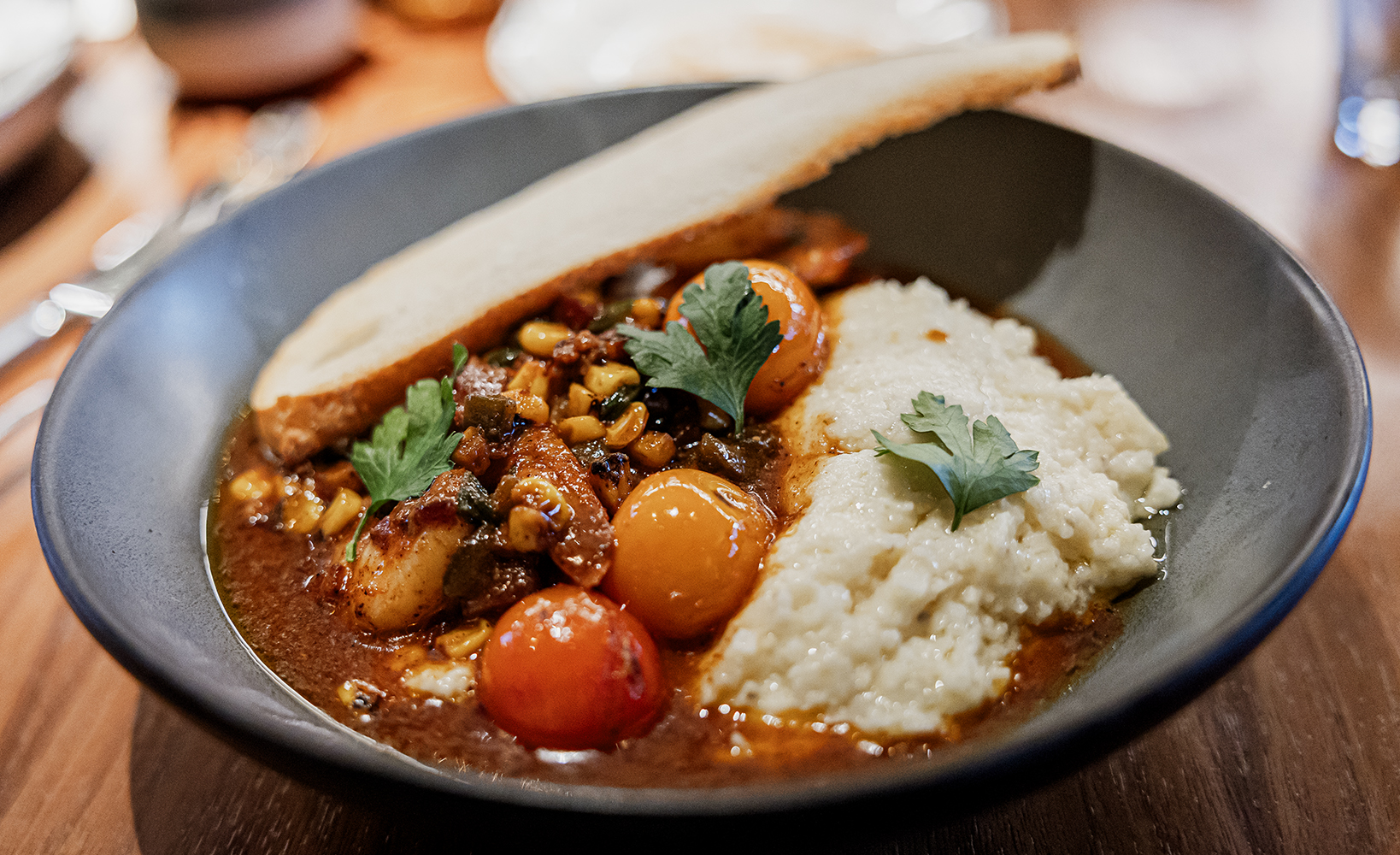
We opted to eat family style, with some naan, chicken tikka kebabs, samosas, fish and chips (a nod to India’s one-time status as a British colony, and a sop to Olivia), Nawabi lamb biryani; the ever-reliable Old Delhi Butter Chicken (from the ever predictable Jacob Wessels); and for dessert, chai creme brulee, gulab juman cheesecake, and Indian ice cream.
Everything we had was at least good, and several of the dishes being excellent: the chicken tikka and butter chicken standing out as exceptionally tender; the samosas as a spice-filled specialty; the ice cream as tasty and inventive.
Owner Mahate told the Deseret News that she wanted to make “Indian food more accessible,” and she seems to be doing just that, providing excellent food to the Salt Lake City community. The entire meal was delicious, and it was an enjoyable evening with friends while extending the LEAP Center’s ethnic-themed meals during this trip– a nod to Salt Lake City’s history of attracting immigrants who contribute in many ways, not the least of which is adding to the culinary culture of the community.
Conclusion
Each session and policy tour demonstrated that effective leadership requires curiosity, collaboration, and a willingness to understand perspectives different from our own. As we look ahead to our final day at the conference, we are grateful for the opportunity to learn from legislators, policy experts, and community leaders from across the West.
LEAP has had a wonderful time exploring the many sights of Utah and learning numerous facts about Salt Lake City, but the fun hasn’t stopped there. Today was our first official day attending the Council of State Governments Western Legislative Conference. Throughout the day, we attended many interesting speaker sessions, including diverse topics such as Rural Healthcare Transformation Planning, AI in Education, Identifying Human Behavior, the Housing Crisis, Building the Grid of Tomorrow, and Geothermal Energy.
Conference Sessions
Though we had the opportunity to attend several sessions, we did have a few favorites!
One such session was the Rural Healthcare Transformation Planning presentation featuring Ben Eikey, Manager of State Training and Development for the Levin Center for Oversight and Democracy, with Representative My-Linh Thai (WA) and Representative Matt Soper (CO) moderating. Over the past 20 years, rural hospitals have faced financial crises, and Eikey offered a template to concerned citizens and legislators for how to encourage serious discussion of the issue.
He encouraged a four-step process: (1) becoming as knowledgeable as possible about the issue, in this case, rural healthcare, (2) creating a list of open questions, (3) using the answers to those questions to find evidence, and finally (4) identifying resources, advocates, and committees that are necessary to stimulate a solution for the lack of funding.
This outline provided a guide to what goes into the creation of legislation. As future lawyers- and potential legislators- we all found this very intriguing.
While Jacob, Isis, and I were learning about rural healthcare, Robin and Allie were attending a session on AI in the classroom. With moderation by Carrie Butler of SchoolAI…
…Representative John Arthur (UT), Senator Kirk Cullimore (UT), and Caleb Hicks, CEO of SchoolAI, discussed the impact of a recently passed Utah Bill that will require school boards to create and implement a “best use guide” for software– including AI.
We were surprised to learn that 20 percent of high-school students have had a romantic relationship with AI, and that 80 percent of high-school students use “Shadow AI” (as far as we can tell, this means unapproved AI platforms). With these facts in mind, the panelists were in agreement that: AI had to be incorporated into curriculum, schools and teachers had to teach students how to use this software effectively, honestly, and transparently, and the school systems had to ensure that the software they approved is safe and good for children.
Lunch
For lunch, we all came together to converse, learn more about the CSG, and to hear the keynote speaker of the day, former NYPD Officer, former Secret Service Agent, and author Evy Poumpouras.
The lunch highlighted the work done by many of the leaders of the Council of State Governments (West), including Chair Senator Todd Weiler (UT), Vice-Chair Rep. Lauren Matsumoto (HA), Chair-Elect Senator Loki Tobin (HA), and Past-Chair Rep. Mike Yin (WY), as well as Utah State Treasurer Marlo Oaks. These discussions culminated in some groan-worthy “dad jokes” by Senator Weiler, as well as an award presented to him by Executive Director of State Government Affairs Council, Beth Loudy.
The highlight of the lunch was keynote speaker Evy Poumpouras. Drawing from her experience in law enforcement, her knowledge of six languages, and a master’s degree in journalism from Columbia University, Poumpouras spoke on the importance of understanding how to converse with others by responding to their headspace. Using techniques taught to her in training, she discussed the different kinds of behavior that a person can exhibit: the warm, social Monkey, the leading Lion, the patient Mouse, or the frank T-Rex.
Each of these “behavioral types” can be exhibited by someone, depending on the situation, and each should be responded to in a different way. While the Lion and the Mouse complement each other, a Monkey responds best to a Monkey, and a T-Rex to a T-Rex. Central to Poumpouras’s argument is that (1) these behavioral characteristics are not permanent, (2) the members of the audience have agency, and they can adopt behaviors that advance their goals, and that (3) good faith behavior fosters trust. Accordingly, the key takeaway was that we should learn to regulate our own reactions to make conversations and meetings more productive. While we may not be using these tools to interrogate terrorists, we are very curious to see how implementing this style affects our communication!
The Red Iguana
Continuing our theme of exploring ethnic food in Salt Lake City, we tried out what our hotel described as the “Best Mexican Food in Salt Lake City,” The Red Iguana. Established in 1985 by Ramon and Maria Cardenas, the restaurant now has three locations in the city, and is a fixture among locals. As noted by Eater, “The restaurant doesn’t take reservations, so arrive early to ensure you snag a table or be prepared to wait.”
With us having a “working dinner,” we avoided the wait by getting the food “to go” and eating at the hotel. Olivia and Allie got the “Killer Nachos,” and we learned that the “killer’ may have referred to the size of the nachos—the portions for which were as large as they were scrumptious. Similarly the quesadilla—which resembled a burrito more than the Tex-Mex quesadilla—had more fillings than were expected and beef that was particularly flavorful. Robin and Jacob had the steak a la ranchero, which, received a strong thumbs up from Jacob and a “so-so” from Robin. The sides were a major plus, with the queso and the chile poblano con queso being standouts.
There are many who are suspicious of Mexican food outside of Mexico or Texas, but this is nonsense. Chefs can be developed anywhere, and chefs can emigrate to any city as our experiences in Salt Lake City have attested—with excellent results.
Conclusion
We had a very educational and insightful first conference day, learning about a vast array of topics that have already begun to spark debates and conversations among the Ambassadors. We are all looking forward to the sessions that tomorrow holds and are sure that they will be just as engaging and exciting as today’s!