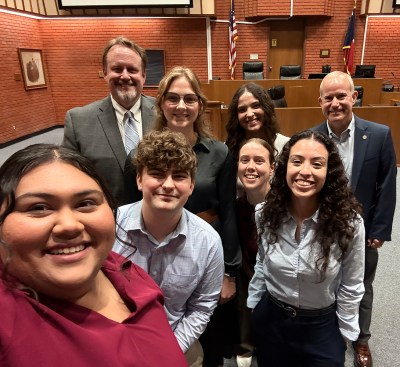
Written by Michelle Cardenas
Recently, the LEAP Ambassadors had the opportunity to attend a unique and eye-opening event held in the Kerper Courtroom at Sam Houston State University. The event involved a simulated cross-examinations of “expert witnesses” (Forensic Psychology PhD students in Dr. Mary Conroy’s class) and was led by Dr. Roberts, the Director of Student Legal Mediation Services at SHSU, and members of the Texas Special Prosecution Unit staff.
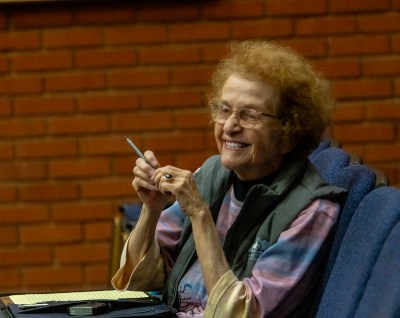
At first, many of us were intrigued just to be part of something so different from our usual experiences. We expected it to be interesting and informative, but we quickly realized it was much more than that. It was a serious and highly structured simulation that gave us a real look into how psychological expertise is challenged in legal settings.
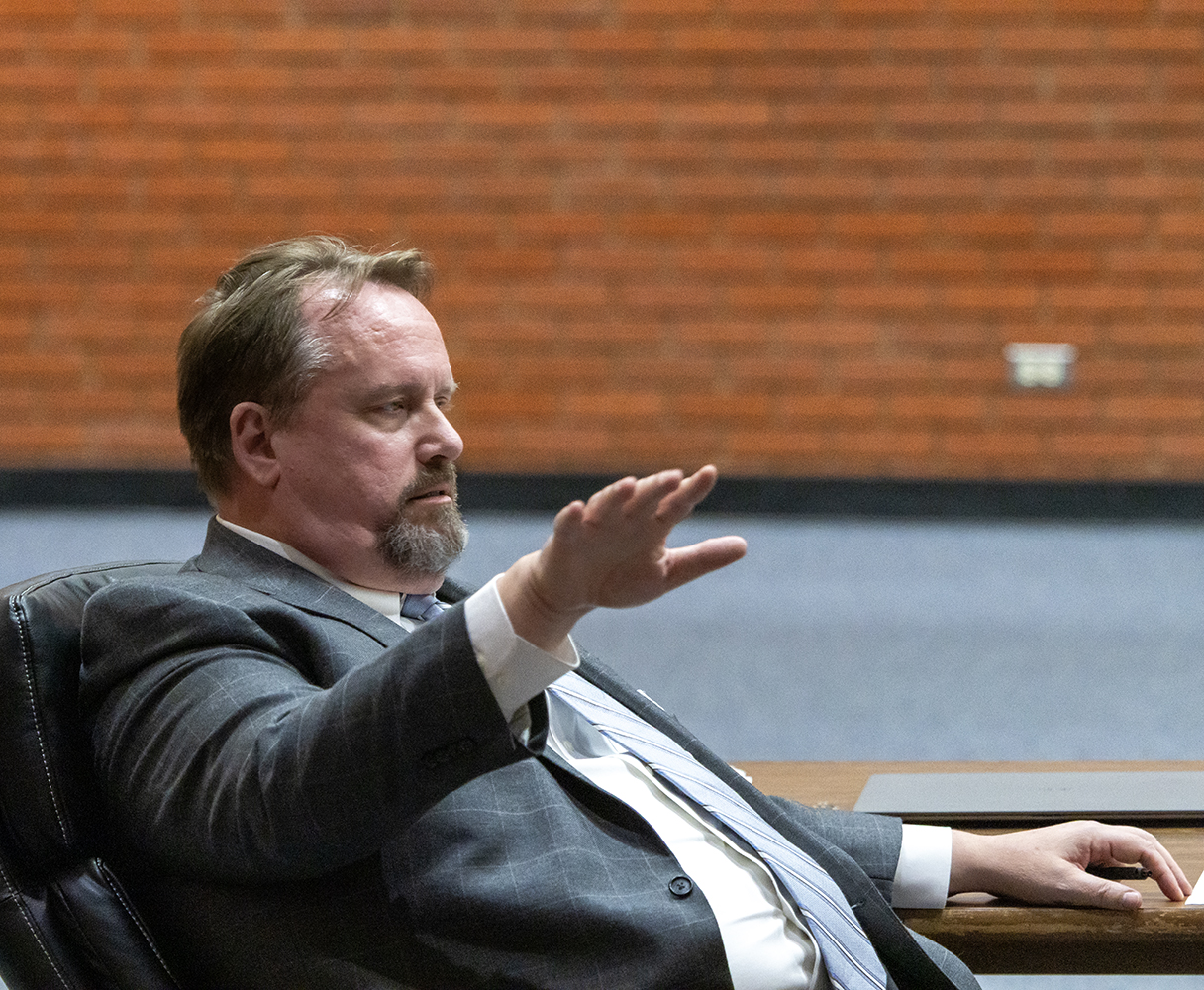
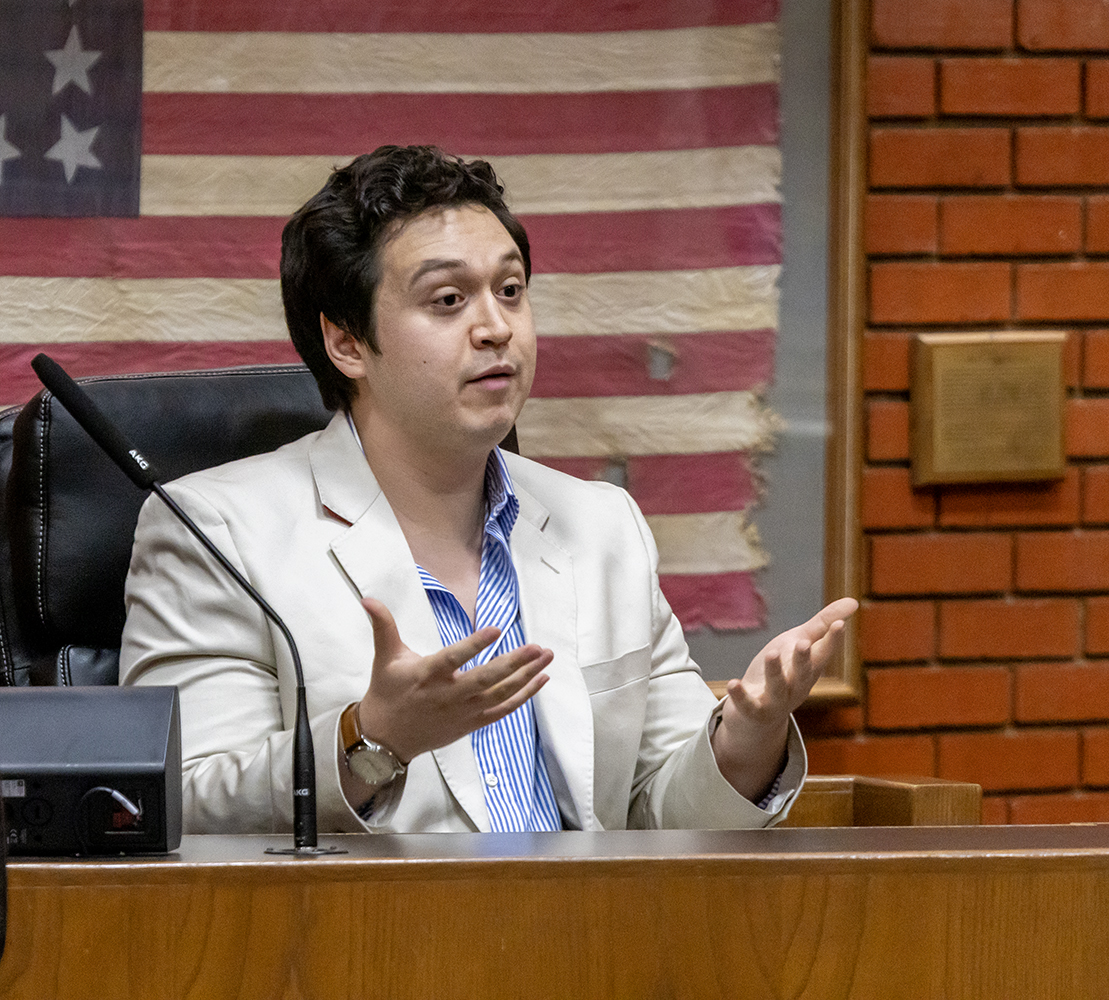
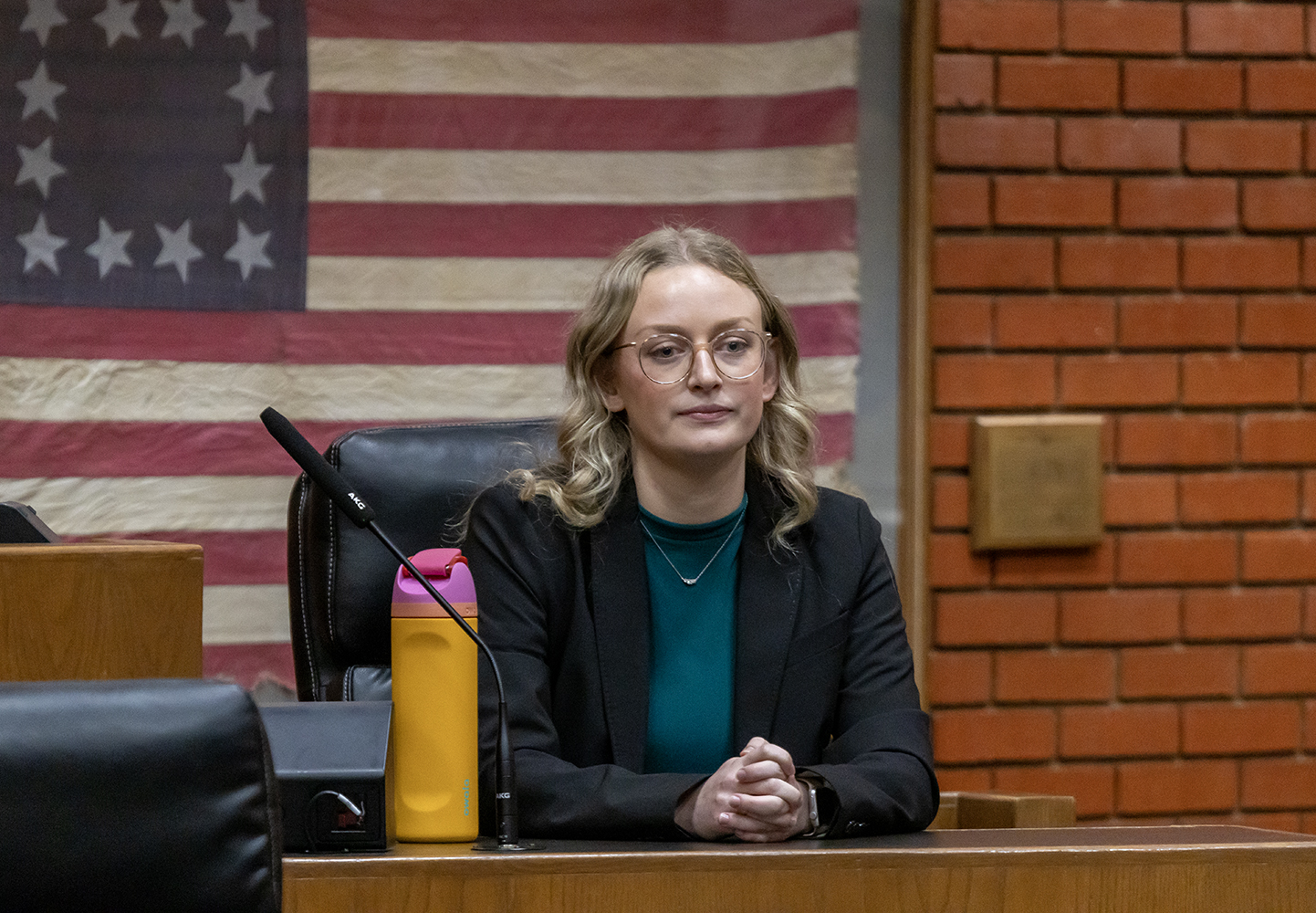
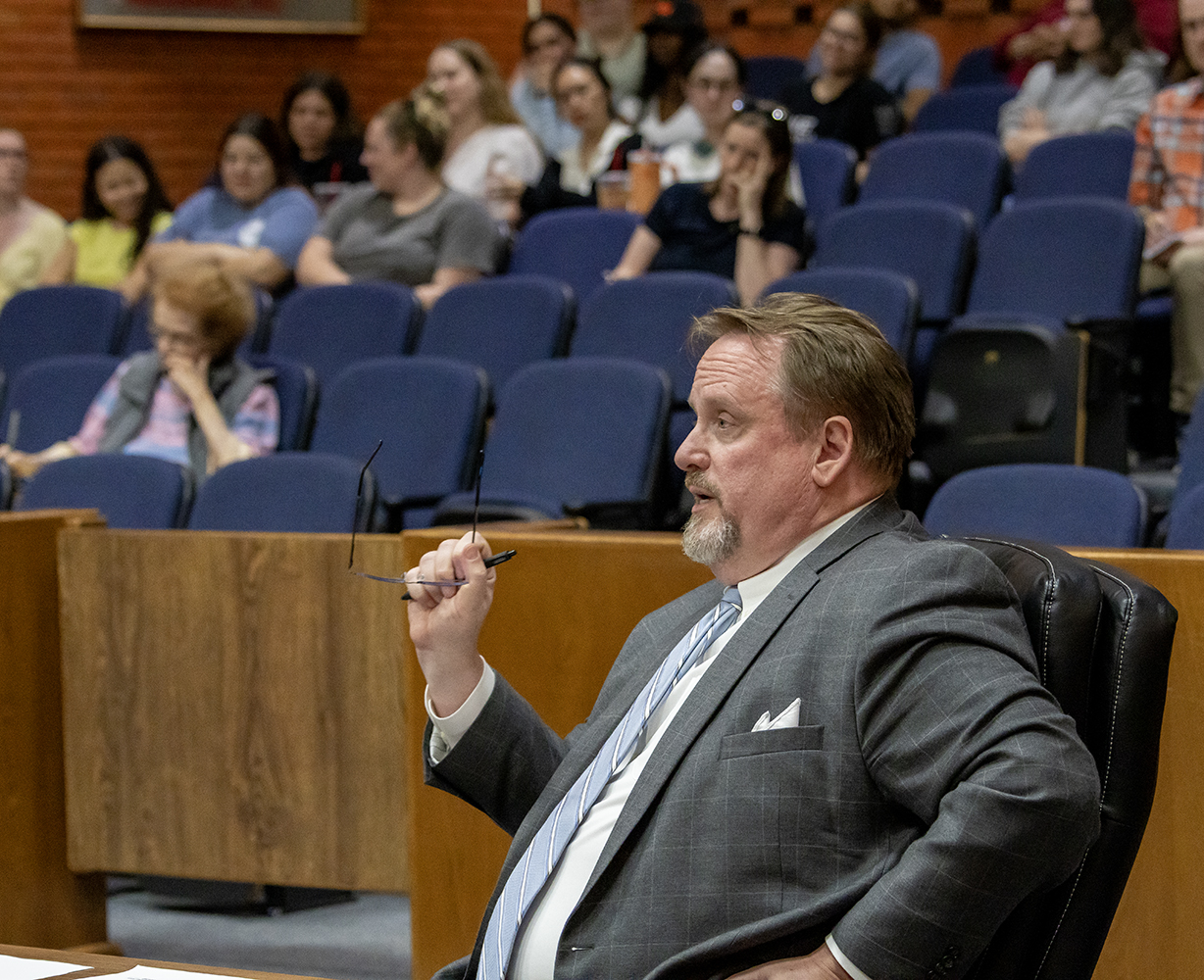
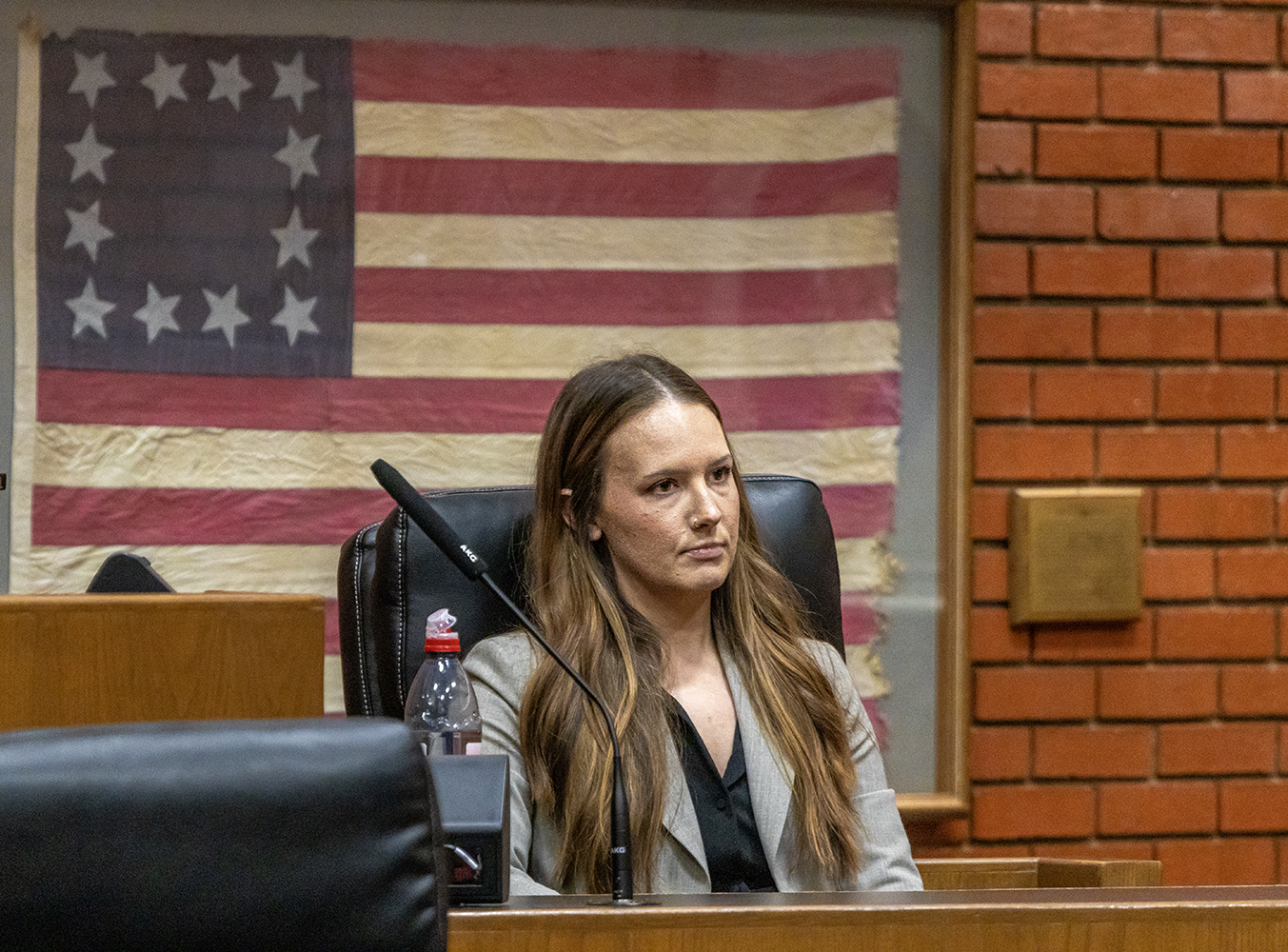
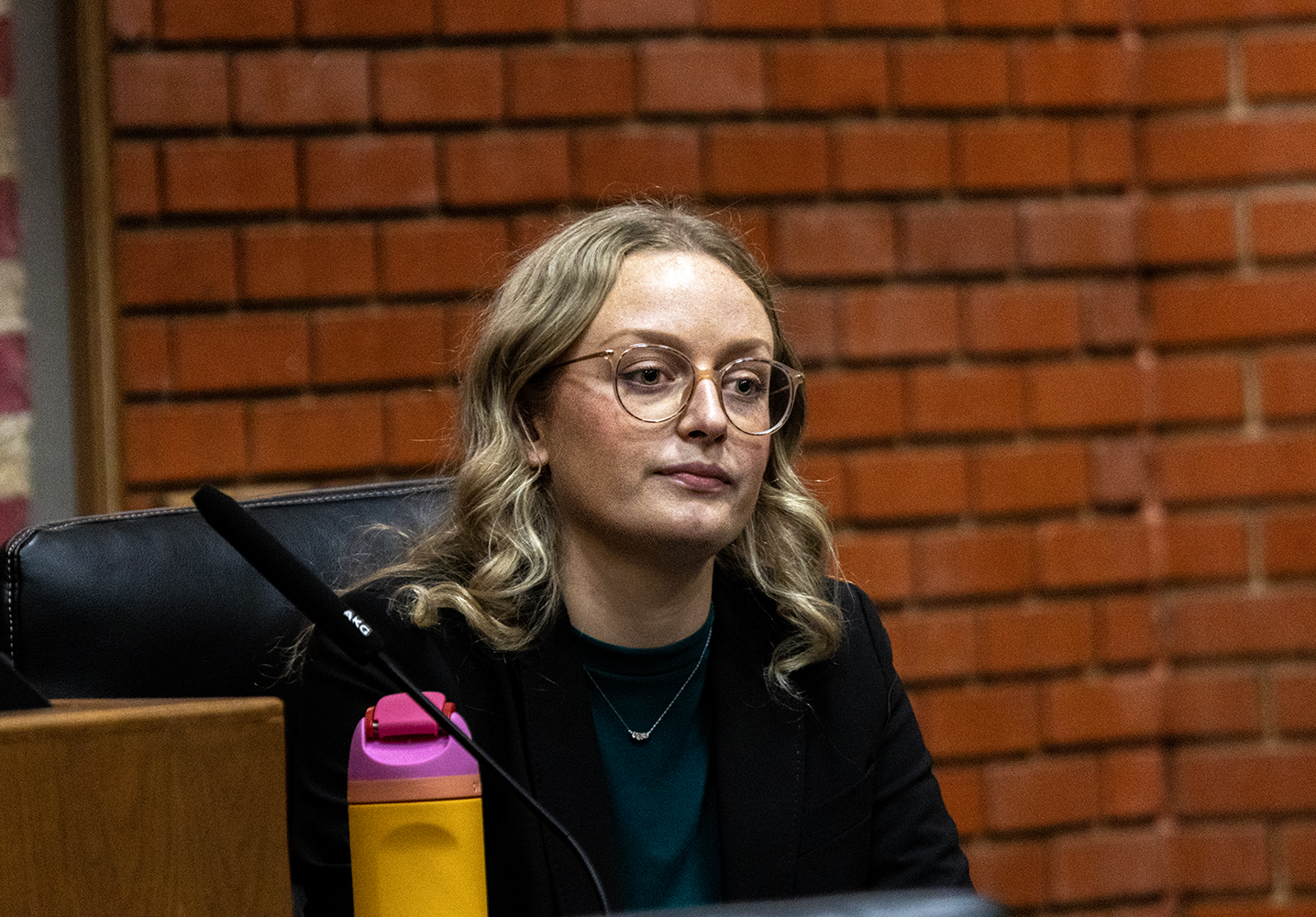
The purpose of the exercise was to prepare PhD students to serve as expert witnesses in court. Their job was to take the stand and, under direct and cross-examination, clearly explain their thought process, justify their evaluations of competency, and walk through why they chose the specific diagnoses they did based on the case scenarios they were given.
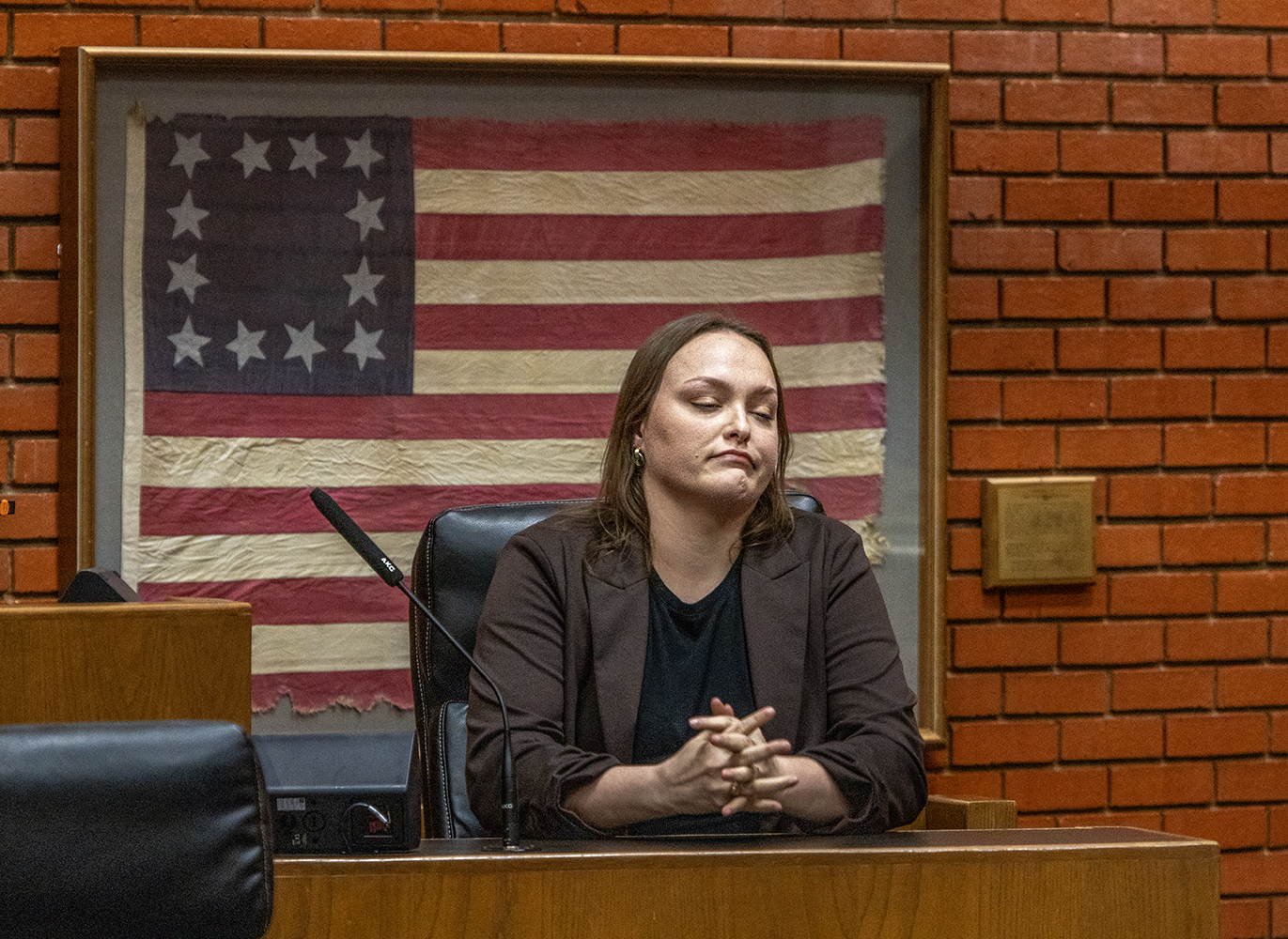
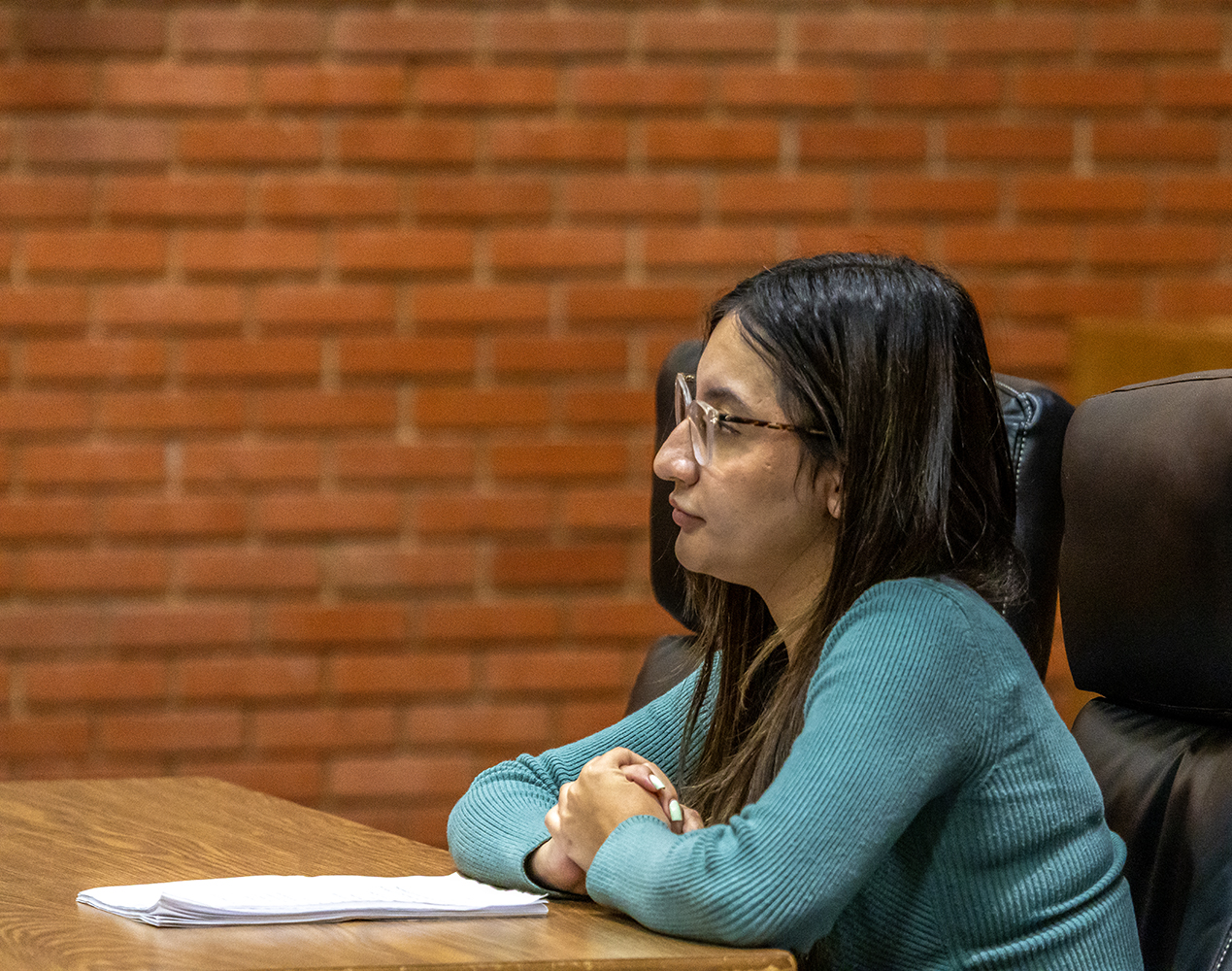
What really stood out was the cross-examination portion. After presenting their initial assessments, the students were then put under pressure by Dr. Roberts. He did not make it easy on them. The questioning became more intense and detailed, often pushing into areas like their professional publications, academic background, and even social media presence. The goal was to realistically simulate how an opposing attorney might attempt to challenge or discredit an expert witness in court.
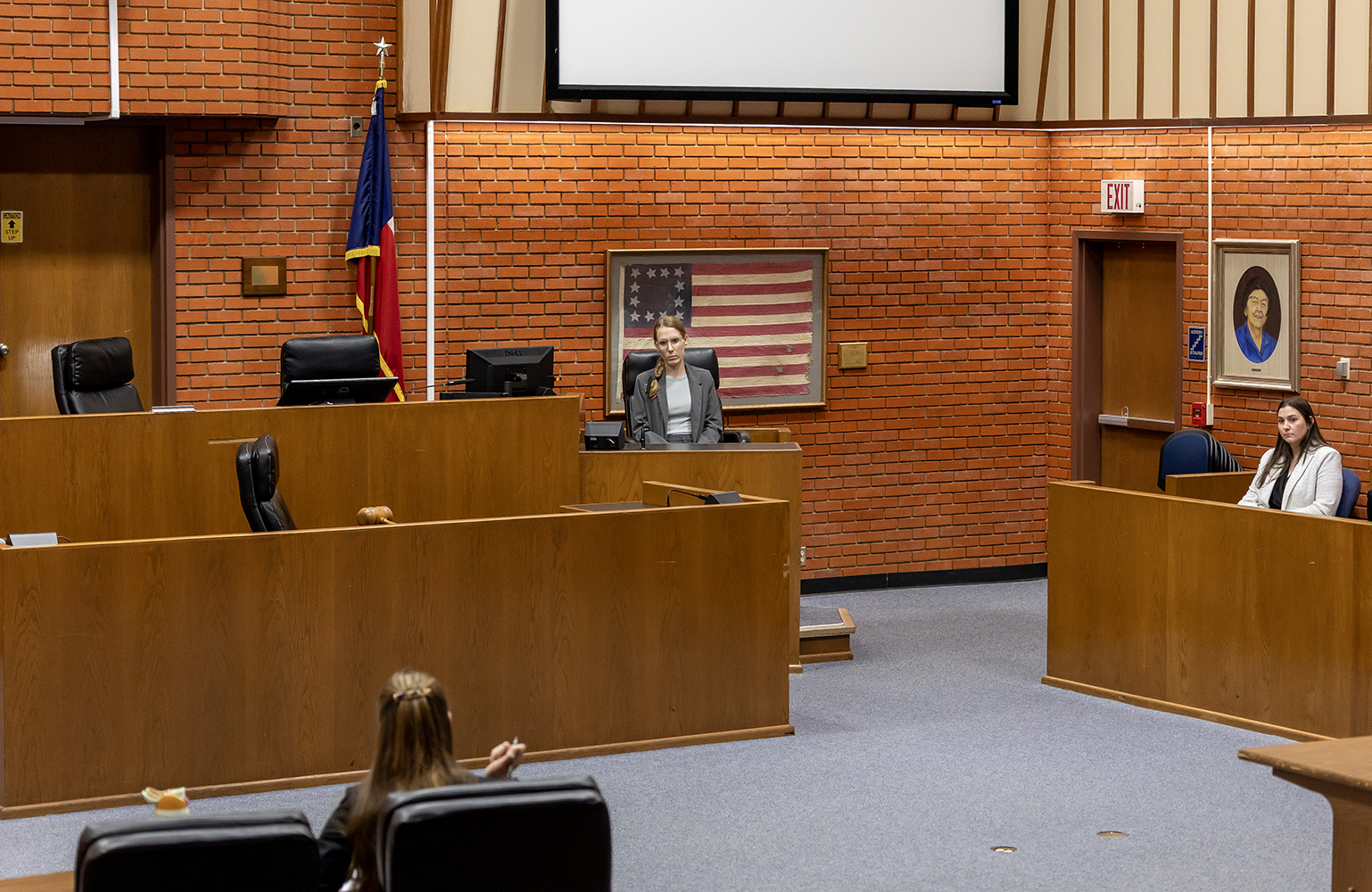
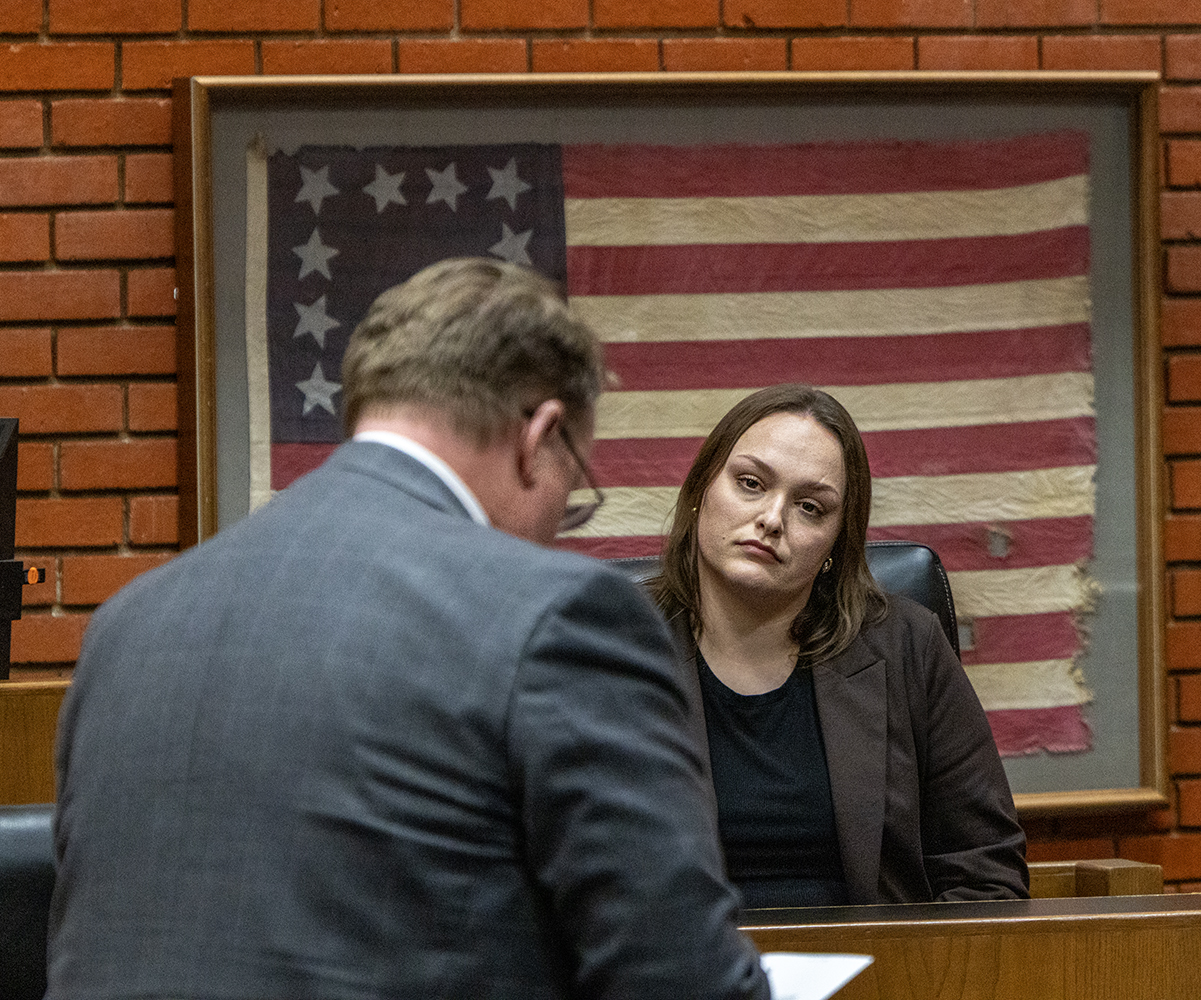
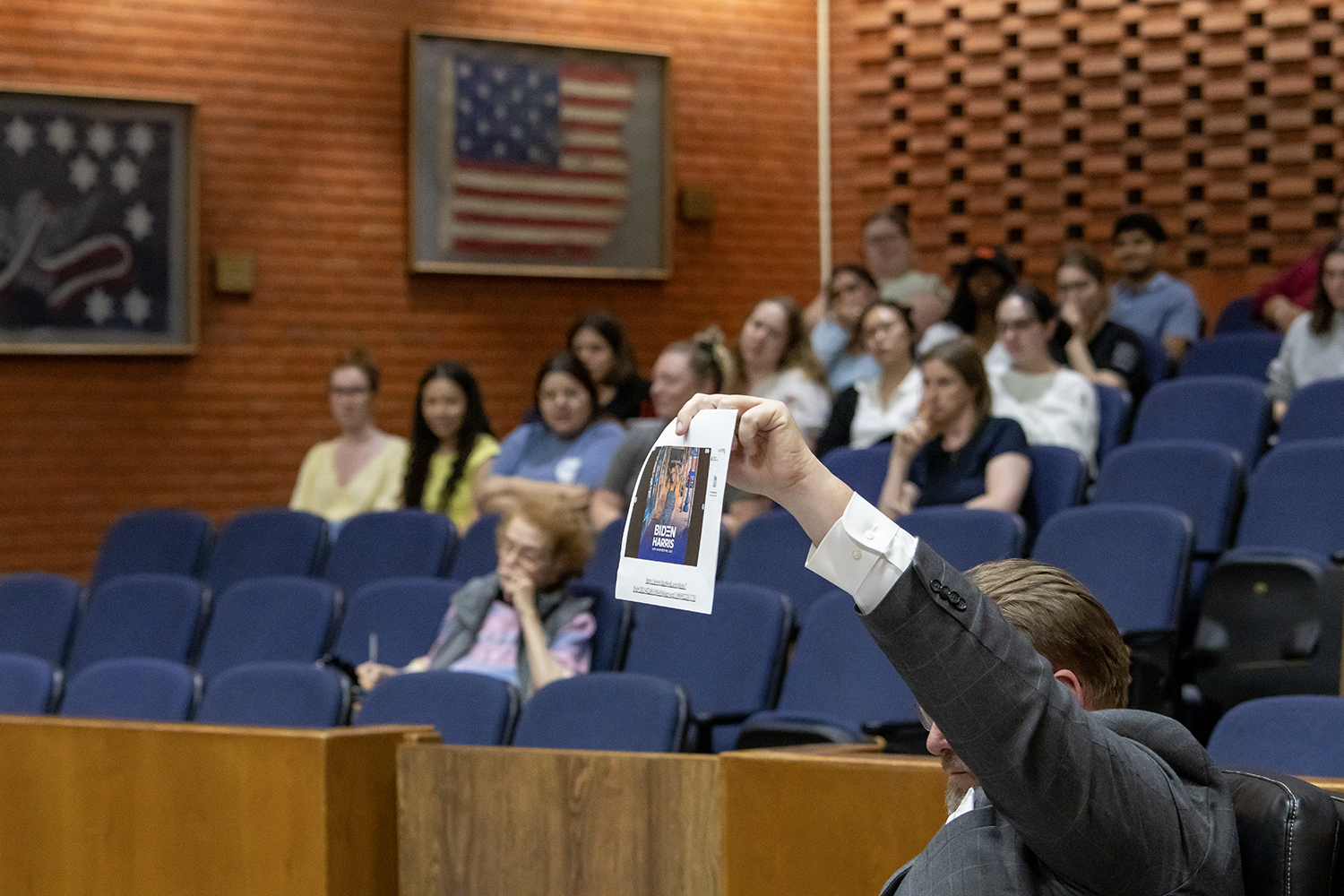
Even under pressure, most of the students remained composed, answering all the questions with clarity and, perhaps to a slightly lesser extent, confidence. It was impressive to watch how they maintained their professionalism while being challenged so directly.
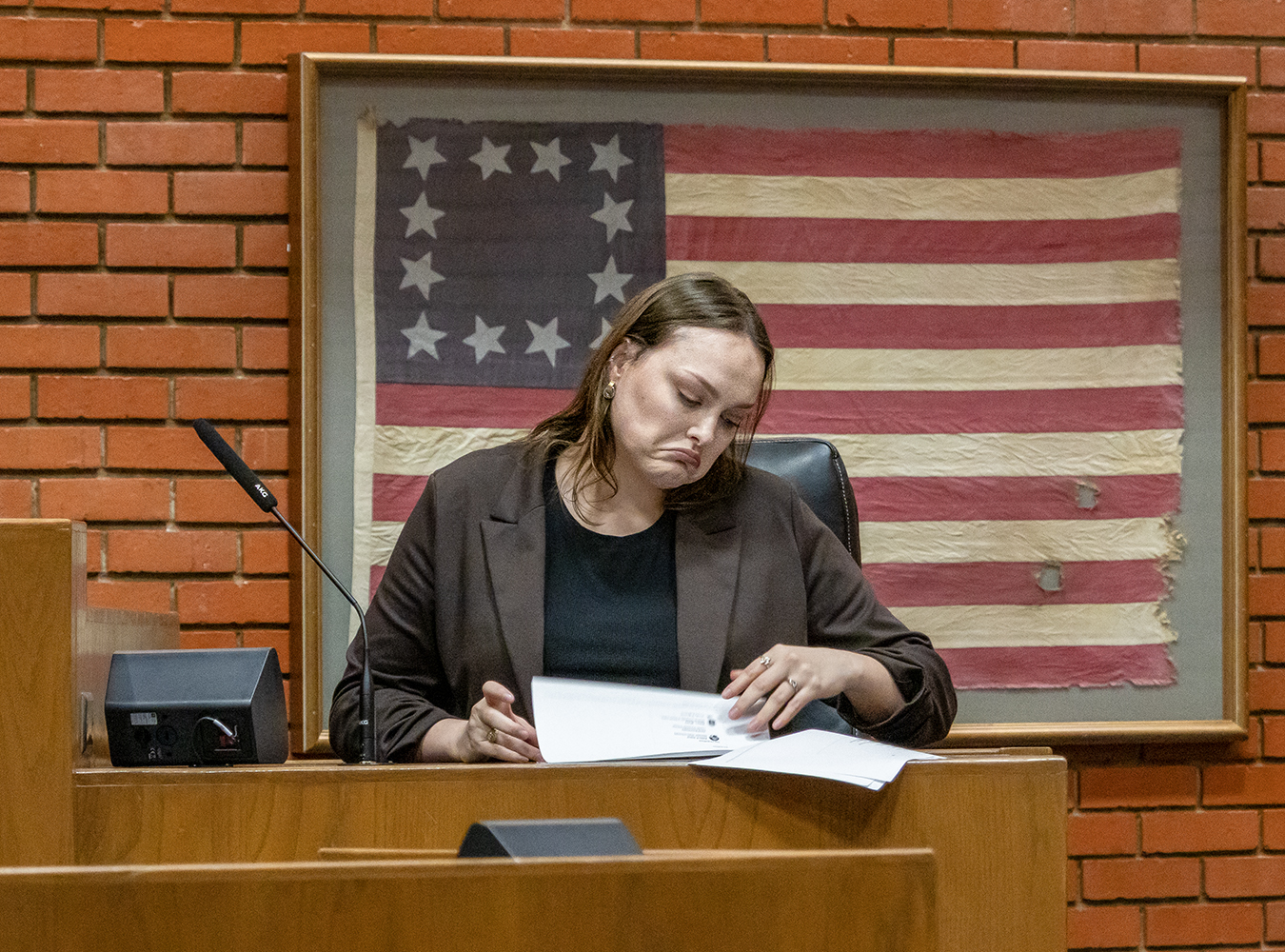
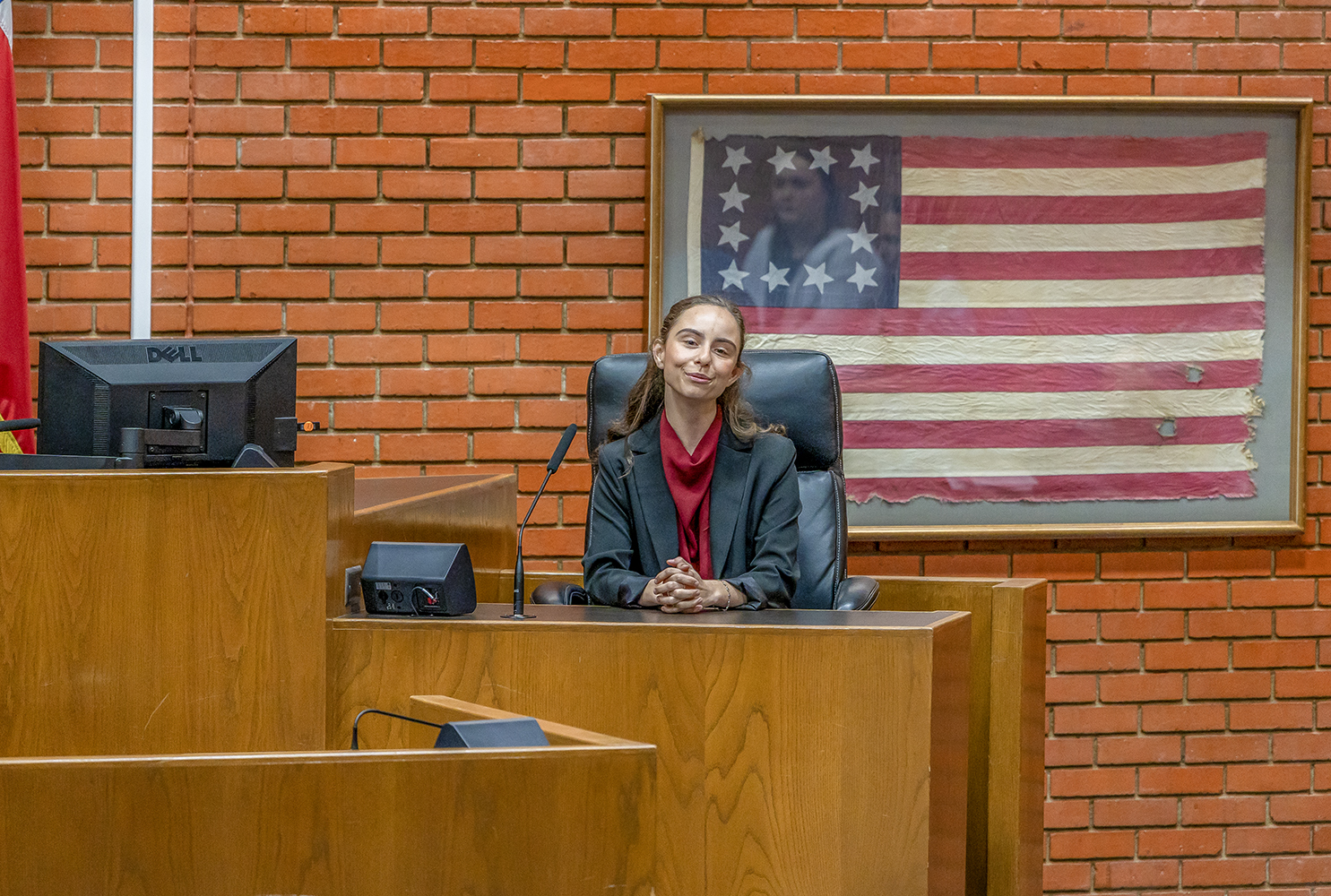
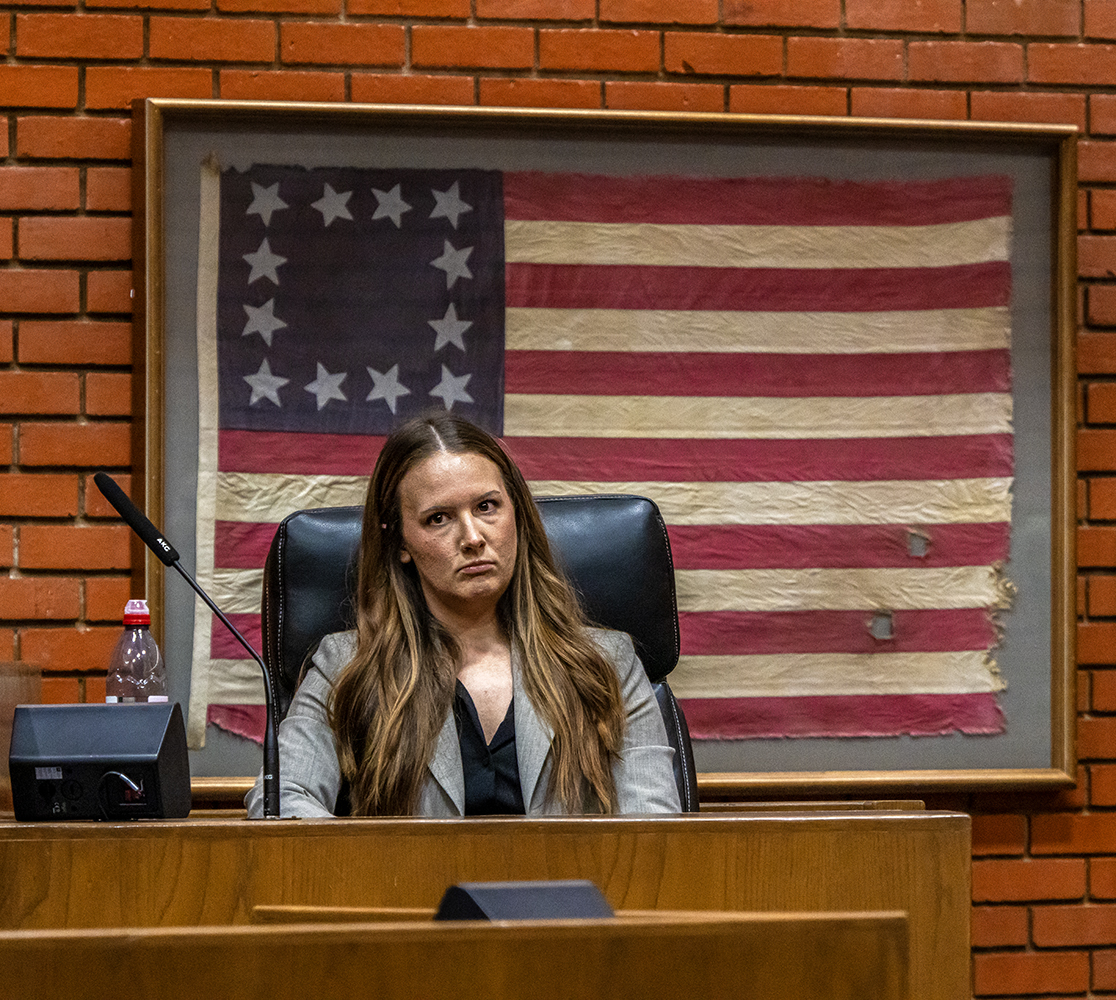
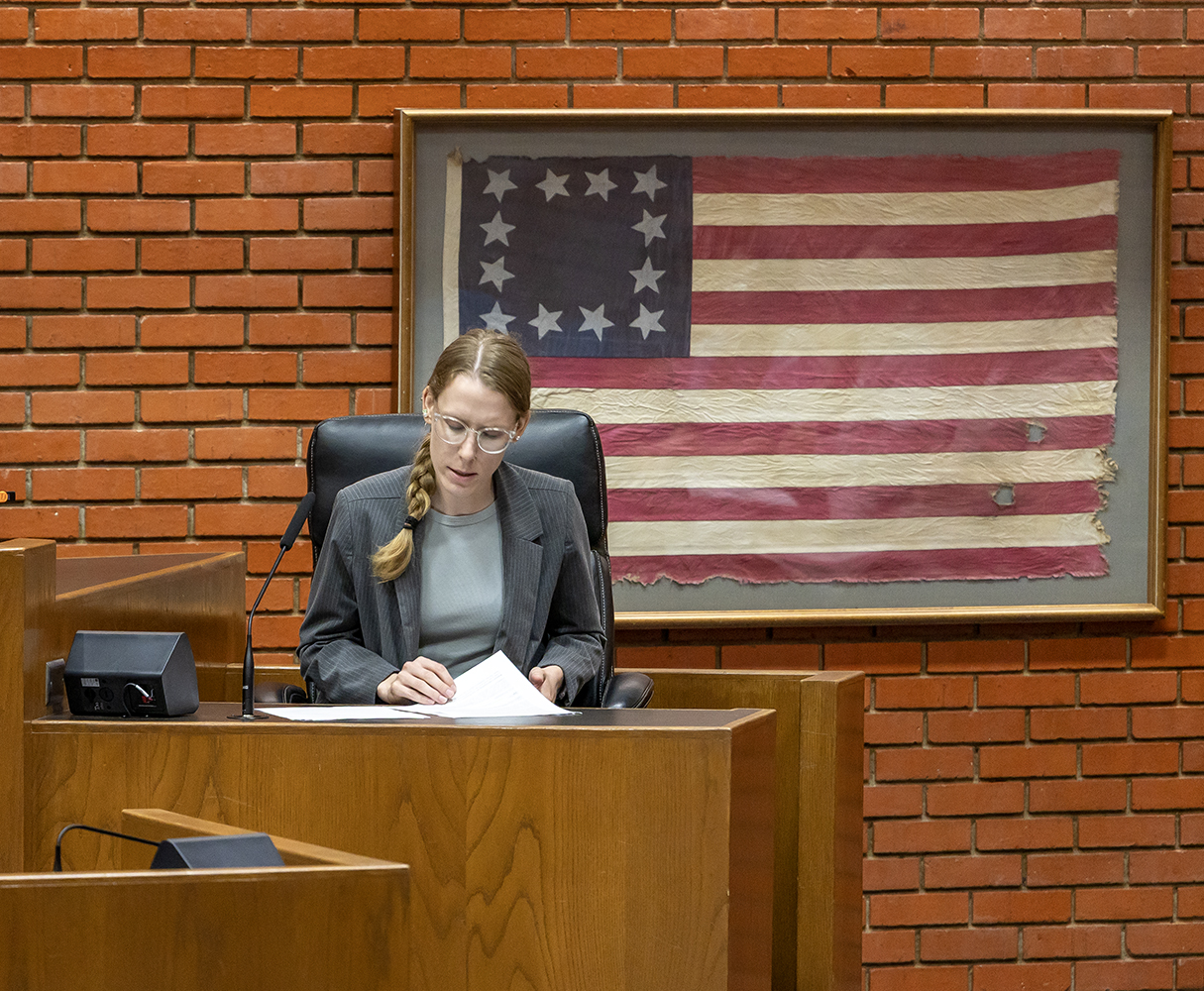
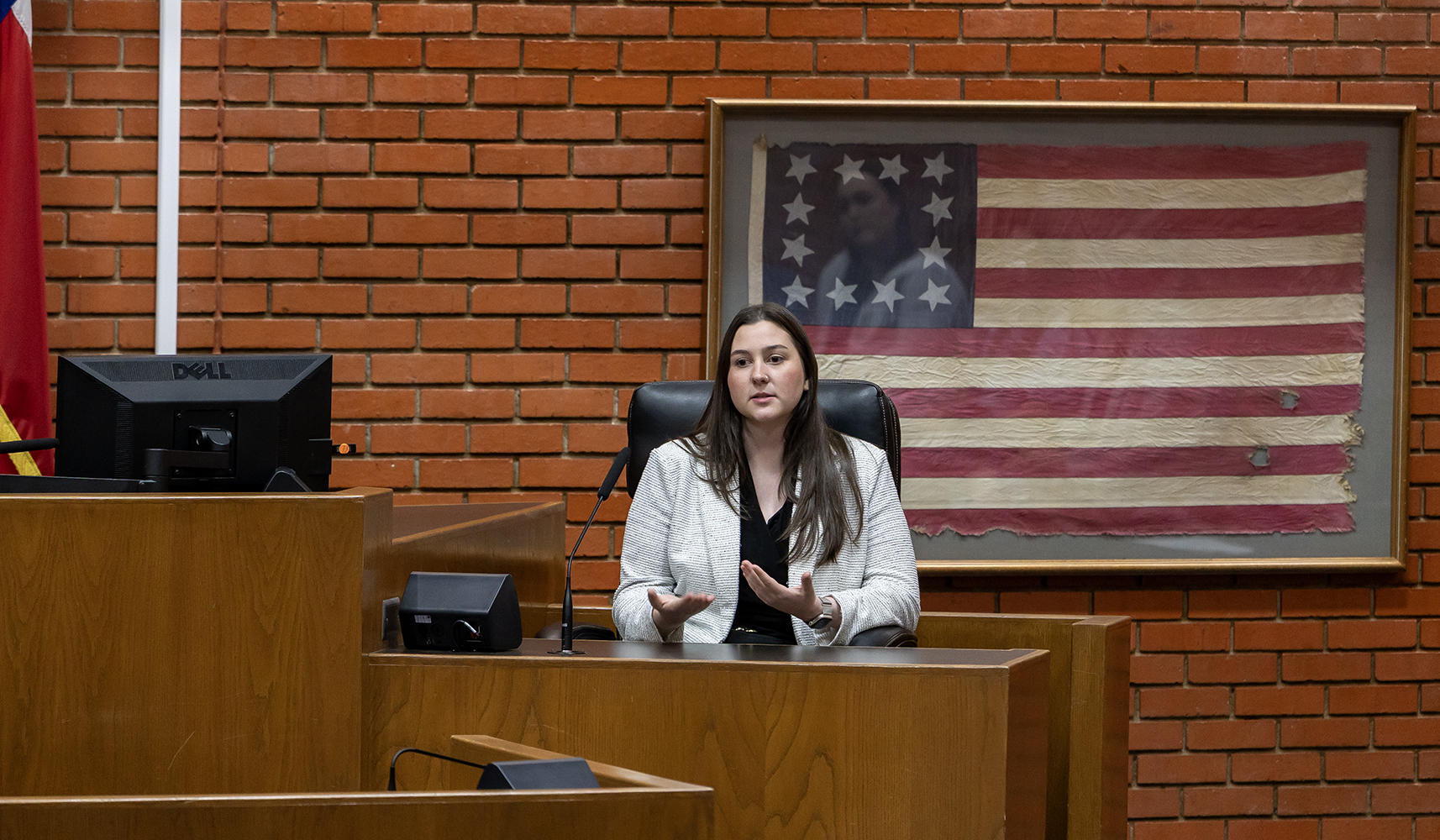
After everything concluded, the students took time to reflect on the experience. They discussed what they felt they did well, what challenged them, and what they could improve moving forward. That reflection piece really helped tie everything together and showed just how important communication and preparation are when serving as an expert witness.
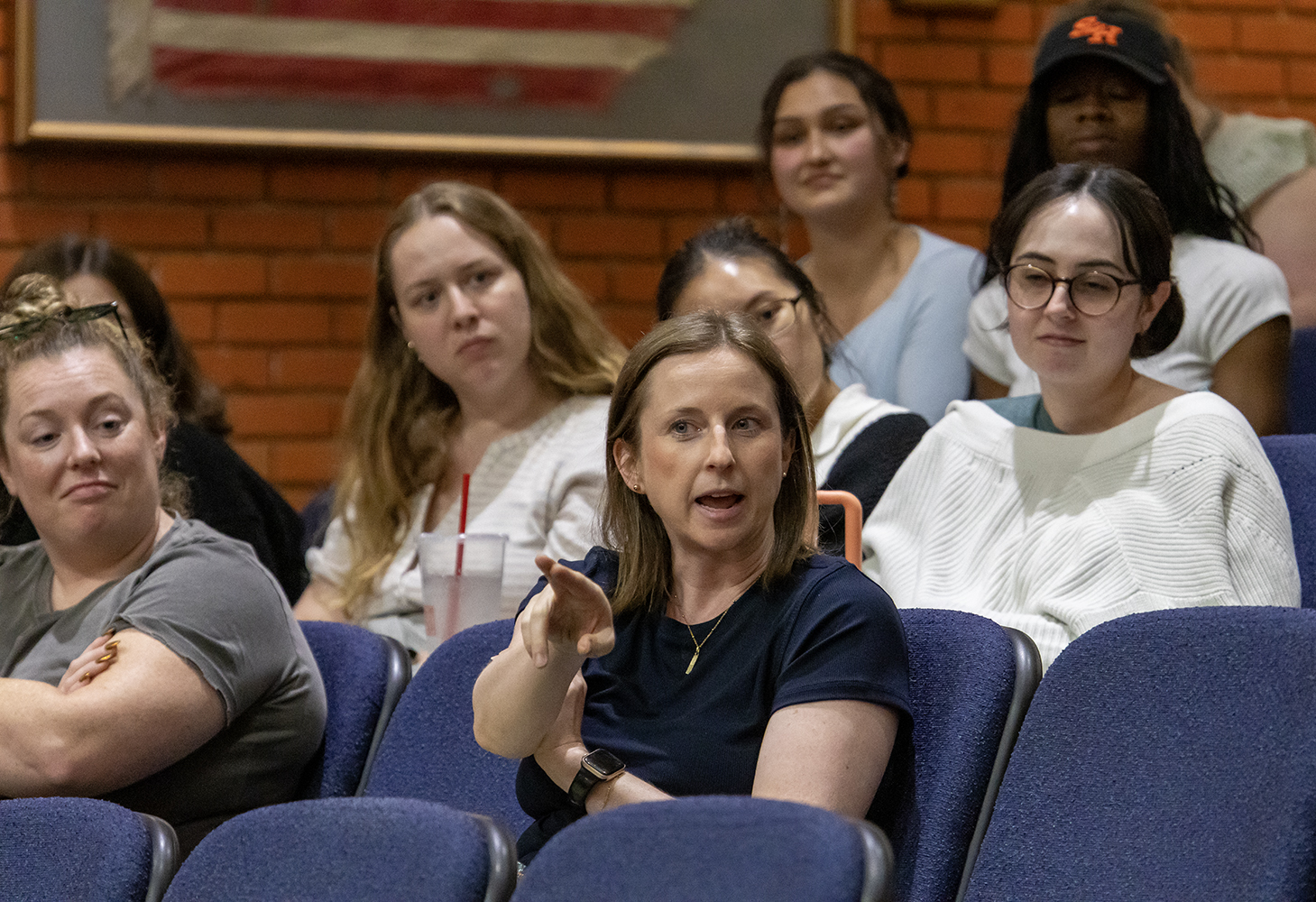
We also had the chance to hear from Jack Choate from the Special Prosecutions Unit and other experts and audience members, who shared helpful insight and practical advice. His perspective helped connect what we had just seen to real world legal practice and gave the students additional guidance on what to expect in the field.
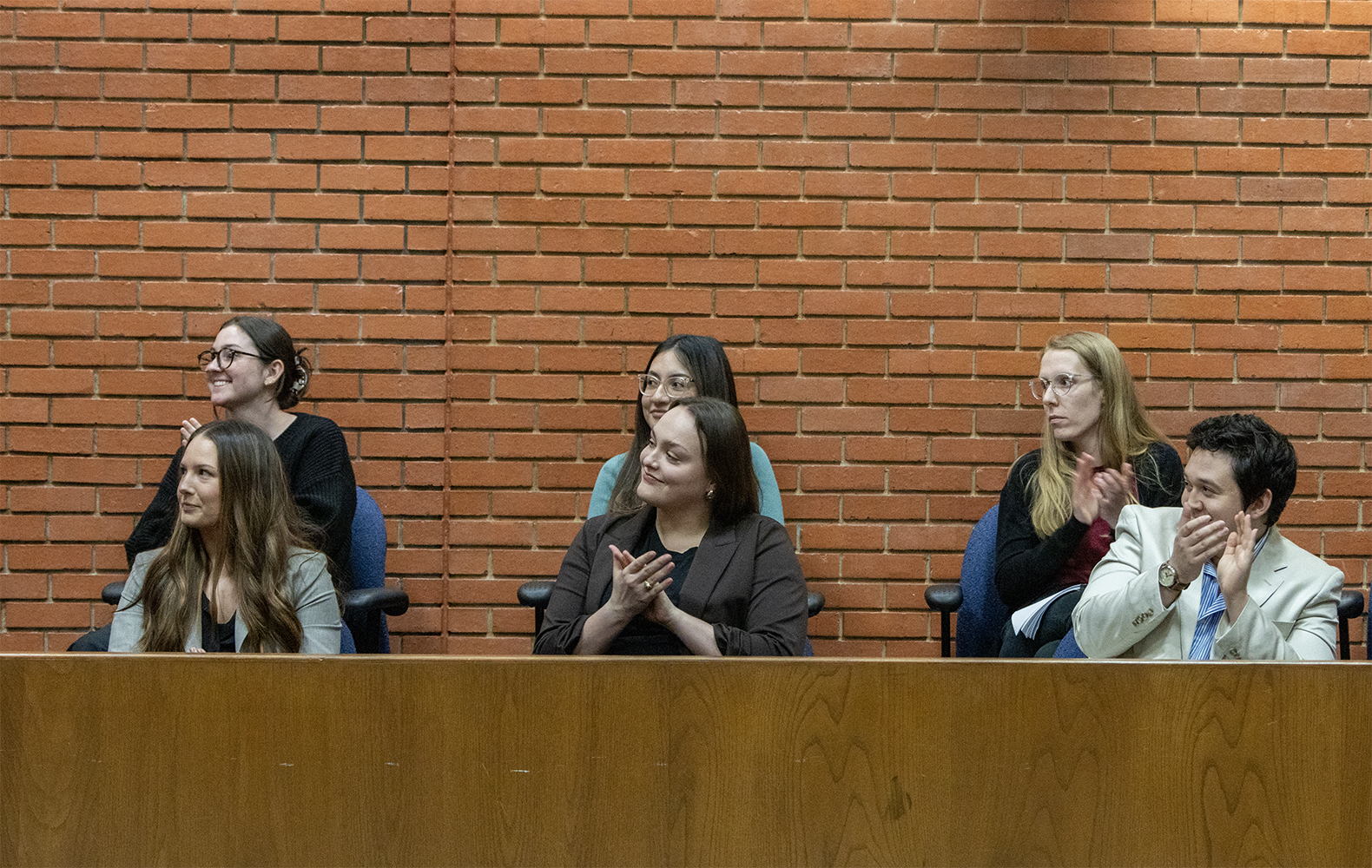
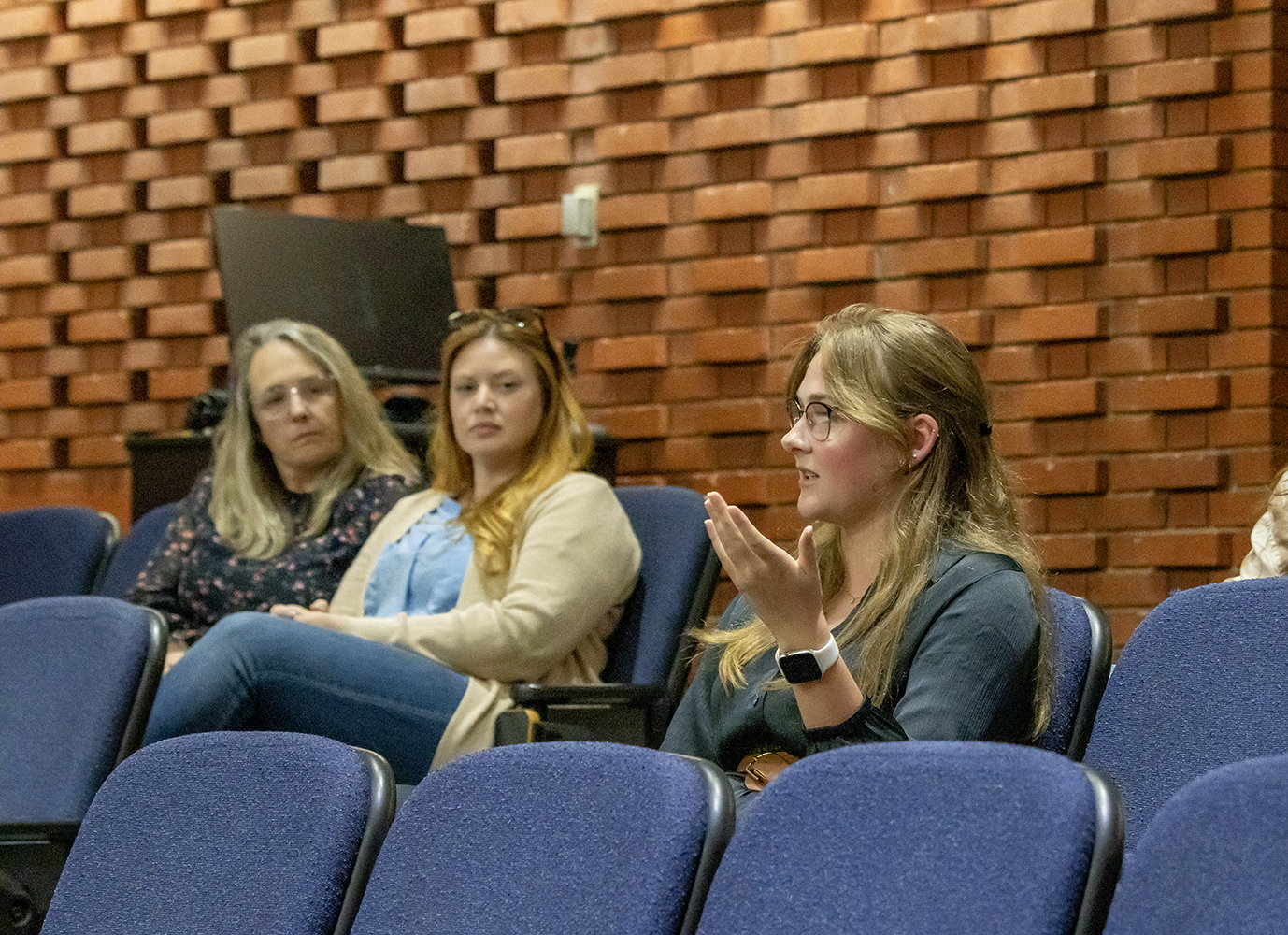
Overall, the event was incredibly informative and genuinely engaging. It gave us a deeper understanding of the intersection between psychology and law and highlighted how demanding it is to stand as an expert in a courtroom setting. Dr. Roberts and Erin Faseler and her staff at SPU did a great job facilitating the entire experience, leaving all of us with a new appreciation for the level of preparation and skill this kind of work requires.