
Written By: Isis Hollis, Robin Houghton, and Allie Plunk
Before the start of the Council of State Government’s annual meeting, LEAP students were able to spend their first day in Utah getting to know the unique culture of Salt Lake City! From city tours to cuisine, it was a great introduction to the vast array of things that Utah has to offer.

Salt Lake City Bus Tour
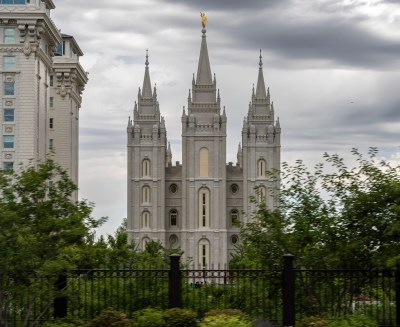
The first event on our busy schedule was a bus tour of the city. One of the most striking buildings we were able to see was the Salt Lake City Temple. The temple, which took 40 years to build, was finished in 1893 and is home to the Church of Jesus Christ of Latter Day Saints. It features gothic elements such as gabled spires, pointed-arch windows, and emphatic verticality, striking an impressive silhouette to the city.
While we didn’t have a chance to go into the Temple, we did have the opportunity to attend an organ recital in the Salt Lake Tabernacle. It was a beautiful space–one that was built in 1867, prior to the railroad coming to SLC. This meant that all the materials had to be sourced locally, conveyed with oxen teams. Despite these limitations, the building is an aesthetic masterpiece and an acoustic marvel!

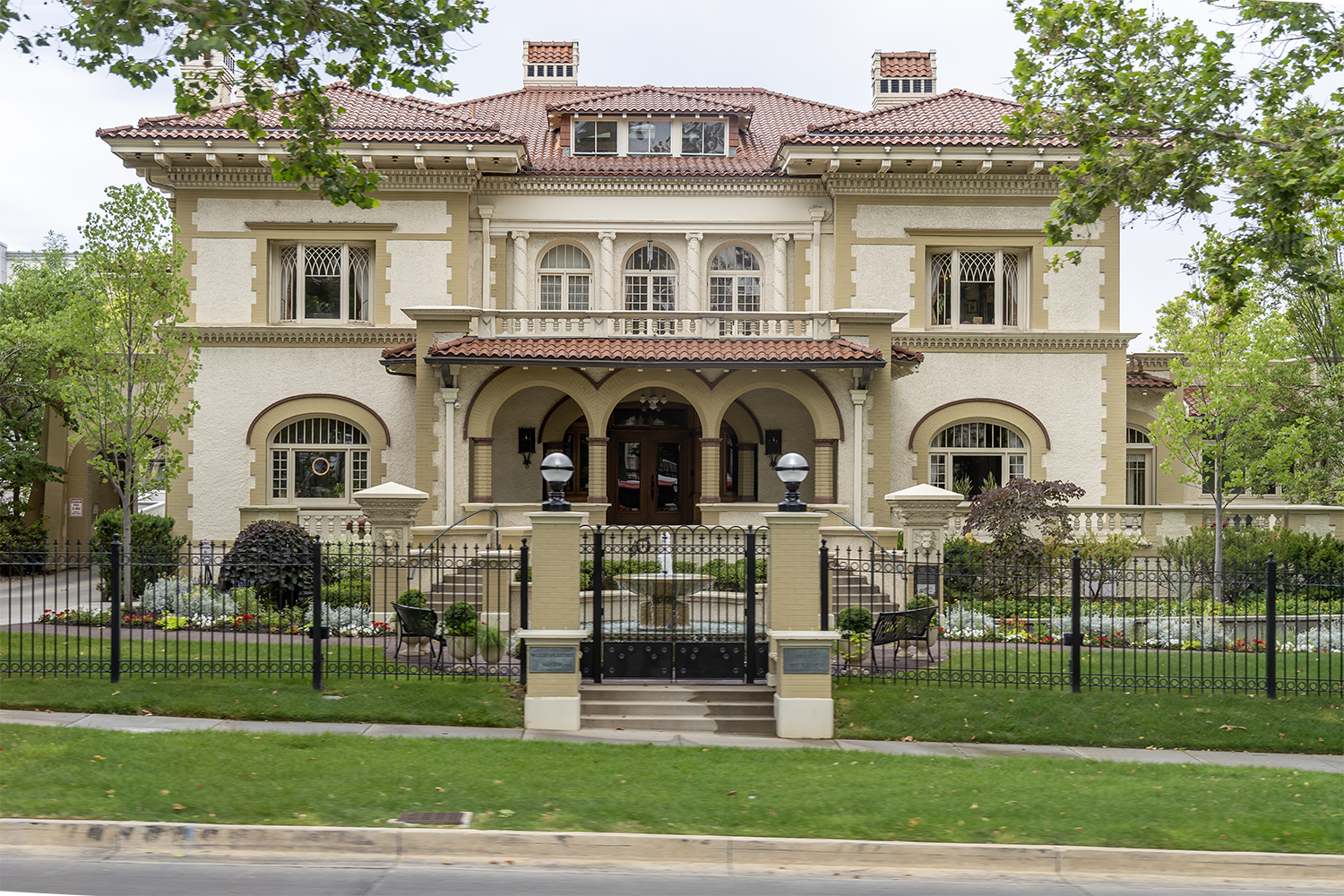
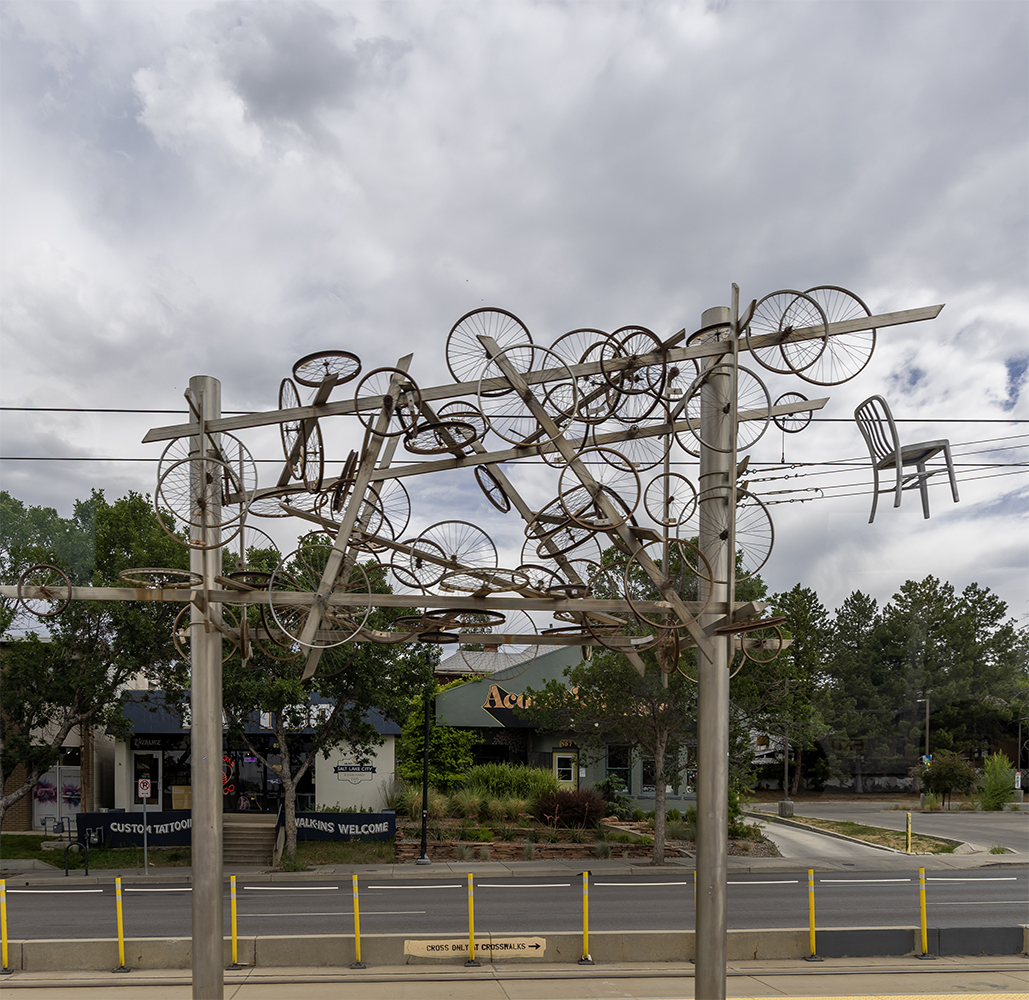
Of course, the City’s impressiveness extended beyond architecture; we also had a chance to see parks, landscapes, and art installations that also proved intriguing.

“This is the Place” Heritage Park provided us with a striking view of the nature this state offers. The mountains formed from many years of tectonic activity, creating the valley which the city calls home. From the park, we were able to see the city from an elevated and flattering view!

We particularly liked the “This is the Place Monument.” Its name, along with the name of the park, references the famous words by Brigham Young as he decided Salt Lake City would be the place to settle.

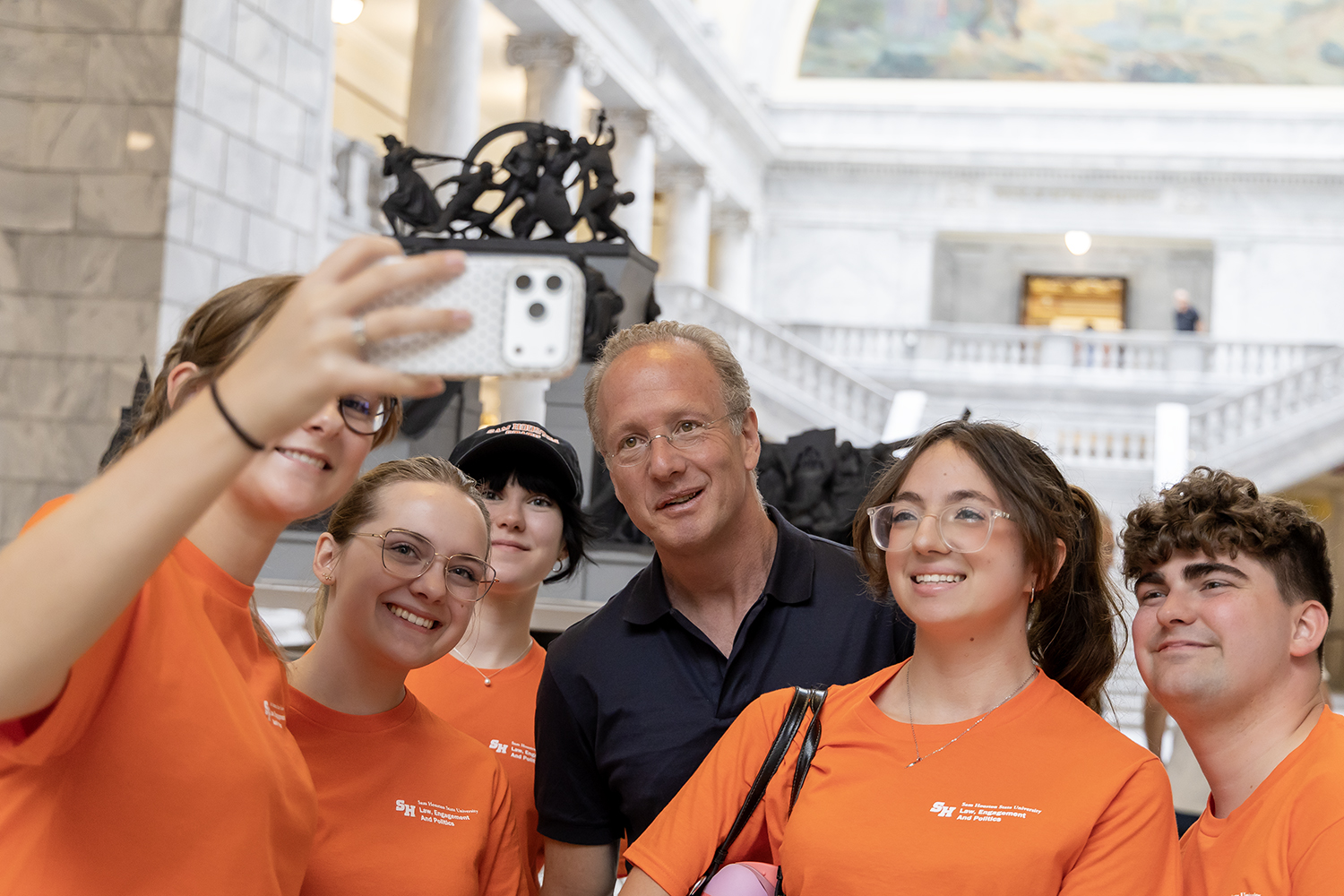
Our tour stopped briefly at the State Capital where we had the opportunity to meet Sabin Howard, sculptor of the WWI monument in Washington DC. He gave us a brief overview of his current project that will sit in Utah, a monument to honor the 250th anniversary of America.

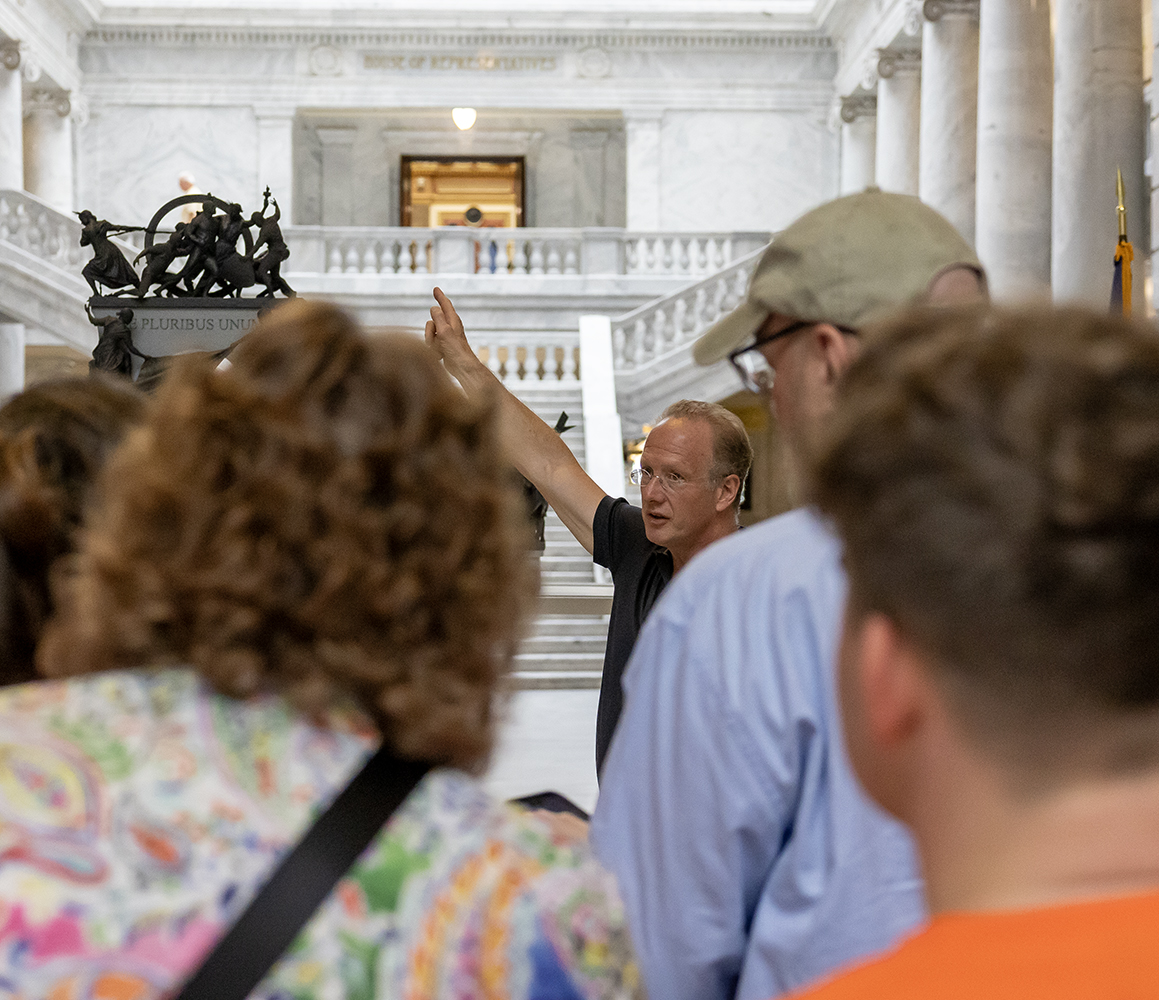
A common motif throughout the city was the presence of beehives and beelike structures. The symbolism represents the shared ideals of the Salt Lake community. This mindset ensures that everyone works together to create a better community by contributing to historical conservation efforts and protecting the natural structures.
With many more adventures to come, and much learned about the city, the tour was a great success and a wonderful way to kick off our adventurous week!
Siegfried’s Delicatessen
Following the tour, we ate at local restaurant Seigfried’s Delicatessen. Founded in 1971 by German immigrant Siegfried Meyer, it is Salt Lake City’s only authentic German deli. Now owned by Daiva Stankadichyus, the restaurant continues its celebration of German cuisine through its homemade sausages, sauerkraut, and goulash.
We were all very excited to try new foods– some we had never heard of before, like Knockwurst (a garlicky beef sausage) and Weisswurst (a light pork sausage).

Though not particularly fond of sauerkraut, Robin found Seigfried’s version to be one of her favorites! Isis was charmed by the weiner schnitzel, which she had never tried before. Professor Yawn’s goulash was another table favorite; and Stephanie–an expert on Reuben sandwiches–gave a positive review of the Seigfried version (which featured mayo and mustard rather than Russian dressing).

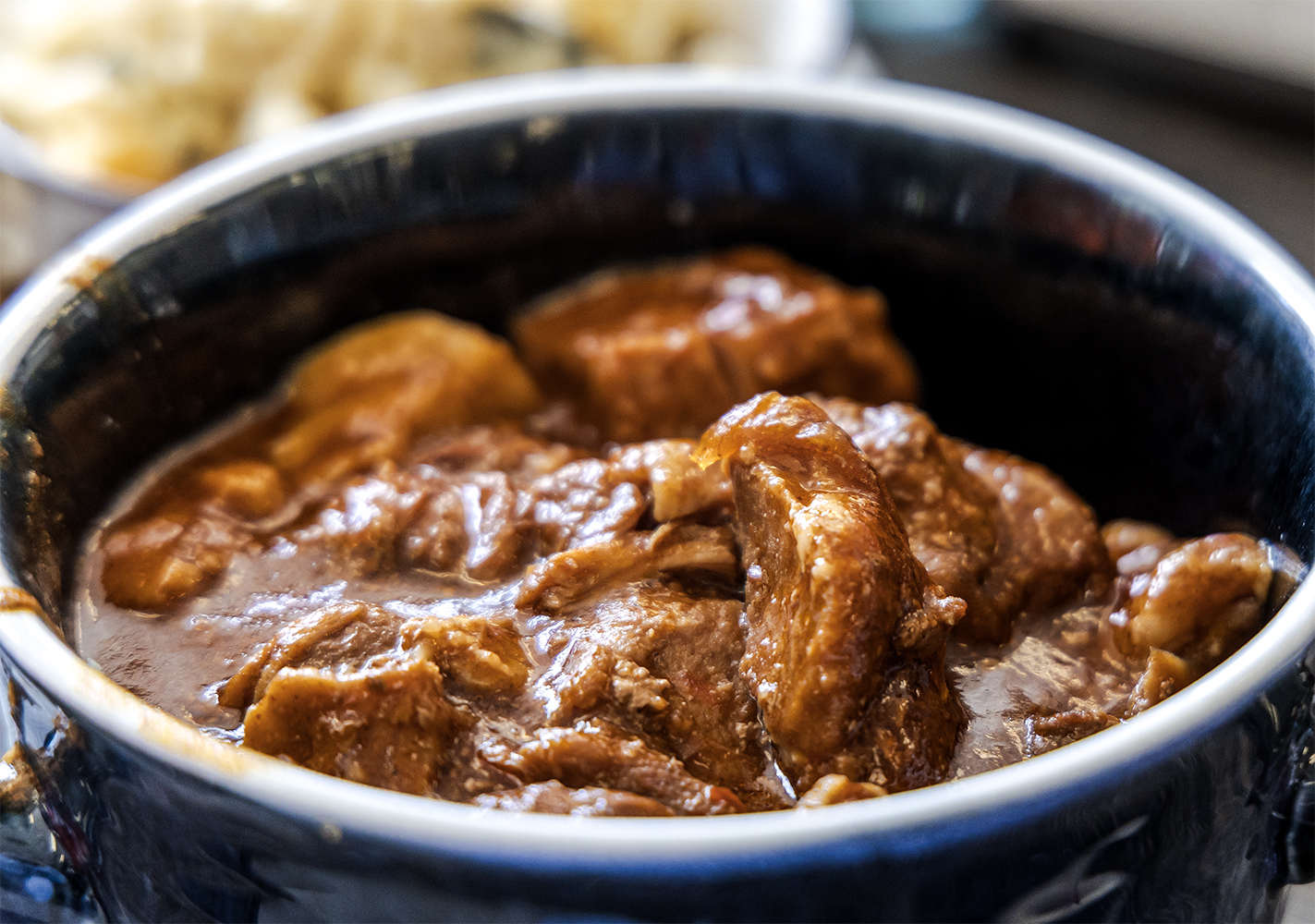


This adventure into German cuisine served as just one example of the layered culture, much of it shaped by immigrants, of Salt Lake City, Utah.
Exploring the Capitol
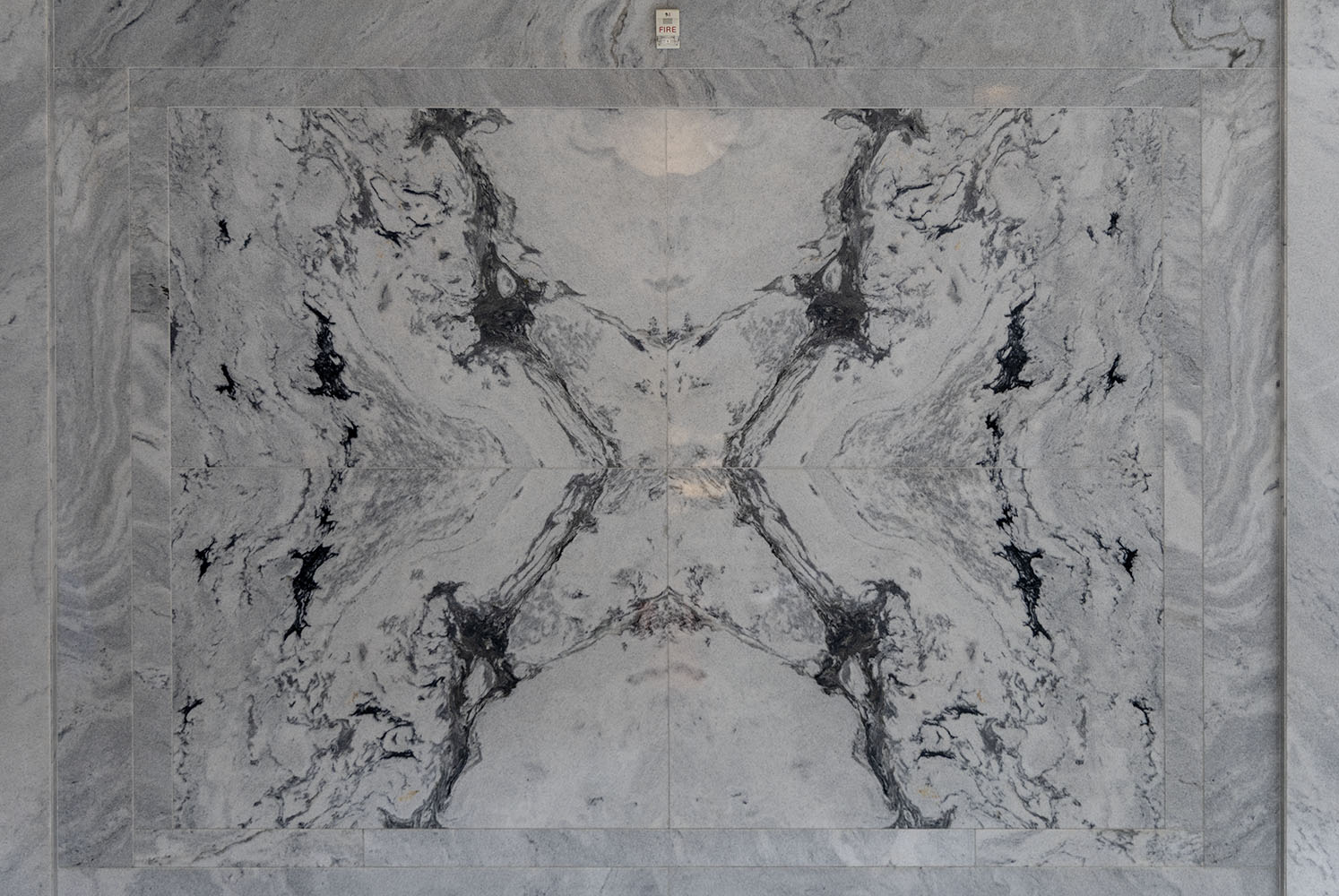
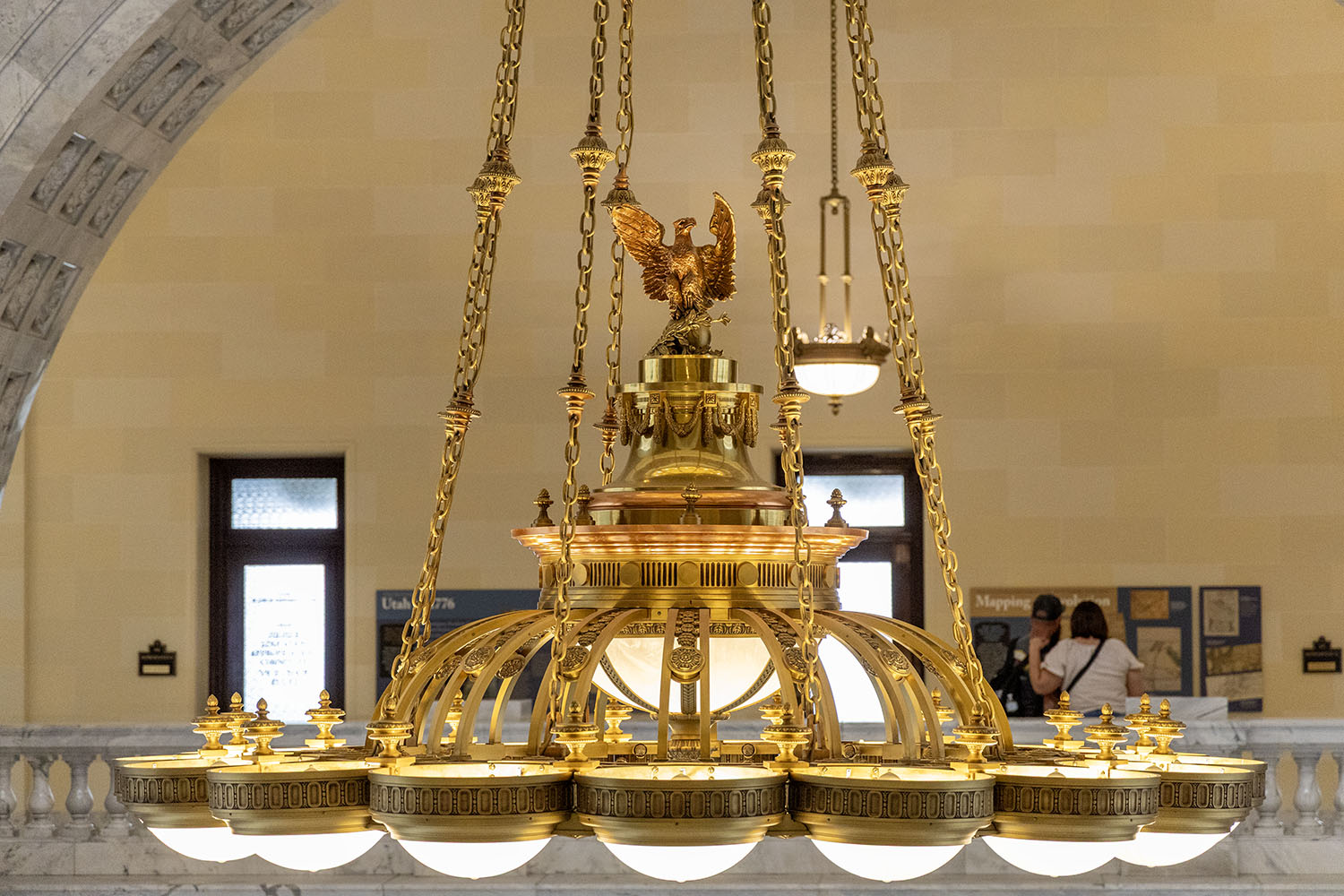
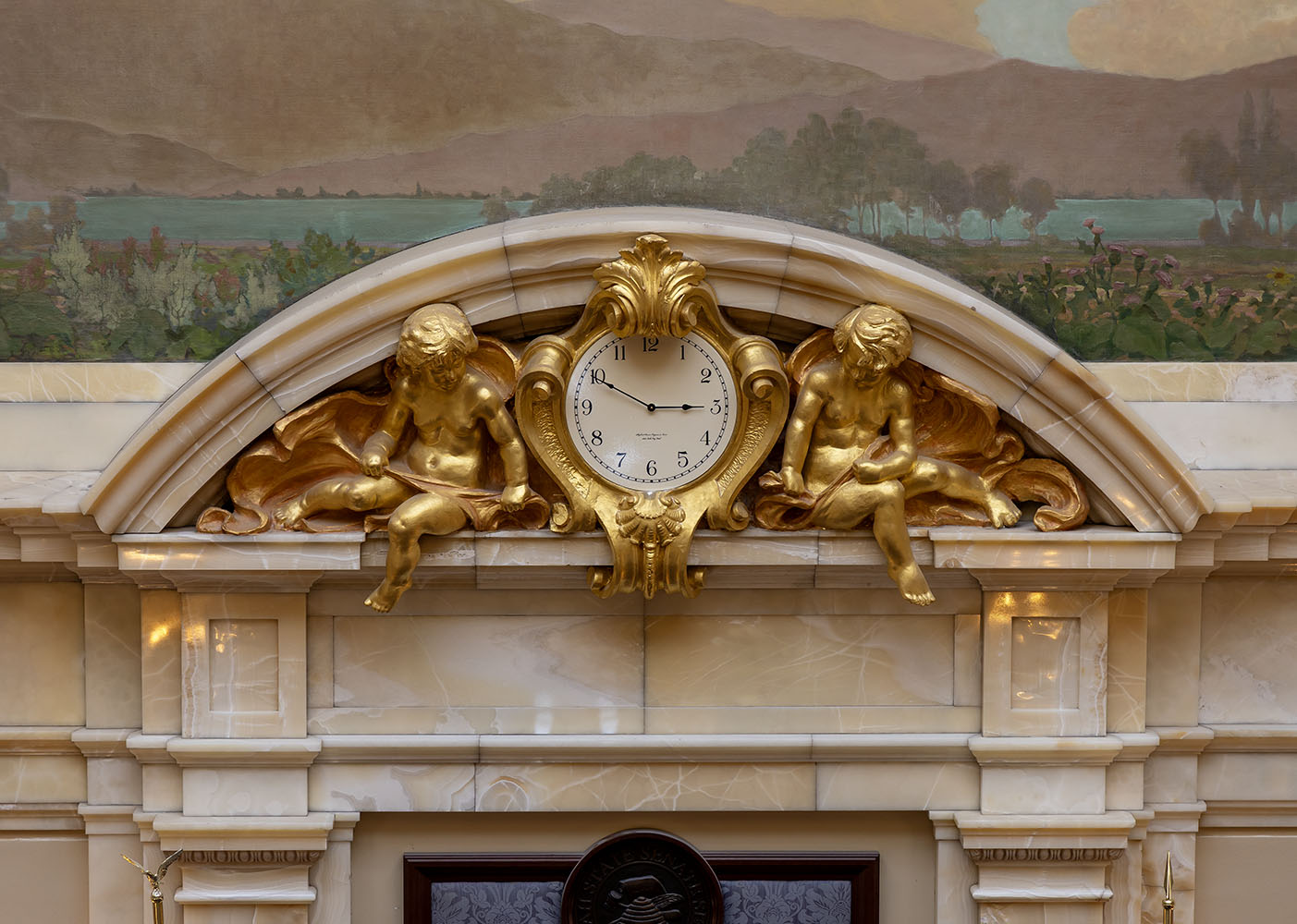
Architecture also speaks to the culture and ideas of a place, so it’s not shocking that the LEAP Ambassadors throughout the years have taken an interest in the architecture of different cities. We had the opportunity to tour the Utah State Capitol and experience its intricate design work through an in-depth tour (after getting a taste of its grandeur from a brief stop on our morning bus tour). Our Capitol Docent, Jac, provided many insights into the symbolism present within the multi-story building.
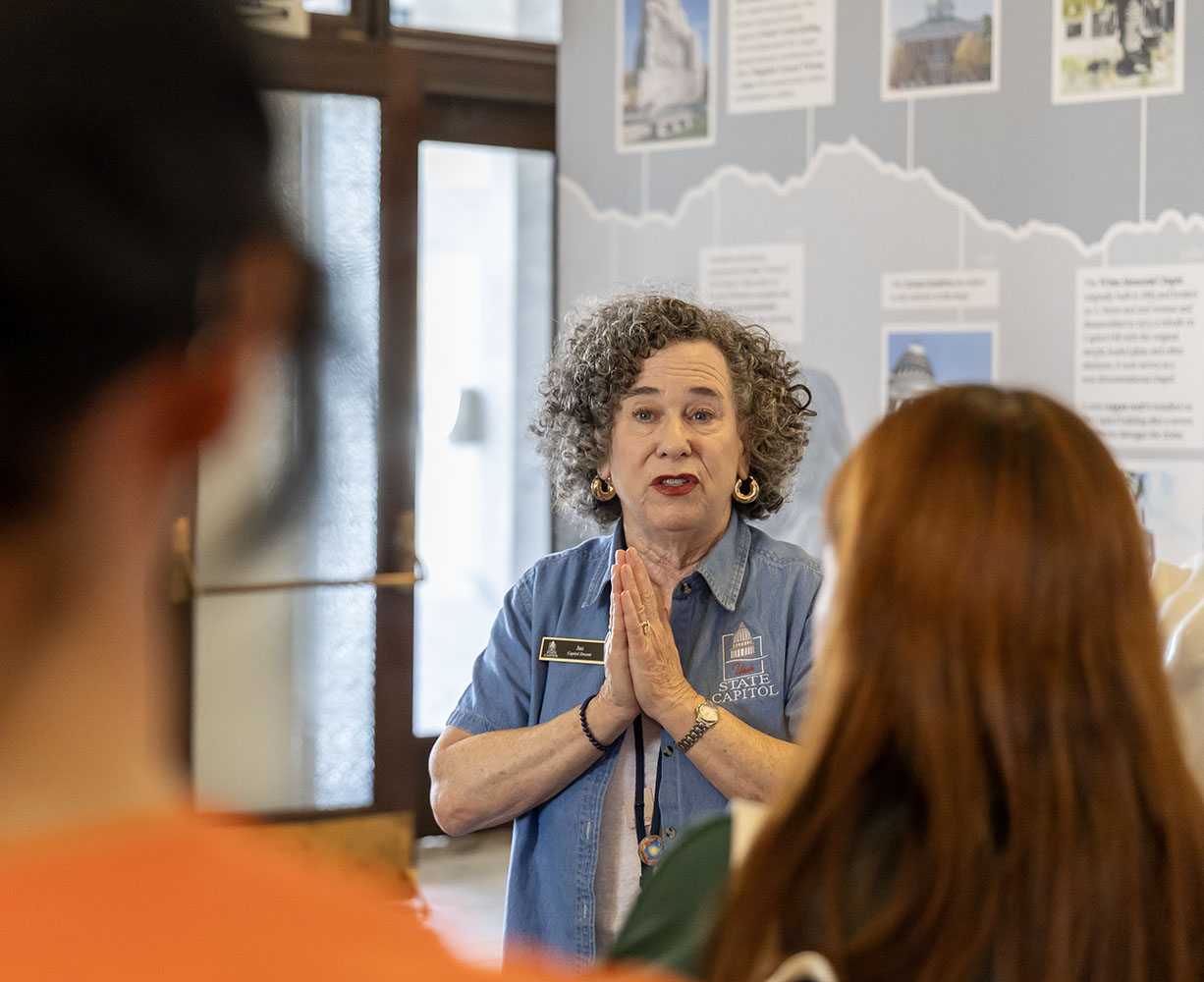


We began in the House of Representatives, where 75 Representatives take their seats beneath the chamber’s ornate ceiling. While beautiful, at first glance, nothing seemed to be out of the ordinary, until we noticed two spoons on a few members’ desks. Jac informed us that those spoons were awards for “stirring the pot,” which had us taking notes for potential Ambassador awards.

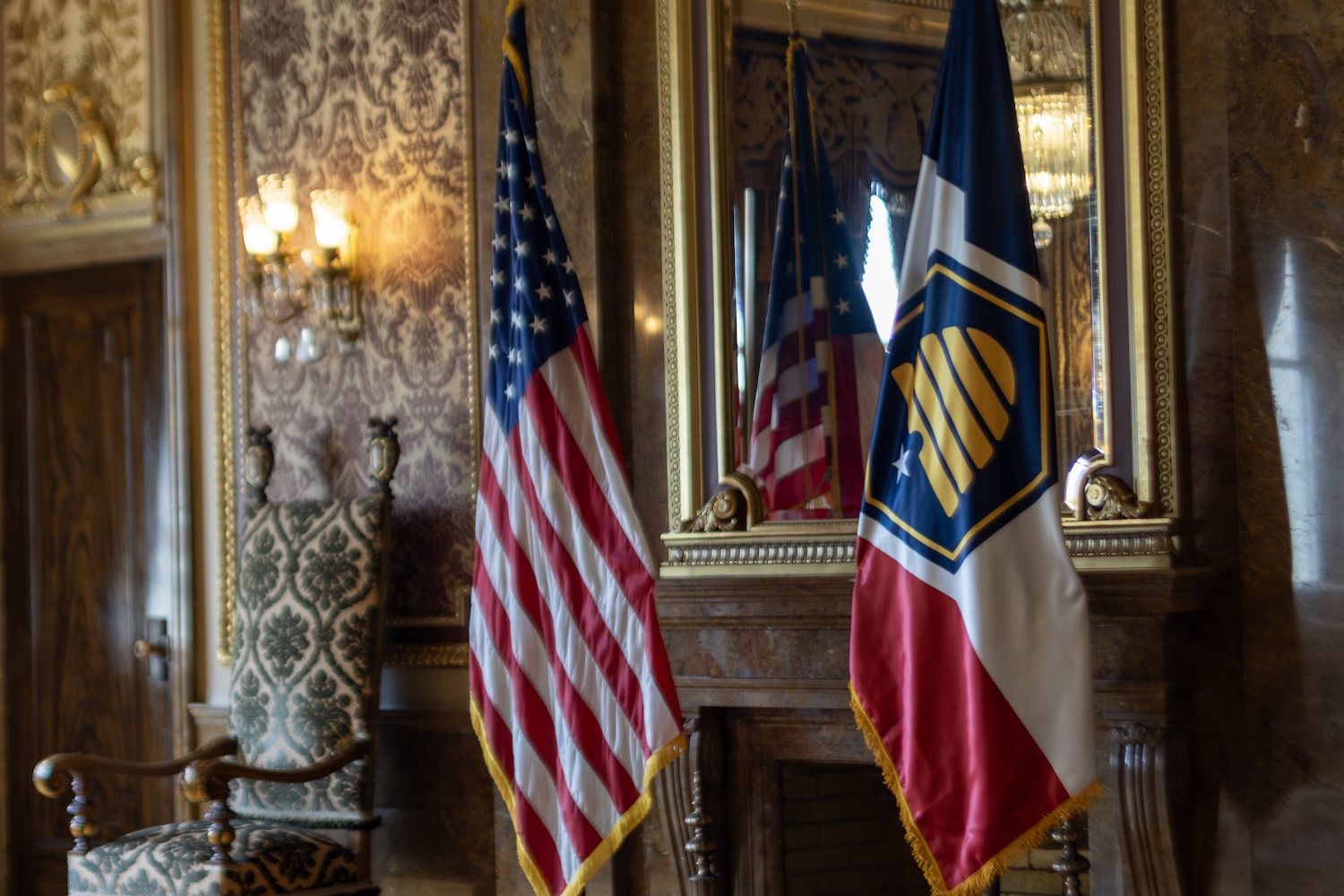
Throughout the tour, we were in awe of how intentionally the Capitol was designed. The architect, Richard K.A. Kletting, included dozens of motifs throughout that told a detailed story of Utah and its values. The staple symbol of Utah – the beehive – could be found all over the Capitol. From the state seal on the doors, the honeycomb tiling on the floor, and most interestingly, the honeycomb onyx pillars in the Senate chamber, every detail reflected the values crucial to developing Salt Lake City.

The Utah Senate has 29 districts, only two fewer than Texas. While Utah and Texas have a similar number of state legislators, individual Utah residents enjoy about 8 times more representation than Texas residents in their state legislature. This ratio isn’t much different in the House, either. This creates a strong relationship between constituents and representatives, a highlight of the Utah state government. Jac told us she even is able to have personal relationships with both her Representative and Senator, allowing her to have a deeper connection to what happens in legislation.
Conclusion
The first part of LEAP’s first day in Utah was well spent. In exploring the unique aspects of Salt Lake City, we all gained a valuable understanding of the city’s strong culture of community and sense of history, from a collection of different cuisines, to the various architectural styles, to the friendly people.


