
by Chrissy Biello
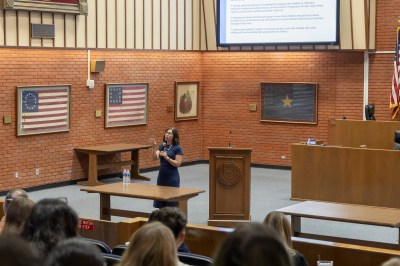
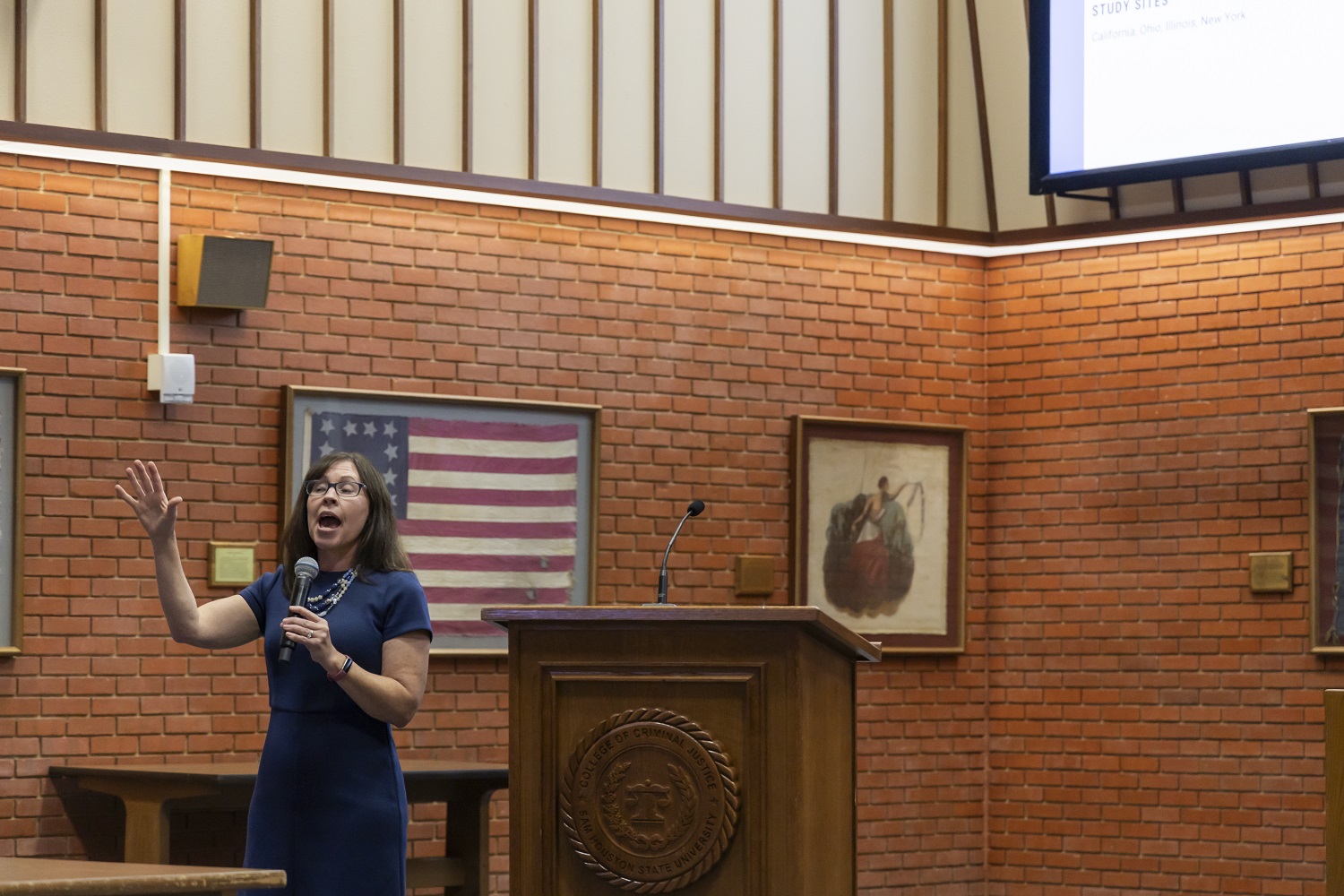
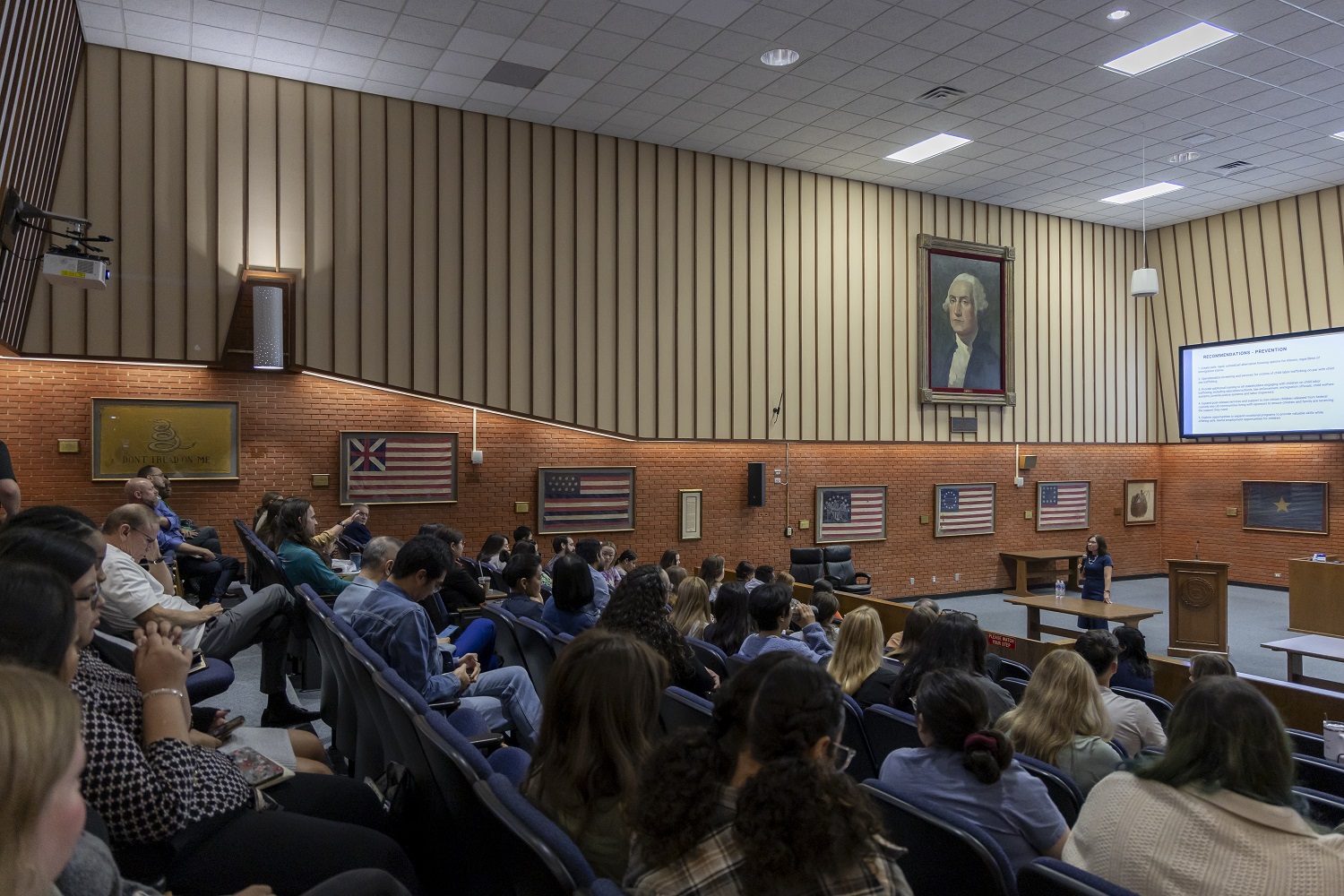
Labor trafficking has been a prevalent issue in the United States for many years, particularly the exploitation of migrant children. Dr. Amy Farrell, Director of Northeastern’s School of Criminology and Criminal Justice, came to Sam Houston State University to speak on this disturbing reality for the Beto Chair Lecture Series.
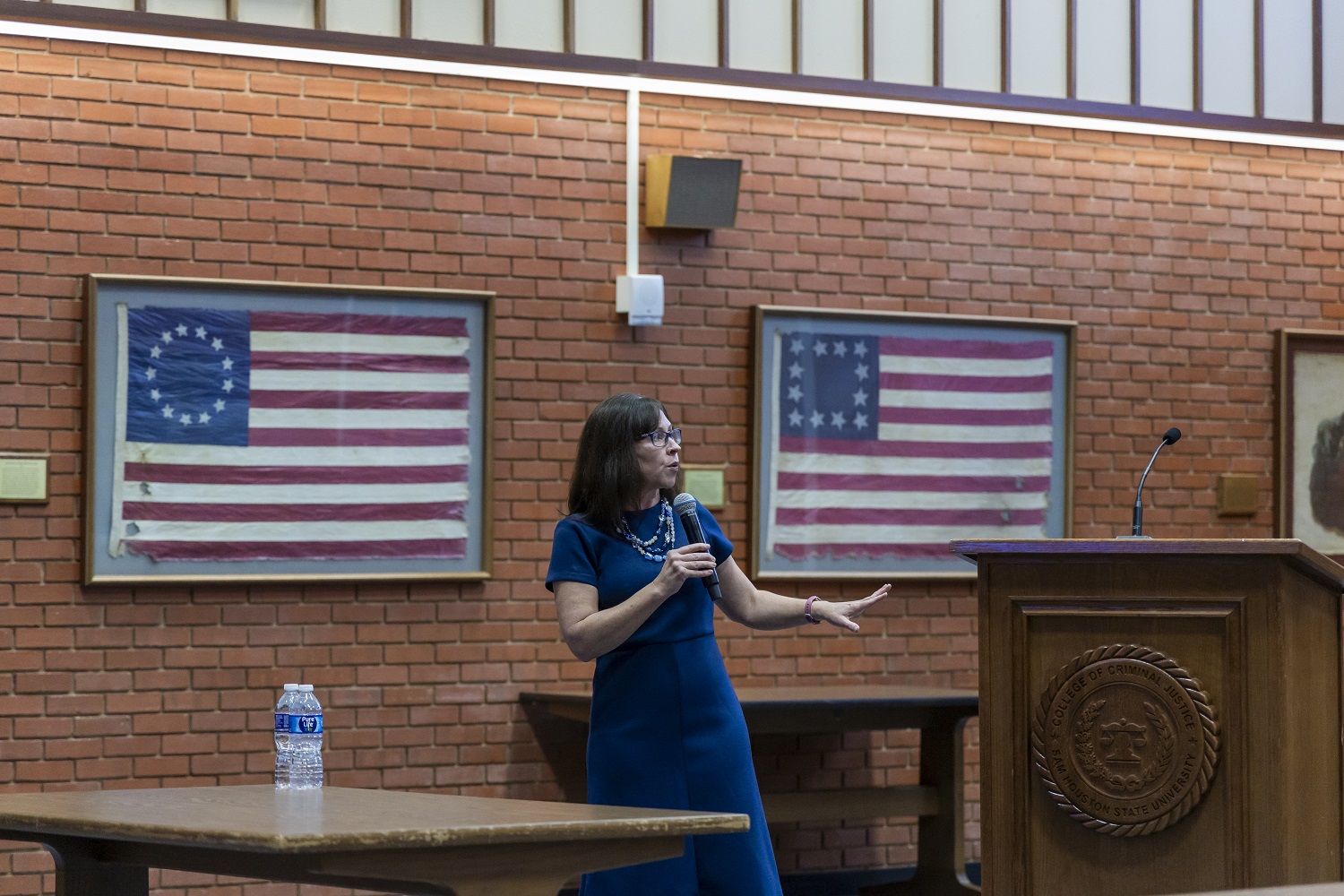
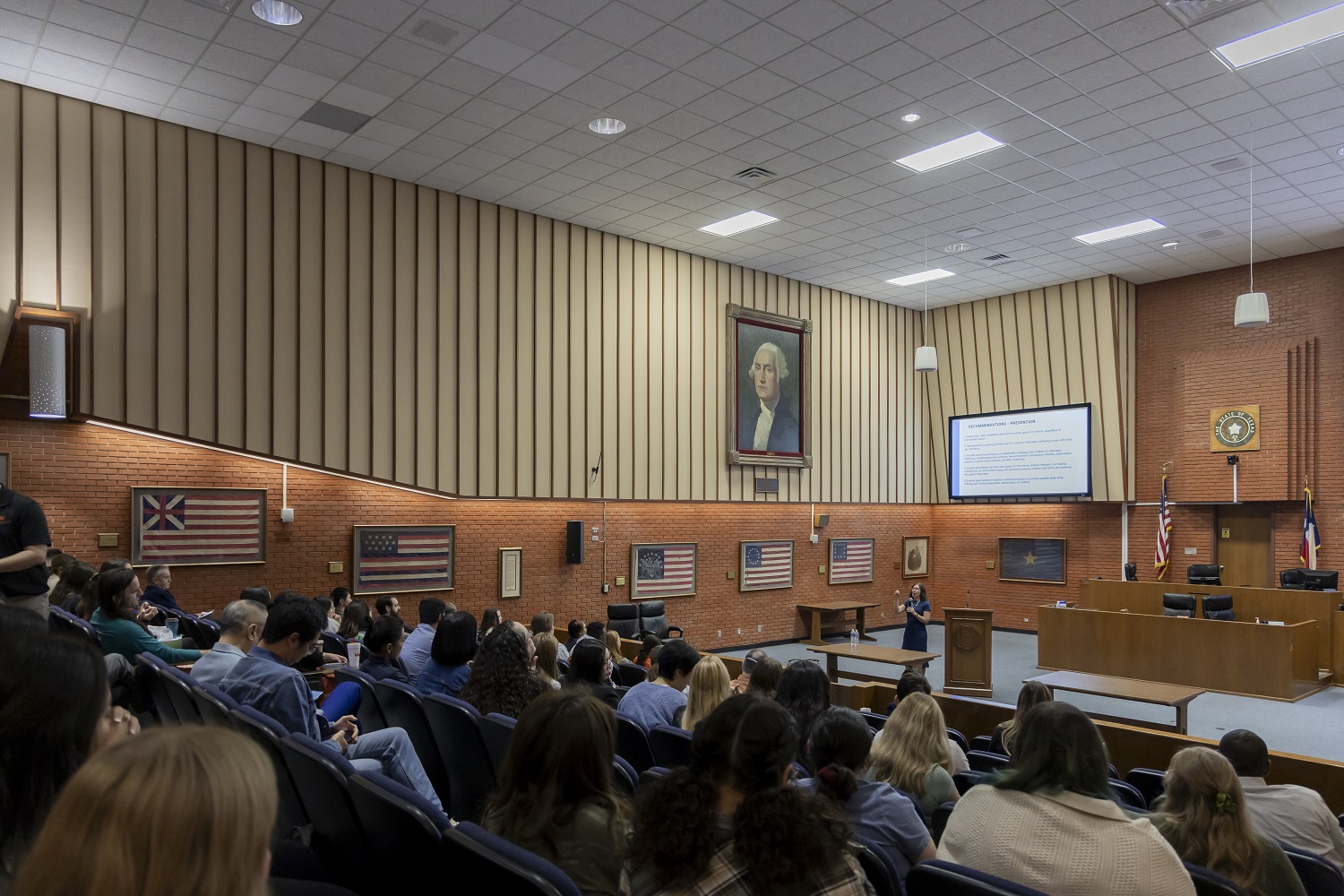
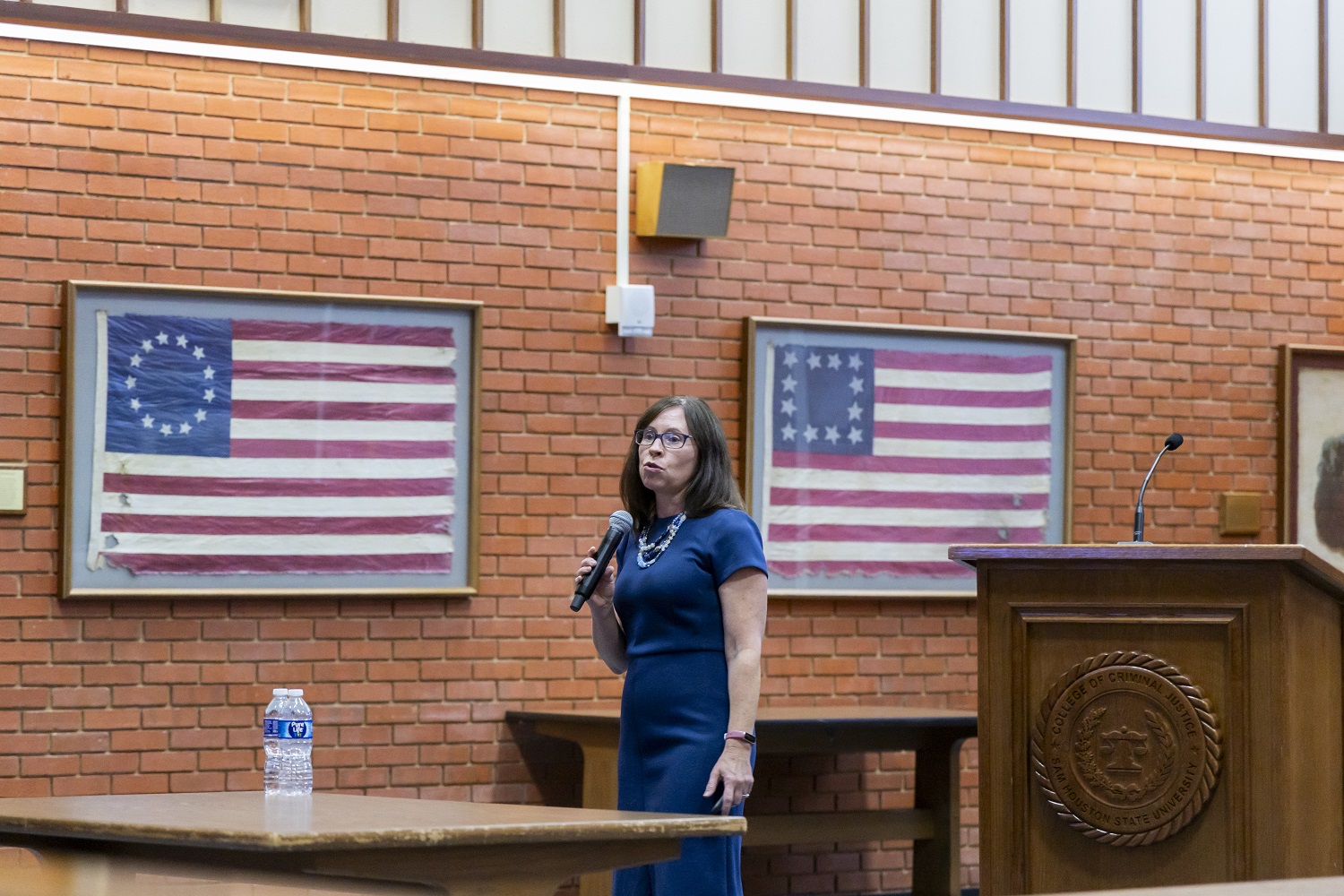
The lecture began with a historical context, noting that the Trafficking Victims Protection Act (TVPA) of 2000 marked the first federal legislation specifically addressing labor trafficking and foreign national exploitation. Texas demonstrated early leadership in this, becoming one of the first states to enact human trafficking laws in 2003.
Dr. Farrell identified two critical factors contributing to labor trafficking: the national housing crisis and the ongoing migrant crisis. Since 2012, approximately 750,000 unaccompanied minors have entered the United States (keeping in mind these are the identified ones). These children are particularly vulnerable to exploitation due to their immediate need for money, often carrying debts to those who facilitated their journey to America.
While the Office of Refugee Resettlement (ORR) can place children with sponsor families, this system is not without risks. Some traffickers pose as legitimate sponsors to exploit children, while even well-intentioned sponsors might send children to work instead of school due to financial pressures.

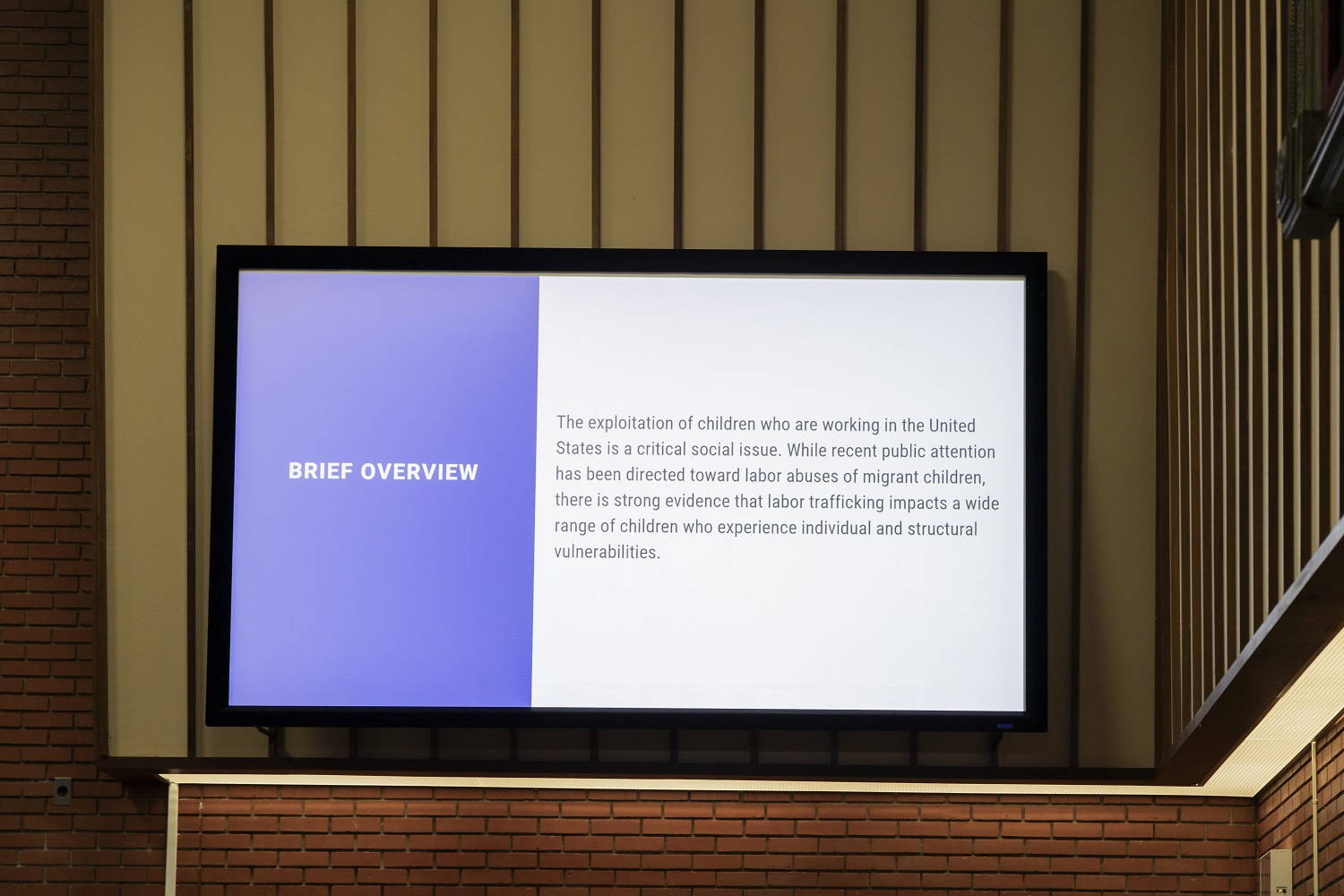
When discussing public perceptions of child labor trafficking, Dr. Farrell challenged the audience’s initial associations. While many immediately thought of sex trafficking, she quickly redirected the conversation to other forms of exploitation, such as work in meat packing plants, fast fashion manufacturing, and farming. However, she emphasized that labor trafficking is not limited to these industries – exploitation can occur wherever vulnerable individuals exist.


Further, the lecture highlighted the crucial distinction between civil and criminal exploitation of child labor. Civil violations involve breaking existing labor laws, while criminal exploitation involves force, fraud, or coercion. Unlike sex trafficking cases, there is no waiver of rights for victims under 18 in labor trafficking cases. Dr. Farrell emphasized that for children, particularly those without housing or financial resources, almost any work situation can become coercive due to their inherent dependence on employers.
Drawing from a study conducted by Dr. Farrell, Loyola University Chicago, and New York University that examined 70 cases of child labor exploitation, she shared surprising findings. The research revealed that 42% of victims were U.S. citizens, a higher percentage than previously believed, while 58% were foreign nationals. The common thread among all cases was the victims’ lack of safe, affordable housing, making them susceptible to exploitation by anyone offering even basic shelter – sometimes just a basement floor with minimal food.

The study also revealed that perpetrators often include trusted individuals such as family members, coaches, and acquaintances. This finding highlights the complexity of addressing labor trafficking and the importance of raising awareness about this widespread issue in American society. With labor trafficking affecting both migrant and domestic children across the United States, it remains crucial that we continue discussing and actively working to combat this pervasive form of exploitation.

 Center for Law, Engagement, and Politics