Written by: Jacob Wessels
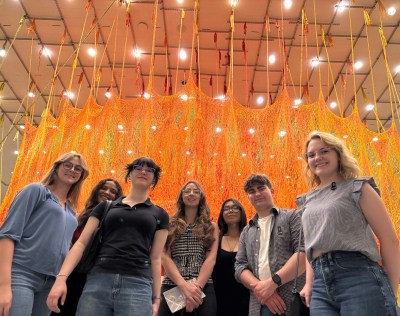
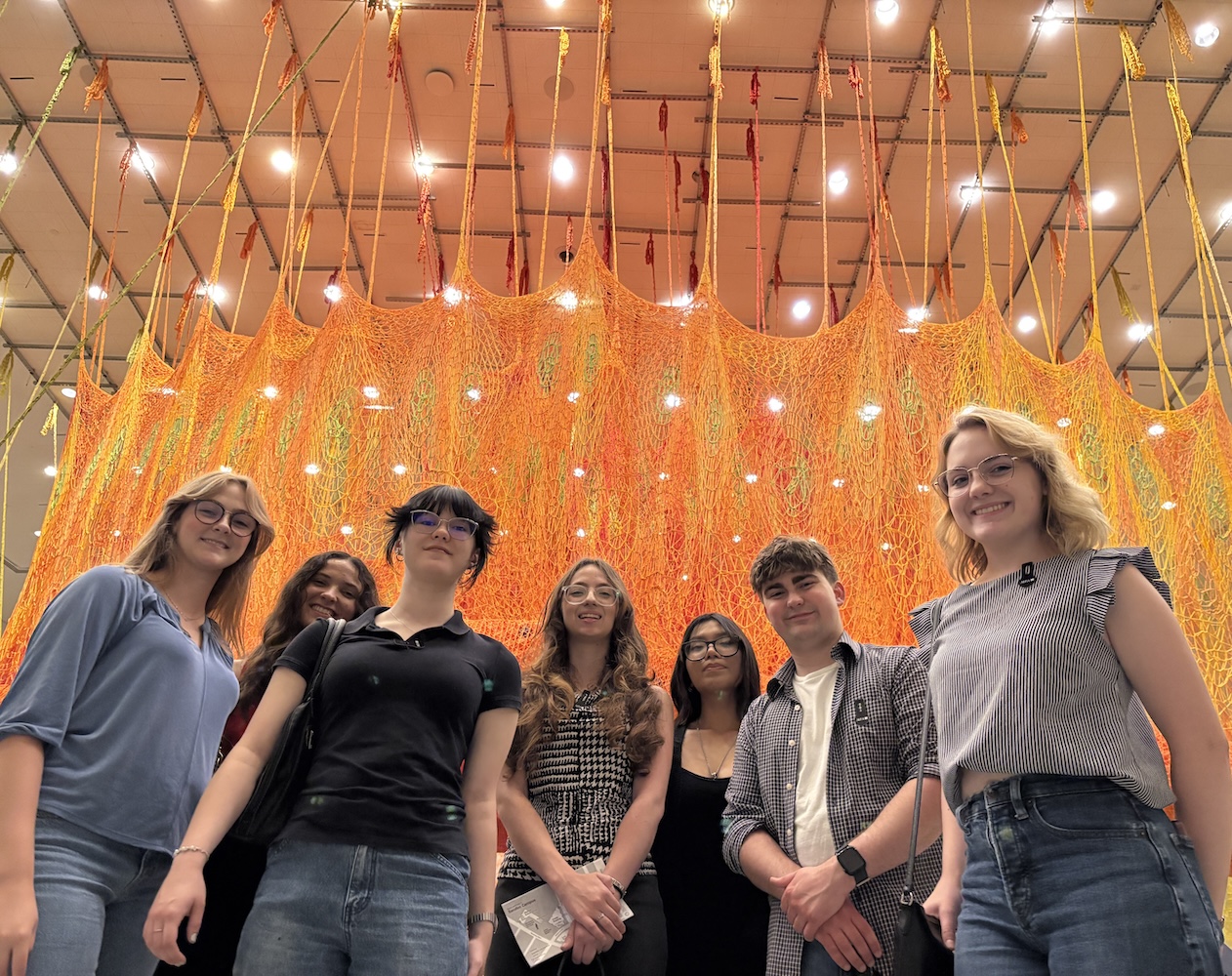
LEAP was back at it, and this time, the ambassadors were exploring the vast halls of the Museum of Fine Arts, Houston. As we navigated through the galleries, surrounded by countless masterpieces, my attention was drawn to the same three paintings that always seem to capture my imagination.
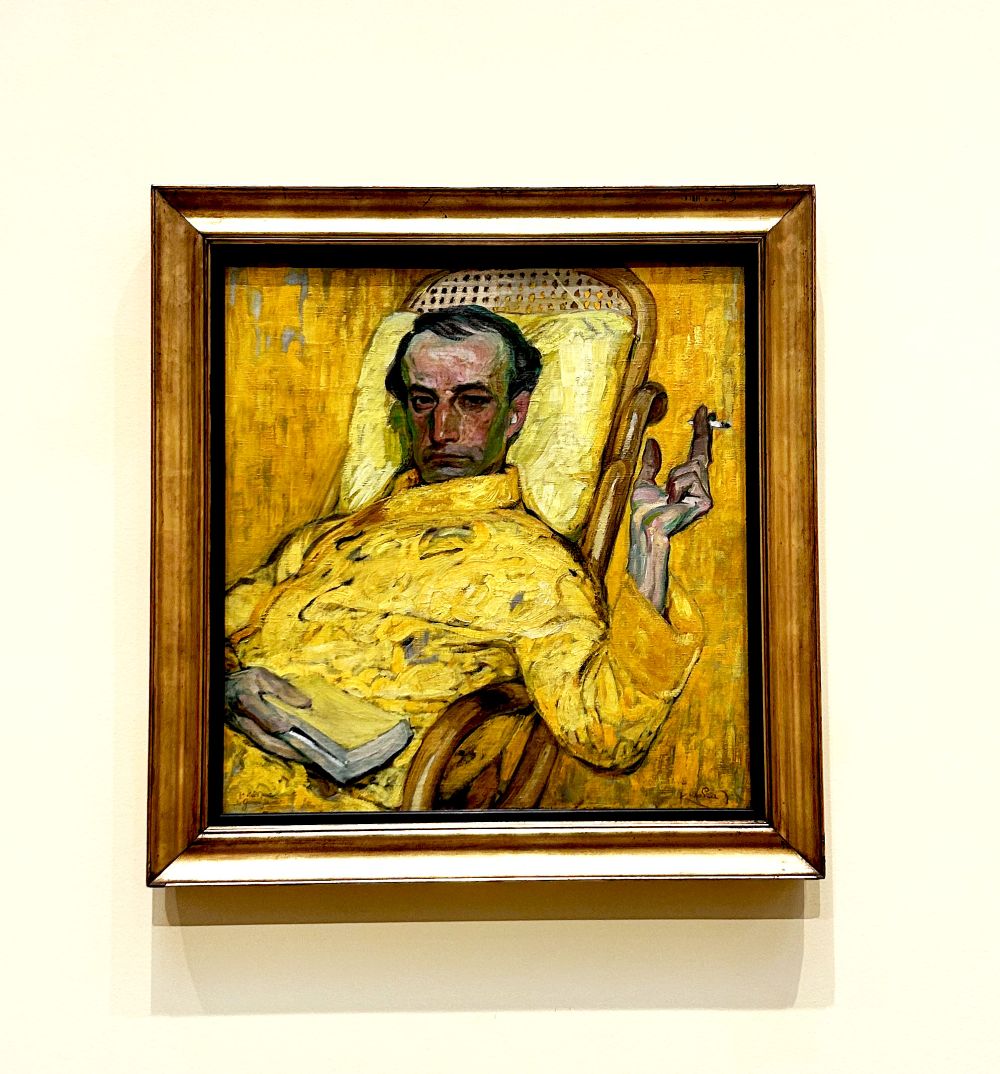
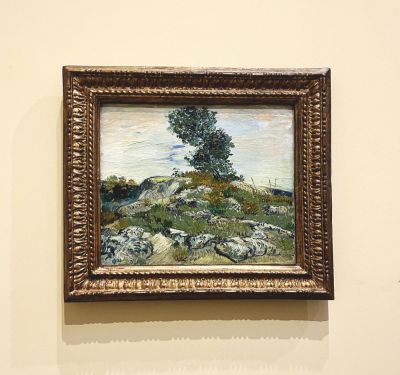
First, there is Vincent van Gogh’s The Rocks (1888). Looking at it up close, the heavy, swirling paint strokes made the entire landscape feel alive, like you could actually feel the rough texture of the stones and the whipping southern French wind. Also, van Gogh’s painting is an excellent example of Post-Impressionism. Though some artists like Claude Monet dedicated themselves to catching the quick shifts of atmosphere and light, Post-Impressionists such as van Gogh sought a more profound connection through their work. Feeling that the earlier movement remained somewhat on the surface, they instead transformed the canvas into a space for intense personal symbolism and the expression of raw, internal emotional landscapes.
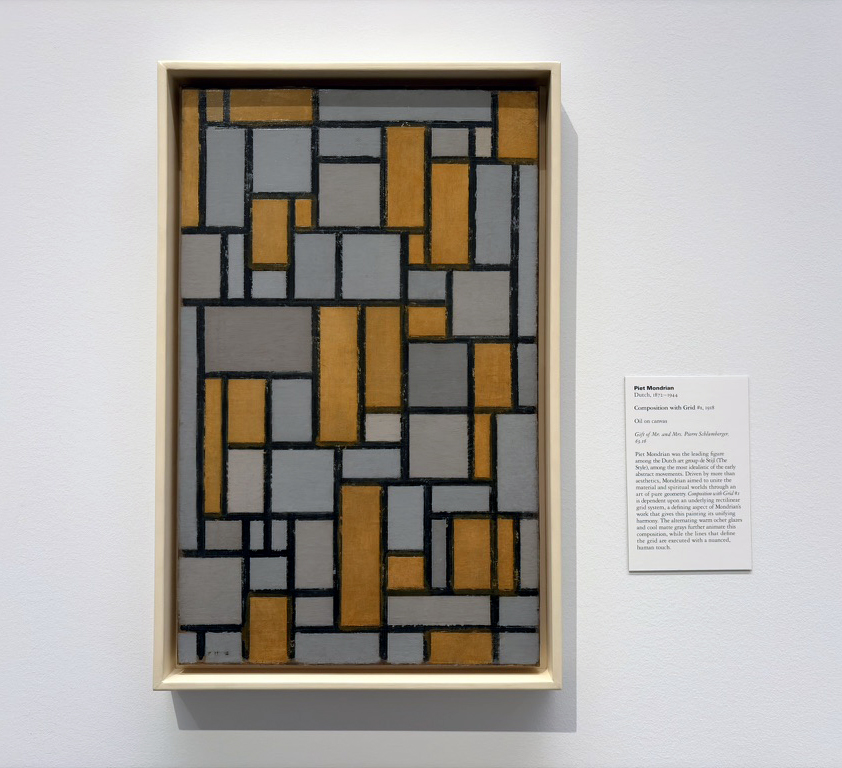
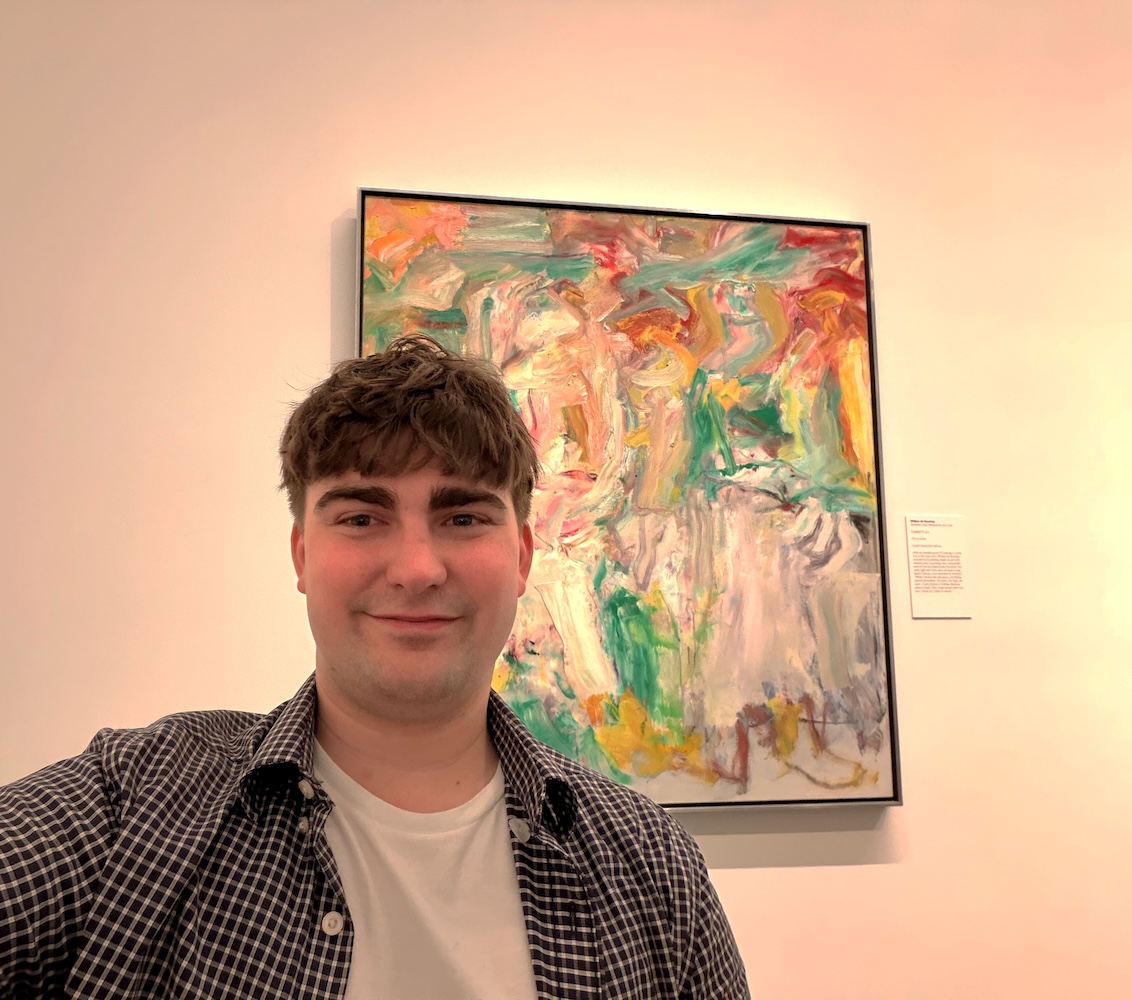
Next, Piet Mondrian’s Composition with Grid #1 (1918) offers a completely different emotional experience. Its clean, interlocking blocks of gray and warm ochre create a sense of deep quiet and absolute order that instantly calms my mind. Finally, that peacefulness gets beautifully shattered by Willem de Kooning’s Untitled V (1975). This massive canvas felt like pure, chaotic energy; the messy slashes of white, red, and yellow were like a sudden explosion of coastal light and water. Together, these three pieces took me on an emotional rollercoaster from restless energy to total calm and back to beautiful chaos.
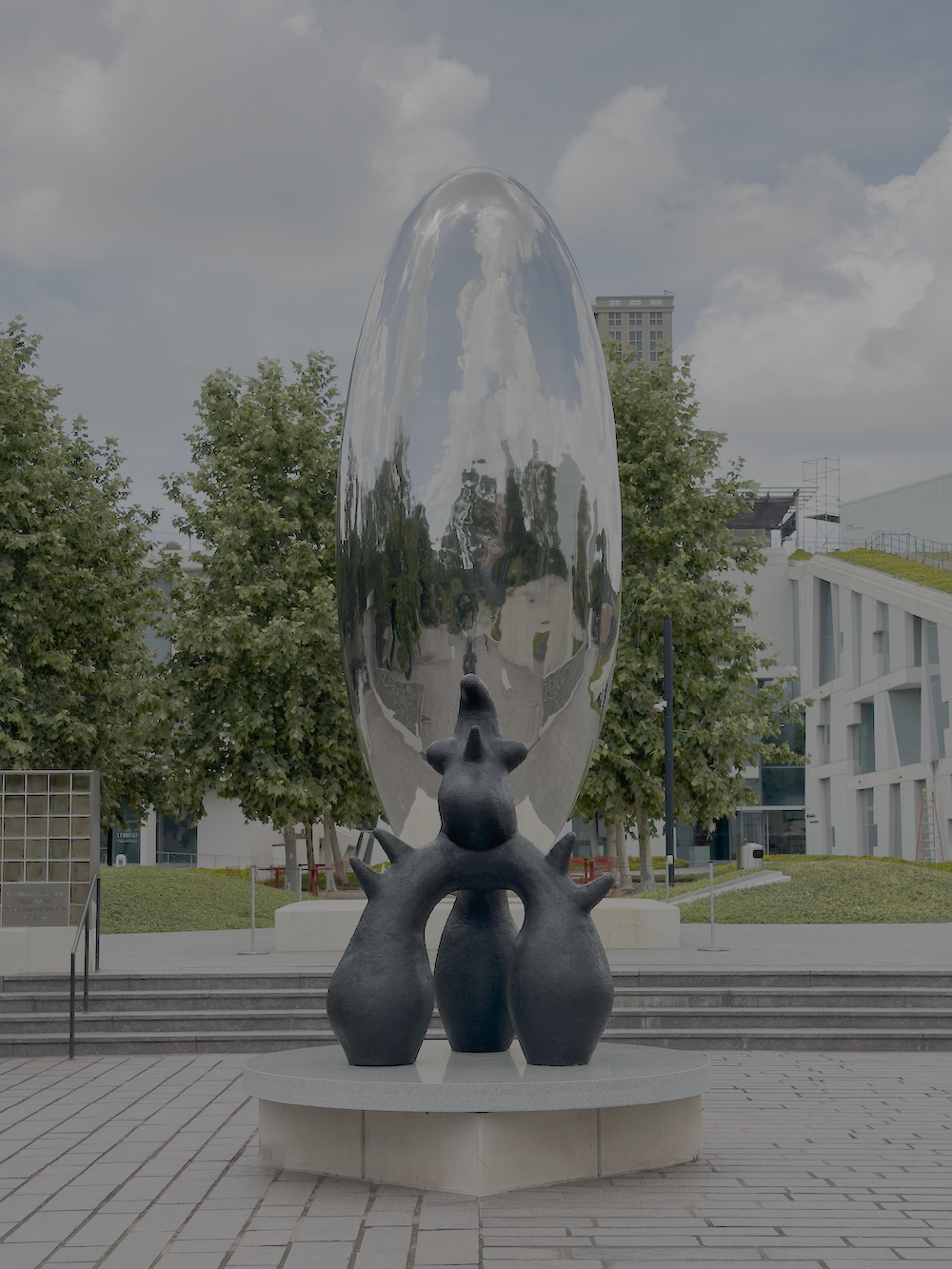
While we were there, we learned more about artists we were already familiar with, like Picasso and Jesús Moroles. We learned about Cubism, which was co-founded by Picasso: this basically breaks down objects and figures into geometric shapes. We also learned more about Jesús Moroles’ signature style, which balances raw, rugged, untouched stone surfaces right next to immaculately smooth, polished sides.
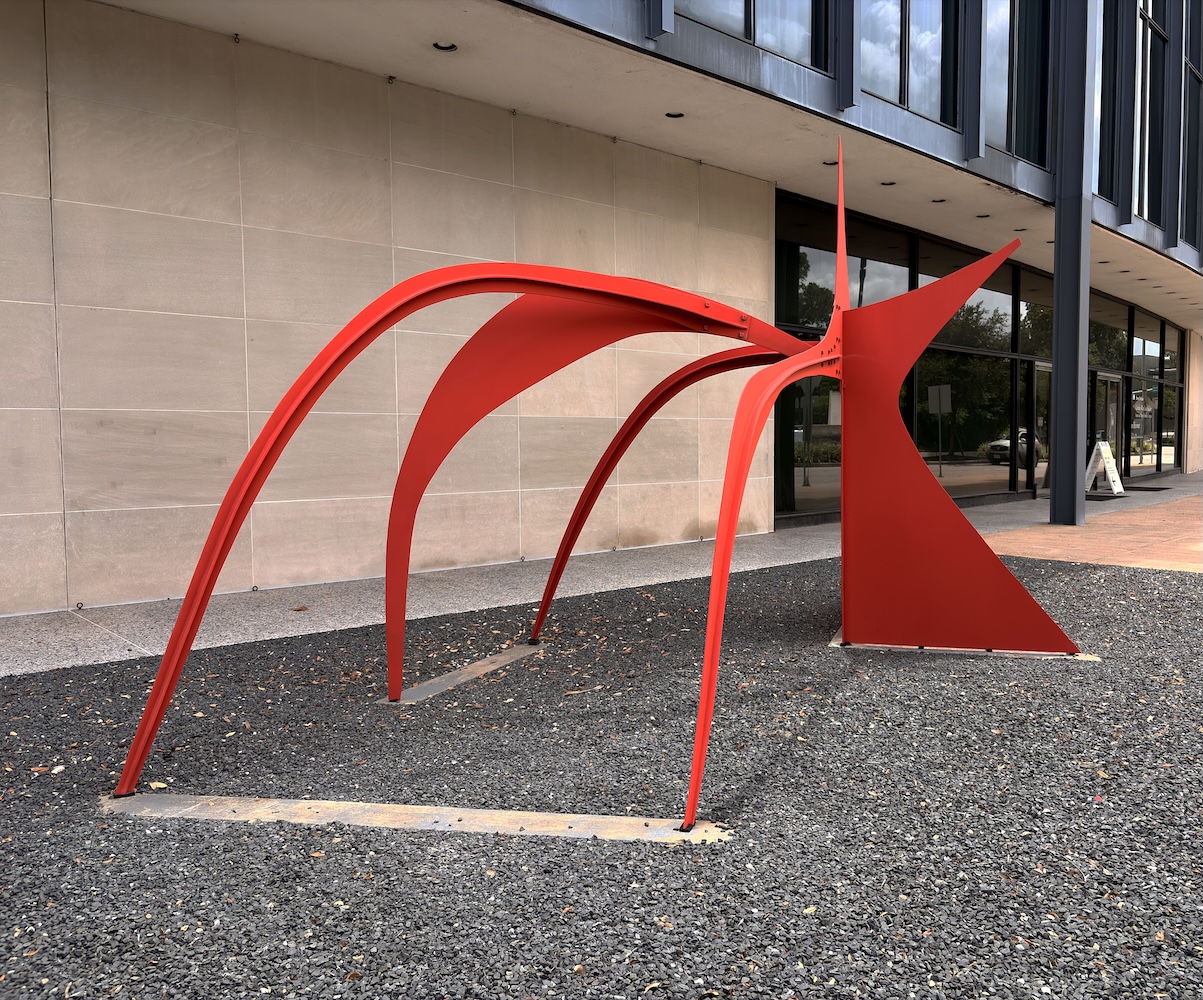
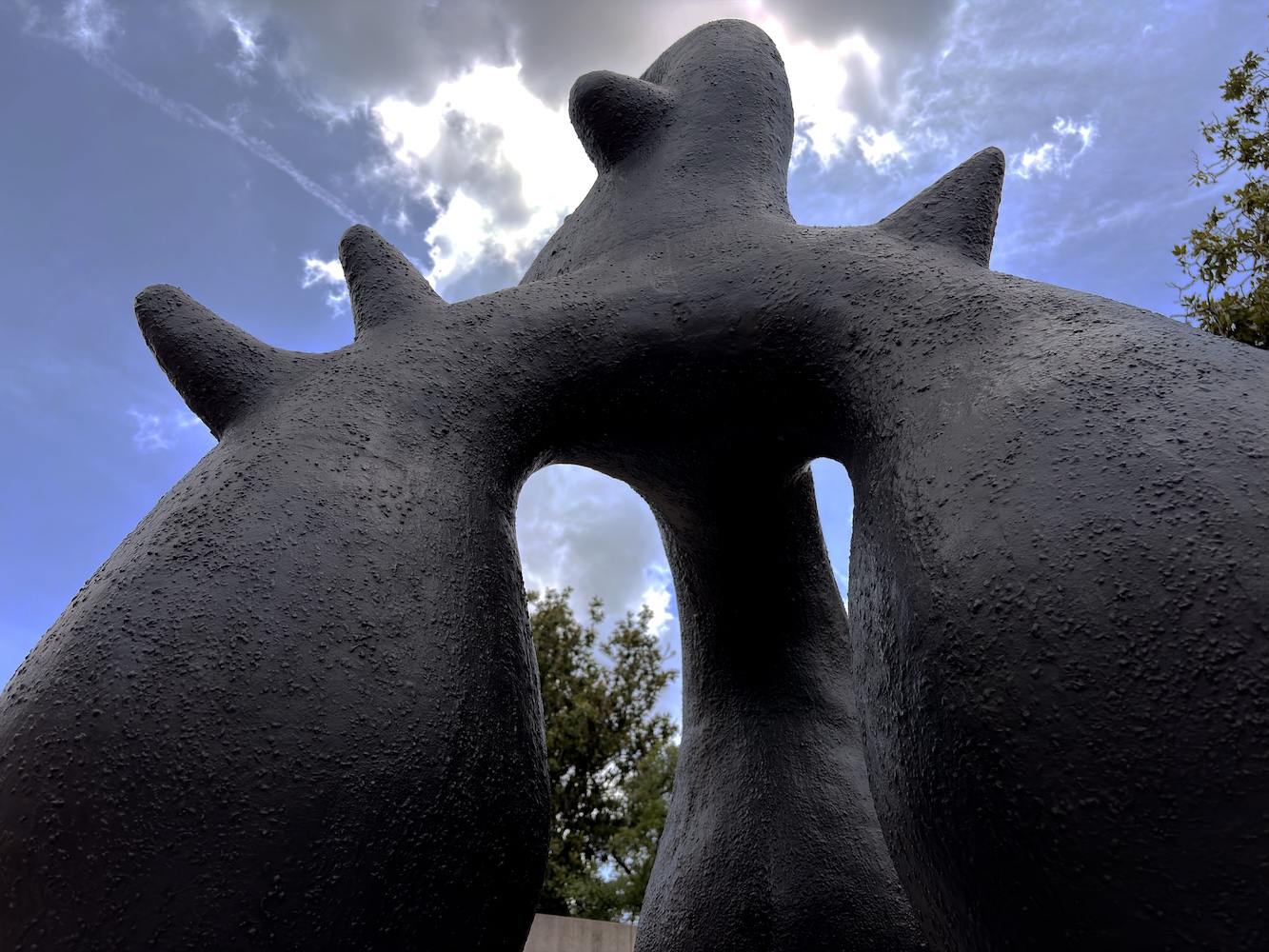
Beyond the specific works we analyzed, simply walking through the halls allowed for moments of quiet reflection and discovery. It was a reminder that art has the unique power to connect us not only to history and culture but also to our own inner thoughts and emotions. Overall, our trip to the Museum of Fine Arts in Houston was an incredible journey into the past and present, and it’s definitely worth your time if you’re in Houston!