
The Center for Law, Engagement, and Politics (LEAP) recently completed the second week of its annual Citizenship Preparatory Course, continuing a five-week program designed to help area residents prepare for the naturalization process and pursue their goal of becoming United States citizens.
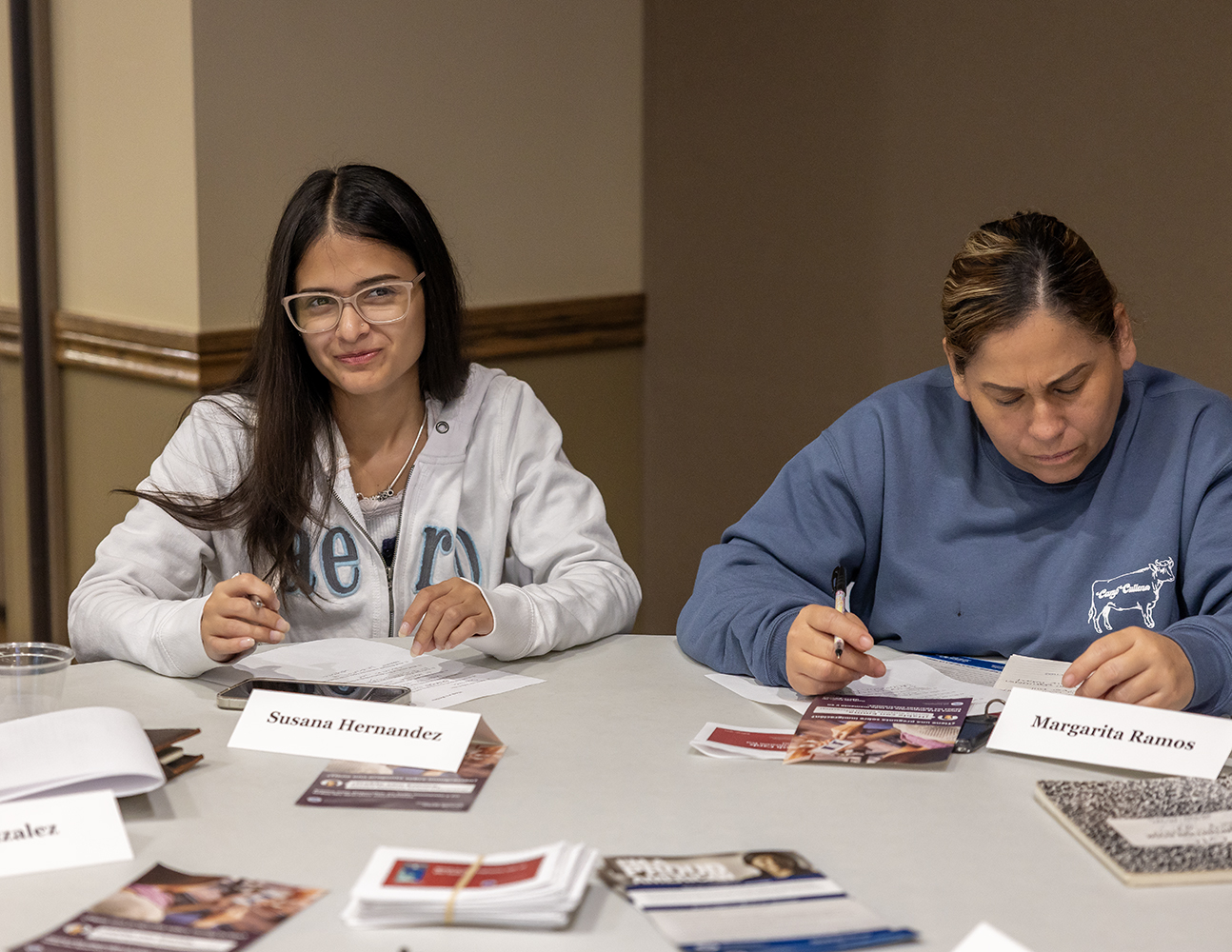
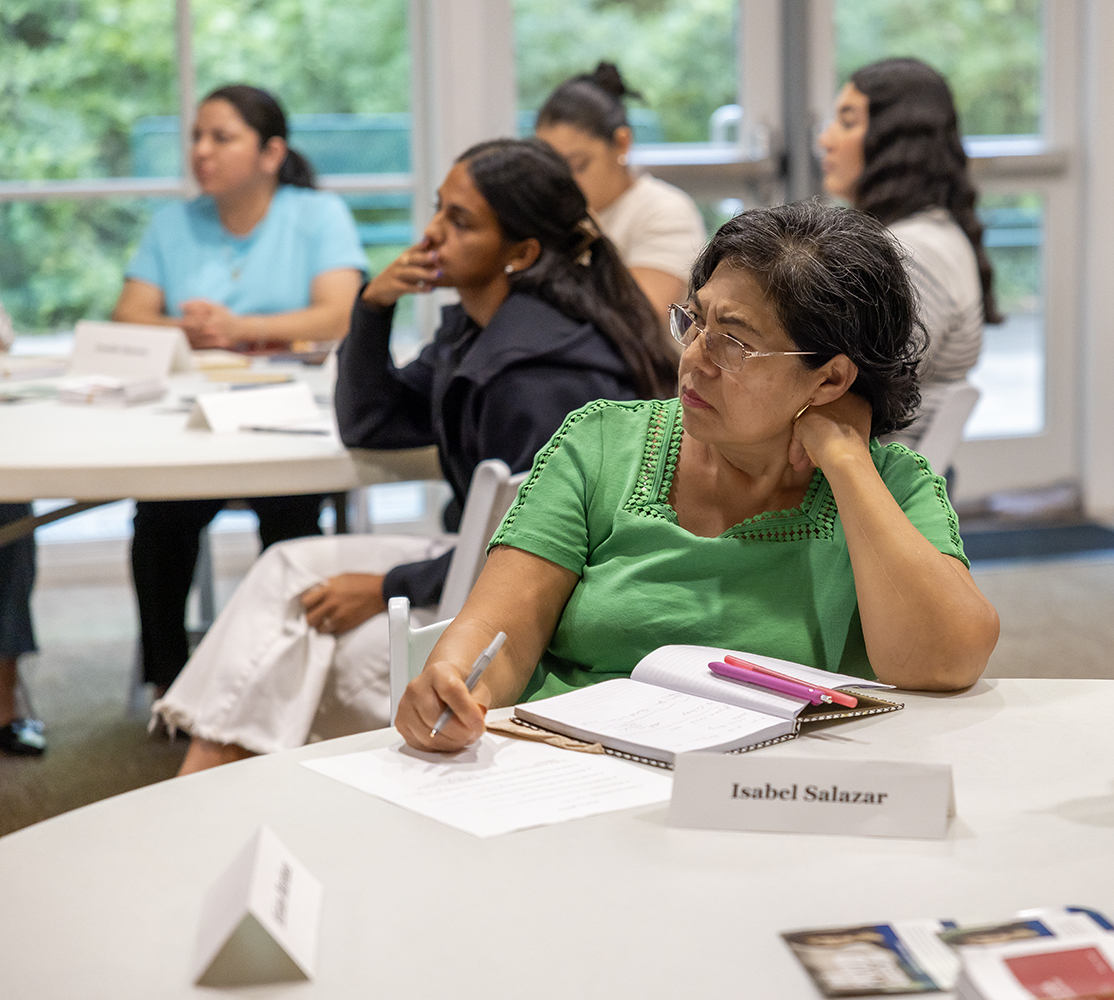
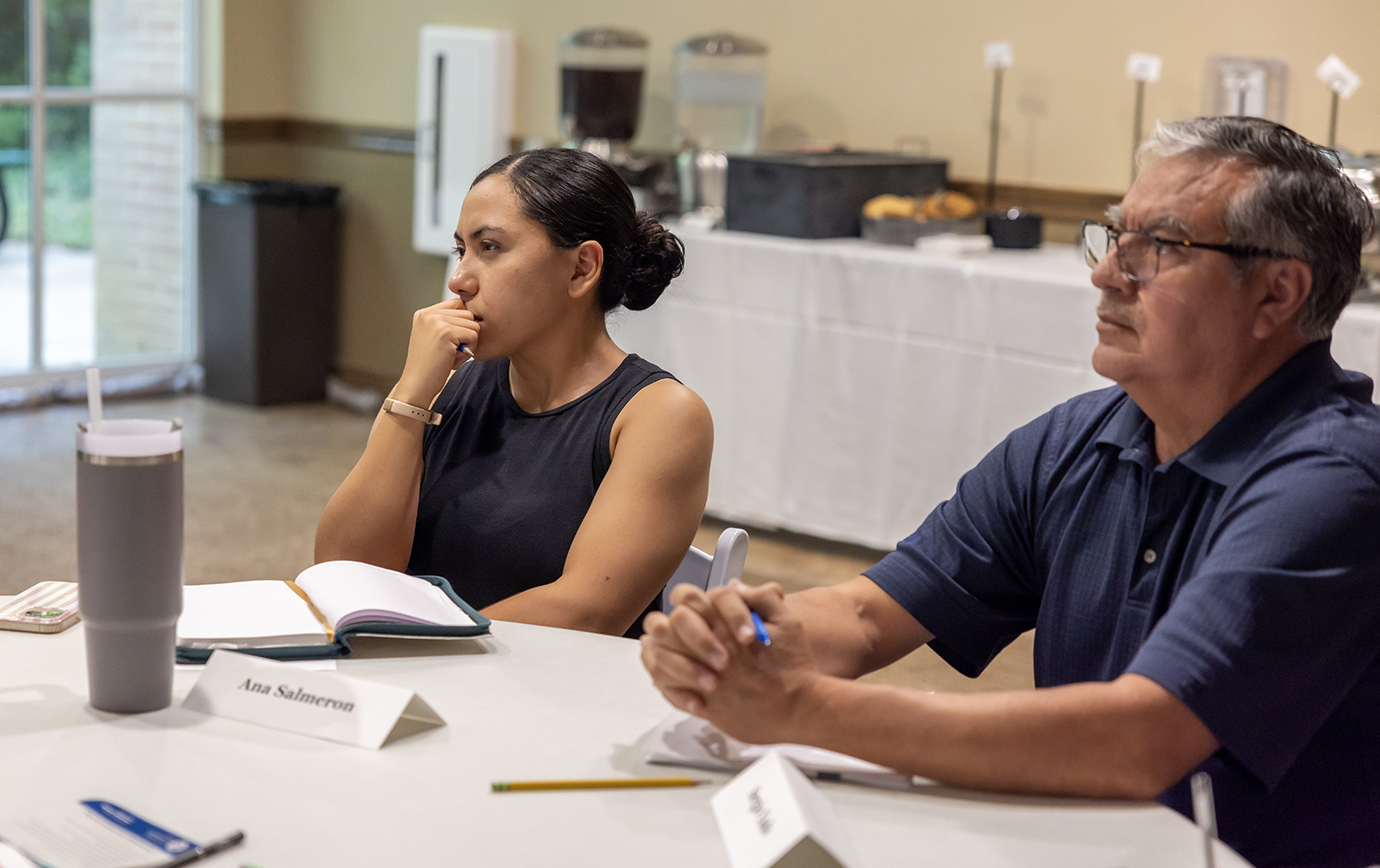
Held Tuesday evenings in September from 6:00–8:30 p.m. at the Walker Education Center, the course brings together immigrants, instructors, and volunteers in an environment devoted to learning and mutual support. Approximately 35 immigrants attended the second class, assisted by a dozen volunteers—almost all of whom were students from Sam Houston State University.
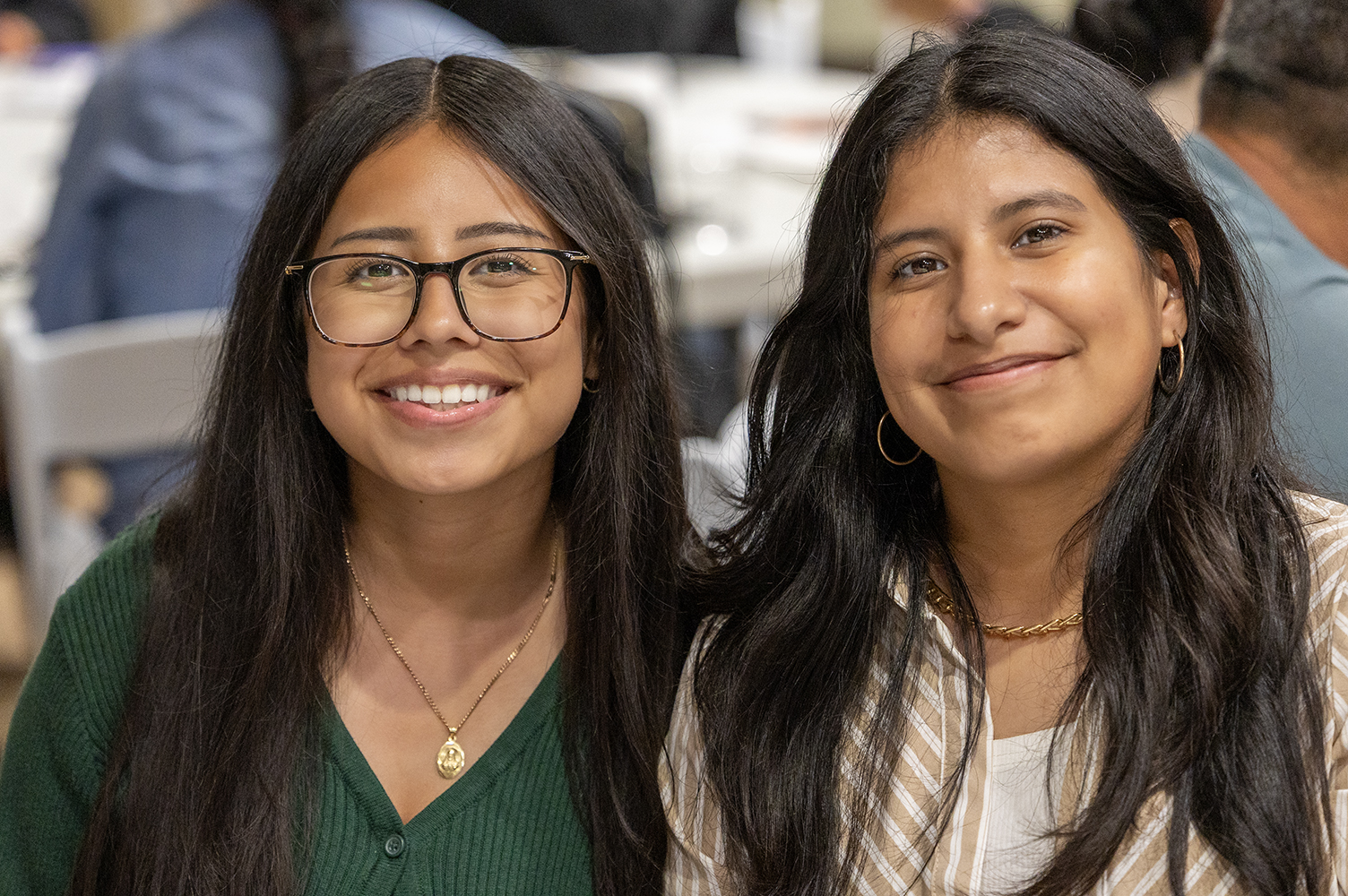
After focusing on the earliest portion of American history during the first class, participants moved into the period from 1776 to 1803. This era encompasses the Declaration of Independence, the American Revolution, the drafting and ratification of the Constitution, and the formation of the new national government.
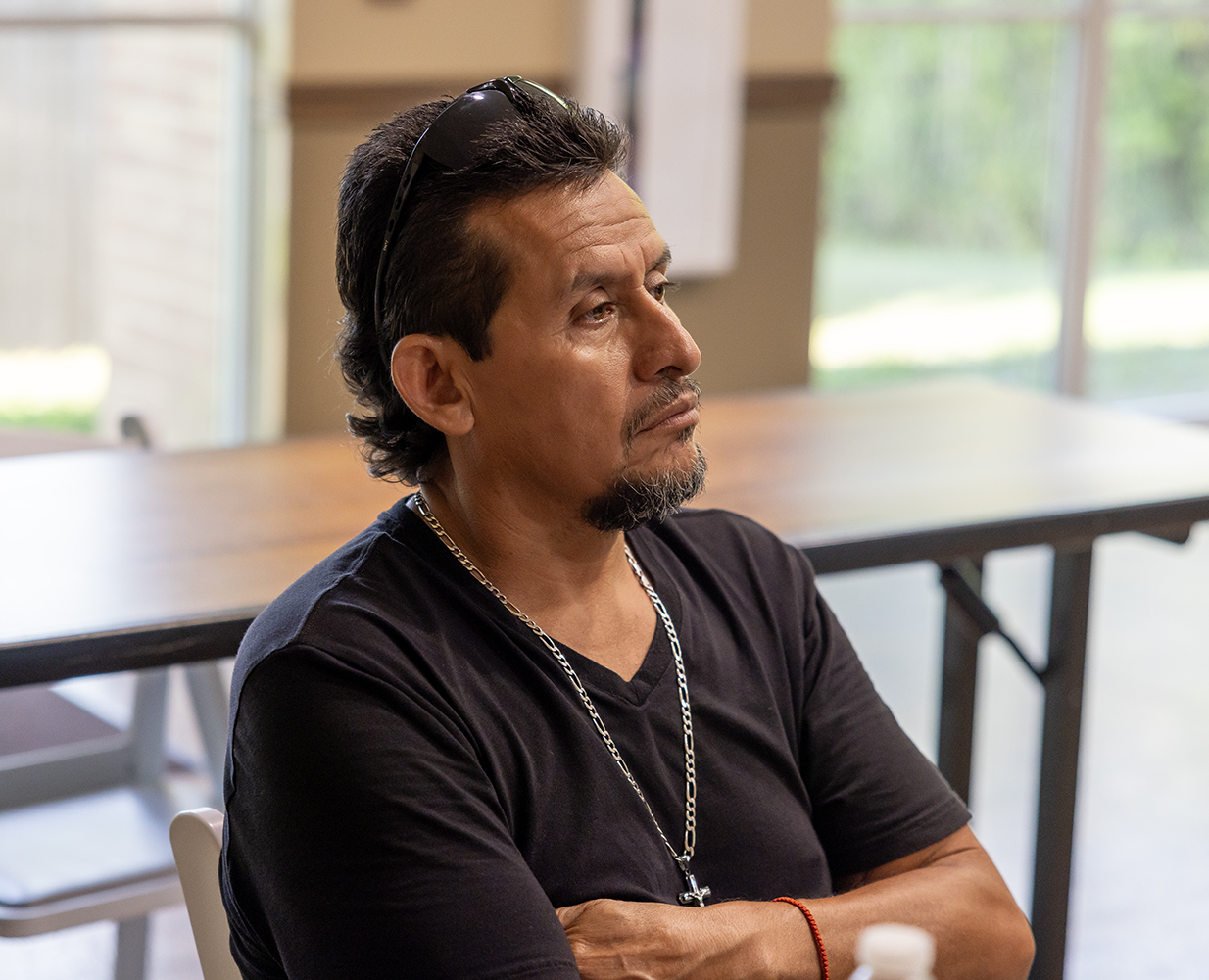
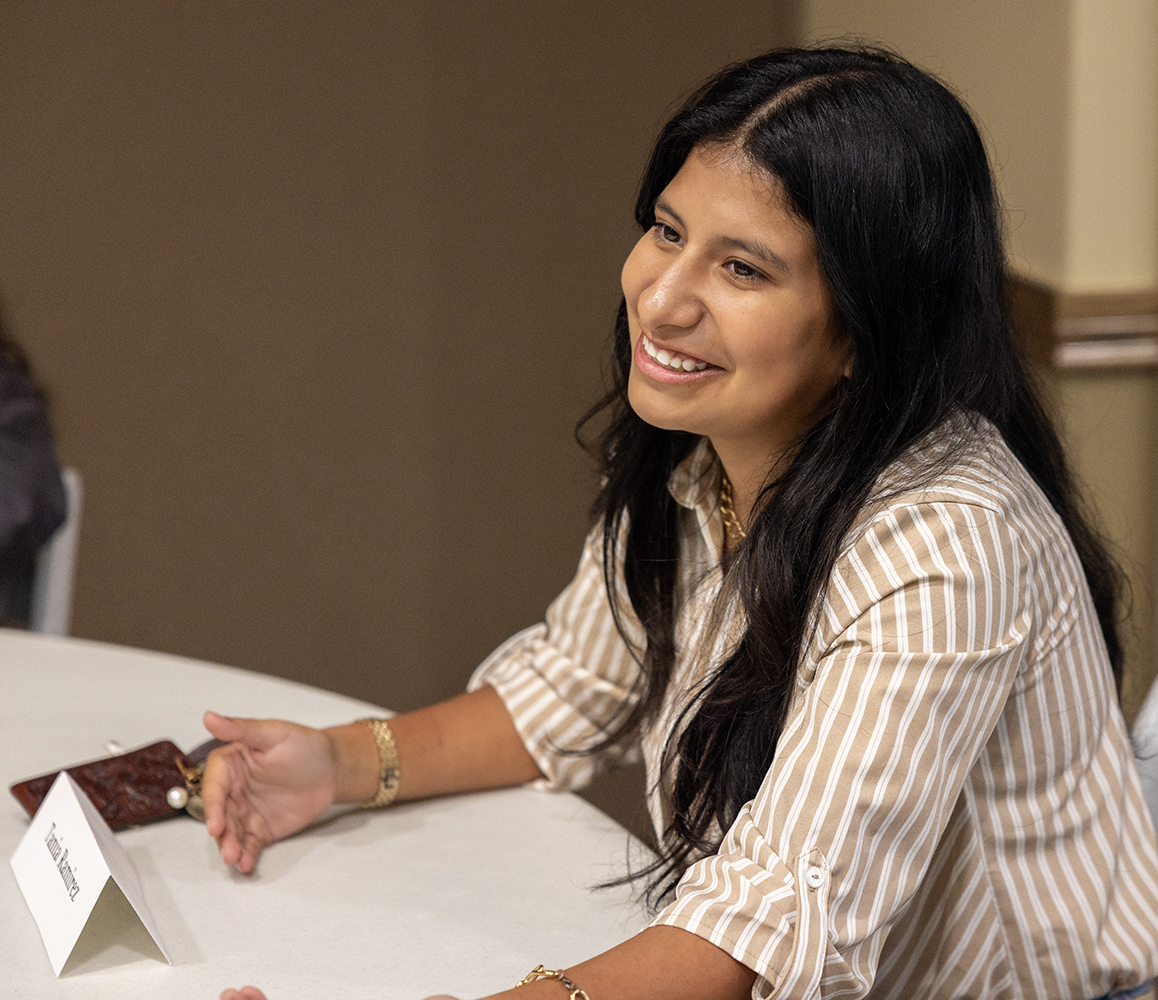
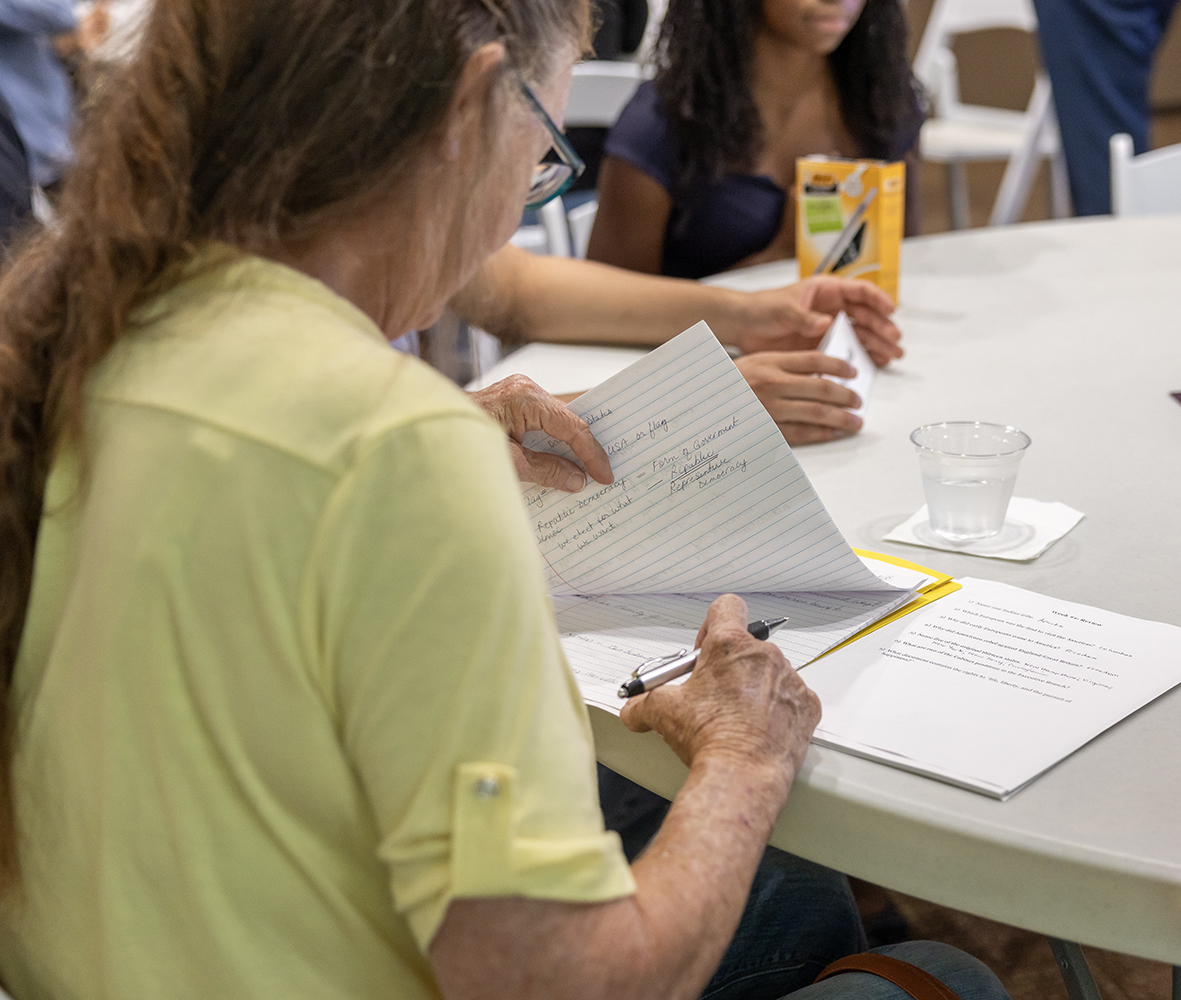
The class also explored the form of government established by the Constitution, including the three branches of government and the separation of powers among them. Participants learned about the Federalist Papers and discussed many of the nation’s leading founders, gaining both historical context and knowledge that may appear on the naturalization examination.
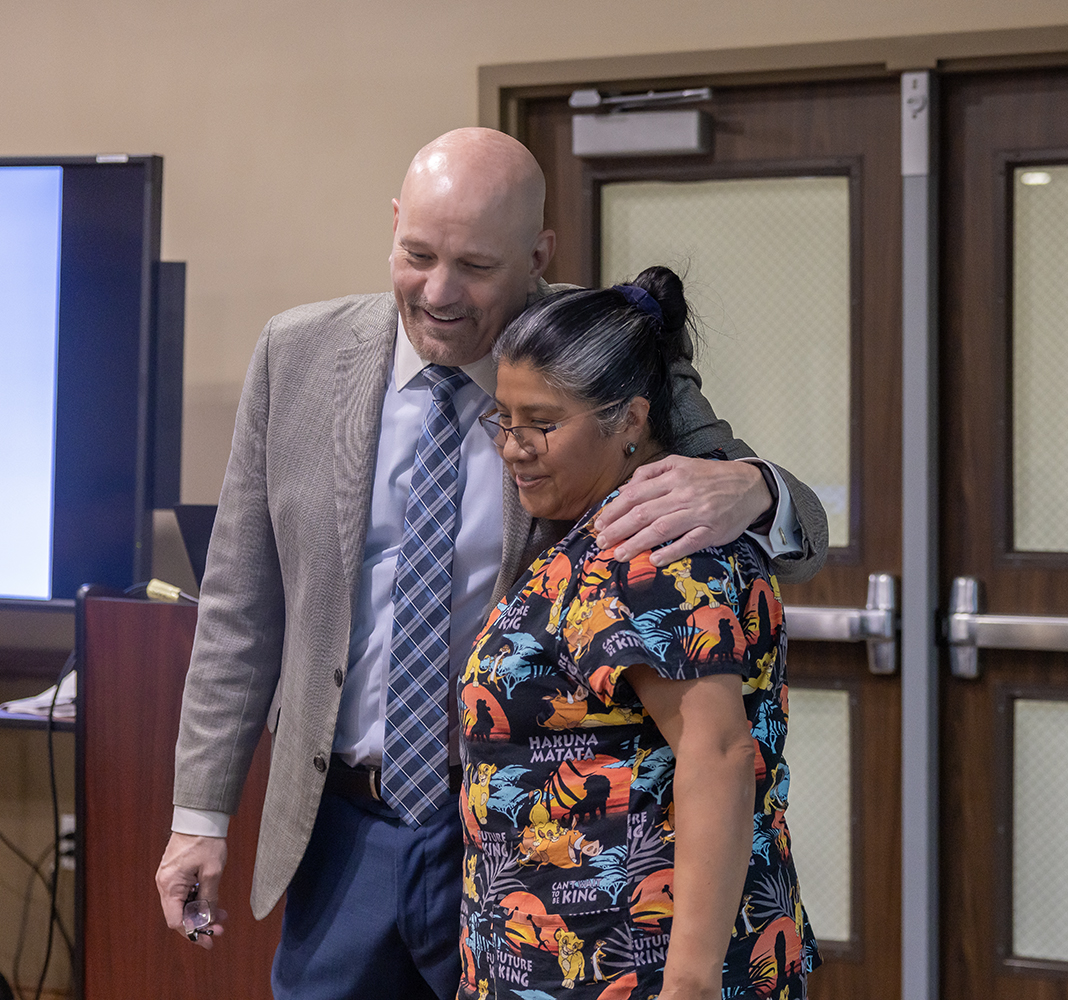
Professor Mike Yawn, an SHSU faculty member and director of the LEAP Center, taught the main English-language class, where he was reunited with Gregoria McGuire, a former “student” in the class who returned on this evening to inspire the current class. She obtained her citizenship in 2025.
SHSU student Nataly Elizondo led a smaller class for participants eligible to complete the naturalization examination in Spanish. Her work allows Spanish-speaking participants to study the same important concepts in the language in which they will be tested.
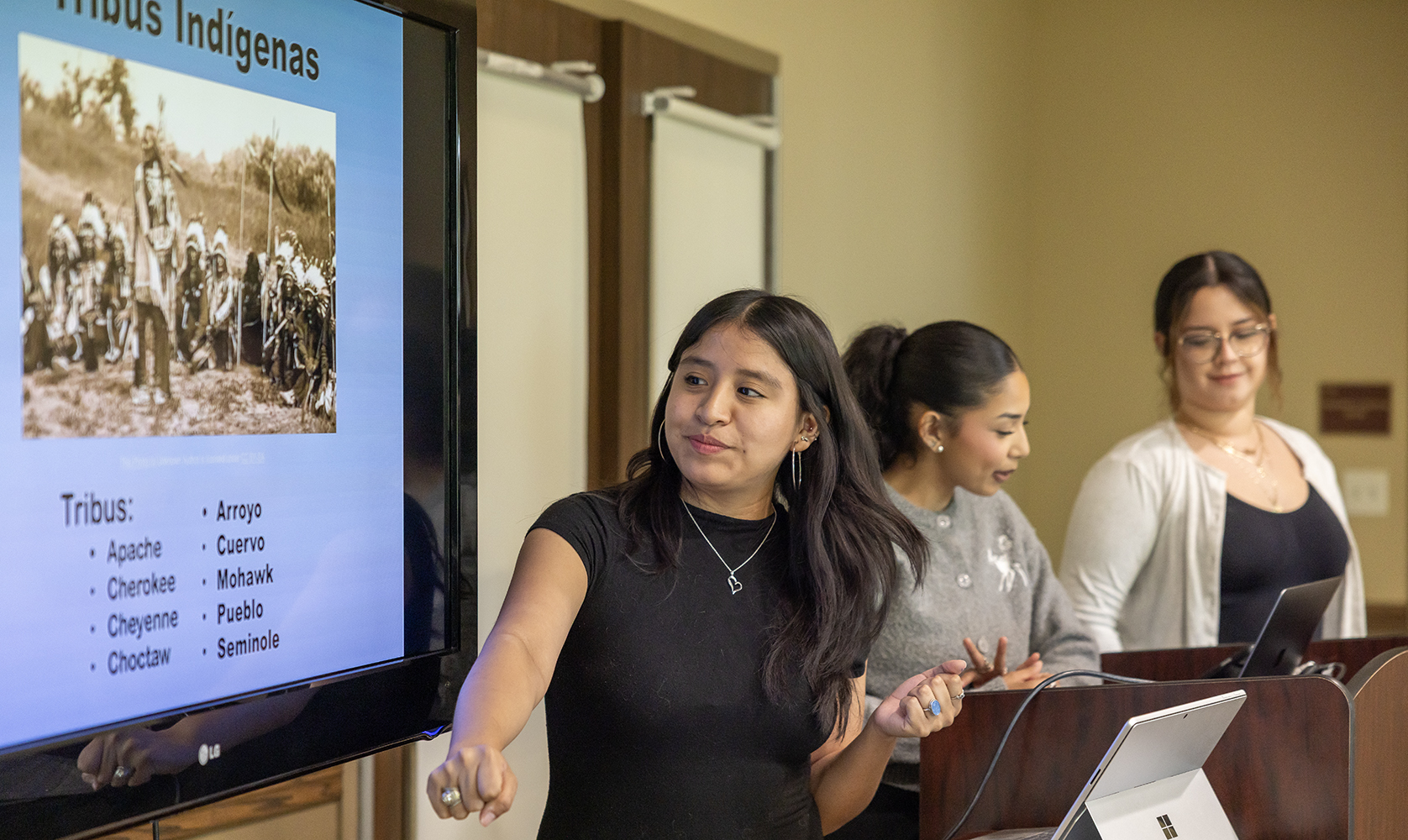
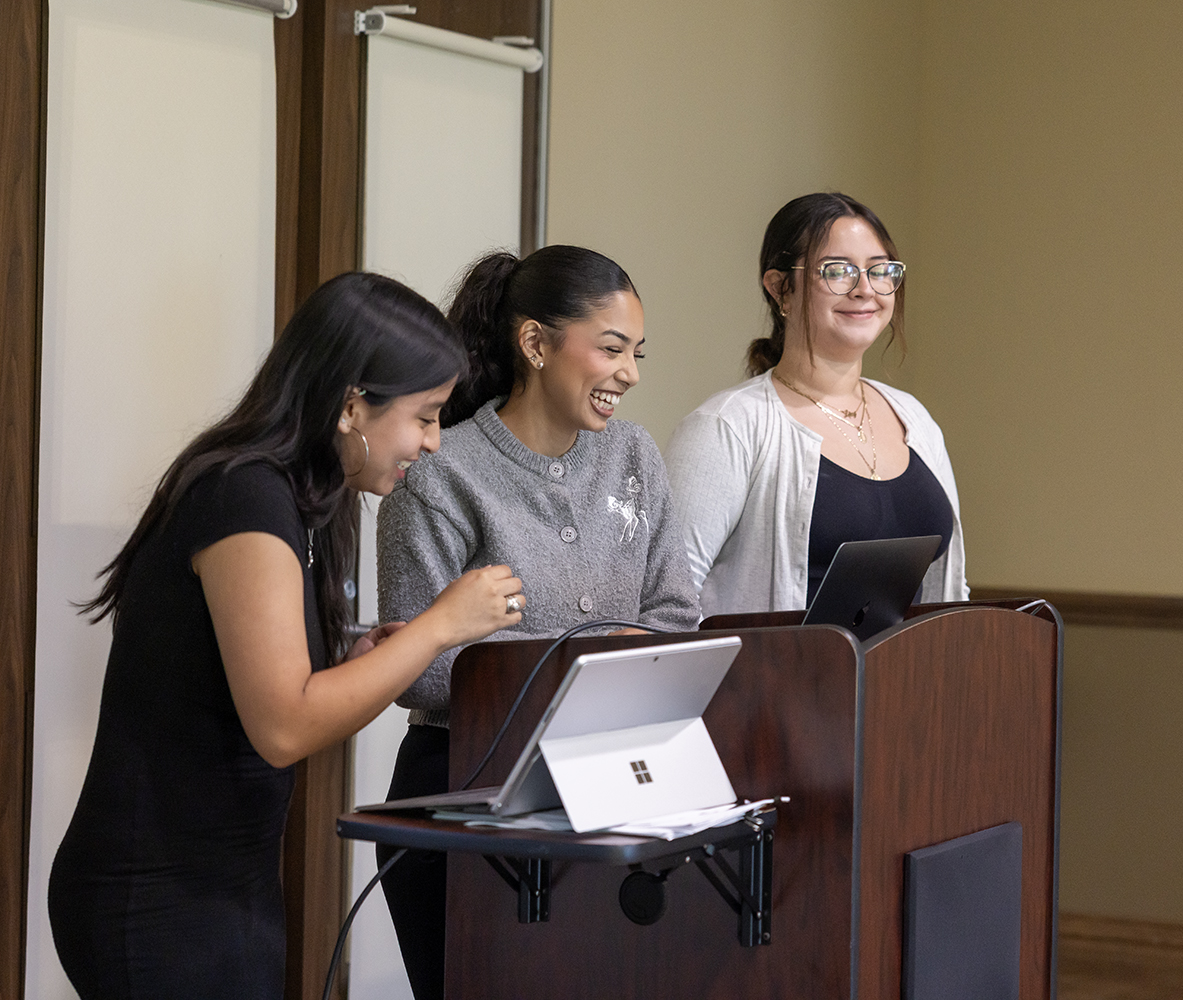
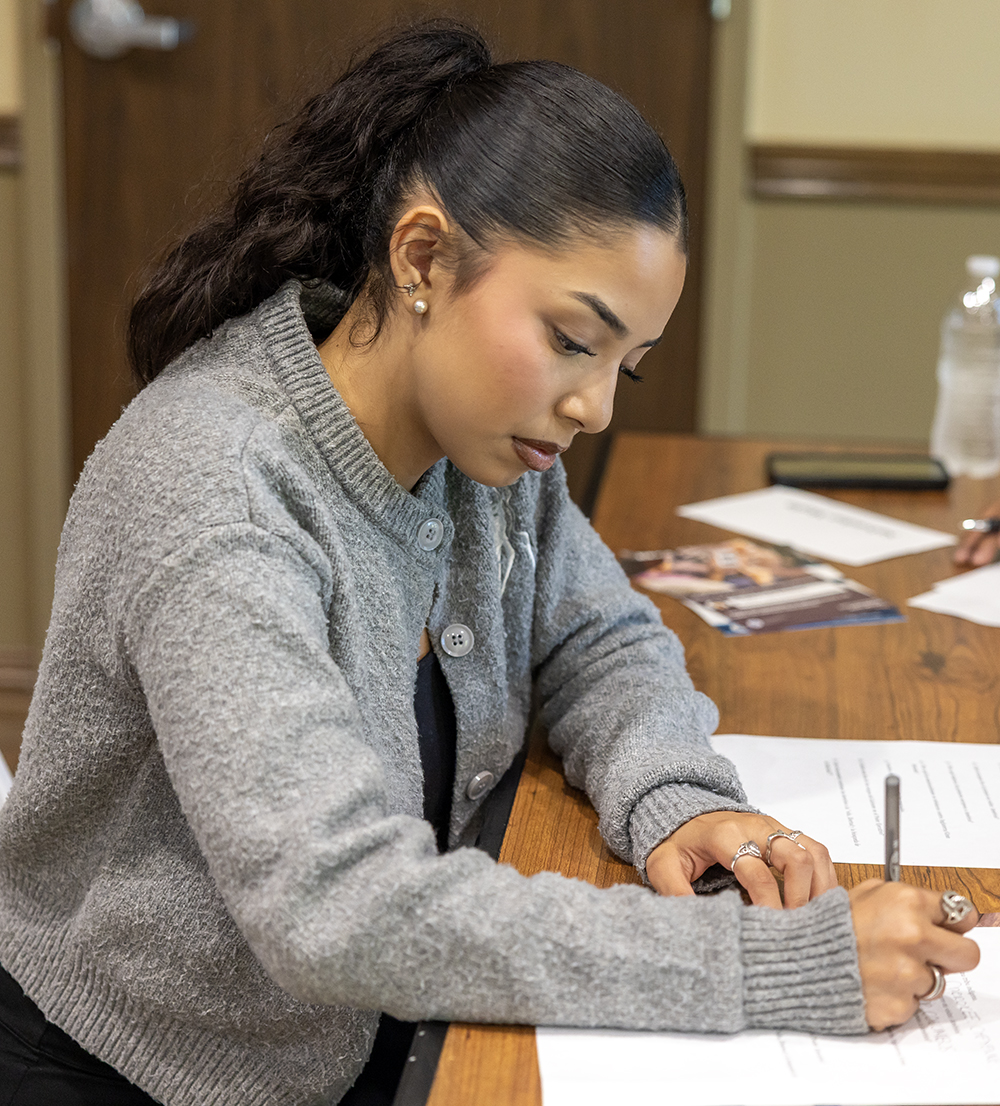
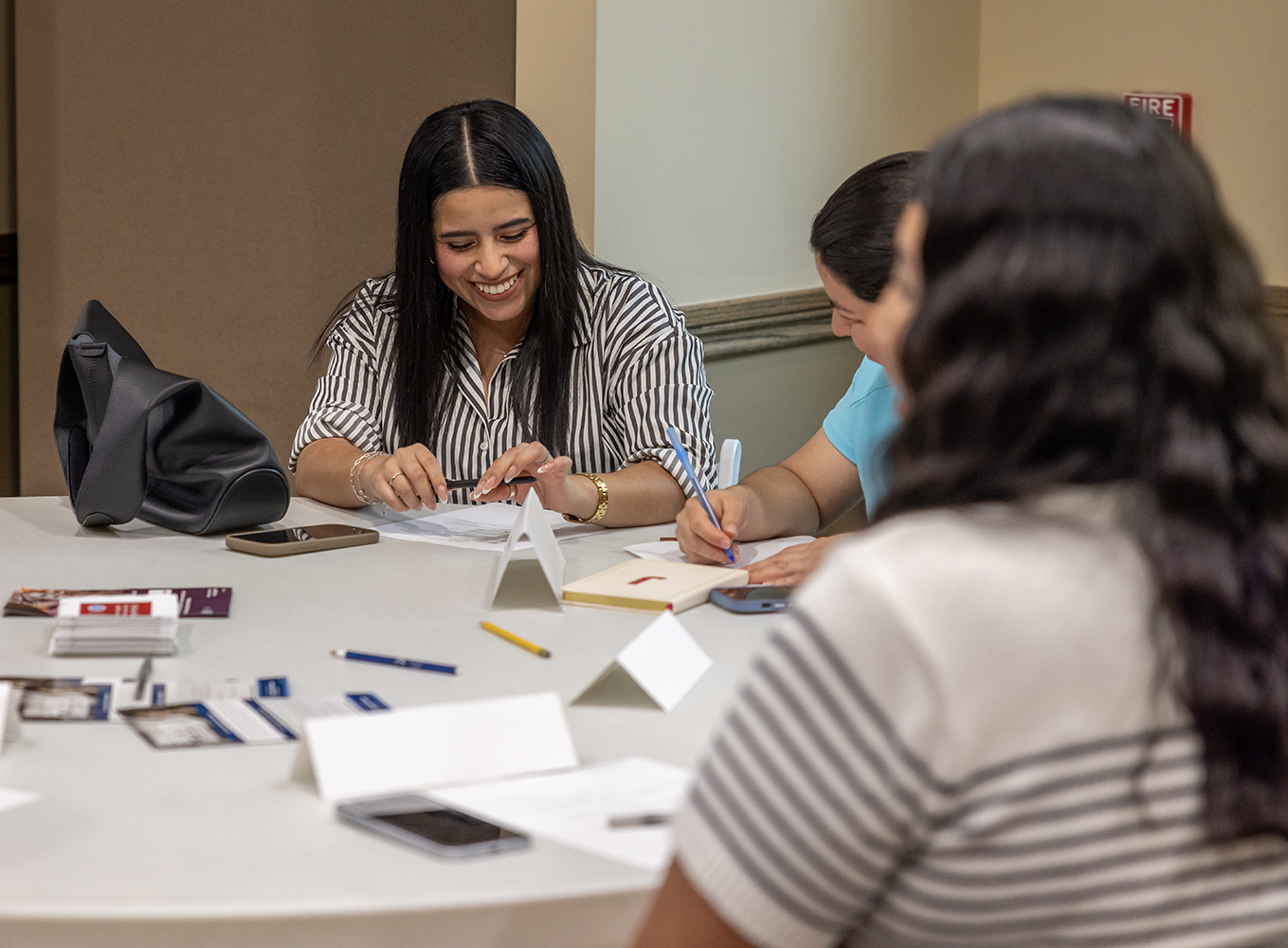
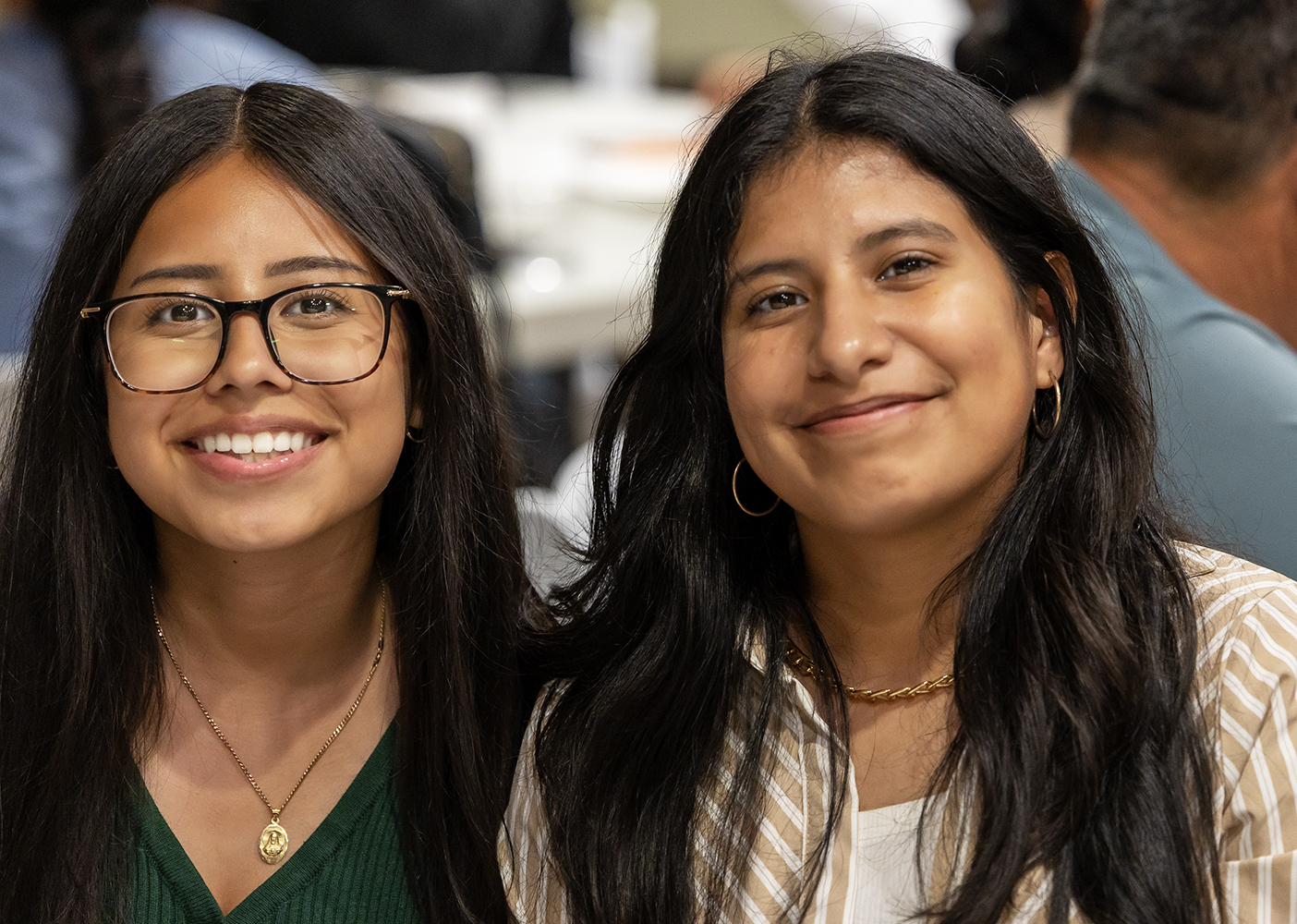
The course’s volunteers were also central to the evening’s success. They helped participants work through questions, clarify unfamiliar concepts, and practice material in smaller groups. With one week of experience behind them, volunteers and participants appeared more comfortable with one another, allowing for more conversation, interaction, and laughter.
By the conclusion of the second class, participants had expanded their knowledge of American history and government, while the volunteers had gotten to know the individuals behind the shared goal of citizenship. With three classes remaining, the program continues to combine education, encouragement, and community as participants move closer to the naturalization exam—and, they hope, citizenship.

 Center for Law, Engagement, and Politics