Written By Robin Houghton
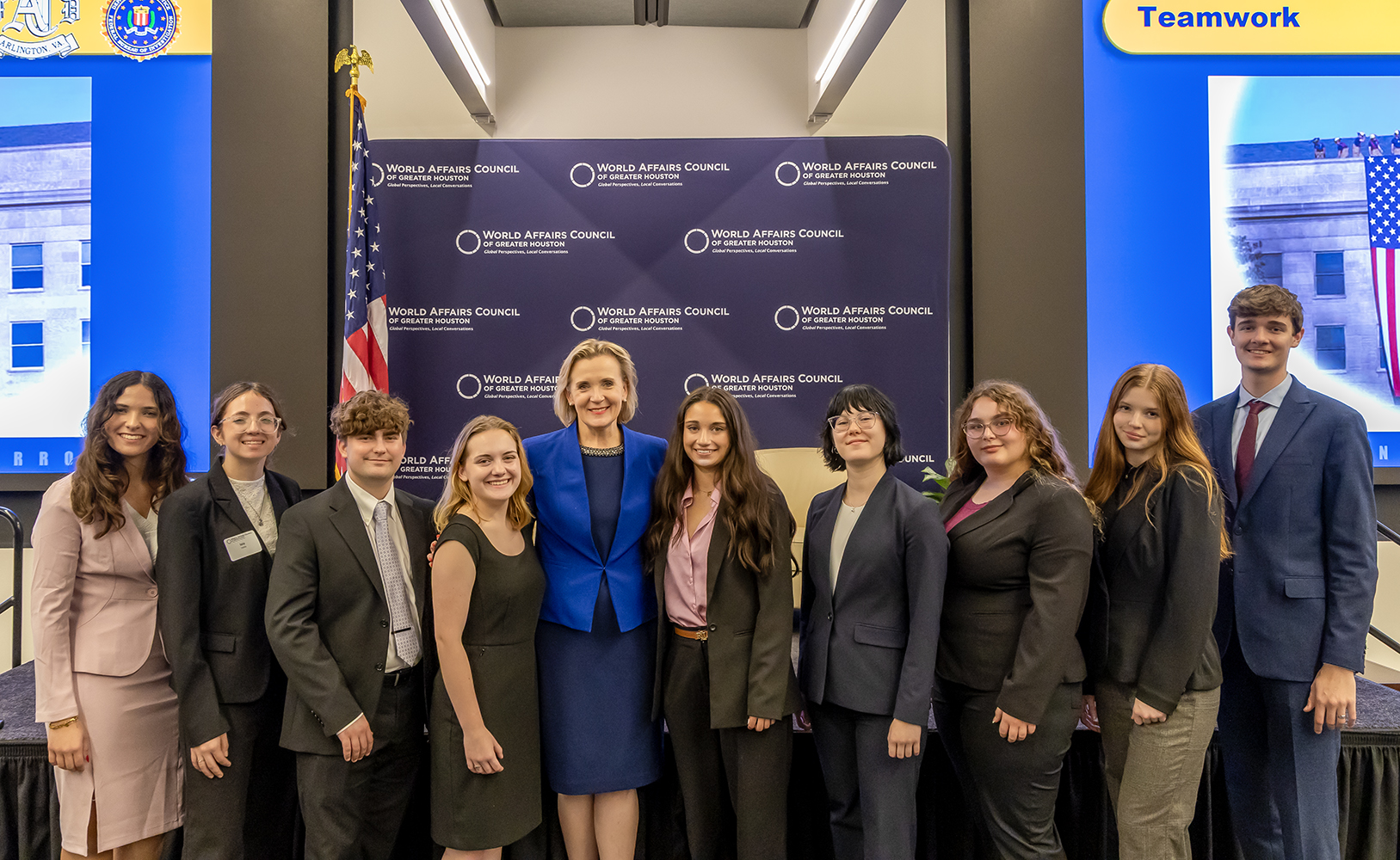
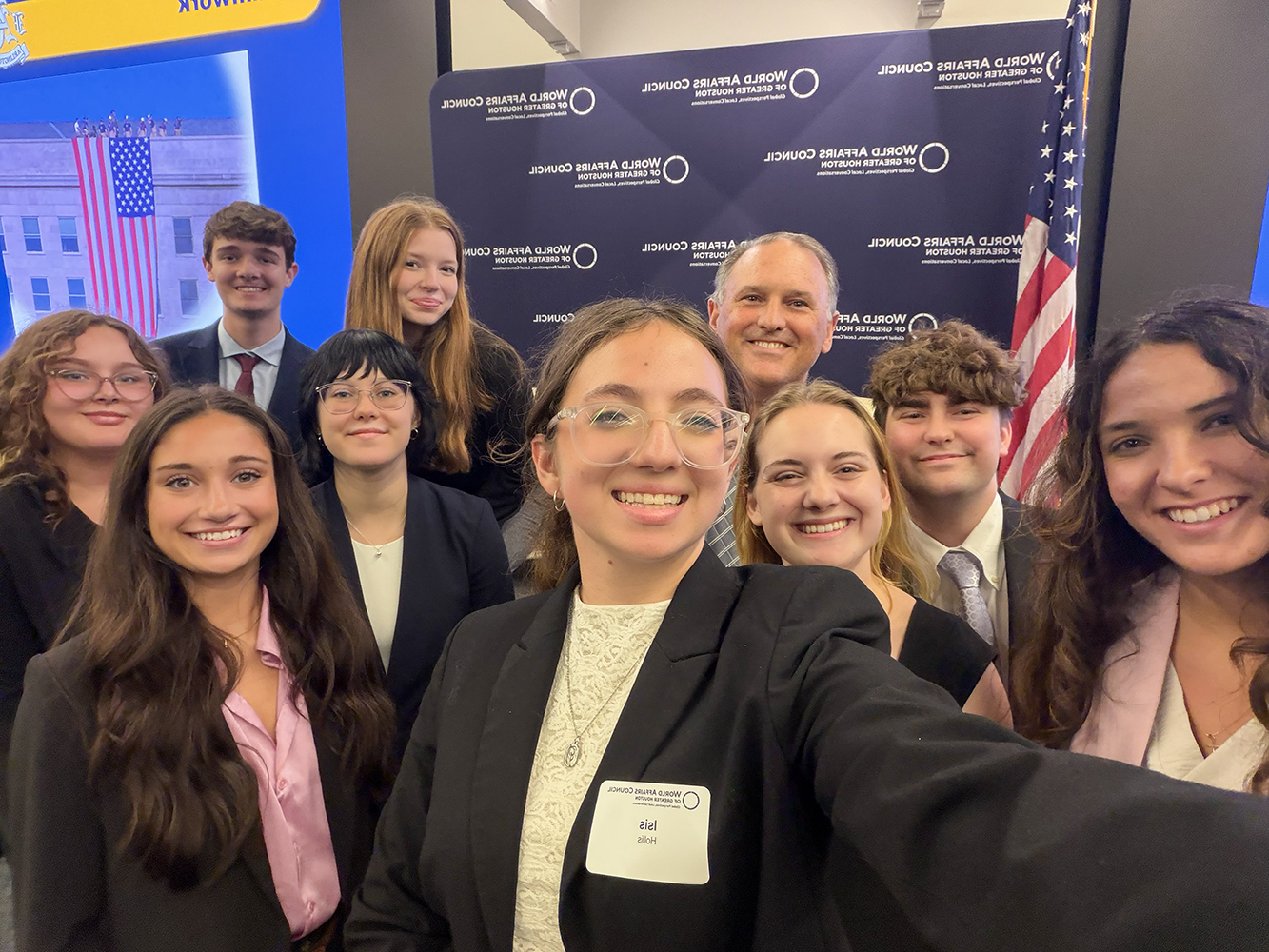
LEAP students recently had the opportunity to hear former FBI Special Agent in Charge Christopher Combs share his firsthand experience at the Pentagon during the tragedy of September 11, 2001, as well as reflect on how the field of counterterrorism has evolved in the 25 years since.
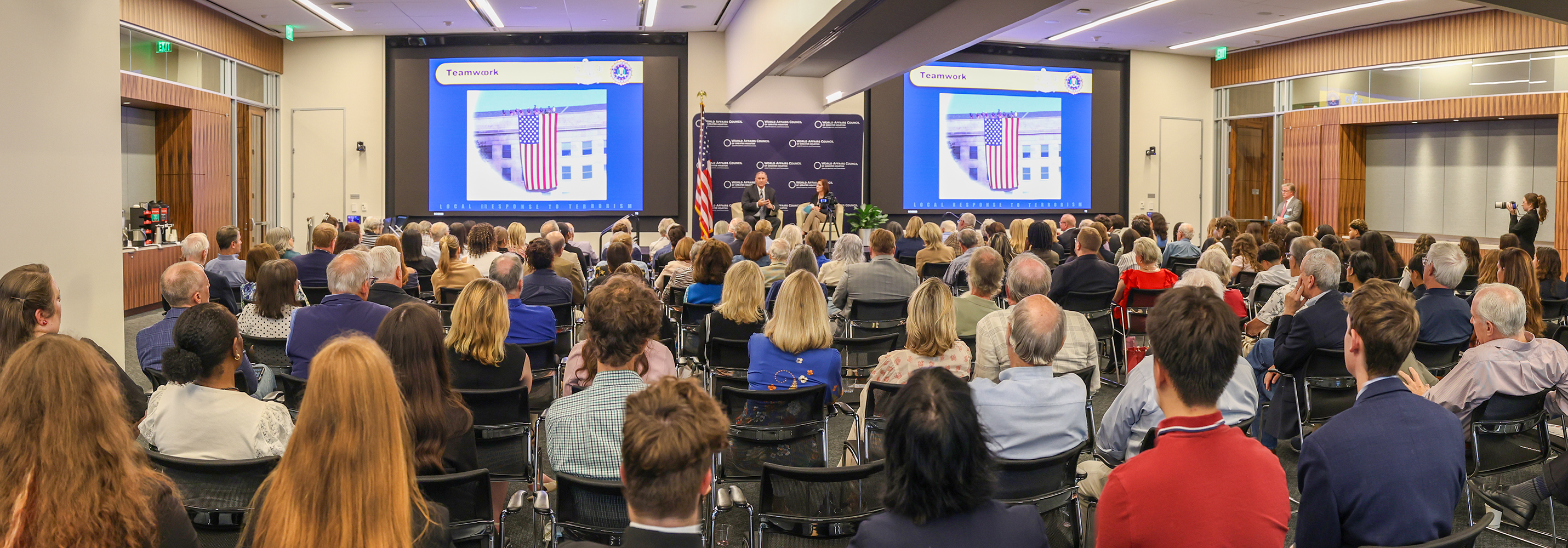
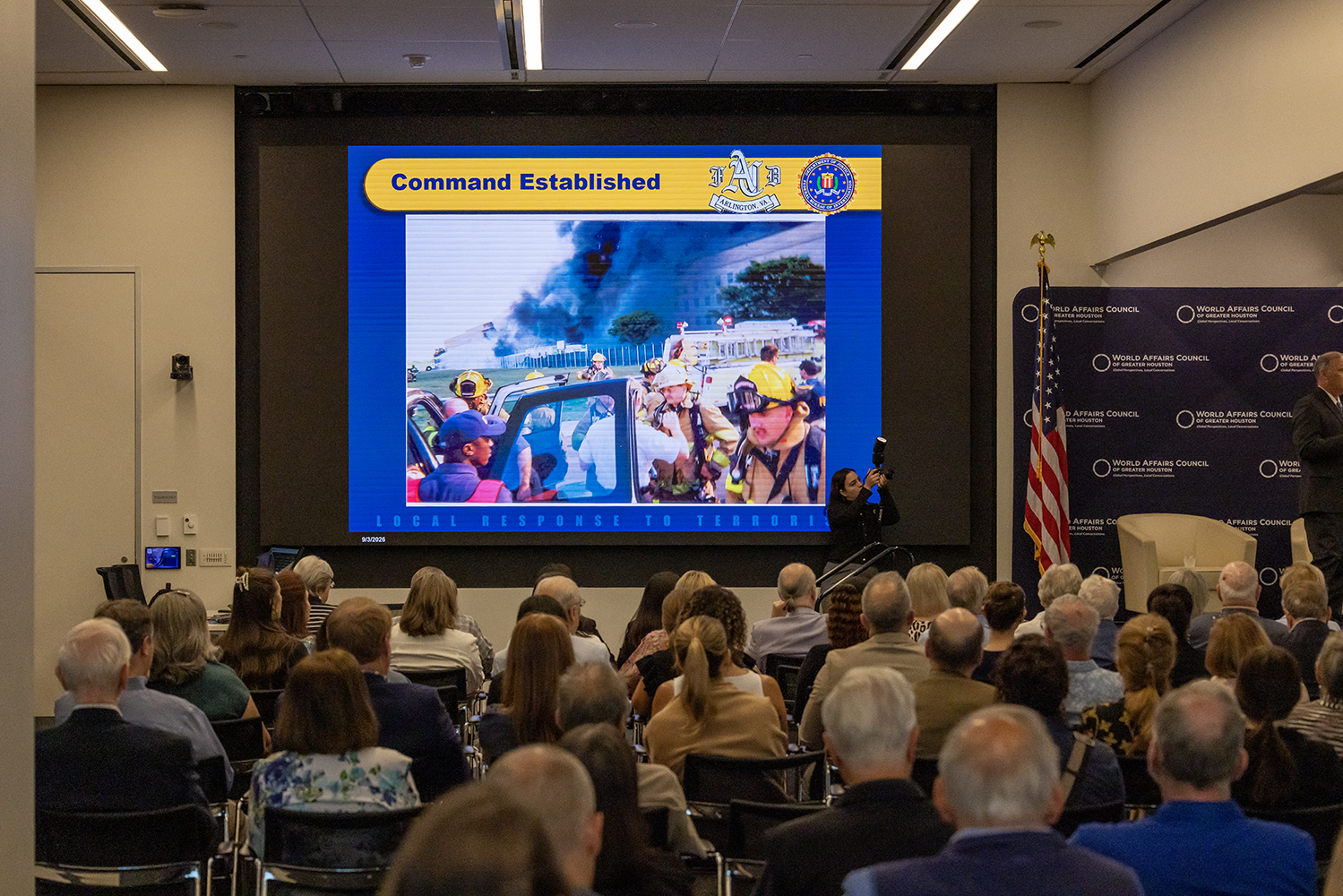
Combs began by taking us back to the morning of September 11. He recalled what it was like to be at the Pentagon shortly after American Airlines Flight 77 crashed into the building. For nearly 15 minutes after the impact, investigators did not know exactly what had happened. Rather than immediately realizing that a commercial airliner had crashed into the Pentagon, they initially believed the building may have been struck by a truck bomb.
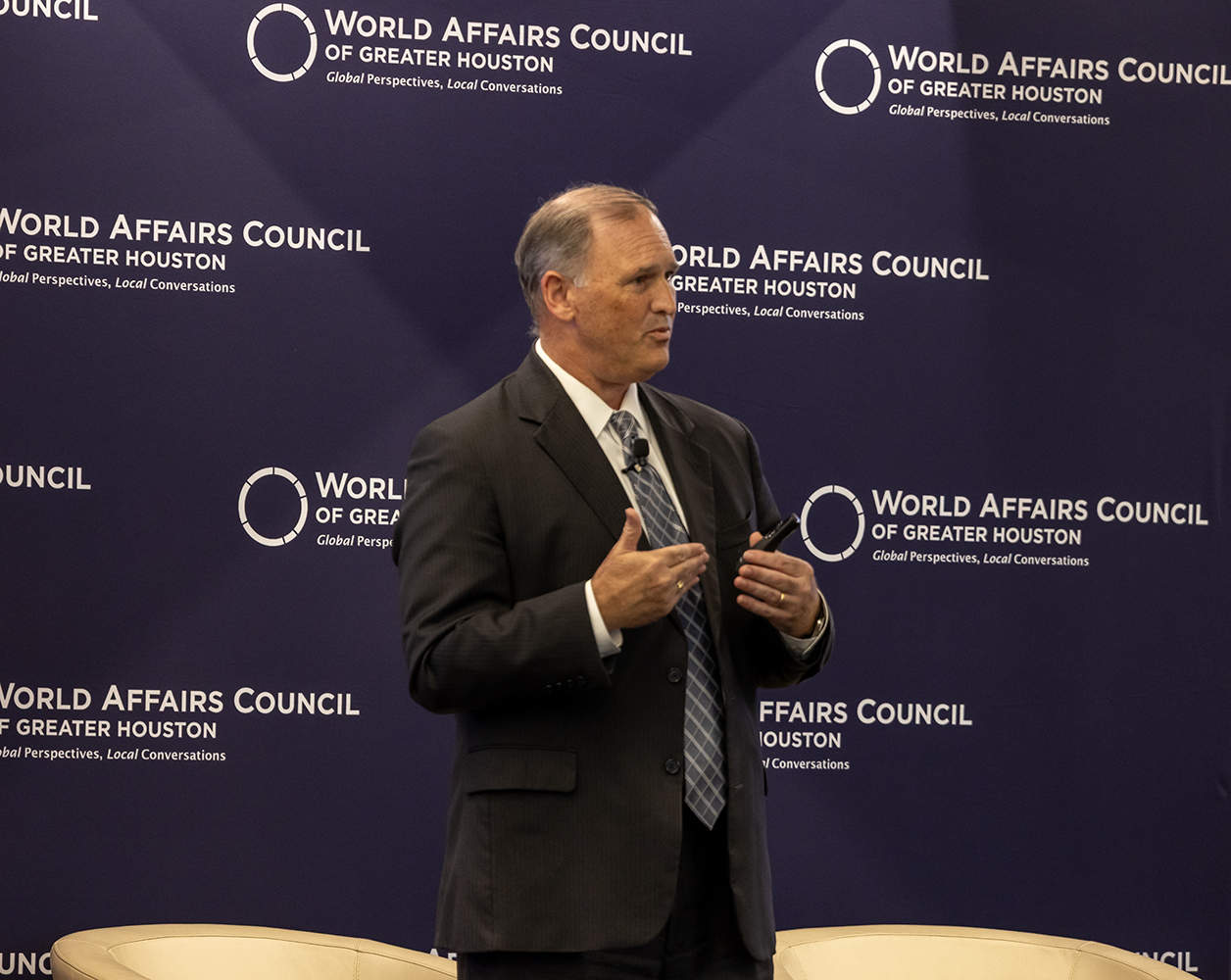
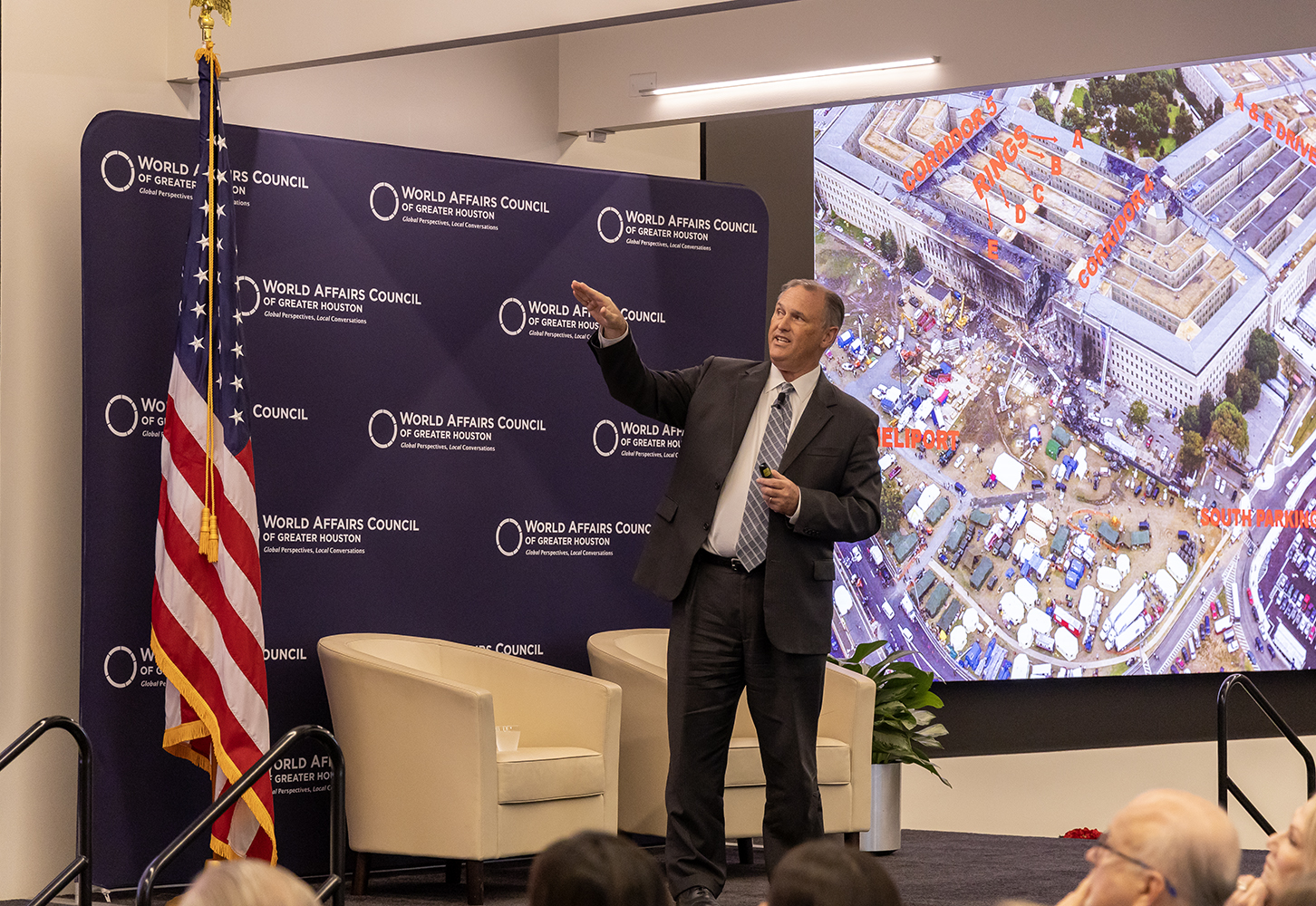
The uncertainty made an already chaotic situation even more difficult to navigate. At the time, Christopher and his colleagues did not know how many planes had been hijacked or what the attackers intended to do next. When they learned that United Airlines Flight 93 had also been hijacked, their greatest fear was that the plane could be headed toward the Capitol, where Congress was in session. The actions of the passengers aboard Flight 93 ultimately prevented that fear from becoming a reality.
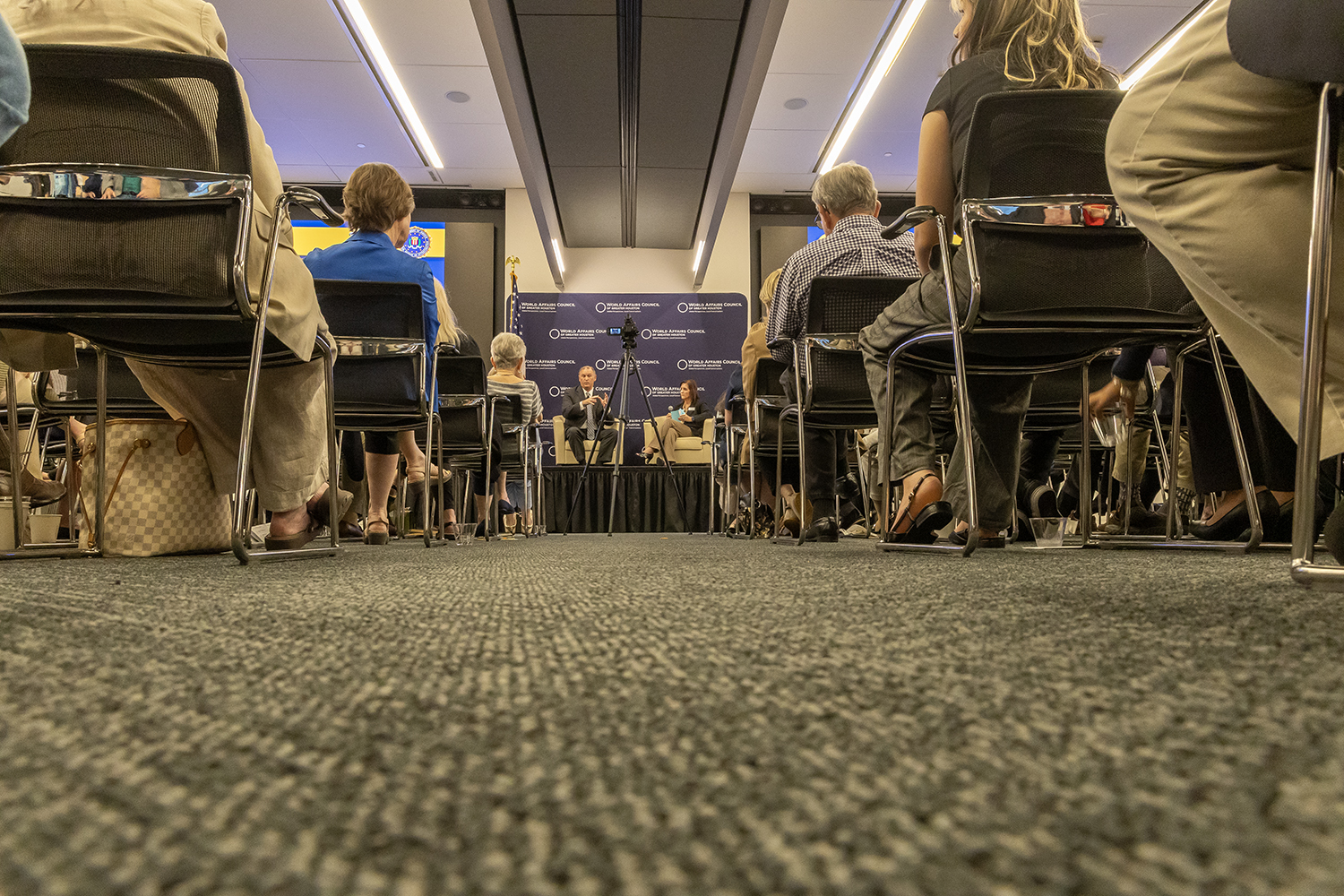
As the situation began to unfold and authorities gained a clearer picture of the attacks, Christopher emphasized the importance of gathering as much evidence as possible. Once everyone who could safely escape had done so, investigators turned their attention to preserving the scene and collecting evidence that could help piece together what had happened.
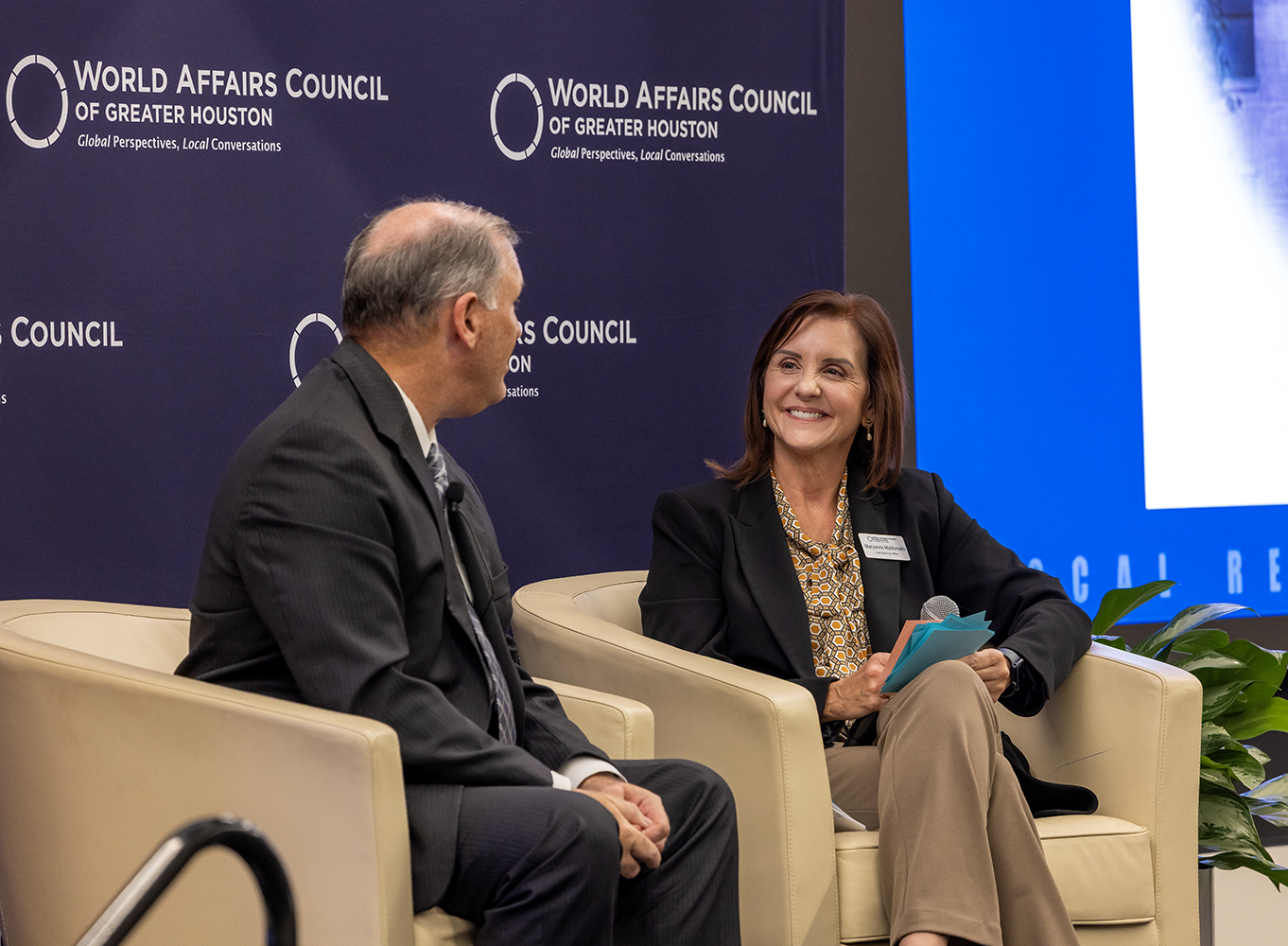
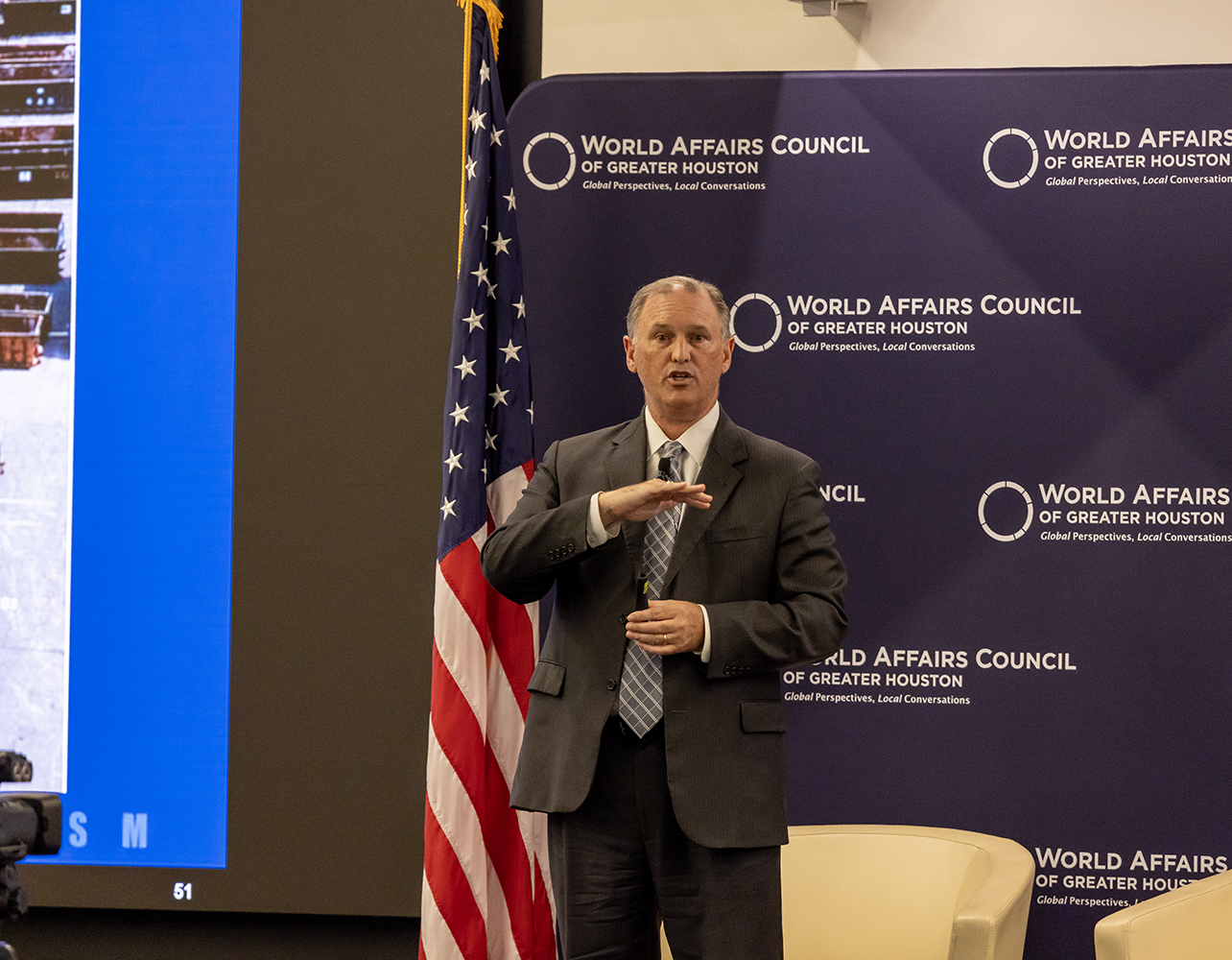
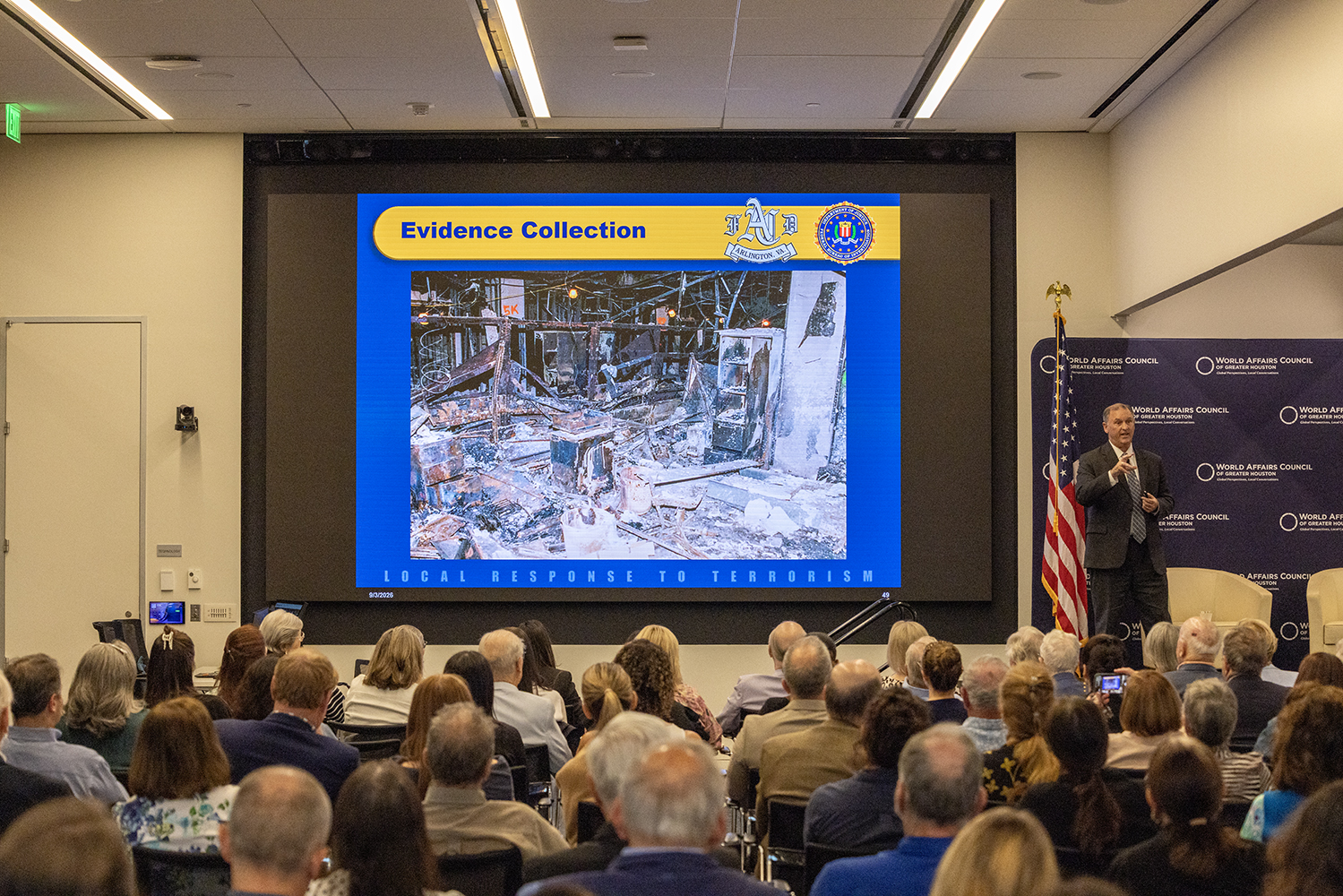
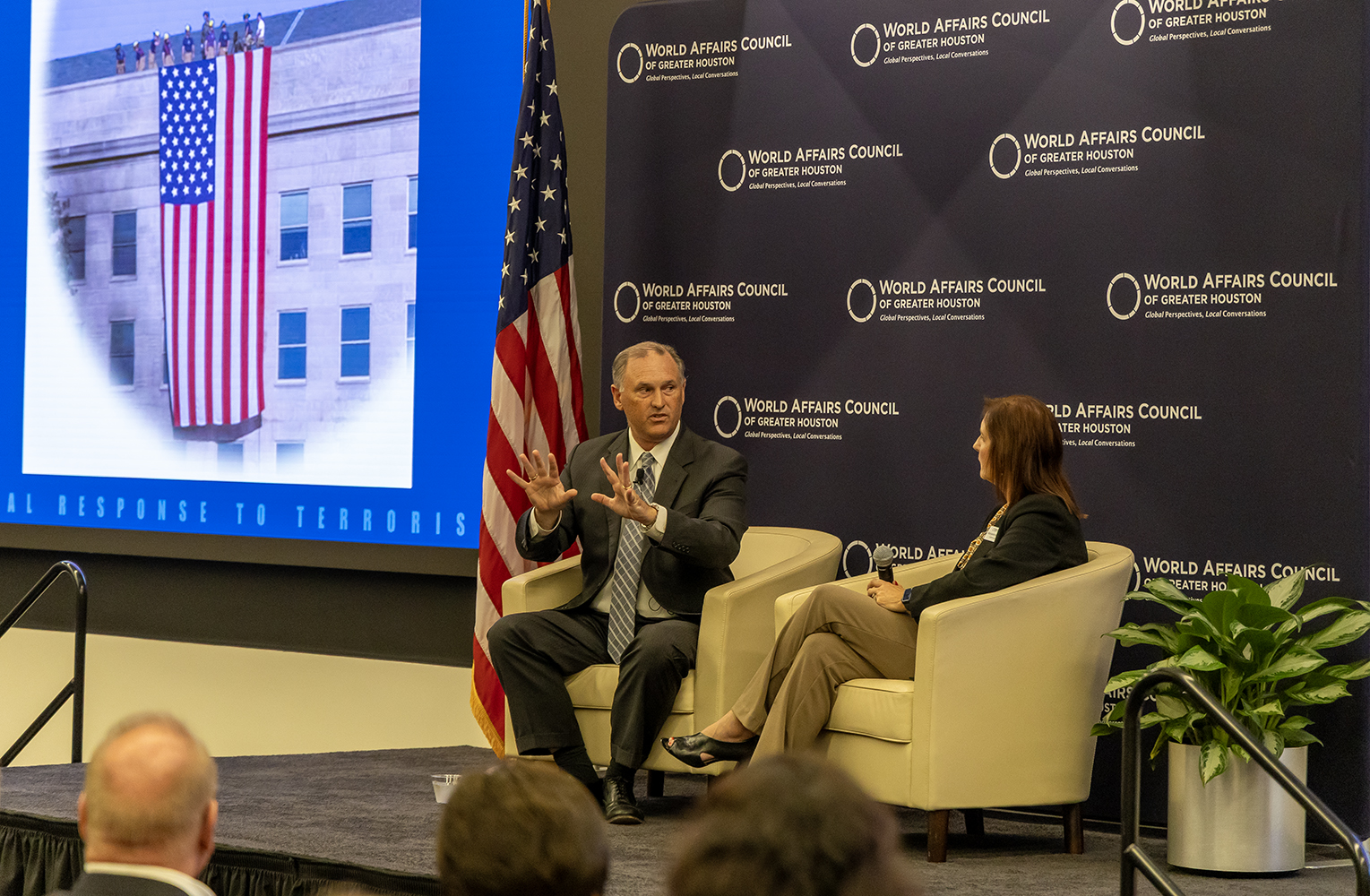
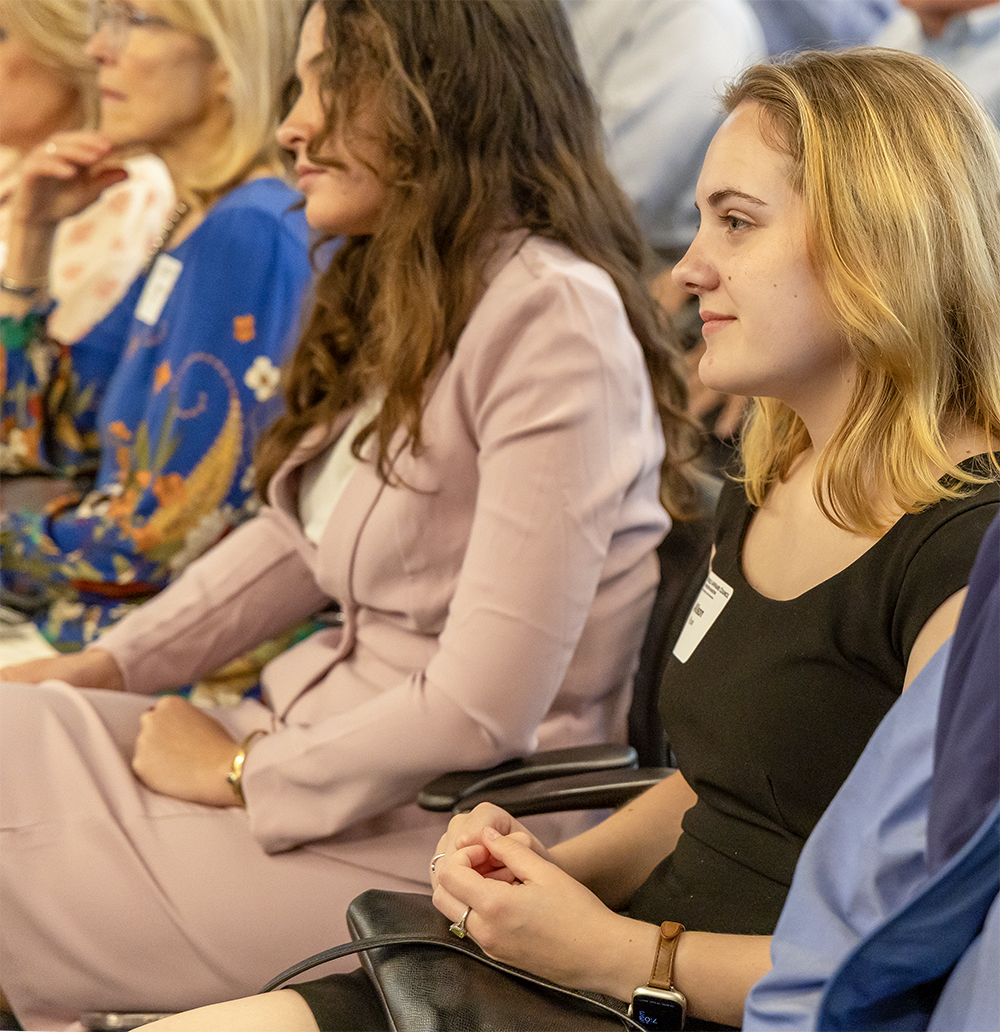
Among the tragedy and uncertainty, Christopher also recalled something more encouraging: the extraordinary teamwork that emerged in the aftermath. He described being inspired by the way thousands of people from the FBI and other government agencies came together with a shared purpose. In a moment defined by fear and confusion, cooperation became one of the most powerful tools available.
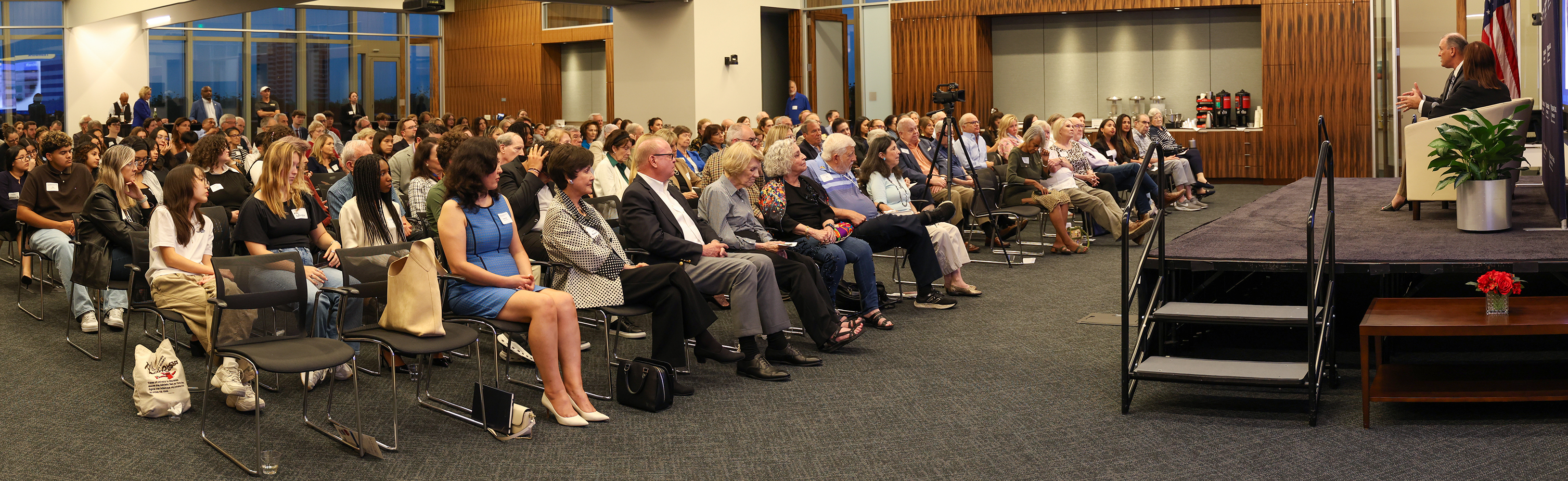
Then he opened the floor to questions from the audience, which allowed Christopher to go more in-depth about how much counterterrorism efforts have grown since the attacks. While he stressed that we are not impenetrable, the U.S. has significantly strengthened its ability to identify, monitor, and respond to potential threats. The number of counterintelligence units in the FBI has grown from 2 to 12, and now military branches such as the Air Force are constantly prepared for an attack.
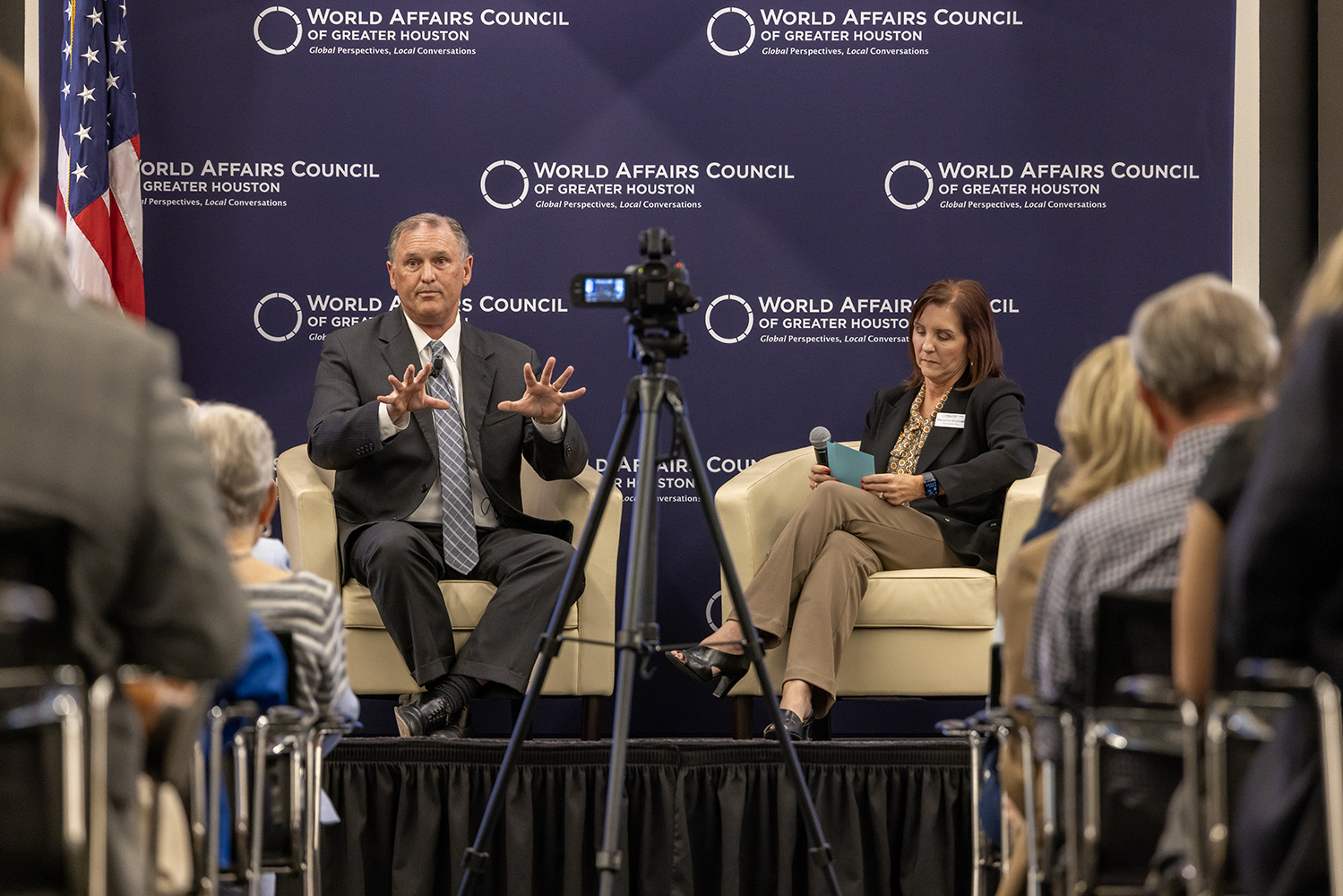
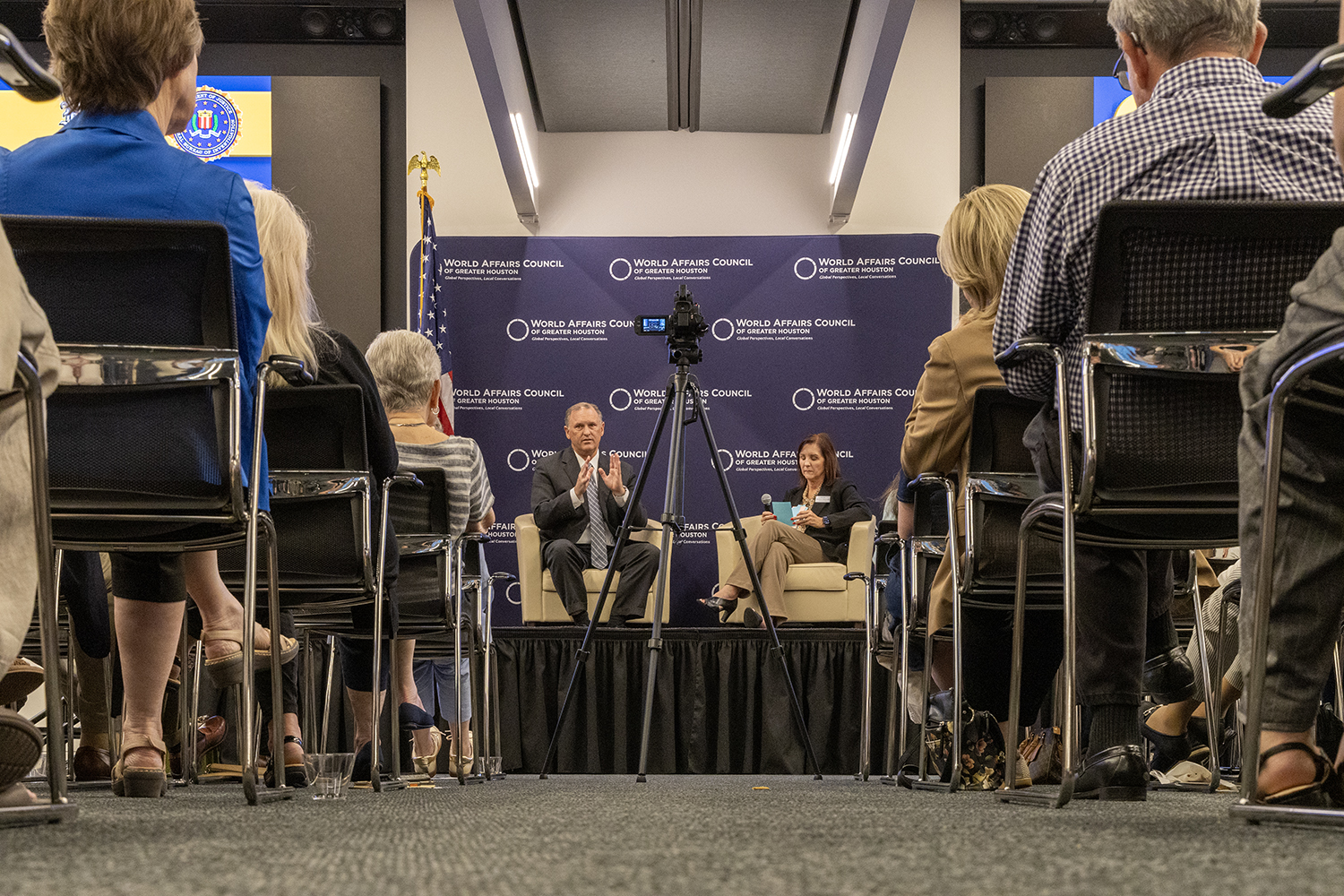
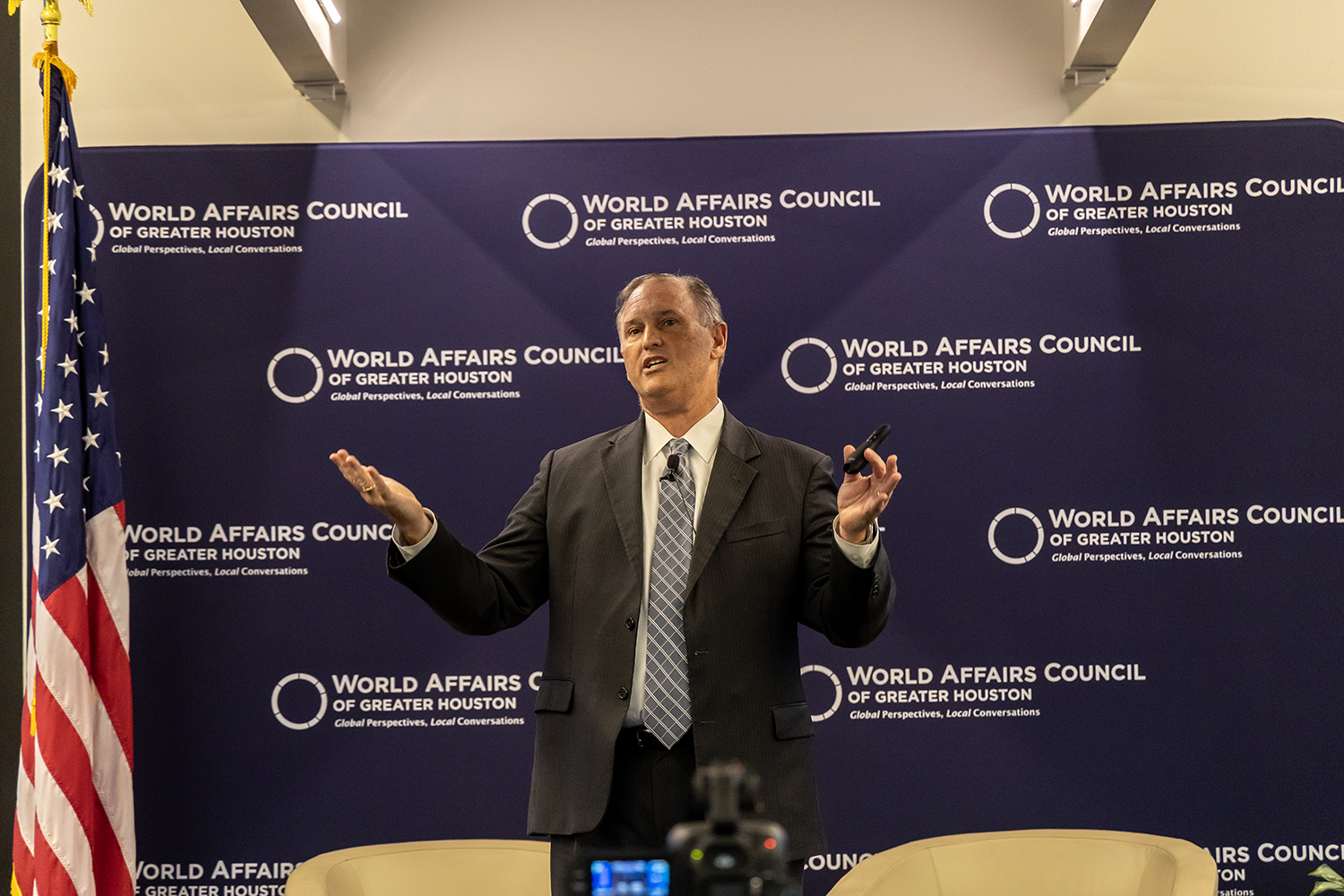
For LEAP students, hearing these events recounted by someone who experienced them firsthand offered a perspective that cannot be captured in a textbook alone. Christopher’s stories not only provided insight into one of the most consequential moments in American history, but also highlighted how the events of September 11 shaped the future of counterterrorism and the work of those tasked with protecting the country.
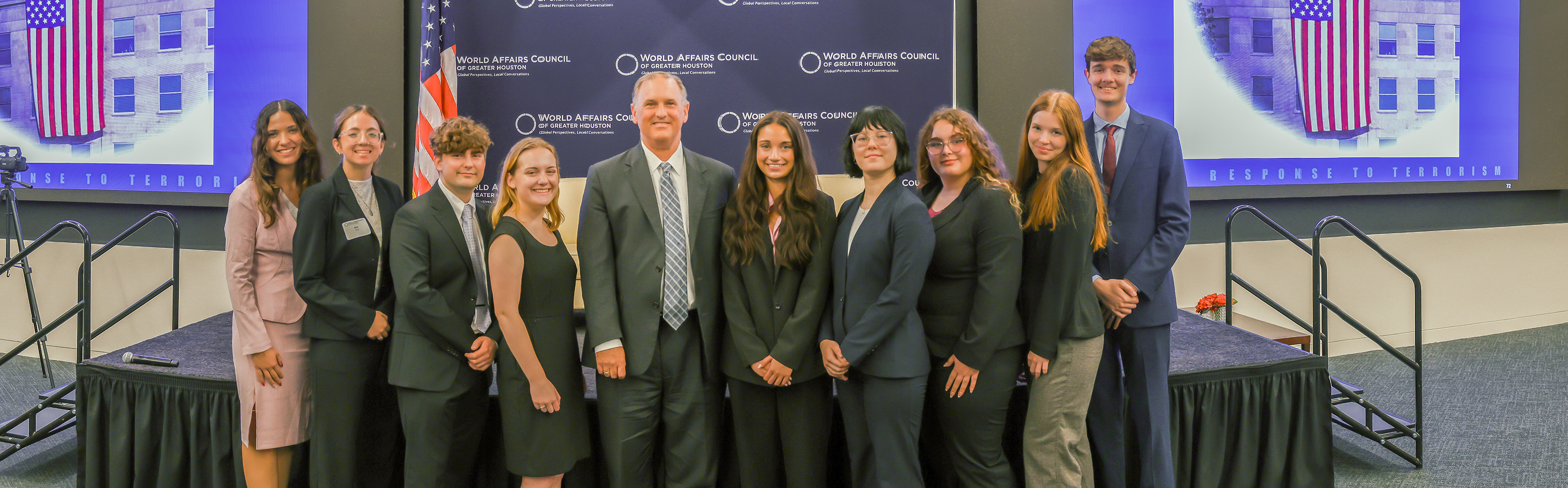
After the event…
…we stopped at J. Alexander’s for some contemporary American food. We tried a wide variety of foods, ranging from Spinach-Artichoke dip, Salmon dip, an Avocado-Tuna dip, a burger, crab cakes, steak, and a couple of salads.
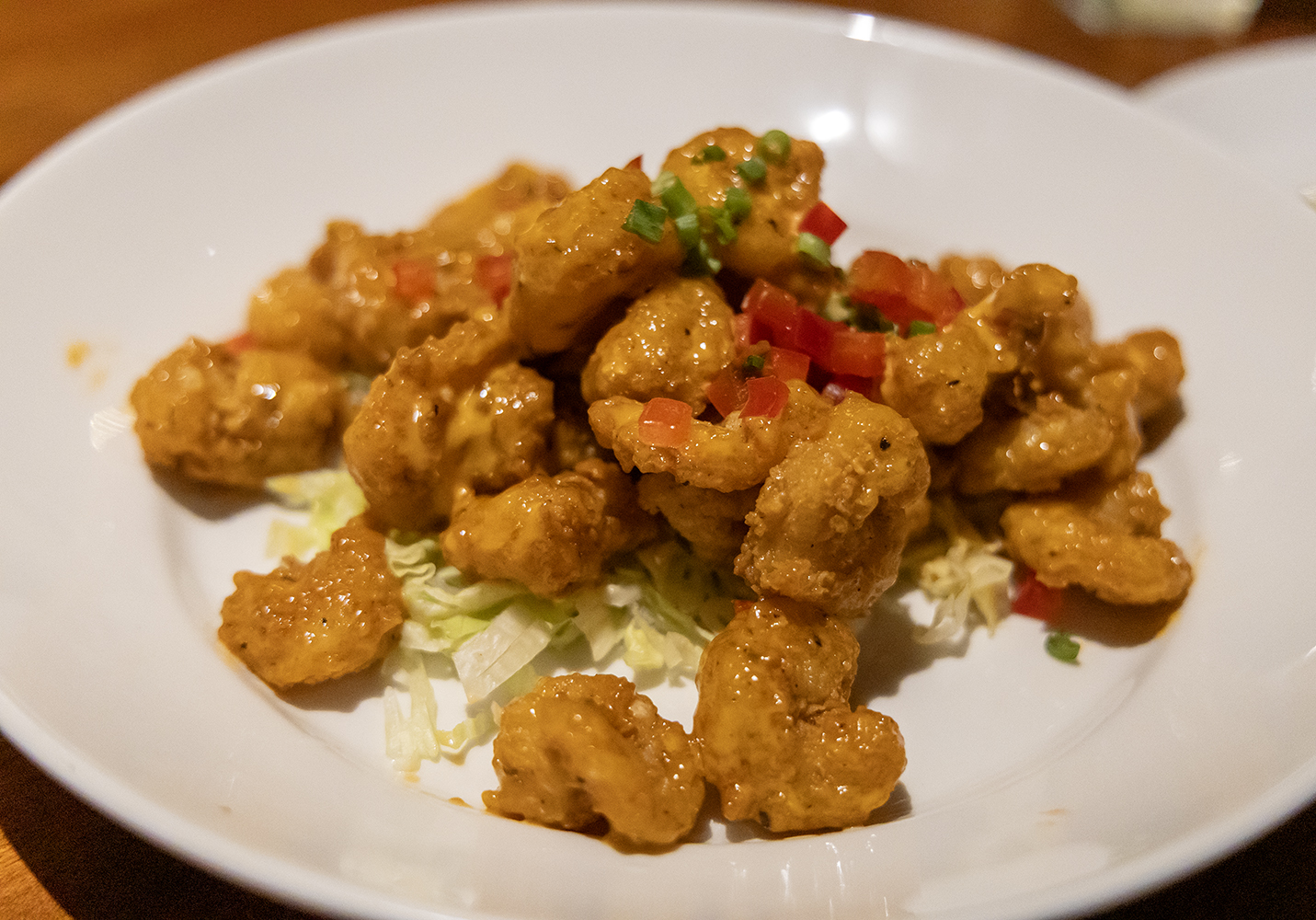
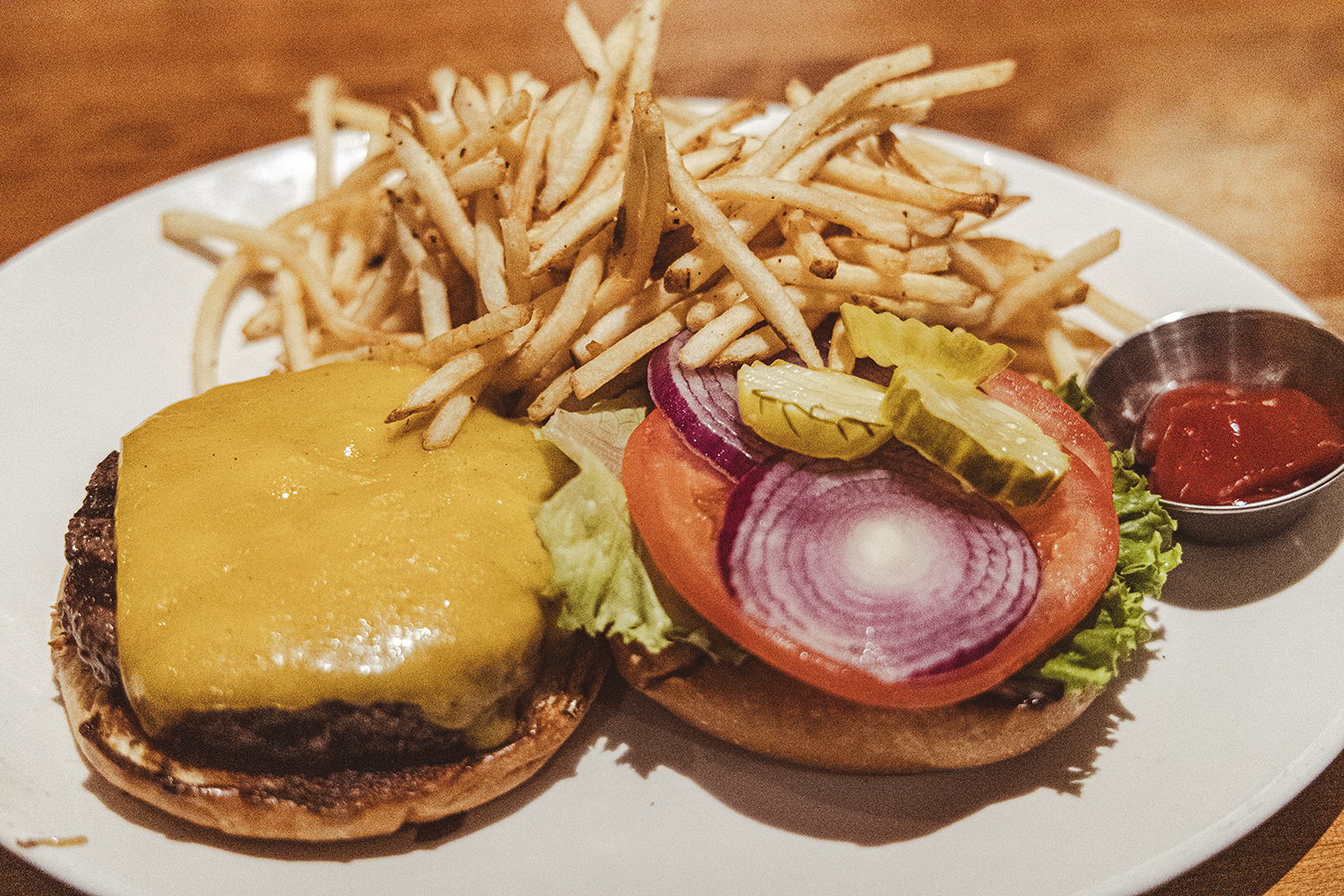

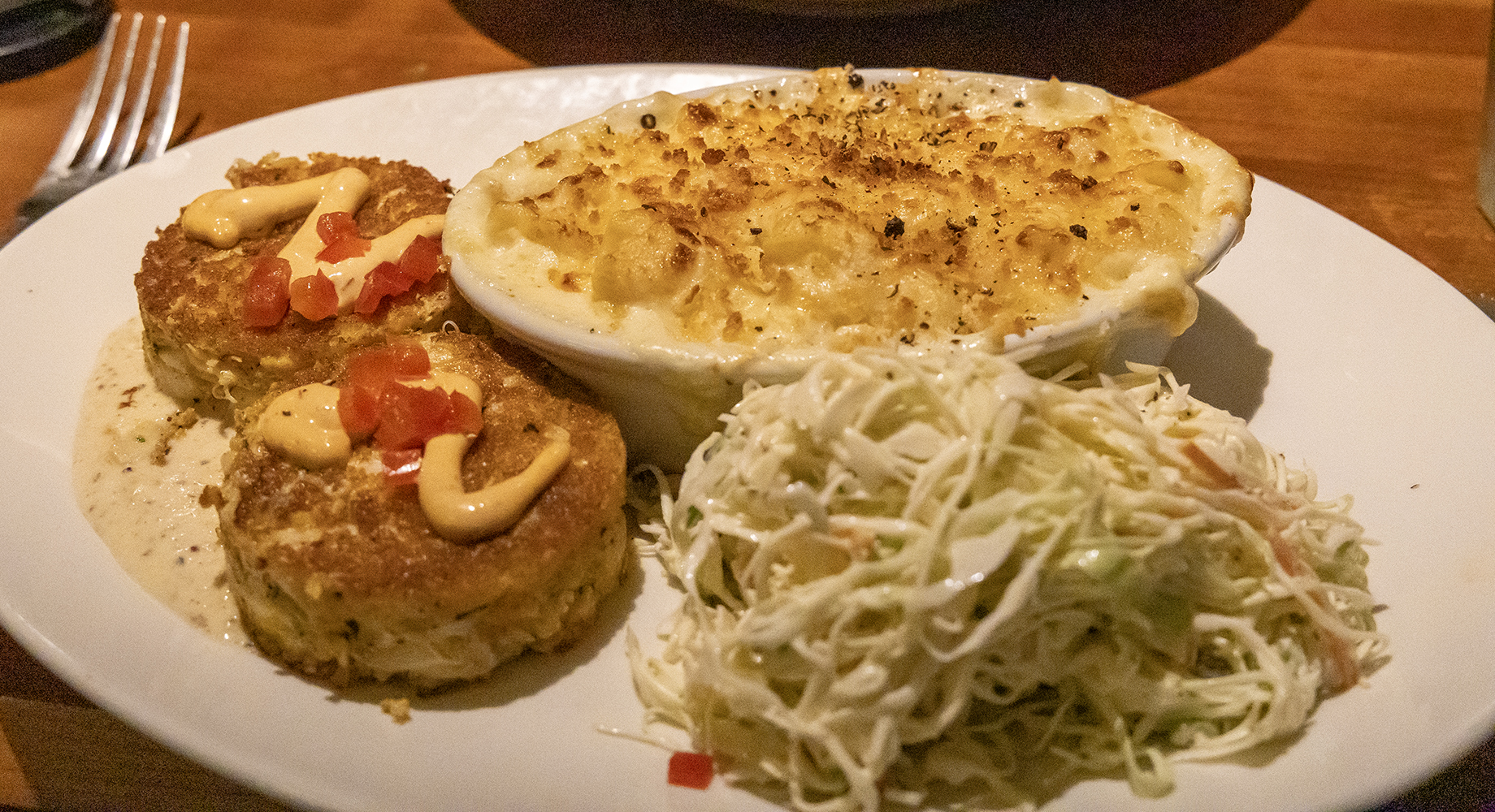
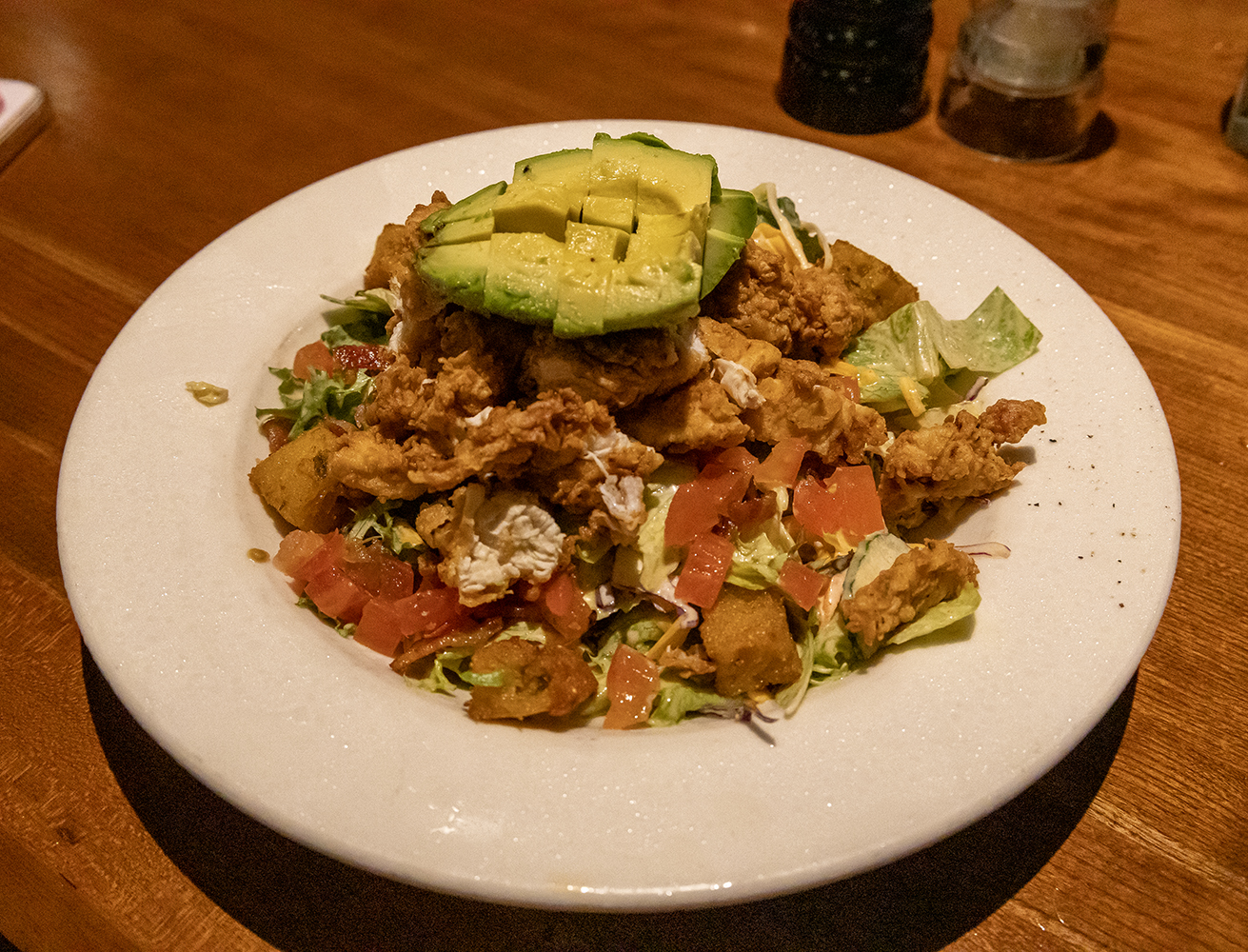
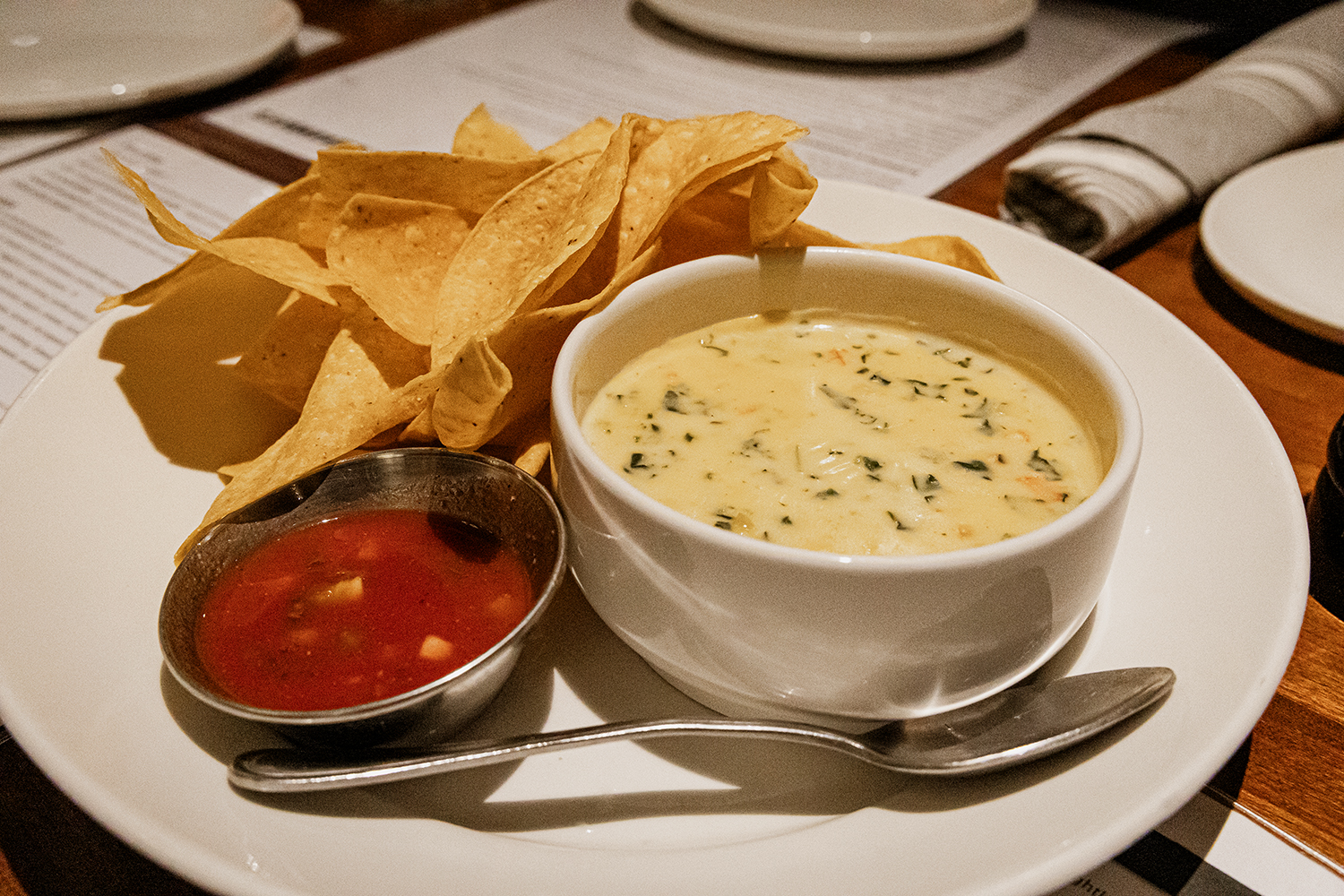
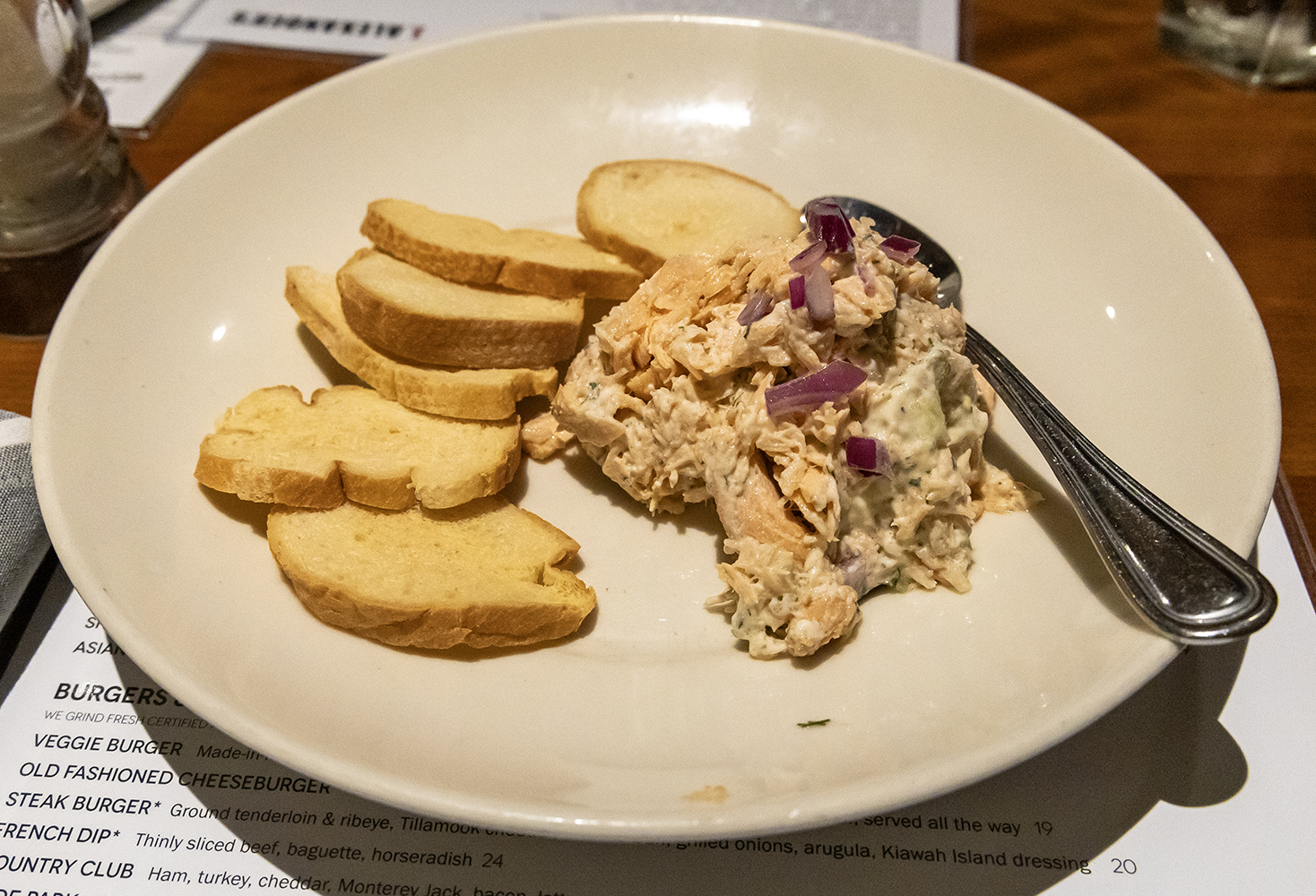
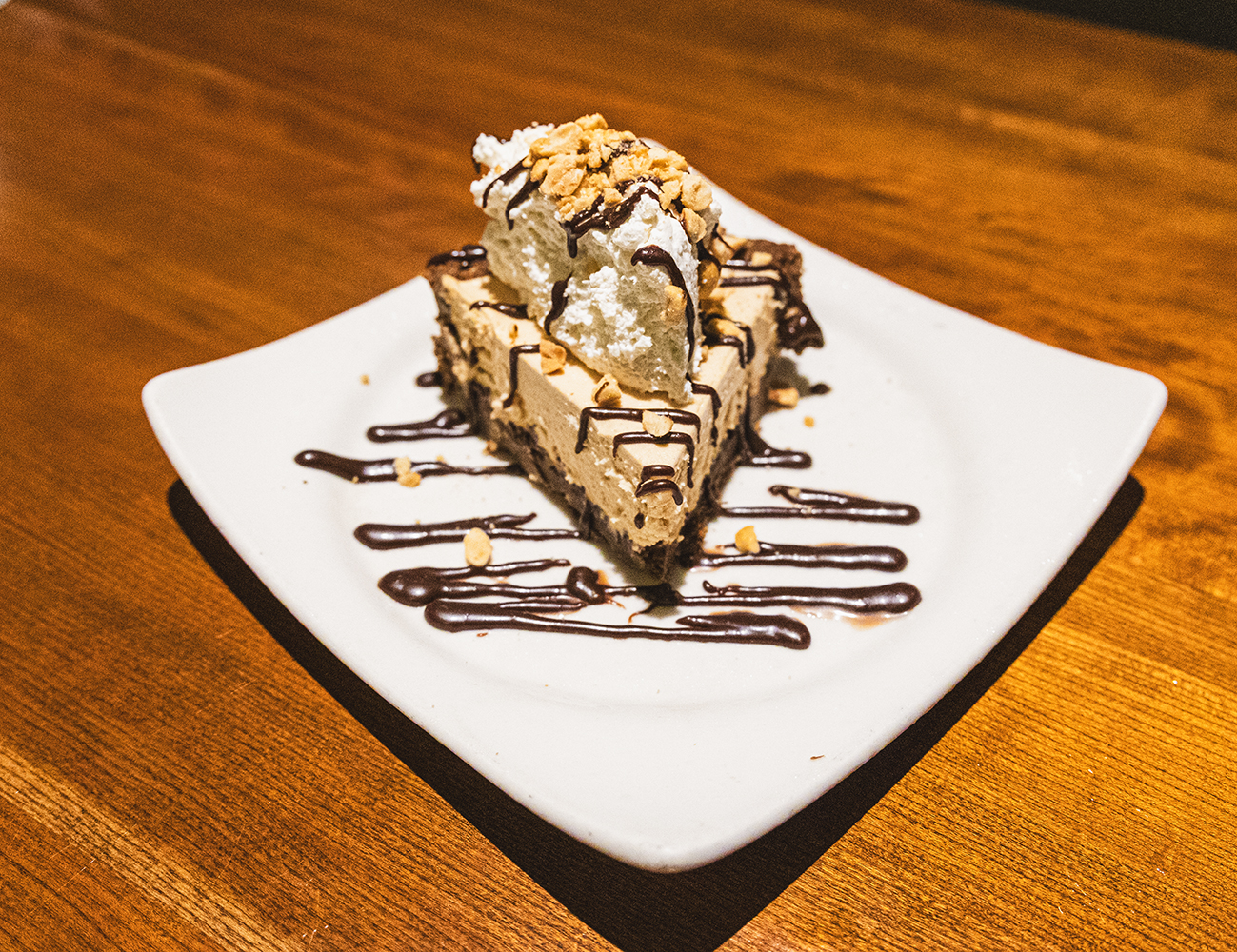
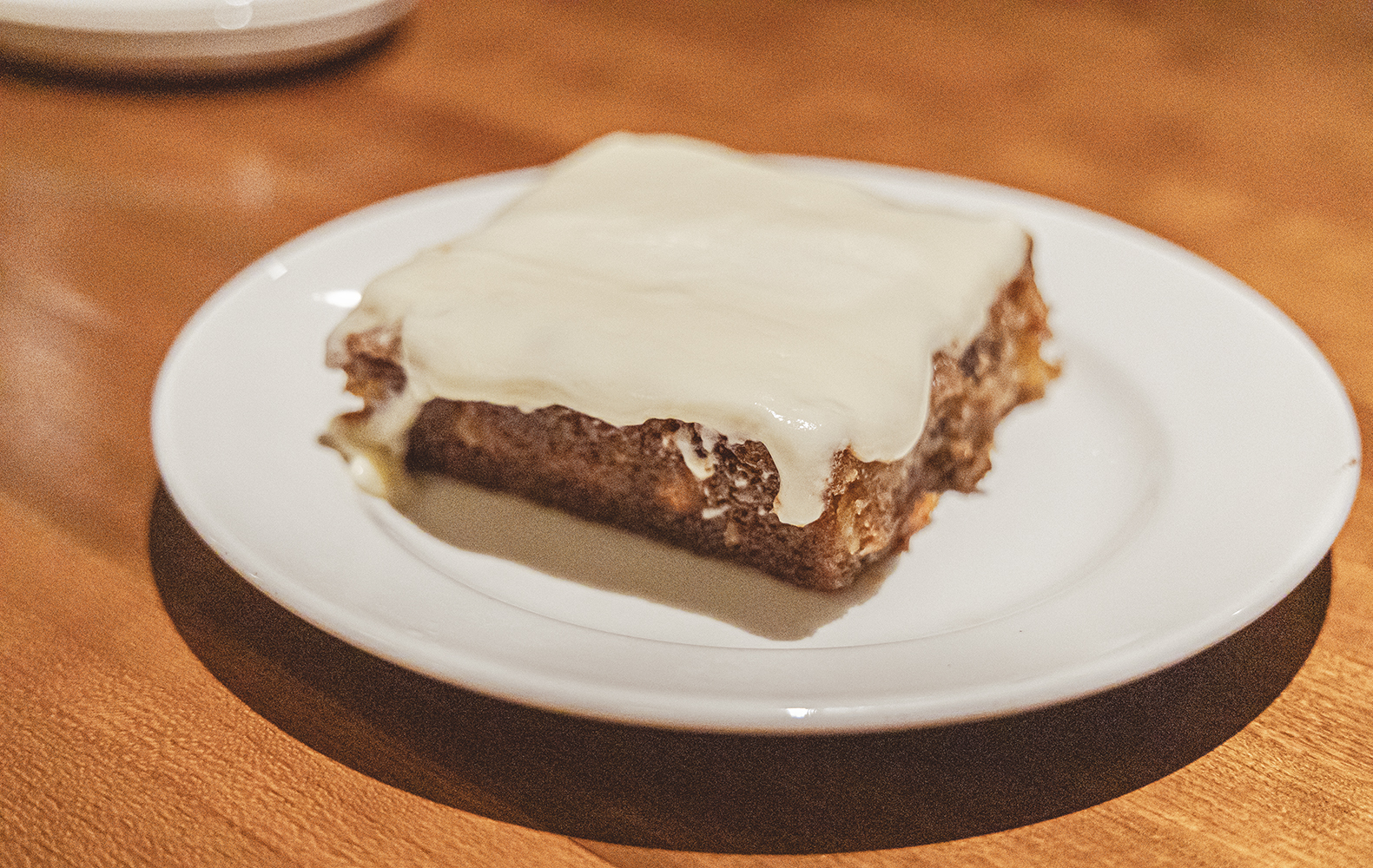
For dessert, we tried a peanut butter pie, carrott cake, and black forest cake. The food was all excellent, and the standouts (we actually voted!) were the avocado tuna dip and the carrot cake.
It was also a great opportunity to catch up with some newcomers to WAC events, specifically Ryan Snow and Victoria Reich, both of whom are doing Moot Court, which also involves 9-11 and its aftermath.
Overall, LEAP students found this to be a night to remember and appreciate how far America has come.