
People often ask, “What does the Center for Law, Engagement, And Politics do?” While it might be obvious that many of the topics we cover involve Law and Politics, it’s the broad understanding of “Engagement” that is a bit more complex.
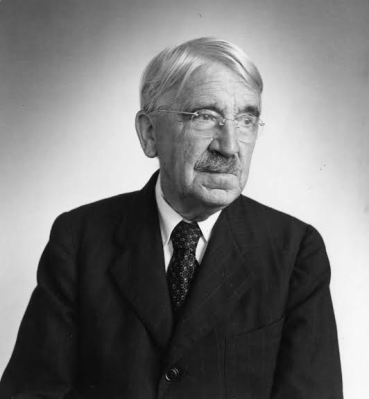
The LEAP Center adopts the expansive view, promulgated most effectively by John Dewey, that people learn best through engaged and holistic learning.
This involves a multi-disciplinary approach, including both interactive in-class learning and experiential education outside the classroom.
Thus, for a person to truly learn a topic they must learn many topics. Learning policing, for example, would involve studying management, psychology, criminology, sociology, organizational behavior, political science, public administration, and philosophy. To gain an even more thorough understanding, education, the arts, music, and literature would also be studied.
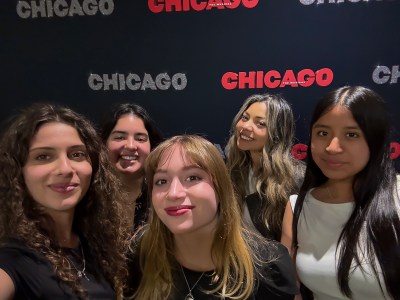
And so it is that the LEAP Center, while focusing on law and politics, takes learning opportunities as they come, in and out of the classroom. And inevitably, that will involve many different disciplines, even in a single activity.
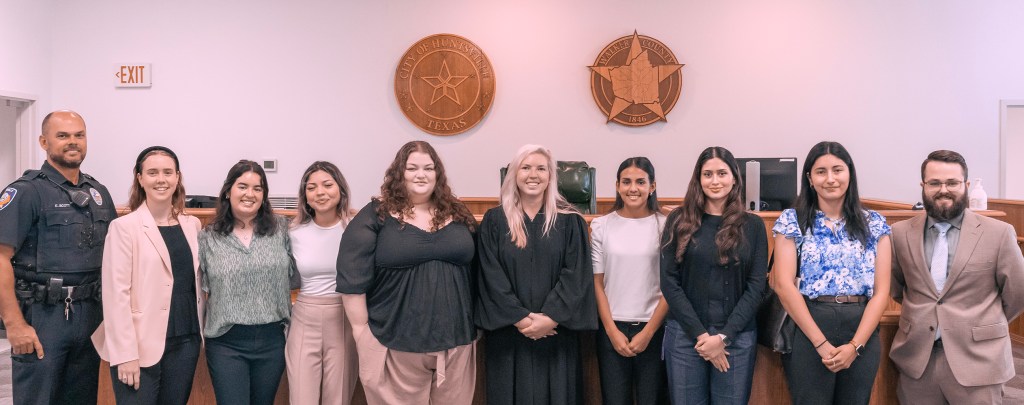
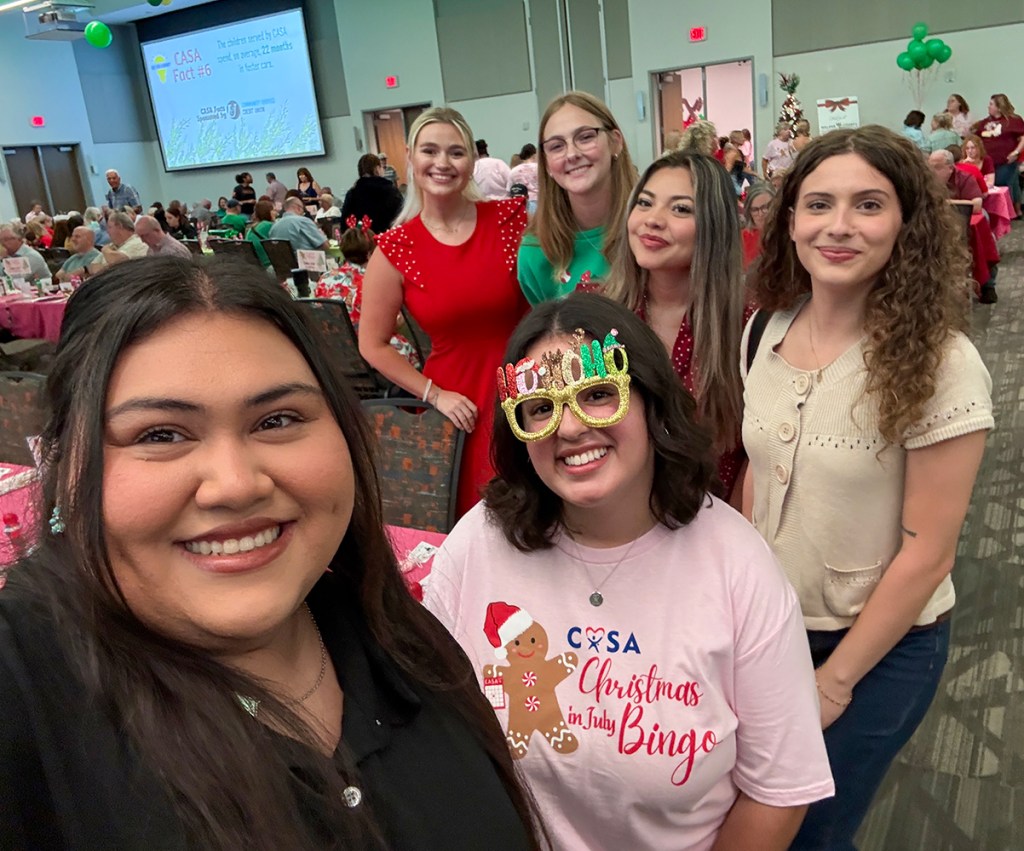
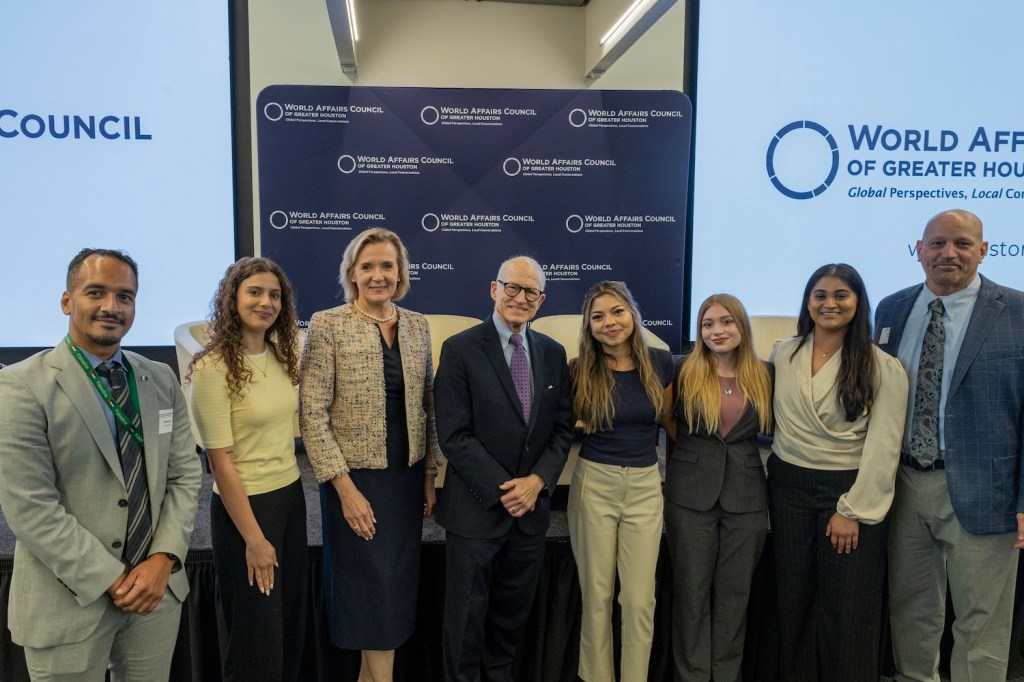
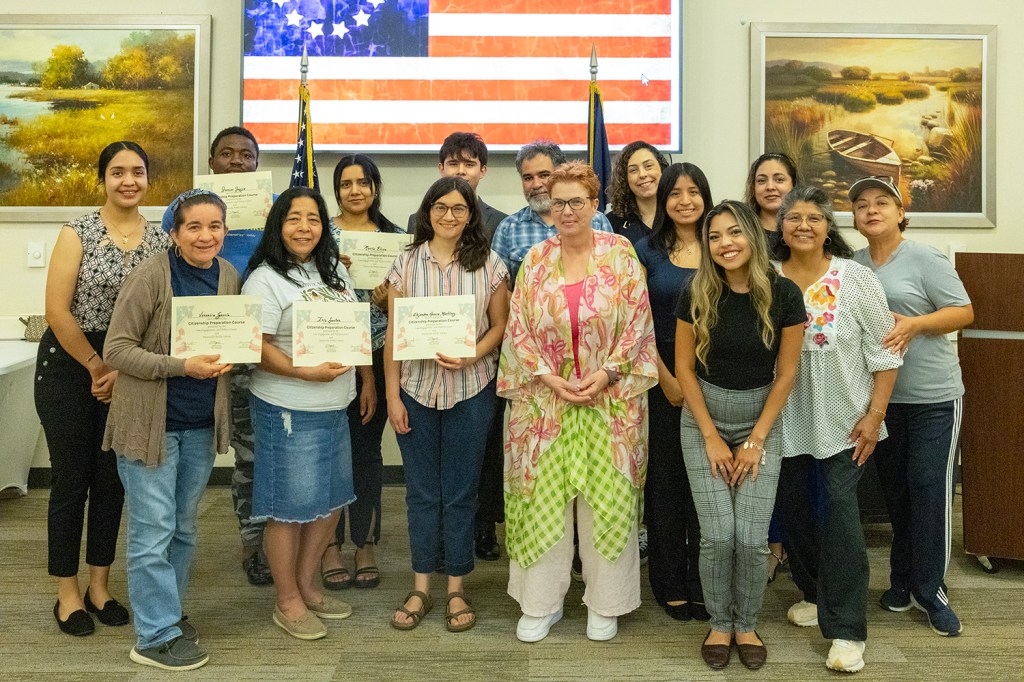
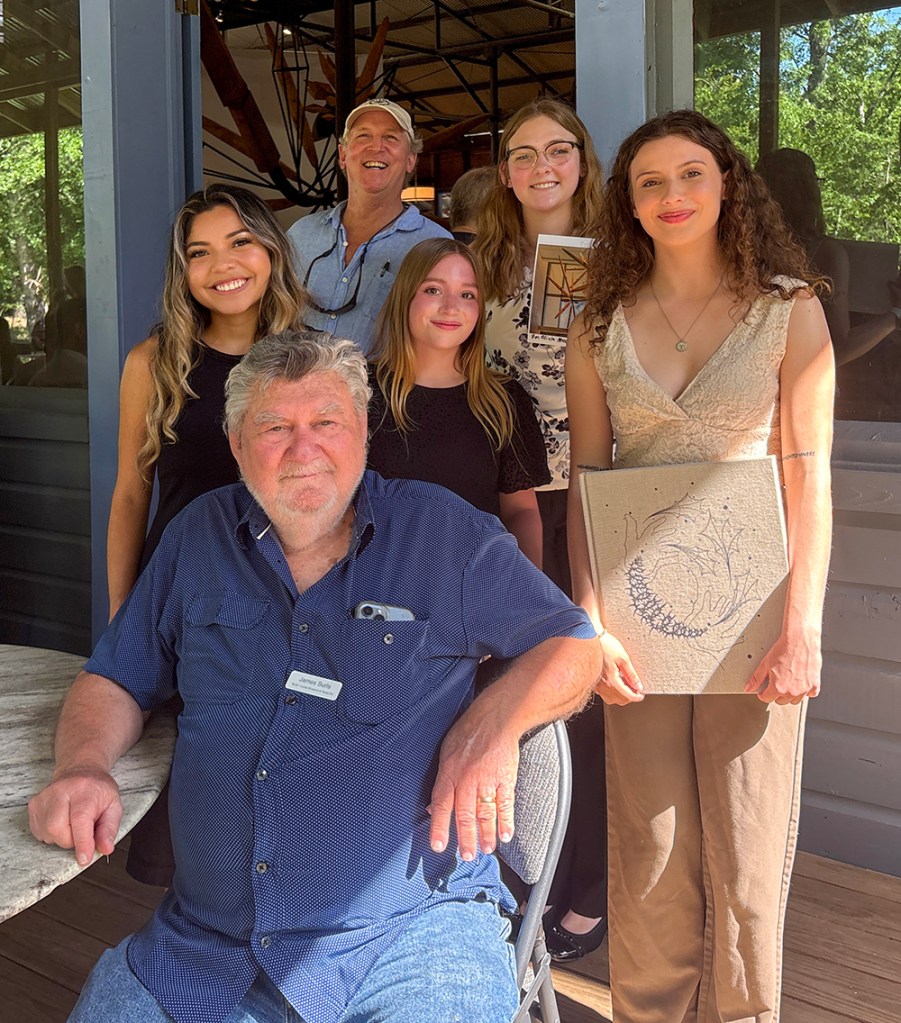
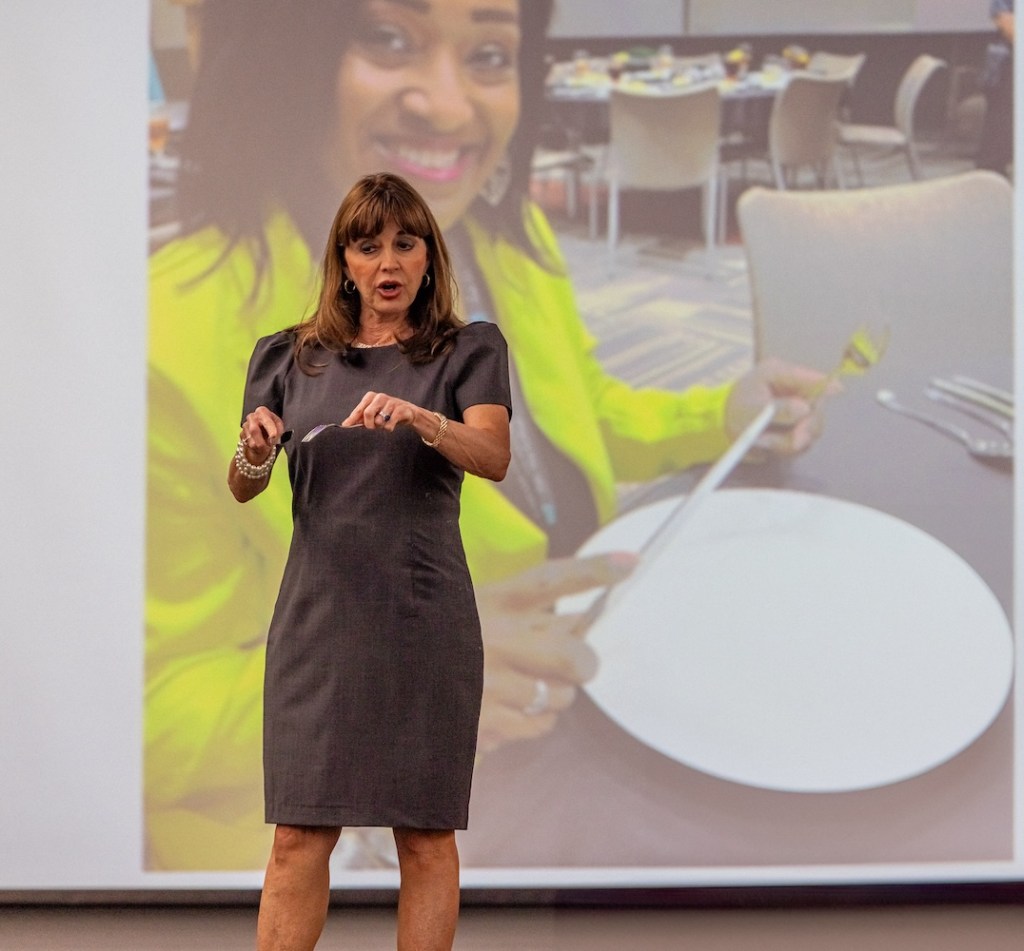
In any given month, LEAP students will, of course, attend classes, perhaps while working an internship, but they are also likely to attend a play, host a speaker on campus, do volunteer work in the community, participate in a World Affairs Council event involving international affairs, tour a government agency, and visit an art museum. As they do so, they will learn about many topics, but they will also make connections among all the topics, and in so doing, they will become more educated—and, potentially, better citizens. Indeed, the LEAP Center’s mission is much the same as a Civic Institute.


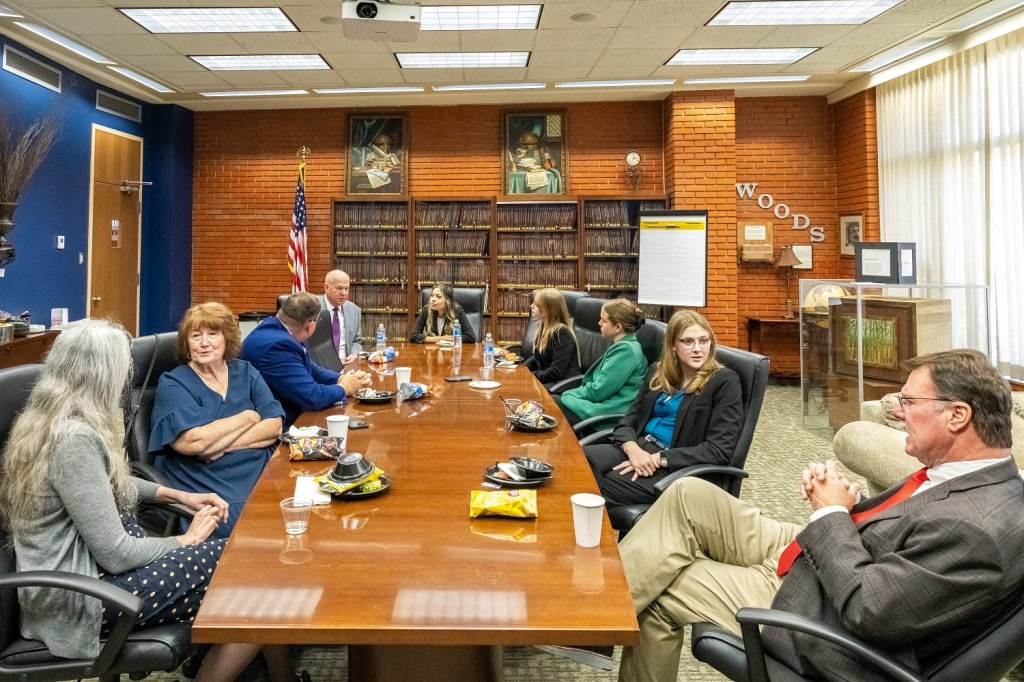
This philosophy comes to life, however, when it is put into action—a topic for our next blog!
 Center for Law, Engagement, and Politics