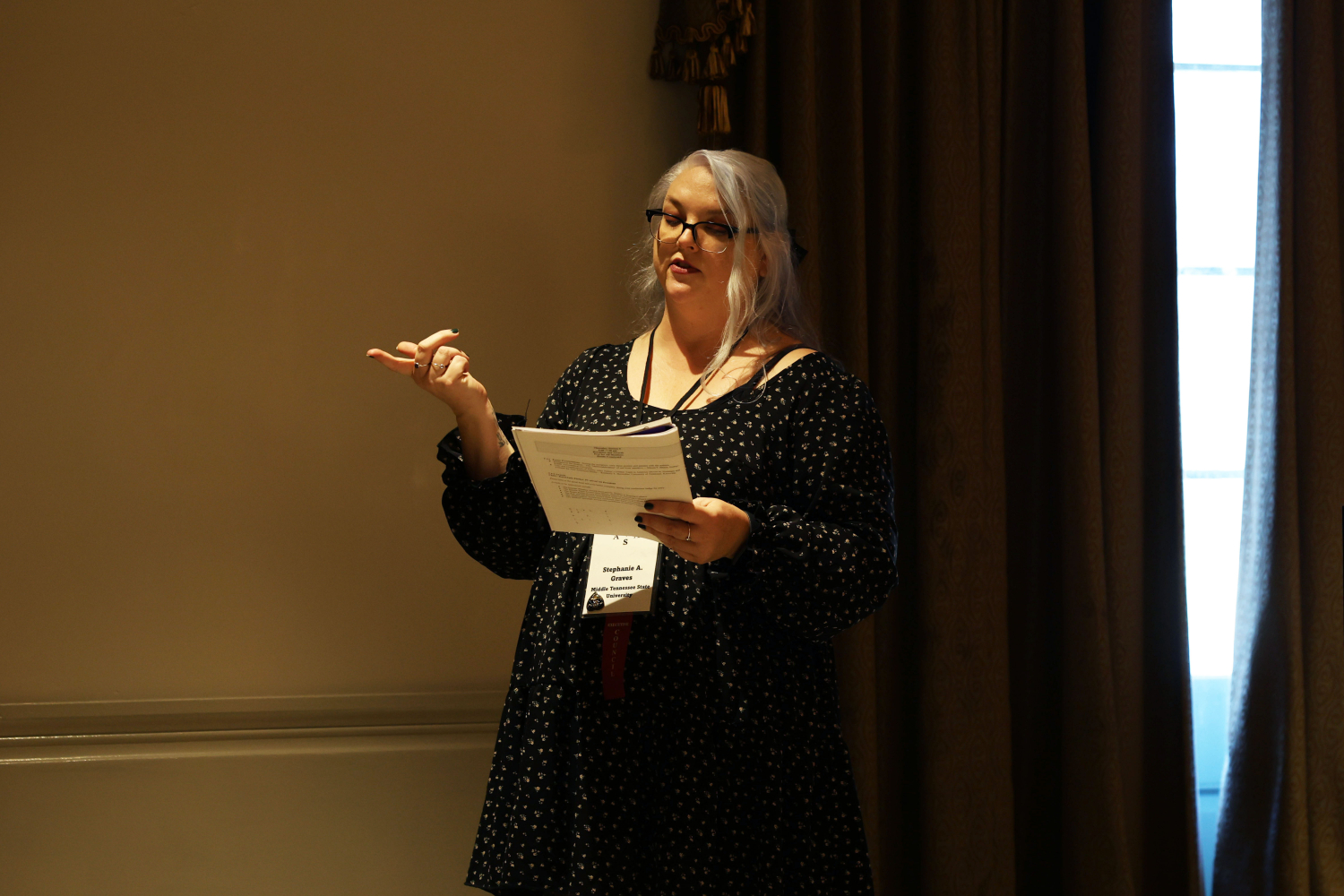
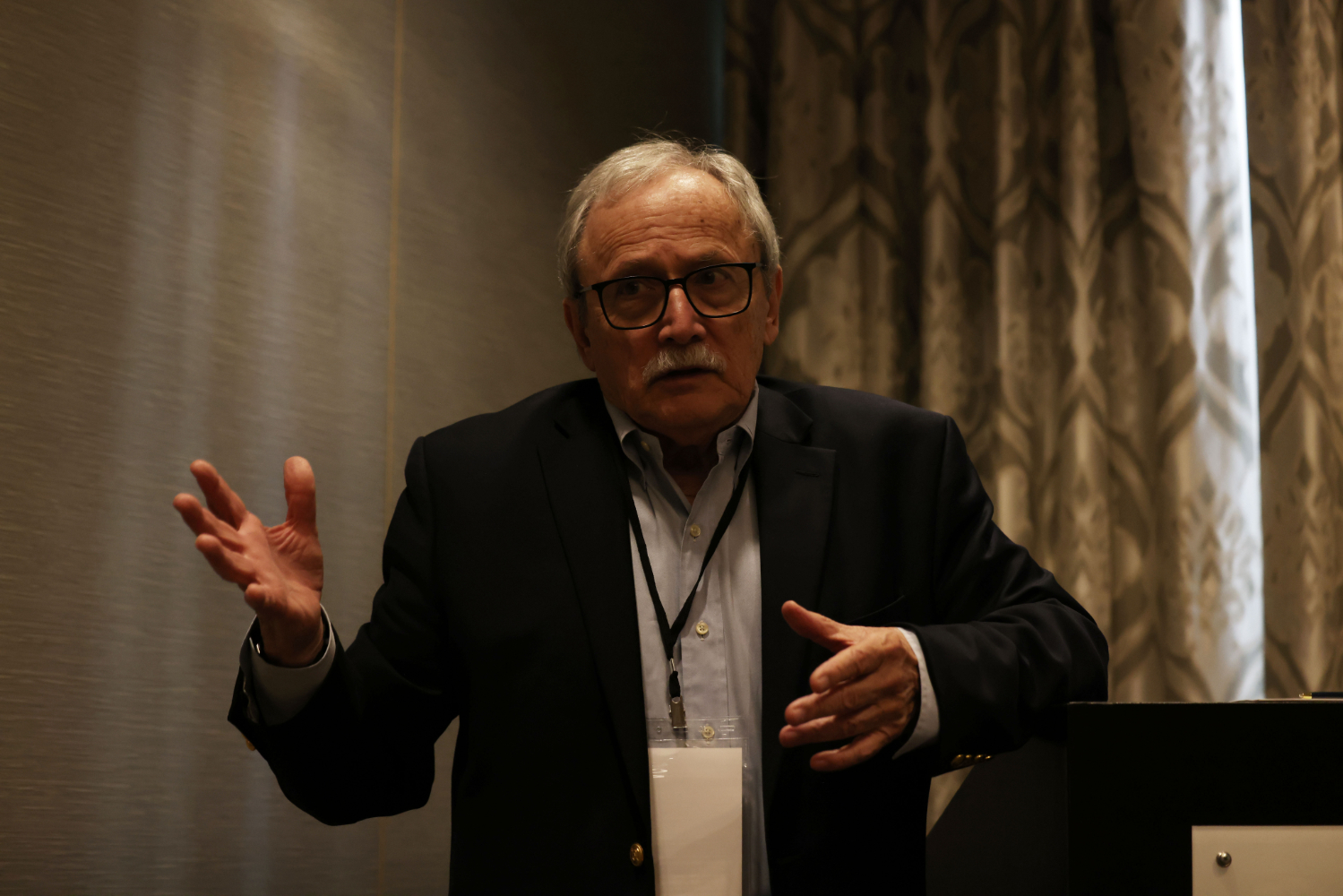
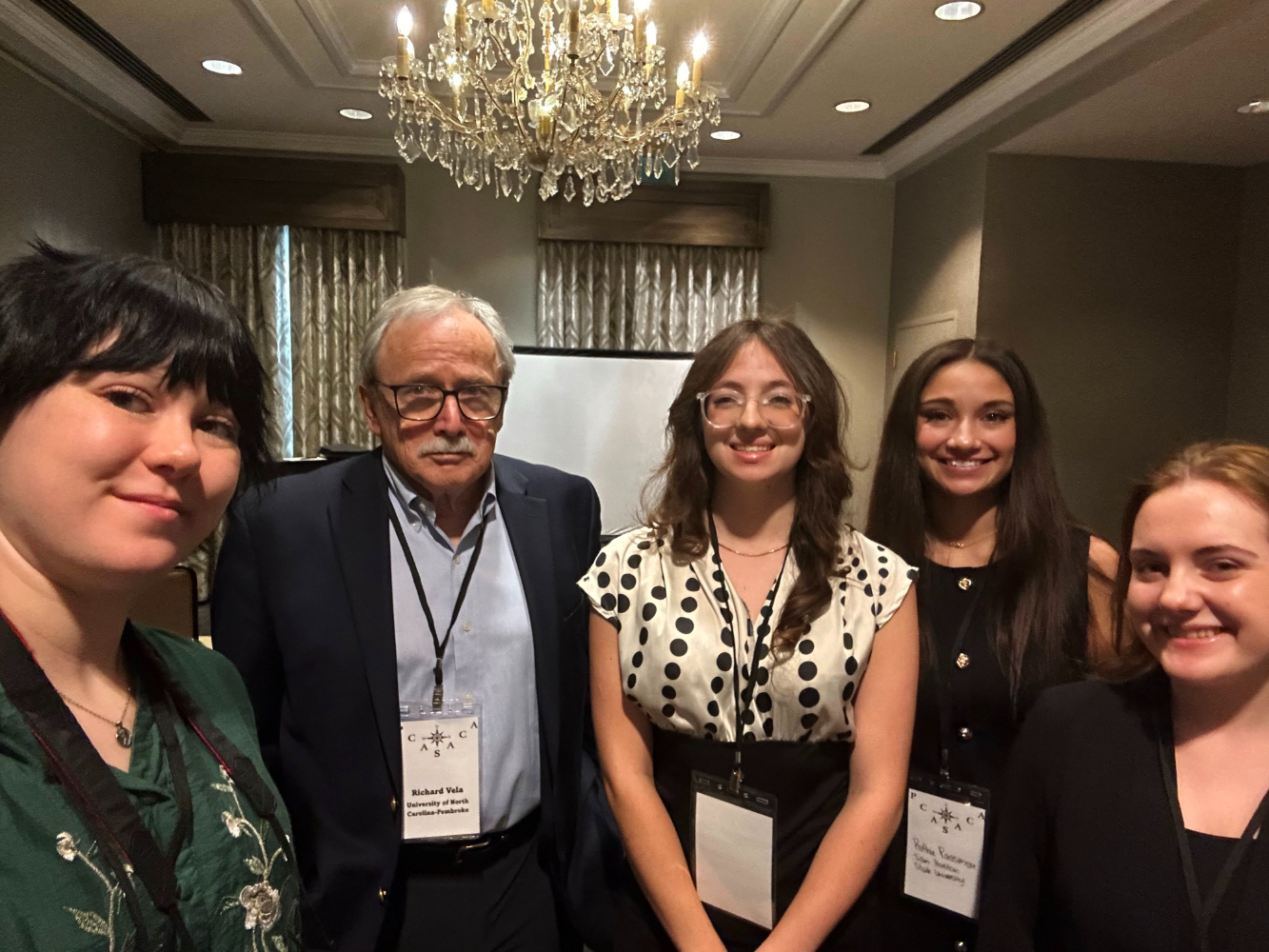
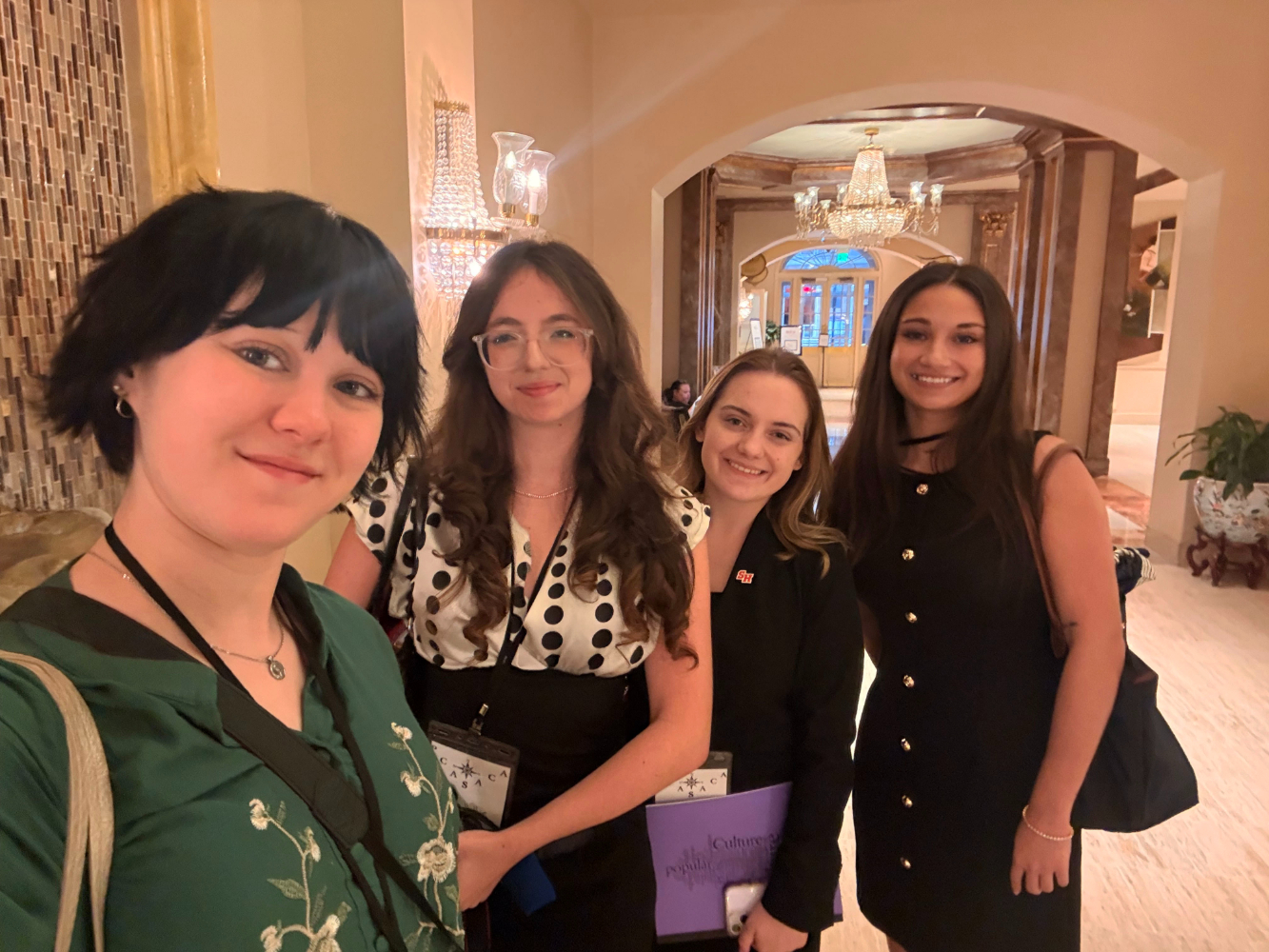
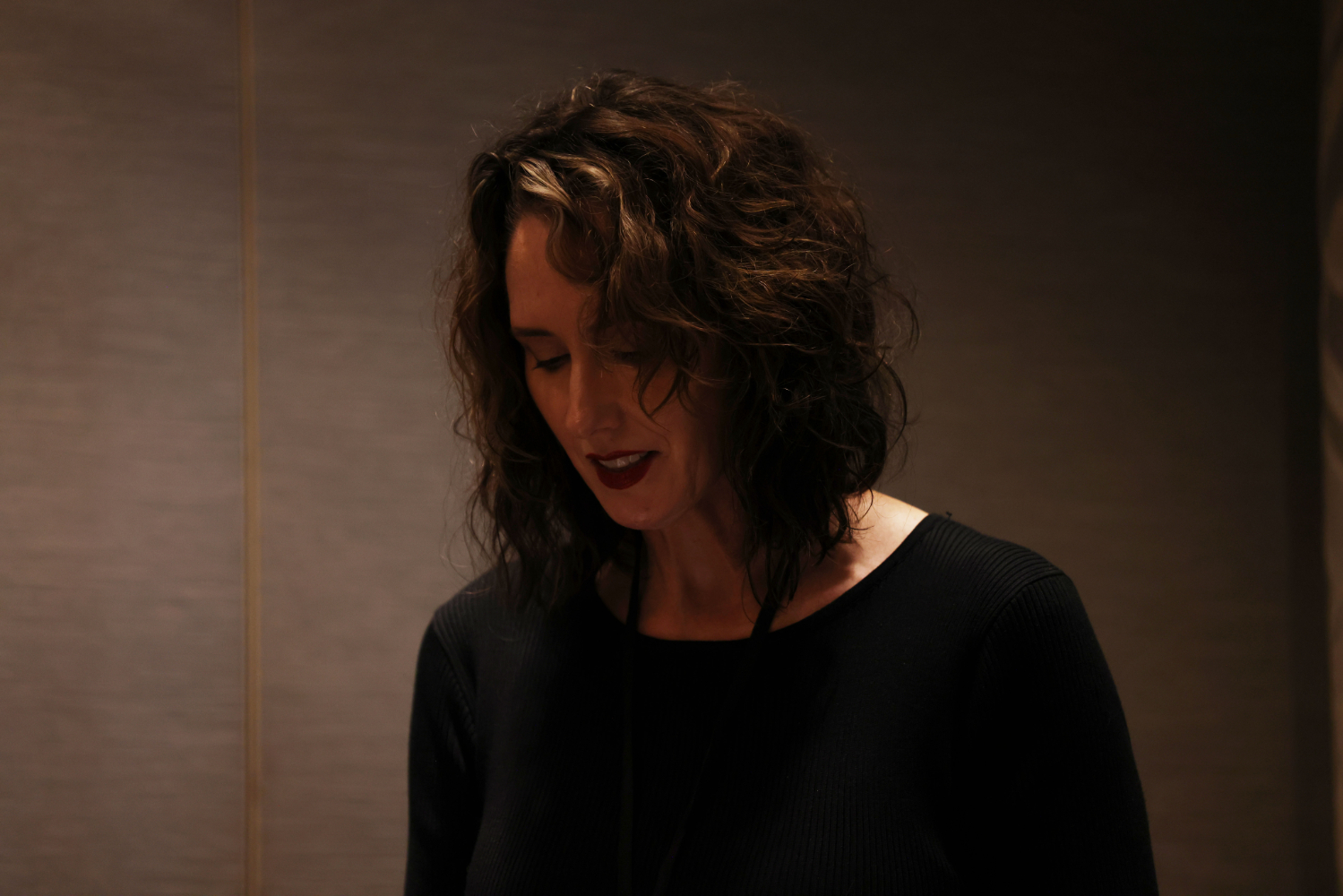
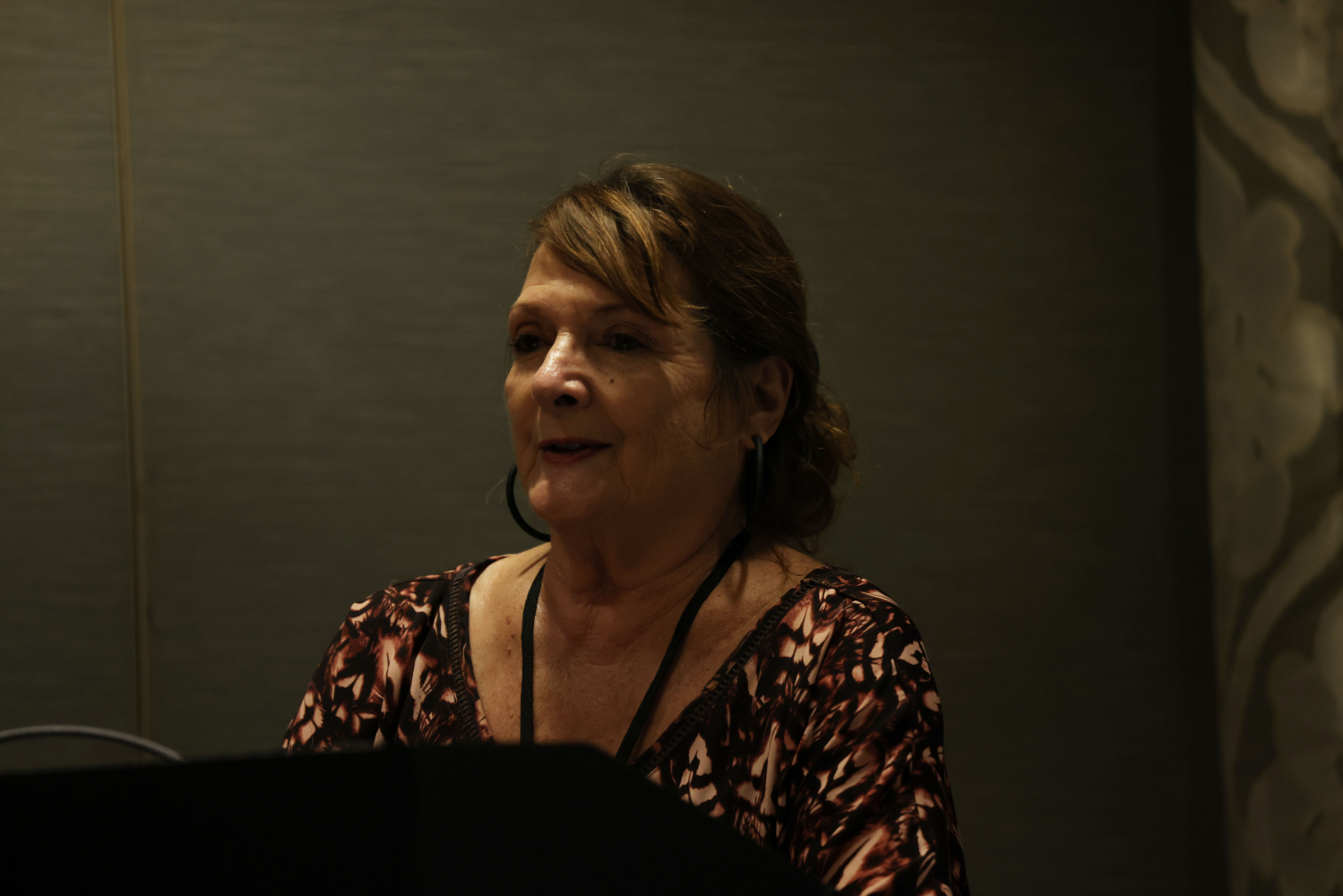
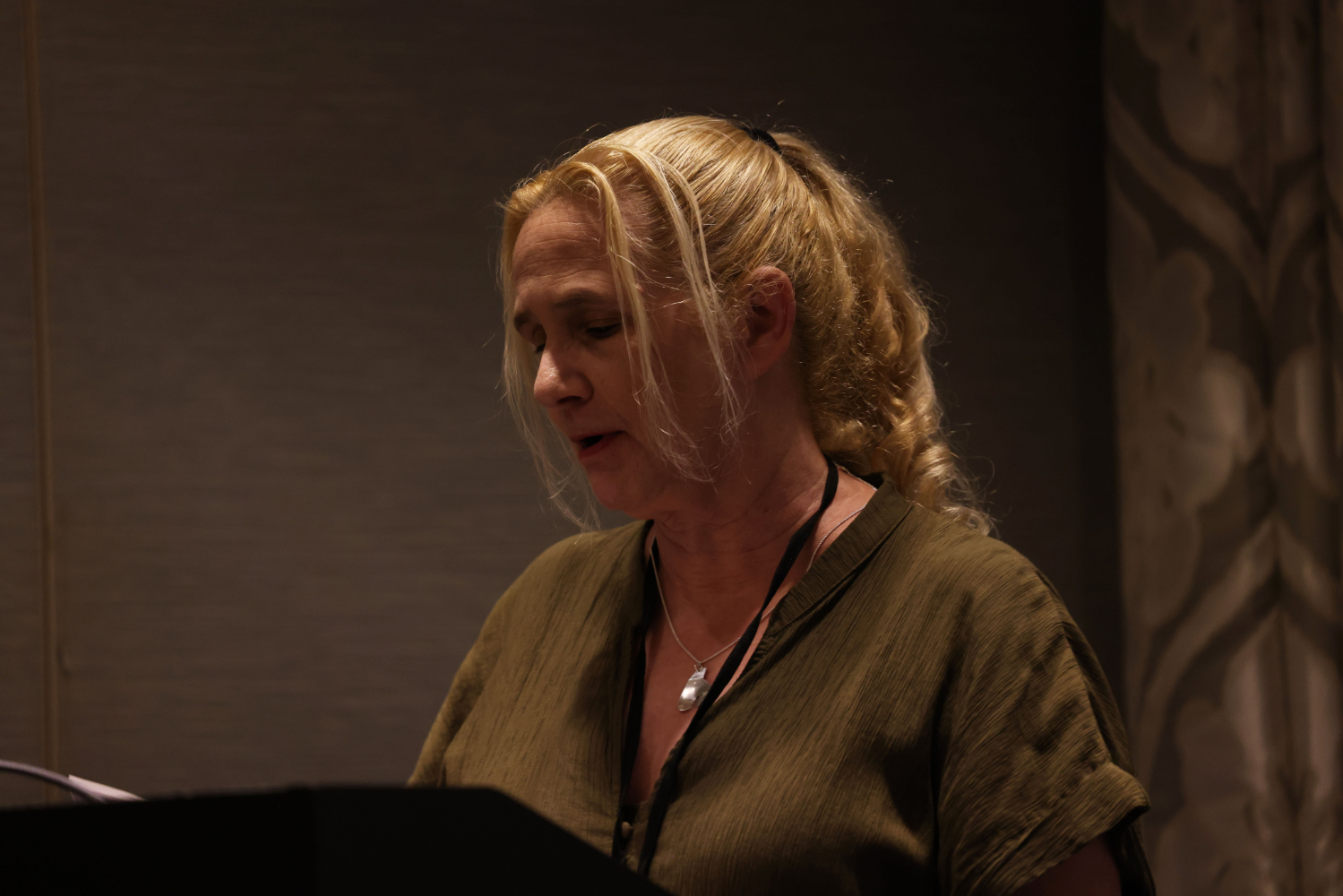
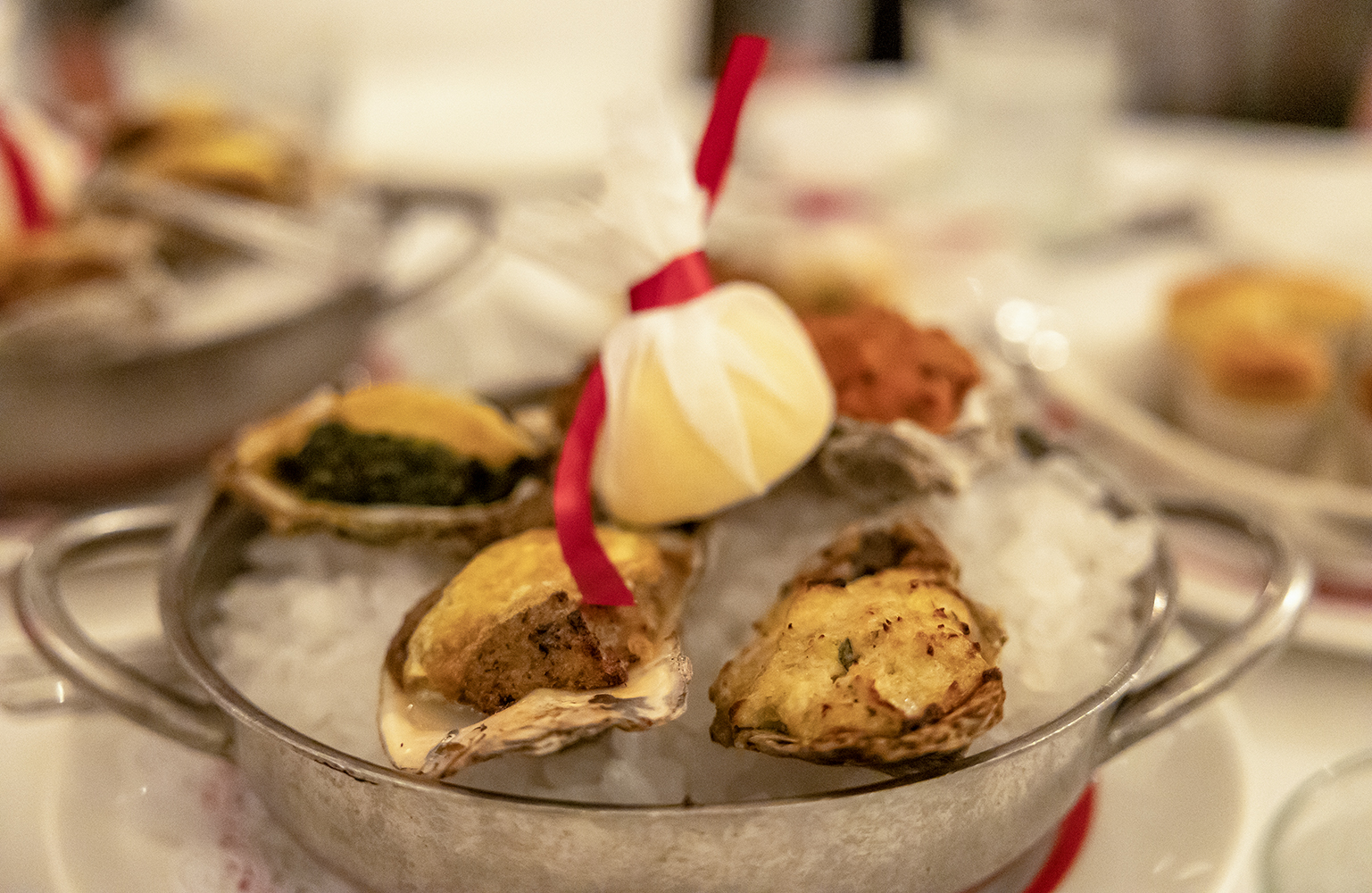
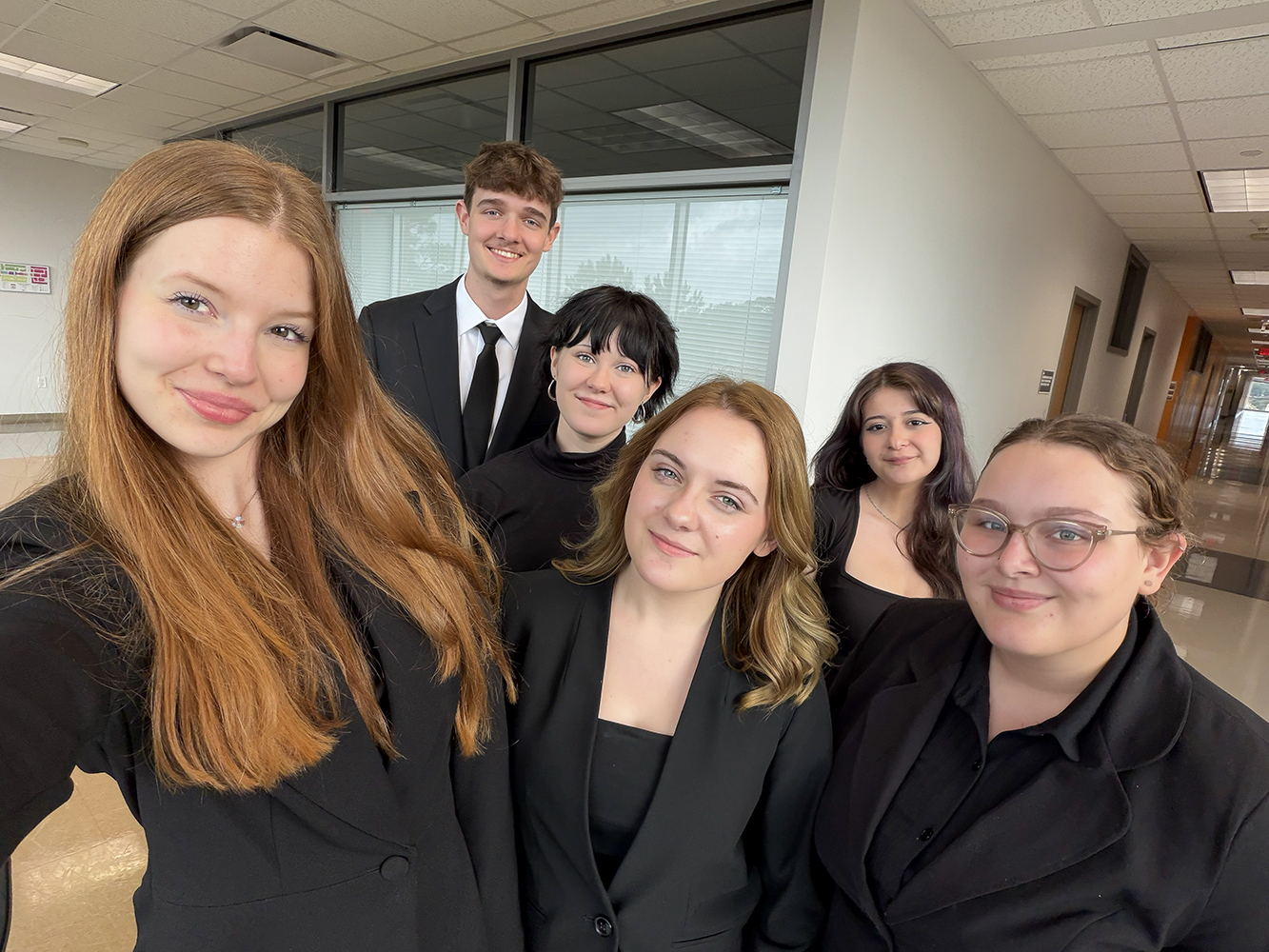
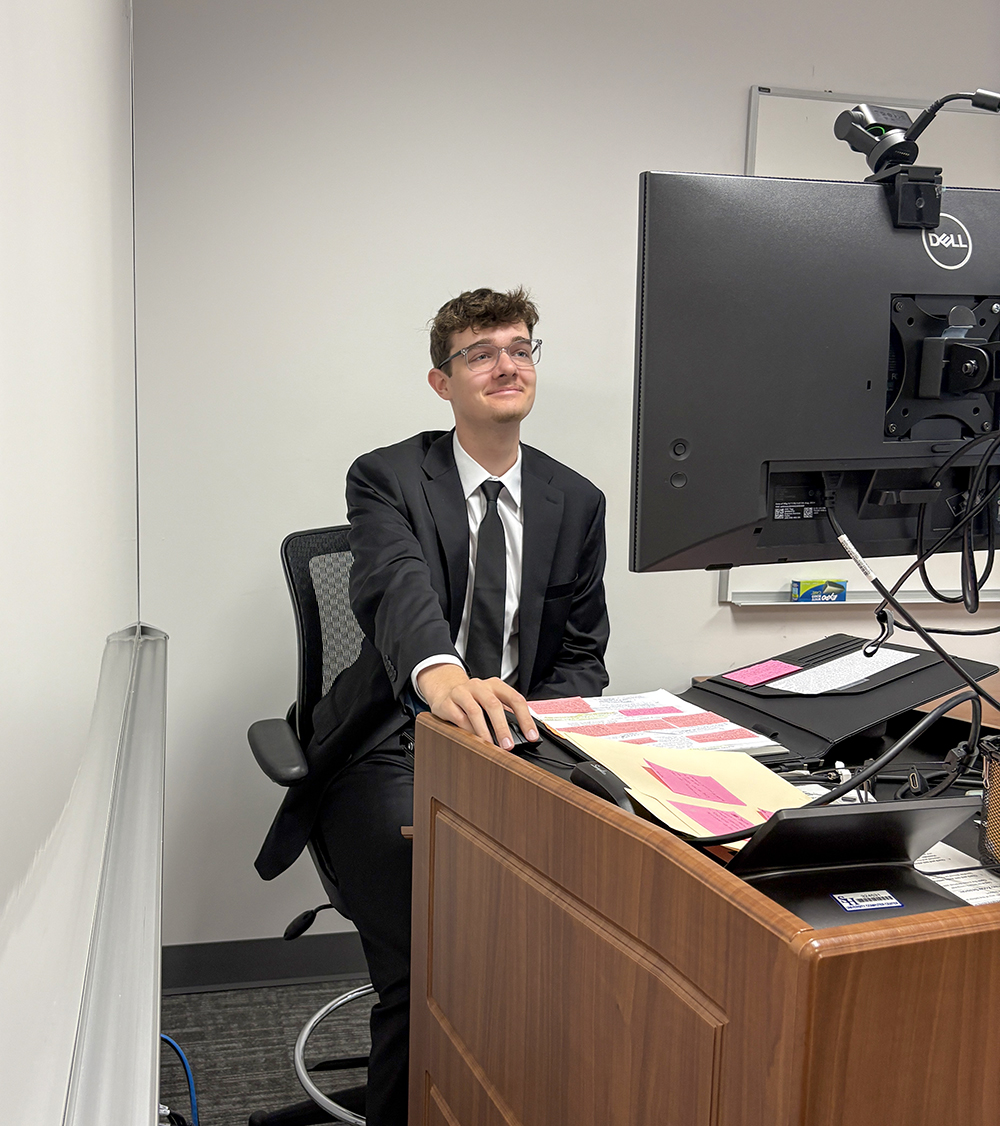
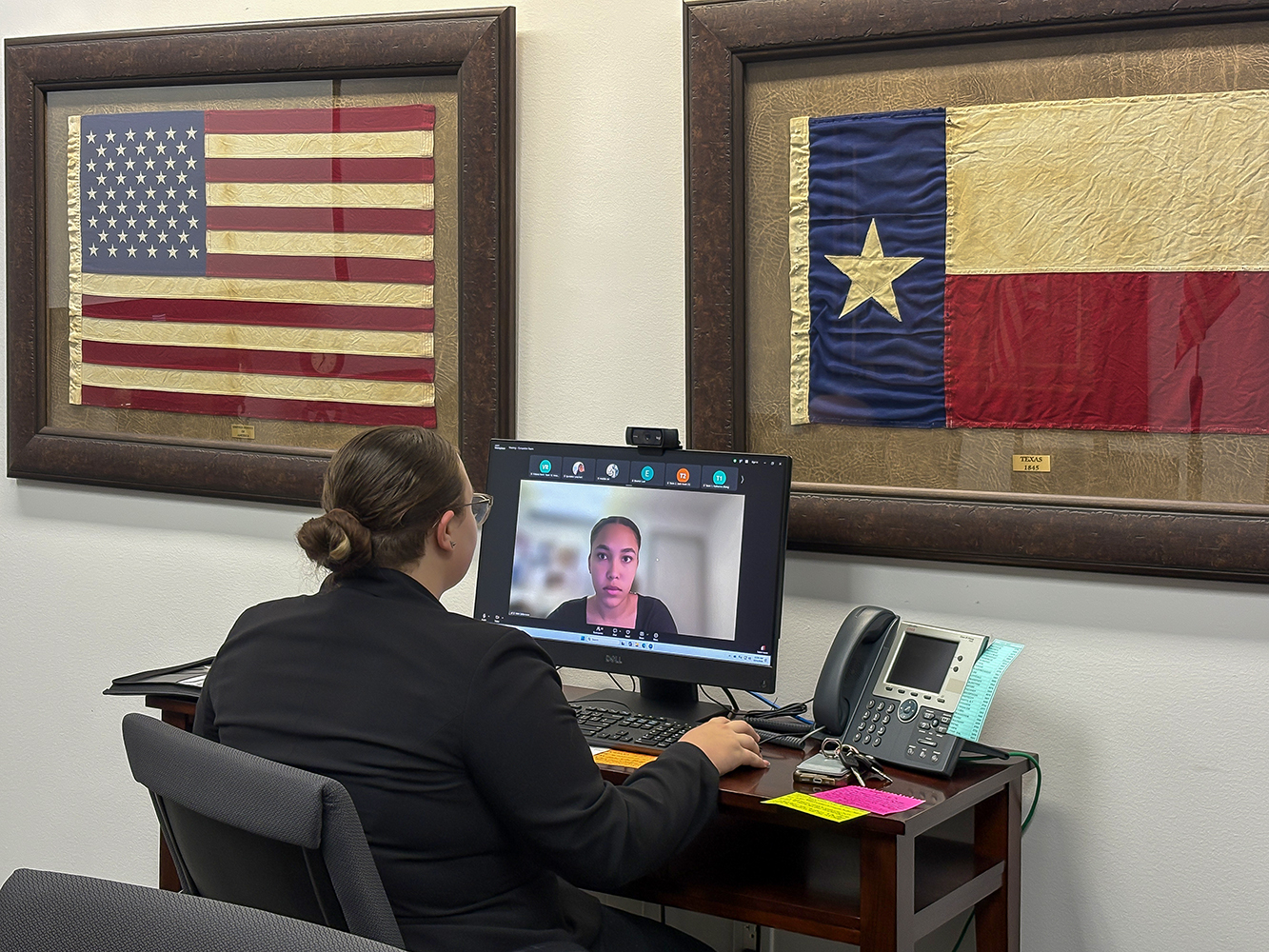
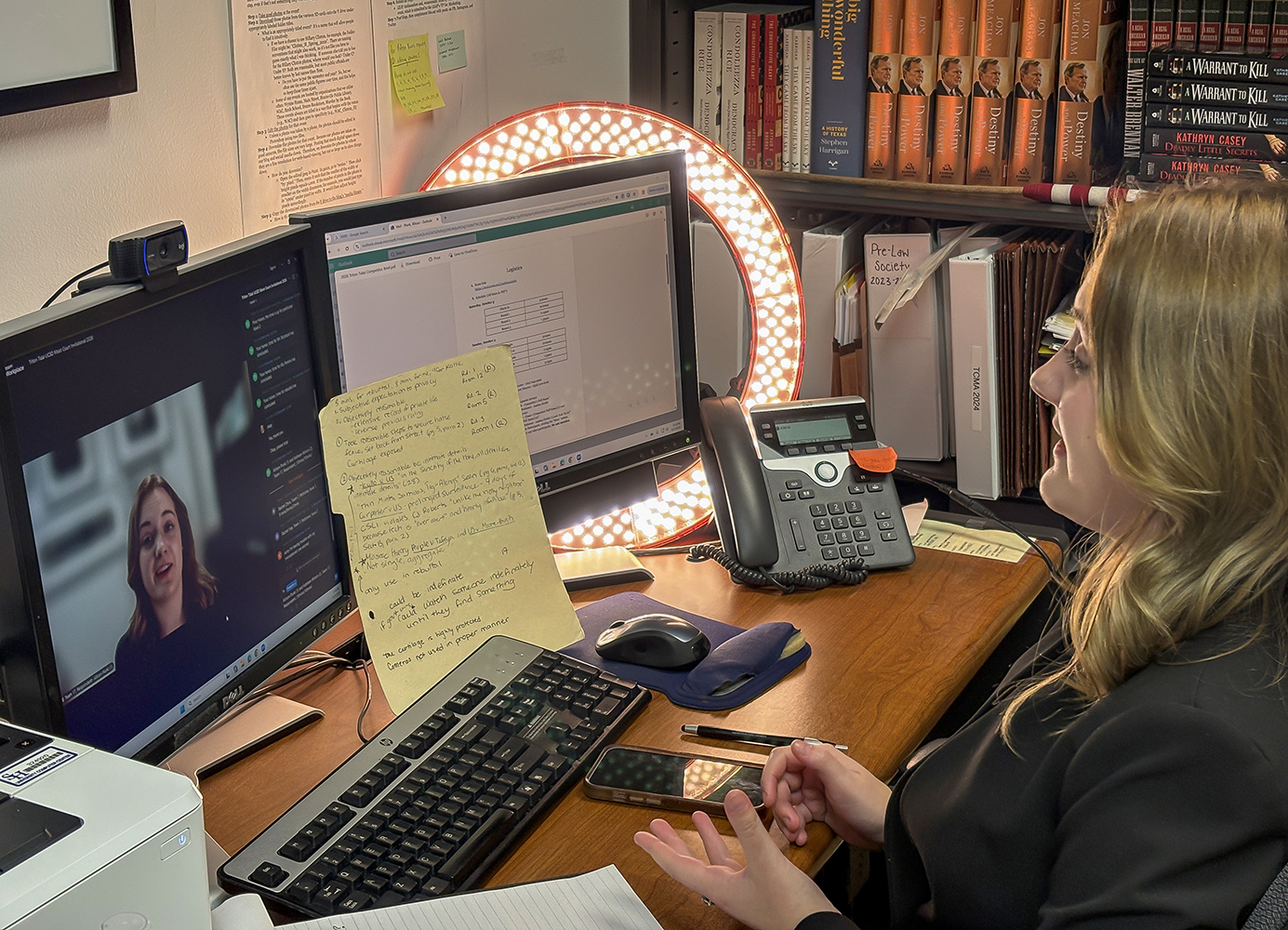
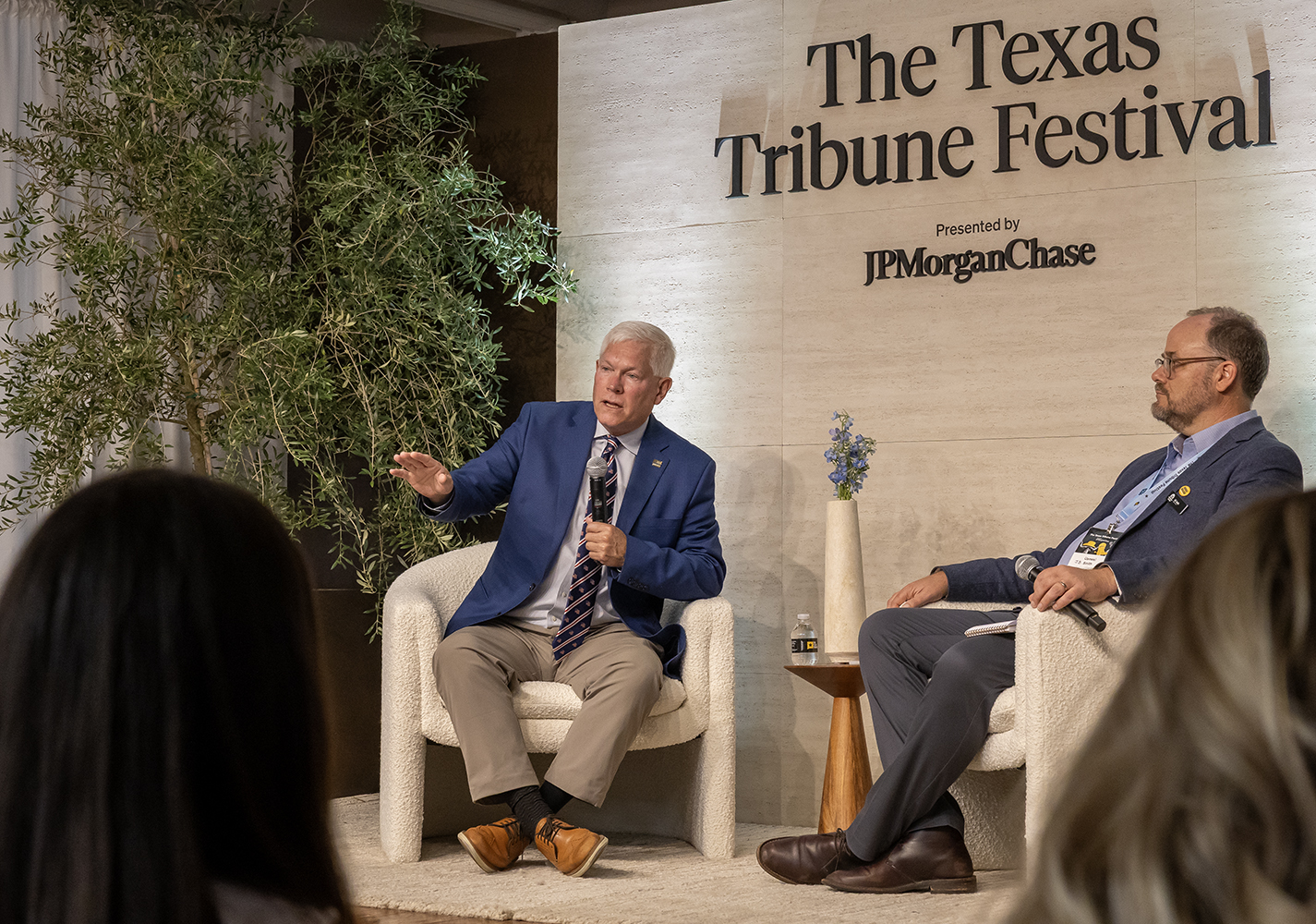
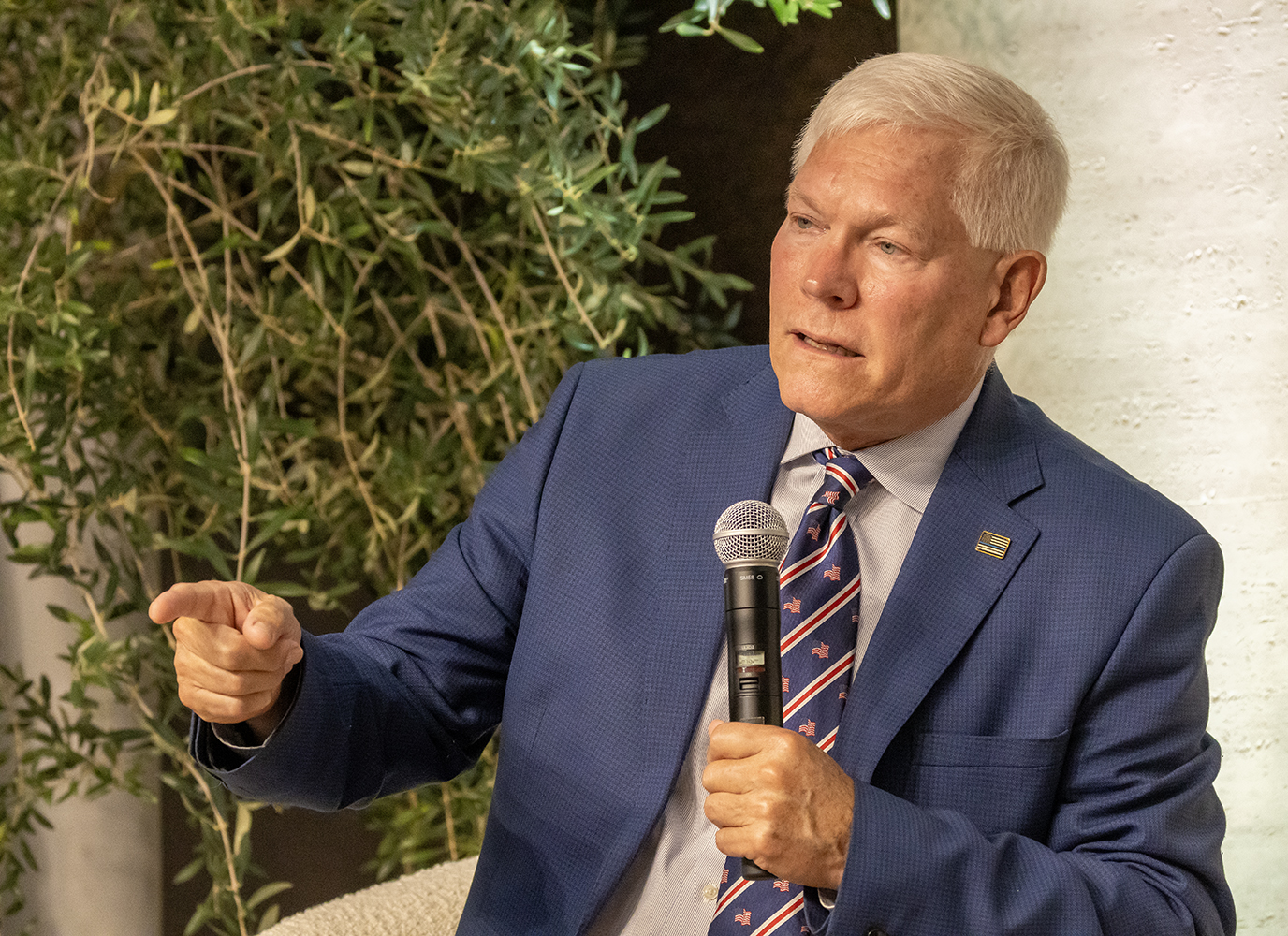
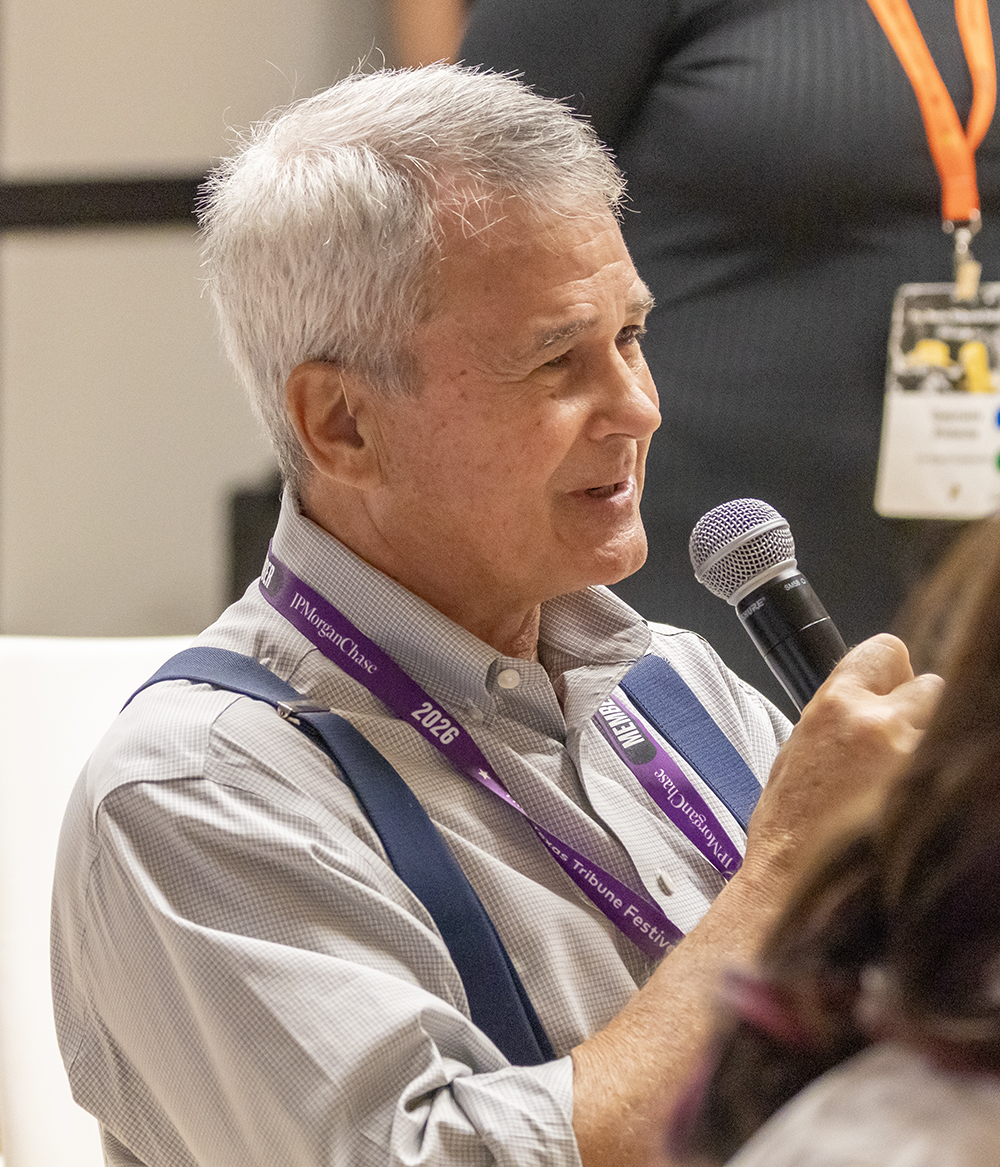
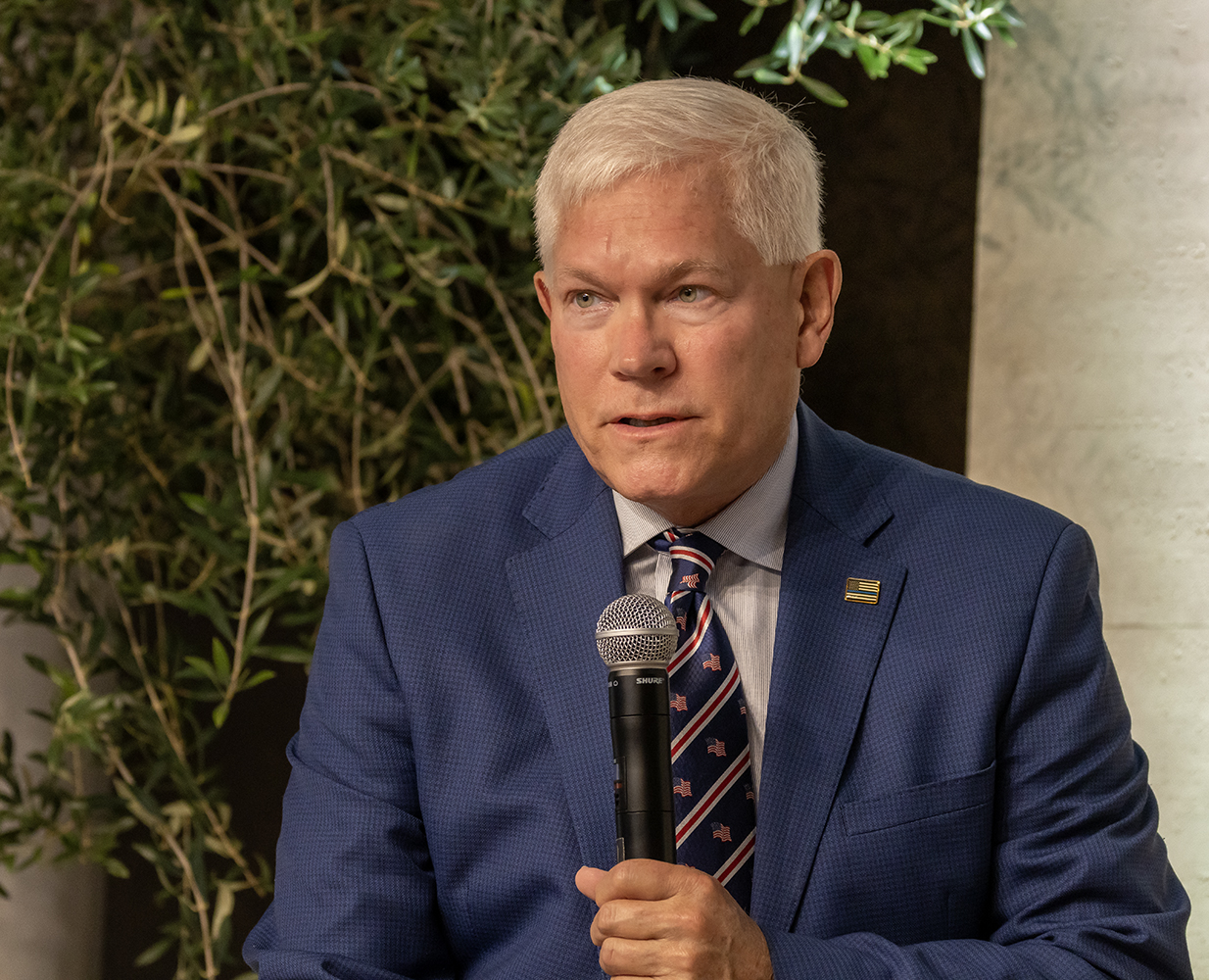
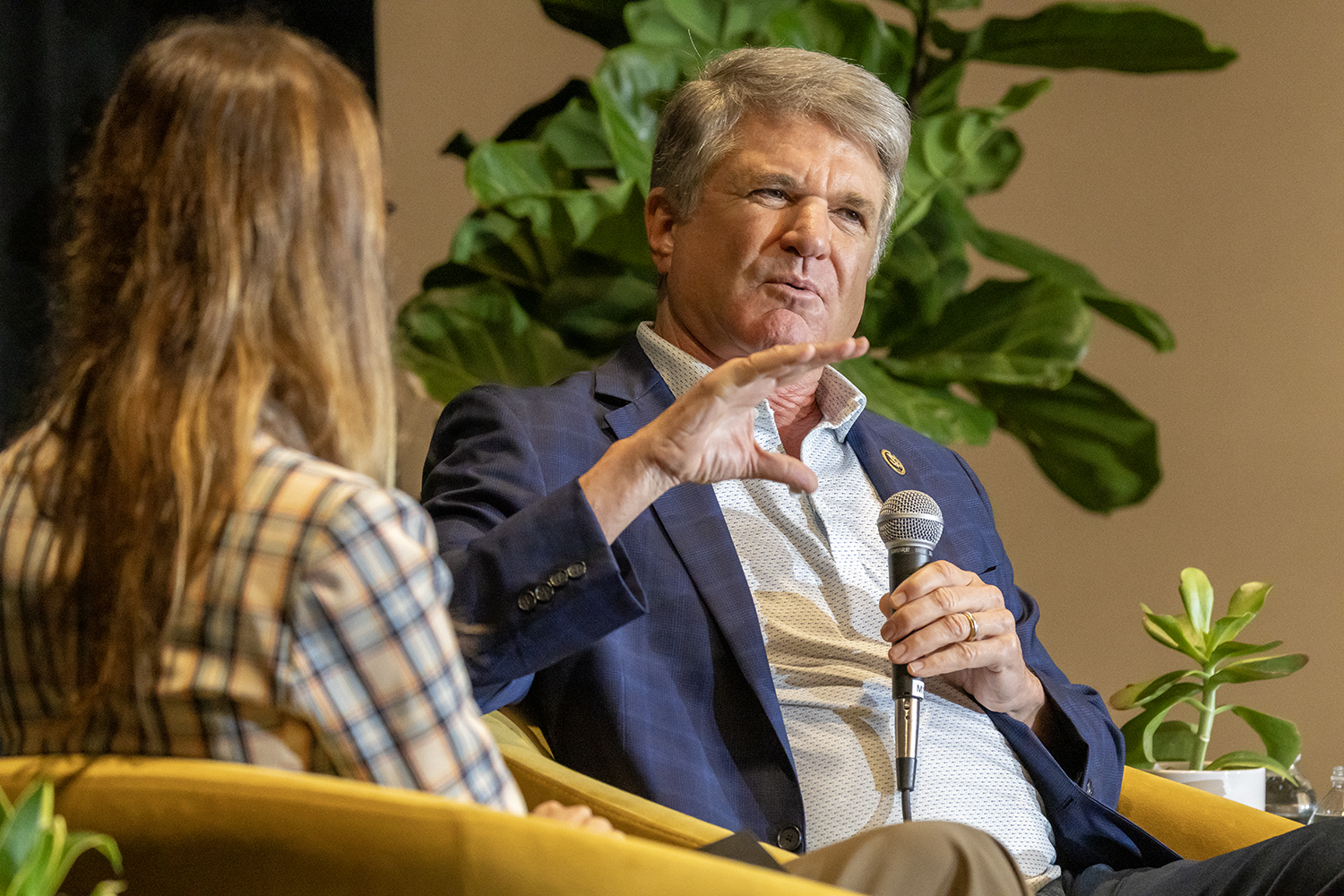
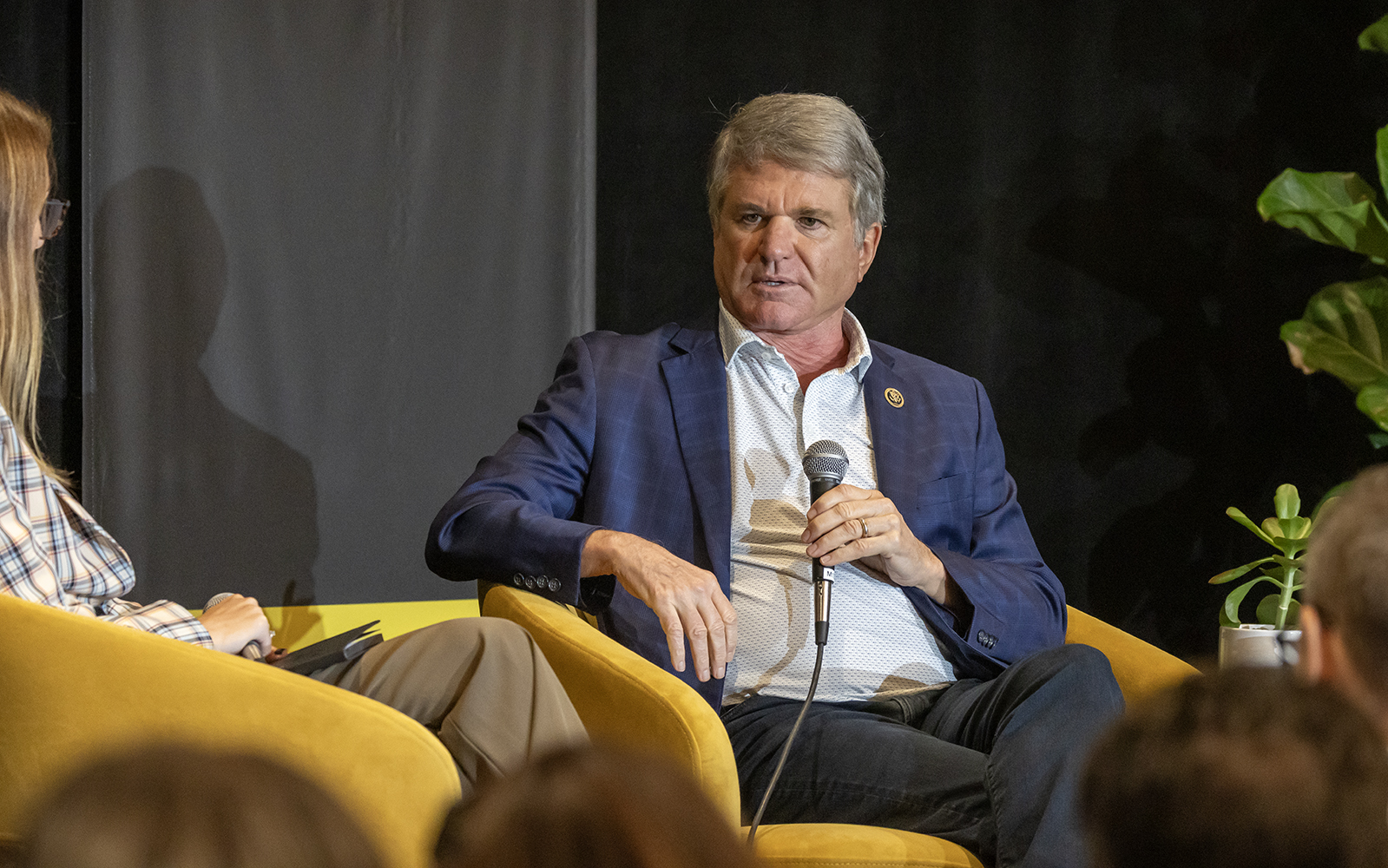
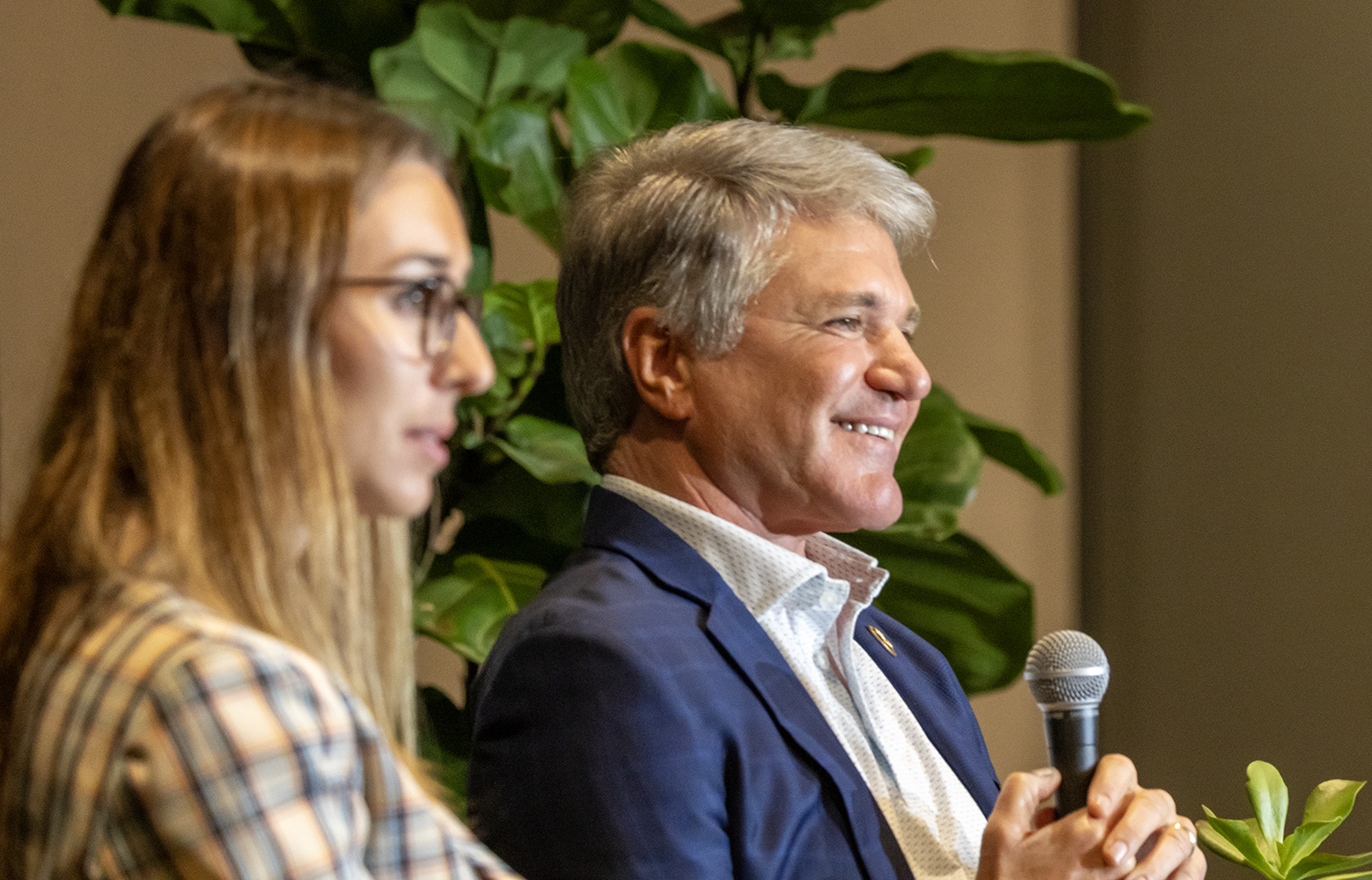
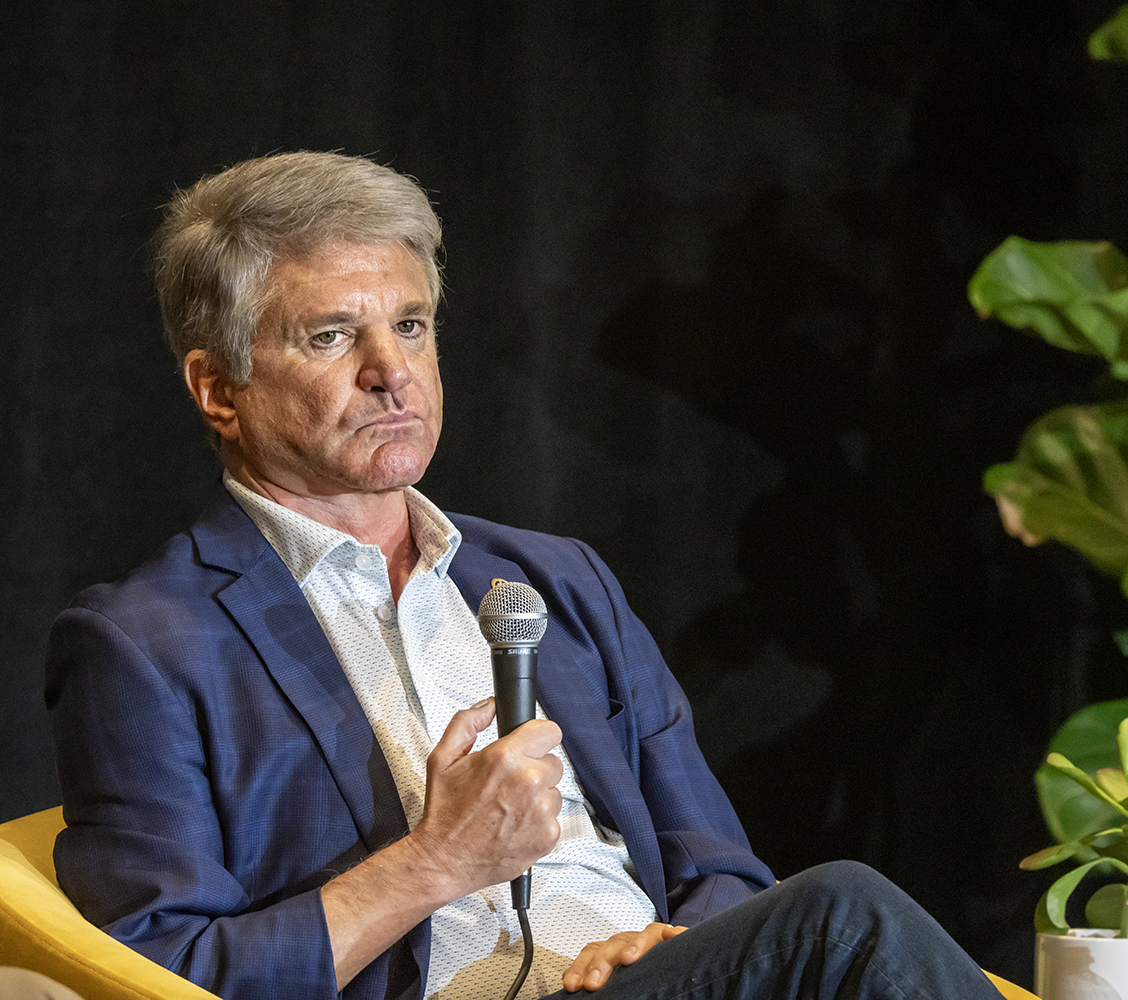
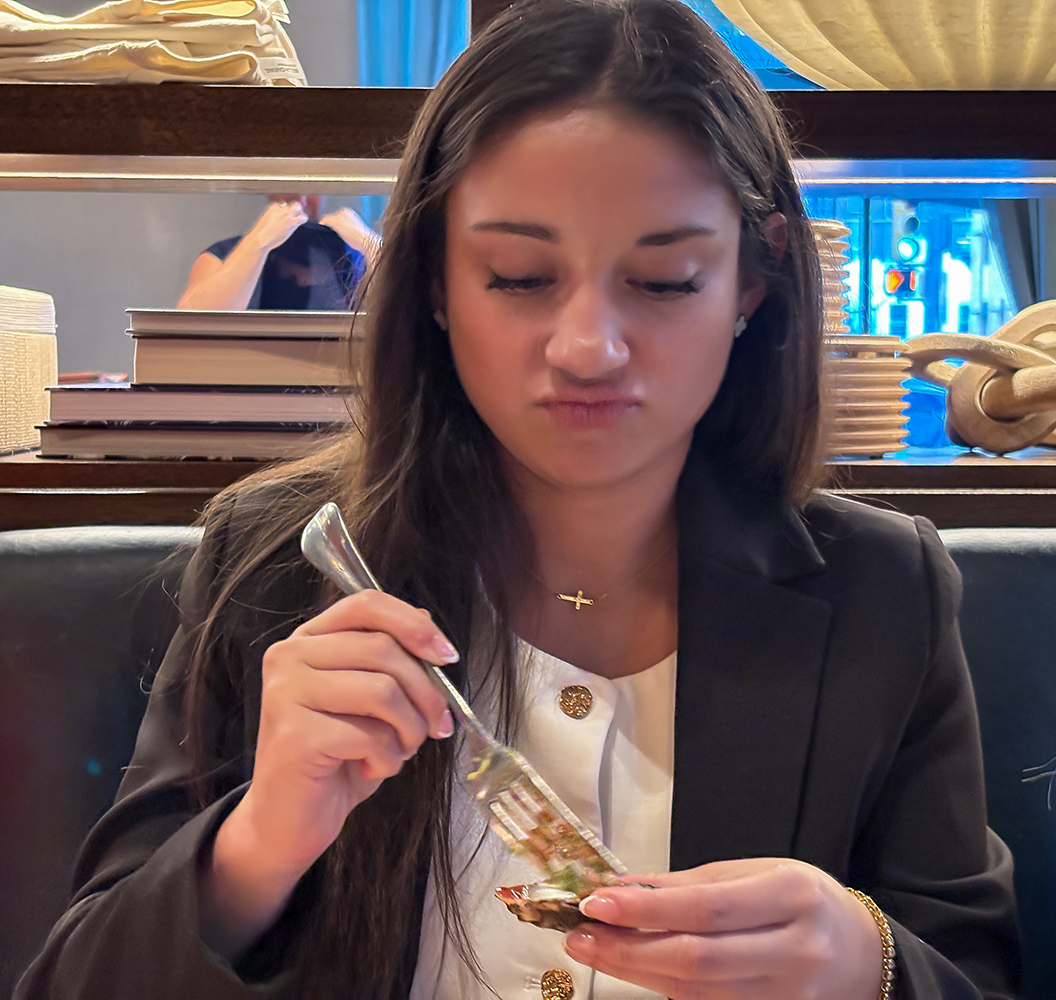
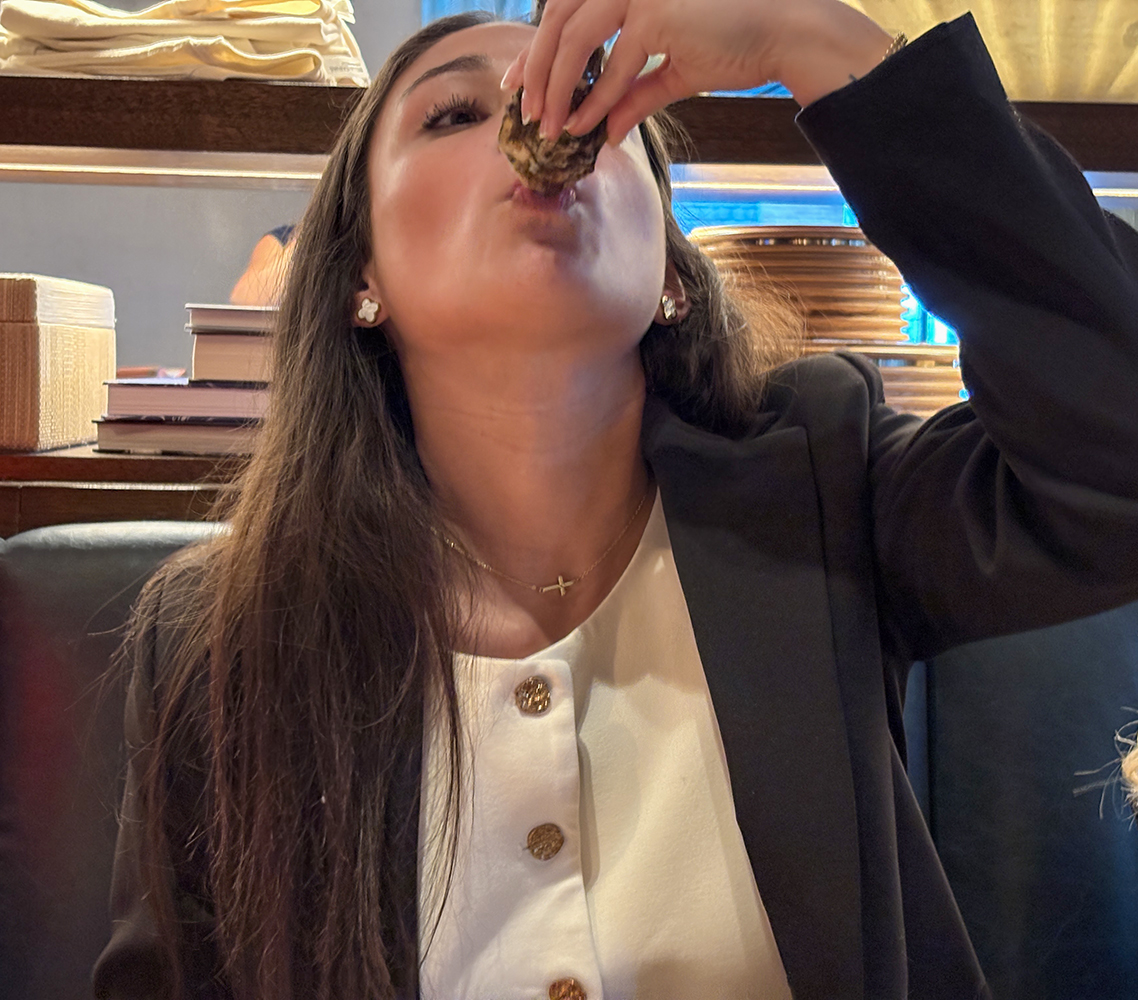
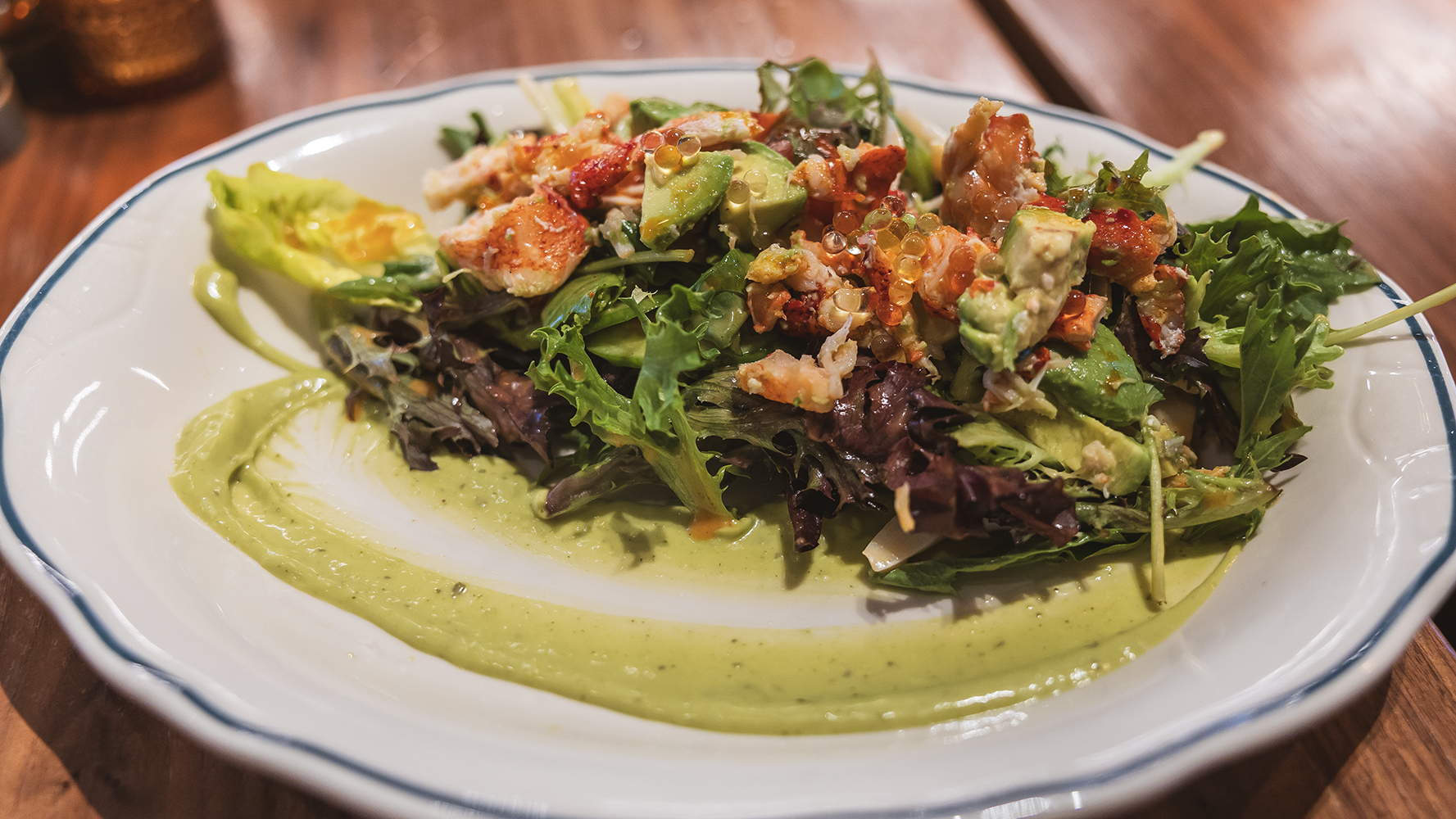
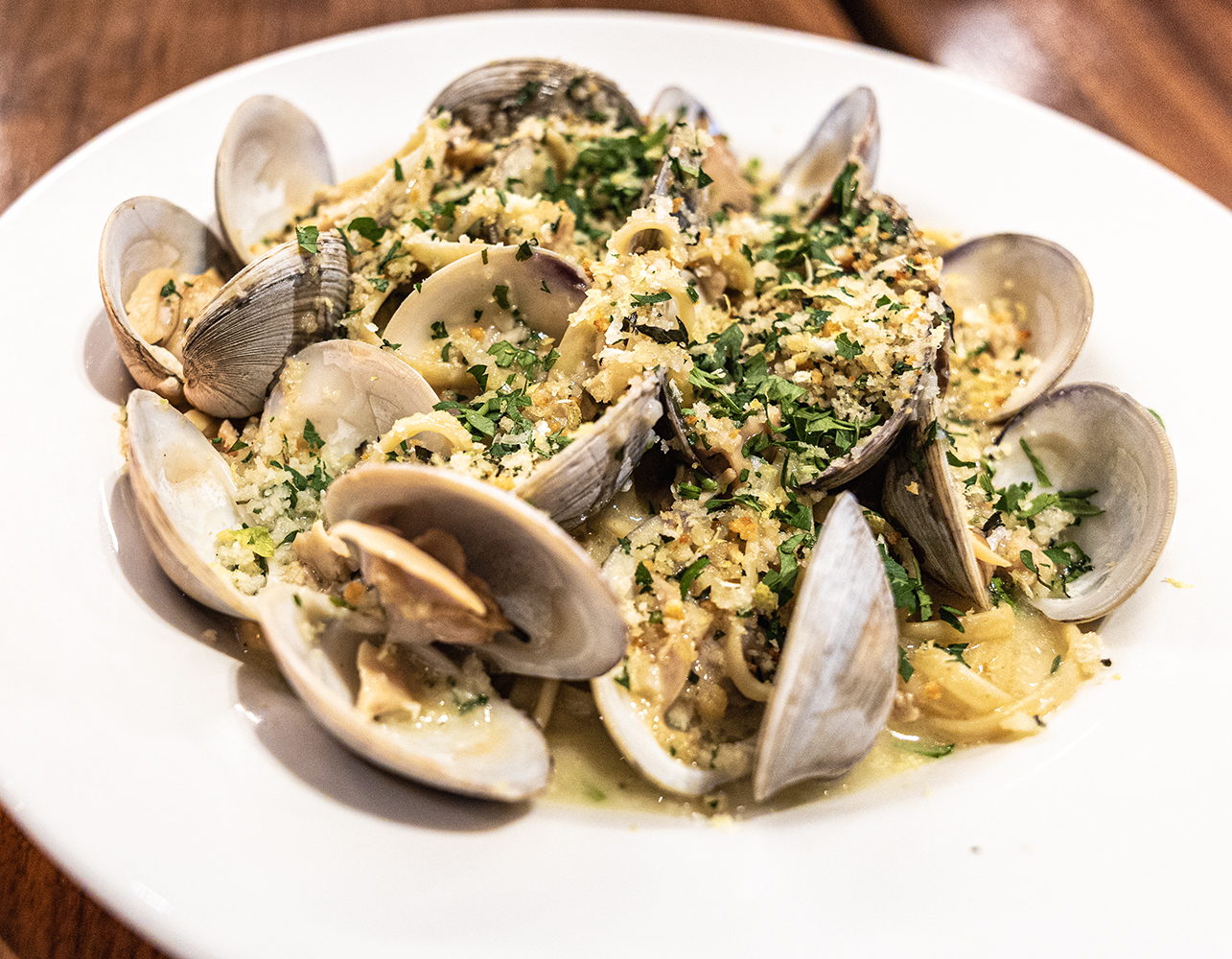
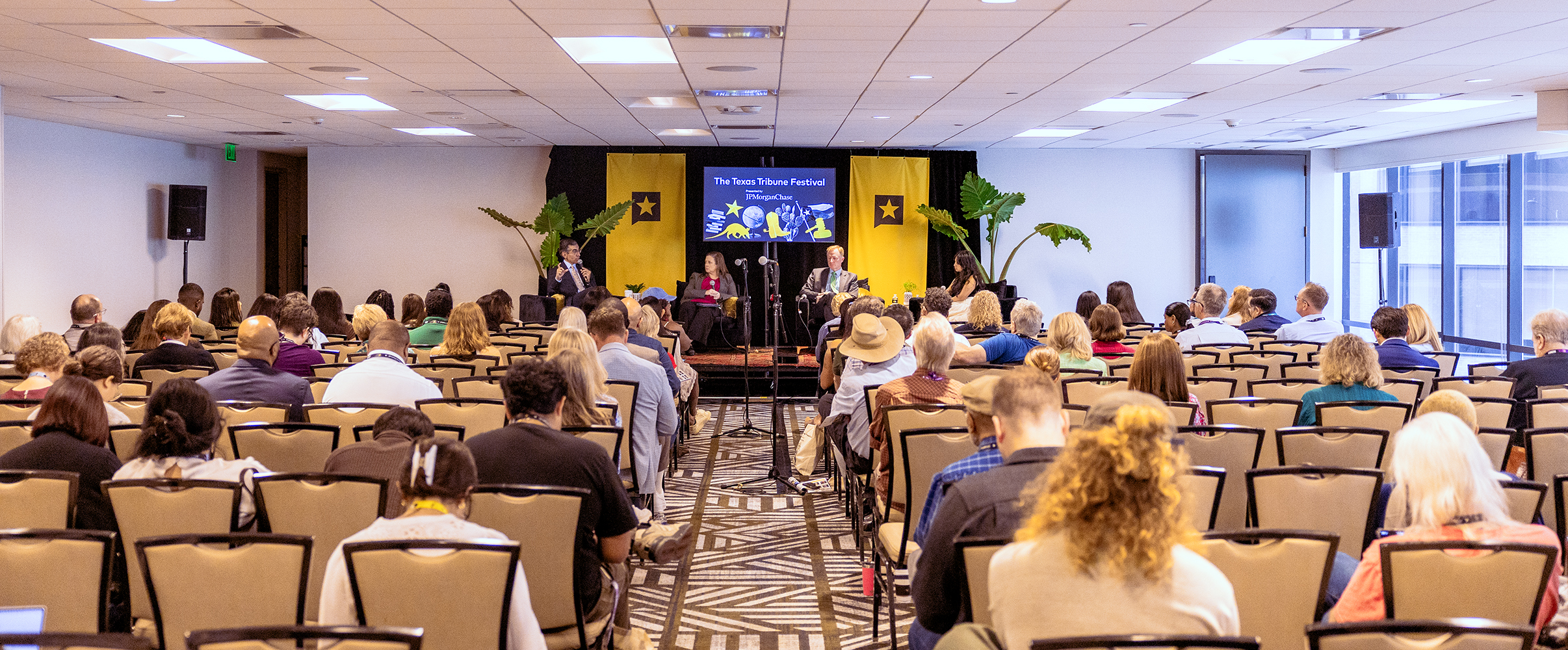
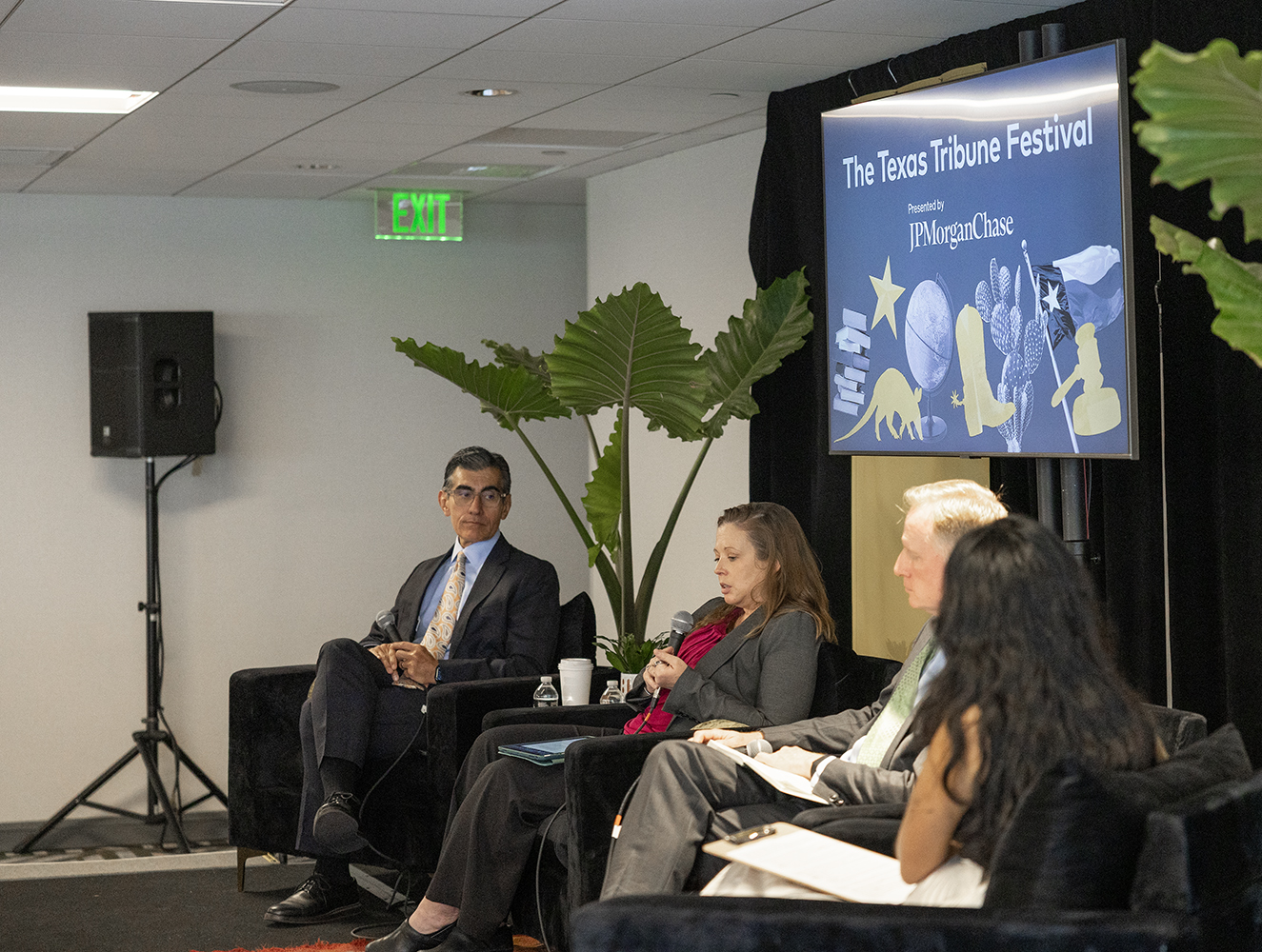
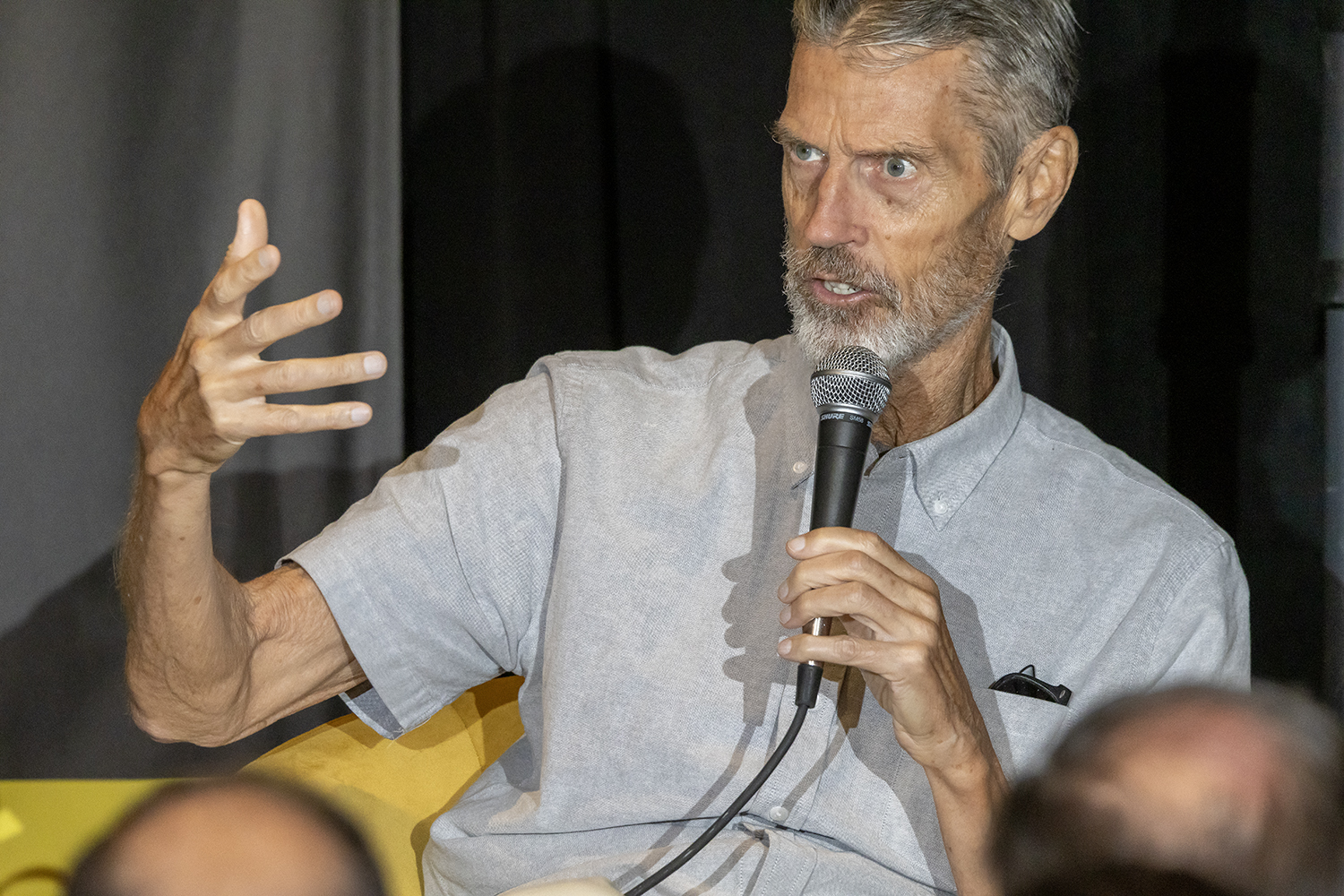
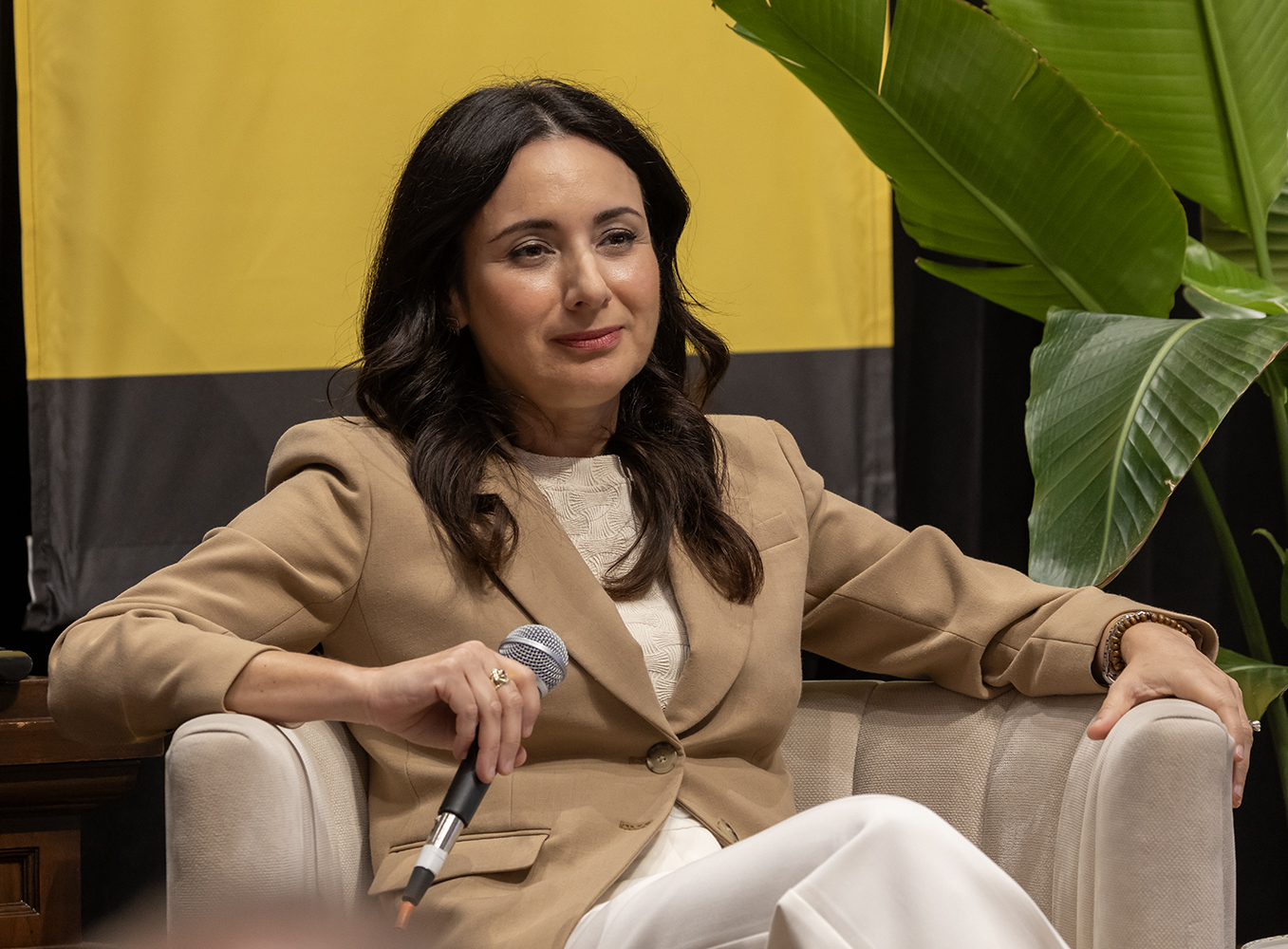
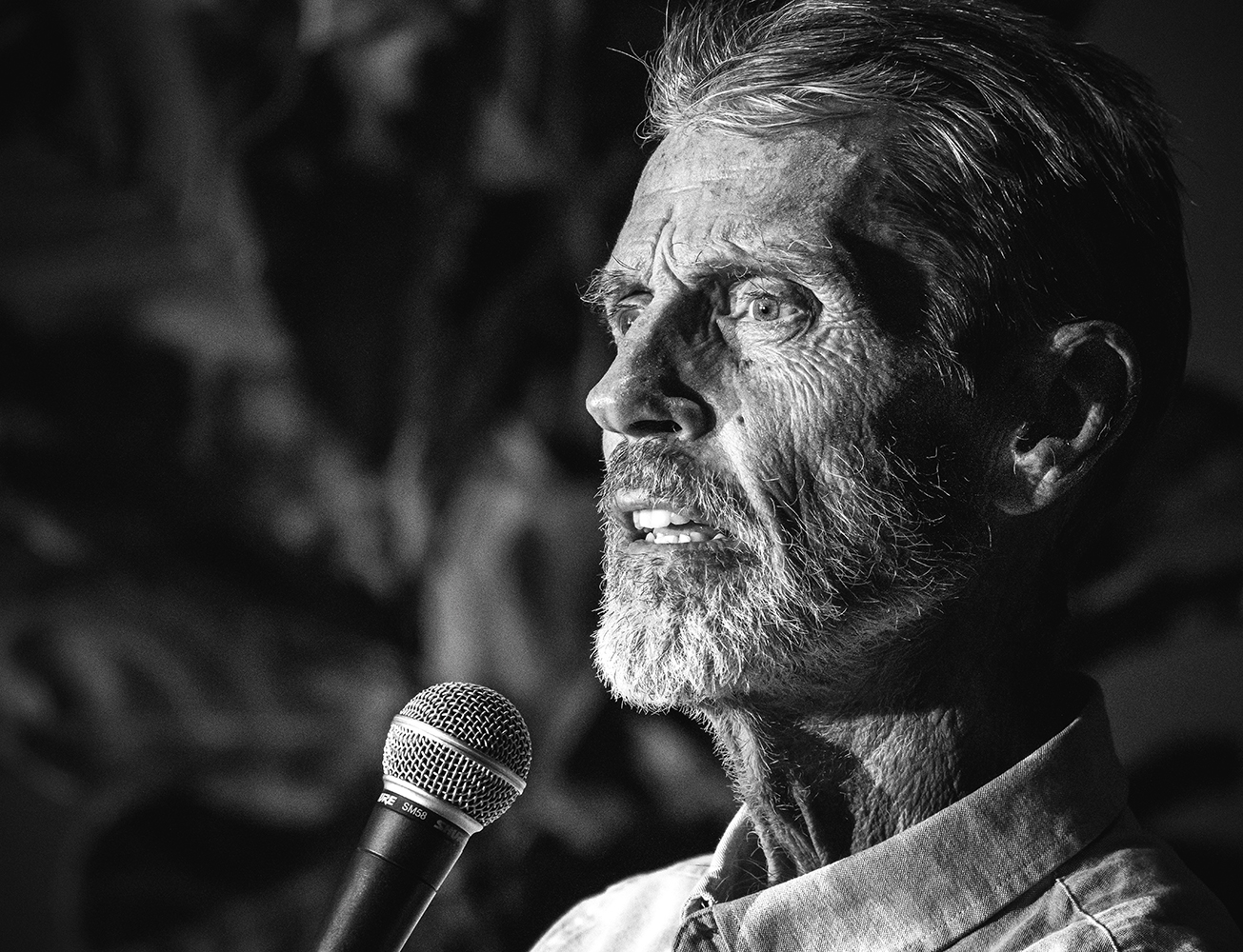
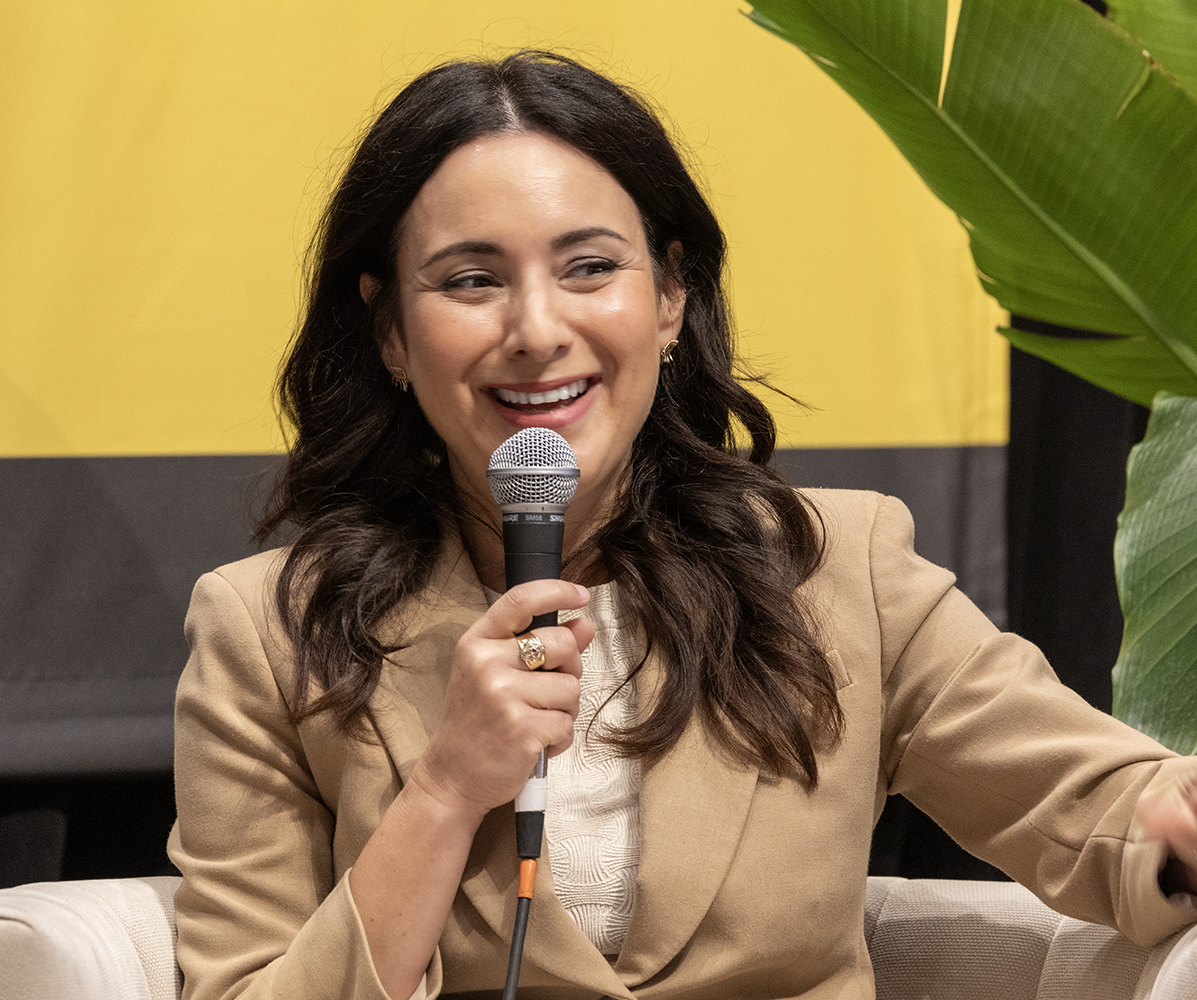
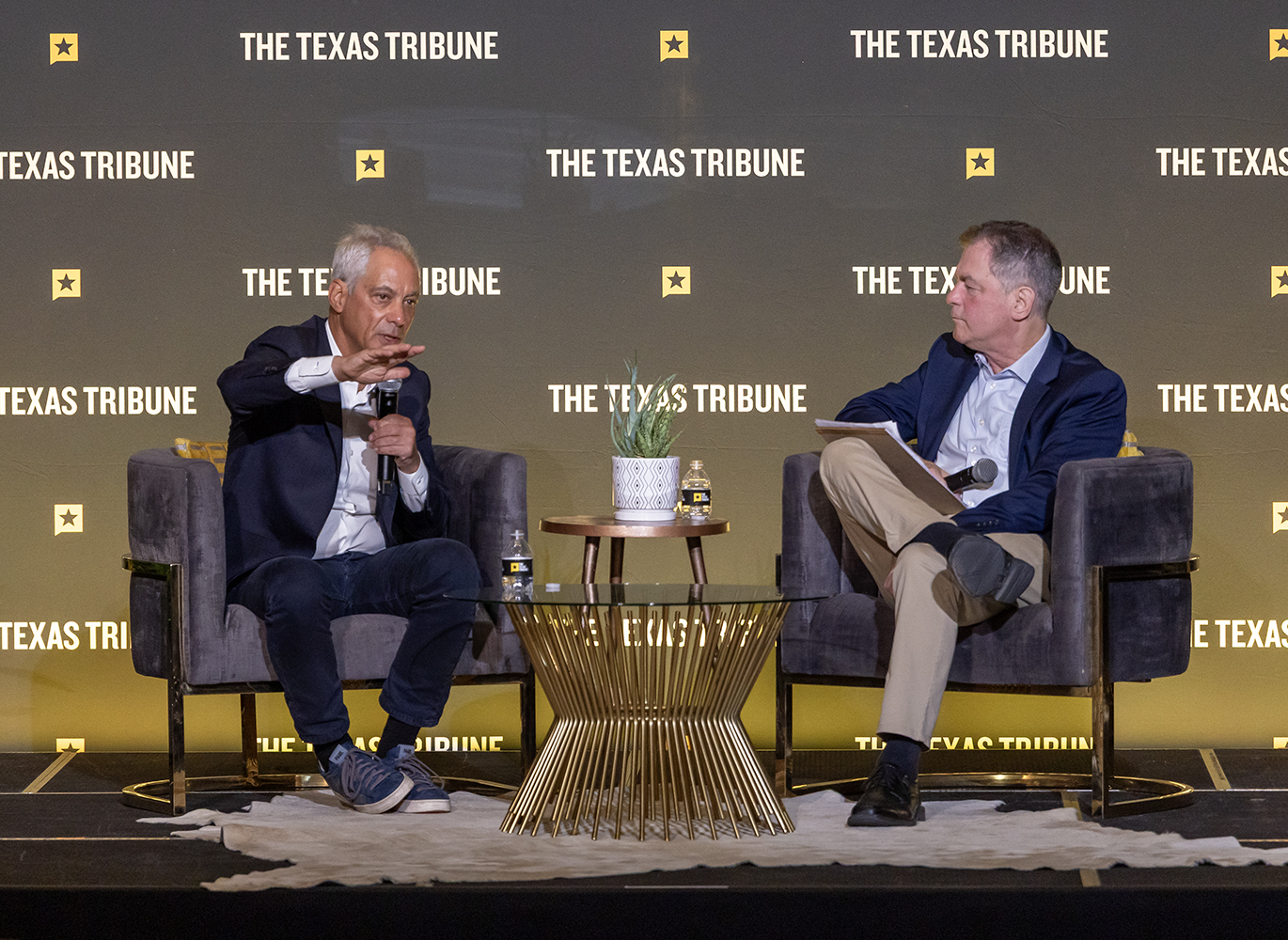
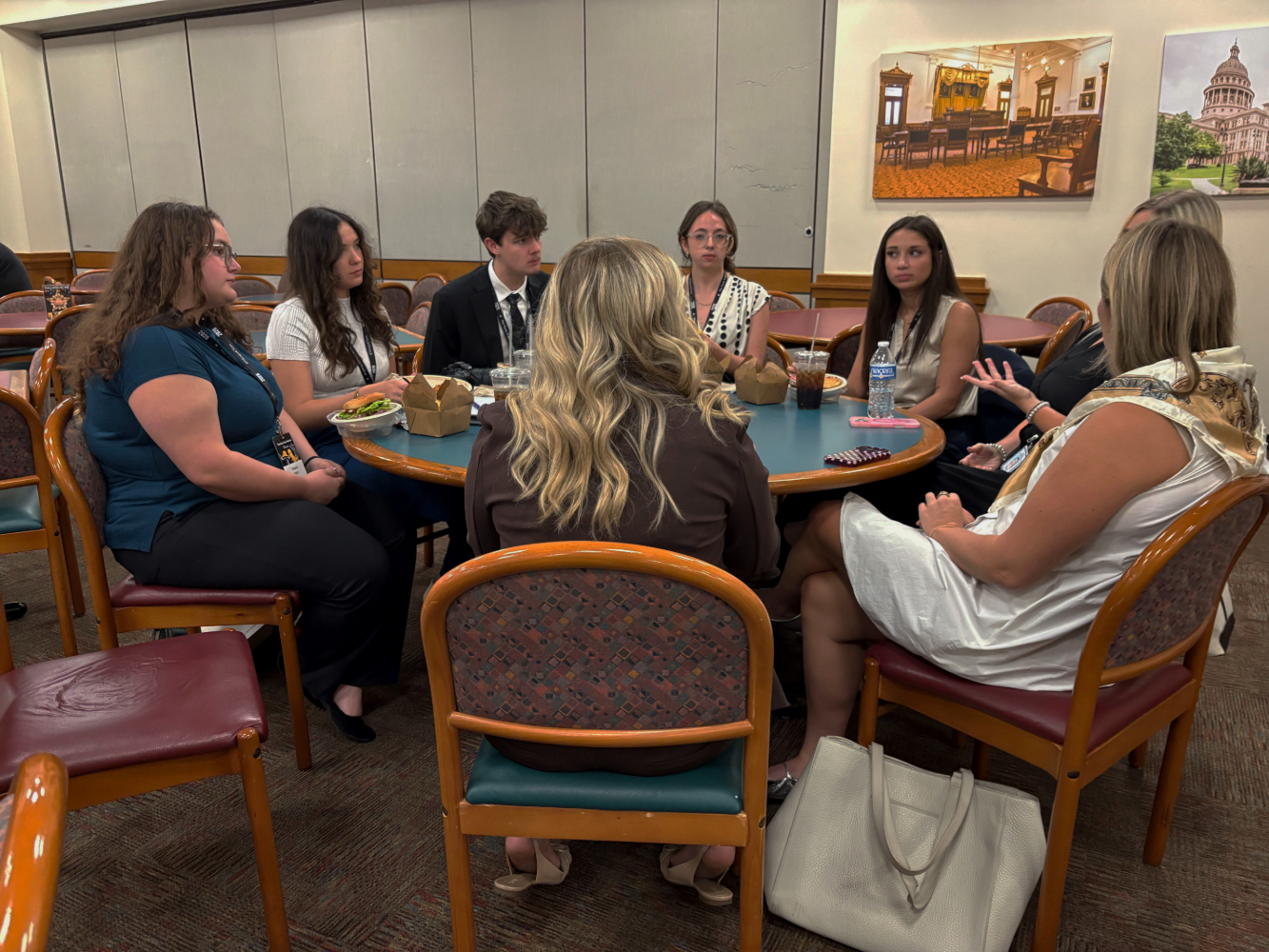
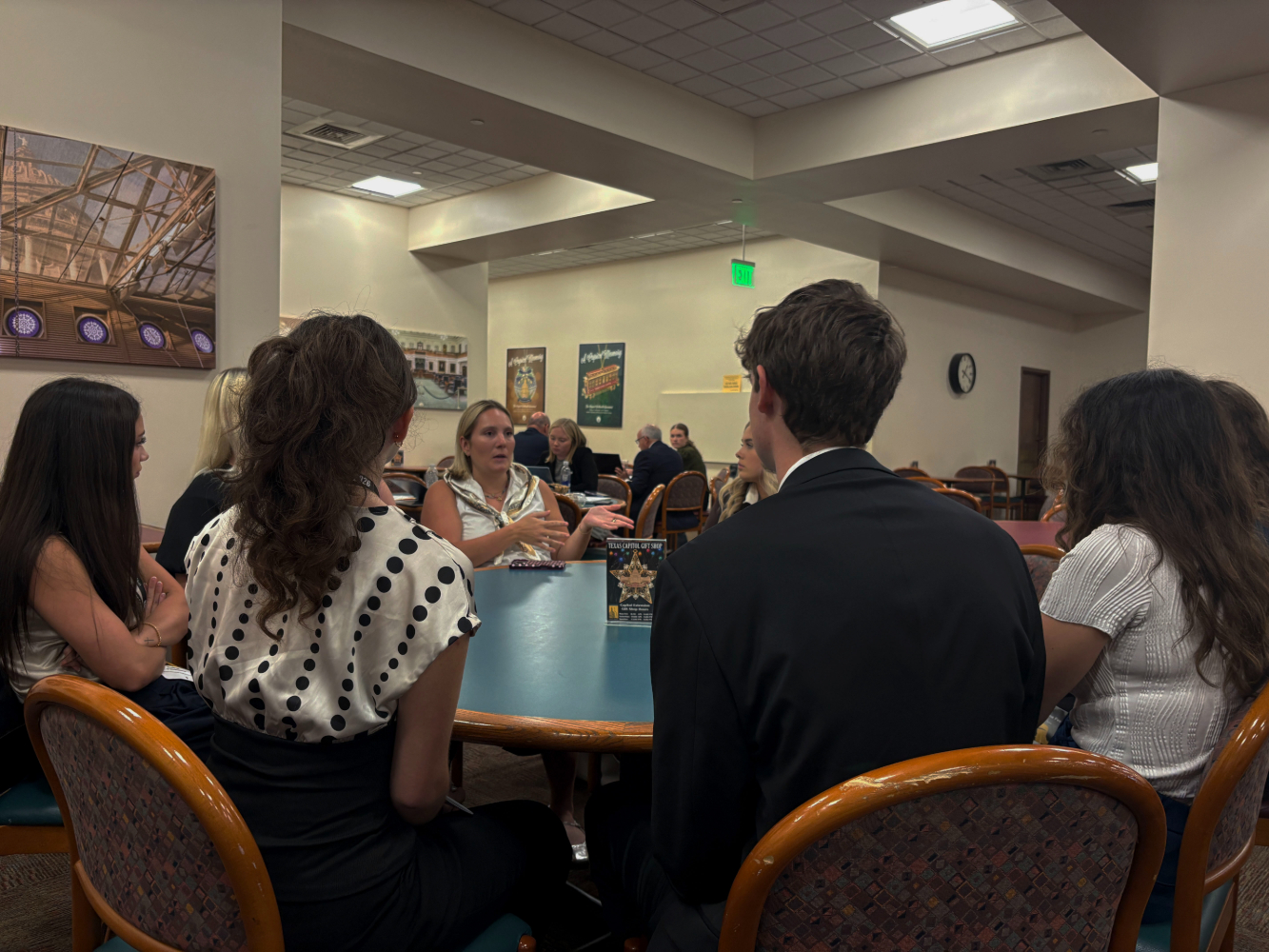
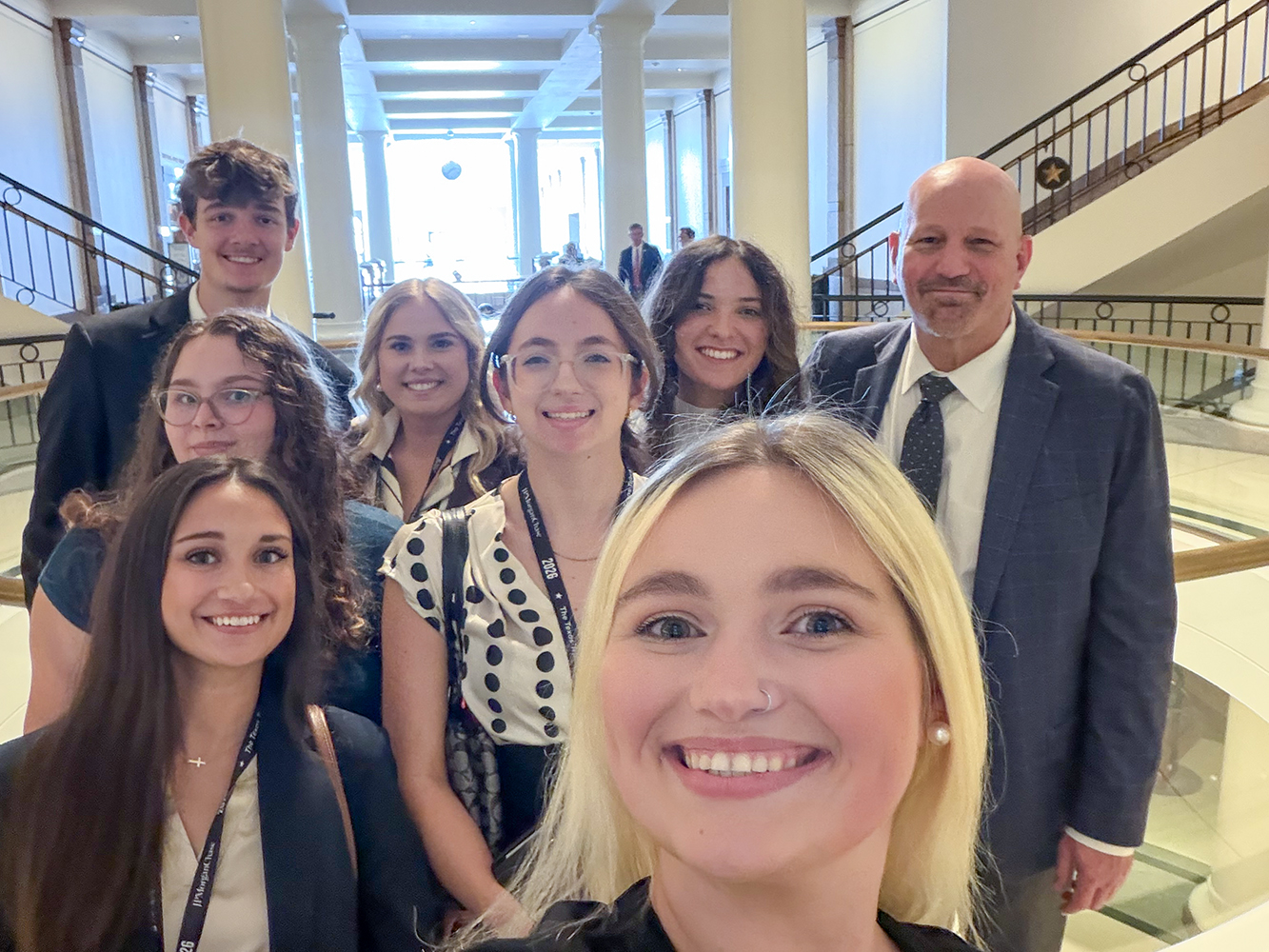
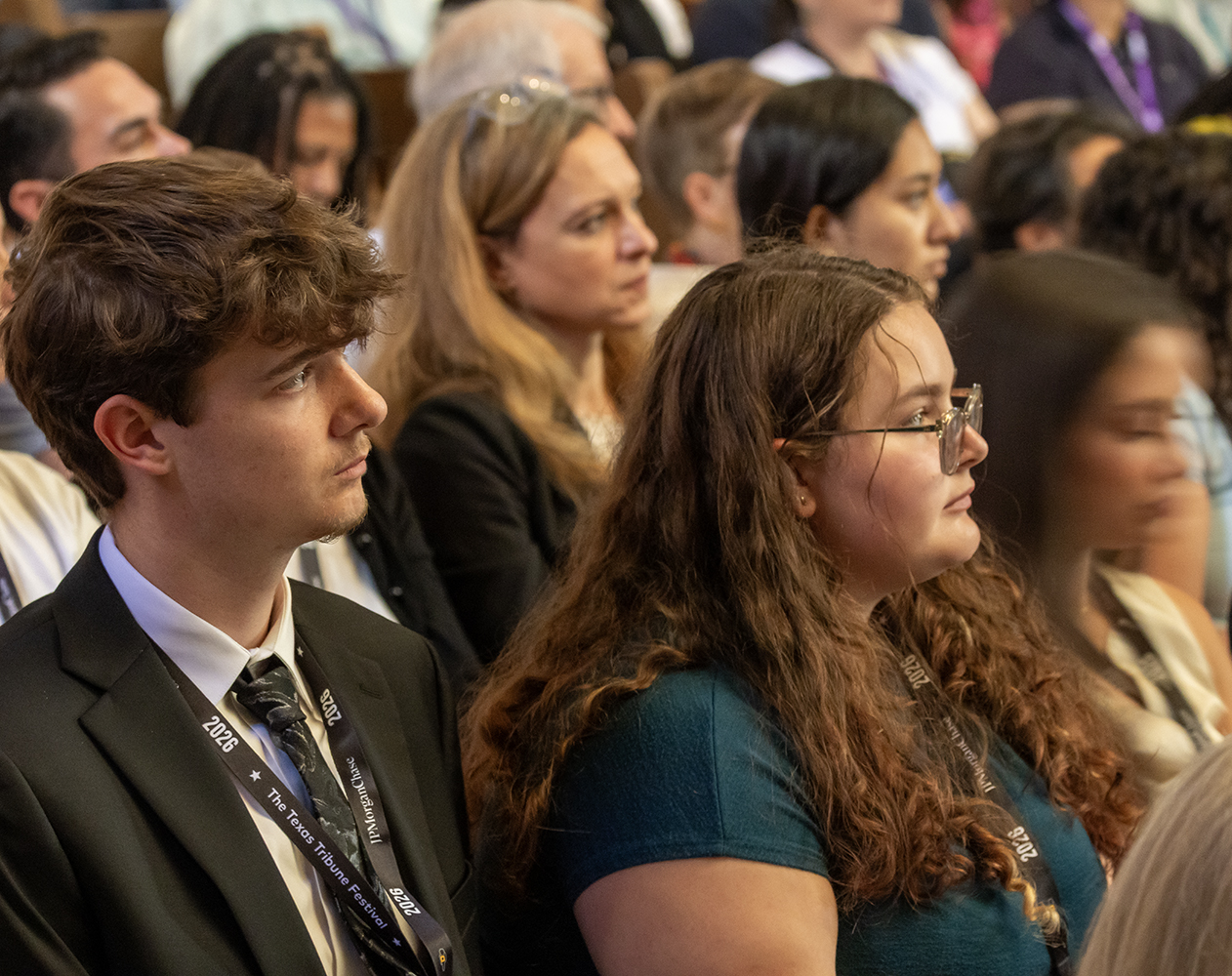
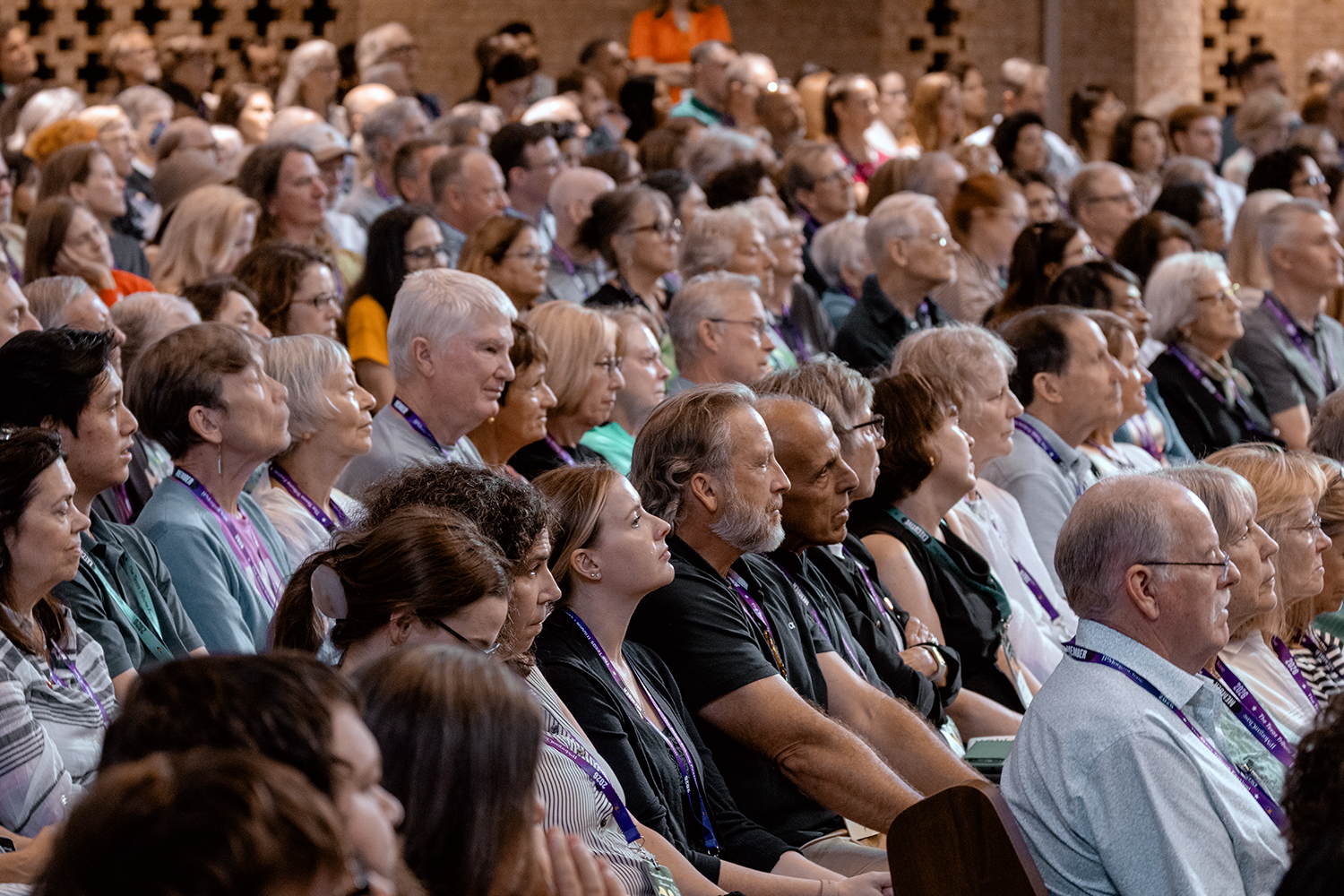
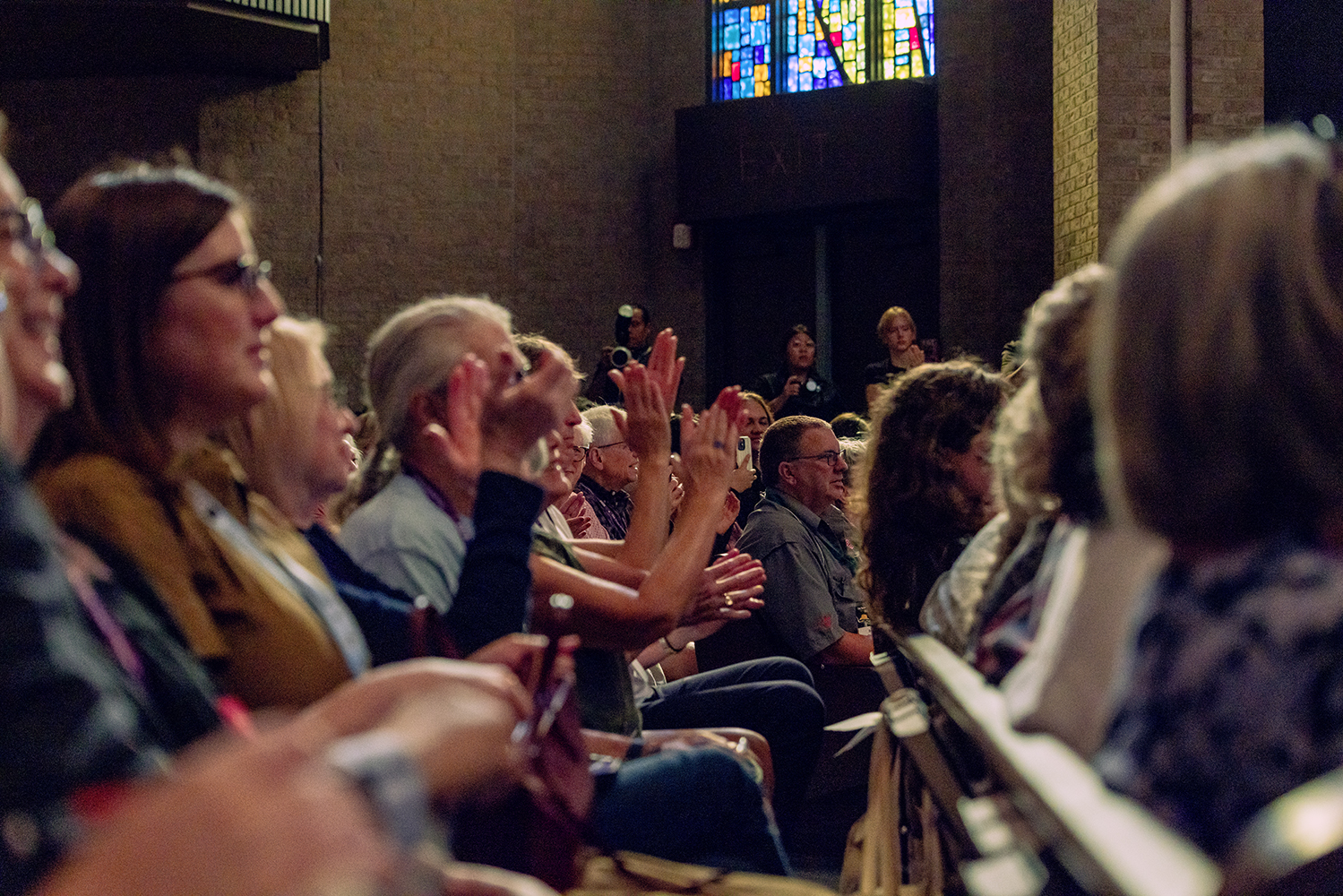
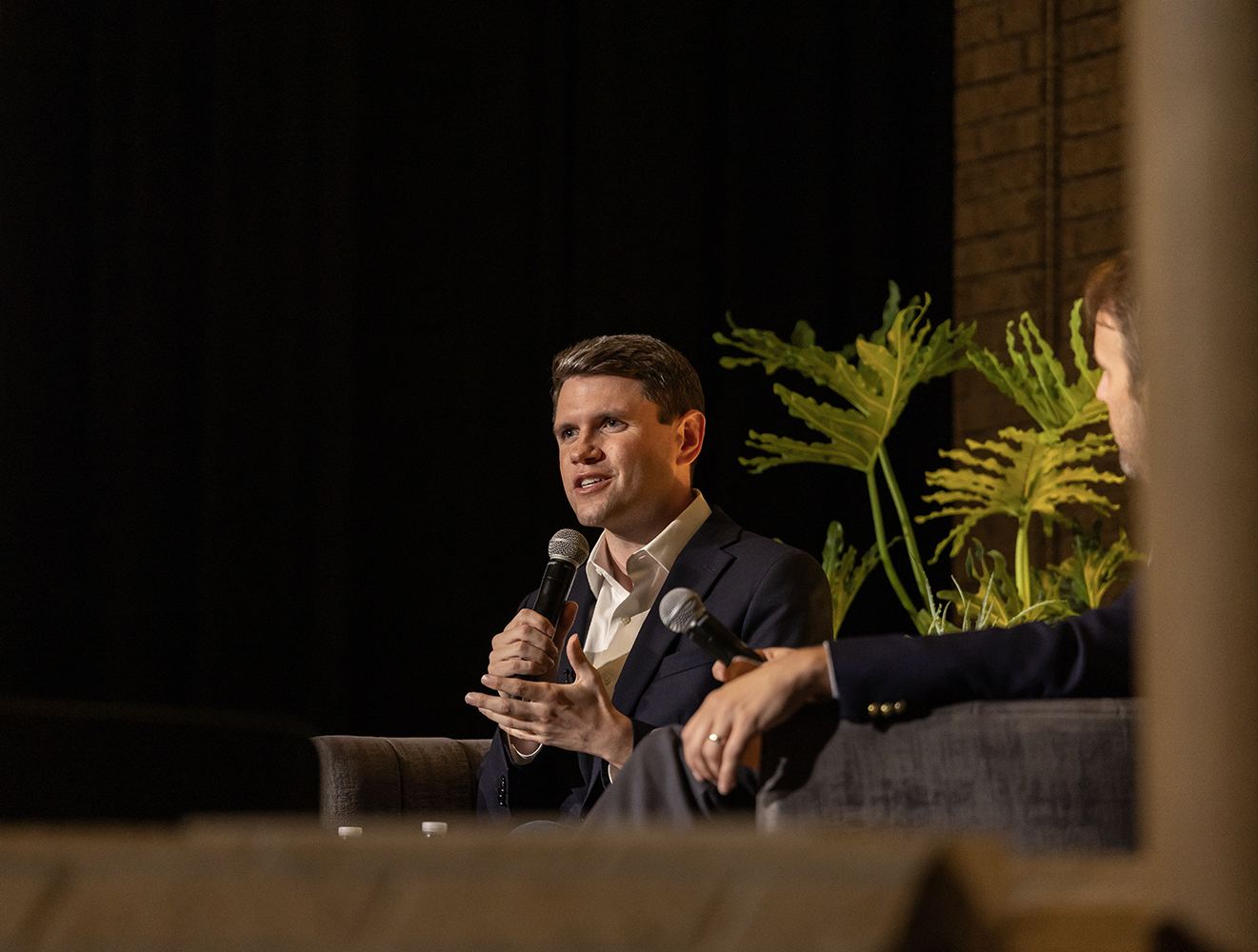
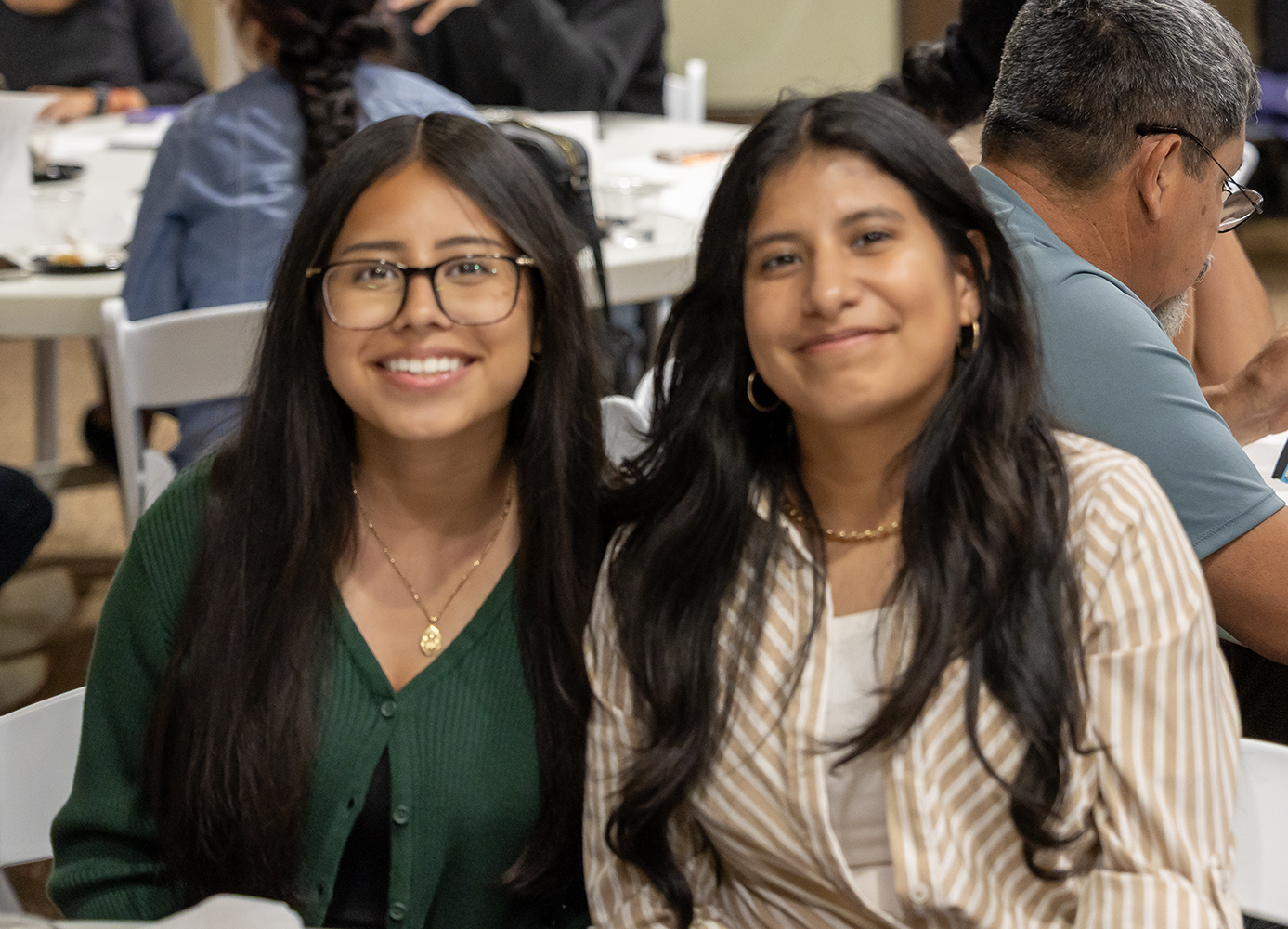
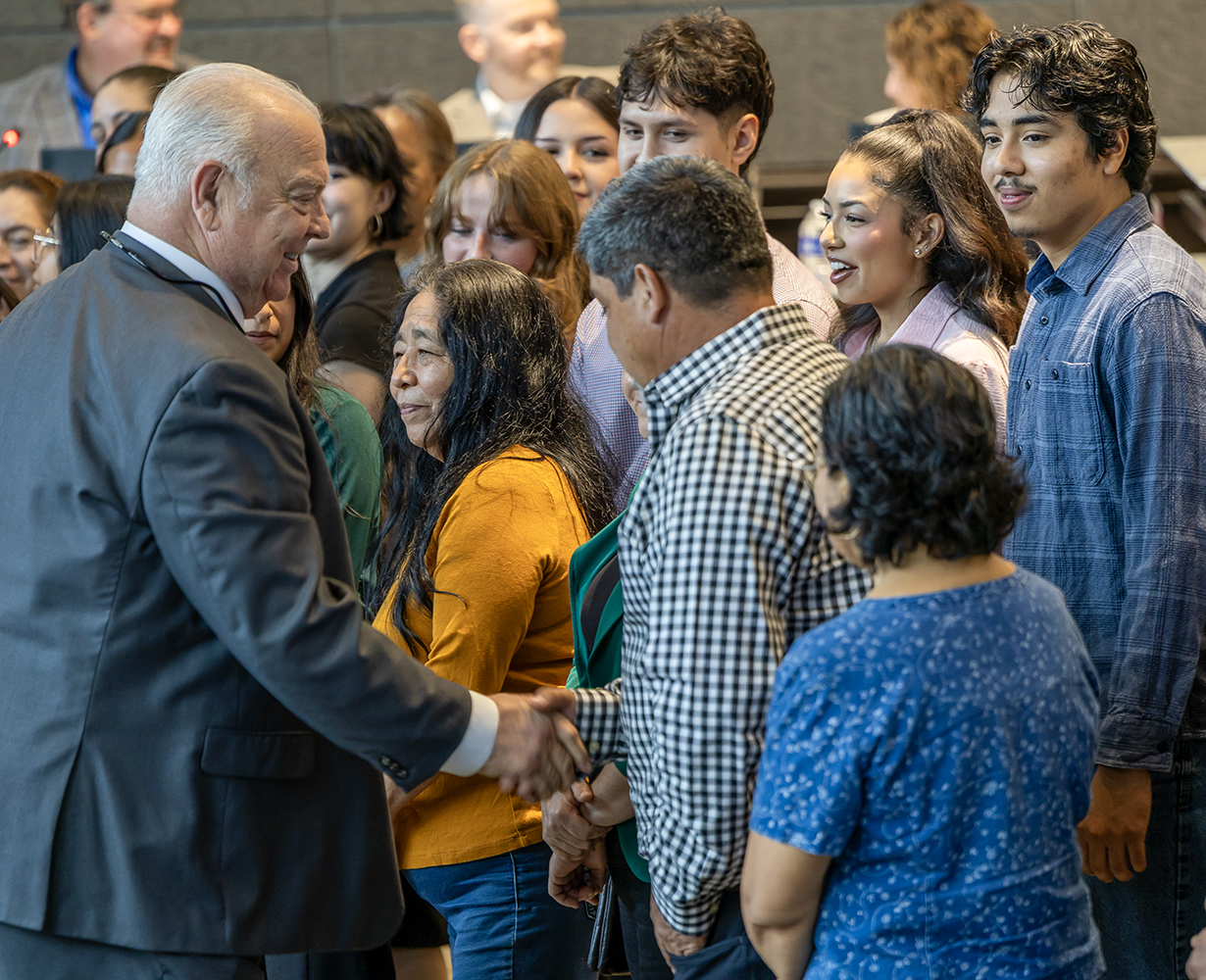
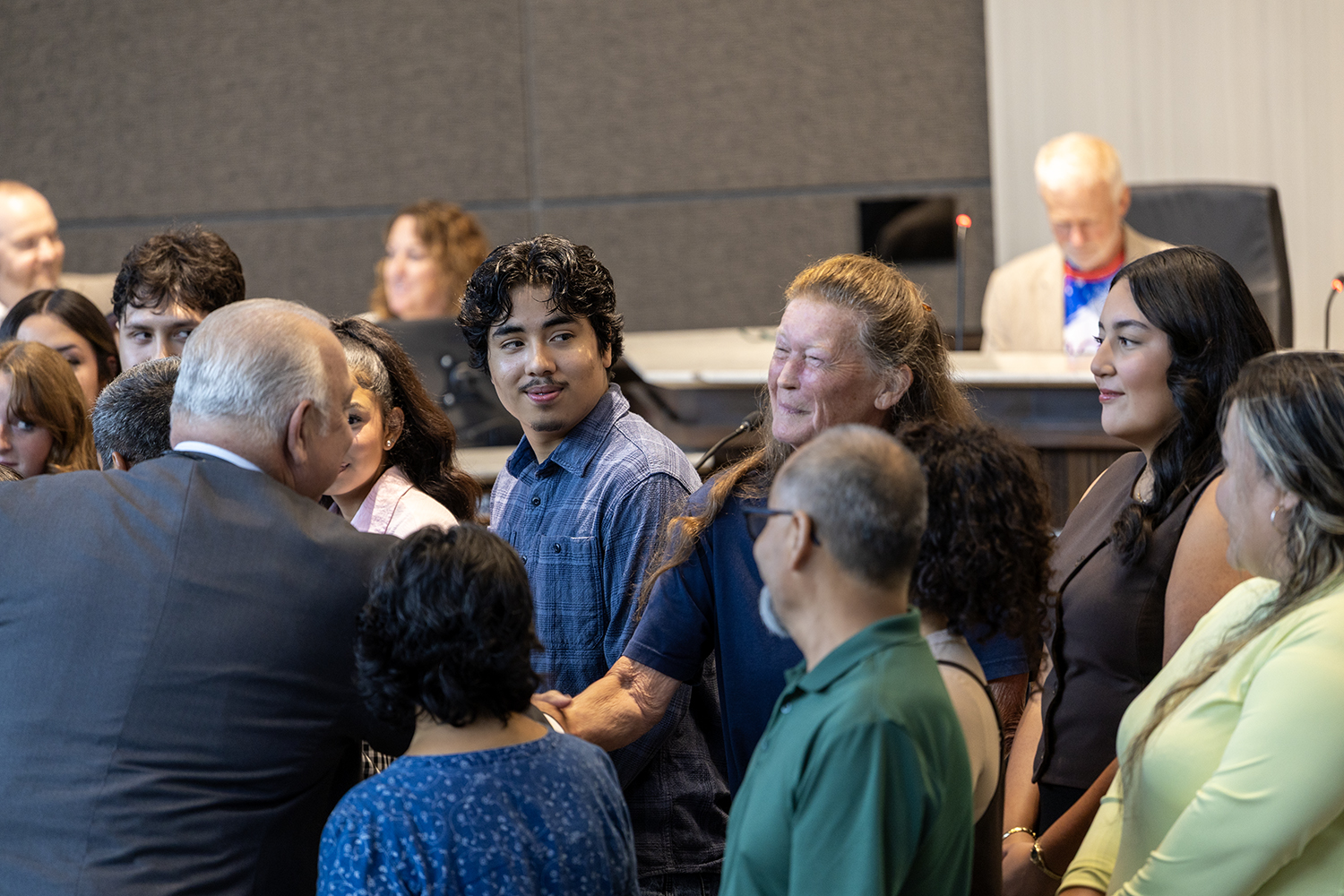
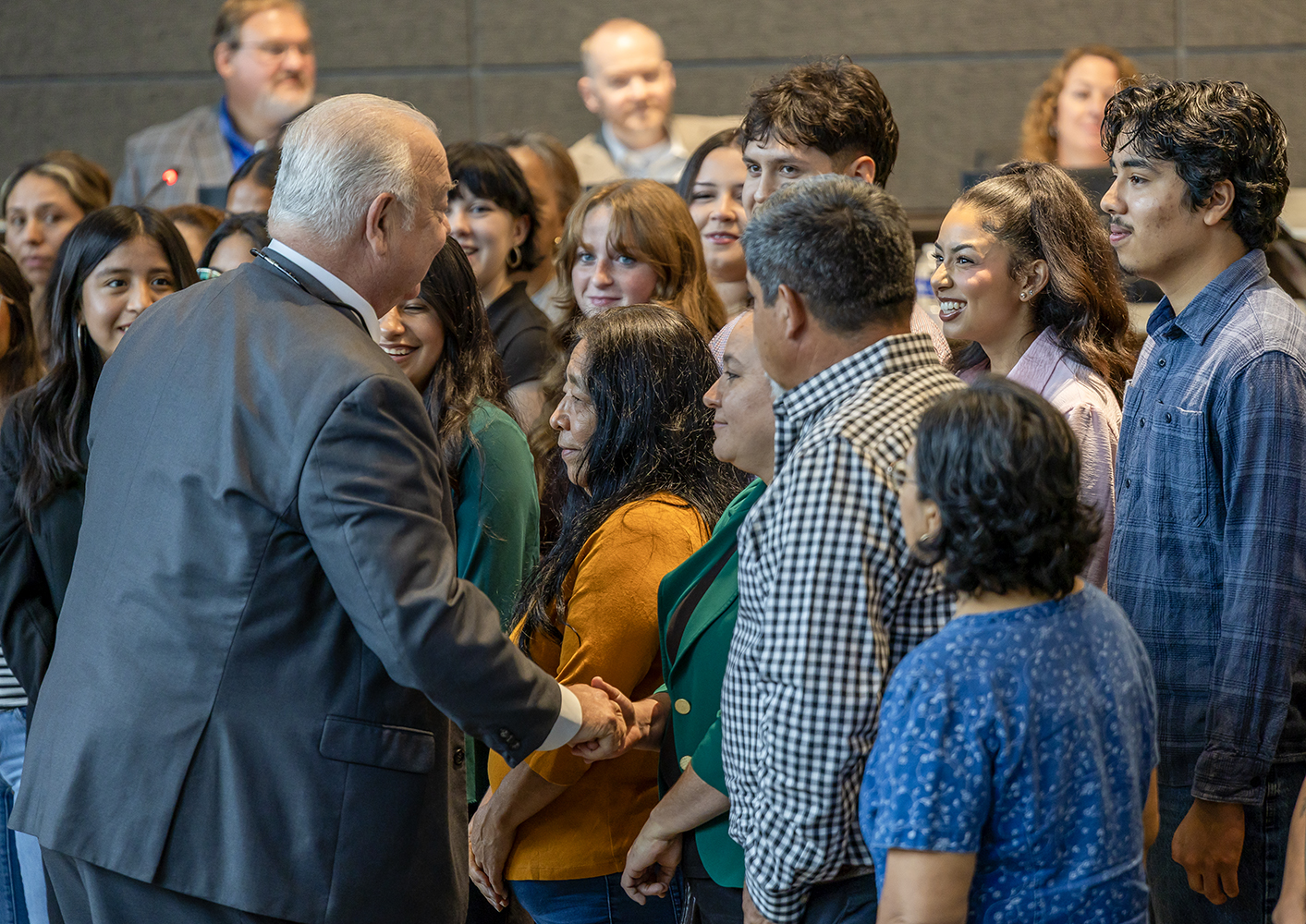
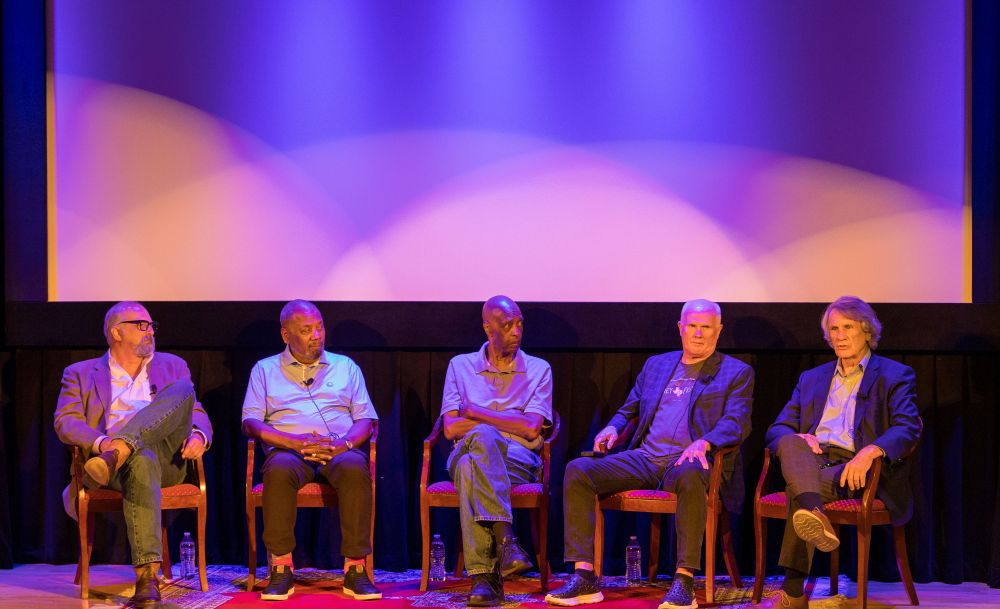
After a thrilling first day at the Texas Tribune Festival, LEAP students were excited for more. Day two promised interesting panels, a trip to the LBJ Presidential Library, the Texas Capitol and a chance to broaden our culinary horizons.
A look into the Texas Republican Agenda
By Ruthie Passmore
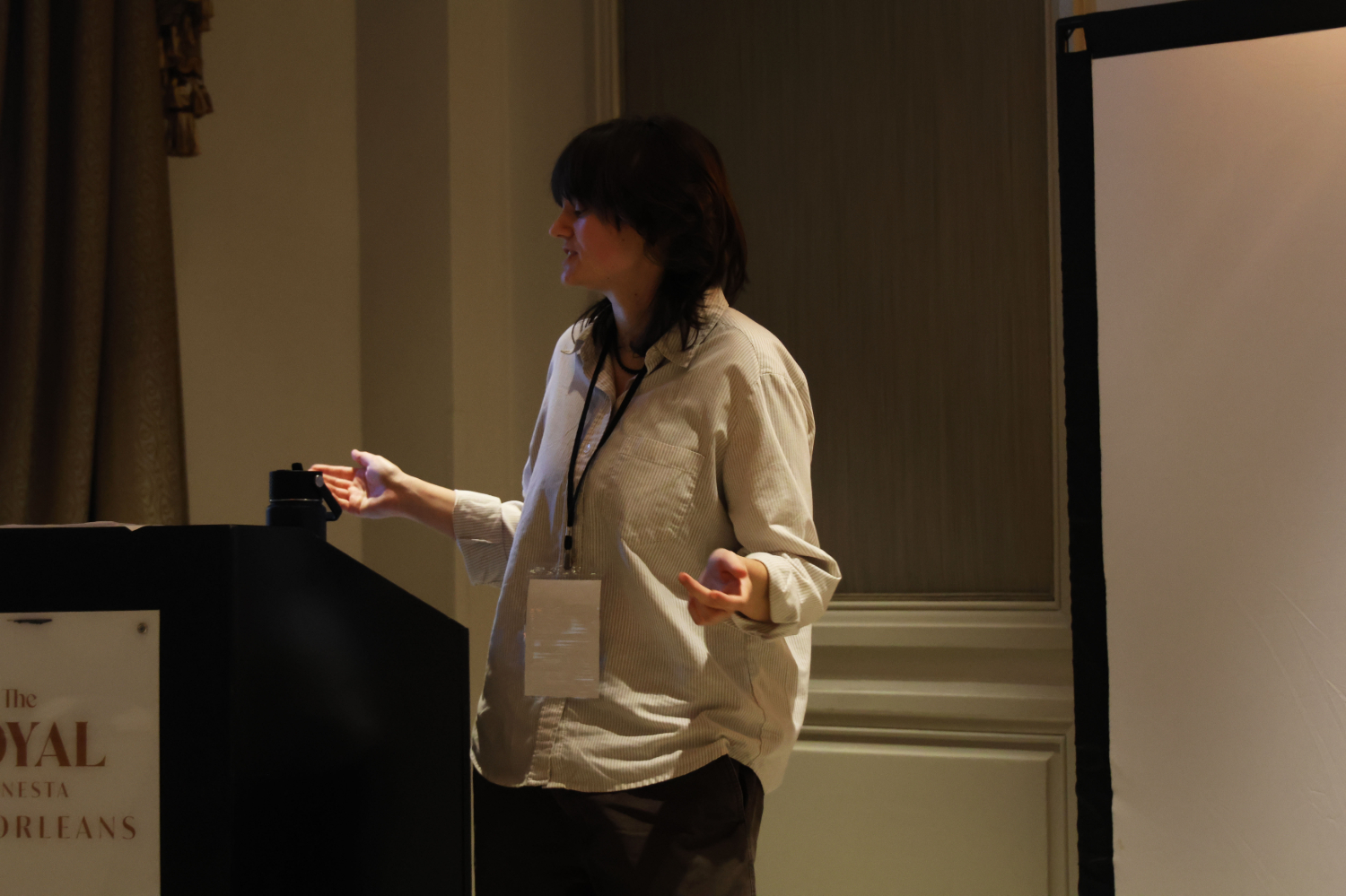
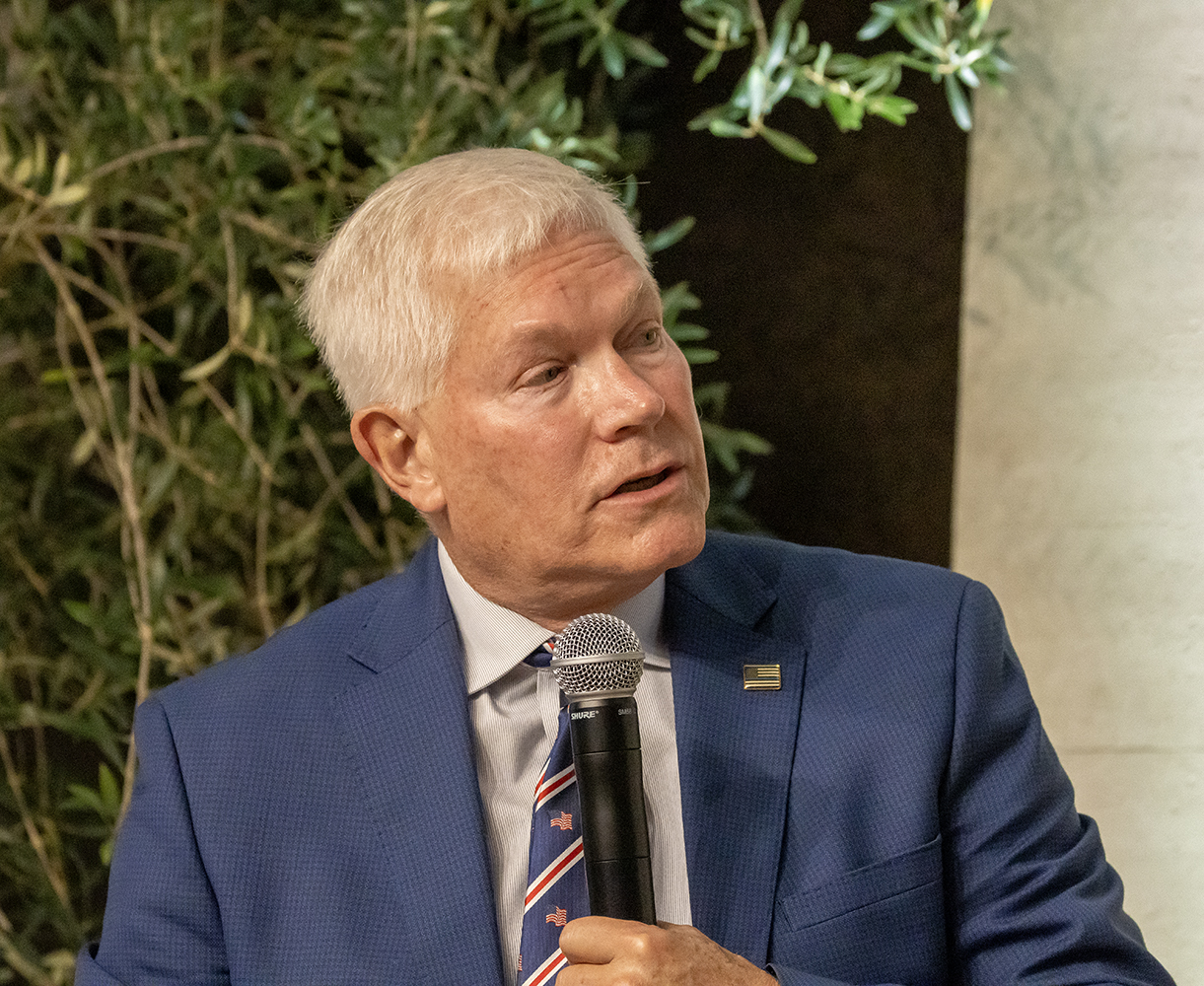
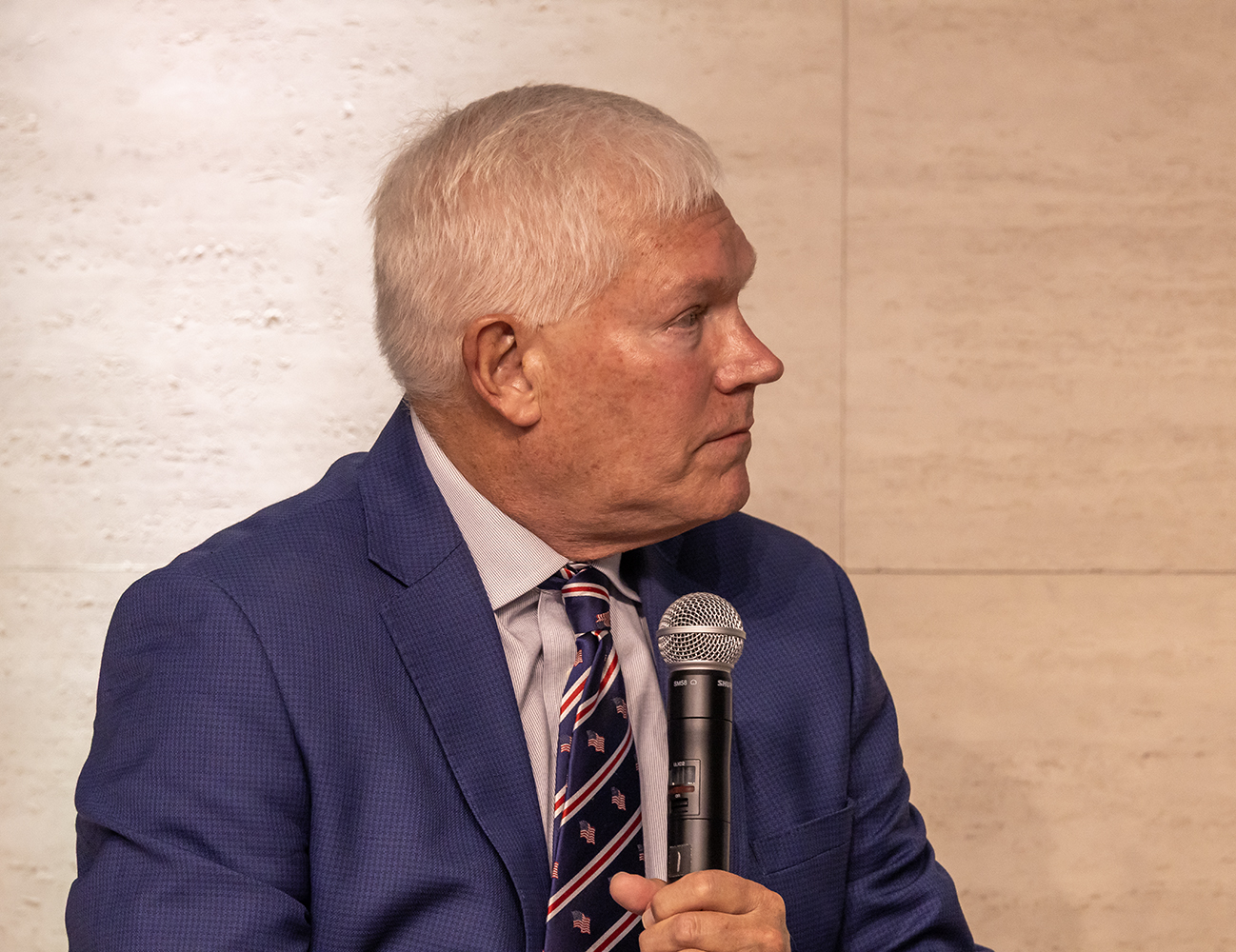
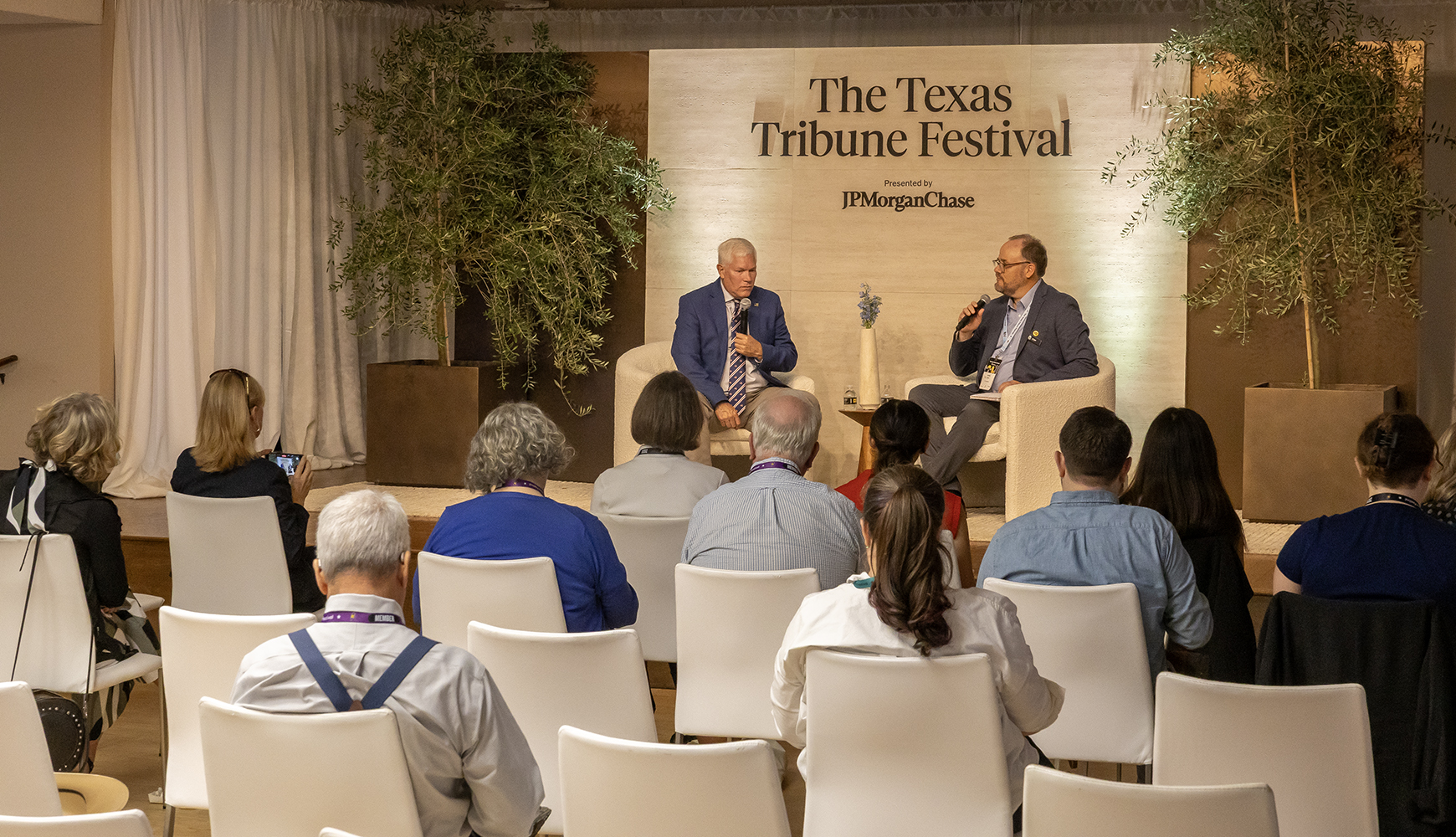
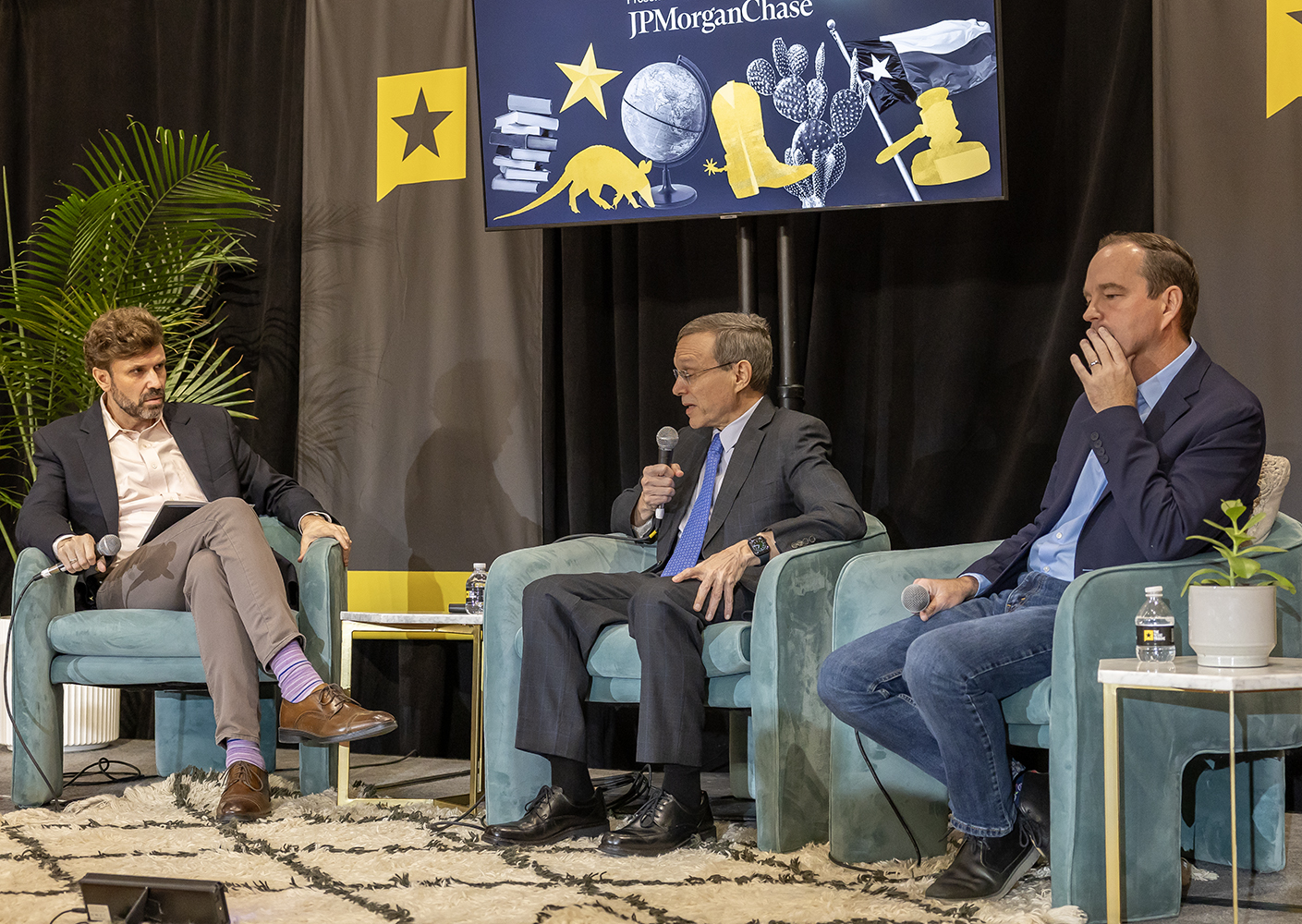
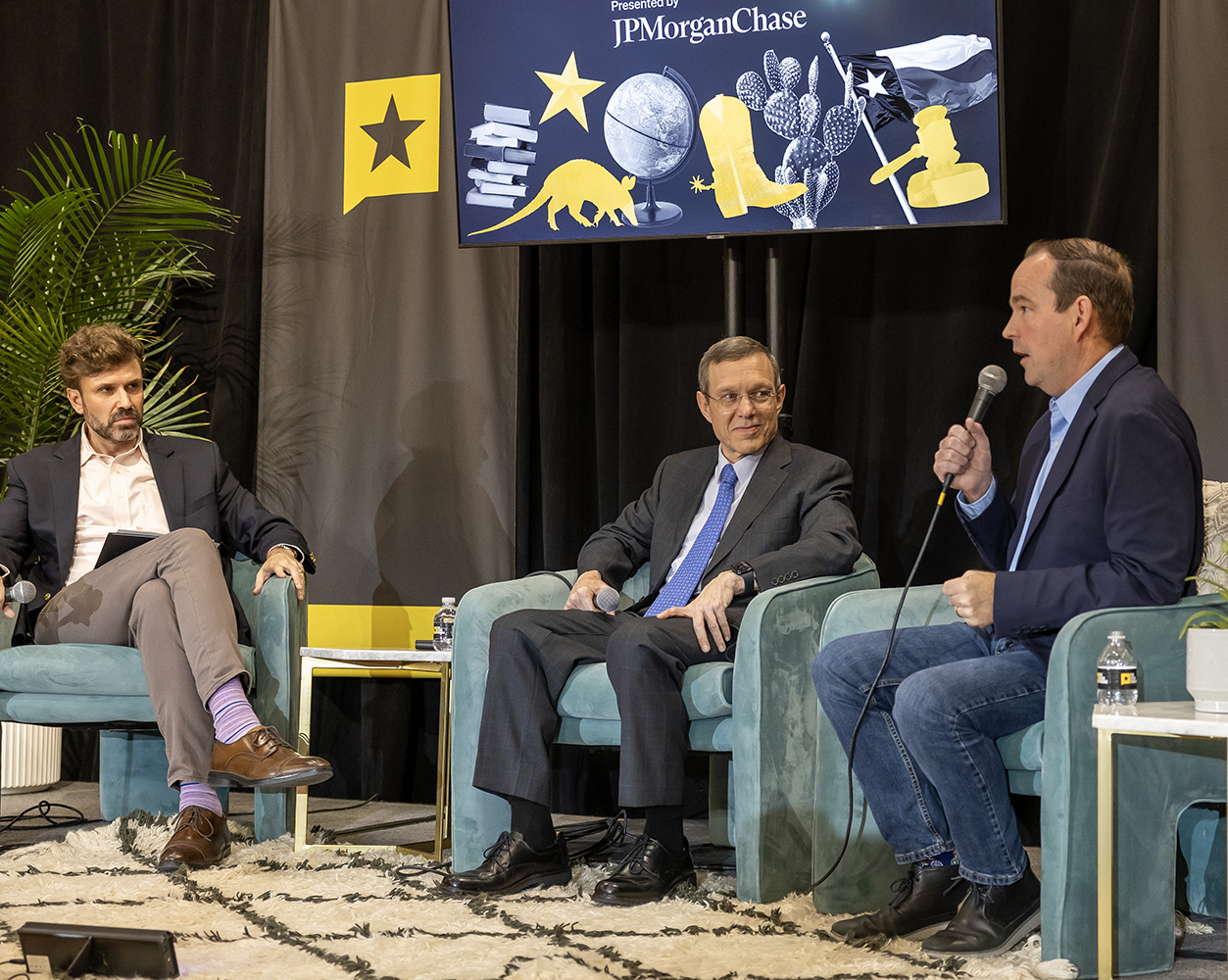
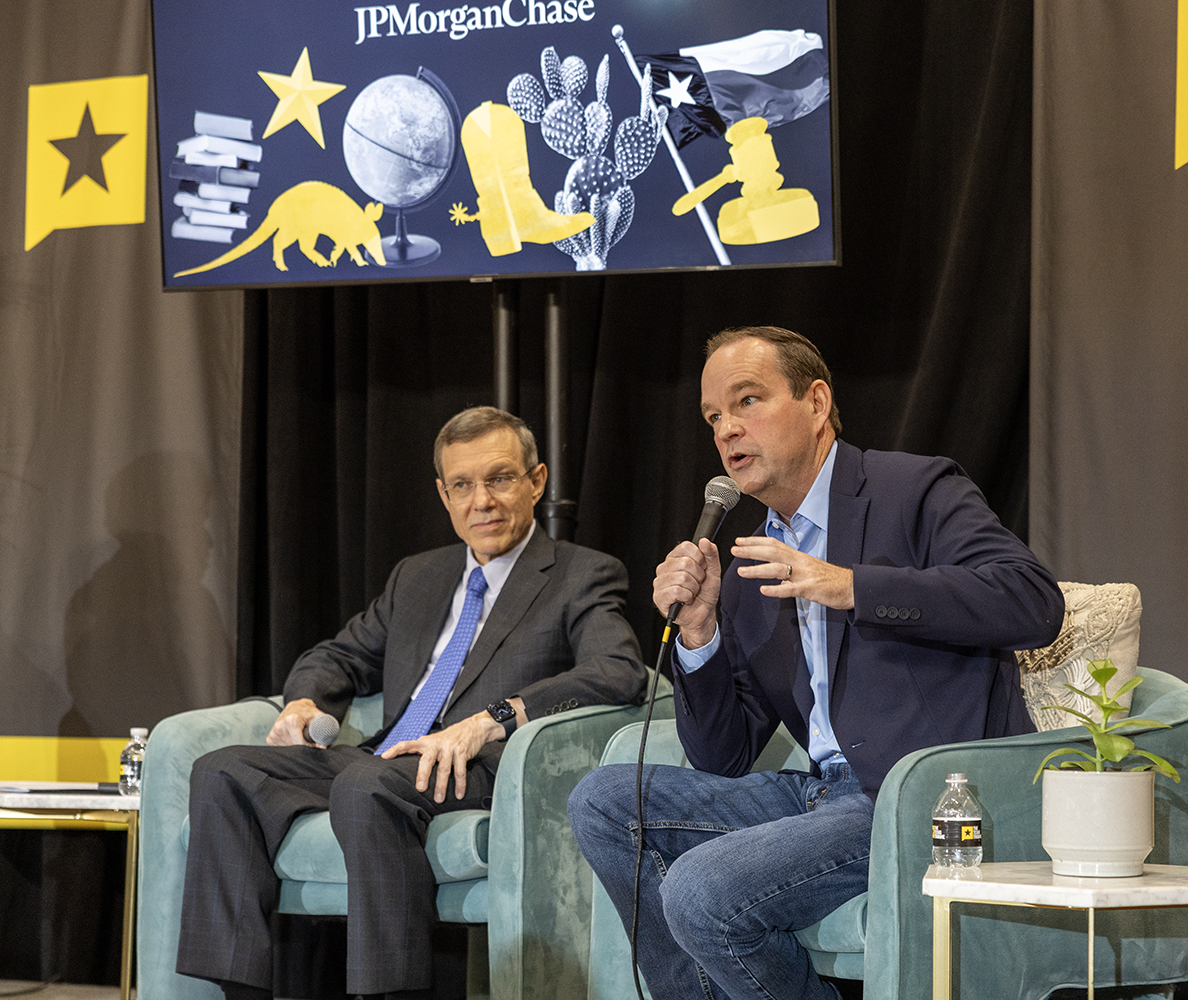
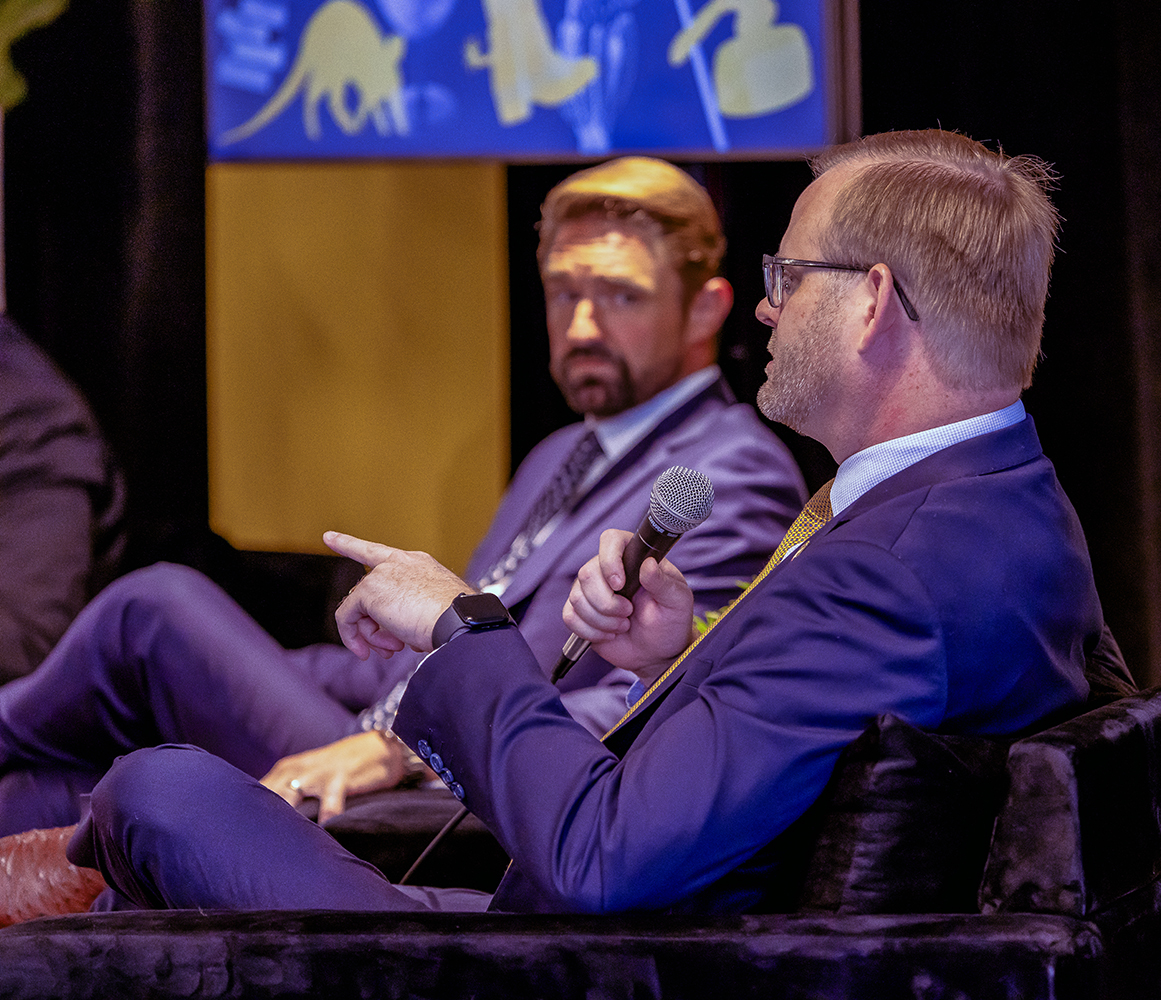
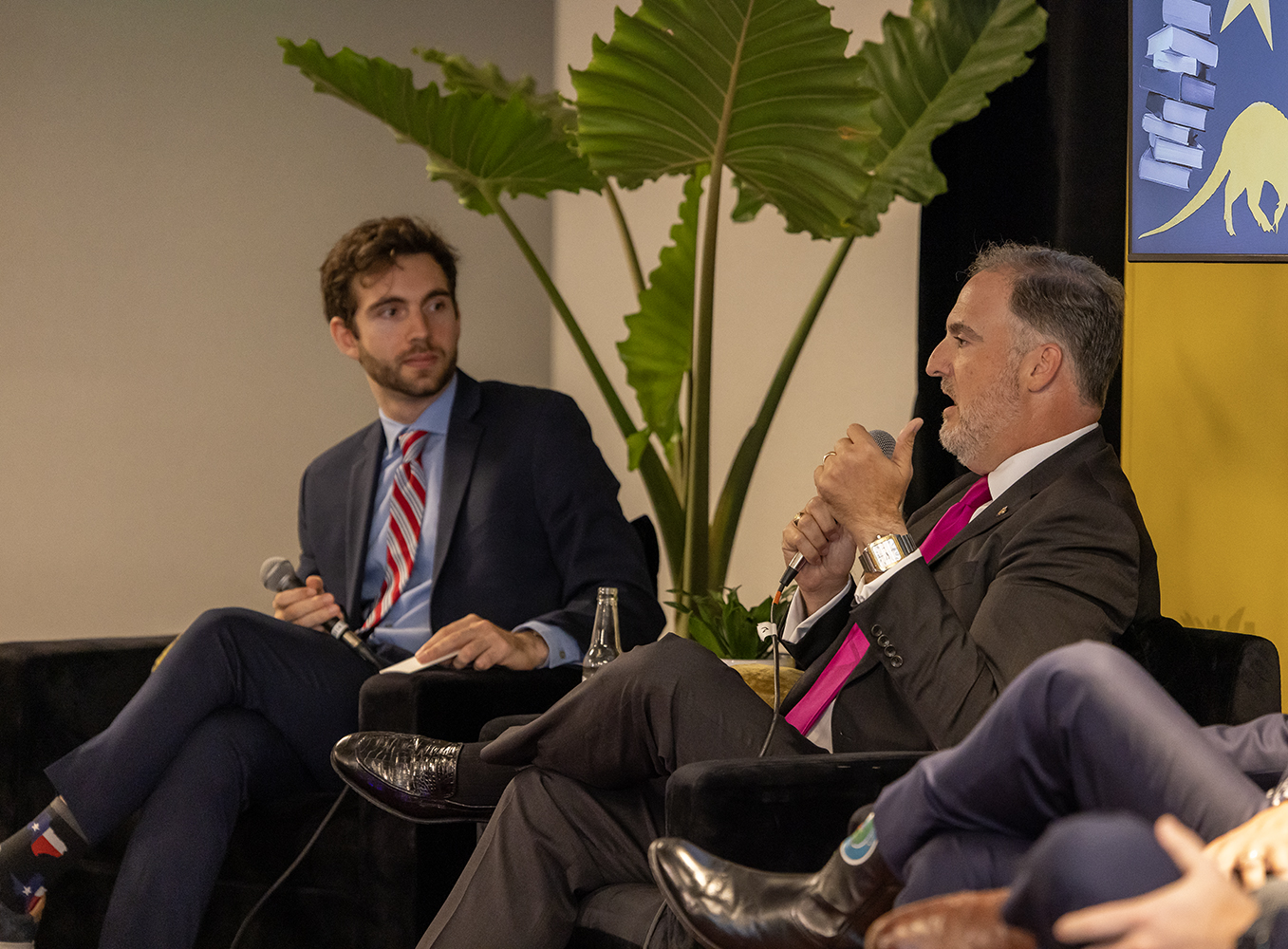
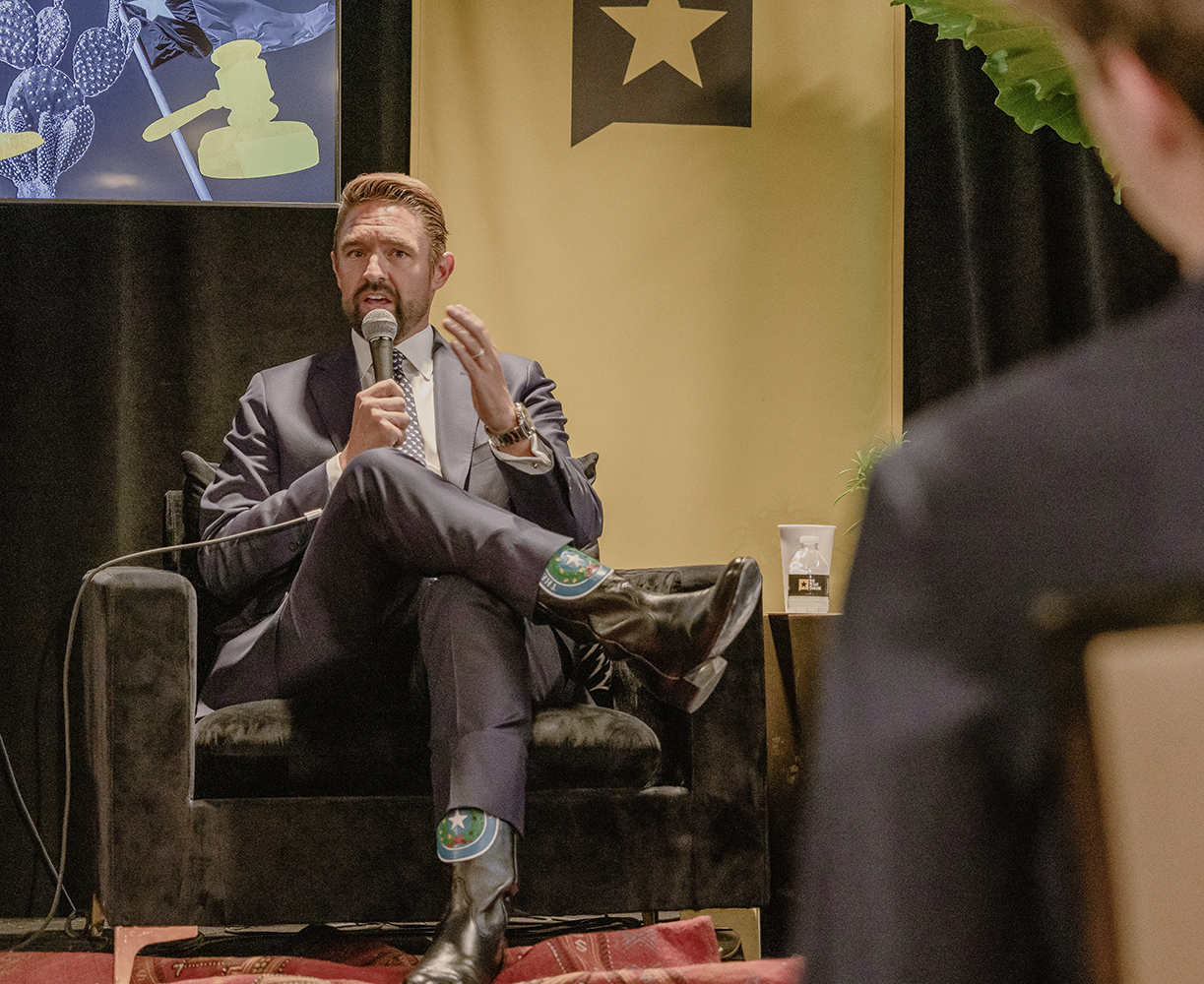
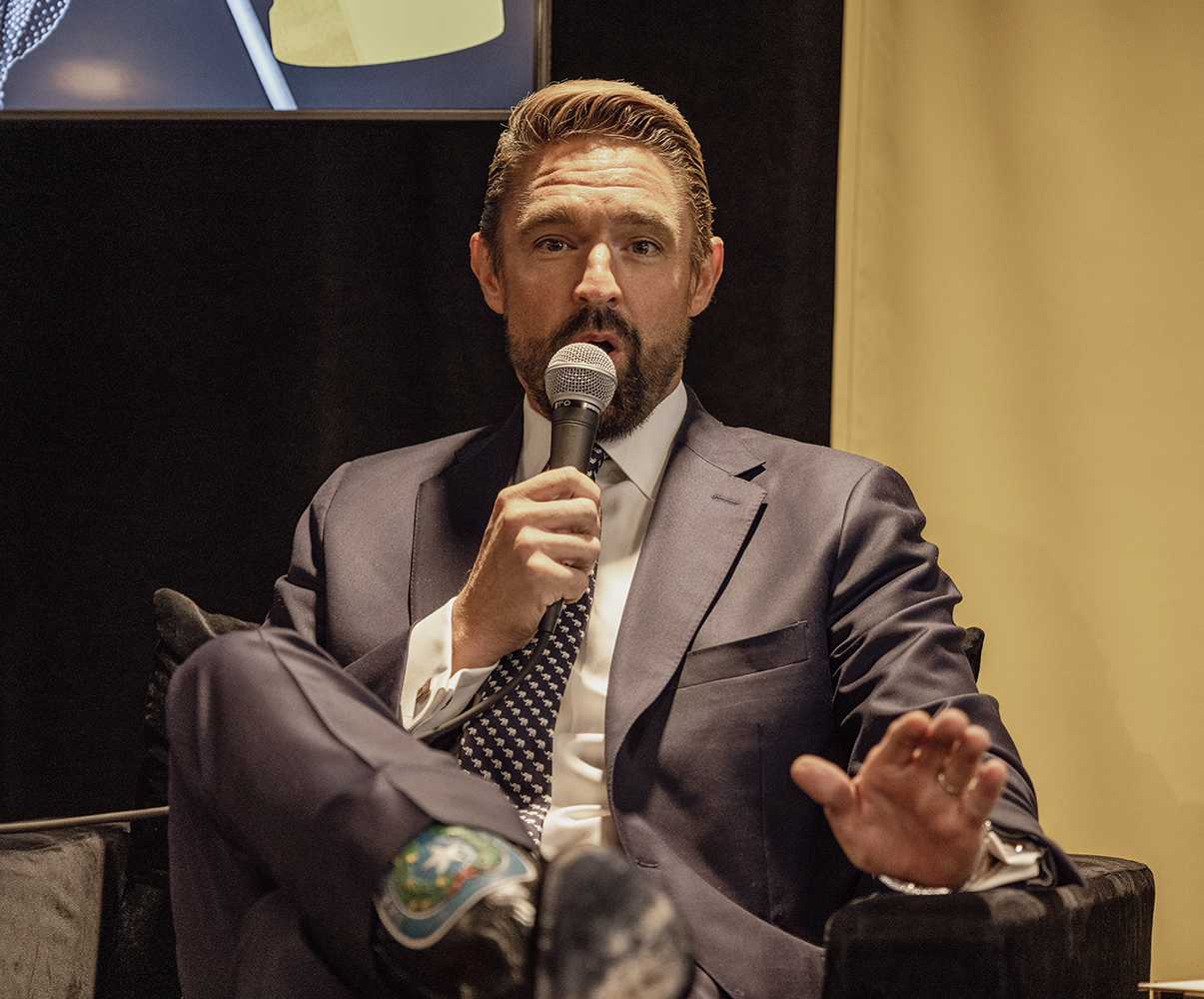
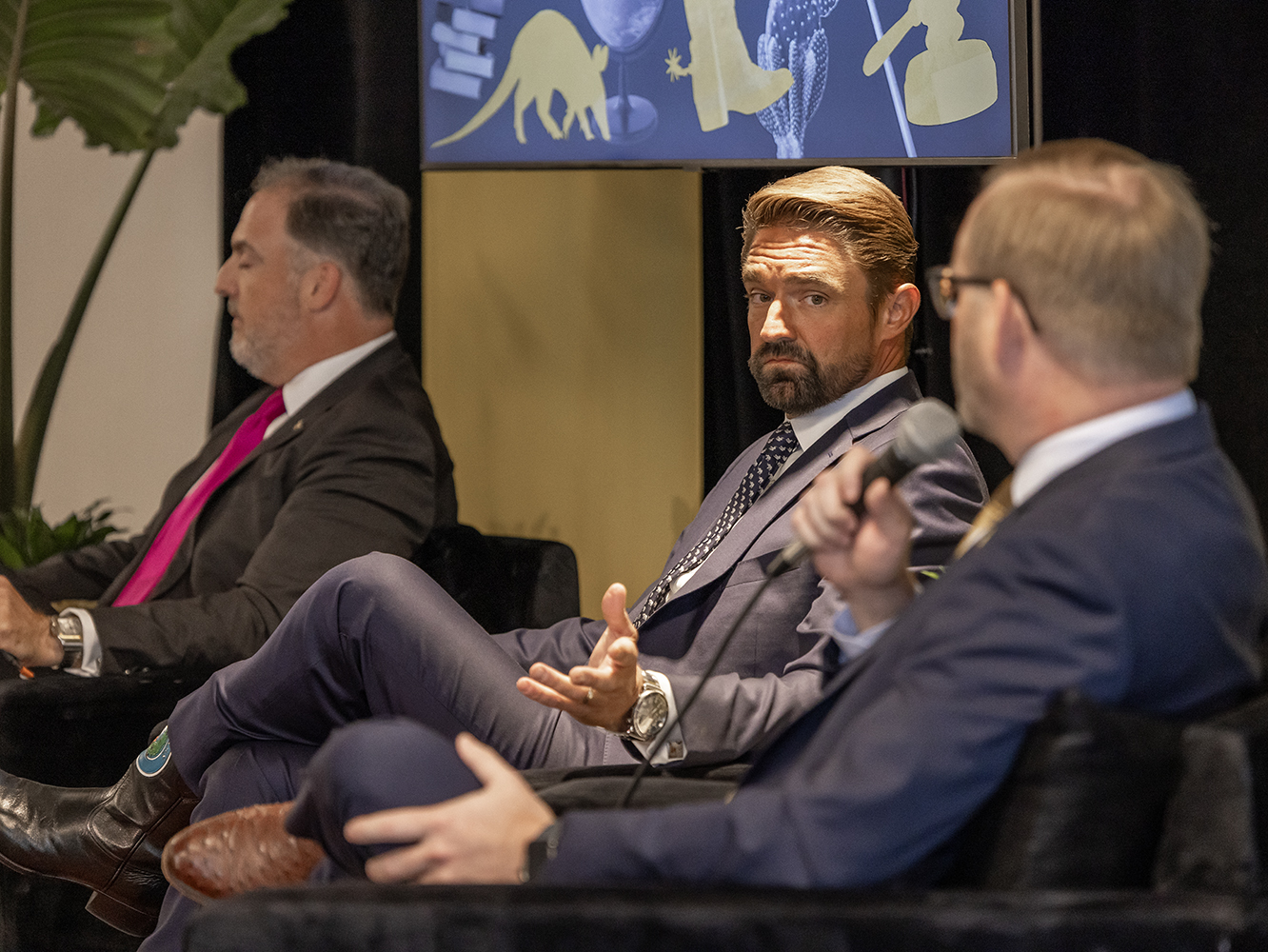
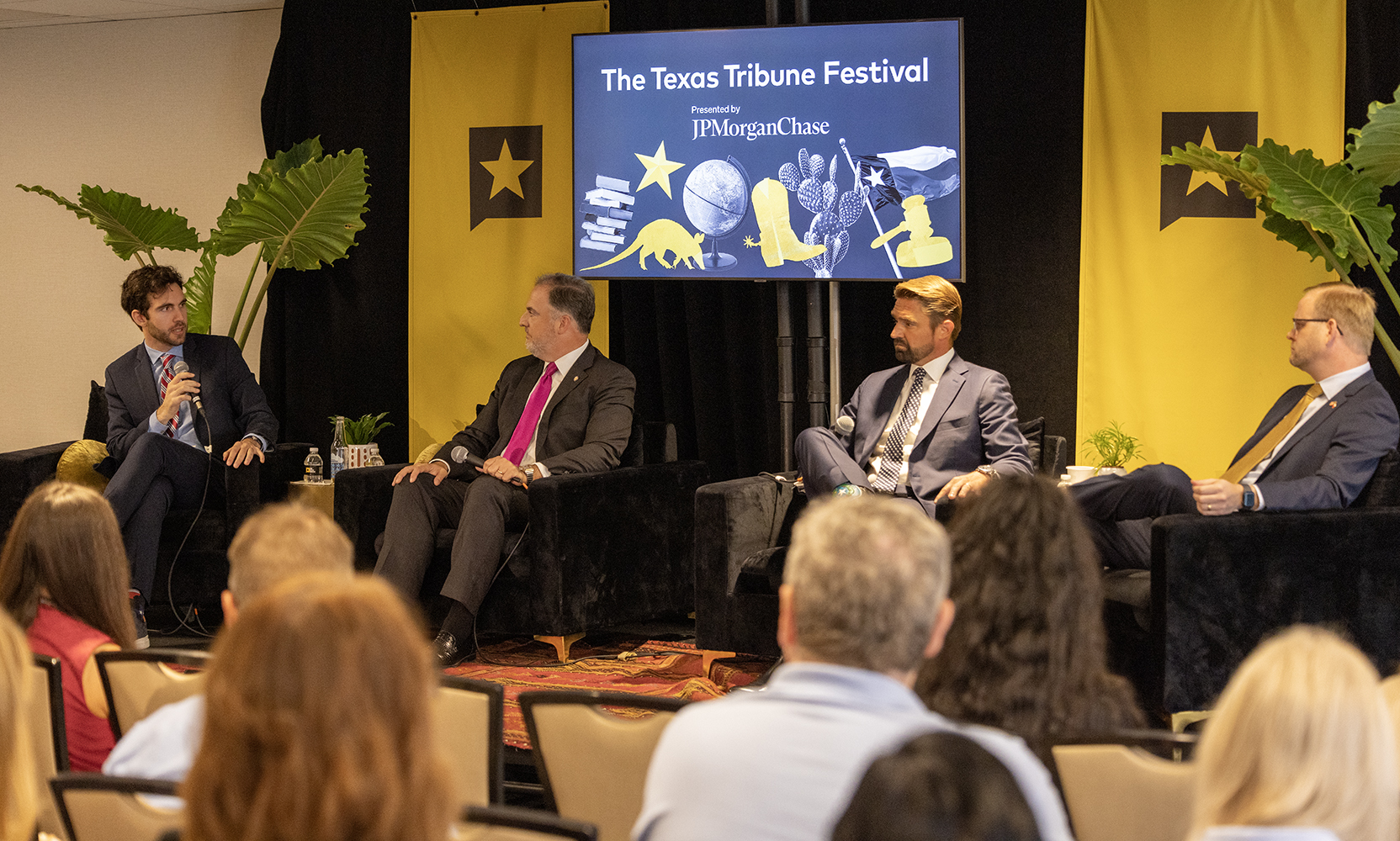
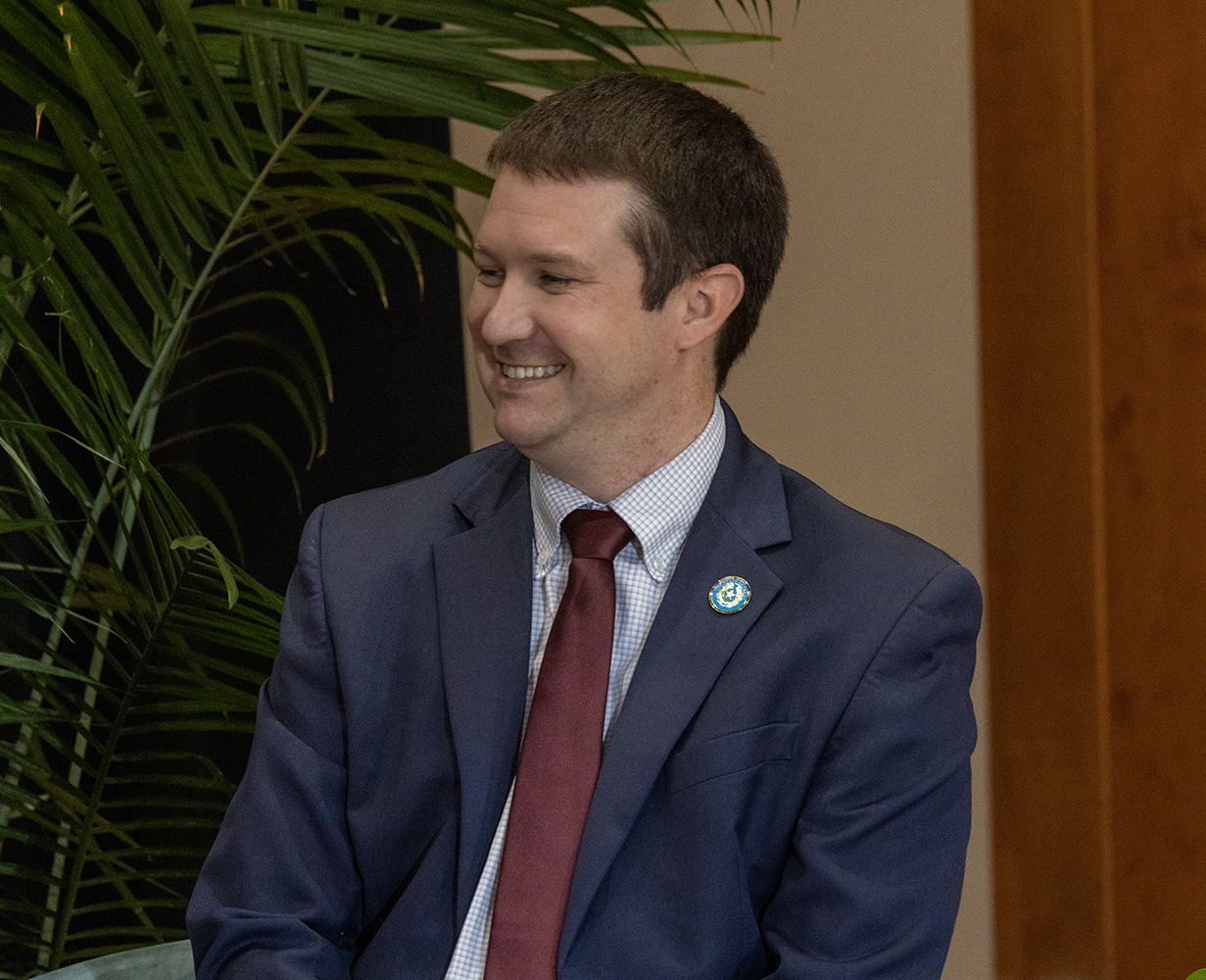
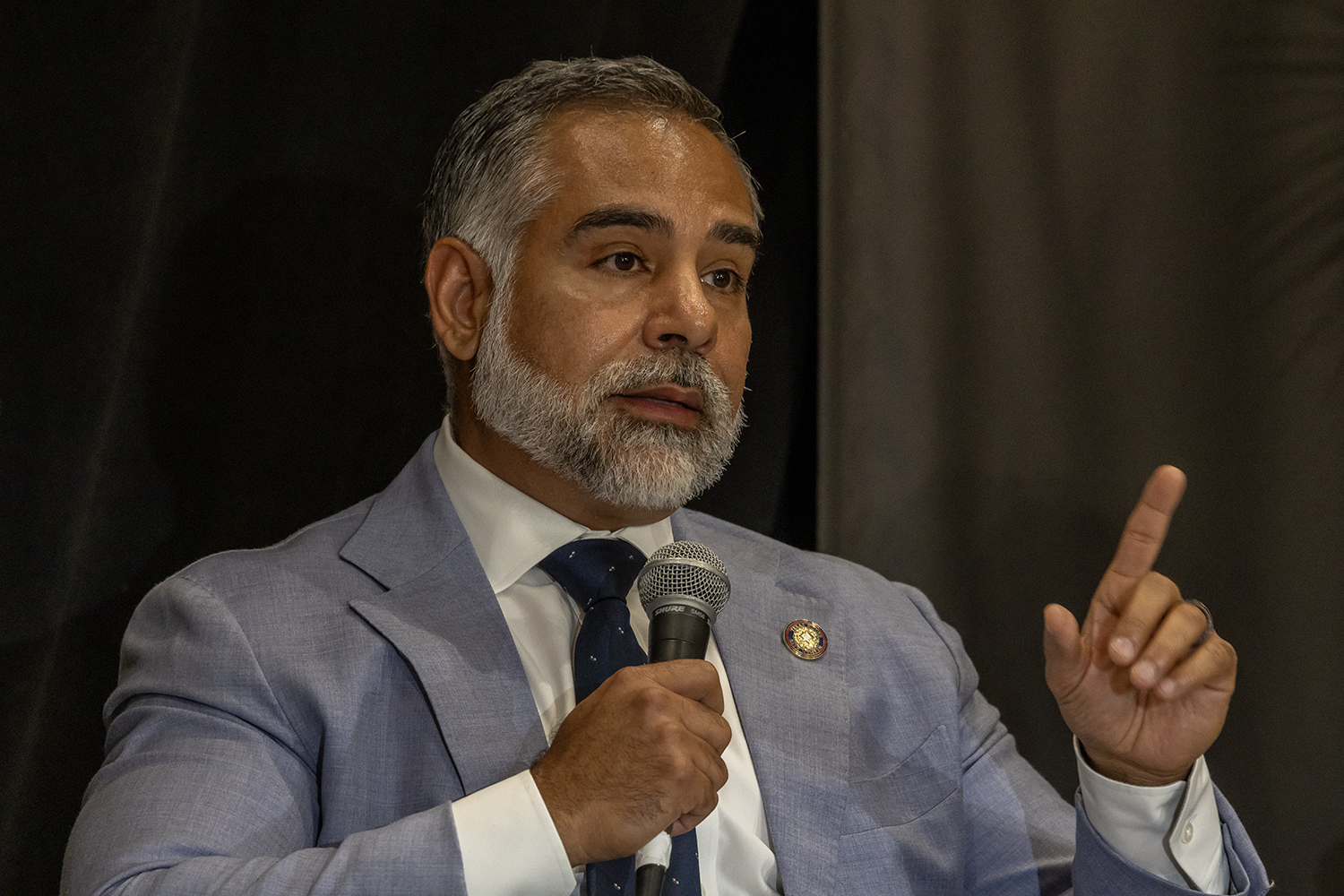
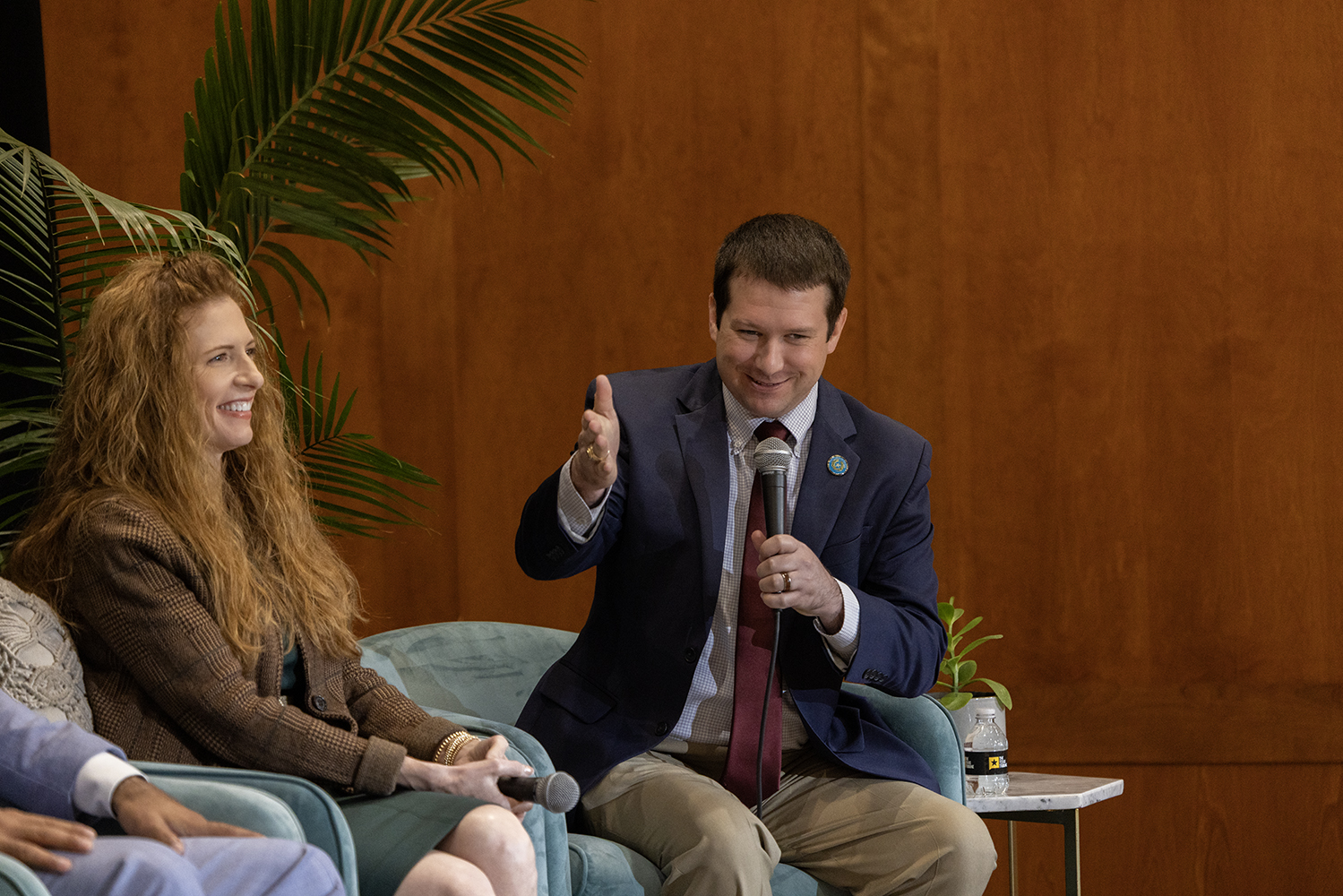
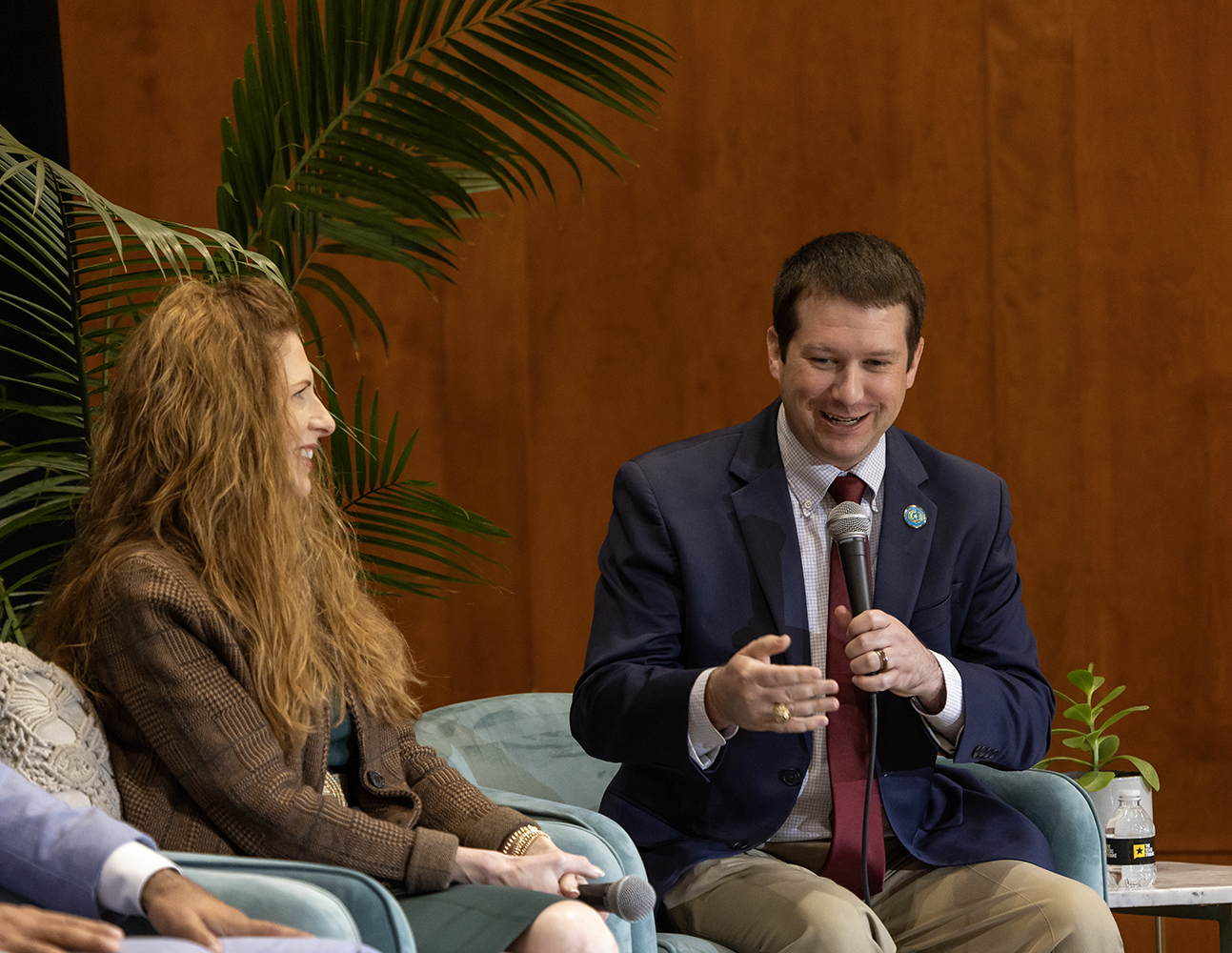
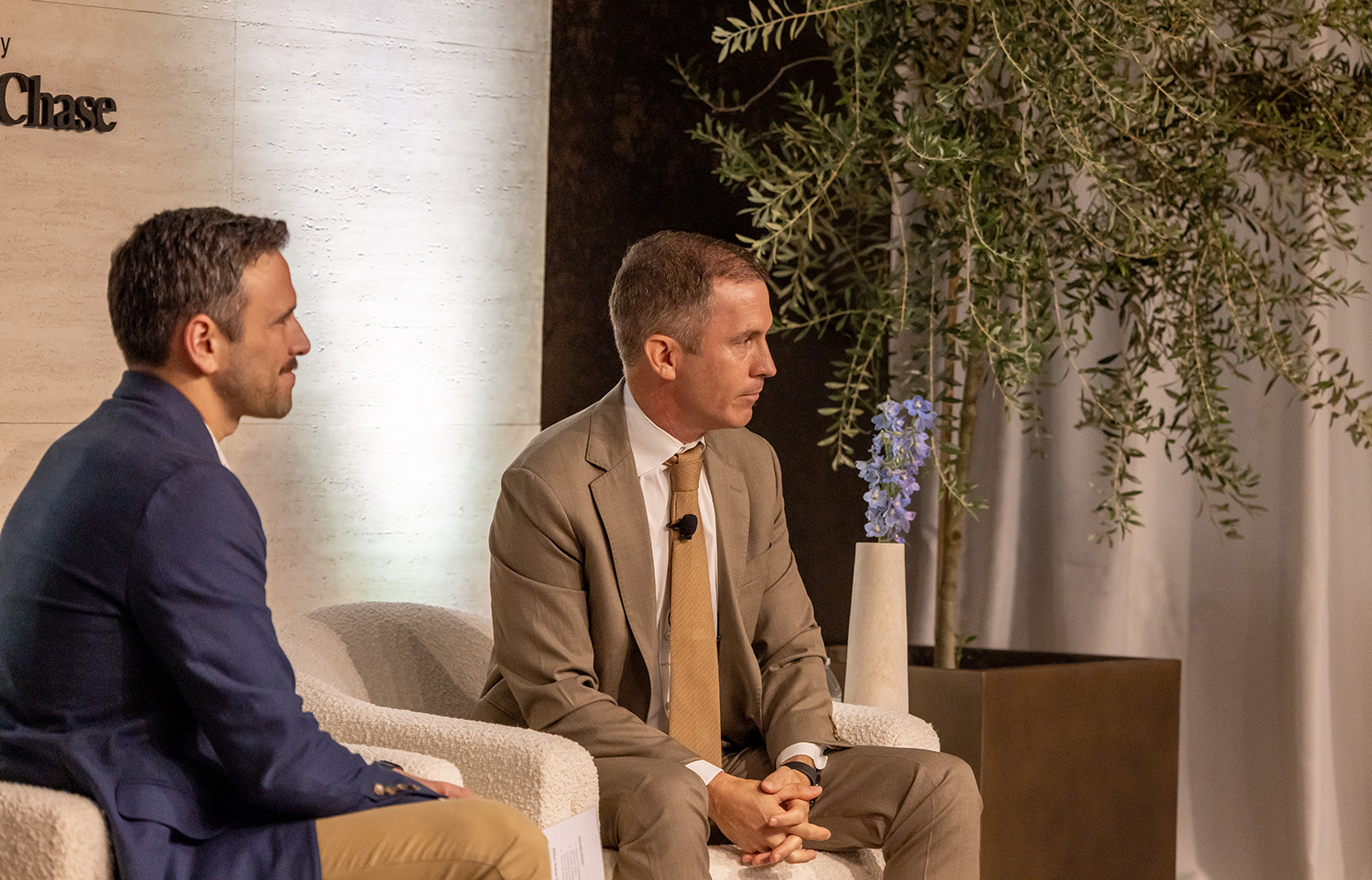
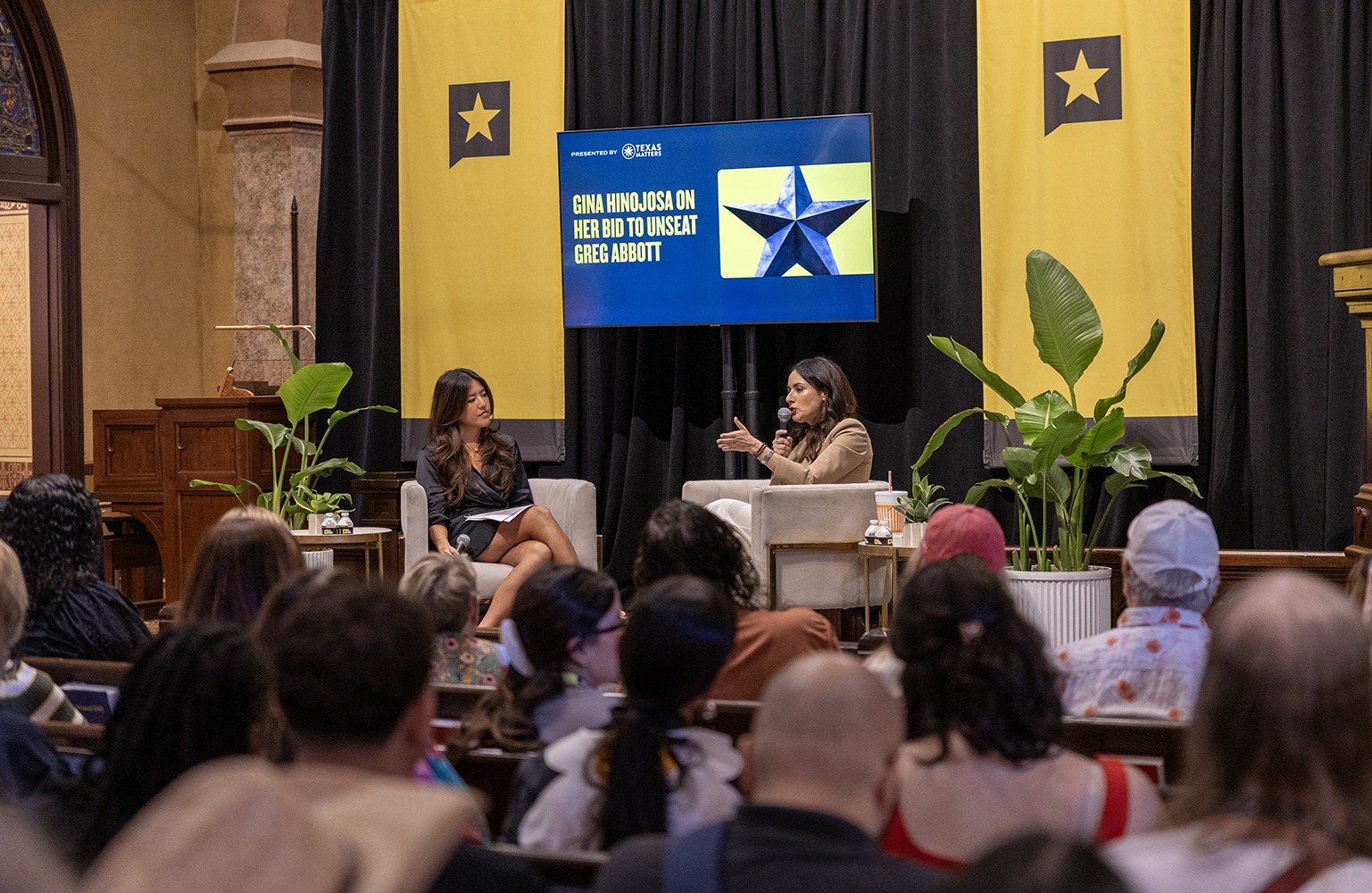
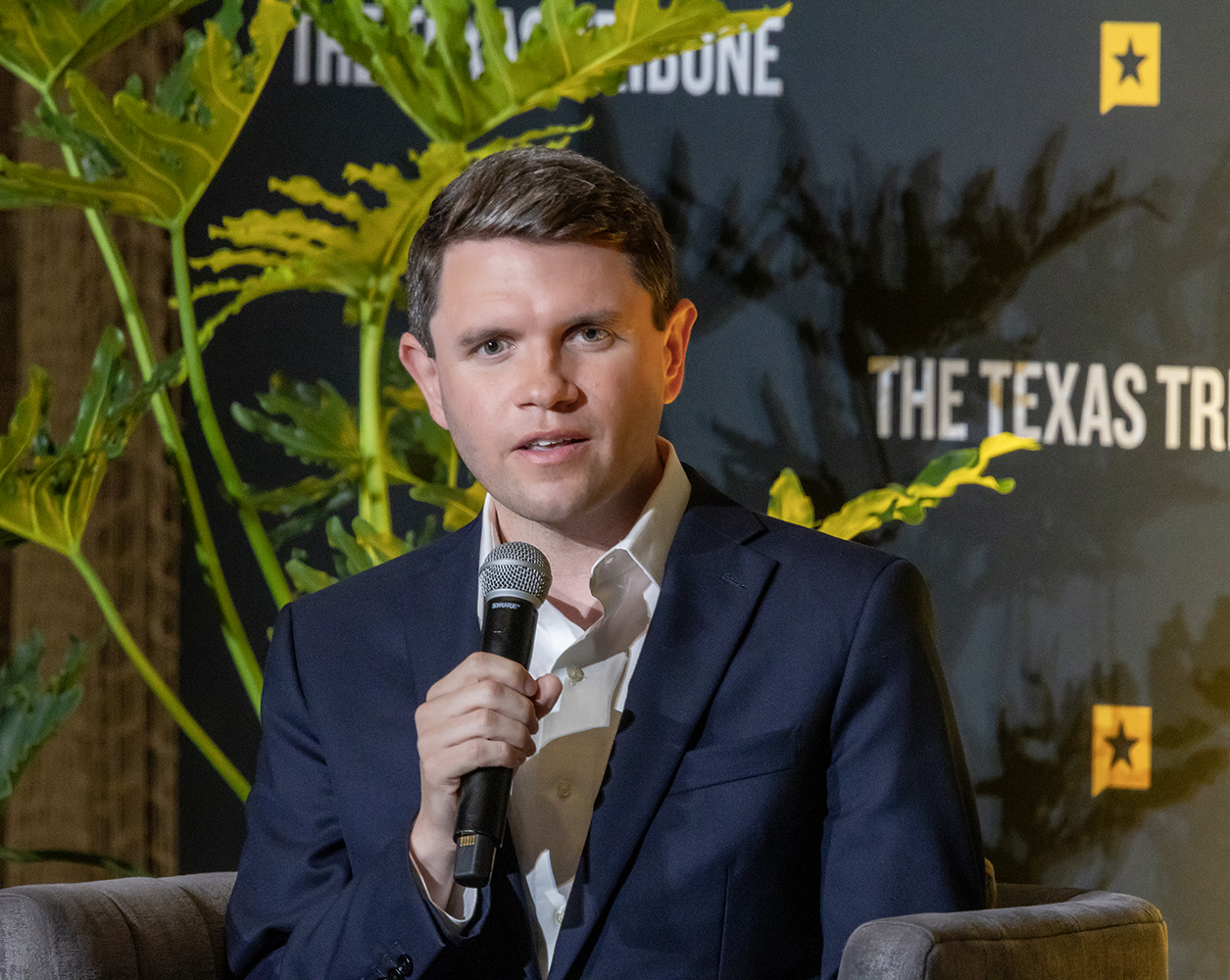
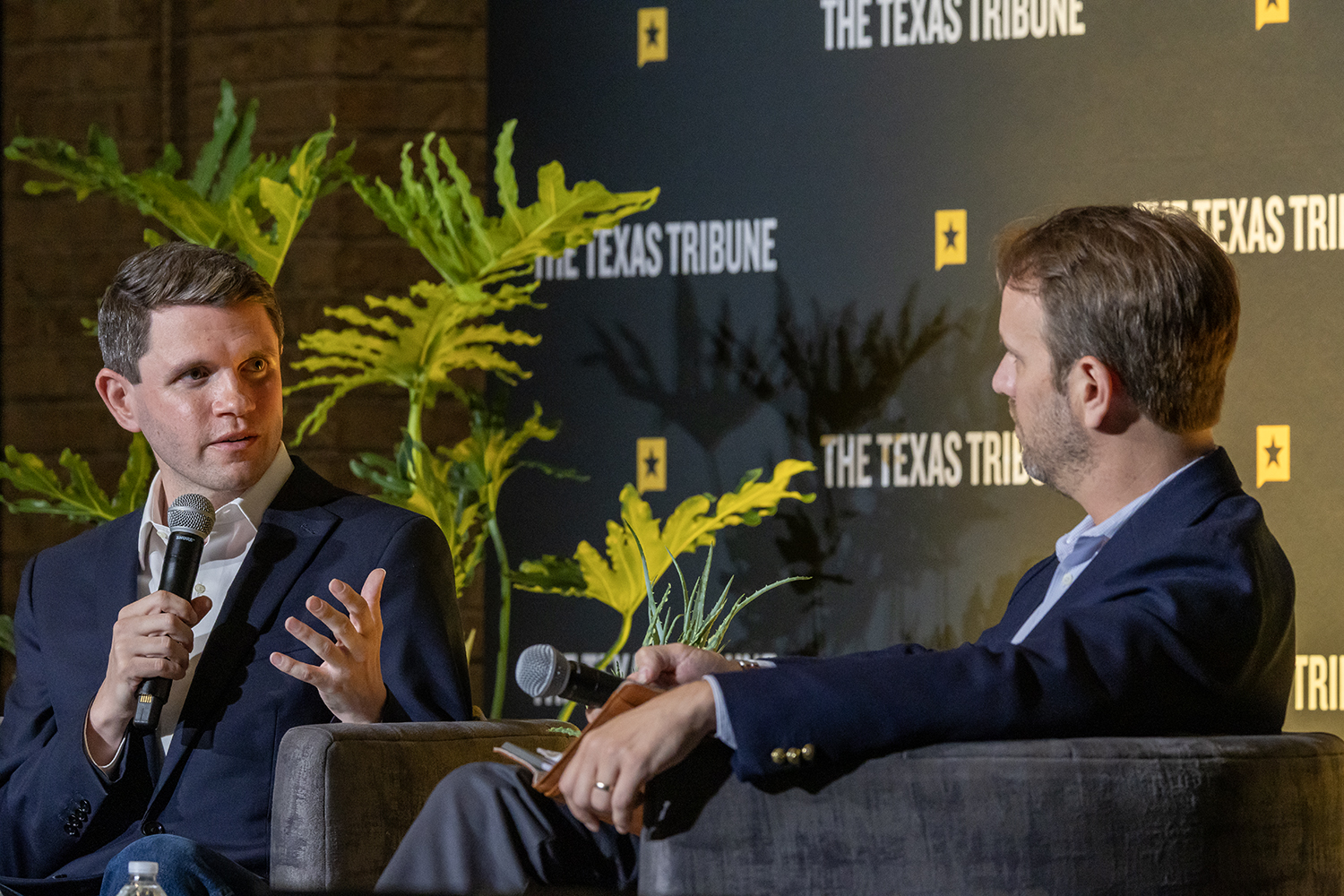
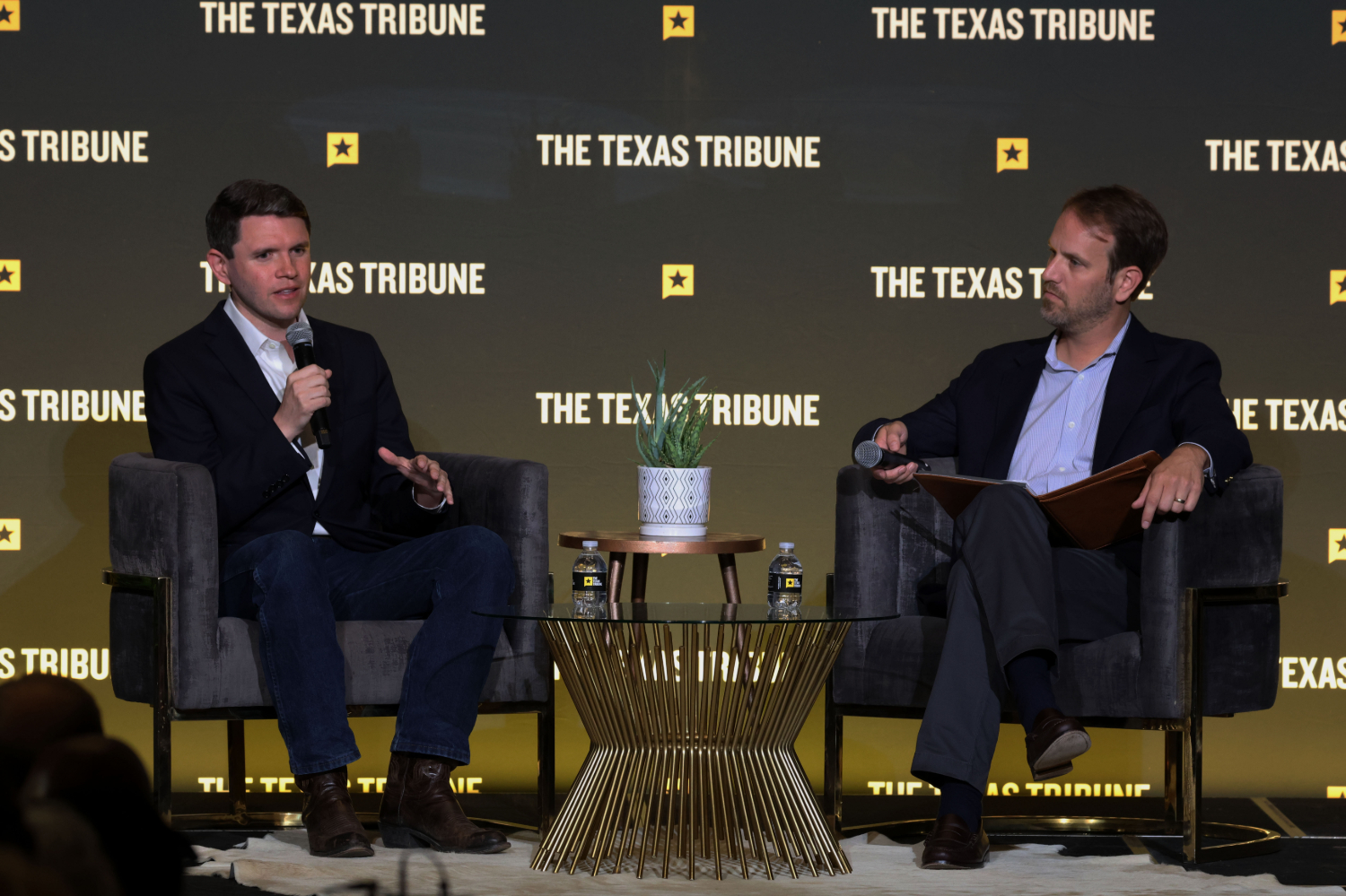
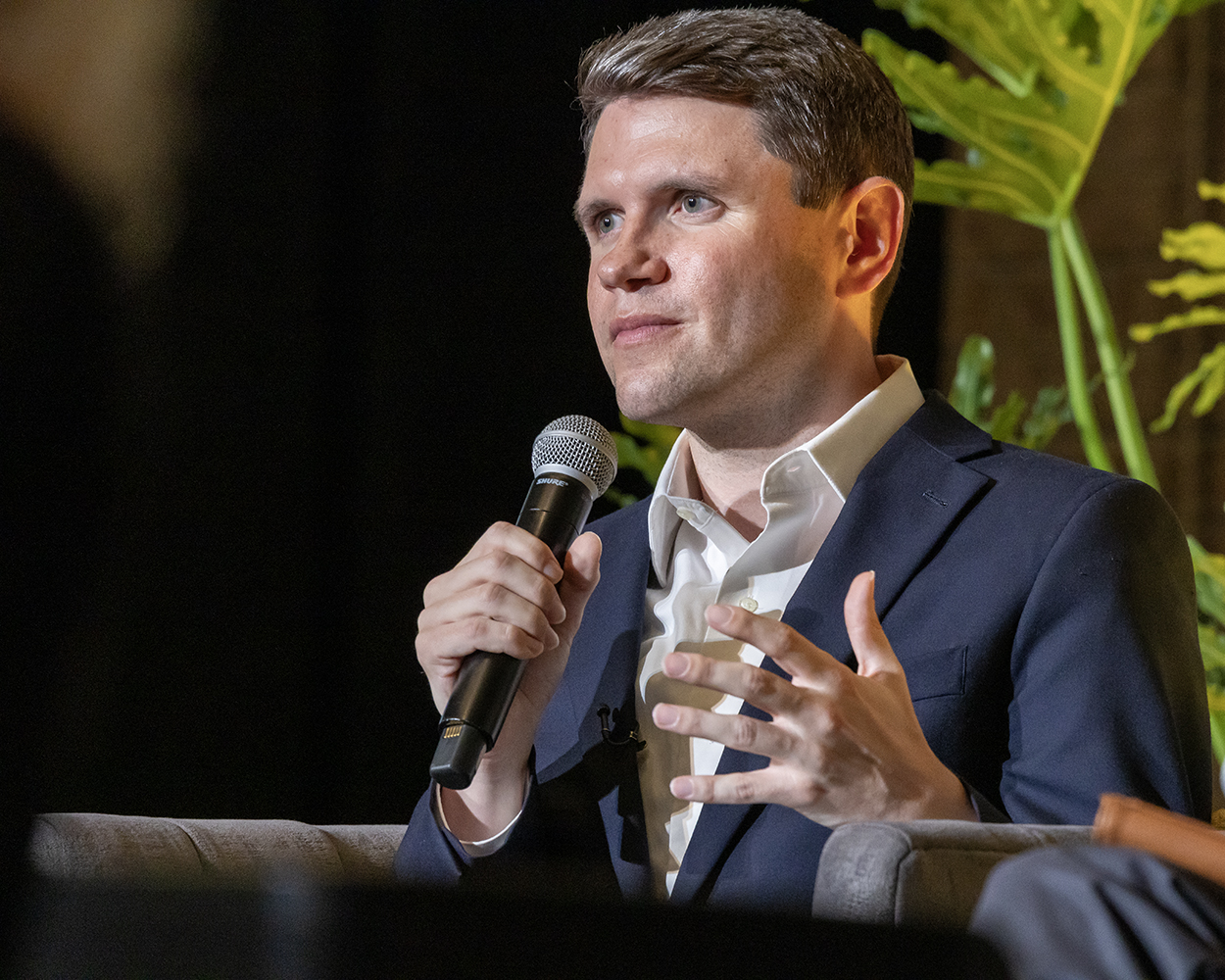
To start the day, several of us went to see “The Texas Republican Agenda.” The panel consisted of Texas State Representatives Daniel Alders of House District 6, Jeff Leach of House District 67, and Mitch Little of House District 65, with Renzo Downey serving as the moderator. As a group, the representatives emphasized core Republican values while maintaining respectful dialogue with audience members holding differing views, of which there were many.
One key focus was on property taxes, and the possibility of a “tax-swap” was raised, with sales taxes replacing property taxes. While the concept was received positively in principle, it would require major restructuring.
Another fascinating question was what other ways Republicans are looking into helping with health care (and general life) affordability. Representative Alders noted his service on the Texas House Select Committee on Health Care Affordability, emphasizing the committee’s focus on developing policy solutions that offer more relief options for Texans.
Representative Little responded by stating that the less the government spends, the more money there remains for citizens.
Representative Leach particularly impressed me by handling questions with poise. When asked about committee chairs within the 2027 legislation, he replied by acknowledging his constituents. He expressed that voters are not asking about committee chairs; they are asking about property taxes, education, and affordability for all Texans.
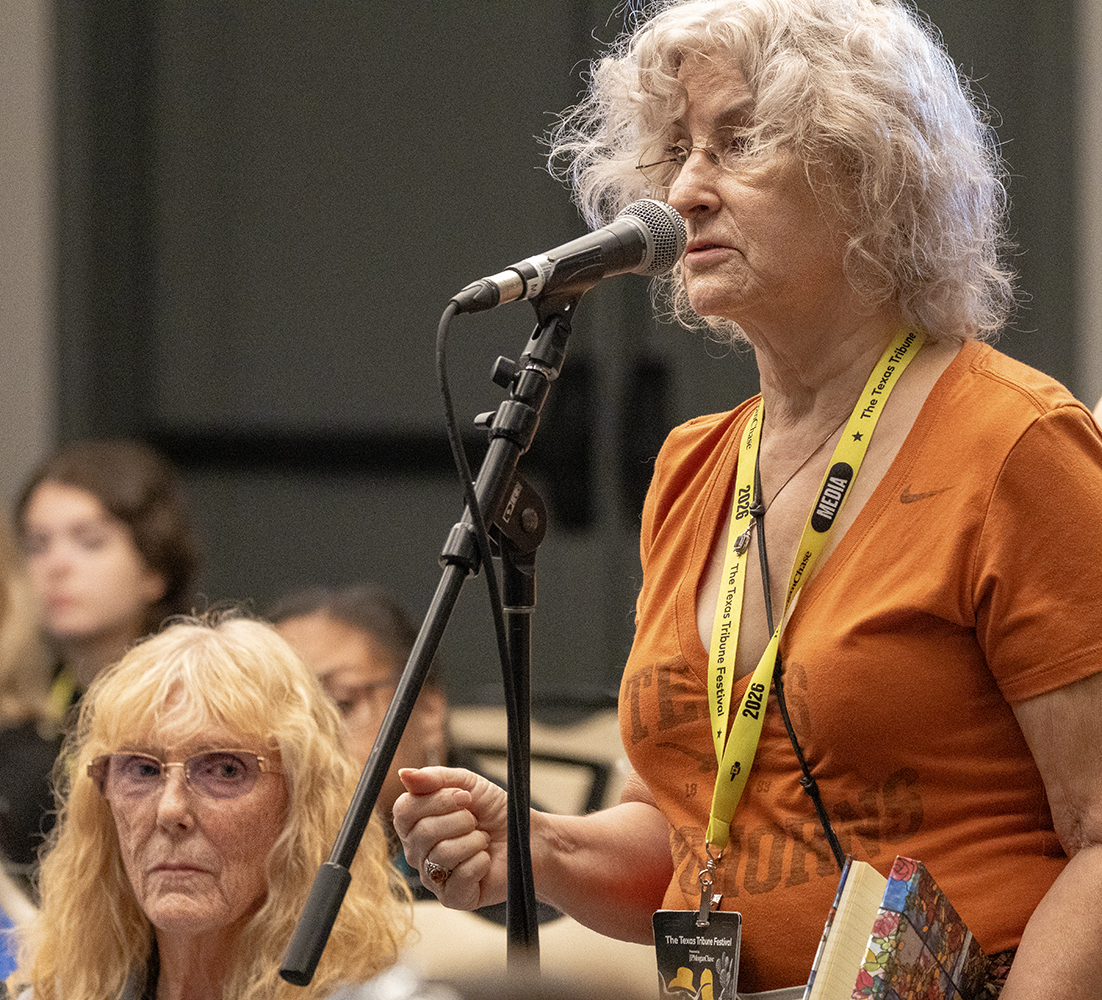
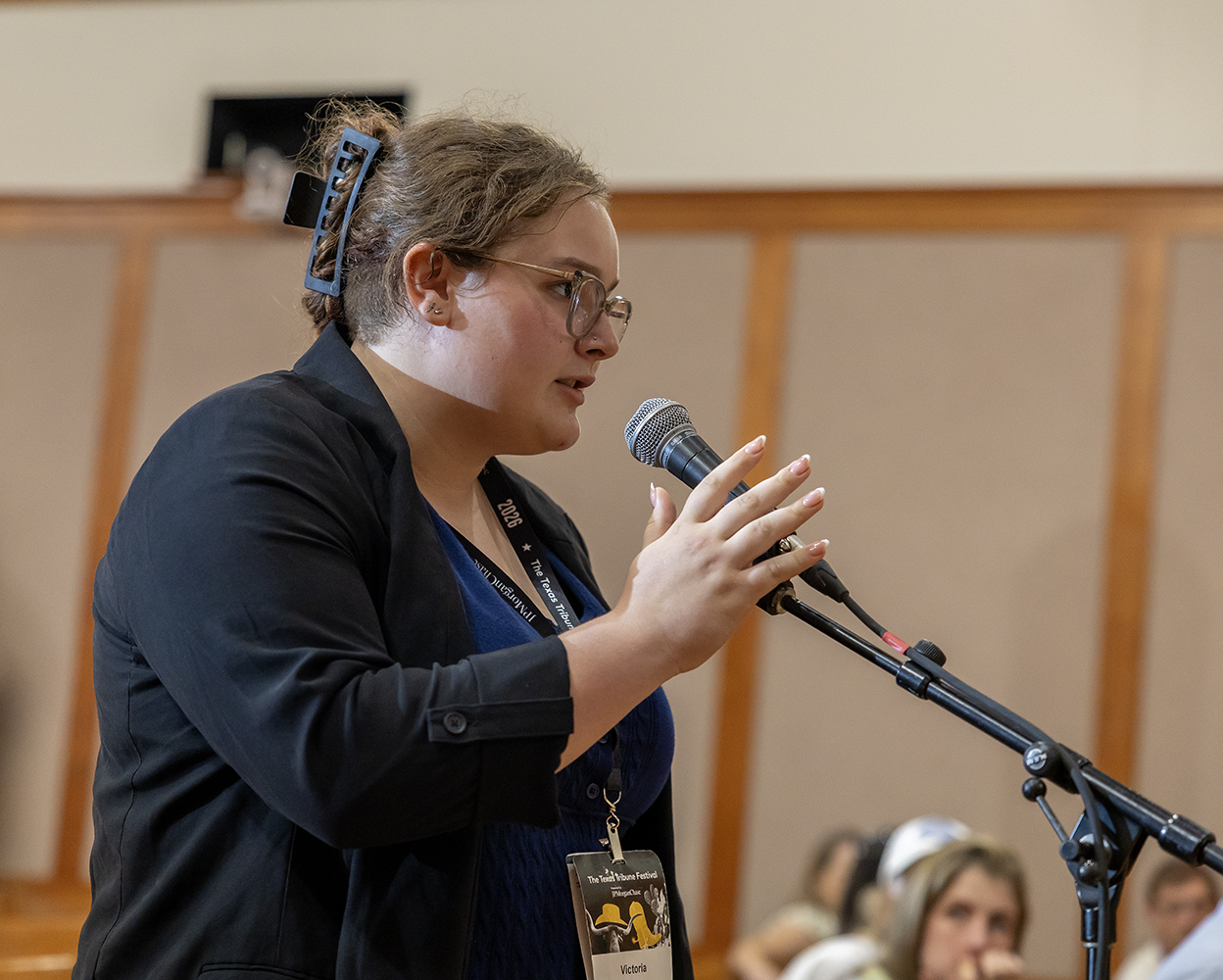
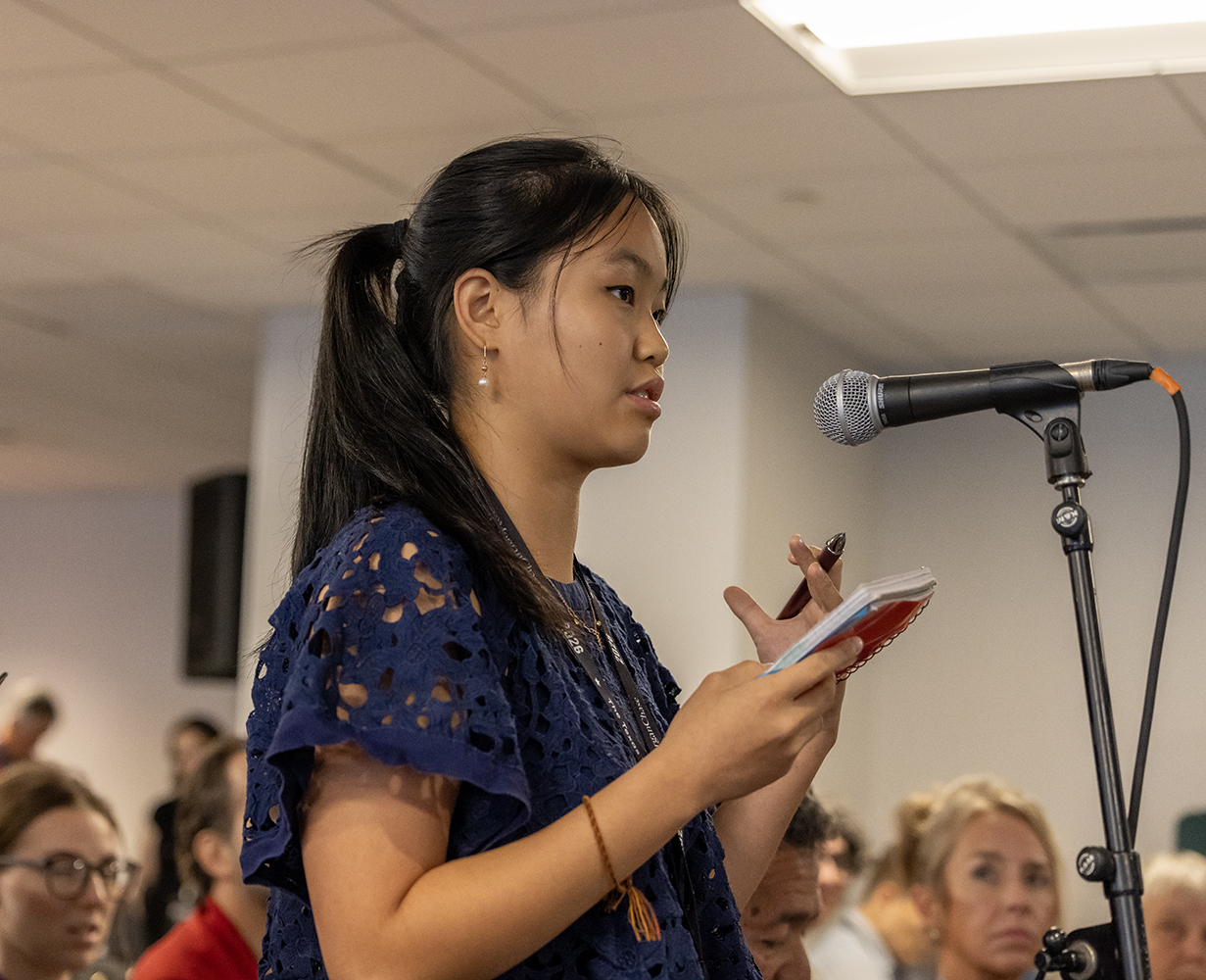
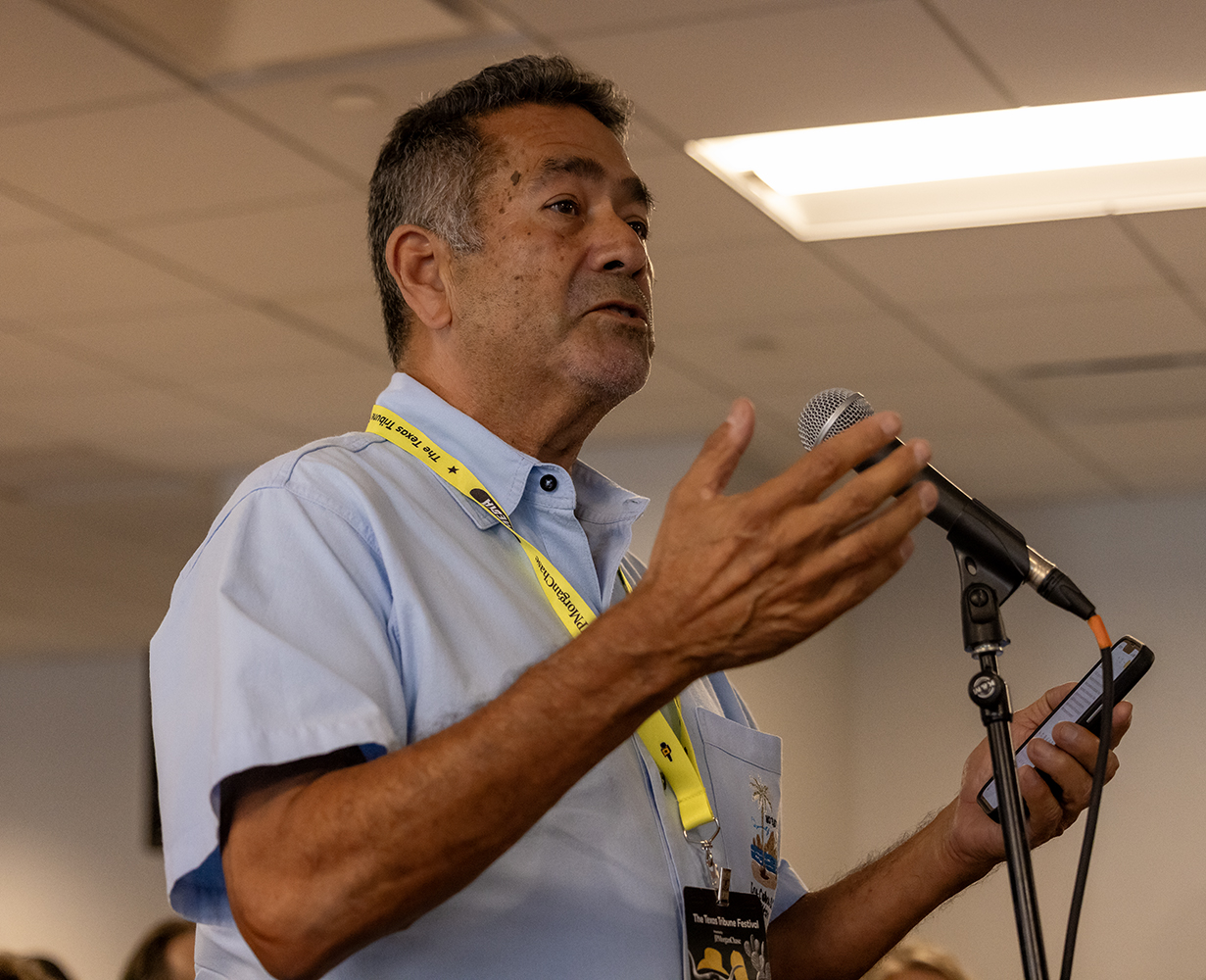
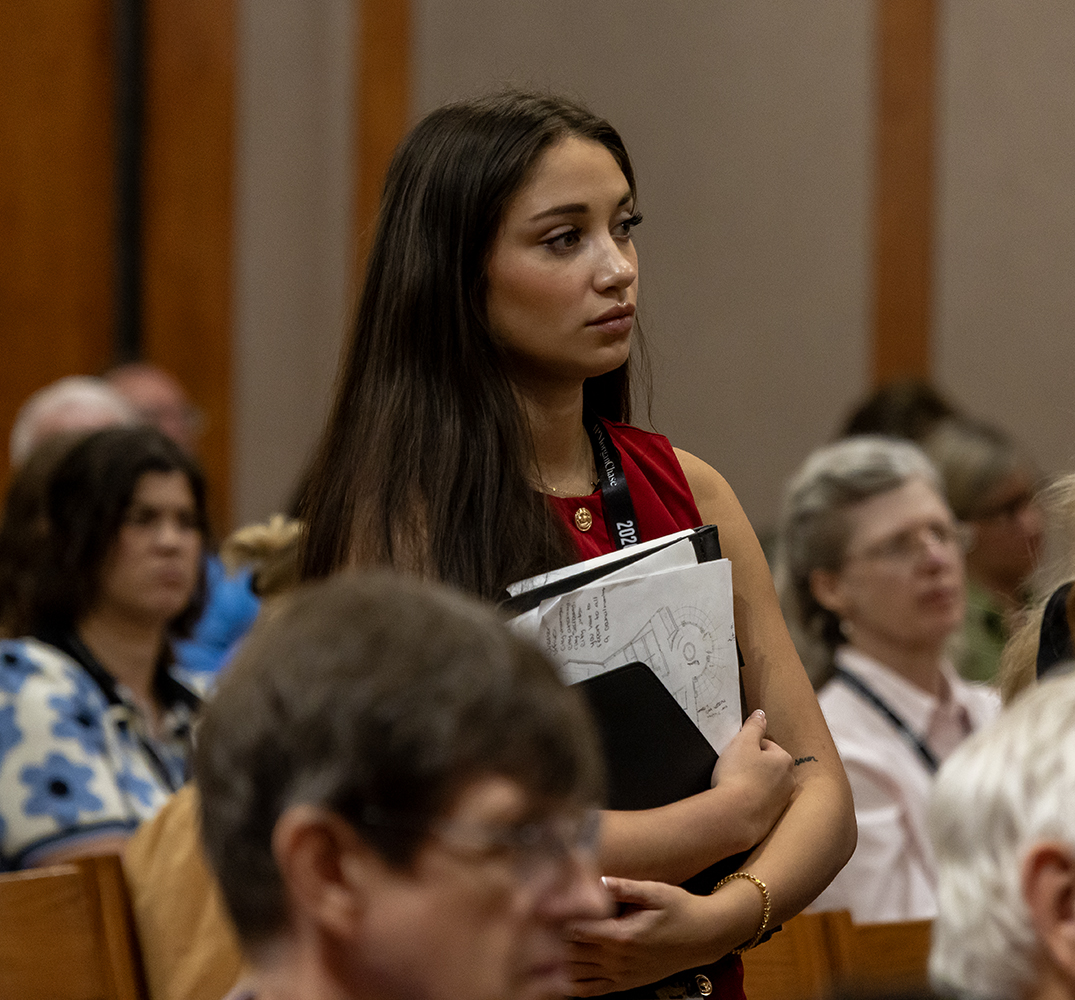
At the end of the discussion, the audience had the chance to ask questions, and many expressed displeasure at the Republican agenda. The panelists were polite, but they remained firm in their priorities for the next session.
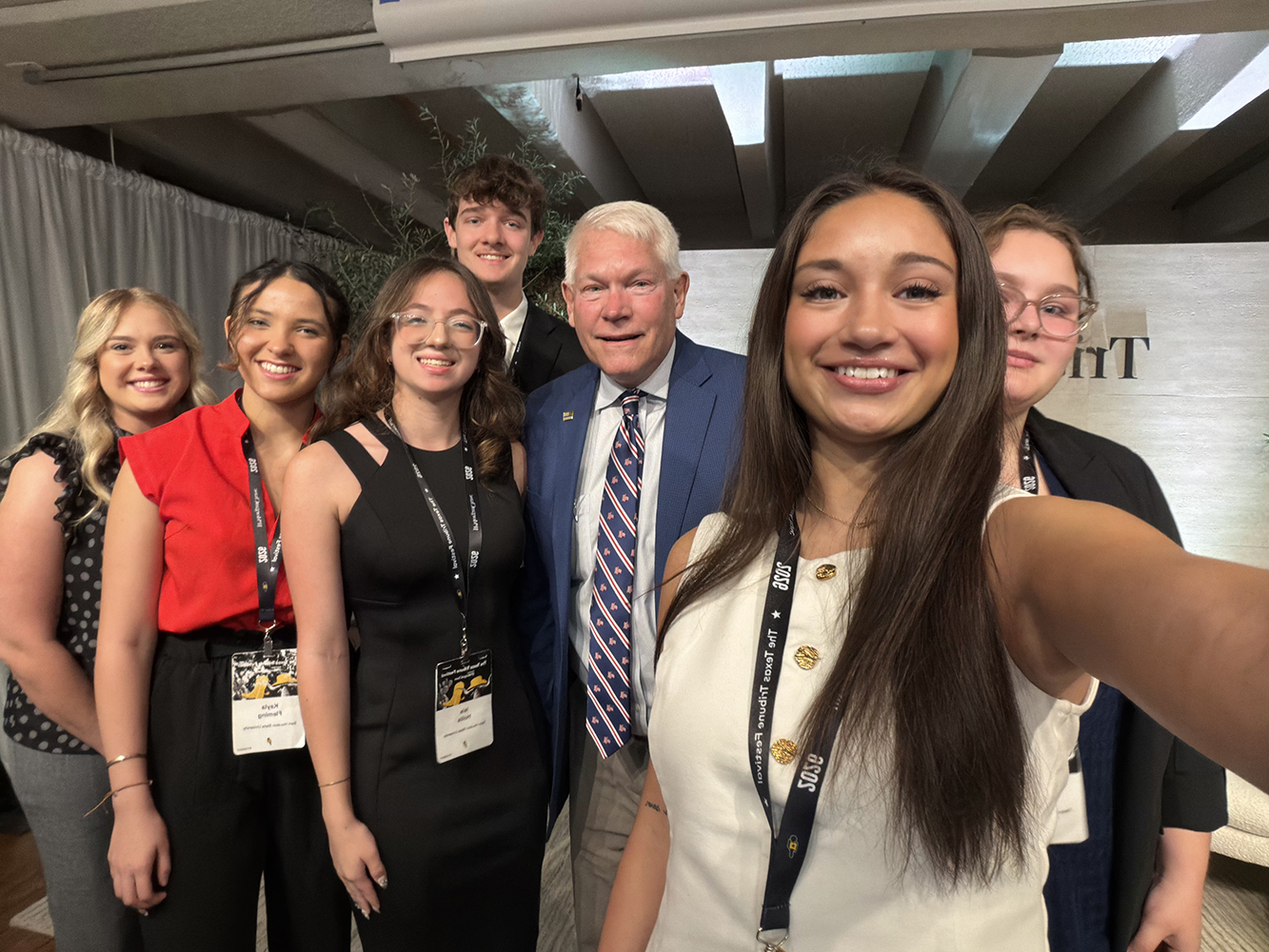
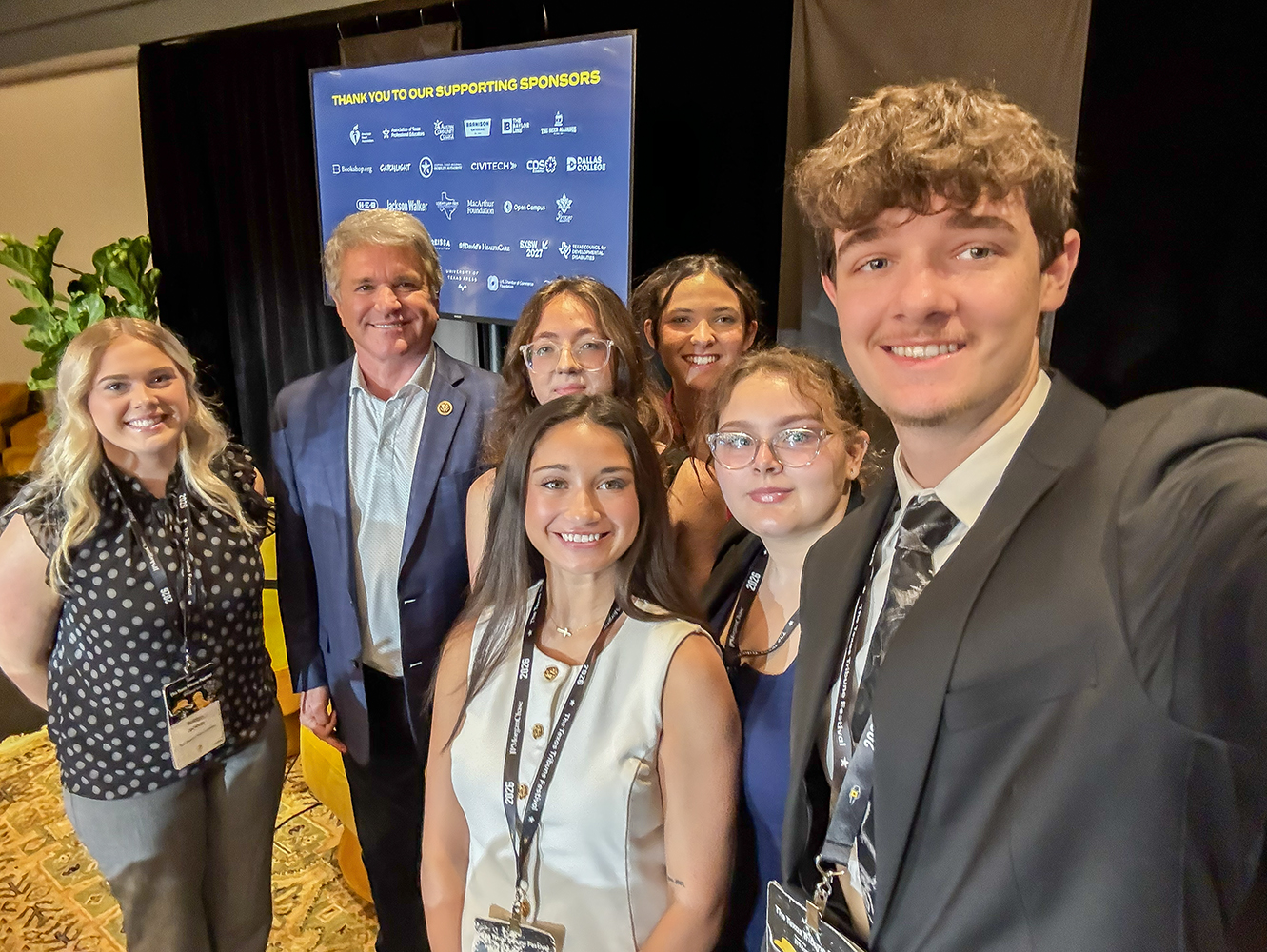
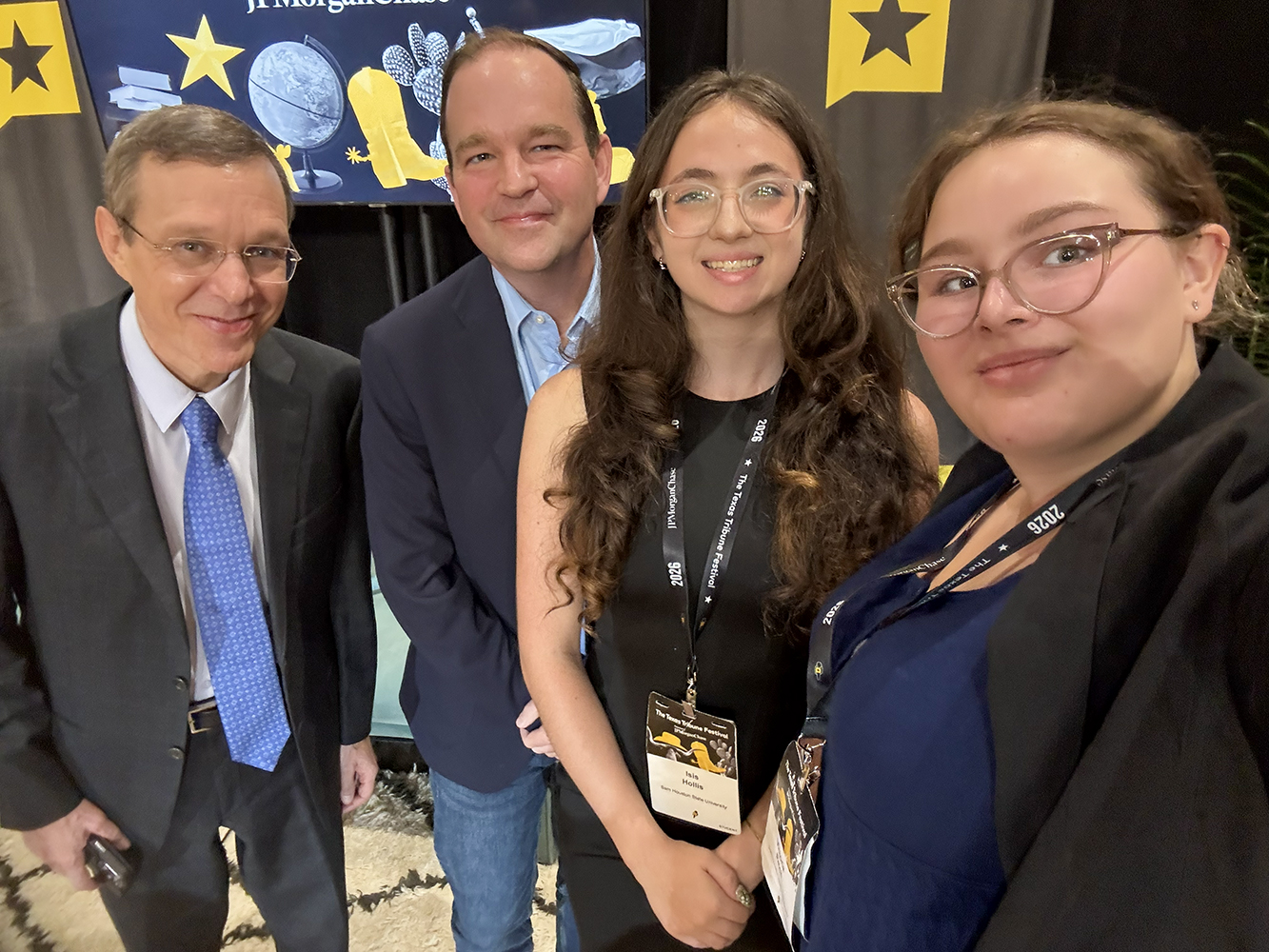
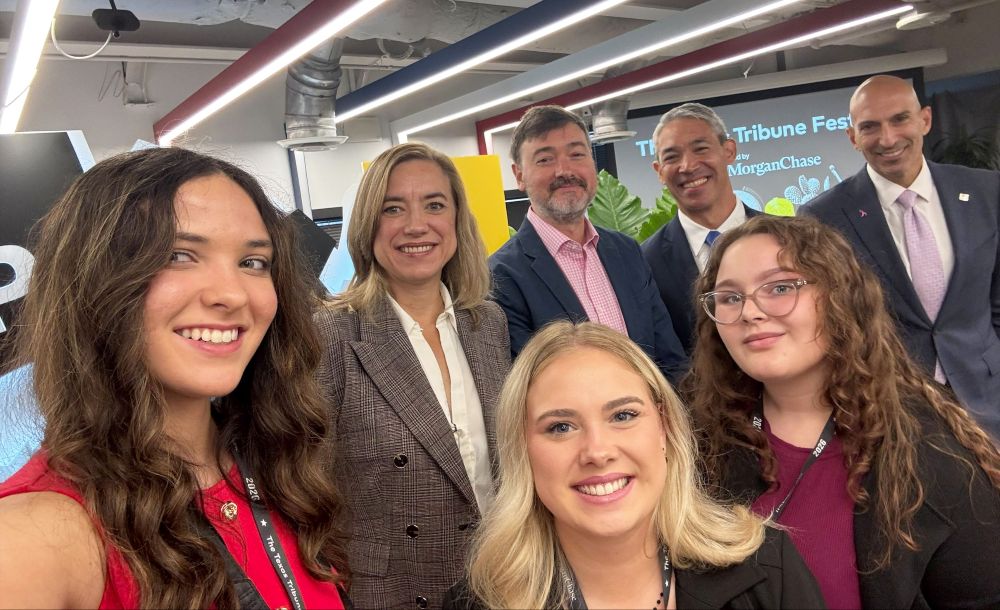
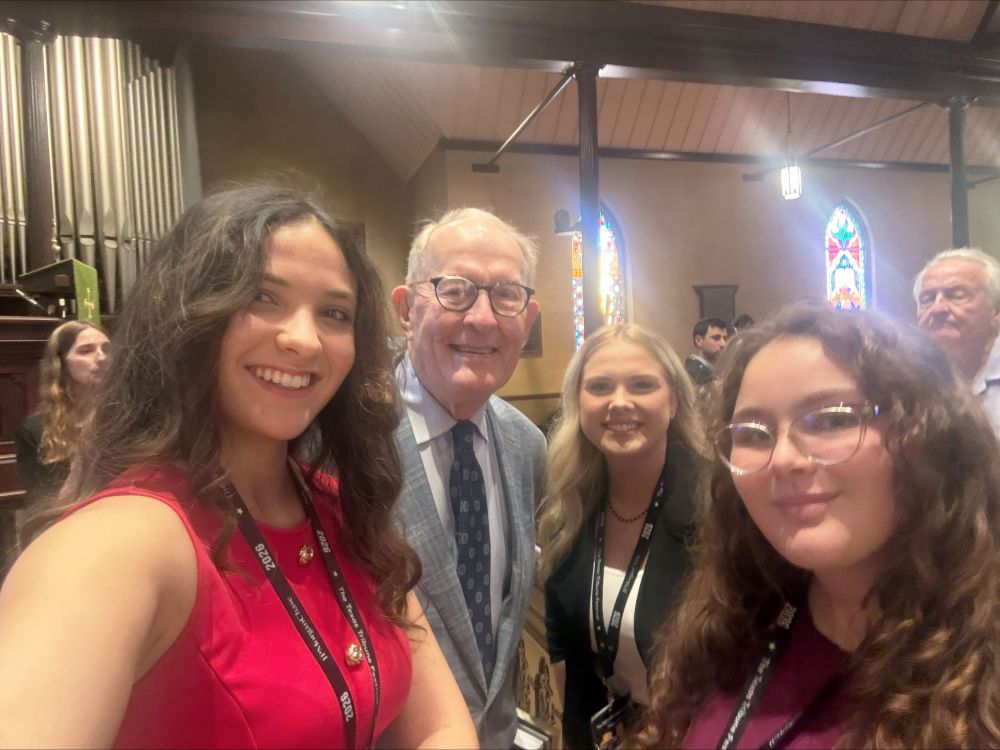
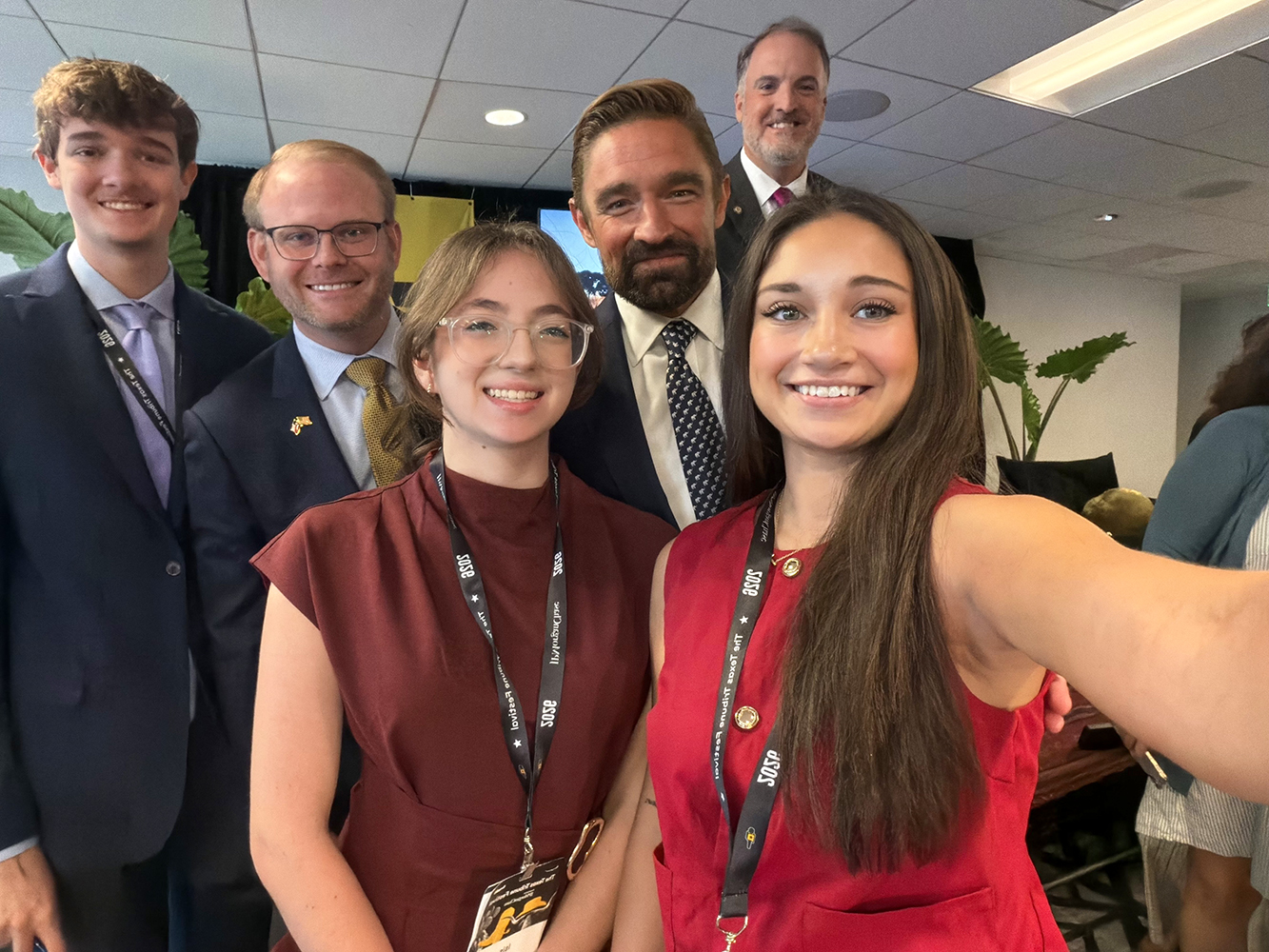
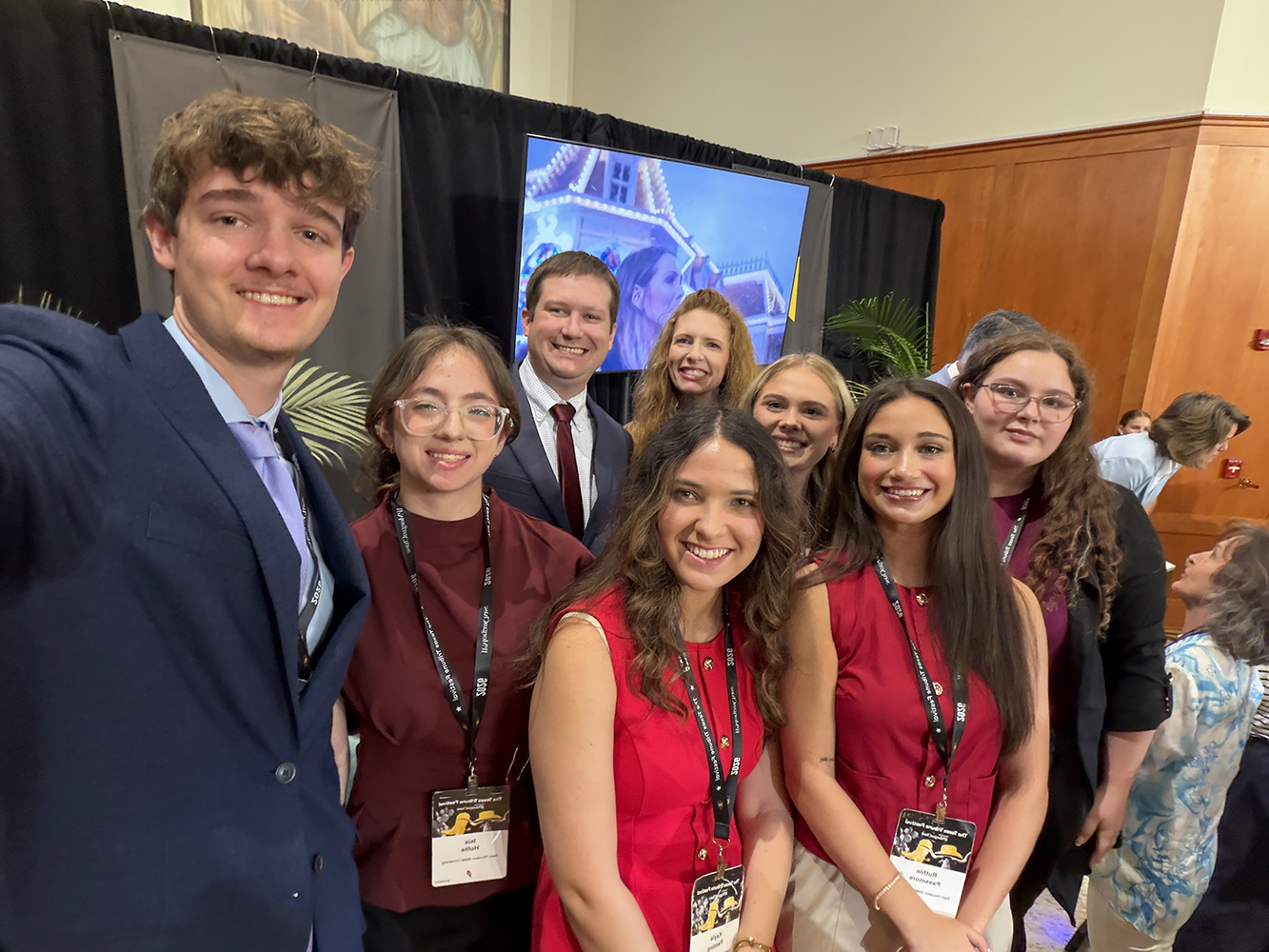
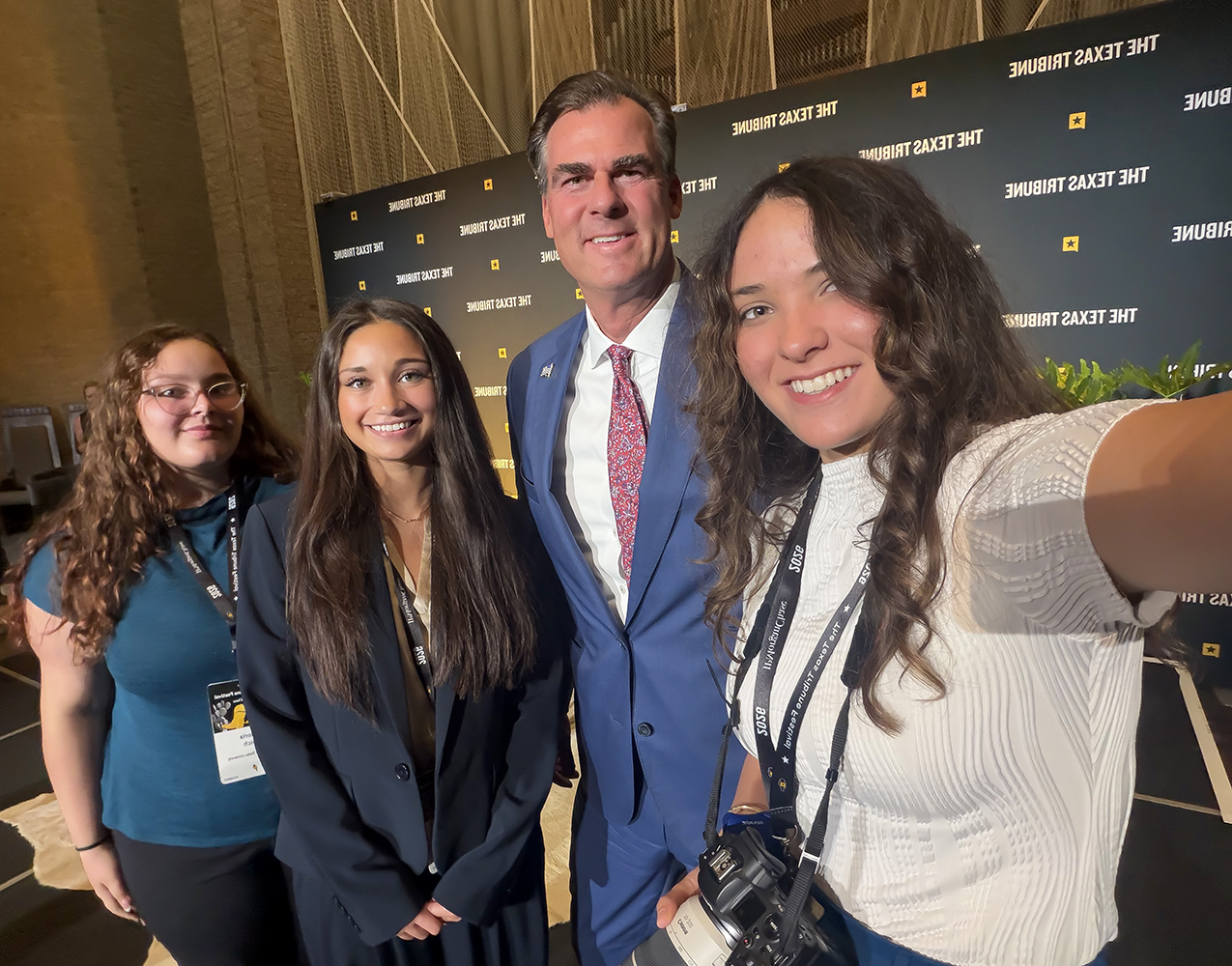
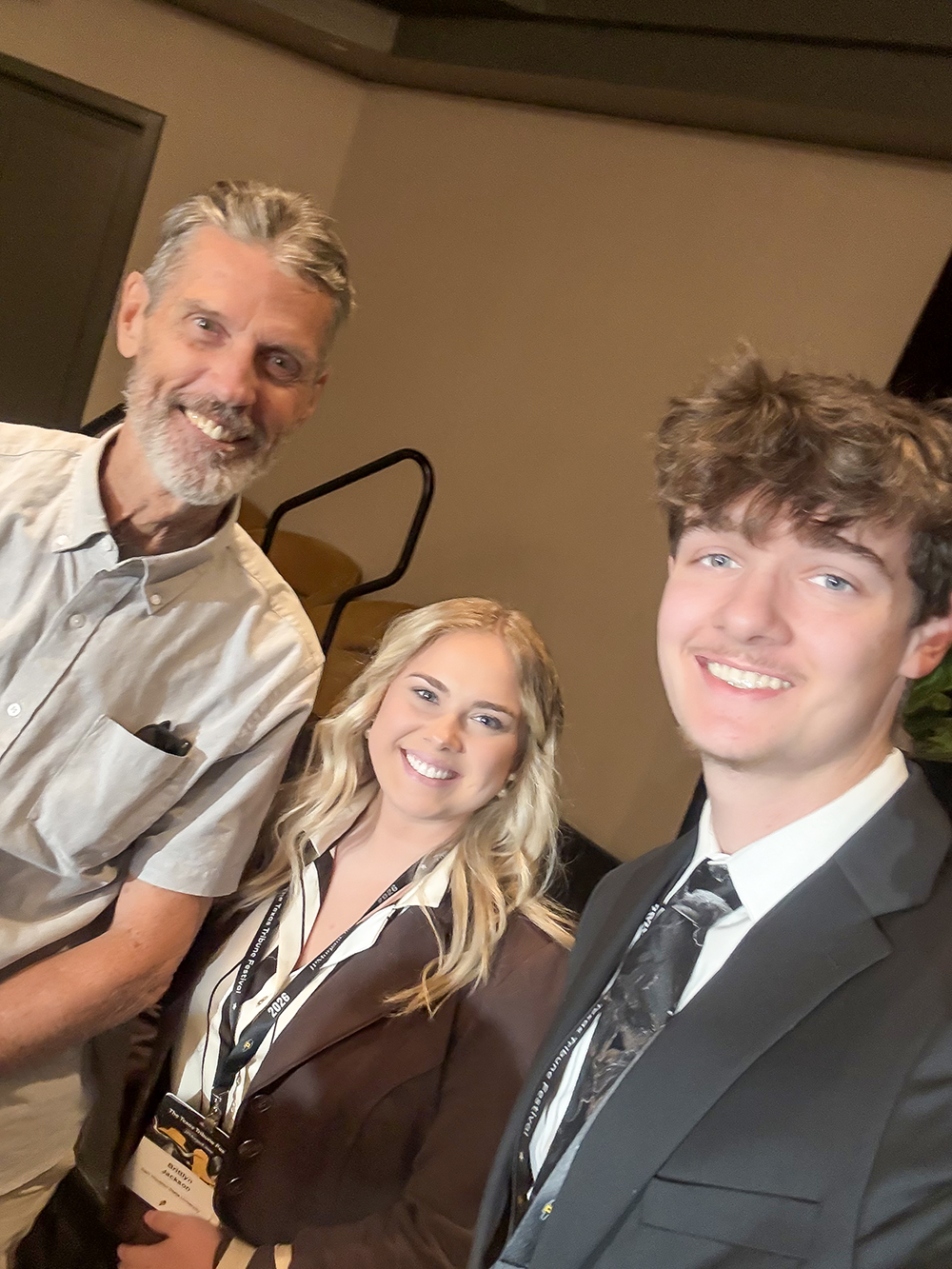
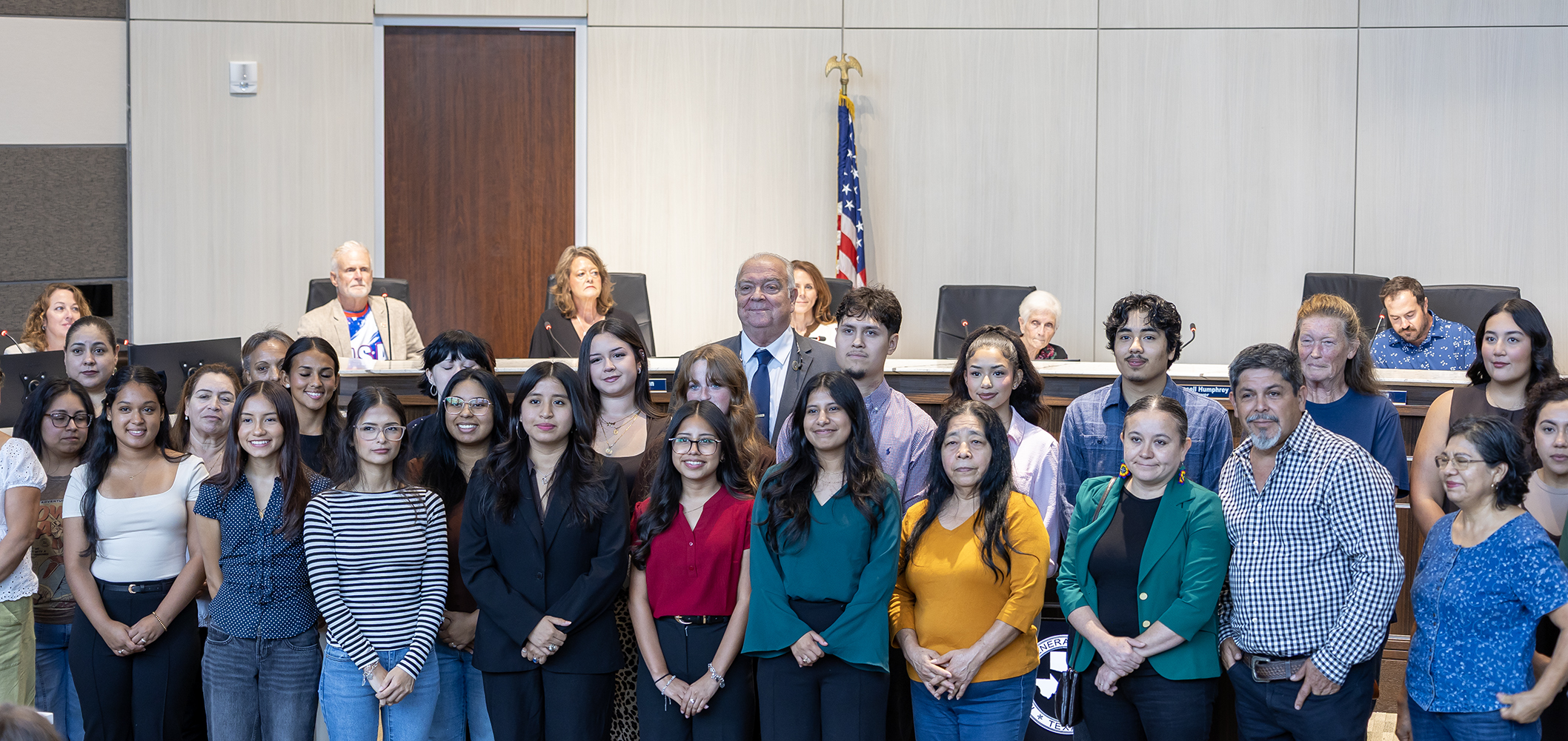
We were able to take a picture with all three panelists and have a meaningful exchange with Representative Alders. He stated that it has become harder for people of opposite parties to have productive conversations because of how polarized we are. (As a side note, the students who attended had different views on politics, and we managed to discuss the issues of the day without rancor.)
Along with other students, I enjoyed getting the opportunity to talk with Representative Alders. For some of us, this was our favorite panel of the day, and incredibly informative.
Both Sides of the Aisle
By Victoria Reich
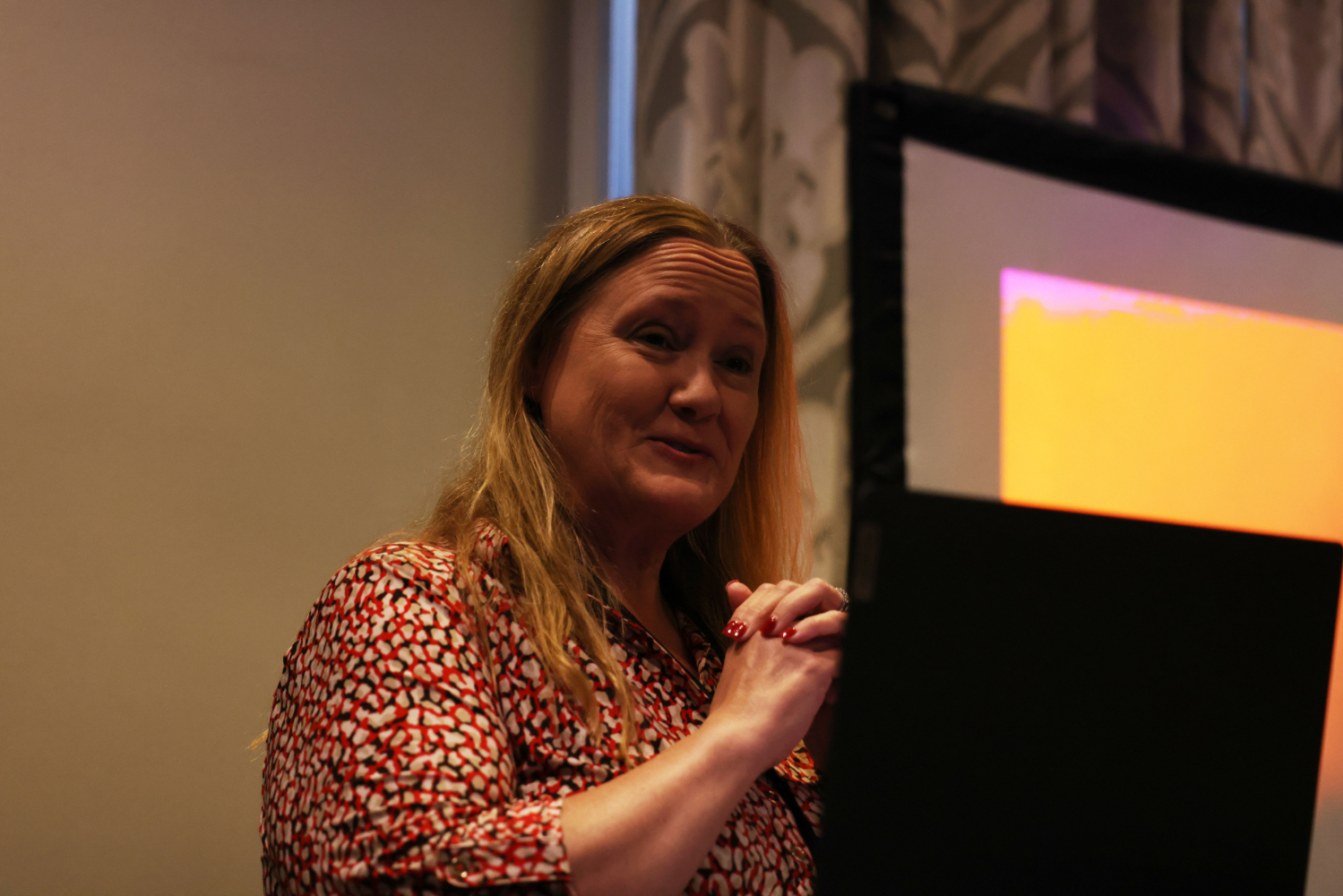
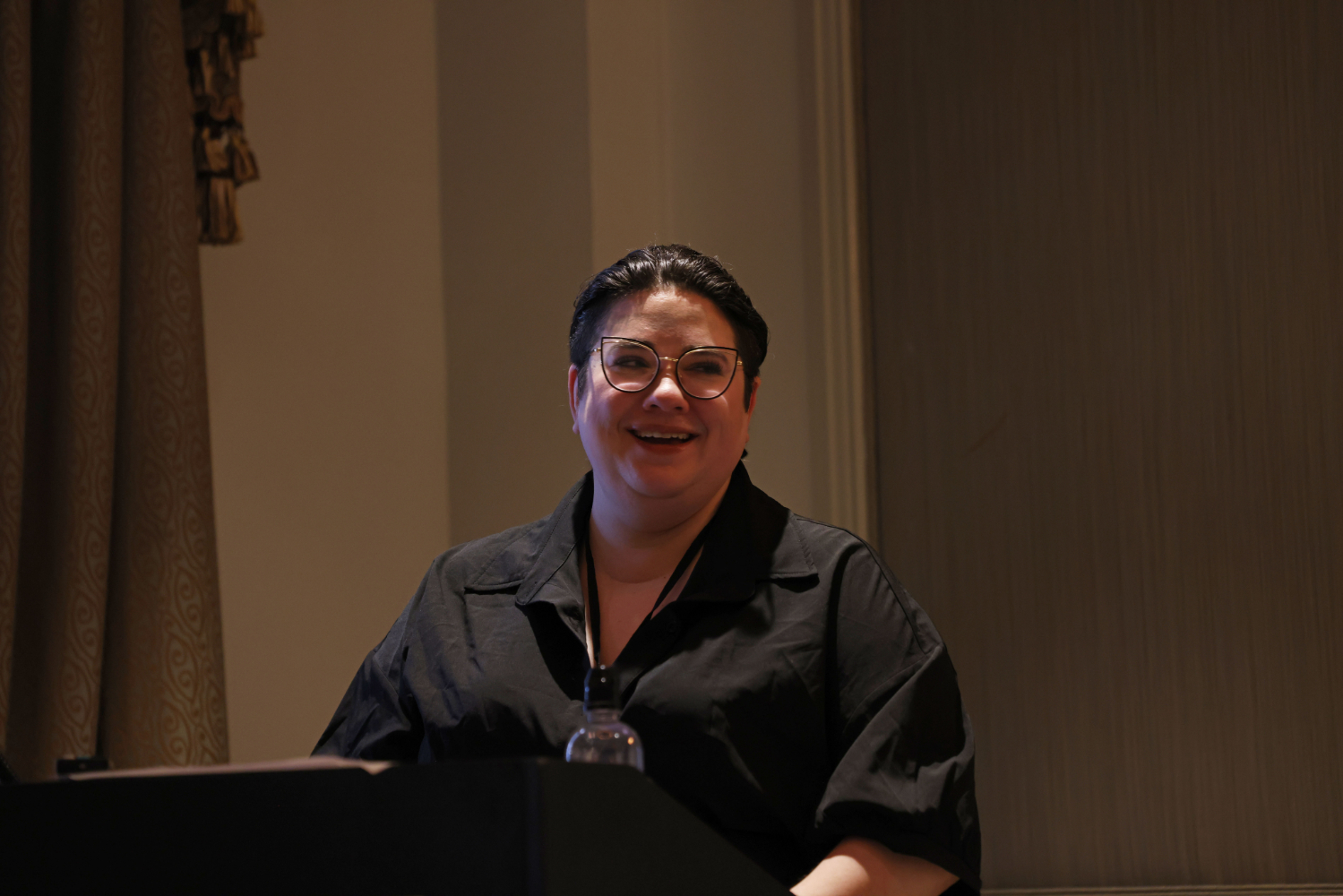
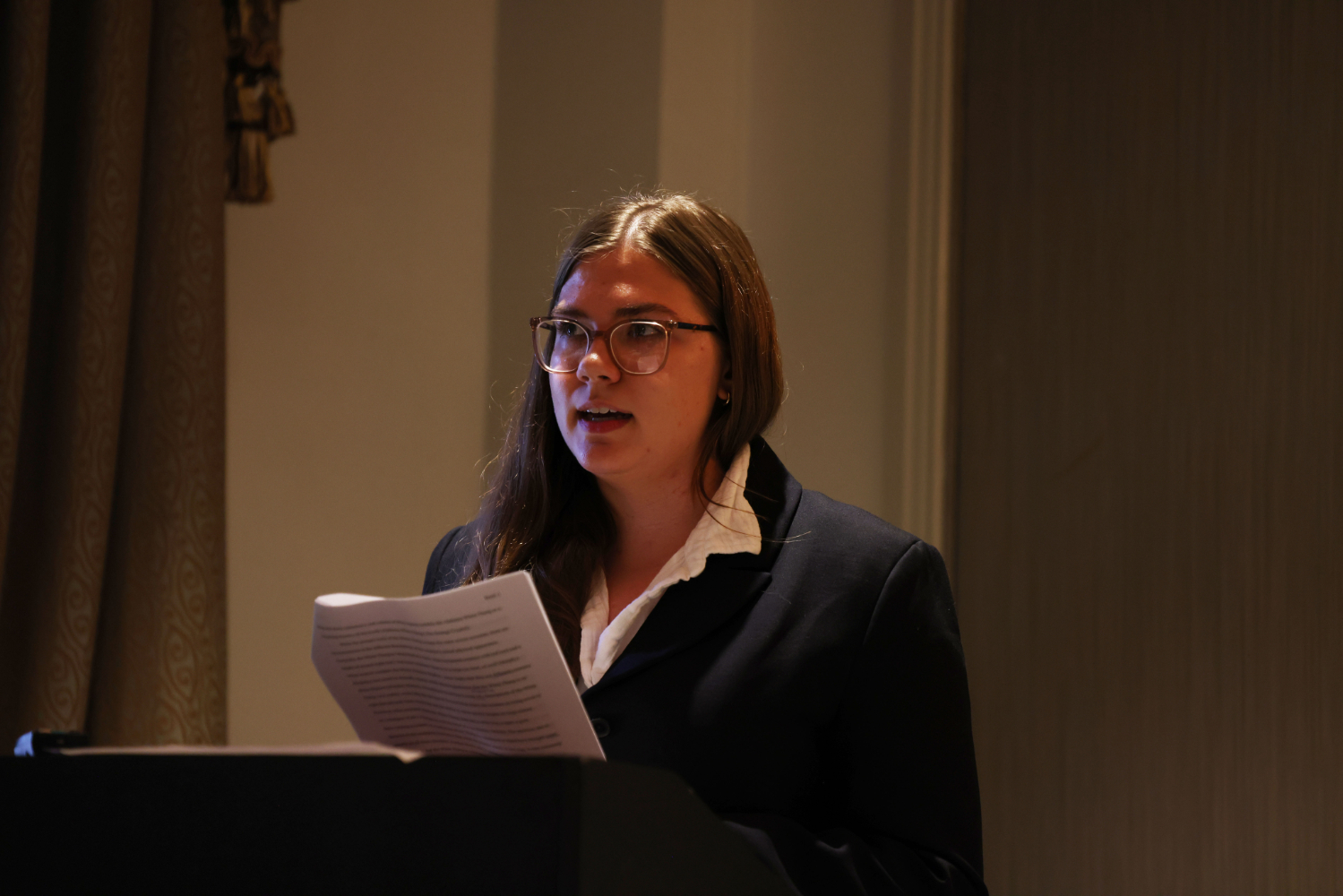
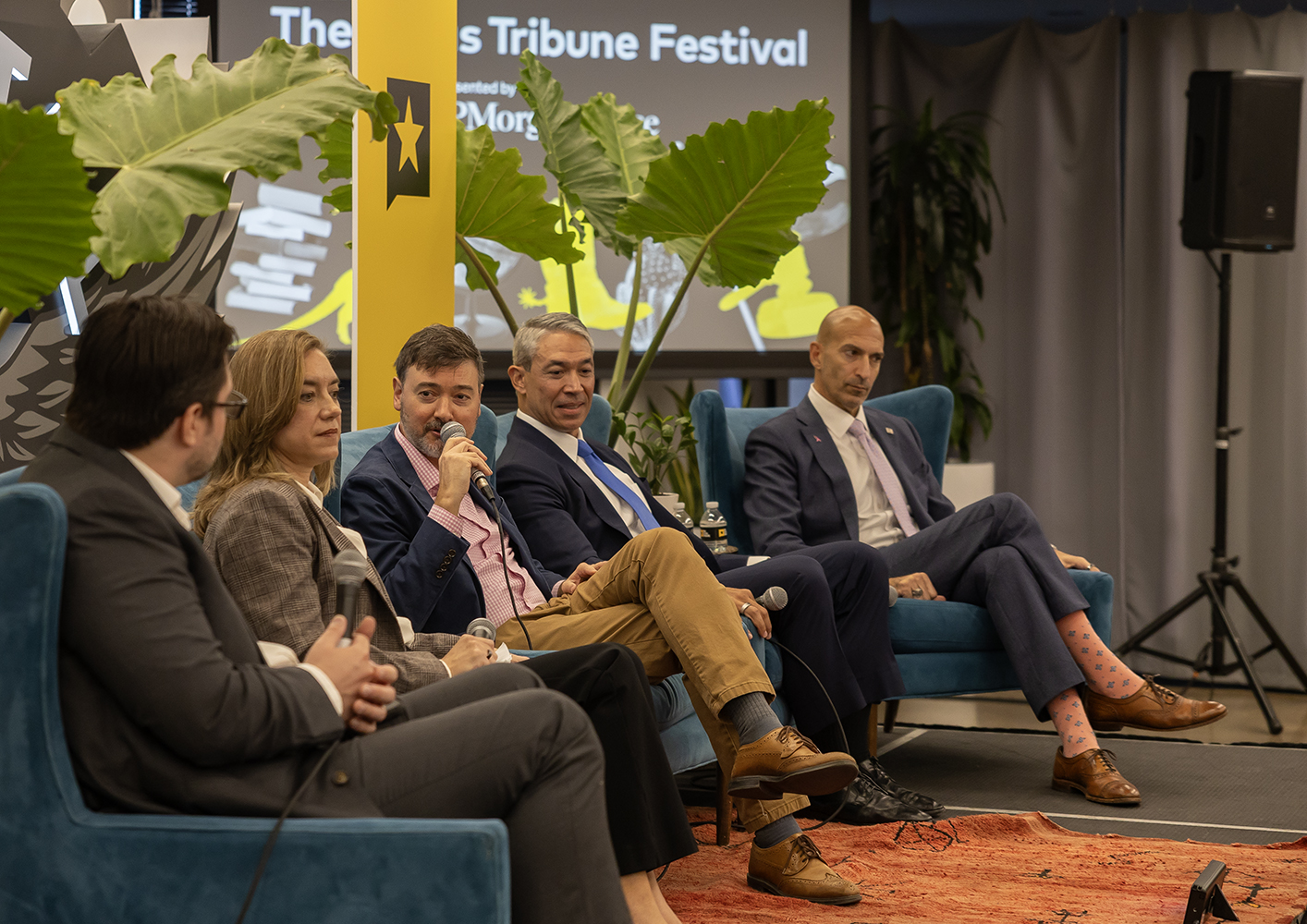
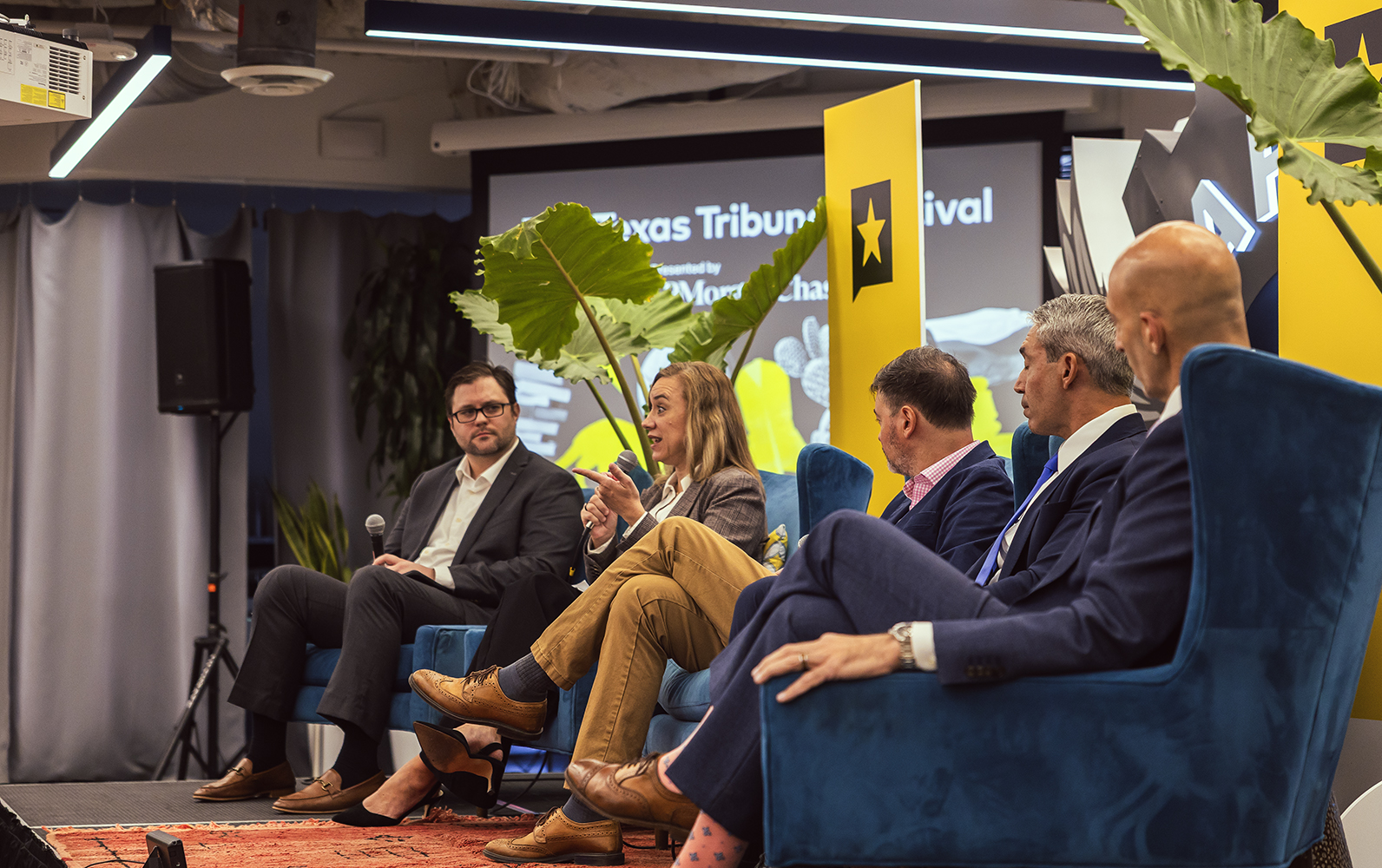
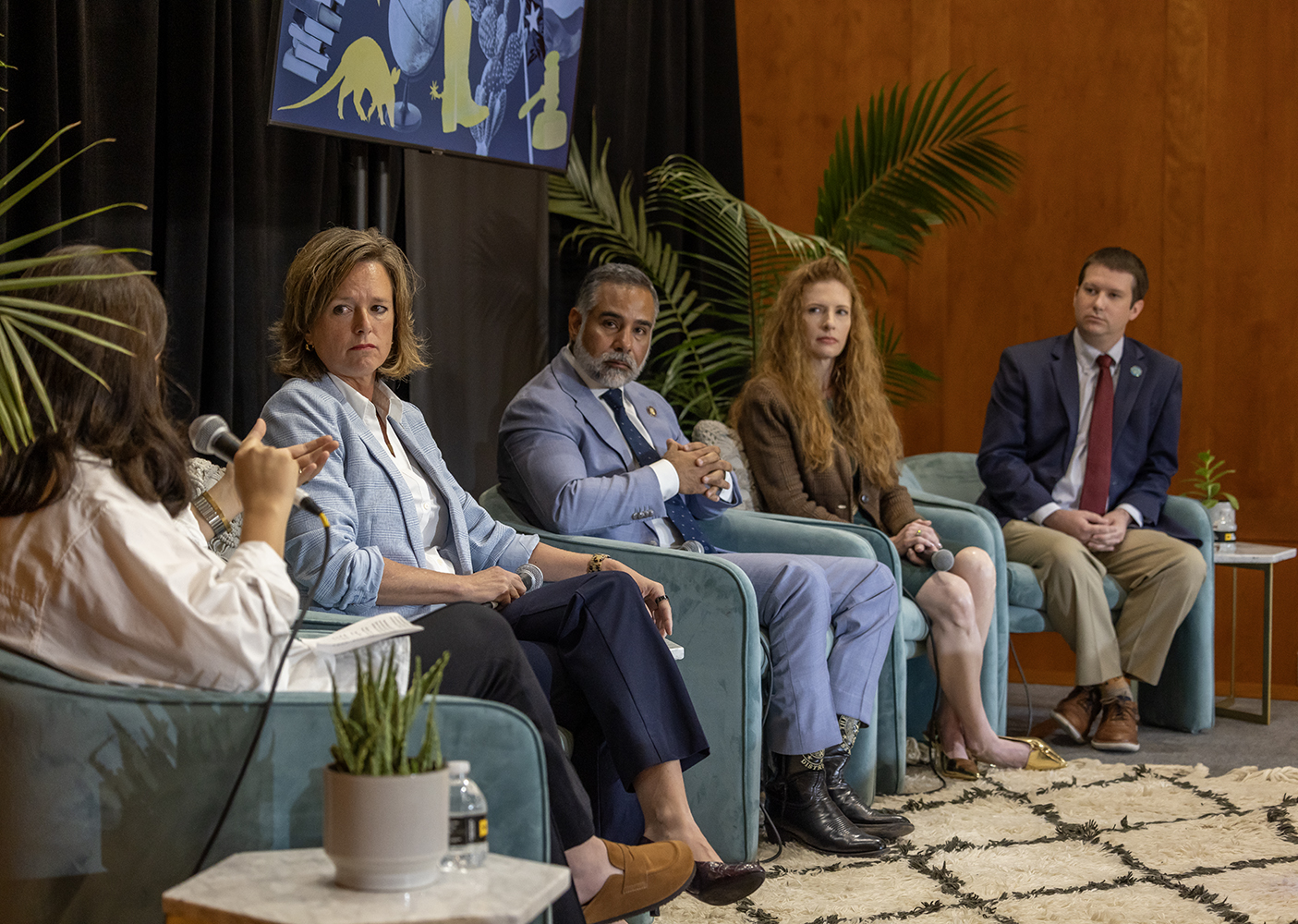
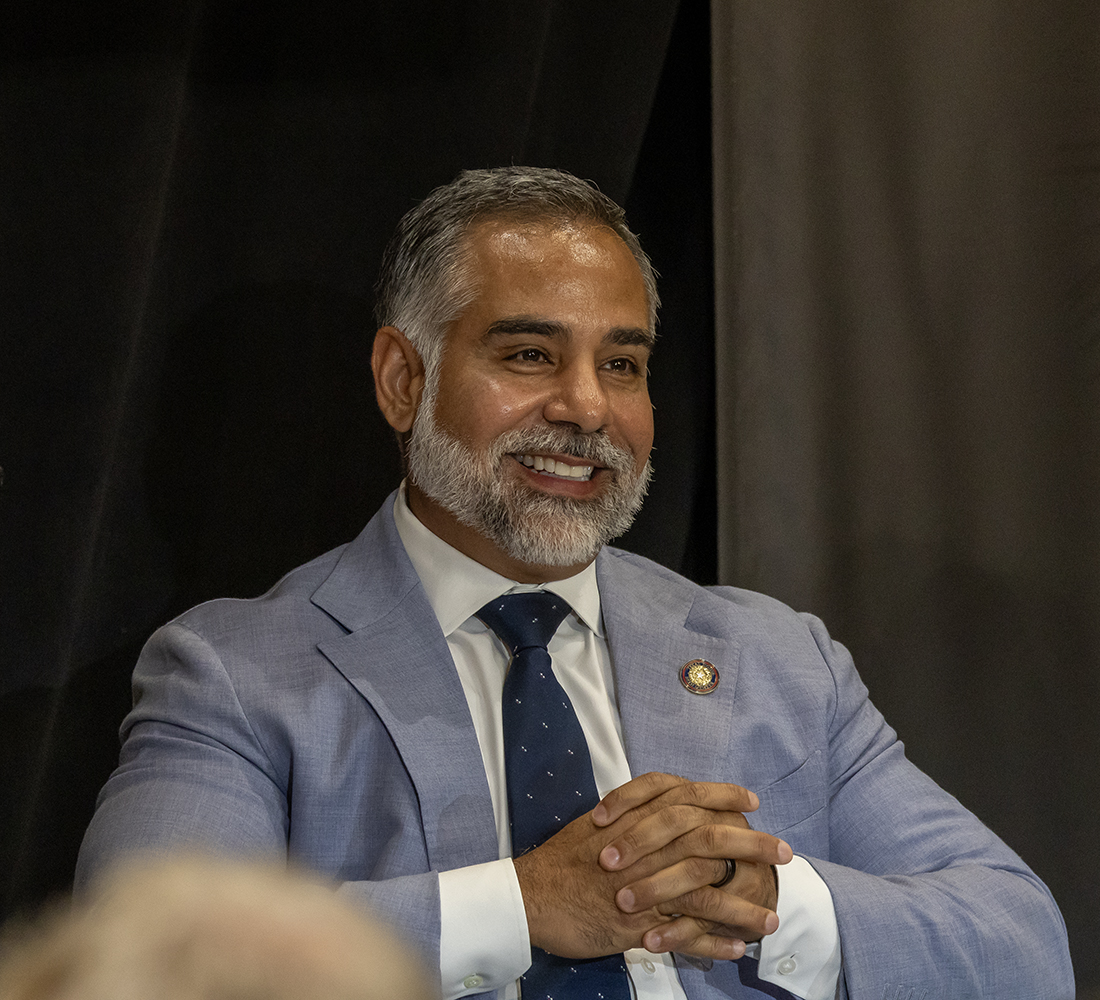
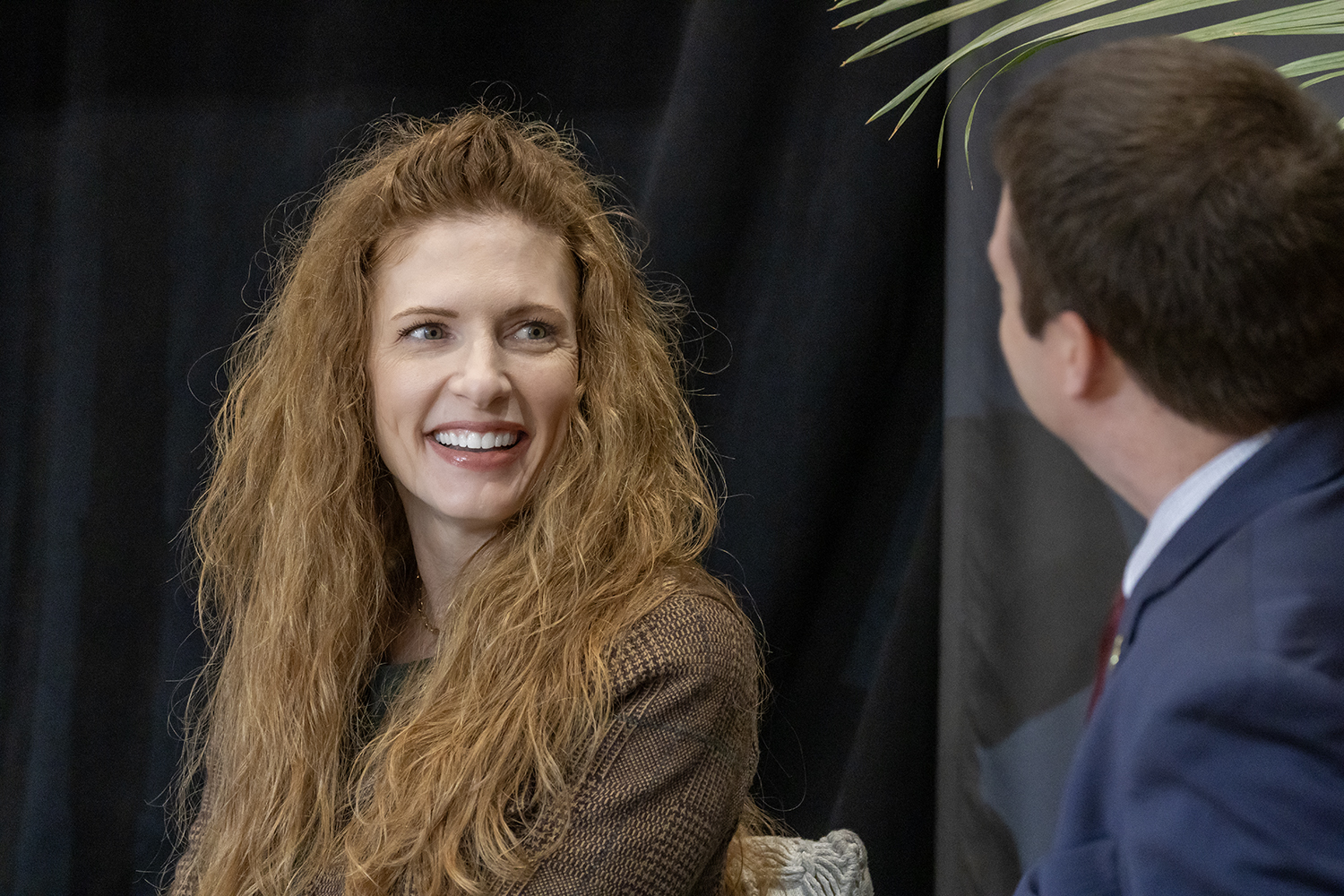
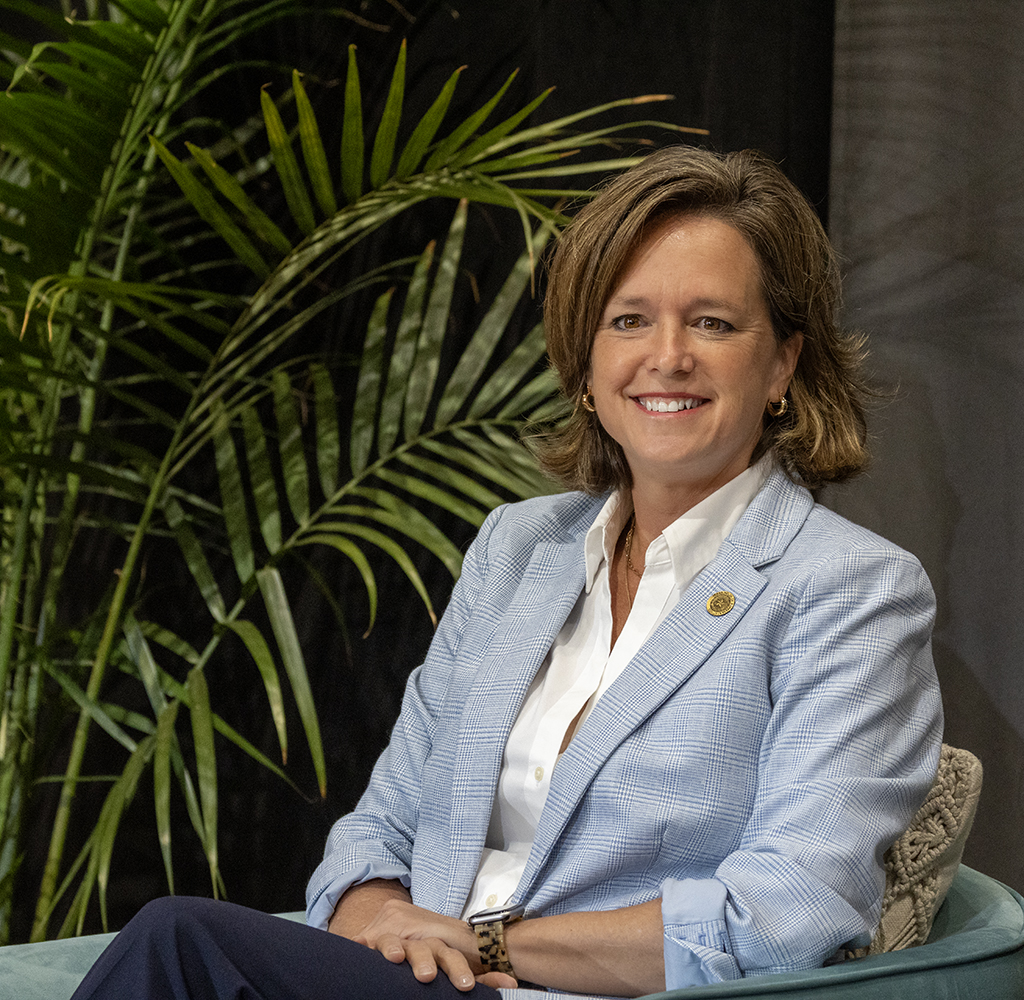
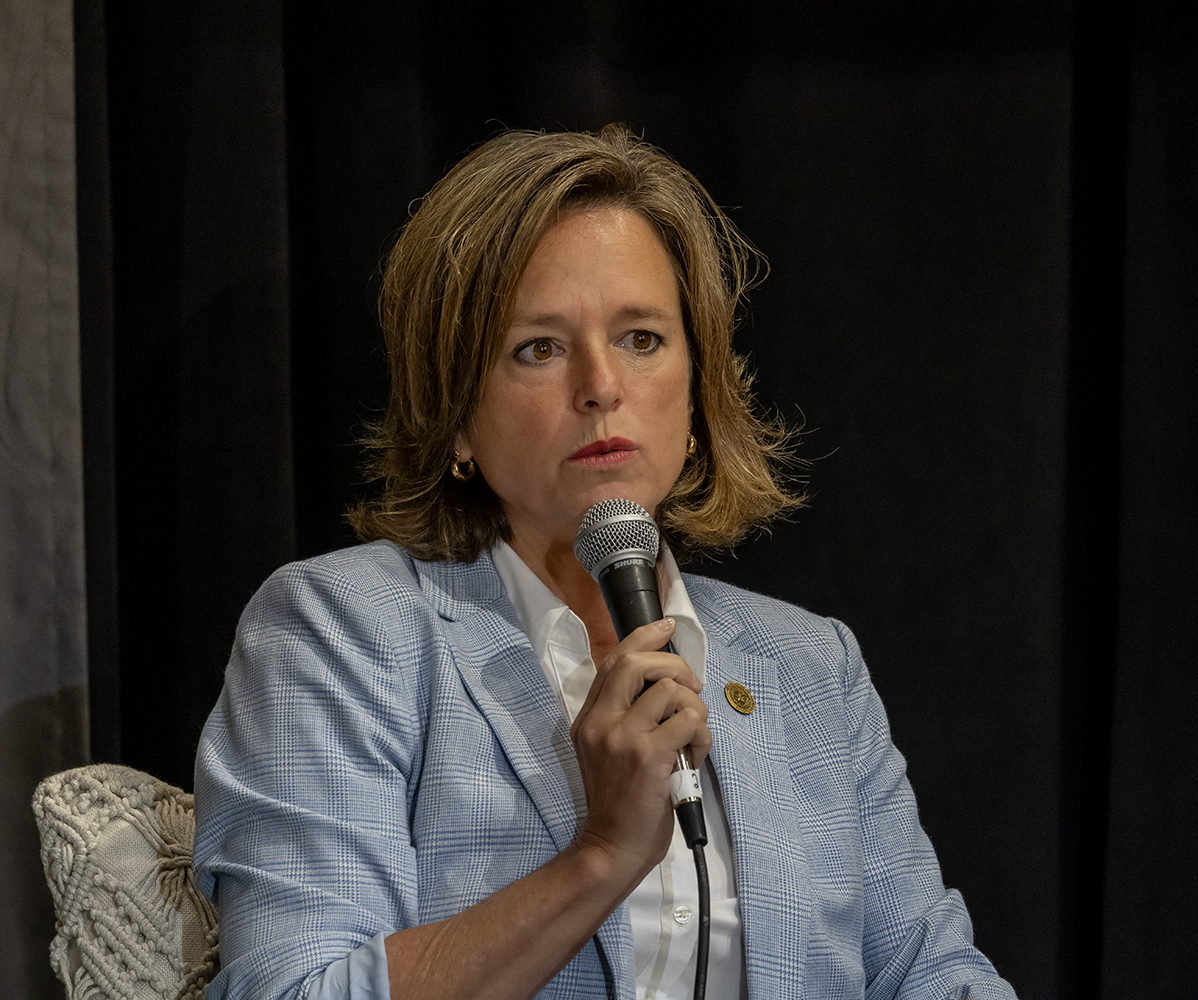
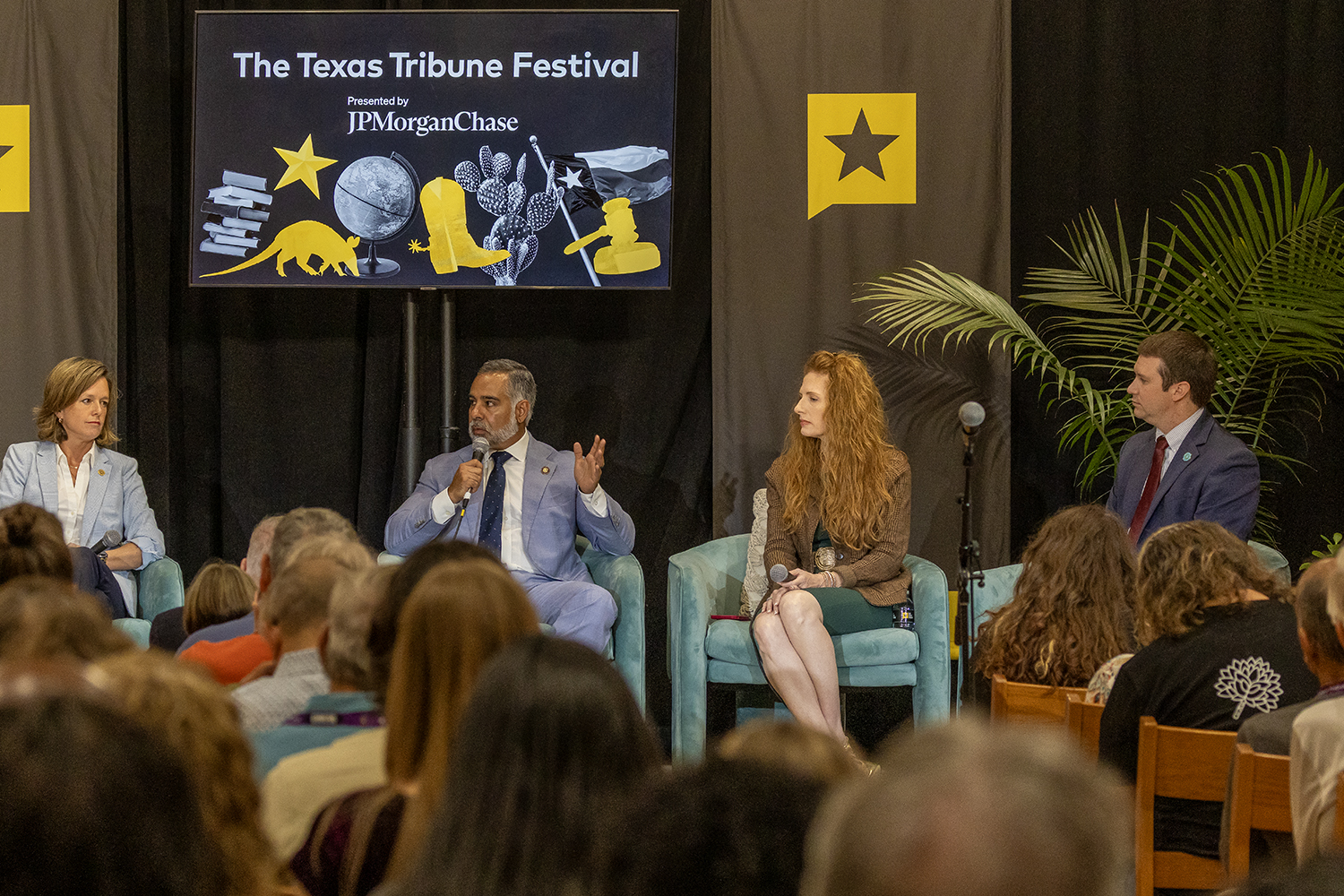
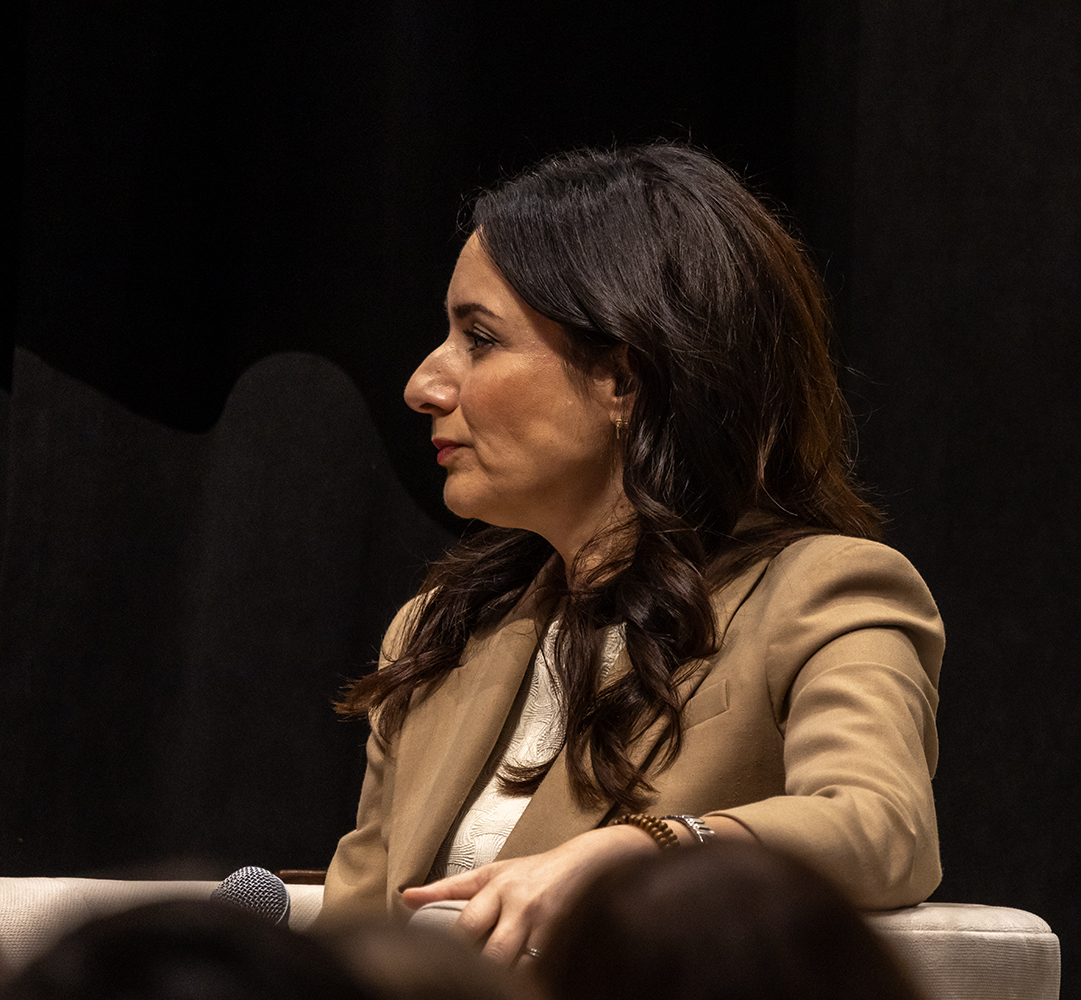
LEAP students had the pleasure of attending ‘Legislature on Both Sides’ with Representative Ann Johnson of Houston, Representative Eddie Morales of Eagle Pass, Representative Shelby Slawson of Stephenville, and Representative Cody Vasut of Angleton, with Cassi Schredder moderating.
The panel started by briefly explaining how the legislative session runs and introducing the speakers. The representatives discussed how the dynamics might change should Democrats see a significant increase in numbers following the November election. Cassi Schredder brought up public-school funding and reform, a hot topic on both sides, as well as property taxes. It was nice to hear both parties discuss their differing plans while remaining respectful of the other side. I was surprised to see just how much the opposing sides agreed on key baseline issues. It was clear each representative wanted to do what they thought was best for their constituents.
Representative Johnson pointed out that having to spend money each session to make property taxes more affordable is not a sustainable solution and stated that a fundamental change in Texas is necessary. Representative Slawson conversely mentioned changing the appraisal cap when property taxes were brought up, explaining that this could help fix the concerns related to property taxes, affordability, and local governments’ budgets. Representative Vasut advocated for tighter restrictions on tax breaks for data centers, including making them ineligible for sales-tax exemptions or abatements.
After hearing questions from Schredder, the panel answered audience questions. Balancing thorough answers and strict time restraints was a challenge, but one the Representatives handled with ease.
The panel especially emphasized the importance of working across party lines. Members of the other party are not the enemy; ultimately, everyone is there to serve the people of Texas. I appreciated the panelists’ point that collaboration is essential not only for getting things done, but also for developing the strongest possible solutions for the state.
Three Perspectives on the Future of Higher Education in Texas
By Mike Yawn
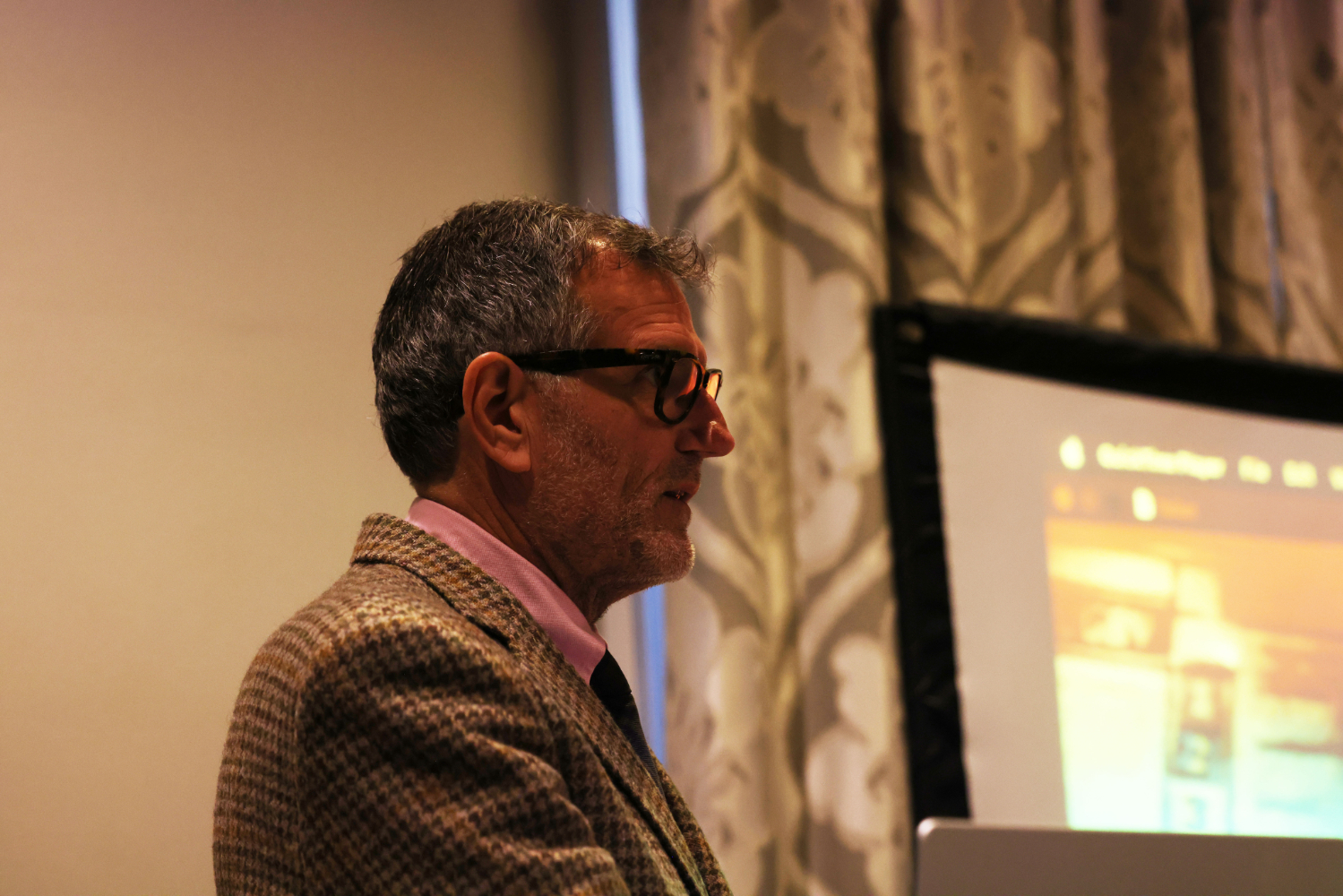
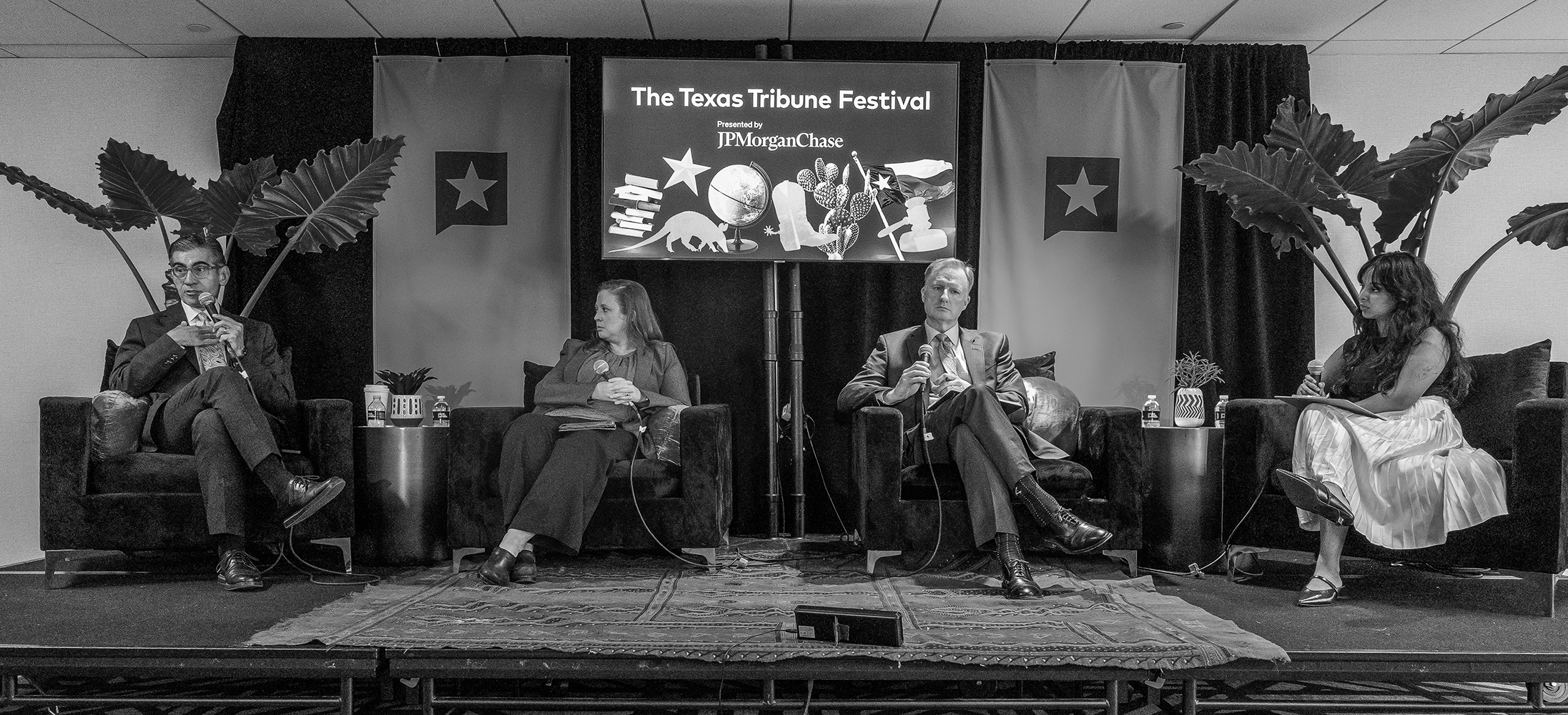
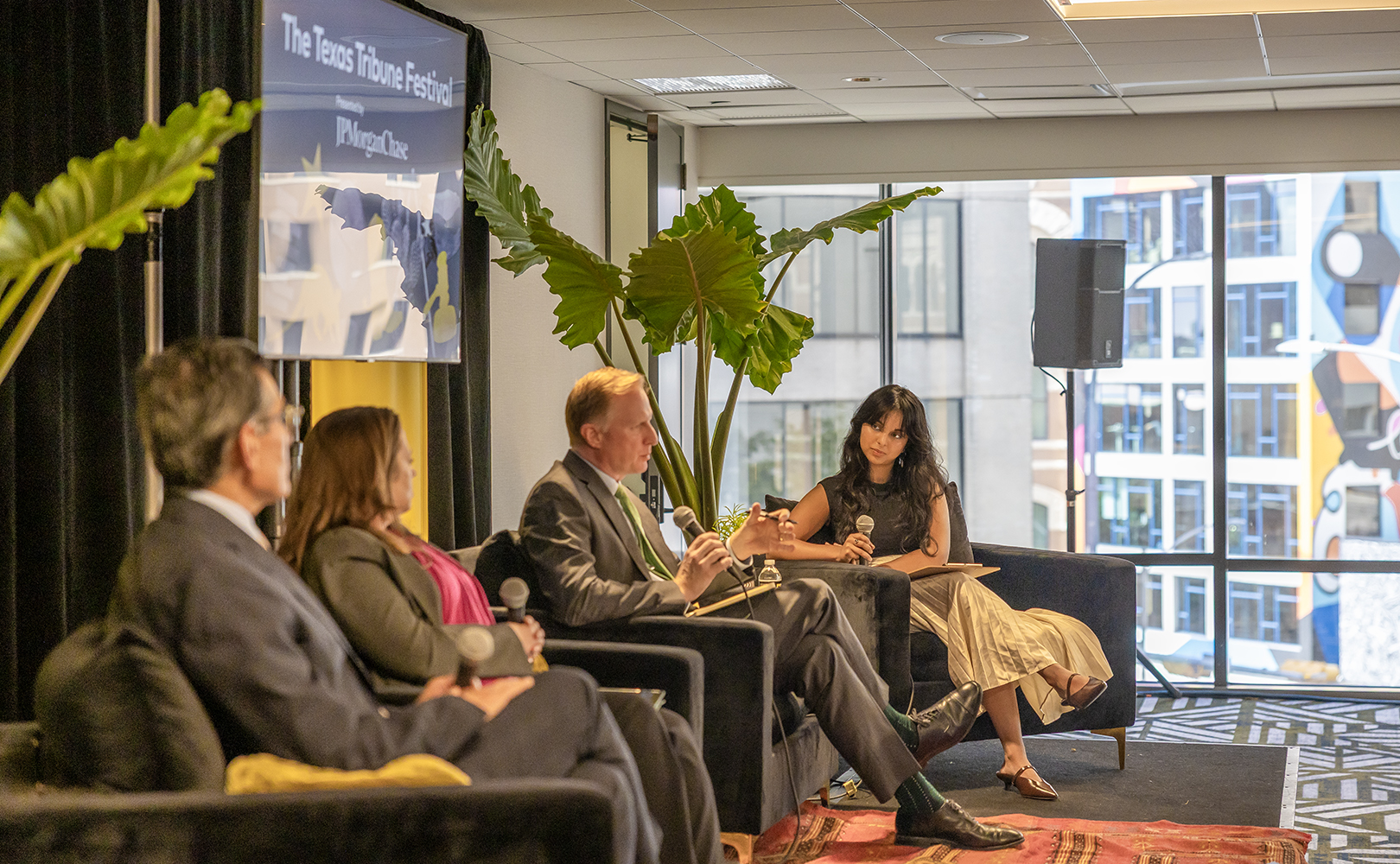
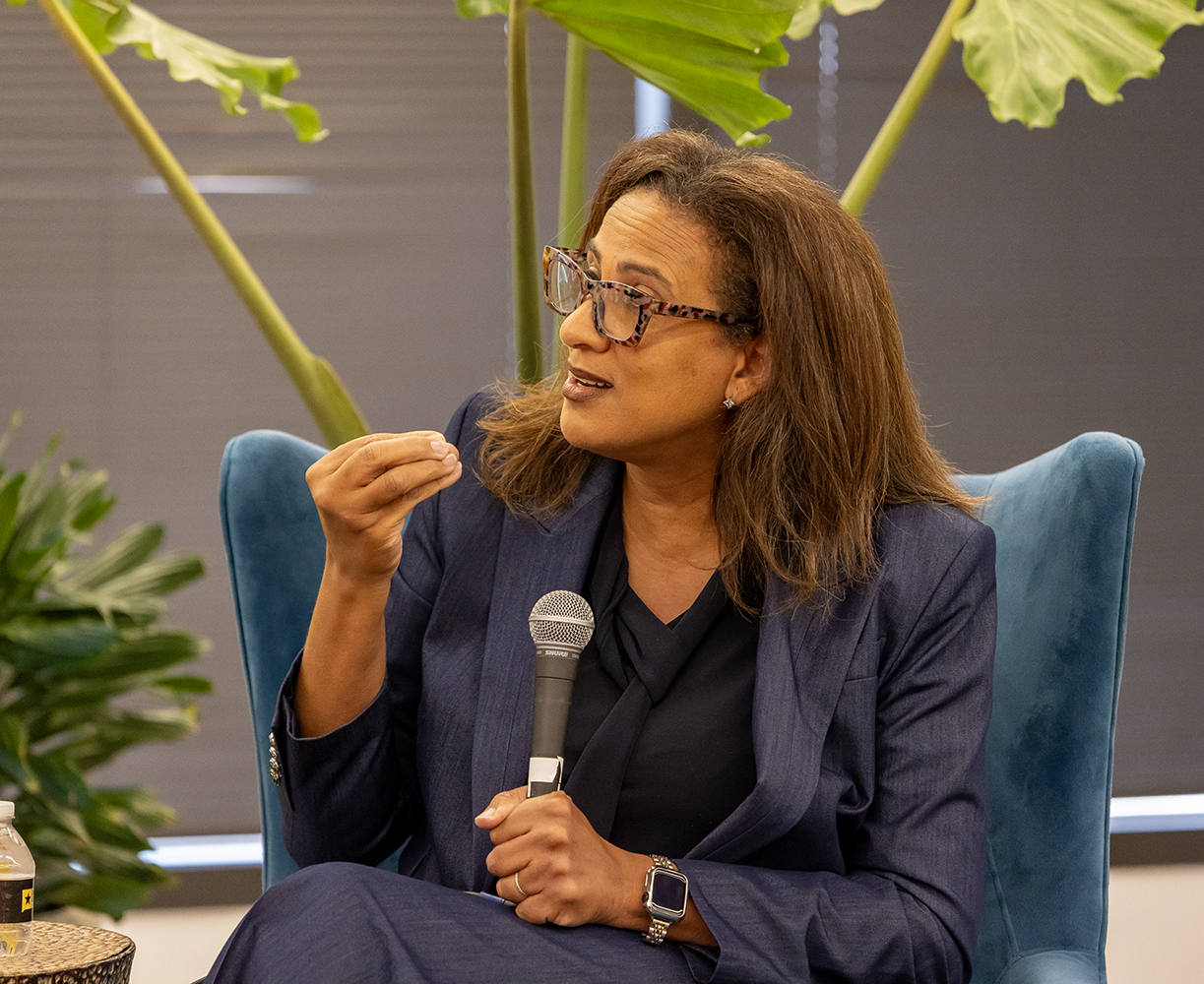
At the Texas Tribune Festival, Texas Tribune reporter Sneha Dey moderated a discussion about the changing landscape of higher education in Texas. The panel featured Harrison Keller, president of the University of North Texas; Mike Flores, chancellor of the Alamo Colleges District; and Sondra Barringer, a professor of higher education at Southern Methodist University. Their comments offered three perspectives on what colleges and universities should accomplish—and how they should demonstrate their value.
Keller emphasized the connection between higher education and economic opportunity. He argued that universities had a responsibility to ensure that students developed skills that translated into good jobs and a positive economic return on their education. At UNT, he said, programs had been evaluated based on student demand, employer demand, institutional costs, and “time to value.” He also stressed that universities needed to work more closely with community colleges and employers as workforce needs and technology changed.
Flores focused on access, student success, and economic mobility. He described community colleges as essential partners in developing the workforce Texas needed and highlighted investments in academic advising, tutoring, basic-needs assistance, and career and technical education. He viewed Texas’ outcomes-based funding model as an important way to support institutions in helping students succeed.
Barringer offered a broader institutional perspective. She agreed that workforce preparation and student outcomes mattered, but emphasized that universities also contributed through research, public service, and solving problems in their communities. She raised concerns about the unintended consequences of funding formulas and political mandates, particularly for academic programs, research, faculty recruitment, and academic freedom.
Taken together, the panelists portrayed higher education as an institution facing competing demands, with some of the most challenging demands being political in origin: demonstrating economic value while maintaining its broader responsibilities to students, communities, research, and society.
Old School: Lamar Alexander
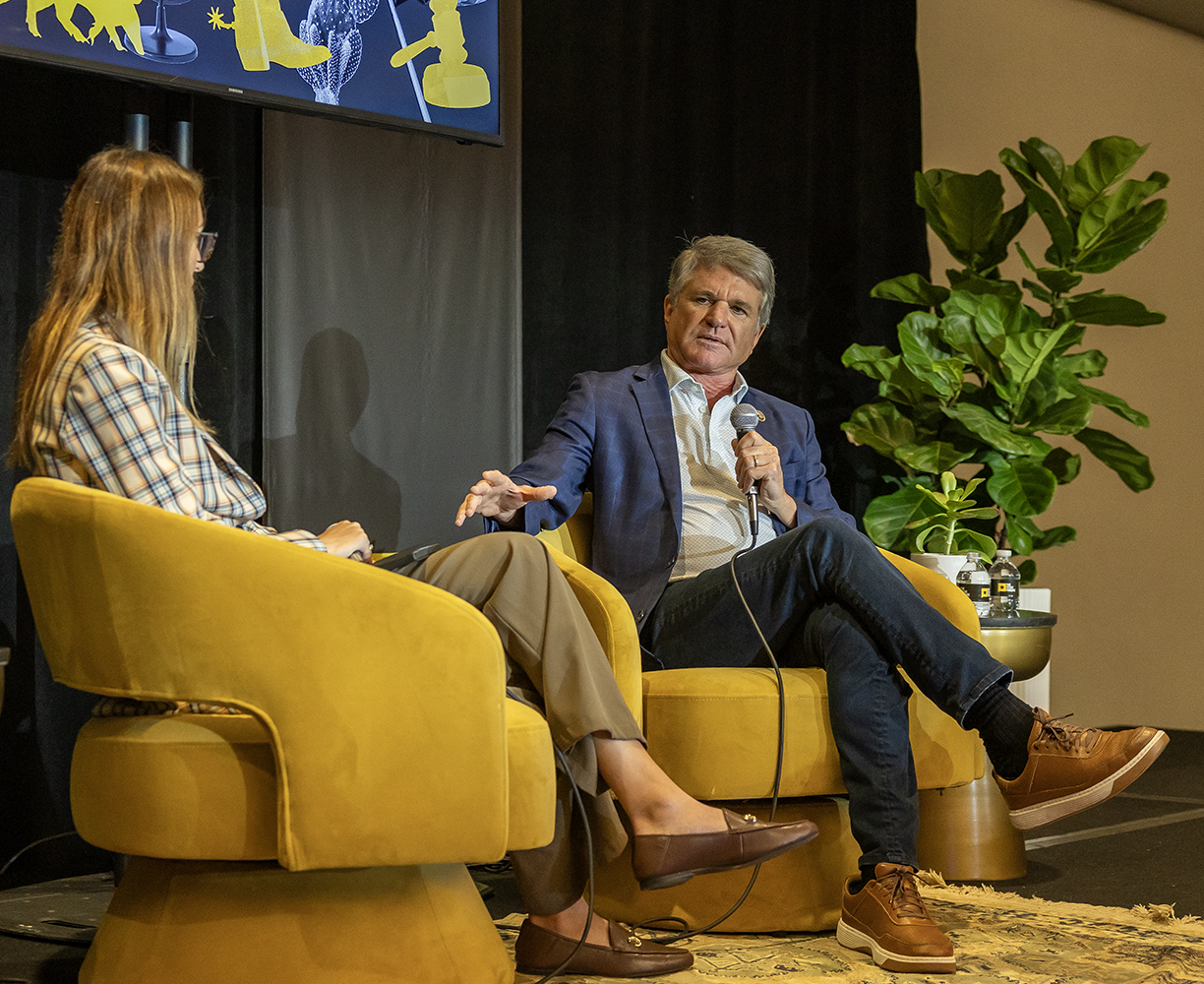
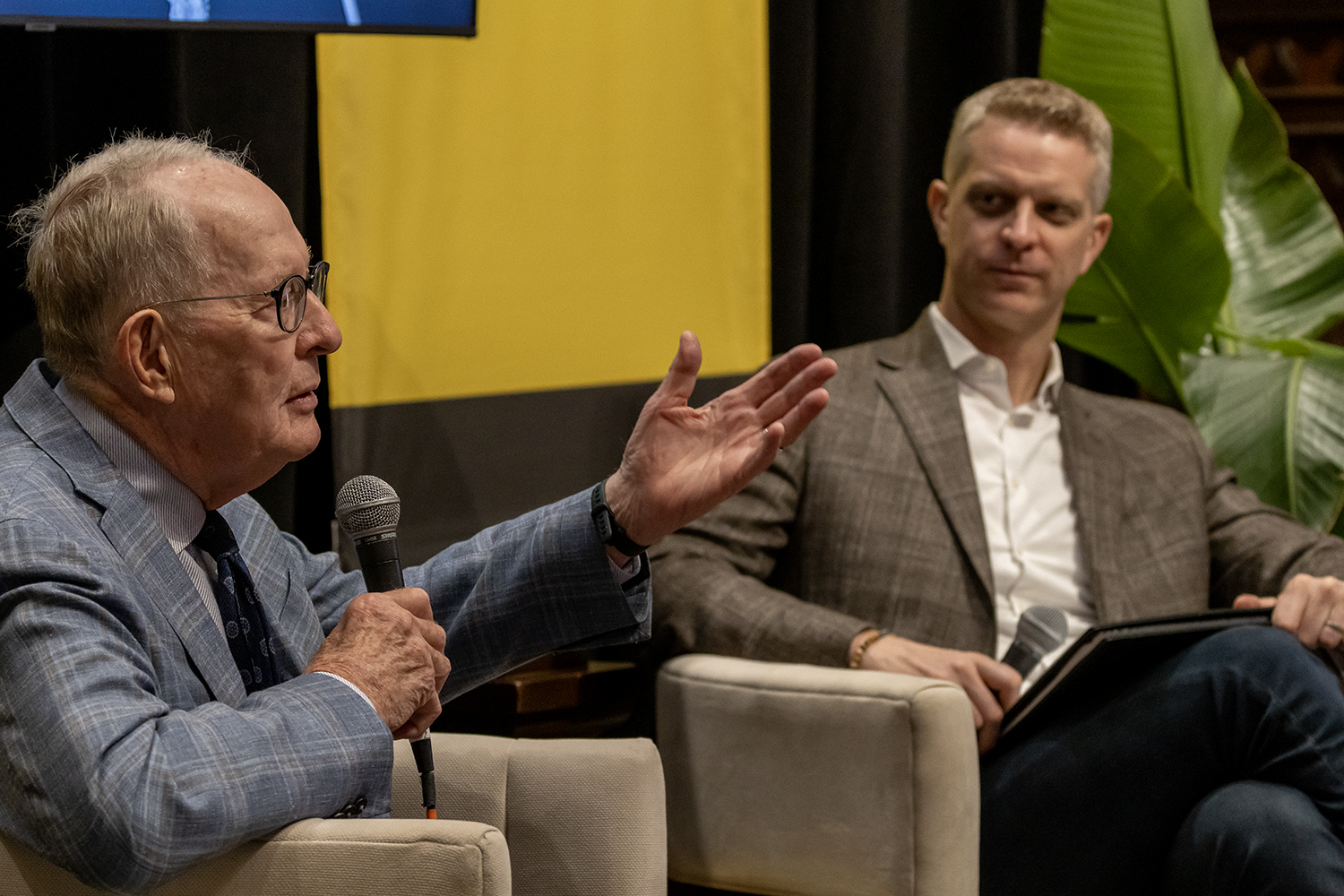
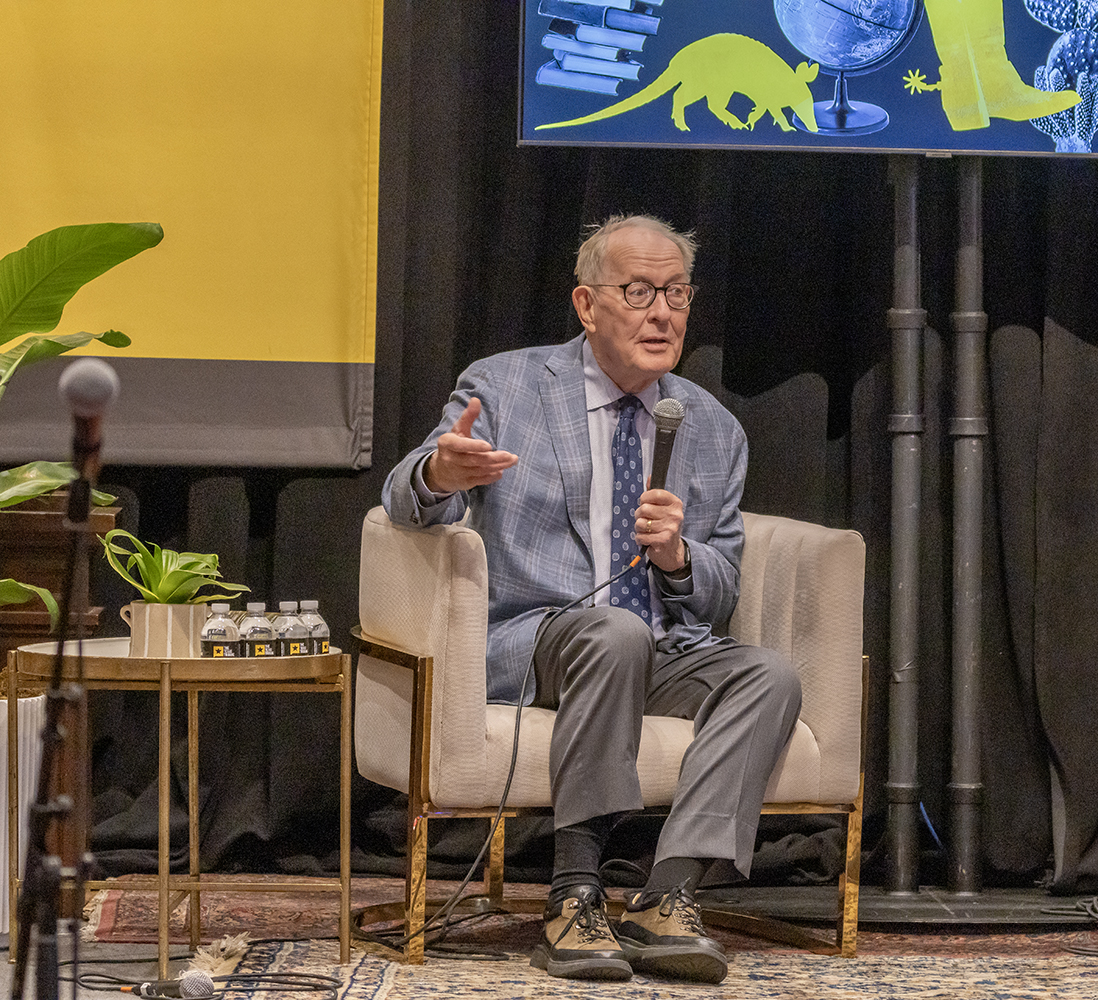
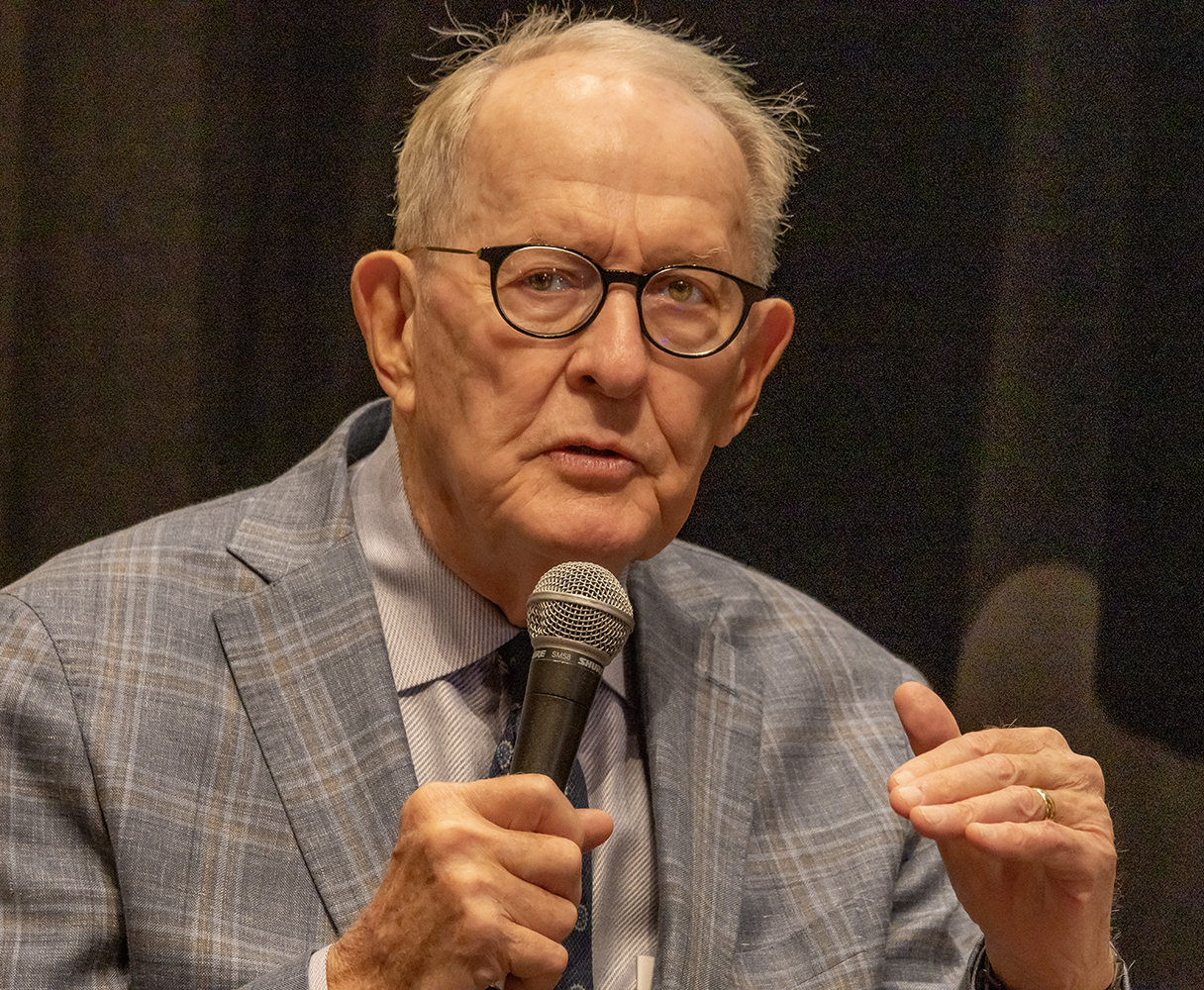
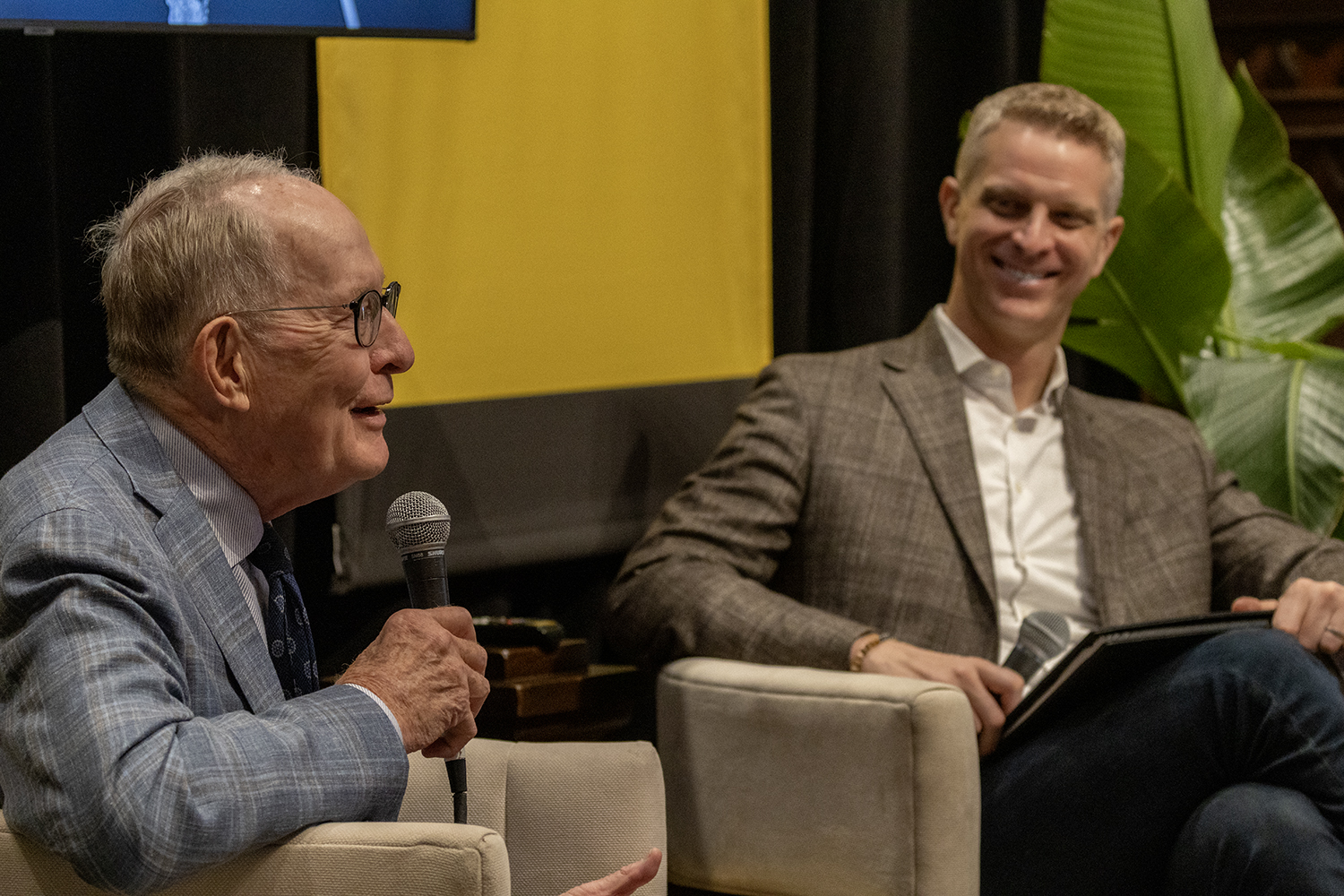
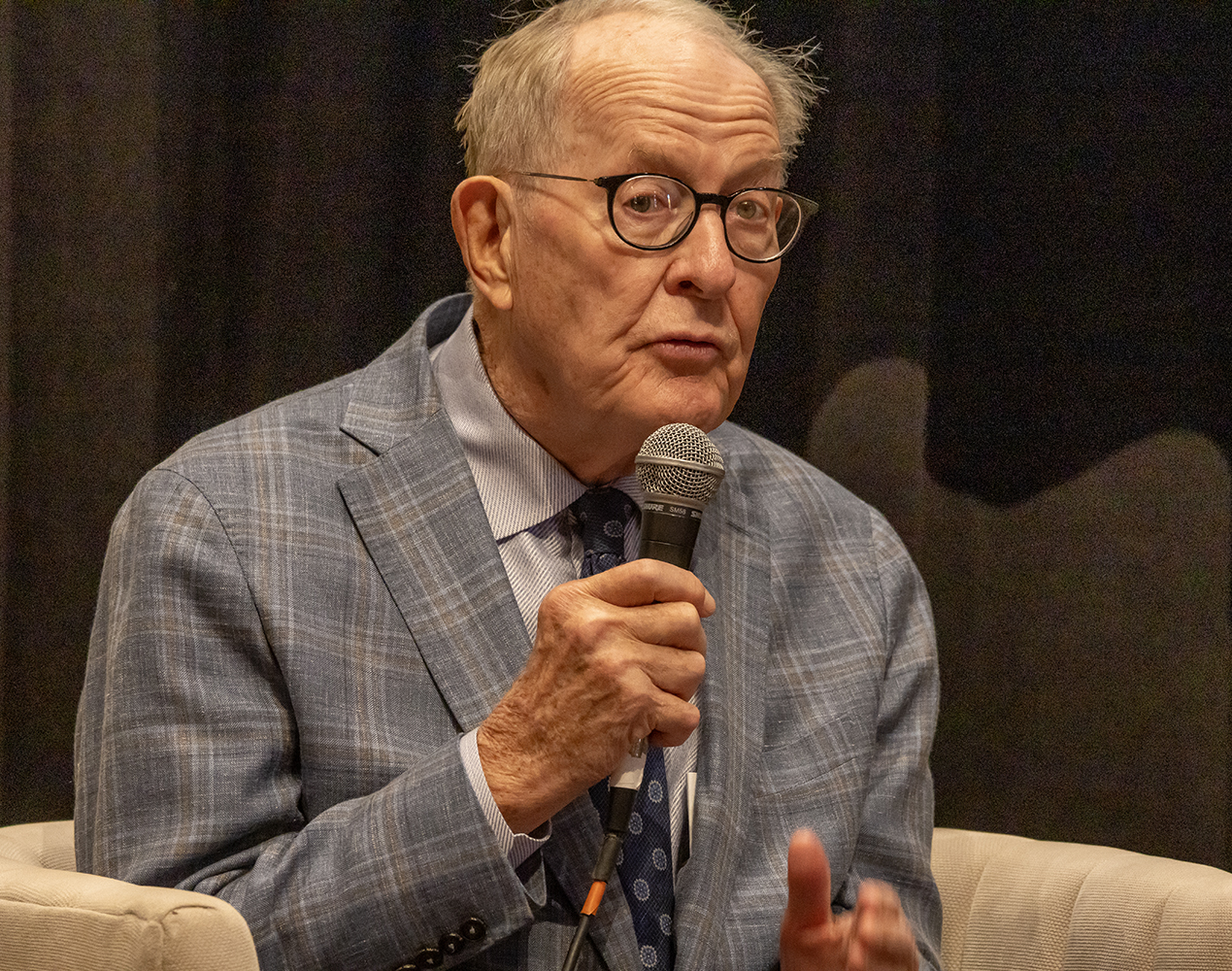
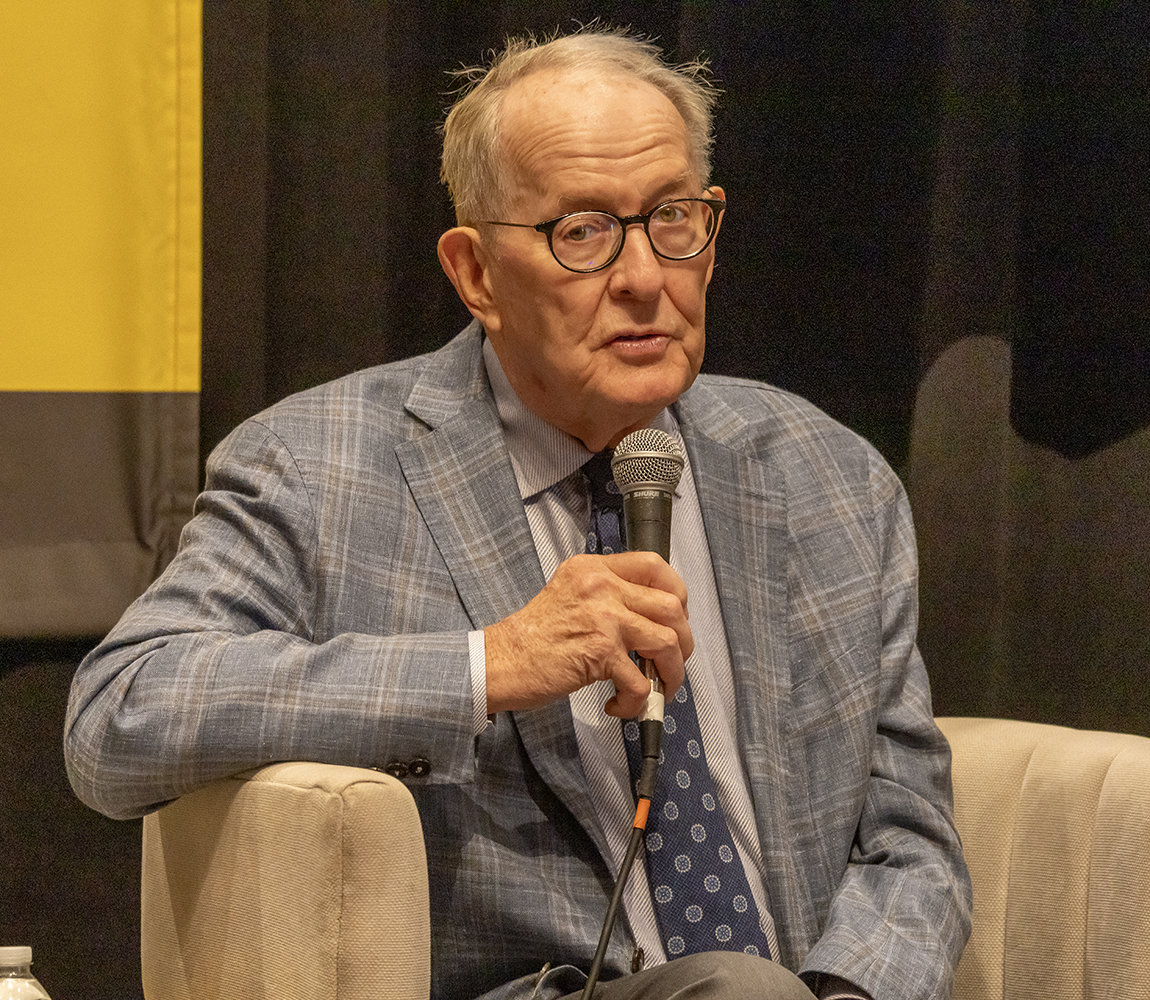
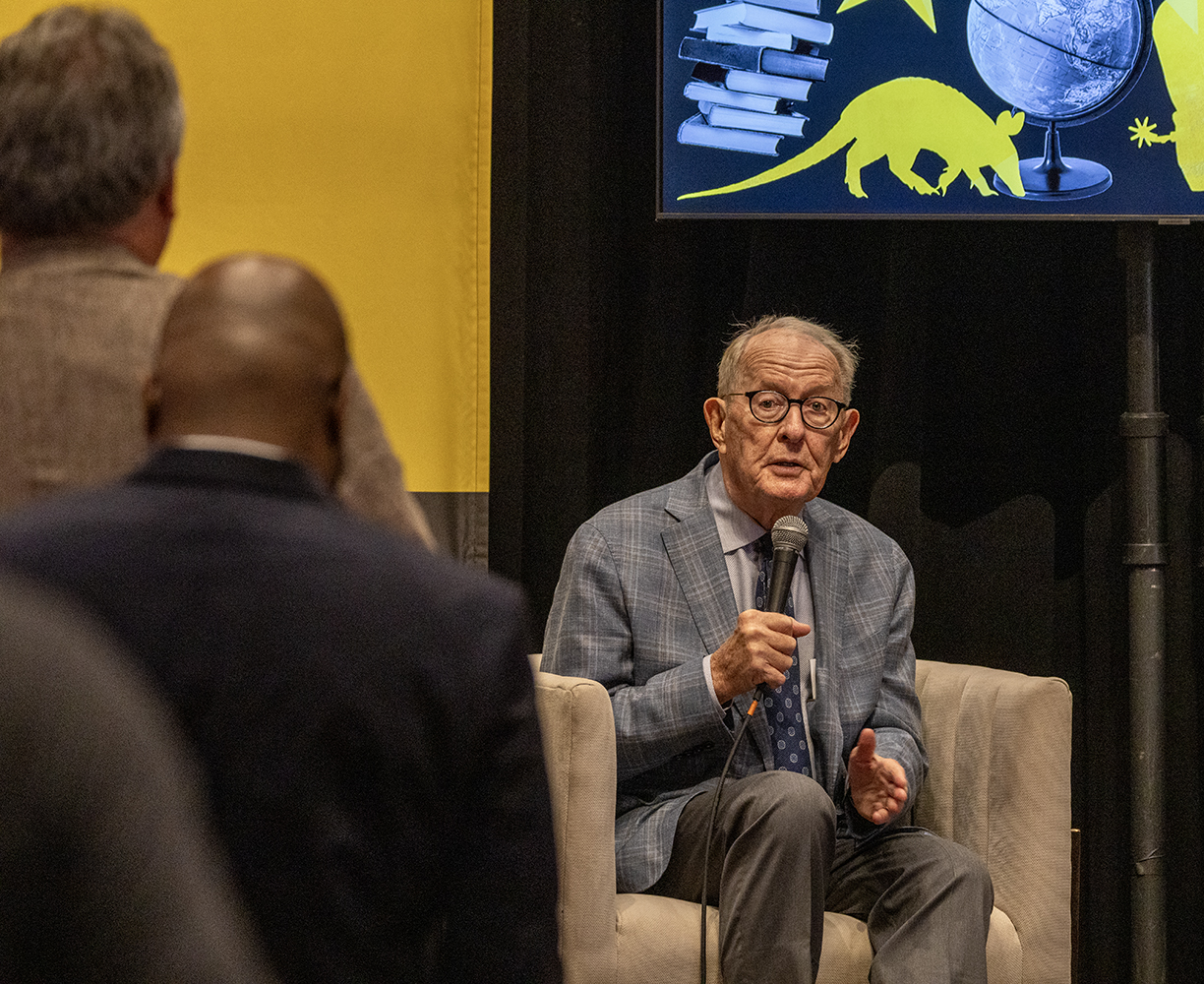
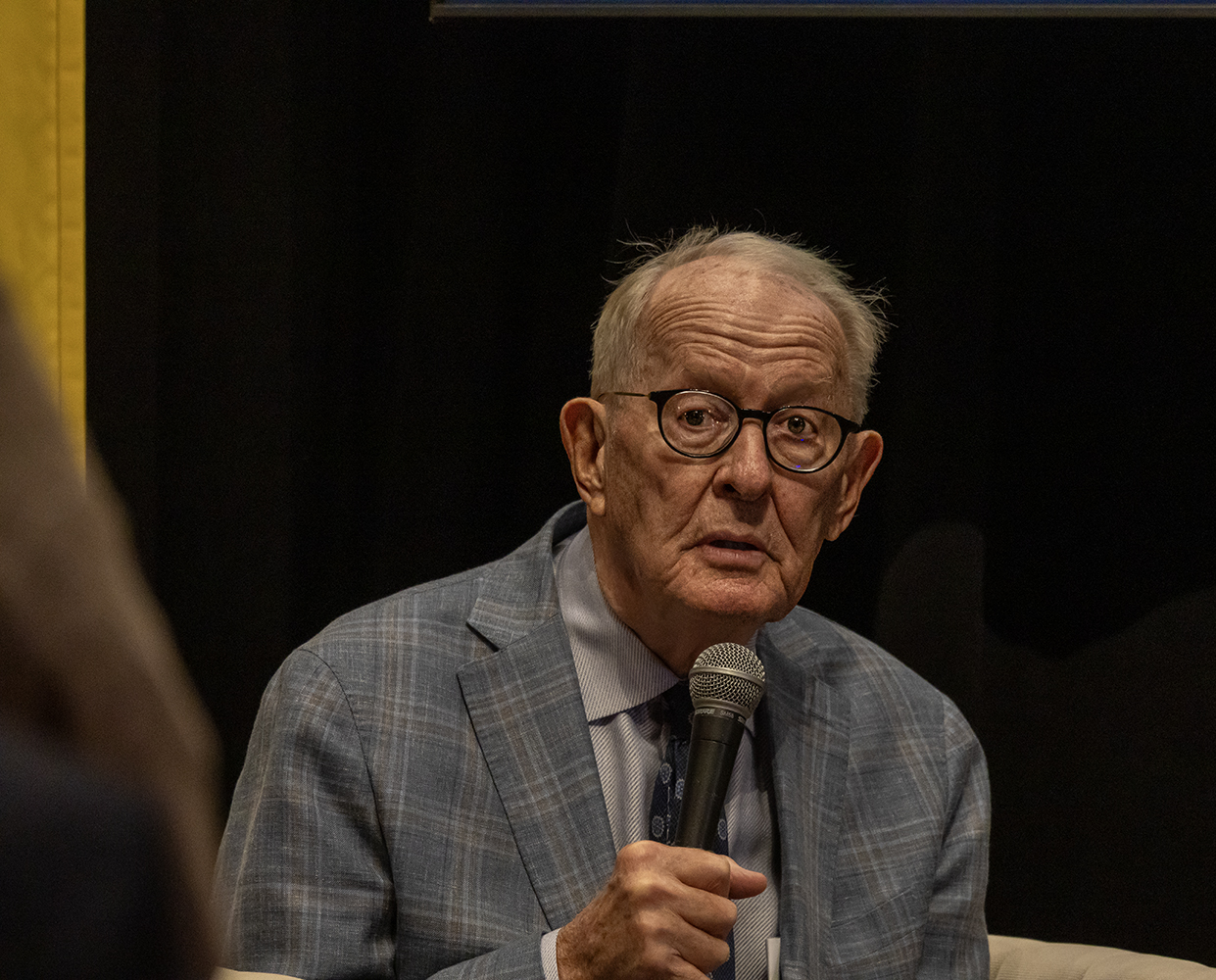
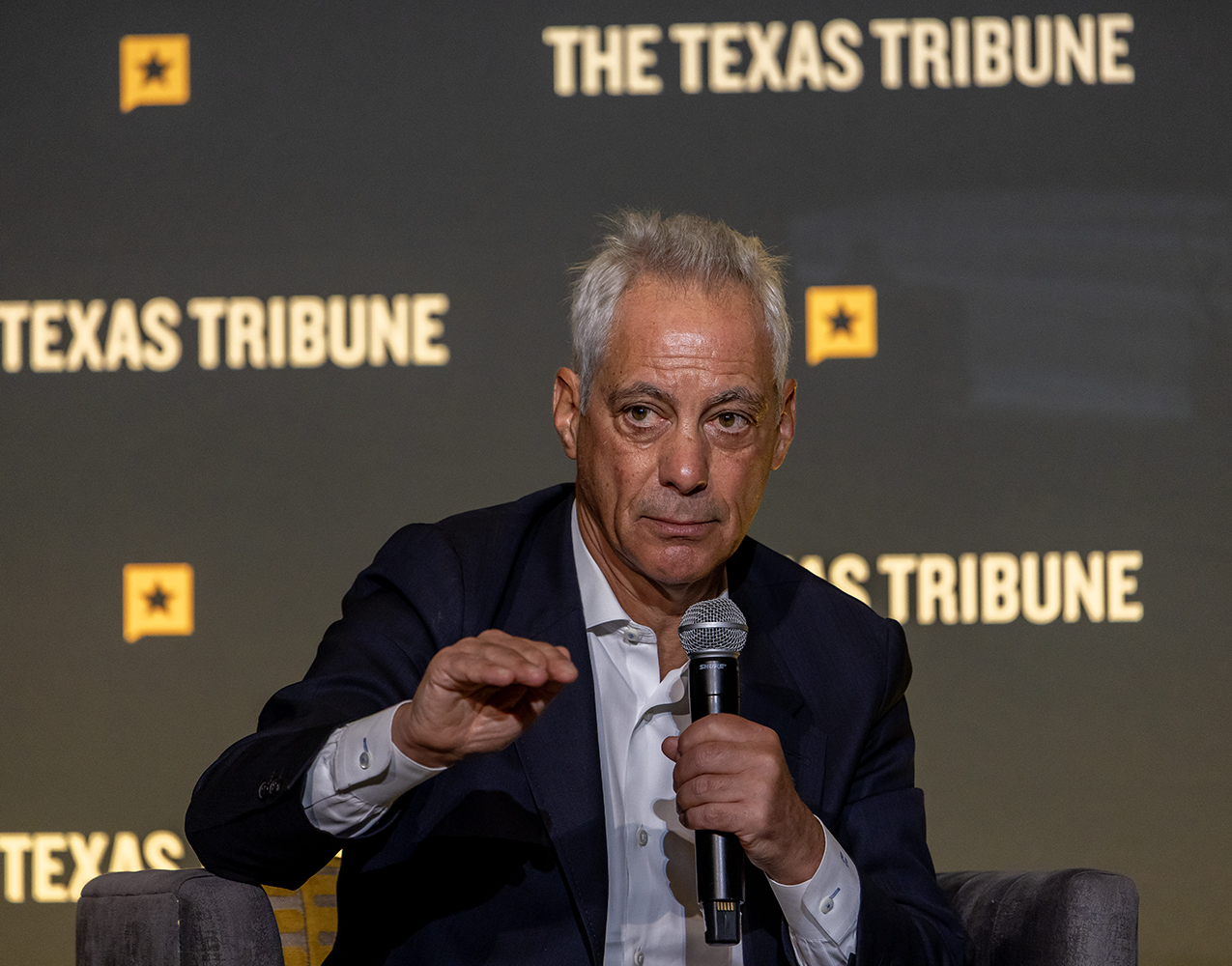
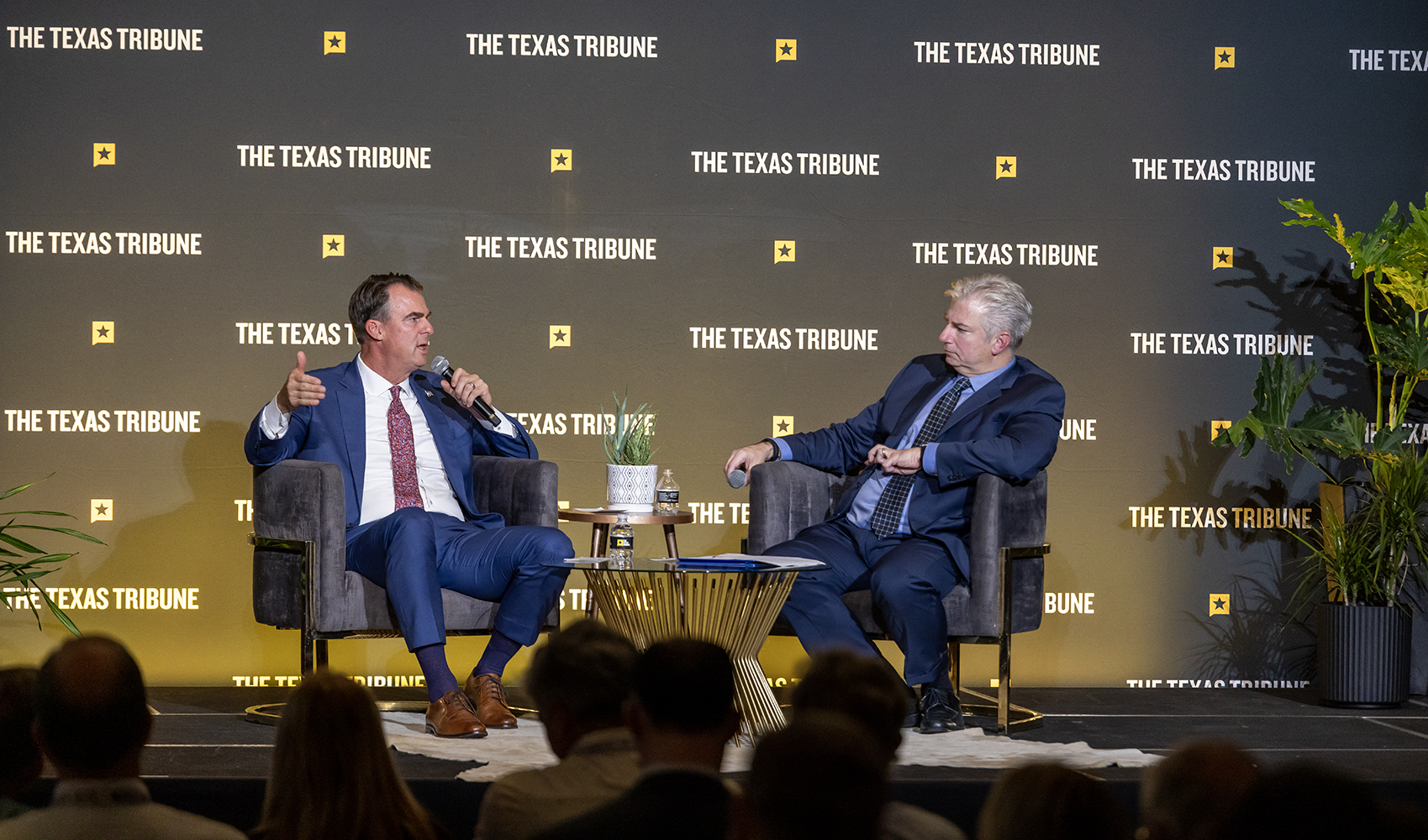
One of the more refreshing sessions was with Lamar Alexander, former Governor and Senator of Tennessee, and also former Secretary of Education. Now 86, Alexander is still sharp, and he discussed his career working with ten Presidents (!).
He said nice things about many of those presidents from both sides of the aisle, and he noted that you don’t have to be moderate to work with people with different belief systems. He worked with President Obama, while not agreeing with many items on his policy agenda. But, he noted, there are always things that overlap, and members of both parties should be willing to work on those things.
During Q&A, Alexander also indicated he would not vote for Ken Paxton, observed that Obama might have been the smartest President he worked with, suggested that President George W. Bush was the most “normal” President he worked with, and expressed his greatest satisfaction as having a long career in politics and leaving with his “integrity and family intact.”
From Teacher to President: The LBJ Library
By Ryan Snow
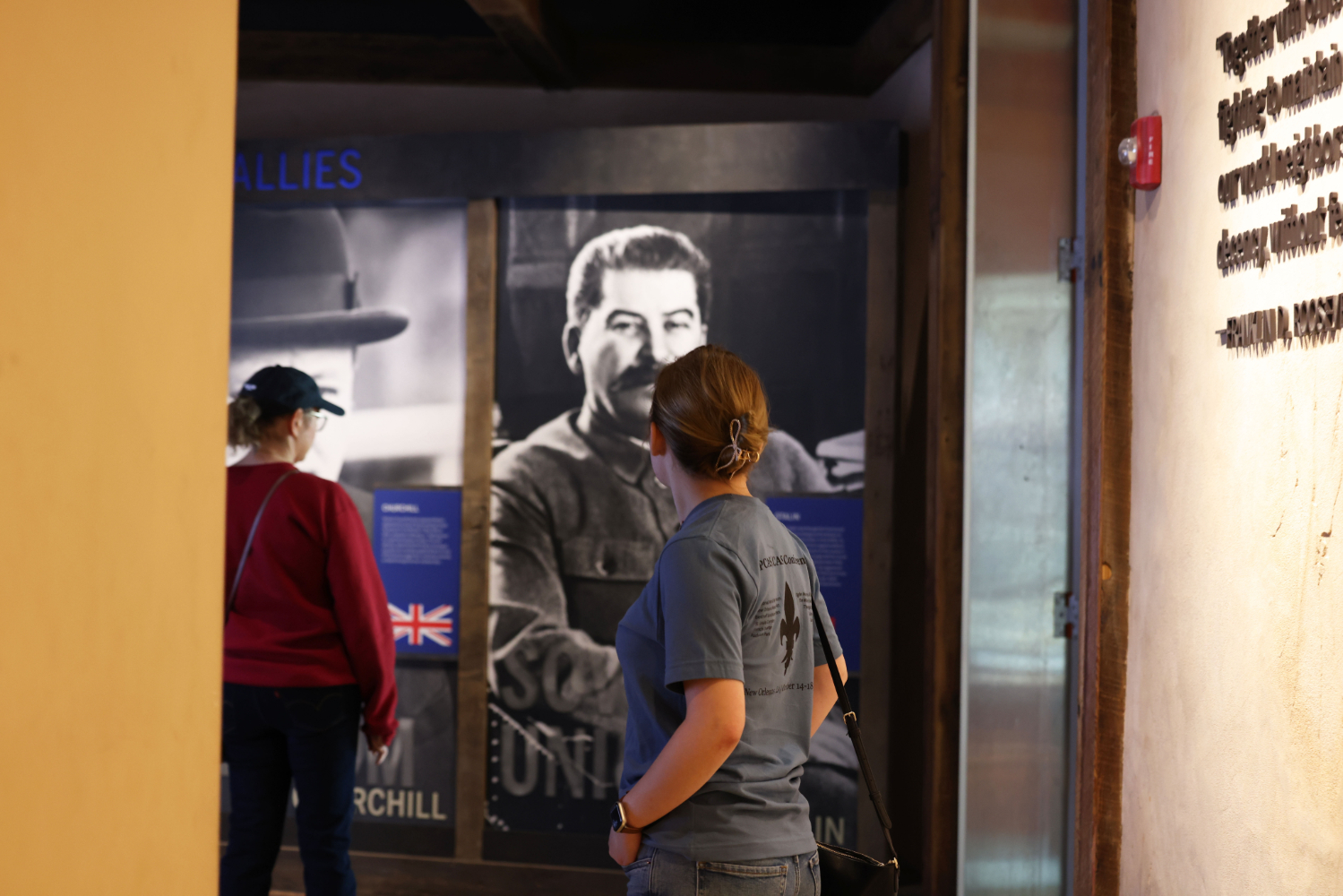
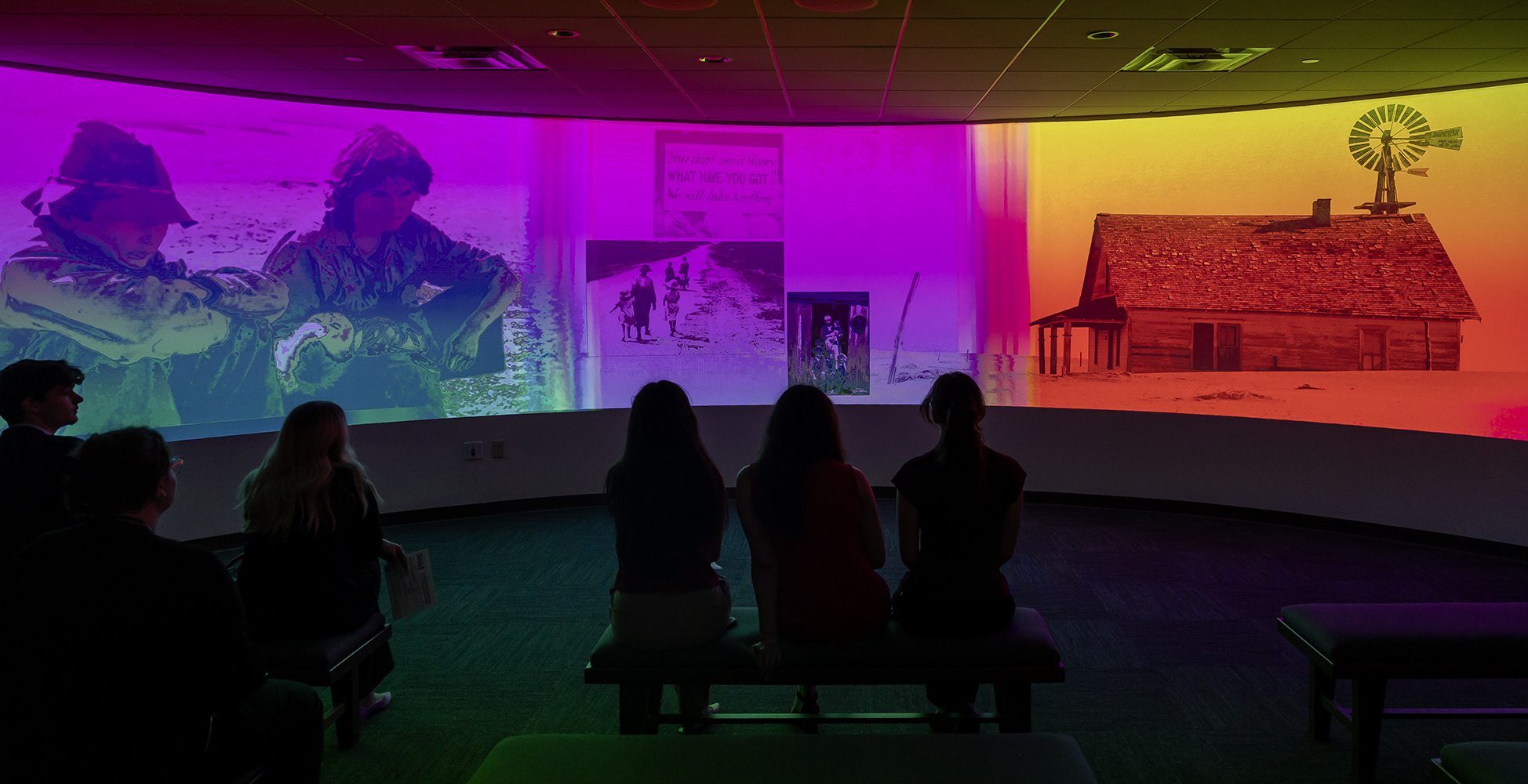
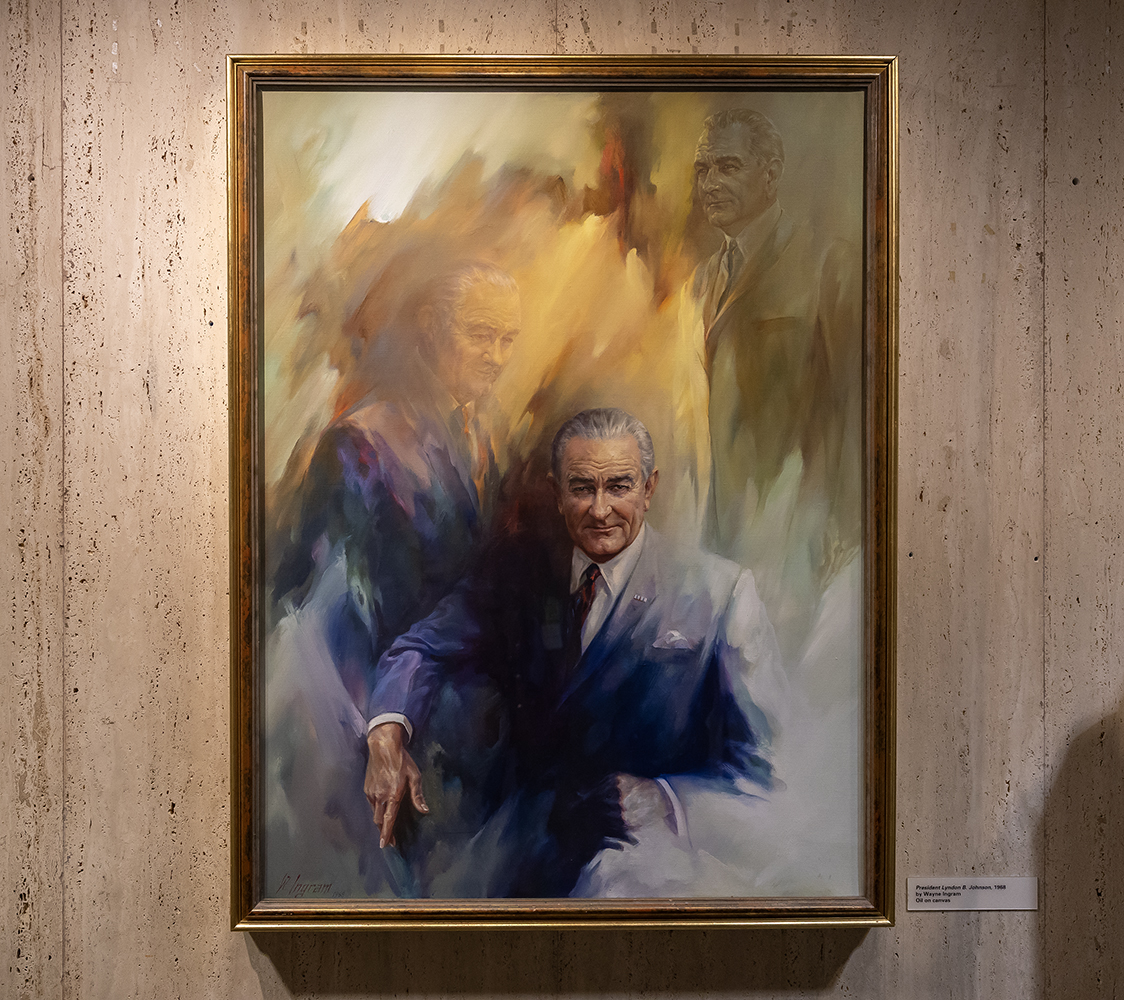
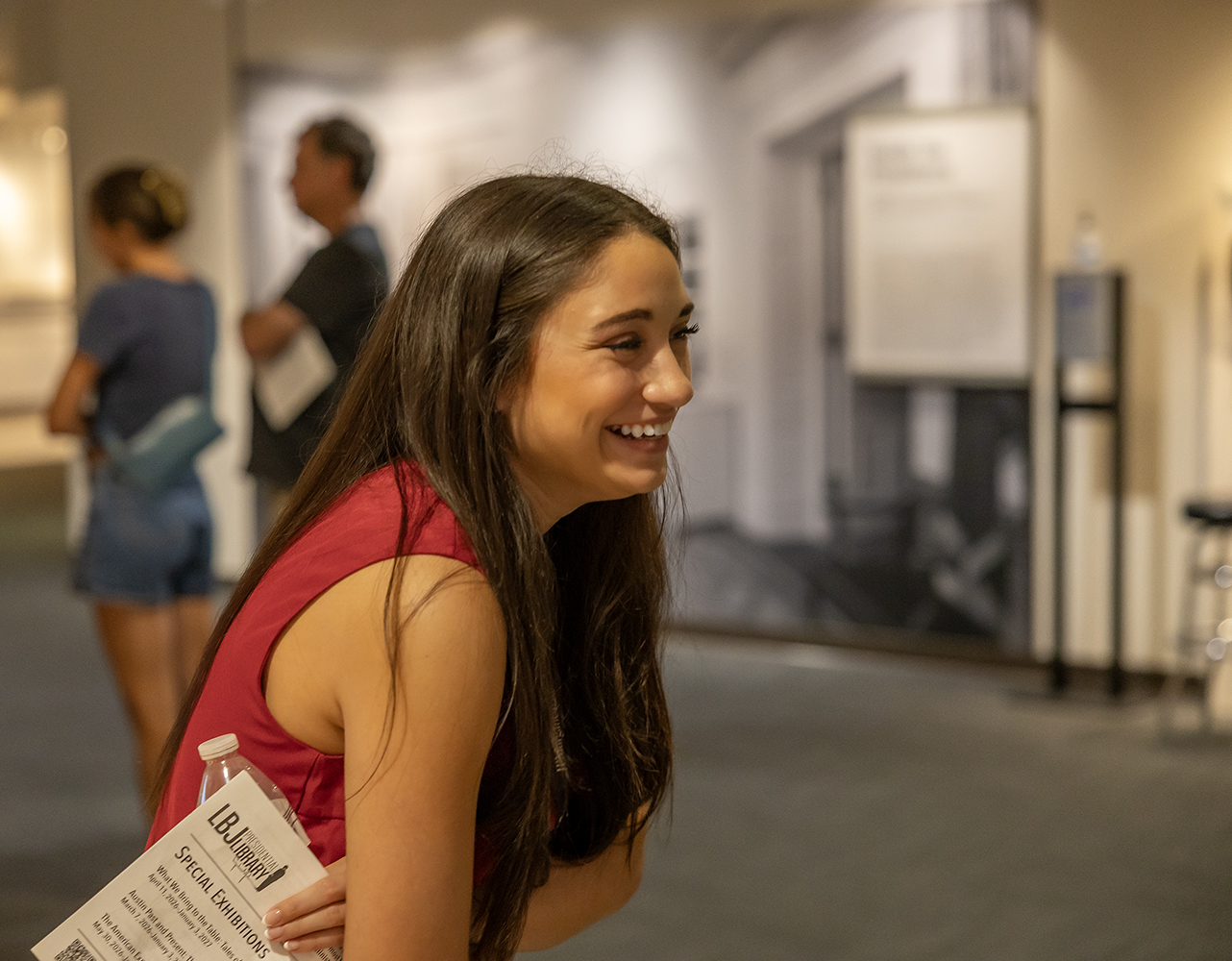
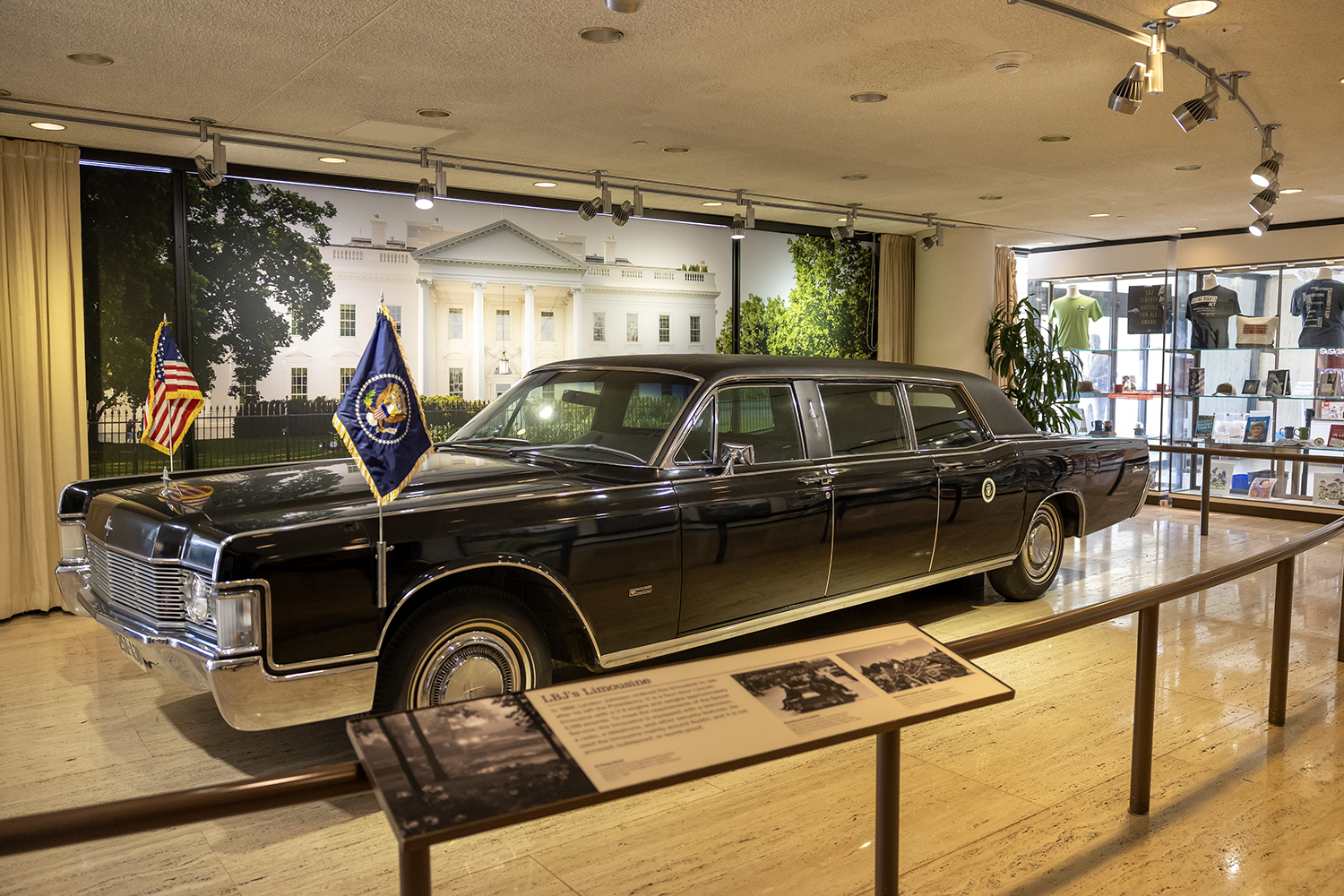
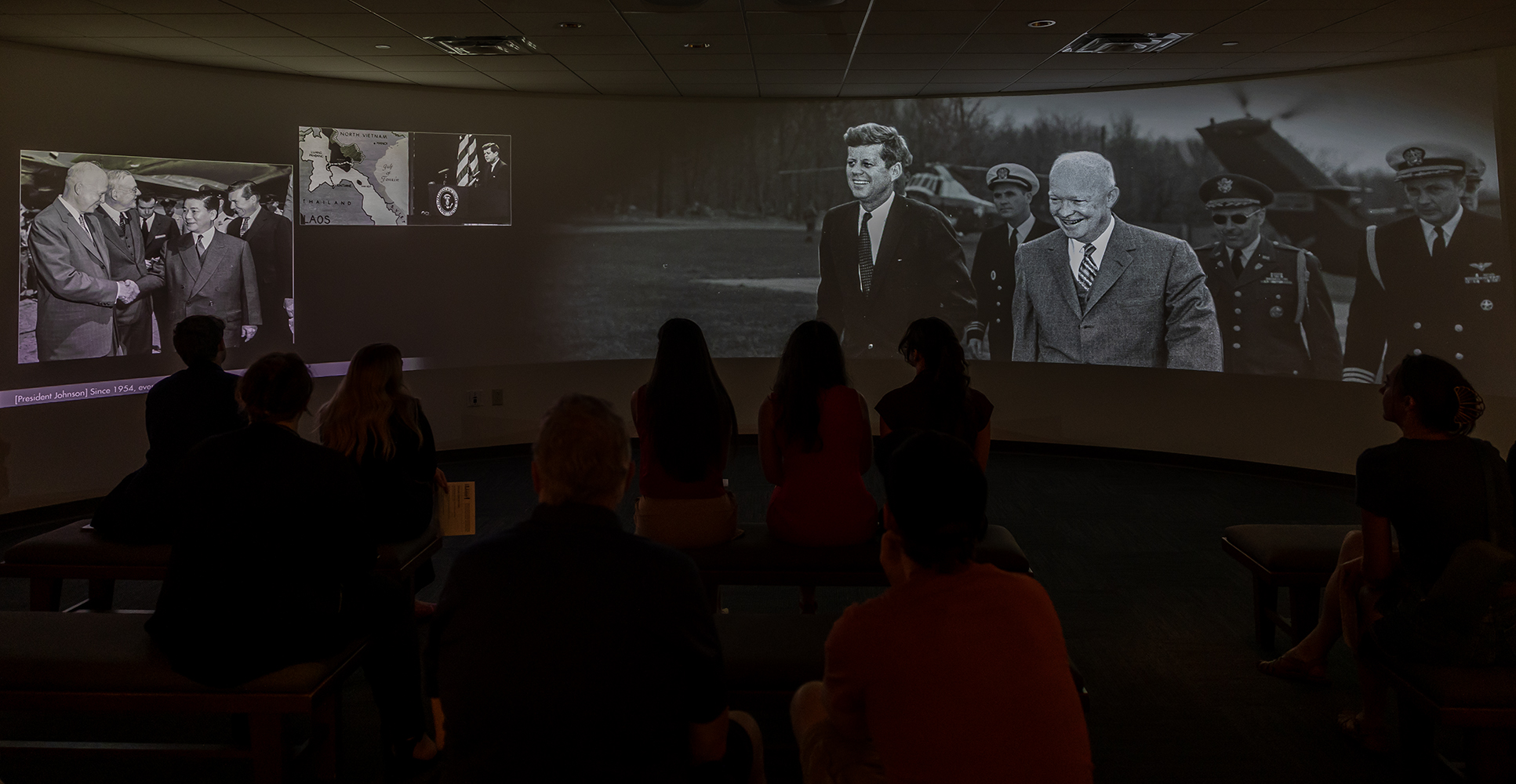
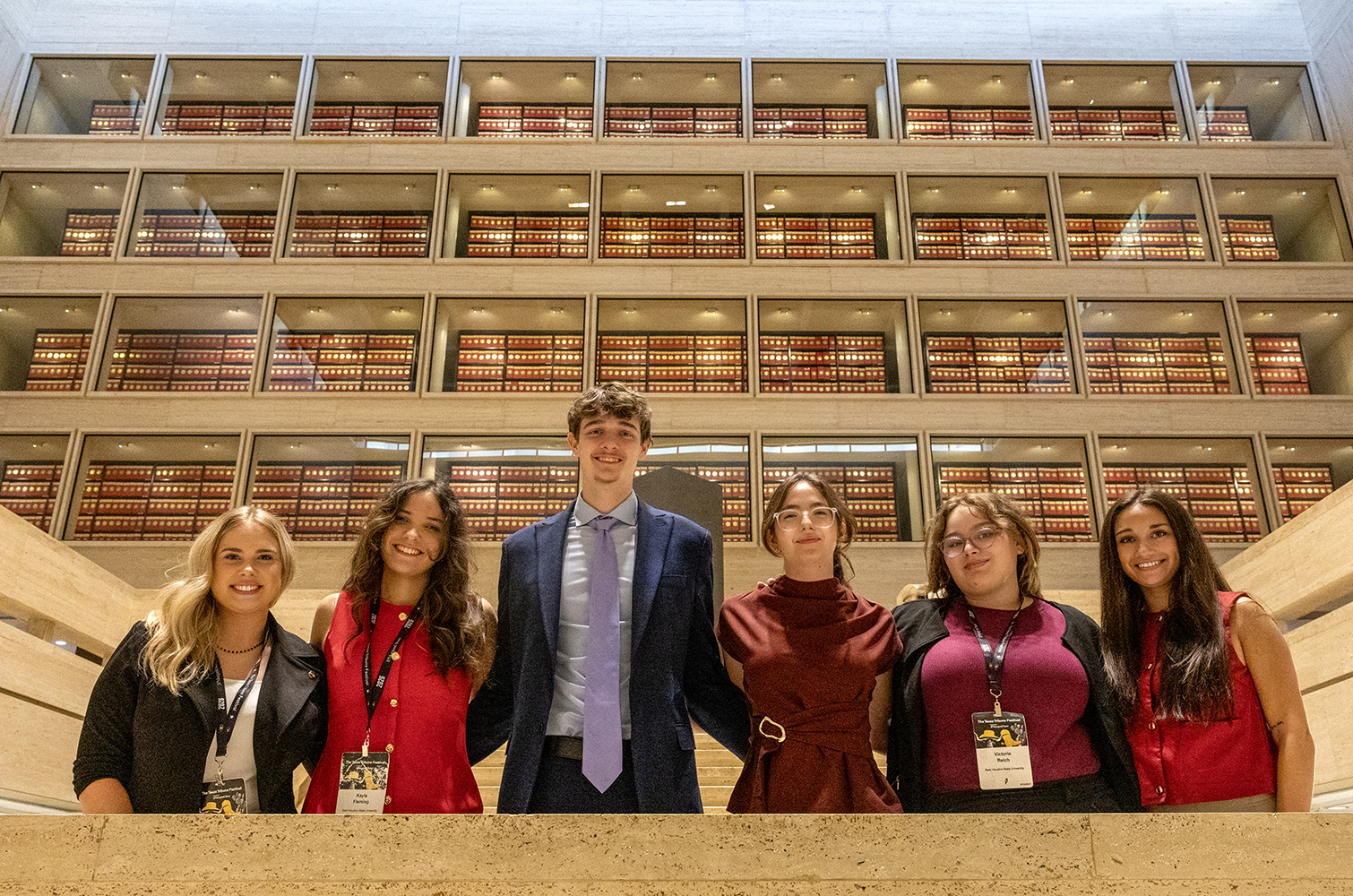
Following our exciting day of compelling panels, we had the oppurtunity of learning about President Lyndon B. Johnson (LBJ) at the LBJ Presidential Library. Our journey through the library started with LBJ: An Introduction: a 10-minute film about LBJ, including his life before his presidency, the start of it and how he shaped the world during it.
LBJ started in his early life as a teacher in Cotulla, Texas, a rural Hispanic town. This led LBJ to focus on feeding the poor and increasing access to education. Unfortunately, even after all the successes LBJ had in his presidency, such as his Great Society plan and civil rights improvements, he believed they would be overshadowed by the failures in Vietnam. Throughout the museum, LBJ was continuously expressing his guilt over the Vietnam War and conveying how he felt trapped.
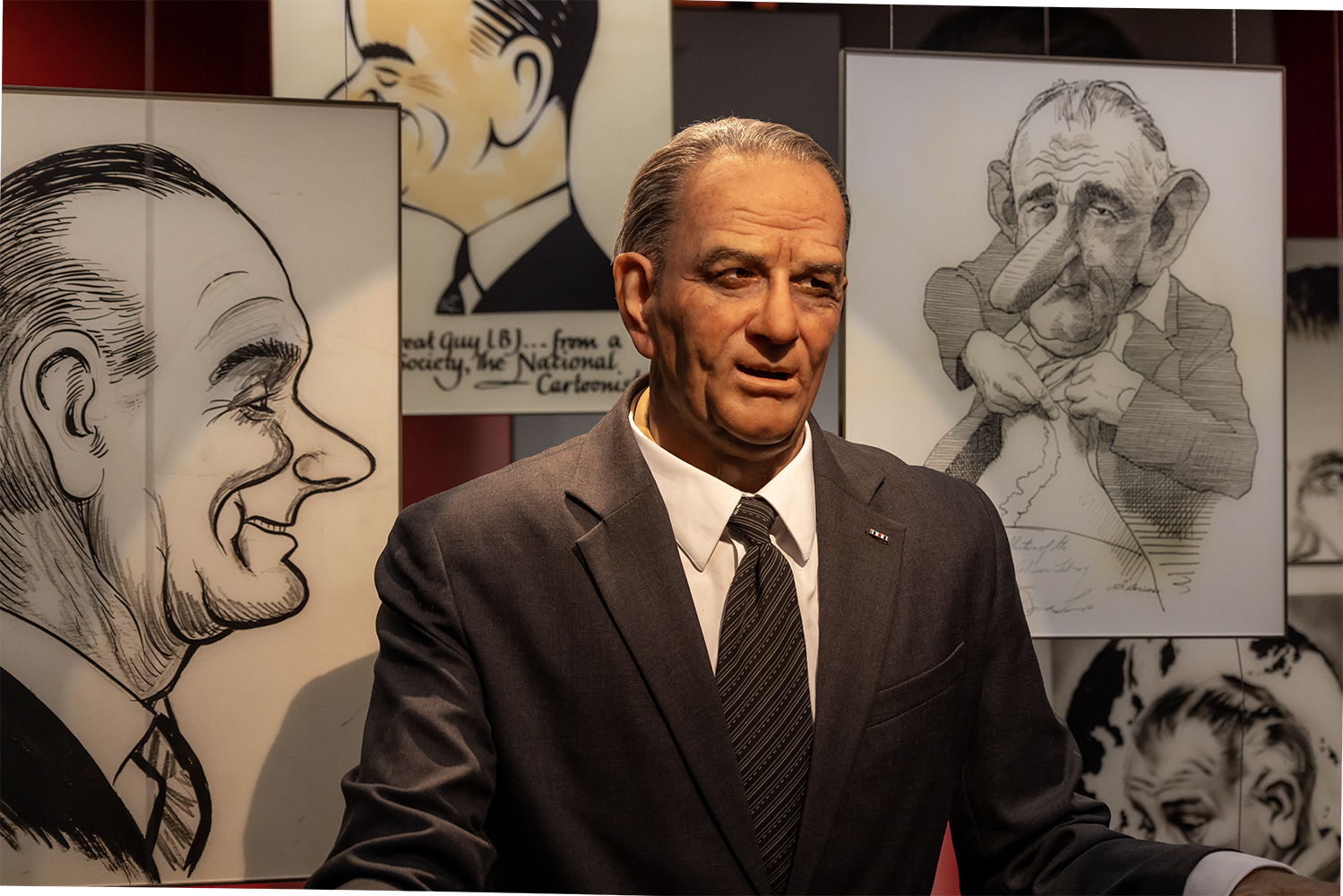
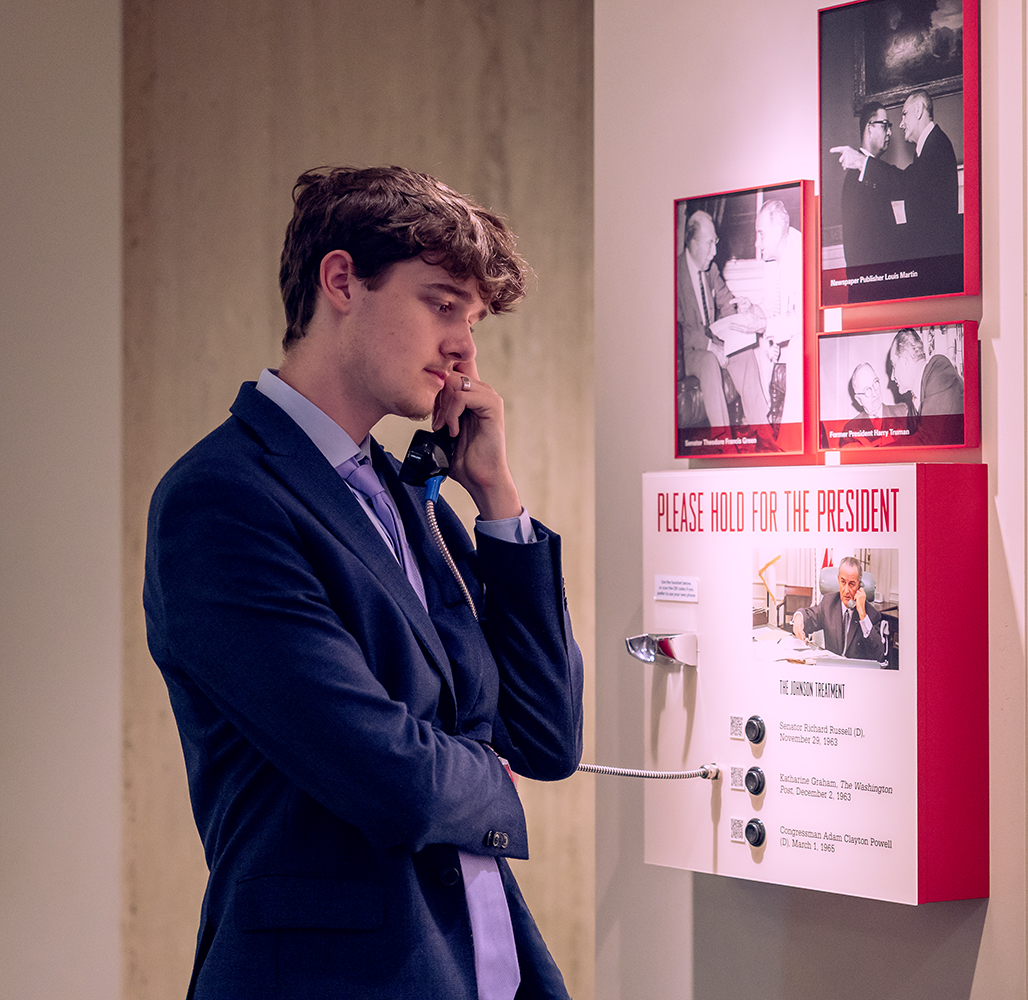
The library had a multitude of interactive activities, including listening to a wax LBJ recite humorous stories…
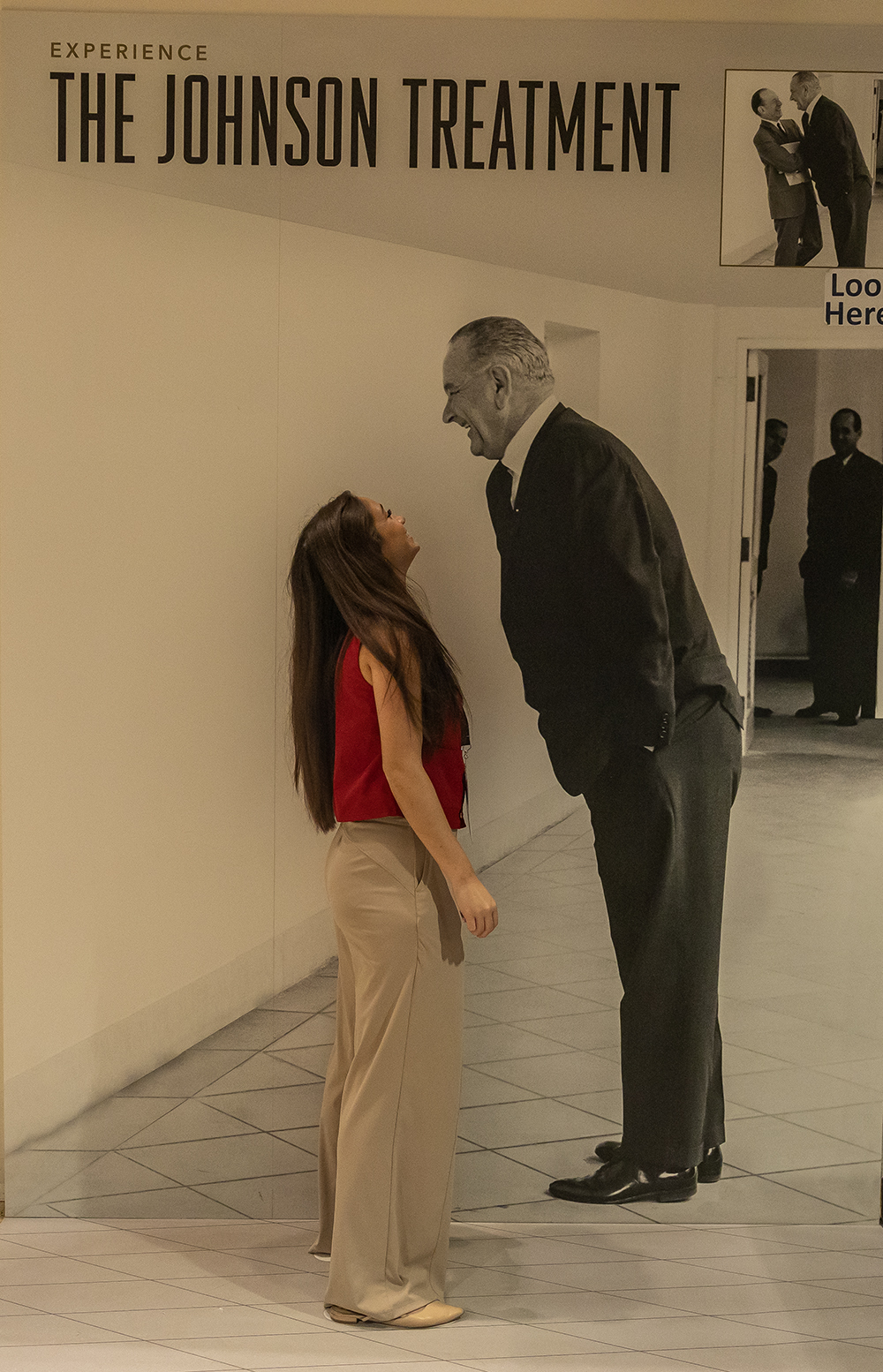
…while also getting “The Johnson Treatment” from a life-sized poster of him.
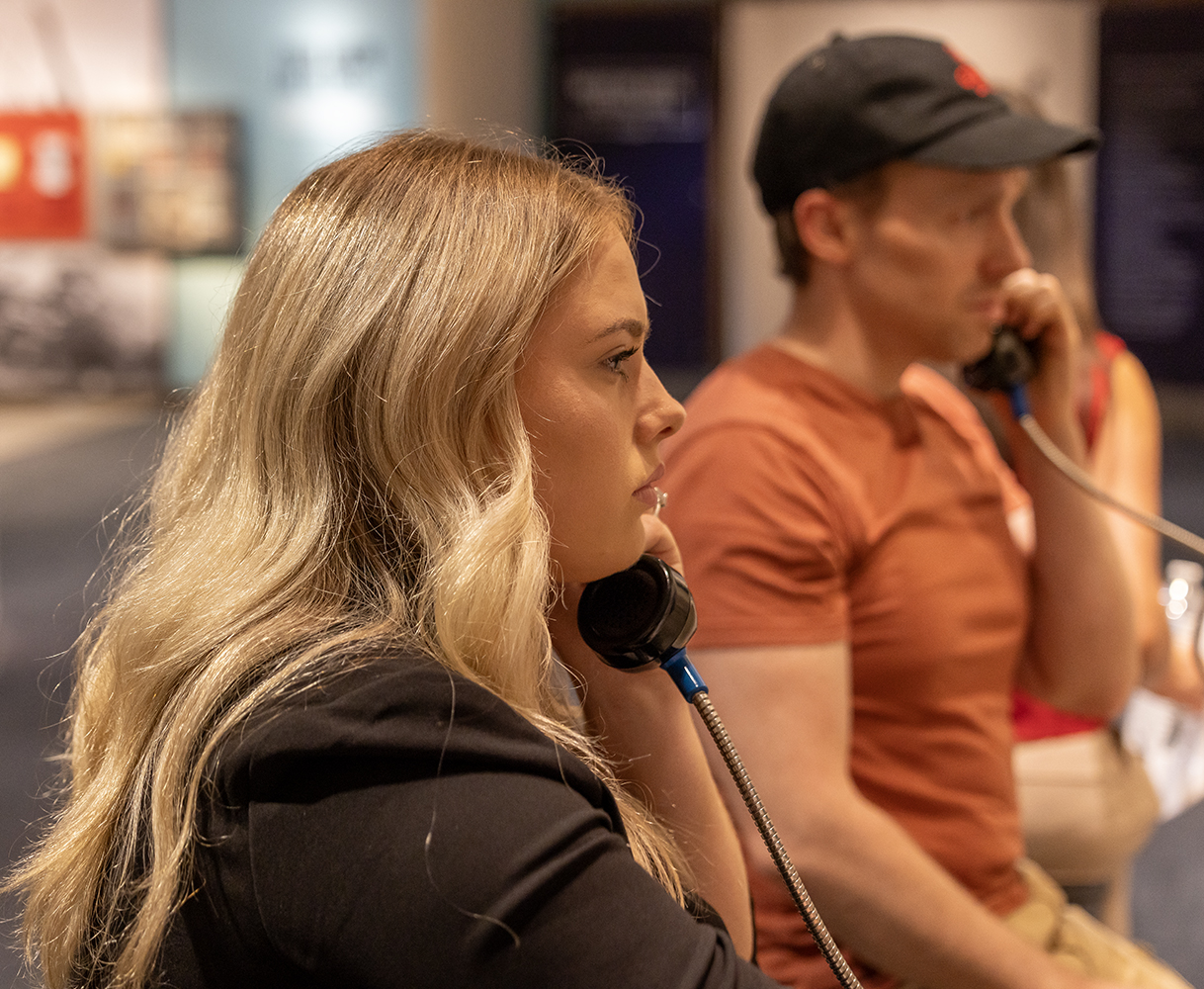
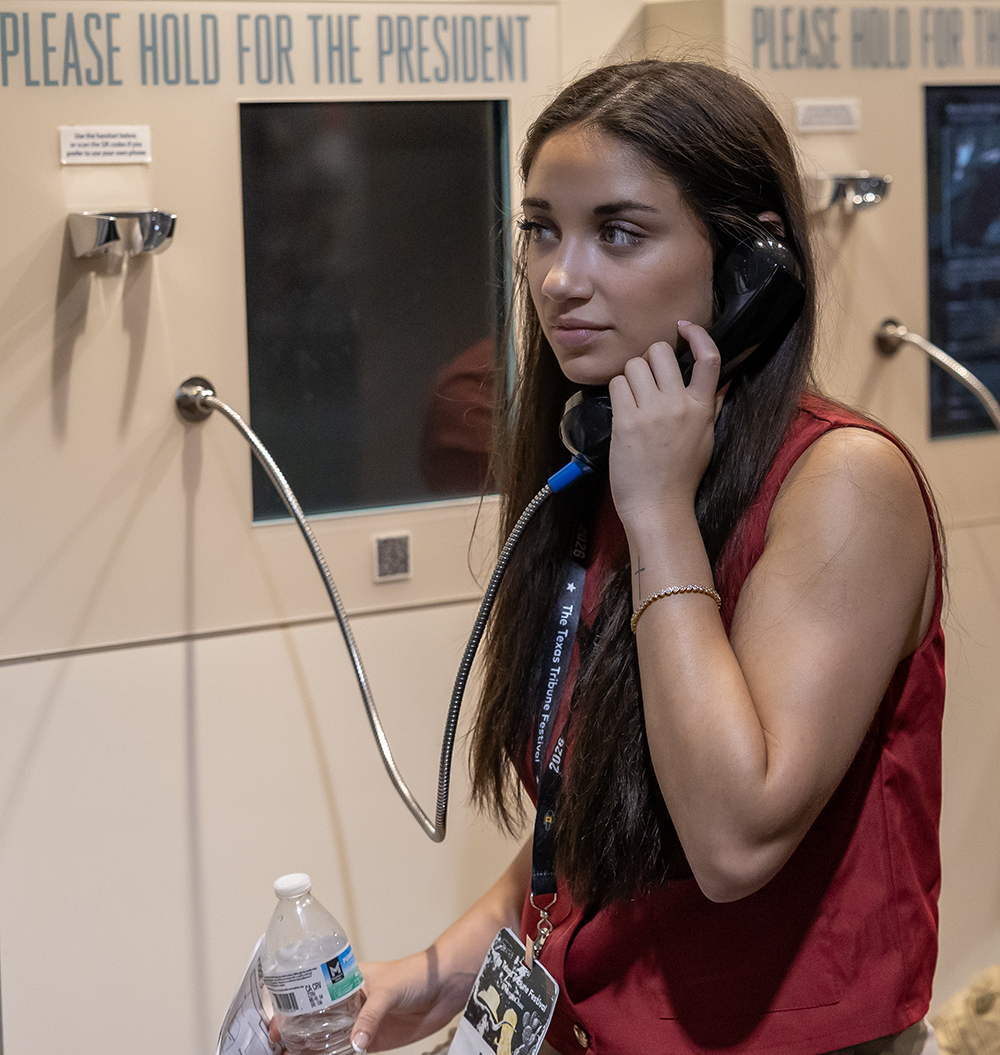
LBJ, like many presidents before him, had secret recording devices in the White House phones allowing us to listen to conversations with senators, representatives, and other important figures. During his time in office there were over 640 hours of recorded conversations between him and others.
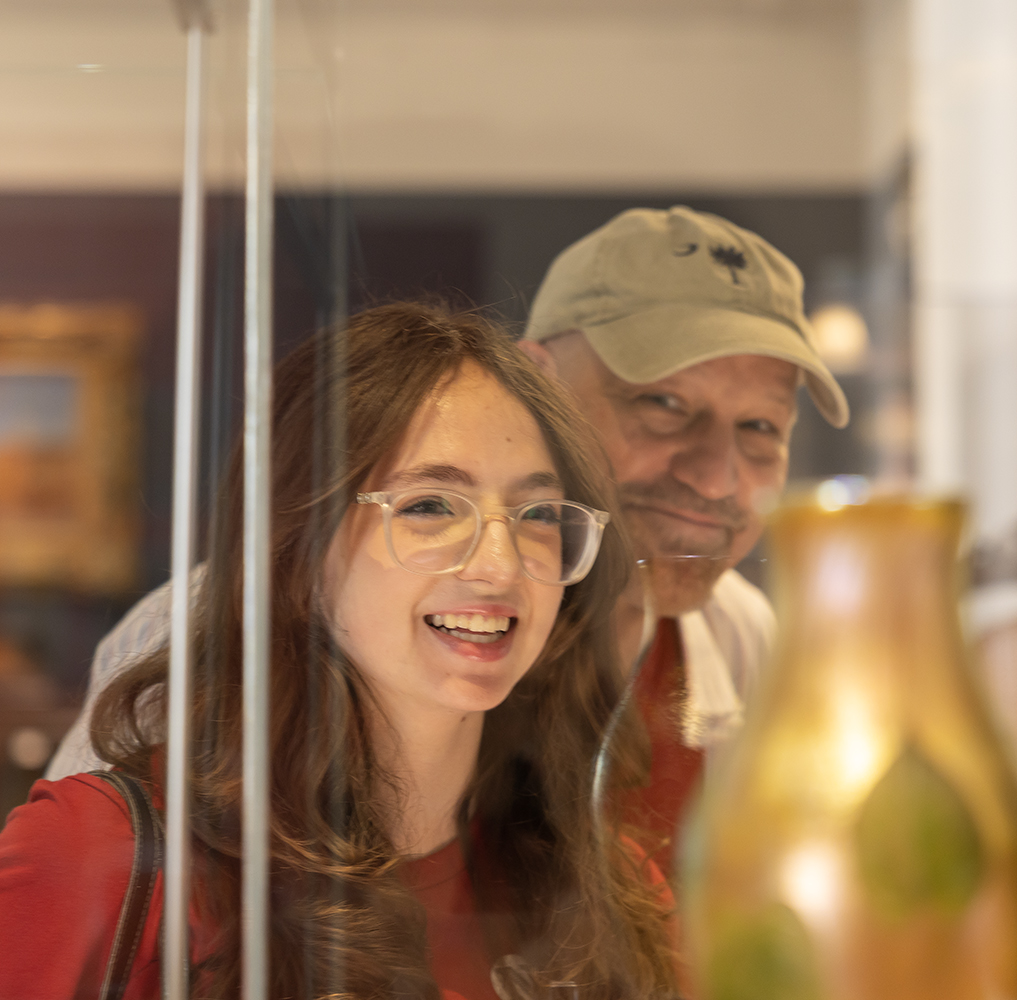
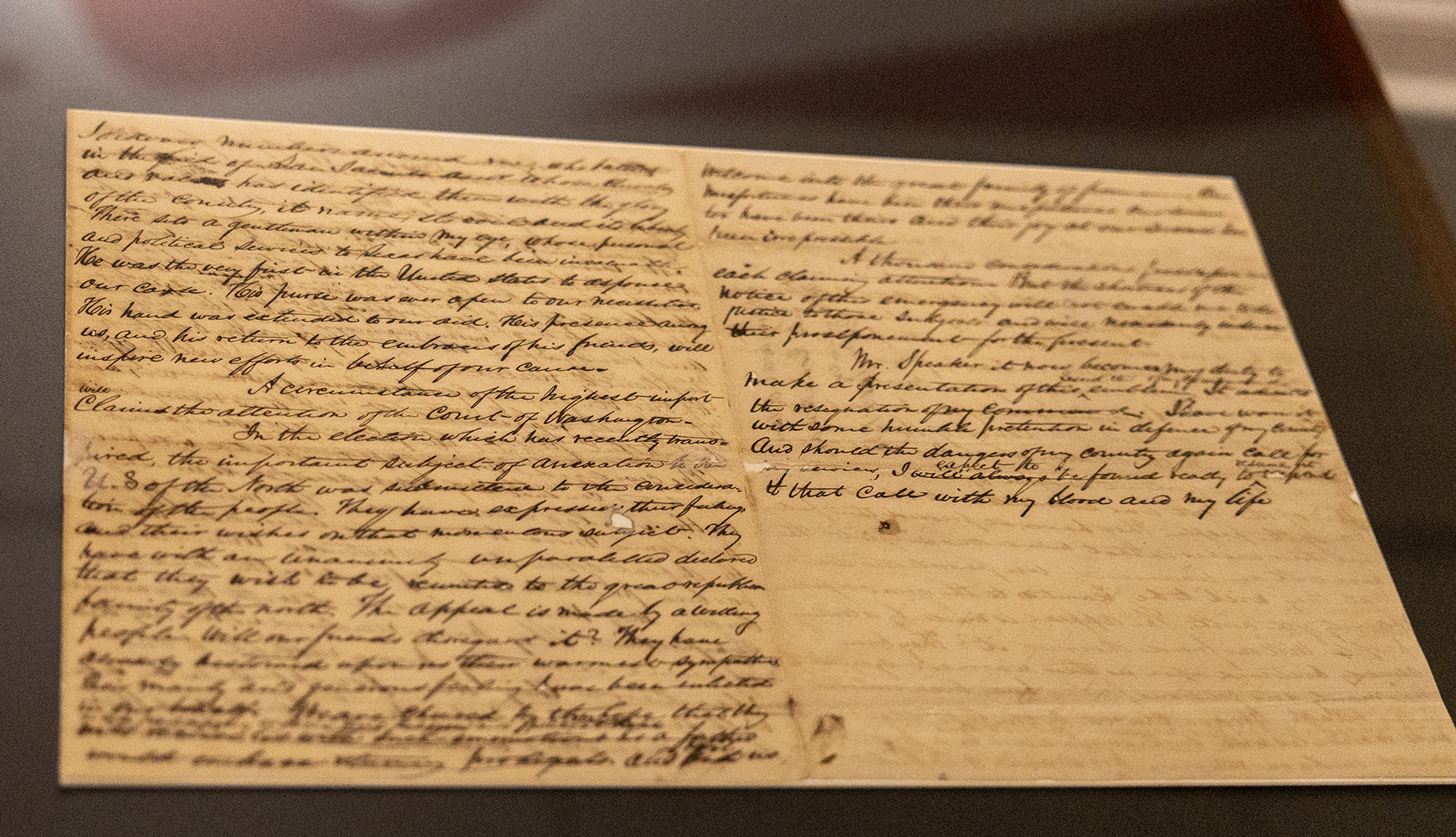
We also got to see unique artifacts of Texas history on display, such as the oldest known photograph at the Alamo and Sam Houston’s Inaugural Address as President on October 22, 1836.
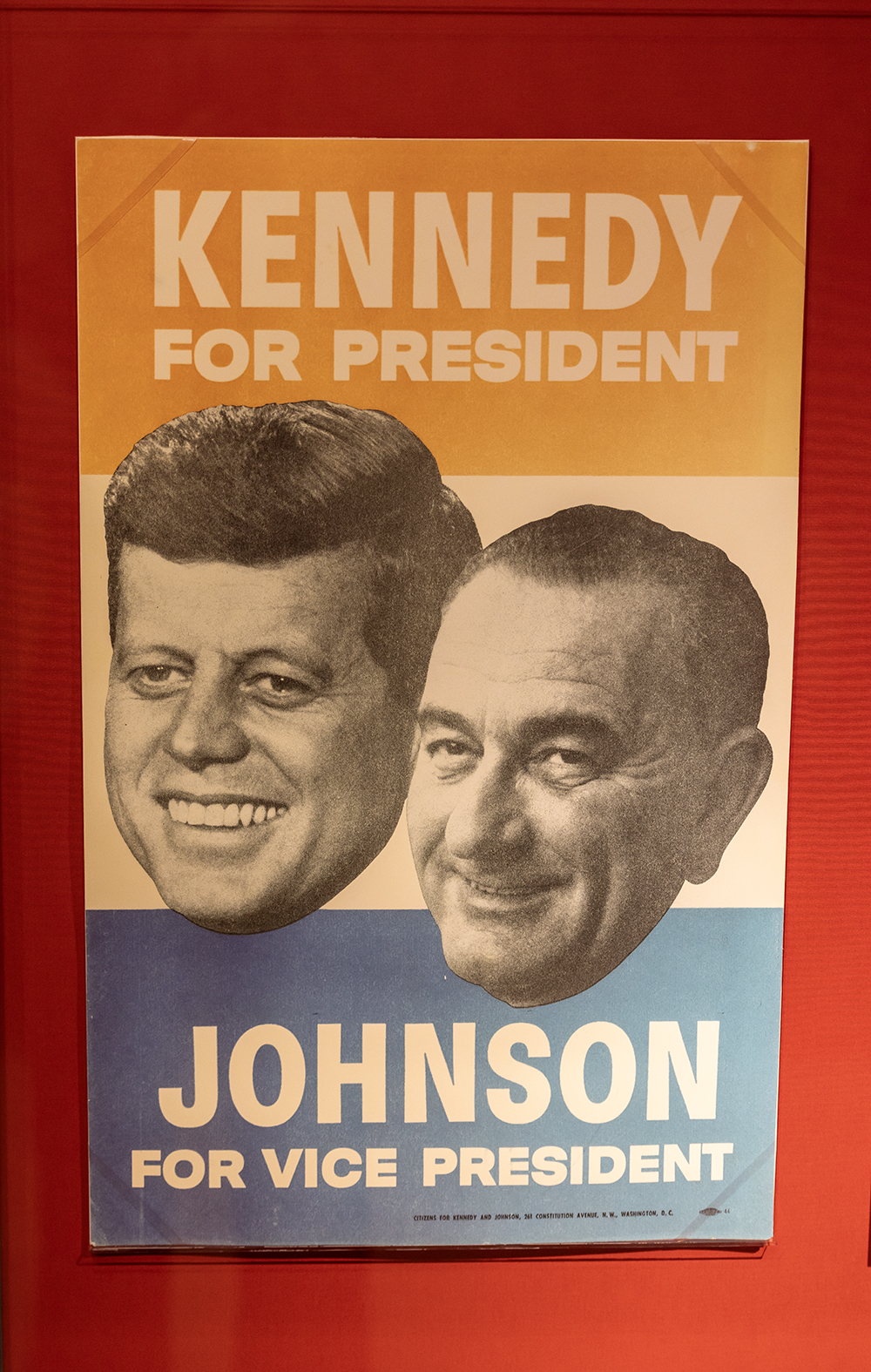
The library also included an exhibit dedicated to JFK’s assassination and LBJ in office after such dramatic events. Although LBJ stepped up and enacted life-changing policies, he always expressed his sorrow for JFK. “I wish to God there was something that I could do, and I want to tell you that we were grieving with you.”
Lyndon B. Johnson was described as compassionate, relentless, persuasive, collaborative, and practical. Visiting his library has taught us how to never give up, and that no matter how much you do, there is still much to be done. LBJ served as an inspiration we can take with us into our personal and professional lives.
Texas Capitol Tour
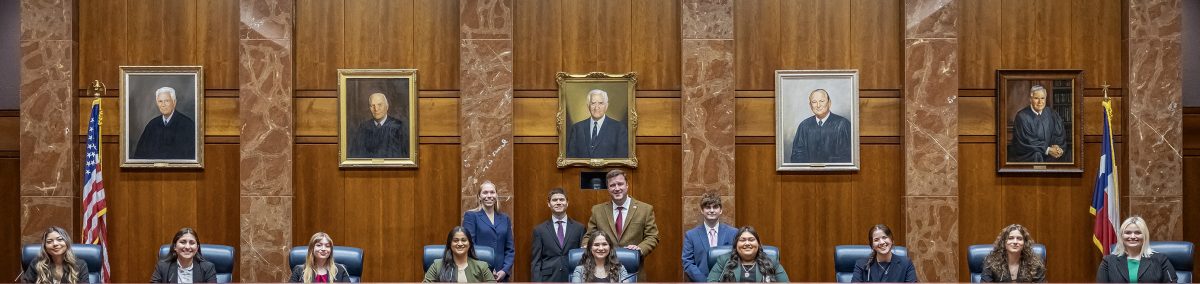
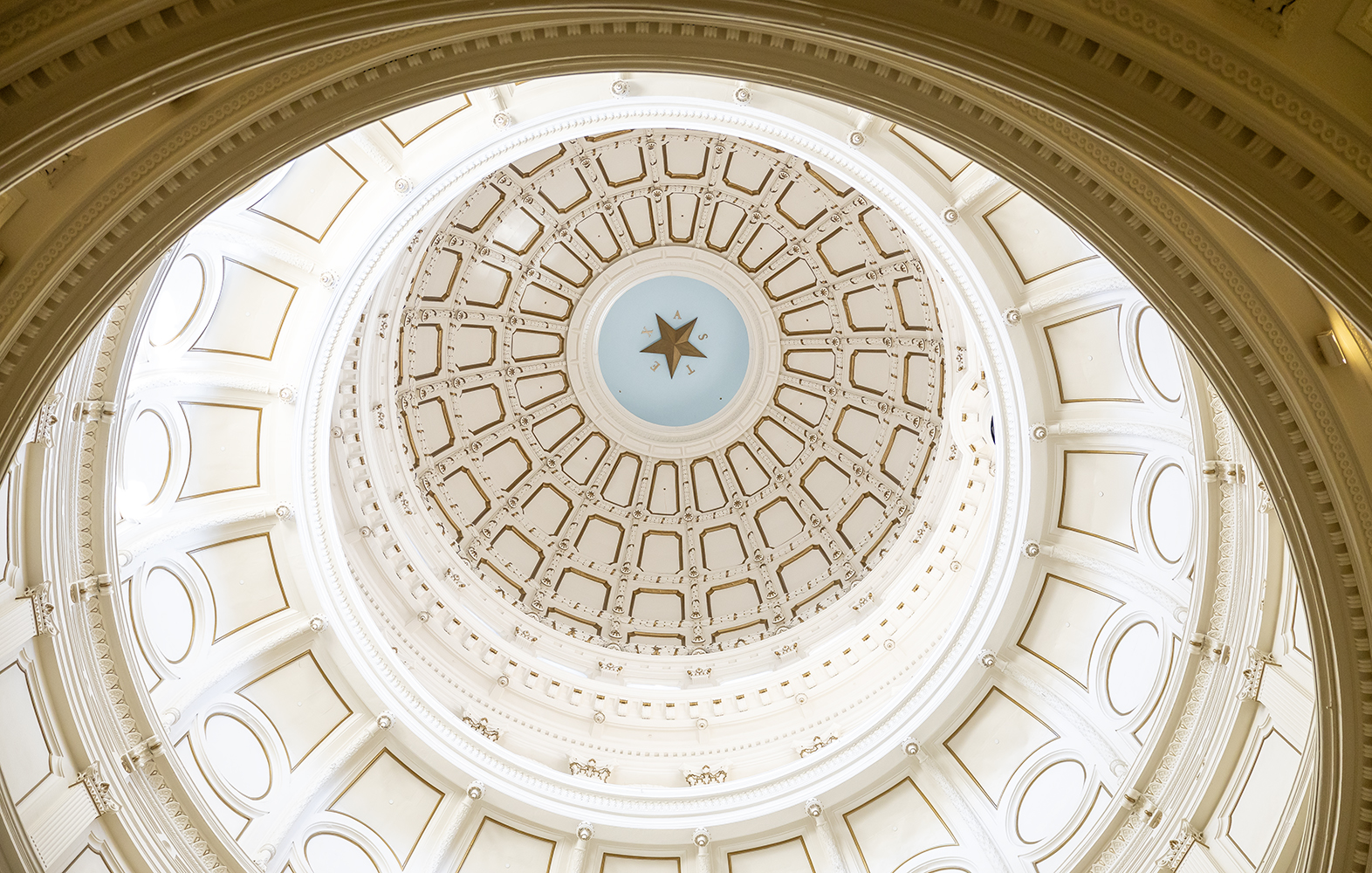
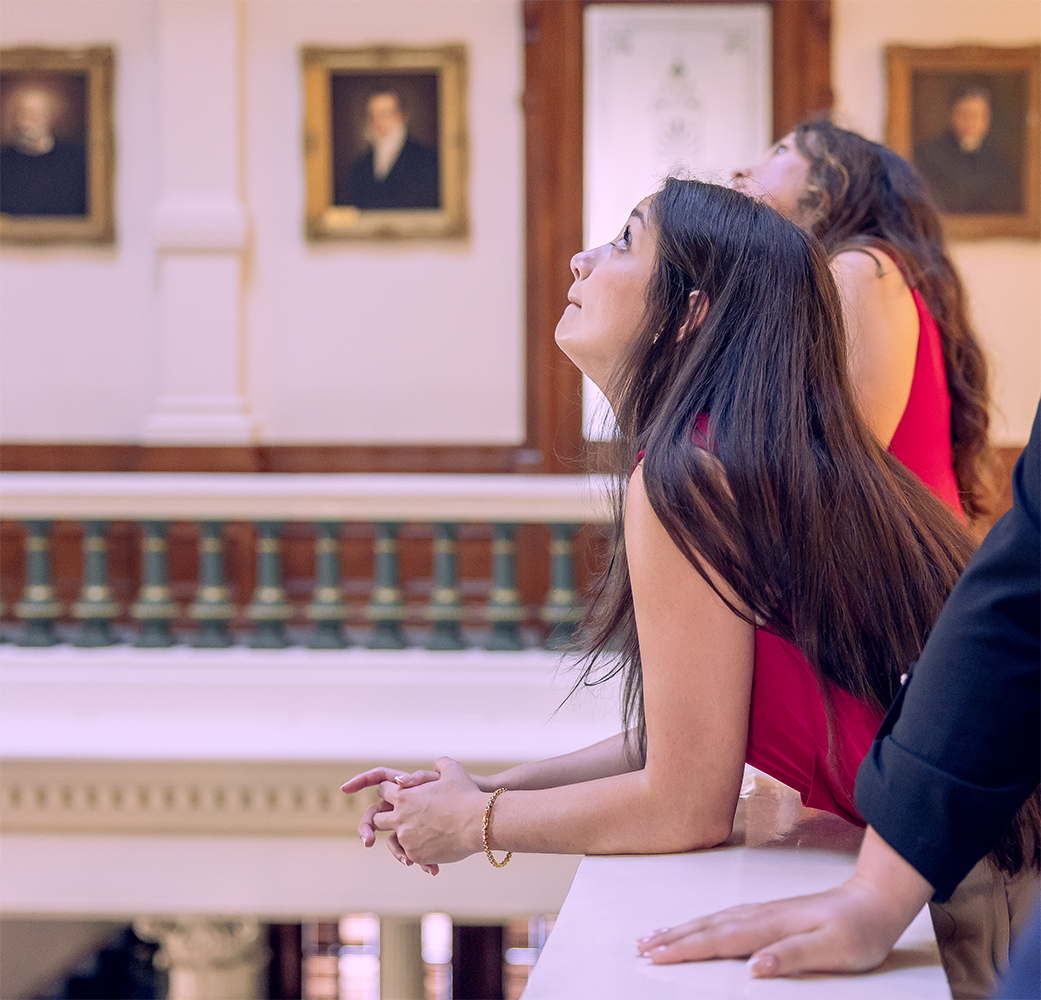
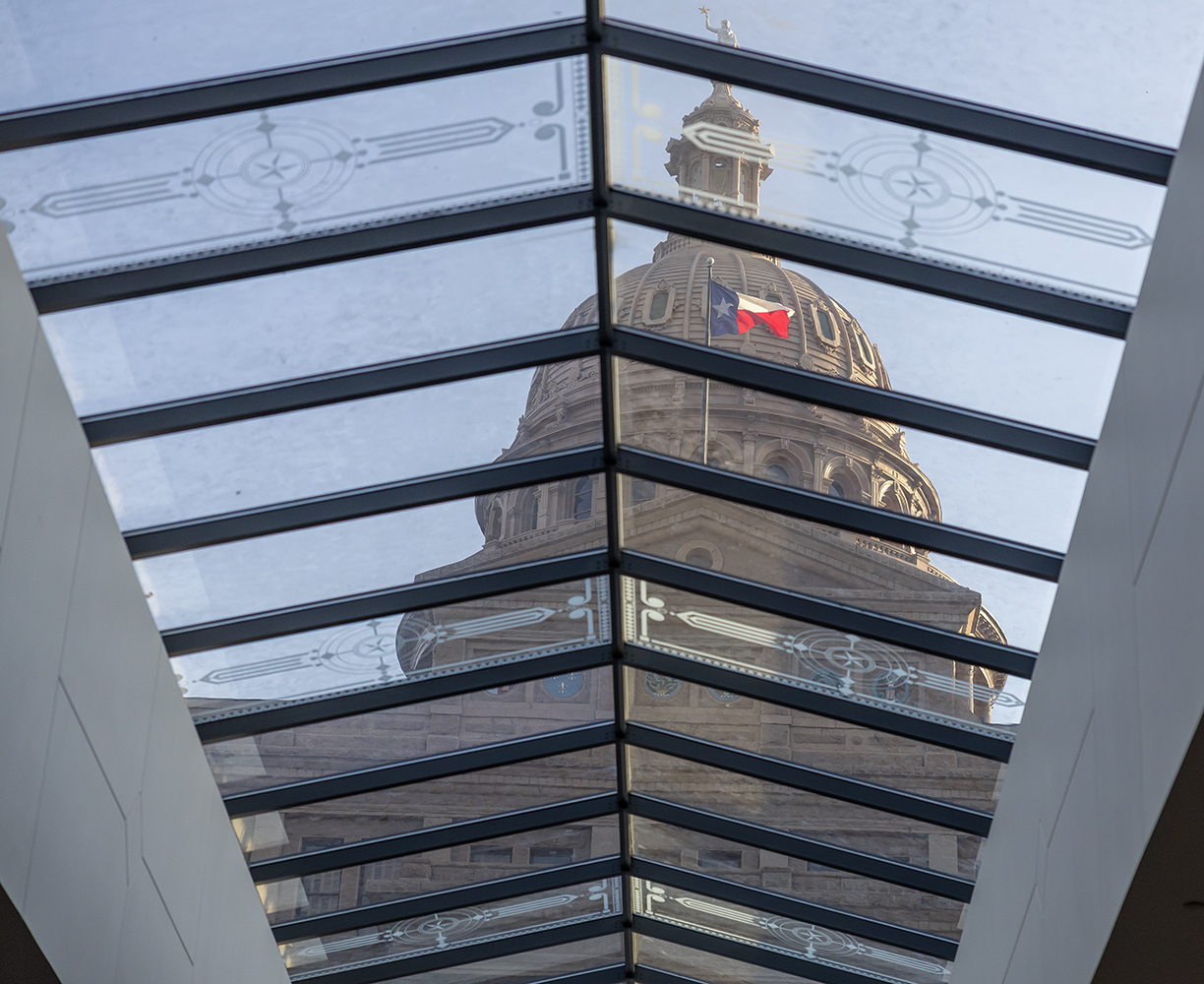
Students recently had the opportunity to explore one of Texas’s most iconic landmarks during a tour of the Texas Capitol led by LEAP Center Professor Mike Yawn. The tour offered students a closer look at the building’s architecture, artwork, and fascinating stories from Texas history.
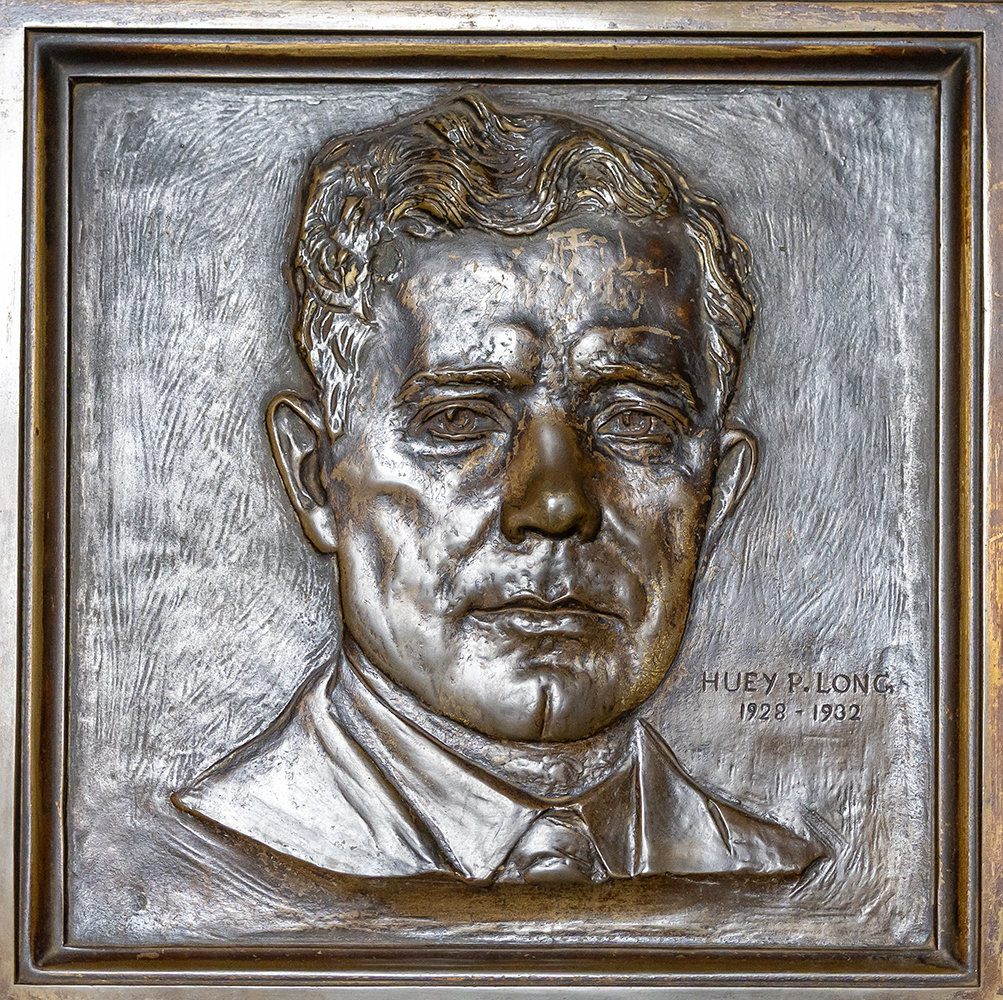
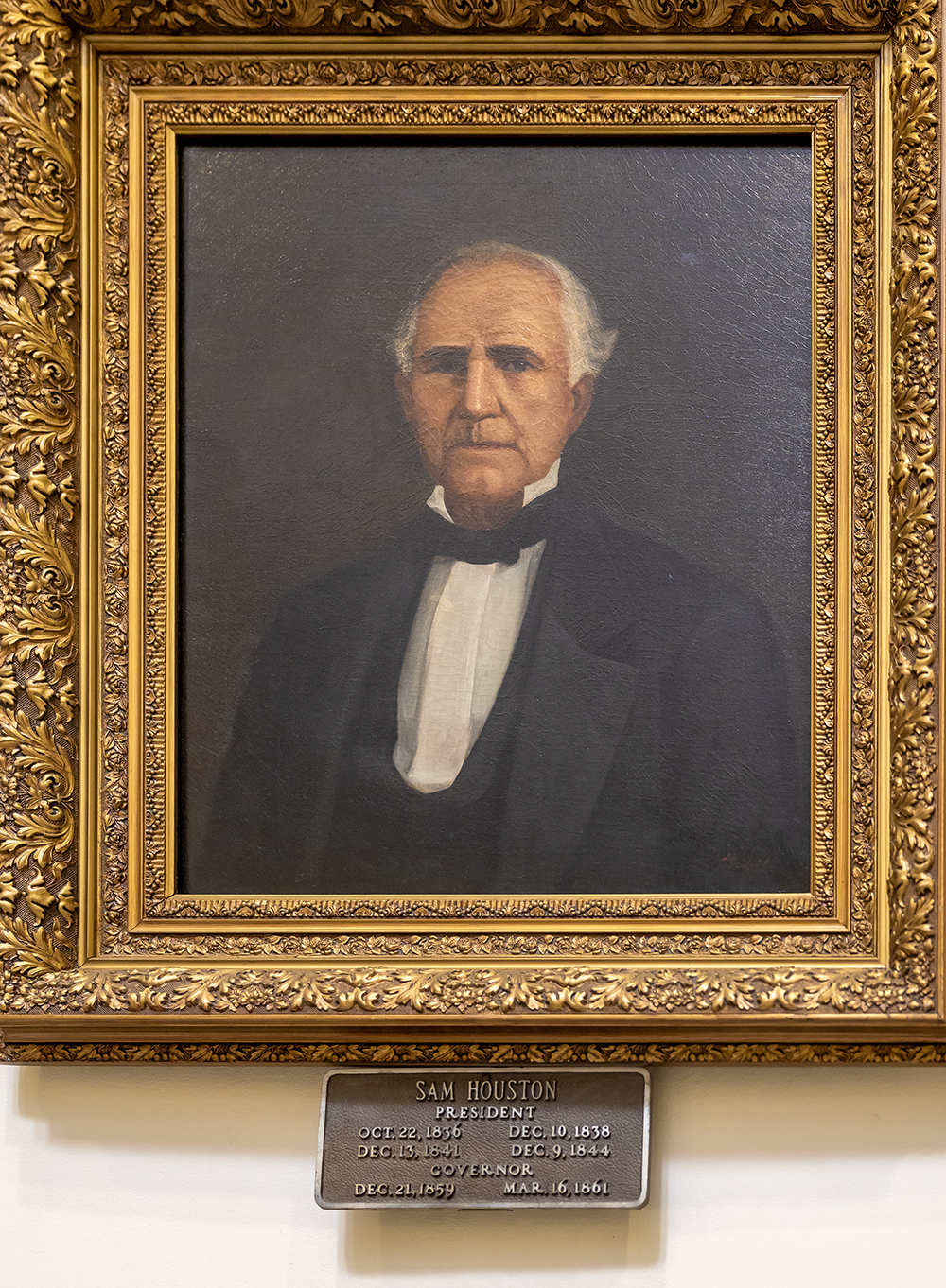
Professor Yawn highlighted the portraits of Texas governors, using them to share stories about some of the state’s most colorful political figures. Students learned about Pappy O’Daniel, Ma Richardson, John Connally, and, of course, Sam Houston.
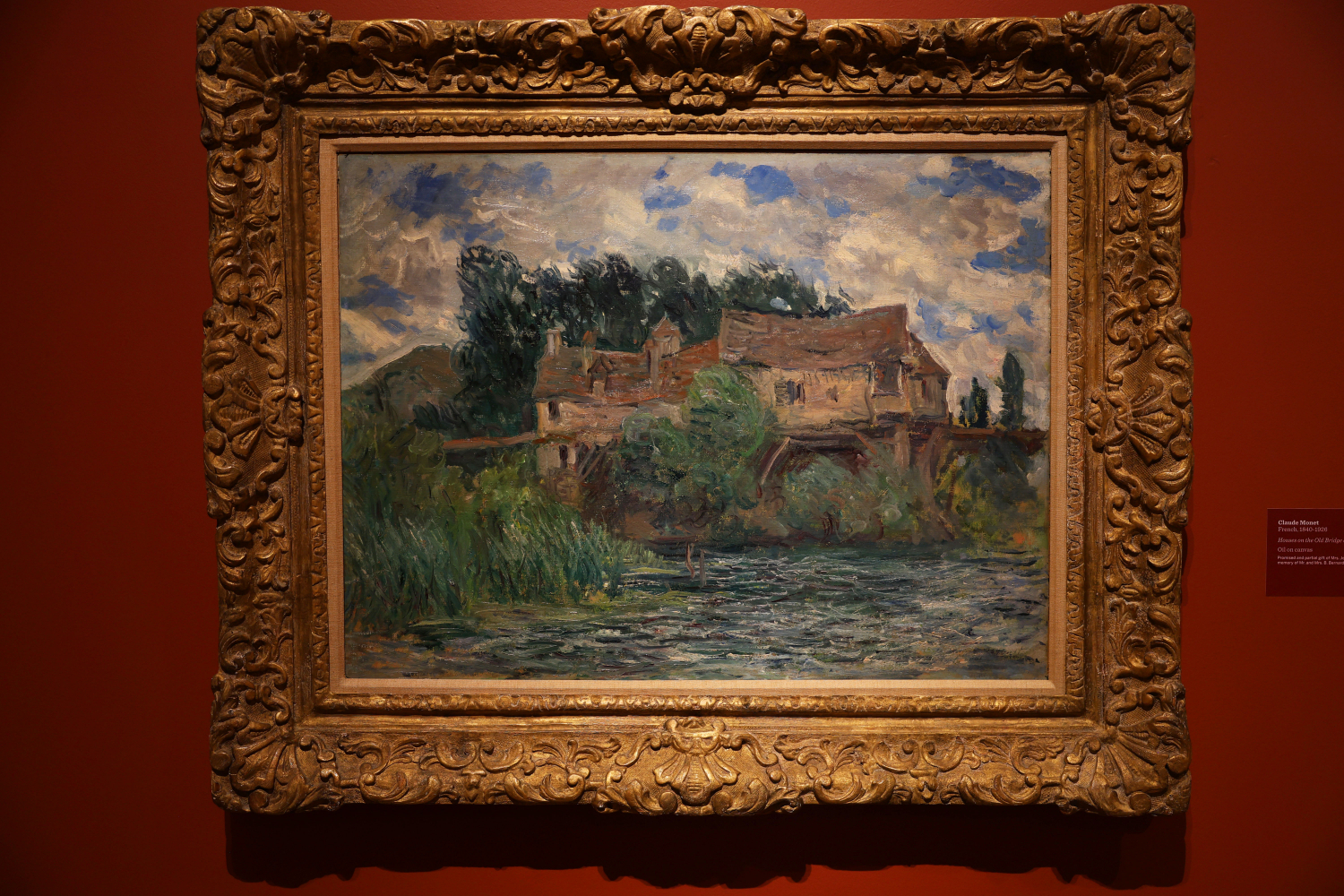
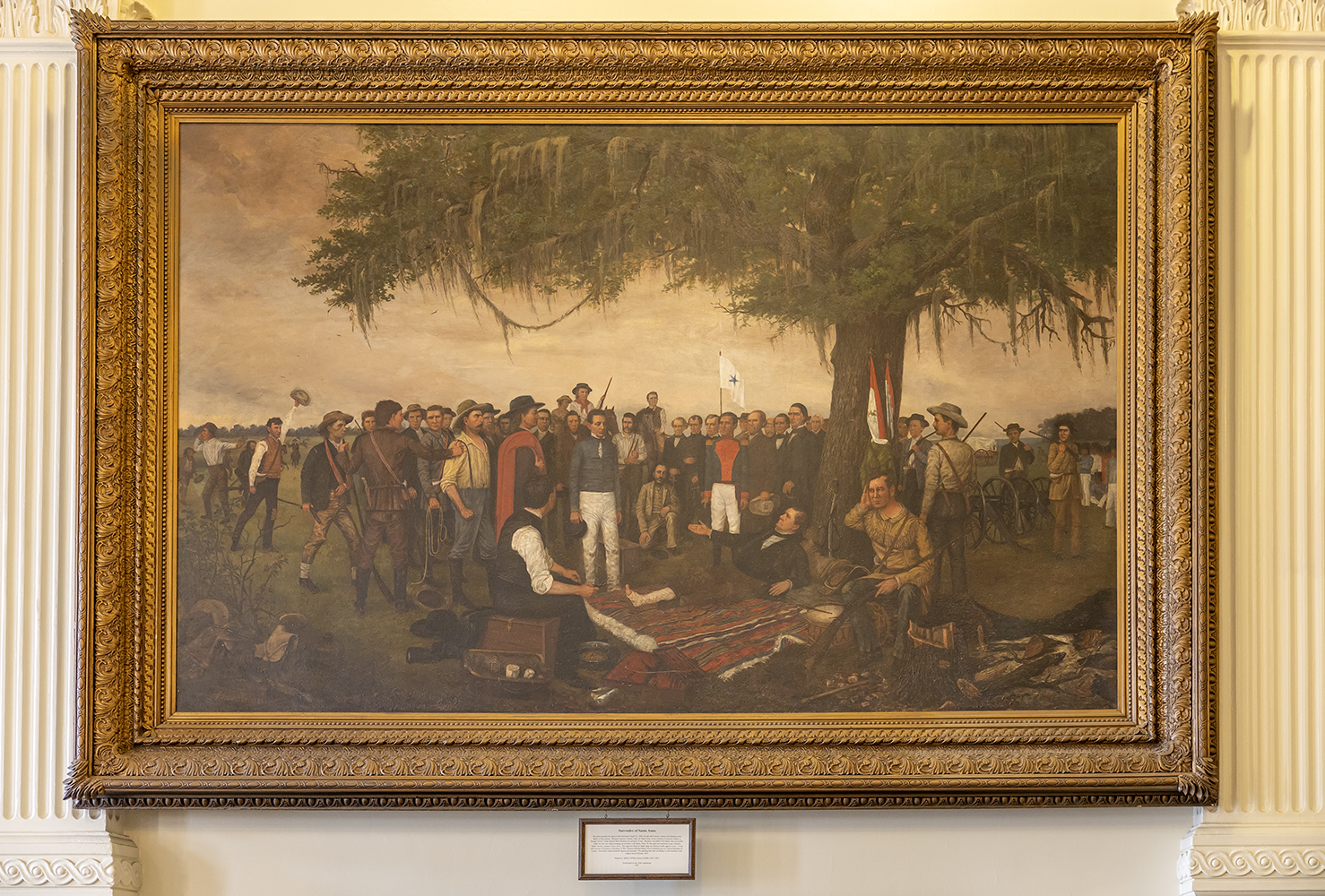
The tour also featured several important works of art, including the dramatic painting depicting the Surrender of Santa Anna following the Battle of San Jacinto…
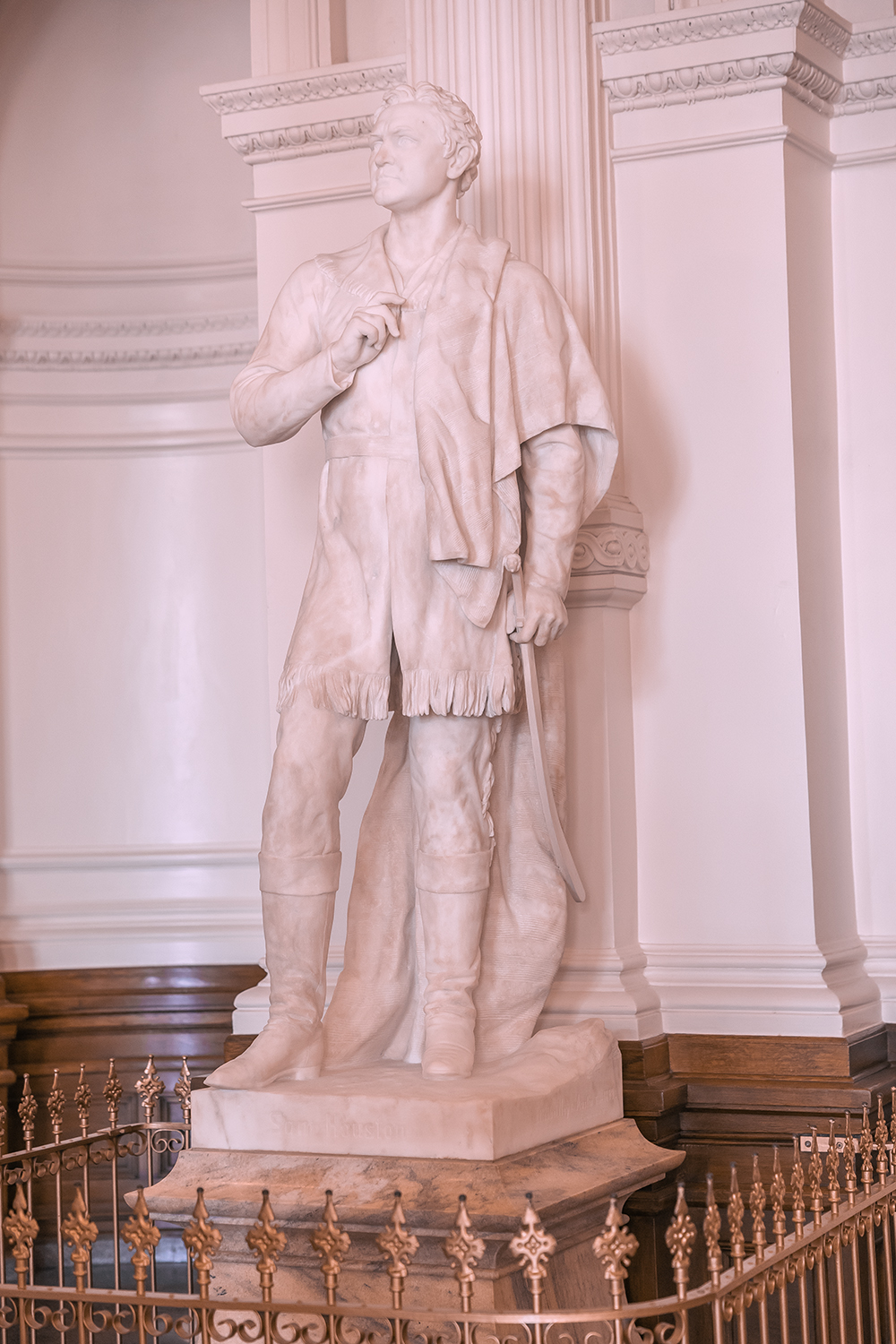
…and a portrait of legendary frontiersman Davy Crockett. Students viewed Elizabet Ney’s statues of Texas heroes Sam Houston and Stephen F. Austin, gaining a better appreciation for both the figures and the artist who portrayed them.
Even the Capitol’s smallest details provided opportunities for discovery. Professor Yawn pointed out hinges bearing the Texas seal and door knobs decorated with the famous Texas star.
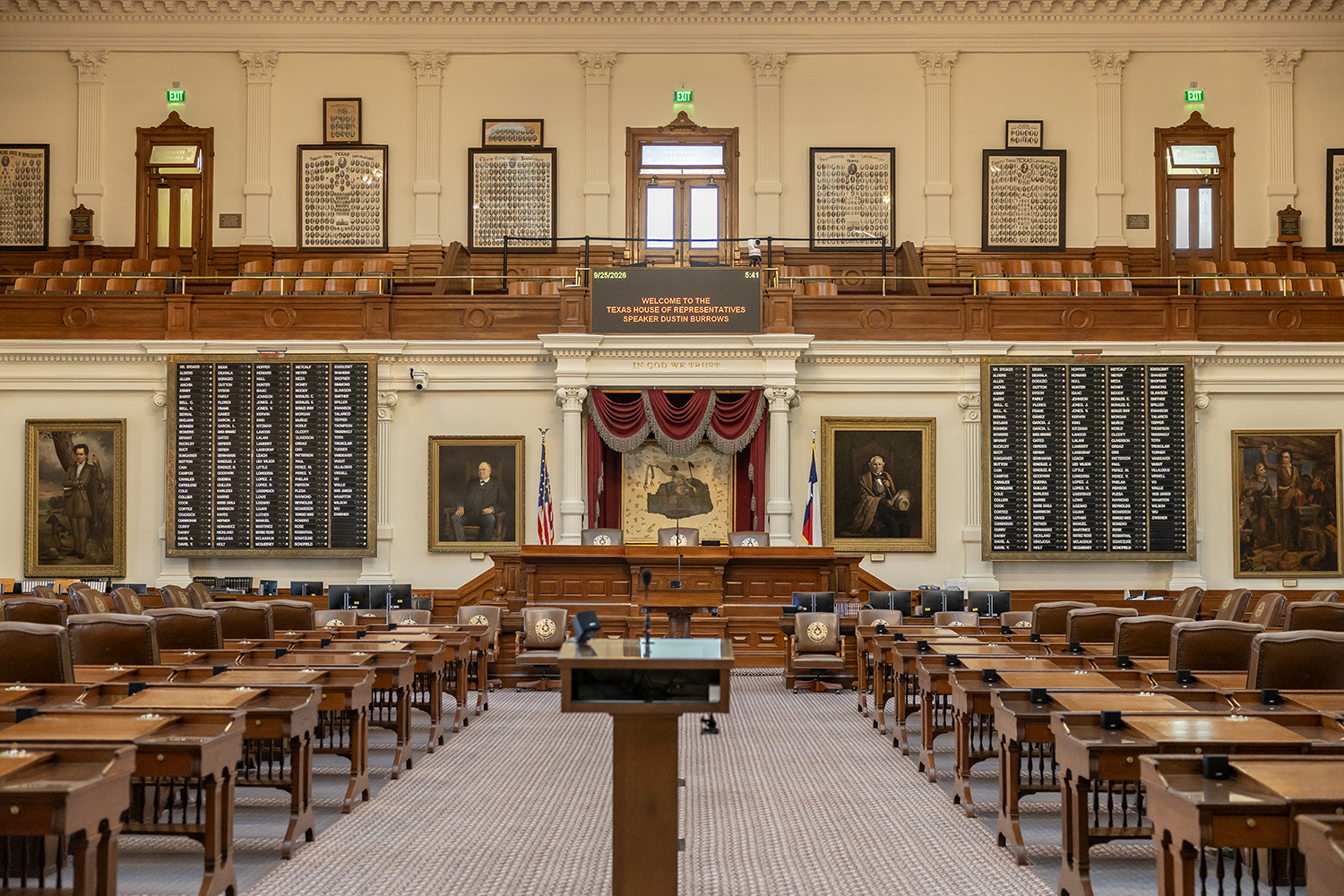
Although the TX Senate was closed, we did have a chance to see the House of Representatives, which included a portrait of Sam Houston.
Students also learned about the Capitol’s massive expansion, which ultimately tripled the size of the original building, offering much more office space, albeit underground.
And with this exploration of the Capitol and its extension, we worked up a hunger, prompting us to turn toward Fresa’s to satisfy.
Dinner at Fresa’s Chicken Al Carbon
By Brittlyn Jackson
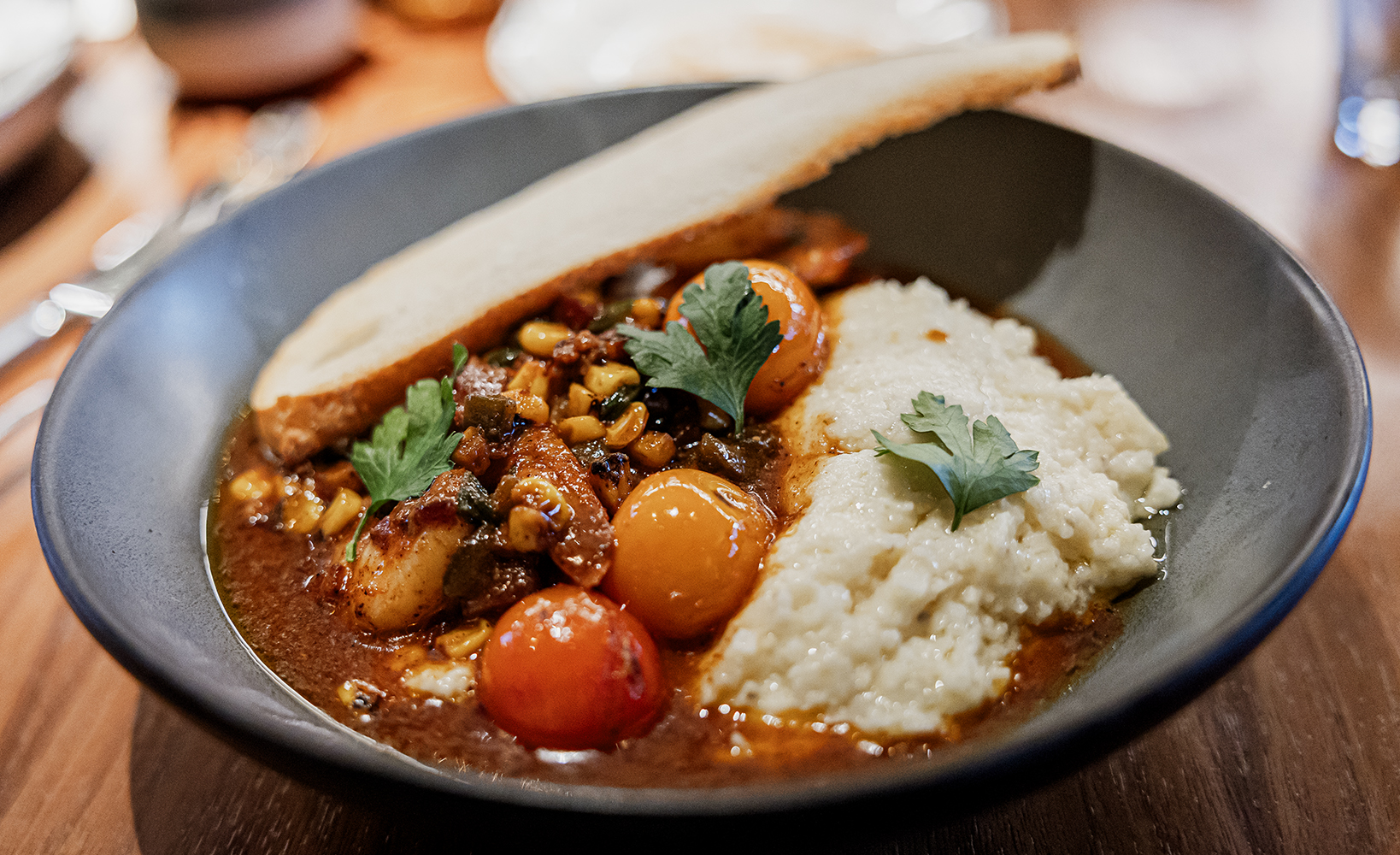
After the Capitol tour, we headed to Fresa’s Chicken Al Carbon to unwind and enjoy some delicious Mexican cuisine. With three locations throughout Austin, we visited the South First Street location, where we enjoyed our meal in Fresa’s outdoor dining area.
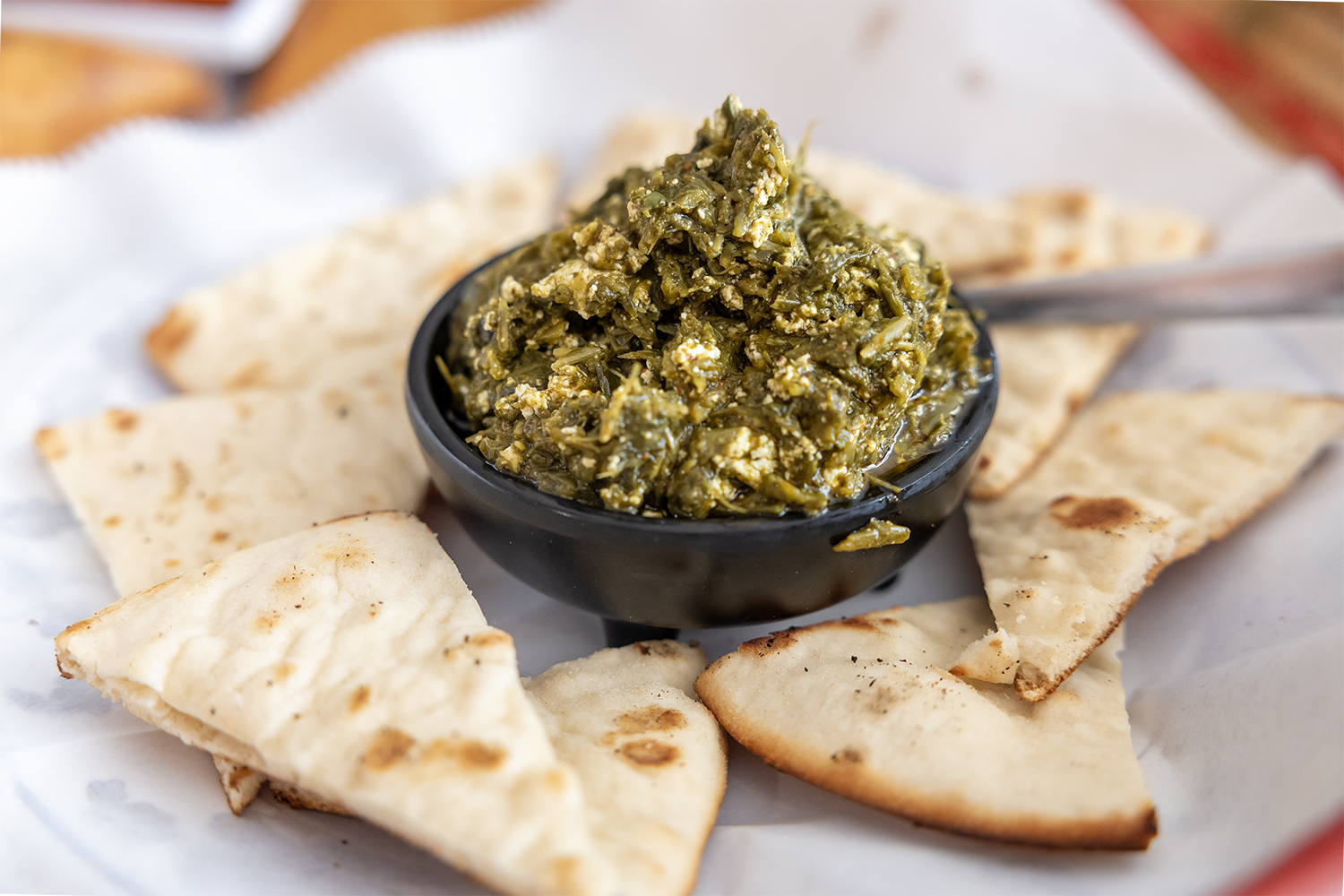
We kicked off our dining experience with four appetizers: the Mexican Street Corn, Totally Loaded Queso, Classic Guacamole, and Guacamole Especial. Both guacamole dishes were delightfully fresh and creamy, served with chips that were a perfect combination of salt and crisp. The Loaded Queso had a light kick and was filled with black beans, guacamole, chorizo, pico de gallo, salsa bruja, and, of course queso. My personal favorite appetizer was the Mexican Street Corn, which was tangy and topped with plenty of fresh lime juice.
After sharing the appetizers, we moved on to our main course, which offered a diverse range of dishes. There was Ahi Tuna Tostada, a colorful dish featuring raw tuna, cucumber pico, cabbage, avocado, chipotle mayo, pickled shallot, and chile crisp. Many of us got the more popular option, the El Rey tacos. They featured slow-cooked beef brisket, cabbage, pickled jalapenos, chipotle mayo, cilantro, and fire-roasted red salsa, served on flour tortillas.
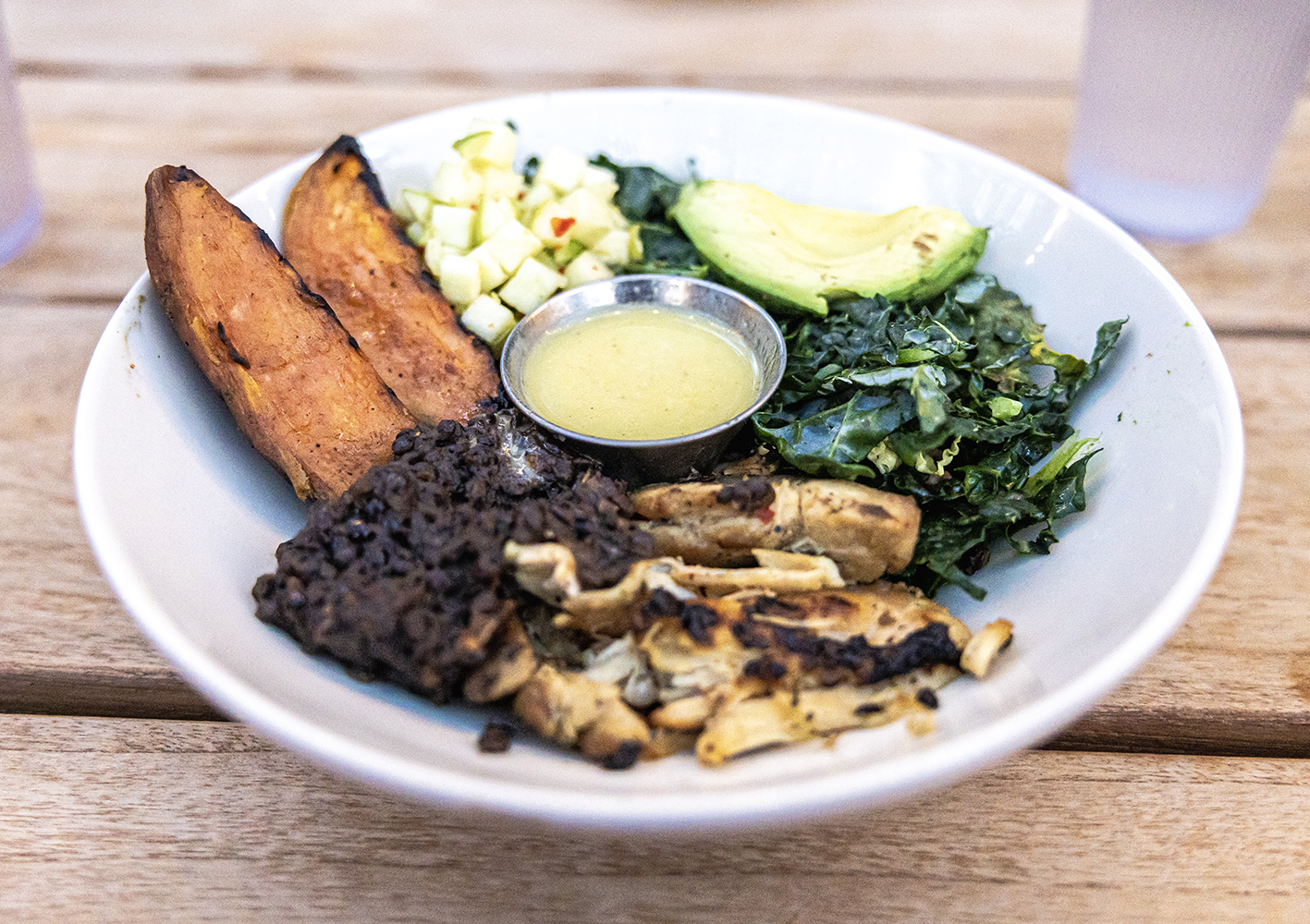
Fresca’s options did not stop there, featuring bols, wraps, and more. The Primo Bol was a wonderful, savory choice. It had agave-lime chicken, sweet potato, black lentils, lacinato kale, avocado, pickled apple, and a tart lemon vinaigrette. The apples added a fresh flavor to the dish, and the sweet potatoes created a nice contrast between the sweet and sour flavors, providing a perfect blend.
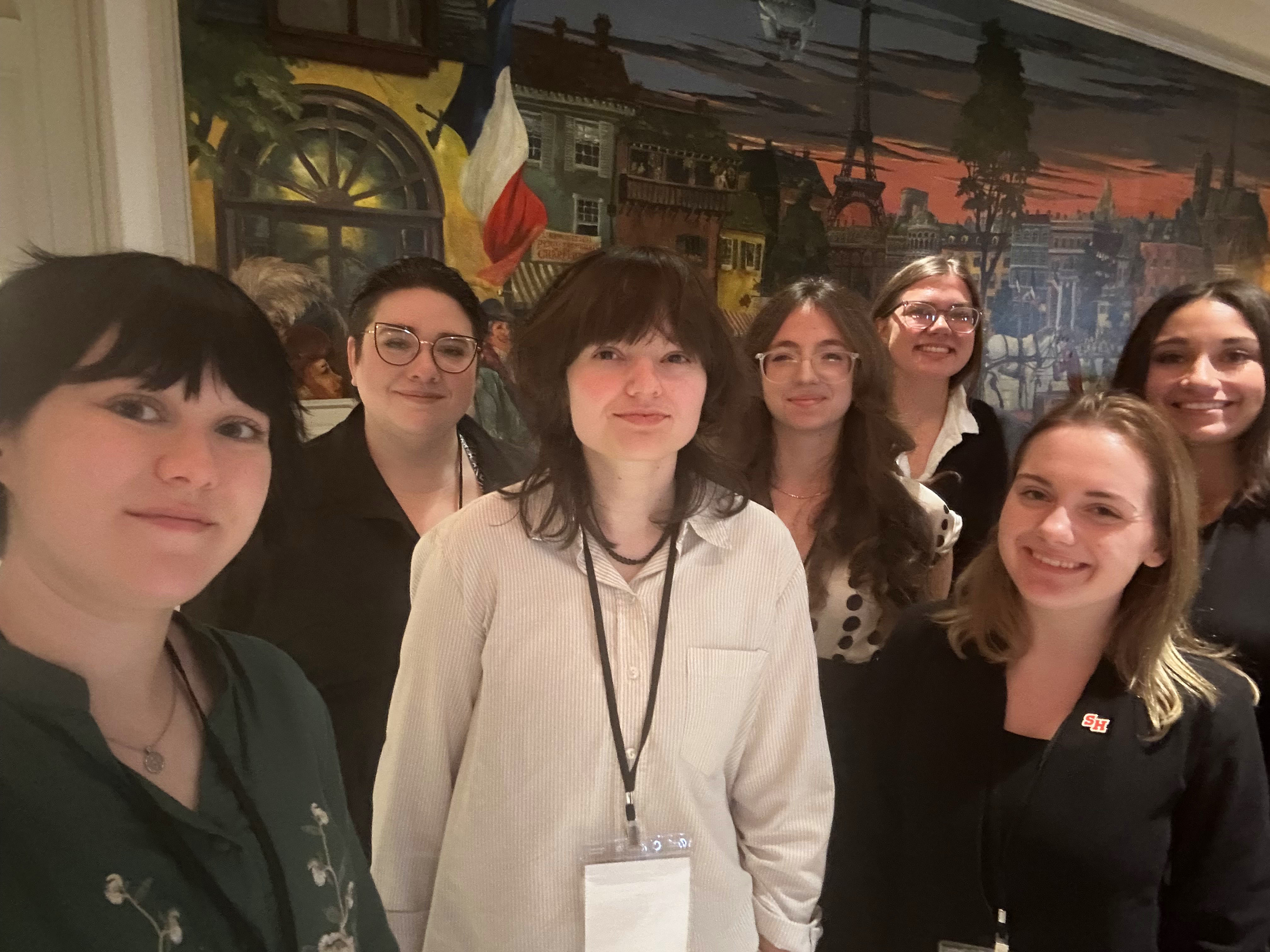
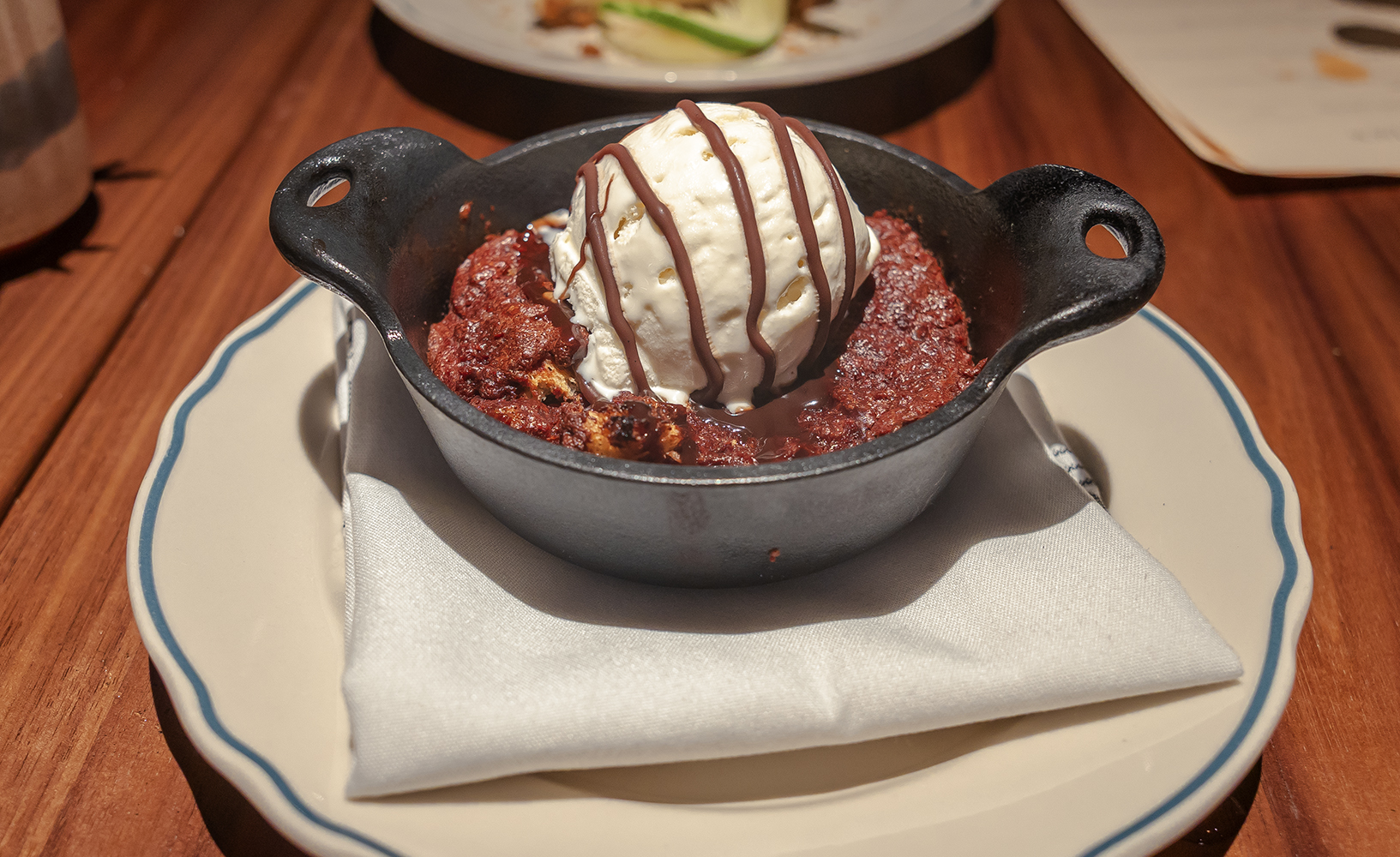
We ended our evening with a light debate on some of the panels we attended, and the issues discussed by the speakers throughout the day. The Texas Tribune Festival provoked insightful conversations and furthered our political understanding. LEAP students had a wonderful time and are ready for more!