
Kayla Fleming
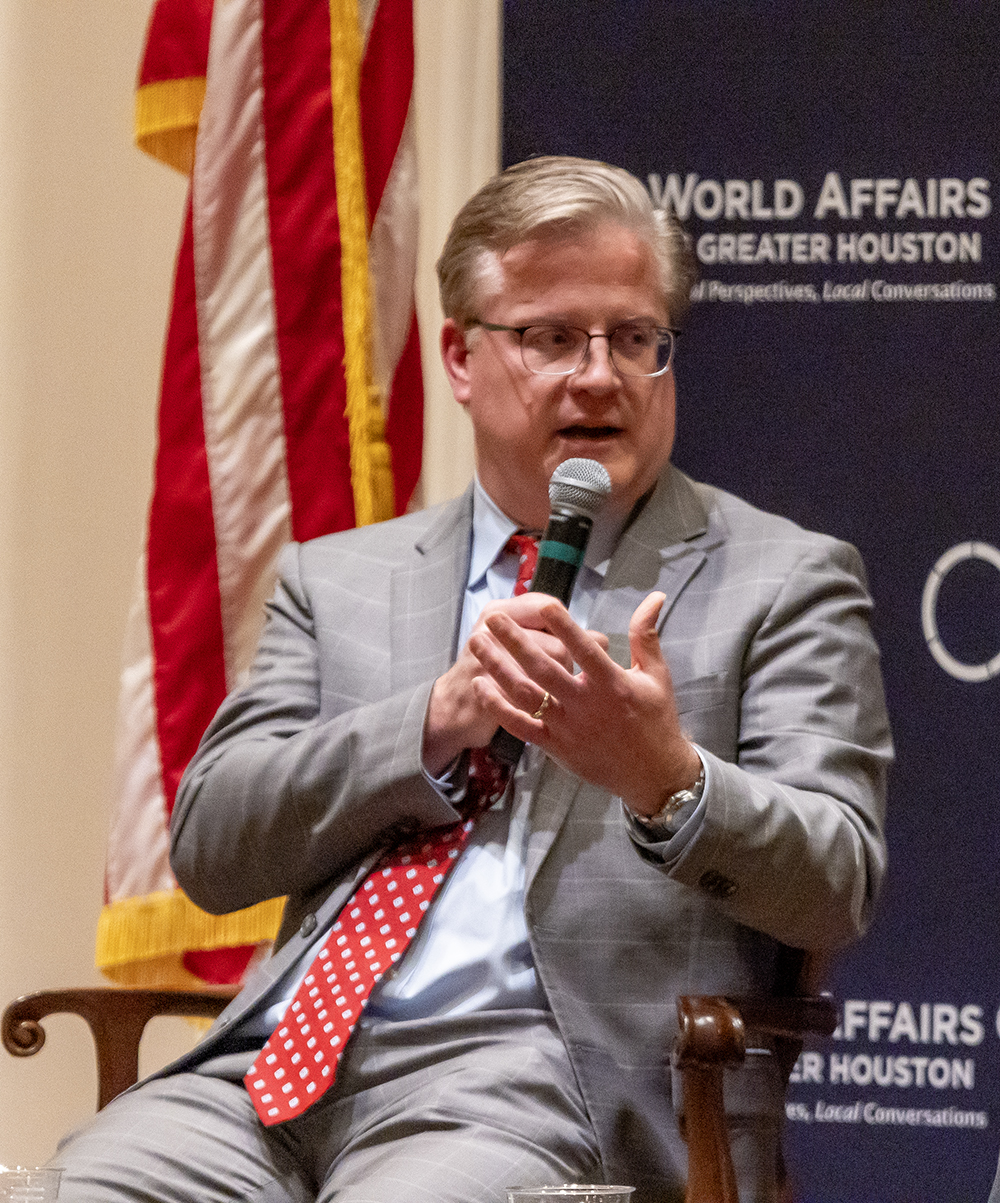
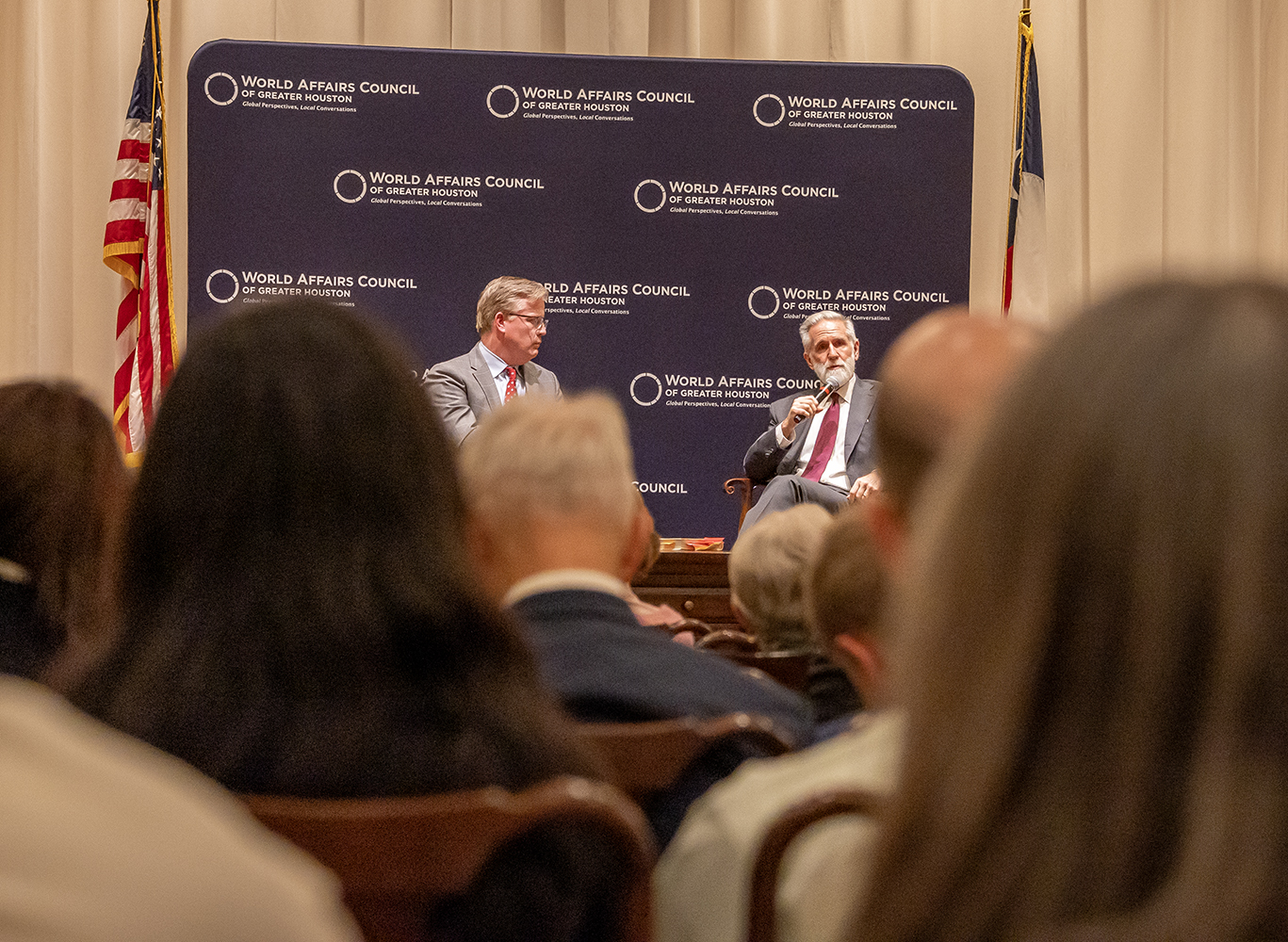
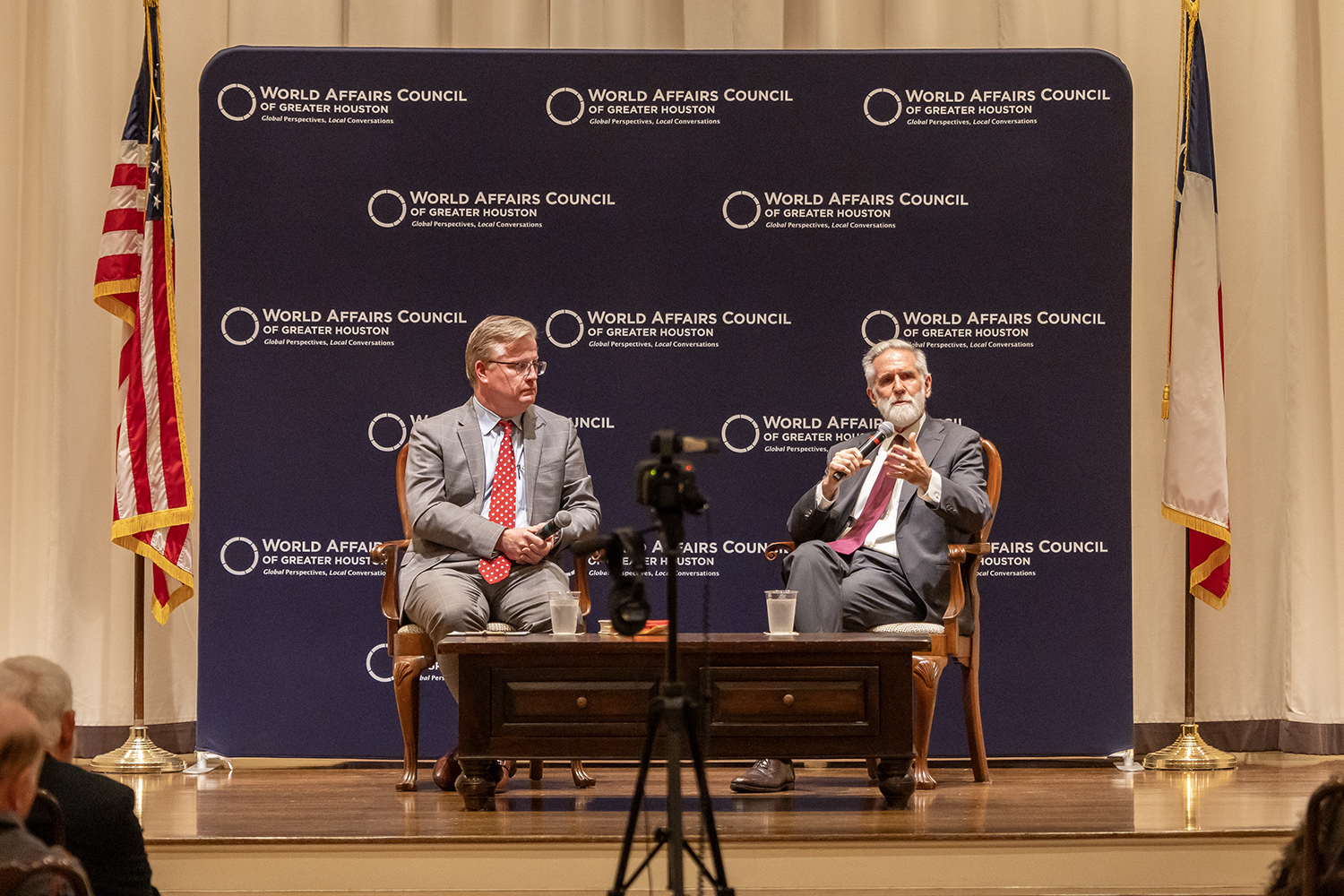
With the semester over, LEAP students had the opportunity to continue their learning with the World Affairs Council in a program featuring The Washington Post reporter David Lynch. Hosted at the Junior League of Houston, the event featured moderation by Ronan O’Malley and covered a wide range of aspects of ‘The World’s Worst Bet”–that is, globalization.
Lynch defined globalization as referring “to the easy movement across countries and continents of money, technology, and phenomena.” This is somewhat different than free trade, although, he noted, the two concepts are often used interchangeably.

In the 1990s, according to Lynch, many politicians suggested that free trade would help shape globalization, which was already occurring. By shaping how globalization unfolded through free trade, leaders believed, they could encourage countries to become more democratic and more capitalist, resulting in more world-wide freedoms.

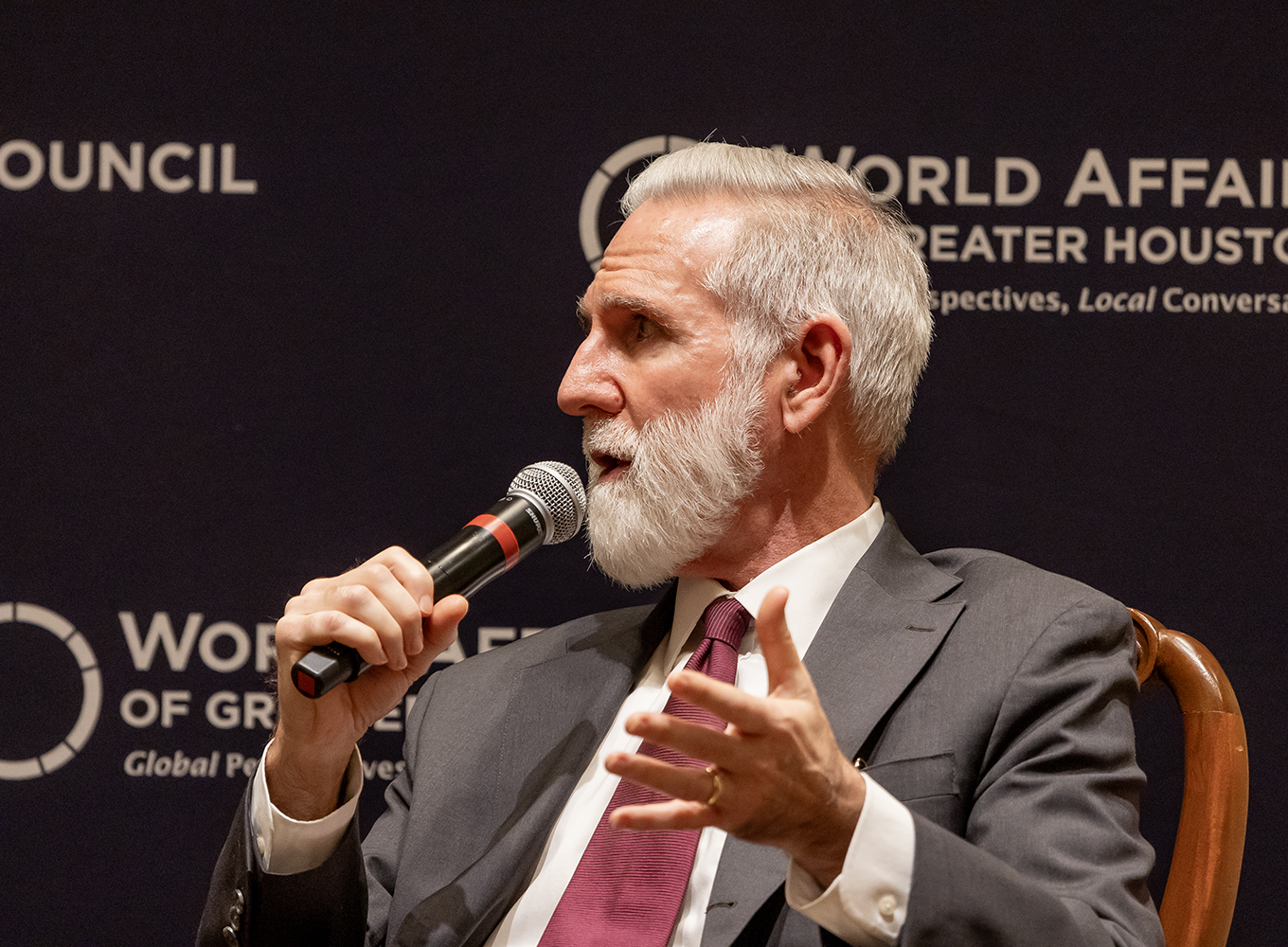
In the 1990s, it seemed like these promises would come to fruition, as Lynch said that it looked like “the U.S. had cracked the code” at the time, something he believed to be true. He and others, however, failed to see that increasingly open borders would contribute to income inequality and growing nativistic tendencies; that democratic processes would not necessarily follow from increased trade; or that the more extensive supply chains could be exploited or disrupted by rising autocratic powers.
He did note that globalization would have occurred with or without free trade, and it will continue to do so. But the United States–and many other countries–have not created a process to ensure that globalization-induced wealth benefits everyone. Ominously, the rise of automation and artificial intelligence could exacerbate these trends to few life opportunities for those with limited skill sets (or the opportunities to expand their skill sets), and leaders will have to address these mutually reinforcing trends in tandem.

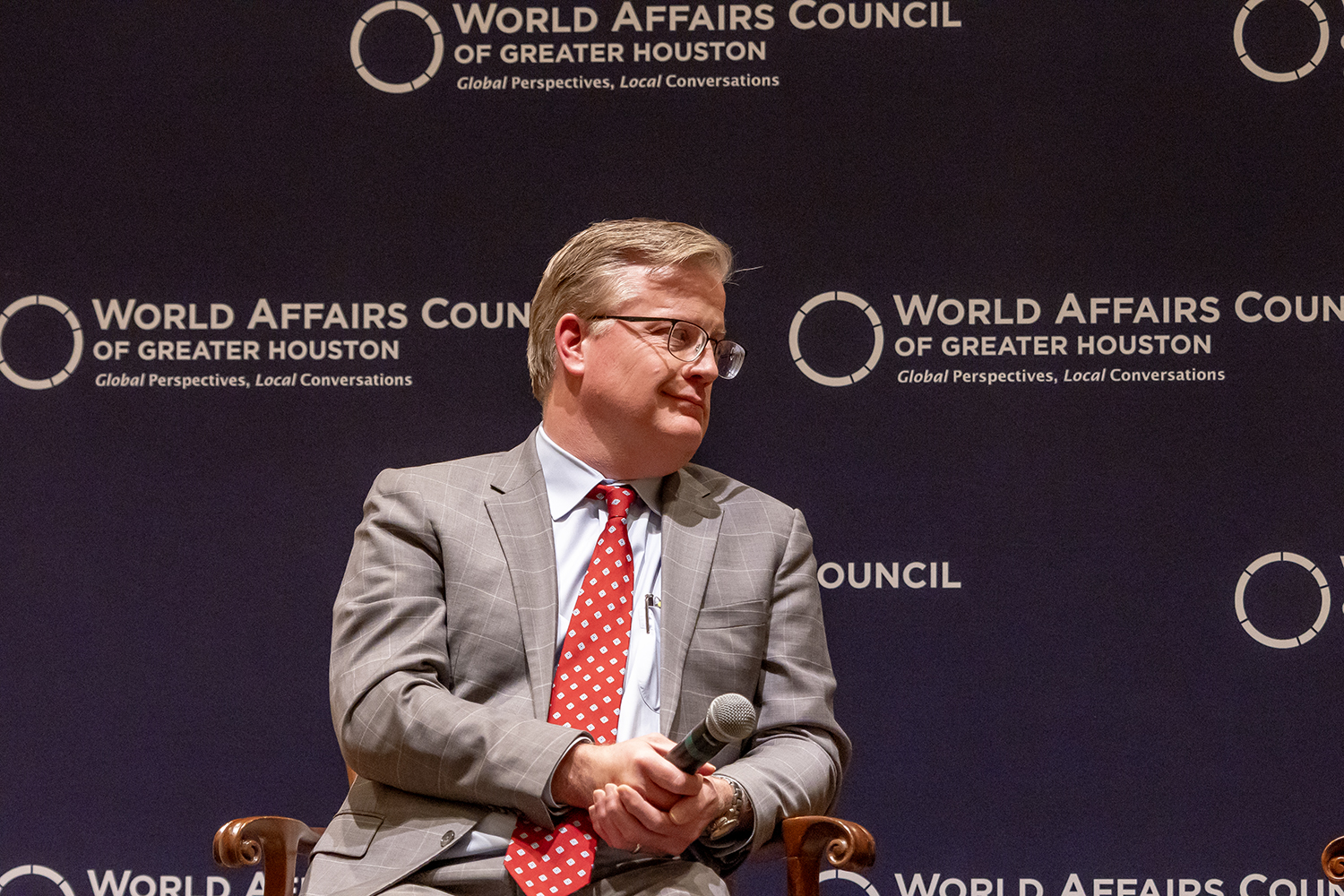

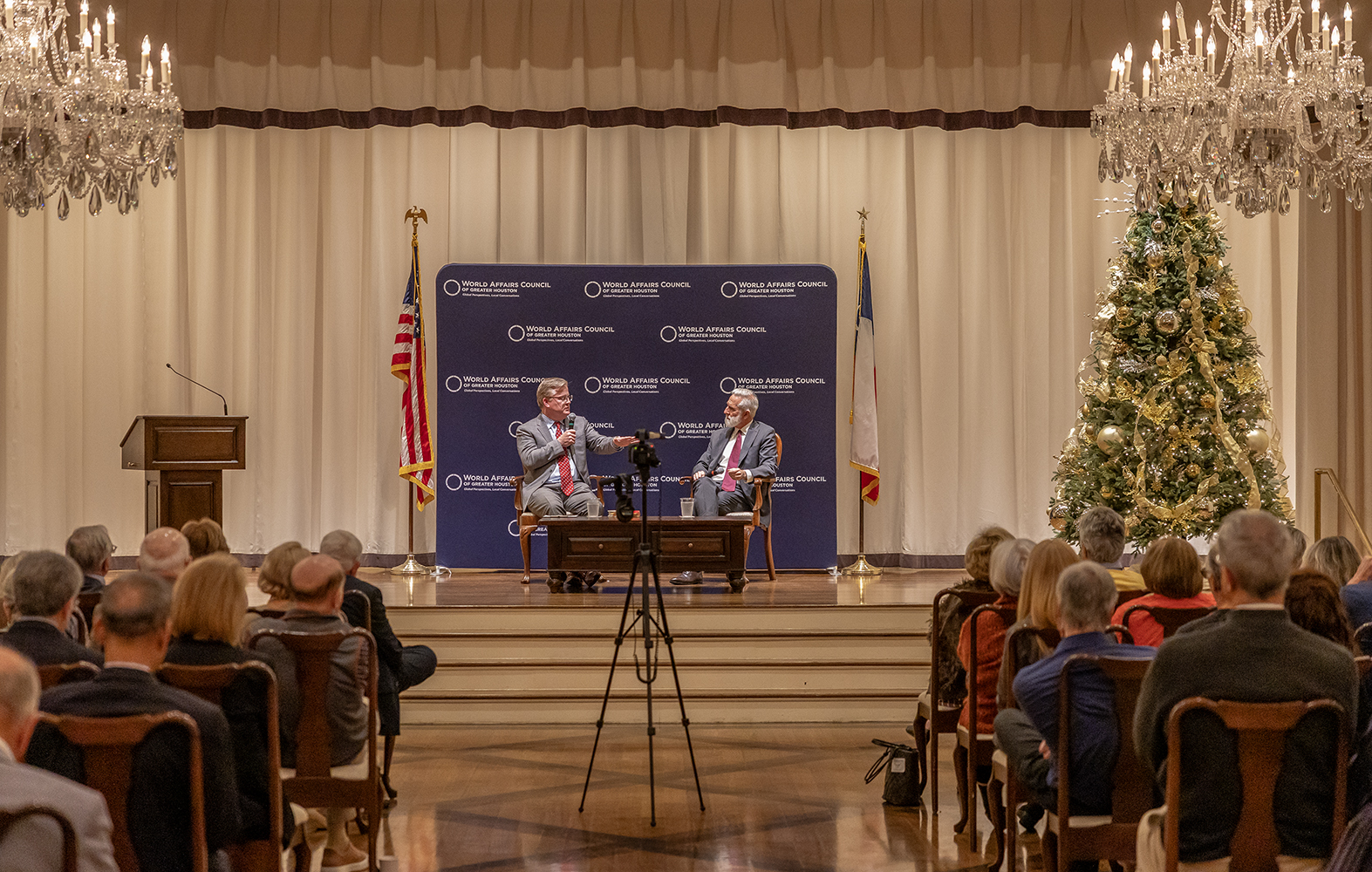

These concepts–and their consequences–were a lot to process in the first week of the winter break. But the weight of this process was counteracted by the engaging and educational manner in which O’Malley and Lynch presented the material, giving our leaders–and us–much to think about as we move into the future.

 Center for Law, Engagement, and Politics