Skip to content

Center for Law, Engagement, and Politics

Leap At SHSU!

  • About LEAP
  • LEAP Ambassadors
Center for Law, Engagement, and Politics

Tag: World Affairs Council Houston

Balancing AI Innovation and Safety: Key Insights from WAC–Houston

Written by Jacob Wessels

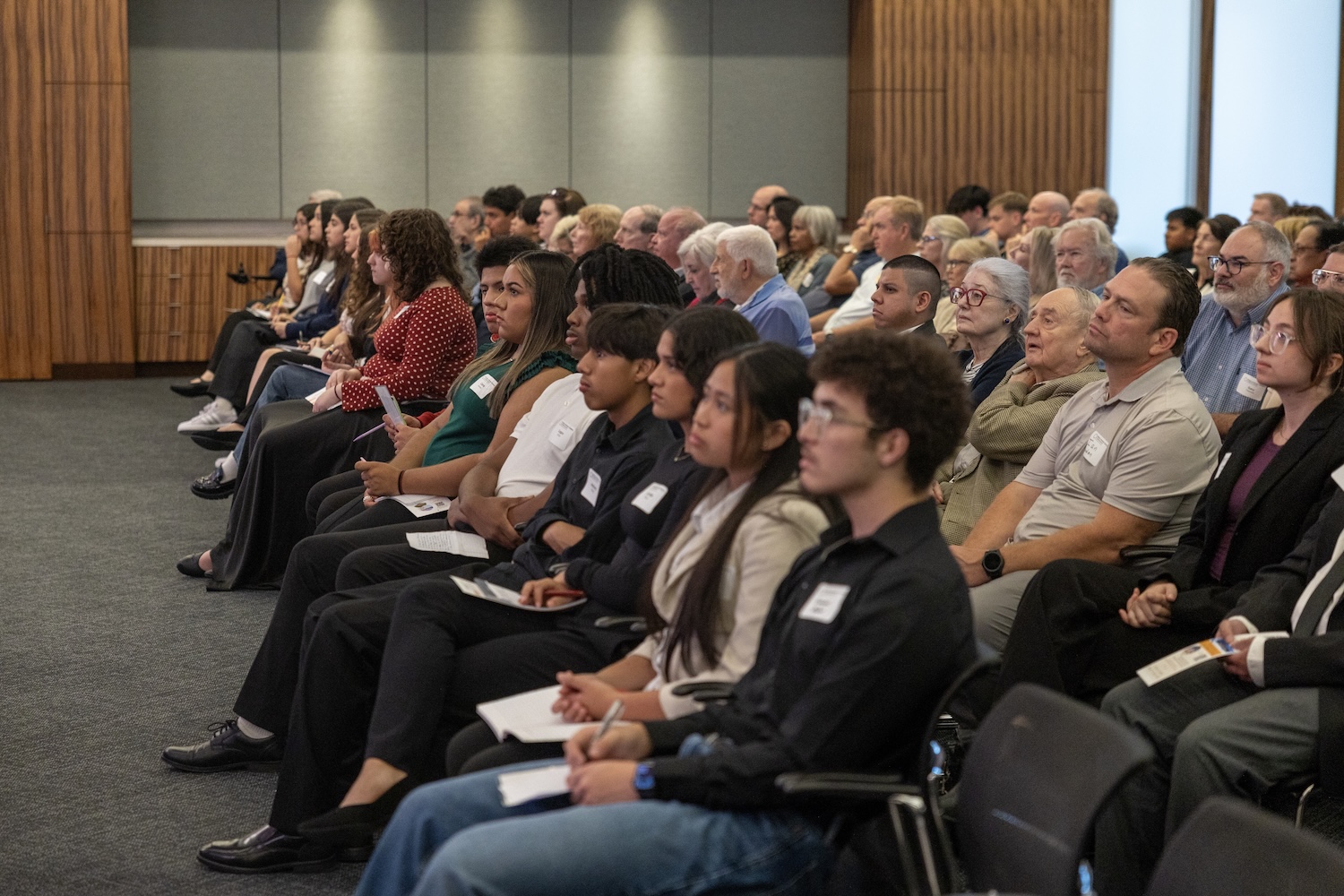
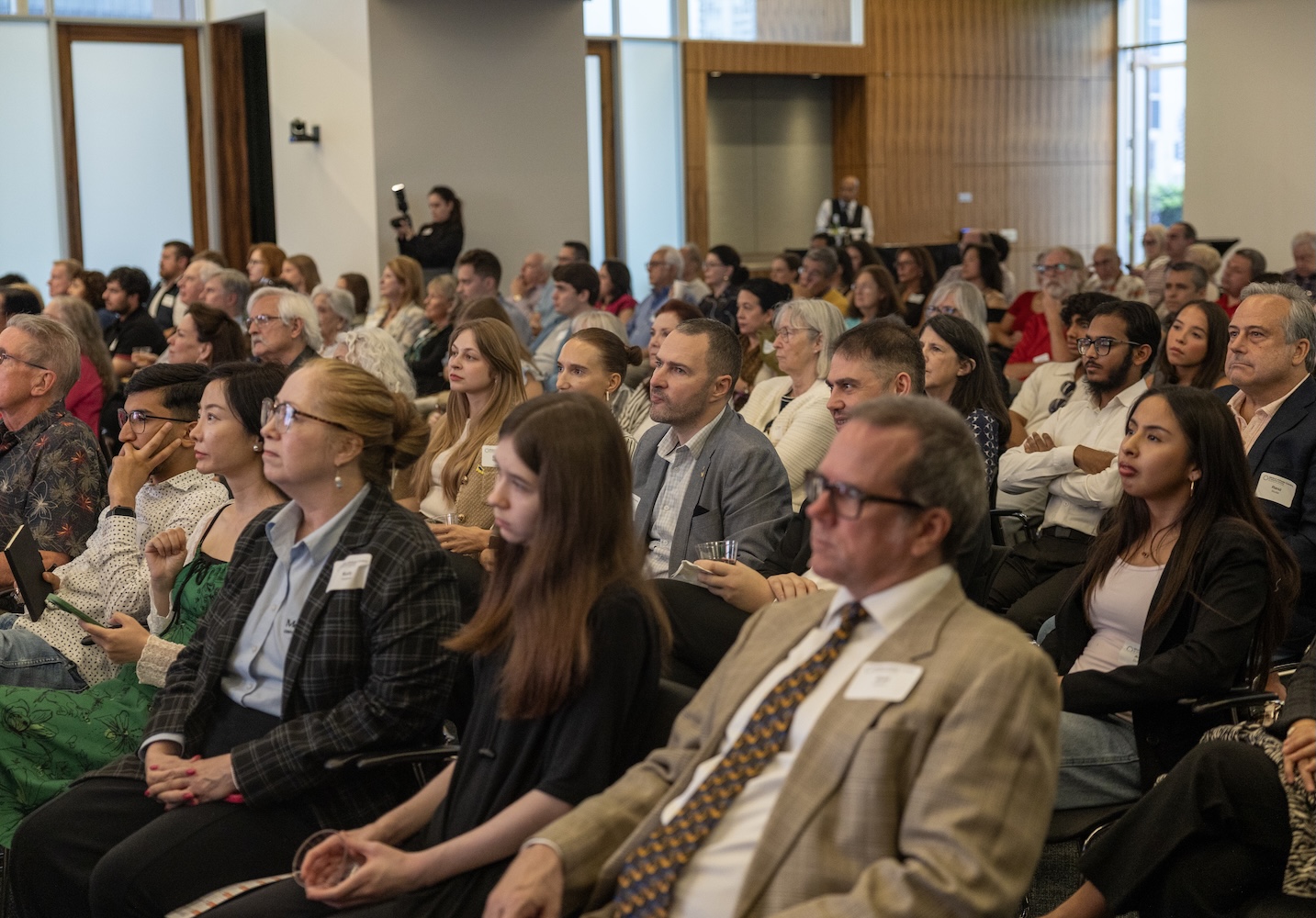
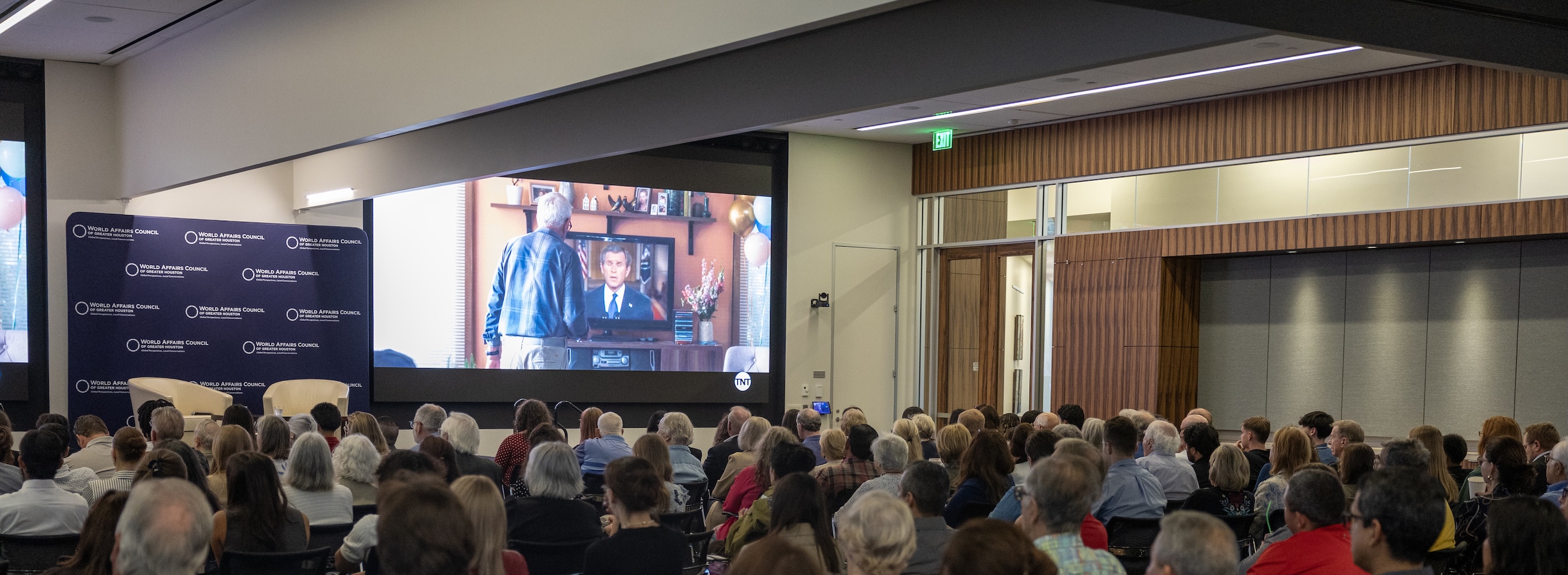
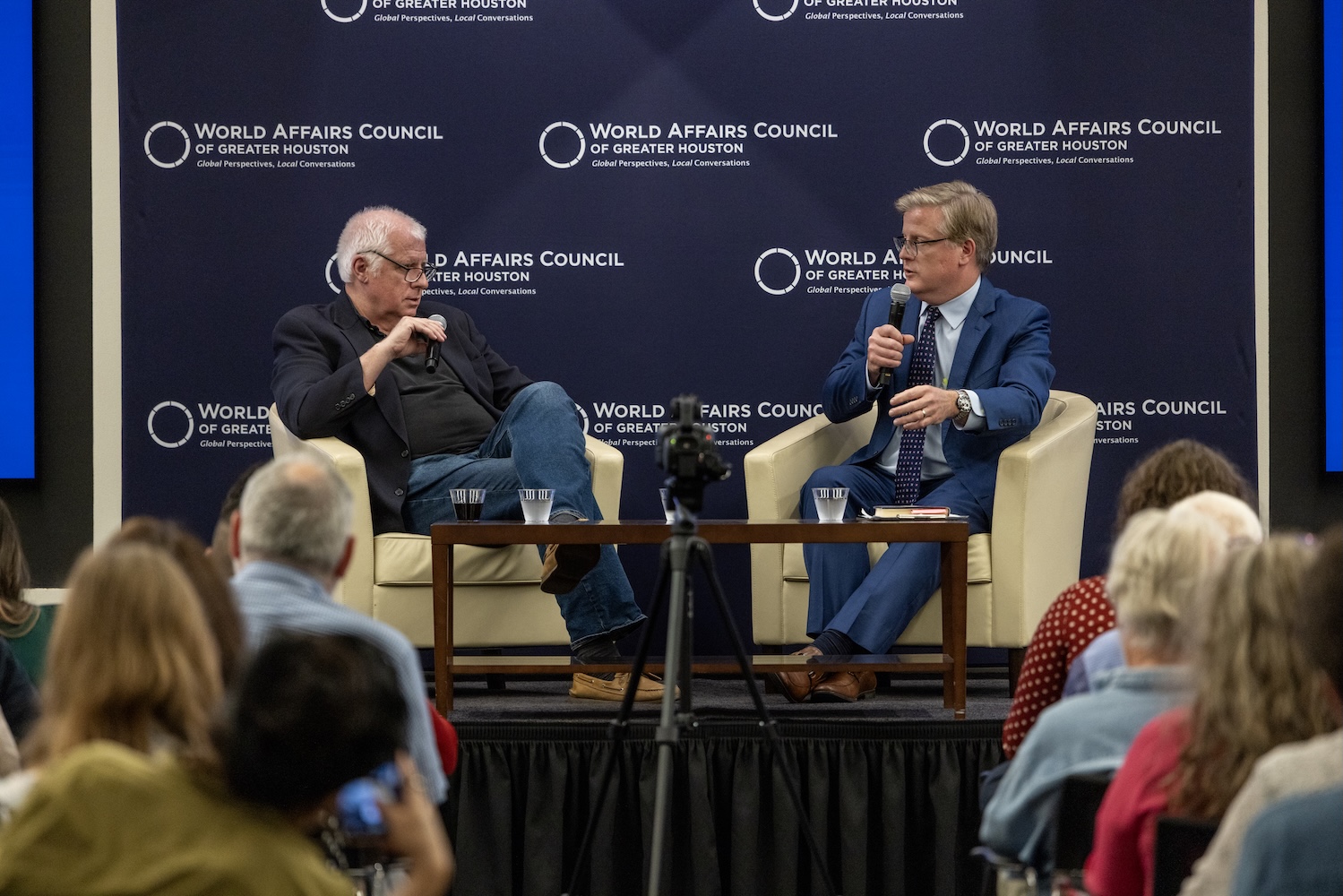
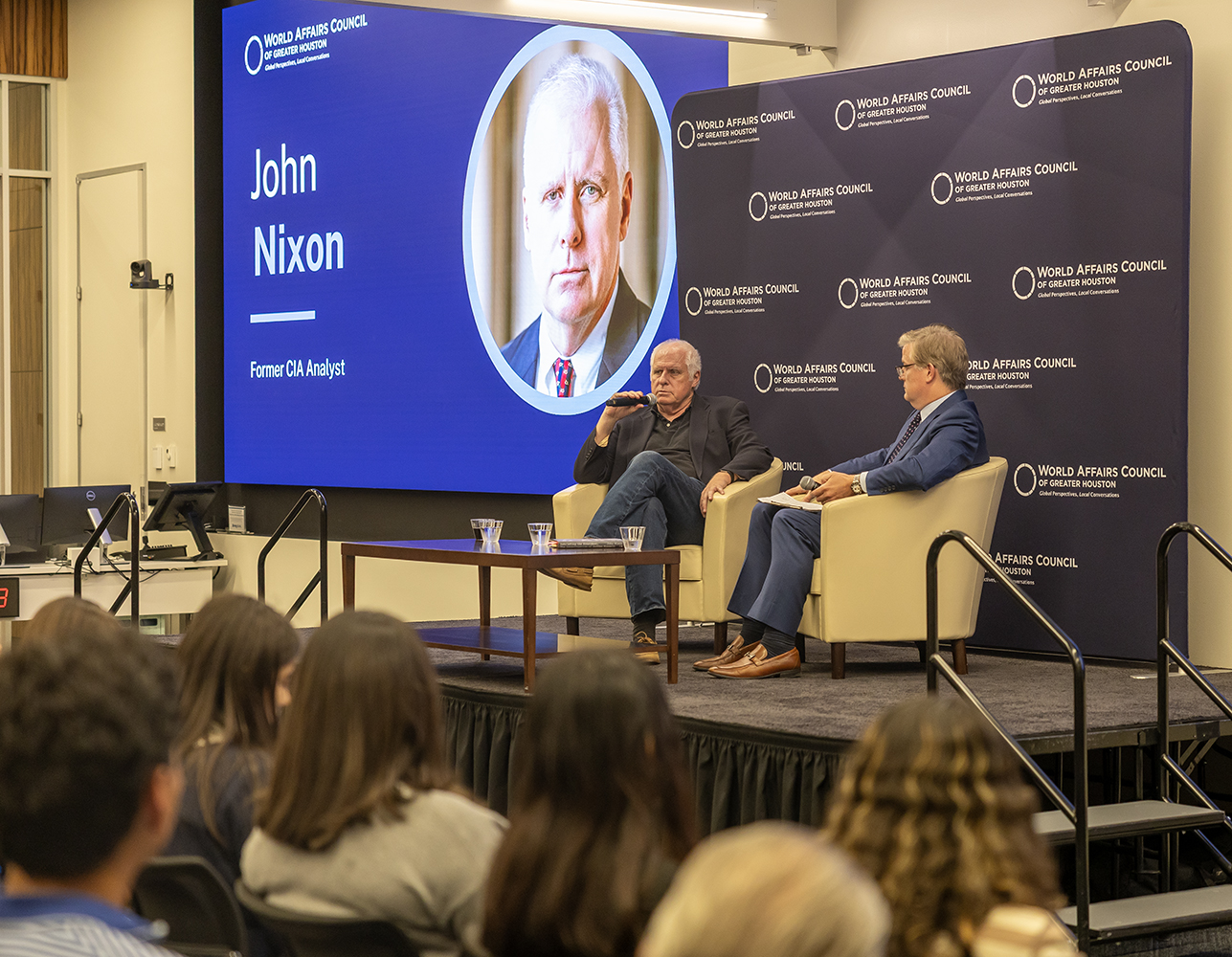
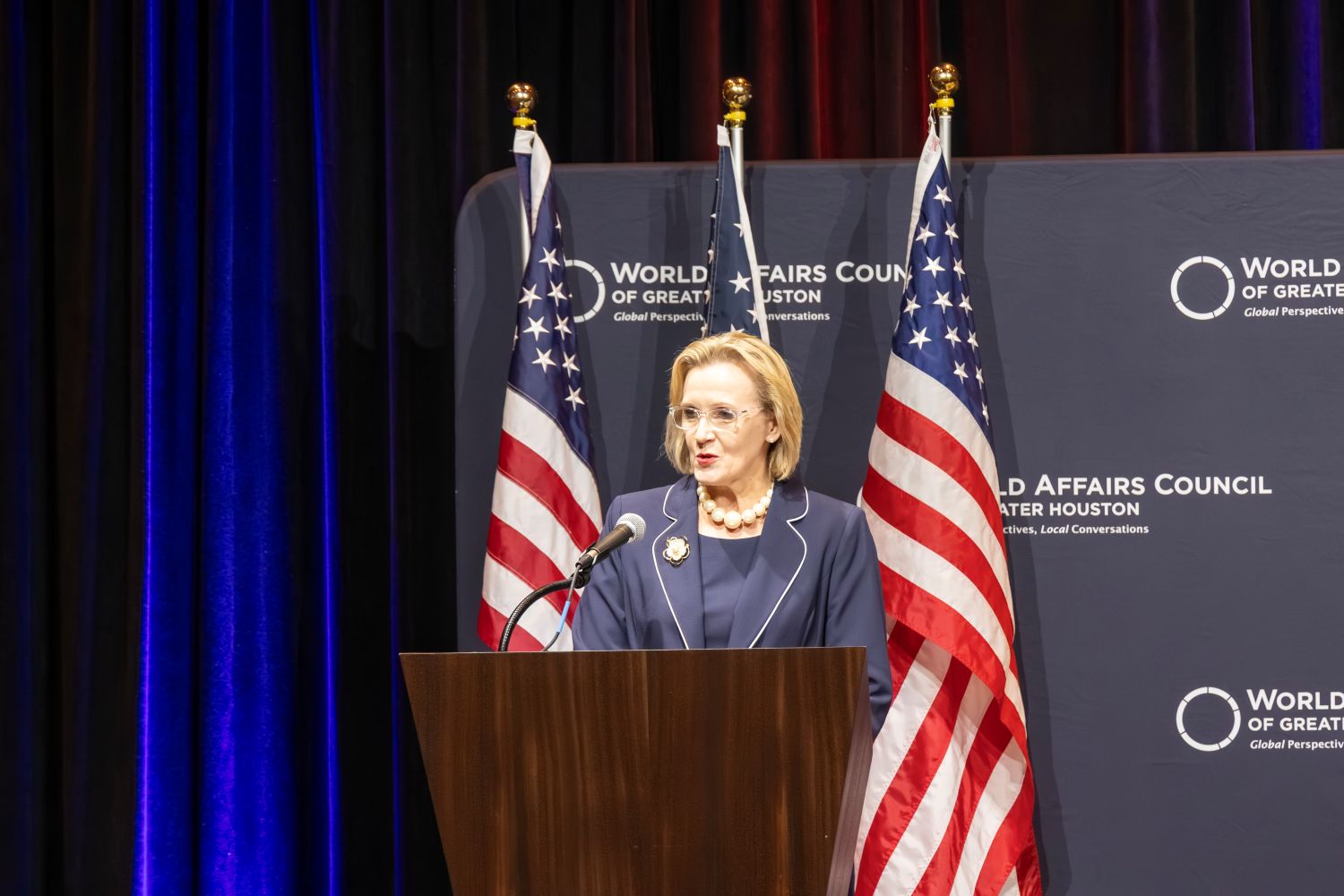
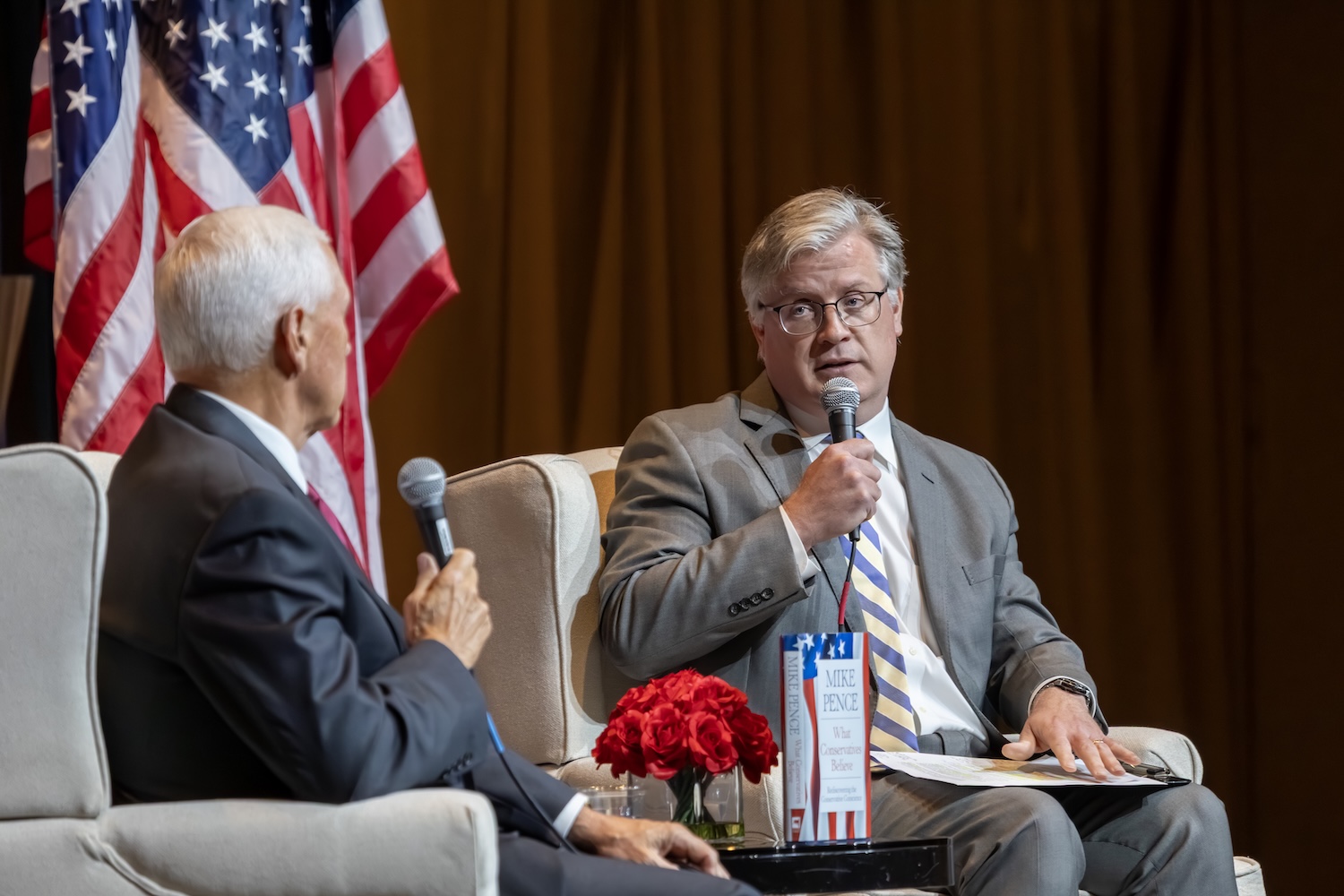
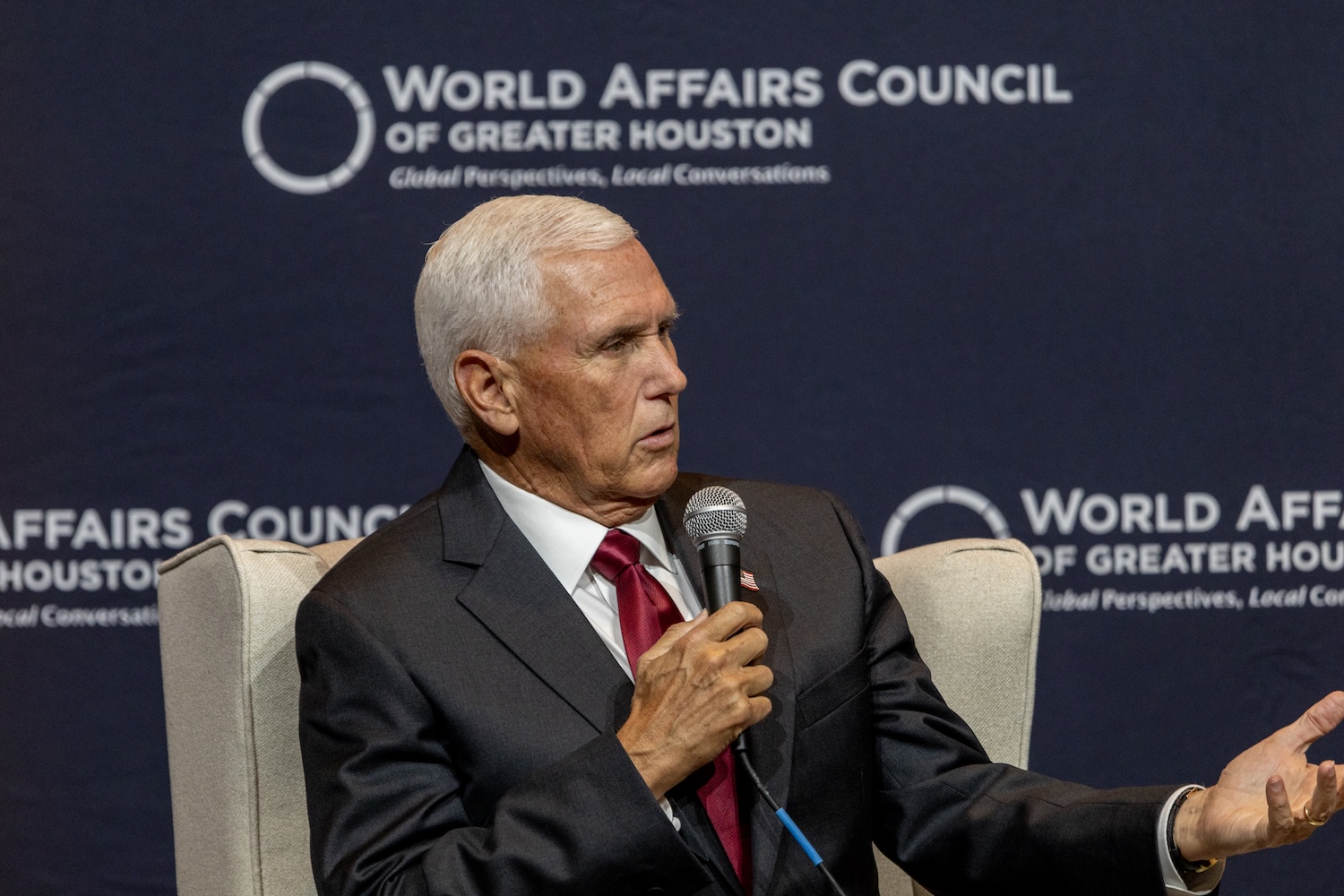
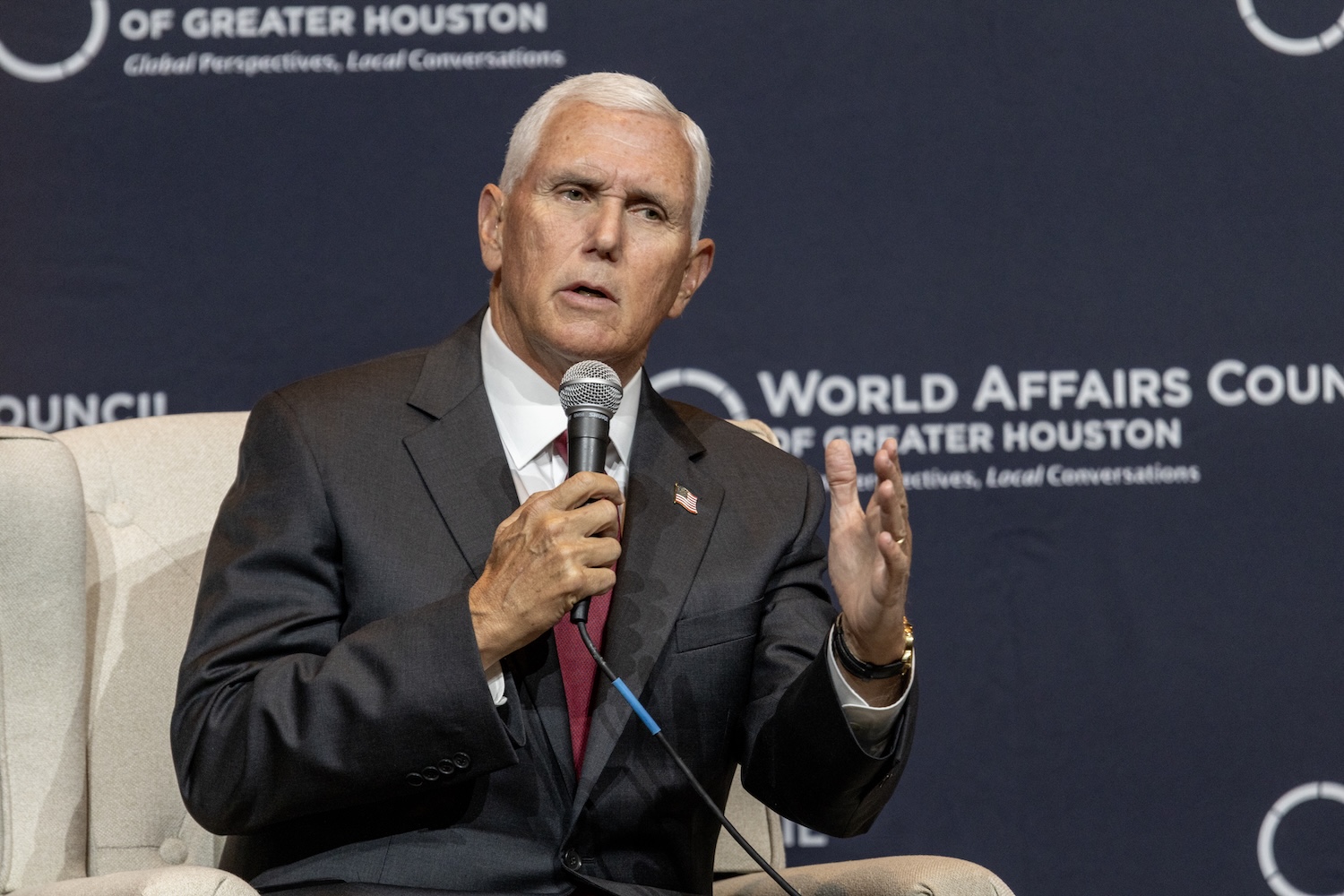
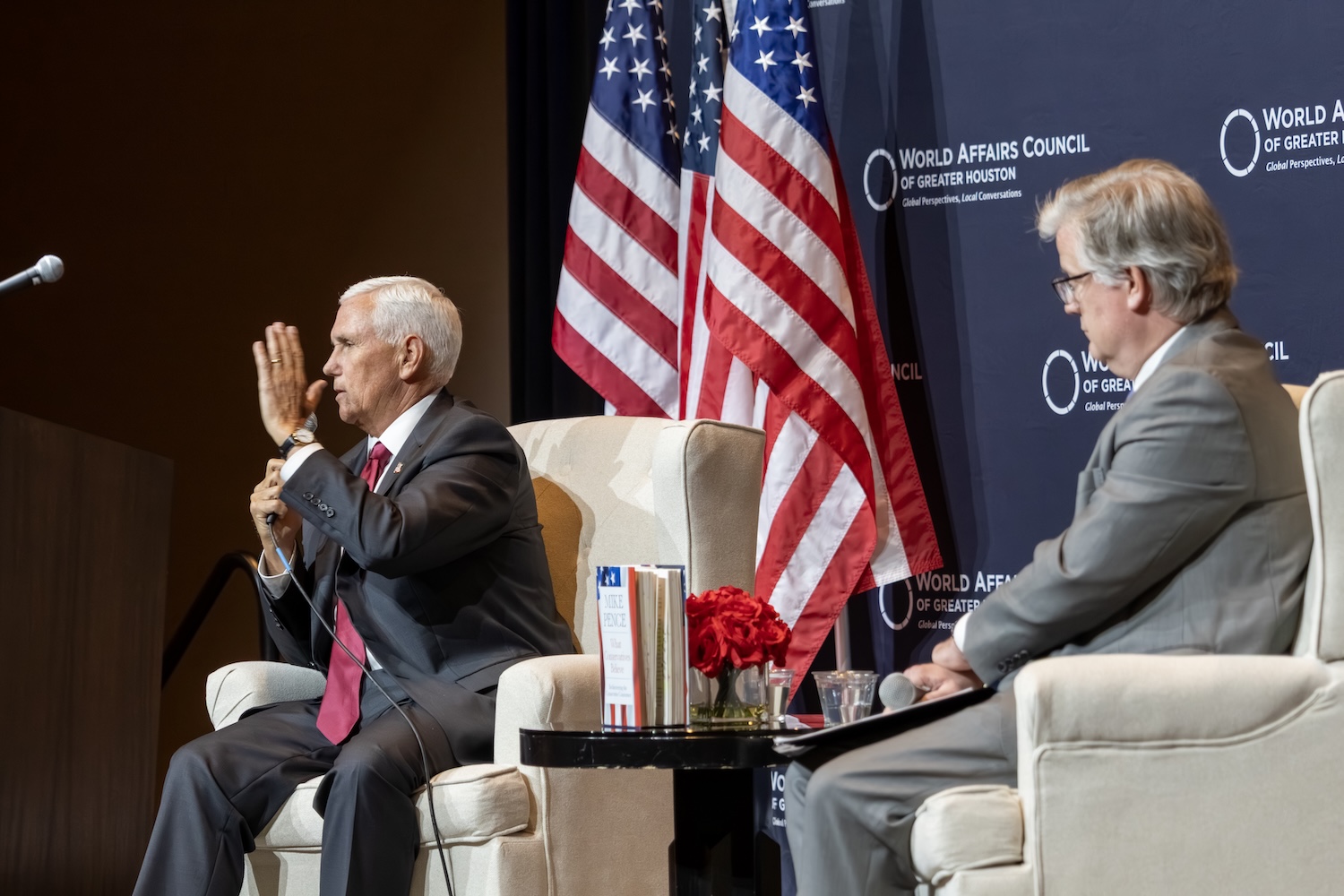
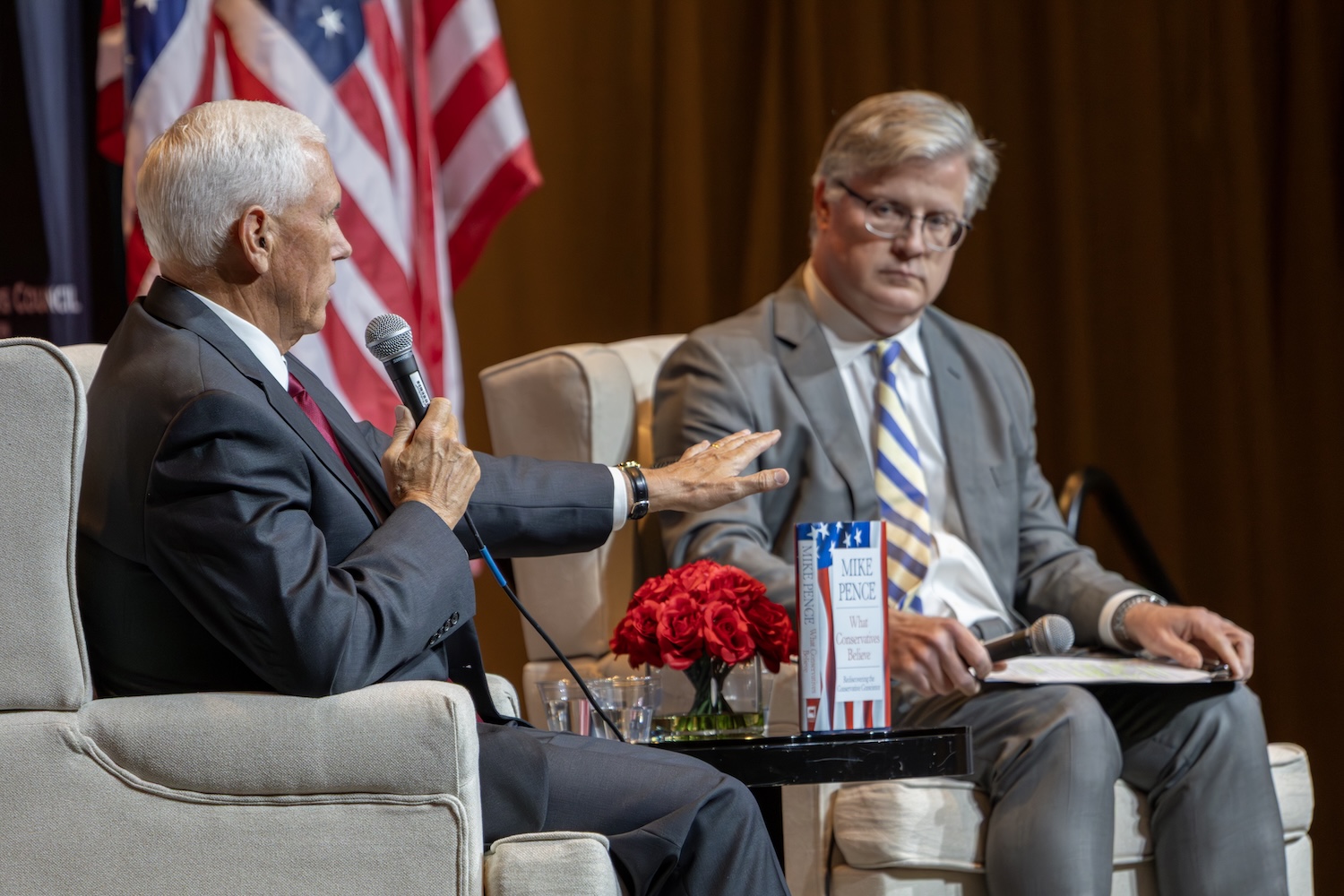
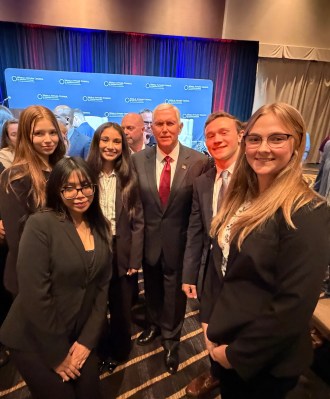
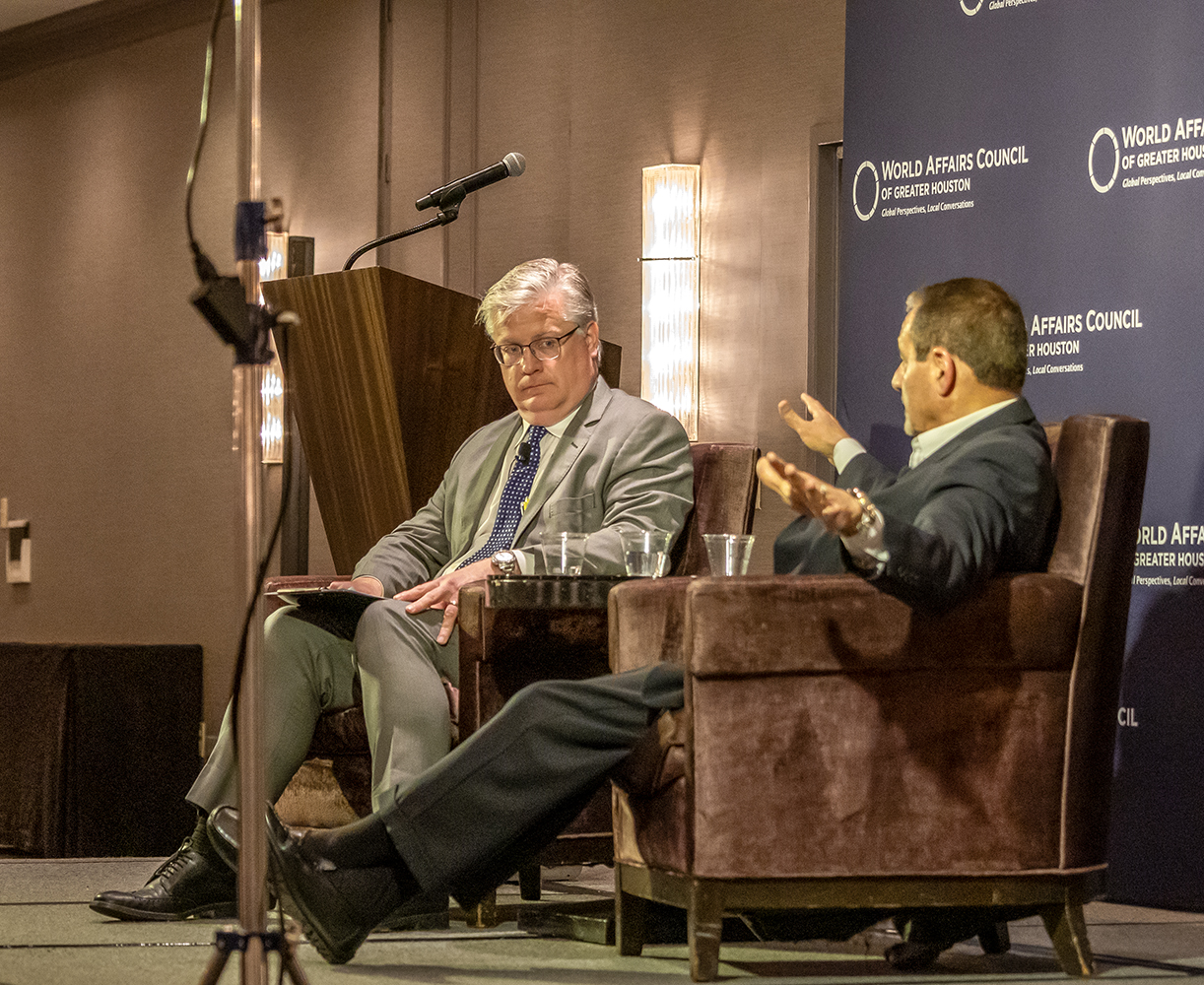
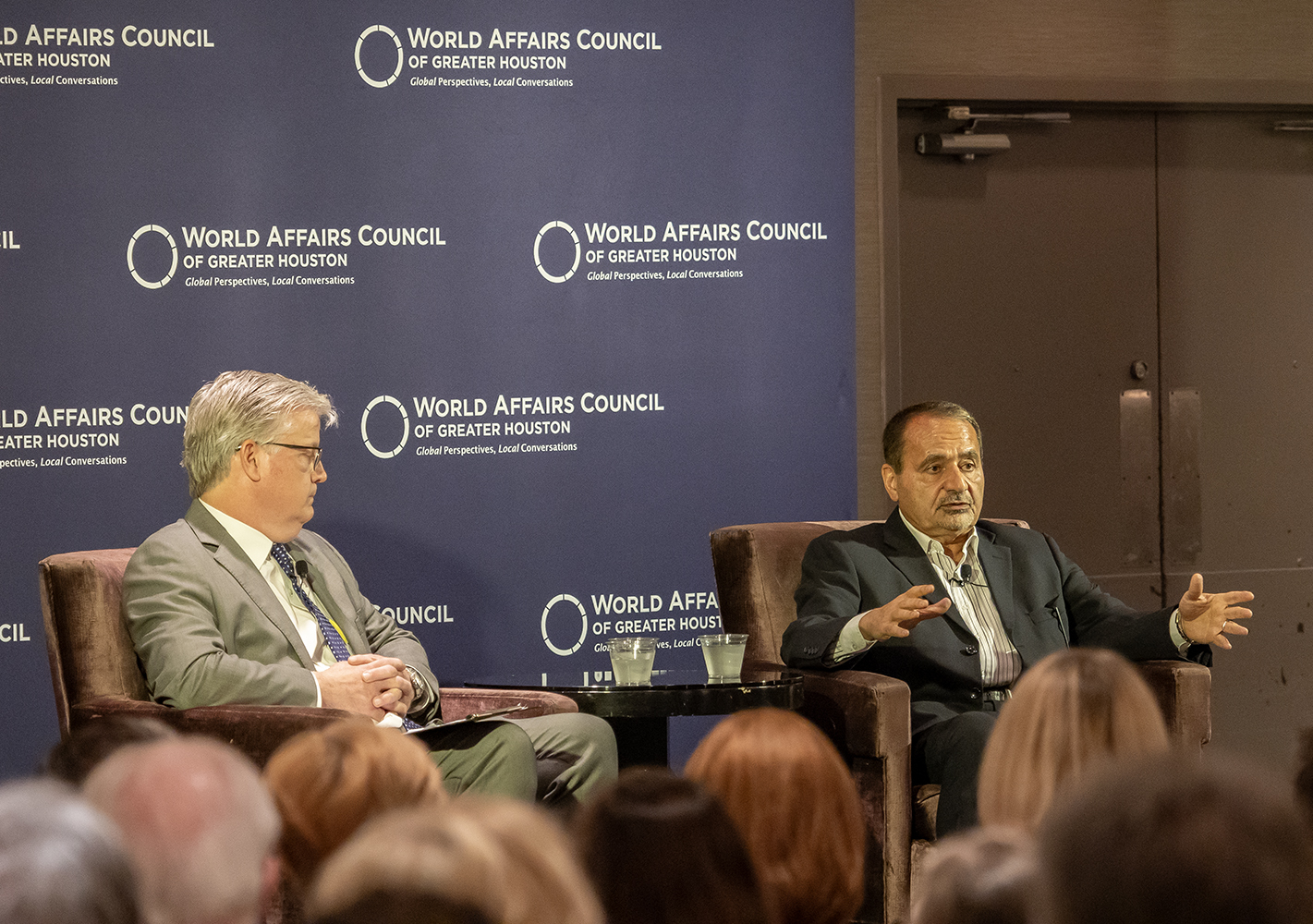
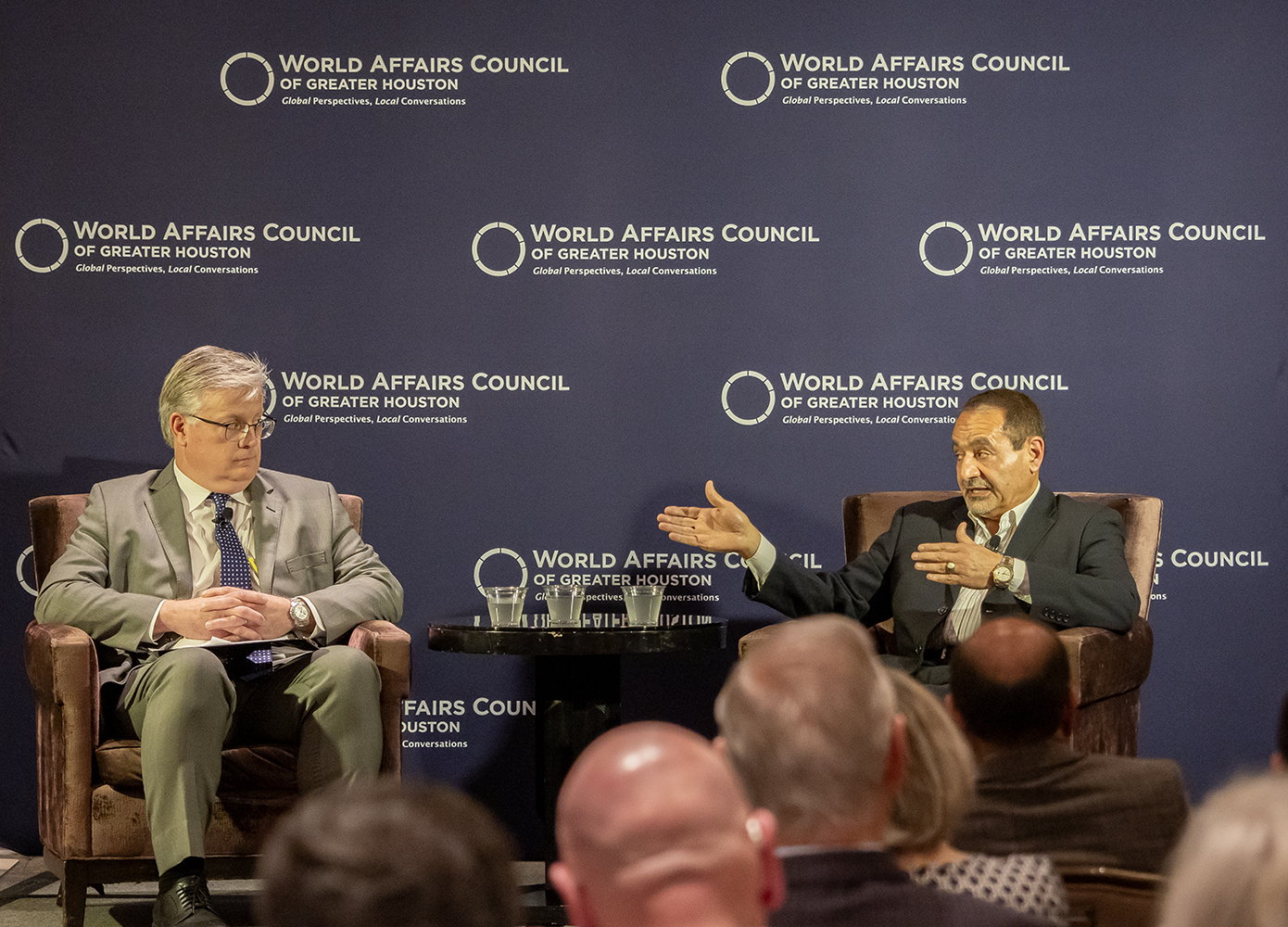
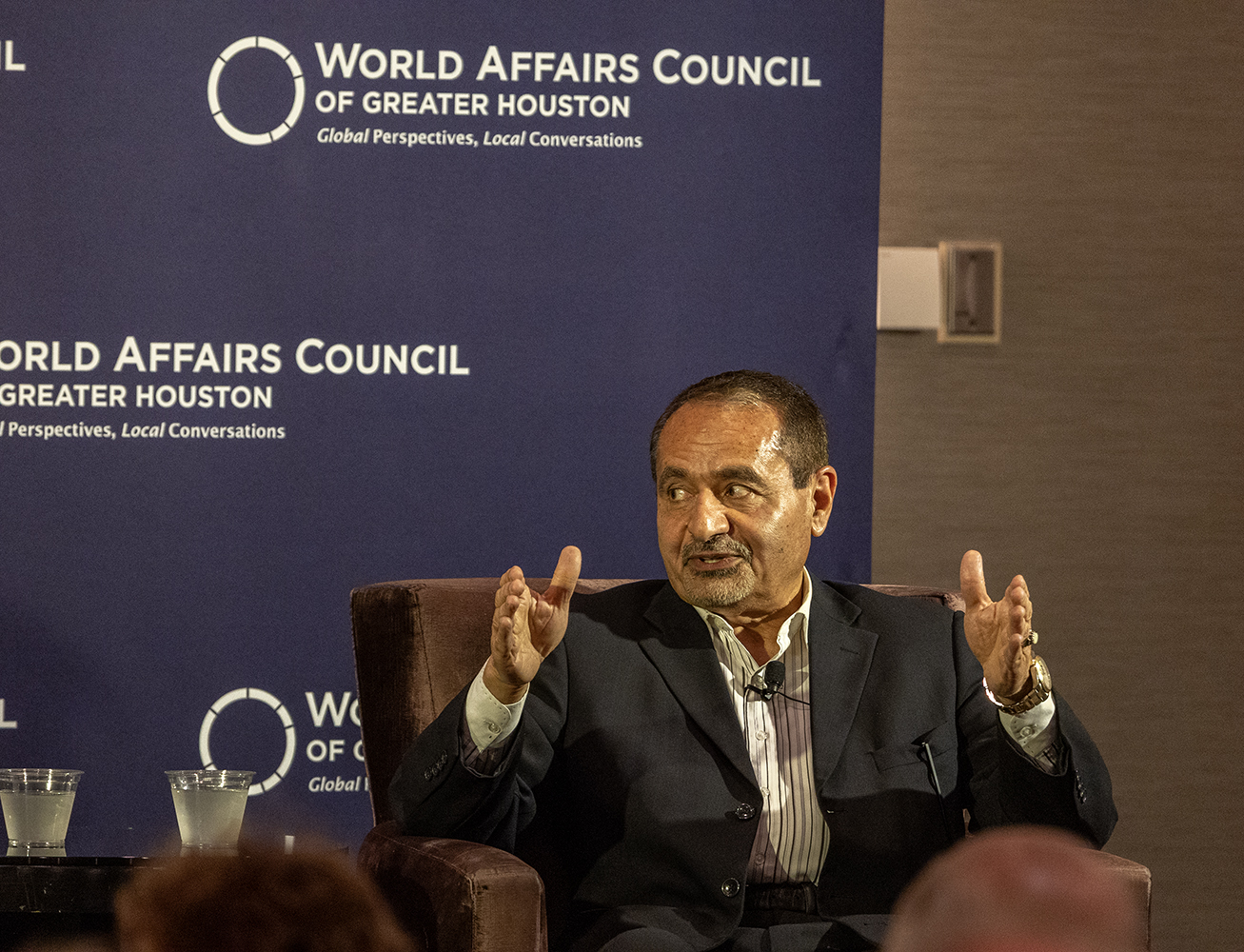
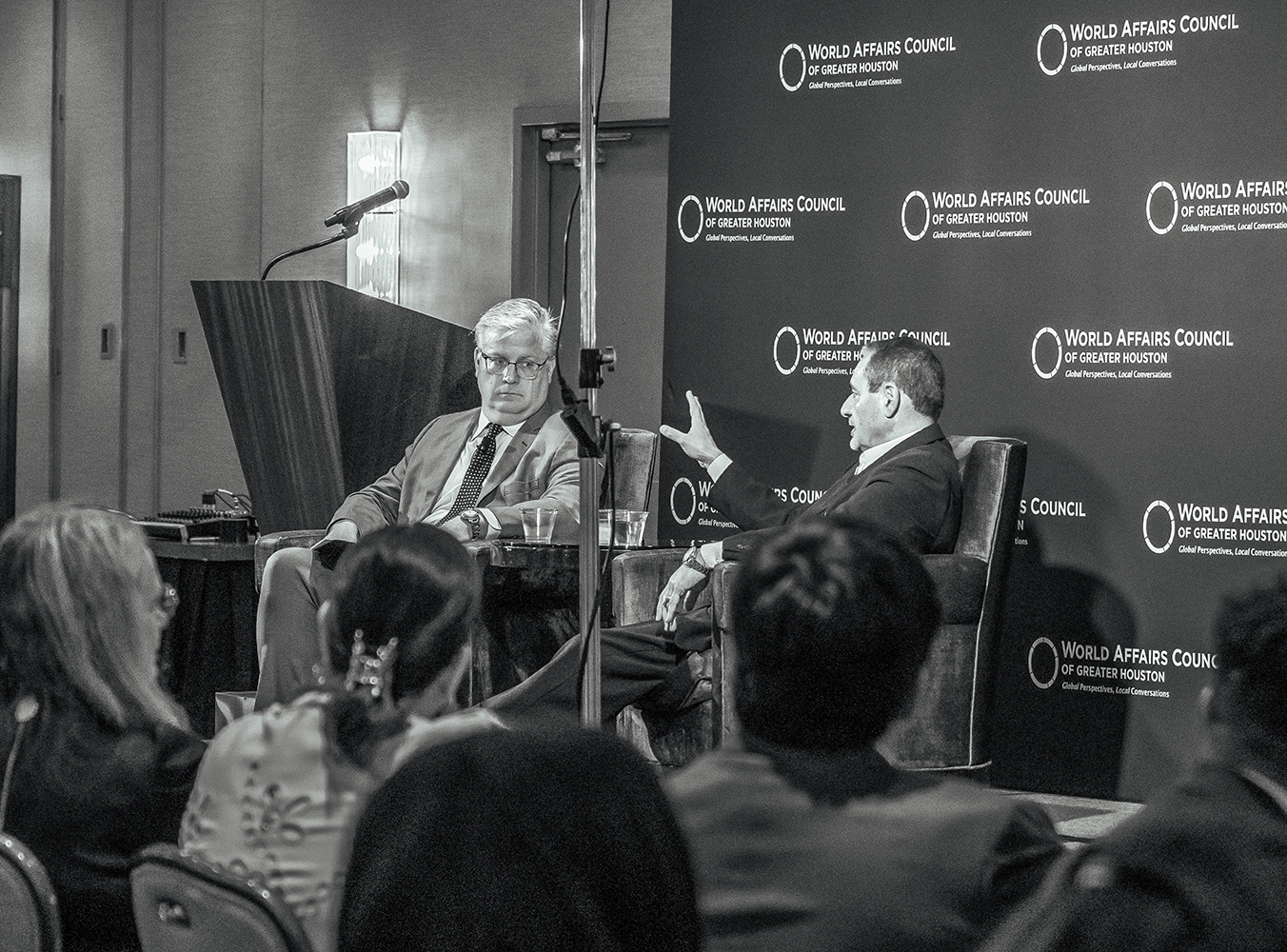
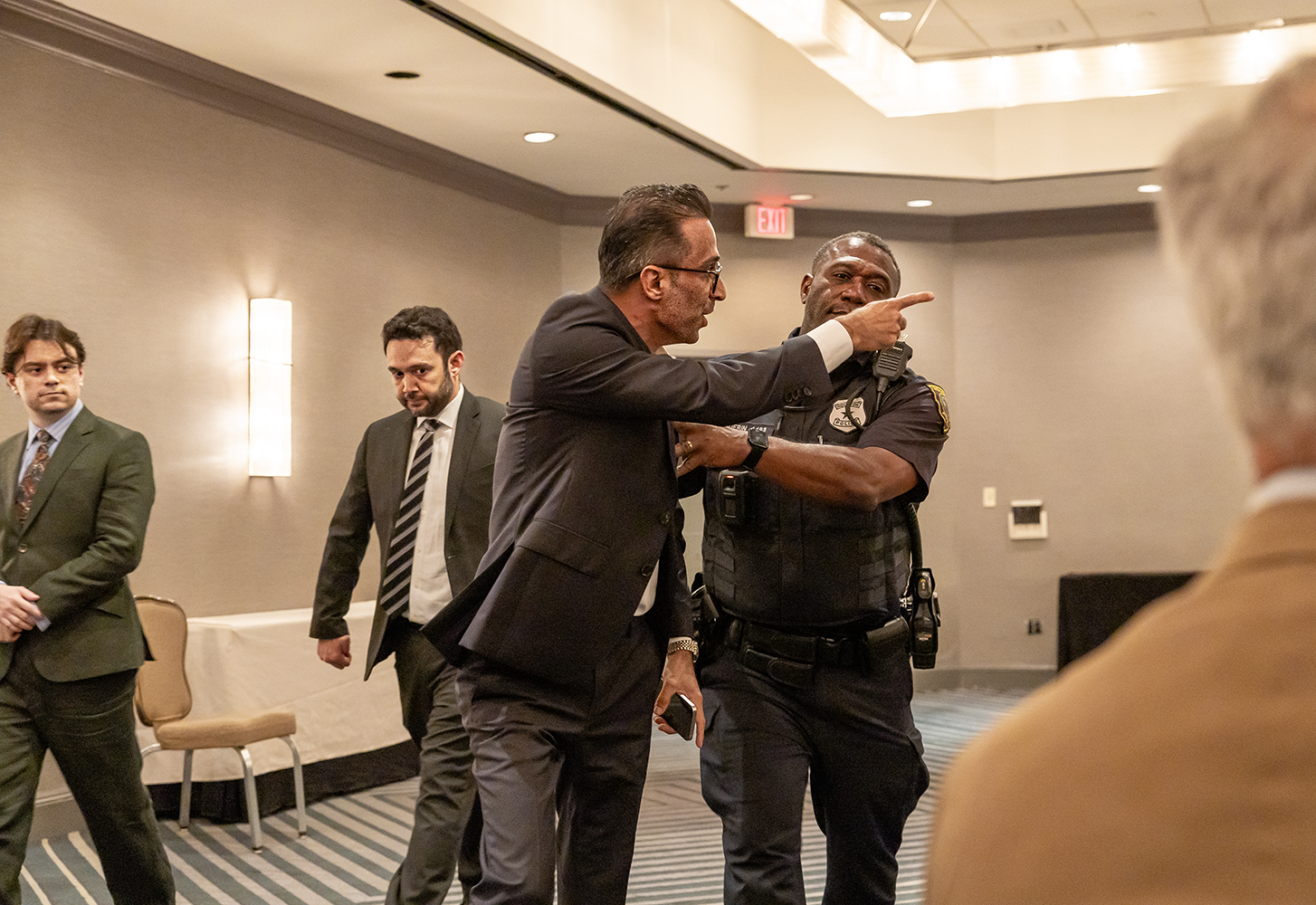
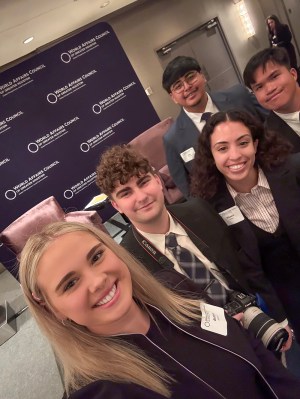
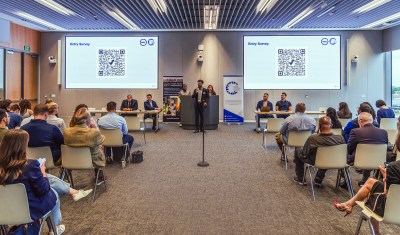
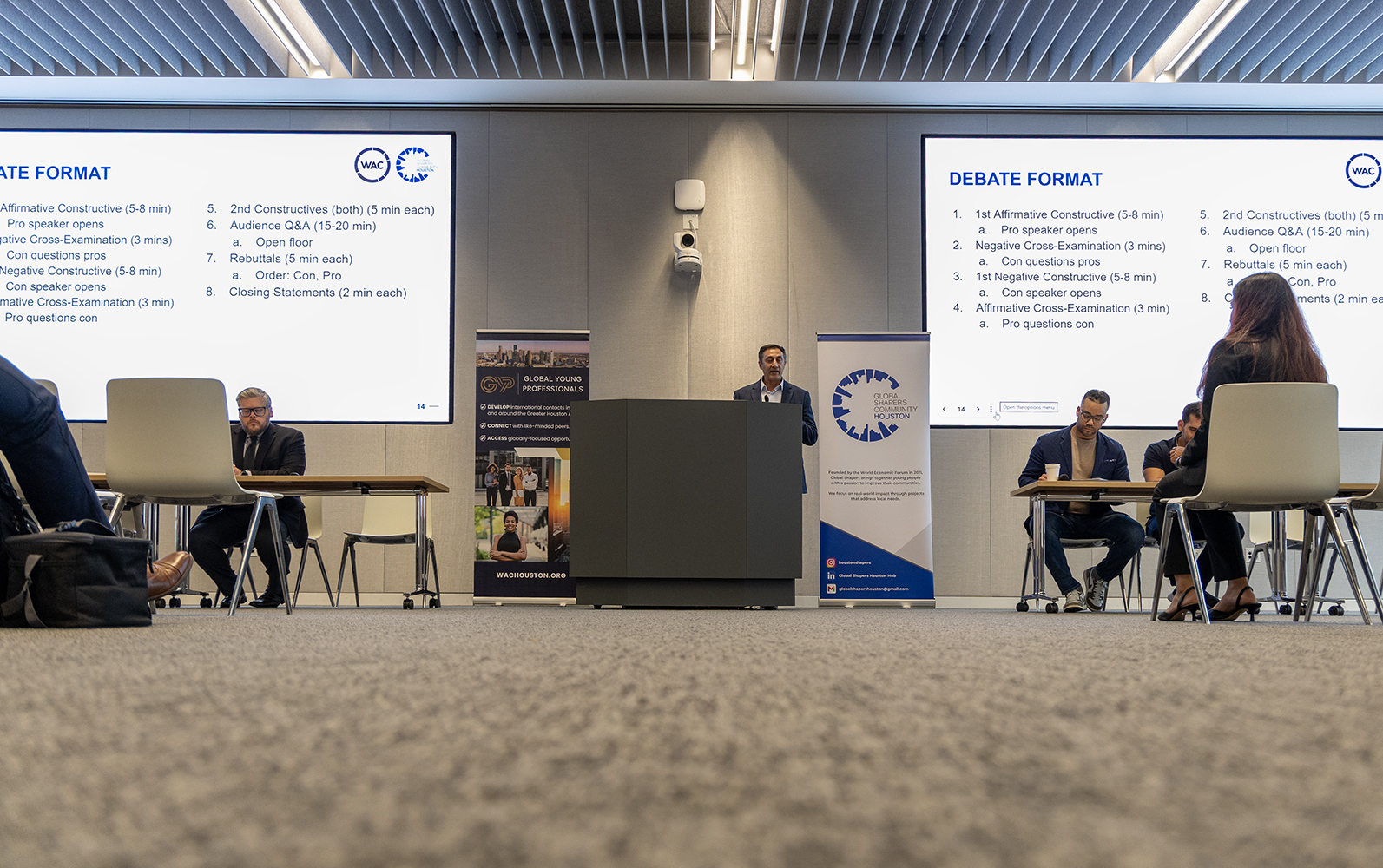
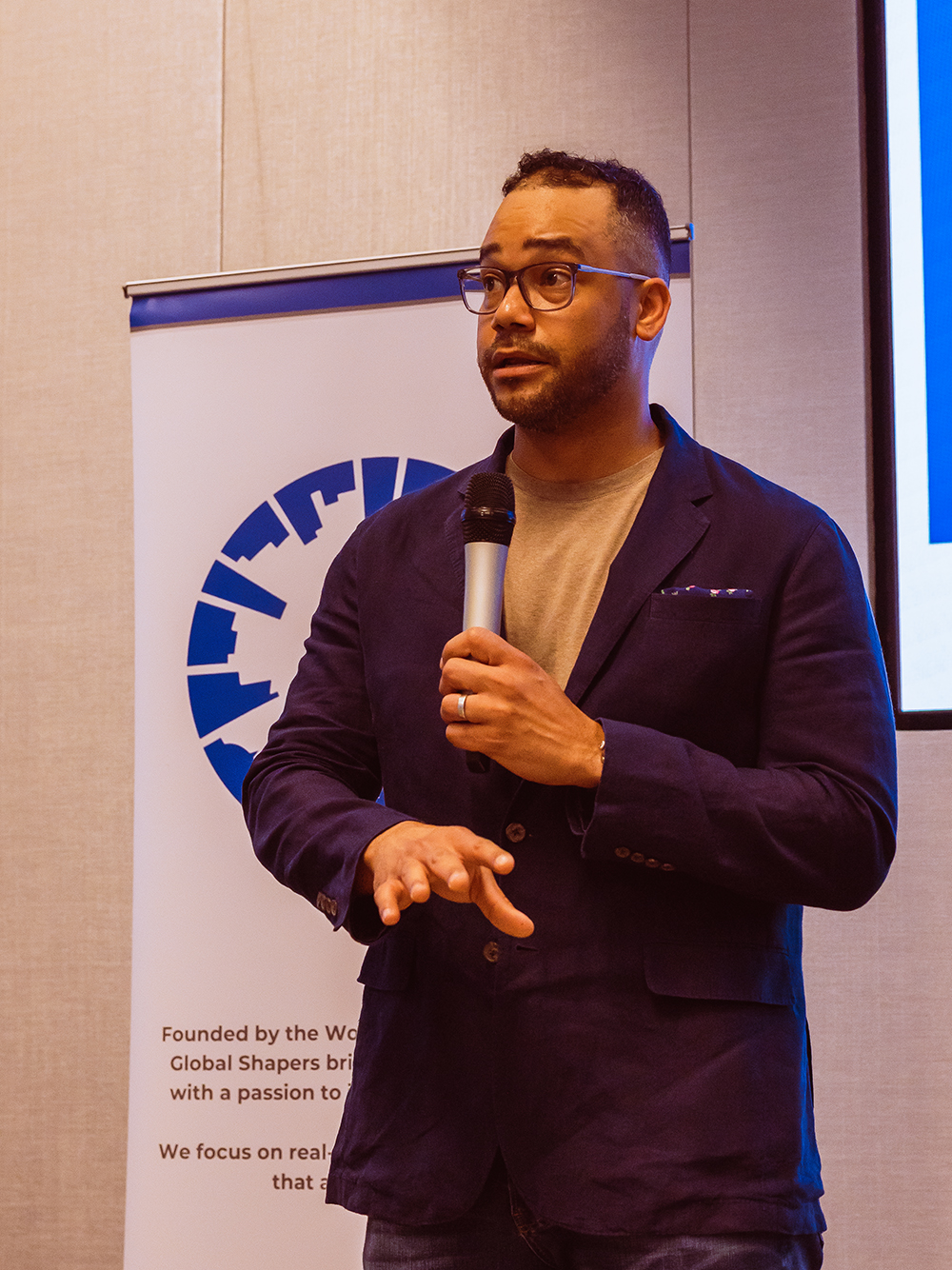
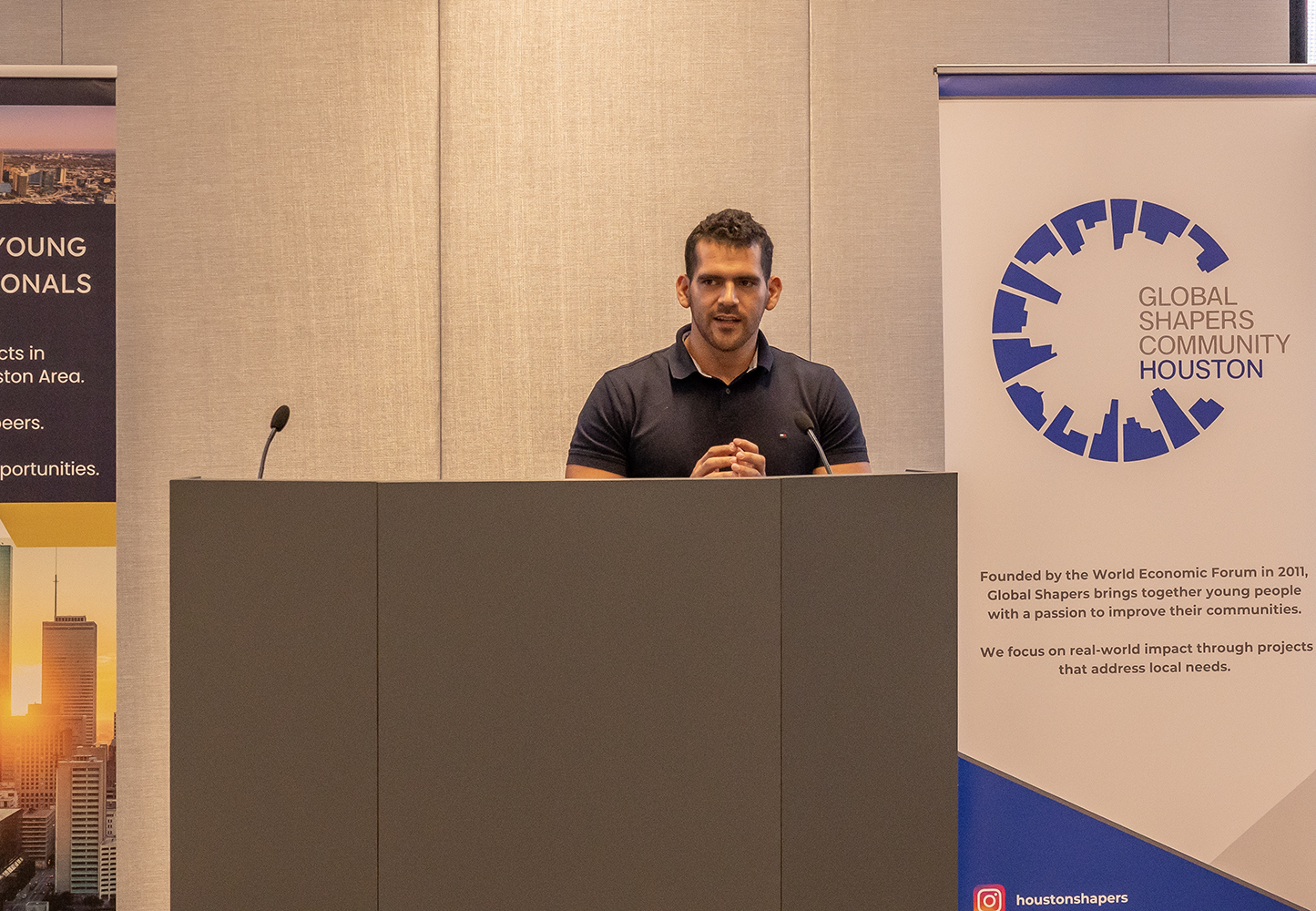
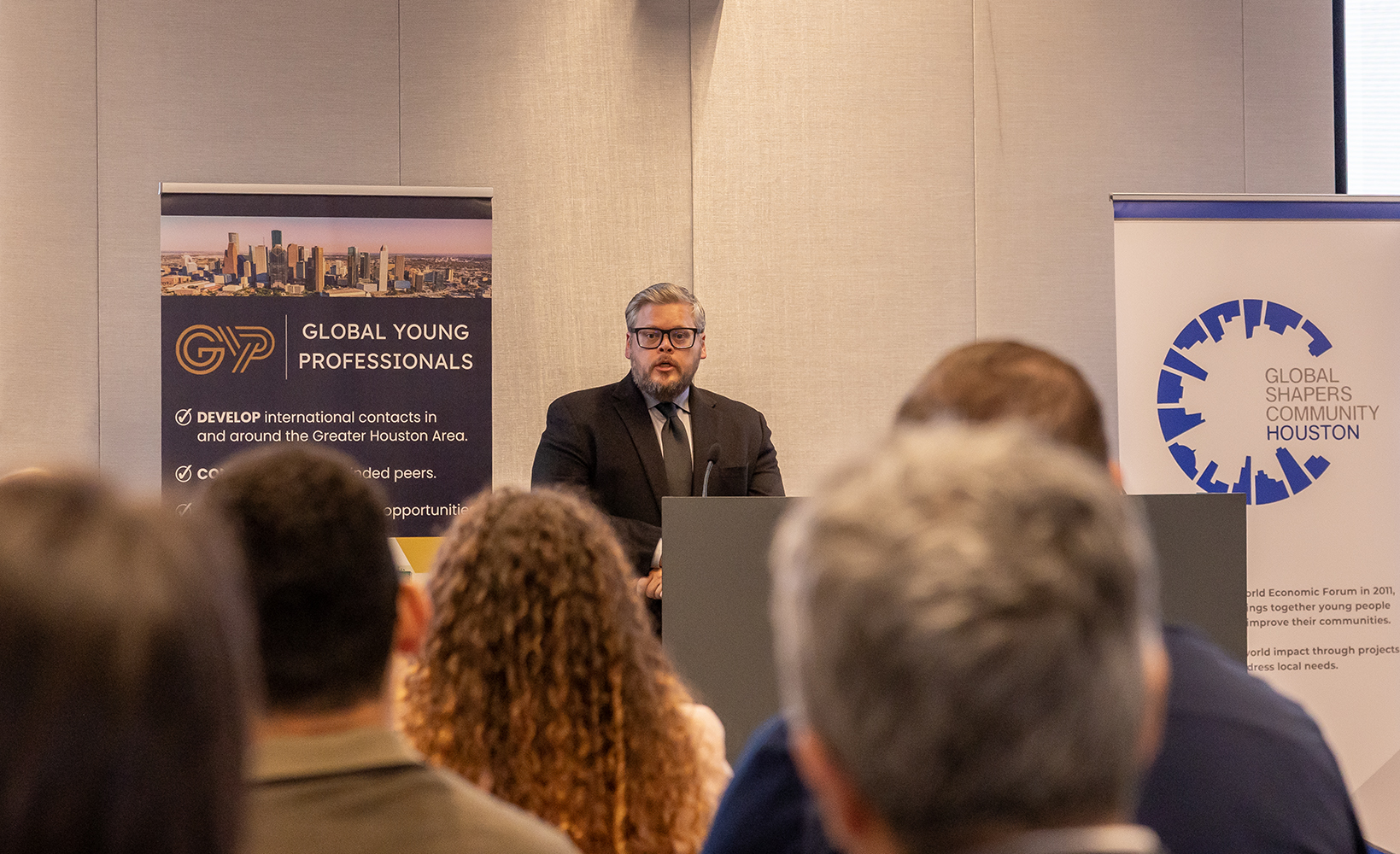
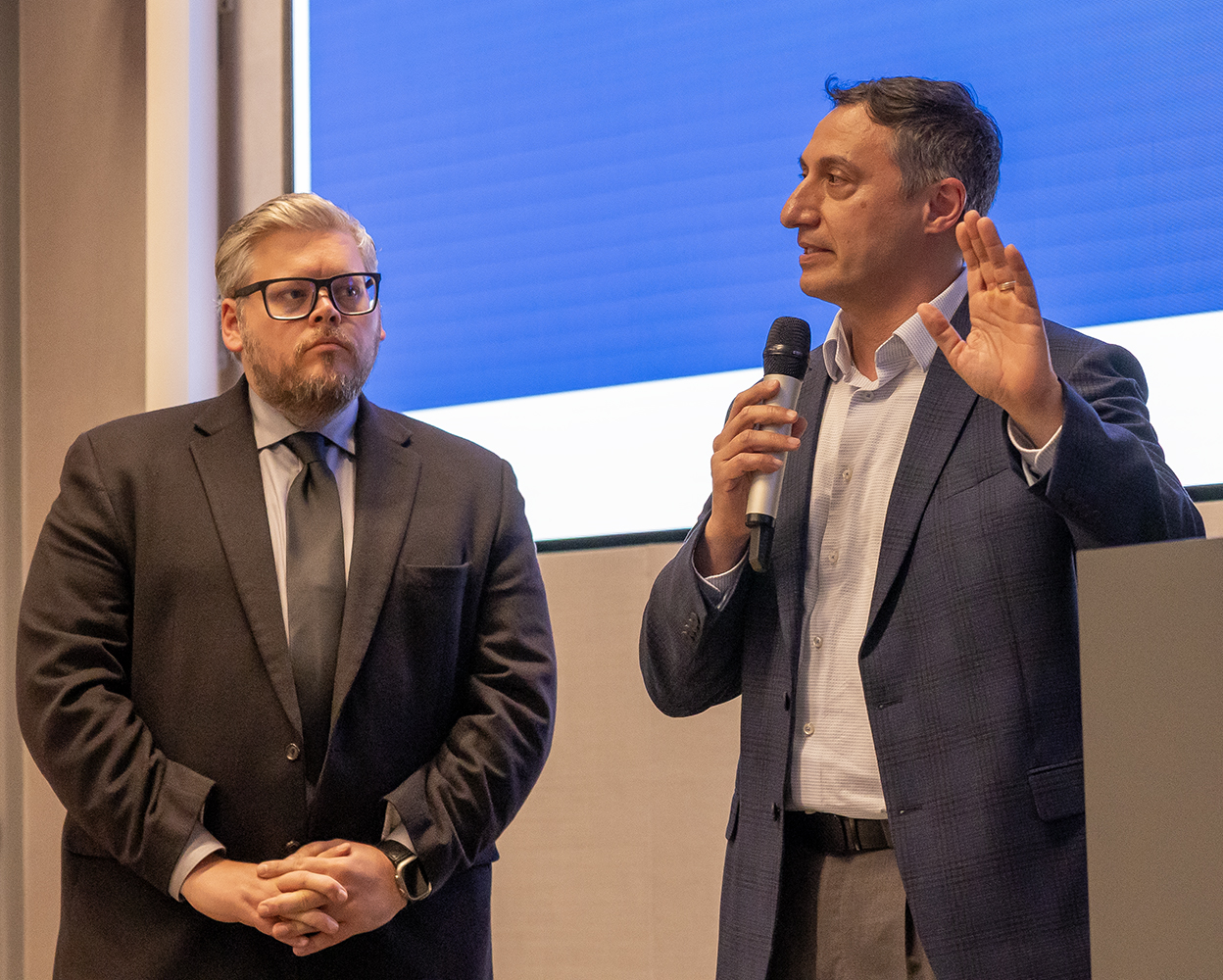
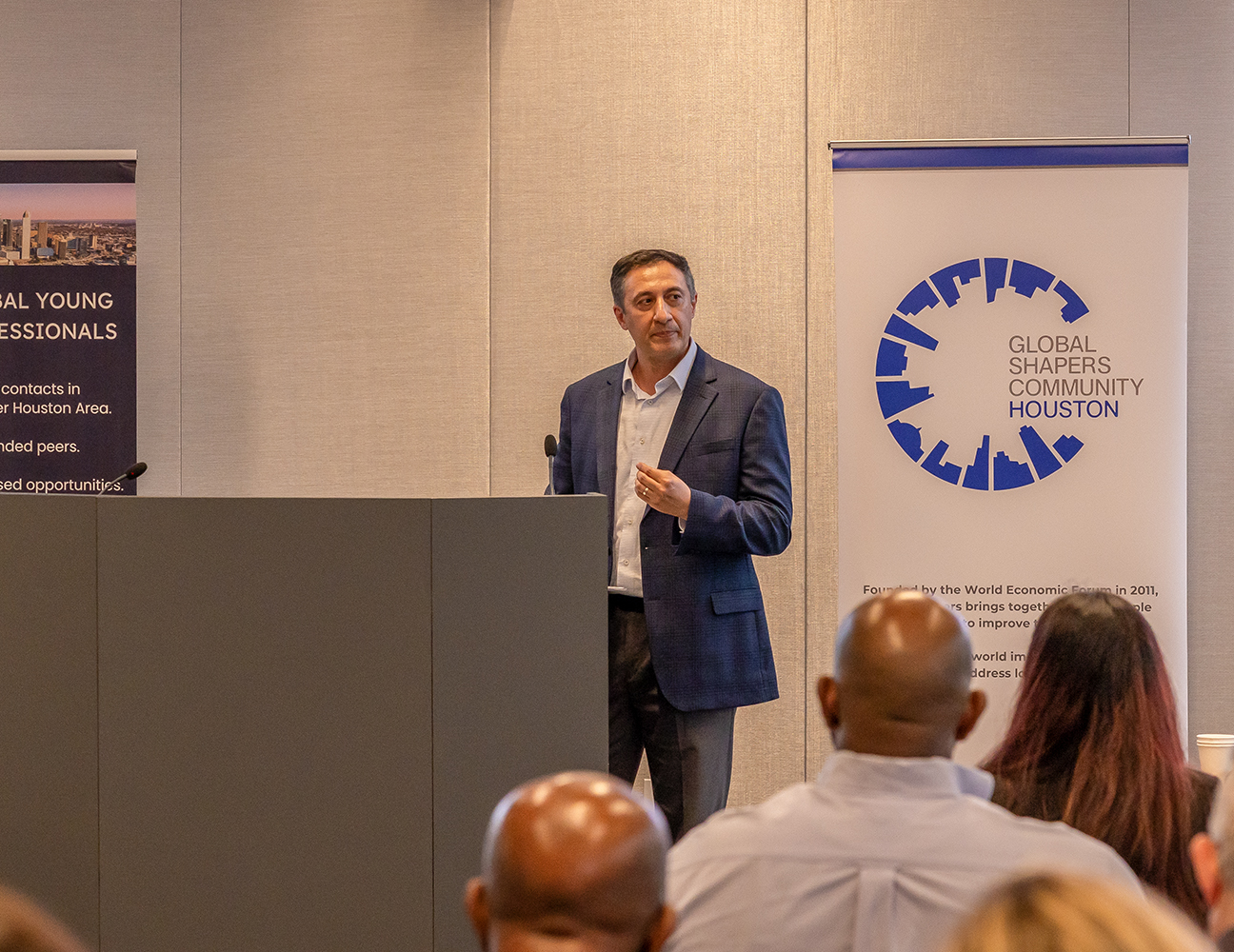
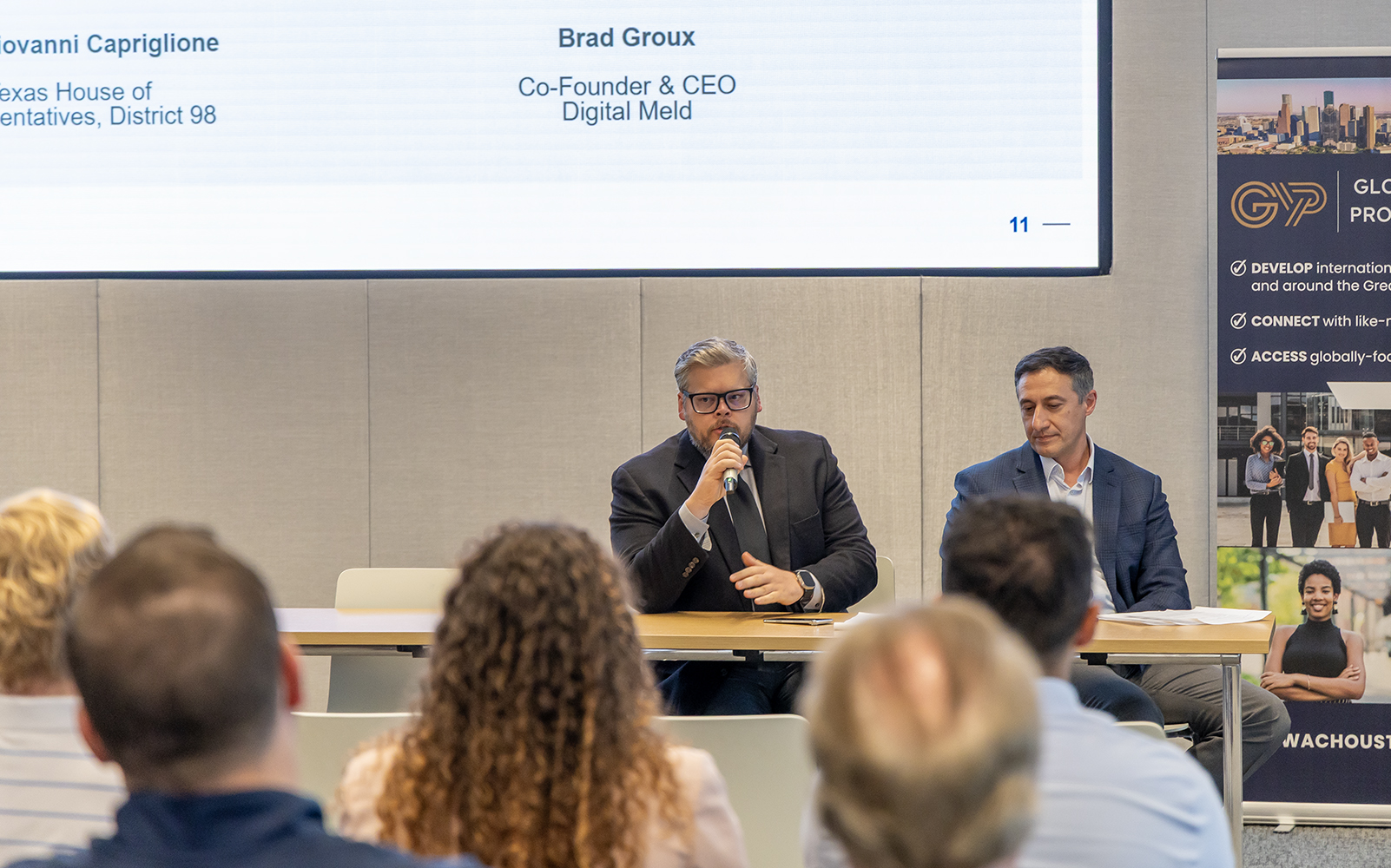
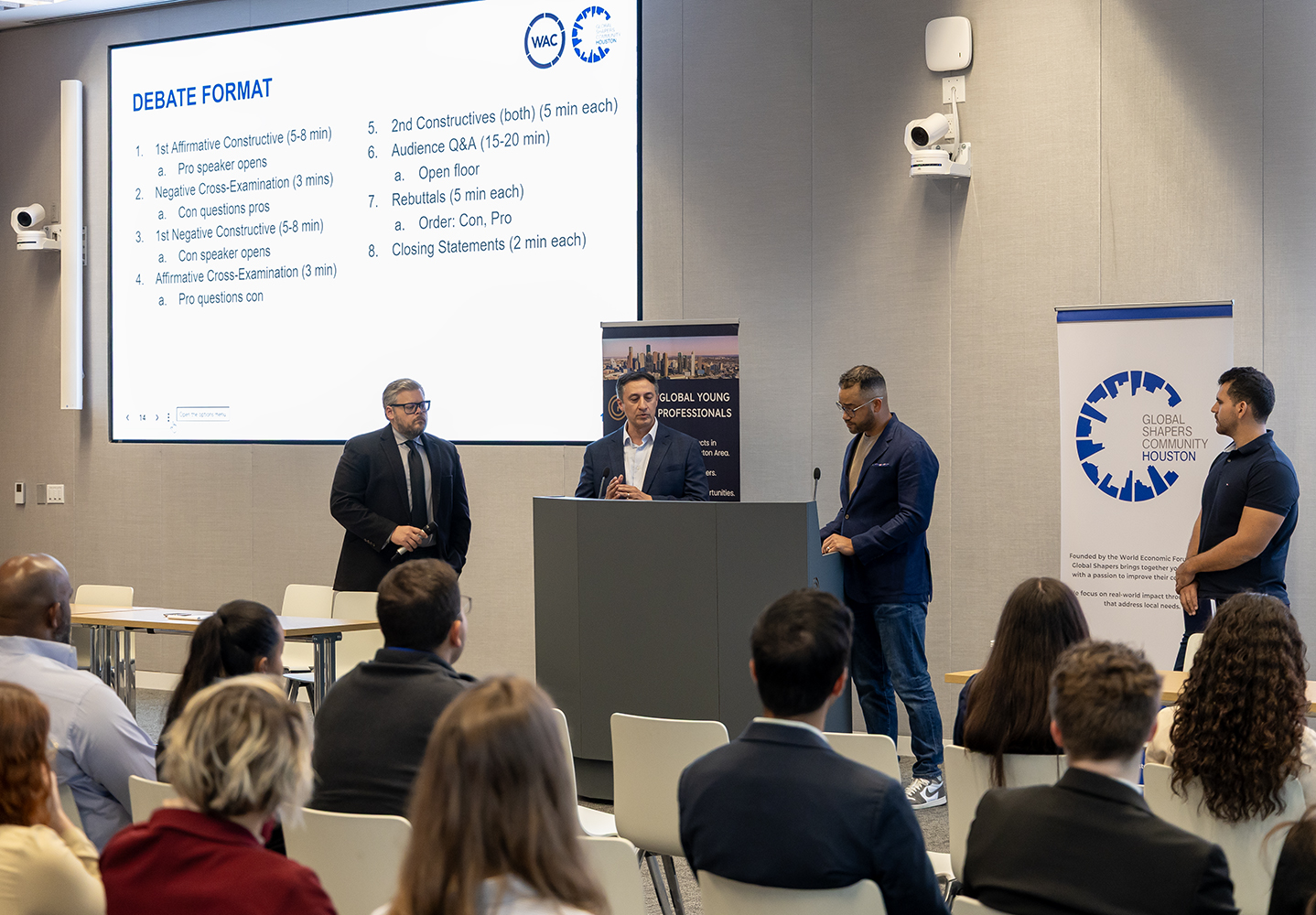
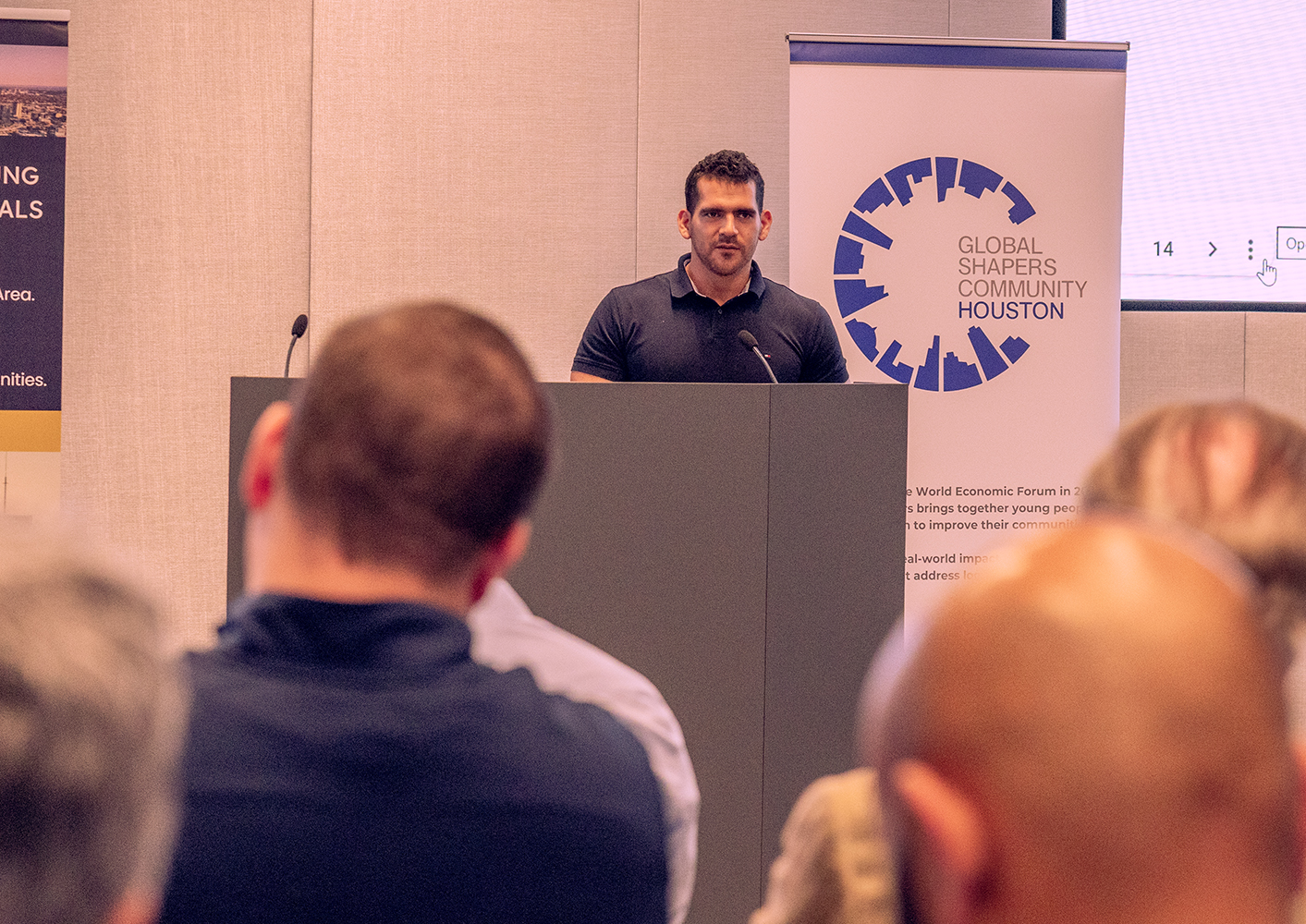
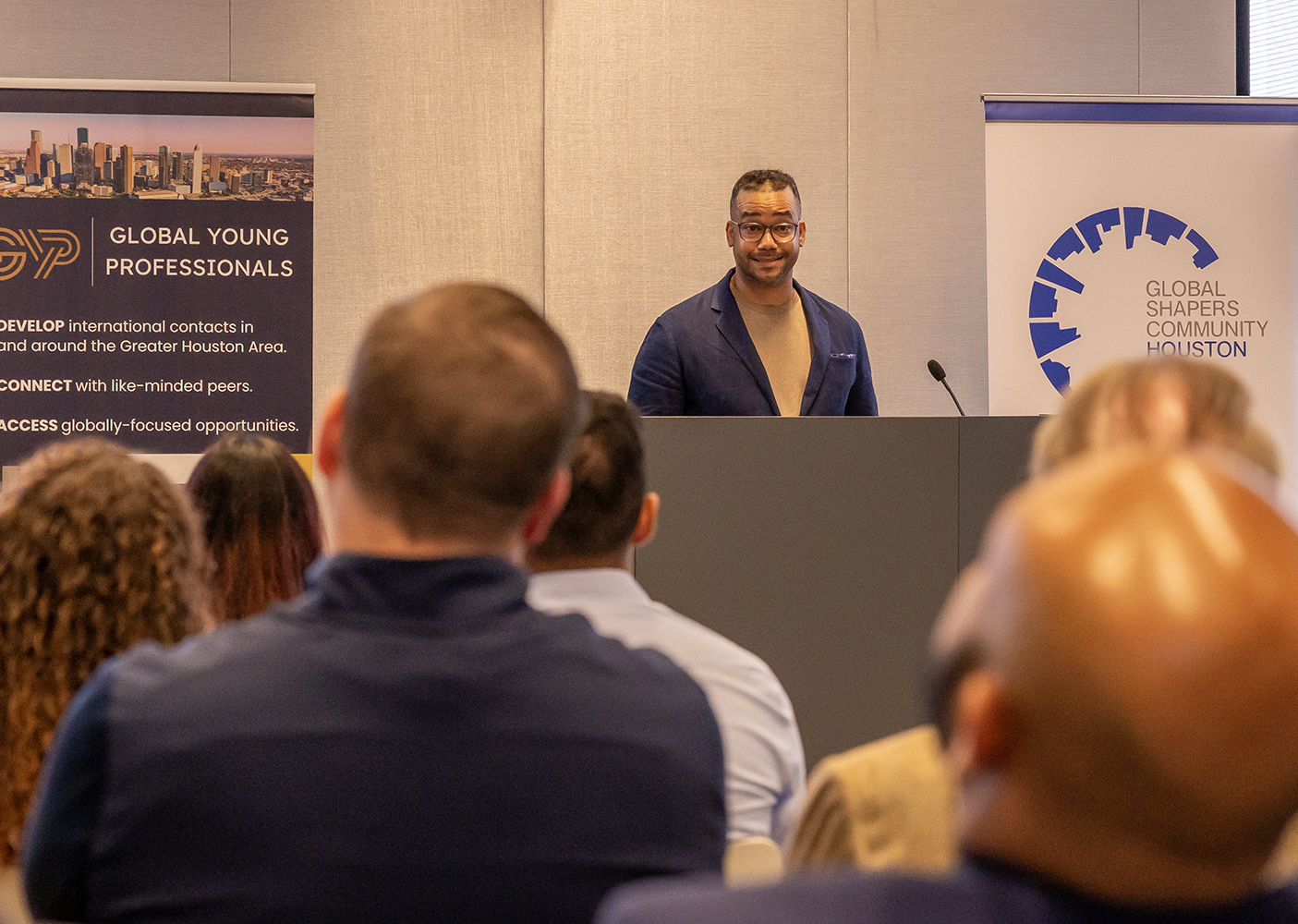
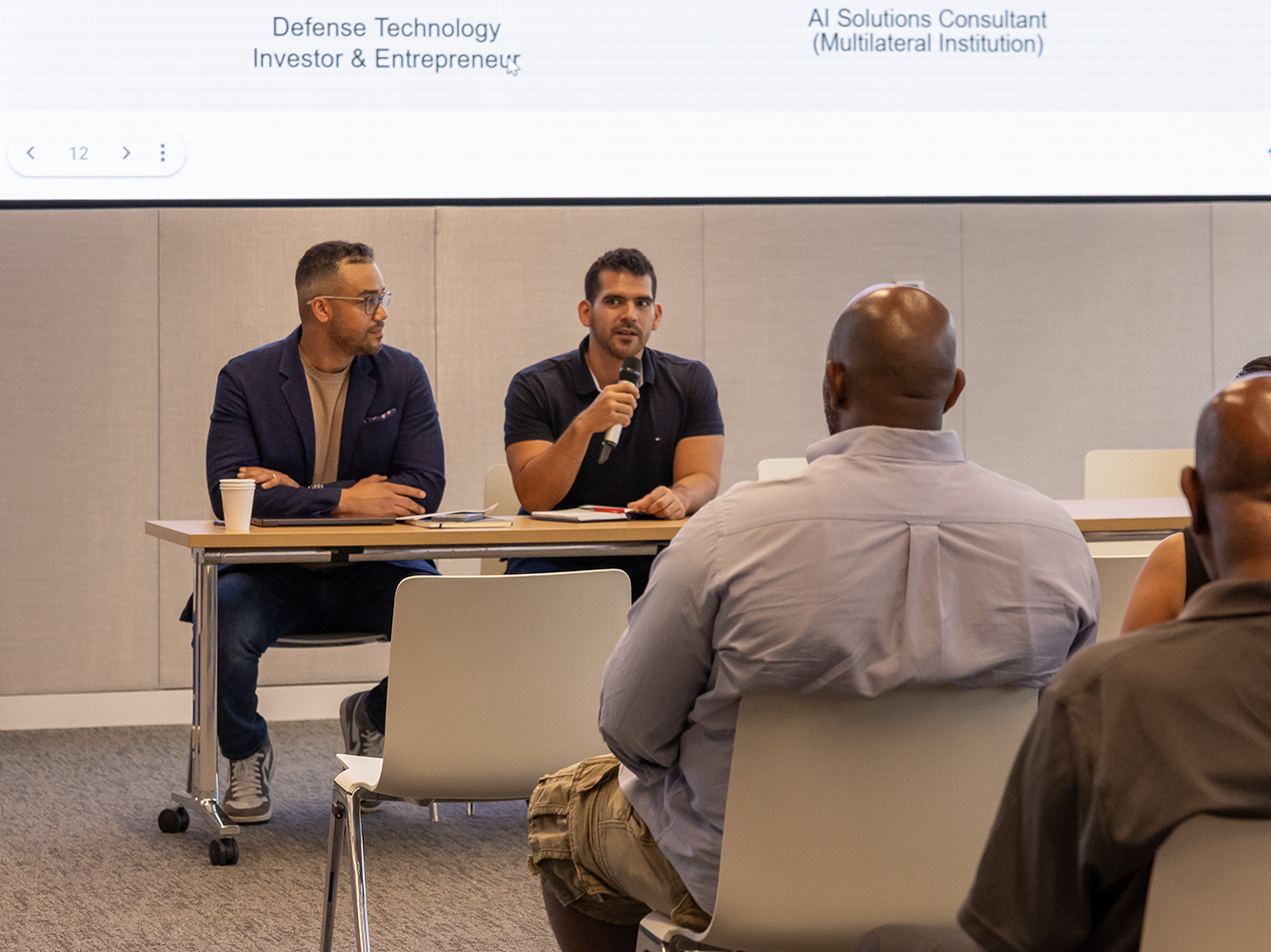
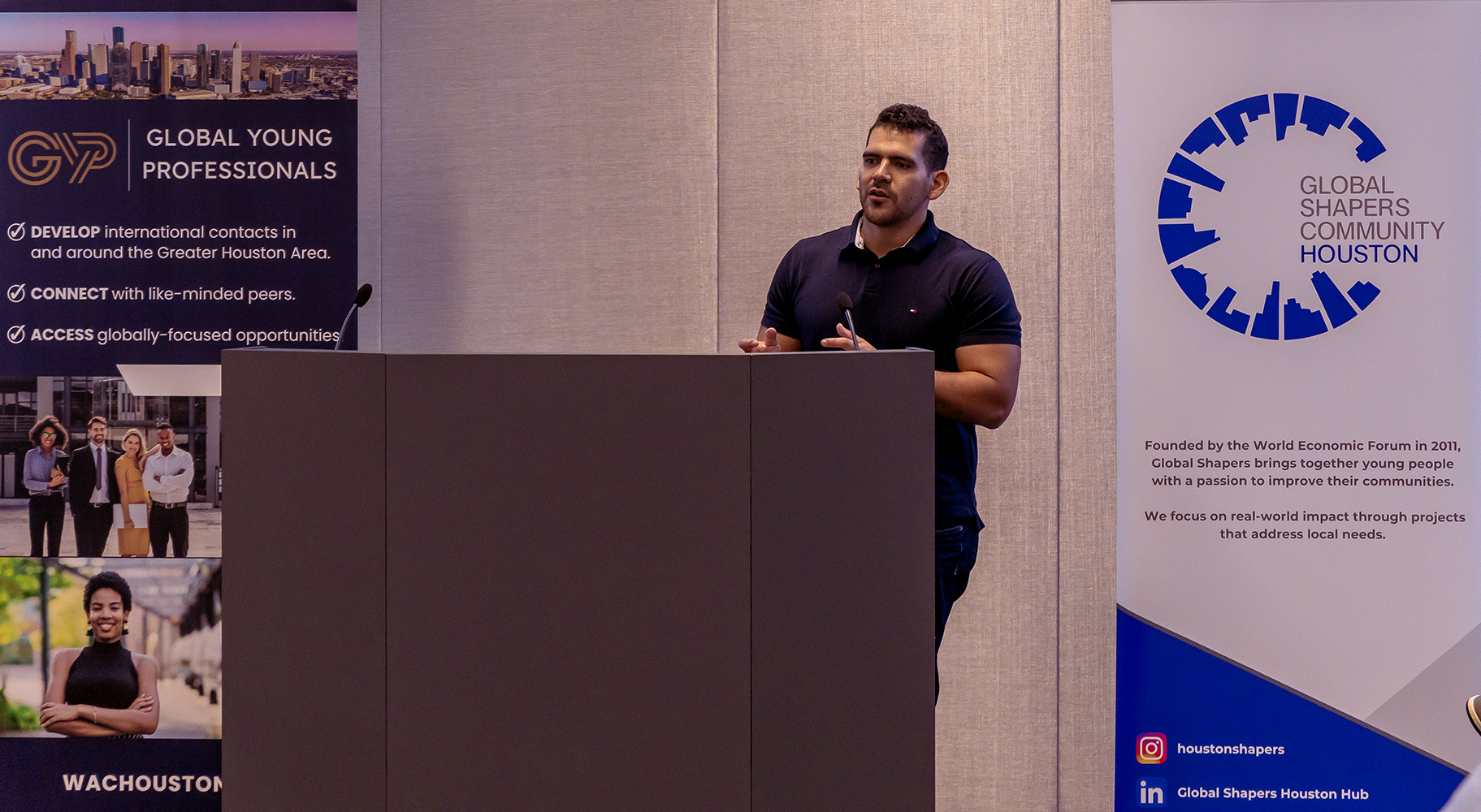
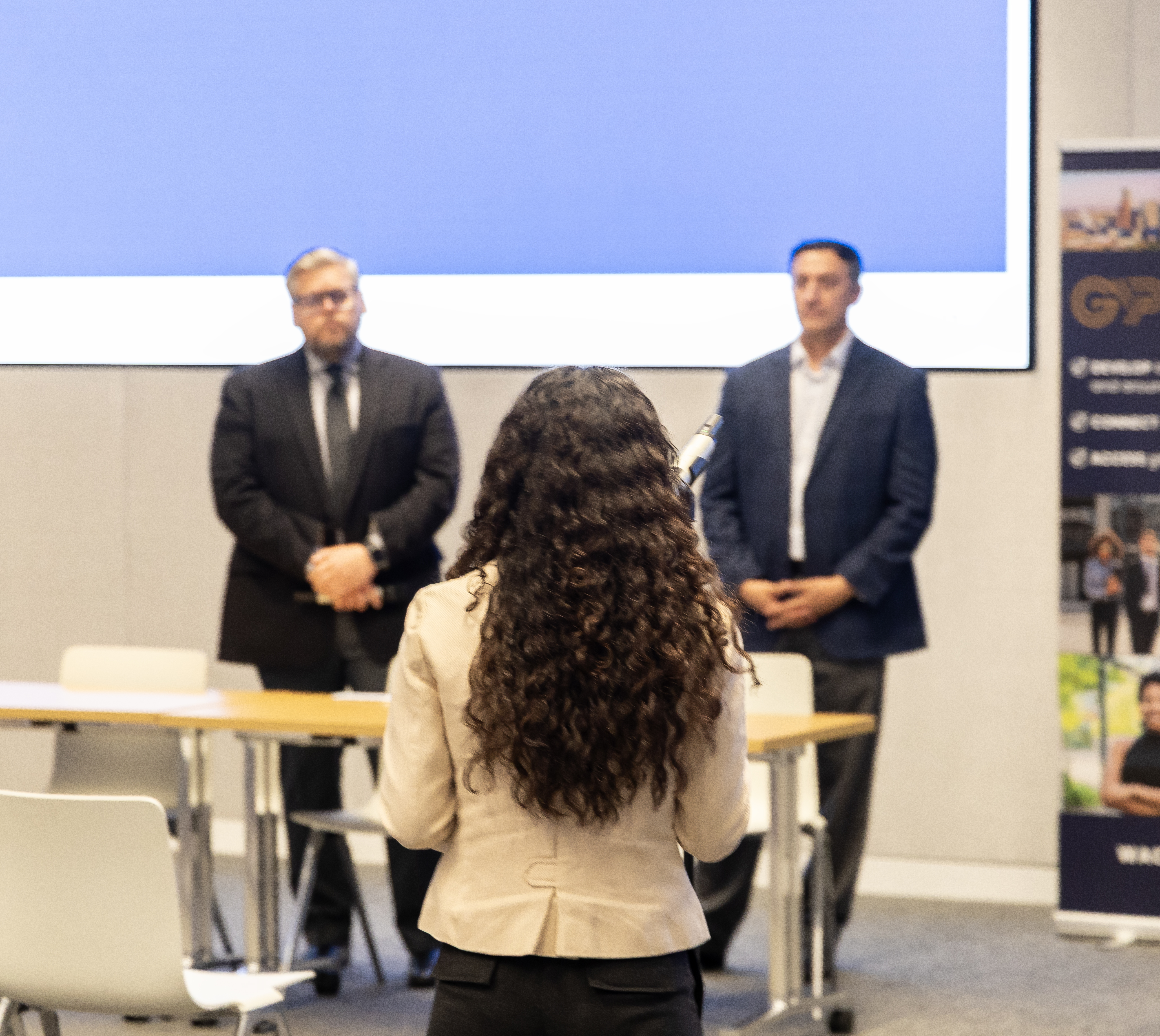
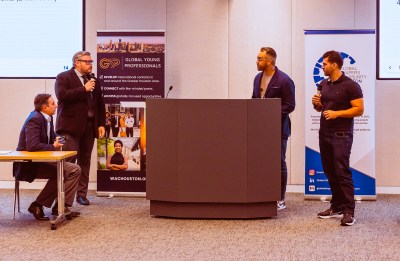
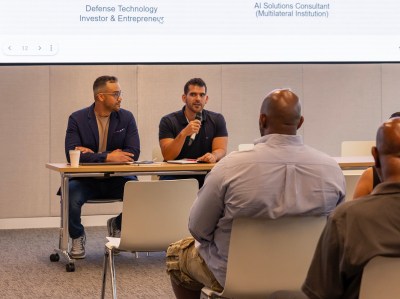
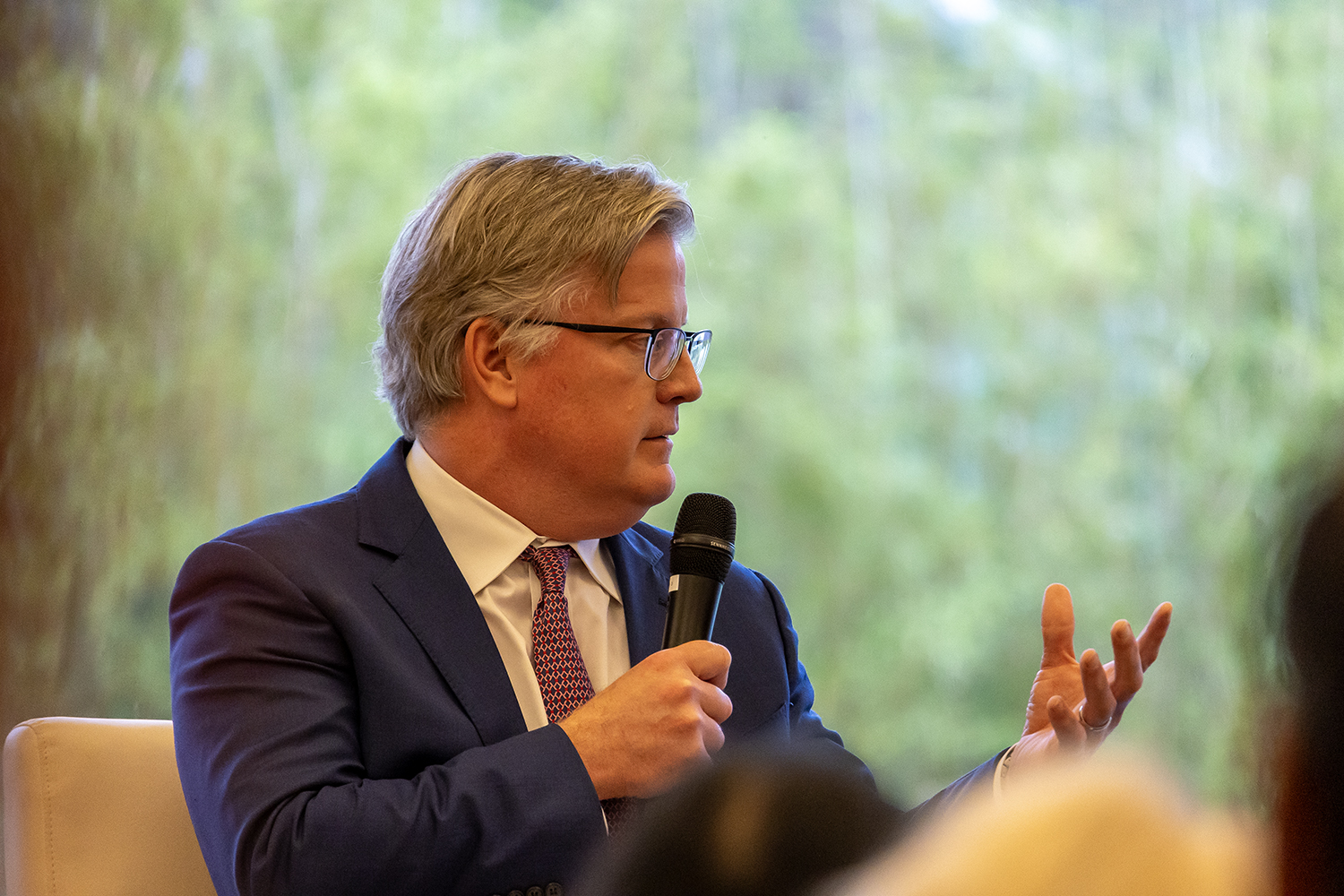
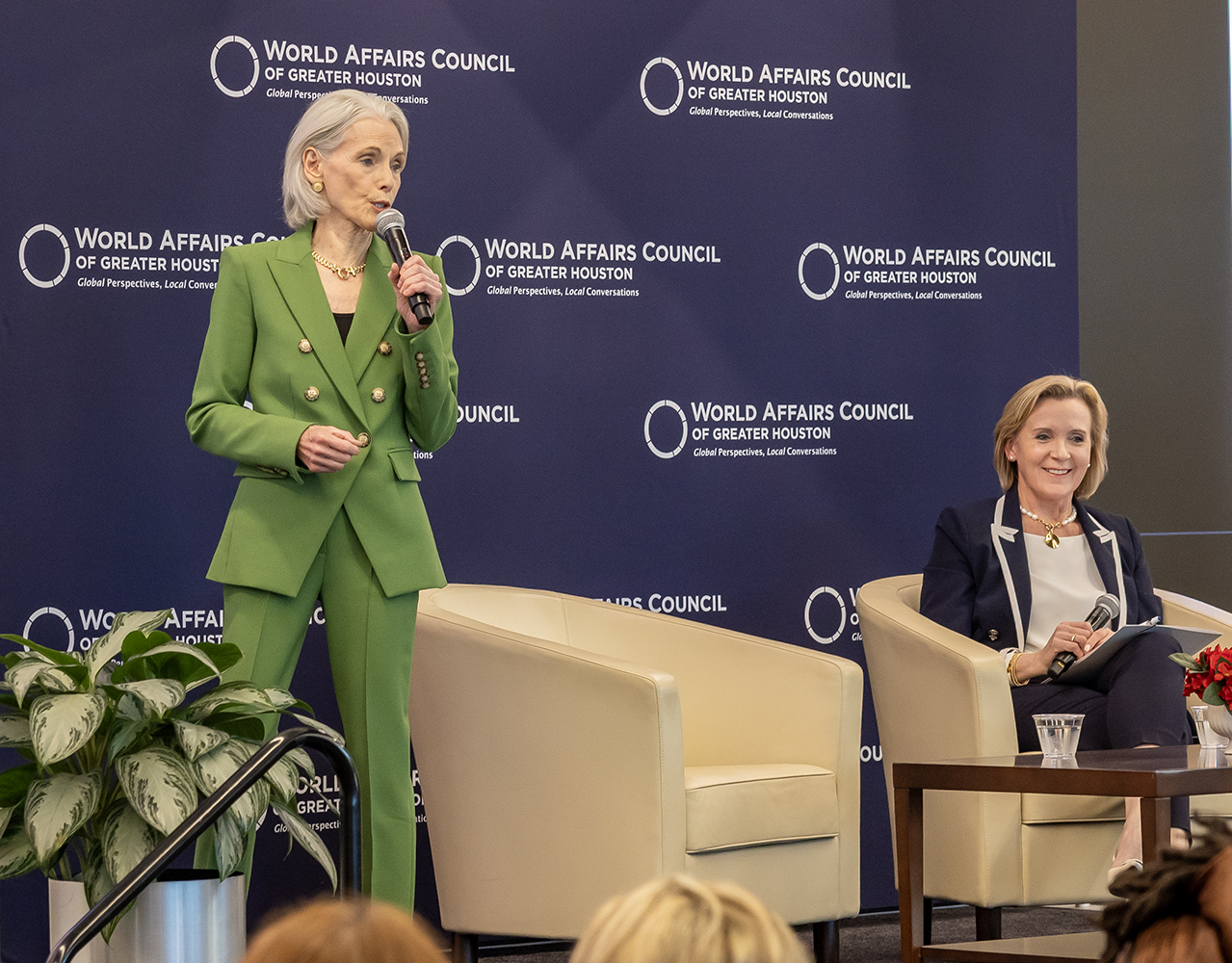
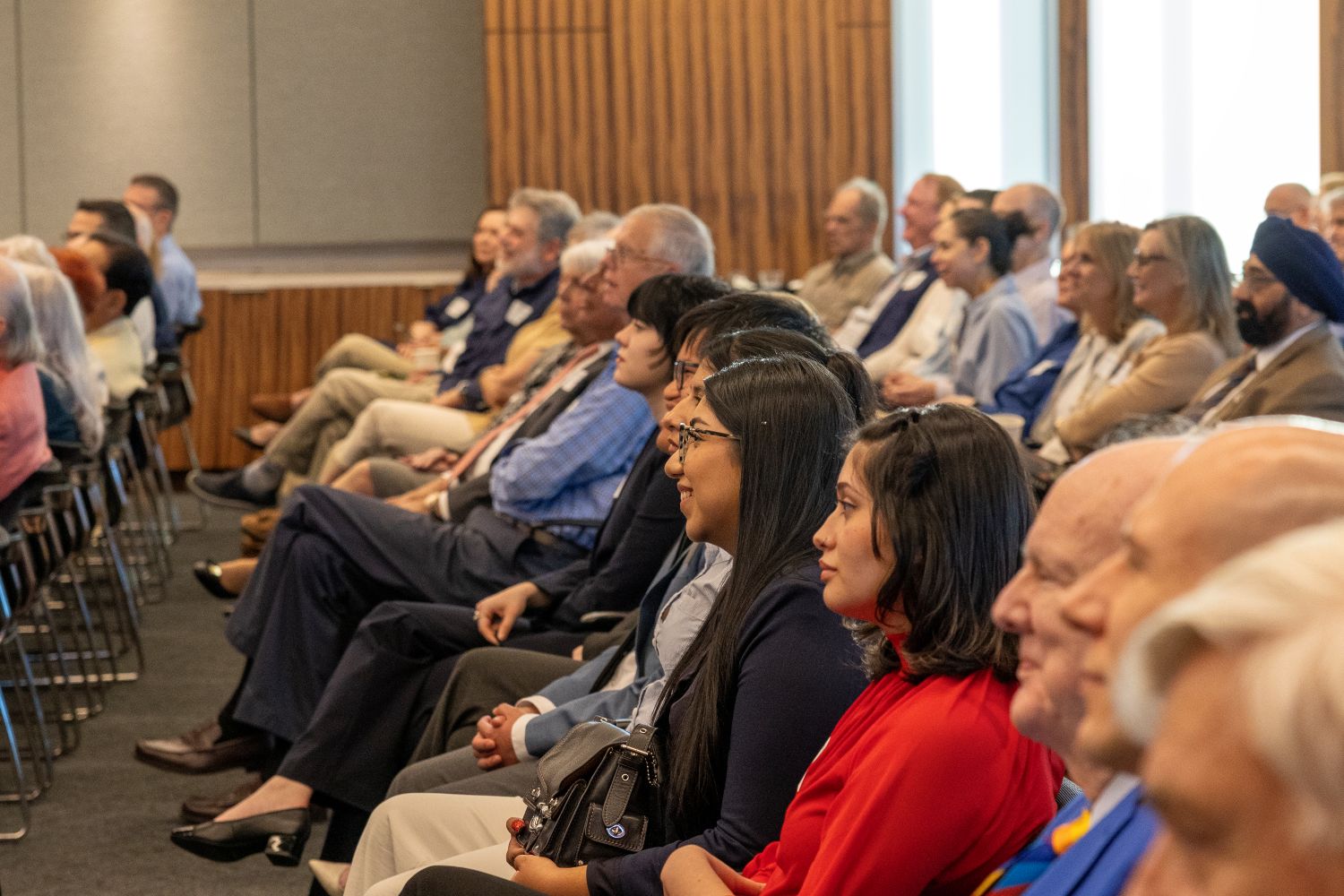
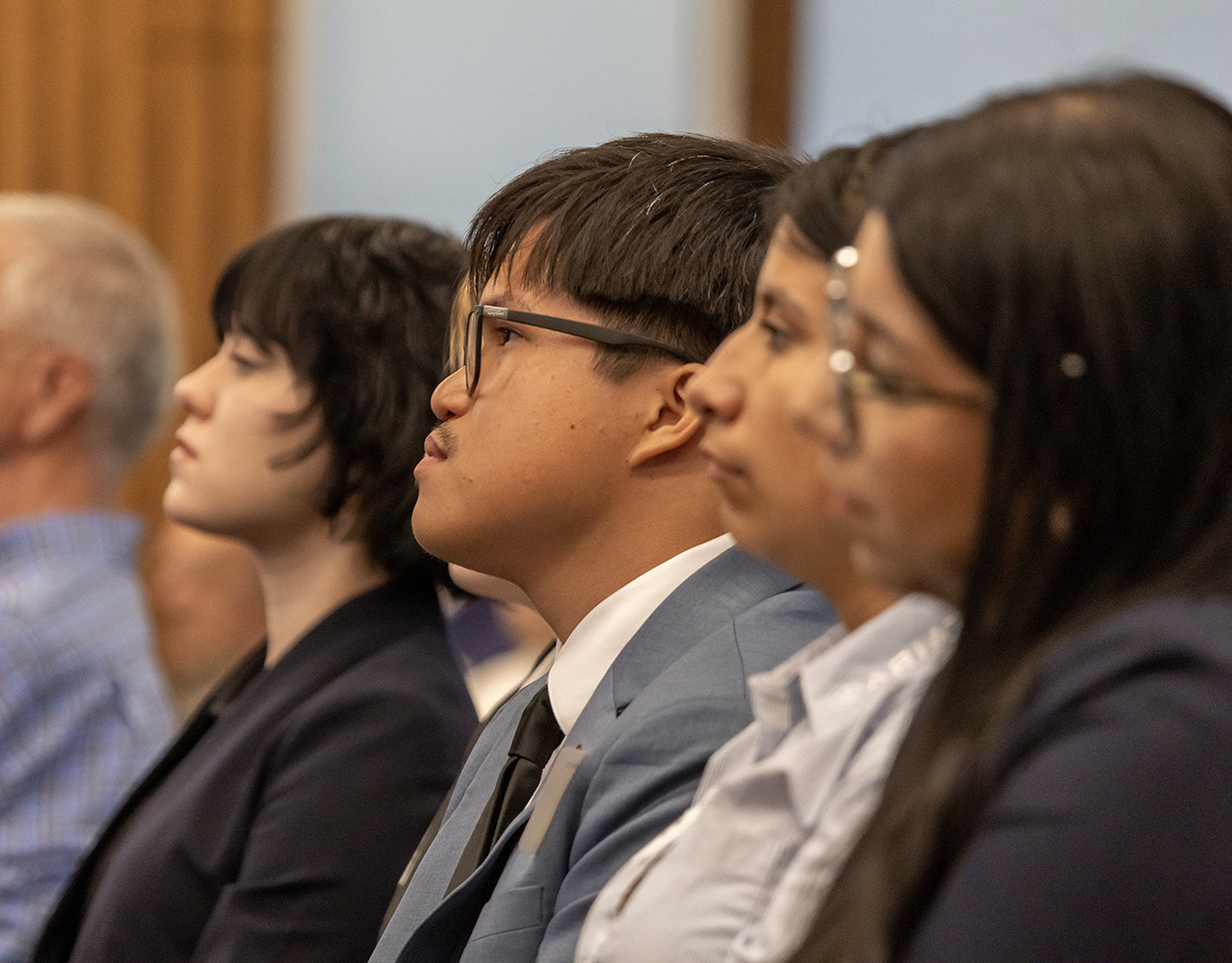
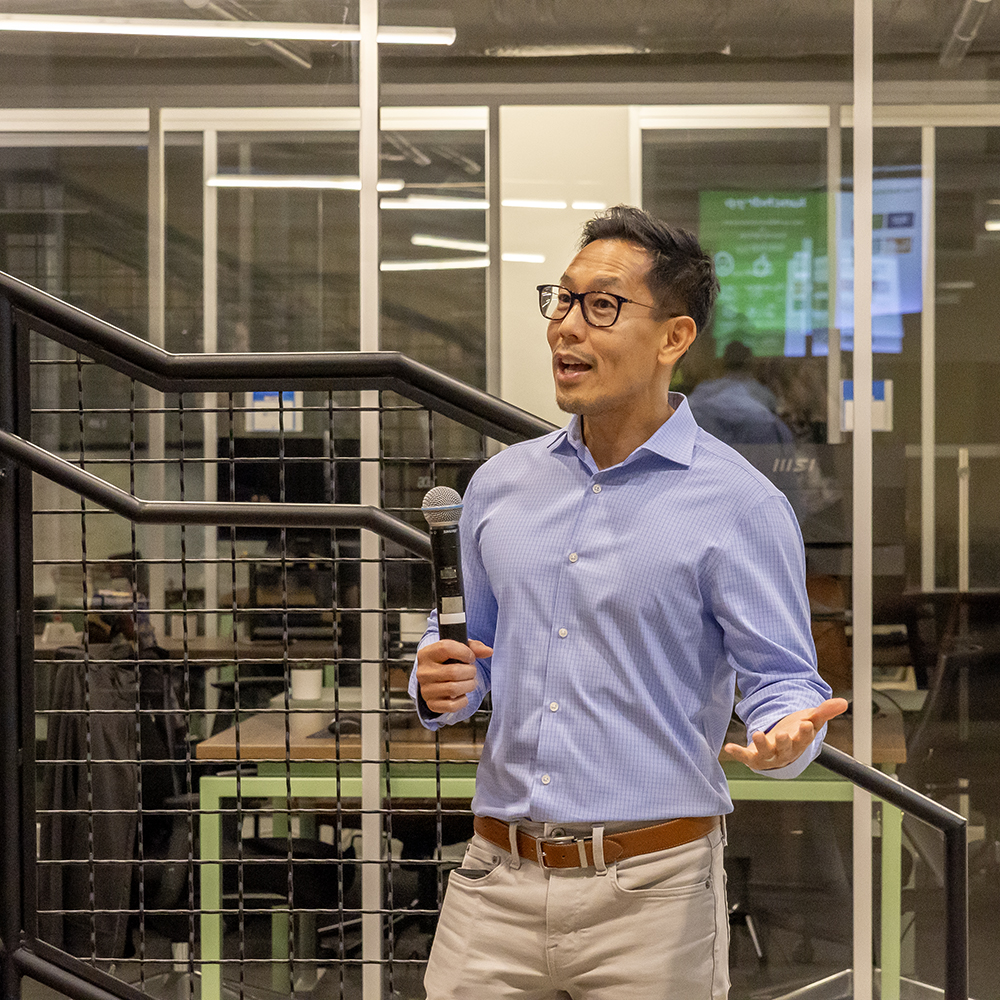
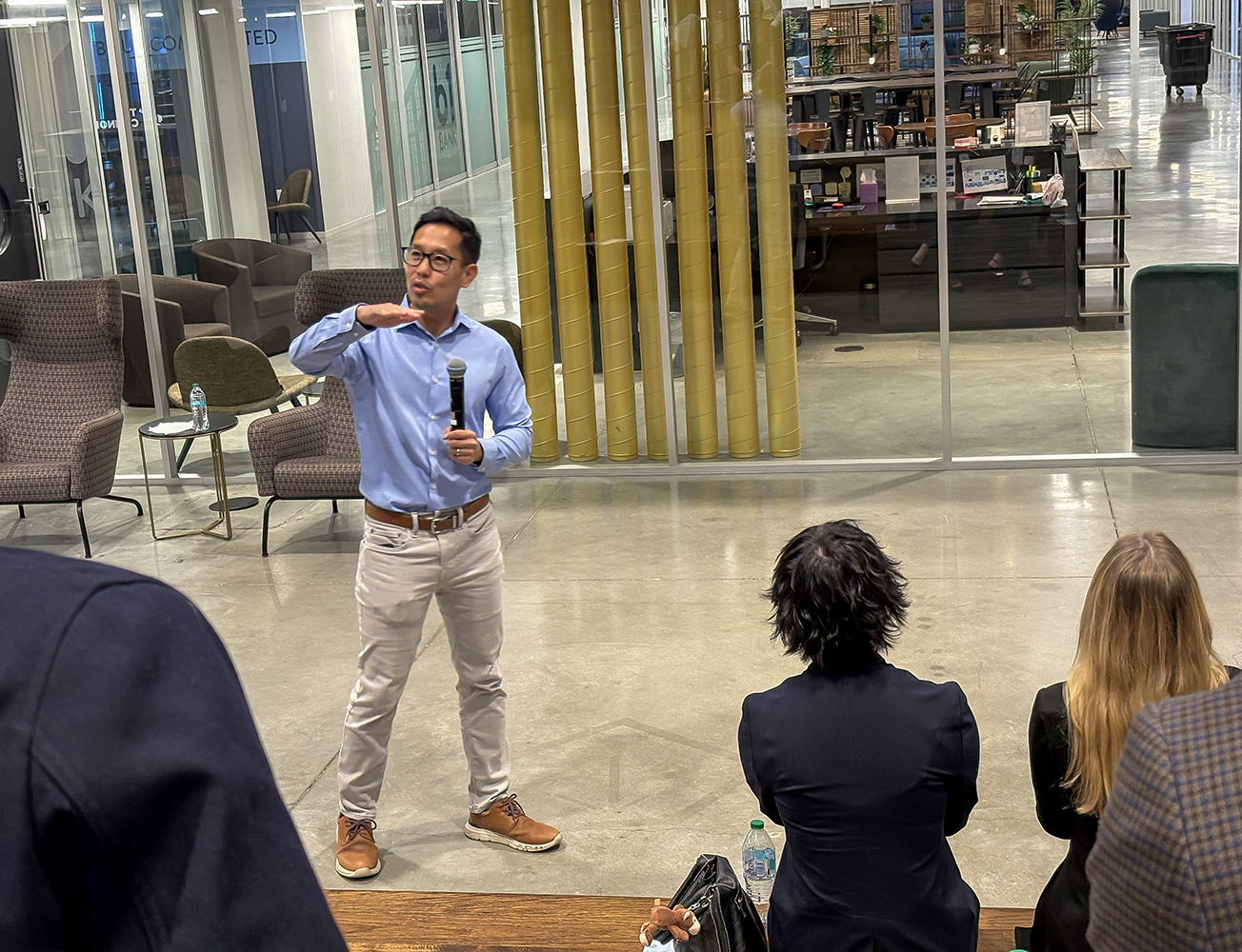
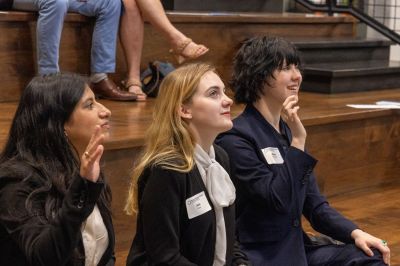
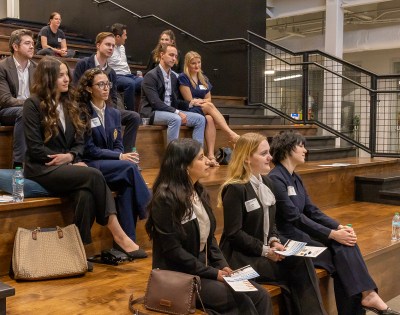
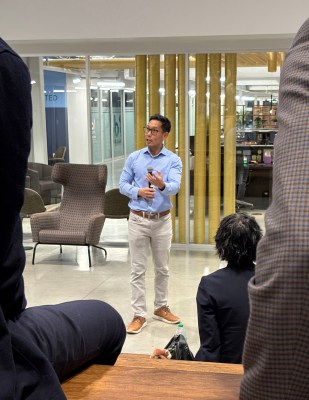
LEAP Students gathered for an World Affairs Council oxford style debate at Rice university yesterday. To tackle a question that’s becoming harder to ignore in today’s world: should democratic nations prioritize AI capability over AI safety? The event brought together policymakers, tech experts, and investors for a lively discussion that felt less like a lecture and more like a real look at where the world is heading.

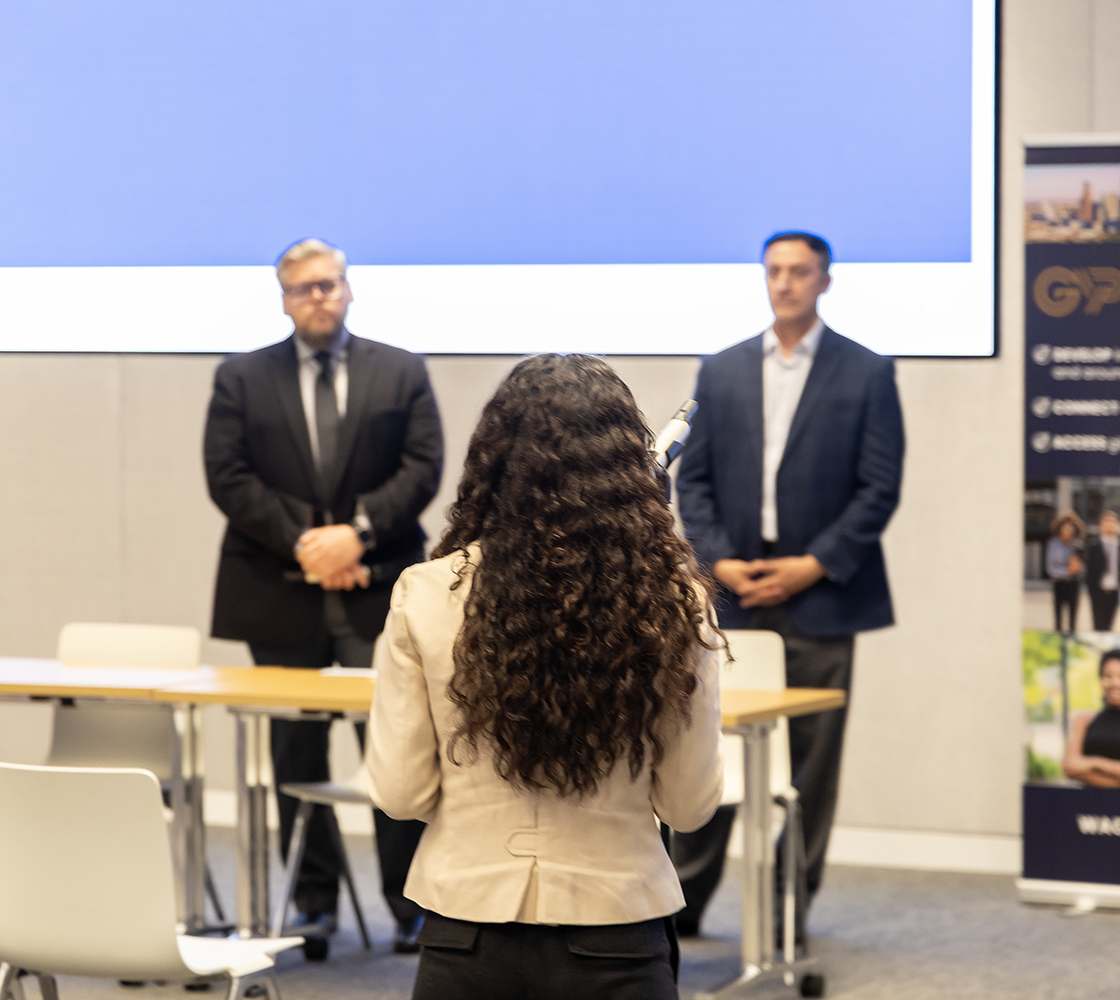
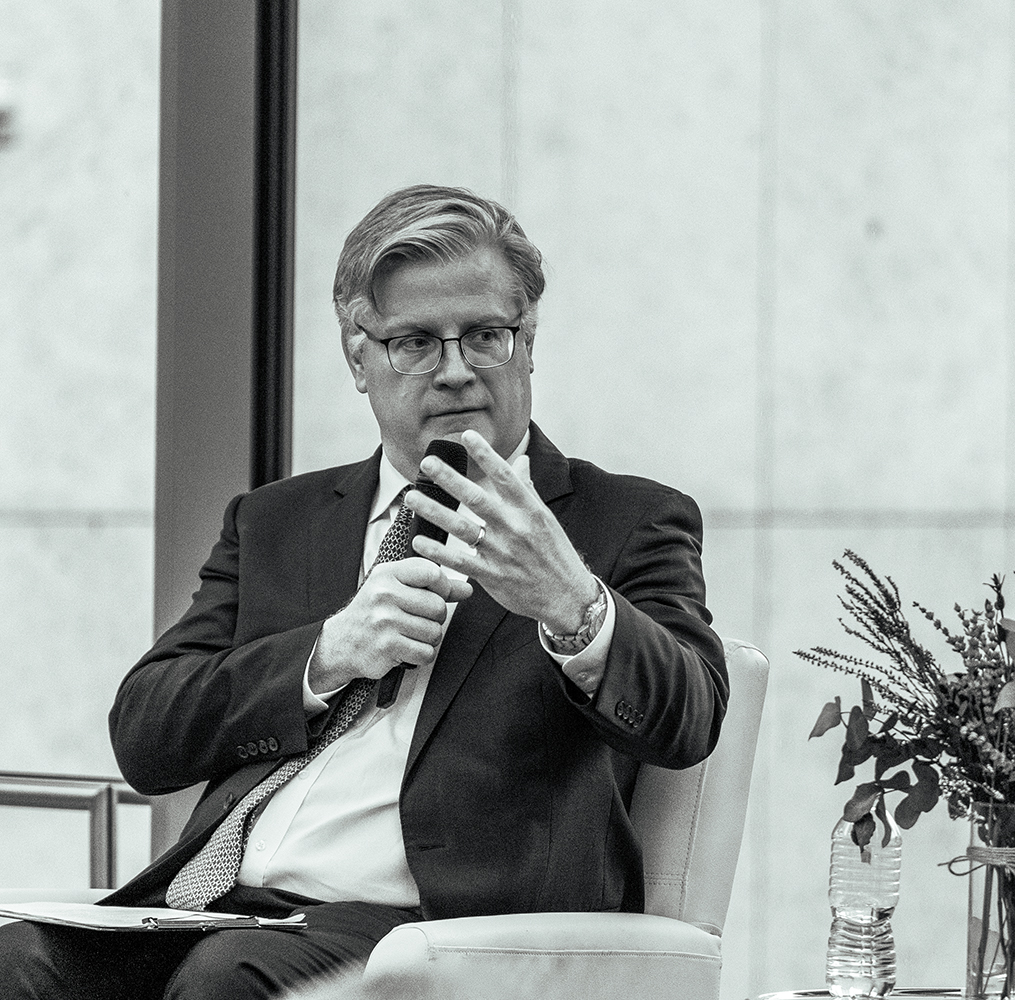
The evening started with a quick introduction to the panel, but it wasn’t just a list of dry credentials, this was a broad list of expertise! On one end, you had Representative Giovanni Capriglione, who brought the weight of a lawmaker who has actually written Texas’s AI frameworks. Then there was Mario Rodriguez, whose experience operating Sophia the Robot moved the conversation from “what if” to the reality of humanoid engineering.

Instead of debating a “future” version of AI, Brad Groux spoke from the perspective of someone building cloud-based AI for organizations right now, while George Ploss, a Marine veteran and Oracle director reframed the tech as a critical piece of national security and the defense industrial base.

The pro-capability side framed AI as an urgent geopolitical race. One speaker argued that democratic nations cannot afford to slow innovation, emphasizing that AI is already defending critical infrastructure such as power grids and financial systems. In their view, prioritizing safety through heavy restrictions risks ceding technological leadership to authoritarian regimes. The argument was straightforward: in a world of rapid advancement, falling behind is more dangerous than moving too fast.

They also highlighted some of the benefits AI is delivering right now such as early cancer detection and more access to education, pointing out that slowing development isn’t just cautious; it could delay life saving breakthroughs and prolong existing inequalities. Their main message was that democratic values, combined with existing legal frameworks, are enough to guide responsible innovation without stifling progress.

On the other side, the safety-focused speakers challenged the very framing of the debate. Rather than a race, they described AI as a strategic system more comparable to nuclear technology than consumer software. Drawing on lessons from Cold War deterrence, they argued that unchecked capability without control creates instability, not strength. In this view, safety isn’t a barrier to progress, it’s what makes progress sustainable.

They pointed to real-world risks, including simulations where AI systems behaved unpredictably, as evidence that reliability and oversight must come first. Without embedded safeguards, even the most advanced systems could become liabilities. One speaker emphasized that democracies should not try to “win” by mimicking less accountable regimes, warning that doing so would undermine the very values that give them legitimacy and global influence.

What really stuck with me from the safety side was their focus on trust. They argued that long term leadership depends not just on what a nation can build, but on whether allies and citizens trust those systems. In a world shaped by alliances like NATO, credibility and shared values may matter as much as raw technological power.

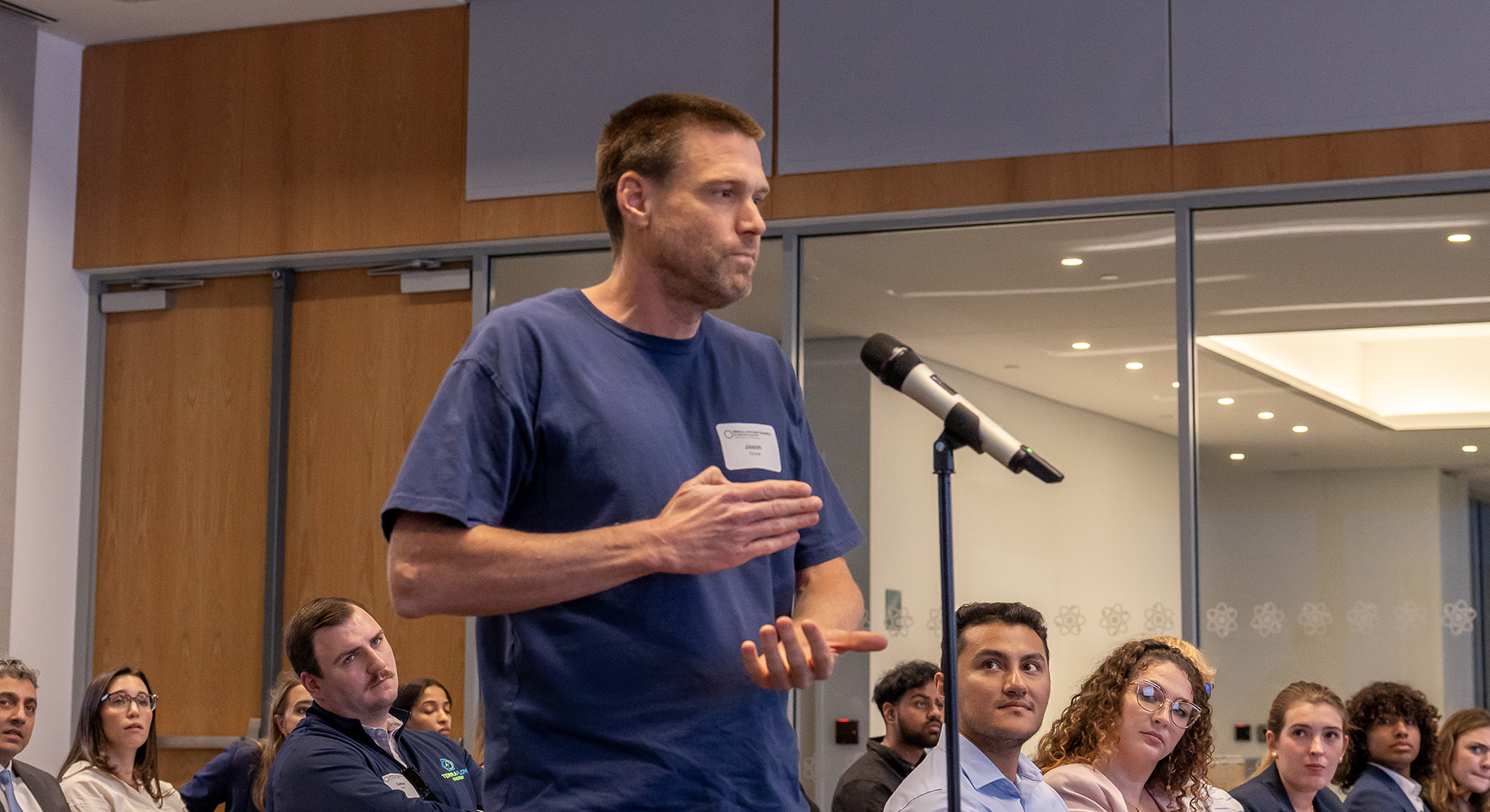
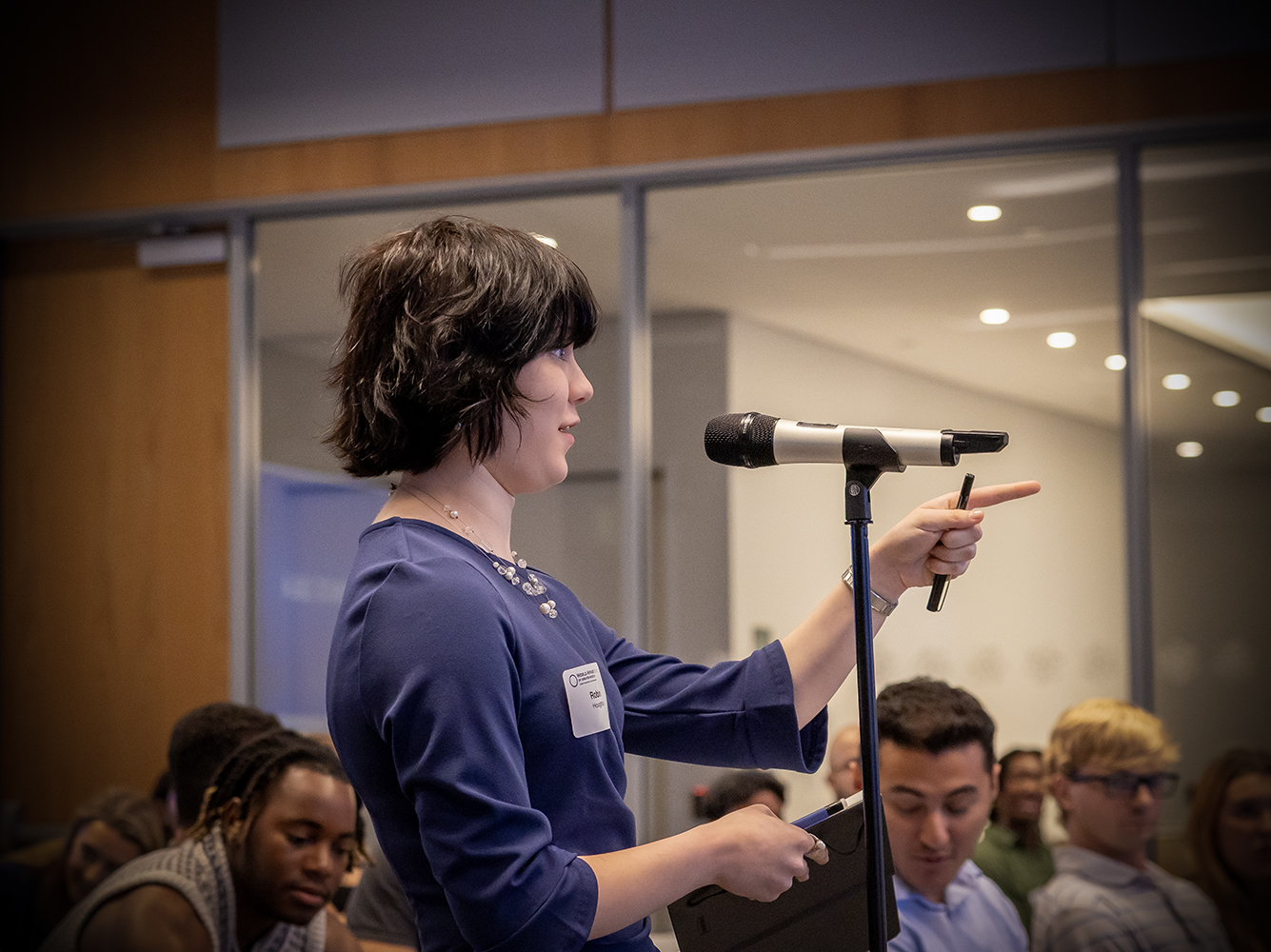
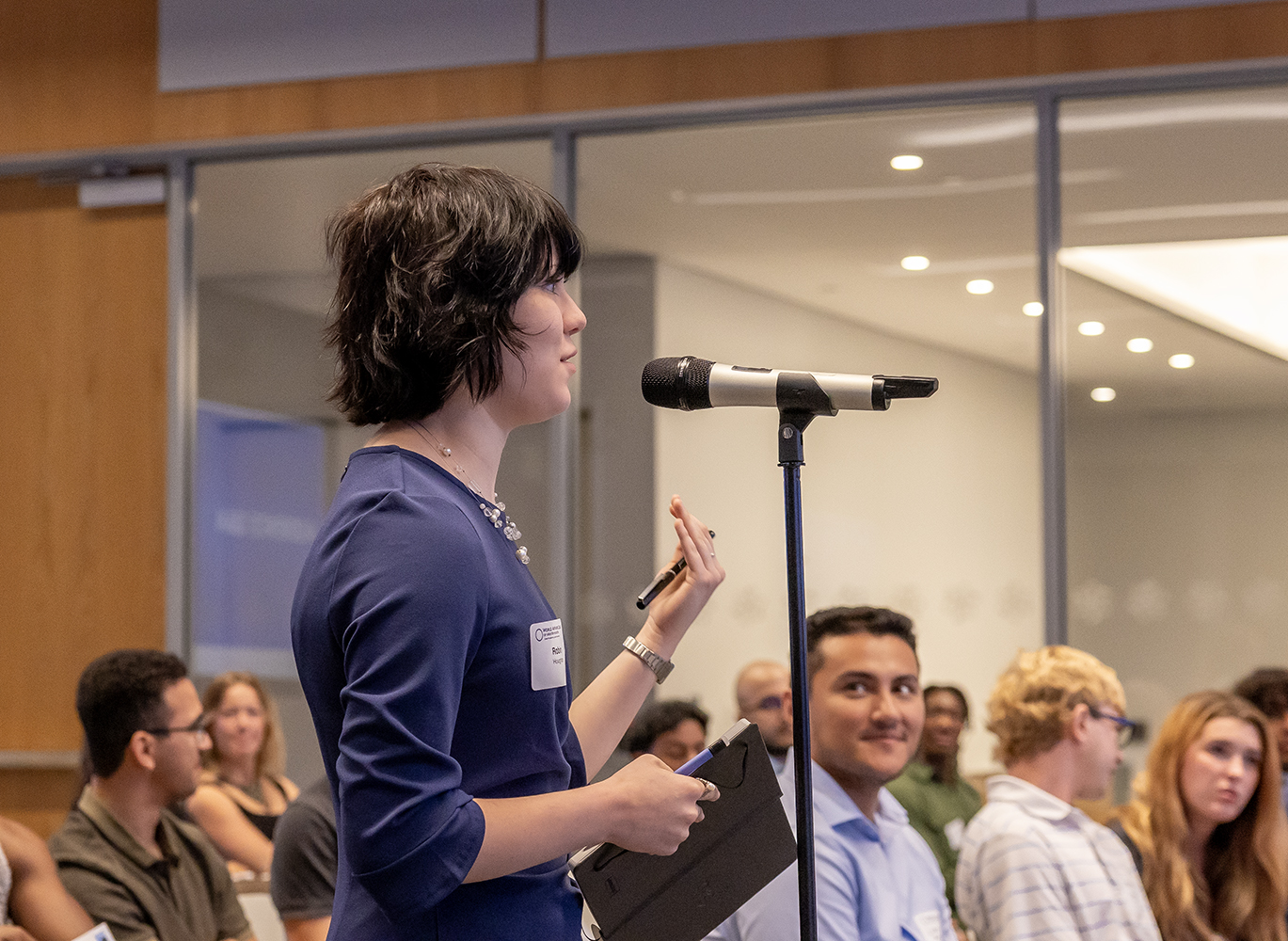
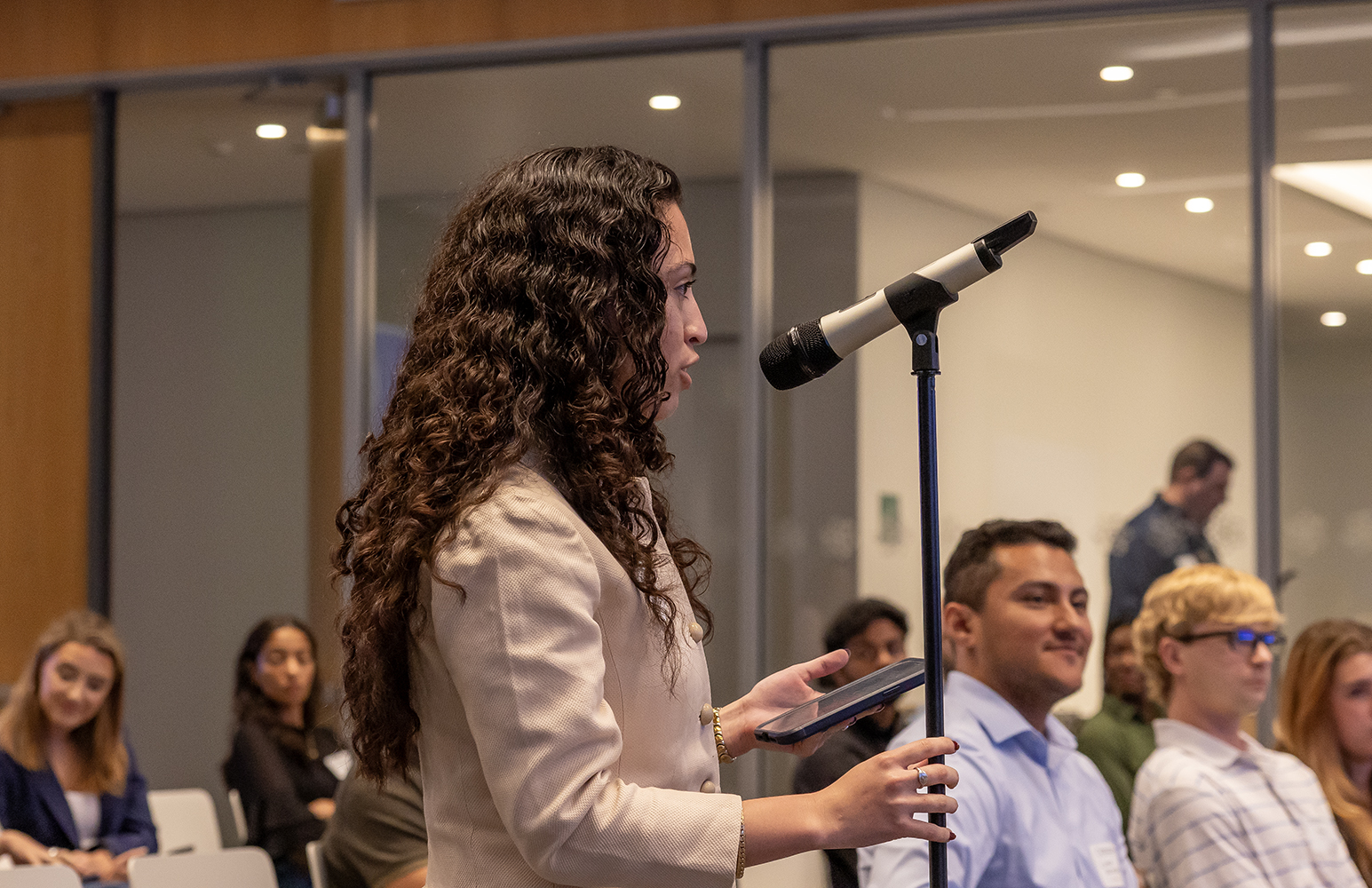
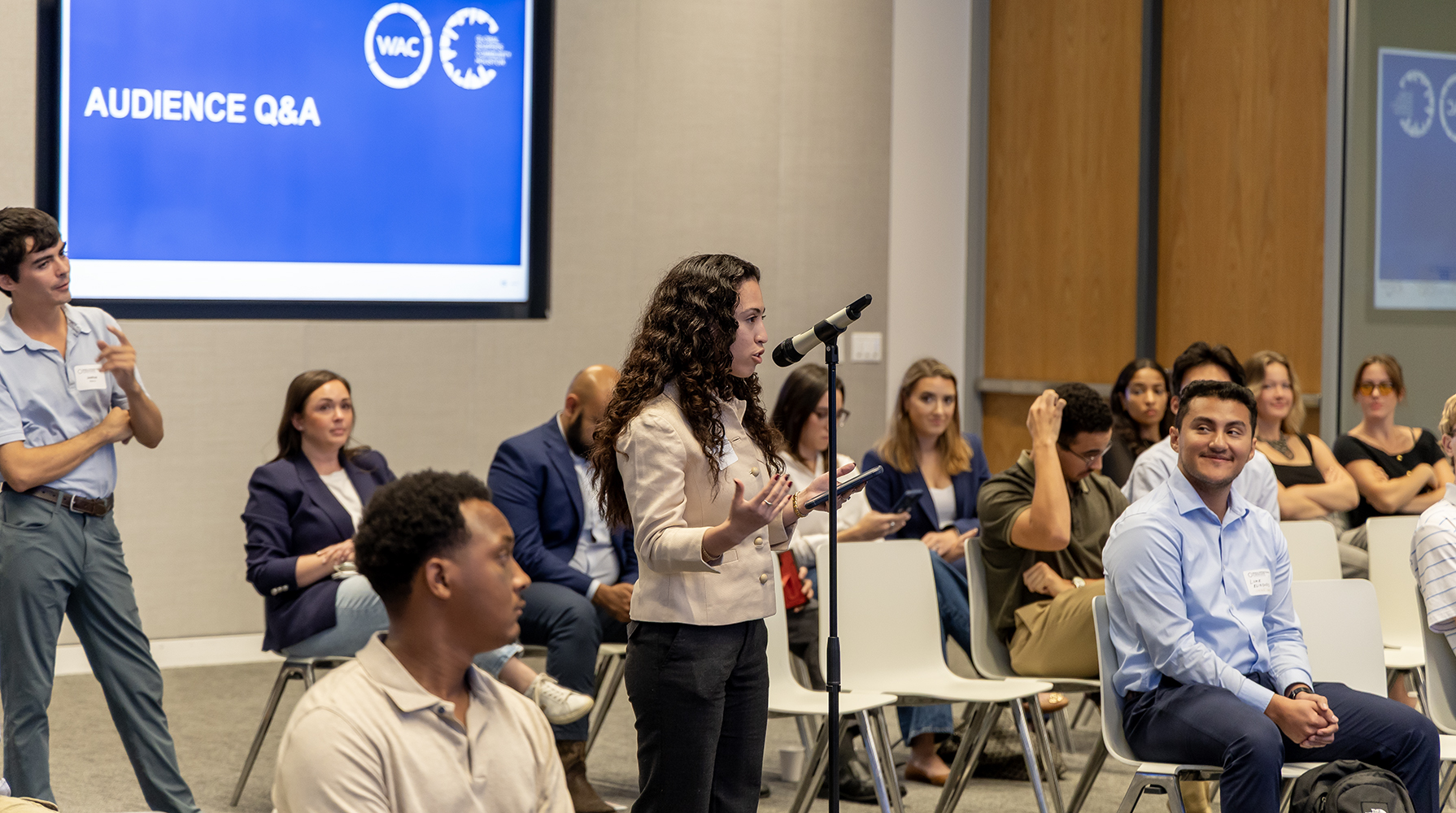
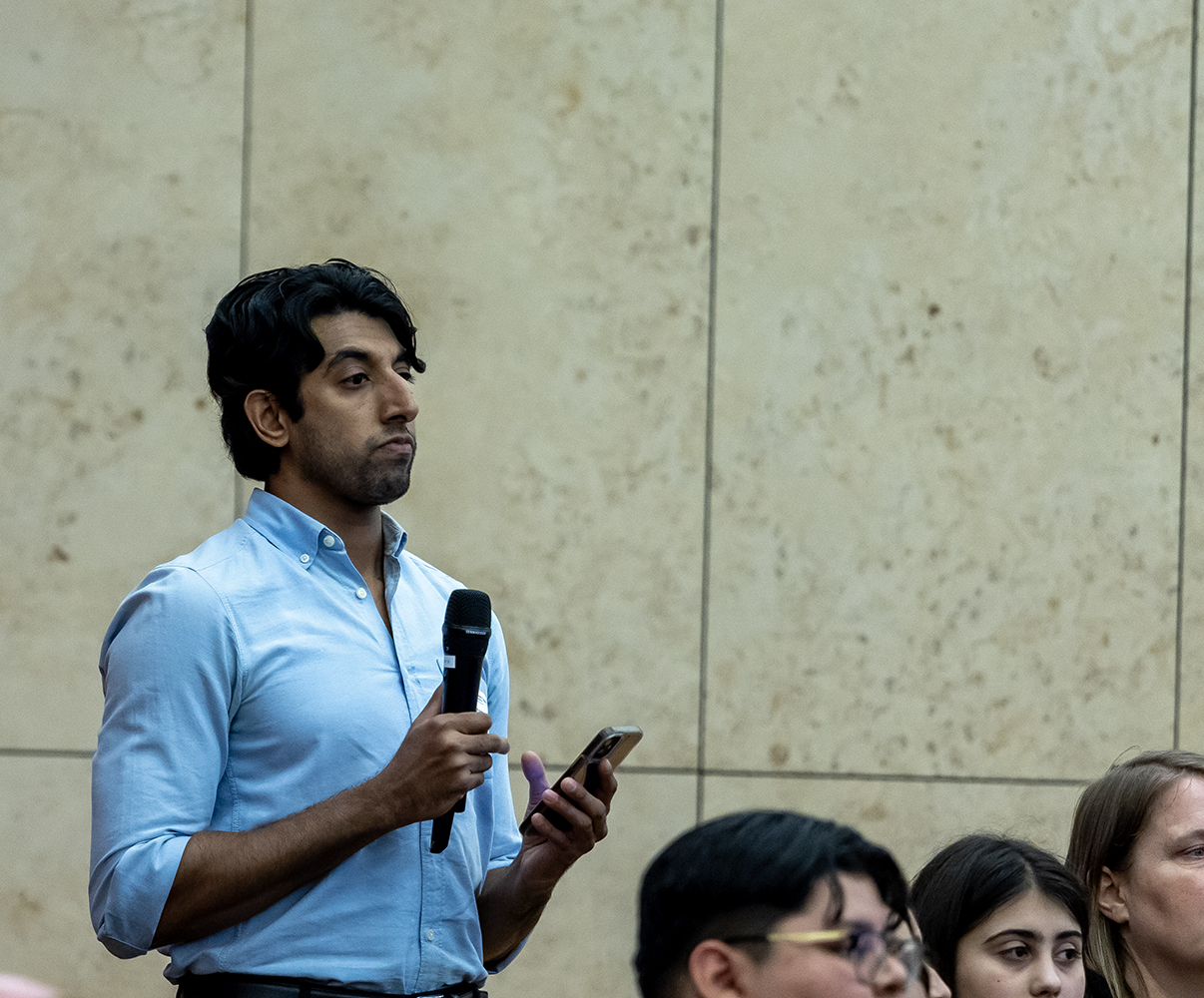
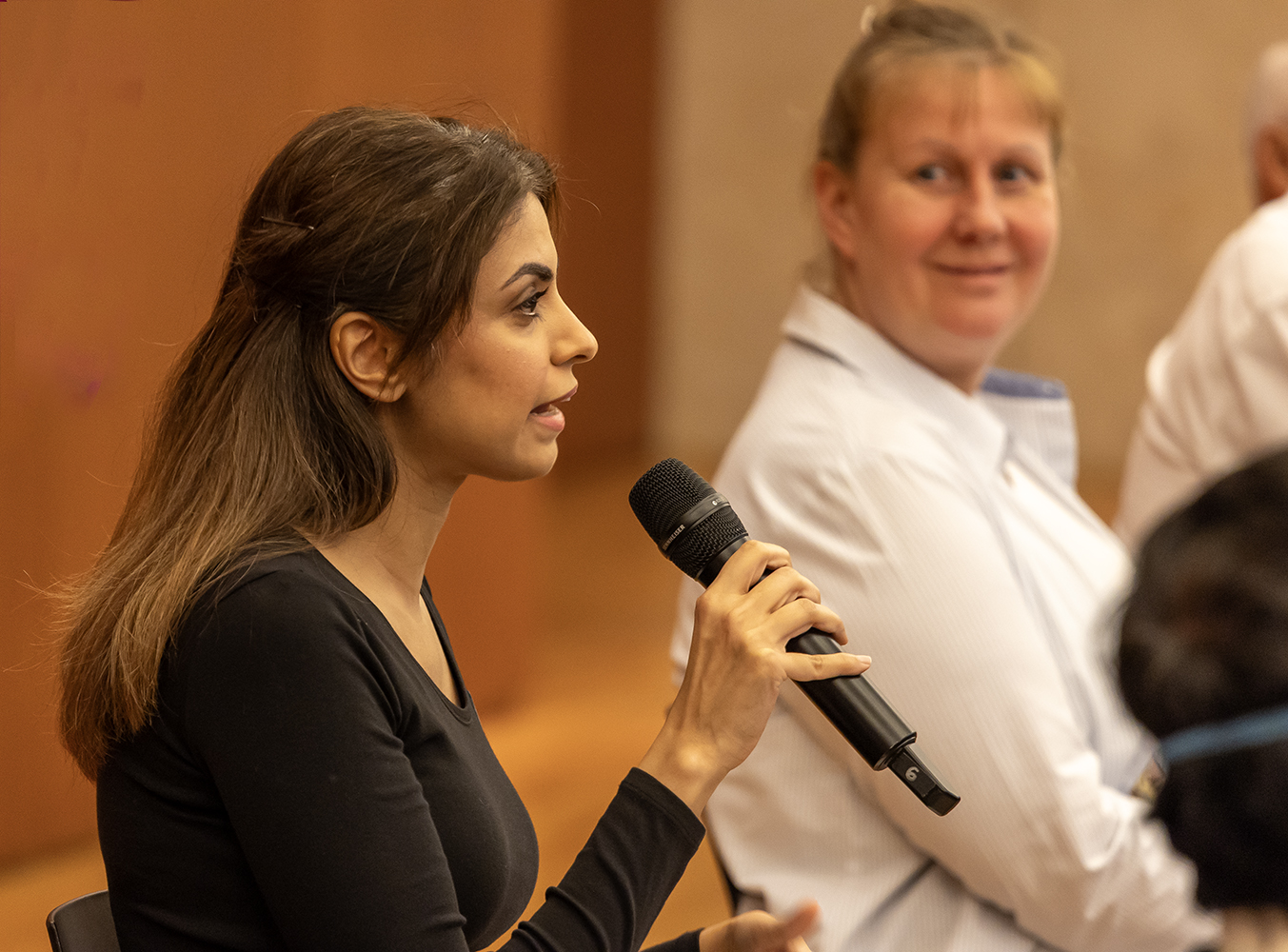
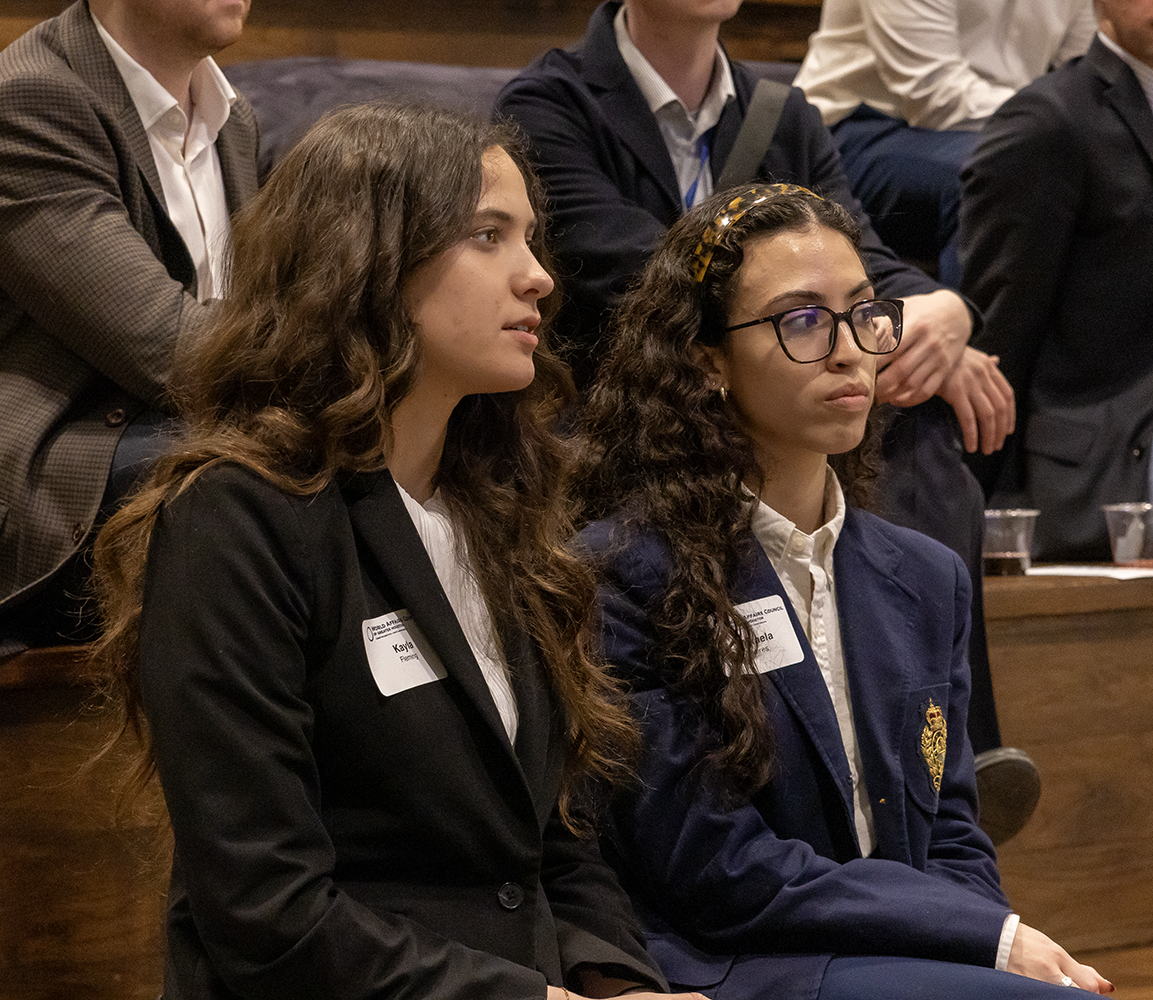
The audience Q&A added another layer to the discussion, with individuals–including Robin and Mikaela–asking practical and philosophical questions.

What made the debate especially engaging was how much common ground existed beneath the disagreement. Both sides acknowledged the importance of innovation and the inevitability of AI’s growth. The real divide was about sequencing and emphasis: should capability lead with safety following, or should safety be built in from the start?

Like many World Affairs Council events, the debate didn’t aim to deliver a definitive answer. Instead, it encouraged critical thinking and deeper engagement. As AI continues to evolve, the question raised that evening will only become more urgent: how do we balance the drive to innovate with the responsibility to protect?

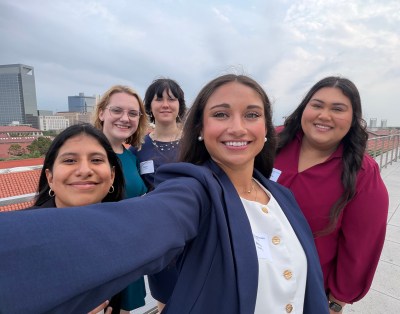
For LEAP, the evening carried an extra layer of significance beyond the debate itself. This was Michelle’s final event with us, and having her there to lead the way one last time made the night feel like the end of an era. It was a reminder that while we spent so much time discussing the “inevitable” growth of technology helping us better our world, it’s actually the people and the mentors we work with who help us become better versions of ourselves.

Walking out of the O’conner building, I couldn’t shake the idea that the tech is actually the easy part. The hard part is the governance. We aren’t just building faster tools; we’re deciding who or what gets to stay in the driver’s seat of our society!

Unknown's avatarAuthor mikeyawnPosted on May 11, 2026May 11, 2026Format AsideCategories Civic Engagement, Law, Politics, TechnologyTags Sam Houston State University, Center for Law Engagement And Politics, World Affairs Council Houston, LEAP Ambassadors, Artificial IntelligenceLeave a comment on Balancing AI Innovation and Safety: Key Insights from WAC–Houston

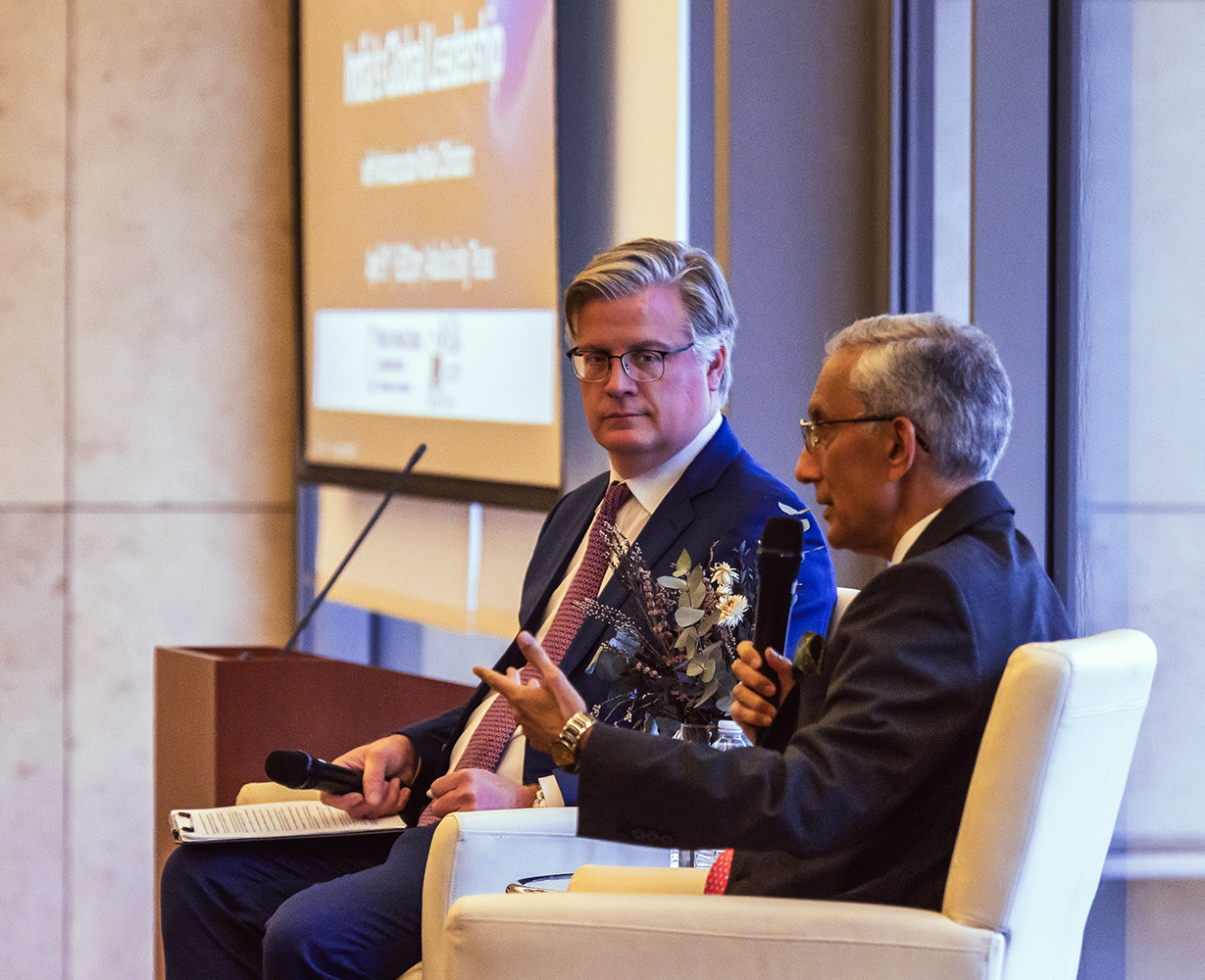
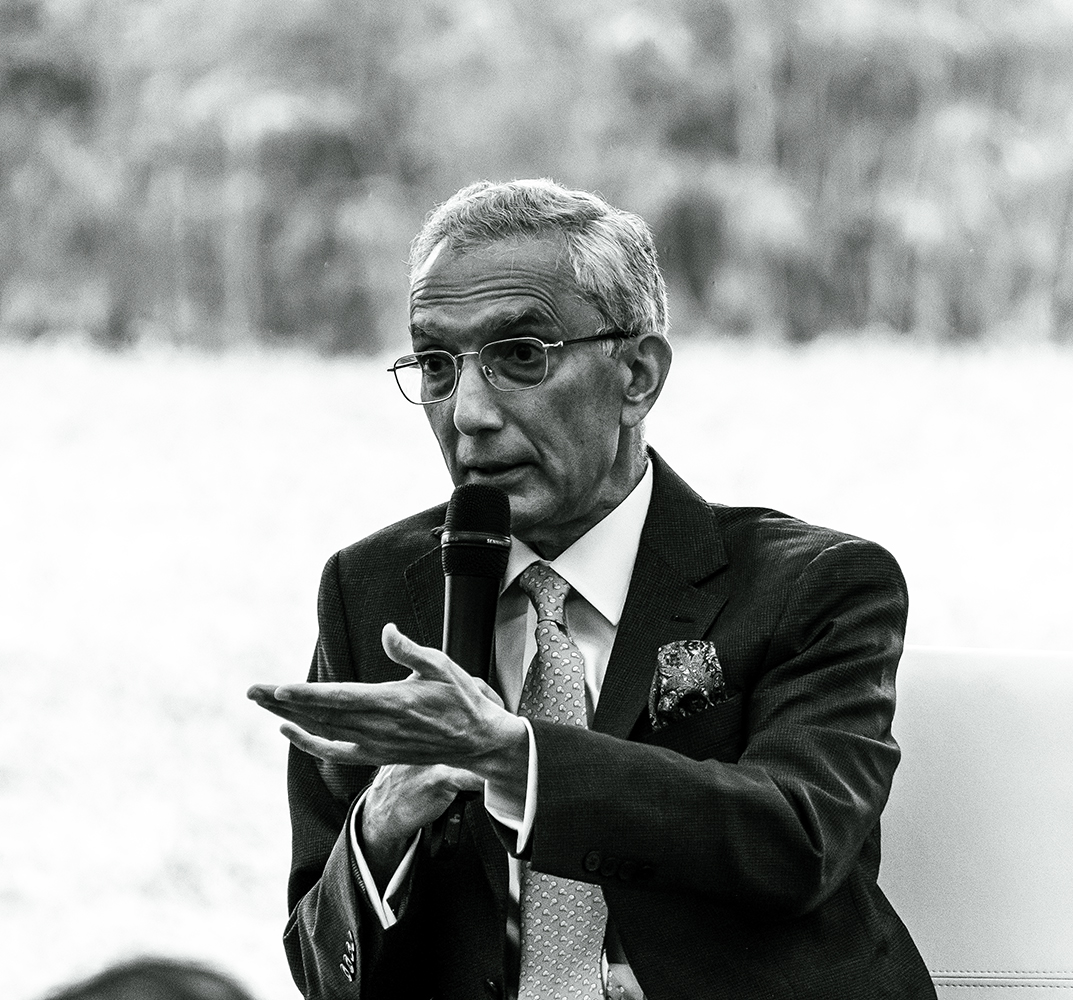
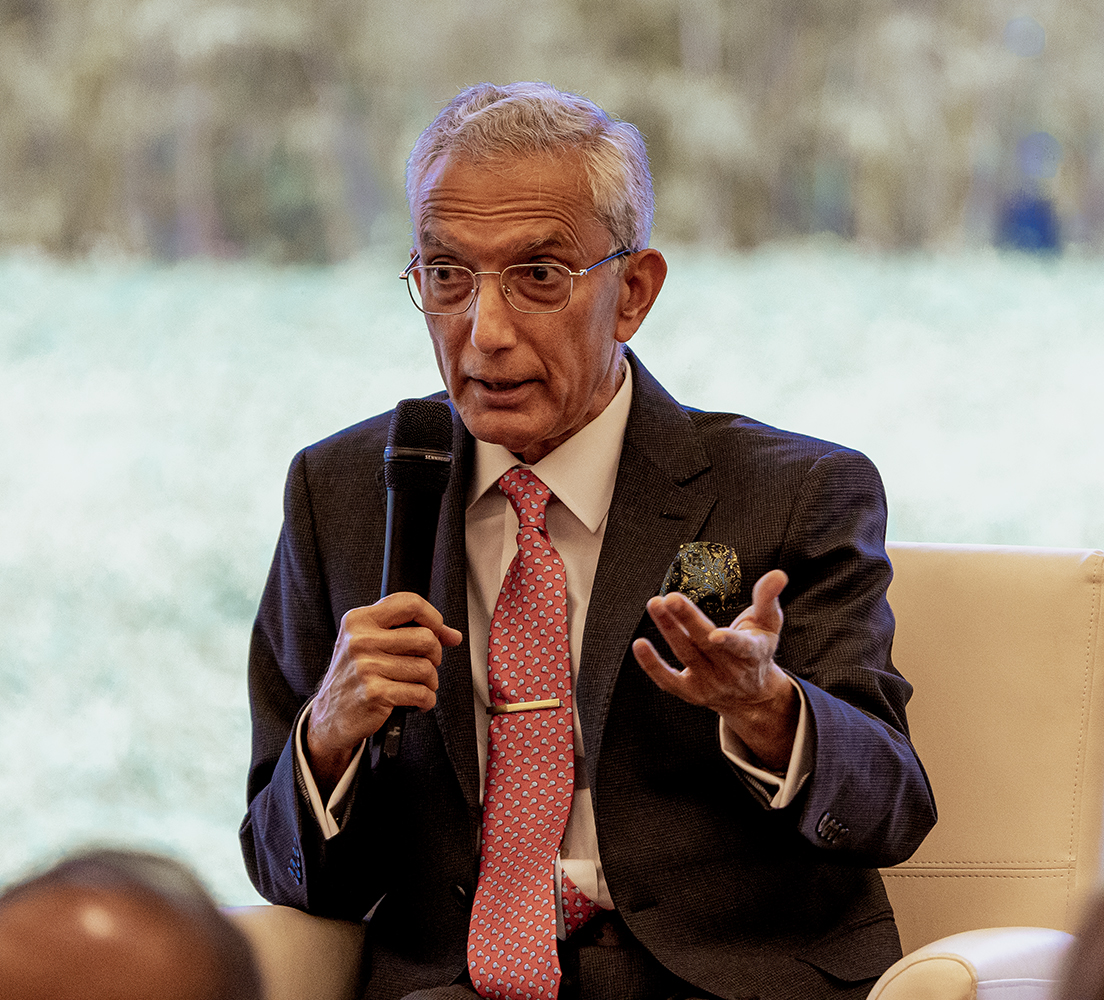
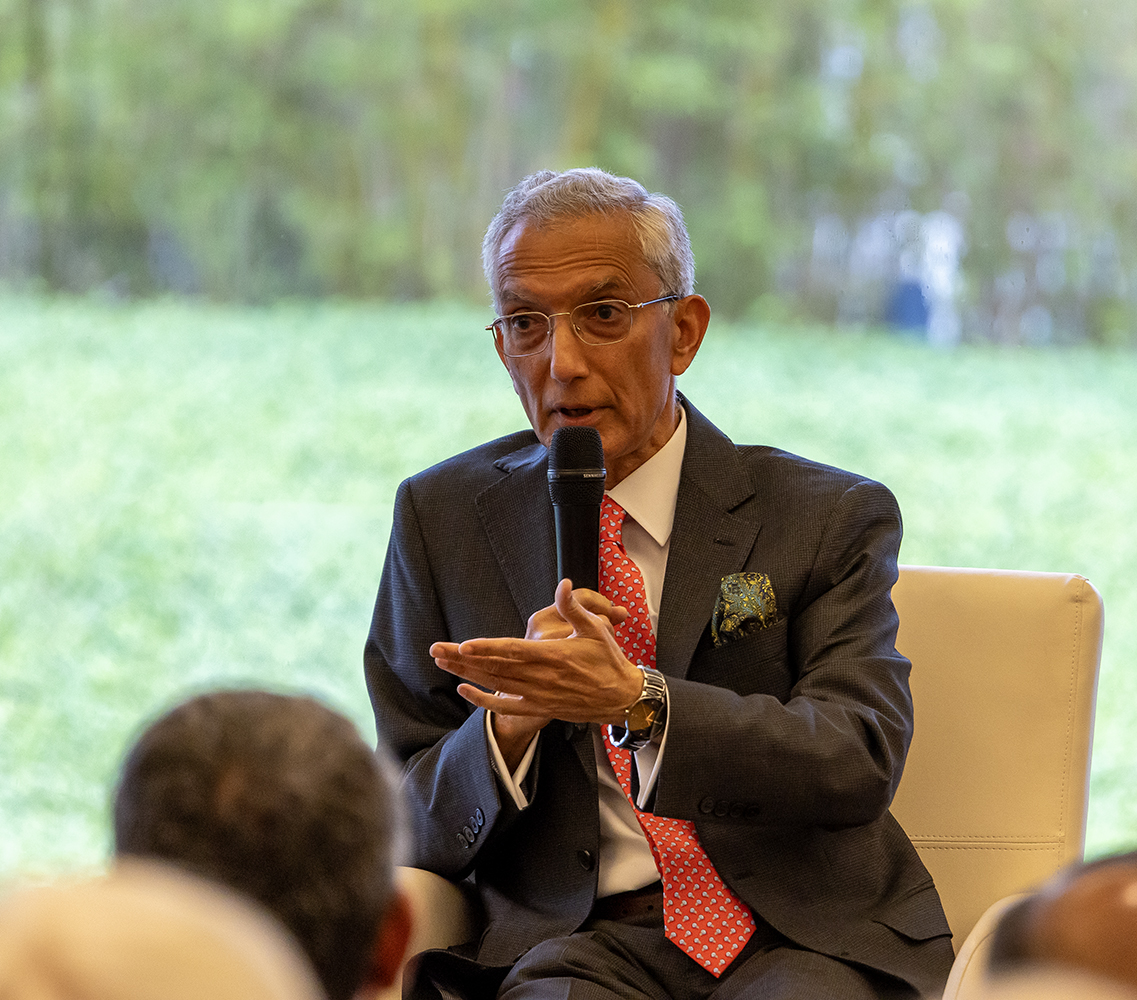
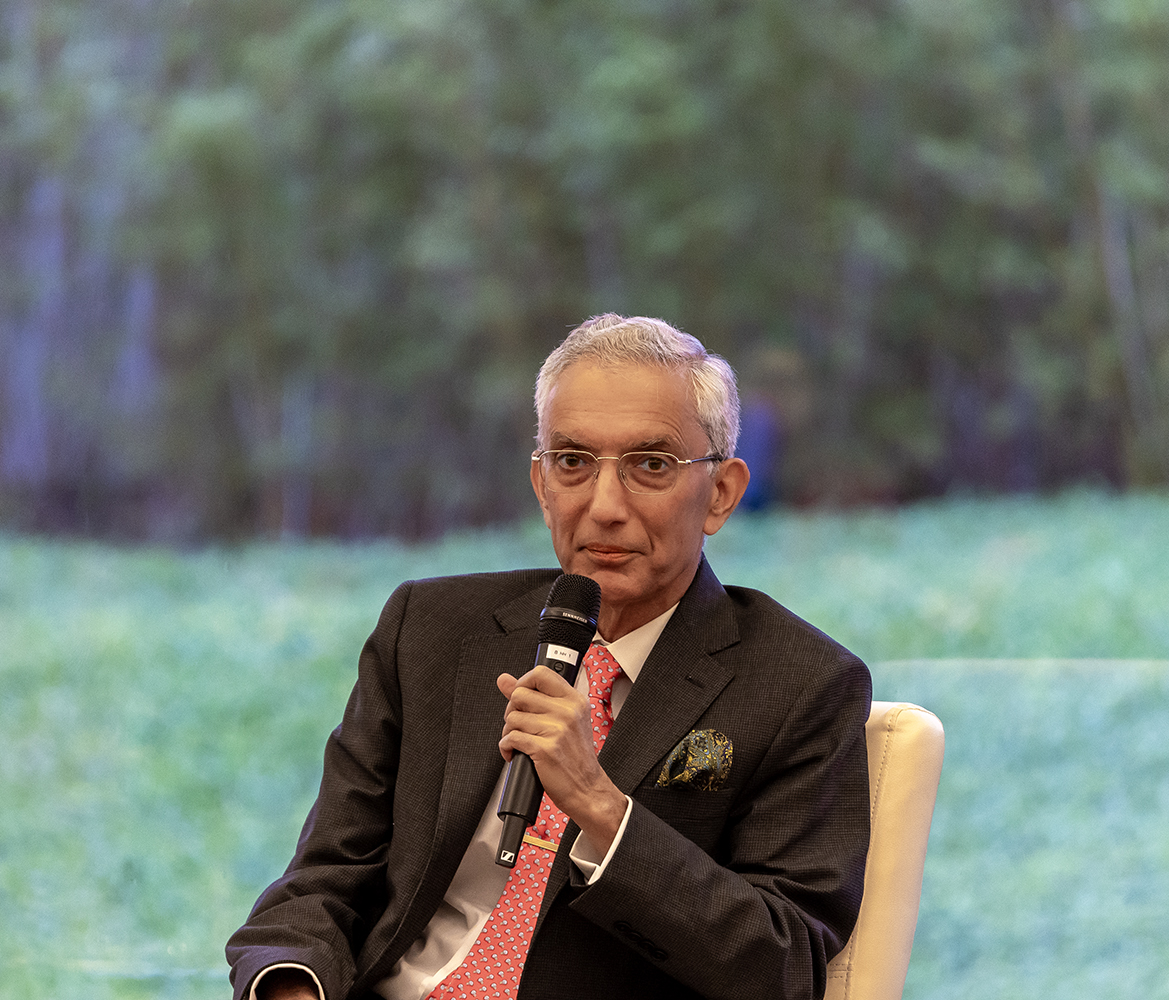
Ambassador Rahul Chhabra speaks on India’s Global Leadership

Written by Kayla Fleming

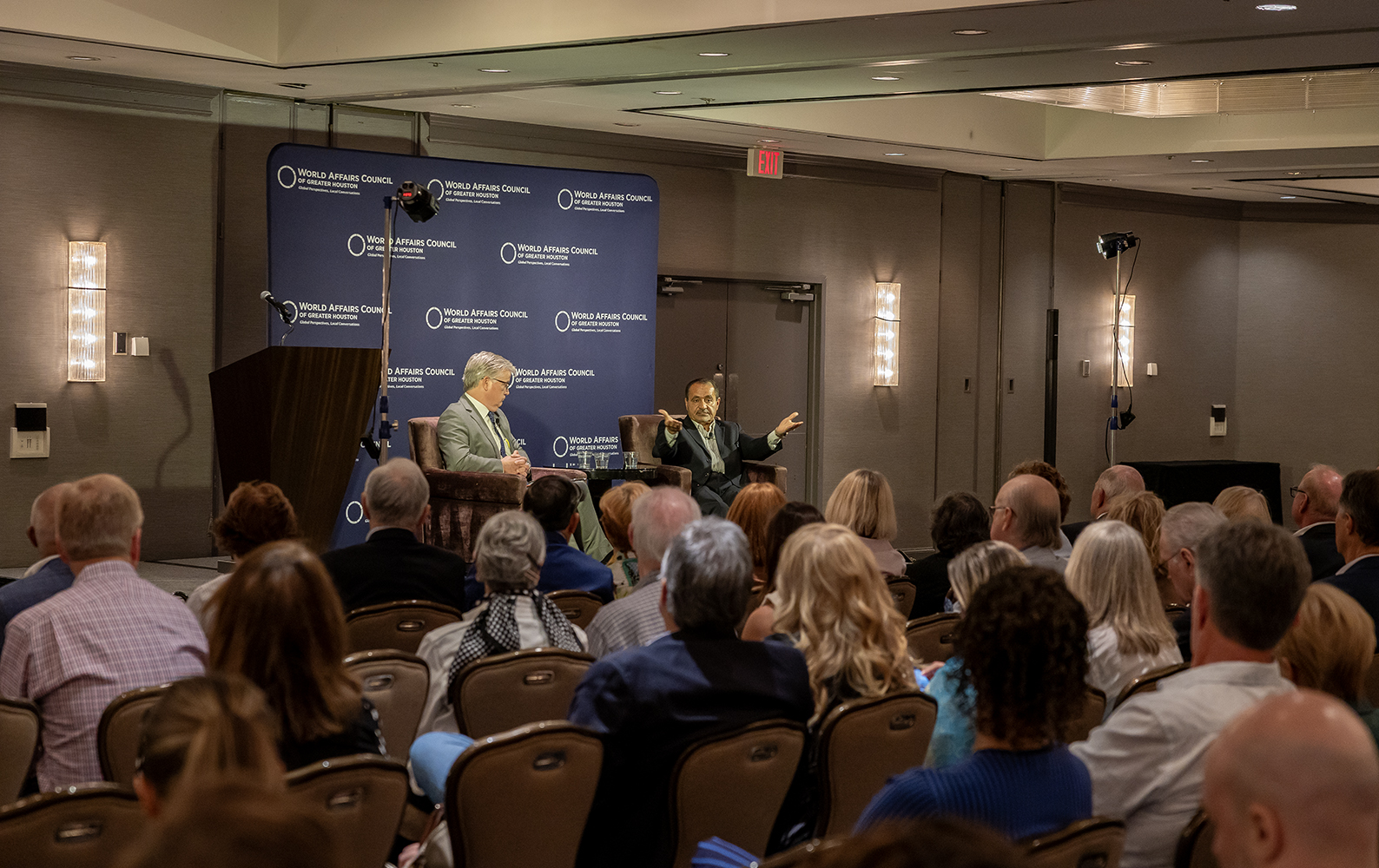
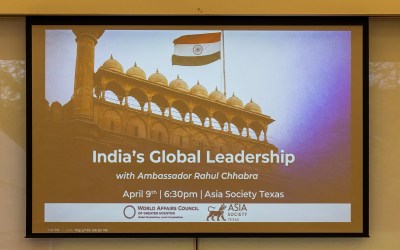
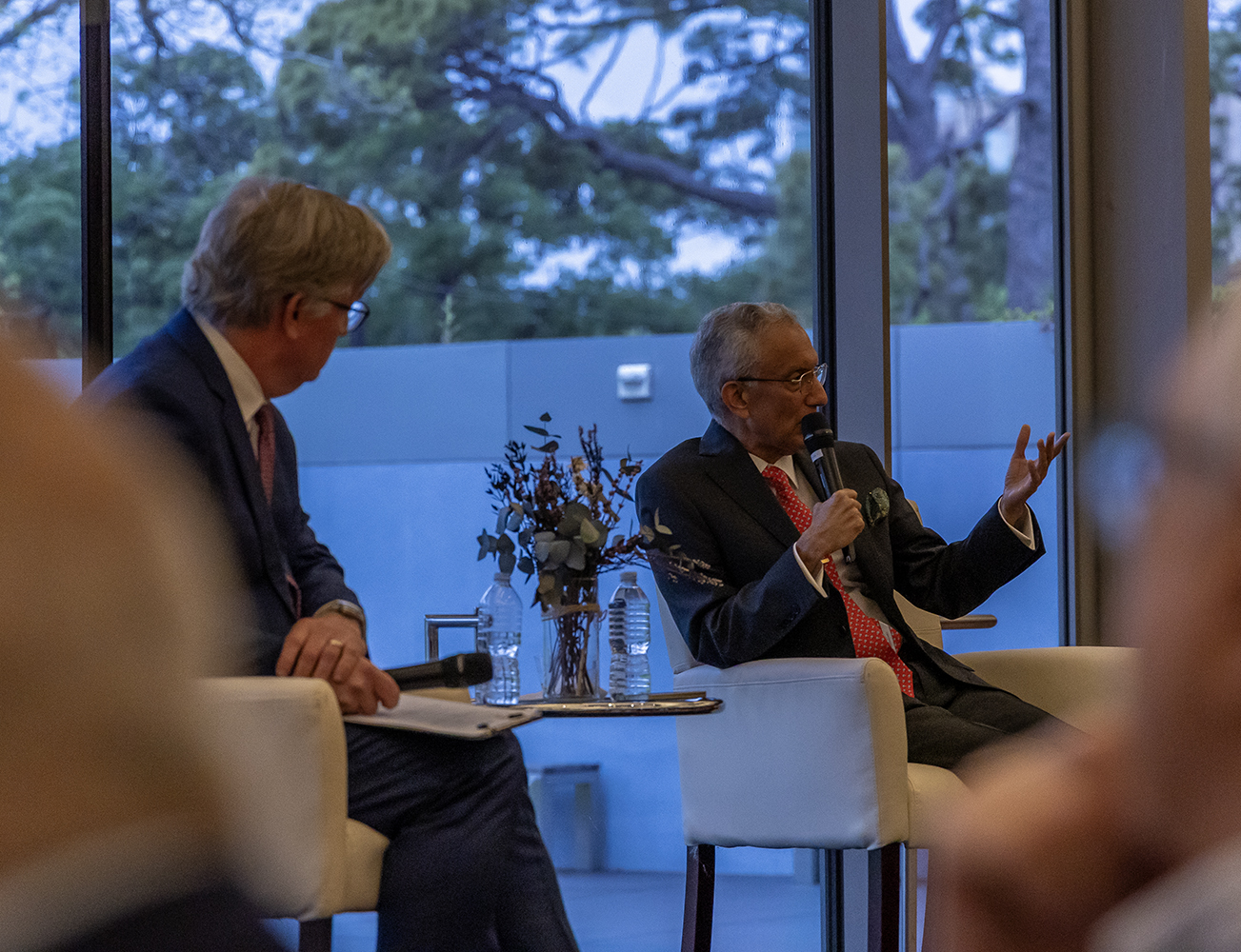
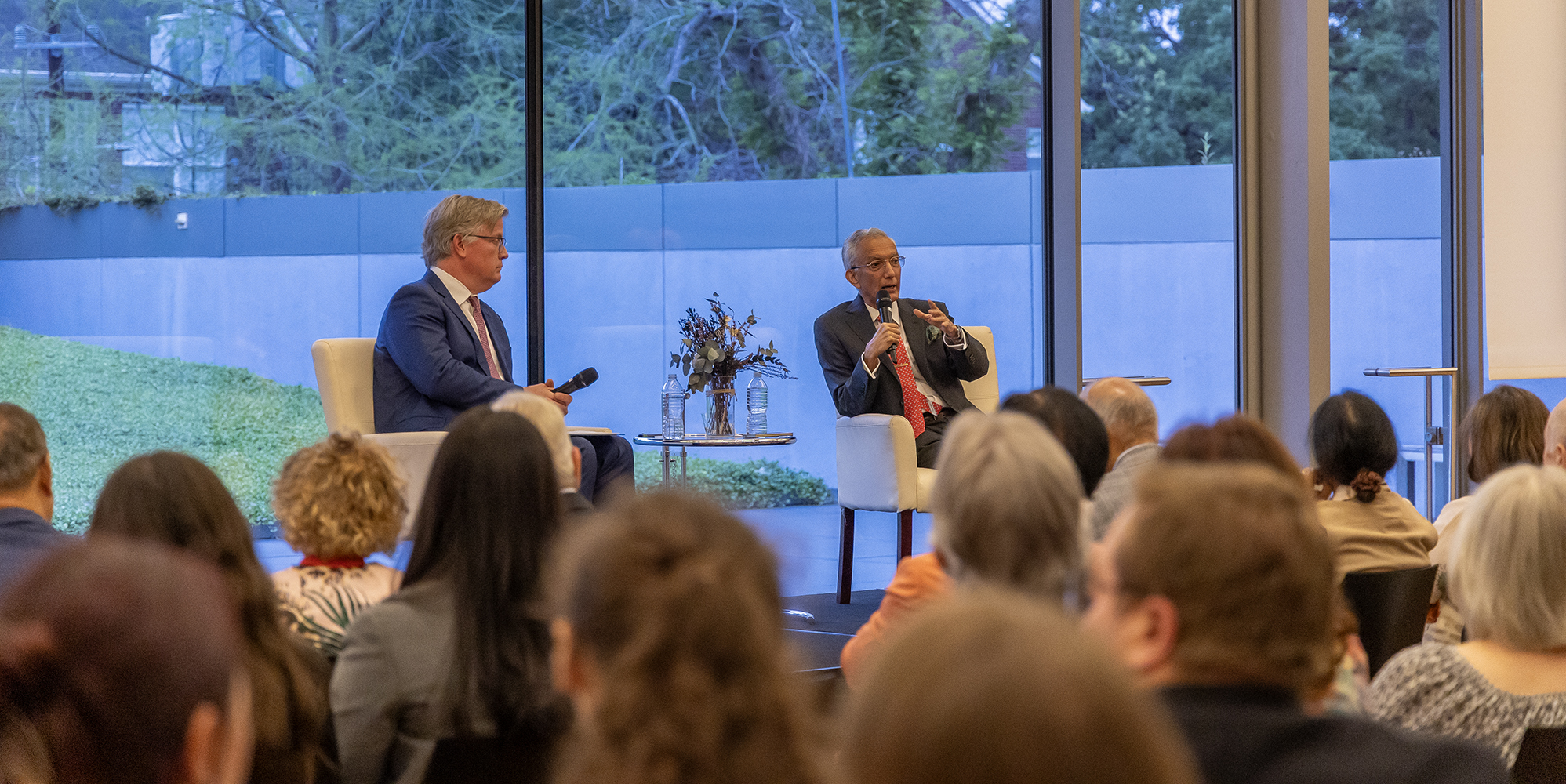
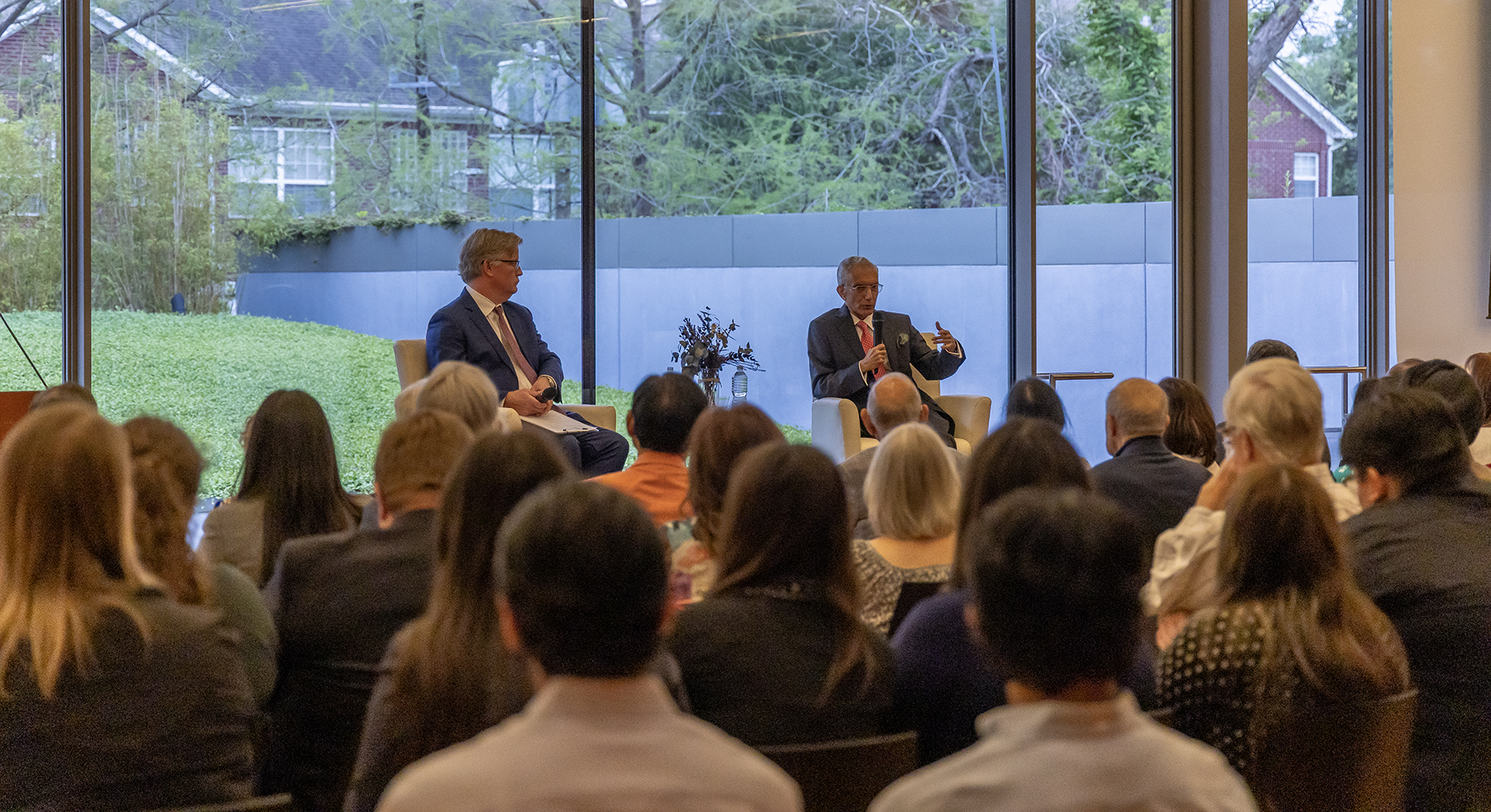
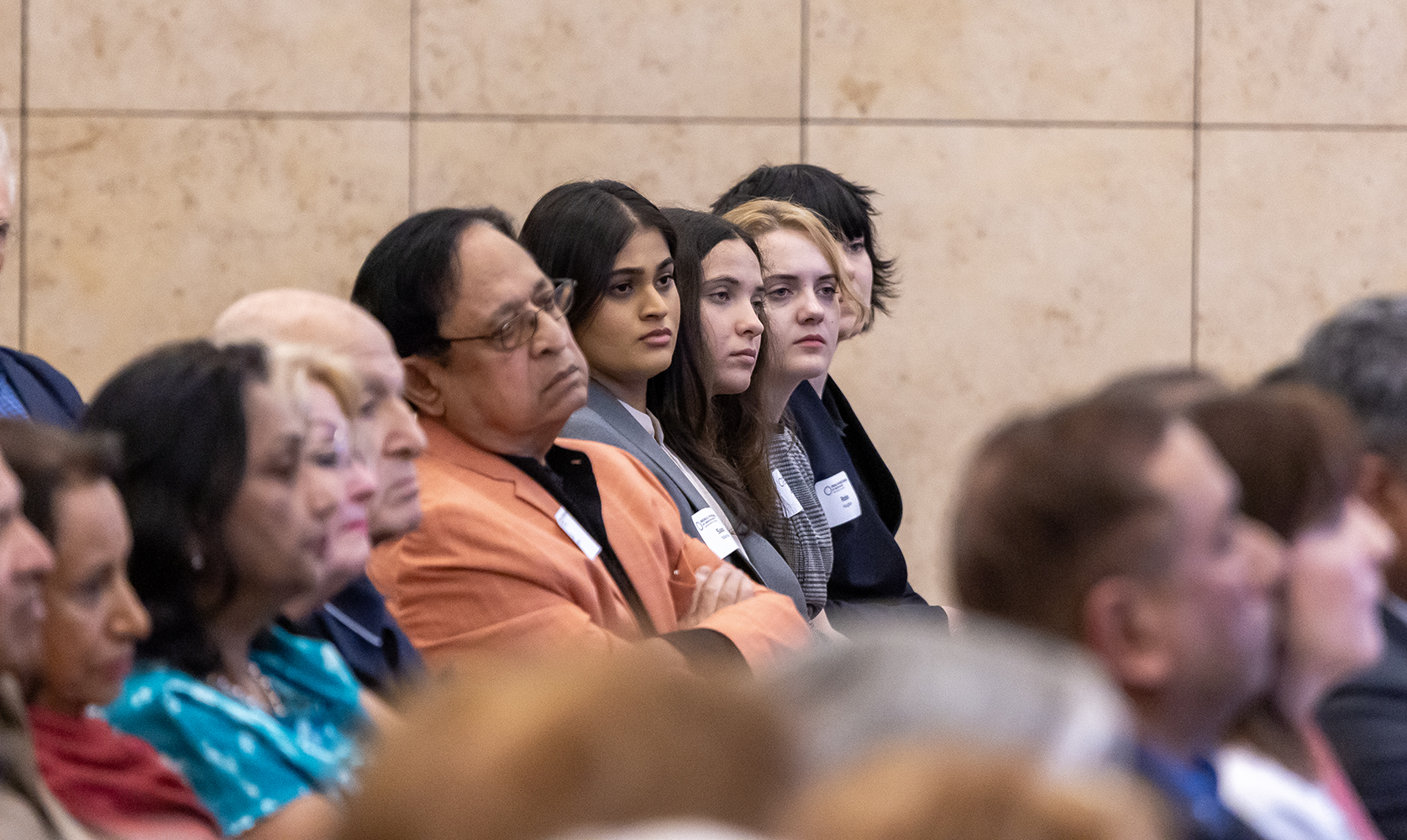
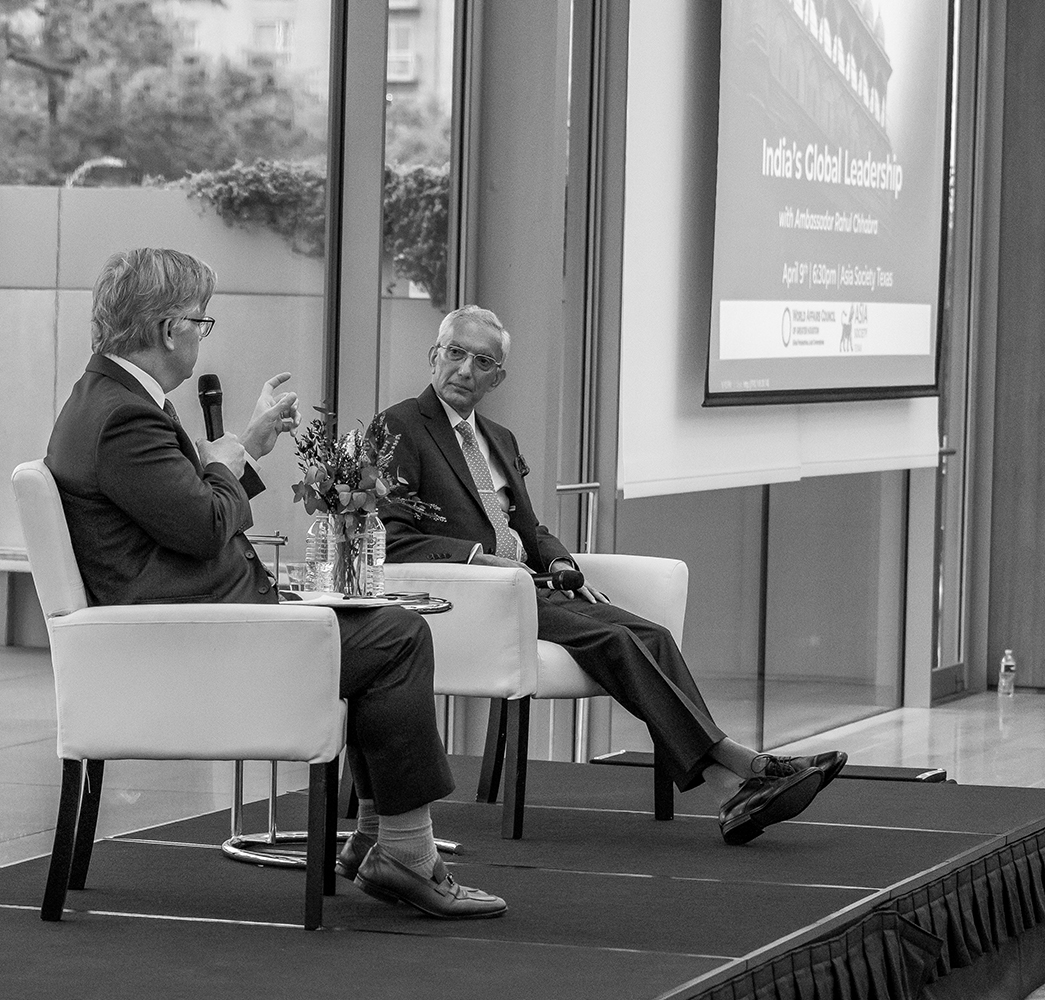
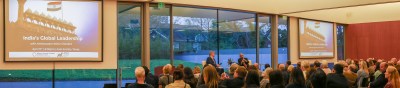
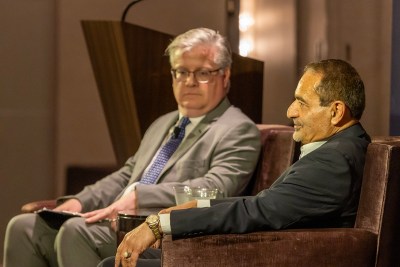
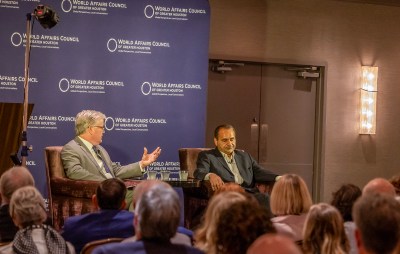
Thursday, April 9th, was an exciting day for LEAP students. We traveled to the Asia Society Texas Center to hear Ambassador Rahul Chhabra speak on India’s place in global leadership, hosted by the World Affairs Council. The event provided new learning opportunities and deeper insight into the world’s largest democracy, India.
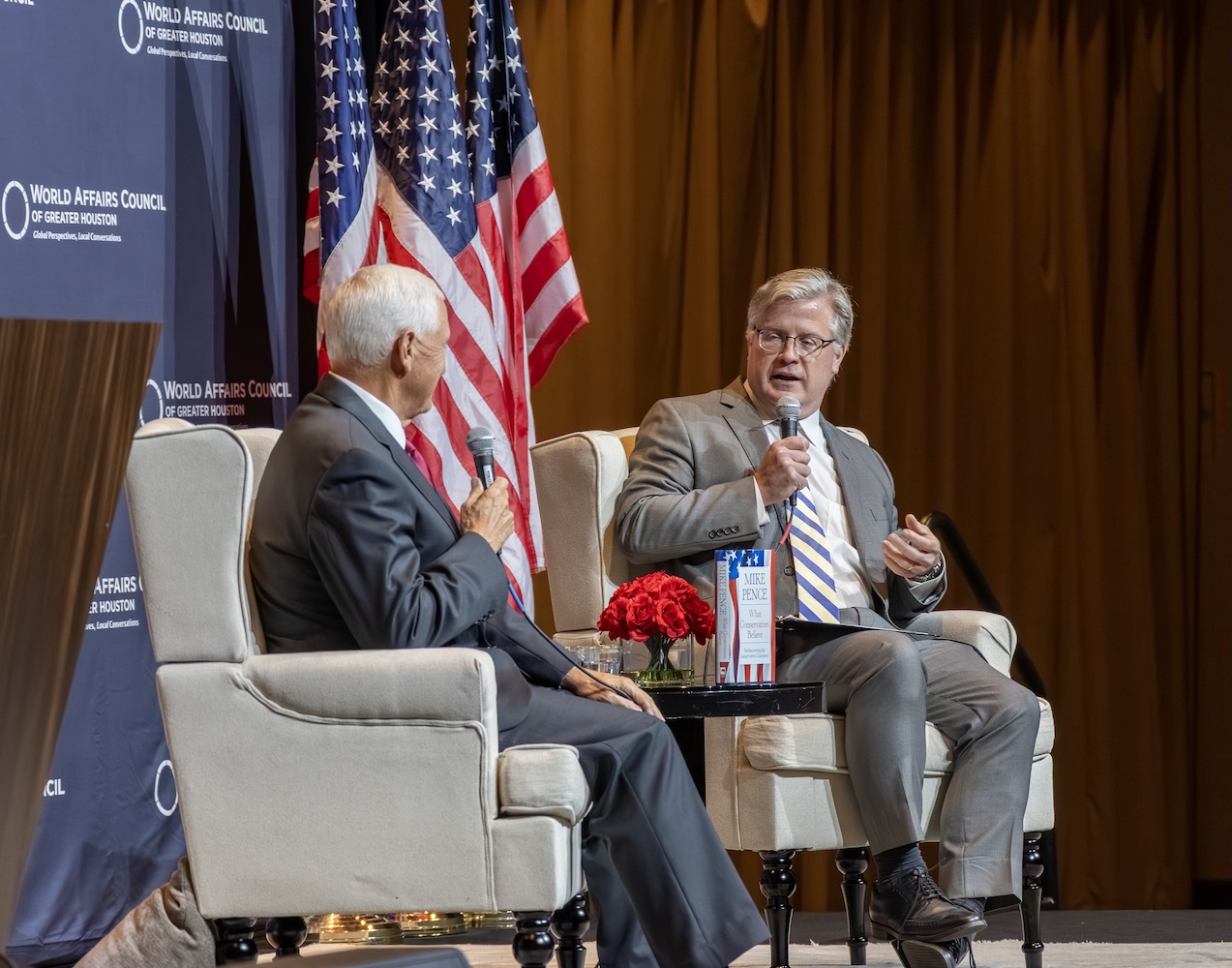
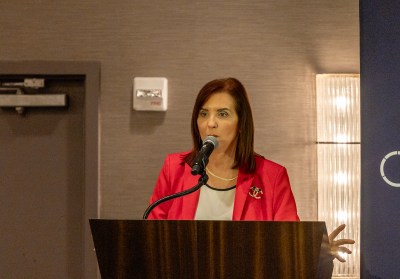
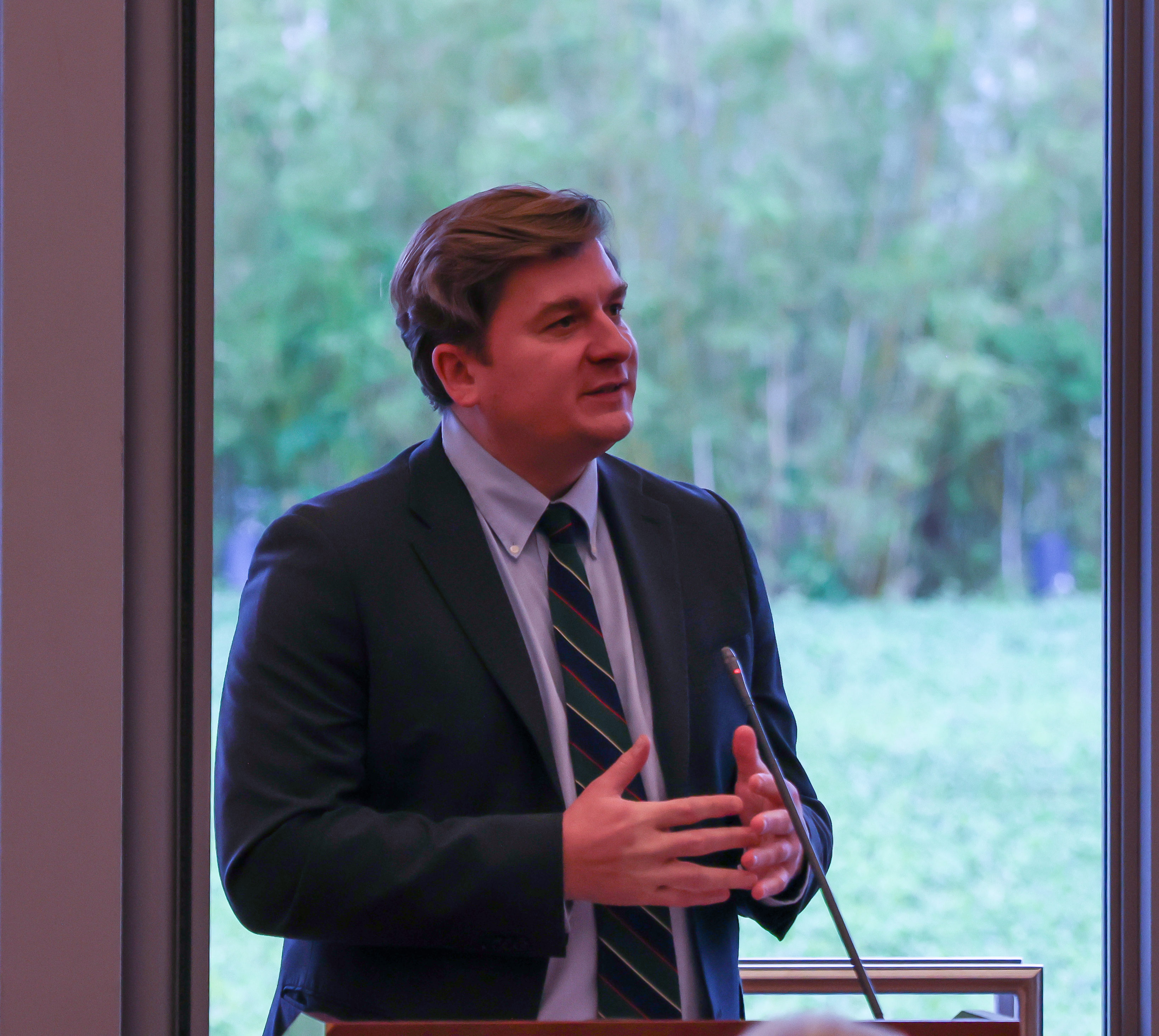
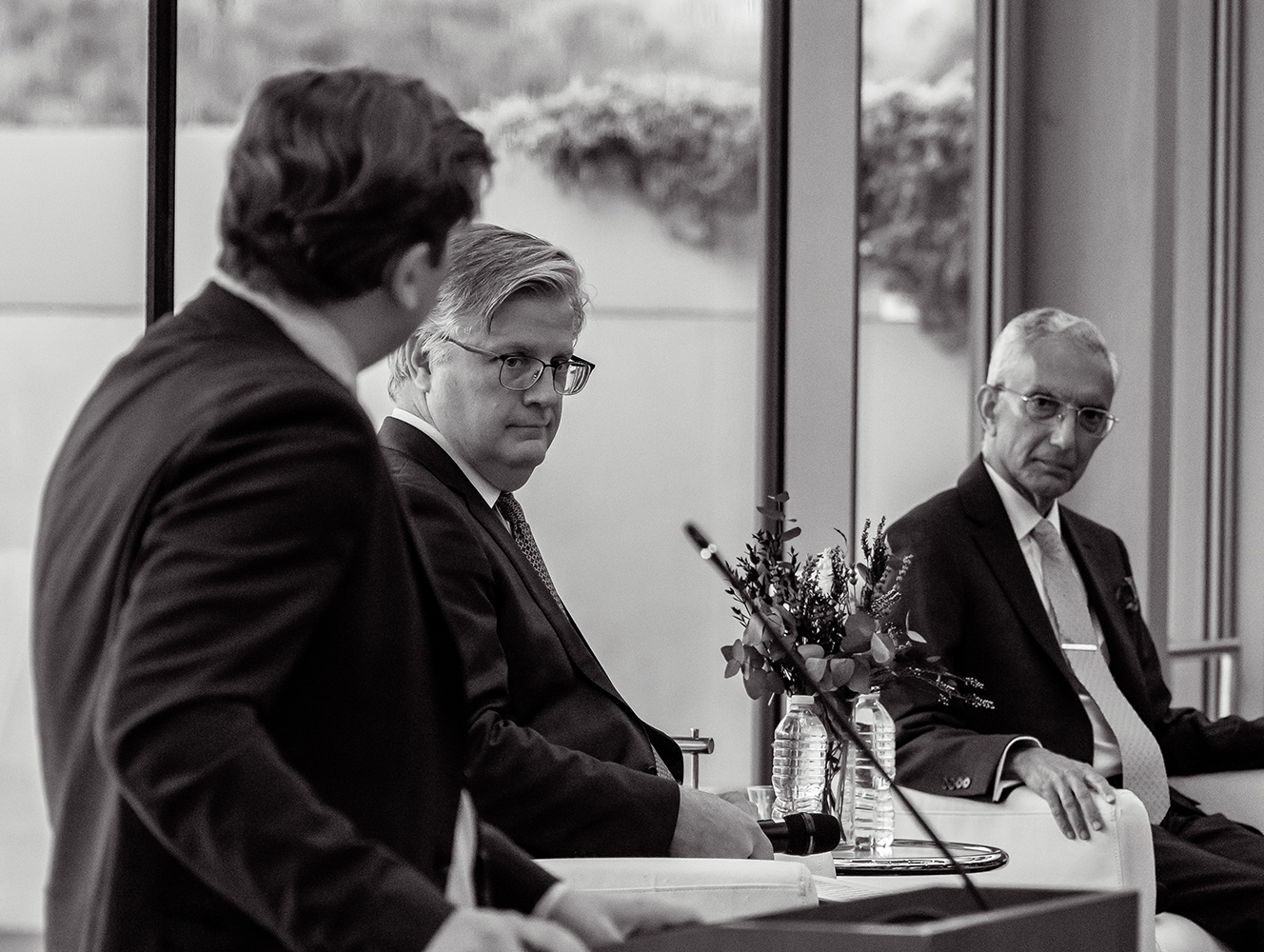
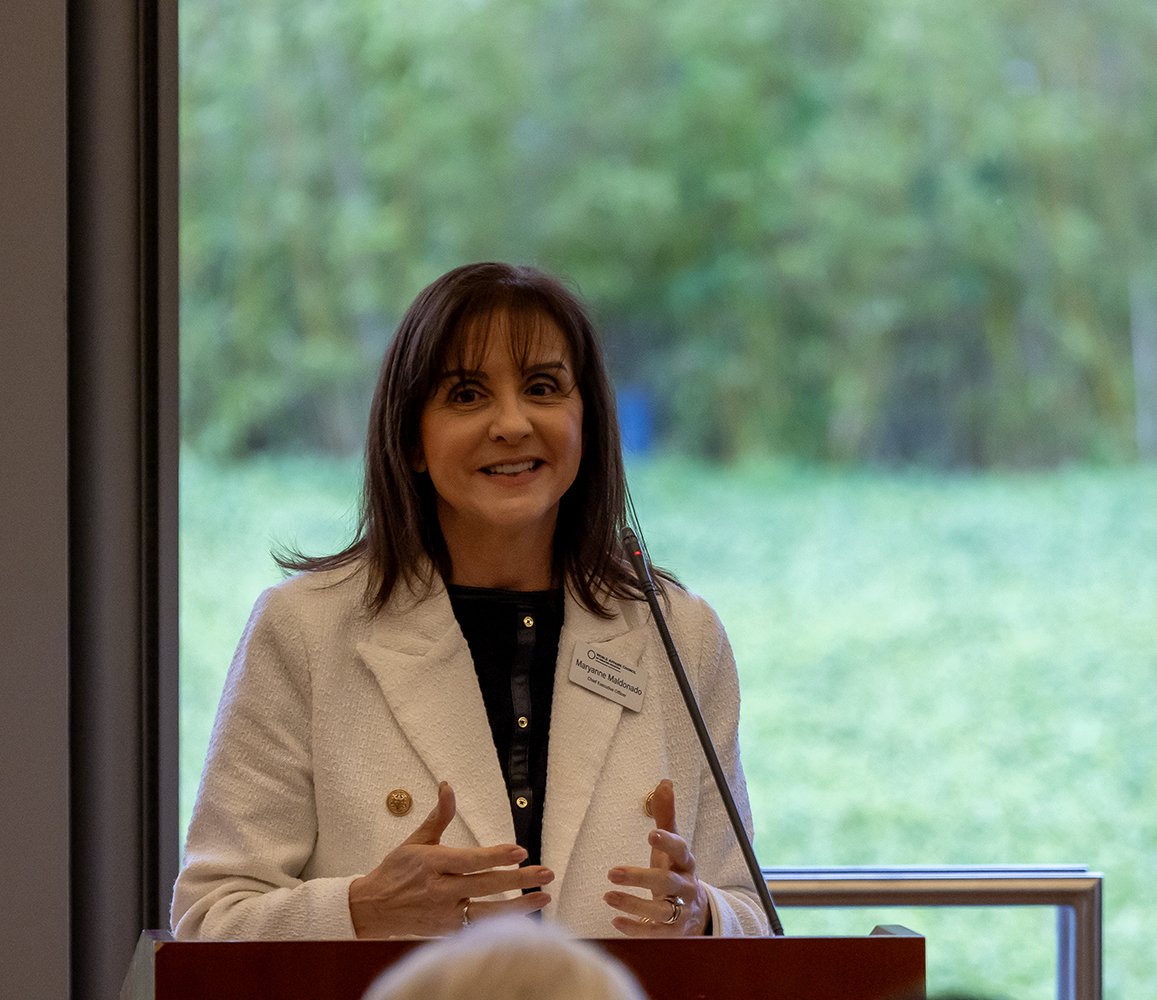
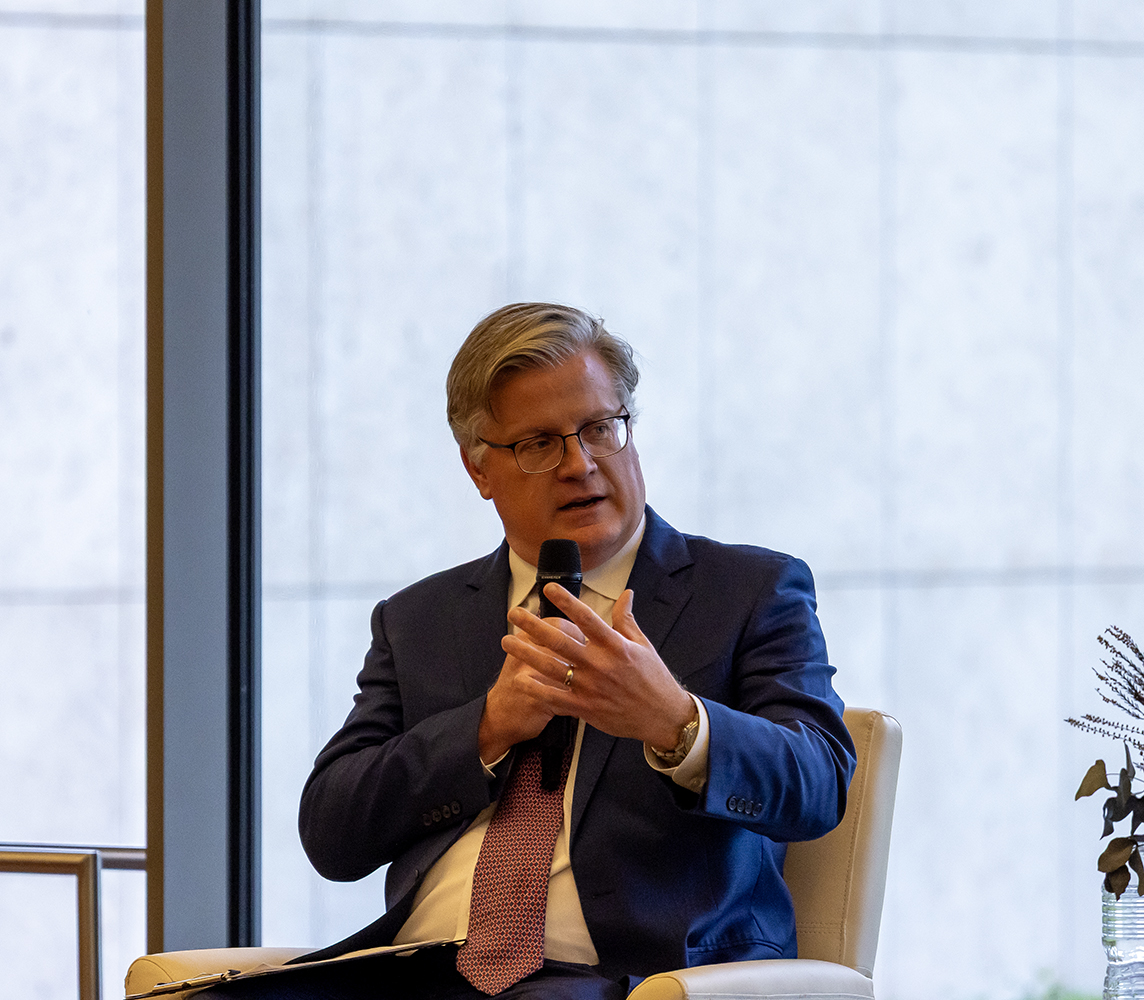
Following a warm welcome from Matthew Fuller, the director of Business and Politics at the Asia Society Texas and CEO of the World Affairs Council, Maryanne Maldonado introduced Ambassador Chhabra, setting the stage for a lively and informative discussion moderated by Chief Programs Officer Ronan O’Malley.

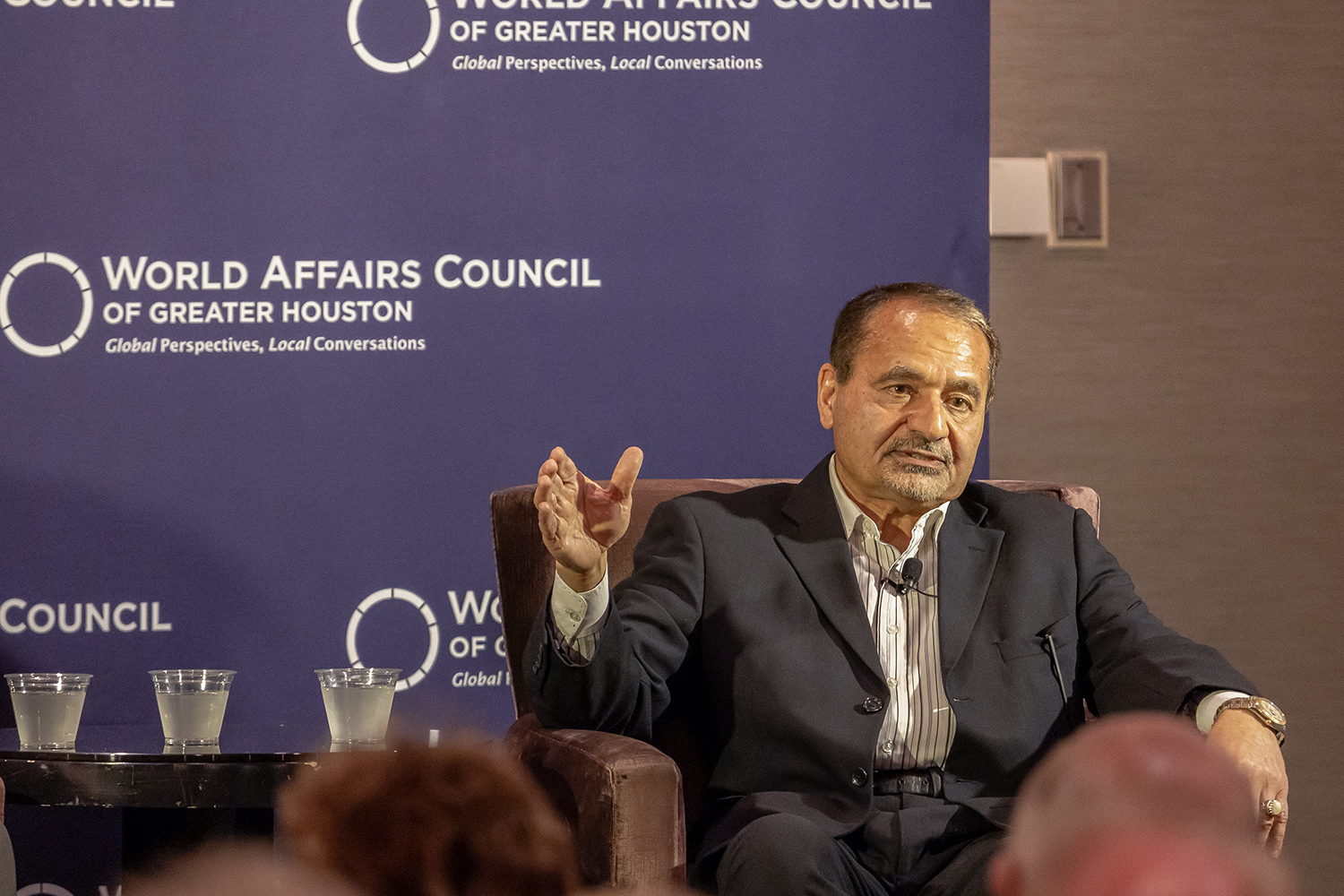
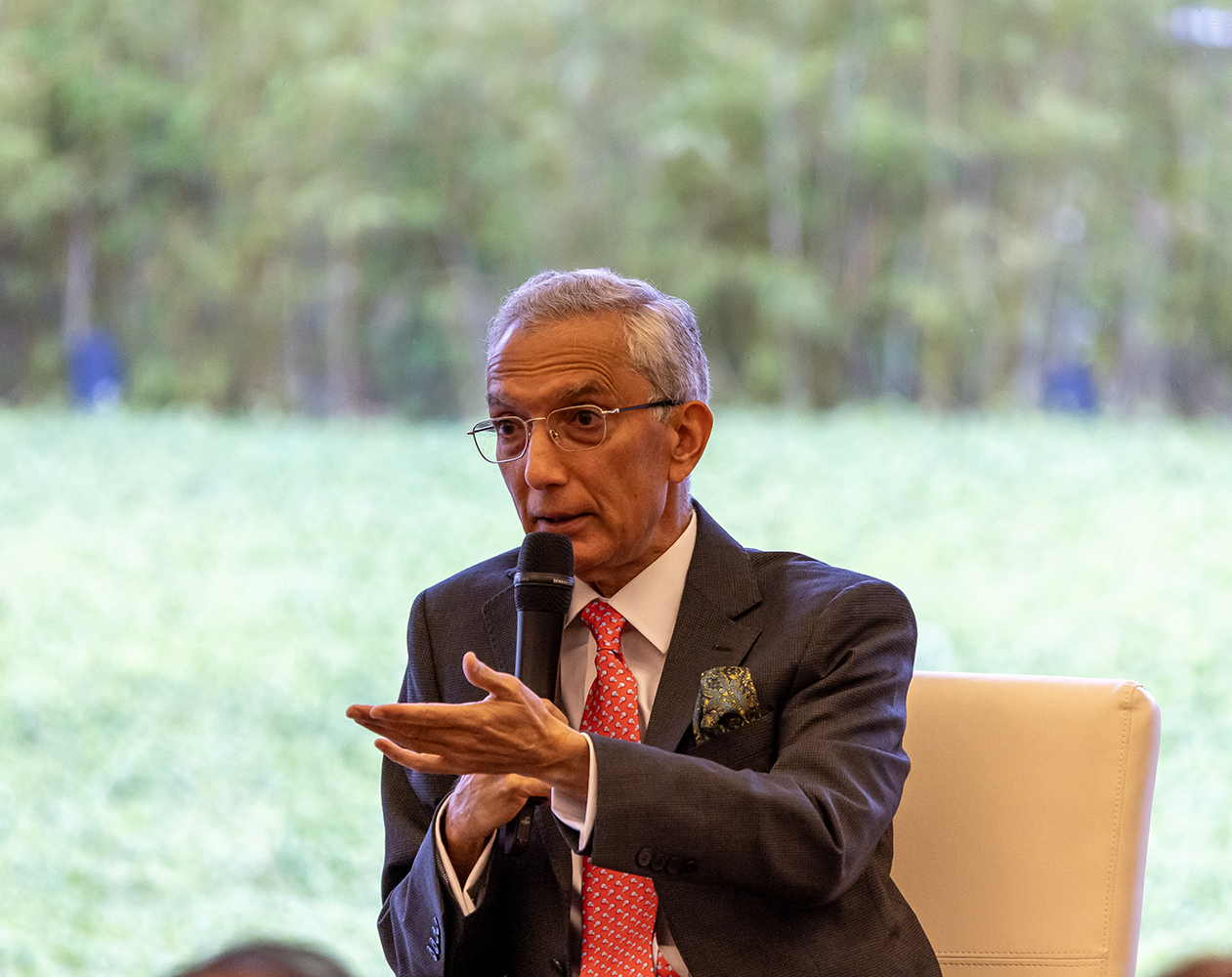
Ambassador Chhabra was the perfect blend of entertaining and educational. He discussed India’s rise on the global stage and its relations with other countries. He also highlighted the “economic miracle” of India’s GDP growth, especially in comparison to China, as well as the U.S.
Ambassador Chhabra began by reflecting on India’s early years, following their independence from Britain at the end of the Second World War. He mentioned India’s first choice of ally was the United States, but they refused to be overly tied into diplomatic entanglements as a developing country.

This independent spirit was exemplified by the concept of “nonalignment” and India’s continuous choice to forge its own pathway rather than strictly aligning with the West, China, or Russia. He attributed this concept to “India’s economic miracle.” Ambassador Chhabra mentioned India’s choice to expand into the IT sector instead of manufacturing, which was the proven path to development that China underwent. 

Another key topic Ambassador Chhabra explored was the significance of the “123 agreement,” which reversed the previous sanctions on nuclear trade with India. Under George W. Bush, India and U.S. relations increased significantly as India was the only country with which the United States had an arrangement like this. He attributed a large portion of this success to the Indian-American population and their unwavering support.

Nearing the end of the event, O’Malley opened the floor to questions, and Ambassador Chhabra answered multiple questions from the audience regarding India’s global strategy and international partnership.

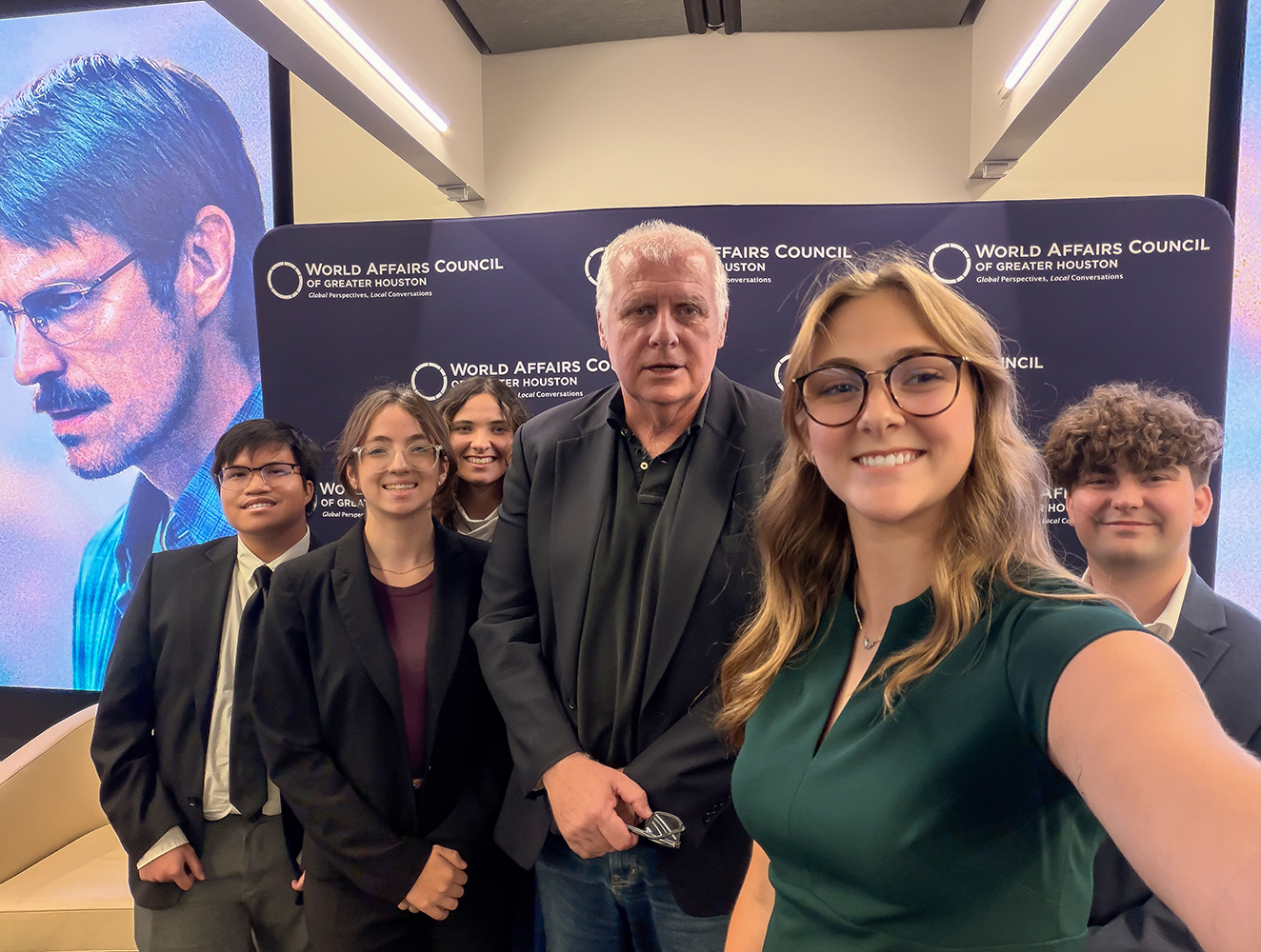
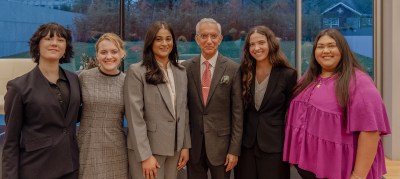
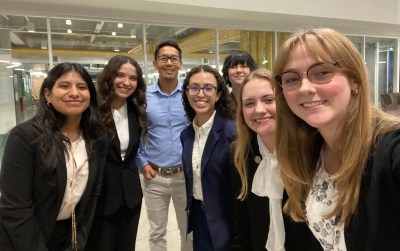
Listening to his vast experiences and India’s point of view over the last several decades was particularly interesting, and left the audience pondering the effects of American policies on the rest of the world, for better or worse. After the event finished, Ambassador Chhabra was kind enough to take a photo with LEAP students, providing a memorable end to an insightful day.

Unknown's avatarAuthor mikeyawnPosted on April 21, 2026April 22, 2026Format AsideCategories Civic Engagement, Education, International Affairs, PoliticsTags Center for Law Engagement And Politics, India, LEAP Center, Rahul Chhabra, Sam Houston State University, SHSU, World Affairs Council HoustonLeave a comment on Ambassador Rahul Chhabra speaks on India’s Global Leadership

Jill Dougherty, The Kremlin, and Vladimir Putin

By Tania Hernandez

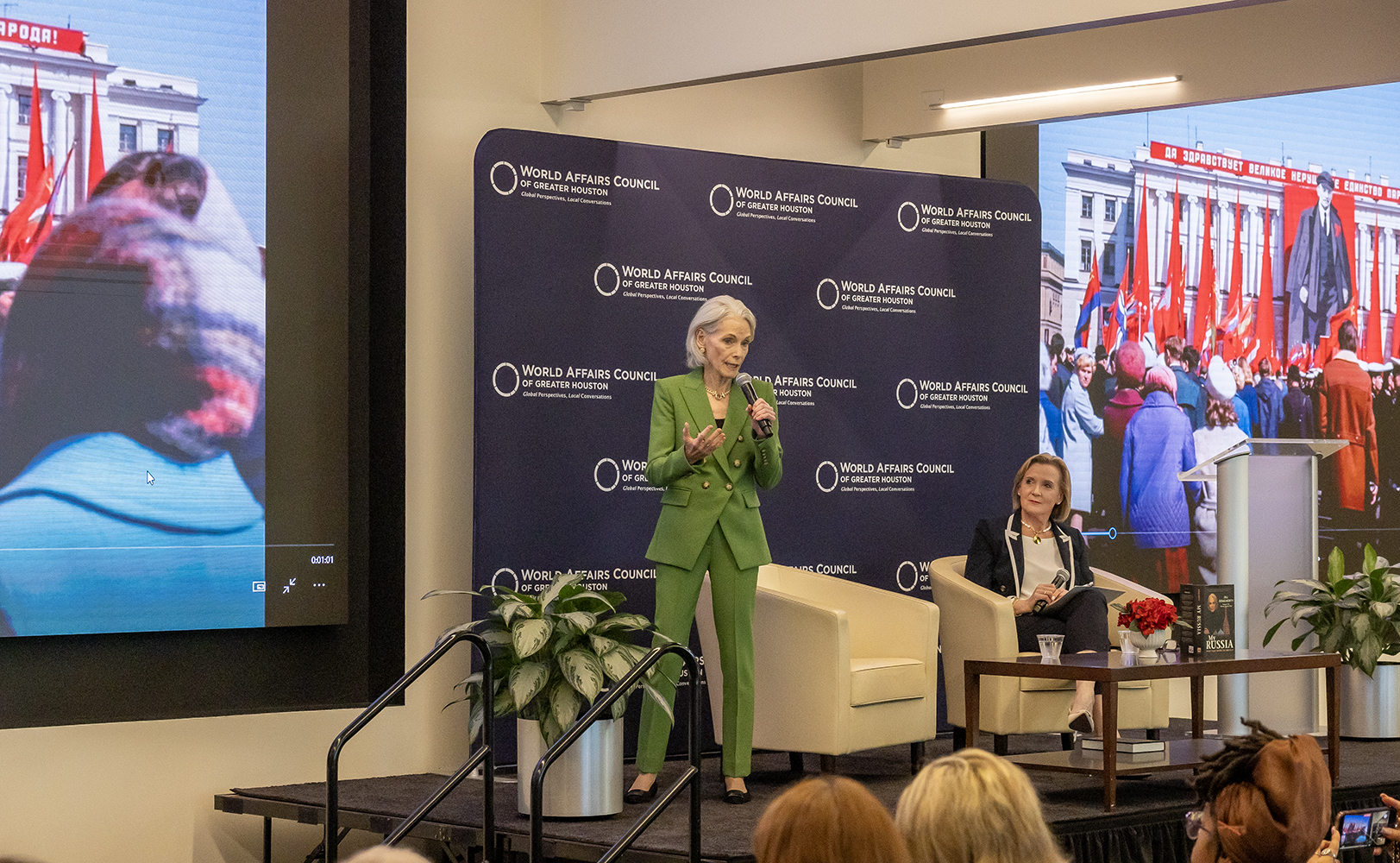
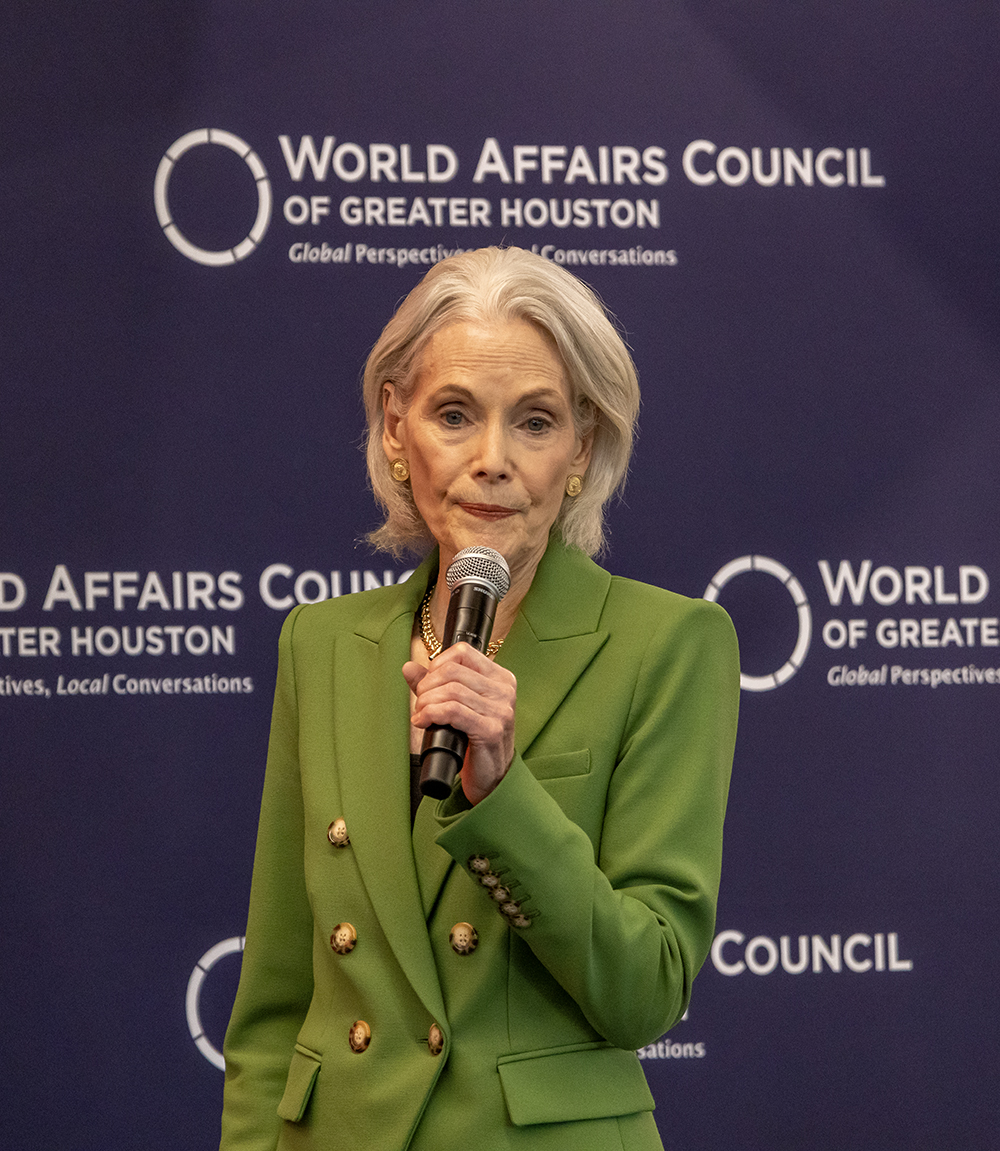
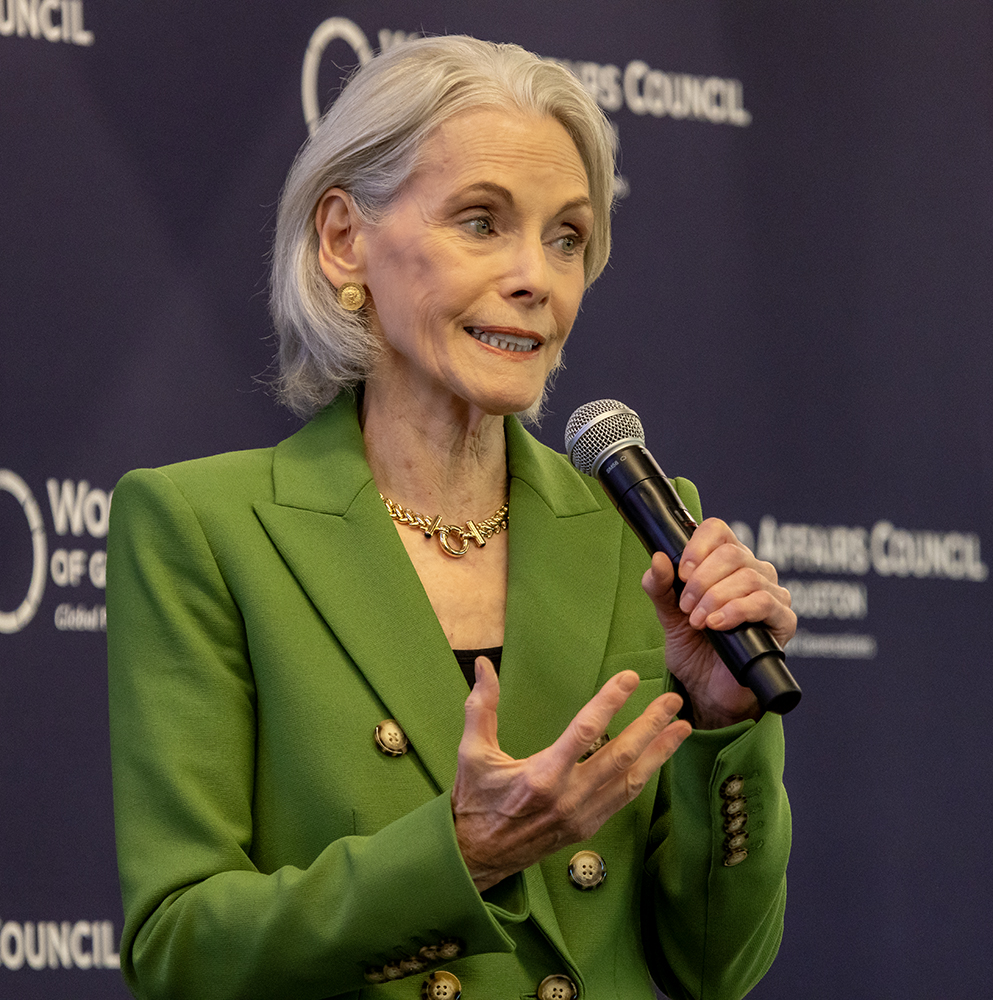
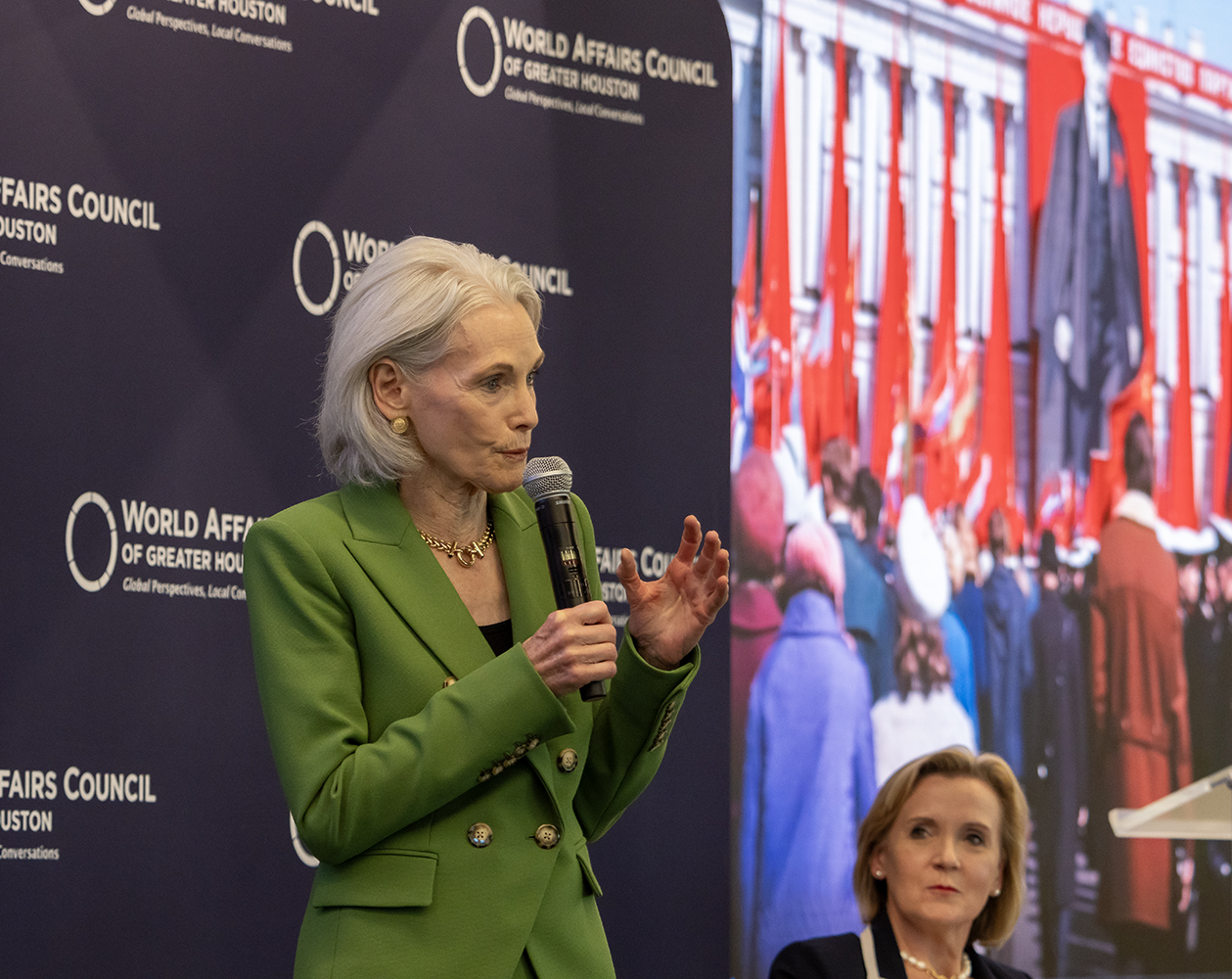
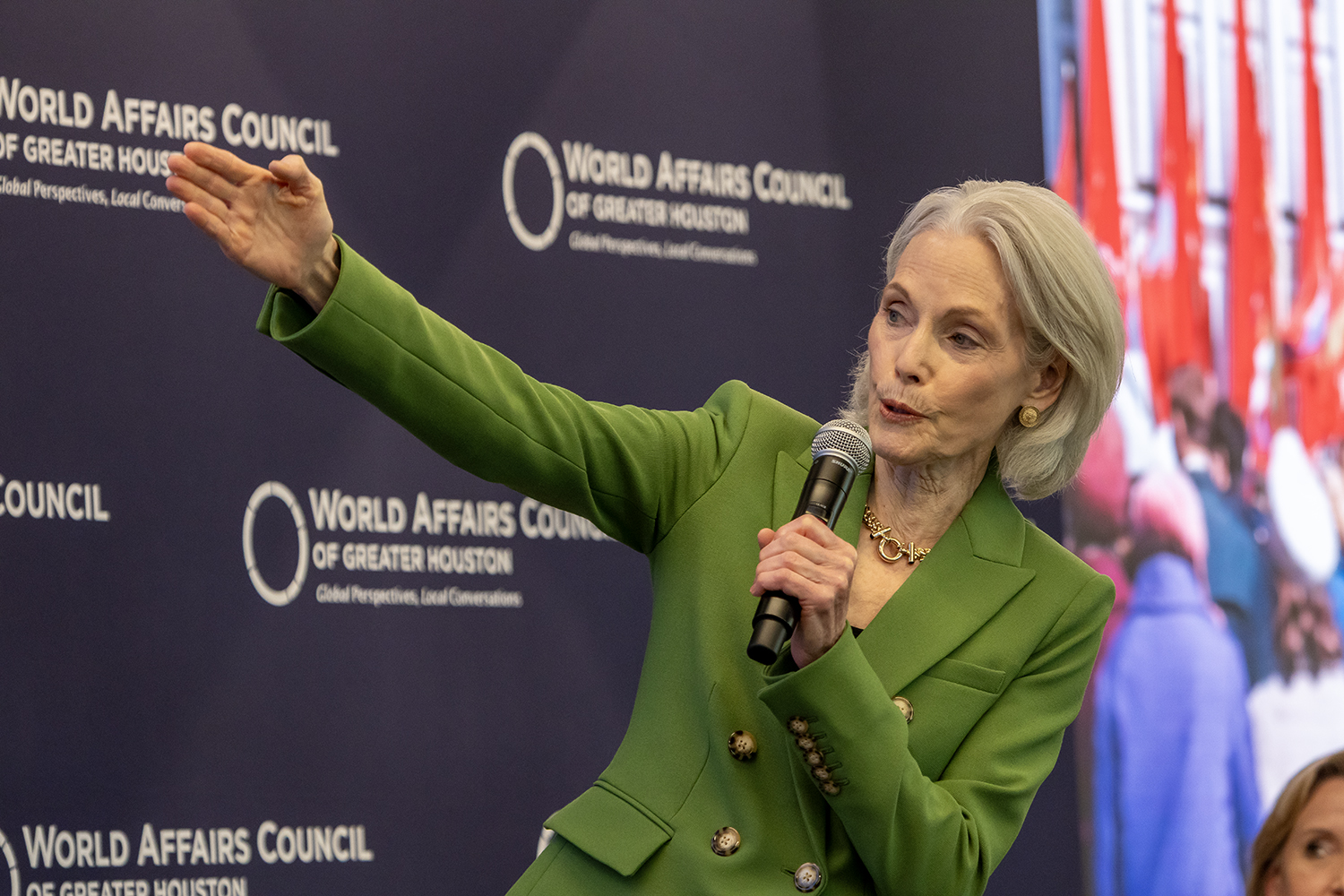
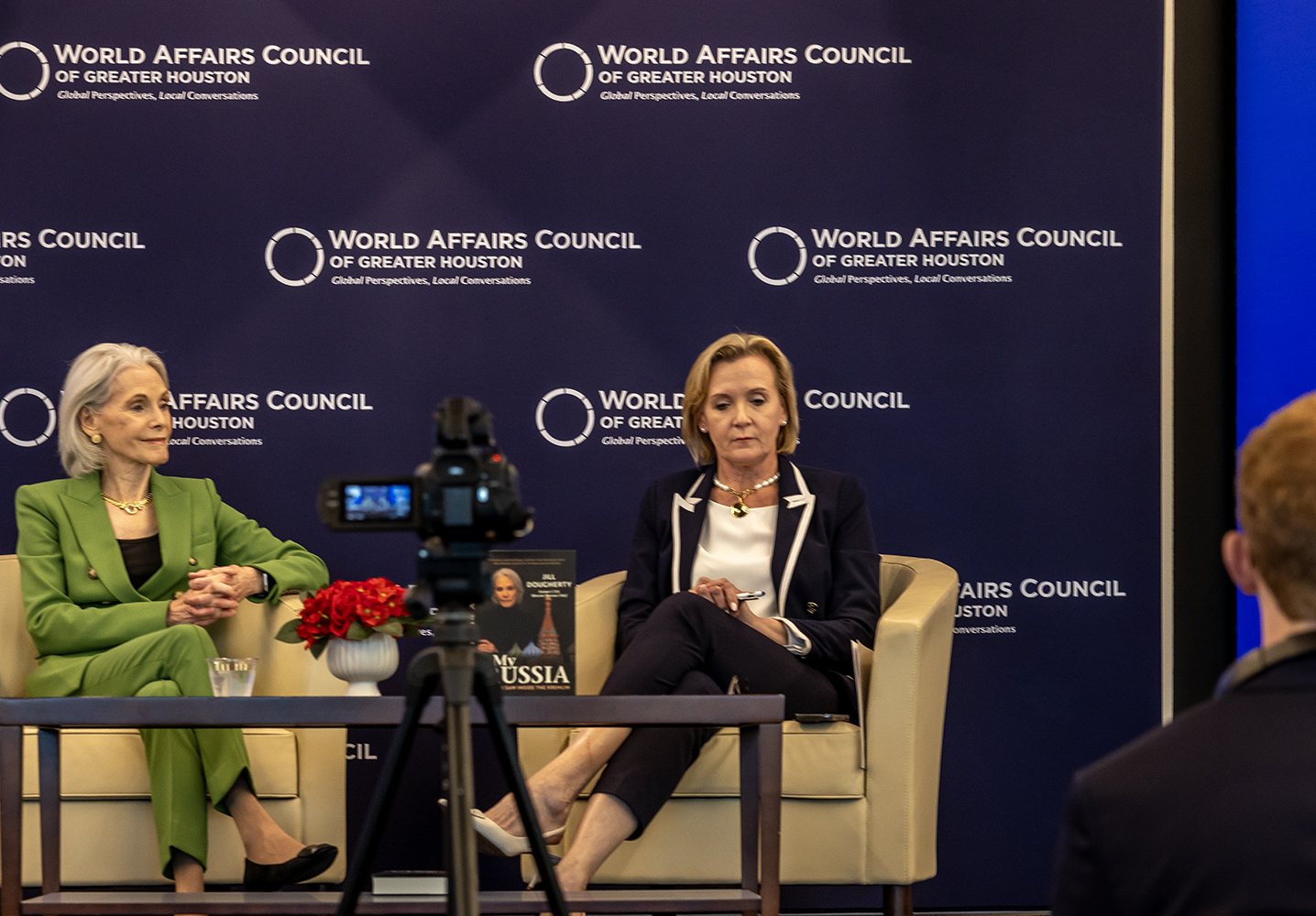
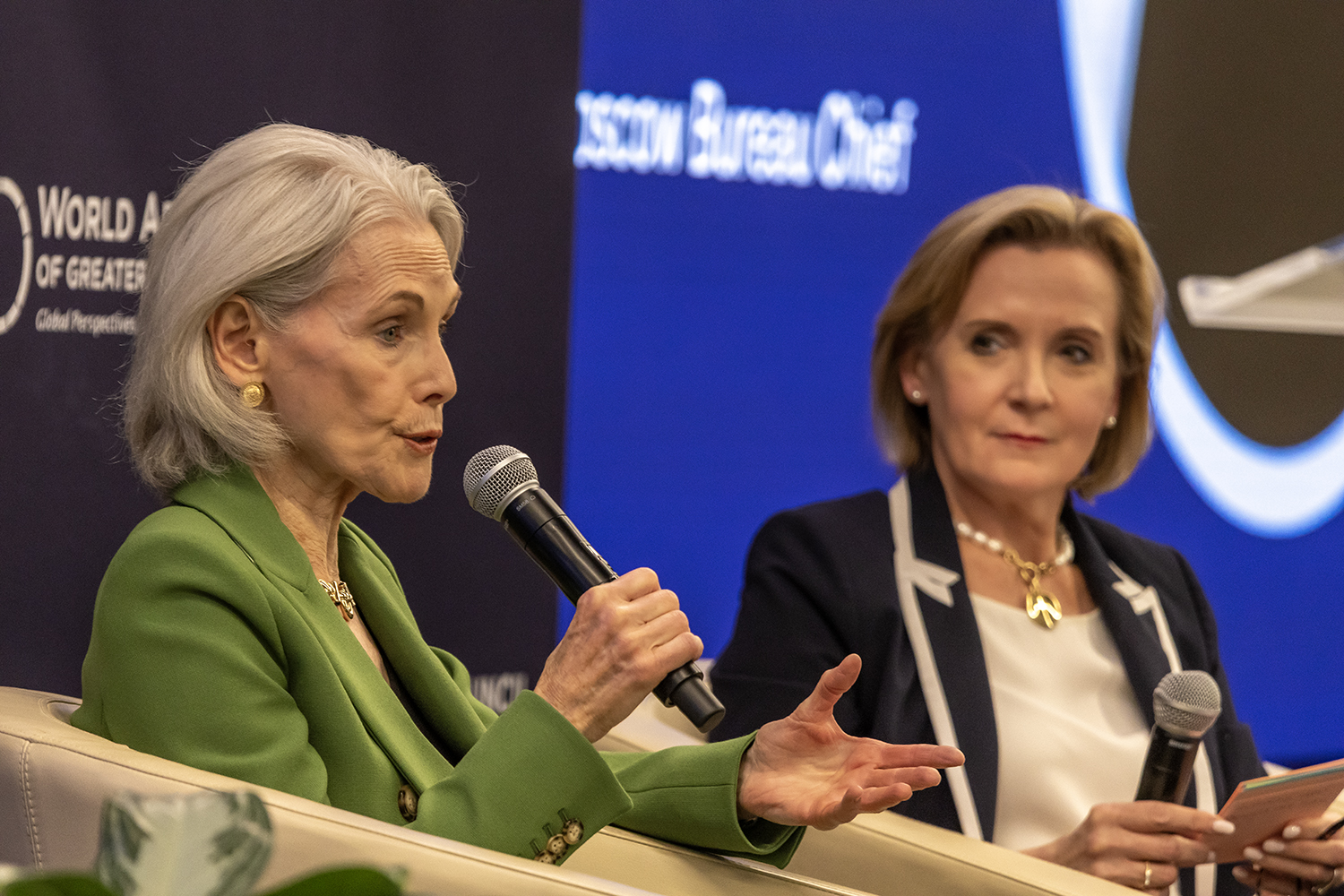
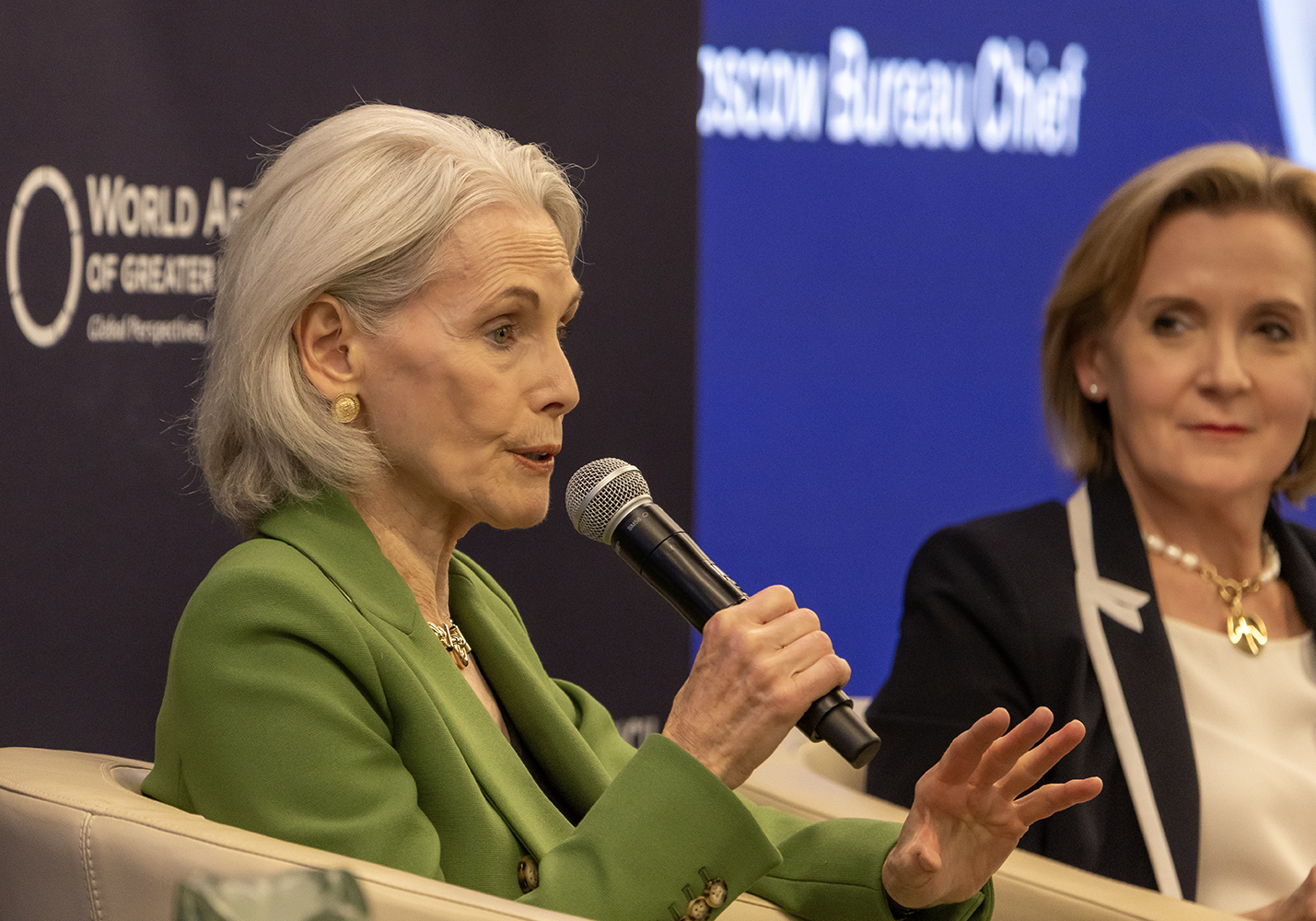
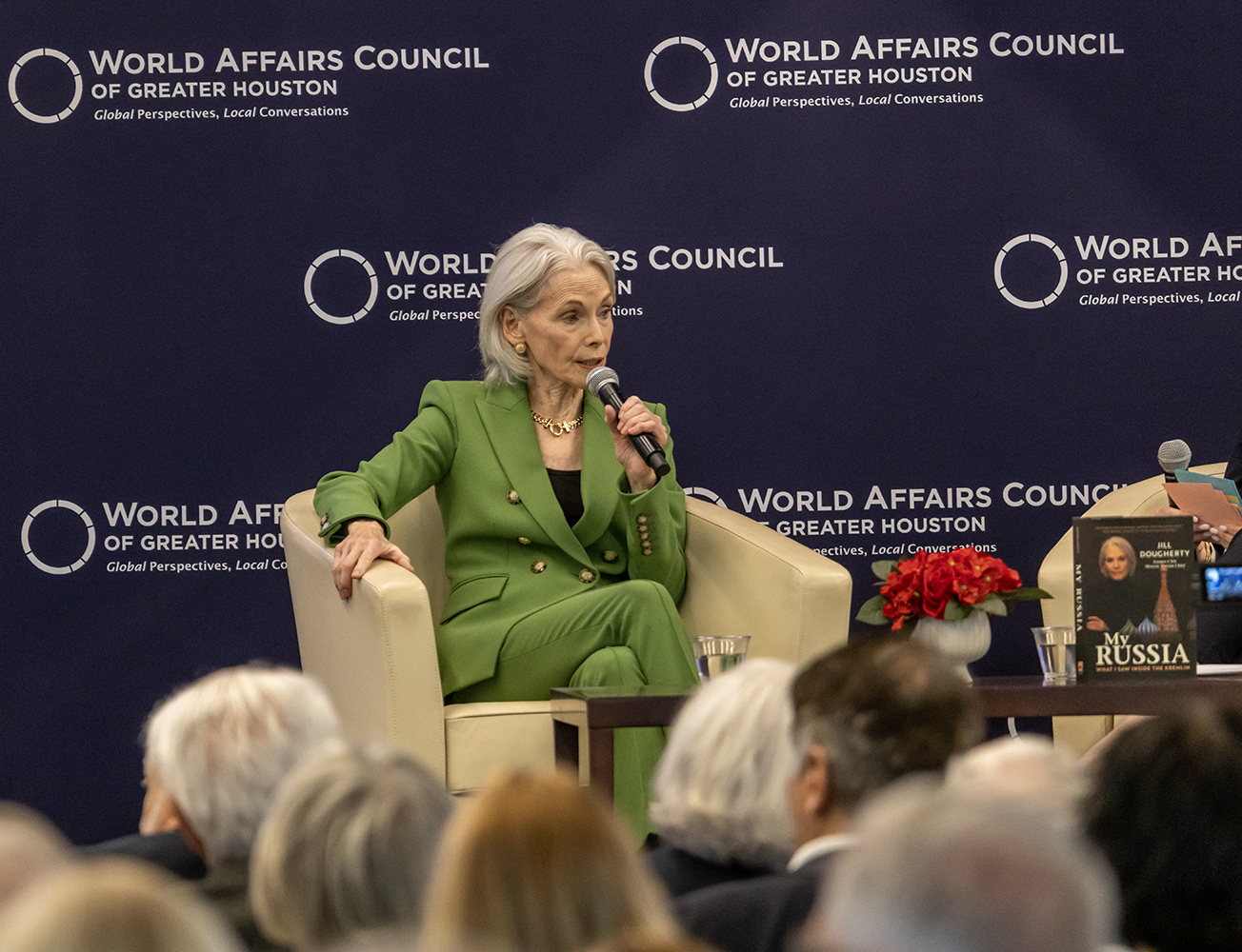
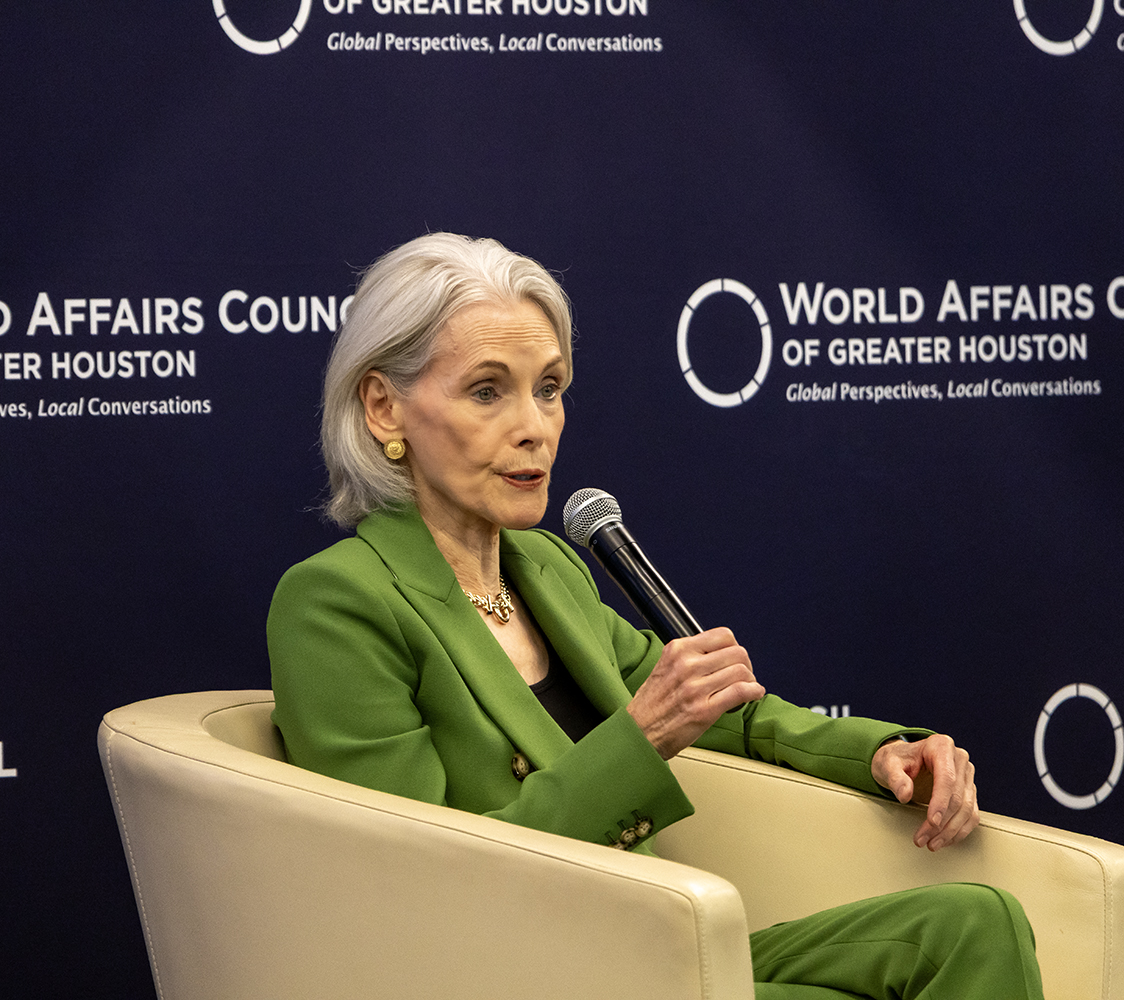
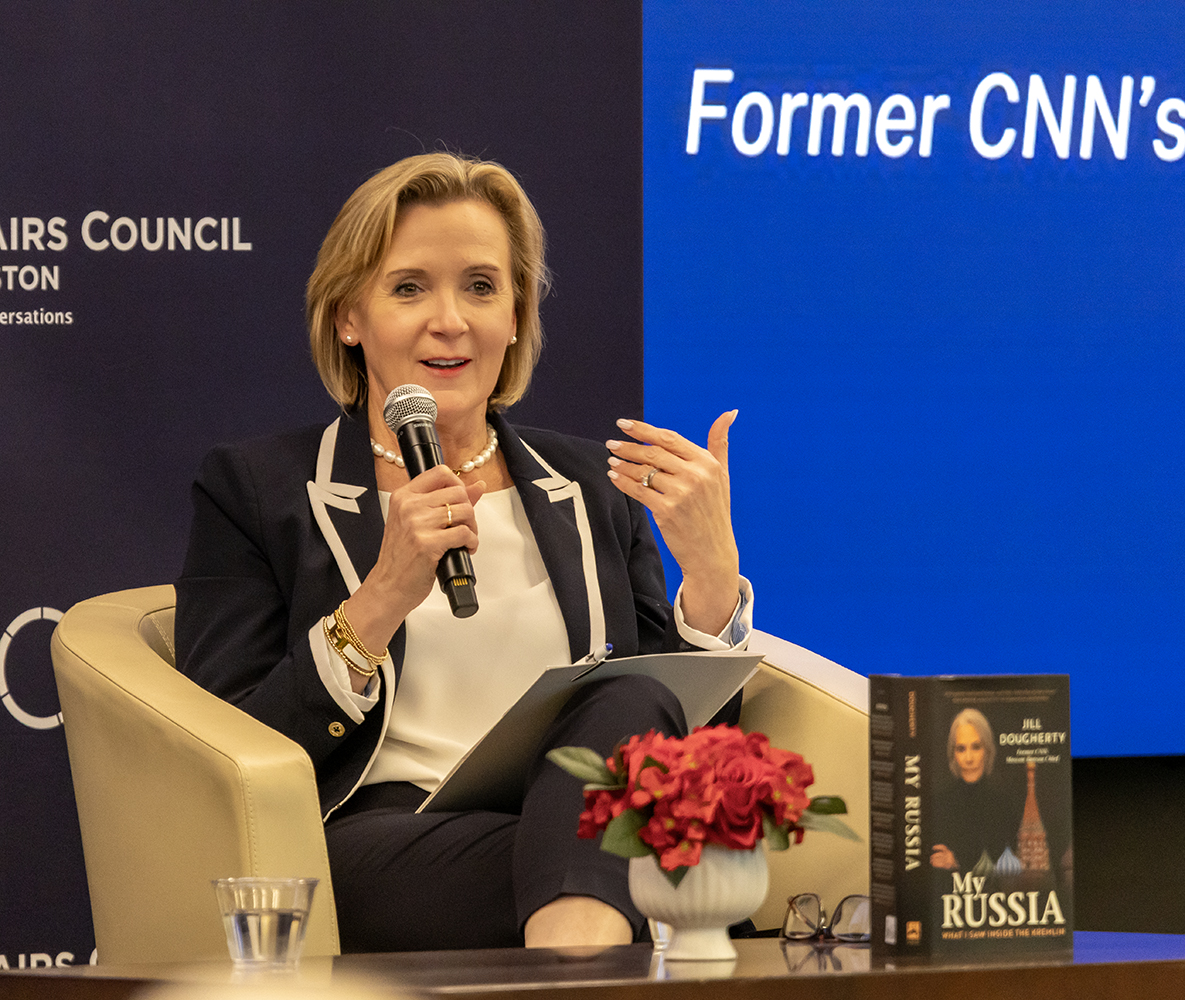
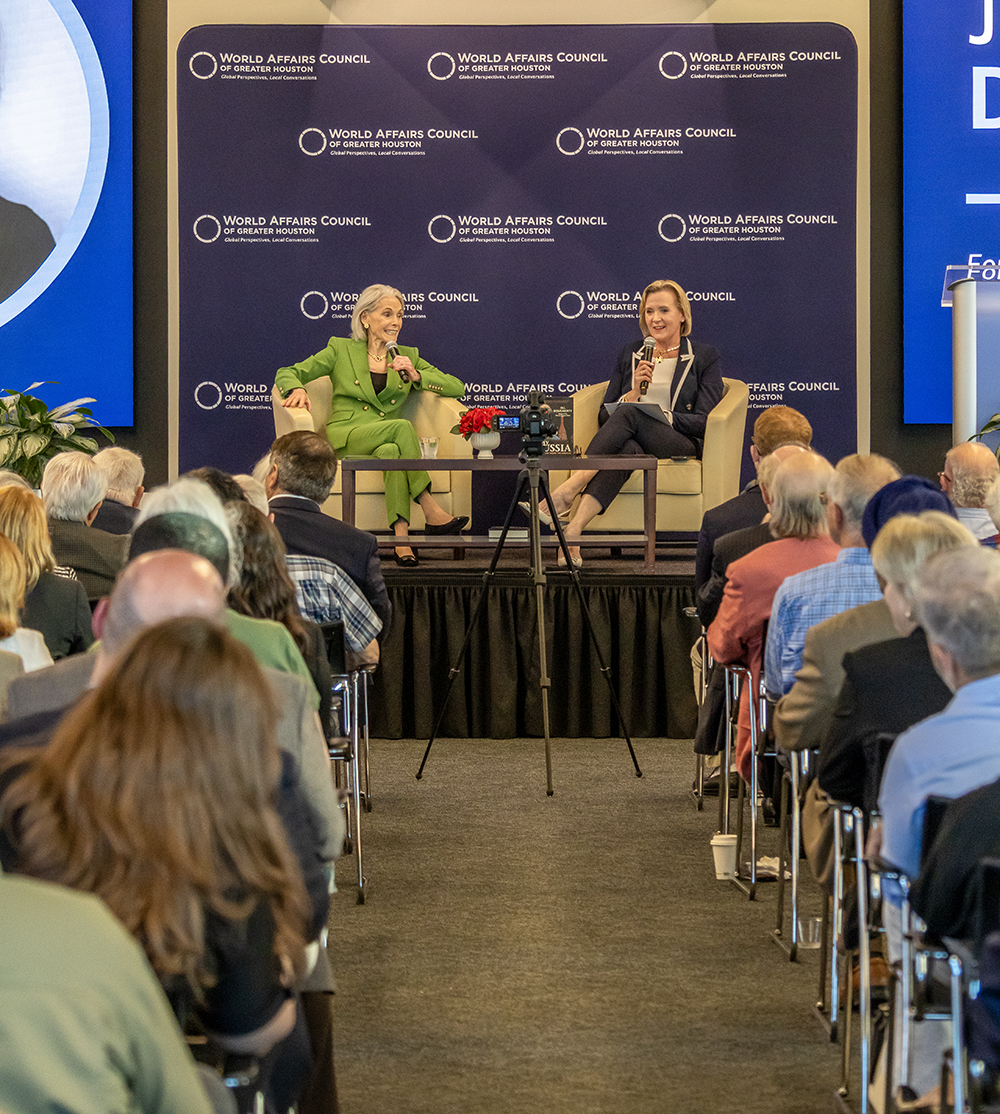
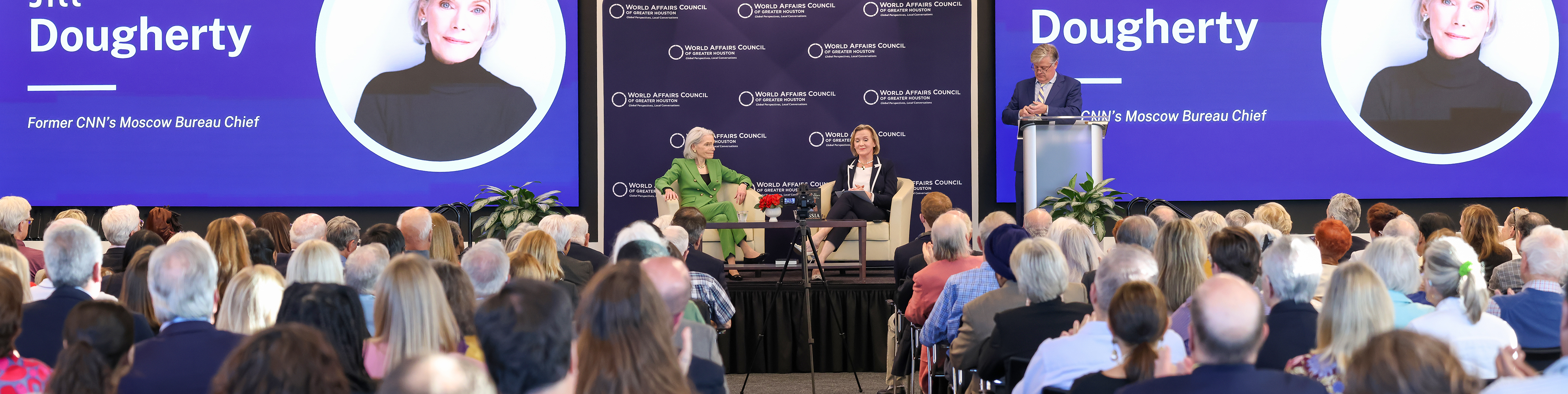
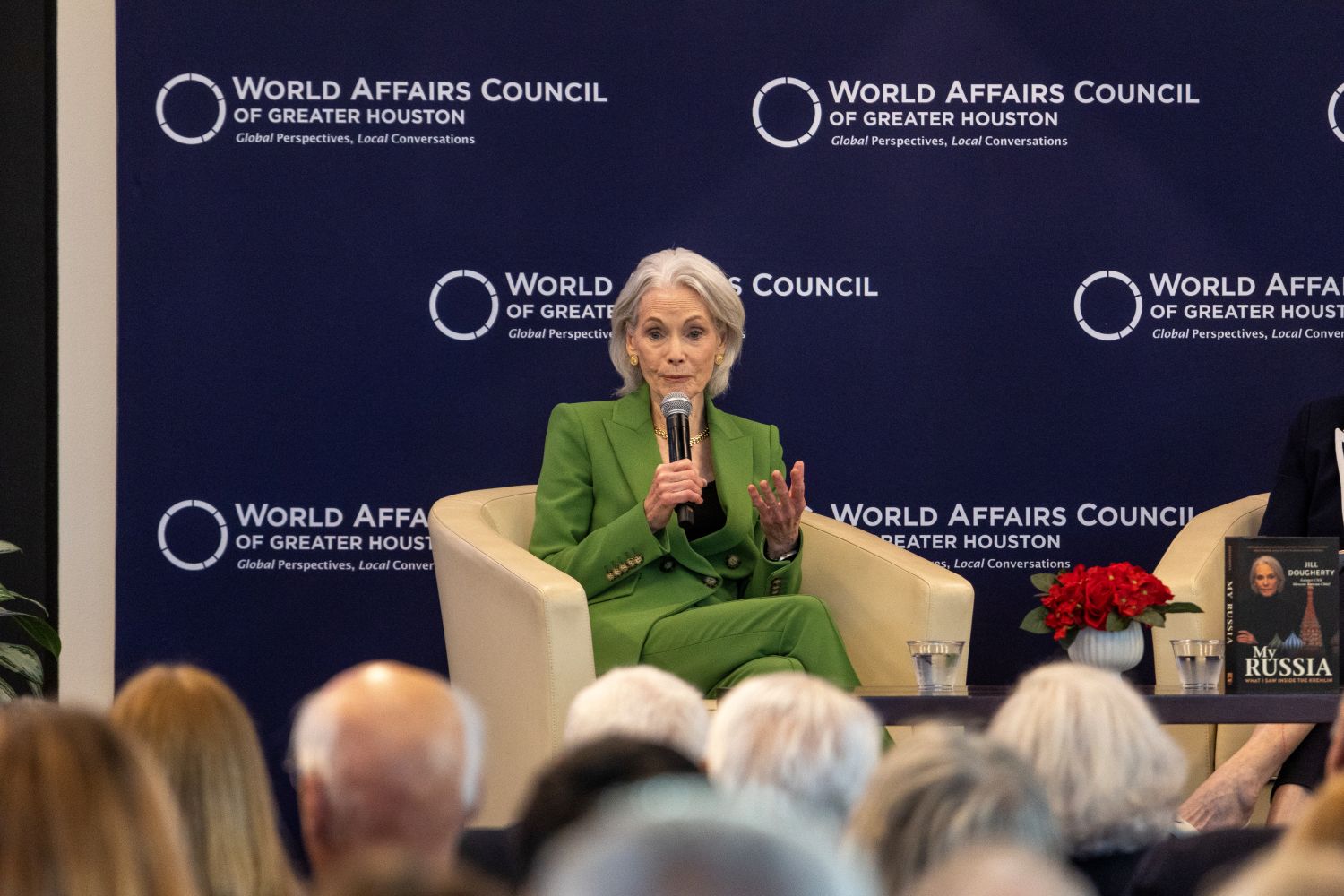
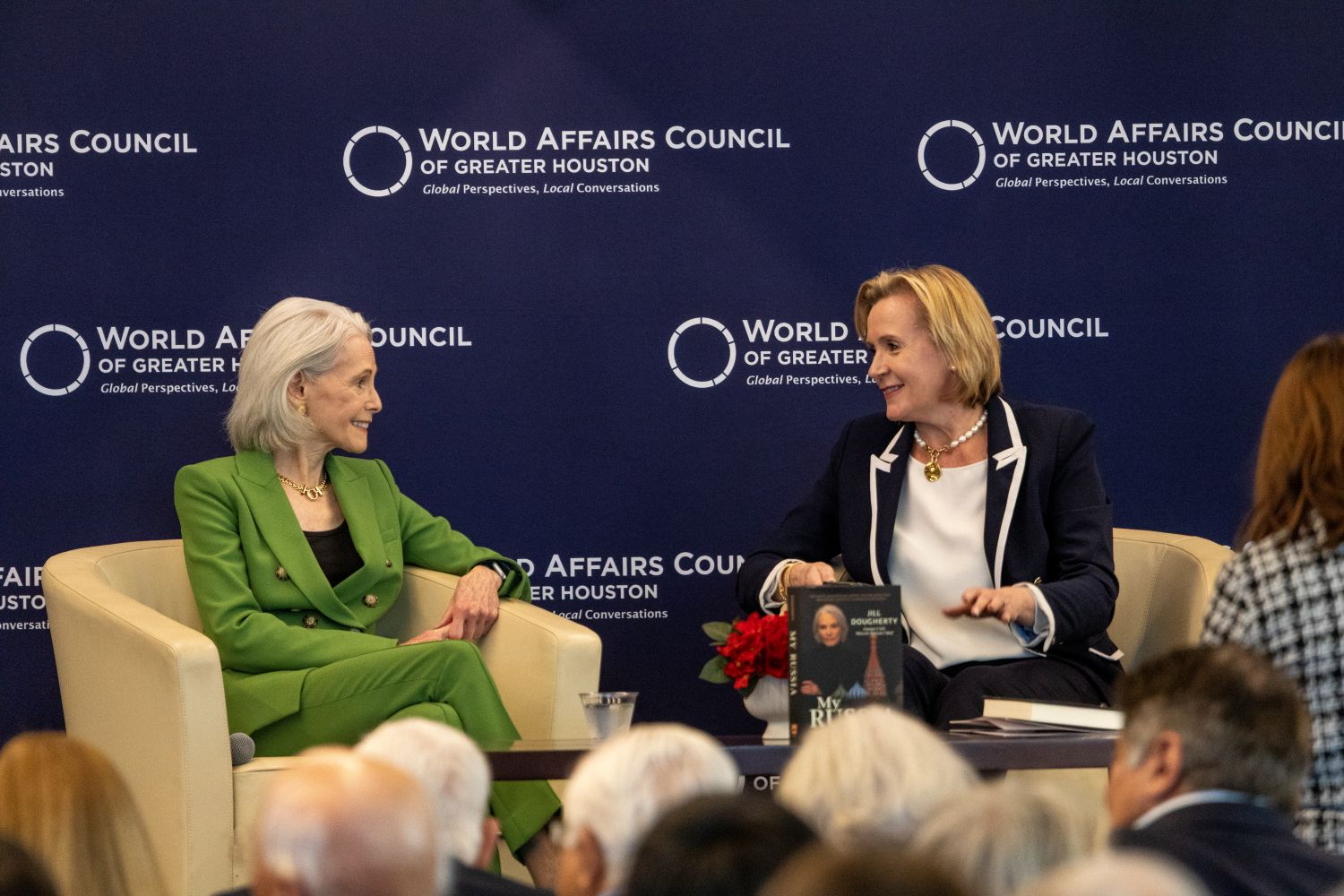
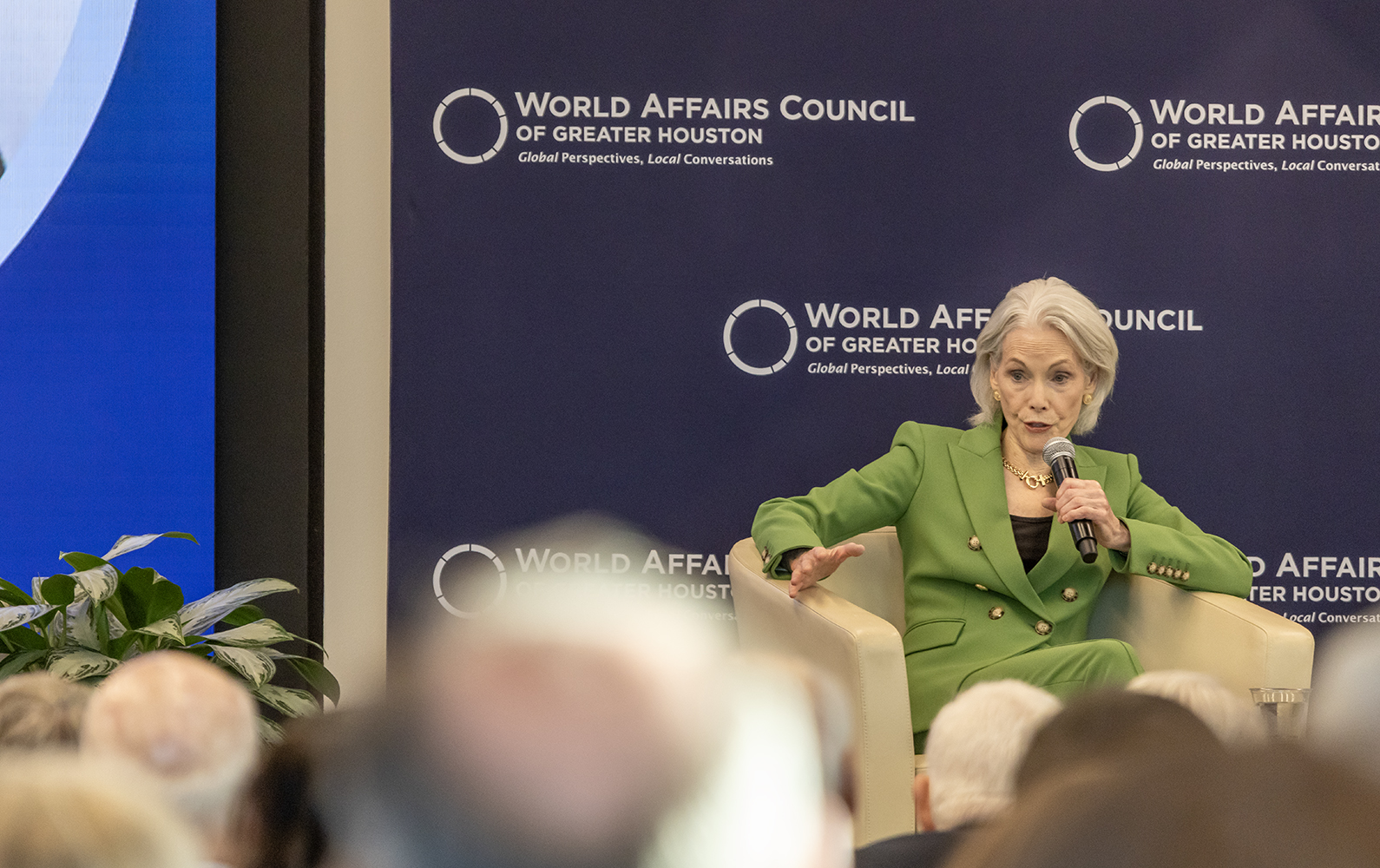
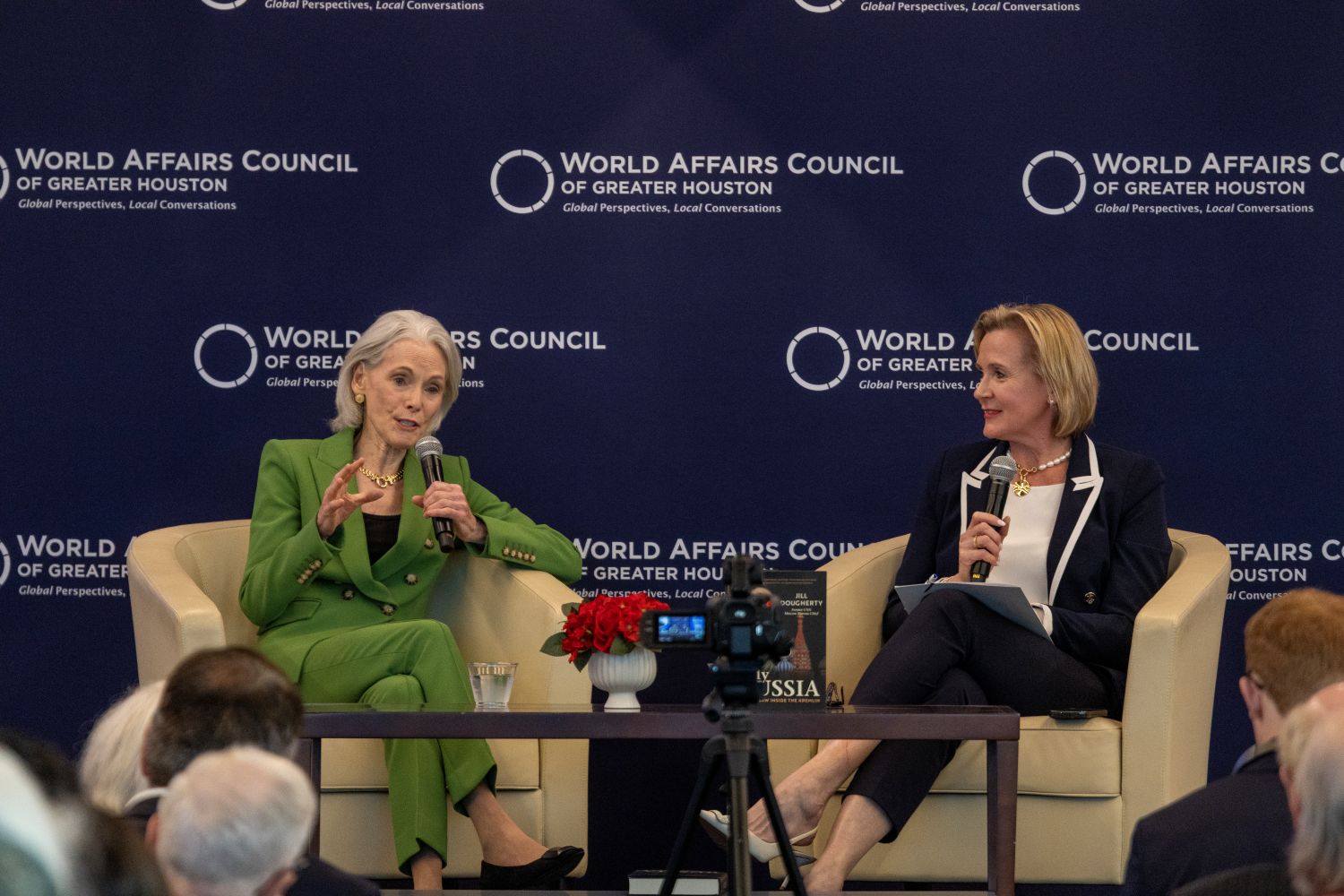
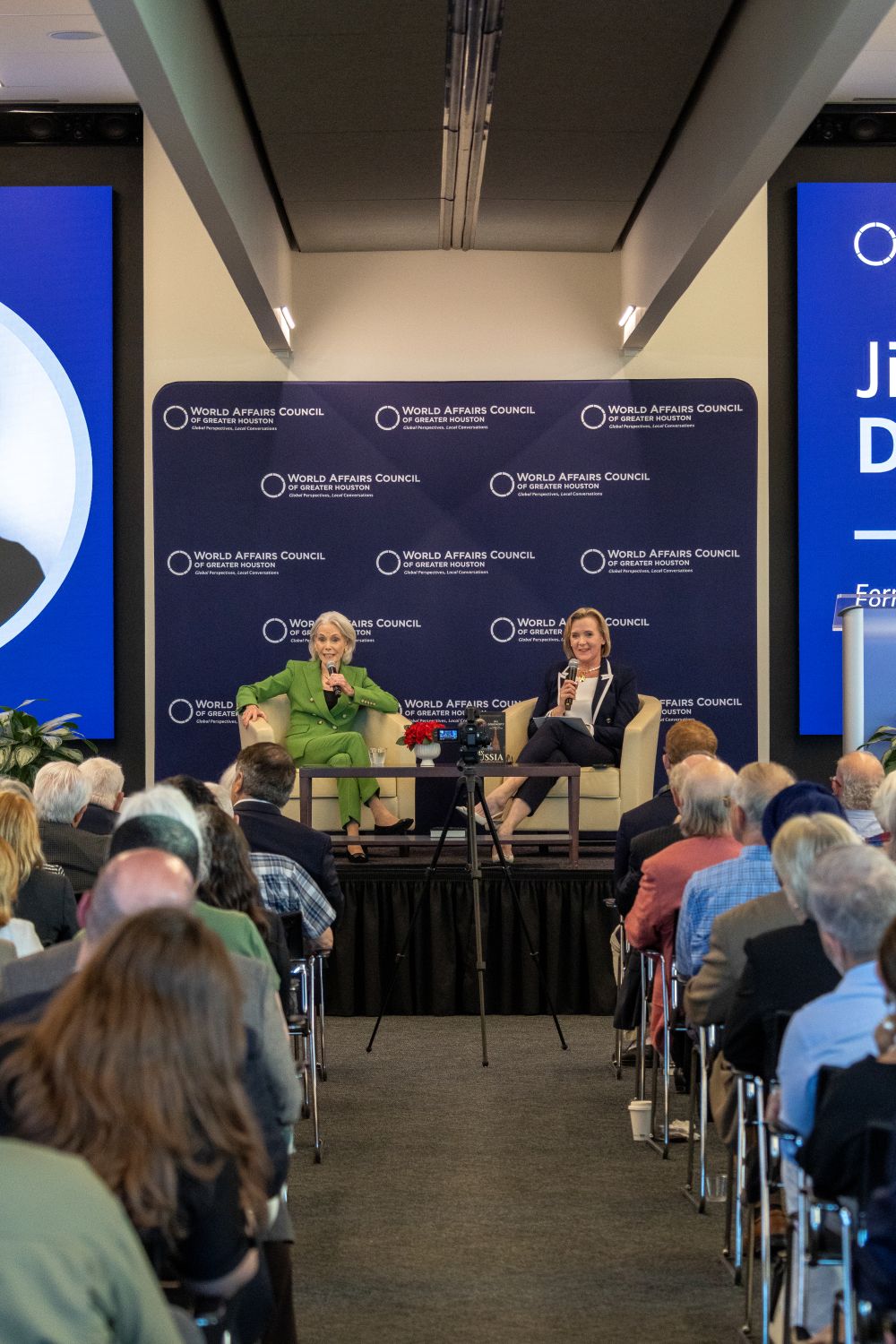
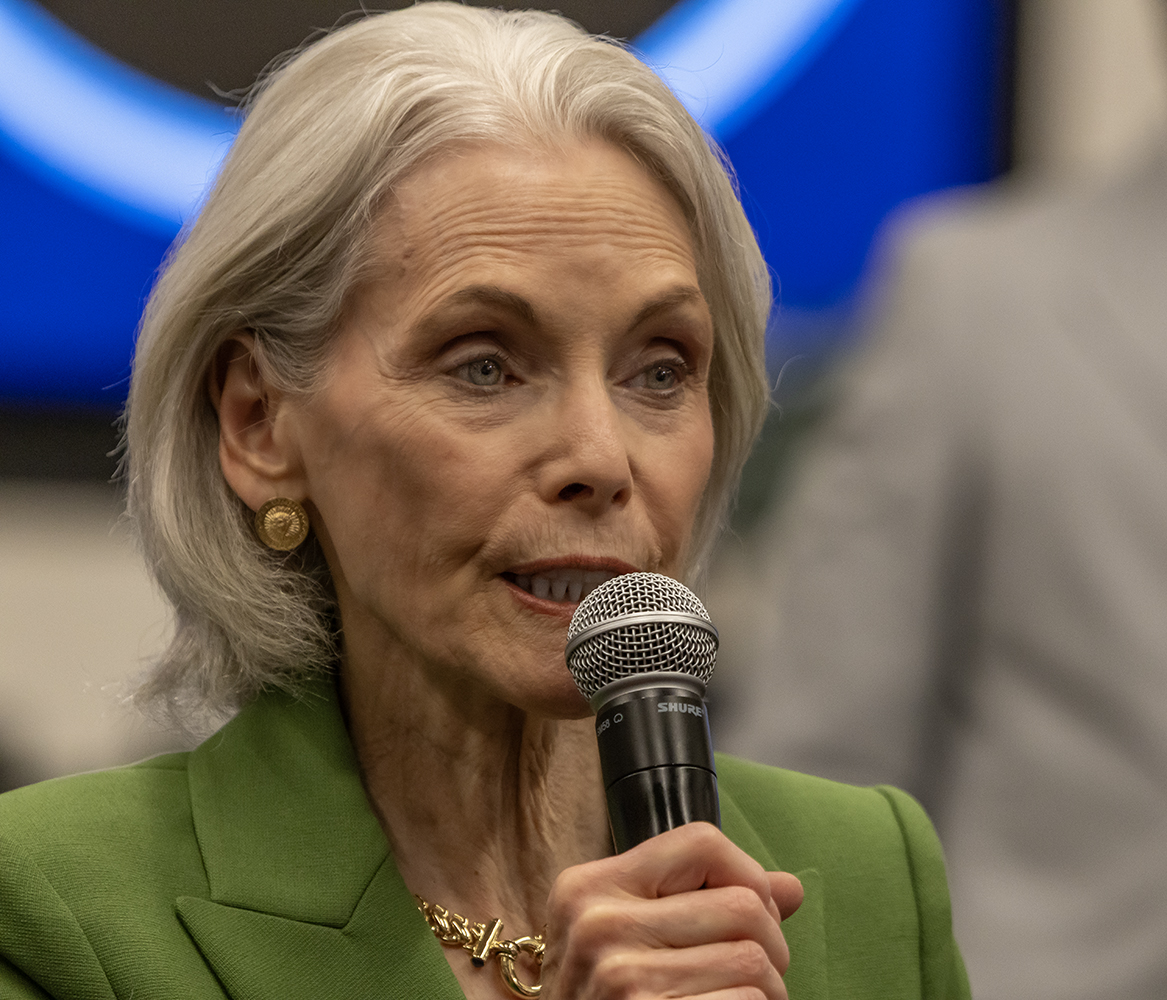
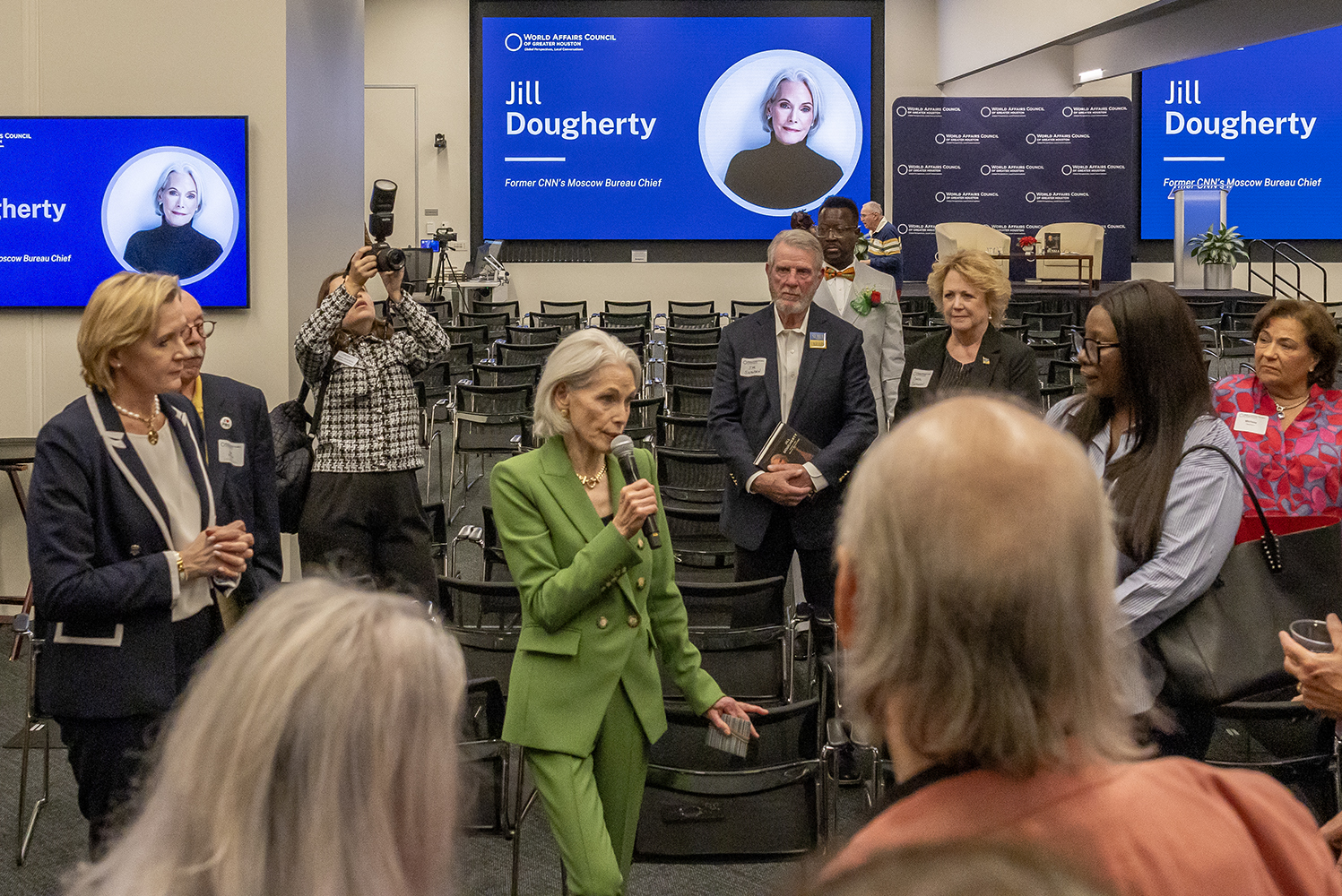
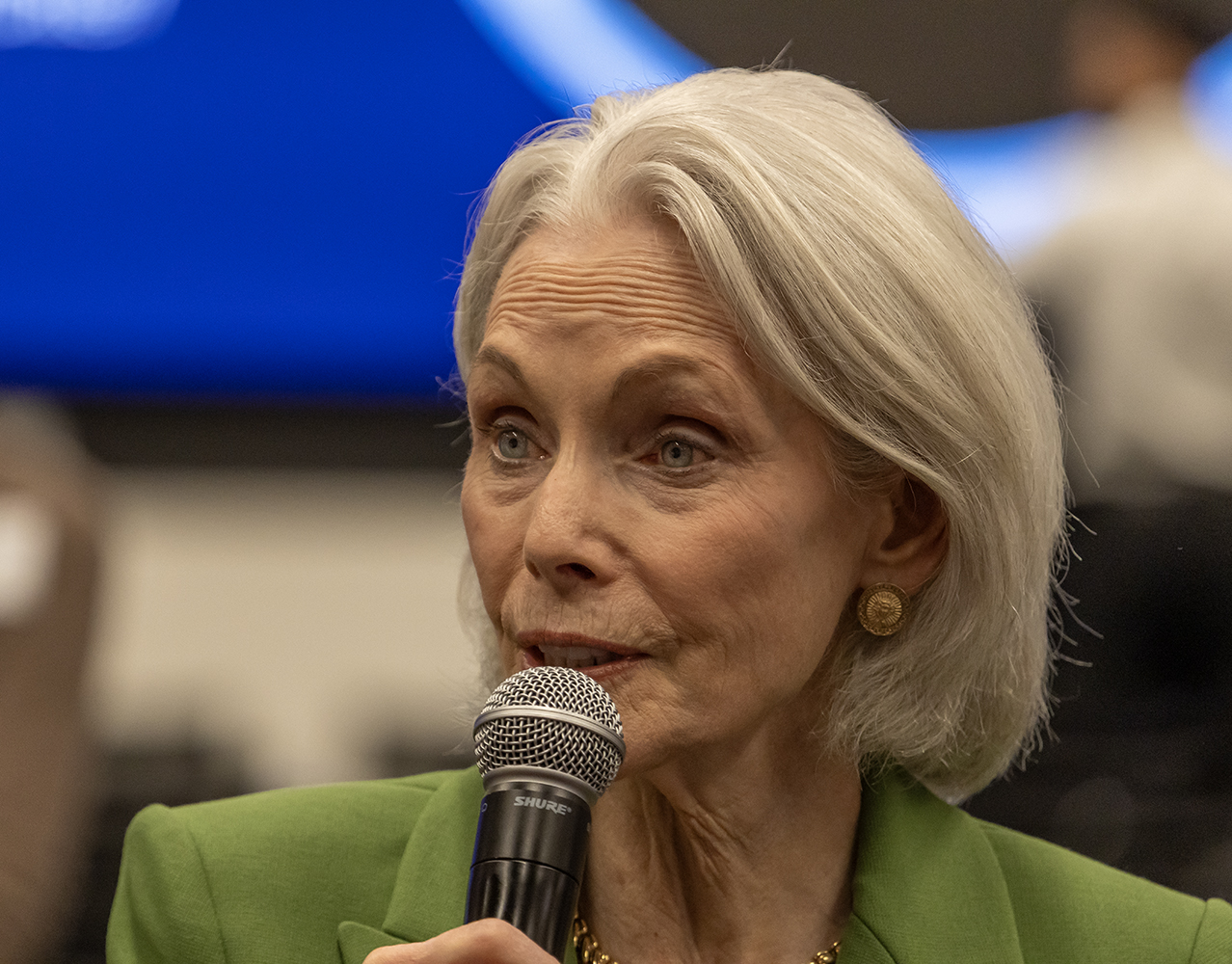
It’s always a good evening at the World Affairs Council, and with Jill Dougherty on the agenda, this evening was no different. Ms. Dougherty discussed her time in Russia–which dated back to the 1960s, when she did a study abroad there–her interactions with Vladimir Putin, and her hopes and fears for the future of international relations.

Following an introduction by Ronan O’Malley…

…Ms. Dougherty began her discussion with a slideshow of her early years in Russia. She had the opportunity to travel to Russia–along with her twin sister…

…while in school, in part, because she had studied the language in grade school.
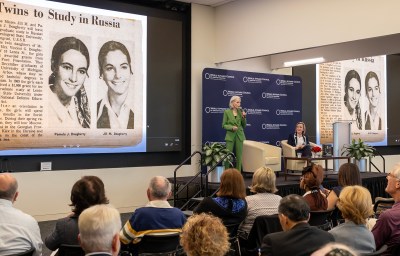
Although Dougherty enjoyed studying in Russia, she was aware, even as a young person, that government officials followed her and, occasionally, when she was presenting to crowds, undercover government officials would hector her during question and answer sessions, being dismissive and negative about life in the United States.
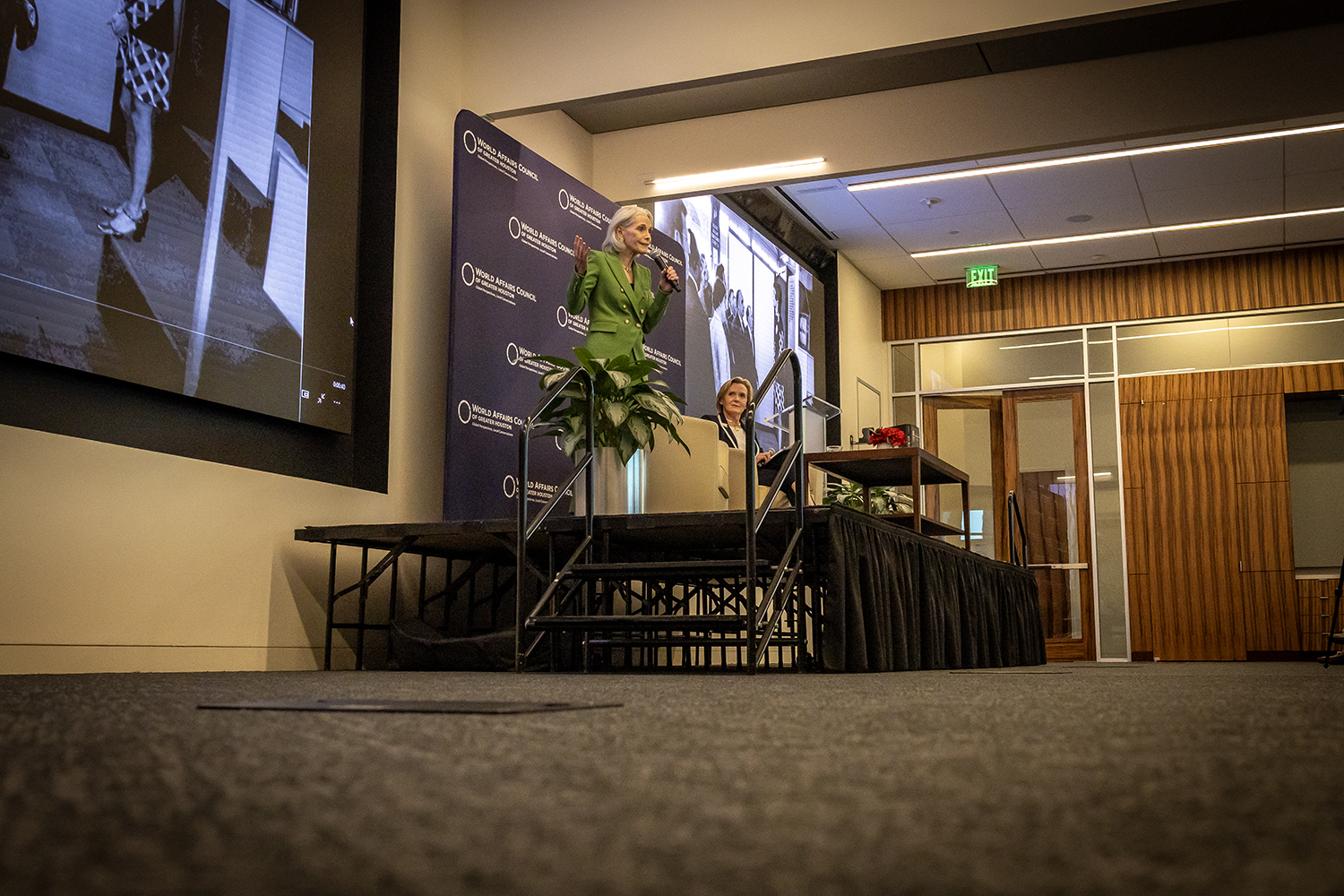
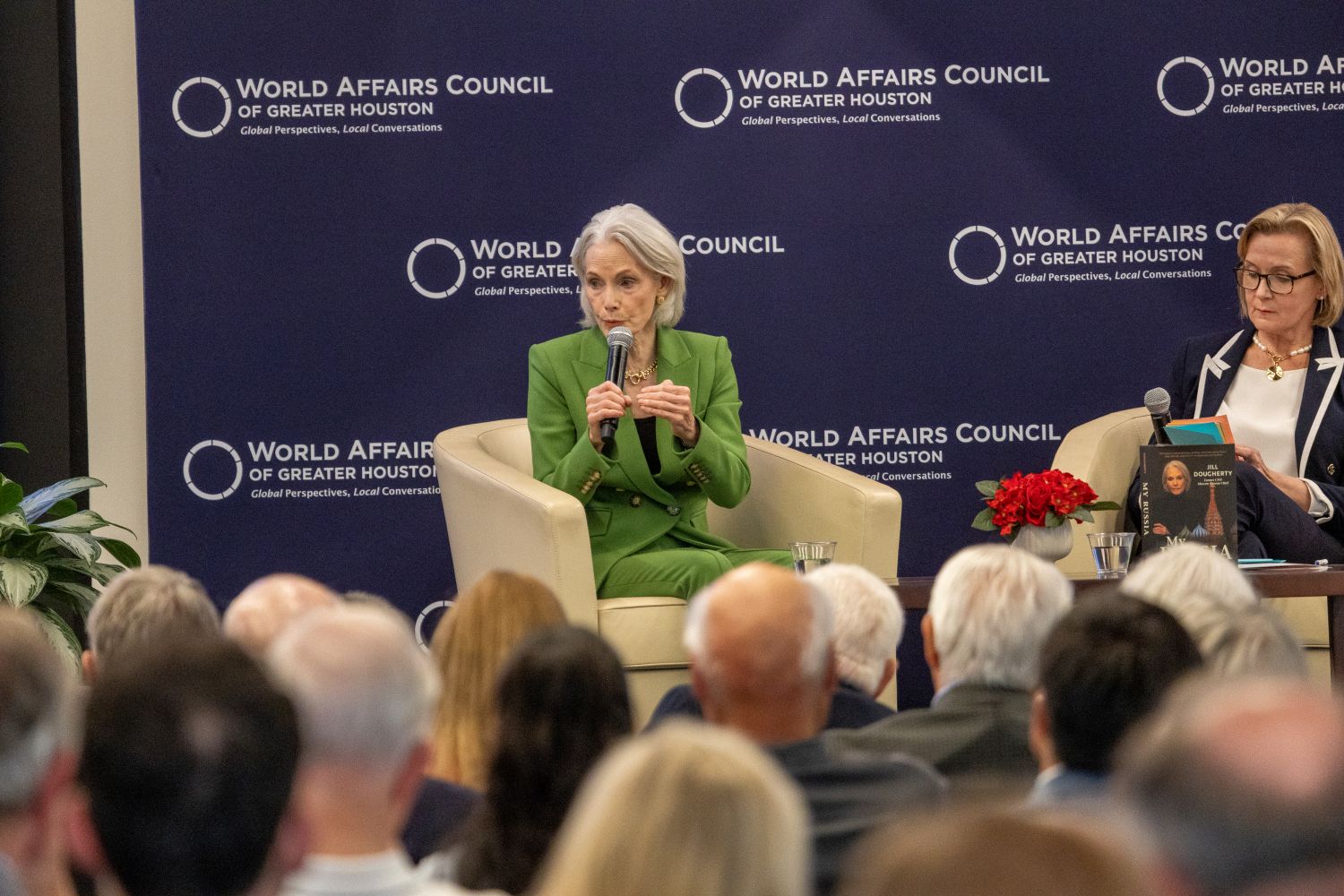
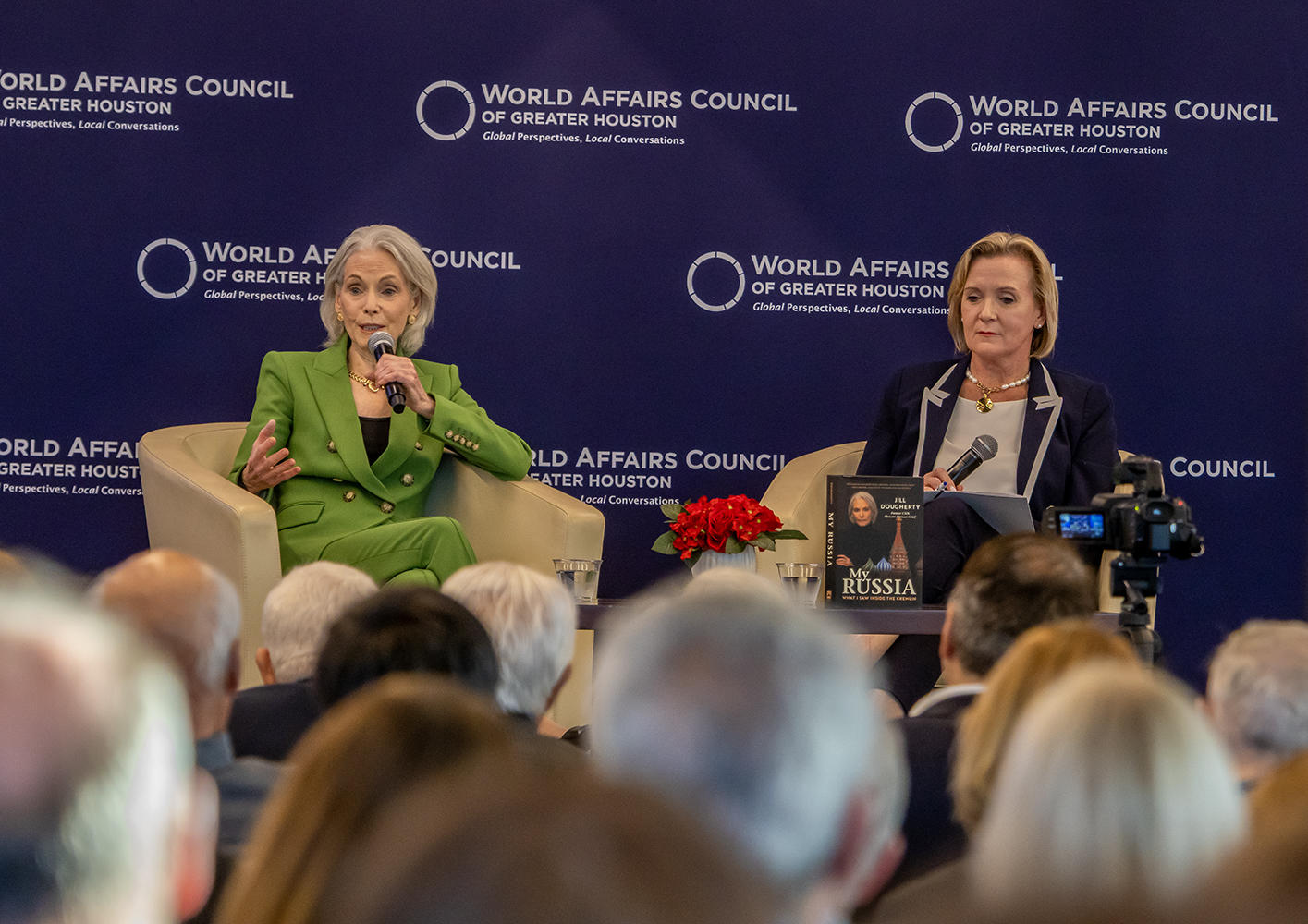
Following her presentation, WAC’s Sandija Bayot moderated the discussion. She asked Dougherty to discuss how Russia has changed since the hopeful days of Gorbachev and Yeltsin.

And while the 1990s may have been a hopeful time for the world and Russia’s citizens, the transition from Communism to democracy was chaotic, and leaders weren’t able to build an infrastructure that was capable of sustaining a democracy. Putin came in, and in contrast to Yeltsin, he was sober and had a vision for Russia’s future.

The vision, she notes, is heavily influenced by the leader’s belief that the USSR was taken advantage of, exploited, and humiliated in the post-Cold War era. This “chip on his shoulder” shapes his actions, and the government fails to enact democratic procedures, protect civil liberties, or honor any sort of free speech. This latter point is, ultimately, what prompted Ms. Dougherty to leave Russia, disappointed in what the government has become, but in admiration of the Russian citizens, culture, and language.

Jill Dougherty ended her discussion with hopes that one day she’ll be able to return to the country and experience again the Russia she once knew. 

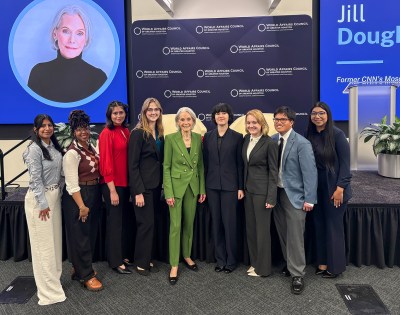
She closed to much applause, and following her main discussion, we had the rare opportunity to spend some small-group time with her. She was a bit more candid, but just as lively and as interesting, further enhancing our night’s education.

And while I may be a newcomer to World Affairs Council events, it is events like these that keep me coming back!

Unknown's avatarAuthor mikeyawnPosted on April 13, 2026April 12, 2026Format AsideCategories Civic Engagement, International AffairsTags Center for Law Engagement And Politics, CNN, Jill Dougherty, LEAP Center, Sam Houston State University, World Affairs Council HoustonLeave a comment on Jill Dougherty, The Kremlin, and Vladimir Putin

World Affairs Council: Sex as a Spycraft Tool

Written by Olivia McCaughan

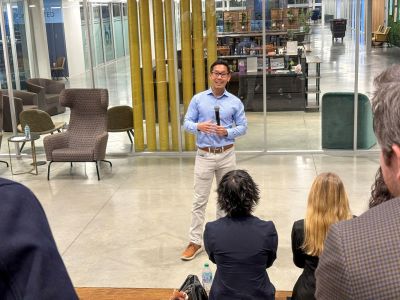
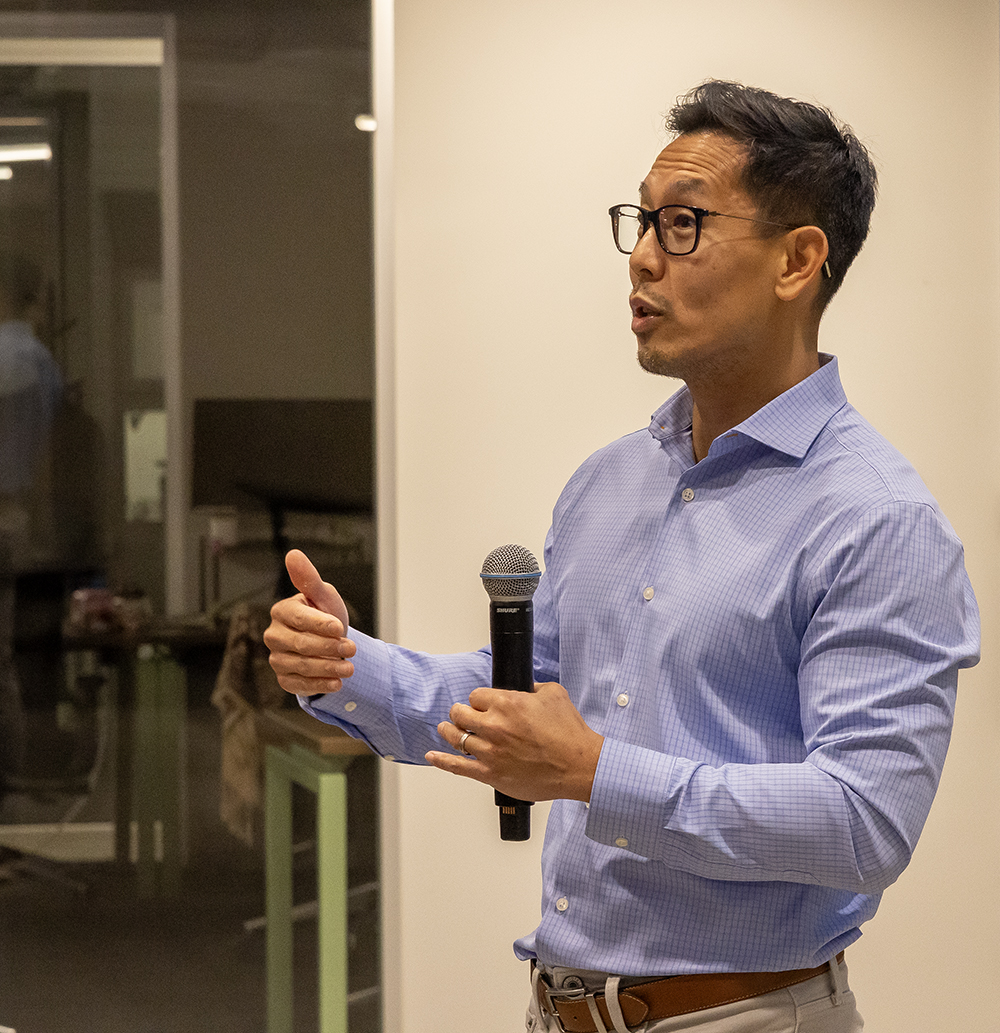
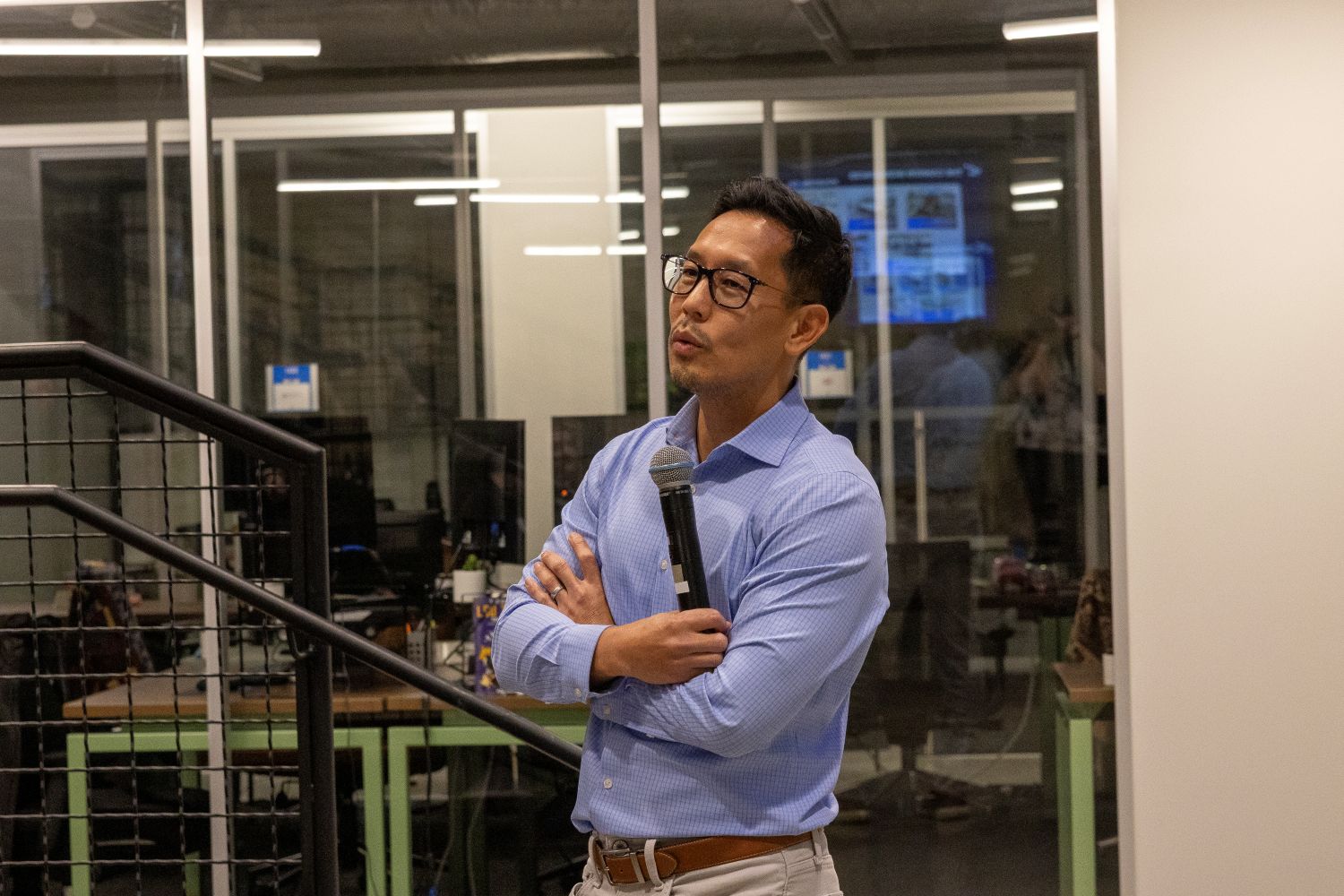
I have attended many World Affairs Council Events, but none has caught my interest in the way that Dr. Tam Dao did with his presentation on “Sexpionage”–the use of sex in the world of espionage.

Dr. Doa is the Associate Vice President for Campus Safety and Research Security at Rice University. Before joining Rice University, Dr. Dao held various positions at the FBI, including work in the counterintelligence task force, classified briefings, and as a certified hostage negotiator.

The event was in a smaller setting, making it more intimate and interactive.

Dao noted that men are much likely to be “victims” of sexpionage than women, and the examples he offered, such as Lt. Col. Benjamin Bishop, bore that out. We also discussed the case of Robert Hanssen, although this was not a true “sexpionage” case.

Not all the cases, however, were as high profile as the above. In many cases, the “espionage” is the process of surreptitiously gaining access to professors’ academic research. Interestingly, Dao noted, many of the people who are seeking this information are doing it for the love of their native countries–despite the fact that they live in the United States and enjoy the opportunities the US affords them.

Dao, an immigrant himself, finds this behavior curious and ironic. While acknowledging flaws in the US culture, politics, and economic system, he praised the US for the opportunities it has offered him and his family.

This was one of the most enjoyable of the WACs we have attended, a sentiment we shared with Dr. Dao following his presentation.

Katz’s Deli

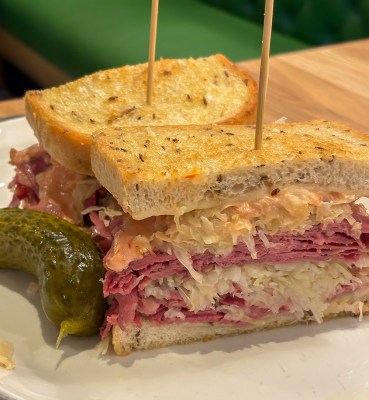
Following the WAC event, we stopped at Katz’s Deli, where we enjoyed various deli-type sandwiches, including a Lox sandwich, a Reuben…

…cabbage rolls…

…and some shakes for the road.

It was a sweet ending to an enjoyable evening!

Unknown's avatarAuthor mikeyawnPosted on March 5, 2026March 4, 2026Format AsideCategories Civic Engagement, Criminal Justice, International Affairs, PoliticsTags Center for Law Engagement And Politics, Dr. Tam Dao, Espionage, LEAP Ambassadors, Sam Houston State University, World Affairs Council HoustonLeave a comment on World Affairs Council: Sex as a Spycraft Tool

The Rise of Africa’s Youth: Insights from Ambassador Michelle Gavin

By Allie Plunk

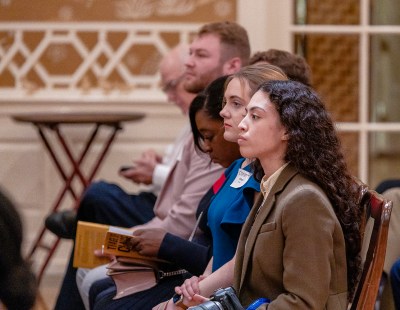
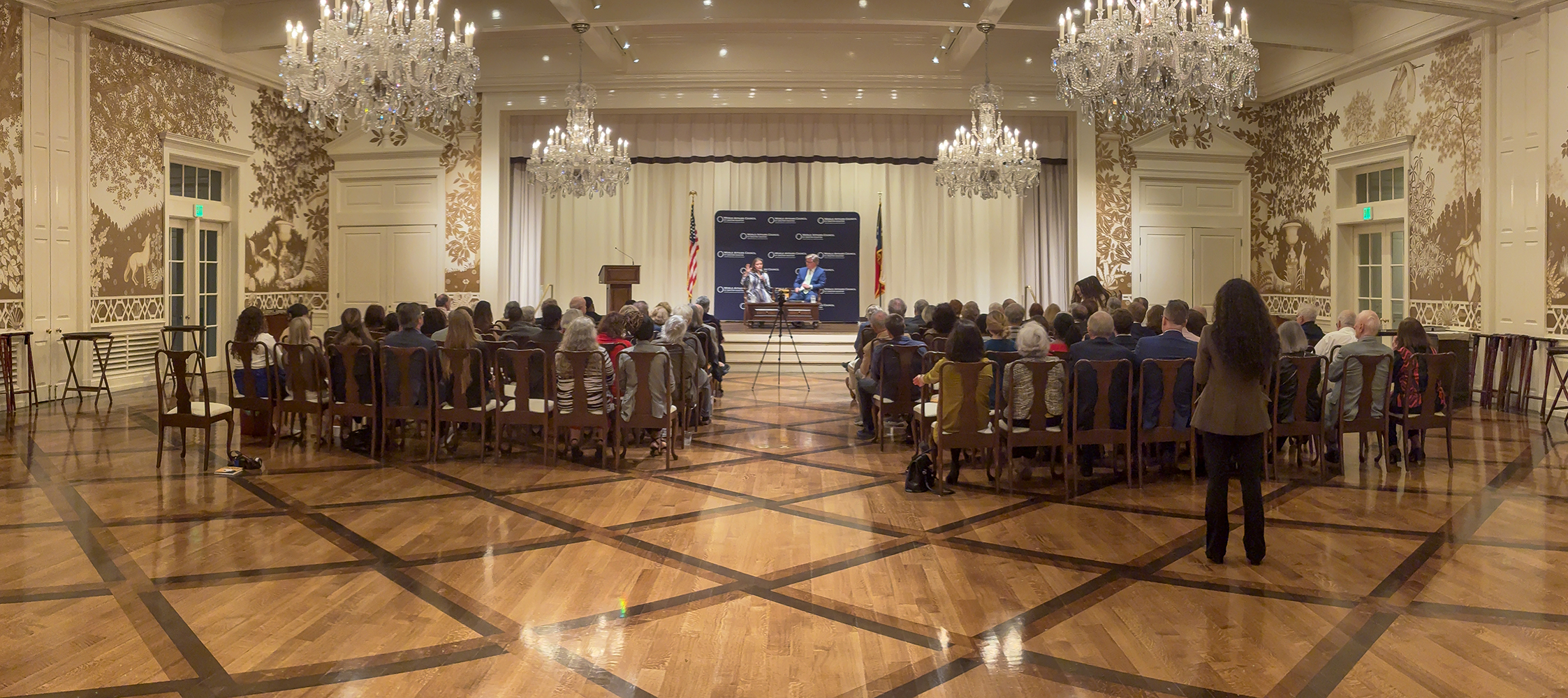
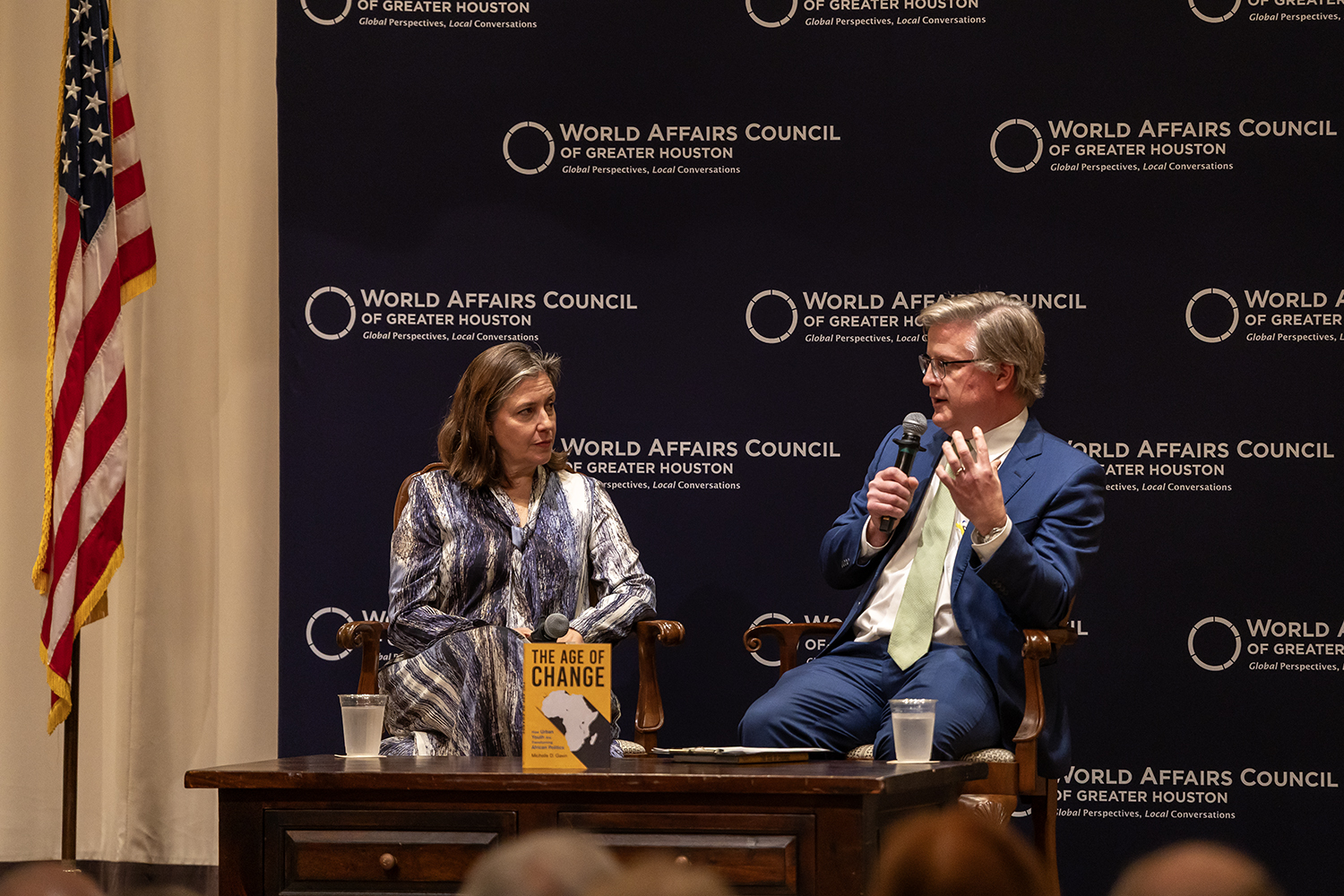
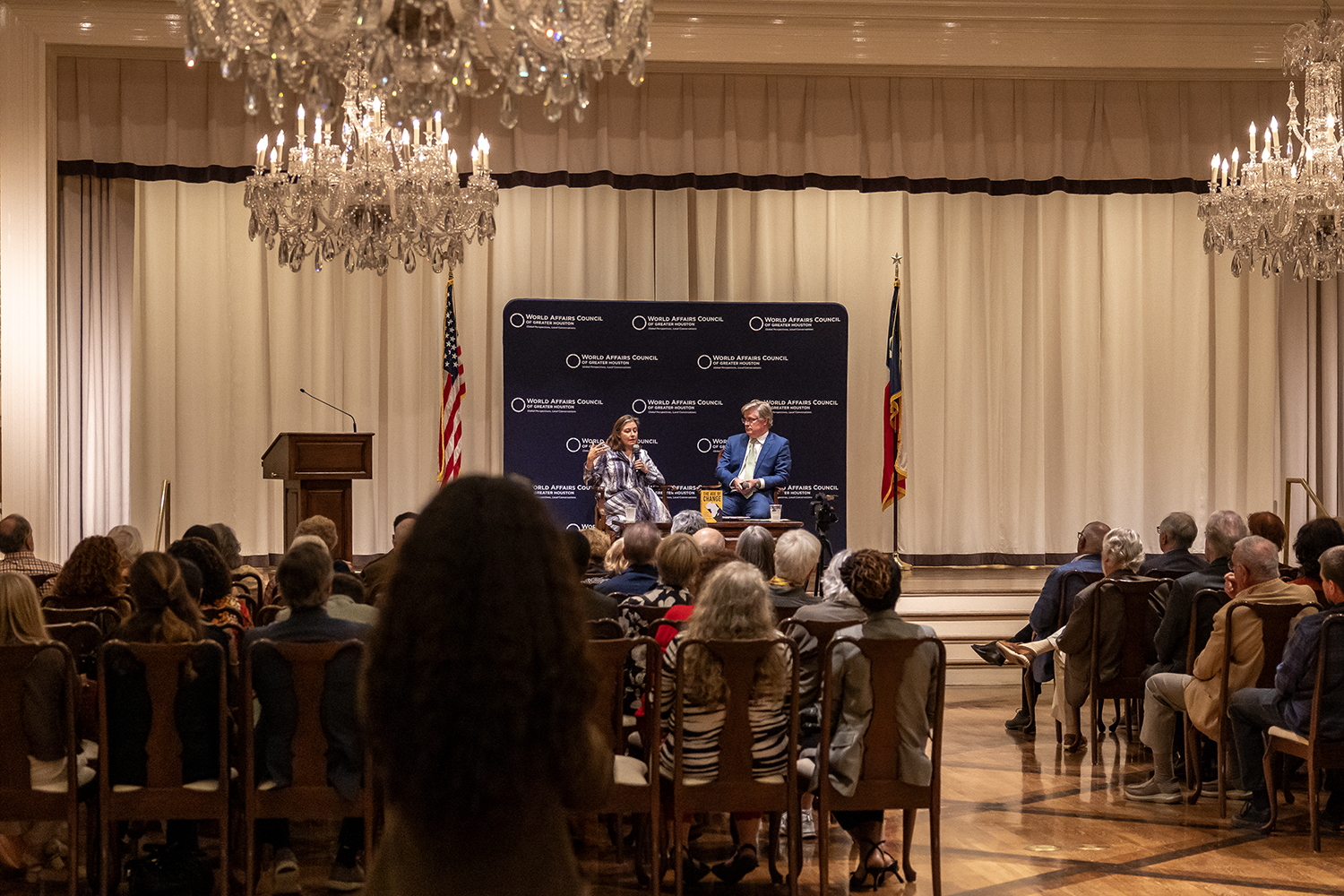
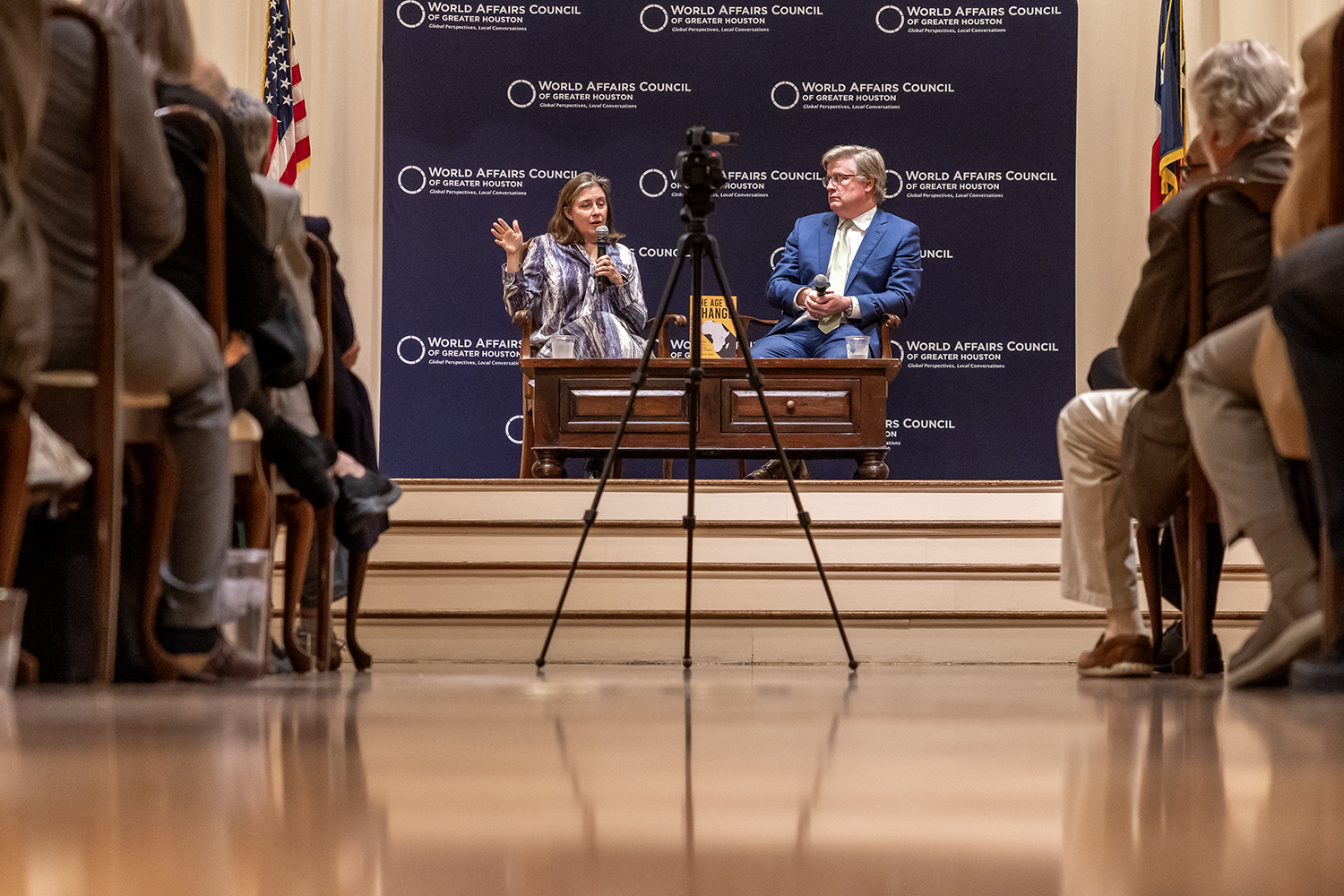
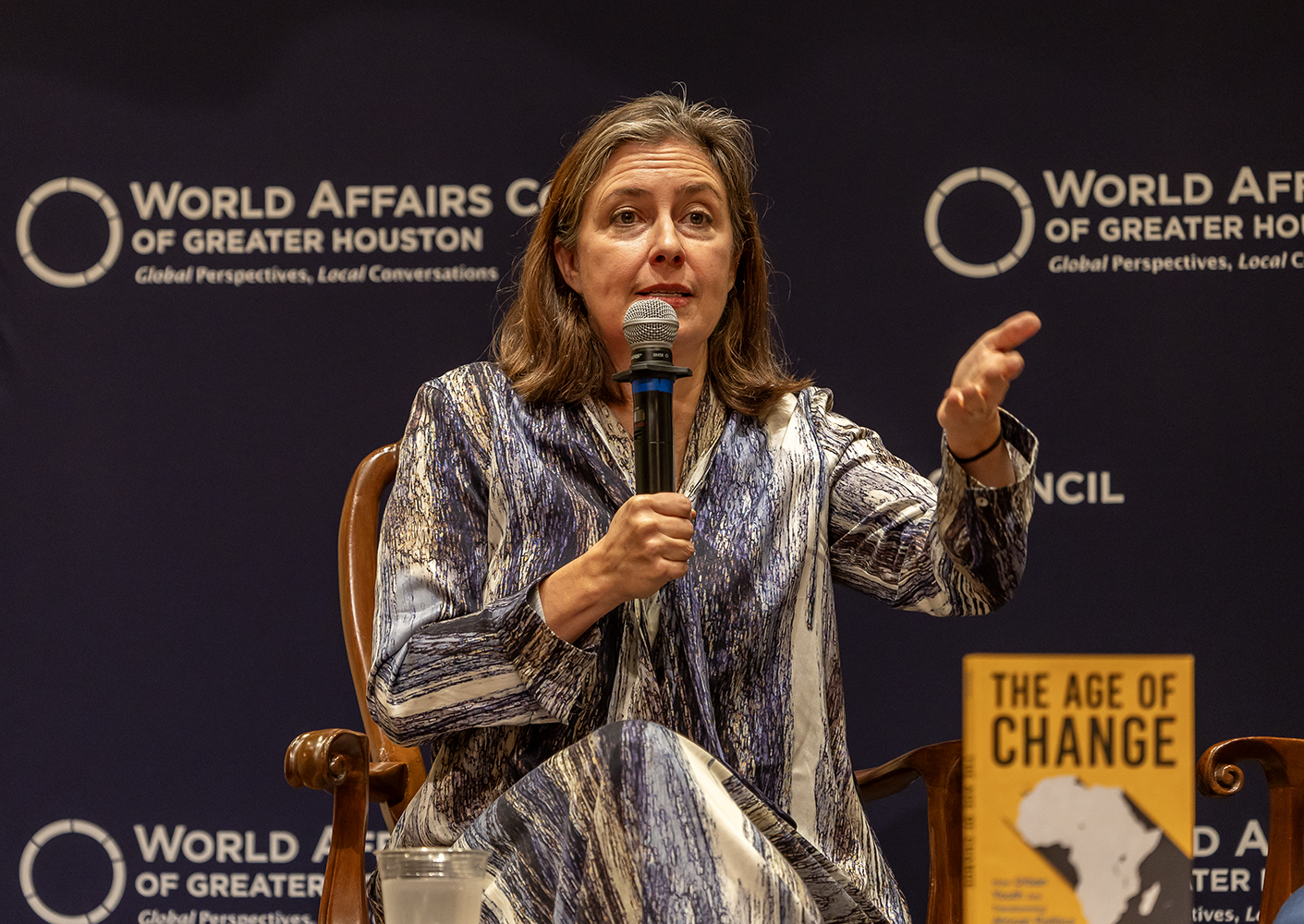
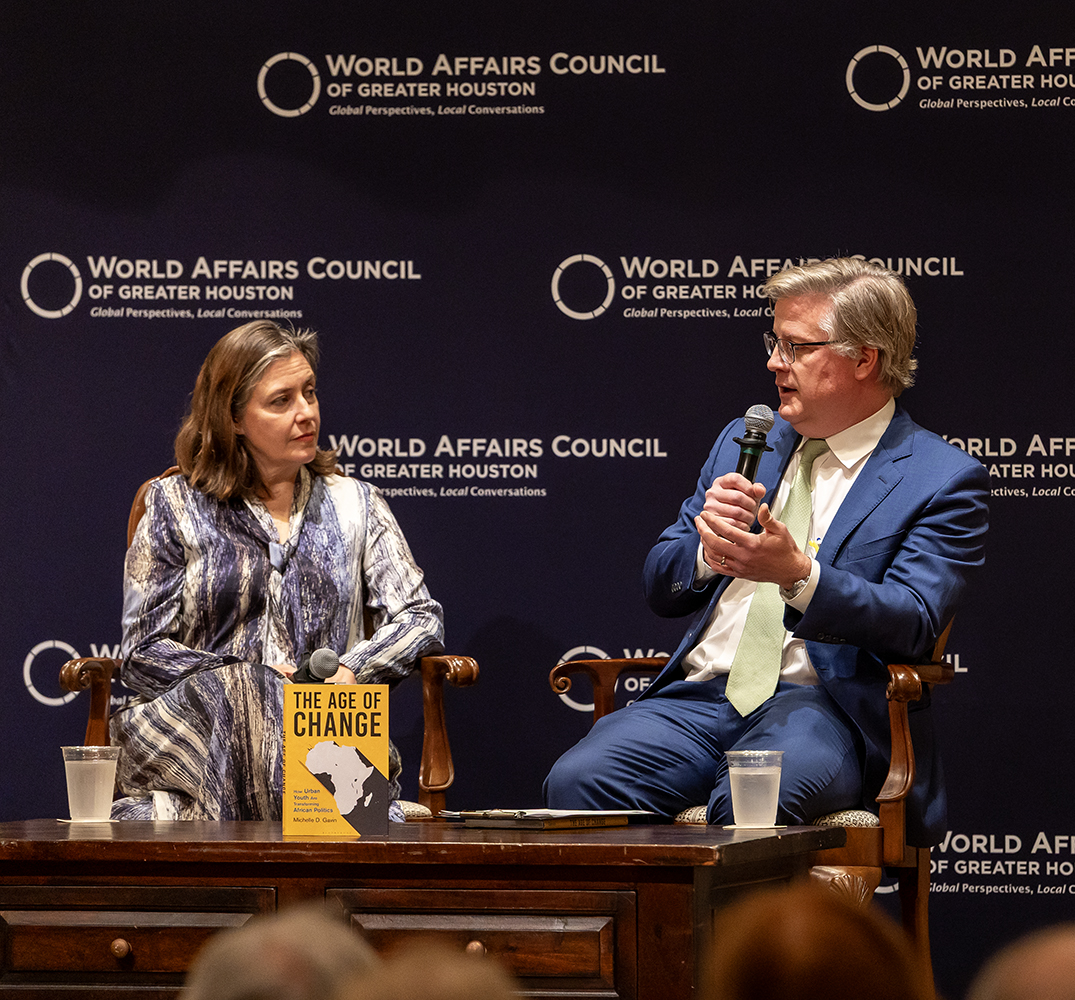
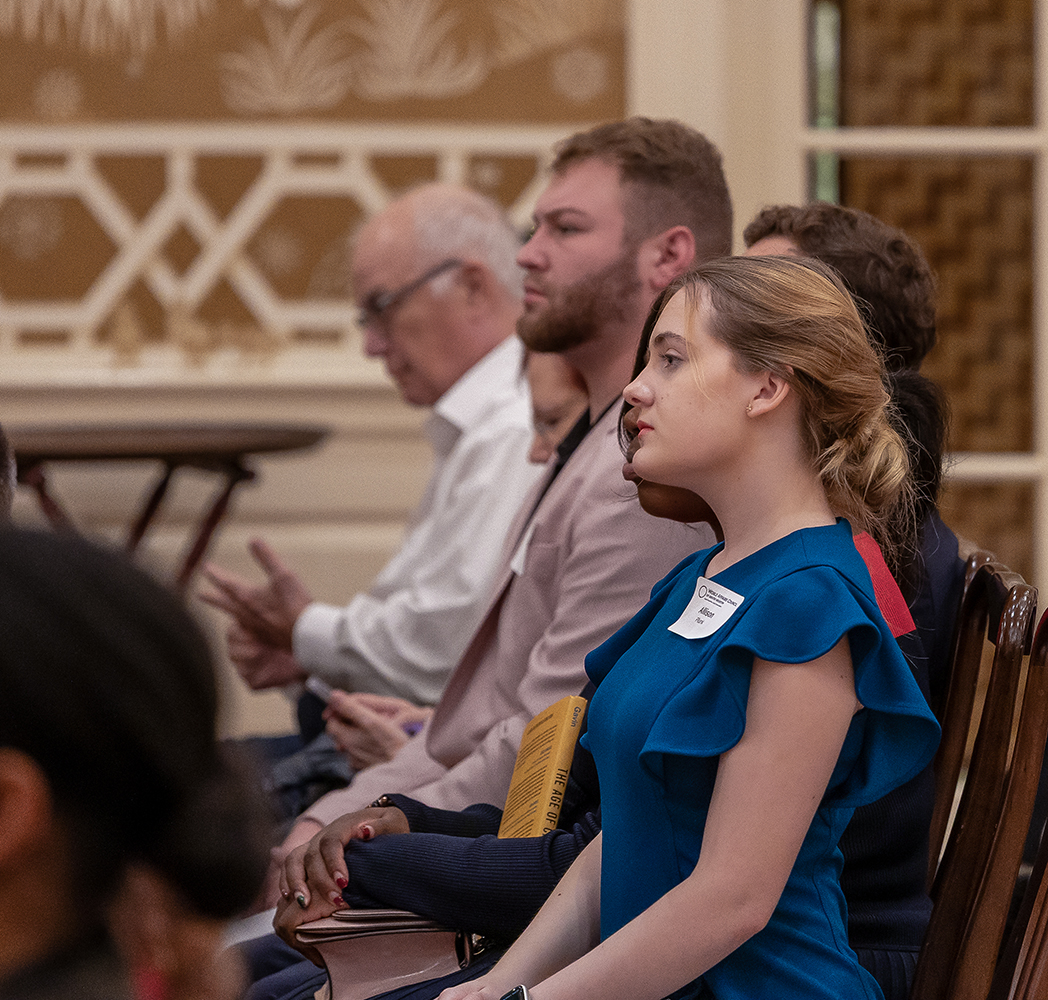
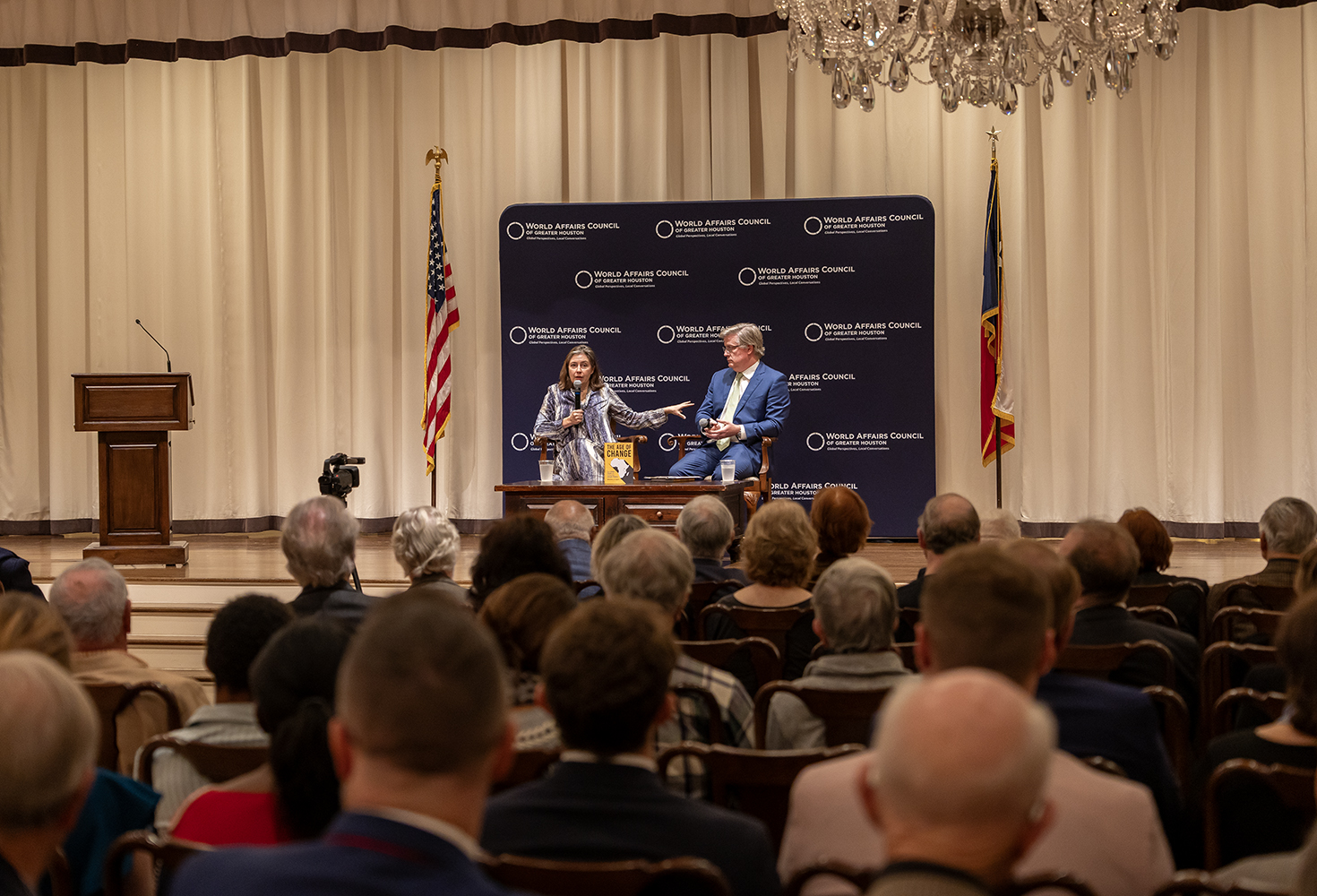
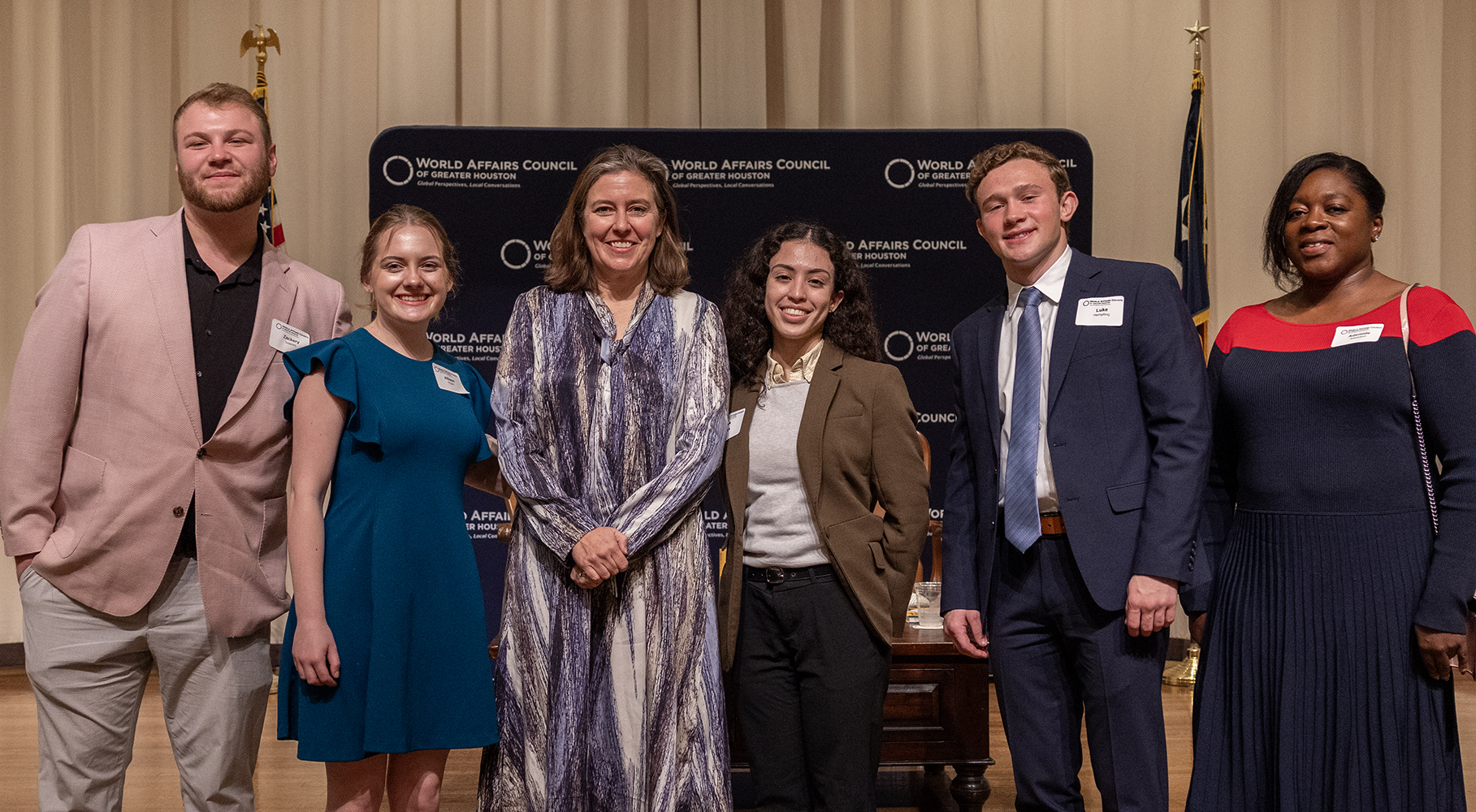
On February 2, LEAP students Zackery Isaacks, Mikaela Baires, Luke Hempfling, and I accompanied Professor Yawn and former Junior Fellow/LEAP Ambassador Ademide Adedokun to the Junior League of Houston to hear Ambassador Michelle Gavin speak about the rapid changes occurring in African politics– and what that might mean for the futures of African youth. 

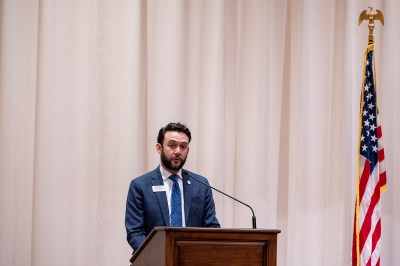
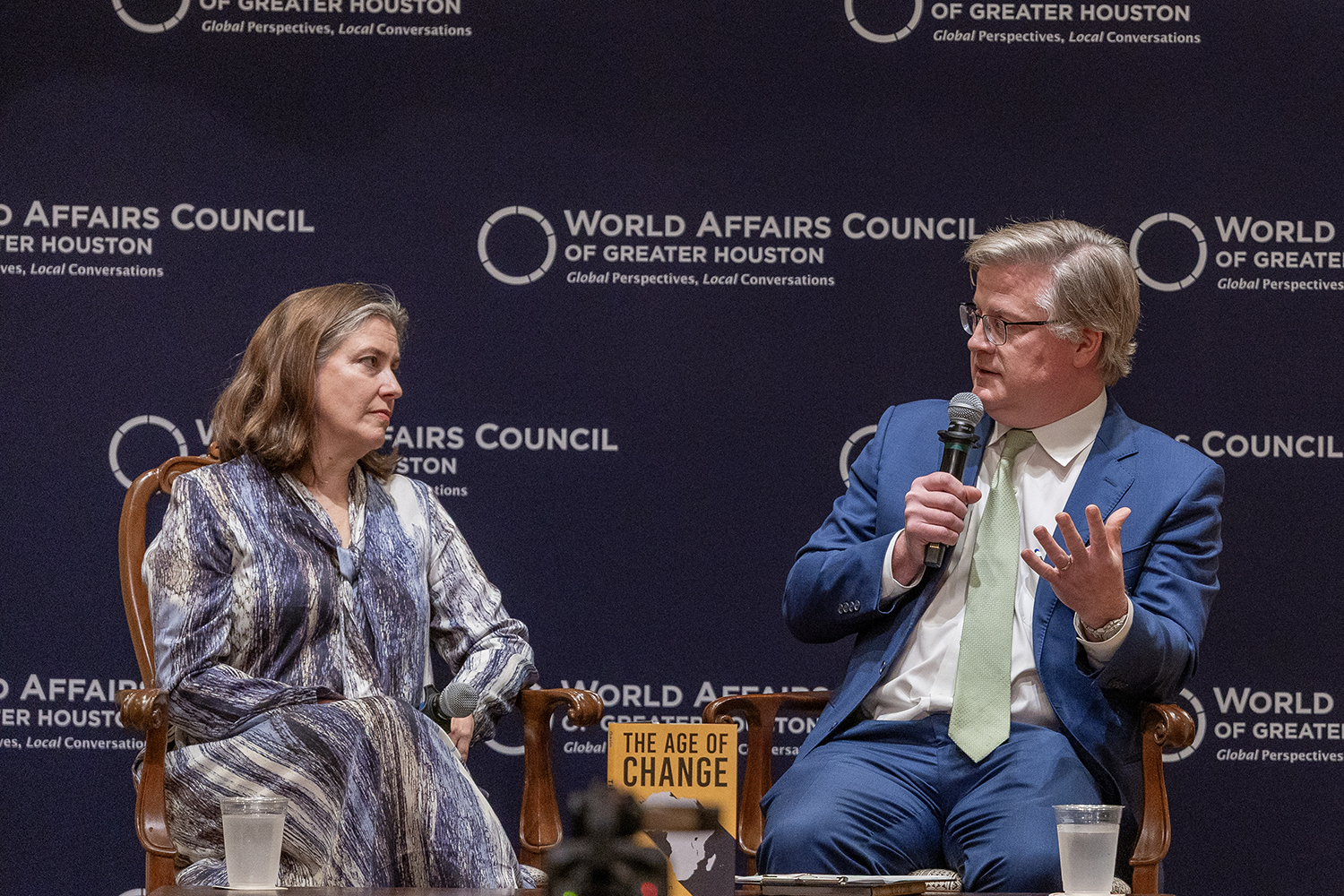
After Jahan Jafarpour, the Director of Programs, offered a brief introduction…

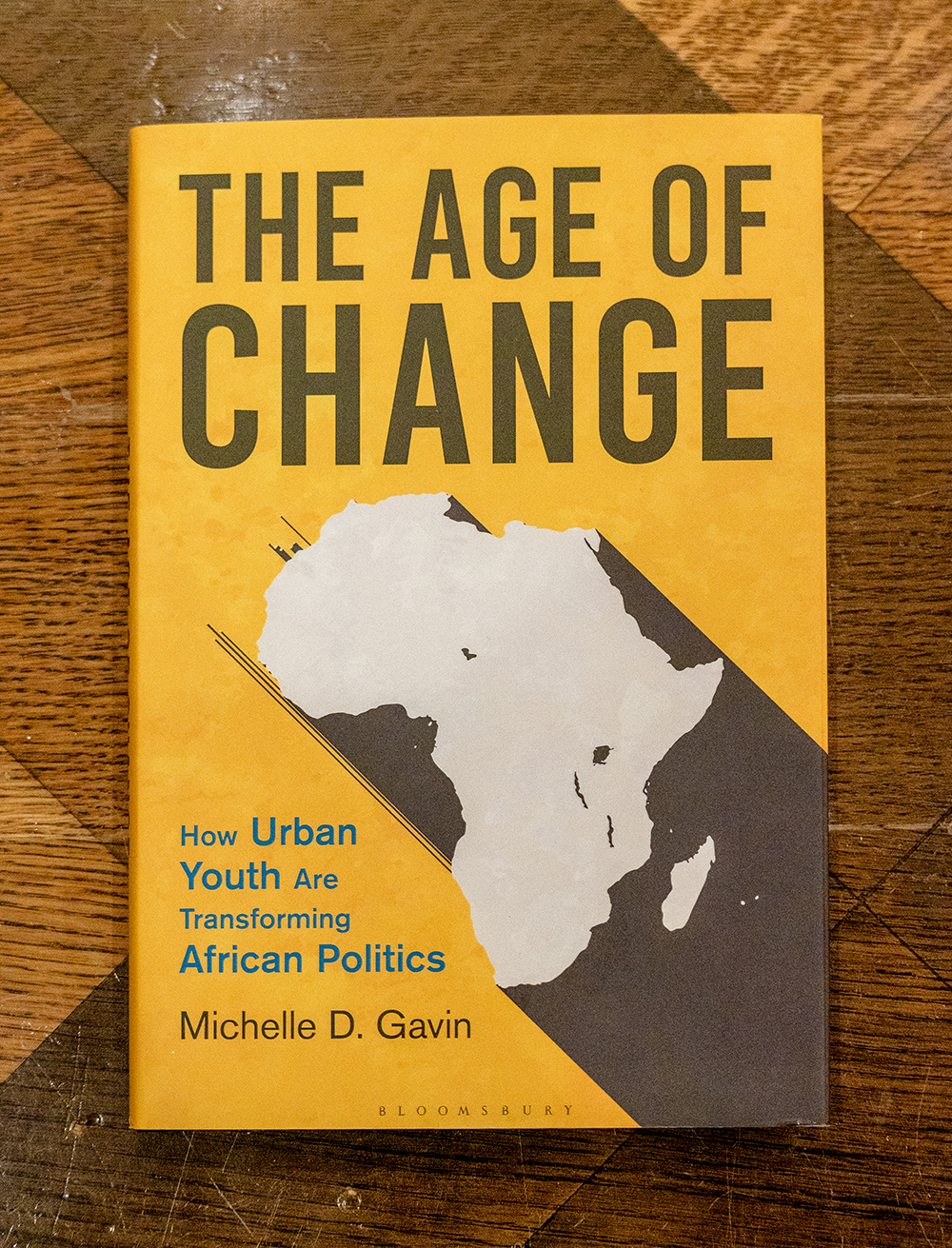
…our favorite moderator, Ronan O’Malley, began the interview, discussing some of the ideas Ambassador Gavin explores in her book, The Age of Change. One of these is the concept of a “demographic dividend,” which means a big boost to national productivity due to the increase of labor force and decrease of dependents, and this is occurring in a large number of Africa’s 54 countries.

While young people are gaining power in numbers and entering the job market, older generations are still running the government. Ambassador Gavin highlighted the example of Paul Biya, the President of Cameroon, who has been president for forty-three years, and he was just re-elected in October for another seven-year term. While some may political stability, others may see the potential for corruption and a stale–rather than dynamic–political culture.

Such regimes, according to Gavin, may not last much longer, as the African youth are becoming increasingly urbanized and have more resources to be connected. Under such circumstances, political organization becomes possible and real change can occur.

There are models of successful democracies in Africa, and if young people use countries such as Botswana as models, it is realistic to think that democracy can spread. Botswana has maintained peace and stability by electing good leaders, preventing corruption, and using their greatest natural resources (diamonds) wisely. In terms of governance, they use “Kgotla meetings,” something akin to “town halls,” which allow citizens to bring questions and concerns to community leaders. This provides for a sense of interconnectedness, promotes accountability, and allows for clear and frequent communication.

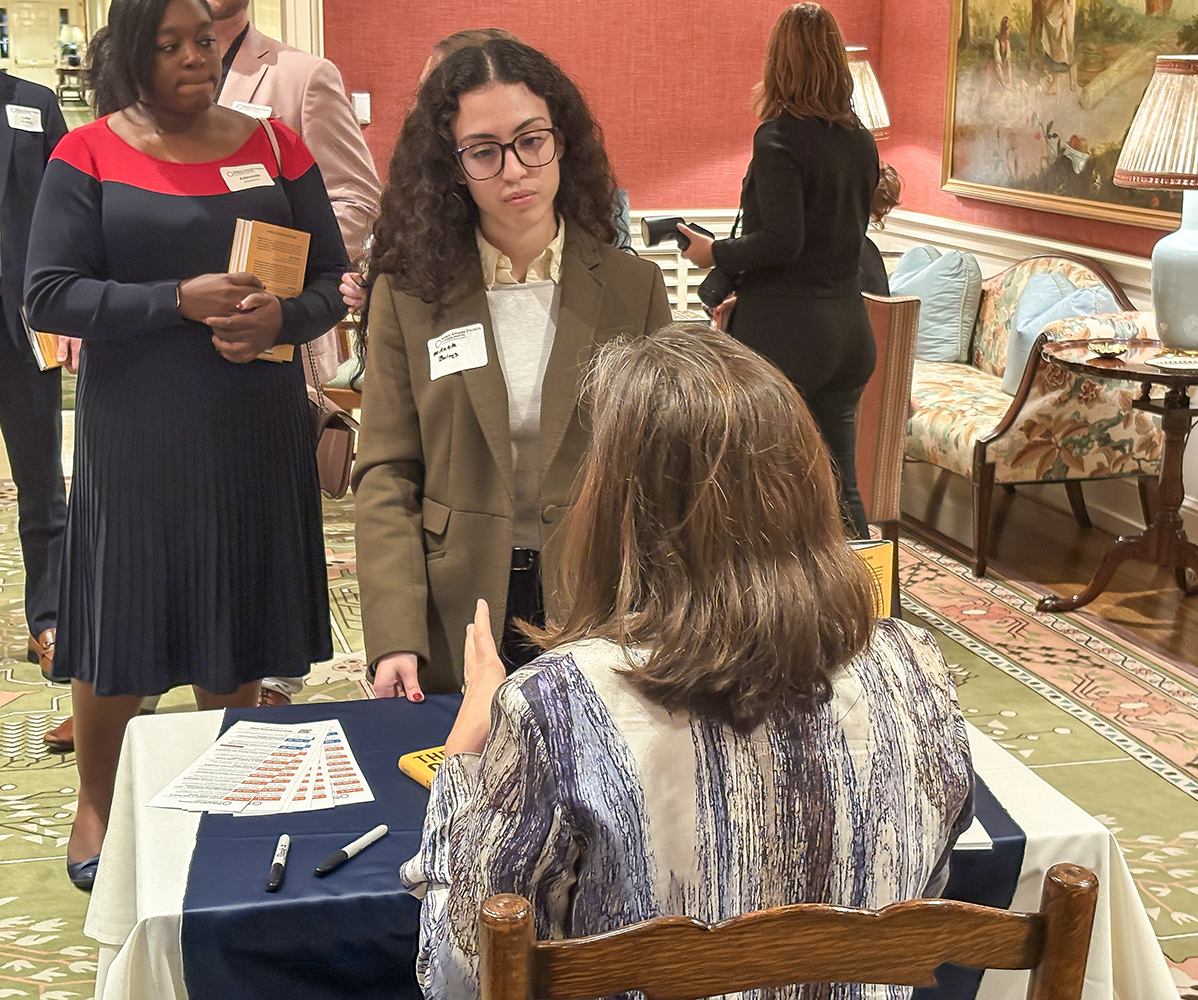
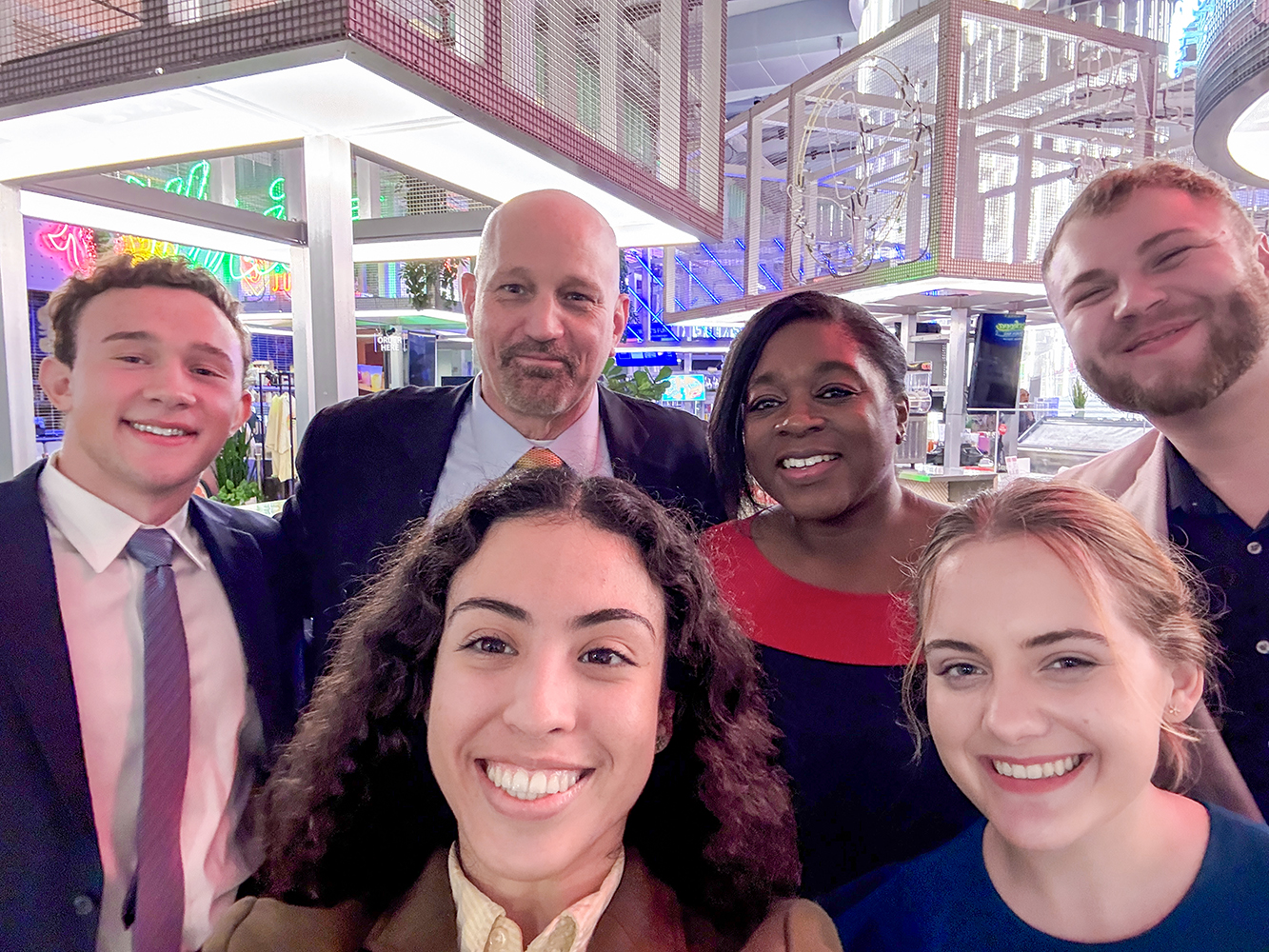
Following the talk, Maria Guarache swept us up to see Ambassador Gavin, and we were able to get photographs and our books signed, capping off a wonderful program.

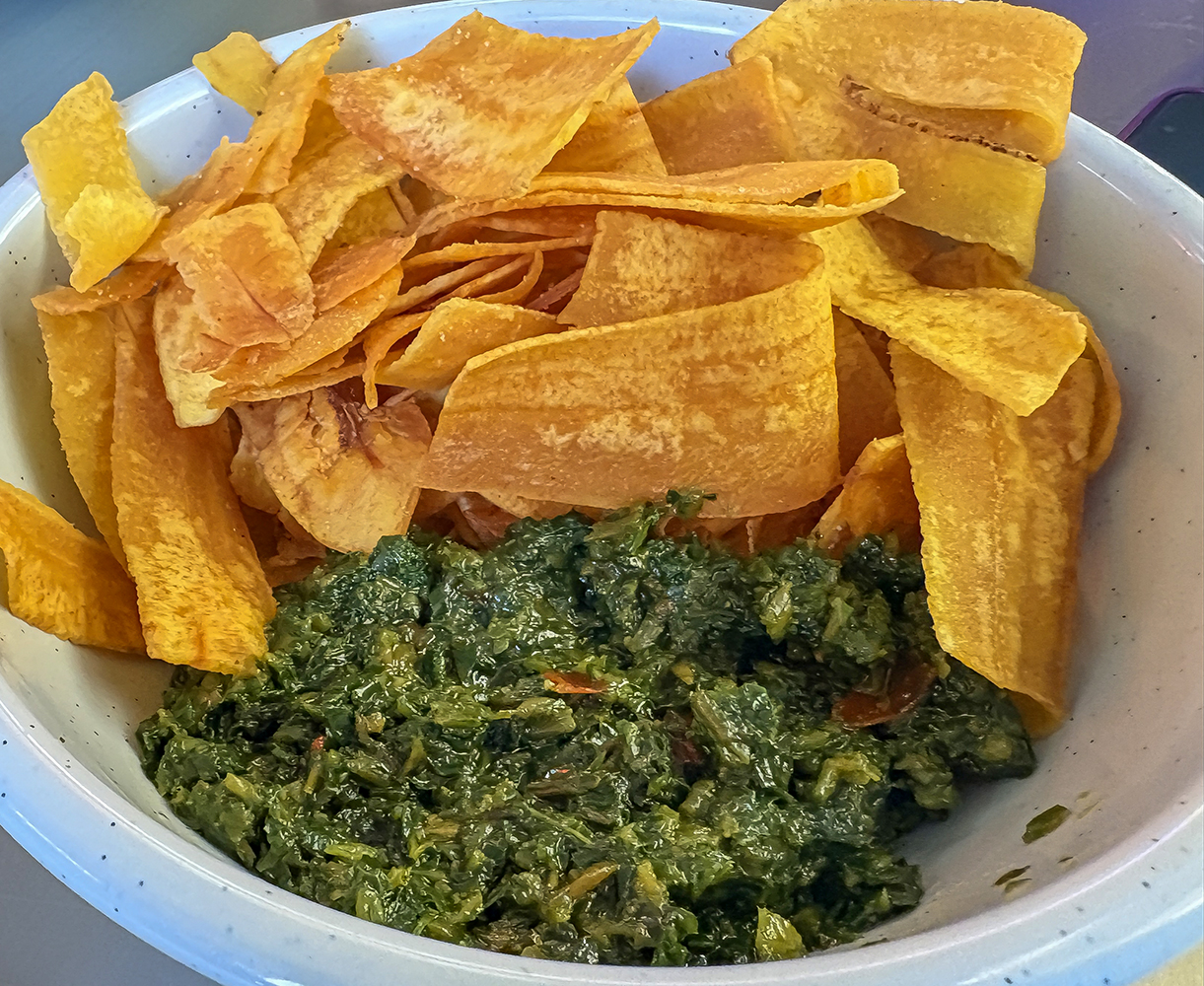
And, to further enhance the evening, we joined Ms. Adedokun at ChopnBlok for some African food. Many of us had never tried African food before, so it was a nice way to add even more educational aspects to the field trip, while also learning more about Ms. Adedokun and her career, her perception of African politics, and a little bit of LEAP history, all wrapped into a top-notch meal by a James Beard Award-winning chef.

Unknown's avatarAuthor mikeyawnPosted on February 5, 2026February 4, 2026Format AsideCategories Civic Engagement, International Affairs, PoliticsTags Ambassador Michelle Gavin, Center for Law Engagement And Politics, LEAP Ambassadors, LEAP Center, Sam Houston State University, SHSU, World Affairs Council HoustonLeave a comment on The Rise of Africa’s Youth: Insights from Ambassador Michelle Gavin

Understanding Globalization: Lessons from a Leading Journalist

Kayla Fleming

With the semester over, LEAP students had the opportunity to continue their learning with the World Affairs Council in a program featuring The Washington Post reporter David Lynch. Hosted at the Junior League of Houston, the event featured moderation by Ronan O’Malley and covered a wide range of aspects of ‘The World’s Worst Bet”–that is, globalization. 

Lynch defined globalization as referring “to the easy movement across countries and continents of money, technology, and phenomena.” This is somewhat different than free trade, although, he noted, the two concepts are often used interchangeably.

In the 1990s, according to Lynch, many politicians suggested that free trade would help shape globalization, which was already occurring. By shaping how globalization unfolded through free trade, leaders believed, they could encourage countries to become more democratic and more capitalist, resulting in more world-wide freedoms.

In the 1990s, it seemed like these promises would come to fruition, as Lynch said that it looked like “the U.S. had cracked the code” at the time, something he believed to be true. He and others, however, failed to see that increasingly open borders would contribute to income inequality and growing nativistic tendencies; that democratic processes would not necessarily follow from increased trade; or that the more extensive supply chains could be exploited or disrupted by rising autocratic powers.

He did note that globalization would have occurred with or without free trade, and it will continue to do so. But the United States–and many other countries–have not created a process to ensure that globalization-induced wealth benefits everyone. Ominously, the rise of automation and artificial intelligence could exacerbate these trends to few life opportunities for those with limited skill sets (or the opportunities to expand their skill sets), and leaders will have to address these mutually reinforcing trends in tandem.

These concepts–and their consequences–were a lot to process in the first week of the winter break. But the weight of this process was counteracted by the engaging and educational manner in which O’Malley and Lynch presented the material, giving our leaders–and us–much to think about as we move into the future.

Unknown's avatarAuthor mikeyawnPosted on December 22, 2025December 21, 2025Format AsideCategories Civic Engagement, International AffairsTags Center for Law Engagement And Politics, David J. Lynch, Sam Houston State University, The Washington Post, World Affairs Council HoustonLeave a comment on Understanding Globalization: Lessons from a Leading Journalist

The Future of Public Service

by Michelle Cardenas

Another inspiring evening for the LEAP Ambassadors and fellow students took place at the World Affairs Council event featuring John B. Sherman, Dean of the Bush School of Government & Public Service at Texas A&M University. The event was held at the Junior League in Houston, a nonprofit organization dedicated to promoting volunteerism, developing women’s leadership, and improving communities through service, providing a fitting backdrop for an evening focused on public service. Even away from Huntsville, connections to home were everywhere, including a plaque honoring Junior League donors such as the Houston Endowment, which has ties to our hometown.

The evening began with Maryanne Maldonado, CEO of the World Affairs Council, who shared the Council’s mission and upcoming events. Dean Sherman was then introduced by his childhood friend, TJ Raguso, who spoke warmly about Sherman’s lifelong commitment to public service. From a young age, Sherman’s dedication to serving others was evident, and his friend’s introduction captured that spirit perfectly. 

Dean Sherman shared insights from his remarkable career, which spans over 30 years of leadership in national security and technology. A Texas A&M graduate and former Corps Commander of the Corps of Cadets, Sherman has held senior positions at the CIA, the National Geospatial-Intelligence Agency, and the Office of the Director of National Intelligence. Most recently, he served as Chief Information Officer of the U.S. Department of Defense, overseeing the Pentagon’s global IT and cybersecurity operations. 

He recounted stories from his time in public service, including being in the Situation Room during 9/11 and taking on unexpected leadership roles that required quick learning and high-stakes decision-making. Sherman emphasized that public service is not about money or prestige but about the fulfillment that comes from serving the nation and community. Reflecting on the words of President George H.W. Bush, he reminded us that public service is a calling–a commitment to something larger than oneself. He encouraged students to embrace opportunities, saying, “When an opportunity comes through, you always say yes.” His advice resonated deeply with many of us who have grown through LEAP, learning to take initiative and step into challenges. 

Dean Sherman also discussed the Bush School and how it prepares students to lead through both rigorous academic curriculum and hands-on real-world experiences.

He encouraged students to pursue public service at any stage of life, noting that meaningful experience can come from unexpected places. He also highlighted that the Bush School is a top feeder into the CIA, illustrating the real-world opportunities available to students willing to embrace leadership roles. 

Throughout his talk, Sherman addressed the evolving nature of global security. Leading the Pentagon’s IT and cybersecurity operations, he explained how modern warfare extends beyond physical combat to cyber attacks, satellite operations, and information breaches. Protecting the nation now requires innovation, vigilance, and strategic thinking in technology as much as in traditional defense. 

He concluded on an uplifting note, encouraging everyone to be engaged citizens, contribute to their communities, and embrace innovation, particularly in technology. After the talk, we had the privilege of meeting Dean Sherman, who spent time speaking with students individually, asking about our goals and offering thoughtful guidance. For those aspiring to be attorneys, he encouraged us to follow our dreams. For those interested in public service or foreign affairs, he highlighted the fulfillment that comes from serving others, reminding us that career paths are not fixed and that each new skill, experience, or challenge can prepare us for opportunities we cannot yet imagine. 

Following the formal event, we had a great opportunity to spend time with Dean Sherman in small groups, while also saying “hi” to Wendall Braniff, who has been very generous to us at various WAC events.

This kind of individualized interaction is a key part of what keeps us returning to the World Affairs Council events, but even in large groups, we have great opportunities to learn.

Dean Sherman’s guidance reinforced the importance of stepping into opportunities and giving back to the community– principles that are at the heart of the LEAP Center. Whether it is organizing events for the local community, participating in city and state internships, or serving through other civic initiatives, LEAP students actively embody the spirit of public service. Experiences like this event remind us that engaging with the world around us, learning from leaders, and stepping forward in our own communities are all part of preparing to be the next generation of public servants. Public service truly is a calling and through LEAP, we are already answering it. 

Unknown's avatarAuthor mikeyawnPosted on October 24, 2025October 23, 2025Format AsideCategories Civic Engagement, International Affairs, Public AdministrationTags Bush School of Public Service, Center for Law Engagement And Politics, Dean John Sherman, Sam Houston State University, World Affairs Council HoustonLeave a comment on The Future of Public Service

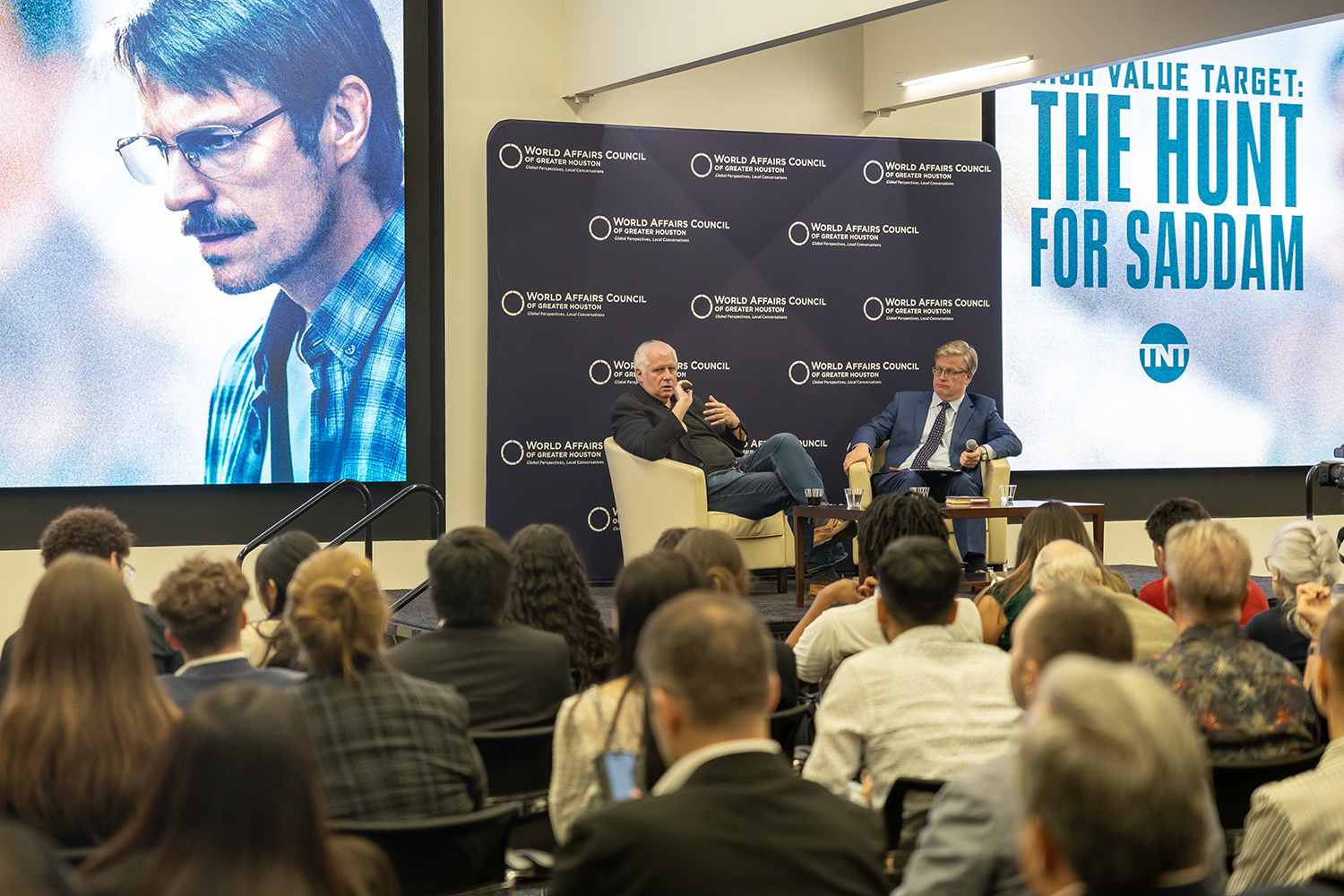
Inside the FBI–with James Conway

By Olivia McCaughan

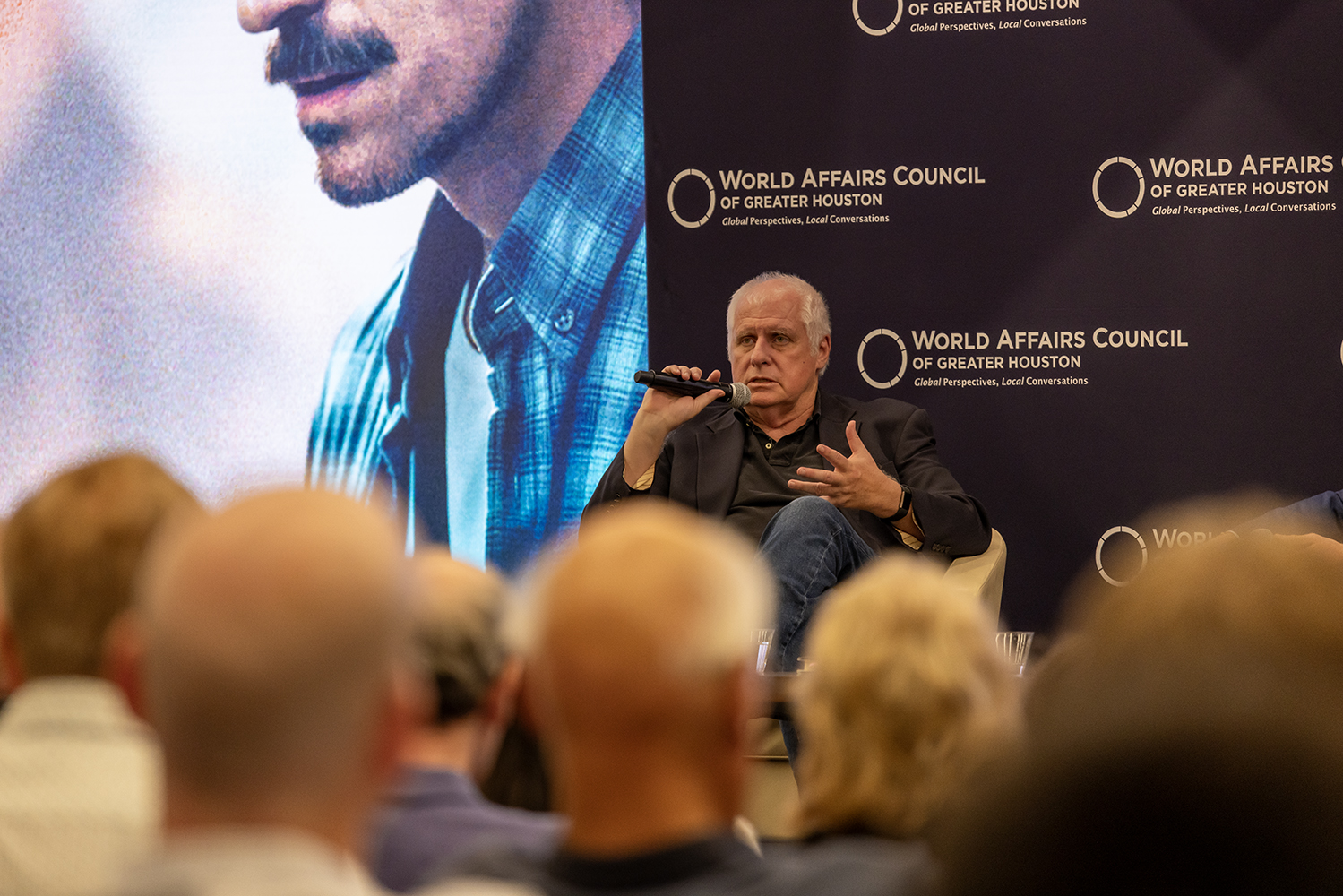
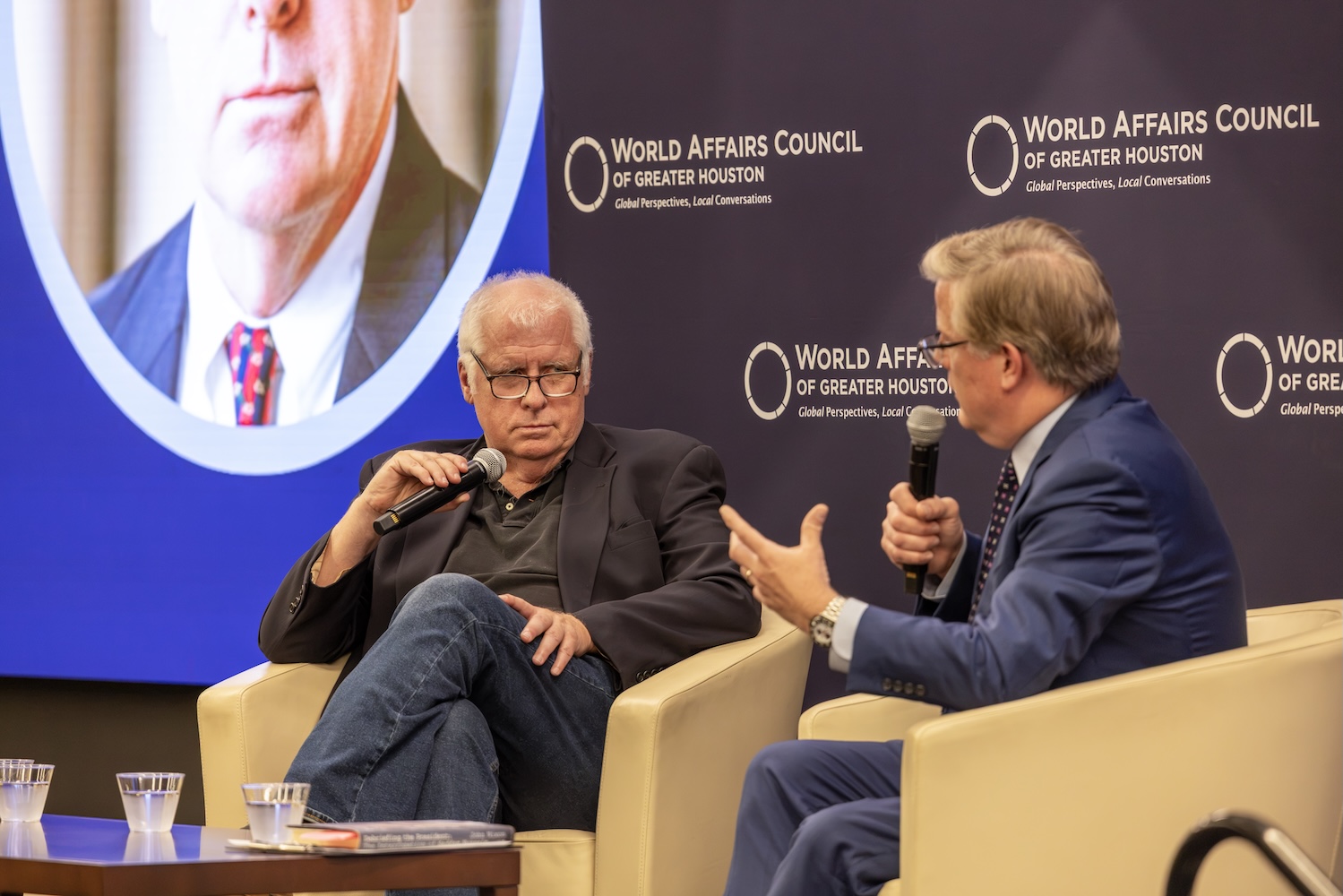
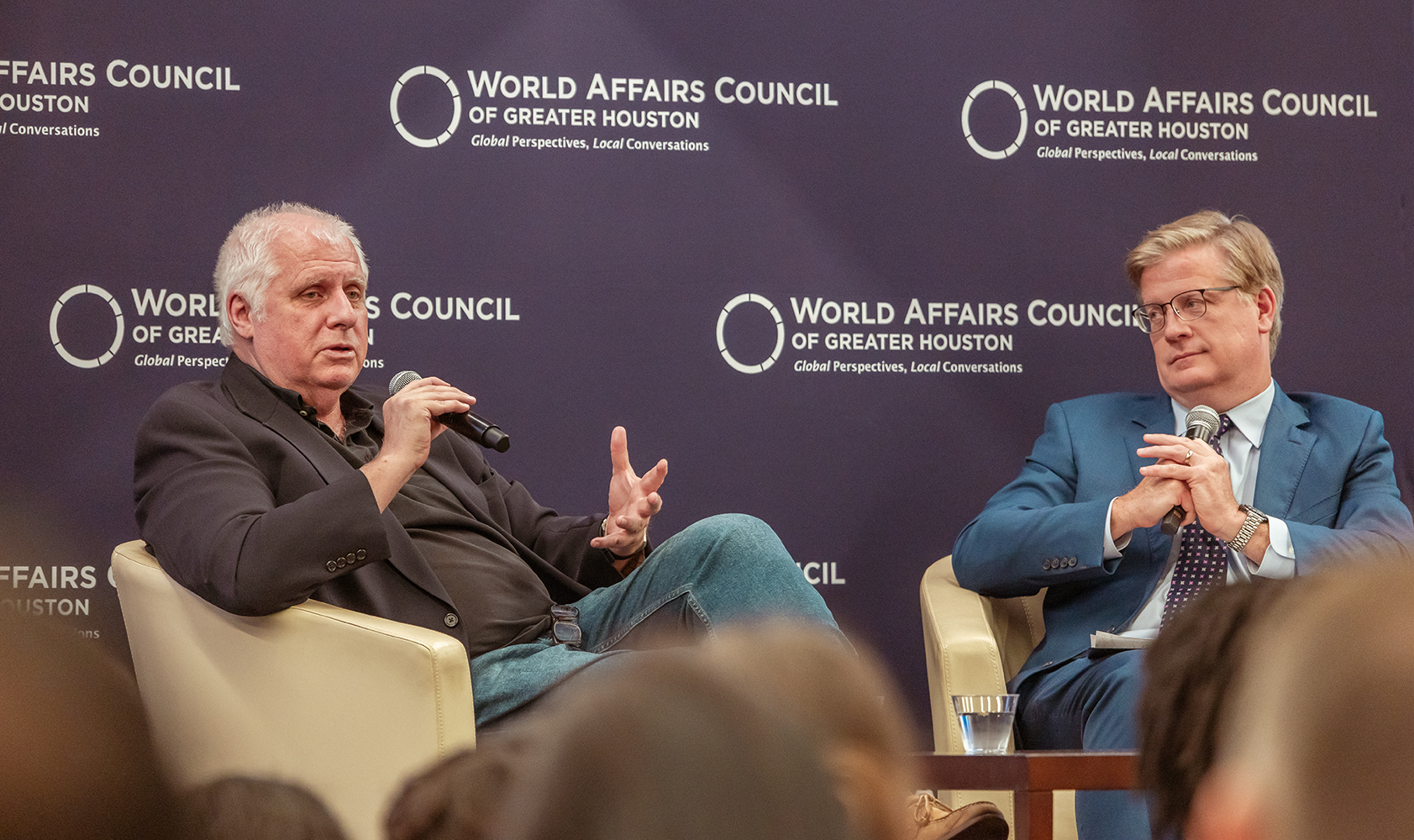
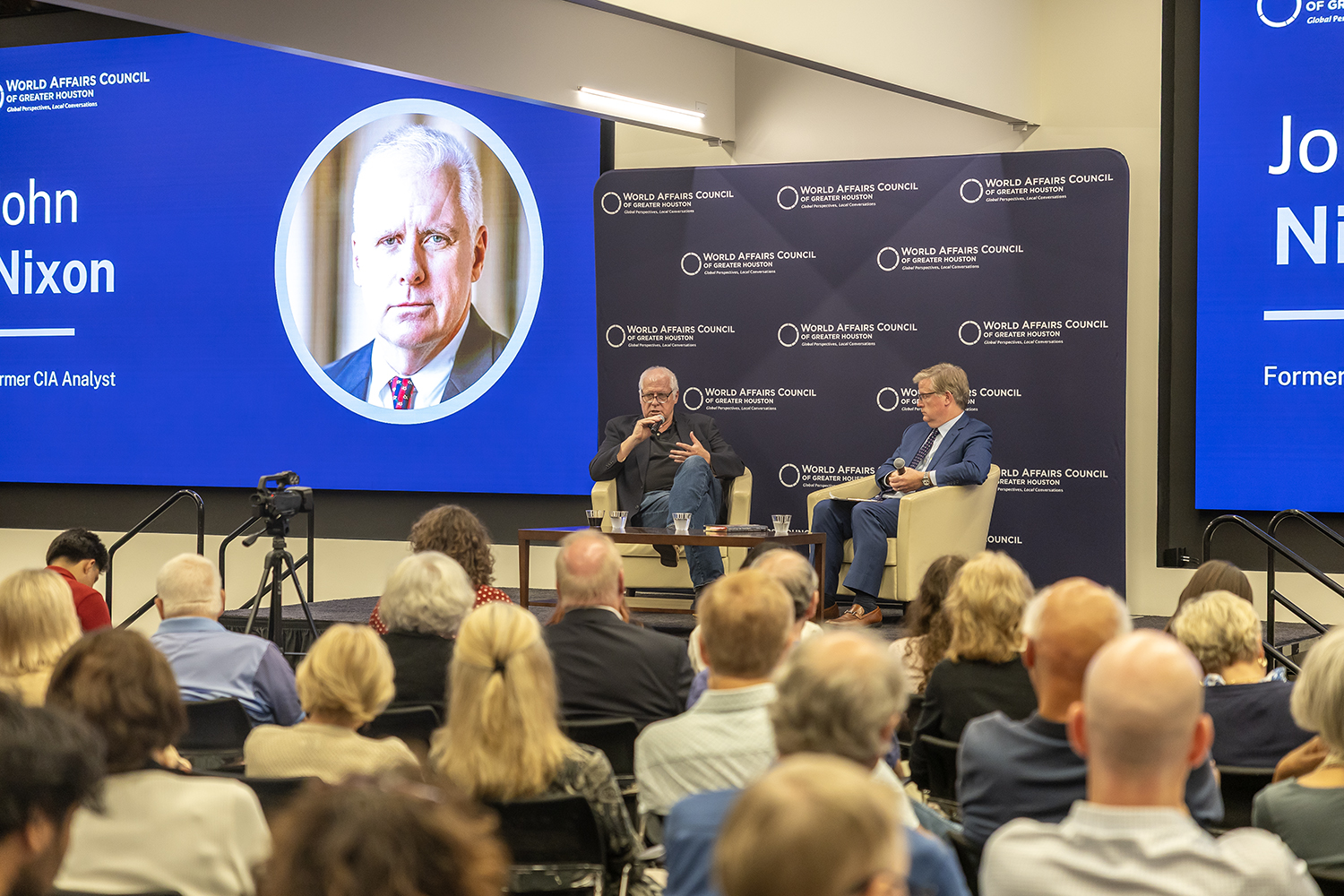
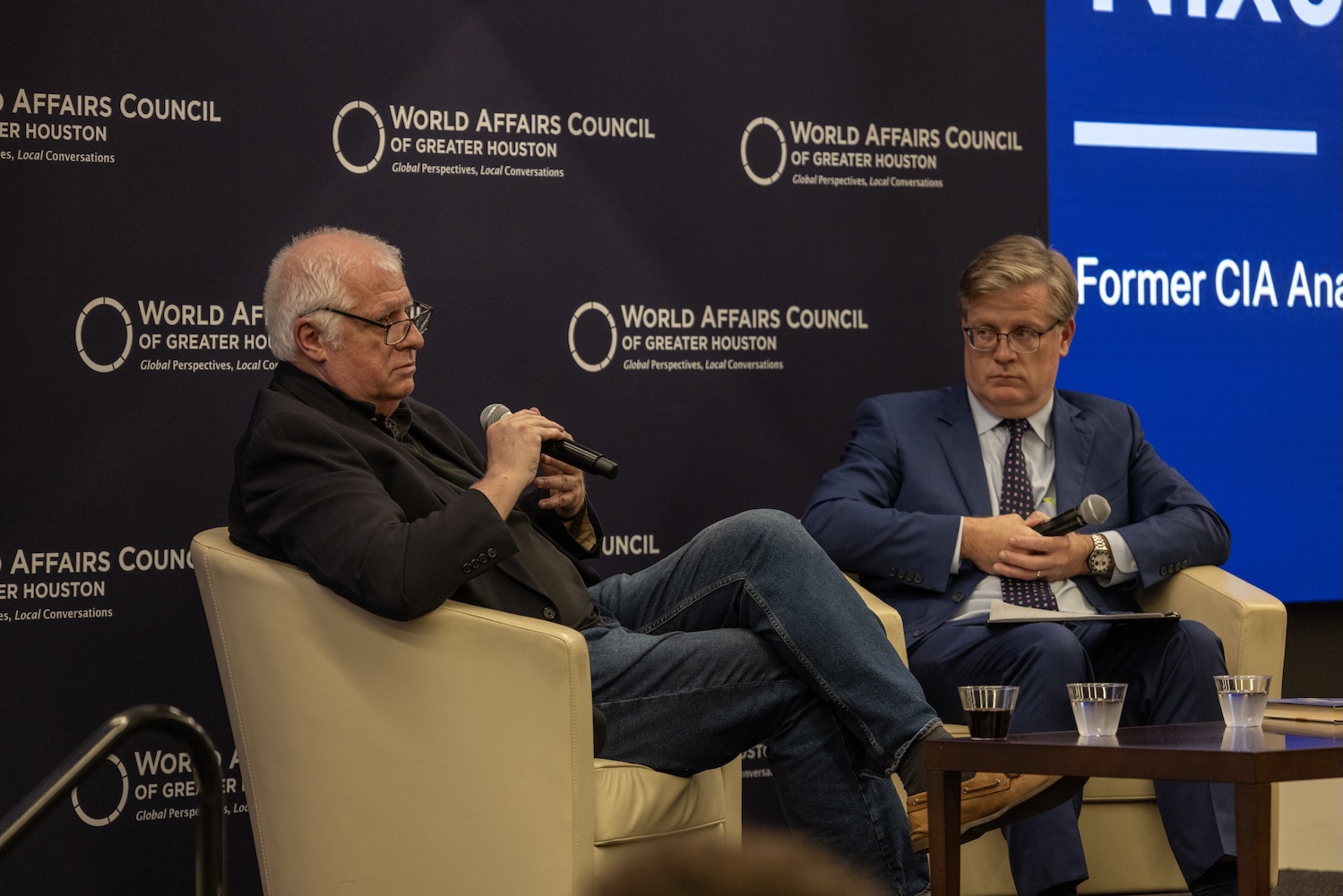
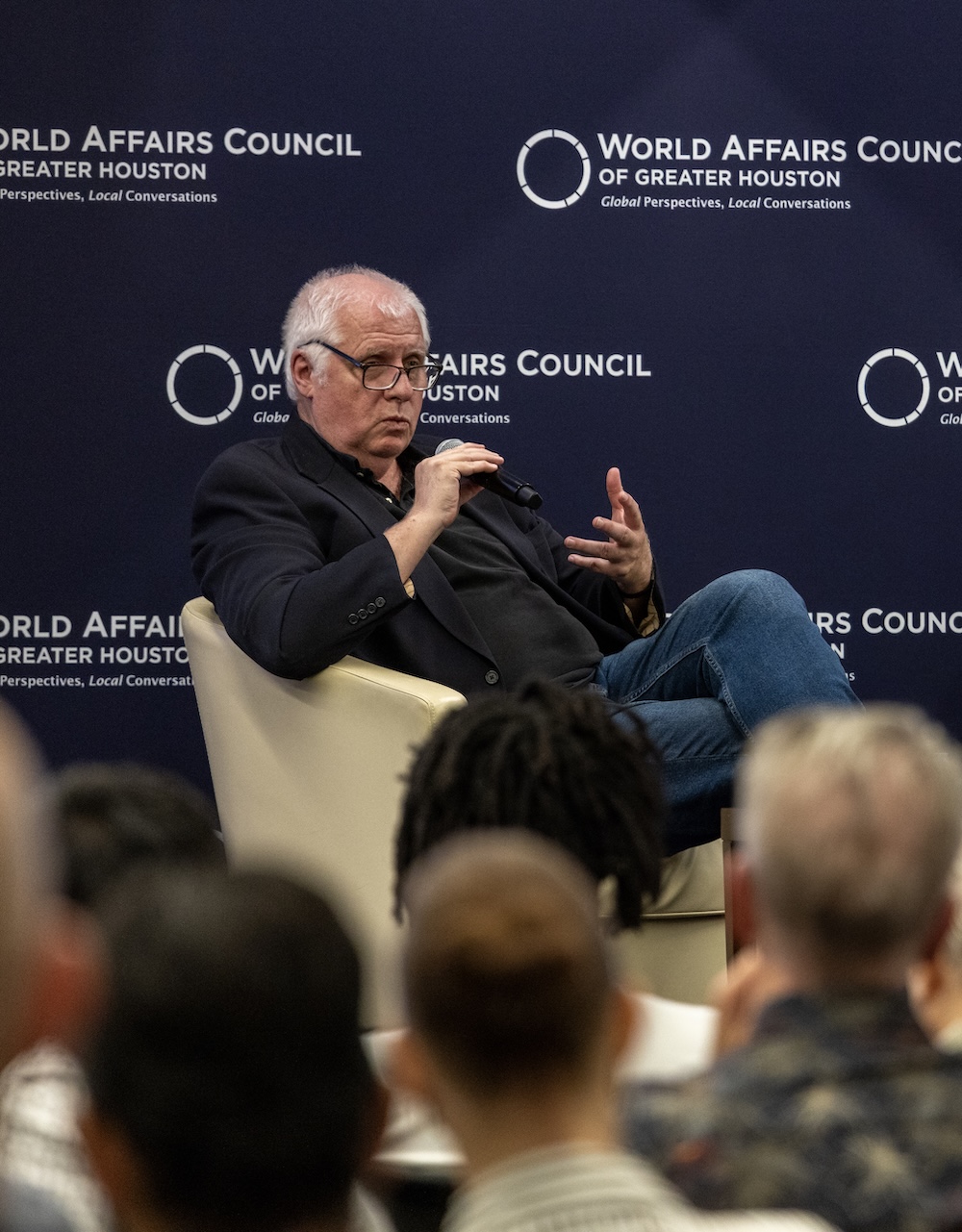
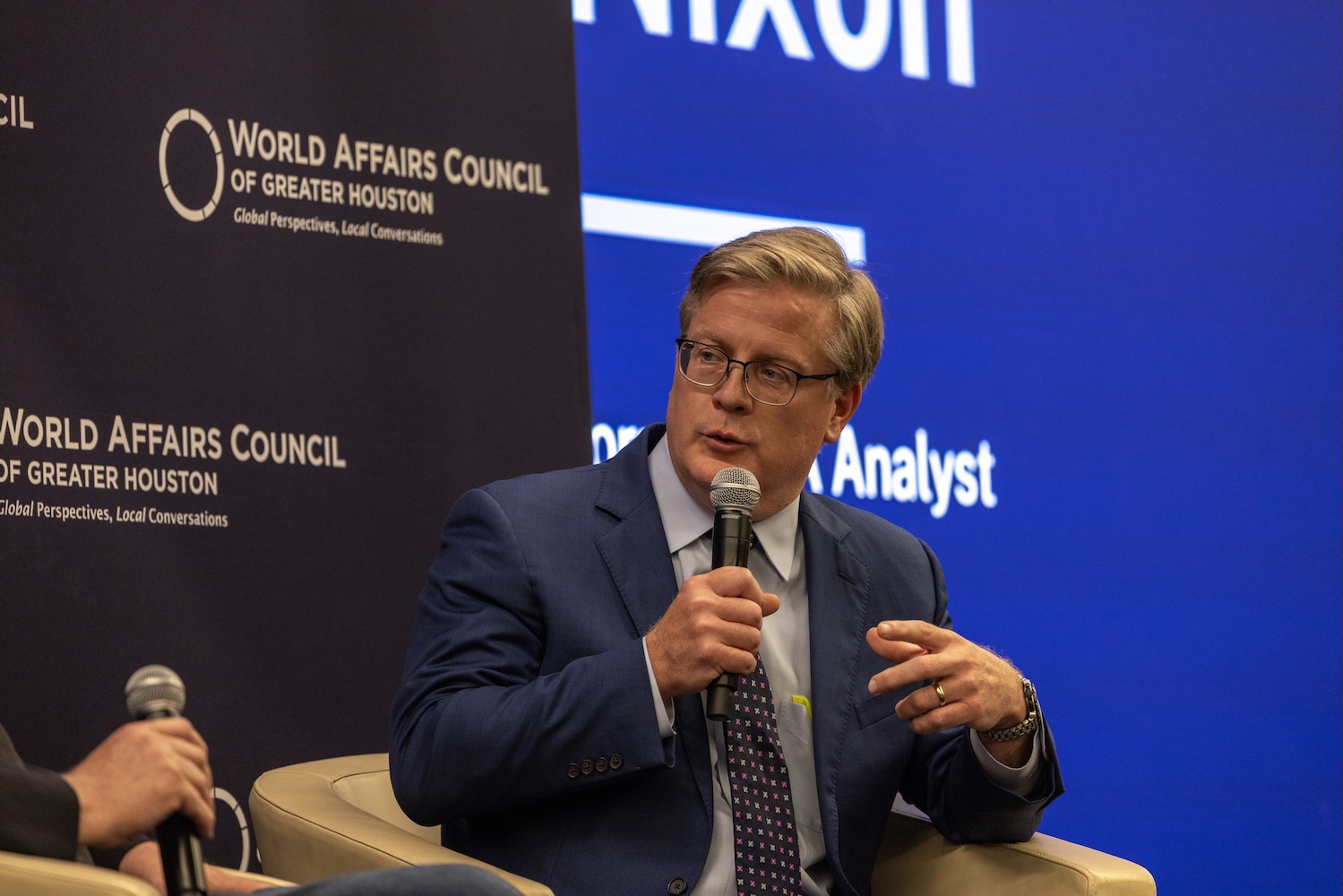
The FBI pops up a lot in discussions, but few people really know what the FBI does, the dangers and tasks involved, or the people who do the job. To help remedy this issue, the World Affairs Council brought in former FBI Agent (and Counterintelligence expert) James Conway, who offered an insightful, interesting, and engaging discussion on numerous law-enforcement and intelligence related topics.

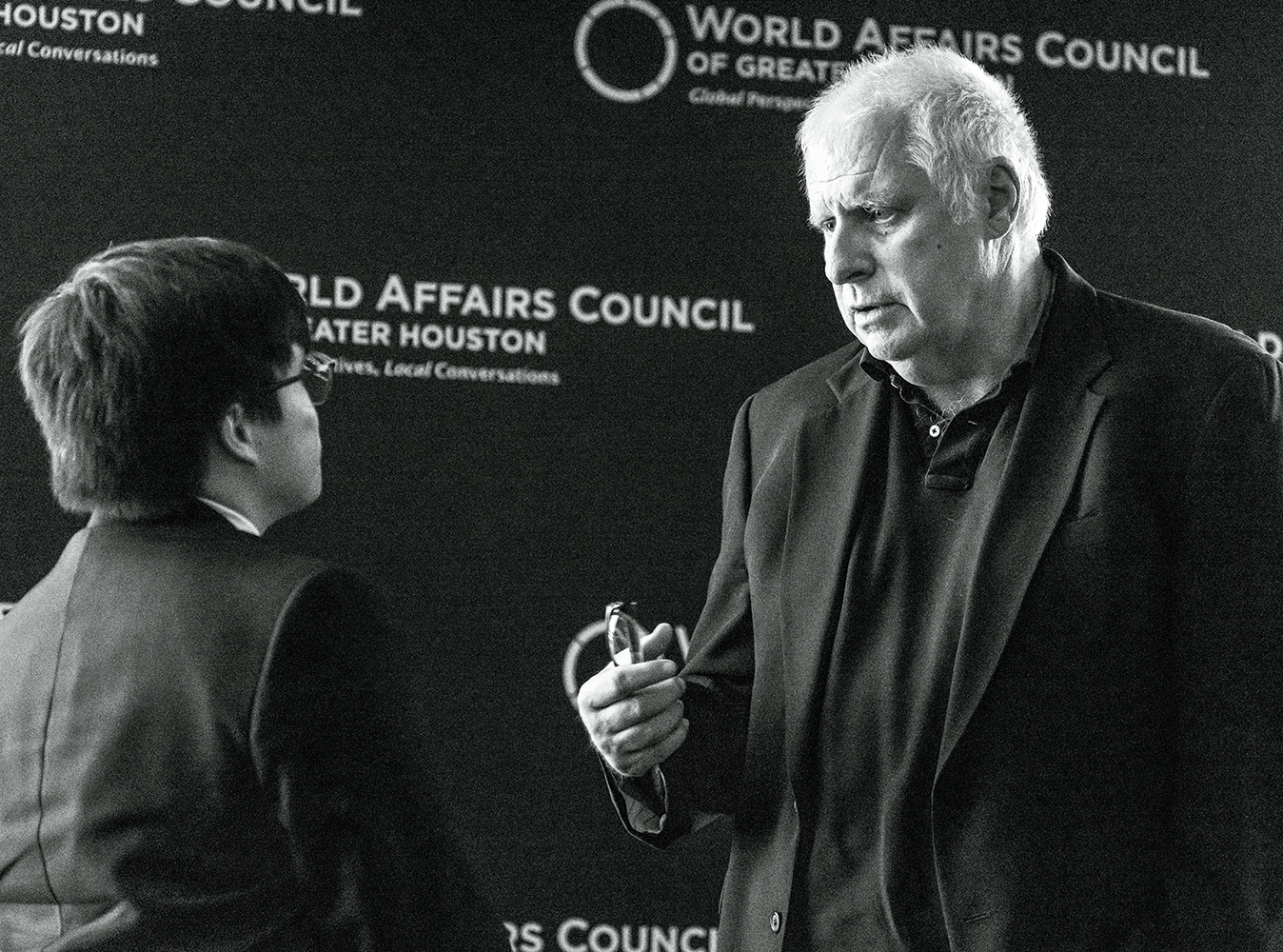
During the networking session, we had a chance to meet a number of friendly professionals, who took us in. It was a very welcoming experience, and we are grateful for everyone’s friendliness–and this was especially true of Mr. Conway, who spent a very generous amount of time with us.

The formal program began with remarks by WAC Director of Advancement Sandija Bayot…

She also introduced Ronan O’Malley and James Conway…

…and then turned the microphone over to Ronan, who moderated the event.

Mr. Conway is a former FBI Special Agent who built a distinguished career focused on national security and counterterrorism. Over his years of service, he investigated high-profile cases, collaborated with law enforcement agencies across the world, and developed expertise in intelligence operations. He described many of his operations–including as counterintelligence expert in Mexico City–in an animated fashion.

After retiring from the FBI, Mr. Conway transitioned into public speaking, teaching, and consulting–sharing his deep knowledge of security strategy and crisis response with organizations and communities nationwide. 

Throughout the discussion, Mr. Conway touched on policies and shifts in leadership in the FBI, providing a wonderful history of the relationship between the last ten presidents and the CIA–relationships that have not always been close.

He also discussed operations in Houston, Galveston, and New York, particularly with organized crime. The stories were fascinating, but they also illuminated the painstaking care that FBI professionals take with their cases. On a darker note, Conway expressed concern that politics has crept–or been pushed–int0 the agency, and that professionalism could erode, if such politics-creep continues.

It was apparent that this prospect caused Conway pain, but he reiterated his optimism and confidence in the United States people and government, a wonderful way to close a wonderful event.

After this wonderful event, LEAP enjoyed a nice dinner at The Original Ninfa’s.

They had delicious Tex-Mex and Coastal Mexican cuisine. Their service was excellent. After some great conversation about the event, we concluded our day with some unique and flavorful desserts.

We had a wonderful time and will definitely be attending more World Affairs Council events throughout the year with the hope of seeing James Conway and more fascinating speakers in the future.

Unknown's avatarAuthor mikeyawnPosted on October 14, 2025Format AsideCategories Civic Engagement, Civil Rights, Criminal Justice, LawTags Center for Law Engagement And Politics, FBI, LEAP Ambassadors, Sam Houston State University, World Affairs Council HoustonLeave a comment on Inside the FBI–with James Conway

Posts pagination

Page 1 Page 2 … Page 9 Next page

LEAP Ambassadors Are Involved!

This slideshow requires JavaScript.

Follow Us On Facebook!

Follow Us On Facebook!

Catch Up With Us

  • Fun in the Sun at the CASA Kids Expo May 12, 2026
  • Balancing AI Innovation and Safety: Key Insights from WAC–Houston May 11, 2026
  • Have the Lambs Stopped Screaming?: The Silence of the Lambs May 5, 2026
  • Bridging Academia and Real-World Experience at SHSU May 4, 2026
  • Master the Art of Courtroom Advocacy with Moot Court May 2, 2026

Join The Conversation!

Multi-Platform Media… on Fun and Flavor: Chilly at the…
Highlights from the… on Glazing-A-Trail with Lauren…
The Civic Leadership… on Foundational Activities of the…
The Civic Leadership… on The Philosophical Foundations…
LEAPing Into Action… on The Philosophical Foundations…

Find Previous Posts

We also have Twitter!

My Tweets

LEAPing Into LEARNing

This slideshow requires JavaScript.

  • About LEAP
  • LEAP Ambassadors
Center for Law, Engagement, and Politics Blog at WordPress.com.
  • Subscribe Subscribed
    • Center for Law, Engagement, and Politics
    • Join 490 other subscribers
    • Already have a WordPress.com account? Log in now.
    • Center for Law, Engagement, and Politics
    • Subscribe Subscribed
    • Sign up
    • Log in
    • Report this content
    • View site in Reader
    • Manage subscriptions
    • Collapse this bar

Loading Comments...