
George H.W Bush Presidential Library and Museum
by Michelle Moya
Experiences have a peculiar way of deepening our appreciation for history. As part of my experiences with LEAP, I’ve developed a growing fascination with presidents—particularly through one of my personal favorite trips—presidential museums! With this, we felt it a necessity to visit one of Houston’s notable presidents, the George H.W. Bush Library and Museum.
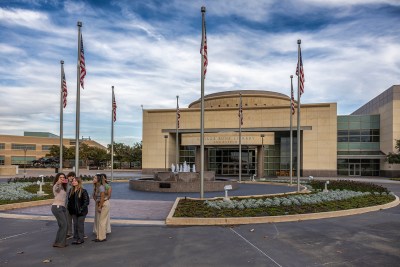
As we made our way to the museum, one point was clearly evident through the artifacts. George H.W. Bush’s impact extends beyond his political successes and presidential initiatives. He heavily believed in a lifetime that public service is a noble calling and that leadership is putting the country ahead of oneself.
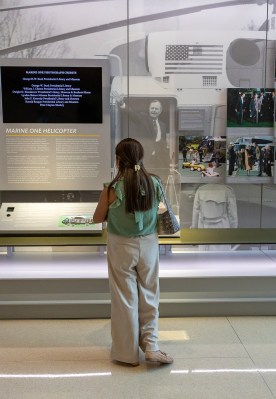
I found the museum to reveal layers of his character: the Points of Light which showed his belief in the power of volunteer service, the World War II veteran who understood sacrifice, and the father who raised a family while serving his country. From his early days as a young Navy pilot to his post-presidency humanitarian work, every chapter of Bush’s life testified to his unwavering commitment to service.
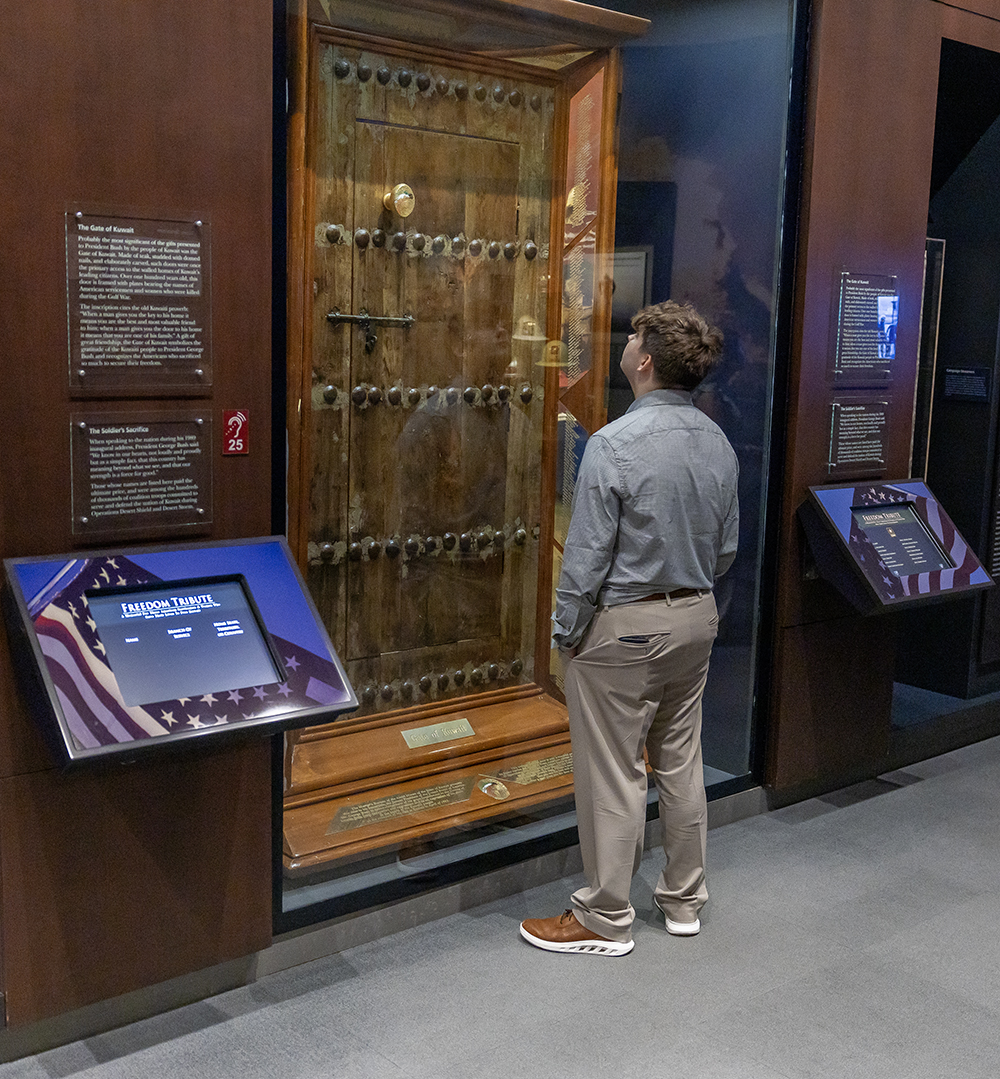
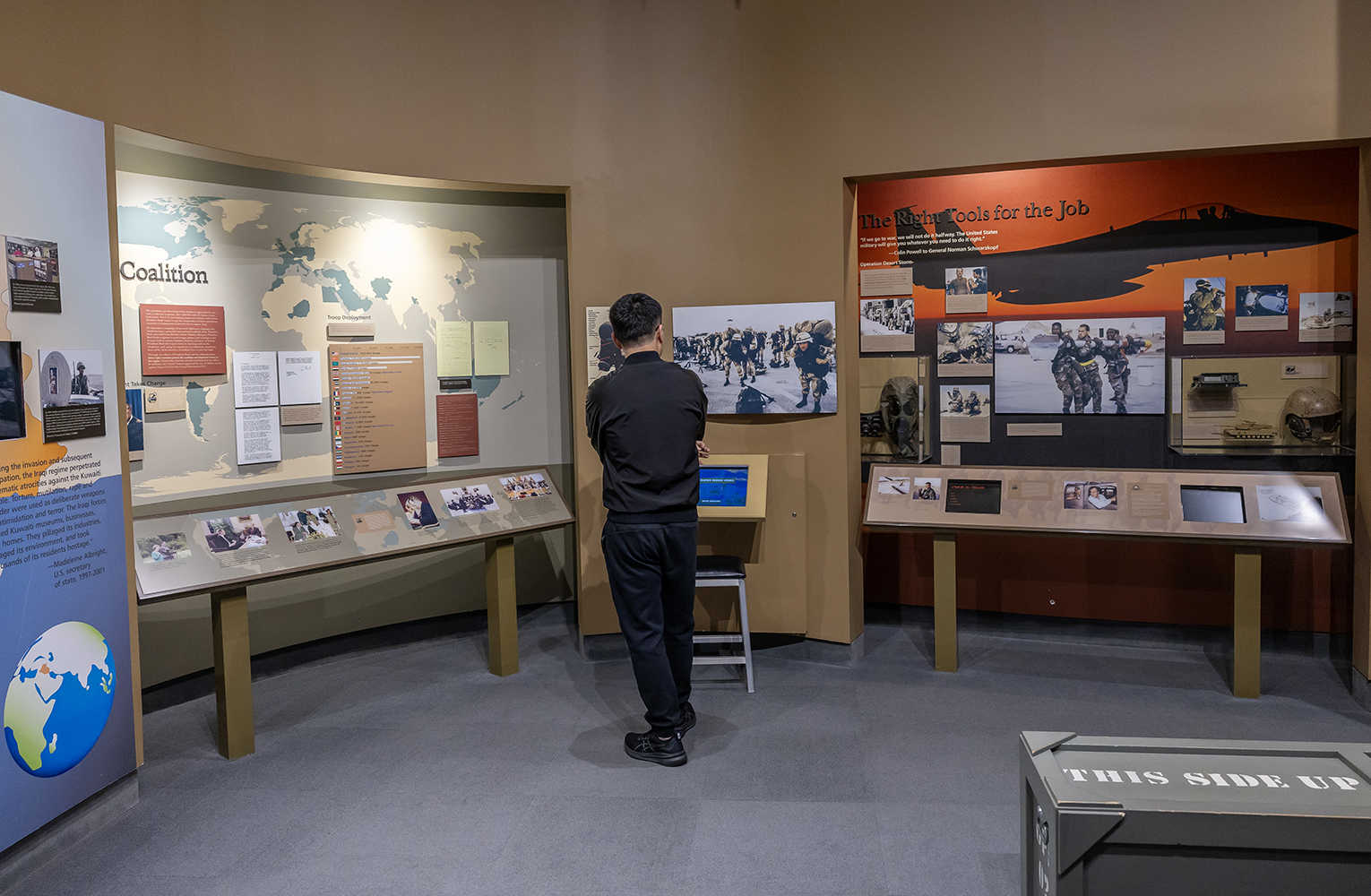


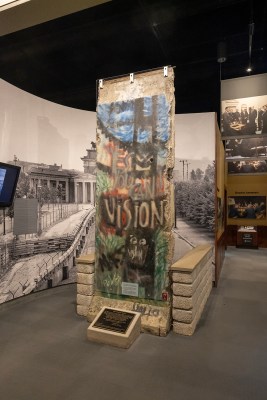
One thing that caught our eye was the large piece of the Berlin Wall displayed in the museum. Its extreme height was a stark reminder of the division it once represented. It made the historical significance of its fall during Bush’s presidency.
As we neared the end of our tour, I finally discovered what I’d been eagerly anticipating—President H.W. Bush’s beloved boat “Fidelity.” Perhaps most touching was the tribute to Sully, his faithful service dog who stayed by his side in his final years.
We finished off by seeing the Union Pacific locomotive 4141, painted in the colors of Air Force One, which carried President Bush on his final journey. Notably, something Professor Yawn was able to see driving by in Magnolia, TX!

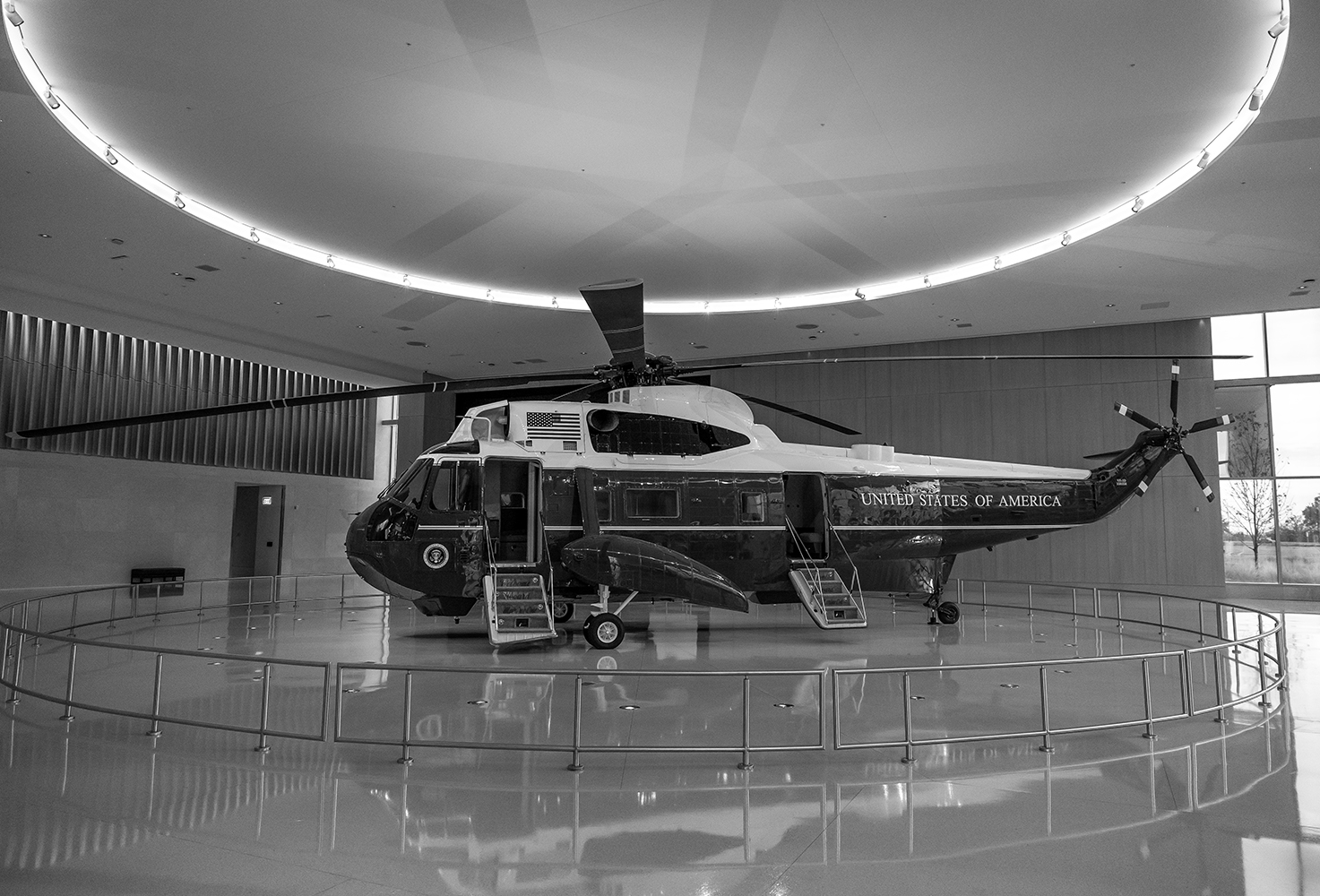
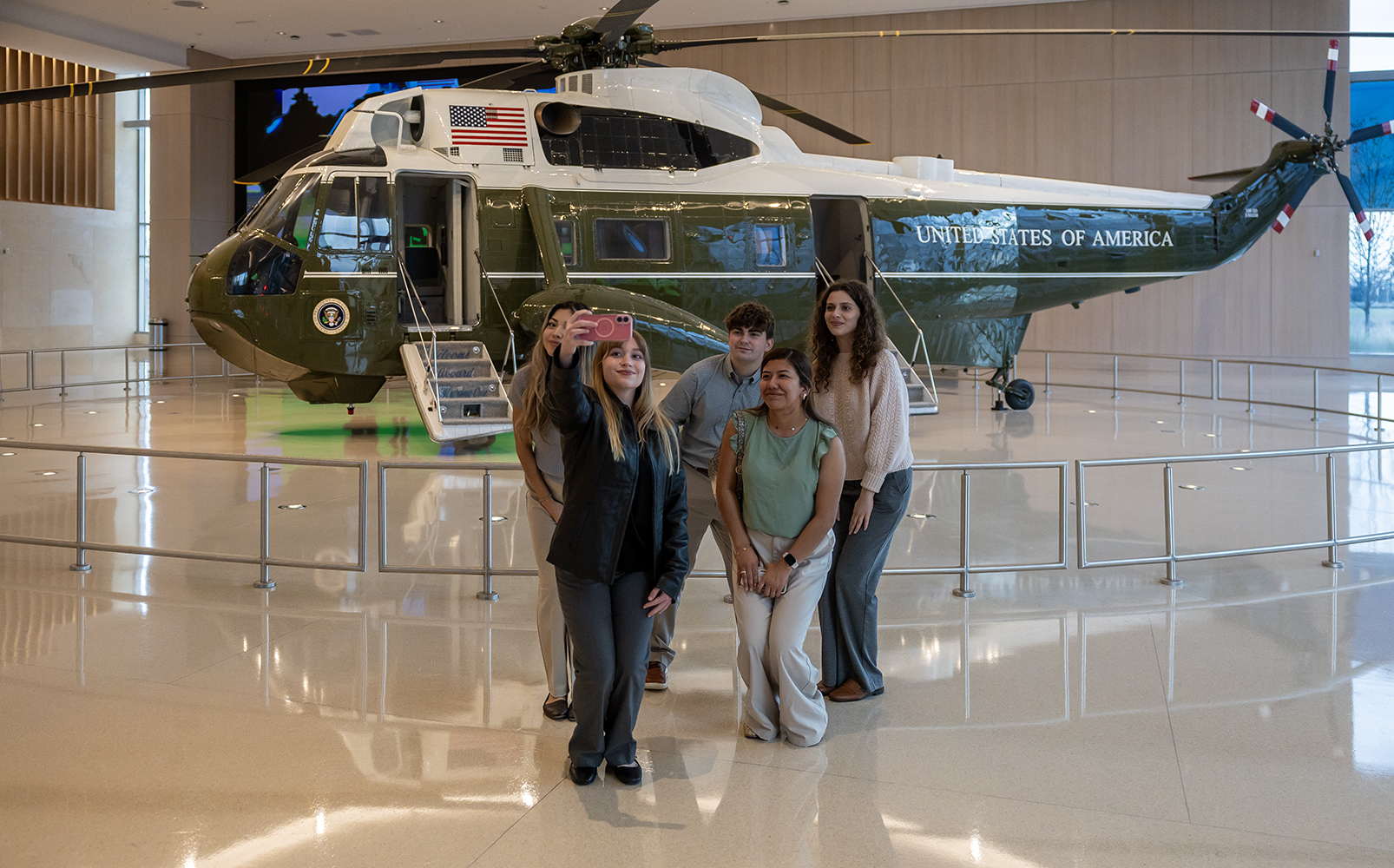
This presidential museum was my favorite one this far. President Bush’s approach to governance—marked by dignity, compromise, and an unwavering focus on the greater good—serves as a guiding light for my own path.
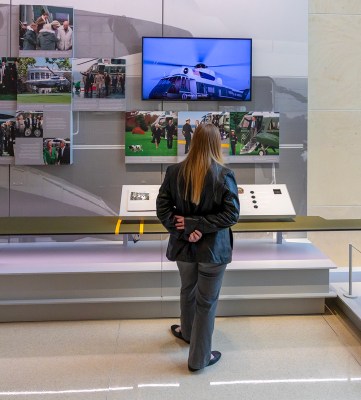
In a time of increasing political division, his legacy reminds us that public service is about more than partisan victories; it’s about serving the people with integrity and compassion. The essence of President H.W. Bush’s legacy lives on not just in his time as president but in the hearts of those he continues to inspire.
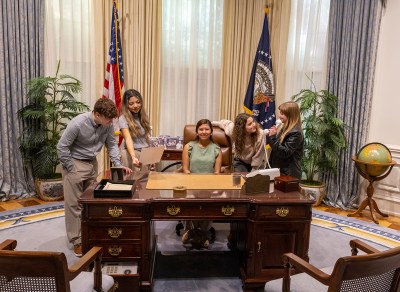
Warsaw to Washington: Diplomatic Pathways During Conflict
by Chrissy Biello
With global conflicts on the rise, understanding the state of world affairs has become increasingly vital. The Bush School of Government and Public Service recently provided us with a valuable opportunity to learn from the Polish Secretary of State, Władysław Bartoszewski, offering firsthand insights into European perspectives on current worldwide challenges.

Secretary Bartoszewski opened his discussion by reflecting on Poland’s journey through history, starting with the 1919 Treaty of Versailles; this agreement restored Polish independence after 150 years. He traced Poland’s path through the decades, highlighting another significant milestone: the country’s entry into the European Union in 2004. He noted how this development opened new opportunities for Polish citizens, particularly in terms of labor mobility across EU member states.
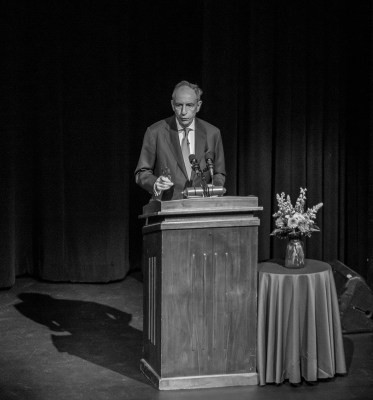
He then spoke extensively about the Russian-Ukrainian conflict, emphasizing Russia’s multifaceted threat to global security. He explained that Russian aggression extends beyond traditional military invasion; it manifests through sophisticated cyber warfare capabilities that can cripple critical infrastructure, disrupt financial systems, and compromise national security operations. His message was clear and sobering: Russia poses a threat to all nations, not just its immediate neighbors.
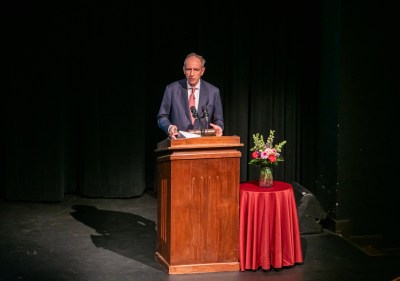
Poland’s commitment to supporting Ukraine emerged as a central theme. Secretary Bartoszewski noted that Poland ranks as the third-largest donor to Ukraine, contributing 4.7% of its GDP; only the United States and Germany provide more assistance. He observed that while the United States often enters global conflicts later than other nations, its eventual support consistently proves decisive and substantial.
Addressing concerns about war expenditure, the Secretary provided historical context. He reminded the audience that during World War II, the United States dedicated over 40% of its GDP to the war effort. His response to critics who prioritize social welfare spending was particularly poignant: there can be no social welfare system in a conquered nation.
During the question-and-answer session moderated by Dr. Todd Kent, Director of Undergraduate Programs at the Bush School, Secretary Bartoszewski emphasized practical solutions. He identified modernized infrastructure and transportation systems as crucial to supporting Ukraine’s defense efforts. The Rzeszów-Jasionka airport, he explained, serves as a vital hub for delivering military aid to Ukraine. His candid assessment of military operations brought unexpected humor to the serious discussion; he summarized effective military strategy as “Arrive, Kill, Then Leave.”
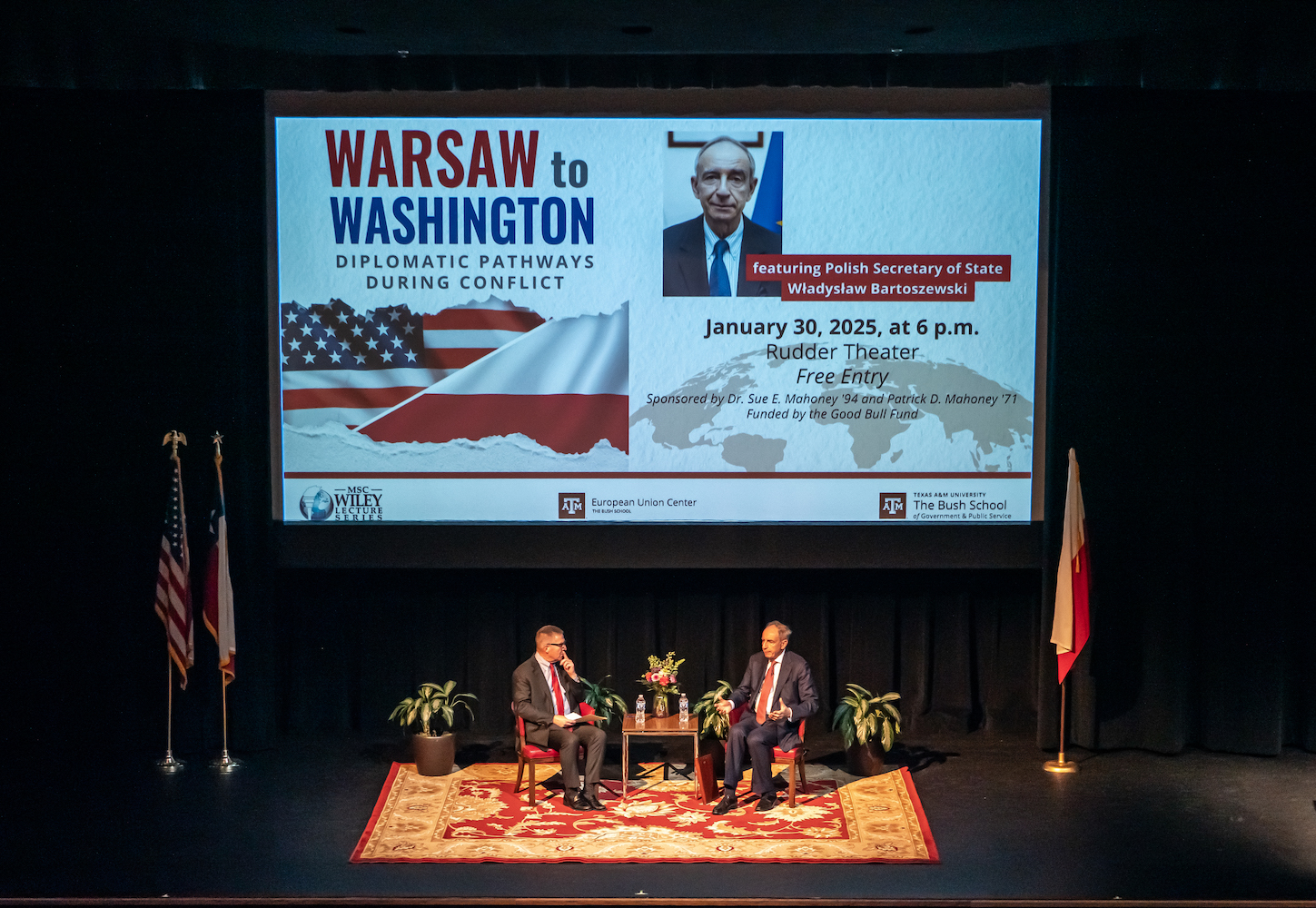
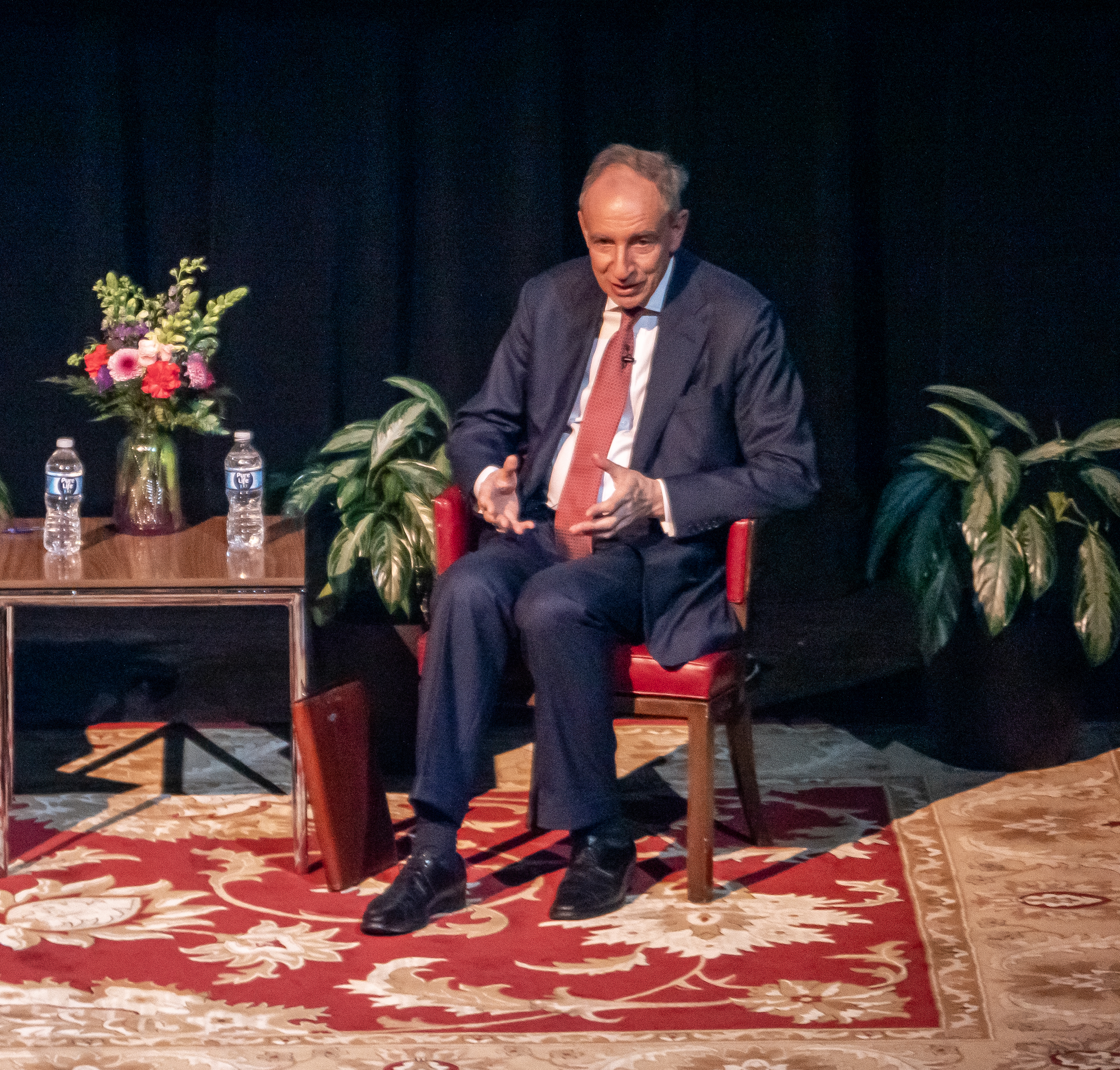
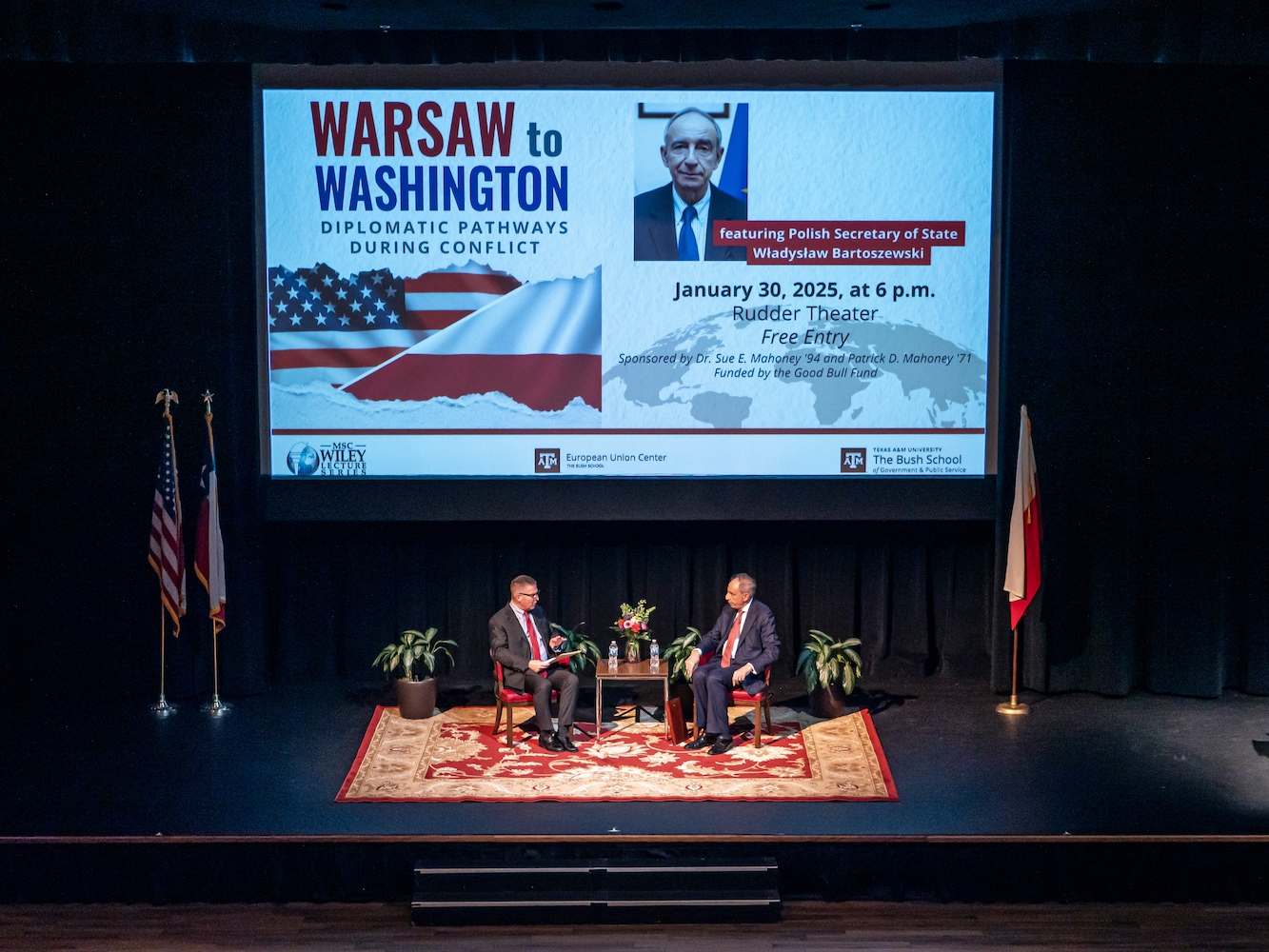
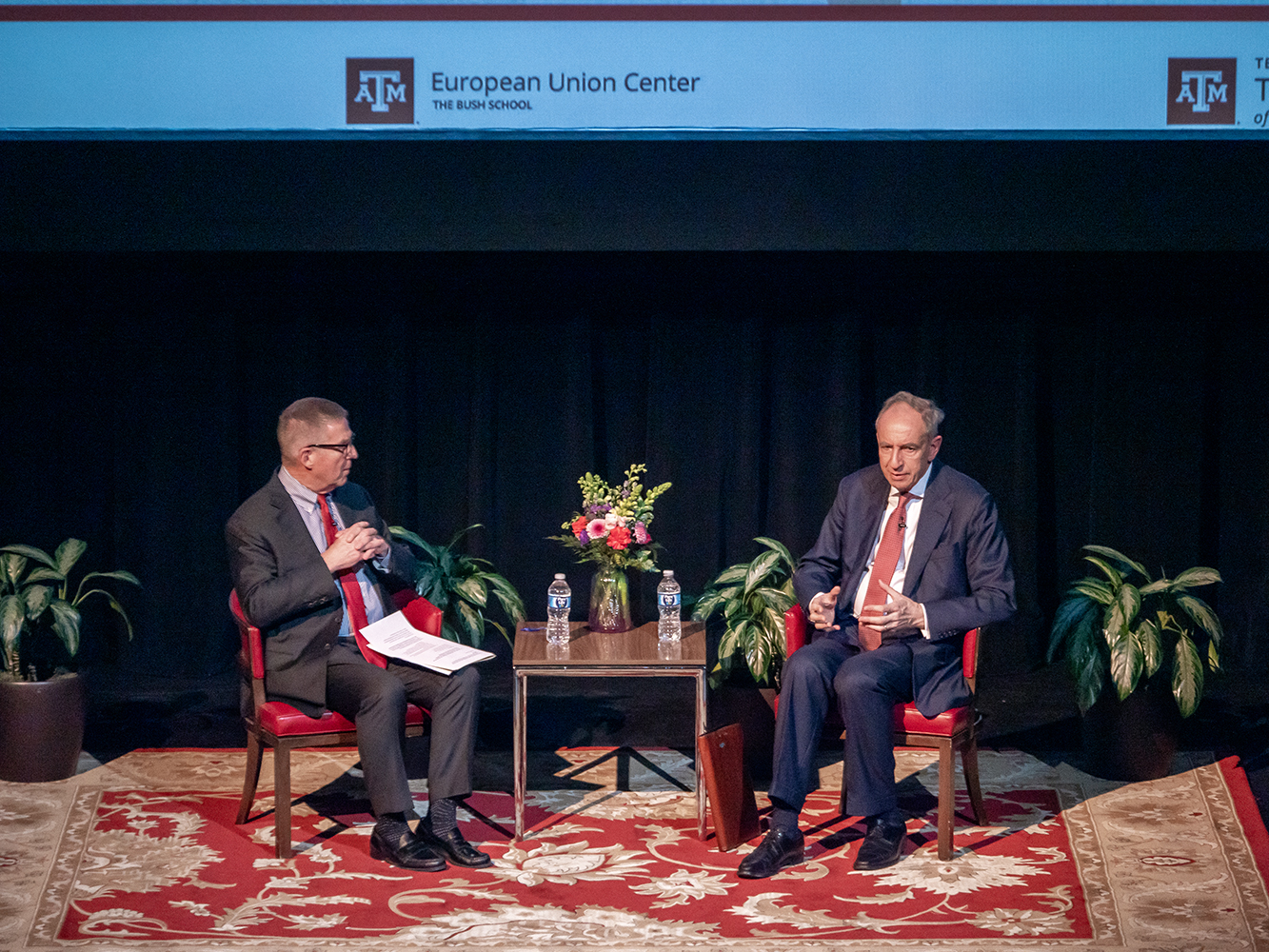
Secretary Bartoszewski’s expertise and candid discussion style provided a rare insight into complex global dynamics from a European leader’s perspective. As my first experience at the Bush School of Government, this presentation was both engaging and thought-provoking, leaving me with plenty to reflect on.
 Center for Law, Engagement, and Politics