By Olivia Discon
Our fun-filled day continued with our theme of public engagement, both historic and contemporary, with our visit to the High Art Museum. We were immediately off to a great start, as on our walk to the building, we walked by a wonderful piece from Lichtenstein’s “House” series.

The aluminum sculpture is an optical illusion, or trompe-l’œil, that shifts perspective at various angles, a bizarre sight to pass at a steady walking pace. Also outside sat Rodin’s “The Shade”, which in hindsight was most definitely one of my favorite sights at the museum.

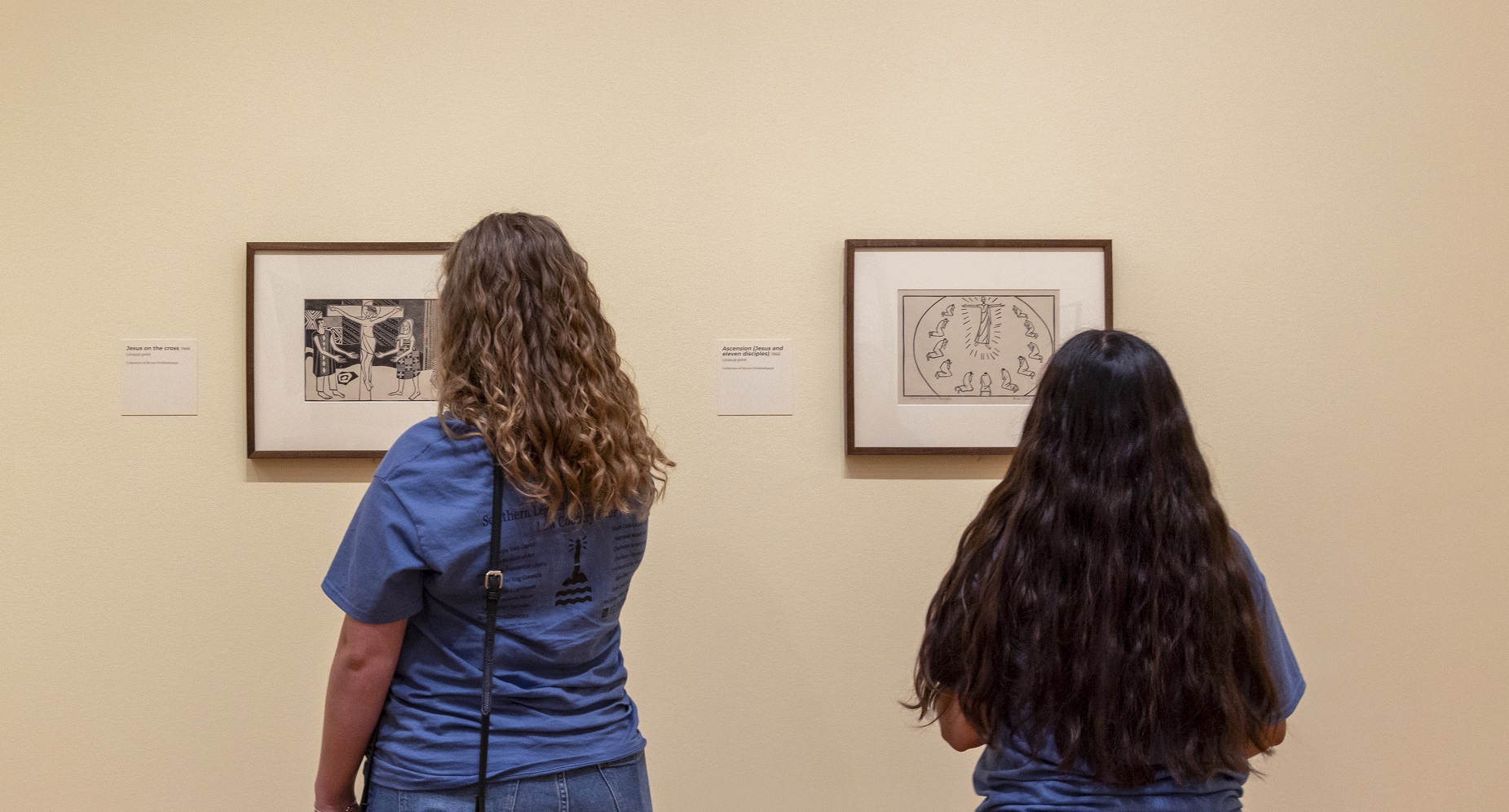
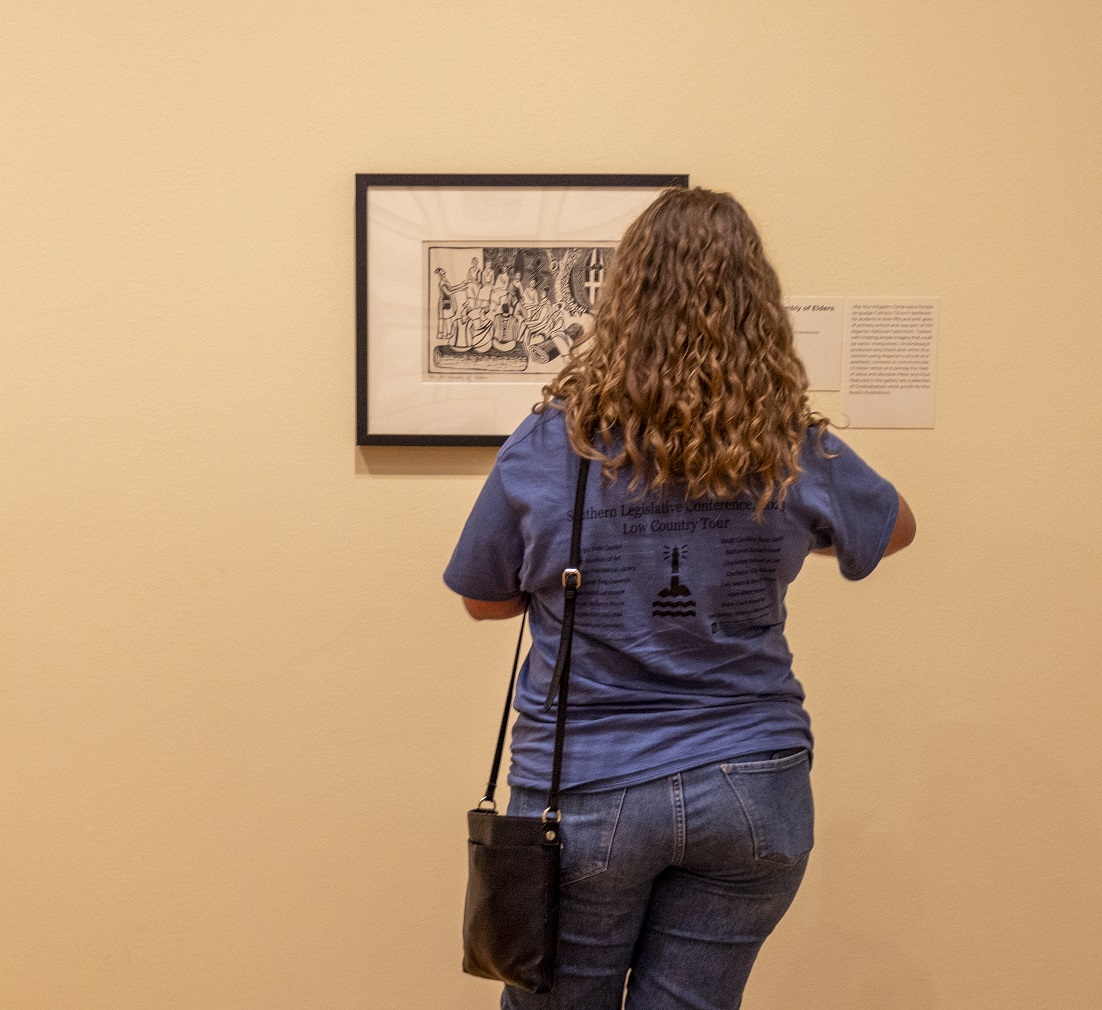
The museum offered numerous works that provided a distinctive and captivating experience for the entire group. One collection, in particular, delved into the African diaspora and its connection with the rising popularity of folk art during the same historical period. Bruce Onobrakpeya, a Nigerian painter and printmaker, had several pieces with Christian influences. His “Station of the Cross” series was fascinating to view, with the differences in technique from its Western counterparts.


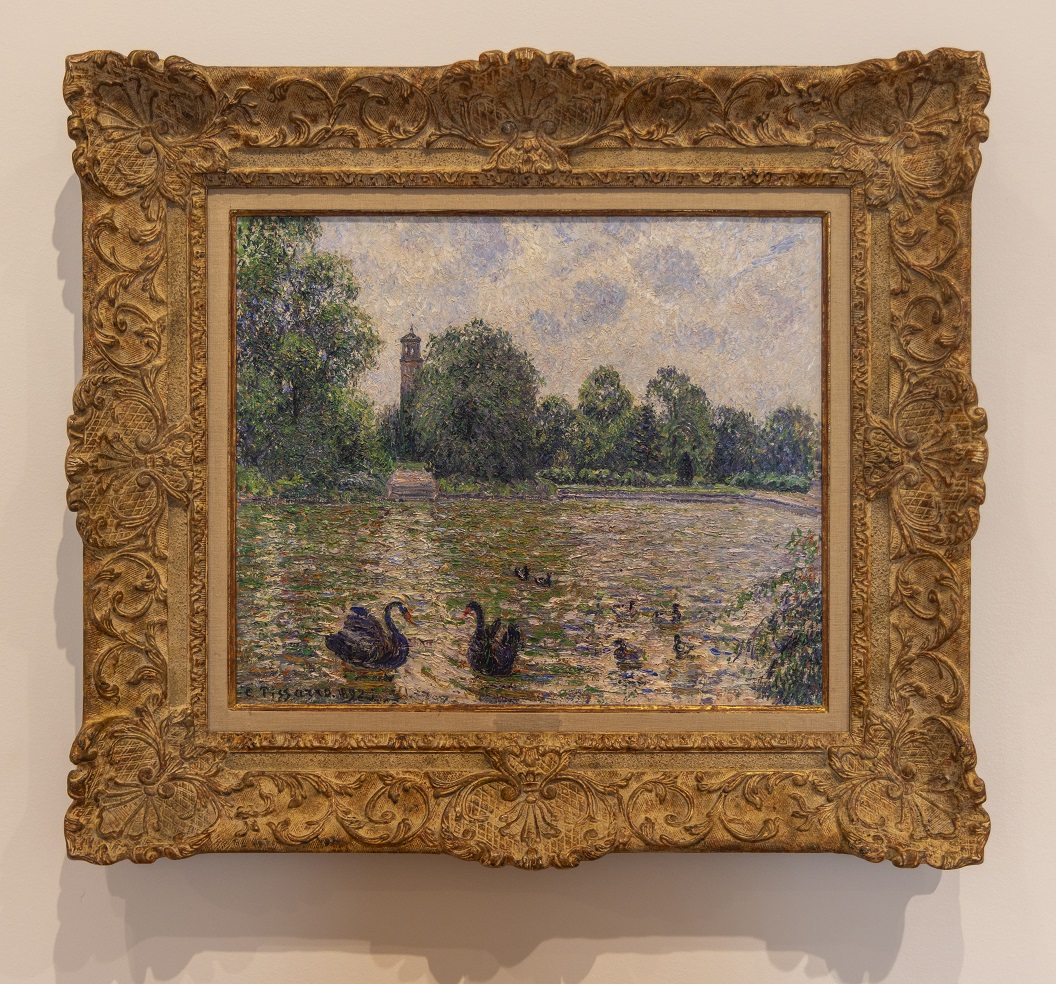
Though we undoubtedly saw many unfamiliar and enthralling pieces, there were some notable names we identified from their undeniable technique and style; such as Claude Monet, Georgia O’Keefe, Mary Cassatt, and John Singer Sargent. We were delighted to further build on our prior associations with these artists through the exhibits as we pressed forward.
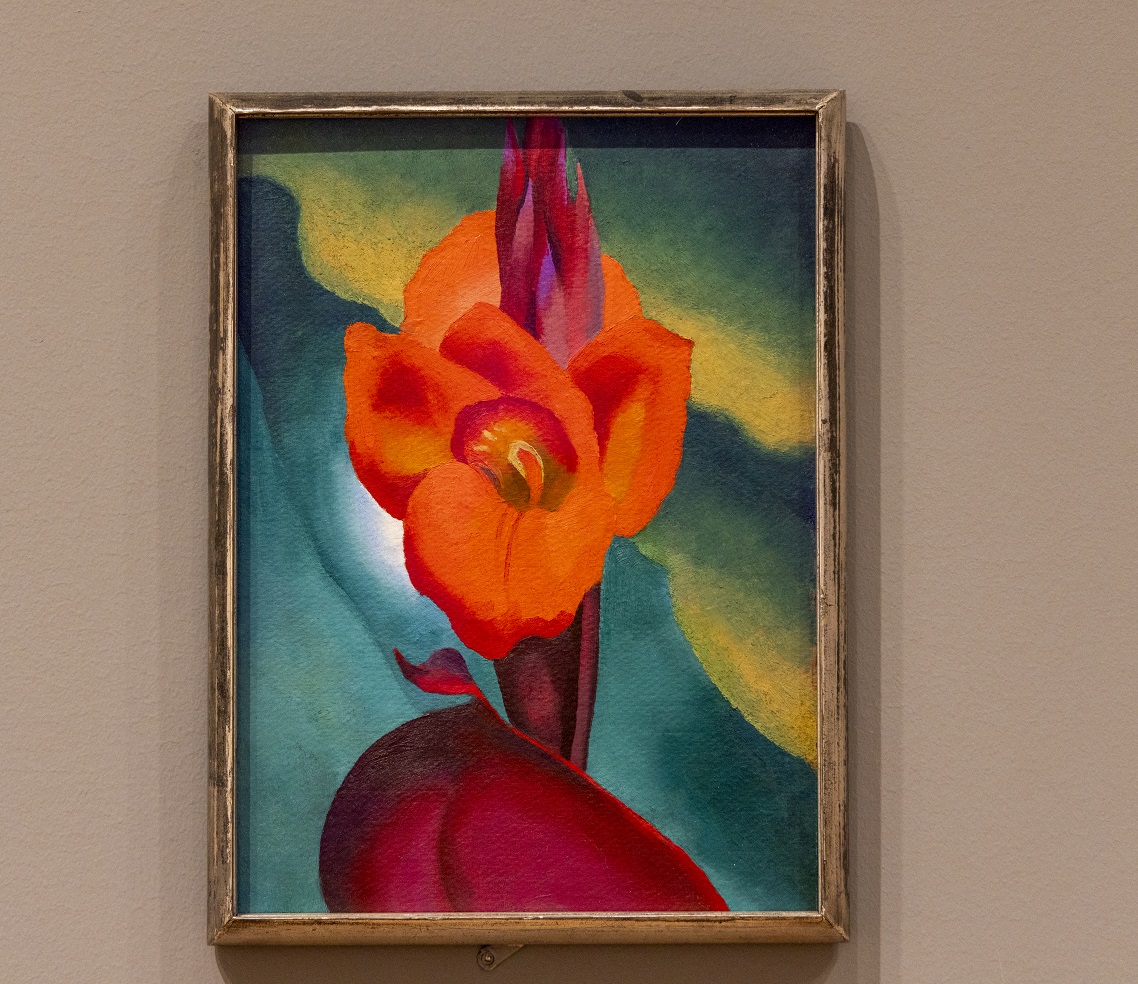

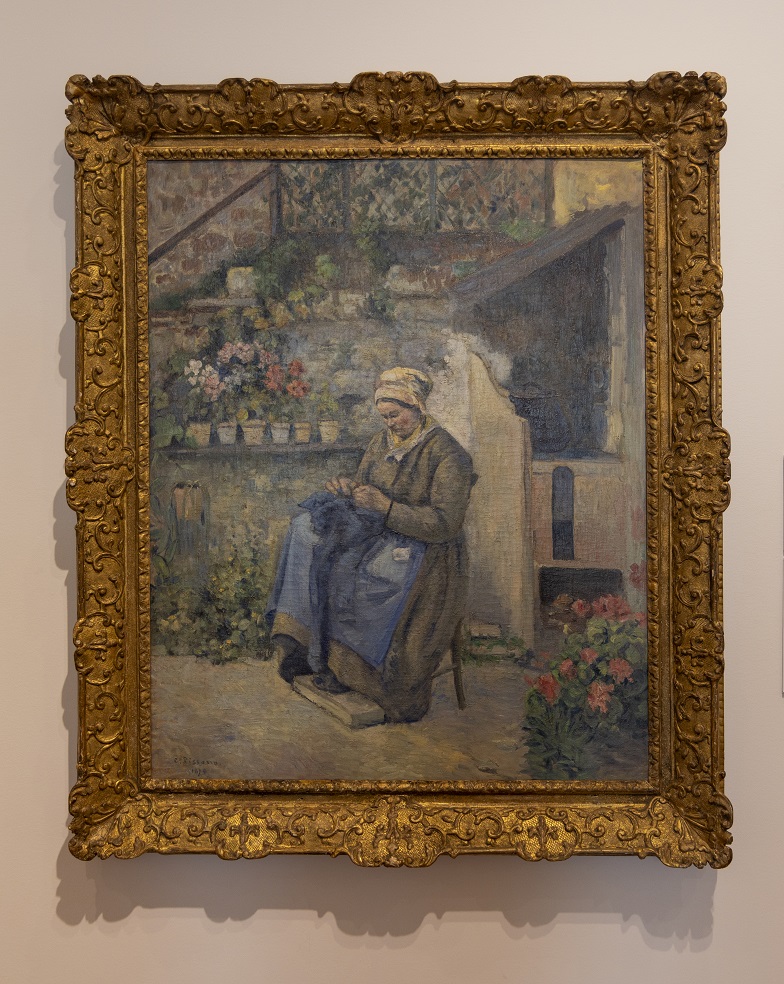
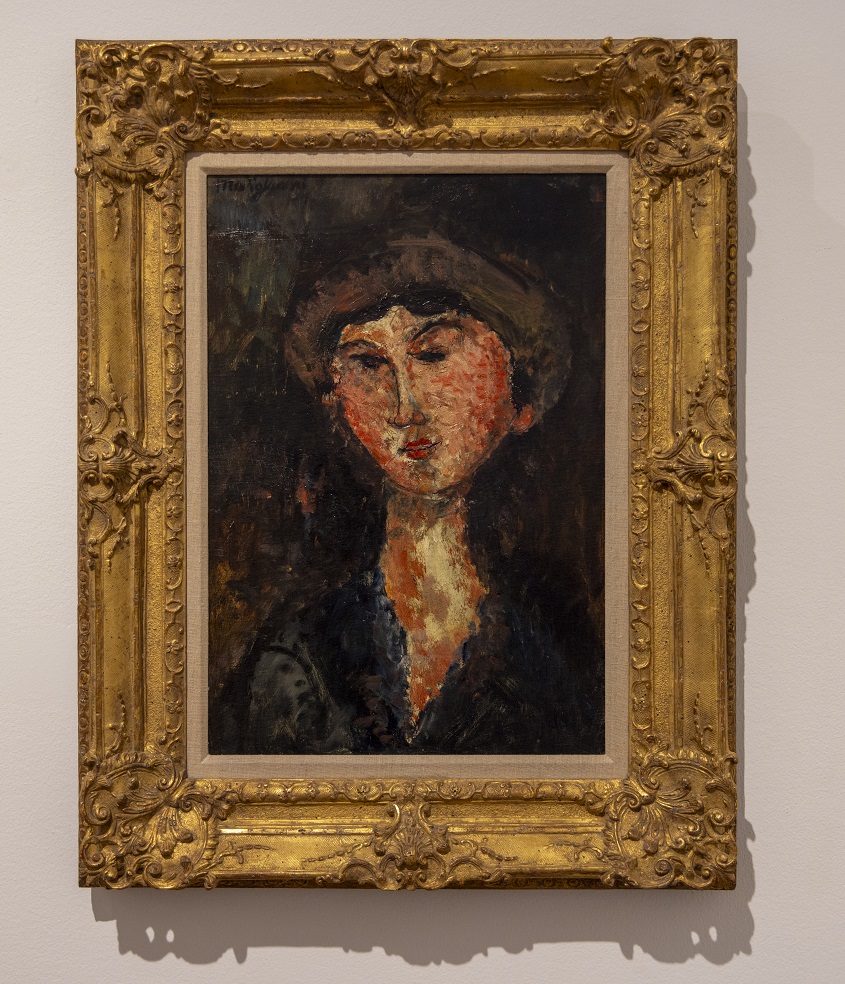
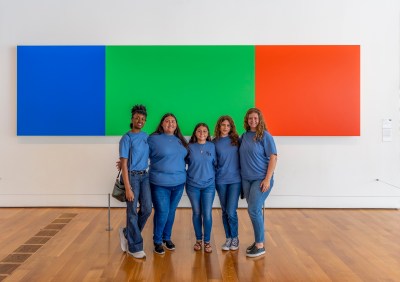
One of the best collections was the museum’s mid-century modern display. There were famous artists who made great contributions to the era, such as Ellsworth Kelly, spread across the museum.
However, the most impressive collection of a mid-century modern artist was Frank Lloyd Wright, an American architect widely known for his innovative designs and meticulous detail, one of his most famous works being a home known as “Fallingwater”. The High Museum had several pieces of furniture, such as different armchairs and my personal favorite; a desk with shelving units that appeared to be floating at certain angles.
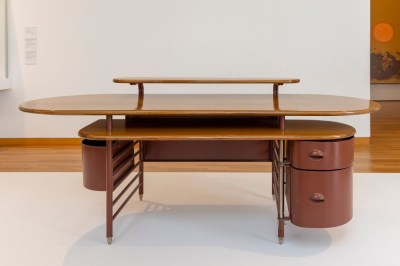
There were also decorative accents from Wright that were specific to the homes he would design, such as a giant, blue-mirrored clock, and custom stained glass.
It was also interesting to see Morgan rush to works of art that she previously claimed to not understand or actively dislike. Previously on Morgan’s list of banned artwork were almost anything modern, certainly anything abstract, and of particular dislike was Rothko.

But on this day she bounced up to the Rothko with a smile, as though she were greeting an old friend.
She showed a similar ebullience upon seeing an Ellsworth Kelly, whom, before today, she said, she “didn’t get.”
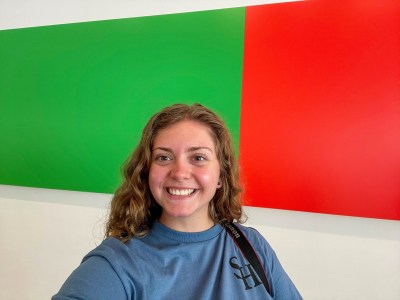
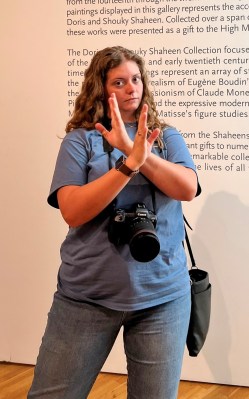
When we asked for clarification, we got a look that said, “Drop it.” So, we did.
______________________________________________
In the contemporary section, we came across an untitled piece from Anish Kapoor, the artist recognized for Chicago’s reflective sculpture “Cloudgate” (otherwise known as “The Bean”). This particular work, shaped as a concave dish, is a multisensory experience. As you step closer, you can simultaneously view fractured, mirrored images of yourself, while also having your voice and hearing distorted from a few feet behind you. We played around with this scientific masterpiece for a good while, alternating places and marveling at our distorted voices, which were somehow louder than usual.

The High Museum of Art possesses an eclectic collection, and we thoroughly enjoyed exploring it in their beautiful and spacious facility. The thoughtful curation of each space enhanced our viewing experience, making it a truly enriching visit.


 Center for Law, Engagement, and Politics