
It’s common for the Texas Tribune Festival to tackle hot topics and few topics are as discussed as artificial intelligence. This year’s festival offered multiple sessions on AI, including panels that addressed the regulations implemented in response to the technology as well as speculation on what the future holds.
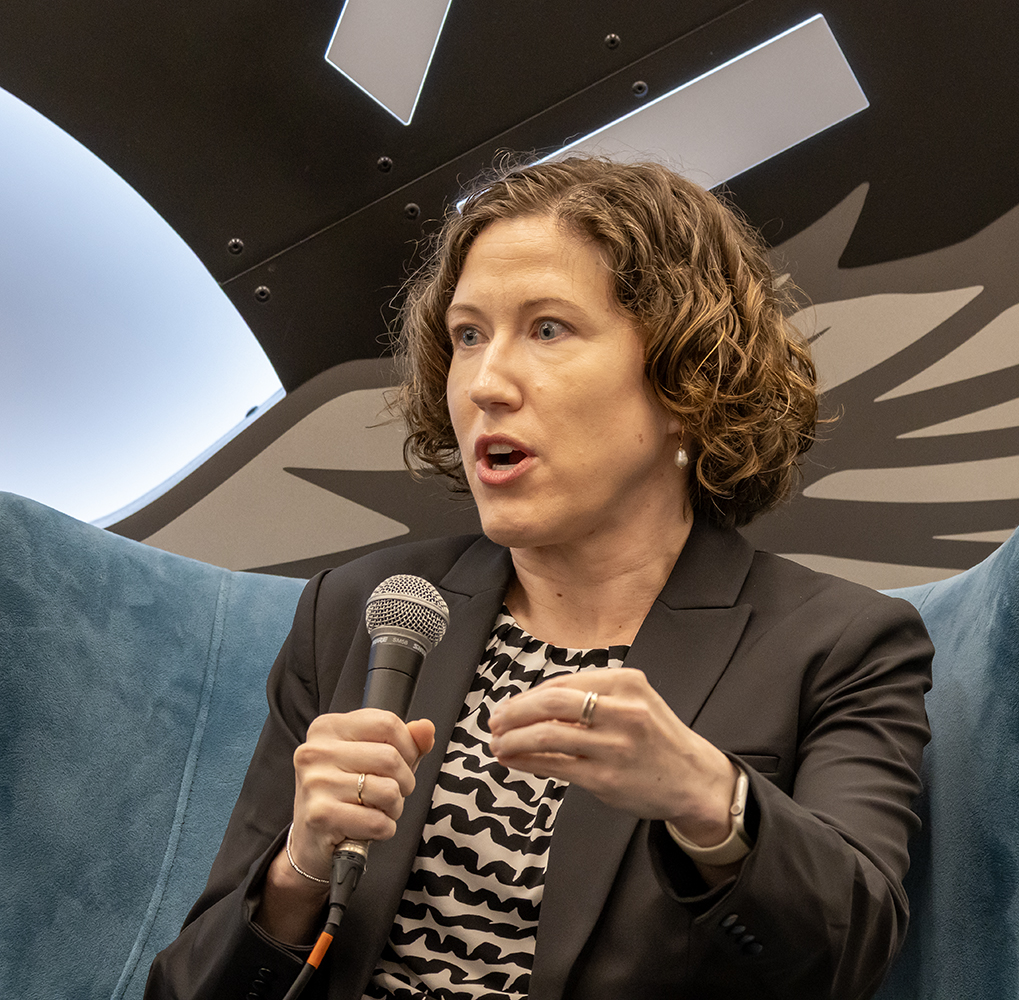
The panels included Rep. Giovanni Capriglione; Mayor Pro Temp Vanessa Fuentes; Matte Dunne, Director, Center on Rural Innovation; Betsy Greytok, Associate General Counsel, IBM; Professor Sherri Greenberg, UT Austin; Amanda Crawford, Director, Texas Department of Information Services; Daniel Culbertson, Economist, Indeed; and Elizabeth Rhodes, Director, OpenResearch. In short, a lot of human intelligence to discuss the importance of artificial intelligence.

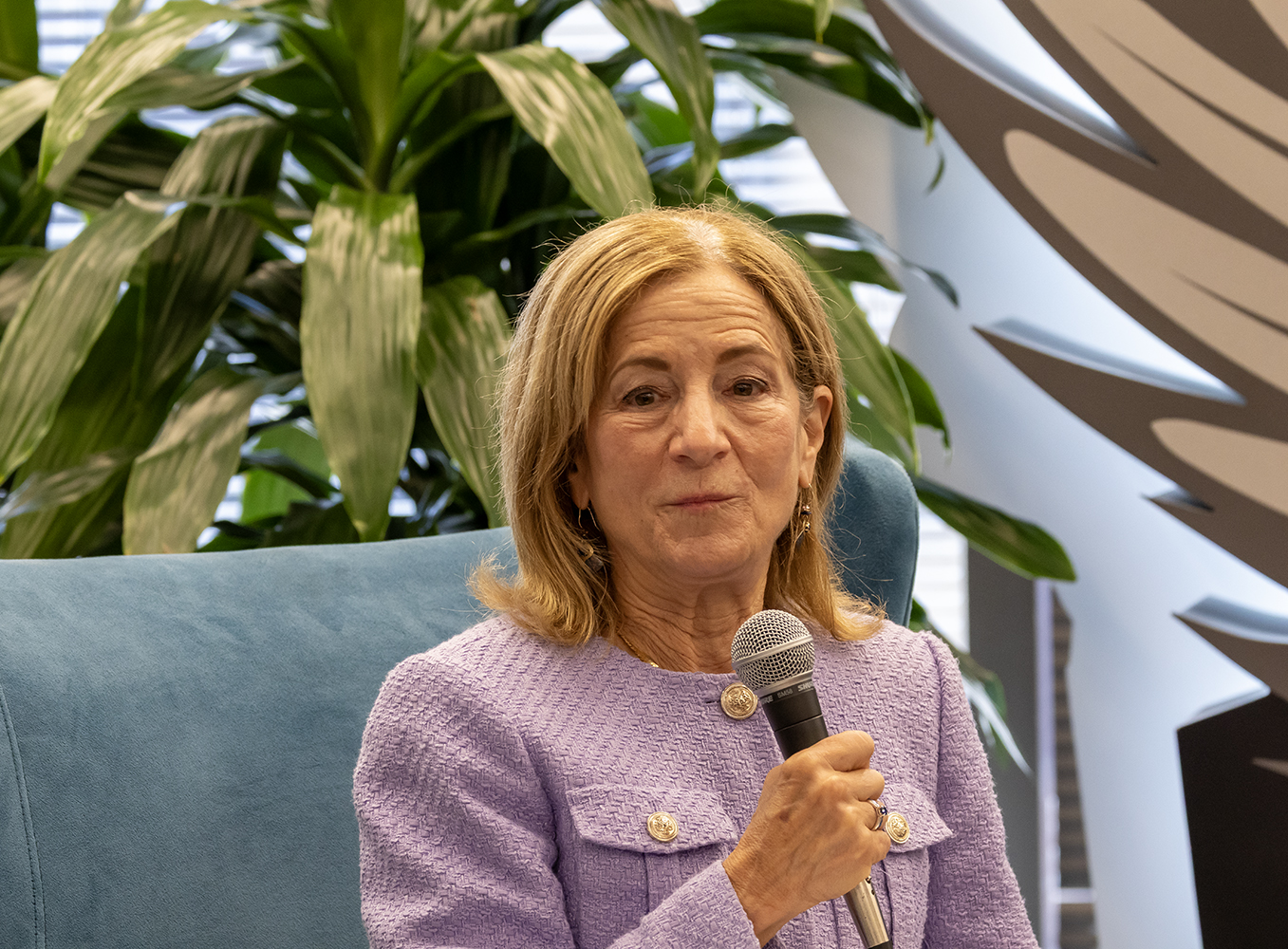
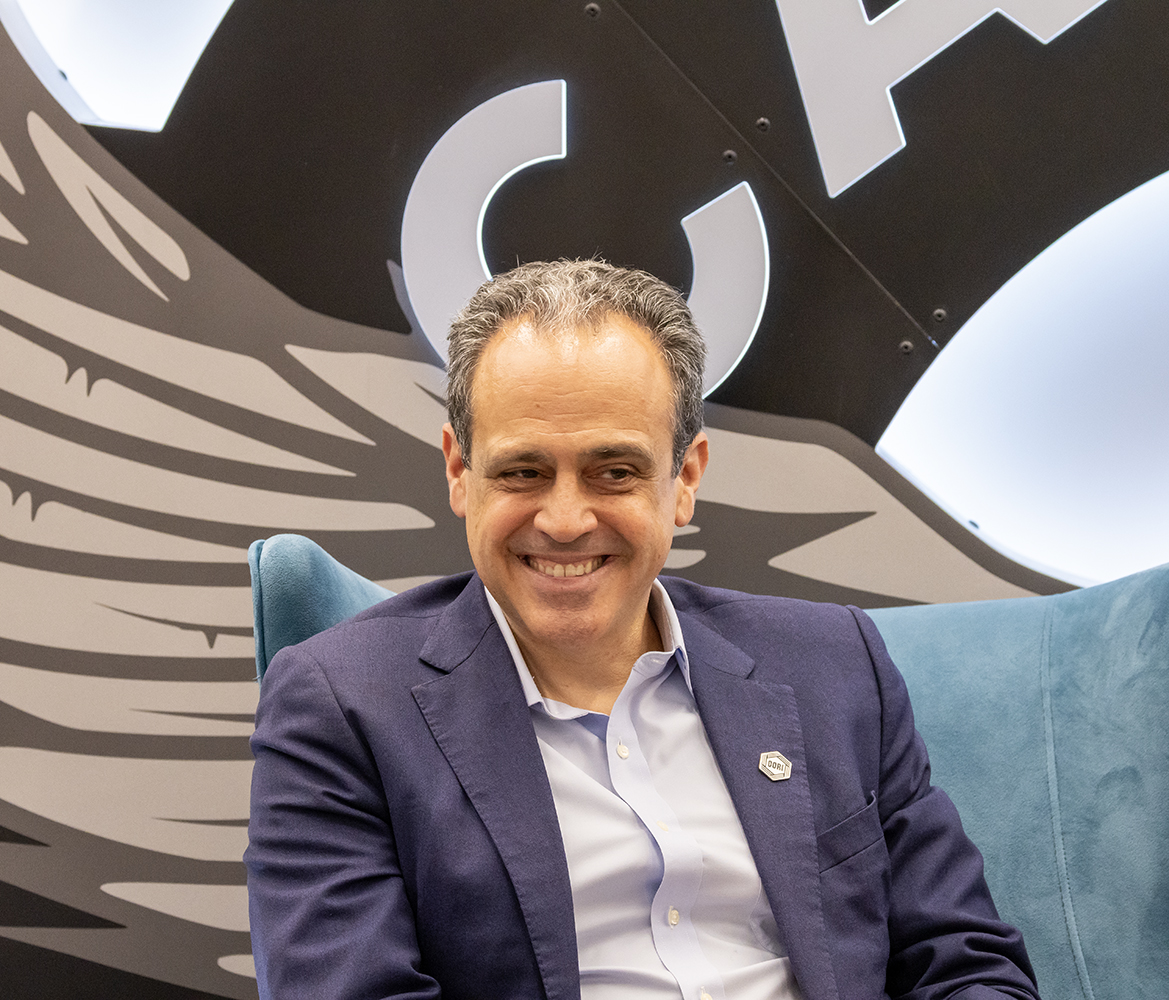

A key part of the discussion was Capriglione’s HB 149 (TRAIGA), a sprawling bill that prevents companies from manipulating software to encourage self-harm; prohibits government entities from creating “social credit” scores; bans governments from capturing biometric information; forbids individuals from creating sexual deepfakes or simulated child pornography; while also providing for various enforcement mechanisms.
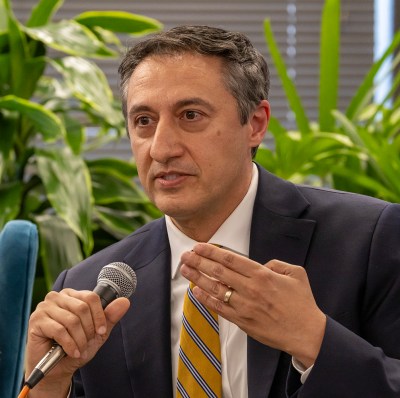
The legislation, Capriglione emphasized, is limited in what it bans, but it is capable of accommodating future directions of AI. Such would allow the legislation to keep up with developments in the field.

One such development on minds is the extent to which AI threatens people’s jobs. Rep. Capriglione addressed this, asking the audience, “How many of you think AI will take your job in the next five years?” When only about six people raised their hands, Rep. Capriglione said something to the effect of (I am paraphrasing): “The rest of you are in denial, I guess?”
Not everyone agreed with this assessment. Culbertson suggested that AI would be a position augmenter rather than a position replacer. Of course, if productivity is augmented, then companies may not need their current work forces–suggesting they could let employees go and retain their current levels of productivity and profits.

A recurring theme is that, in most cases, AI will not replace jobs. But people who can use AI well may replace people who cannot use AI well. This may be bad news for seniors and those who primarily perform menial tasks, people not well-known for keeping up with technological advances. In a major study, Goldman Sachs estimates that “at most” 2.5 percent of the workforce may be replaced by automation owing to AI.



For what it’s worth, Chat GPT seems to agree with the panelists. According to Chat GPT, “You won’t compete against AI — you’ll compete with people who use AI.”
The panel–and Chat GPT–have thus provided some programming suggestions for LEAP Center staff and the LEAP Ambassadors.




















 Center for Law, Engagement, and Politics