
by Olivia Discon
Although the Texas legislative session ended on June 2, much of the policy work remains. For one, there is a special session scheduled for July 21; for another, the implementation of the 1,000+ bills that passed looms large, with many of the bills taking effect on September 1. To help cities prepare for this implementation, Strategic Government Resources (SGR) brought in experts from the Texas Municipal League for a webinar: “Reviewing the Texas Legislative Session and Bills Impacting Local Government.”


The Grassroots and Legislative Services Department of the Texas Municipal League (TML) dedicated their time (and sanity) this session to monitoring the 9,000+ bills introduced this past session. They work with the legislators and staff to ensure bills are “city friendly” and, occasionally, to fight legislation that would undermine cities’ powers to provide for their communities.

This session, according to TML reports, there were 2,189 bills filed that impacted local government, 262 of which passed. With most of the bills taking effect September 1, cities all across the state are working to understand how this new legislation may apply to their communities–and they are doing so during budget season! Fortunately, SGR and TML hosted this webinar to provide an overview.

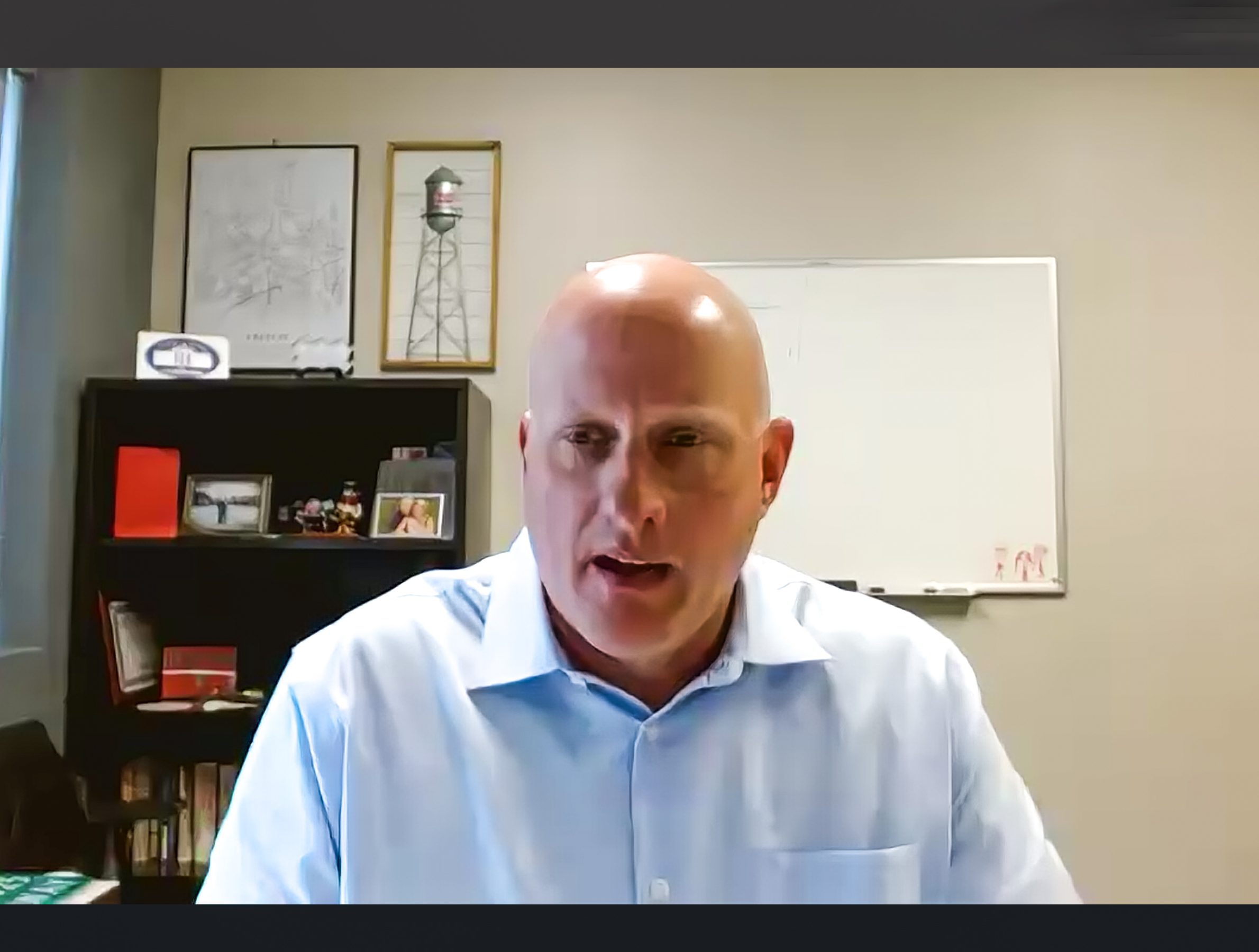
Leading the discussion was TML’s newly appointed Director of Grassroots and Legislative Services Monty Wynn; Ben Brezina, Assistant City Manager of Frisco, TX; and Rustin Stewart, Assistant Director of Administrative Services of Frisco, TX. They covered a wide array of topics–including land use, AI, code enforcement, and the Open Meetings Act.

Here are some key bills that are of statewide interest:
SB 1173 (authored by Rep. Perry) moves the competitive bidding threshold from $50,000 to $100,000. As prices rise and as Texas grows, this bill allows city staff to keep projects moving.
HB 2217 (authored by our very own Rep.Wharton!) provides a grant opportunity from the Office of the Governor’s Criminal Justice division for bullet-resistant police vehicles and other equipment to local police departments.

HB 1522 (authored by Rep. Gerdes) changes the notice of a public meeting of a governmental body to be posted for at least three business days, as opposed to 72 hours previously, in a place available and accessible to the public. This might not seem like a world of a difference, but this can completely change the harmony of a City Secretary’s weekly schedule. Assembling agendas have a lot of moving parts leading up to their eventual posting, and this new requirement may lead to an expedited due date for agenda items to be submitted by city staff.

In addition to this, HB 4214 affirms that councilmembers do not need to submit a Public Information Request to receive information from the city.
This is just the tip of the iceberg in terms of legislation, and if you feel overwhelmed, you are not alone! But with resources such as SGR, TML, and the Texas Tribune, there are many tools to help the public stay informed.
 Center for Law, Engagement, and Politics