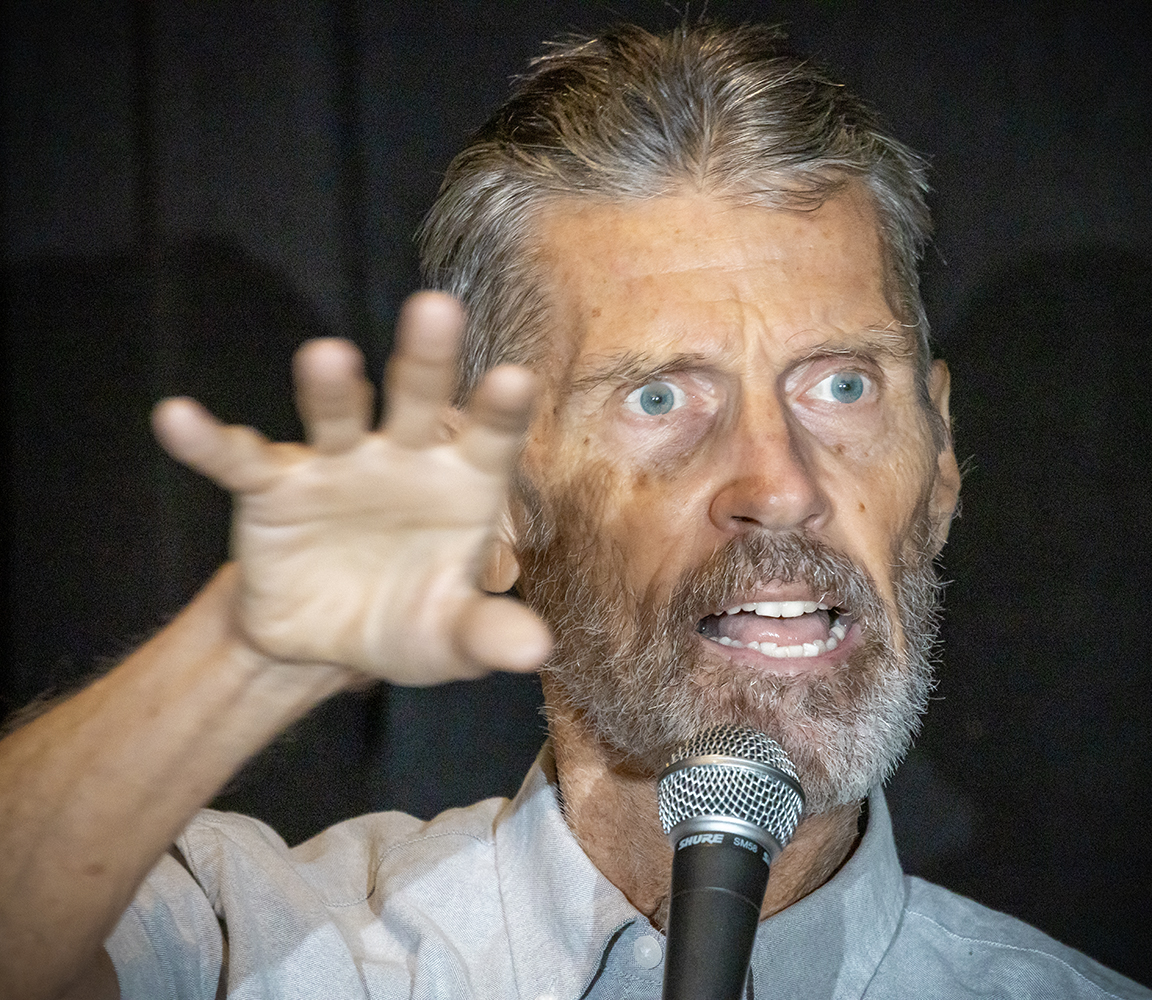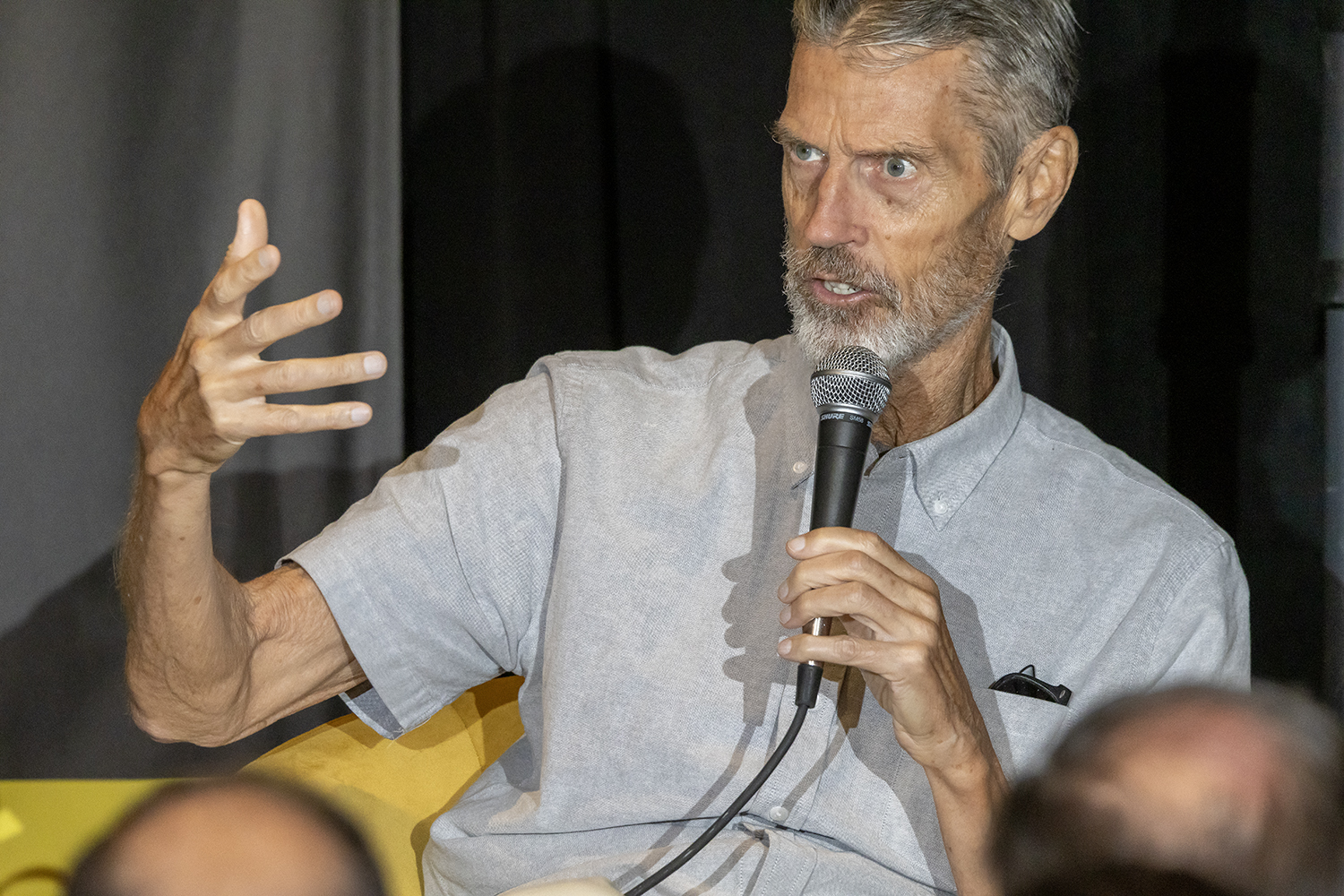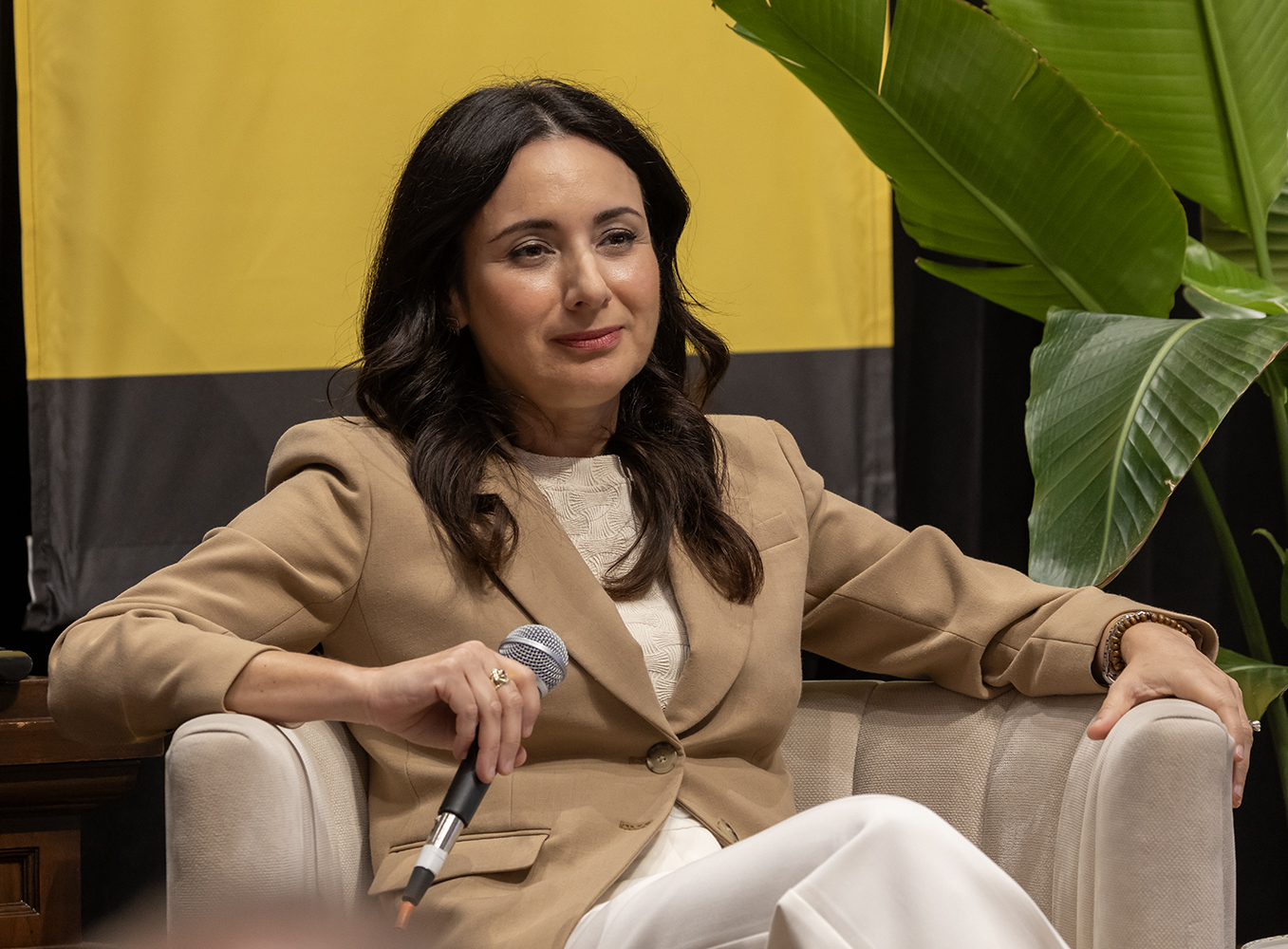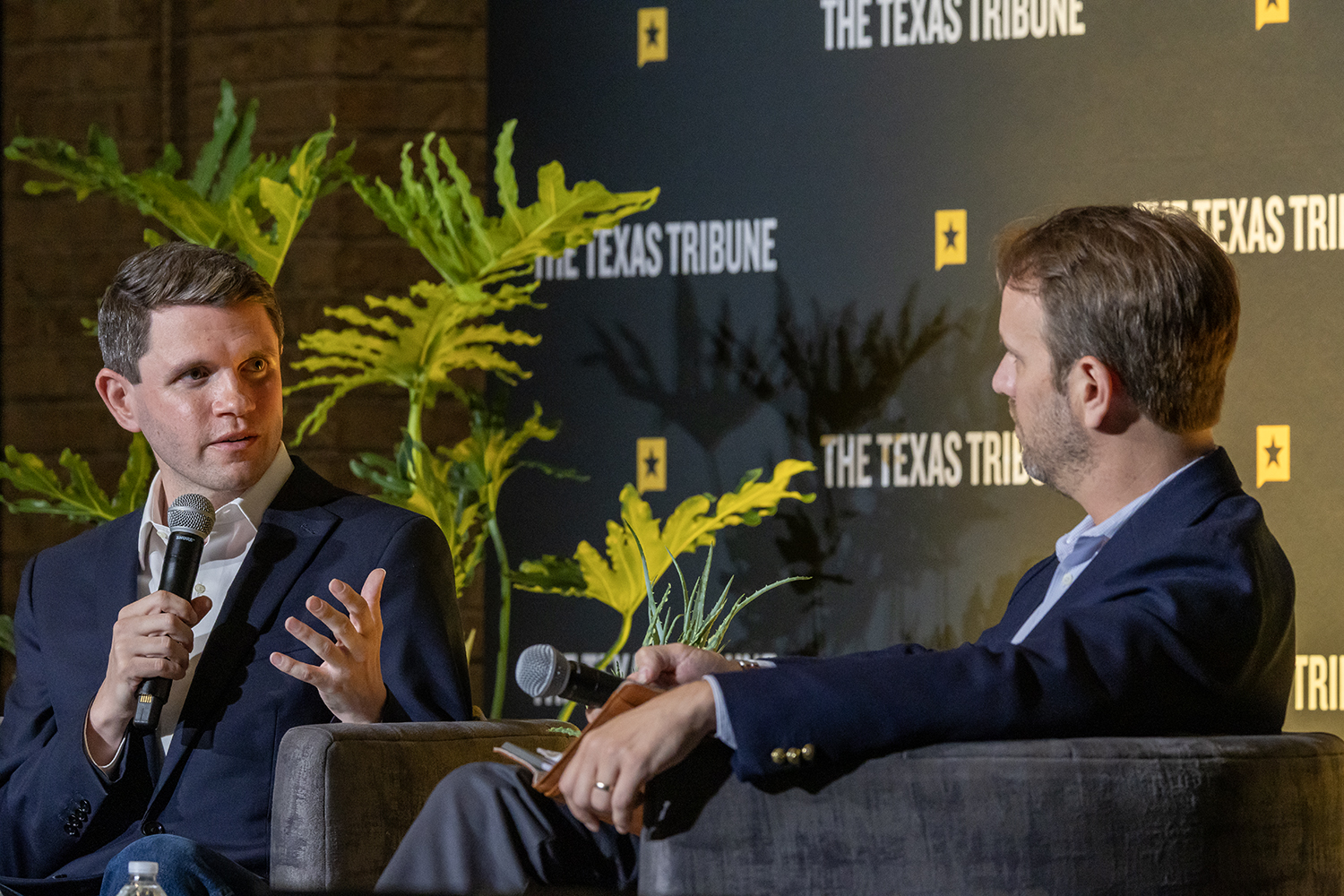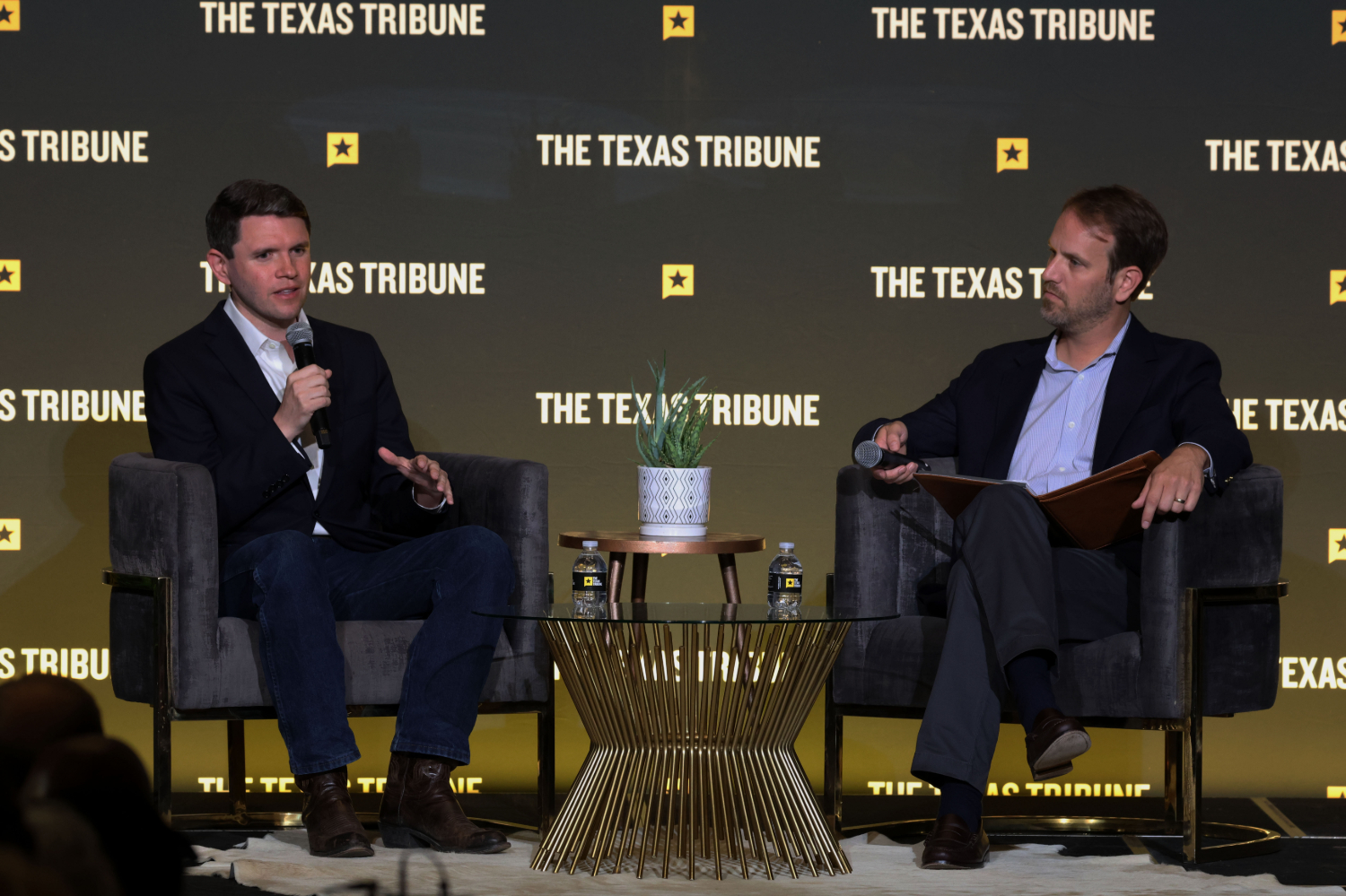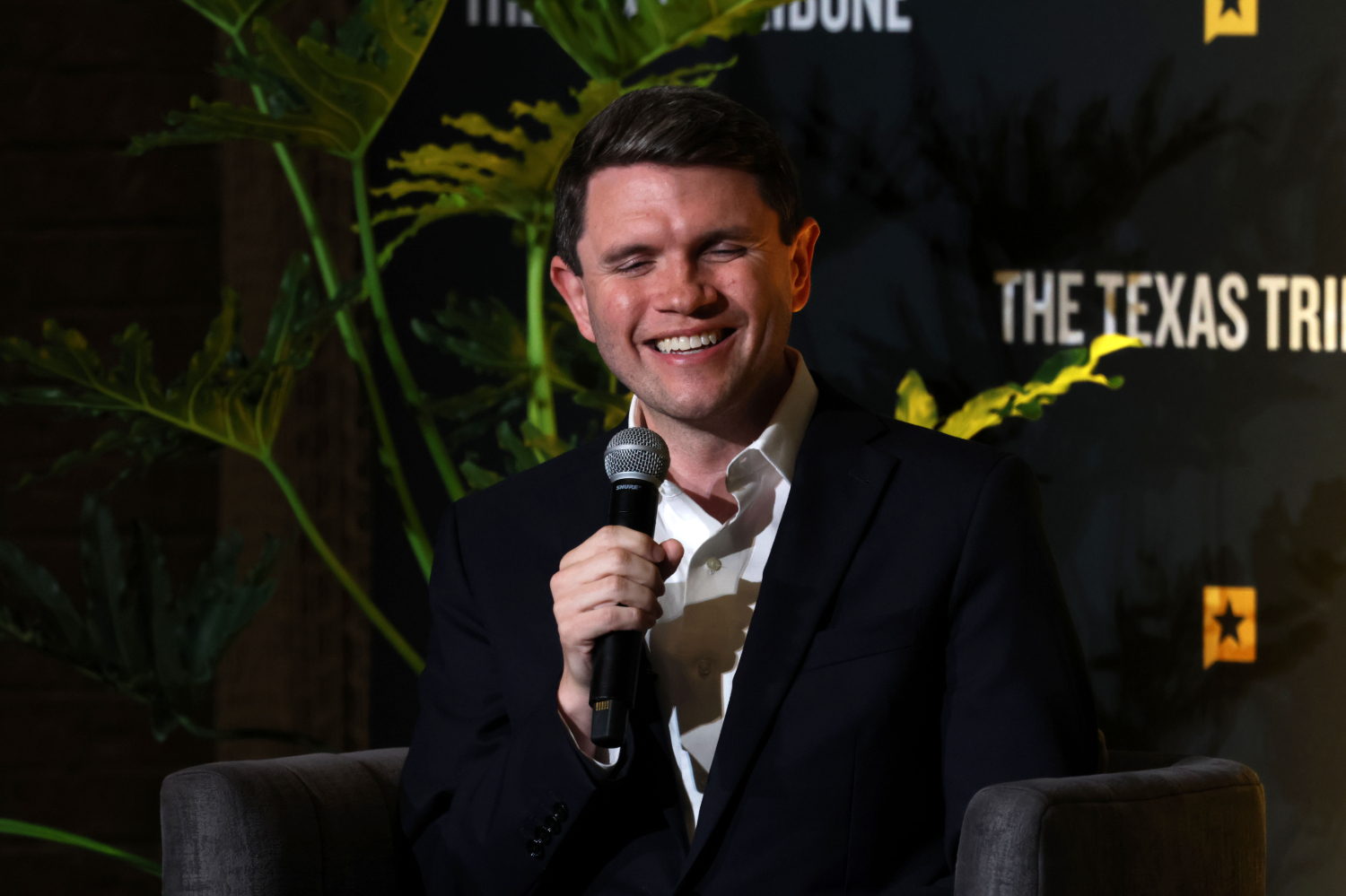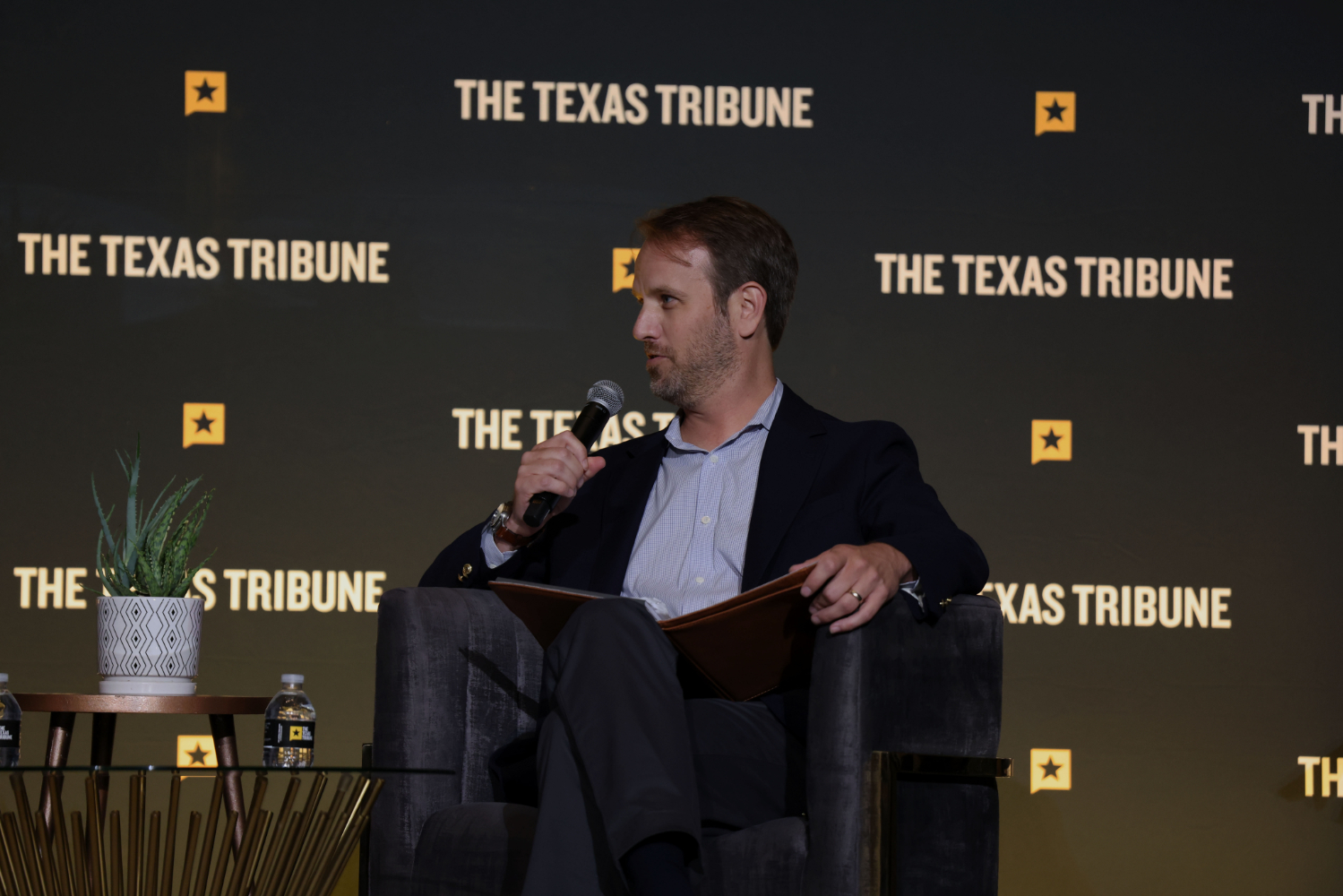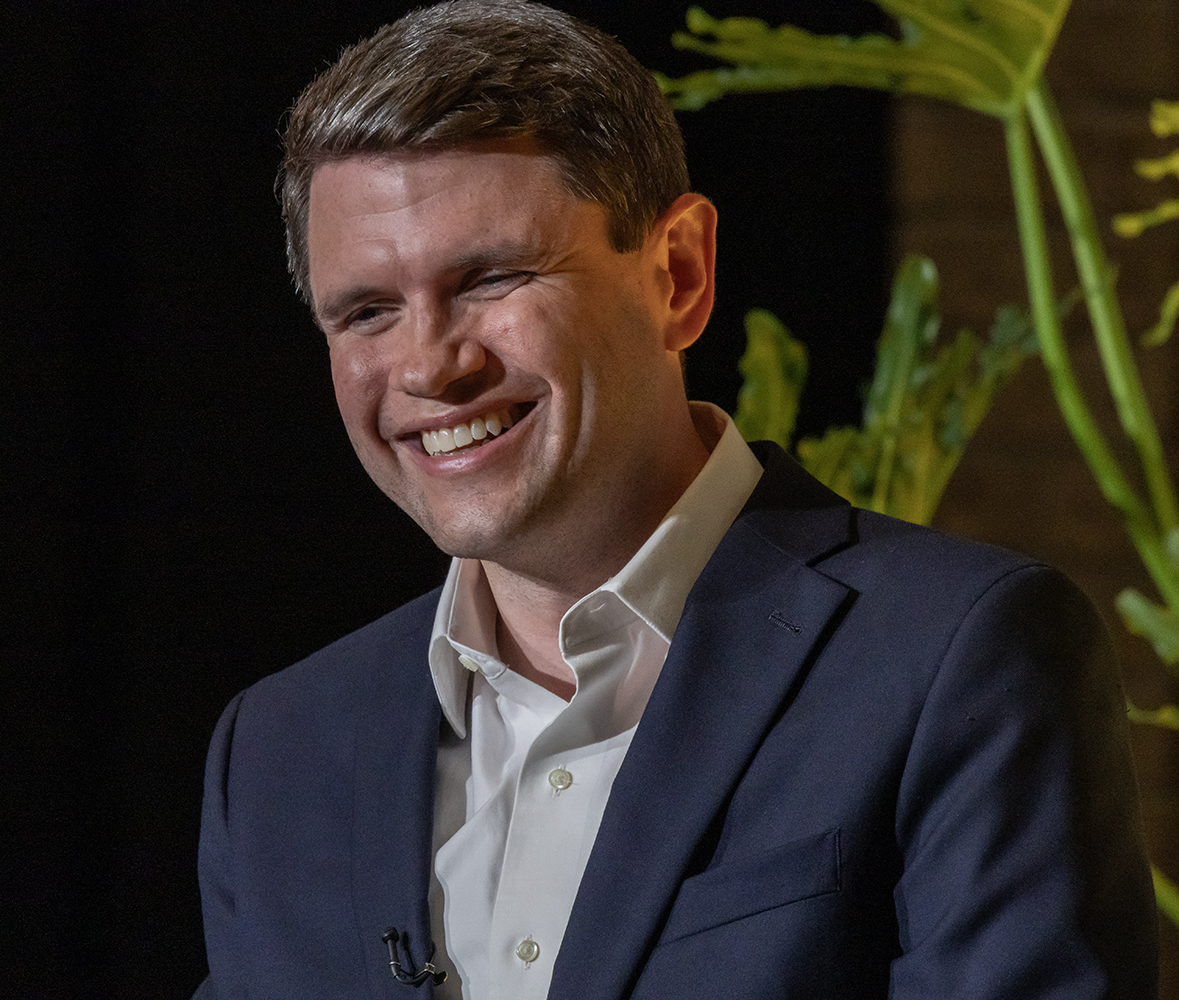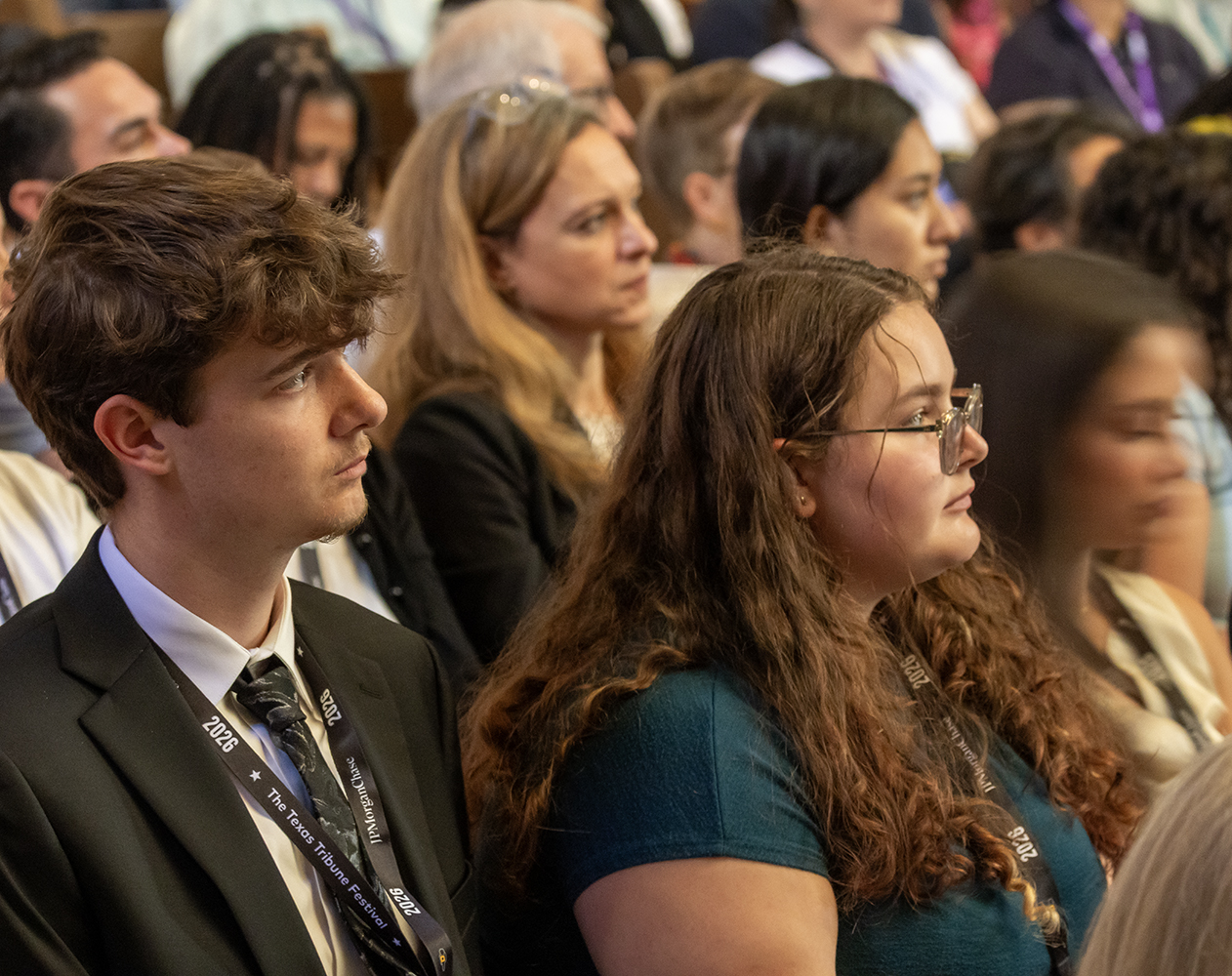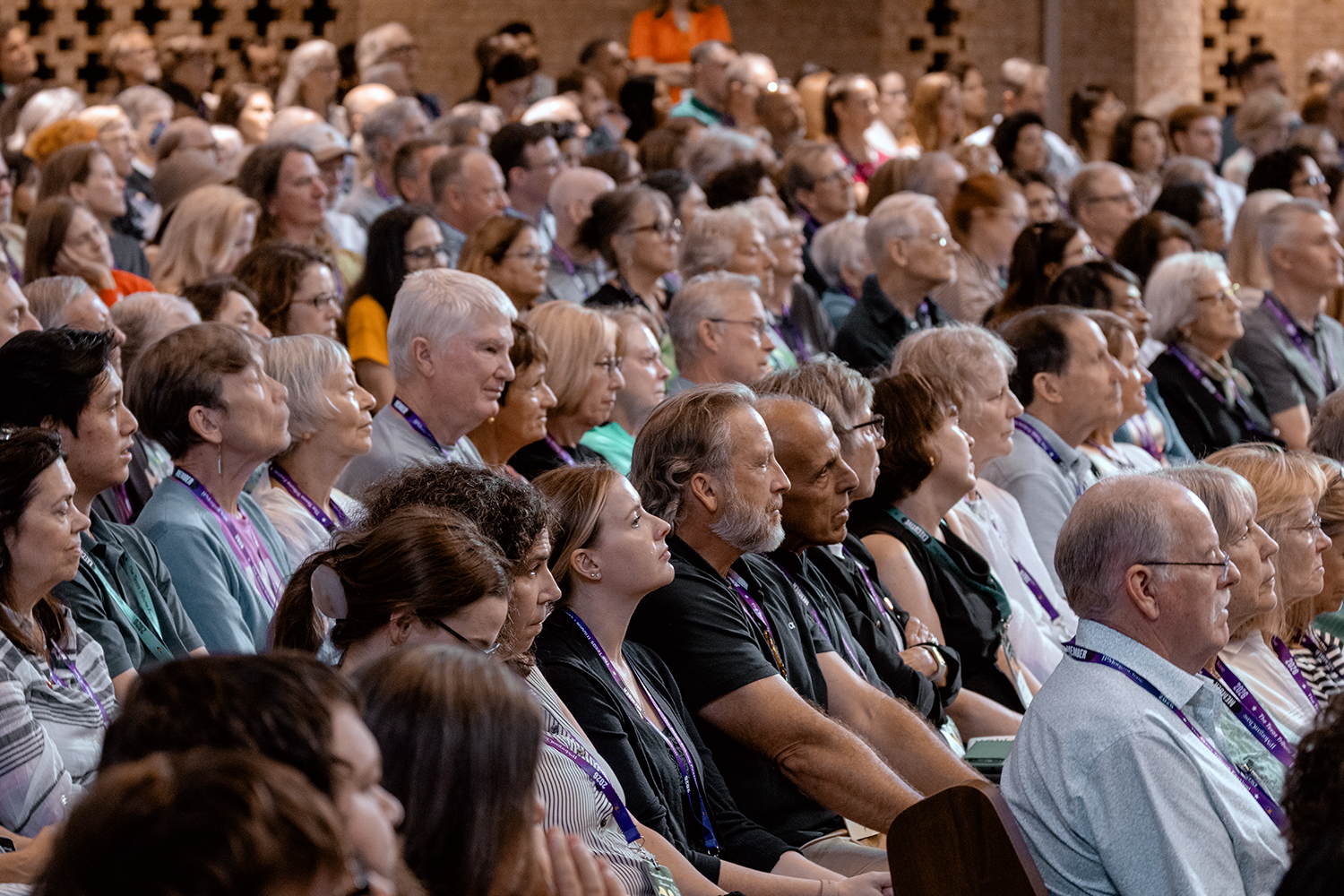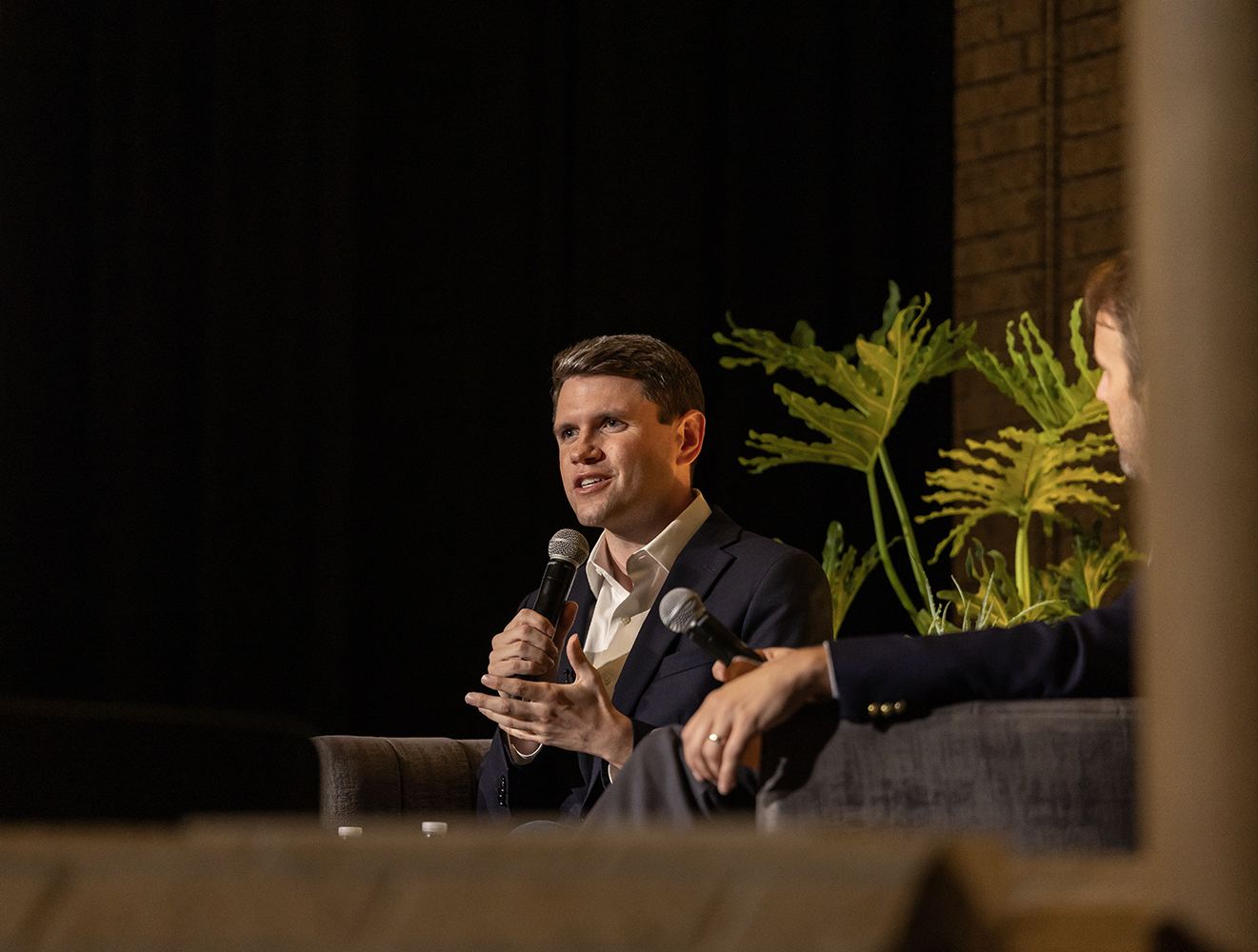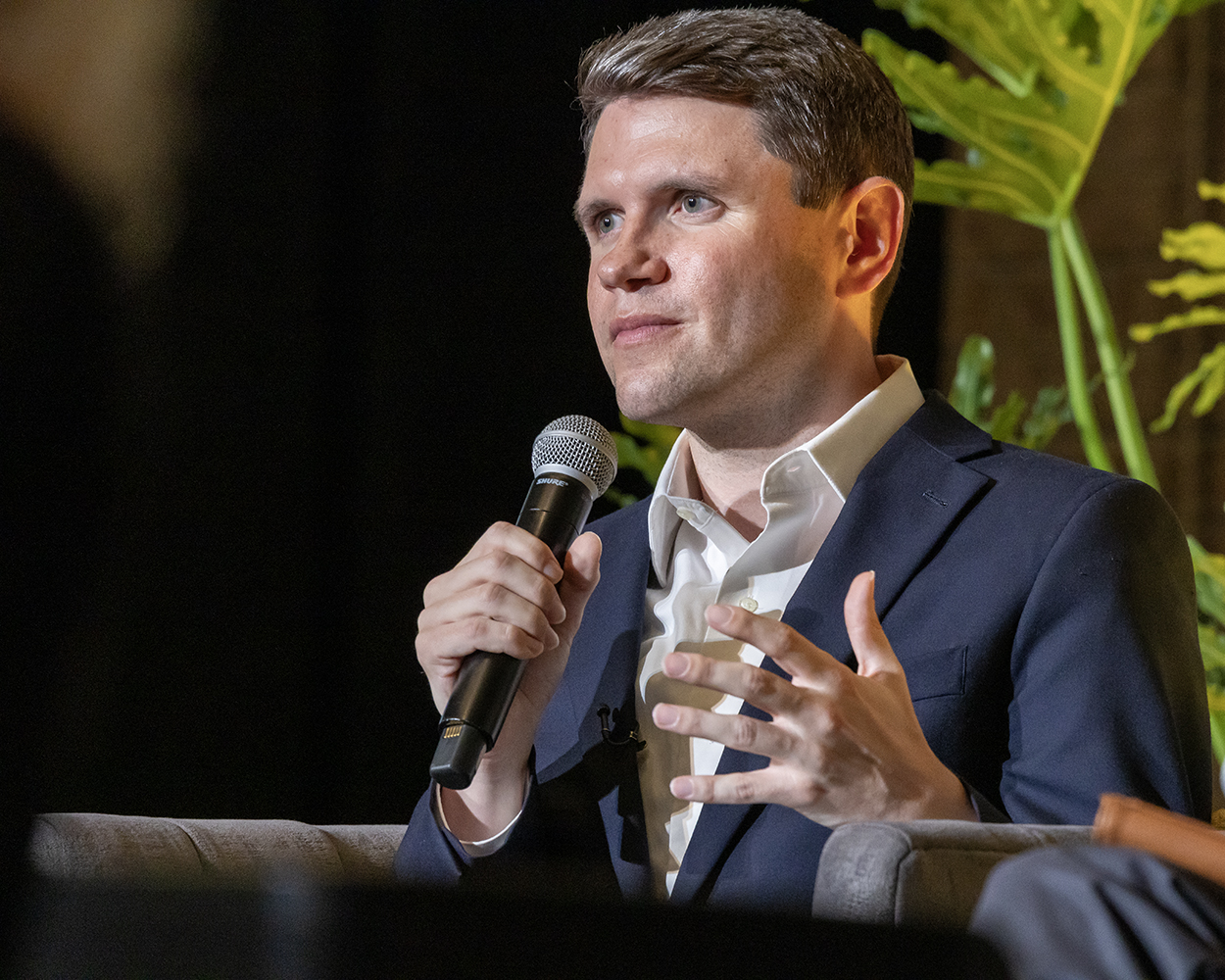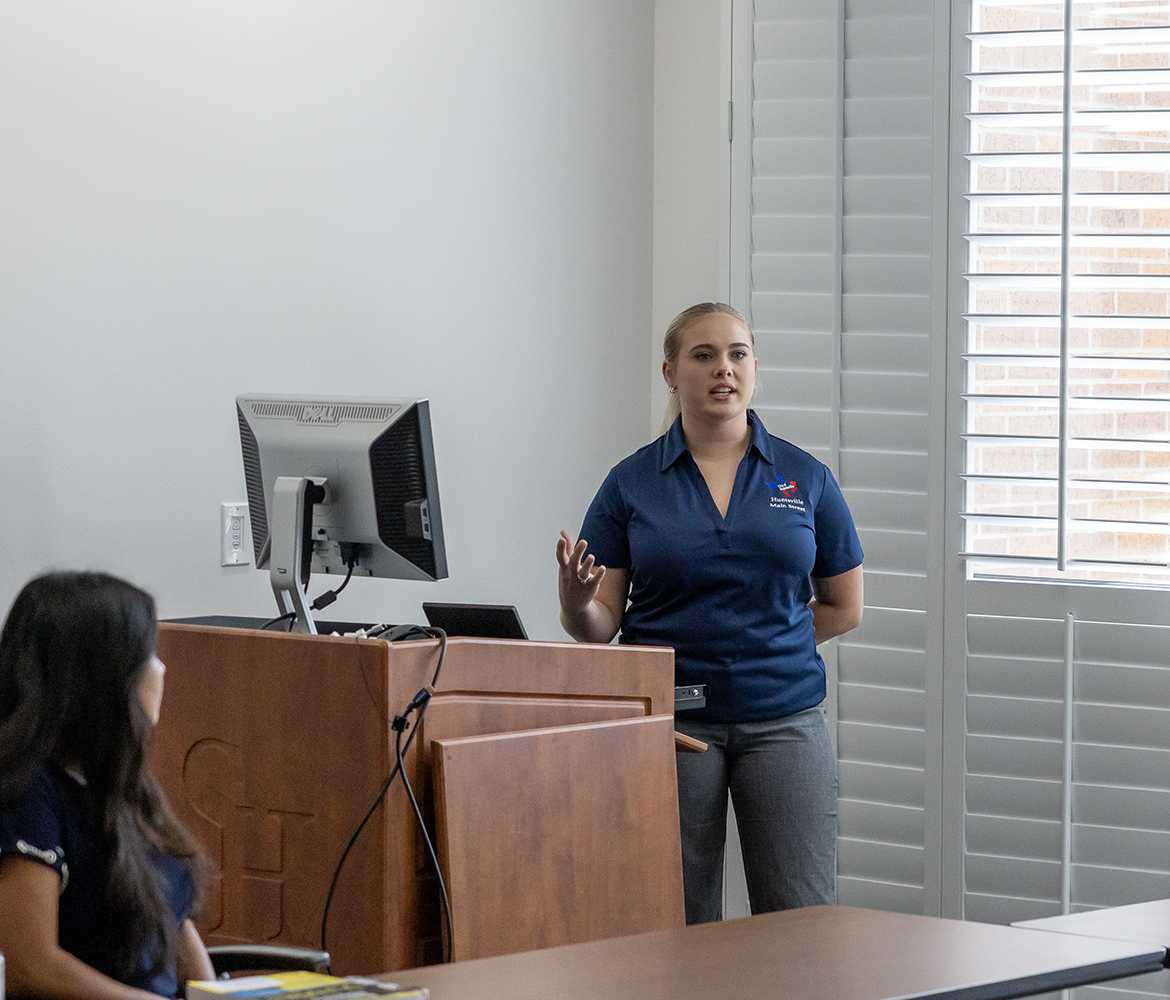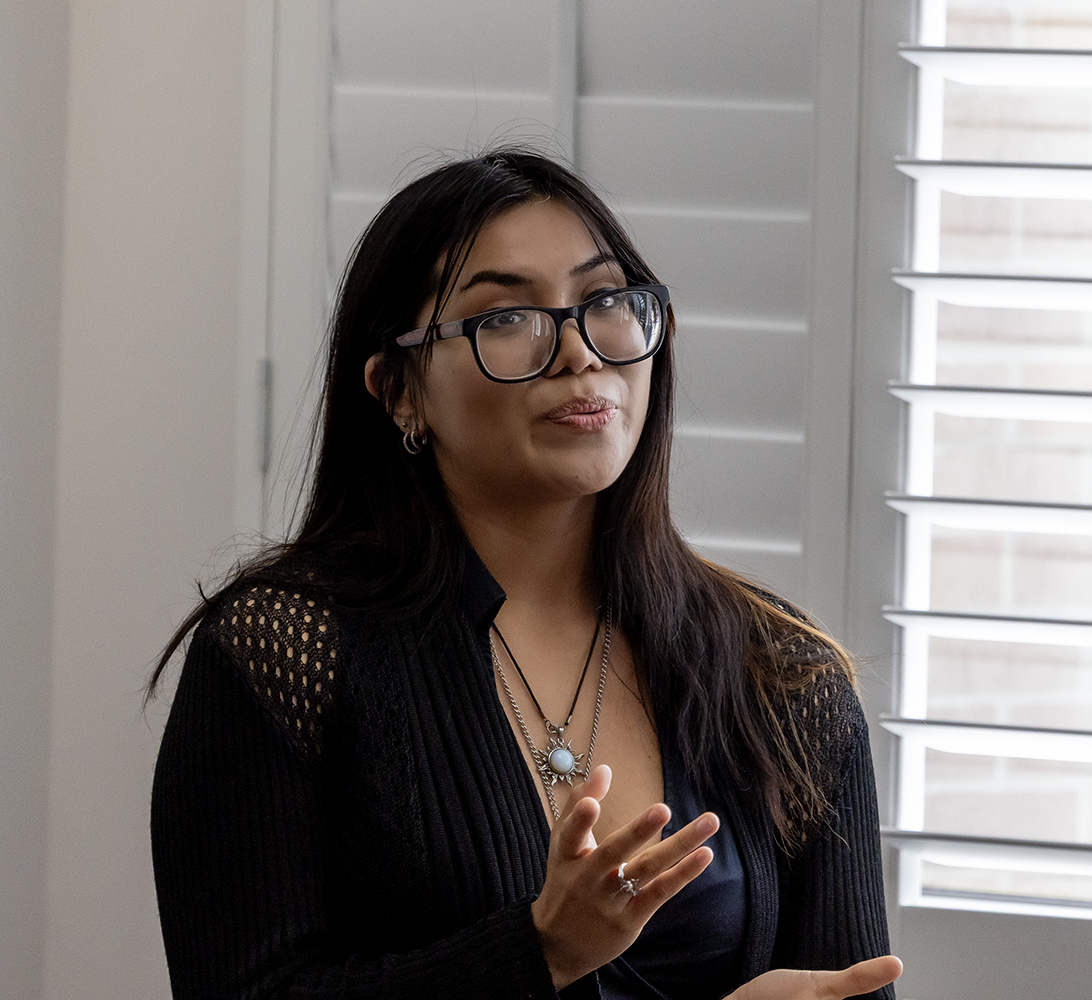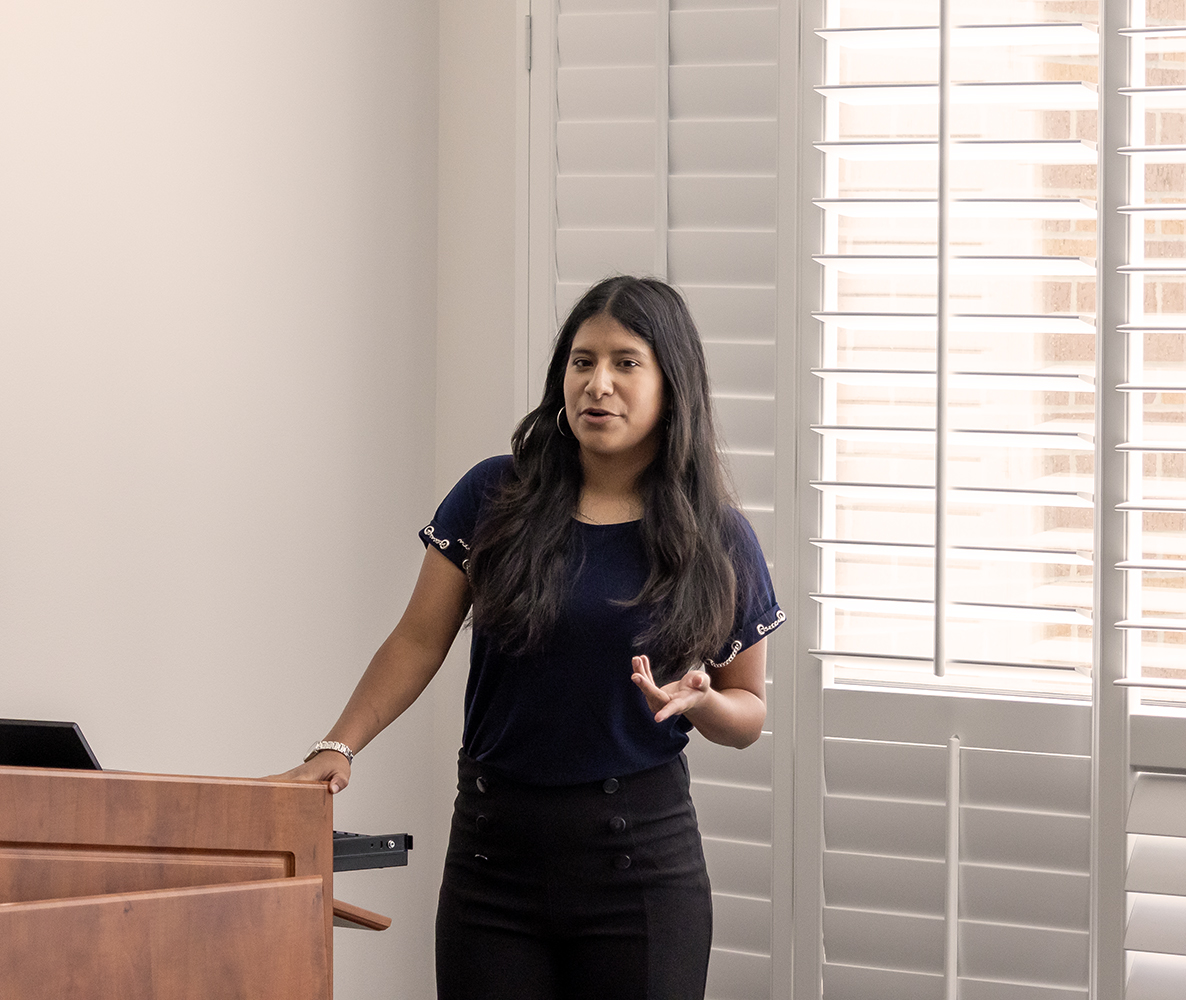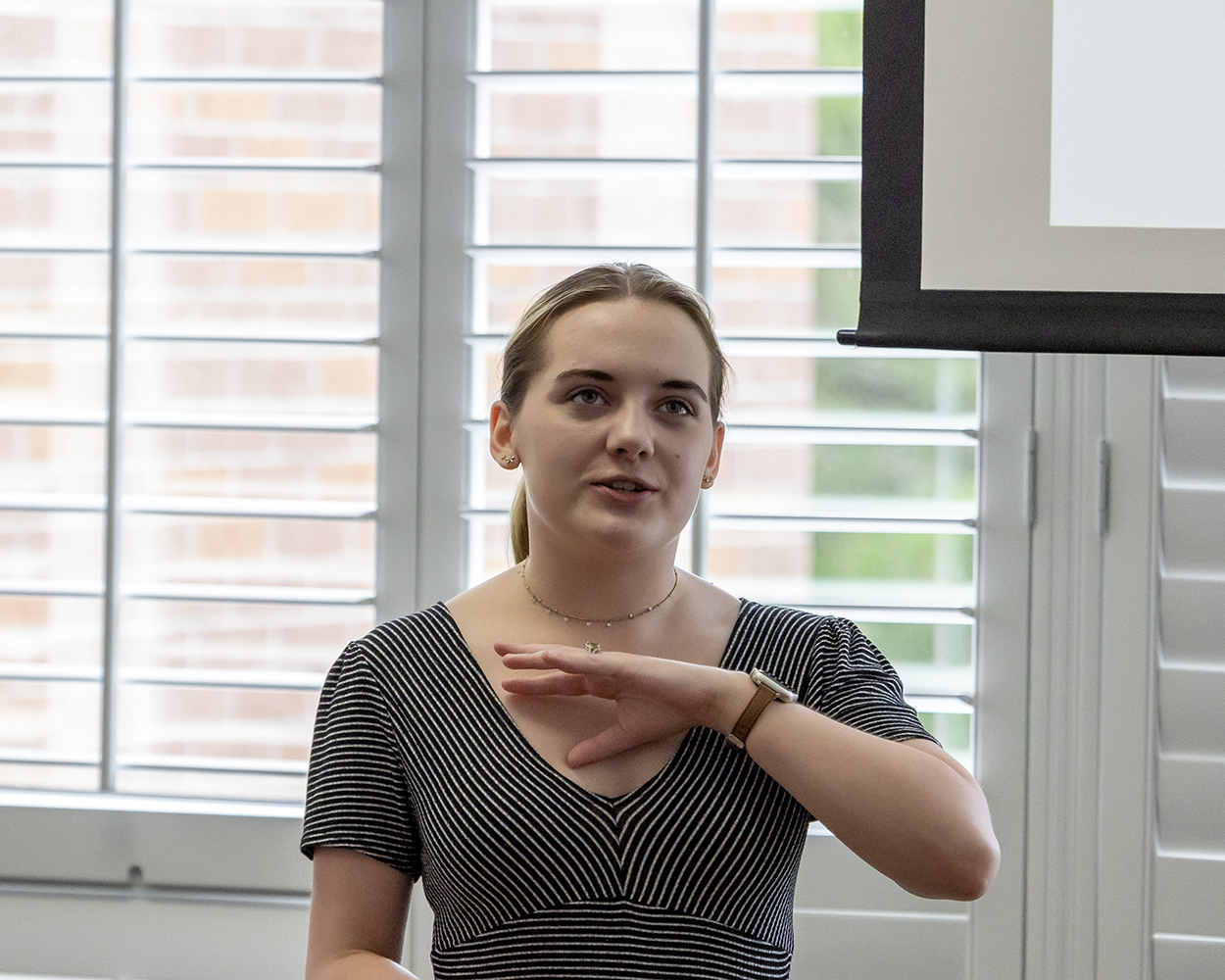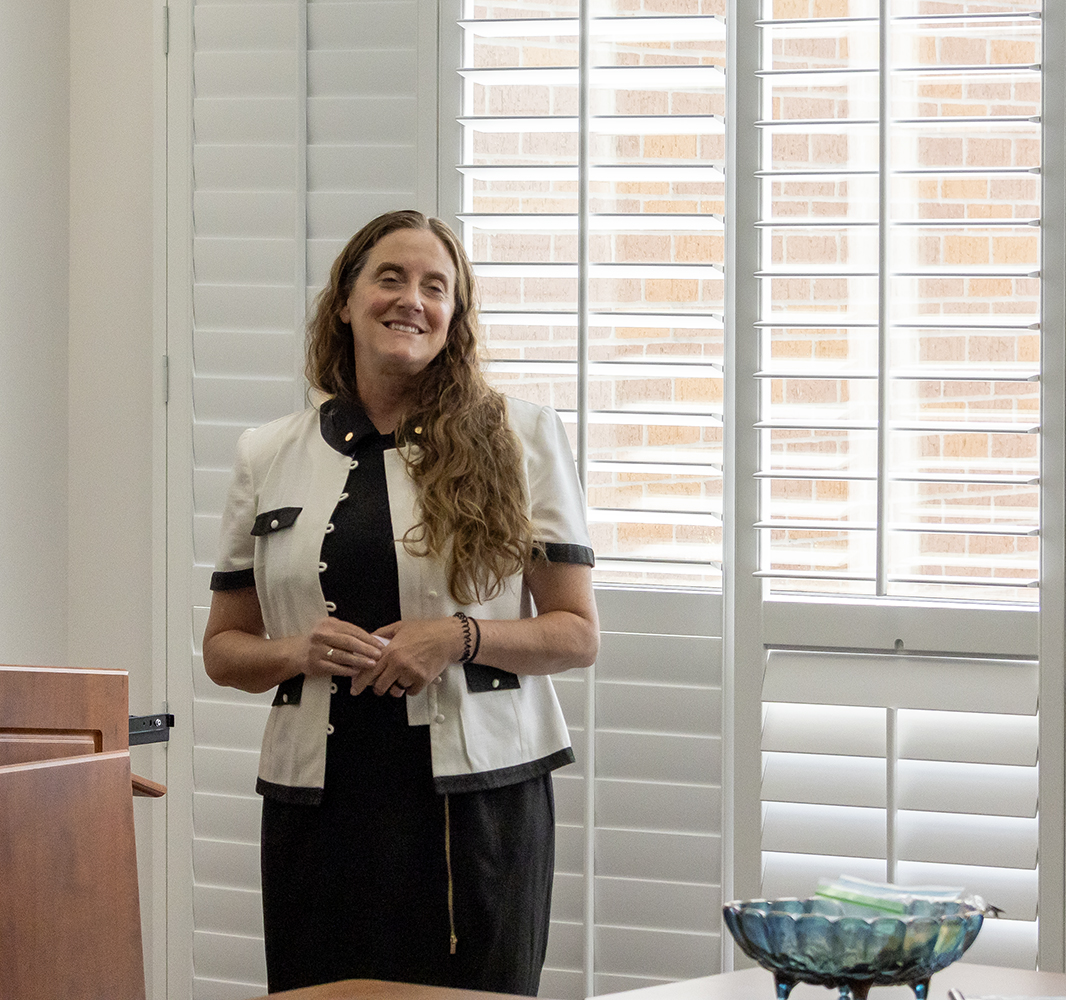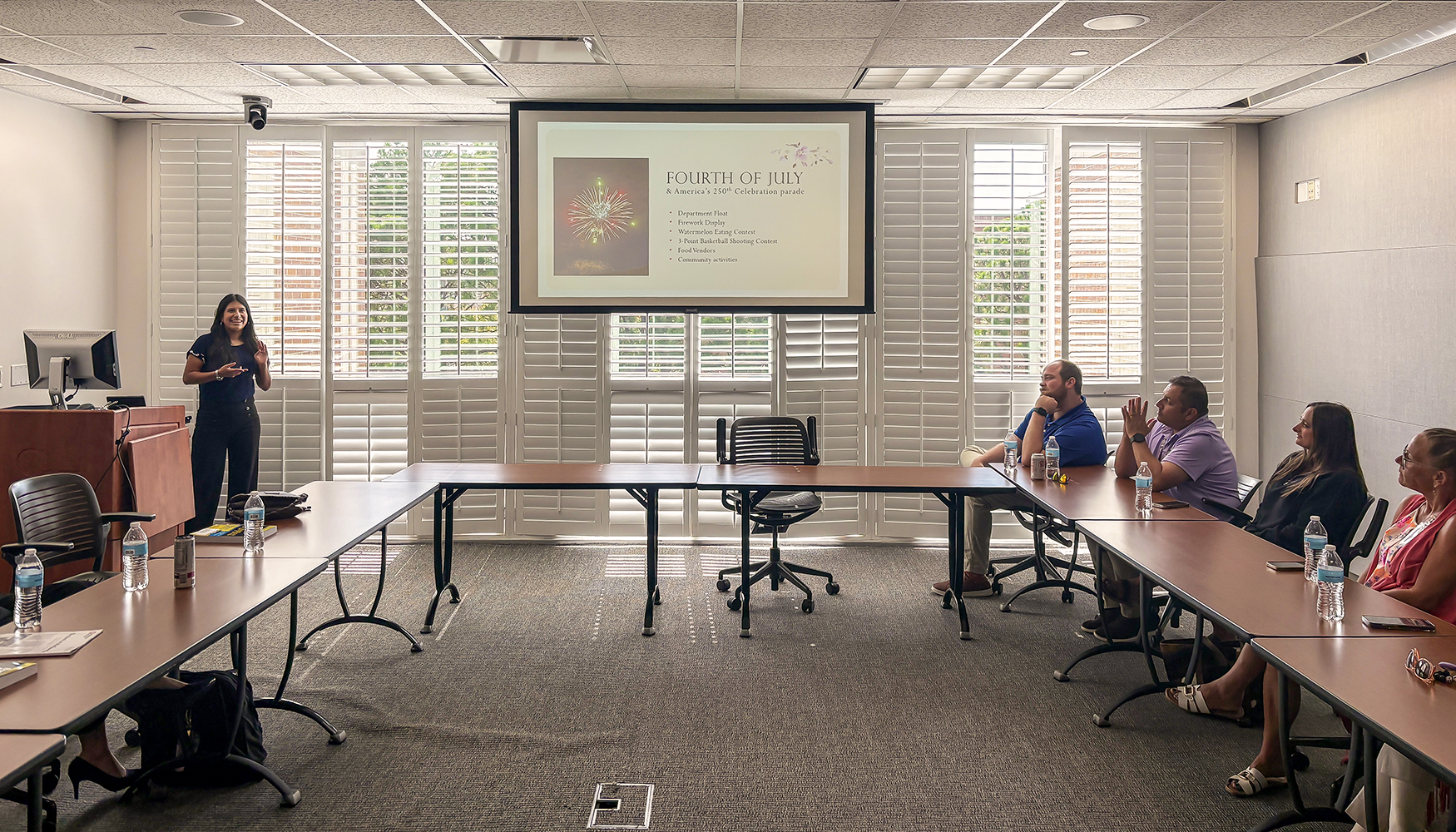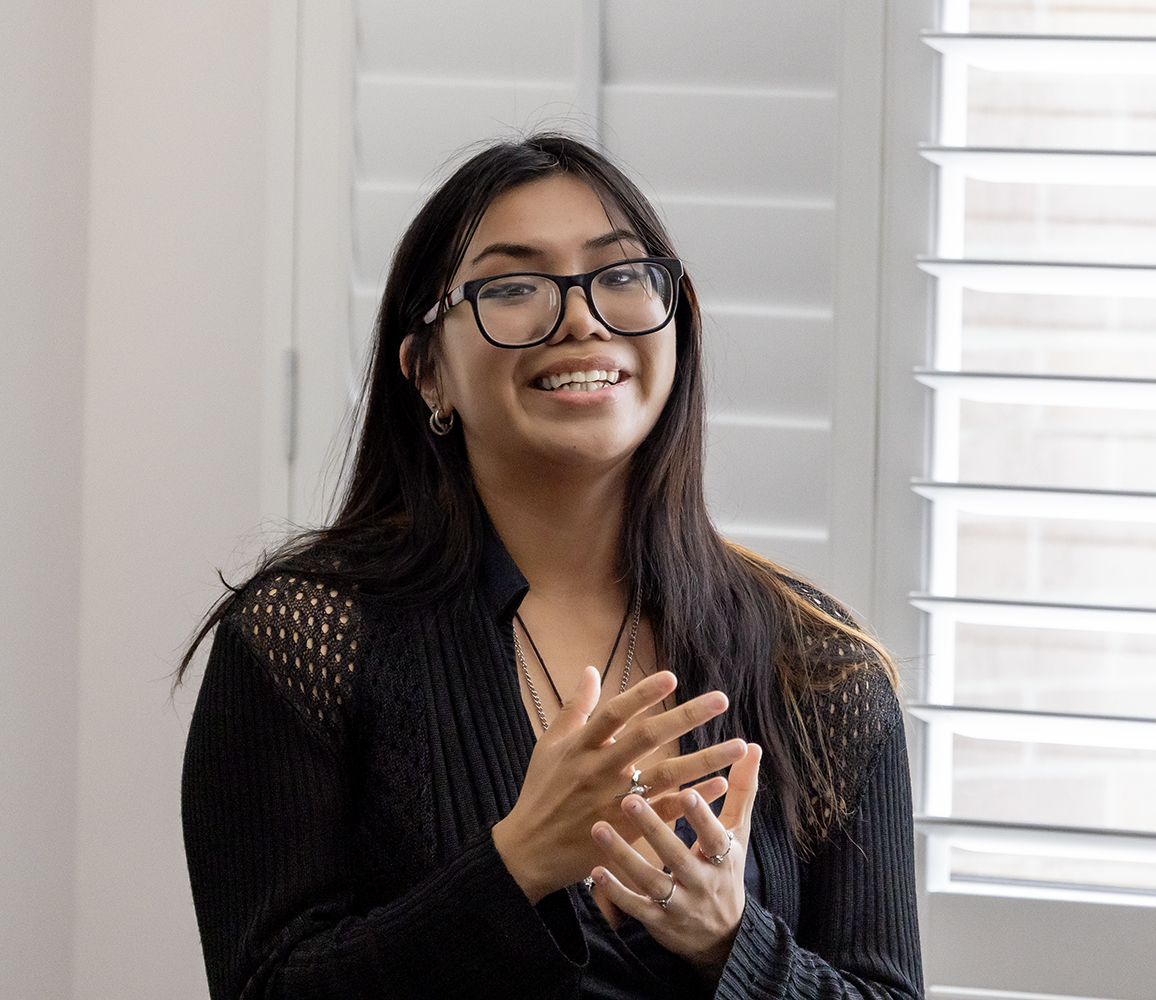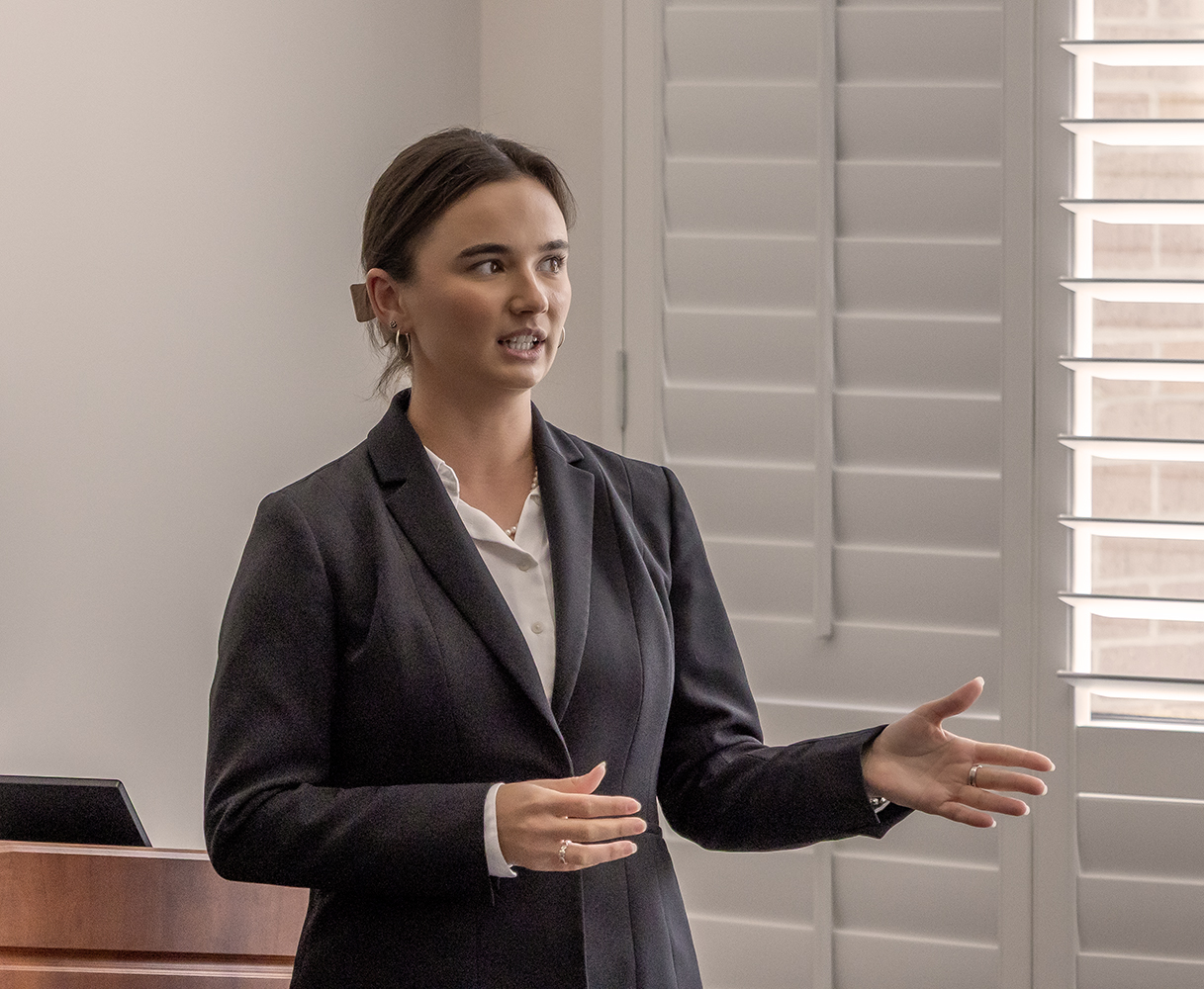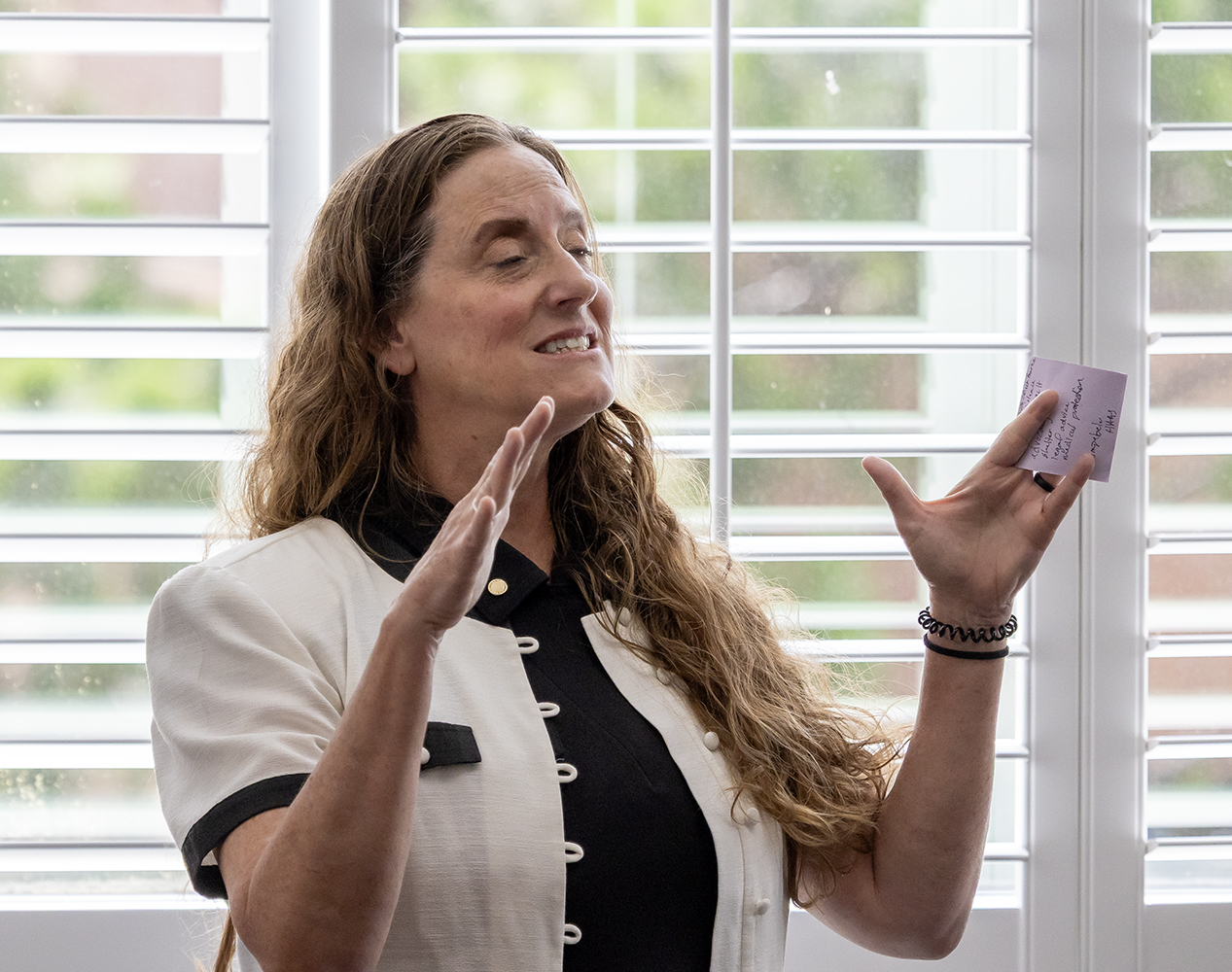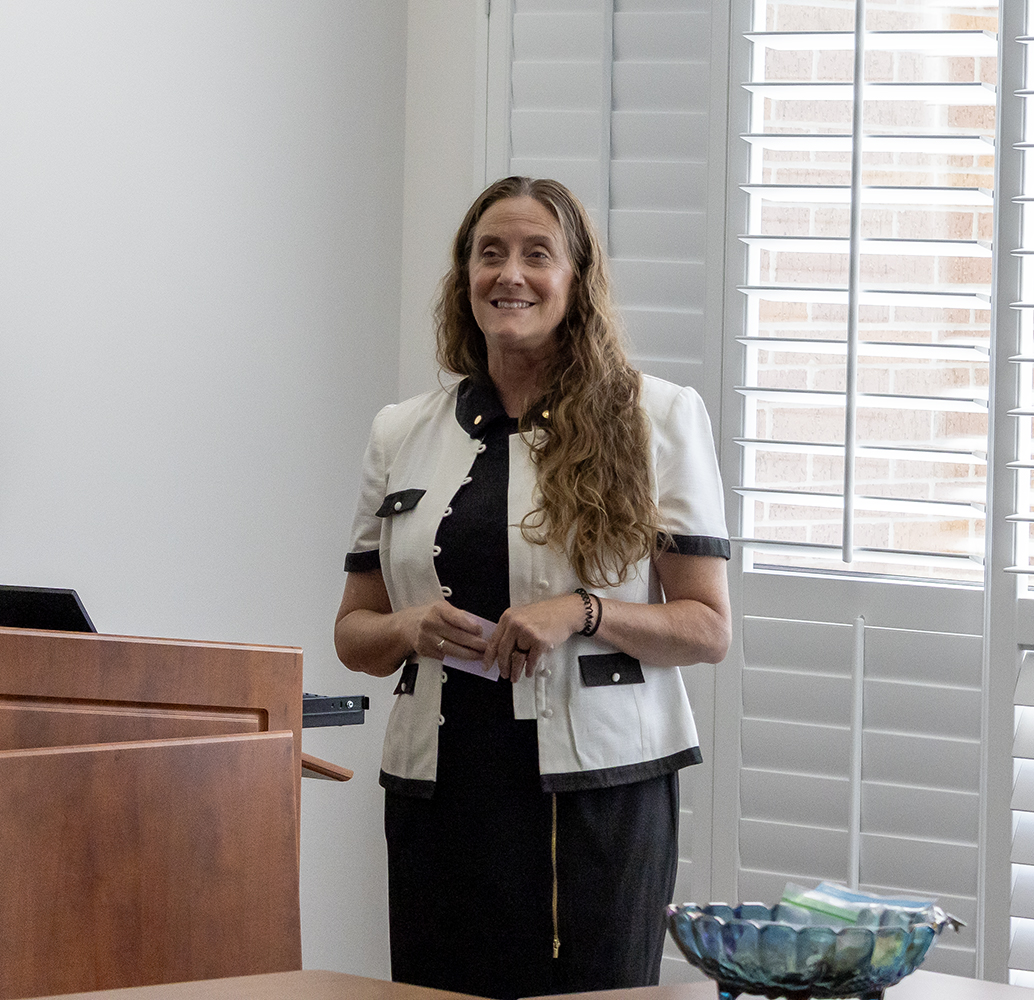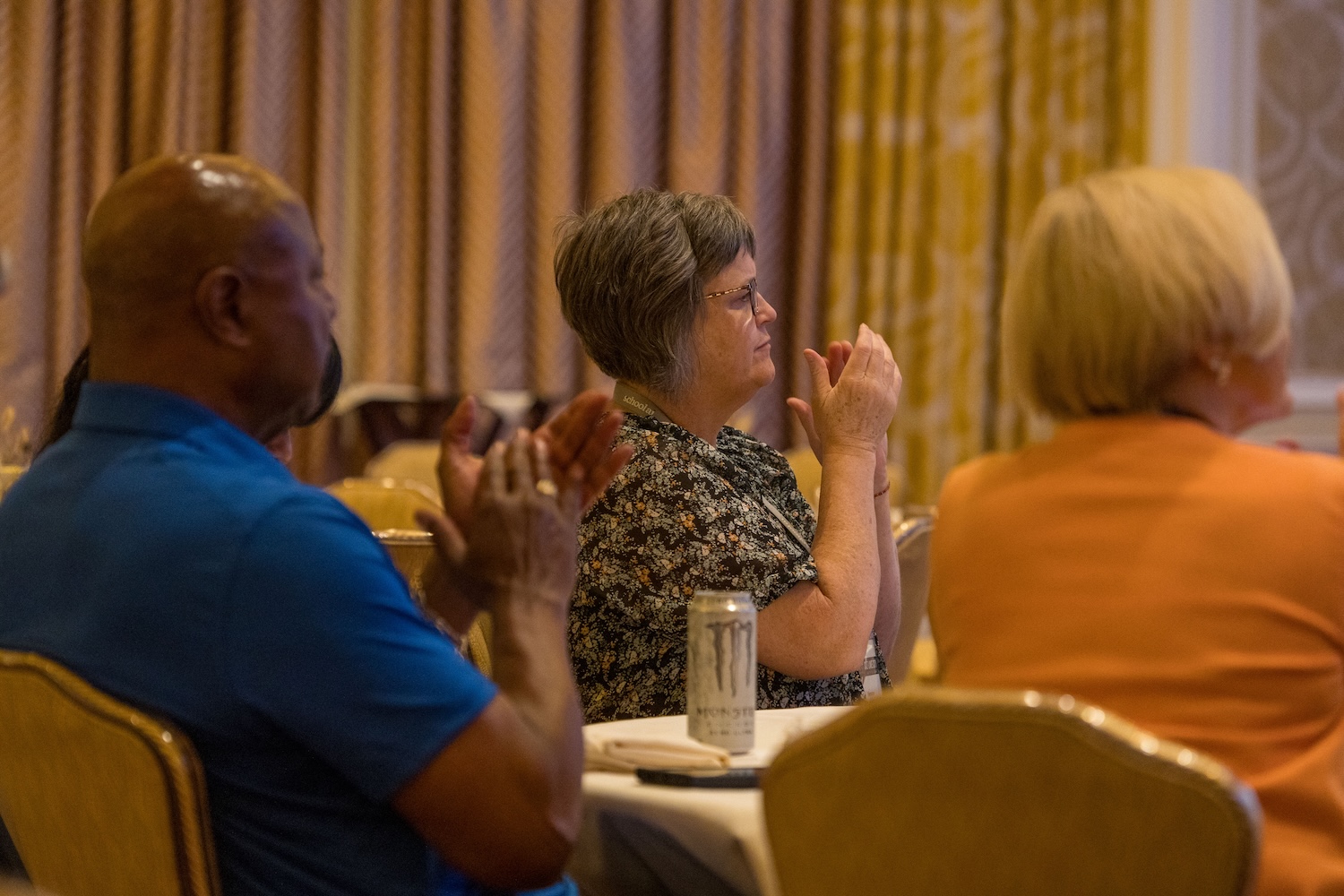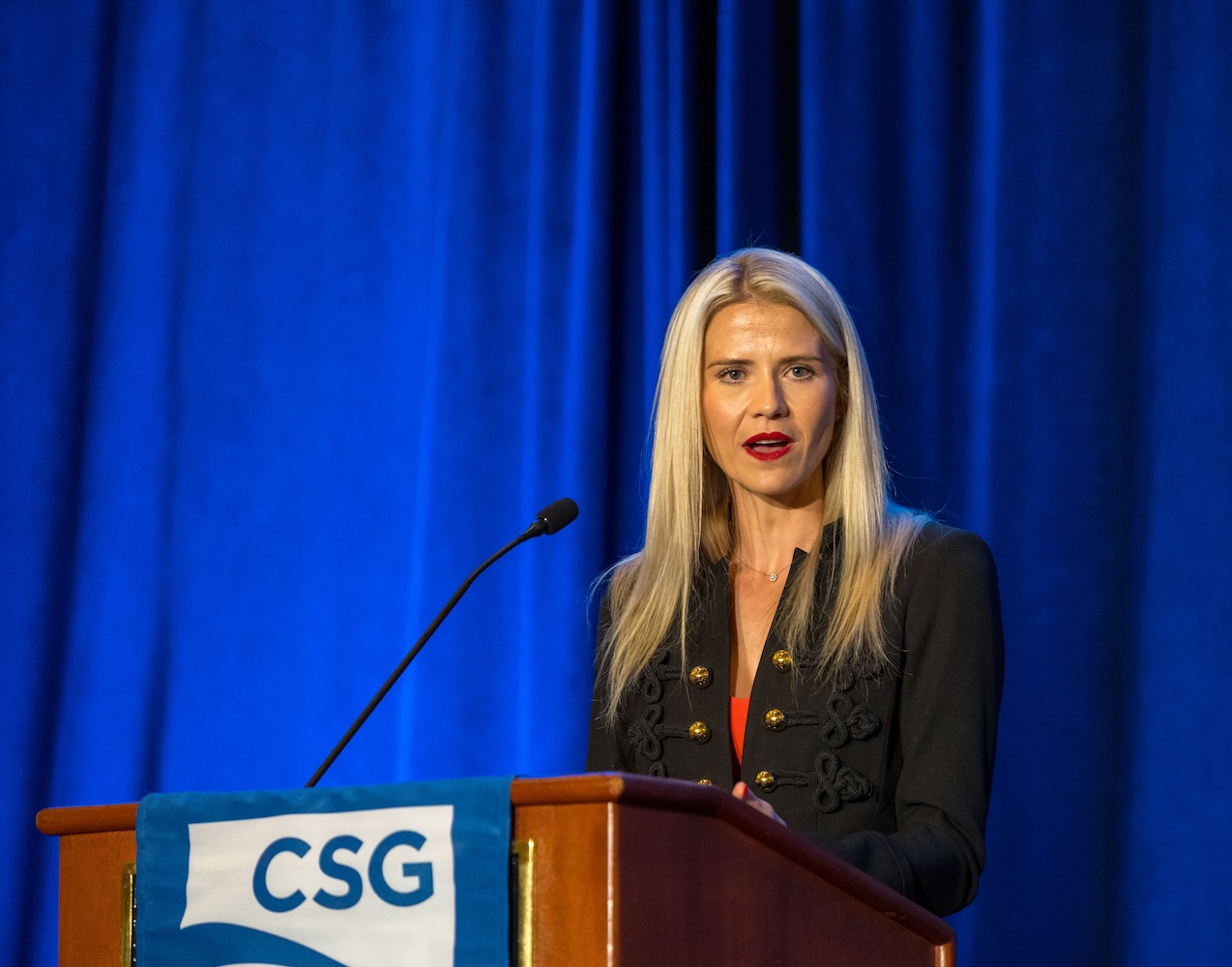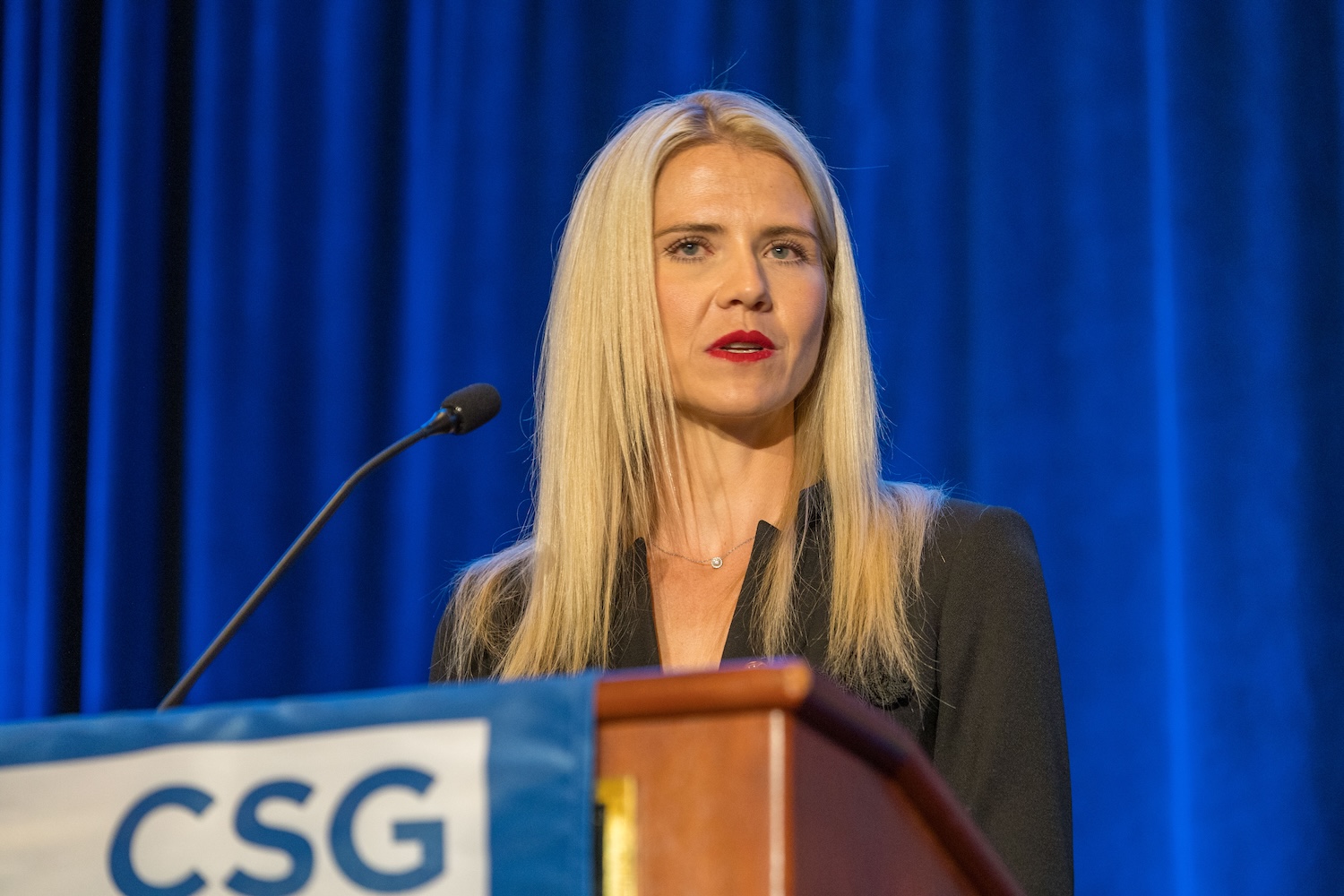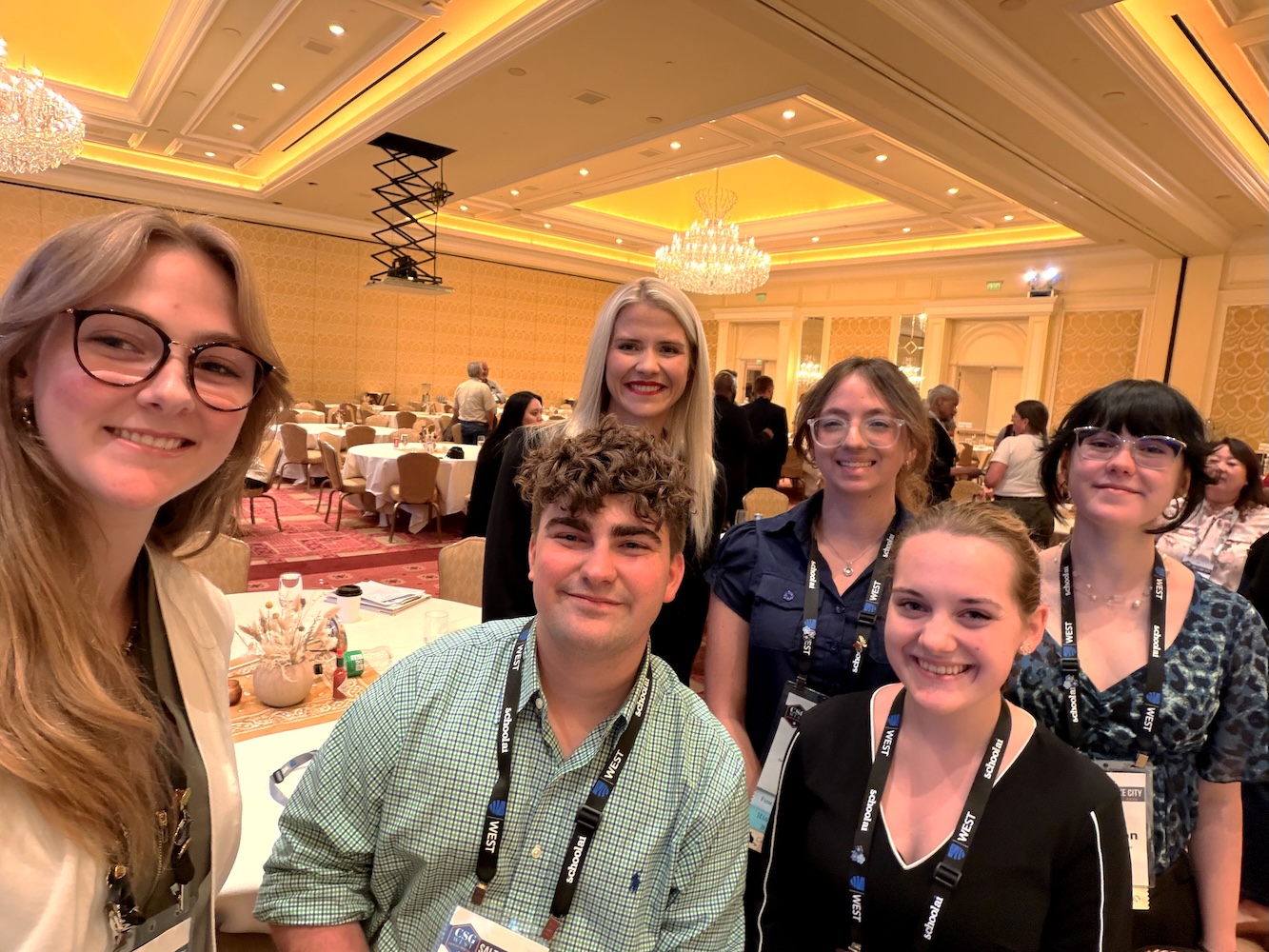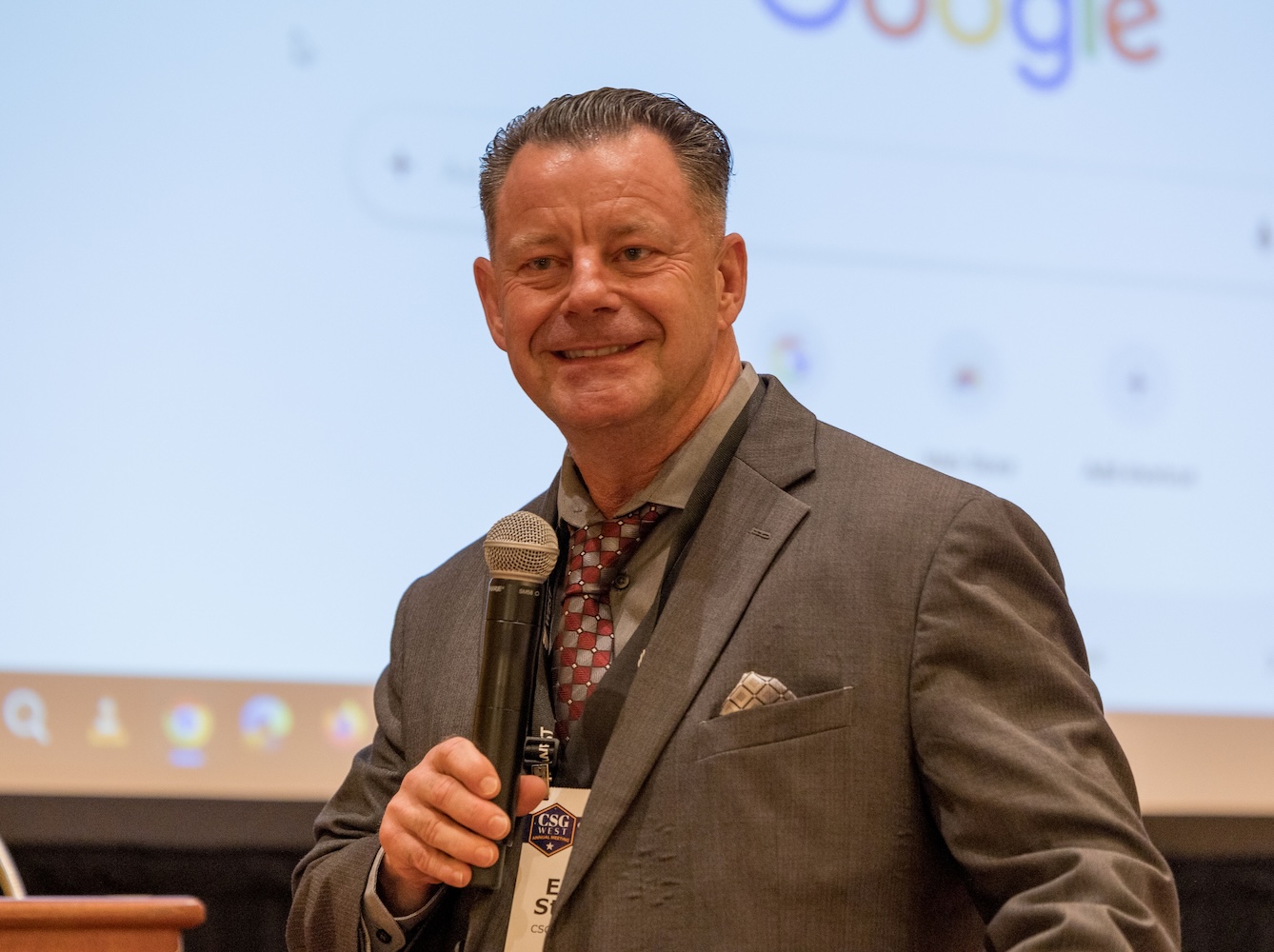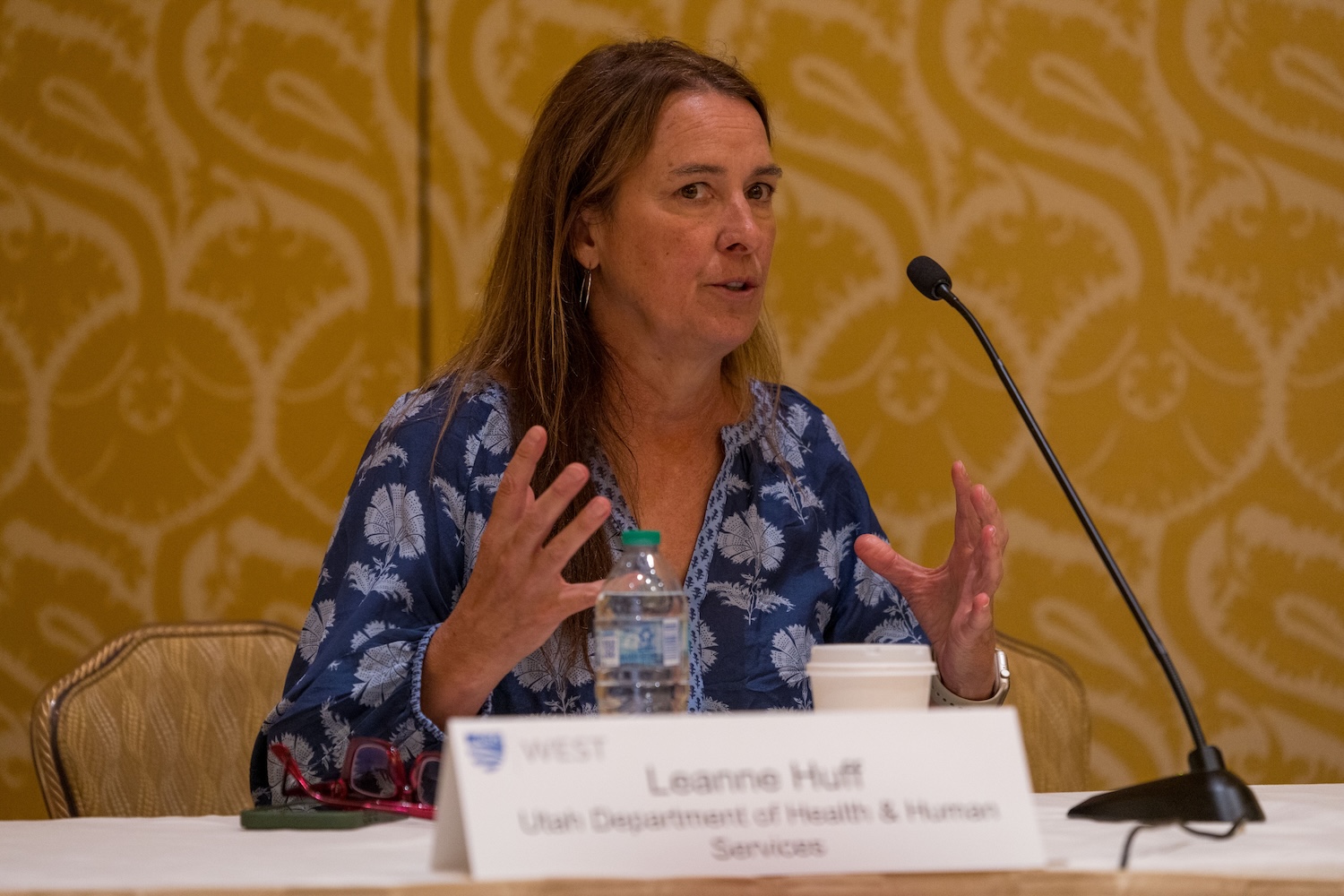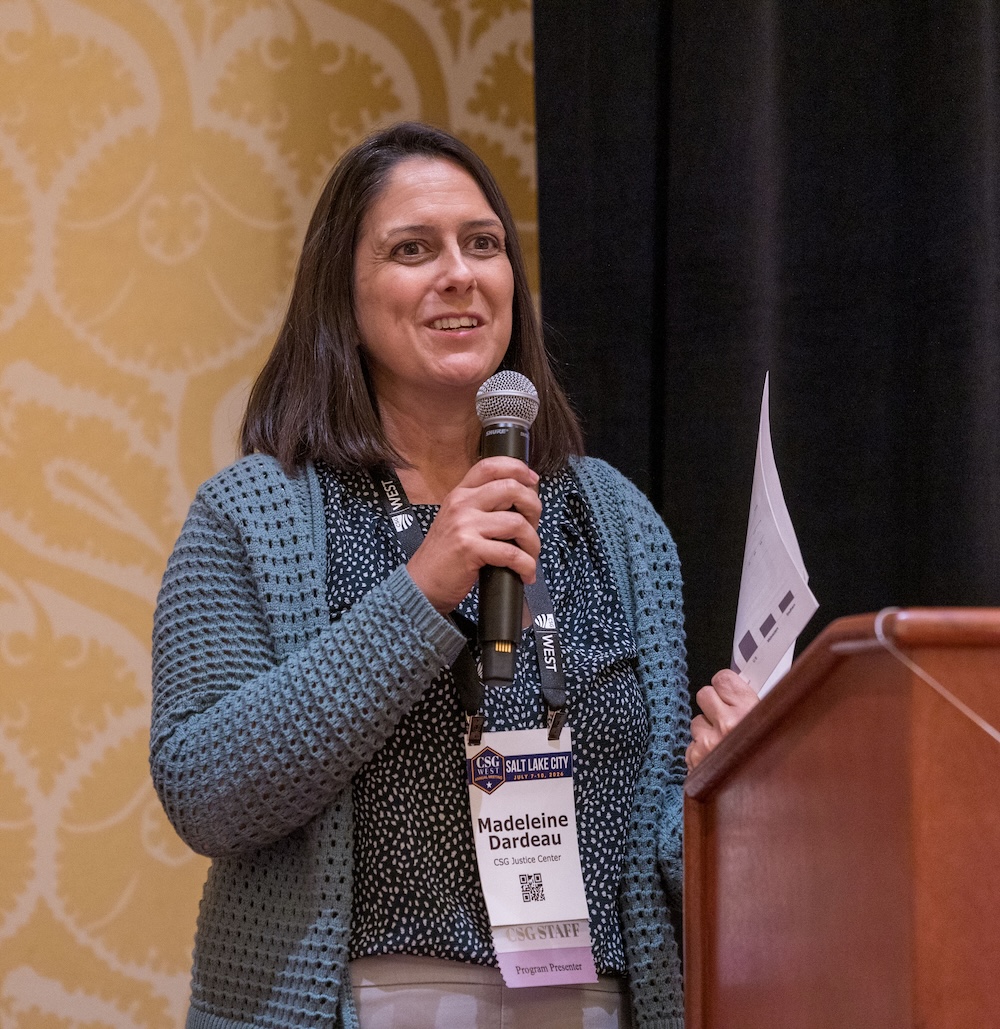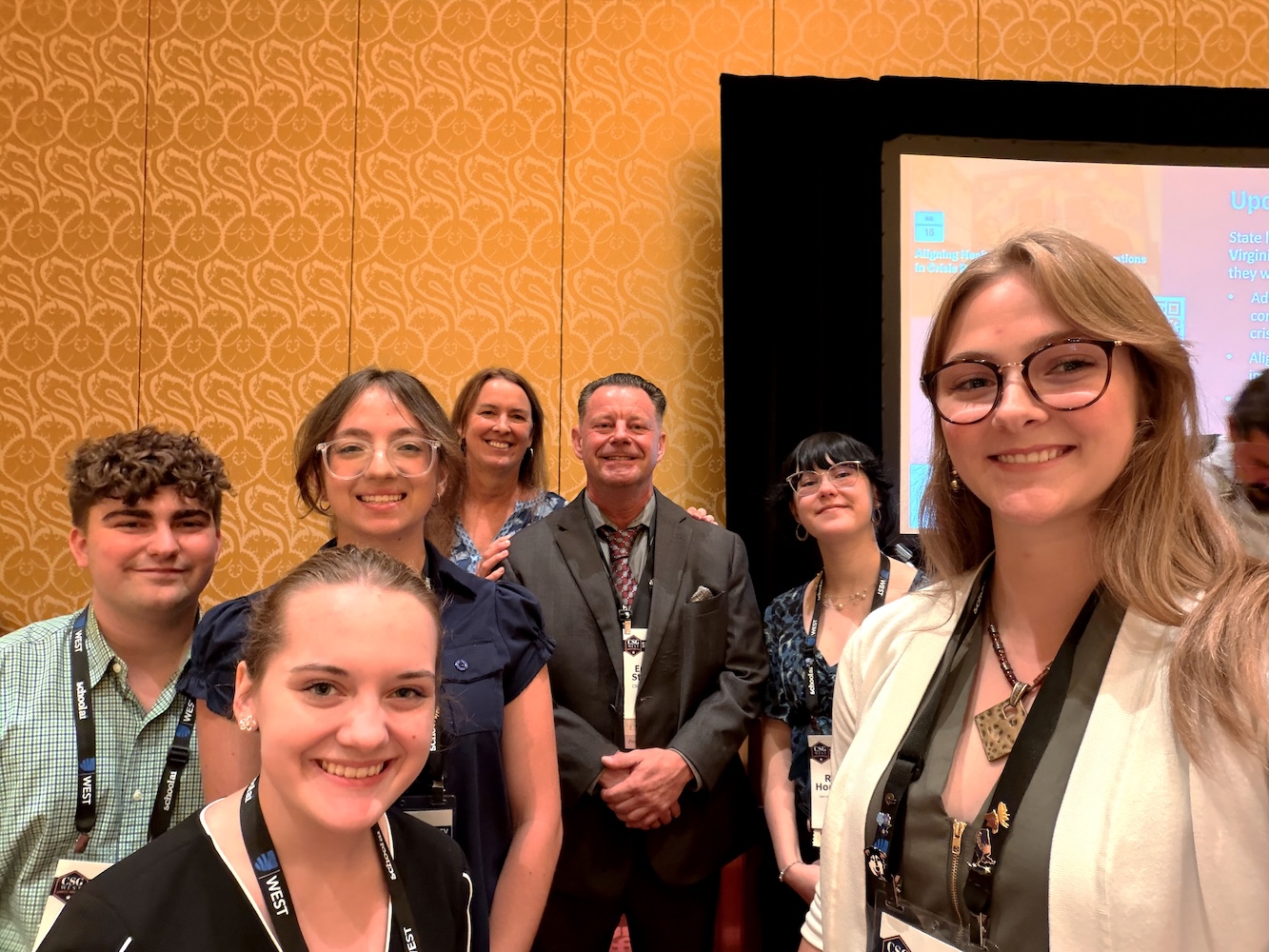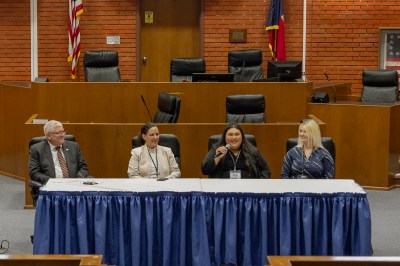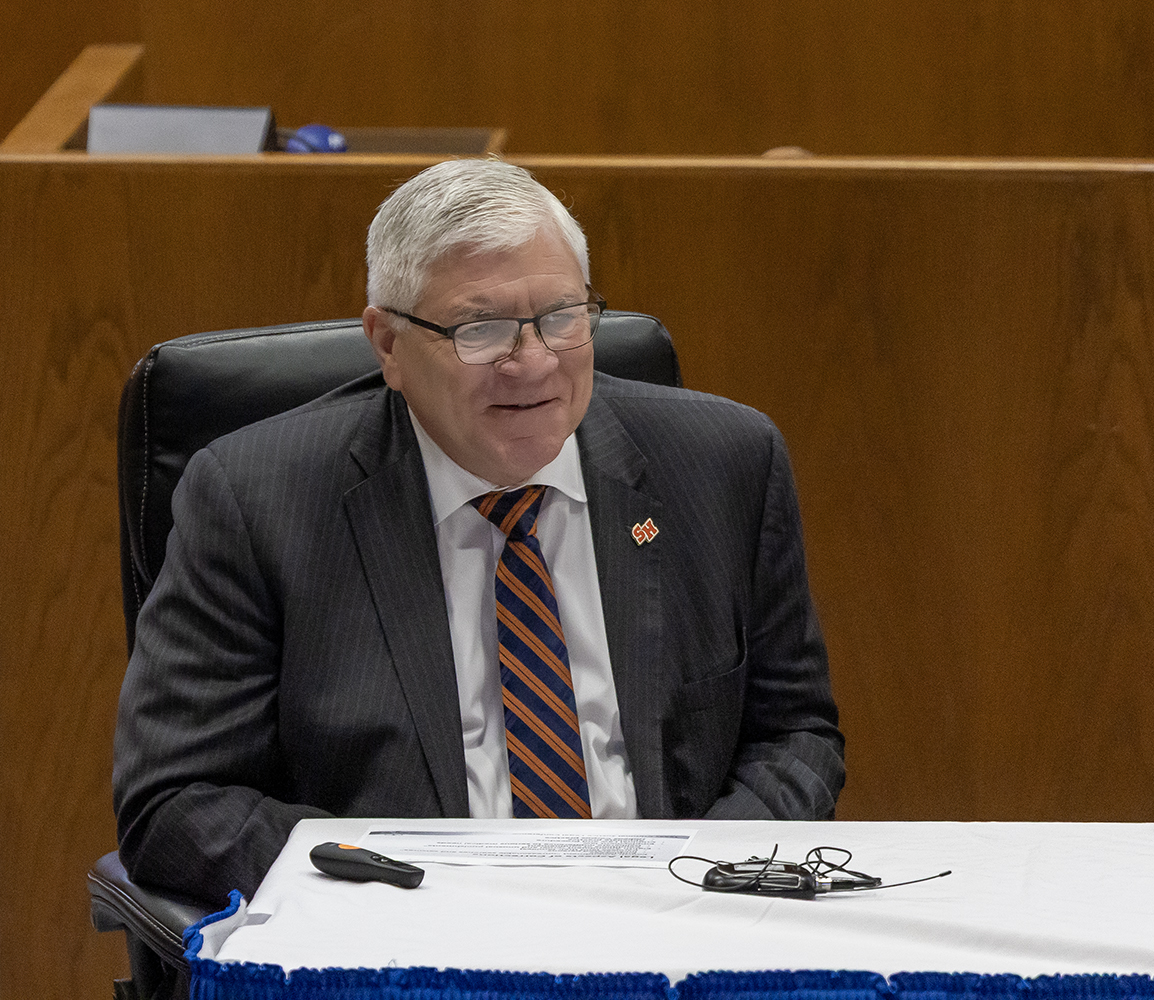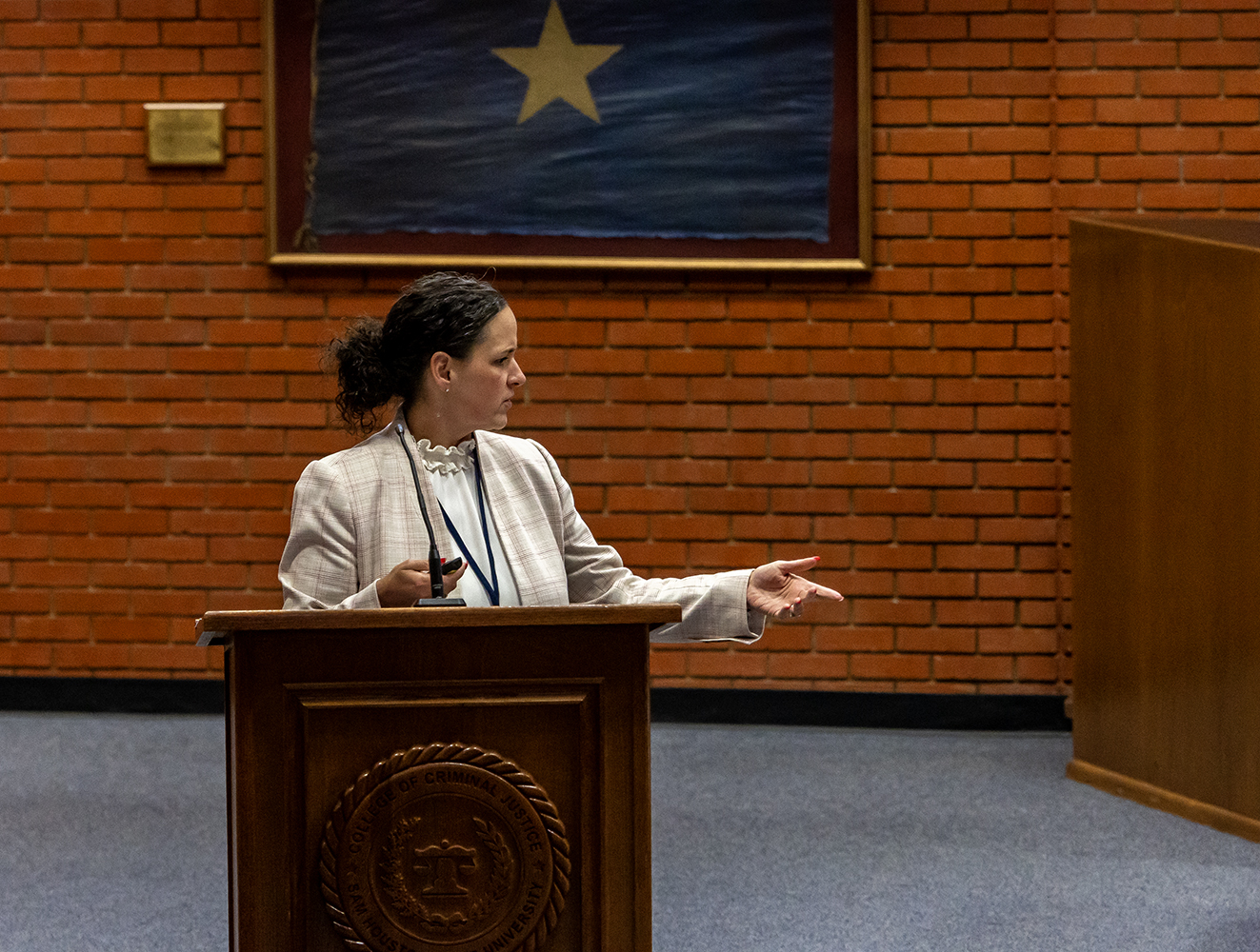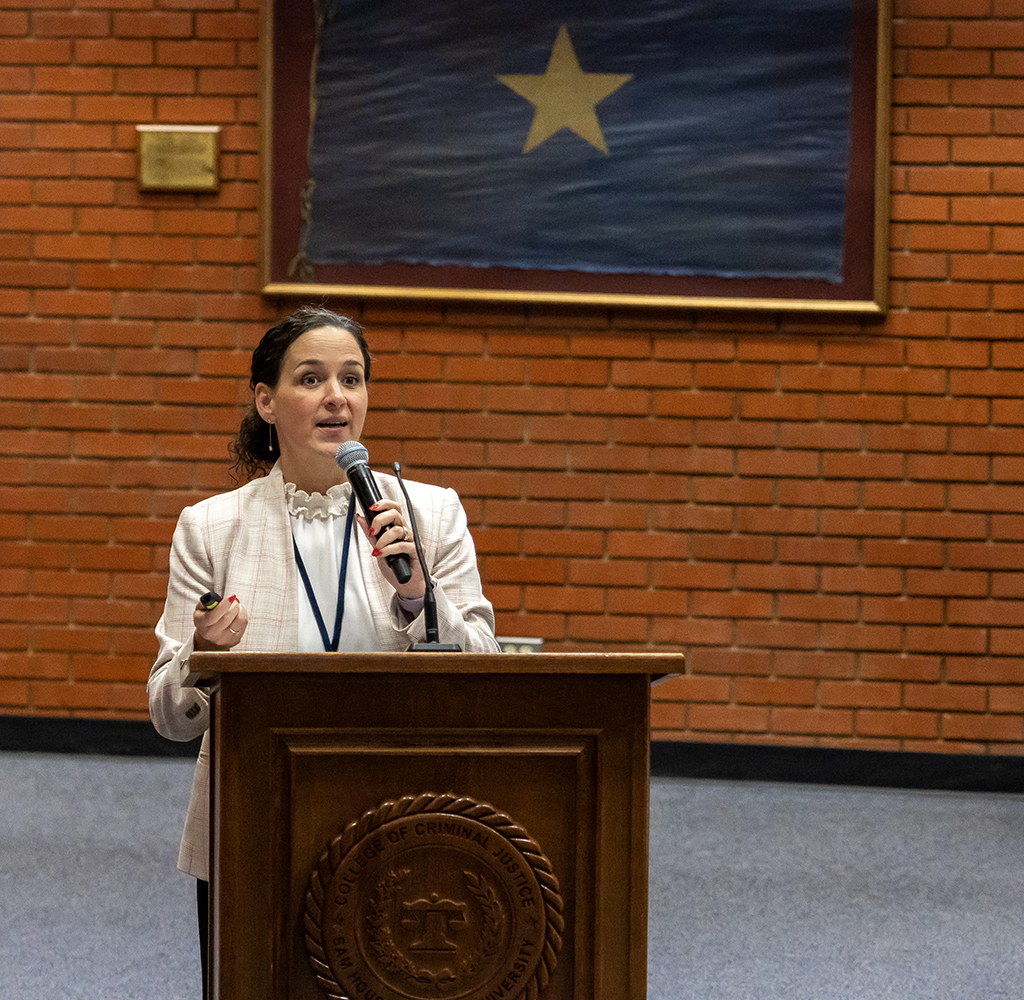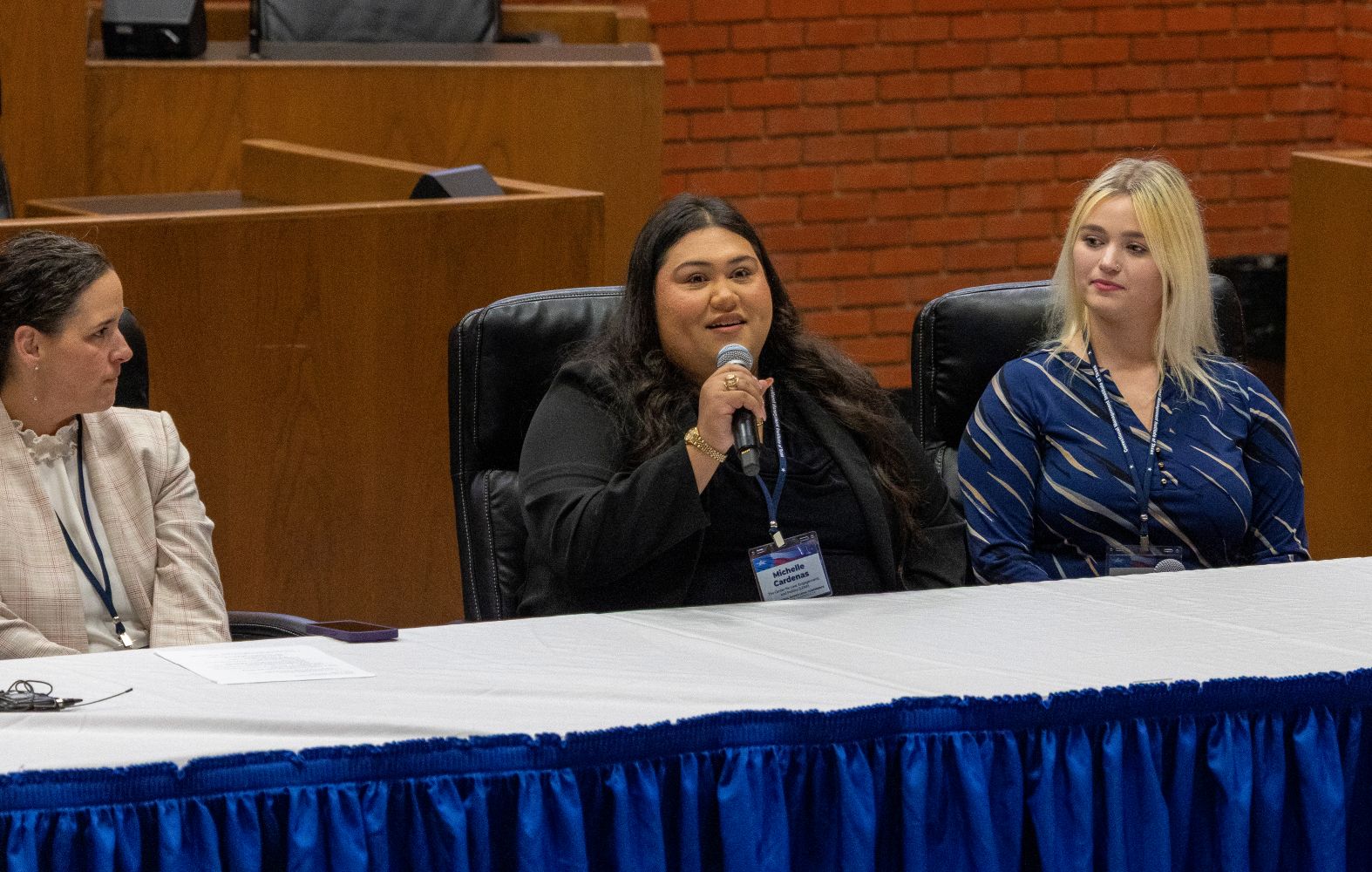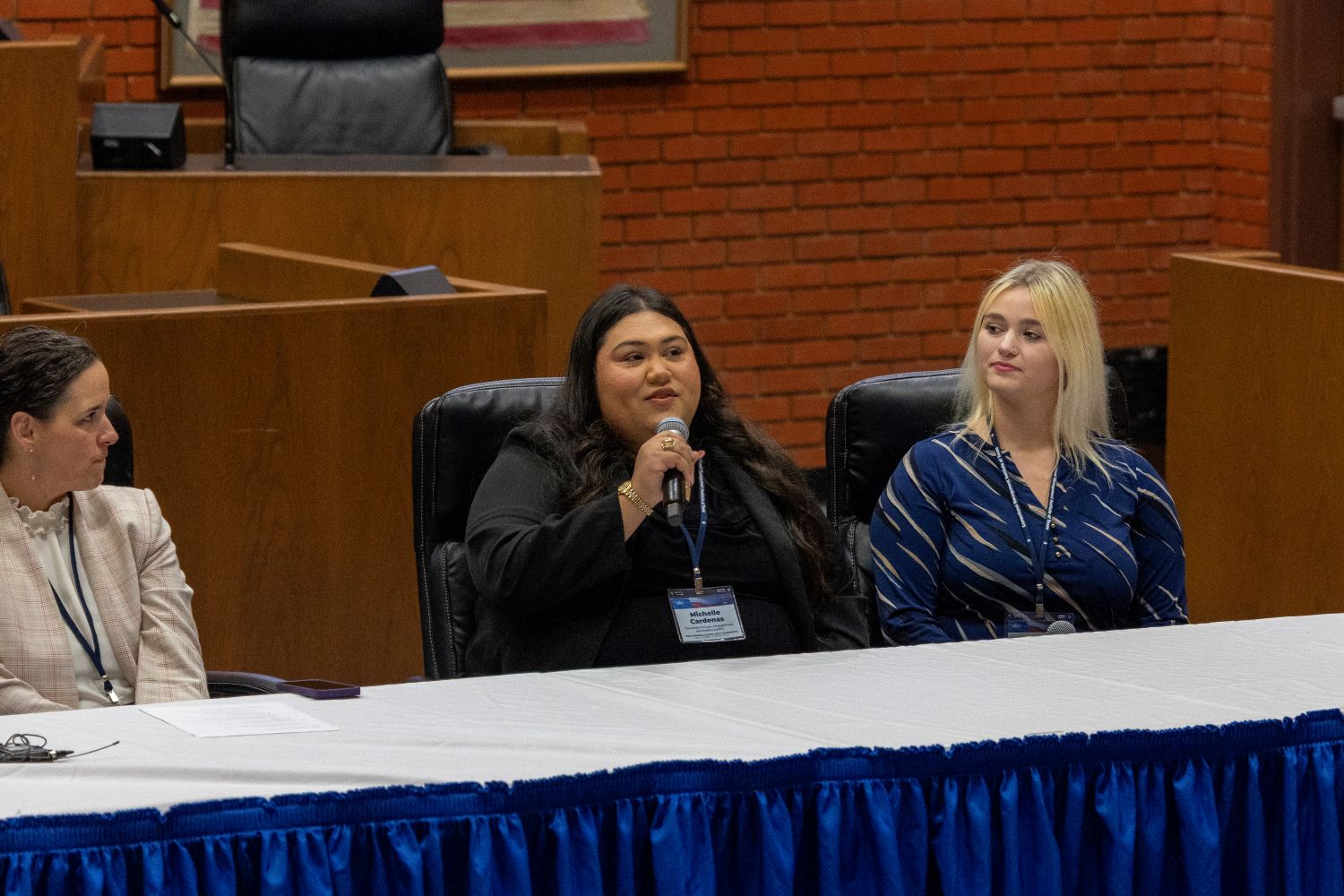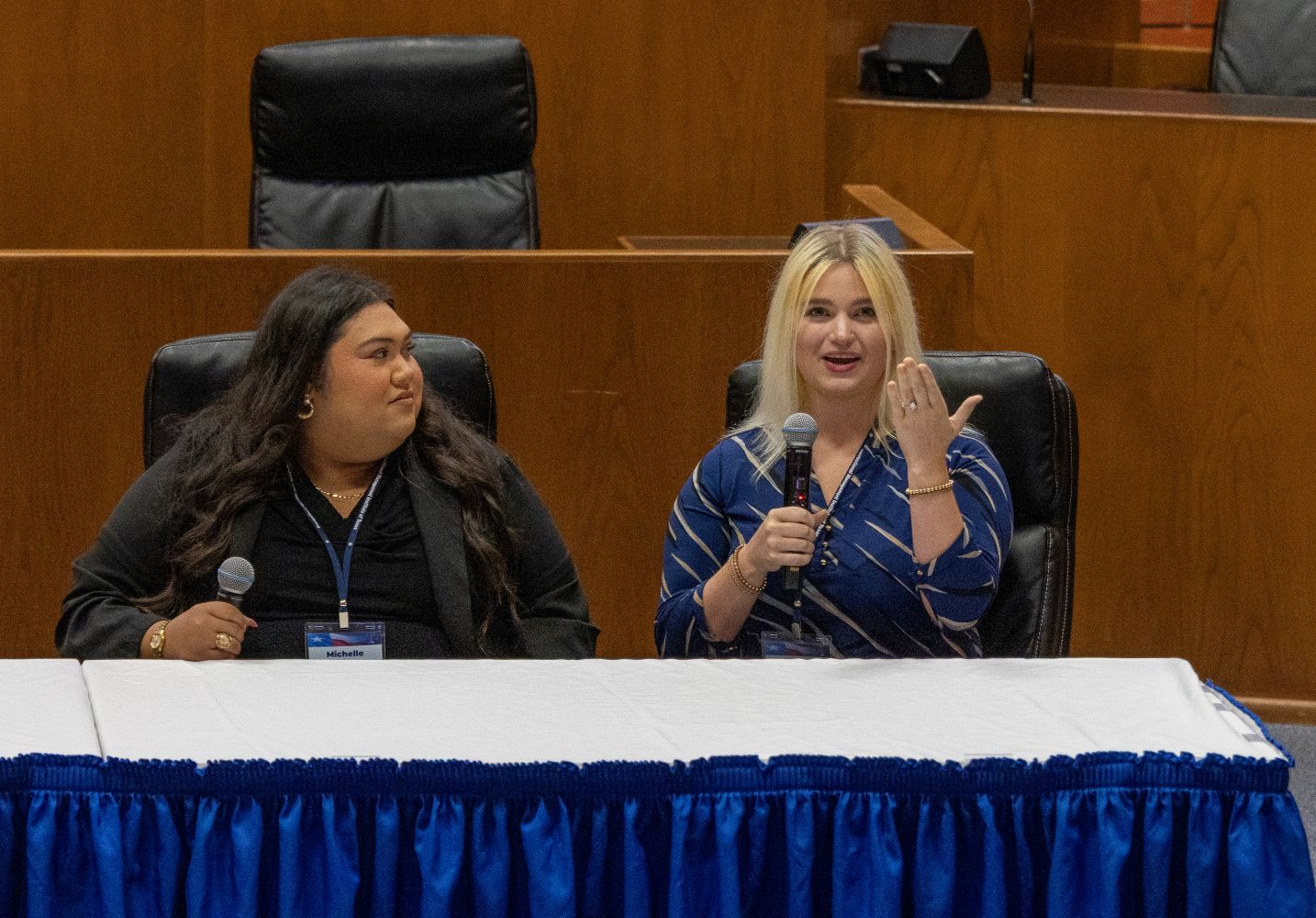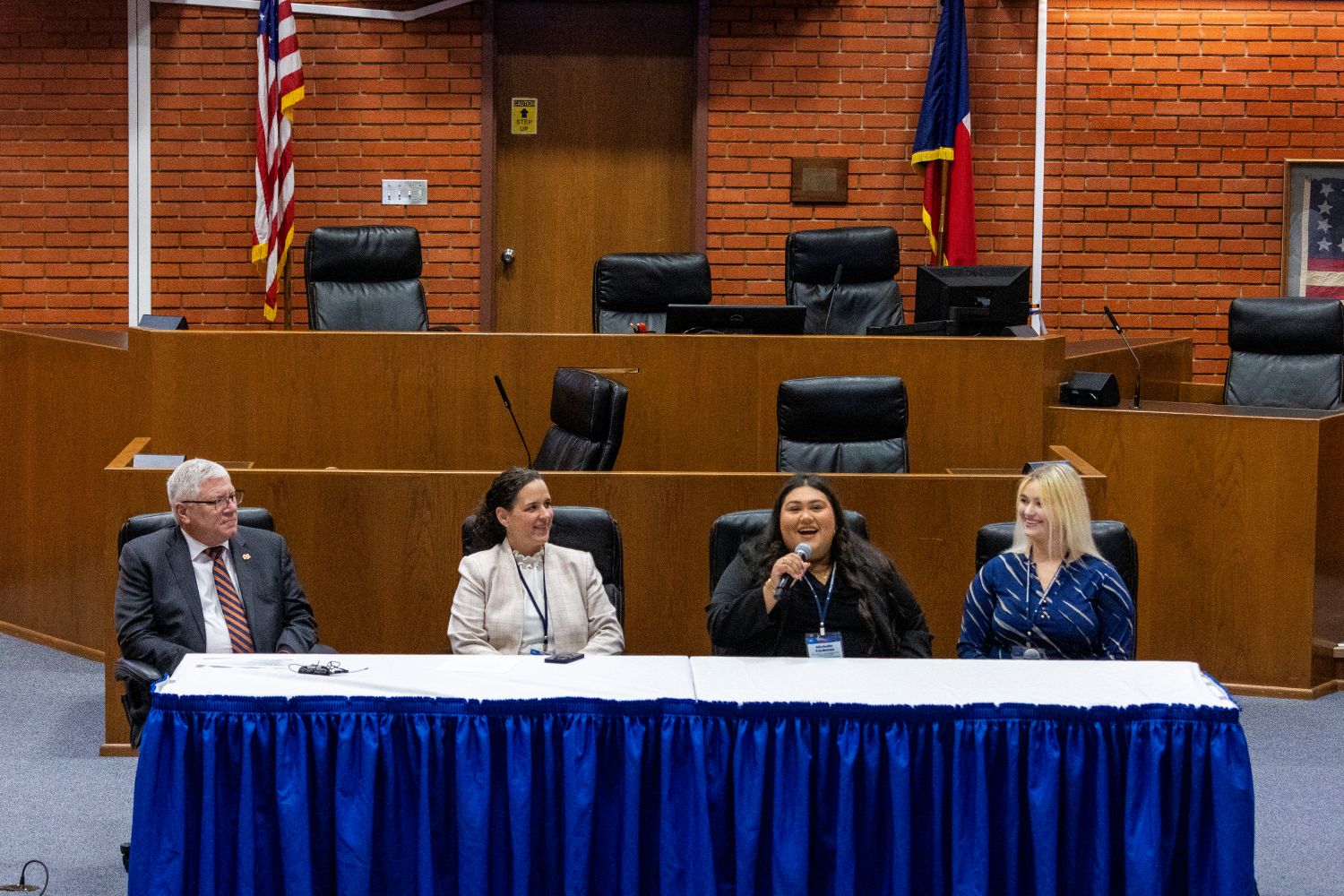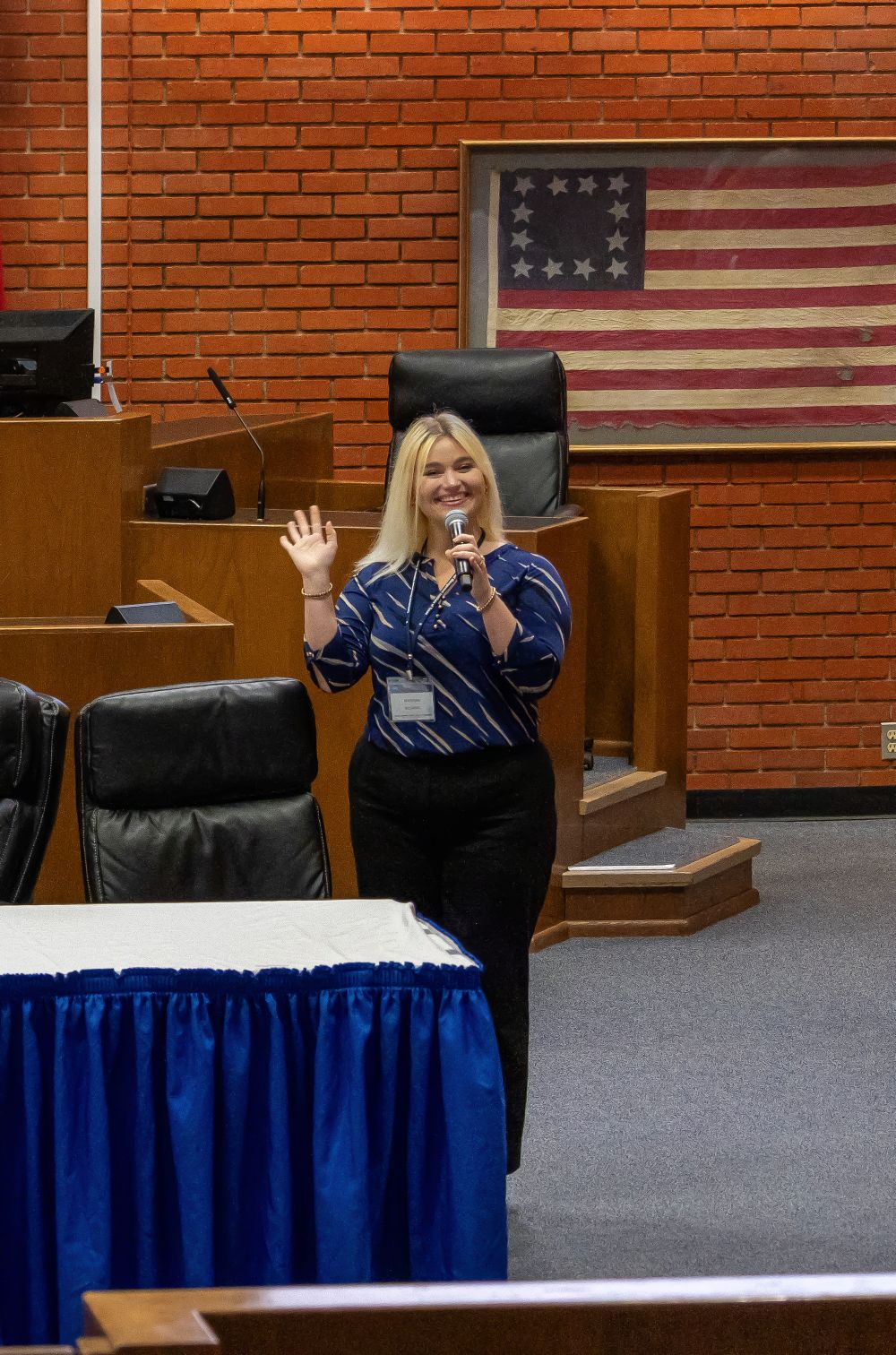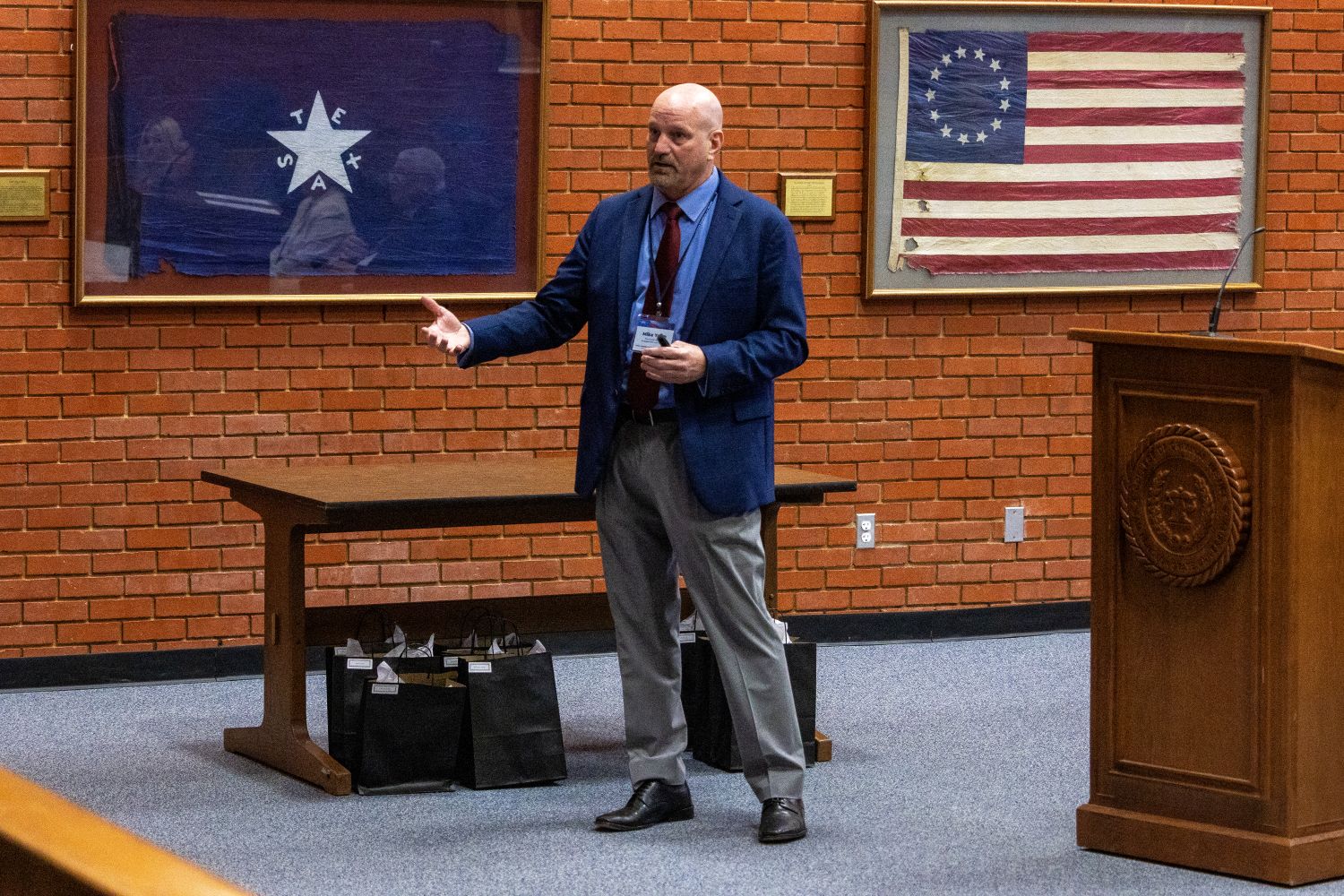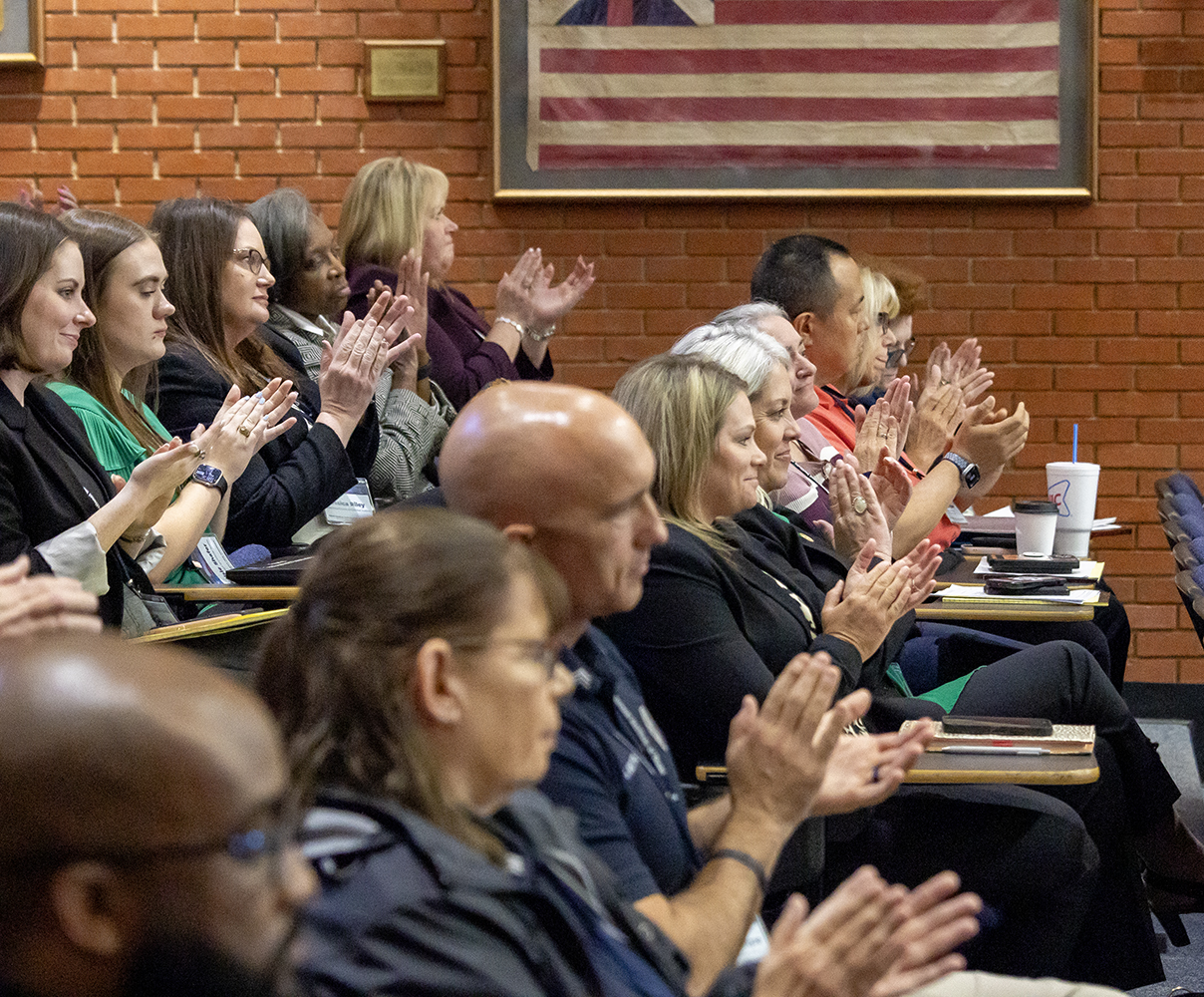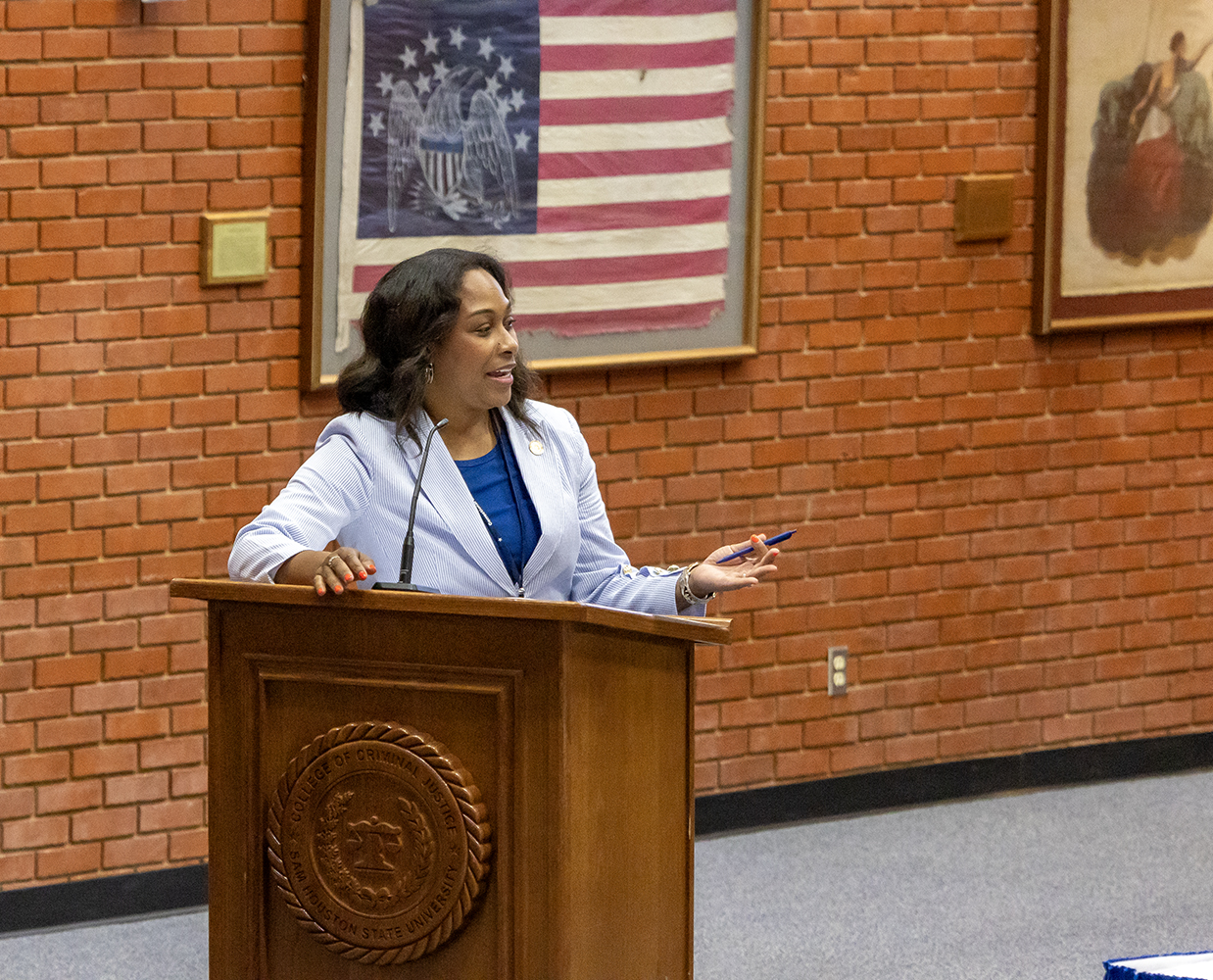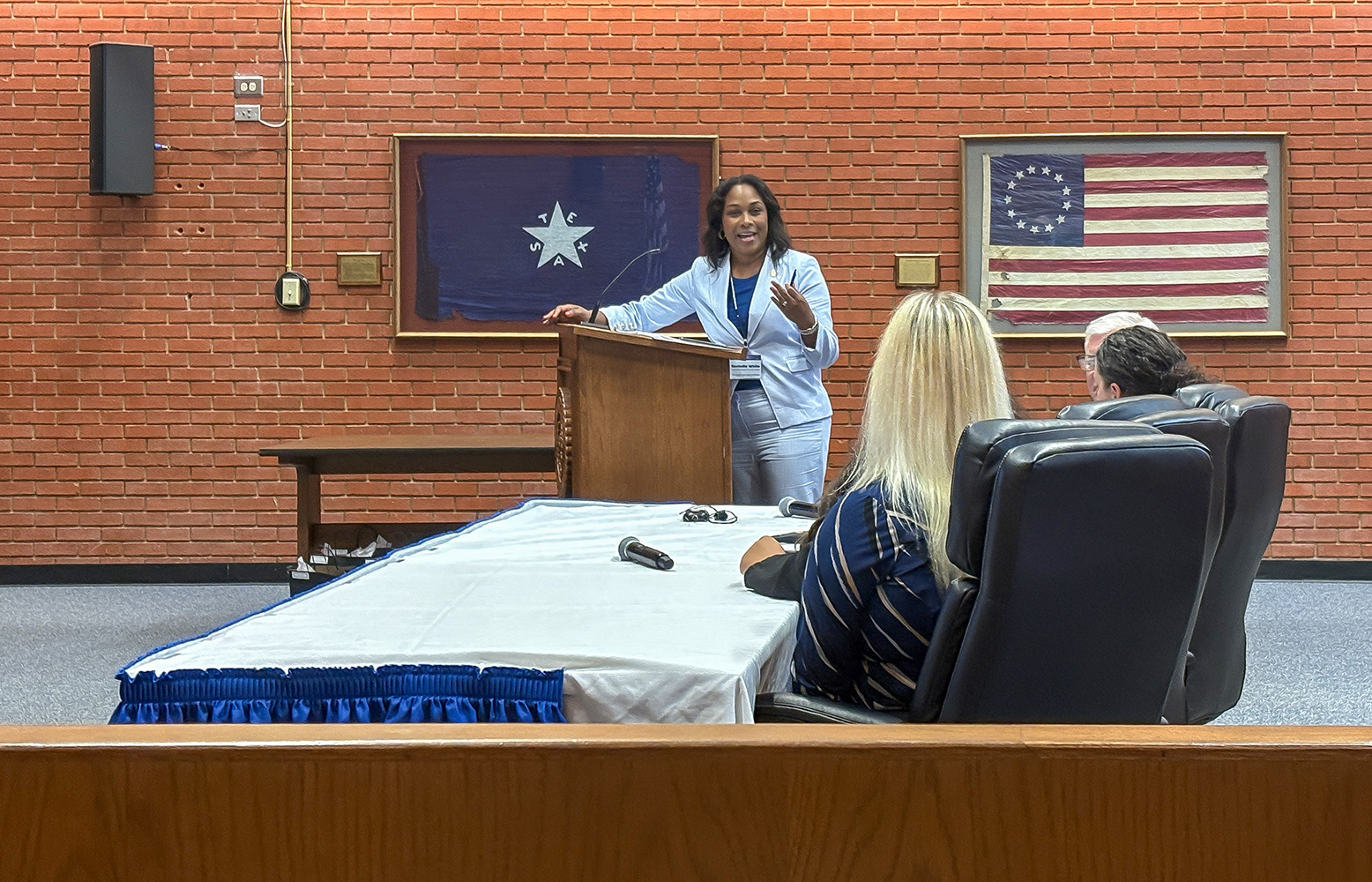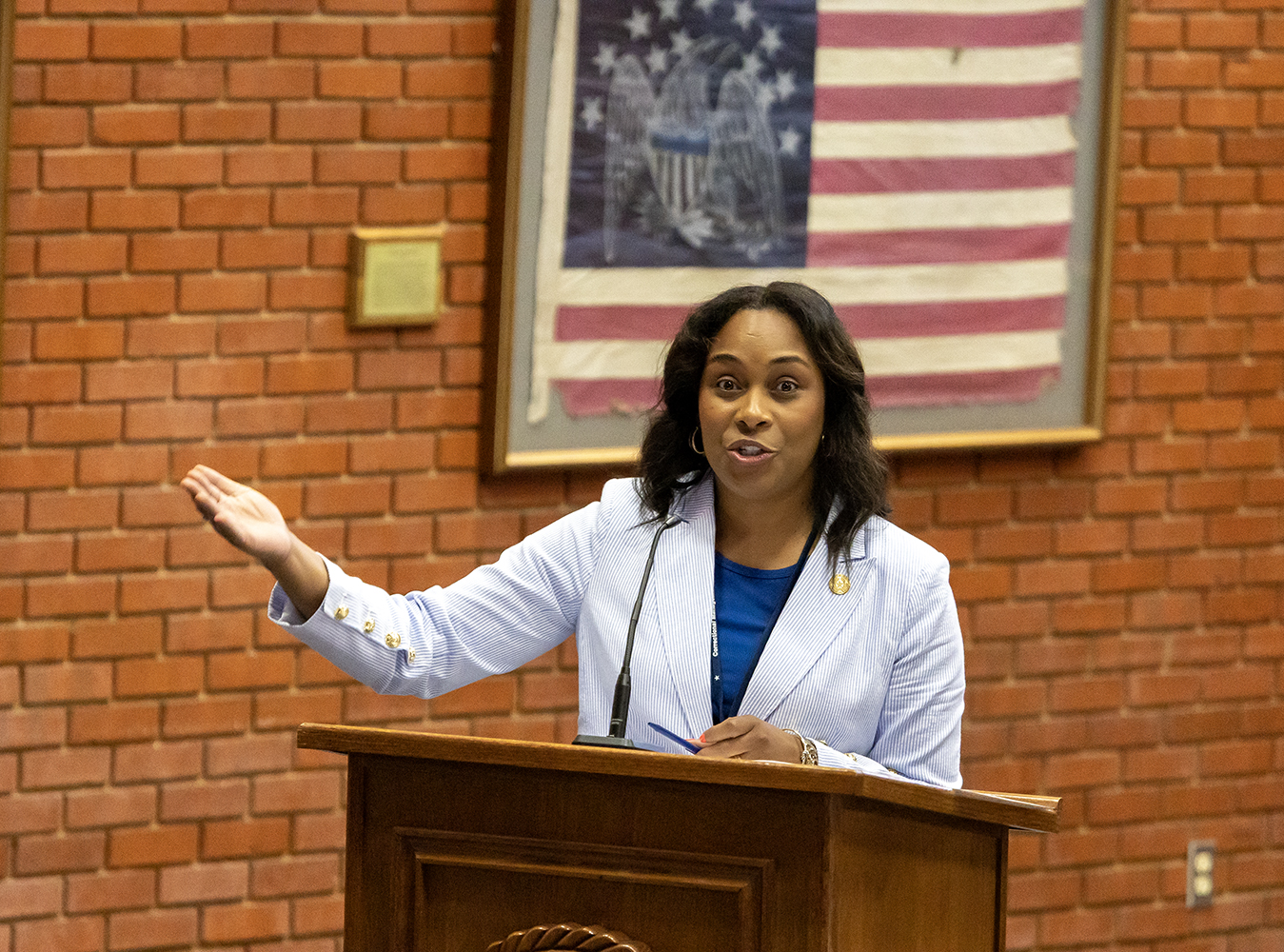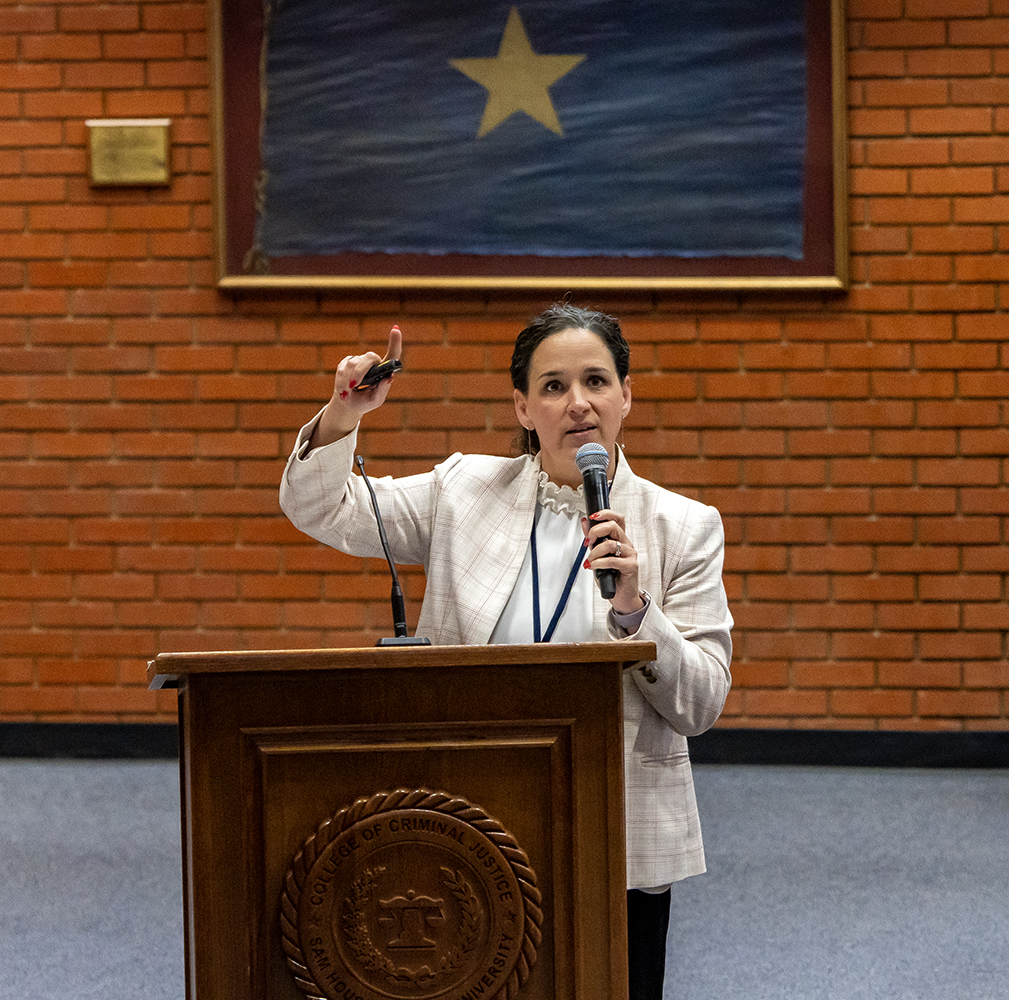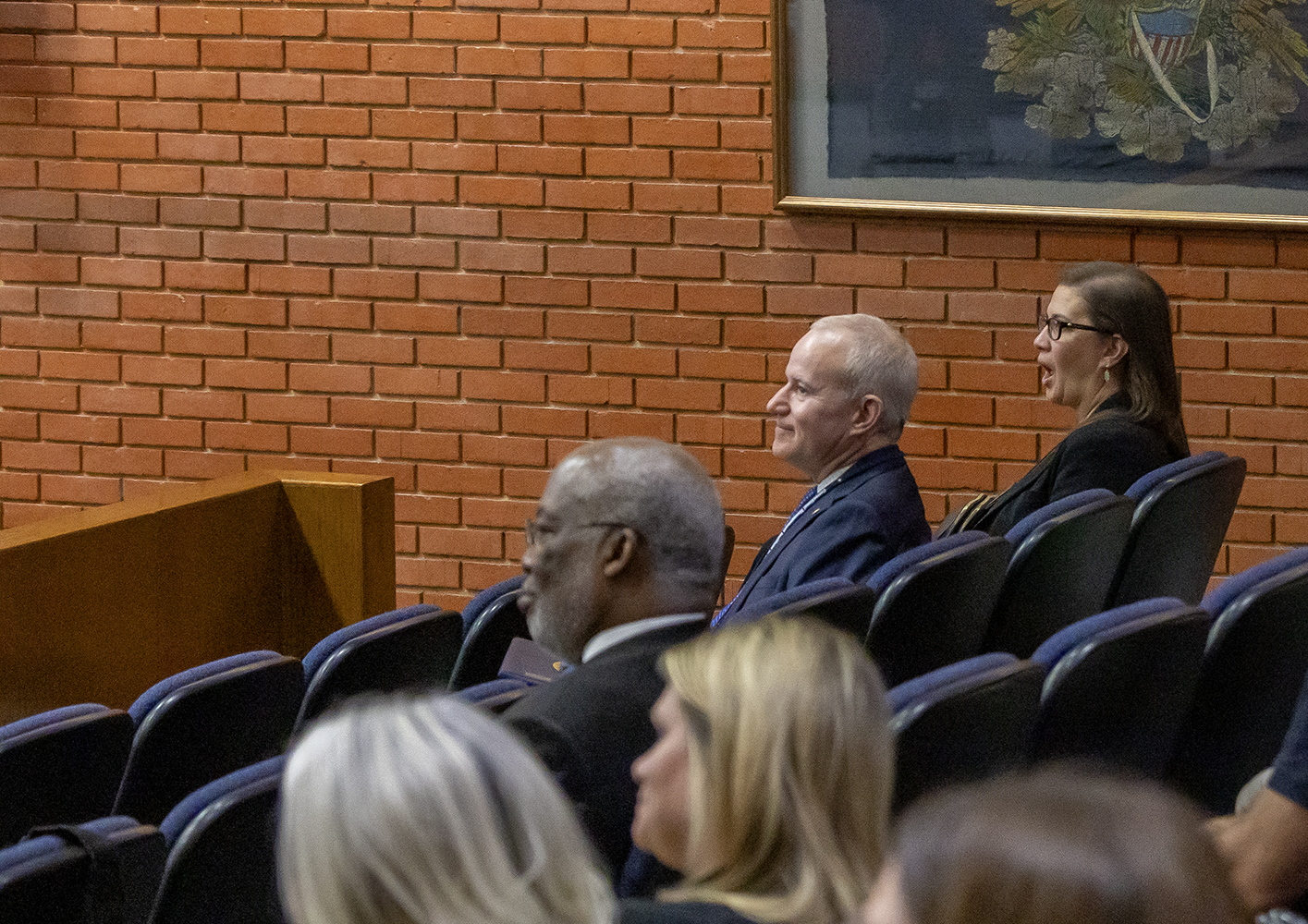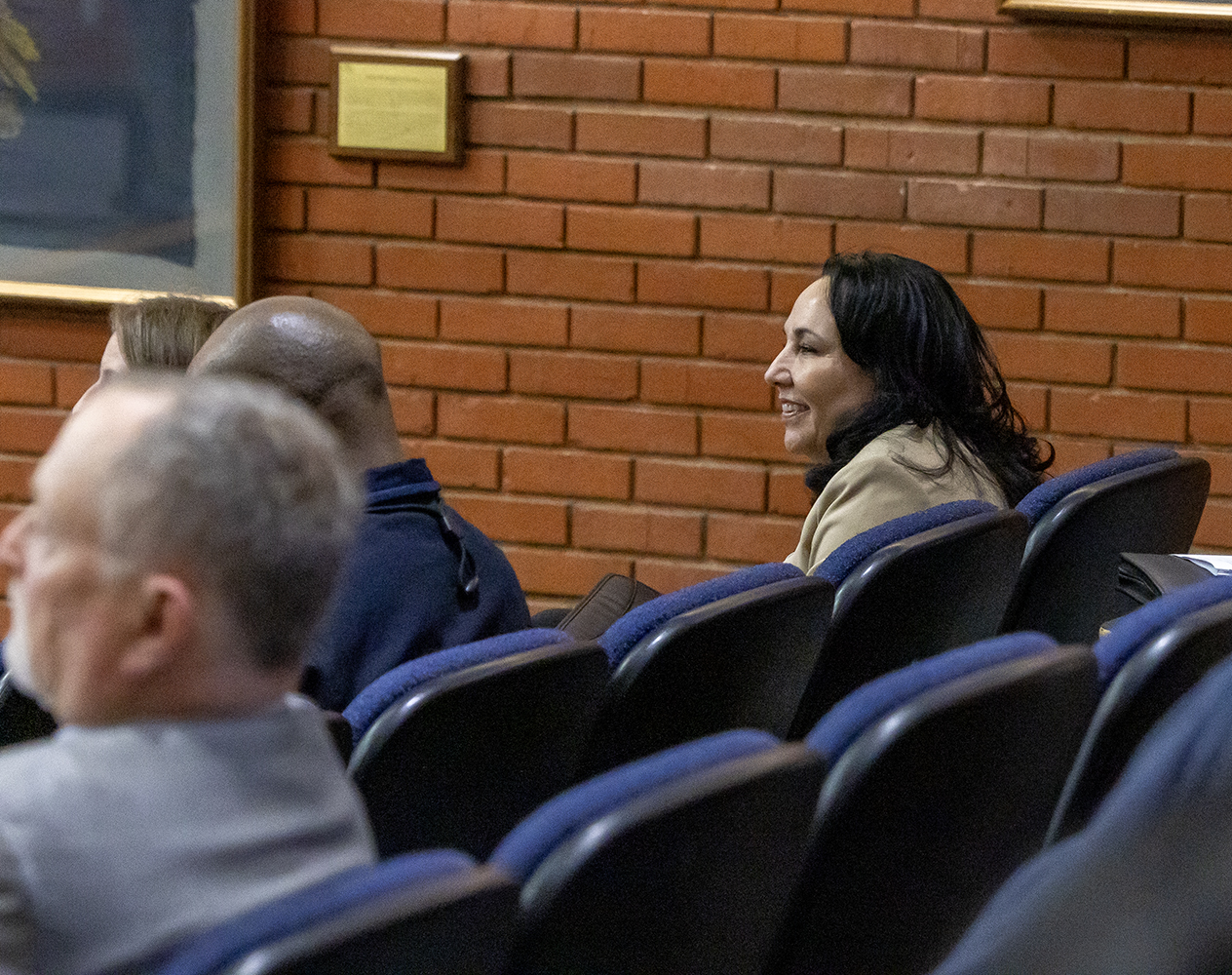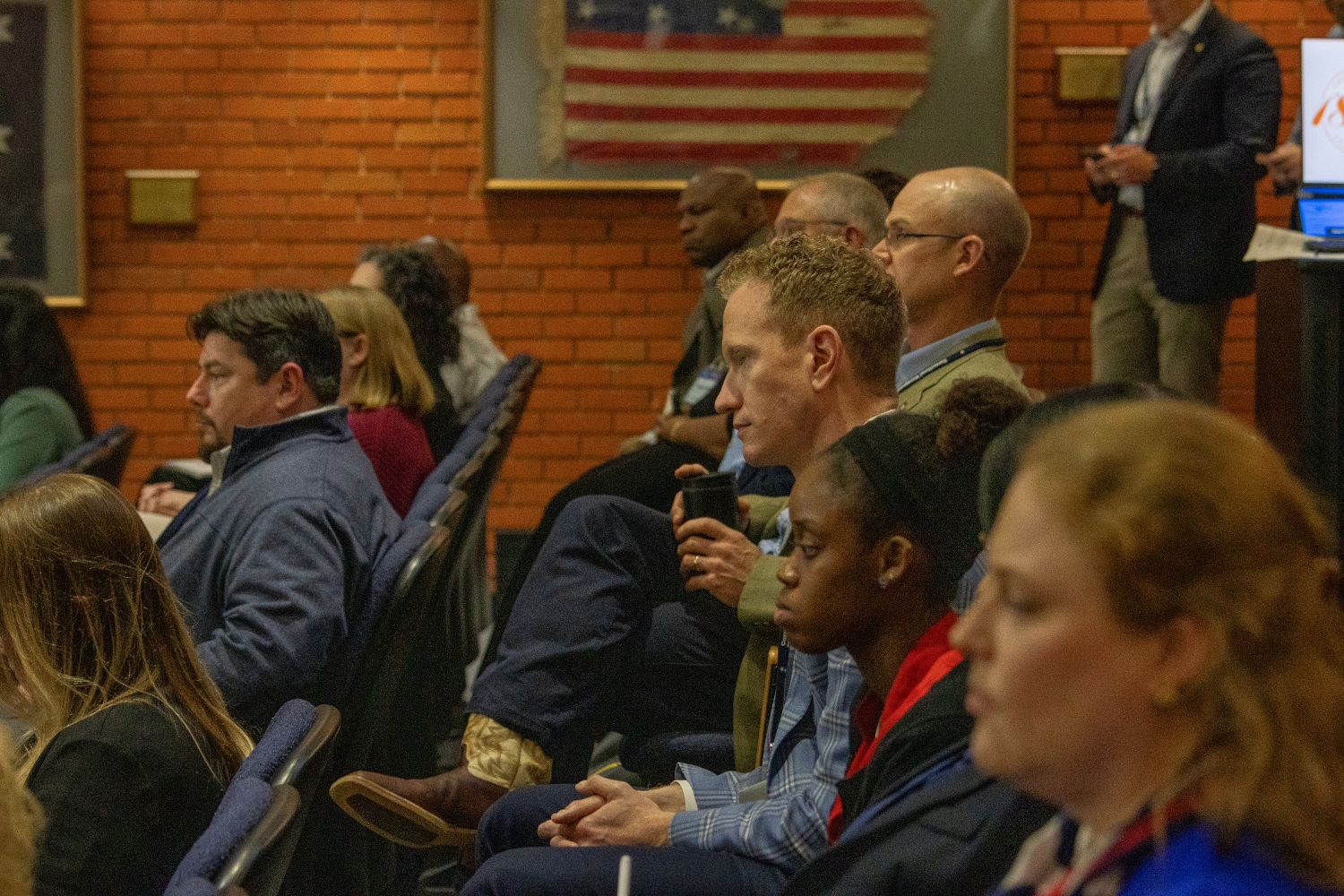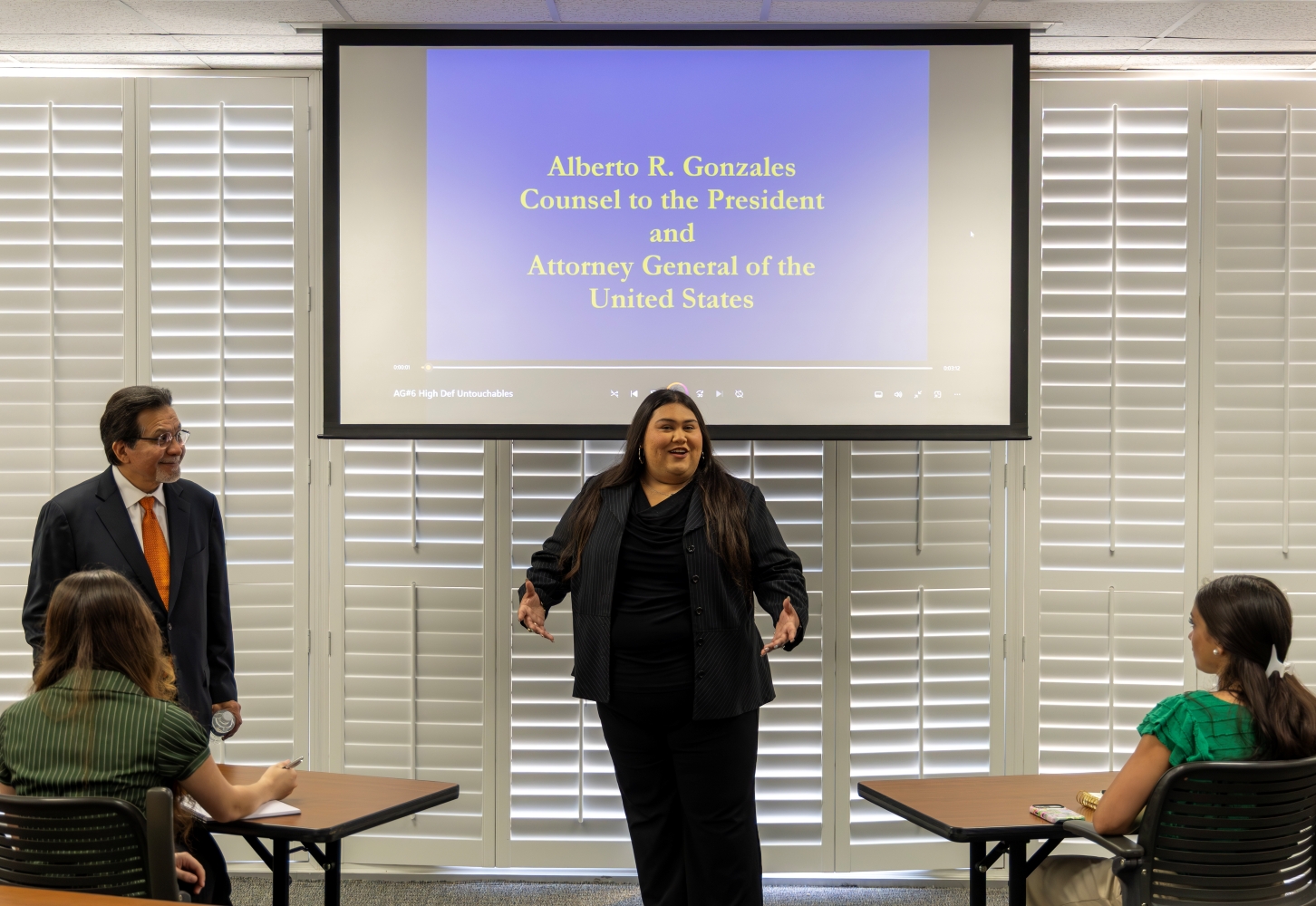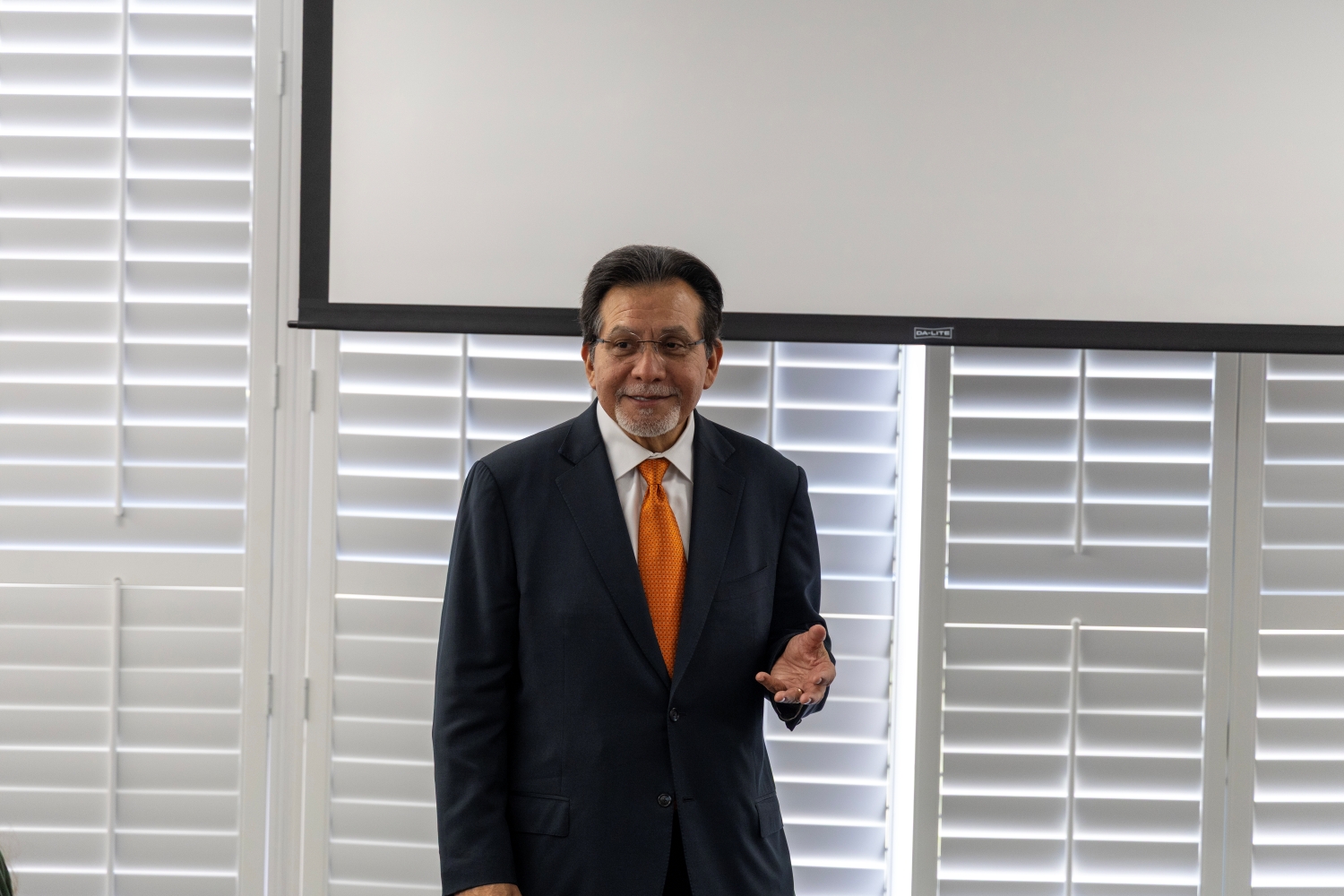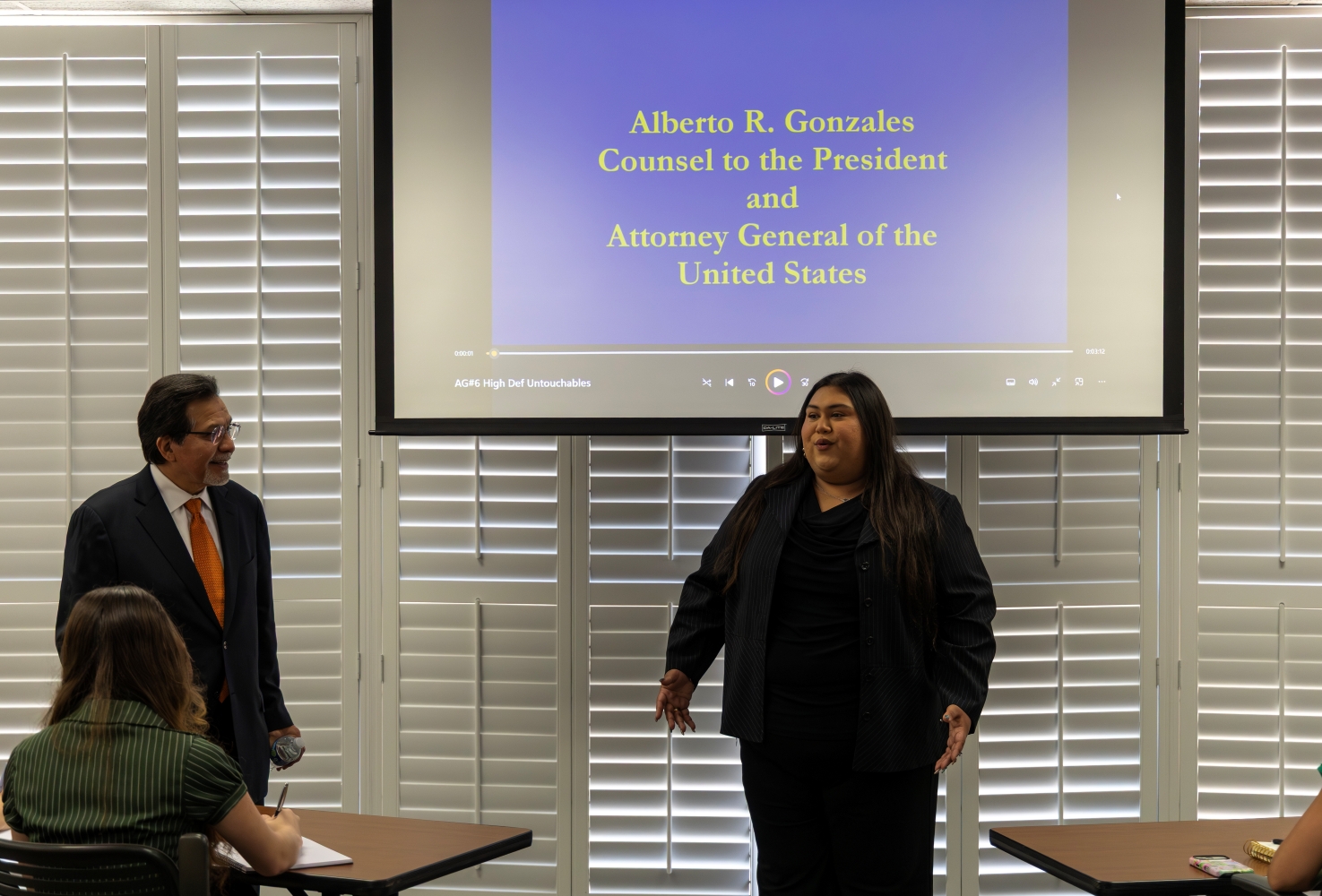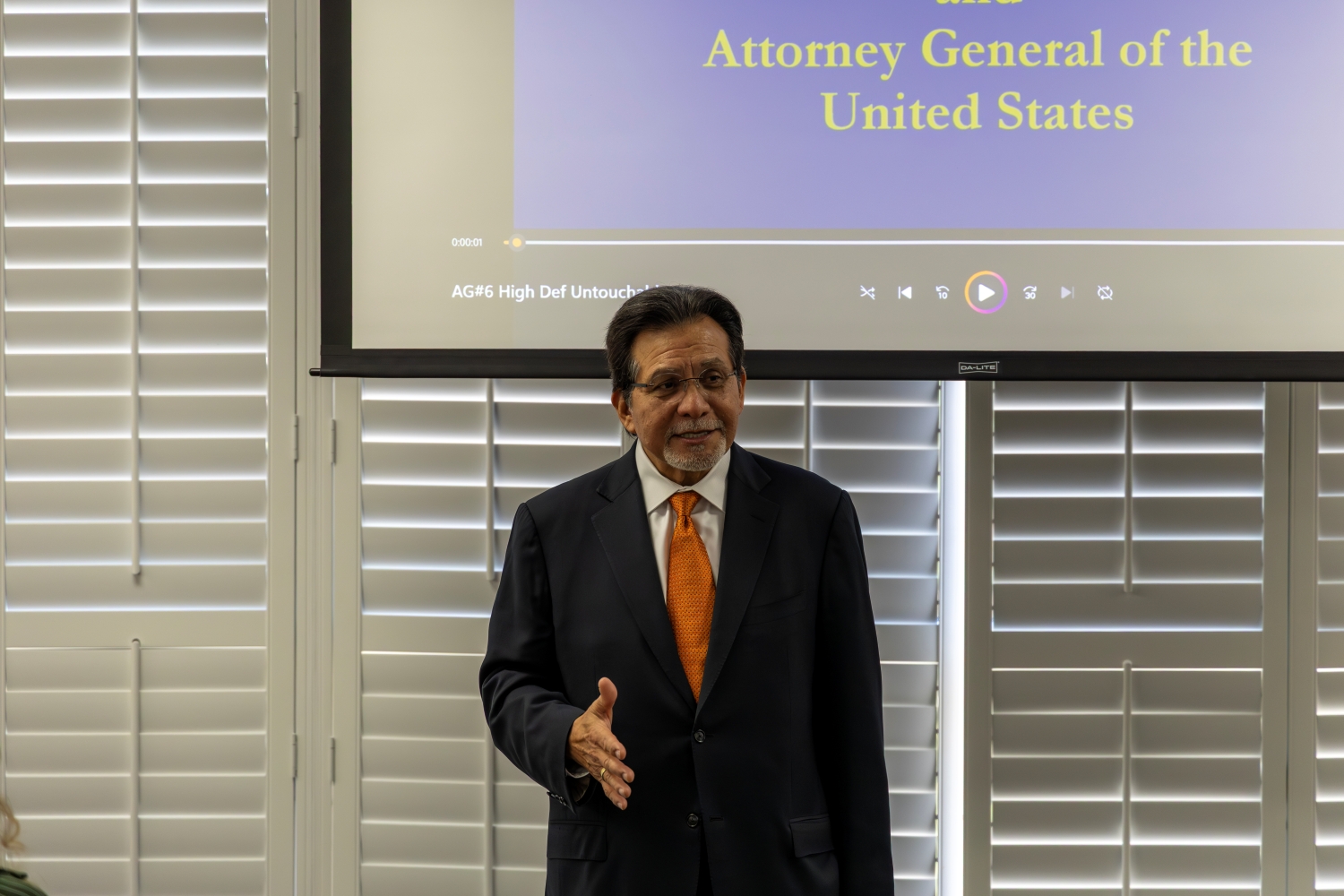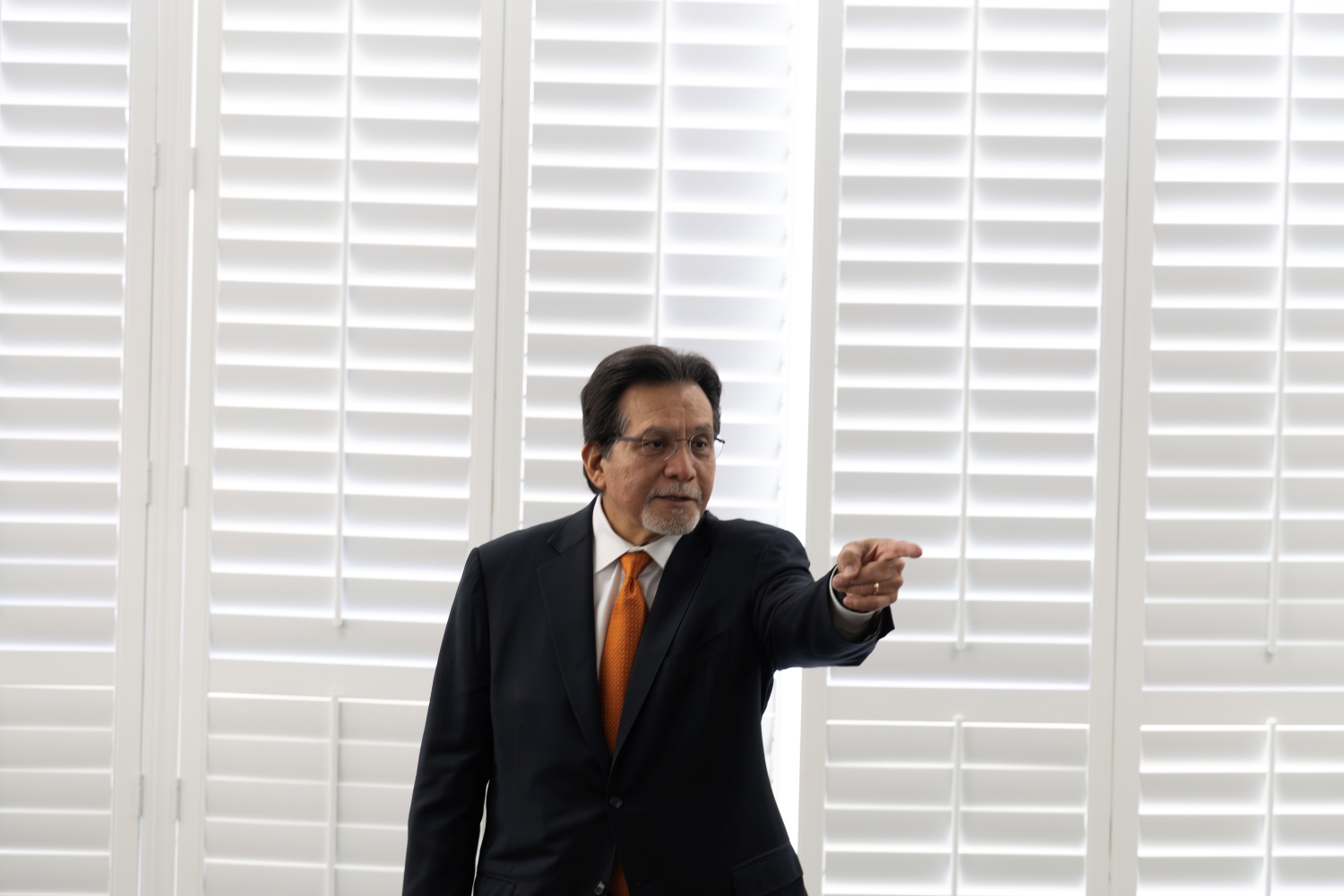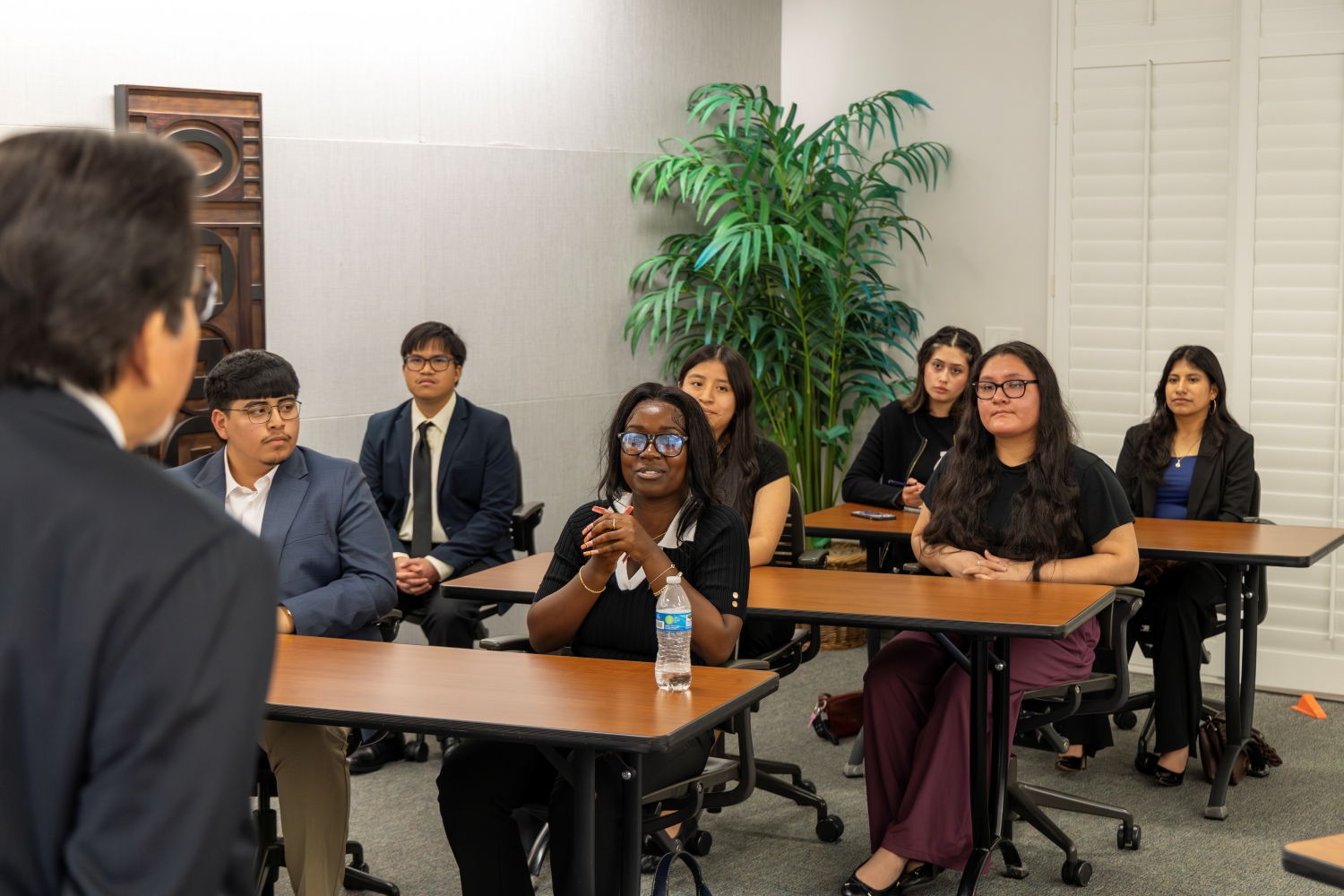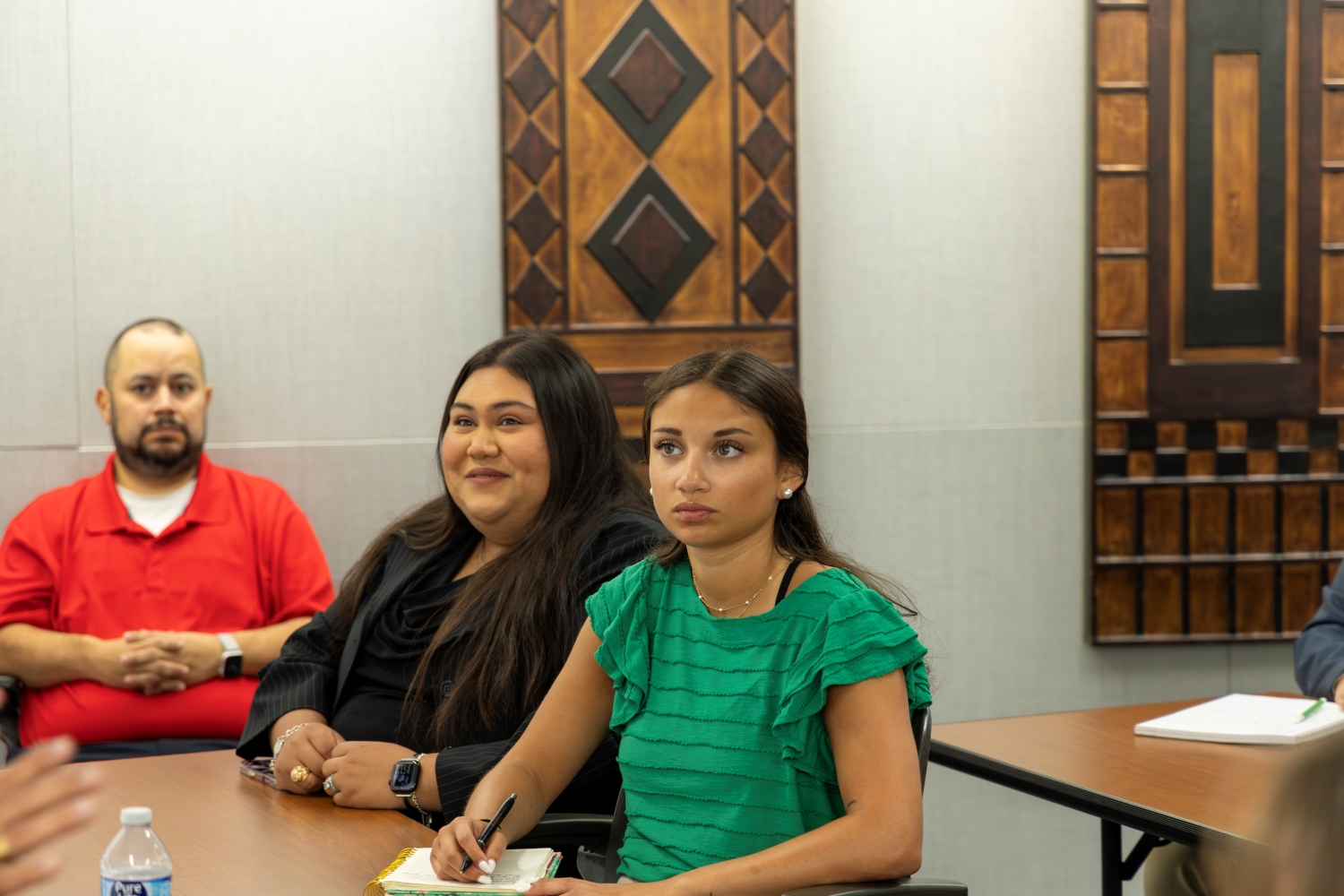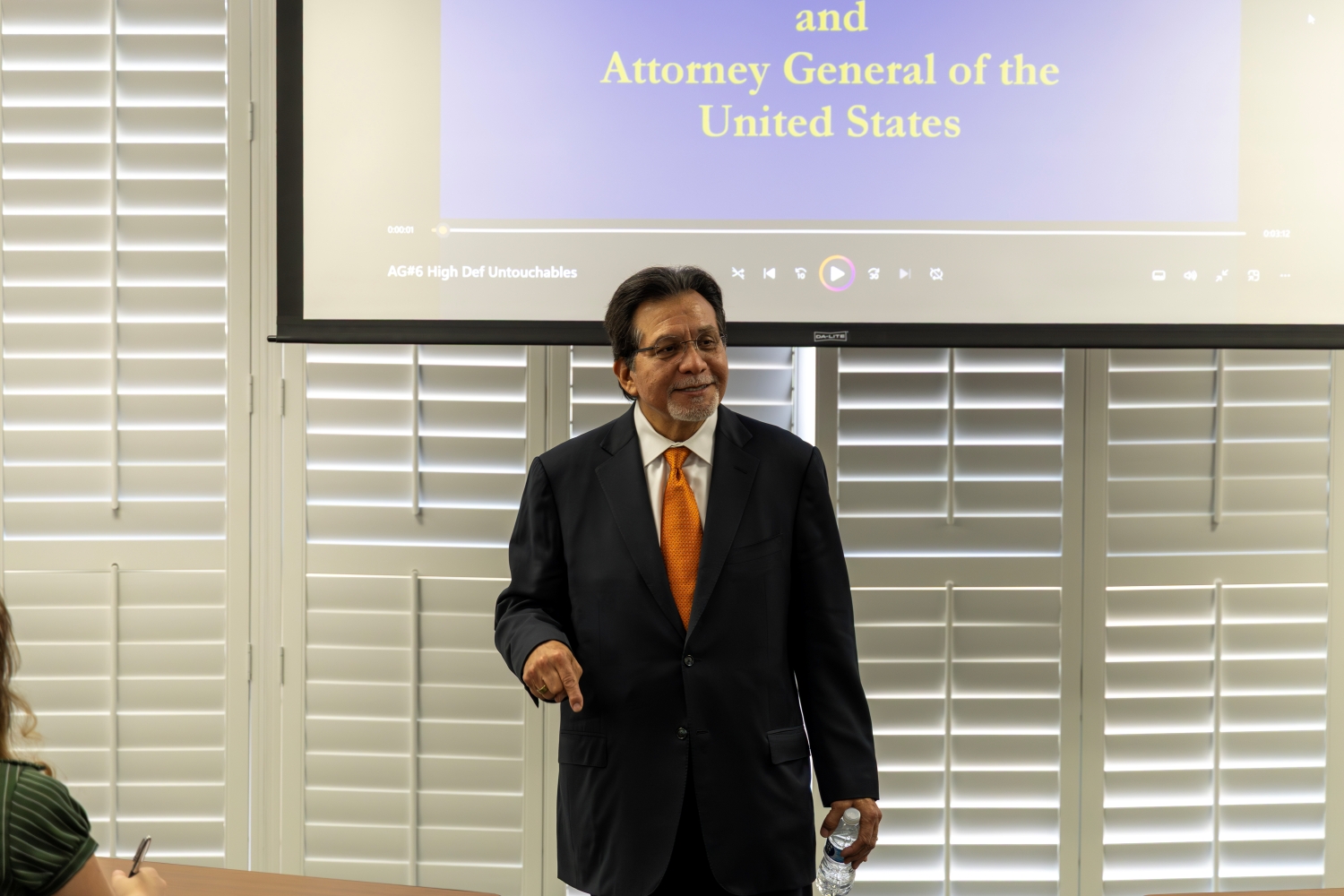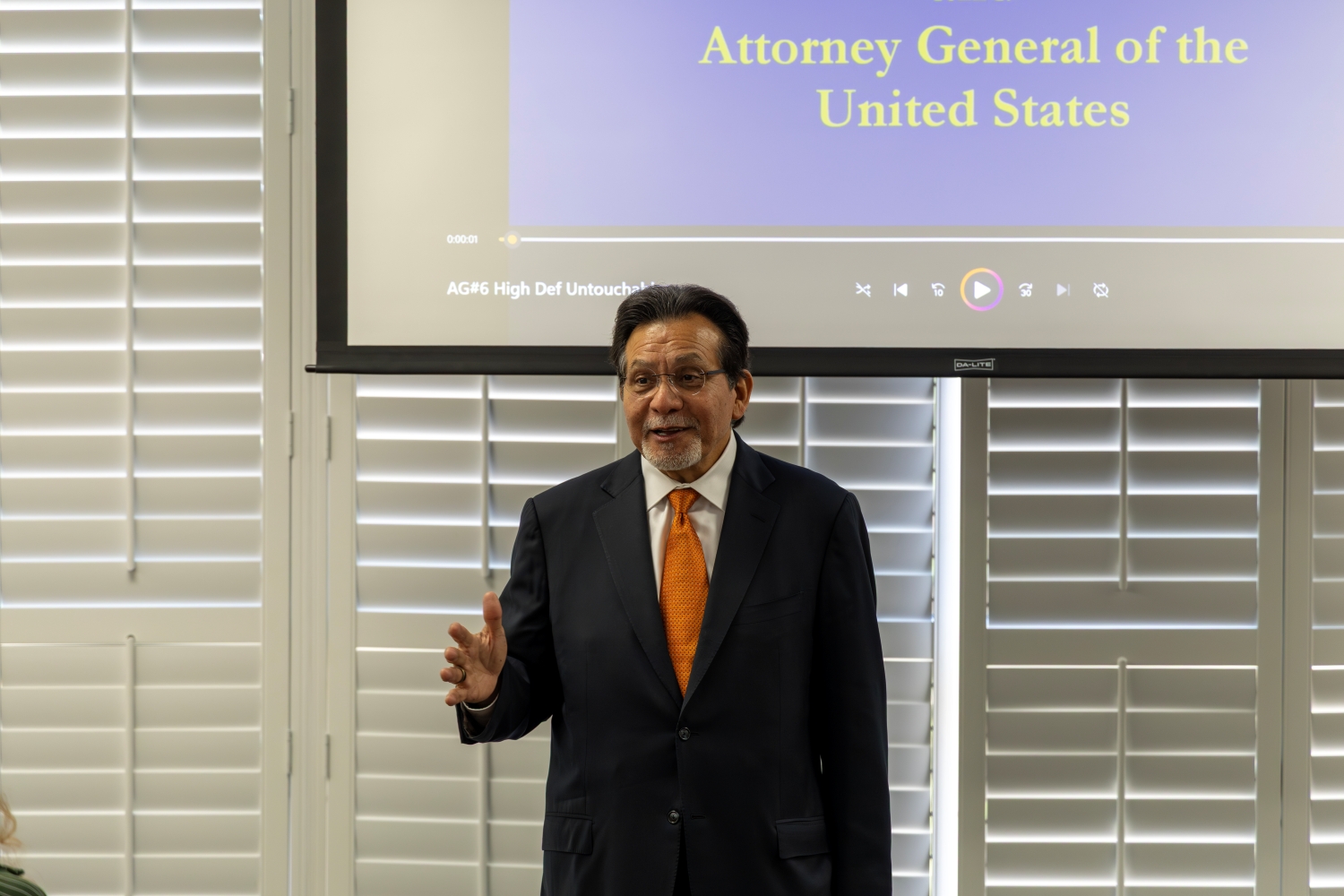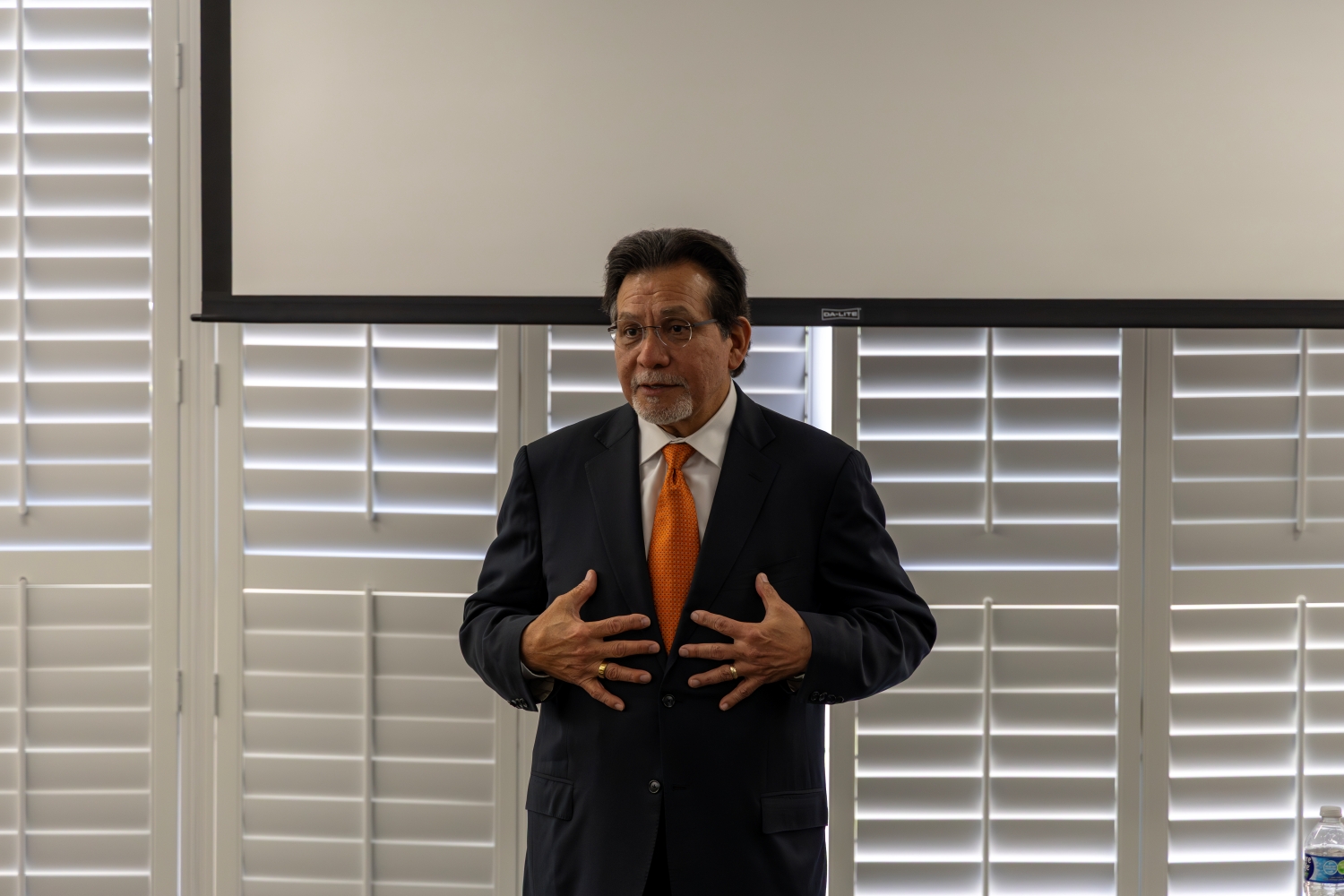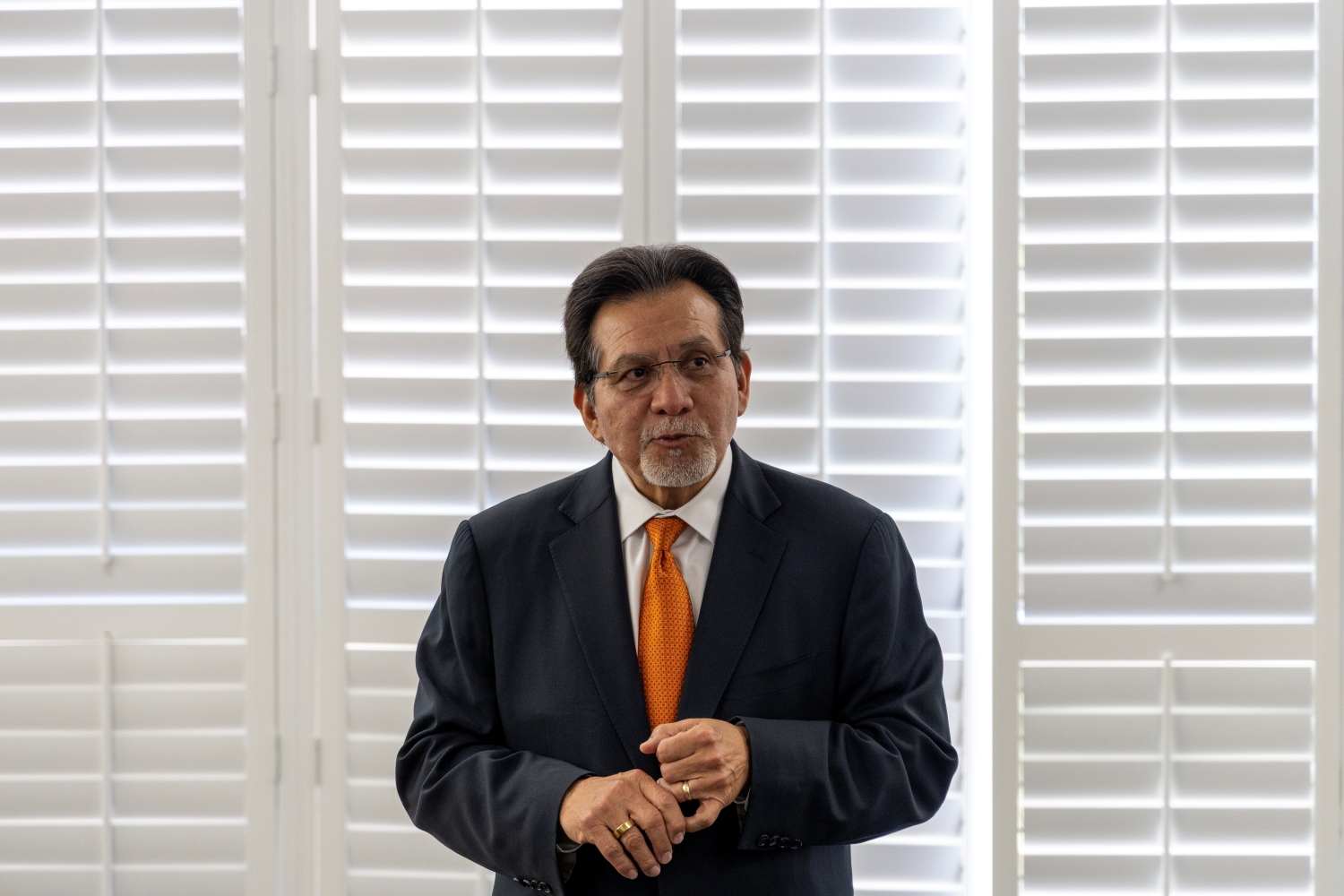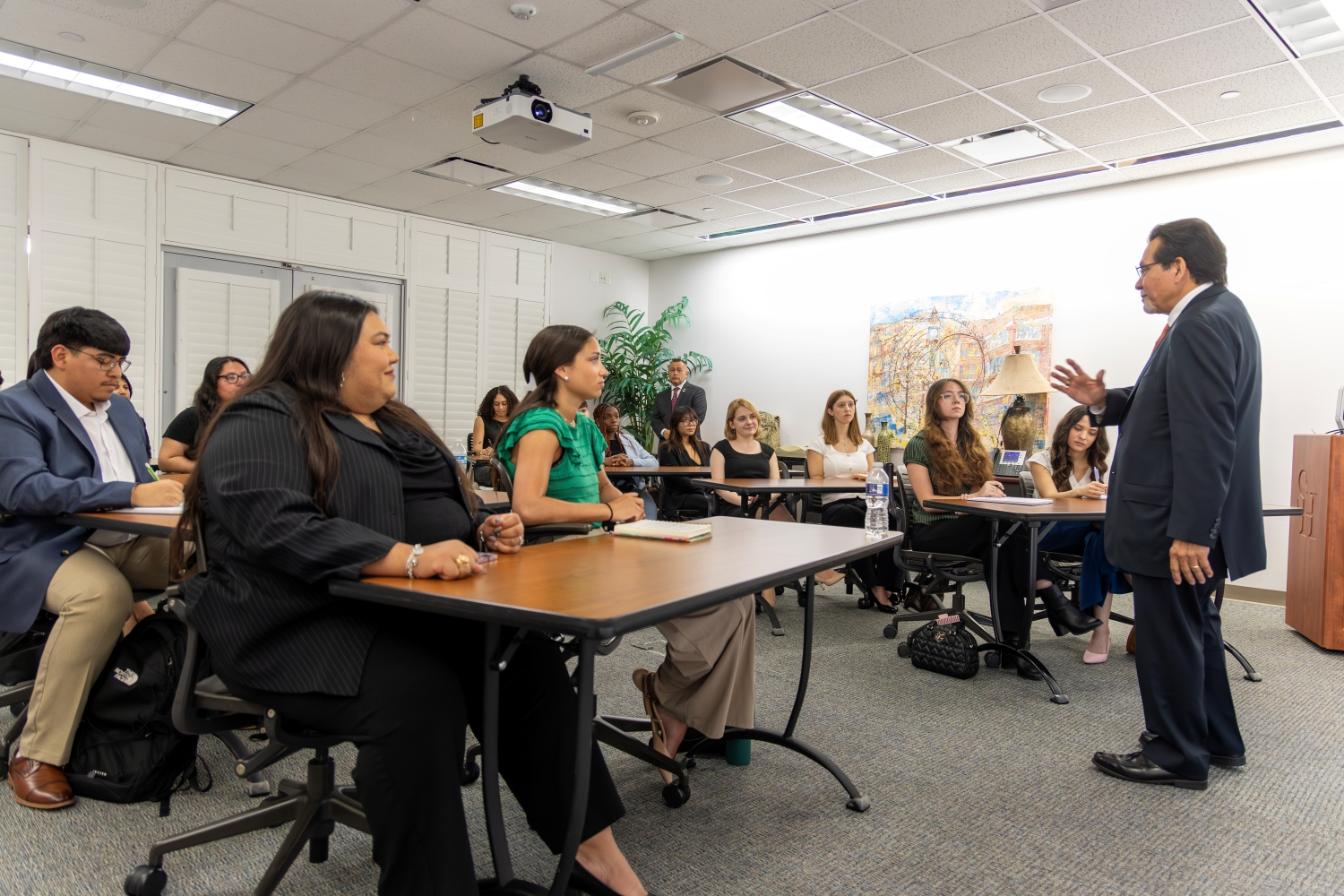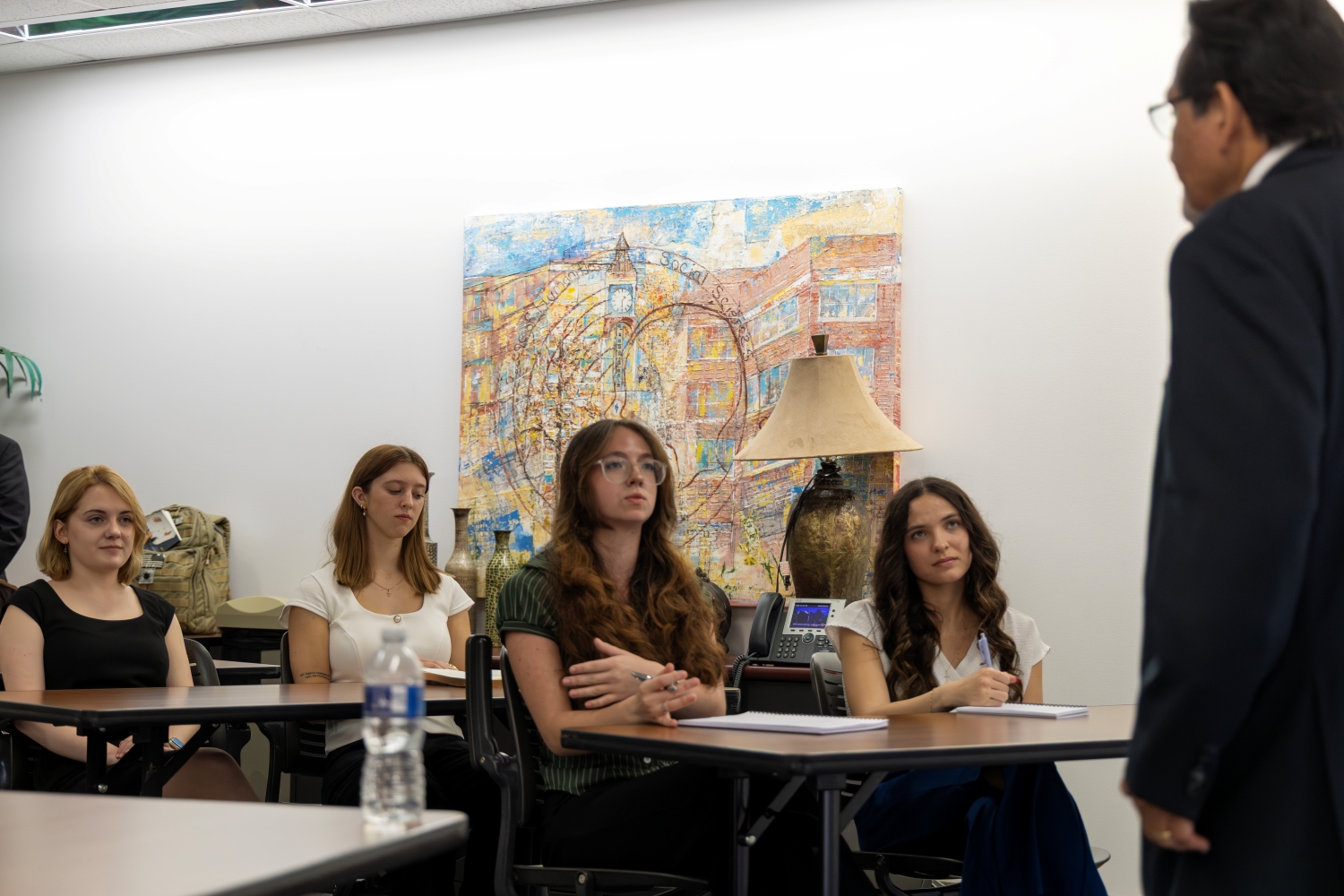
Through the many roles he served in over his career, Alberto Gonzales gained valuable knowledge in helpful principles, career advice, and getting past setbacks. Once again, LEAP students had the opportunity to hear from Mr. Gonzales himself, along with David Yebra (formerly Colonel Yebra), the Senior Associate Vice Chancellor for Lone Star College.
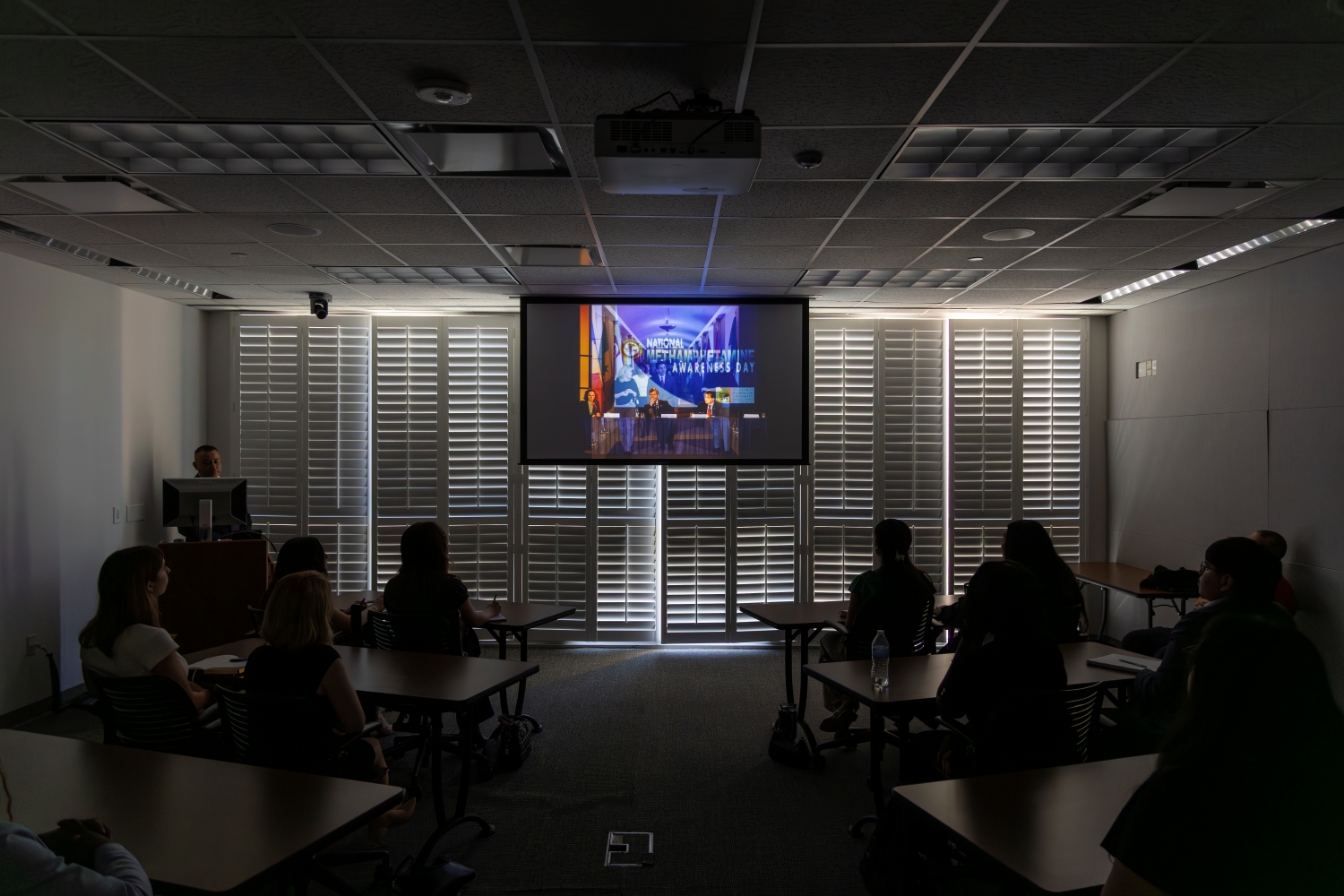
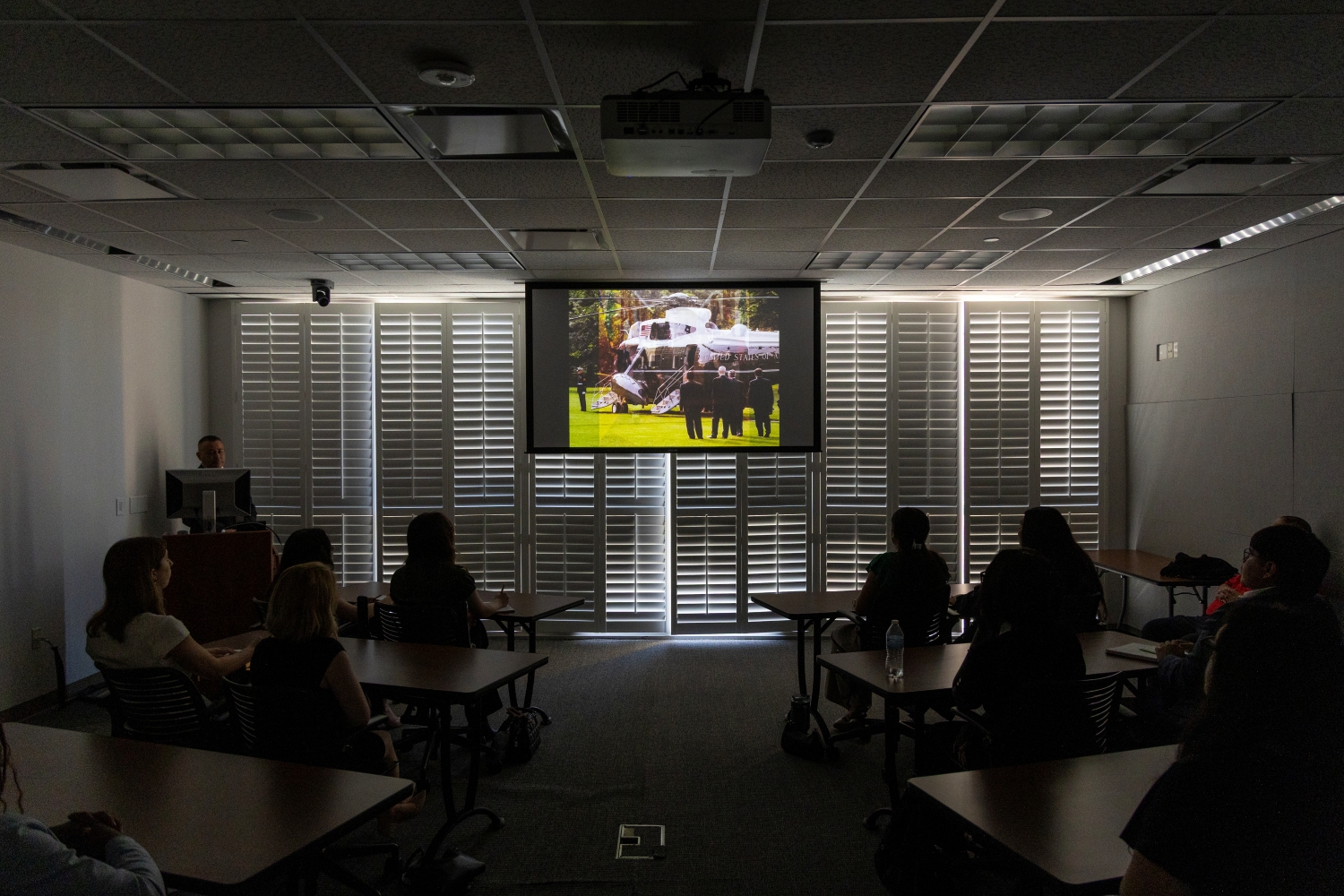
After a fitting introduction from Michelle Cardenas, Mr. Gonzales showed us a short video featuring photos of his career highlights, a career that includes the first minority partner at Vinson & Elkins, Texas Supreme Court Justice, White House Counsel to President George W. Bush from 2001-2004 and Attorney General from 2005-2007. With this career, he was well qualified for his post-government role as Dean of the Belmont College of Law.
The floor quickly opened for questions, with many of us eager to absorb as much wisdom as we could from Mr. Gonzales.
He discussed his humble beginnings as a first-generation college student, which he afforded by joining the military. Moreover, he emphasized the values instilled by his parents: (1) being reliable–“showing up and doing your job, reliably” and (2) accepting challenges to continue growth.
When asked about how he dealt with any setbacks during his career, Mr. Gonzales told us that perseverance calls for struggle. Even when facing hardships, as he did while serving as the first Hispanic American Attorney General, you must trust that if you put in the work, things will work out in the end. As important, he reminded us to dream big. While not all of our dreams will work out, they definitely won’t work out if they aren’t pursued.
Both Mr. Gonzales and Mr. Yebra highlighted the importance of building relationships during their talk. Judge Gonzales emphasized the importance that George W. Bush played in his career, and Colonel Yebra stressed the importance of building relationships built on professionalism, trust and reliability.
Colonel Yebra reminded us to surround ourselves with people that we can learn from while understanding that our role serving others allows for greater professional growth–and, simultaneously, more responsibility. The aspect of serving others is a distinct value LEAP holds in everything we do so it resonated with all the students present.
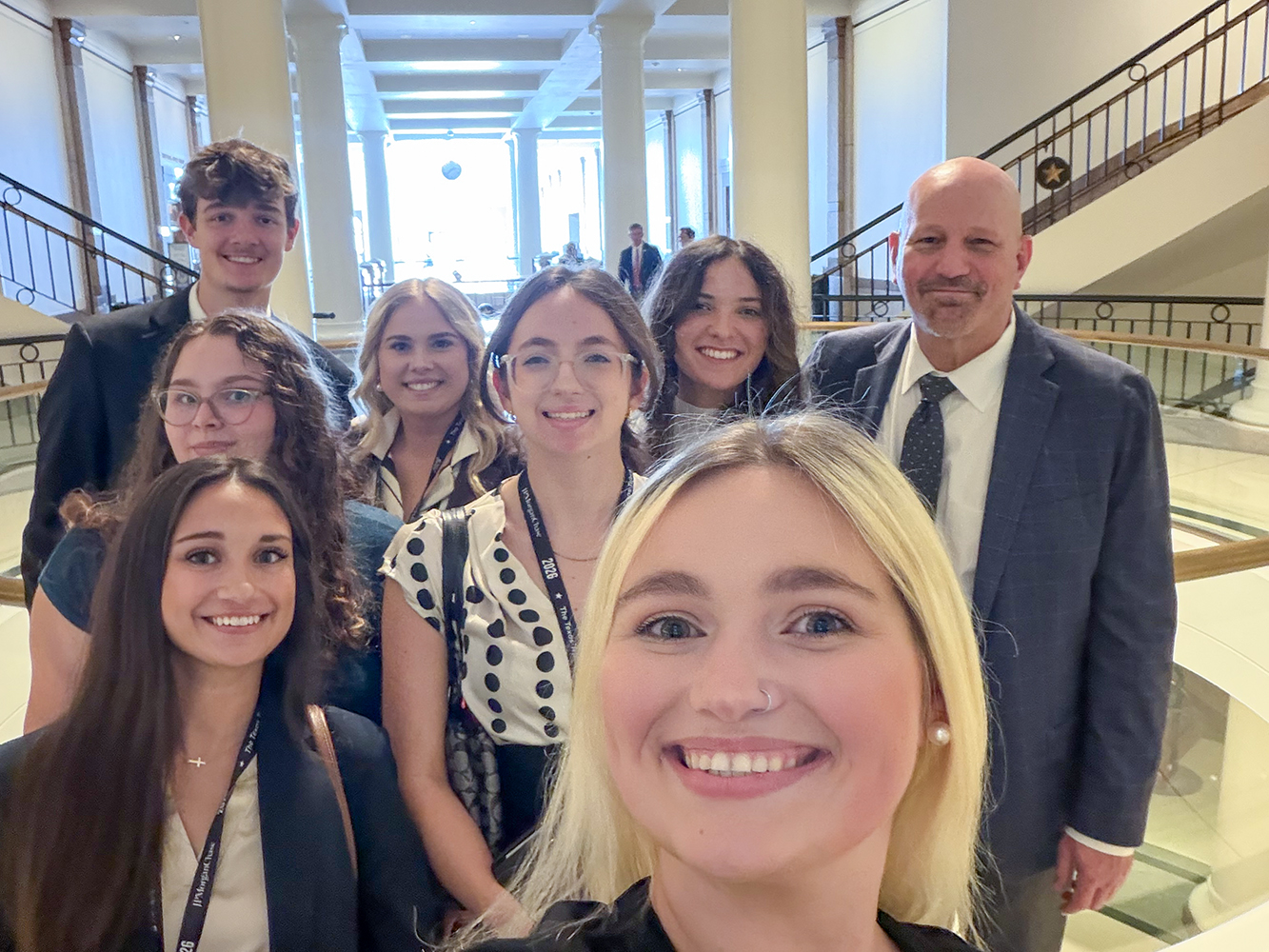
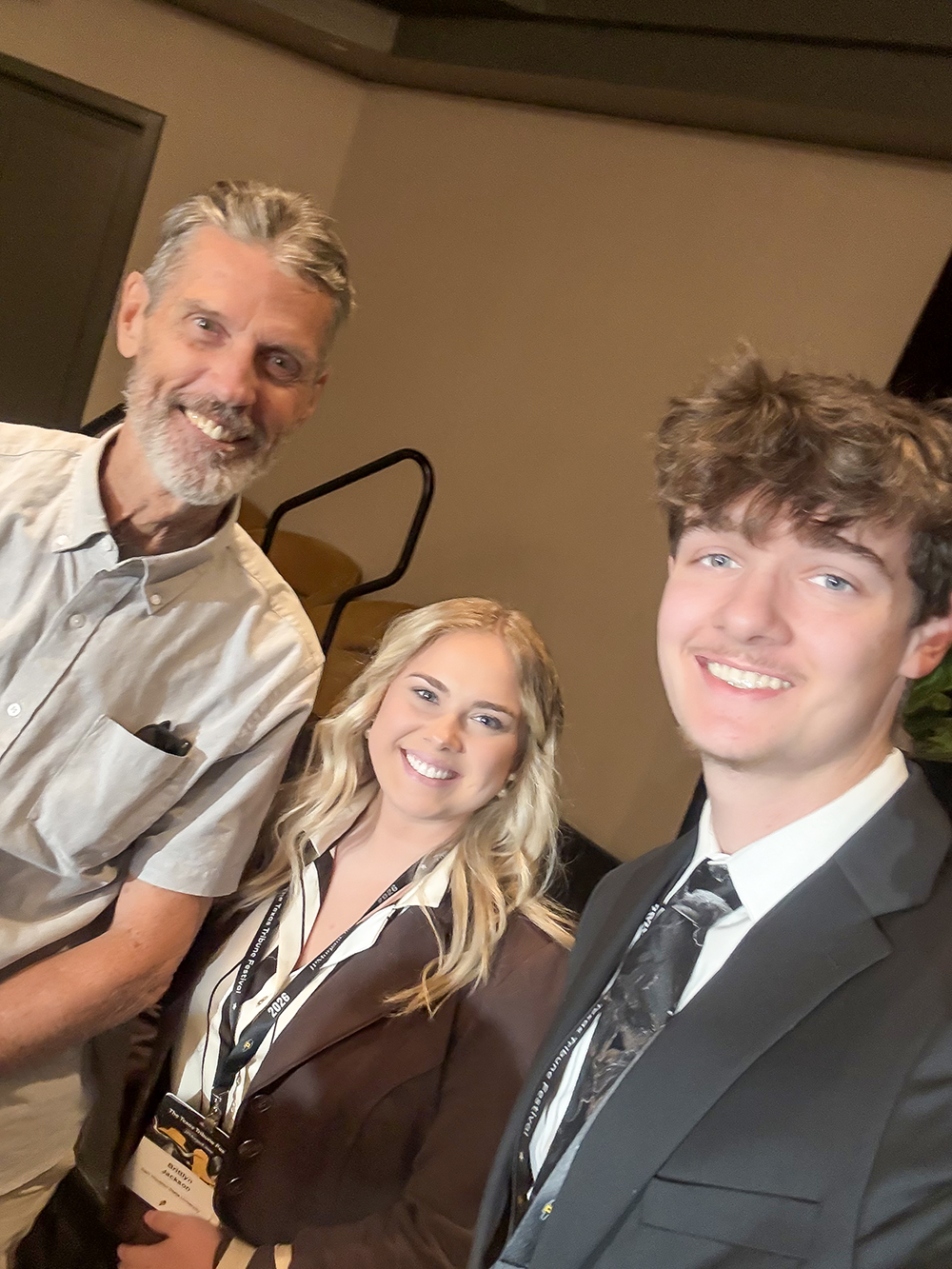
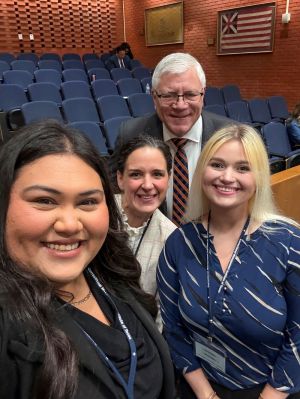
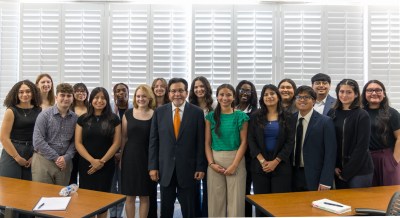
Once our time with Mr. Gonzales was up, we snapped a quick photo to add to the many taken with him over the years, from when he so kindly came to visit us at SHSU. All of us present took away profound insights we can use in our own lives. We look forward to seeing Mr. Gonzales and Colonel Yebra again in the future!
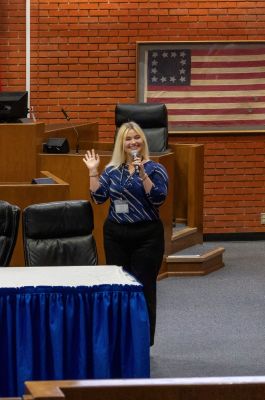
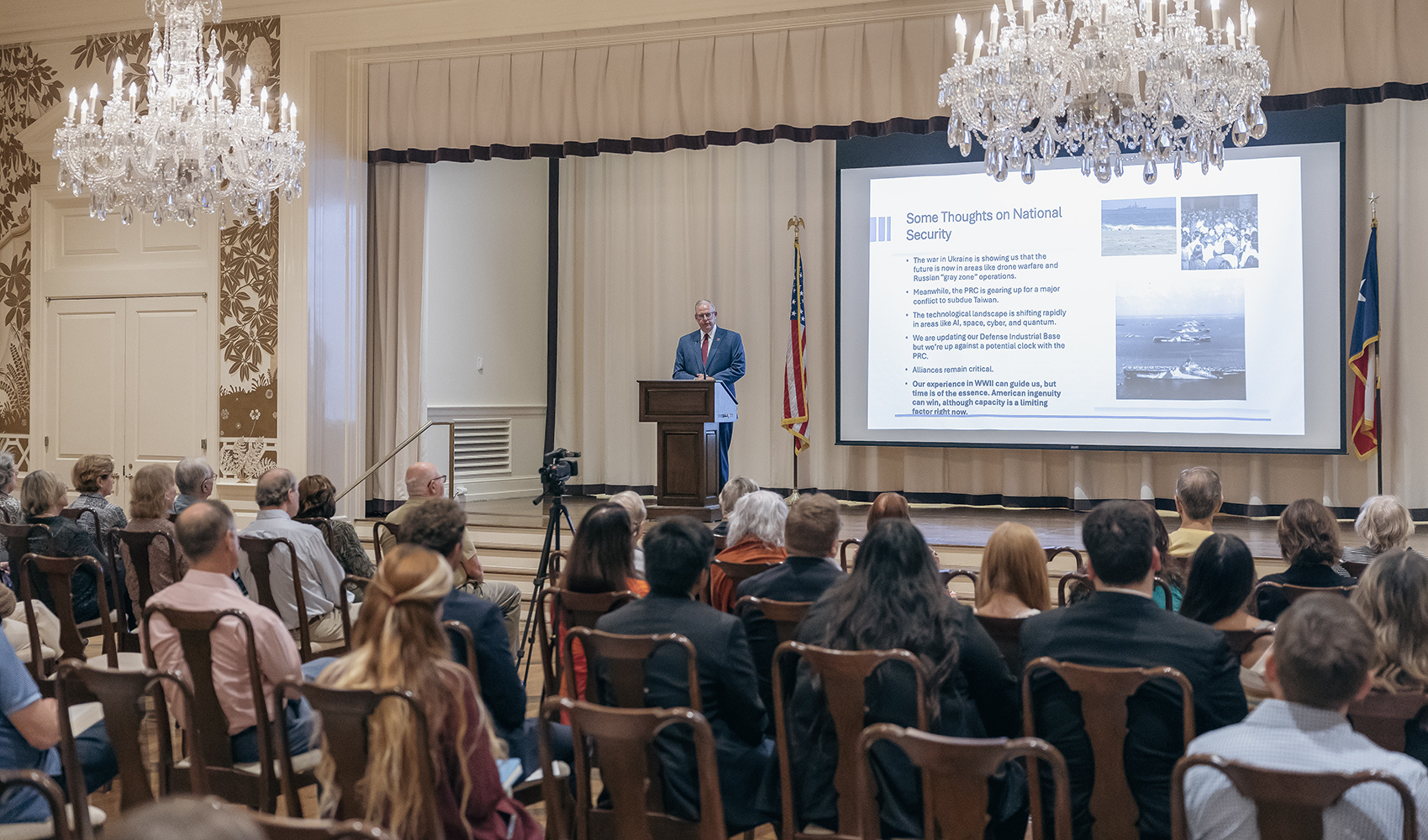
Another inspiring evening for the LEAP Ambassadors and fellow students took place at the World Affairs Council event featuring John B. Sherman, Dean of the Bush School of Government & Public Service at Texas A&M University. The event was held at the Junior League in Houston, a nonprofit organization dedicated to promoting volunteerism, developing women’s leadership, and improving communities through service, providing a fitting backdrop for an evening focused on public service. Even away from Huntsville, connections to home were everywhere, including a plaque honoring Junior League donors such as the Houston Endowment, which has ties to our hometown.
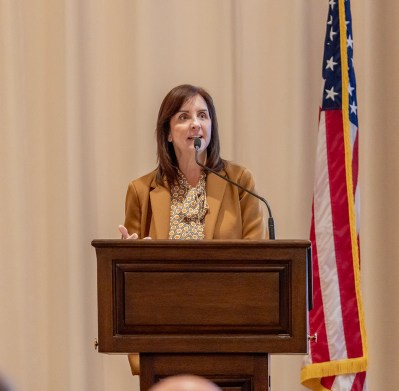
The evening began with Maryanne Maldonado, CEO of the World Affairs Council, who shared the Council’s mission and upcoming events. Dean Sherman was then introduced by his childhood friend, TJ Raguso, who spoke warmly about Sherman’s lifelong commitment to public service. From a young age, Sherman’s dedication to serving others was evident, and his friend’s introduction captured that spirit perfectly.
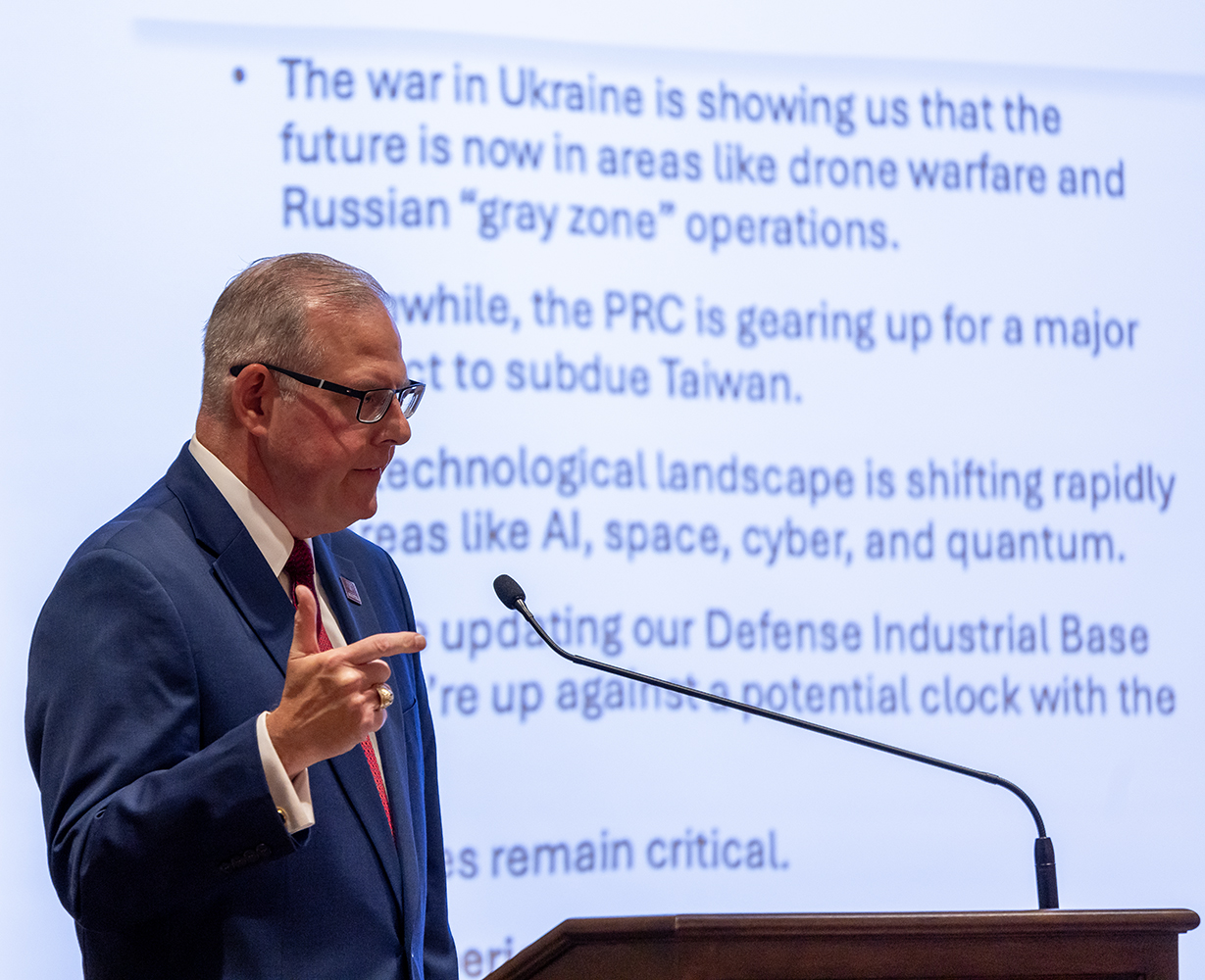
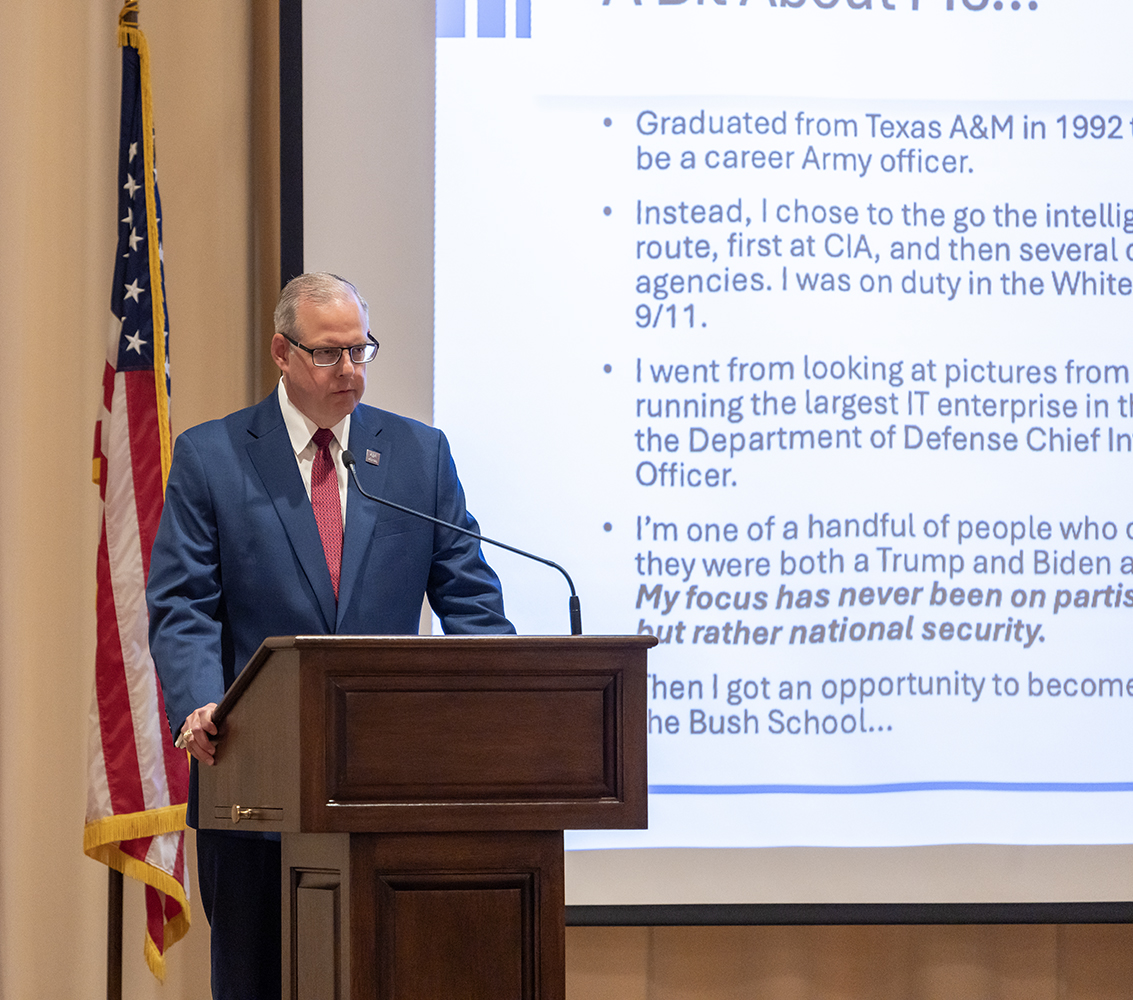
Dean Sherman shared insights from his remarkable career, which spans over 30 years of leadership in national security and technology. A Texas A&M graduate and former Corps Commander of the Corps of Cadets, Sherman has held senior positions at the CIA, the National Geospatial-Intelligence Agency, and the Office of the Director of National Intelligence. Most recently, he served as Chief Information Officer of the U.S. Department of Defense, overseeing the Pentagon’s global IT and cybersecurity operations.
He recounted stories from his time in public service, including being in the Situation Room during 9/11 and taking on unexpected leadership roles that required quick learning and high-stakes decision-making. Sherman emphasized that public service is not about money or prestige but about the fulfillment that comes from serving the nation and community. Reflecting on the words of President George H.W. Bush, he reminded us that public service is a calling–a commitment to something larger than oneself. He encouraged students to embrace opportunities, saying, “When an opportunity comes through, you always say yes.” His advice resonated deeply with many of us who have grown through LEAP, learning to take initiative and step into challenges.
Dean Sherman also discussed the Bush School and how it prepares students to lead through both rigorous academic curriculum and hands-on real-world experiences.
He encouraged students to pursue public service at any stage of life, noting that meaningful experience can come from unexpected places. He also highlighted that the Bush School is a top feeder into the CIA, illustrating the real-world opportunities available to students willing to embrace leadership roles.
Throughout his talk, Sherman addressed the evolving nature of global security. Leading the Pentagon’s IT and cybersecurity operations, he explained how modern warfare extends beyond physical combat to cyber attacks, satellite operations, and information breaches. Protecting the nation now requires innovation, vigilance, and strategic thinking in technology as much as in traditional defense.
He concluded on an uplifting note, encouraging everyone to be engaged citizens, contribute to their communities, and embrace innovation, particularly in technology. After the talk, we had the privilege of meeting Dean Sherman, who spent time speaking with students individually, asking about our goals and offering thoughtful guidance. For those aspiring to be attorneys, he encouraged us to follow our dreams. For those interested in public service or foreign affairs, he highlighted the fulfillment that comes from serving others, reminding us that career paths are not fixed and that each new skill, experience, or challenge can prepare us for opportunities we cannot yet imagine.
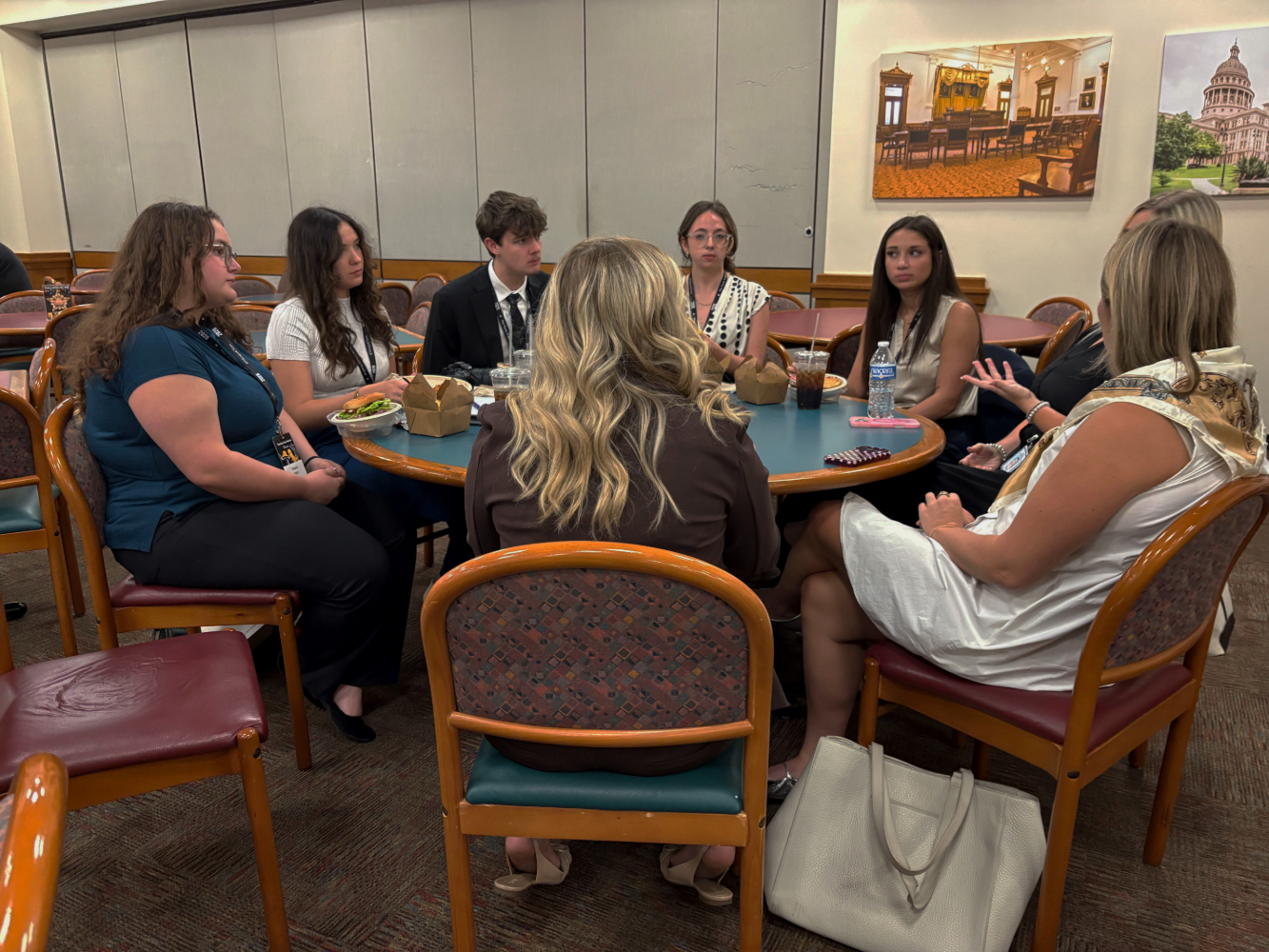
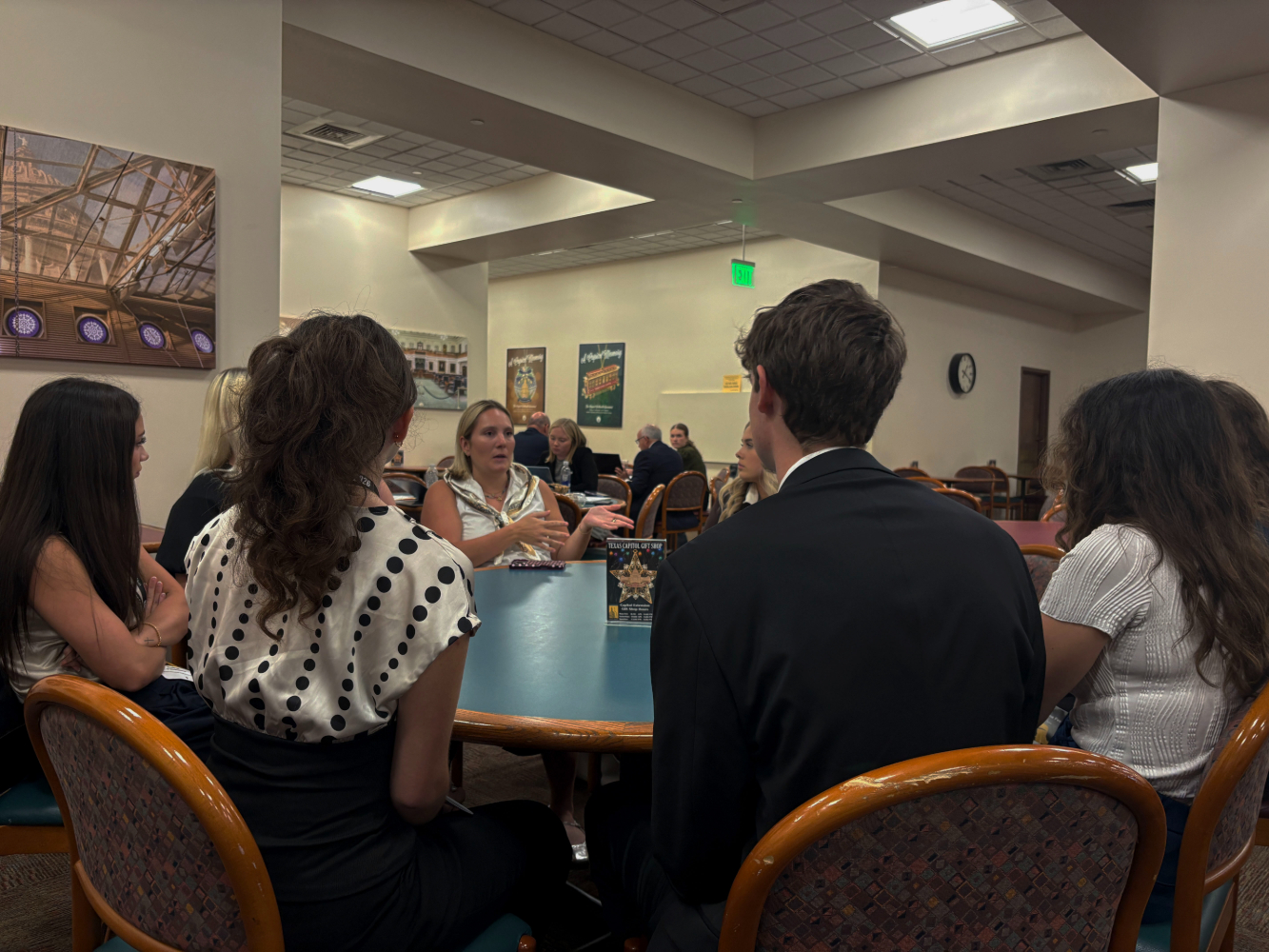
Following the formal event, we had a great opportunity to spend time with Dean Sherman in small groups, while also saying “hi” to Wendall Braniff, who has been very generous to us at various WAC events.
This kind of individualized interaction is a key part of what keeps us returning to the World Affairs Council events, but even in large groups, we have great opportunities to learn.
Dean Sherman’s guidance reinforced the importance of stepping into opportunities and giving back to the community– principles that are at the heart of the LEAP Center. Whether it is organizing events for the local community, participating in city and state internships, or serving through other civic initiatives, LEAP students actively embody the spirit of public service. Experiences like this event remind us that engaging with the world around us, learning from leaders, and stepping forward in our own communities are all part of preparing to be the next generation of public servants. Public service truly is a calling and through LEAP, we are already answering it.
LEAP Ambassadors enjoy learning in the classroom, a fact made evident by a collective 3.81 GPA. But the special part of the program is the learning outside of the classroom, where we work to expand our professional networks, learn new information, and venture outside our comfort zones. Such outcomes were on full display at the World Affairs Council‘s “Inside the CIA” event featuring Michael Ard.
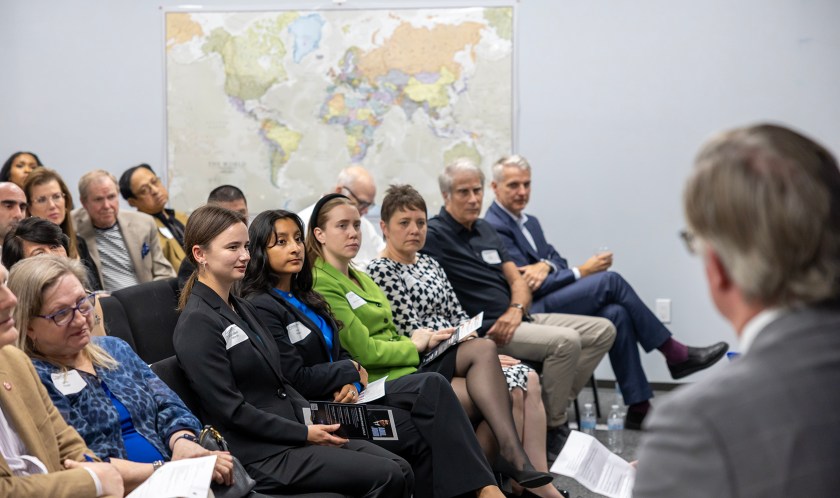
A former CIA Analyst now teaching international affairs at Johns Hopkins University, Ard took us on a far-ranging tour of the CIA and the world in a discussion facilitated by everyone’s favorite moderator, Ronan O’Malley.
The CIA oversees 11 centers and undertakes, according to Ard, four major activities:
Analysis
Collection
Covert Action
Counterintelligence
Obviously, these actions involve sensitive operations, and Ard noted that this can lead to conflict with the rest of the world, the Congress, and, most notably, the President. The President relies heavily on the CIA, and when operations do not go well, it can lead to negative consequences for the Chief Executive, which can, in turn, lead to strained relationships. Nixon, in particular, was distrustful, a fact punctuated by Ard, when he quoted Nixon: “What are those clowns in Langley doing? Reading the newspaper?”
But it wasn’t just Nixon: JFK felt burned after The Bay of Pigs disaster in Cuba; Congress was disillusioned during the Church Hearings in the 1970s, when many of the CIA’s activities came to light; and George W. Bush, according to Ard, was sorely disappointed in the CIA’s investigation into Weapons of Mass Destruction (WMD) in Iraq.
Speaking of which, during Q&A, the audience asked whether the Bush Administration put pressure on the CIA to find what it wanted to find: WMD. Ard said, “No.”
He encouraged the audience to read the Silberman-Robb report, noting that the biggest problem in Iraq was that Hussein wanted some countries (his regional enemies) to believe he had WMD, and he wanted us to believe he didn’t. This caused him to act with much furtiveness, which was then interpreted as guilty behavior. It wasn’t correct, he noted, but it was a reasonable conclusion.
Ard was also asked whether any movies get the CIA right. The former analyst noted he doesn’t watch a lot of movies, and he was generally dismissive (“they’re movies”), but he noted that “Argo” had the right feel, and “The Sum of All Fears” captured some of the banter among analysts.
Following the event, Dr. Ard put on his professorial hat, and spoke to us as students for a while.
Even as he noted the challenges associated with recent budget cuts, he was encouraging, prompting us to dream big, take opportunities, and to be assertive in putting our goals into action.
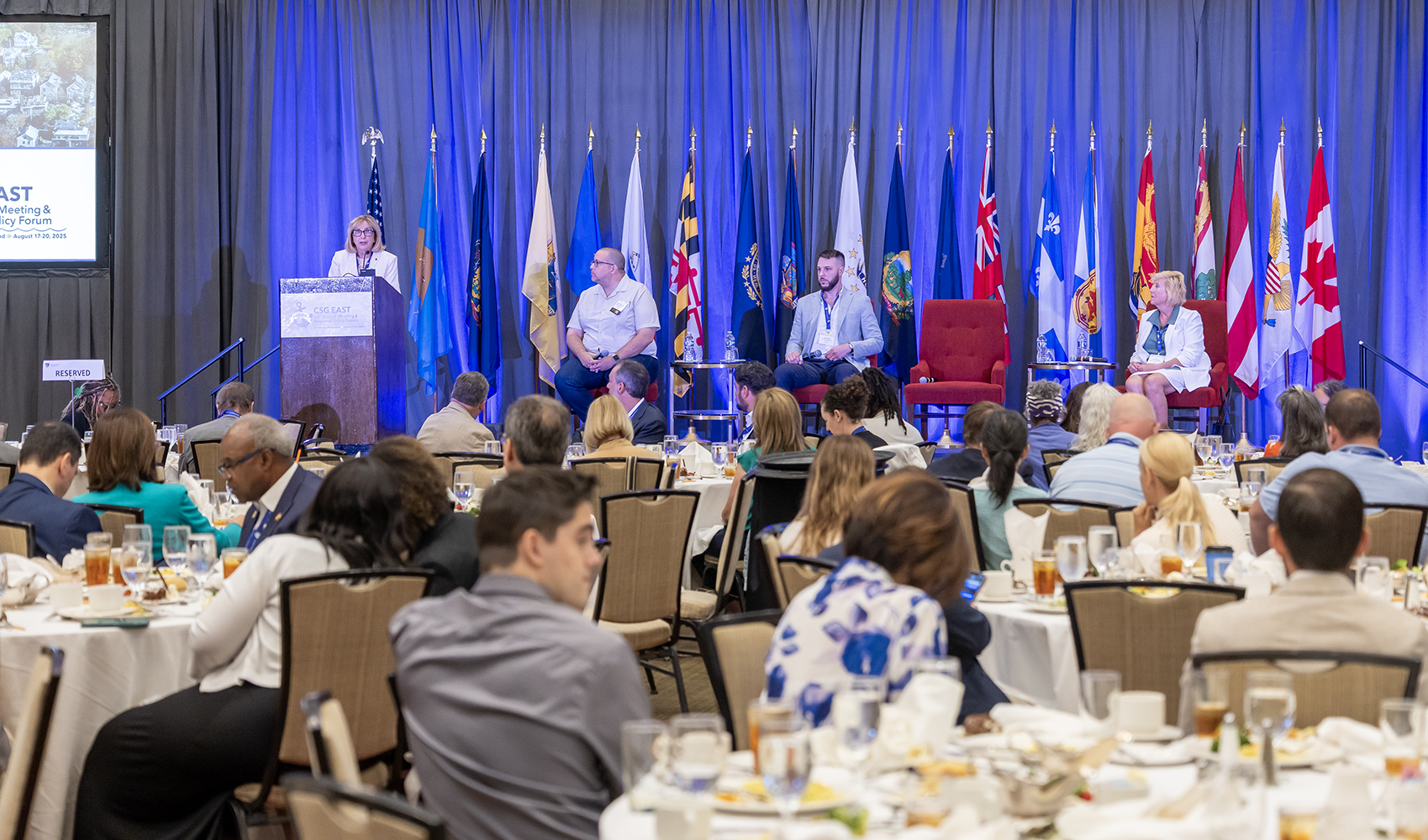
Having already learned a lot at the conference and on our own, we were ready for another day of educational excursions and events. Today’s itinerary included a plenary luncheon focused on challenges associated with the availability of primary care physicians, a site visit concerning education and workforce development, and a state dinner.
Primary Care Shortagesand Challenges
by Olivia Discon
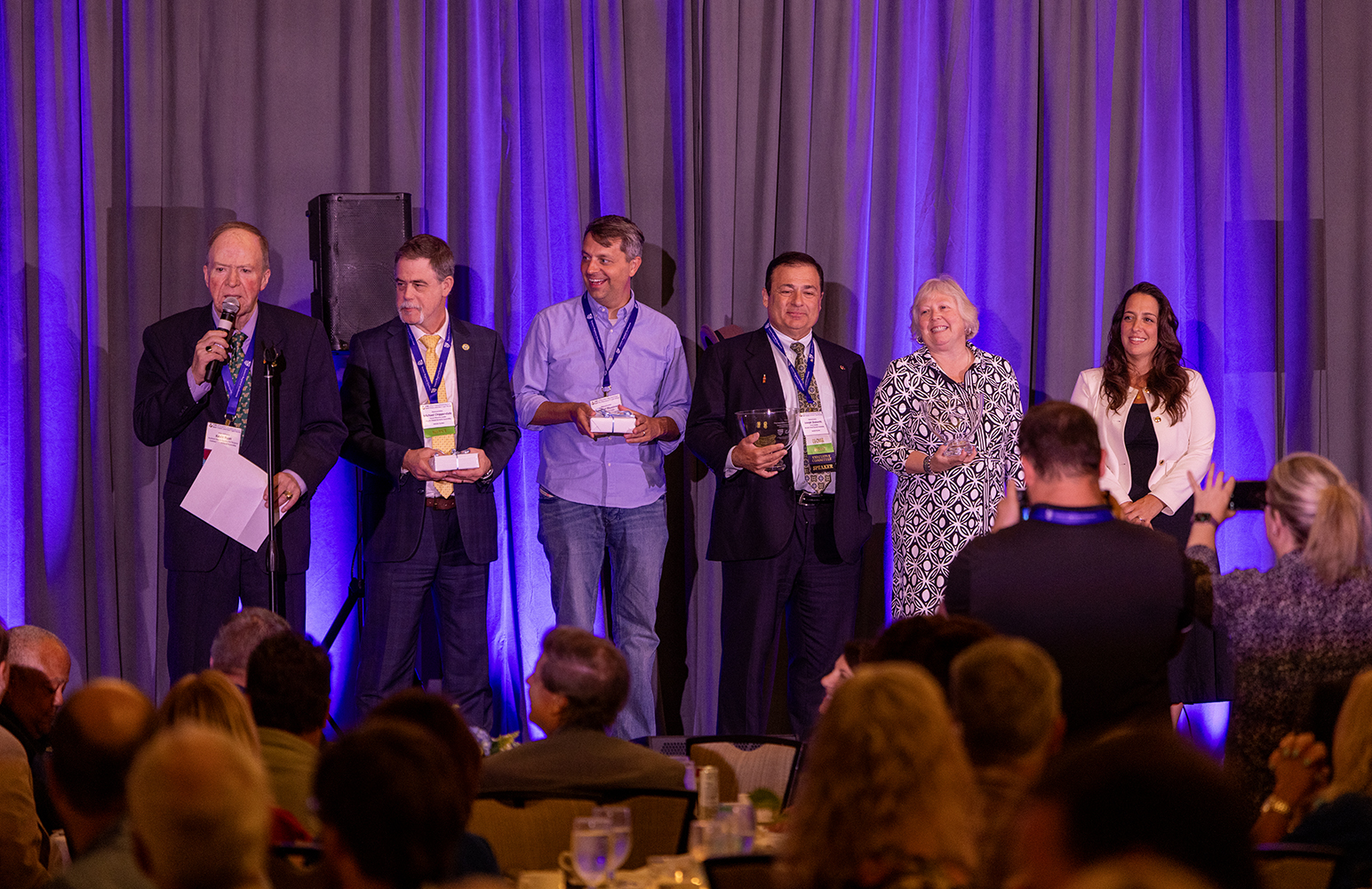
Over a lunch of fish, rice, and broccoli—quite healthy (well, mostly), might I add!—we enjoyed some good company, a brief award ceremony, and a rich educational opportunity to learn about medical care in the 21st century.
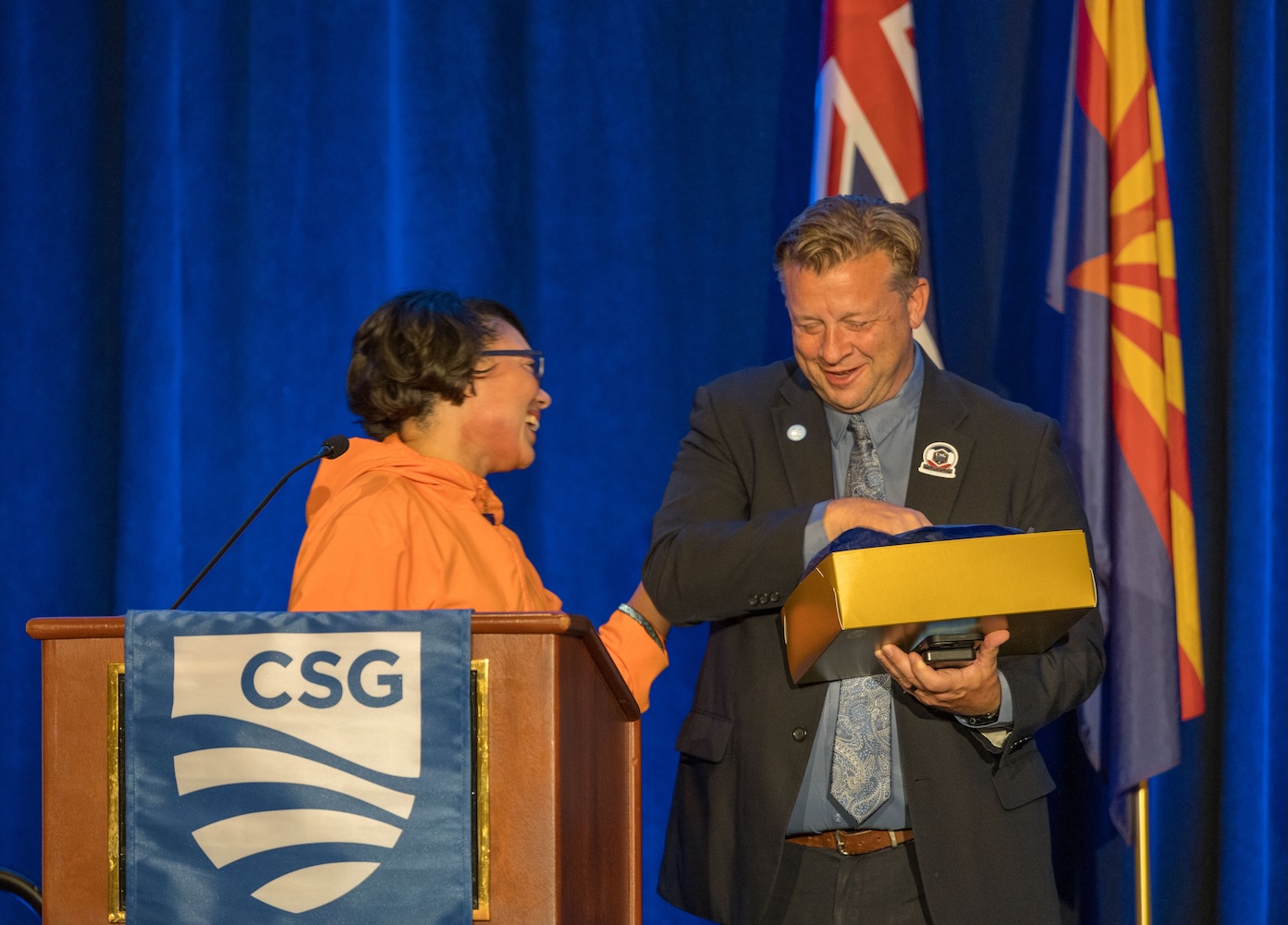
To begin, we were happy for Rep. Kevin Ryan of Montville, NJ, who received the W. Paul White State and Regional Leadership Award.
we enjoyed hearing from Senator Gustavo Rivera of New York, chair of the CSG East Health Policy Committee, who discussed the suboptimal supply of primary care physicians.
Just a generation ago, a primary care physician was a trusted source of care and advice. Today, however, many cities struggle with finding doctors who will accept sufficient numbers of insurance patients to make a real difference in their communities.
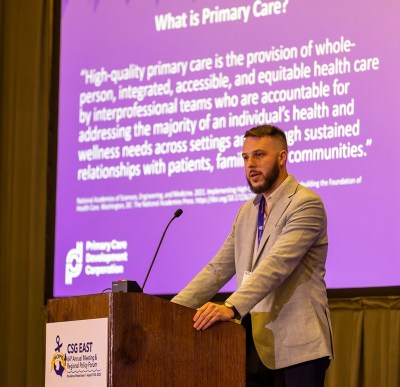
The keynote speaker, Joe Telano, senior policy manager at the Primary Care Development Corporation, laid out the problem.
The existence of quality primary care physicians in communities has been demonstrated to lengthen lives, but not enough communities have access to those physicians. In turn, this creates greater stress on specialized medicine, as patients are delayed in having serious issues diagnosed and referred. Moreover, the lack of primary care physicians adds to community health problems: increased likelihood of pandemics, more suffering from chronic diseases (e.g., diabetes), and even more gun violence.
Currently, only about 5-7 percent of health care expenditures go toward primary care, and a greater investment, according to Telano, is needed. Of course, this is only one part of a comprehensive plan. Other needed changes include: insurance regulations, grants for low-income communities, and a broader perspective of what constitutes “public health.”
Interestingly, part of this expanded view of public health could include education and workforce development…
Building Futures: Apprenticeship and Workforce Development
By Michelle Moya
One of the conference highlights was the site visit for our Education and Workforce Development session, which a tour of Building Futures, Rhode Island’s premier pre-apprenticeship program. Olivia and I were joined by a diverse group of senators and representatives from across the country for what would become one of my favorite sessions.
Our visit began in the hands-on training space, where we witnessed day two of a five-week intensive course. The tour was led by Andrew Cortez, president of Building Futures and a former apprentice himself, who shared insight into what the program is and what makes it effective.
Building Futures connects community residents to registered apprenticeship opportunities in the building trades. The program has a dual mission: preparing individuals for apprenticeships through training and readiness while also partnering with project owners to require apprentice participation in construction. This two-pronged approach ensures both workforce preparation and job placement.
Cortez emphasized that success in the trades depends on three essentials: showing up every day on time, working hard, and applying yourself to learn. Technical skills matter, but they rest on these fundamental values of reliability, perseverance, and a willingness to grow. As a student, I found this surprisingly inspiring. It reminded me that success in any field—whether in school or in a career—often comes down to those same habits. Technical skills can be taught, but without consistency and the right attitude, it’s hard to succeed anywhere.
From the active training floor, we transitioned to a classroom setting where our group of legislators and workforce development professionals gathered around tables for a deeper conversation about the program. A highlight of our roundtable was learning about recent legislation that allows apprenticeship pathways to count toward college credit in Rhode Island. Senator Hanna Gallo, who helped lead this effort, joined us for the discussion, along with Matt Weldon, Director of the Department of Labor and Training.
The program’s impact became tangible through the graduates who shared their stories with us. Vennicia Kingston, who transitioned from banking to carpentry, now owns Eagle Eye Construction Services and employs multiple Building Futures alumni—a great example of how networking creates a cycle of opportunity. Another graduate shared how, just months after incarceration, he not only completed his apprenticeship but also bought his first home and eventually built his own million-dollar construction company.
These transformations illustrate what Cortez stressed throughout our visit: the most valuable skills are consistency, work ethic, and a learning mindset. This philosophy mirrors the character development emphasized in LEAP, where academic and career success are built on the foundation of personal responsibility and values.
As we concluded our tour and roundtable discussion, one lesson stood out clearly: good students and successful professionals are people who show up, work hard, and embrace continuous learning. This blend of character and skill creates pathways to both personal transformation and economic opportunity—lessons we will carry forward as we pursue our future goals.
State Dinner
by Olivia Discon
The conference concluded with the State Dinner, the most formal event of the conference, where we dined with some of the event organizers, an event photographer, as well as some fellow southerners. Senator Walter Michel–whom we had lunch with–and his wife, Laura, joined us for a nice meal and delightful conversation.
We also had a chance to see the host committee, who spent years planning for this event, be recognized.
The main event, however, was the meal, which featured a three-course meal including a beef entrée, asparagus, and potatoes as its main course, along with a salad and a scrumptious dessert (Chocolate Mousse).
In the background wafted the swing beat of Sinatra tunes, performed by Michael Dutra: “Simply Sinatra.”
We shared stories about our visits to waterfalls in North Carolina, where one of the event organizers is from, to challenges faced by the Mississippi Legislature, to the decreasing importance of ISO in modern cameras. It was a wonderful way to cap our evening programs at the Council of State Governments–East.
Although the Texas legislative session ended on June 2, much of the policy work remains. For one, there is a special session scheduled for July 21; for another, the implementation of the 1,000+ bills that passed looms large, with many of the bills taking effect on September 1. To help cities prepare for this implementation, Strategic Government Resources (SGR) brought in experts from the Texas Municipal League for a webinar: “Reviewing the Texas Legislative Session and Bills Impacting Local Government.”
The Grassroots and Legislative Services Department of the Texas Municipal League (TML) dedicated their time (and sanity) this session to monitoring the 9,000+ bills introduced this past session. They work with the legislators and staff to ensure bills are “city friendly” and, occasionally, to fight legislation that would undermine cities’ powers to provide for their communities.
This session, according to TML reports, there were 2,189 bills filed that impacted local government, 262 of which passed. With most of the bills taking effect September 1, cities all across the state are working to understand how this new legislation may apply to their communities–and they are doing so during budget season! Fortunately, SGR and TML hosted this webinar to provide an overview.
Leading the discussion was TML’s newly appointed Director of Grassroots and Legislative Services Monty Wynn; Ben Brezina, Assistant City Manager of Frisco, TX; and Rustin Stewart, Assistant Director of Administrative Services of Frisco, TX. They covered a wide array of topics–including land use, AI, code enforcement, and the Open Meetings Act.
Here are some key bills that are of statewide interest:
SB 1173 (authored by Rep. Perry) moves the competitive bidding threshold from $50,000 to $100,000. As prices rise and as Texas grows, this bill allows city staff to keep projects moving.
HB 2217 (authored by our very own Rep.Wharton!) provides a grant opportunity from the Office of the Governor’s Criminal Justice division for bullet-resistant police vehicles and other equipment to local police departments.
HB 1522 (authored by Rep. Gerdes) changes the notice of a public meeting of a governmental body to be posted for at least three business days, as opposed to 72 hours previously, in a place available and accessible to the public. This might not seem like a world of a difference, but this can completely change the harmony of a City Secretary’s weekly schedule. Assembling agendas have a lot of moving parts leading up to their eventual posting, and this new requirement may lead to an expedited due date for agenda items to be submitted by city staff.
In addition to this, HB 4214 affirms that councilmembers do not need to submit a Public Information Request to receive information from the city.
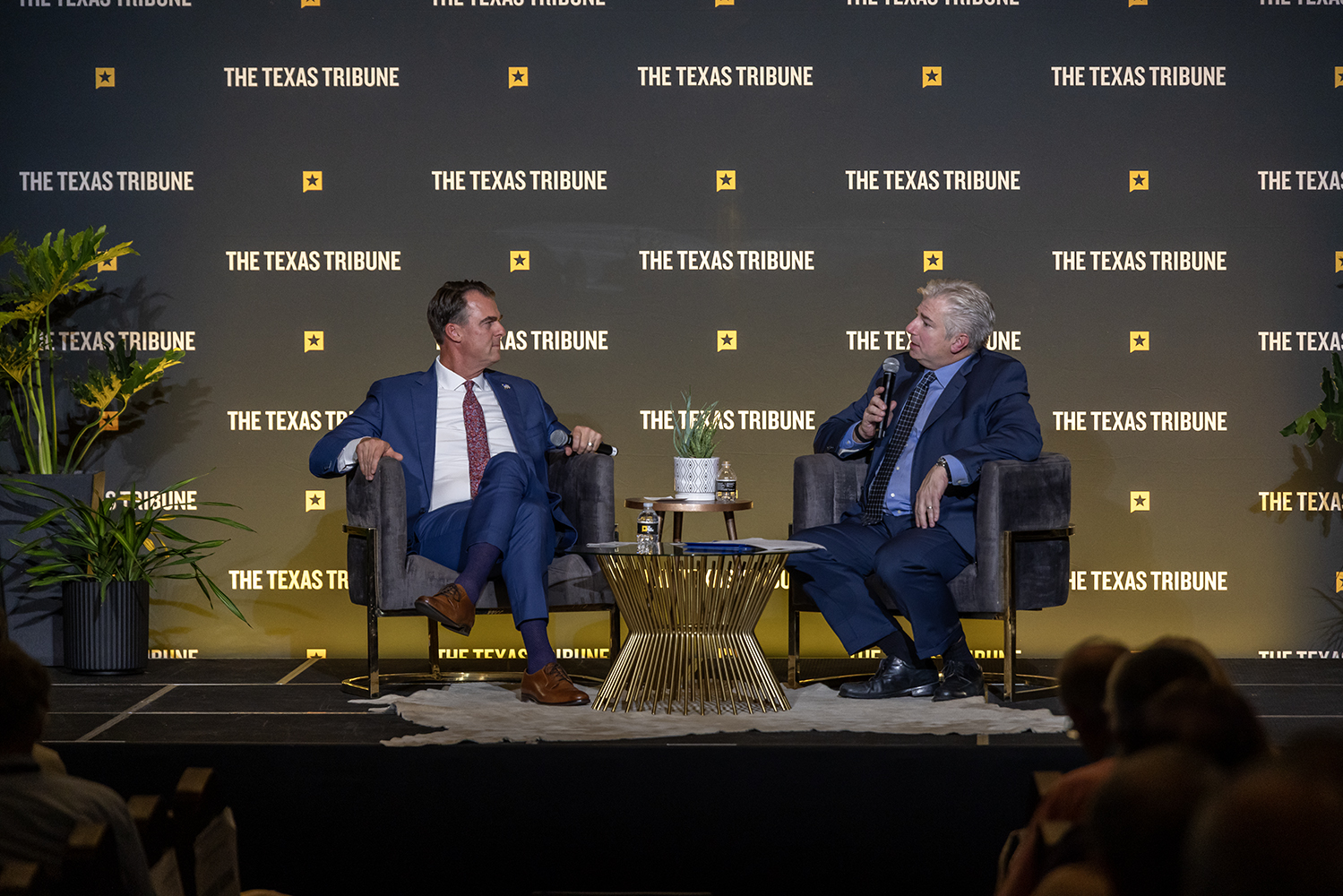
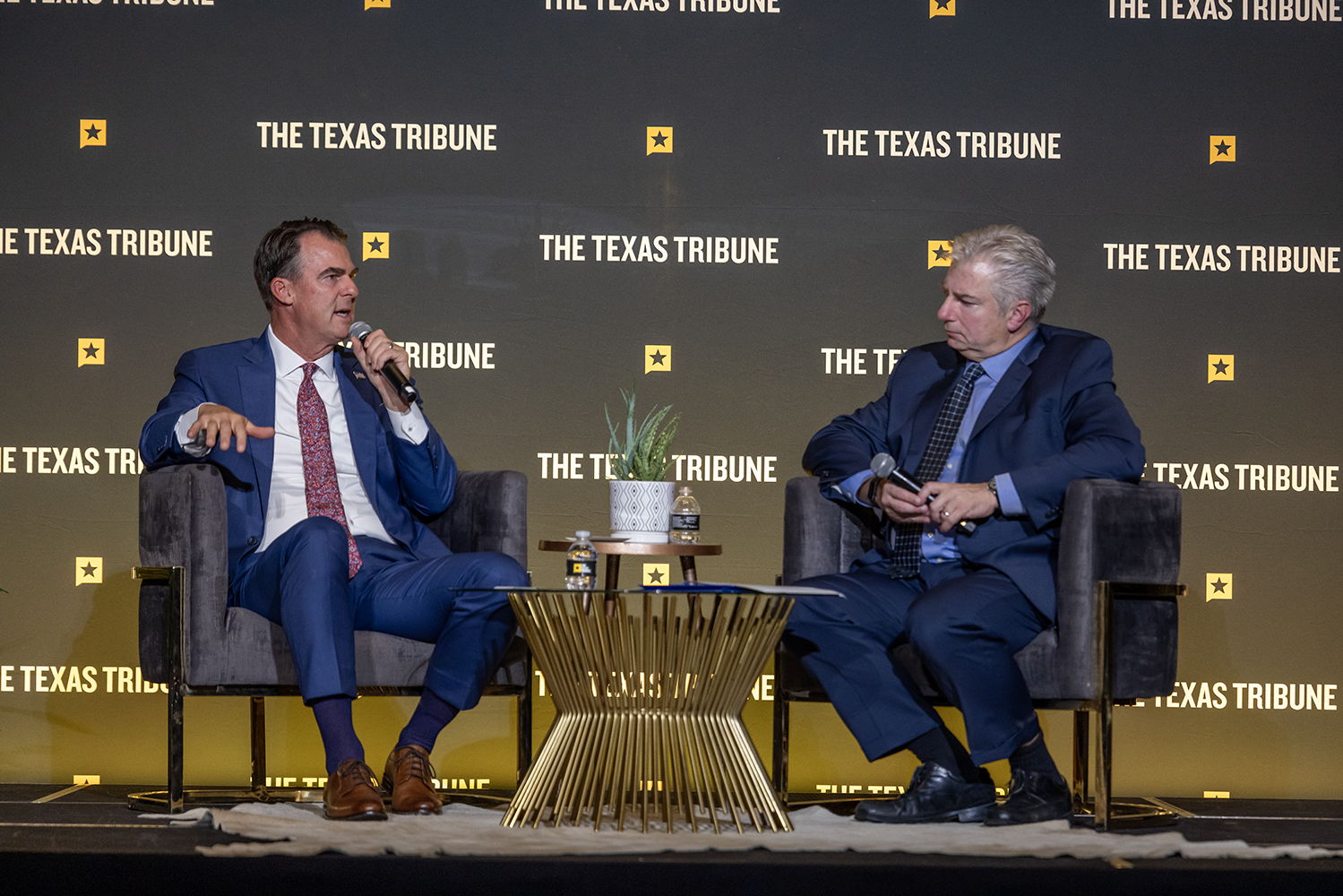
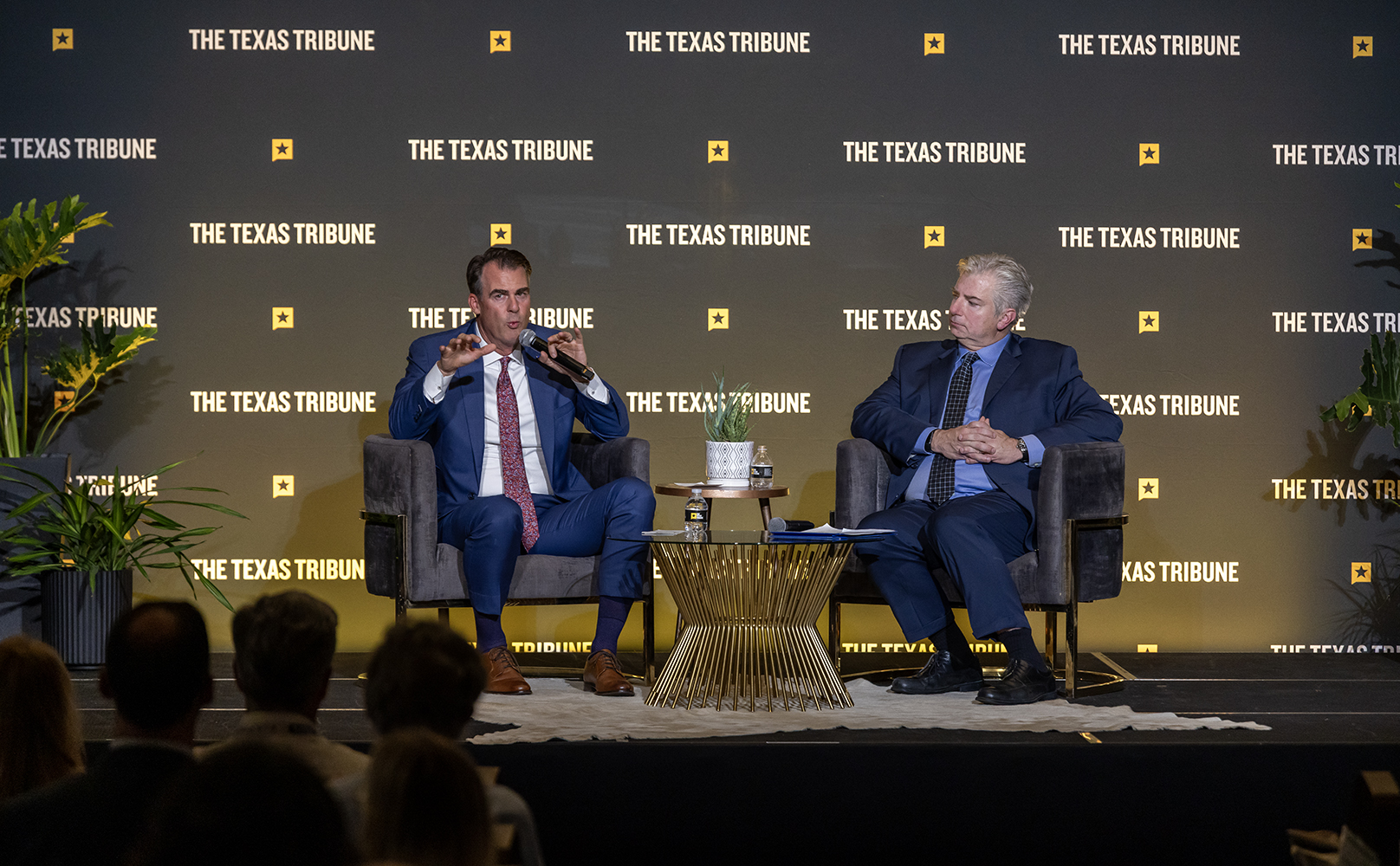
This is just the tip of the iceberg in terms of legislation, and if you feel overwhelmed, you are not alone! But with resources such as SGR, TML, and the Texas Tribune, there are many tools to help the public stay informed.
The Houston Chapter of the Association of Certified Fraud Examiners met last week to discuss medical fraud, particularly as it relates to pharmaceuticals. And with former LEAP Ambassador Bianca Saldierna on the Houston ACFE Board, LEAP students found themselves at the Tanglewood Ballroom alongside approximately 25 certified fraud examiners to discuss pill mills, pharmacy shopping, and the black market.
Following an introduction by Robert Rodgers, the Director of ACFE’s In-Person events…
…featured speaker Yasir Shakoor offered an interesting–and even entertaining–discussion of the diverse types of pharmacy fraud over lunch.
Mr. Shakoor has both a BA and an MHC in Health Care Administration, and he is also a Certified Fraud Examiner, and he was clearly qualified to discuss the different types of fraud.
Following a discussion of common myths and an emphasis on the costs associated with pharmacy fraud, Shakoor made a distinction among (1) fraud–falsely representing services rendered; (2) waste–not reasonably conserving resources; and (3) abuse–which may involve exploiting gray areas in laws or policies and, while perhaps not illegal, is unethical and costly.
The case studies were perhaps the most interesting component of the presentation.
Examples included (1) an individual who hacked into an e-prescription service and issued 18,500 prescriptions (in one day) to purchase sport cars, basketball tickets, and to be “entertained” at strip clubs, (2) a doctor who would offer opioids for the flimsiest of pretenses, and (3) underground organizations that offered substandard, black-market drugs (or, sometimes, just any substance available) in place of the specified medication. It is frightening, costly, and, often, deadly.
Apart from the educational aspects of the lunch, our major reason for attending was to see Bianca Saldierna.
A key LEAP Ambassador in 2016-2017, Ms. Saldierna has remained involved in her alumni years, and she generously invited us to attend this event. With many thanks to Bianca and to ACFE, we eagerly await our next such lunch!
While the LEAP Center’s project-based internships are robust by themselves, they are supplemented with opportunities for professional development. One such opportunity occurred last week at the Huntsville Municipal Court, with guidance from Court Clerk Flor Borbor, Officer Eric Scott, Prosecutor Cody Corcoran, and Judge Devan Dawson.
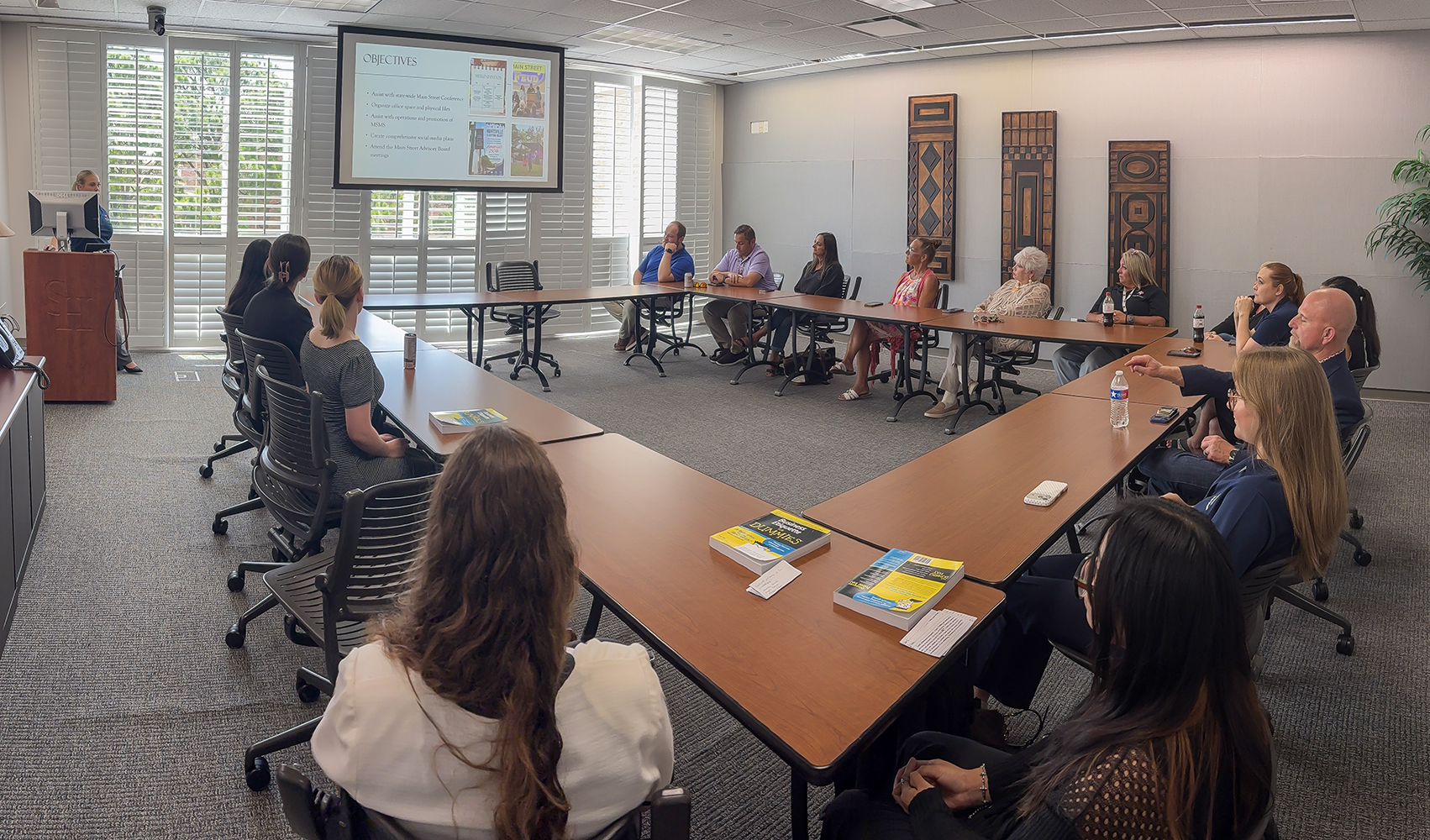
To learn more about our Court system, the City Fellows–along with former LEAP President and current SHSU attorney Victoria McClendon-Leggett–journeyed to the Municipal Court building in Huntsville. With Flor Borbor facilitating the tour and Judge Dawson leading the discussion, we began by covering the basics:
The Municipal Court Judge is hired/appointed by Council, not elected;
The Municipal Court hears Class C Misdemeanors;
The Municipal Court hears Jury and Bench Trials;
Bench Trials involve six jurors.
Cody Corcoran was also on hand to discuss his approach to prosecutions, which mostly involved finding ways to work with the accused. He and Judge Dawson appeared to agree that while justice should be served, they both sought ways to achieve justice without major setbacks for the alleged wrongdoer. There was even more agreement, however–among the Judge, Clerk, Prosecutor, and Officer–that lying or being rude would lead to a harsher sentence.
The students were impressively engaged, bringing up good points, asking interesting questions, and remaining involved even when the men began arguing about who had caught the bigger fish.
Officer Scott also discussed his career in law-enforcement in general, while particularizing on his duties as a bailiff. With good humor and a disarming self-deprecation, he described his job as “secretary with a gun,” highlighting his tendency–and, in fact, all the officials in the Municipal Court–to pitch in where needed.
It was a good lesson for young people, especially this group of mostly Criminal Justice majors, many of whom are deciding between careers in law-enforcement and the legal field. The lessons of courtesy, professionalism, and pitching in are valuable across all disciplines and occupations.
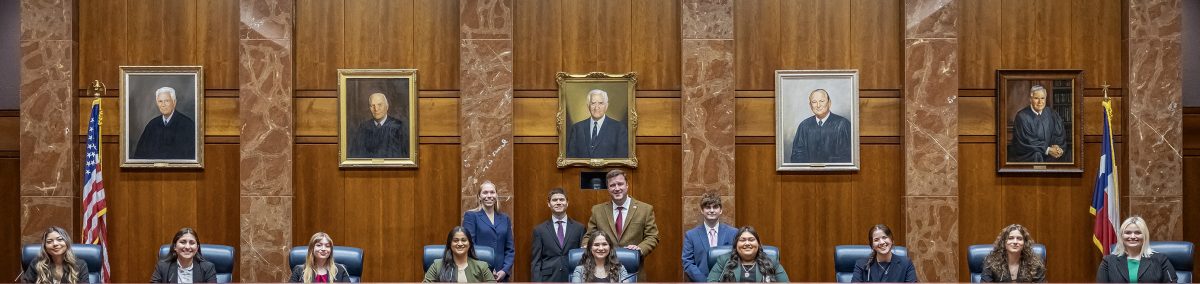
Following views of the jury room, the business office, and a formal group photo, the tour came to a close. And while the tour only lasted a little more than an hour and a half, the perspectives they gained may last a lifetime.
Serving as Student Regent for the Texas State University System was both an honor and a rare opportunity to better understand the intricacies of higher education and governance. From the outset, my goal was simple but ambitious: to learn as much as possible about the system I was entrusted to represent.
In true LEAP Center fashion, I approached this role with intentionality, aiming to grow throughout the entirety of the year-long term.To better understand the broader context of higher education policy, I turned to literature and public resources detailing statewide initiatives and governance structures. This helped me grasp the current landscape, the challenges facing higher education, and situate my responsibilities within that larger framework.
Early in my term, I attended the orientation hosted by the Governor’s Office, where I had the chance to meet the six other student regents from across Texas and the student representative to the Texas Higher Education Coordinating Board. It was great to be surrounded by other students similarly engaged in public service. It was here that I gained a broader perspective of the role and the expectations moving forward.
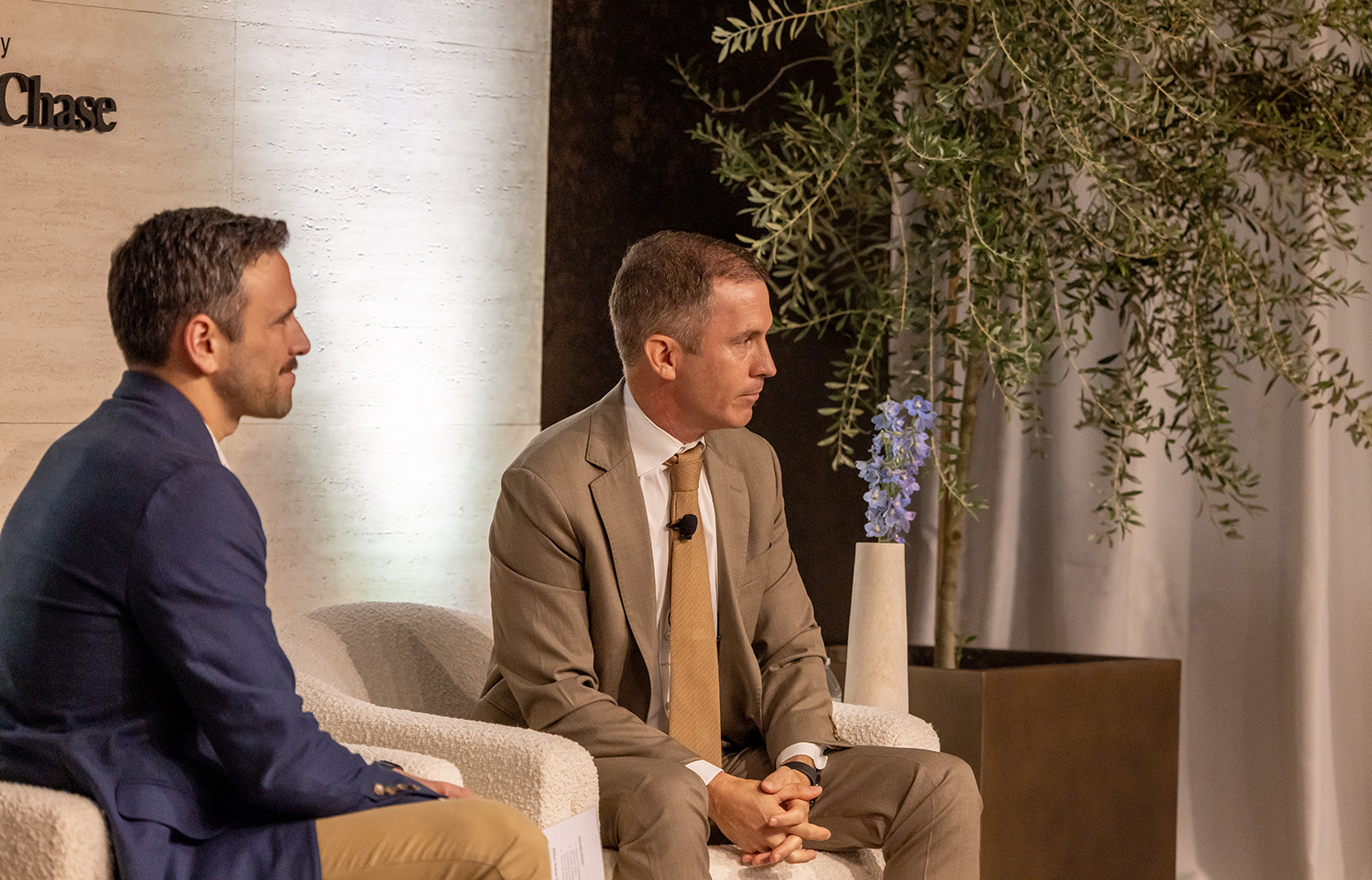
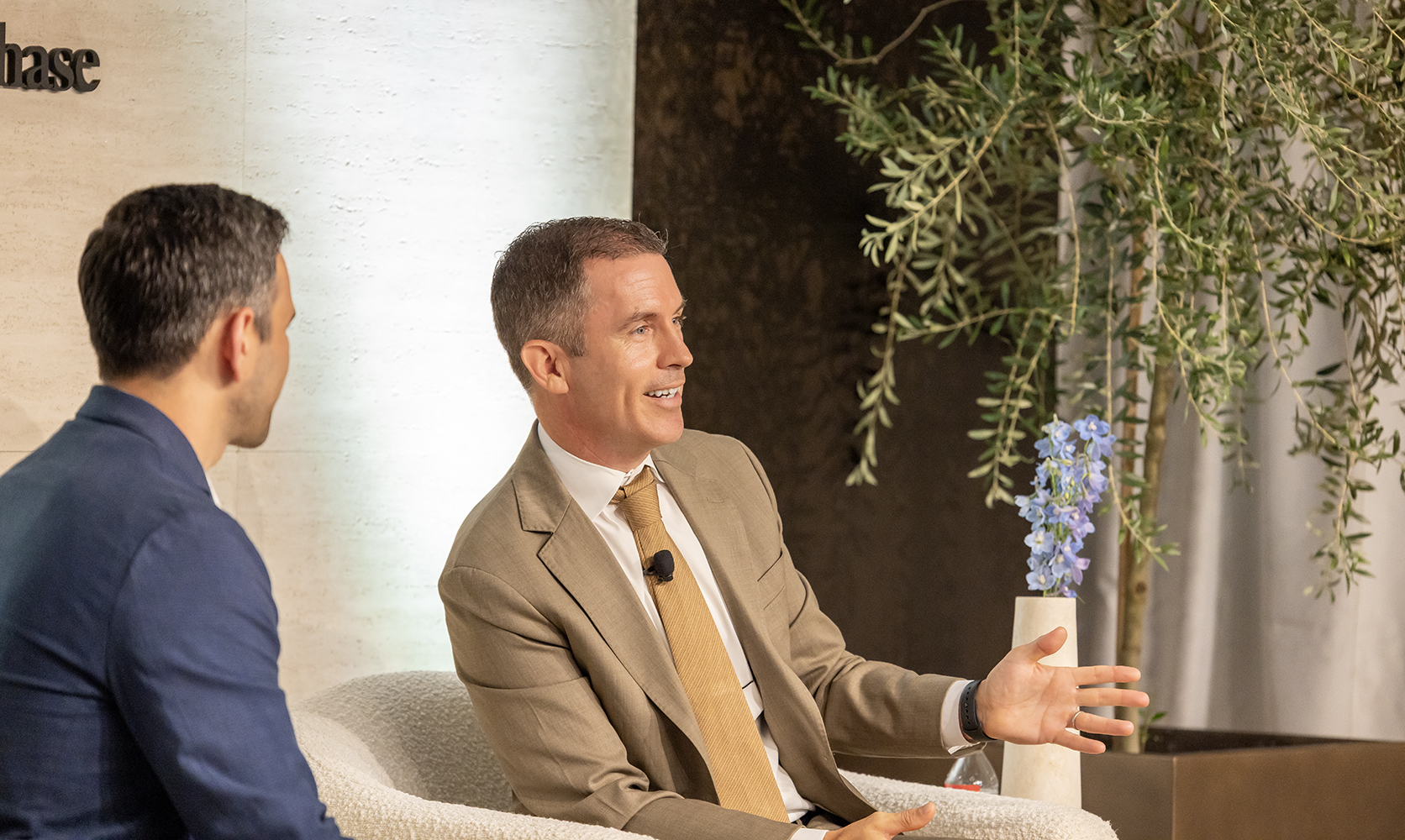
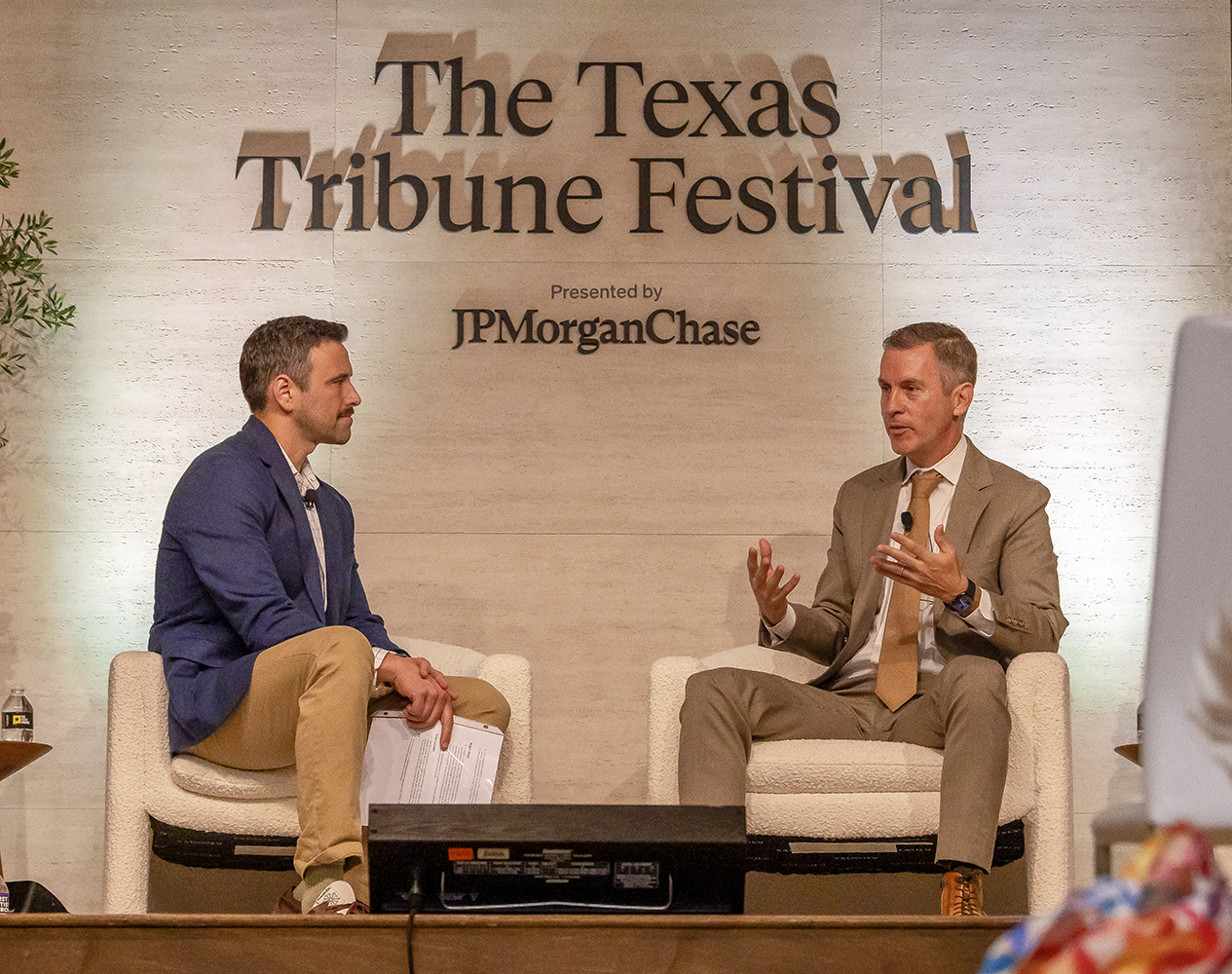
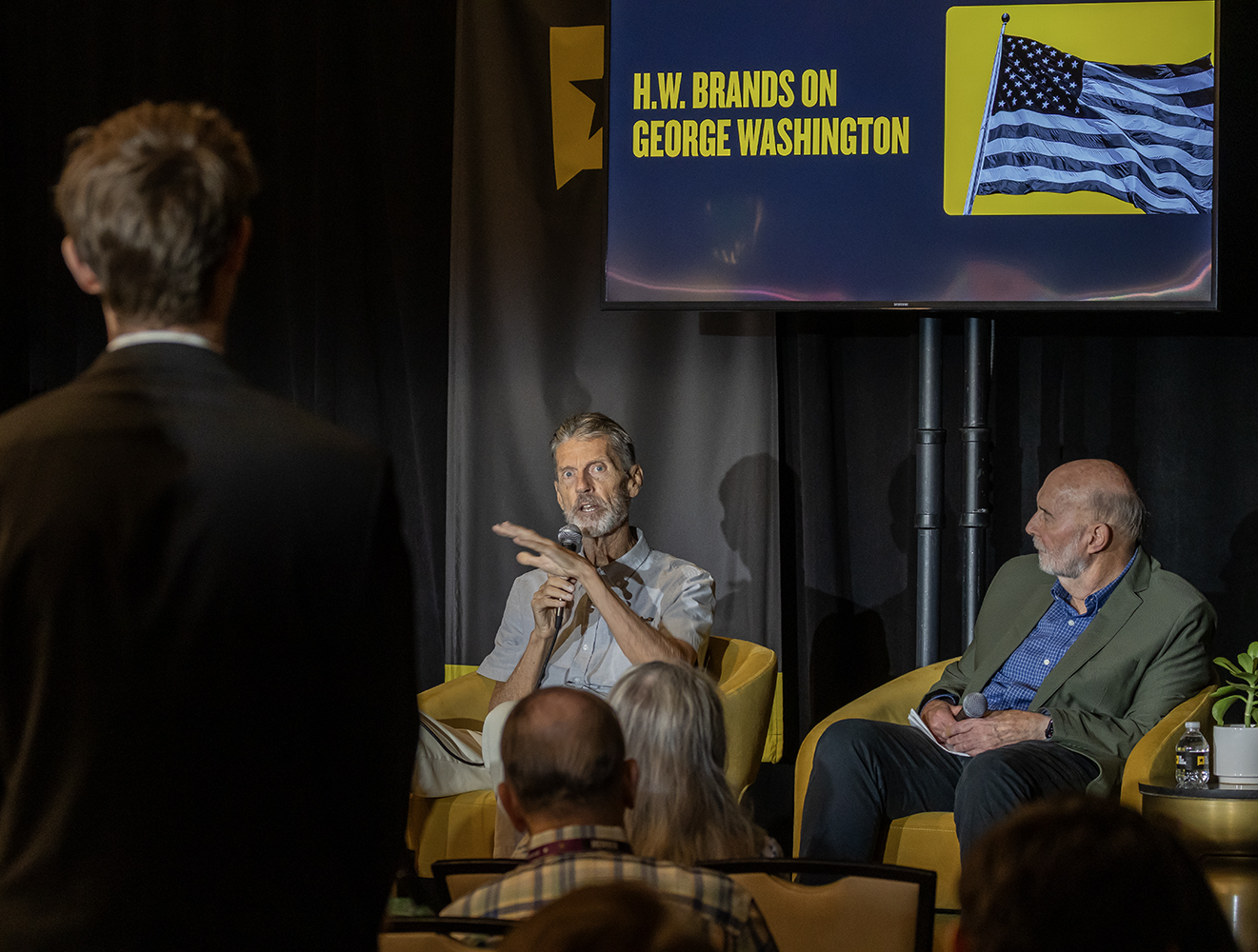
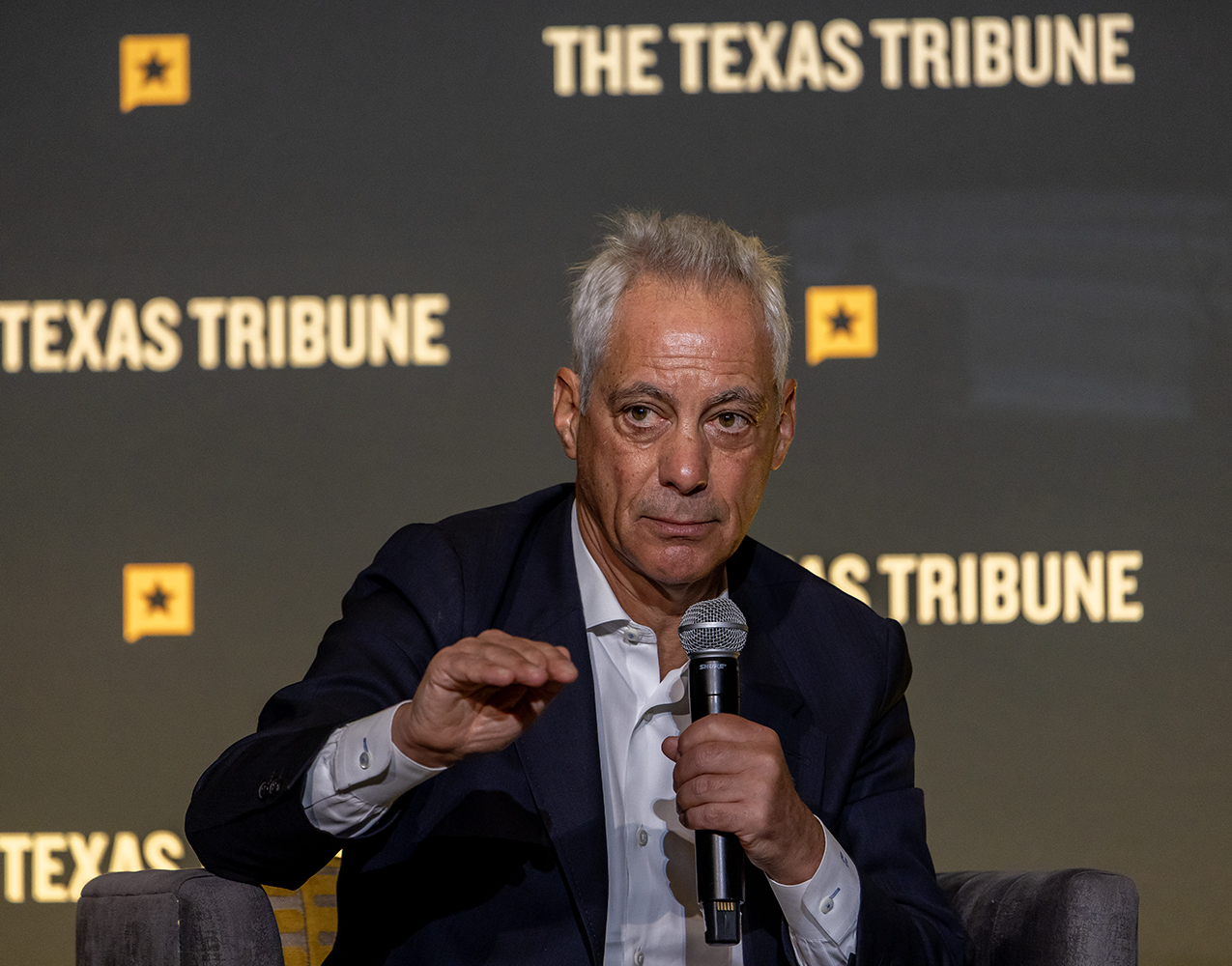
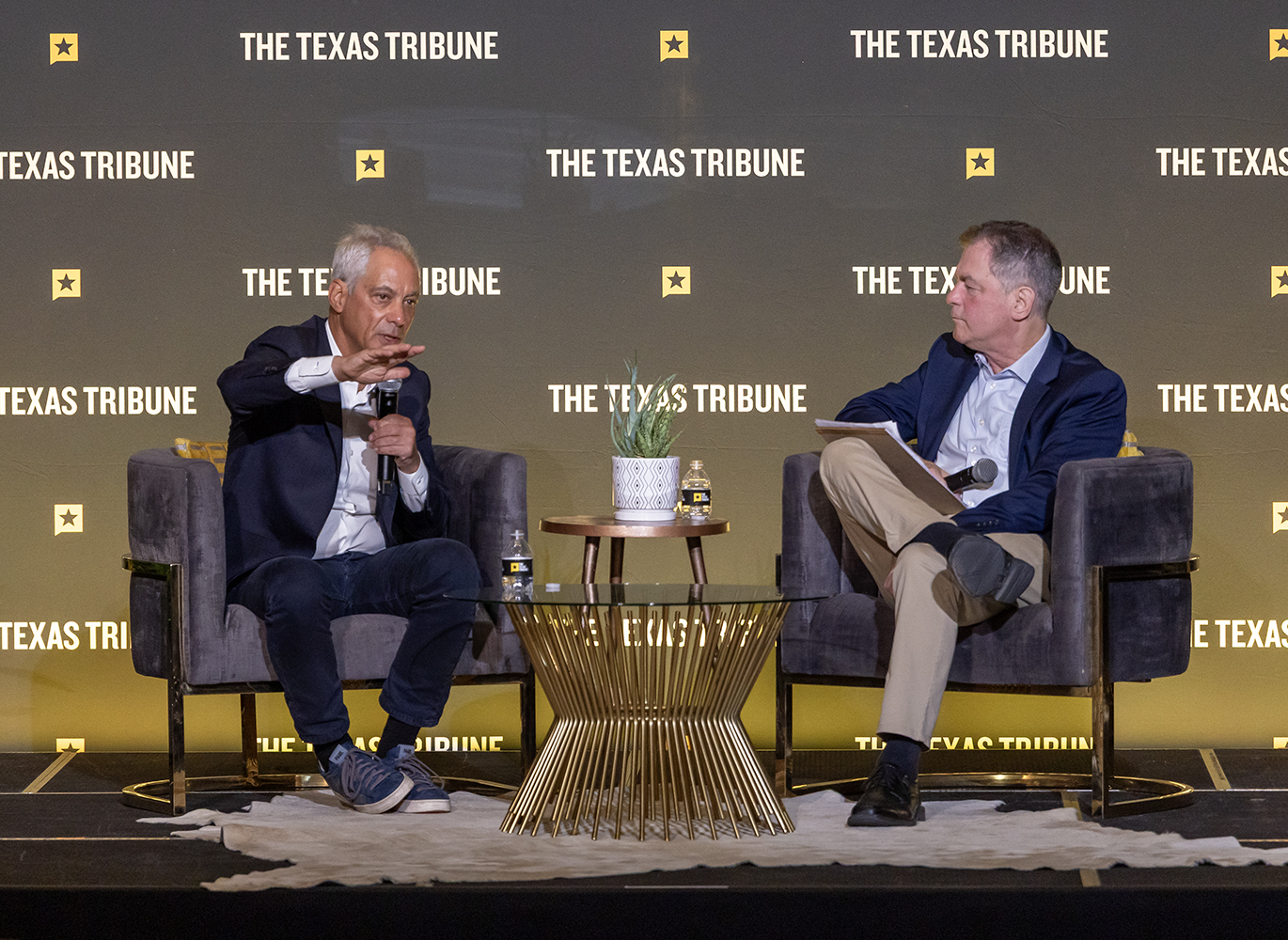
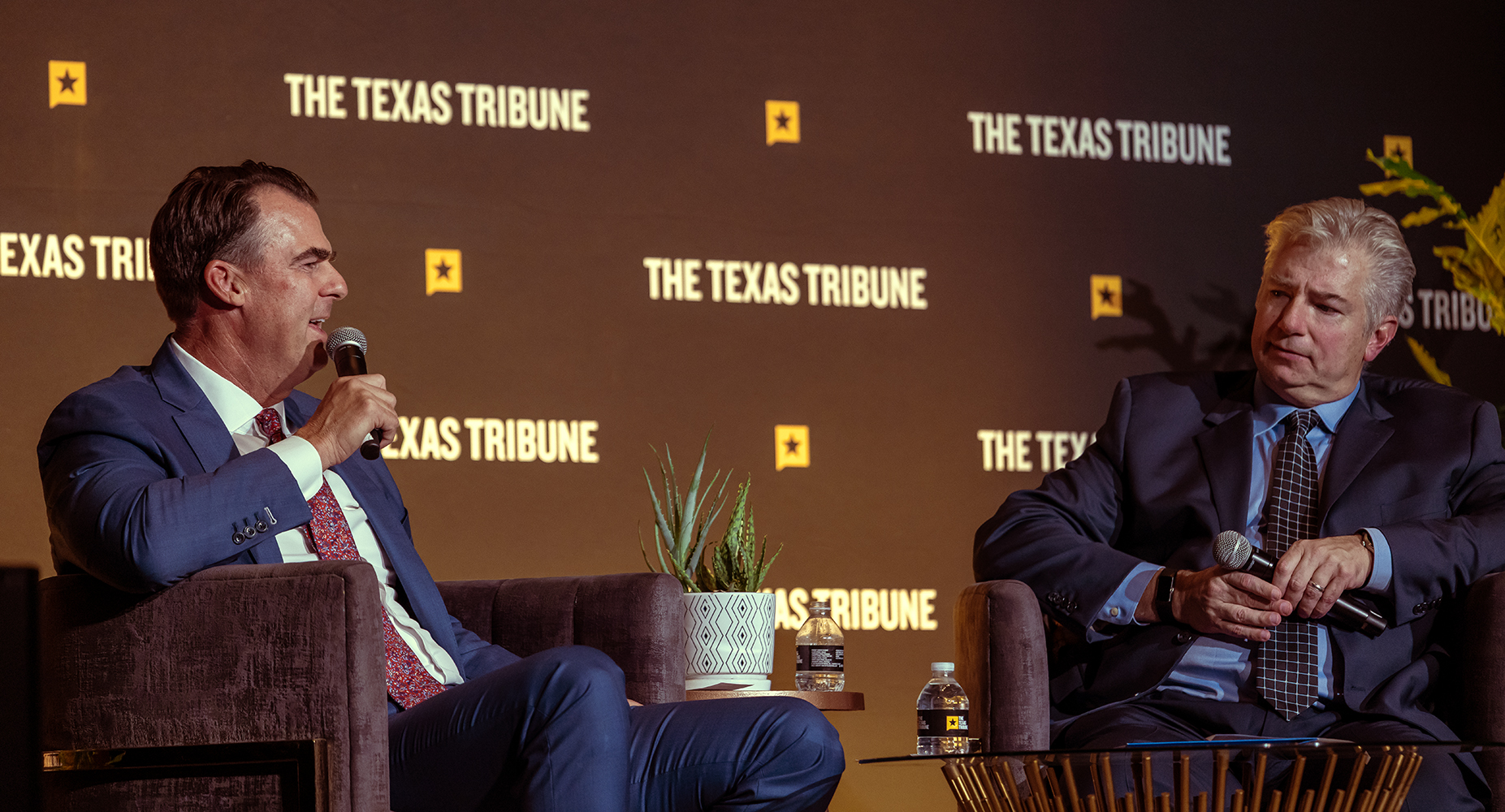
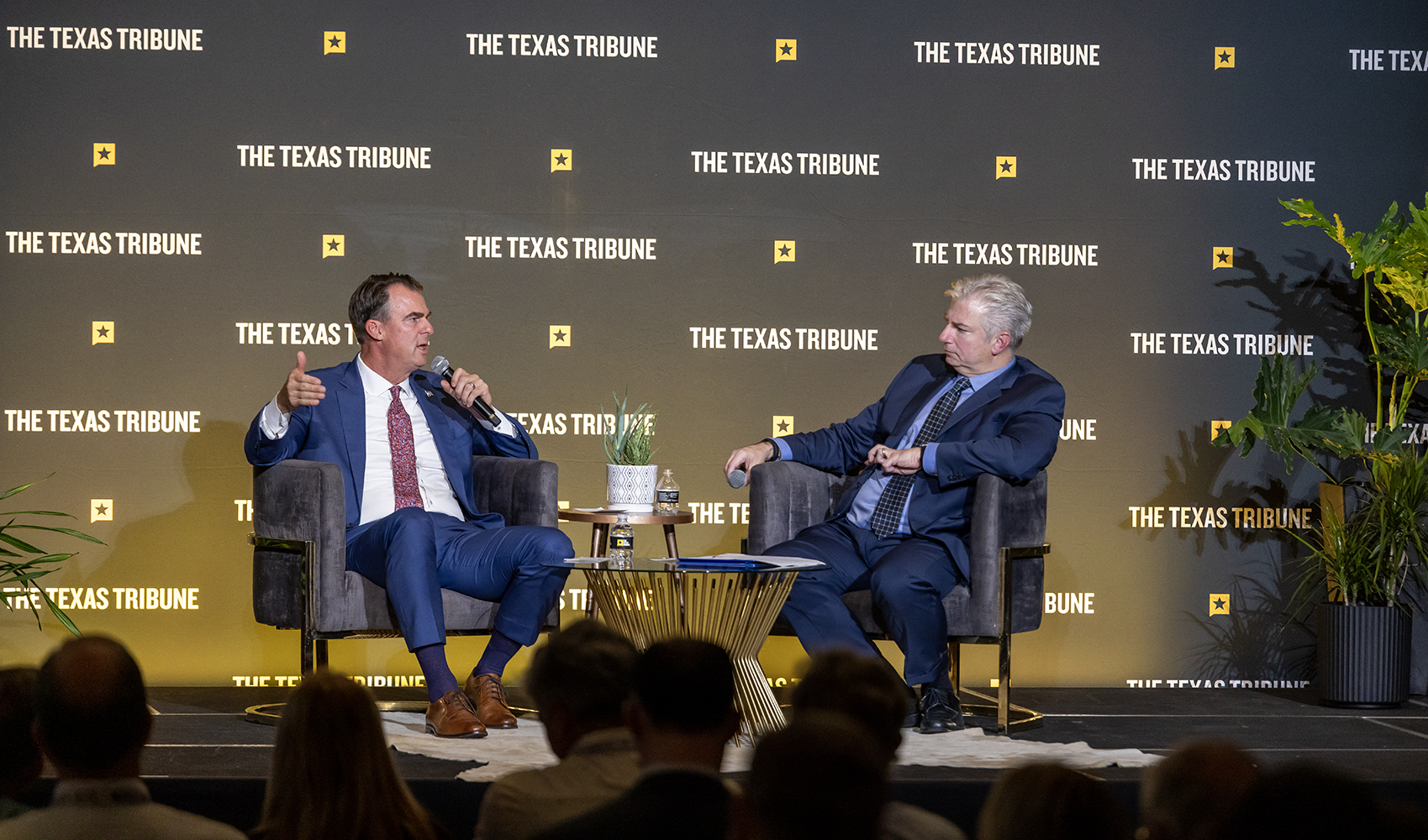
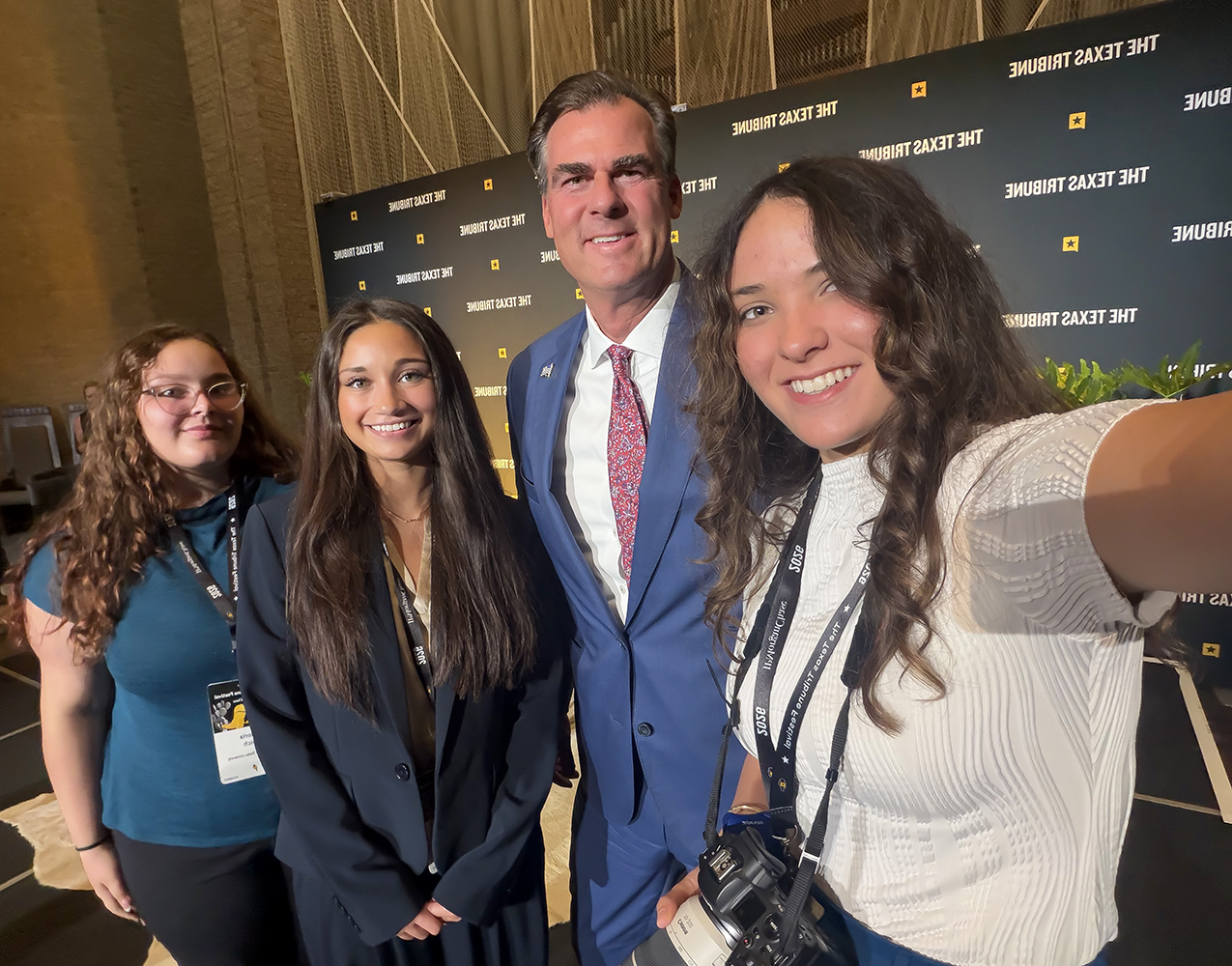
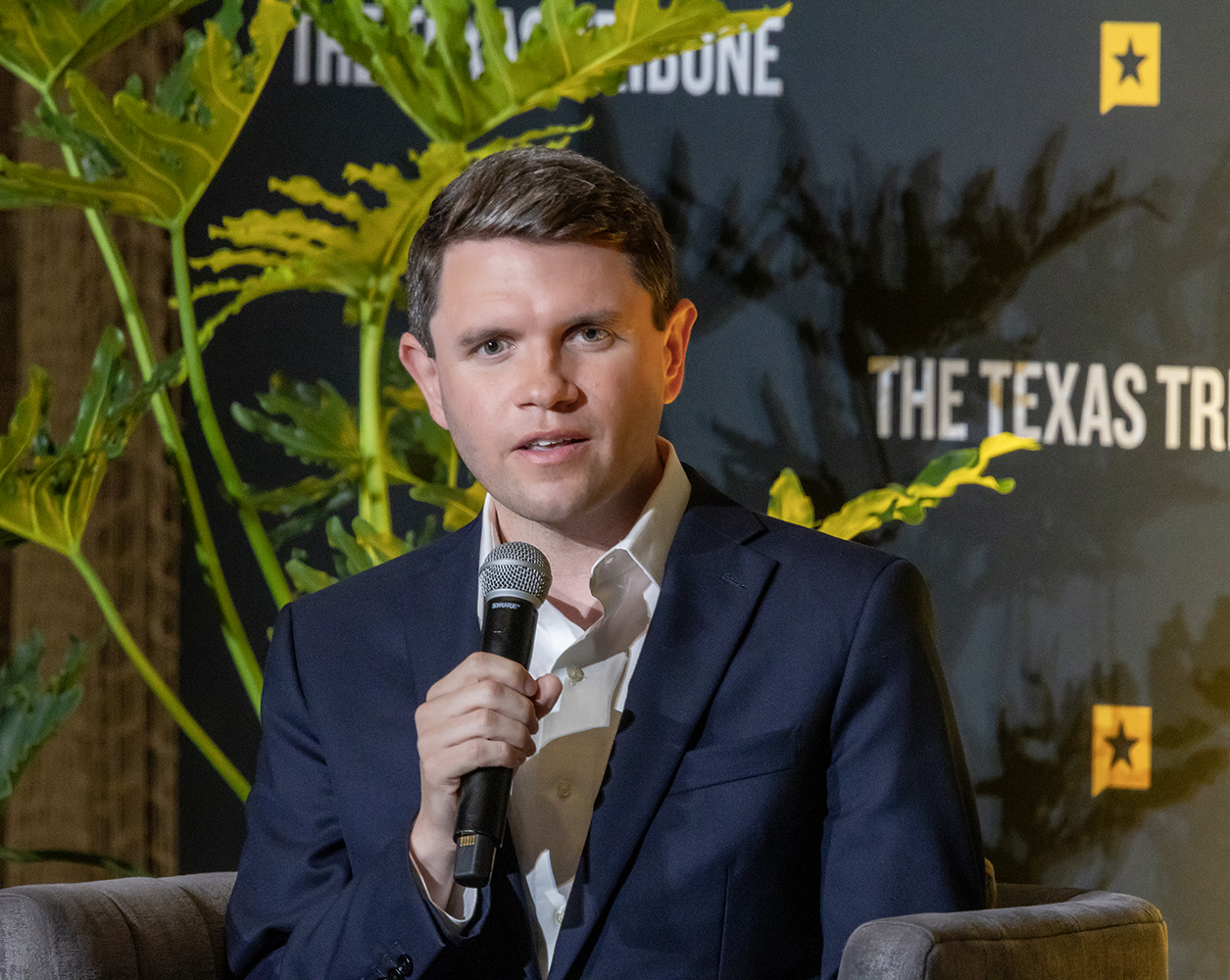
At the Texas Tribune Festival, I attended sessions focused on higher education policy and heard from leaders such as Chancellor Tedd Mitchell (Texas Tech University System), Dr. Harrison Keller (Commissioner of Higher Education), and Texas A&M System Chancellor John Sharp. Learning from the leaders across our state in higher education in this setting helped contextualize what I had been learning in “theory” and translate it into real-world context and application.
Serving during a legislative session added another educational component. I had the opportunity to witness, in real time, how policy decisions shape institutions. Beyond watching the many bills being deliberated on, I also had the opportunity to attend some events that only occur during session. This included a gubernatorial appointee training, the State of the State Address, and other events like the TSUS Foundation Gala and Sam Houston’s Birthday Celebration.
Still, the most meaningful part of this experience was participating in board meetings. It was a privilege to sit alongside nine regents—each an alum of a TSUS institution—who have not only achieved success in their respective fields but remain dedicated to advancing public education. Learning from their example was both humbling and inspiring.
Screenshot
Above all, this year reaffirmed my commitment to public service. The role of Student Regent is intentionally open-ended, designed to adapt to the individual. For me, it became a space to explore what civic engagement and leadership mean in practice. With the guidance of the LEAP Center, Sam Houston State University, and the Texas State University System, I was able to take what had once been an abstract interest and turn it into a concrete path forward.
As a first-generation college student—and the first in my family to graduate high school—I wasn’t always sure what my college journey would look like. The time I’ve spent at Sam Houston State University and with the LEAP Center has shaped me in ways I could not have anticipated. I carry that investment with deep gratitude, and I look forward to building on it in the next chapter of my public service career.