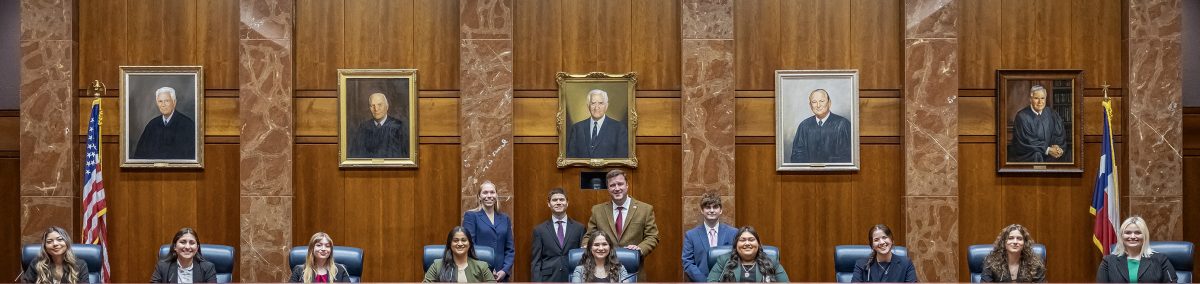
Macey Schank and Michelle Cardenas
In a world increasingly interconnected and dependent on international cooperation, understanding the intricacies of foreign relations and diplomacy has never been more crucial. To further explore the topic, World Affairs Council of Greater Houston (WAC) featured former United States Ambassador to India Kenneth I. Juster at ChampionX’s headquarters.

During his introduction, Jahan Jafarpour highlighted Ambassador Kenneth’s extraordinary career as Ambassador of the United States to the Republic of India.
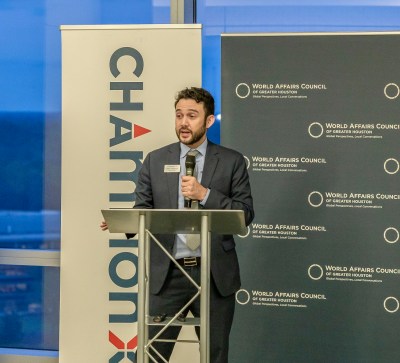
He also mentioned Ambassador Juster’s extensive education and former occupation as a lawyer. Following Mr. Jafarpour’s remarks, Ronan O’Malley, the moderator for the evening, and Ambassador Juster took the stage.
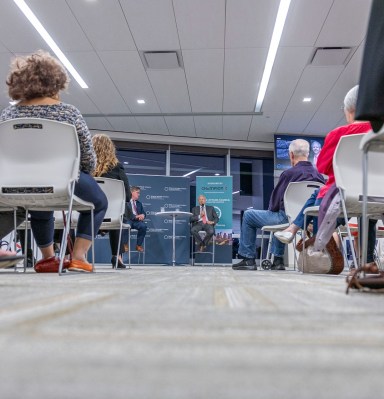
To start the evening, Ambassador Juster began with an introduction of the U.S. and India’s complex foreign relationship over the years. He explained that India is a nonaligned country, meaning it works with many countries, including the U.S., but is not allied with any particular country. One explanation for this non-alliance is due to India’s geographic position, which offers India unique opportunities and challenges.
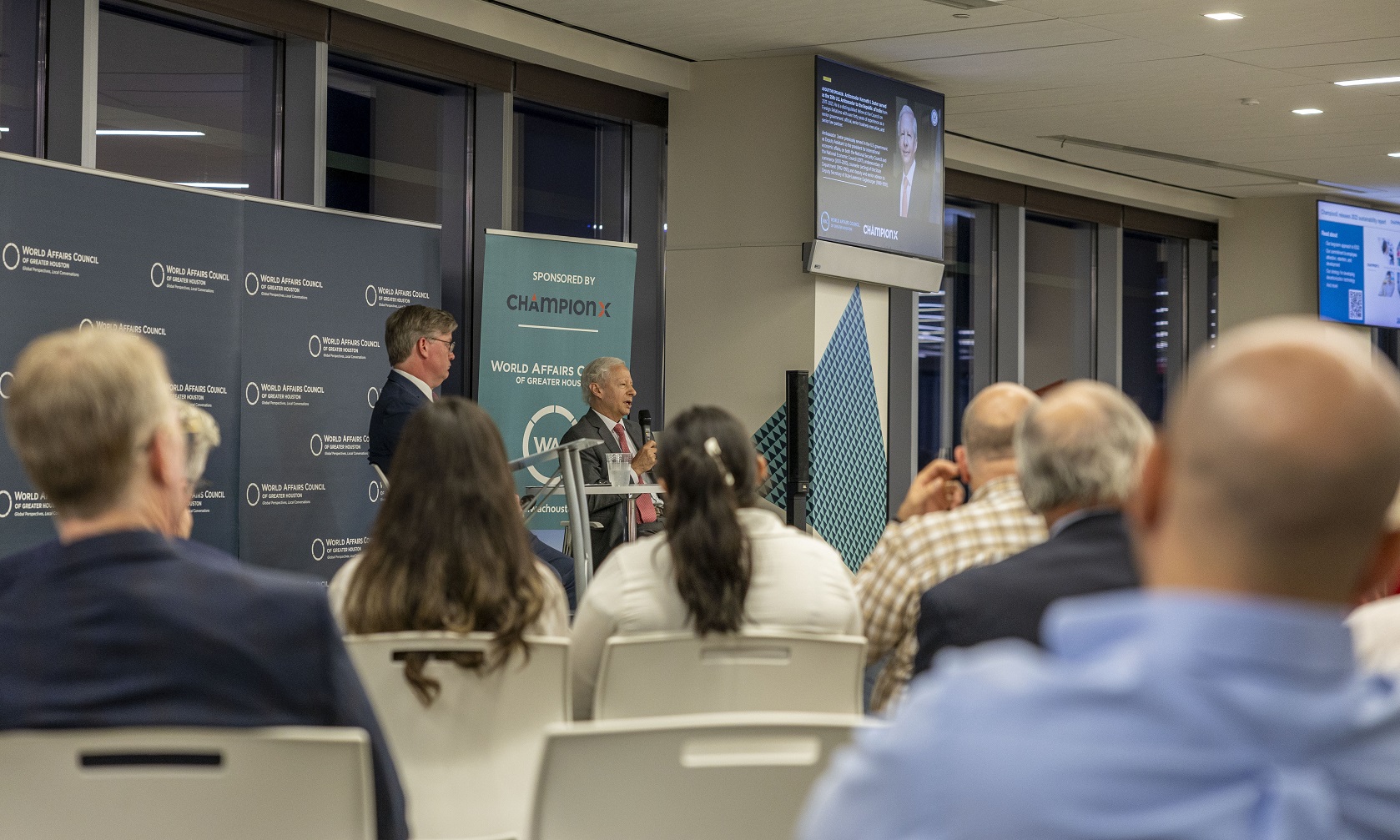


India’s emergence as a nonallied global power has made it the bridge between the West and the global South. The recent formation of the BRICS nations, Brazil, Russia, India, China, and South Africa further emphasizes this point. Ambassador Juster mentioned some of the concerns that came with the formation of BRICS. He believes this group can serve as a warning to the U.S. to strengthen foreign relations as the world begins to seek a shift in power moving away from a more Western-dominated world.

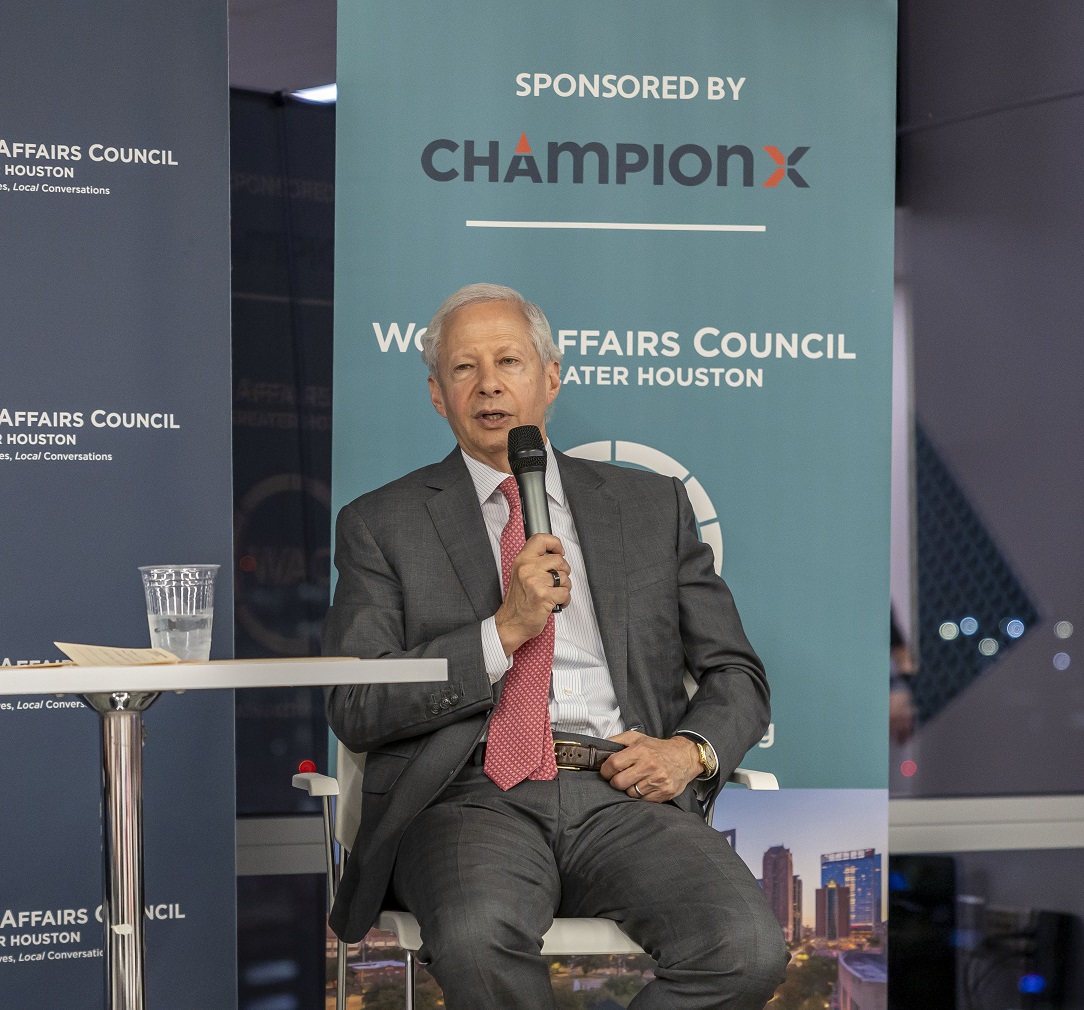
Ambassador Juster focused on the importance of India’s growing economy and what this means for the future of the country. Under Prime Minister Modi and his more direct economic approach, India is currently one of the fastest-growing economies in the world. Countries like the U.S. and China are eager to work with India, despite their complex history, and in China’s case, a fostering sense of mistrust. Ambassador Juster expressed that the U.S.-India foreign relations is currently “one of the most consequential relations.”

Ending the night with the Q&A portion of the evening…
… we were able to learn more about Ambassador Juster’s role and what being Ambassador to India entails. Ambassador Juster describes the role as similar to that of a mayor who is responsible for all Americans and U.S. affairs inside the country, ranging from American schoolchildren, visas, intelligence, to the occasional arrested tourist. The role of ambassador is a multifaceted position that requires diplomatic finesse, cultural acumen, and a steadfast commitment to representing one’s country on the global stage.
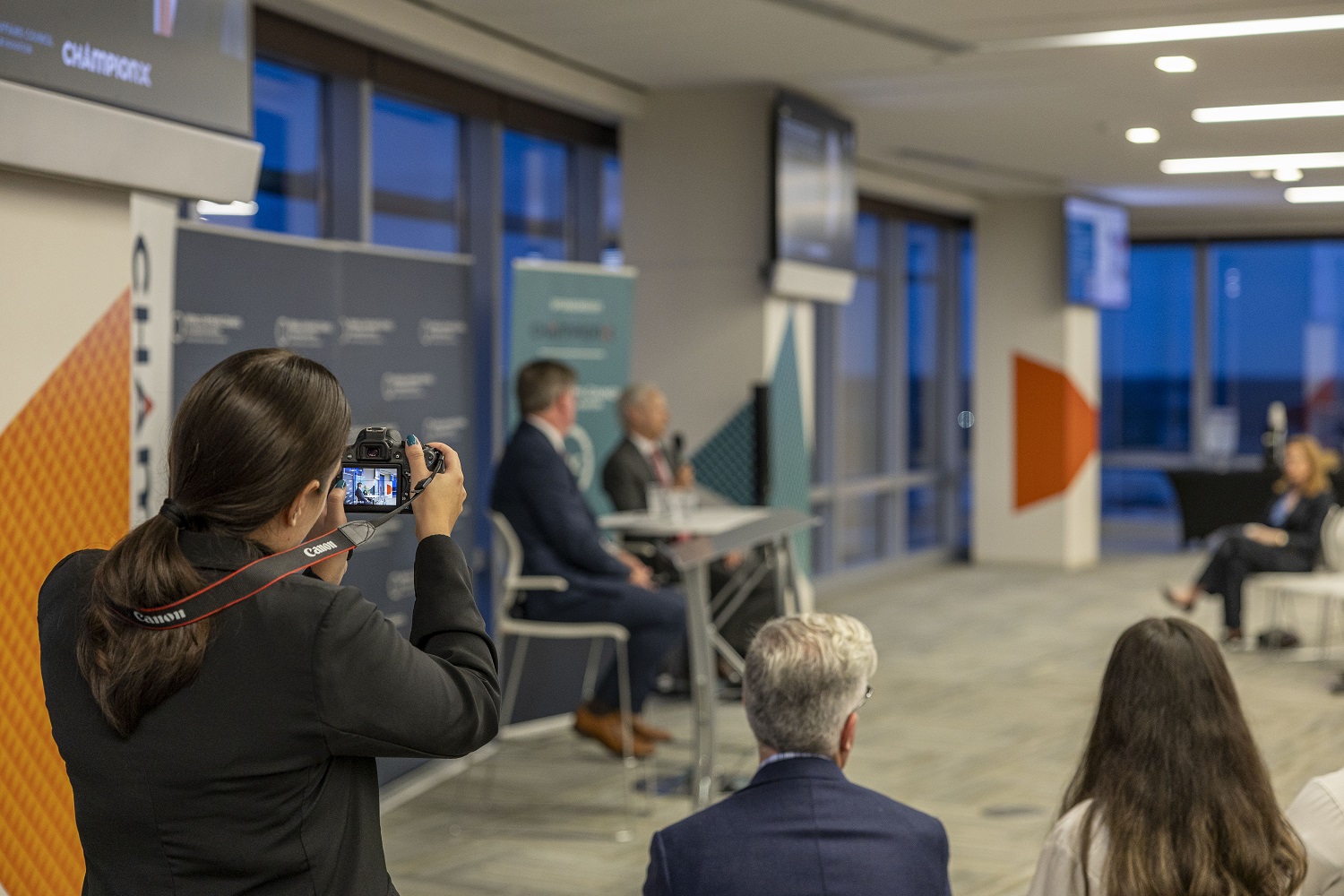

The final question of the night was asked by Professor Yawn, who wanted to know who Ambassador Juster believes to be the most effective politician he has worked with, in which he notes former President George H. W. Bush and Jim Baker. In fact, he refers to this administration as the “Golden Age of Foreign Relations” due to its many triumphs.
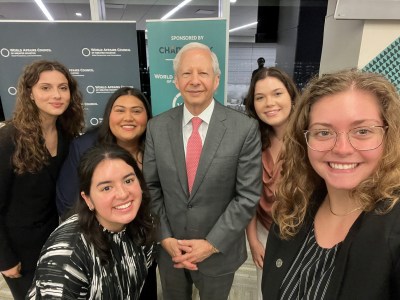
To follow the evening’s theme, corresponding with Ambassador Juster’s ties to the Republic of India, we decided to indulge in some Indian cuisine for dinner.
Olivia found an incredible restaurant named Namaste that proved to be absolutely delicious! Our server, Kledisa, ensured we made the most of our meal and recommended an array of a delicious dishes for us to try.
We started with some ginger garlic chicken and samosas for our appetizers. The table was laden with a variety of entrees, such as chicken butter masala, korma, madras goat pepper curry, chettinad with paneer, and roast chicken biryani, paired with naan bread and rice.
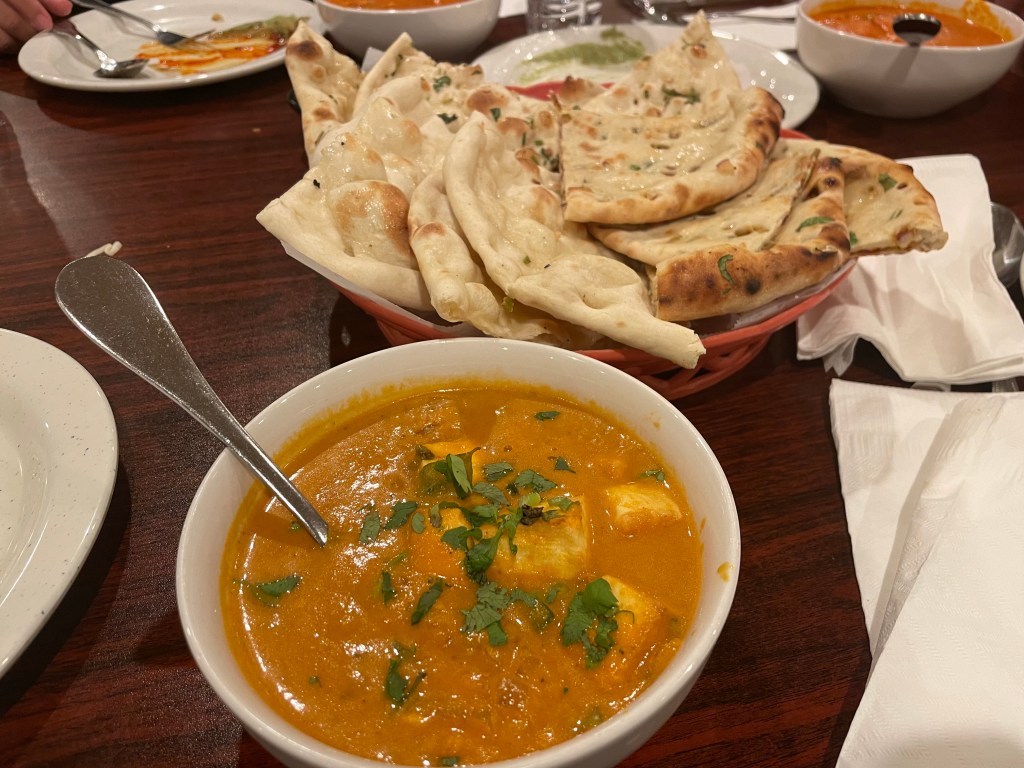
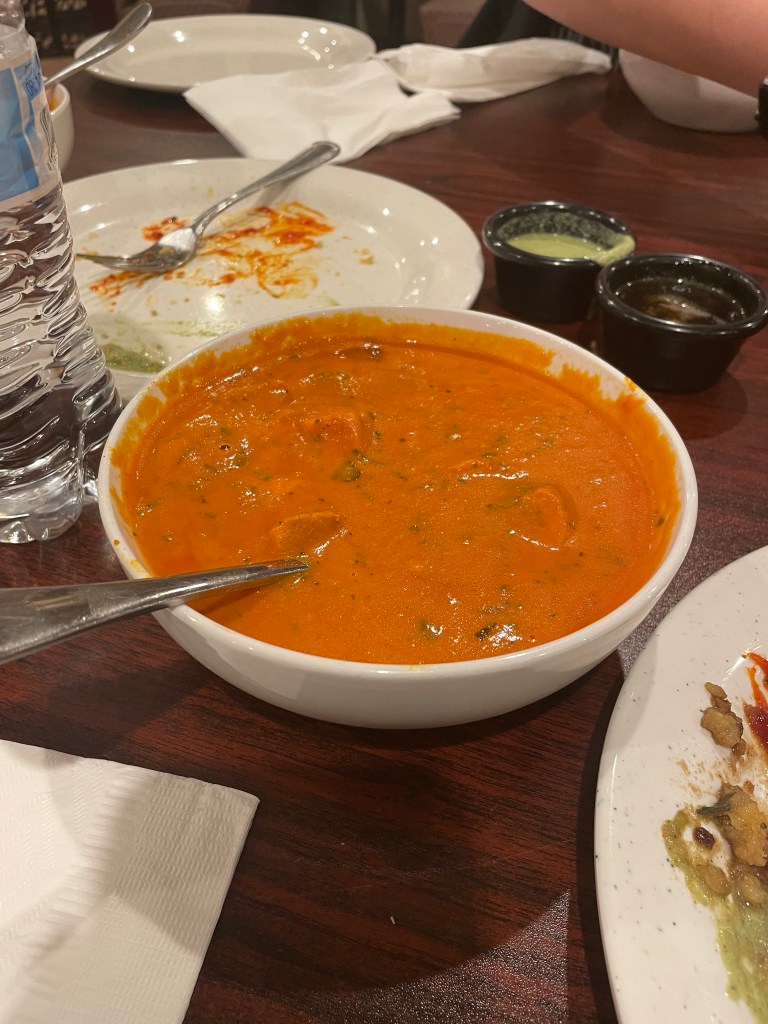
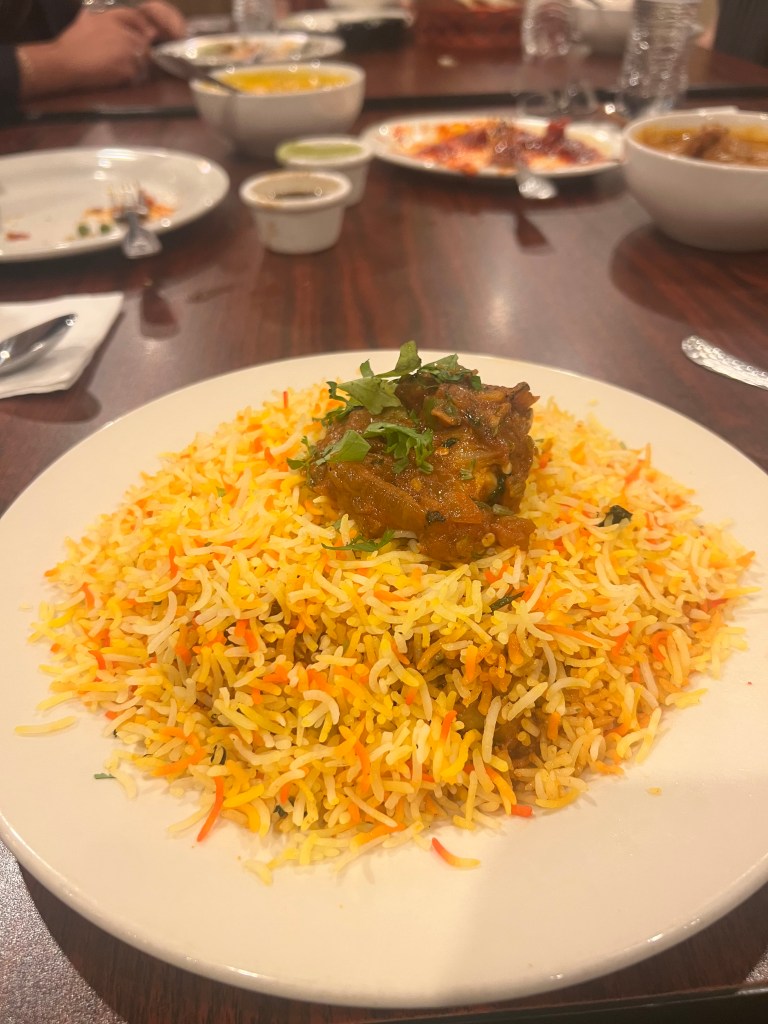


Namaste introduced us to a new and delightful experience with exceptional dishes and impeccable service. It truly was the perfect conclusion to yet another successful WAC event!
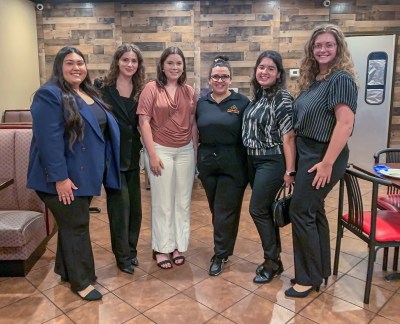

 Center for Law, Engagement, and Politics