Skip to content

Center for Law, Engagement, and Politics

Leap At SHSU!

  • About LEAP
  • LEAP Ambassadors
Center for Law, Engagement, and Politics

Category: Politics

The Best of Salt Lake City: A LEAP Perspective

By Mike Yawn

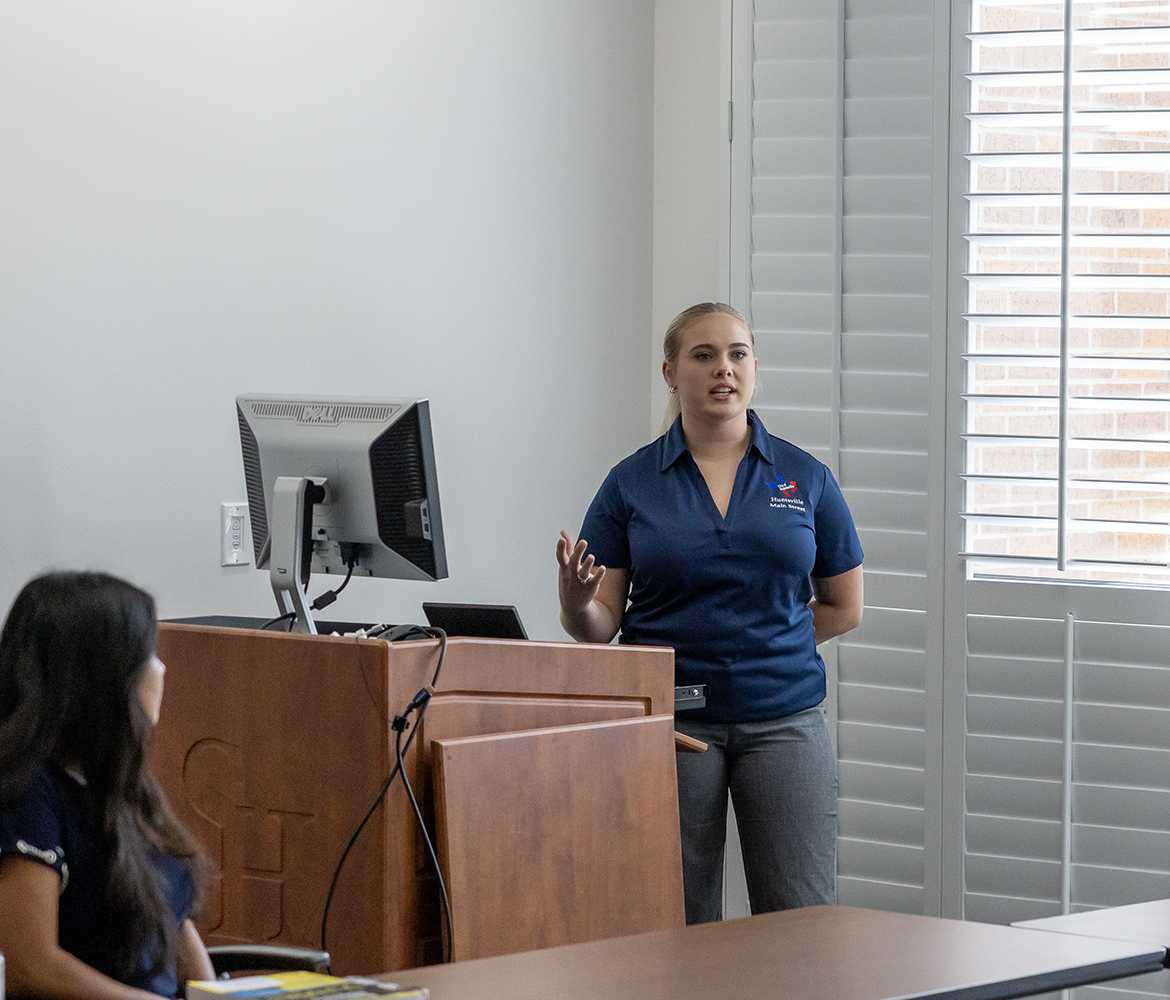
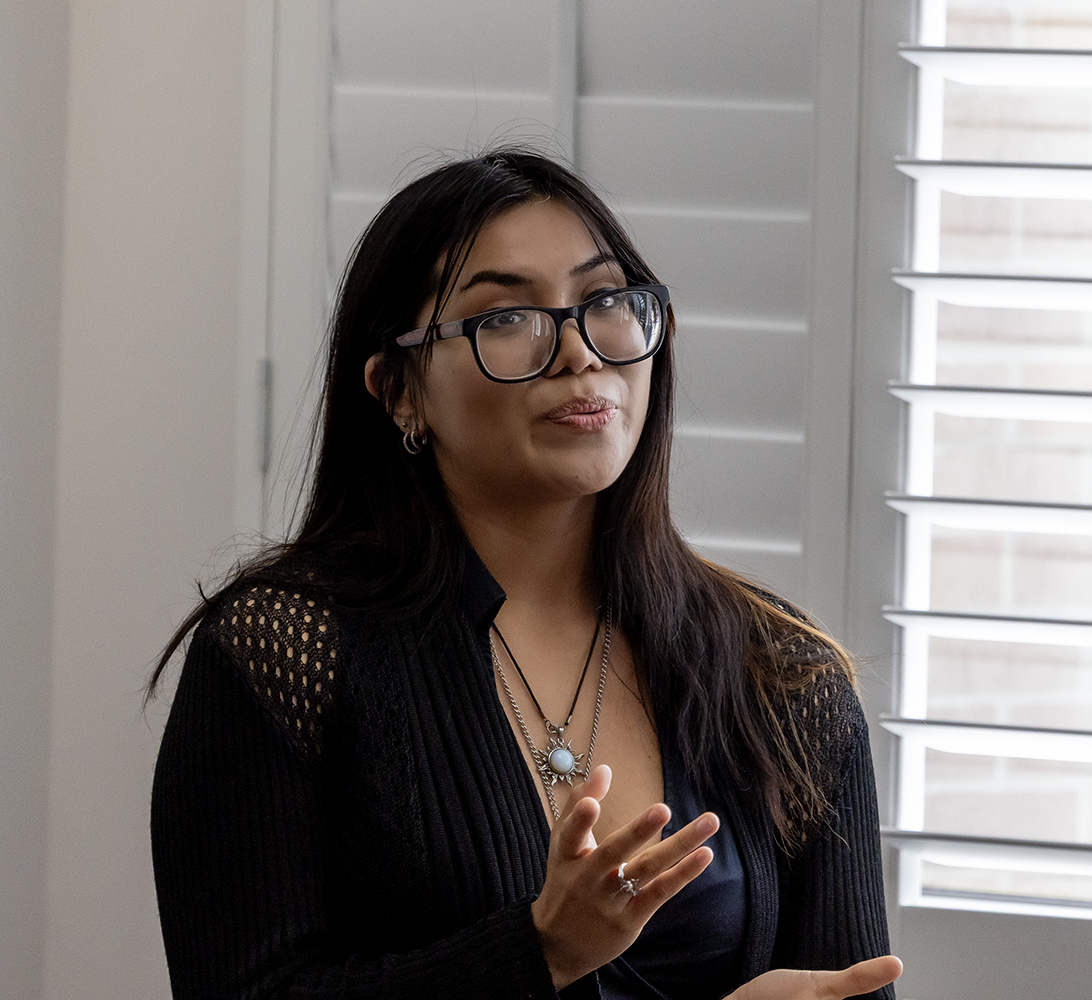
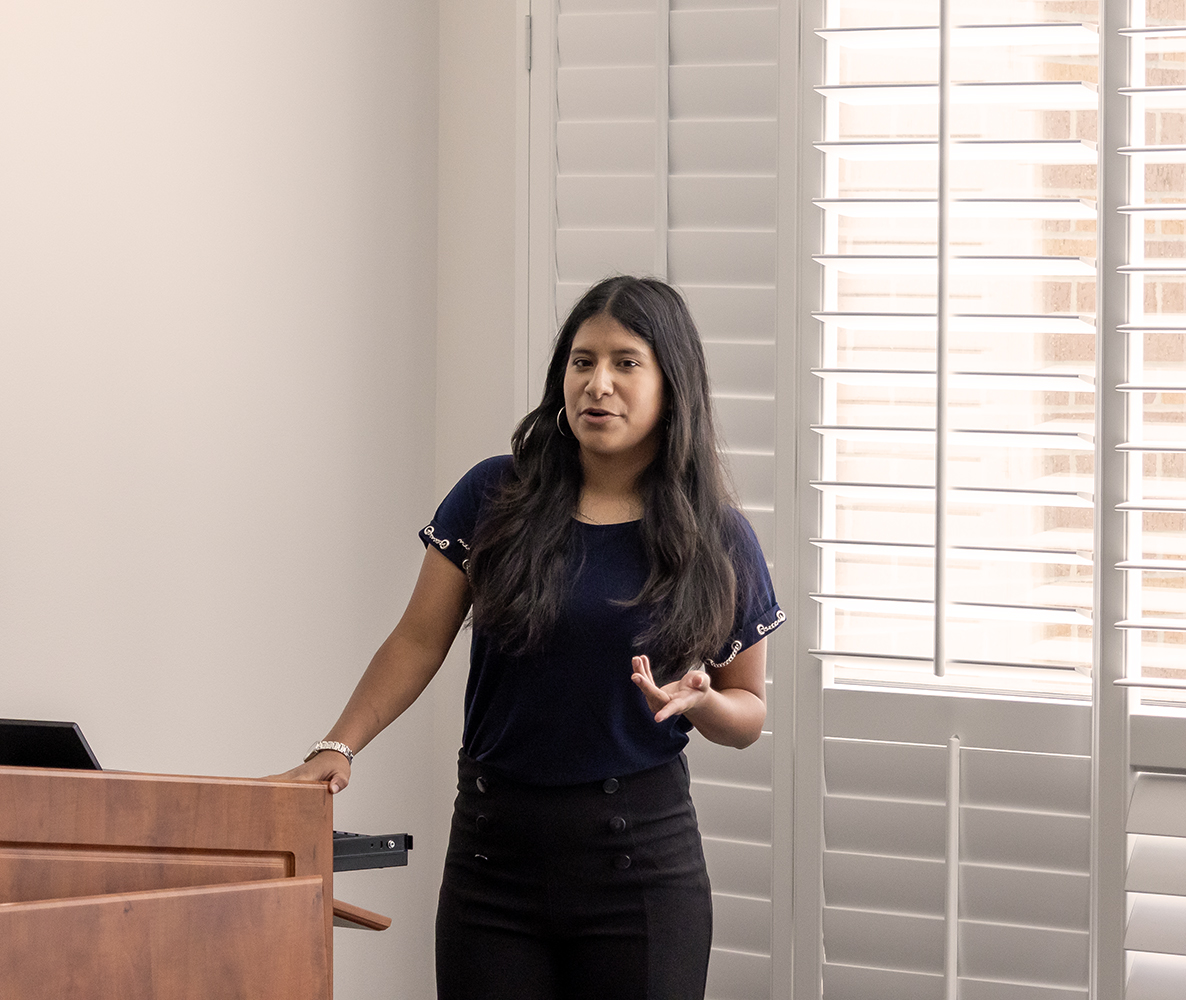
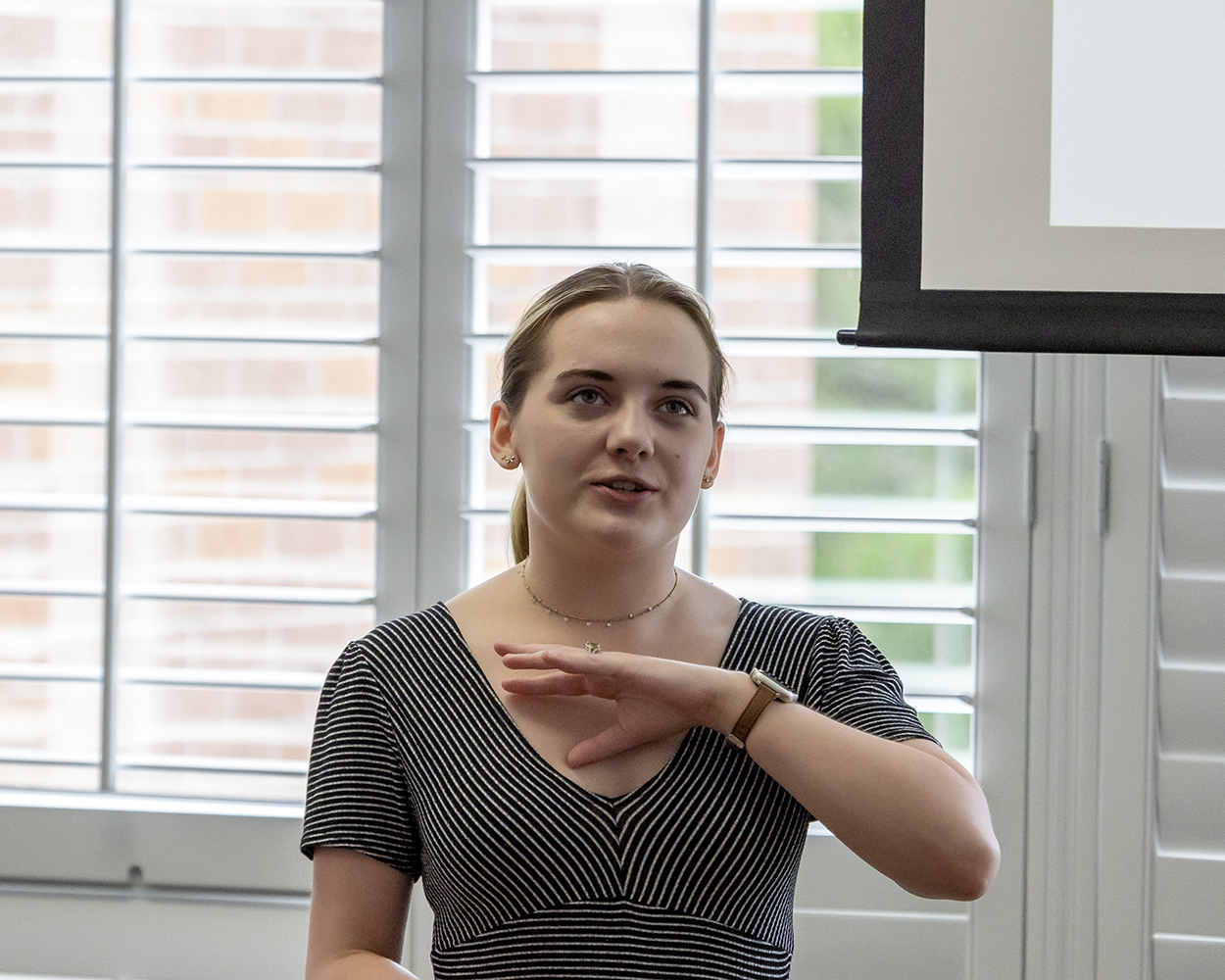
The LEAP Center follows a rigorous process in planning trips, ensuring maximum learning, fun, and reward. The trips are scheduled such that the conferences take priority, while supplementary activities enhance learning, knowledge of others’ cultures, and the expansion of professional networks–with fun sprinkled in.

When things go well, the students take ownership of this process, and this was one of the many happy outcomes of this trip. After a year-long moratorium on LEAP travel, the students prepared well for the trip (taking a photography course and watching a documentary on one of the conference’s keynote speakers), maintained a good attitude despite long days and little sleep, and stayed up-to-date with the blogs and photo editing.

In light of the above and with a little reflection, they offered their favorites of the trip:

Conference Sessions:

This had the least consensus, probably because there was much to like and the students attended different sessions.

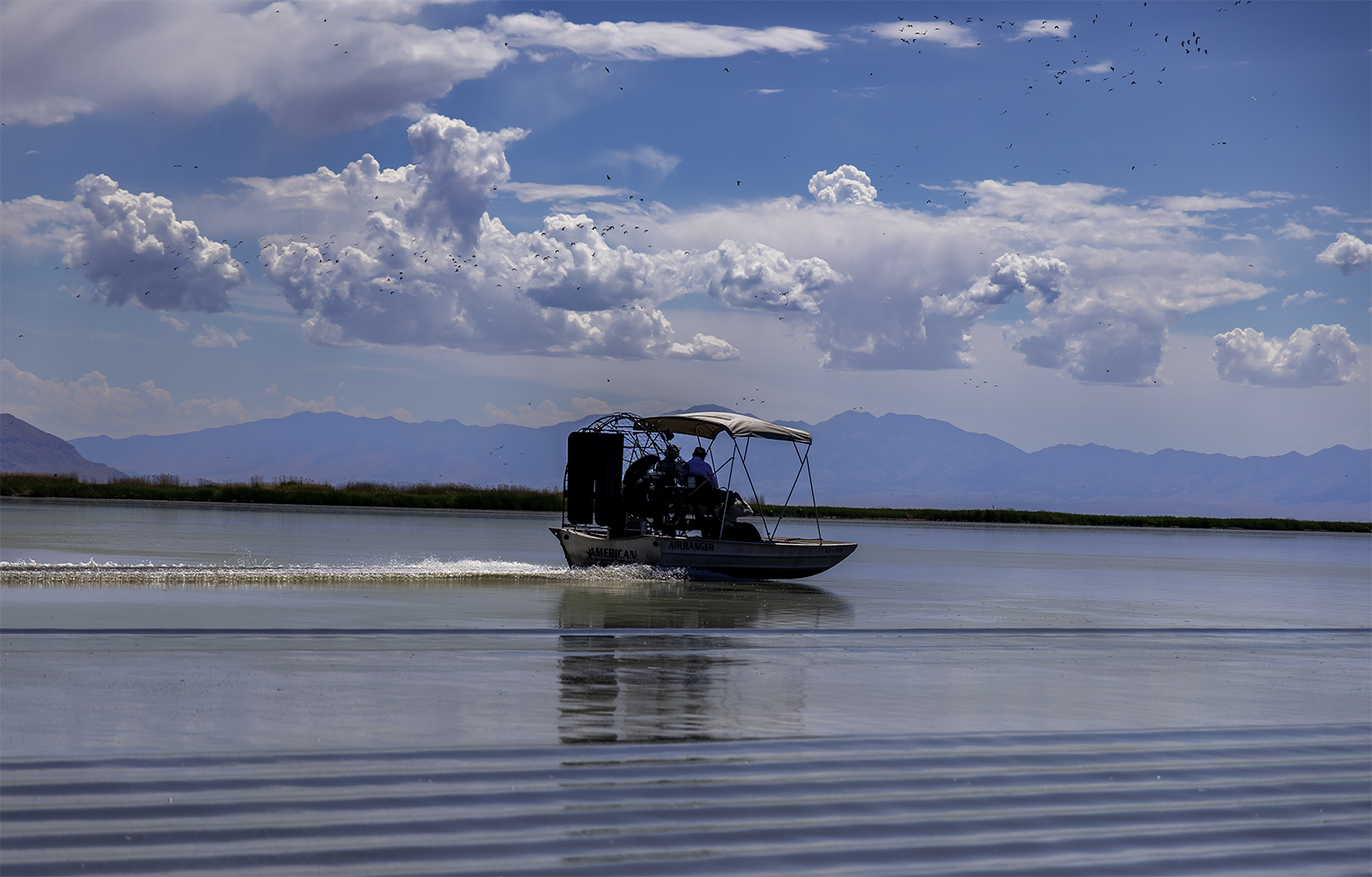
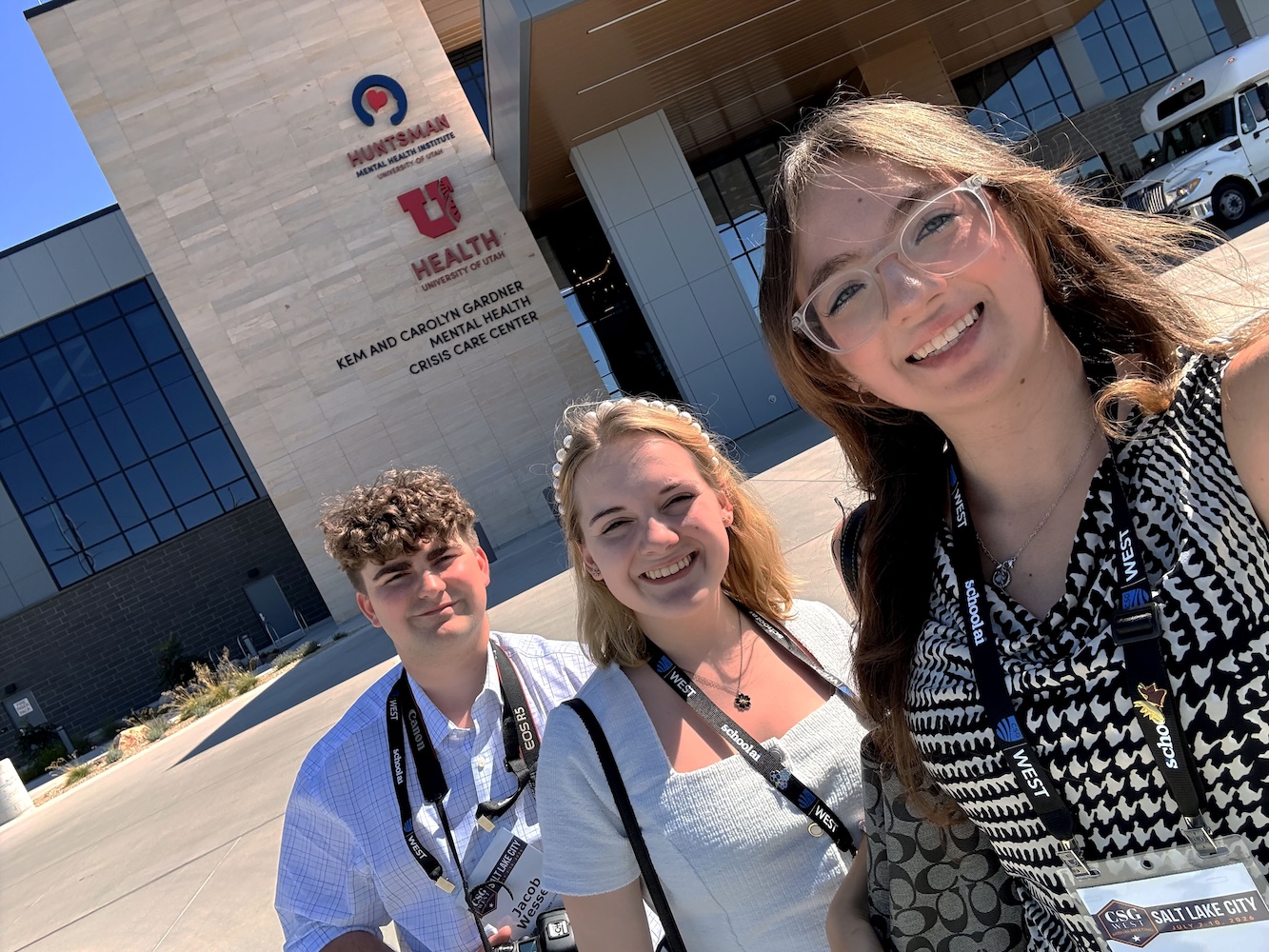
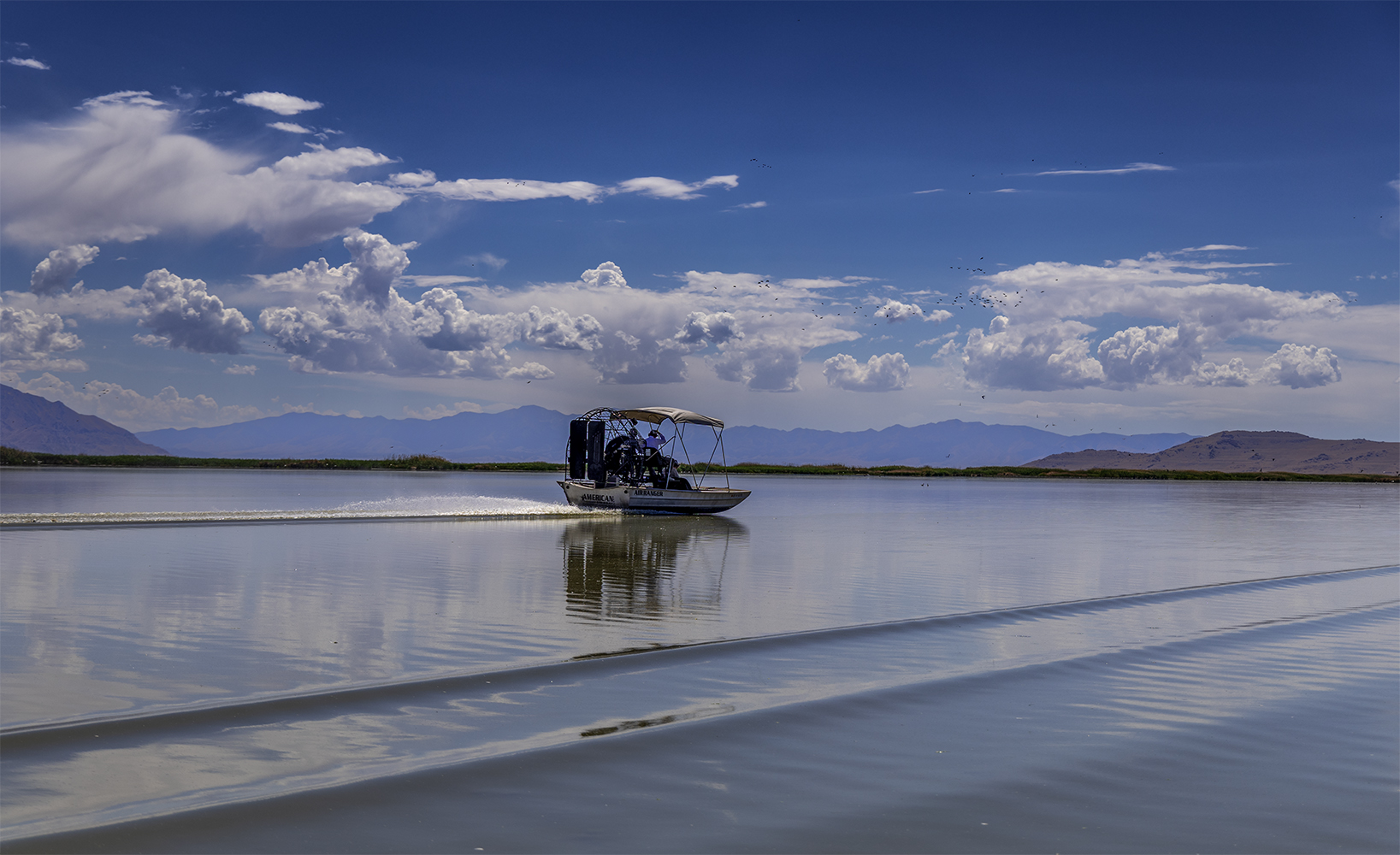
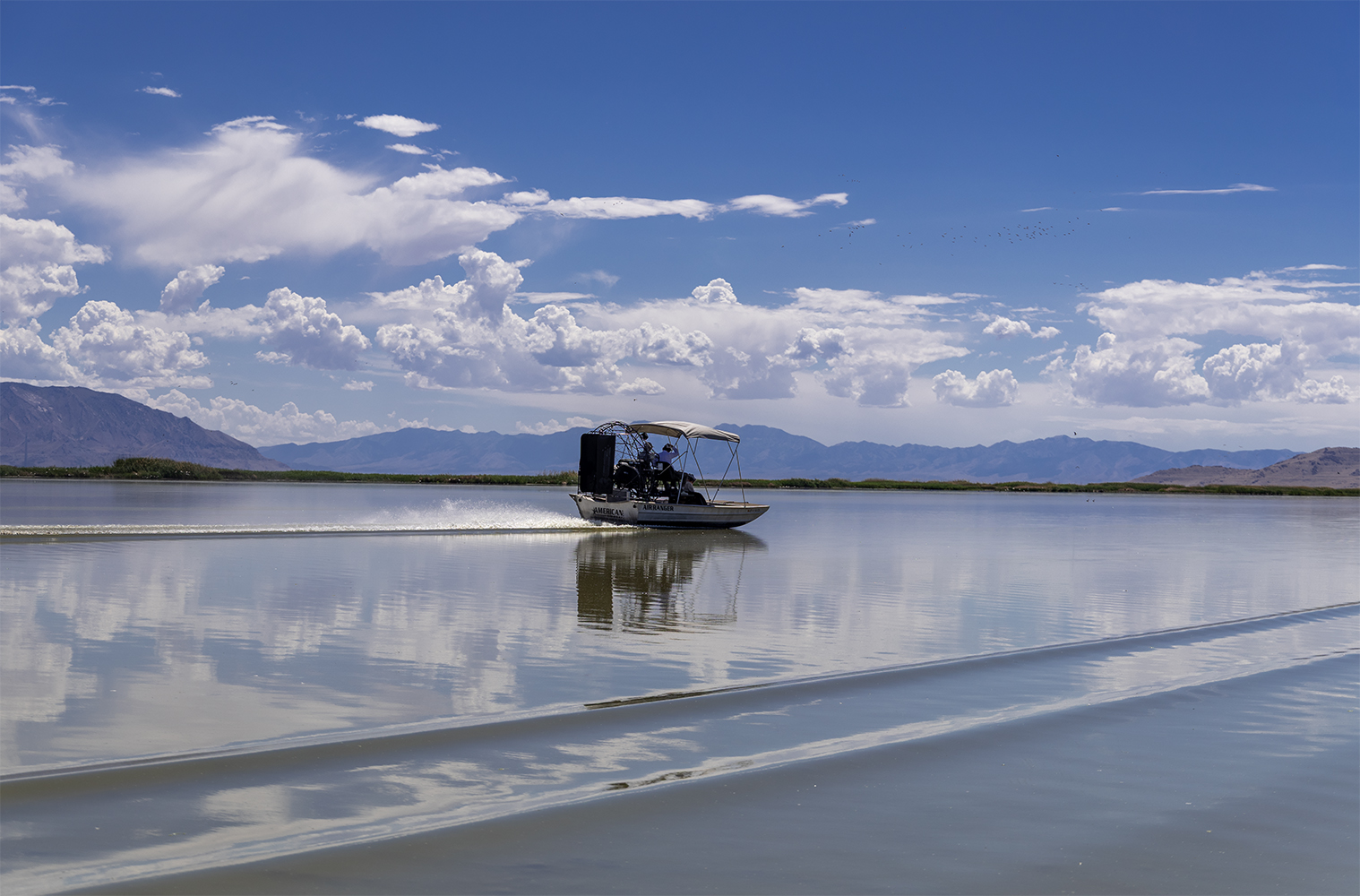
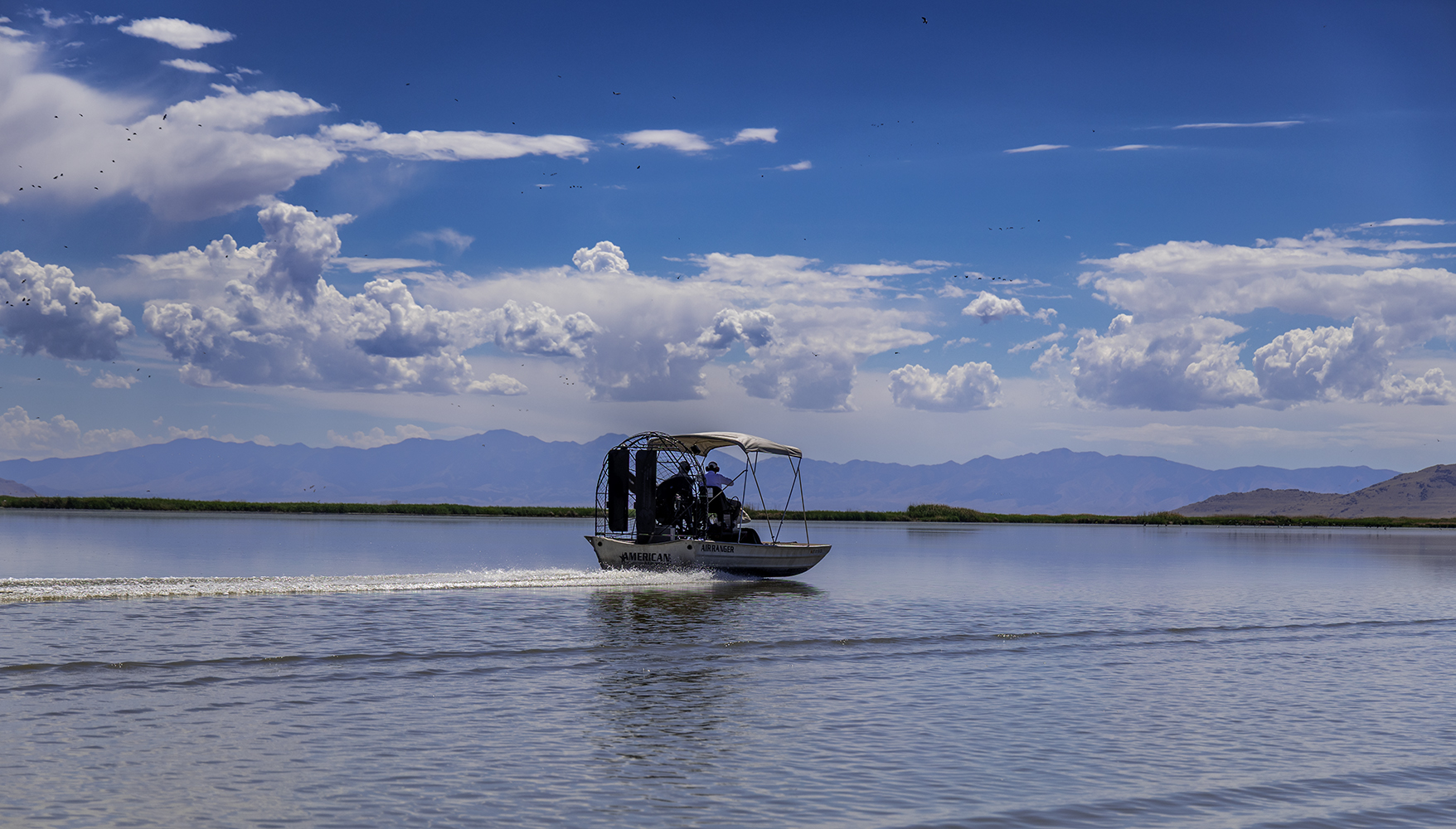
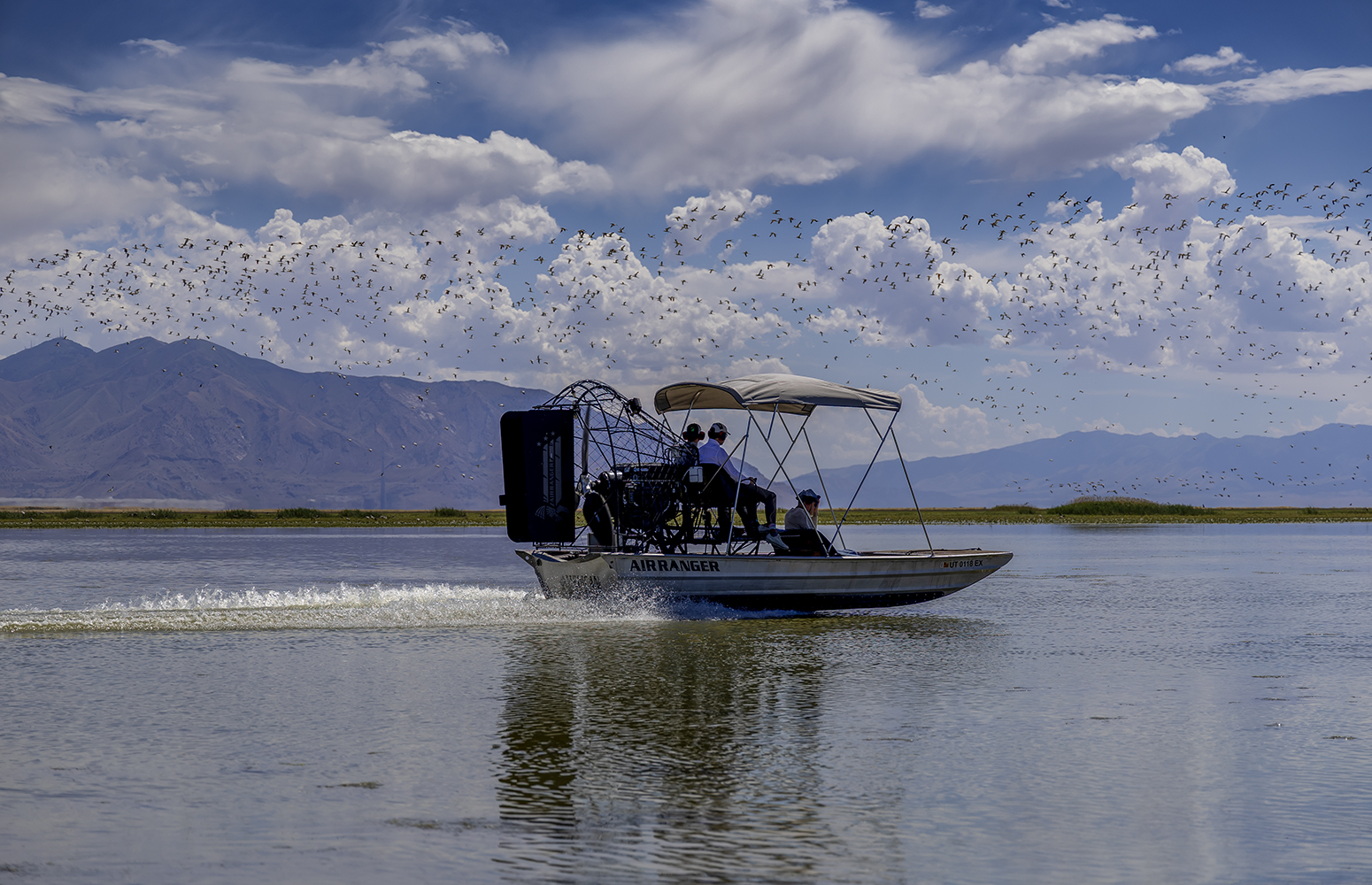
Probably the favorite was the “policy tour,” in which the students had a chance to deep-dive into a policy area–including a tour–led by experts. For Isis, Allie, and Jacob, this was the crisis center, in which the students learned of techniques to allow social workers to take over many of the processes involving low-level criminal conduct by people struggling with mental illness. For Robin and Olivia, the tour explored water issues in the West and one of the things Utah is doing to combat shortages, while also involving a wetlands tour on an airboat.

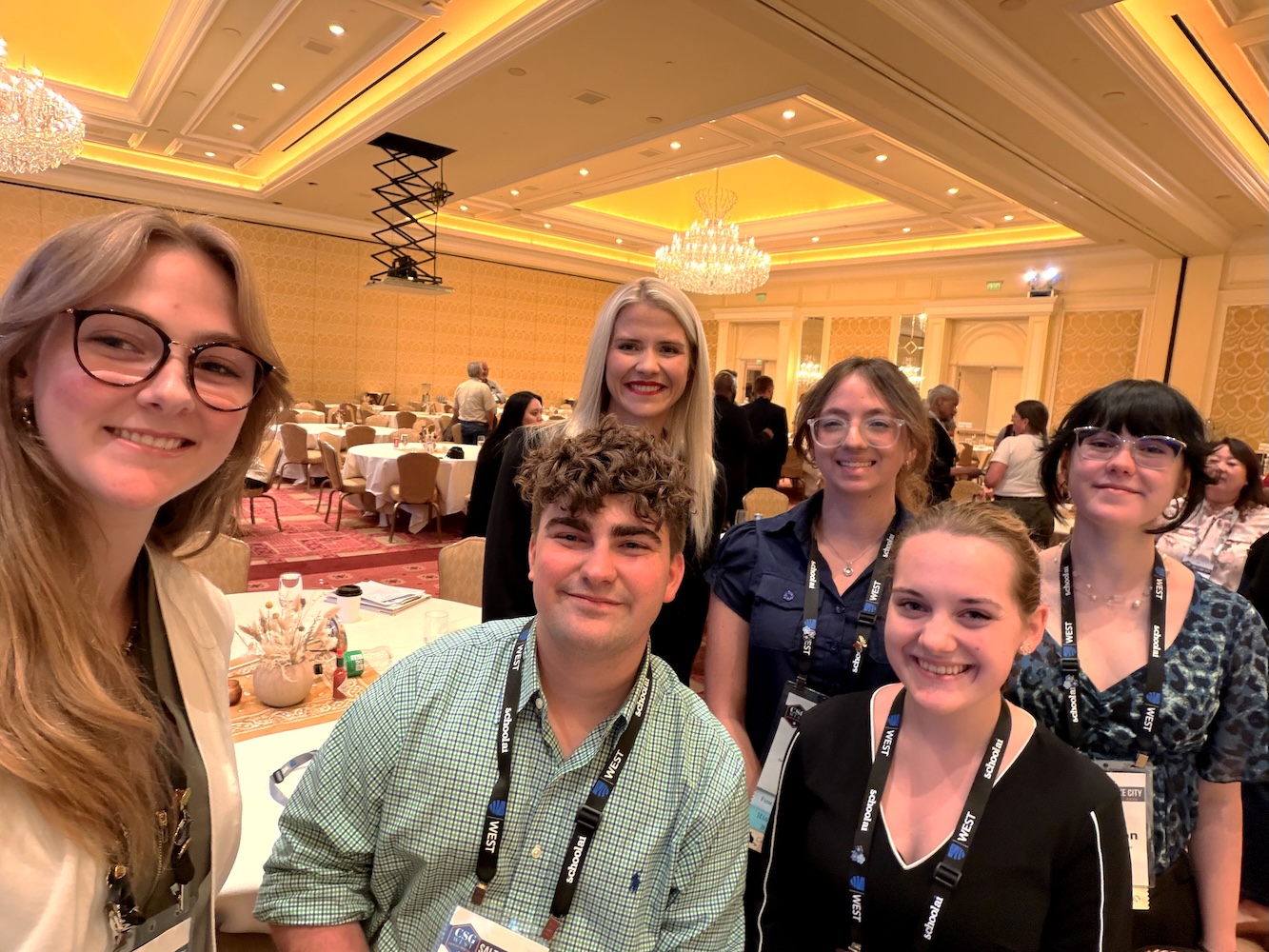
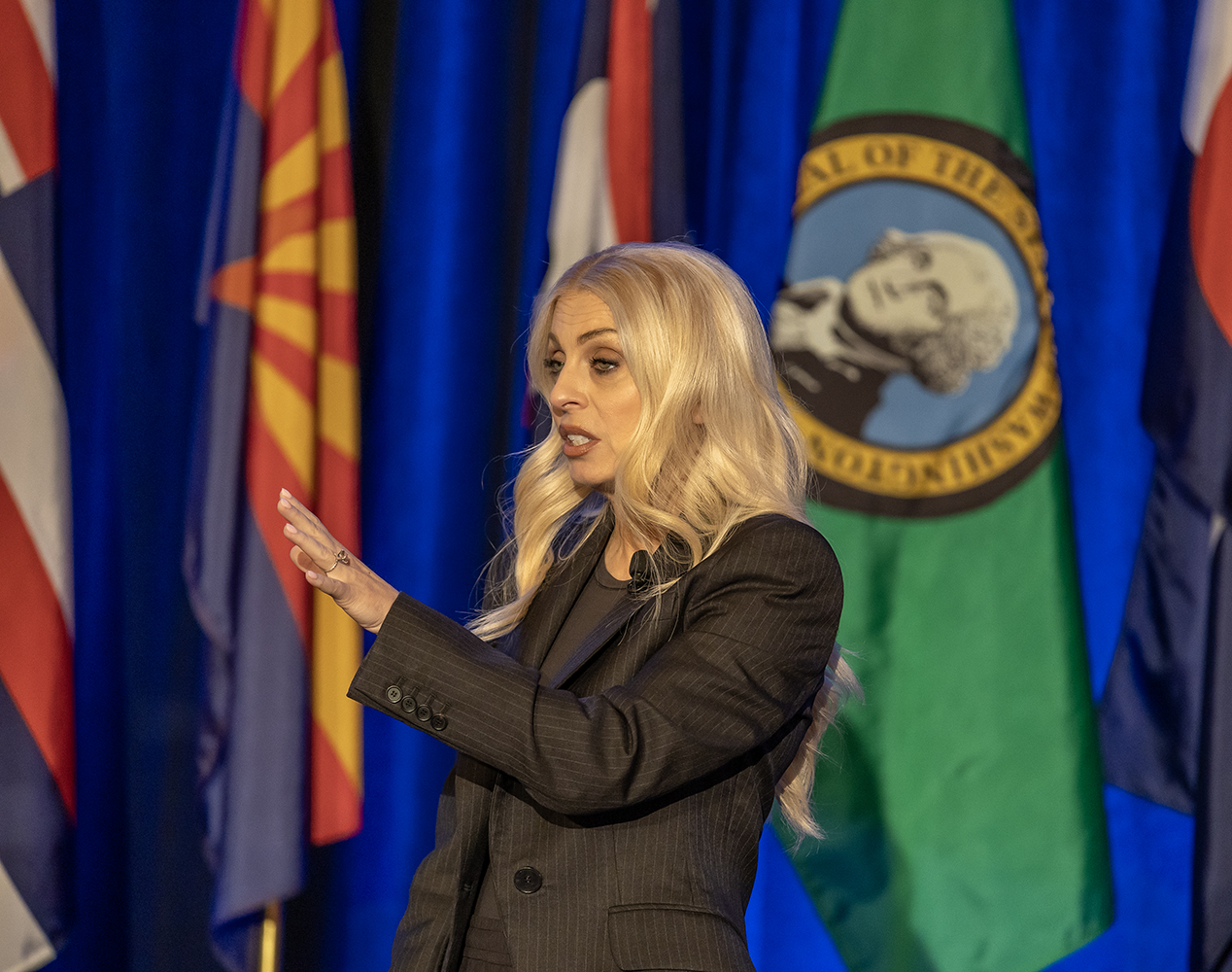
The students also enjoyed “Getting the Right Response,” which also involved crisis response by mental health and law-enforcement personnel. They also enjoyed meeting the keynote speakers, particularly Elizabeth Smart and Evy Poumpouras.

Restaurants:

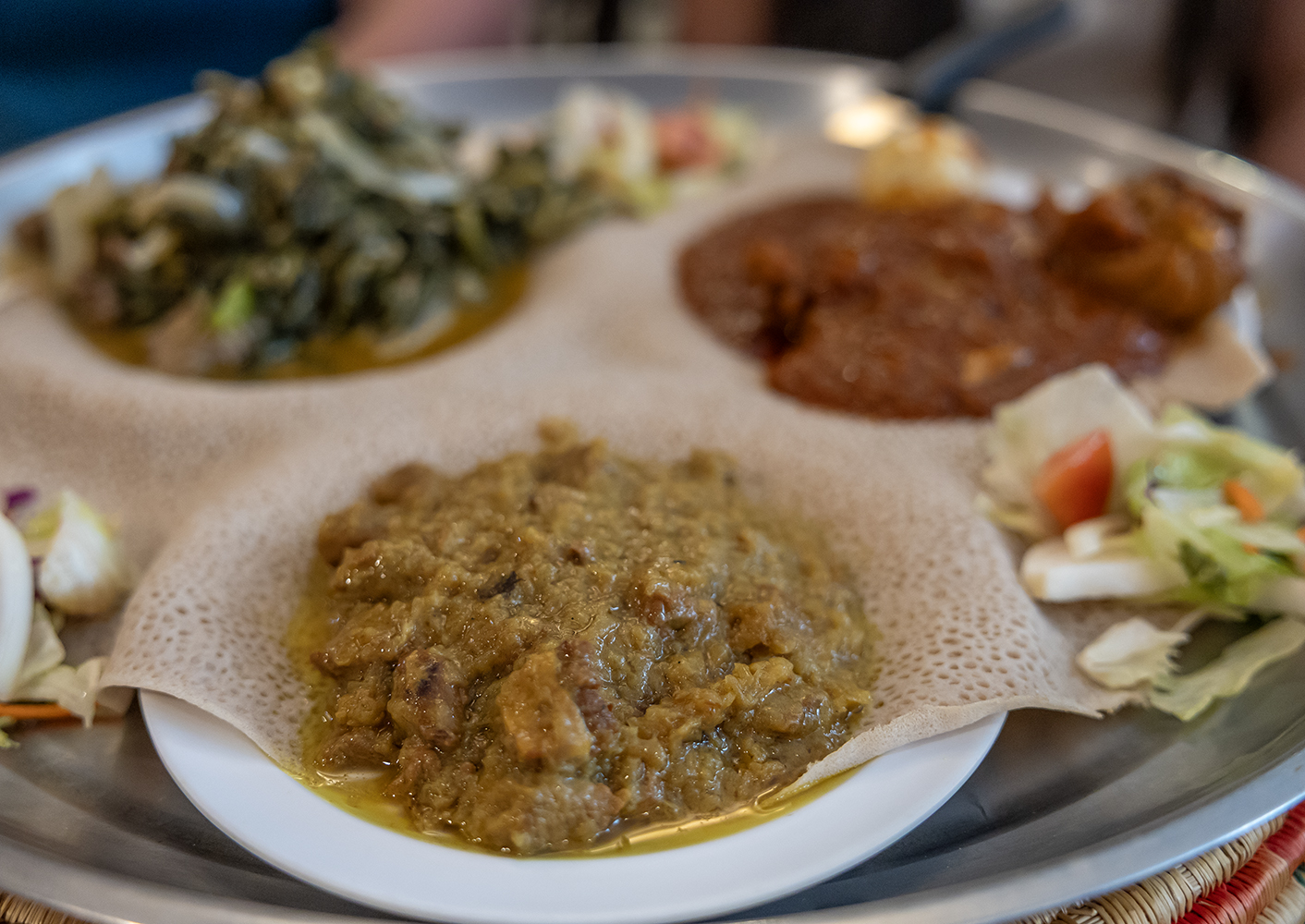
Central by Saffron Valley was on all five students’ “best-of” lists, and it was the top choice for four of the students.

The food was, in every way, excellent, and amid all the appetizers and entrees, there was not a bad (or even so-so) choice.

Caputo’s was a strong second. appearing on four of the students’ choices. Their sandwiches were impressive–all tasty–and their shop selection was excellent. We wish we could have stayed longer and tried their food classes. Rounding out the top three was Plates and Palates, which had great service and sandwiches in Bountiful, UT.

Coffee:

For coffee, “Ten” ranked first. We had two visits there, and both times, the staff were pleasant, responsive, and helpful, and their coffee was excellent. Also top-notch was the Honeysuckle Coffee Co, which has great service, coffee, and pastries. King’s Peak was perhaps a distant third, while still recommendable. Their coffee is good, while their pastries and service are not up to “Ten’s” standards. On a trip of this nature, coffee shops are much sampled, and we went to the above shops on two occasions. In addition, we went to “The People’s Coffee,” which was adequate, and we also visited “Roots” and “Publik”, although we declined to try their coffee when the baristas indicated that it wasn’t fresh–and didn’t offer to make a fresh cup.

Non-Conference Activities

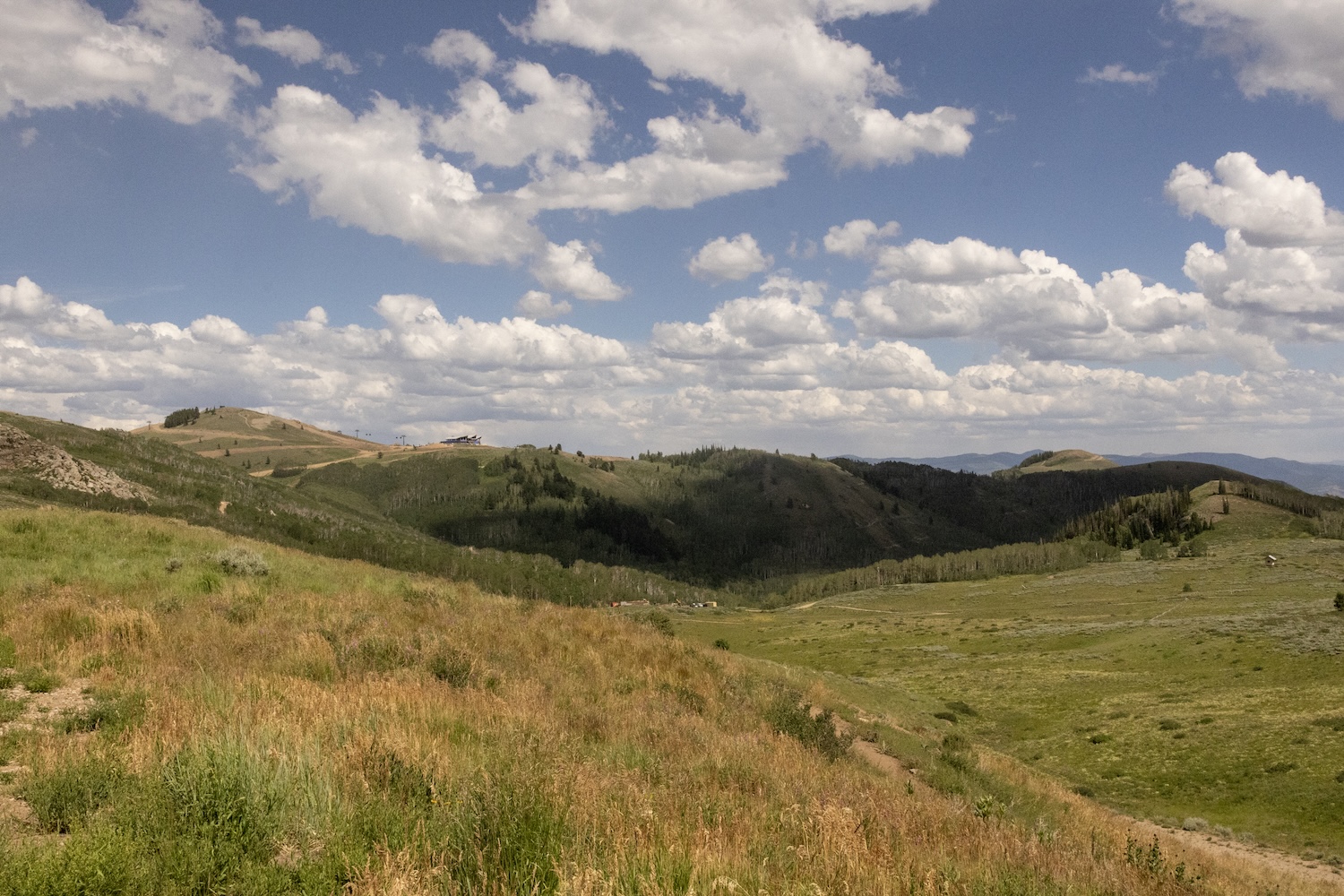
Beyond the conference, there was even less consensus on the most rewarding activities. Some thought Park City was the most interesting…

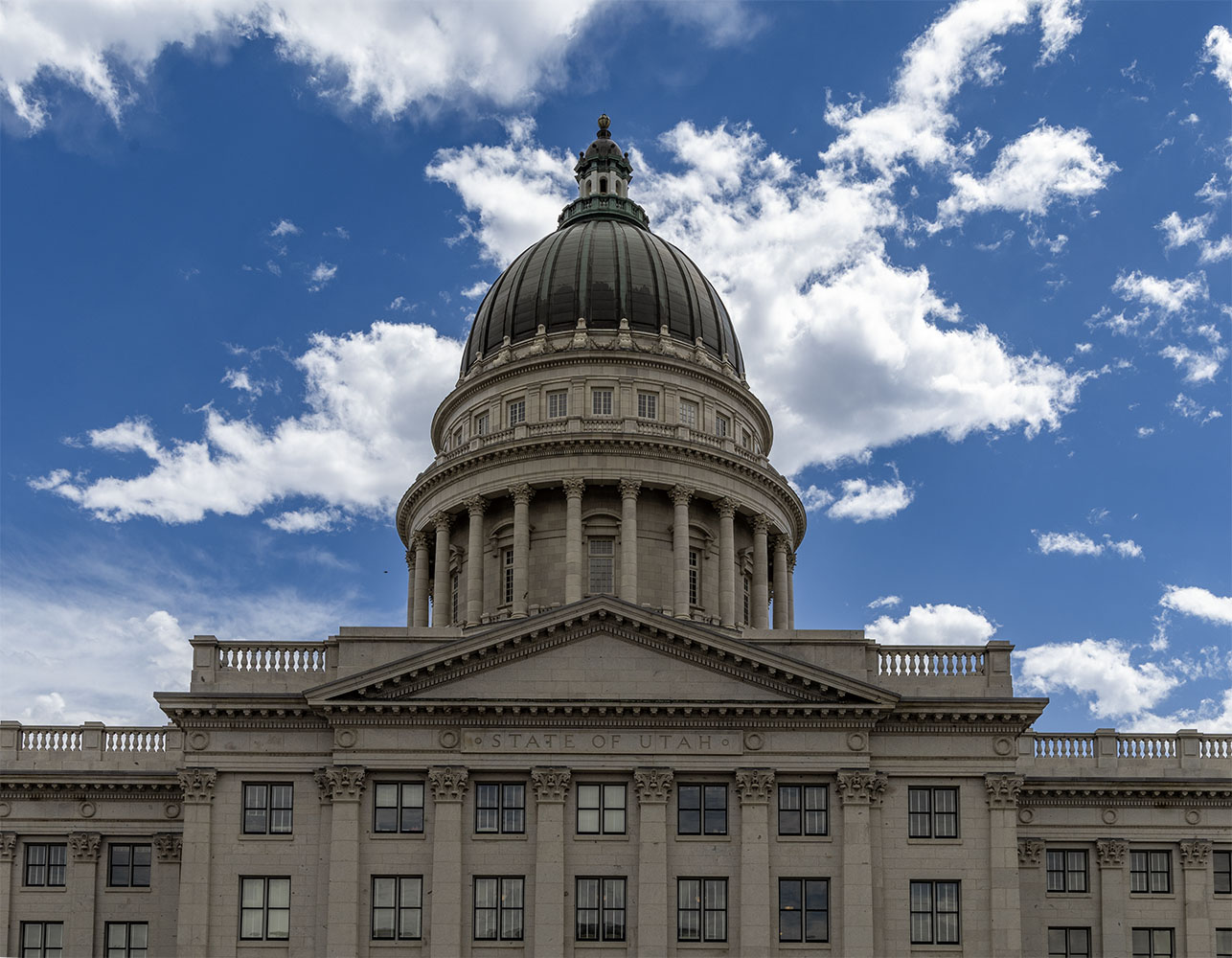
…the Capitol Tour had a lot of support, with a majority of the students believing that Utah’s Capitol was, overall, more polished, cohesive, and interesting than the Texas Capitol.

The students also enjoyed the trip through the Big Cottonwood Canyon Scenic Byway, where the temperatures were twenty-five degrees cooler than Salt Lake City, the scenery was beautiful, and there was an adventure around every corner.

Advisor’s Wrapup

This was the first trip where the students managed to organize their time and energy in such a way as to finish their blogs on time, edit all their photos, and post on social media daily. Olivia McCaughan did a great job facilitating the many tasks that go into making the trip work; Allie did a great job editing the blogs; Jacob and Allie took the lead on editing photos, but everyone edited some photos; and Robin and Isis proved versatile, editing photos, writing blogs, compiling lists, asking questions.

The result was a broad-based learning trip, with leadership lessons built in. The students explored other cities’ downtowns, city halls, and libraries; met numerous legislators and policy experts, promoting their leadership and potentially helping to prepare them for the Austin Internship Program; toured two Museums and one educational center; heard the Tabernacle Choir, one of the ten best choirs in the world; sat in on numerous policy sessions; took thousands of photos; saw numerous animal species for the first time; and managed to complete a 2.5 mile round-trip hike–with a 1,000 foot elevation gain–all in six days!

The students’ teamwork was impressive and effective, with student leadership helping to maintain morale, ensure logistical efficiency, and meet all deadlines, which, in turn, helped make this an excellent trip!

Unknown's avatarAuthor mikeyawnPosted on July 14, 2026July 14, 2026Format AsideCategories Architecture, Civic Engagement, Criminal Justice, Education, Local Government, Outdoors, Politics, TravelTags Center for Law Engagement And Politics, Council of State Governments, CSG West, LEAP Ambassadors, Salt Lake City, Sam Houston State UniversityLeave a comment on The Best of Salt Lake City: A LEAP Perspective

Voices of Resilience: Closing the Conference with Purpose

Written By: Isis Hollis, Robin Houghton, and Allie Plunk

Throughout the conference, LEAP Ambassadors have had the opportunity to learn about policy from esteemed legislators and guest speakers, but on our last day, we got to experience a much more personal session, hearing from activist Elizabeth Smart, the CSG Justice Center on mental health, and attending the closing dinner.

Elizabeth Smart

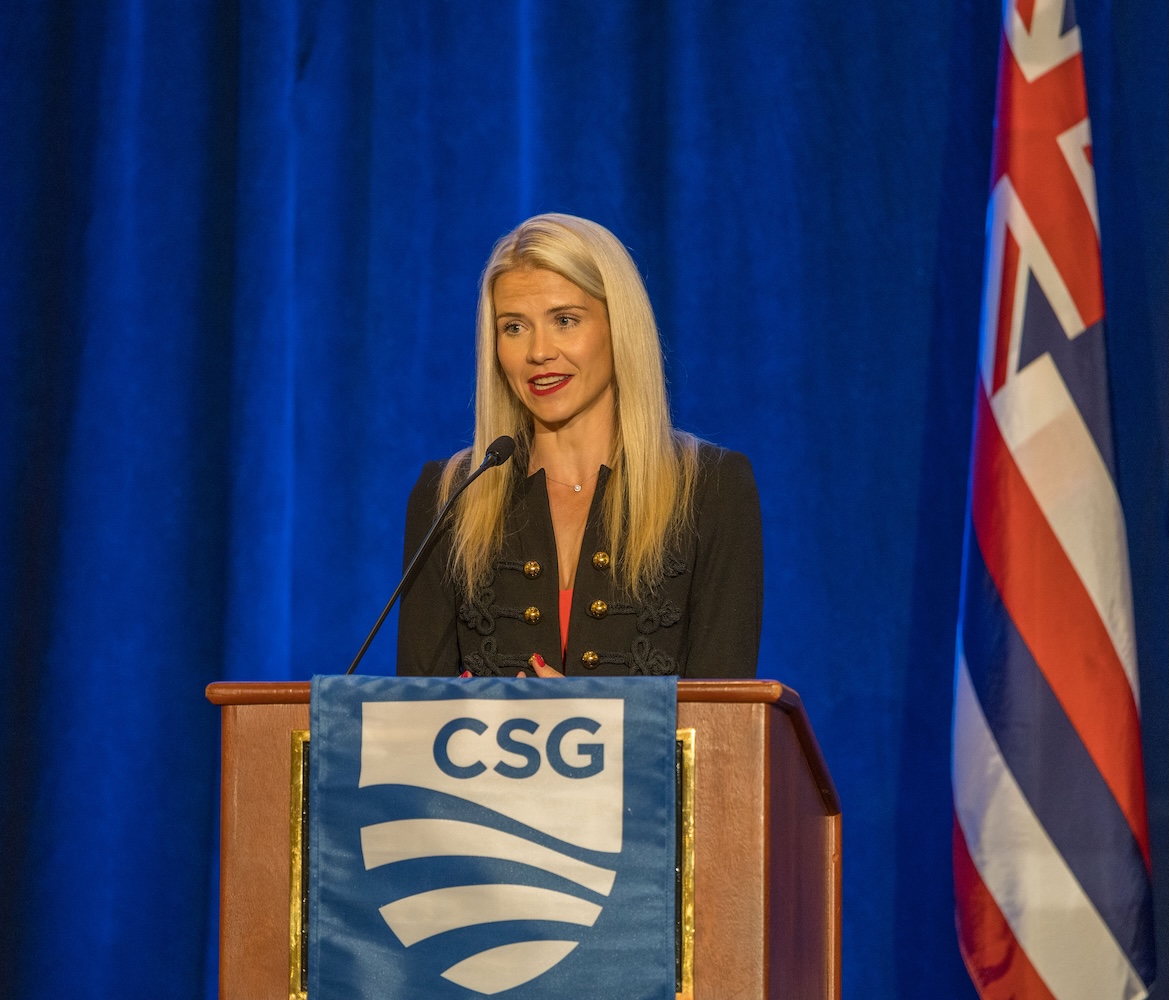
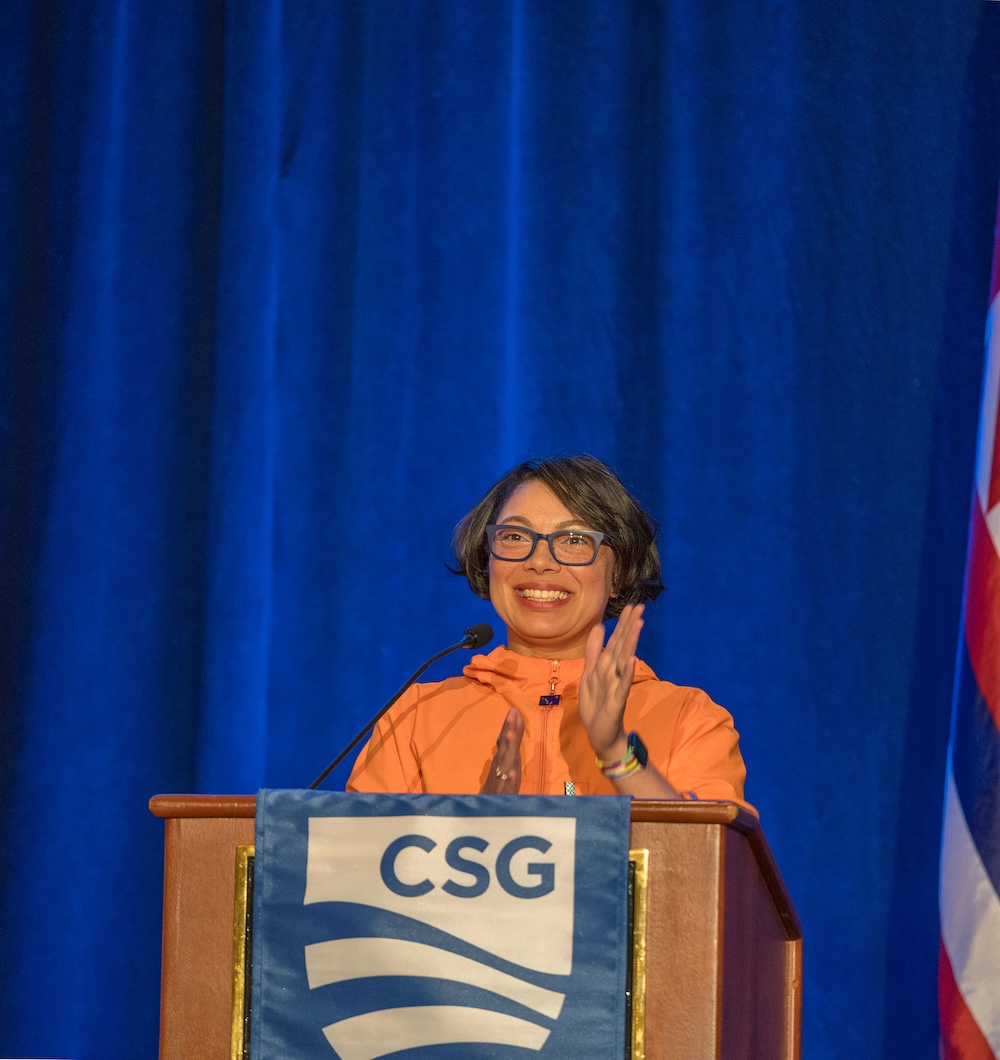
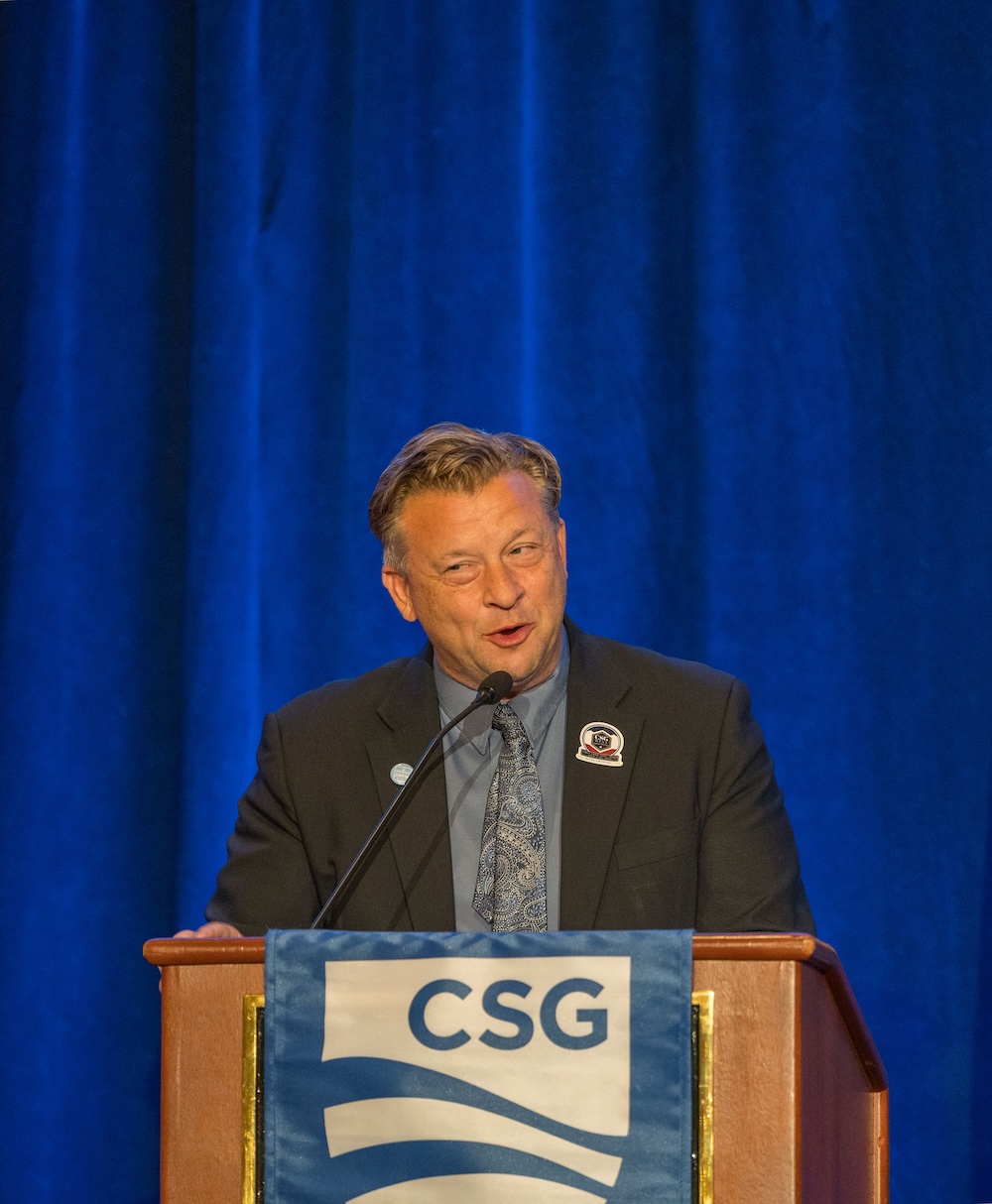
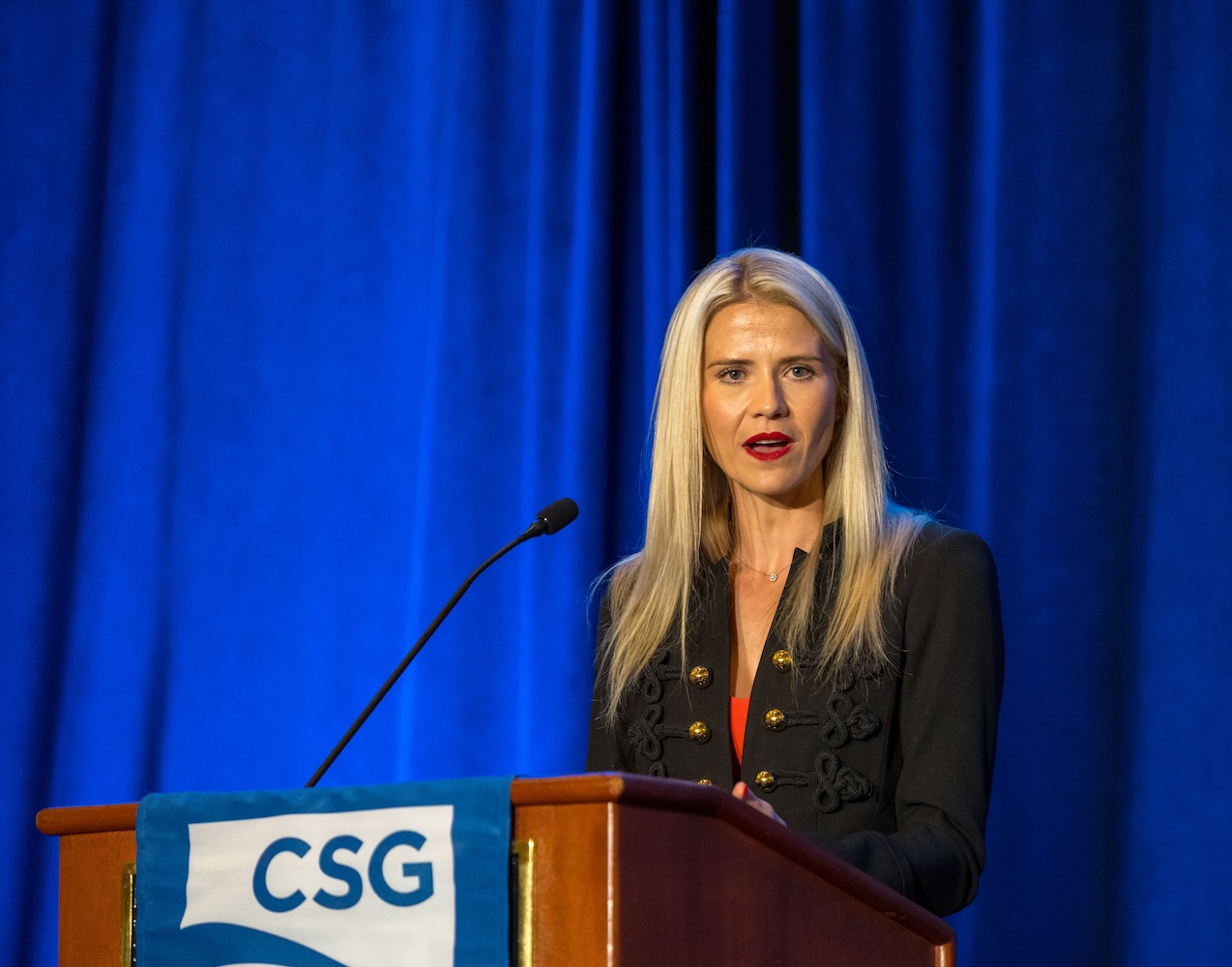
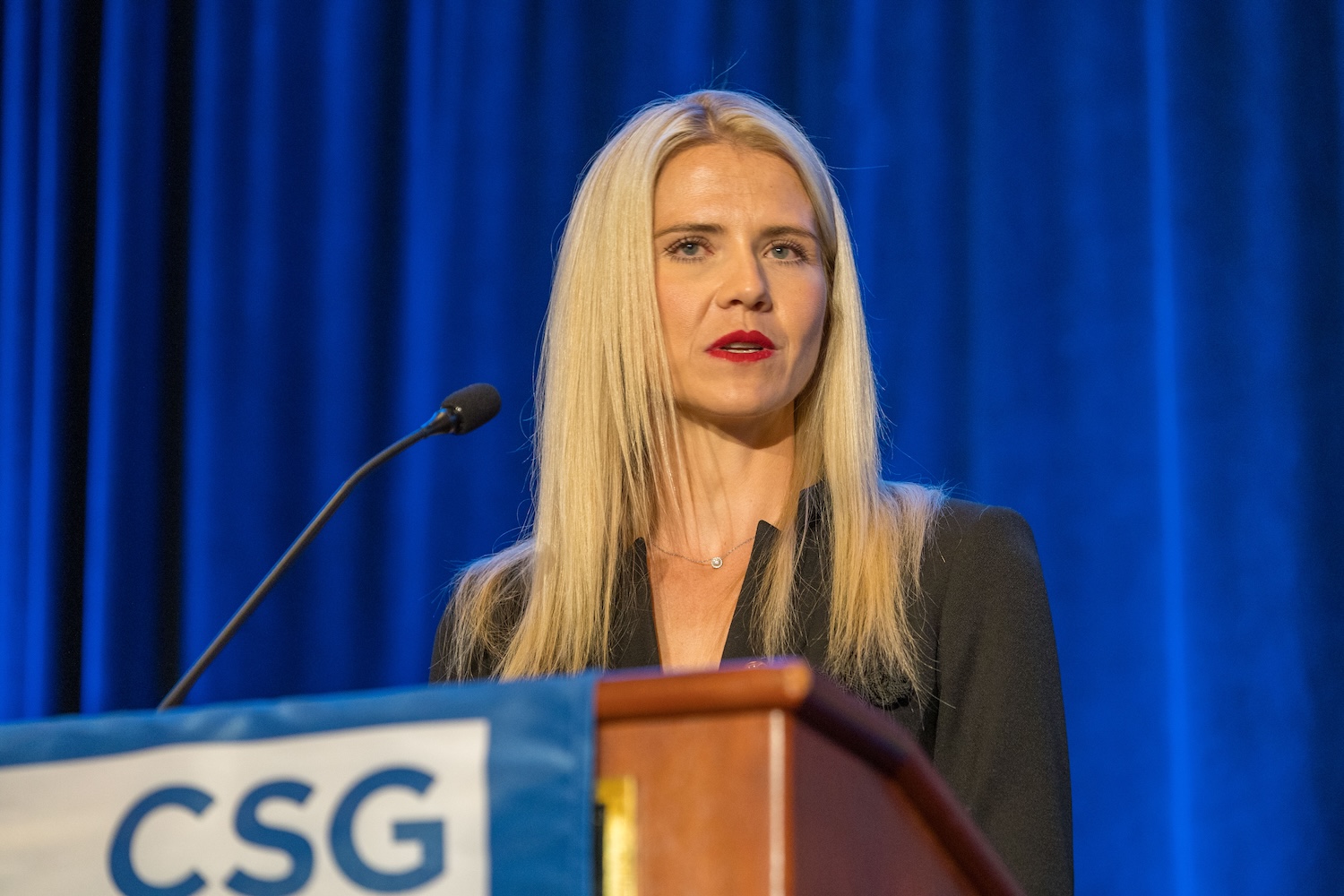
Before we heard from today’s remarkable keynote speaker, there were a few mentions and introductions from Chair Senator Todd Weiler (UT) and Chair-Prospect Senator Löki Tobin (AK). Together, they previewed next year’s CSG West meeting, which will be taking place in Alaska! Following a short “sizzle reel” for the state, Chair Senator Todd Weiler (UT) introduced Elizabeth Smart.

Smart was abducted from her bedroom at the age of 14 and survived nine months in captivity before being rescued. Though it was law enforcement that put her captors behind bars, there would be no story to tell had it not been for her resilience. It was incredibly inspiring to hear her story, and how she pushed through the darkness around her by focusing on positivity. Even though terrible things were happening to her, she reminded herself constantly throughout her abduction that things could always be worse. It was this strategy, as well as remembering the unconditional love of her family, that kept her going. 

Smart also touched on the incredible difficulty she had finding value within herself during and following her captivity. Because she hadn’t been taught the difference between consensual sex and rape, she felt like she had done something horrible. It took her a long time to be able to rationalize that she hadn’t been the one to do anything wrong. I appreciated her candor and that she made it clear that recovery after something so terrifying was a long process. 

Now an advocate for safety and sexual assault victims, Smart has used what happened to her for as much good as she can. This resilience and compassion is something we all admired. She was an incredible speaker, and we felt honored to have been able to listen to her. 

CSG Justice Center 

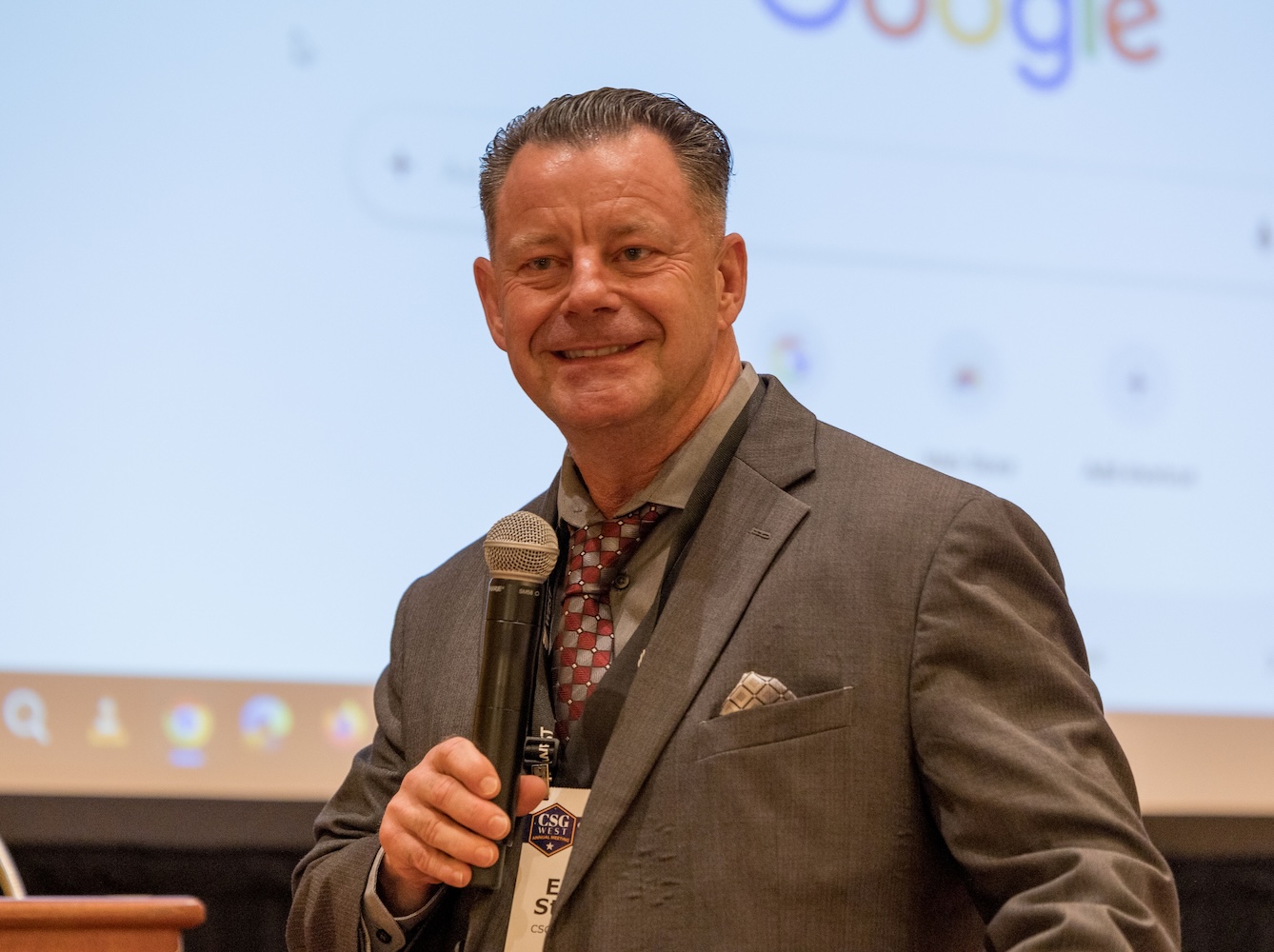
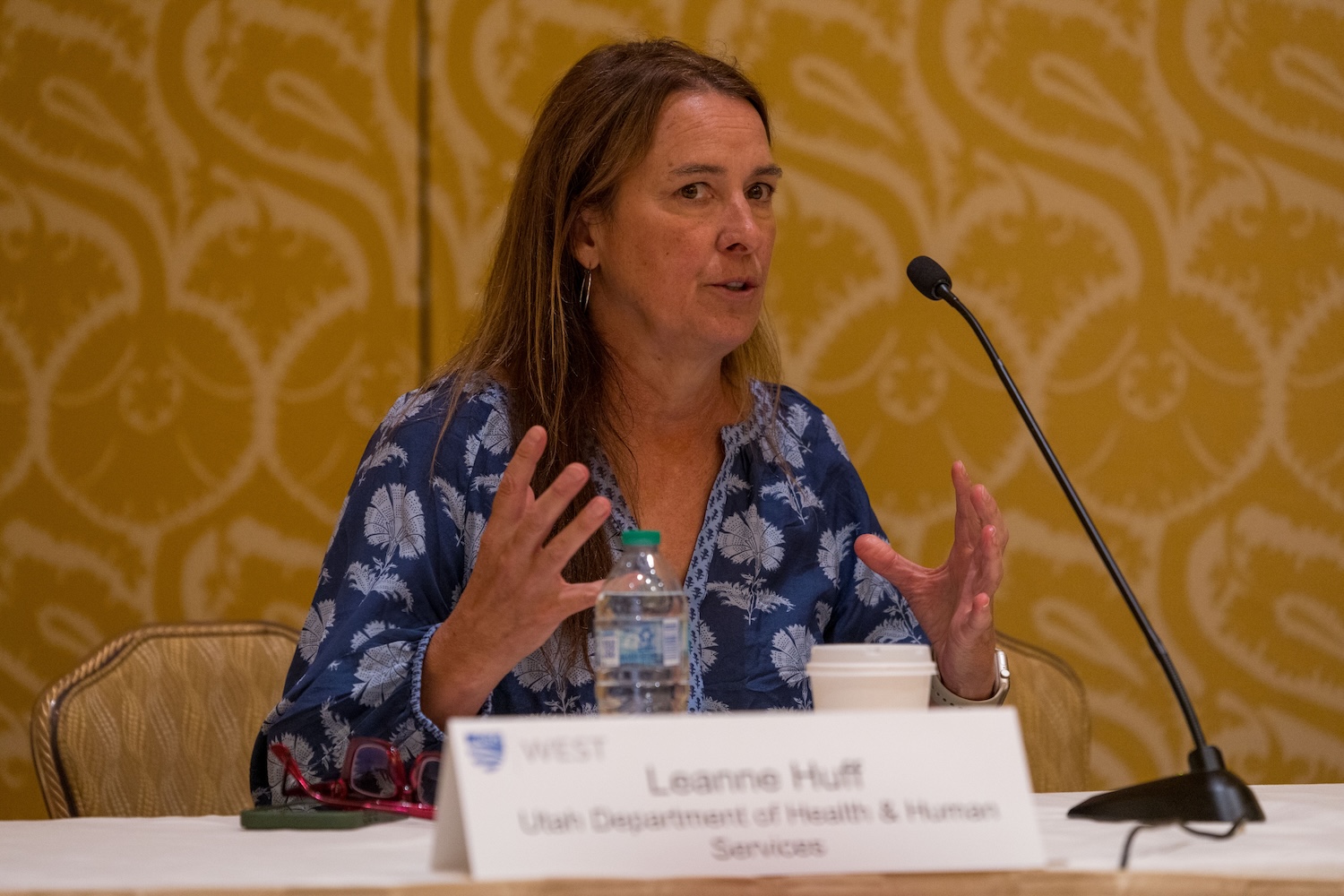
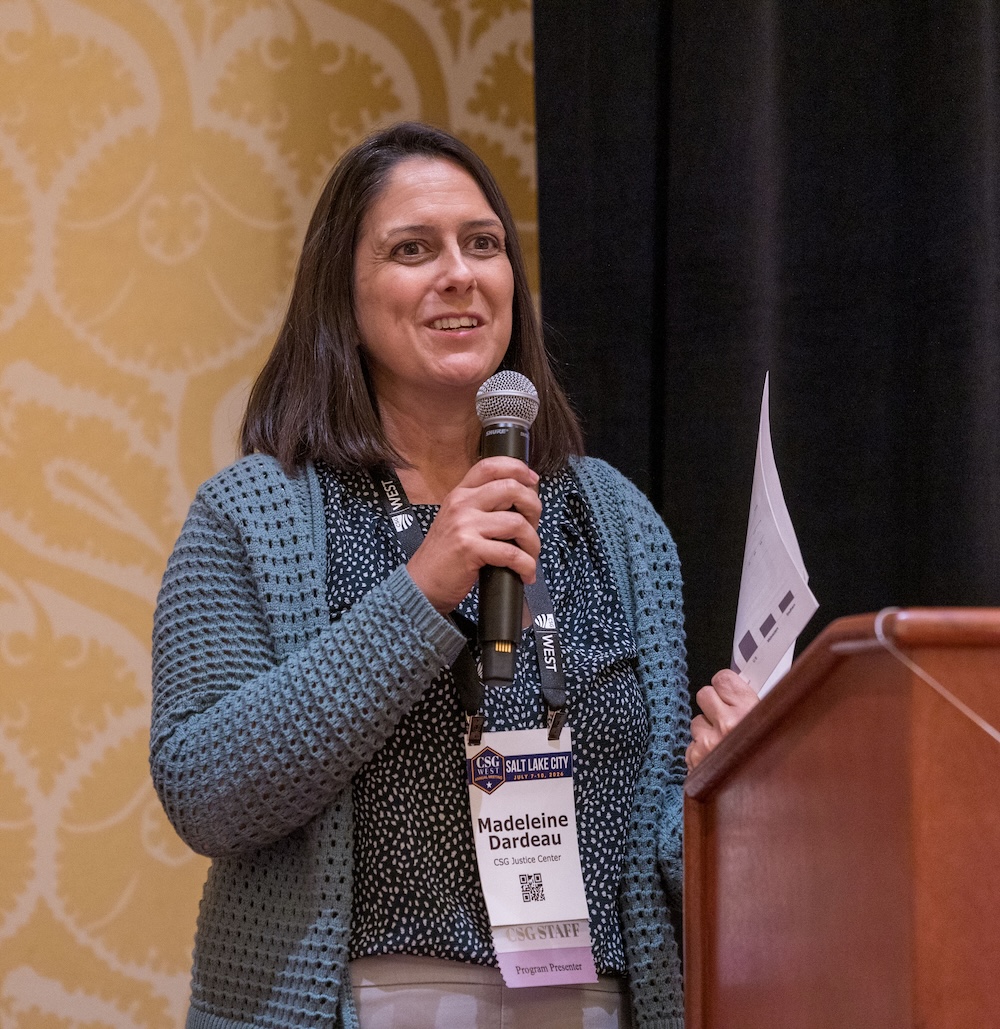
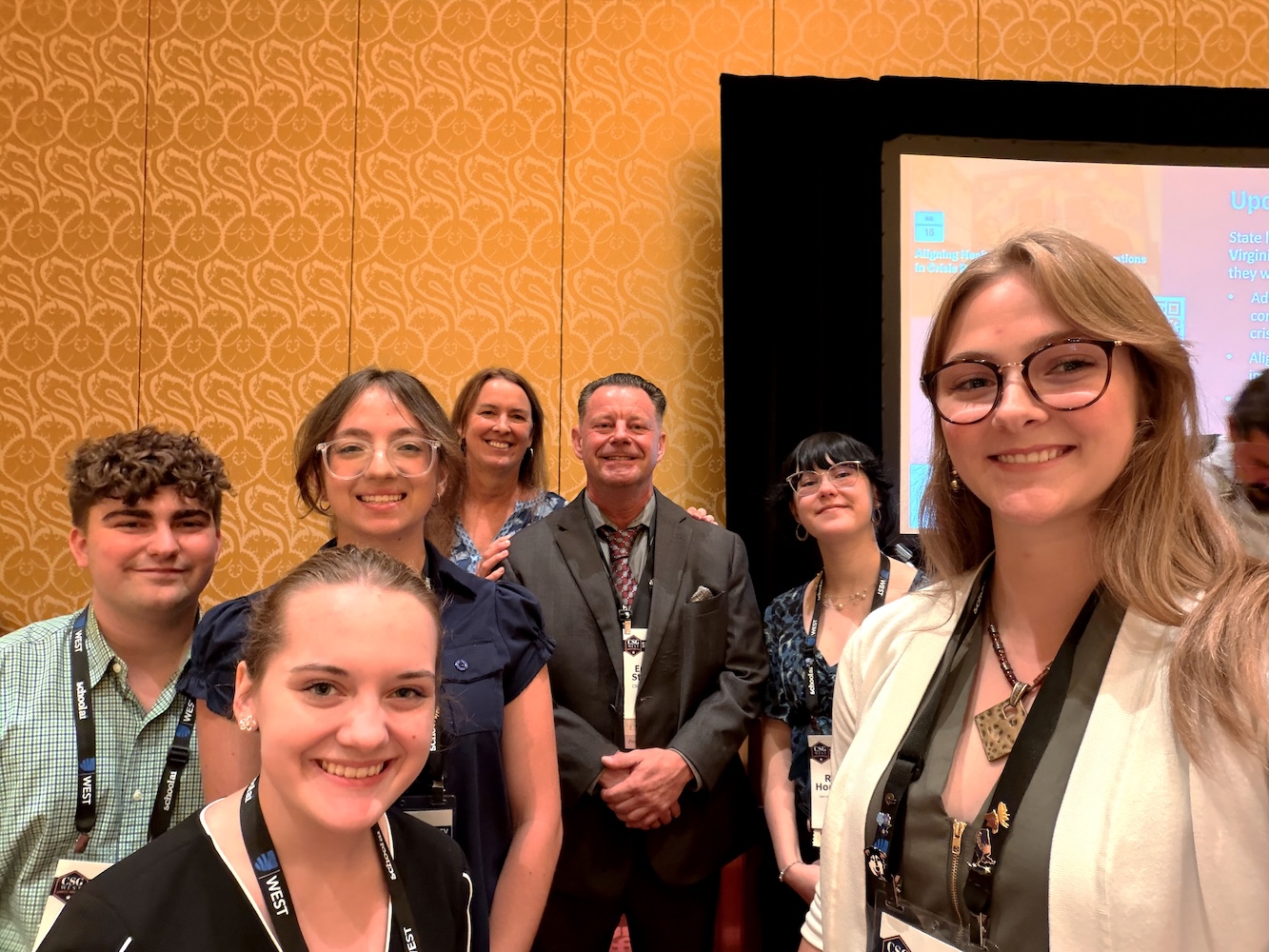
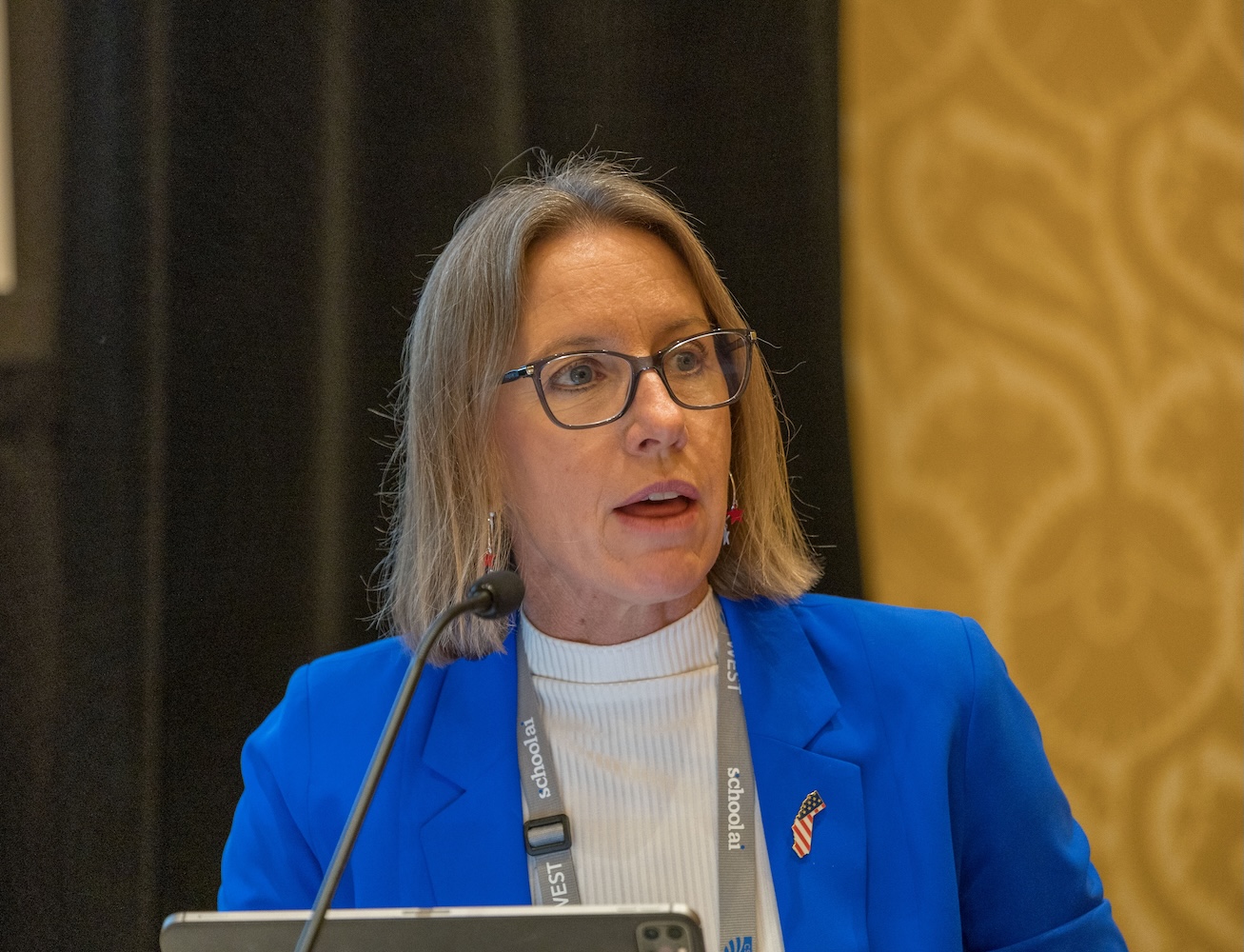
Following Elizabeth Smart’s moving speech, we attended a session on the CSG Justice Center, and their approach to mental health advocacy. Ernest Stevens, former San Antonio police officer and Crisis Intervention Team (CIT) member, current Managing Director of Behavioral Health at the CSG Justice Center, Madeleine Dardeau, CSG Justice Center State Initiatives Program Director, and Leanne Huff, Mobile Crisis Outreach Team (MCOT) Act specialist, had a panel discussion about the implementation and development of MCOTs, as well as CIT Trainings and help line 988. 

The key point was the pressing need for more CIT trained teams to go out and address people with mental health problems. Stevens stated that if you send an untrained officer to deal with mental health crises “there will always be a gun.” Many people struggling with mental health have been shot or killed by officers unable to deal with their problems, and this is exactly what the CSG Criminal Justice center is trying to stop. At the core of this session was a statistic: officers spend only 8 hours learning about mediation techniques, which is something they are supposed to use every day, as opposed to a whopping 20 hours learning to use a gun, which many officers only discharge a few times. 

Another factor in this issue is the stigmatization of mental health problems. If we can make people unafraid to get the help they need, then we won’t have as many suicides or overdoses. This issue is becoming something that is particularly close to a few of our hearts, and we hope that in the future we can be a part of the solution.

Dinner

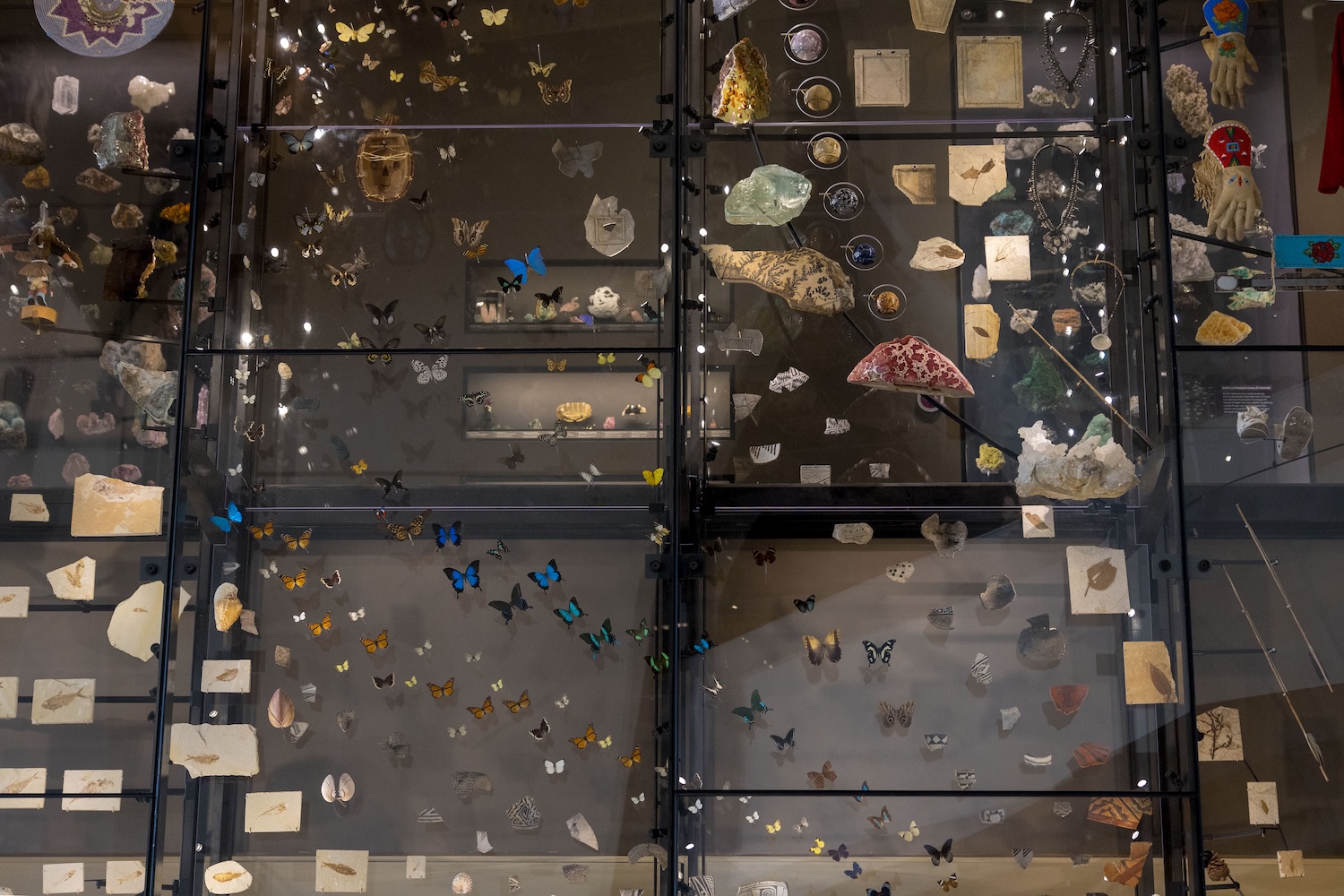
We ended the conference with fun in a closing dinner hosted at the Natural History Museum of Utah, which was just as beautiful of a venue as it was informative. After ascending the stairs, we were greeted with a wall of fossils, crystals, flora, and taxidermy that stretched from floor to ceiling, immediately captivating several Ambassadors.

The dinner also featured a local band, by the name of The Bombshell Flowers. A high-energy indie rock group, their layered harmonies added a relaxed, yet tasteful atmosphere.

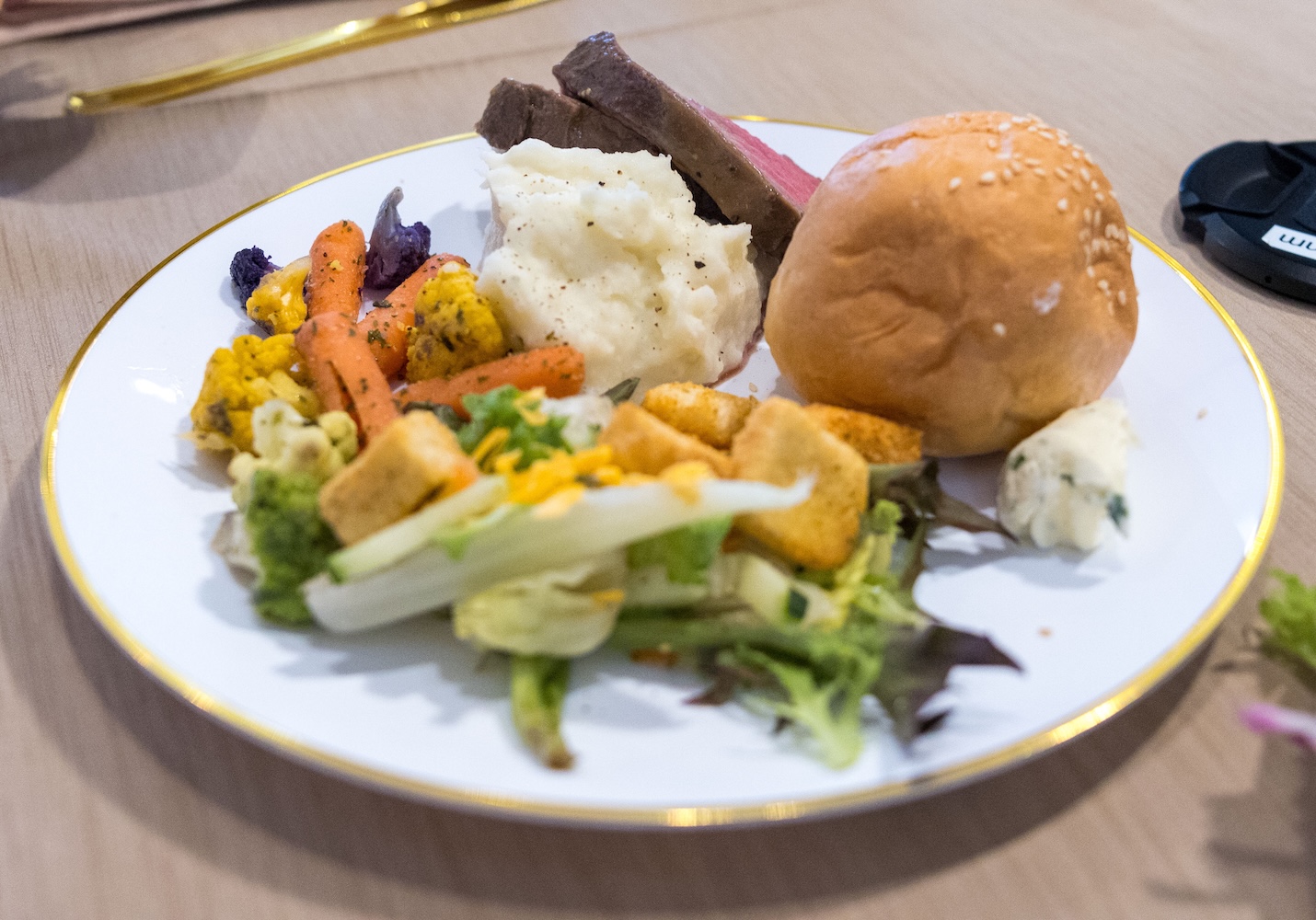
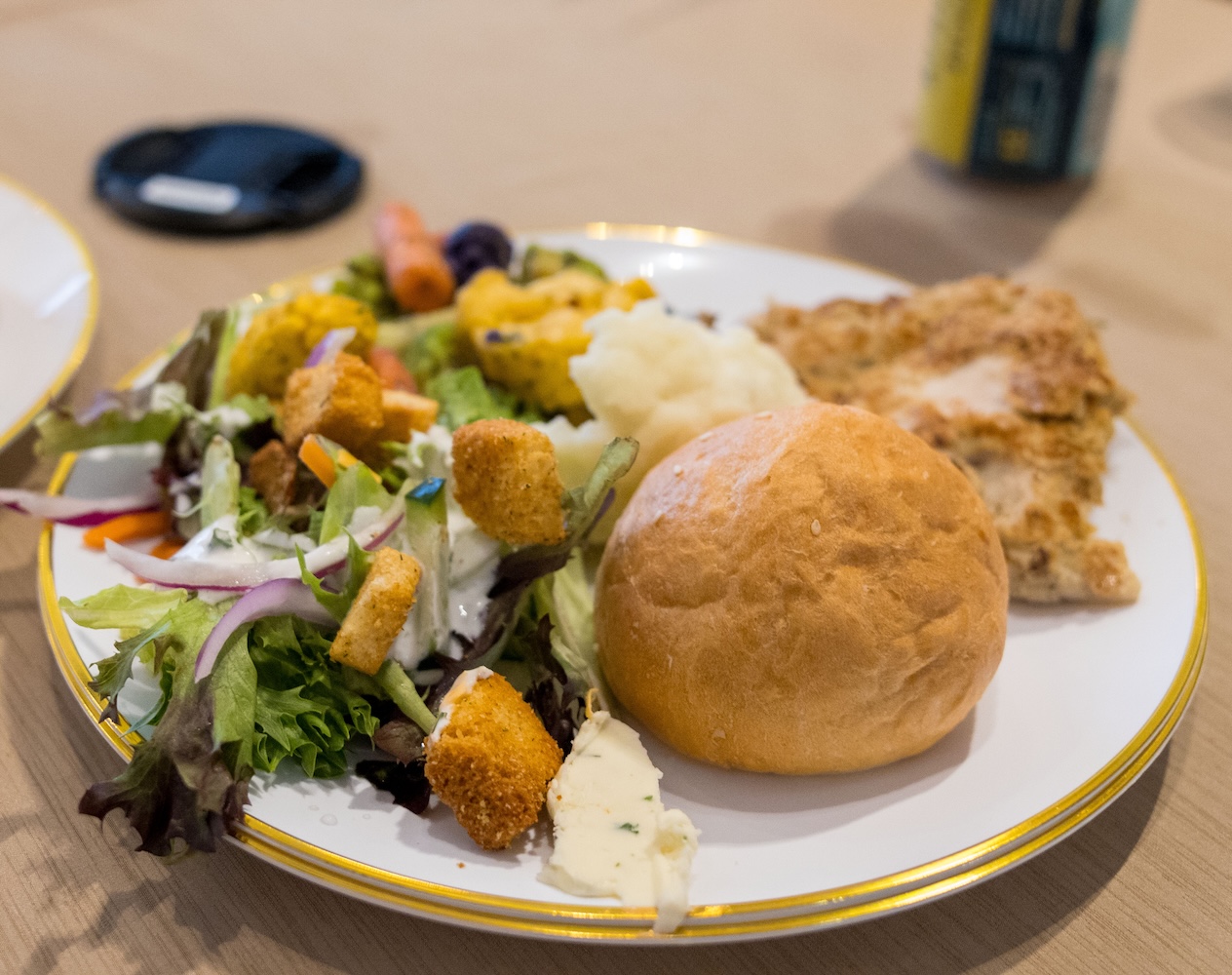
For dinner, we had tri-tip steak, cauliflower, asparagus, mashed potatoes, and salad, followed by desserts of fruit tarts and banana pudding. 

While the dinner was good, it was the museum that was truly memorable. We spent a lot of time exploring the exhibits, each highlighting an important aspect of Utah’s natural history. We even discovered that Allie is likely descended from the Allosaurus, which is where she gets her t-rex nature!

As we left, we managed to grab a shot of the breathtaking views from the museum terrace.

From dinosaurs to rock formations to earthquakes, Utah’s Natural History Museum was a wonderful place to close out the conference.

Conclusion

Our final conference day left us with a lot to think about, looking at the world through new eyes. We all admired the incredible work people like Elizabeth Smart and the CSG Criminal Justice Center are doing for those struggling with mental health and sexual assault.

Unknown's avatarAuthor mikeyawnPosted on July 12, 2026July 12, 2026Format AsideCategories Civic Engagement, Criminal Justice, Food, Fun, History, Jobs, Law, Politics, Public Administration, UncategorizedTags Center for Law Engagement And Politics, Council of State Governments Conference, CSG East, LEAP, LEAP Ambassadors, LEAP Center, Sam Houston State University, SHSULeave a comment on Voices of Resilience: Closing the Conference with Purpose

Quantum Computing, the Great Salt Lake, and Innovation in Criminal Justice: Another Day at the CSG West

Written By: Isis Hollis, Robin Houghton, Allie Plunk, and Jacob Wessels

LEAP Ambassadors had a wonderful second day at the Council of State Governments Western Legislative Conference! We enjoyed learning about Quantum Computing, the West’s take on the upcoming Olympics, Policy tours, and a visit to the Church of Jesus Christ of Latter-Day Saints’ Salt Lake City Temple Visitors Center.

Quantum Computing

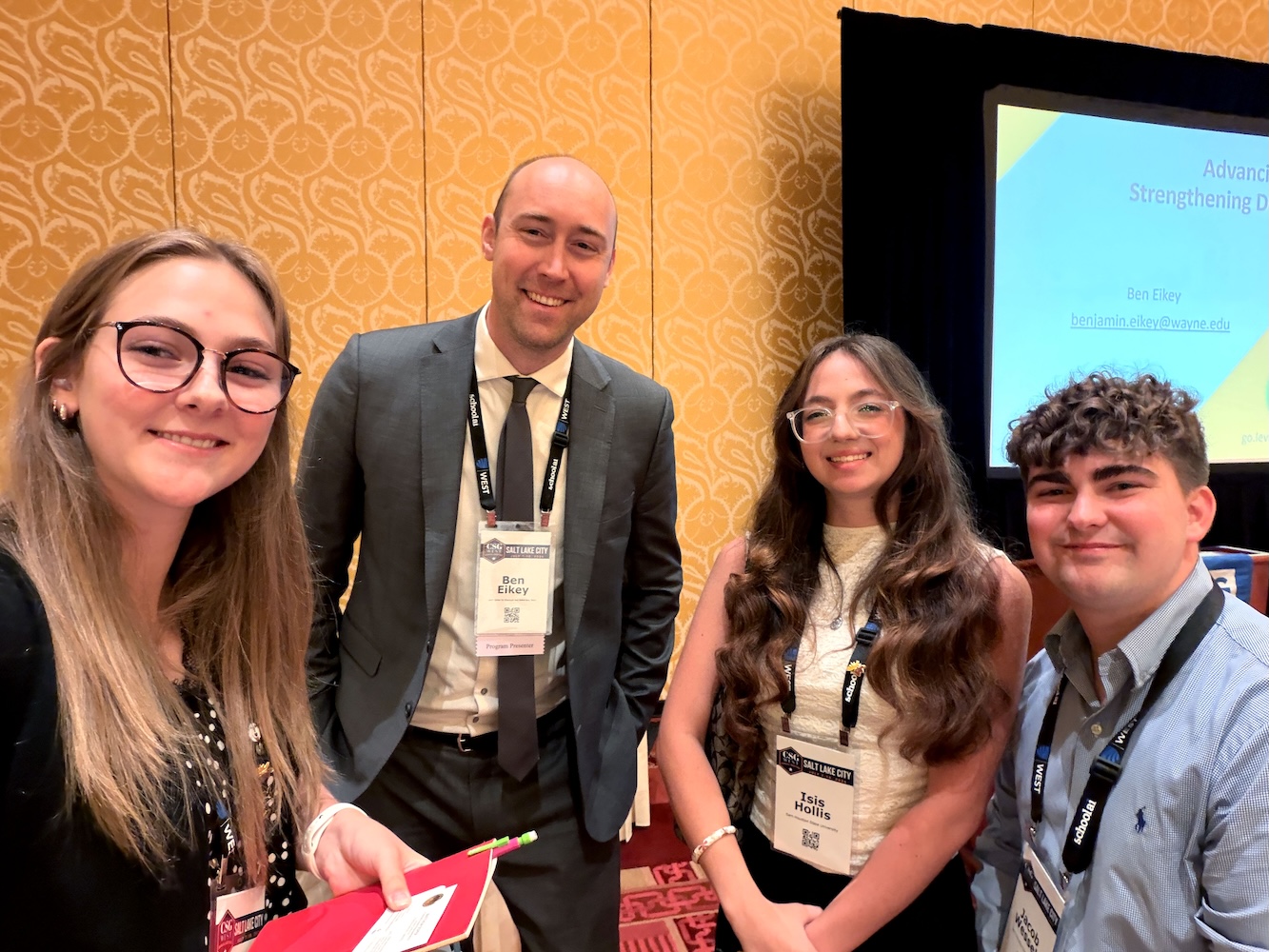
Though a daunting subject, we attended a conference session on the implications and impacts of Quantum Computing, hosted by Senator Catherine Blakespear (CA) and Representative Justin Wilmeth (AZ).

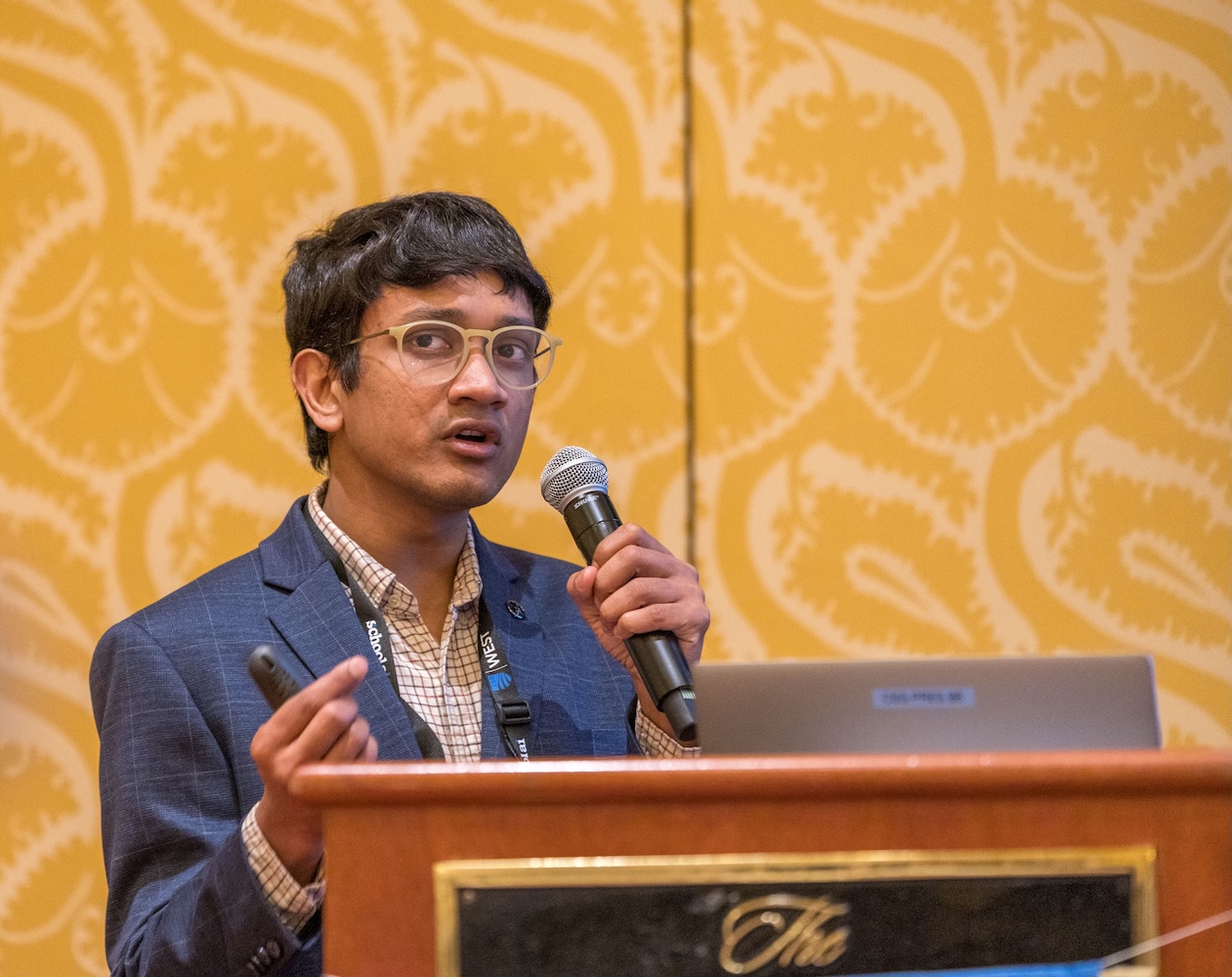
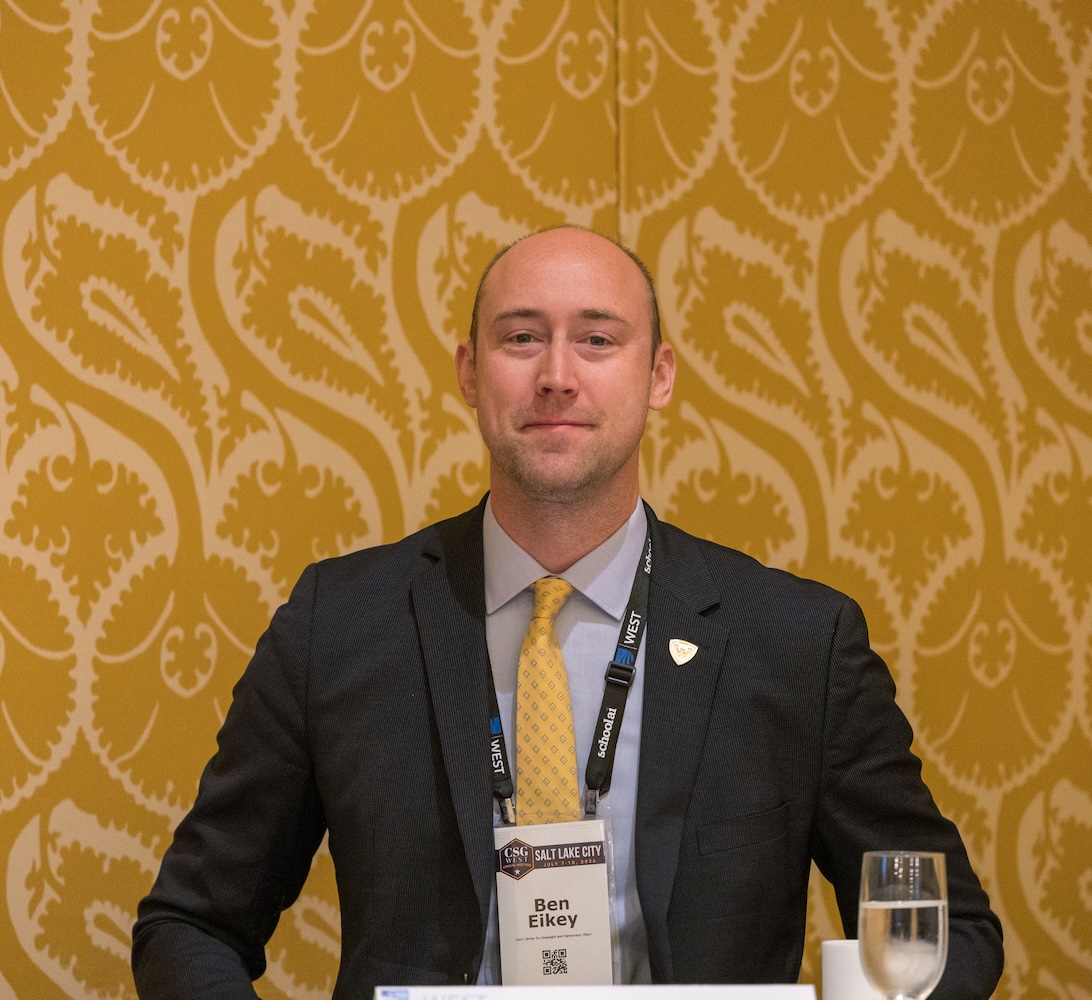
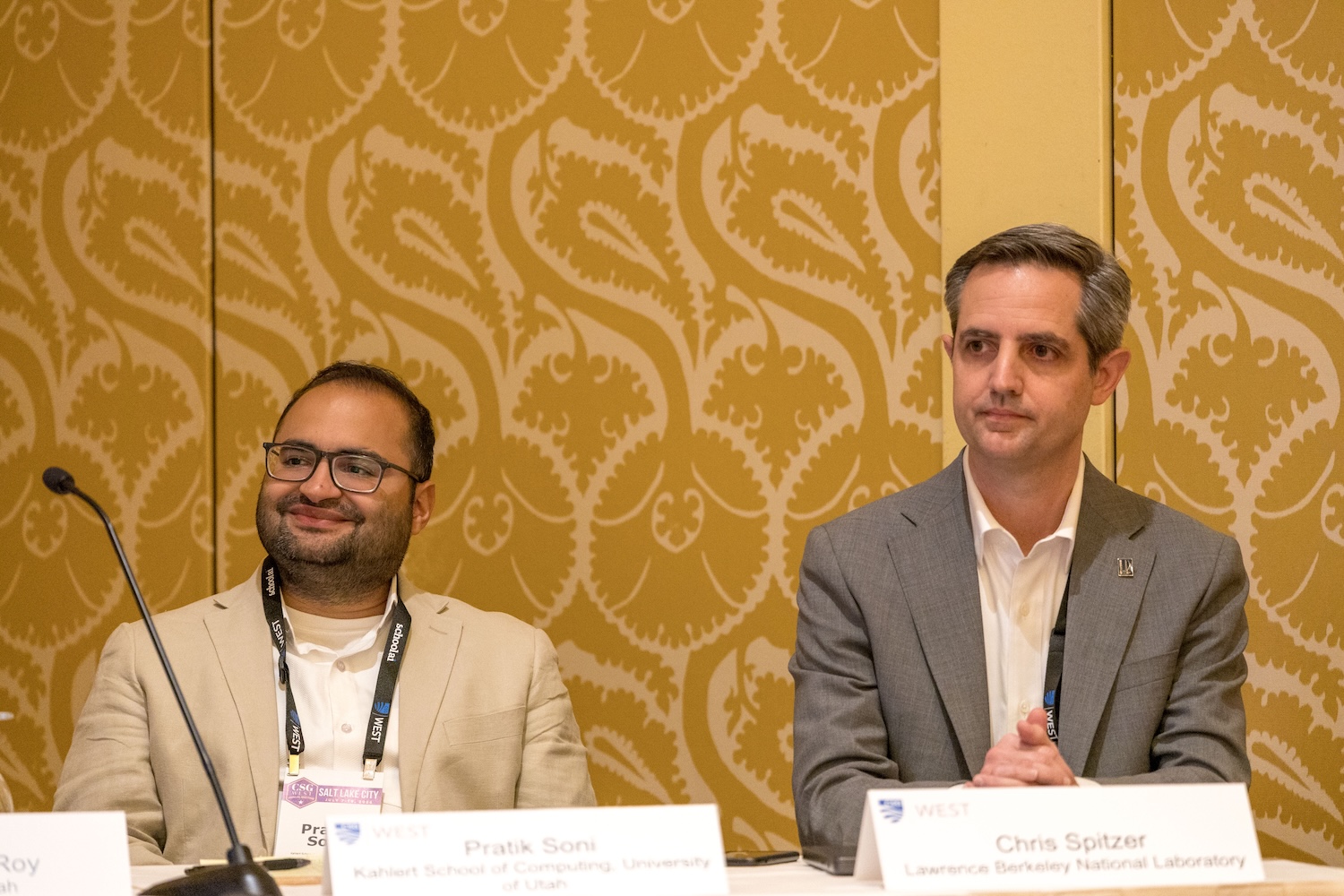
With a series of presentations by Rohan Basu Roy, Professor at the University of Utah; Pratik Soni, Professor at the University of Utah; Chris Spitzer, of Lawrence Berkeley Laboratory; and Ben Eikey, of the Levin Center, we were amazed to learn about the quickly approaching 2030 deadline for the official implementation of Quantum.

This astounding software will significantly cut down the production time for molecule simulators used in drug manufacturing, risk analysis for things like finance, and even enhanced AI. However, as Professor Soni stated, Quantum also comes with significant risk to national security and could potentially widen the employment gap. In order to resolve this conflict, speakers suggested training programs for teachers and students as young as elementary school to introduce Quantum so that we can raise a generation of young people properly equipped to handle the technology.

The tone of the session was one of preparation: Quantum is coming to the West, and it’s up to the legislators to build a safety net to keep things from going downhill. Quantum Computing is a somewhat new concept to the Ambassadors, though one that got us thinking about our own futures and how Quantum might affect our careers in law.

The Power of Sports

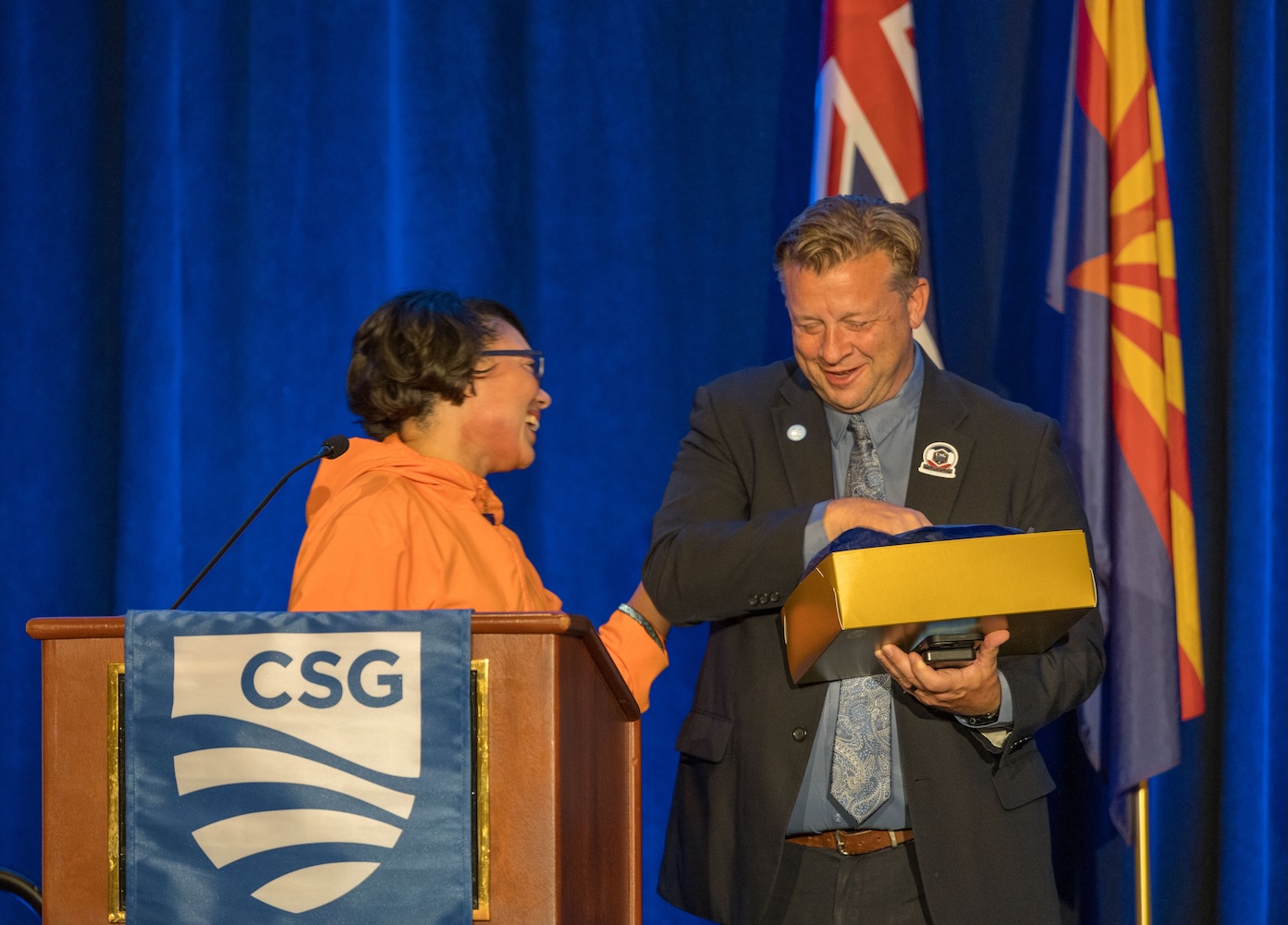
Following our crash course in Quantum, we were off to lunch! Before the keynote speech began, Chair Senator Todd Weiler (UT) presented the Bettye Fahrenkamp Award to Senator Ron Winters (UT) for his outstanding leadership.

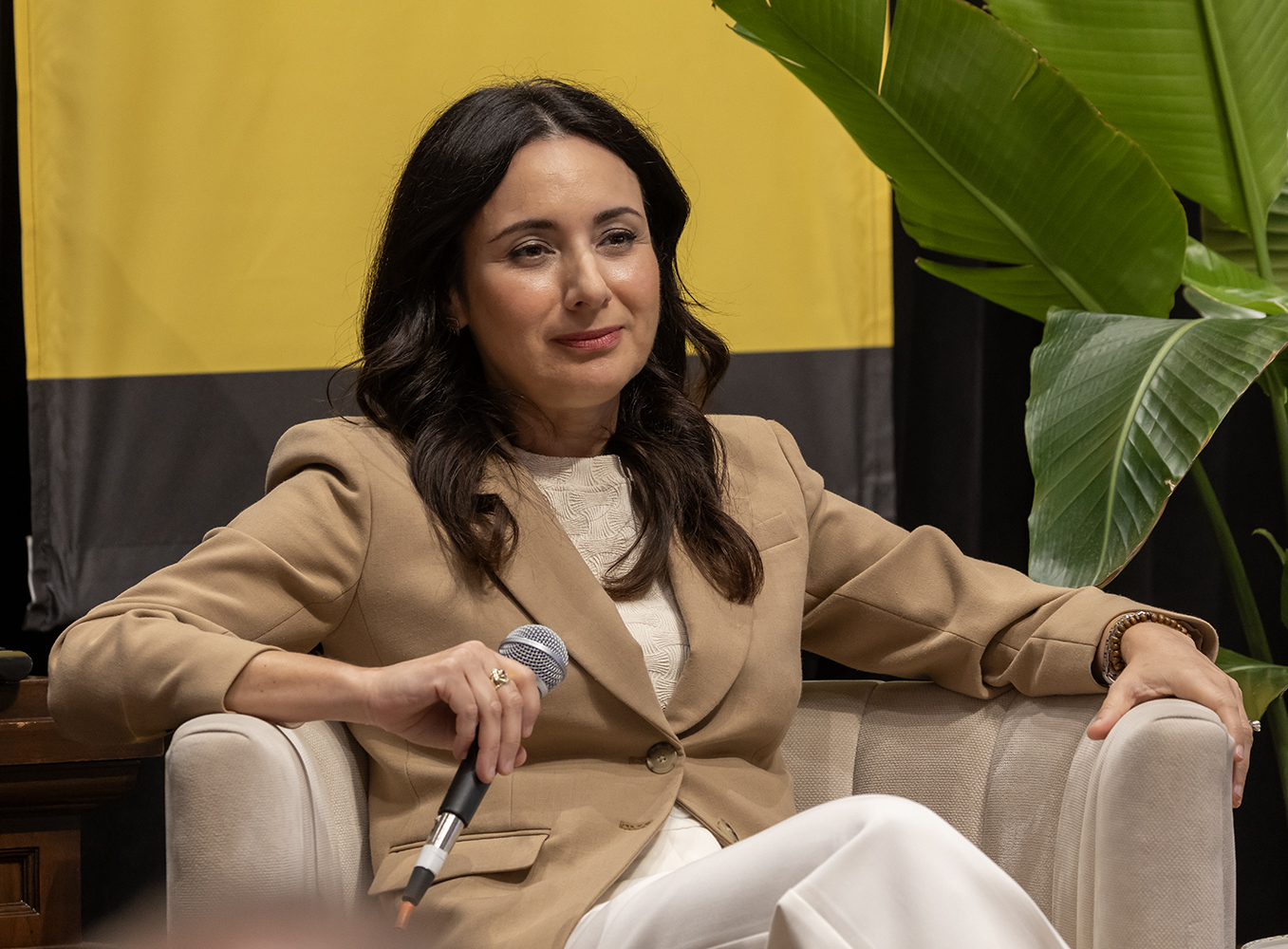
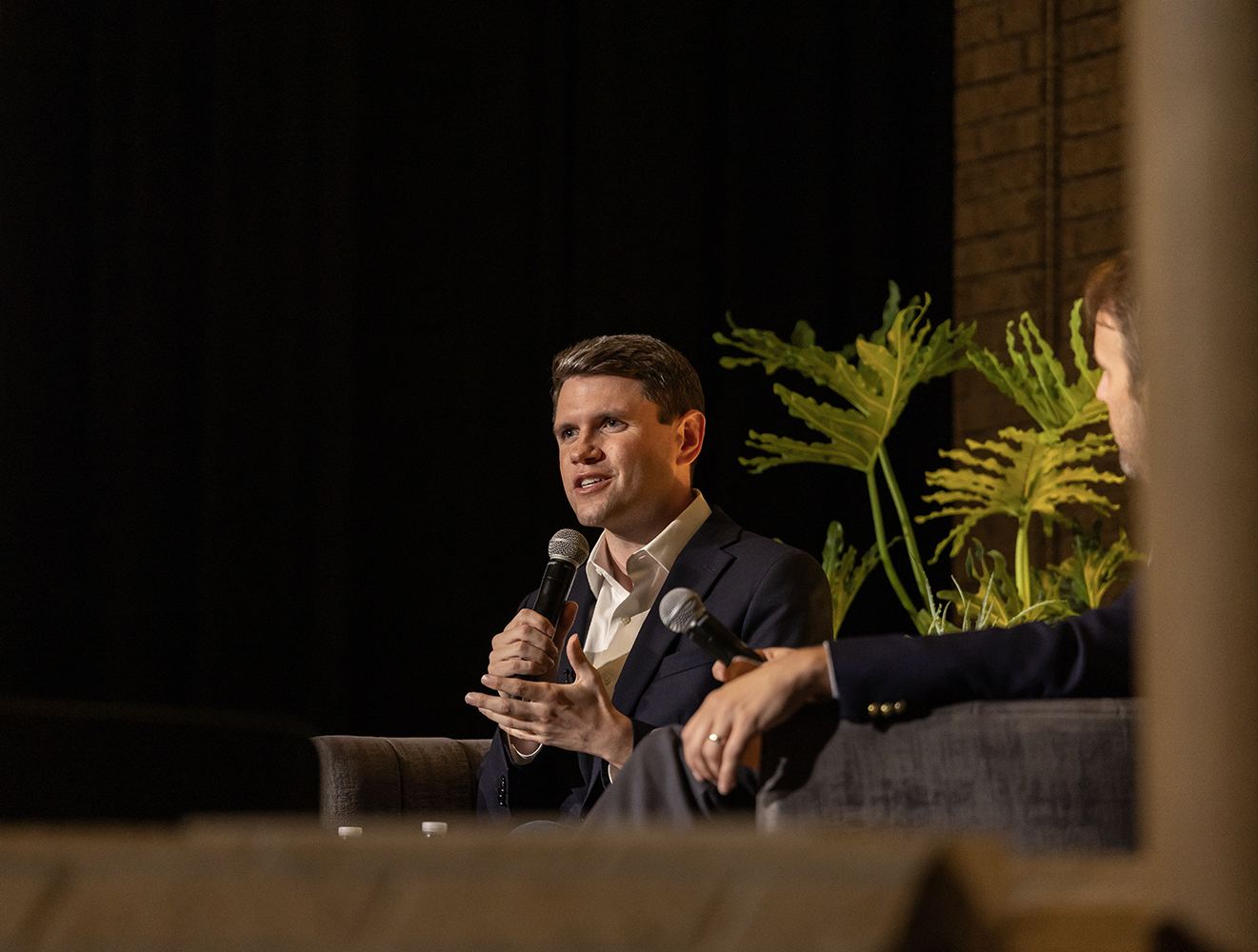
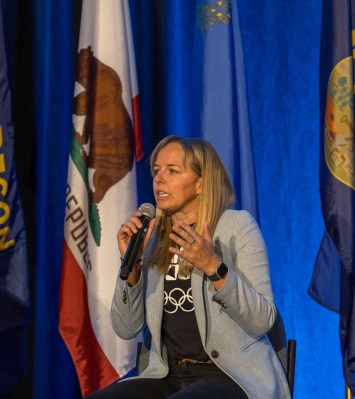
After the awards, we learned about the value of sports from Kelsey Berg, who is currently leading government relations for the Utah 2034 Organizing Committee for the Olympic and Paralympic Winter Games…

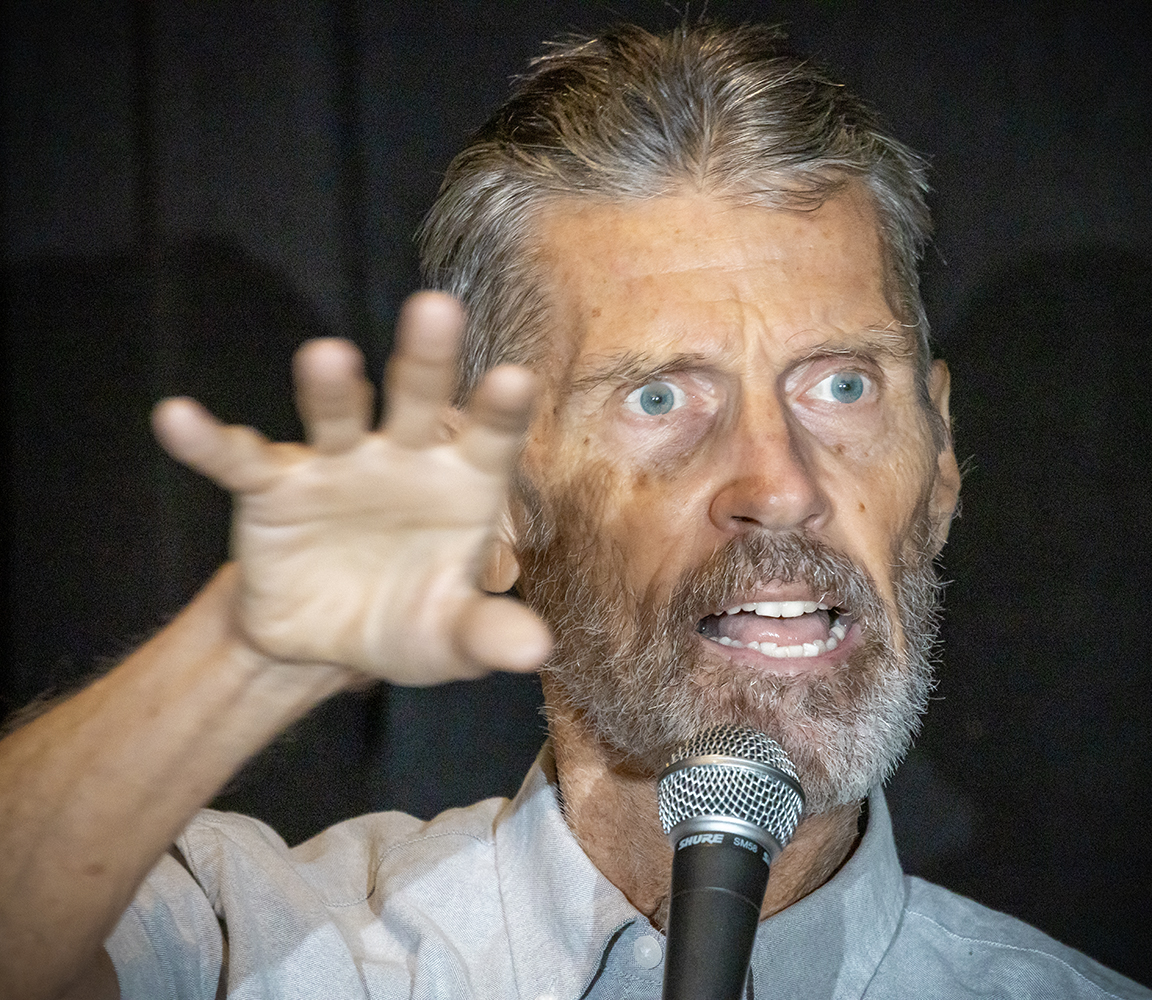
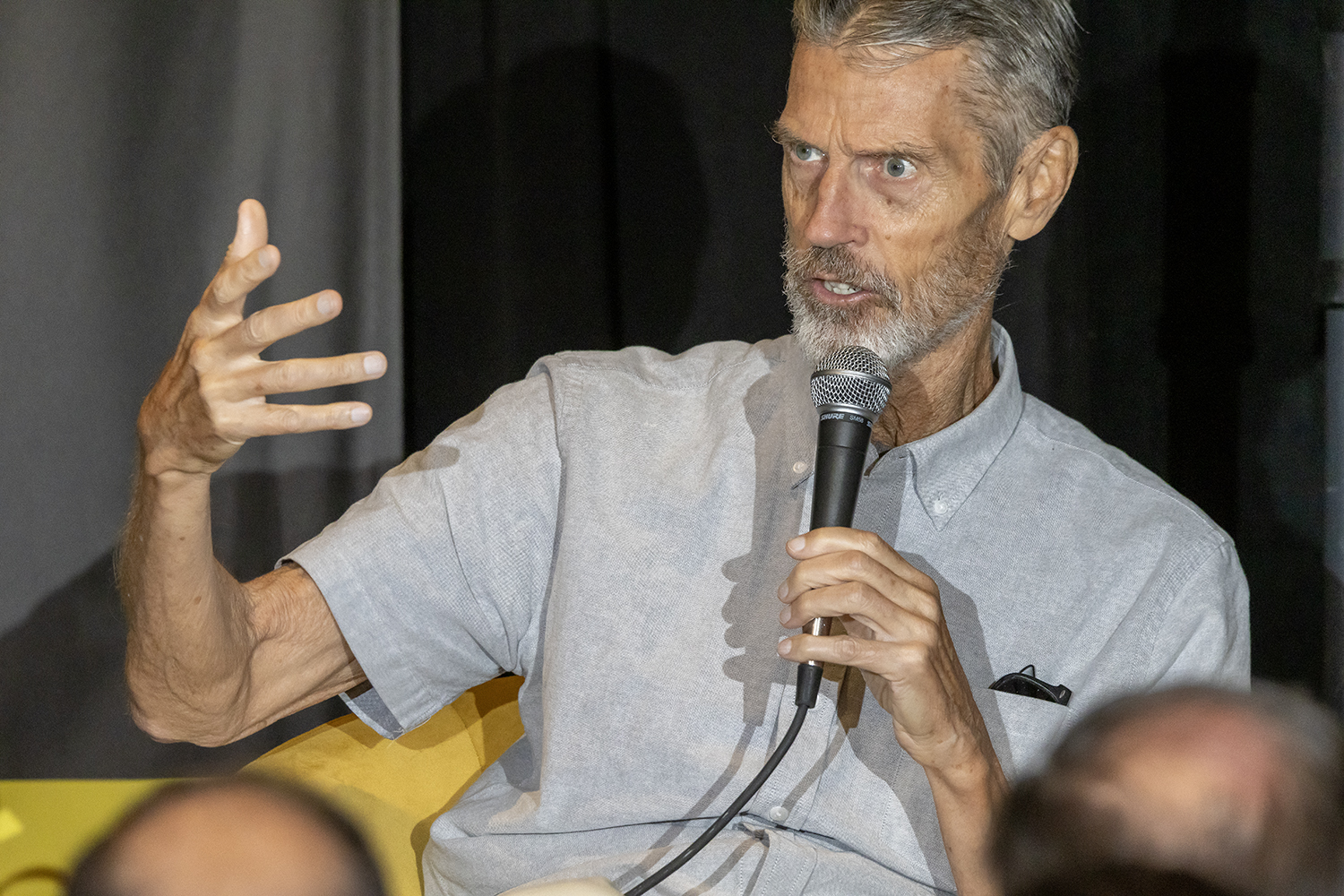
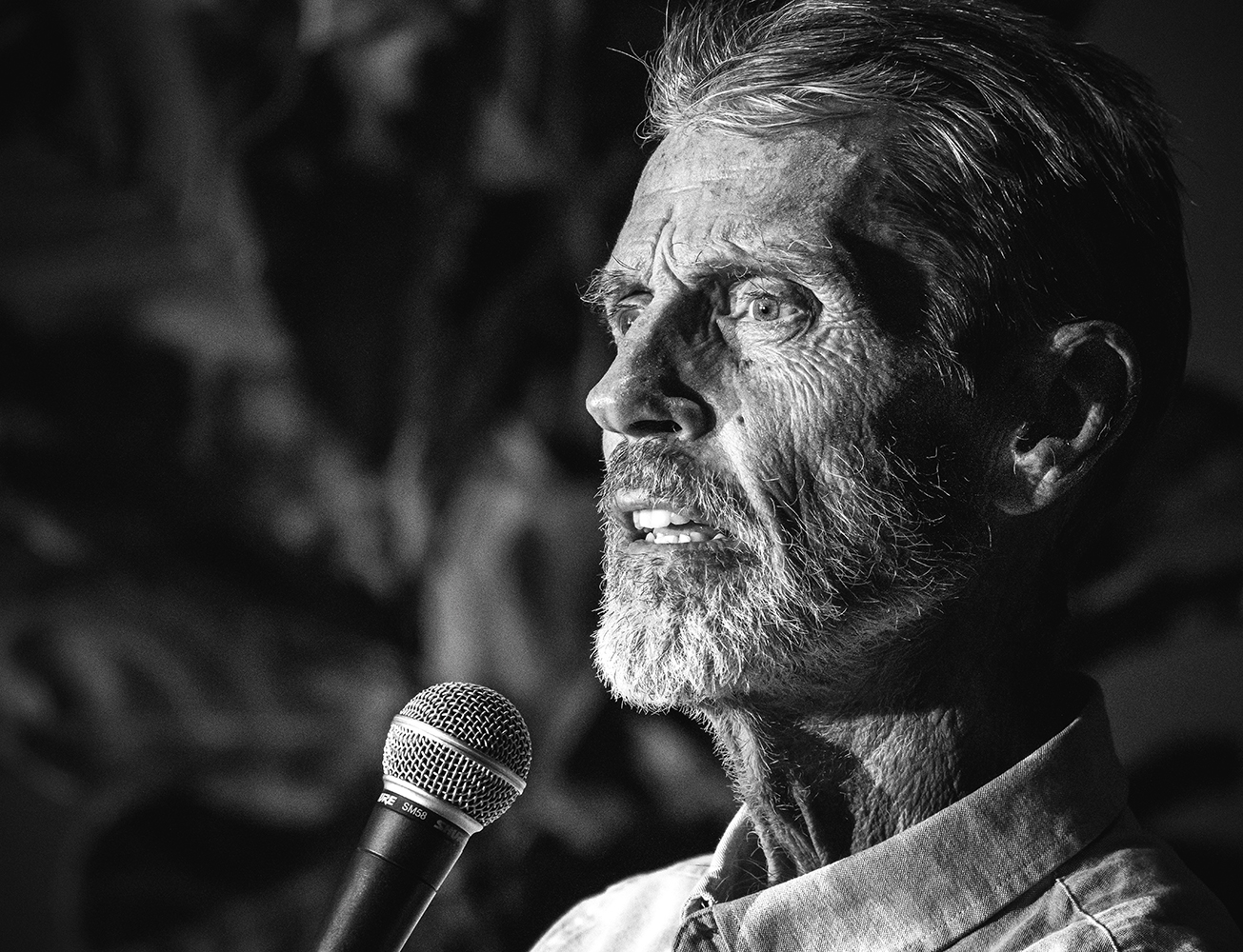
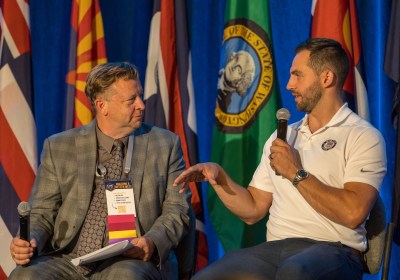
…and Chris Mazdzer, Olympian and Paralympic activist, and moderator Senator Todd Wieler (UT).

Following the incredible success of the 2002 Winter Olympics hosted in Utah– one of the only Olympic games in which the host country made a profit– the state is thrilled to host the 2034 Winter Games.

However, the benefits of Olympic sports are not only financial. The speakers testified to the incredible cultural unification that happens when people from across the globe unite in the name of sports, citing the overwhelmingly positive reaction from visitors to the World Cup.

Even as someone who has never been particularly athletic, I found this connection inspiring, and I look forward to being a part of the host country for another worldwide sporting event. 

Huntsman Crisis Center

The LEAP Ambassadors had the opportunity to attend post-lunch policy tours to witness the effects of legislation in action. 

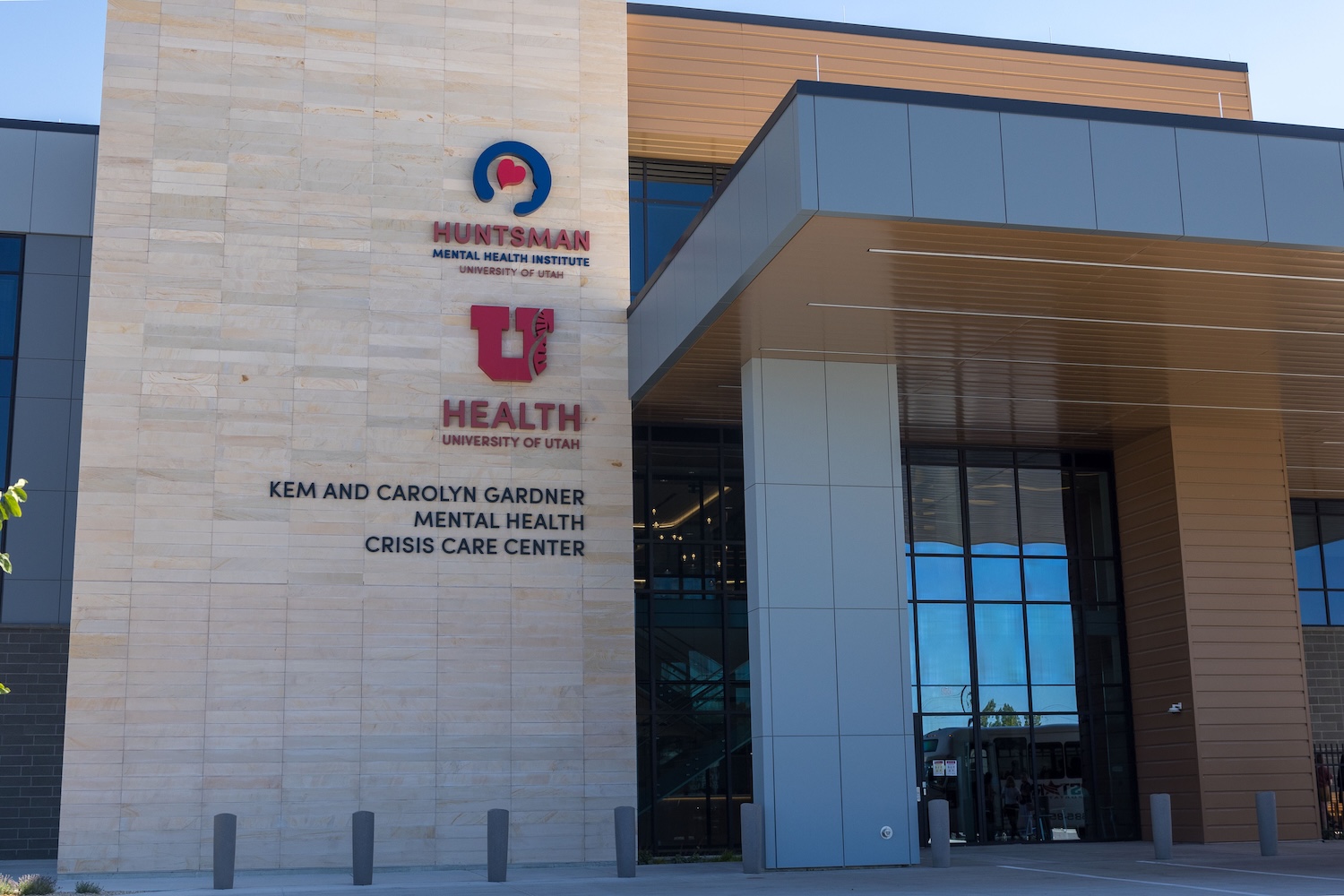
Isis, Allie, and Jacob attended a tour of the Huntsman Mental Health Institute and Crisis Center of Utah. The institute is leading the way for many significant improvements in behavioral health by focusing on creating a welcoming environment for its patients through a variety of methods, including referring to those whom they treat not as patients, but as guests. The architecture of the building helps achieve this as well by being intentional with every aspect, all the way down to the lighting, which is timed to the body’s circadian rhythm!

Representative Steve Eliason and Operations Manager Kevin Curtis shared how they have made an impact through collaborating with local police departments and hospitals to keep those facing mental challenges out of prisons and instead getting the care they need. Their work has helped many people with rehabilitation after facing a crisis while creating a more accepting community for those who may have mental problems. The session informed us on the resources available for nearly every demographic to seek care, along with ways legislators can help push for destigmatizing mental health treatment. 

The tour created a lot to think about for the Ambassadors, but it brought along with it a newfound interest in psychology and the treatment of the mentally ill.

The Great Salt Lake

Robin, Olivia, and Professor Yawn chose to attend the policy tour on Water and the Future of the West. On the bus ride there, we learned about water usage in Utah. Utah Water Ways, led by Executive Director Tage Flint, is behind a campaign called “Slow the Flow.”

Their organization is unique: it is set up as a non-profit, but it is funded in part by the Utah Legislature and in part by community/corporate partners, with a goal of reducing per capita water consumption by almost a third in the next twenty-five years.

Part of this goal is to save the Great Salt Lake.

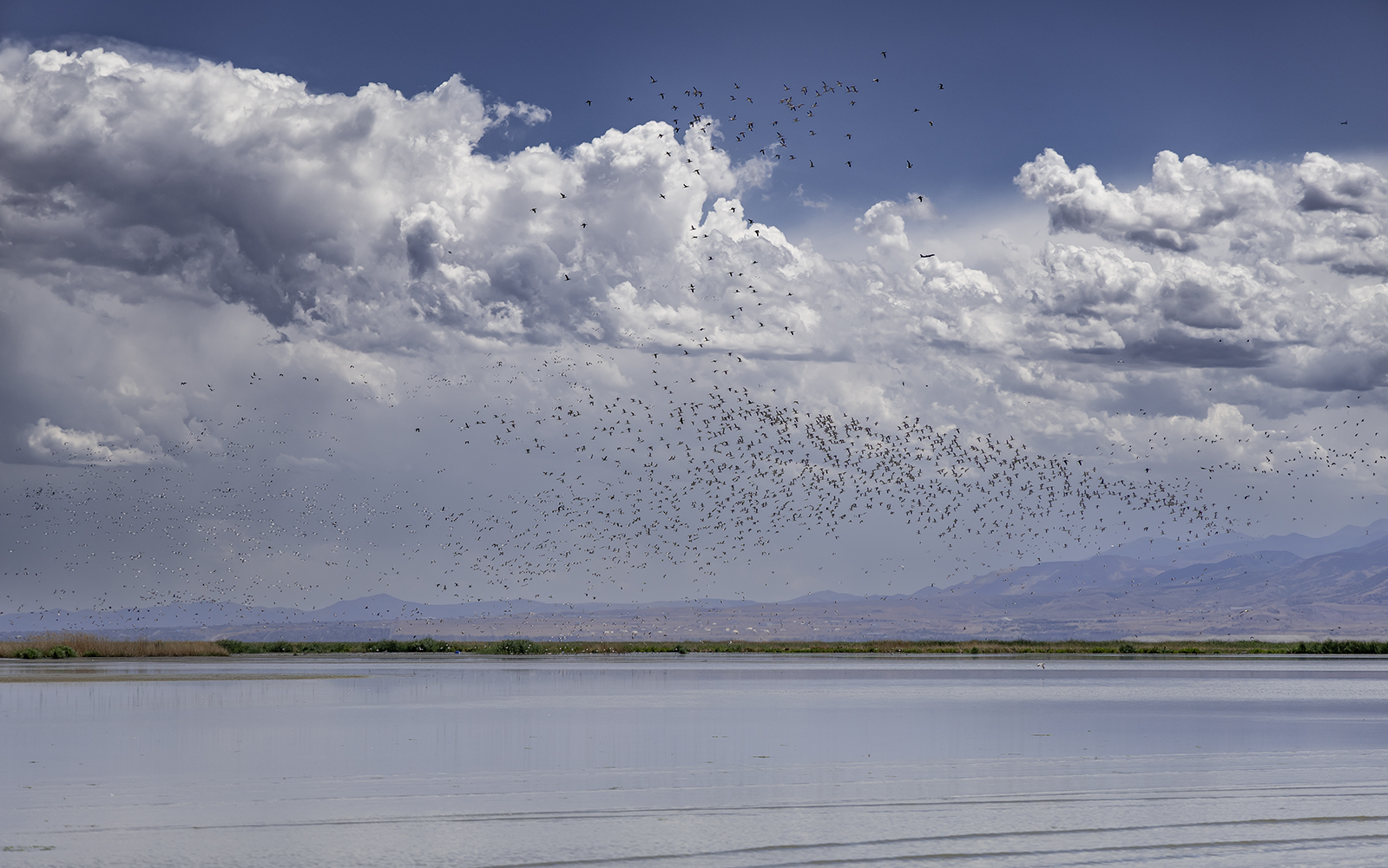
The Lake has been subsiding in the past several decades, a particularly trouble phenomenon because it offers a unique ecosystem, providing a home for hundreds of thousands of migratory birds.

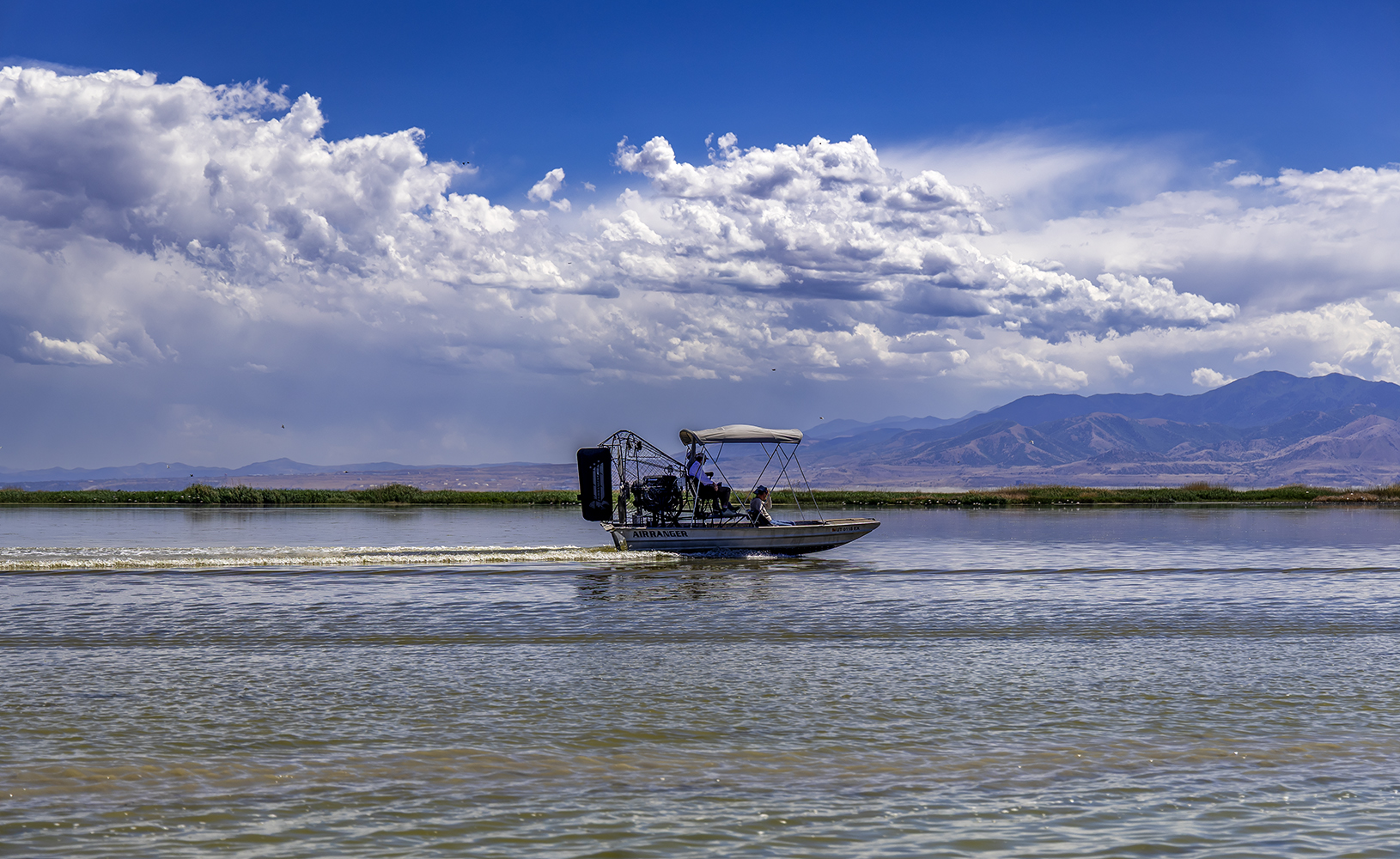
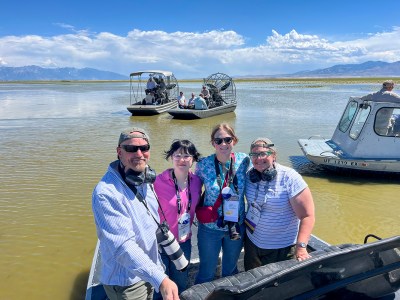
As the tour began, we boarded an airboat, and, accompanied by Nevada Legislator Natha Anderson and our guide, Carter…

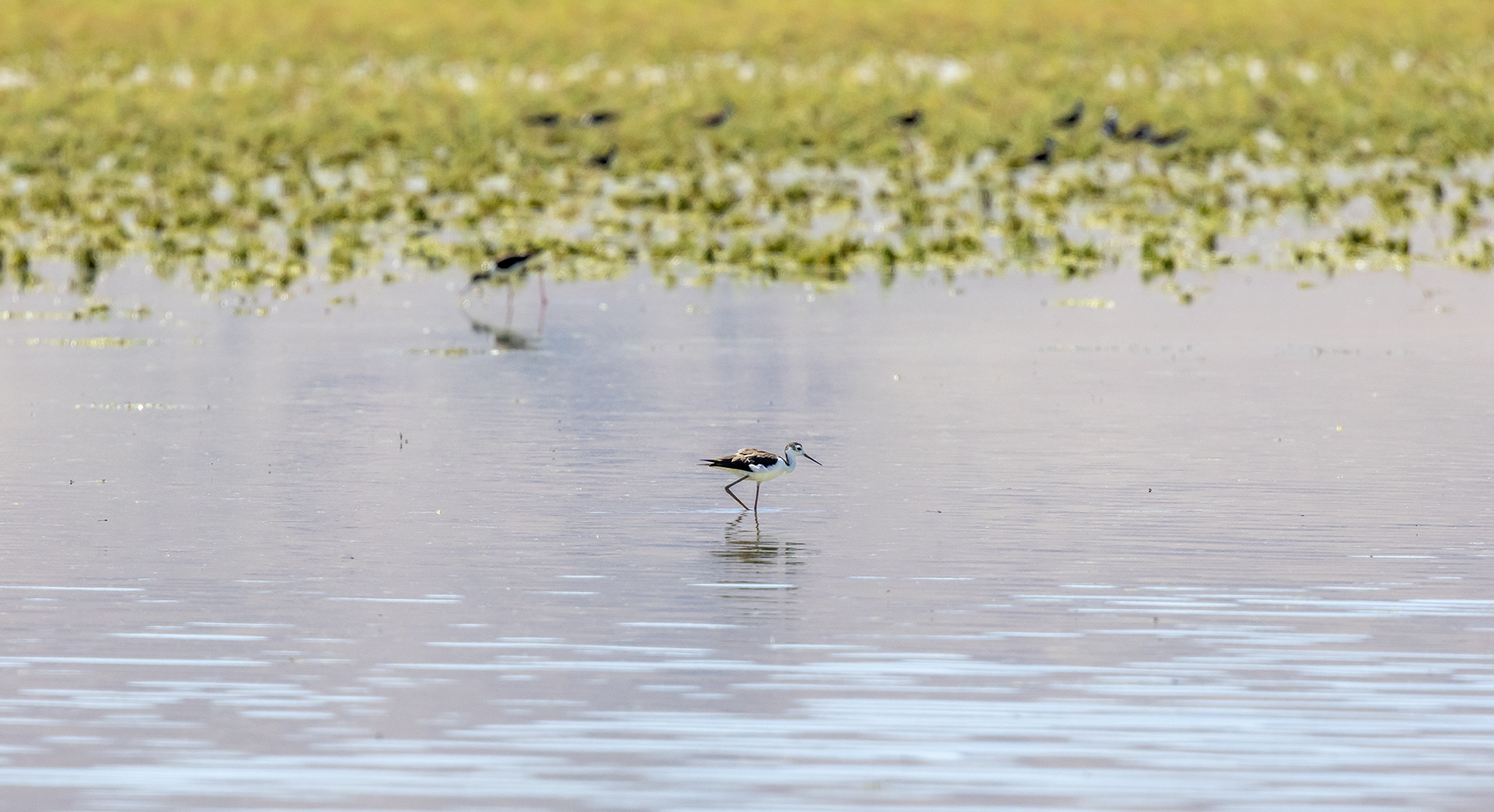
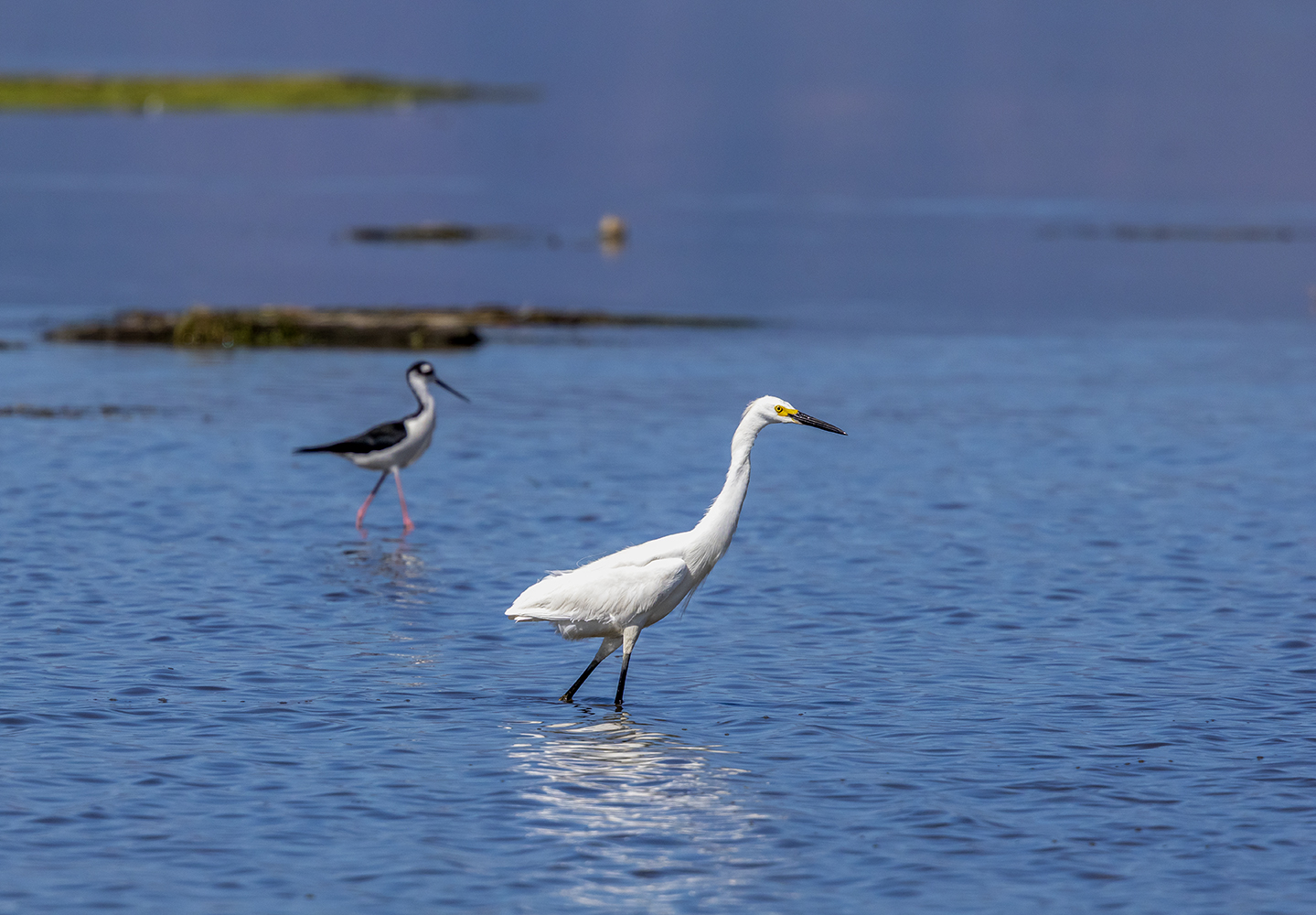
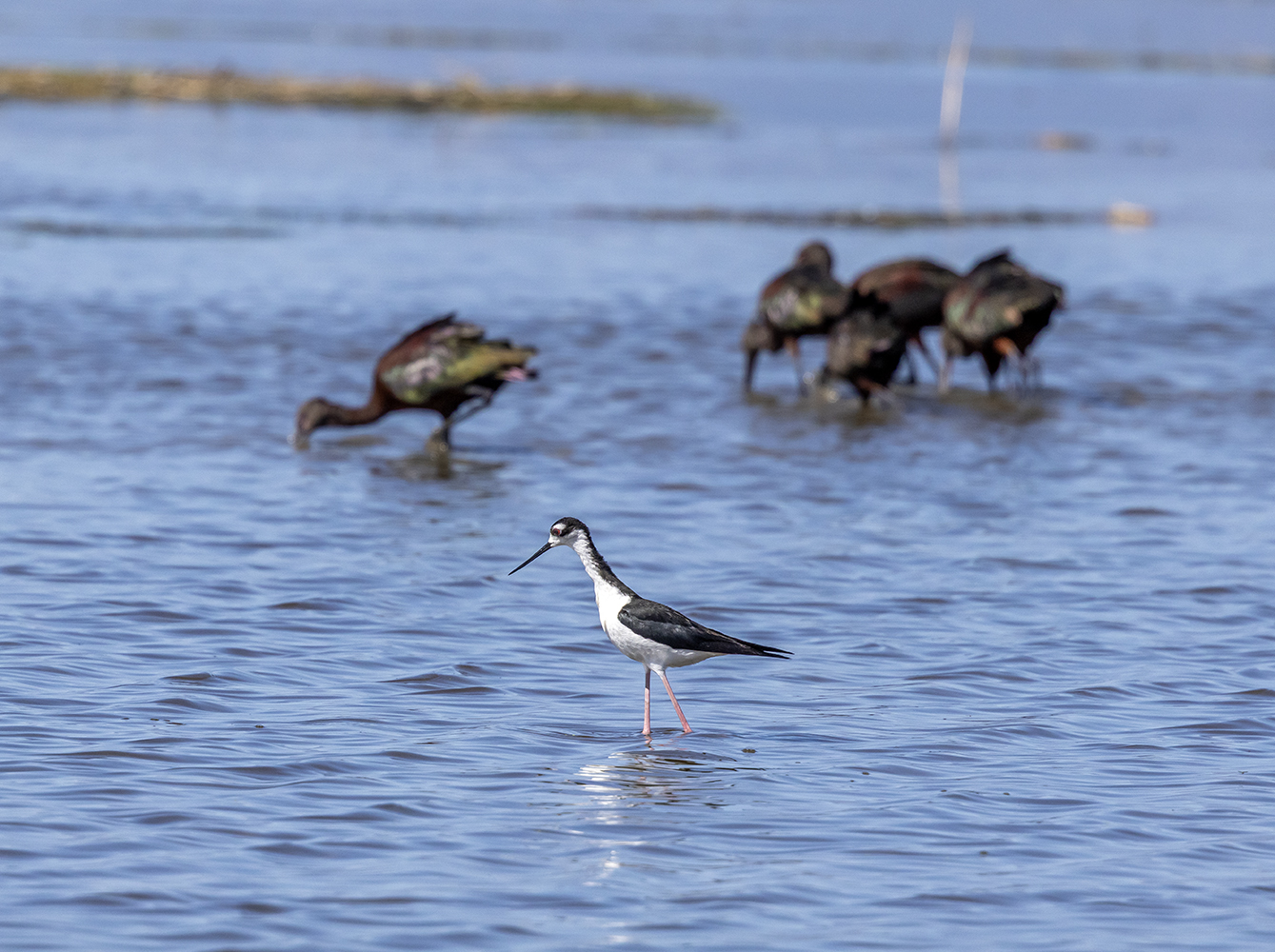
…we spent a wonderful couple of hours exploring the Utah wetlands, seeing birds, insects, and other wildlife critical to the wetland ecosystem.

Seeing the wetlands in person reminded all of us of the importance of water conservation, especially in Utah, the second-driest state in the country.

The Church of Jesus Christ of Latter-day Saints’ Salt Lake City Temple

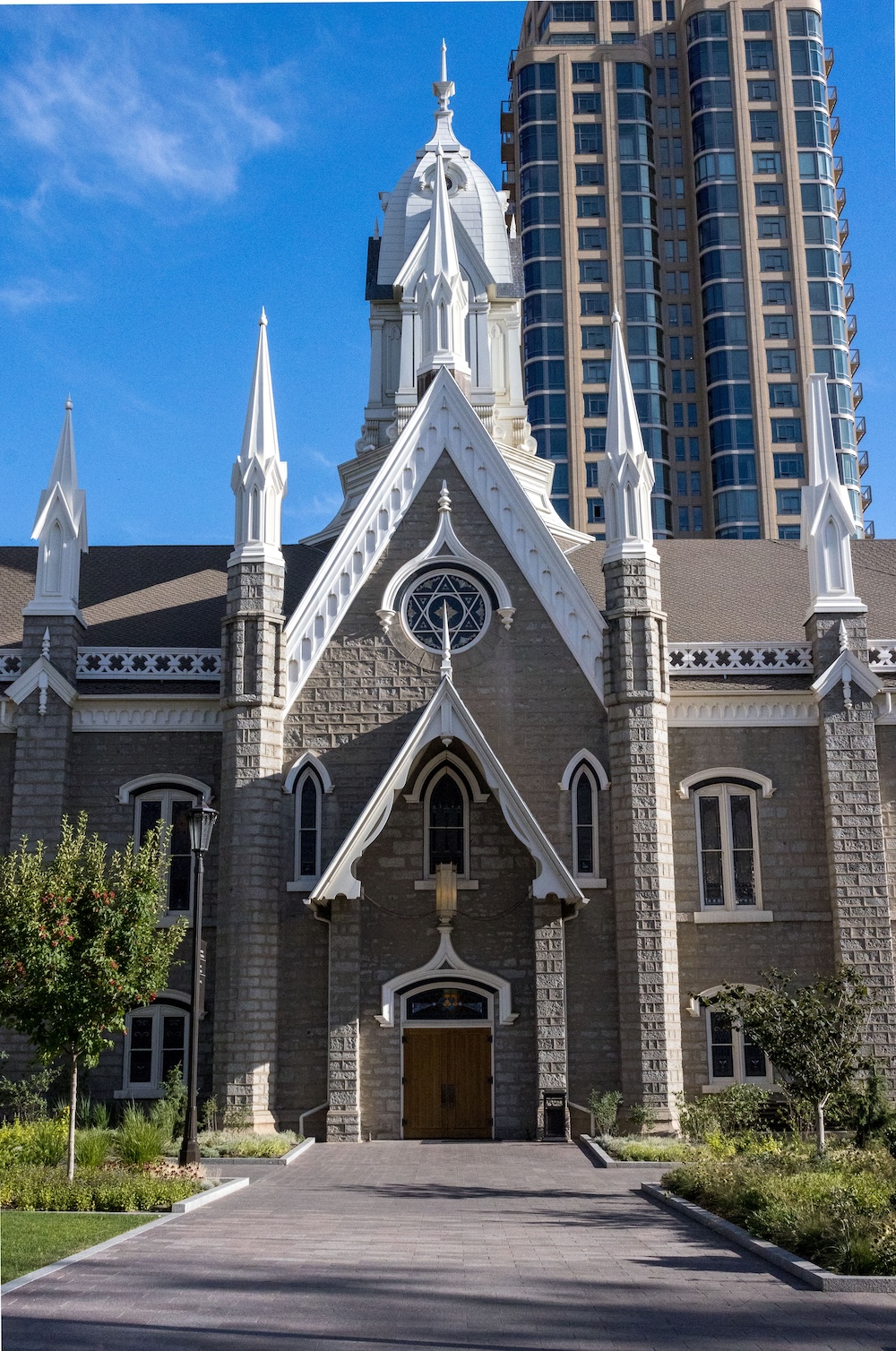
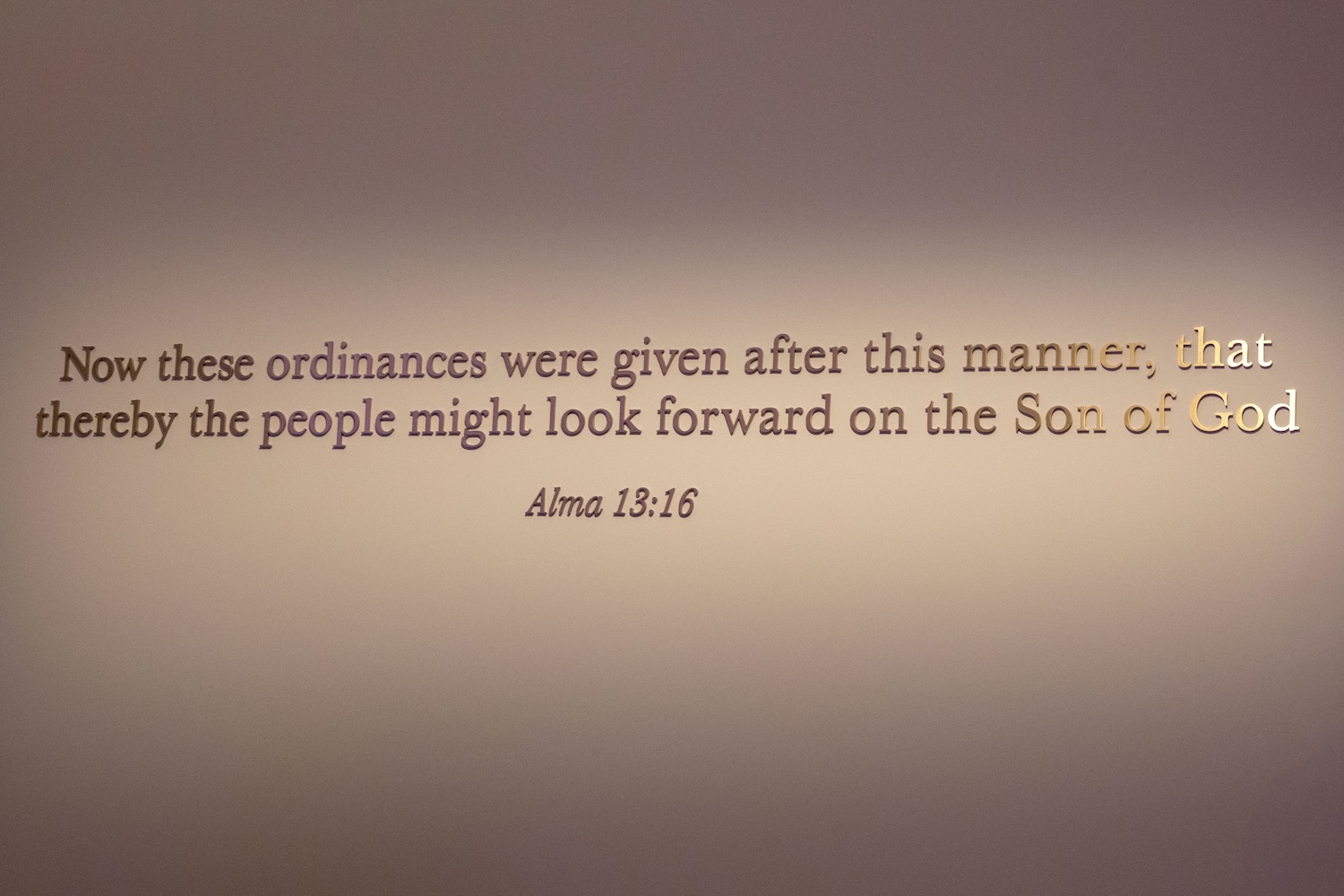
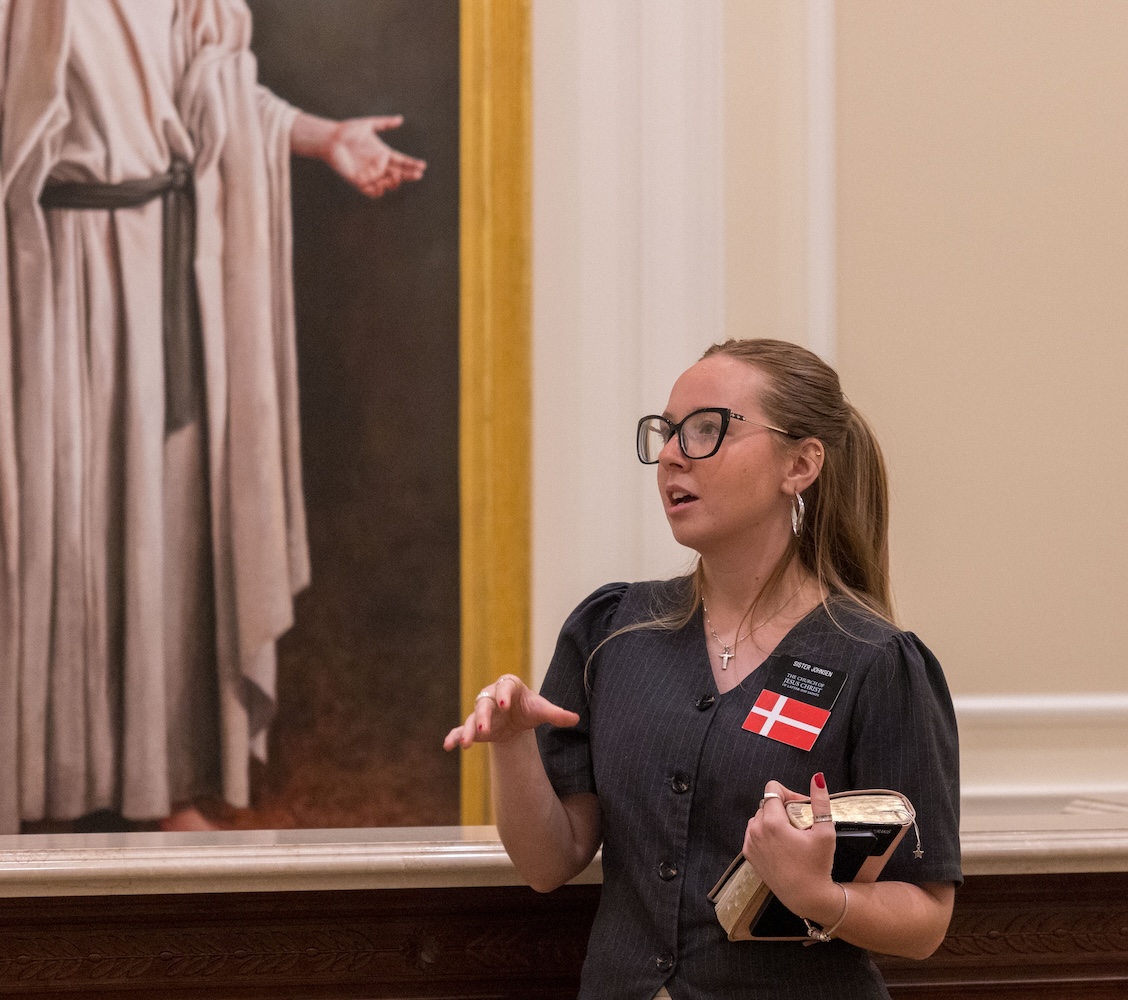
Following the Policy tours, LEAP ambassadors headed out to explore the historic Temple Square for a tour of the Church of Jesus Christ of Latter-Day Saints’ Salt Lake City Temple Visitors Center. Though not allowed in the Temple itself without a Temple Recommend from the LDS Church, we were soon immersed in the history, culture, and beliefs of the Church.

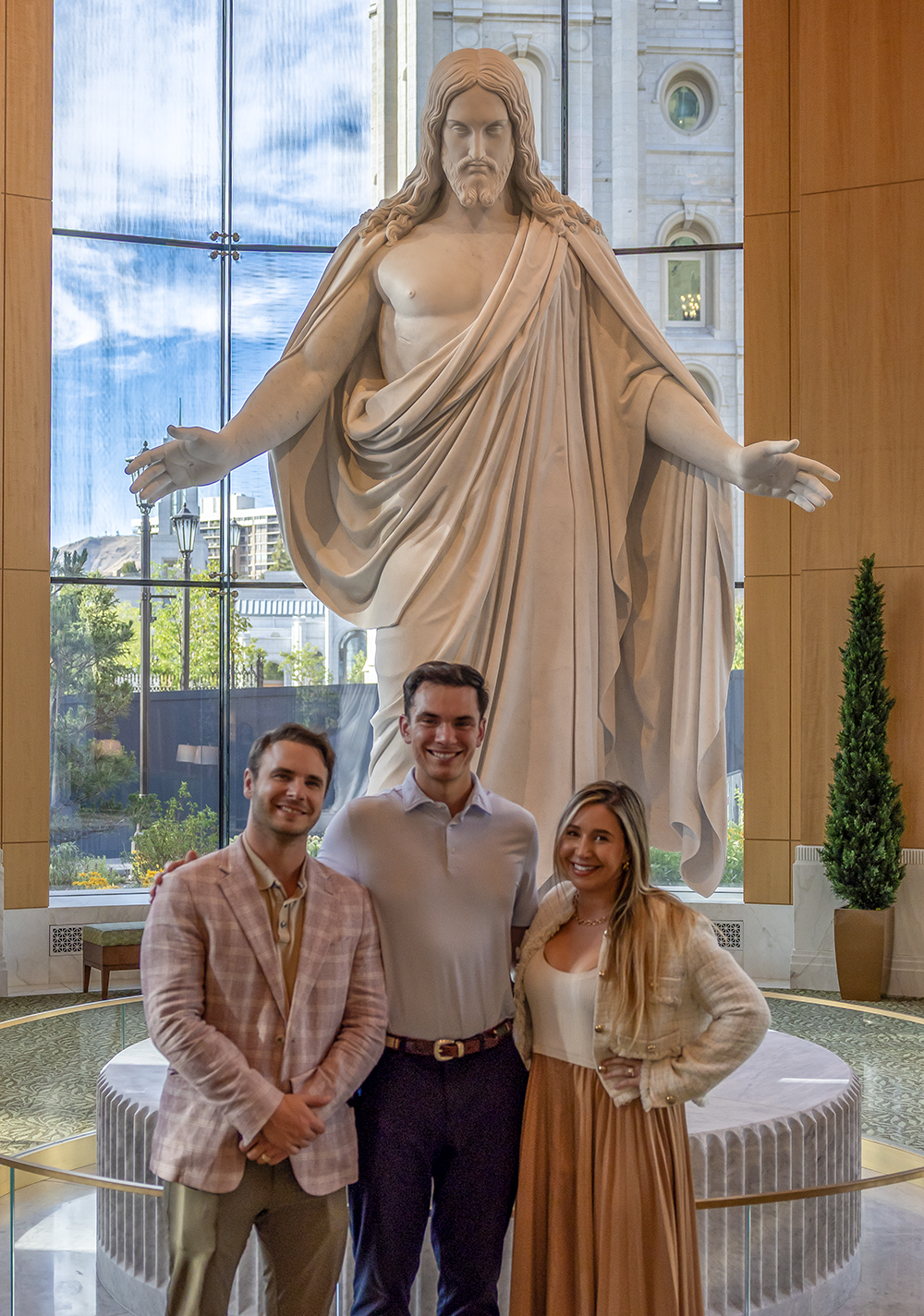
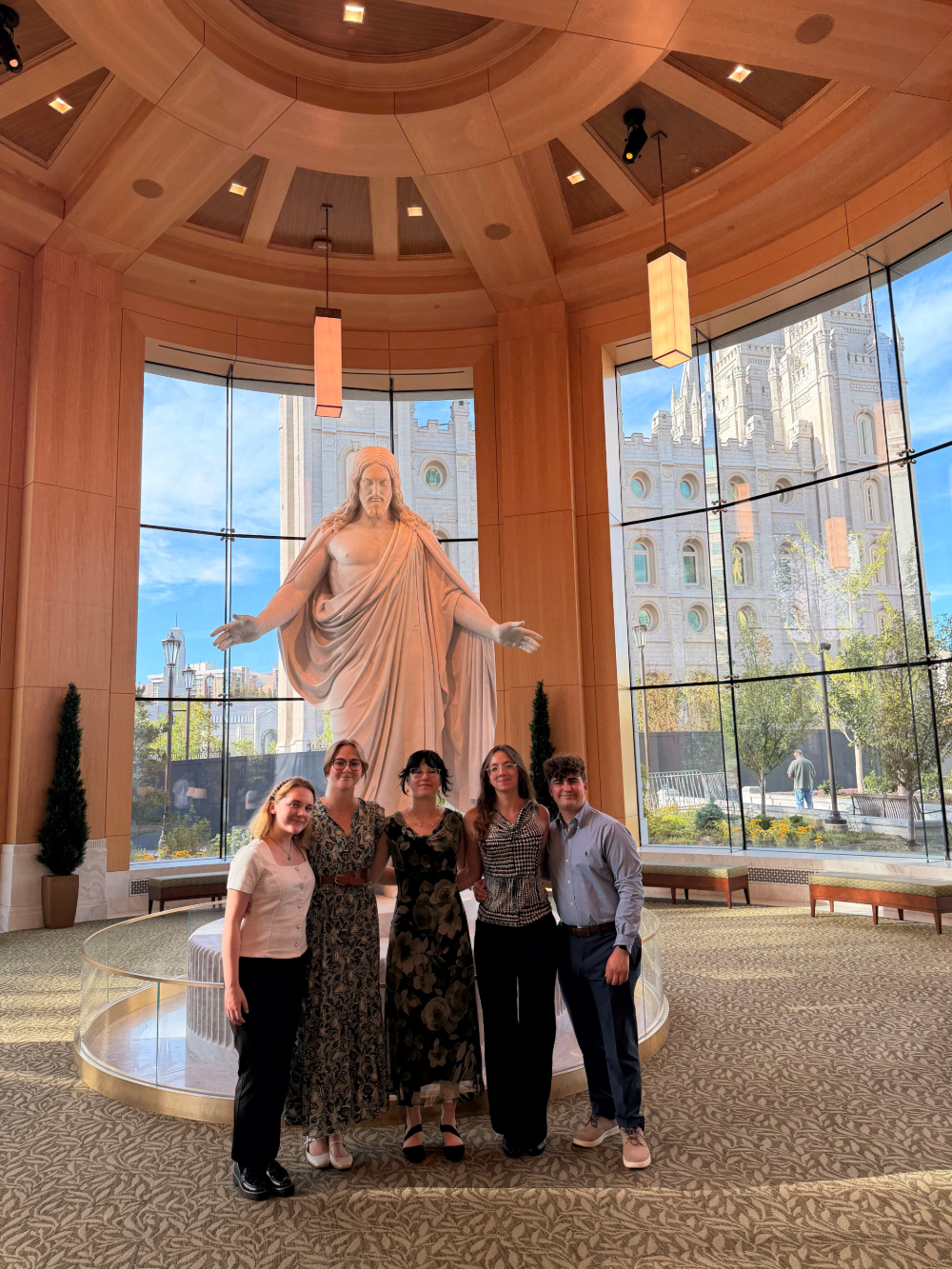
Our first stop was to take a picture with Thorvaldsen’s Christus, an 11-foot-tall statue of Jesus Christ that has a unique connection to Huntsville. Home to a full-scale bronze replica of the same statue (which can be found in historic Oakwood Cemetery), Huntsville possesses the only full-sized replica of Christus in the state of Texas.

We then were led through five rooms of a replica temple: the foyer, the baptistry, the celestial room, the instruction room, and the sealing room, each of which are copies of real temple rooms.

The most interesting room to me was the baptistry, which features a large bath resting on the backs of twelve life-sized oxen that symbolize the Twelve Tribes of Israel. The baptistry is also located on the temple’s lowest level to represent the symbolic burial and resurrection associated with baptism. Members of the Church perform baptisms there on behalf of their deceased ancestors who did not have an opportunity to convert, though their ancestors still must choose to accept the baptism.

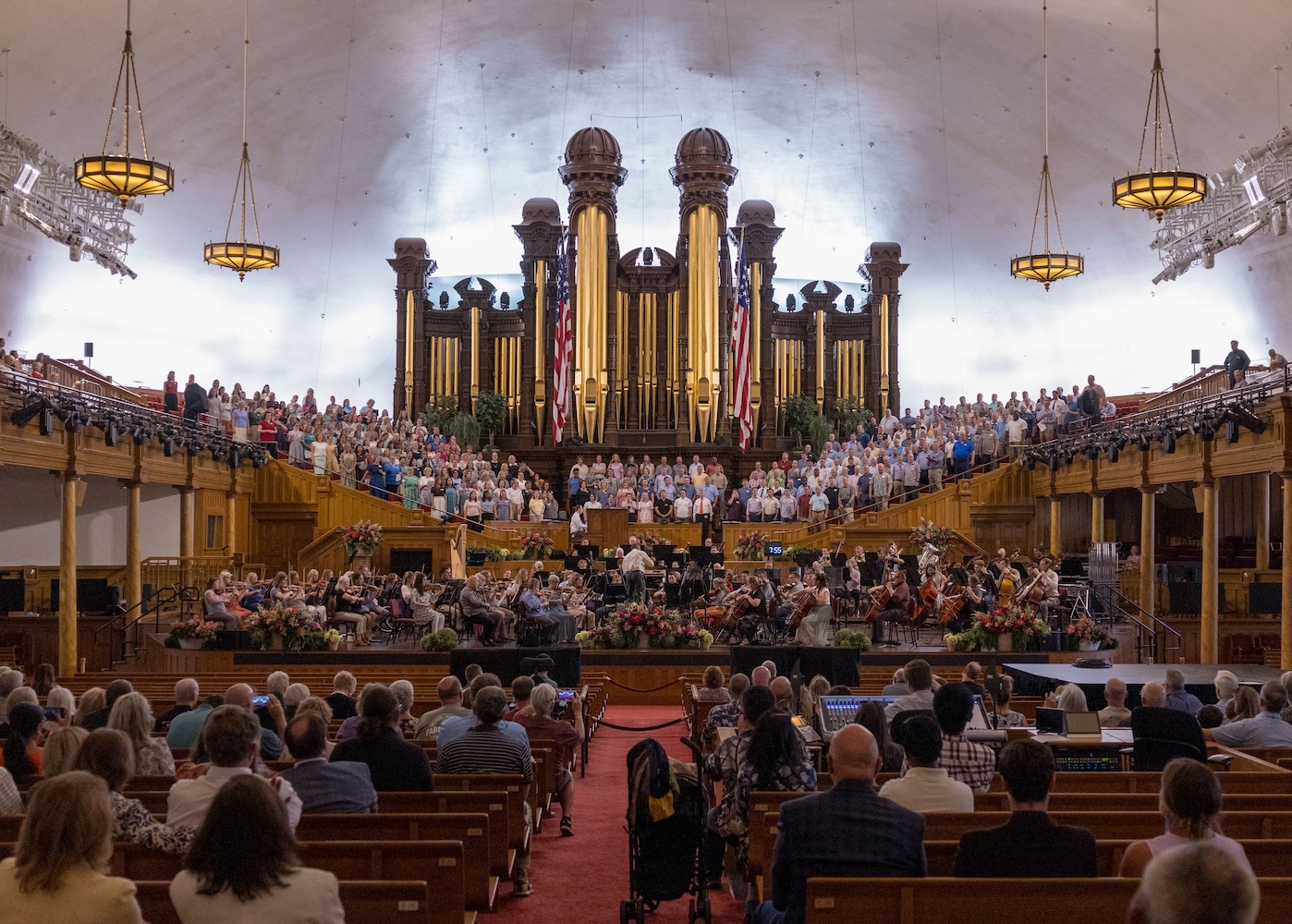
After the tour, we were taken to the Tabernacle to listen to the Grammy, Emmy, Peabody, and Mother Teresa award-winning Tabernacle Choir perform.

Many of the ambassadors were deeply moved by the experience, and we all understood why it is considered one of the ten greatest choirs in the world.

Overall, we enjoyed our visit to The Church of Jesus Christ of Latter-Day Saints. The experience gave us a greater appreciation for the culture, history, and beliefs of many of the people who call Salt Lake City home.

Central by Saffron Valley

Hungry after our longest conference day, we stopped in to Central by Saffron Valley for a meal that would have made the James Beard Foundation proud. Actually, it must have made the Foundation proud, because the chef, Lavanya Mahate, was nominated for a James Beard award in 2024.

The restaurant is an homage to the “golden age of India’s train travel,” and it is themed accordingly. The tables are labeled by platform, there is a “railroad crossing” sign in a corner, there is a faux train compartment wallpaper in parts of the restaurant, and some of the dishes are served in the tins used on Indian train travel.

The theme is appropriate, in that the meals come from different regions of India: curries from across the country; chicken tikka dosa from “southbound parts”; and a dessert menu featuring “sweet departures.”

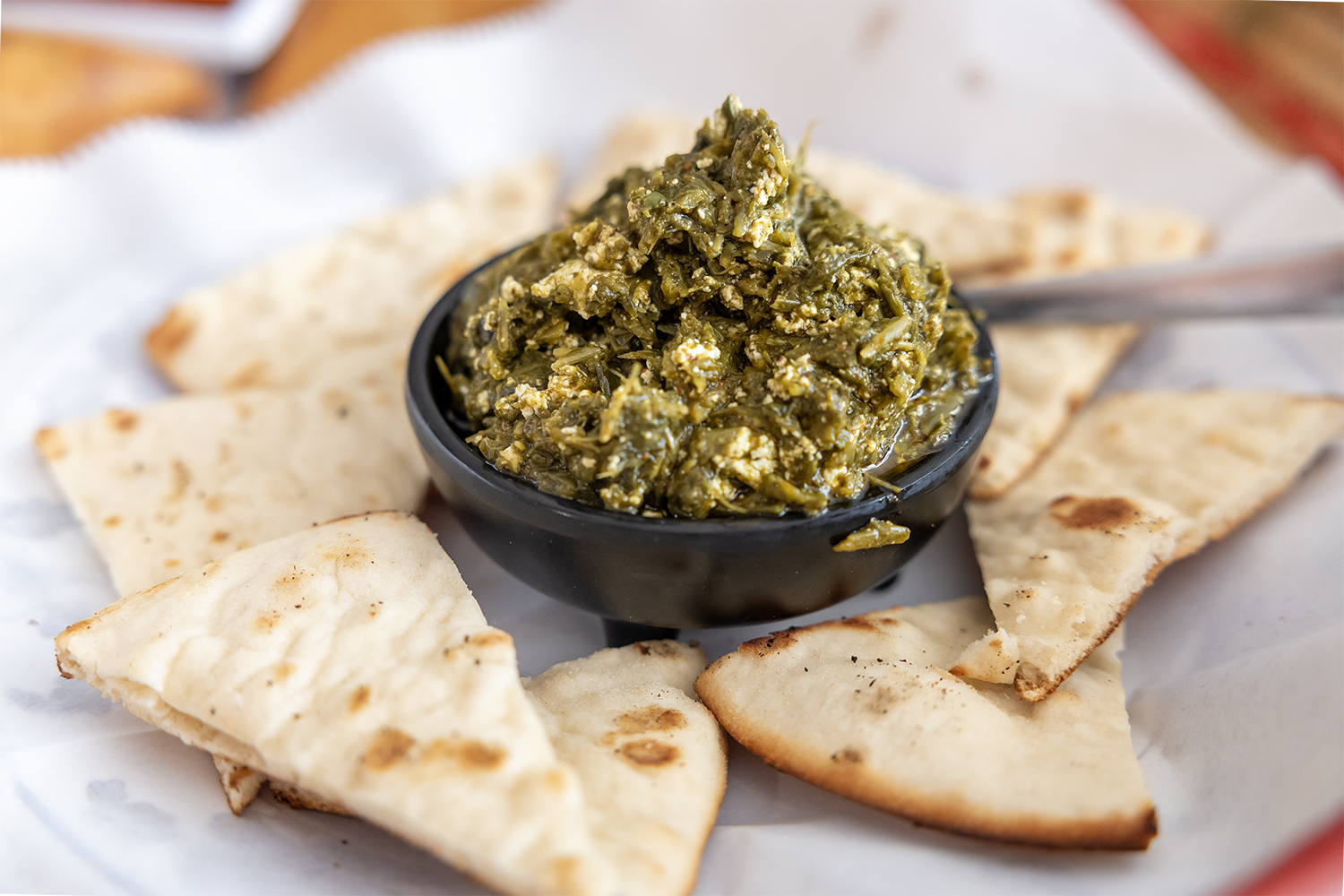
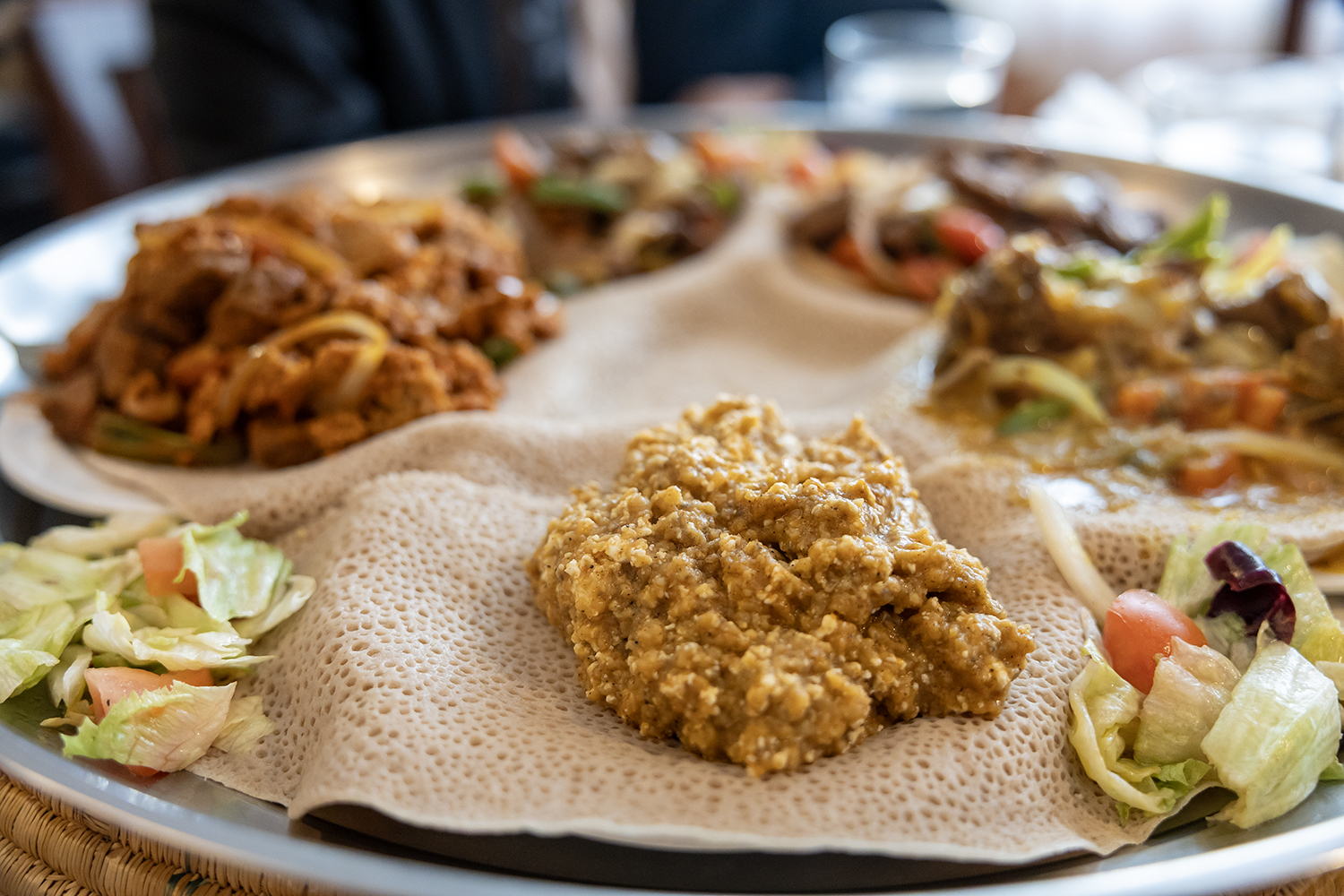
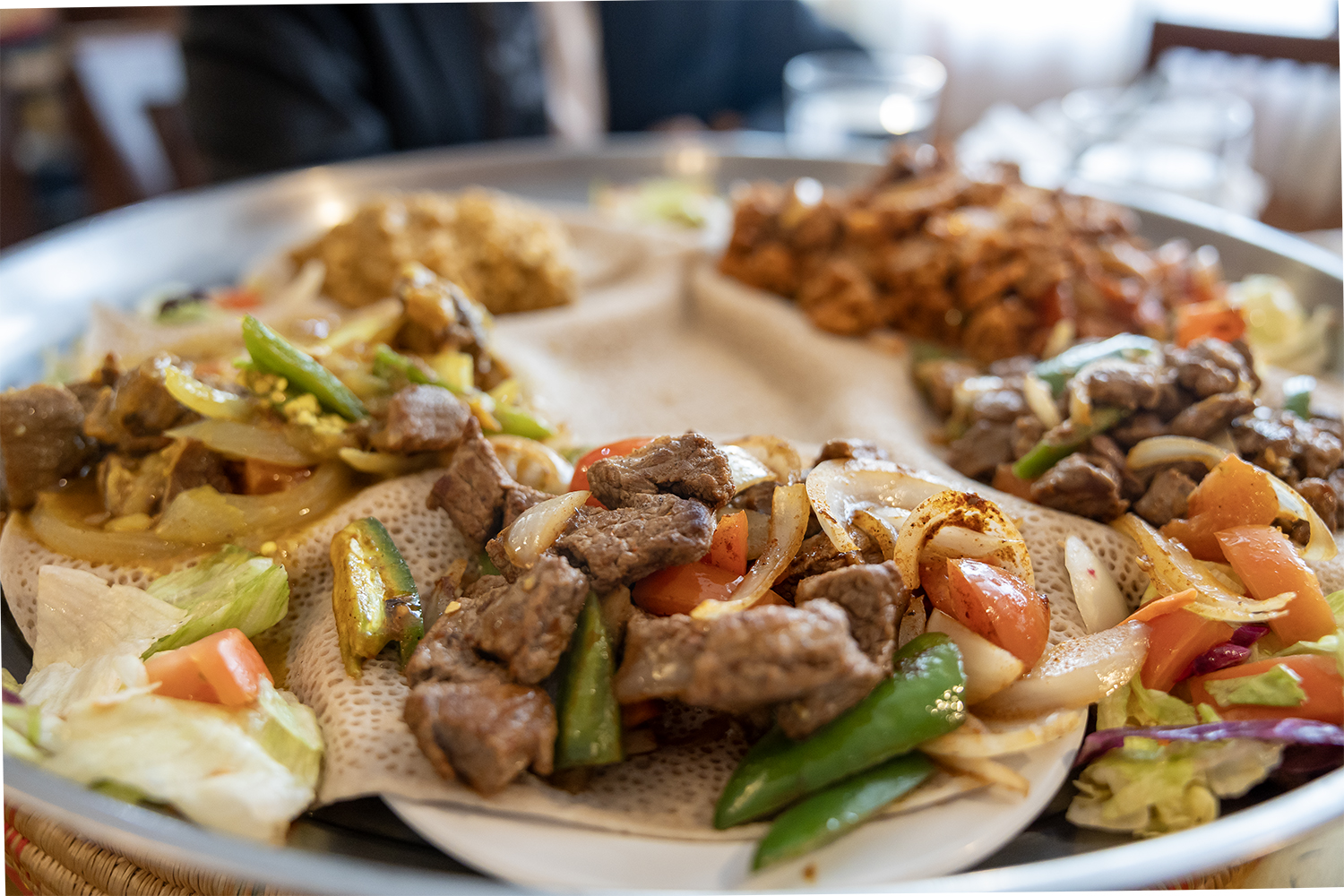
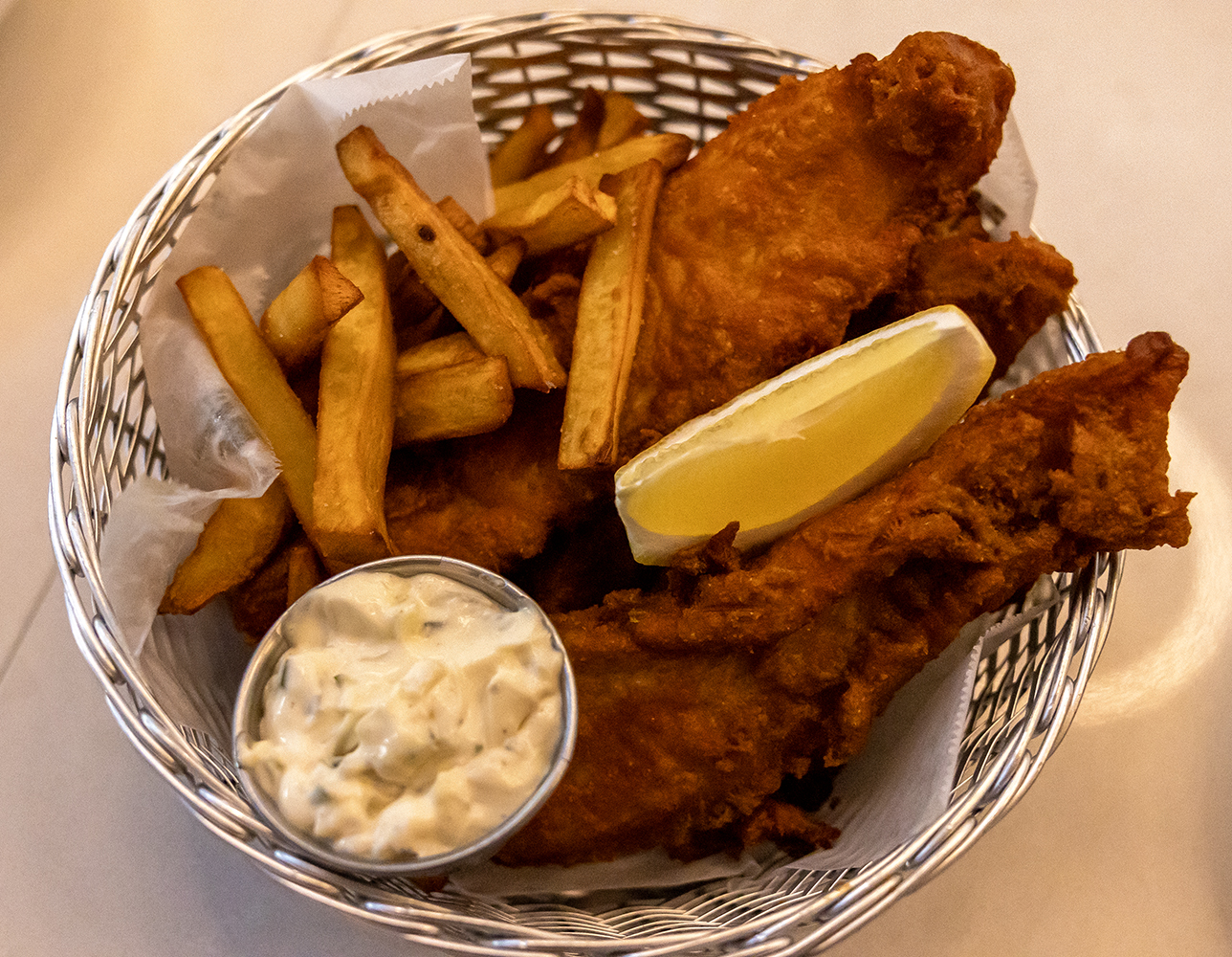
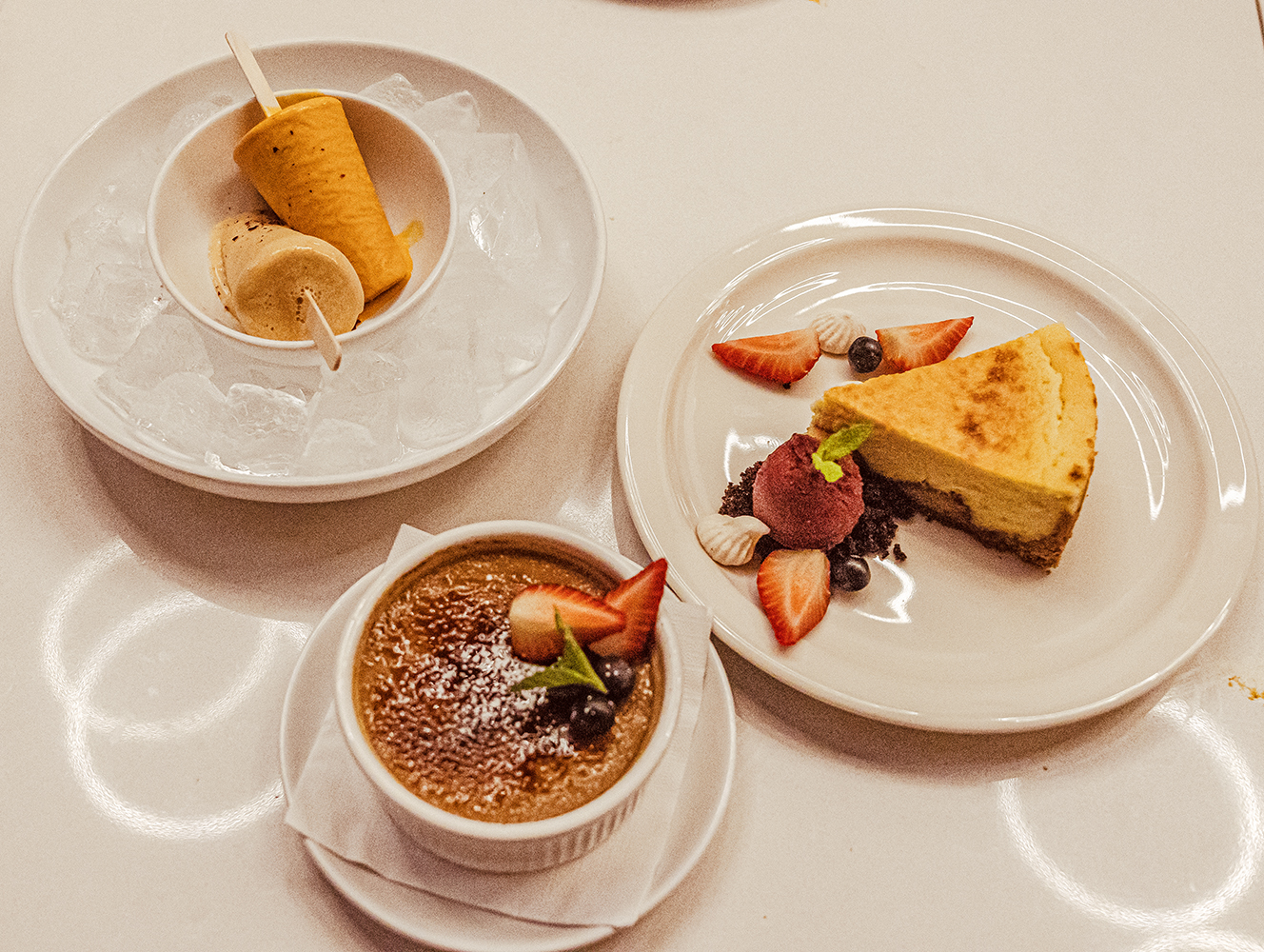
We opted to eat family style, with some naan, chicken tikka kebabs, samosas, fish and chips (a nod to India’s one-time status as a British colony, and a sop to Olivia), Nawabi lamb biryani; the ever-reliable Old Delhi Butter Chicken (from the ever predictable Jacob Wessels); and for dessert, chai creme brulee, gulab juman cheesecake, and Indian ice cream.

Everything we had was at least good, and several of the dishes being excellent: the chicken tikka and butter chicken standing out as exceptionally tender; the samosas as a spice-filled specialty; the ice cream as tasty and inventive.

Owner Mahate told the Deseret News that she wanted to make “Indian food more accessible,” and she seems to be doing just that, providing excellent food to the Salt Lake City community. The entire meal was delicious, and it was an enjoyable evening with friends while extending the LEAP Center’s ethnic-themed meals during this trip– a nod to Salt Lake City’s history of attracting immigrants who contribute in many ways, not the least of which is adding to the culinary culture of the community.

Conclusion

Each session and policy tour demonstrated that effective leadership requires curiosity, collaboration, and a willingness to understand perspectives different from our own. As we look ahead to our final day at the conference, we are grateful for the opportunity to learn from legislators, policy experts, and community leaders from across the West.

Unknown's avatarAuthor mikeyawnPosted on July 11, 2026July 11, 2026Format AsideCategories Architecture, Civic Engagement, Criminal Justice, Food, Fun, Law, Local Government, Music, Outdoors, Photography, PoliticsTags Center for Law Engagement And Politics, Council of State Governments, CSG West, LDS, LEAP AmbassadorsLeave a comment on Quantum Computing, the Great Salt Lake, and Innovation in Criminal Justice: Another Day at the CSG West

From Signed Books to Political Insights: A Night with Mike Pence

Written by: Ruthie Passmore

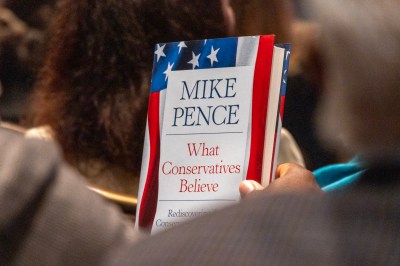
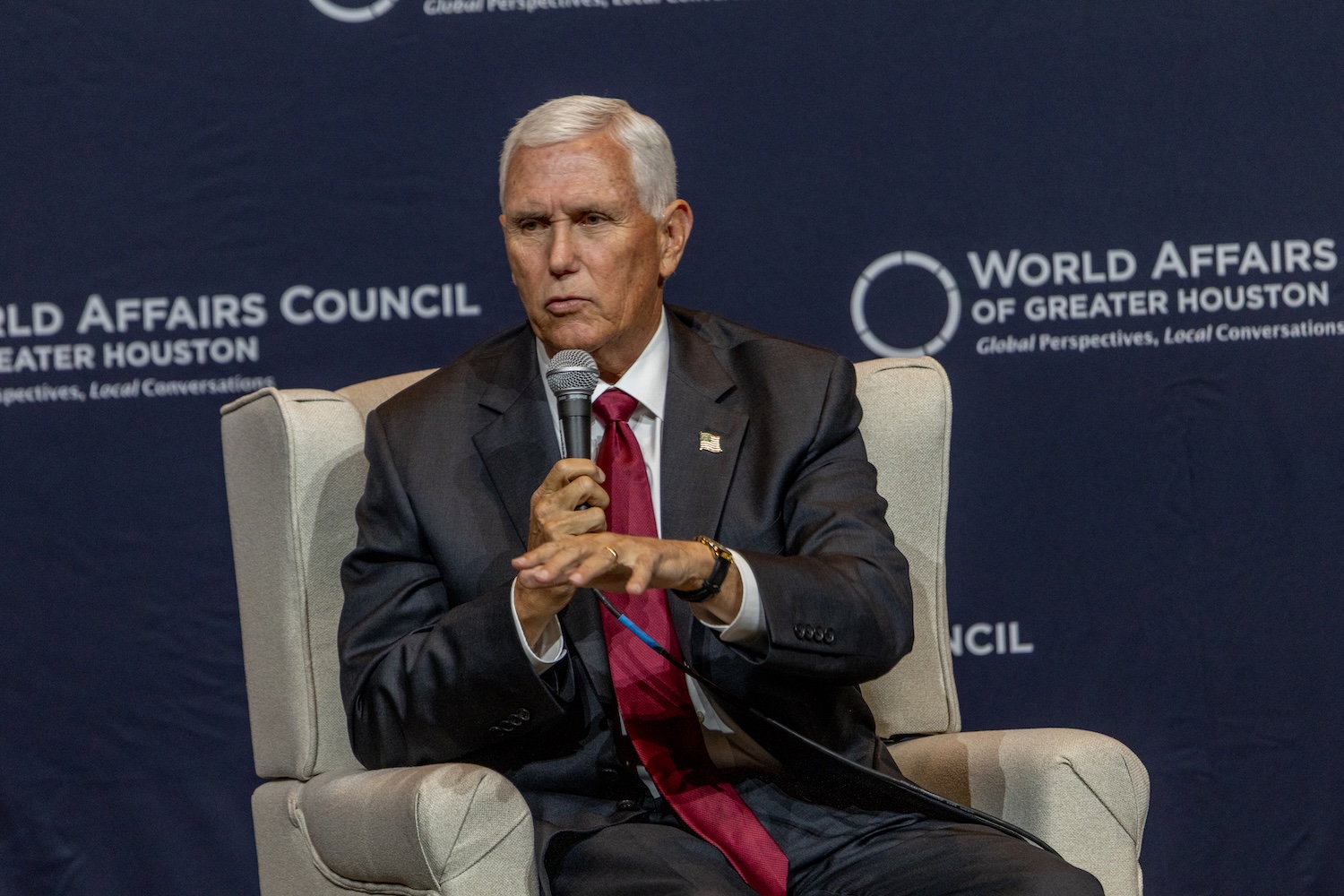
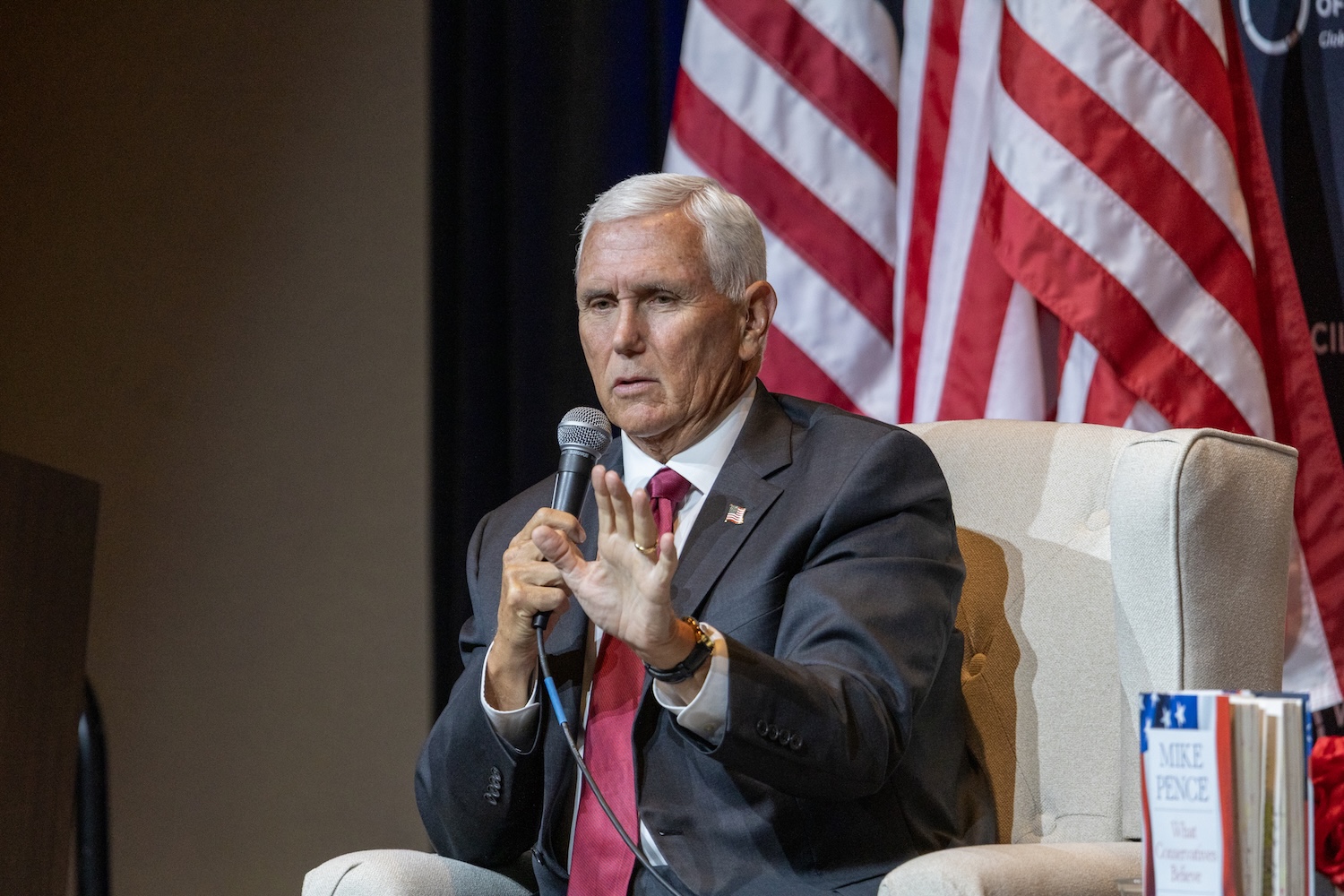
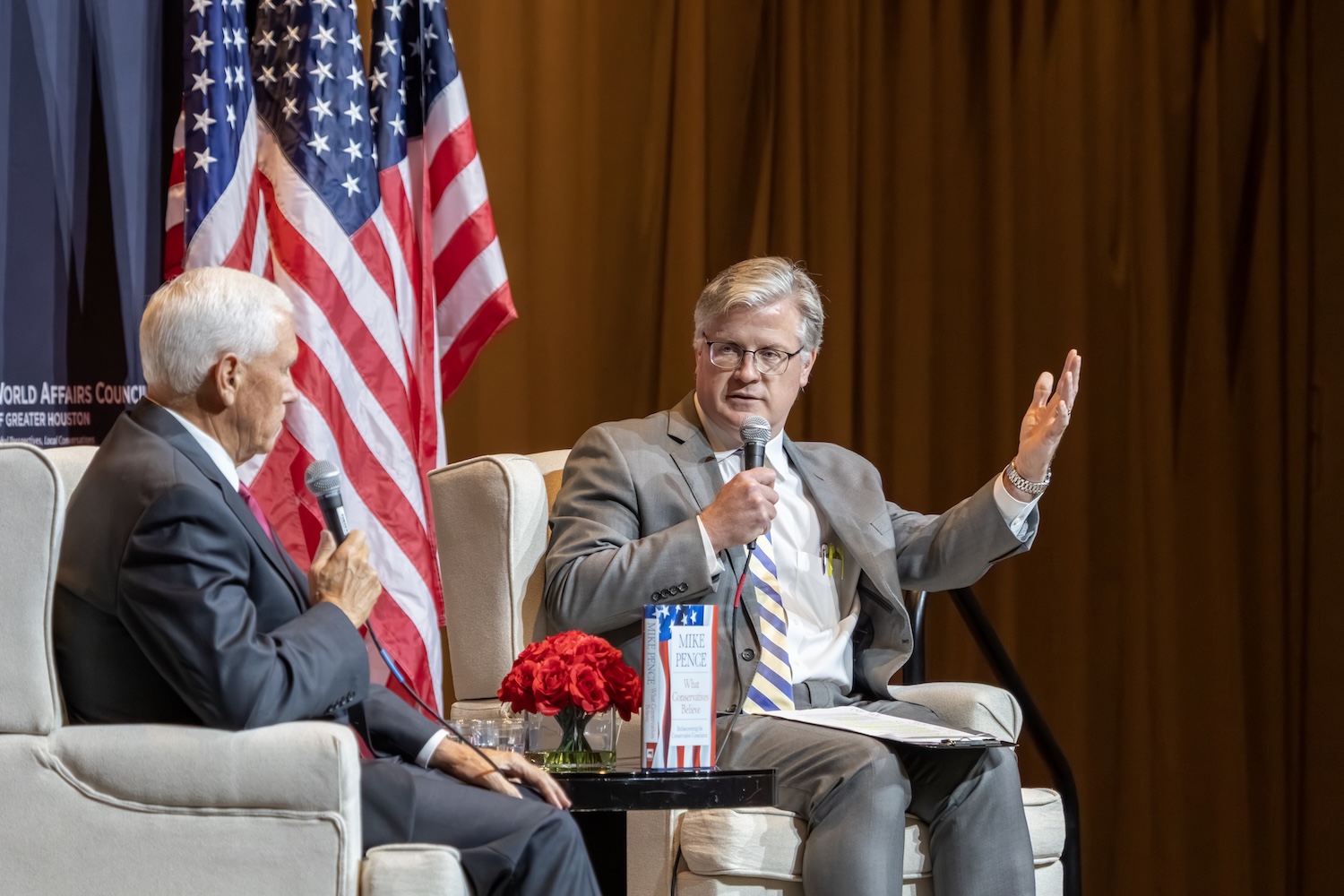
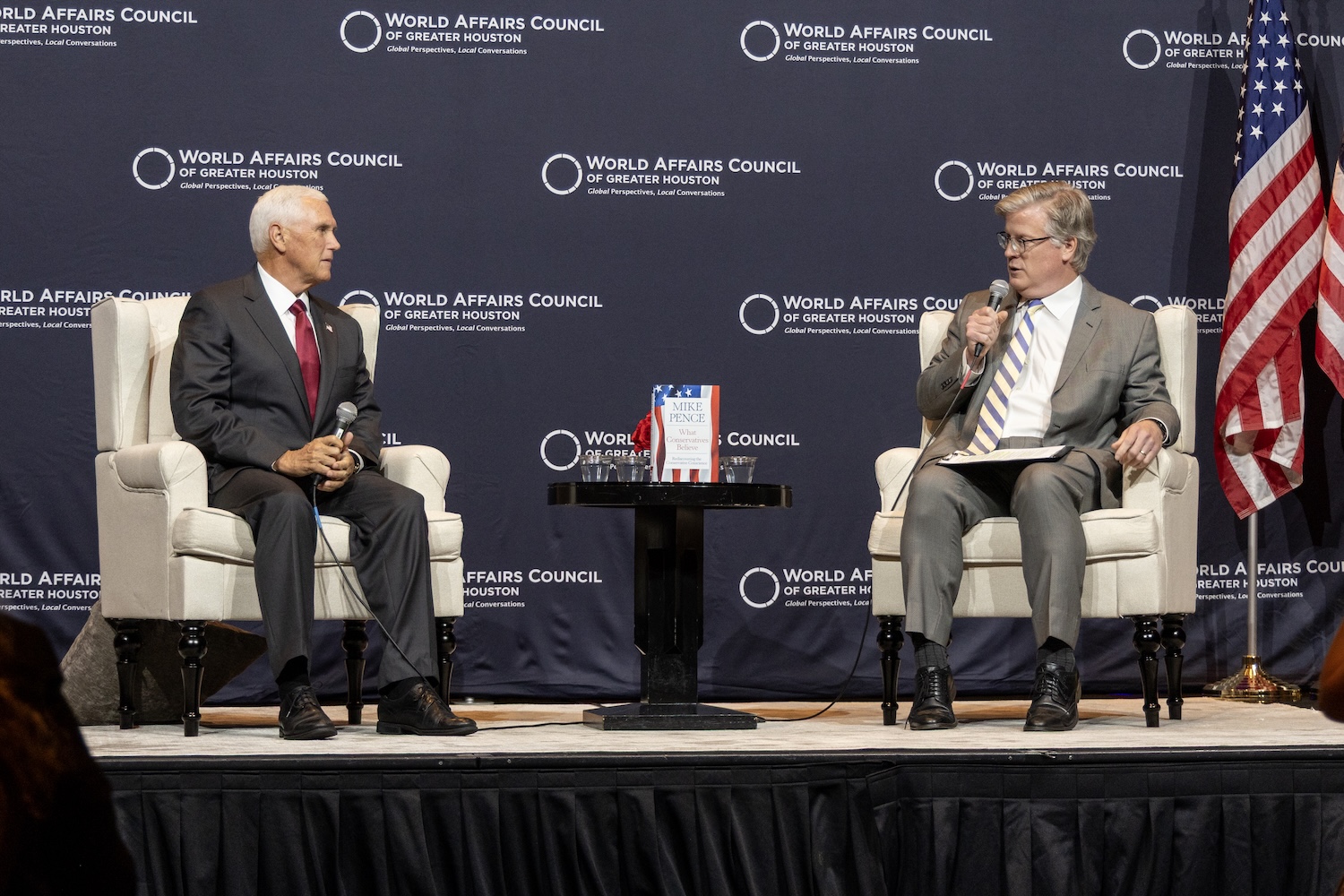
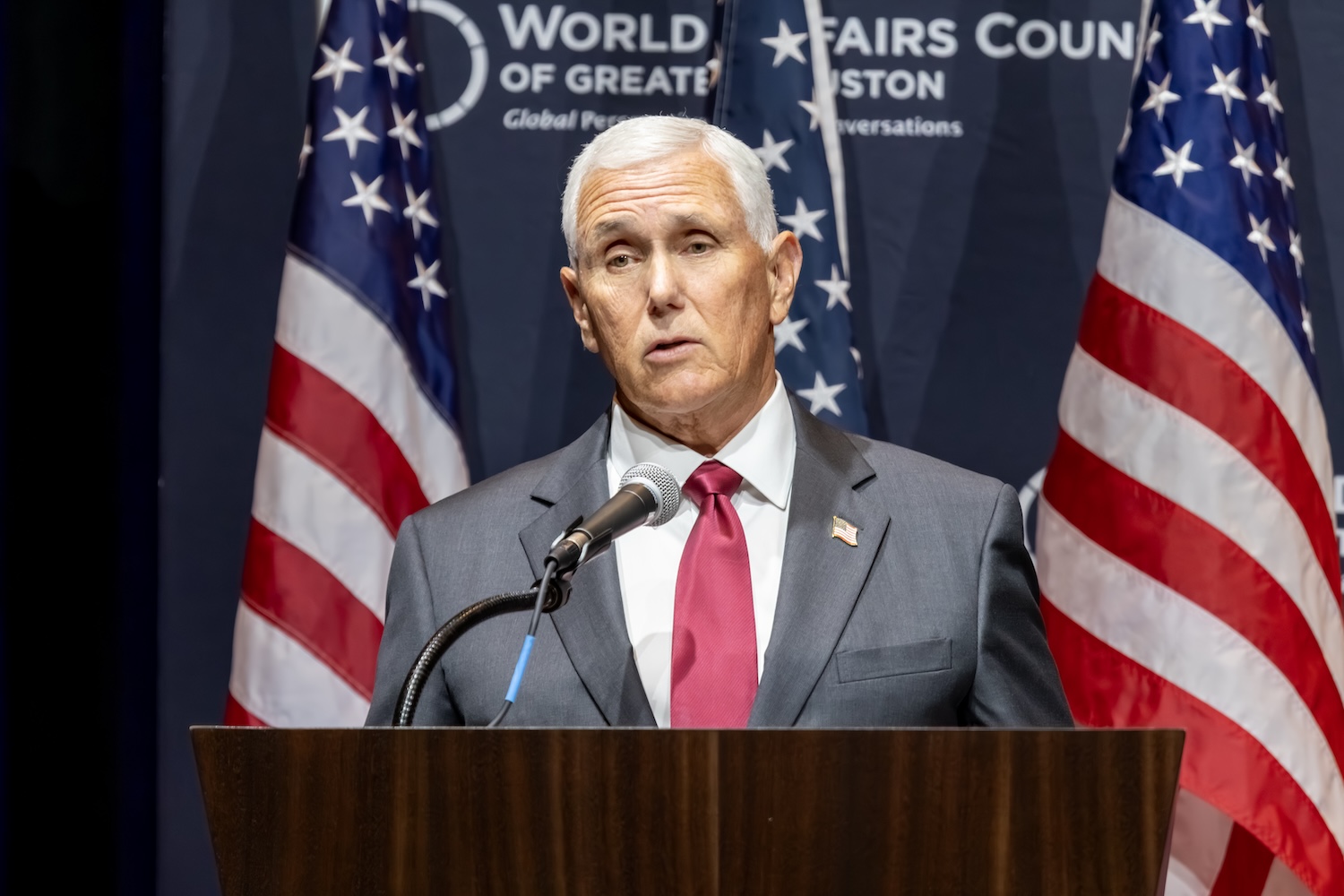
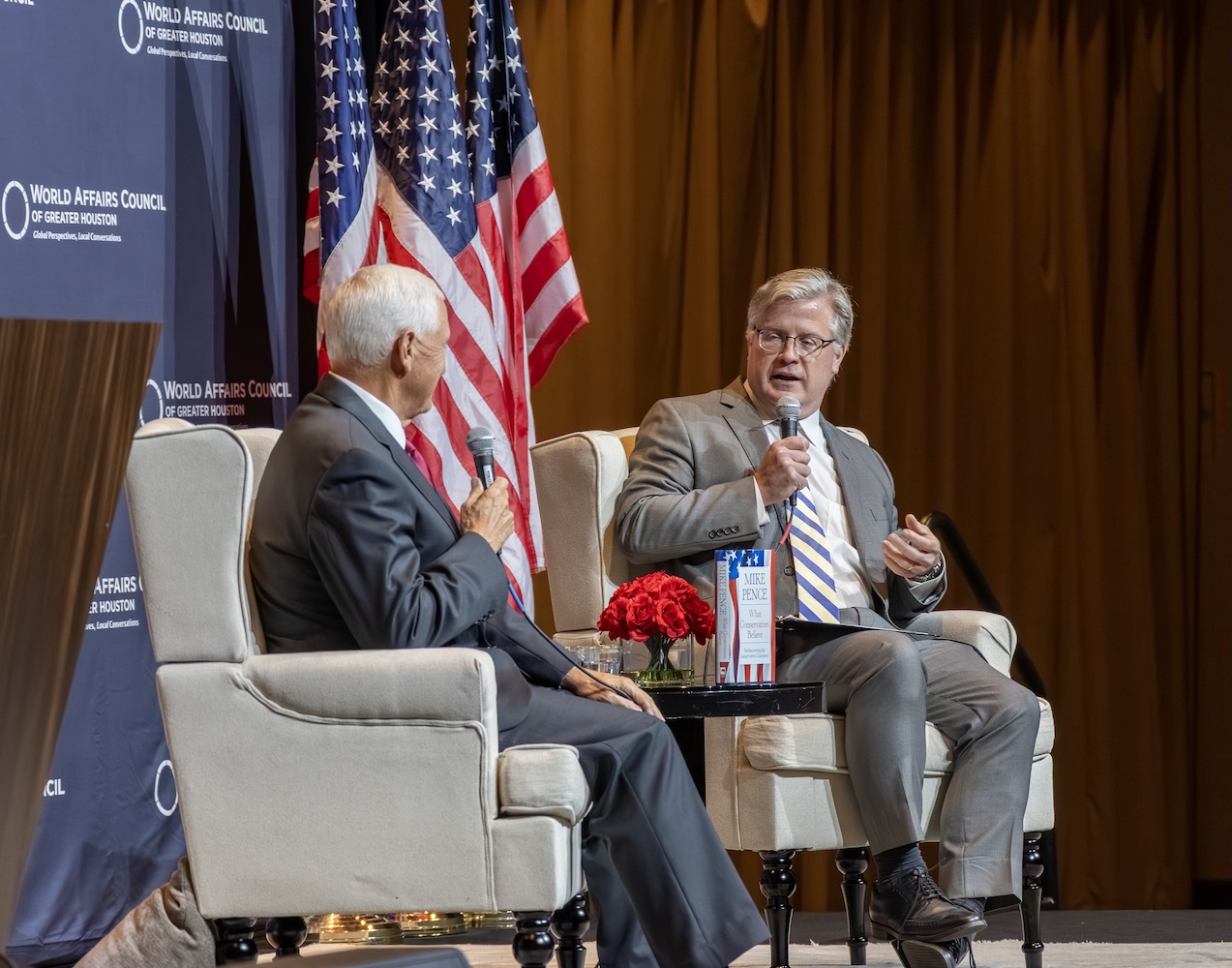
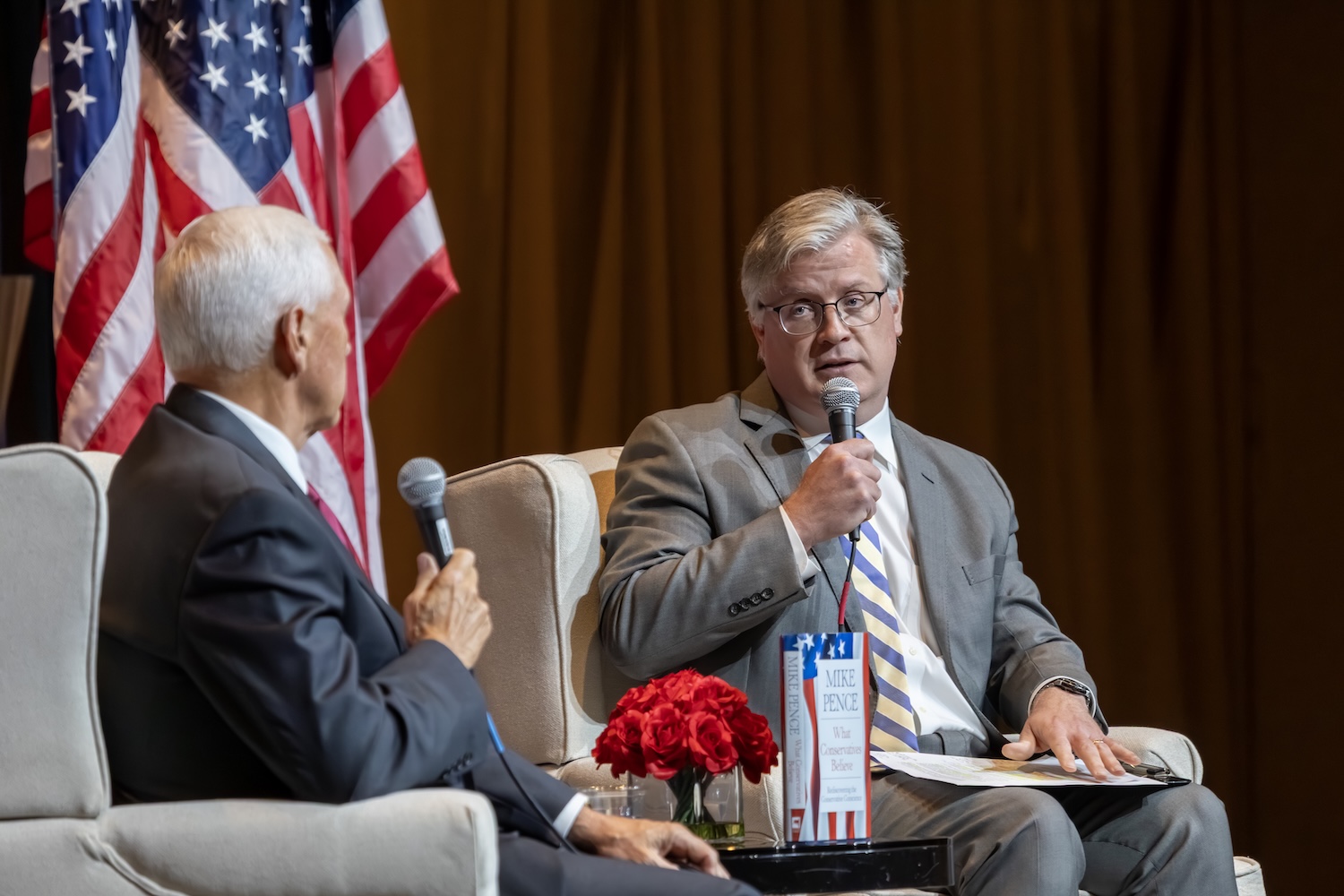
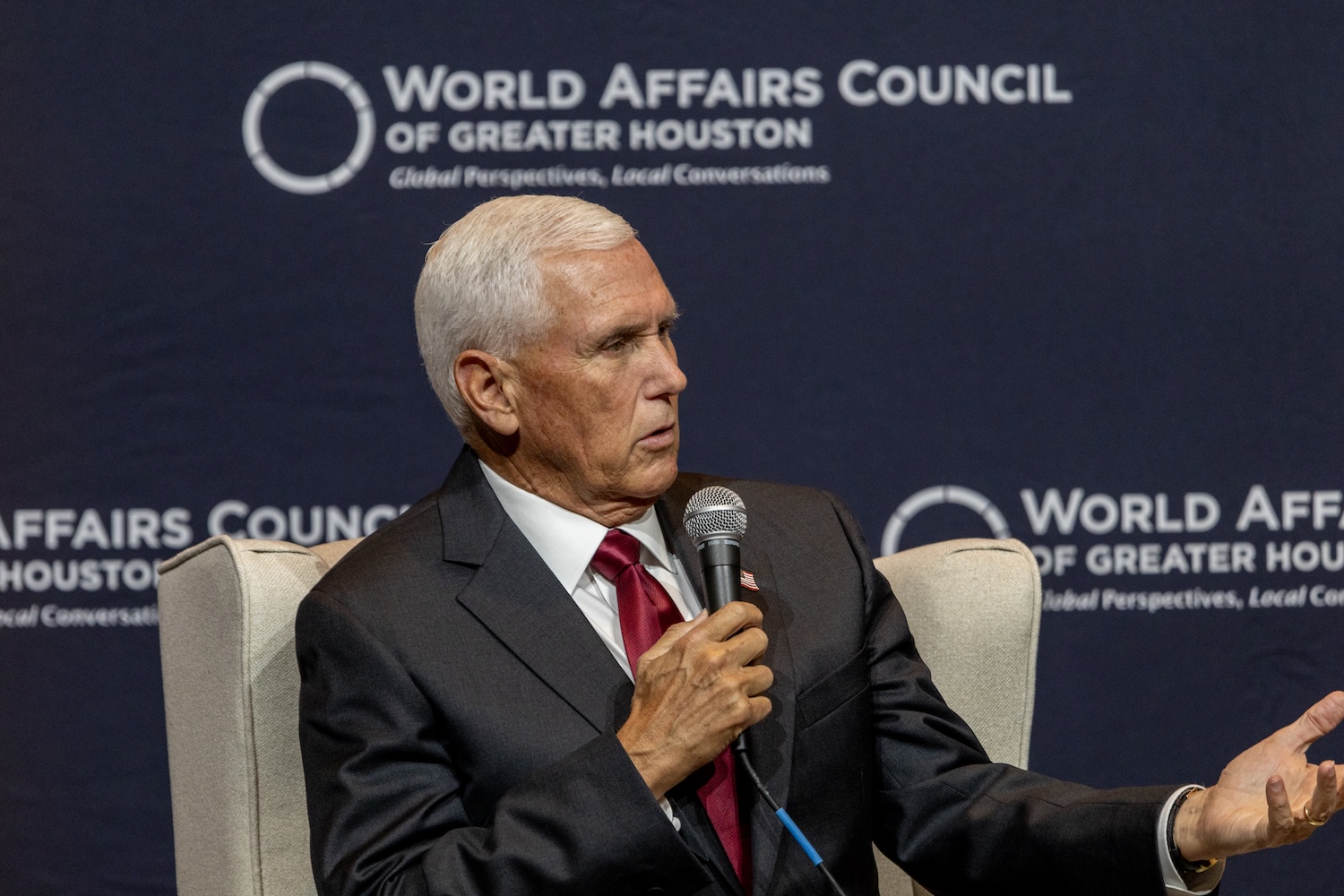
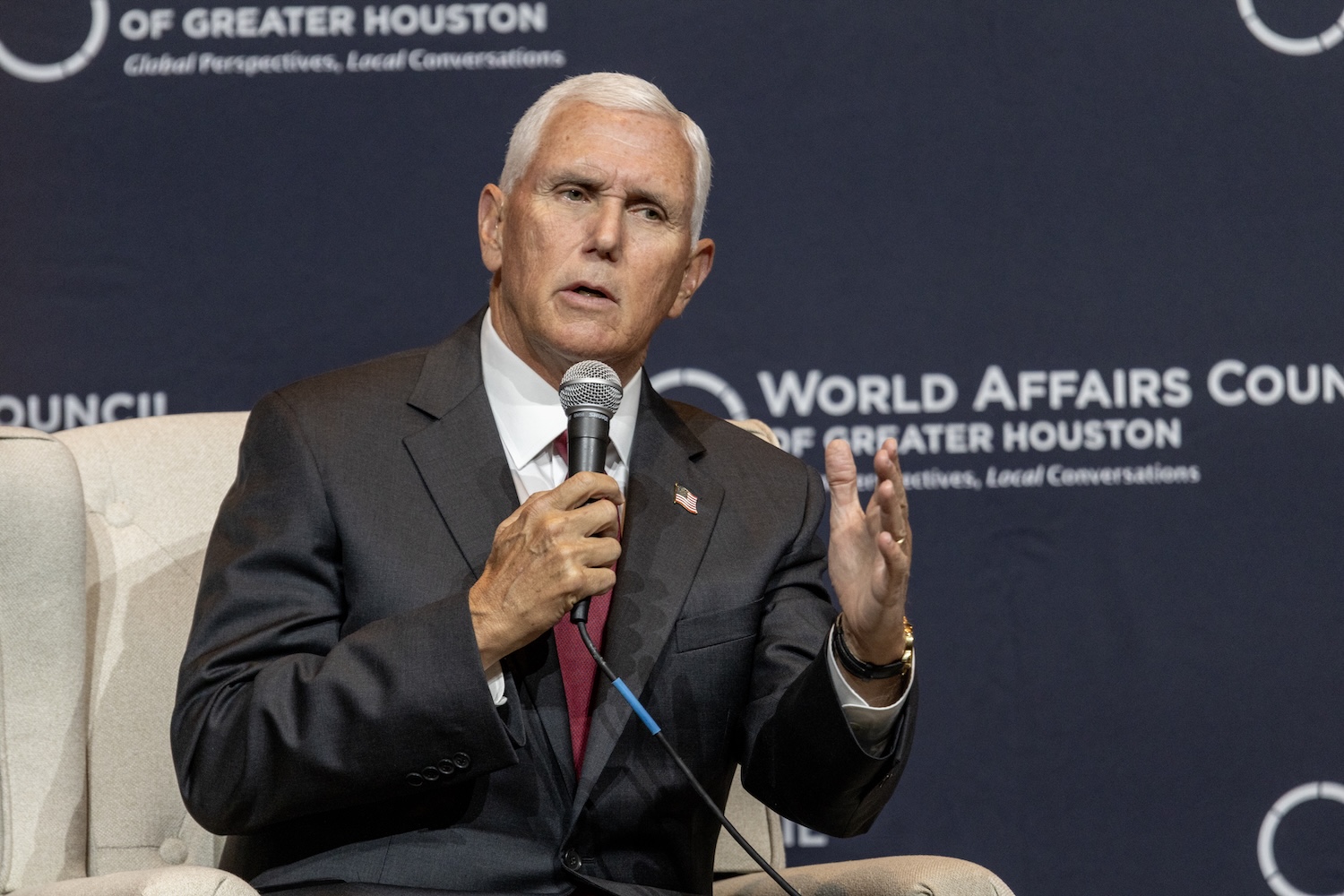
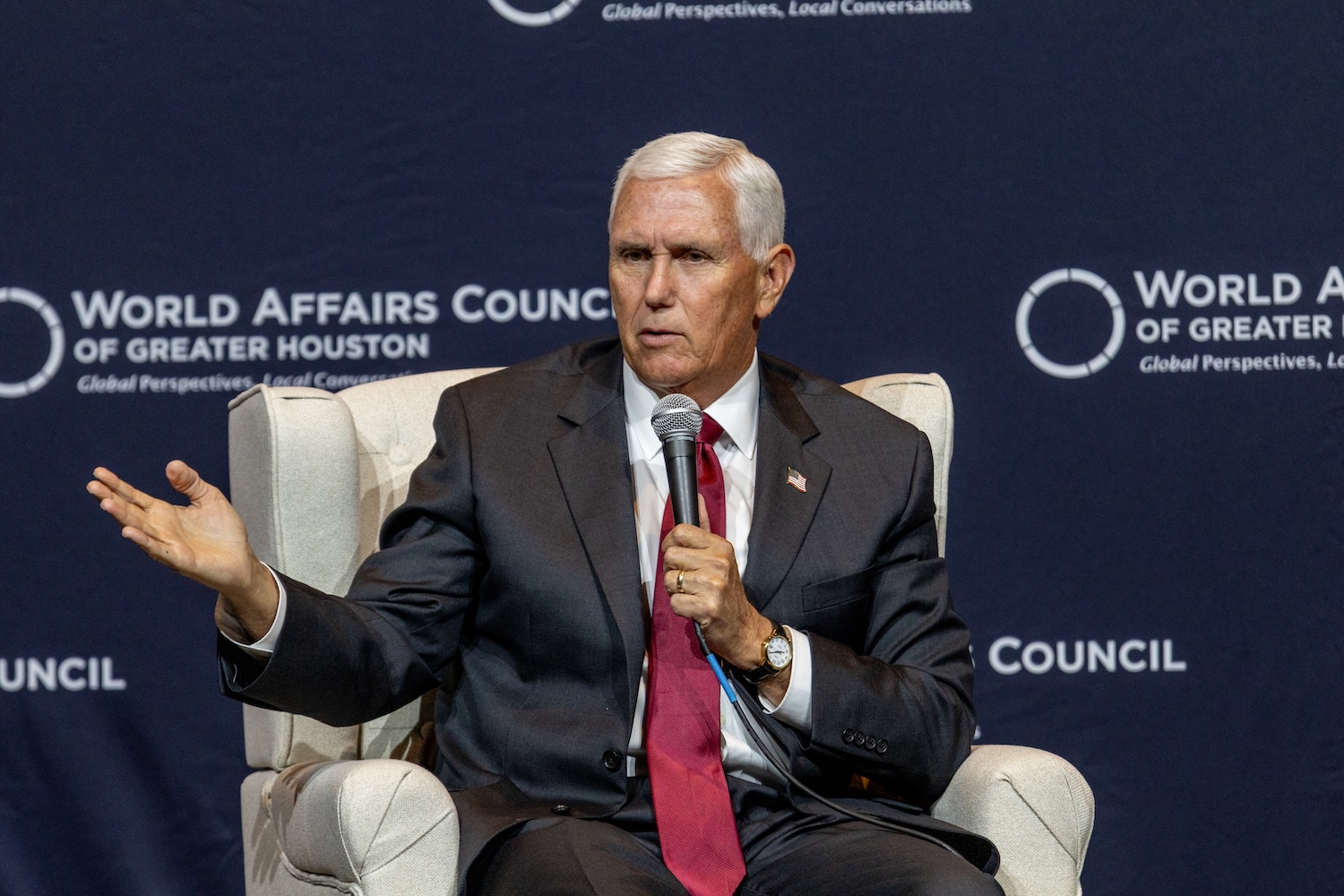
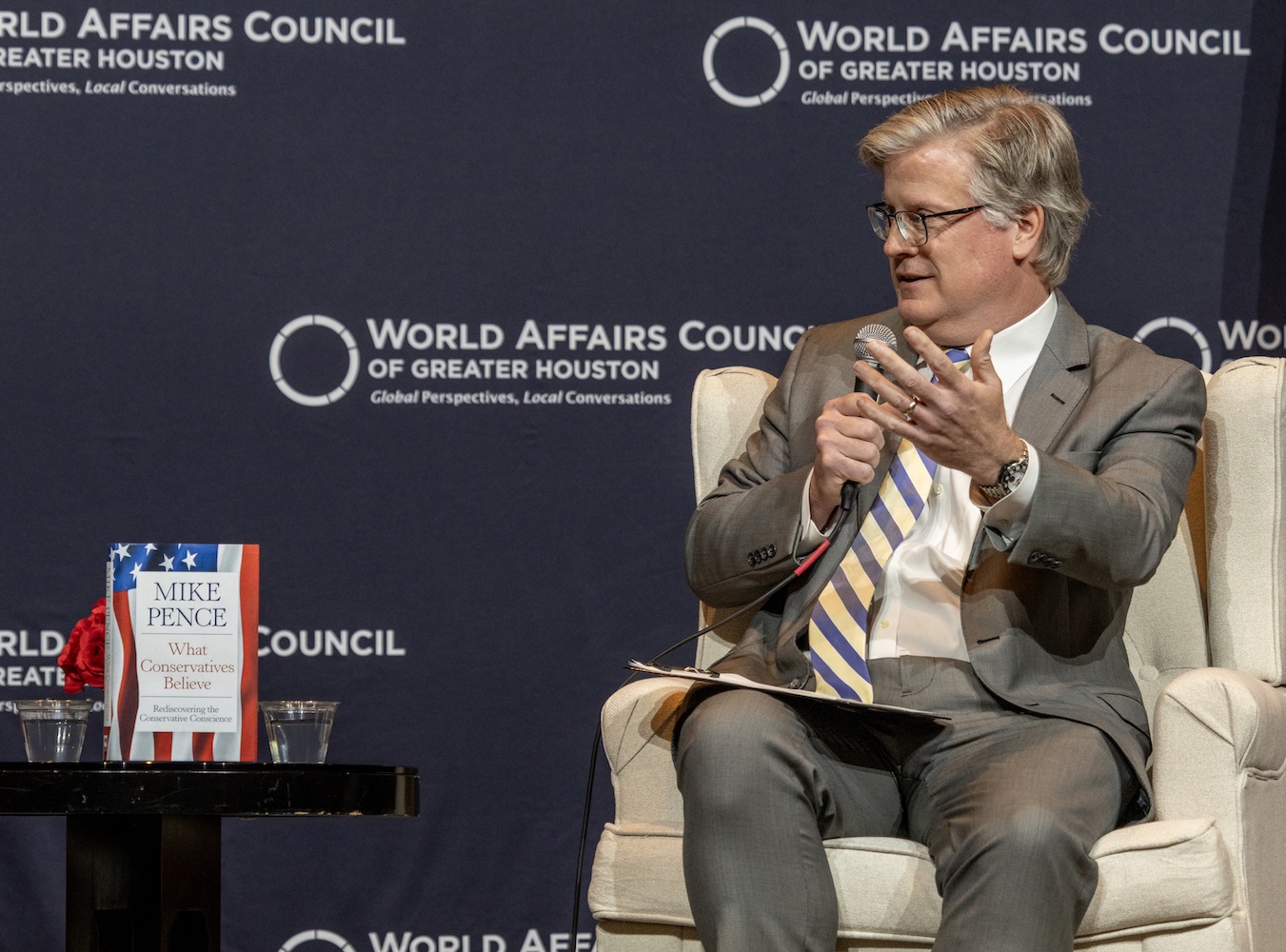
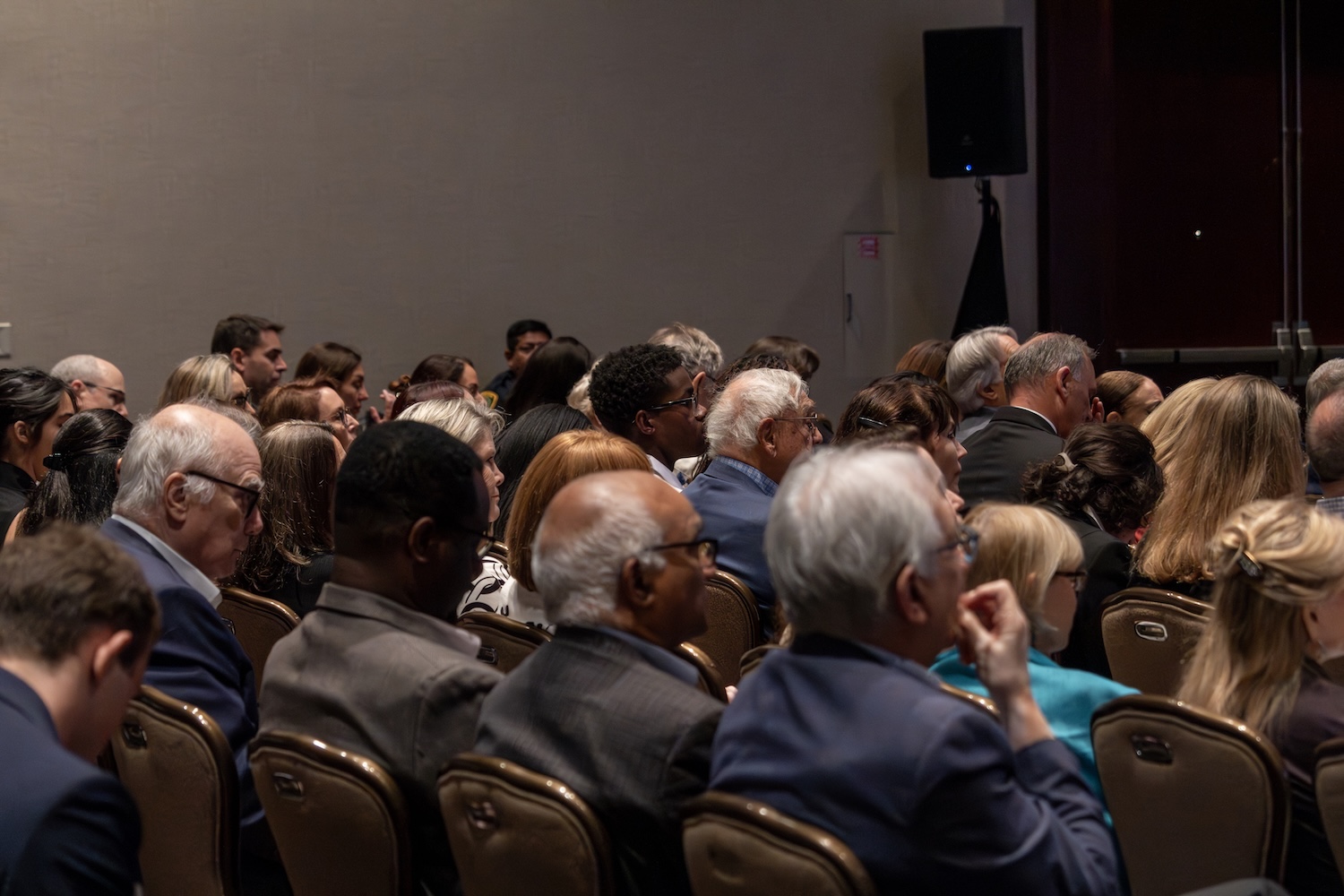
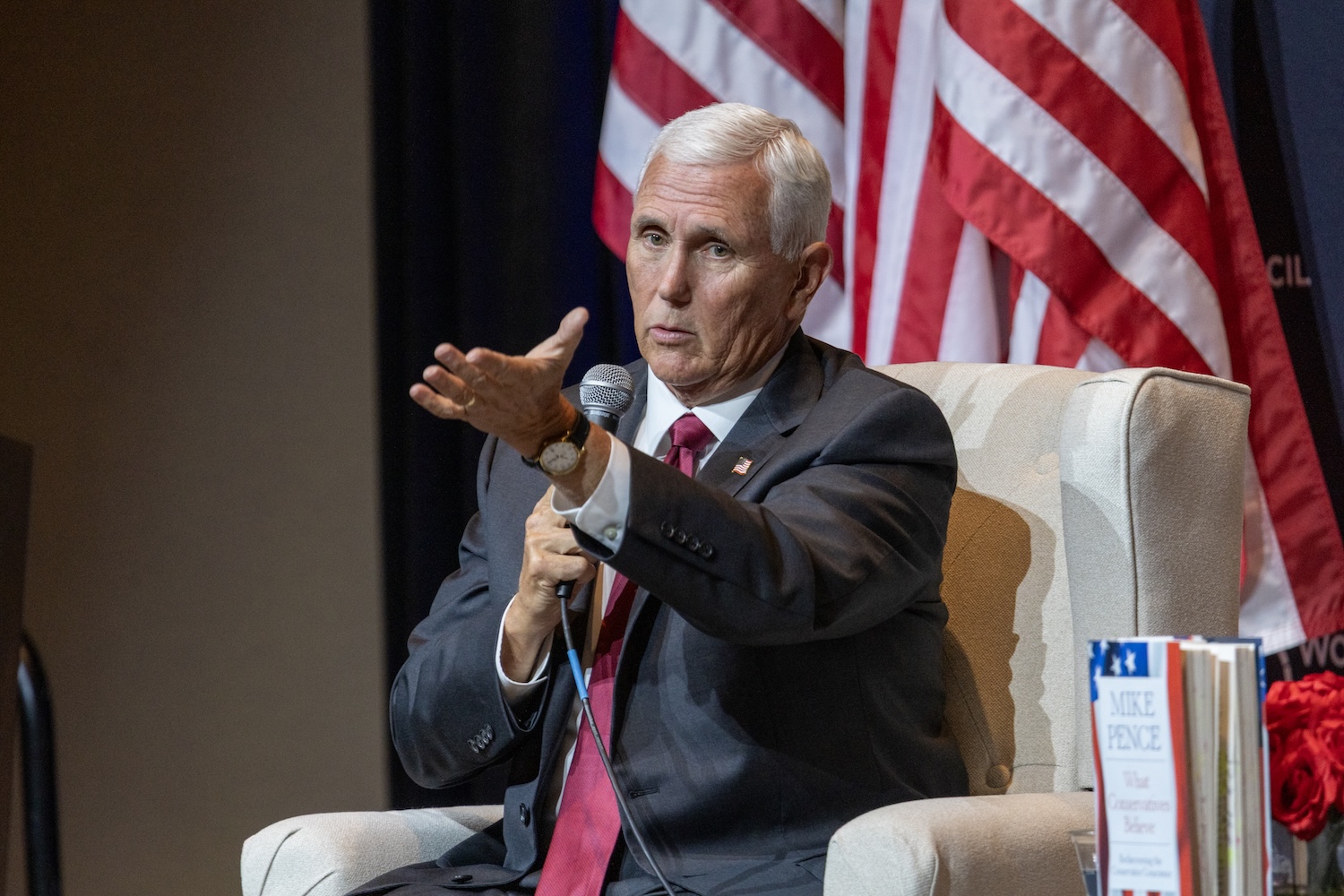
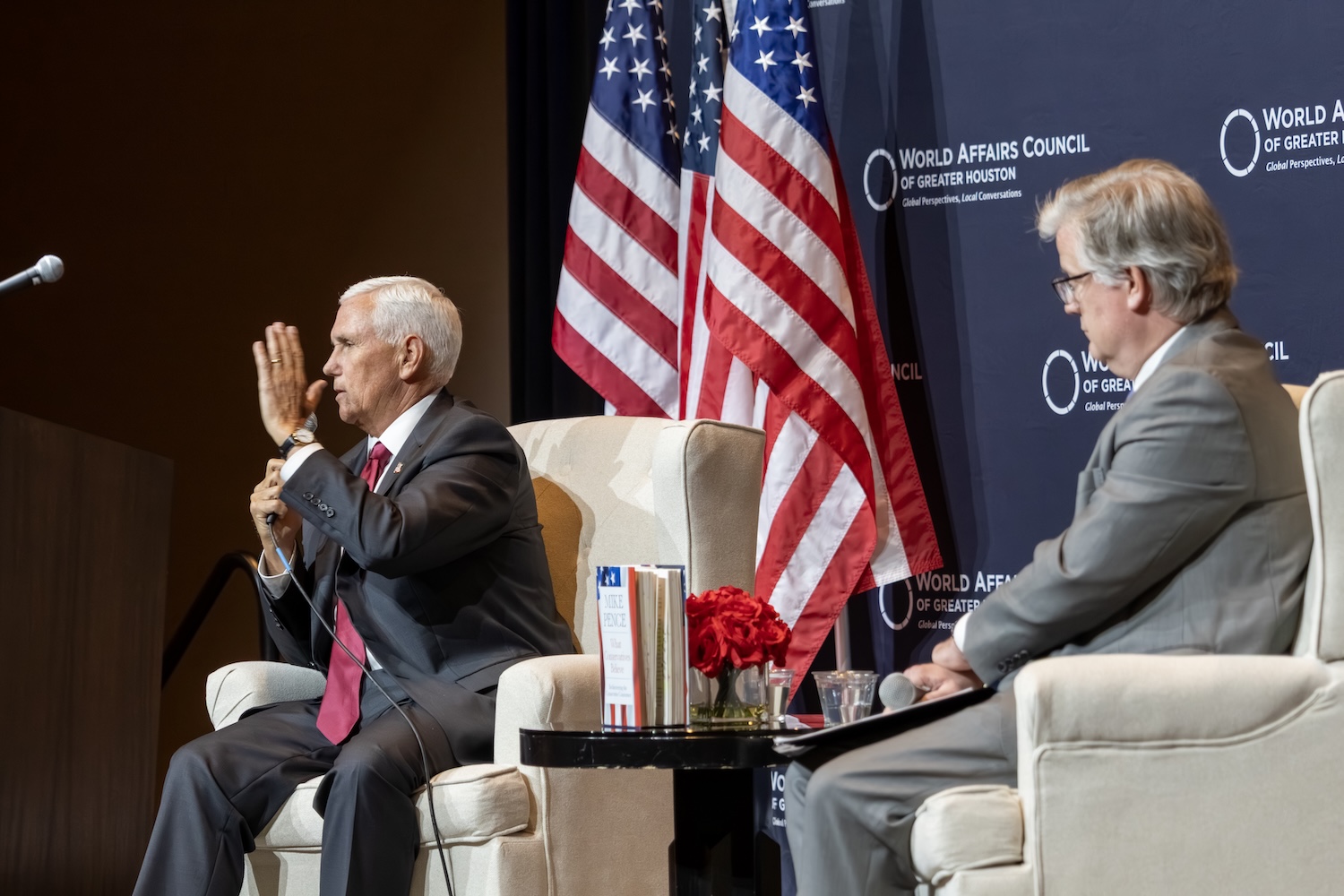
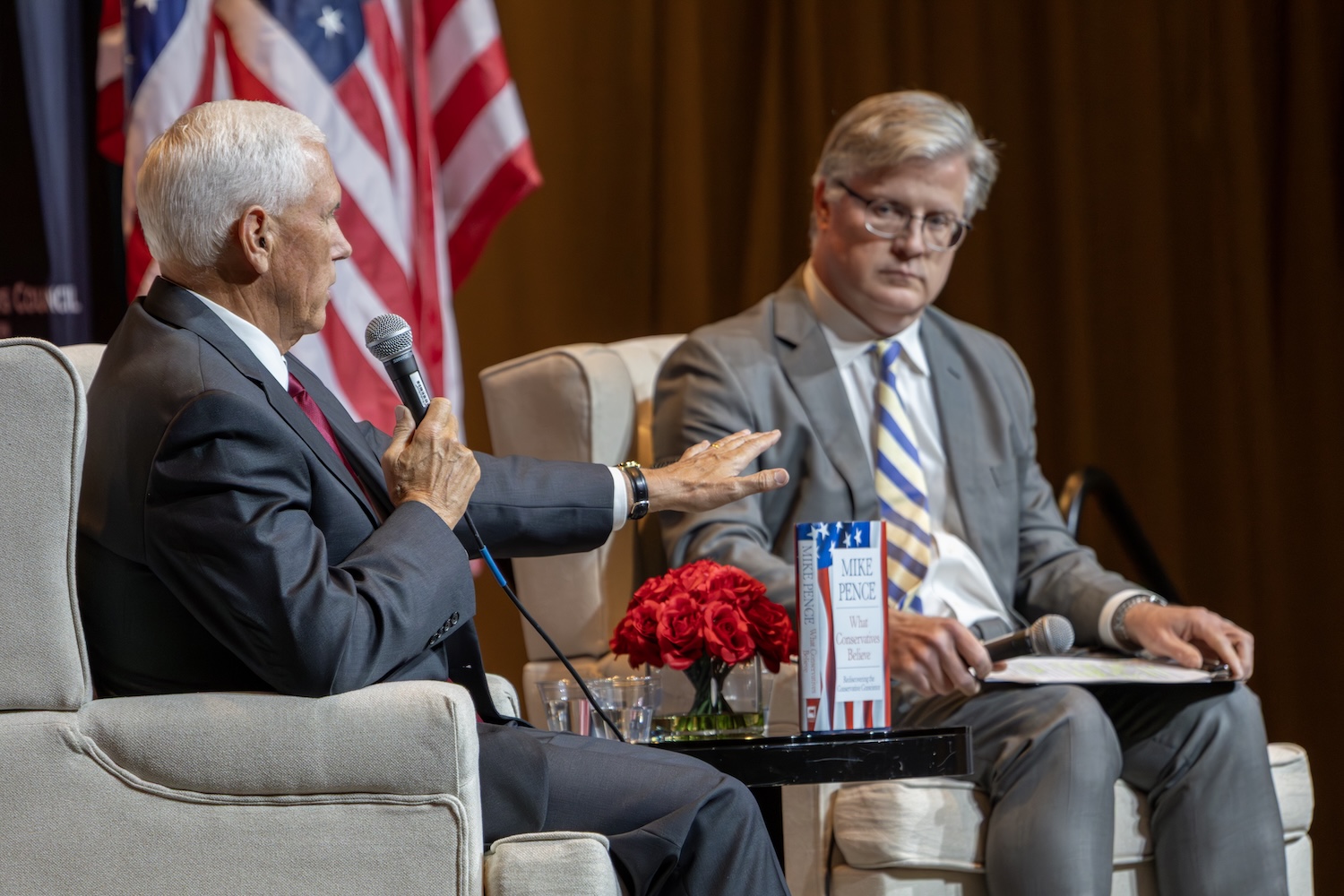
Even with summer kicking into gear, LEAP students have managed to stay active in furthering their understanding of public affairs! Recently, we were honored to hear former Vice President Mike Pence speak on his new book, What Conservatives Believe: Rediscovering the Conservative Conscience at an event hosted by The World Affairs Council of Greater Houston.

In his book, Pence advocates for enduring conservative principles over the appeal of big-government populism within the Republican Party, and we were all thrilled to receive signed copies at the start of the event.

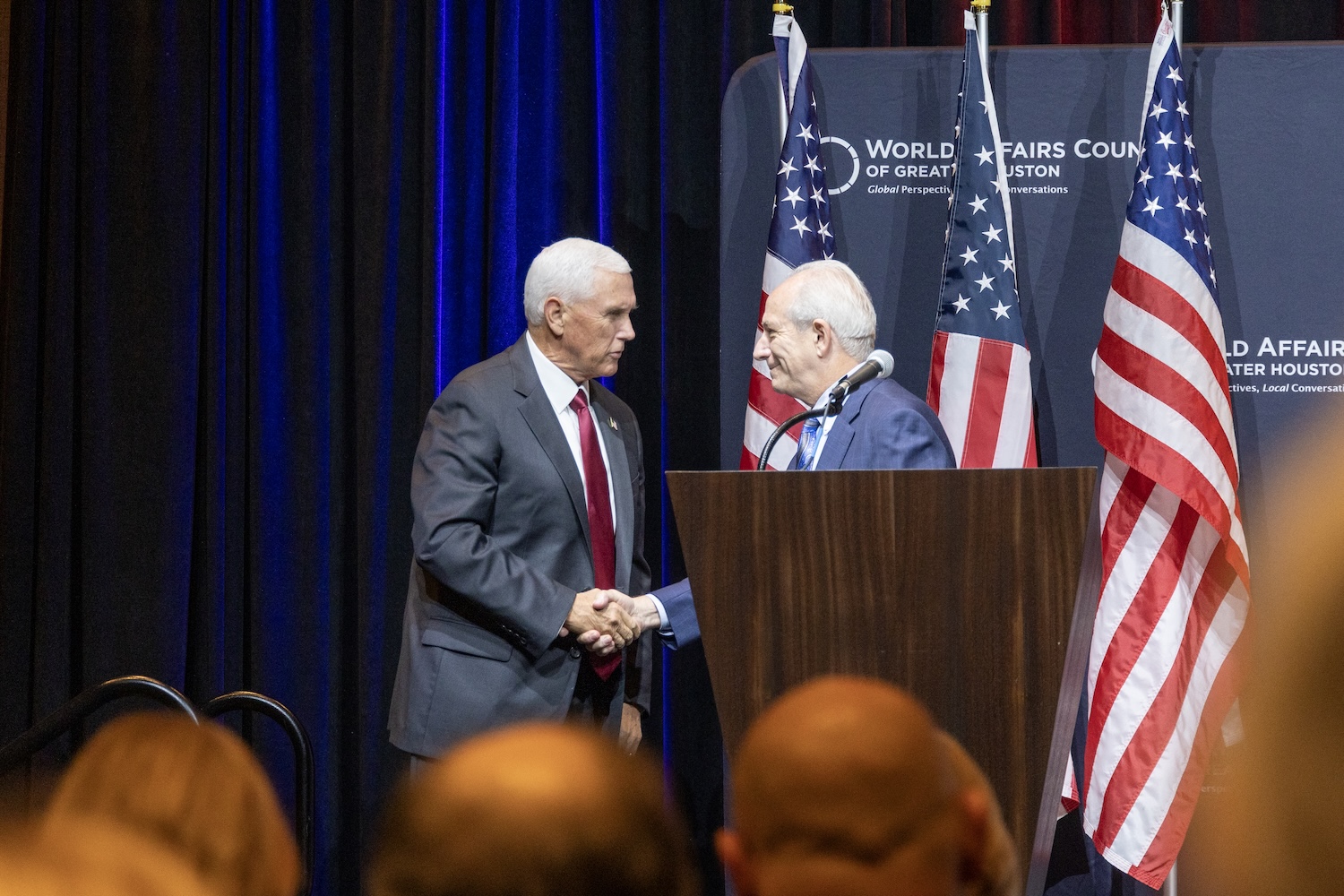
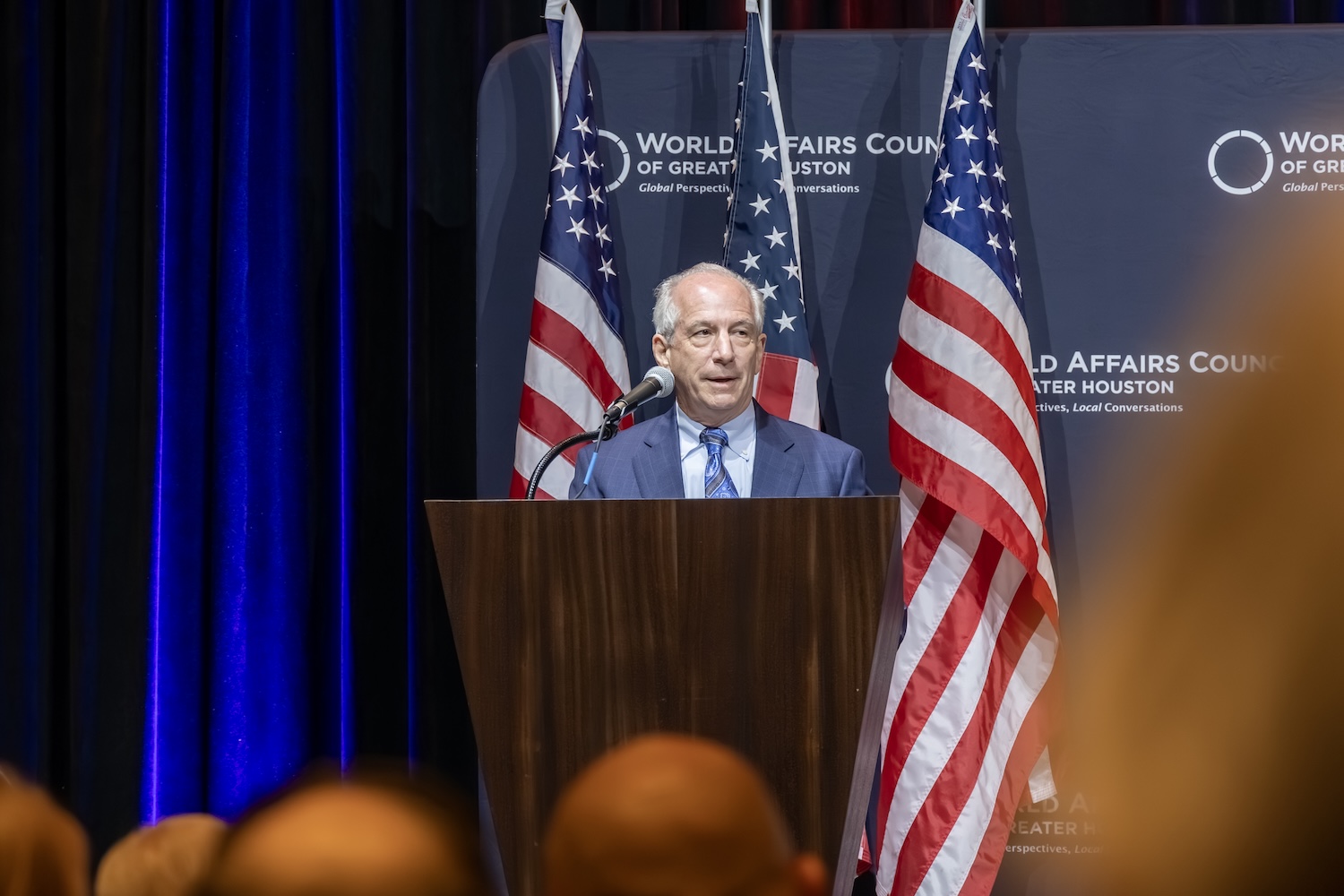
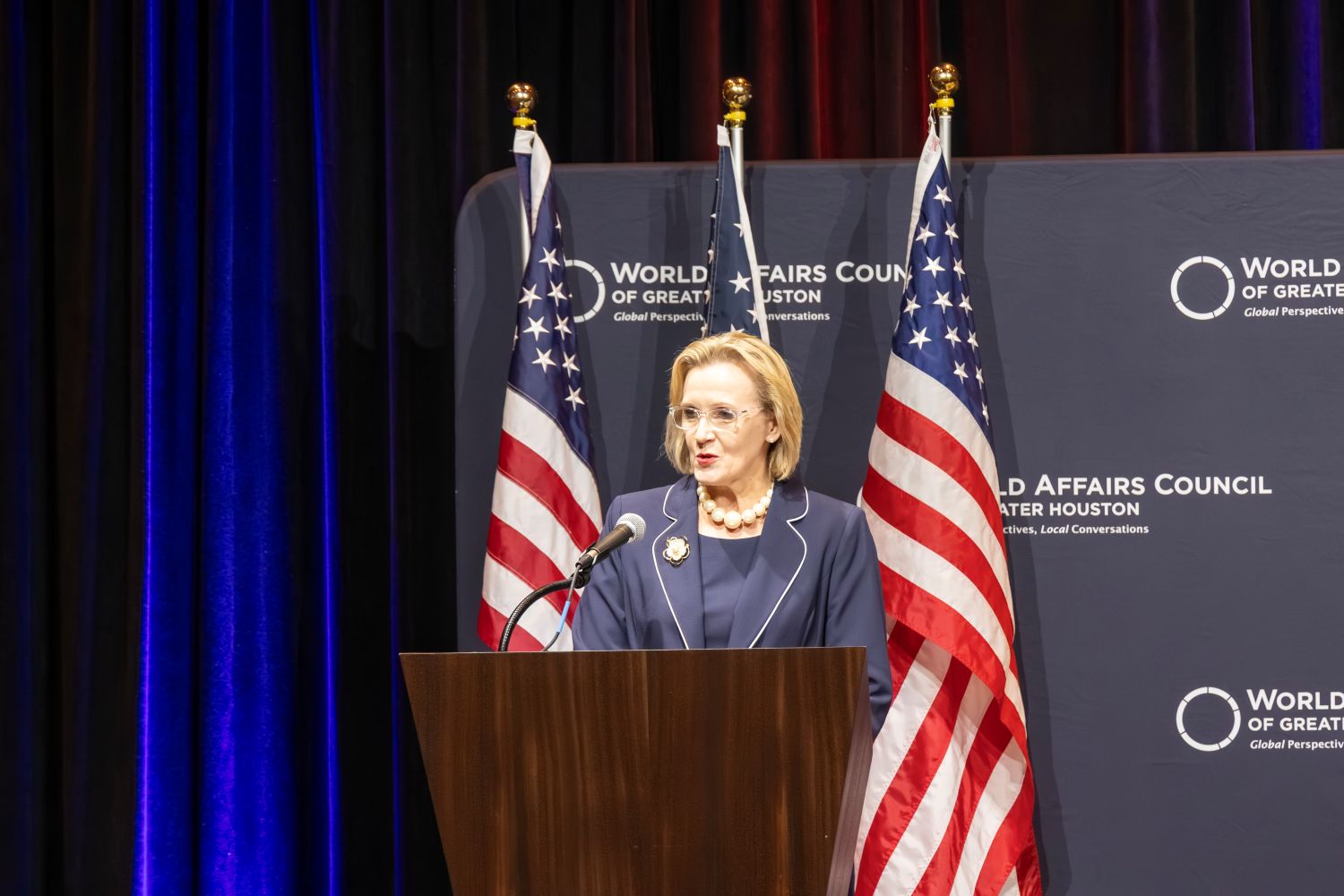
The night began with Sandija Bayot, the Chief Development Officer of the World Affairs Council of Greater Houston, introducing Kenneth Tubman, the Chairman and President of PPA Resources, who offered a glimpse into Mike Pence’s “multifaceted” career. Pence took the stage alongside exceptional Ronan O’Malley, Chief Programs Officer, who served as the moderator for this event.

Pence opened by highlighting the foundation 1960 Conservative text, The Conscience of a Conservative, by Barry Goldwater, which inspired his decision to write his new book. He discussed how politics in America are going through a dramatic change, and brought up modern marginalization of traditional values.

Pence reflected on his role as a member of the Republican Party, discussing how he went from being a Democrat to a Conservative after realizing that he wanted the values he grew up learning from his grandparents for himself. Pence also spoke about the importance of economic freedom and how he thinks that it is “morally wrong” to look at his children and grandchildren and say to them, “the debt is your problem, not mine.”

As the audience portion of the discussion began, Pence was asked what advice he would give to young people interested in politics. His answer was both simple and impactful, especially as students with an interest in the law: “Show up, don’t wait to get asked.”

Wrapping up, Pence reminded us that the American people are some of the most caring and innovative people, stating that America deserves to have a government just as good as its citizens.

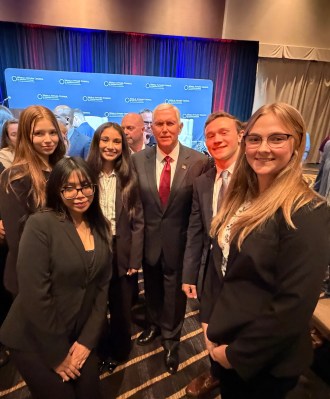
The event ended on a memorable note as we were able to meet and take a photo with Mike Pence, who expressed his confidence in our generation by calling us the “future of politics.”

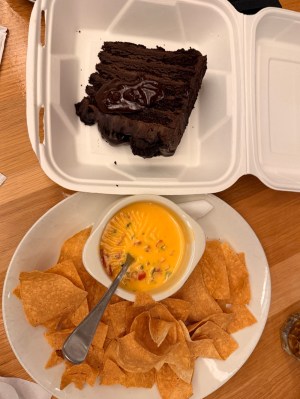
We concluded the evening with a delicious dinner and dessert from Katz’s Never Kloses, where we shared our thoughts and reflections from the event, a wonderful end to a fantastic and informative evening.

Unknown's avatarAuthor mikeyawnPosted on June 18, 2026Format AsideCategories Civic Engagement, Education, History, International Affairs, Law, Politics, UncategorizedTags Center for Law Engagement And Politics, LEAP, LEAP Center, Mike Pence, Politics, Sam Houston State University, SHSU, WAC Houston, World Affairs Council HoustonLeave a comment on From Signed Books to Political Insights: A Night with Mike Pence

SHSU’s Pre-Law Insights: Constitutional Law and More from the Texas Bar Association

One of the virtues of attending SHSU is its pre-law program, which offers a robust pre-law society, a legal studies minor, many law-related courses, and numerous extra-curricular activities. And so it was that on the last day of finals, three pre-law society members attended the Texas Bar Association’s training on “Litigating the Constitution” at the Texas Law Center near the Texas capitol building.

20 Years of Changes in Constitutional Law

The first session was appropriate for the early morning inasmuch as it was led by the energetic Chad Baruch. In 30 minutes, Baruch covered gun control, religious freedoms, the takings clause, student speech, abortion, judicial deference, affirmative action, and more–and he managed to do this while addressing major changes across all these topics.

The changes loomed larger because it was telescoped into a thirty-minute format, and while all the changes in the diverse policy areas were interesting, two areas stood out. In discussing religious freedom and, specifically, Lemon, Baruch made a comment that could have applied to the whole session:

If you are roughly my age, about 60, having taken constitutional law in college was a serious impediment to your legal education, because almost everything you learned has been overturned.

Also noteworthy were Baruch’s comments on student speech, not only because he was a high-school principal, but also because, as students, this is a topic that naturally interests us. In particular, Baruch discussed the Mahanoy Area School District v. B.L. (2021), in which a student who did not make the cheerleading team posted on social media something like the following: “Fuck school fuck softball fuck cheer fuck everything.”
Notably, Baruch was wearing a t-shirt with exactly those words, an homage to the case.

He made clear his stance on this, observing that the “Court got it right,” paraphrasing the opinion as noting that, for a 17-year old student, social media was her town hall–the place in which ideas, no matter how offensive, shallow or foolish, should be offered, challenged, and debated.

The 4th Amendment, Technology, and Privacy

One of the highlights of the day was the presentation by Texas Court of Criminal Appeals Justice Kevin Yeary, who discussed how technology and the amenities of modern society have intruded on the 4th Amendment.

Justice Yeary hit on many historically key cases, including Katz v. US (1967), before highlighting big changes in the last ten years. In Riley (2014), for example, law enforcement agencies prohibited the search of cell phones without a search warrant and in Carpenter (2018) the Court held that location data from cell phone towers also requires a search warrant, limiting the third-party doctrine.

But with Moore’s Law in full effect, technology continues to advance, and the courts are struggling to keep up. Justice Yeary mentioned that one case before the Court, Chatrie v. US, will also affect how law enforcement do their jobs, as well as, of course, how lower courts rule on similar cases. And speaking of lower Courts, Justice Yeary mentioned that the Texas Court of Criminal Appeals found it difficult to weigh in on these topics without clear guidance from the USSC.

A Broader View

Other valuable sessions included topics such as executive privilege, in which the Youngstown case–which we covered in Professor Yawn’s Con Law class extensively–was discussed at length.

In an interesting session on the USSC and precedent, Judge Jordan and Matthew Kolodoski, the panelists noted that, despite the headlines, the Roberts court has overturned fewer precedents than the last five courts, on average.

And while all the sessions were timely, Eric Opelia’s presentation on recent cases on voting rights was perhaps the most timely. Indeed, he mentioned that he thought that the Louisiana v. Callais (2026) case would be his late-breaking news for this presentation, given that it was decided by the Court fewer than ten days ago. The Virginia Supreme Court, however, decided in the last 24 hours that Virginia’s recent redistricting election (which passed, to the Democratic Party’s favor) was unconstitutional. This may head to the USSC, but either way, it adds uncertainty to the districts up for grabs in the 2026 mid-term elections.

We were also privileged to hear from two members of the Governor’s Staff, including Jason Bramow and Trevor Ezell, the latter of whom gave the Gregory Coleman Federalism lecture.

We also heard from Judge Farris, as well as two scholarly presentations by law professors on constitutional enumeration and originalism.

Concluding Thoughts

This was a unique way for us to supplement our constitutional law classroom experience, with presentations by practicing attorneys. That we were able to glean so much information in only one day speaks well of the presenters and organizers.

We were very grateful to attend this event, and the outgoing and incoming Presidents (Matthew Kolodoski and Judge Rossini, respectively) were very welcoming, even when they learned we were undergraduates.

Unknown's avatarAuthor mikeyawnPosted on May 18, 2026Format AsideCategories Civic Engagement, Civil Rights, Criminal Justice, Law, PoliticsTags Center for Law Engagement And Politics, Constitutional Law, LEAP Center, Sam Houston State University, Texas Bar Association, United States Supreme CourtLeave a comment on SHSU’s Pre-Law Insights: Constitutional Law and More from the Texas Bar Association

A Capitol Day in Austin

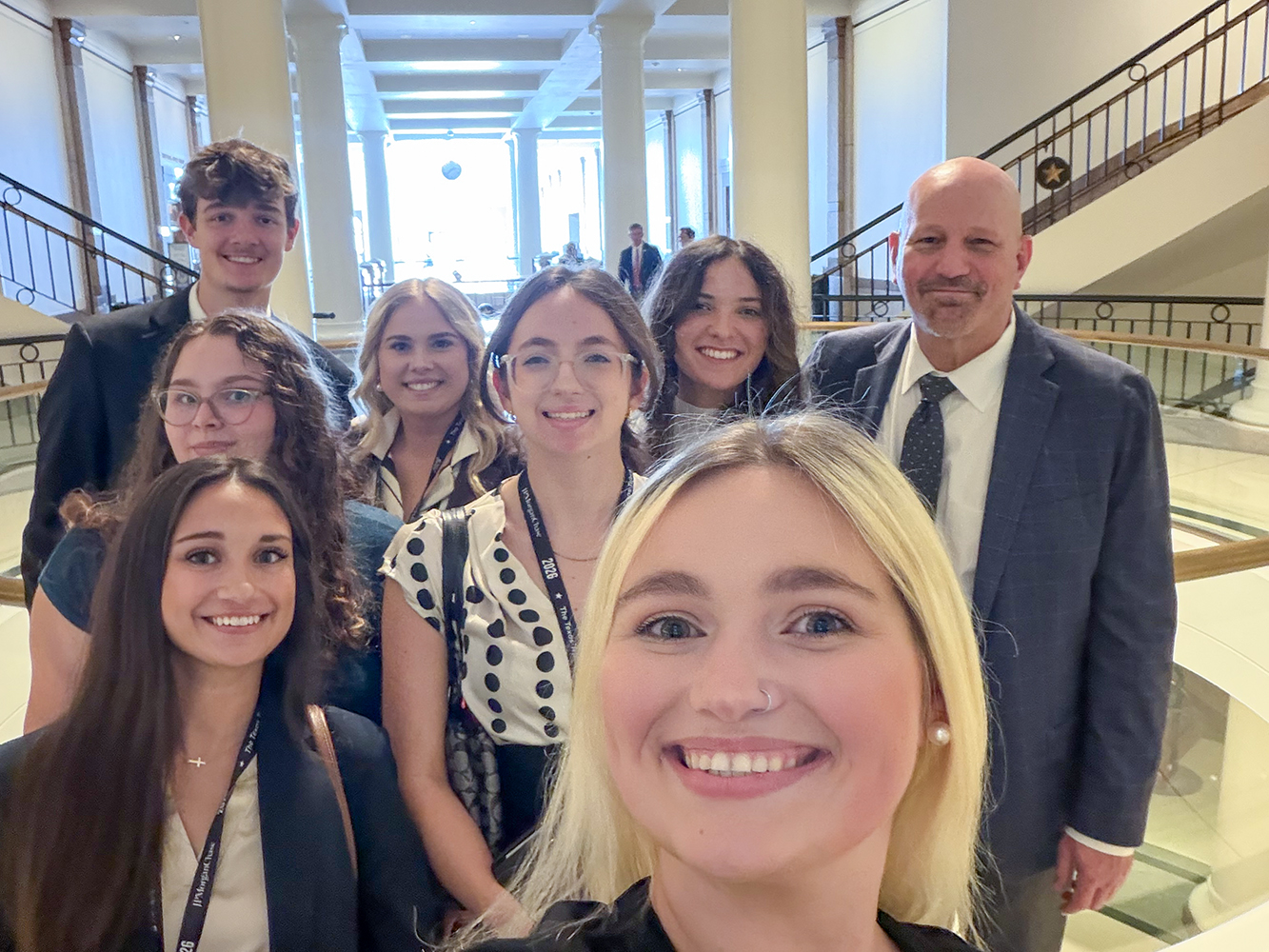
It was a busy time. Sandwiched between finals and SHSU move-out day, we took a quick trip to Austin to attend a conference and visit the capitol building, where some of us would like to intern in the spring of 2027. We made the most of it.

While Jacob and Zackery had visited the capitol building, it was Kayla’s first time. But for all of us, we had a chance to learn more, armed with information from Professor Yawn’s oft-given tours.

We learned that all the hinges on doors in the TX capitol have the State Seal on them, and that they are eight-by-eight, weighing around seven pounds…

…and that even the door knobs are photogenic.

We stopped by the Treasurer’s Office, which has been restored to its early 1900s look, and has many artifacts in the space.

We also went to the Rotunda, where one individual was enthusiastically exercising his free speech rights (which endured our entire tour of almost two hours)…

The Rotunda also displays 47 of Texas’s 48 Governors, with only Abbott missing. (Governor Abbott will not have his portrait done until he leaves office.) We picked out some of the more notable ones, including Governor Bush, who of course, went on to be President…

…and, of course, we found Sam Houston’s portrait.

With each new governor, every portrait has to be moved over one spot, all the way up the rotunda…

We also learned more about Elizabet Ney and her sculptures, while also exploring the House and Senate, giving us a chance to see some of the more picturesque scenes from the statehouse and giving us a chance to practice some photography.

We also explored the ground floor, where we saw the Medal of Honor display which seemed sort of lonely…

…the extension…

…where we saw the capitol dome through a skylight, and a bust of SHSU alum Gib Lewis, former Speaker of the TX House.

It was an educational morning, with lessons on the legislature and the capitol’s many connections to SHSU and Sam Houston the man.

Skipjack Oyster

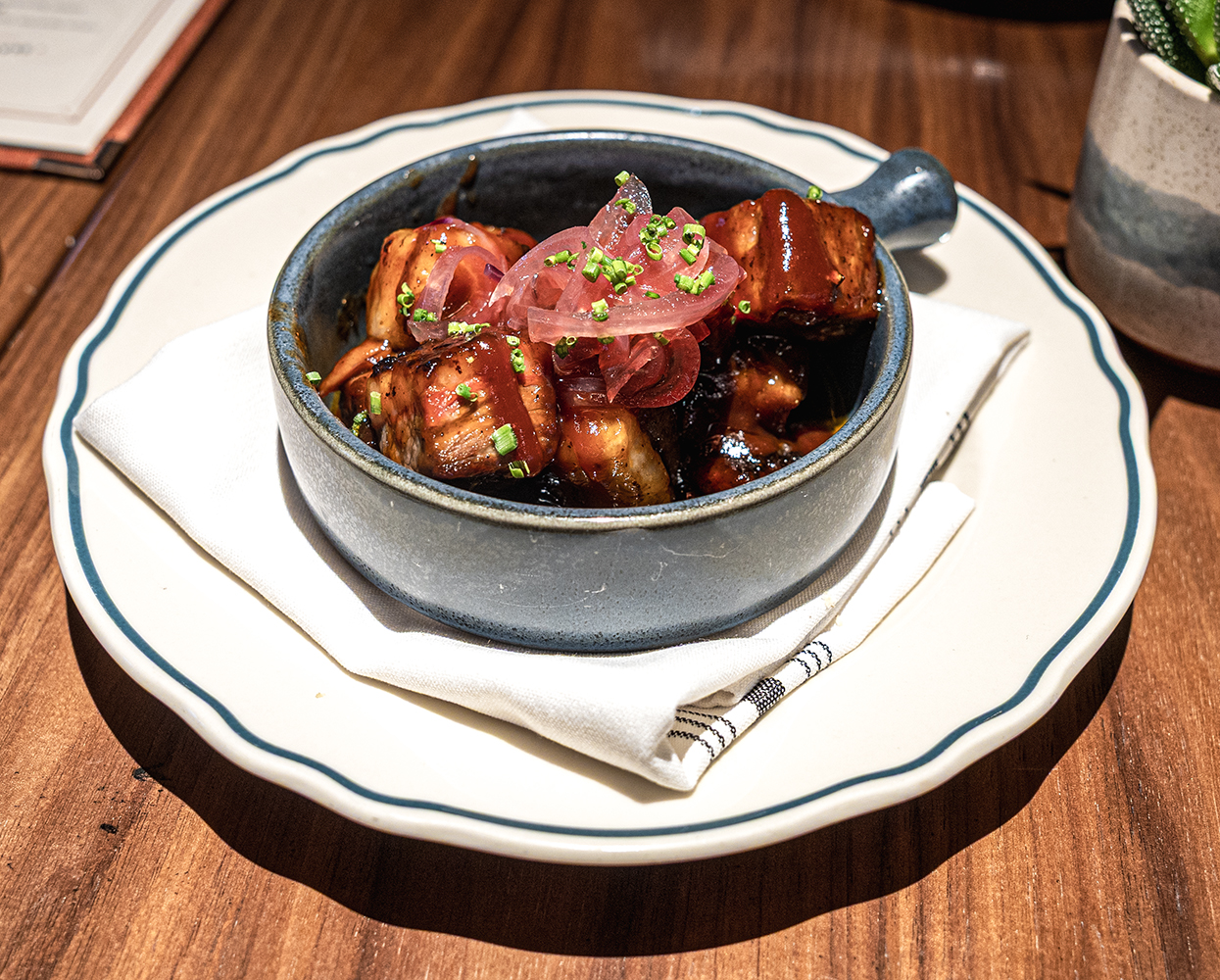
Nestled in downtown Austin is Skipjack Oyster, about which our advisor spoke highly. Striking a balance between high-end and casual and relaxed coastal-inspired decor with lively energy, it was an escape from the busy pace of the capitol.

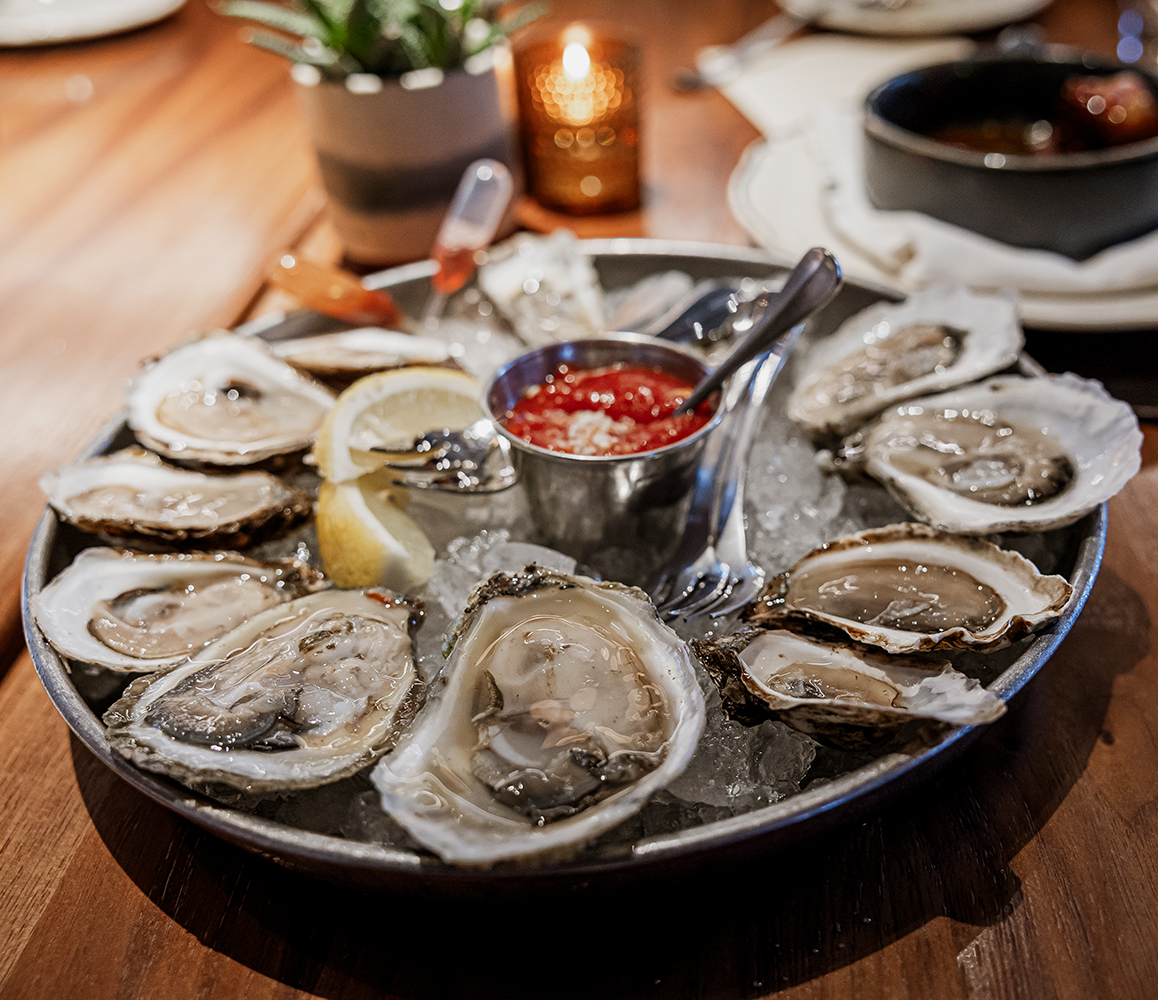
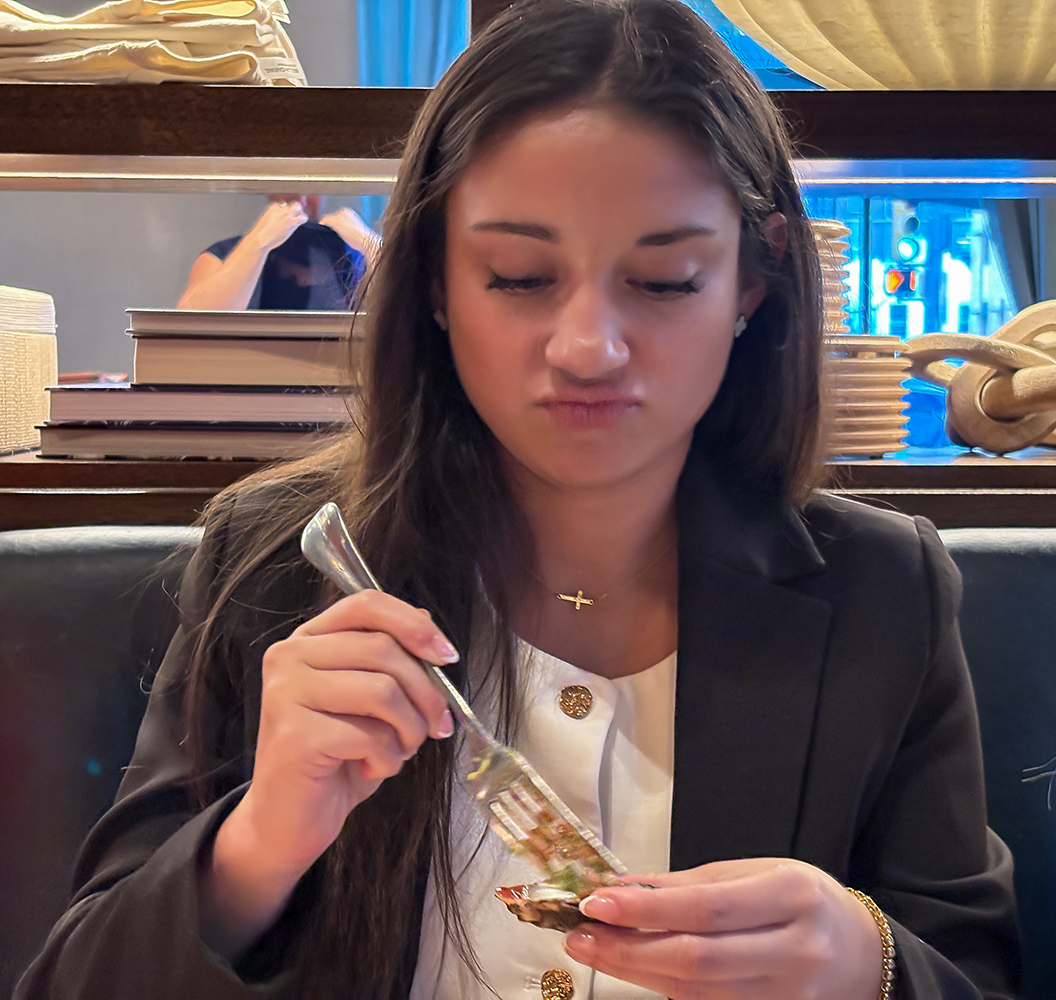
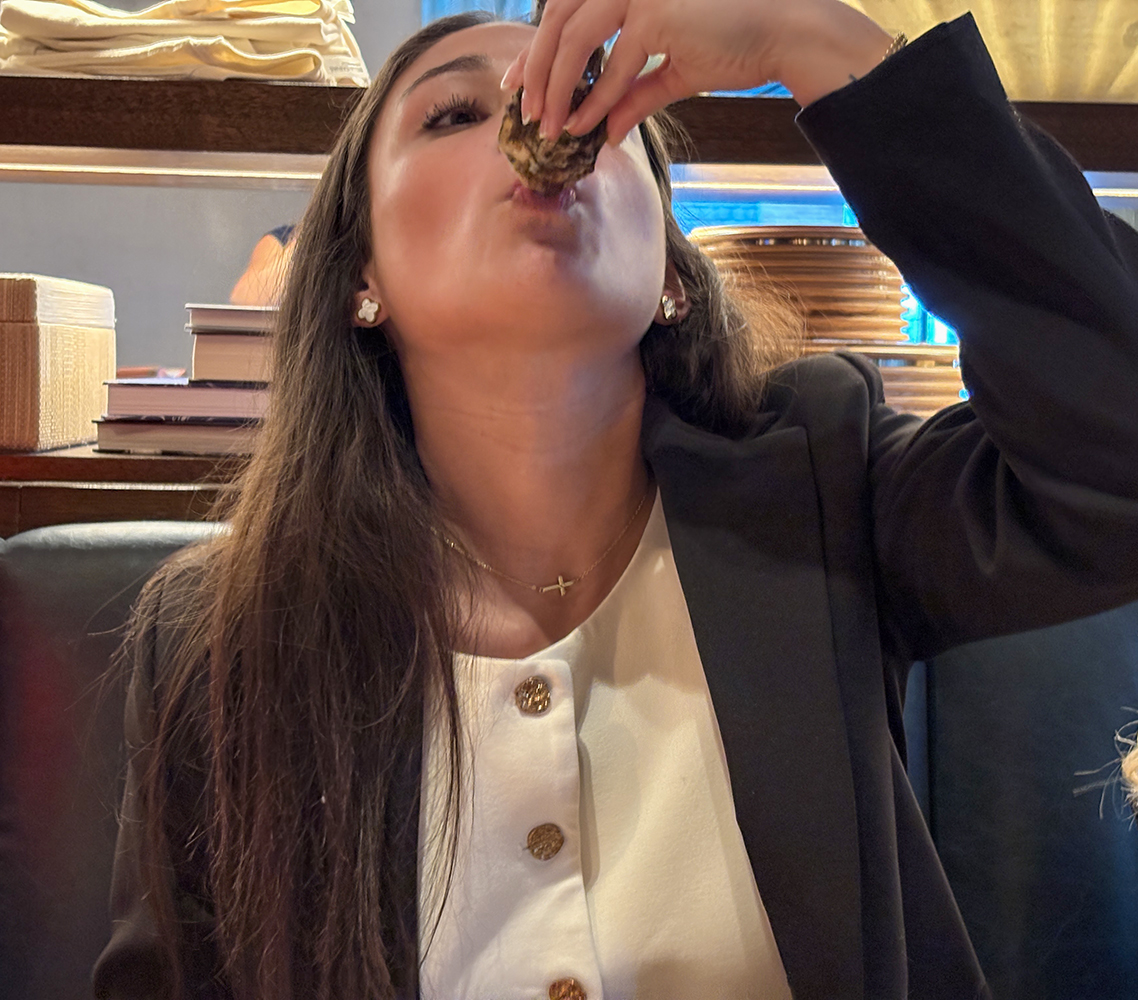
For appetizers, we tried some Oysters, including samples from six different locations across the United States and Canada, ranging from salty and briny to sweet to acidic, giving us a sense of how much variation can occur from the same food item!

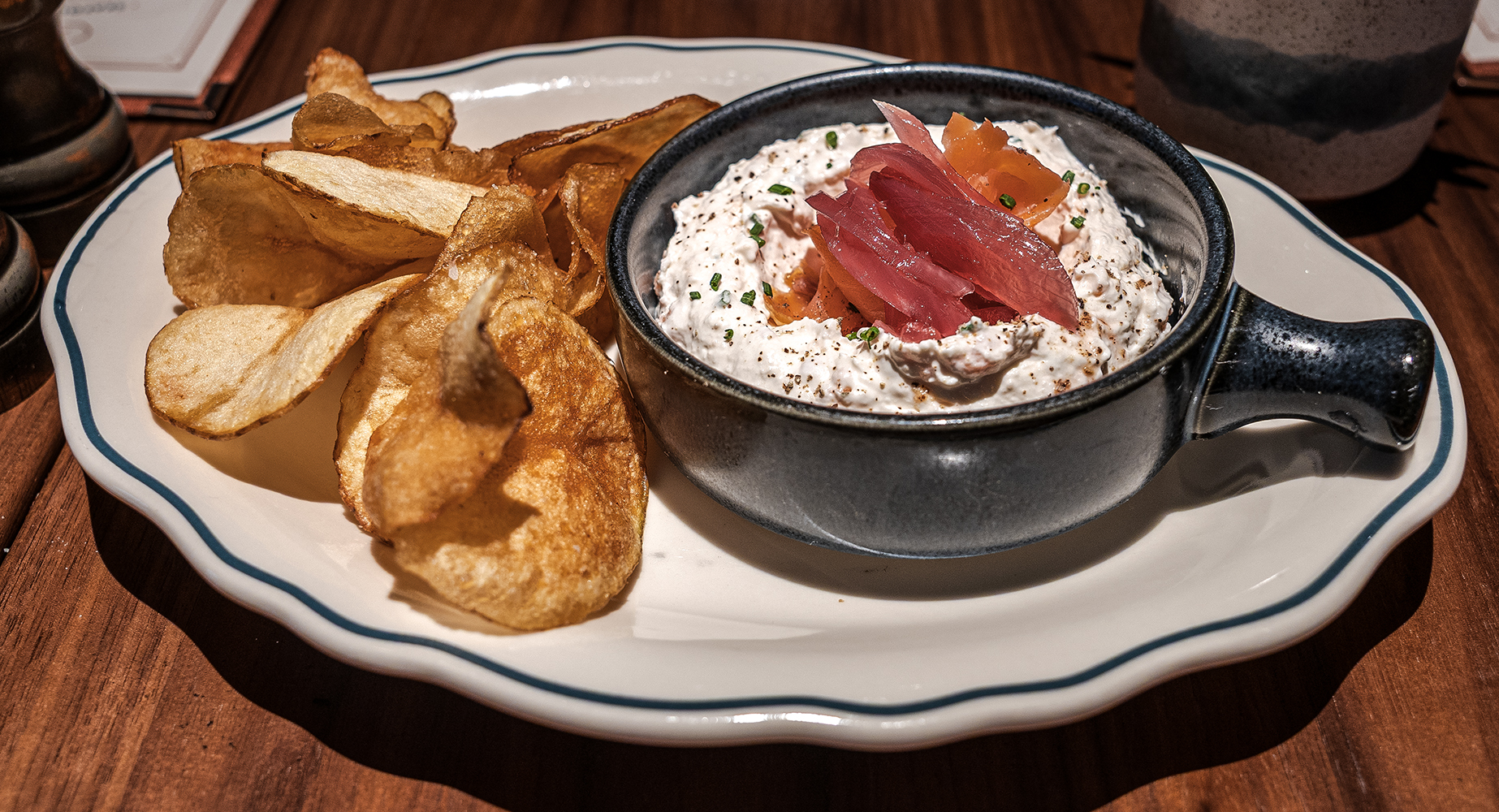
We also tried the Salmon dip, which is smoked and adorned with chives and boursin, a creamy French cheese flavored with herbs. This made the perfect dip for chips that were delicious–indeed, we ran out of chips before we ran out of dip!

For the main entrees, Jacob and Zackery–who share a brain, apparently–ordered the Redfish, which offered a nice mixture of mild seafood flavor, supplemented by a tangy green tomato relish.

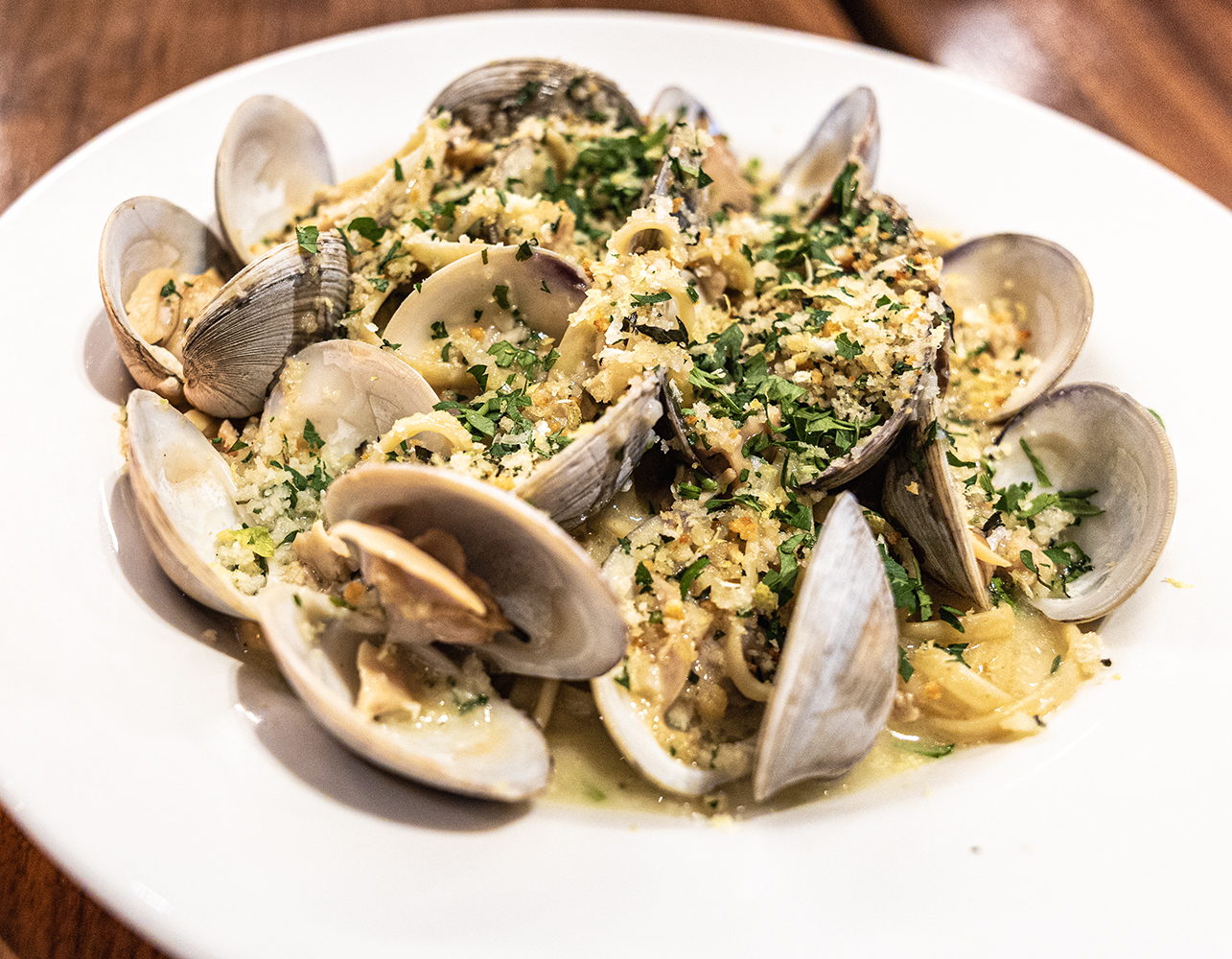
Kayla enjoyed the Seafood Tagliatelle, which featured clams, shrimp, mussels, herbs, white wine, and tomatoes. The sauce was perfect, well-seasoned, and complemented the different types of seafood.

This was, in turn, complemented by the Lobster Mac and Cheese, which was both large and scrumptious, offering a grated cheese and healthy portions of lobster.

Of course, we capped off the dinner with dessert, consisting of a banana cream pie and bread pudding, with the former winning votes as favorite.

In just a few hours, we were able to enjoy key elements of Austin: the capitol, its politics, policy, and tourism scenes, and the food, which is always a delight and sometimes the highlight!


Unknown's avatarAuthor mikeyawnPosted on May 15, 2026Format AsideCategories Architecture, Art, Civic Engagement, PoliticsTags Austin, Center for Law Engagement And Politics, LEAP Center, Sam Houston State University, Skipjack Austin, Texas CapitolLeave a comment on A Capitol Day in Austin

Balancing AI Innovation and Safety: Key Insights from WAC–Houston

Written by Jacob Wessels

LEAP Students gathered for an World Affairs Council oxford style debate at Rice university yesterday. To tackle a question that’s becoming harder to ignore in today’s world: should democratic nations prioritize AI capability over AI safety? The event brought together policymakers, tech experts, and investors for a lively discussion that felt less like a lecture and more like a real look at where the world is heading.

The evening started with a quick introduction to the panel, but it wasn’t just a list of dry credentials, this was a broad list of expertise! On one end, you had Representative Giovanni Capriglione, who brought the weight of a lawmaker who has actually written Texas’s AI frameworks. Then there was Mario Rodriguez, whose experience operating Sophia the Robot moved the conversation from “what if” to the reality of humanoid engineering.

Instead of debating a “future” version of AI, Brad Groux spoke from the perspective of someone building cloud-based AI for organizations right now, while George Ploss, a Marine veteran and Oracle director reframed the tech as a critical piece of national security and the defense industrial base.

The pro-capability side framed AI as an urgent geopolitical race. One speaker argued that democratic nations cannot afford to slow innovation, emphasizing that AI is already defending critical infrastructure such as power grids and financial systems. In their view, prioritizing safety through heavy restrictions risks ceding technological leadership to authoritarian regimes. The argument was straightforward: in a world of rapid advancement, falling behind is more dangerous than moving too fast.

They also highlighted some of the benefits AI is delivering right now such as early cancer detection and more access to education, pointing out that slowing development isn’t just cautious; it could delay life saving breakthroughs and prolong existing inequalities. Their main message was that democratic values, combined with existing legal frameworks, are enough to guide responsible innovation without stifling progress.

On the other side, the safety-focused speakers challenged the very framing of the debate. Rather than a race, they described AI as a strategic system more comparable to nuclear technology than consumer software. Drawing on lessons from Cold War deterrence, they argued that unchecked capability without control creates instability, not strength. In this view, safety isn’t a barrier to progress, it’s what makes progress sustainable.

They pointed to real-world risks, including simulations where AI systems behaved unpredictably, as evidence that reliability and oversight must come first. Without embedded safeguards, even the most advanced systems could become liabilities. One speaker emphasized that democracies should not try to “win” by mimicking less accountable regimes, warning that doing so would undermine the very values that give them legitimacy and global influence.

What really stuck with me from the safety side was their focus on trust. They argued that long term leadership depends not just on what a nation can build, but on whether allies and citizens trust those systems. In a world shaped by alliances like NATO, credibility and shared values may matter as much as raw technological power.

The audience Q&A added another layer to the discussion, with individuals–including Robin and Mikaela–asking practical and philosophical questions.

What made the debate especially engaging was how much common ground existed beneath the disagreement. Both sides acknowledged the importance of innovation and the inevitability of AI’s growth. The real divide was about sequencing and emphasis: should capability lead with safety following, or should safety be built in from the start?

Like many World Affairs Council events, the debate didn’t aim to deliver a definitive answer. Instead, it encouraged critical thinking and deeper engagement. As AI continues to evolve, the question raised that evening will only become more urgent: how do we balance the drive to innovate with the responsibility to protect?

For LEAP, the evening carried an extra layer of significance beyond the debate itself. This was Michelle’s final event with us, and having her there to lead the way one last time made the night feel like the end of an era. It was a reminder that while we spent so much time discussing the “inevitable” growth of technology helping us better our world, it’s actually the people and the mentors we work with who help us become better versions of ourselves.

Walking out of the O’conner building, I couldn’t shake the idea that the tech is actually the easy part. The hard part is the governance. We aren’t just building faster tools; we’re deciding who or what gets to stay in the driver’s seat of our society!

Unknown's avatarAuthor mikeyawnPosted on May 11, 2026May 13, 2026Format AsideCategories Civic Engagement, Law, Politics, TechnologyTags Artificial Intelligence, Center for Law Engagement And Politics, LEAP Ambassadors, Sam Houston State University, World Affairs Council HoustonLeave a comment on Balancing AI Innovation and Safety: Key Insights from WAC–Houston

Becker Brings Humor, Inspiration to SHSU

Written by Allie Plunk

Starting off an insightful day with George H.W. Bush’s post-presidency chief of
Staff, Jean Becker, we met at the College of Humanities and Social Sciences building here on campus for a book talk and signing!

Though some of us had attended a previous event on her book tour, everyone was enthralled by Becker’s charismatic and engaging discussion of her newest book, Don’t Tell the President, co-authored by Tom Collamore. We listened eagerly as she discussed accounts of several of the stories of advance workers– the people who make sure that events go as planned– across presidencies from Lyndon B. Johnson to Barack Obama.

After several humorous anecdotes about the less-than-elegant side to life while working for the White House (like getting peed on at a phone booth while talking to her boss)…

…Becker closed on a more somber note. She reminded us that Americans have to pull together to make progress, and she highlighted the way that–despite their differences–Presidents Bush and Clinton worked together to raise funds for hurricane relief and that President Obama stopped in to Houston, days before President Bush’s death, to thank him for his service to the country.

This serves as a reminder of what our future both as a people and as a country, should look like: putting aside differences and helping each other where we can.

Following the book talk, Becker generously agreed to sign copies of her new book! Students lined up eagerly, discussing the fascinating stories she had shared. We were all very excited and grateful to have had her with us at Sam Houston once again.

Unknown's avatarAuthor mikeyawnPosted on April 28, 2026Format AsideCategories Civic Engagement, Education, History, PoliticsTags Center for Law Engagement And Politics, Don't Tell the President, Jean Becker, LEAP Ambassadors, Sam Houston State University, Tom CollamoreLeave a comment on Becker Brings Humor, Inspiration to SHSU

Posts pagination

Page 1 Page 2 … Page 63 Next page

LEAP Ambassadors Are Involved!

This slideshow requires JavaScript.

Follow Us On Facebook!

Follow Us On Facebook!

Catch Up With Us

  • The Best of Salt Lake City: A LEAP Perspective July 14, 2026
  • Reflections from the Great Salt Lake July 13, 2026
  • Voices of Resilience: Closing the Conference with Purpose July 12, 2026
  • Quantum Computing, the Great Salt Lake, and Innovation in Criminal Justice: Another Day at the CSG West July 11, 2026
  • Learning from Best in the West: the Council of State Governments July 10, 2026

Join The Conversation!

Linda McKenzie's avatarLinda McKenzie on There is never a dull moment a…
Multi-Platform Media… on Fun and Flavor: Chilly at the…
Highlights from the… on Glazing-A-Trail with Lauren…
The Civic Leadership… on Foundational Activities of the…
The Civic Leadership… on The Philosophical Foundations…

Find Previous Posts

We also have Twitter!

My Tweets

LEAPing Into LEARNing

This slideshow requires JavaScript.

  • About LEAP
  • LEAP Ambassadors
Center for Law, Engagement, and Politics Blog at WordPress.com.
  • Subscribe Subscribed
    • Center for Law, Engagement, and Politics
    • Join 480 other subscribers
    • Already have a WordPress.com account? Log in now.
    • Center for Law, Engagement, and Politics
    • Subscribe Subscribed
    • Sign up
    • Log in
    • Report this content
    • View site in Reader
    • Manage subscriptions
    • Collapse this bar

Loading Comments...