
by Olivia Discon
We stamped our passports once again—this time for Brazil—at the World Affairs Council of Greater Houston’s Global Young Professionals “Culinary Passport” series. Held at Tourão Brazilian Churrascaria, this experience gave us the chance to explore Brazilian food and learn more about the country’s growing role in clean energy.
For about half of our group, it was the first time at a Brazilian steakhouse. We were joined by Dr. Elise Herrmann and Dr. Jamile Forcelini, both professors at Sam Houston State University. Dr. Hermann recently completed our Citizenship Prep course (and just this week, earned her citizenship!), and it was great to have her with us for an evening that touched on both international culture and policy.
During dinner, we heard from two speakers involved in the energy sector: Fernando C. Hernandez, who founded the Society for Low Carbon Technologies…

…and Taís Soares, who works in business development at Vallourec.

Their focus, through moderation by Eli Quezeda, was on carbon capture, utilization, and storage (CCUS)—a process that removes carbon dioxide from the air or from industrial sources and stores it underground to keep it from entering the atmosphere.

One of the main ideas they touched on was being part of “Track 1.5”: a policy and technology goal aimed at keeping global temperature rise below 1.5°C, which is seen as a critical threshold to avoid the worst impacts of climate change.
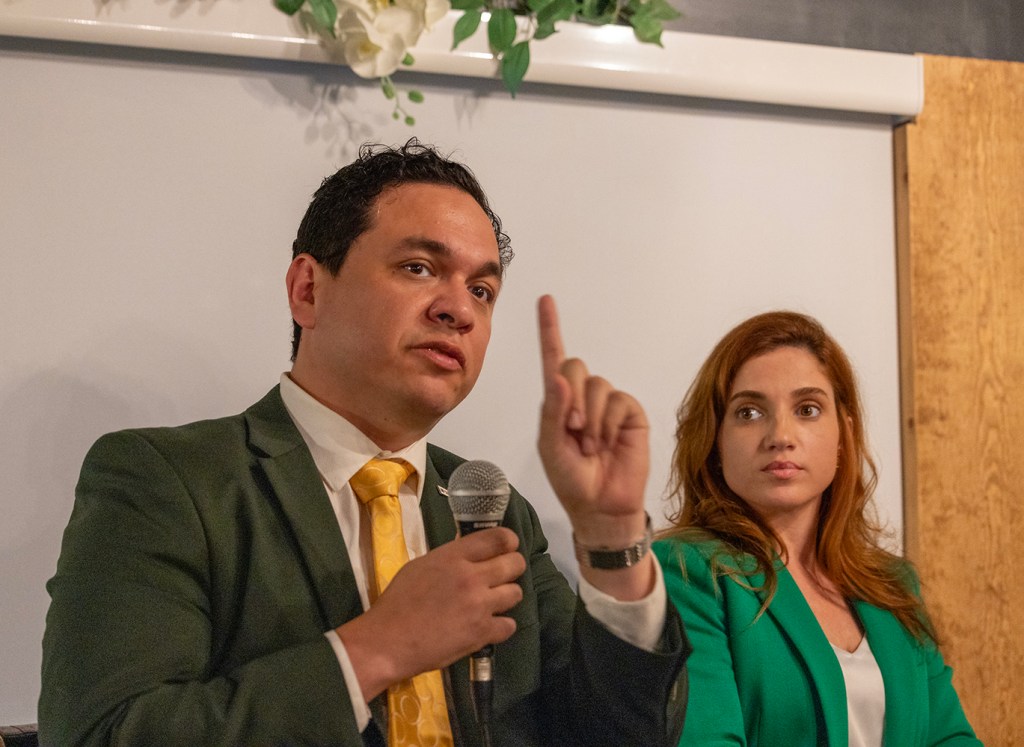


To hit that goal, they emphasized the need for both policy and private-sector innovation to move fast, which is where projects like Brazil’s carbon storage law come in.


Their innovative carbon capture methodology is actually quite interesting: emissions are captured from factories or plants, compressed, and then injected into rock formations deep underground where they can stay for centuries. It’s not a silver bullet, but paired with other strategies, it can make a real difference. The speakers explained that these technologies are already being used and expanded in places like Brazil, which is becoming a global leader in this space.

Although some of the science went over our heads, it was a good reminder that global issues depend on people from many backgrounds and countries working together–while also having the chance to interact and enjoy great food.

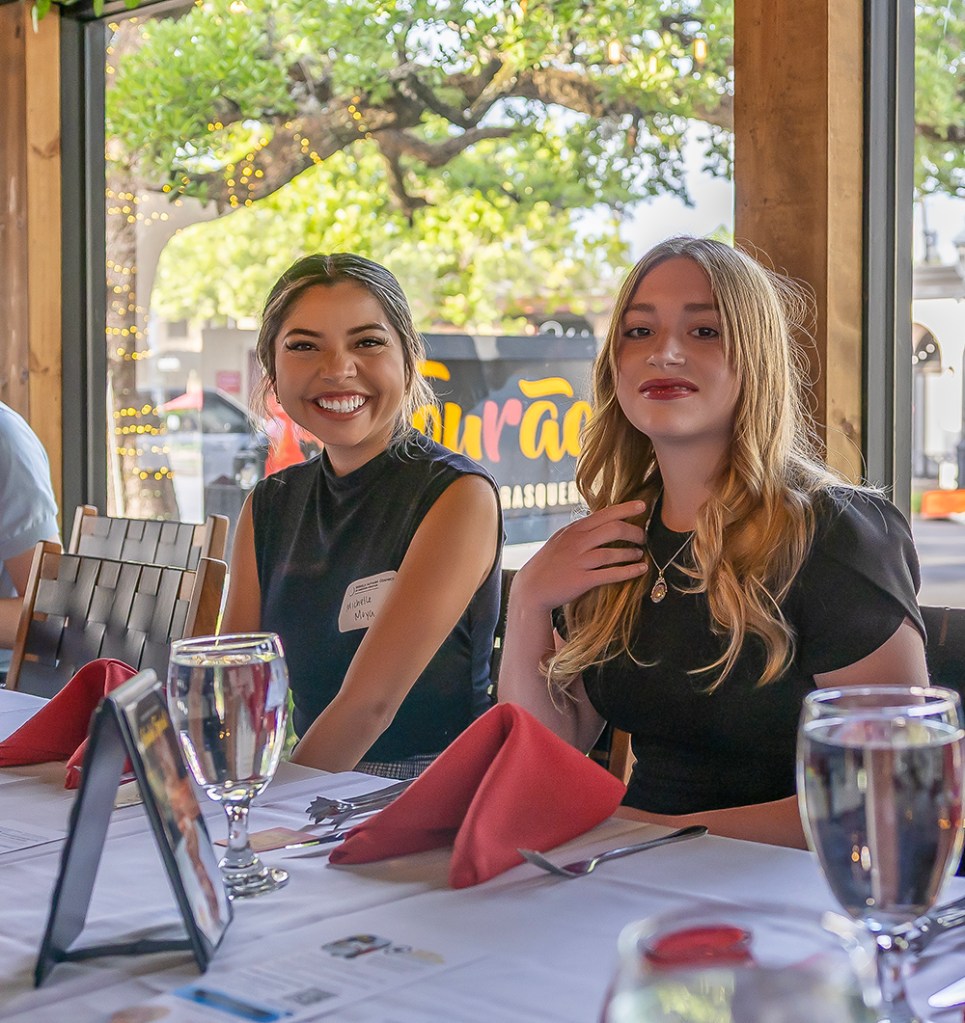
As always, we’re grateful to the World Affairs Council of Greater Houston for putting together events that are both fun and informative. And we’re glad to keep expanding our knowledge (and our palates) one country at a time.


 Center for Law, Engagement, and Politics