
The LEAP Center offers a number of foundational activities that allow us to reach students, guide them in their educational and career goals, and facilitate their participation in additional activities. All of these activities reflect the philosophy and approach of the LEAP Center, as described in our “Philosophy of the LEAP Center” and “LEAPing into Action” blogs.
Teaching
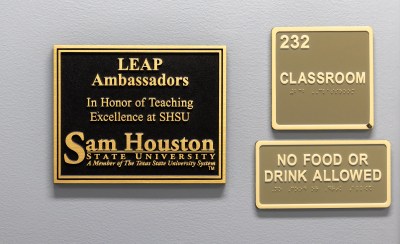
LEAP Center faculty teach several classes, including:
- Texas Government
- Local Politics
- Film & Law
- Constitutional Law I
- Constitutional Law II
- How to Win in the Courtroom
- Univ 1101 (Pre-Law Cohort)
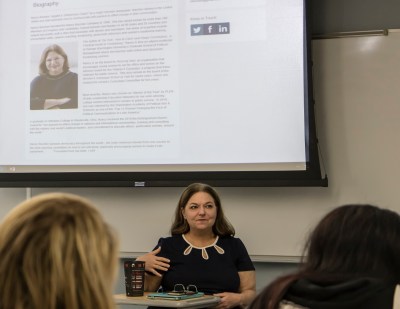
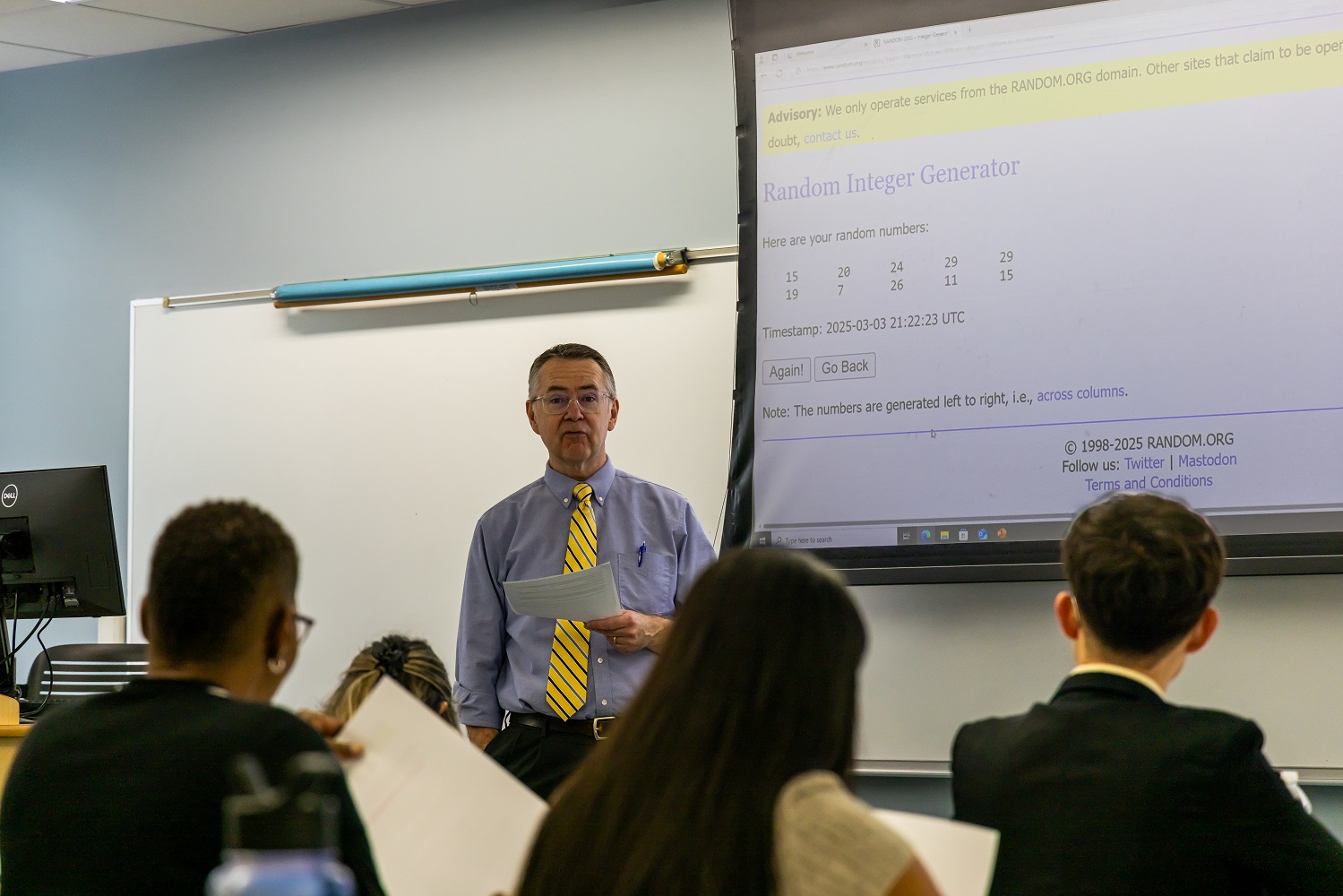
Professor Yawn’s Local Government Class
These classes require much reading, often using original texts, while also requiring writing and critical thinking. Community engagement is incorporated into the classes–but always on an optional basis.
In addition to satisfying academic degree requirements for Political Science and Legal Studies degrees, also provide avenues into many LEAP Center programs. The Local Politics and Texas Government classes, for example, help provide foundational information for the City Fellows program and the Sam Houston Austin Internship Program (SHAIP). The legal classes help guide students on their pre-law path, while also providing a portal to the Moot Court Team.
Advising
Supplementing these courses is a year-round advising schedule for students. While LEAP Center advisors specialize in pre-law, they also do academic advising in political science, criminal justice, and other law-related fields.
Student often ask, “What is the best major for law school?” There is no specific answer to this question, but in general, the best major will be one that requires writing, reading, and critical thinking. If most of your classes feature extensive “lecturing” off of, and “studying” from, PowerPoints, you probably aren’t getting the reading, critical thinking, and writing you need for law school. In general, social sciences such as economics, psychology, political science, philosophy, English, and history have provided solid foundations for law school.
During these advising sessions, advisors also address the unique timeline for pre-law students, which looks something like this:
Freshman Year
- Establish major and minor, or at least explore minors;
- Take Practice LSAT (offered by LEAP each semester);
- Make Good Grades;
- Join Pre-Law Society;
Sophomore Year:
- Establish Minor;
- Take Practice LSAT;
- Attend Mock Law Class (offered by LEAP annually)
- Consider Officer Position in PLS;
- Consider Applying for Pipeline Programs;
- Consider Which Professors You Will Request to Write Letters of Recommendation (LOR);
- Create LSAC Account
Junior Year:
- Take Practice LSAT;
- Consider Applying to PLS’s LSAT Prep Course Scholarship, if LSAT Score is Competitive;
- Begin More Aggressive Activity on LSAT Study Plan;
- Consider LSAT Prep Course (summer of Junior/Senior Year)
- Consider Moot Court Participation
- Consider PLS Officer Position
August of Senior Year: Take LSAT
Fall of Senior Year: Apply to Law School
Programs & Speakers
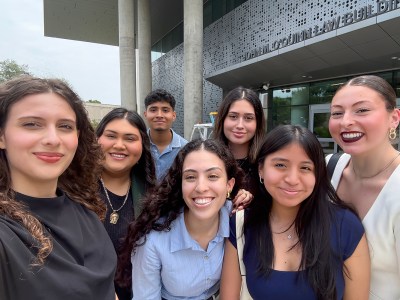
The LEAP Center’s teaching and advising offerings are supplemented by the many on-campus programs offered by the LEAP Center, which include:
- Graduate School Exploration;
- Law-School Exploration;
- Career Exploration;
- Pre-Law Society;
- 10th Court of Appeals, which hears three cases annually;
- Simulated Law class, featuring STCL Professor Val Ricks;
- Mock LSAT, offered each semester;
- Speakers from Diverse Disciplines. Past speakers have included:
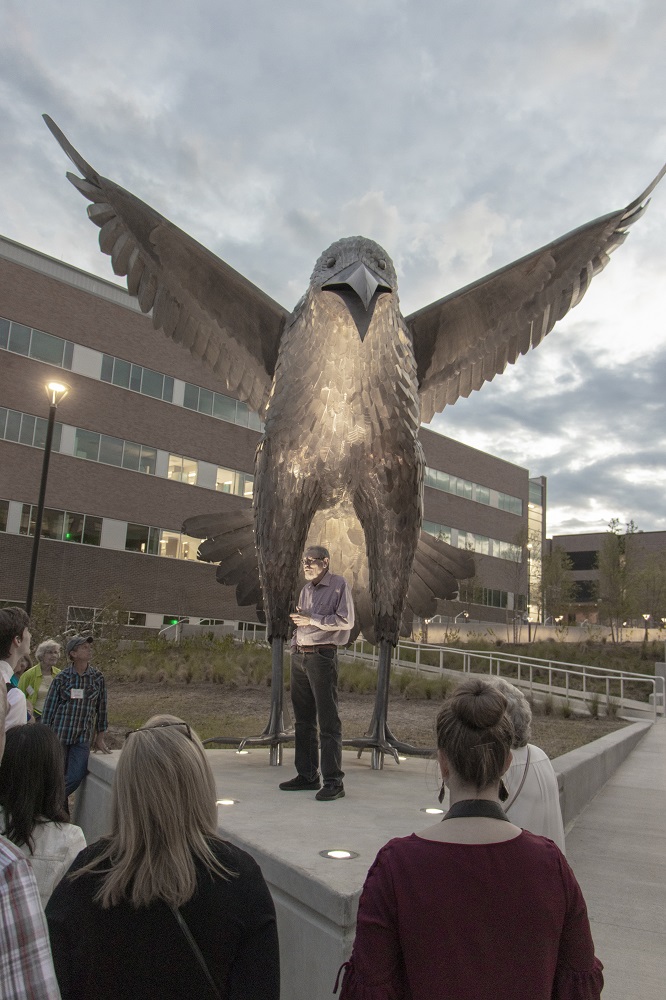
- Artist Ed Wilson;
- Artist David Adickes;
- Artist Lee Jamison;
- Author Jeff Guinn;
- Author Stephen Harrigan;
- Author Glenn Frankel;
- Author James Reston;
- Author Carl Rollyson;
- Former State Department Official John Nixon;
- Former CIA Official Jim Olson;
- Former FBI Official Frank Figliuzzi;
- Former Ambassador Chase Untermeyer;
- Former Attorney General Alberto Gonzales;
- Former Presidential Chief of Staff Jean Becker.
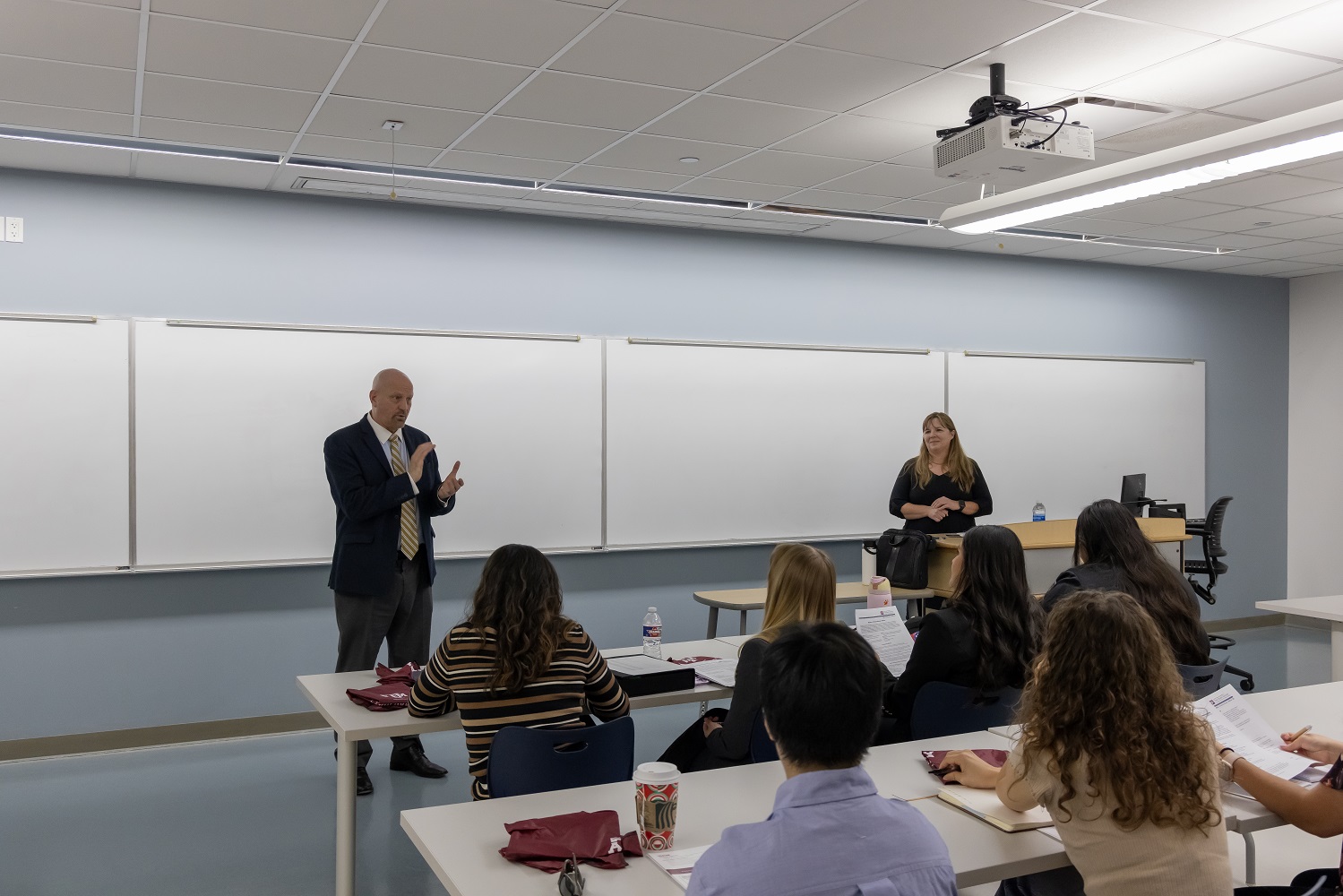
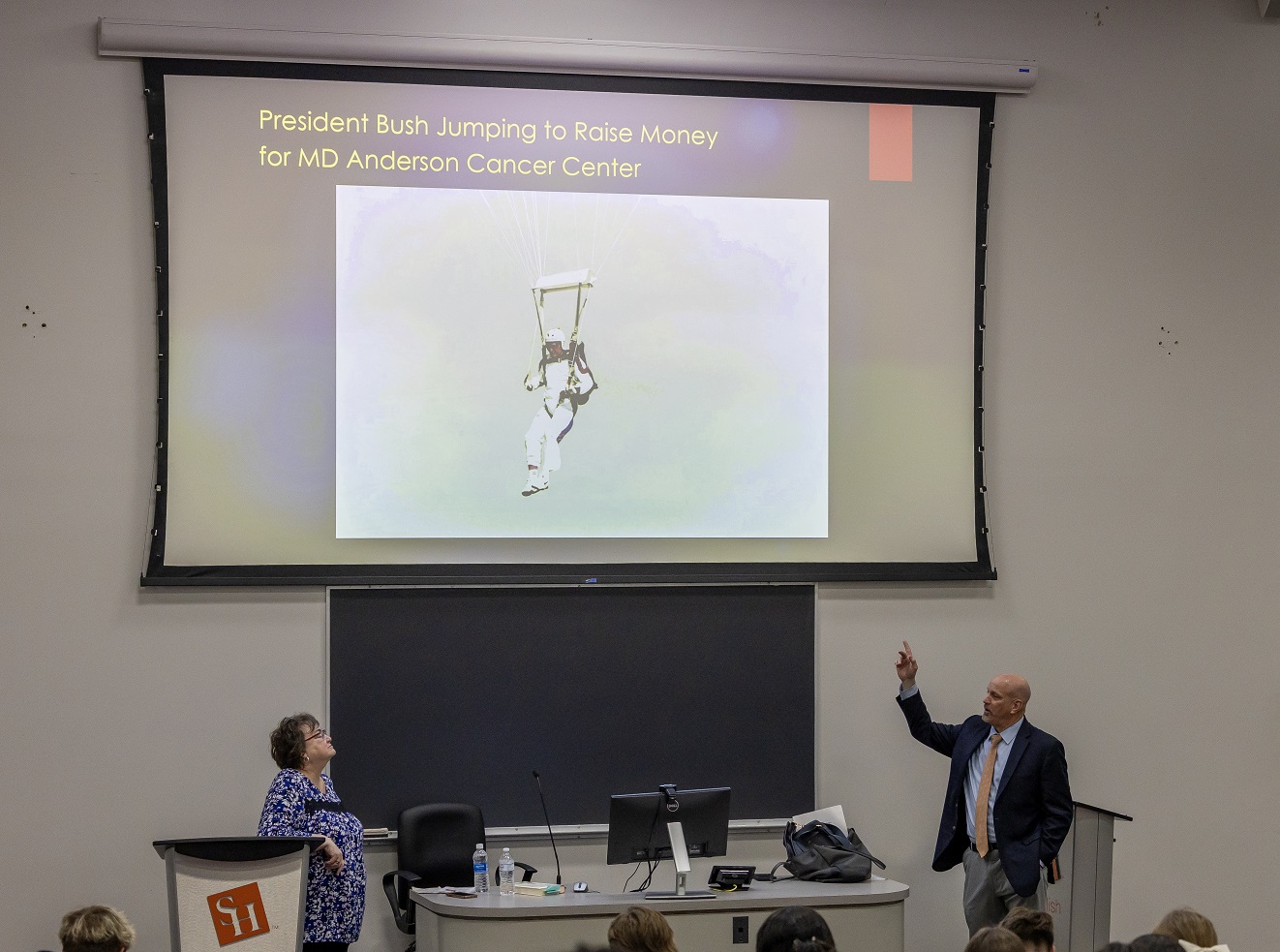
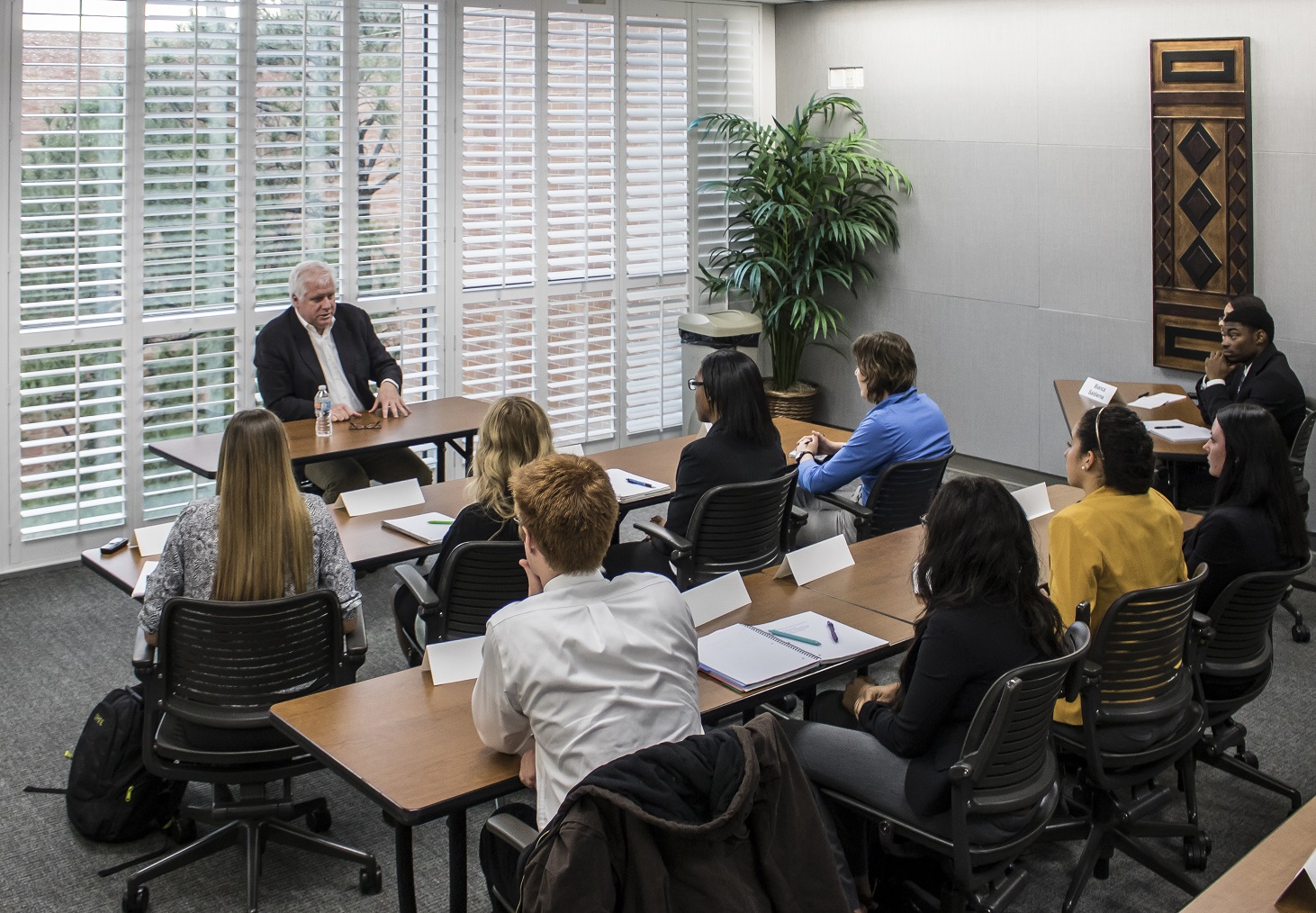
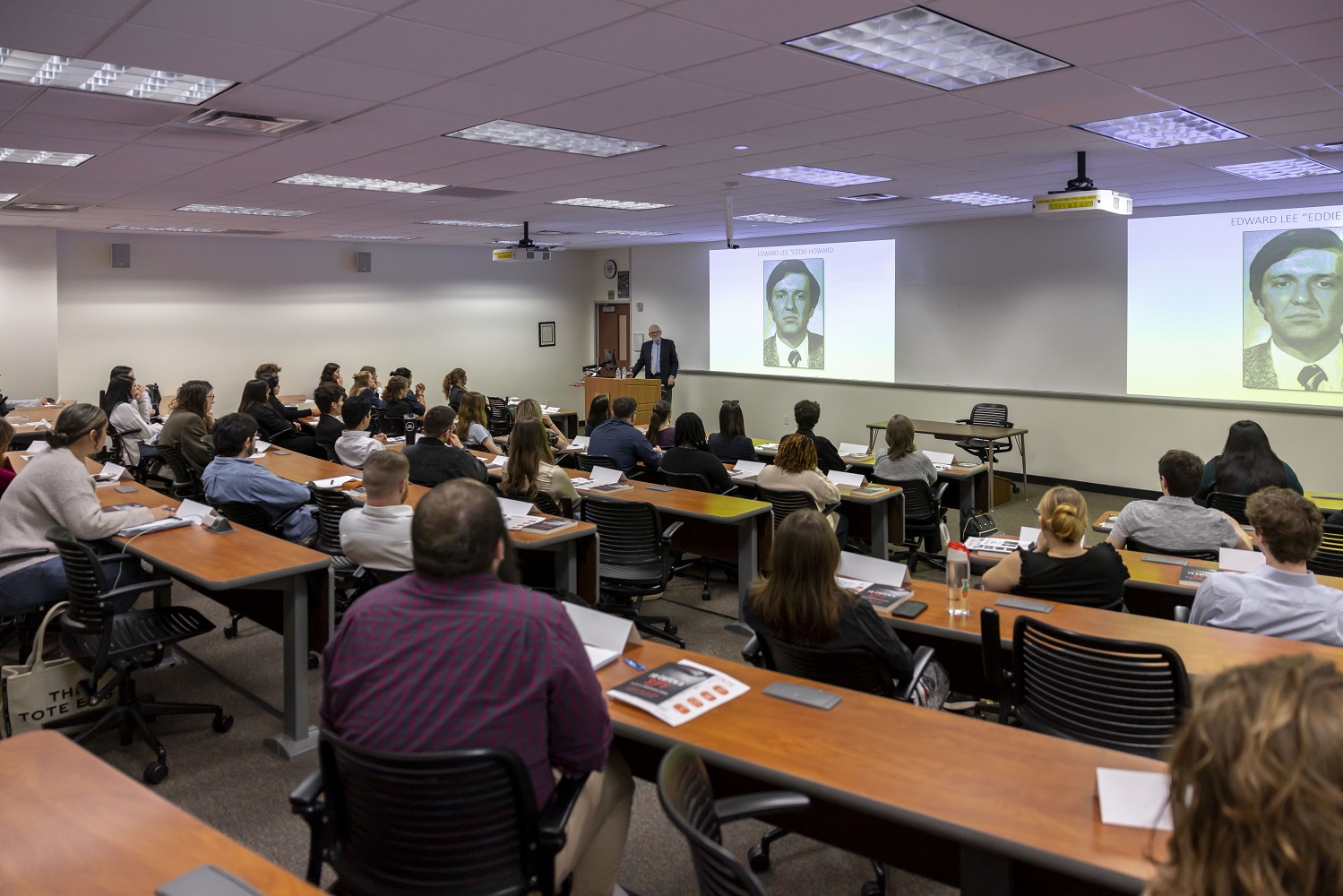

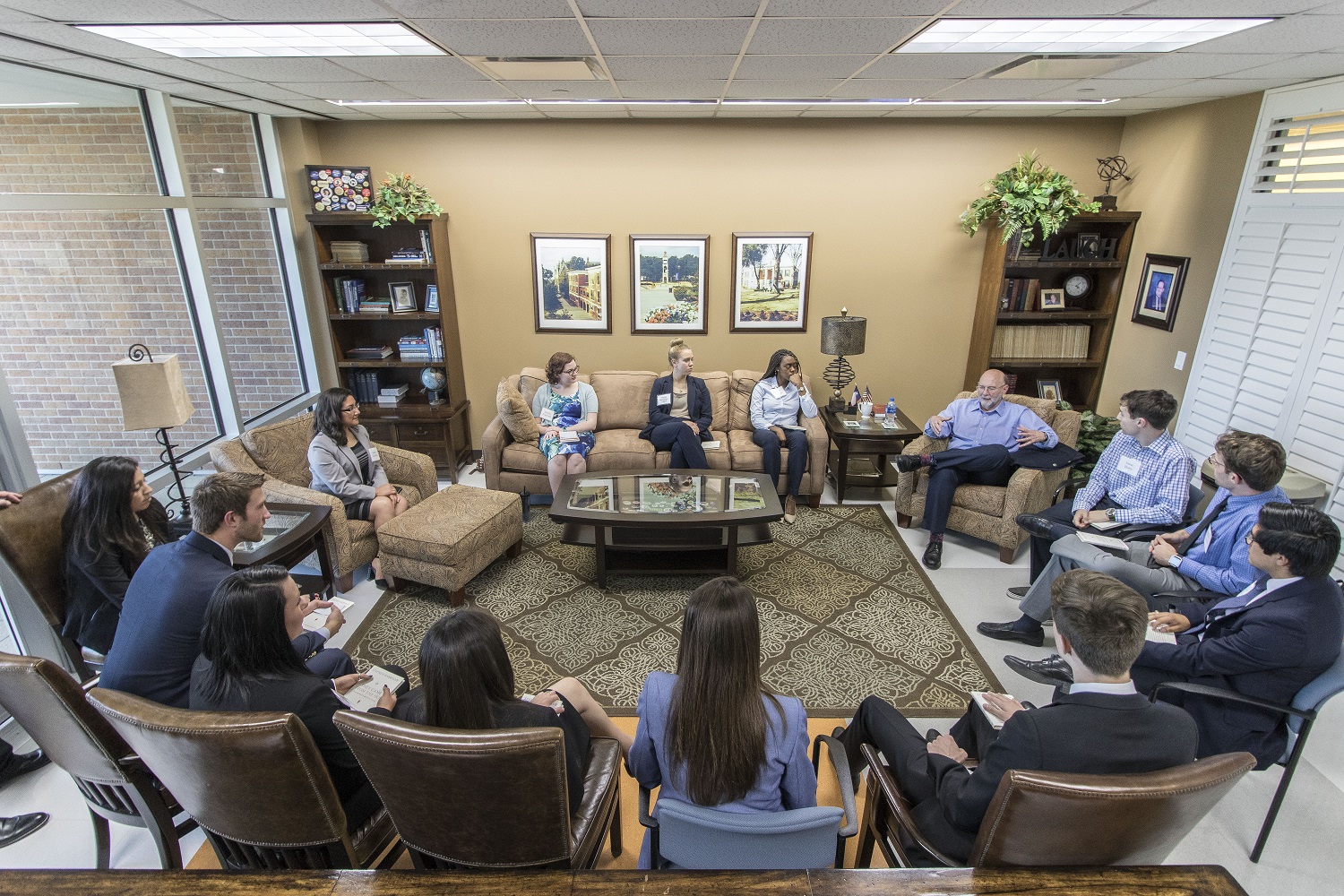

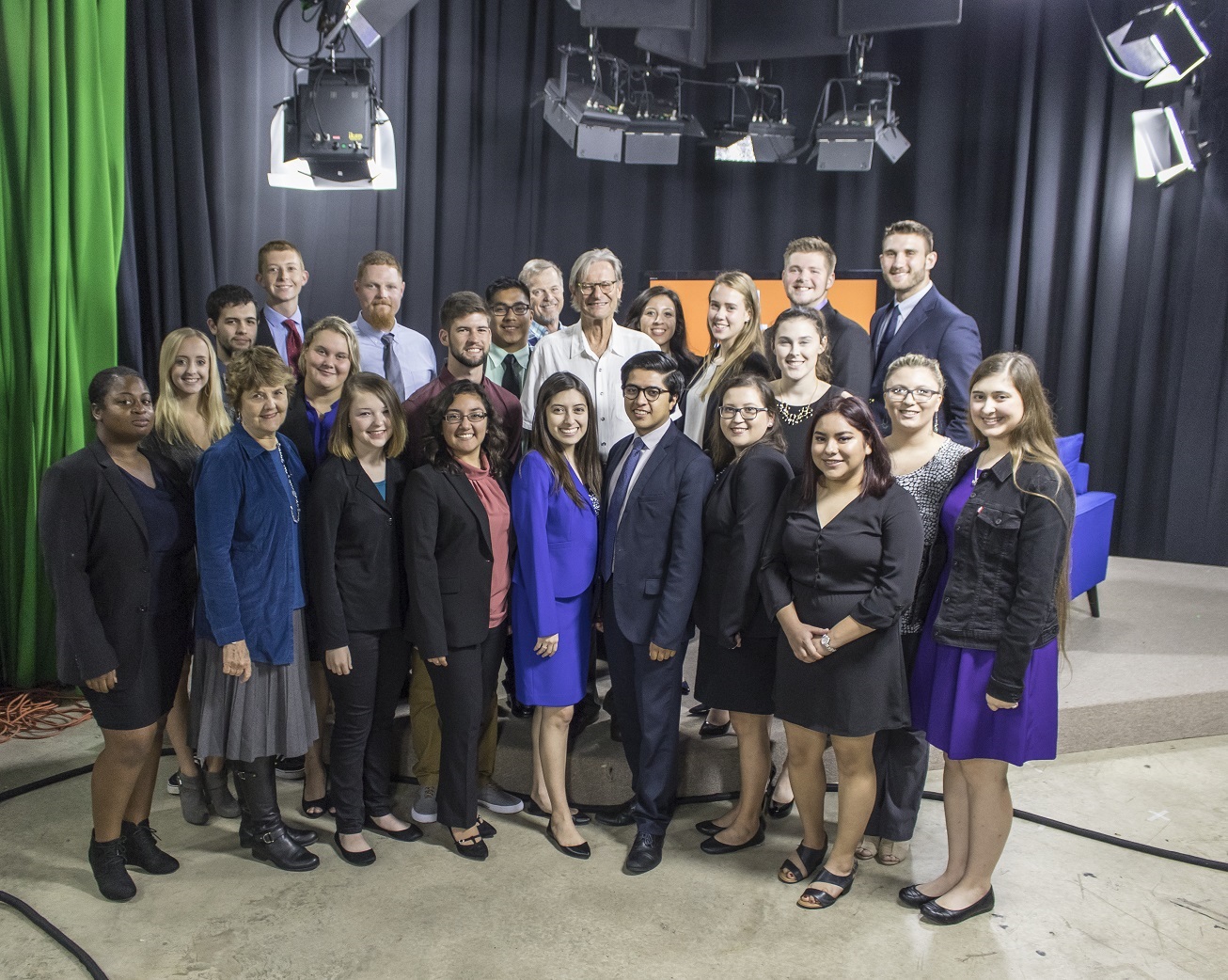
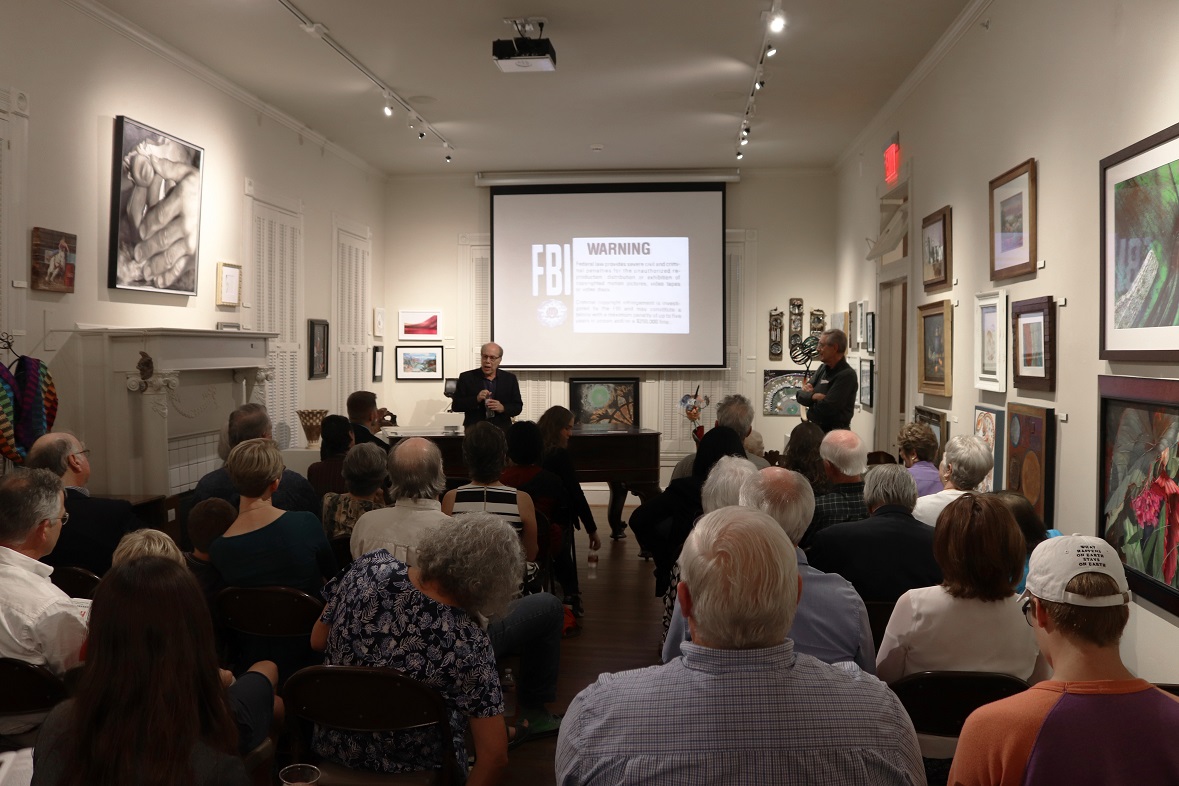
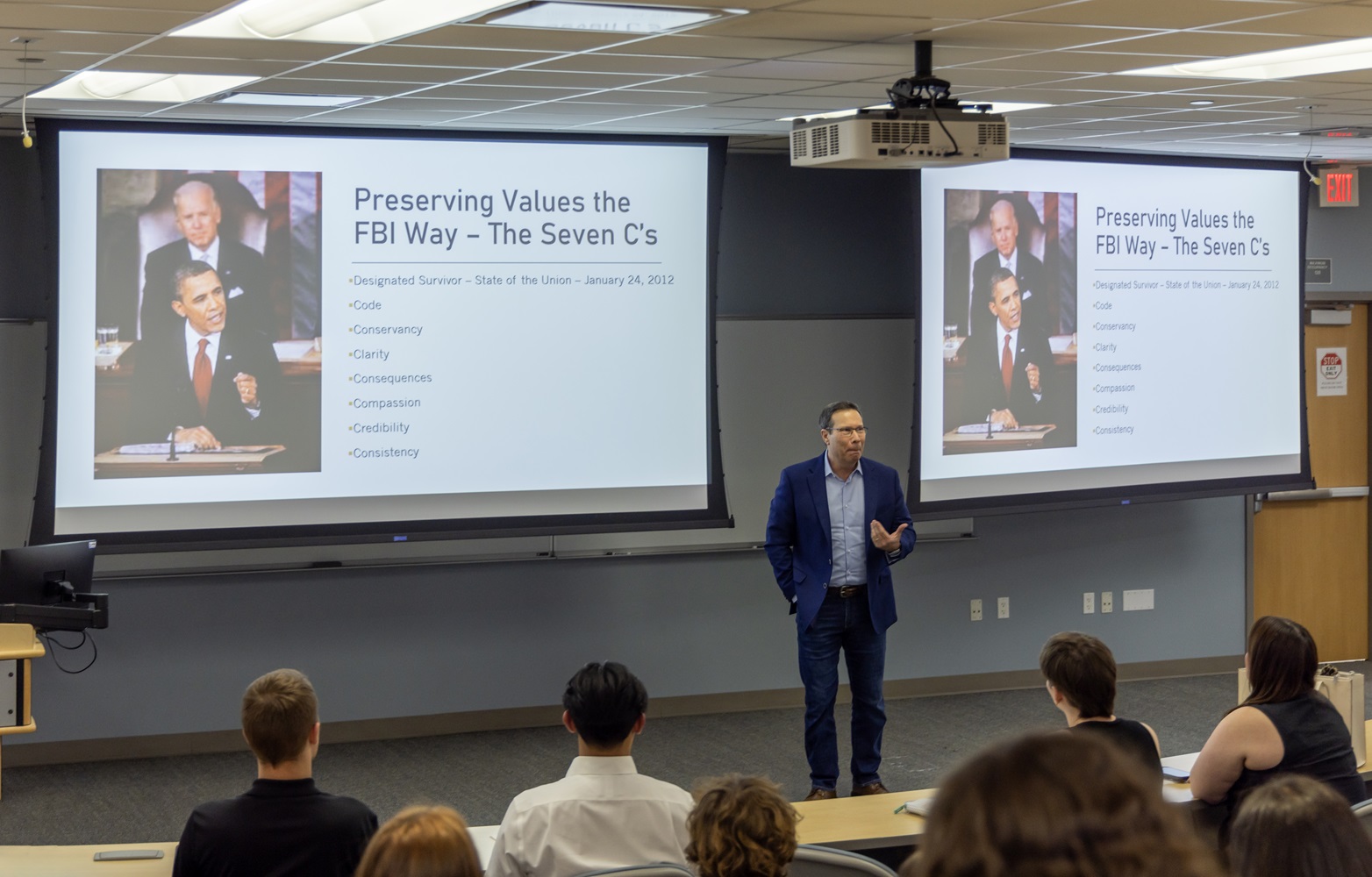
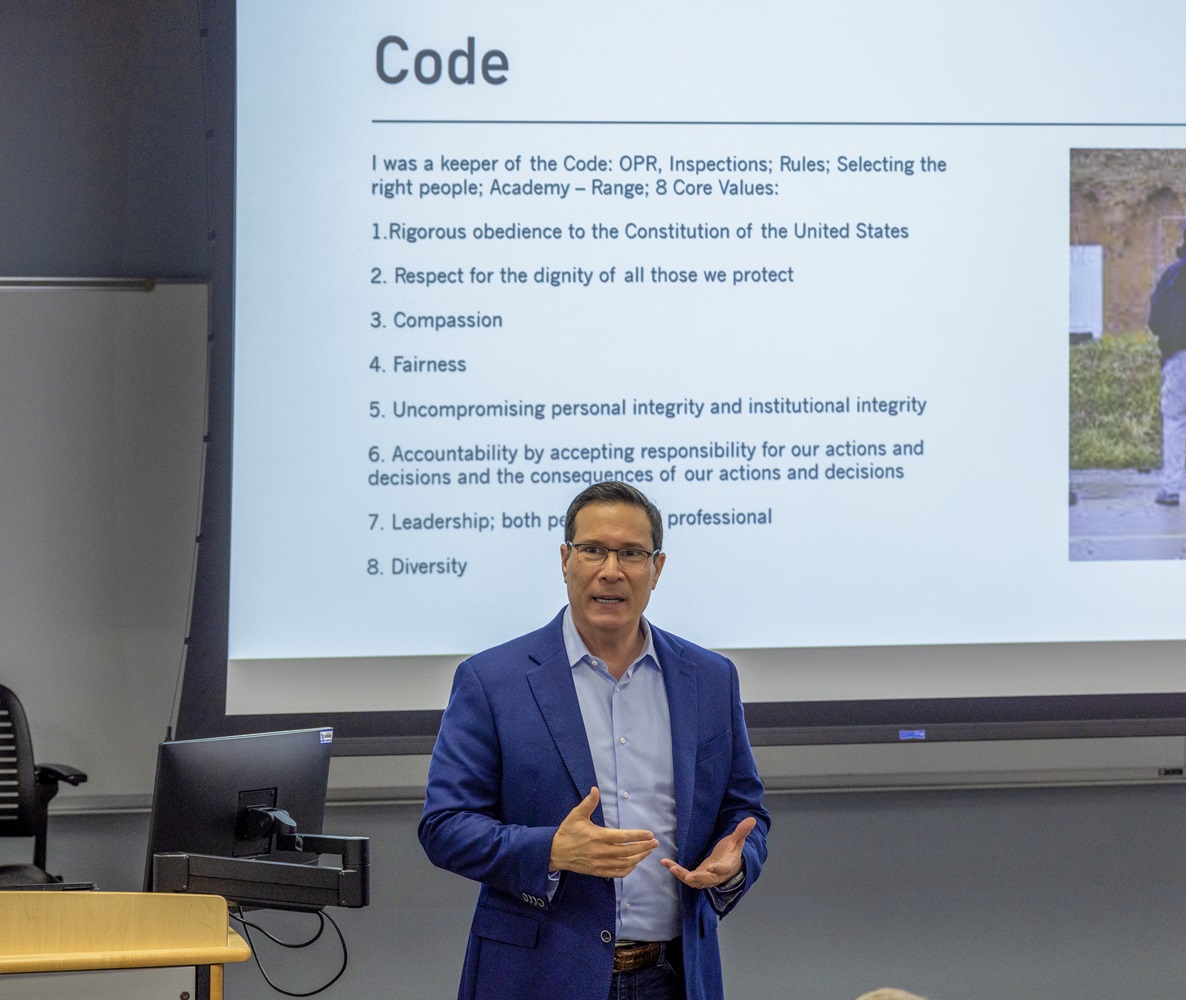
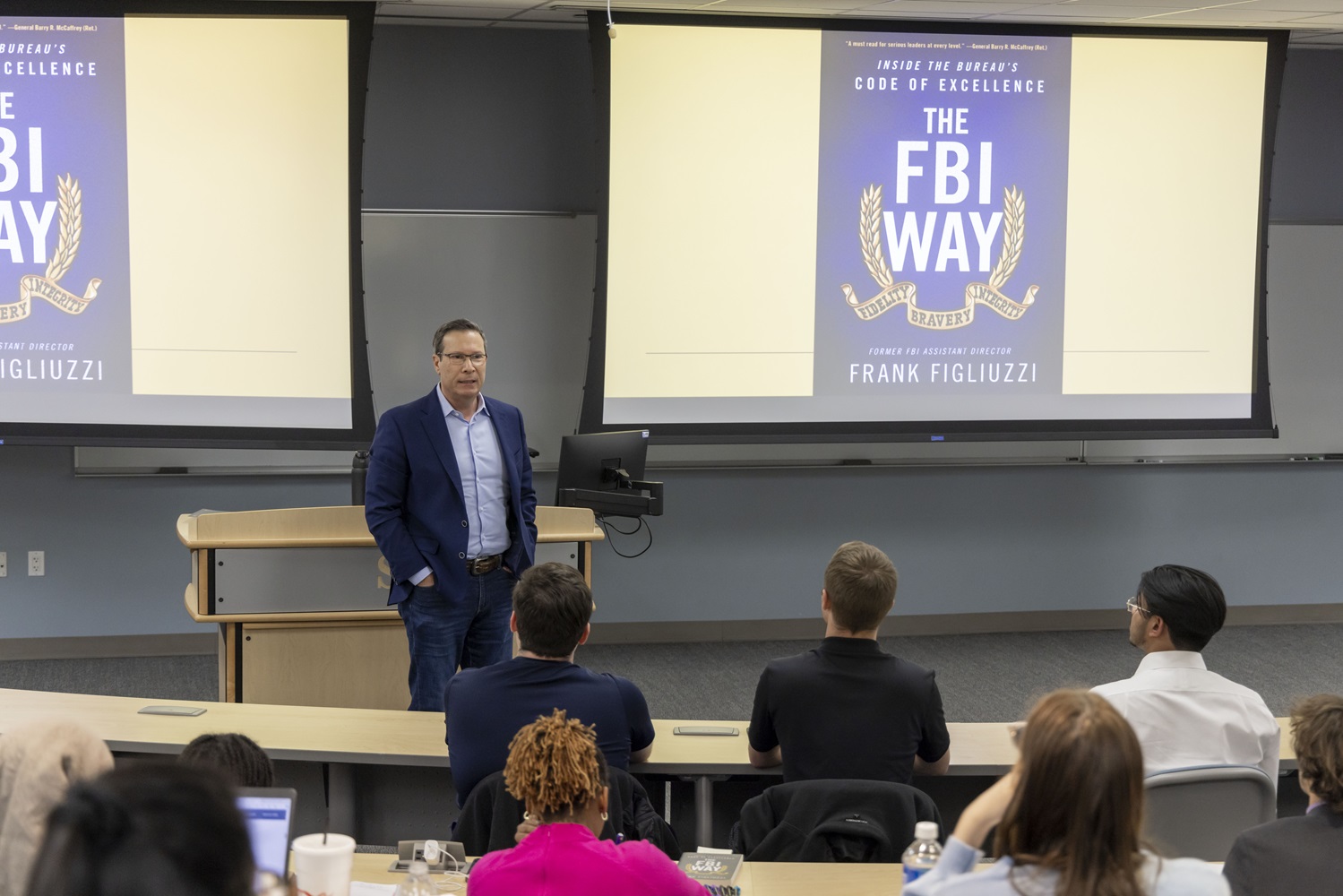
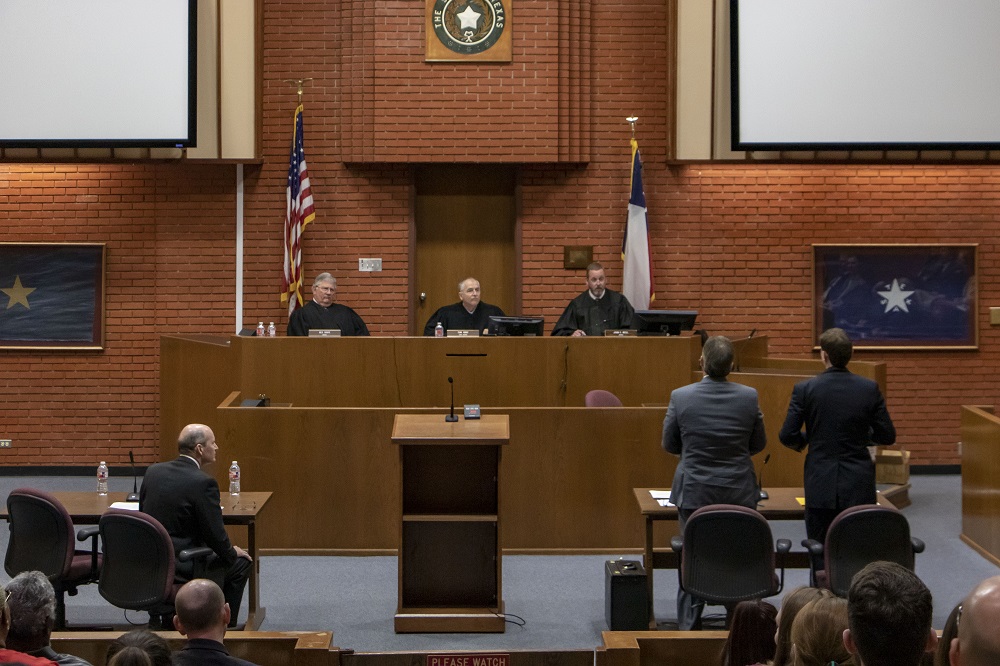
By availing themselves of the classes, advising, and programs offered by the LEAP Center, students have the opportunity to explore numerous academic paths, career options, test their progress toward graduate or law school, and hear from some of the country’s leading public intellectuals.
For many, such opportunities are sufficient to satisfy their intellectual and vocational interests. Others, however, find that such endeavors whets their appetite for additional opportunities, and to these we turn in our next LEAP blog installment.

 Center for Law, Engagement, and Politics
One thought on “Foundational Activities of the LEAP Center”