
In previous posts, we’ve discussed the philosophy of the LEAP Center, as well as some of the foundational programs we offer. The Center also actively identifies students with the potential for leadership and provides additional opportunities for the development of those leadership skills.
As noted previously, our programs bring us into contact with more than 2,500 students annually. Moreover, we generally eschew “bribing” students with extra credit or compelling them to participate as a class requirement. Rather, we encourage students to participate in extra-curricular activities by highlighting their value, illuminating their relevance, and by offering programs that are inherently rewarding—and then allowing them to choose whether to participate.
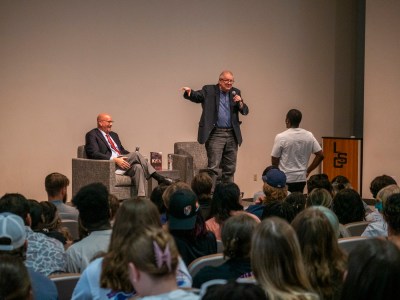
This approach to civic engagement has several positive outcomes.
- Because these activities are related to—and in addition to—the regular class curriculum, there is no curricular displacement. That is, the students engaged in civic activities are not losing out on the traditional reading, writing, classroom discussions, and assessments to make “room” for additional mandatory requirements.
- Our events are voluntary; thus, the students who participate are, on average, more motivated and skilled in planning than the students who would participate only when compelled.
- Because we are involved extensively in planning the programs the students participate in, we can ensure they are high quality. The students, then, are rewarded for their initiative, their planning, and their participation.
- We participate in or oversee all the events we facilitate, allowing us a unique perspective to assess the potential of the students.
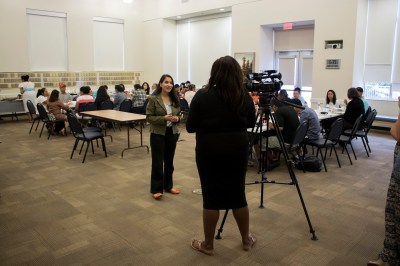
Fortunately, we also offer myriad programs for emerging leaders. These include:
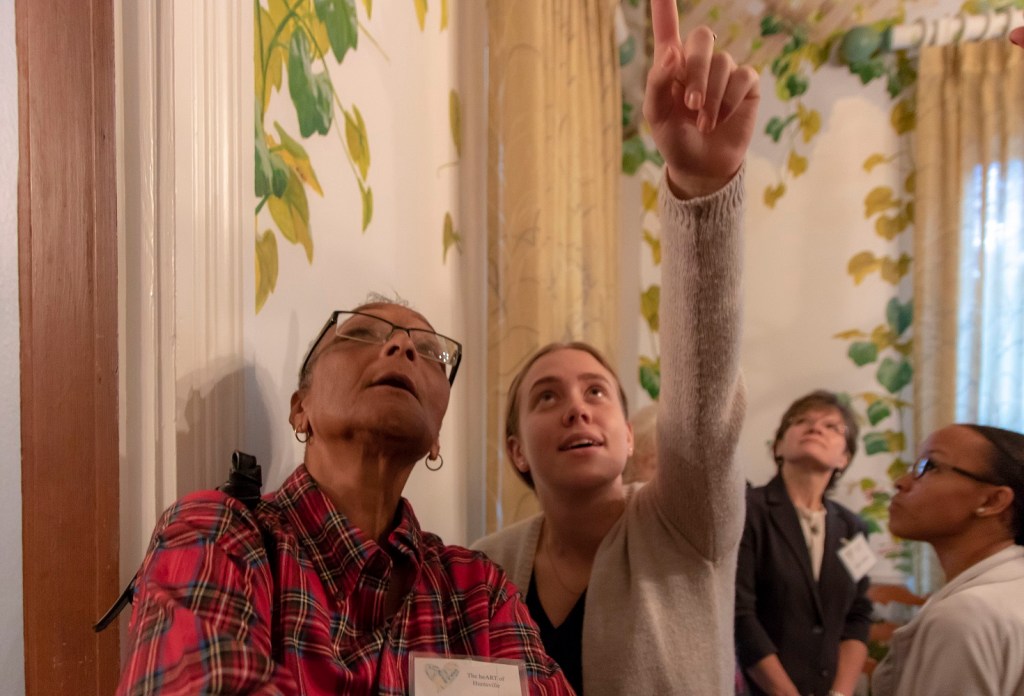
- Community Programs: Although aimed at community members, students may also apply to programs we offer such as City U, County U, heART of Huntsville, Citizenship Preparatory Course, and Beyond Bars. Such programs not only teach students key facts, processes, and skills related to civics, it also allows them to mix with community leaders, and therefore expand their professional networks;

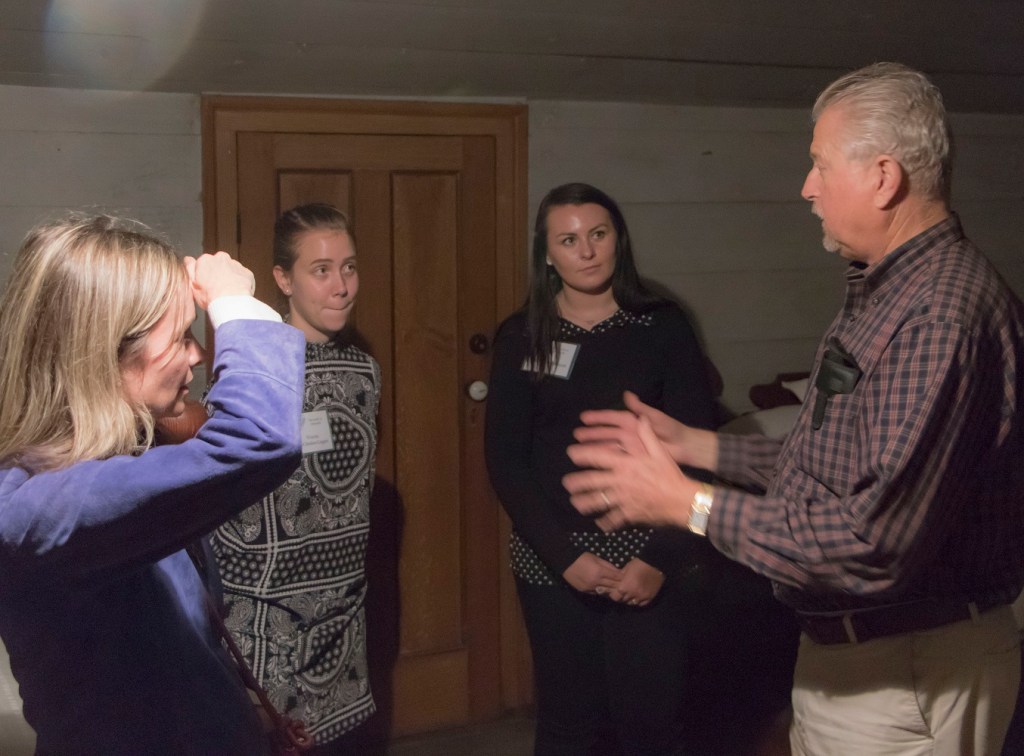
- City Fellows Internship Program: The LEAP Center offers paid internships each semester, and these internships differ in important ways from traditional internships. First, our internships are project based. Students are not just asked to help staff complete office tasks. Rather, staff develop projects they need assistance with, and these projects become the selected interns’ primary duties.
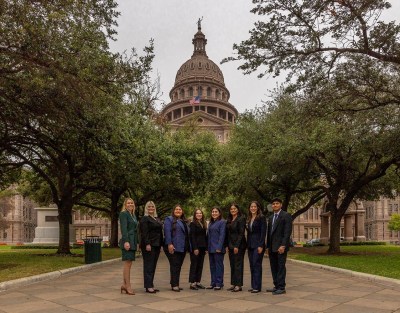
- Sam Houston Austin Internship Program: Every legislative session, the LEAP Center oversees selection of 6-12 Austin Interns, who work in legislative offices of professional associations. These students work full-time, and they are treated as staff or legislative assistants in the offices.
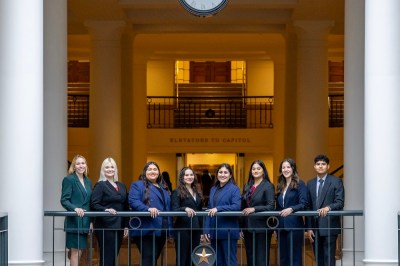
- Moot Court & College Bowl Teams: The LEAP Center supervises the Moot Court team and the College Bowl team. In the former, students learn the fine arts of oral arguments, traveling to law schools and engaging in tournaments in front of lawyers and law-school personnel. In the latter, students learn about city government and public administration, and they travel to conferences, where they compete in front of city personnel and graduate faculty.
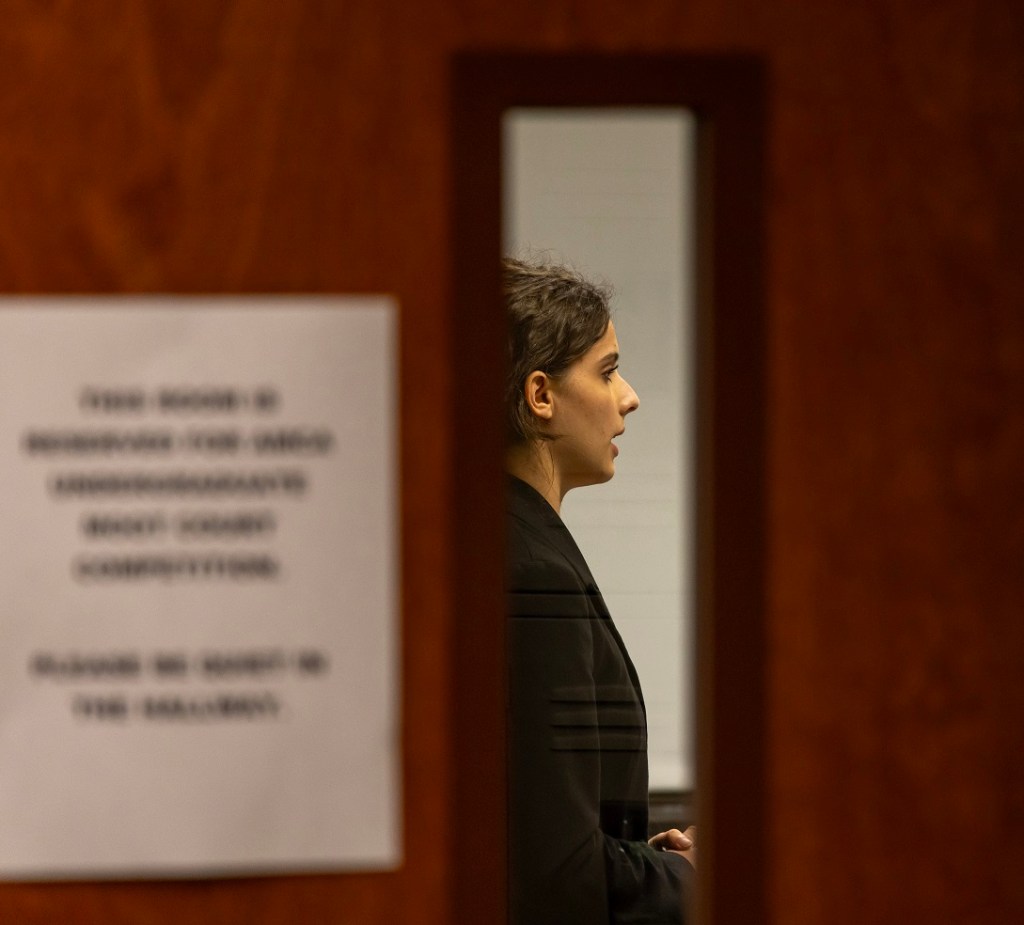
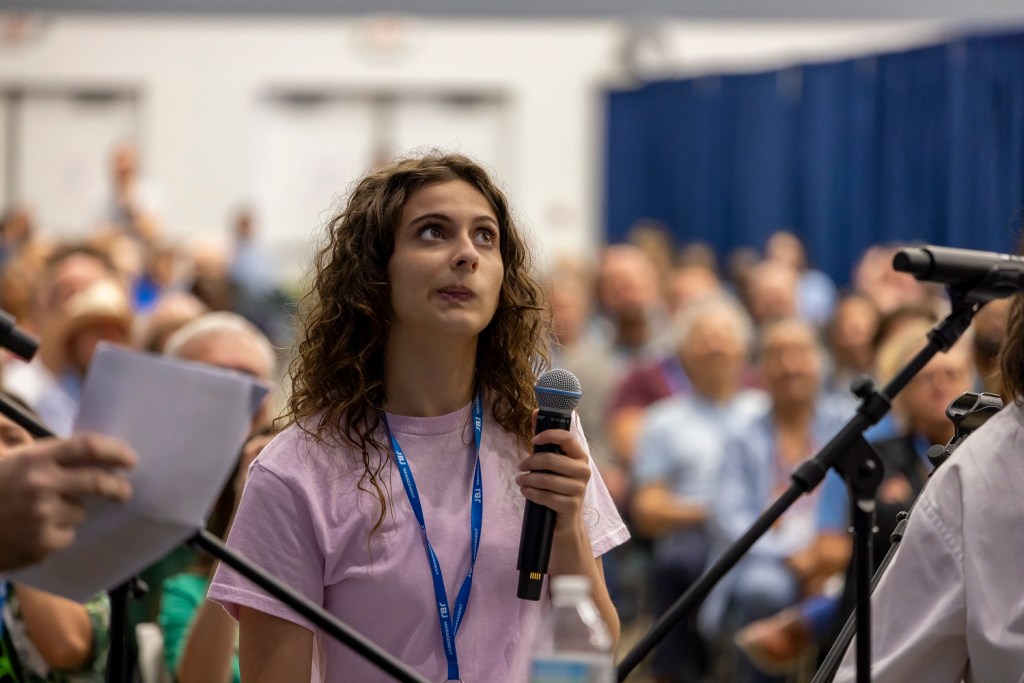
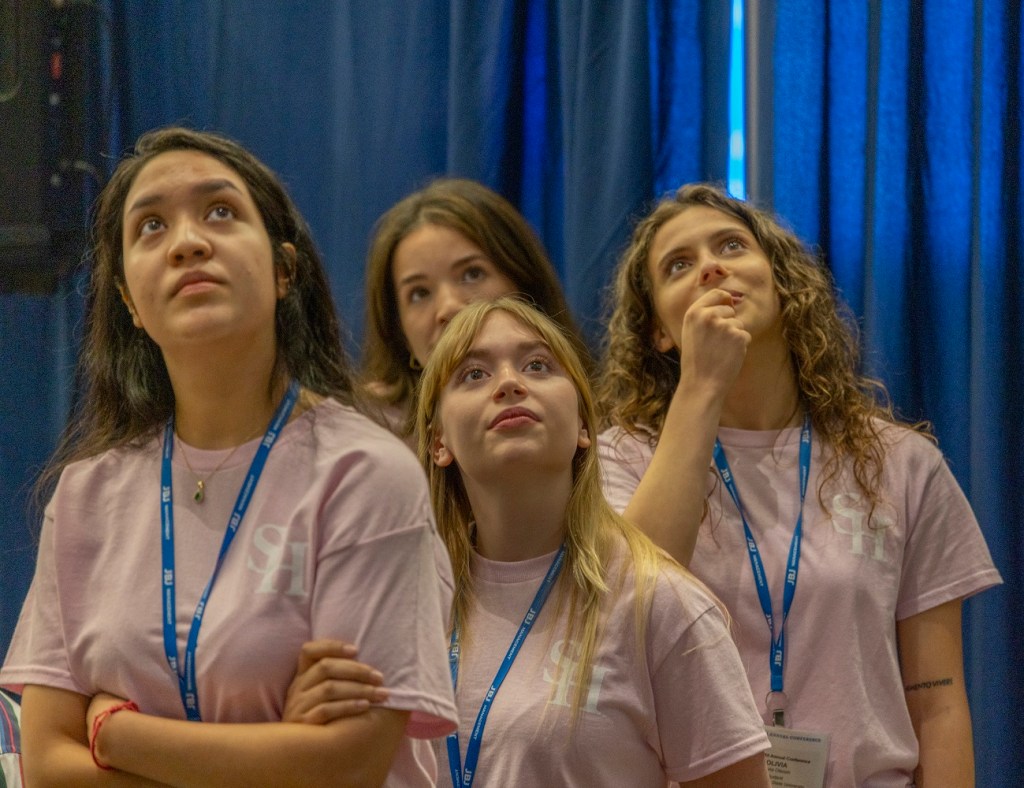
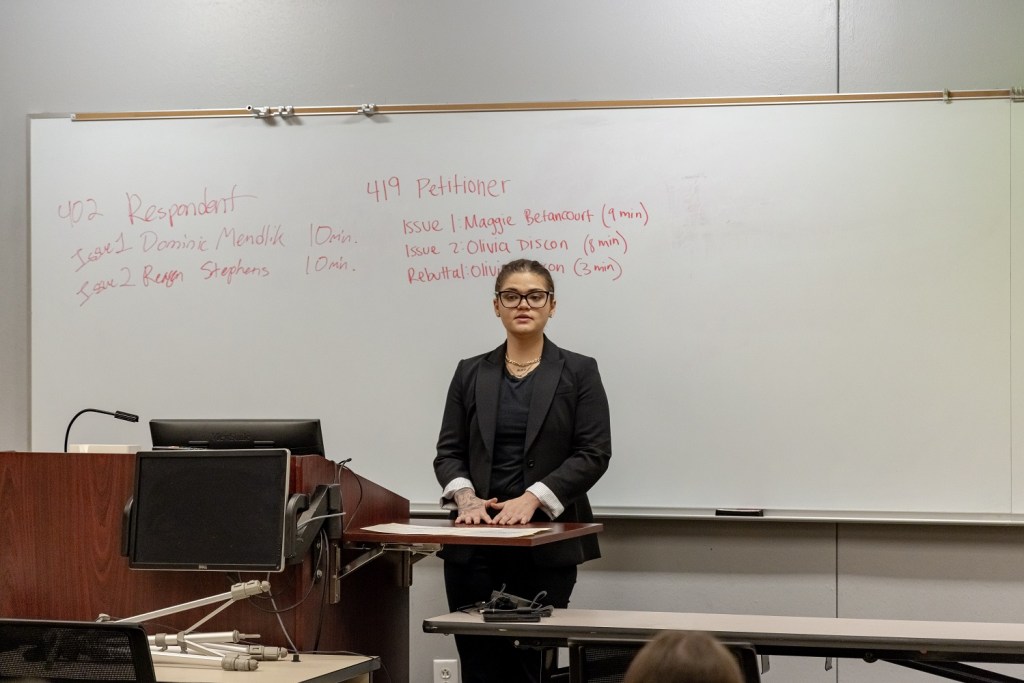
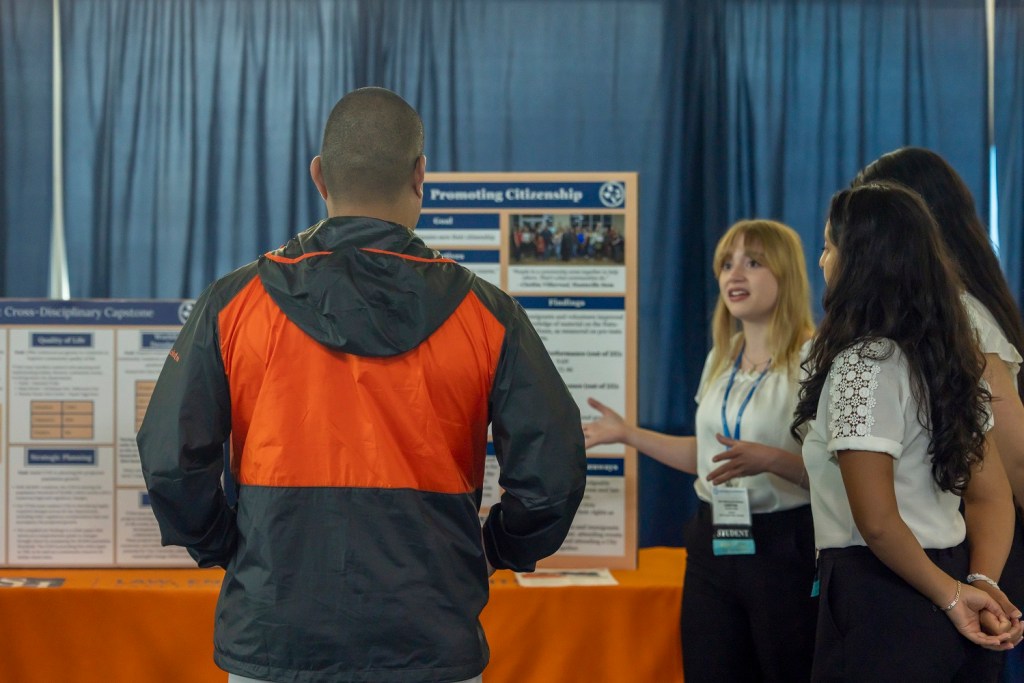
Many students are interested in specific areas. Thus, students who excel in city internships might take leadership roles on the College Bowl Team. Students who excel in Moot Court might take leadership roles in the Pre-Law Society.
Some students will show more diverse interests and exceptional promise, and these students are invited to be Ambassadors for the Center for Law, Engagement, And Politics. In addition to often taking leadership positions with the Pre-Law Society or the College Bowl teams, these students often help the LEAP Center carry out its basic functions (the LEAP Center only has two staff members).
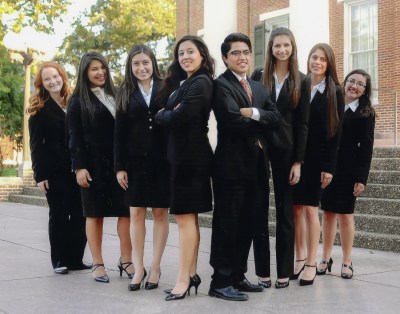
Thus, Ambassadors assist with all volunteer activities; they lead the planning and execution of all events; they oversee and implement the LEAP Center’s social media; they meet with, advise, and sometimes tutor students in criminal justice, political science, and pre-law. They guest lecture for classes, serve as liaisons for many community non-profits and government agencies, and they help host the programs run by the LEAP Center.
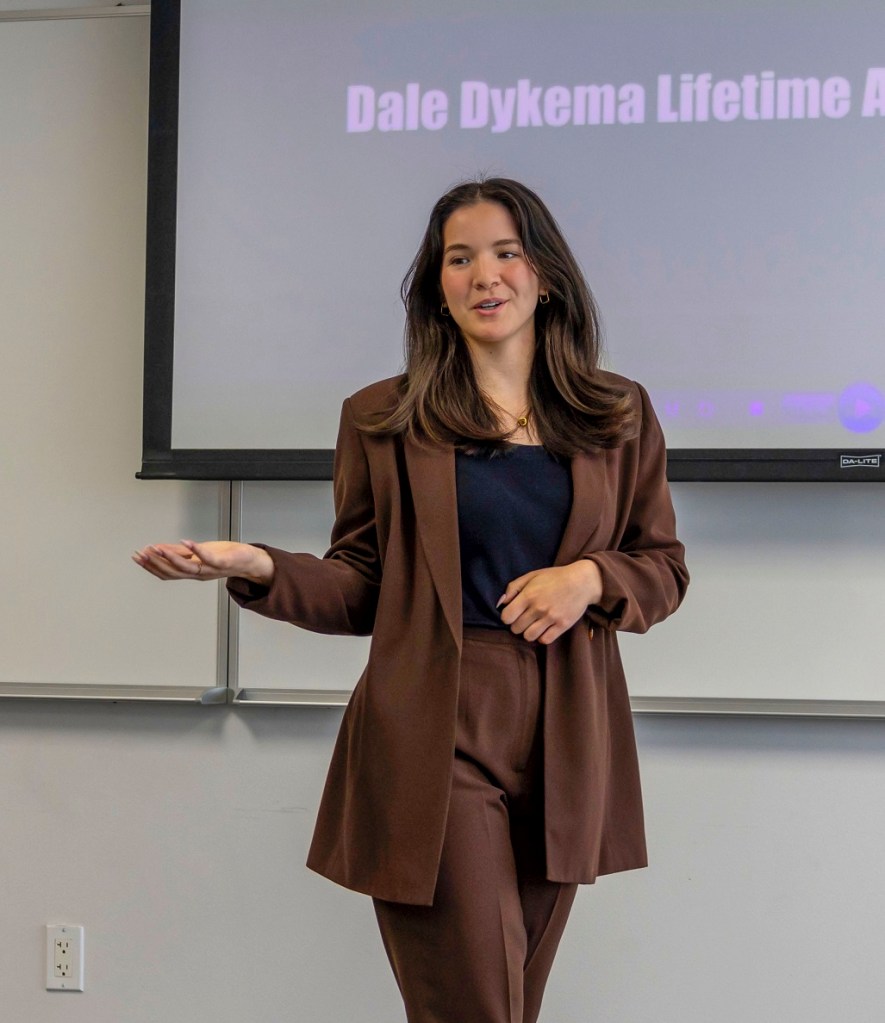
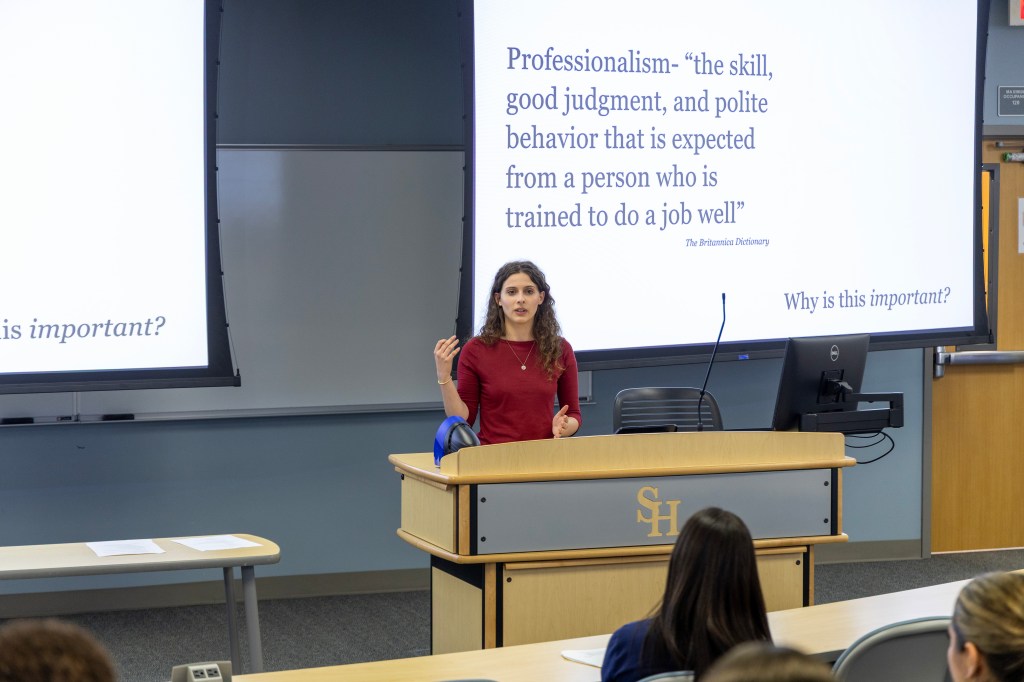

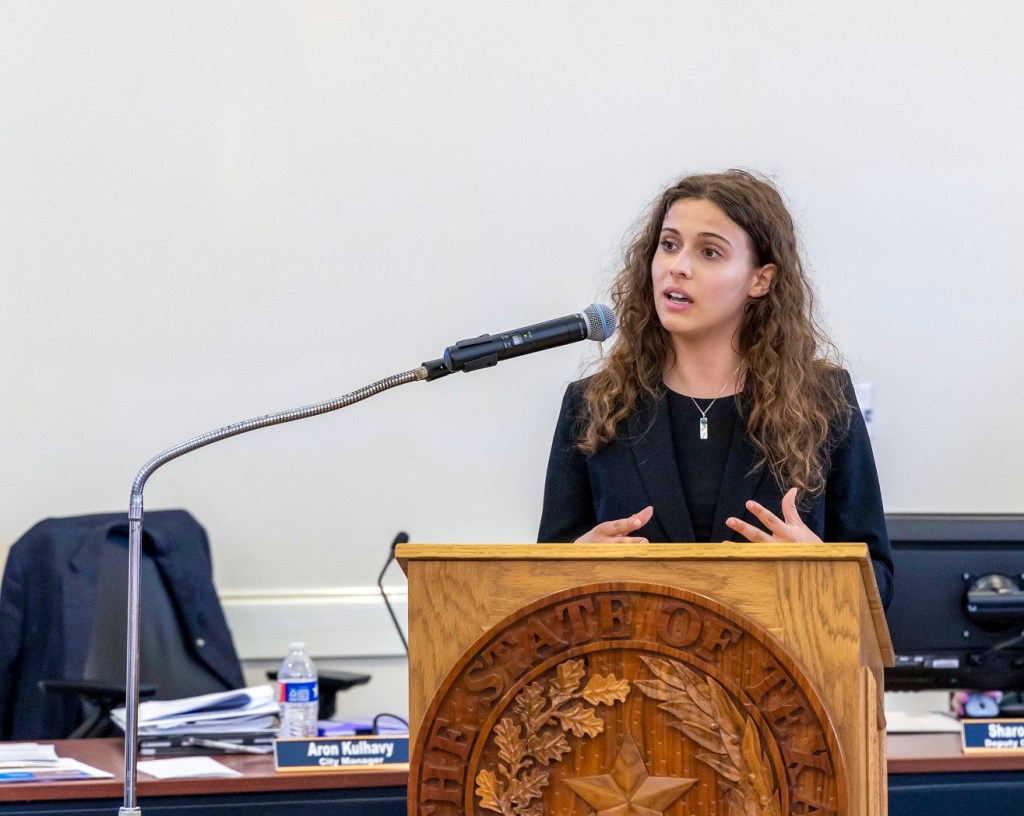
The amount of work done by the LEAP Ambassadors is extensive, and it involves rigorous work and the development of professional skills. Accordingly, only the highest-level students become LEAP Ambassadors. Over the past year, for example, the LEAP Ambassadors worked, on average, 21 hours per week at part-time jobs or internships, participated in more than 100 events, and carried a GPA of 3.76.
Collectively, this approach and these activities lead to far-reaching and positive outcomes. Sam Houston State University, for example, is one of the 170 most successful four-year, higher-education institutions in North America at placing students in law schools—putting it firmly in the top three percent. In addition, many of these students have gone on to very successful legal careers, especially in Texas.
Many of the students who have obtained internships through the LEAP Center have become governmental leaders, holding down management and director-level positions in city, county, and state government. The creation of the Sam Houston Austin Internship Program, for example, increased the number of full-time, SHSU-affiliated staff four-fold since its inception in 2013.

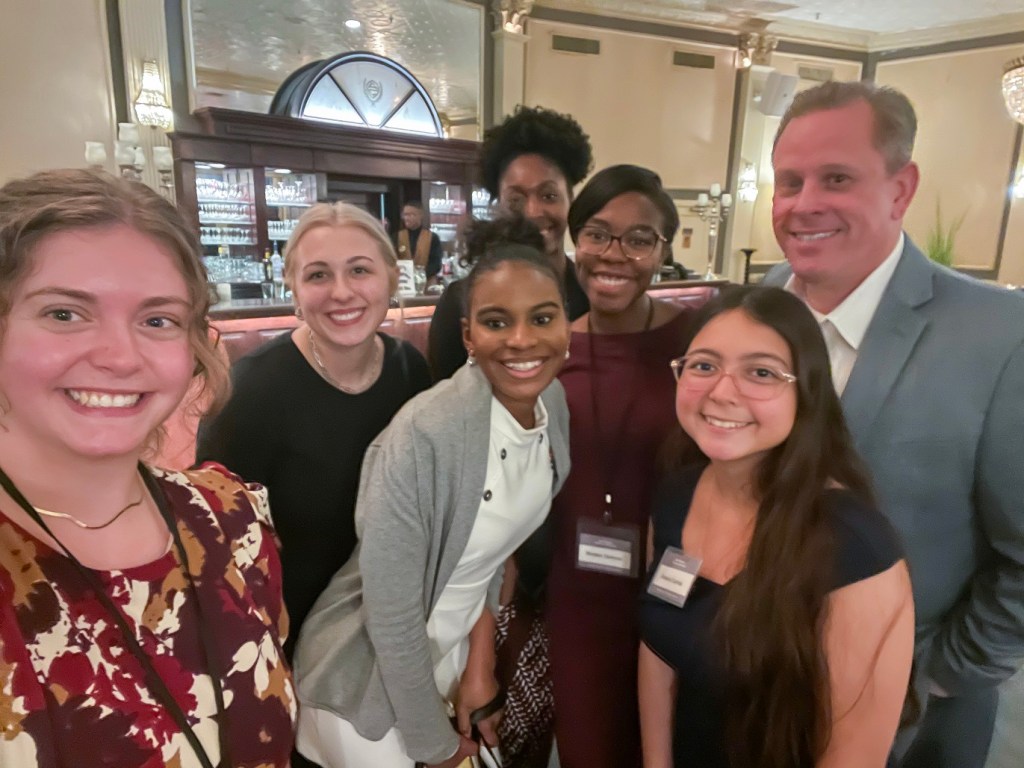
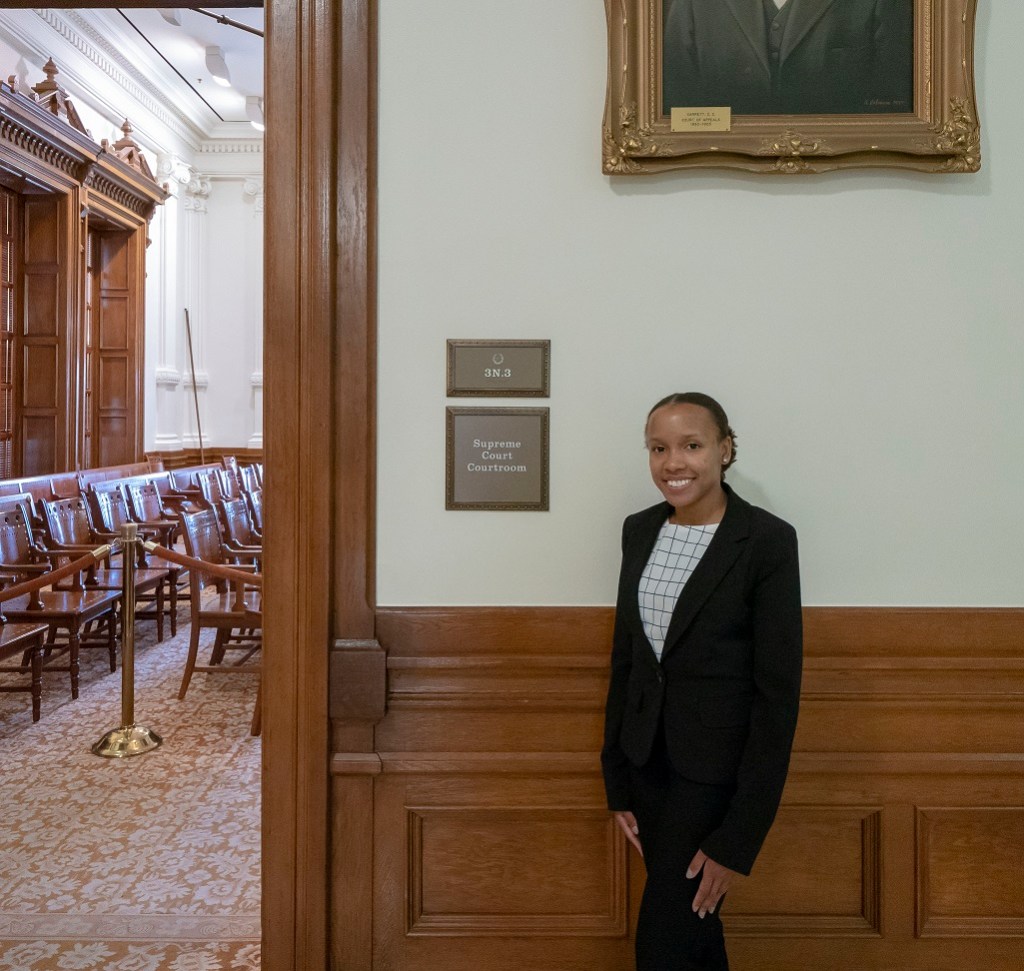
The LEAP Ambassadors, the most successful of the bunch, have gone beyond career success by also becoming avid supporters of SHSU. Although seventy-five percent of the Ambassadors were first-generation students, they have enthusiastically supported the University by speaking to campus groups, serving on Alumni boards, and donating to the University.
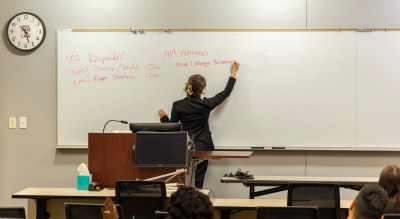
In short, the programs offered by the LEAP Center go beyond curriculum enhancement. They are designed organically to meet real needs of our students—while being geared to the abilities of our students. Moreover, the rigor of the programs prepare students for real-world occupations, graduate programs, and the demands of civic life. And by offering opportunities, training, and a picture of what is possible, the LEAP Center serves as an incubator for leaders.

 Center for Law, Engagement, and Politics