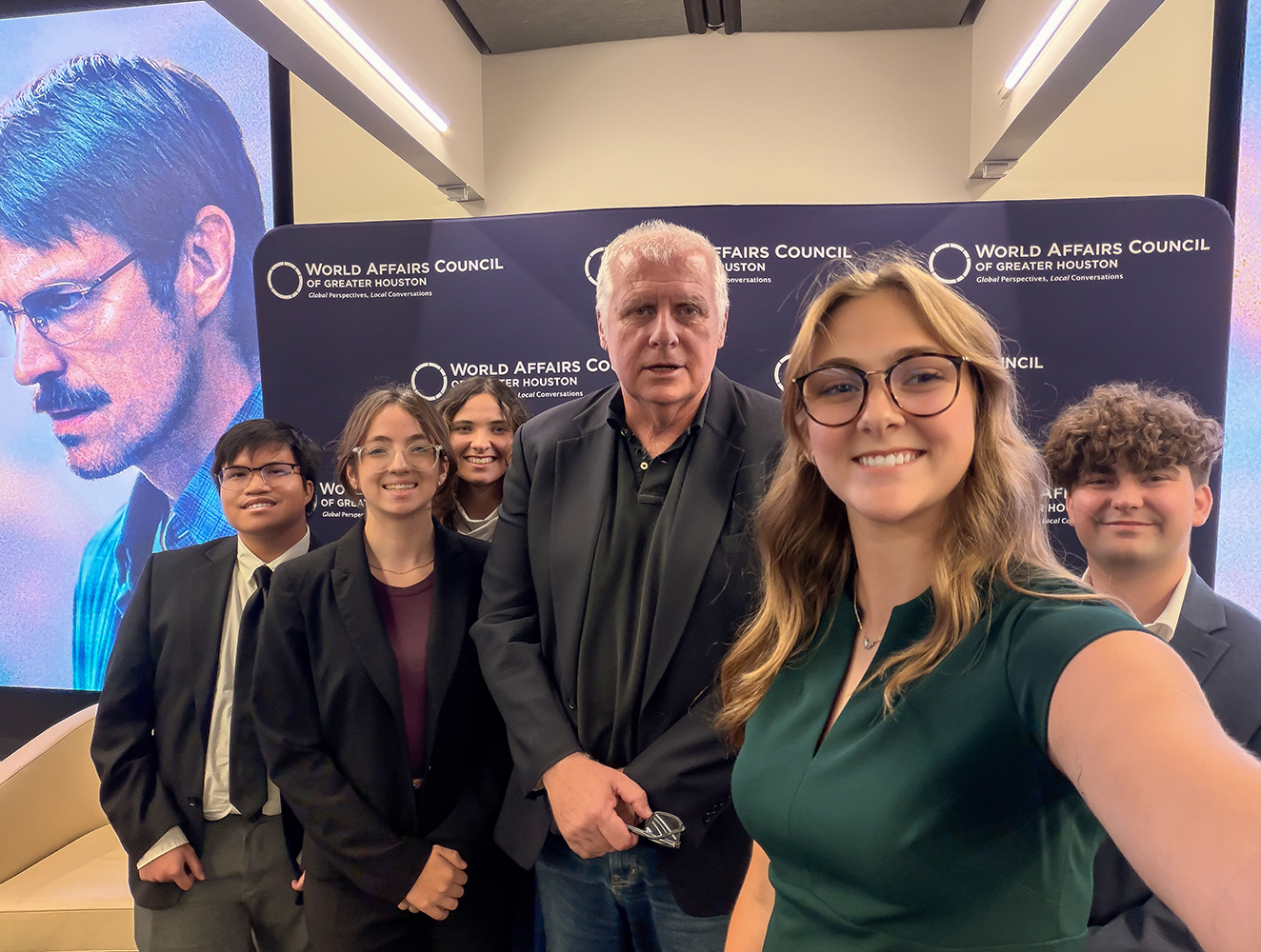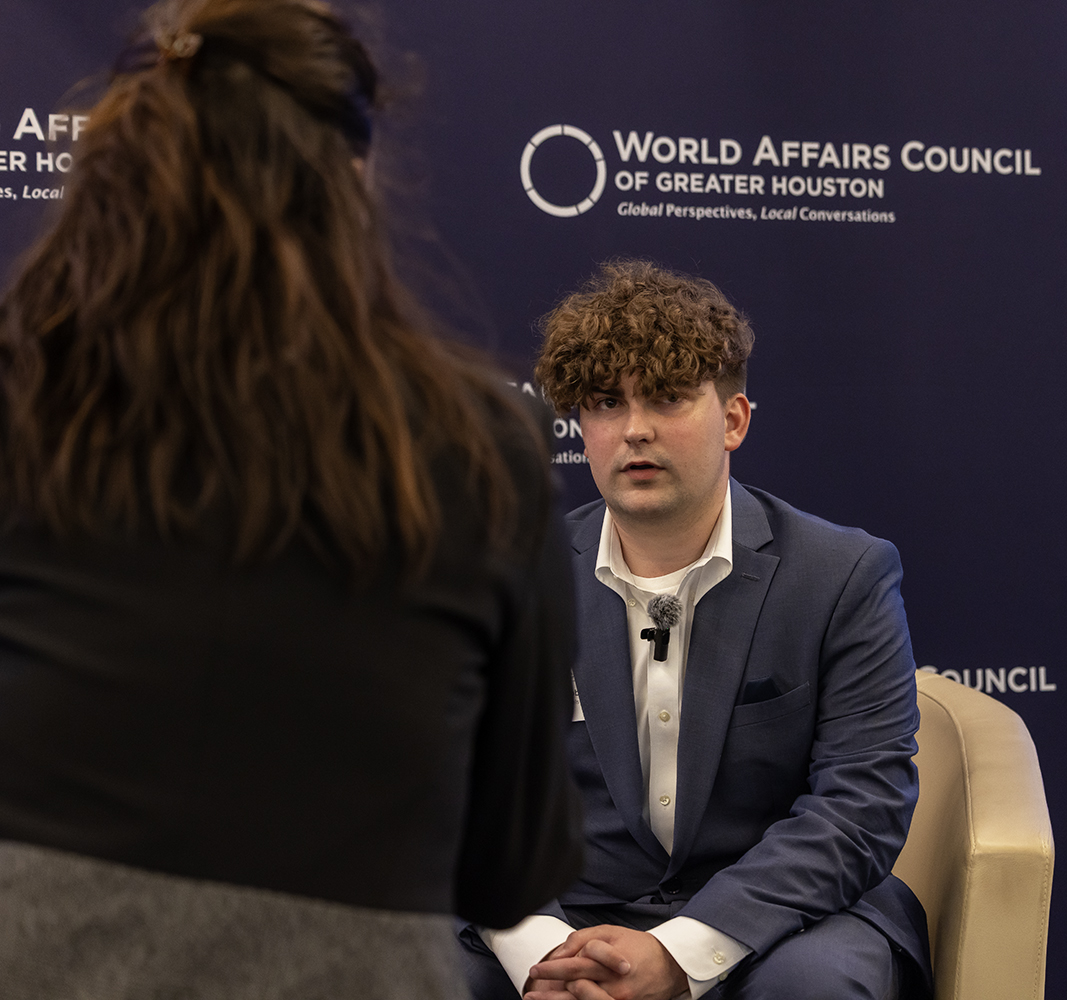
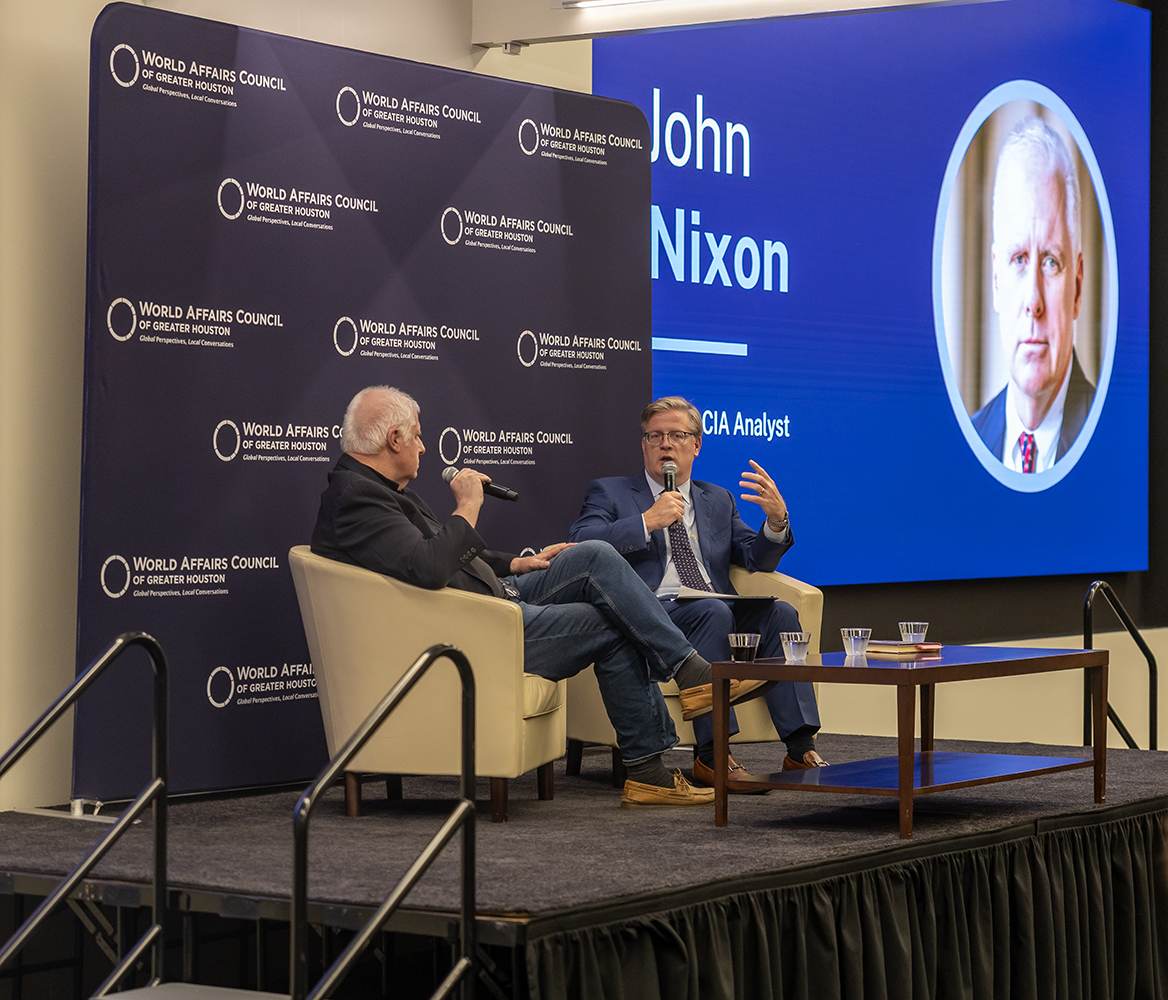
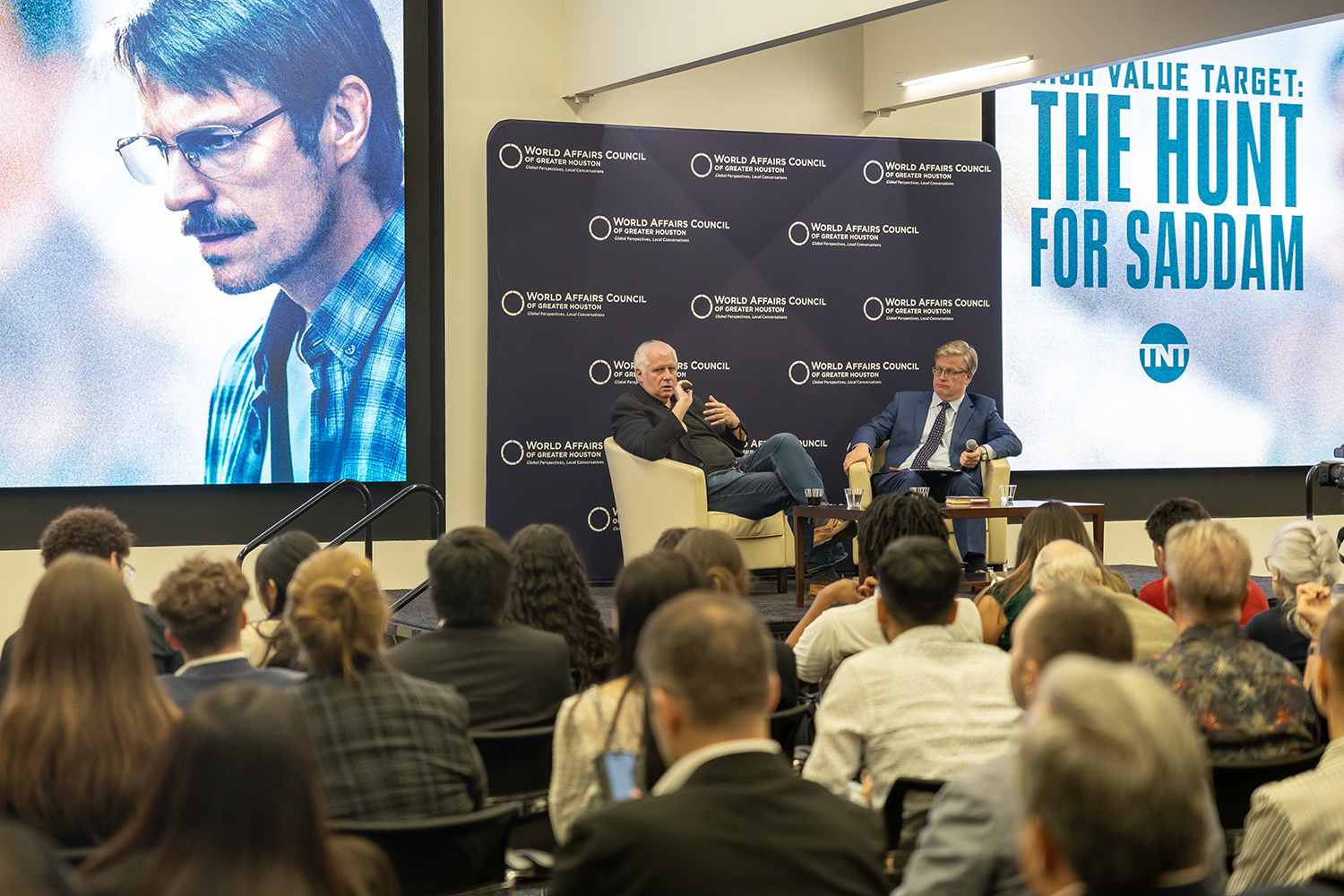
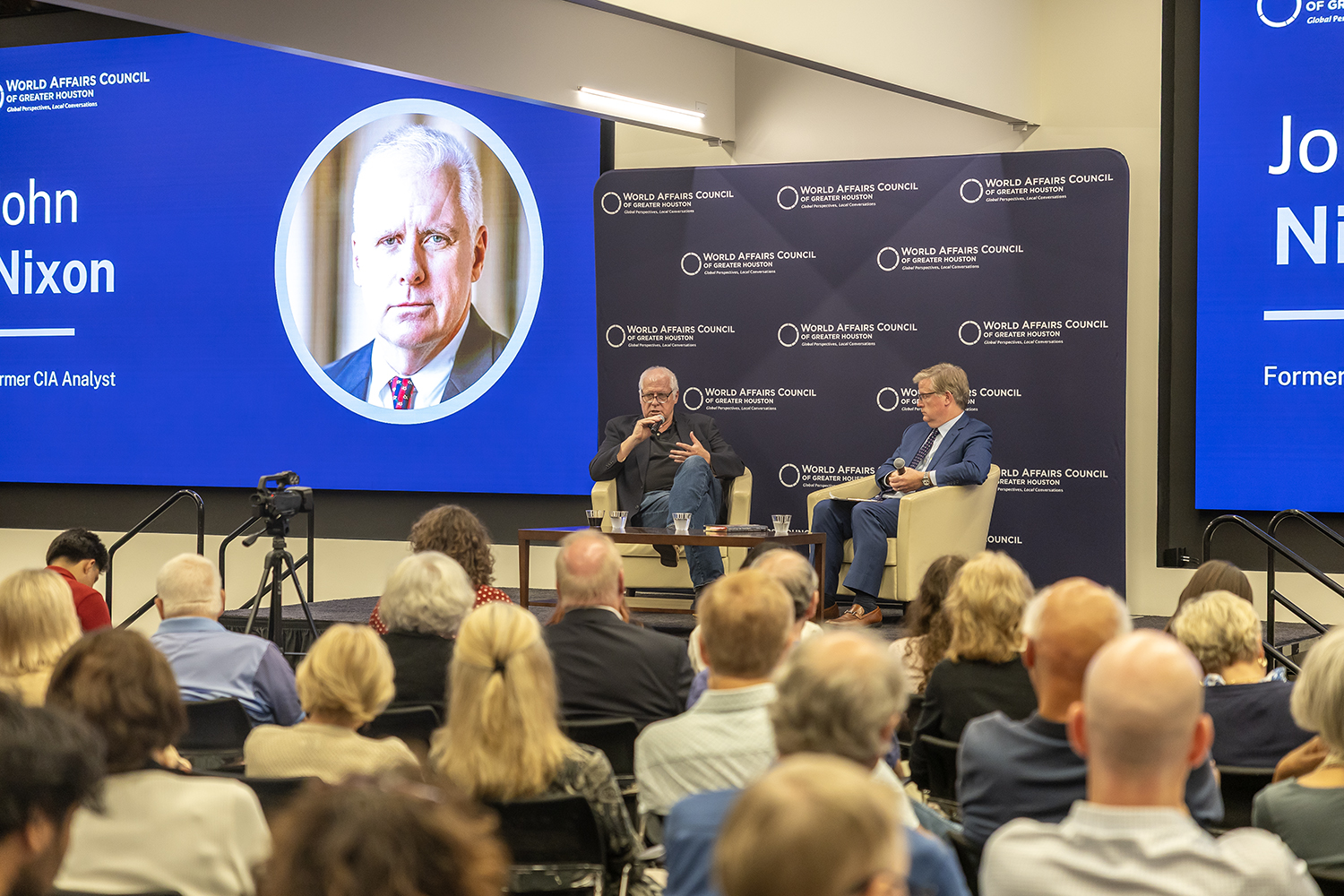
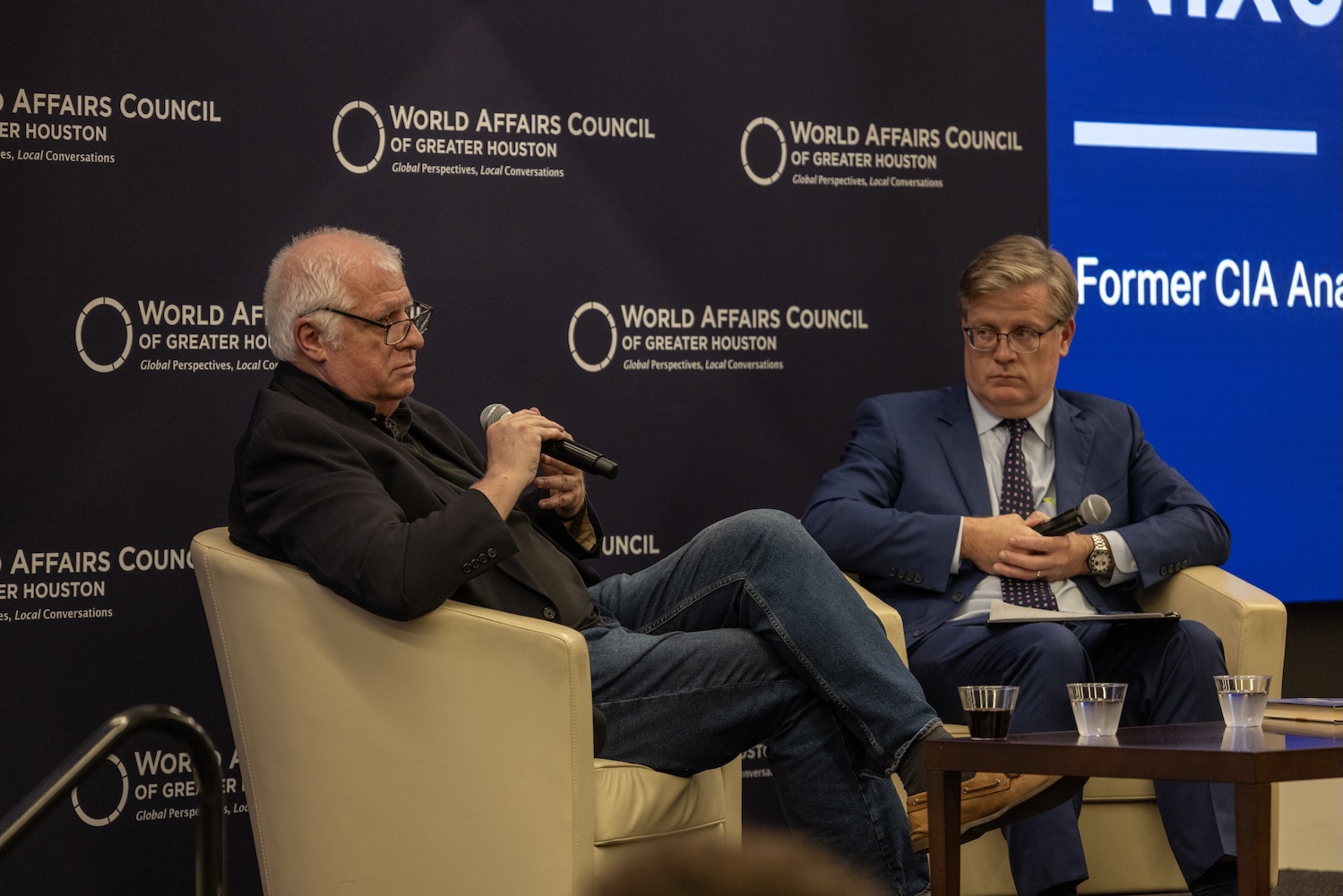
LEAP Students are always eager for opportunities to expand their understanding of global affairs and politics. Recently, we returned to Houston for a special World Affairs Council event featuring a screening and discussion of TNT’s limited series High Value Target: The Hunt for Saddam, alongside the man who lived it: former CIA Senior Leadership Analyst John Nixon.
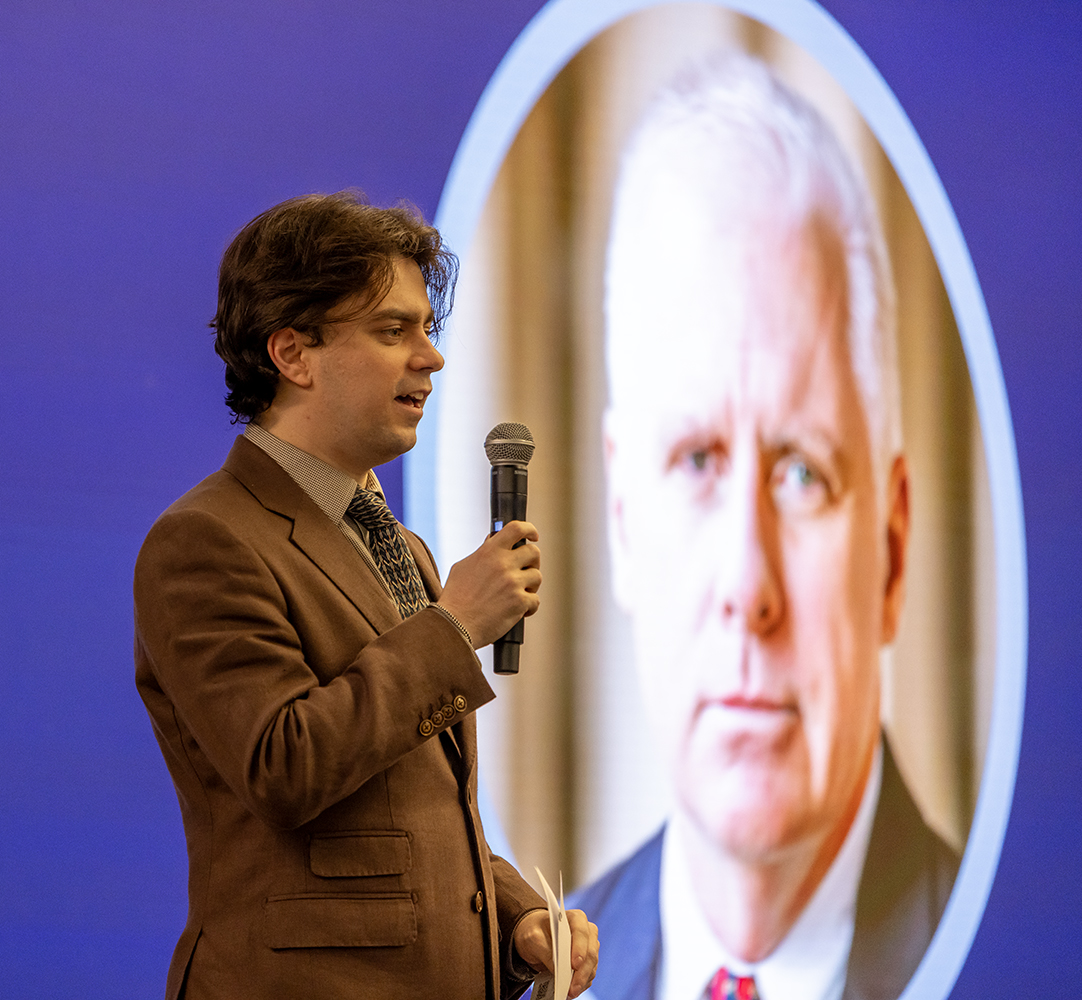
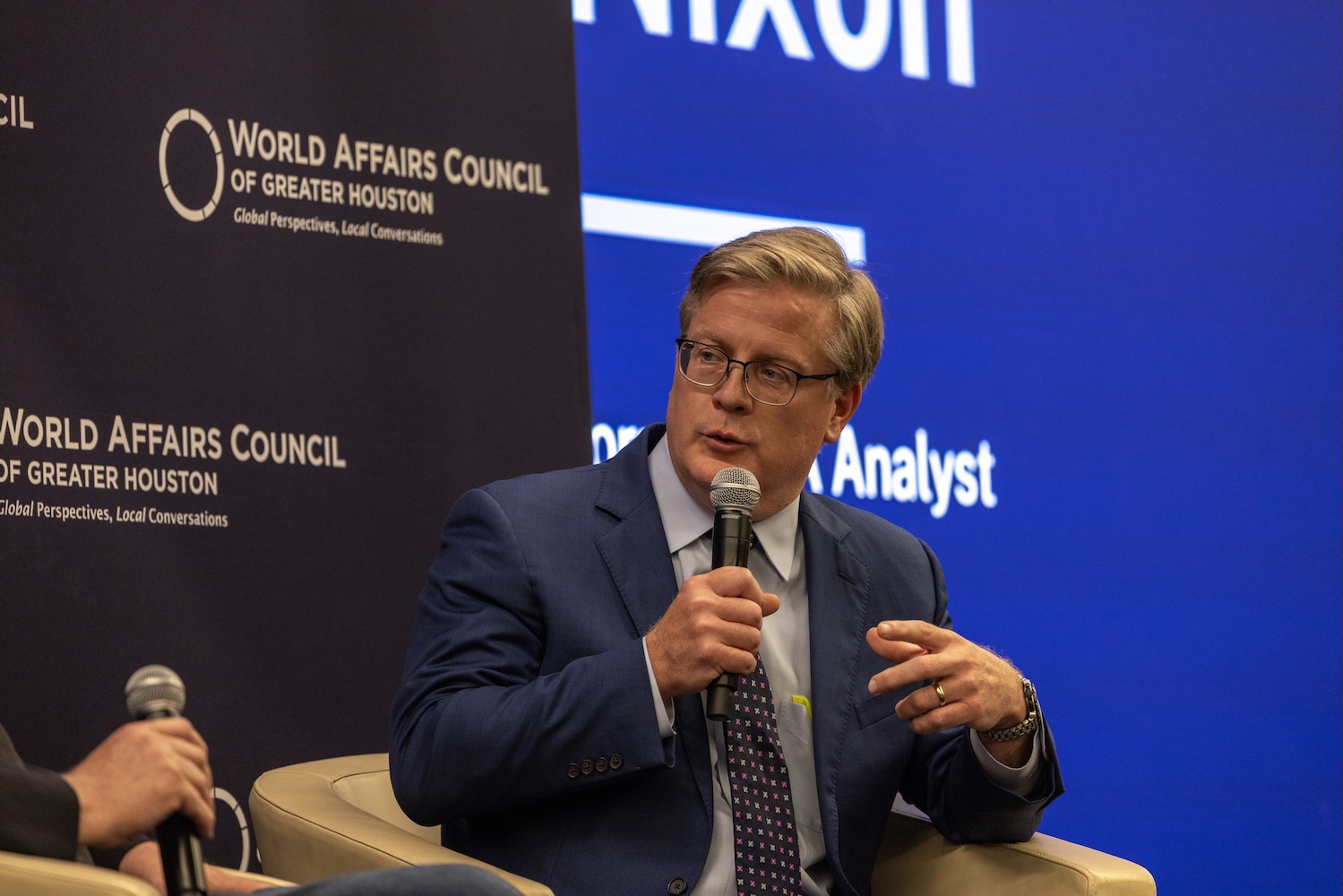
The program was moderated by Ronan O’Malley, WAC’s Chief Programs Officer, who has followed and hosted Nixon since the 2016 release of his groundbreaking memoir, titled Debriefing the President: The Interrogation of Saddam Hussein.
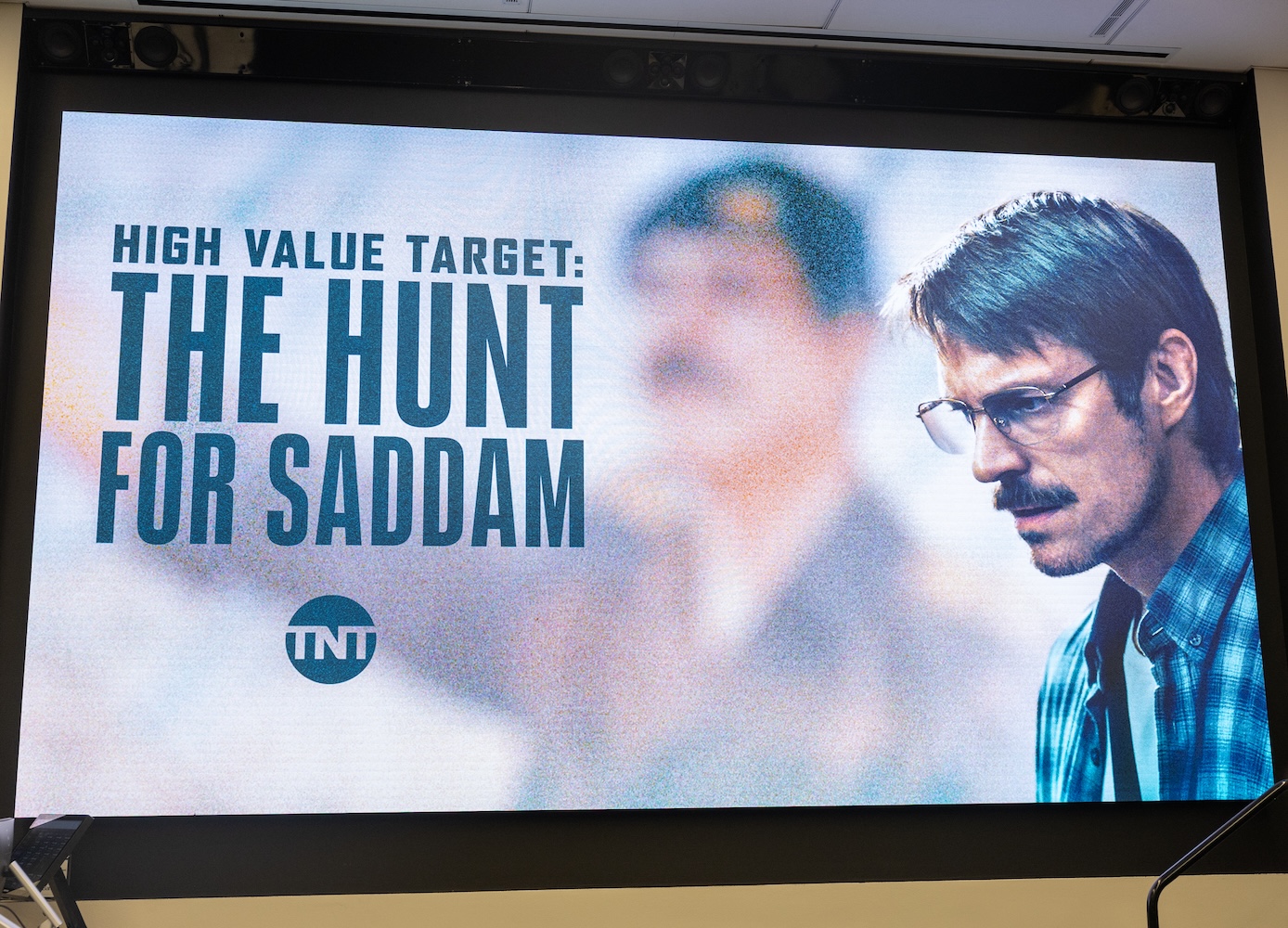
The evening took a slight departure from the traditional format, opening with a screening of the premiere episode. Starring Joel Kinnaman as Nixon and Waleed Zuaiter as Saddam Hussein, the dramatization pulled us straight into the tension of 2003 Iraq and retraced the relentless intelligence work that led U.S. forces to an underground spider hole in Ad-Dawr.
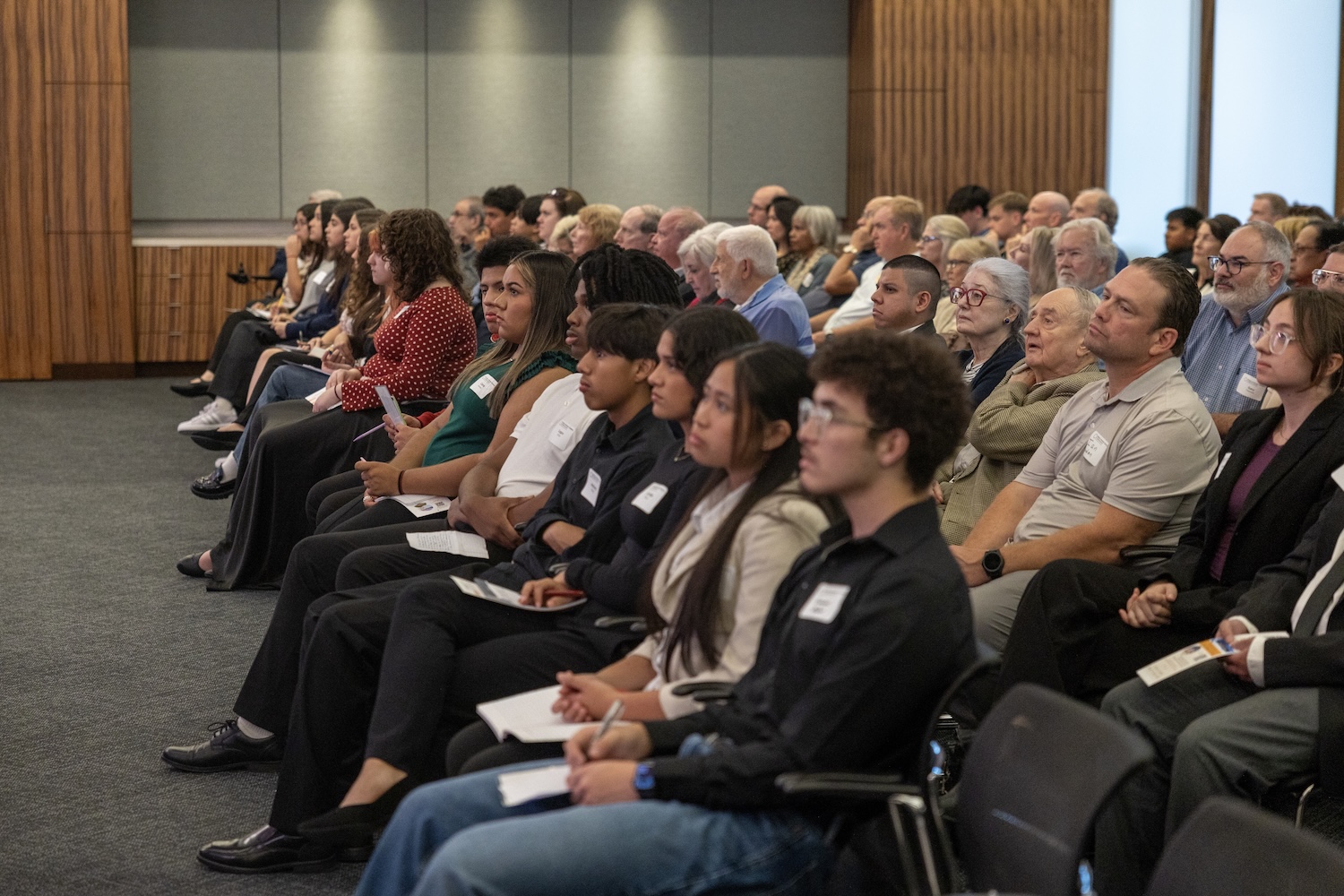
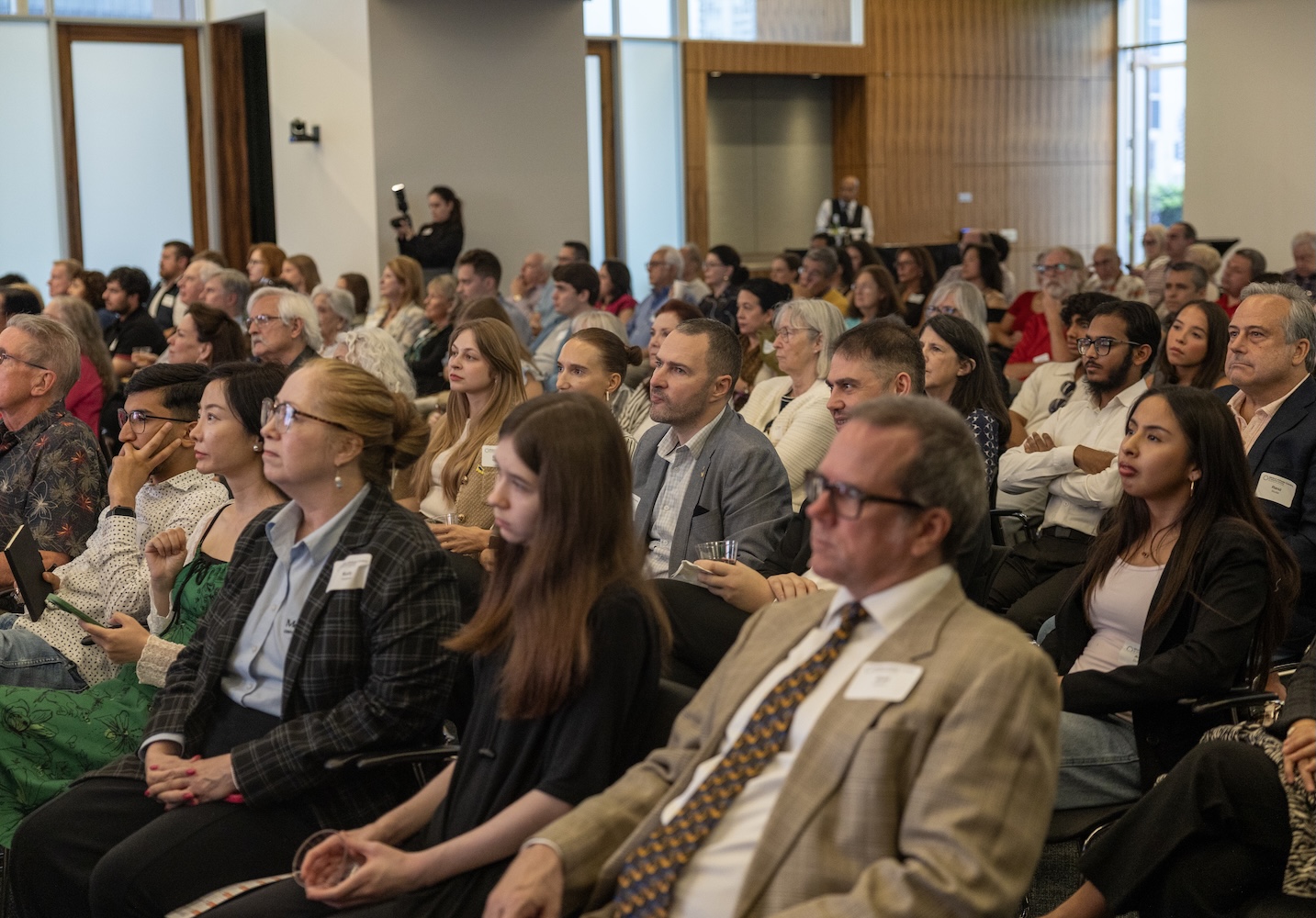
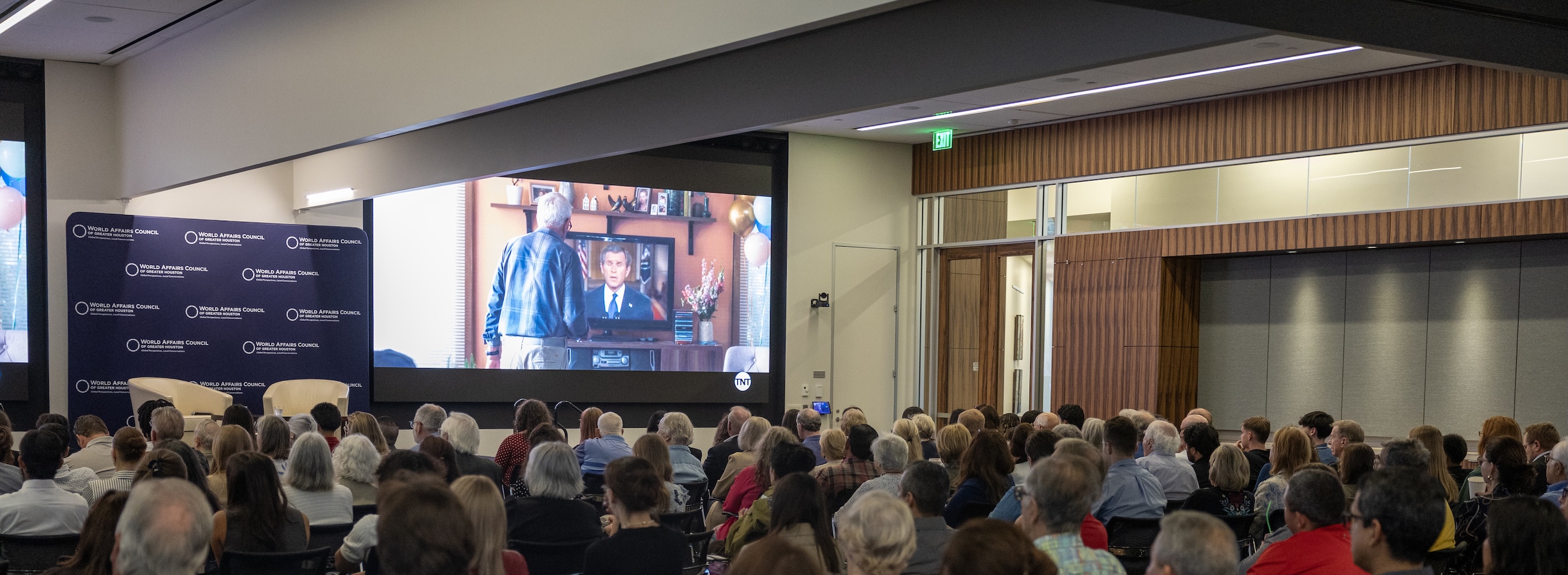
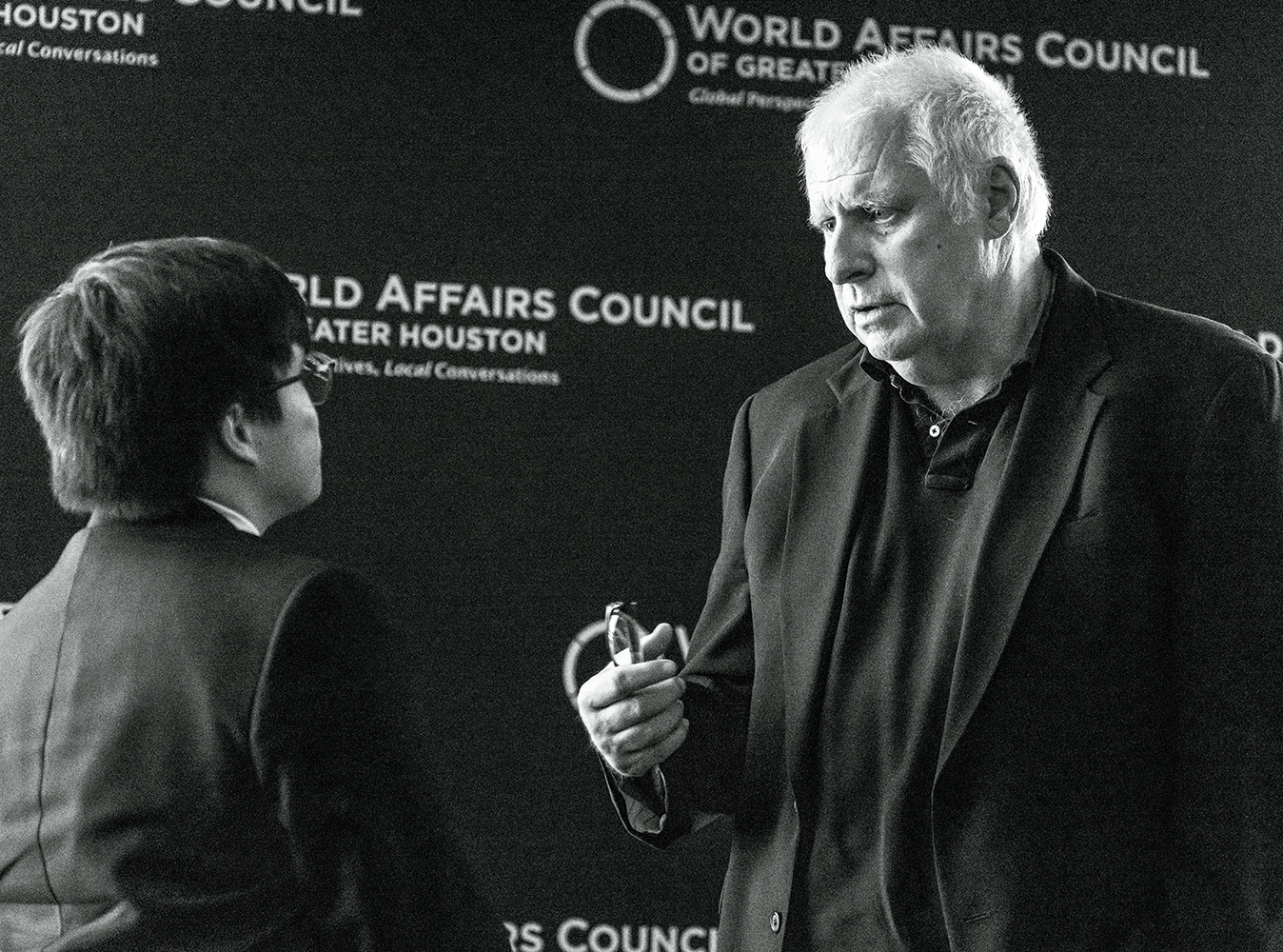
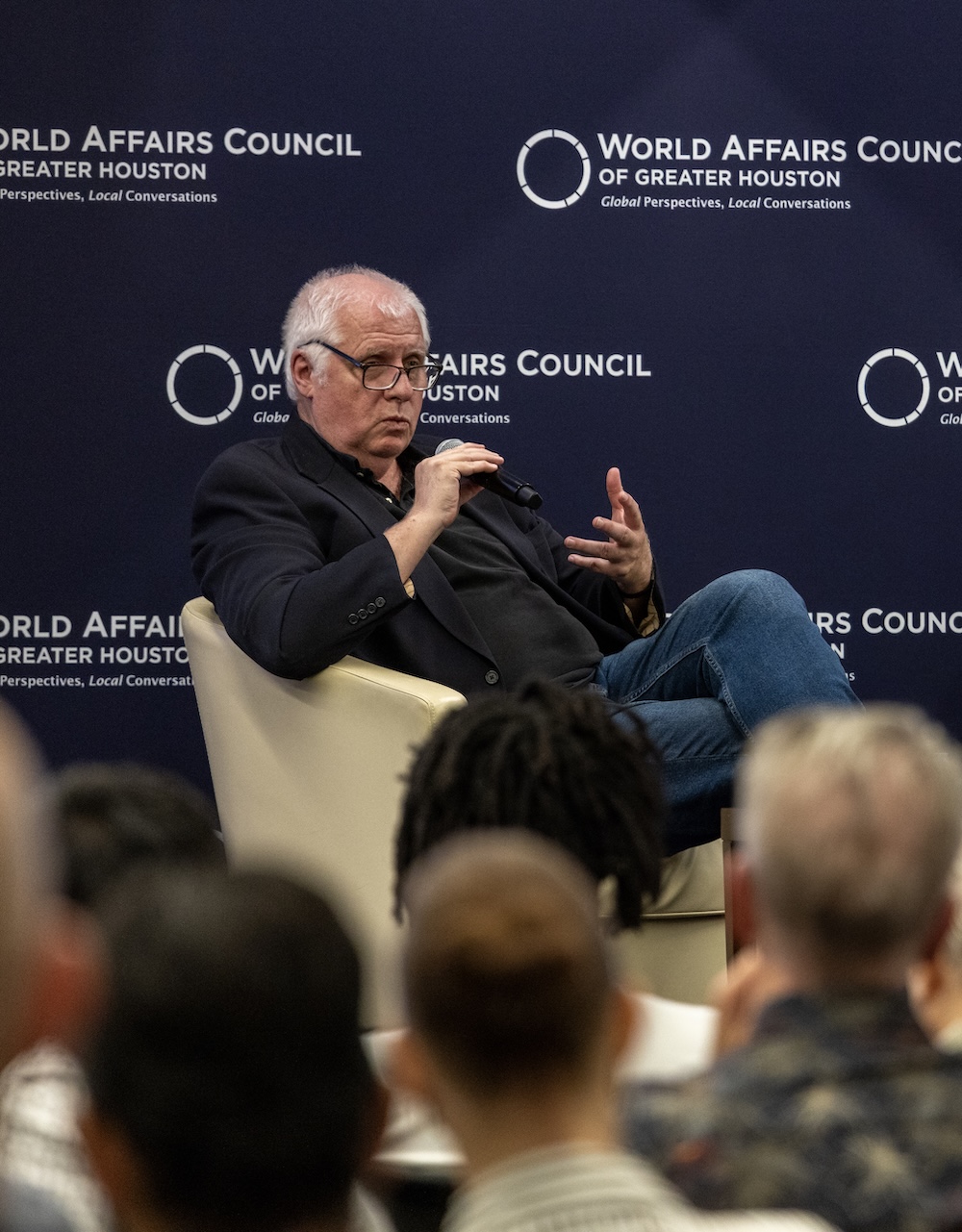
Following the screening, Nixon took the stage to talk more about Hollywood’s adaptation, the reality of Iraqi leadership, and what it was like to look the Iraqi dictator in the eye.
As the CIA’s top Hussein analyst, Nixon was flown in the middle of the night along Baghdad’s perilous Airport Road to answer the critical question: Had they truly captured Saddam Hussein?
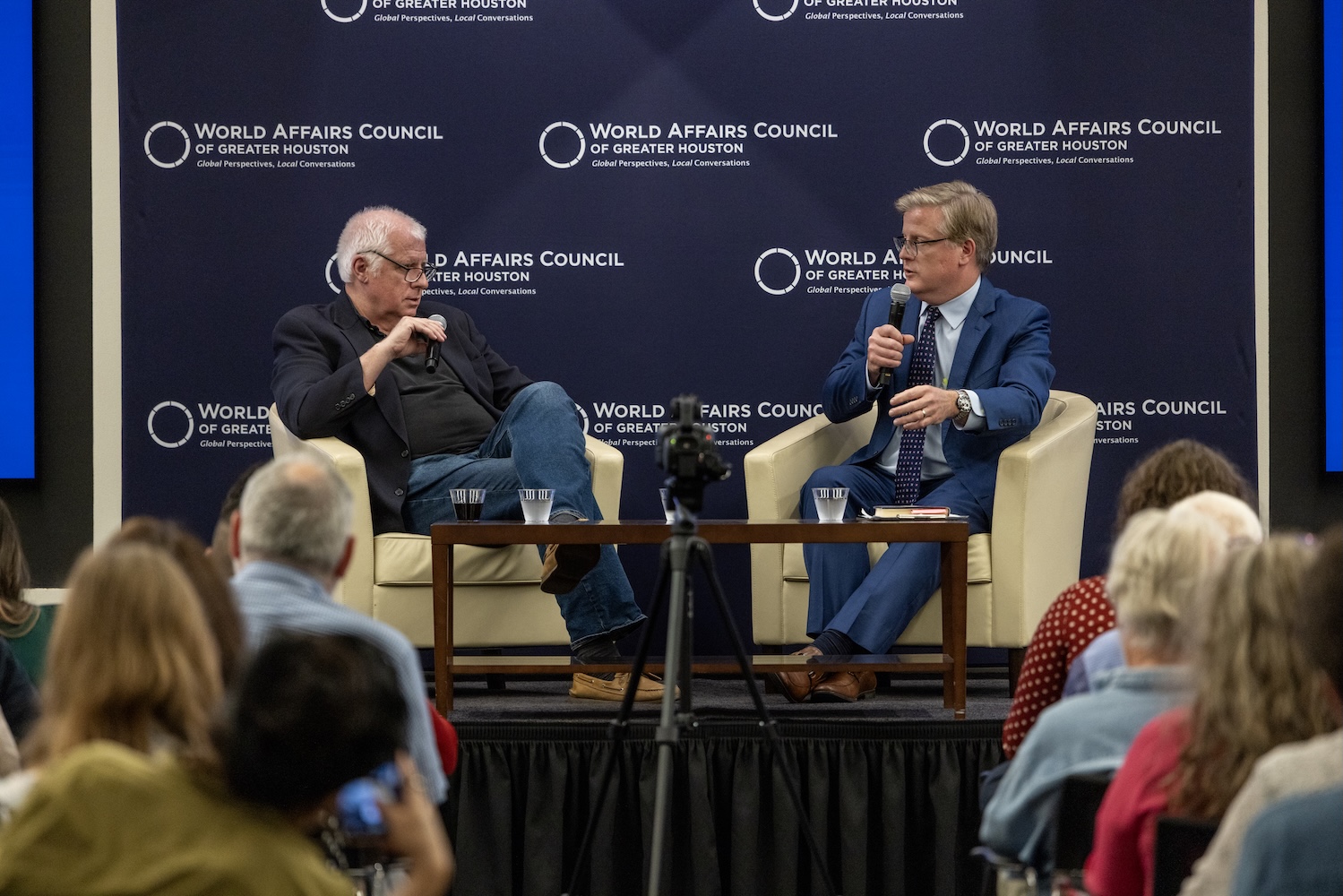
Nixon recounted that the moment the door opened to the holding room, he knew instantly that the person sitting across from him was Hussein. Yet instead of seeing a broken captive, Nixon encountered a master manipulator sitting calmly on a folding chair, acting as though the interrogators were merely guests arriving on a routine Saturday evening. Hussein immediately sought cracks in the room, attempting to pit the CIA and military interpreters against one another when translation discrepancies arose.
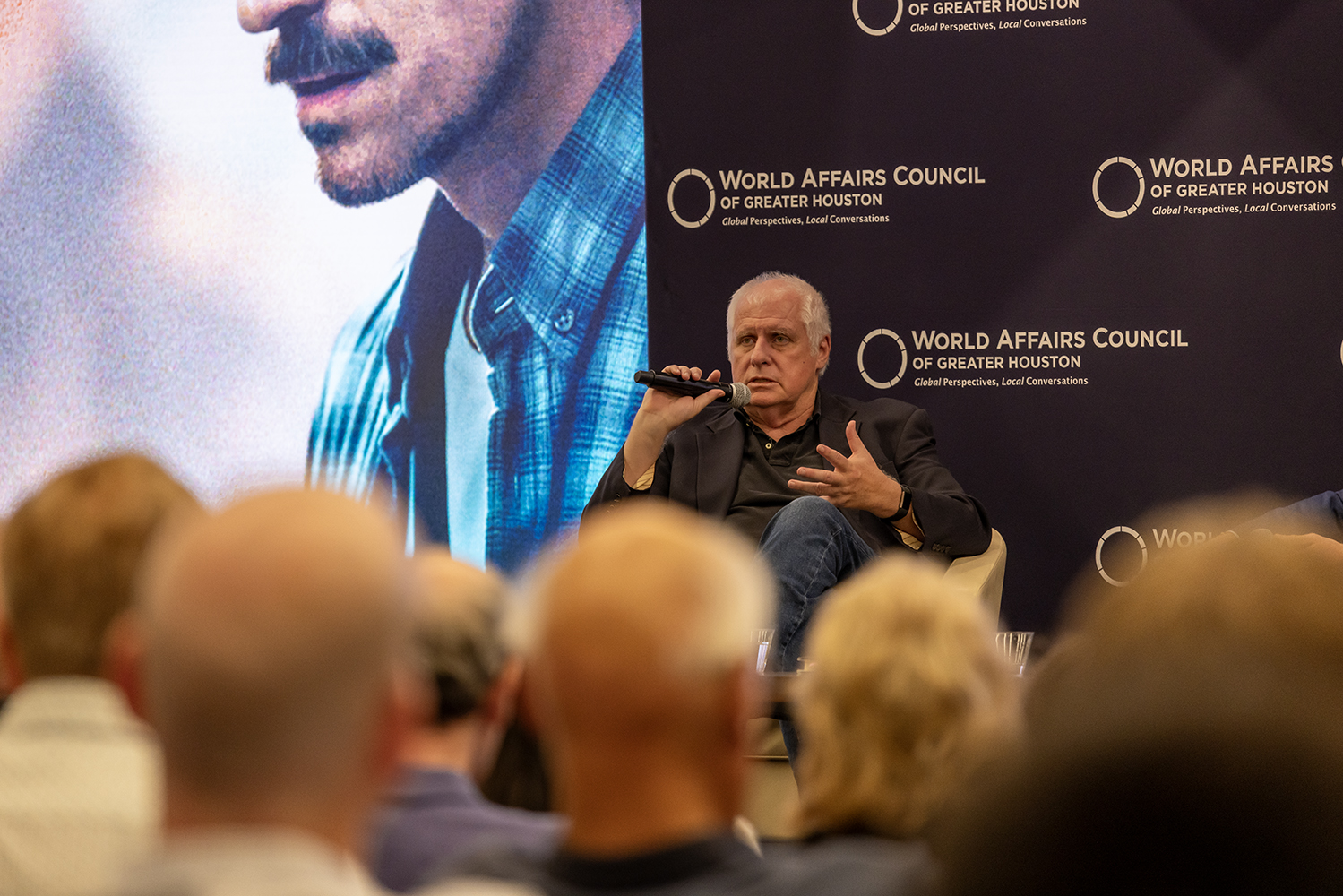
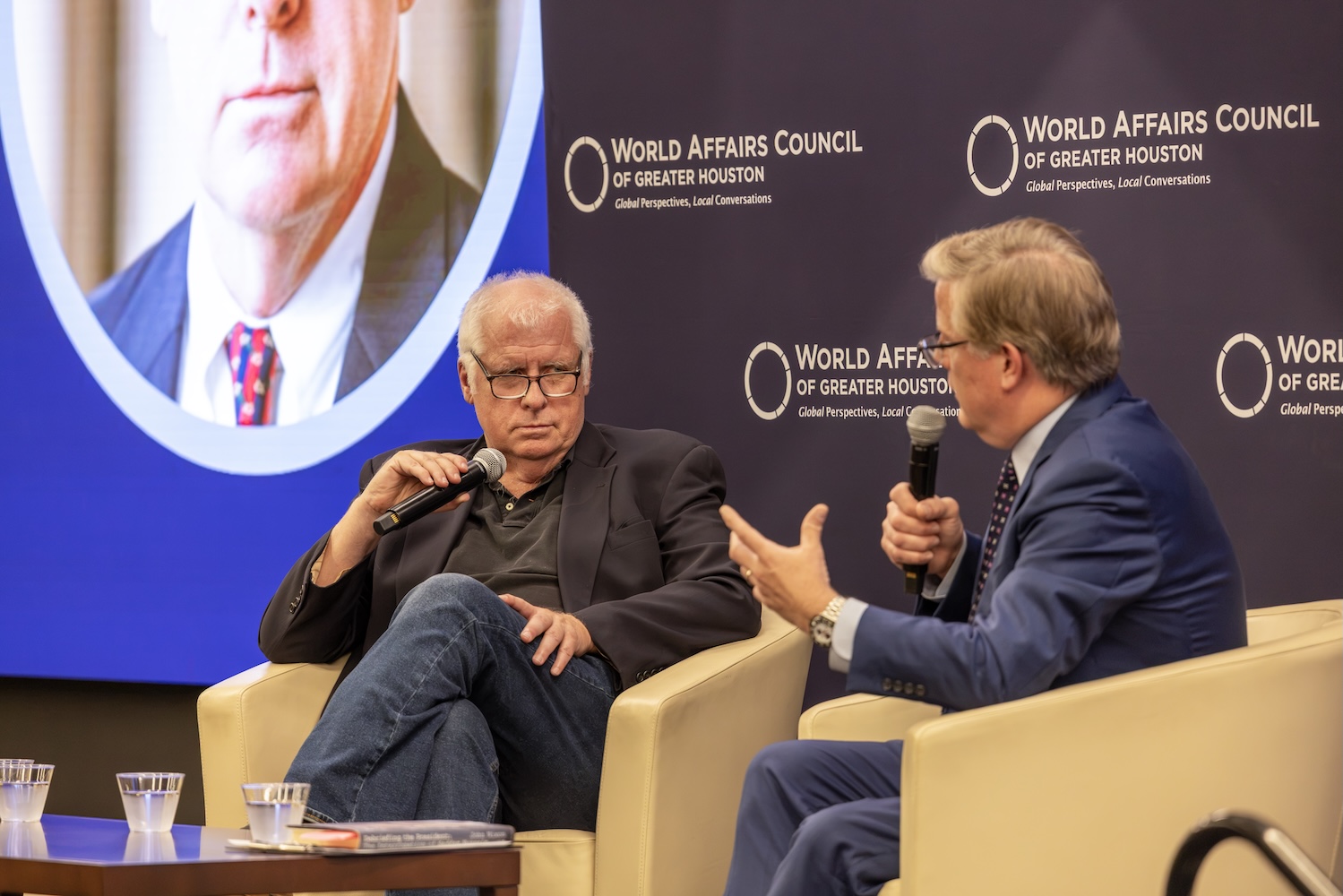
Nixon also discussed how Hussein’s chaotic record-keeping contributed to the catastrophic intelligence failures surrounding weapons of mass destruction. For example, Iraq had destroyed vast amounts of stockpiles, but Hussein kept no verifiable paper trail, which was partly out of bureaucratic disarray, and partly out of fear of showing regional weakness to neighboring Iran.
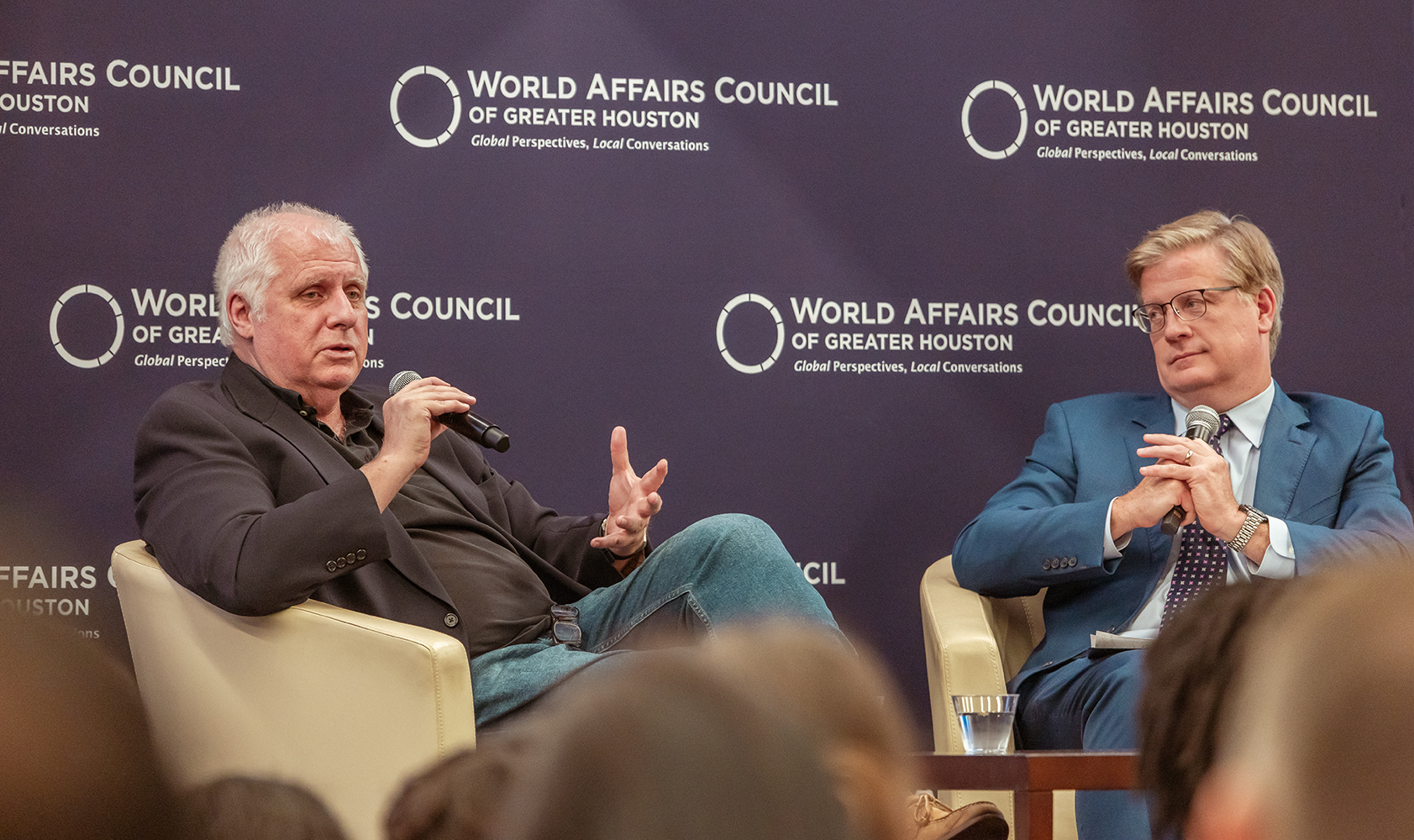
Perhaps most surprising was Hussein’s reaction to September 11. Far from expecting a confrontation, Hussein genuinely believed the attacks would bring Iraq and the United States closer together against shared extremist threats, completely failing to grasp that Washington was already preparing to seal his fate.
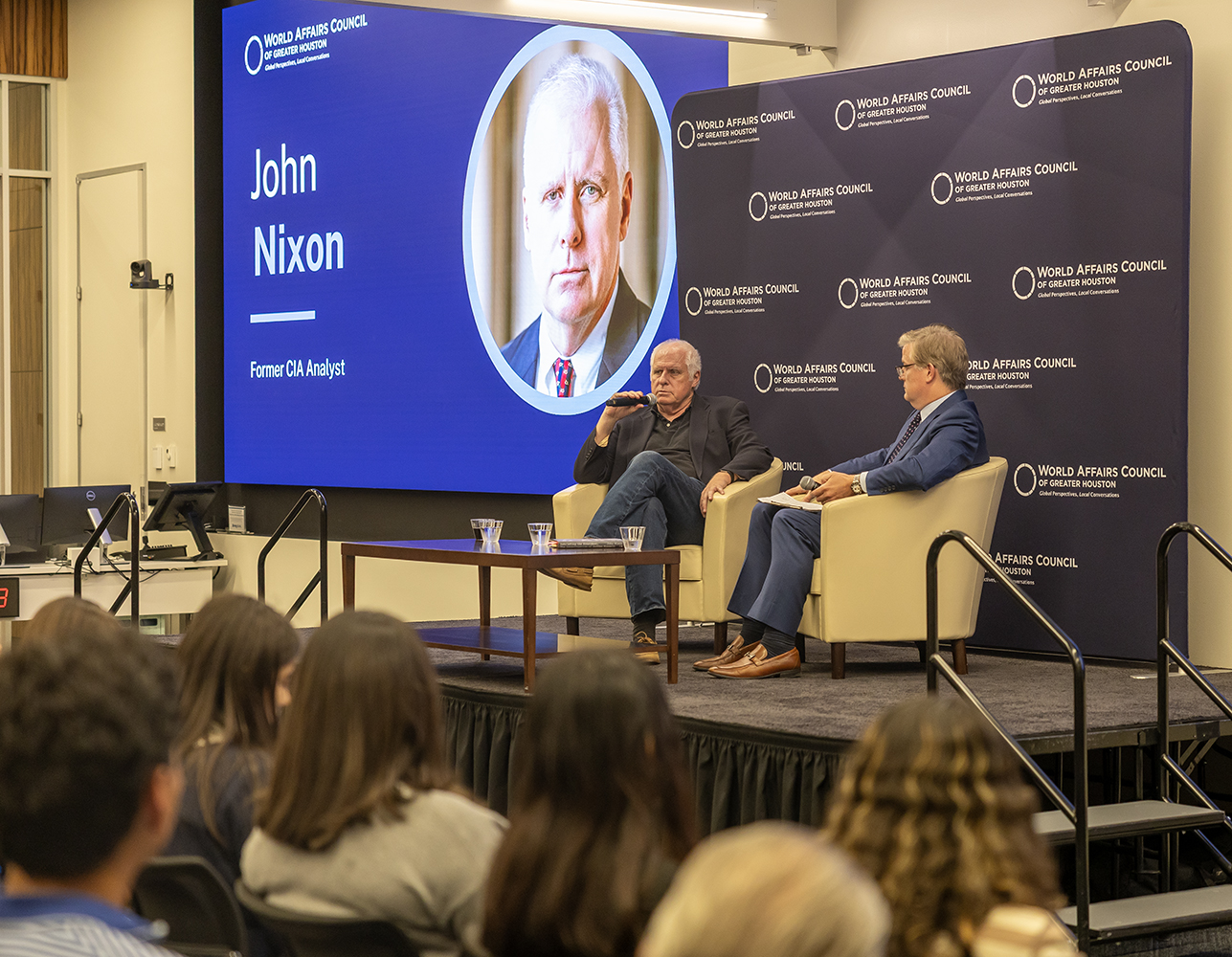
Addressing the broader takeaways of the war, Nixon offered a candid reflection that regime change is deceptively difficult, and removing a strongman without a stable post-war framework creates a vacuum that endures for decades.
Before concluding, attendees had the chance to mingle, snap photos, and discuss the nuances of intelligence analysis with Nixon, making it another unforgettable night with the World Affairs Council.