Around the Town with KSAM

Ashlyn Parker

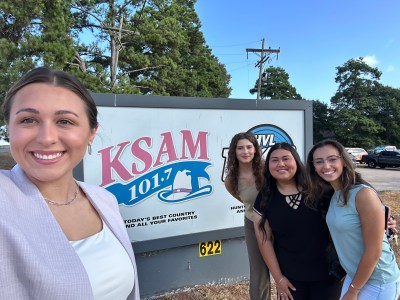
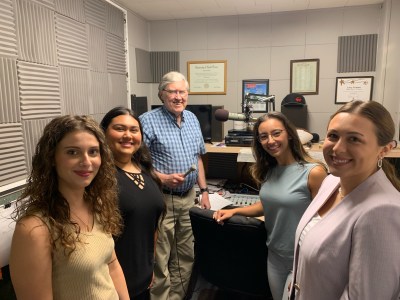
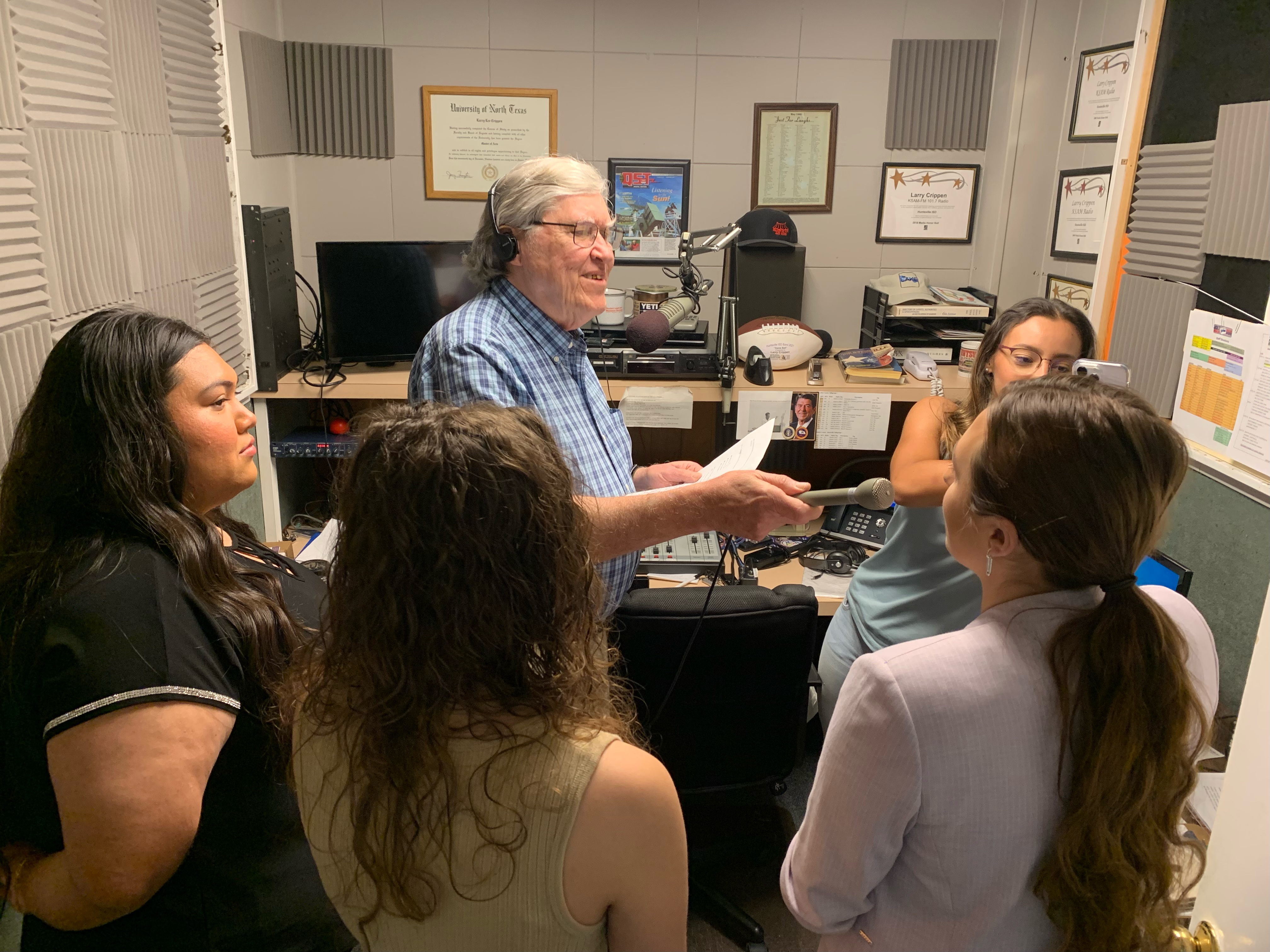
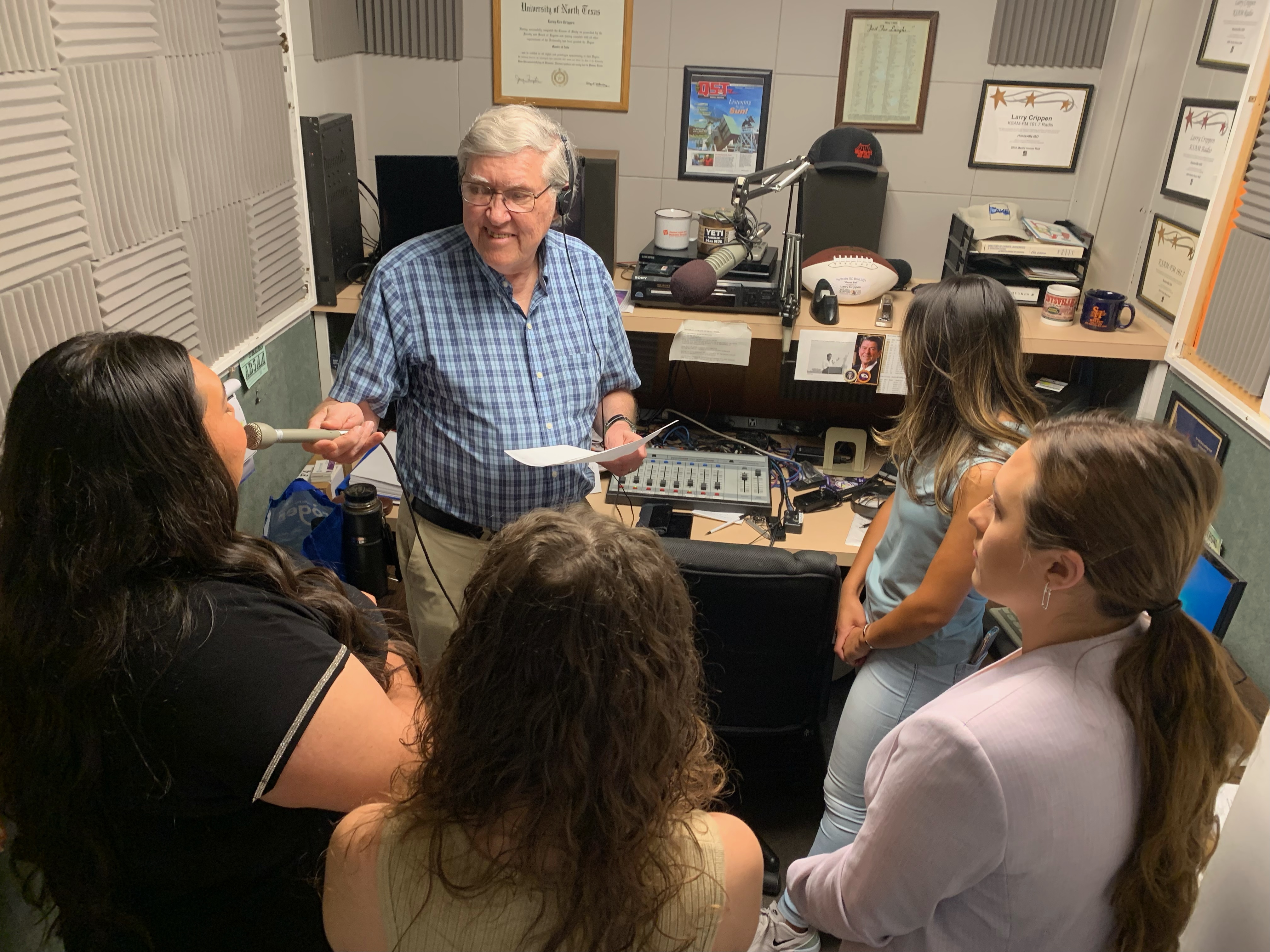
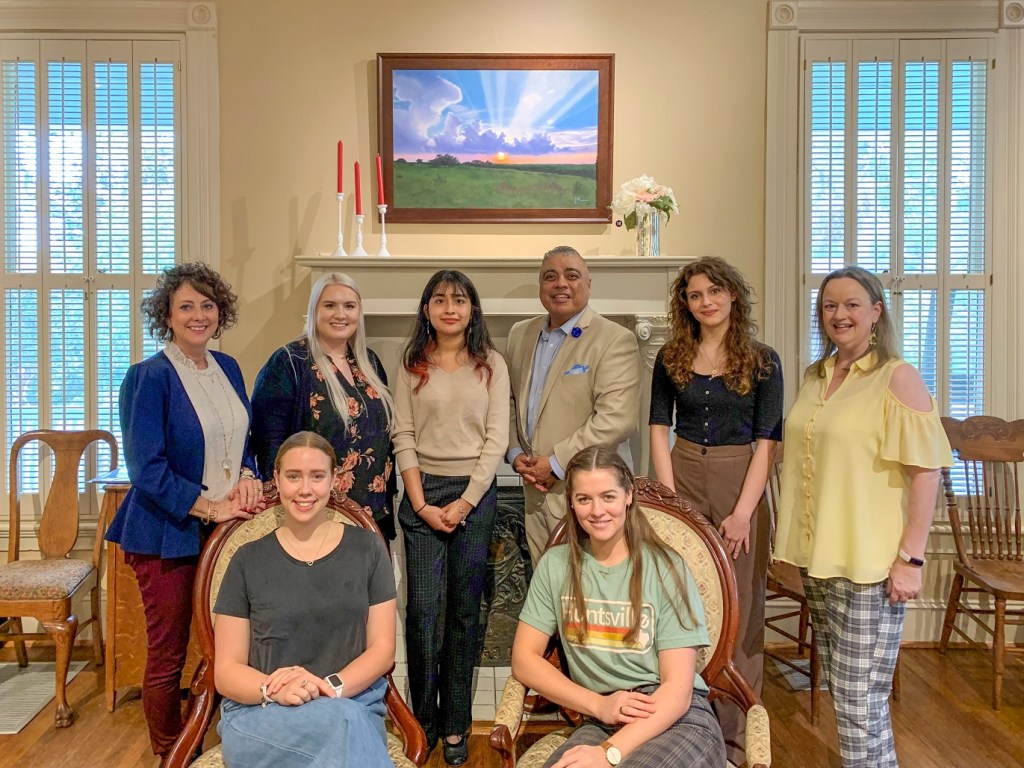
Once a semester, KSAM’s Larry Crippen hosts the LEAP Center for a discussion that airs on “Around Town.” The program focuses on one person or organization, but since LEAP is an engagement organization, the program inevitably covers many aspects of the University and the community.

And so it was the LEAP Ambassadors, along with their advisor Mike Yawn, that met with Larry Crippen at the KSAM radio station for a short discussion of the upcoming fall semester. For example visits from Jeff Guinn to discuss his book Waco: David Koresh, the Branch Davidians, and a Legacy of Rage and Chris Tritico to discuss his successful law career .

Along with annual community service projects LEAP always enjoys being a part of such as M*A*S*H, Scare on the Square, and Christmas on the Square.

We also shouted out our past, recent, and current internships we have got the opportunity to do over the last year such as the Sam Houston Austin Internship Program, my summer internship with The Normandy group in DC, and the City of Huntsville Internship Program.

It was one of several collaborations with the media this year–undertaken by us and our advisor. And while we may never get accustomed to speaking into a microphone or camera, it was an enjoyable event, in part because we also work with KSAM every fall on their Make A Smile Happen gift drive

From Sullivan’s Island to West Virginia

Based on the weather in the morning…

…we did not expect a full day of outdoor activities.

But with a little help from the weather, and with some weather forbearance on our part, we were able to partake in a full day, which would include a morning of kayaking (see here), an afternoon of exploring Sullivan’s Island, and an evening mixer with legislators, lobbyists, and legislative staff. Quite a day for college students!

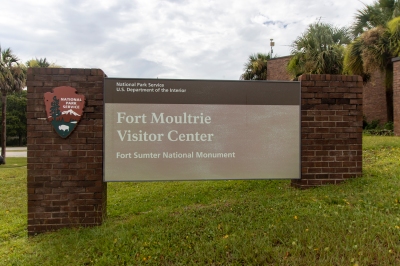
Fort Moultrie

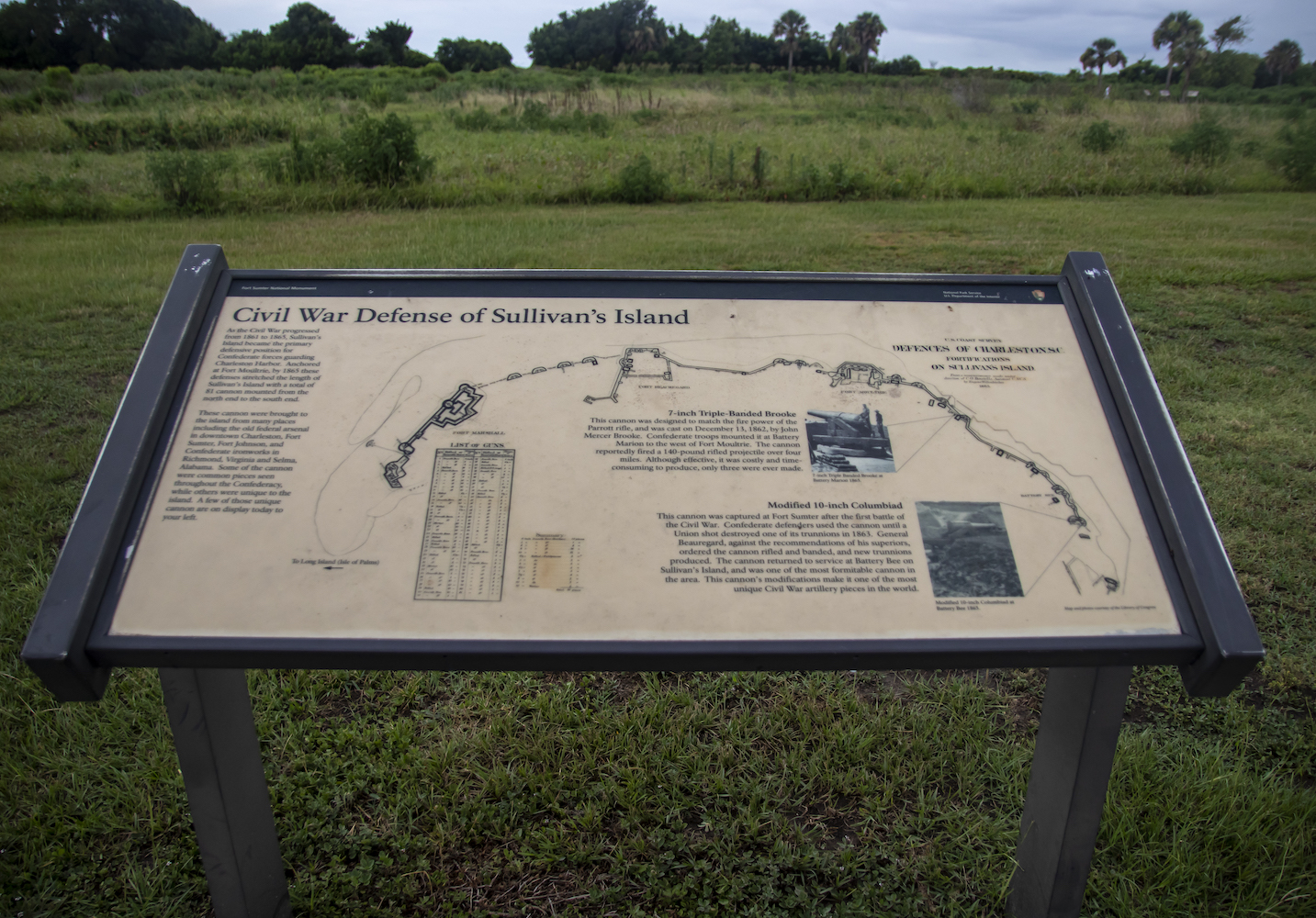
We arrived at Sullivan’s Island ready to explore, despite some rain, and we learned that the name of the island comes from Florence O’Sullivan, who was among the first European to settle and did much to develop the colony of South Carolina in the 17th century.

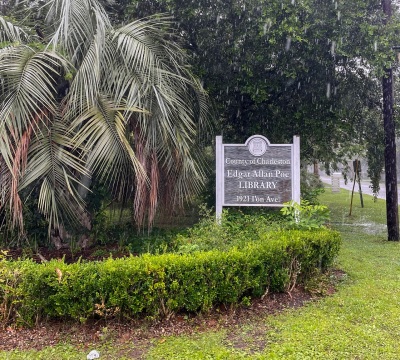
We began by visiting the “Edgar Allan Poe” library, fittingly named not only because it is a library, but also because Poe lived on this island when stationed at Fort Moultrie. It’s even possible Poe stepped foot in the structure that now houses a library; it was a garrison long before it was a library.

Interestingly, Poe wrote “The Gold Bug” here, and he used the island setting in the short story.

Poe was stationed at Fort Moultrie, which played a key role in the American Revolutionary War.

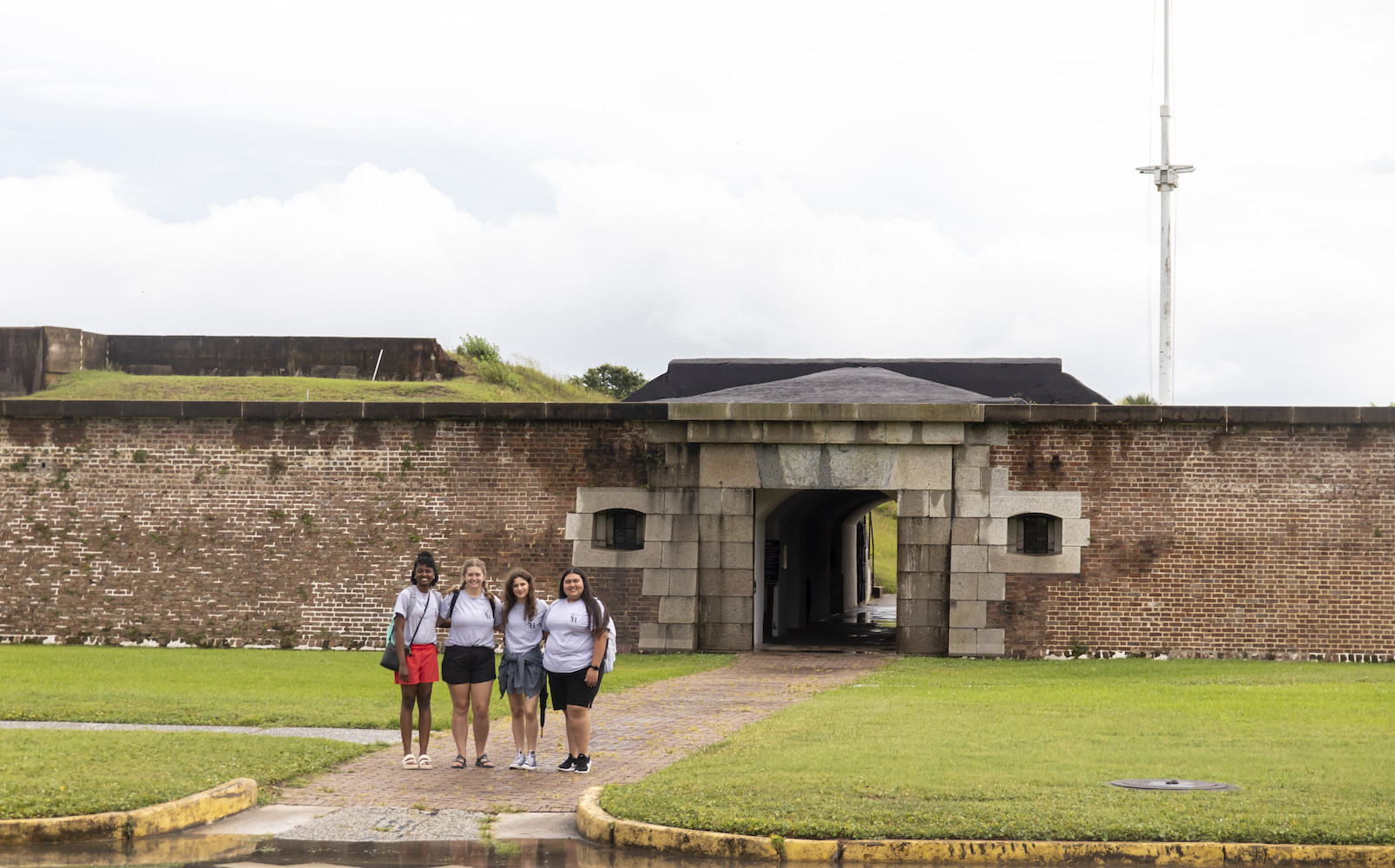
Entering the Fort’s visitor center, we were able to browse the varying artifacts that were preserved from the days the fort was active, such as a 300-pound cannonball, manillas (a form of currency to purchase slaves), and an actual map with the route of the slave trade.

The original fort on this site was defended by South Carolina colonist Col. William Moultrie–for whom the fort is named–and was made of Palmetto wood. When the British attacked, the fort, and Moultrie’s men, withstood the bombardment. Moultrie became a hero, and the Palmetto became the State Tree of South Carolina.

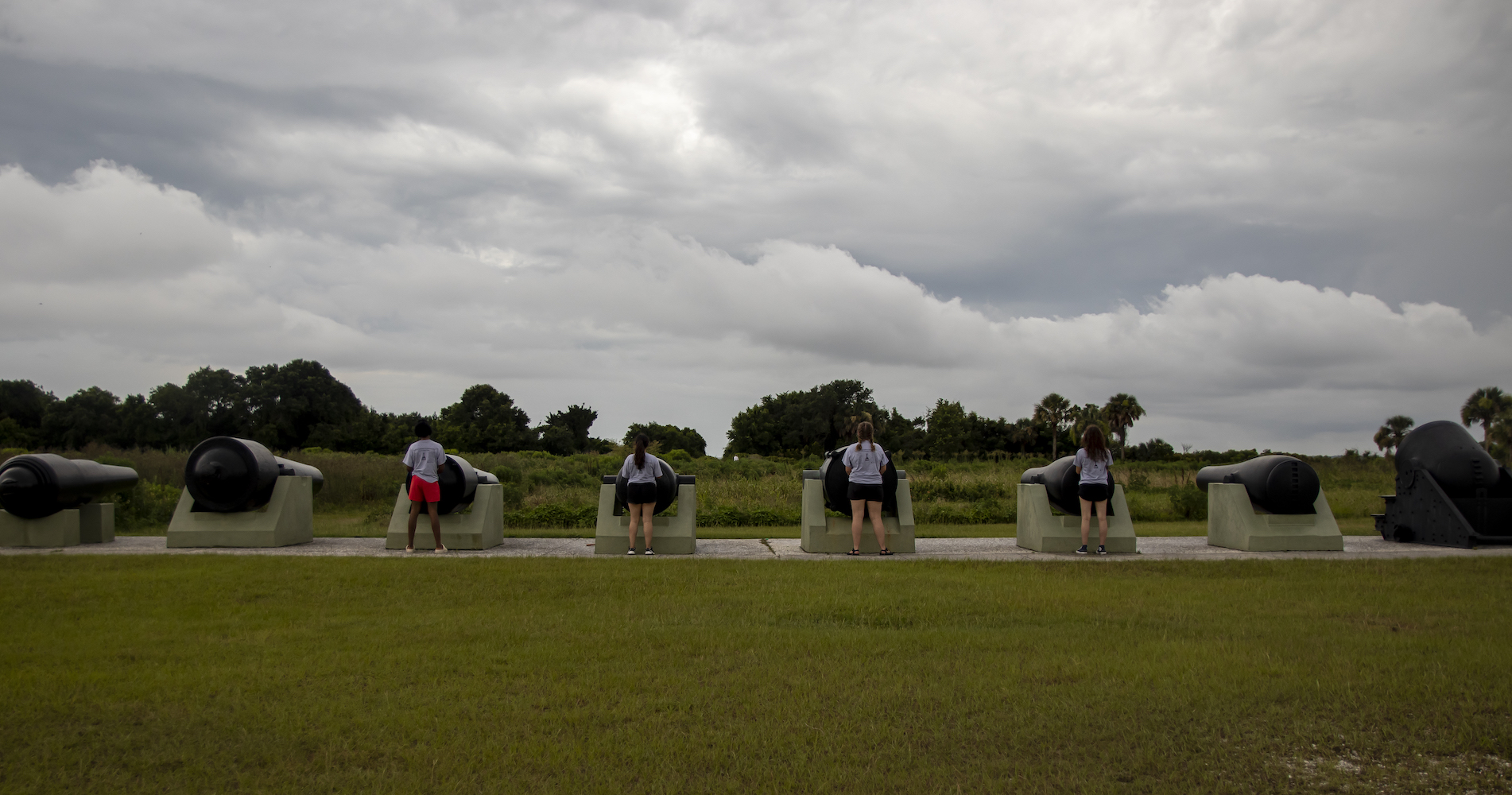
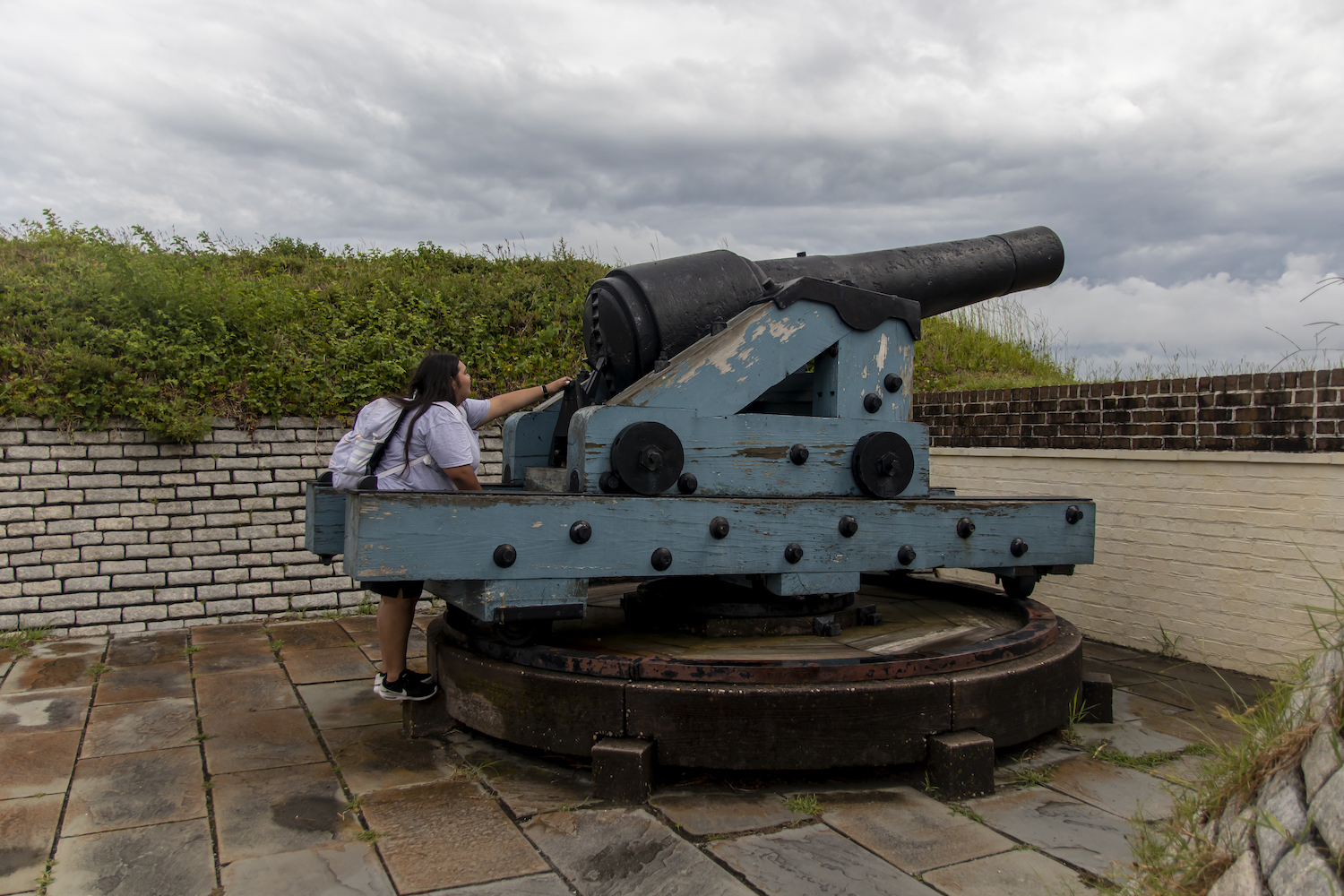
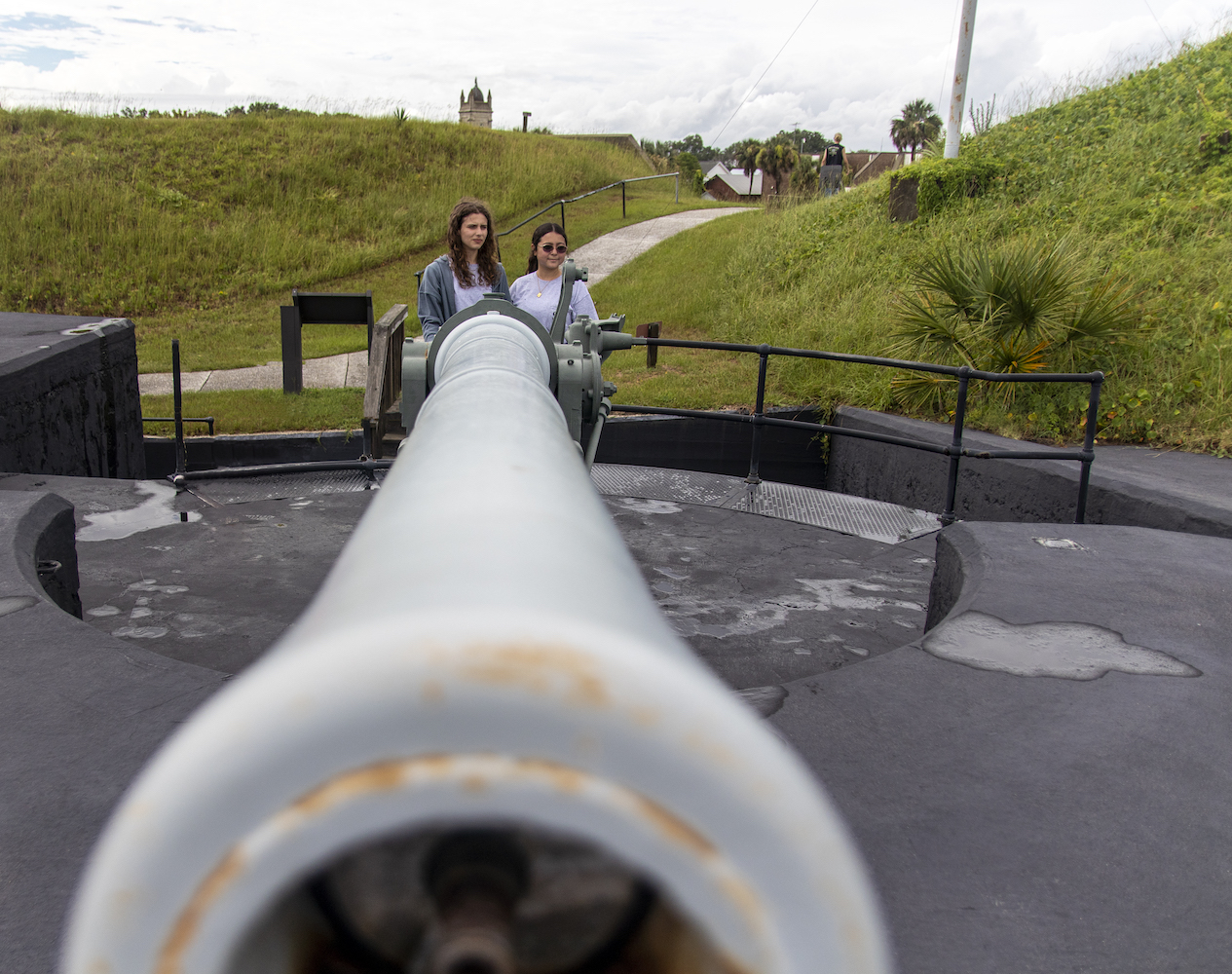
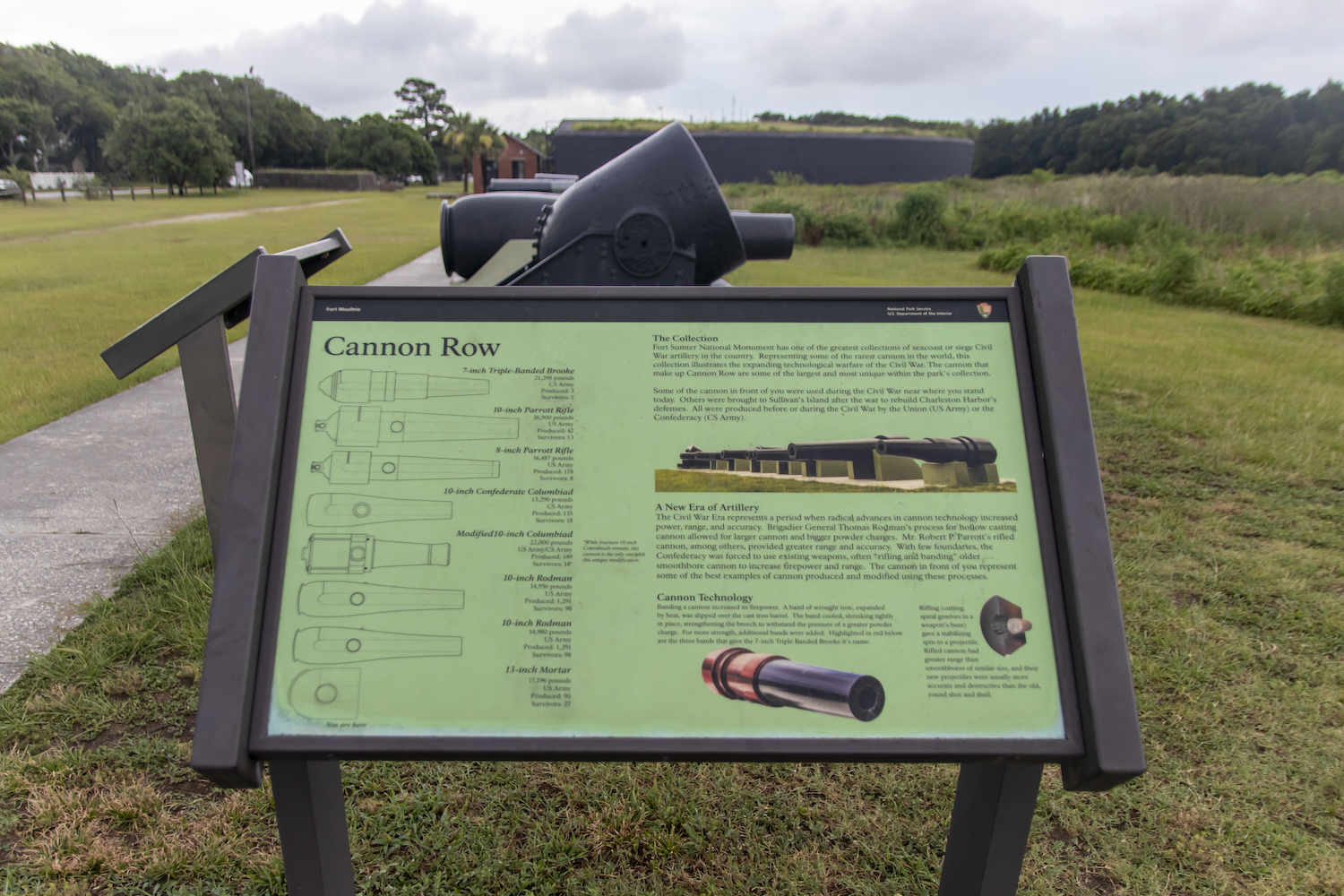
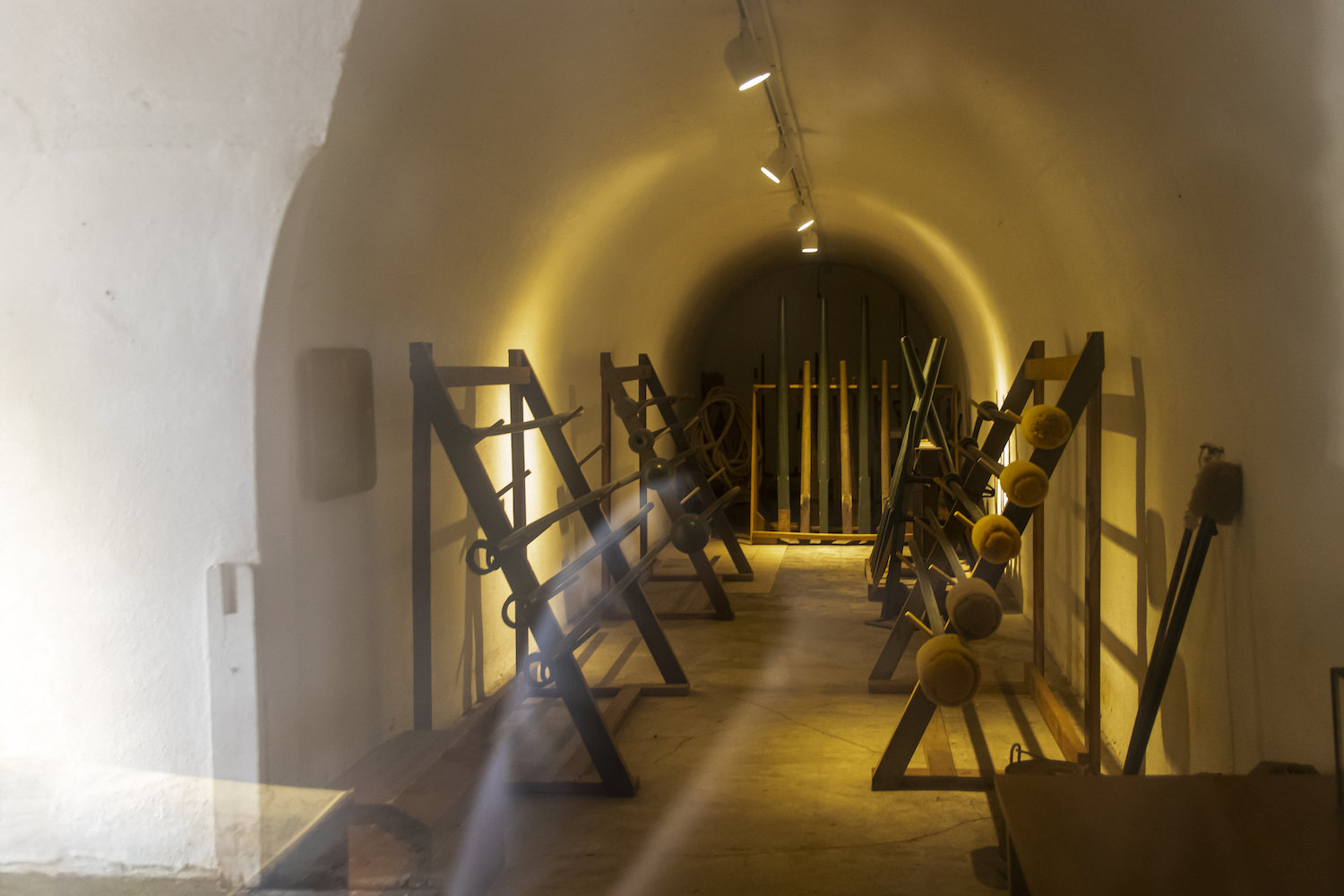
We took the time to go through the many structures by the fort, making sure to get up close to some rare cannons from the Civil War lining the exterior. The cannons included several Rodmans, Brooke Rifles, Parrott Rifles, and Columbiads, reflecting the technological innovation that occurred over the years in battle.

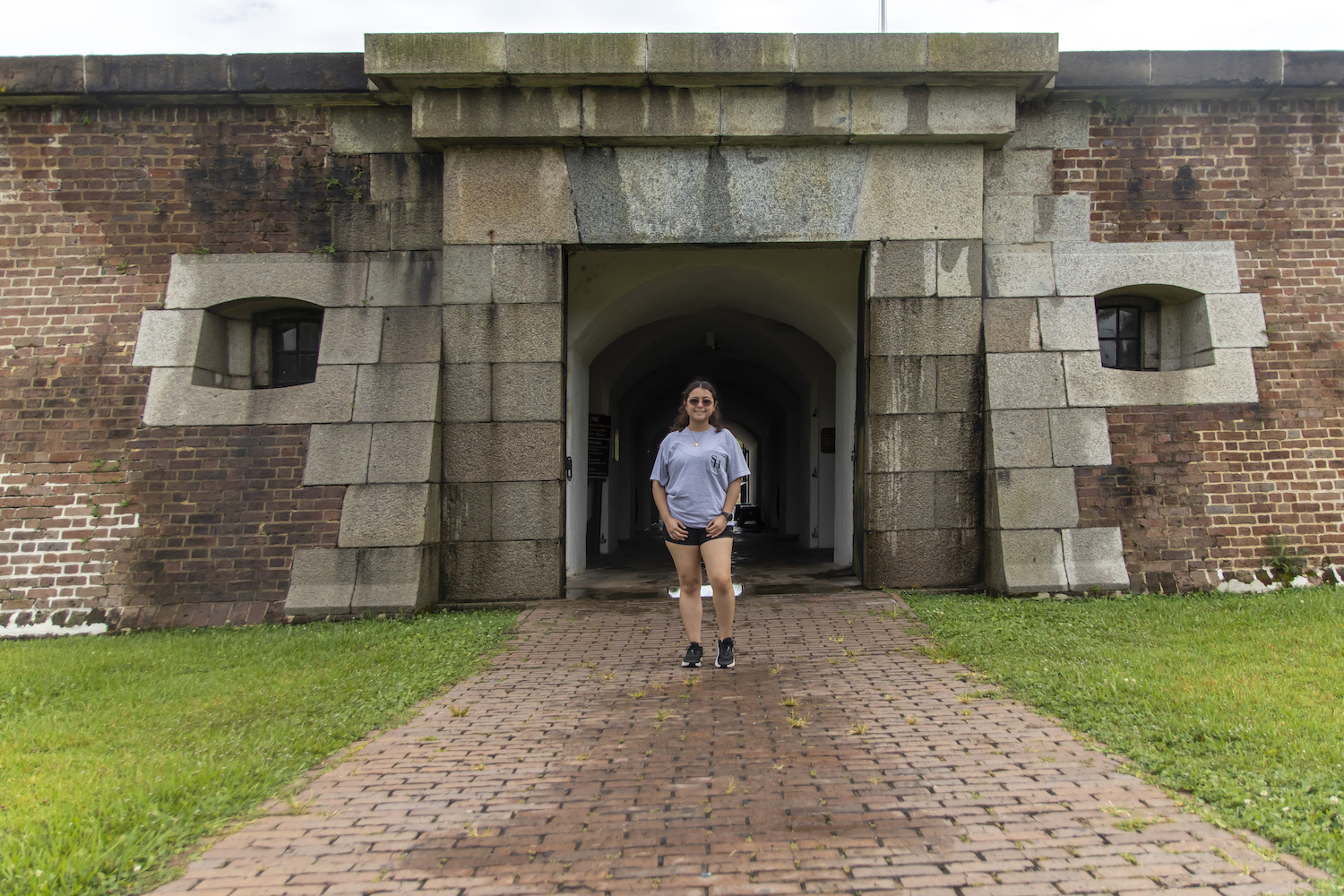
There was also a Sally port, which was a highlight for the group. The bomb-proof structure was used to store gunpowder, keeping their supply dry and ready for use. Morgan, in particular, couldn’t fathom how soldiers could run back and forth through the narrow passageways in a battle.

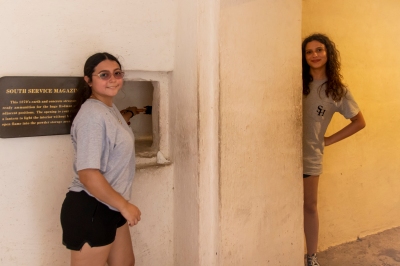
In one of the structures, we discovered a small “passageway” where soldiers or those based in the fort could receive mail – magazines. Jessica and I decided to test this out by having me hand her an umbrella.

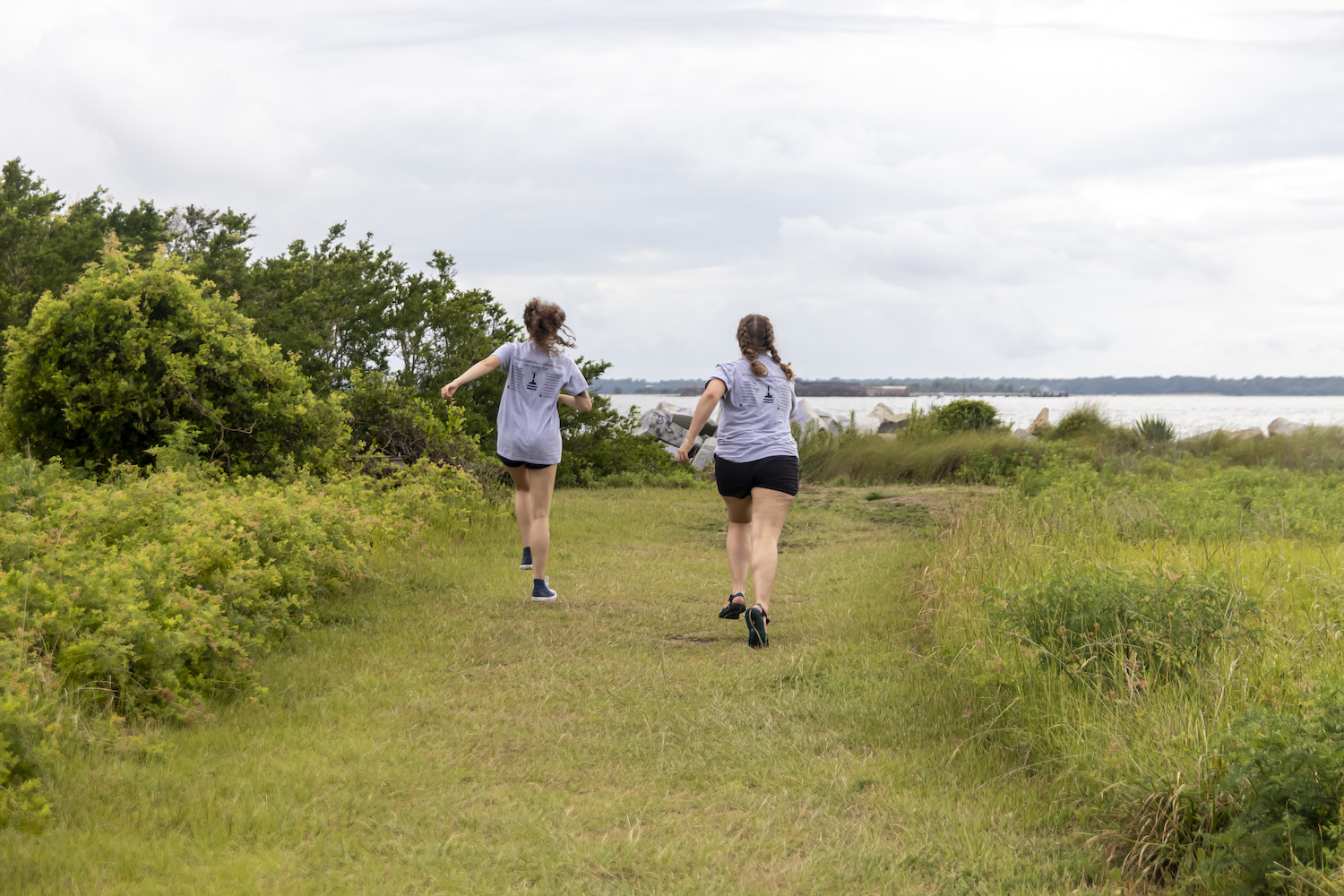
The visit to Fort Moultrie was captivating, educational, and exciting to see! And, perhaps best of all, it was on the beach, allowing us a quick transition to some senseless fun!

Sullivan’s Island Beach

The beach offers not only fun in the sun (or clouds), but also a nice view of The Arthur Ravenel, Jr. Bridge.

For most of us, this was only the second beach we had really been to (Galveston was our common experience), and we were able to swim, share stories, laugh, and even engage in some competitive behavior.

Even after a couple of hours spent at the beach we could have stayed longer, but we needed to eat and get back for our evening with at the Southern Legislative Conference.

Mex 1 Coastal Cantina

Feeling a bit exhausted and famished after a long day of outdoor activities, we searched for a place where we could enjoy a nice meal that would satisfy our craving for Mexican food. Sullivan’s Island had the perfect restaurant a couple of blocks away from the beach: Mex 1 Coastal Cantina

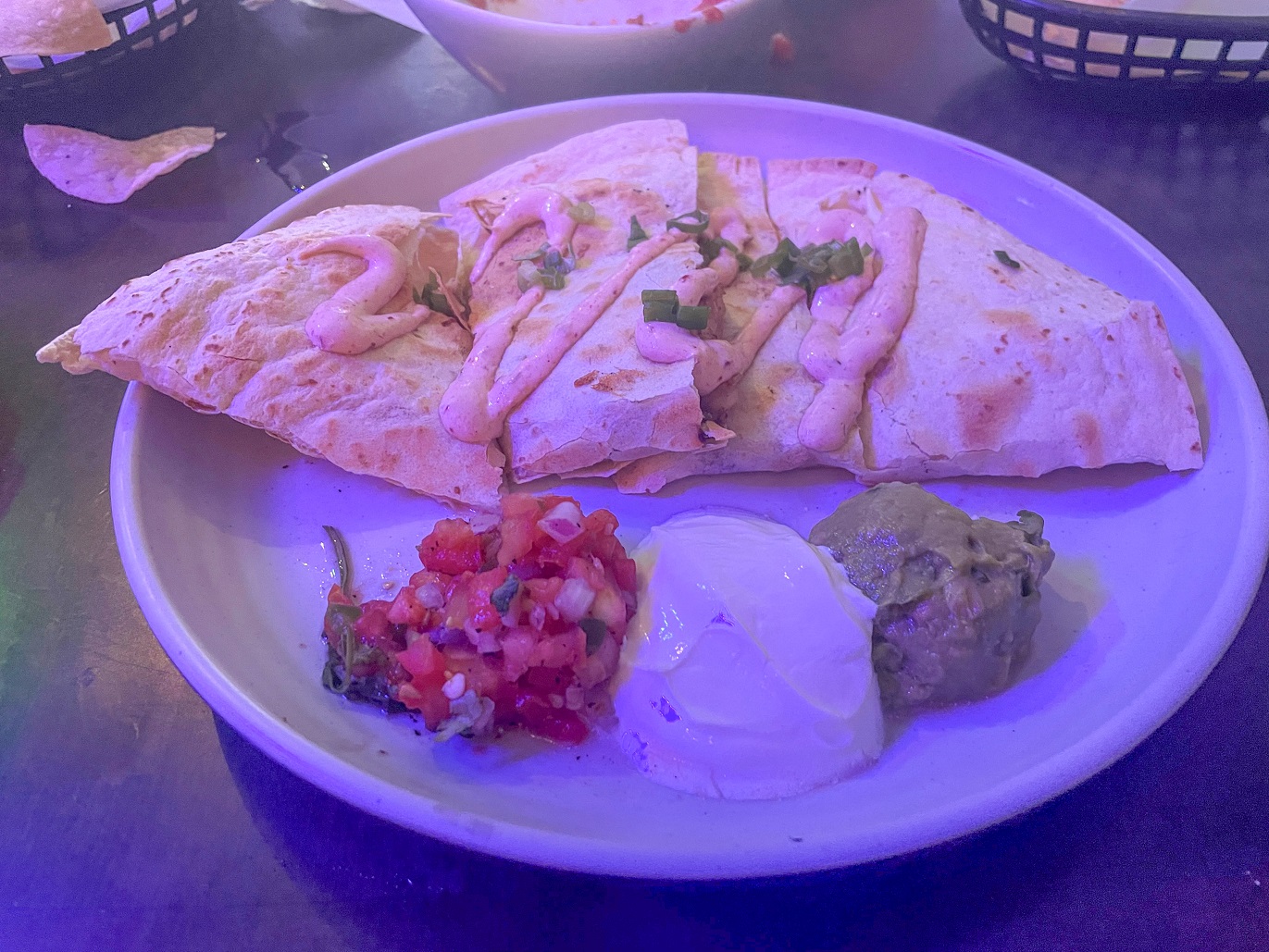
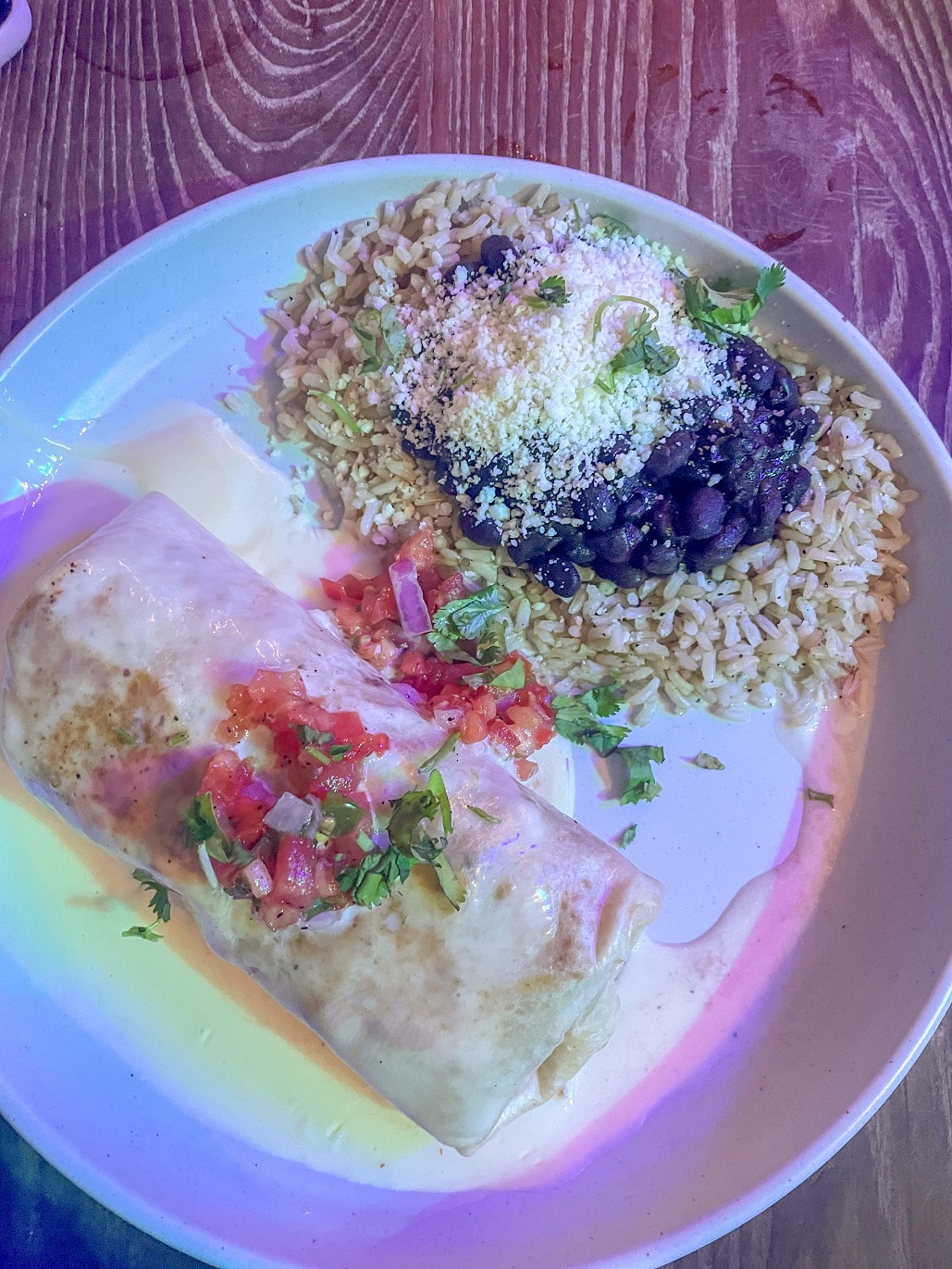
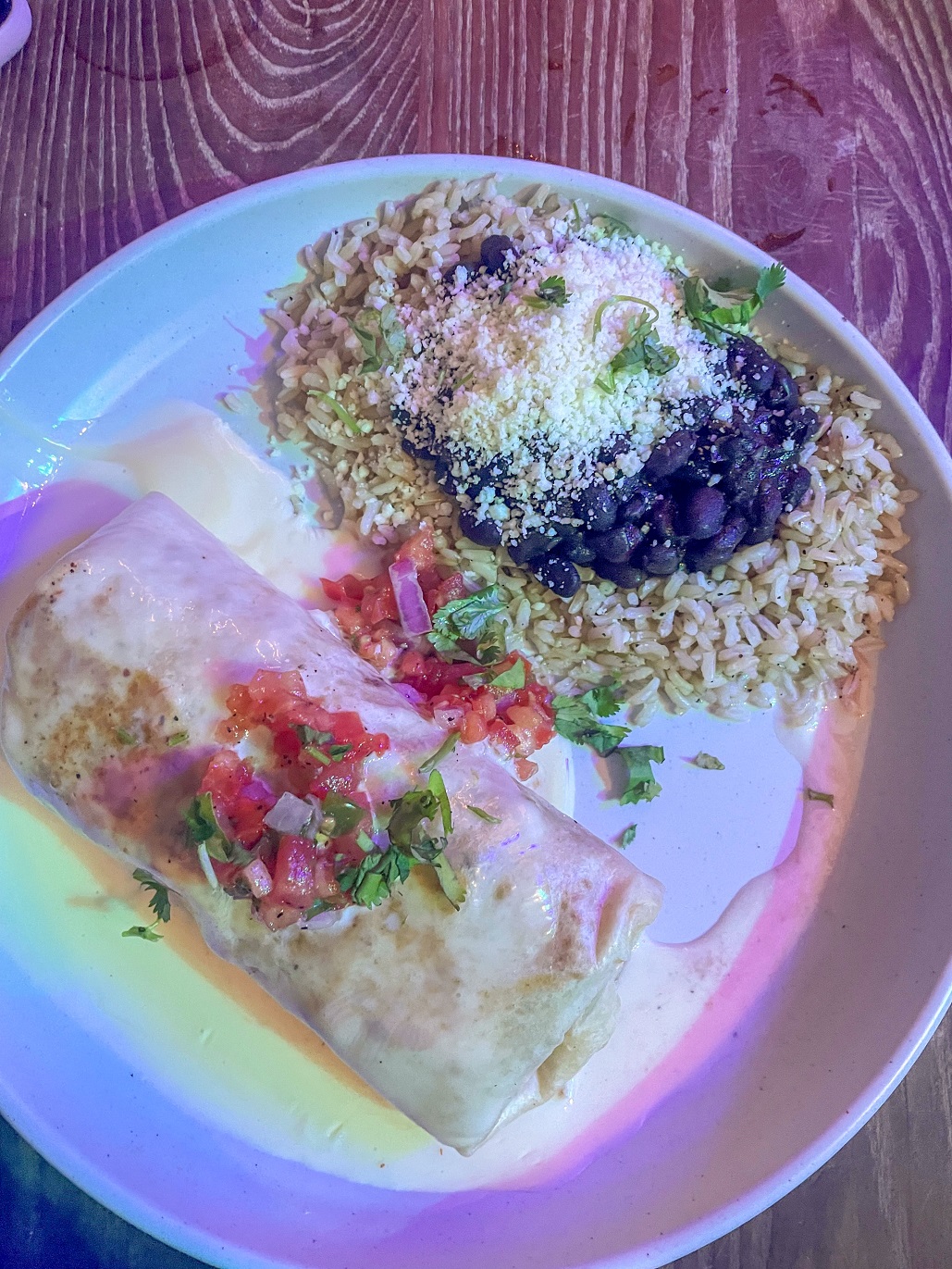
We were greeted by a welcoming staff and presented with traditional tortilla chips and tomato salsa, not long after we were seated. Our entrees included Street Taco Platters: Carne Asada Tacos with Roasted Corn and a mixed plate with a Carne Asada and Pork with Pineapple taco, Chicken Quesadillas, Braised Chicken Baja Bowl, and the Mexi-Cali Burrito. This restaurant’s menu included some of the traditional Mexican delicacies, but it also had many unique entrees that were inspired by different cultures. An example of this would be the Mexi-Cali Burrito, a twist on a Mexican burrito with the addition of French Fries and queso on top. 

The food was savory – full of flavor – and delectable; it was the perfect way to end our adventure on Sullivan’s Island. With tans, happy hearts, big smiles, and most importantly, full stomachs, we headed back to the hotel to prepare for an evening of fun hosted by the West Virginia Legislature.

Almost Heaven, West Virginia–2024 Conference Preview

By Ingrid Cuero

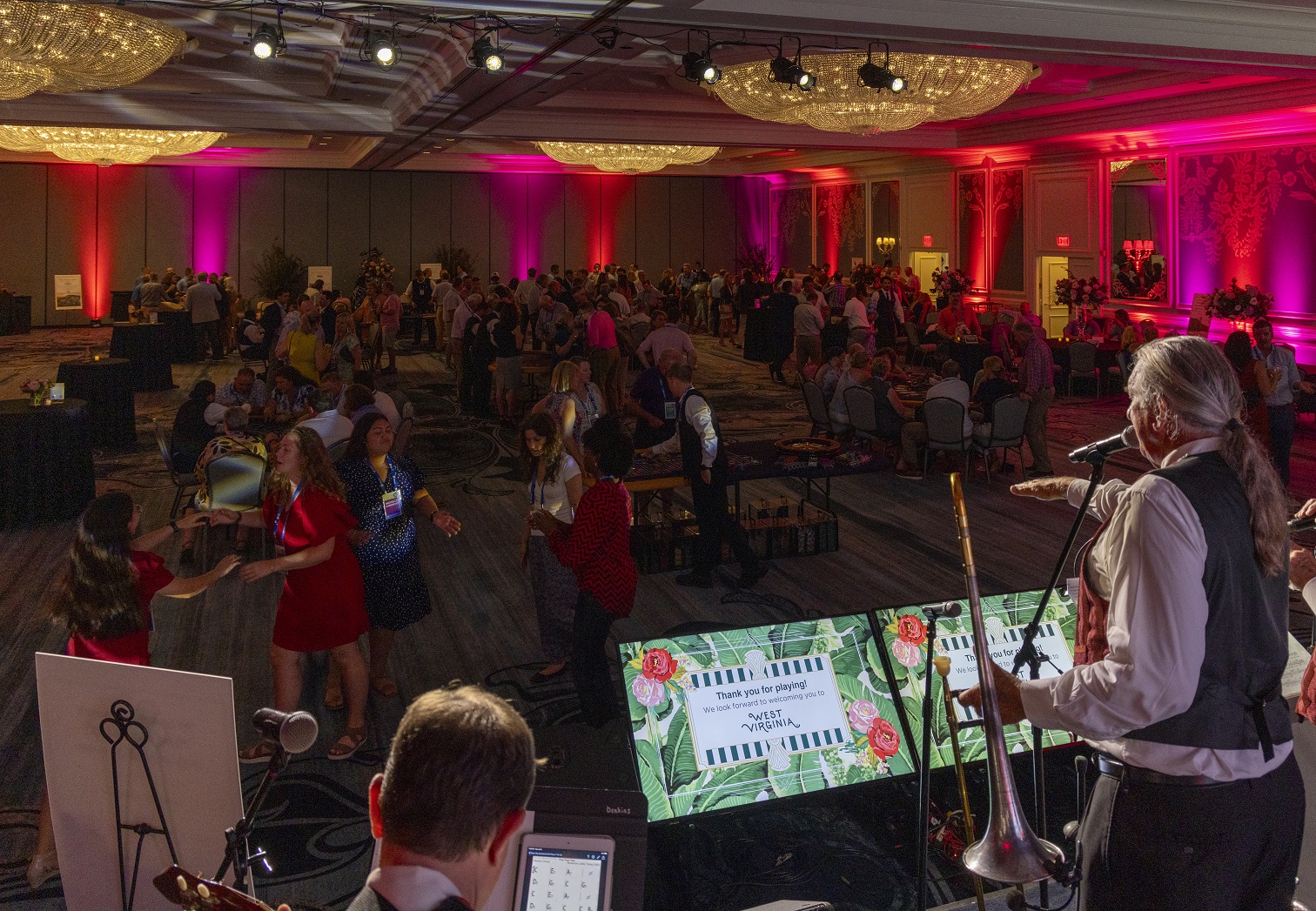
Who could turn down a night that includes great music, not-so rhythmically inclined dancing, and vibrant conversations? Not us! 

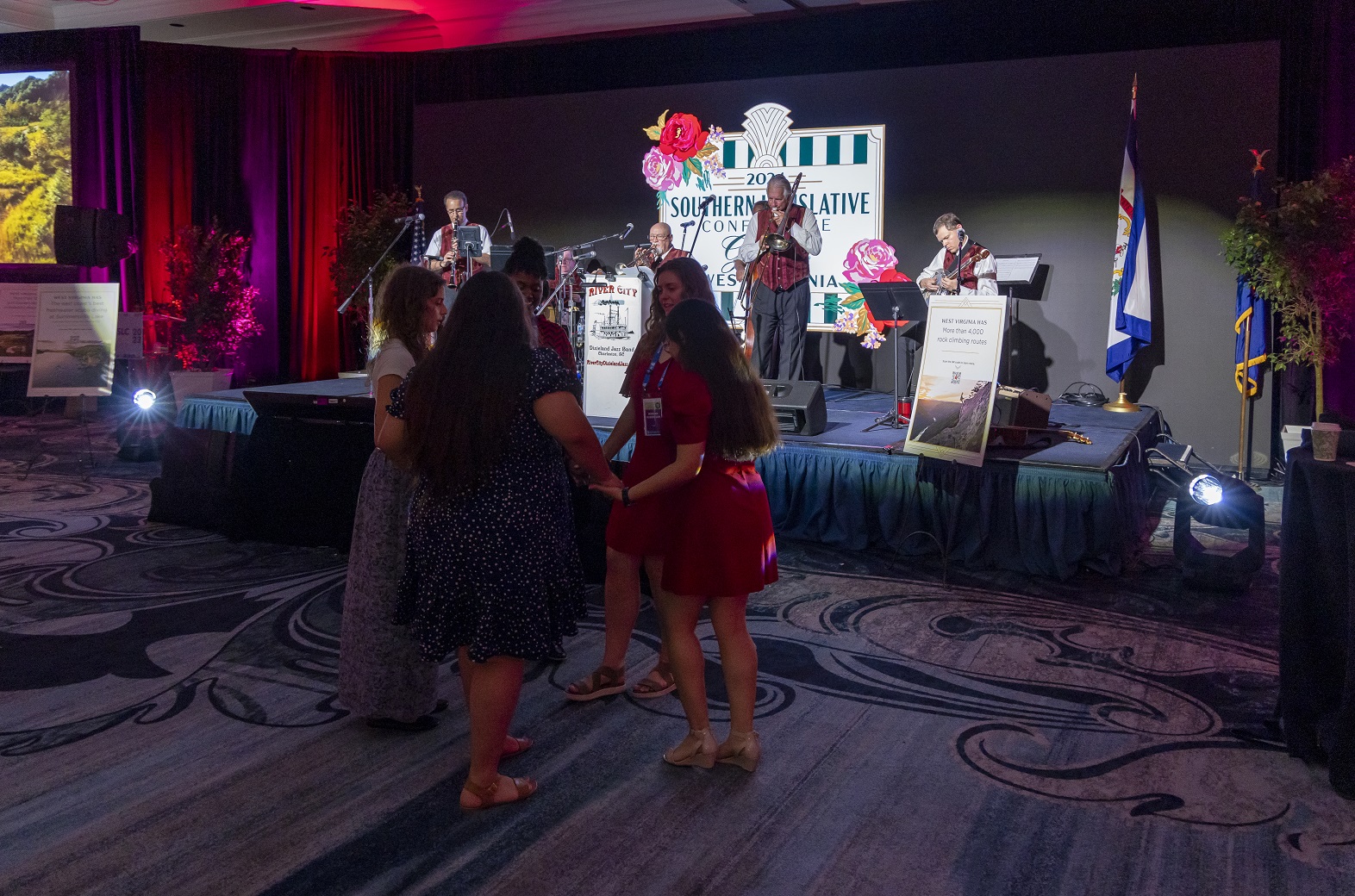
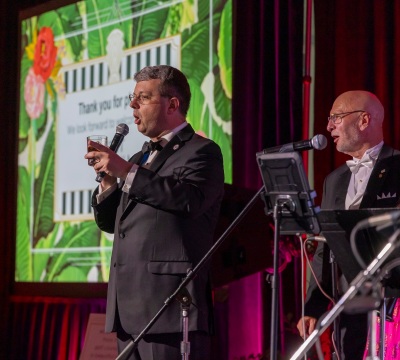
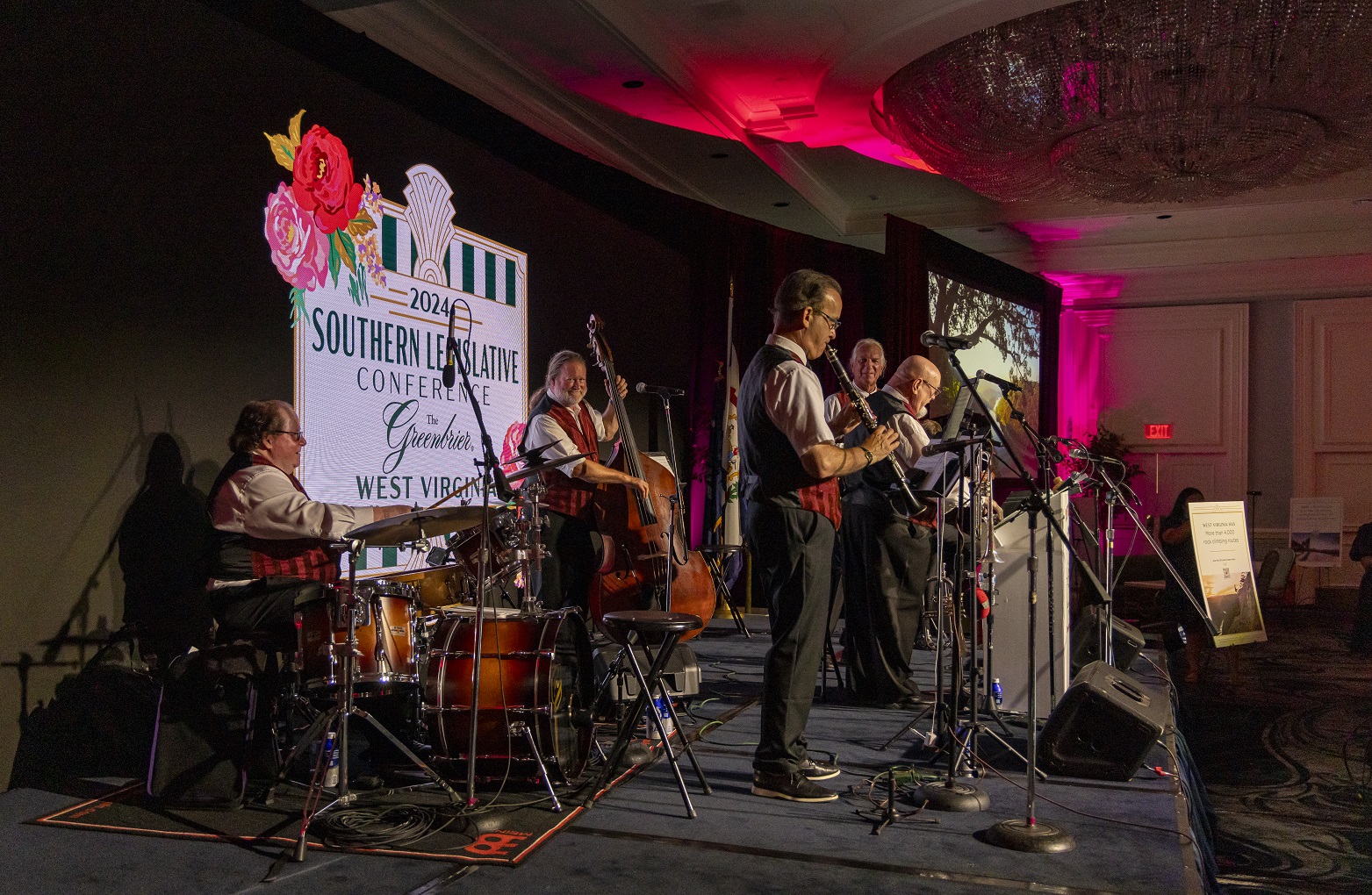
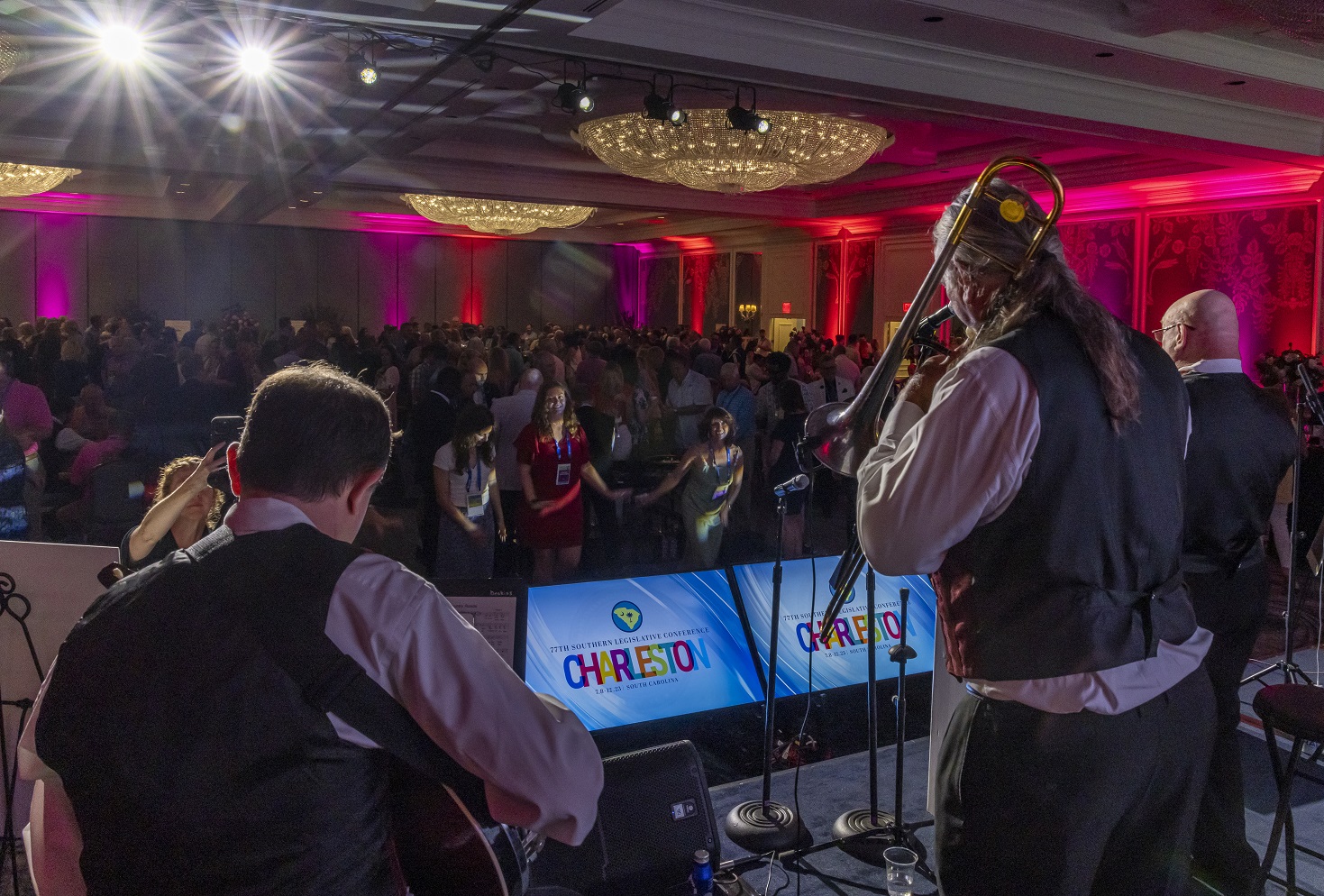
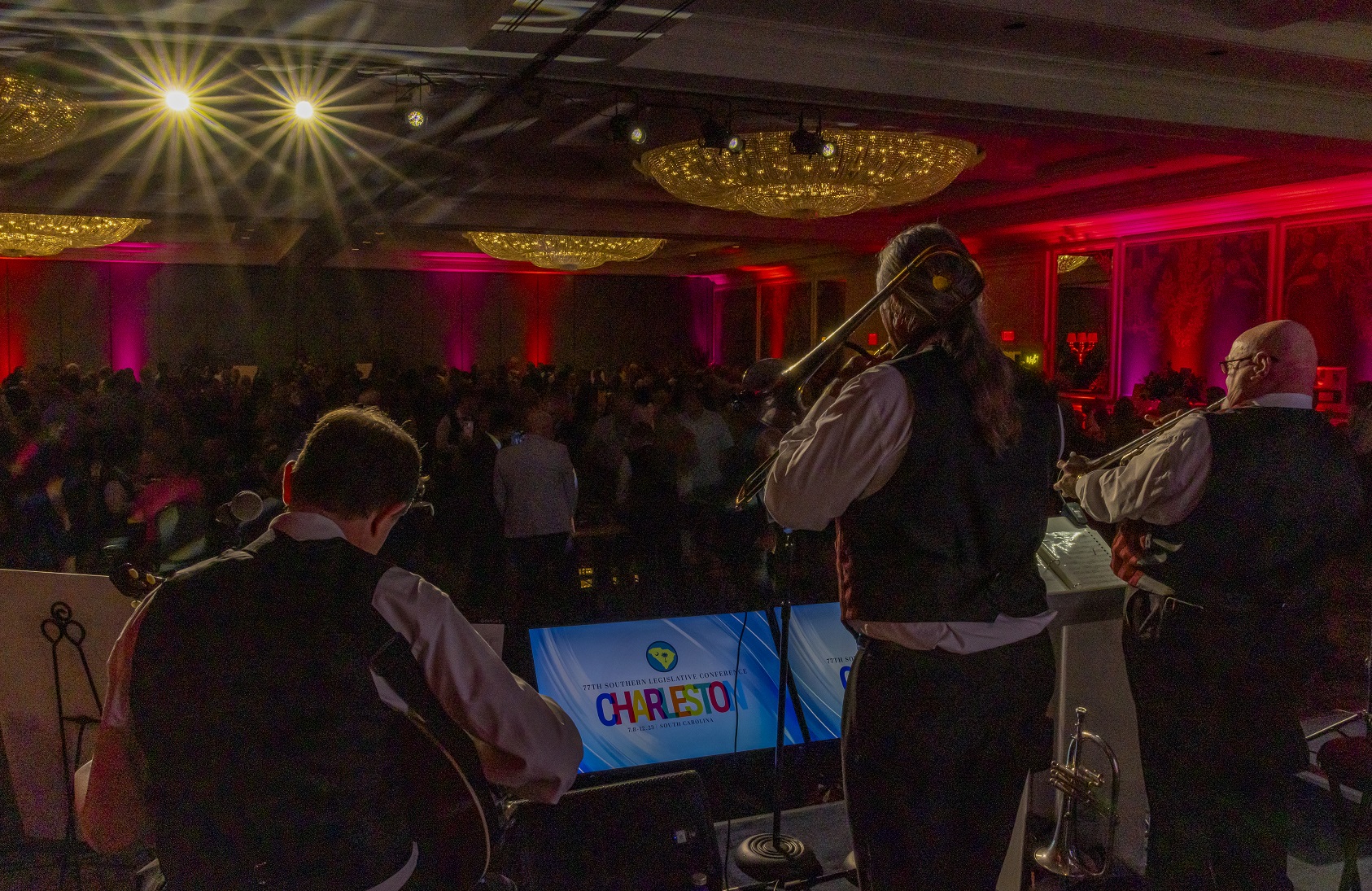
In 2024, West Virginia will be hosting the Southern Legislative Conference. As a preview, the State Legislature hosted an evening of jazz, dancing, a few remarks by legislators, and a lot of fun–all with a 1920s theme.

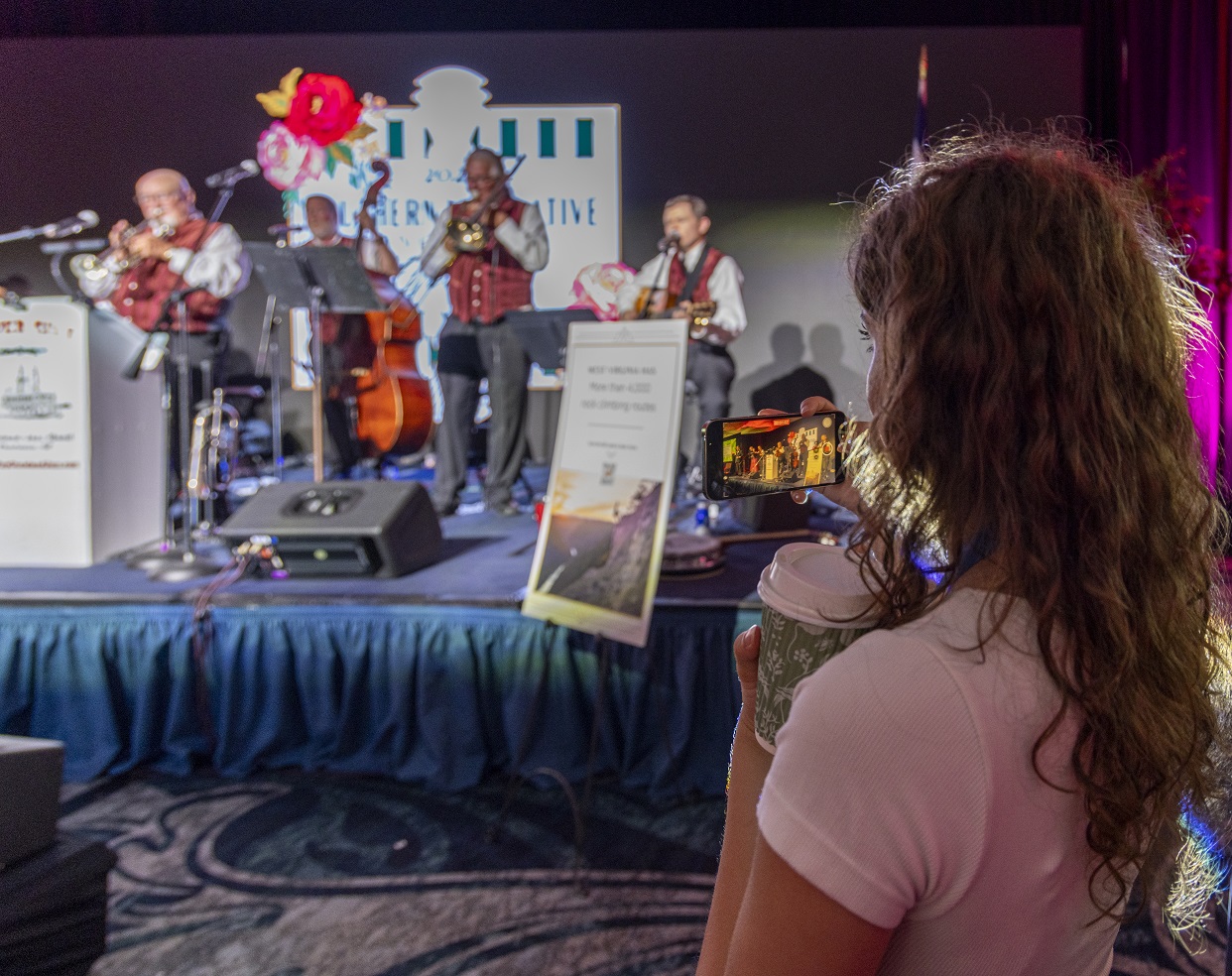
The Rivercity Dixieland Jazz Band set the stage with their jazz standards, including their rendition of “The Charleston,” which we attempted to learn! The song fit both our location, and also the 1920s’ theme of the evening.

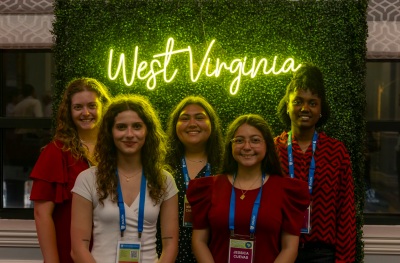
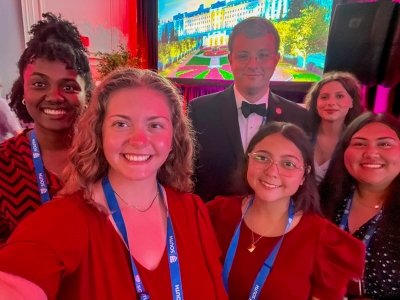
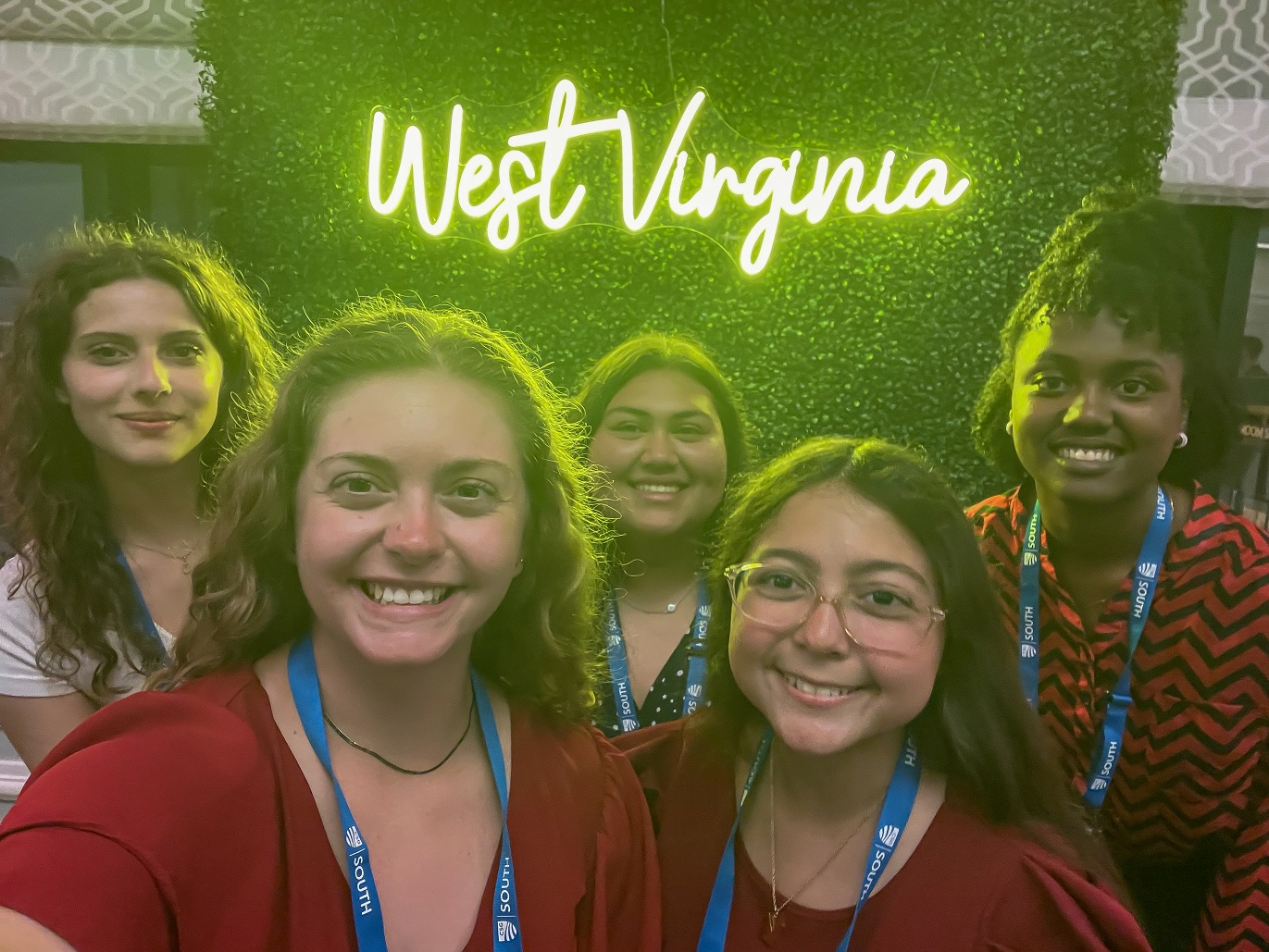
We enjoyed the food provided by the sponsors, the music, and we even danced a bit! Morgan, Olivia, and I danced early in the night, and by the end of the night, Jessica and Michelle joined us!

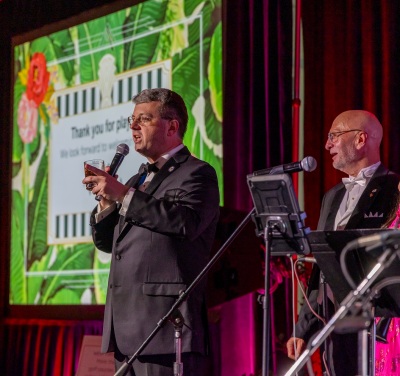
With the evening being sponsored by the West Virginia delegation, Roger Hanshaw, Speaker of the WV House…

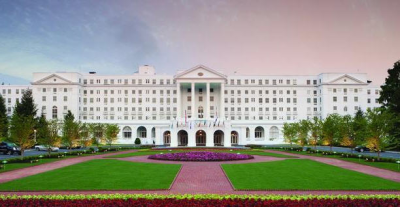
…invited everyone to attend next year, emphasizing that the conference would be held at the beautiful Greenbrier Hotel. We were sold!

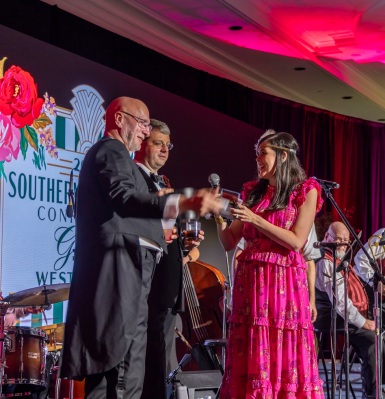
To sweeten the deal, he and the WV Director of Tourism did some giveaways (which we competed for but lost)…

…and then he led a rendition of John Denver’s, Take Me Home, Country Roads.

Not many speakers could take on the role of musical guest, and it was an absolute delight. Afterward, we took a photo with him, and it was Michelle and Olivia’s first time to meet a Speaker of the House!

And we also enjoyed the music, people watching, and conversations.

Our long day ended in style-and in air conditioning, away from the threatening weather elements of the morning and afternoon. We called it a night, got in the car, and let city roads take us back to the place where we belong.

FBI Director Christopher Wray: Fighting Crime in the 21st Century

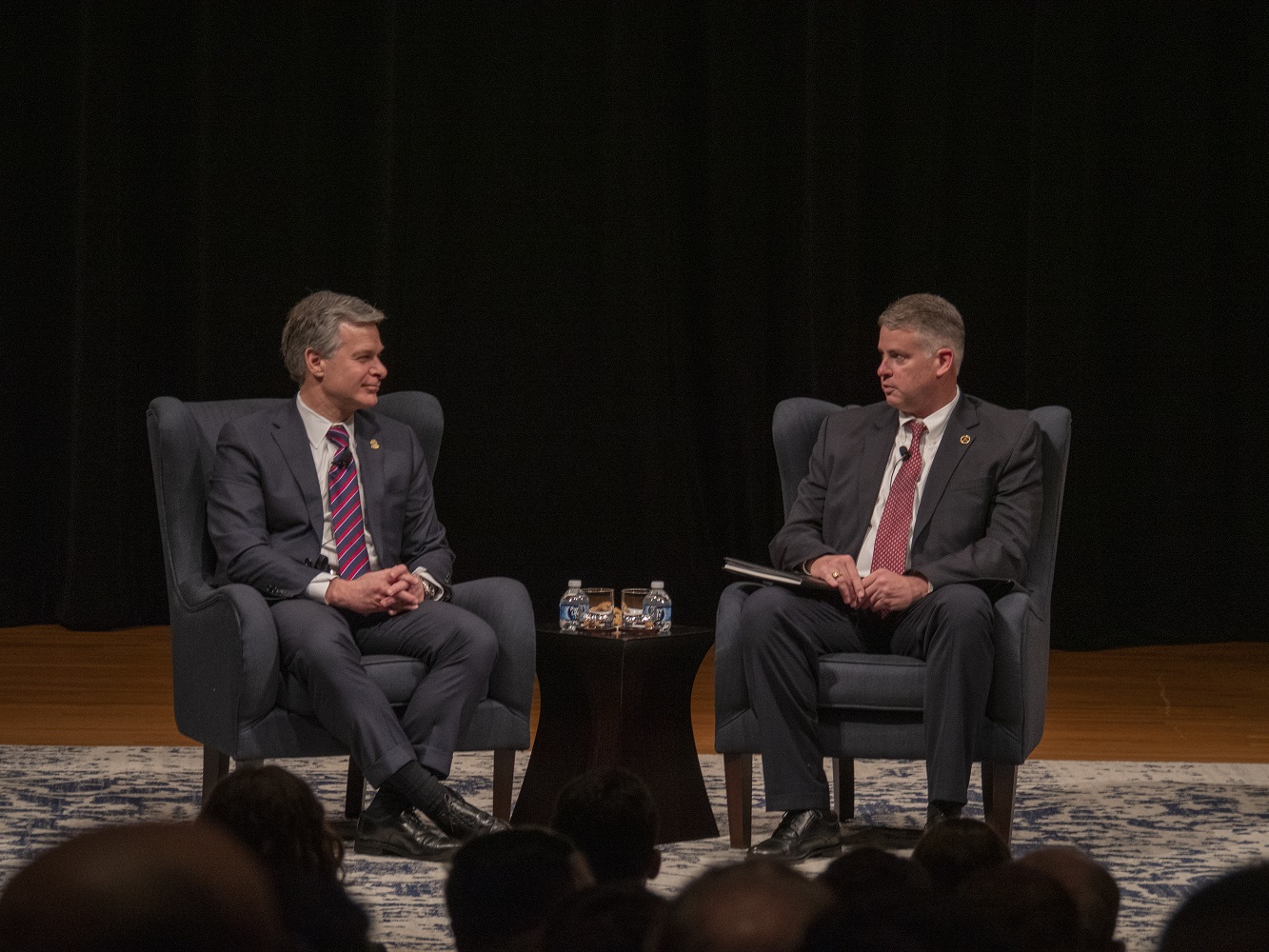
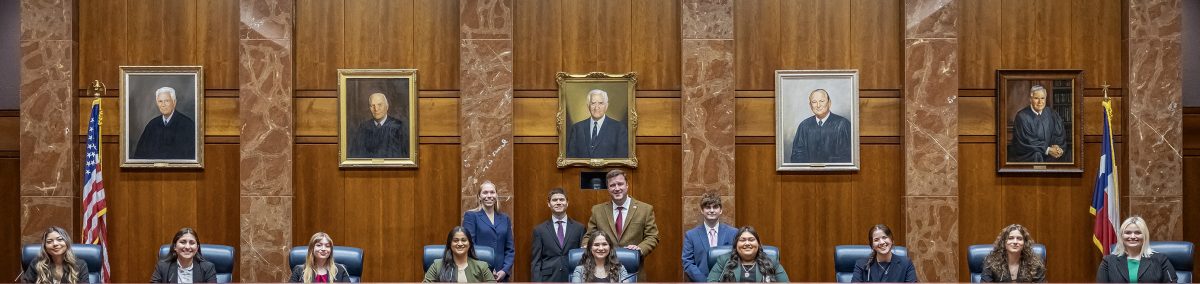
Following a full day of hearing court cases on SHSU’s campus, LEAP students moved their roving classroom to TAMU’s Bush School, where they attended a presentation by FBI Director Chris Wray, a program sponsored jointly by the World Affairs Council and the Bush School at TAMU.
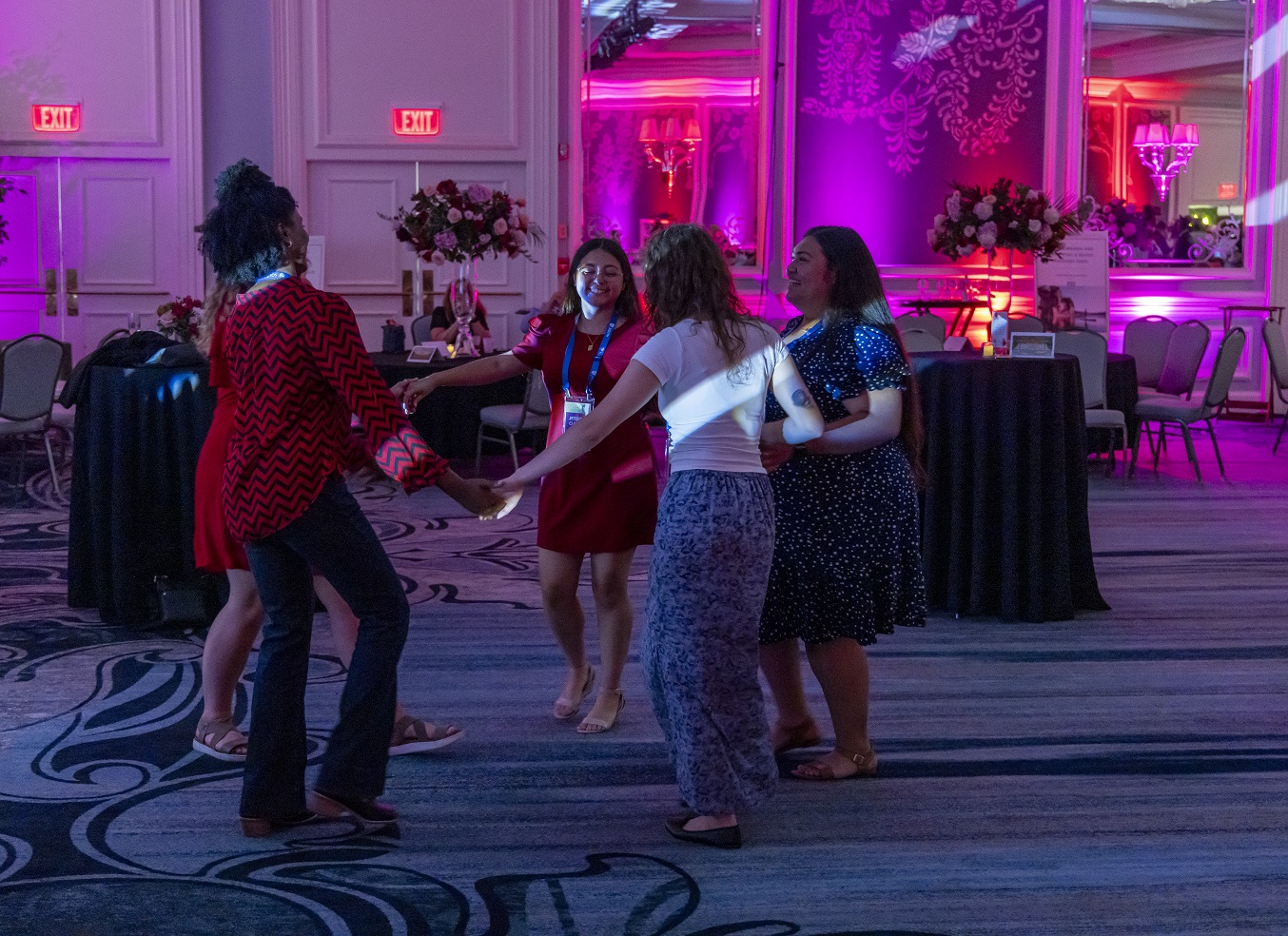
Director Wray offered an interesting tour of the foremost threats to United States safety. According to Wray, the top threats to the United States are China, Iran, Russia, and terrorism, both foreign and domestic. Notably, Wray highlighted the fact that a key to all of these threats is understanding the potential for cybercrime.
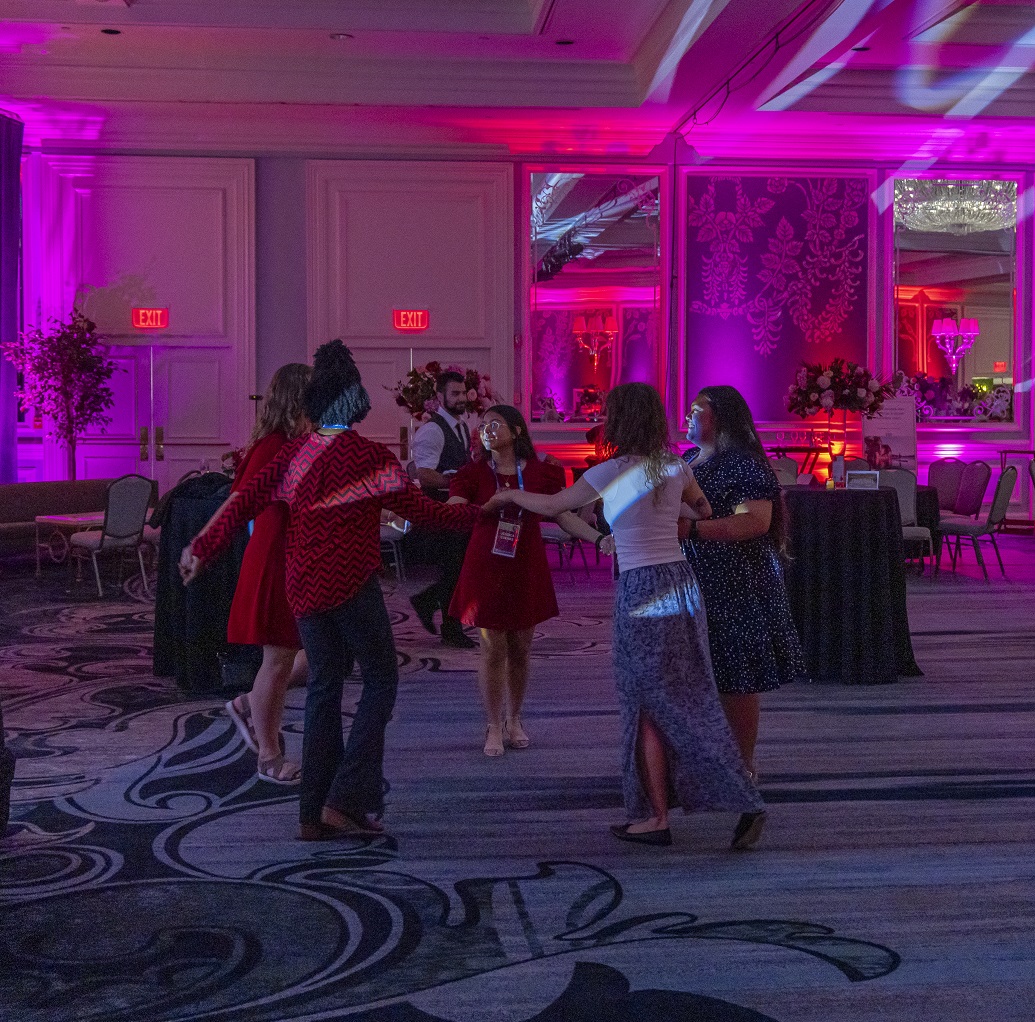
This is a double-edged sword, because just as technology allows the “bad guys” more opportunities to hide money (primarily through cryptocurrency), it also offers “more ways to fight the crime.” In short, much of the FBI’s job is trying to maintain technological superiority over people with malignant intentions.

Another focus of the FBI, according to the Director, is the spike in crime in large US cities, as well as the key role that Fentanyl plays in 21st-century crime. Such discussions support the LEAP Center’s mission to show the interconnectedness of things, inasmuch as students will be seeing journalist Ioan Grillo discuss crime and Fentanyl in a World Affairs Council event in a couple of weeks.

Following the event, students had a chance to meet former Director of Counterintelligence for the CIA, Jim Olson, who has been a good friend to LEAP students over the years.

It was a long day, in a busy string of weeks, but it is the type of activity that shows the scaffolding approach to education taken by the LEAP Center. In an eight-day period, LEAP students got to see–and experience–the world, including (1) assisting immigrants with passing the Naturalization Exam in their “Citizenship Preparatory Course,” (2) hearing from the FBI Director, (3) learning from the CIA Director, and (4) attending the 10th Court of Appeals hearings.

Seeing the world through the eyes of others, is a great way to learn, and LEAP students are learning much!

College of Criminal Justice Honors Academic Standouts

More than 200 people attended the College of Criminal Justice’s (COCJ) Honor’s Convocation Ceremony, where the College recognized their best and brightest. Adding poignancy to the event were the many alumni on hand, many of whom had endowed scholarships in memory of loved ones.

Dean Lyons led the proceedings, highlight the many accomplishments of the College and its storied history…

…before turning it over to Associate Dean Danielle Boisvert.

Dean Boisvert then introduced dozens of scholarships and more than 100 students who earned those scholarships, with faculty, staff, and alumni on hand to provide students with plaques and recognition.

The scholarships included numerous undergraduates, one of whom was President of LEAP Ambassadors, Jessica Cuevas.

Ms. Cuevas, in addition to being a Smith-Hutson Scholar, was awarded the O.B. Ellis-J.P. Gibbs Scholarship.

This was an apt scholarship, in that Cuevas occasionally volunteers at the J. Phillips Gibbs “Old Town Theatre,” providing a connection to the scholarship.

Graduate students were also recognized, including many in the Ph.D. program. Students such as Meghan Royle, Jazmin Polacios, and Cristal Hernandez-Avalos were recognized for the had work and accomplishments they have made while in graduate school.

Ed Owens, an SHSU alum and former Deputy Executive Director of TDCJ…

…was also on hand to congratulate Joaquin Padron, who was given the “Edward Glenn Owens” Scholarship.

Owens graduated from SHSU with a Criminal Justice degree, as did his wife, Rissie, who also teaches in the Criminal Justice Department, drawing on her expertise in pardons and paroles to instruct students.

It was a wonderful event, packed with students benefitting from the generosity of alumni, donors, faculty, and staff, and highlighting the best of Sam Houston State University.

ChatGPT: PACE gets the conversation going

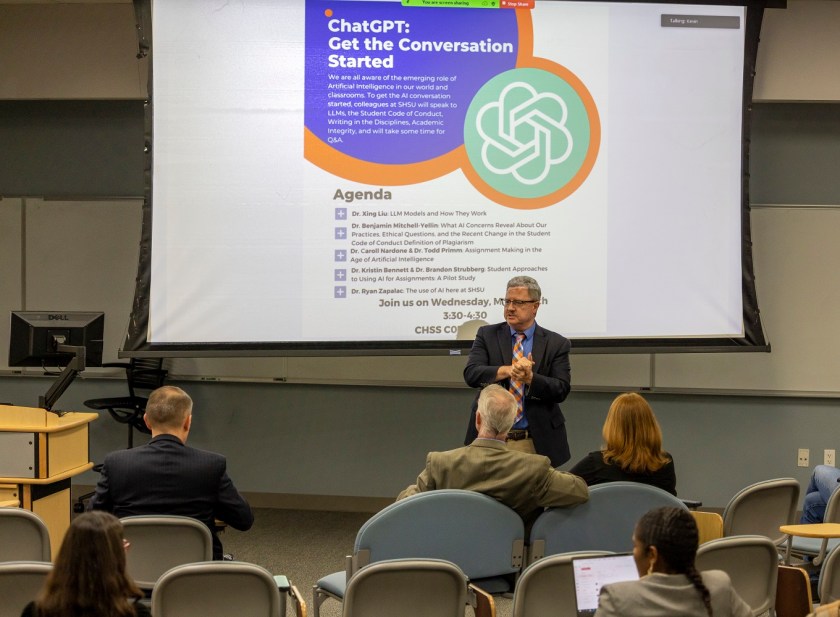
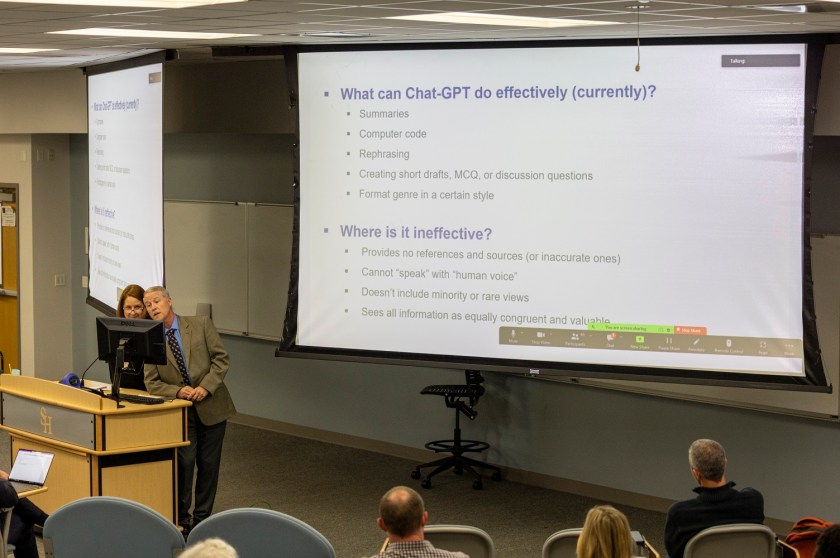
The higher-education community is reacting to ChatGPT with a mixture of consternation, trepidation, excitement, and a lot of anxiety. Inasmuch as it is the wave of the future, however, higher education needs to react, which is why the Professional and Academic Center for Excellence (PACE), led by the capable hands of Dr. Kevin Randall and Tiffany Terry, hosted a panel on the topic.

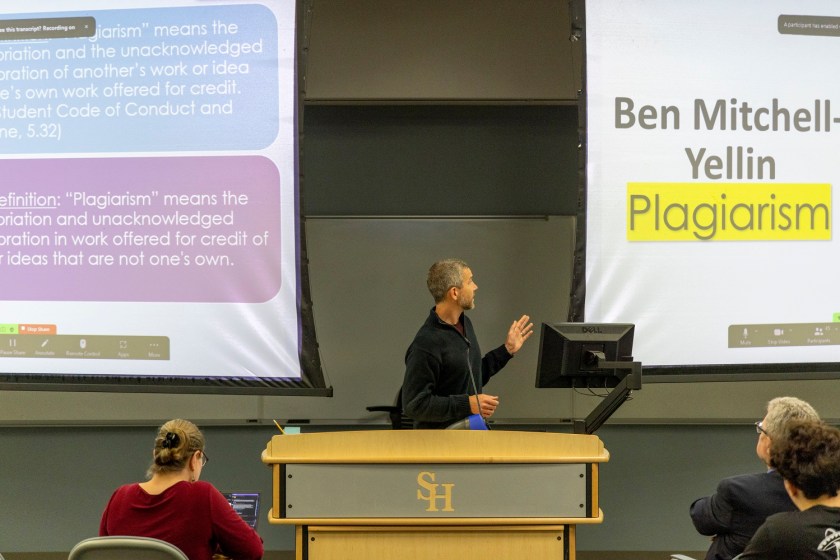
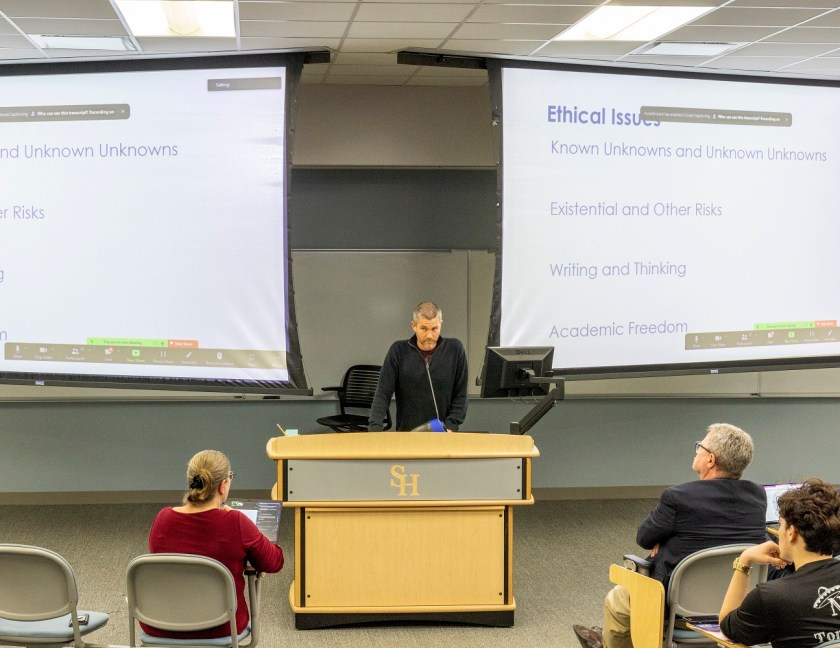
The panel kicked off (through Zoom) with a discussion by Dr. Xing Liu, who discussed the nuts and bolts of ChatGPT–focusing on how the software works. Dr. Mitchell-Yellin discussed the recent change in the University’s policy on plagiarism, highlighting the fact that while the policy used to prohibit using “another’s work;” it now prohibits using “work other than your own.”

(Ed. note: Mitchell-Yellin wasn’t sure if the policy change had officially occurred yet, but it is in process of occurring).

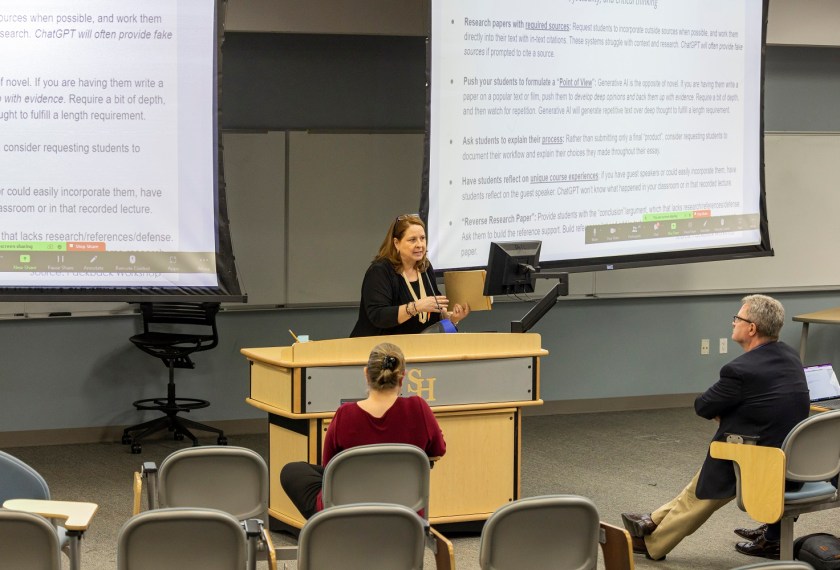
Dr. Nardone and Dr. Primm, from English and Biological Sciences, respectively, discussed the dos and don’ts of writing assignments “in the age of AI.” One factor the professors stressed is that ChatGPT has limitations, specifically: the inability to speak in a distinct “voice” and limited abilities to distinguish facts from anti-factual claims.

Apart from these limitations, of course, there is also the concern that students may become overly dependent on these technologies and become even weaker writers.

Accordingly, Nardone encouraged professors to consider: (1) using required sources; (2) pushing students to develop “point of view;” (3) asking students to explain other process; (4) having students reflect on their unique course experiences; and (5) developing a “reverse research process” approach, where students begin with a conclusion and have to reverse engineer the support and references for the conclusion.

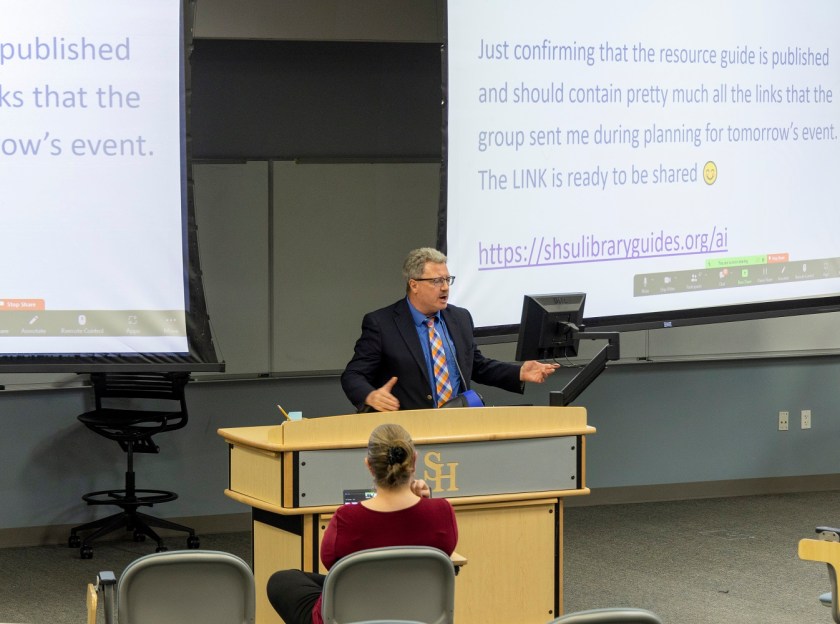
Dr. Randall then highlighted some services and support (courtesy of Erin Owens) offered by the Library…

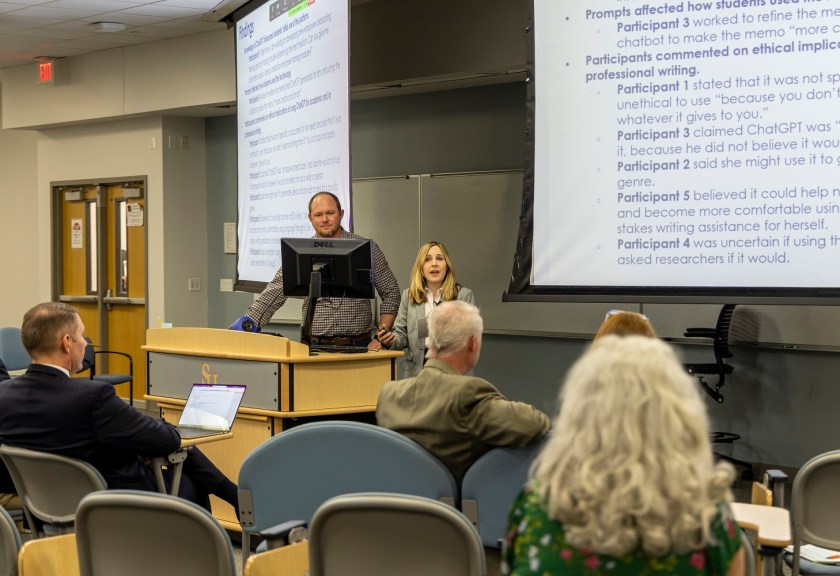
…before turning it over to Dr. Strubberg and Dr. Bennett, who discussed preliminary research they have completed regarding student use of ChatGPT and their (the students’) views of the ethics of ChatGPT use.

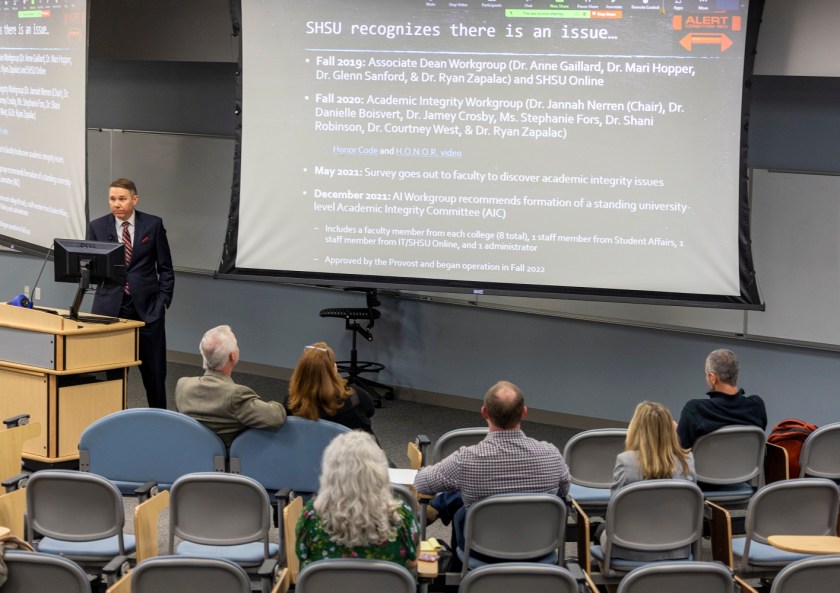
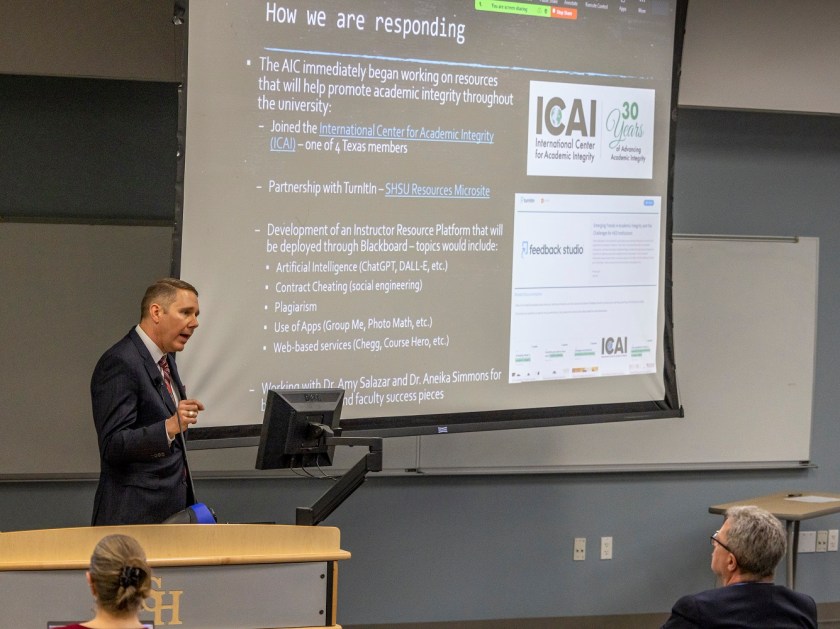
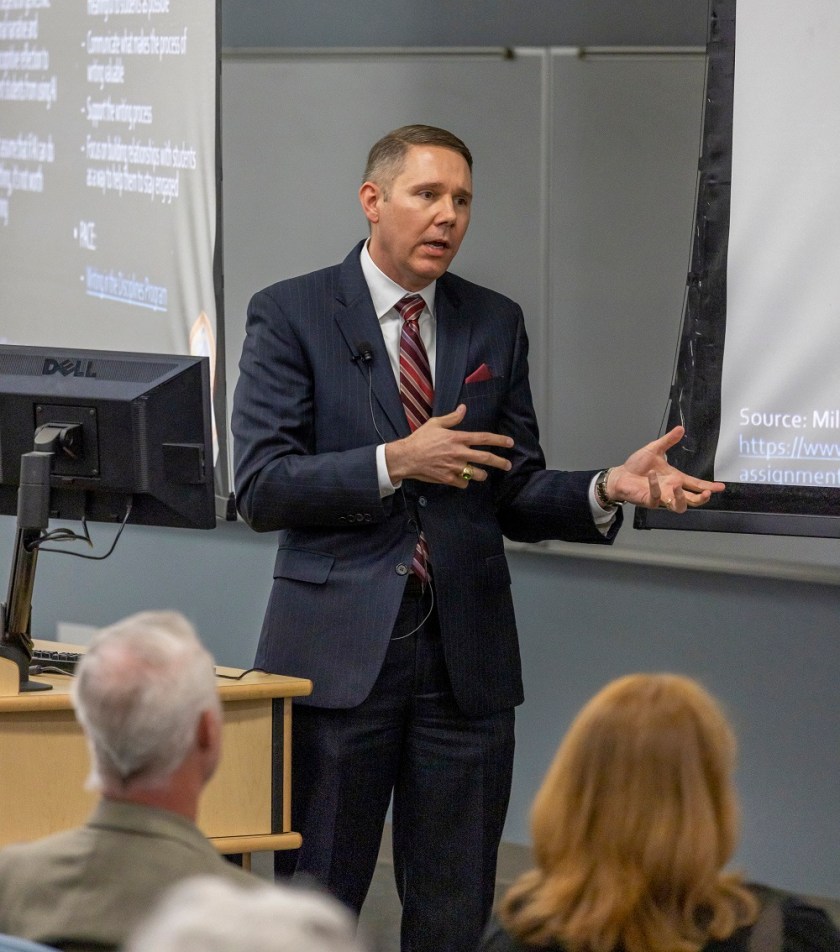
Dr. Ryan Zapalac anchored the panel, with a strong final presentation on the University structures and processes in place to consider the software and other matters of academic integrity.

The University, Zapalac noted, has recognized that academic integrity is an issue, and a committee has been in place since 2019 exploring these issues. Moreover, this committee is now a “standing committee,” and it is aware of ChatGPT and some of the challenges it will pose.

Because ChatGPT software is fluid and advancing rapidly, some proposed solutions to detecting or incorporating the software may be temporary. Accordingly, Zapalac encourages faculty to focus on the “motivation and writing process itself” and to refer to “Writing in the Disciplines.”

As noted by Zapalac, ChatGPT is less than a year old, and our speculations and current understandings may not hold up for long. Accordingly, Conversations with Administrators is currently planning a fall session that will continue this very conversation.

Many thanks to the PACE Center for bringing together talented people to start this conversation.

Empty Bowls No More!

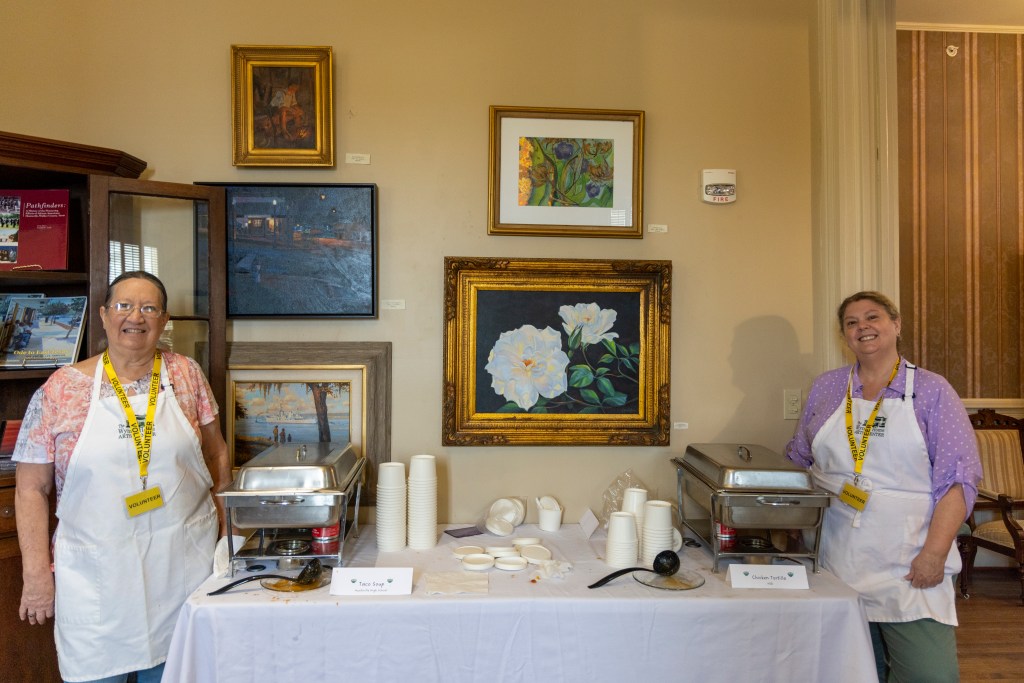
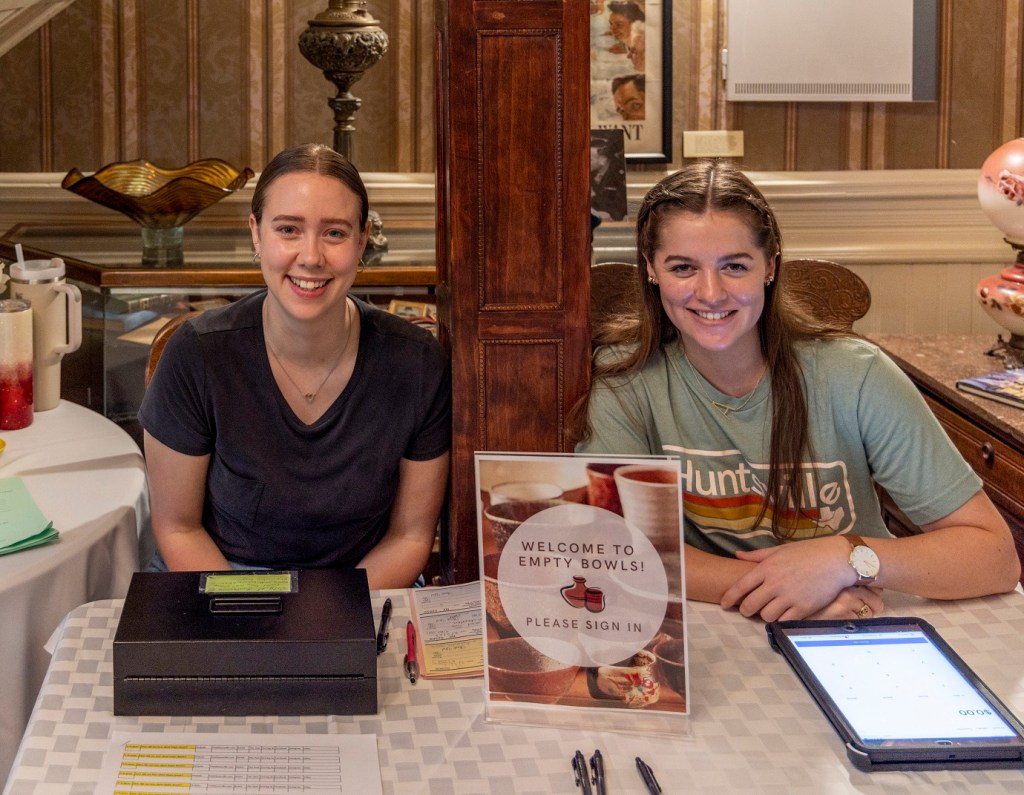
Continuing an annual LEAP tradition originating in 2008, Cynthia Boyd, Elisabeth Espinoza, Alexandra Spears, Victoria McClendon, and I participated in the Wynne Home’s Empty Bowls, the 2023 version! The event is a brilliant way to promote art, engage the community, and fight hunger in one lively, fun-filled day. 

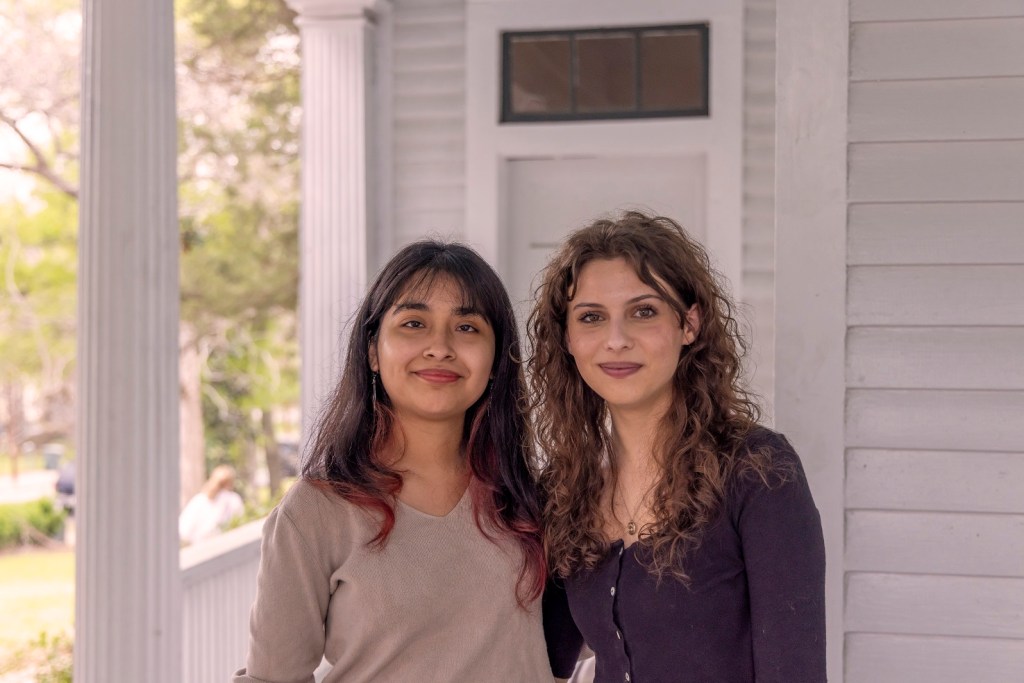
Elisabeth Espinoza and Olivia Discon

Sponsored by HEB with soups donated by local restaurants such as Sam’s Table, City Hall Cafe, Five Loaves Deli, and culinary students from Huntsville High School, the event benefitted the Senior Center’s Meals On Wheels, an organization to help fight food insecurity for the elderly.

How does the event work? It’s pretty simple–for the public, that is. In the months leading up to the event, the Wynne Home hosted pottery classes to make the bowls, allowing volunteers to learn a craft while supporting their community and the arts. These participants could either reserve their bowls or offer them to the Wynne Home for the Empty Bowls event.

Then, on Tuesday, March 7, the public was invited to the Wynne Home for lunch–and a work of art! With a suggested donation of $15, visitors could select any of the bowls created by the volunteers and help themselves to the large variety of soups and sandwich items. The array of vibrant, unique bowls reflects the innate beauty of volunteerism and service…

…but more importantly, the bowls represent food insecurity and the ongoing issue that can be ameliorated with compassion.

The student volunteers were happy to help, by greeting diners, serving soup or food, taking photographs, and helping clean up.

We also purchased soup ourselves and donated to the cause! Moreover, we had the incredible opportunity to speak with the many members of the Huntsville community passing through the doors.

Two of the three volunteers (myself included) are freshmen, so this was not only our first trip to the Wynne Home, but our first chance to meet community figures. We met Mayor Brauninger, Councilmember Humphrey, Councilmember McKenzie, Councilmember Graham, Chamber President Ray Hernandez, Shannon Higbie, Laura Green…

…Professor Jennifer Didier, Linda McKenzie, Jeff Murski, and many City of Huntsville staff. Among the latter included Sarah Faulkner, Angela Robinson, Tammy Gann, Aron Kulhavy, and Tracy Rikard. As a special bonus, we had the opportunity to meet Dr. and Mrs. Pease as well as Nancy Gaertner!

By the end of the event, most of the bowls had been selected and taken home.

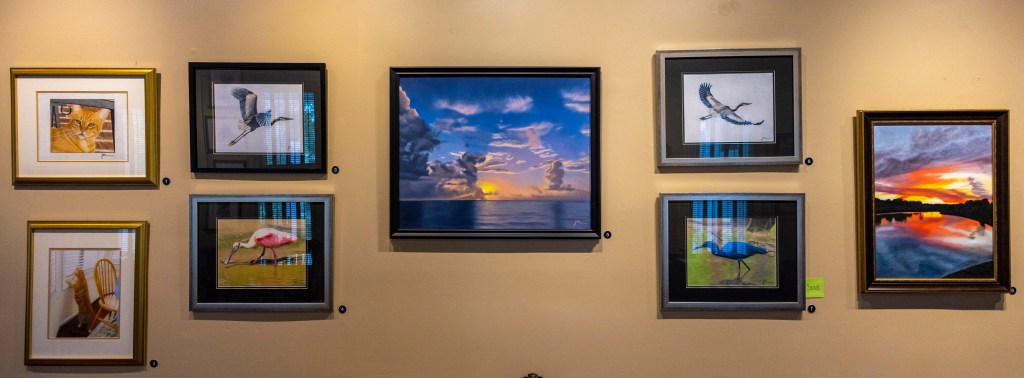
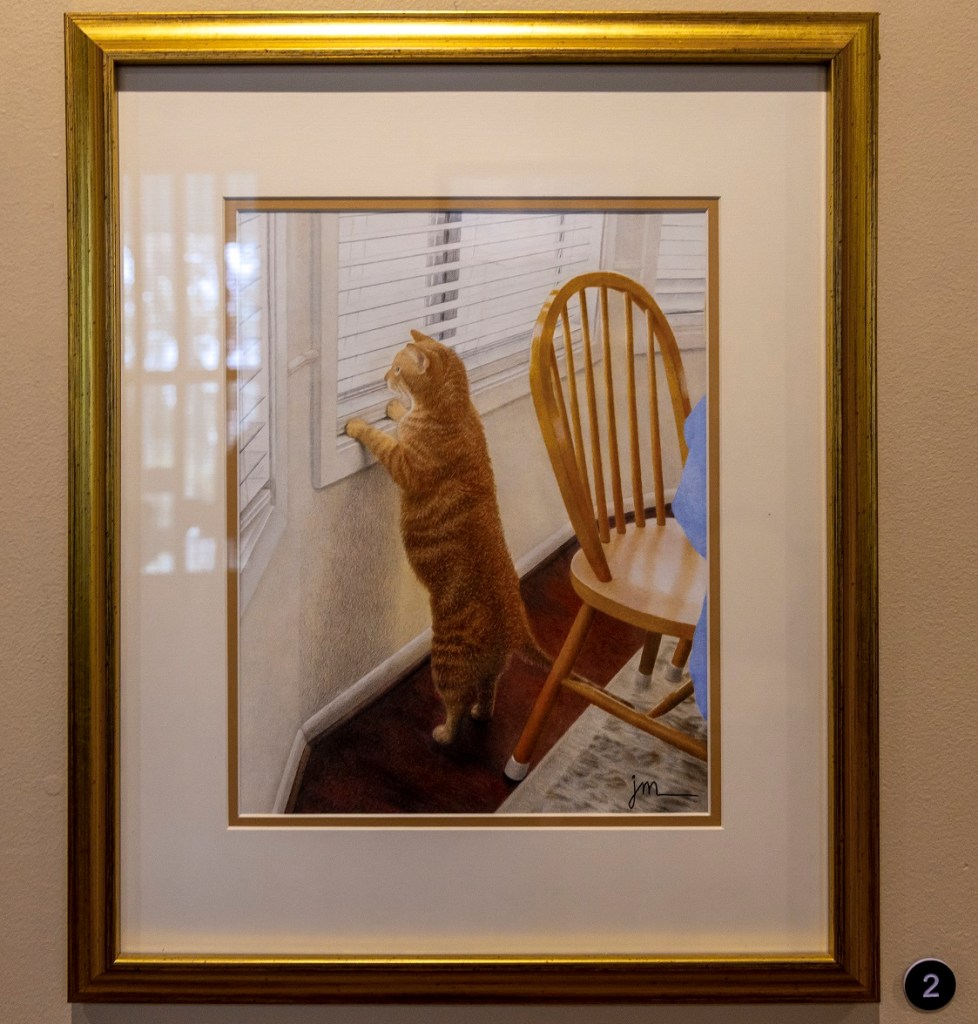
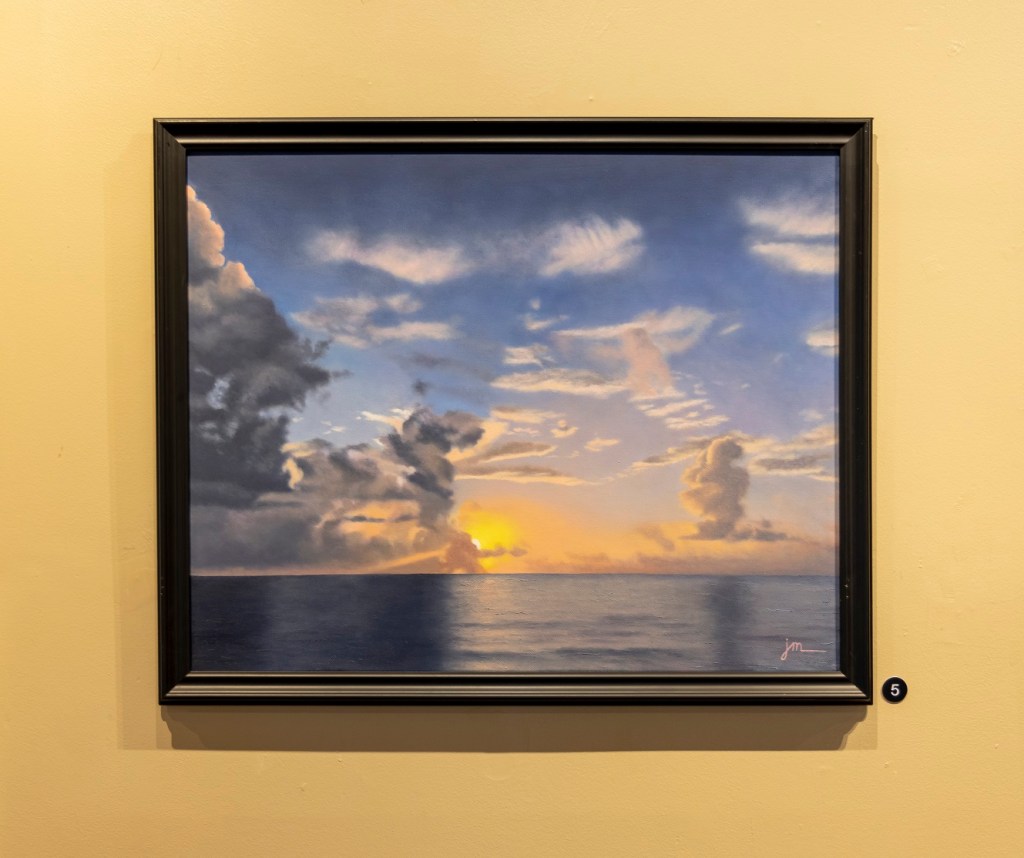
…but that doesn’t mean there wasn’t artworks to be appreciated. We took the opportunity to view the Wynne Home’s current exhibit: “Speaking In Color and Light” by Jane Manthei. Although beset by autism and growing up largely non-verbal, Manthei uses her artwork to communicate and express how she perceives the world.

Manthei’s work is almost photographic in its realism, using intricate and tiny details to configure landscapes, portraits, animals, and nature. 

It was a rewarding day in so many ways, and we wish to thank the community, the sponsors, and the donors for coming together. And, of course, many thanks to the Wynne Home for hosting an event integrating art, community, and public service in Huntsville!

Learning, and Dining, with SHSU Deans

Morgan Robertson

As another measure of celebration for Sam Houston’s Birthday, SHSU Staff and Alumni ventured to the Capitol to deliver a very meaningful gift to all legislative members. The David Adickes statue on Southbound I-45 depicts our great namesake with his signature cane. So, to add a piece of SHSU in the Texas Capitol, legislators were gifted with General Houston canes!

Dean Li, Alumni, Jessica Cuevas, Morgan Robertson, and Sam Houston’s “Cane”

After all of the canes had been distributed, the Deans and interns made their way down Congress Avenue and up to the 10th floor to meet former LEAP Ambassador, Christina Gonzalez, now VP of Governmental Affairs for AECT . Thanks to Professor Yawn’s coordinating, and Christina’s generosity, SHAIP interns had the pleasure of having lunch with Dean Roper, Dean Li, and Dean Lyons!

Dean Roper, Dean Lyons, and Dean Li

We were greeted with great hospitality, and delicious food! We filled our plates with lunch from Alonti. However, the best part of our afternoon was, of course, the conversation!

Dean Li with CHSS Majors:
I. Cuero, A. Sheffield, J. Cuevas, Y. Mendoza, B. Demyers, & M. Robertson

We all were given the challenge to tell the Deans more about ourselves and share what the past two months of our semester looked like. Then, the lunch turned even more into a roundtable. Christina shared some of her wisdom about working at the state level. She reminisced on her time as an intern and described how it was getting her very first bill passed.

Dean Roper and Public Health Major Ashlyn Parker

The Deans asked us how SHSU better prepared us to work in Austin and what new skills we would be taking back to SHSU from our experience in Austin.

Regarding how SHSU prepared us, we unanimously agreed that the Career Success Center and its staff are great resources. Yvette and Jessica noted that the Reba Bock Career Closest has helped as well.

As our youngest Intern, Breanna said she is excited to see how her experiences in the working world translate to her next few years at Sam: “There is only so much knowledge that you can gain in a classroom setting. My time at TAC, Texas Association of Counties, has taught me how the state interacts with urban and rural counties alike.”

Dean Lyons with CJ Majors: Jessica Cuevas, Jayelynn Bordeaux, and Alum Christina Gonzalez

Christina’s generosity extended to allowing us to use AECT’s beautiful view down Congress from their balcony to snap some photos! After some strategic coordination. We were able to get some great photos with our Deans.

On behalf of the LEAP Center and the SHAIP Interns, thank you to Christina for hosting a great lunch with even better company and to the Deans for sharing your knowledge and supporting us in Austin!

Beyond Bars: Prosecution & Courts

October 11, 2022

The second step in our journey through the incarceration process involves the prosecution and courts! We had an excellent opportunity to have a Walker County Courthouse tour, one led by County Court at Law Judge Tracy Sorensen. To discuss the prosecution side of things was Jennifer Jenkins, Senior Felony Prosecutor for the District Attorney’s Office. Every participant walked into the courthouse excited to hear the inner workings of a court from a judge’s and prosecutor’s perspectives.

Starting with the County Court at Law courtroom, Judge Sorensen explained her defense attorney days, as well as her two terms as Judge.

She oversees and handles cases involving juveniles, probates, child custody, and adult misdemeanors in the County Court at Law. Judge Sorensen has a trial jury of six total jurors in the issues that make it to trial.

We were even being taught scenarios about some instances that Judge Sorensen could hear and Prosecutor Jenkins might prosecute. For example, one of the students in Beyond Bars, Rachel Hill, was kind enough to let Professor Yawn use her as an example of a college student caught with less than a gram of marijuana.

Judge Sorensen and Jenkins mentioned they could probably reach a deal, one that might allow for a deferred adjudication, allowing Ms. Hill to keep this incident off her record. This made Ms. Hill very happy.

It was interesting to hear how the process works, while also getting advice from both Ms. Jenkins and Judge Sorenson.

Making our way up to the other side of the courts is the District Court, where Judge Hal Ridley and Judge David Moorman preside when in Walker County. These courts are physically larger, with space for a larger audience and 12 jurors. Portraits of prior judges are hung in the room, along with a portrait of Sam Houston.

While in this room, we shared our experiences of being a juror.

One of our participants, Steve Covington, discussed the time when he was selected to be on a jury hearing a pornography charge. As a juror, he was “forced” to watch hours of pornography in the jury room (with a jury consisting mostly of older women) to determine whether the content was criminal.

Ms. Jenkins and Judge Sorensen were kind enough to join us for dinner at Sam’s Table, where we all had a variety of Sam’s Table’s special menu items such as the Caprese Panini, Sams’s Secret Burger, and the Casado. Everyone enjoyed their meal while they had the opportunity to ask more questions about what it is to be a prosecutor and judge.

We took in new information from the tour and dinner; for that, we would like to thank Judge Sorensen and Ms. Jennifer Jenkins! It was fantastic getting to know more about the prosecutions and courts.