By Allie Plunk
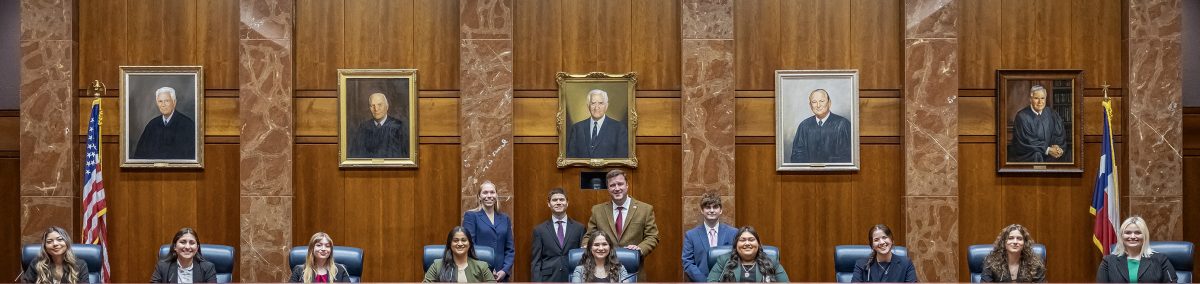
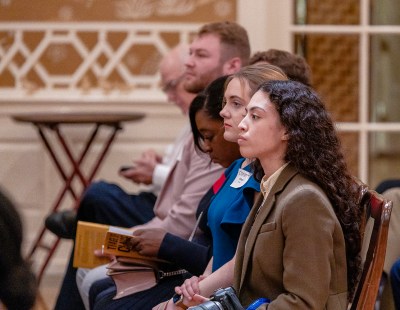
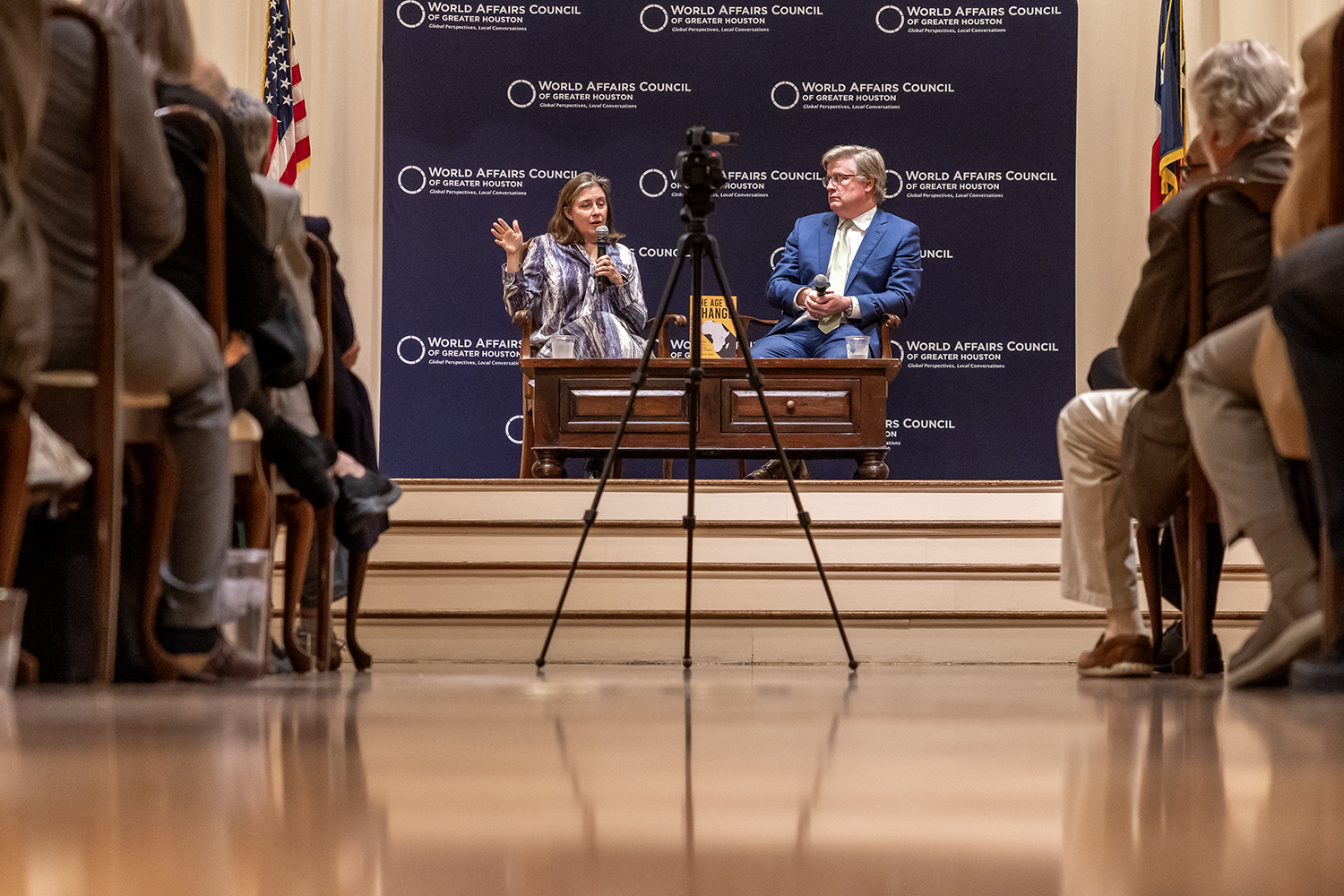
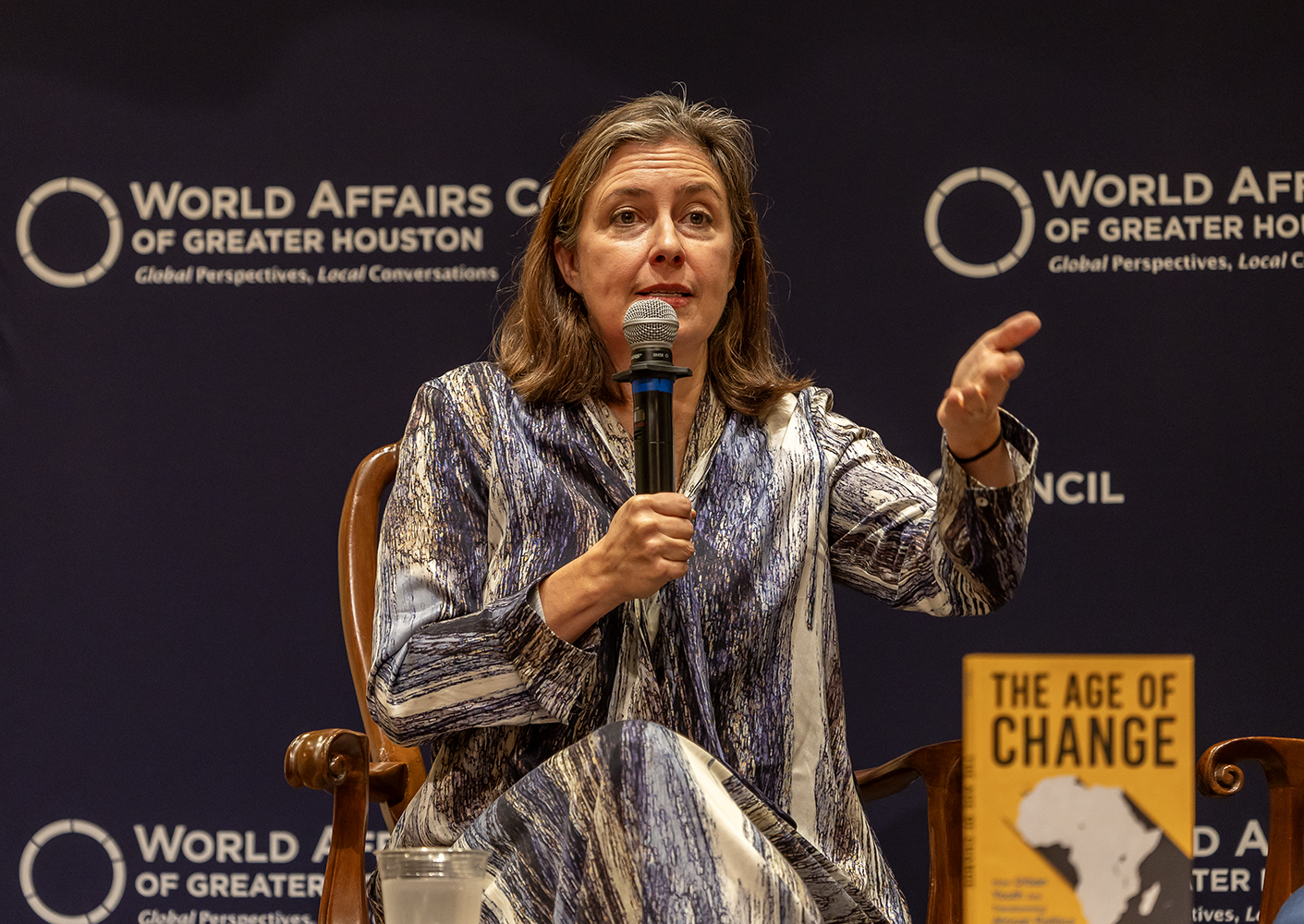
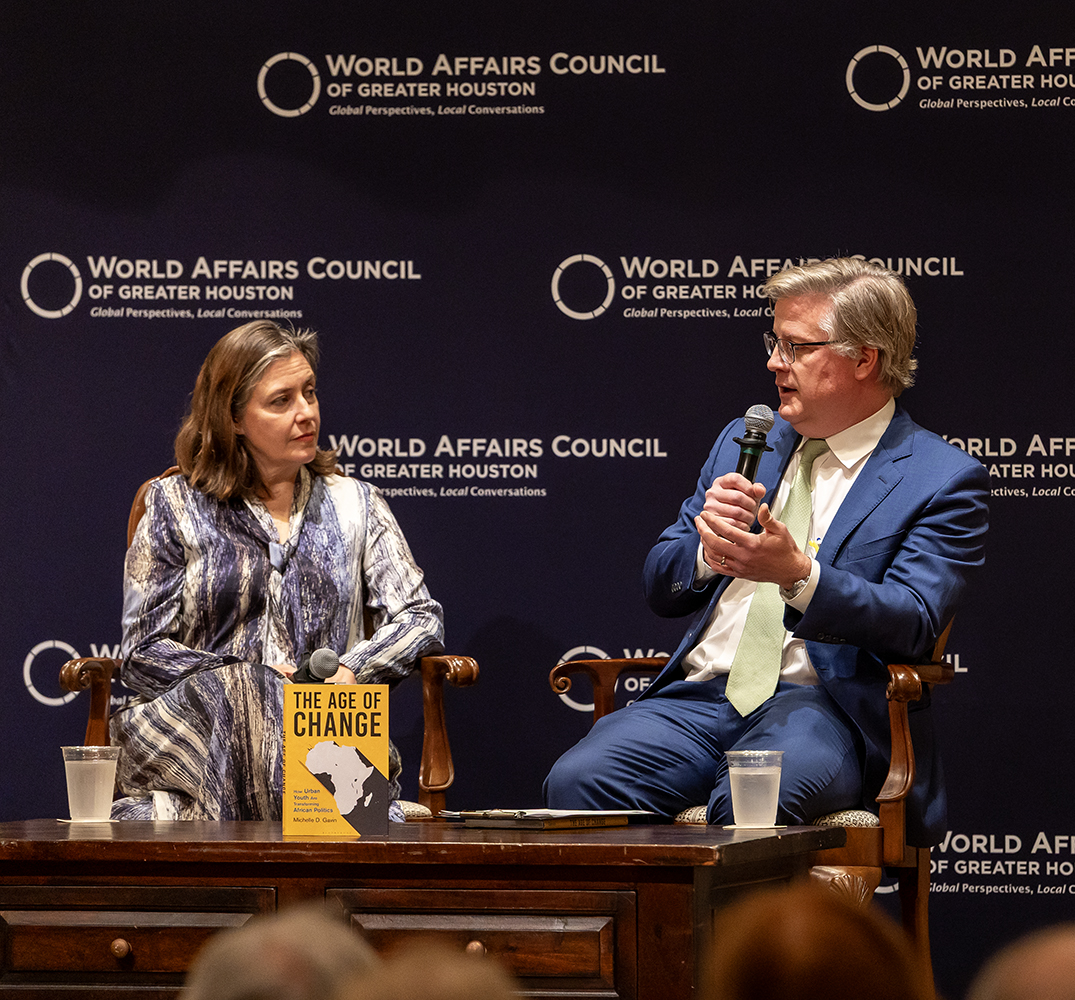
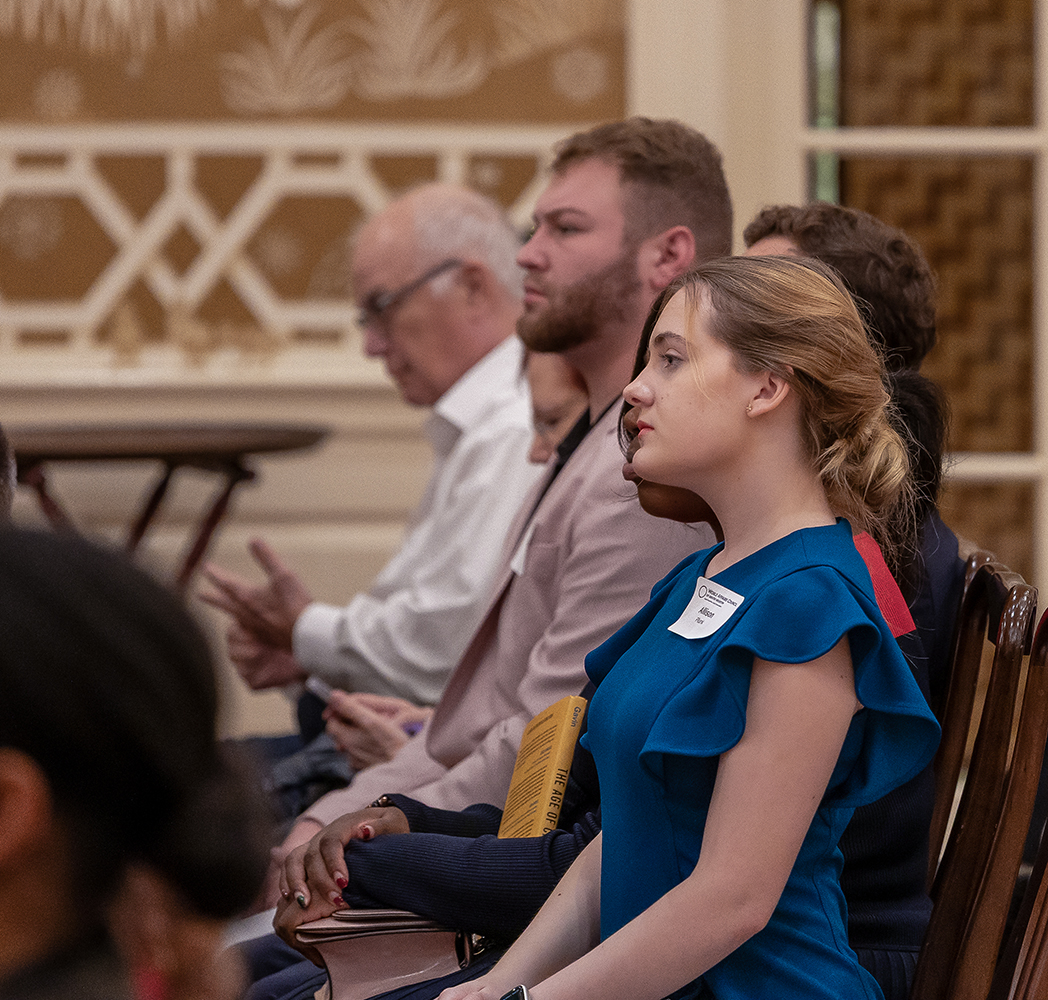
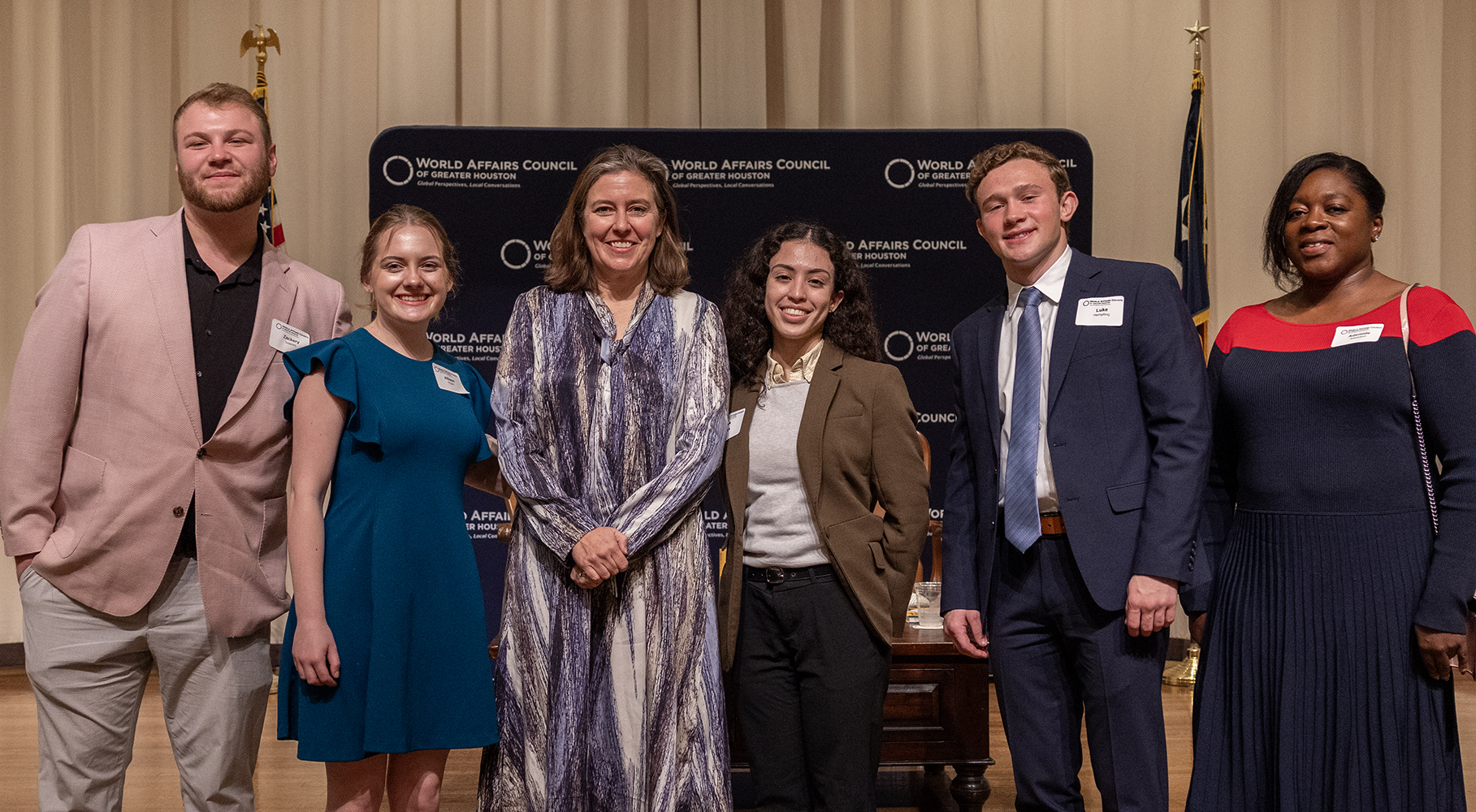
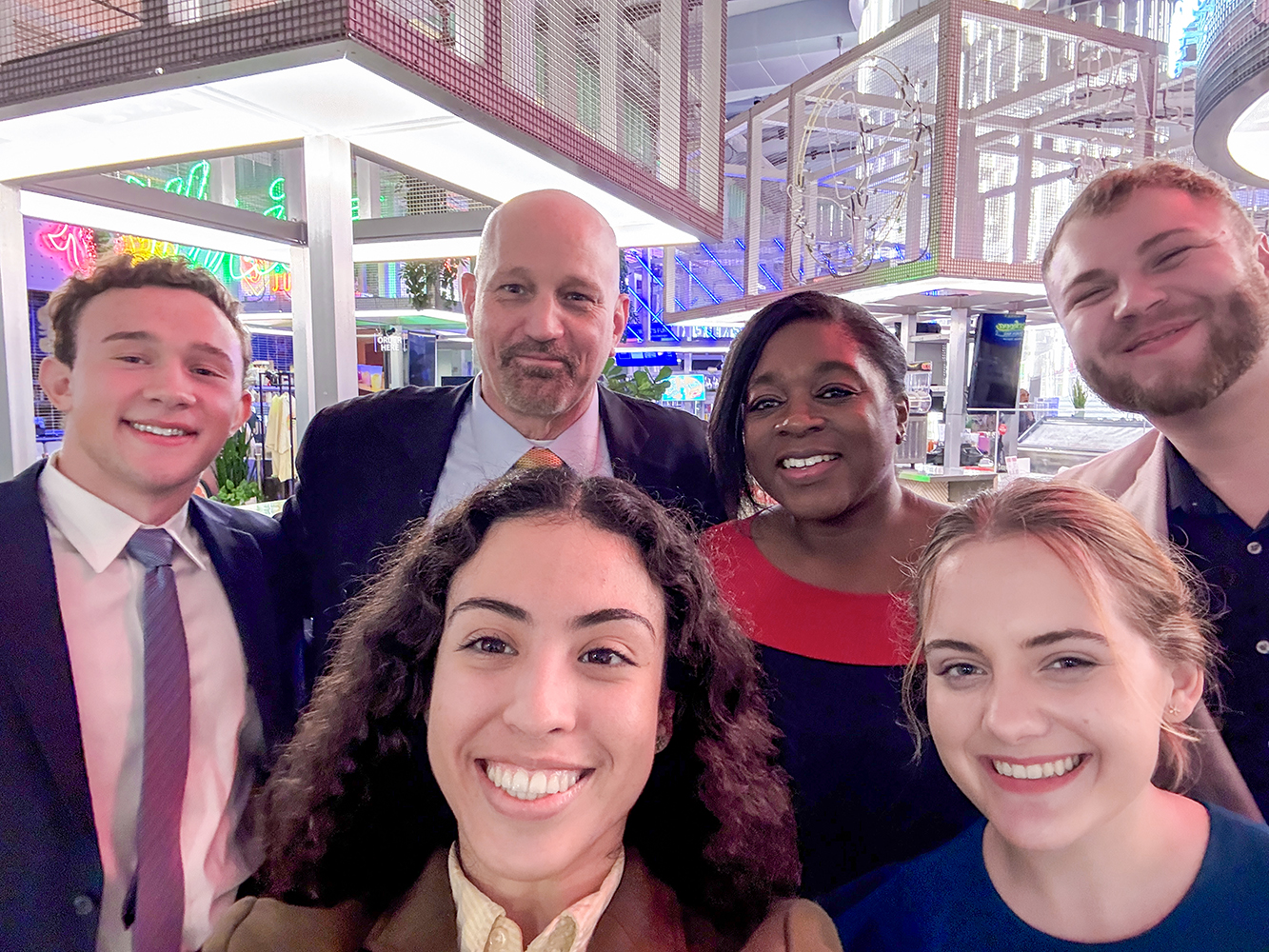
On February 2, LEAP students Zackery Isaacks, Mikaela Baires, Luke Hempfling, and I accompanied Professor Yawn and former Junior Fellow/LEAP Ambassador Ademide Adedokun to the Junior League of Houston to hear Ambassador Michelle Gavin speak about the rapid changes occurring in African politics– and what that might mean for the futures of African youth.
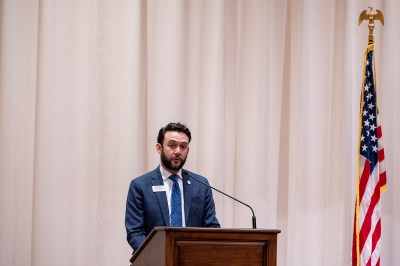
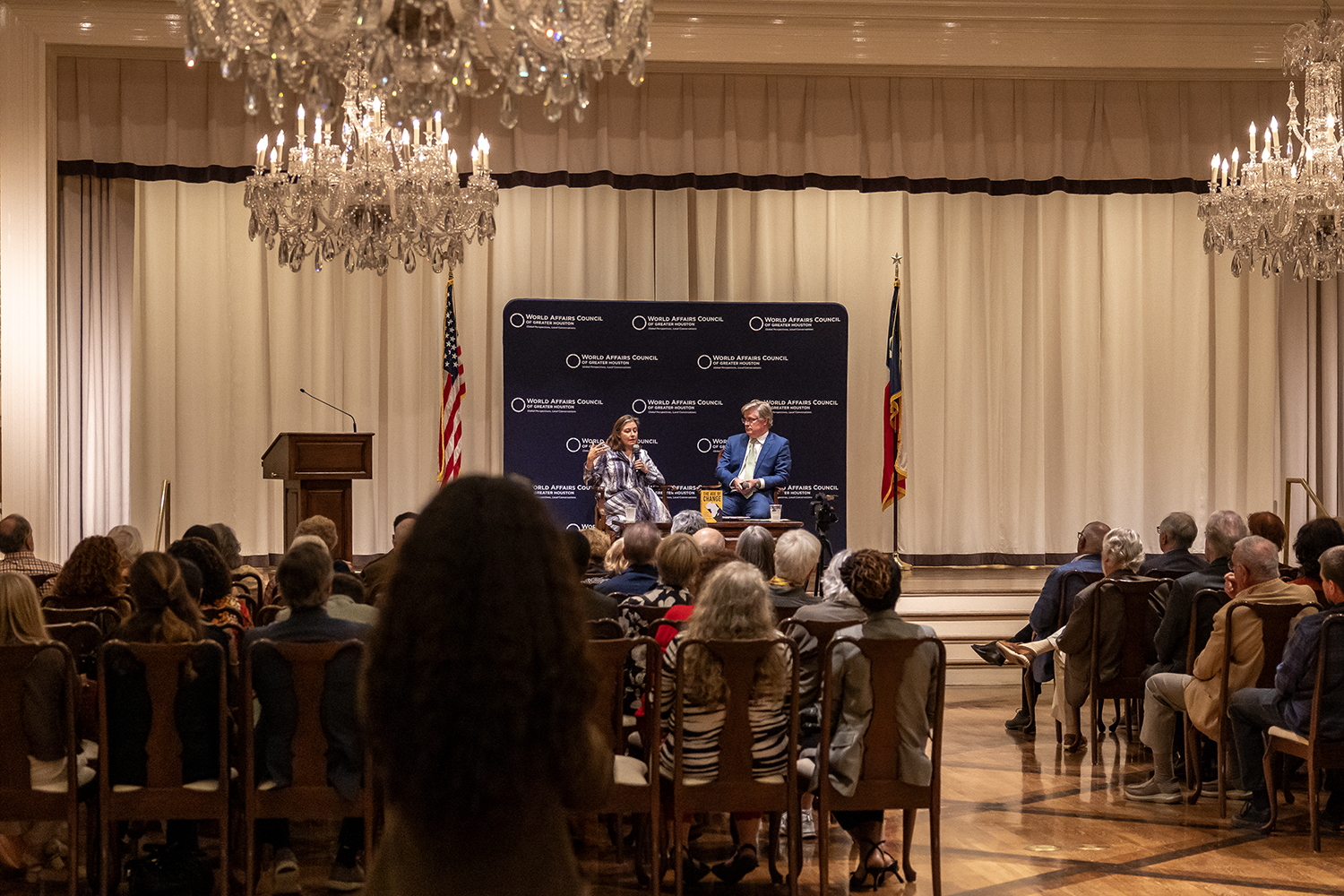
After Jahan Jafarpour, the Director of Programs, offered a brief introduction…
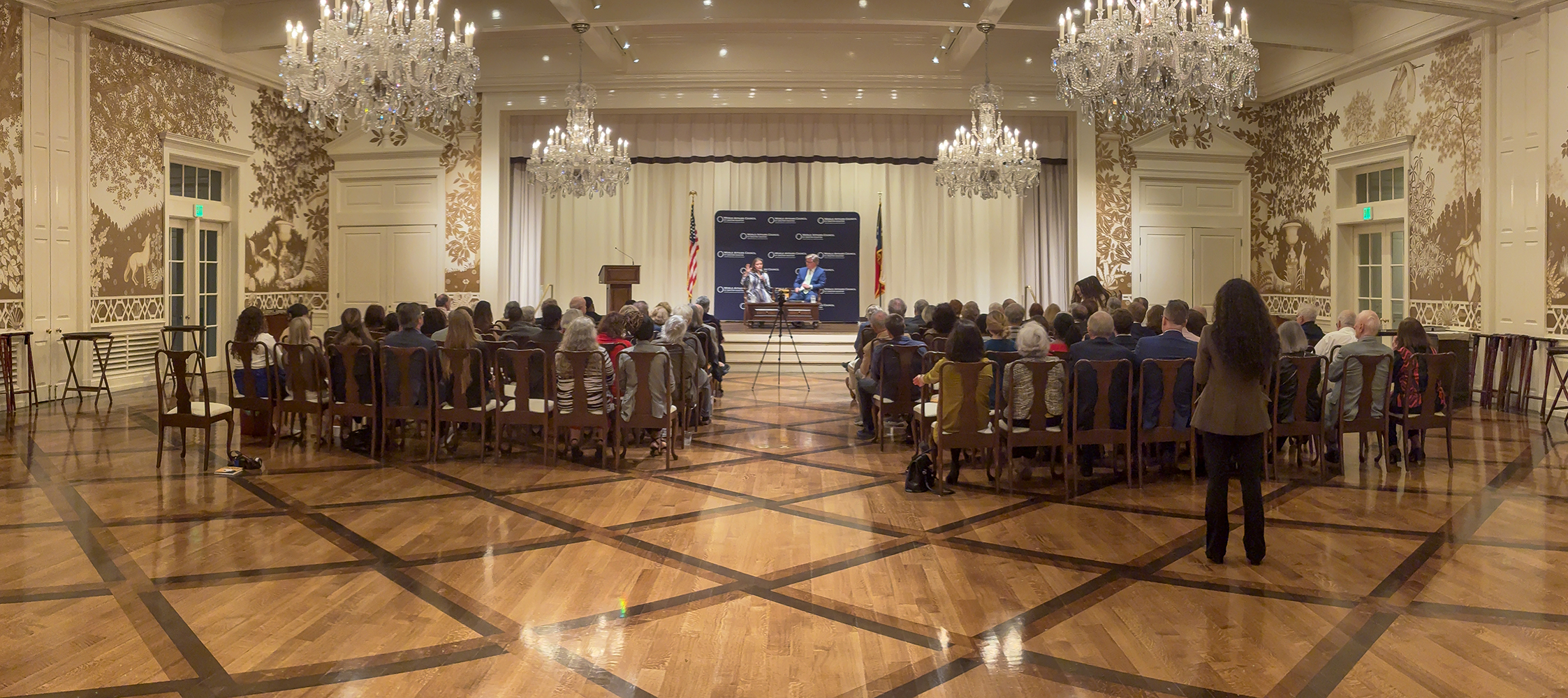
…our favorite moderator, Ronan O’Malley, began the interview, discussing some of the ideas Ambassador Gavin explores in her book, The Age of Change. One of these is the concept of a “demographic dividend,” which means a big boost to national productivity due to the increase of labor force and decrease of dependents, and this is occurring in a large number of Africa’s 54 countries.
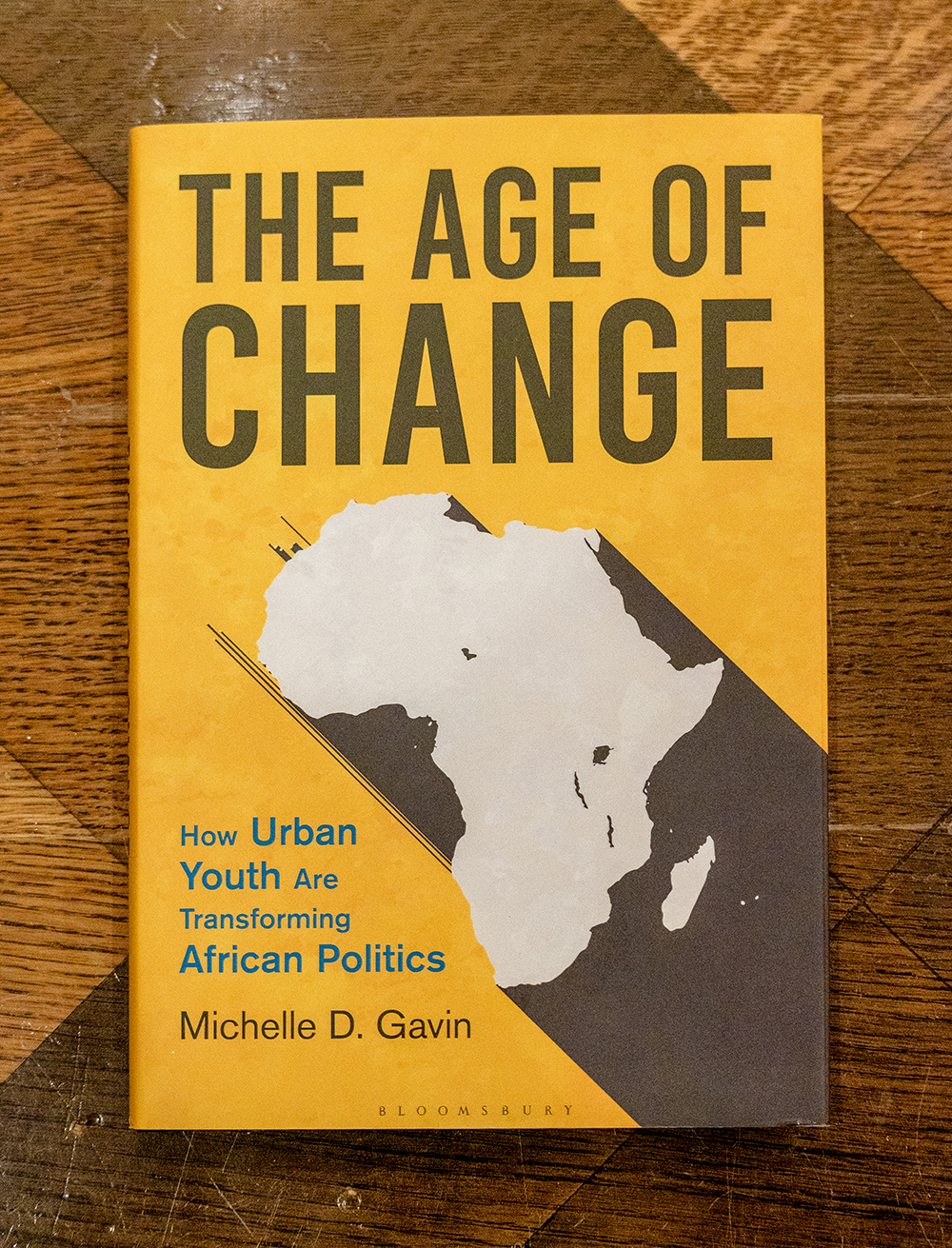
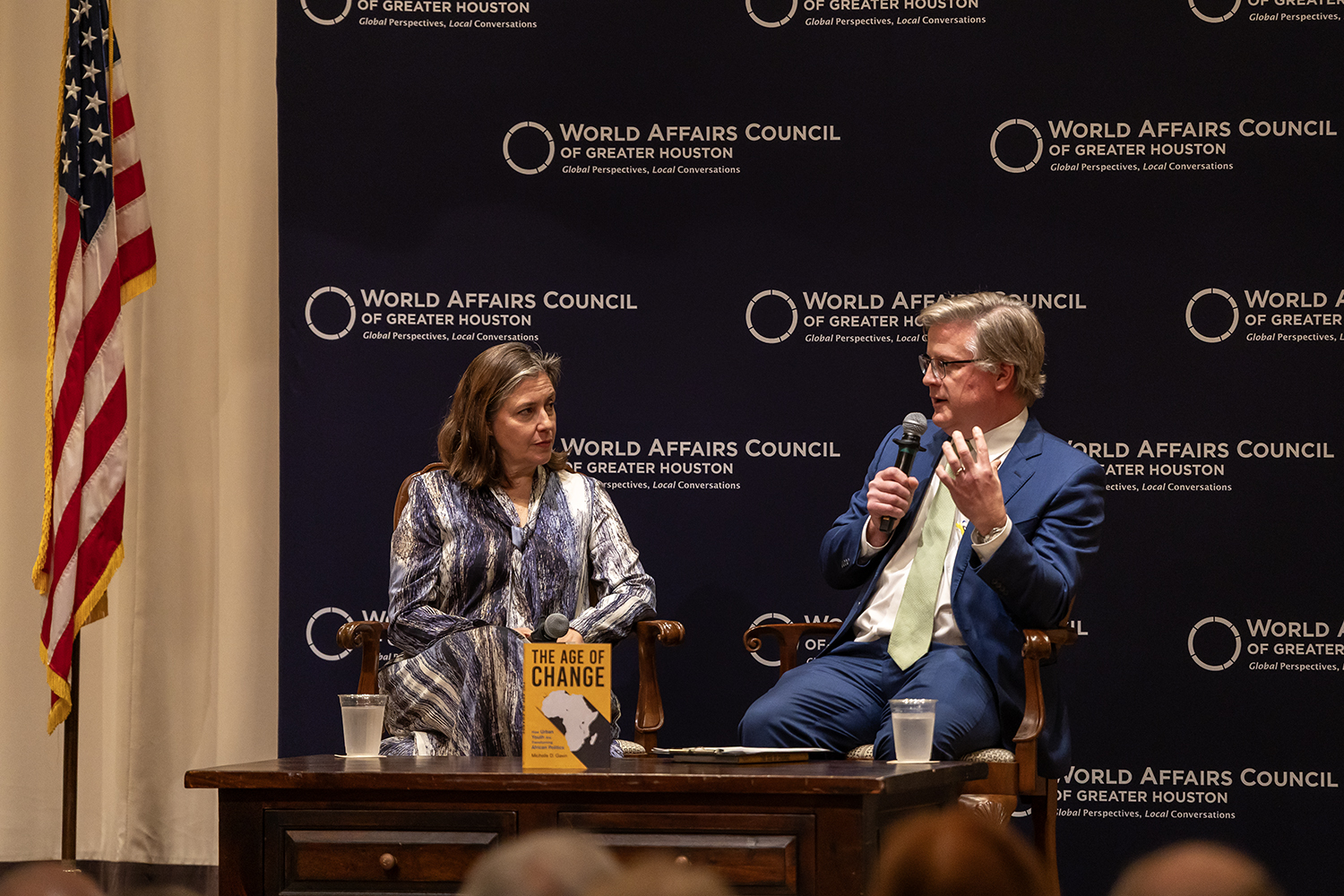
While young people are gaining power in numbers and entering the job market, older generations are still running the government. Ambassador Gavin highlighted the example of Paul Biya, the President of Cameroon, who has been president for forty-three years, and he was just re-elected in October for another seven-year term. While some may political stability, others may see the potential for corruption and a stale–rather than dynamic–political culture.
Such regimes, according to Gavin, may not last much longer, as the African youth are becoming increasingly urbanized and have more resources to be connected. Under such circumstances, political organization becomes possible and real change can occur.
There are models of successful democracies in Africa, and if young people use countries such as Botswana as models, it is realistic to think that democracy can spread. Botswana has maintained peace and stability by electing good leaders, preventing corruption, and using their greatest natural resources (diamonds) wisely. In terms of governance, they use “Kgotla meetings,” something akin to “town halls,” which allow citizens to bring questions and concerns to community leaders. This provides for a sense of interconnectedness, promotes accountability, and allows for clear and frequent communication.
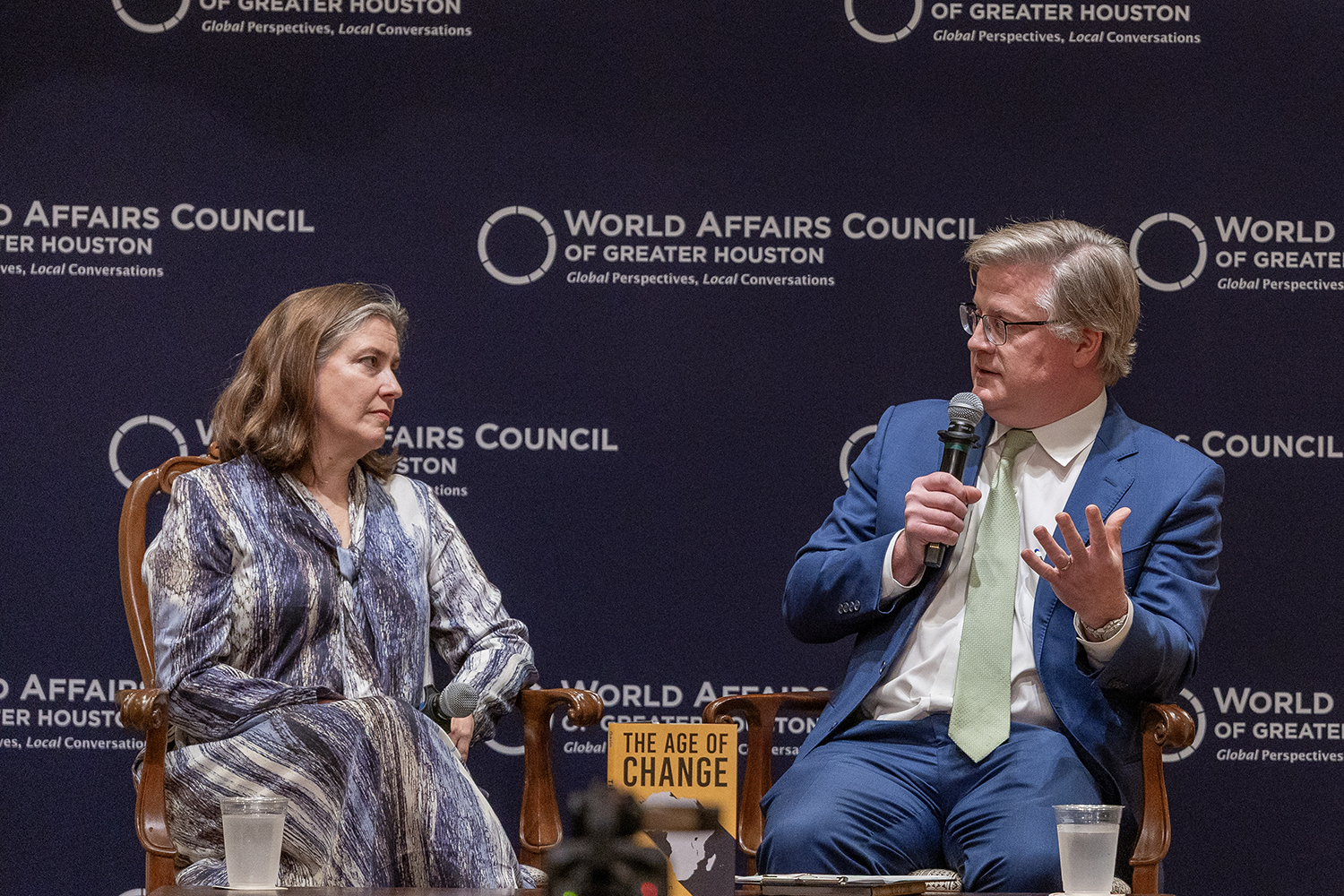
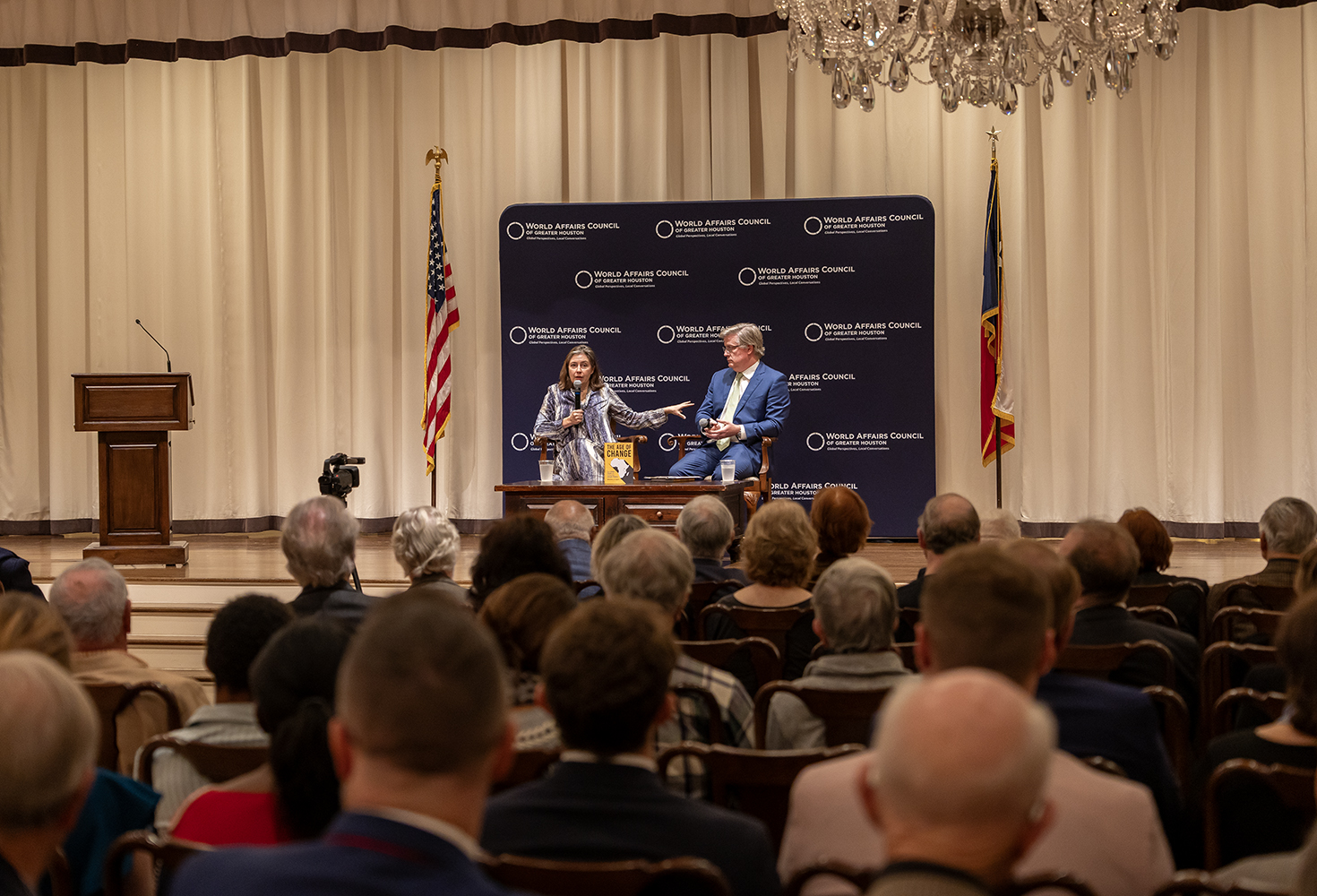
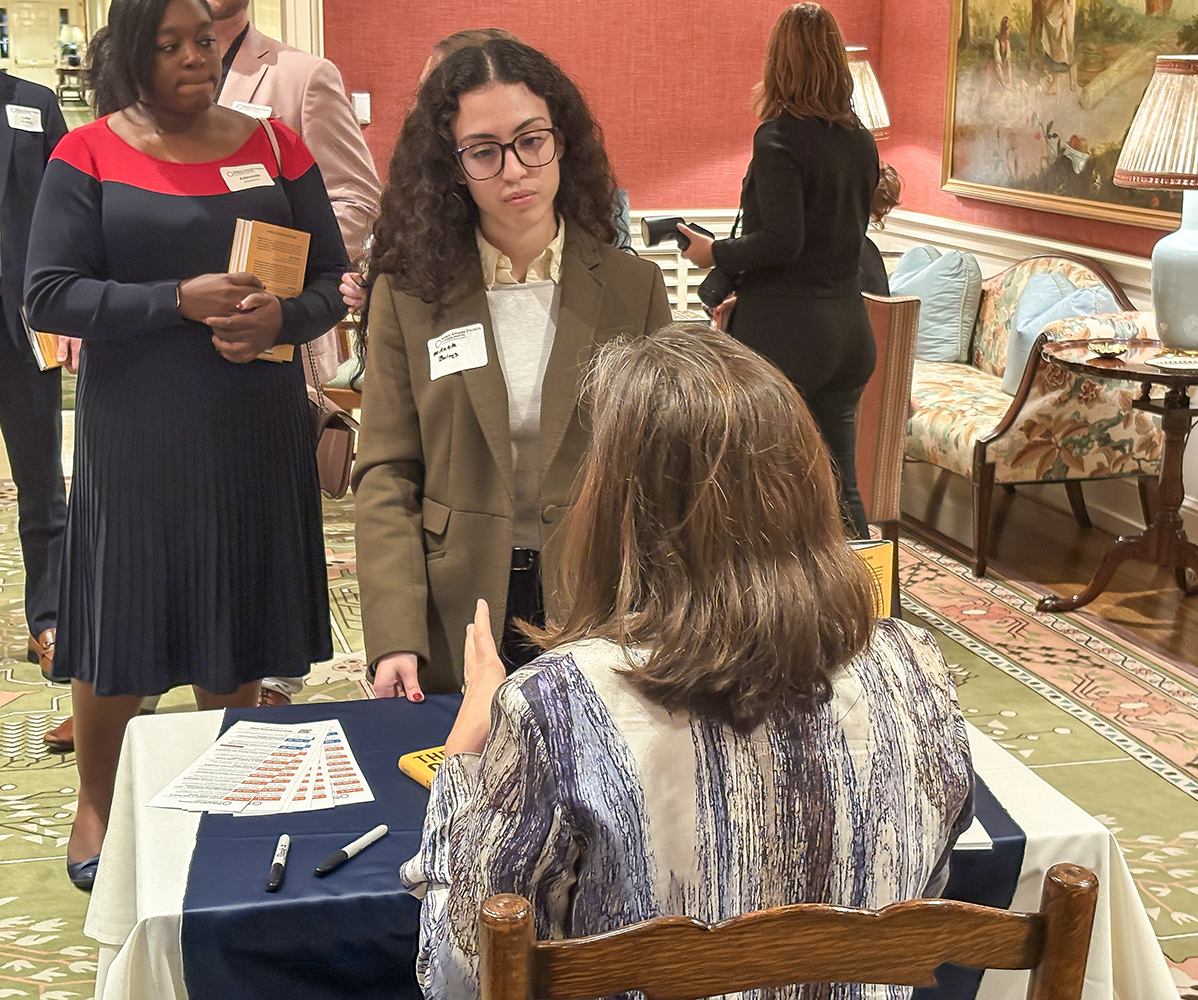
Following the talk, Maria Guarache swept us up to see Ambassador Gavin, and we were able to get photographs and our books signed, capping off a wonderful program.
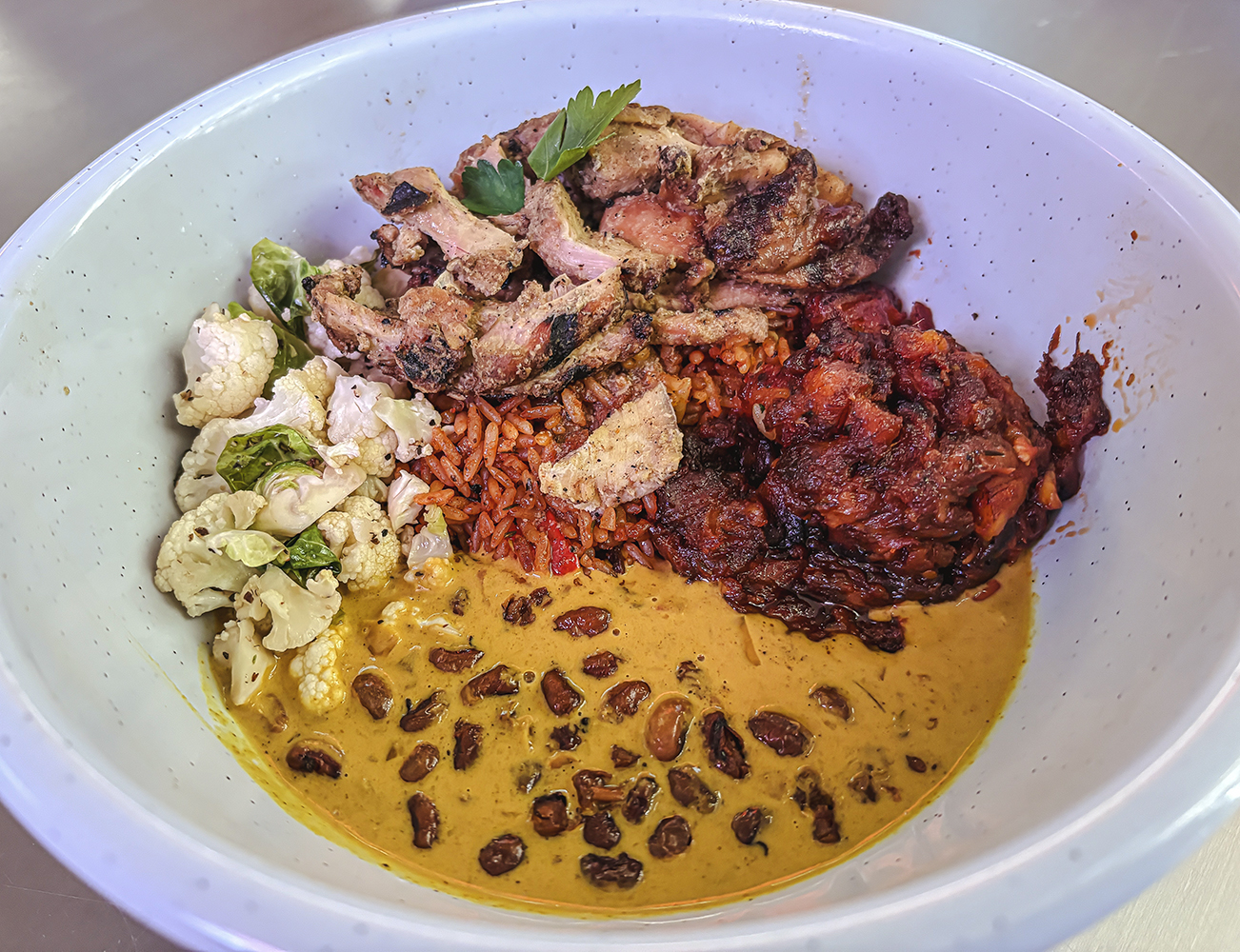
And, to further enhance the evening, we joined Ms. Adedokun at ChopnBlok for some African food. Many of us had never tried African food before, so it was a nice way to add even more educational aspects to the field trip, while also learning more about Ms. Adedokun and her career, her perception of African politics, and a little bit of LEAP history, all wrapped into a top-notch meal by a James Beard Award-winning chef.


 Center for Law, Engagement, and Politics