On our day in Oklahoma, we were determined to visit the Oklahoma City Bombing National Memorial & Museum, a site strategically sandwiched by us between happier visits to the Oklahoma Capitol building and the Oklahoma City Museum of Art. We were wise to begin and end our time in OKC with happy destinations, because the Bombing Museum and Memorial is a sobering and emotional experience.
Oklahoma City Bombing National Memorial & Museum
After getting a glimpse of Oklahoma’s history from its Capitol, we went on to learn more about one of the state’s darker days. The Oklahoma City Bombing was a tragic instance of domestic terrorism in which 168 people were killed and 680 injured. On the grounds of this tragedy, the Oklahoma City Bombing National Memorial & Museum was erected.

Upon entry, we learned of how the Alfred P. Murray Federal Building served the country before its fall. Federal entities such as the Social Security Administration and U.S. Secret Service officed in this structure, along with a daycare center.

The museum unfolds chronologically, providing a history of the 1990s in general, as well as the events surrounding the bombing. The morning of the bombing, April 19, 1995, unfolded largely like any other, with the Oklahoma Water Board Resources Meeting beginning at 9:00.

At 9:02, the bomb planted by Timothy McVeigh exploded, and Oklahomans’ lives changed forever.

The explosion tore through the building, destroying approximately half of the building, killing not only people in the building, but also pedestrians and bystanders on nearby blocks. Devastation was everywhere.


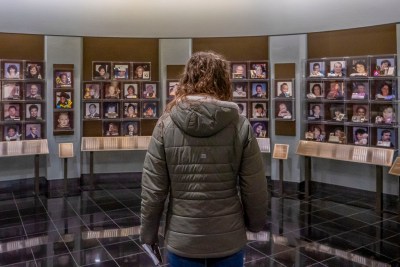
The scope of the devastation was horrific to learn about, but equally as sad were the individual stories that the museum told well.

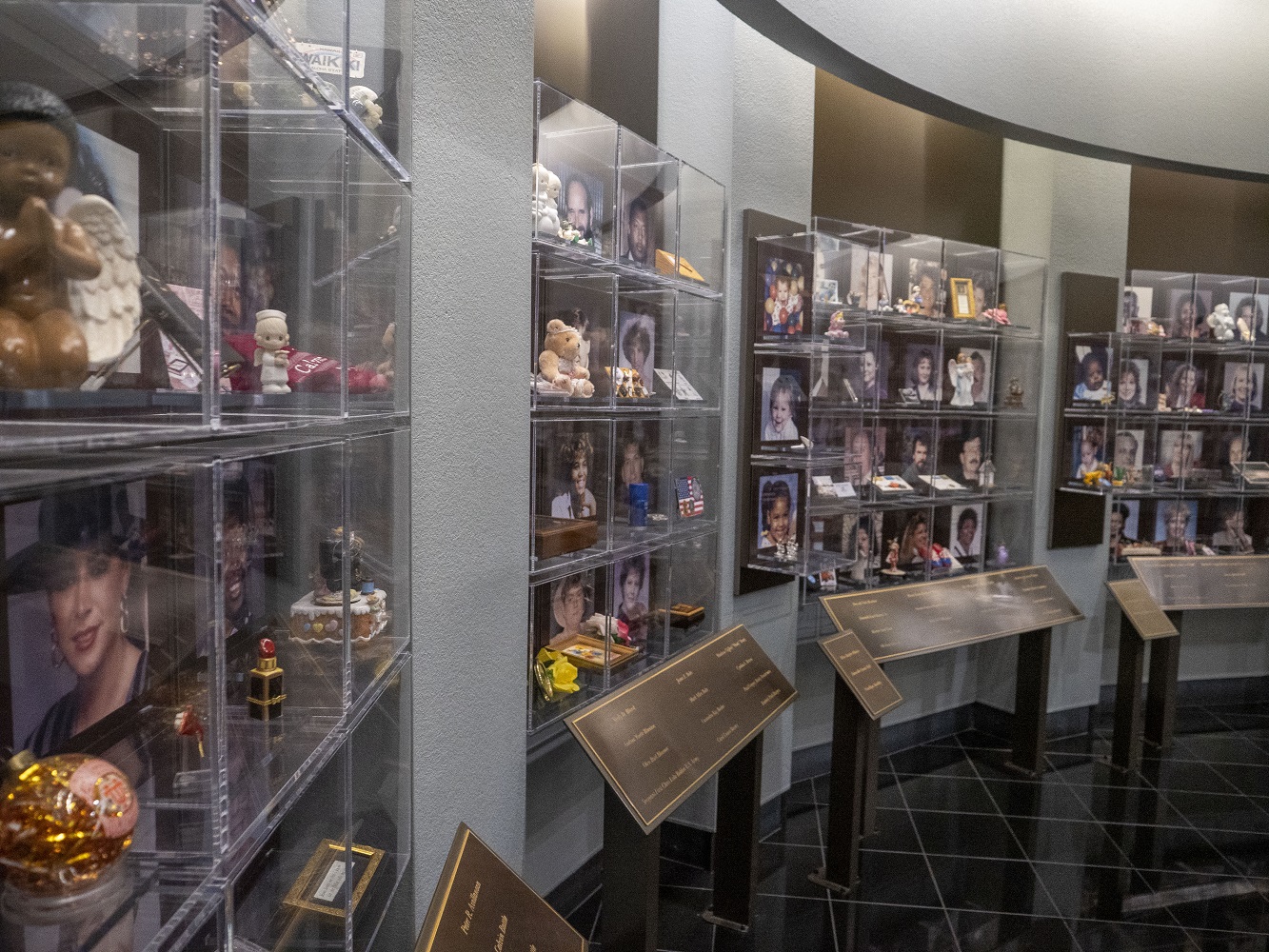
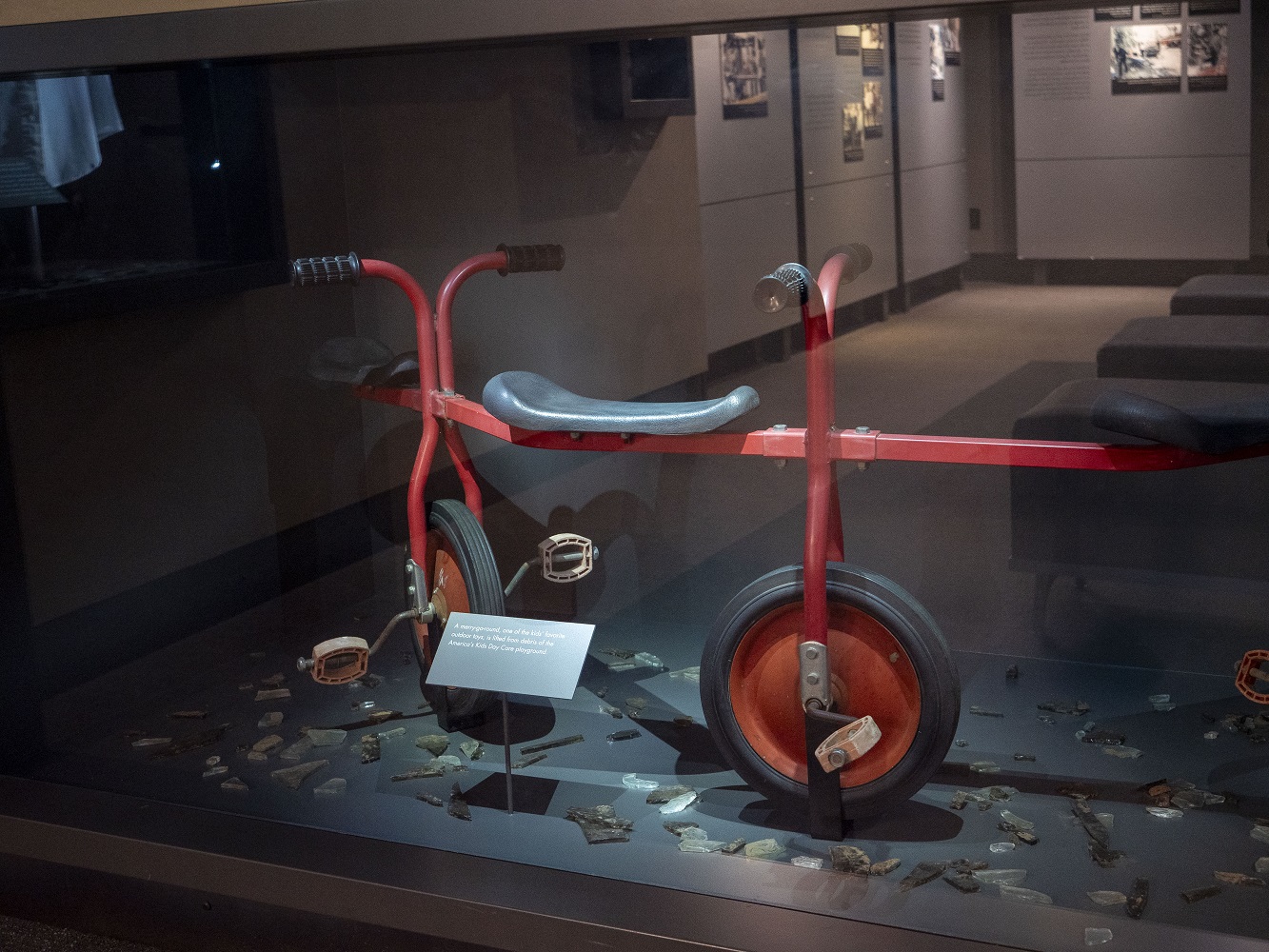
We took some time to immerse ourselves in what was a horrific day, but not one devoid of hope.

What was most striking to me was the strength of the Oklahoma community in a time of such travesty.

Watching the local news broadcasts of citizens bringing heaps of donations, lining up to donate blood, and provide support in any way possible was tear-jerking.

The perpetrator of this act of terrorism, Timothy McVeigh, was arrested after only 90 minutes after the mass murder. Despite planning a huge crime with some complex logistics and carrying it out, he didn’t think to ensure his car had a license plate on it, and this was the ultimate cause of his arrest. Interestingly, SHSU plays a small role in this history, as alum and defense attorney Chris Tritico represented McVeigh during his trial.

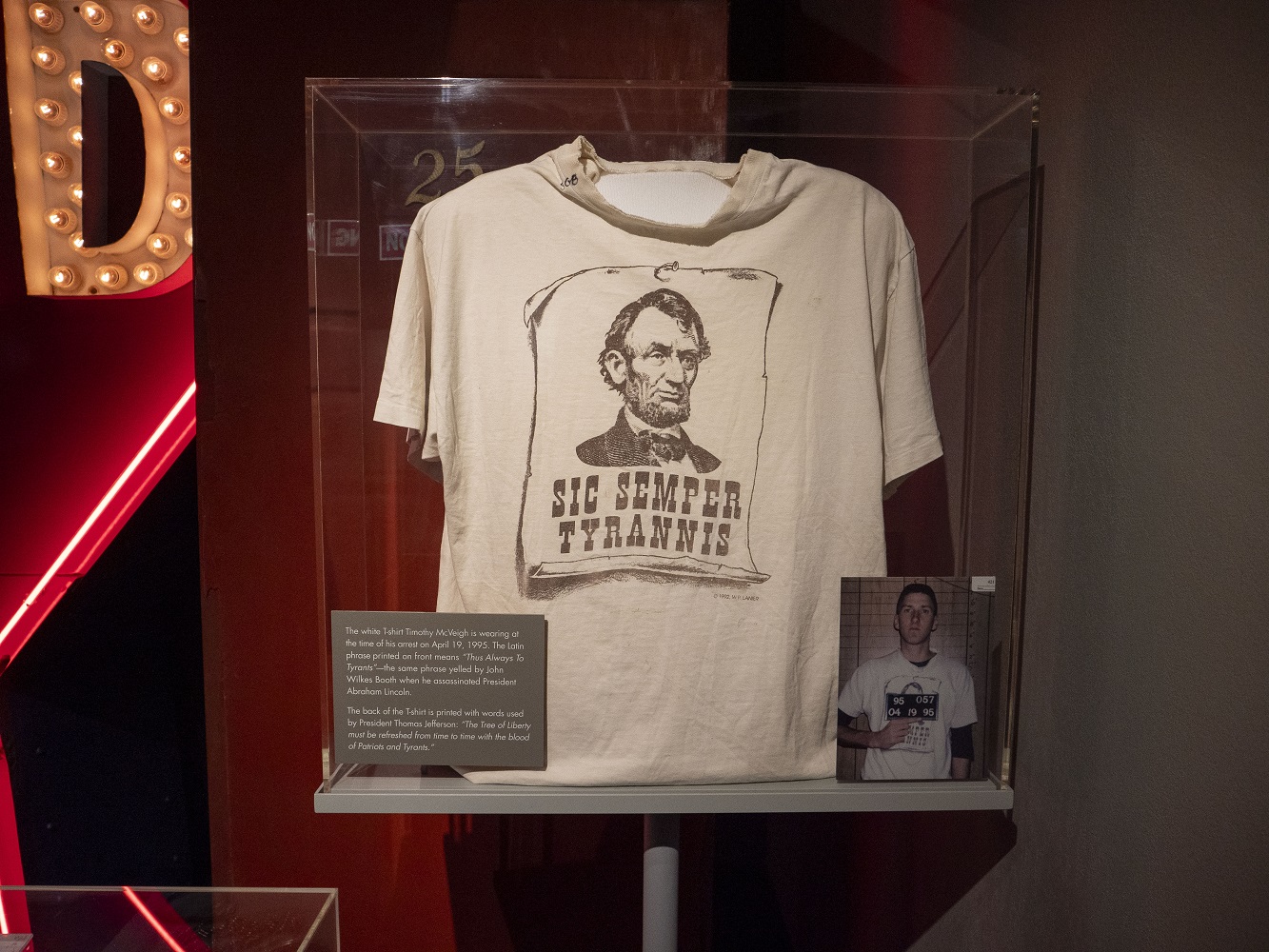

In all, the Oklahoma City Bombing National Memorial & Museum is meticulously crafted to evoke the gravity of this event, while honoring the victims and looking towards a brighter future in an all encompassing, devastatingly profound structure.
 Center for Law, Engagement, and Politics