Based on the weather in the morning…
…we did not expect a full day of outdoor activities.
But with a little help from the weather, and with some weather forbearance on our part, we were able to partake in a full day, which would include a morning of kayaking (see here), an afternoon of exploring Sullivan’s Island, and an evening mixer with legislators, lobbyists, and legislative staff. Quite a day for college students!
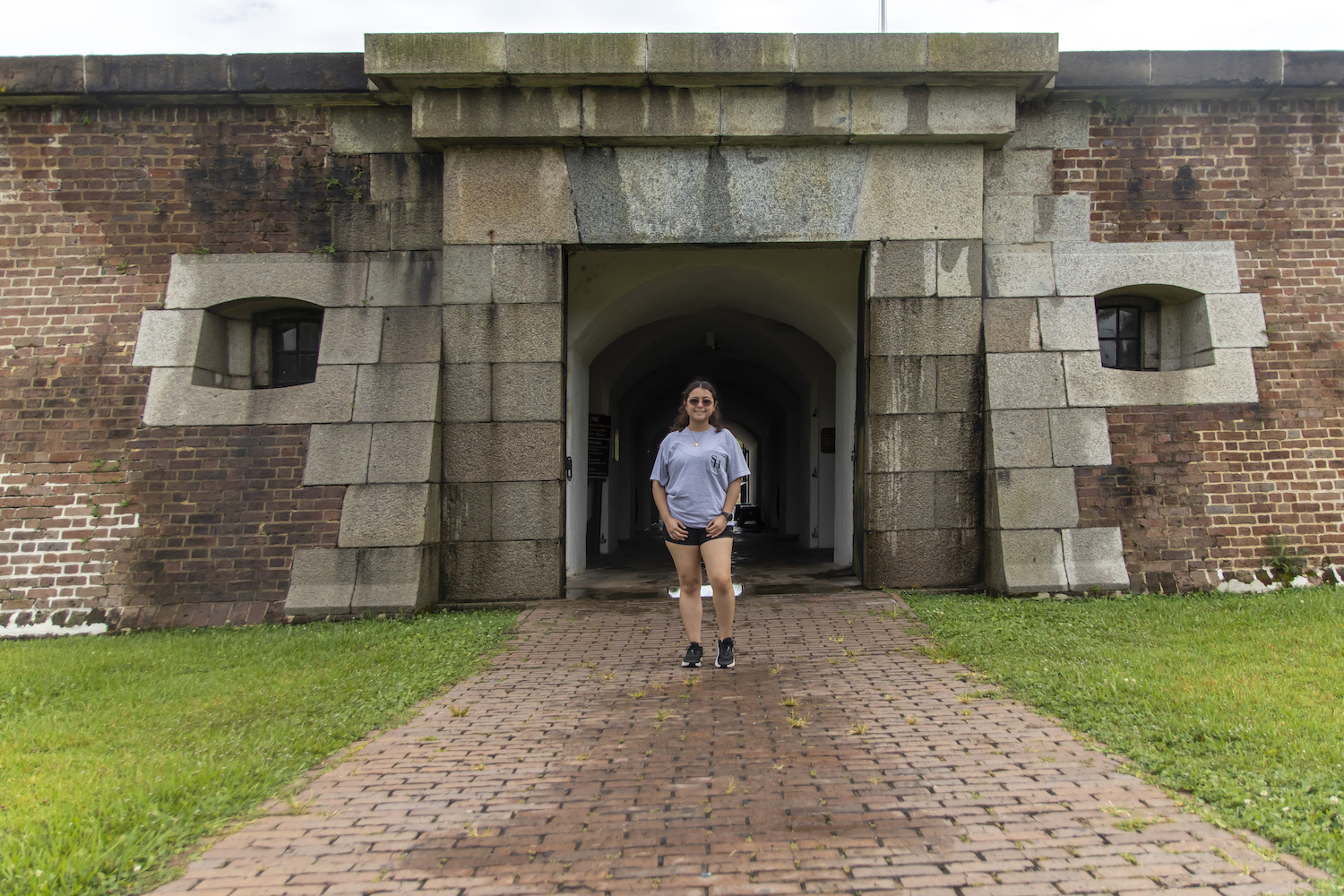
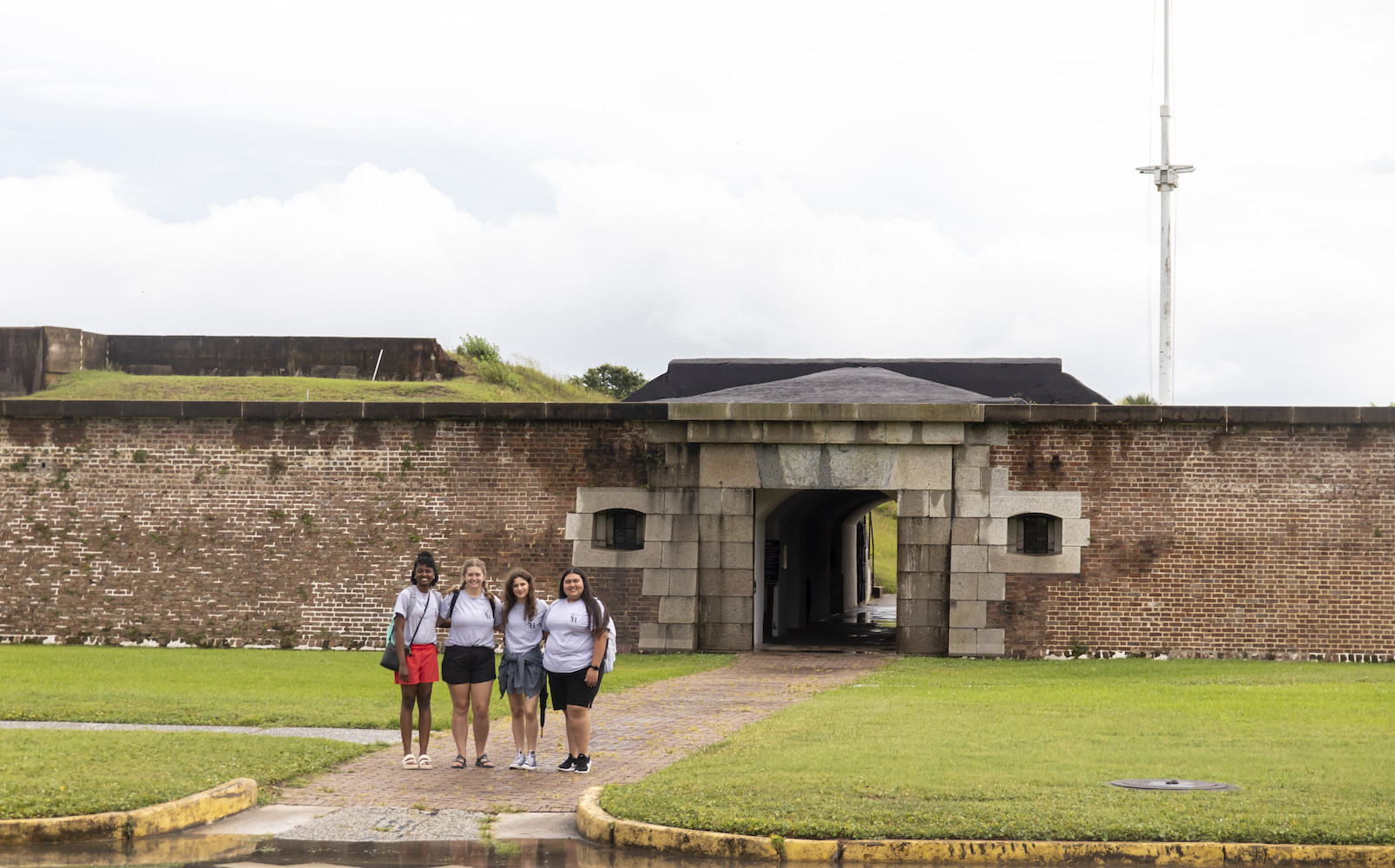
Fort Moultrie
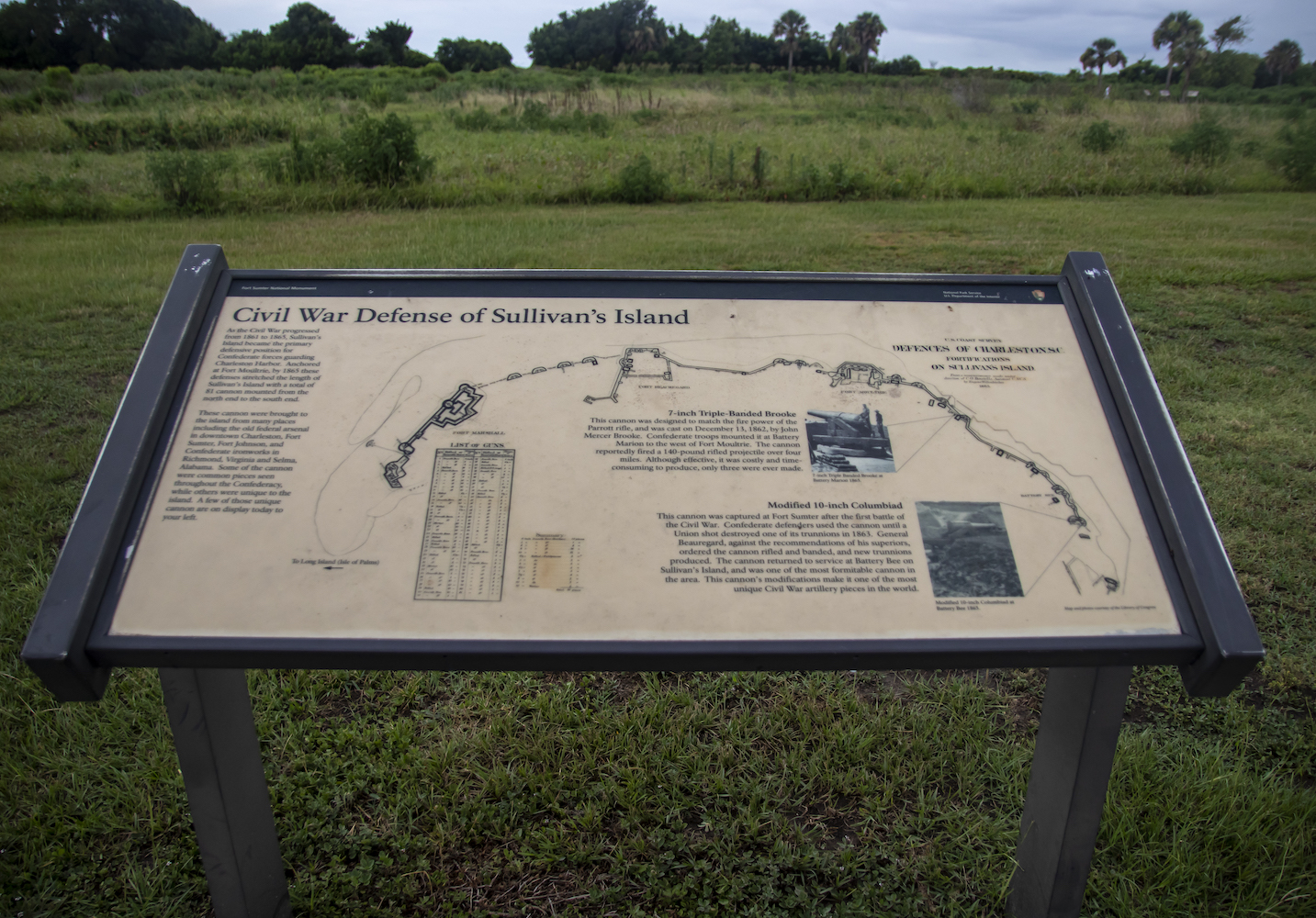
We arrived at Sullivan’s Island ready to explore, despite some rain, and we learned that the name of the island comes from Florence O’Sullivan, who was among the first European to settle and did much to develop the colony of South Carolina in the 17th century.
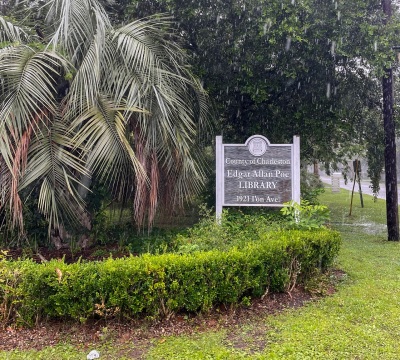
We began by visiting the “Edgar Allan Poe” library, fittingly named not only because it is a library, but also because Poe lived on this island when stationed at Fort Moultrie. It’s even possible Poe stepped foot in the structure that now houses a library; it was a garrison long before it was a library.
Interestingly, Poe wrote “The Gold Bug” here, and he used the island setting in the short story.
Poe was stationed at Fort Moultrie, which played a key role in the American Revolutionary War.
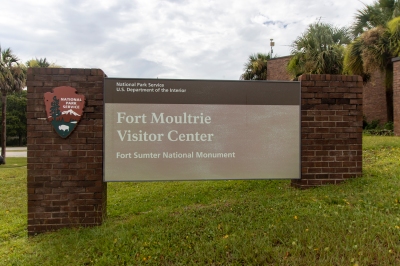
Entering the Fort’s visitor center, we were able to browse the varying artifacts that were preserved from the days the fort was active, such as a 300-pound cannonball, manillas (a form of currency to purchase slaves), and an actual map with the route of the slave trade.
The original fort on this site was defended by South Carolina colonist Col. William Moultrie–for whom the fort is named–and was made of Palmetto wood. When the British attacked, the fort, and Moultrie’s men, withstood the bombardment. Moultrie became a hero, and the Palmetto became the State Tree of South Carolina.
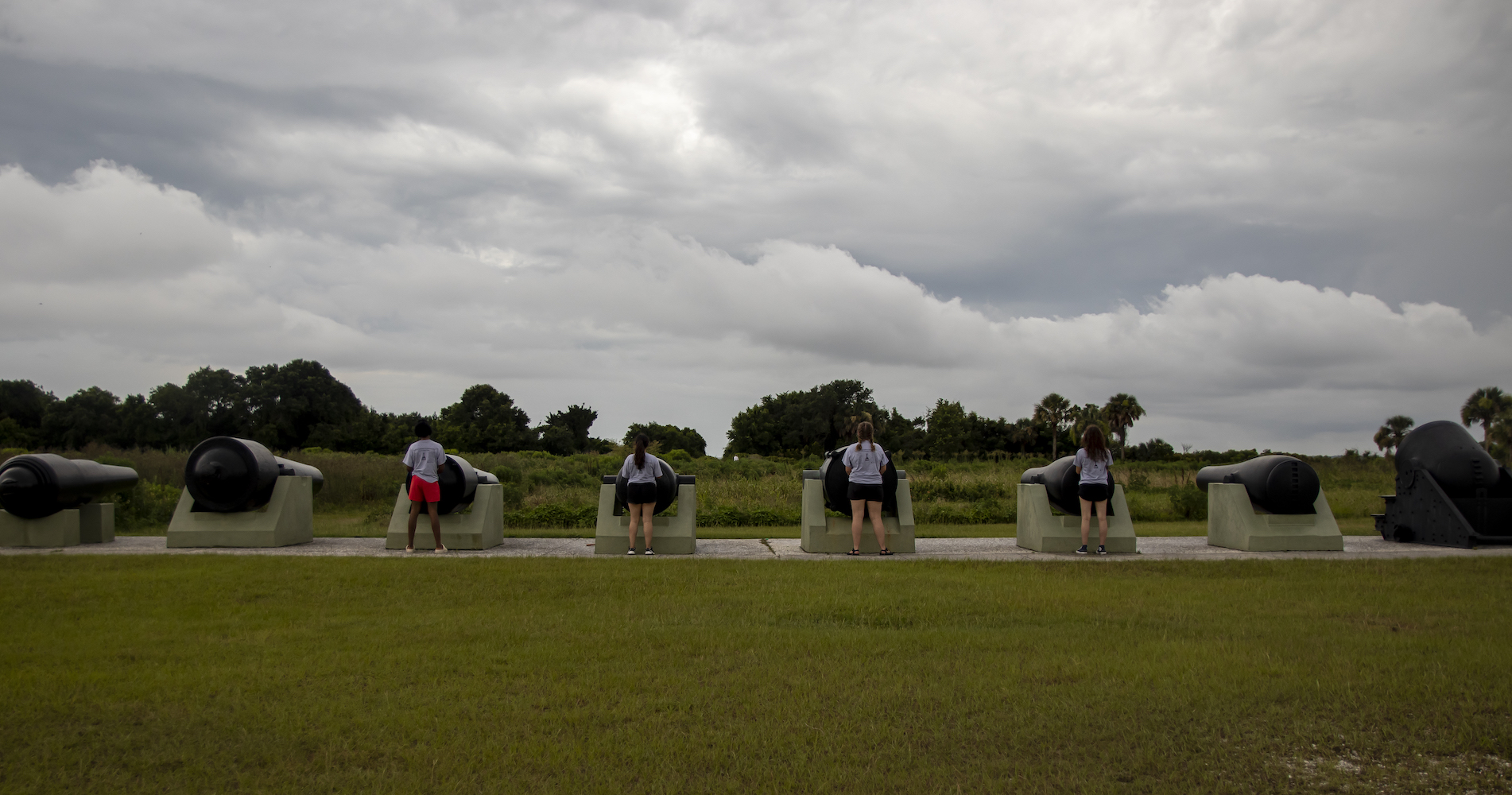
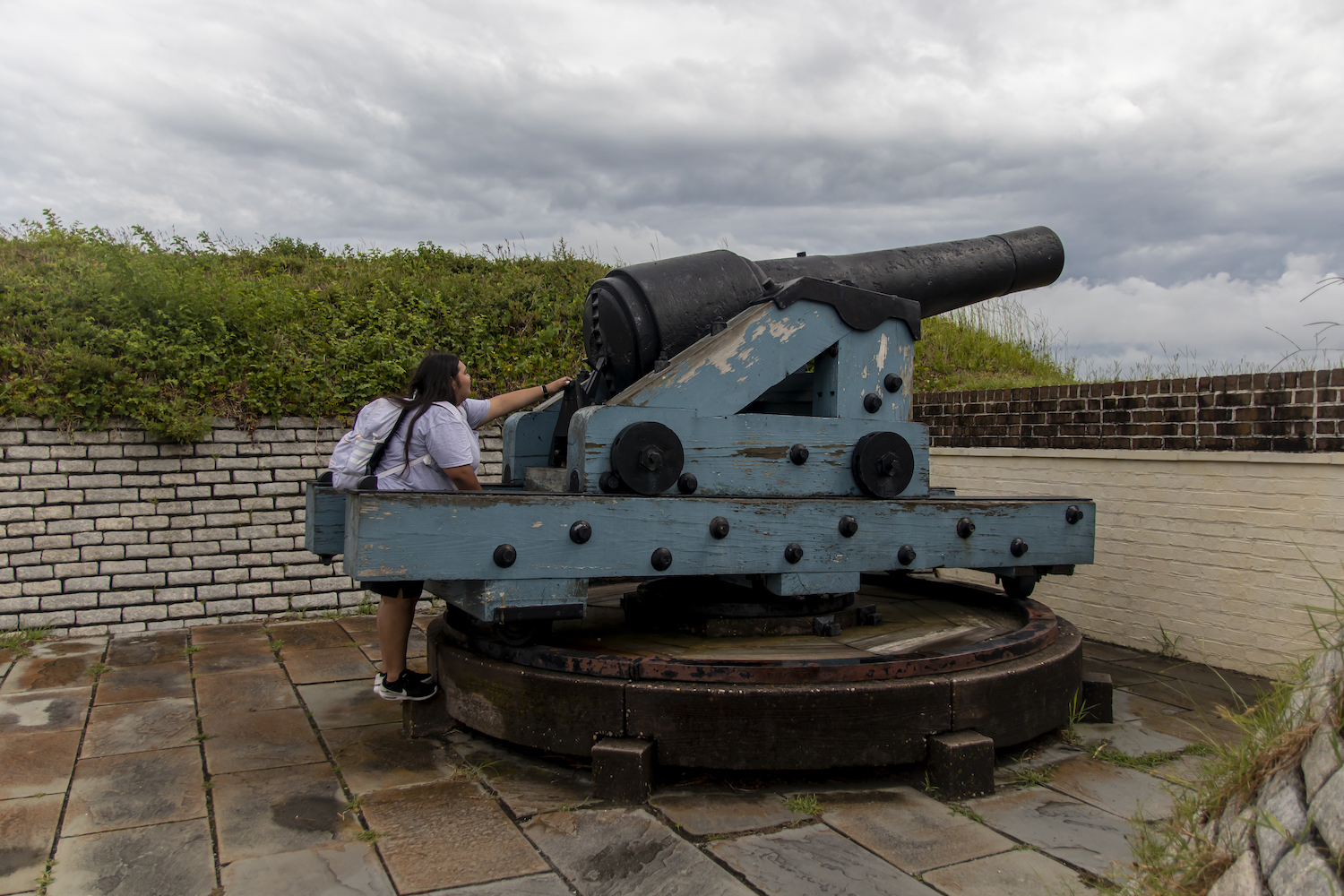
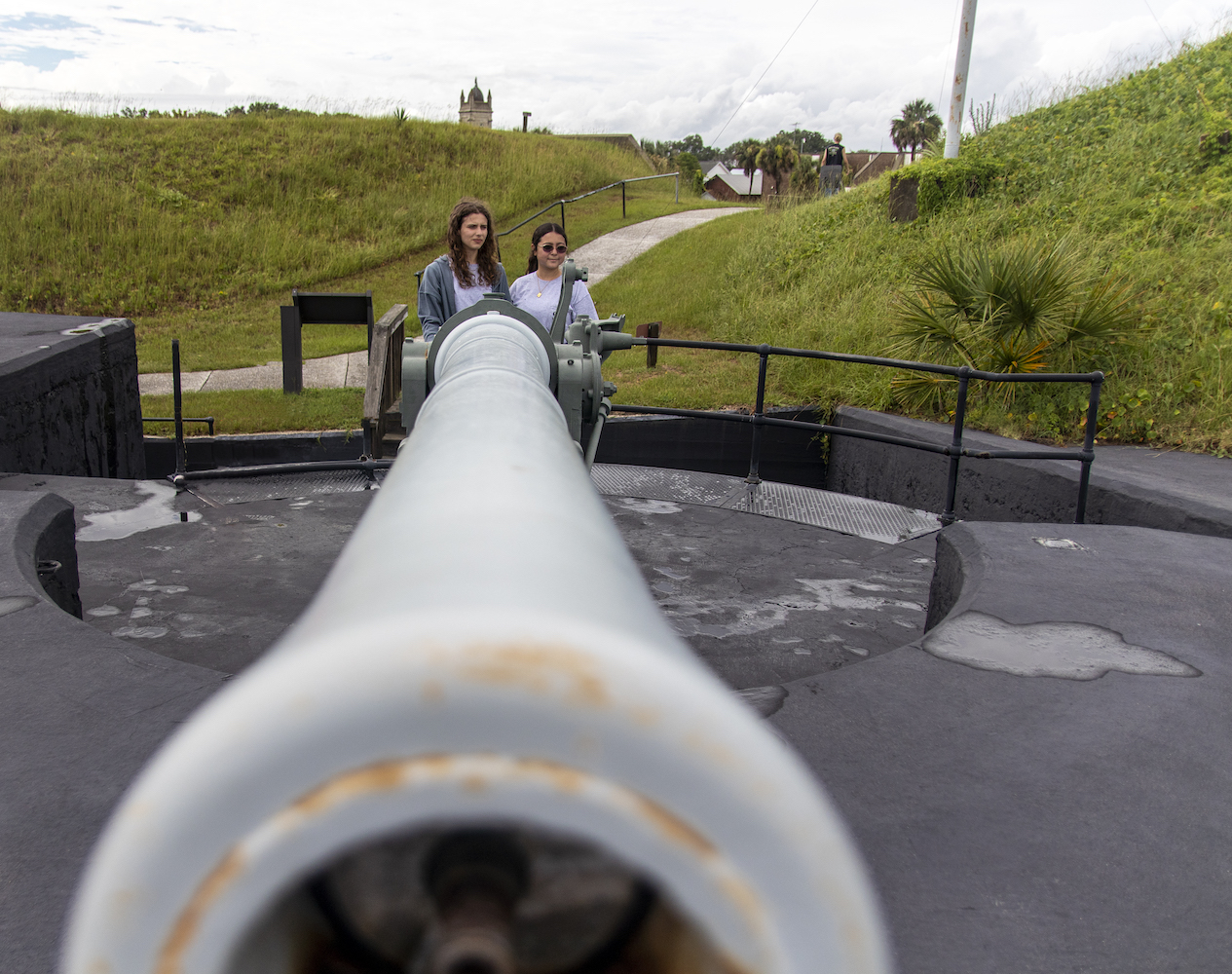
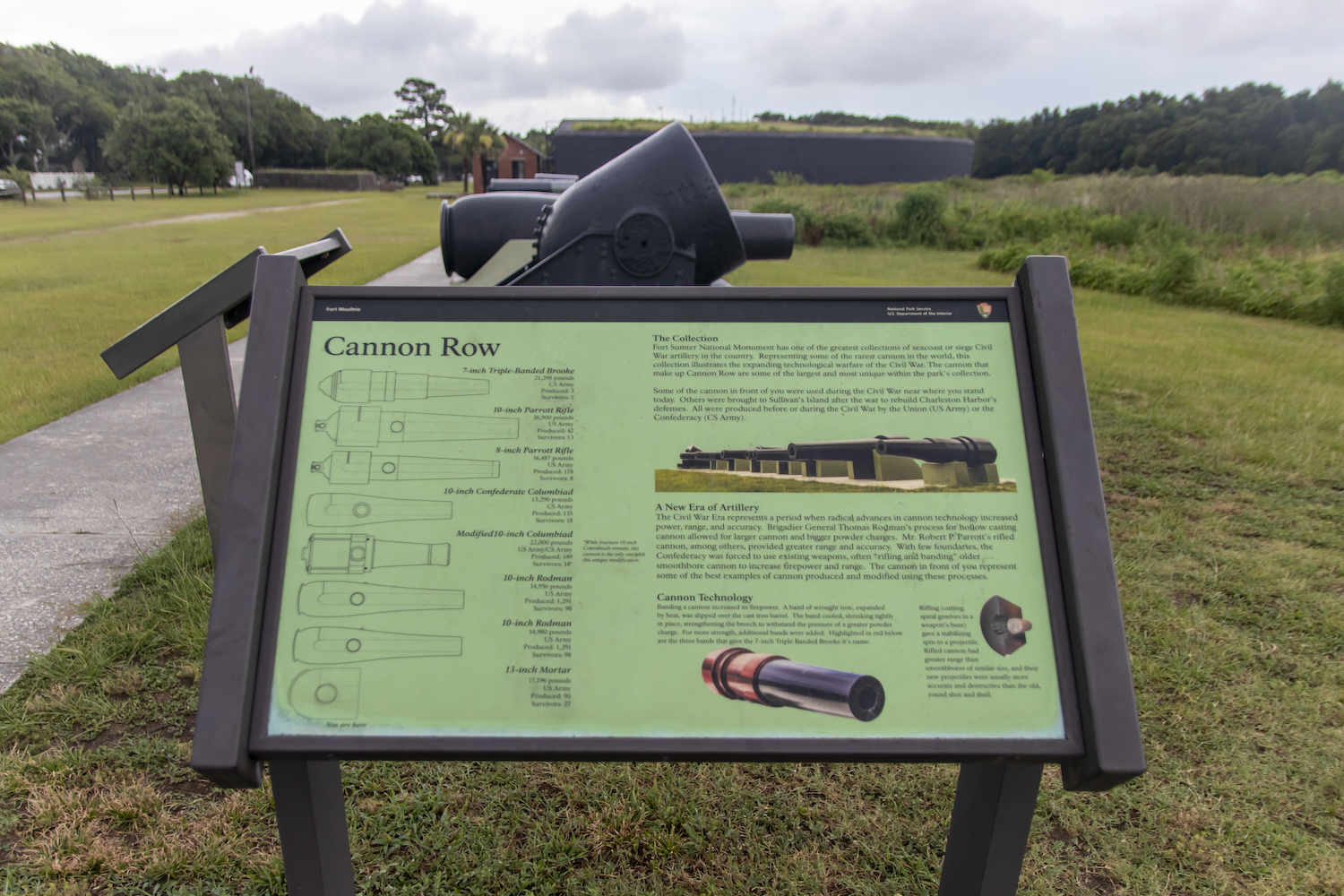
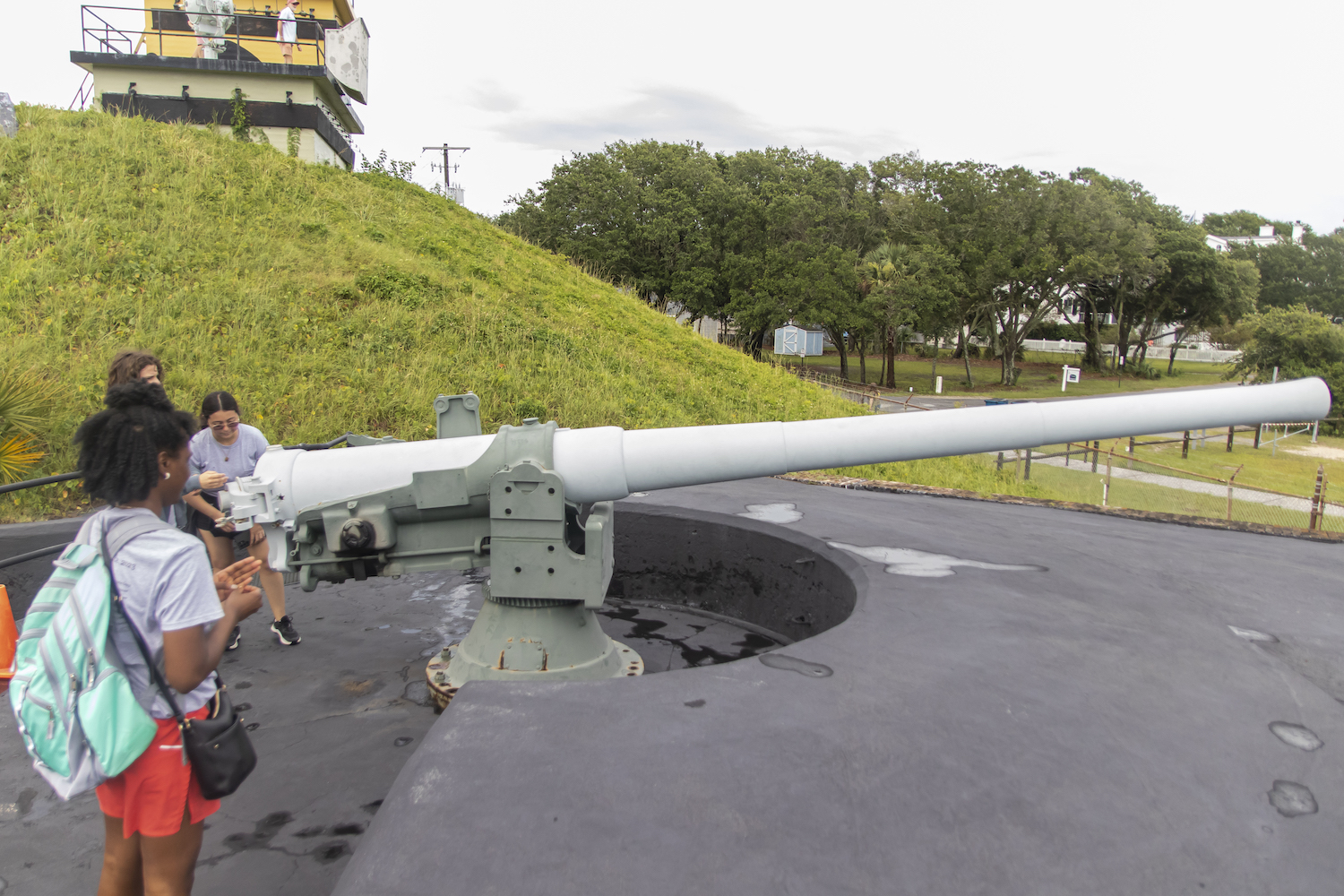
We took the time to go through the many structures by the fort, making sure to get up close to some rare cannons from the Civil War lining the exterior. The cannons included several Rodmans, Brooke Rifles, Parrott Rifles, and Columbiads, reflecting the technological innovation that occurred over the years in battle.
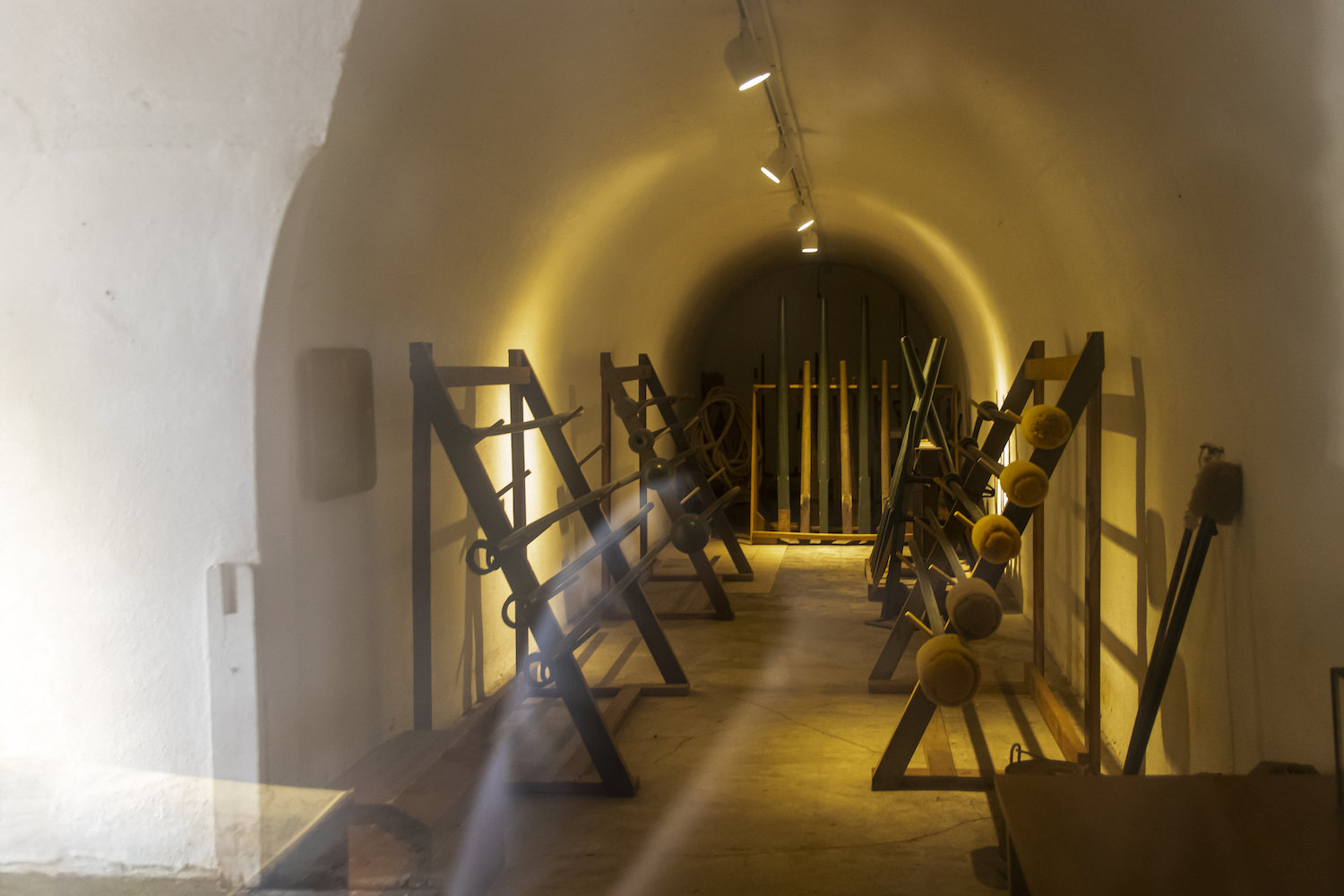
There was also a Sally port, which was a highlight for the group. The bomb-proof structure was used to store gunpowder, keeping their supply dry and ready for use. Morgan, in particular, couldn’t fathom how soldiers could run back and forth through the narrow passageways in a battle.
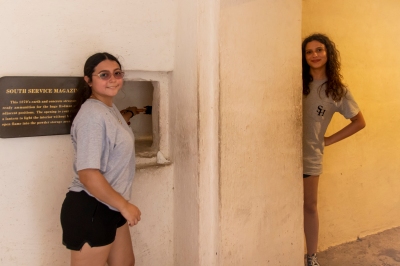
In one of the structures, we discovered a small “passageway” where soldiers or those based in the fort could receive mail – magazines. Jessica and I decided to test this out by having me hand her an umbrella.
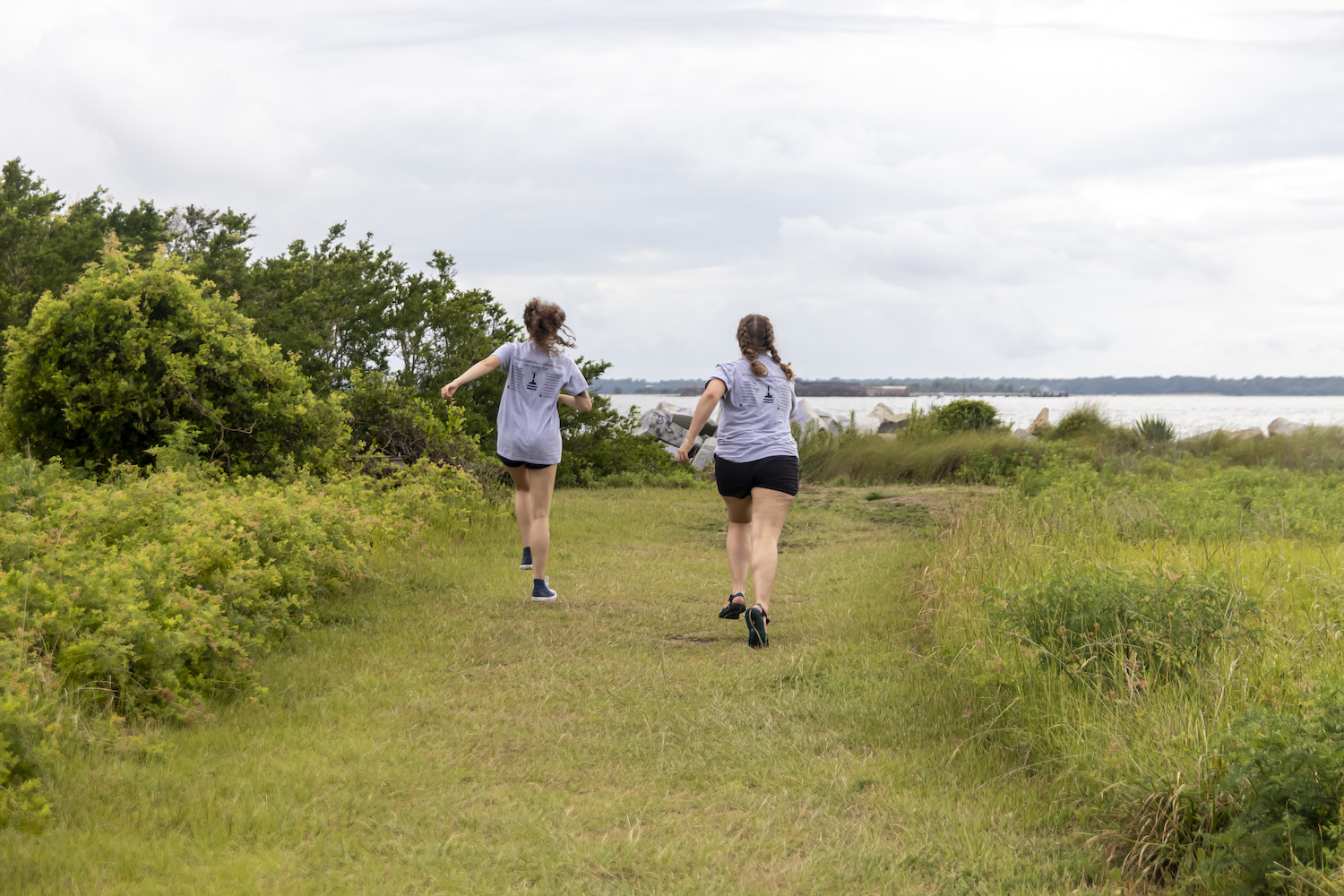
The visit to Fort Moultrie was captivating, educational, and exciting to see! And, perhaps best of all, it was on the beach, allowing us a quick transition to some senseless fun!
Sullivan’s Island Beach
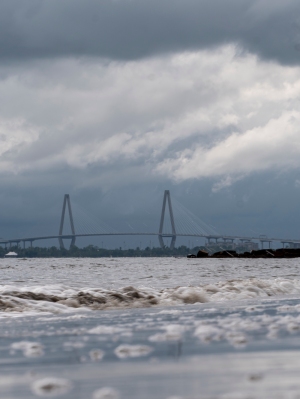
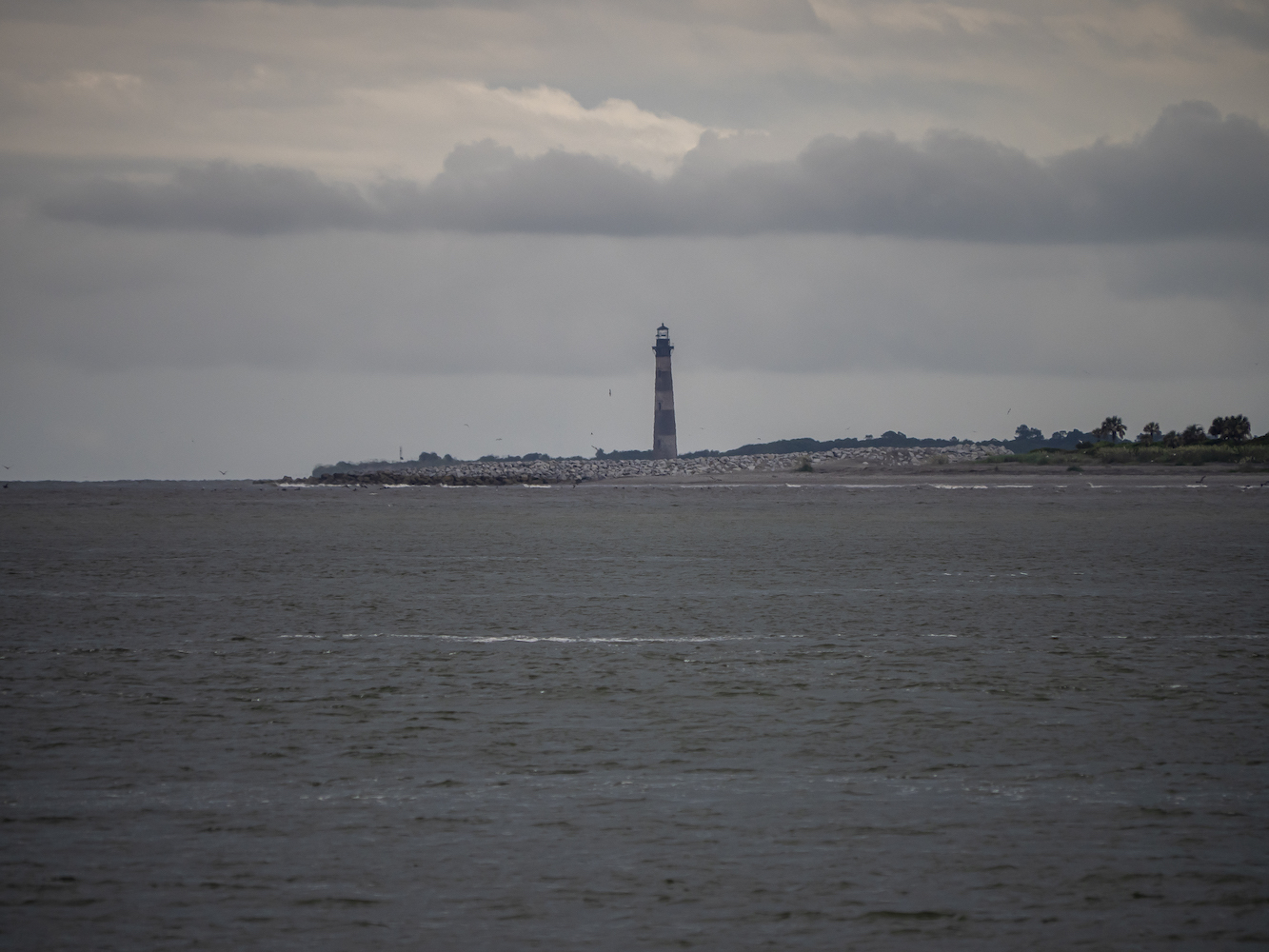
The beach offers not only fun in the sun (or clouds), but also a nice view of The Arthur Ravenel, Jr. Bridge.
For most of us, this was only the second beach we had really been to (Galveston was our common experience), and we were able to swim, share stories, laugh, and even engage in some competitive behavior.
Even after a couple of hours spent at the beach we could have stayed longer, but we needed to eat and get back for our evening with at the Southern Legislative Conference.
Mex 1 Coastal Cantina
Feeling a bit exhausted and famished after a long day of outdoor activities, we searched for a place where we could enjoy a nice meal that would satisfy our craving for Mexican food. Sullivan’s Island had the perfect restaurant a couple of blocks away from the beach: Mex 1 Coastal Cantina.
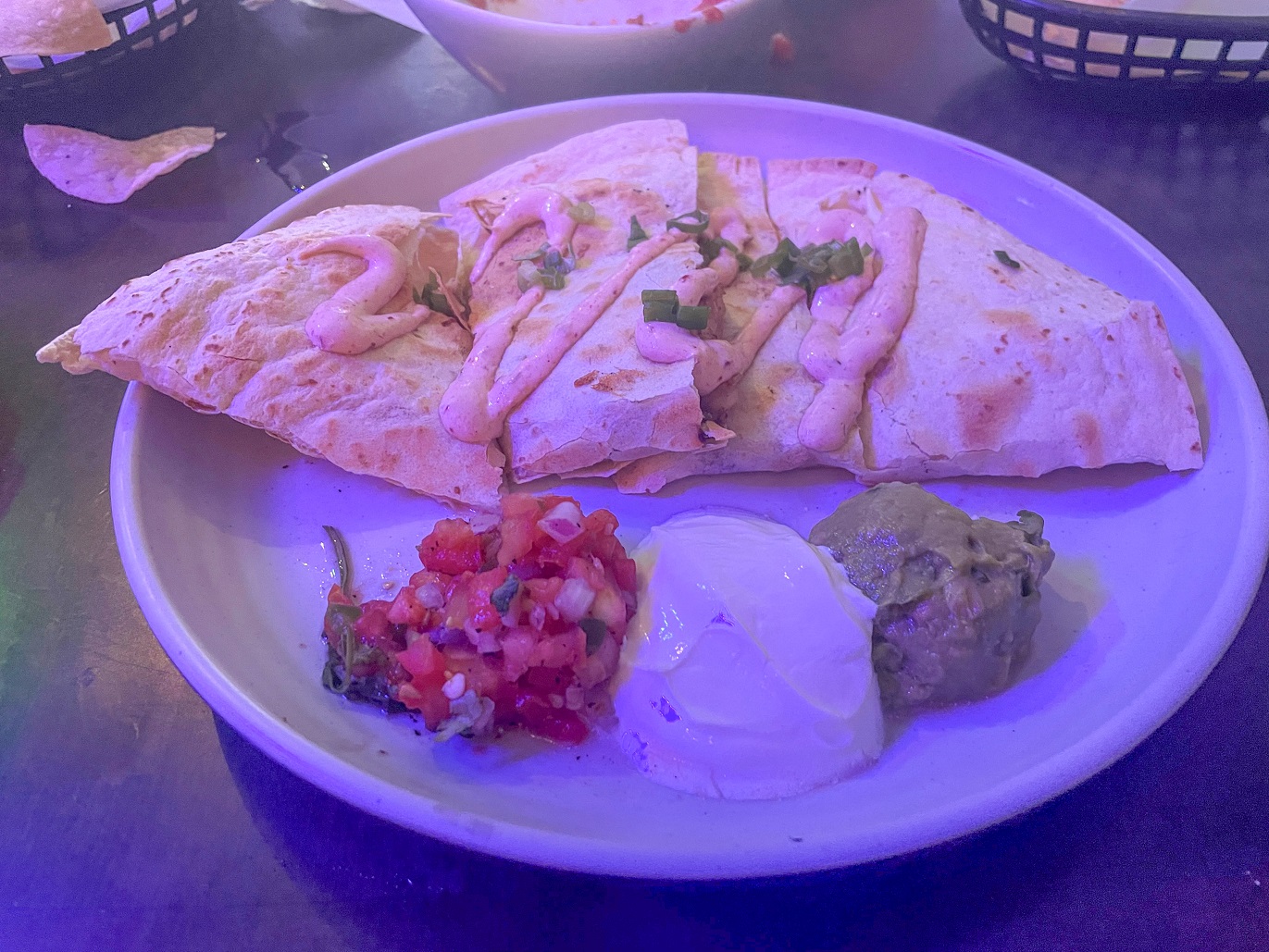
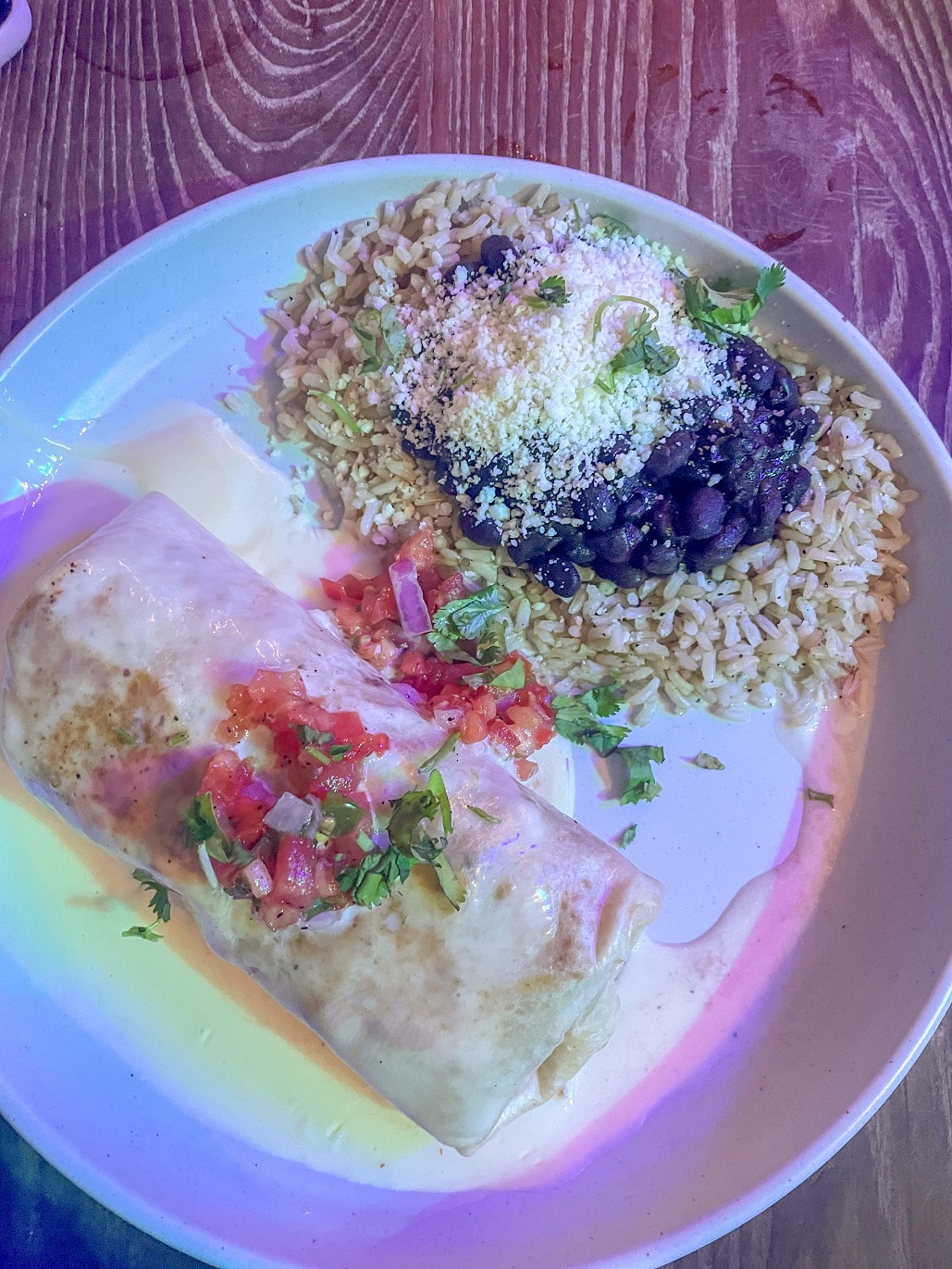
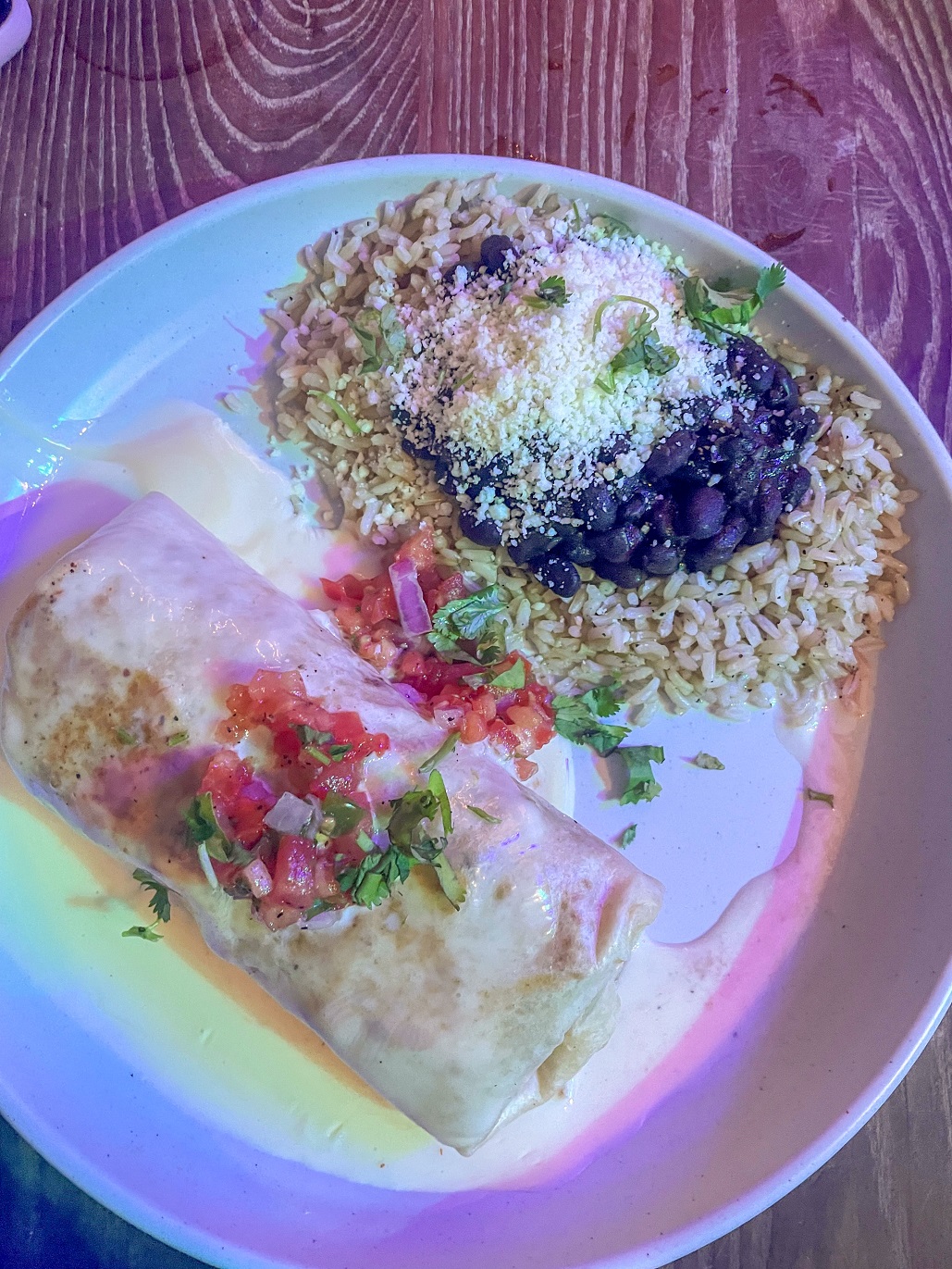
We were greeted by a welcoming staff and presented with traditional tortilla chips and tomato salsa, not long after we were seated. Our entrees included Street Taco Platters: Carne Asada Tacos with Roasted Corn and a mixed plate with a Carne Asada and Pork with Pineapple taco, Chicken Quesadillas, Braised Chicken Baja Bowl, and the Mexi-Cali Burrito. This restaurant’s menu included some of the traditional Mexican delicacies, but it also had many unique entrees that were inspired by different cultures. An example of this would be the Mexi-Cali Burrito, a twist on a Mexican burrito with the addition of French Fries and queso on top.
The food was savory – full of flavor – and delectable; it was the perfect way to end our adventure on Sullivan’s Island. With tans, happy hearts, big smiles, and most importantly, full stomachs, we headed back to the hotel to prepare for an evening of fun hosted by the West Virginia Legislature.
Almost Heaven, West Virginia–2024 Conference Preview
By Ingrid Cuero
Who could turn down a night that includes great music, not-so rhythmically inclined dancing, and vibrant conversations? Not us!
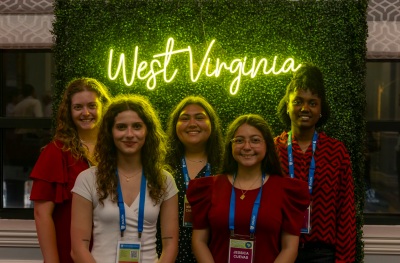
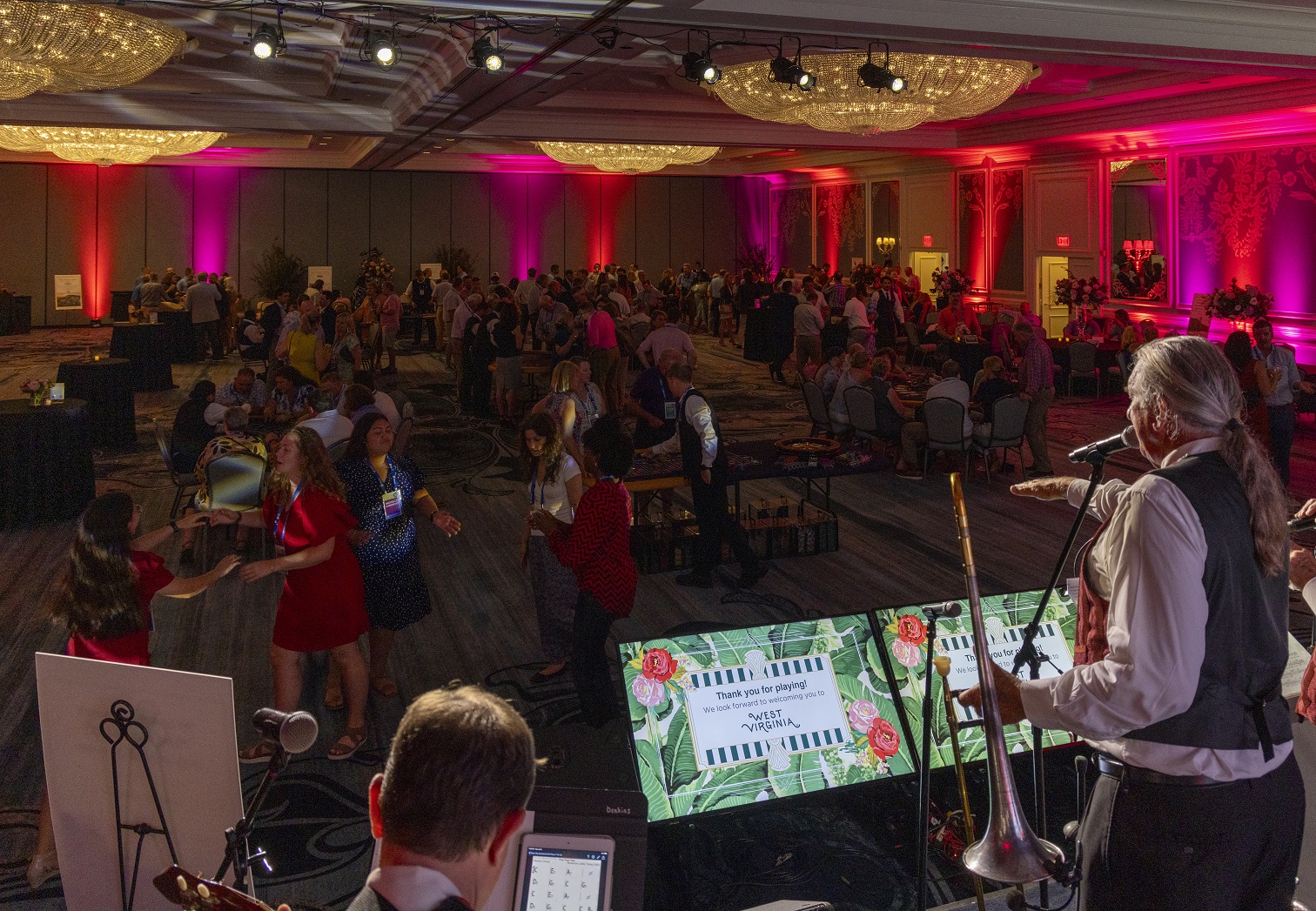
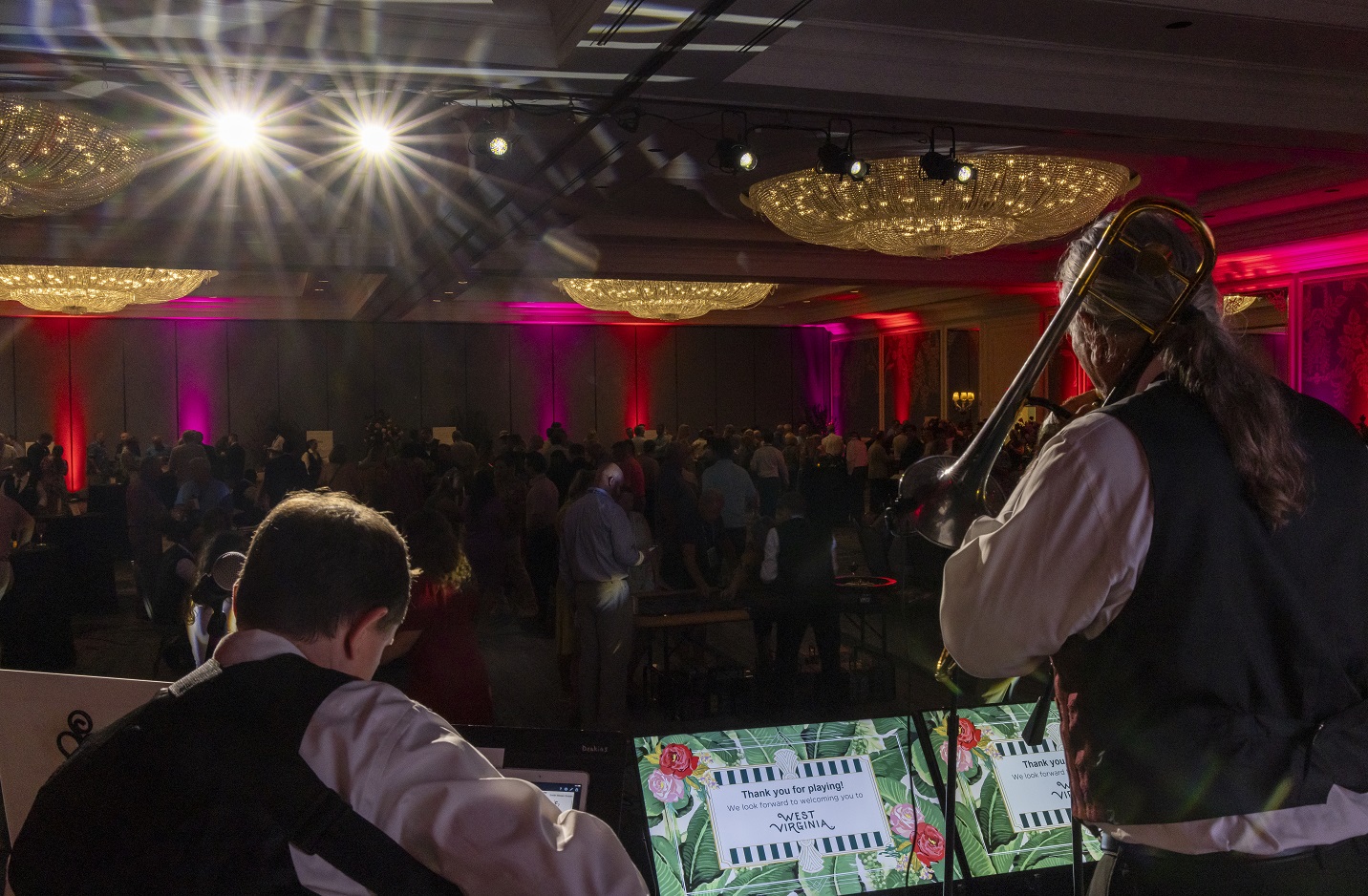
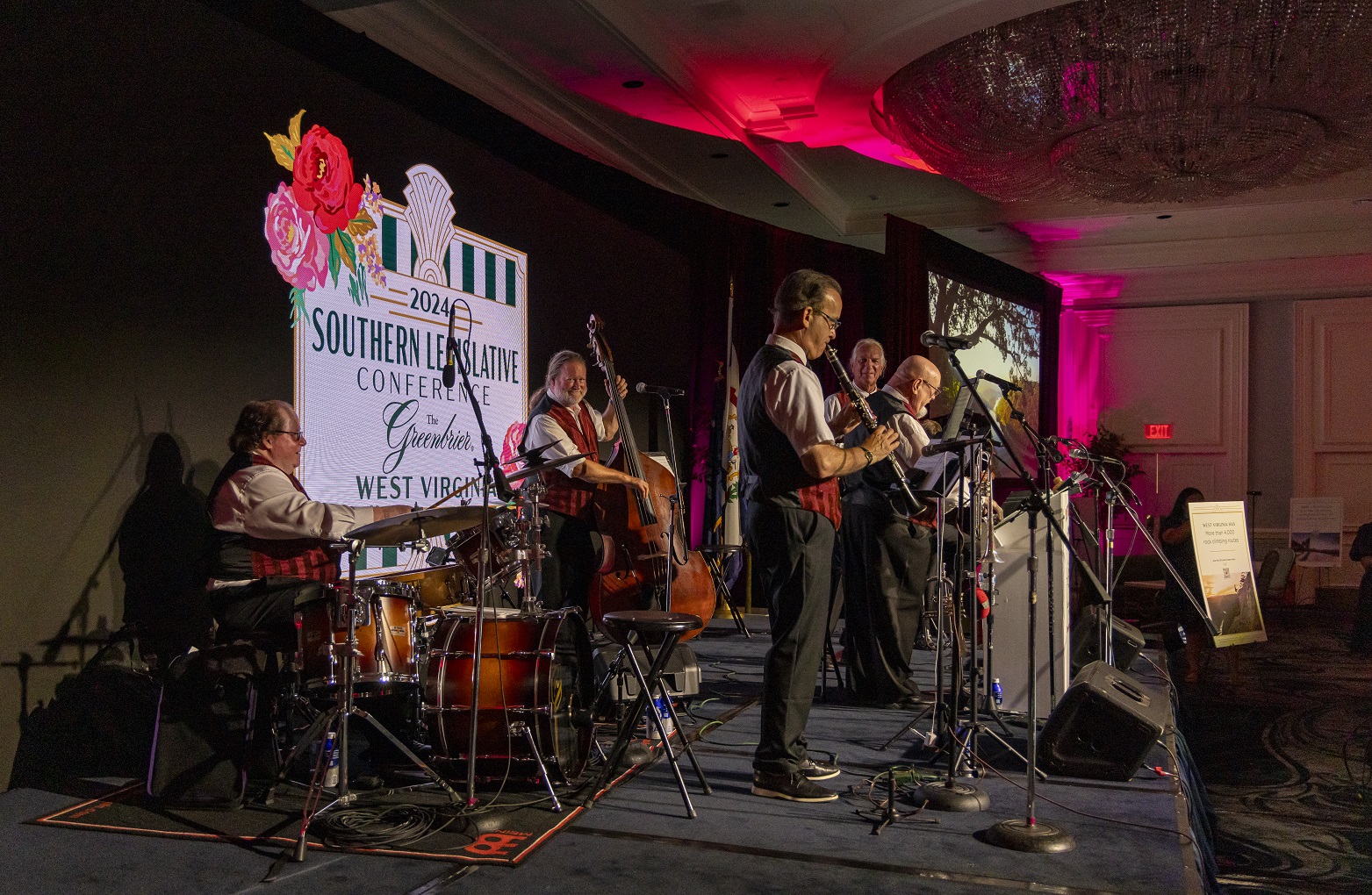
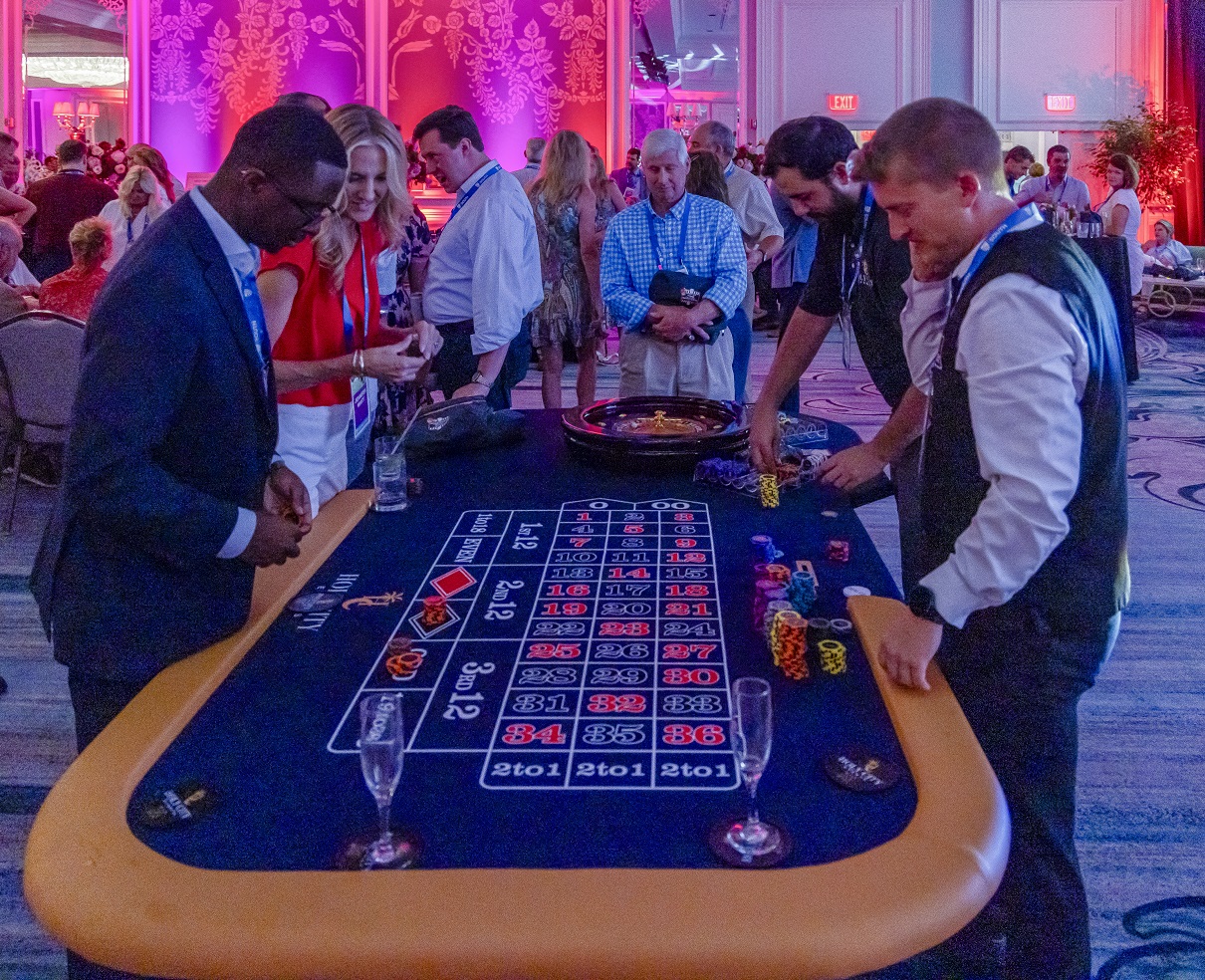
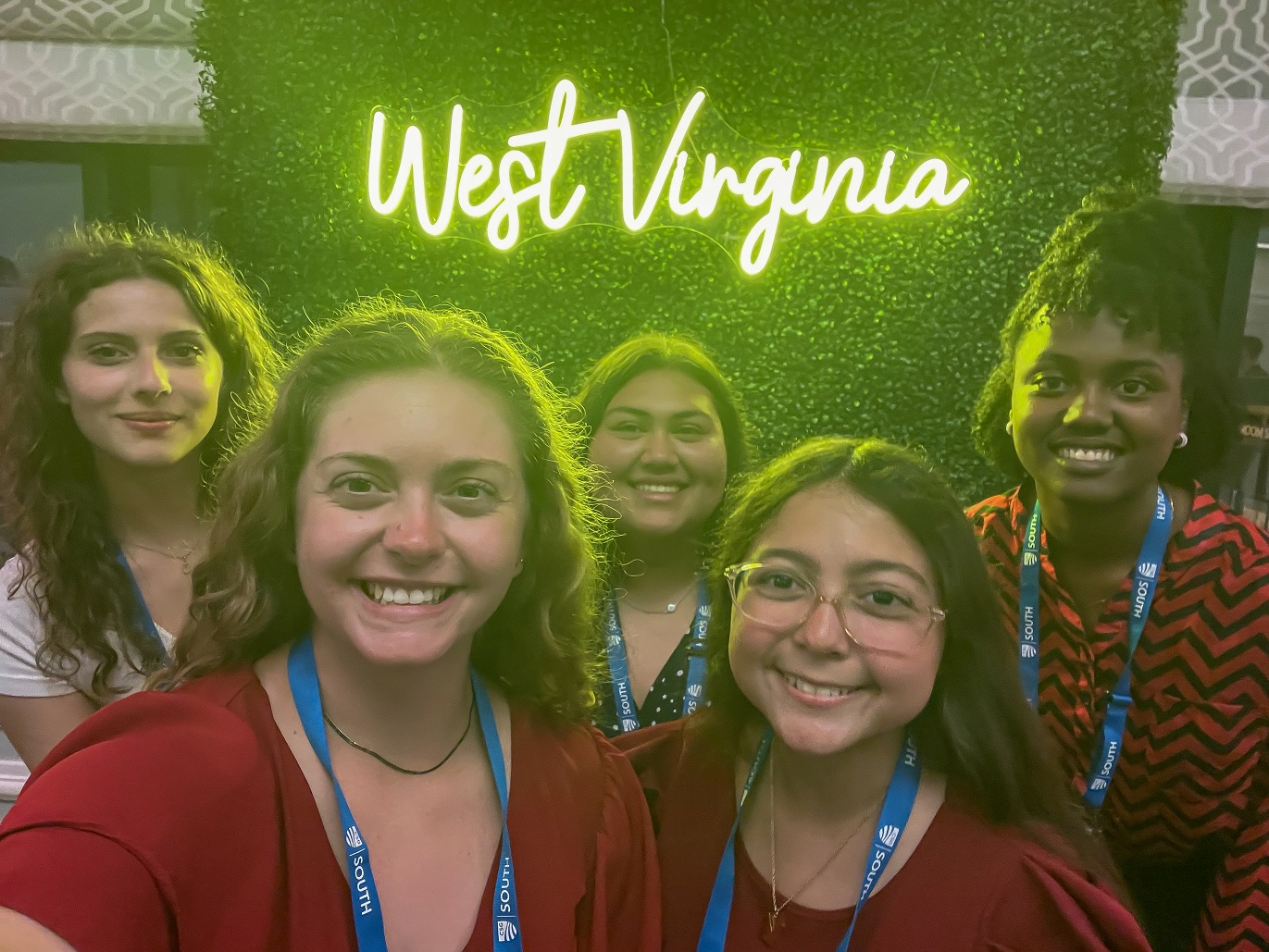
In 2024, West Virginia will be hosting the Southern Legislative Conference. As a preview, the State Legislature hosted an evening of jazz, dancing, a few remarks by legislators, and a lot of fun–all with a 1920s theme.
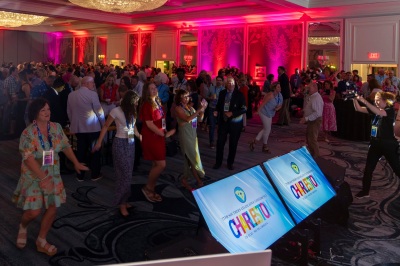
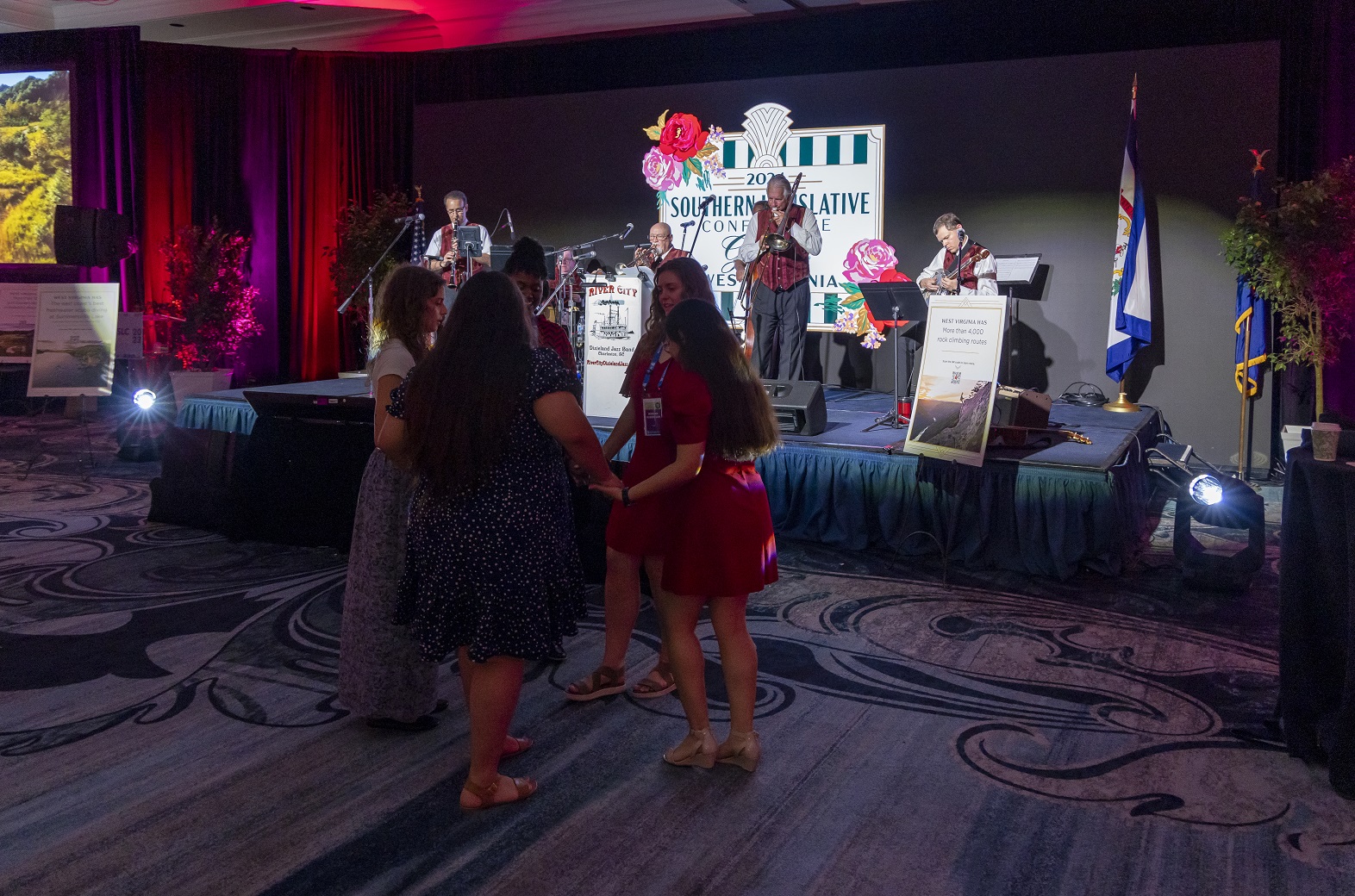
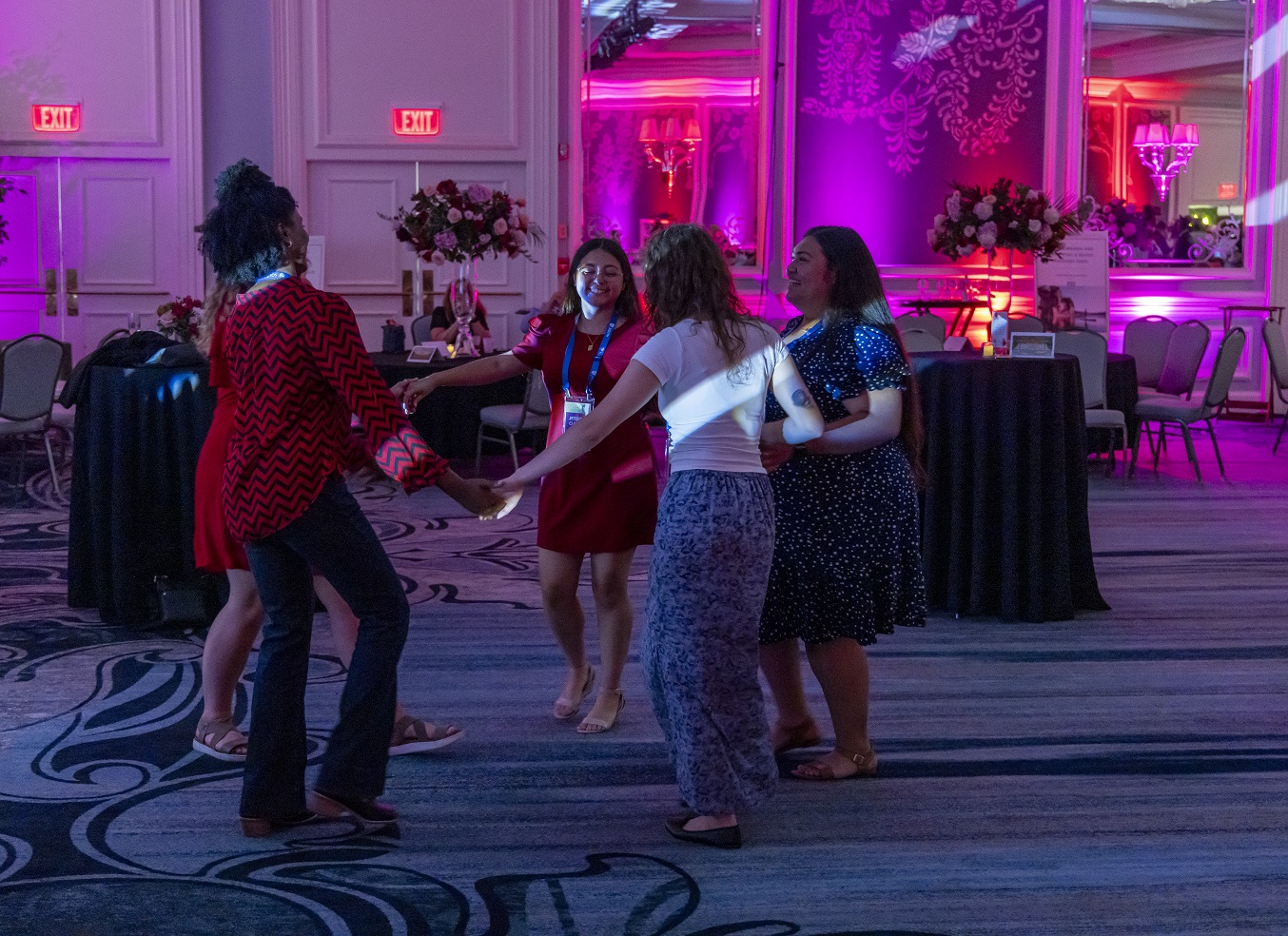
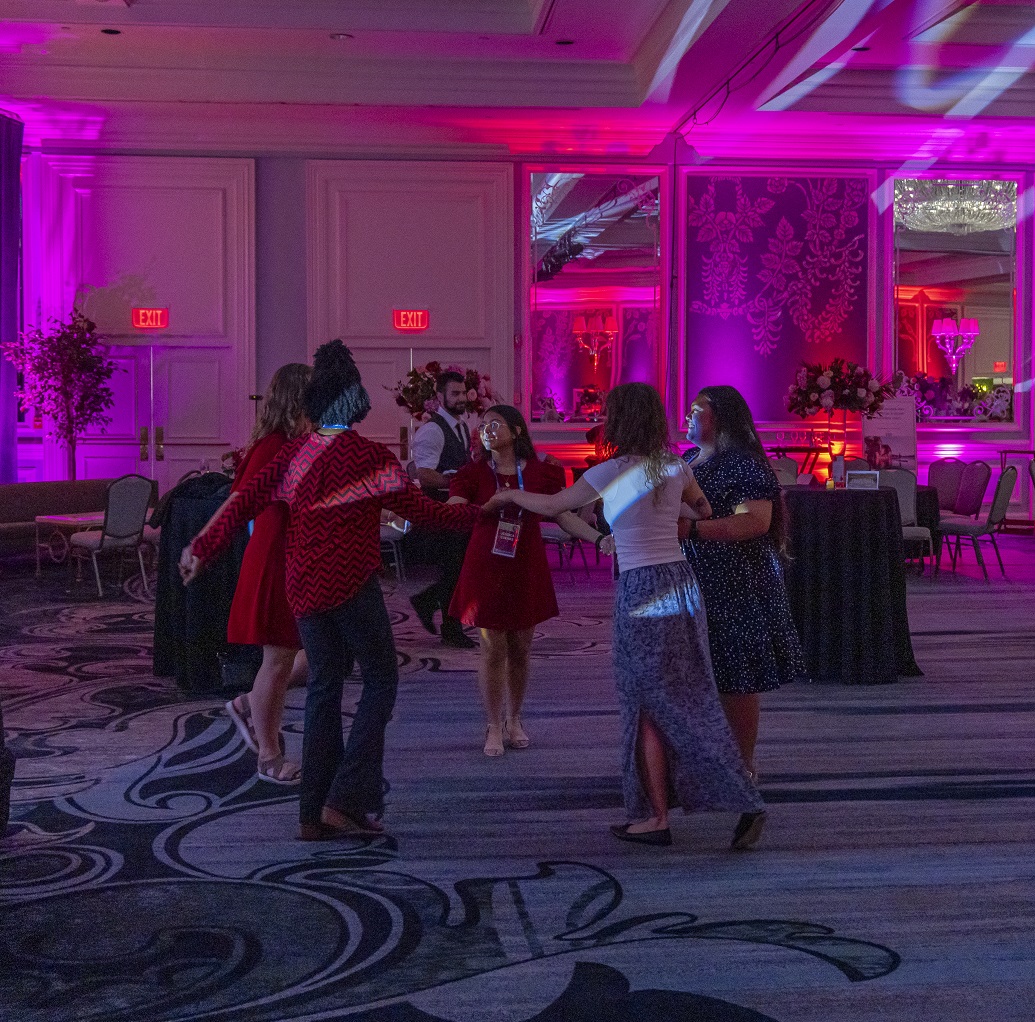
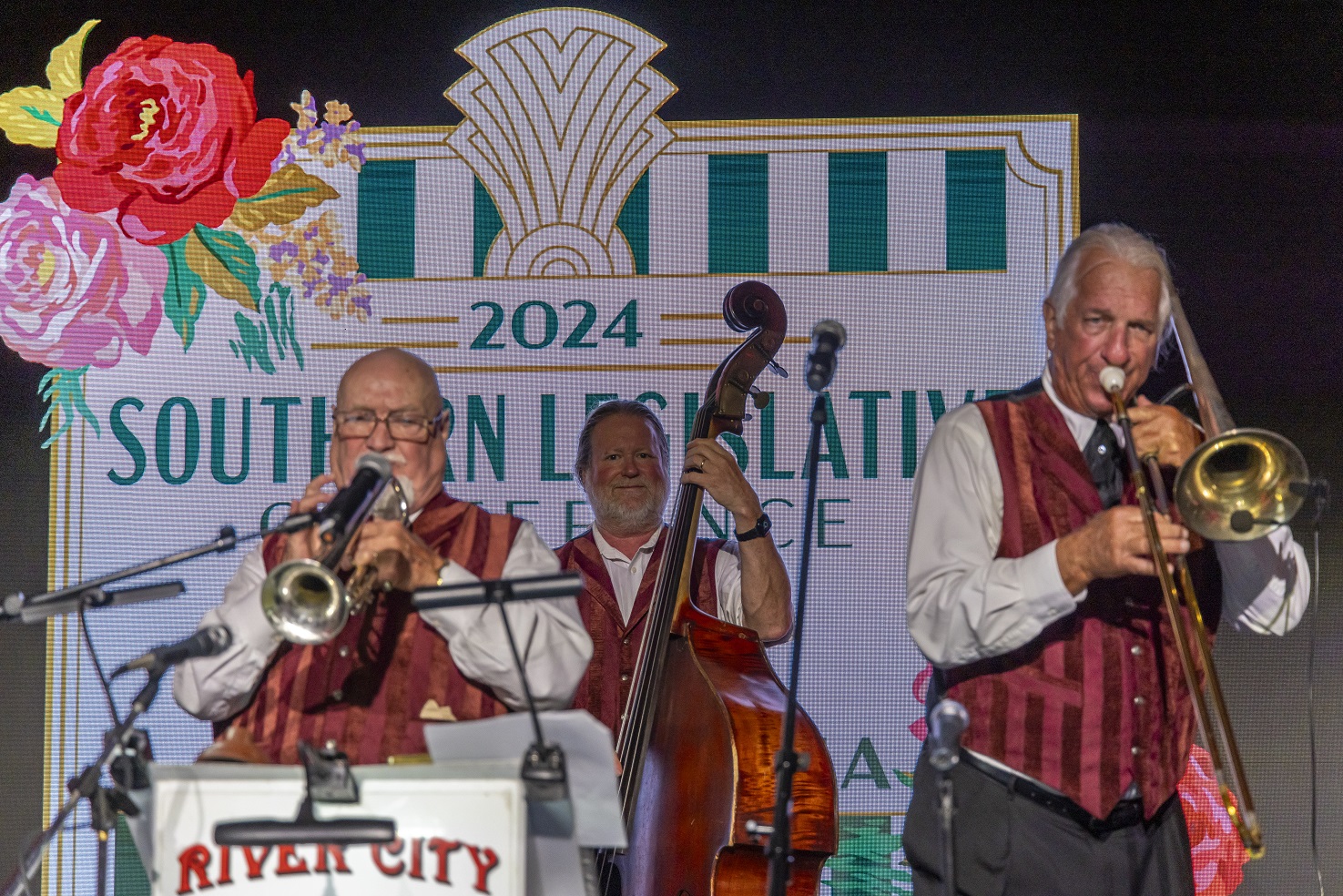
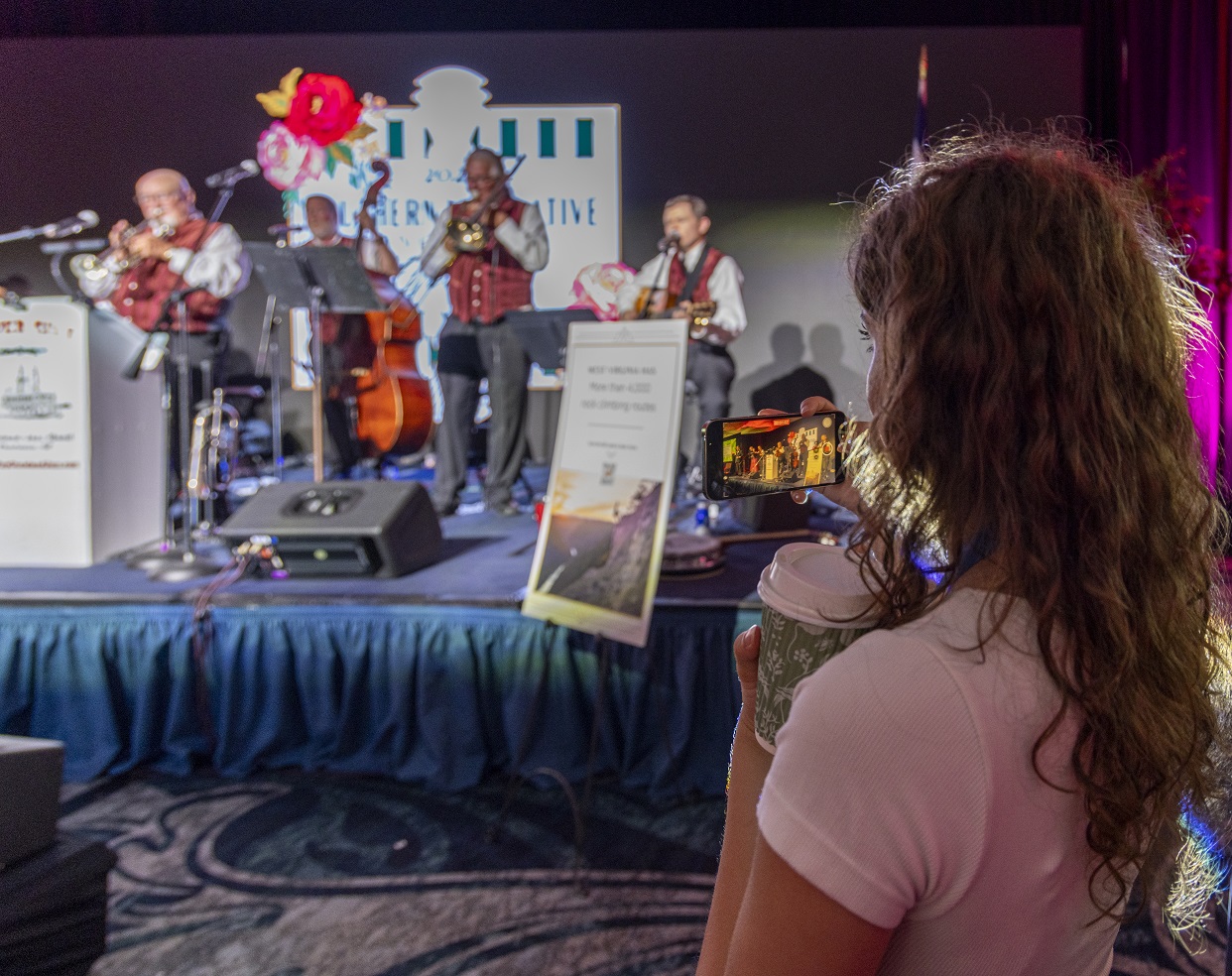
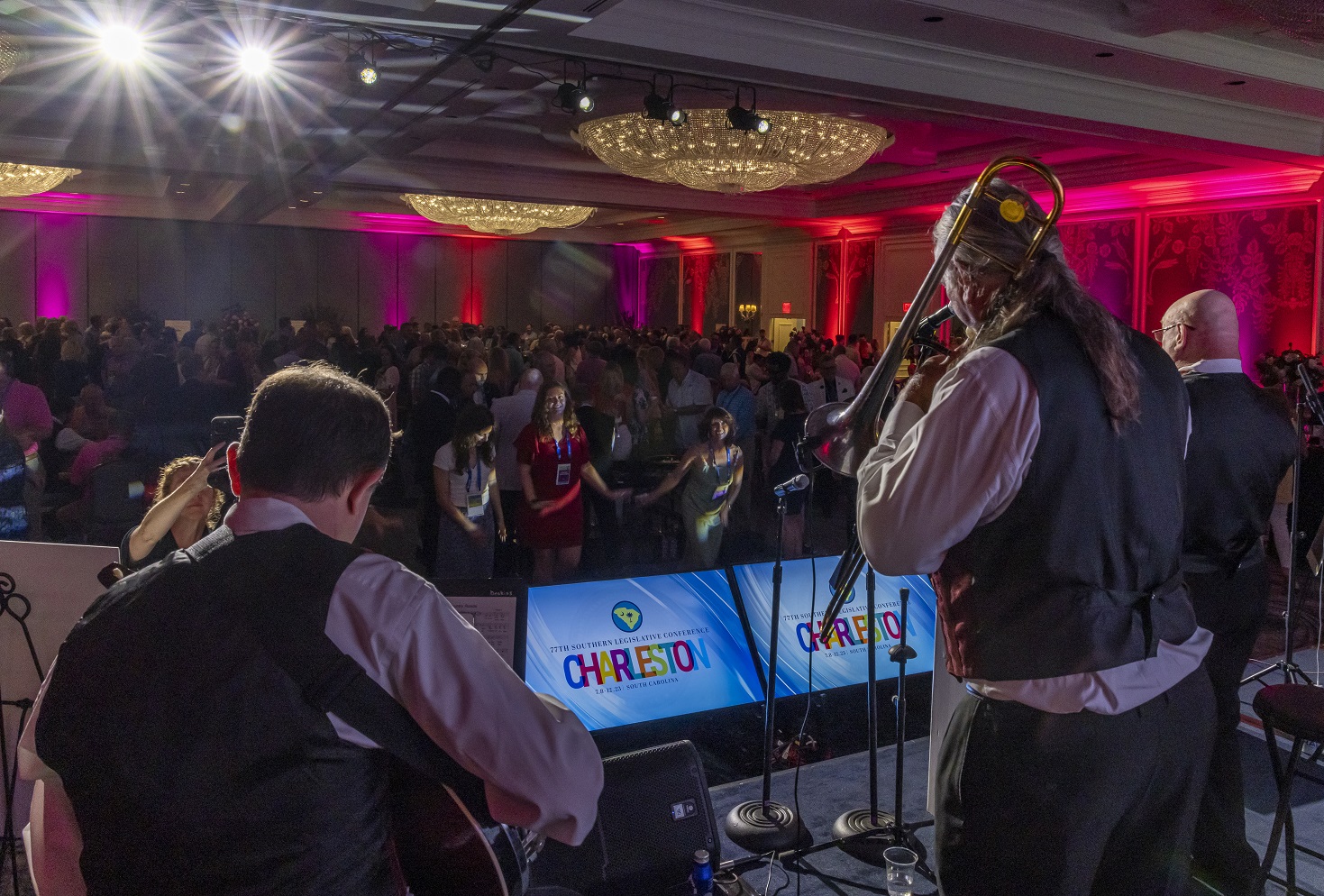
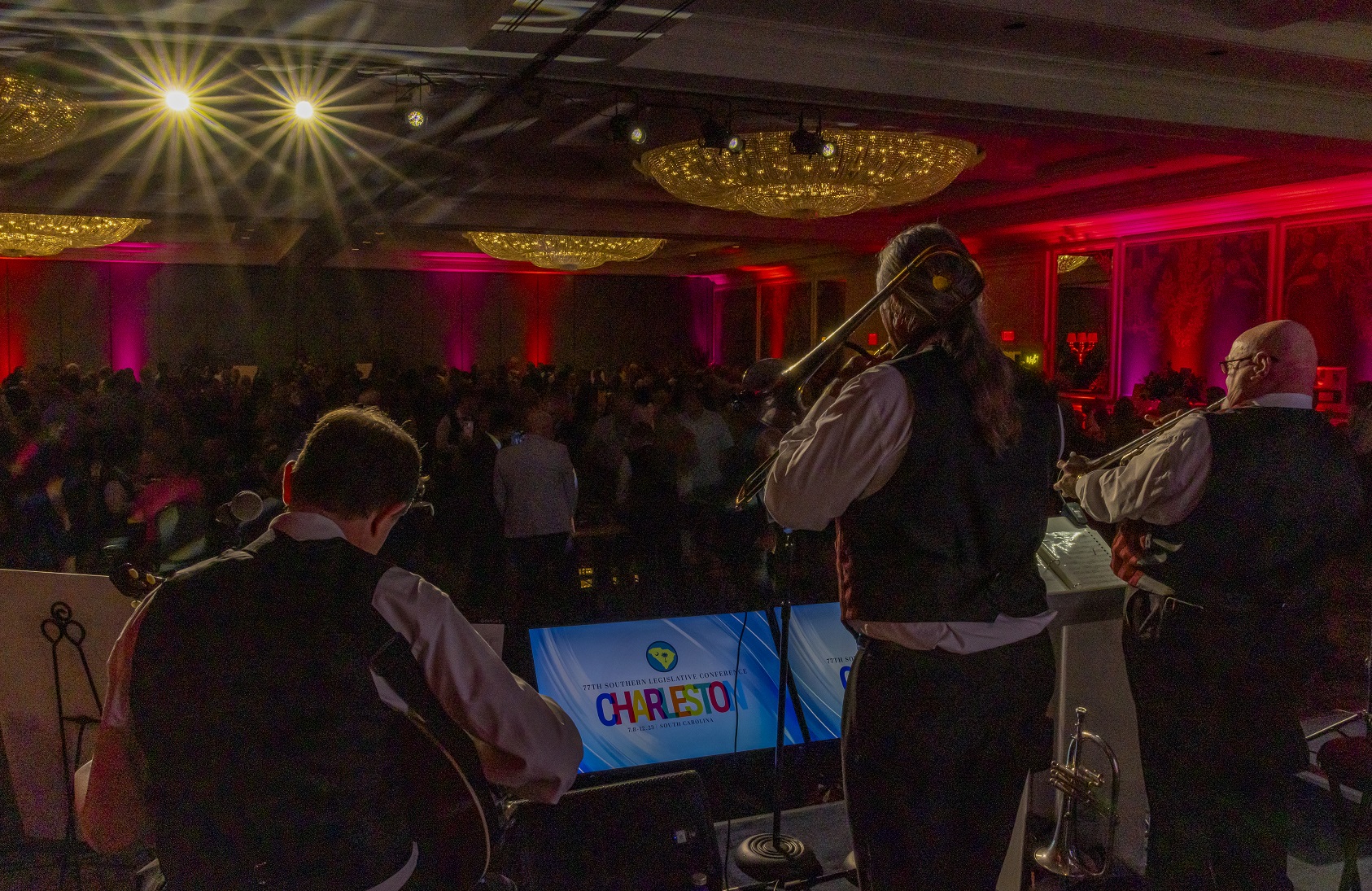
The Rivercity Dixieland Jazz Band set the stage with their jazz standards, including their rendition of “The Charleston,” which we attempted to learn! The song fit both our location, and also the 1920s’ theme of the evening.
We enjoyed the food provided by the sponsors, the music, and we even danced a bit! Morgan, Olivia, and I danced early in the night, and by the end of the night, Jessica and Michelle joined us!
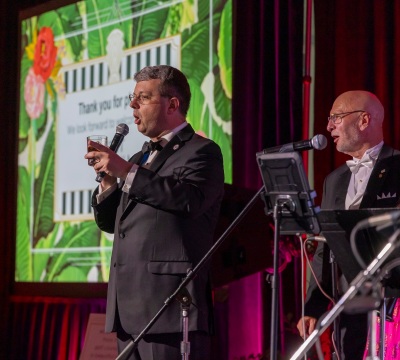
With the evening being sponsored by the West Virginia delegation, Roger Hanshaw, Speaker of the WV House…
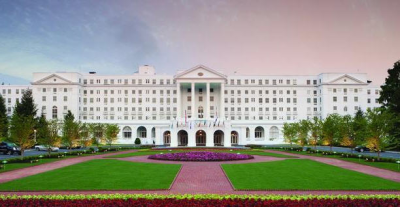
…invited everyone to attend next year, emphasizing that the conference would be held at the beautiful Greenbrier Hotel. We were sold!
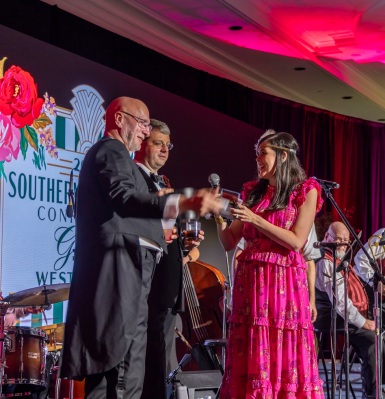
To sweeten the deal, he and the WV Director of Tourism did some giveaways (which we competed for but lost)…
…and then he led a rendition of John Denver’s, Take Me Home, Country Roads.
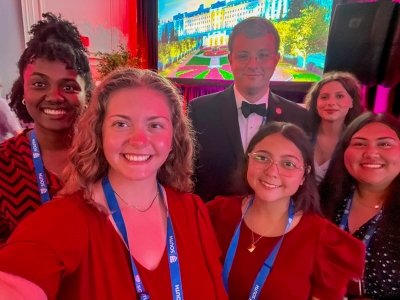
Not many speakers could take on the role of musical guest, and it was an absolute delight. Afterward, we took a photo with him, and it was Michelle and Olivia’s first time to meet a Speaker of the House!
And we also enjoyed the music, people watching, and conversations.
Our long day ended in style-and in air conditioning, away from the threatening weather elements of the morning and afternoon. We called it a night, got in the car, and let city roads take us back to the place where we belong.























 Center for Law, Engagement, and Politics