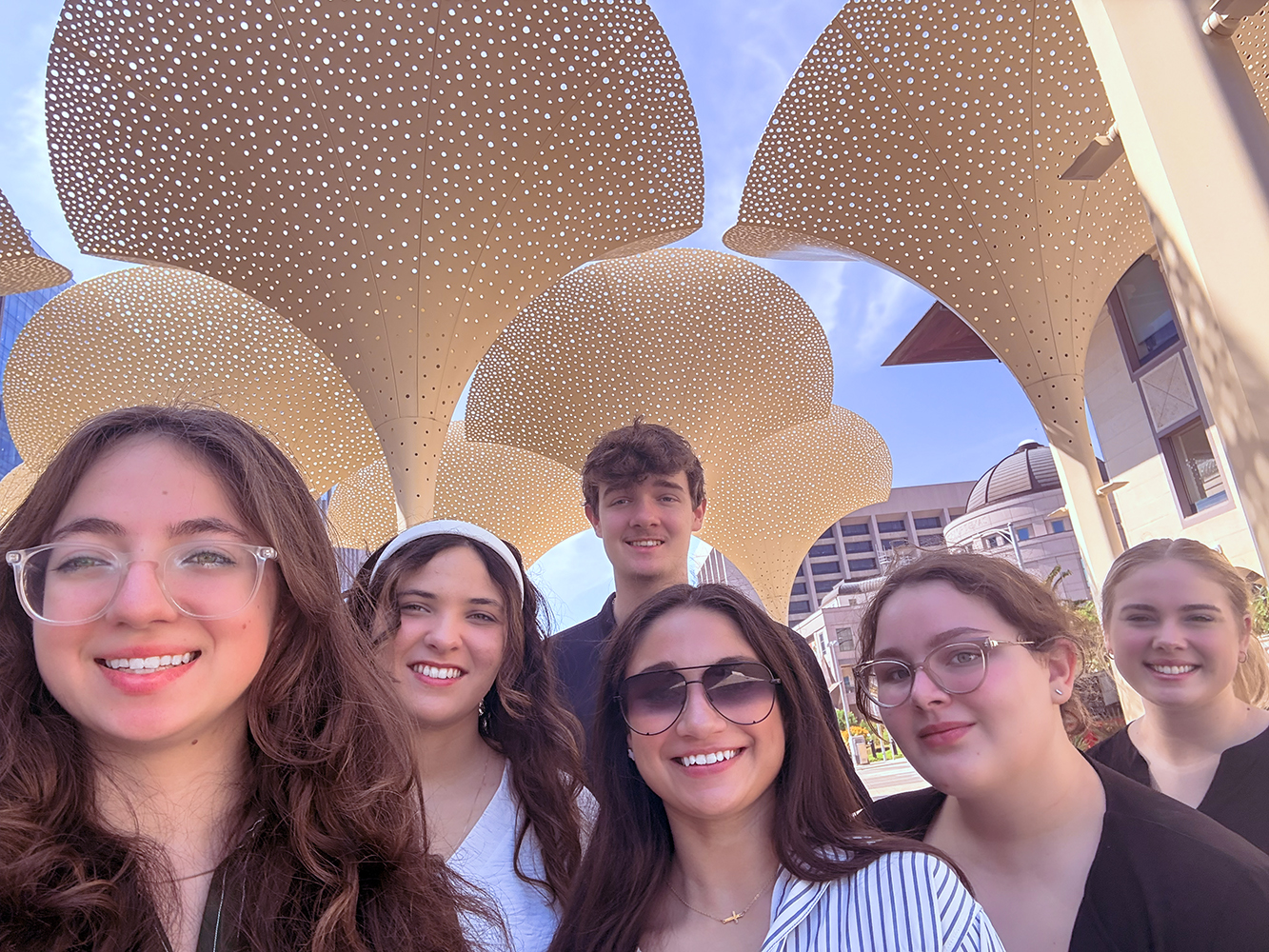
To wrap up an exciting and informative weekend in Austin at the Texas Tribune Festival, LEAP students visited the Blanton Museum of Art. Founded in 1936 and located on the edge of the University of Texas at Austin’s campus (with an astonishing view of the Texas State Capitol), Blanton houses more than 22,000 pieces from a variety of cultures, time periods, and artistic styles.
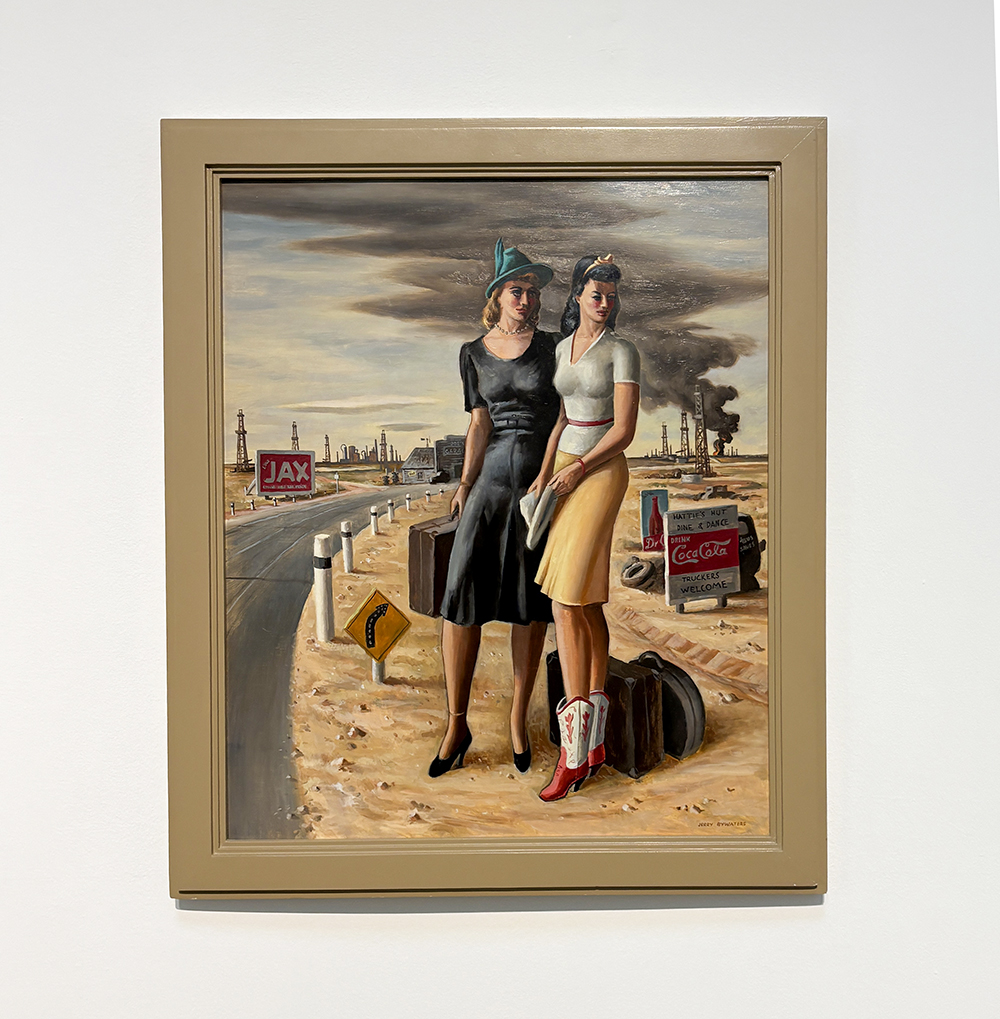
Professor Yawn pointed out many great artists throughout our visit, including one of his personal favorites, Jerry Bywaters. Bywaters was a Texas regionalist, and his piece, Oil Field Girls, gave us a view of the West Texas landscape and conditions during the 1940s.
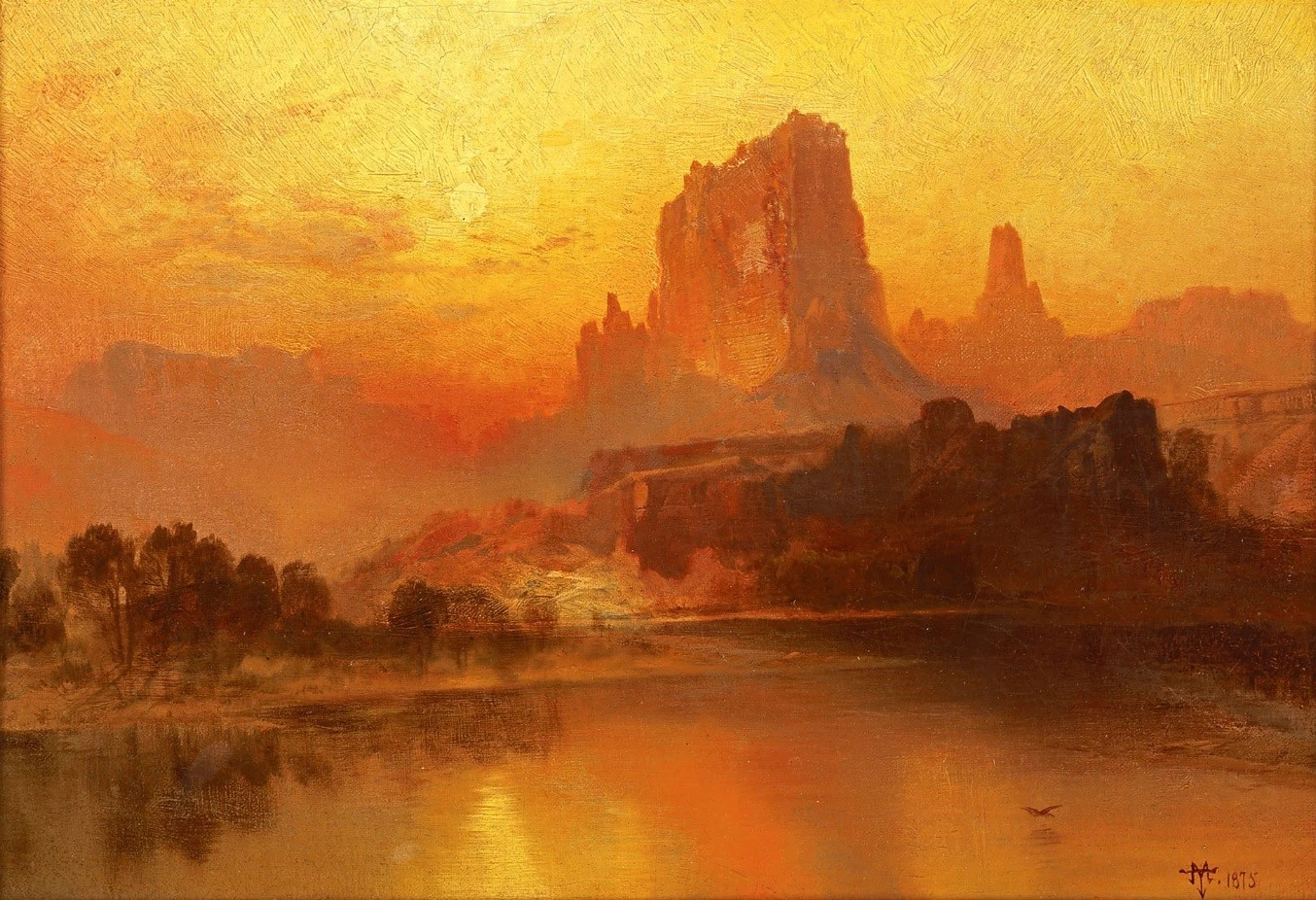
We also learned about Thomas Moran and Albert Bierstadt, important artists associated with the Hudson River School who created paintings depicting the American West. Their paintings, The Golden Hour and Indian Canoe, allowed us to see how Americans viewed the West in the late 1800s. The warm tones of what appeared to be a setting sun, along with the beautiful landscapes, made these paintings visually striking and compelling.
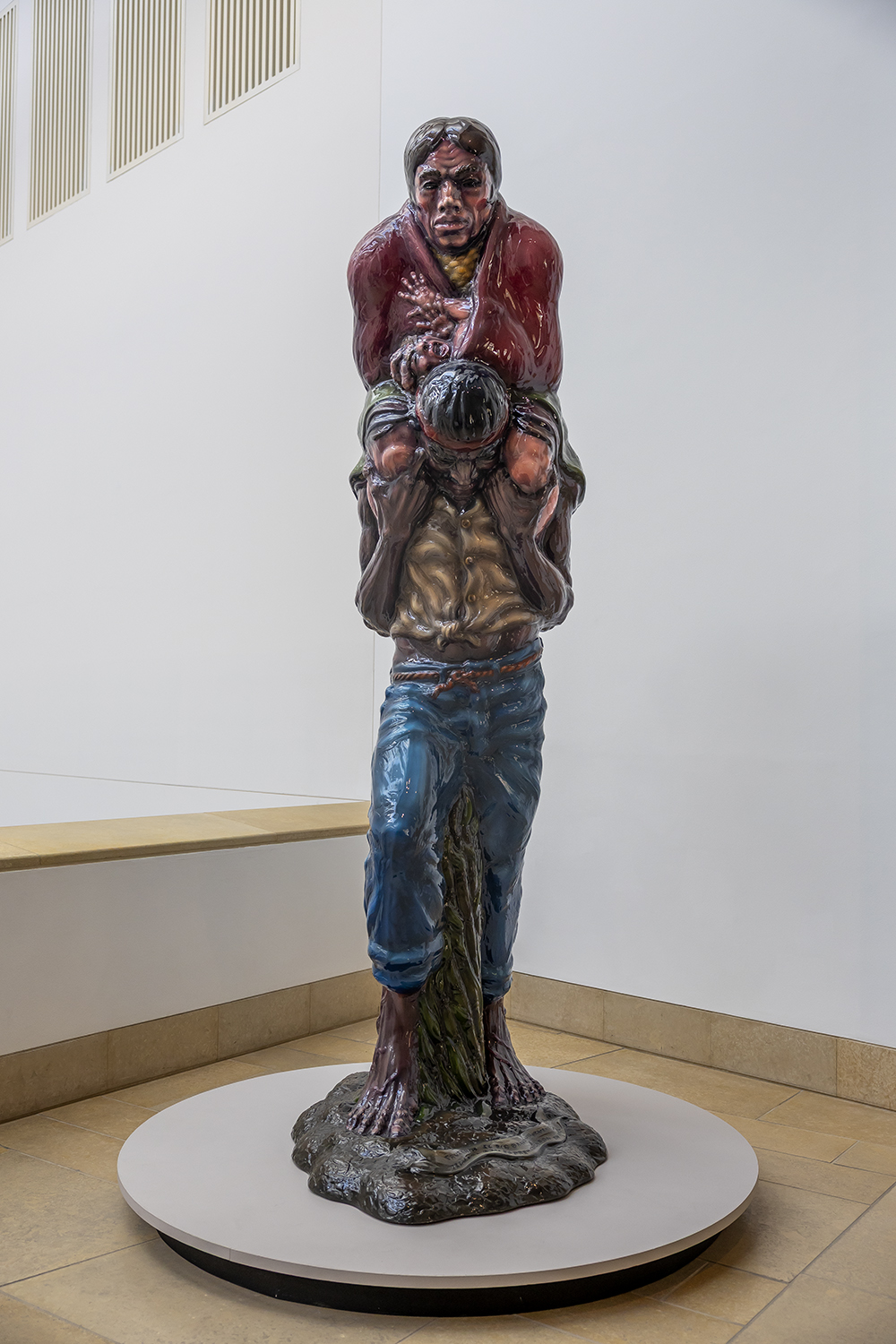
We also encountered art pieces from the Spanish Americas, many of which had unknown artists. I noticed a lot of the Spanish art consisted of religious paintings and sculptures. We also came across another Texas native and Latino artist, Luis Jiménez, whose fiberglass sculpture, Border Crossing [Cruzando el Río Bravo], immediately caught my attention. The sculpture itself stands around 4ft tall and features bright neon colors. The sculpture, like most of Jiménez’s work, features bright colors he associates with Mexico, making it all the more captivating.
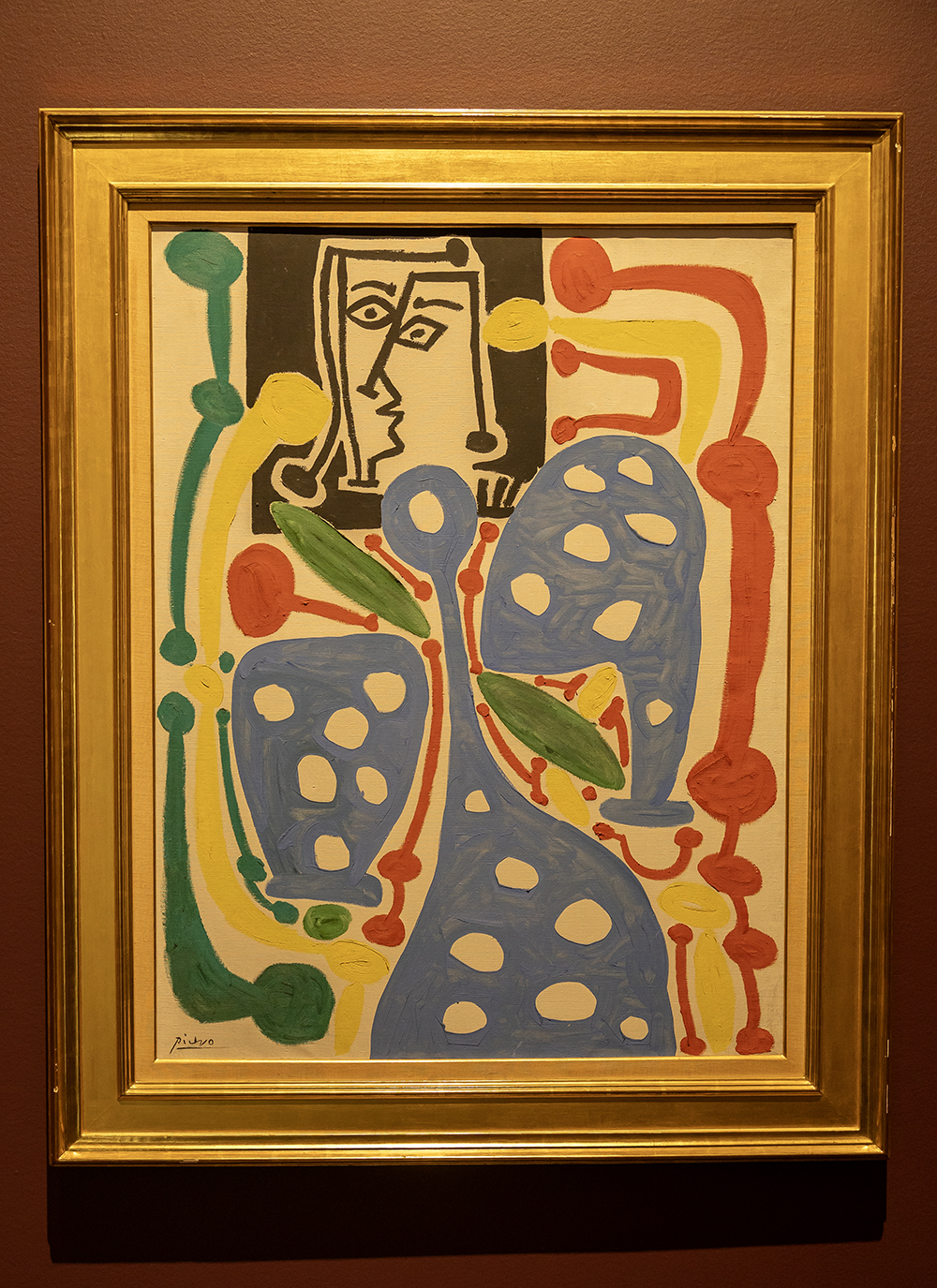
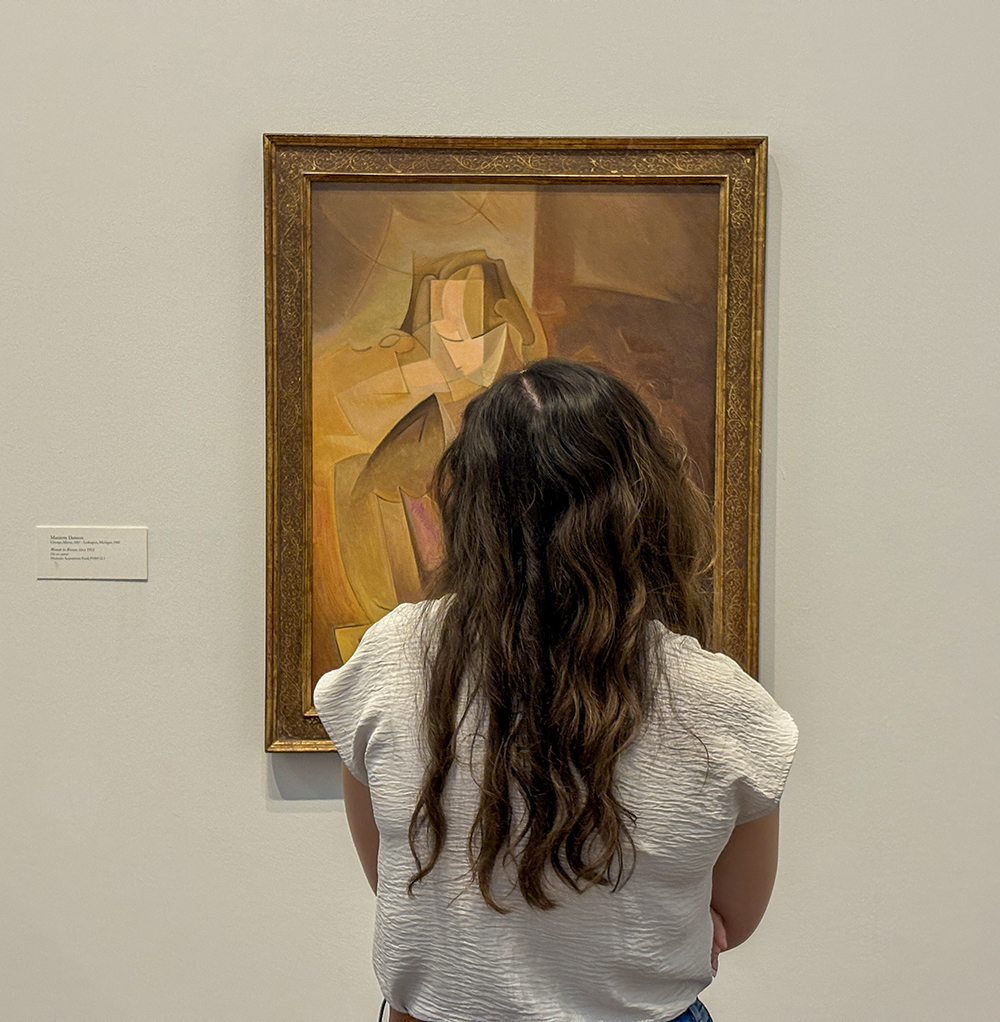
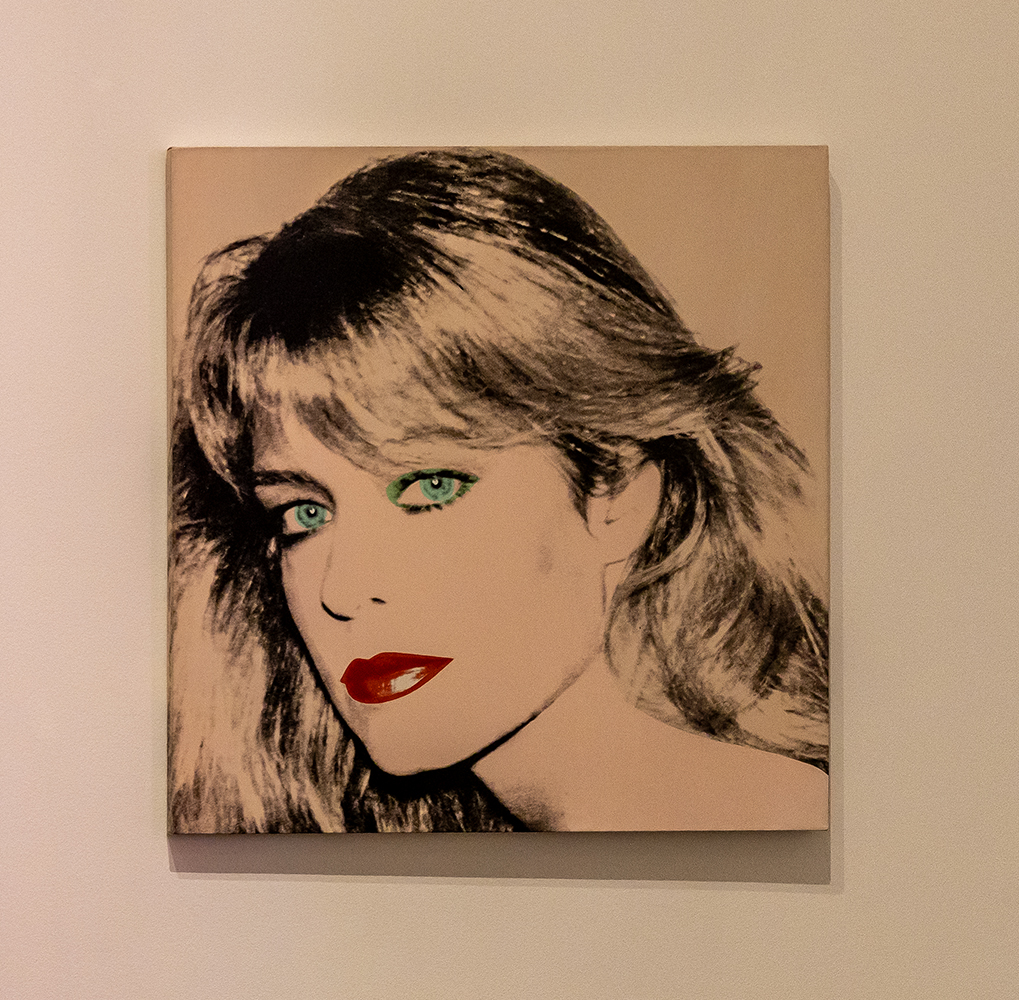
We then got to see examples of Pop Art, including Andy Warhol’s painting, Farrah Fawcett. We also viewed artists who specialized in cubism and abstraction. One of the most well-known artists we saw was Pablo Picasso, who had two paintings on display when we visited.
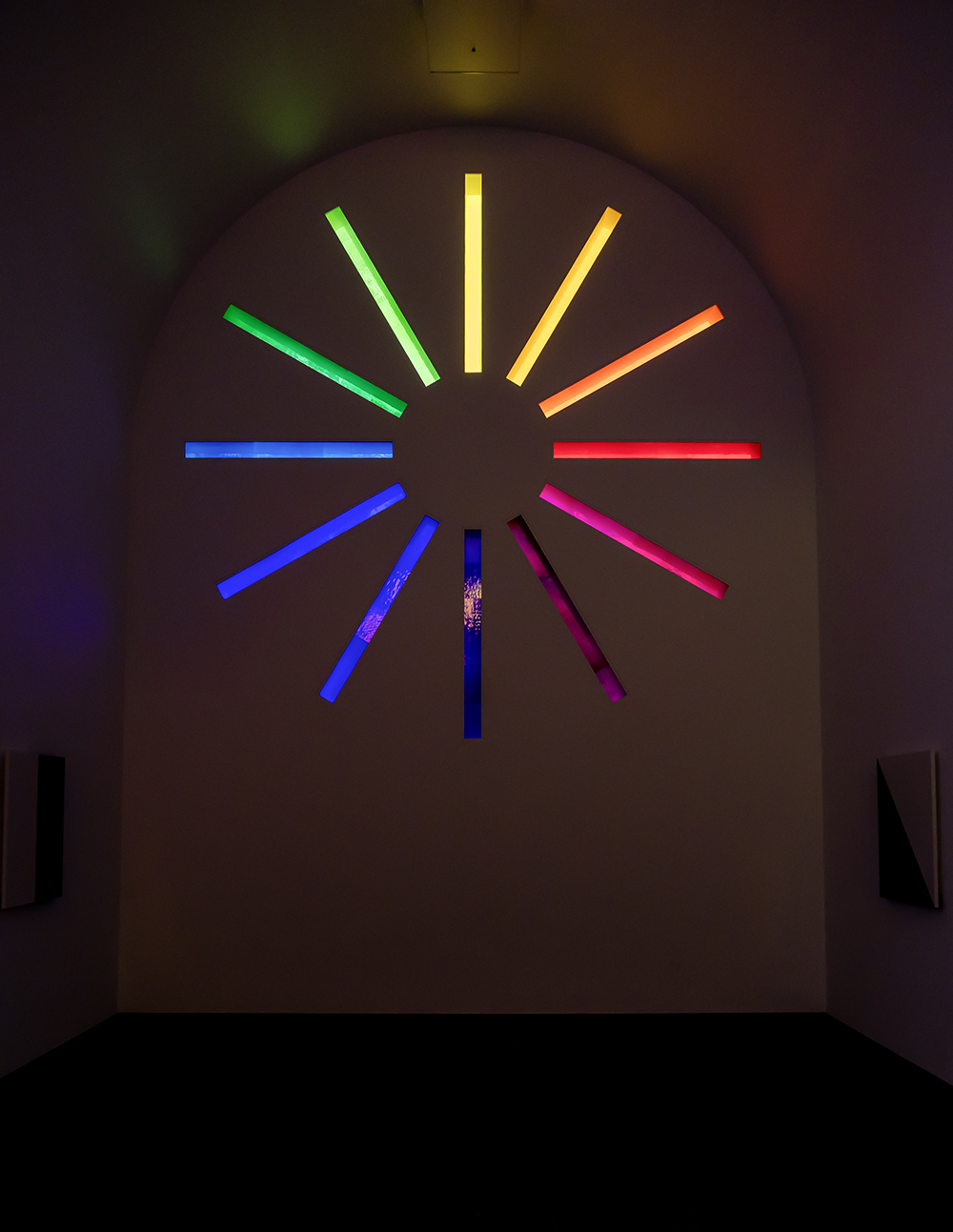
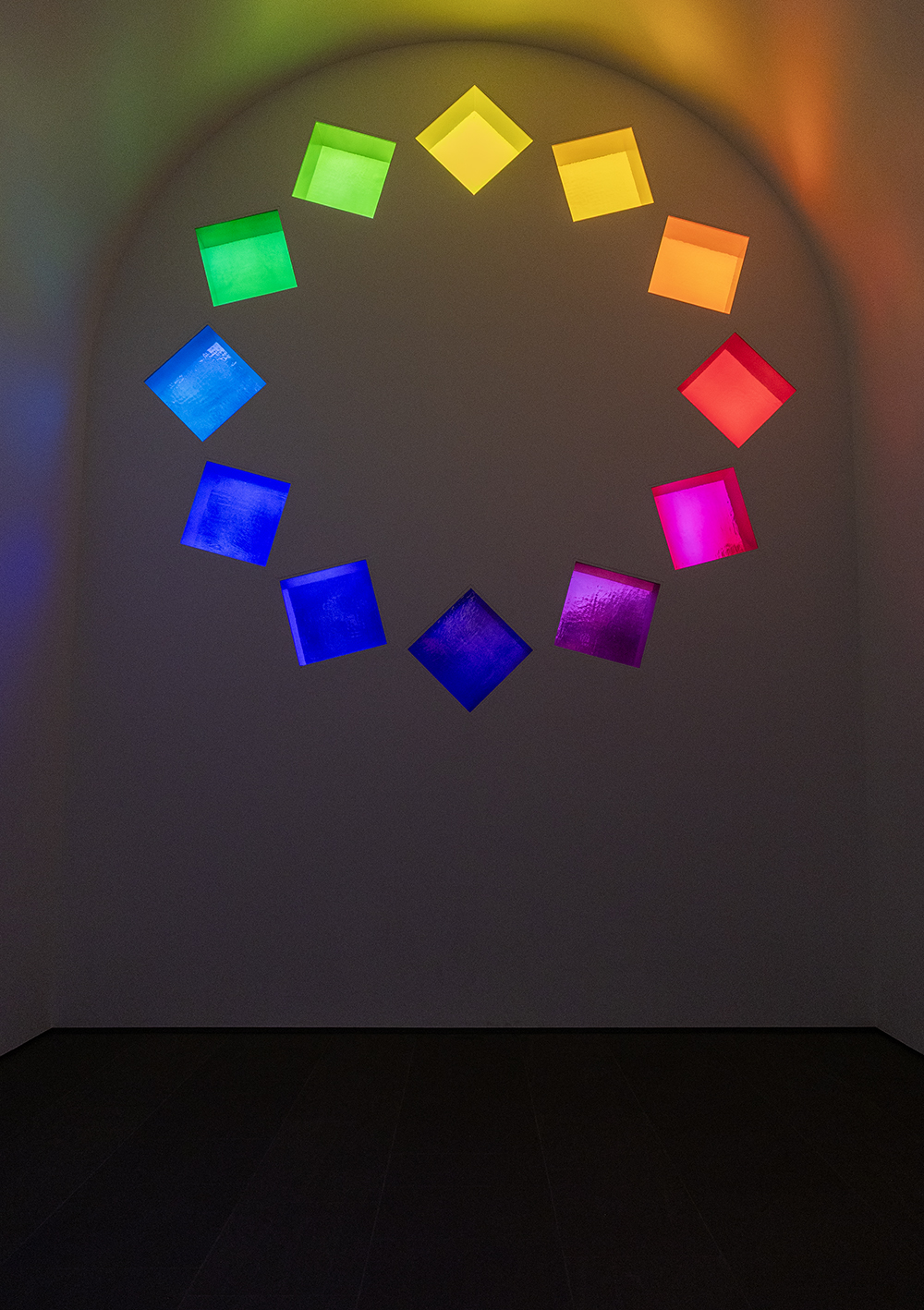
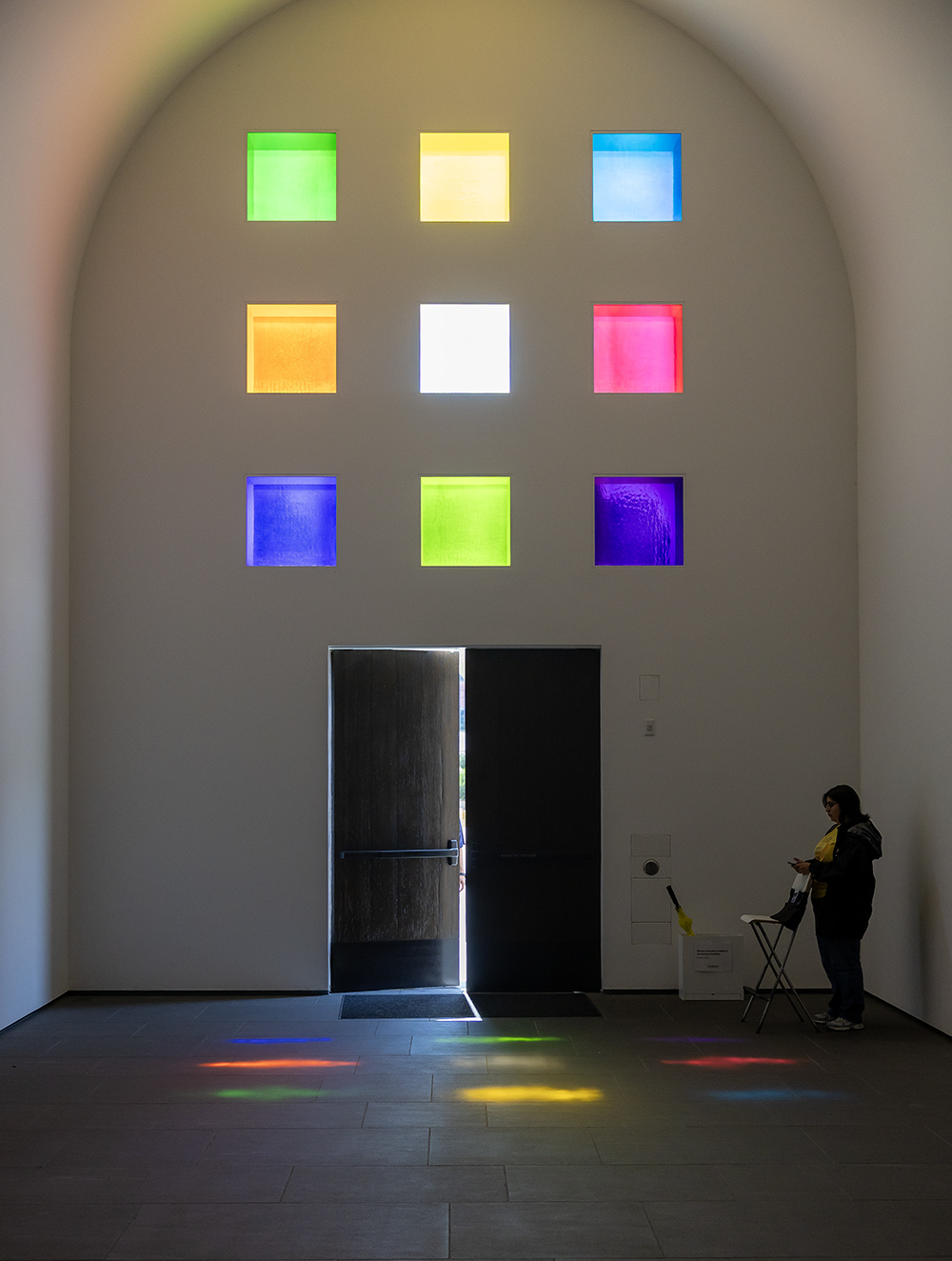
We also got to visit Ellsworth Kelly’s chapel, titled Austin, located outside the museum. The Chapel was solid white with geometric designs and colorful stained-glass windows that looked stunning in the light, a staple of Kelly’s work.
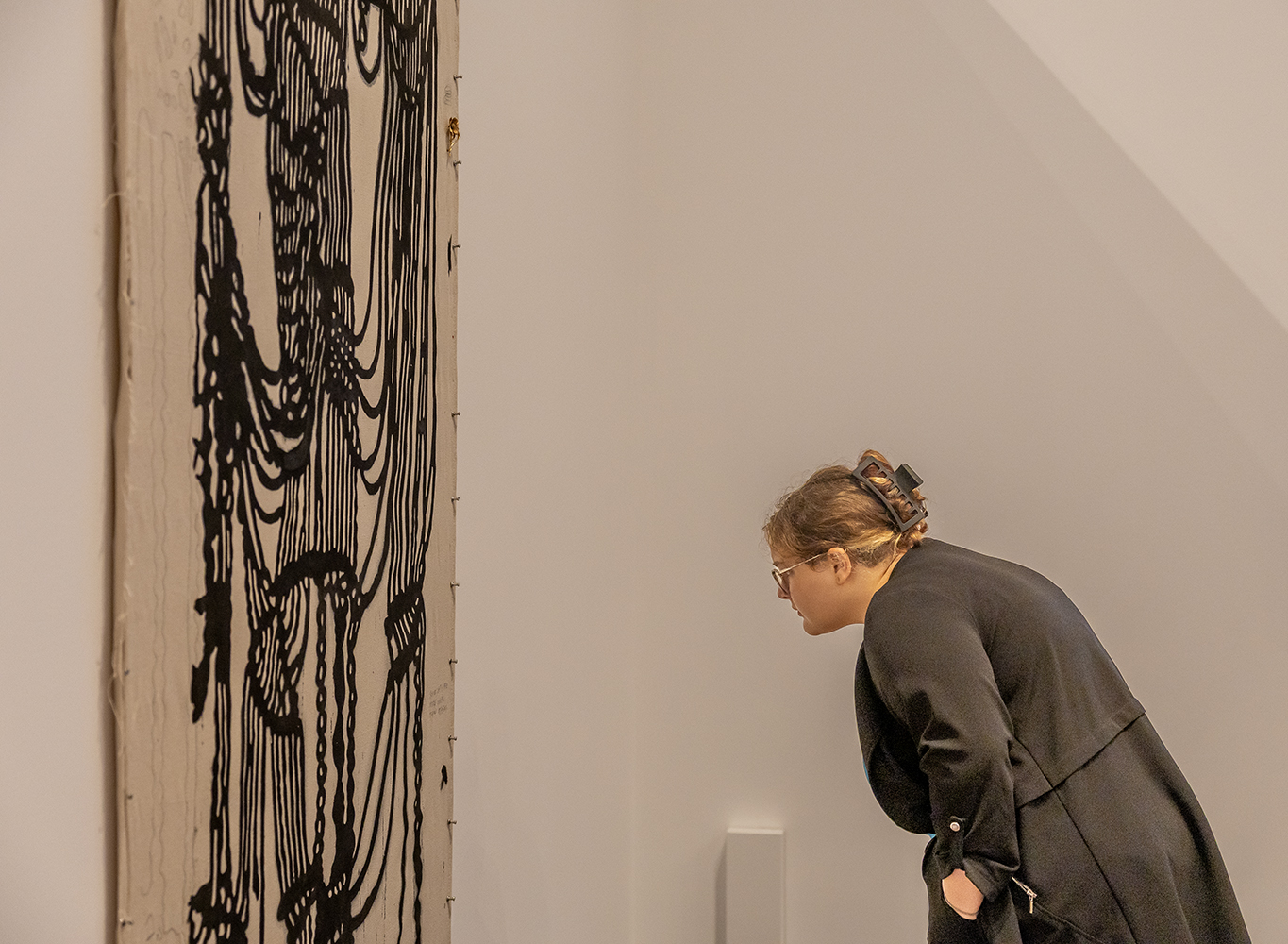
My favorite piece personally was Madam C. J. Walker by Sonya Clark, a portrait of Madam Walker made entirely out of hair combs. I really liked how the individual combs came together to create the portrait. I also enjoyed the creativity and symbolism behind using the combs, especially because Madam Walker rose to fame in African American hair care products.
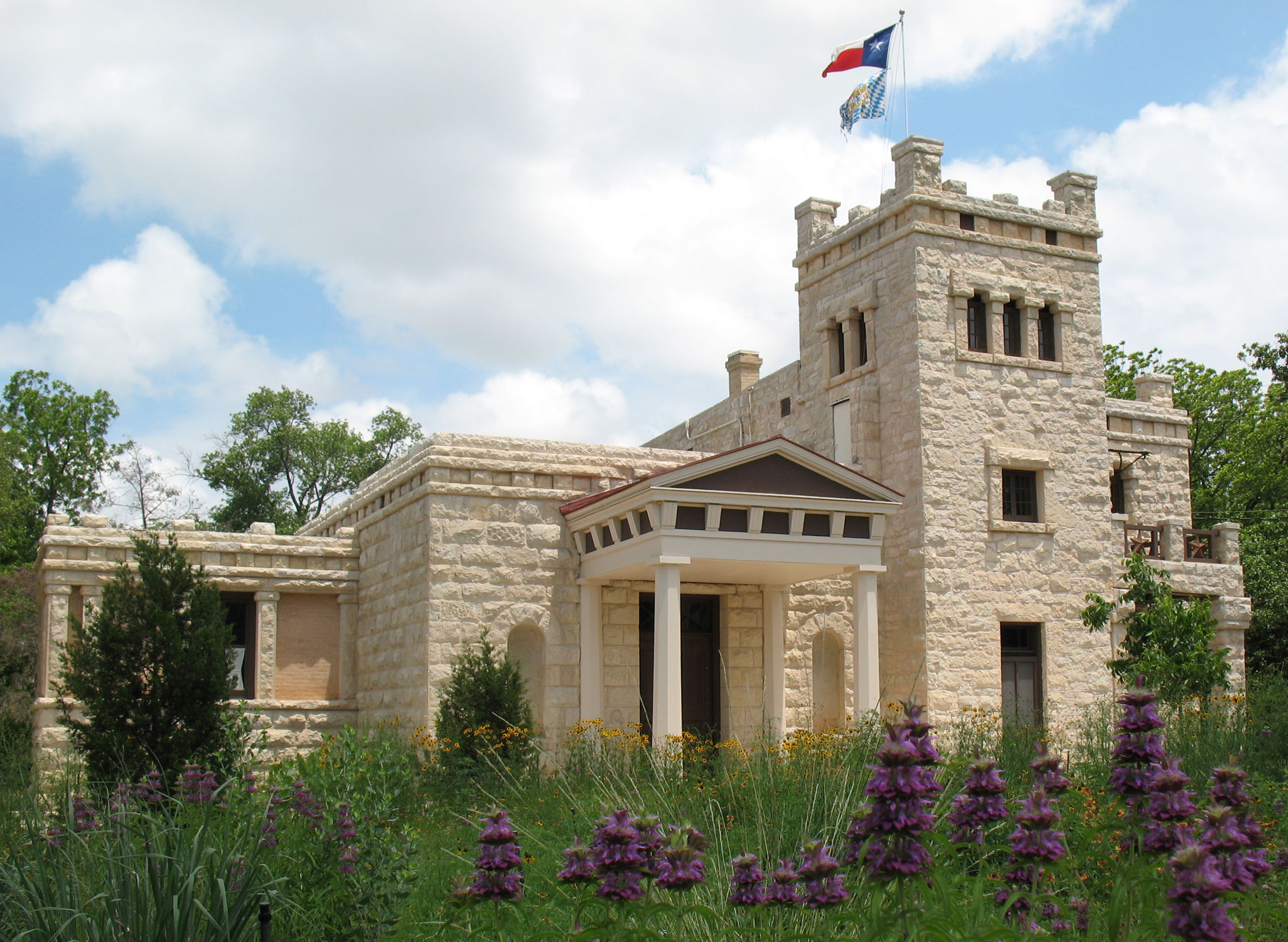
After the museum, we had the chance to drive by the Elisabet Ney Museum on our way home. It was built in her former home and art studio in Hyde Park, standing out because of its limestone castle-like structure. We were especially interested due to our tour of the Capitol, where she has two prominent statues in the South Foyer. They are of Sam Houston and Stephen F. Austin, two prominent figures in Texas History.
The museum was a perfect way to end an exciting and educational trip. LEAP students learned a lot and enjoyed their time there tremendously. From exciting panels sparking new ideas to culinary adventures like Skipjack Oyster, it was a trip to remember. We are excited to take our lessons and newfound ideas back to Huntsville, where we can use them in our everyday lives.
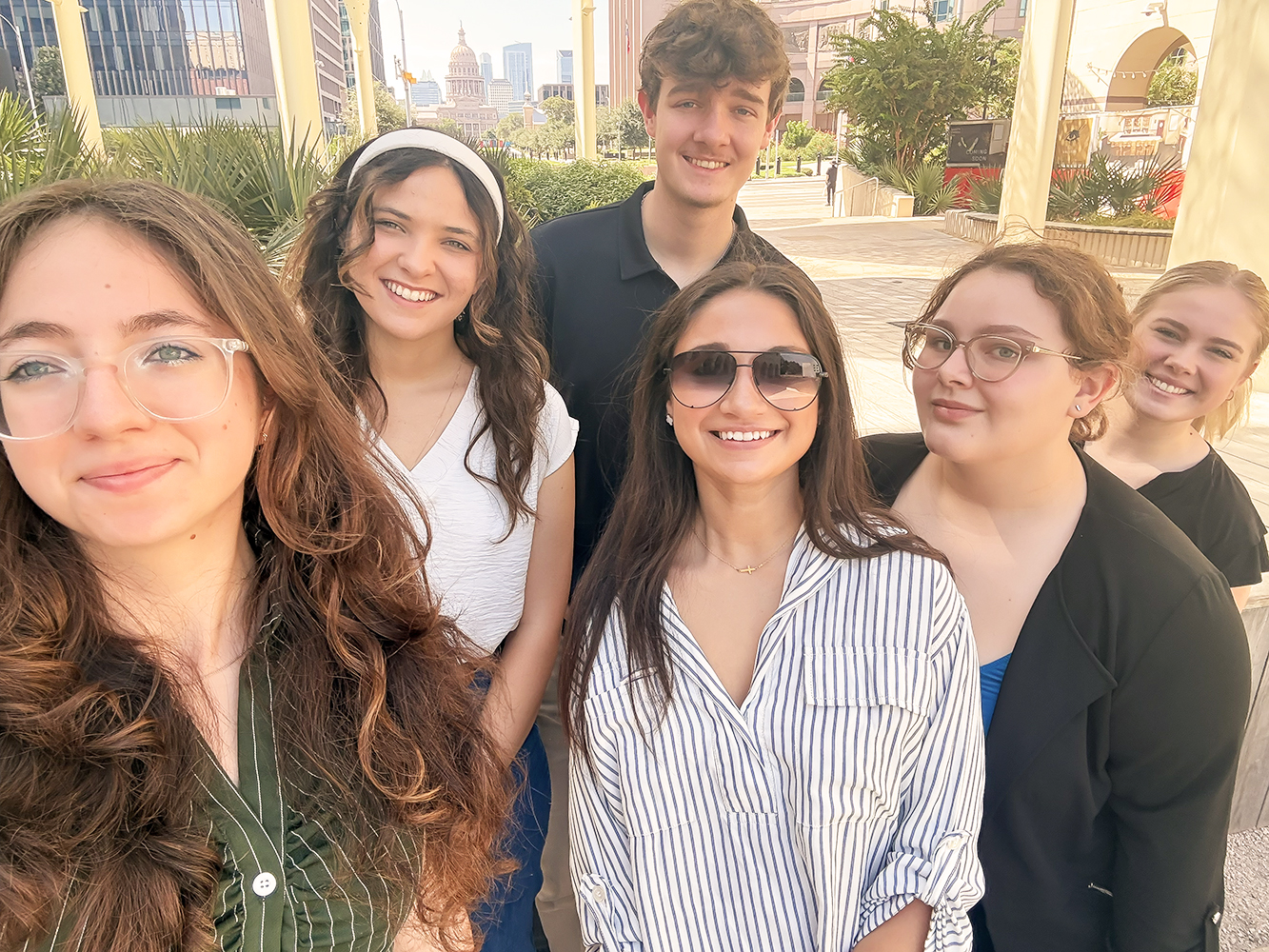
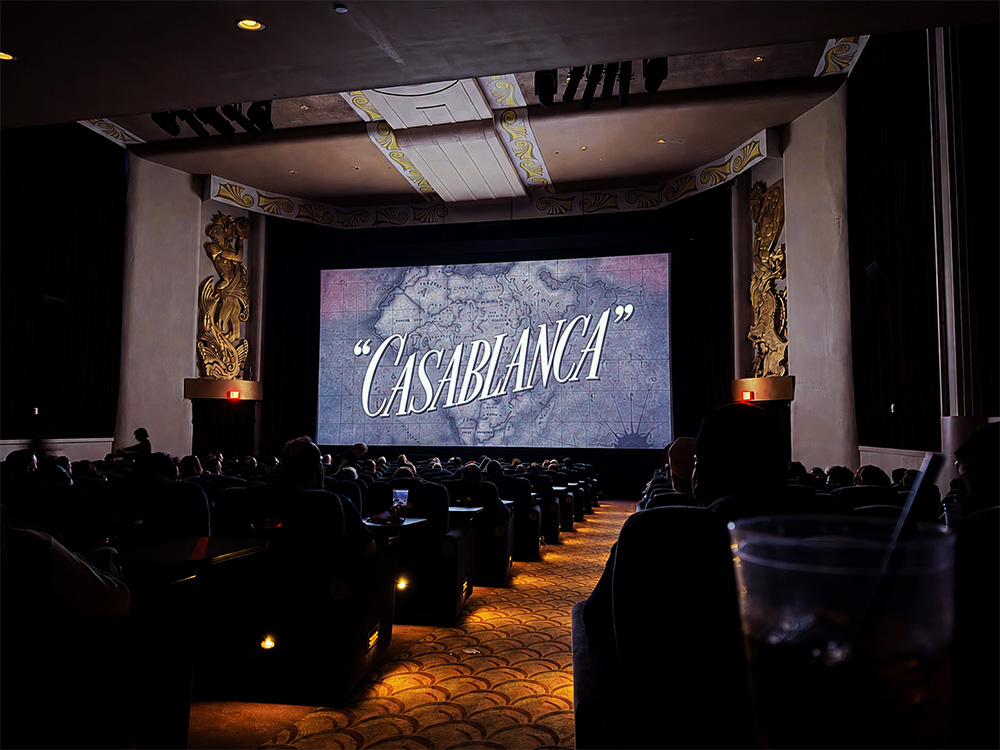
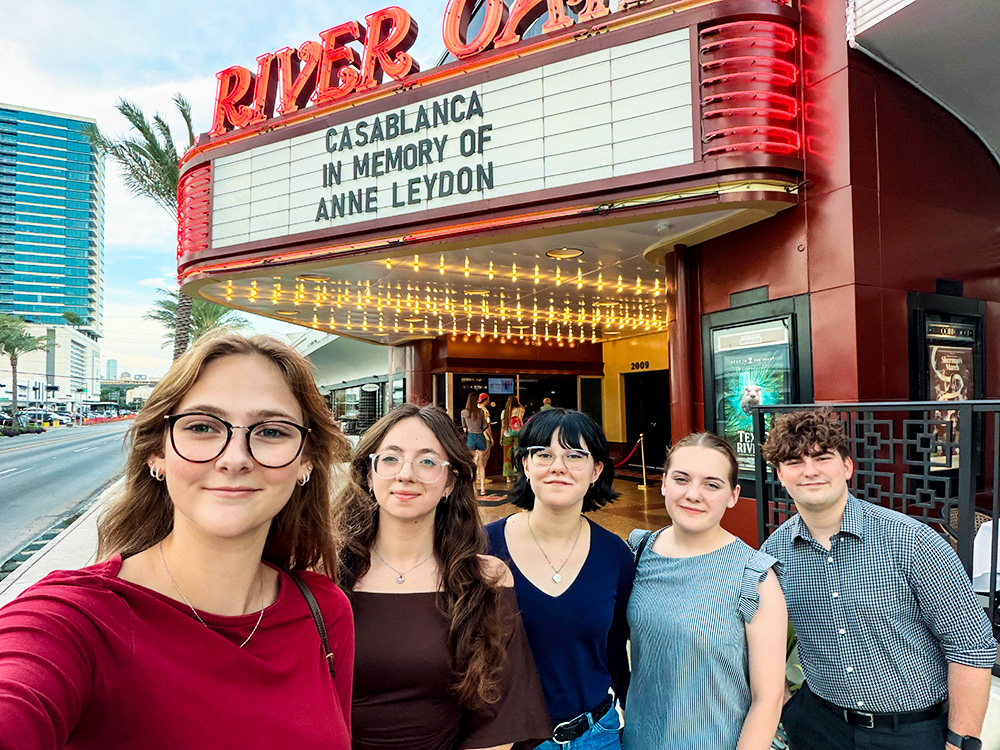
Last Thursday, LEAP Ambassadors got the chance to step back in time and experience the classic film Casablanca at River Oaks Theatre!
Once we arrived, we quickly found our seats and settled in for the show. Before the film began, Robert Saucedo, River Oaks Theatre’s Artistic Manager, shared a few brief remarks before introducing film critic Joe Leydon. Leydon dedicated the screening to his late wife, Anne Leydon, and shared a touching message about how people live on through the things they love. For Anne, that was Casablanca.
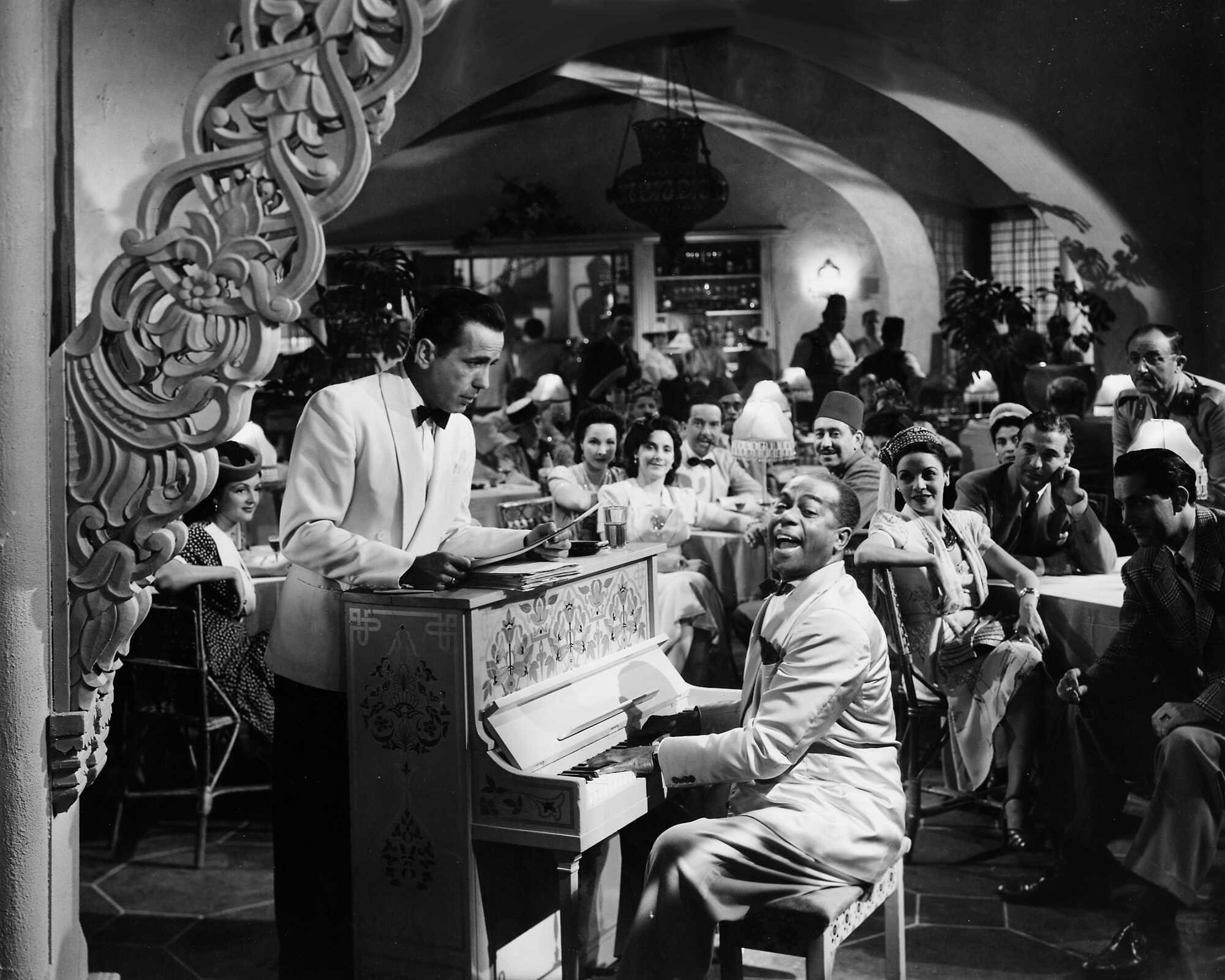
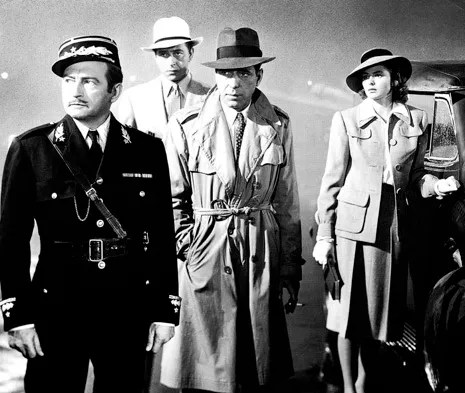
Released in 1942, the romantic drama follows American expatriate Rick Blaine (Humphrey Bogart), the owner of a nightclub and gambling den in Casablanca, a city in French Morocco that has become an important stopping point for refugees fleeing the German occupation. For many refugees, Casablanca is a necessary stop on the journey to Lisbon and, eventually, freedom in America.
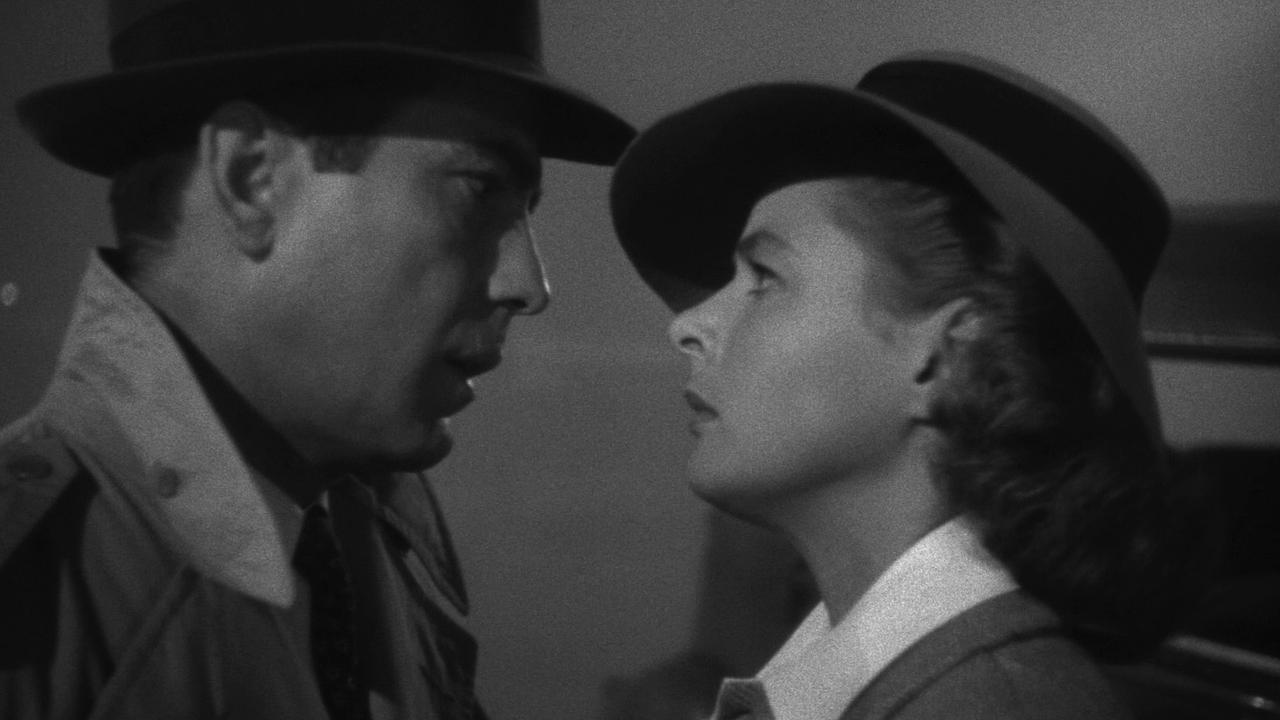
Rick, however, has no interest in leaving. Content to remain neutral in the war, he seems determined to look out for himself and avoid getting involved in anyone else’s problems. That changes when Ilsa Lund (Ingrid Bergman) unexpectedly walks back into his life.
Rick and Ilsa had once shared a passionate romance in Paris before the German occupation, but their relationship ended abruptly when Ilsa left Rick without explanation just as they were supposed to escape the city together. Now, Ilsa is married to Victor Laszlo (Paul Henreid), a resistance leader being pursued by the Third Reich. With Ilsa back in his life, Rick is forced to confront the conflict between his desire to remain neutral and the love he still has for her. The result is a story full of romance, tension, and unexpected twists that kept all of us guessing until the very end.
On the car ride home, we had plenty to discuss. One of the biggest topics was Rick himself. We talked about how he is an objectively morally gray character—especially for a protagonist from a film of that era—and compared him to the morally complicated characters we see so often in modern movies.
All in all, Casablanca gave us plenty to think about, and it was a fun opportunity to experience one of Hollywood’s most iconic films together!
Written by: Robin Houghton, Jacob Wessels, Allie Plunk, and Olivia McCaughan
The LEAP Ambassadors kicked off the fall semester with a retreat to Houston, where we spent the day exploring the city, trying new foods, and making memories together. From gourmet twists on familiar favorites to cultural dishes from around the world, our meals gave us plenty of opportunities to discover something new. In between bites, we explored Buffalo Bayou Park, admired Houston’s art and memorials, experimented with photography, and even caught up with some LEAP alumni.
The Kitchen
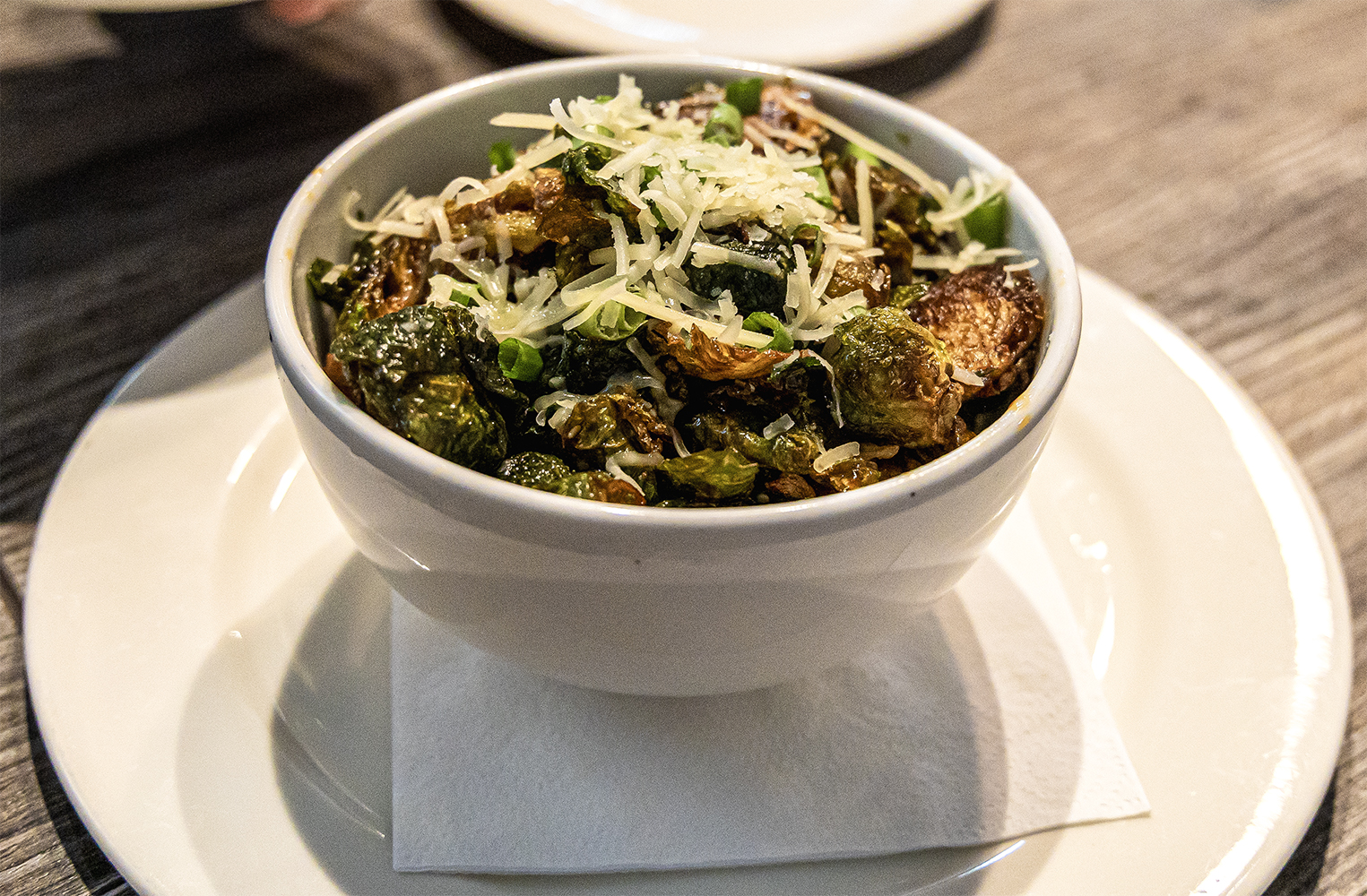
To begin our retreat, we stopped by The Kitchen, located in The Woodlands, which gives a gourmet twist to classic foods. We started off with their rich Truffle Mac & Cheese Gratin, Parmesan Truffle Fries, and our personal favorite appetizer: Crispy Brussel Sprouts. We also tried their Dirty Chai Shake and the Strawberry Banana Smoothie, which were the perfect refreshments during the hot August evening.
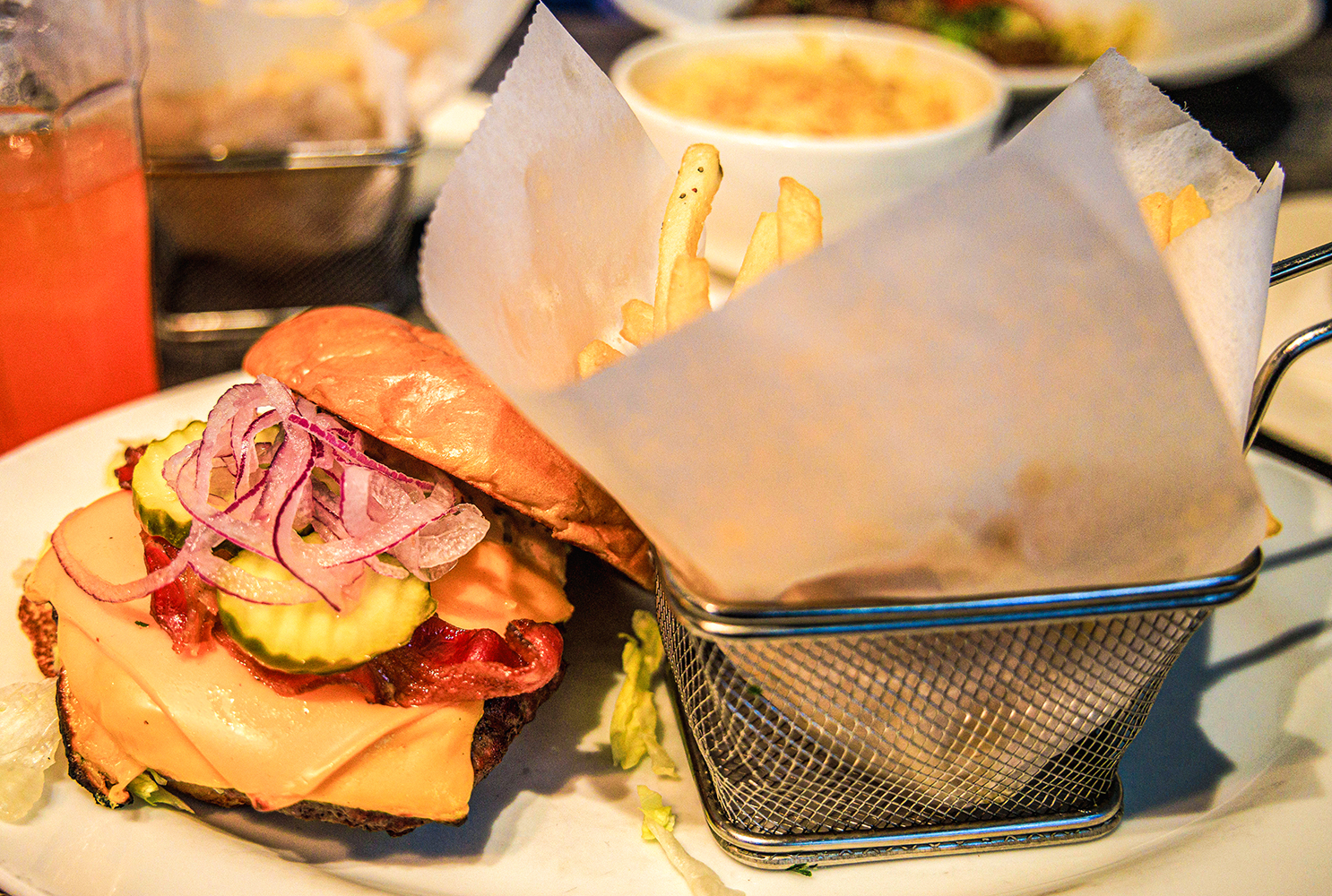
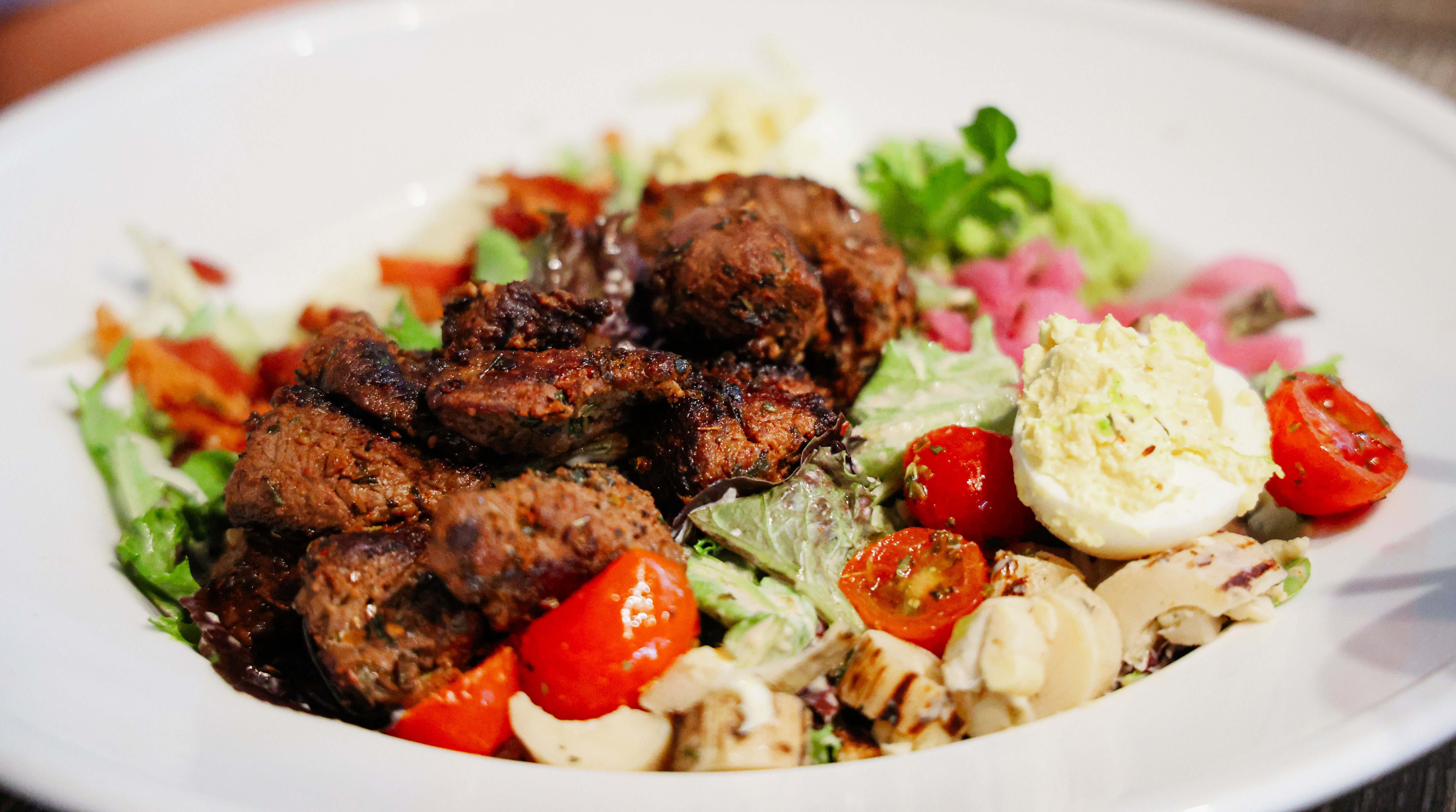
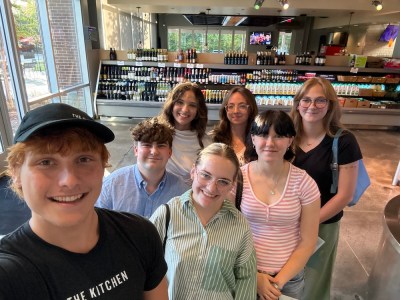
One of the highlights of The Kitchen is their ability to put interesting twists on familiar dishes, and this strength was proven true as all but one of the Ambassadors ordered a steak/beef dish. Isis and Jacob ordered the Steak Bowl: tenderloin served over flavorful farro and fragrant vegetables; Allie ordered the Tenderloin Cobb Salad and found the inclusion of palm hearts to be a welcome surprise. Kayla ordered the Blackened Salmon Salad, Robin enjoyed the Cowboy Burger, and Olivia had the American Burger. While the sauce on Olivia’s burger wasn’t a personal favorite, we all agreed the steak was wonderfully cooked and perfectly tender, regardless of what we ordered. The Kitchen delivered a delicious balance between comforting, healthy, and elevated that made the restaurant a place to remember.
Buffalo Bayou Park
During our time exploring Houston, the ambassadors visited the Houston Police Memorial, which honors the brave officers who lost their lives while serving and protecting the Houston community. The memorial gave us a chance to slow down and appreciate the sacrifices made by those who dedicated their lives to keeping others safe. The architecture of the memorial was incredibly notable: a layered pyramid, with almost perfect symmetry. We were surprised to find grass growing on each layer! At the very top was a plaque, listing the names of the fallen officers. It was a meaningful stop and an important part of our time exploring the city.
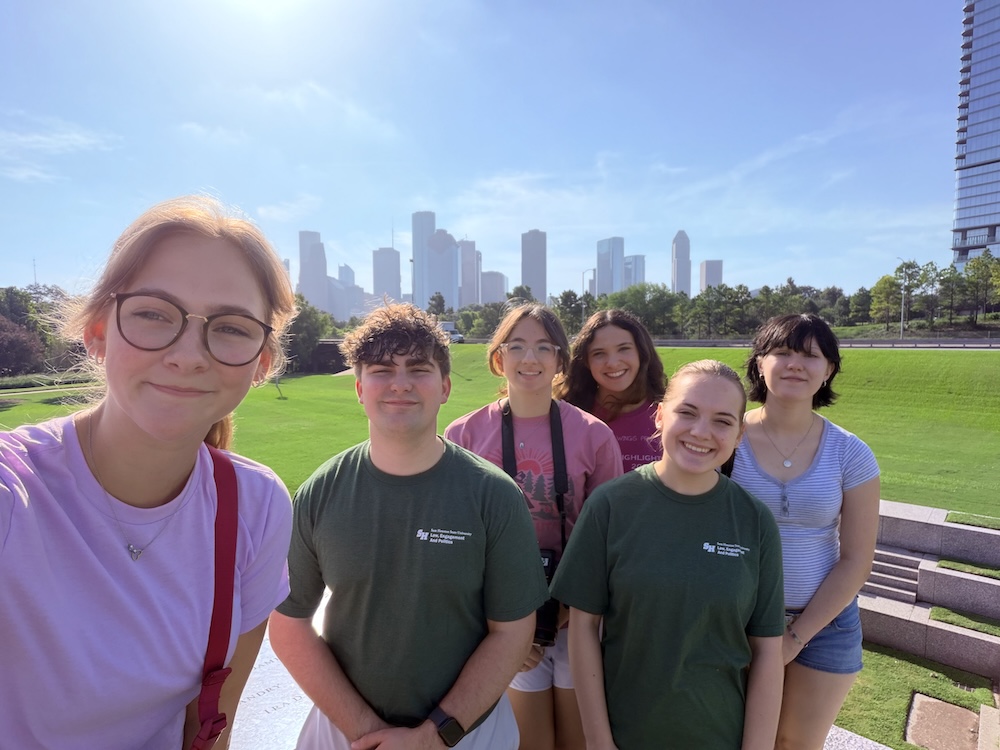
Afterward, we stopped at Buffalo Bayou Park for what we thought would be a short pit stop. However, we quickly learned just how vast and beautiful the park really was. Our first stop was the Johnny Steele Dog Park, where we watched some pups run around and play. It was really fun watching them splash through the water and chase each other, although at times I was worried their roughhousing might turn into a brawl!
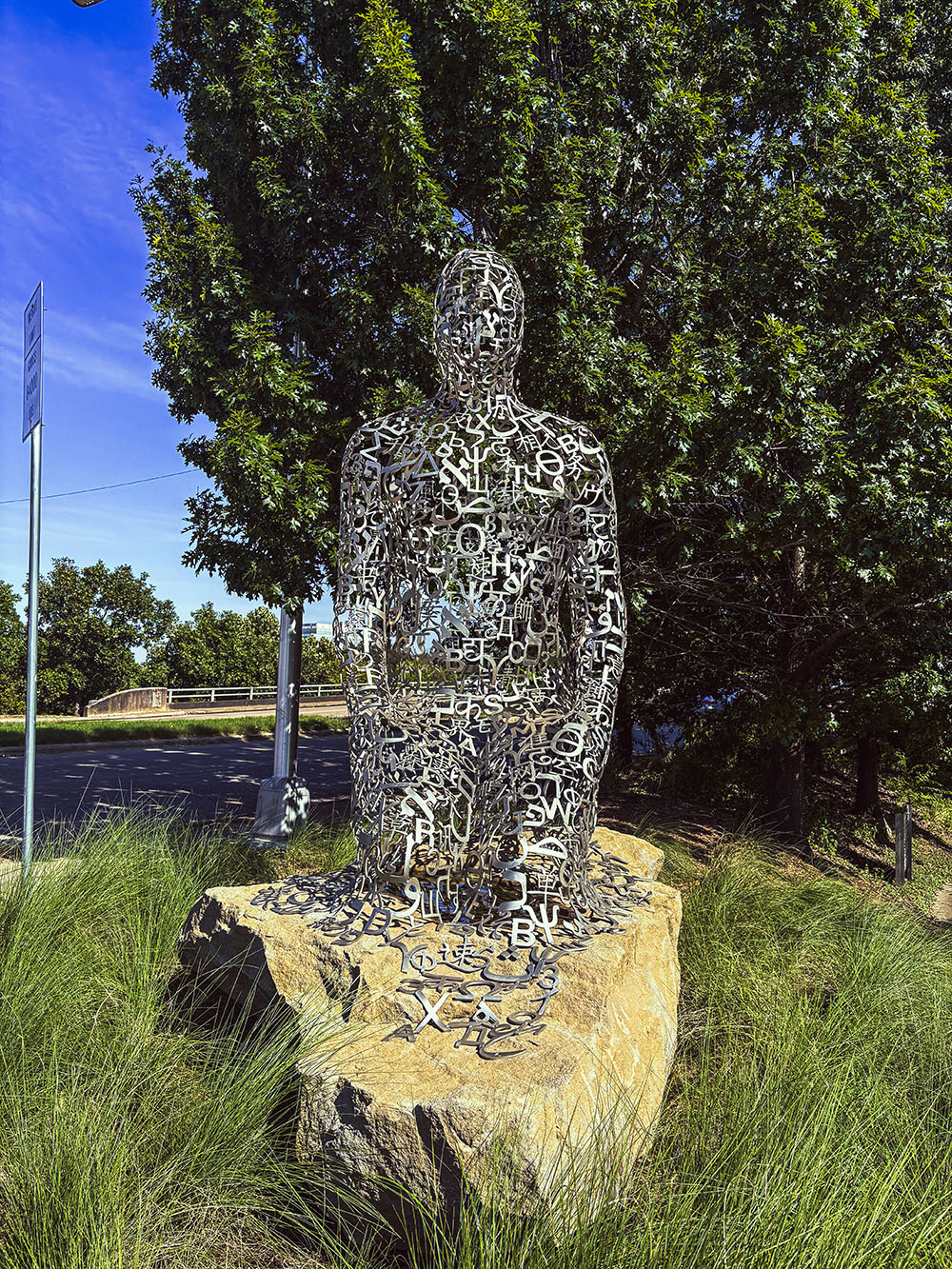
We then continued down the street and saw Tolerance on Harmony Walk by Jaume Plensa. Made up of the letters of eight different alphabets, formed like people, these pieces showcased the diversity of people from different languages, cultures, and backgrounds. It was a great reminder of how our differences can come together to create something beautiful.
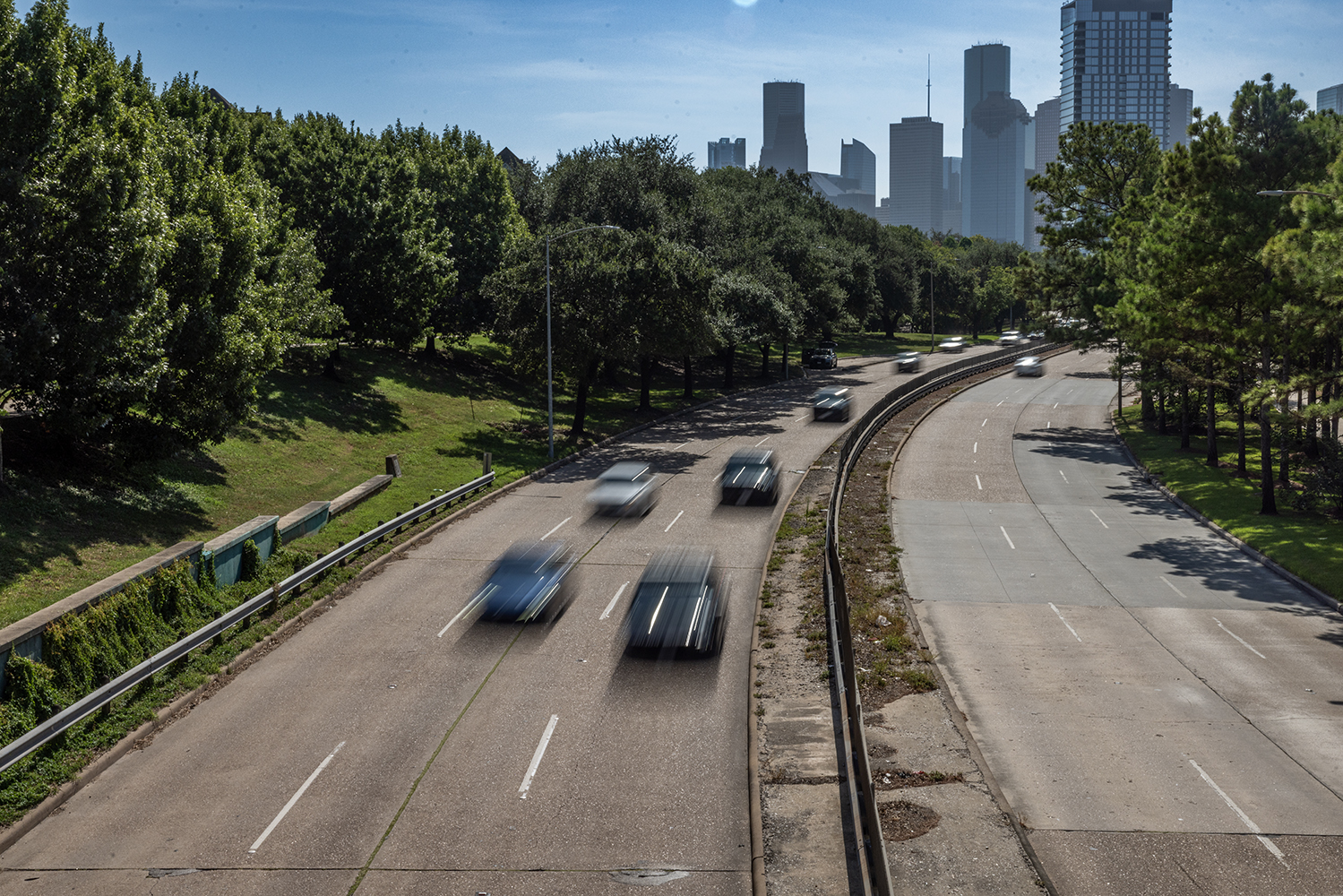
After that, we walked across to the overpass and noticed that there were locks attached to the bridge. The locks were an homage to the famous love-lock tradition seen on bridges around the world. We then tried to take slow-shutter photos of the cars passing underneath us to get an idea of how the shutter speed can affect the look of a photo.
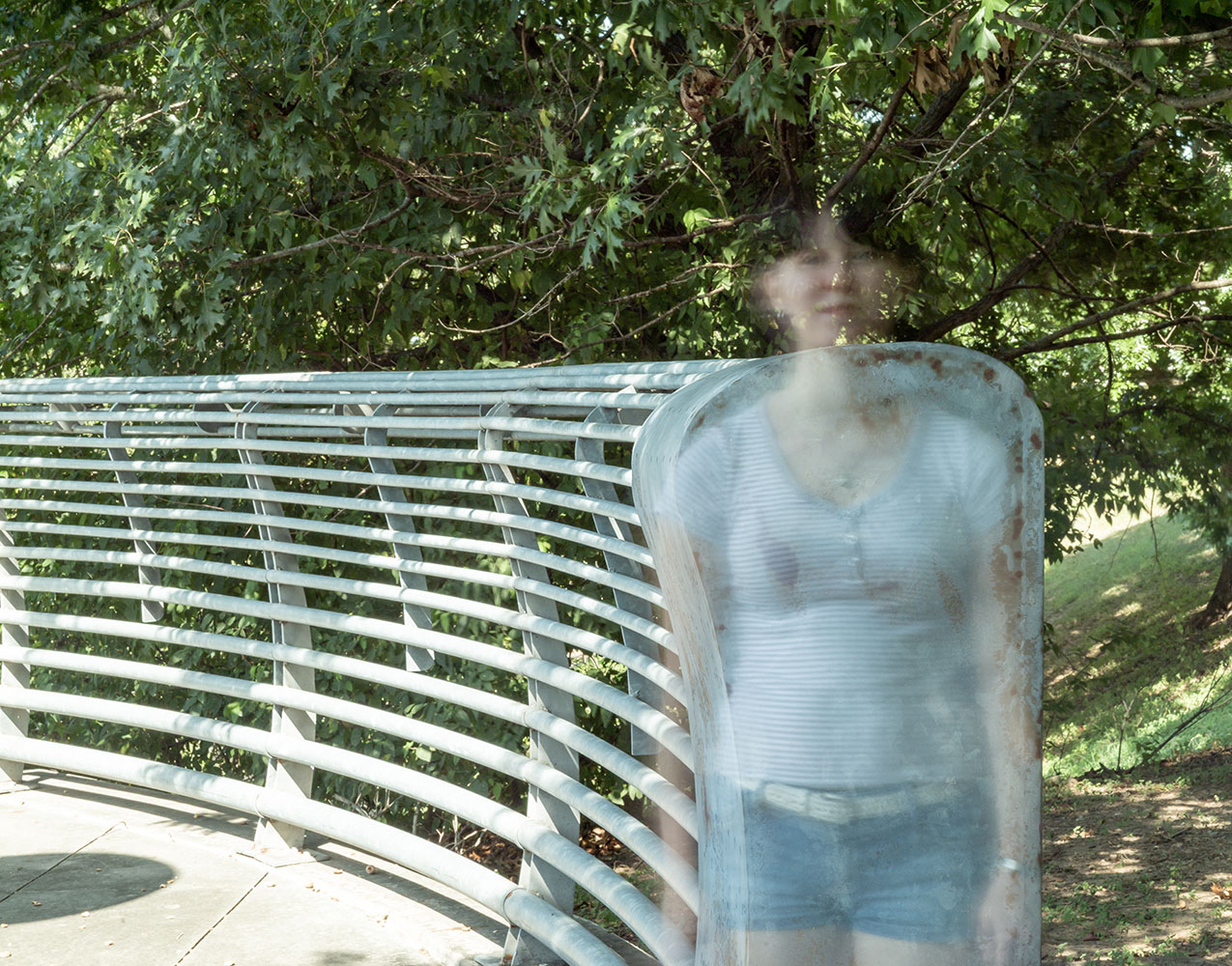
Using a similar technique, we even managed to make one of the ambassadors look like a ghost (or, more like a ghost than usual)!
In the end, Buffalo Bayou Park turned out to be an amazing place to spend time, enjoy nature, and get out and explore!
Post Market
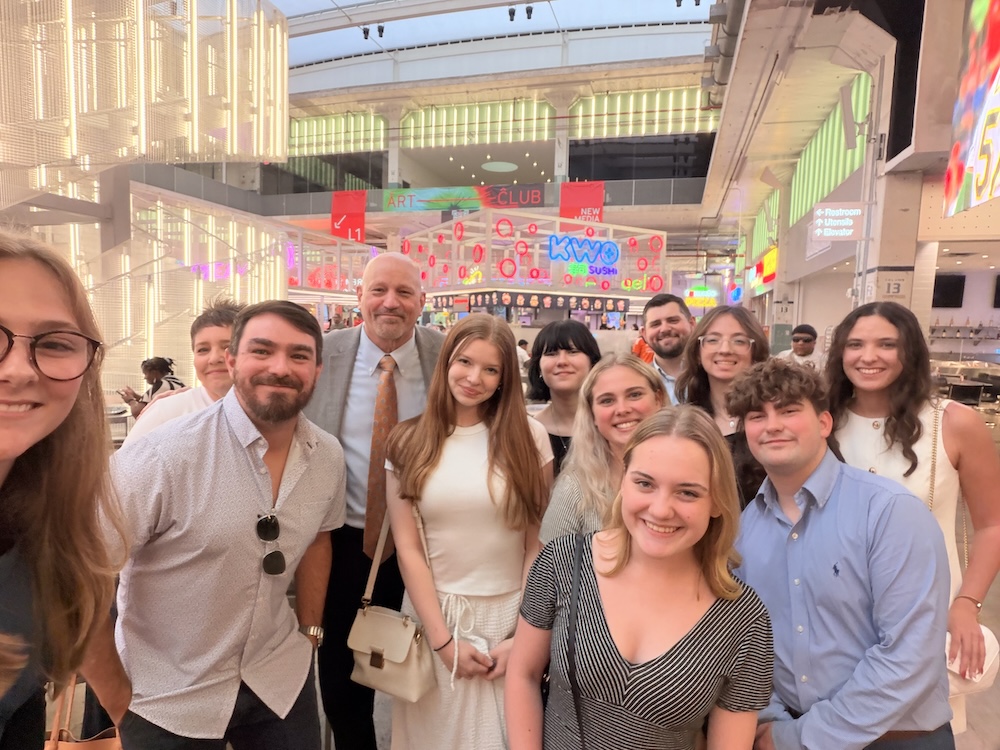
Our first dinner in Houston was spent at a familiar favorite: Post Market. The food hall offers a variety of cultural cuisine, with options varying from African to Asian meals. We also met up with a few LEAP alumni for the night, sharing the meal with Ademide Adedokun, Quinn Kobrin, and Justin Bieser and his wife, Chelsea.
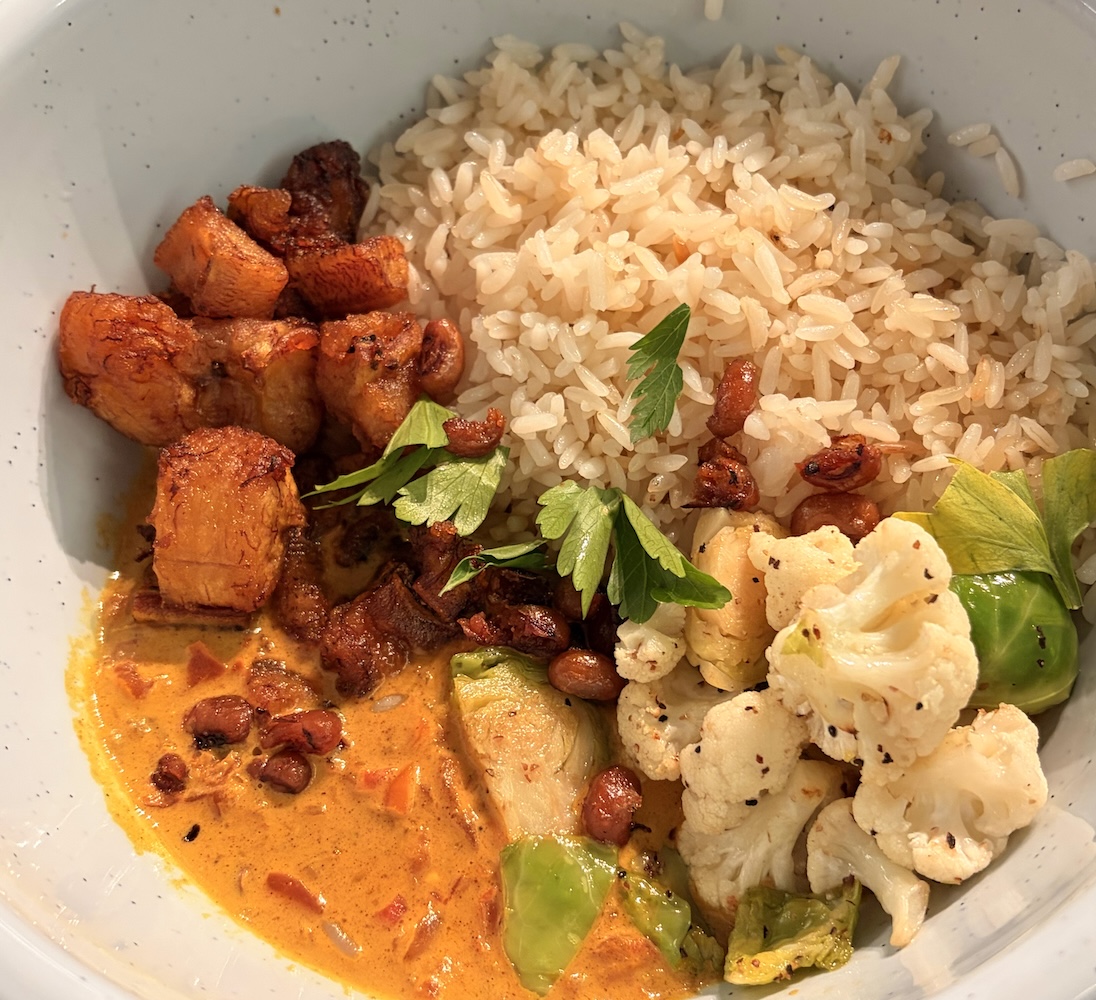
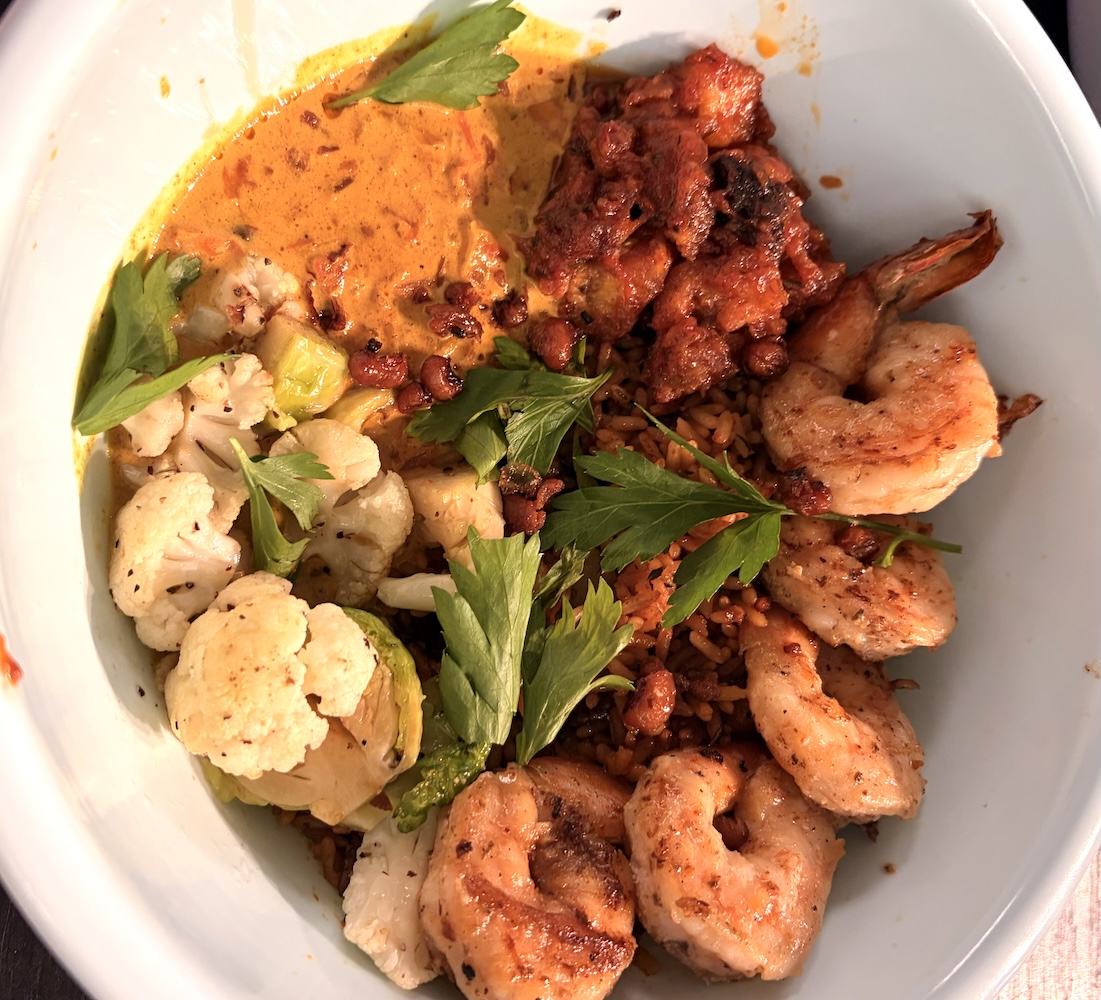
After scoping out the options, we ordered our food from a variety of restaurants, most of us opting in for ChopnBlok‘s west African cuisine. A few of the most popular dishes among the LEAP Students were the Motherland, a delicious blend of rice, curry, vegetables, and a similar dish called the Trad, made with chicken, jambalaya, vegetables, and plantains. We were certainly not disappointed with our selections, finding the unique blend of spices and flavors delicious. Robin decided to explore some of her own cultural heritage, opting for a Filipino meal from Soy Pinoy. After ordering the Lechon, a dish made of deliciously seasoned pork and atchara, she was pleasantly surprised to find that they included the crunchy, roasted skins! Robin was not the only one to branch out, however, Olivia enjoyed Asian food from Nikubol, ordering the Truffle Beef Cube bowl, a delicious mixture of vegetables, beef and sauce.
Our new adventure at Post Market allowed us to delve into culture on our retreat! We were thrilled to get to enjoy the rich variety of cuisine offered in Houston.
Cochinita & Co.
Since the LEAP Ambassadors were in Houston, we couldn’t help but stop at the new location of one of our favorite restaurants, Cochinita & Co., to see if it held up to the original, and we were not disappointed!
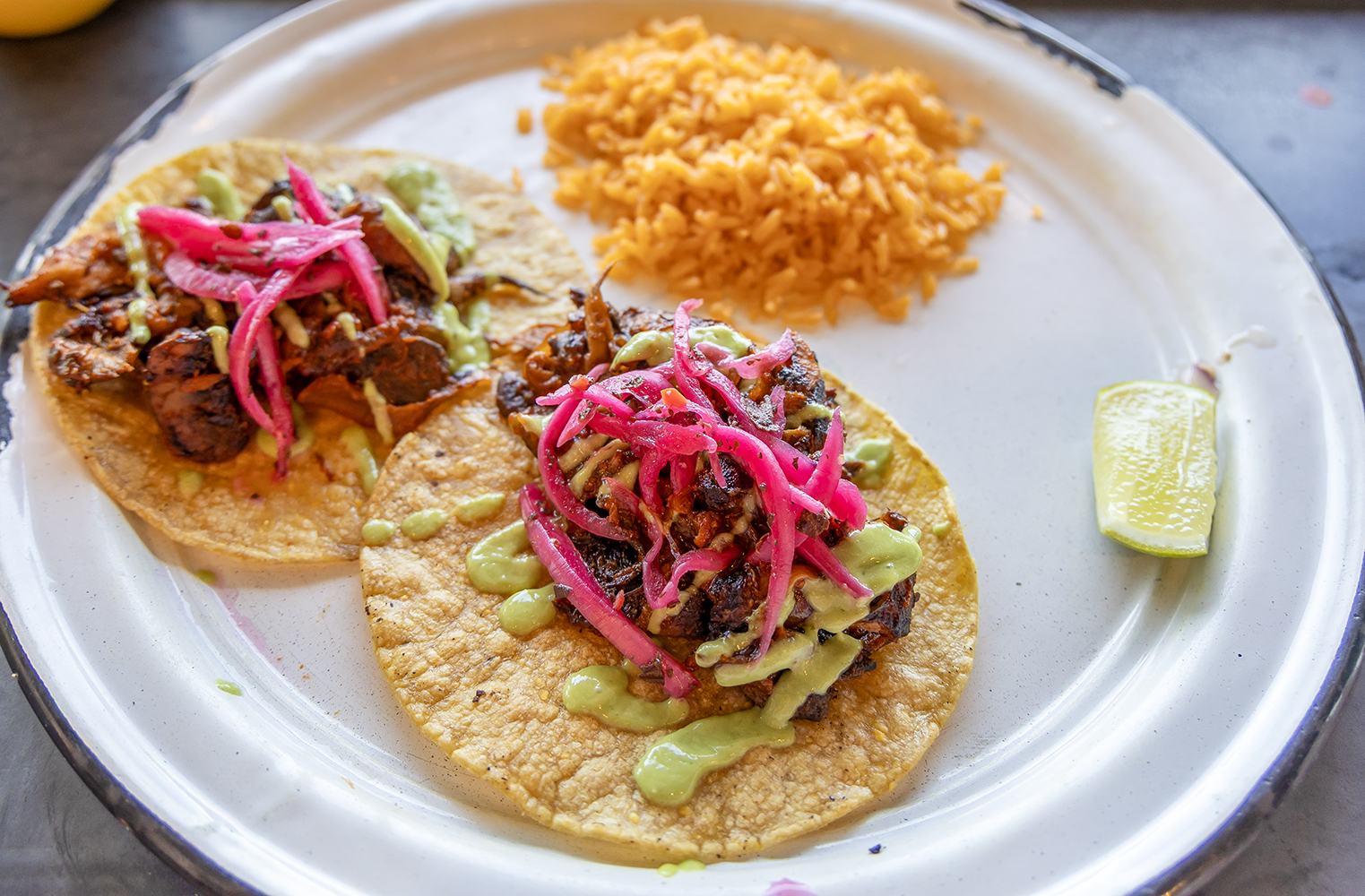
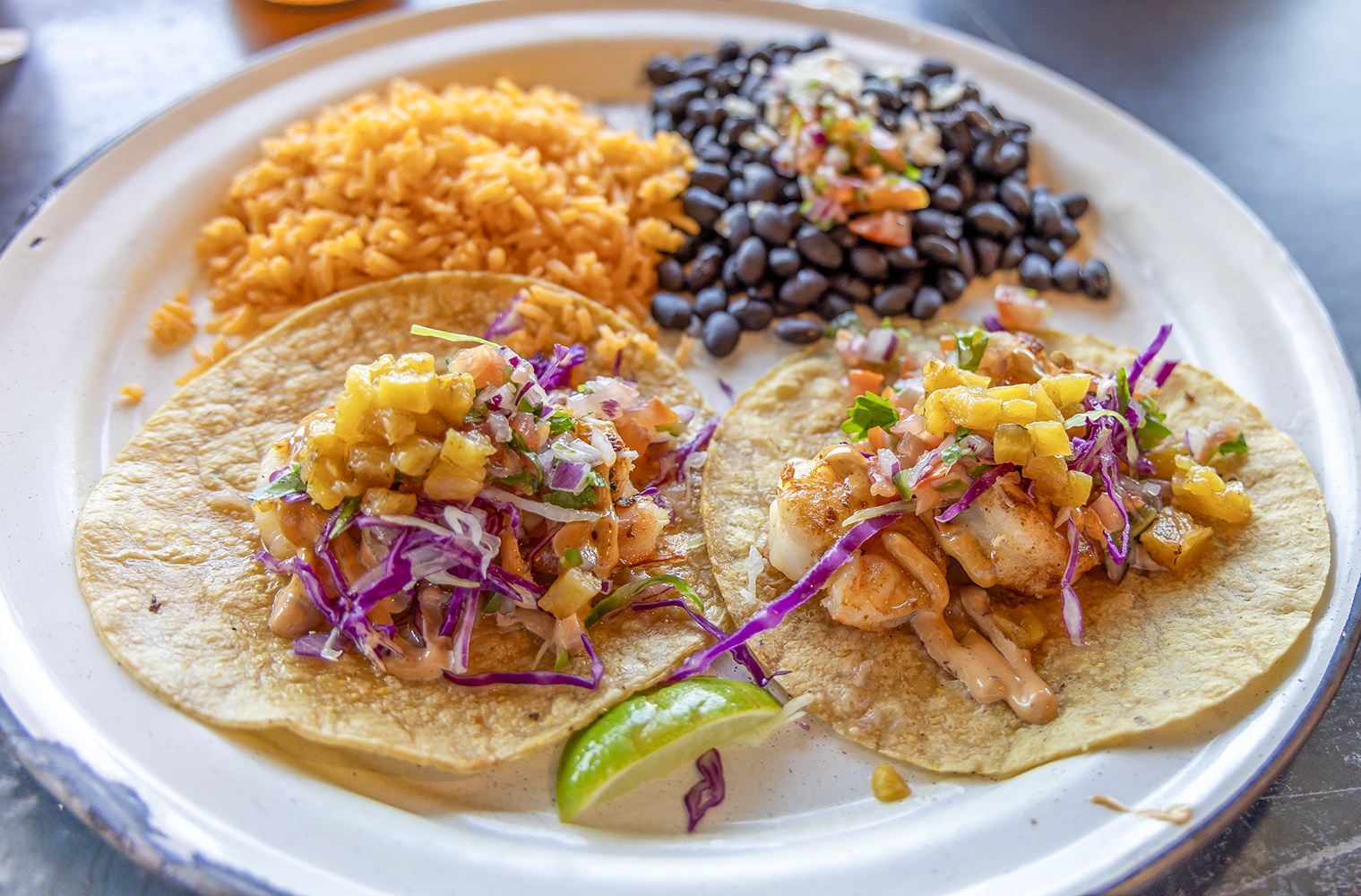
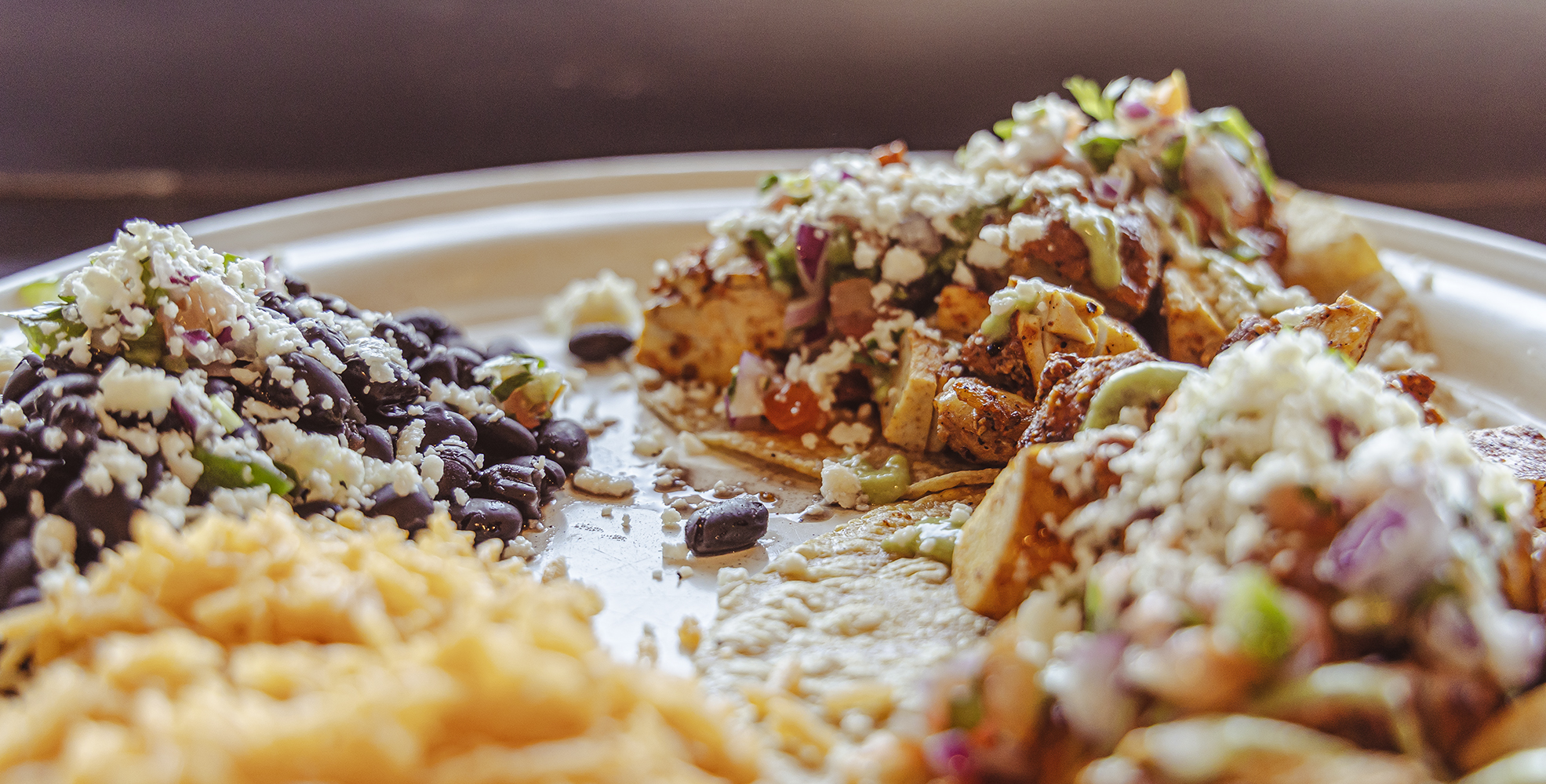
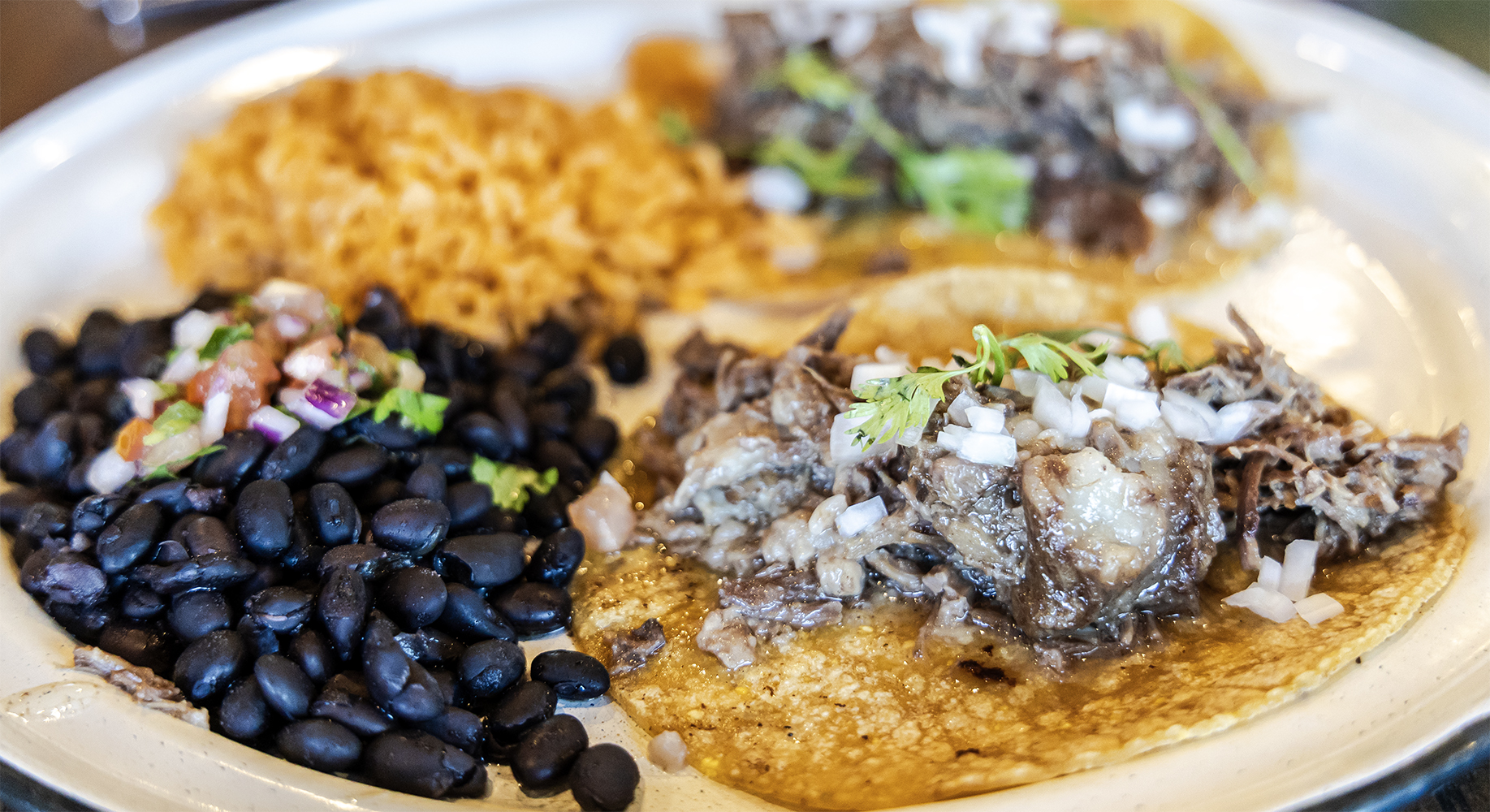
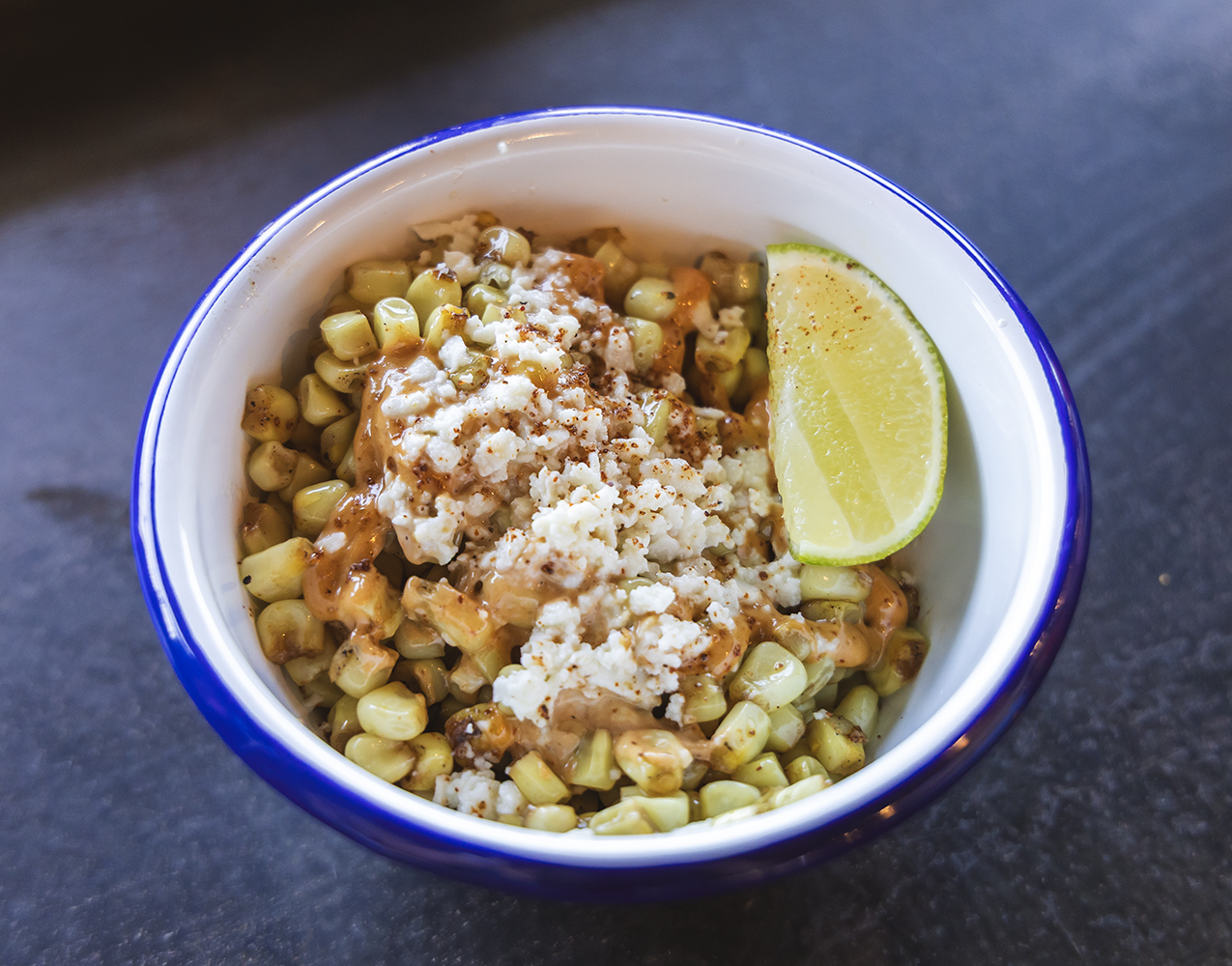
This time, we started our meal by sharing elote and guacamole with totopos. It was the perfect way to begin lunch while we discussed some events for this coming up semester. Allie, Isis, and I got the Pollo Adobado tacos with rice and beans. We agreed that the chicken was very tender with a great flavor, while Jacob and Kayla chose the shrimp tacos. Robin tried the Tinga de Hongos tacos, giving us plenty of different dishes to enjoy around the table.
We also made sure to save room for dessert! We shared a concha, marranitos, and a chocolate chip cookie, ending our meal on a sweet note.
From delicious meals to unexpected adventures, our Houston retreat gave the LEAP Ambassadors plenty of opportunities to explore, learn, and spend time together as the new semester began. Whether we were trying new foods, discovering Houston’s art and history, experimenting with photography, or simply enjoying each other’s company, every stop gave us something to remember. We’re excited to bring the energy and ideas from our retreat back to SHSU and can’t wait to see what the upcoming semester has in store!
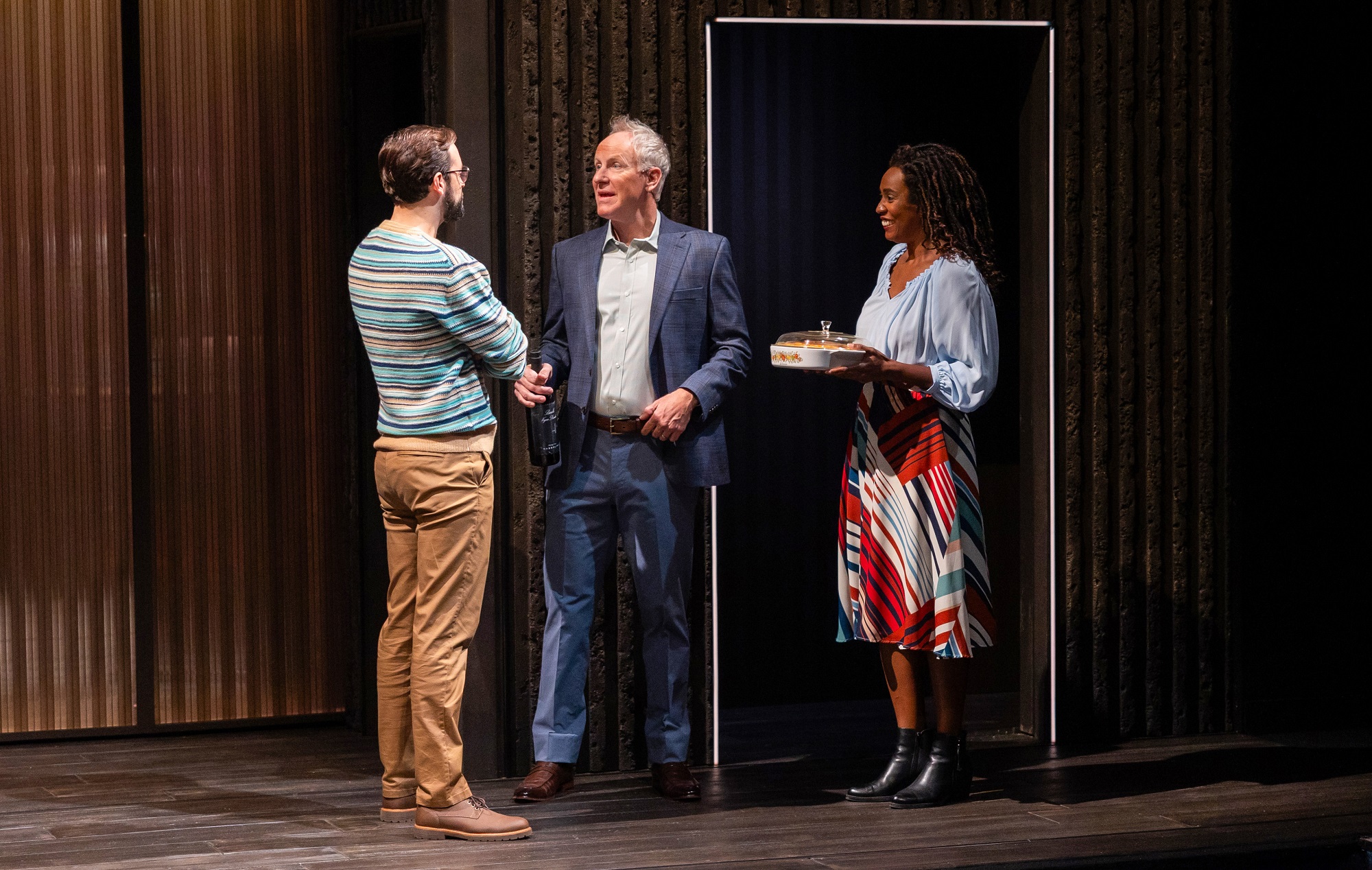
During our retreat in Houston, LEAP students and alums visited the Alley Theatre once again to watch a performance of The Girl on the Train! Based on the bestselling novel by Paula Hawkins and the Dreamworks film adaptation, the play proved to be another memorable addition to LEAP’s theatrical experiences.
The Girl on the Train follows Rachel Watson (Elizabeth Bunch), an alcoholic whose life has begun to unravel following her divorce. One morning, Rachel receives a visit from Detective Gaskill (David Rainey), who informs her that a woman named Megan Hipwell (Emily Neves) has gone missing. Rachel immediately becomes invested in finding her. Although she has never met Megan, Rachel used to see her and her husband from the train each morning and imagine that they lived a perfect, happy life. With Megan now missing, that illusion is shattered, and Rachel becomes determined to uncover what really happened. The list of suspects is long: from a therapist, Dr. Kamal Abdic (Christopher Salazar), to Rachel’s ex-husband Tom Watson (Chris Hutchison) and his new wife, Anna (Michelle Elaine), to Megan’s husband, Scott (Dylan Godwin–an SHSU Alum), to even Rachel herself.
The story takes us through an exciting series of twists and turns, leaving many of us surprised when the mystery finally came to a close. Kayla and Tania were particularly surprised by the ending, while others, like Britlynn, managed to figure out the twist early. Afterward, we had a great discussion about our reactions to the play, and many of us agreed that it had earned a place among our favorite Alley Theatre productions.
The British accents of the characters also caught some of us off guard, especially those who had previously watched Misery at the Alley. Elizabeth Bunch and Chris Hutchison, who played Annie Wilkes and Paul Sheldon in that production, returned as Rachel and Tom. Many of us find the husband-and-wife duo particularly fascinating to watch because they seem to have a knack for playing characters who either despise each other or are completely obsessed with one another—and sometimes both! Their dynamic creates an interesting on-stage chemistry that made their performances especially memorable.
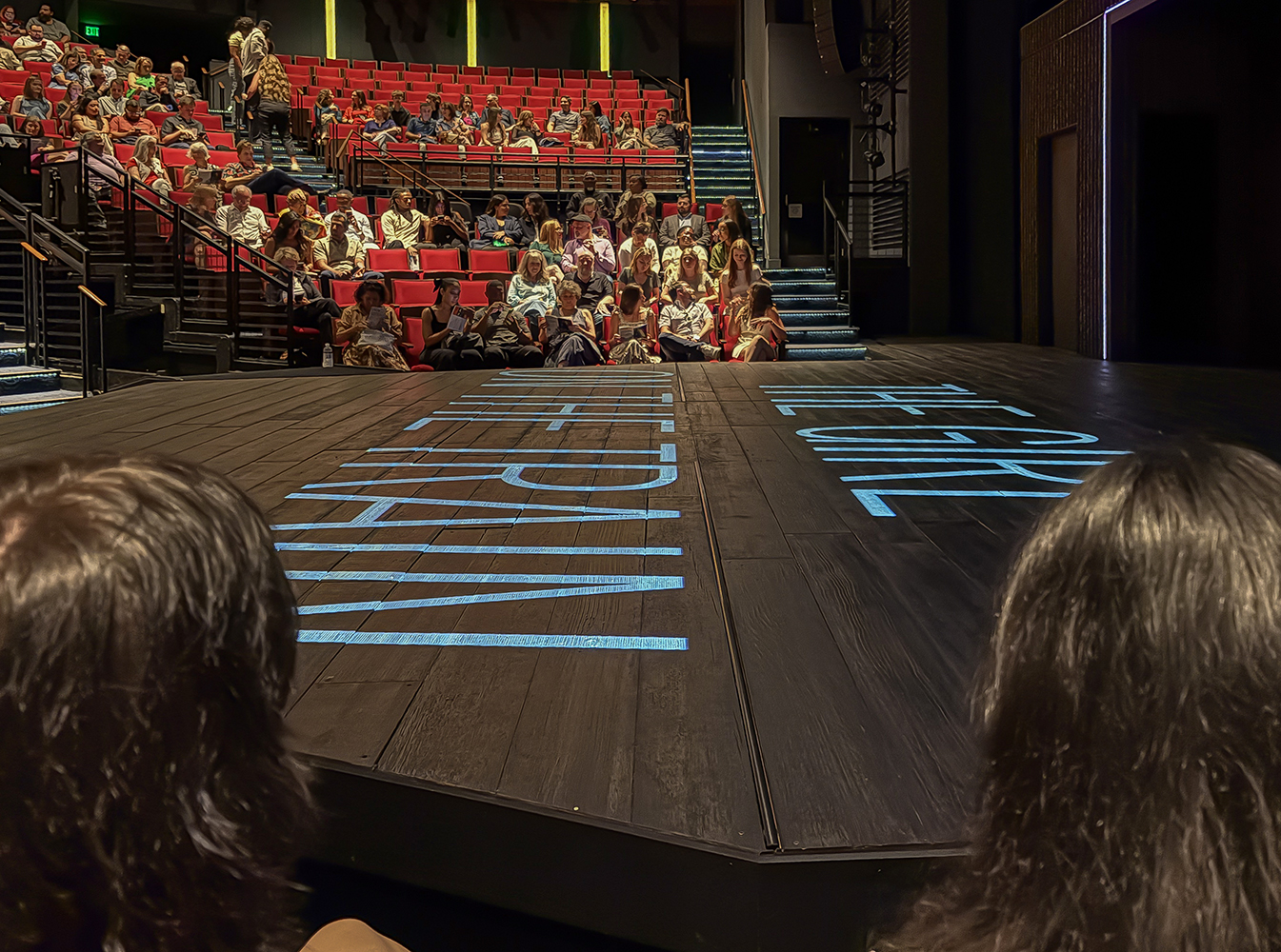
My favorite aspect of the play was the set. I really enjoyed the way that the stage had been designed to move; parts of the stage raising and lowering to reveal or conceal furniture that changed the scenery. They also utilized a catwalk-like structure above the stage to demonstrate the terrace of Megan’s home, which allowed Rachel’s memories to be displayed over the action of scene below. One of Olivia’s favorite parts was how they portrayed the moving train, through lights and set. Towards the end of the play, the technical team even utilized projection to create train tracks that ran across the stage.
Overall, the combination of story, acting, and creative set design made The Girl on the Train a great watch. We are all looking forward to our next opportunity to experience another Alley Theatre production together!
Many thanks to alums who joined us: Ademide Adedokun, Justin and Chelsea Beiser, and Quinn Kobrin–and to Ademide’s friend, Andrea Alexander.
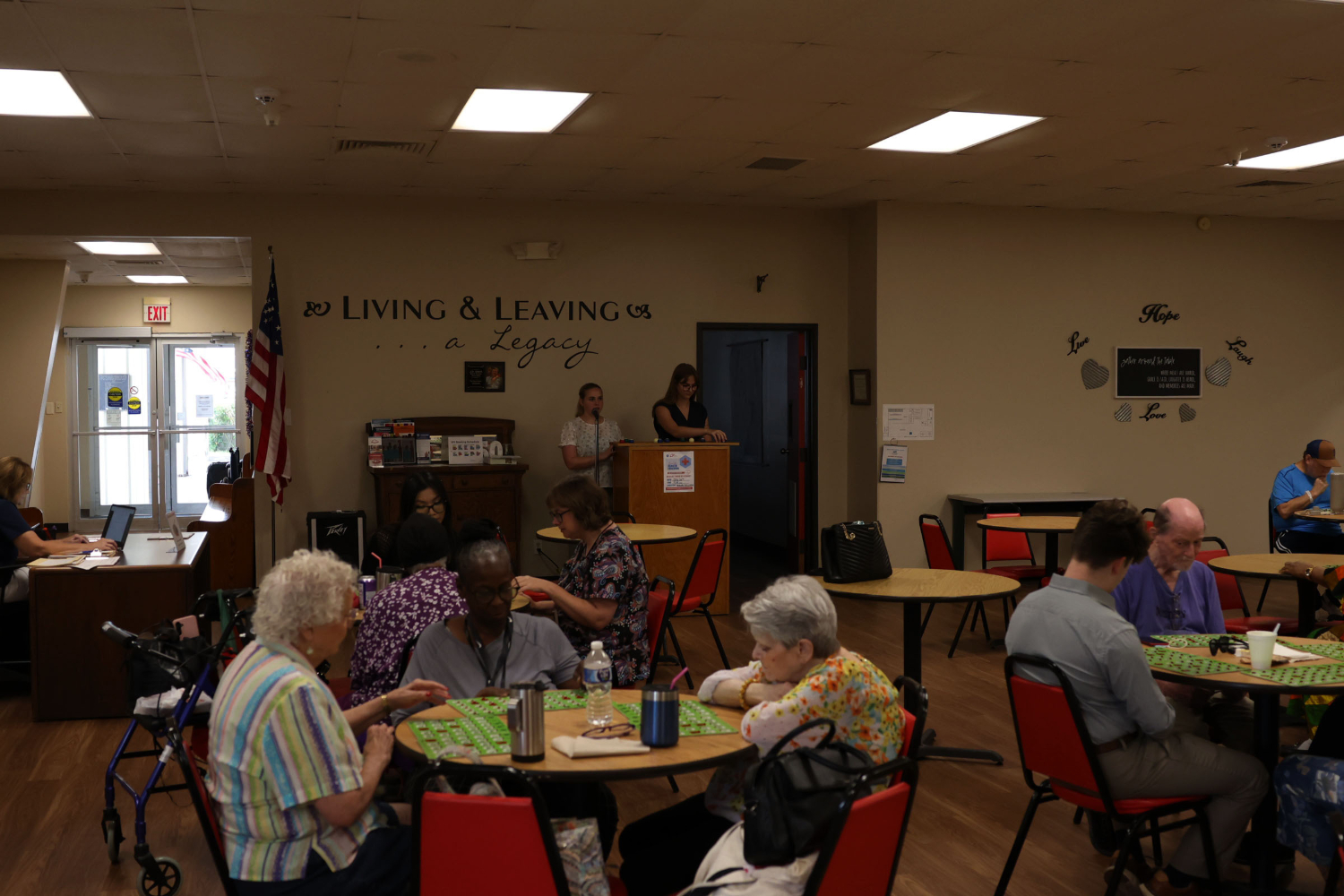
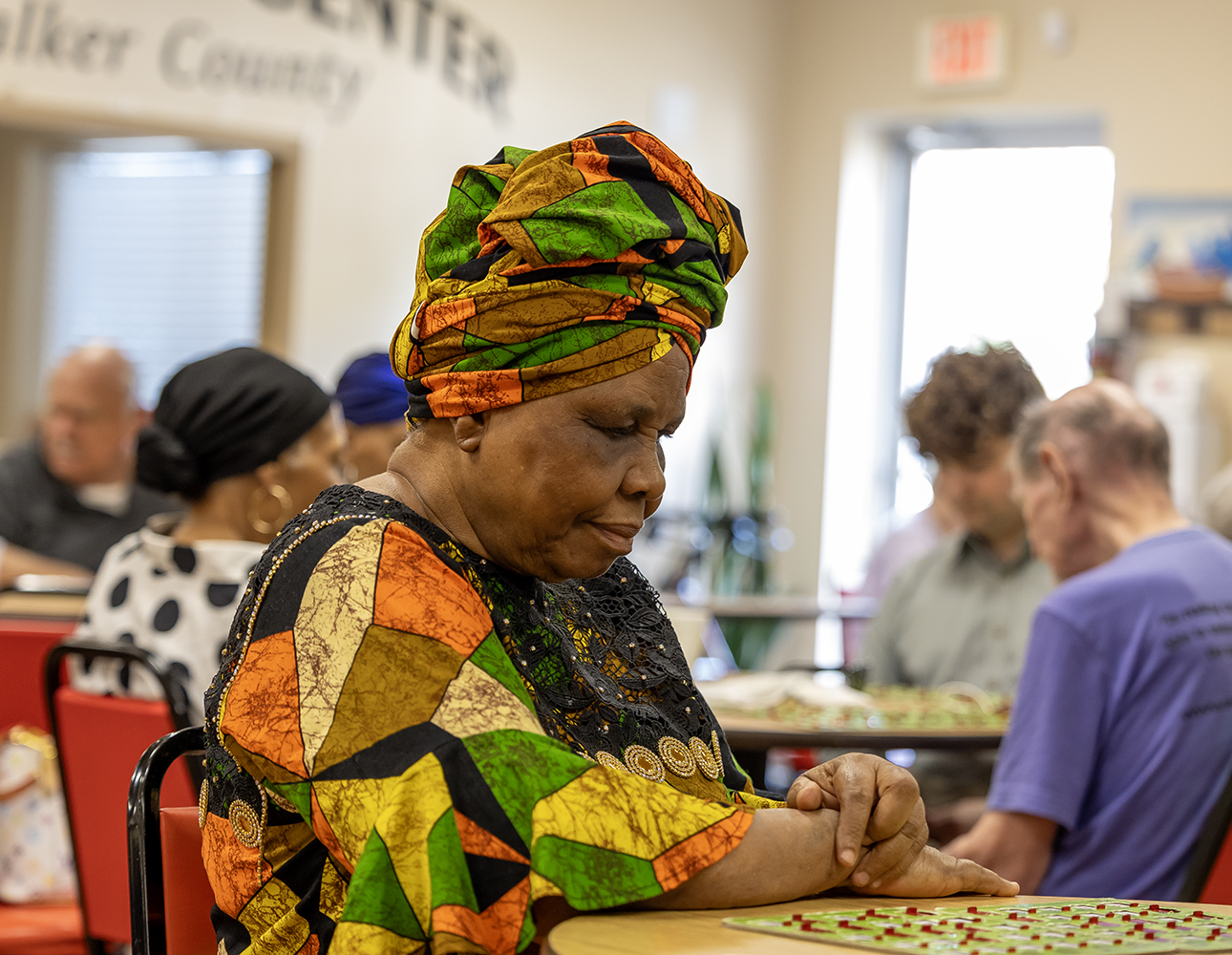
As summer came to a close, LEAP Students had the opportunity to spend another Wednesday morning volunteering at the Walker County Senior Center! The time we spend with the seniors of Walker County has quickly become one of our favorite volunteer activities this semester. Each visit gives us the chance to spend time together, make new memories, and enjoy the company of the wonderful seniors in our community.
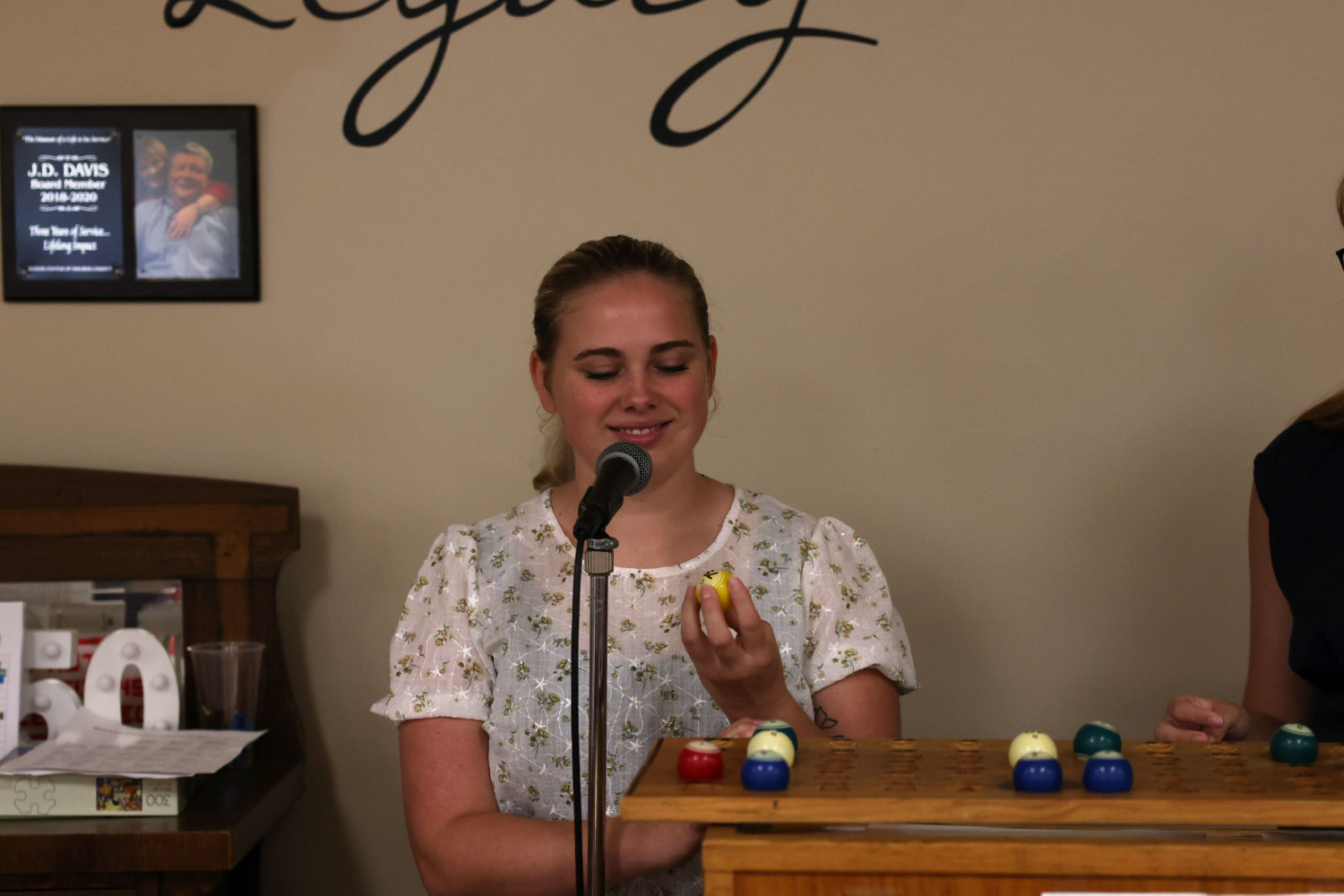
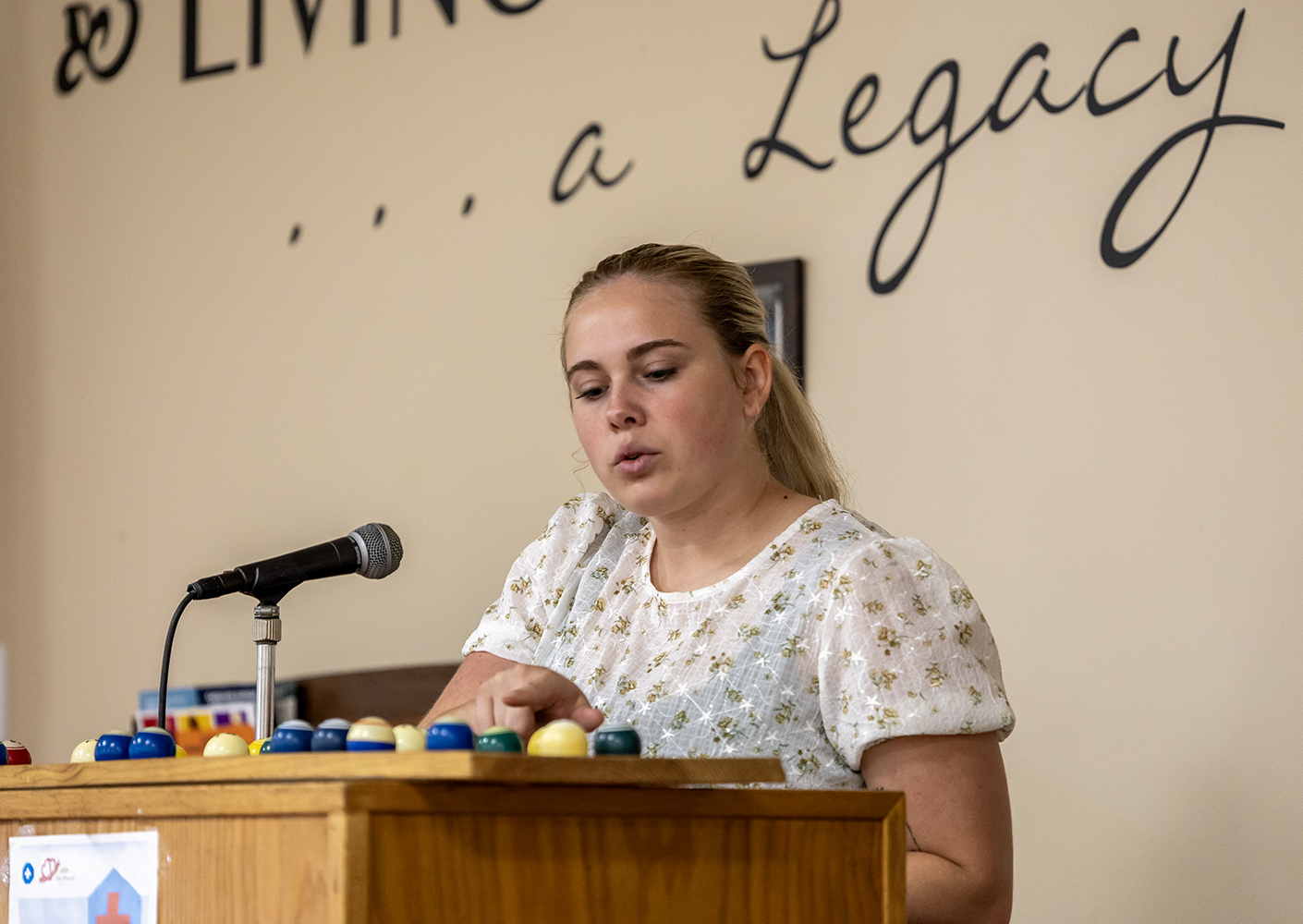
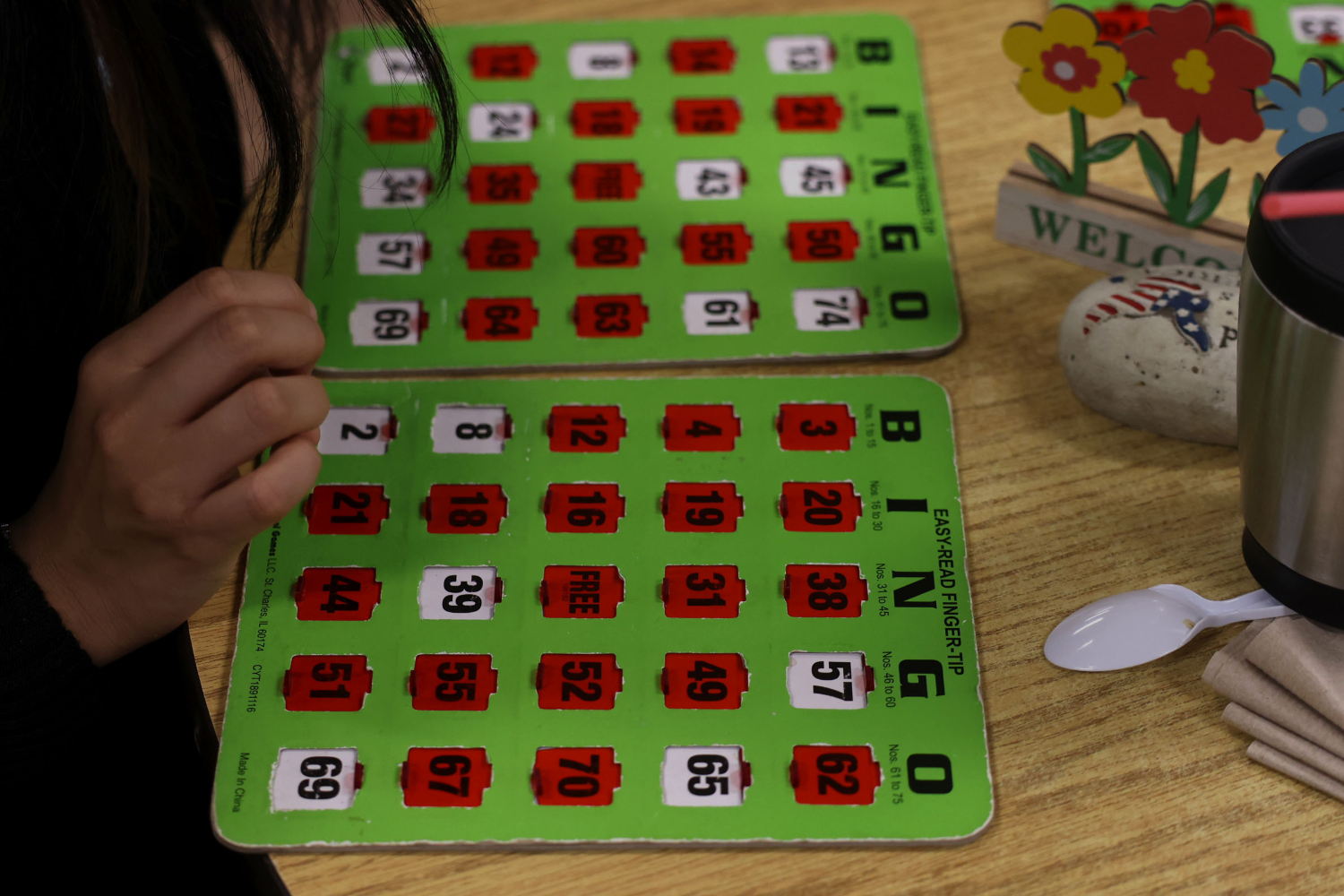
We started the morning with several rounds of bingo, with Olivia and Brittlyn taking turns calling out the numbers. Though the game was intense, there were several winners that were able to take home the best prize of all: bragging rights. In fact, three of the wins ended up going to the same table! Everyone had a great time getting into the spirit of the game and cheering each other on.
One of the biggest surprises of the morning was seeing Grace Eronini, who stopped by after we had not seen her for a few months. As soon as she walked through the door, she was greeted with plenty of smiles and excitement. Grace also brought cupcakes for everyone, making her visit even sweeter—literally! It was wonderful to catch up with her, and it was especially heartwarming to see how much the seniors appreciated both her visit and the thoughtful treat she brought with her.
After bingo, we invited the seniors to help us record a short video celebrating The Wynne Home’s 20th anniversary and thanking them for their continued support of Meals on Wheels. It was a special opportunity to recognize the important role they play in our community and to celebrate such a meaningful milestone together.
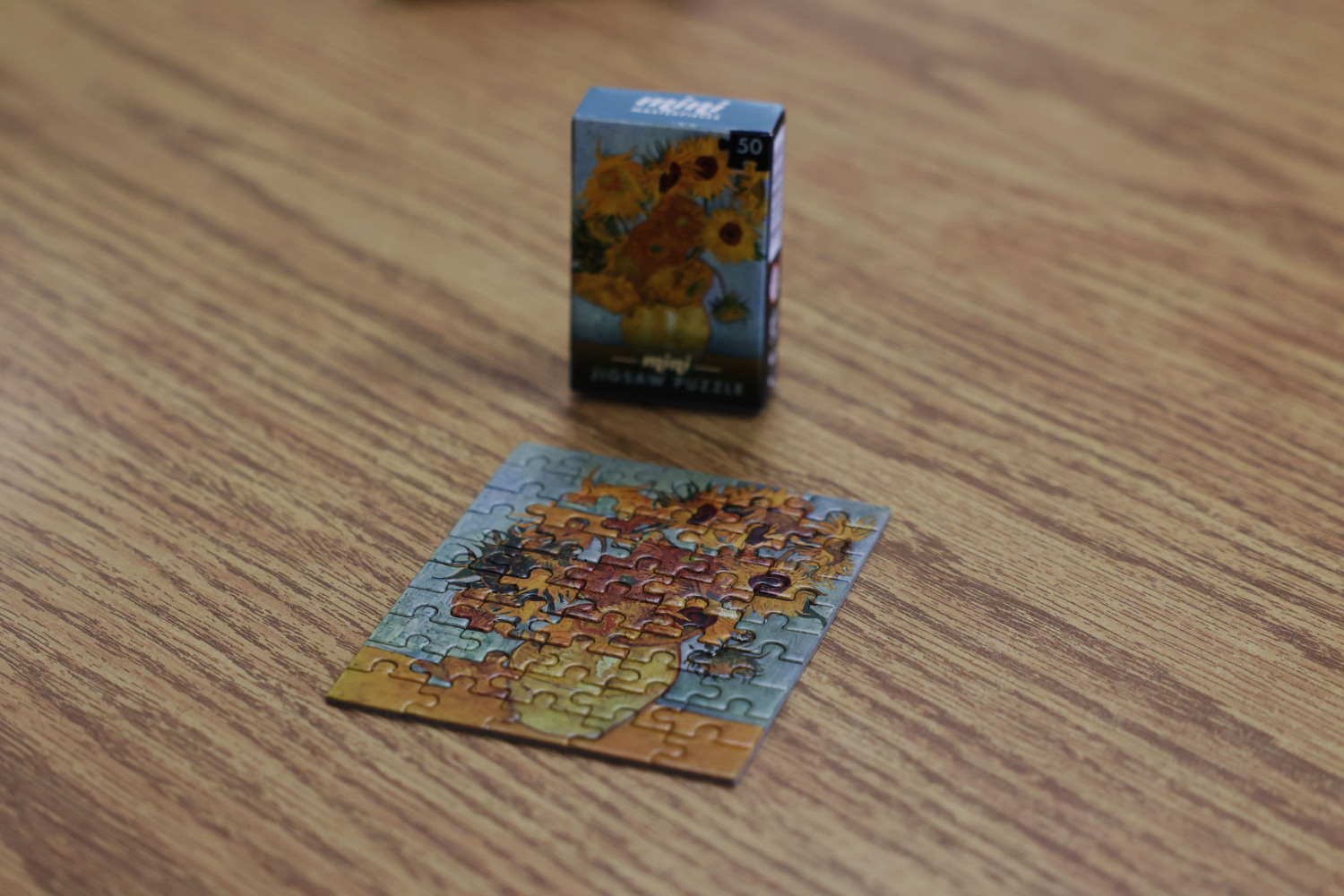
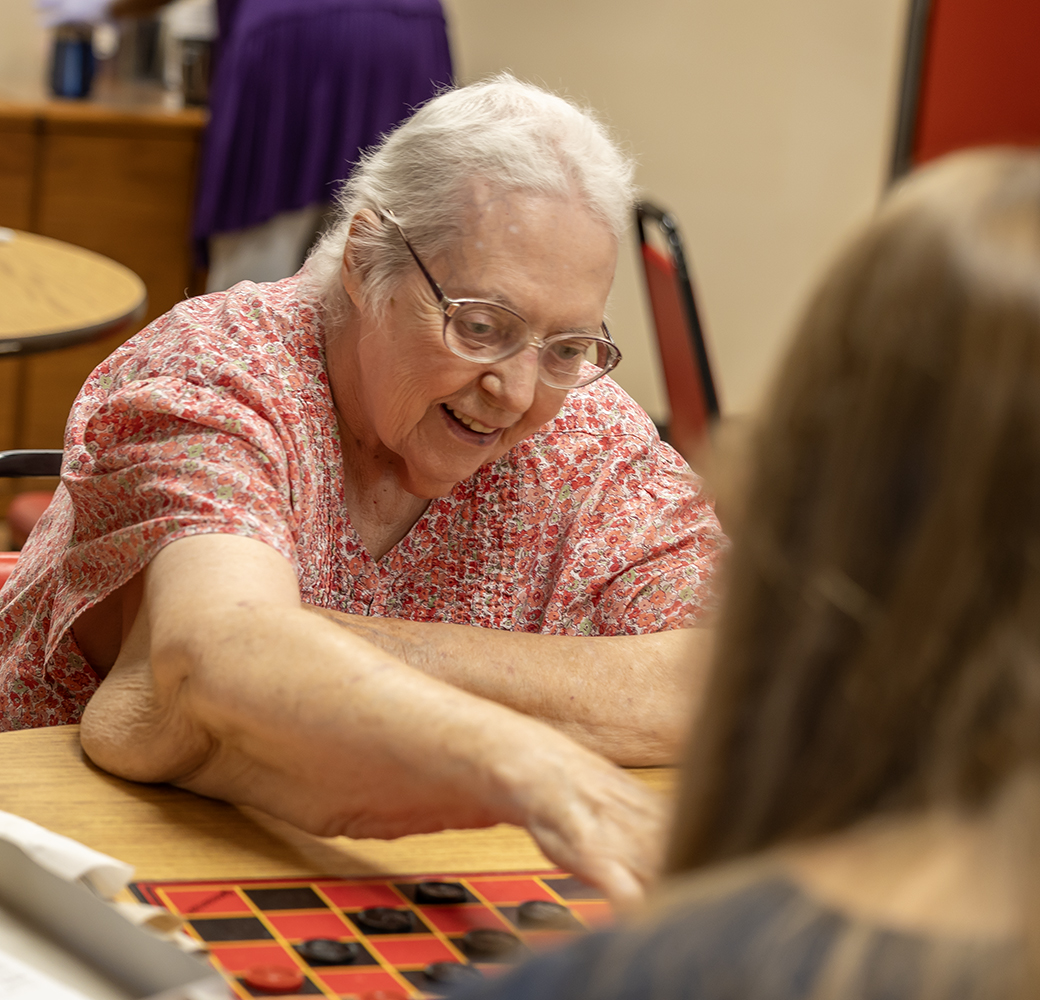
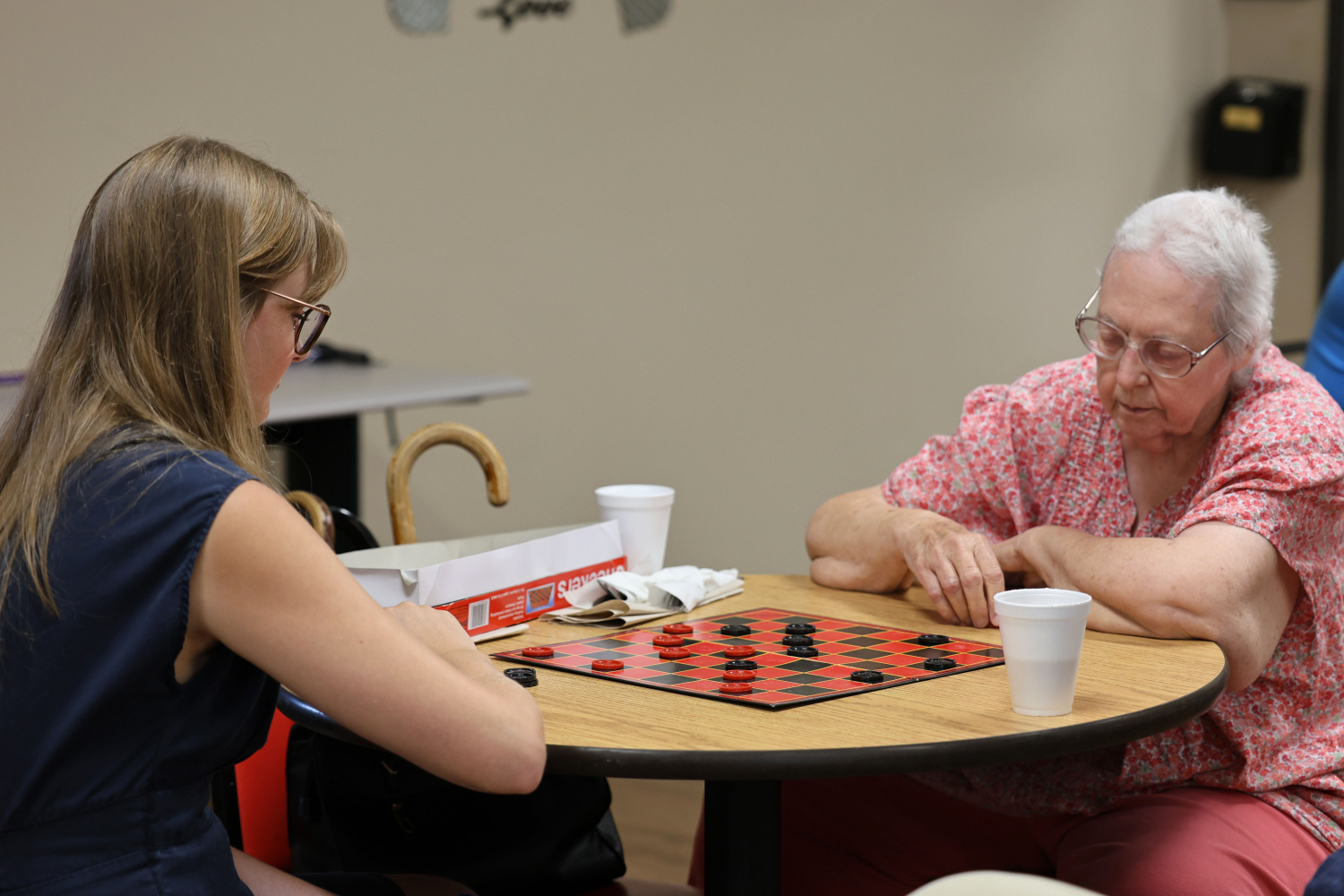
Once we finished recording, the morning continued with plenty of conversation and activities. Many of the seniors spent time playing board games, working on puzzles, and visiting with one another, while the LEAP volunteers joined in and enjoyed the activities alongside them. One of the most highly invested in games was a fifty piece miniature puzzle painting of Van Gogh’s Sunflowers. The tiny pieces proved a challenge for everyone involved, though it was eventually completed, much to our pride.
After lunch, we ended the morning by enjoying the cupcakes Grace brought for everyone before saying our goodbyes. We left the Senior Center with full stomachs, happy memories, and plenty of smiles, grateful for another wonderful morning spent with the seniors of Walker County.
Written By: Isis Hollis, Robin Houghton, and Allie Plunk
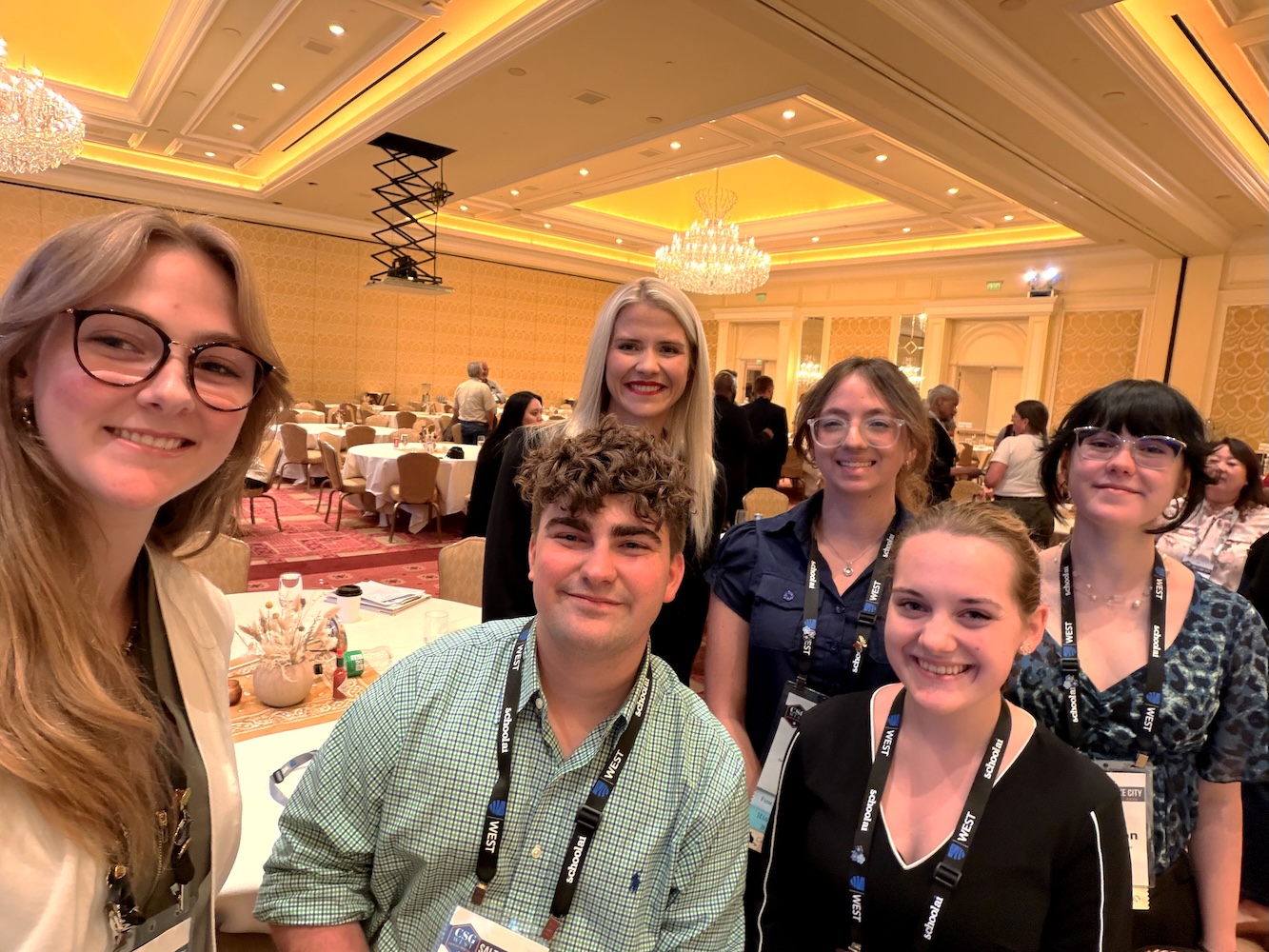
Throughout the conference, LEAP Ambassadors have had the opportunity to learn about policy from esteemed legislators and guest speakers, but on our last day, we got to experience a much more personal session, hearing from activist Elizabeth Smart, the CSG Justice Center on mental health, and attending the closing dinner.
Elizabeth Smart
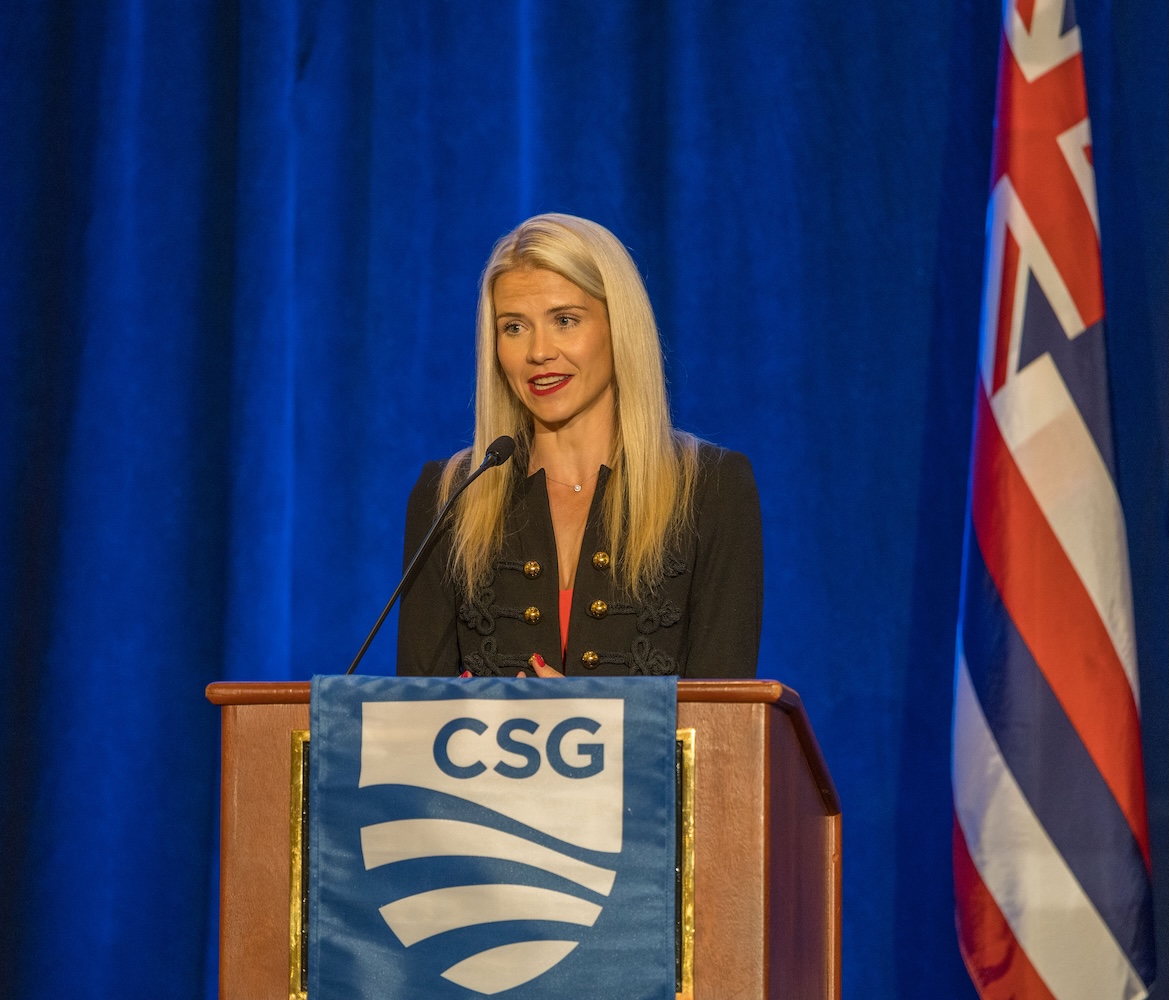
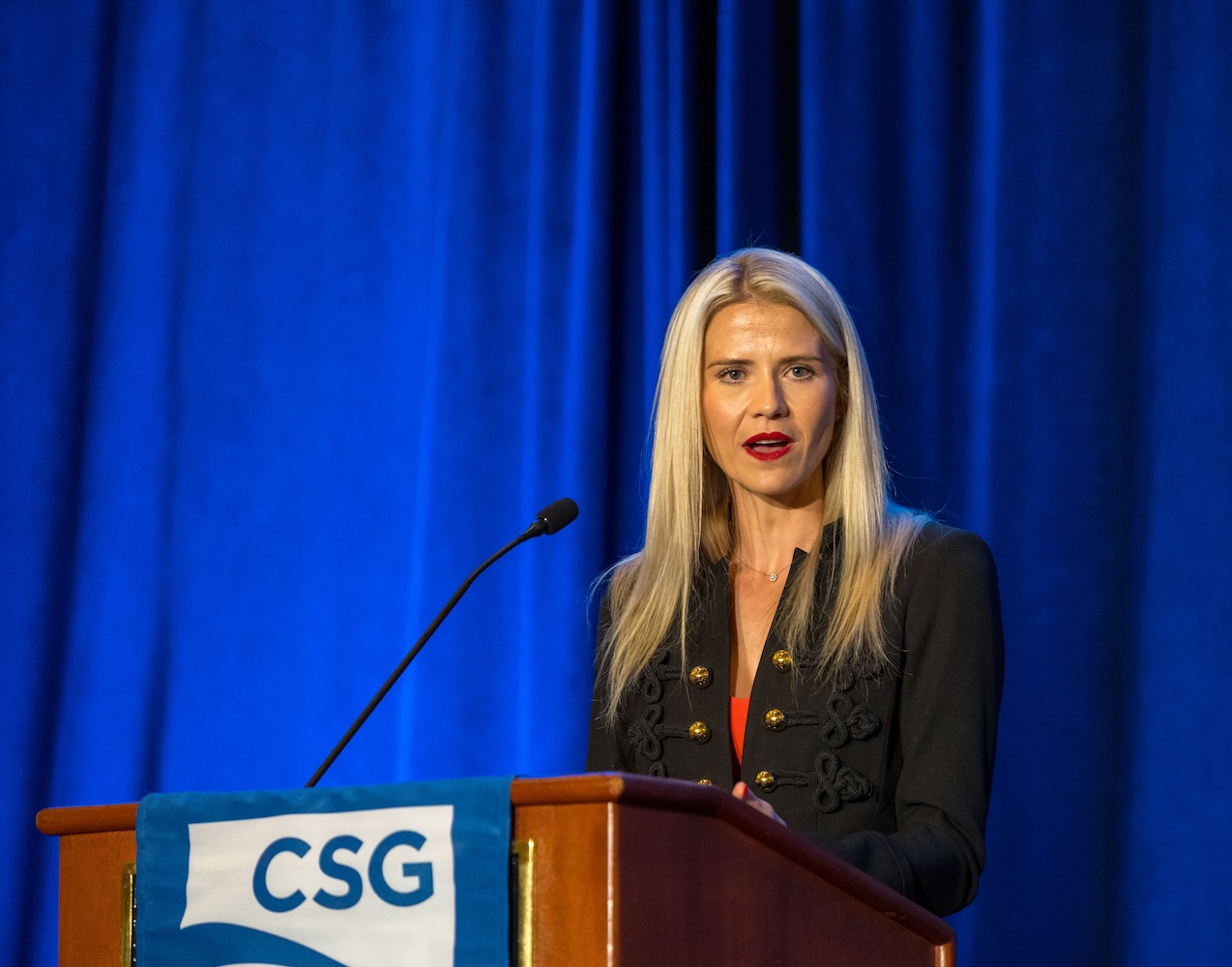
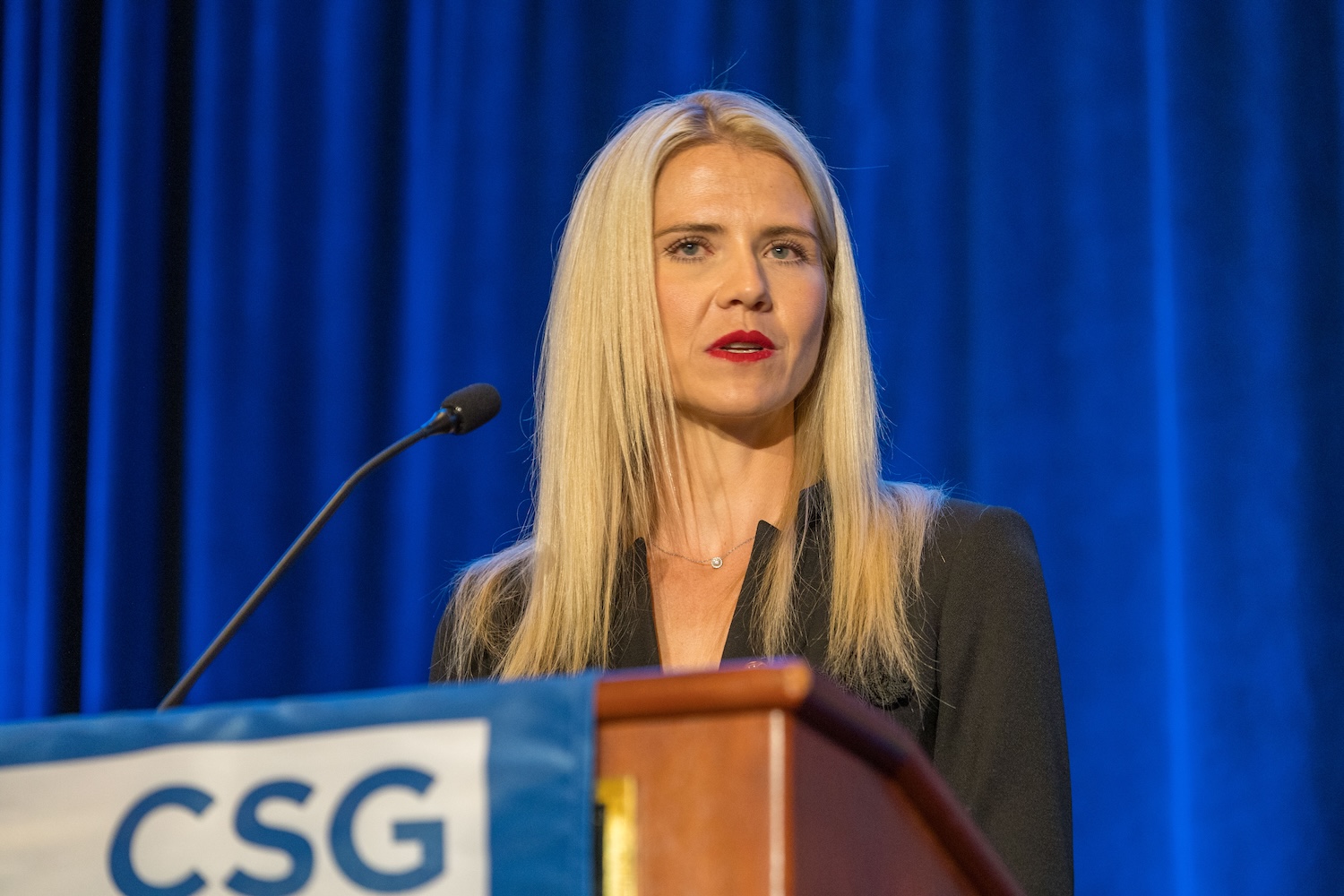
Before we heard from today’s remarkable keynote speaker, there were a few mentions and introductions from Chair Senator Todd Weiler (UT) and Chair-Prospect Senator Löki Tobin (AK). Together, they previewed next year’s CSG West meeting, which will be taking place in Alaska! Following a short “sizzle reel” for the state, Chair Senator Todd Weiler (UT) introduced Elizabeth Smart.
Smart was abducted from her bedroom at the age of 14 and survived nine months in captivity before being rescued. Though it was law enforcement that put her captors behind bars, there would be no story to tell had it not been for her resilience. It was incredibly inspiring to hear her story, and how she pushed through the darkness around her by focusing on positivity. Even though terrible things were happening to her, she reminded herself constantly throughout her abduction that things could always be worse. It was this strategy, as well as remembering the unconditional love of her family, that kept her going.
Smart also touched on the incredible difficulty she had finding value within herself during and following her captivity. Because she hadn’t been taught the difference between consensual sex and rape, she felt like she had done something horrible. It took her a long time to be able to rationalize that she hadn’t been the one to do anything wrong. I appreciated her candor and that she made it clear that recovery after something so terrifying was a long process.
Now an advocate for safety and sexual assault victims, Smart has used what happened to her for as much good as she can. This resilience and compassion is something we all admired. She was an incredible speaker, and we felt honored to have been able to listen to her.
CSG Justice Center
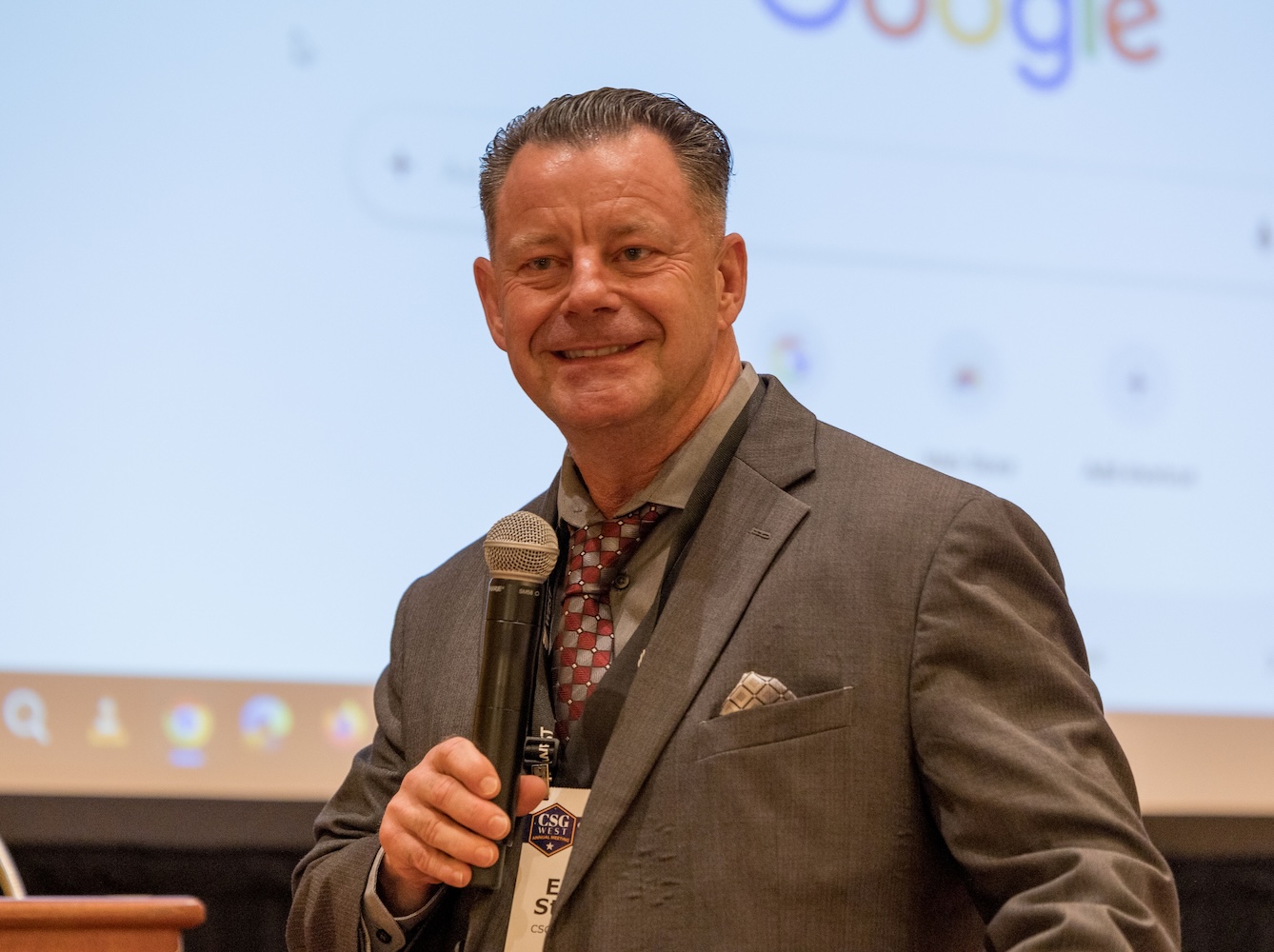
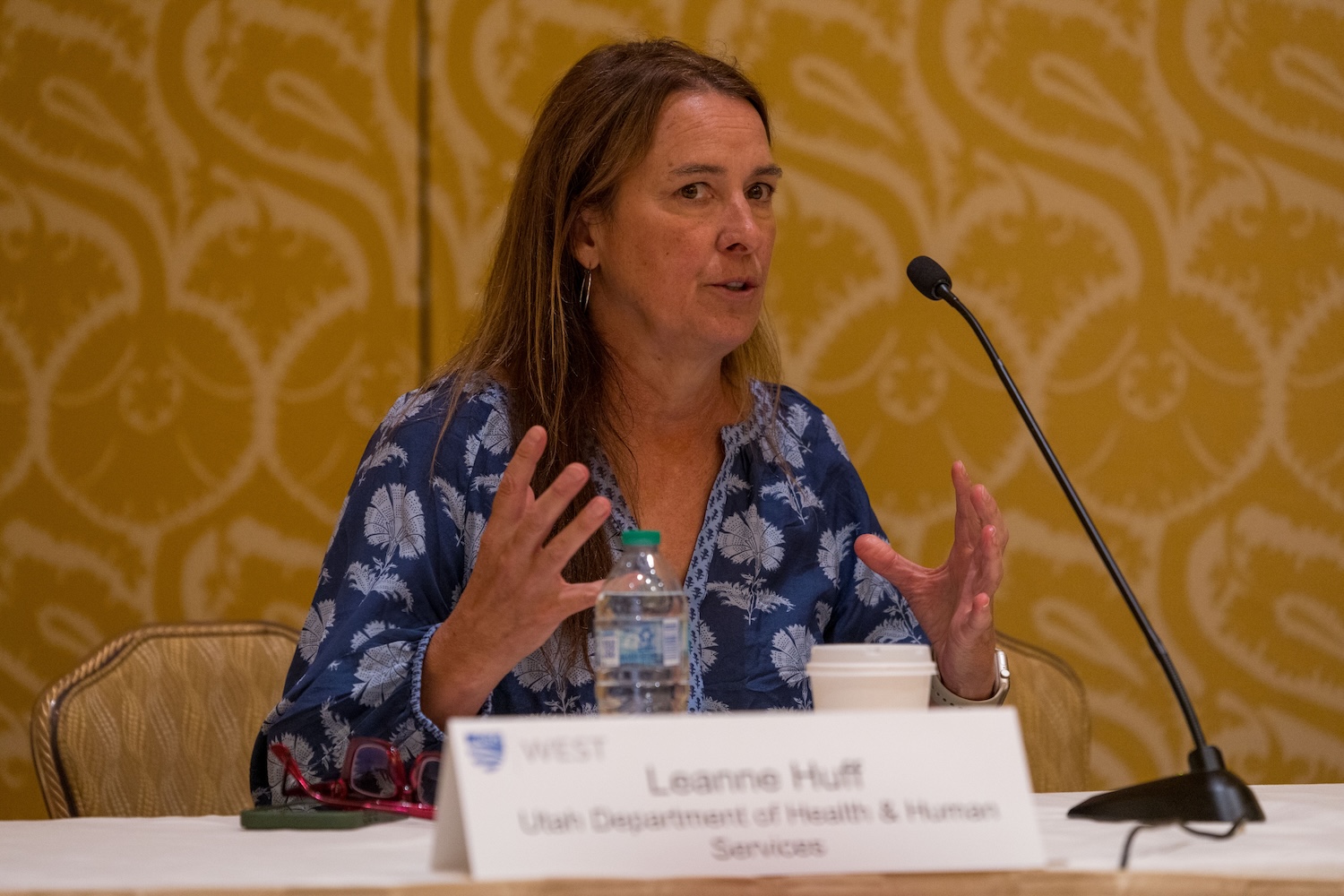
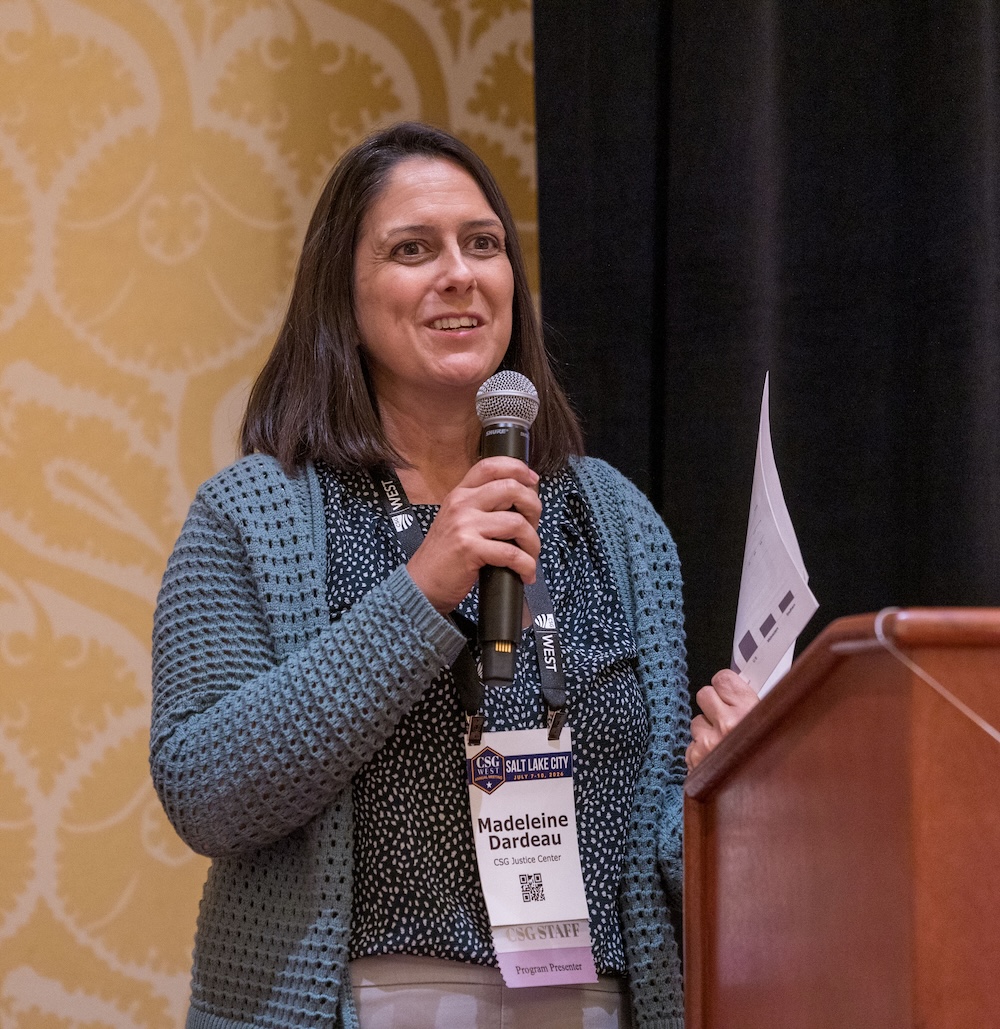
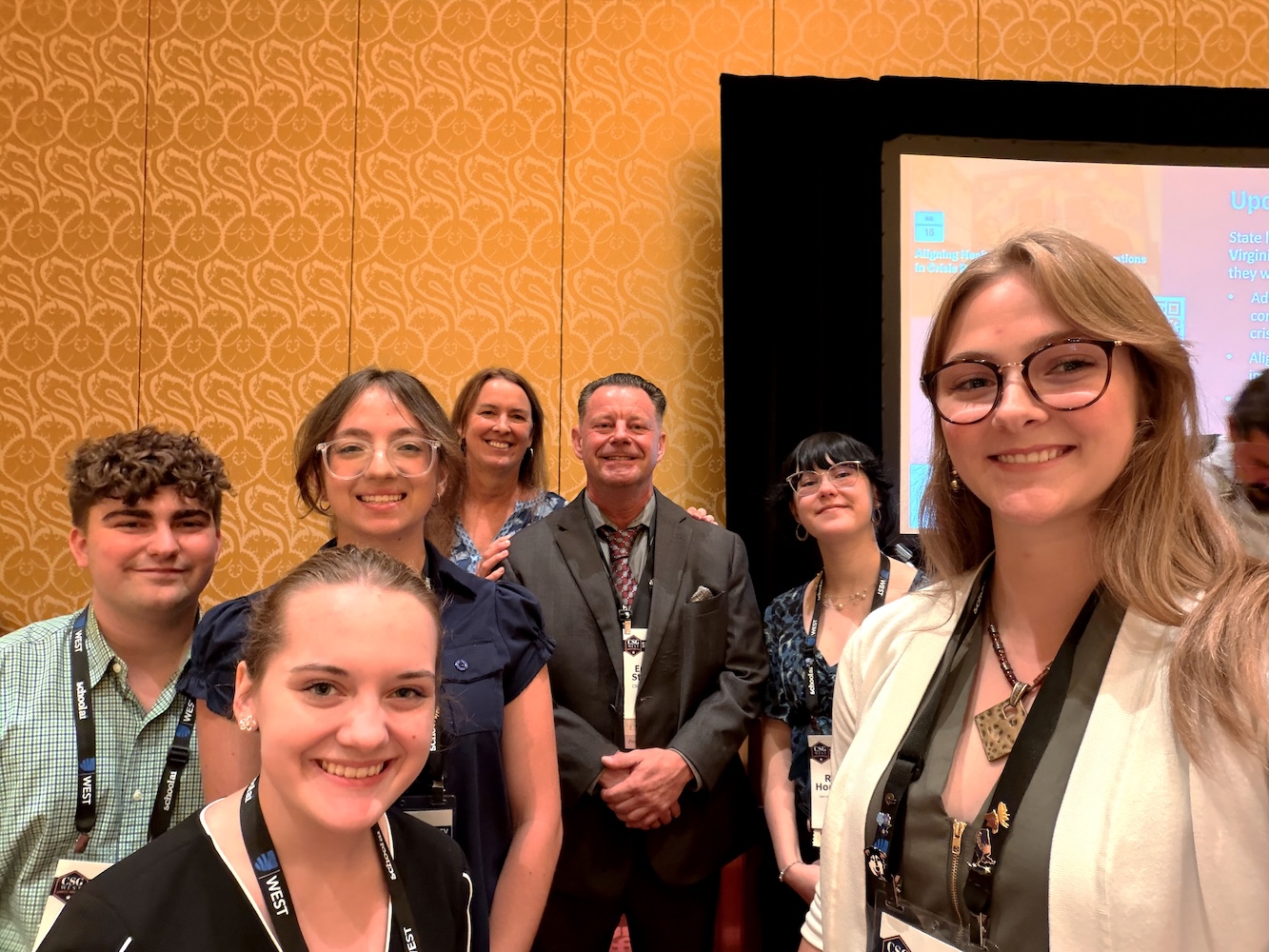
Following Elizabeth Smart’s moving speech, we attended a session on the CSG Justice Center, and their approach to mental health advocacy. Ernest Stevens, former San Antonio police officer and Crisis Intervention Team (CIT) member, current Managing Director of Behavioral Health at the CSG Justice Center, Madeleine Dardeau, CSG Justice Center State Initiatives Program Director, and Leanne Huff, Mobile Crisis Outreach Team (MCOT) Act specialist, had a panel discussion about the implementation and development of MCOTs, as well as CIT Trainings and help line 988.
The key point was the pressing need for more CIT trained teams to go out and address people with mental health problems. Stevens stated that if you send an untrained officer to deal with mental health crises “there will always be a gun.” Many people struggling with mental health have been shot or killed by officers unable to deal with their problems, and this is exactly what the CSG Criminal Justice center is trying to stop. At the core of this session was a statistic: officers spend only 8 hours learning about mediation techniques, which is something they are supposed to use every day, as opposed to a whopping 20 hours learning to use a gun, which many officers only discharge a few times.
Another factor in this issue is the stigmatization of mental health problems. If we can make people unafraid to get the help they need, then we won’t have as many suicides or overdoses. This issue is becoming something that is particularly close to a few of our hearts, and we hope that in the future we can be a part of the solution.
Dinner
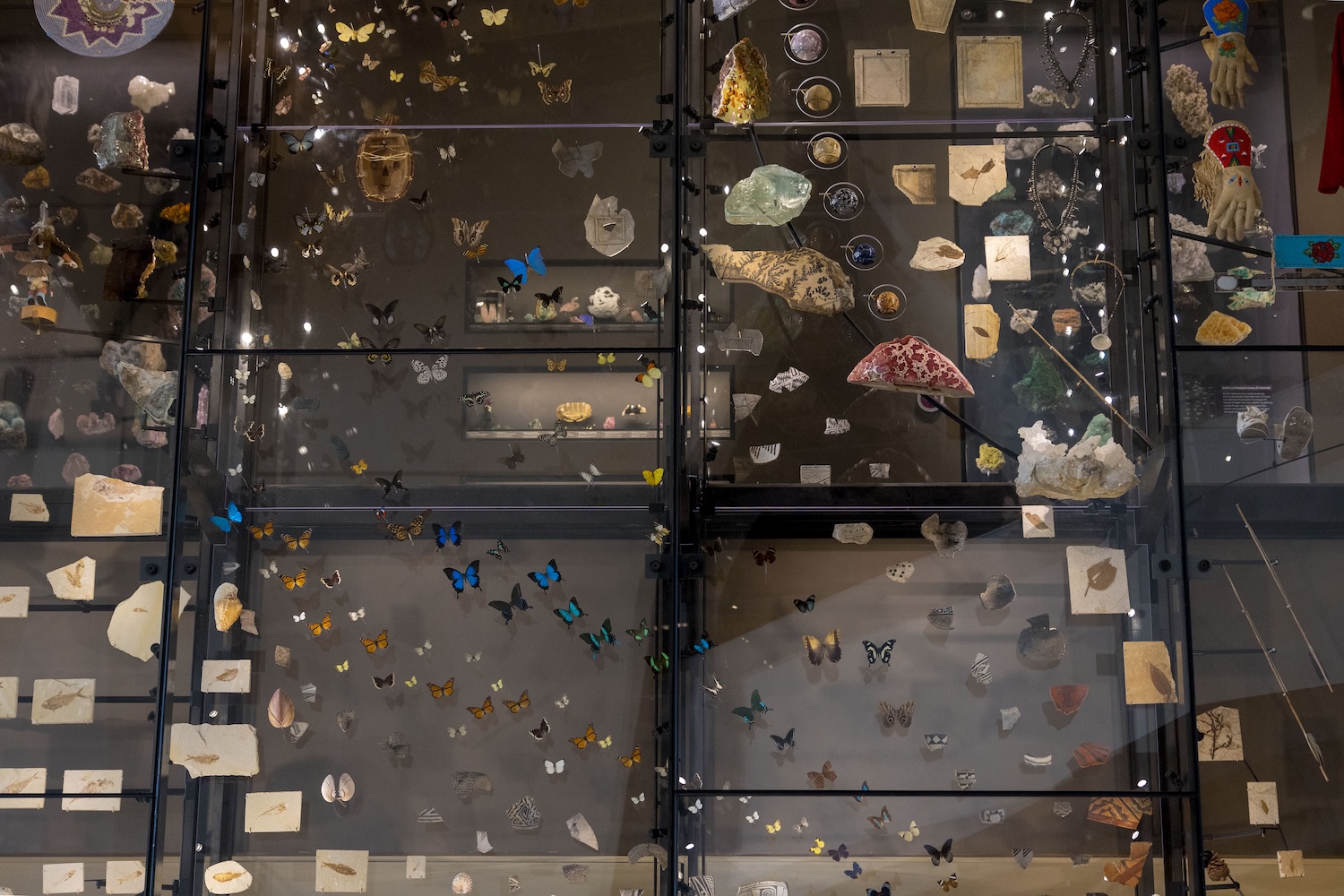
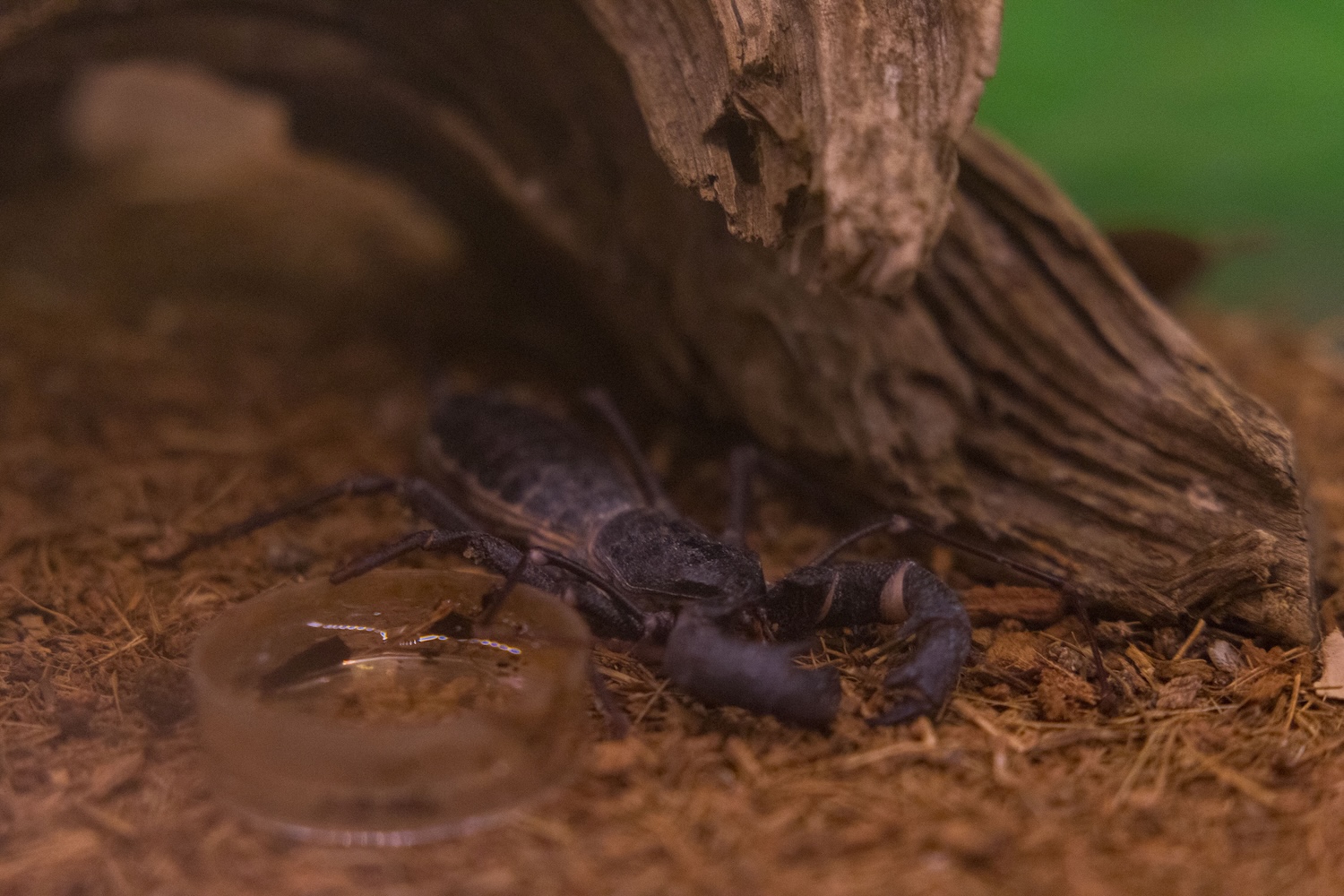
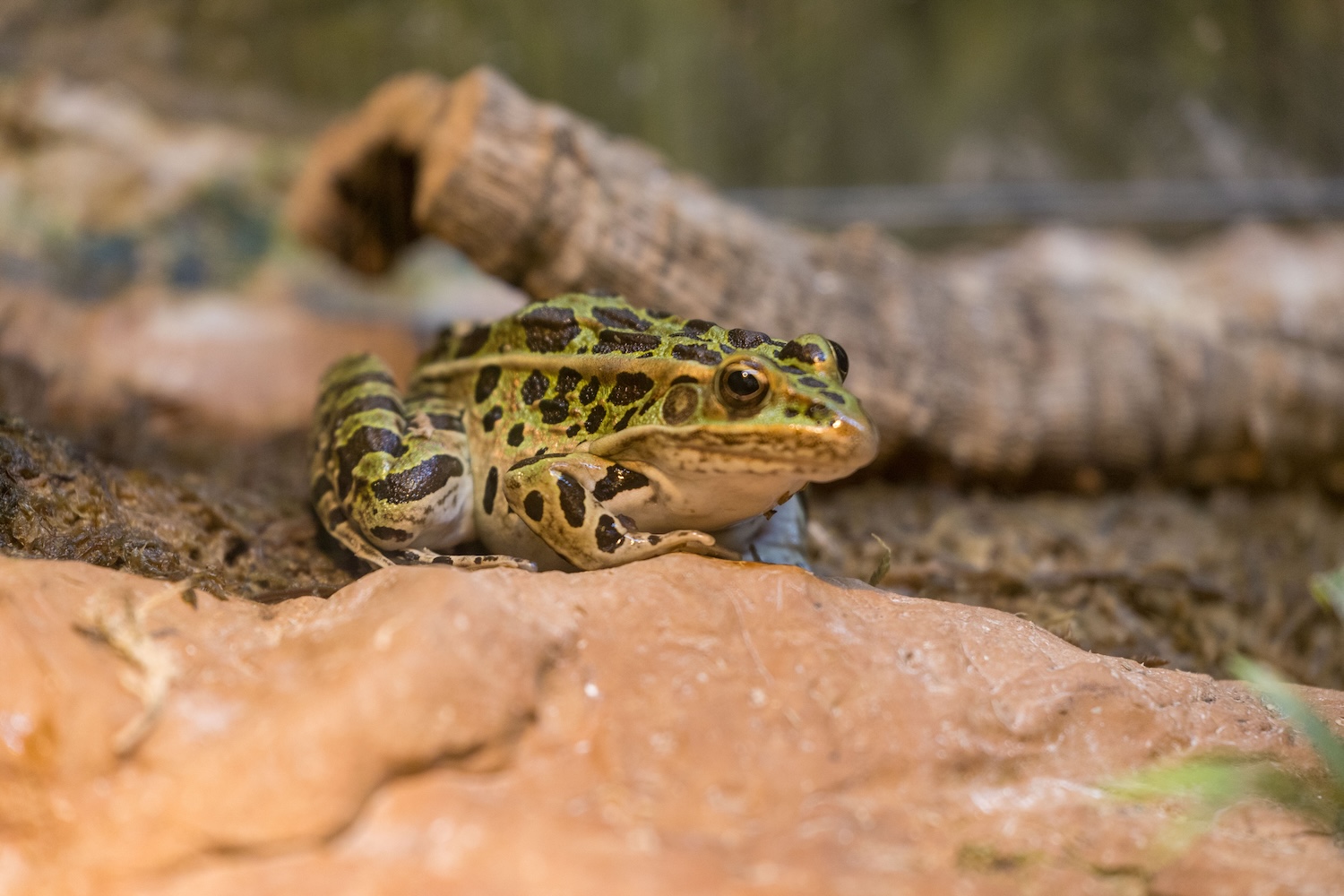
We ended the conference with fun in a closing dinner hosted at the Natural History Museum of Utah, which was just as beautiful of a venue as it was informative. After ascending the stairs, we were greeted with a wall of fossils, crystals, flora, and taxidermy that stretched from floor to ceiling, immediately captivating several Ambassadors.
The dinner also featured a local band, by the name of The Bombshell Flowers. A high-energy indie rock group, their layered harmonies added a relaxed, yet tasteful atmosphere.
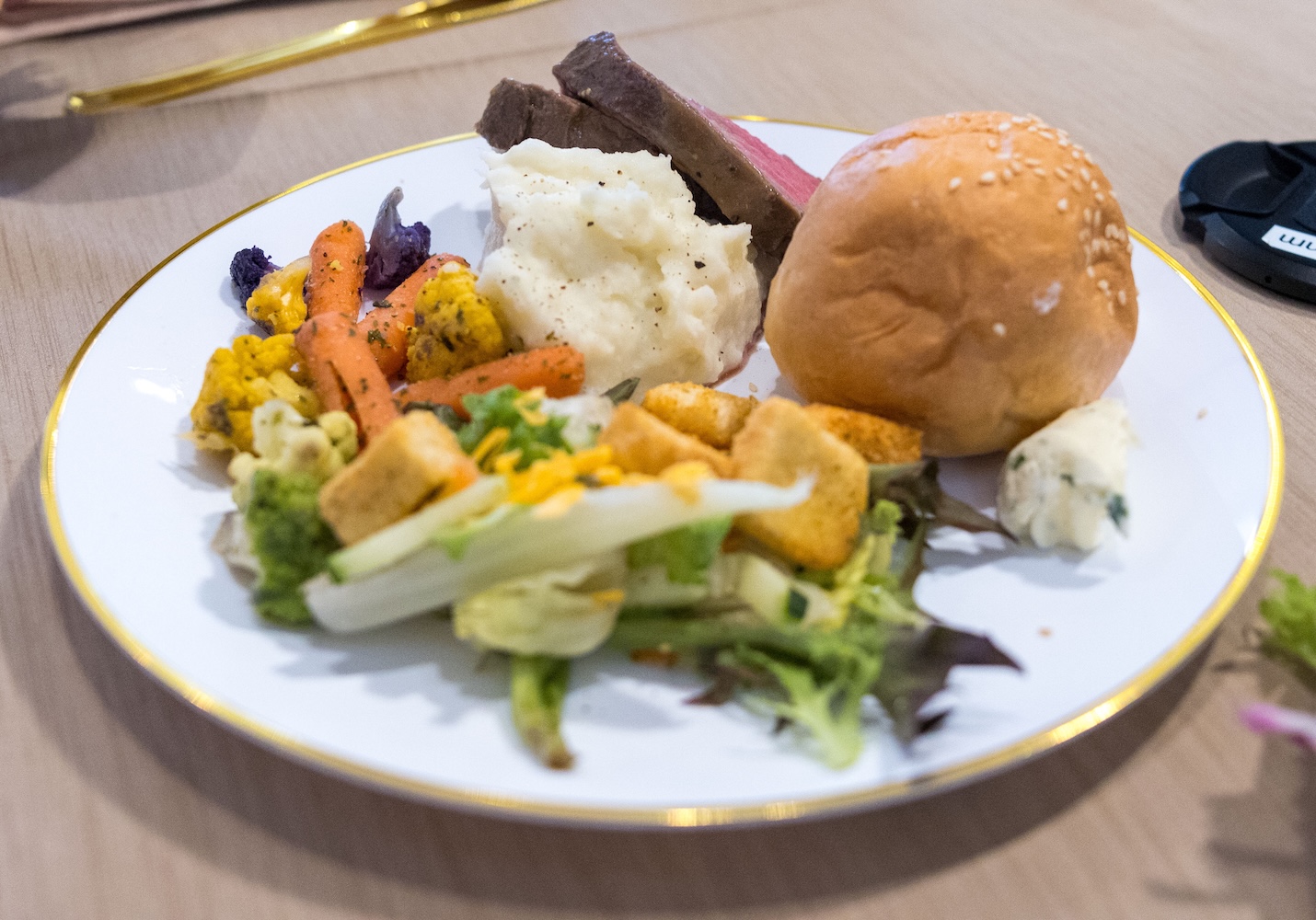
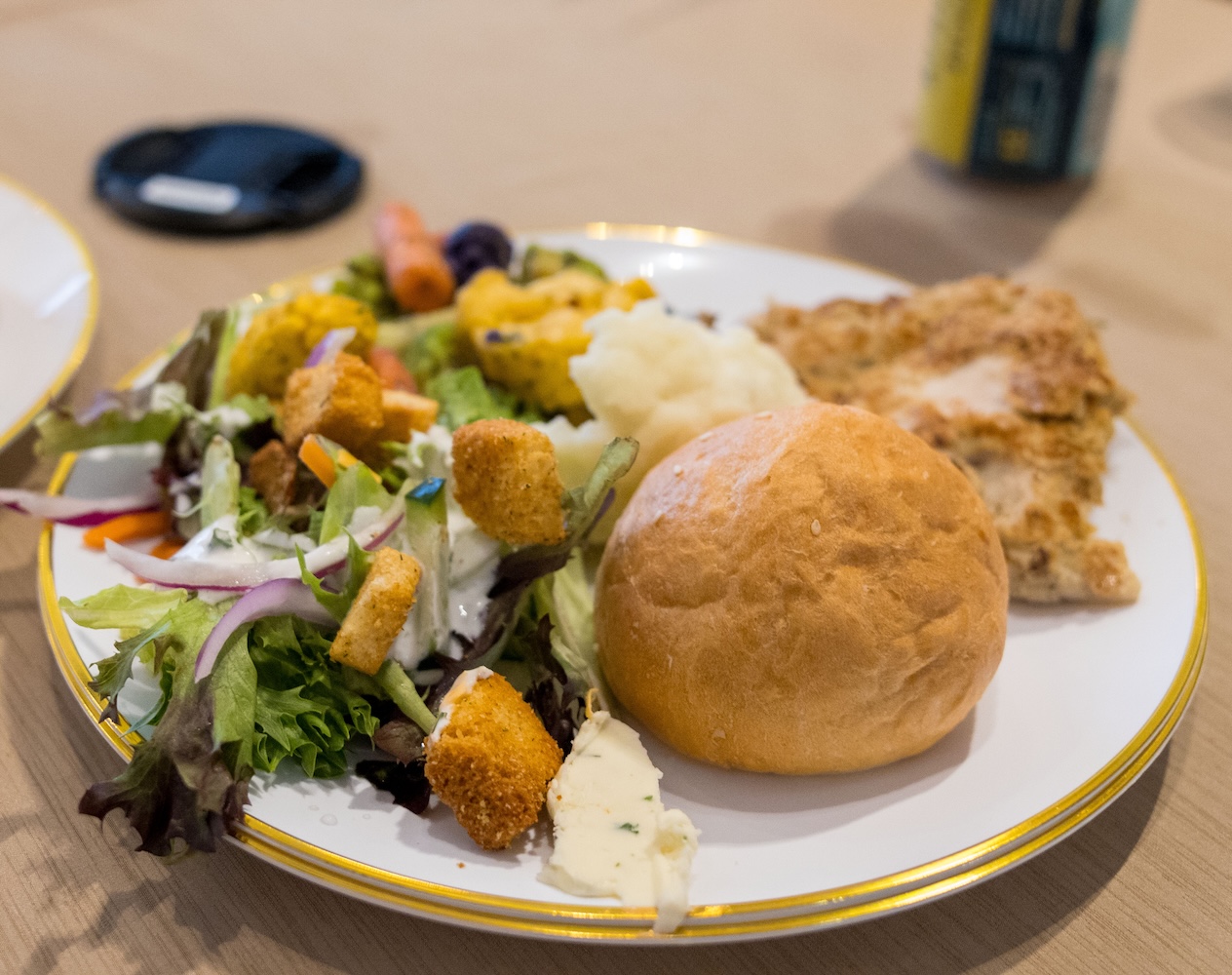
For dinner, we had tri-tip steak, cauliflower, asparagus, mashed potatoes, and salad, followed by desserts of fruit tarts and banana pudding.
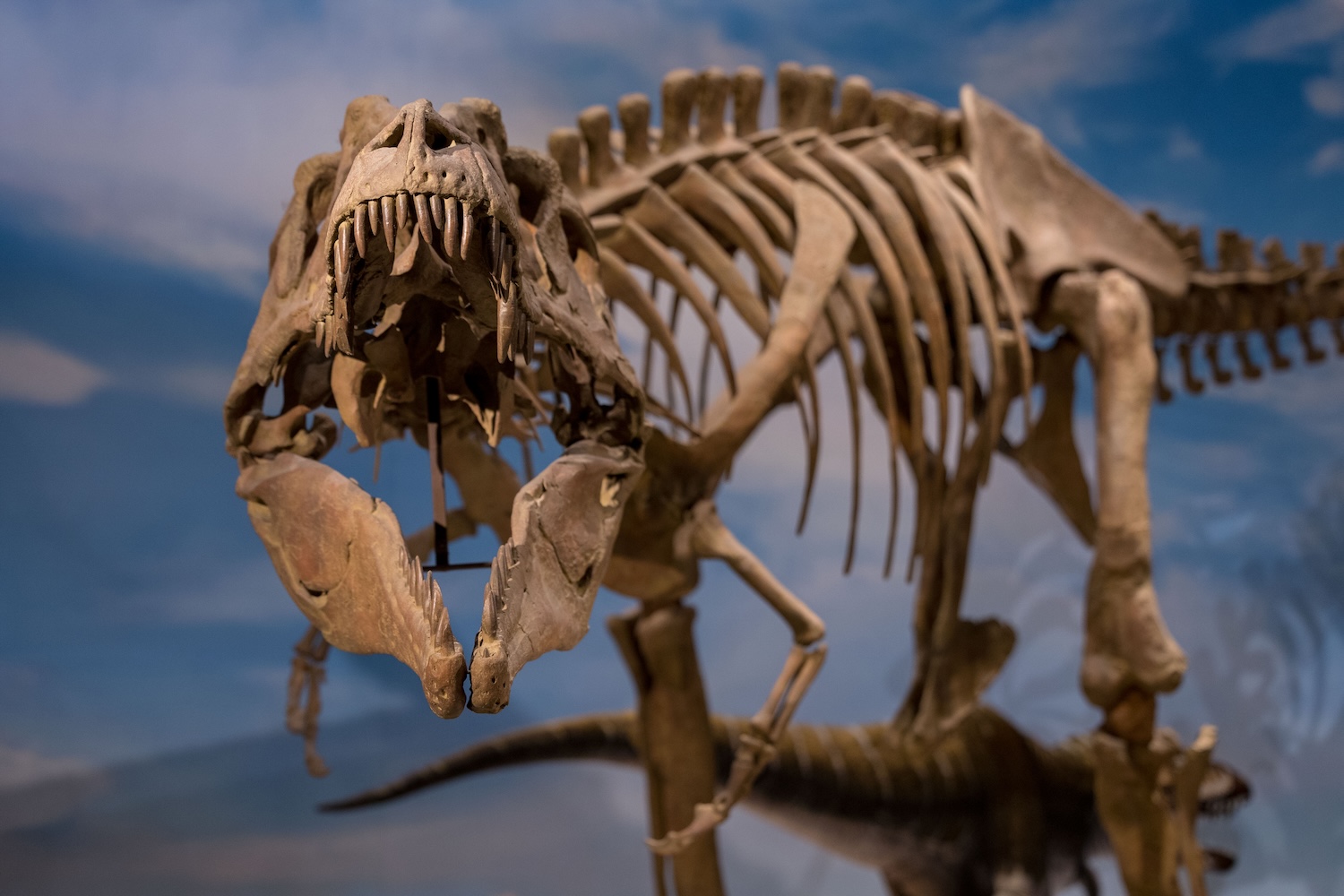
While the dinner was good, it was the museum that was truly memorable. We spent a lot of time exploring the exhibits, each highlighting an important aspect of Utah’s natural history. We even discovered that Allie is likely descended from the Allosaurus, which is where she gets her t-rex nature!
As we left, we managed to grab a shot of the breathtaking views from the museum terrace.
From dinosaurs to rock formations to earthquakes, Utah’s Natural History Museum was a wonderful place to close out the conference.
Conclusion
Our final conference day left us with a lot to think about, looking at the world through new eyes. We all admired the incredible work people like Elizabeth Smart and the CSG Criminal Justice Center are doing for those struggling with mental health and sexual assault.
Written By: Isis Hollis, Robin Houghton, Allie Plunk, and Jacob Wessels
LEAP Ambassadors had a wonderful second day at the Council of State Governments Western Legislative Conference! We enjoyed learning about Quantum Computing, the West’s take on the upcoming Olympics, Policy tours, and a visit to the Church of Jesus Christ of Latter-Day Saints’ Salt Lake City Temple Visitors Center.
Quantum Computing
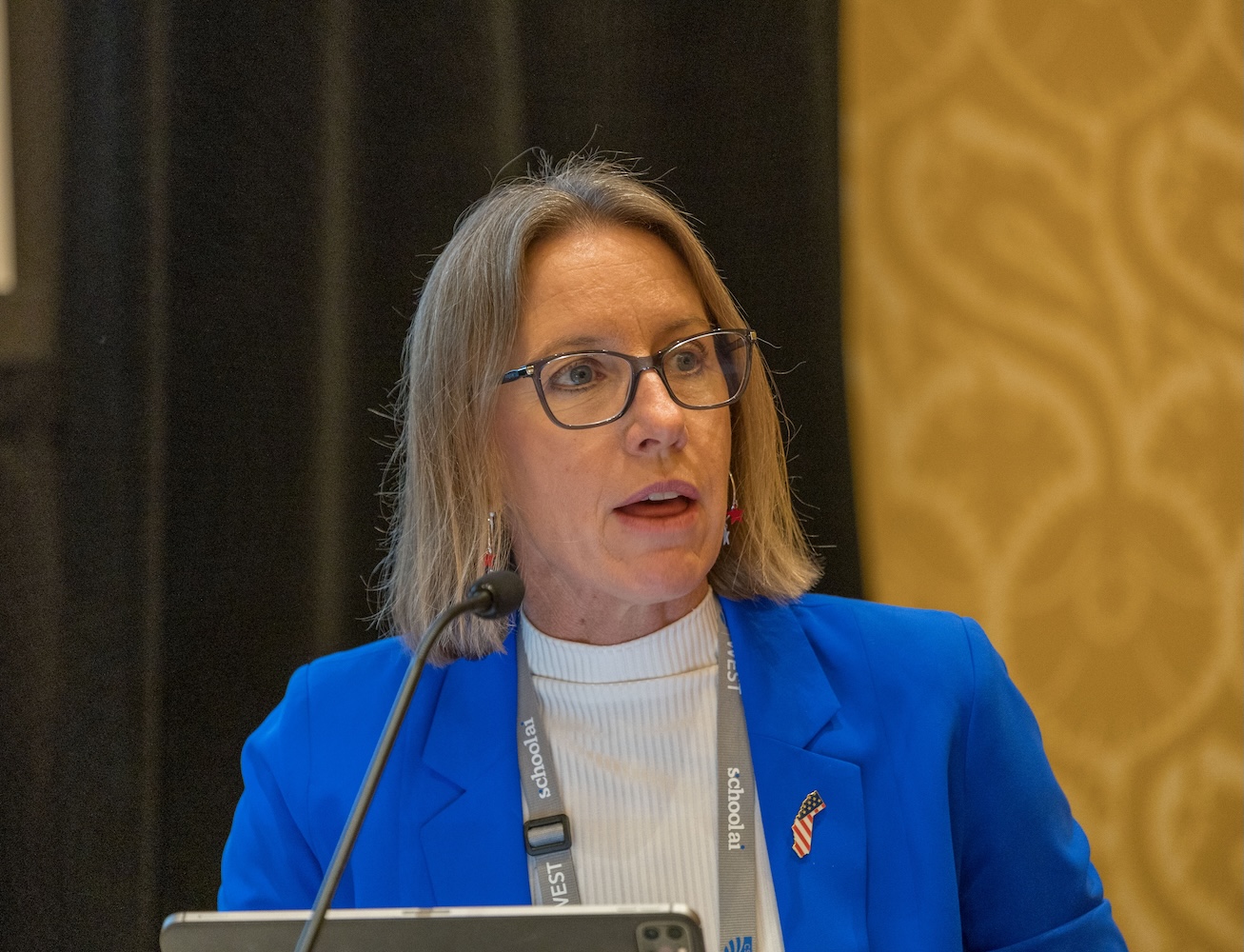
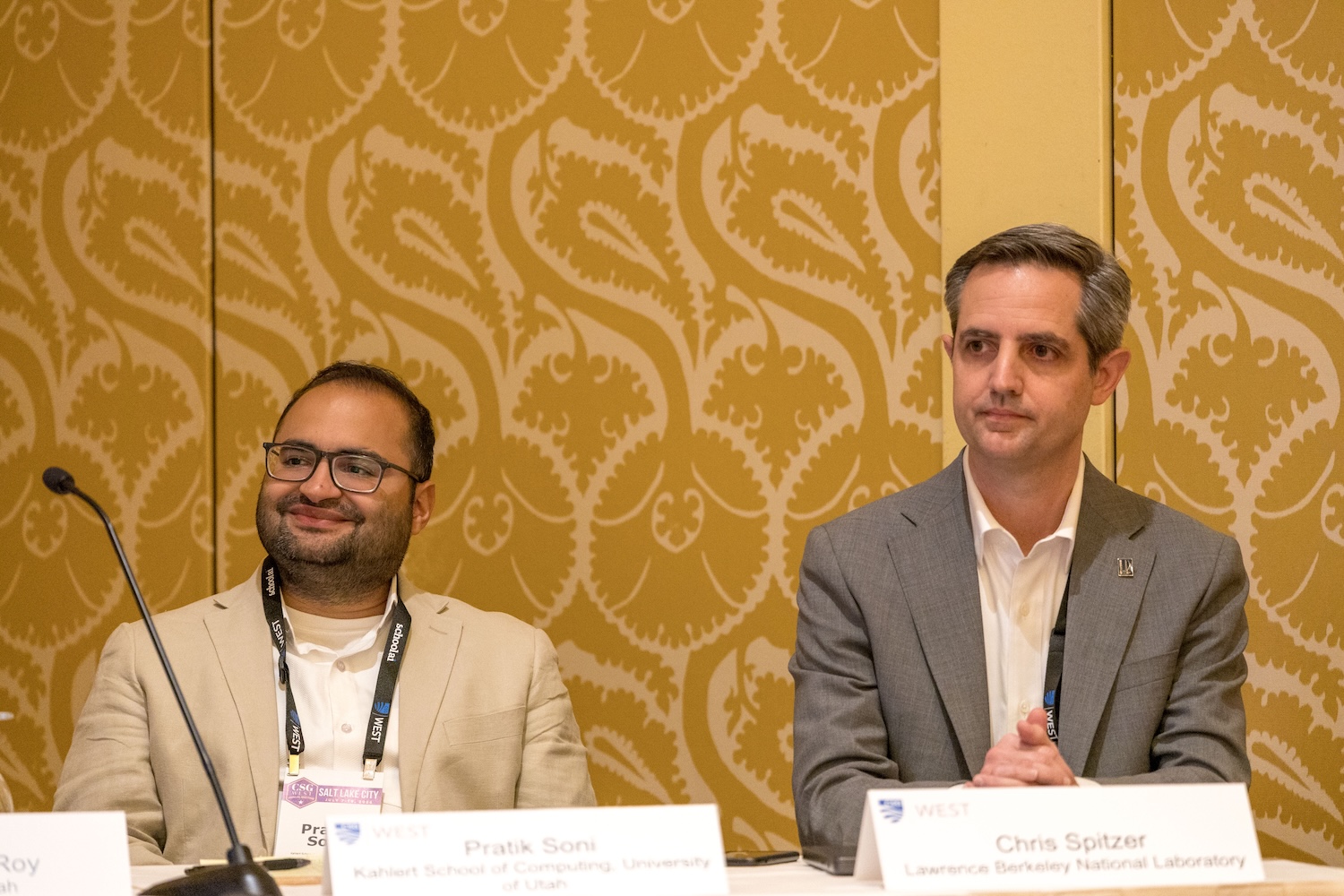
Though a daunting subject, we attended a conference session on the implications and impacts of Quantum Computing, hosted by Senator Catherine Blakespear (CA) and Representative Justin Wilmeth (AZ).
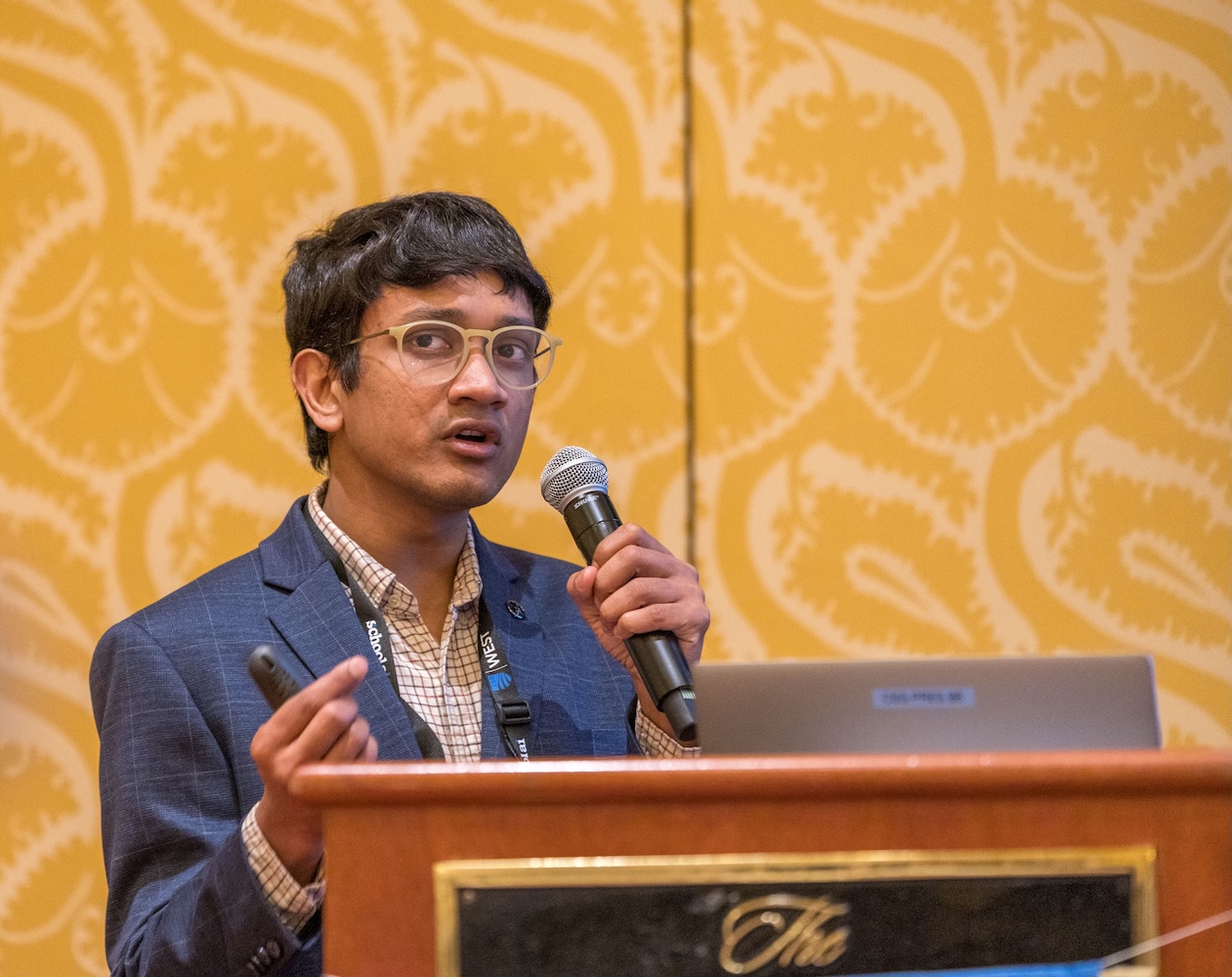
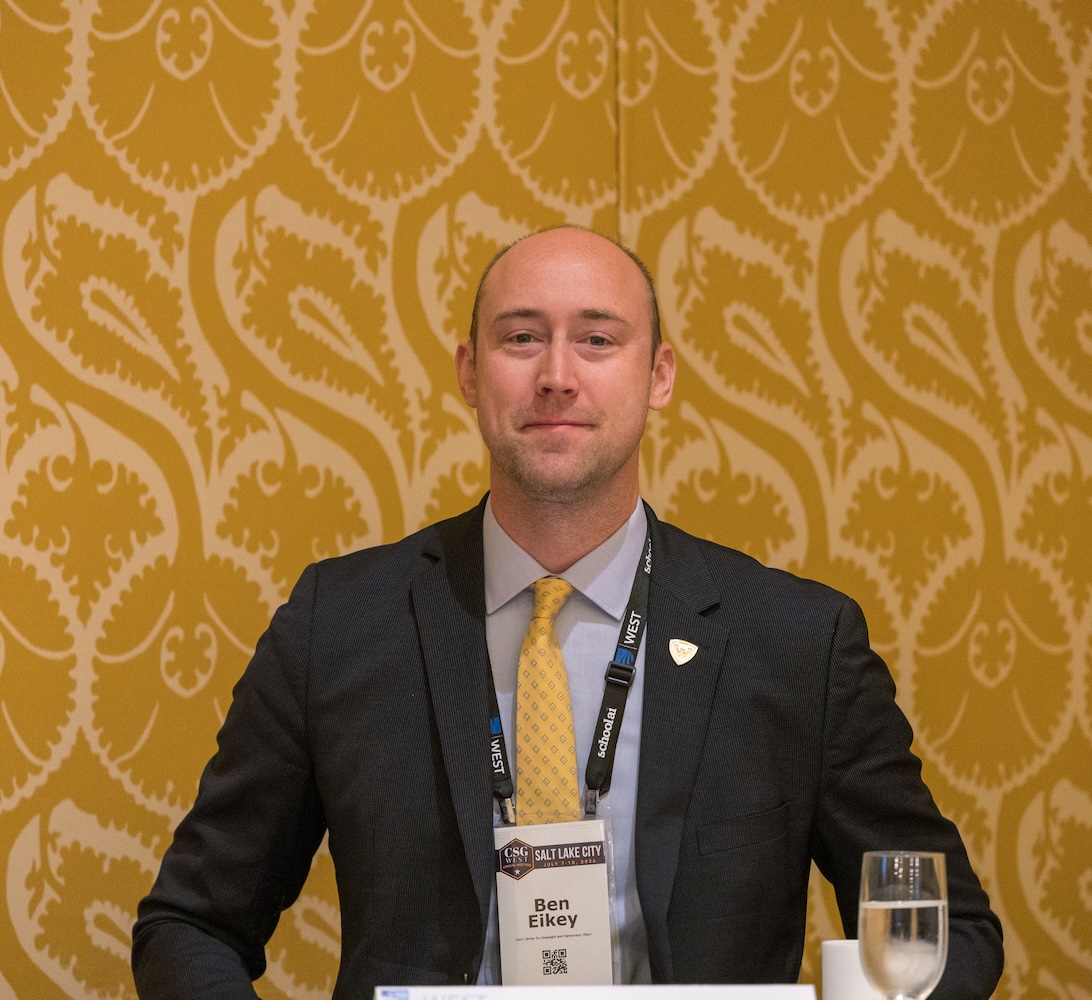
With a series of presentations by Rohan Basu Roy, Professor at the University of Utah; Pratik Soni, Professor at the University of Utah; Chris Spitzer, of Lawrence Berkeley Laboratory; and Ben Eikey, of the Levin Center, we were amazed to learn about the quickly approaching 2030 deadline for the official implementation of Quantum.
This astounding software will significantly cut down the production time for molecule simulators used in drug manufacturing, risk analysis for things like finance, and even enhanced AI. However, as Professor Soni stated, Quantum also comes with significant risk to national security and could potentially widen the employment gap. In order to resolve this conflict, speakers suggested training programs for teachers and students as young as elementary school to introduce Quantum so that we can raise a generation of young people properly equipped to handle the technology.
The tone of the session was one of preparation: Quantum is coming to the West, and it’s up to the legislators to build a safety net to keep things from going downhill. Quantum Computing is a somewhat new concept to the Ambassadors, though one that got us thinking about our own futures and how Quantum might affect our careers in law.
The Power of Sports
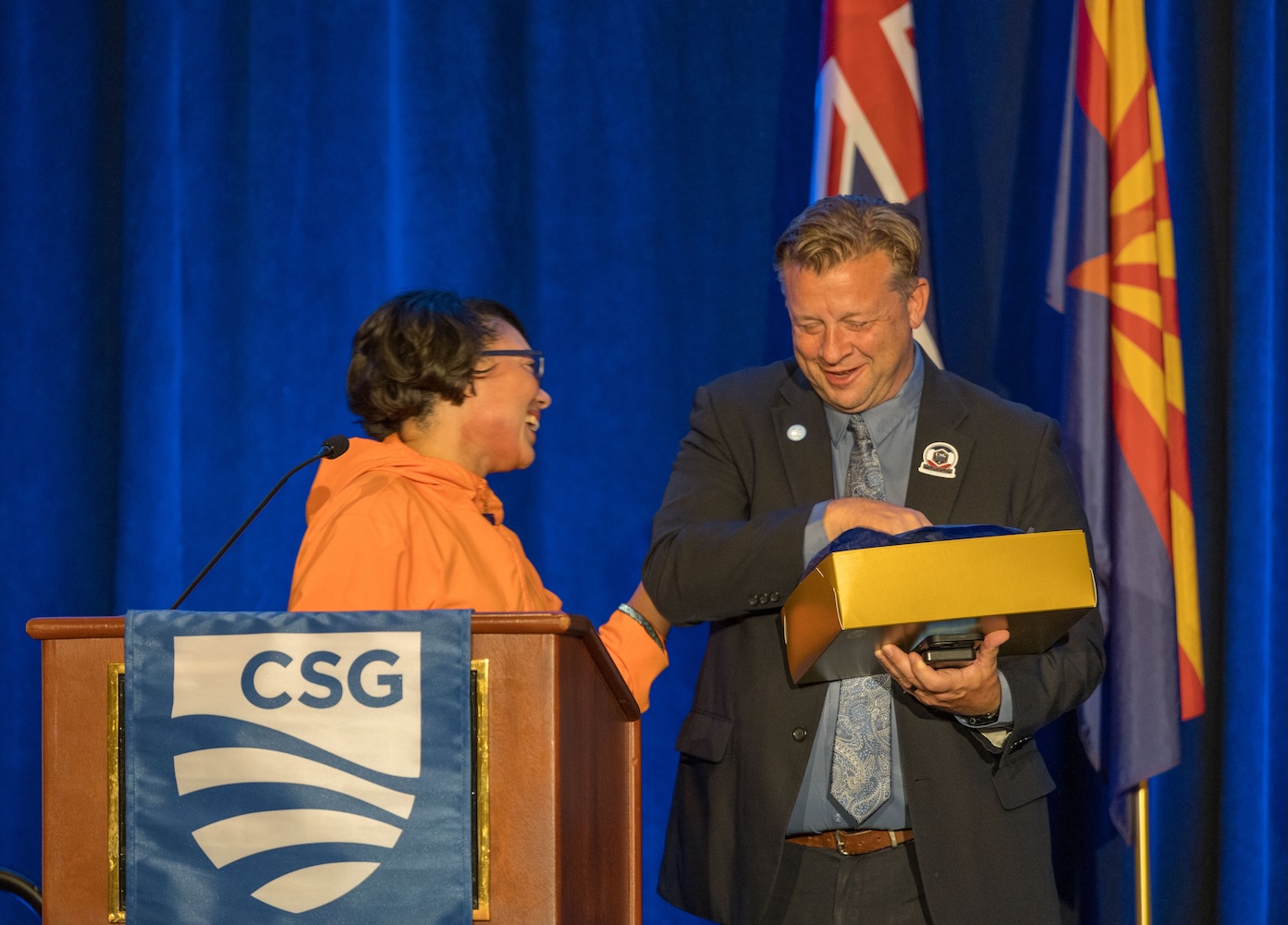
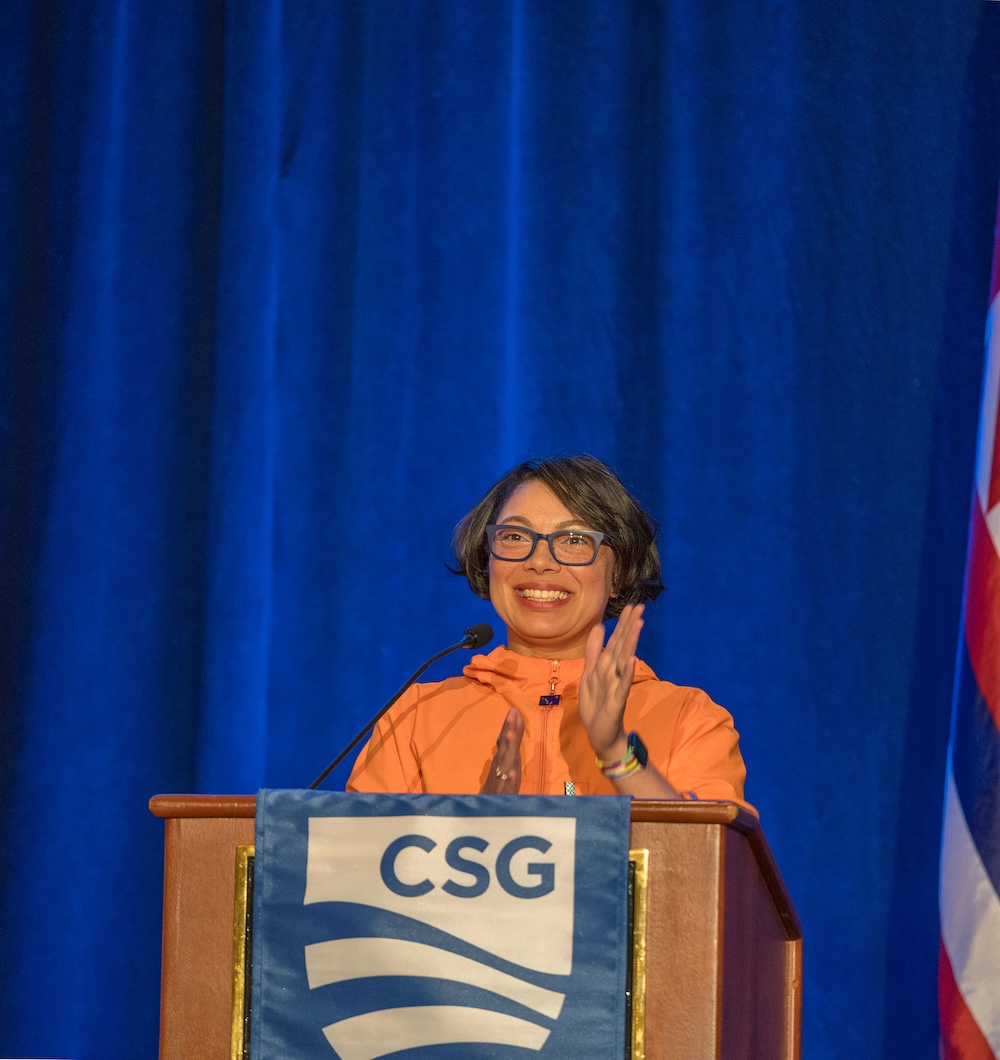
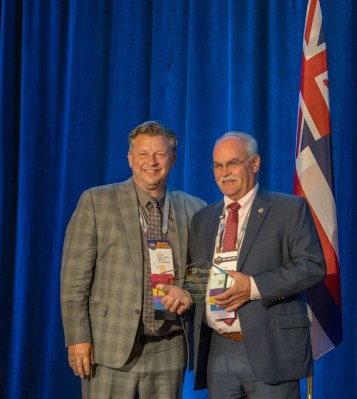
Following our crash course in Quantum, we were off to lunch! Before the keynote speech began, Chair Senator Todd Weiler (UT) presented the Bettye Fahrenkamp Award to Senator Ron Winters (UT) for his outstanding leadership.
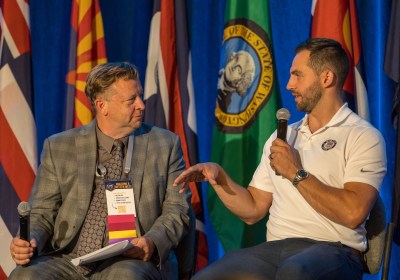
After the awards, we learned about the value of sports from Kelsey Berg, who is currently leading government relations for the Utah 2034 Organizing Committee for the Olympic and Paralympic Winter Games…
…and Chris Mazdzer, Olympian and Paralympic activist, and moderator Senator Todd Wieler (UT).
Following the incredible success of the 2002 Winter Olympics hosted in Utah– one of the only Olympic games in which the host country made a profit– the state is thrilled to host the 2034 Winter Games.
However, the benefits of Olympic sports are not only financial. The speakers testified to the incredible cultural unification that happens when people from across the globe unite in the name of sports, citing the overwhelmingly positive reaction from visitors to the World Cup.
Even as someone who has never been particularly athletic, I found this connection inspiring, and I look forward to being a part of the host country for another worldwide sporting event.
Huntsman Crisis Center
The LEAP Ambassadors had the opportunity to attend post-lunch policy tours to witness the effects of legislation in action.
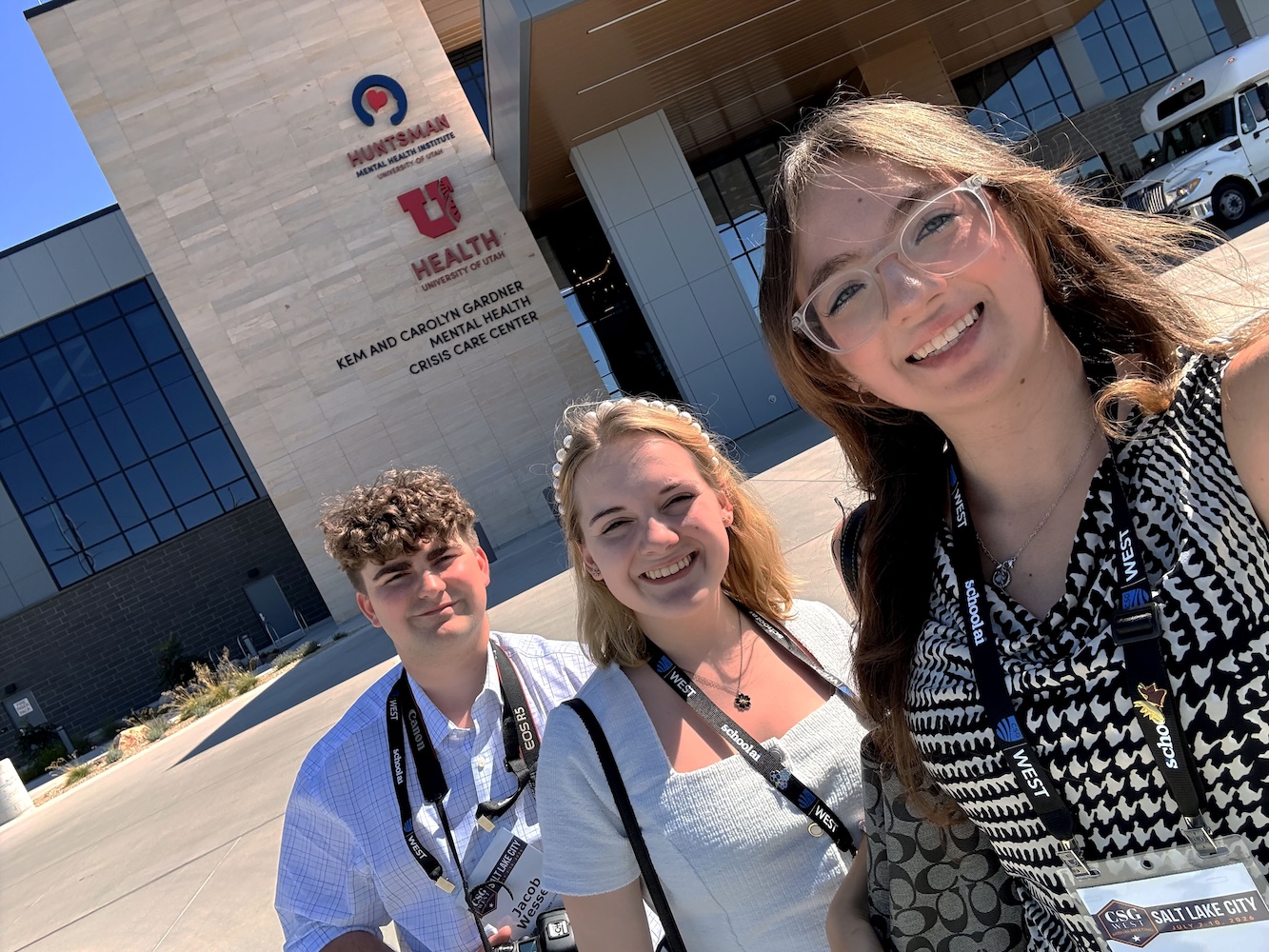
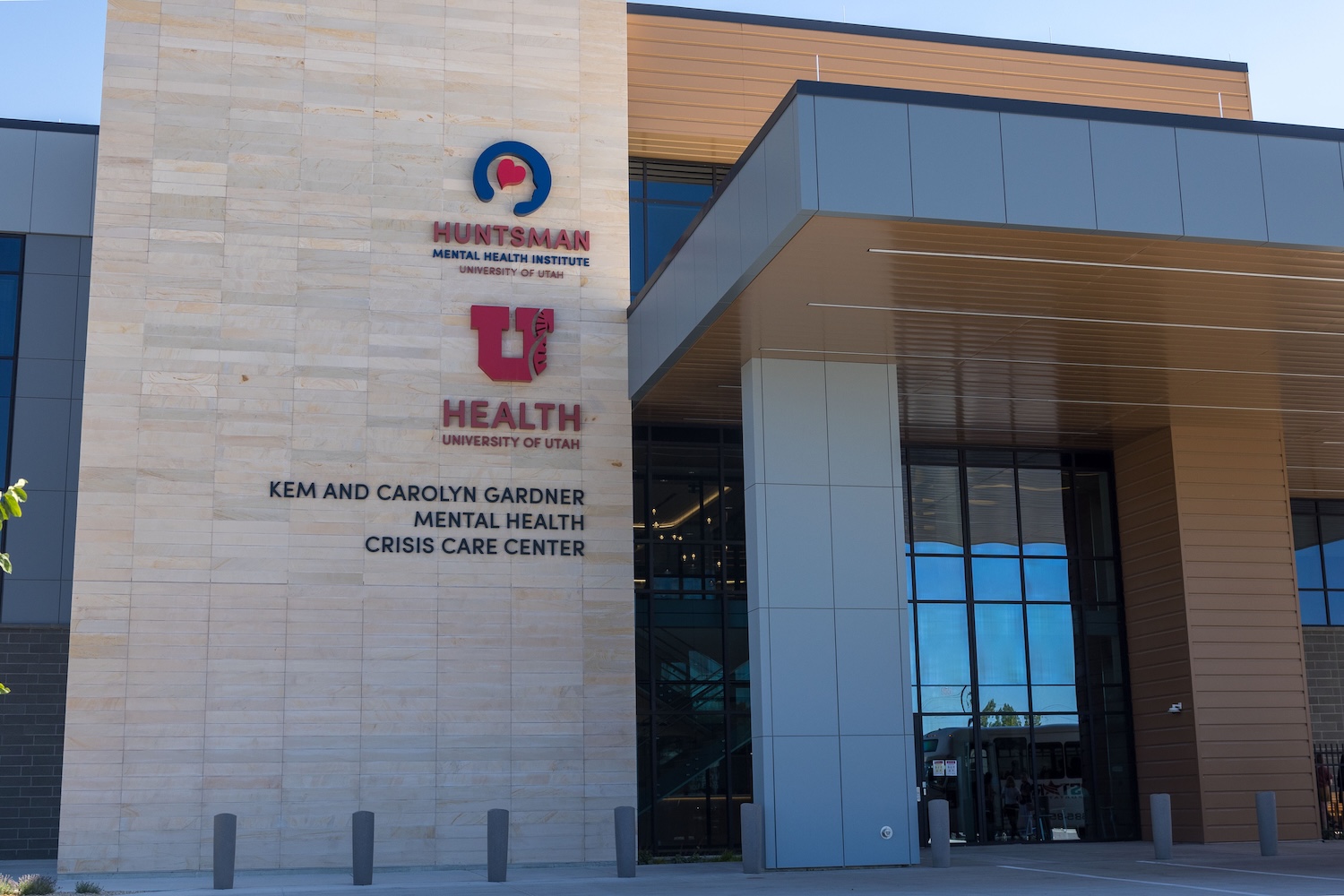
Isis, Allie, and Jacob attended a tour of the Huntsman Mental Health Institute and Crisis Center of Utah. The institute is leading the way for many significant improvements in behavioral health by focusing on creating a welcoming environment for its patients through a variety of methods, including referring to those whom they treat not as patients, but as guests. The architecture of the building helps achieve this as well by being intentional with every aspect, all the way down to the lighting, which is timed to the body’s circadian rhythm!
Representative Steve Eliason and Operations Manager Kevin Curtis shared how they have made an impact through collaborating with local police departments and hospitals to keep those facing mental challenges out of prisons and instead getting the care they need. Their work has helped many people with rehabilitation after facing a crisis while creating a more accepting community for those who may have mental problems. The session informed us on the resources available for nearly every demographic to seek care, along with ways legislators can help push for destigmatizing mental health treatment.
The tour created a lot to think about for the Ambassadors, but it brought along with it a newfound interest in psychology and the treatment of the mentally ill.
The Great Salt Lake
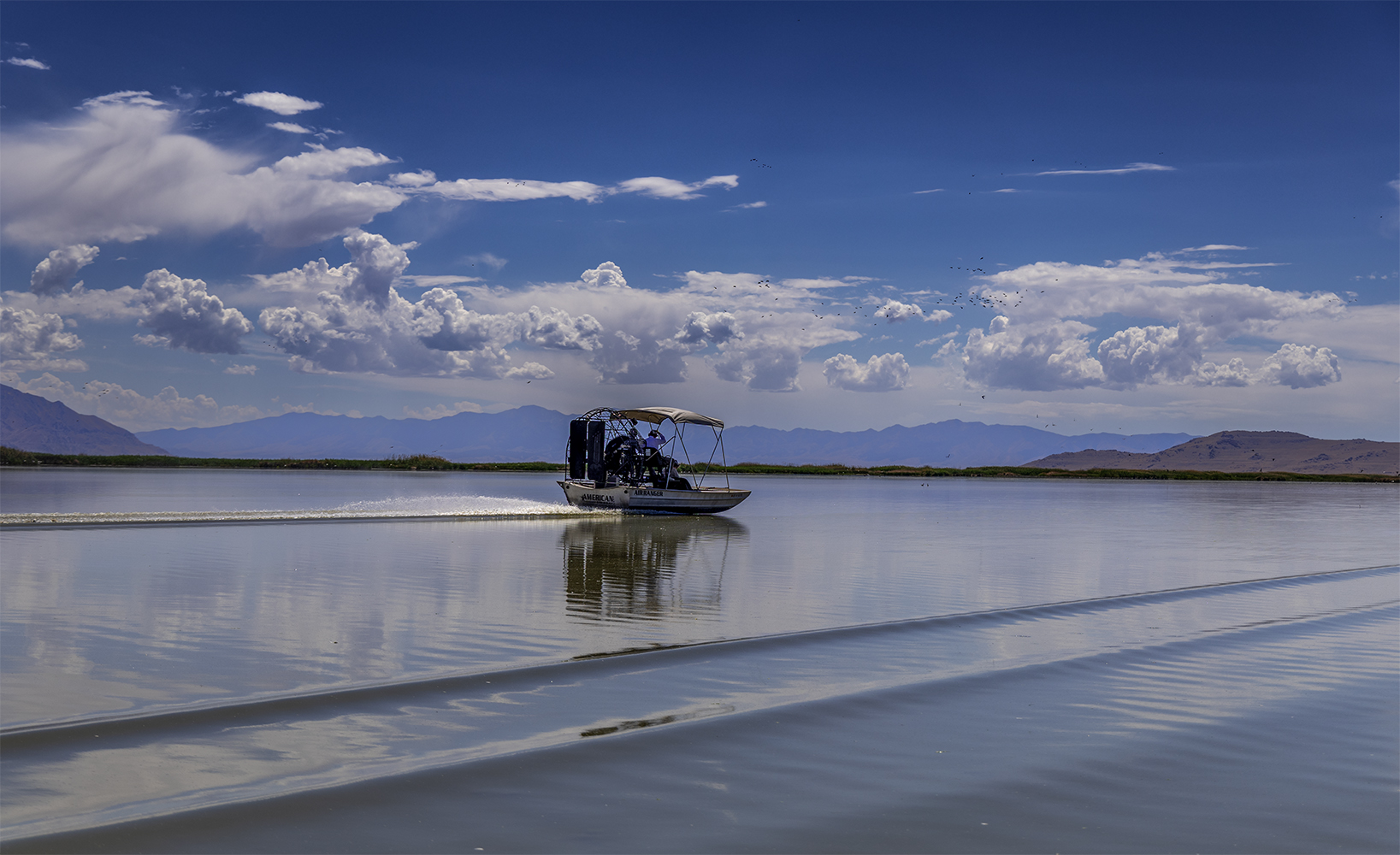
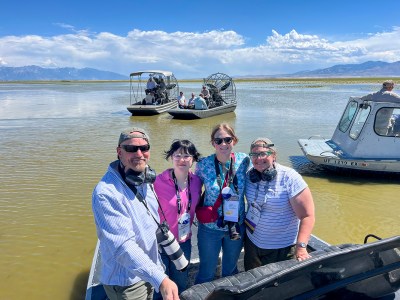
Robin, Olivia, and Professor Yawn chose to attend the policy tour on Water and the Future of the West. On the bus ride there, we learned about water usage in Utah. Utah Water Ways, led by Executive Director Tage Flint, is behind a campaign called “Slow the Flow.”
Their organization is unique: it is set up as a non-profit, but it is funded in part by the Utah Legislature and in part by community/corporate partners, with a goal of reducing per capita water consumption by almost a third in the next twenty-five years.
Part of this goal is to save the Great Salt Lake.
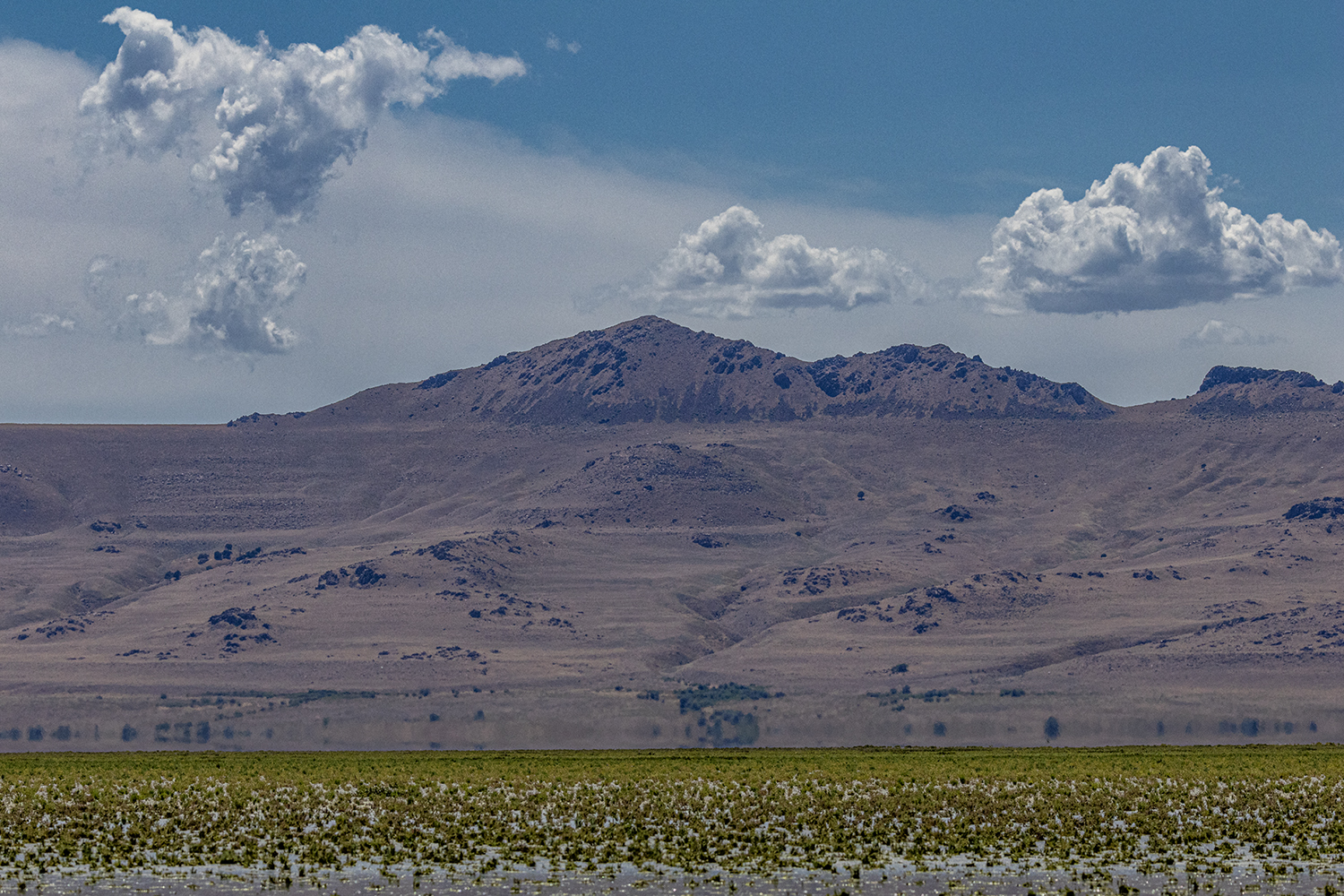
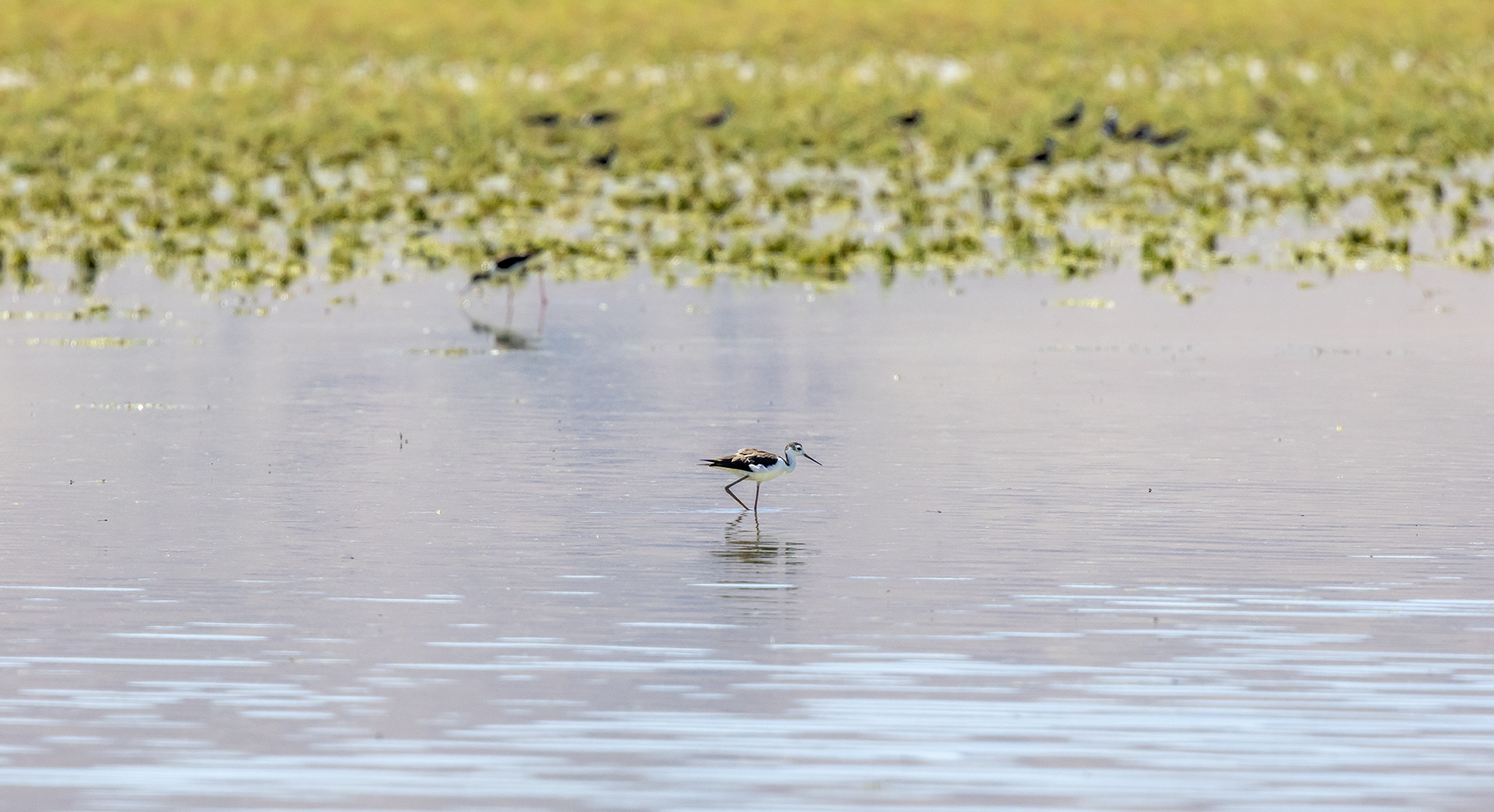
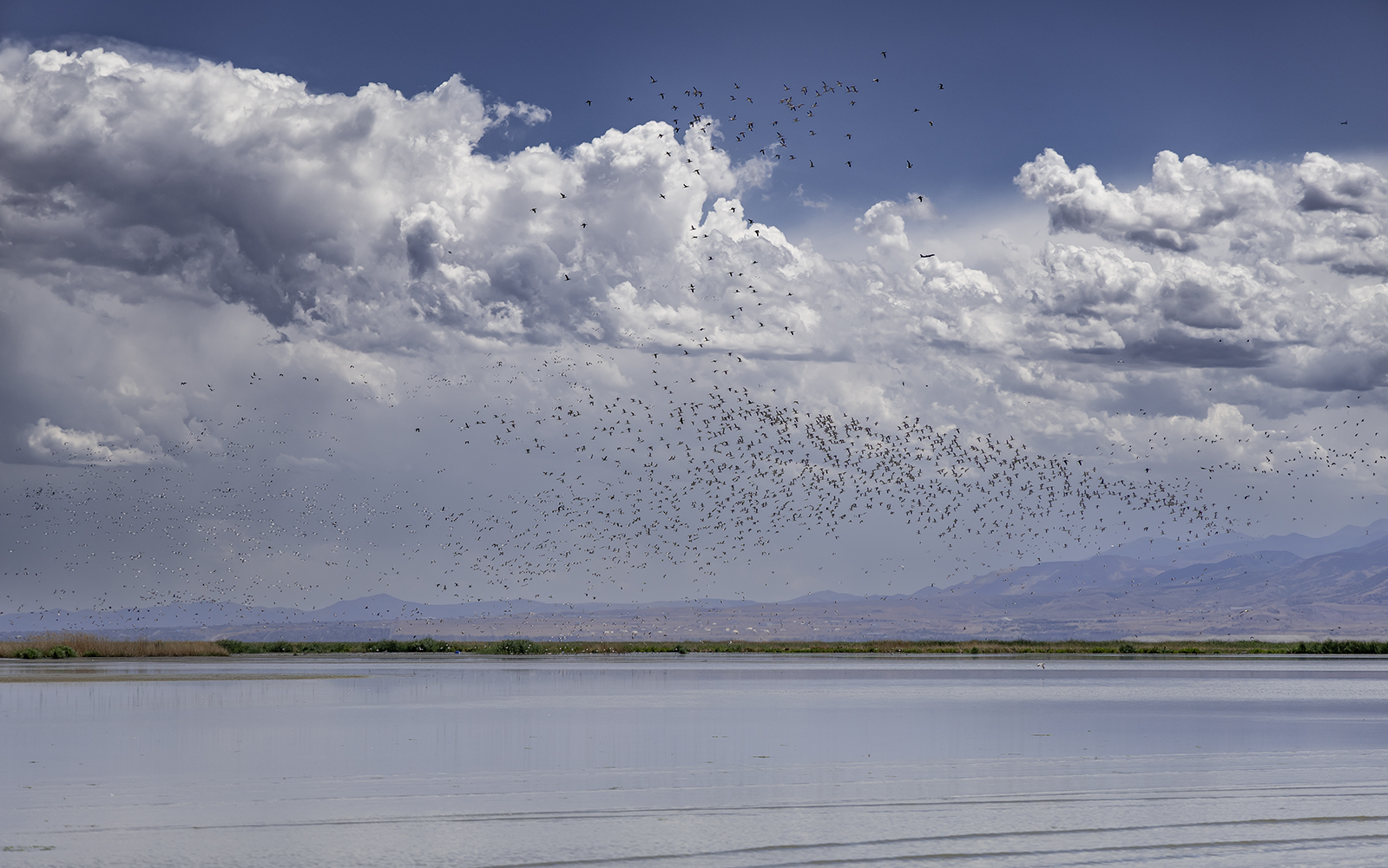
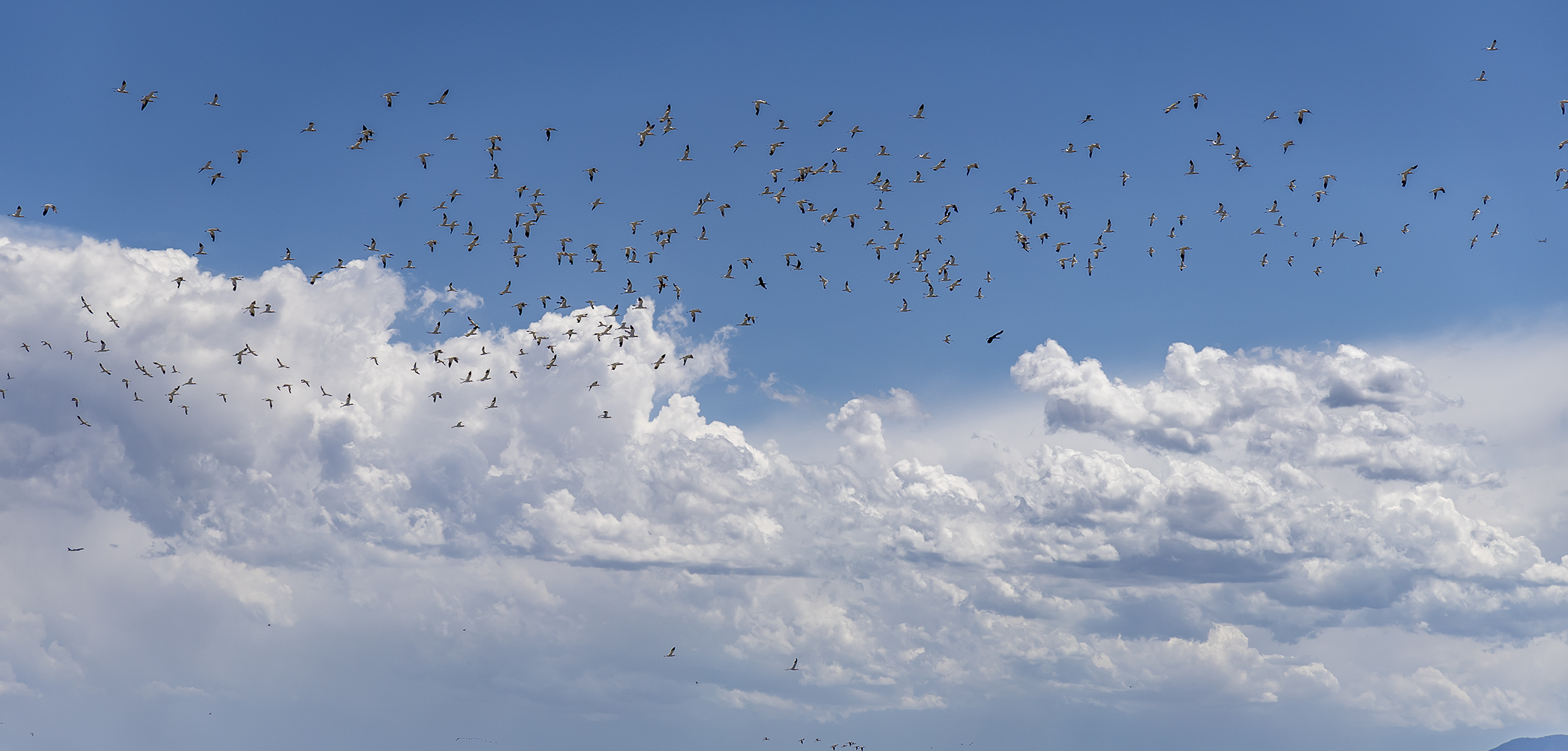
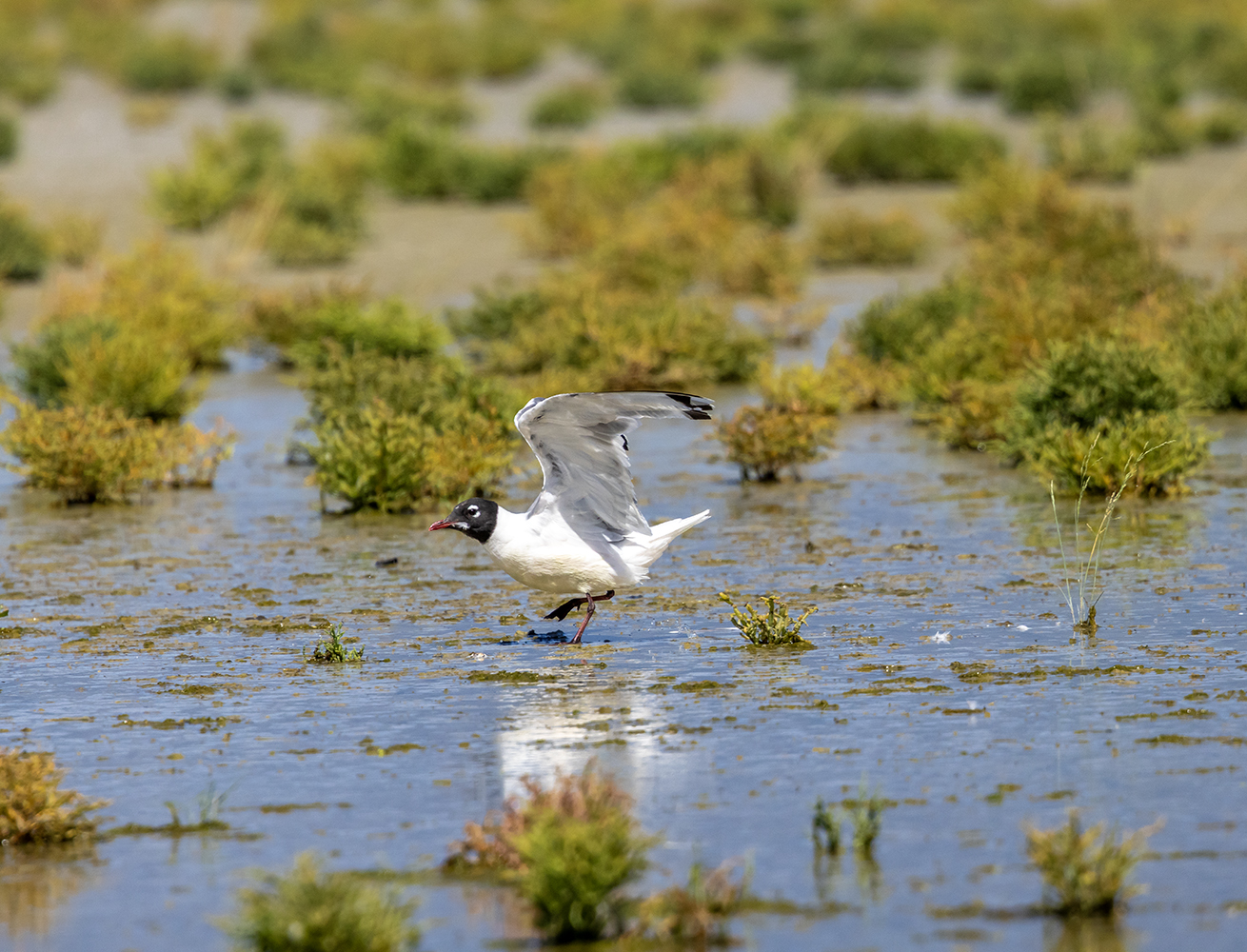
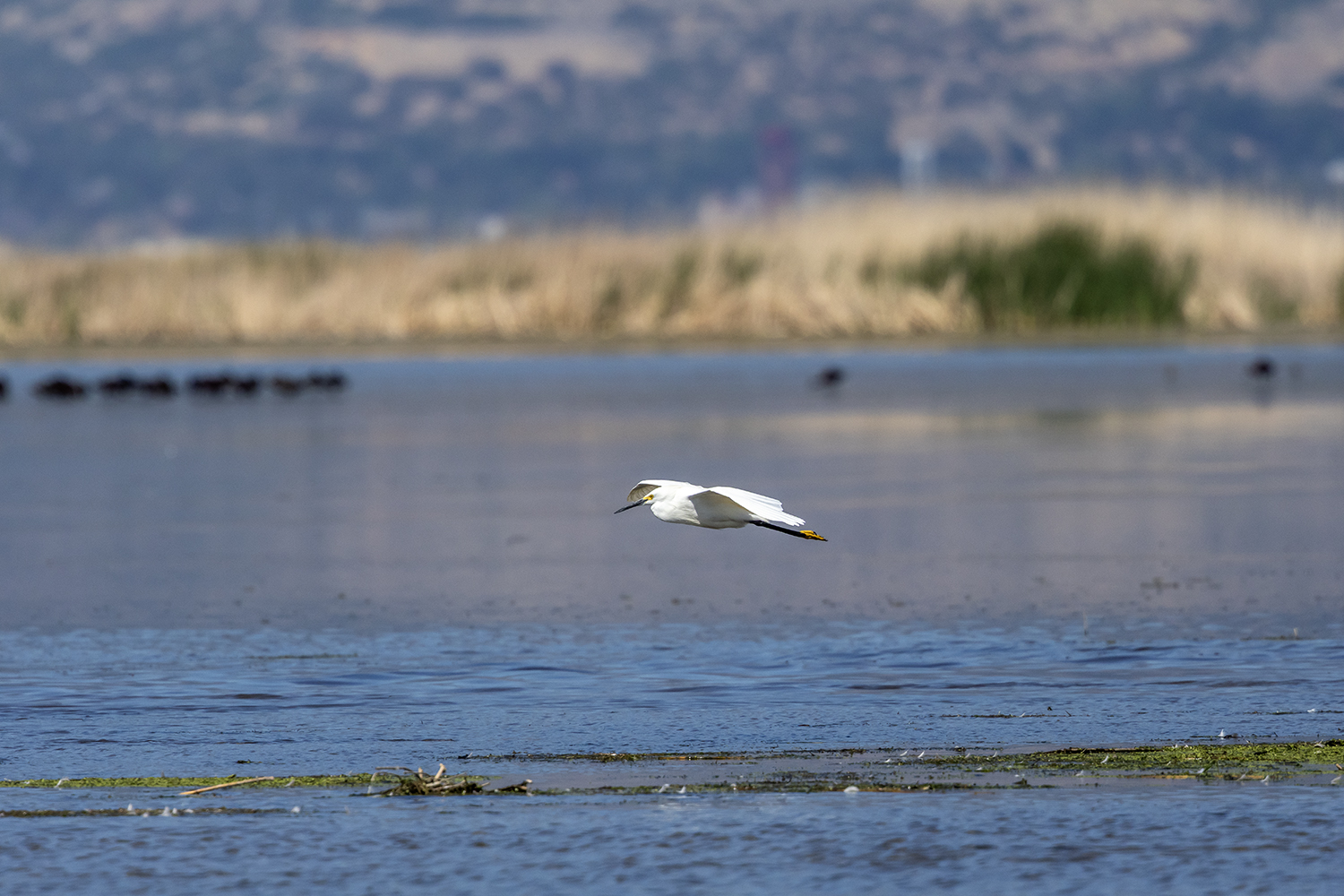
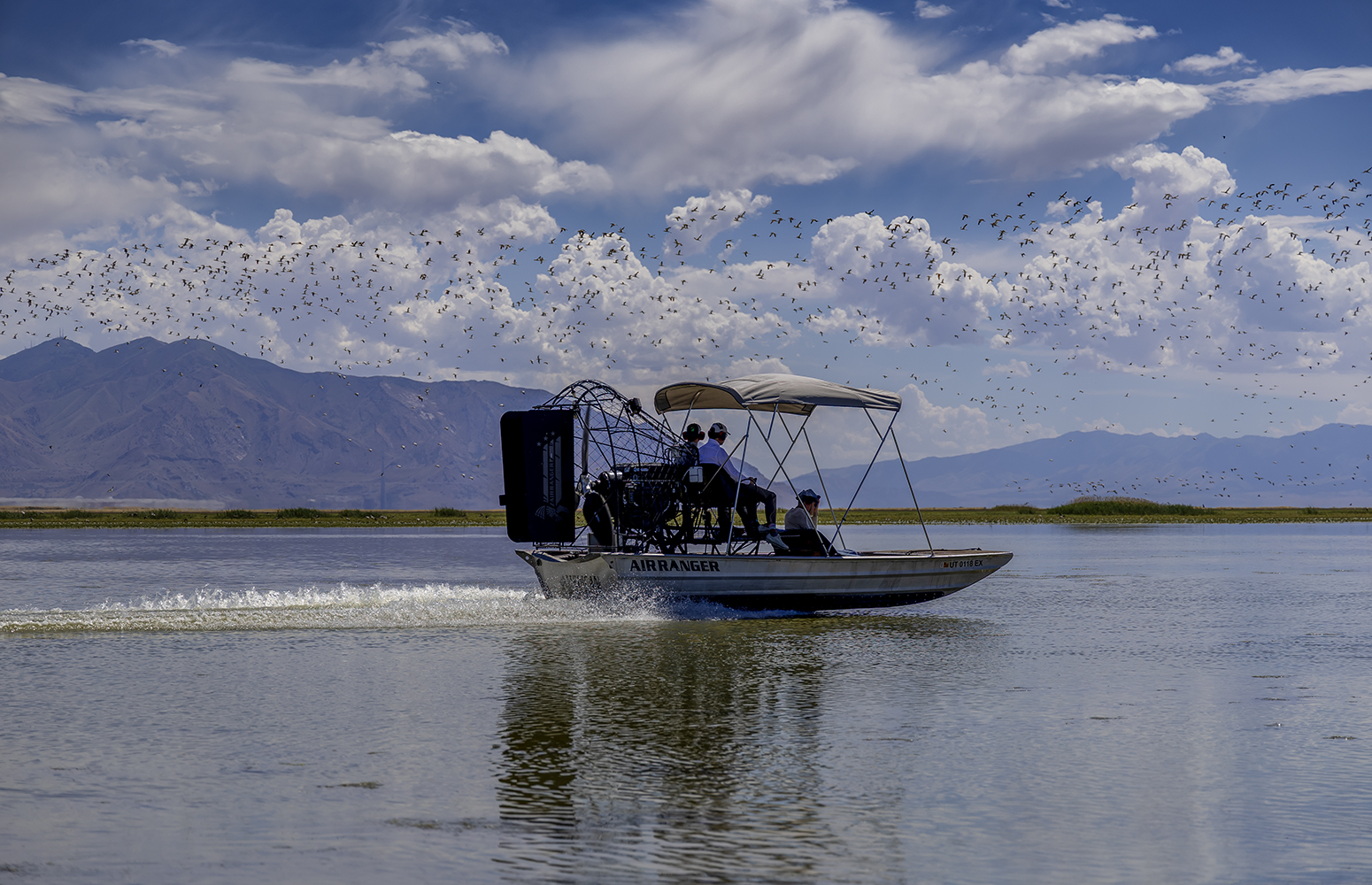
The Lake has been subsiding in the past several decades, a particularly trouble phenomenon because it offers a unique ecosystem, providing a home for hundreds of thousands of migratory birds.
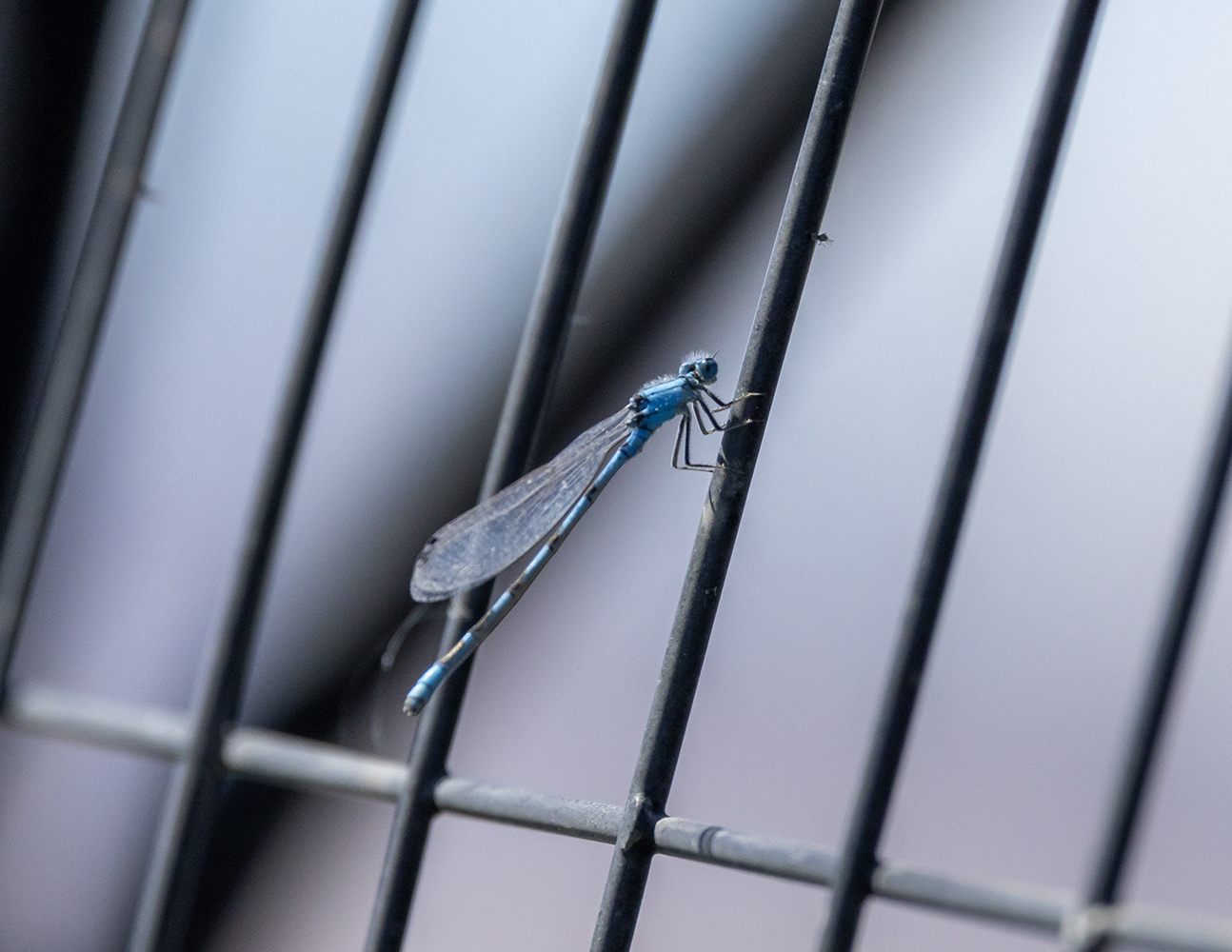
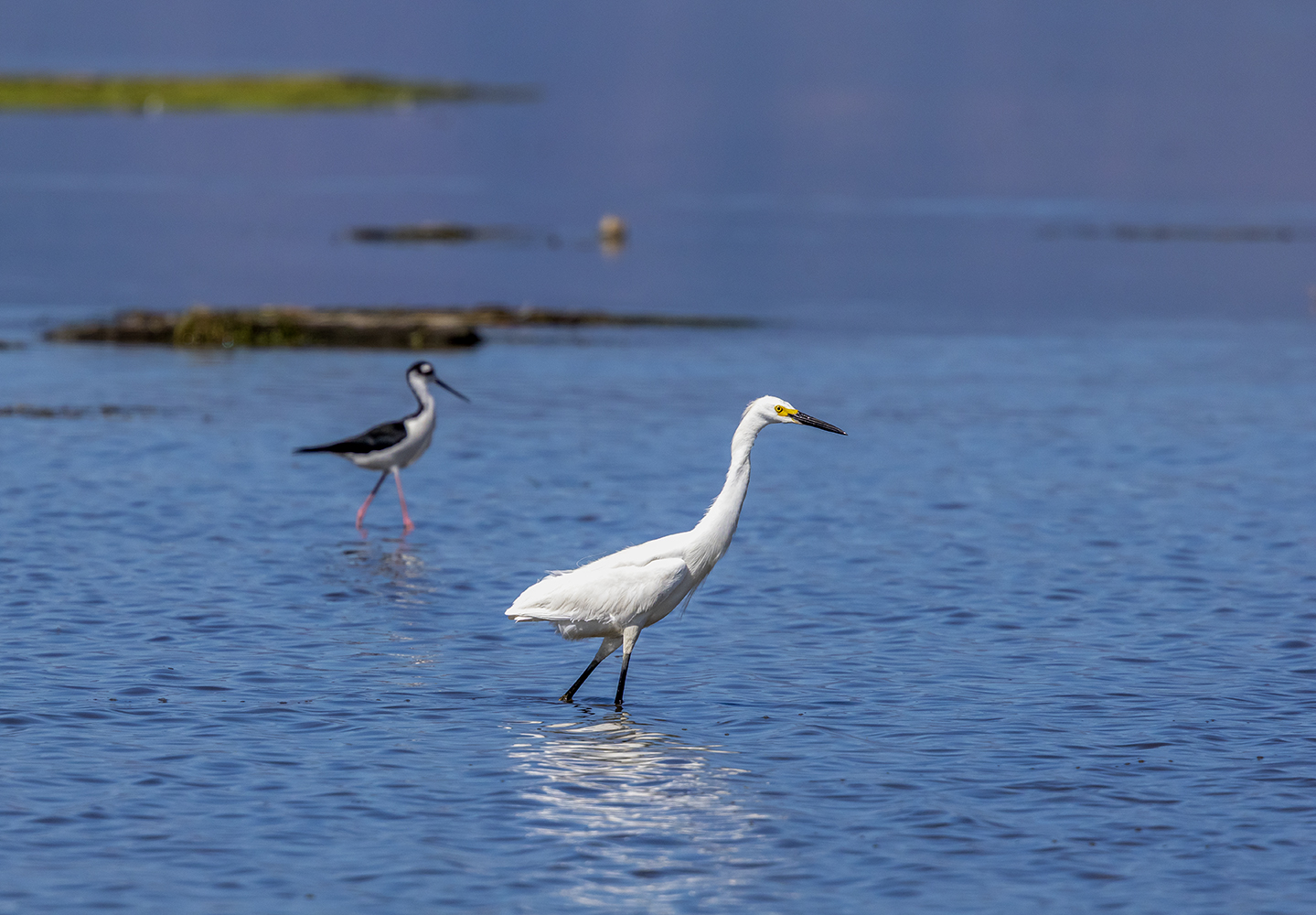
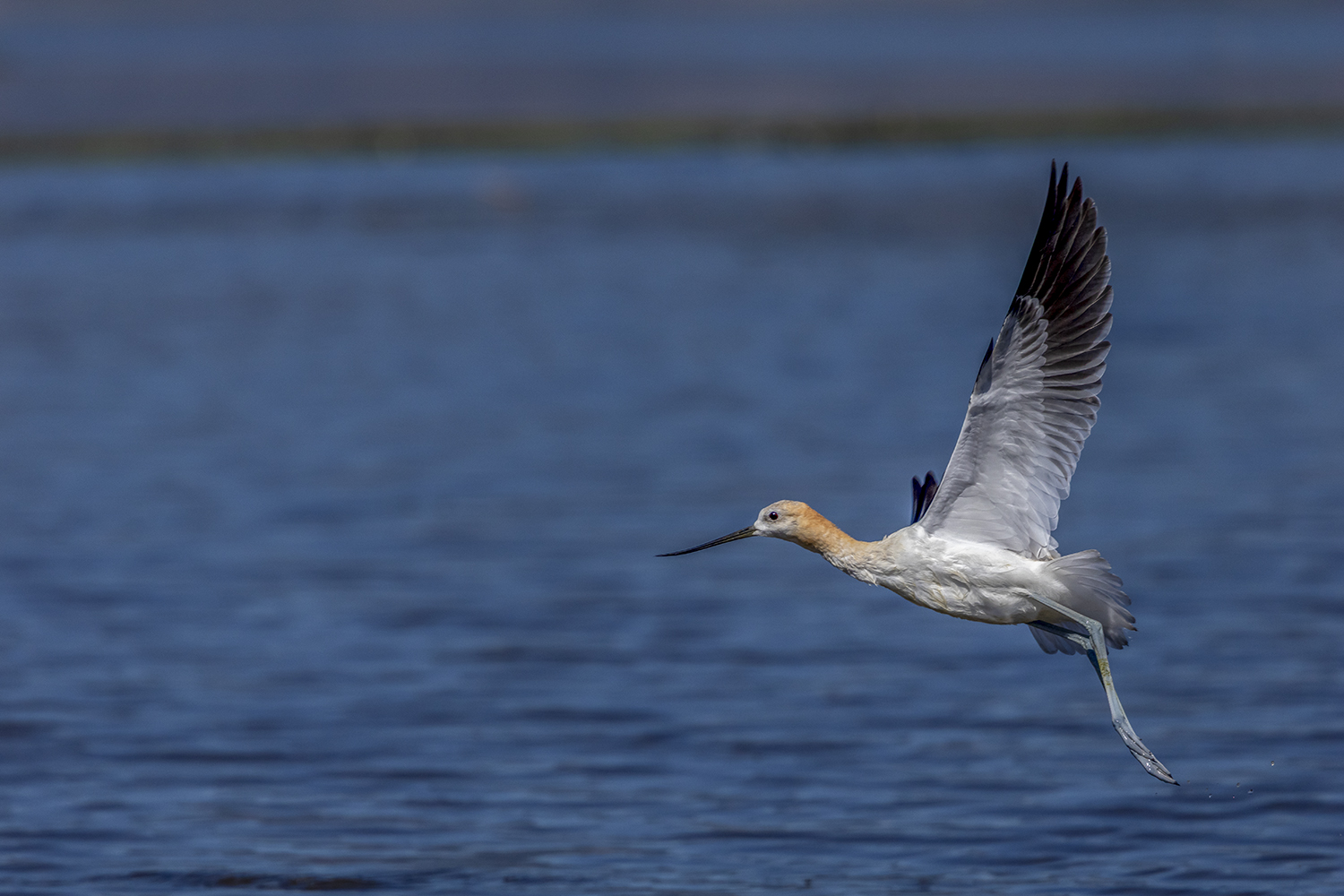
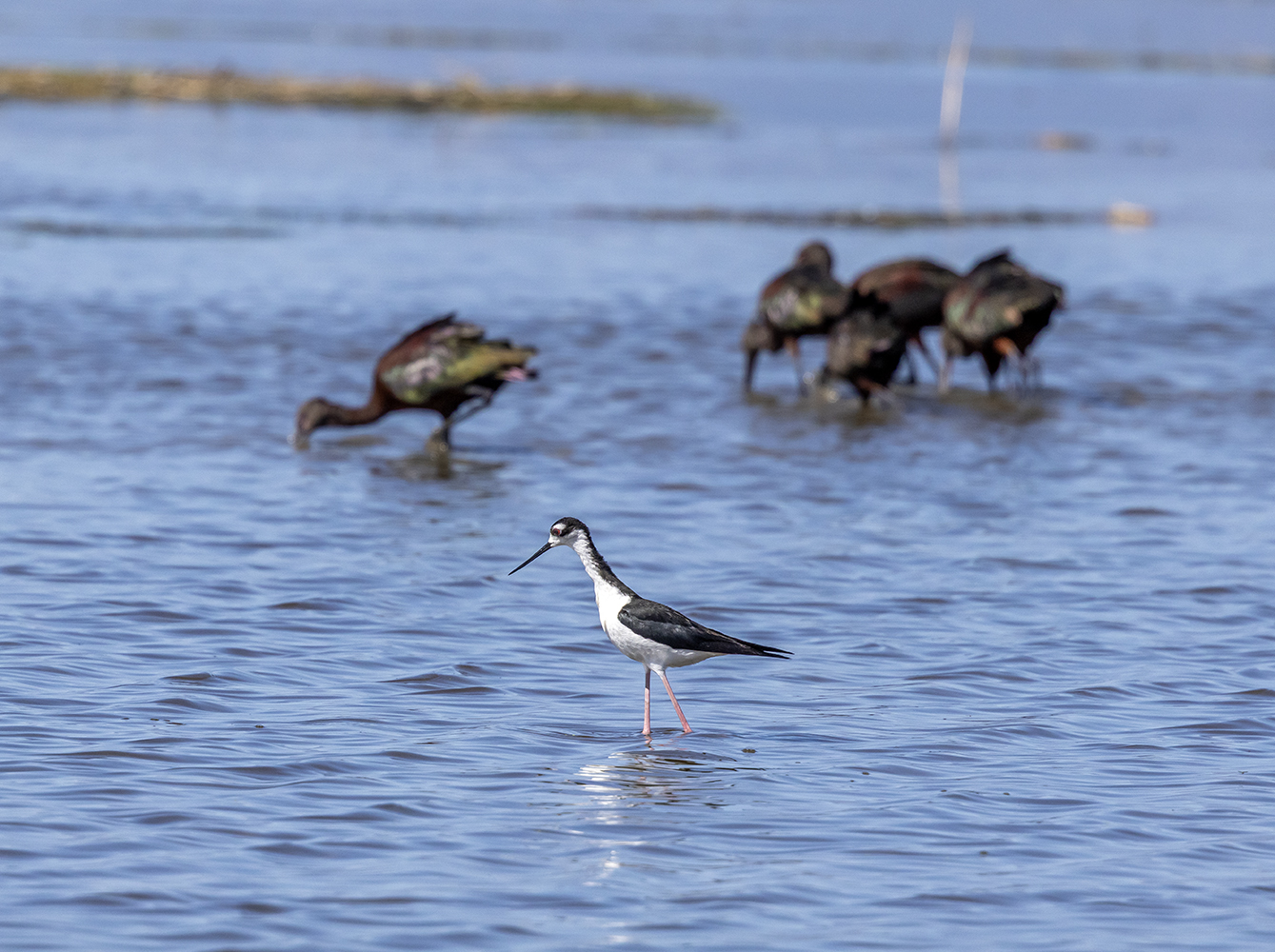
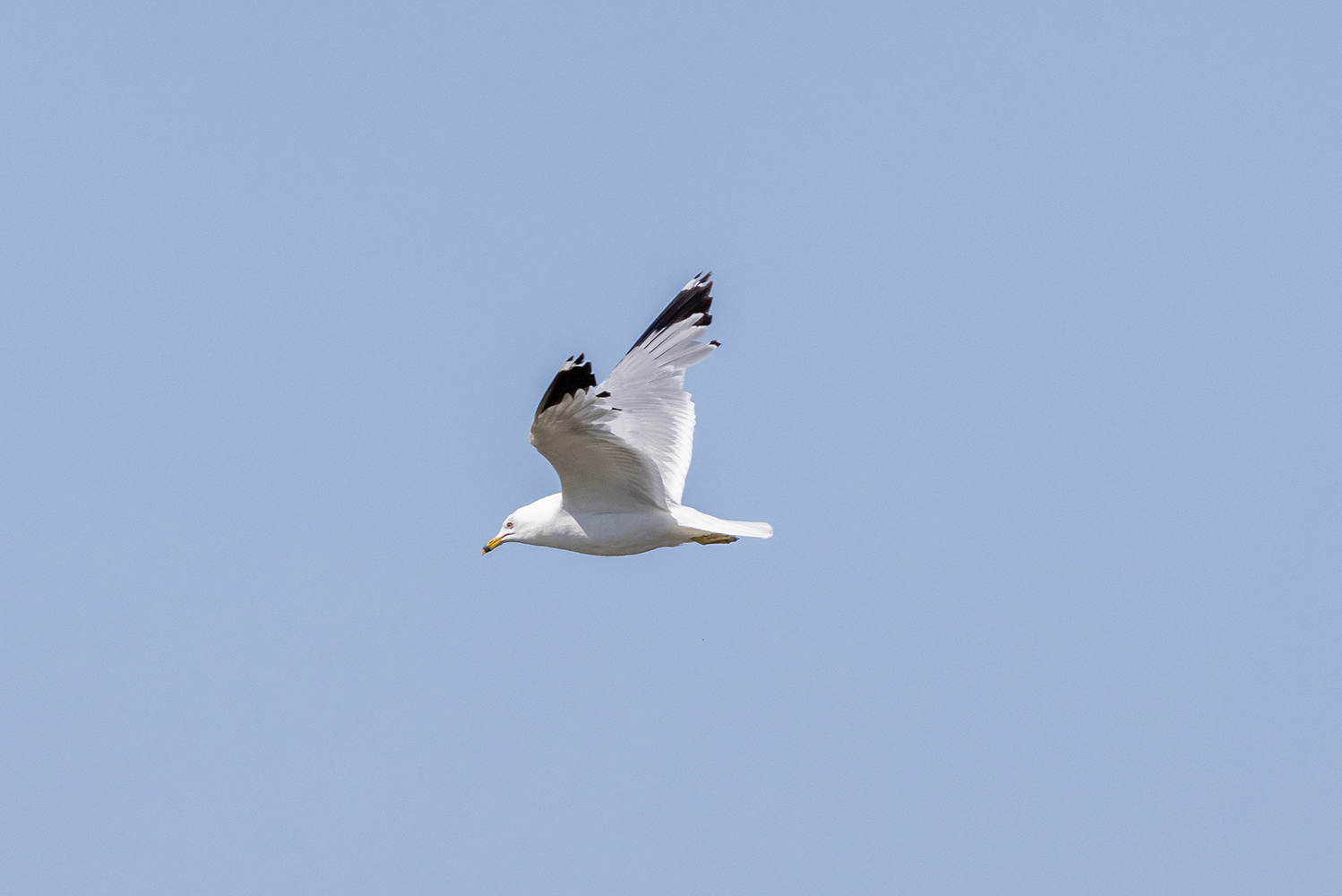
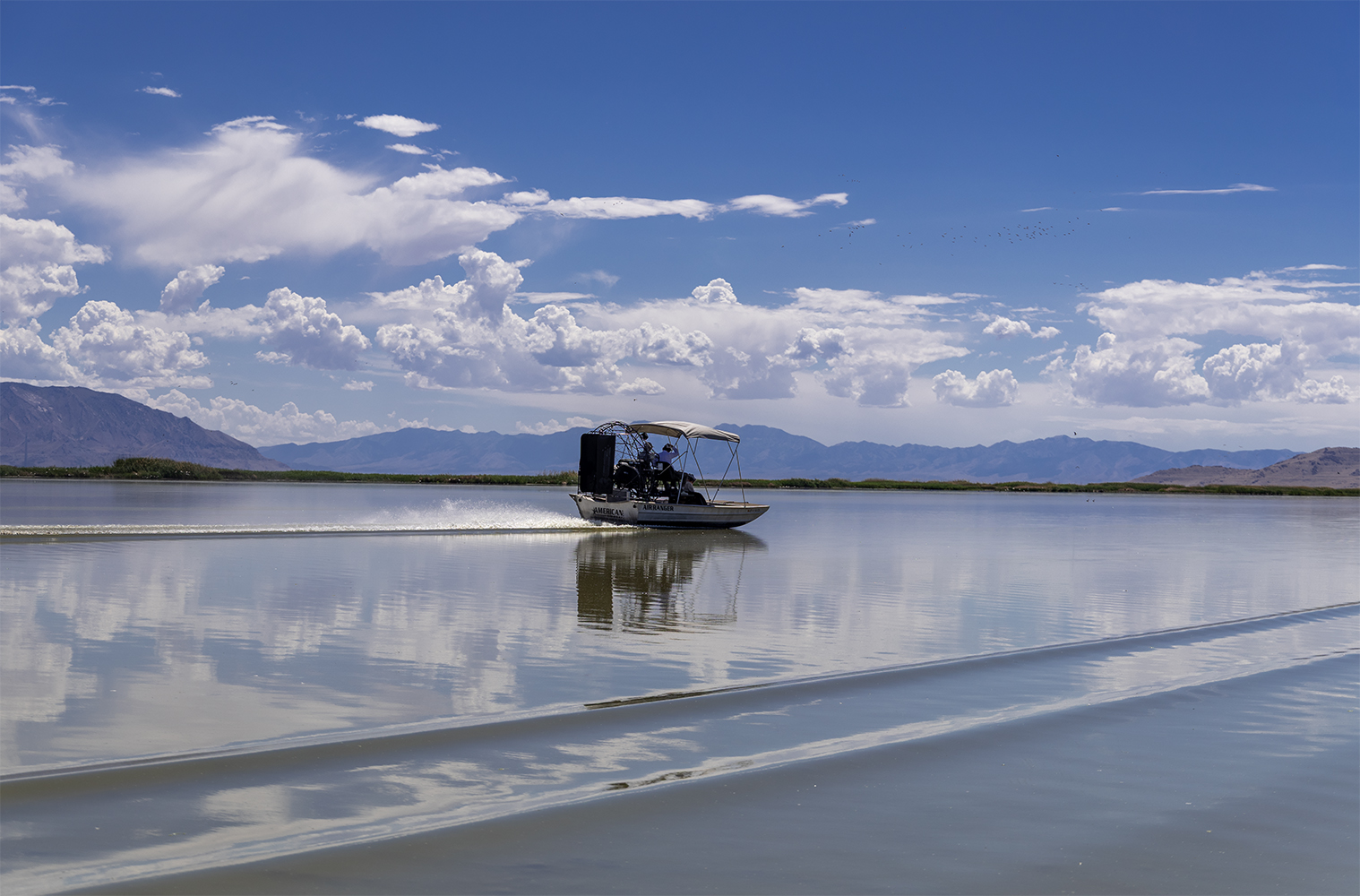
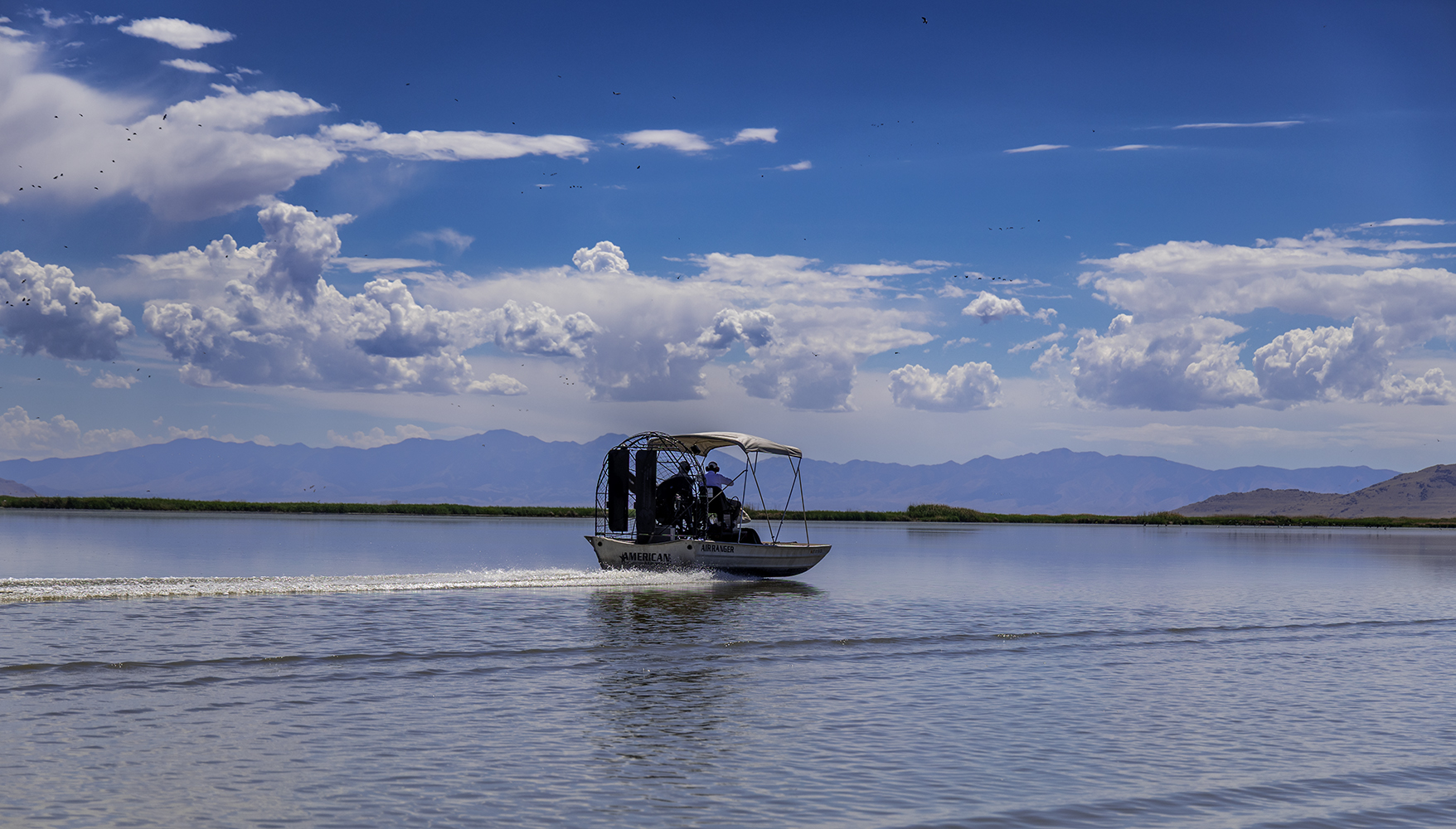
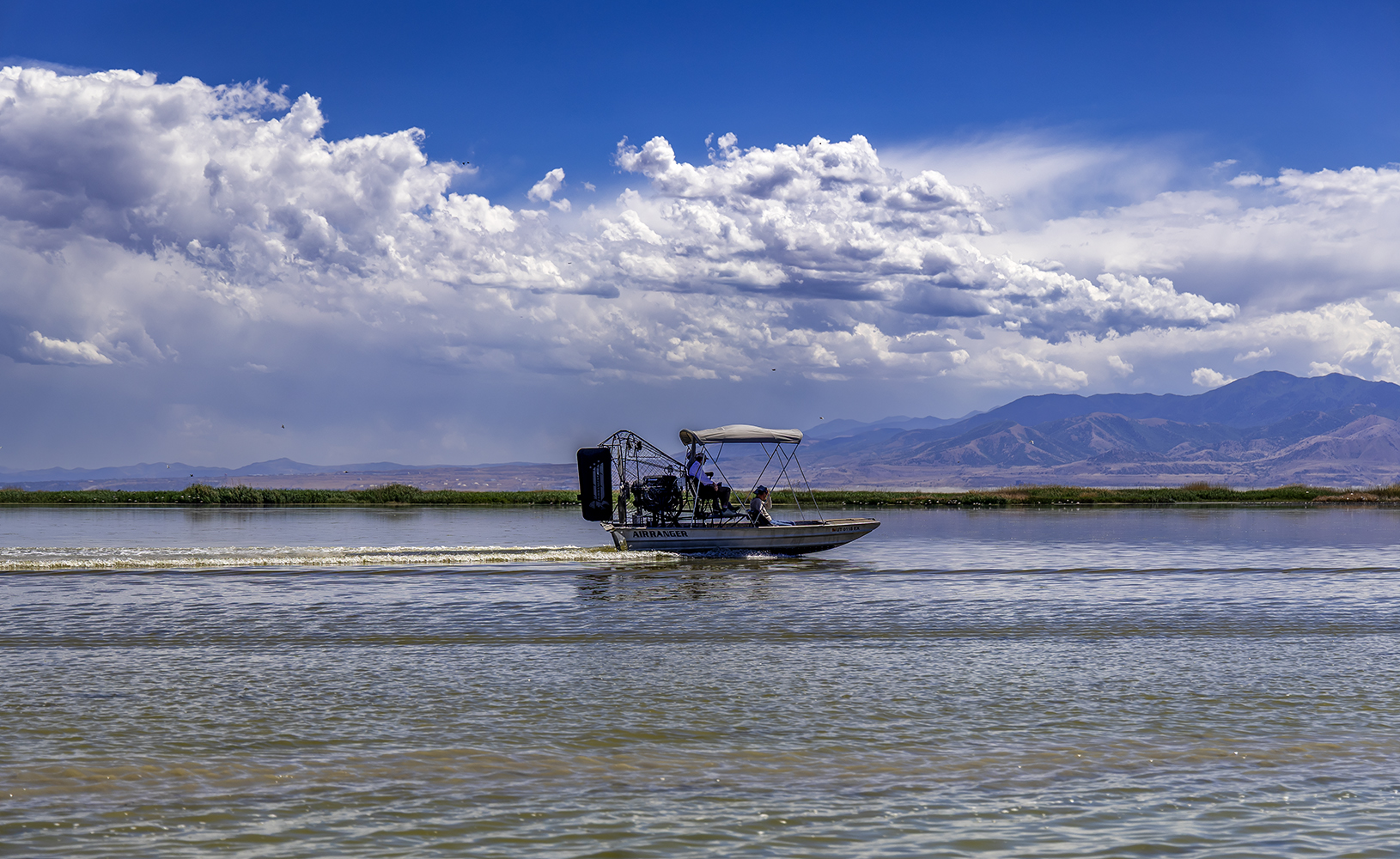
…we spent a wonderful couple of hours exploring the Utah wetlands, seeing birds, insects, and other wildlife critical to the wetland ecosystem.
Seeing the wetlands in person reminded all of us of the importance of water conservation, especially in Utah, the second-driest state in the country.
The Church of Jesus Christ of Latter-day Saints’ Salt Lake City Temple
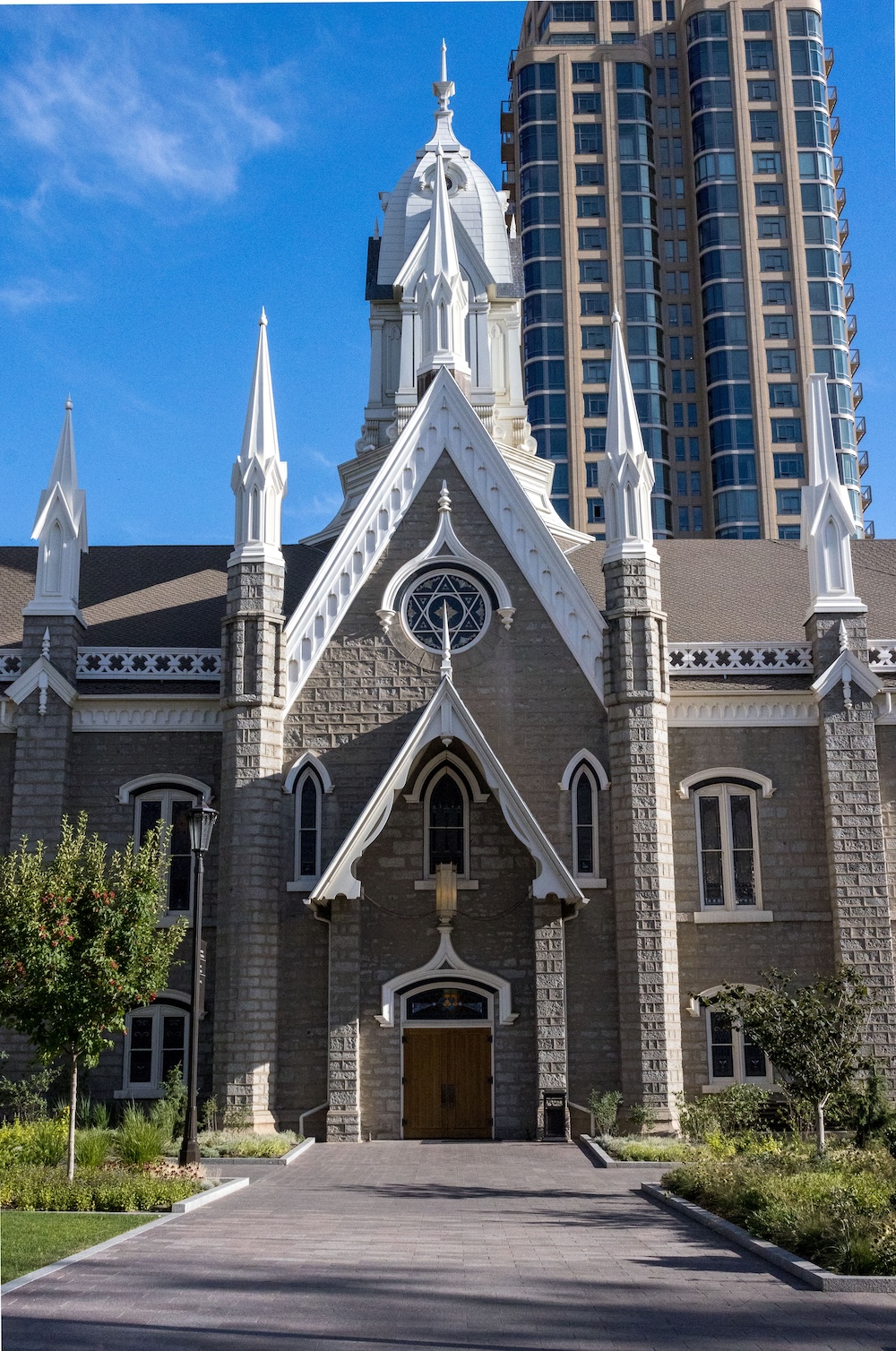
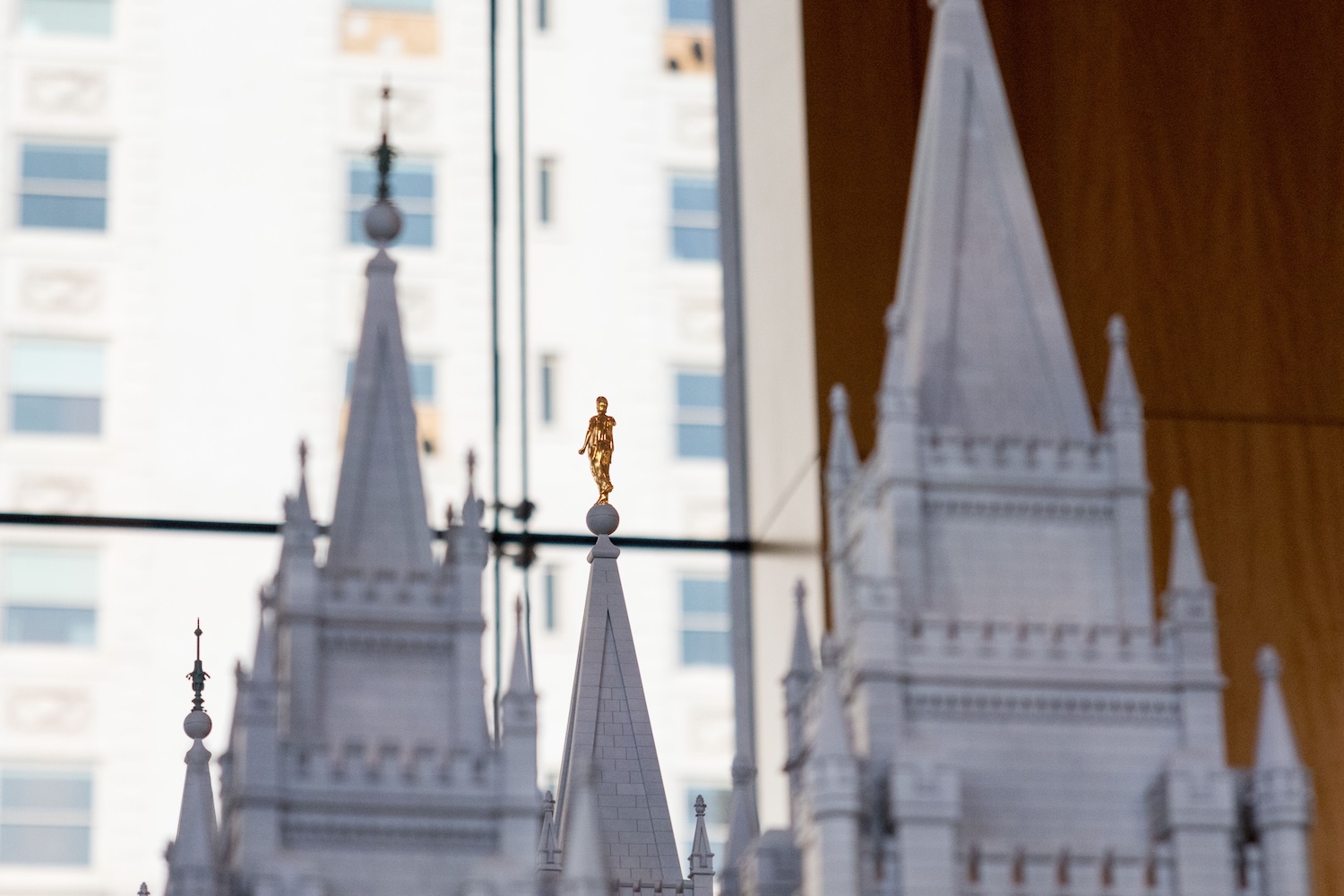
Following the Policy tours, LEAP ambassadors headed out to explore the historic Temple Square for a tour of the Church of Jesus Christ of Latter-Day Saints’ Salt Lake City Temple Visitors Center. Though not allowed in the Temple itself without a Temple Recommend from the LDS Church, we were soon immersed in the history, culture, and beliefs of the Church.
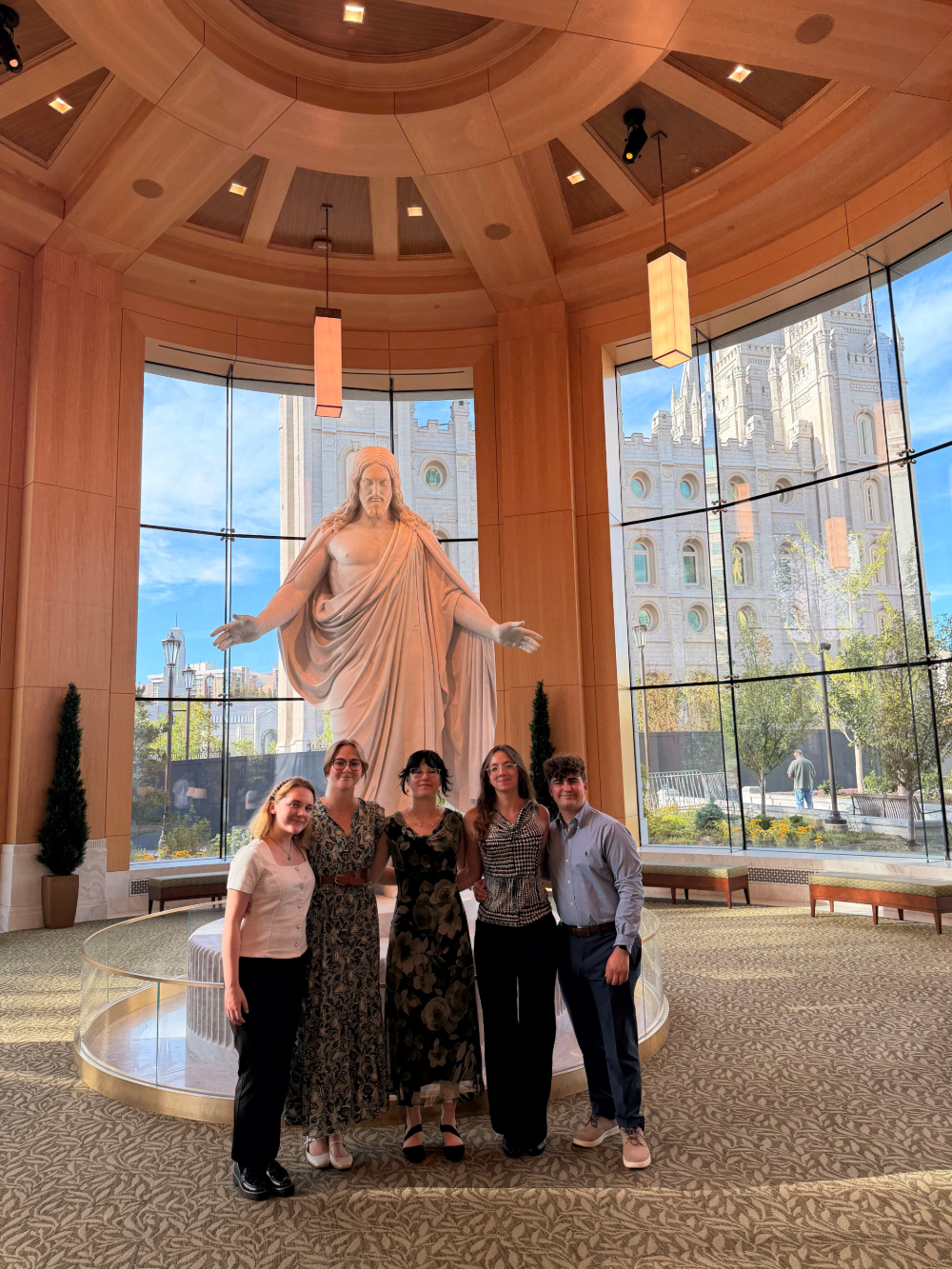
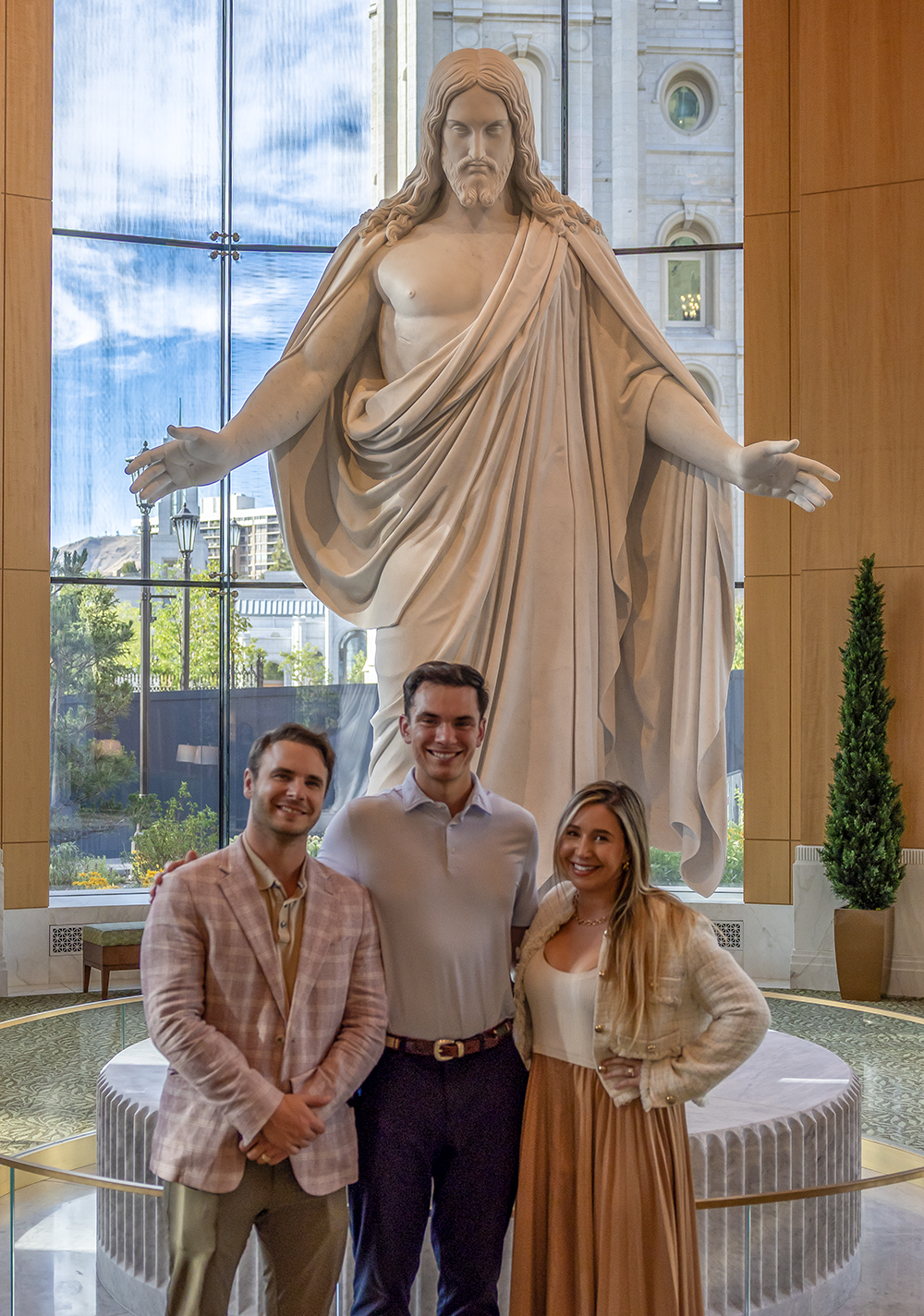
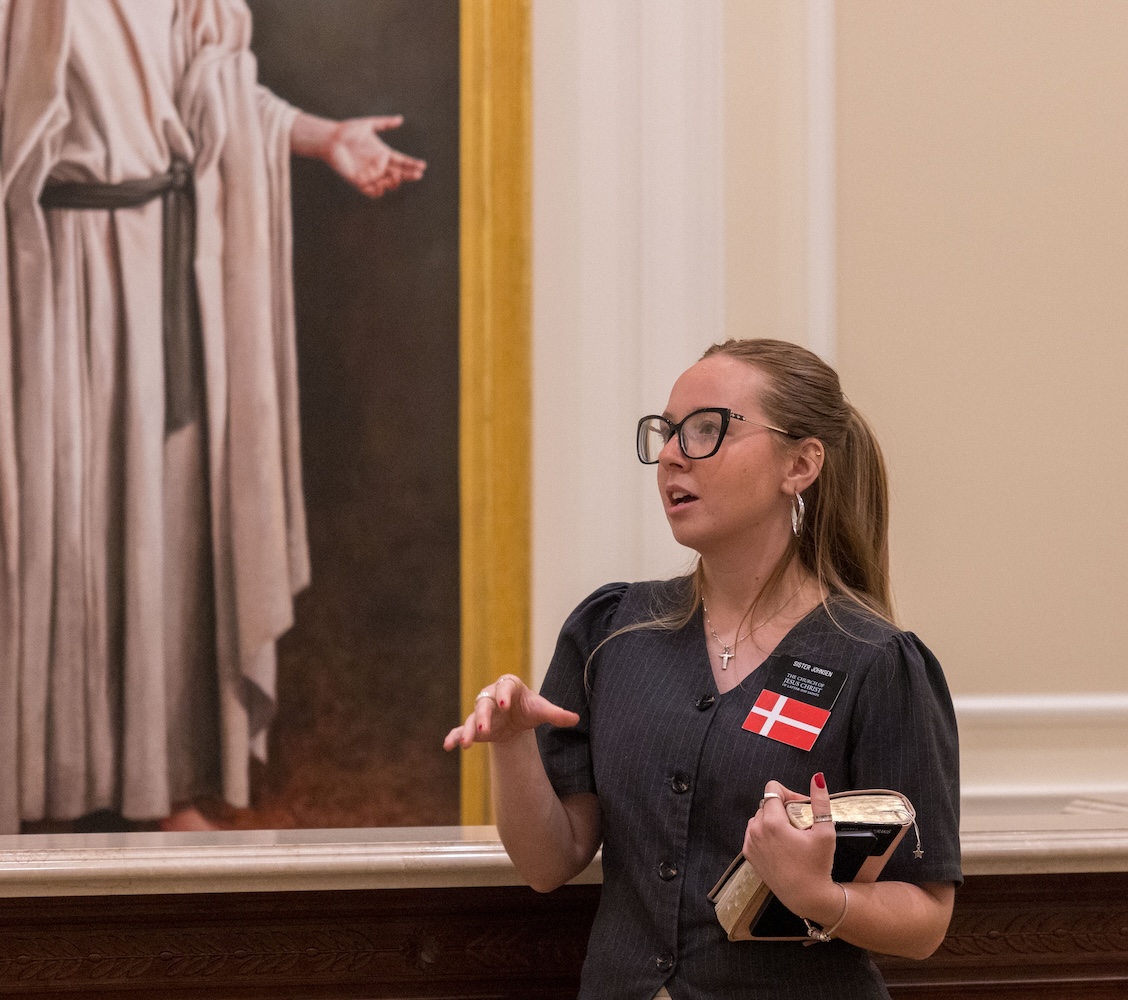
Our first stop was to take a picture with Thorvaldsen’s Christus, an 11-foot-tall statue of Jesus Christ that has a unique connection to Huntsville. Home to a full-scale bronze replica of the same statue (which can be found in historic Oakwood Cemetery), Huntsville possesses the only full-sized replica of Christus in the state of Texas.
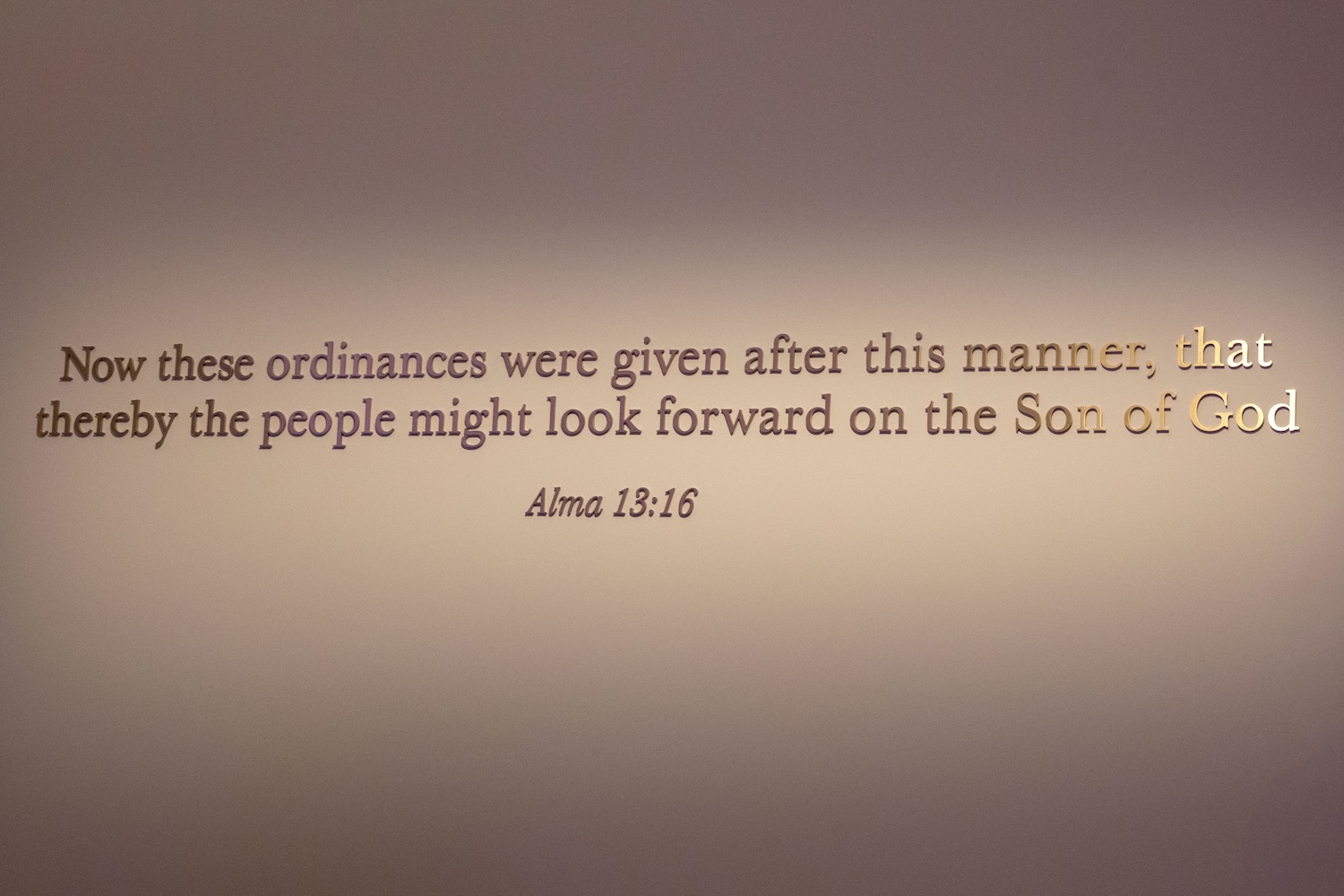
We then were led through five rooms of a replica temple: the foyer, the baptistry, the celestial room, the instruction room, and the sealing room, each of which are copies of real temple rooms.
The most interesting room to me was the baptistry, which features a large bath resting on the backs of twelve life-sized oxen that symbolize the Twelve Tribes of Israel. The baptistry is also located on the temple’s lowest level to represent the symbolic burial and resurrection associated with baptism. Members of the Church perform baptisms there on behalf of their deceased ancestors who did not have an opportunity to convert, though their ancestors still must choose to accept the baptism.
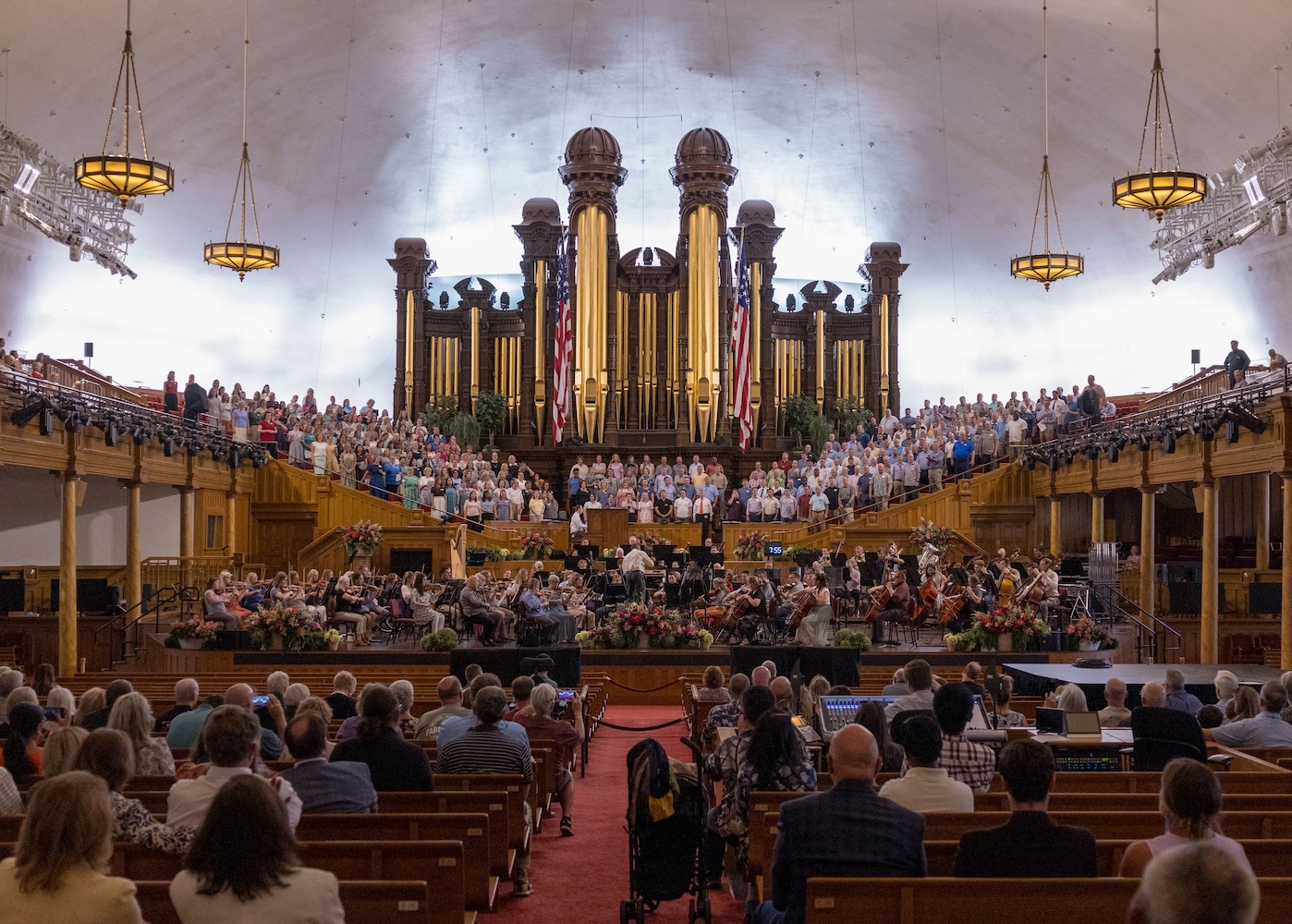
After the tour, we were taken to the Tabernacle to listen to the Grammy, Emmy, Peabody, and Mother Teresa award-winning Tabernacle Choir perform.
Many of the ambassadors were deeply moved by the experience, and we all understood why it is considered one of the ten greatest choirs in the world.
Overall, we enjoyed our visit to The Church of Jesus Christ of Latter-Day Saints. The experience gave us a greater appreciation for the culture, history, and beliefs of many of the people who call Salt Lake City home.
Central by Saffron Valley
Hungry after our longest conference day, we stopped in to Central by Saffron Valley for a meal that would have made the James Beard Foundation proud. Actually, it must have made the Foundation proud, because the chef, Lavanya Mahate, was nominated for a James Beard award in 2024.
The restaurant is an homage to the “golden age of India’s train travel,” and it is themed accordingly. The tables are labeled by platform, there is a “railroad crossing” sign in a corner, there is a faux train compartment wallpaper in parts of the restaurant, and some of the dishes are served in the tins used on Indian train travel.
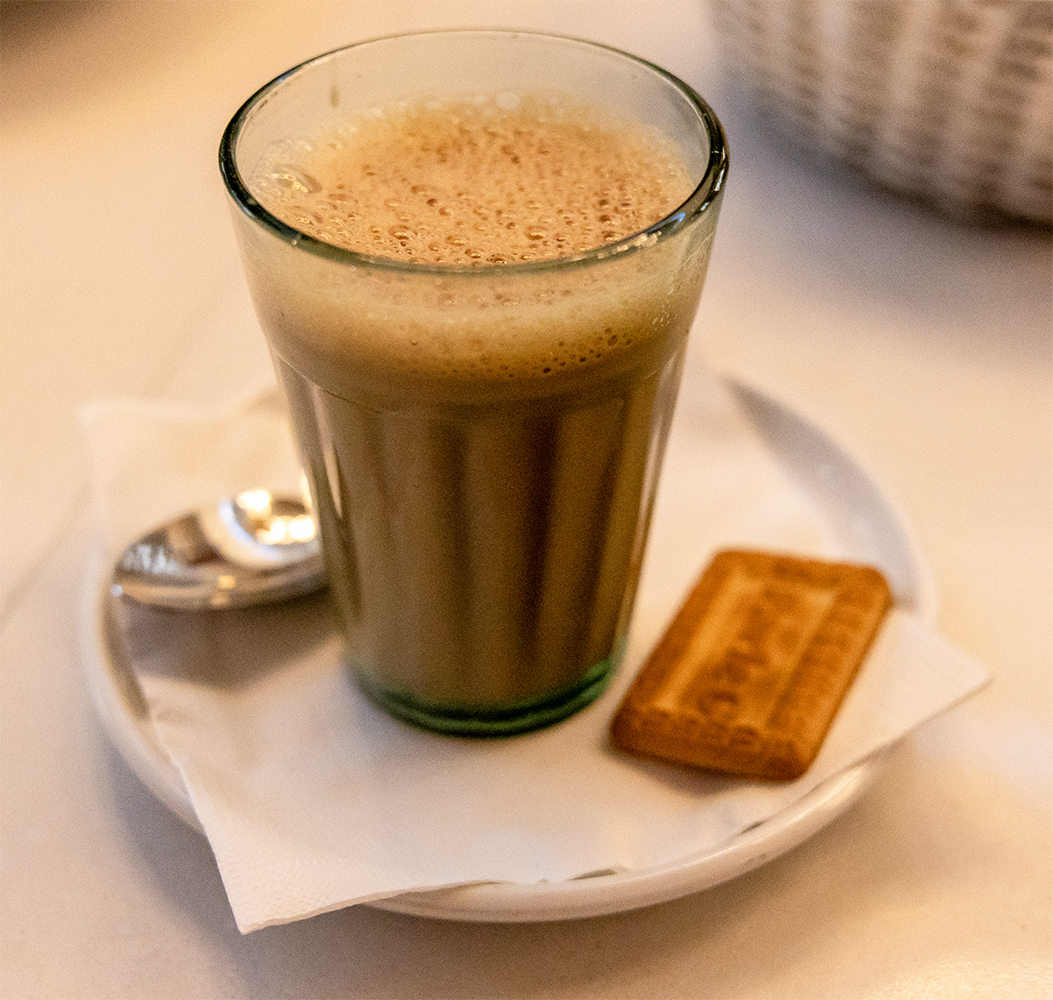
The theme is appropriate, in that the meals come from different regions of India: curries from across the country; chicken tikka dosa from “southbound parts”; and a dessert menu featuring “sweet departures.”
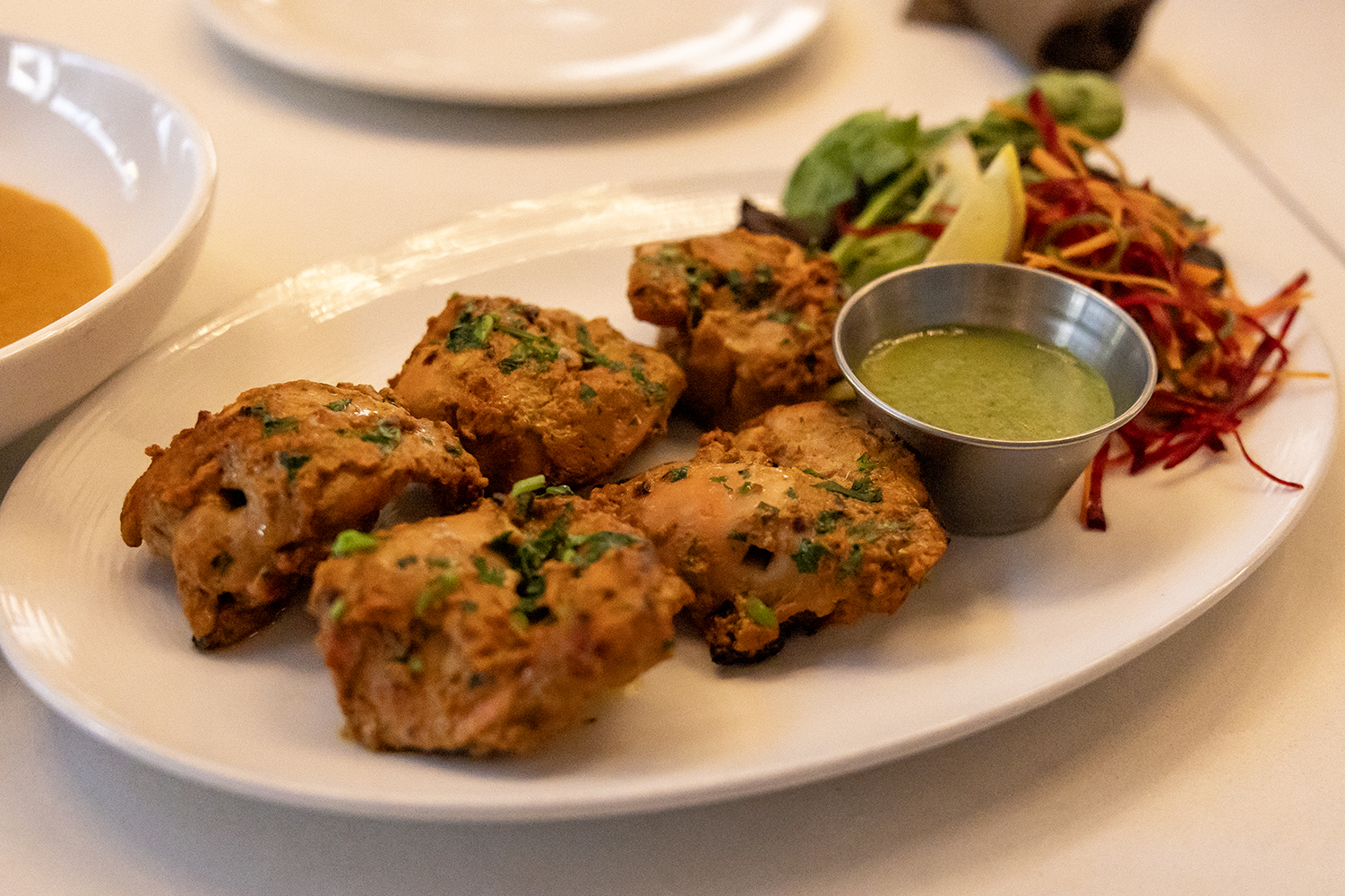
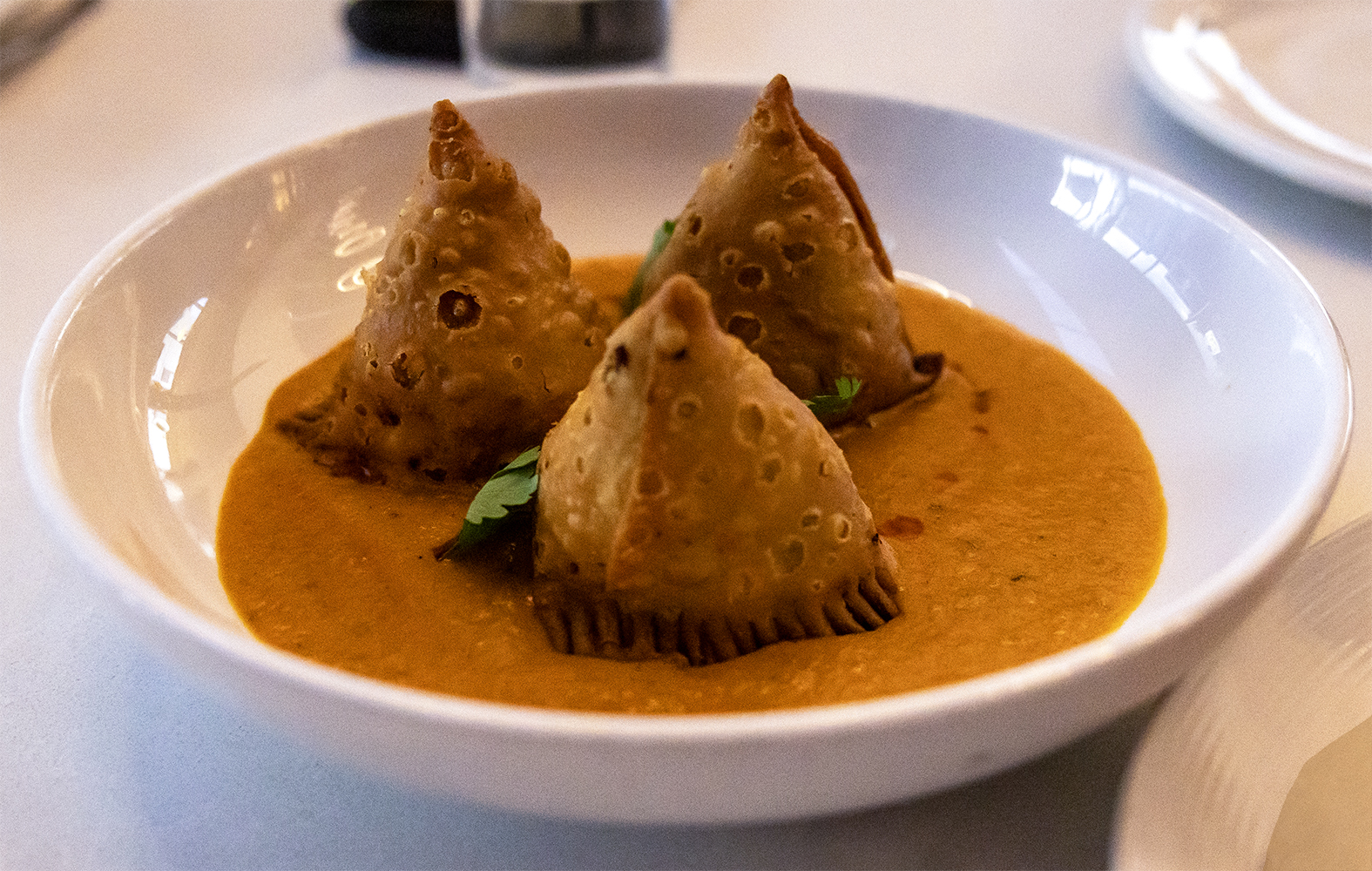
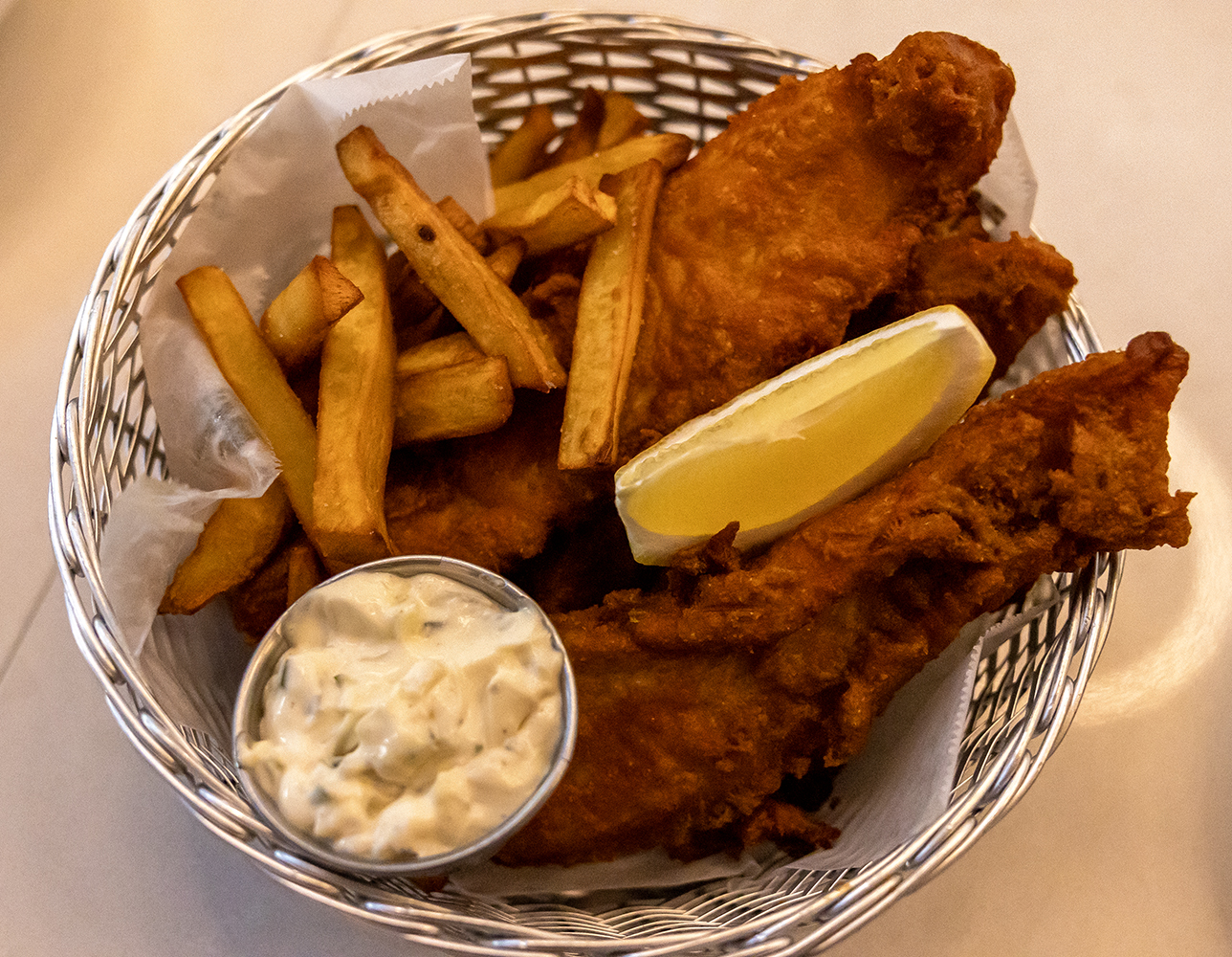
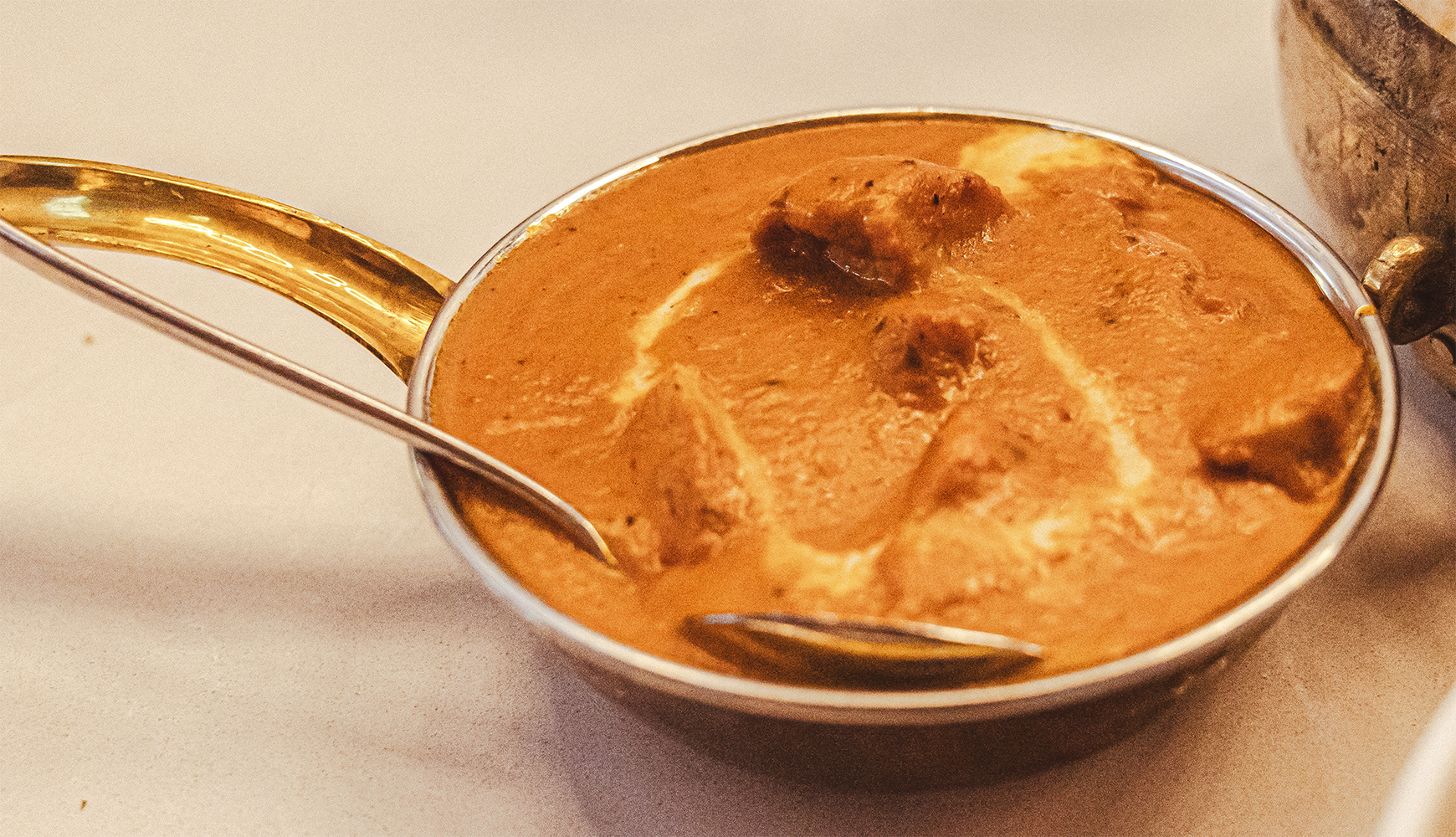
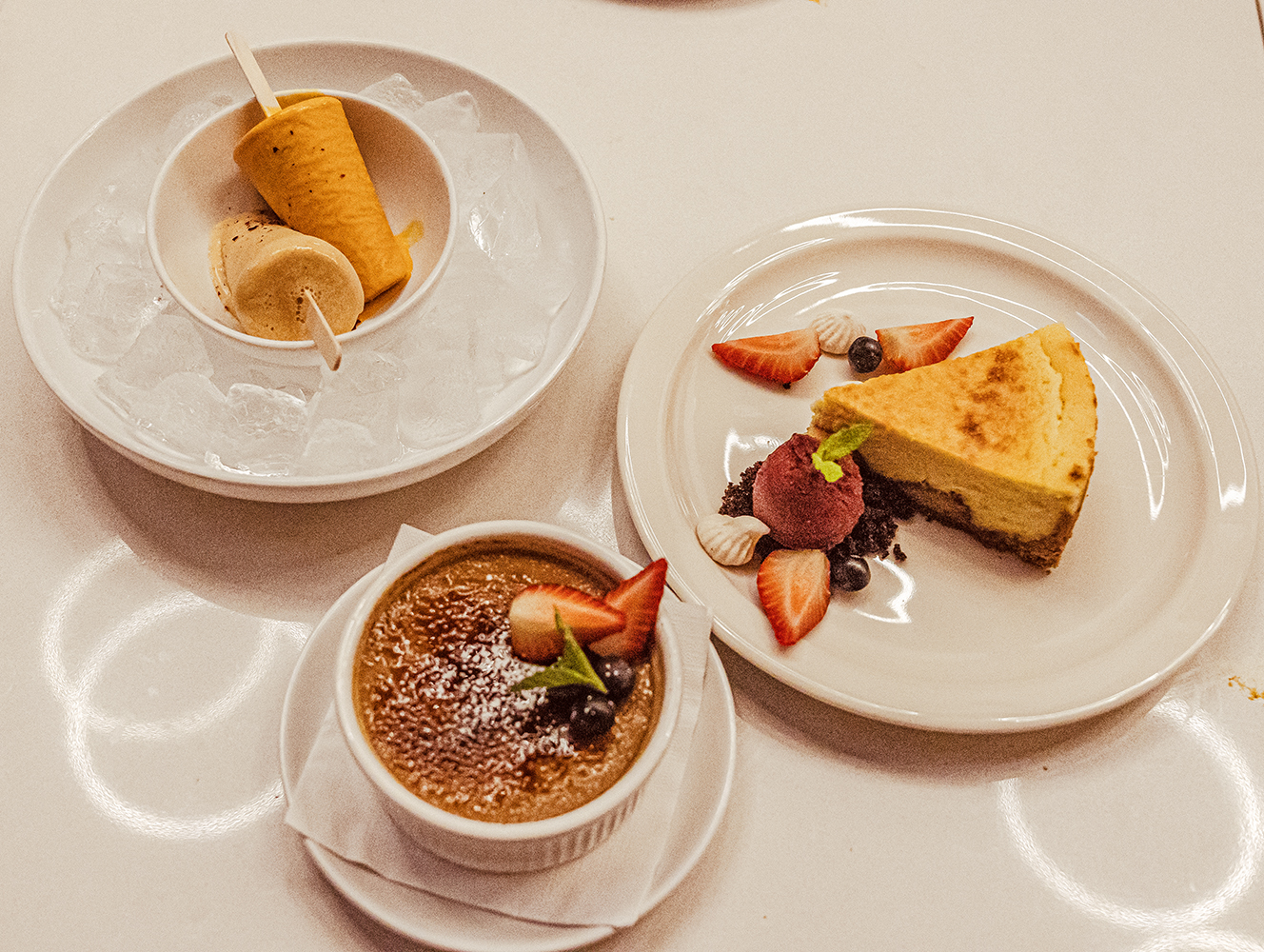
We opted to eat family style, with some naan, chicken tikka kebabs, samosas, fish and chips (a nod to India’s one-time status as a British colony, and a sop to Olivia), Nawabi lamb biryani; the ever-reliable Old Delhi Butter Chicken (from the ever predictable Jacob Wessels); and for dessert, chai creme brulee, gulab juman cheesecake, and Indian ice cream.
Everything we had was at least good, and several of the dishes being excellent: the chicken tikka and butter chicken standing out as exceptionally tender; the samosas as a spice-filled specialty; the ice cream as tasty and inventive.
Owner Mahate told the Deseret News that she wanted to make “Indian food more accessible,” and she seems to be doing just that, providing excellent food to the Salt Lake City community. The entire meal was delicious, and it was an enjoyable evening with friends while extending the LEAP Center’s ethnic-themed meals during this trip– a nod to Salt Lake City’s history of attracting immigrants who contribute in many ways, not the least of which is adding to the culinary culture of the community.
Conclusion
Each session and policy tour demonstrated that effective leadership requires curiosity, collaboration, and a willingness to understand perspectives different from our own. As we look ahead to our final day at the conference, we are grateful for the opportunity to learn from legislators, policy experts, and community leaders from across the West.
Written By: Robin Houghton, Olivia McCaughan, Allie Plunk, and Jacob Wessels
On our second day in Salt Lake City, LEAP Ambassadors enjoyed a fun-filled day of learning and exploration, from seeing sights from the Salt Lake City Library, to visiting Park City, to taking a scenic tour of Utah’s more natural features.
SLC Library
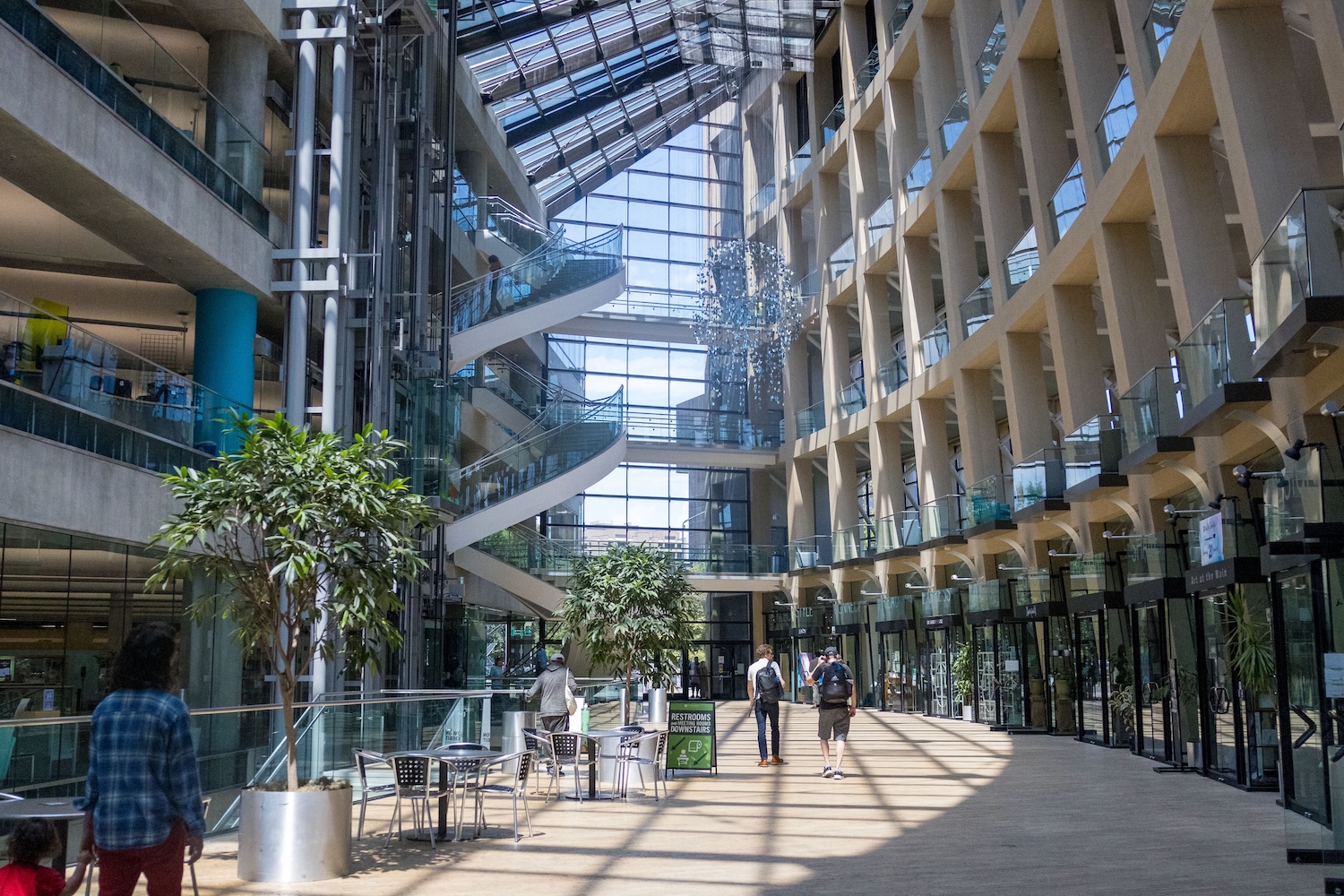
LEAP Ambassadors started the day by exploring the Salt Lake City Library. Designed by world-renowned architect Moshe Safdie (who also designed Crystal Bridges Art Museum), the library is as much a work of art as a center for community.
The building is uniquely shaped into a triangle with a curved base. This specific shape was chosen to let in the most light through the predominantly glass structure, helping naturally keep the library cool in the summer and warm in the winter according to the differing curves of the sun’s path. Mirroring this curve is an outer wall, inlaid with spaces that businesses can rent out, and a curved amphitheater within the courtyard.
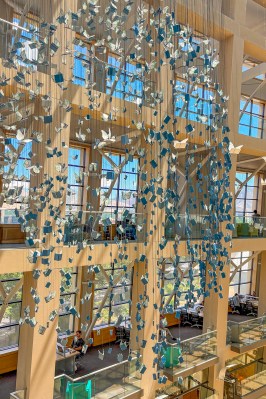
My favorite floor was probably the first floor. Walking into the library, we were greeted by a piece called Psyche, created by Ralph Helmick and Stu Schecter. It is made up entirely of small hanging books and butterflies, strung in the shape of a head, a play on the Greek word for both mind and butterfly.
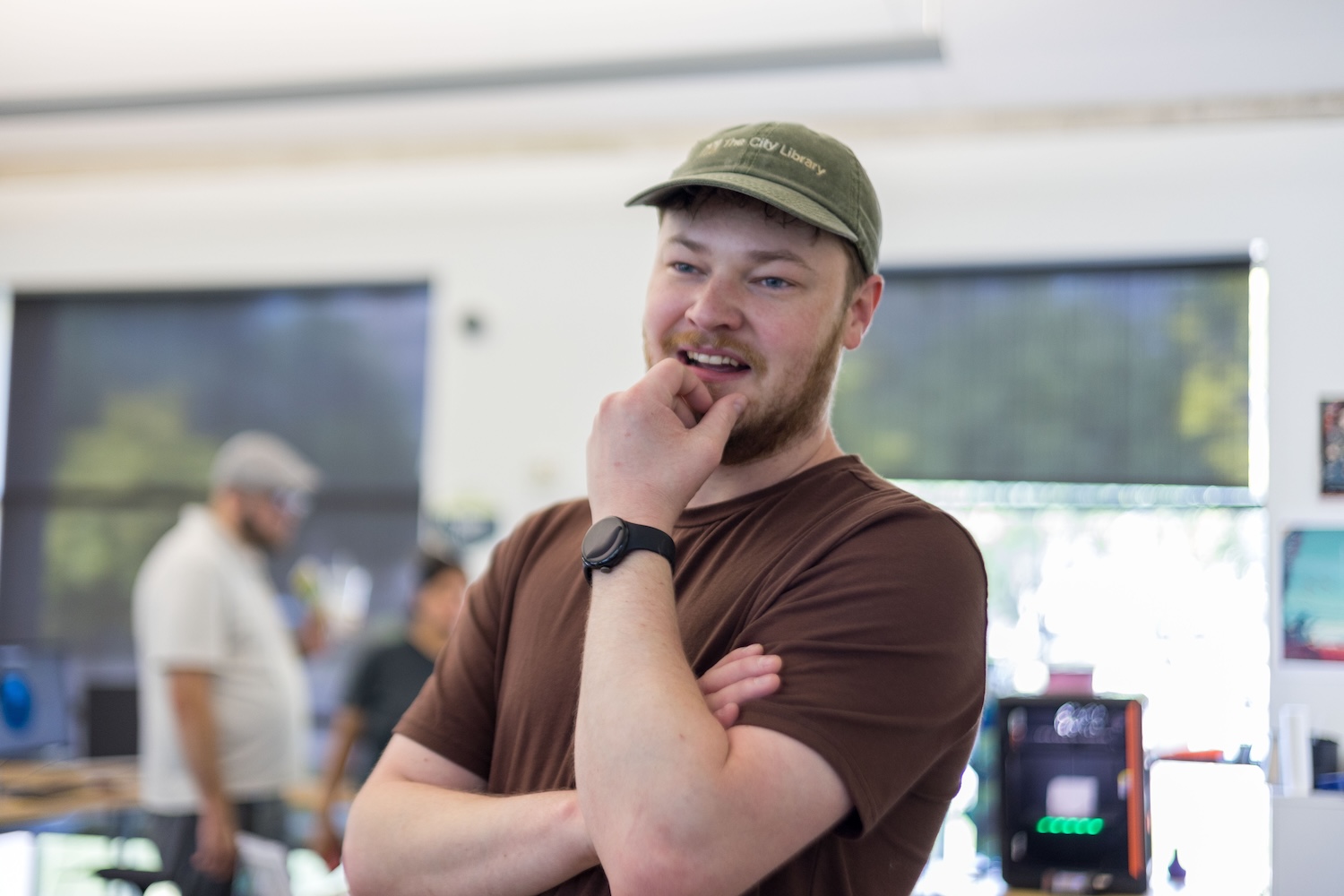
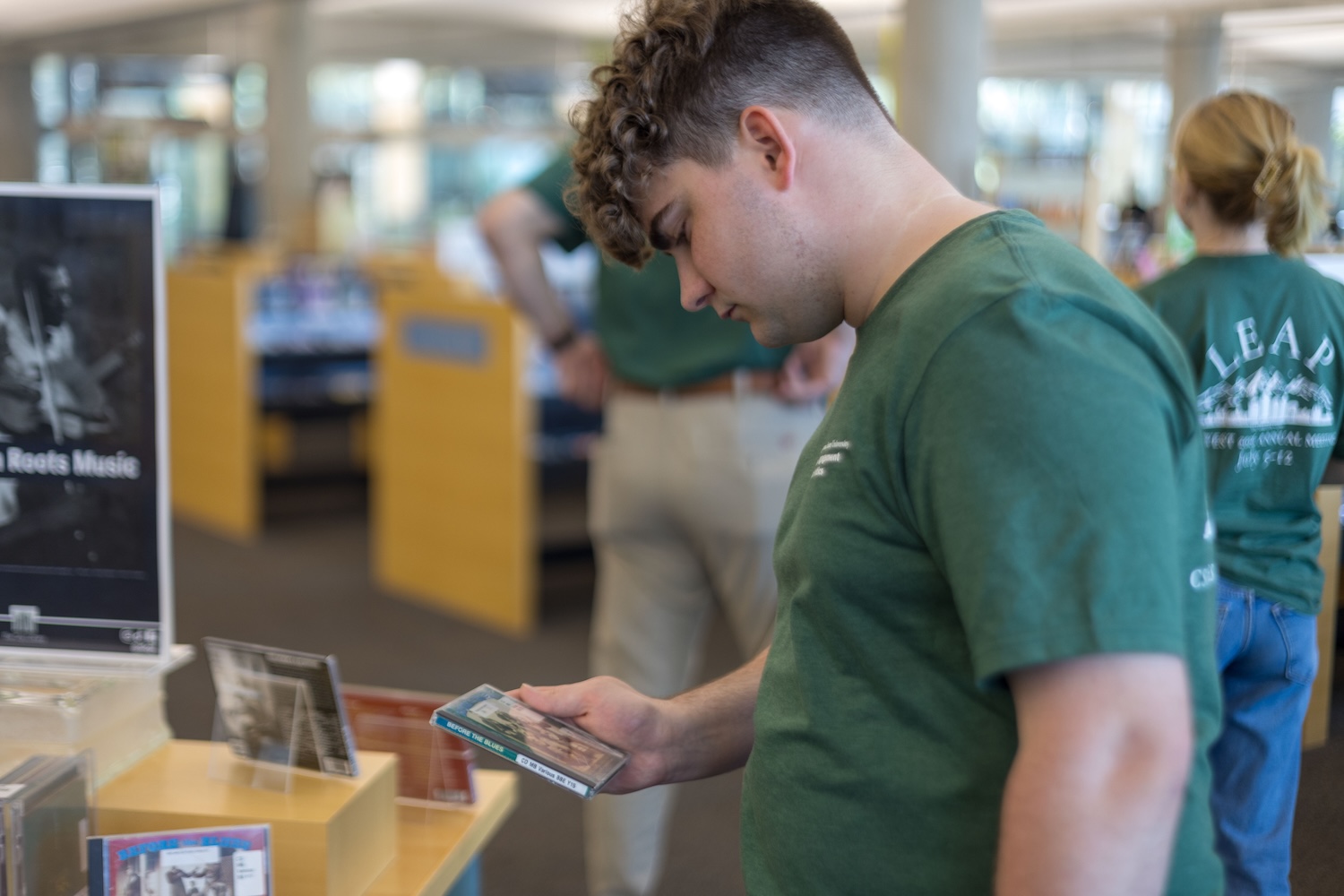
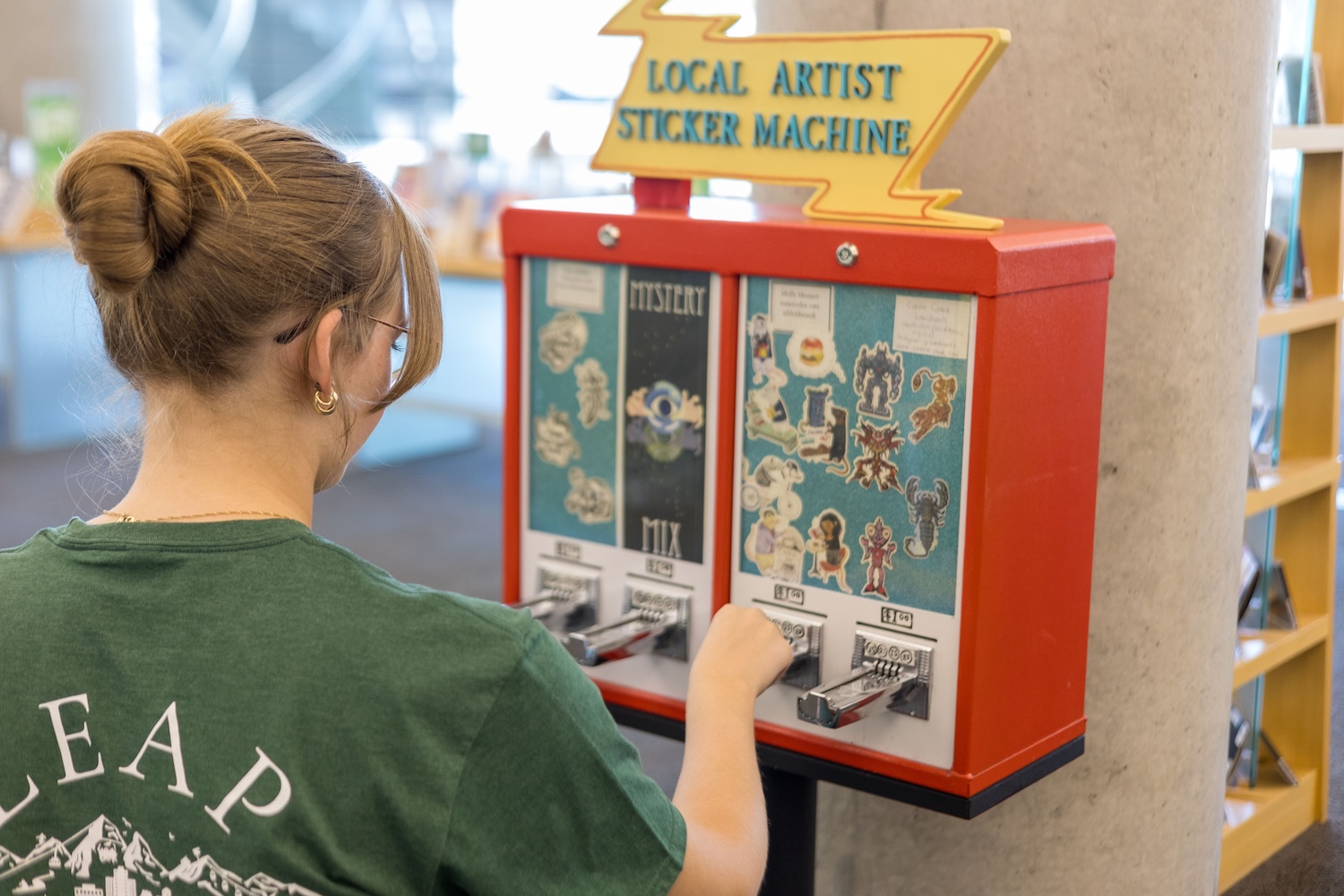
Elsewhere in the Library, I was fascinated by the massive volume of CDs, especially those of local artists featured in the audio section, a good example of the library exposing people to new cultural horizons while also supporting the local community. Speaking of which, there was also a place to buy stickers designed by local artists and a seed check-out kiosk where locals could take seeds to plant in their home garden. The concept is that, after the harvest, “borrowers” would return some seeds from the plants they grew. I also admired (and was jealous of!) the incredible resources the creative lounge had to offer, including leathercraft, sewing machines, audio recording, and even a soldering station!
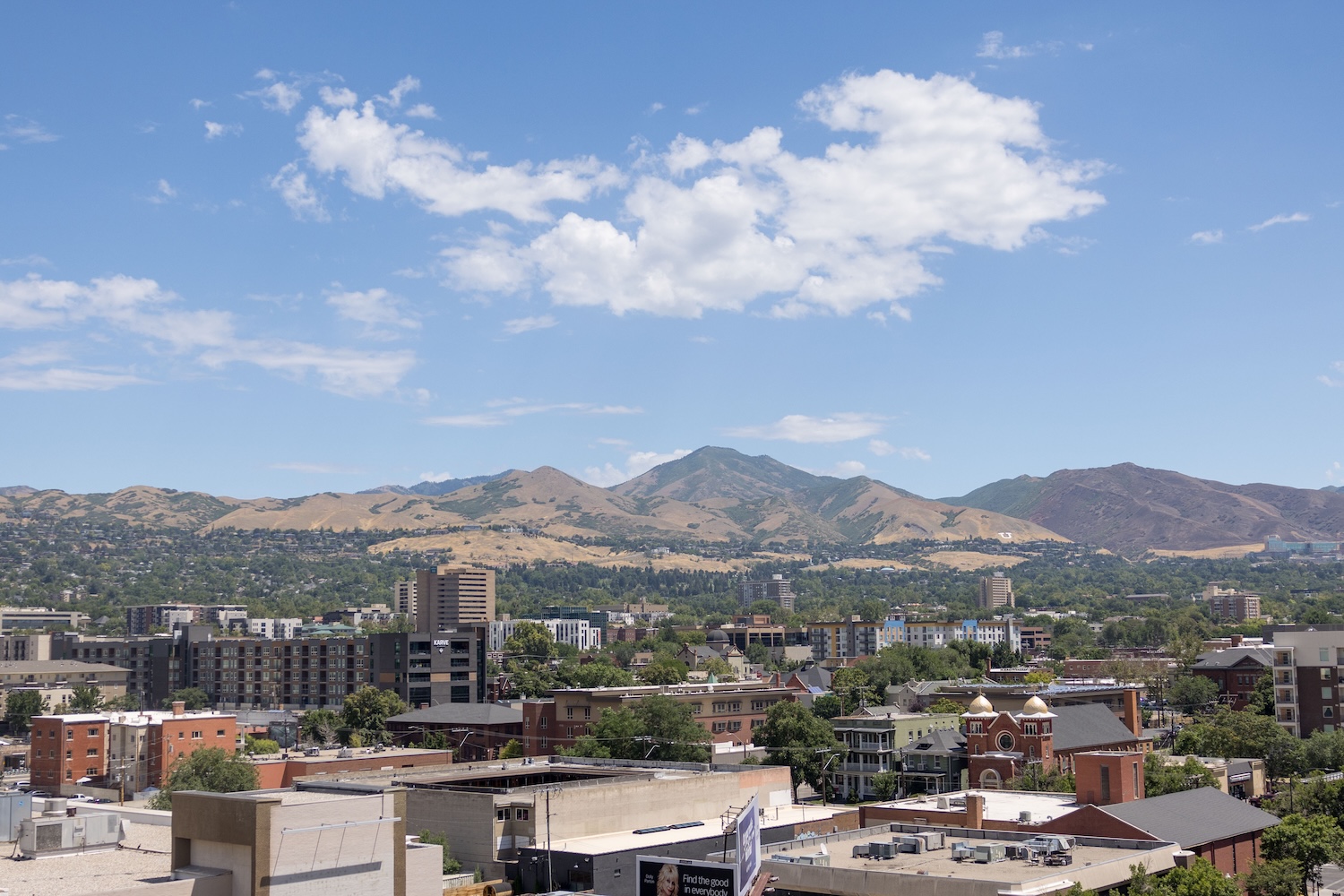
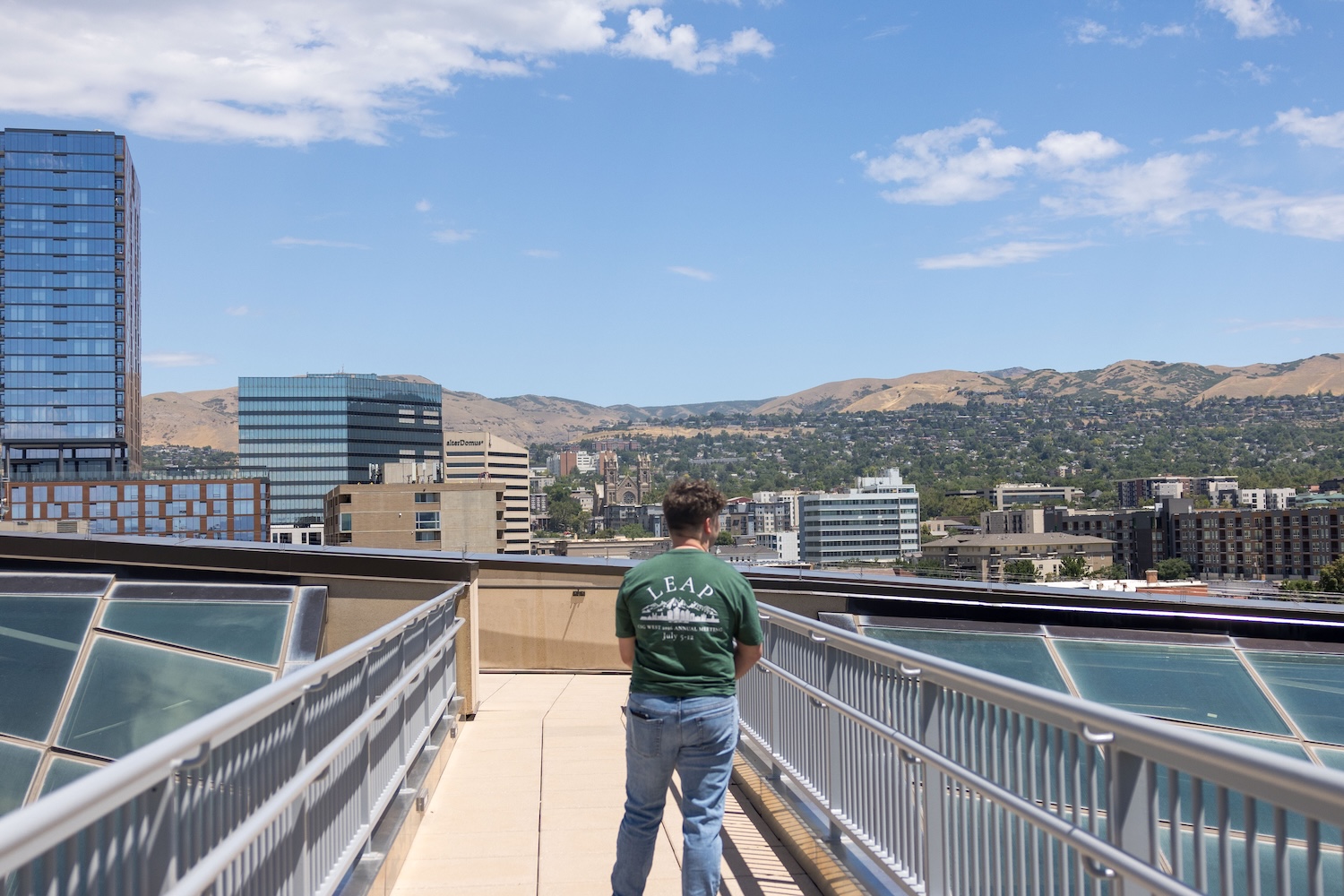
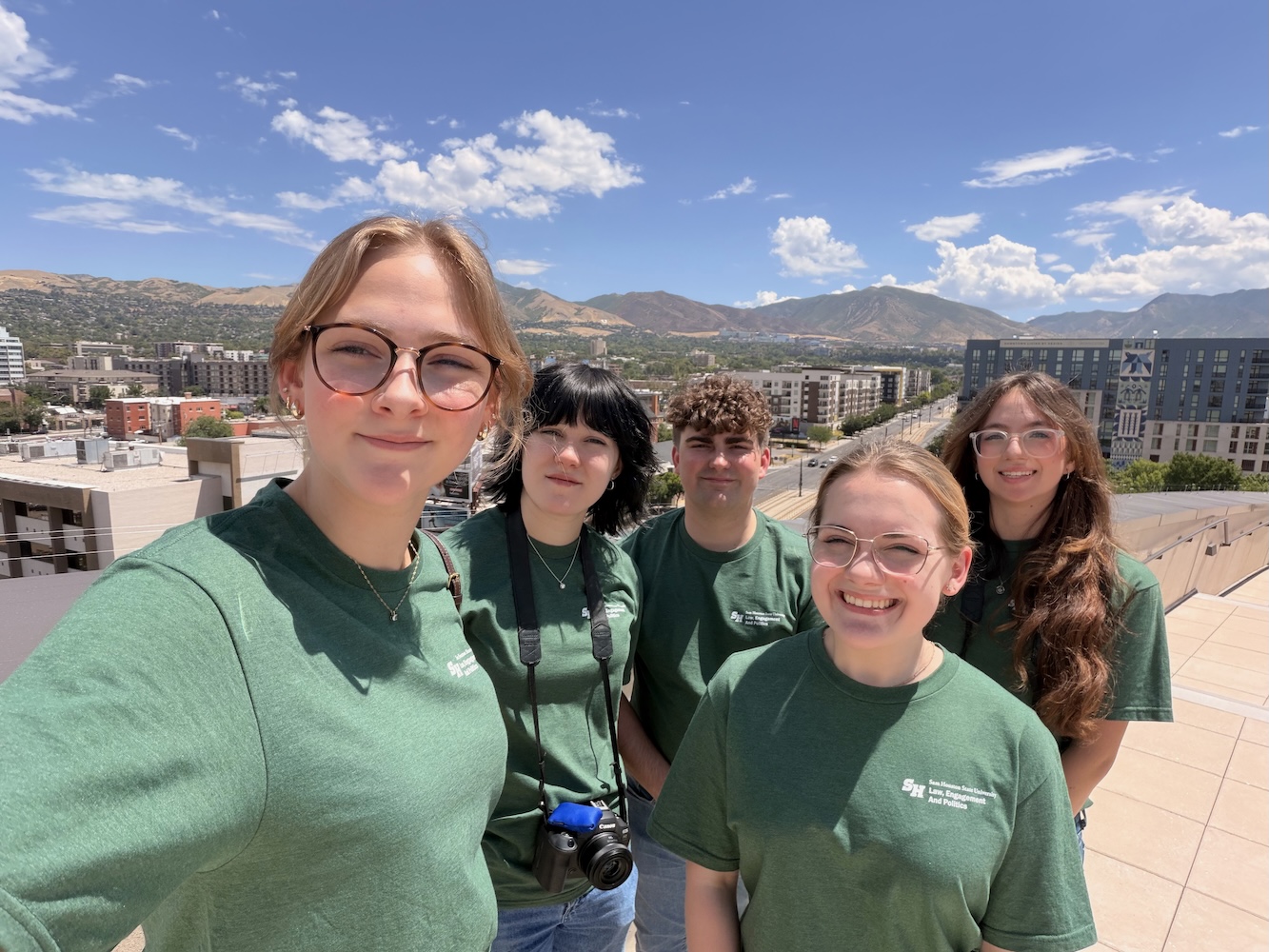
The roof, featuring 360-degree views of Salt Lake City, was a close second place in my ranking. We were able to see both the mountains and the top of city hall from the same spot.
As we left, we were all able to come to the same conclusion: the Salt Lake City Library has all the functions of a proper community center, with something for everyone to enjoy.
Caputo’s Market & Deli
Following our library adventure, we stopped for lunch at Caputo’s Market & Deli for authentic Italian cuisine and specialty foods. Founded in 1997 by Tony Caputo, the deli has become a local institution by bringing high-quality imported European products and traditional Italian flavors to Utah.
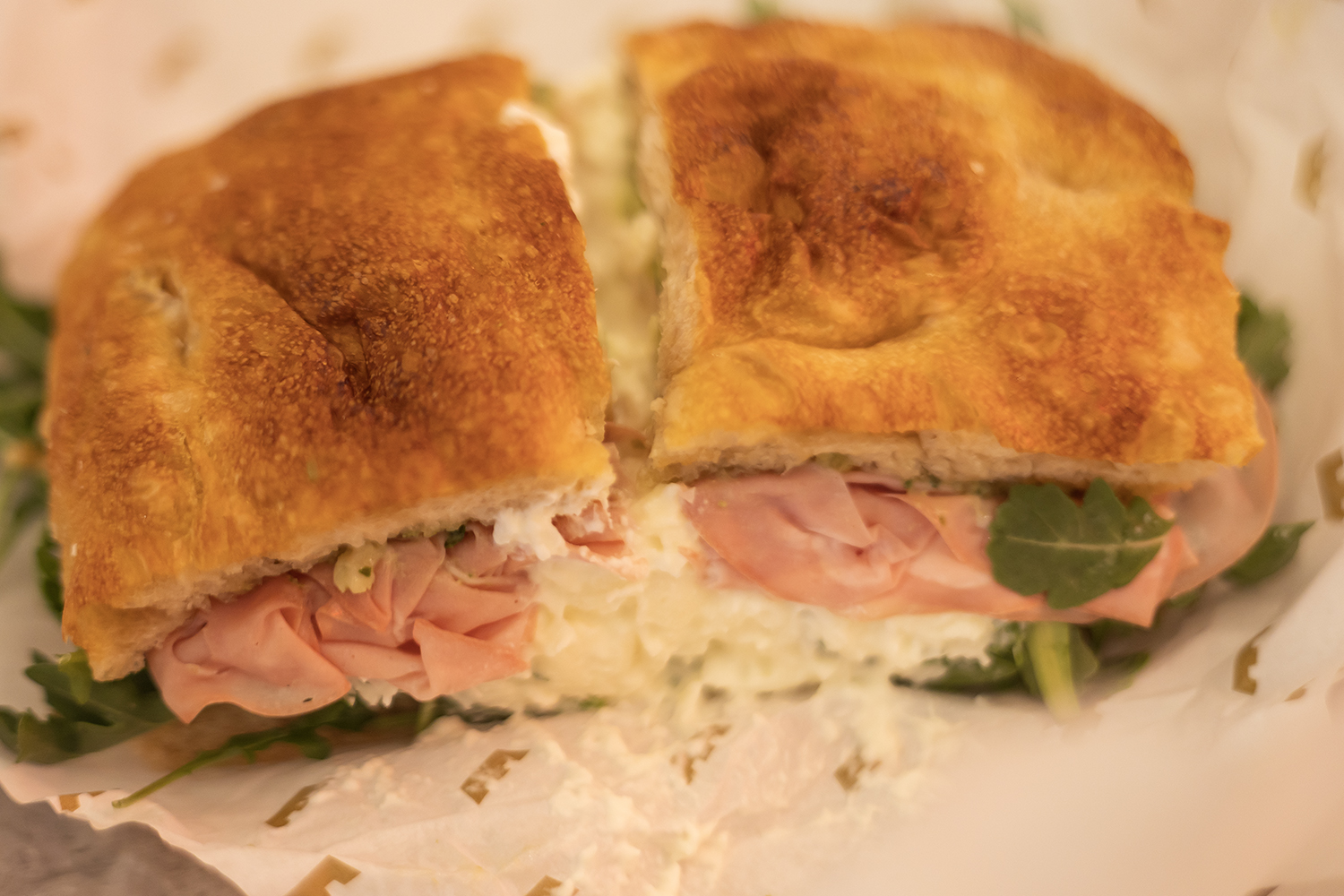
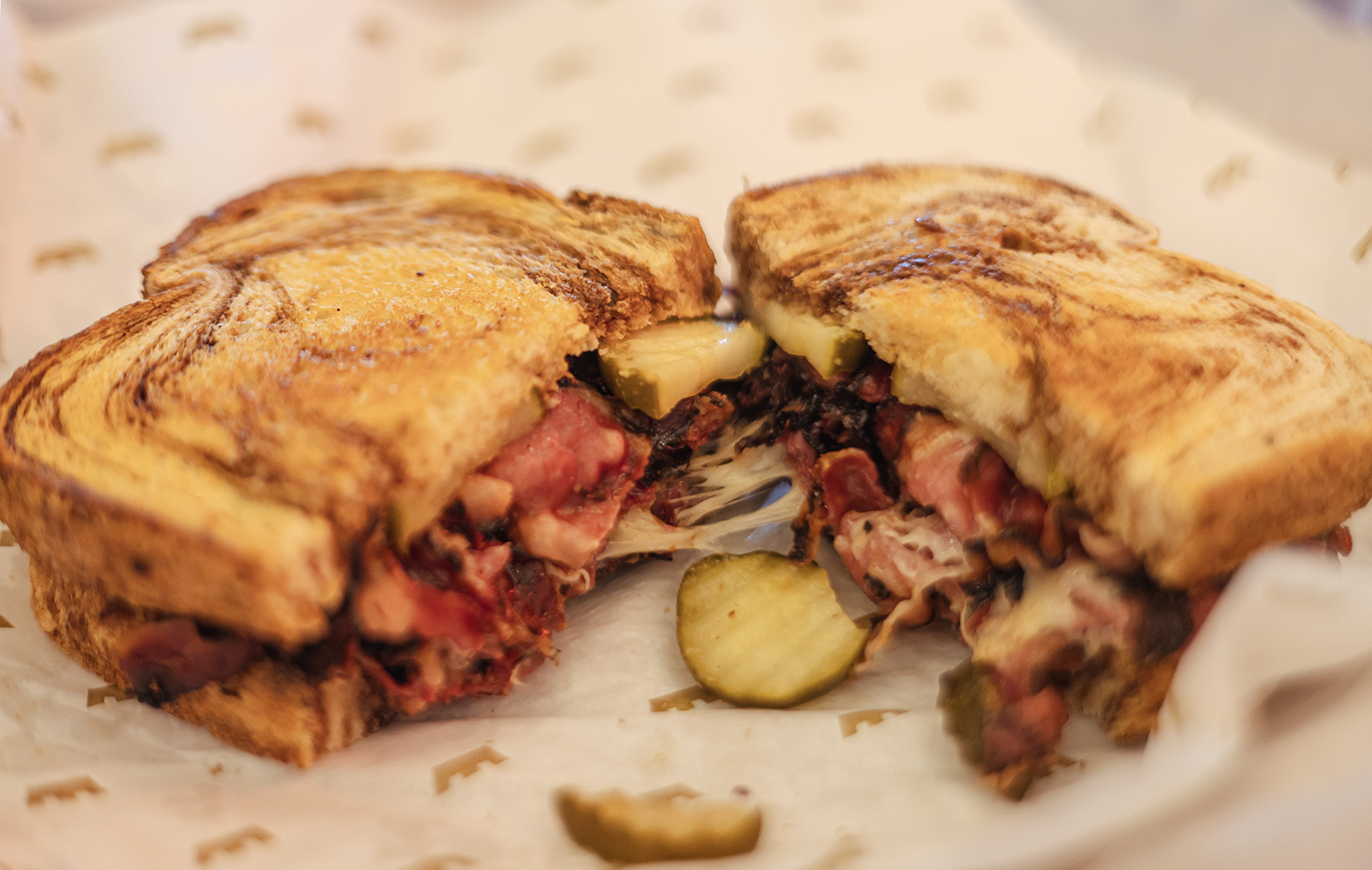
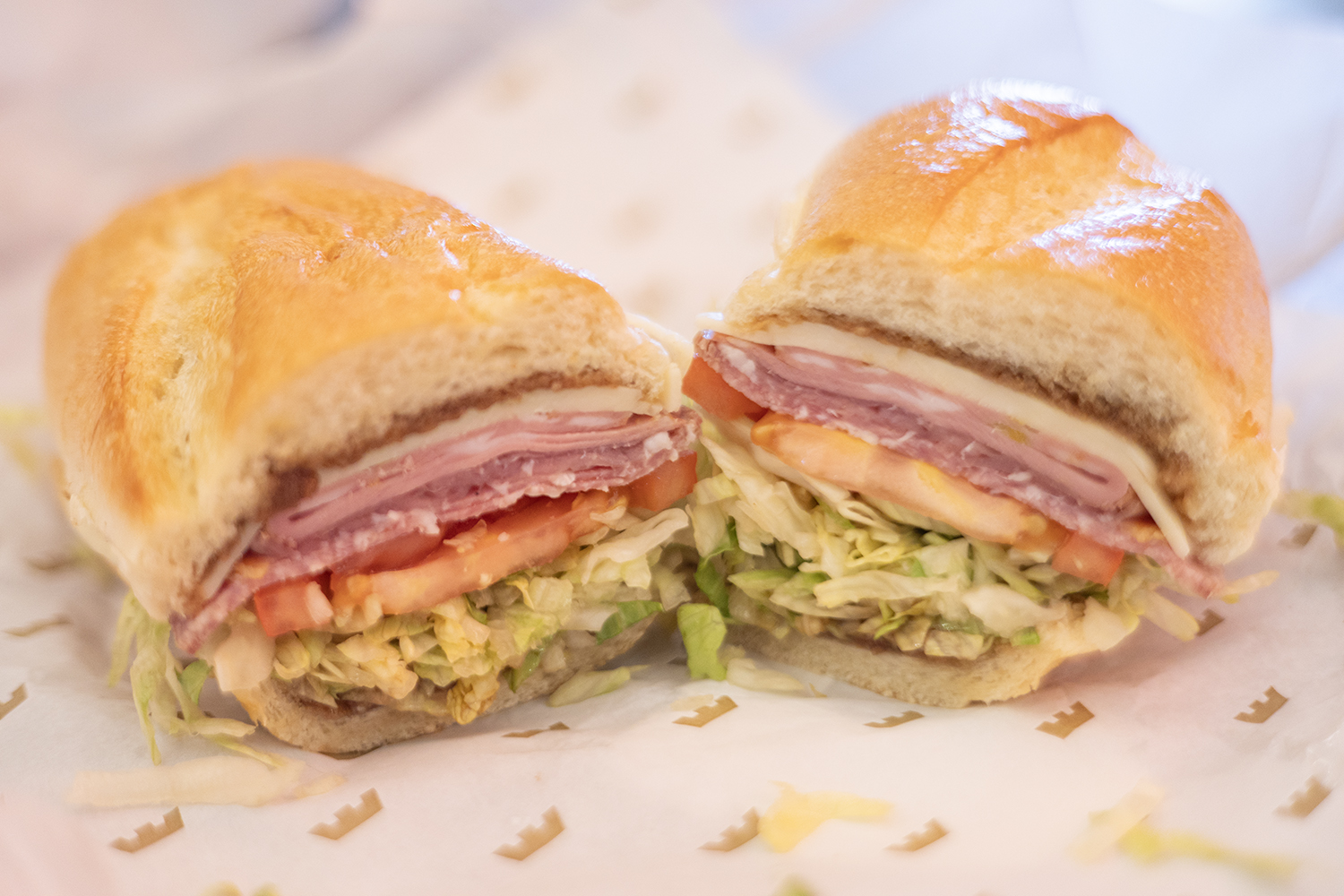
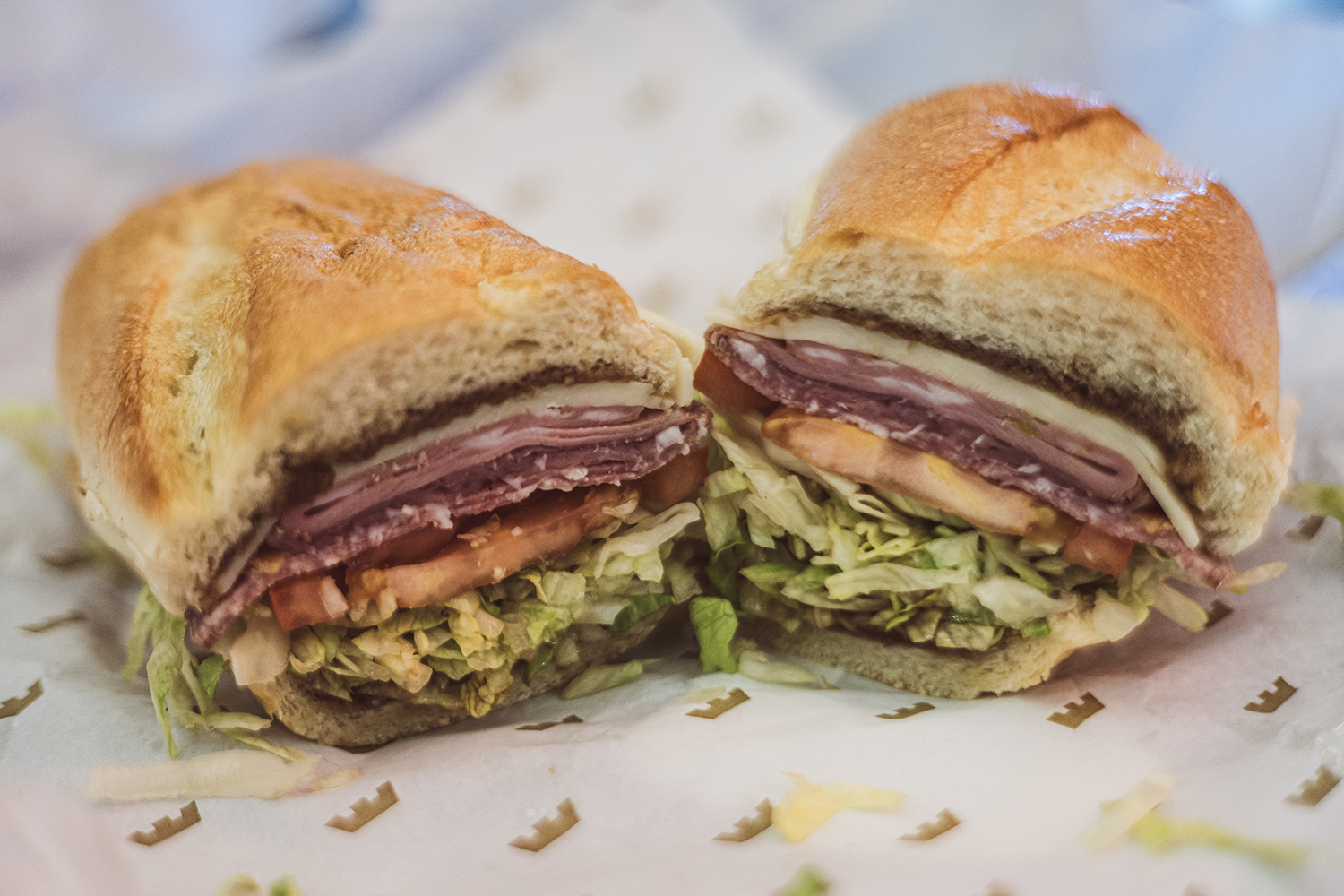
We were able to enjoy a variety of dishes. The Caputo, Roasted Reds, Mortadella Mami, and Hot Pastrami each highlighted the quality ingredients and classic combinations that have been staples of Italian delis for generations.
Many of us couldn’t resist browsing Caputo’s famous chocolate selection. We shared and sampled an assortment of chocolates, including one decorated with edible flowers that was as beautiful as it was delicious. We also enjoyed several unique flavors, including Vietnamese Coffee, Orange with Sea Salt, Cardamom, and Chili Chocolate. Personally, my favorite was the Vietnamese Coffee. It captured the bold flavor of coffee without overpowering the chocolate.
By preserving the culinary traditions of Europe while also introducing them to new audiences, Caputo’s has become an important part of Salt Lake City’s diverse food culture. The experience reminded us that food has the power to connect people with history, culture, and one another.
Park City
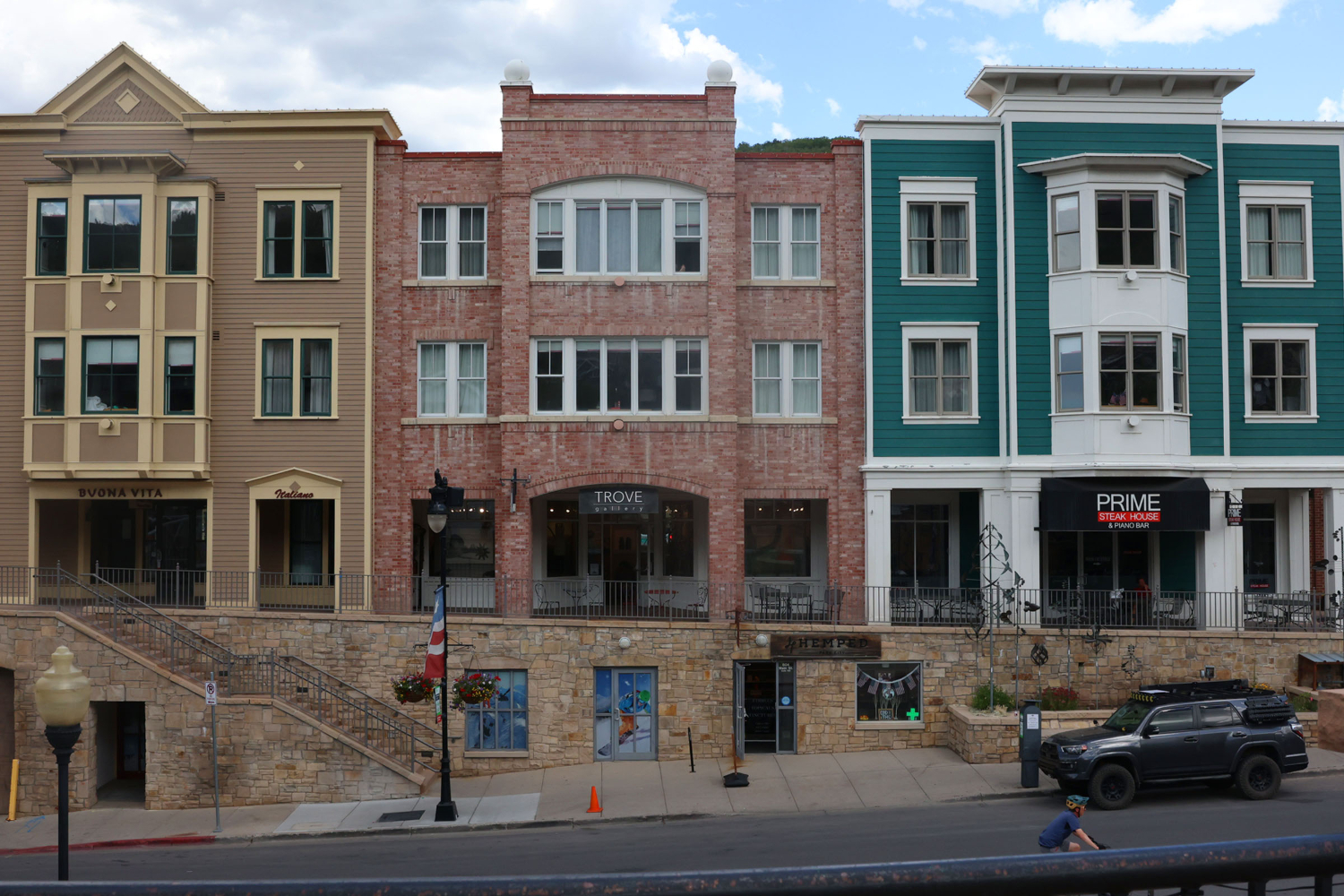
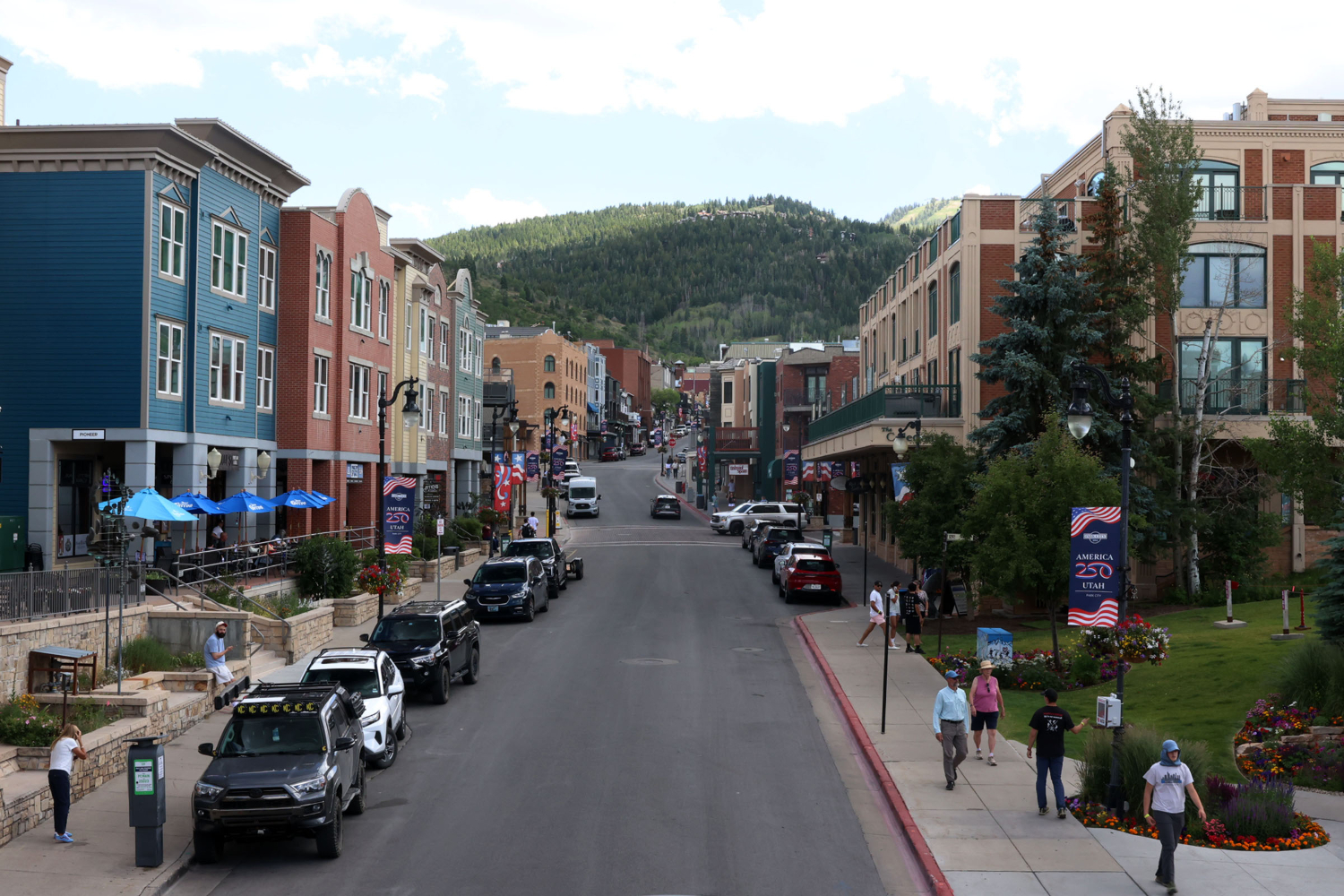
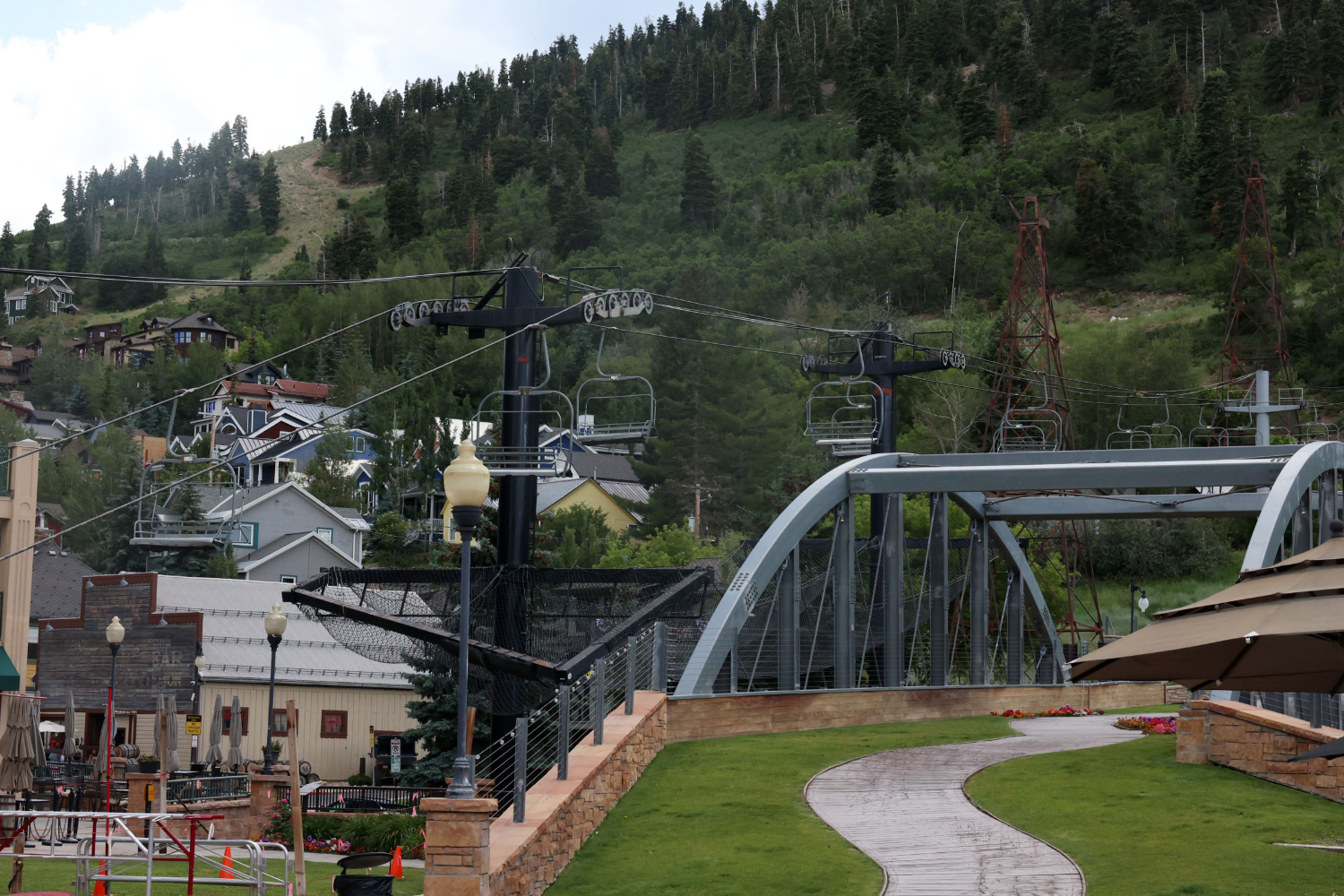
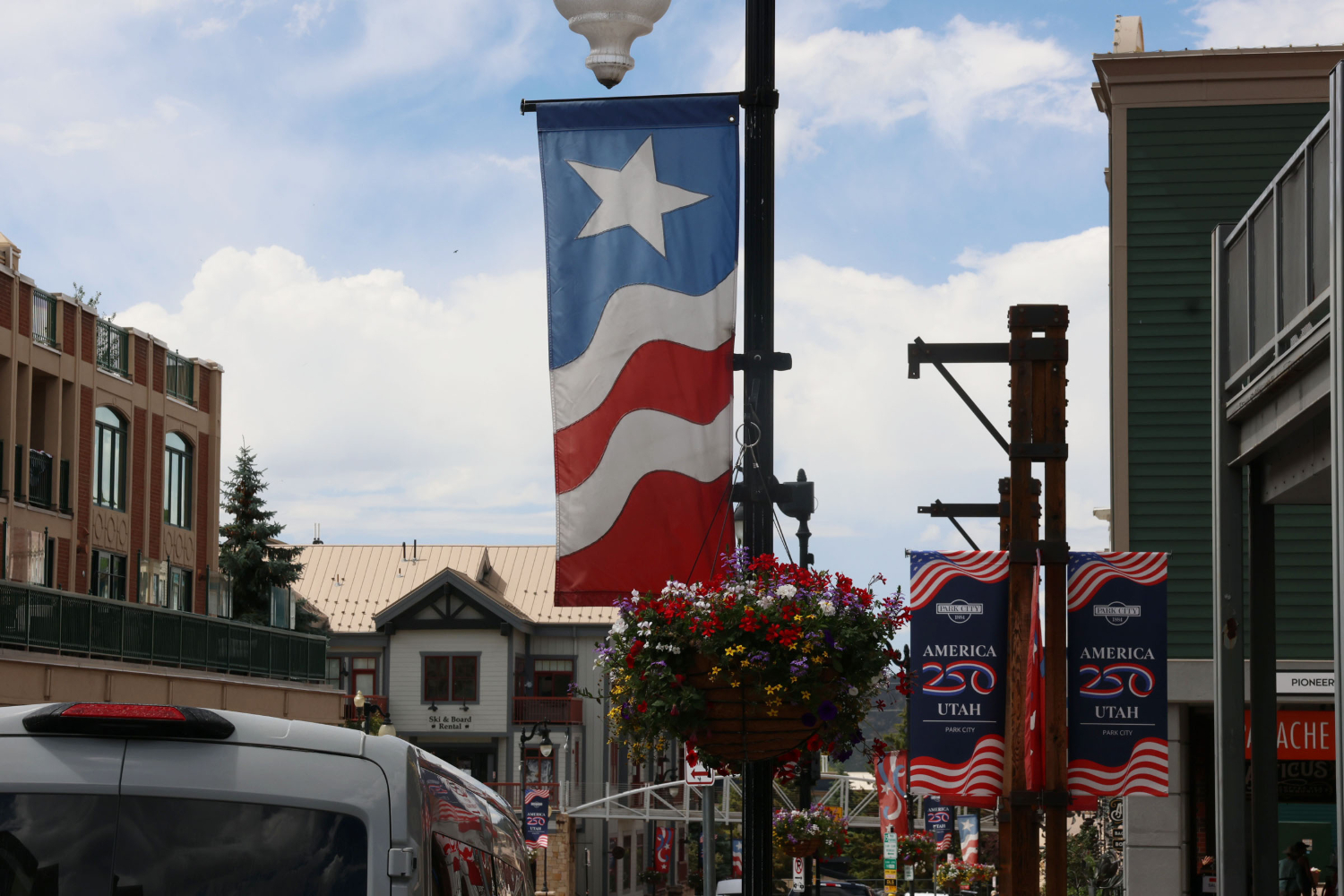
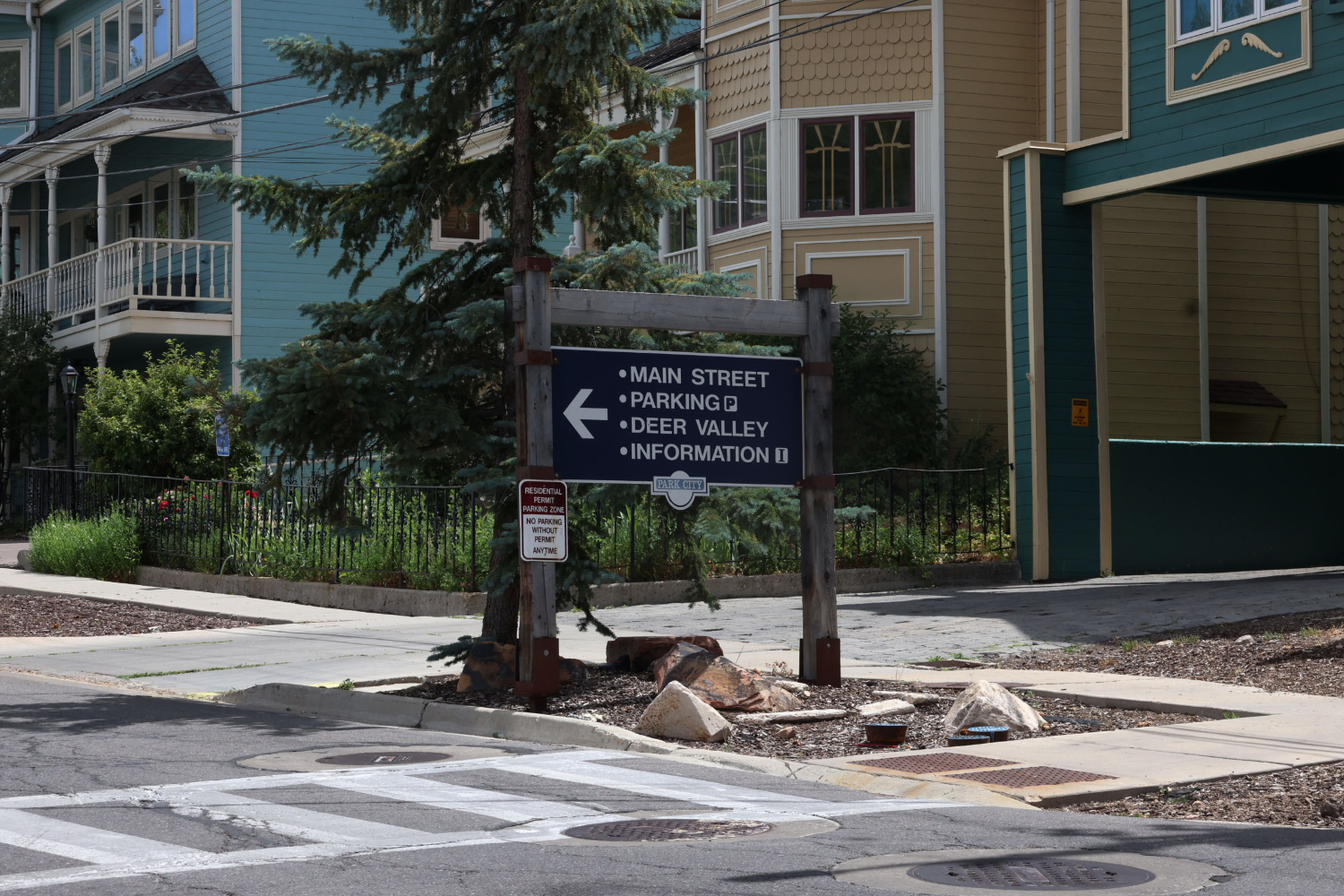
Our next stop was Park City, Utah‘s Main Street, an idyllic strip of shops, restaurants and cafes. It was discovered in 1868 when soldiers stationed in Salt Lake City traveled from Big Cottonwood Canyon to find silver. After silver mining slowed and miners began to move on to other lands in search of more minerals, the town became a leading state in winter sports, which led to the creation of Park City’s Historic Main Street. The street is now home to over 200 unique businesses, including 50 one-of-a-kind restaurants.
As the Huntsville Main Street Coordinator, it was very interesting to see how Park City’s Main Street compared to our own. During my walk through town, many things caught my eye: the vibrant landscapes, the numerous souvenir shops, and the distinctive Main Street Trolley. Combining all of these elements created the perfect environment for a wonderful day of shopping and visiting with friends and family.
After visiting this thriving Main Street, I have been inspired to bring many of these aspects back to Huntsville. This Main Street is definitely one for others to look to for guidance on their next project for bringing the community together.
Scenic Byway
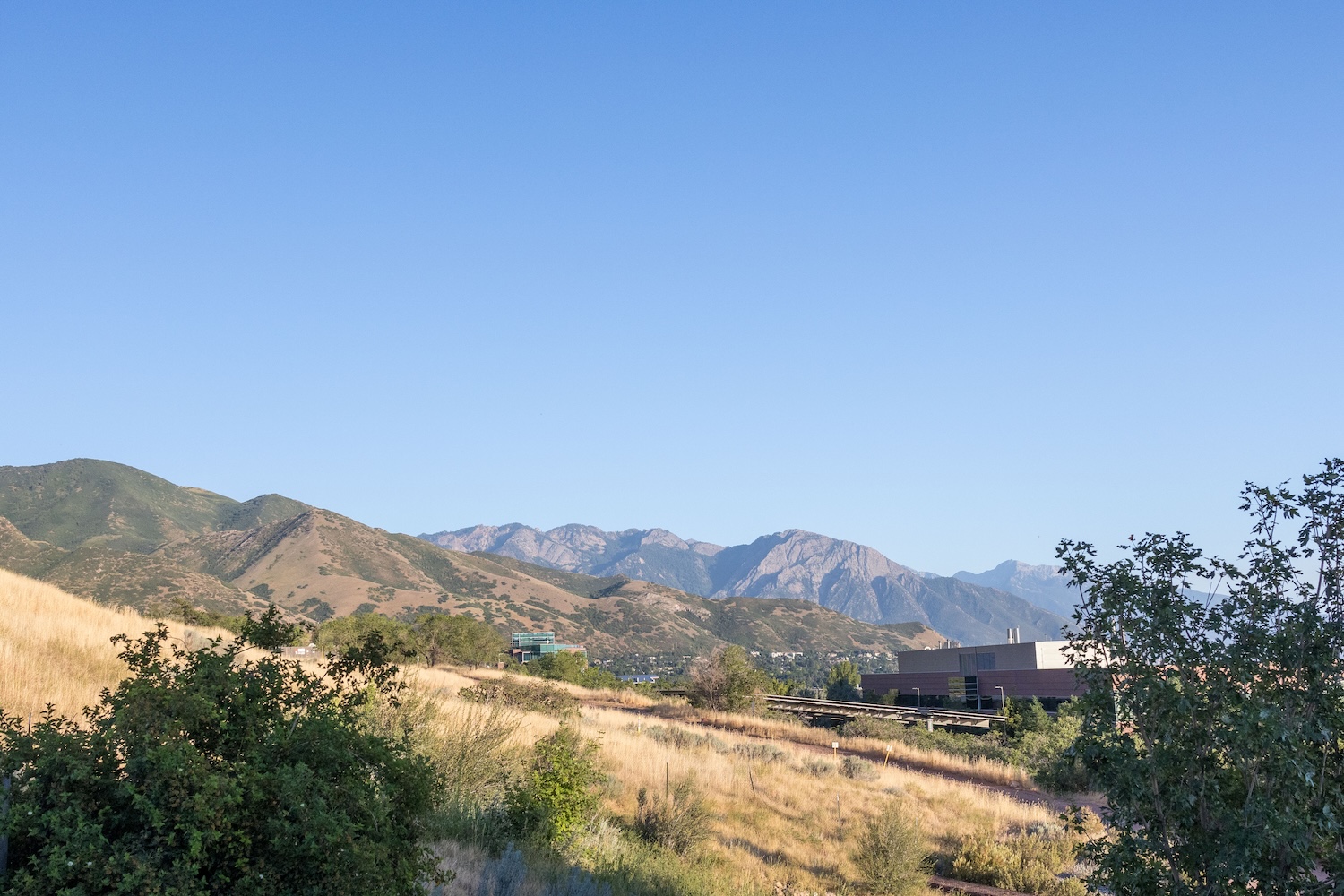
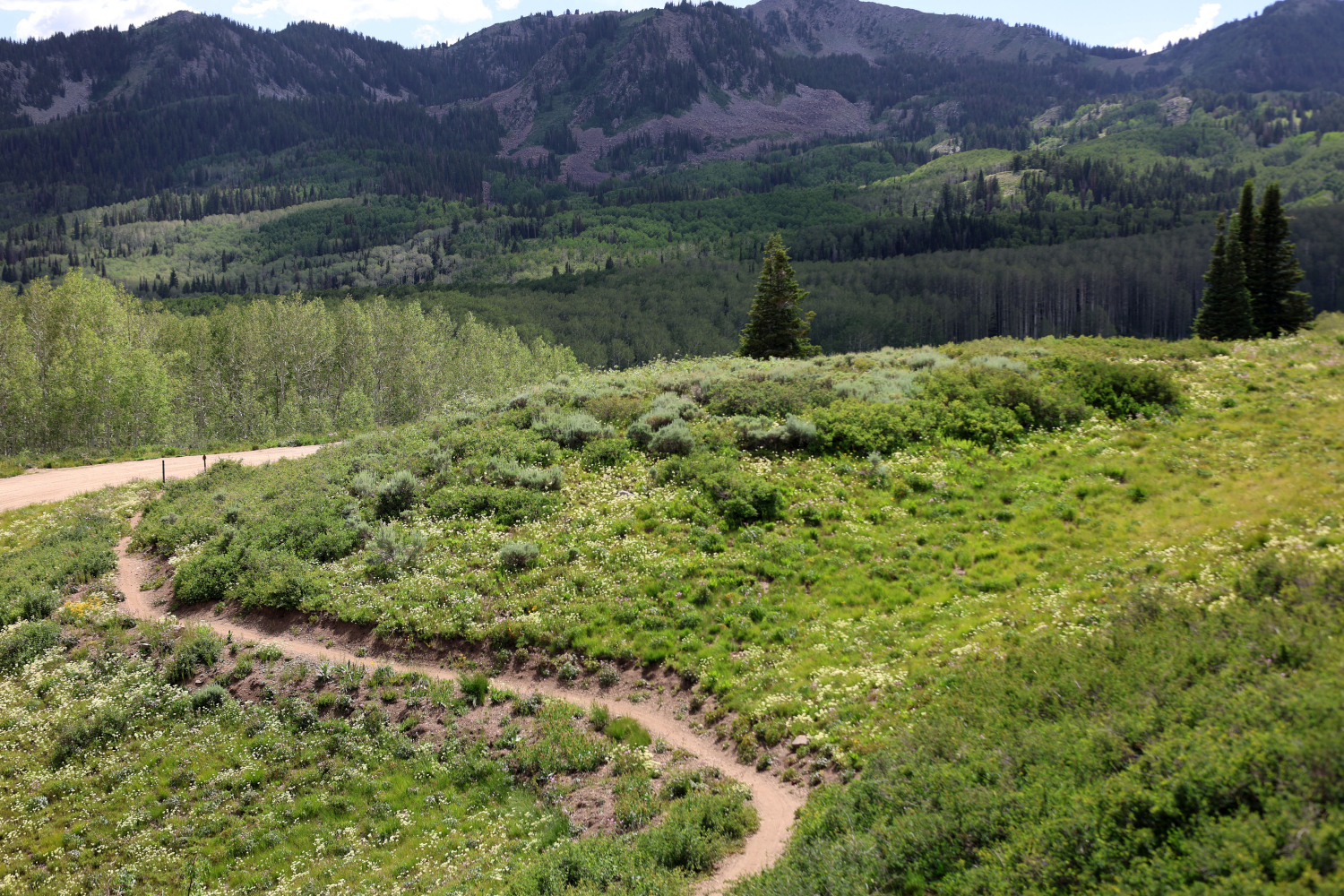
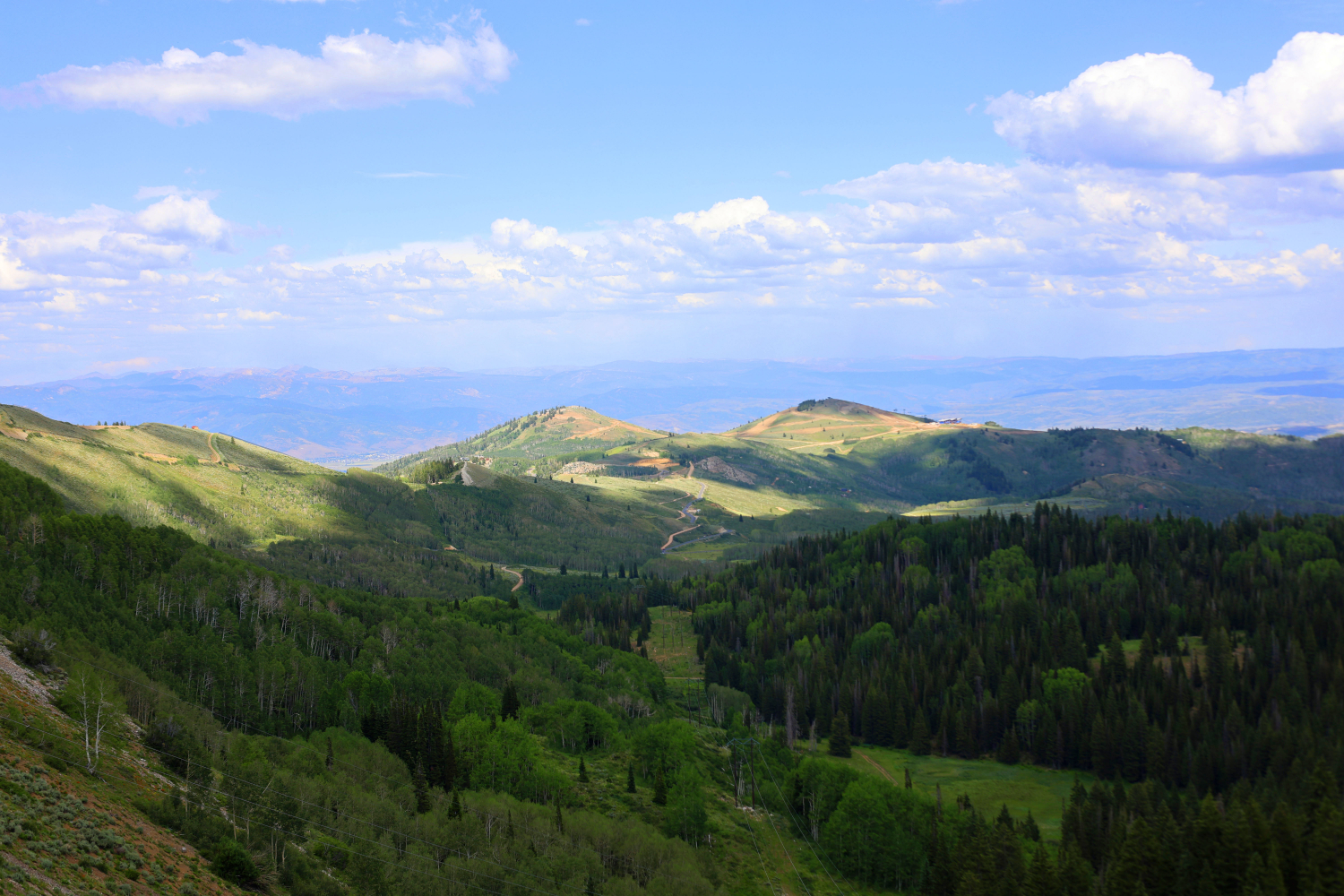
After exploring Park City’s Main Street, we spent the afternoon taking a scenic drive through the Wasatch Mountains. In contrast to the previous night’s rigorous hike, this drive was much less exerting, allowing us to take plenty of photos of the beautiful flora and fauna of Utah.
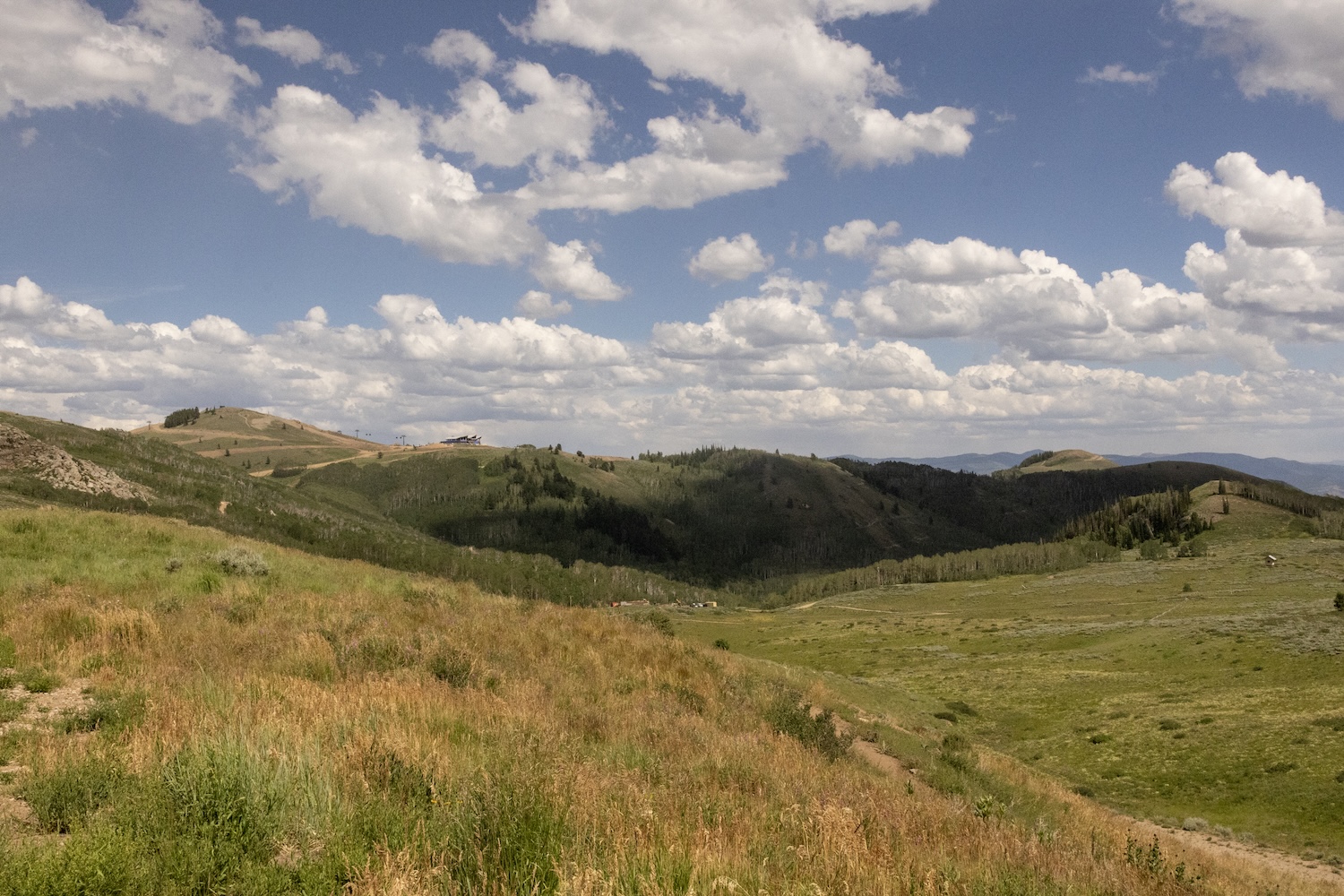
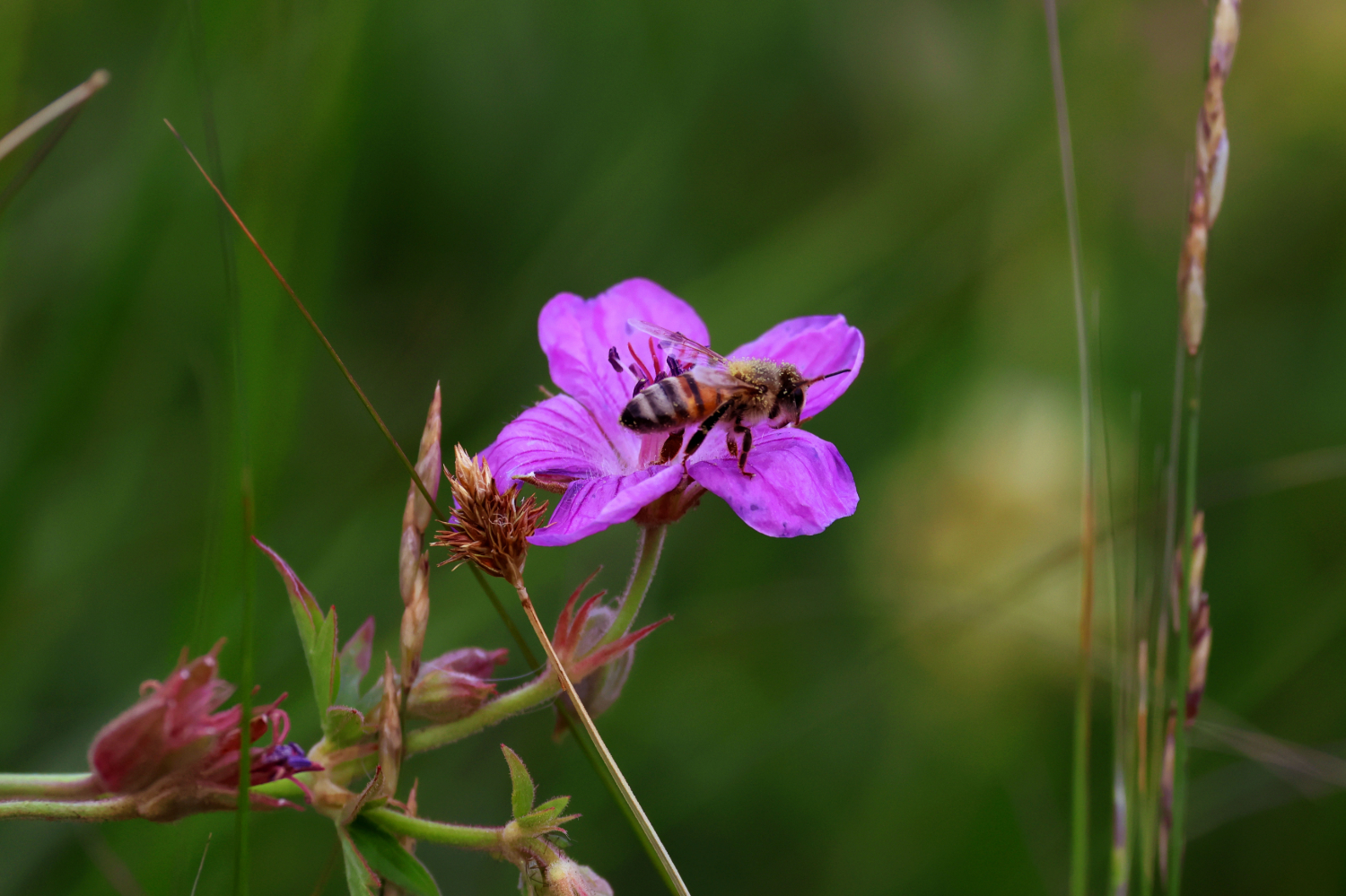
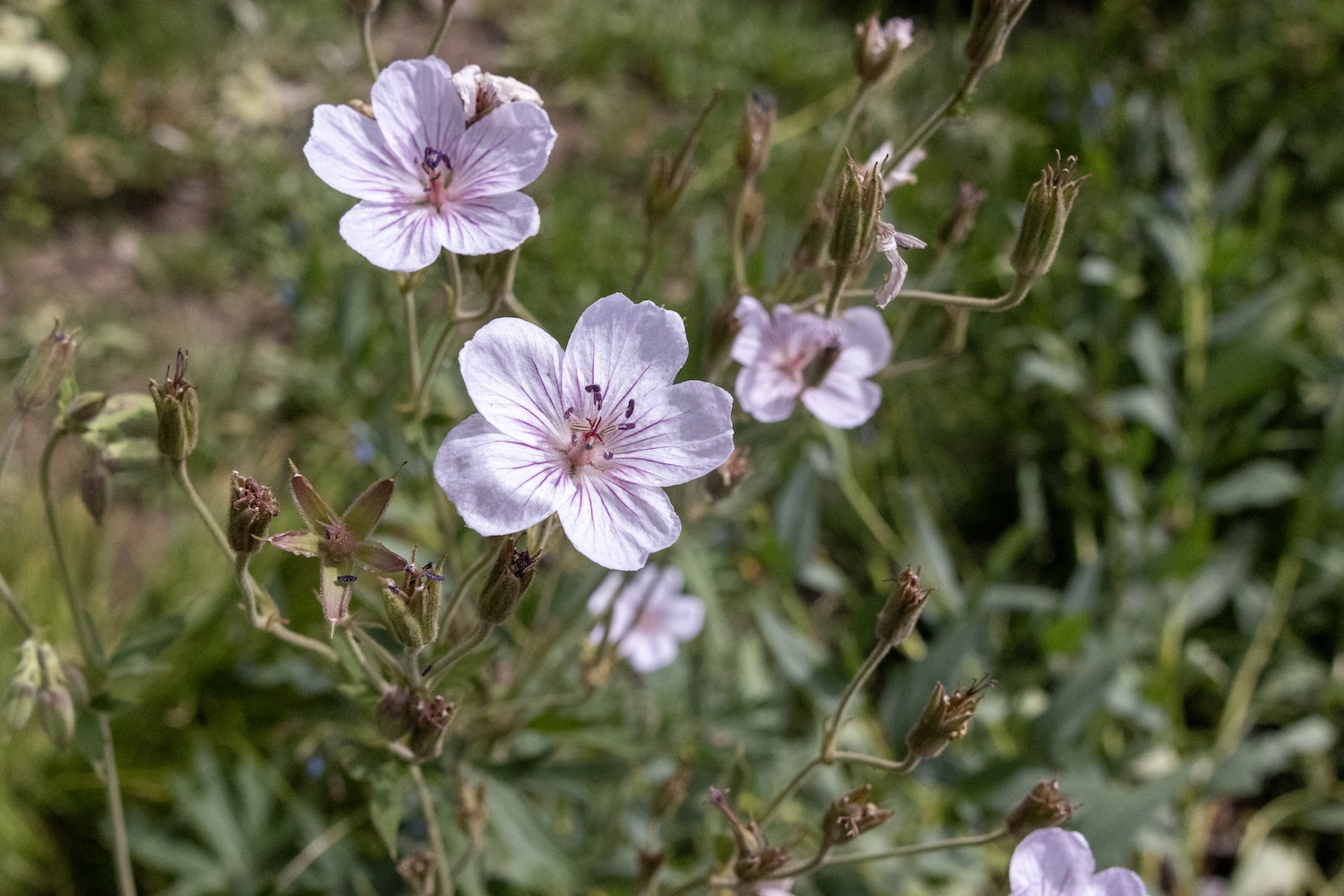
We began near the top of the Wasatch Mountains, where the cooler weather allowed us to see a vibrant array of wildflowers, which complemented the surrounding mountains. We stopped to take in the quaking aspens (which we were surprised to learn all share the same root system), and to enjoy even more beautiful views!
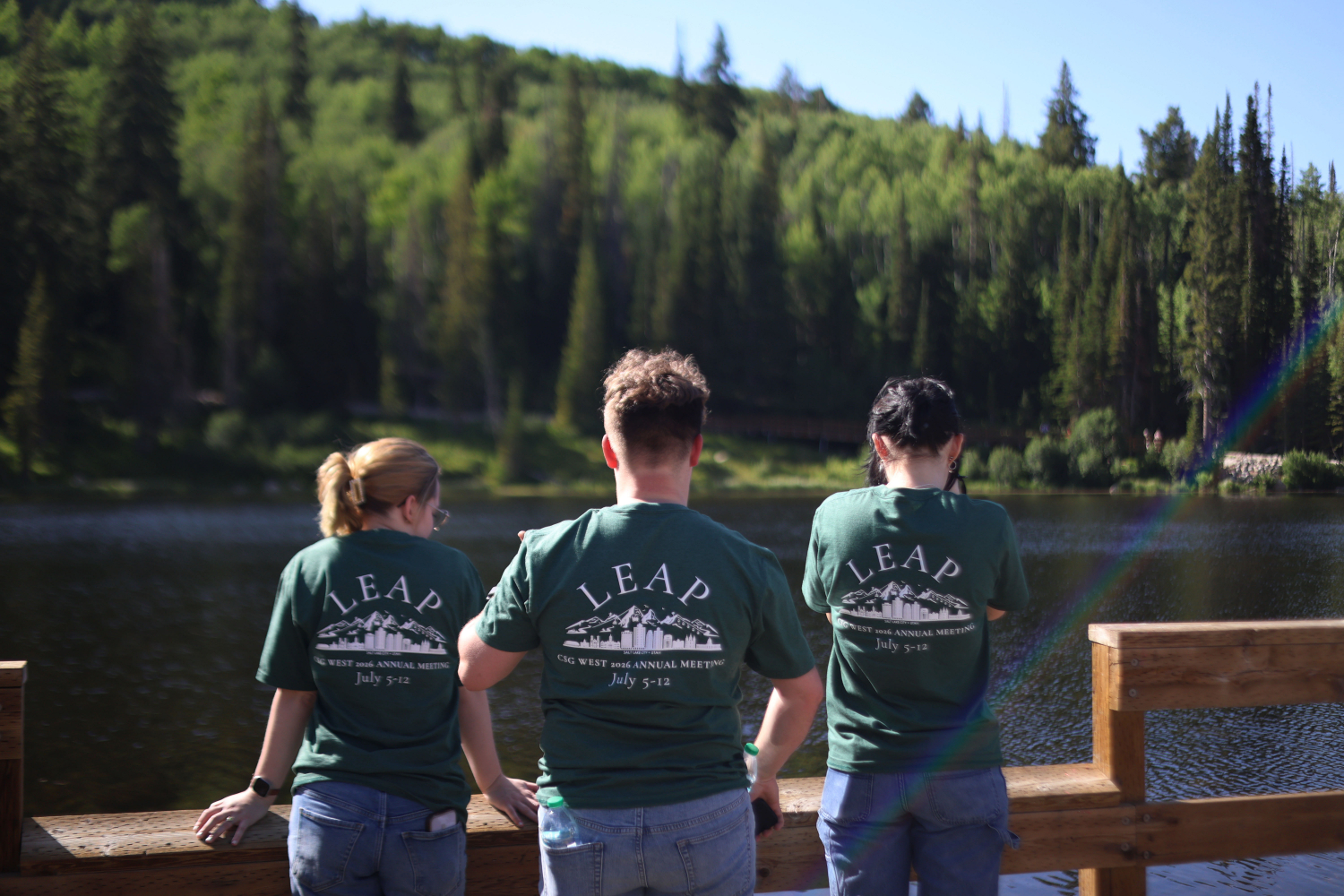
Further down the mountain, in Big Cottonwood Canyon, we saw Silver Lake, which features a short trail ideal for spotting a diverse array of animals. Almost immediately, we spotted a few squirrels and chipmunks around the visitor center, making them perfect practice for photos.
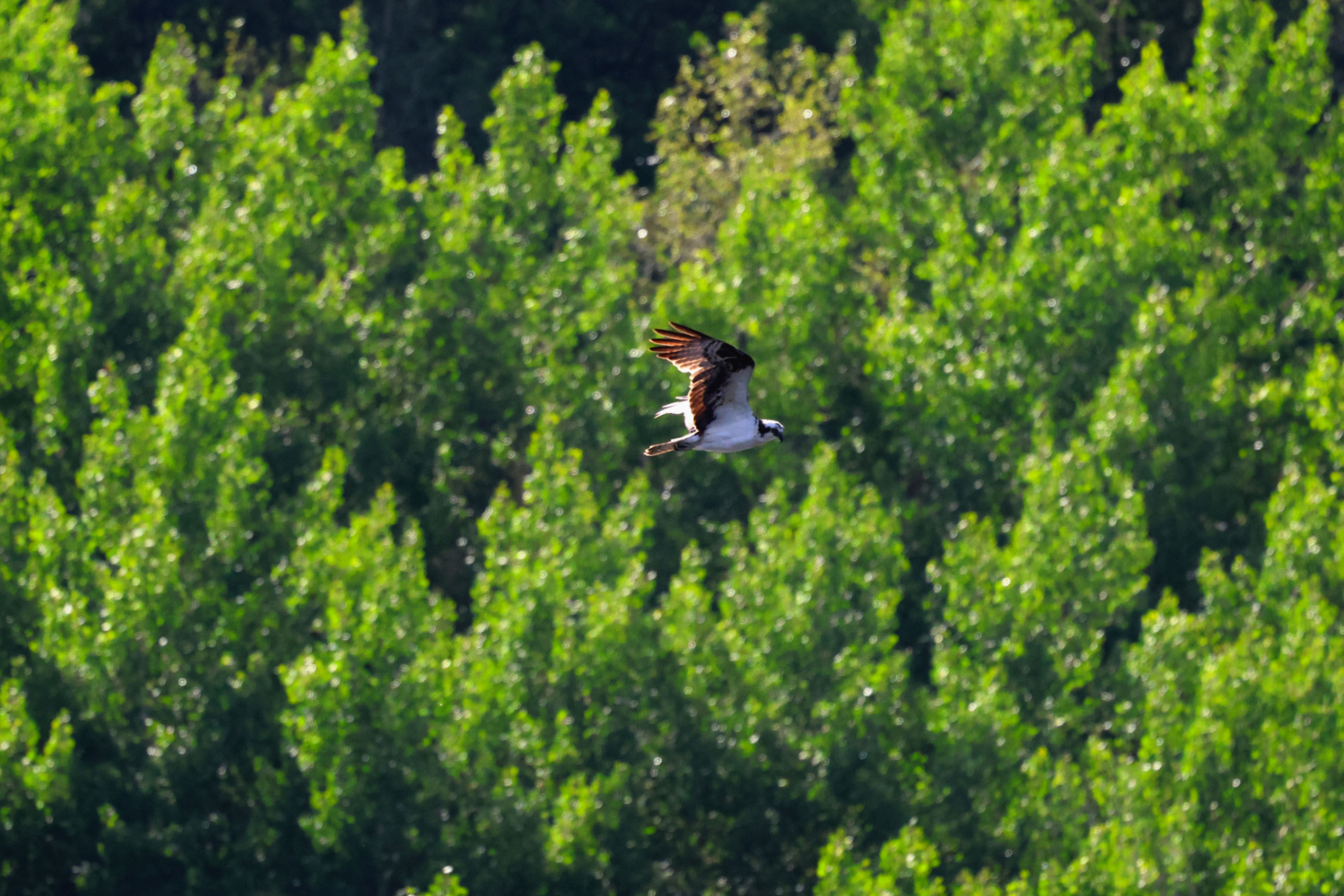
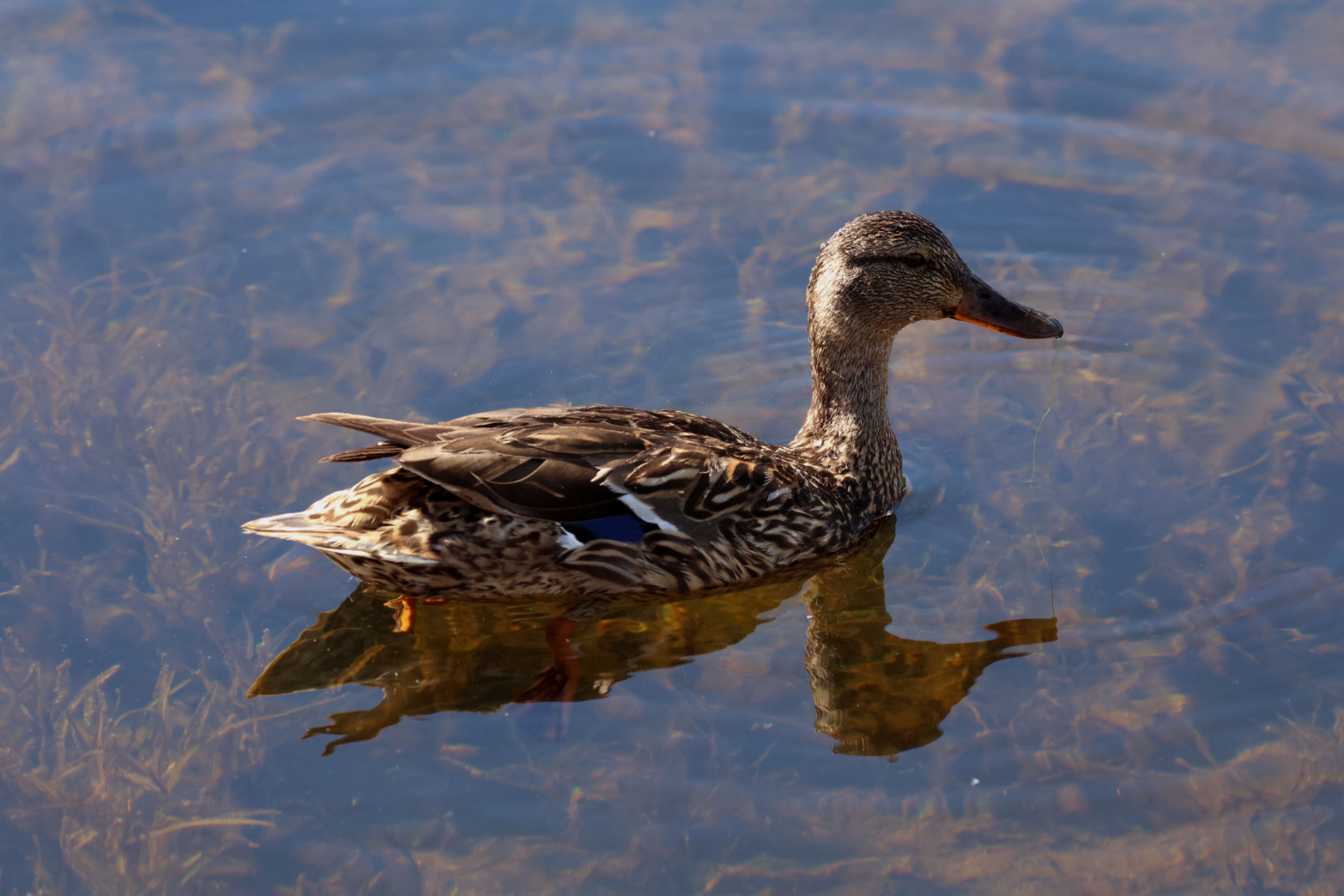
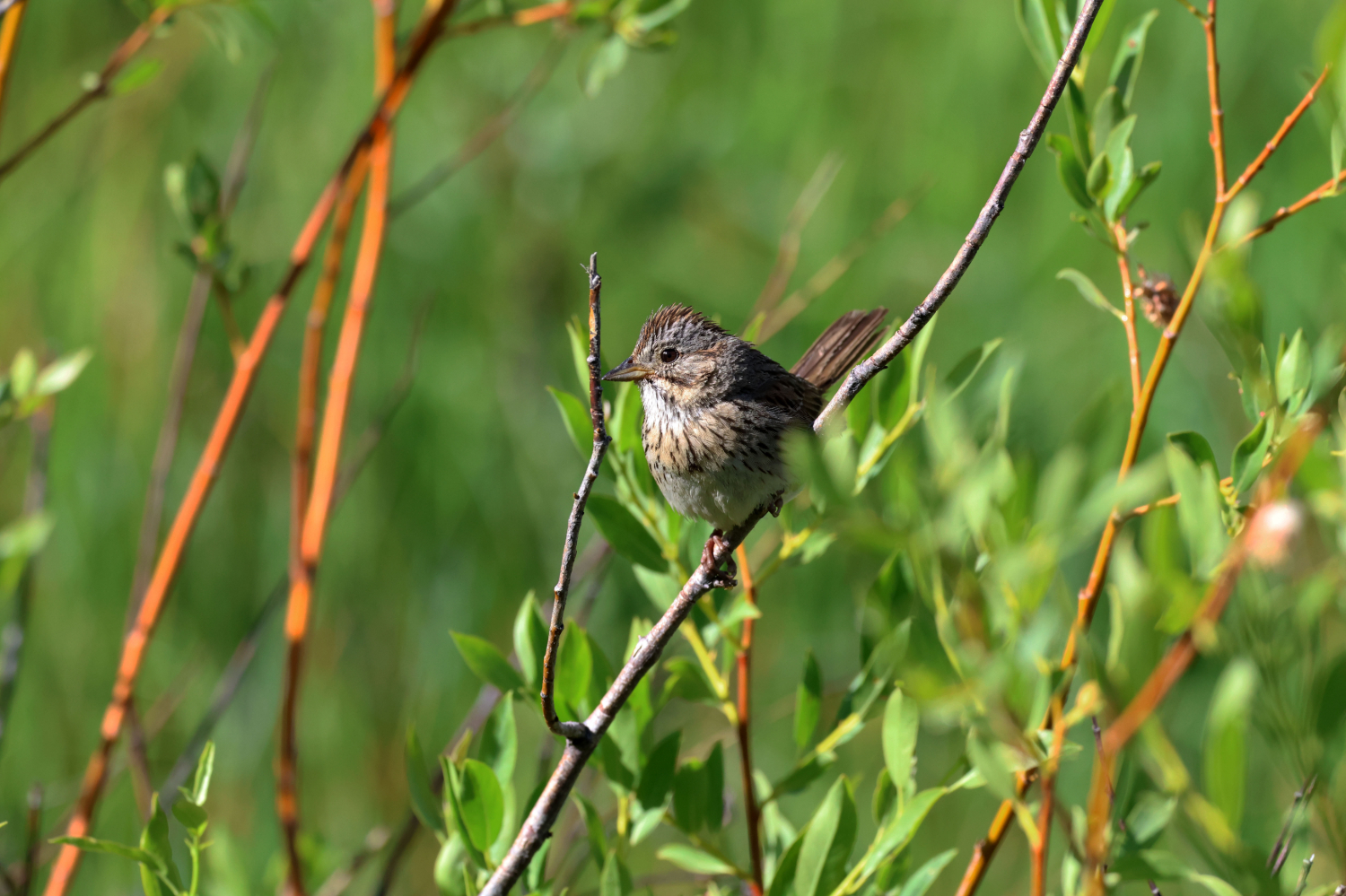
Things got more exciting as we walked down the boardwalk, almost immediately spotting an osprey diving for prey on the lake. We also observed some less predatory birds, such as sparrows and ducks. We even got to see a beaver swimming around the lake!
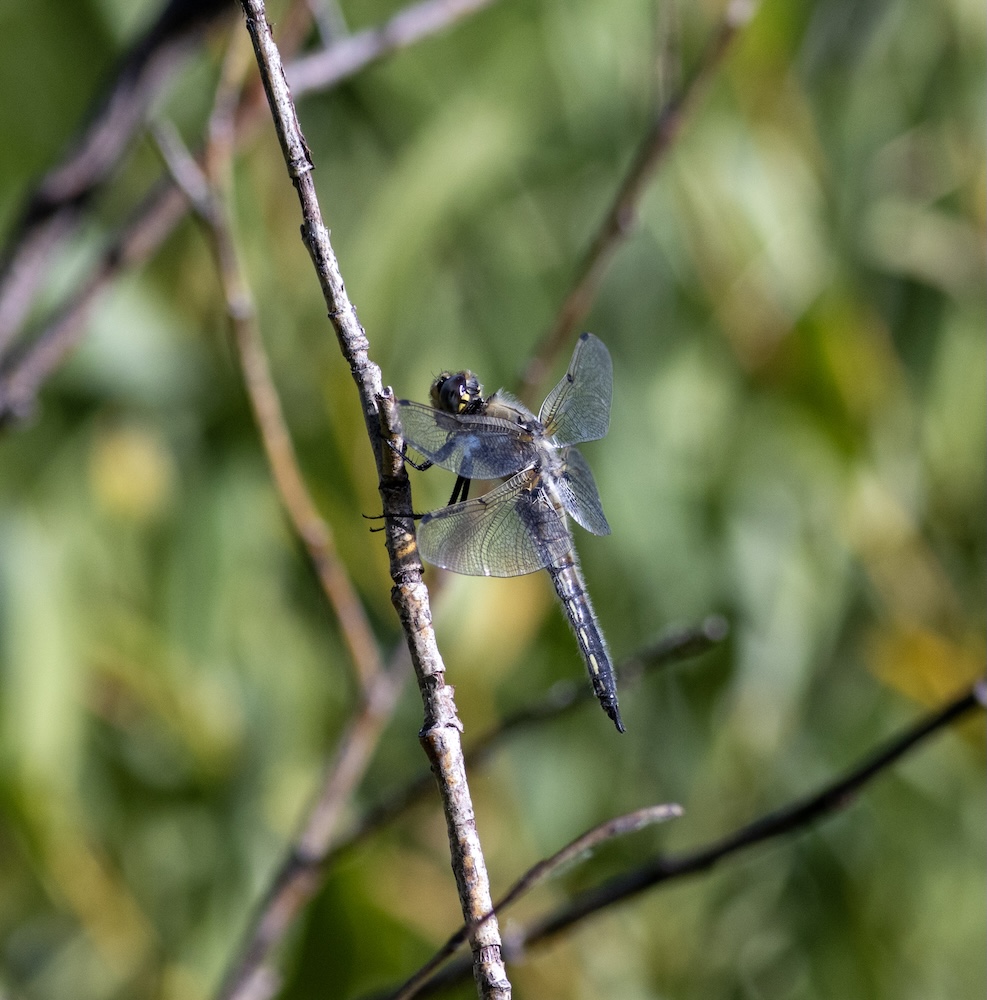
As we moved onto the surrounding trail, we spotted a few robins in the underbrush. About halfway around the lake, we saw a grazing deer and managed to snag a tricky photo of a dragonfly. The greatest sight, however, was near the end of the trail, where we managed to catch glimpses of a moose!
After taking a multitude of photos- and filling up a camera memory card- we made our way back to the hotel, happy with the day’s pursuits.
Pretty Bird Chicken
Once we were back, we ordered dinner from Pretty Bird, the self-professed best chicken place in Salt Lake City! Owner Viet Pham is a world-renowned chef, who retired from fine dining to set up Pretty Bird and explore his version of the Nashville spicy fried chicken. We enjoyed the flavors and spices of the chicken, but the fries and the street corn weren’t our favorite dishes. Still, it was an interesting addition to our Salt Lake City culinary experience.
Conclusion
Our second day in Salt Lake City was well-spent, filled with learning, exploring, and some lessons to take with us, back to Huntsville, our home towns, and in life. As the day concluded, most of us agreed that Salt Lake City, Utah was one of our new favorite places!