
by Chrissy Biello
Every spring, the Sam Houston Center for Law, Engagement, and Politics invites South Texas College of Law Professor Val Ricks to teach a Mock Law Class. Professor Ricks is a renowned legal mind and a national expert in contracts, among other areas of law.

Approximately thirty students attended this year’s session; any student at Sam Houston State University was able to register for the event. Before the class, participants were expected to prepare with case materials that Professor Ricks provided.

The mock case, Joseph Vian v. Mariah Carey (1993), focused on the legal concept of consideration and whether a valid contract existed between Mr. Vian and Ms. Carey. Professor Ricks opened the session by providing a working definition of law, saying that it revolves around the precise words used in legal documents.

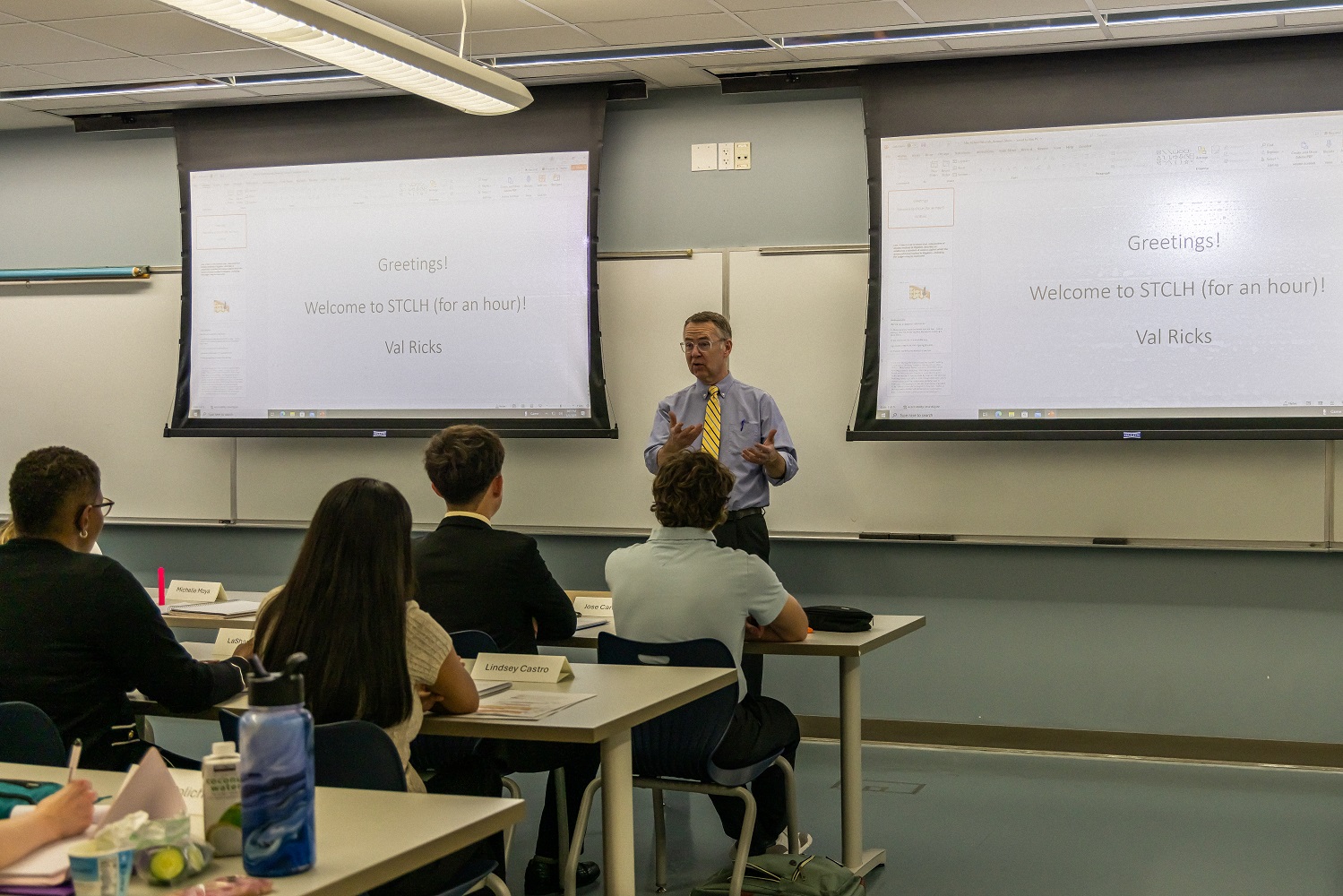


He then employed an analogy comparing law to chess. Finding a self-identified chess player in the audience, Professor Ricks guided students to understand the parallel between chess rules and legal principles. Both systems operate within defined parameters; they require much thinking and a thorough understanding of established rules.


When moving on to the case discussion, Professor Ricks first told the class the facts of the case, then activated his random number generator to begin his use of the Socratic Method. From this, selected students were asked numerous questions about the case; Professor Ricks insisted they cite directly from the text, reinforcing his earlier point that the law is “all about the words.”
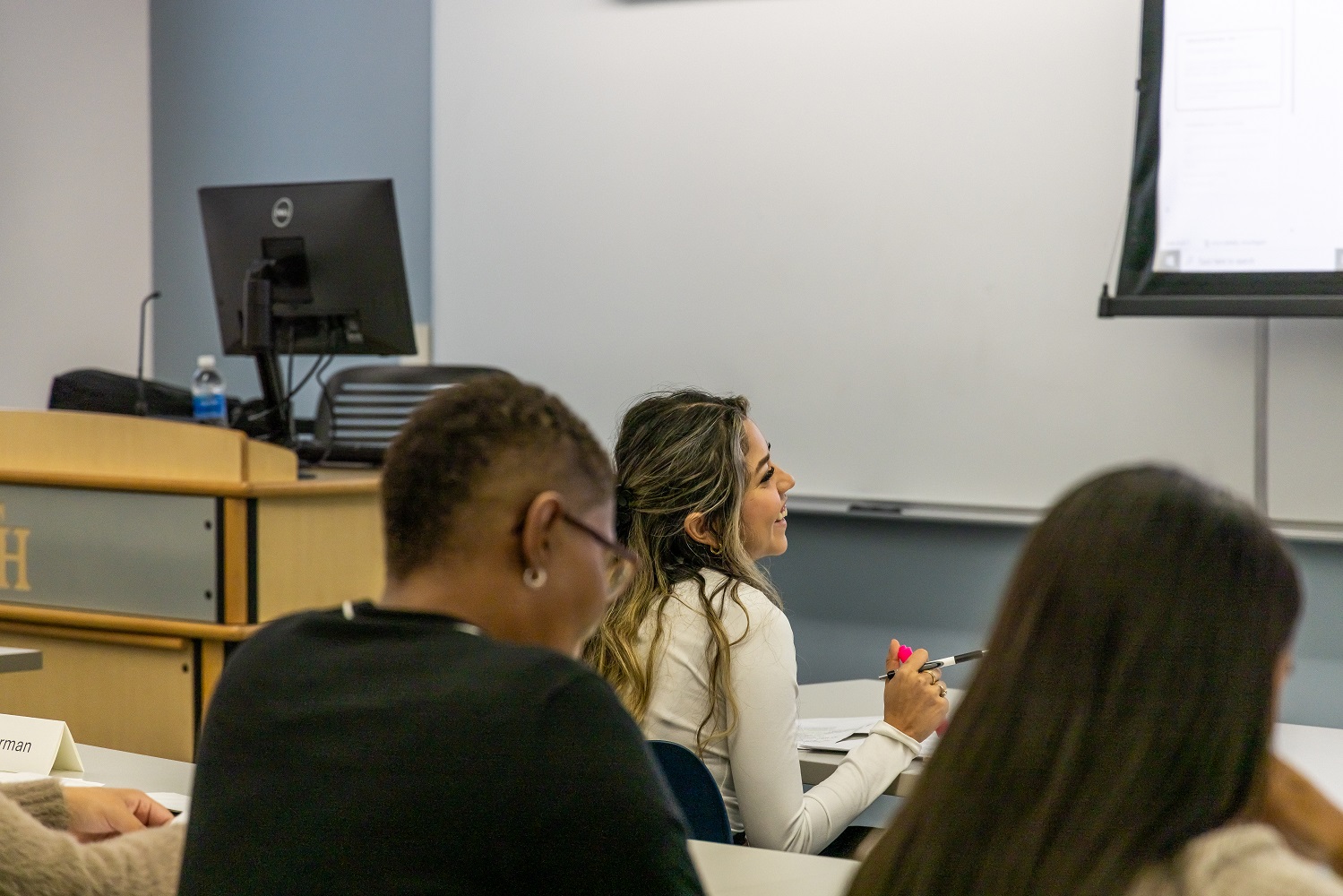


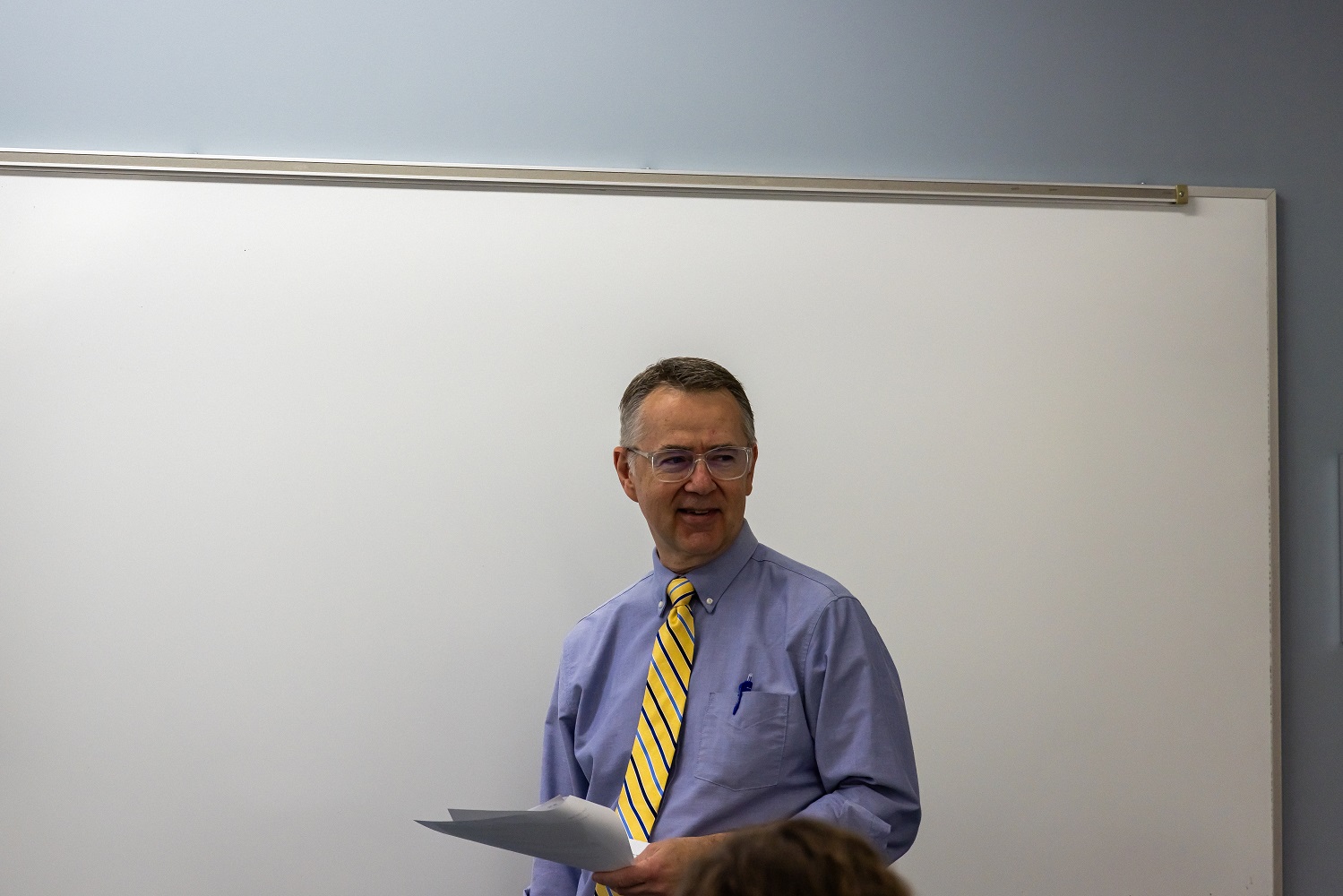
Once the class reached a general consensus on the case interpretation, Professor Ricks opened the floor for questions. Pre-Law Society President, Olivia Discon, asked what undergraduate students could do to prepare for law school. After thoughtful consideration, Professor Ricks began to speak on his own experience. He explained that studying scholastic philosophy during his undergraduate years was truly helpful; the language structure closely resembled legal texts, easing his transition into law school.

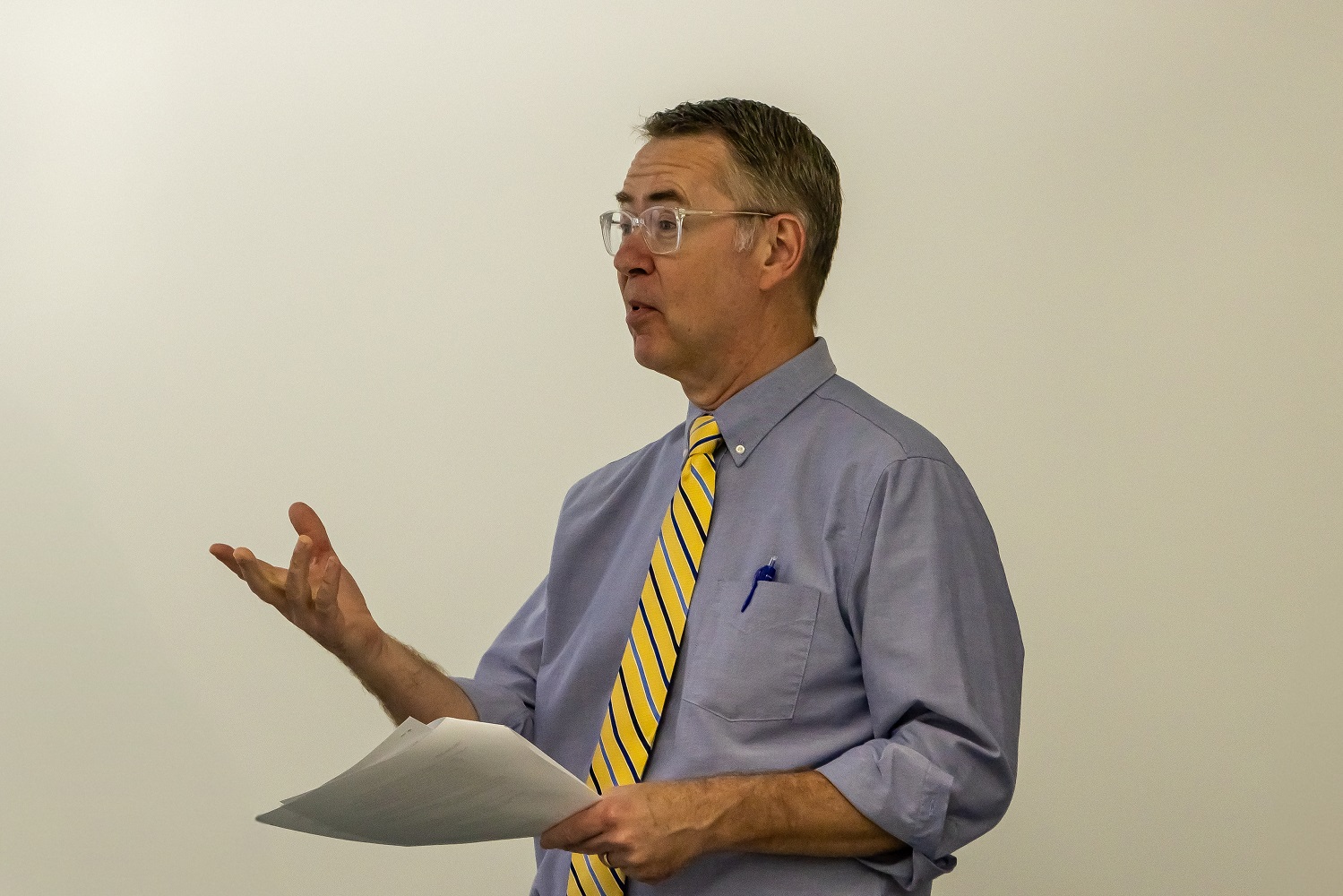


By the end of the session, students had not only sharpened their legal reasoning skills but also gained a clearer picture of what to expect in law school. Professor Ricks once again allowed students to sit in the shoes of a law student for an hour. By challenging students to truly understand the case and come out of their shells, he provided a better understanding of the power of precise language in the study of law.


 Center for Law, Engagement, and Politics