The PLS Winds Down & Ramps Up

Written by Madison Thurkettle

Winding Down the Spring

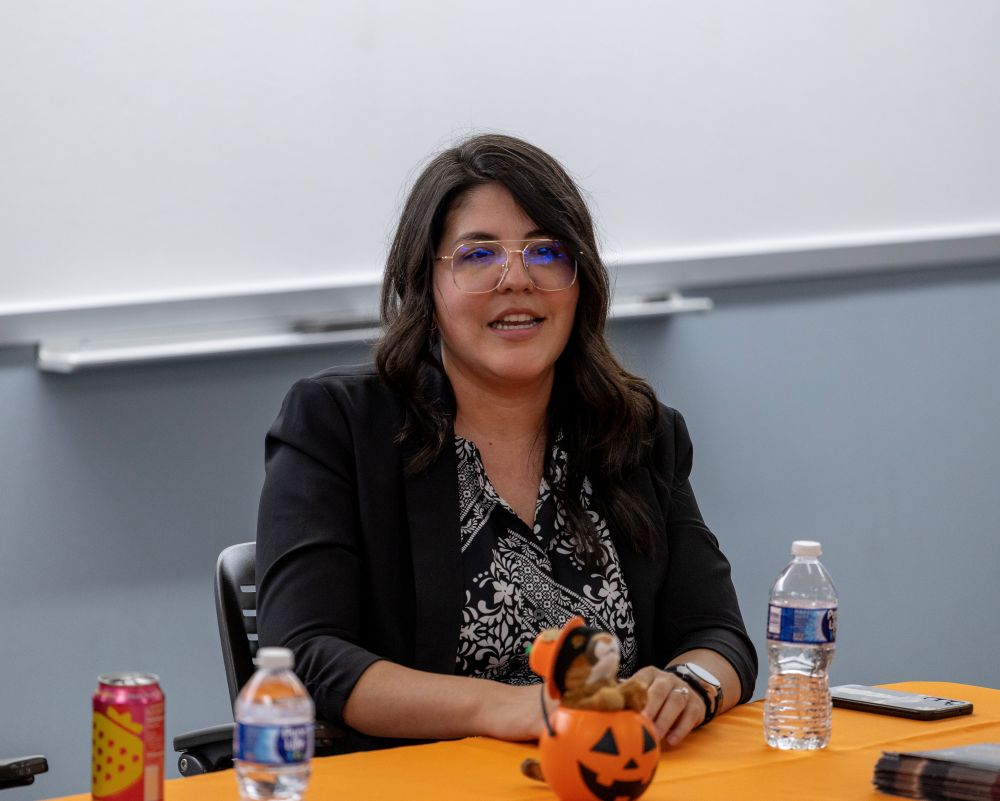
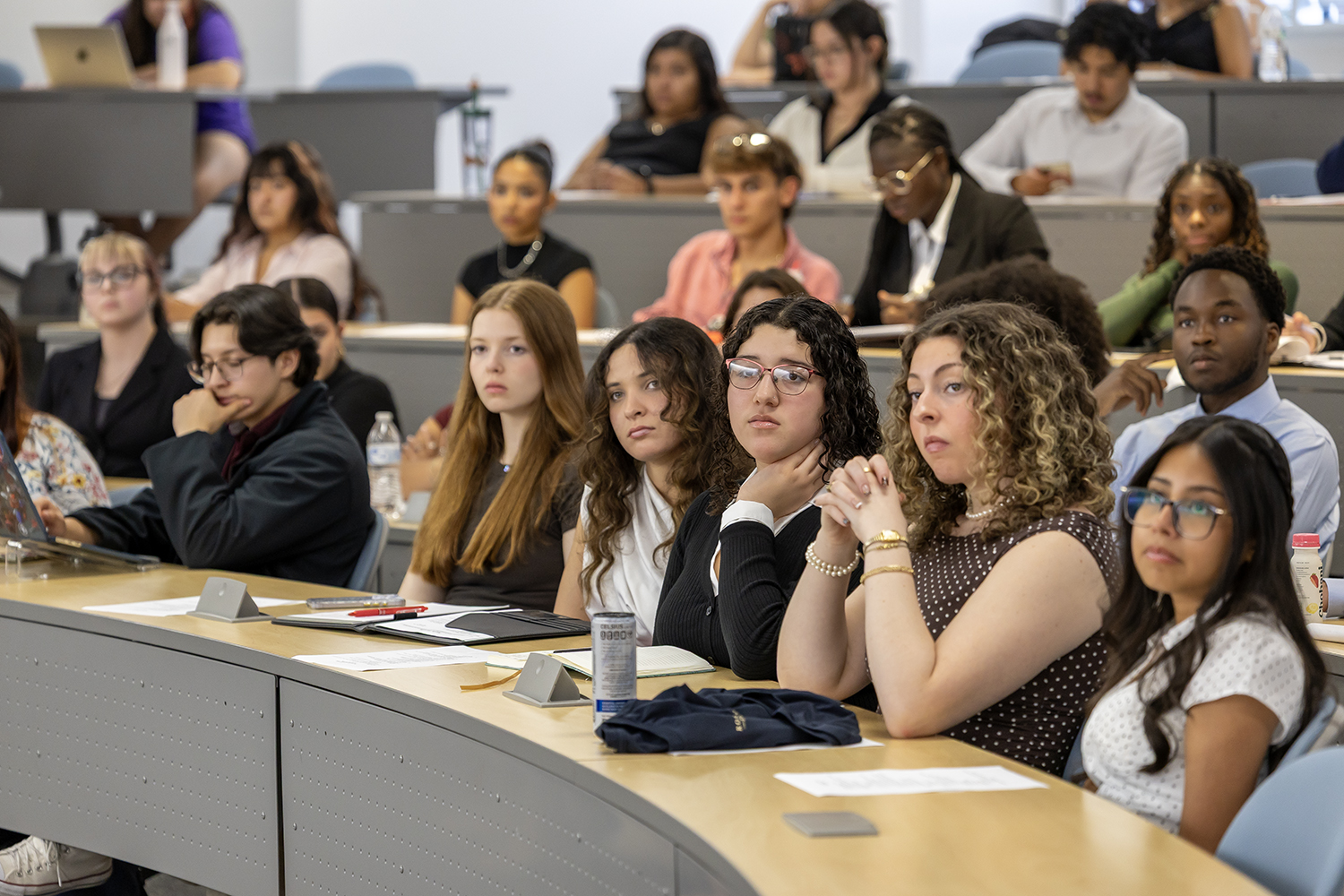
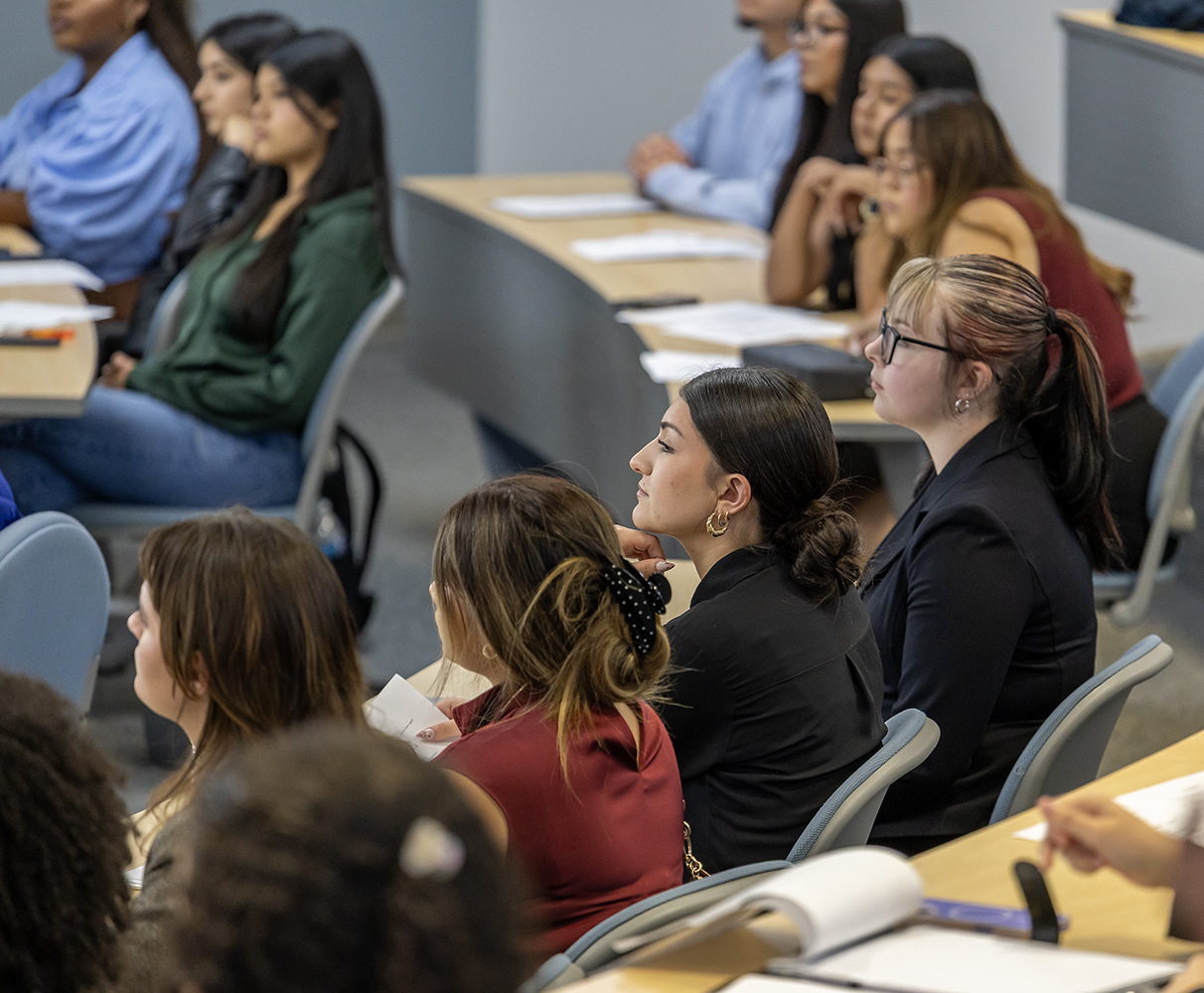
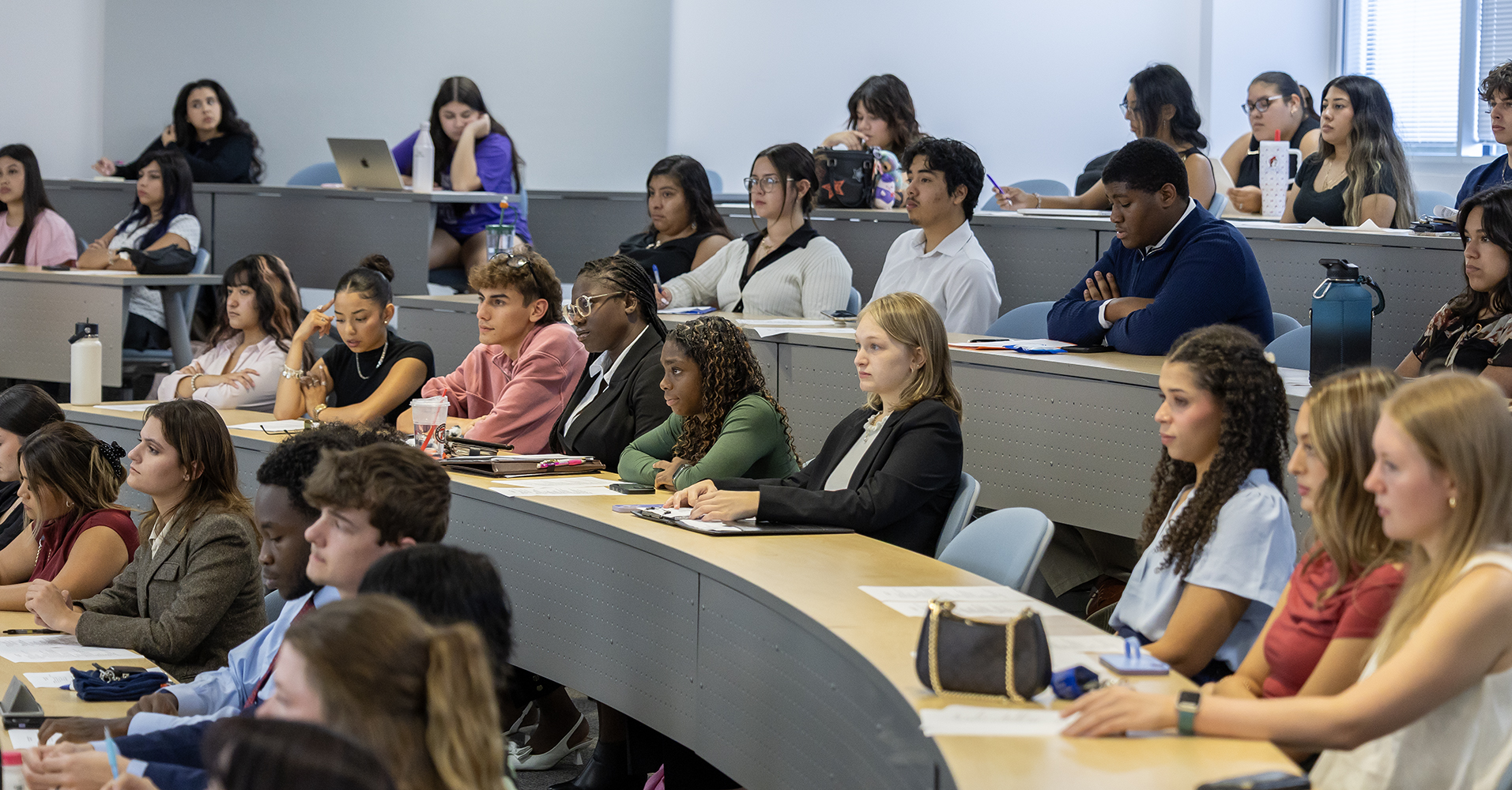
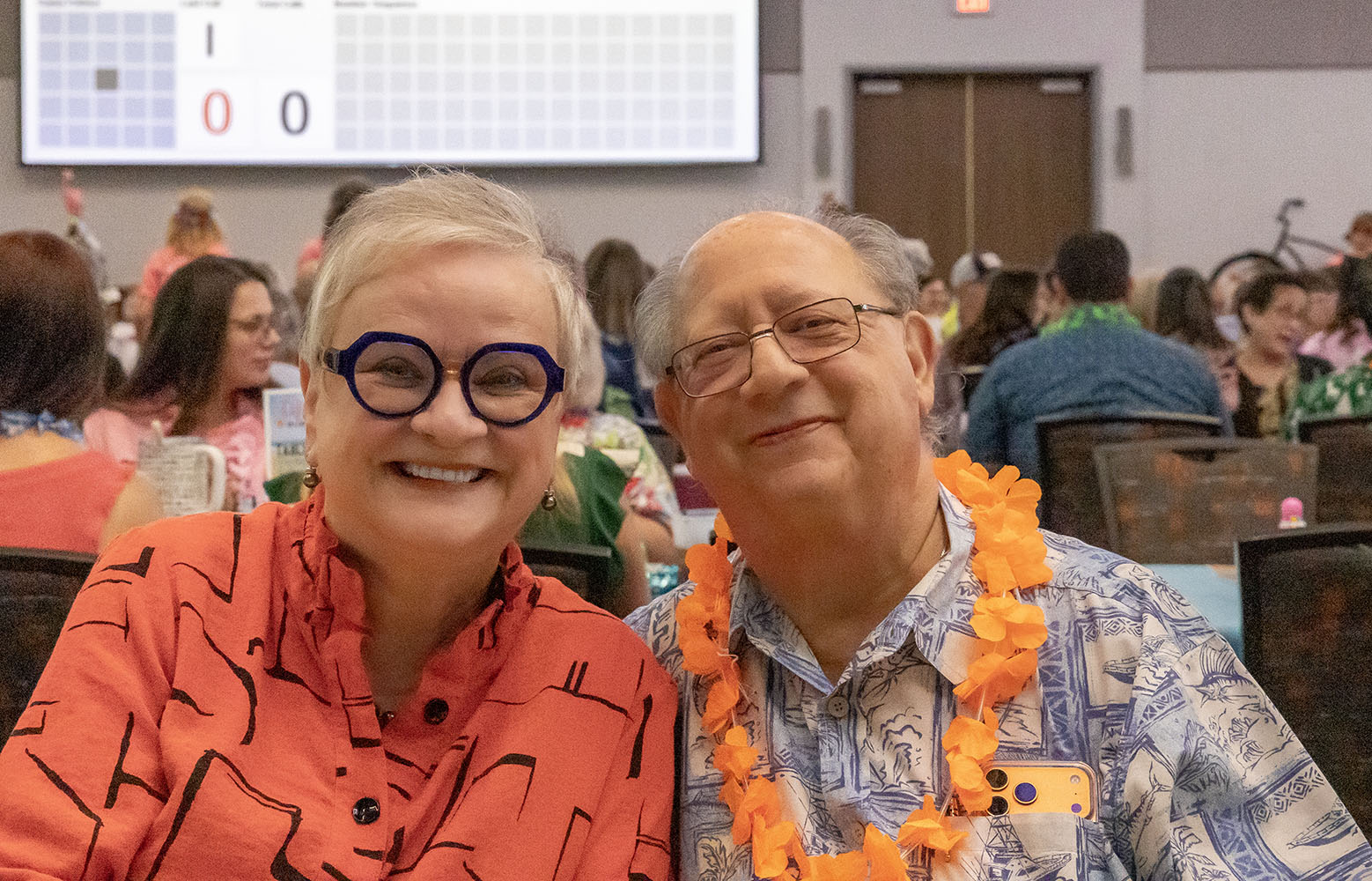
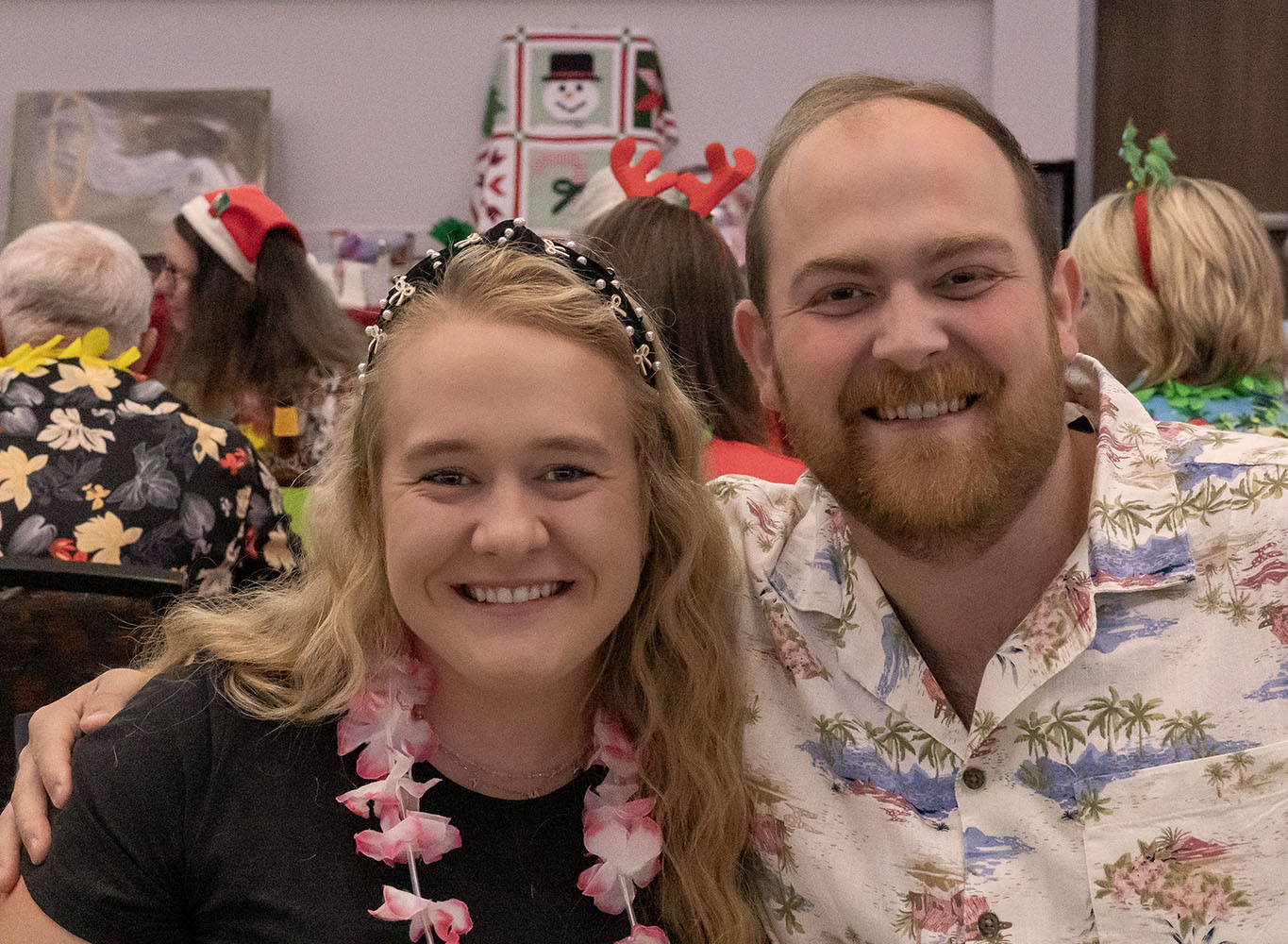
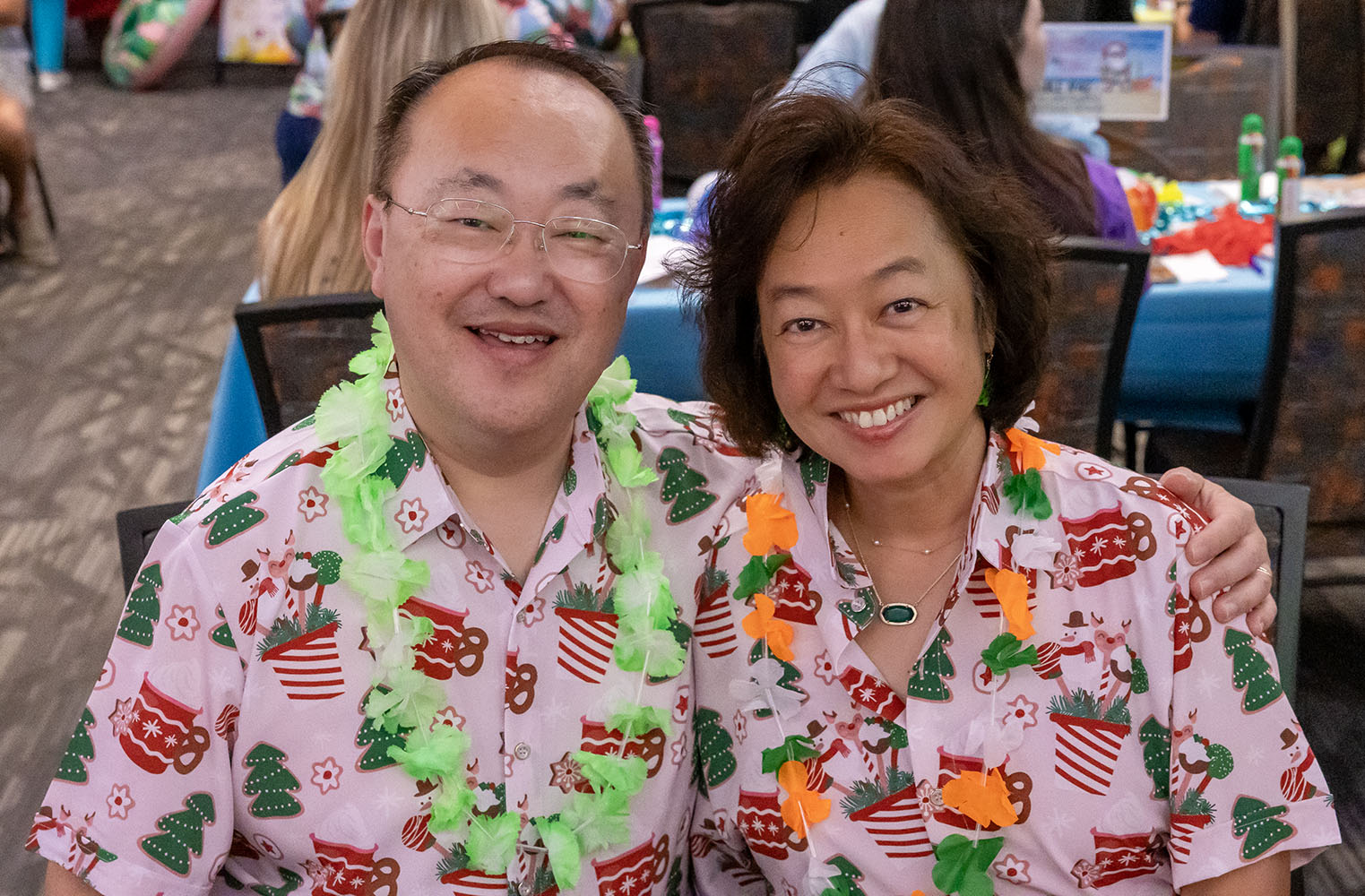
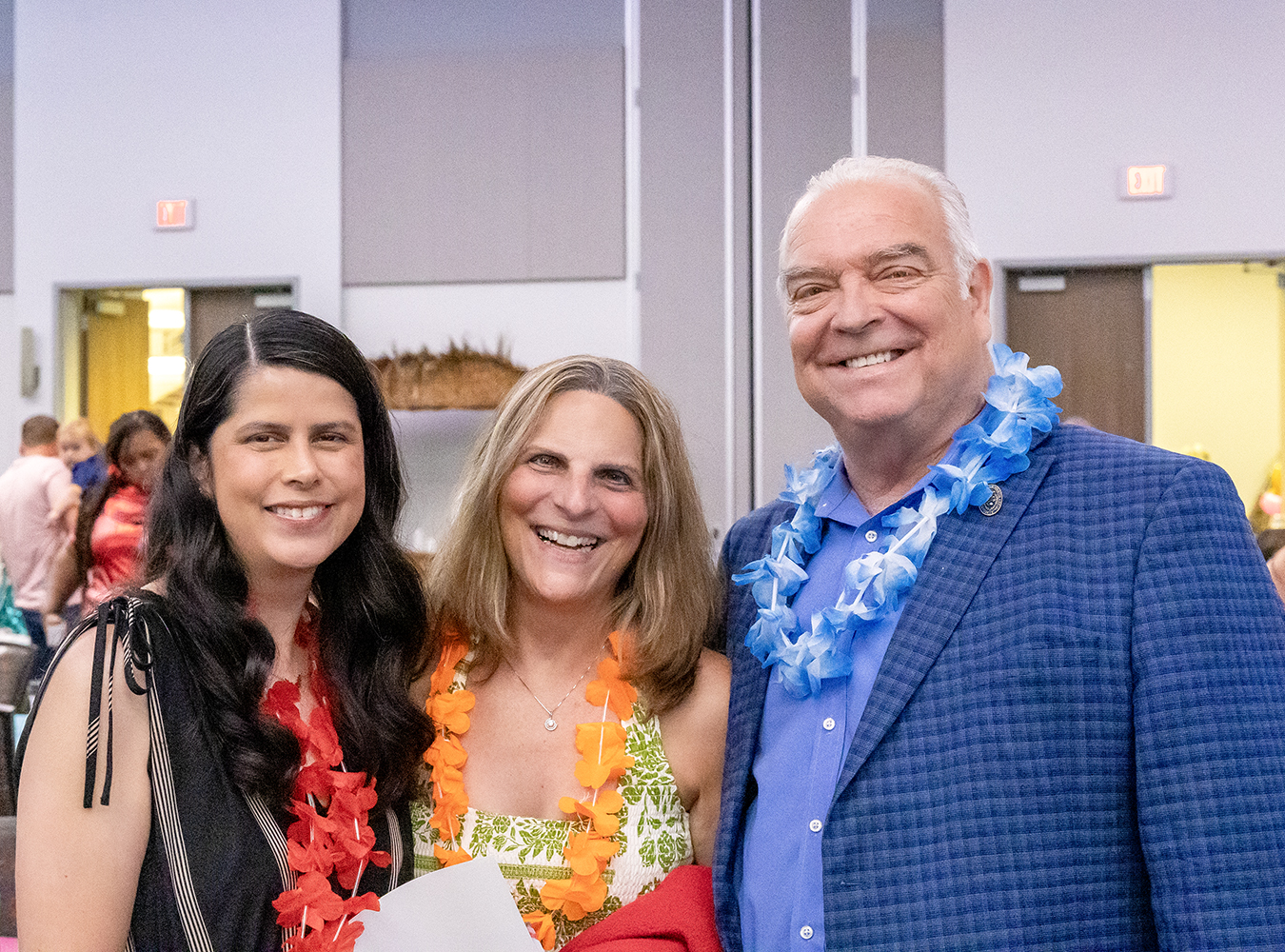
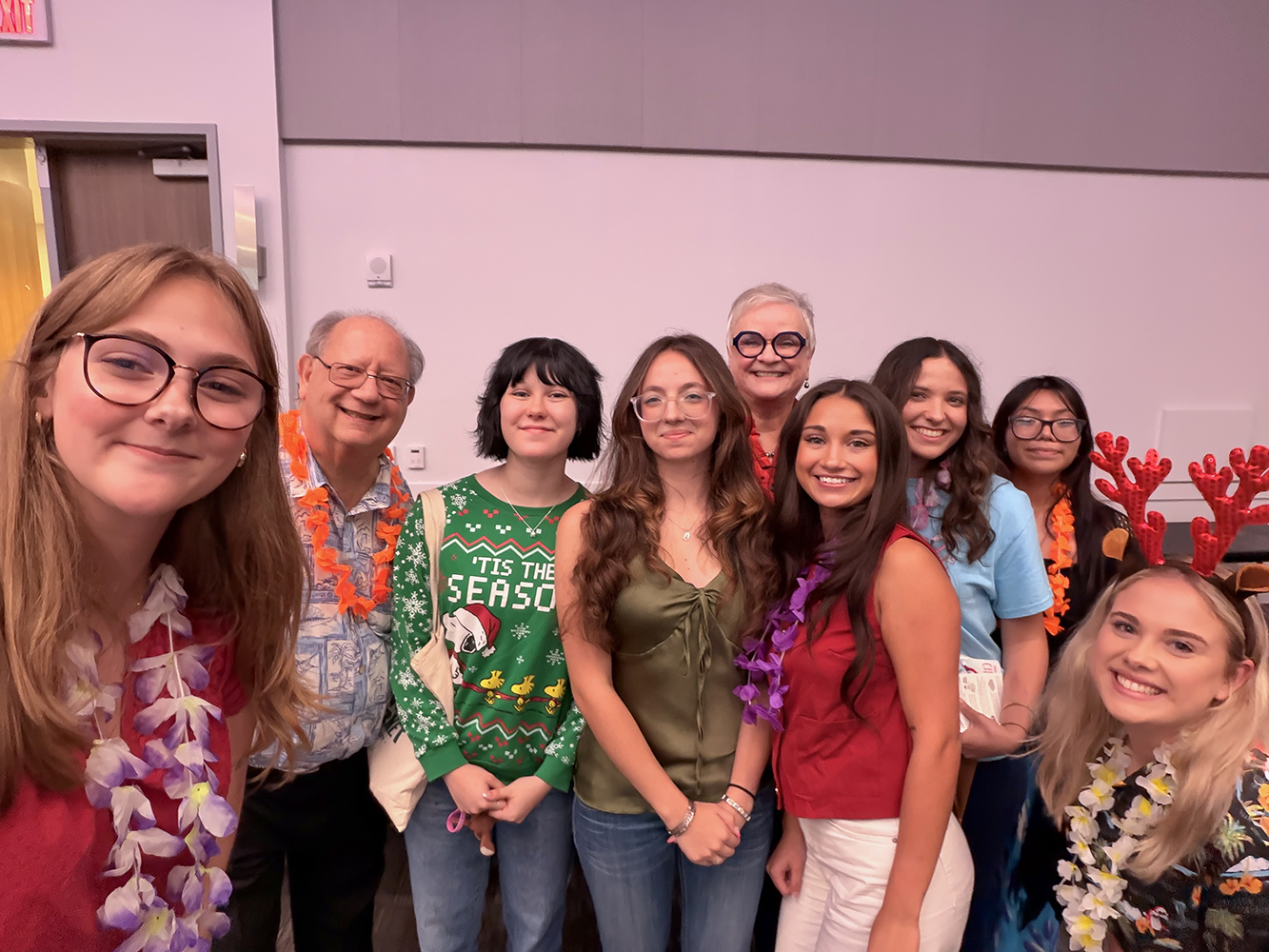
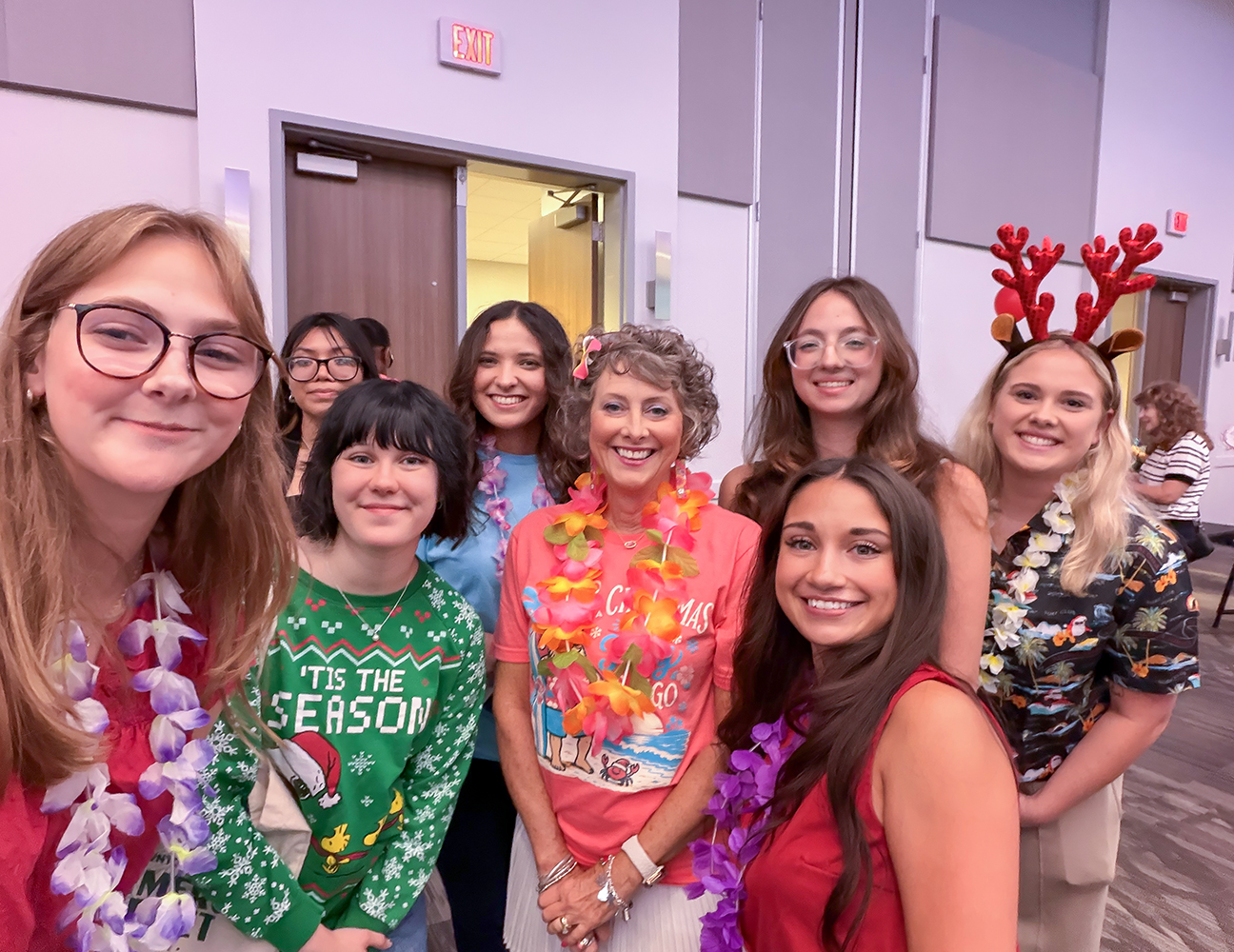
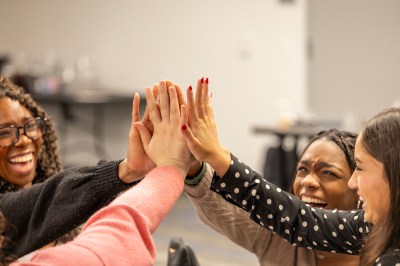
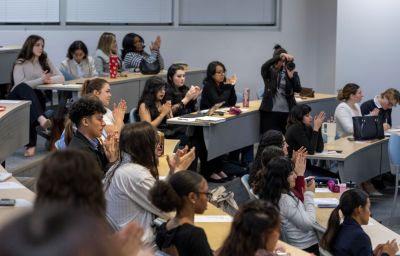
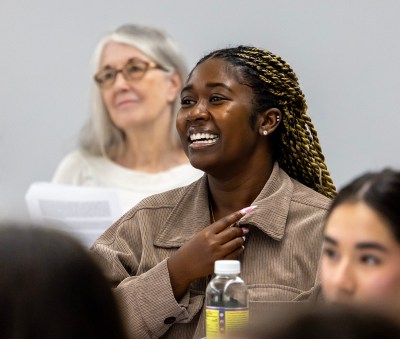
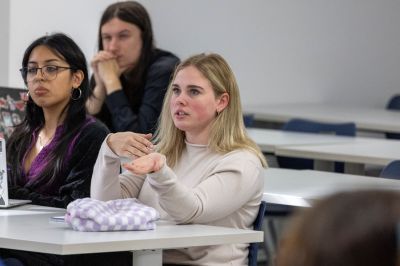
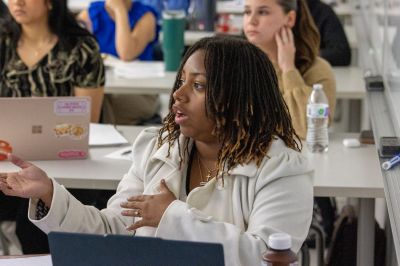
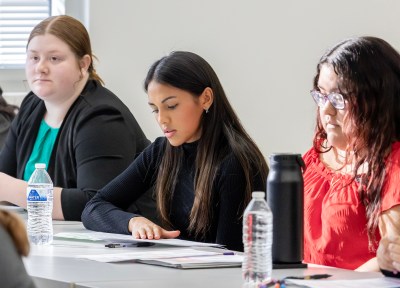
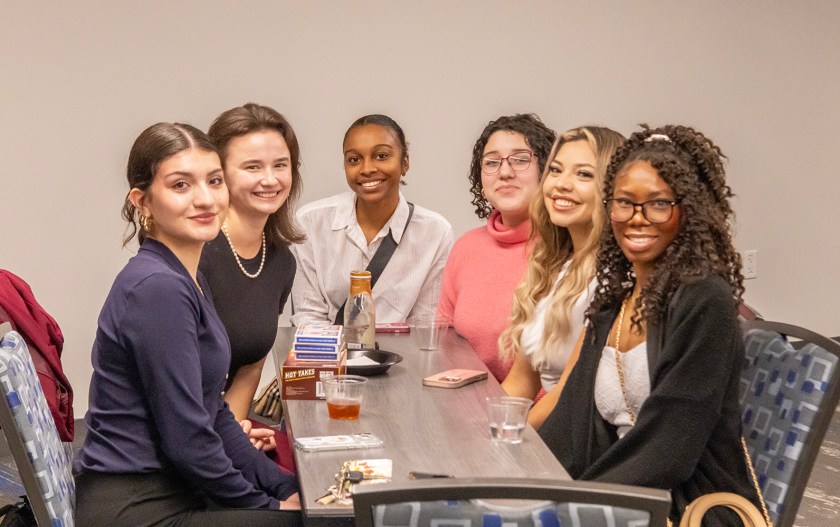
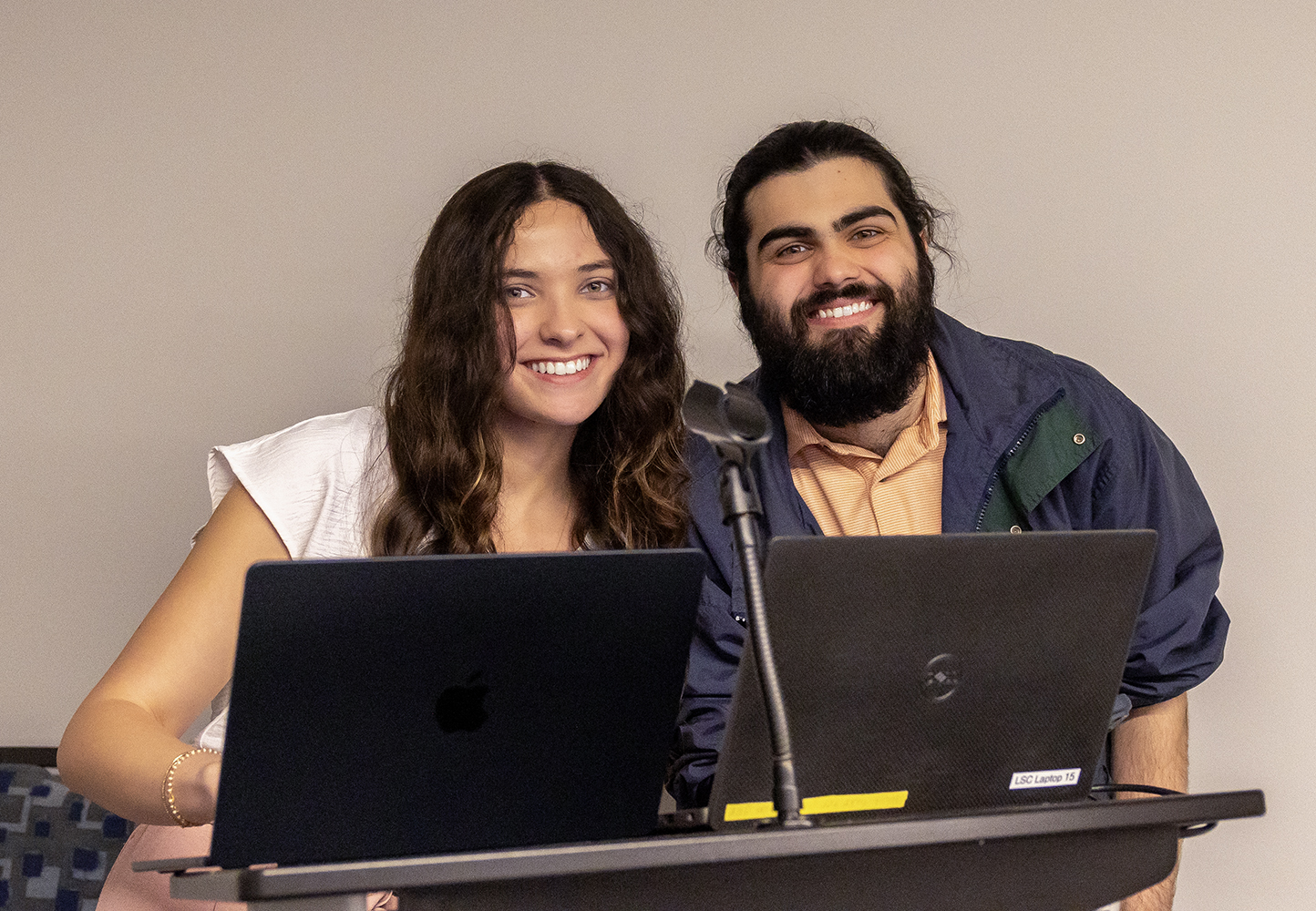
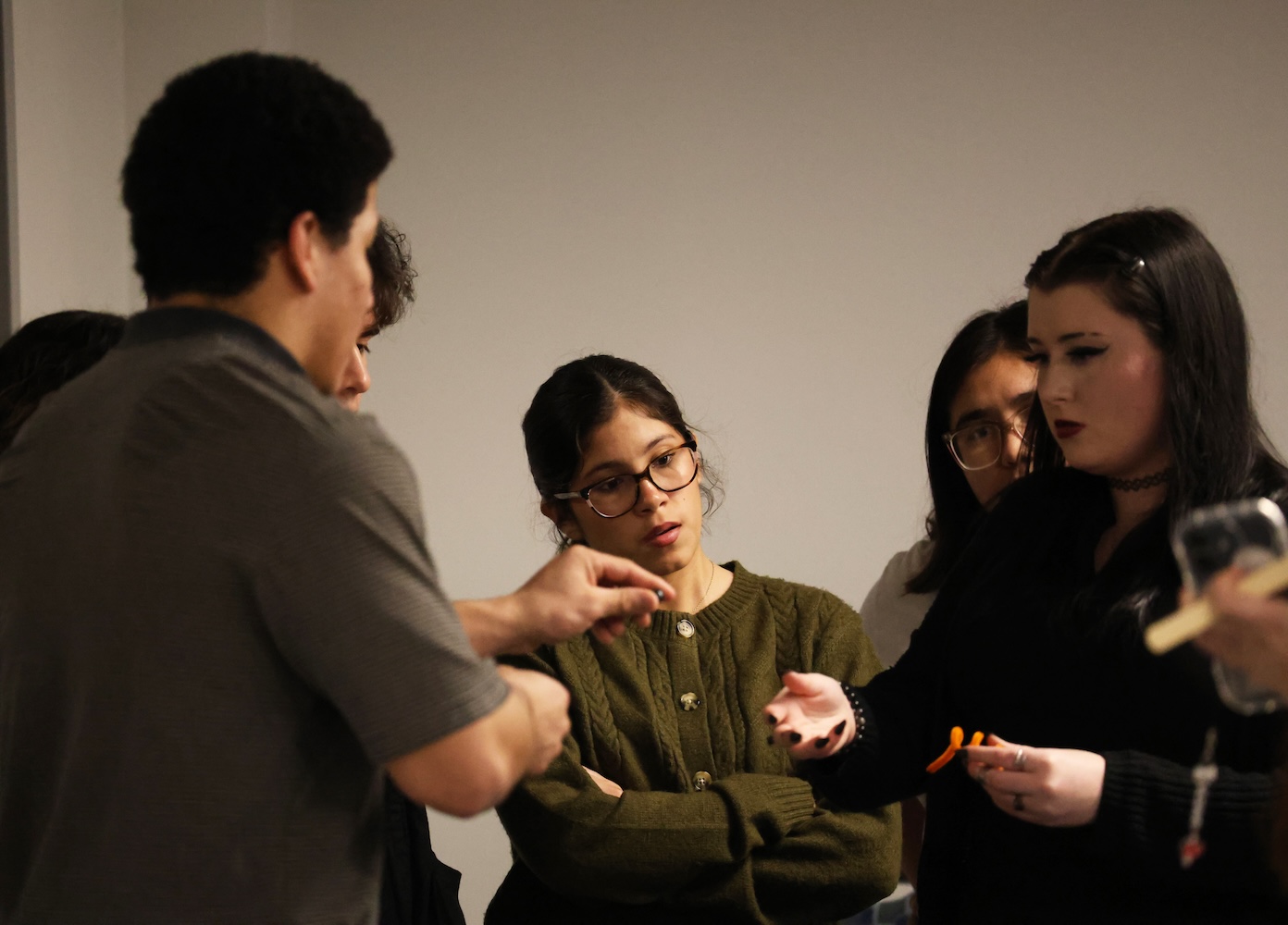
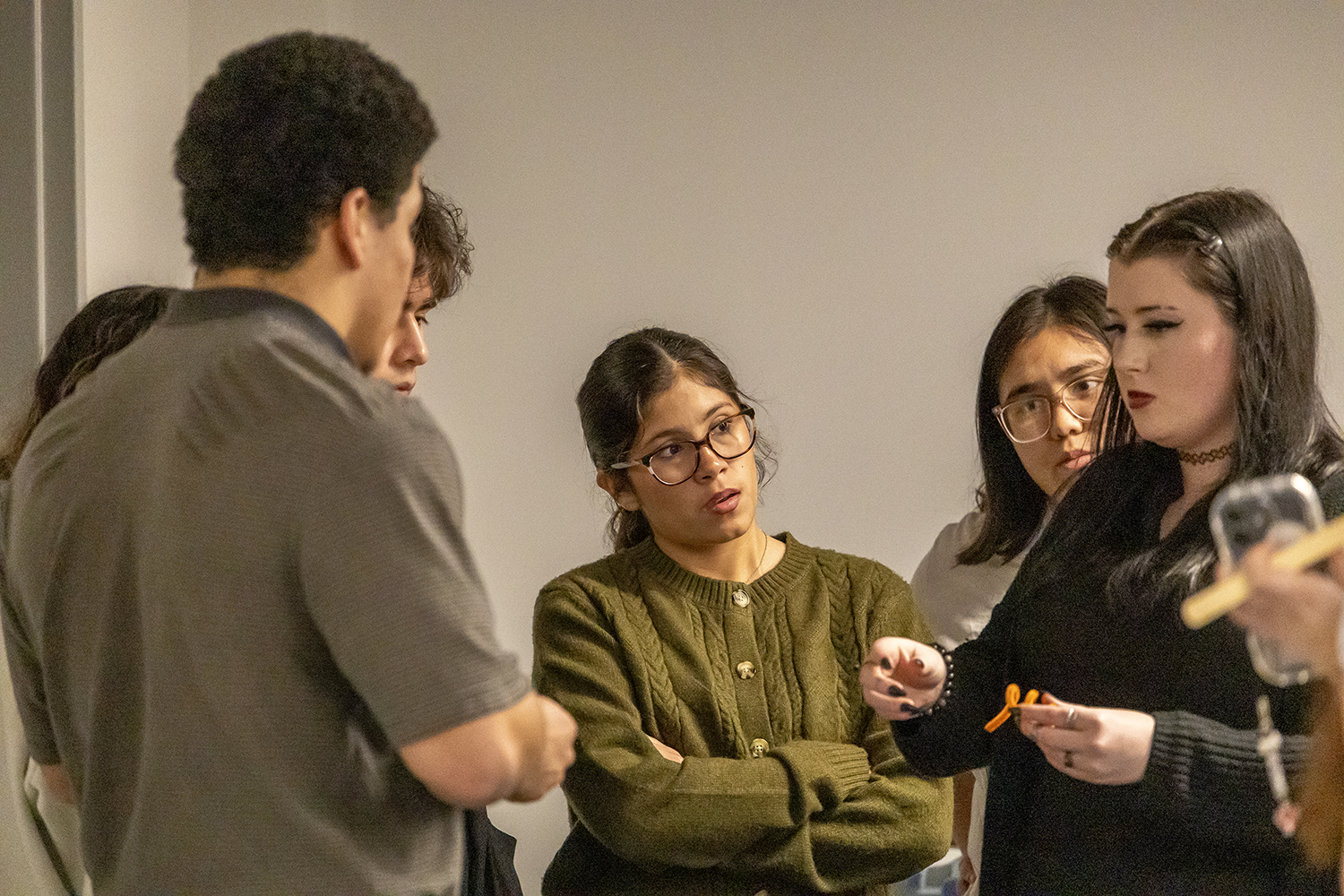
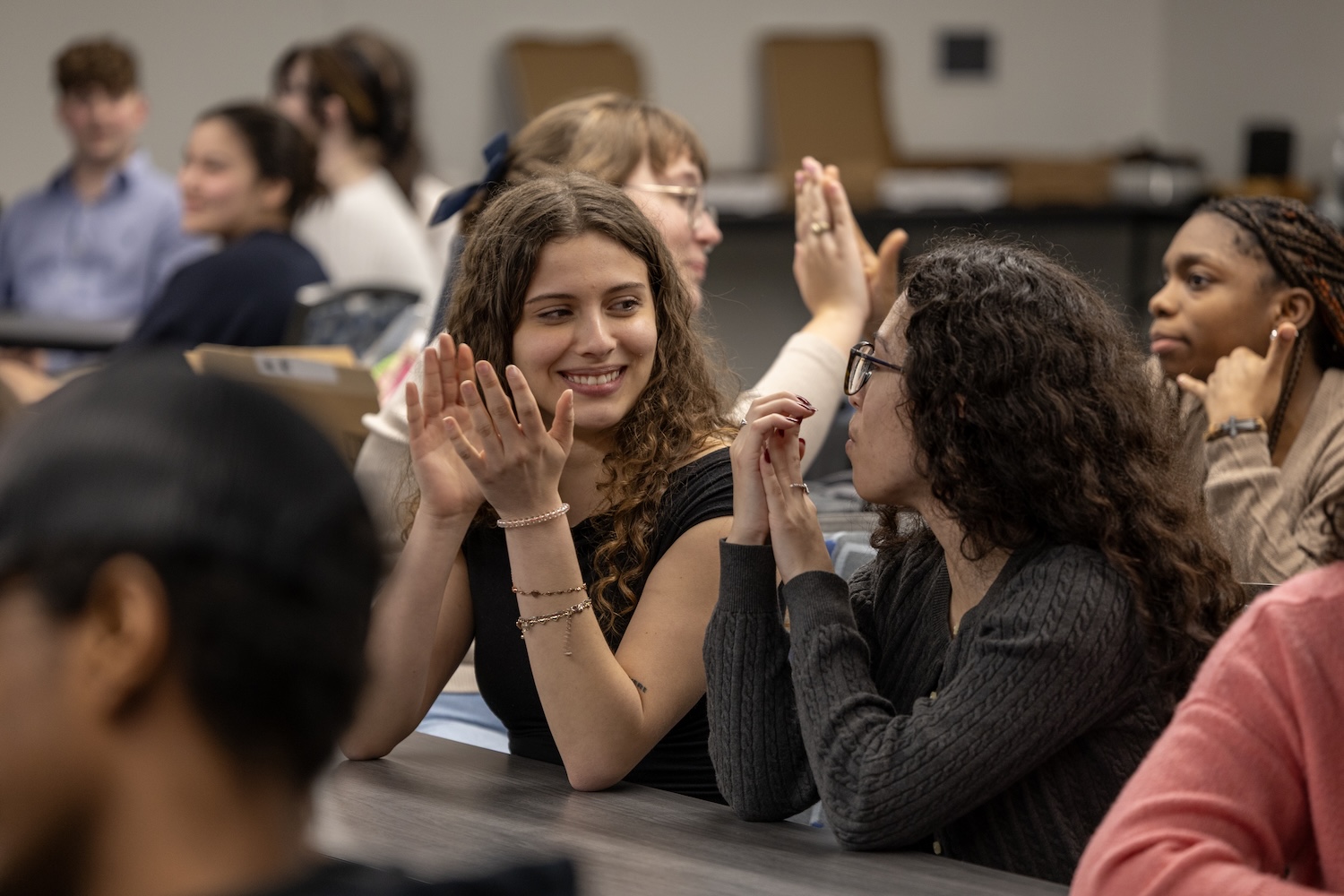
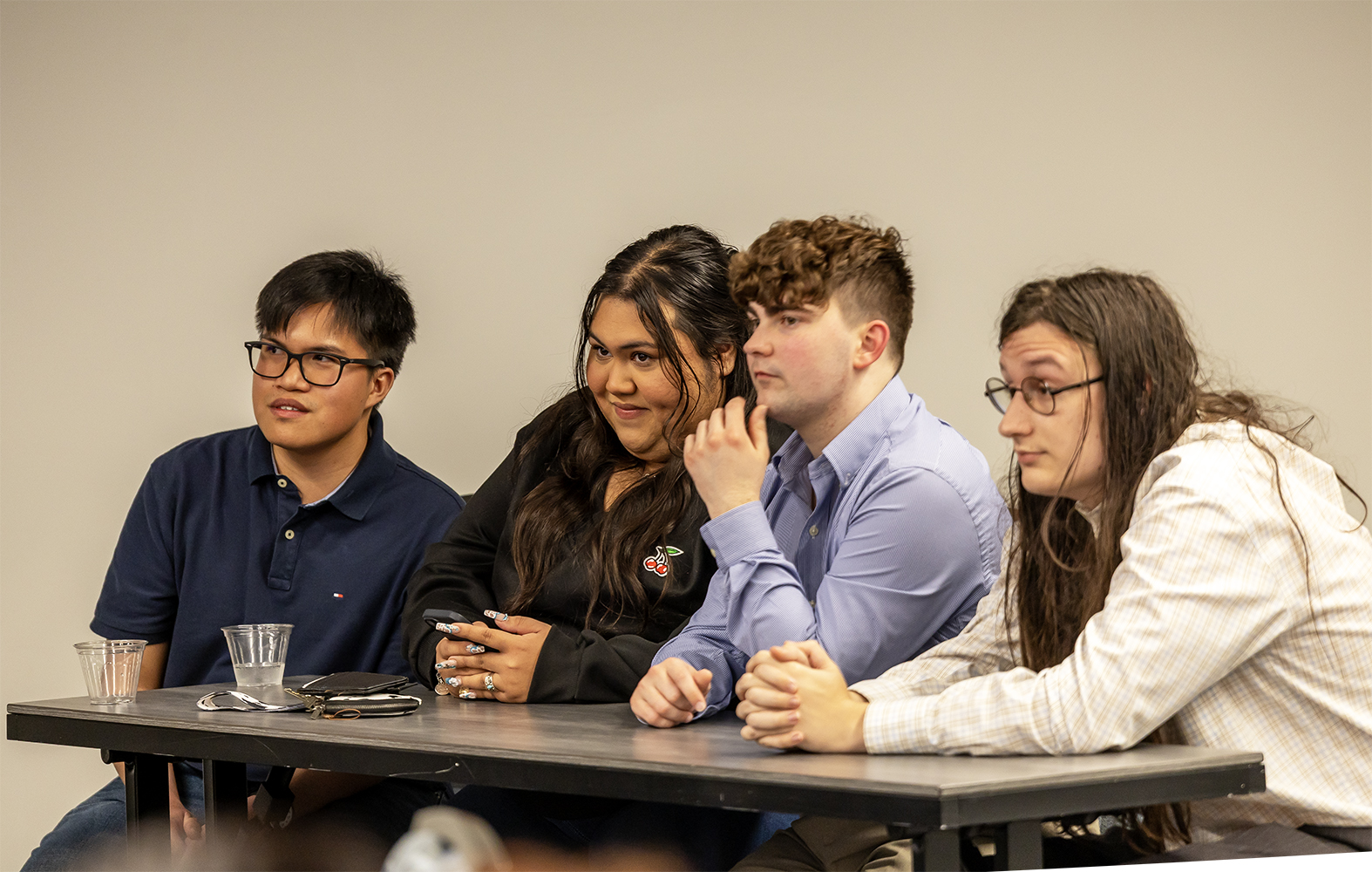
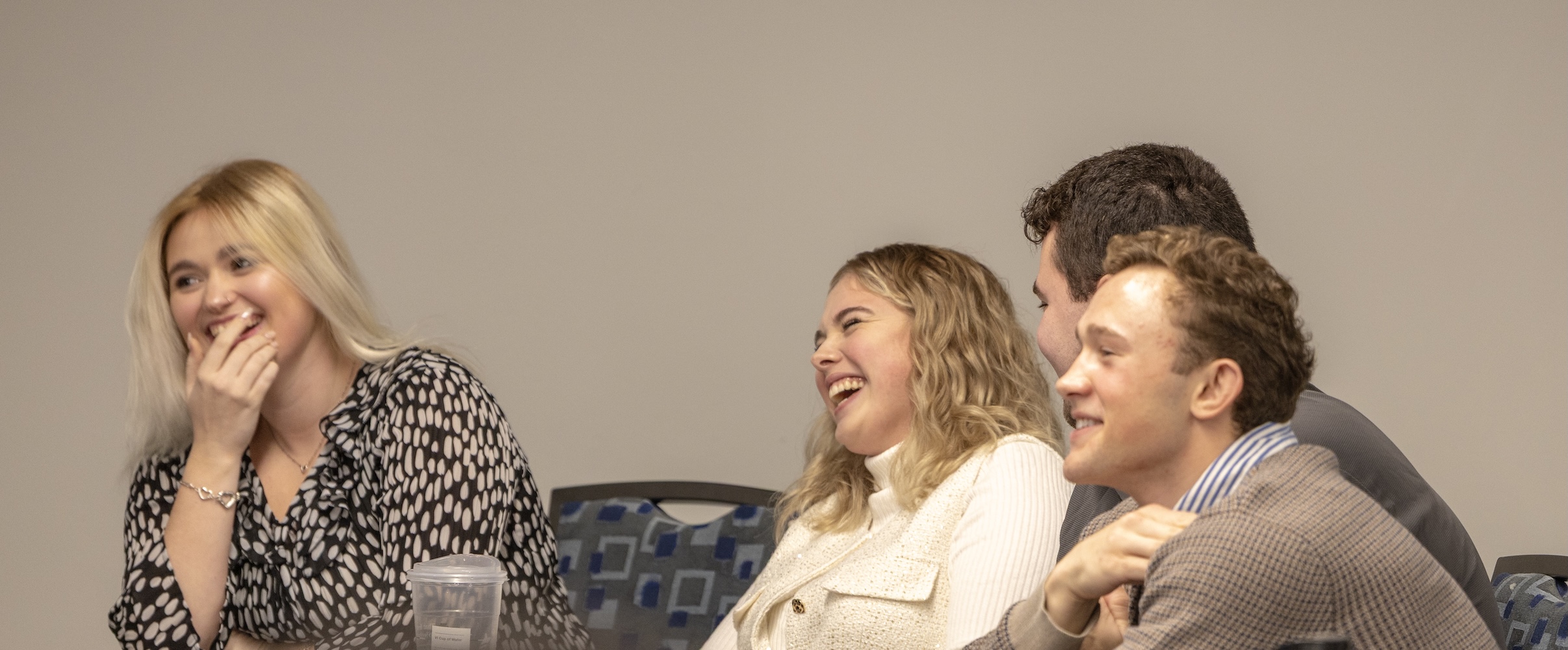
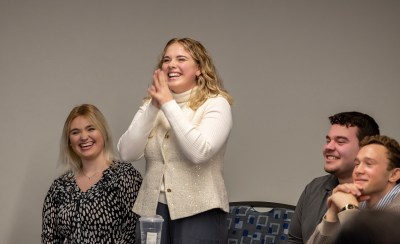
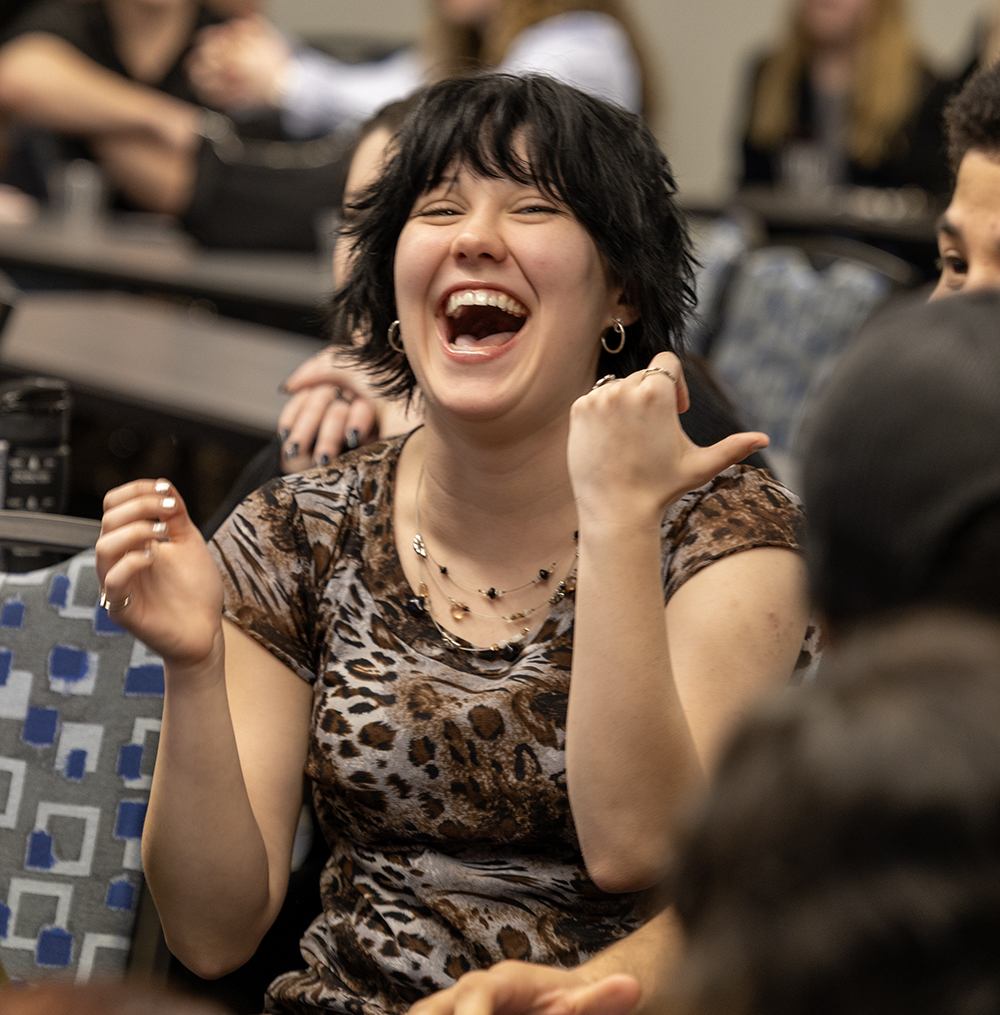
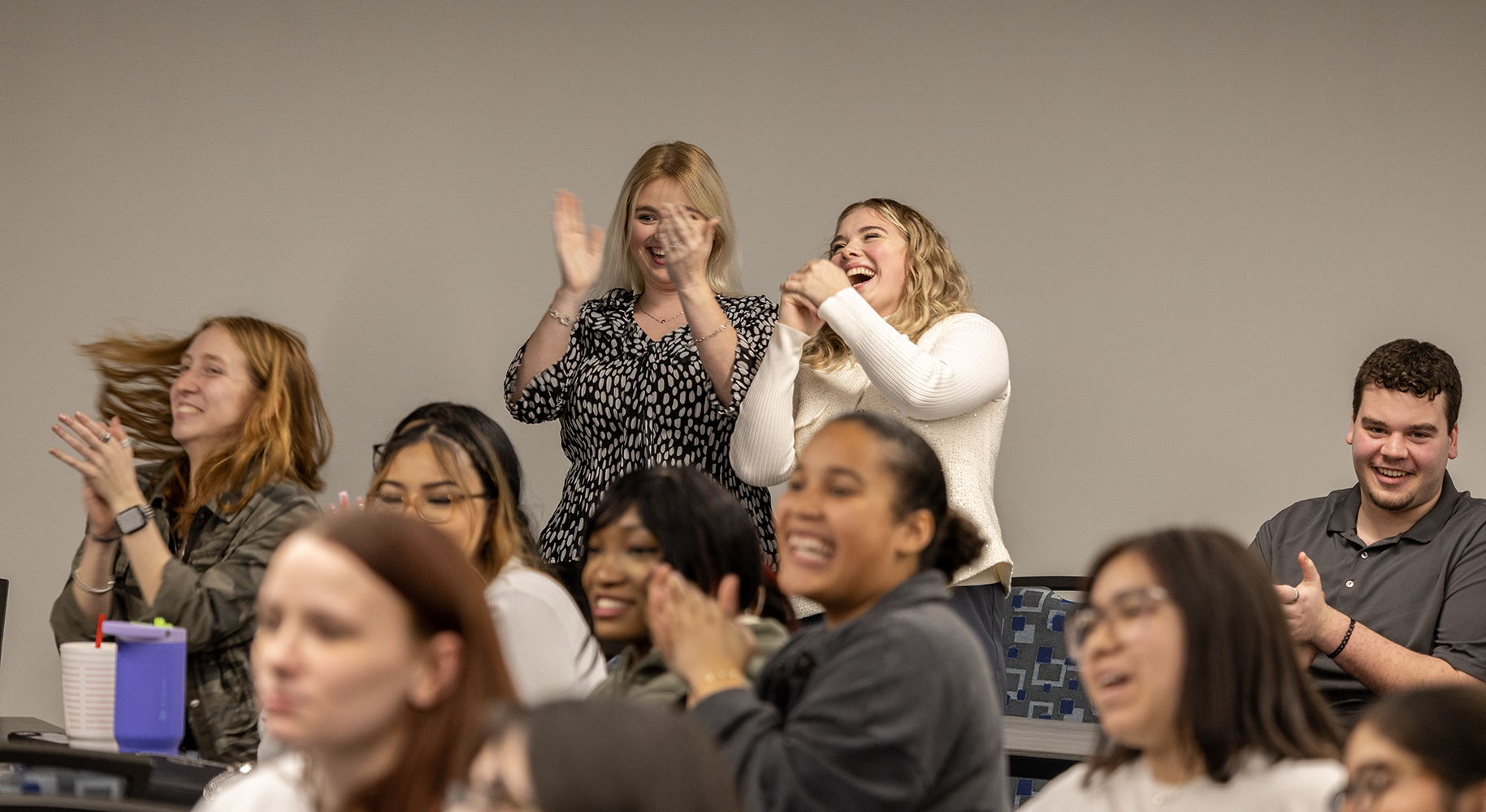
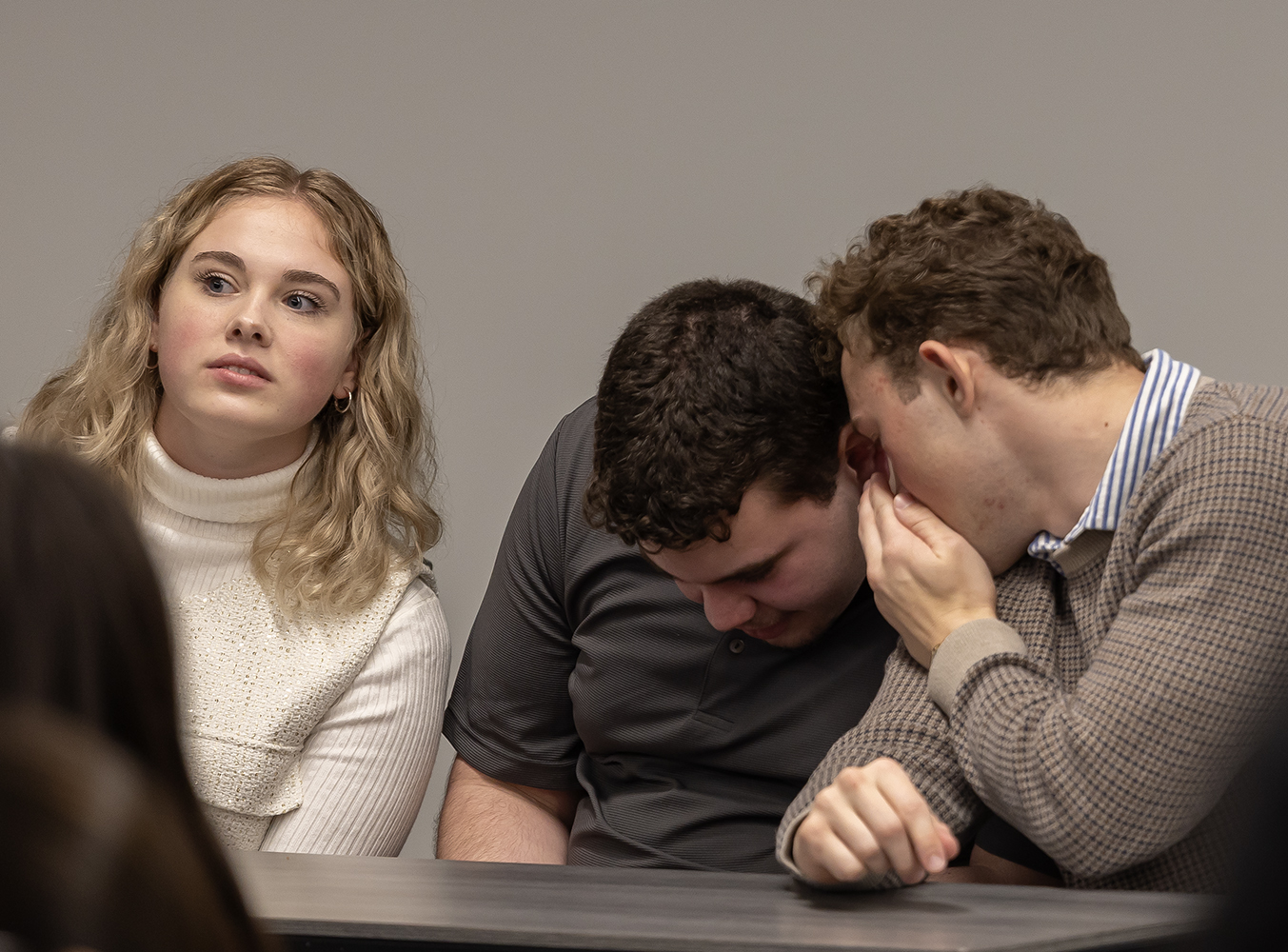
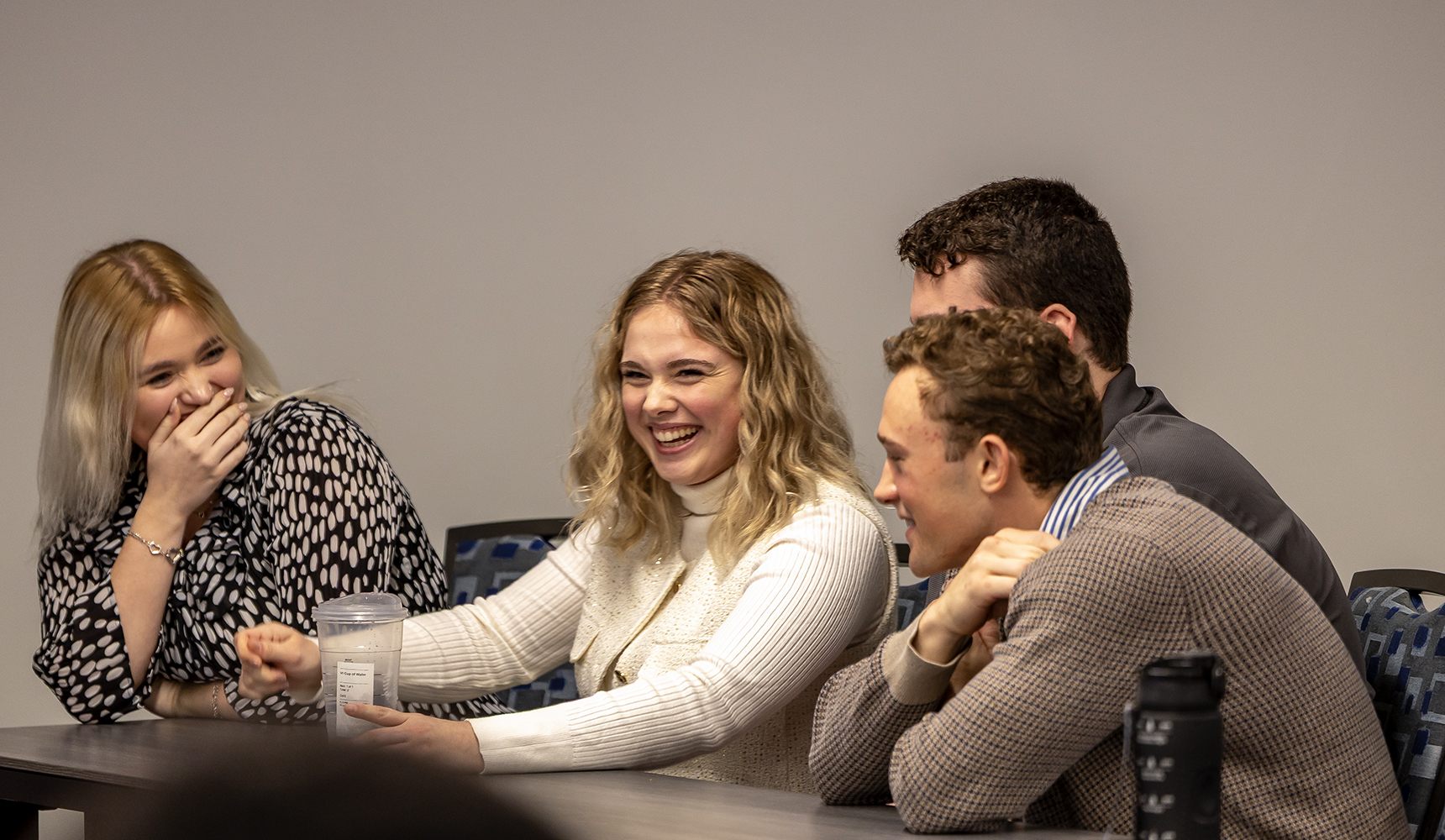
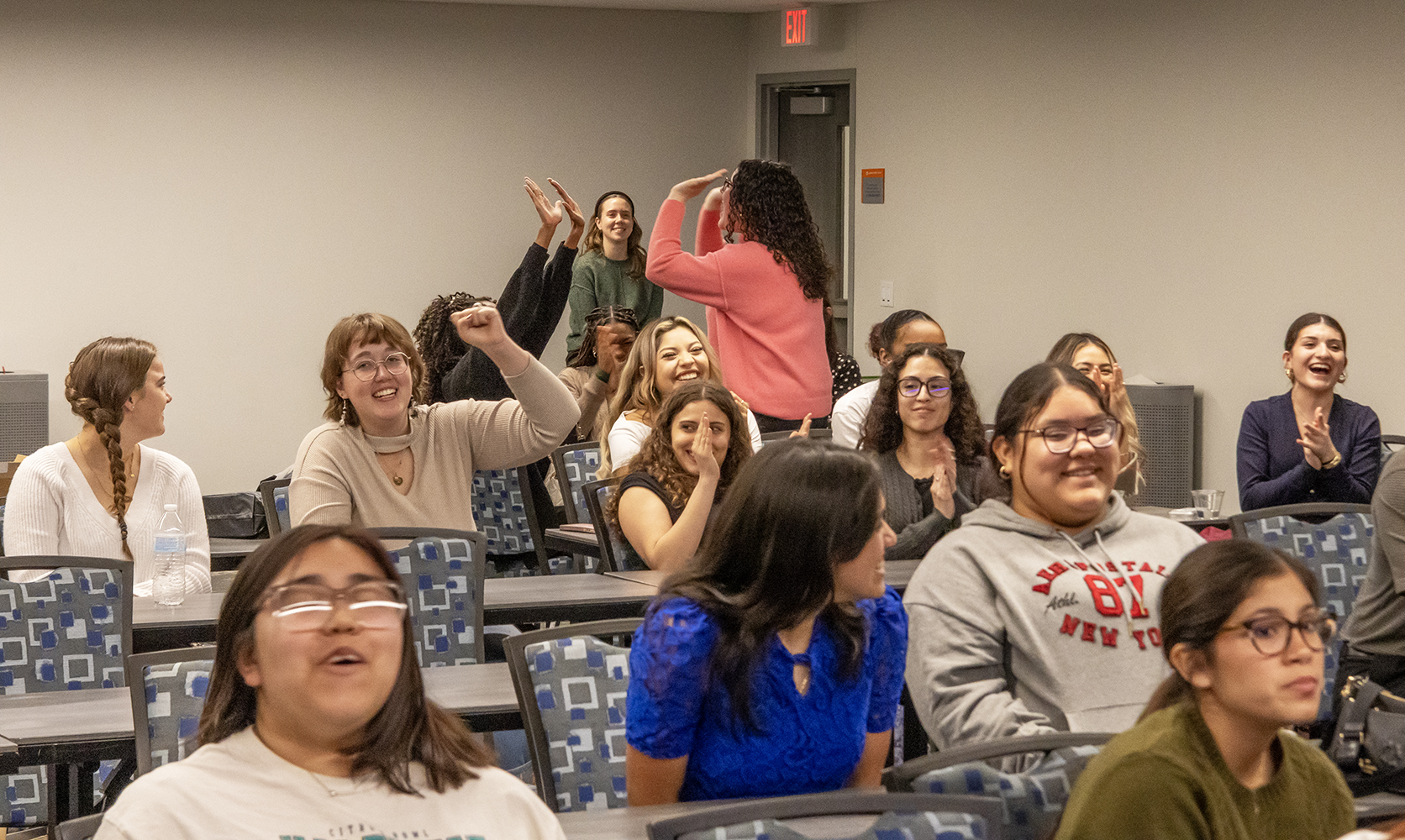
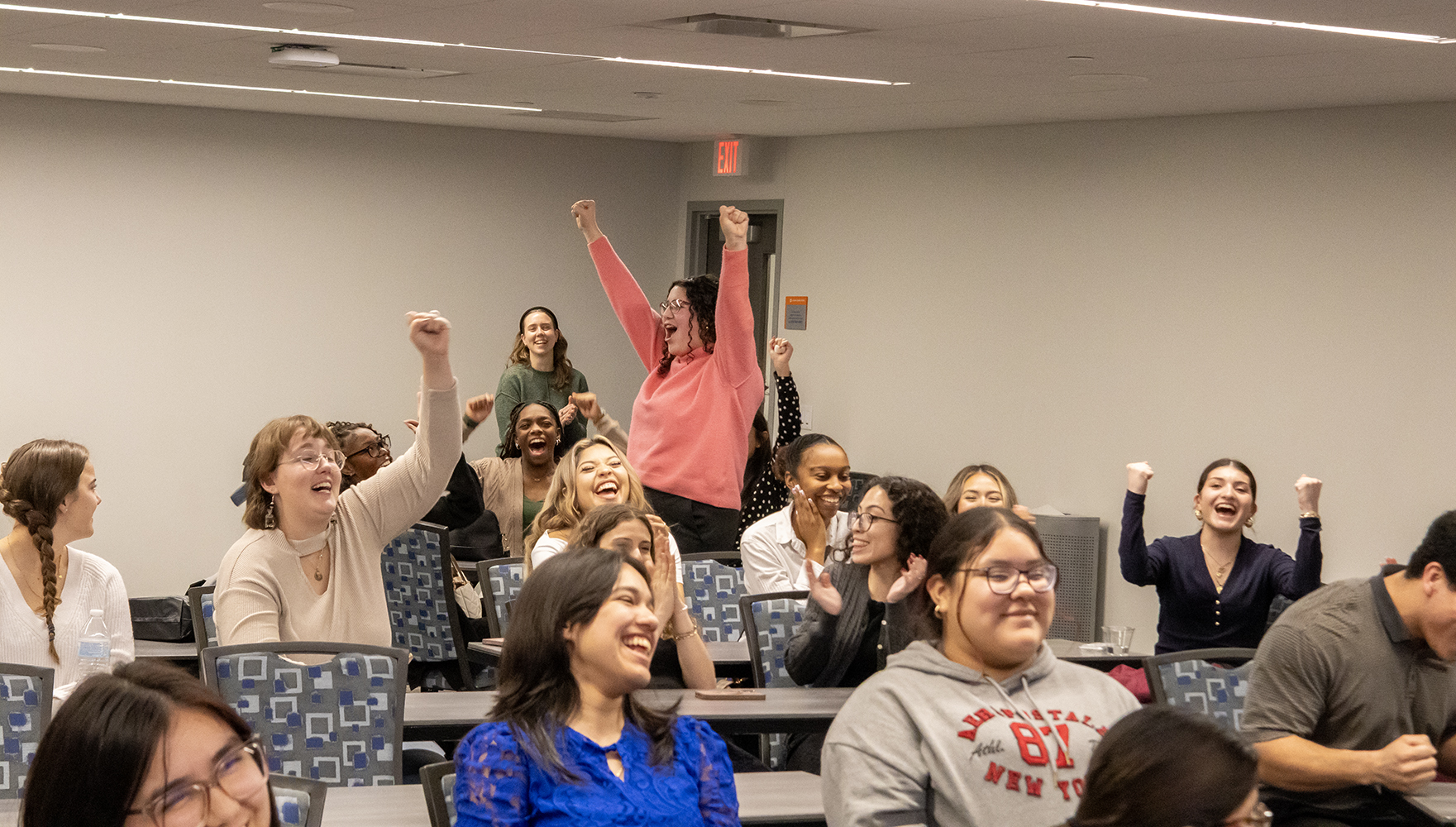
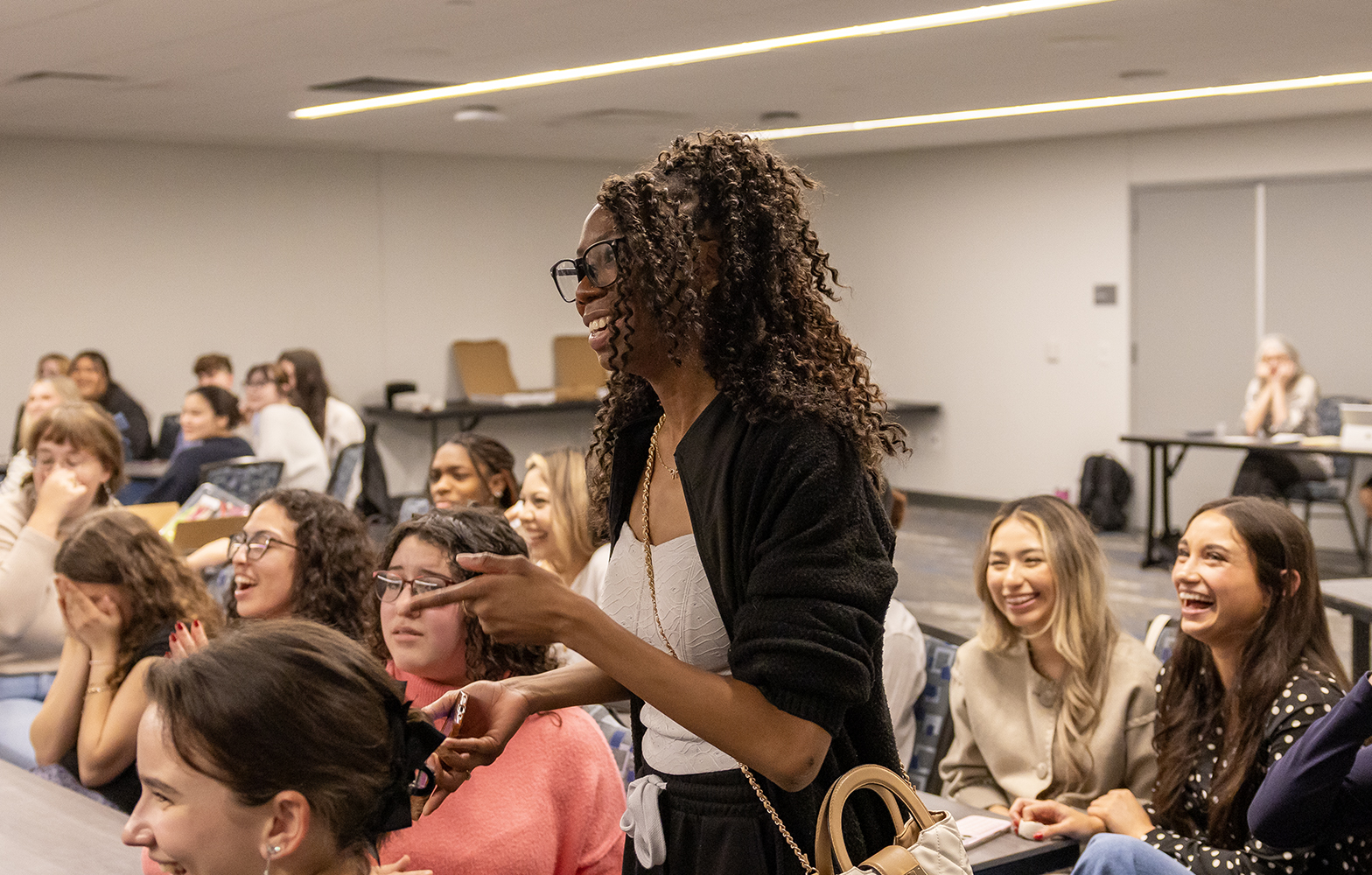
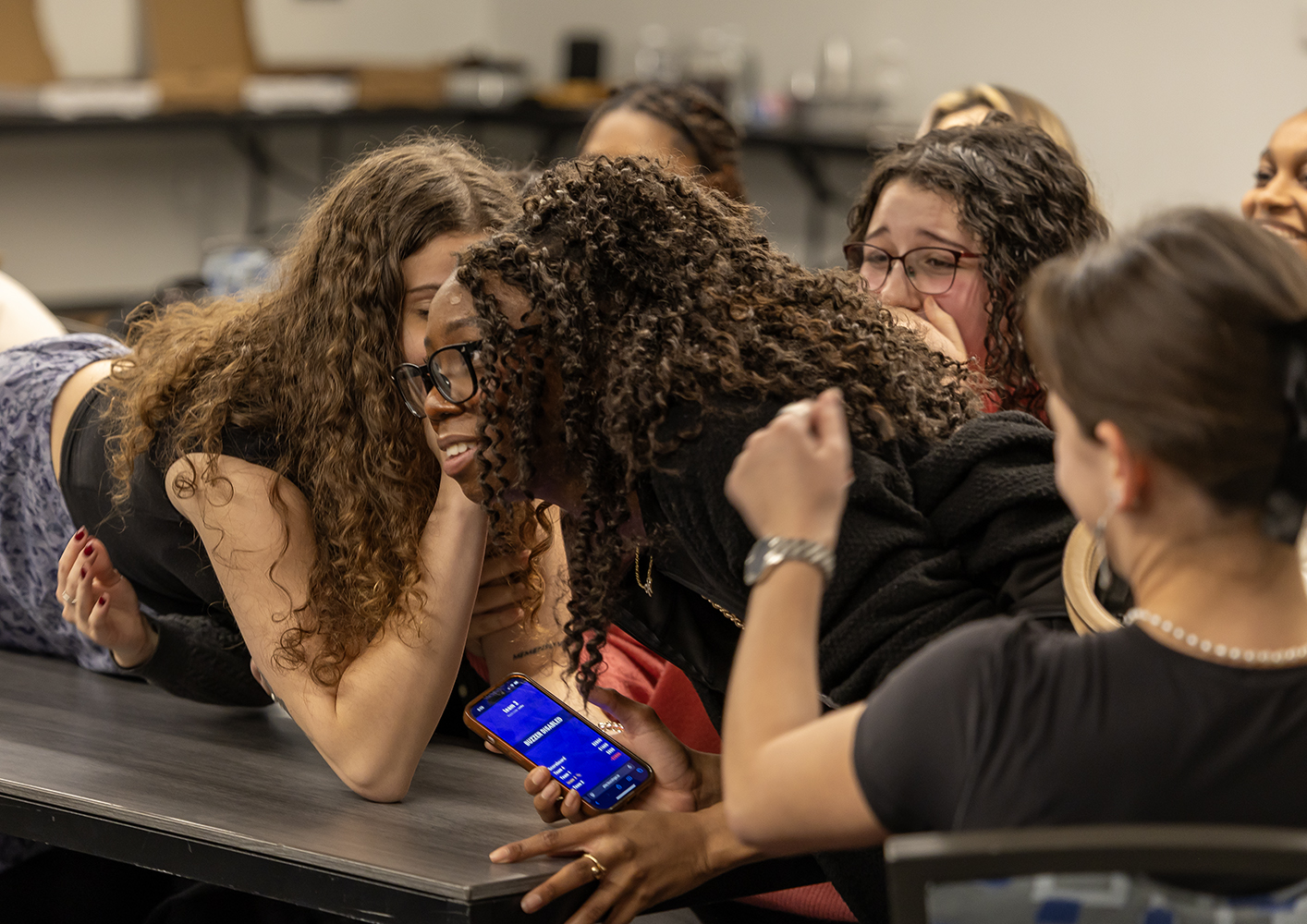
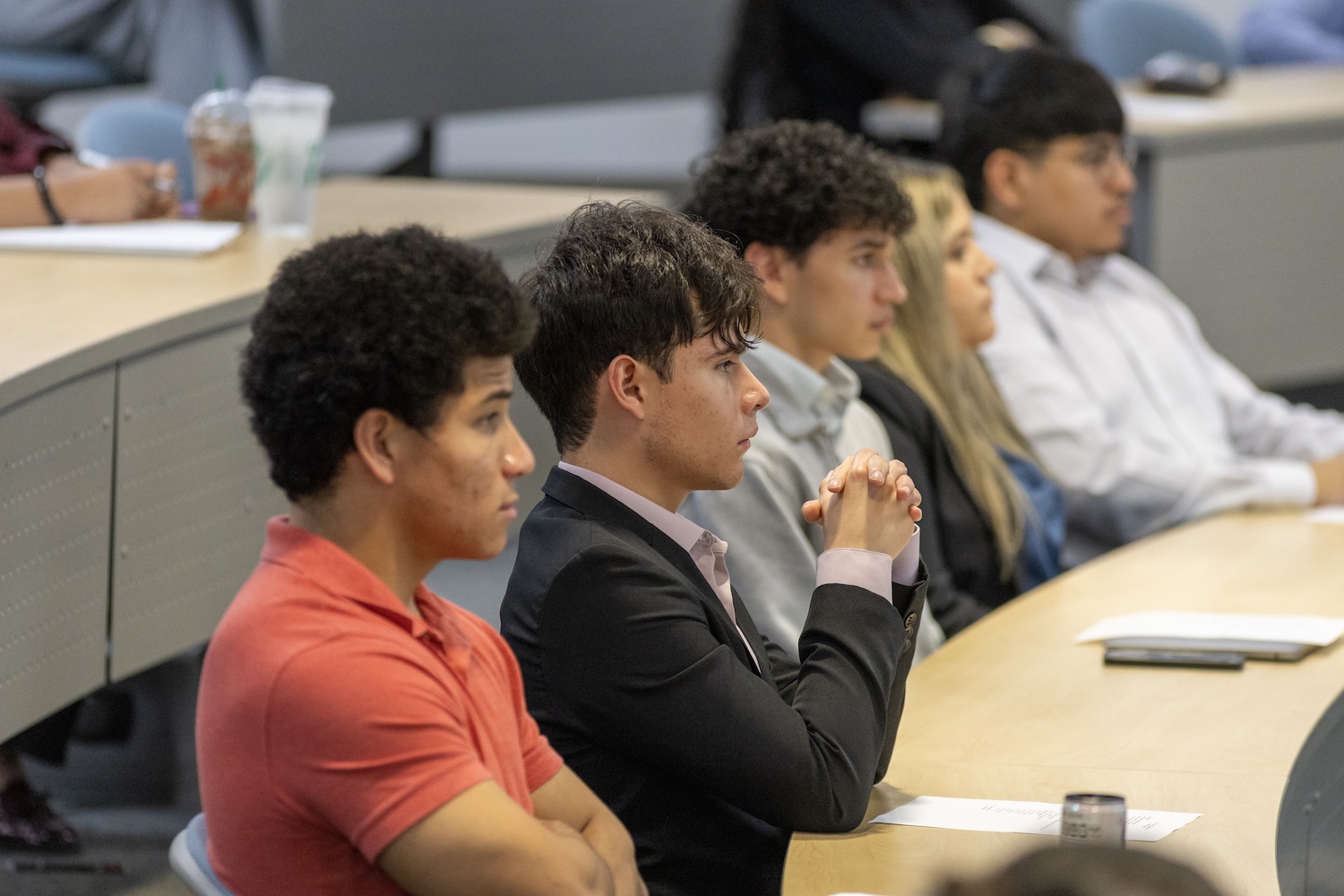
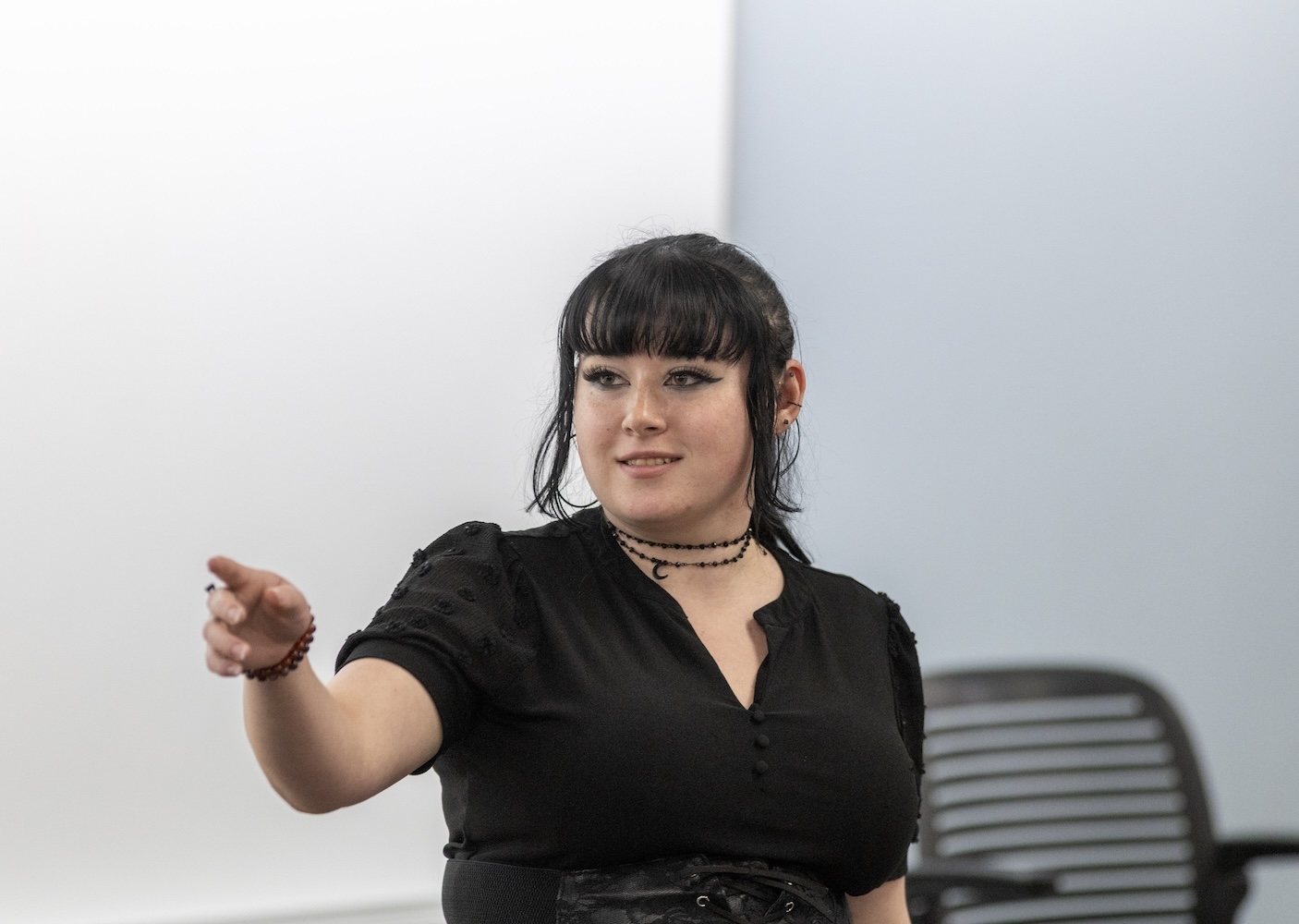
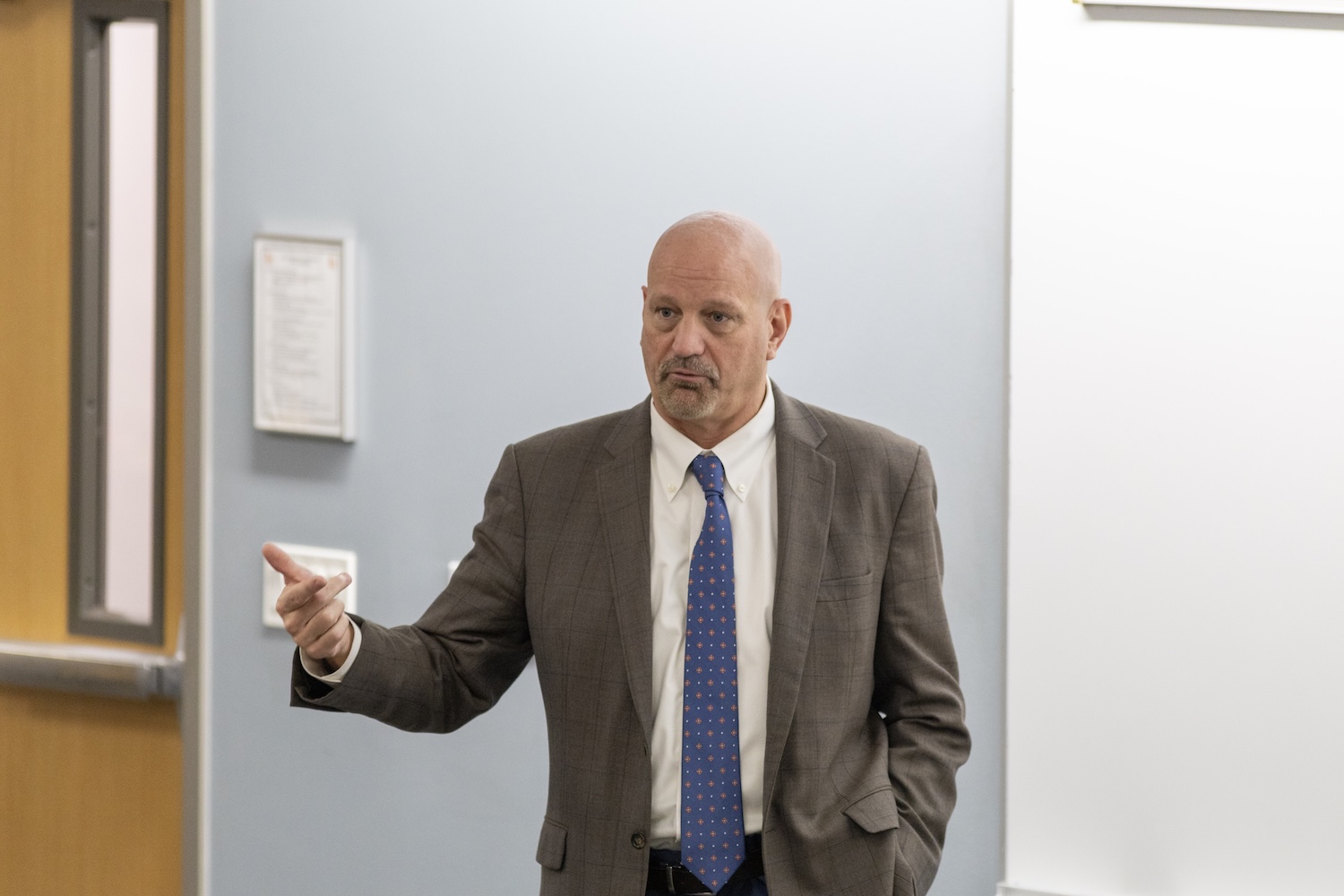
the Spring semester wound down, pre-law society members gathered for a laid-back get-together to escape the stressful process of finals. With games, puzzles, and pizza, we reflected on the year that’s gone by, and thought to the future.

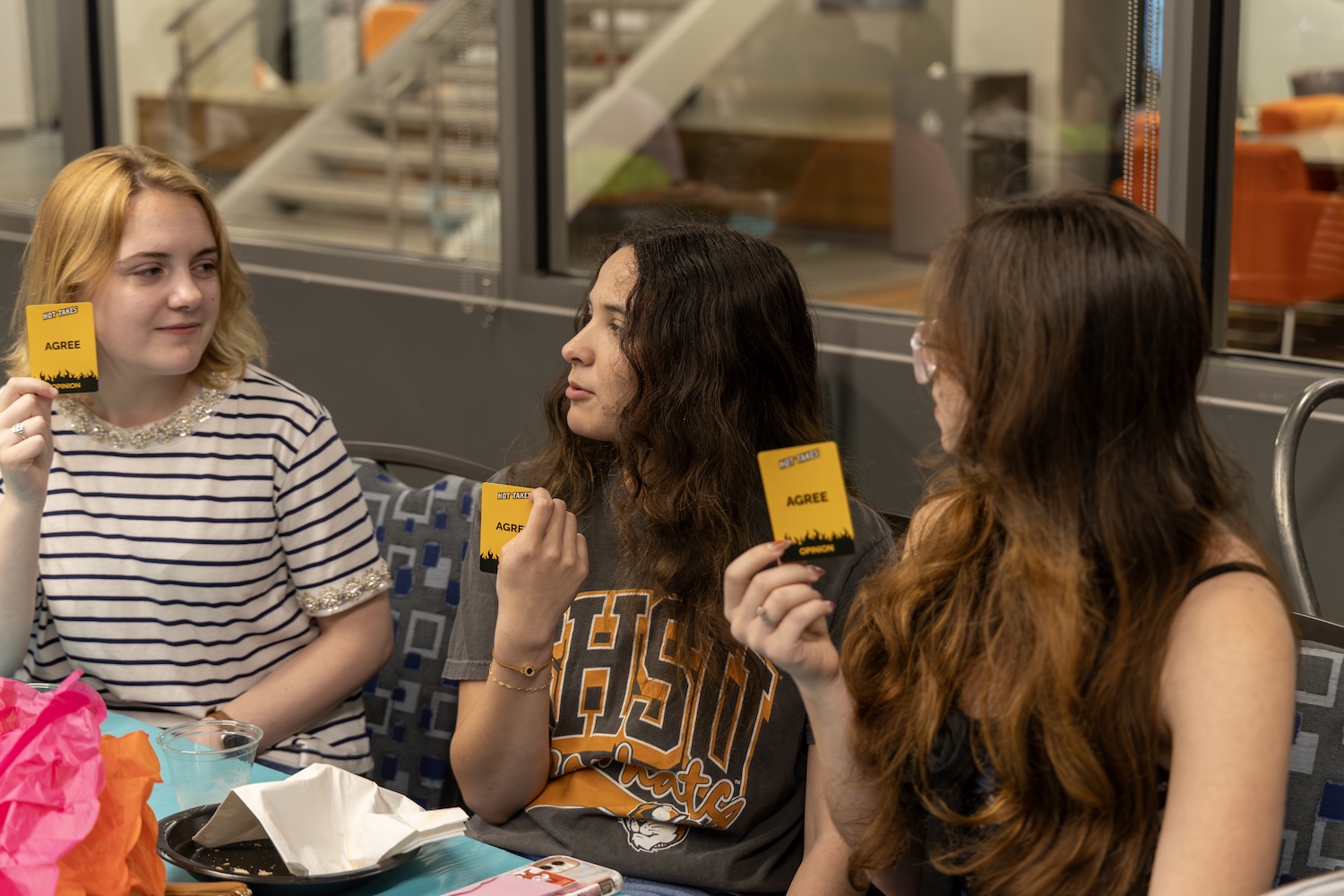
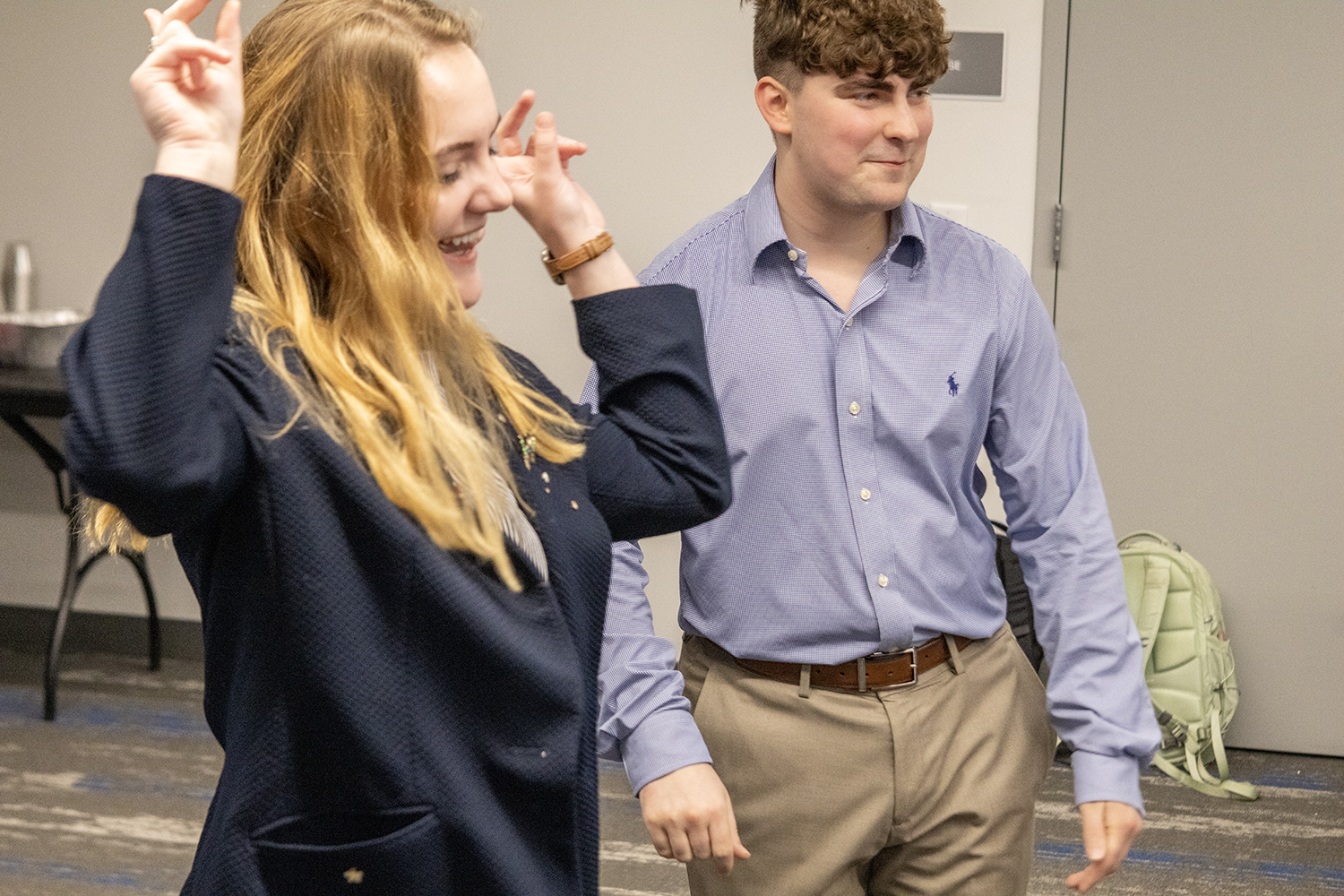
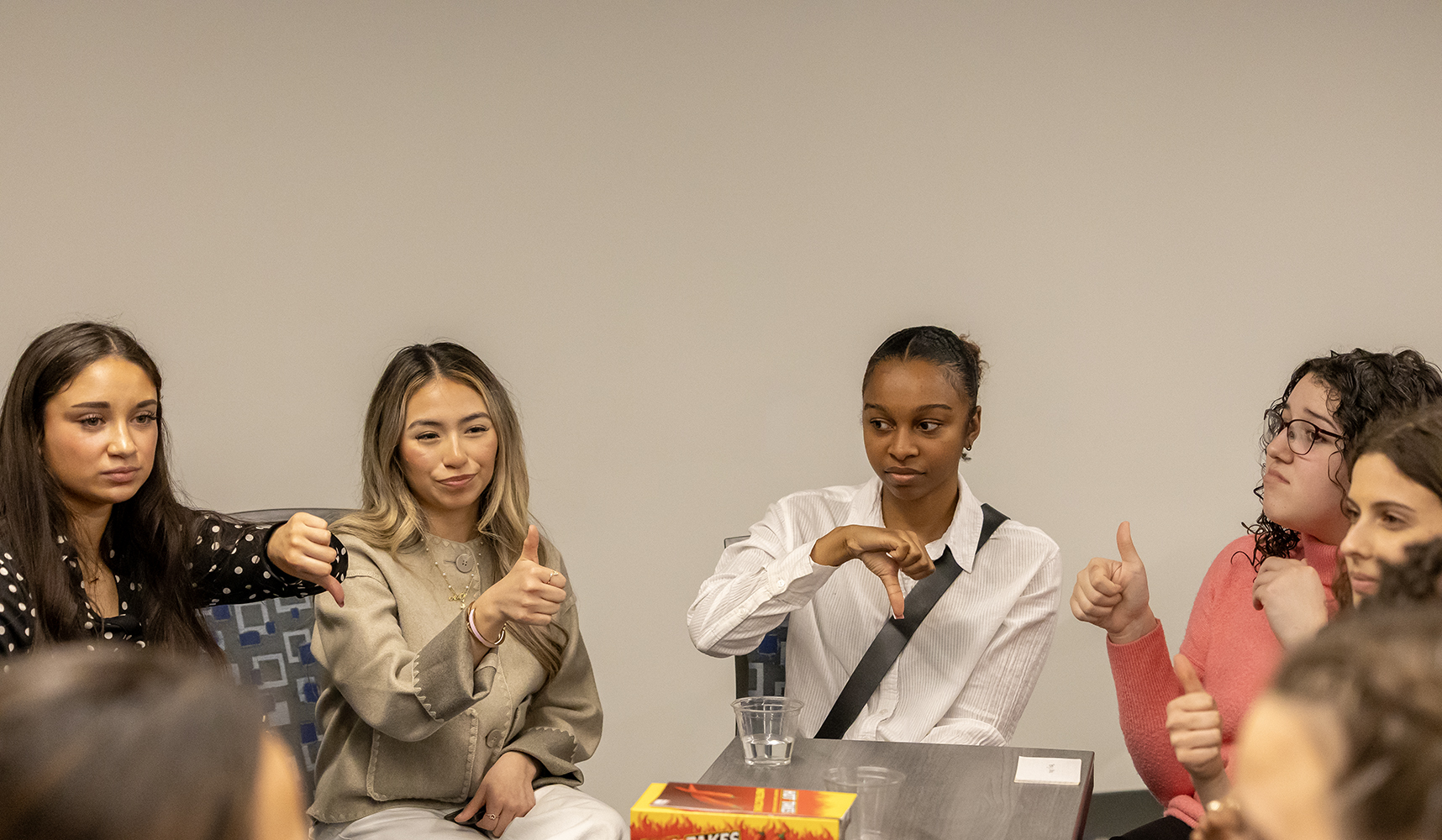
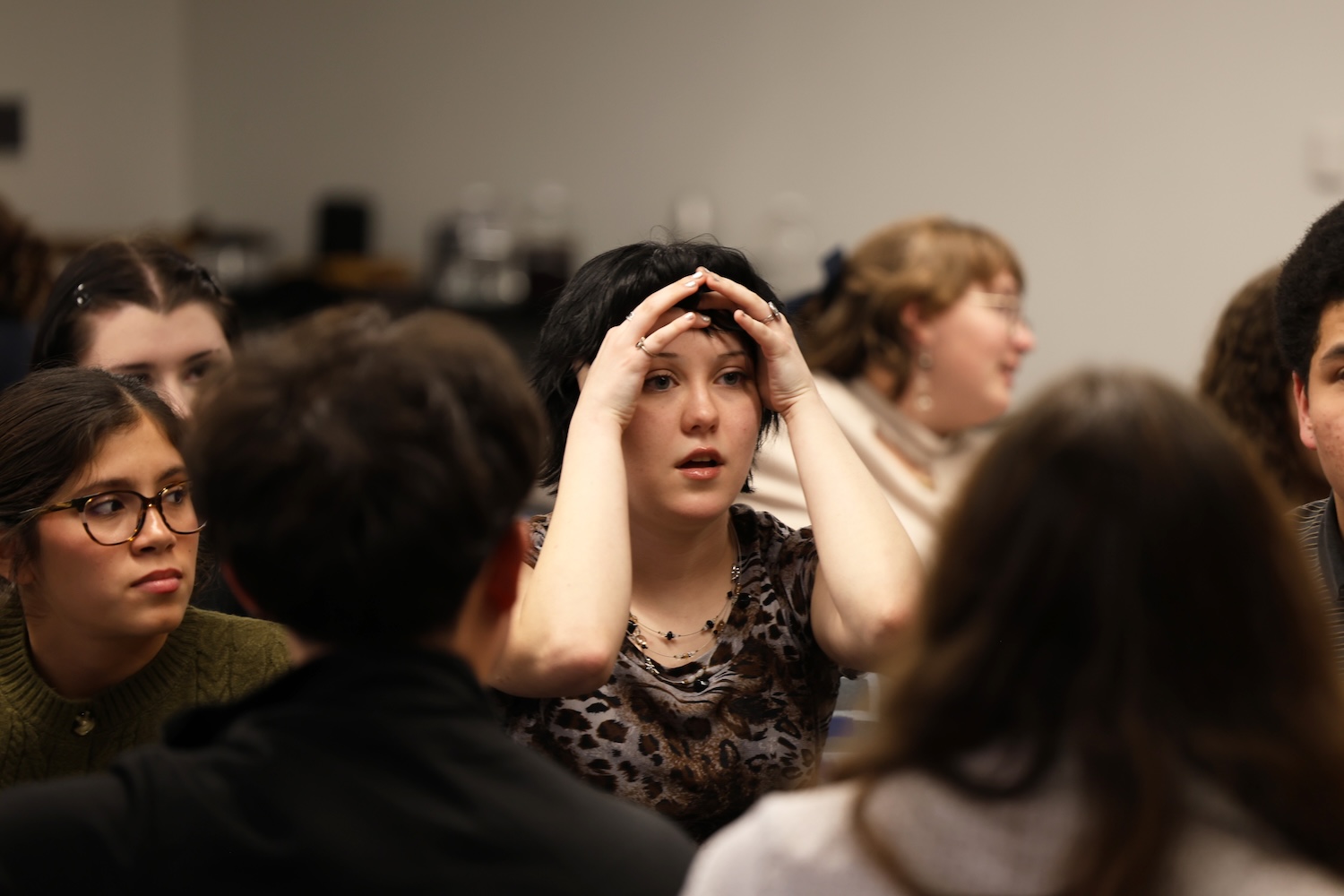
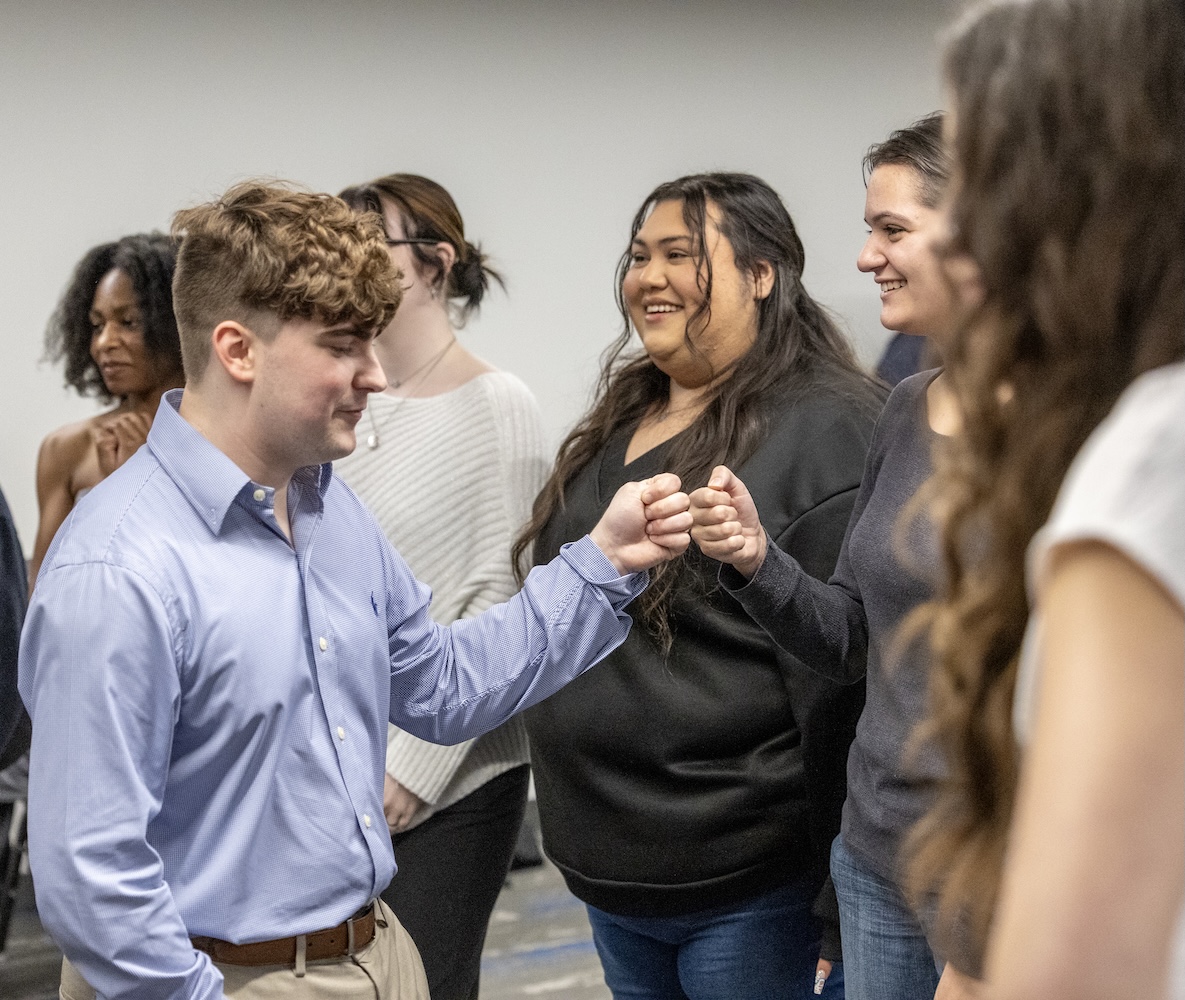
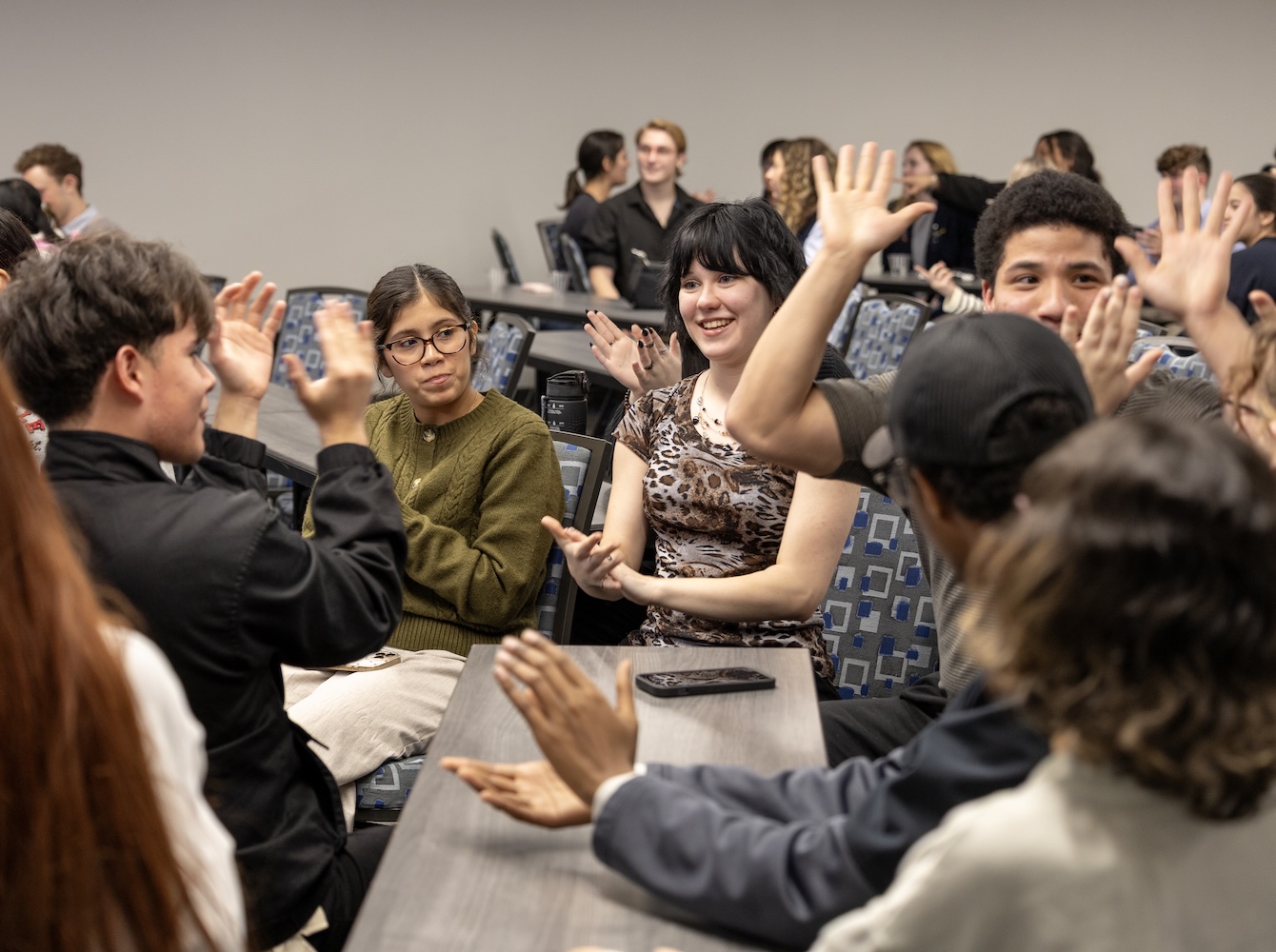
To kick off the evening, we enjoyed food, conversation, and plenty of fun. Four activity tables featured exciting games like Hot Topics, Pictionary, Uno, and Imposter, creating the perfect atmosphere for everyone to connect and enjoy the night.

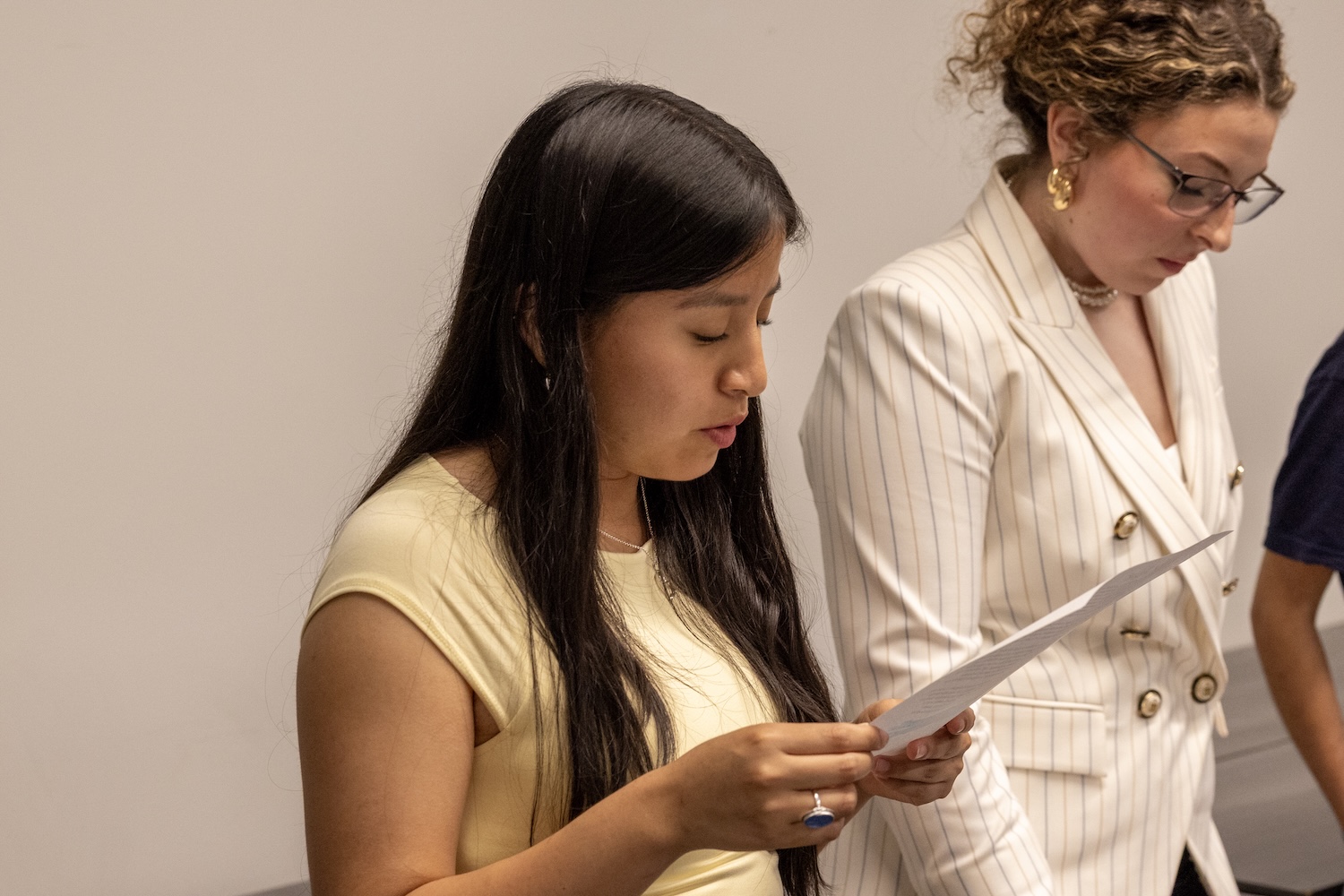
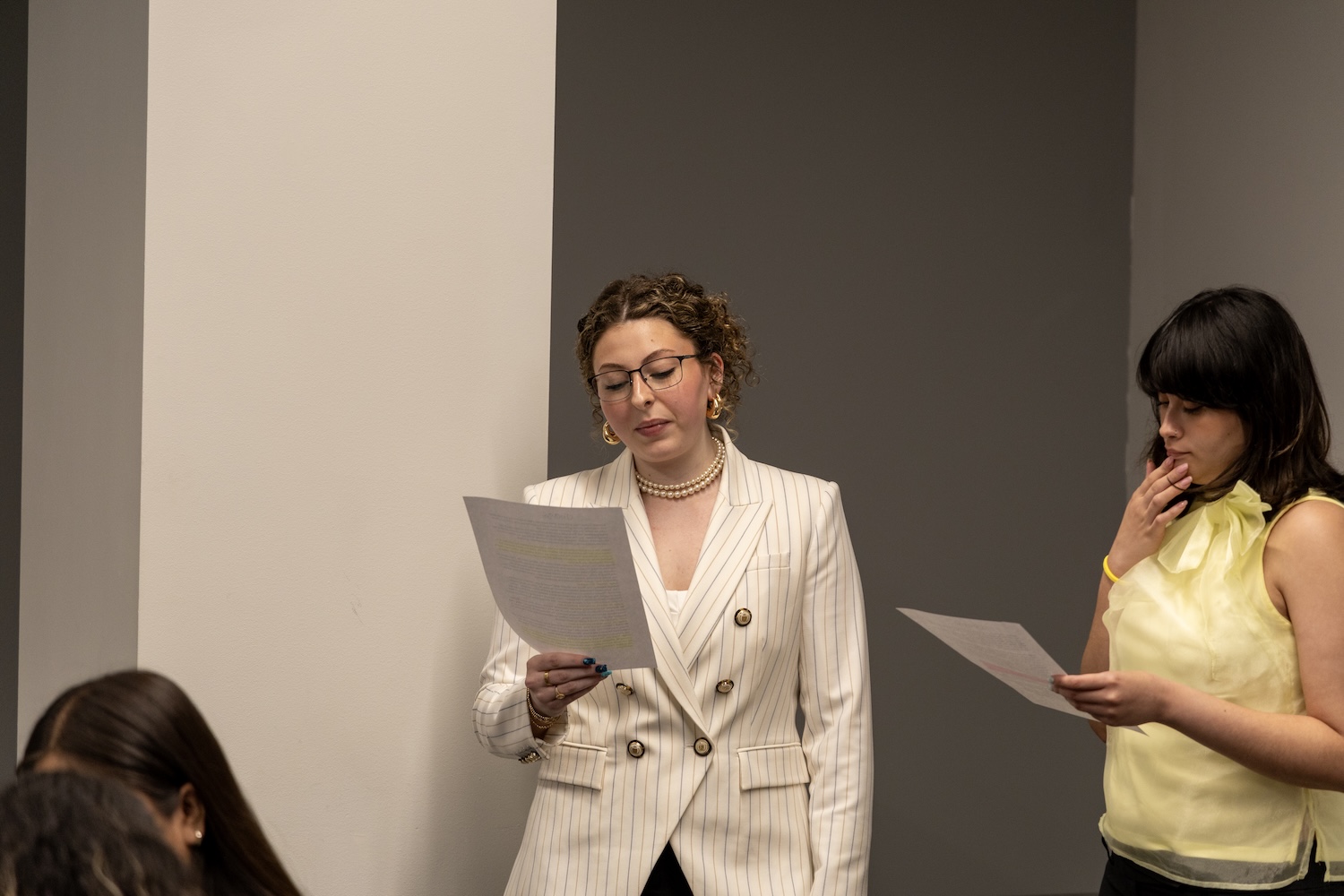
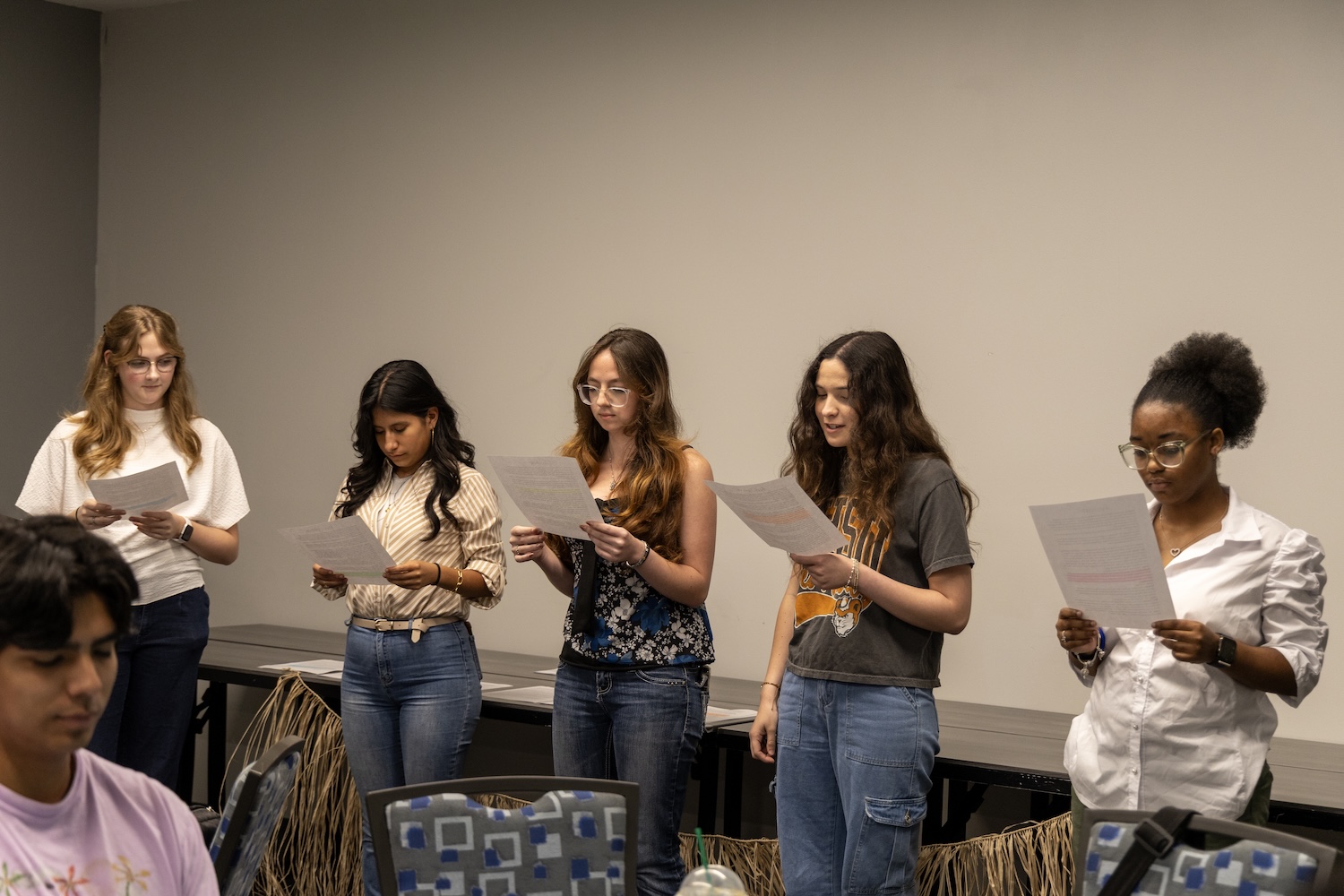
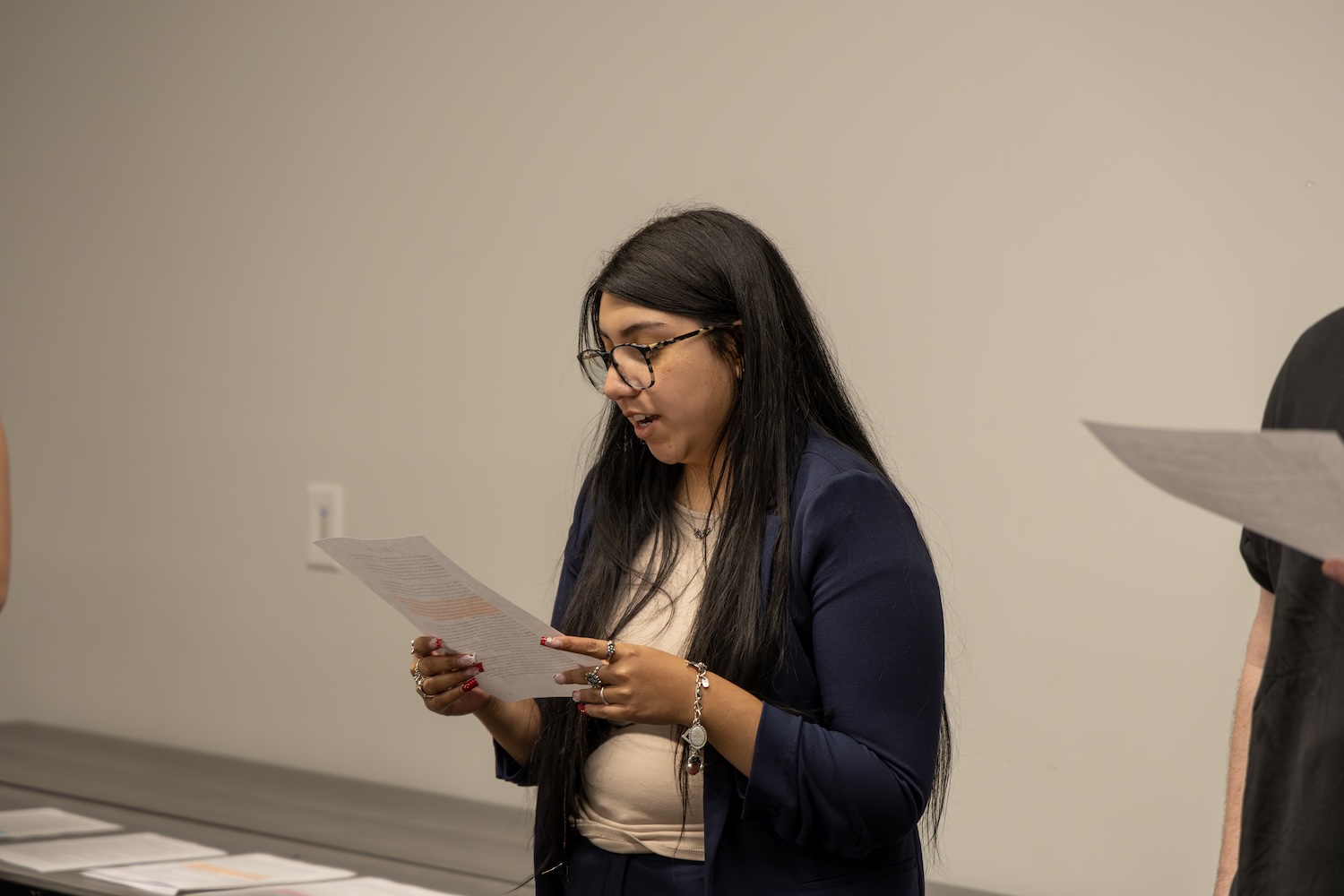
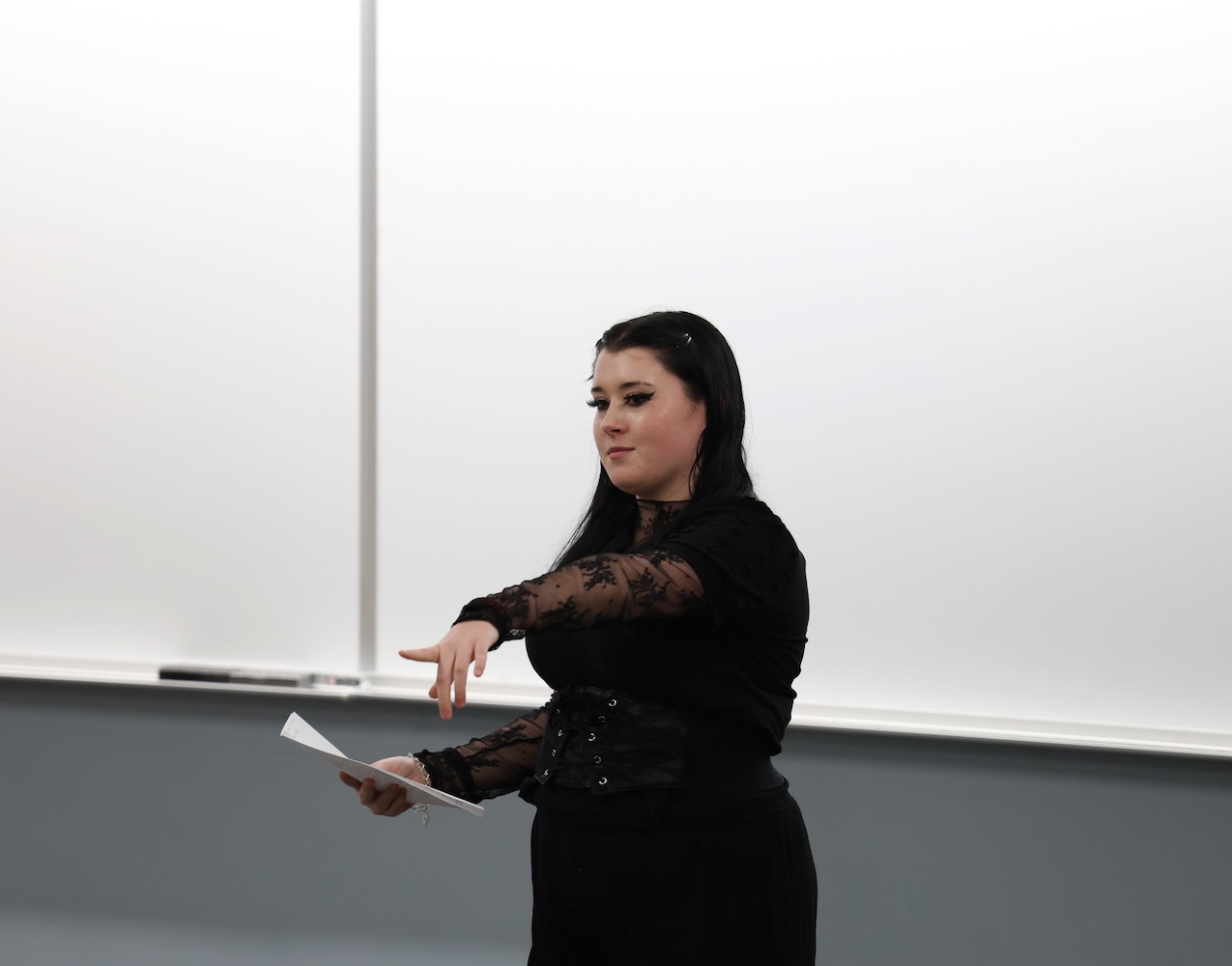
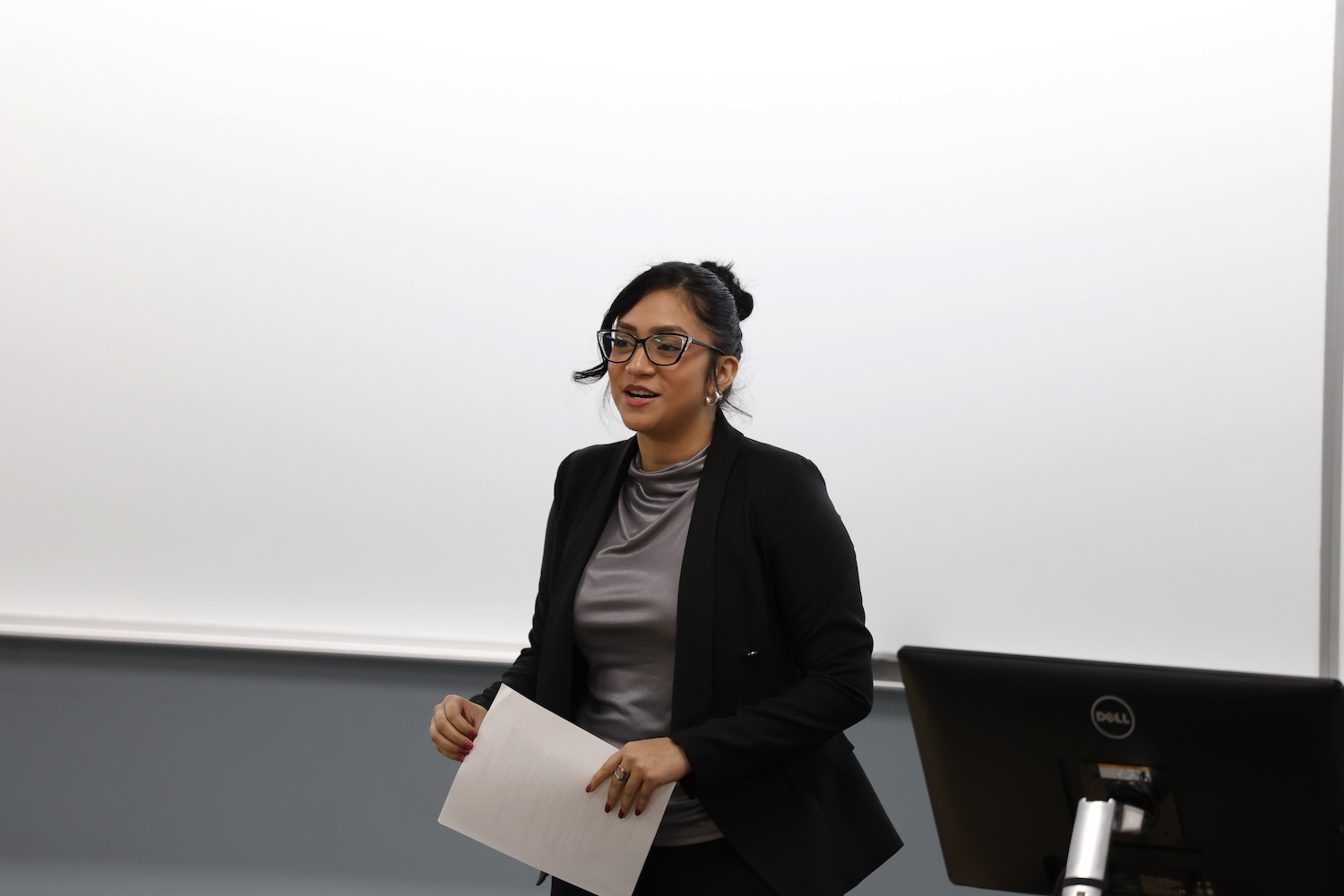
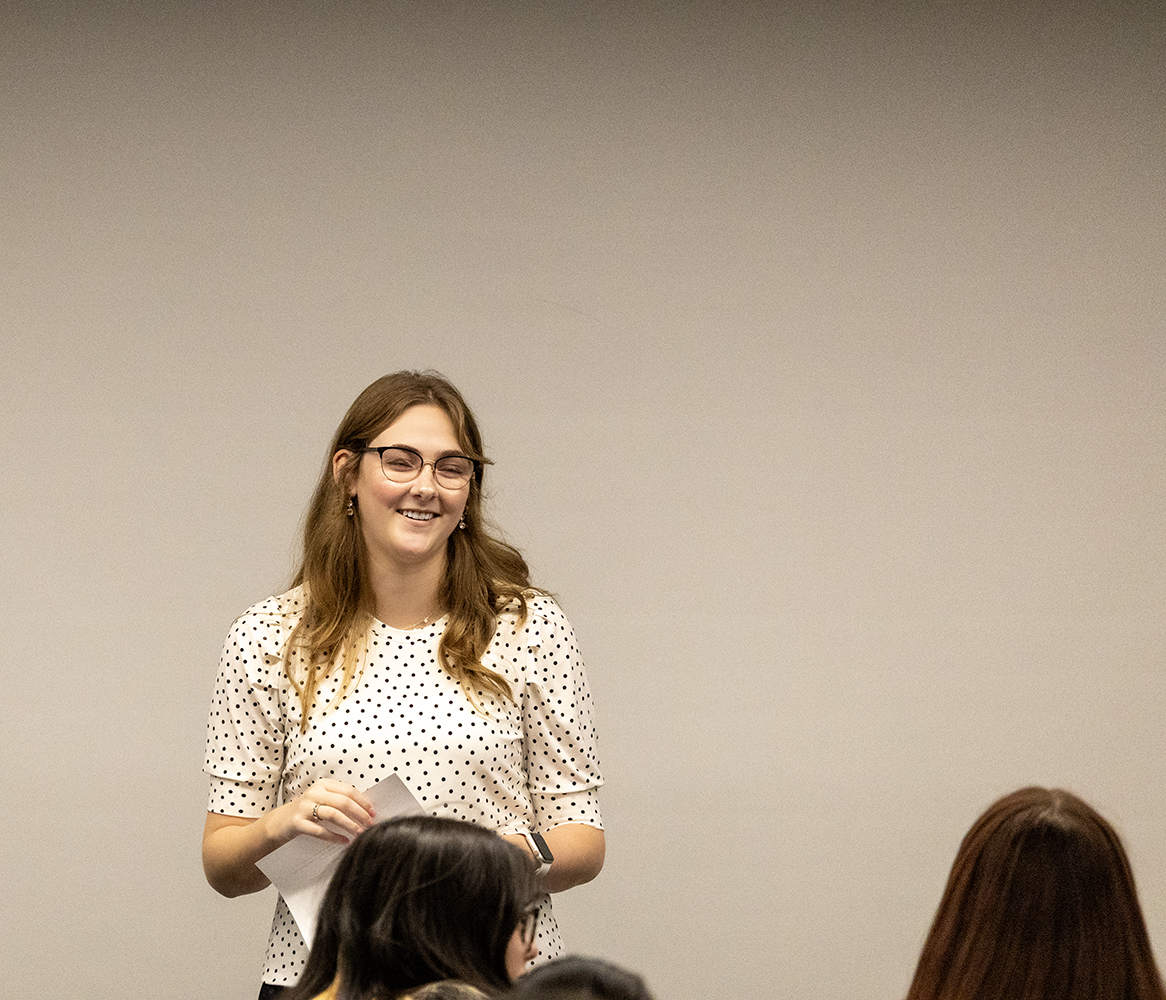
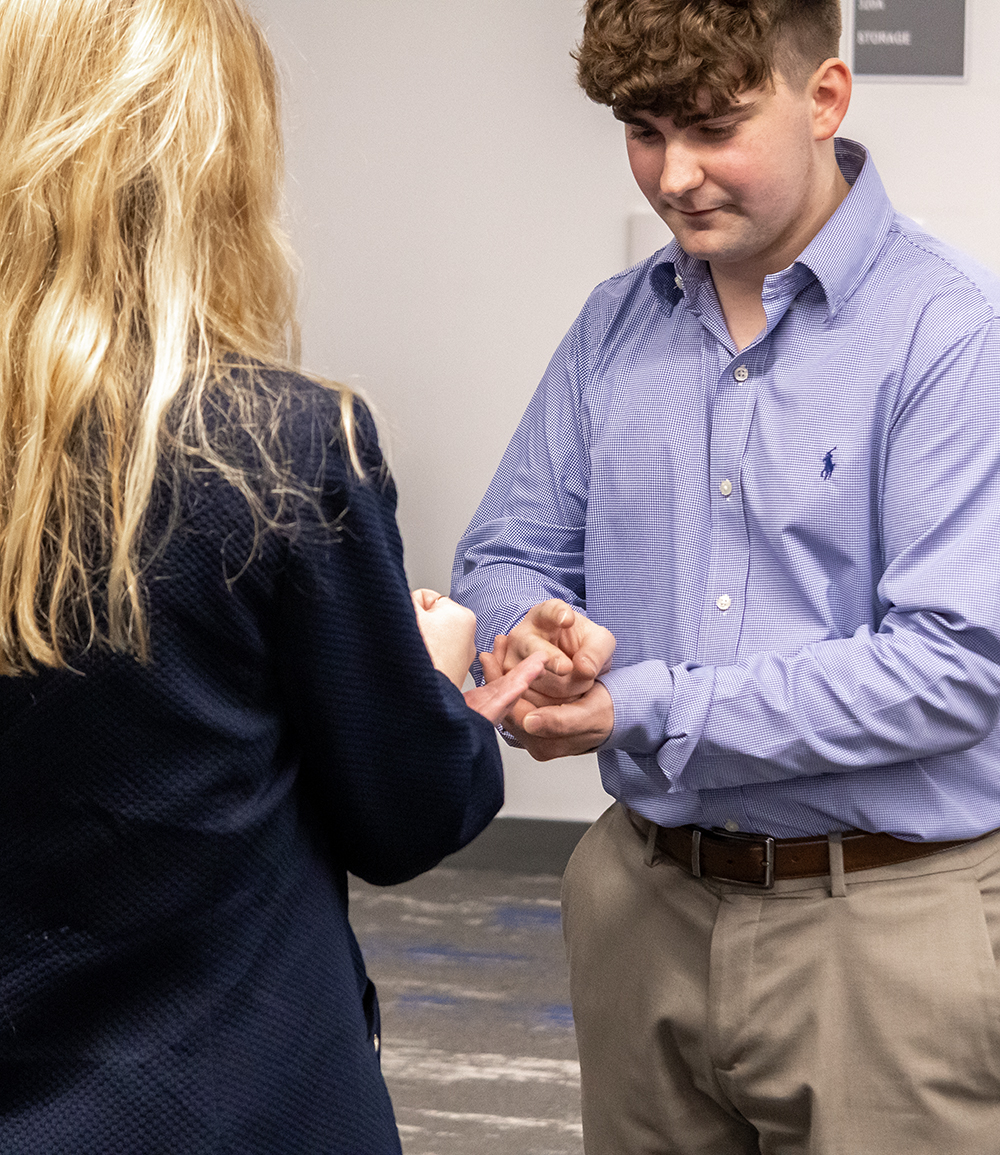
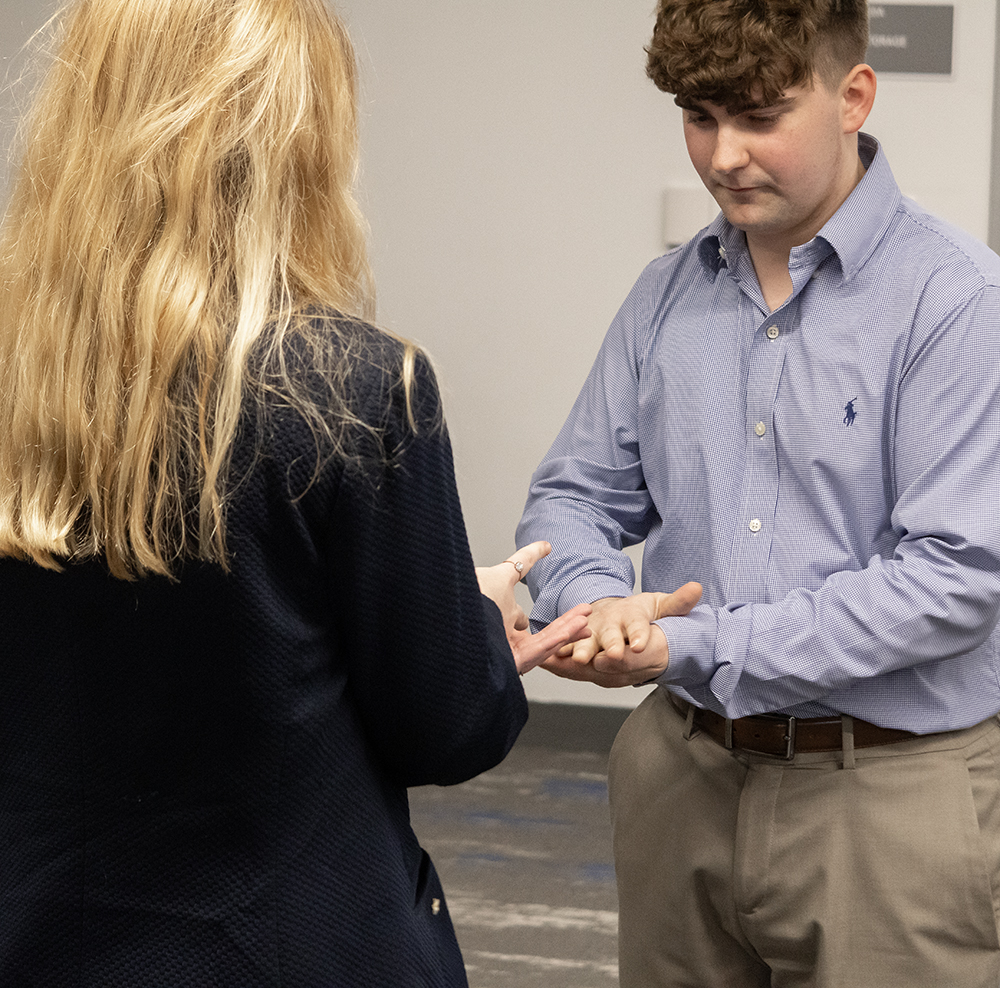
We also did a bit of role-acting in a very light version of mock trial, which may lead to a more robust version in a future semester.

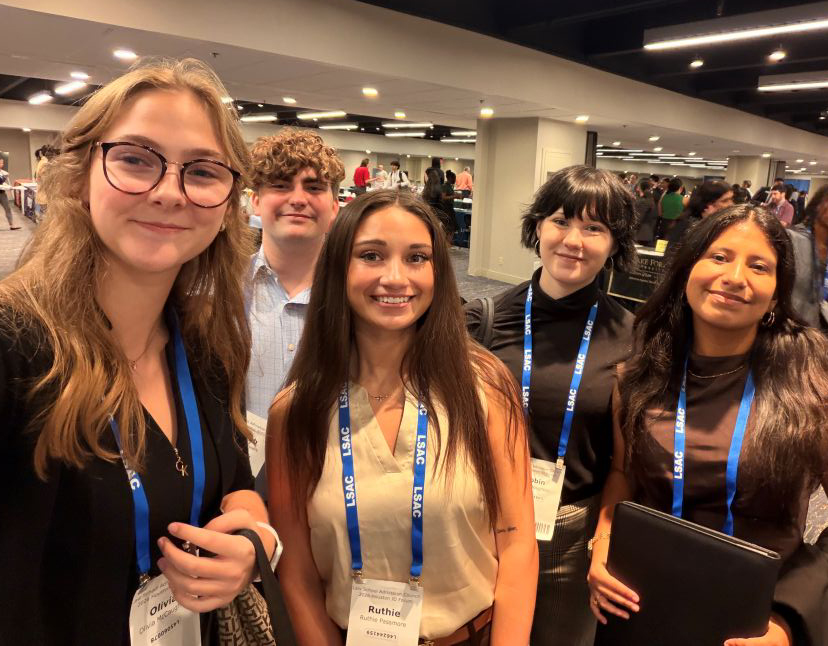
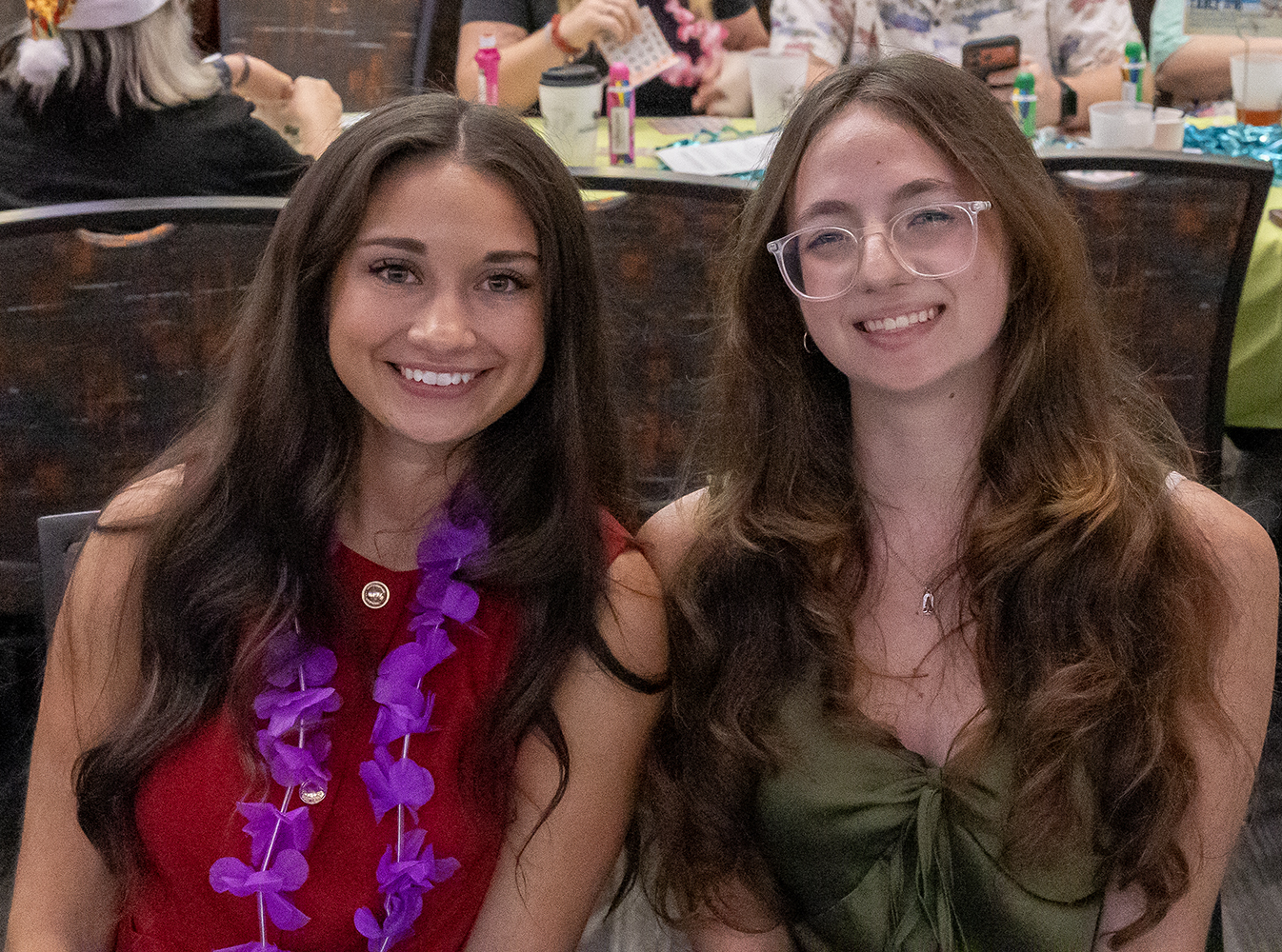
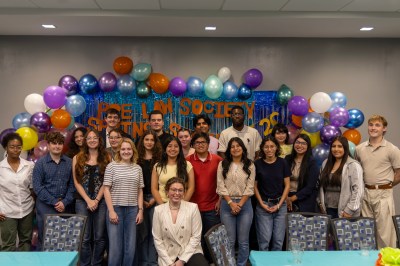
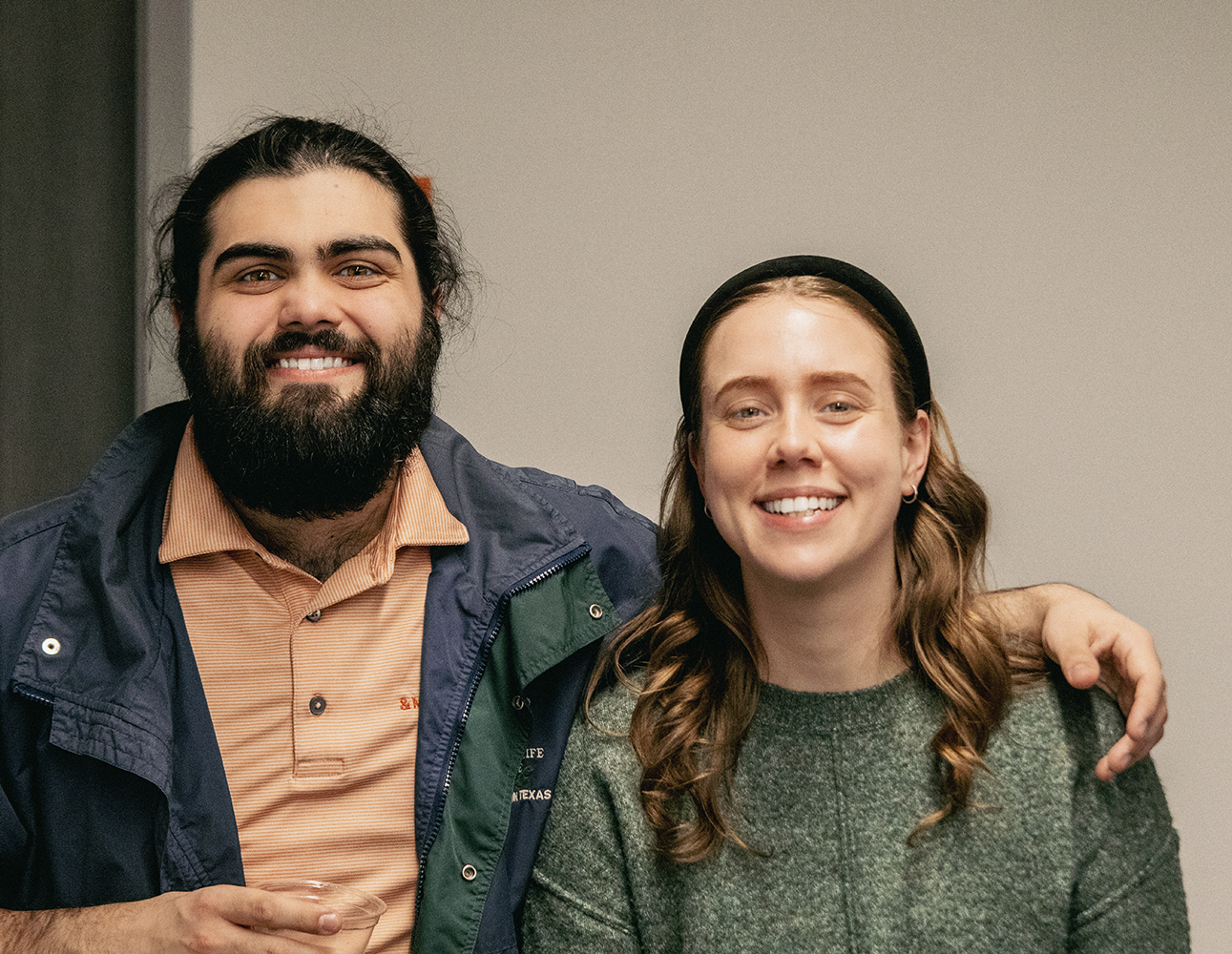
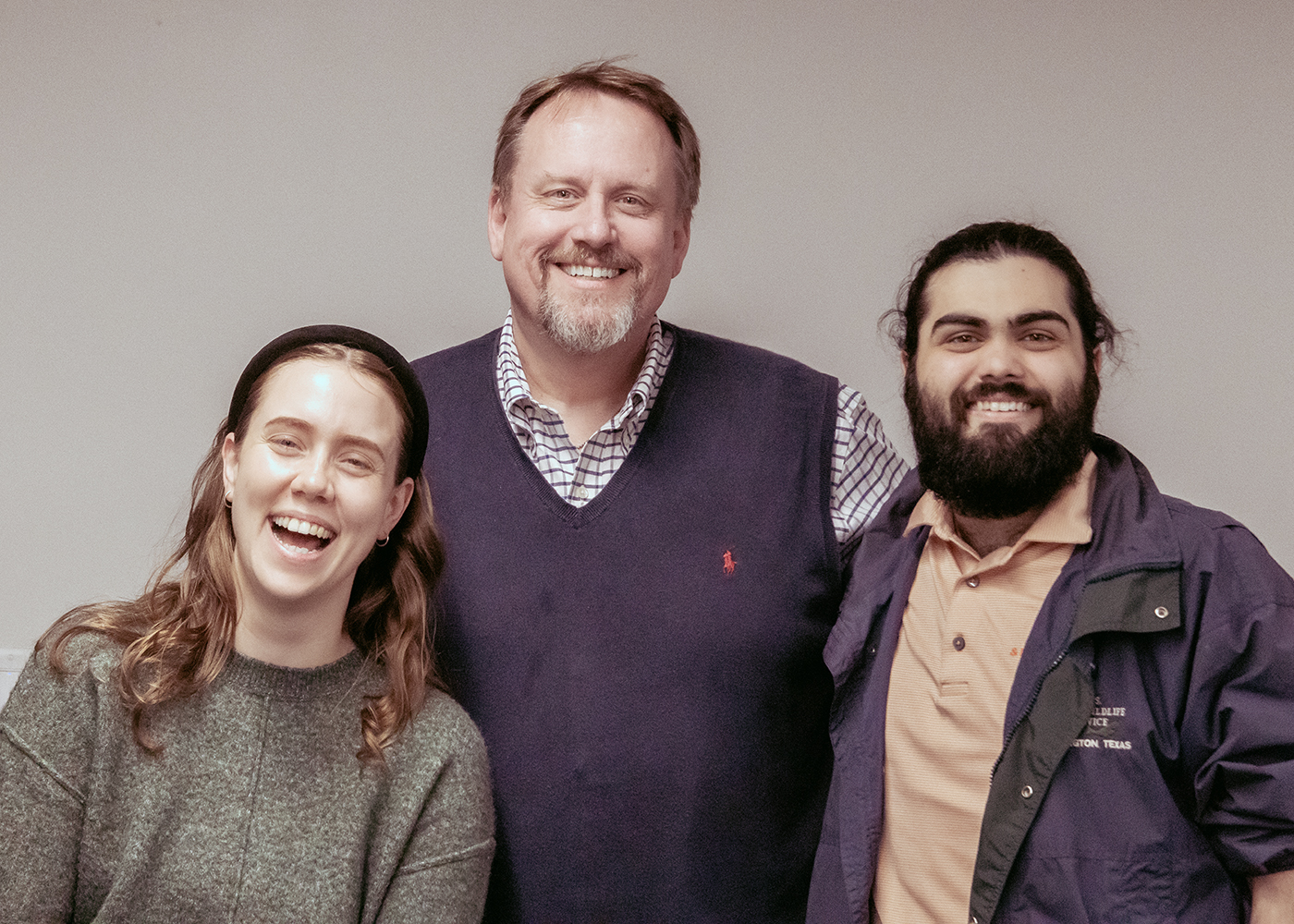
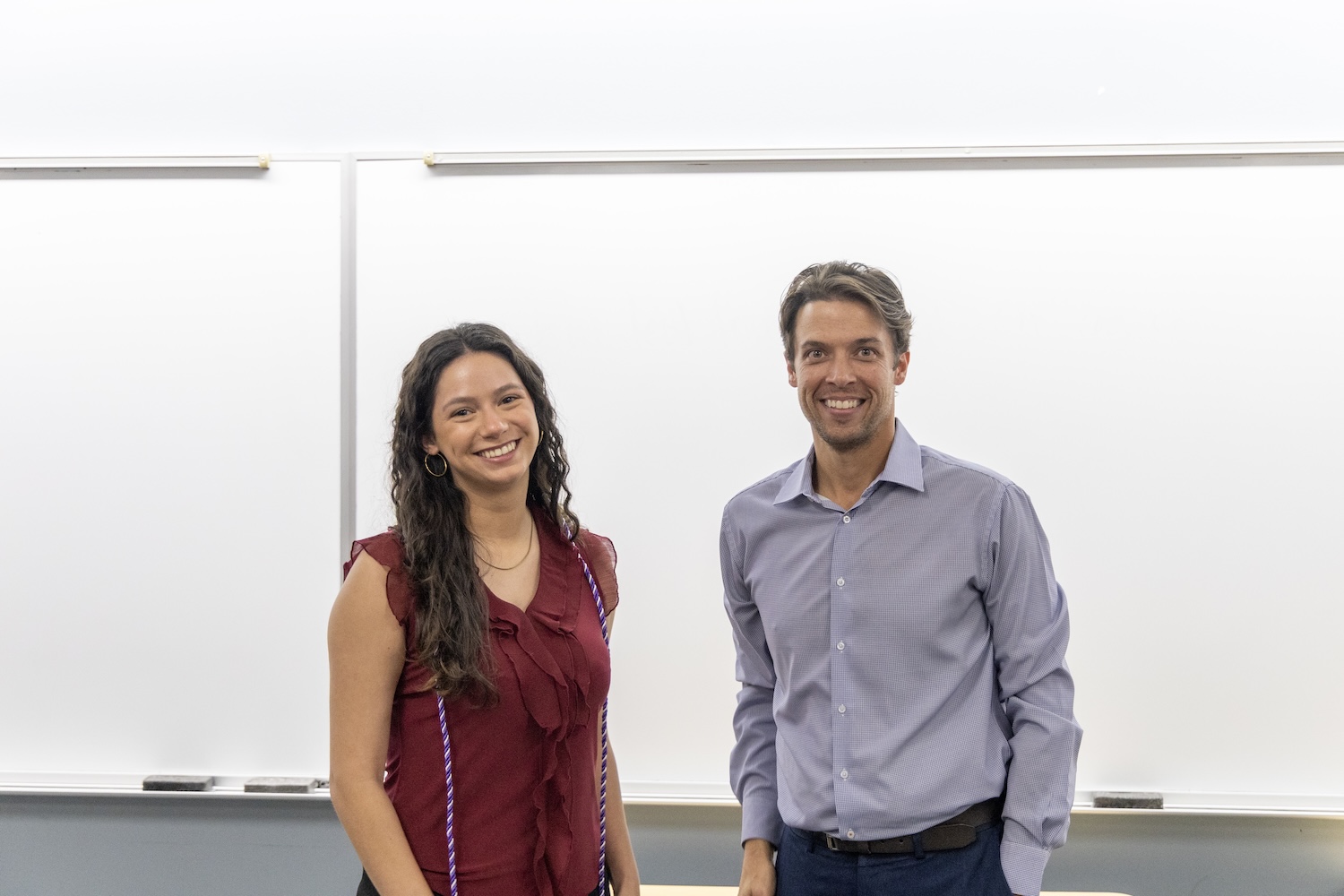
We finished the evening with some photographs in front of celebratory decor.

Ramping up for the Summer and Fall

The end of the semester also prompted some planning for future events, and this included plans for a summer pre-law conference, visits to a law school over the summer, an extensive workshop for law-school applications, and a study course for the LSAT.

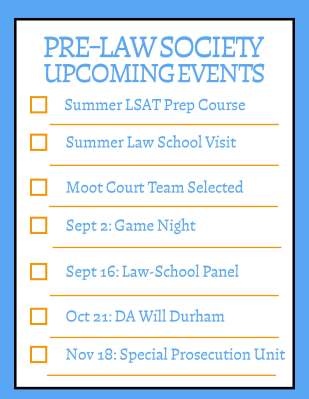
Planning has also begun for the fall, with the semester schedule outlined:

  • September 2: Game Night
  • September 16: “How to Get Into Law School,” featuring law-school deans
  • October 21: District Attorney Will Durham
  • November 18: Texas Special Prosecution Unit’s Simulated Voir Dire

The fall will also bring a Mock LSAT, a resume workshop, Moot Court, and a handful of guest speakers, making it one of the more robust semesters in memory, giving members good reasons to stay involved and prepare for the future.

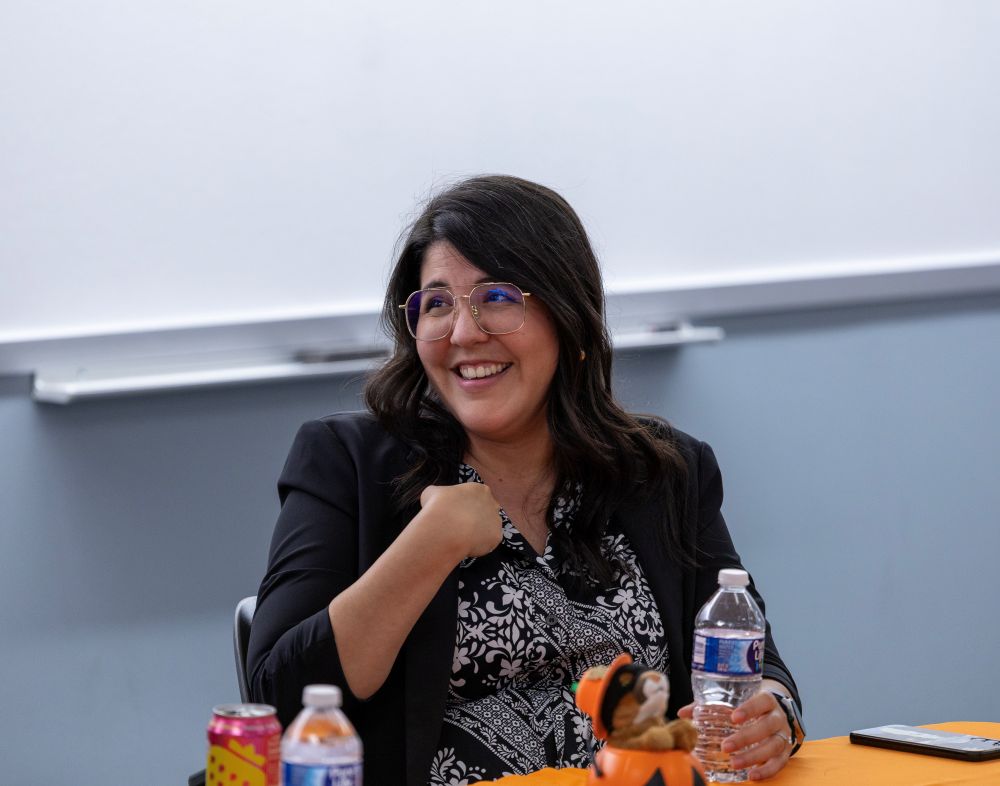
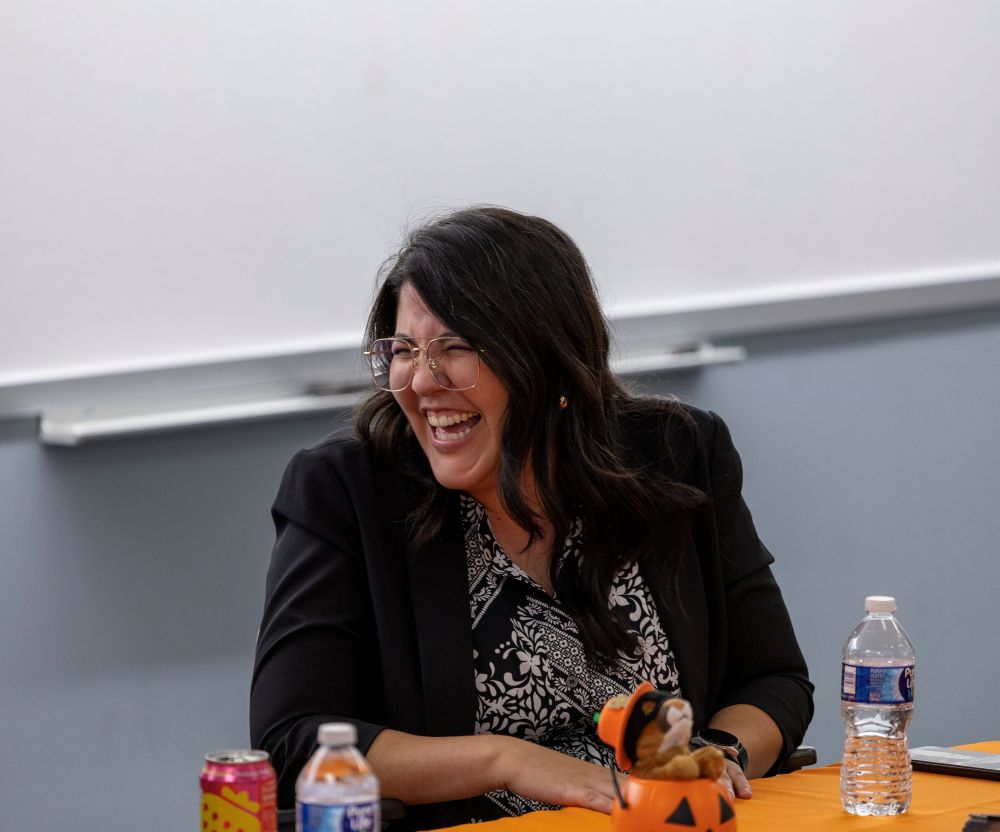
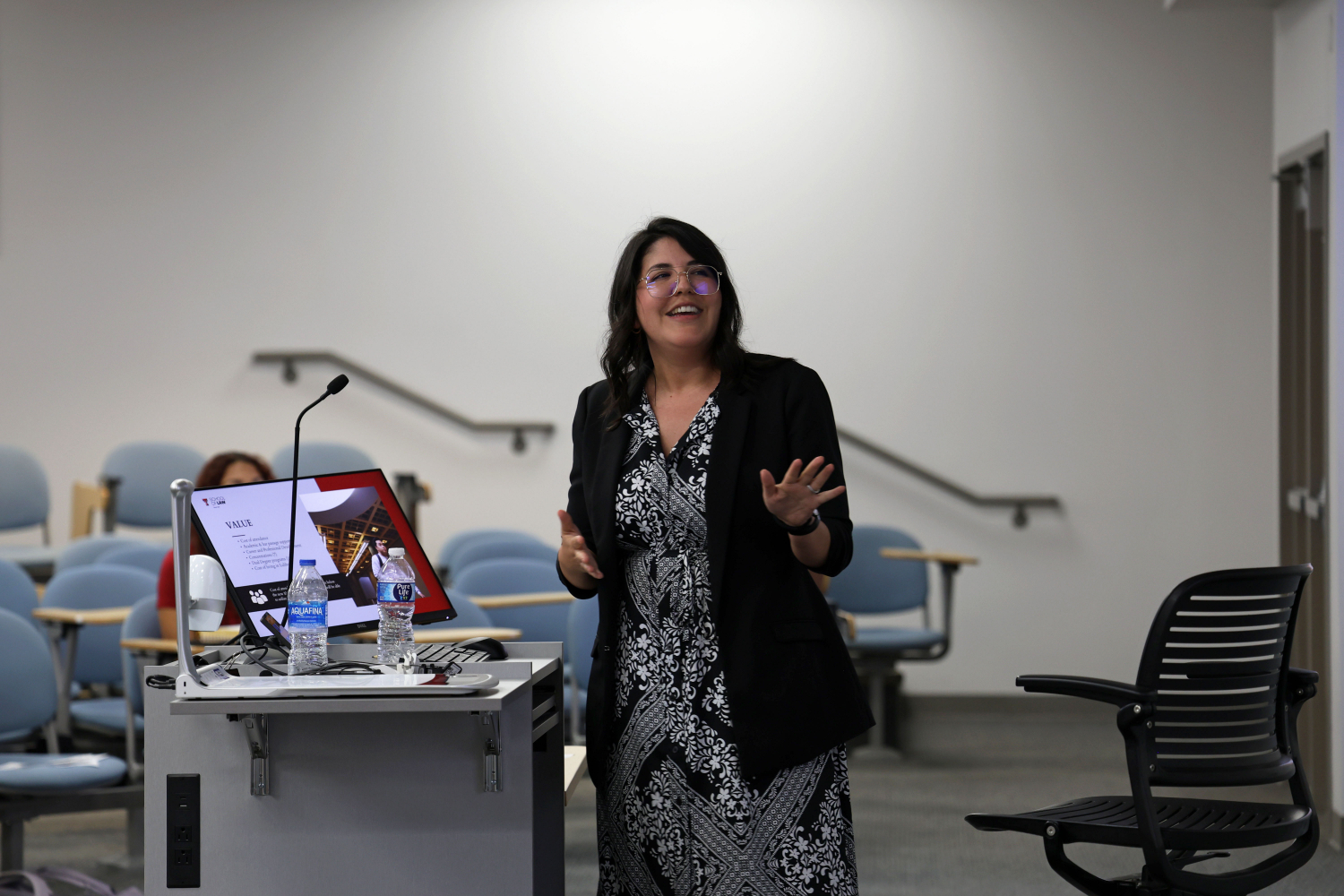
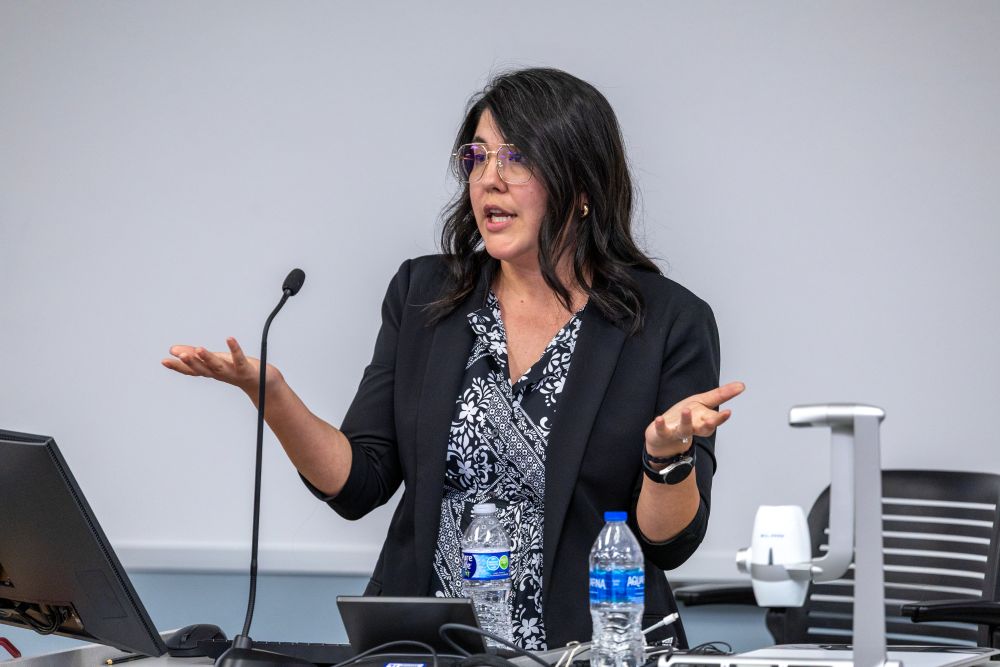
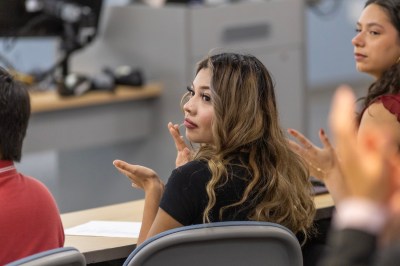
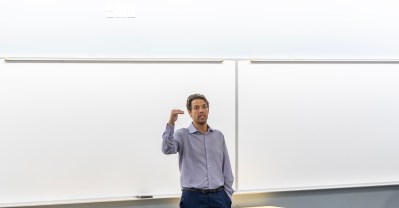
Pre-Law Society hosts Dr. Rhonda Beassie

Written By Madison Thurkettle

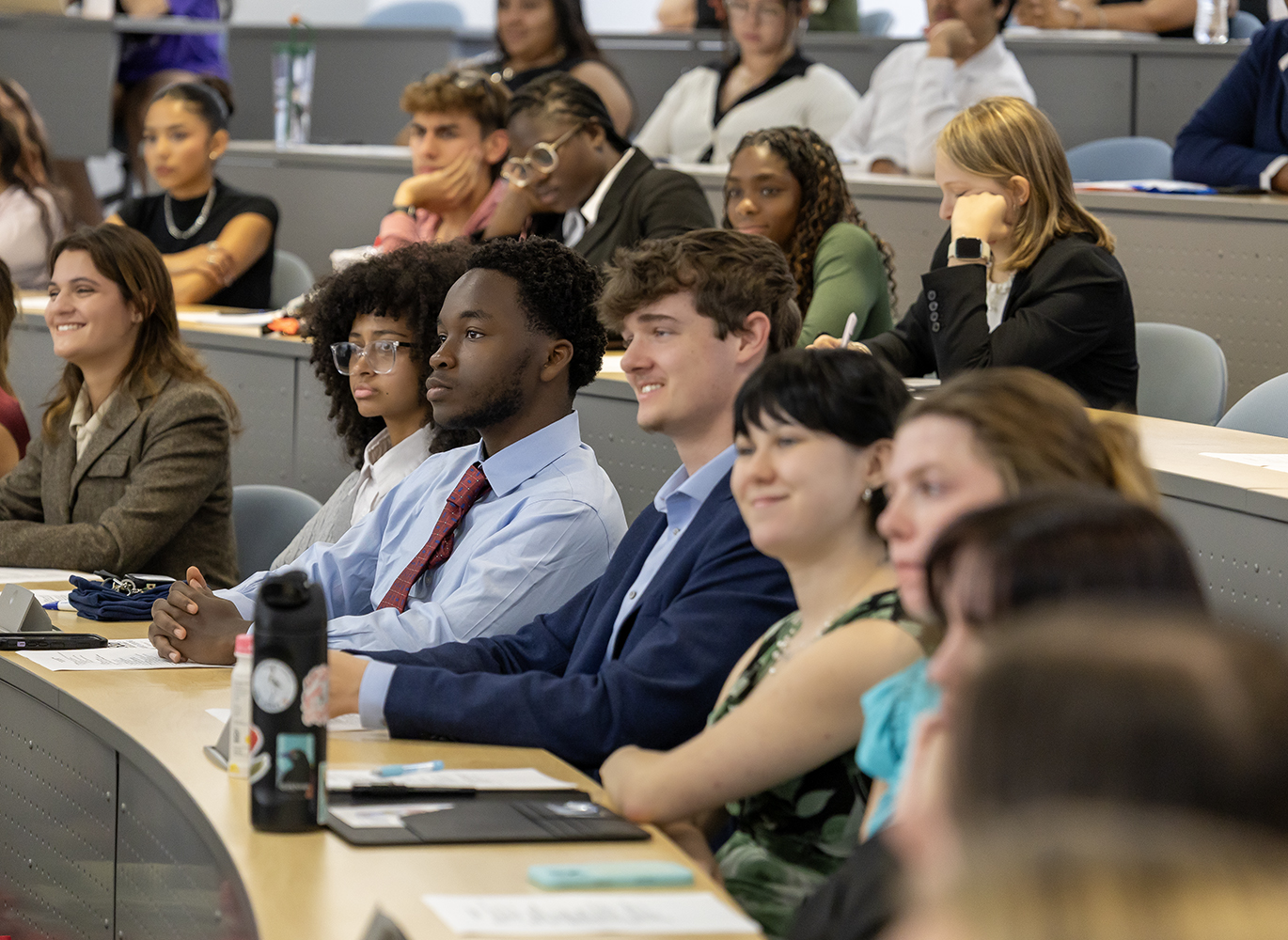
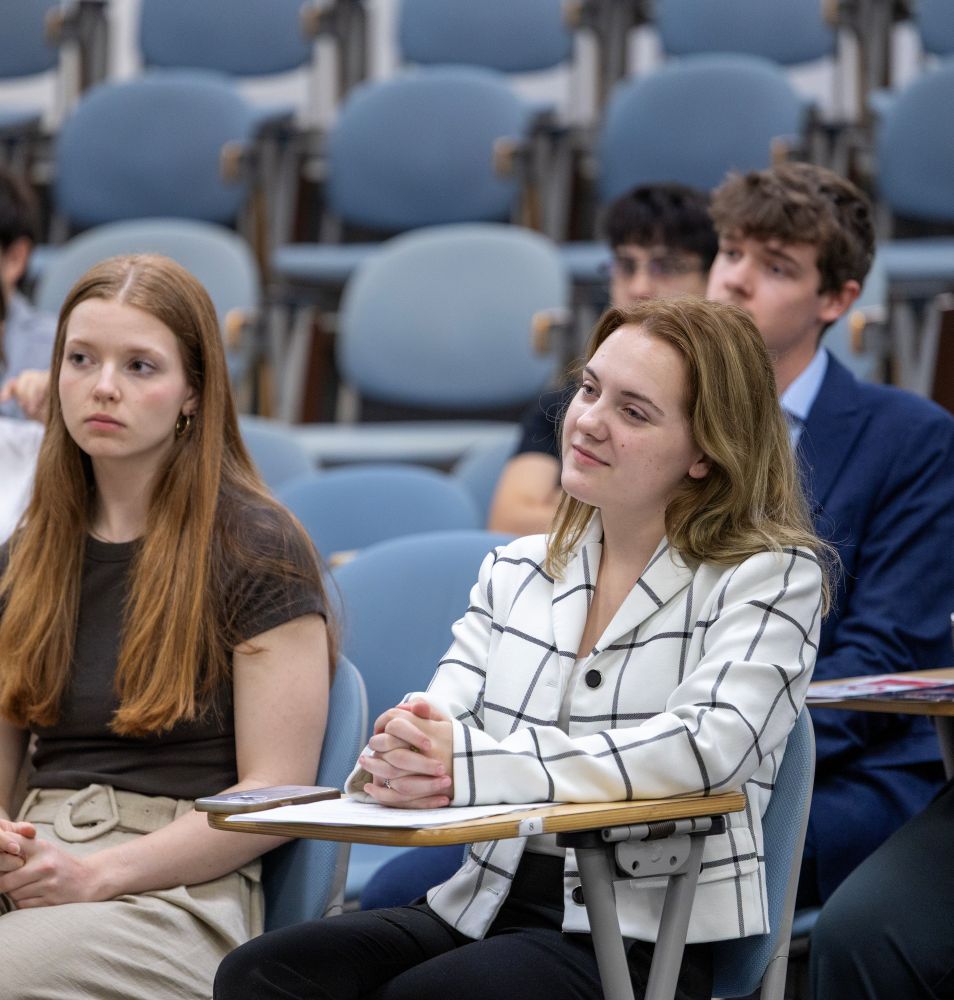
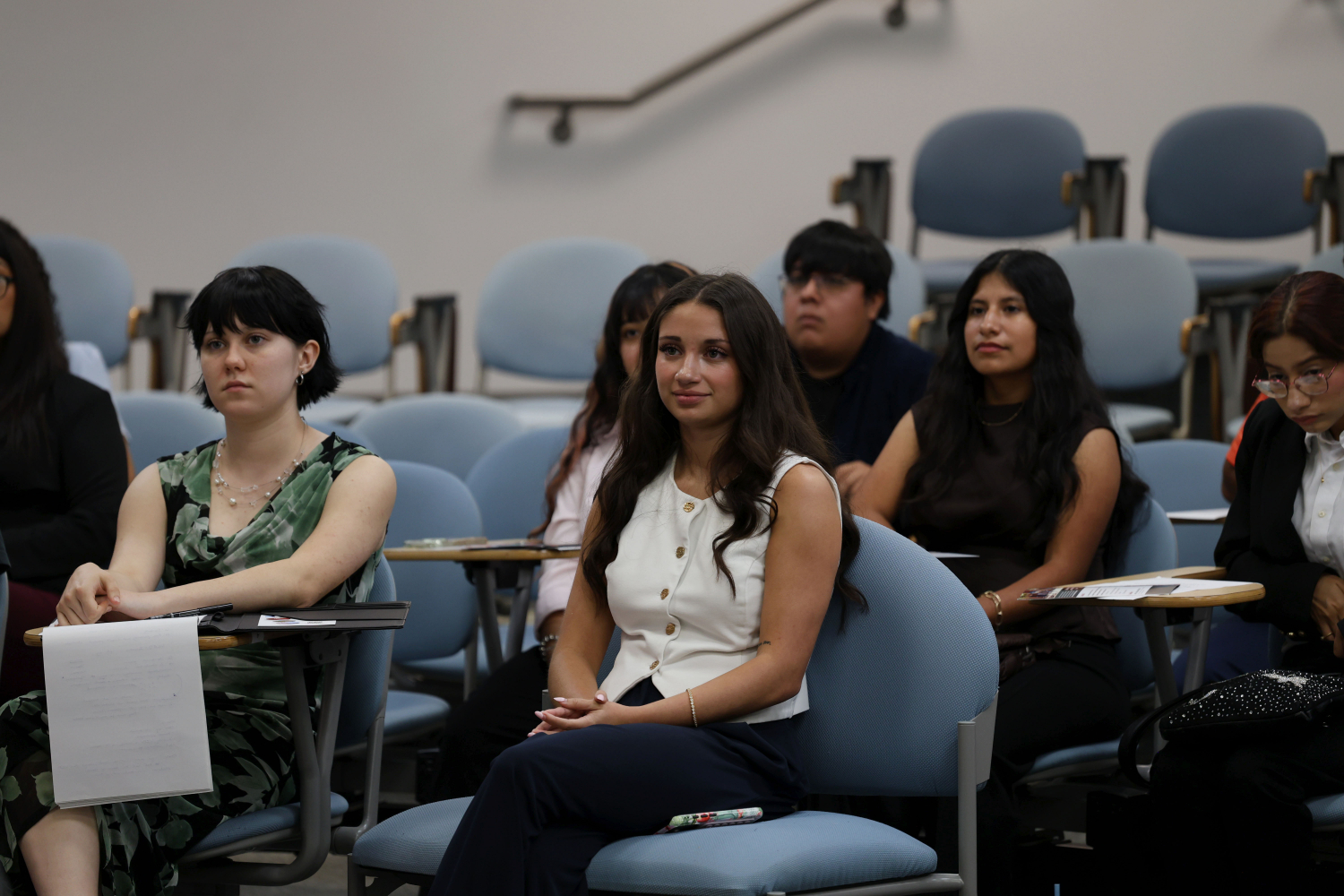
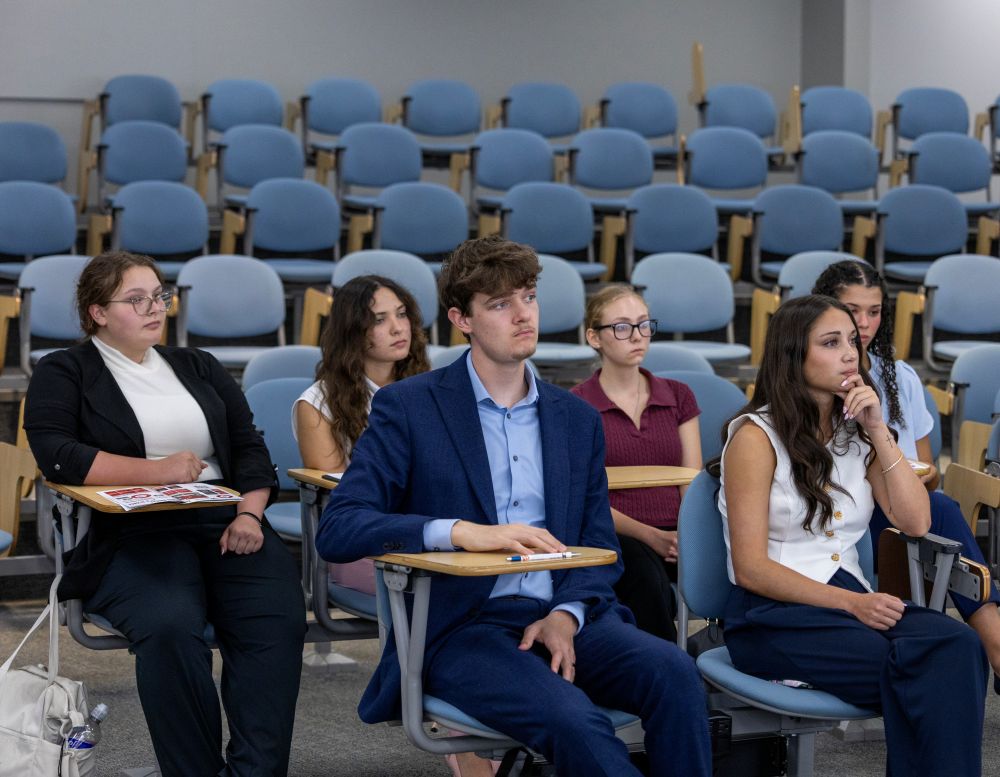
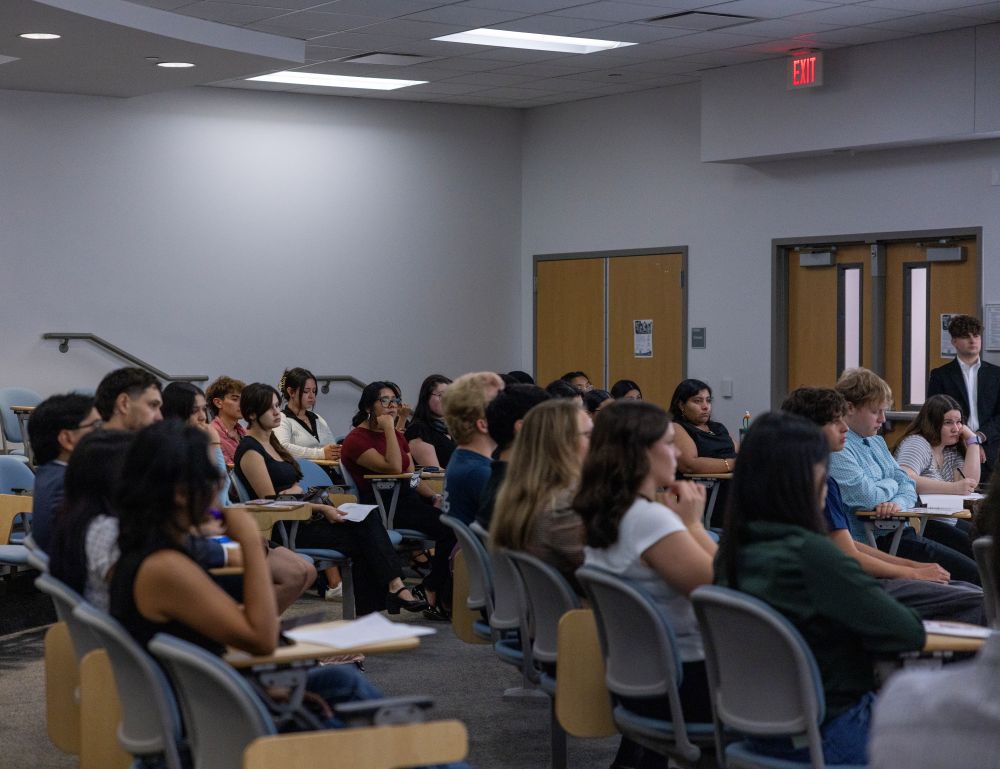
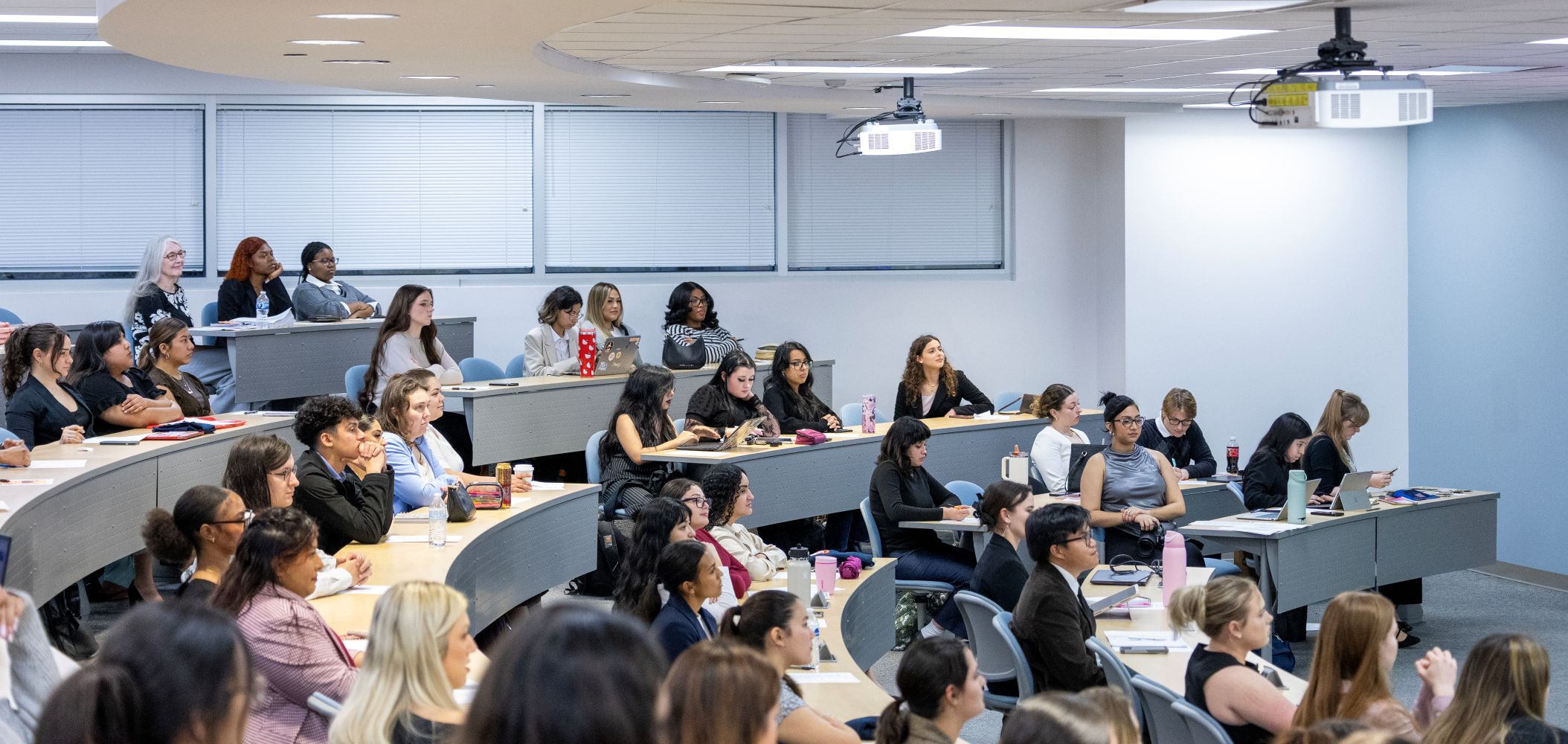
Pre-Law Society is back in session for Spring 2026! PLS held its first meeting of the semester and welcomed 133 members, who came back in style. As part of a goal to promote professional development in our students, Pre-Law Society members were encouraged to participate in the “Bearkats in Blazers” initiative—with many students doing so!

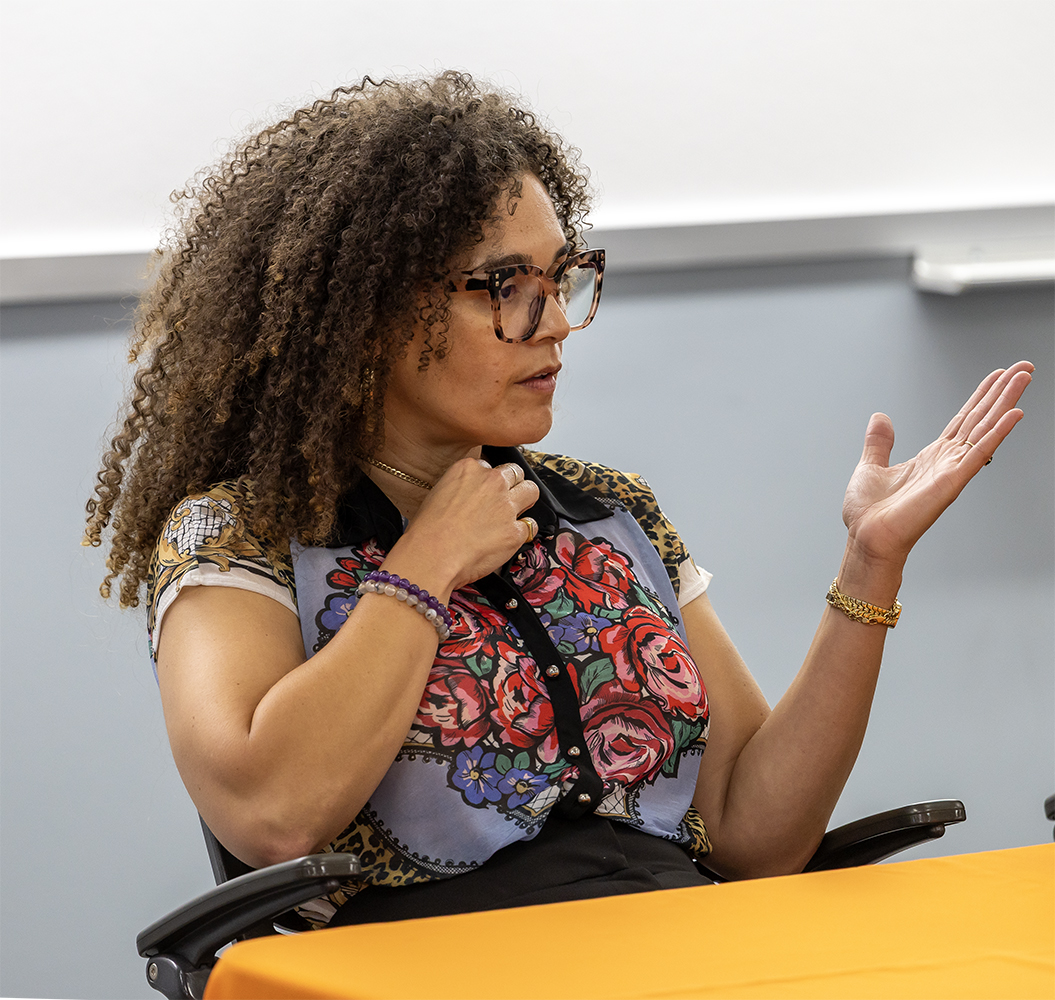
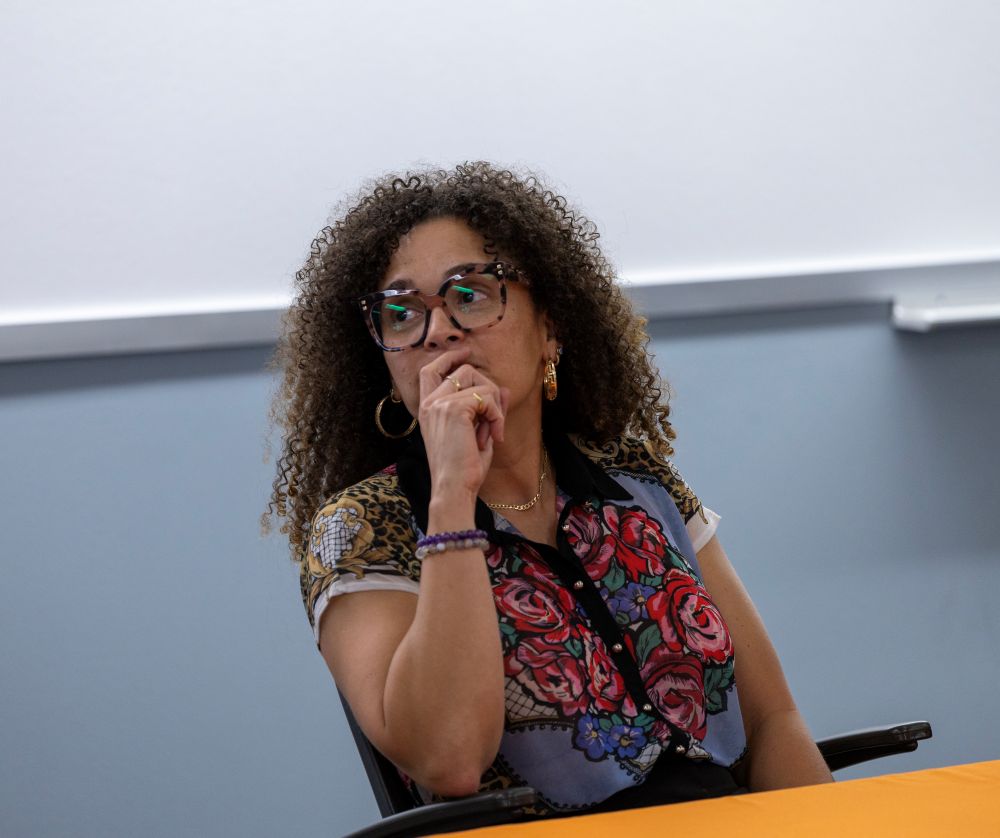
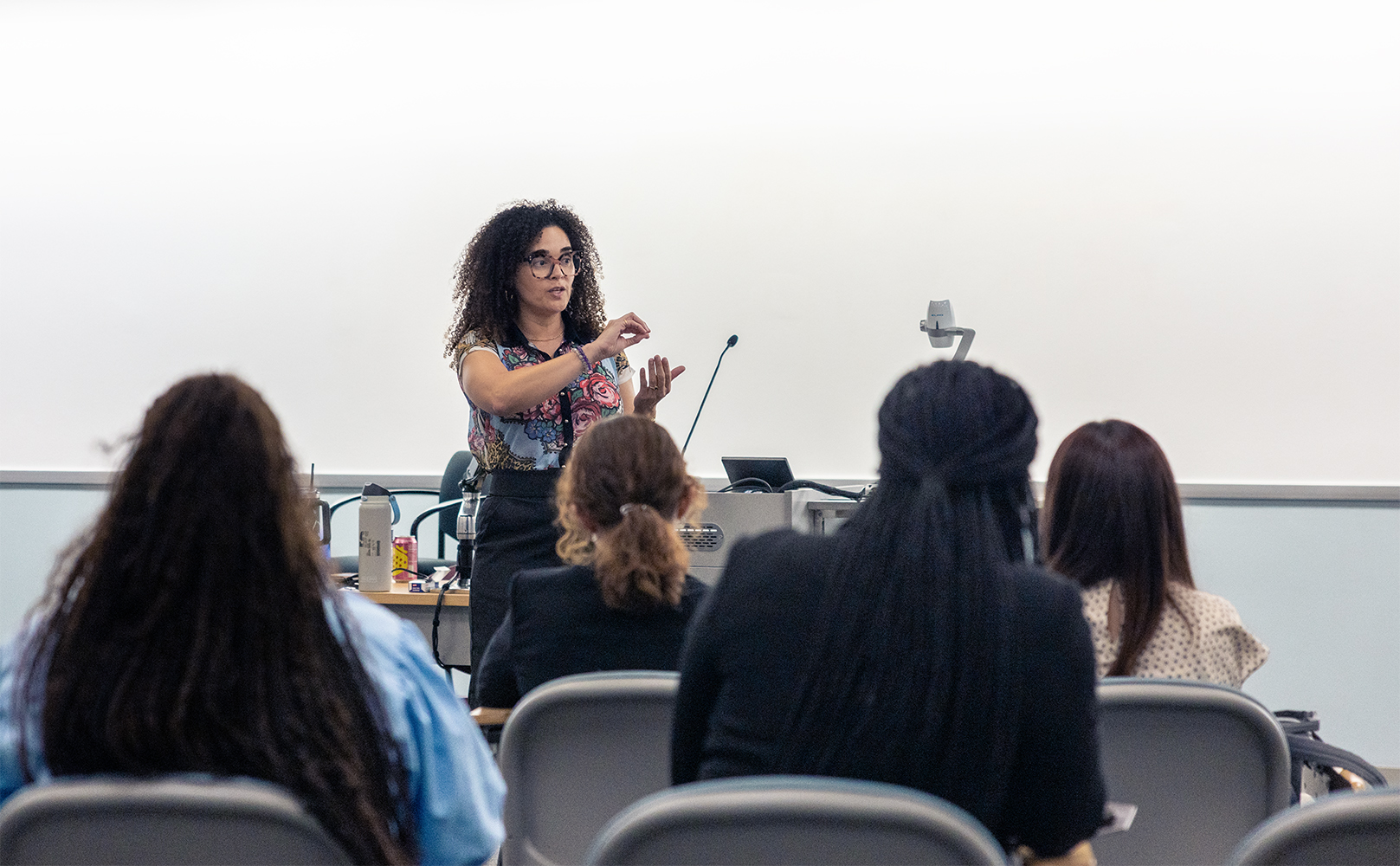
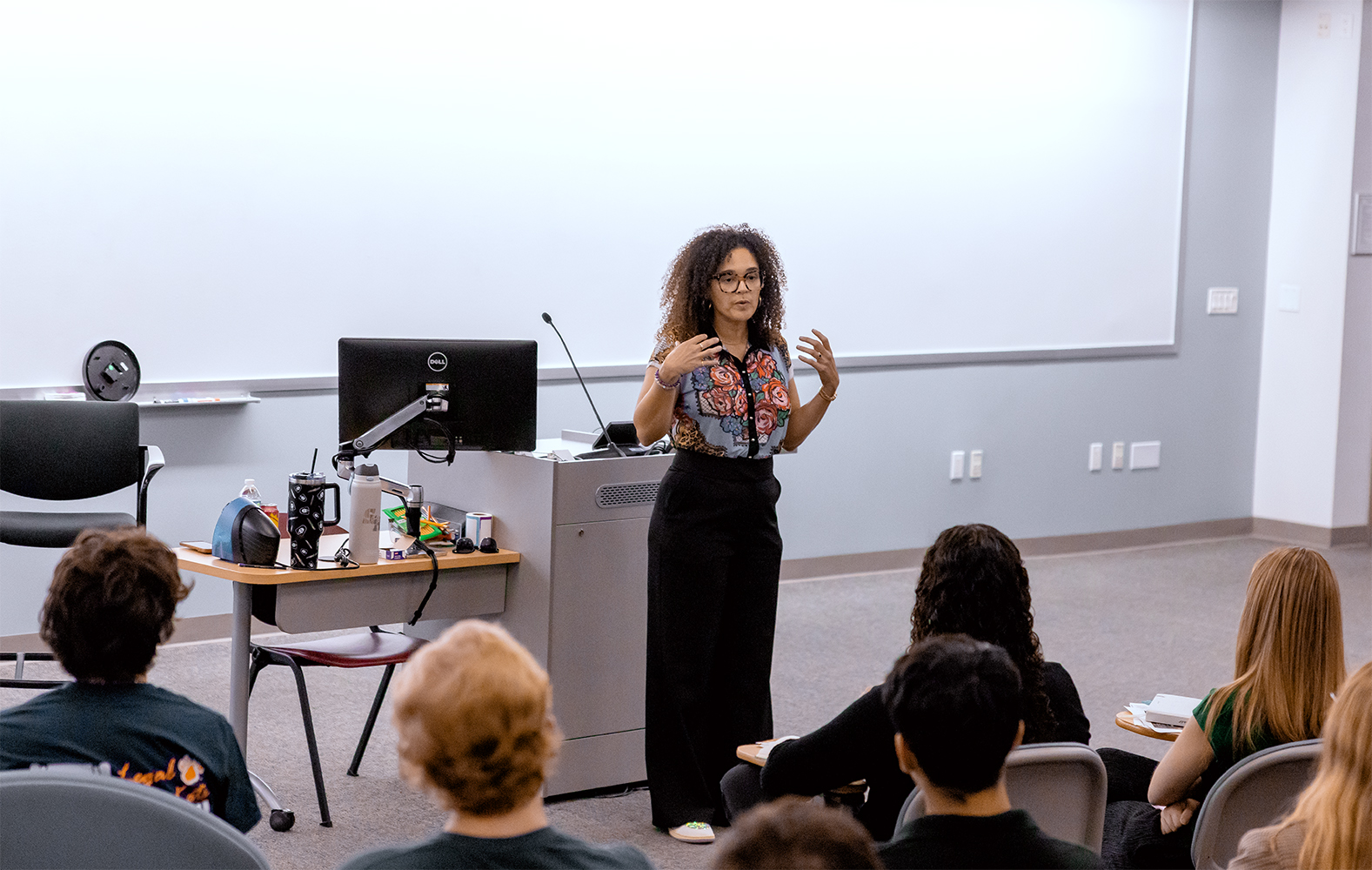
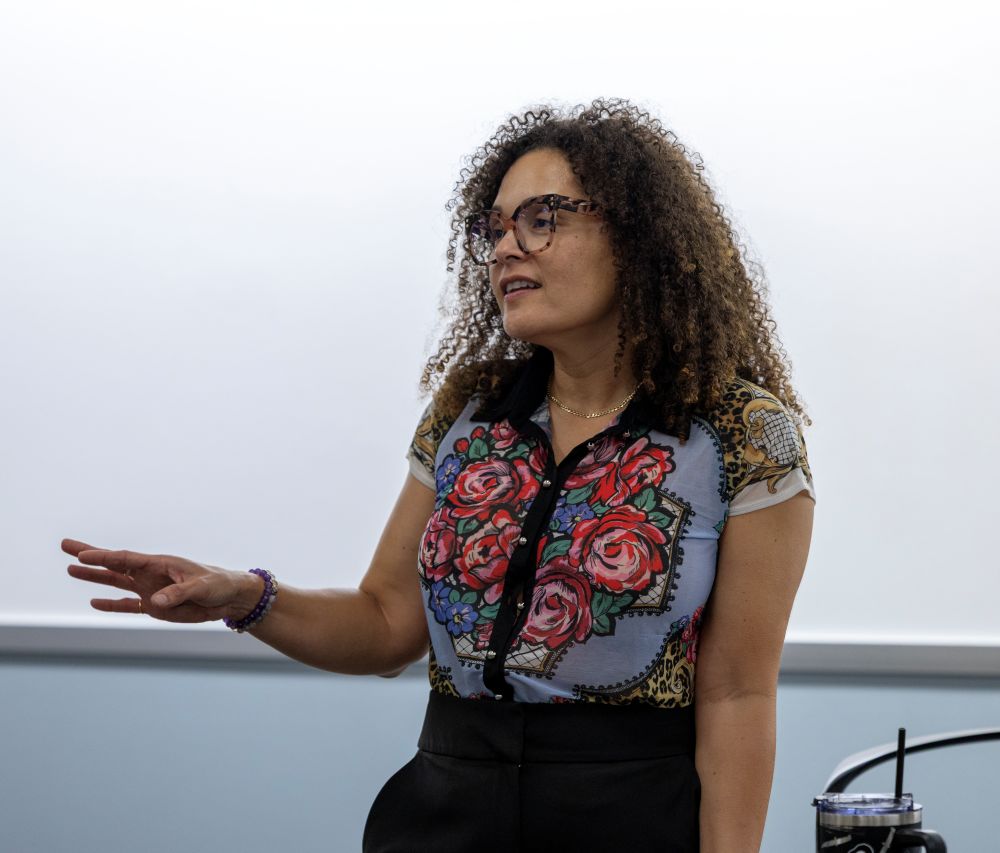
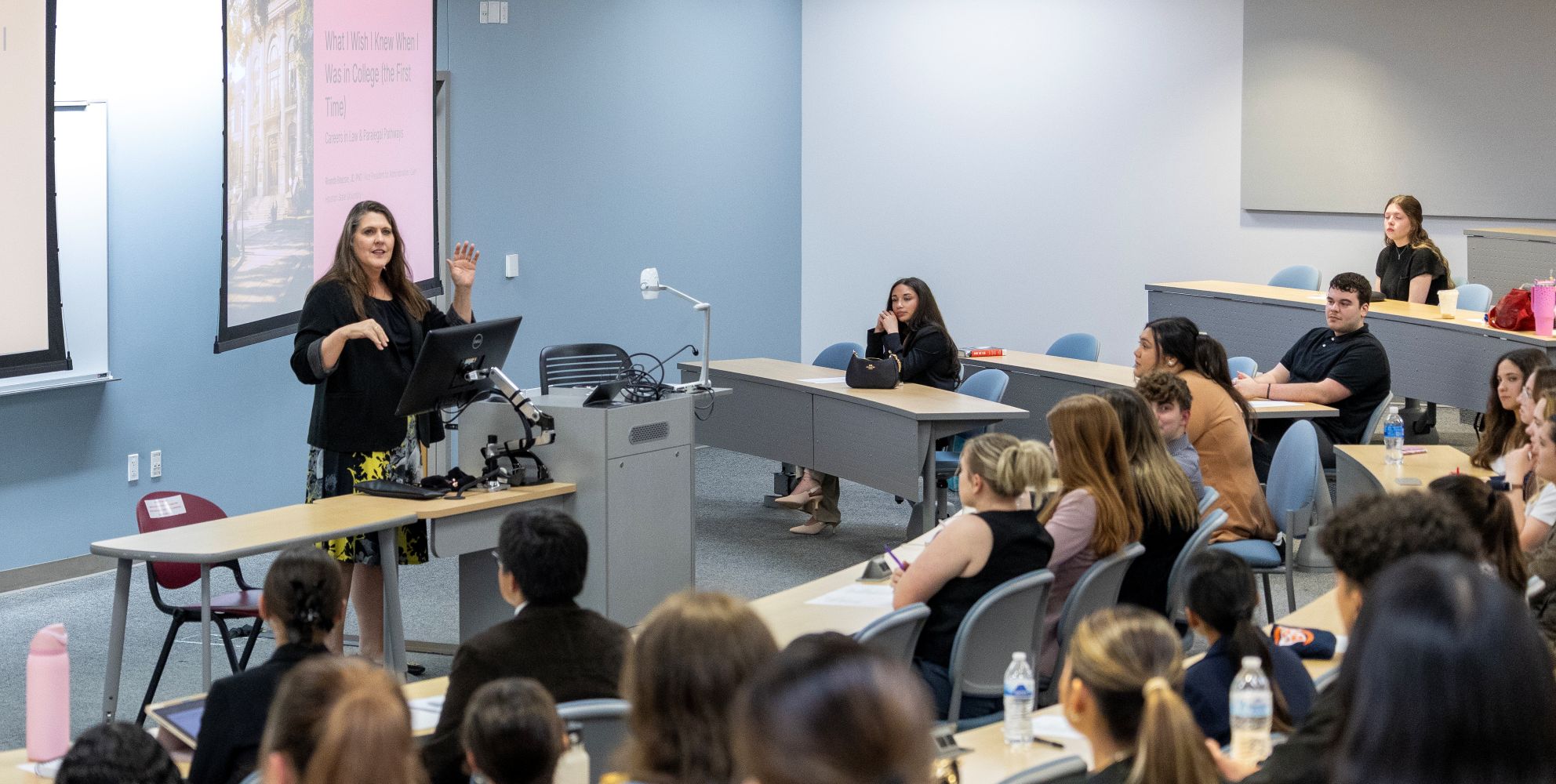
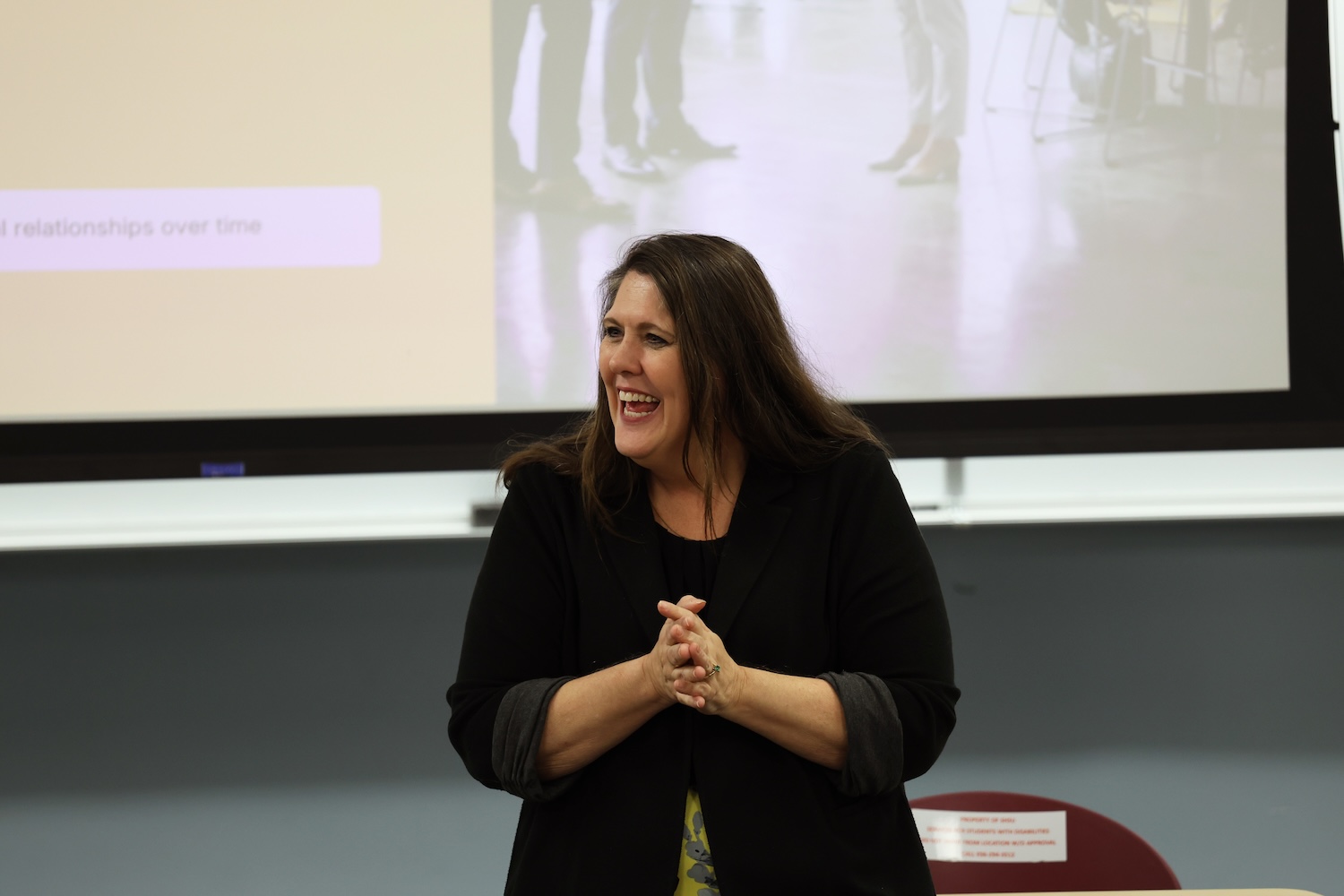
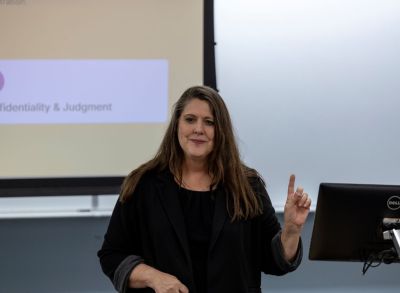
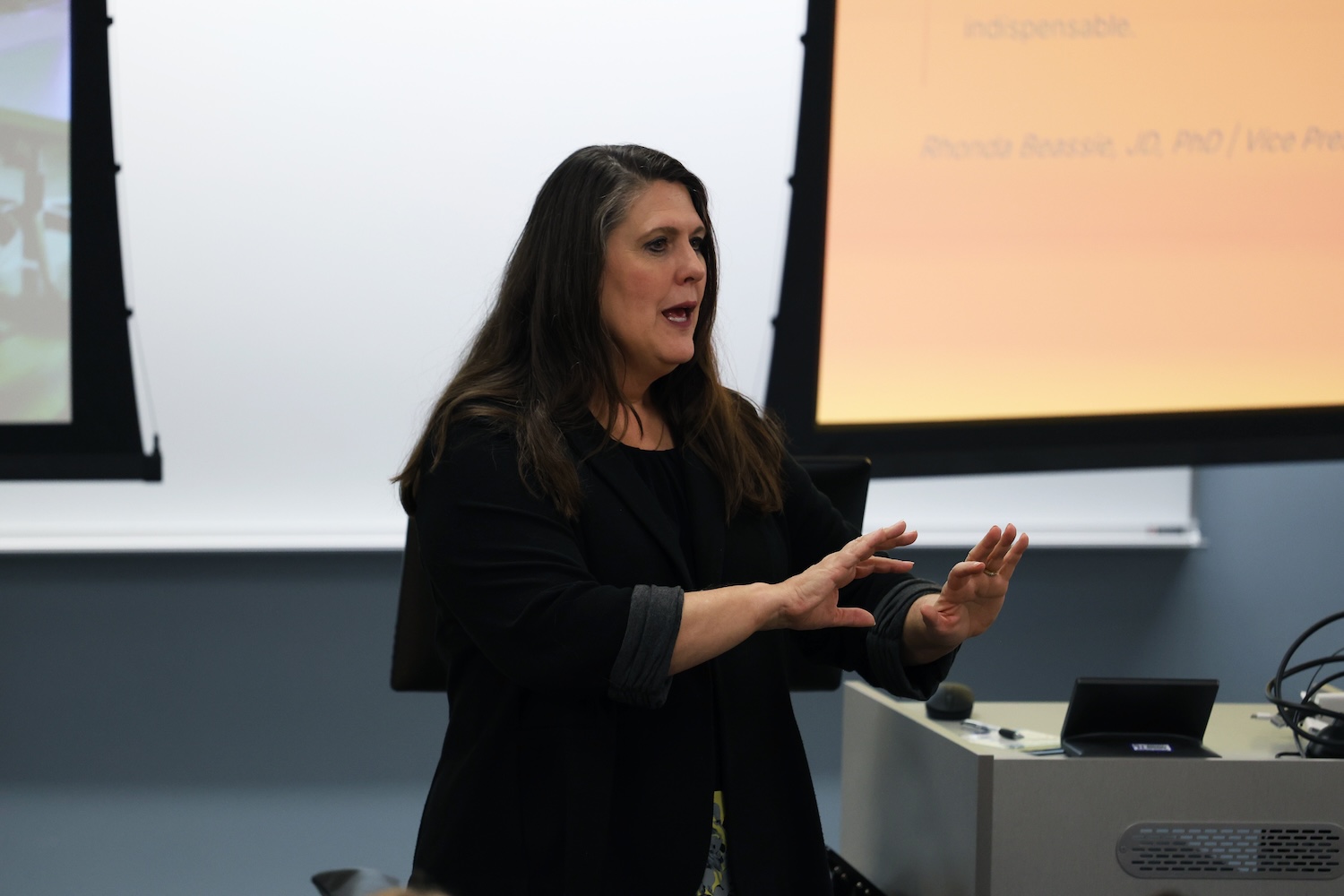
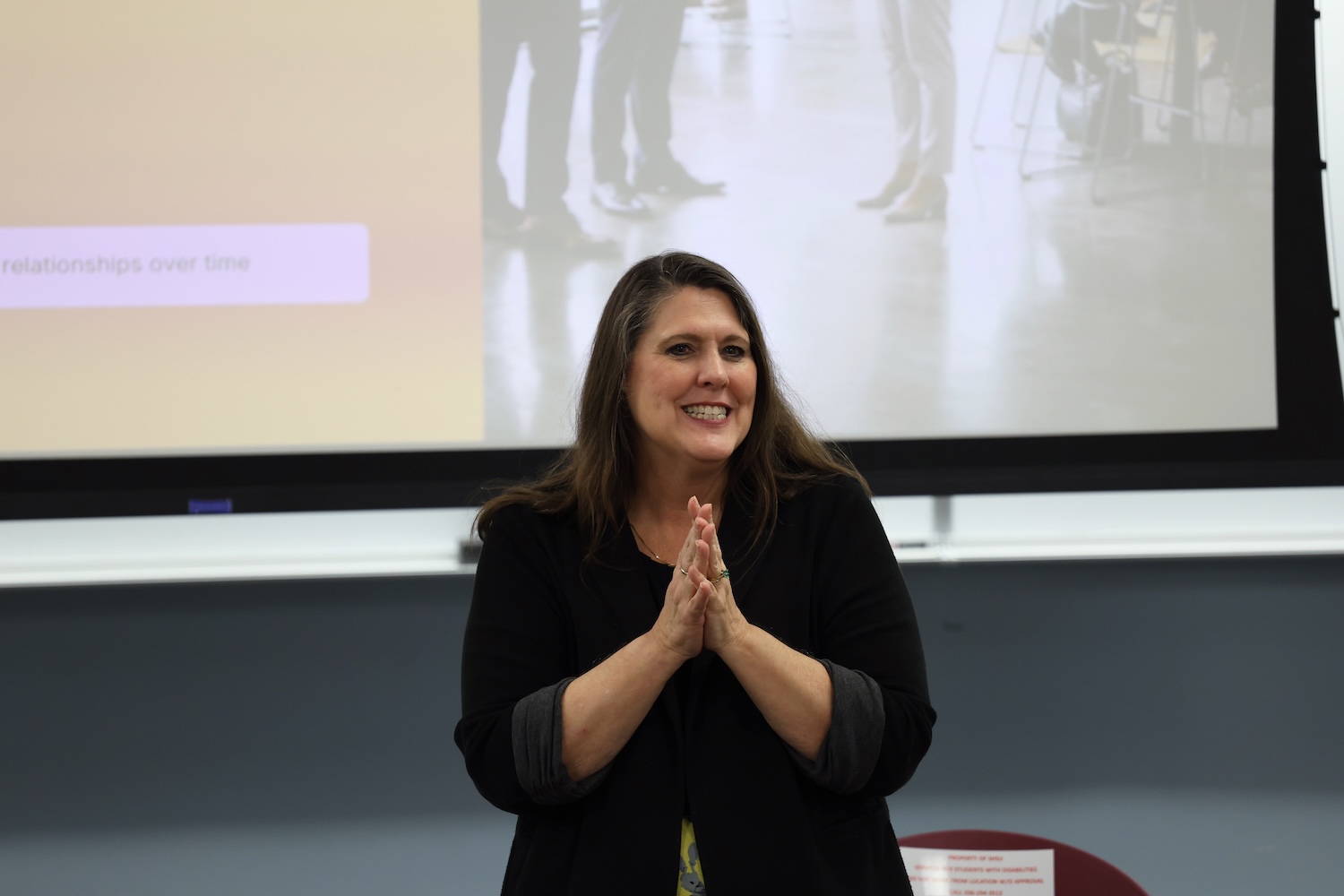
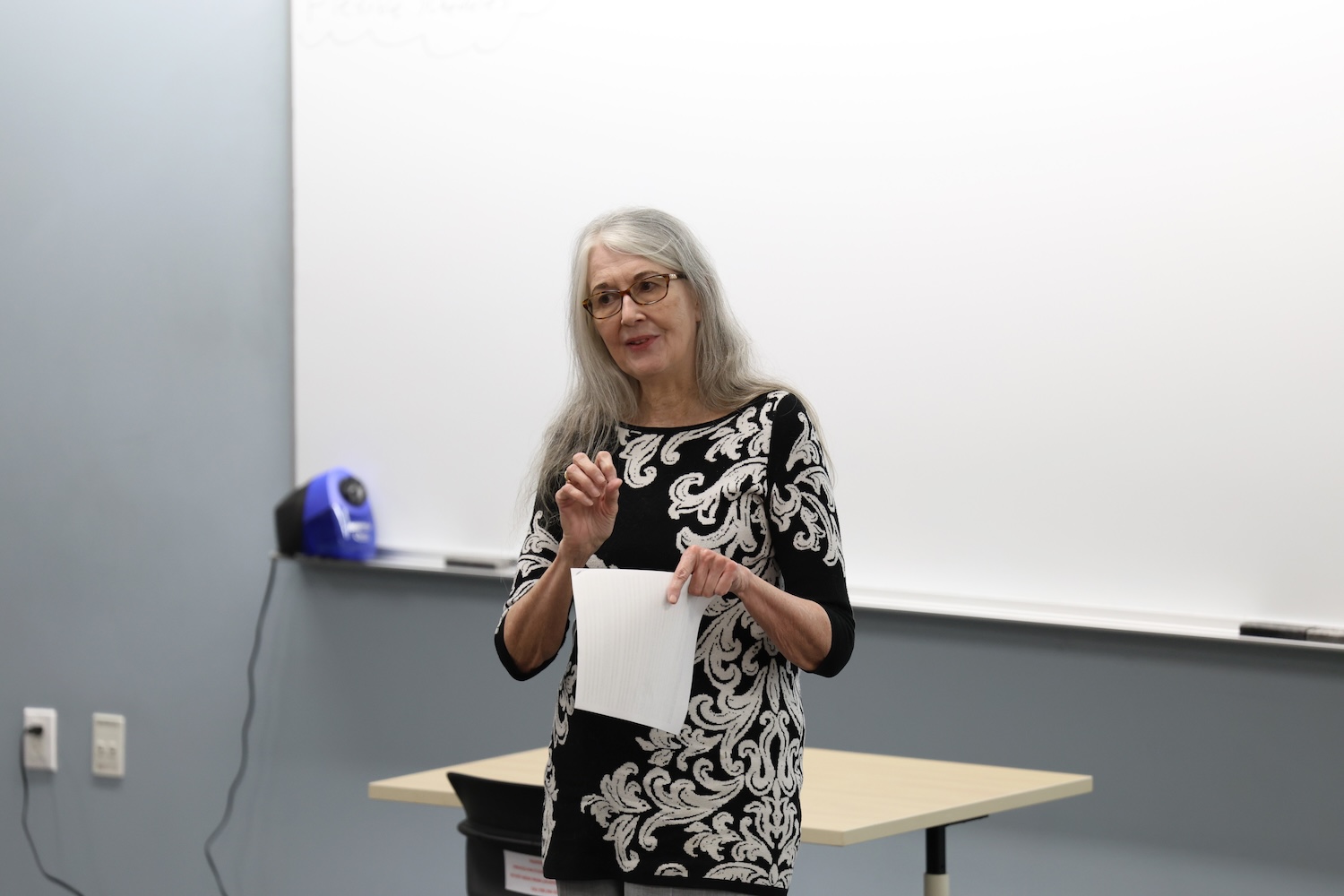
Once the meeting officially began, President Olivia Discon introduced our guest speaker for the evening, Dr. Rhonda Beassie, Vice President for Administration at Sam Houston State University. While her current role covers a diverse range of departments such as procurement, human resources, Title IX, and many more–it only begins to shine a light on the breadth of her impressive career. Indeed, she explained that her career was truly a “non-linear” path to where she is today.

Dr. Beassie highlighted her career, emphasizing that paths in law and related fields are rarely linear. She described her journey as “circuitous,” in that she began in real estate, then moved into various levels of the legal—without the initial plan to attend law school.

After working as a legal secretary, Dr. Beassie earned her paralegal degree and worked as a paralegal, a role she described as one of her most fulfilling due to the collaborative nature of litigation. She later returned to school for her undergraduate degree before attending law school.

Once she completed law school, Dr. Beassie worked in legal education and student legal services, then served as General Counsel for the Texas State University System. Her advisory experience led to leadership roles in administration at Sam Houston.

Dr. Beassie emphasized that flexibility and openness to opportunities shaped her career and encouraged students not to feel pressured to follow a traditional path directly from undergraduate studies to law school.

Dr. Beassie encouraged students not to let uncertainty or lack of confidence prevent them from pursuing opportunities in the legal field, reminding members: “You deserve a seat at the table.” She highlighted the importance of initiative, networking, and embracing new challenges, even when they seem intimidating. Many of her own career advancements, she explained, came from accepting opportunities that required extra research, preparation, or learning new subjects.

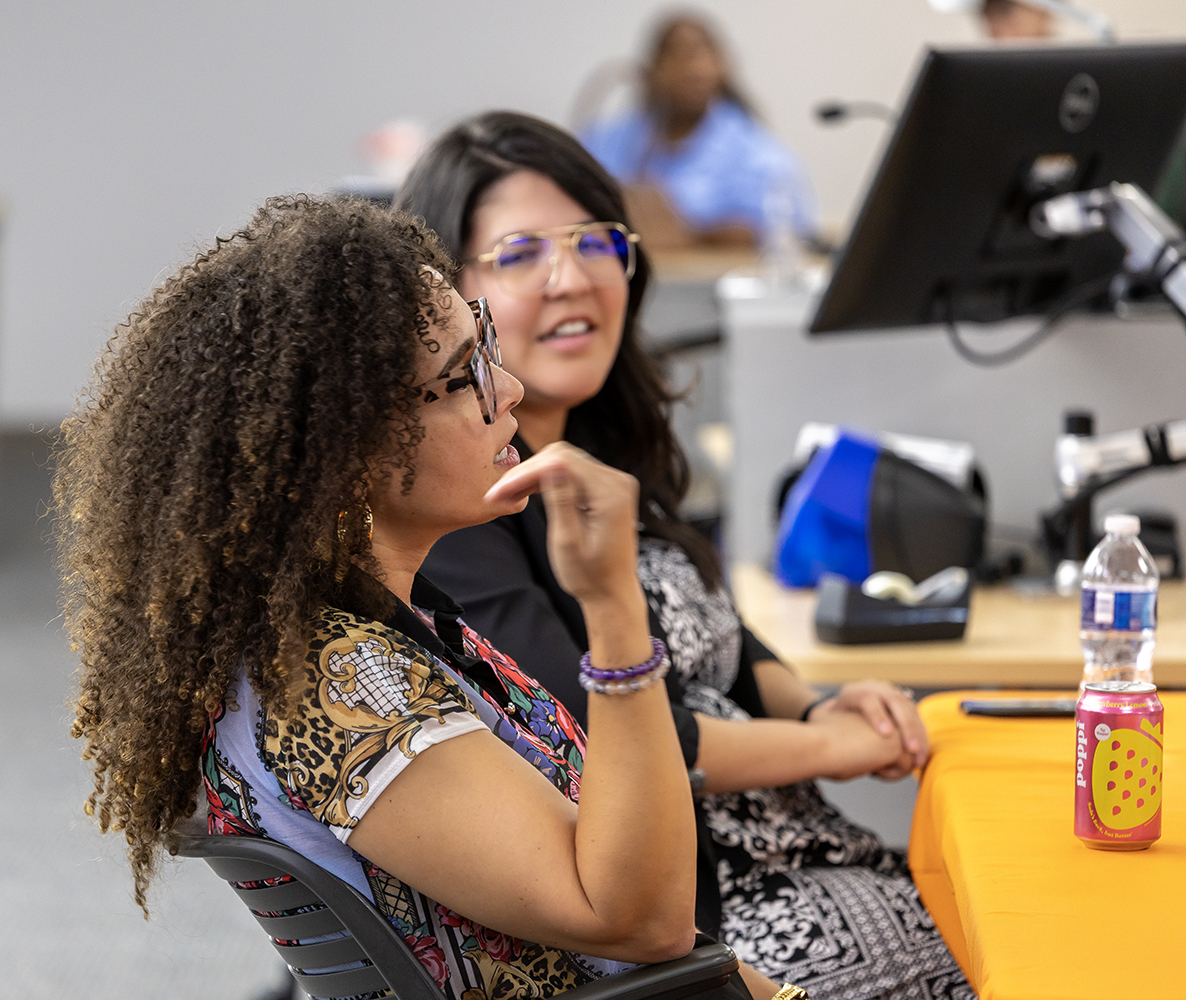
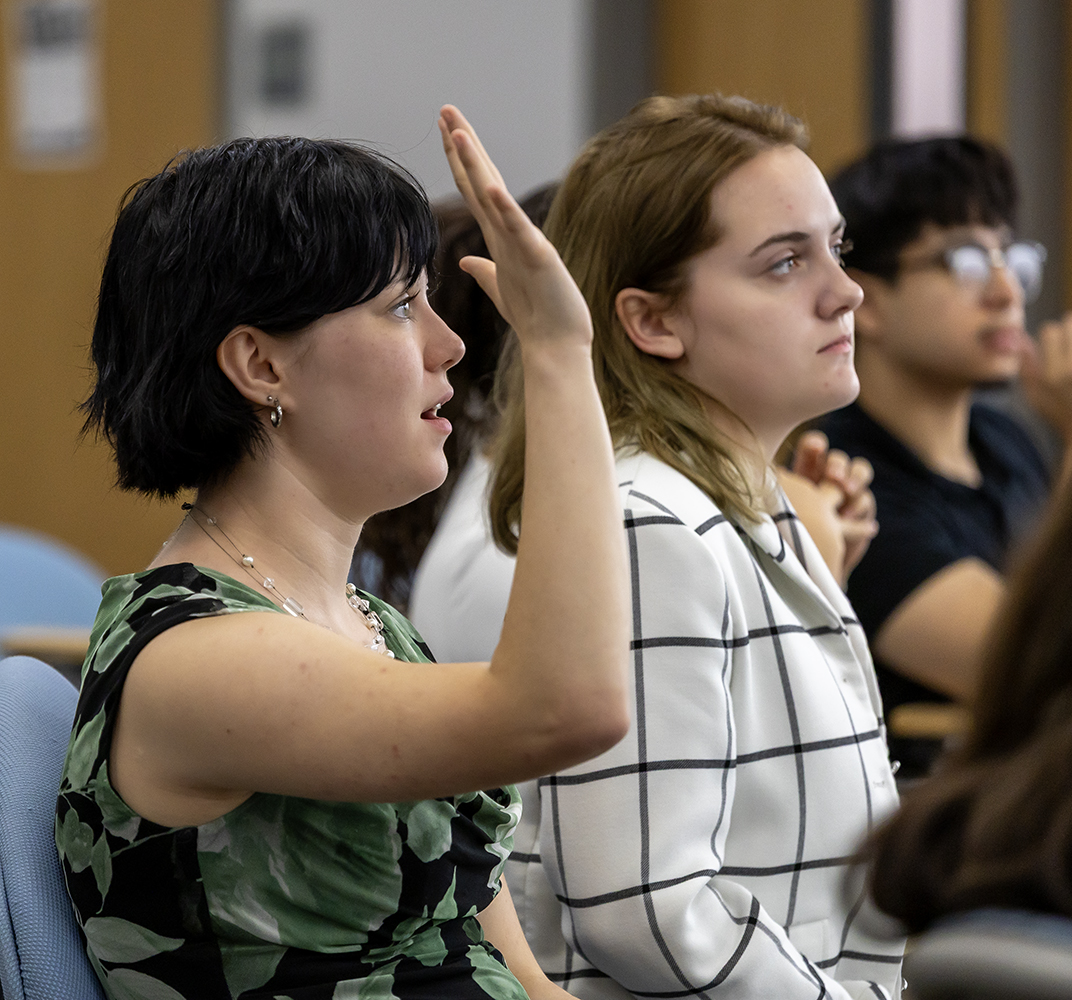
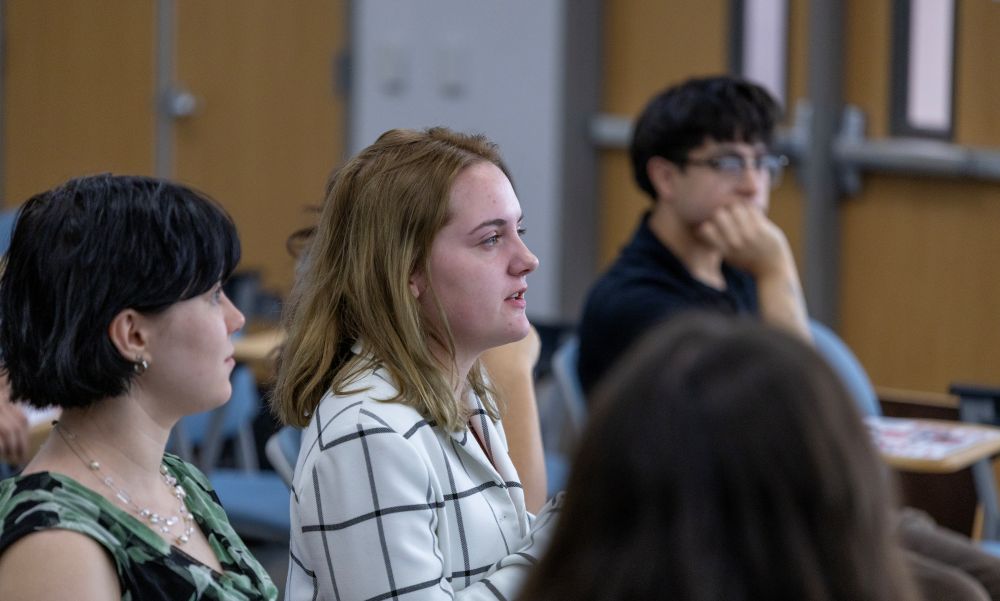
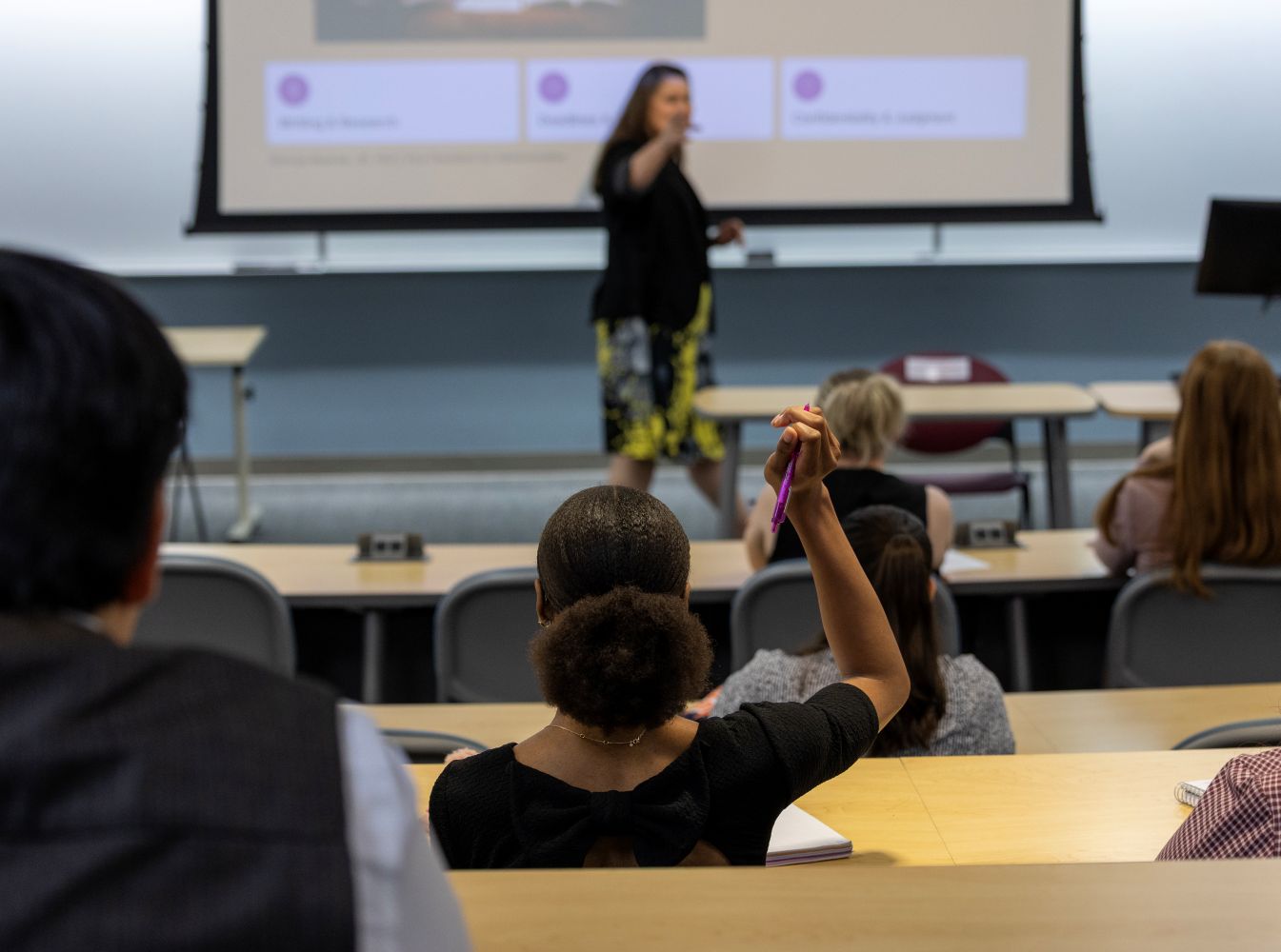
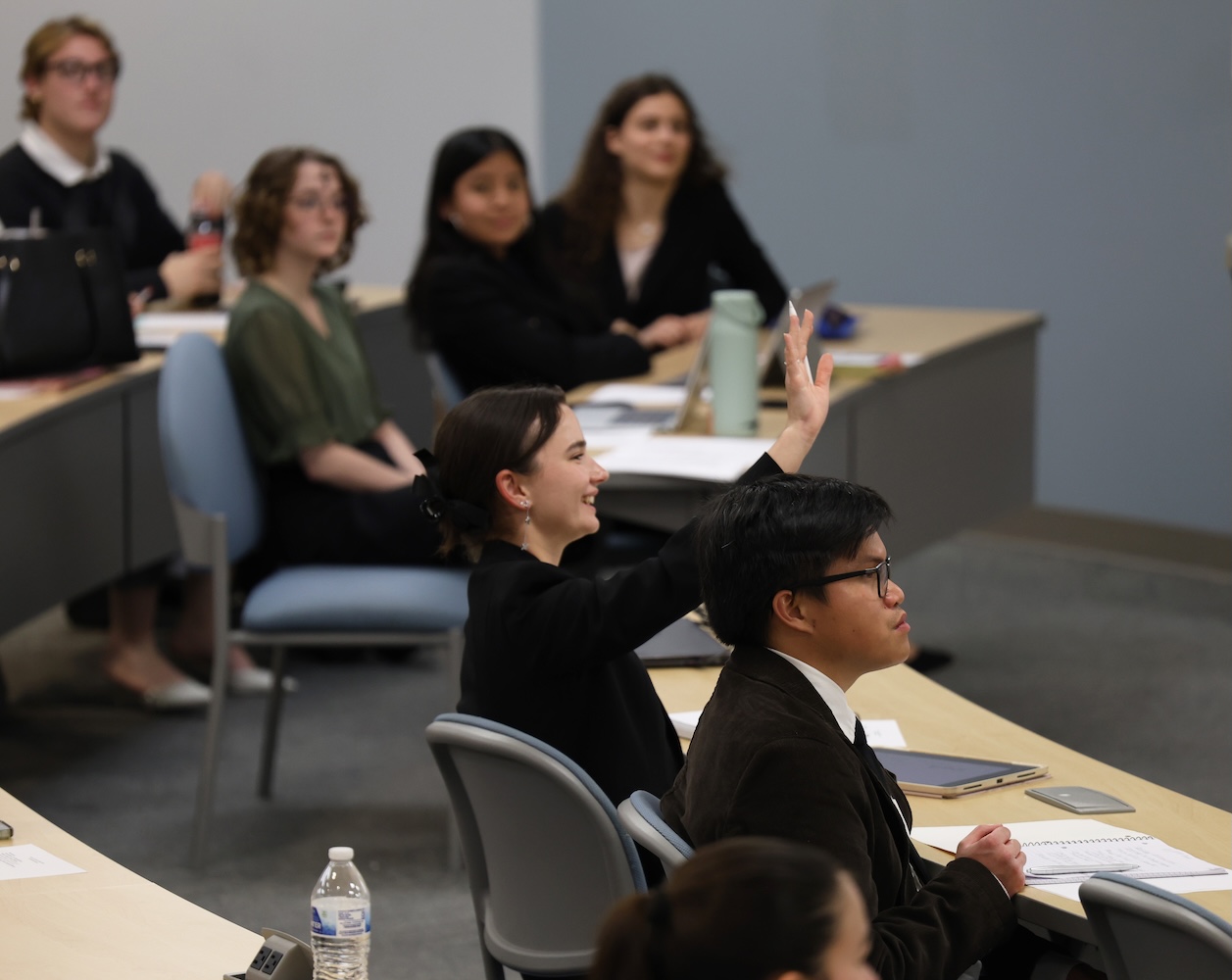
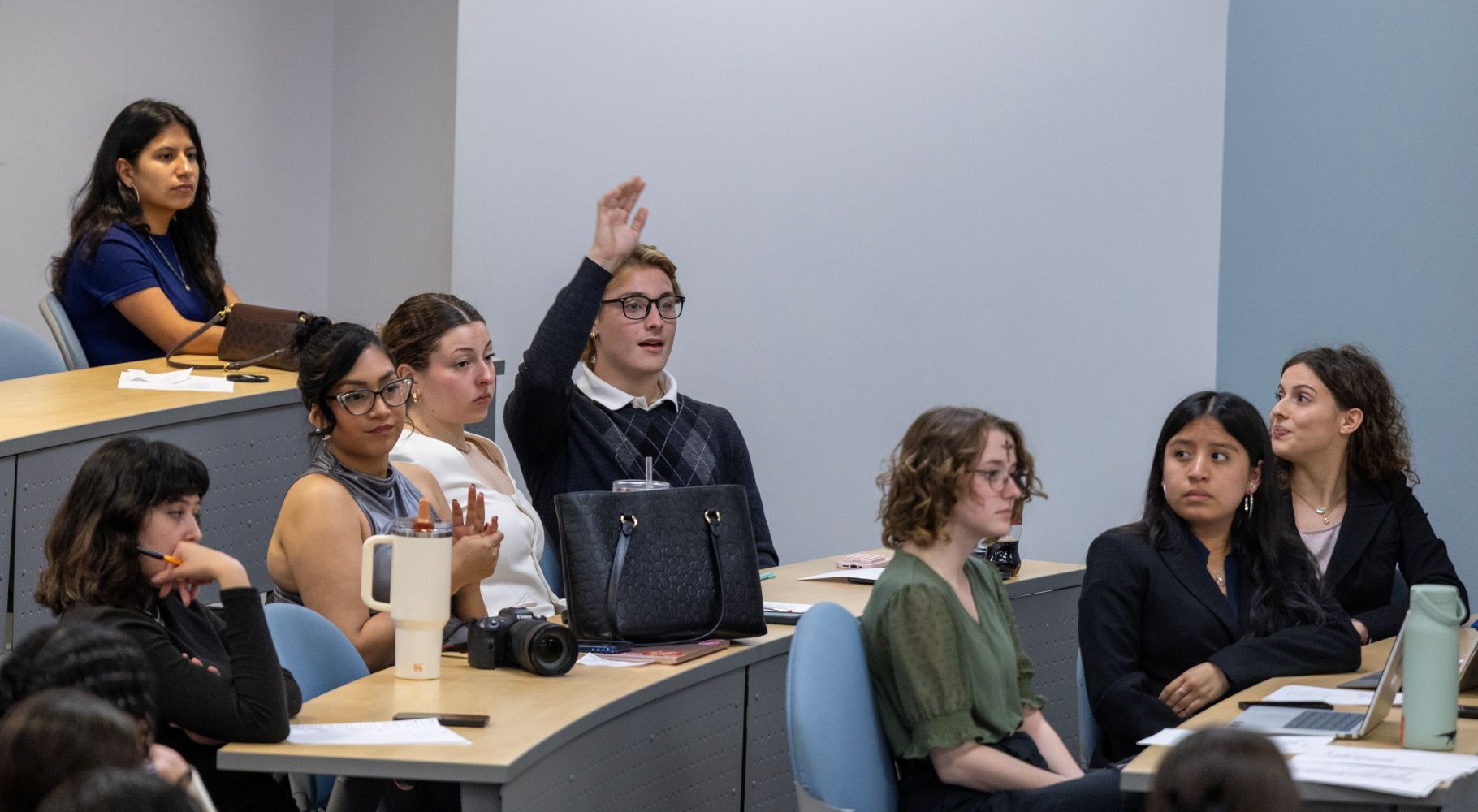
After her presentation, students asked various questions about Dr. Beassie’s career path and her experiences in legal and leadership roles.

Members asked about:

  • how she decided to pursue law school after initially working in other fields
  • Managing responsibilities such as family while attending law school
  • Whether a paralegal background strengthens a law school application
  • What roles did she find more fulfilling throughout her career

Dr. Beassie said that while law schools focus on GPA and LSAT scores (most important), practical experience, such as paralegal work, can help applicants stand out when qualifications are similar or competitive, and provides valuable preparation for legal work. She also encouraged students to pursue internships and volunteer opportunities, and that even unpaid roles build professional credibility and transferable skills.

Dr. Beassie concluded her presentation at 7:15 PM. President Olivia Discon thanked her and transitioned to the business portion of the meeting…

Treasurer Nataly Elizondo provided a finance update, Secretary Madison Cawthon presented the meeting minutes, and VP of Membership McKenna Nonnenmann and VP of Marketing Jackie Balbuena shared their updates as well. Pre-Law Advisor Jean Loveall also informed members of upcoming changes to the LSAT beginning in August 2026, noting that while the exam’s structure will remain the same, students will be required to take the LSAT in person, with the option to test either on computer or paper.

With a lot of good information and high spirits, the meeting adjourned with excitement for the semester and our futures ahead.

Contracts, Promissory Estoppel, & Chess: Simulated Law Class with Professor Val Ricks

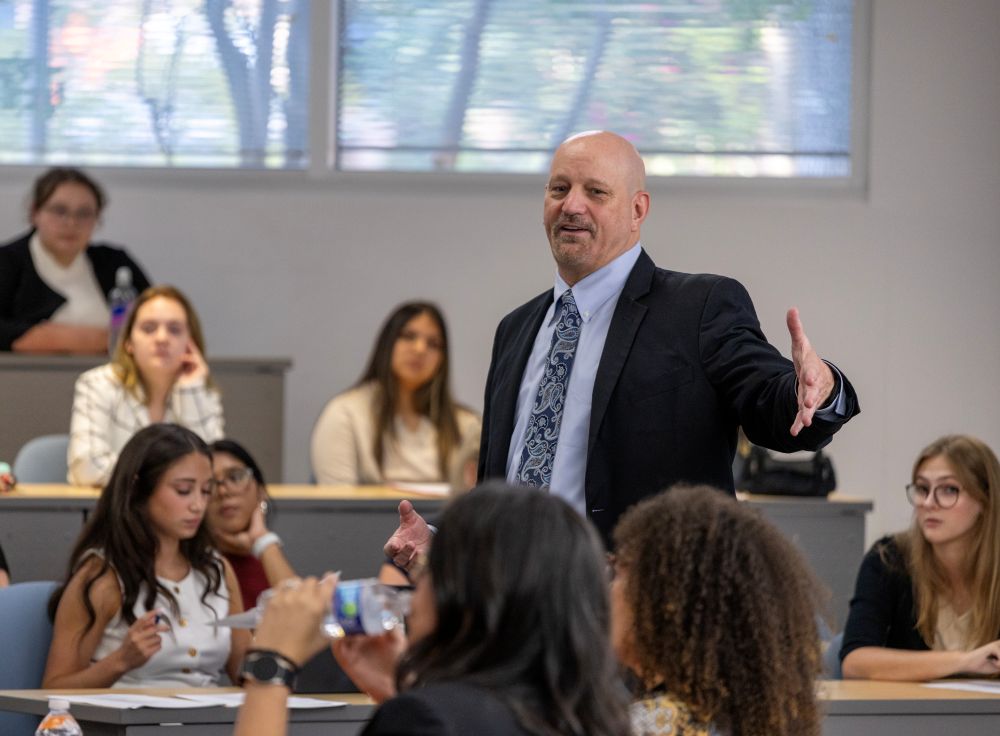
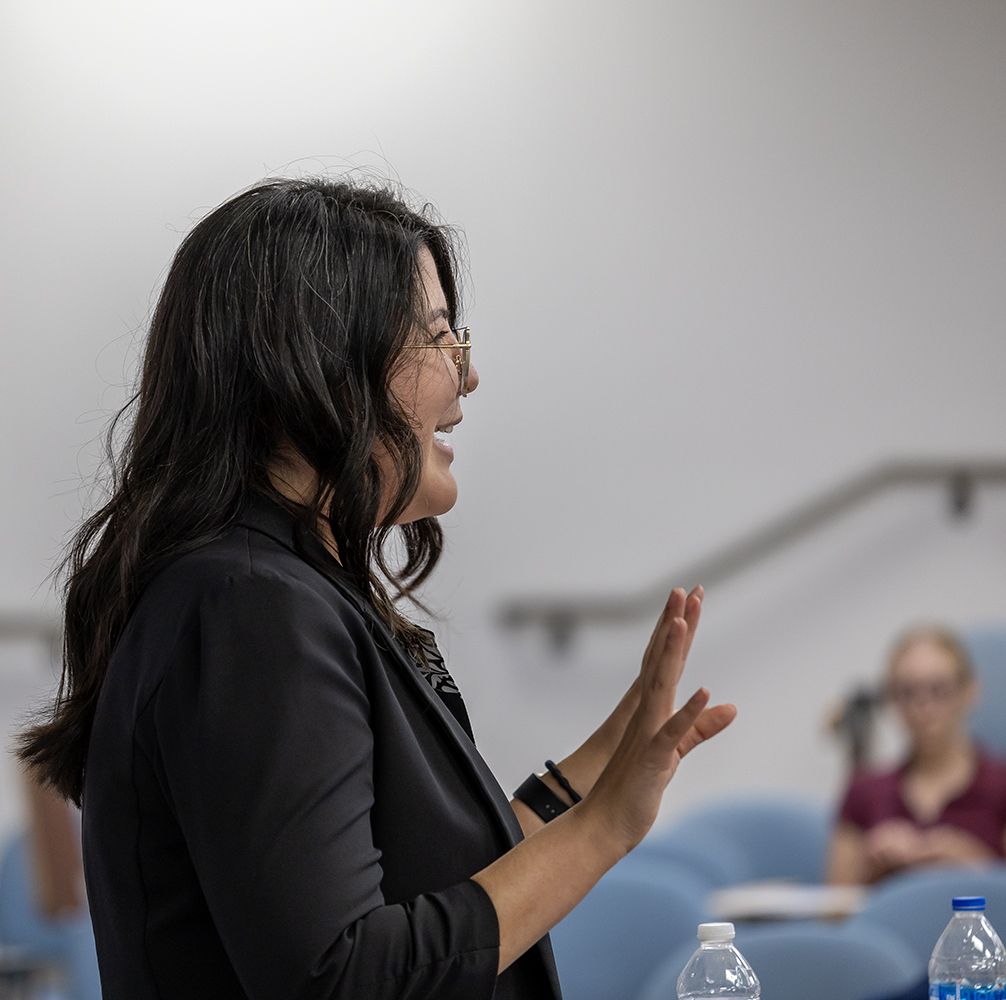
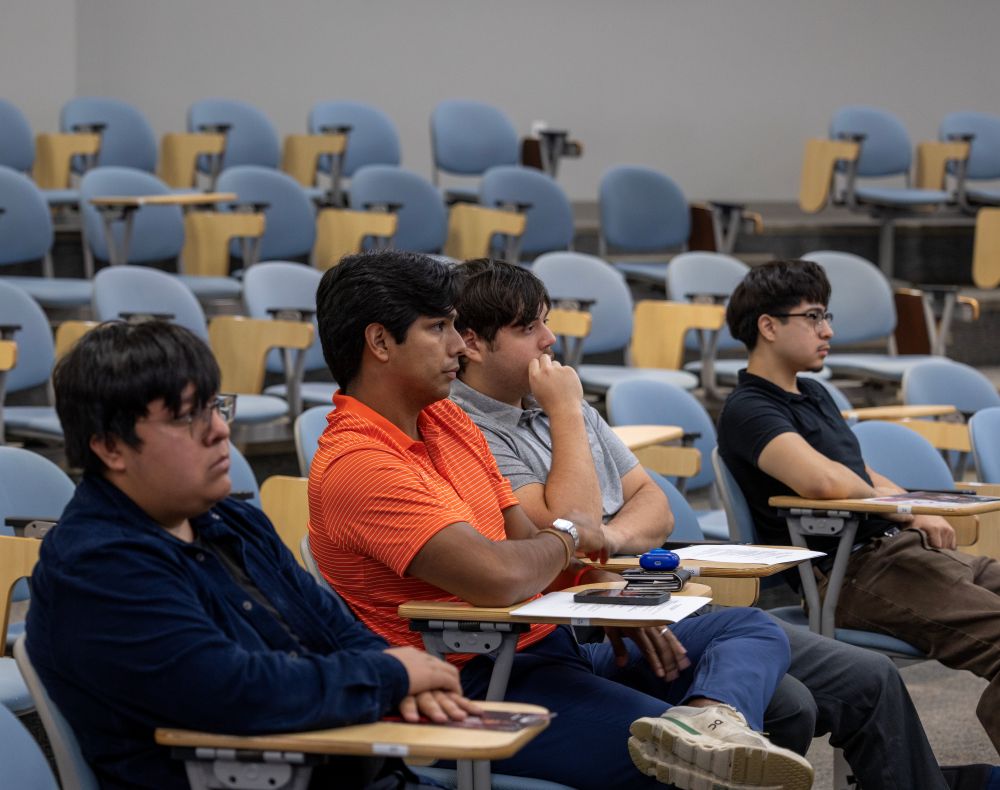
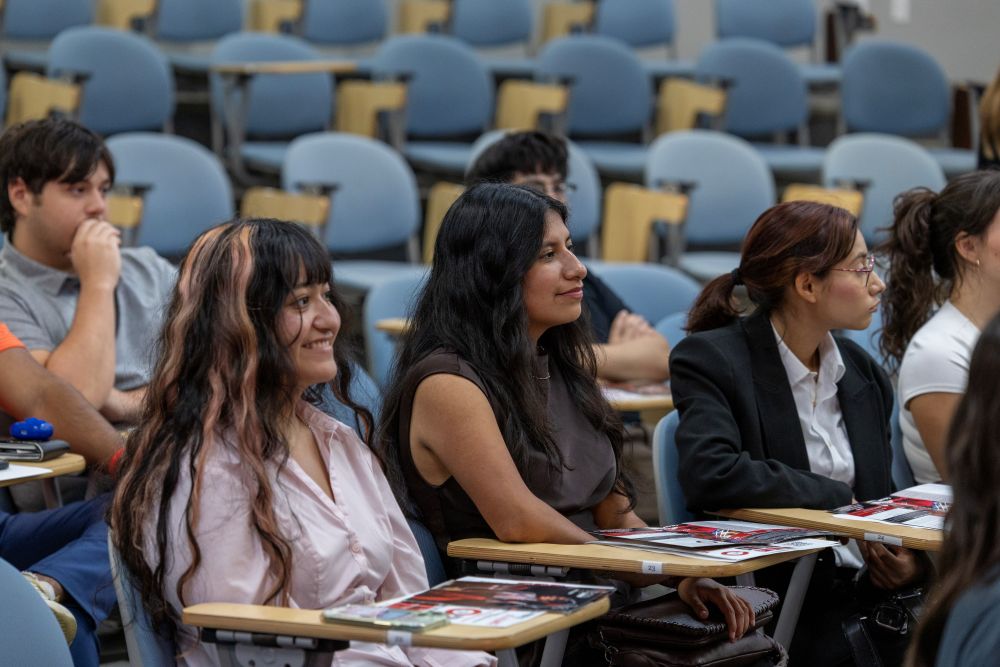
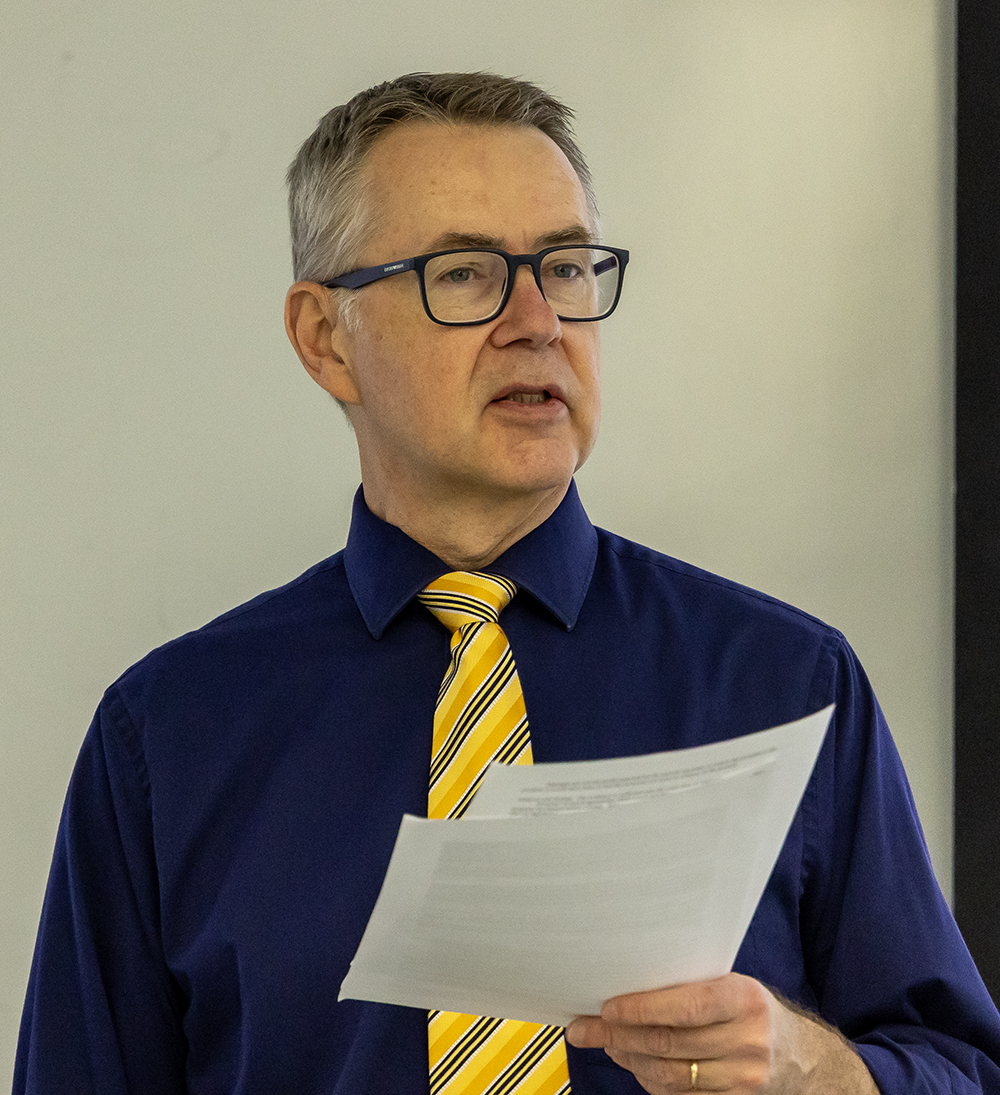
Last week, LEAP students had the opportunity to experience what it’s like to be in a law class led by Professor Val Ricks at South Texas College of Law Houston! From cold calls that made us lean in with anticipation…

…to deep dives into Promissory Estoppel, Professor Ricks left us all with new knowledge and a new way of viewing words.

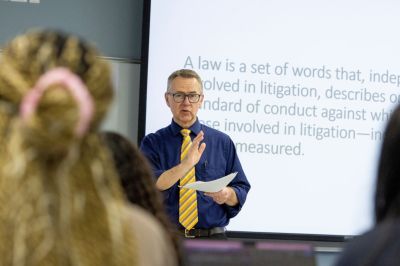
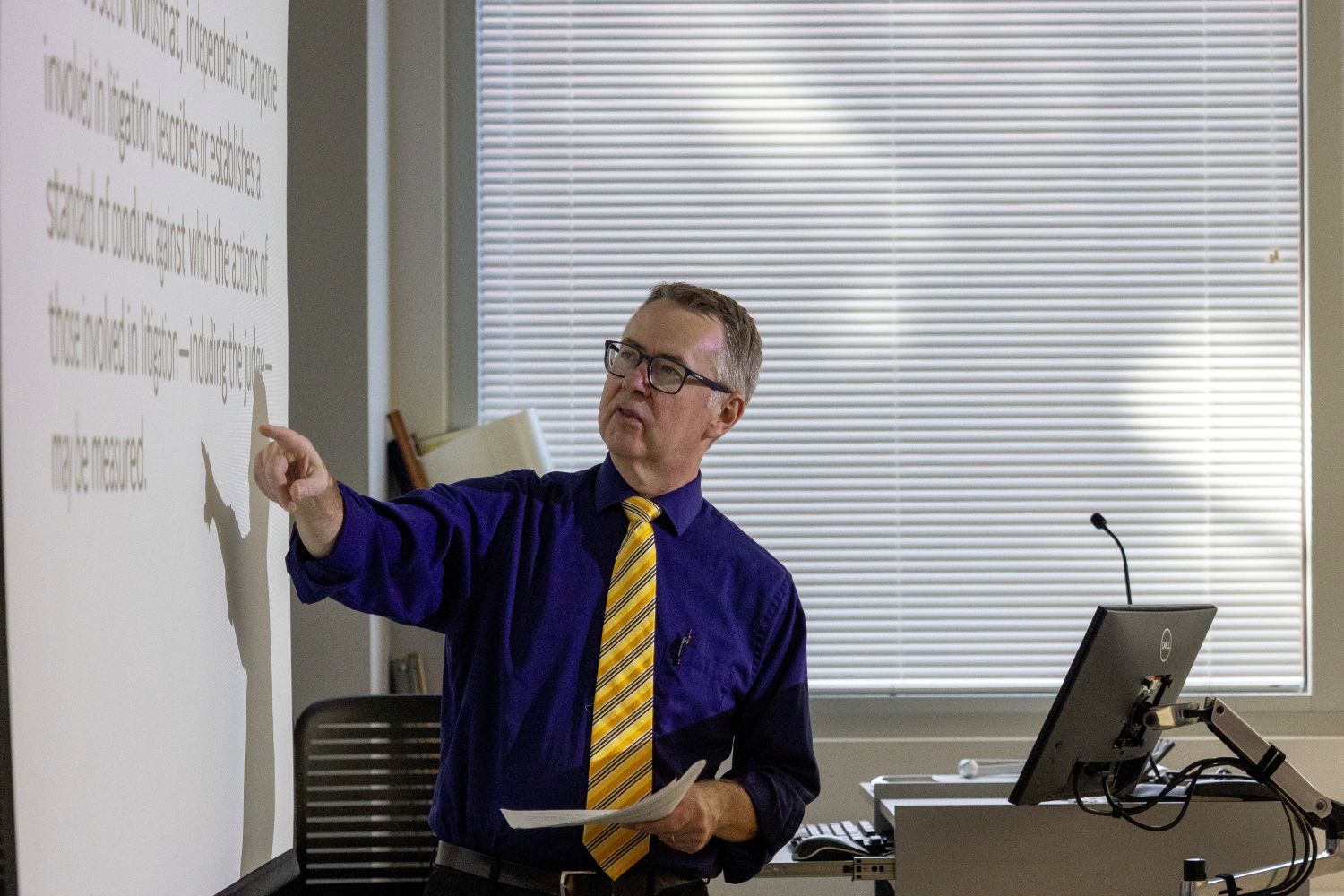
The mock class started with defining what law is, specifically:

Law: a set of words that, independent of anyone involved in litigation, describes or establishes a standard of conduct which against the actions of those involved in litigation — including the judge — may be measured. 

Why do humans form law? Would law exist if humans didn’t? The simple answer is: Law is just a standard of conduct humans use to govern themselves. Even though we write them down, without us here to interpret those words, they would have no value.

Professor Ricks related law to a game of Chess, each piece on the board is affected by a rule, that, in turn, influences the sequence of the game.

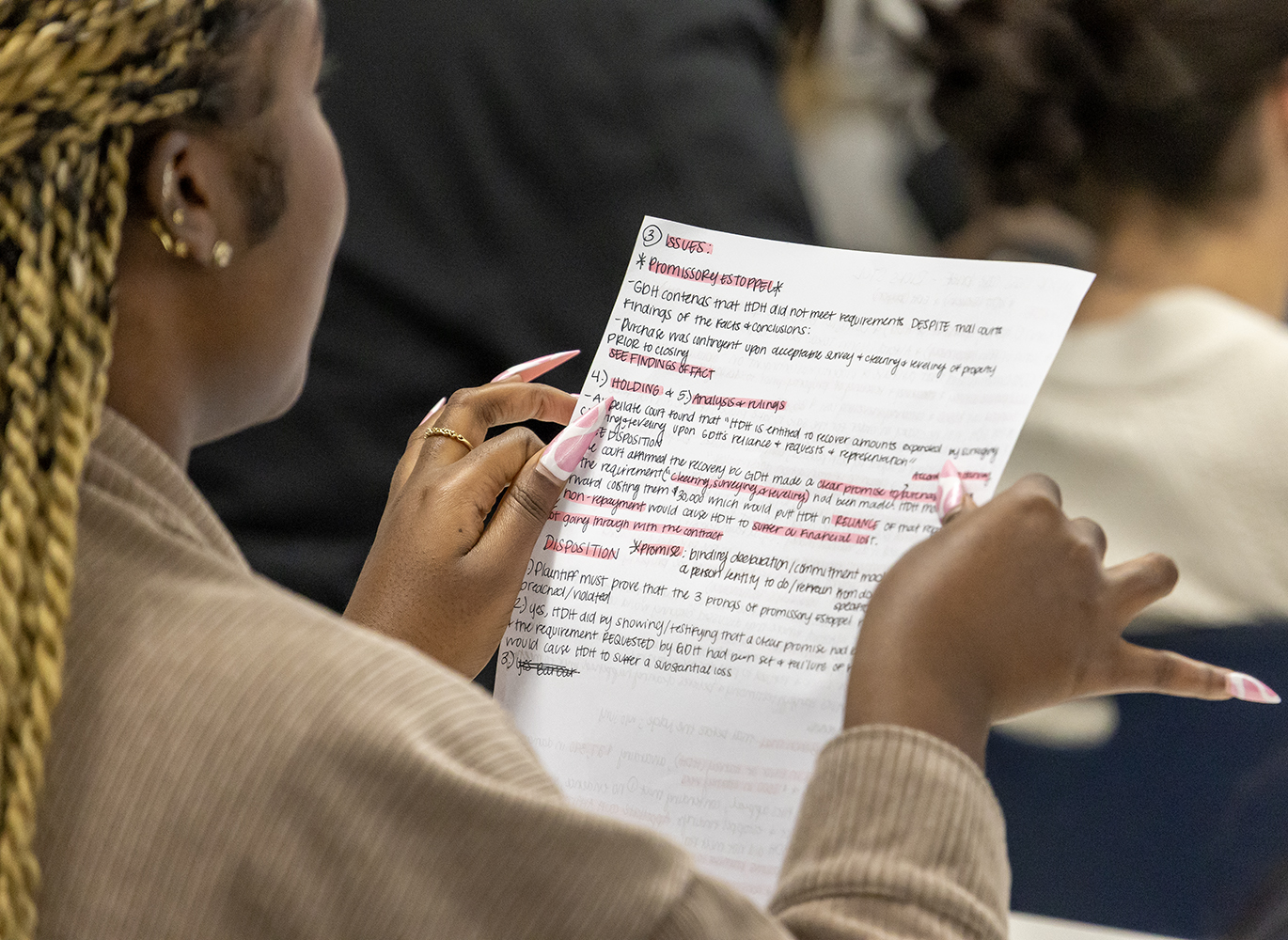
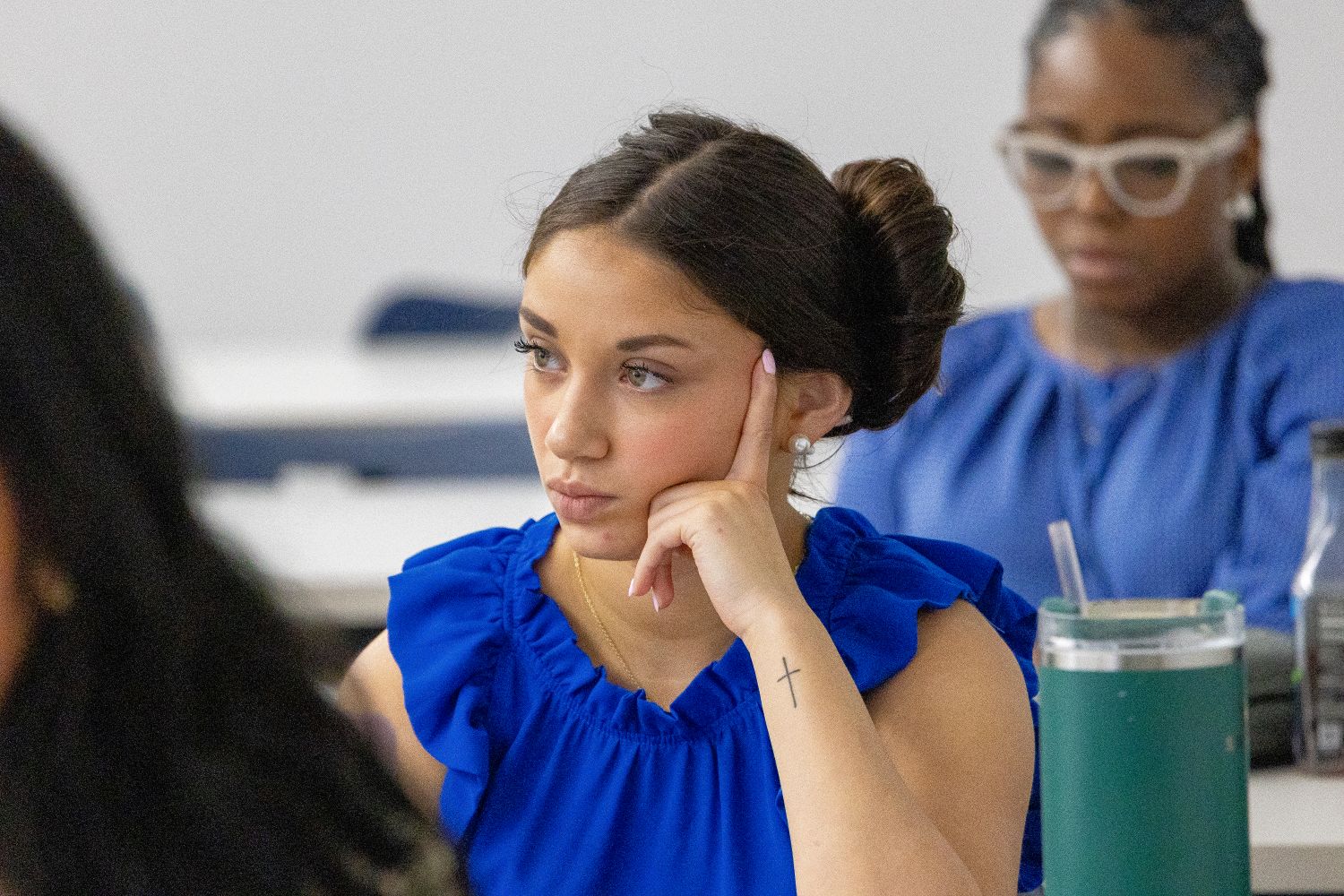
Then it was time for the case: G.D. Holdings, INC. v. H.D.H. Land & Timber, L.P., a civil case revolving the transaction of 300,000 dollars in exchange for nine acres of land IF the land were to be surveyed, cleared, and level. Professor Ricks provided us with the facts of the case and turned it over to us, cold calling on students…

…to give the other aspects of their case briefs.

Learning from each other, we began to apply the rule of Promissory Estoppel, re-defining its three requisites.

As a class we came to understand that Promissory Estoppel is when a promise is made and the person making the promise can reasonably predict that the person agreeing to the promise will rely on that promise in a detrimental way.

In the example case, the promise was the purchase of land by G.D. Holdings from H.D.H. once the land got cleared.

We also learned that even though both parties signed a contract, because one party crossed out a clause in the contract before signing, the law considers that to be two different contracts meaning there wasn’t ever a valid contract.

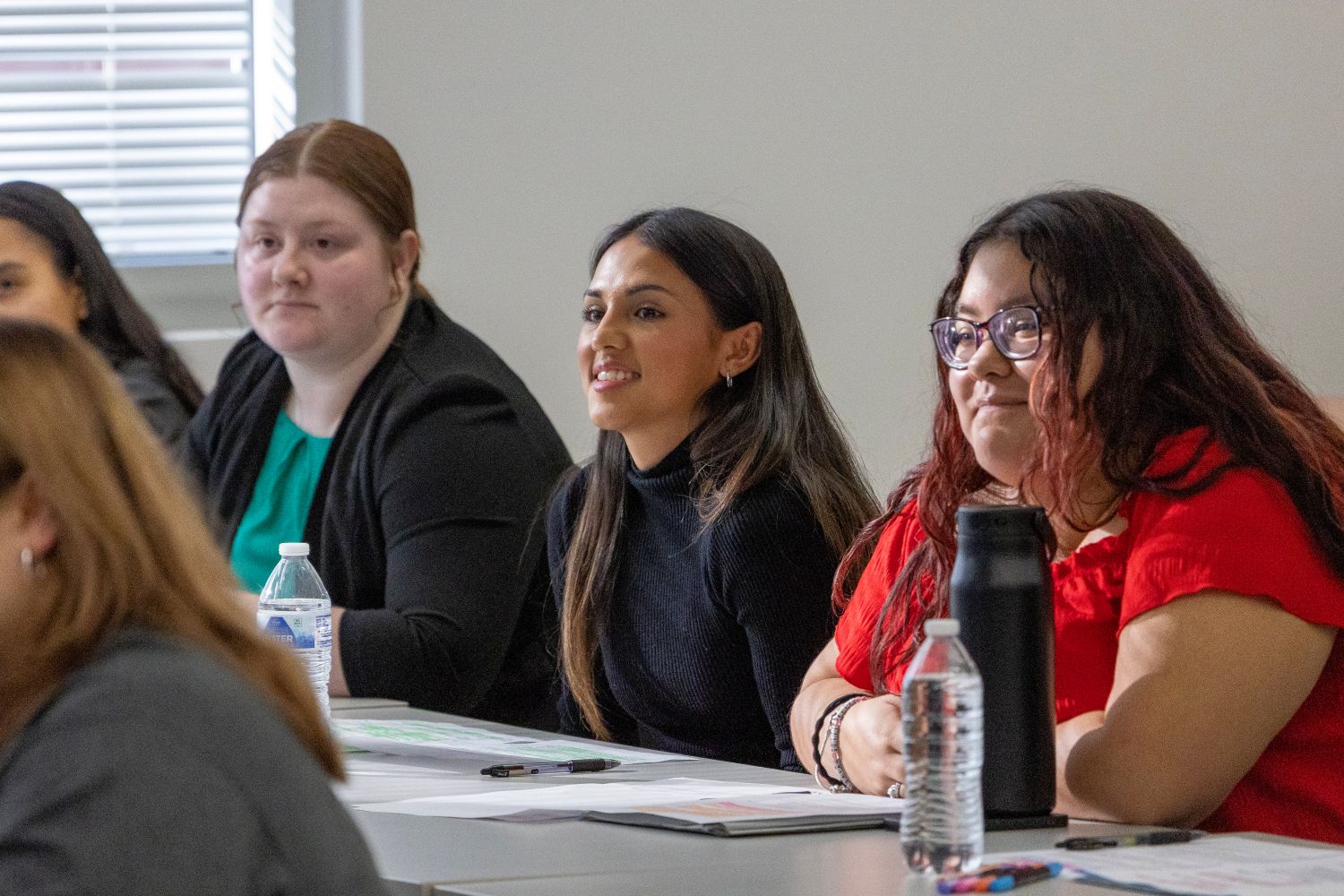
After we dissected the case and the language used in it, we got to practice our application with a few examples and found that Professor Ricks (to no one’s surprise) did an excellent job at teaching us the concepts so we all properly applied the learned rules to other cases.

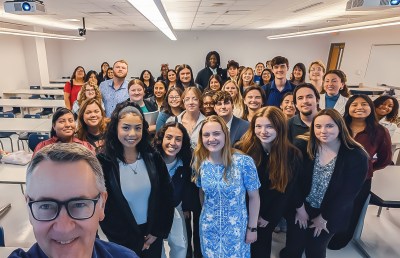
We also got the chance to ask Professor Ricks about law school admissions, grading, as well as what to expect in similar law school classes. Of course, we had to get our signature selfie to finish the class, but the learning didn’t stop there as even afterwards, all of us were beaming with a new passion for contract law and hopes for what future knowledge lies ahead.

Staying out of “Legal Jeopardy” While Having Fun

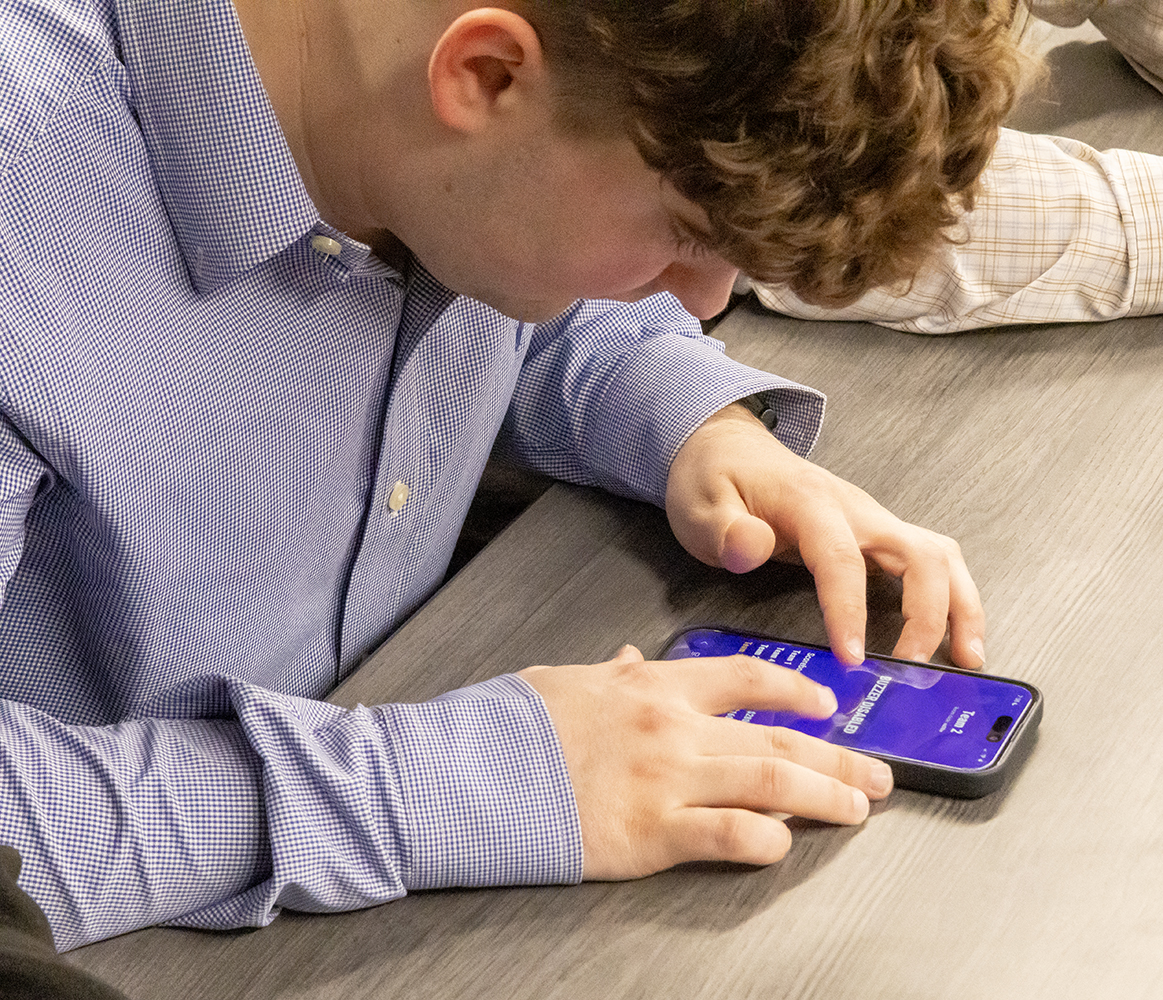
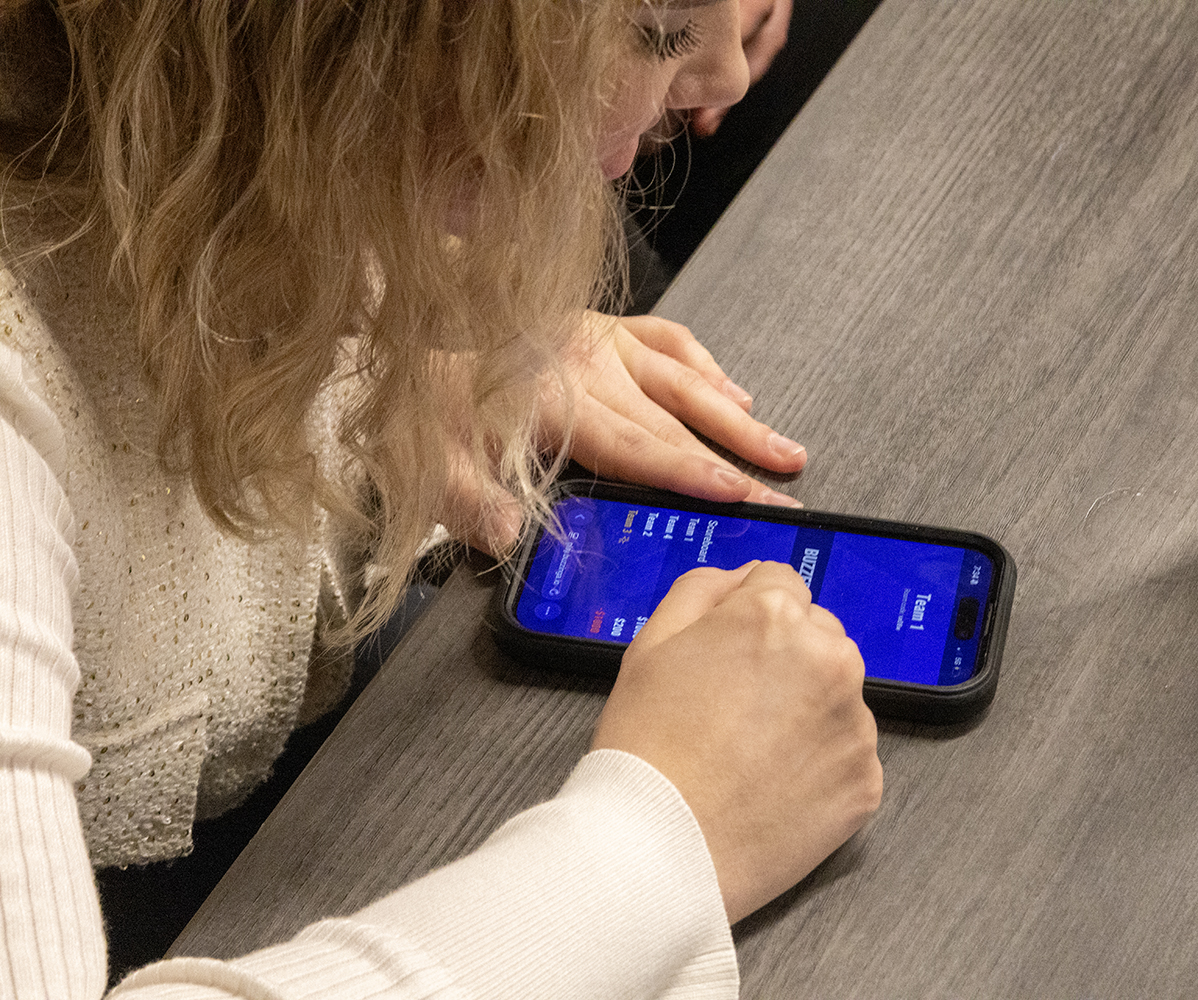
On January 21, Student Legal & Mediation Services, the Pre-Law Society, and the LEAP Center hosted “Legal Jeopardy” in the LSC, bringing together students for an evening of learning, connection, and friendly competition.

The evening began at 6pm, with check-in and networking while students enjoyed pizza and dessert. Upon arrival, each attendee was assigned to one of four teams, each led by our team leaders: Brittlyn Jackson (Team 1), Jacob Wessels and Allie Plunk (Team 2), Elizabeth Werts and Abigail Wilmot (Team 3), and Isis Hollis and Robin Houghton (Team 4), while our logistical managers, IT Directors, and Sergeant-at-Arms prepared for the evening.

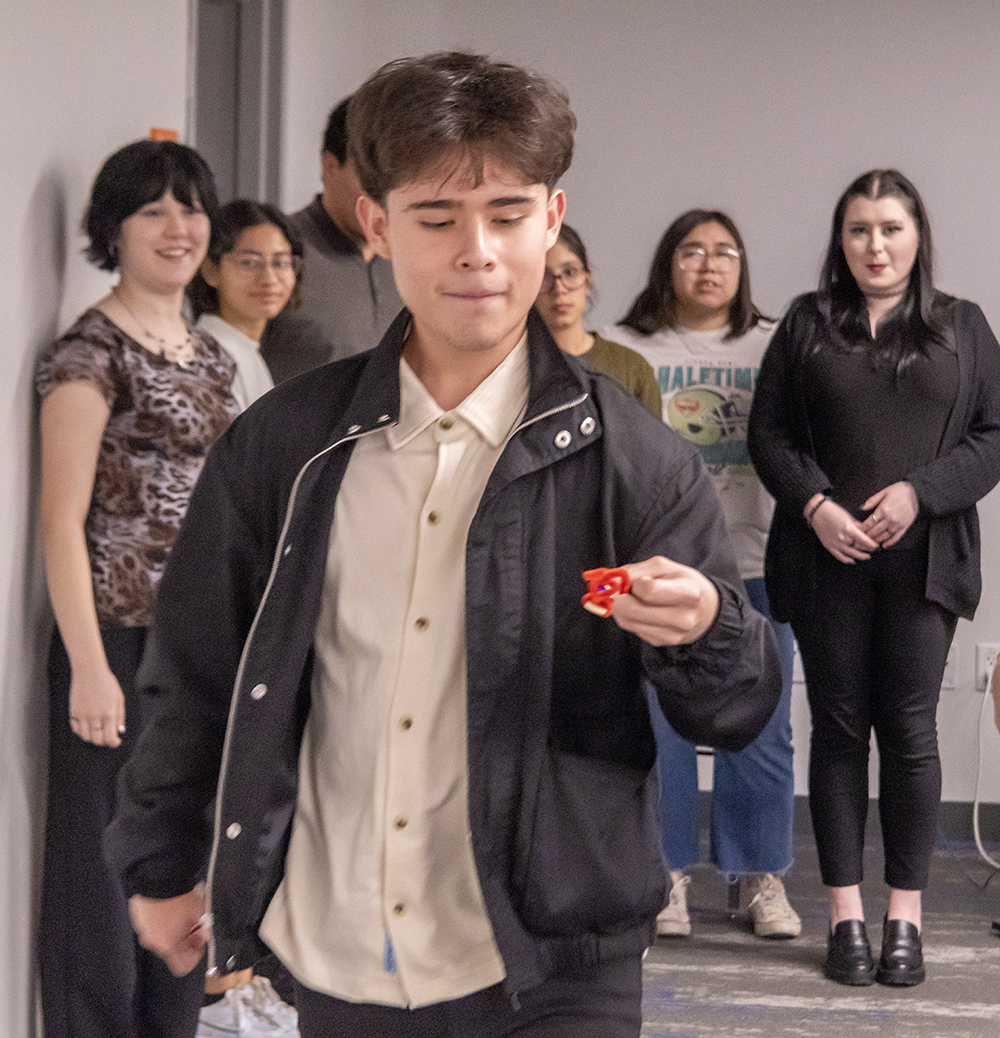
With games ranging from spoon races (with crafted spoons) to rock-paper-scissors to “Hot Topics” and more, the students engaged various levels of fun and sportsmanship.

The team-building brought people together, while also providing cues to the teams who they did–and didn’t–want to represent them in the official jeopardy contests.

Jeopardy officially began at 7pm, with Logistics Manager Olivia McCaughan introducing our host, Dr. Gene Roberts, our IT Director Kayla Fleming, and our Sergeant at Arms, Matthew Bocanegra and, most important, explaining the rules of the game.

The first round of Jeopardy featured categories such as:

  • Famous Speech and Expression Supreme Court Cases
  • Famous Supreme Court Criminal Cases
  • Legal Terminology
  • Supreme Court Chief Justices
  • Legal Thrillers (Film)
  • The US Constitution

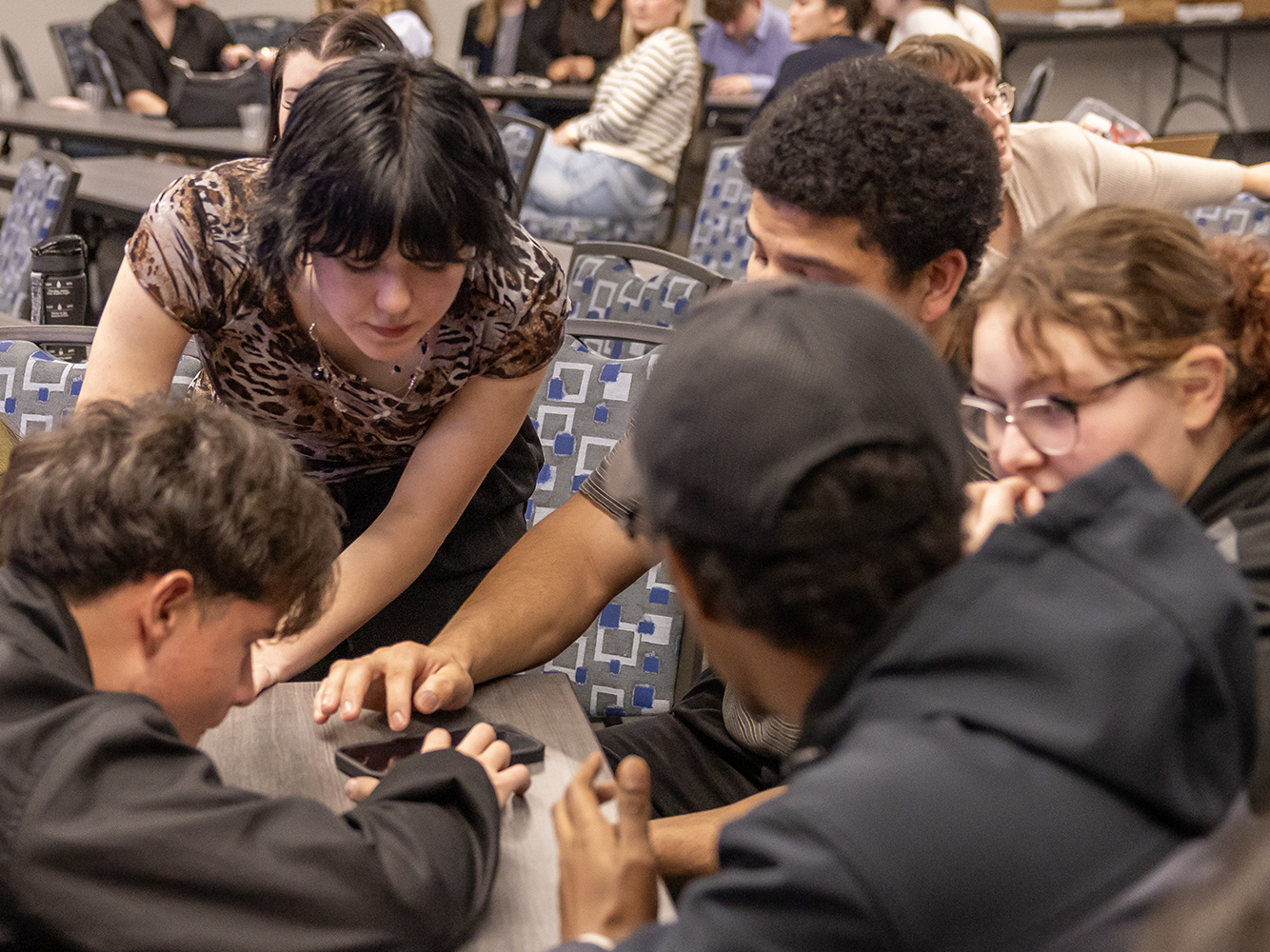
With each team having a designated spokesperson and buzzer pusher, the games commenced!

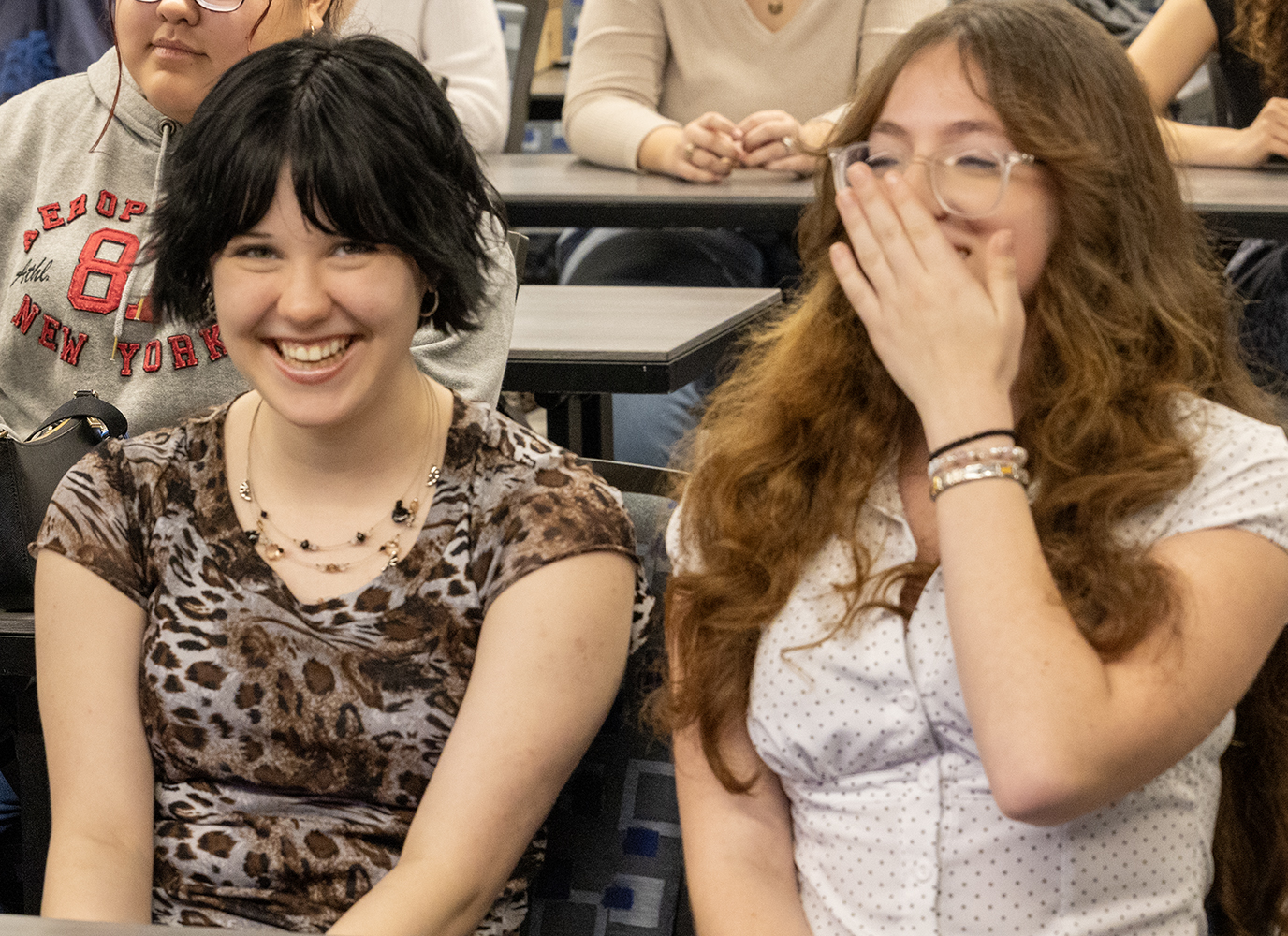
The room soon erupted in cheers, groans, and laughter, as teams deliberated and tried to be the first on the buzzers (which could measure differences up to a millisecond).

Ultimately, Team One came out the winner, armed with the talent of Brittlyn Jackson, Makenna McDaniel, Luke Hempfling, and Eduardo Maia, and they were definitely among the most animated. They won Orange Lululemon belt bags as prizes, courtesy of Student Legal & Mediation Services.

A second round, purely for fun, ensued, with lighter categories such as SHSU, Pop Culture Mashup, State Capitals, Things Pre-Law Students Should Know, and Things You Should Have Learned in High School. For this round, the entire group was able to participate, and this time, Team Four won.

With almost seventy people in attendance at this event, we needed a lot of help. Makenna McDaniel and Brianne Barclay did a great job checking people in; PLS Treasurer, Nataly Elizondo, accepted dues for the organization–bringing in some new members in the process; and Jackie Balbuena took video for some follow-up marketing.

The event highlighted the contributions that the Pre-Law Society, the LEAP Center, and the Student & Legal Mediation Services make across campus, while also bringing people together for a night of a lot of fun and a little bit of learning, too.

Pre-Law Society Hosts Attorney Michael Foreman for an Engaging and Insightful Meeting

This Wednesday’s last Pre-Law Society meeting of the semester ended up being one of our most helpful and interesting ones yet. We started with our usual updates: finances, social media, minutes, and spring-semester dues, before going over upcoming events and ideas for the rest of the year.

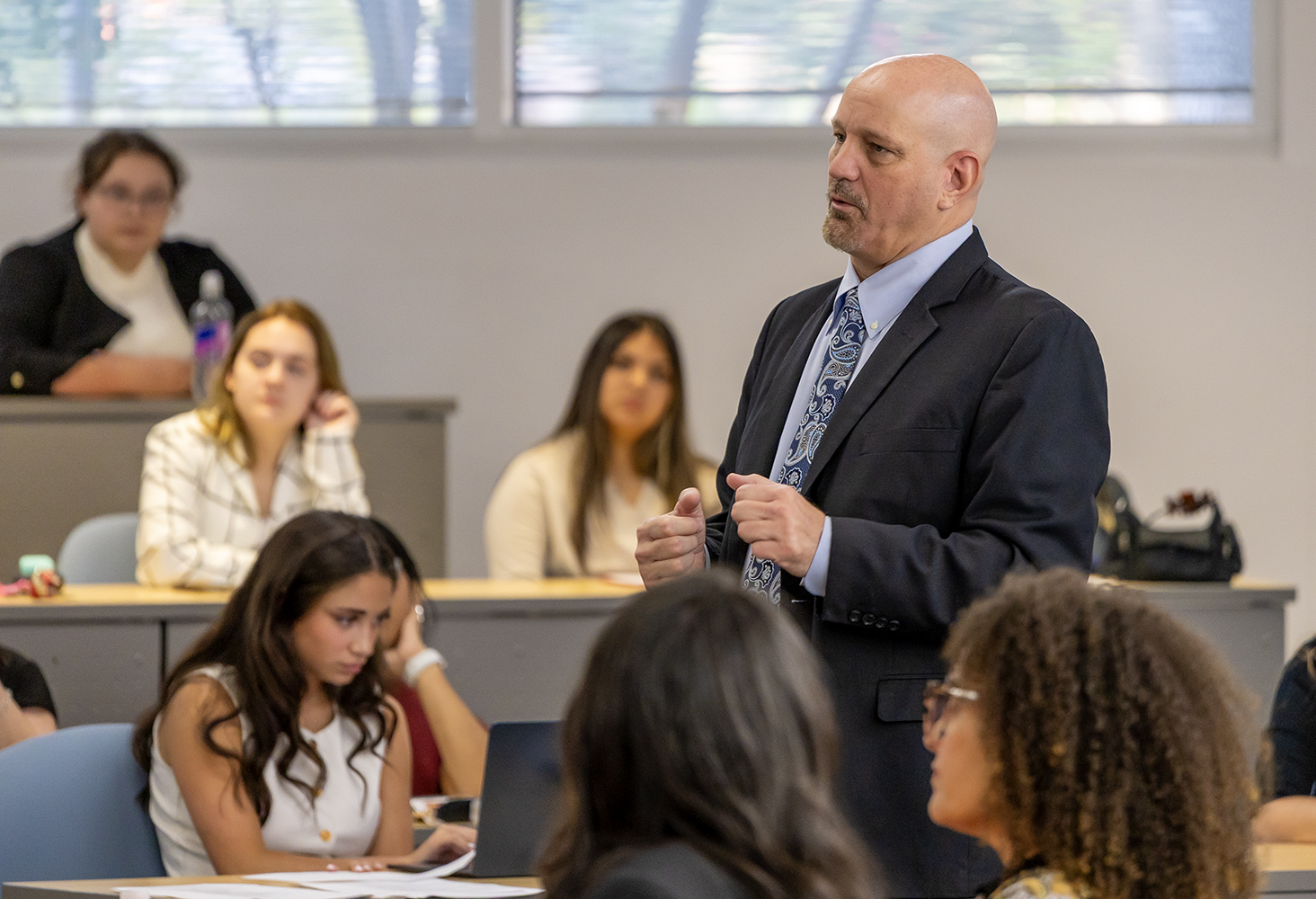
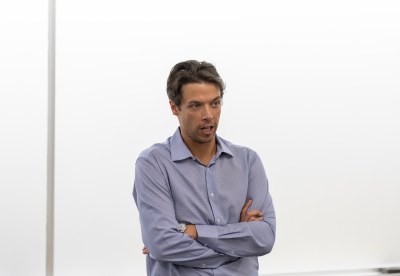
Once we wrapped up business, Olivia Discon introduced Attorney Michael Foreman, a Baylor Law graduate and trial lawyer at Haney Paschal & Romoser right here in Huntsville, Texas. Foreman works in family, personal injury, contract and property disputes, and trusts and estates law. From the moment he started speaking, it was clear he had a lot of real-world experience to share.

He began with a question many of us think about: “Does mock trial really prepare you for the courtroom?” Foreman didn’t hesitate. “It’s as close as you can get to actually being in a courtroom,” he said, and encouraged anyone considering law school to get involved. That immediately set the tone for how honest and practical he would be throughout the night.

He also walked us through how he made it onto law review at Baylor. Students can qualify by being in the top 5% of their class or by submitting a strong writing sample. He explained how law review improves your writing, your ability to read cases deeply, and your confidence going into legal practice.

When he talked about law school itself, Foreman didn’t sugarcoat anything. Most classes come down to one final exam, but everything you do during the semester prepares you for it. He stressed how important class rank is your first year, saying, “Your first year is very important. It dictates your speed to success.” Hearing that from someone who has lived it made everyone sit up a little straighter.

Foreman also shared stories from his internships and clerkships, and gave advice that many of us needed to hear: if you get accepted into multiple law schools, choose the best one you can, even if another feels more comfortable. “The first ten years of your career are shaped by the path you choose,” he said. Everyone took a second to process their reality, and most even would say that motivated them even further.

He then talked about the difference between big and small firms. While large firms may seem impressive, he reminded us that new lawyers often don’t get meaningful hands-on work there. Smaller firms, like Haney Paschal & Romoser, give young attorneys real opportunities to learn the entire process, from meeting clients to preparing for trial. It made the legal world feel a little less intimidating. It gave us insight that we would not be able to find on our own as undergraduates.

One of the most interesting parts of his talk was when he described a Texas Renaissance Festival contract case involving $72 million. He used that case to explain what depositions are and why they matter. “Depositions are your first chance to question witnesses under oath,” he said, adding that you often learn the most when you take action early in a case. He also shared the heartbreaking detail that the festival’s owner later committed suicide, which reminded everyone just how much stress clients can be under. “Everyone you work with is under stress,” Foreman told us. “Your job is to give peace of mind and manage expectations.”

From there, he covered probate, personal-injury billing, and the emotional nature of family law. He explained that while the legal part of family law may be straightforward, the challenge comes from guiding clients through tough, emotional situations. “Emotions do not determine decisions,” he said, “but they determine how you communicate.”

He ended the night with a line that stuck with almost everyone: “Law school is ultimately betting on yourself.” For many of us, that was the reminder we needed, that pursuing law is a commitment, but also an investment in who we want to become.

Overall, the meeting was encouraging, honest, and incredibly helpful. We left with a clearer picture of law school, the profession, and the responsibility lawyers carry. It was exactly the kind of meeting that motivates future law students to keep pushing forward.

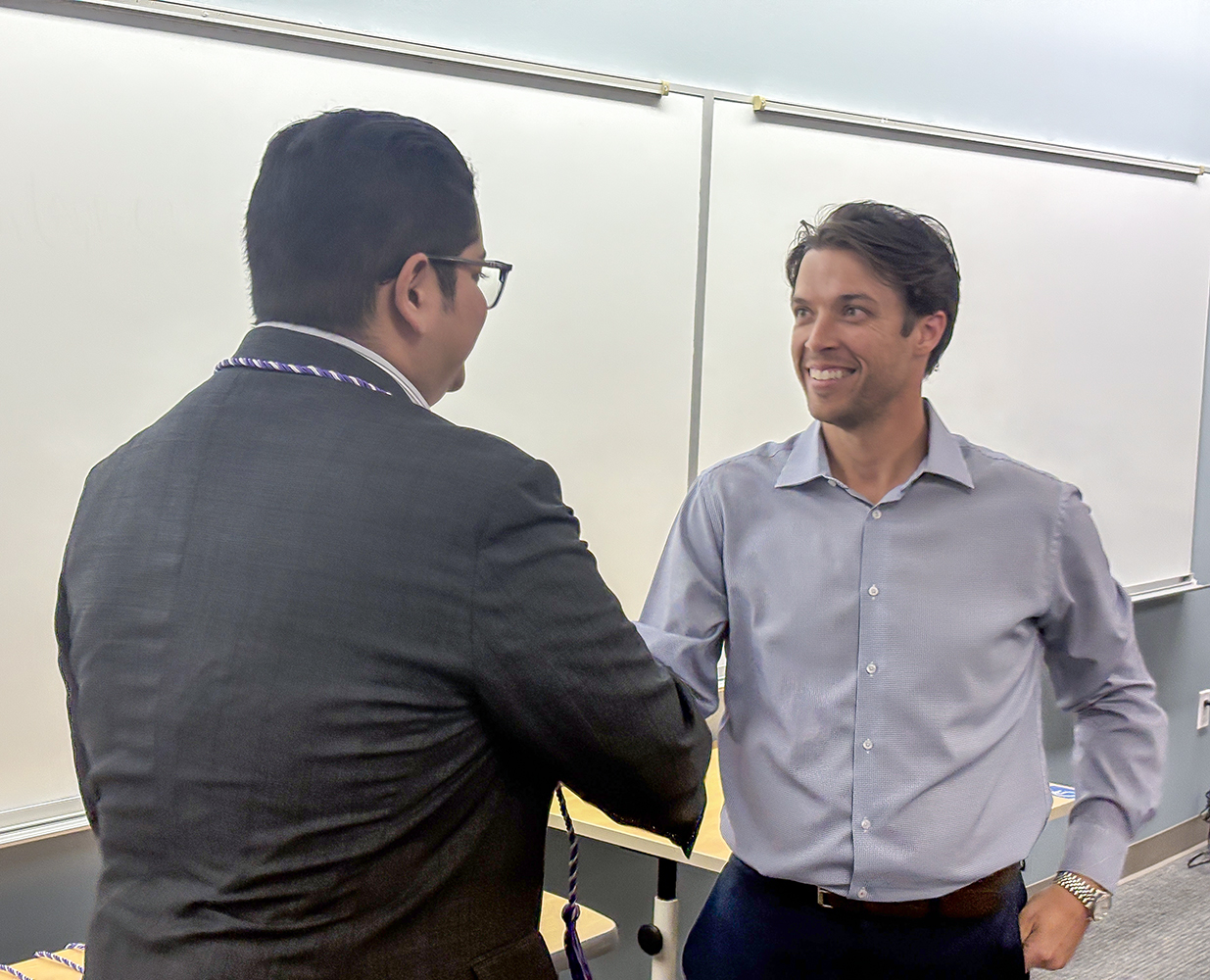
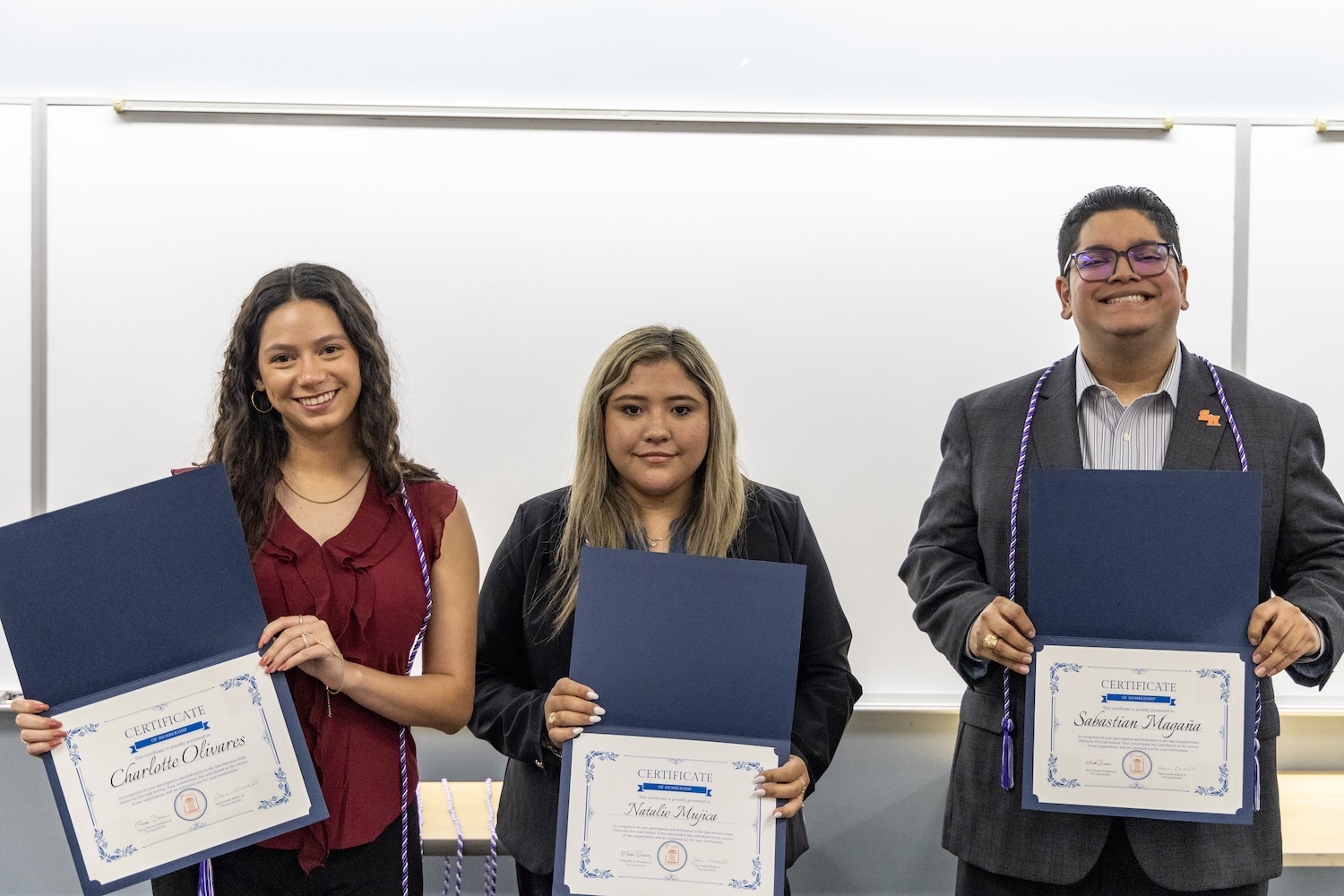
To finish off the night, the Pre-Law Society and Micheal Foreman had the honor of giving our graduating seniors their cords and PLS certificates.

We are sad to see them go, but grateful to have seen these individuals grow. We wish the best of luck to them and their journeys as aspiring attorneys!

LEAP Center Offers Mock LSAT, Other Pre-Law Programs

Sam Houston State University’s Center for Law, Engagement, And Politics offers numerous programs for those interested in legal careers. One of the most popular is our Mock LSAT, which is offered every fall (open to all) and spring (open to Pre-Law Society members).

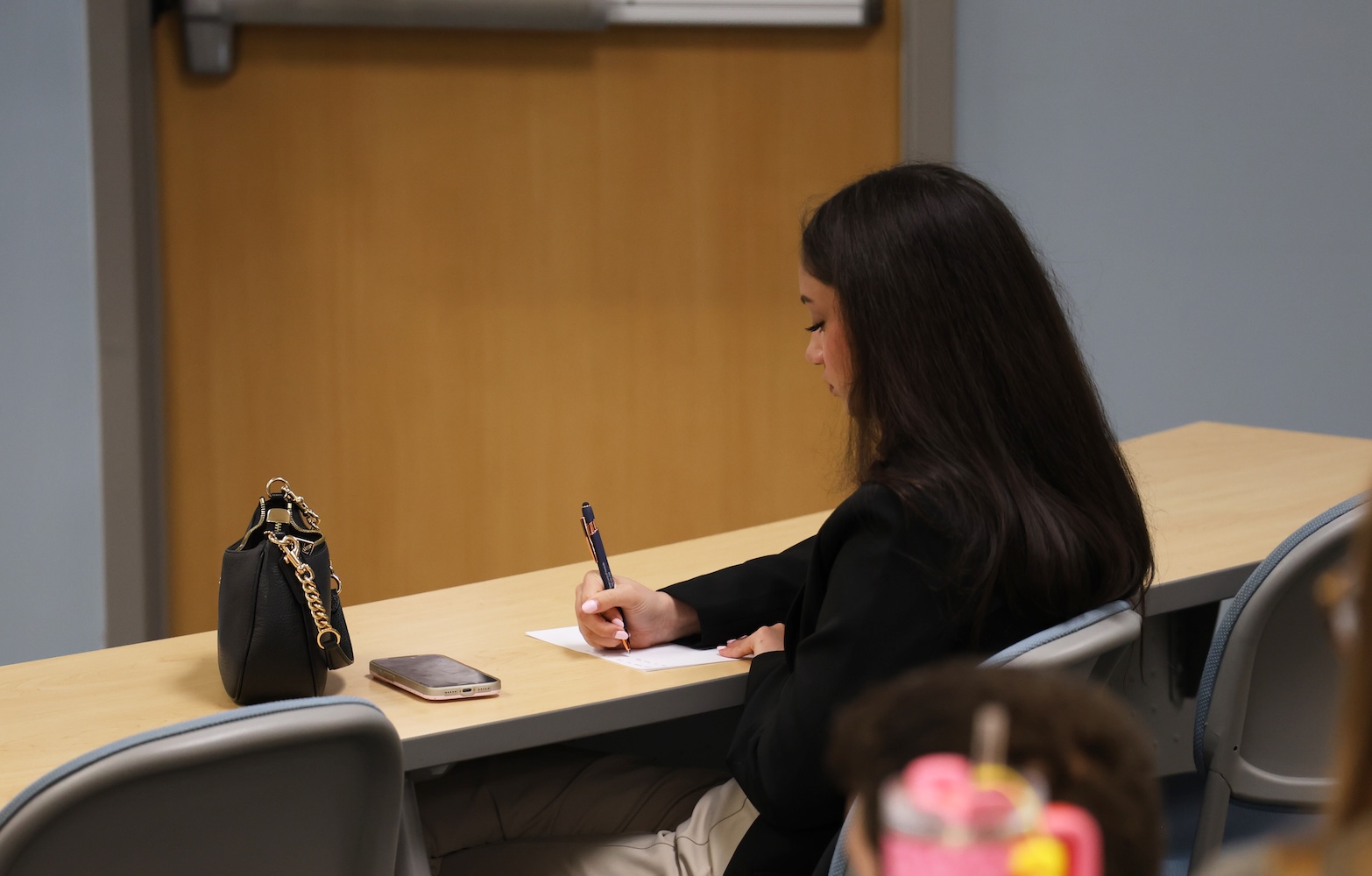
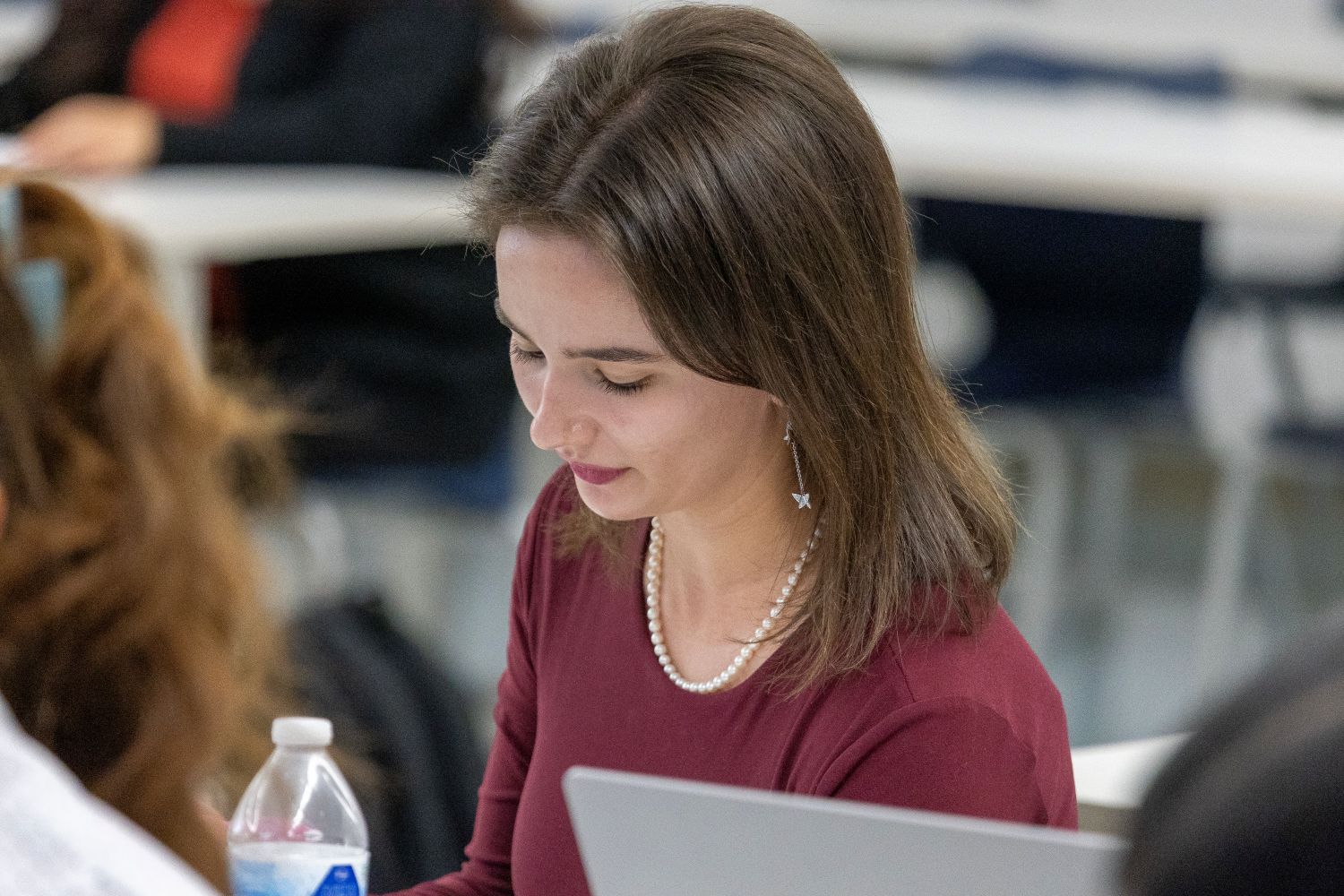
This fall’s practice test occurred yesterday, with Olivia Discon and Michelle Moya coming up early on a Saturday to volunteer, student worker Gabila Flores working, Mike Yawn helping, and Jean Loveall leading the event. To accommodate the record-setting 125 people signed up, the bustling band set up the test in each of the room’s chairs while also providing flyers for a pre-law class in the spring (“Negotiation,” by Professor Chris Thompson).
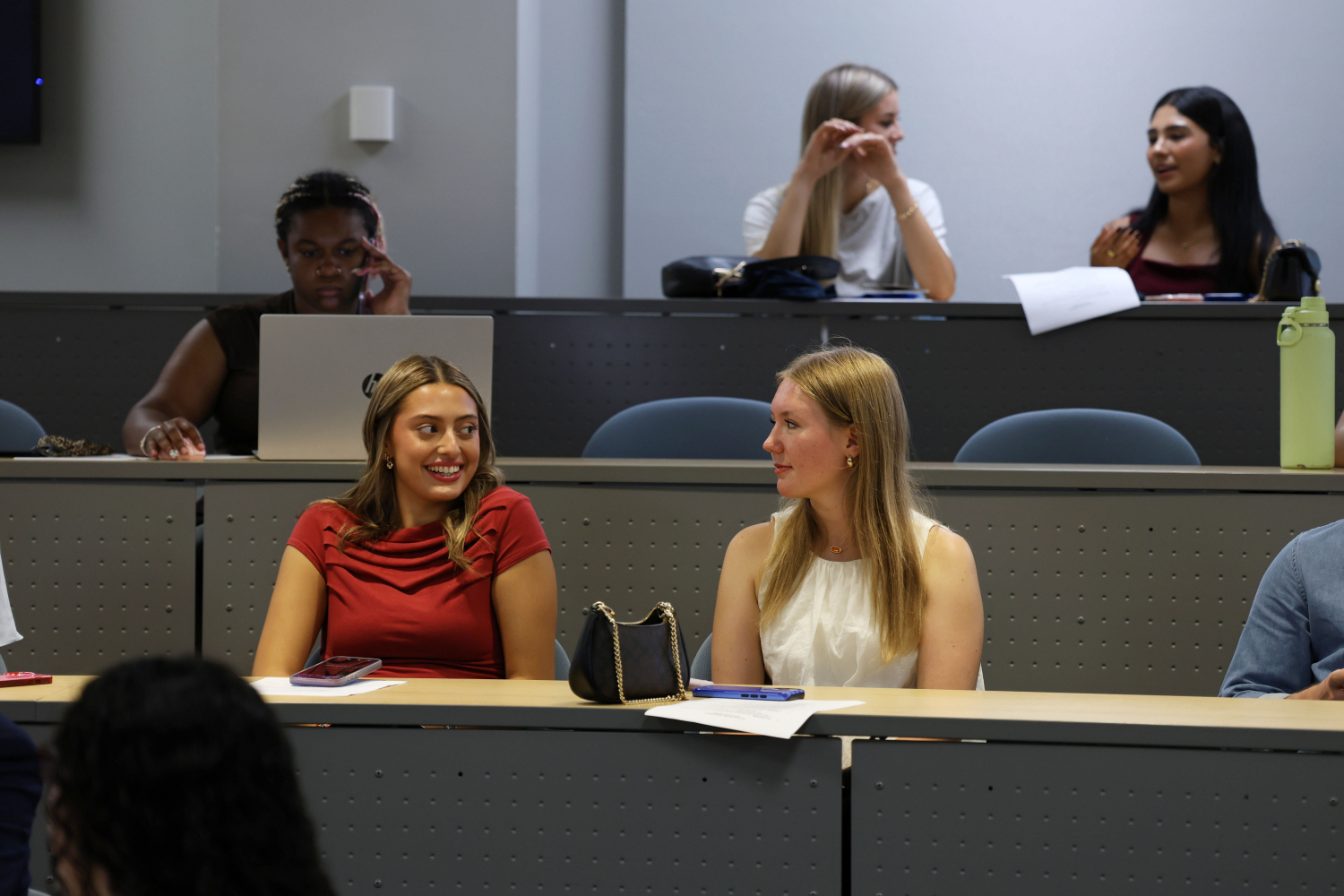
As people began rolling in around 9am, guests were checked in, pencils and scantrons issued, and soon rules were covered.

Like the real test, the Mock LSAT is given in four sections, each 35 minutes. There are two Logical Reasoning sections, one Reading section, and one experimental section. Over the course of the morning, you could see the students’ energy fade a bit, as the test took its toll.

But the test is crucial in providing students with a baseline score so that they can work with LEAP Advisors to create a study plan for the real LSAT. This test– combined with Pre-Law Society activities, SHSU’s Legal Studies Minor, law-related guest speakers, workshops, field trips, Moot Court team, and study support in the form of scholarships–has helped SHSU become one of the top “Law School Feeders,” according to the Law School Admissions Council.

For those hoping to attend law school, there are many ways to get involved or learn more:

  • Schedule an appointment in Campus Connect, looking for the LEAP Center and Jean Loveall;
  • Follow the LEAP Center on Instagram (samhoustonleap), Facebook (SHSULEAP), or Linkedin (center-for-law-engagement-and-politics);
  • Sign up for the Mock LSAT or one of the many LEAP Center events;
  • Join the Pre-Law Society (prelawsocietyshsu on Instagram);
  • Create a law school admissions council account.

Getting to law school requires more work than the average post-graduate career or program of study, but with the right mindset and the willingness to take advantages of the resources that the LEAP Center offers–such as the Mock LSAT–law school is within your reach.