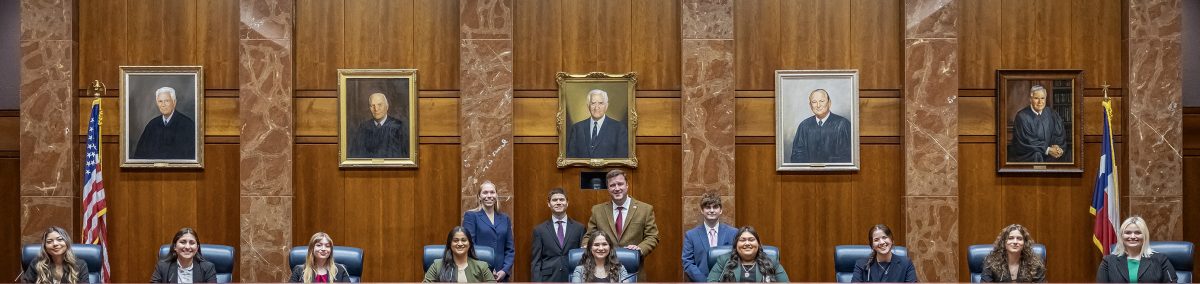
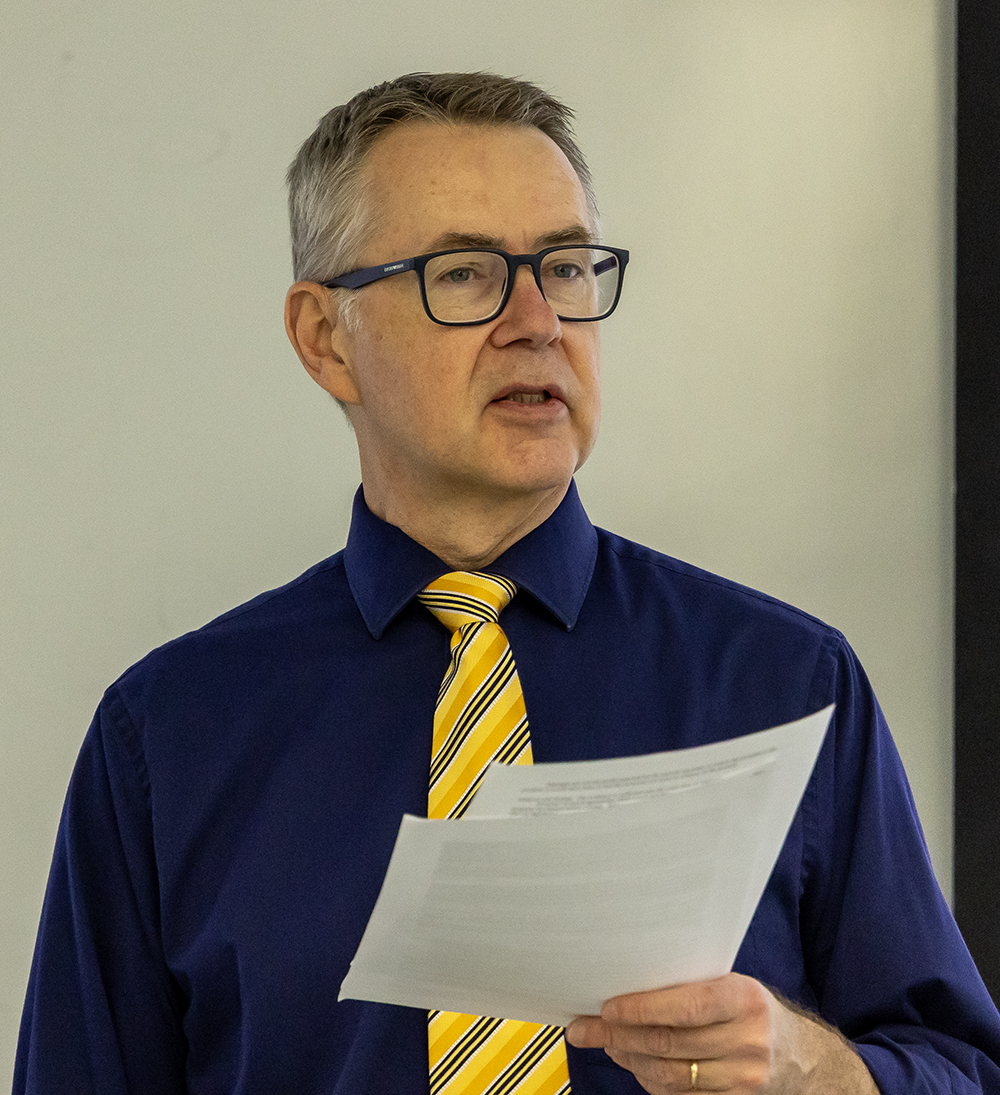
Last week, LEAP students had the opportunity to experience what it’s like to be in a law class led by Professor Val Ricks at South Texas College of Law Houston! From cold calls that made us lean in with anticipation…

…to deep dives into Promissory Estoppel, Professor Ricks left us all with new knowledge and a new way of viewing words.
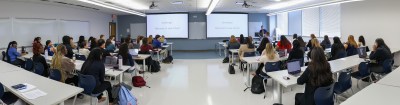
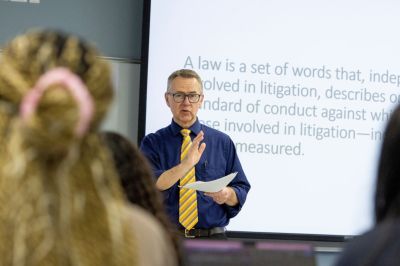
The mock class started with defining what law is, specifically:
Law: a set of words that, independent of anyone involved in litigation, describes or establishes a standard of conduct which against the actions of those involved in litigation — including the judge — may be measured.
Why do humans form law? Would law exist if humans didn’t? The simple answer is: Law is just a standard of conduct humans use to govern themselves. Even though we write them down, without us here to interpret those words, they would have no value.

Professor Ricks related law to a game of Chess, each piece on the board is affected by a rule, that, in turn, influences the sequence of the game.
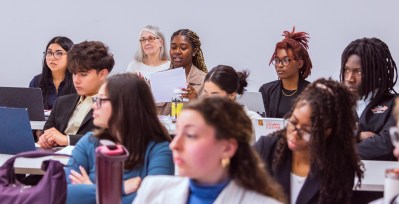
Then it was time for the case: G.D. Holdings, INC. v. H.D.H. Land & Timber, L.P., a civil case revolving the transaction of 300,000 dollars in exchange for nine acres of land IF the land were to be surveyed, cleared, and level. Professor Ricks provided us with the facts of the case and turned it over to us, cold calling on students…
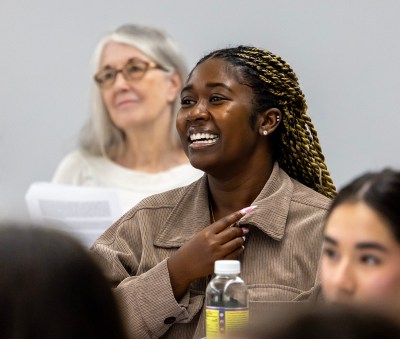
…to give the other aspects of their case briefs.
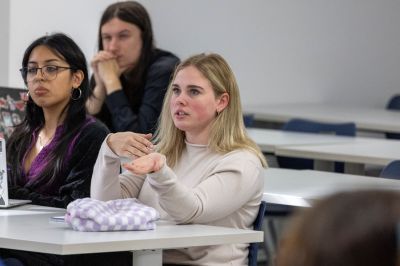
Learning from each other, we began to apply the rule of Promissory Estoppel, re-defining its three requisites.
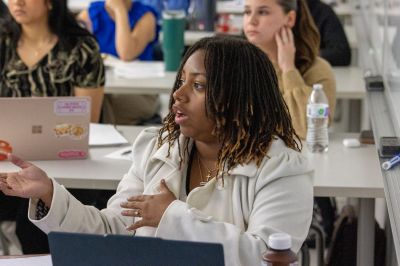
As a class we came to understand that Promissory Estoppel is when a promise is made and the person making the promise can reasonably predict that the person agreeing to the promise will rely on that promise in a detrimental way.
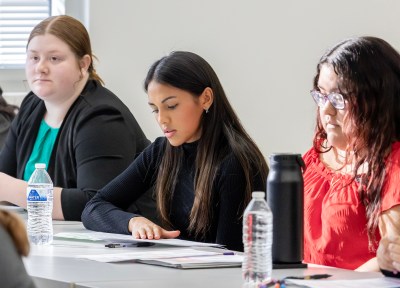
In the example case, the promise was the purchase of land by G.D. Holdings from H.D.H. once the land got cleared.
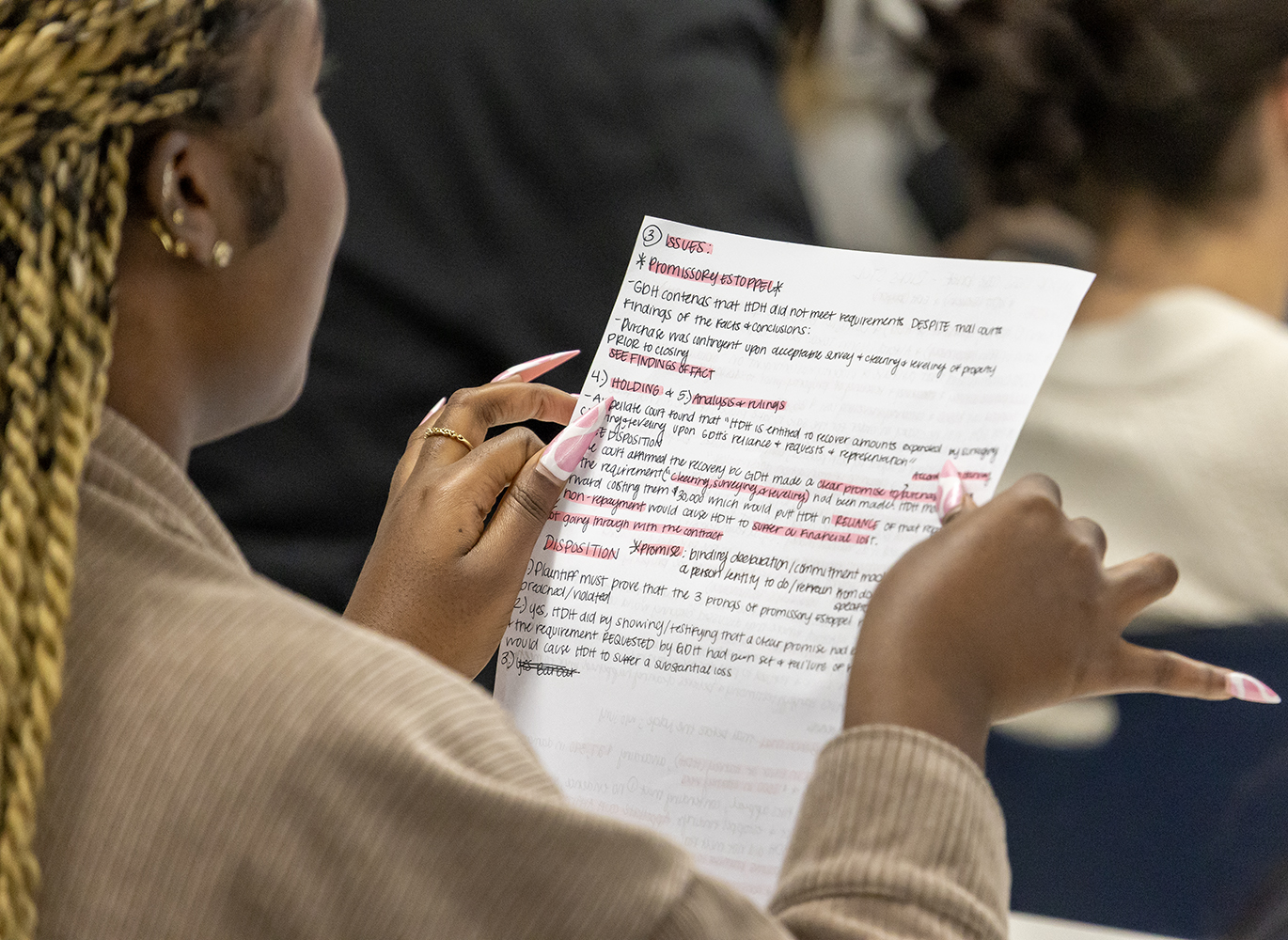
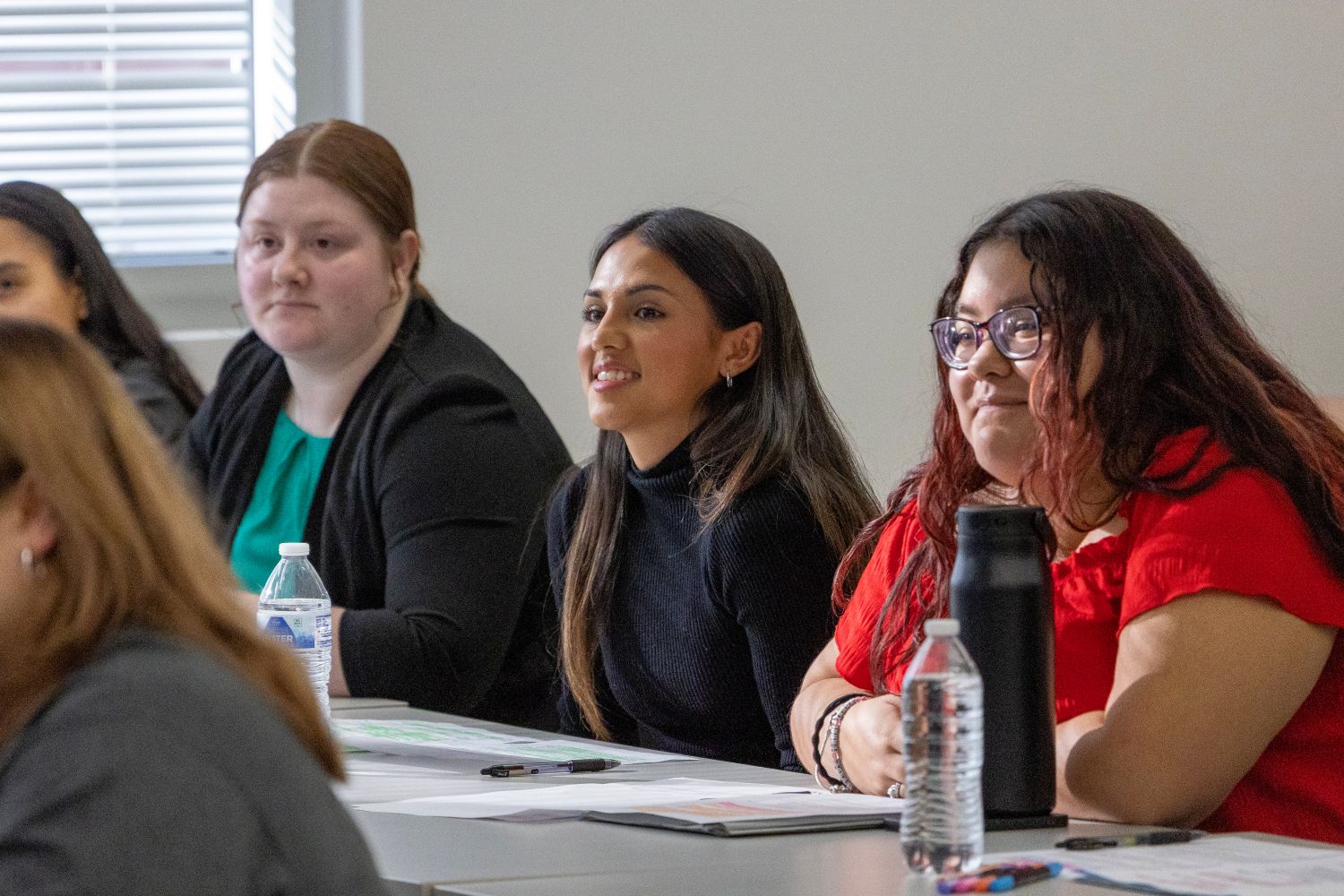



We also learned that even though both parties signed a contract, because one party crossed out a clause in the contract before signing, the law considers that to be two different contracts meaning there wasn’t ever a valid contract.

After we dissected the case and the language used in it, we got to practice our application with a few examples and found that Professor Ricks (to no one’s surprise) did an excellent job at teaching us the concepts so we all properly applied the learned rules to other cases.
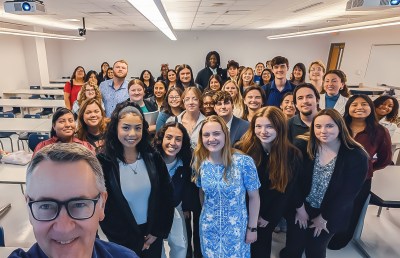
We also got the chance to ask Professor Ricks about law school admissions, grading, as well as what to expect in similar law school classes. Of course, we had to get our signature selfie to finish the class, but the learning didn’t stop there as even afterwards, all of us were beaming with a new passion for contract law and hopes for what future knowledge lies ahead.

 Center for Law, Engagement, and Politics