Written by Jacob Wessels and Gabriel Kranz-Danet
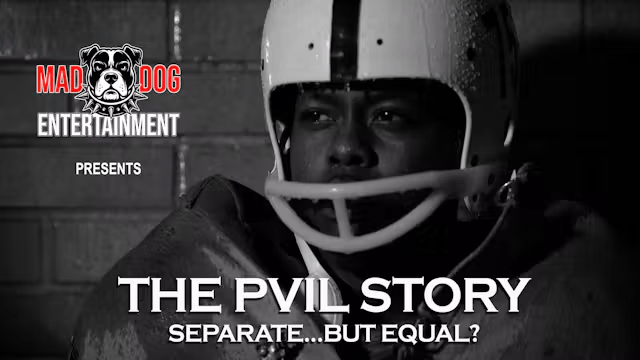
Earlier this week, SHSU students were privileged to learn more about an important but often overlooked part of Texas history: the Prairie View Interscholastic League (PVIL). This story was ably captured by Mark Burns documentary, “The PVIL Story: Separate…but Equal?” and it was followed by deeper insights offered by a knowledgeable panel of those worked on the film.
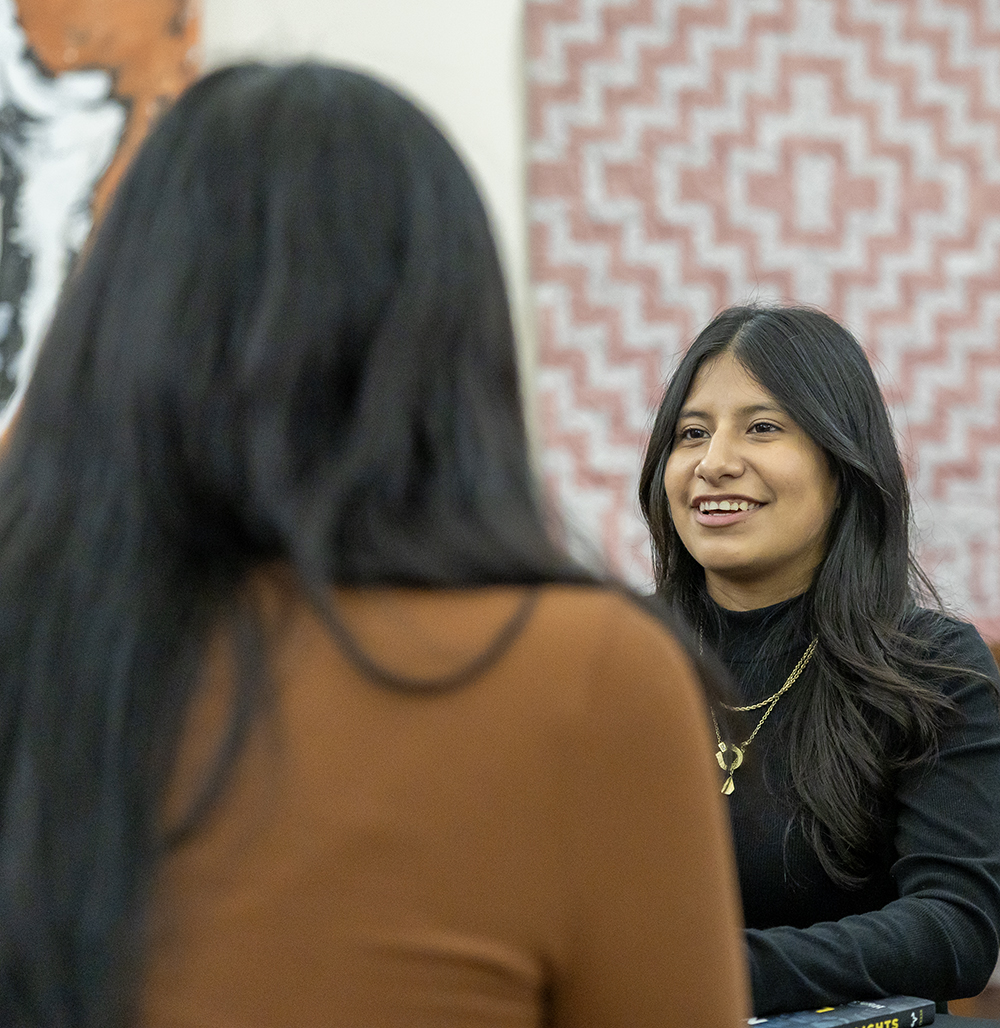
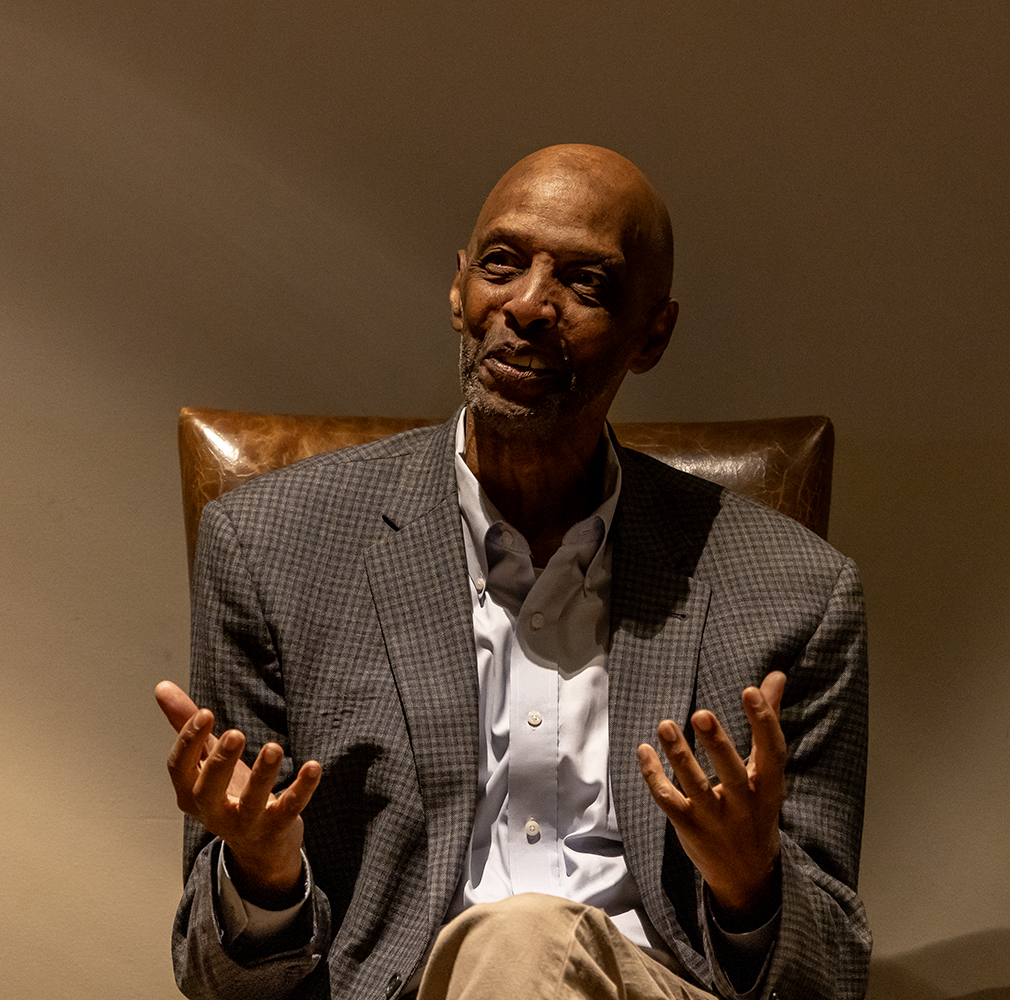
To start the evening, attendees enjoyed a reception complete with delicious food, drinks, and plenty of conversation. During the reception, I had the chance to speak with author Michael Hurd, a panelist for the evening, and one of the key people interviewed in the film. Mr. Hurd was a sportswriter and the first Director of Prairie View A&M’s Texas Institute for the Preservation of History and Culture (TIPHC), and he had interesting stories to tell!
The documentary tells the story of the Prairie View Interscholastic League (PVIL), which was formed in 1920 by a group of Black educators in Houston. Because the University Interscholastic League (UIL) did not allow Blacks to participate, the PVIL gave students in Black high schools across Texas a place to compete in sports, academics, band, and debate.
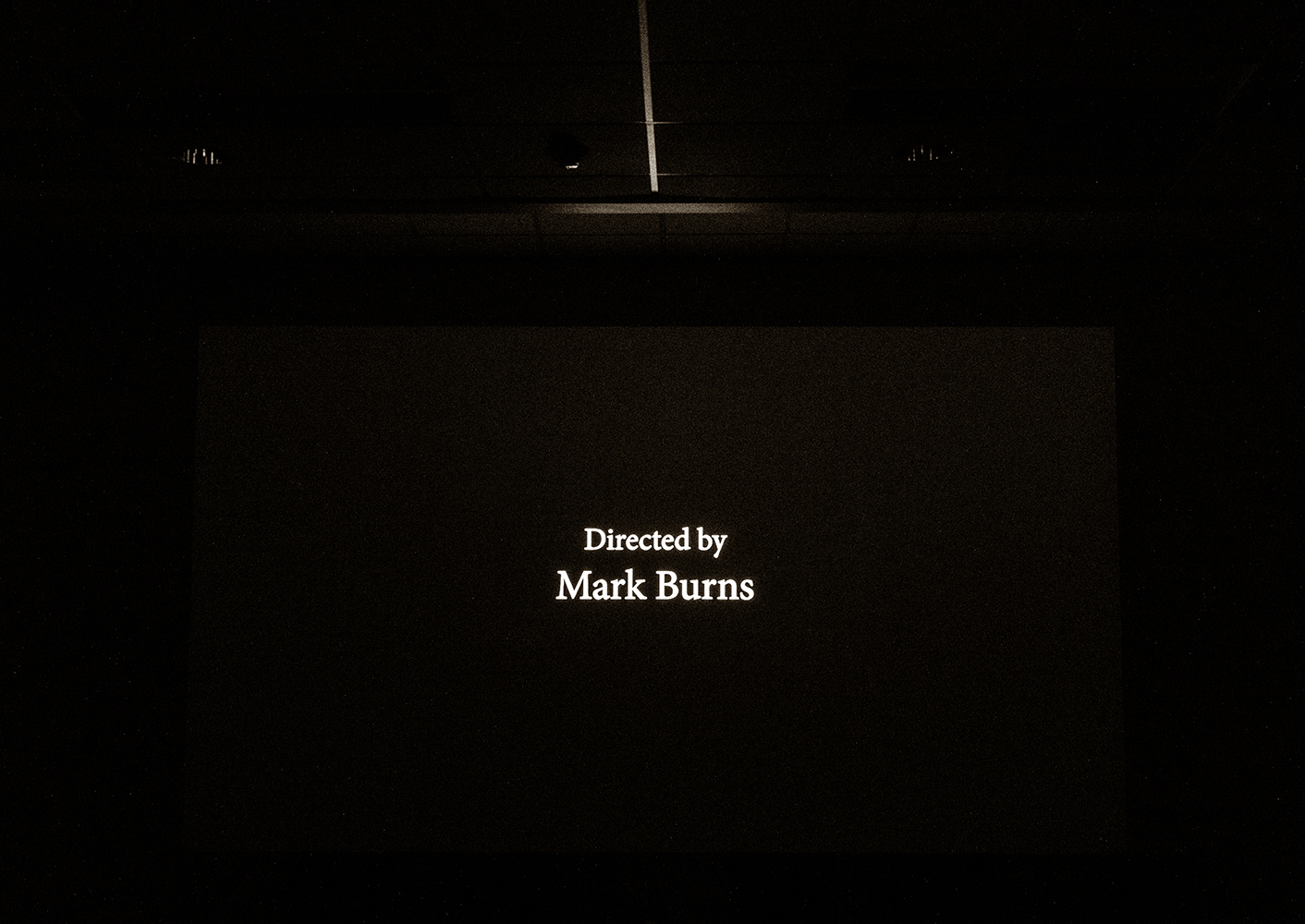
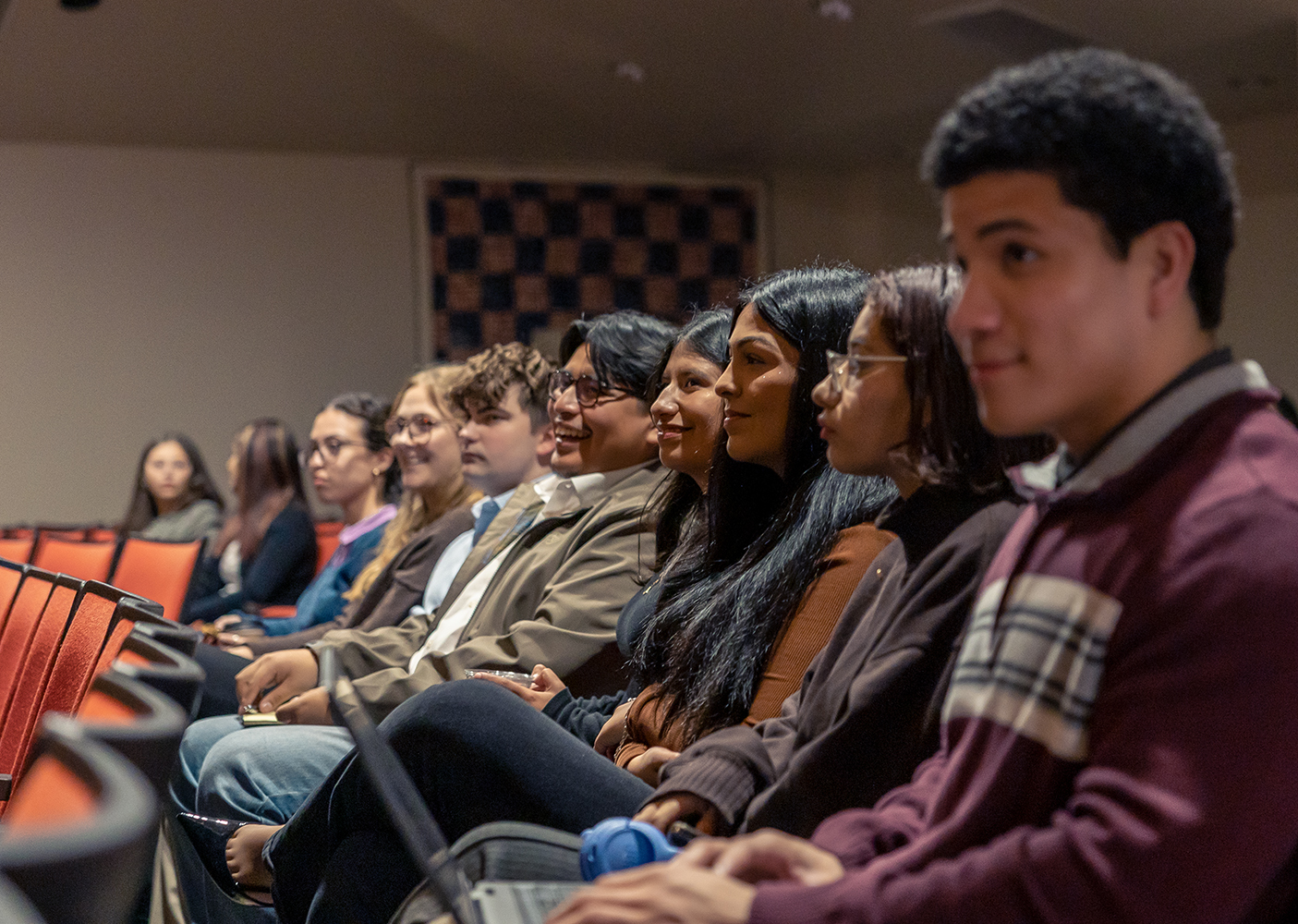
Throughout the film, we learned how PVIL teams played an exciting, fast-paced brand of football despite facing huge challenges during the Jim Crow era. Many schools didn’t have proper stadium lights or good equipment; some players had to wear worn out hand-me-down cleats and practice in the dark using headlights from cars lined up around the field by neighbors. Even with these struggles, the PVIL produced seven Pro Football Hall of Famers, including “Mean” Joe Greene and Ken Houston, as well as legendary figures outside of sports like Congresswoman Barbara Jordan, civil rights leader James Farmer Jr., and dancer Debbie Allen. The film also taught us about key events in Texas history, like the massive Turkey Day Classic rivalry games in Houston that used to draw 40,000 fans.
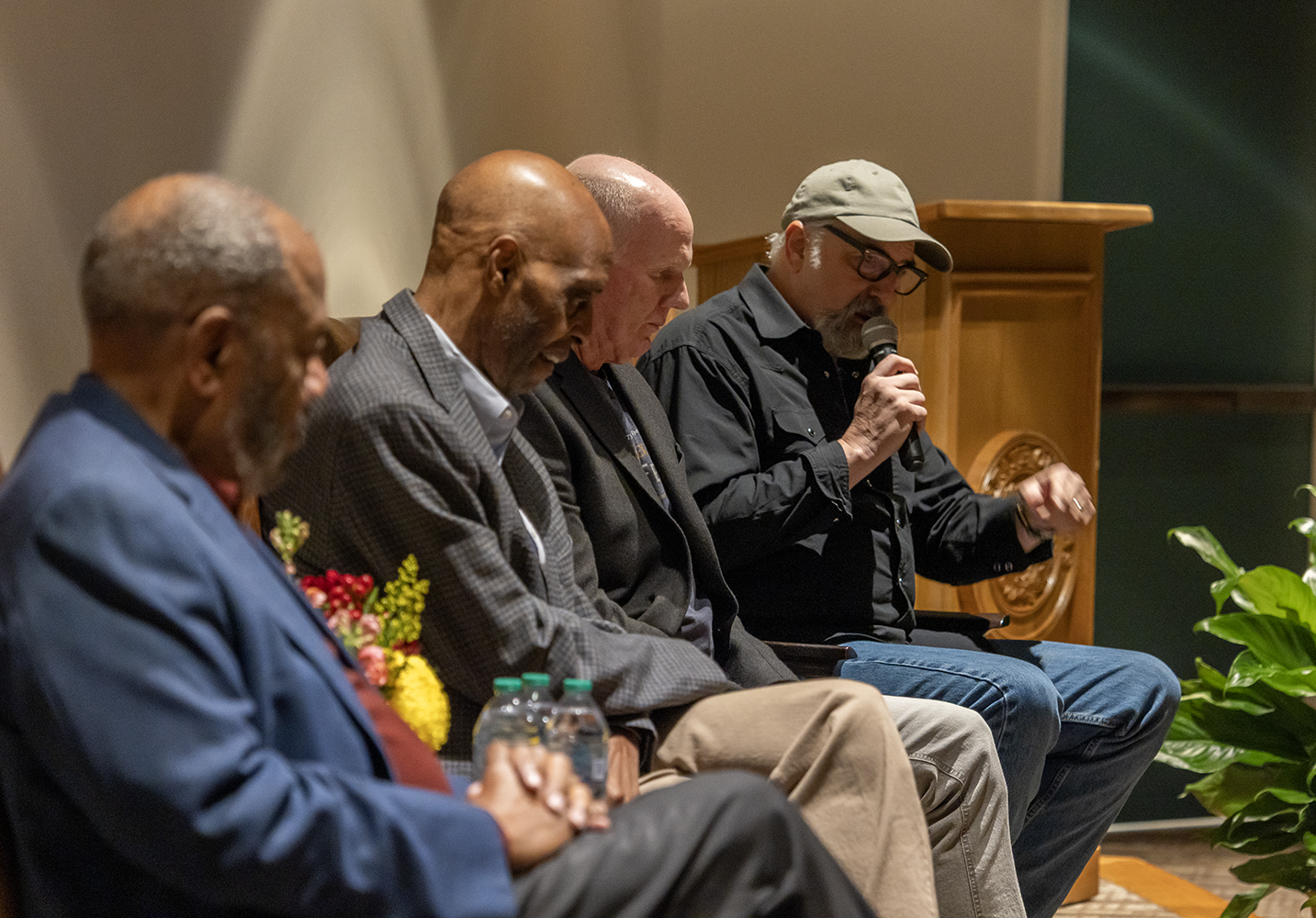
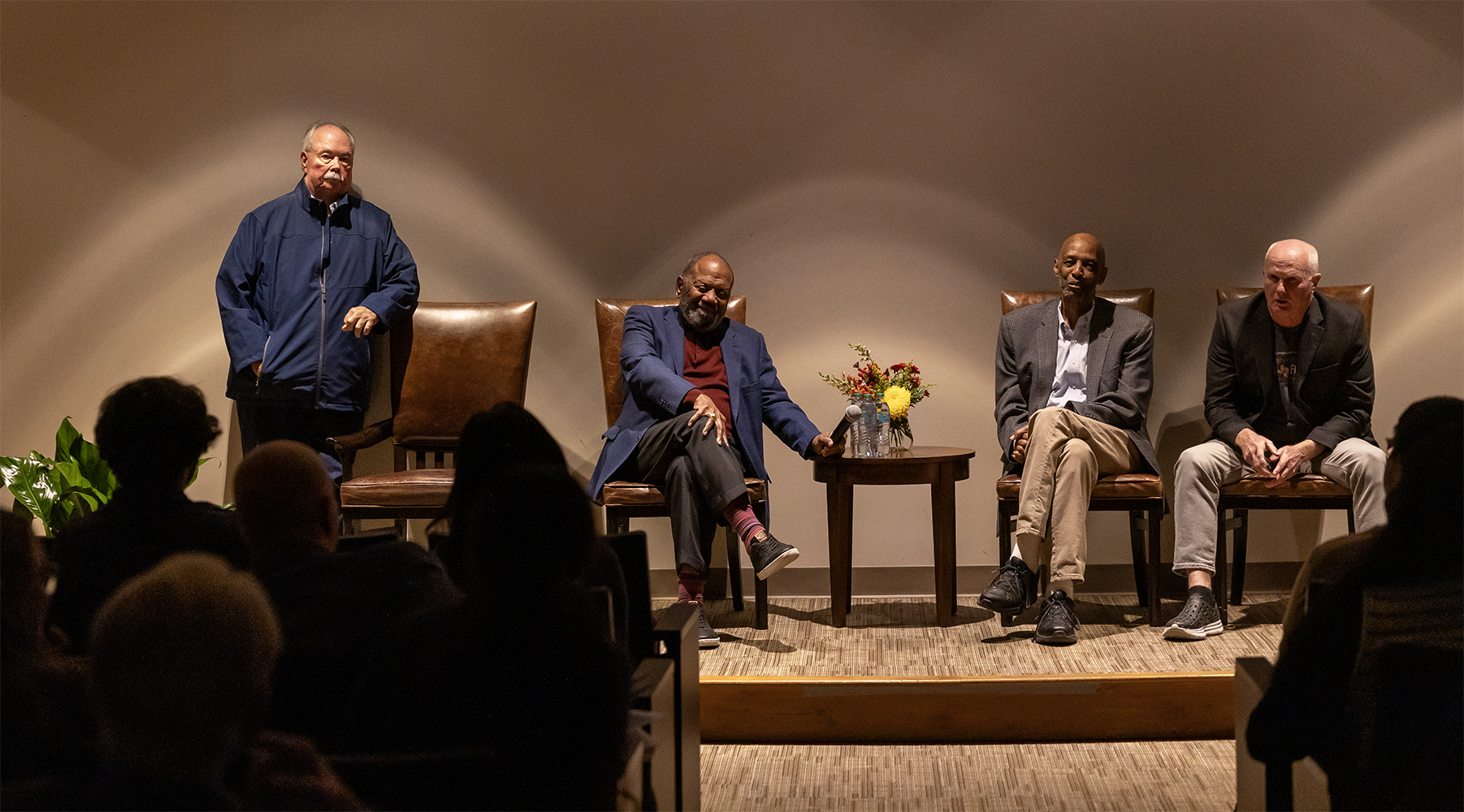
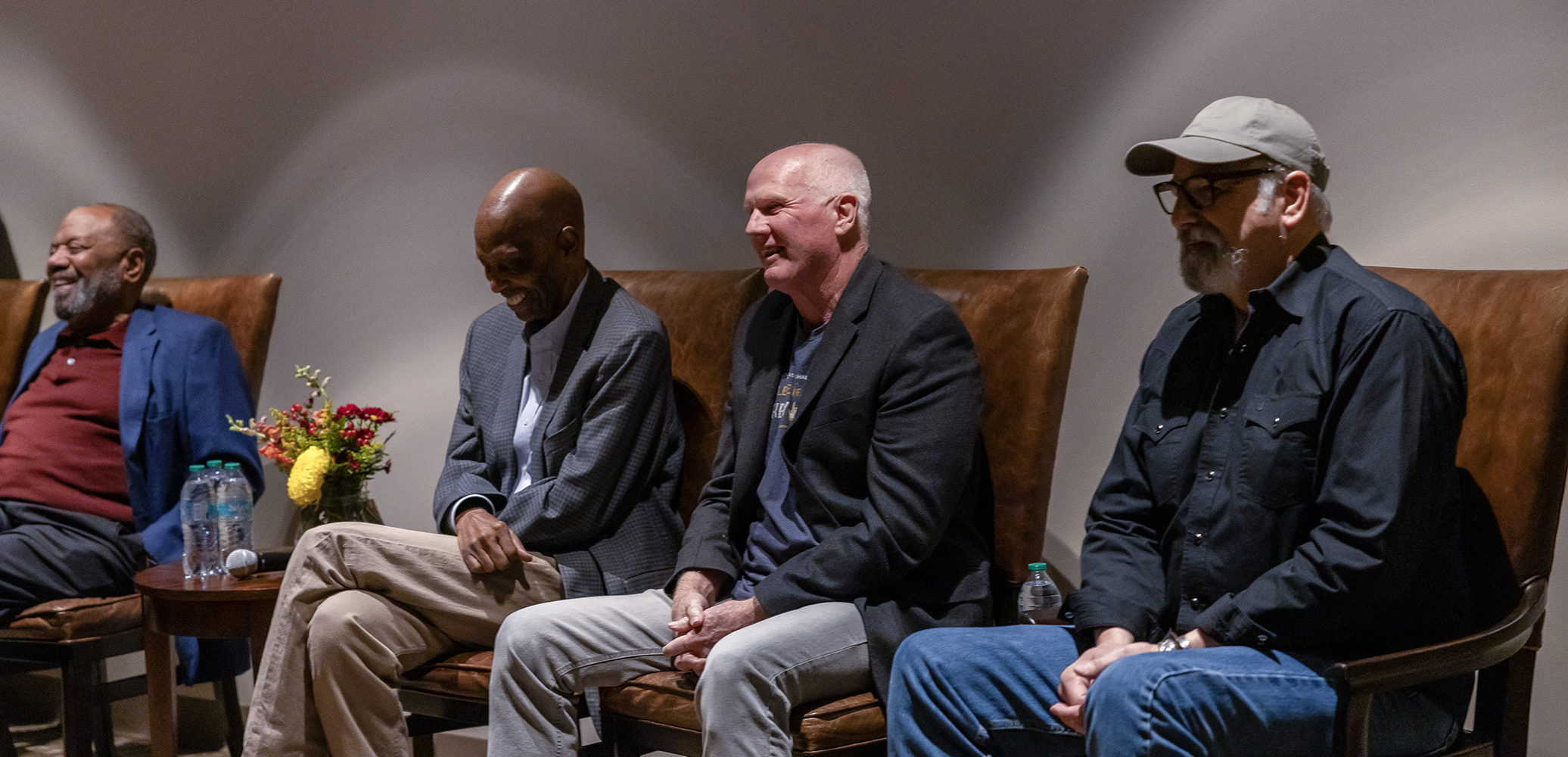
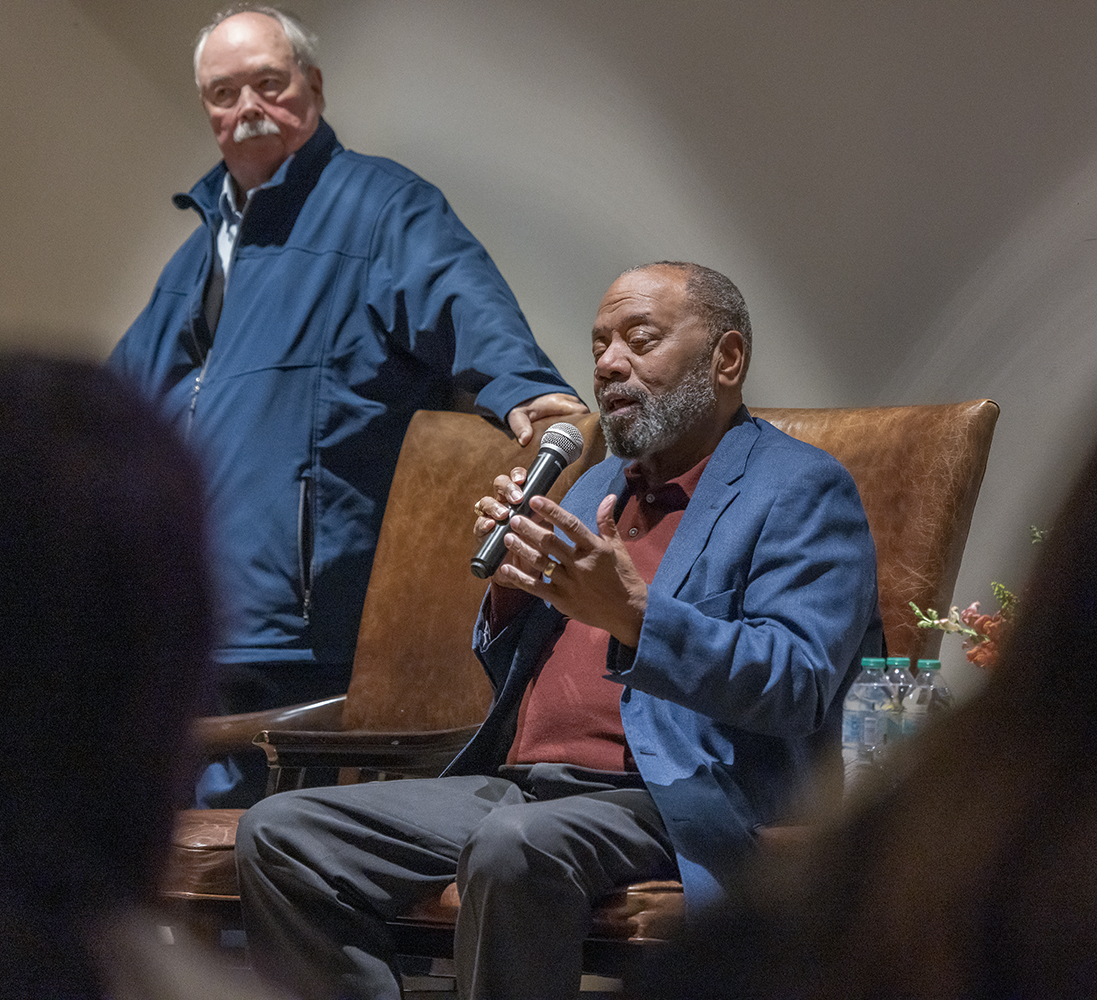
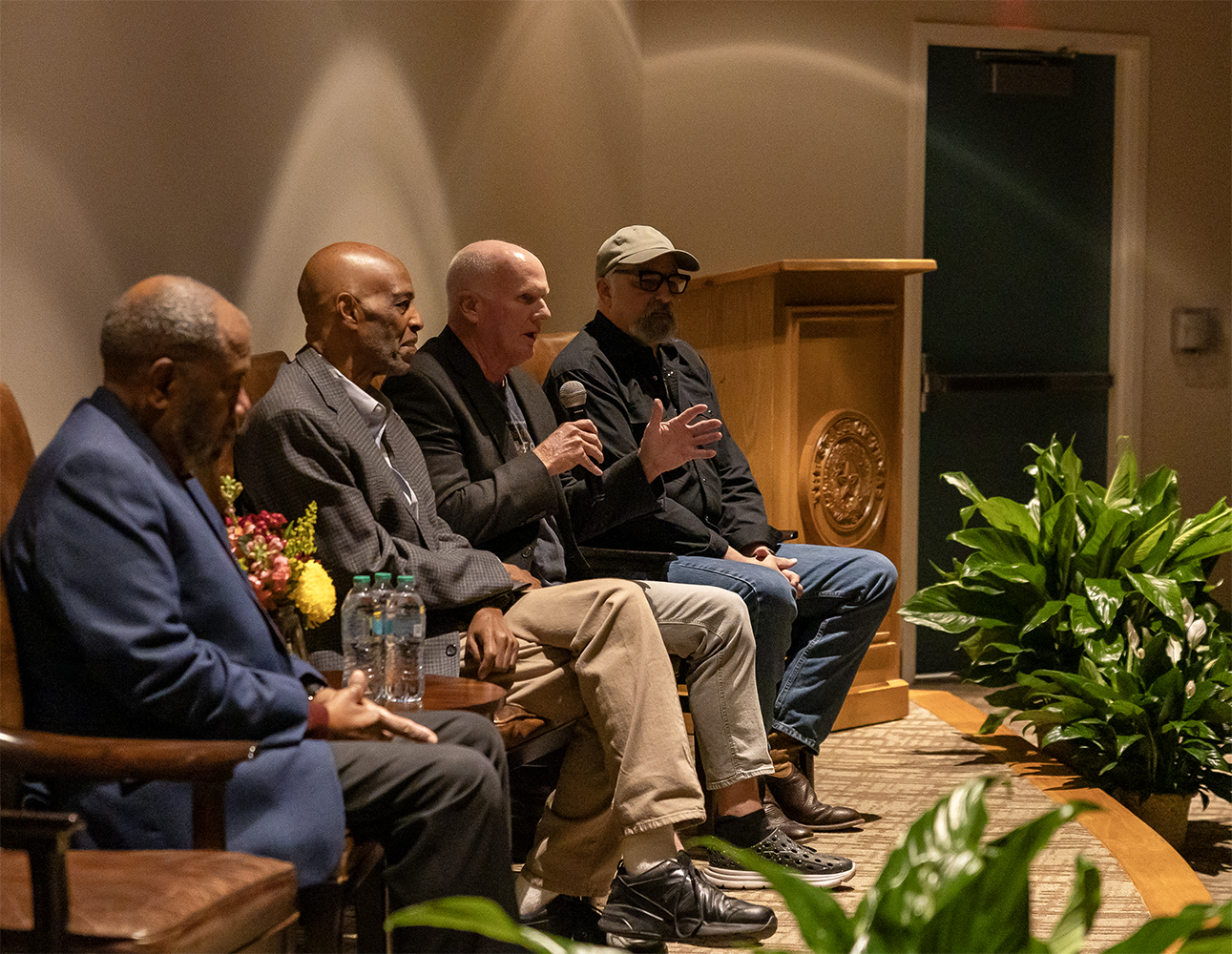
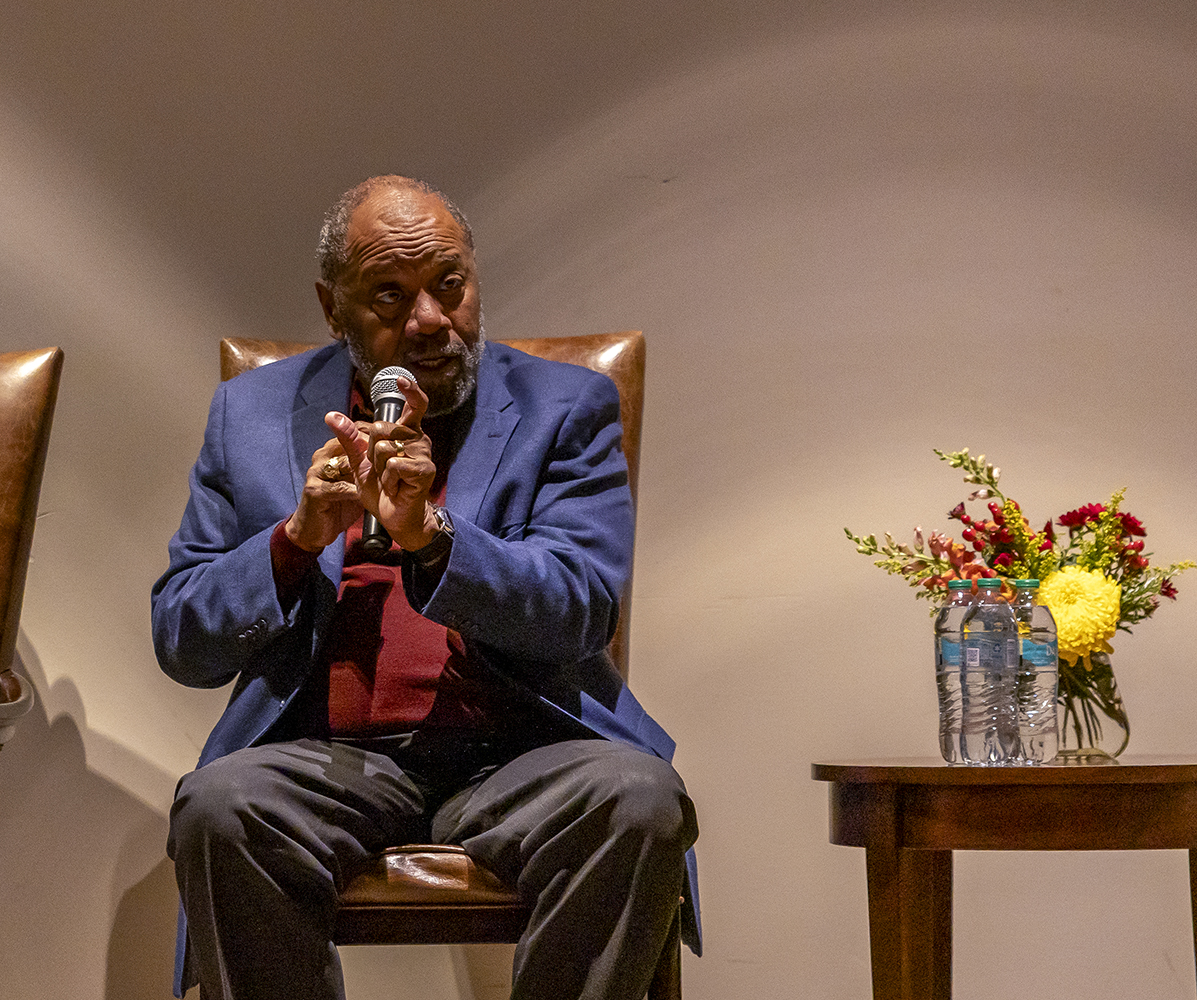
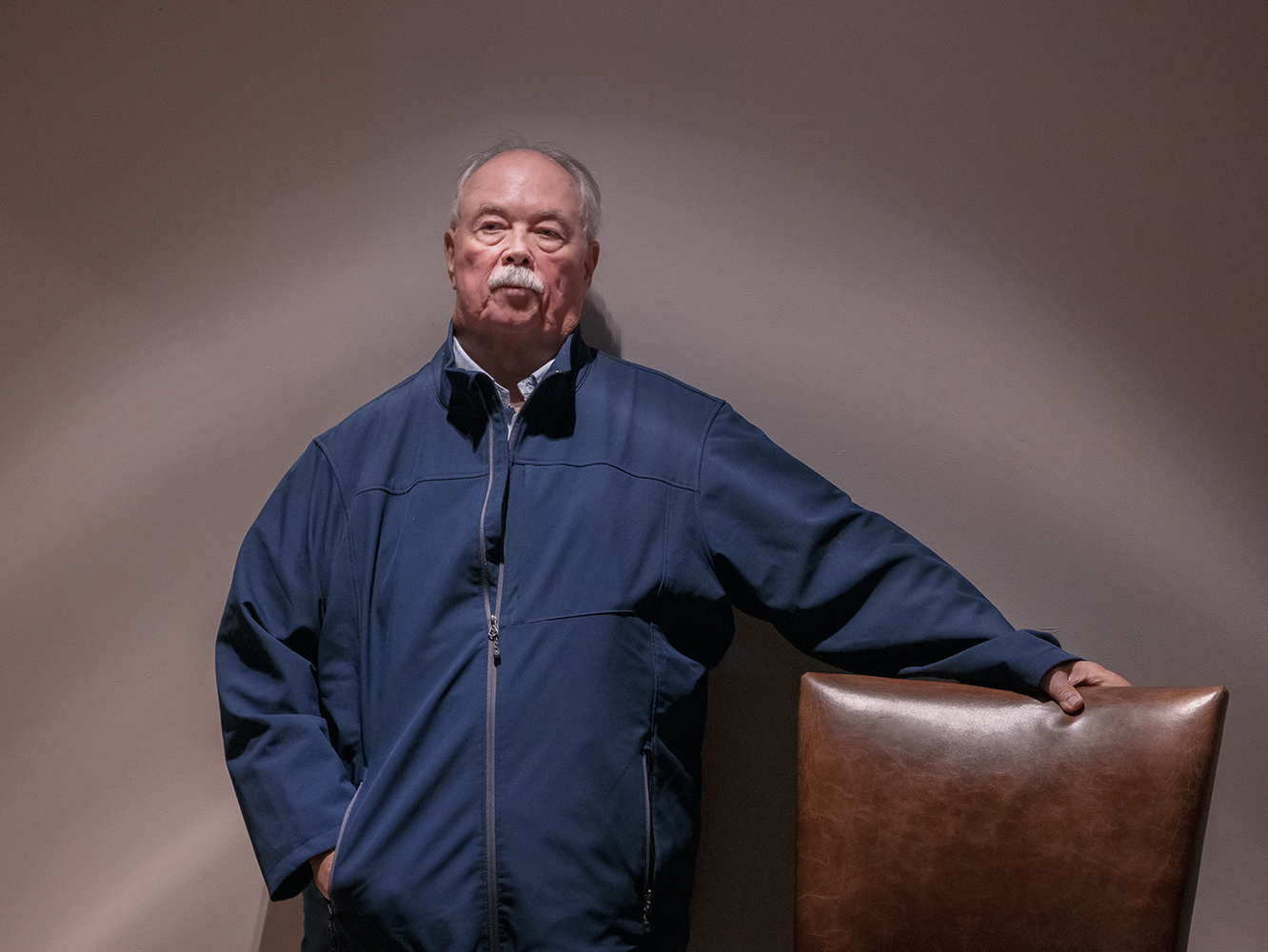
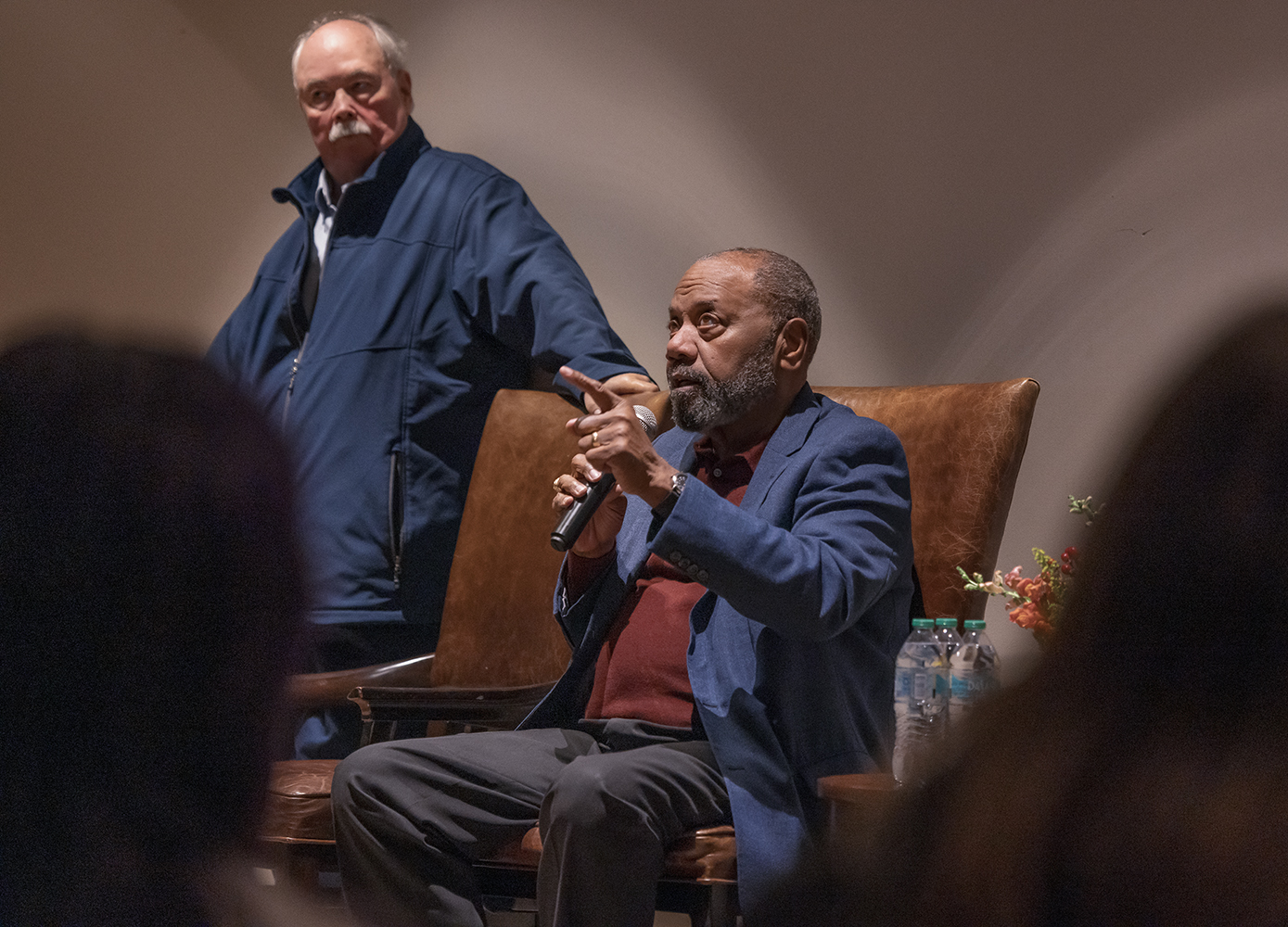
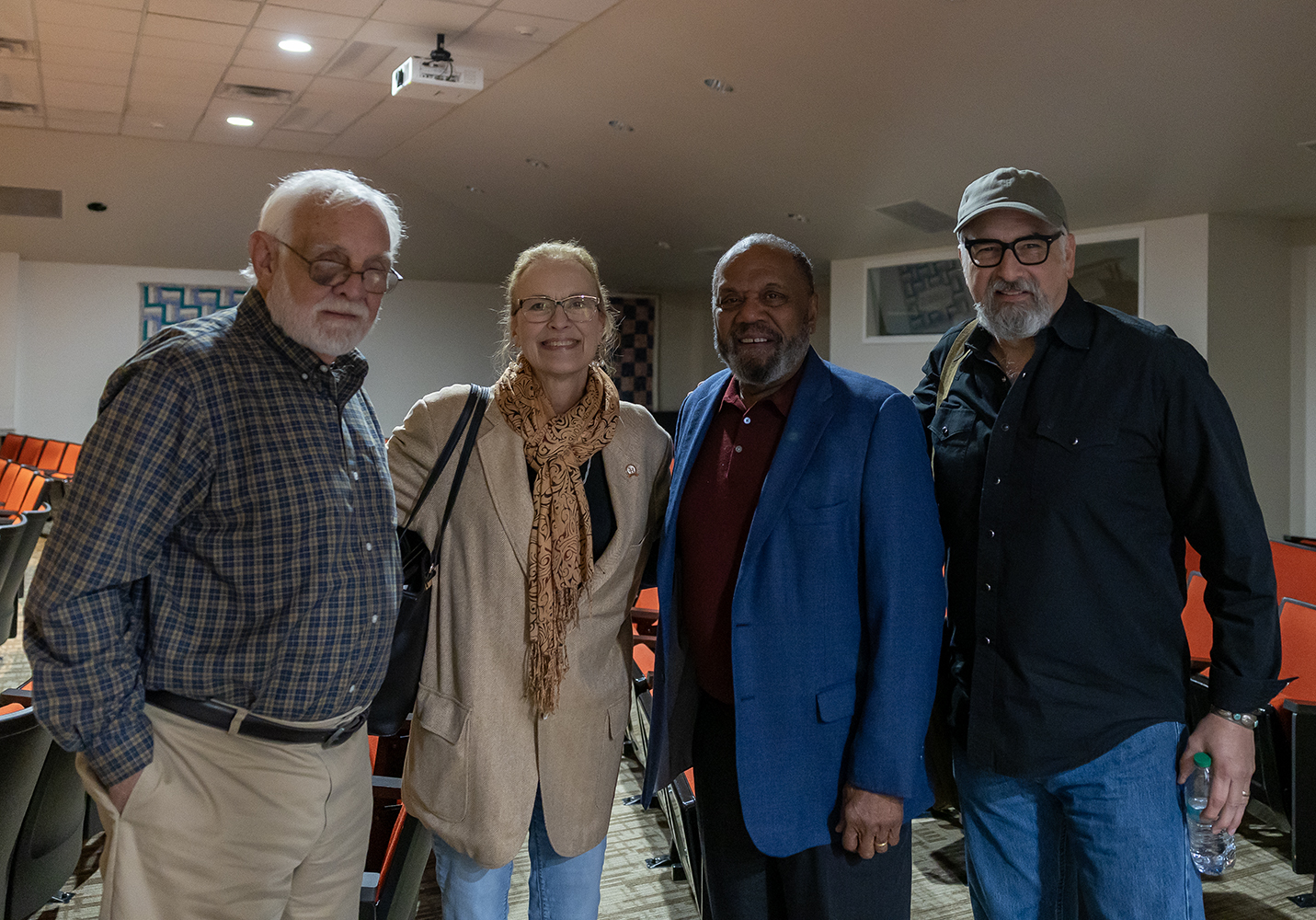
Following the screening, we had the opportunity to hear from a great panel featuring director Mark Burns, producer Rob Lynch, longtime sportswriter John McClain, narrator and former PVIL competitor Fred McClure, and the aforementioned Hurd.
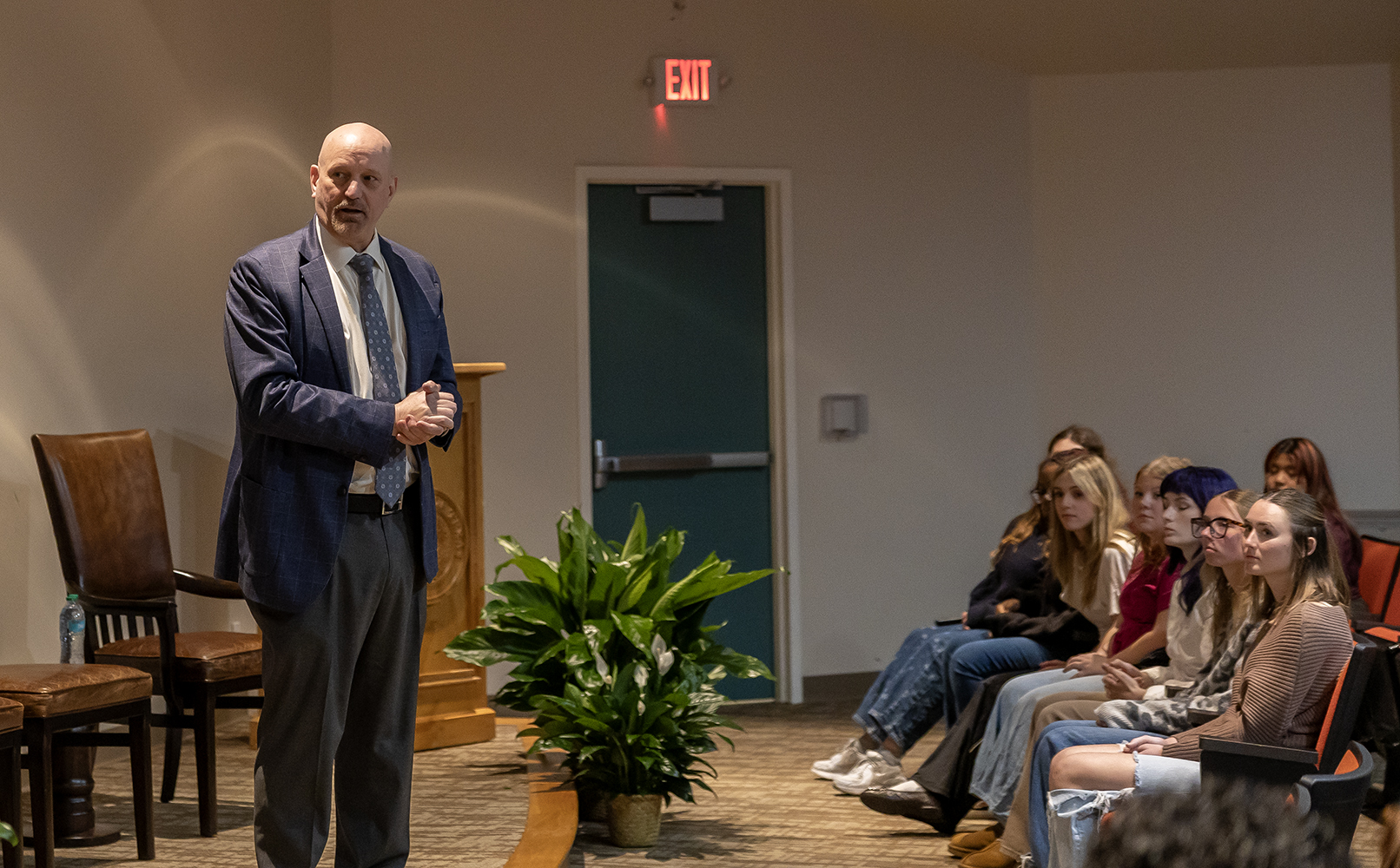
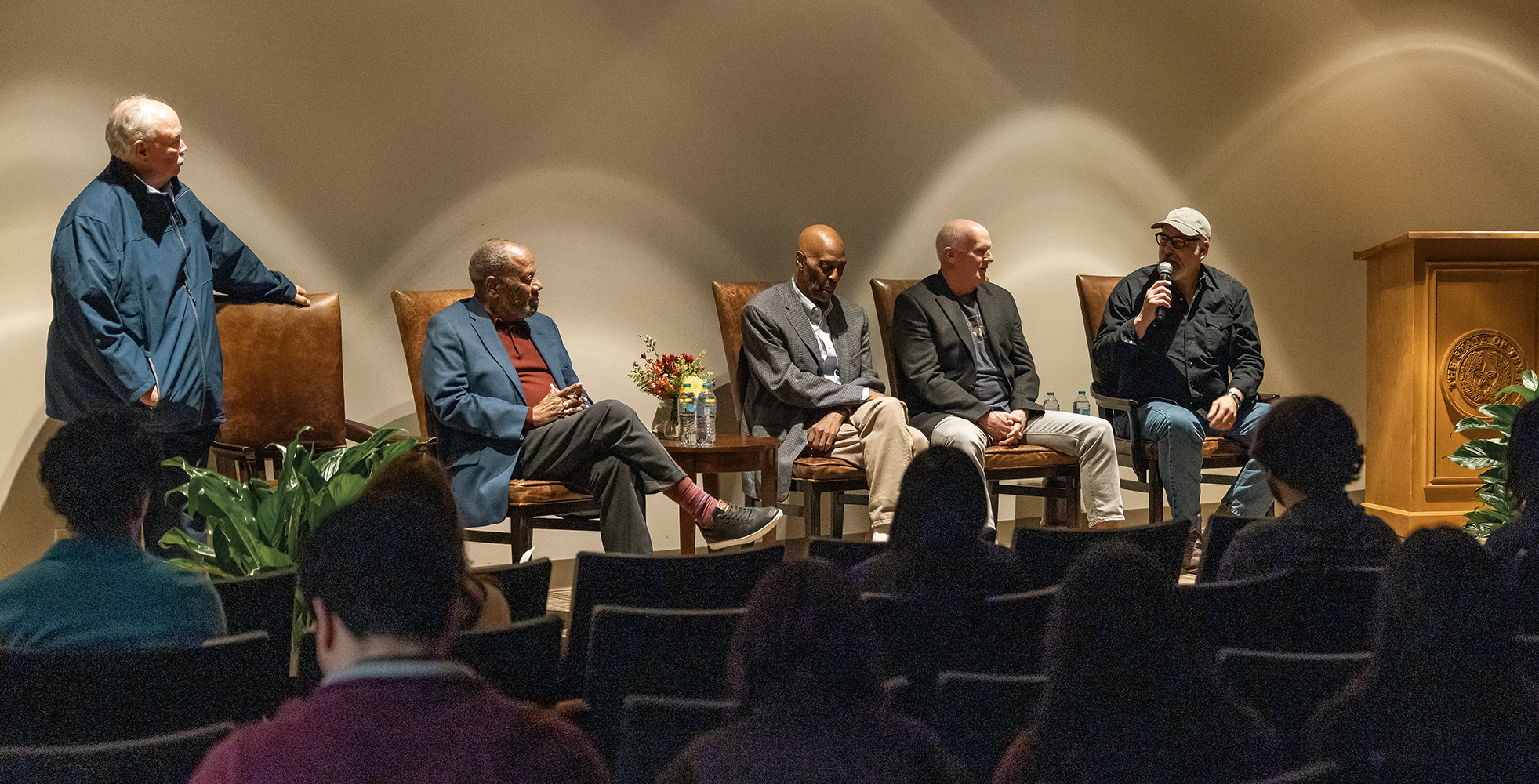
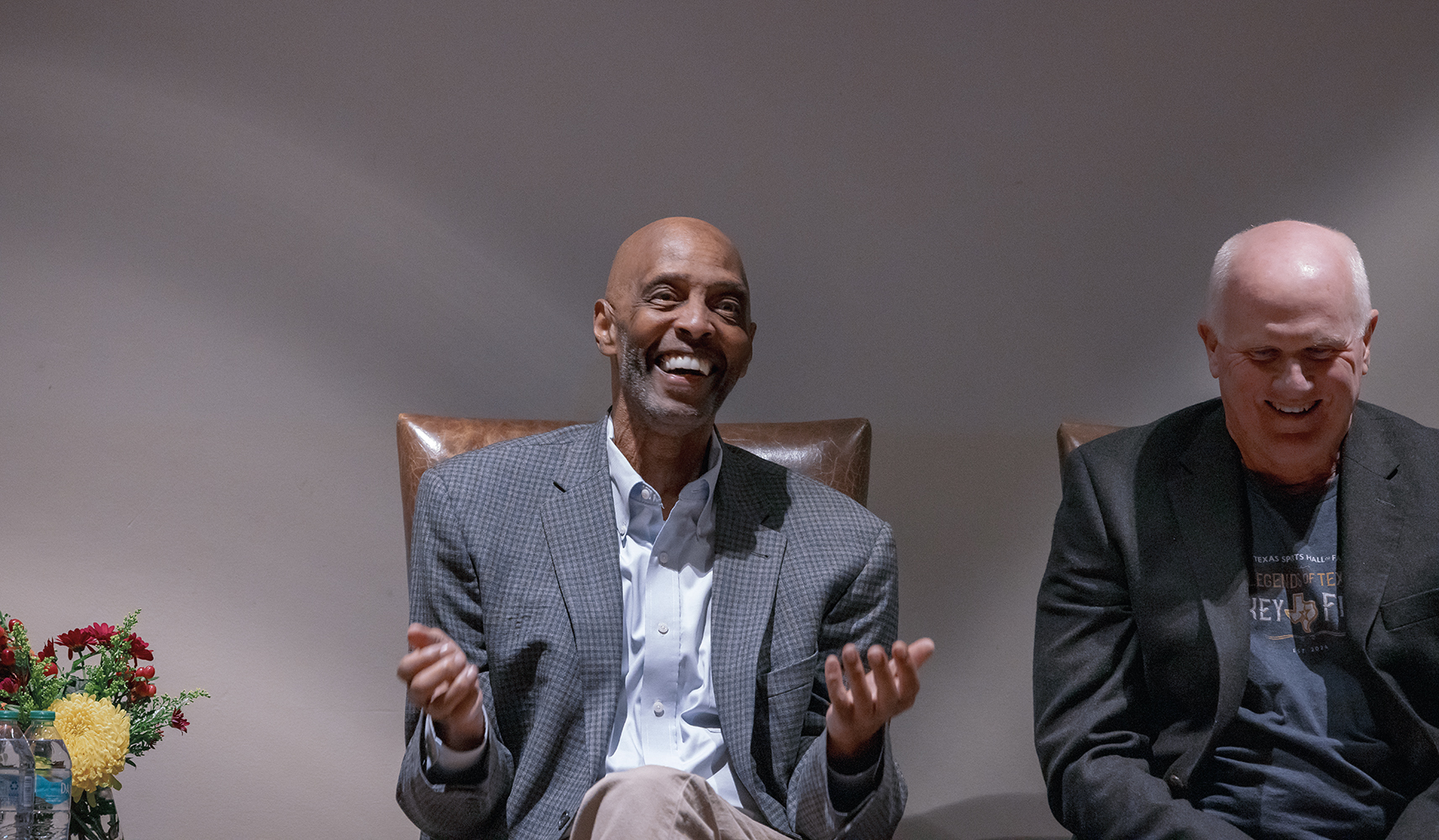
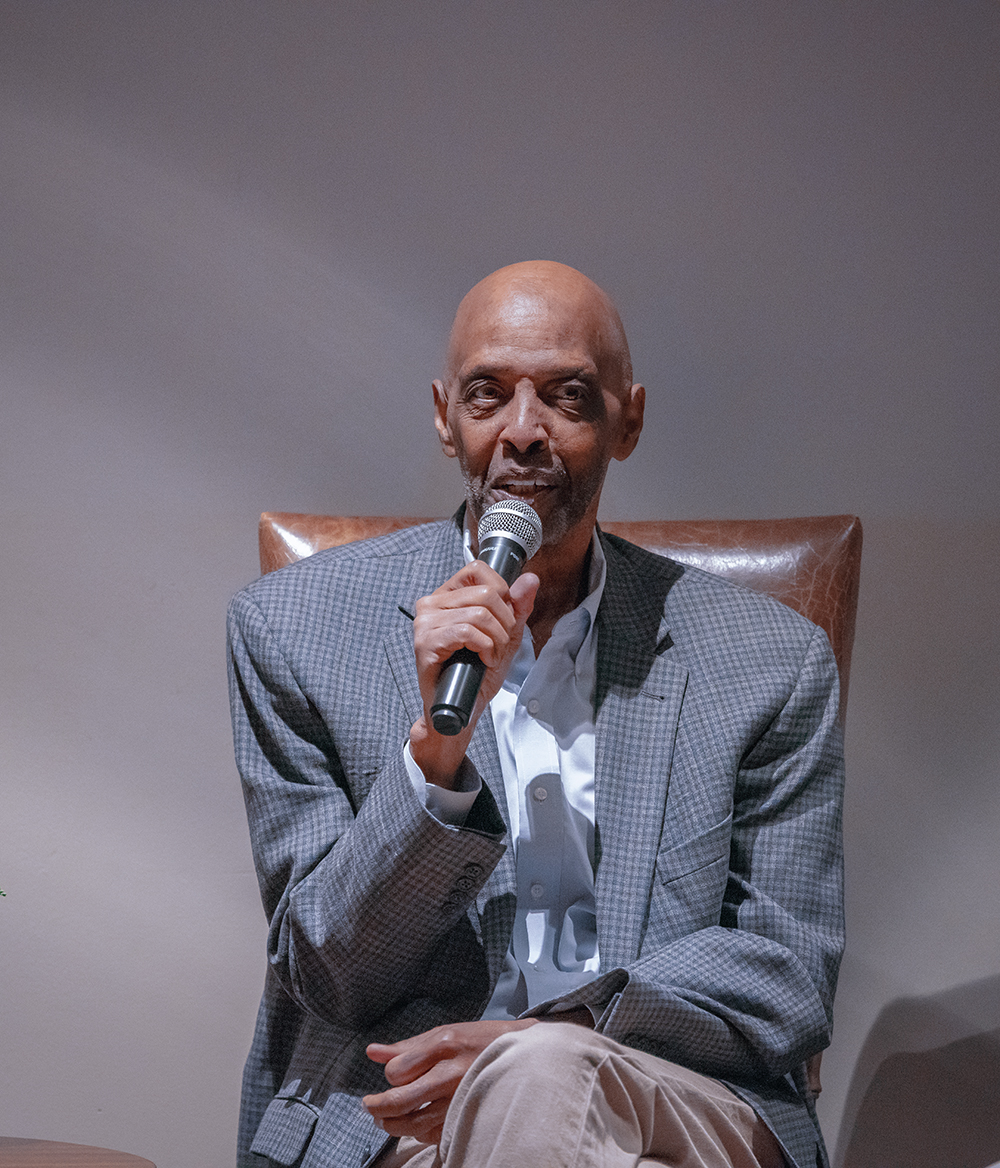
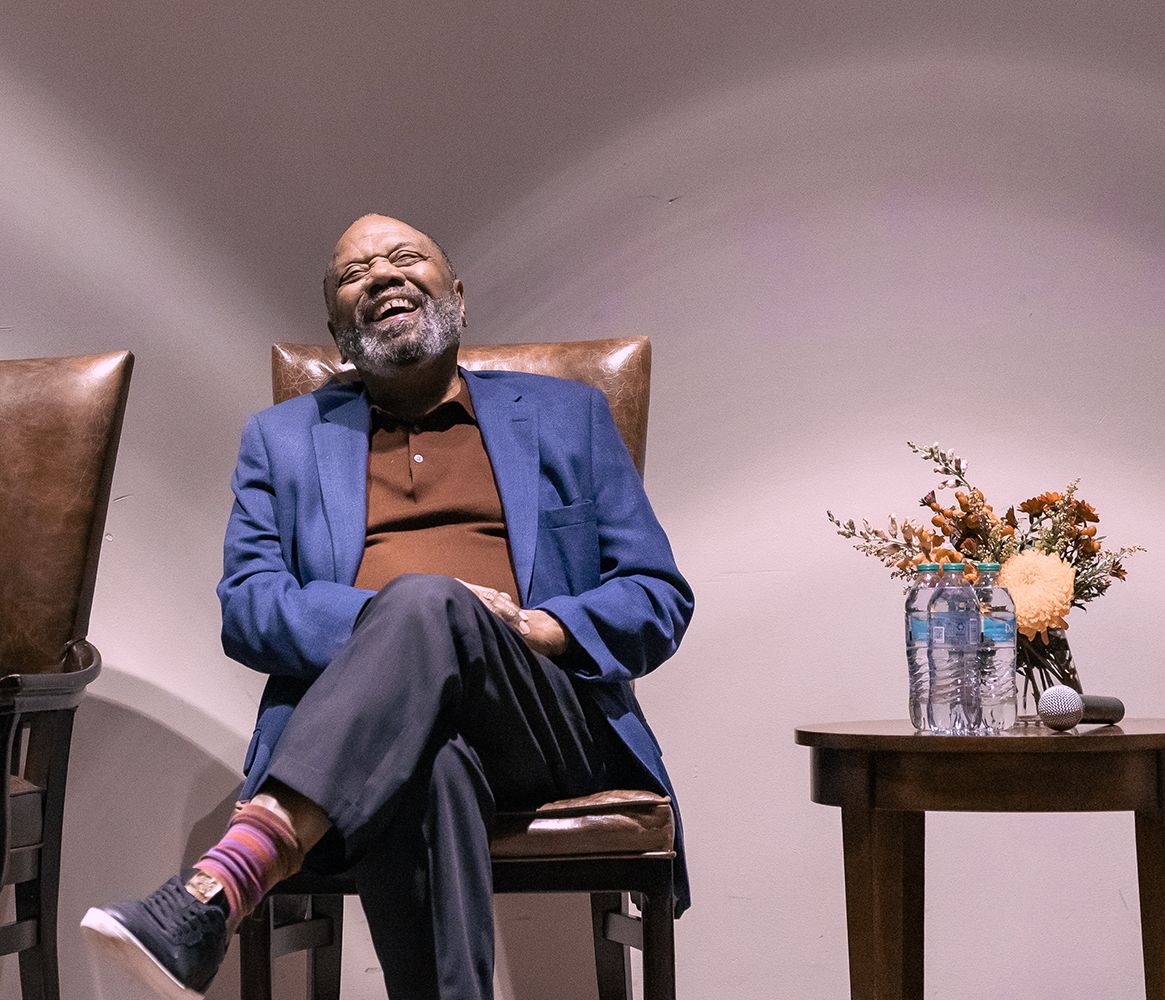
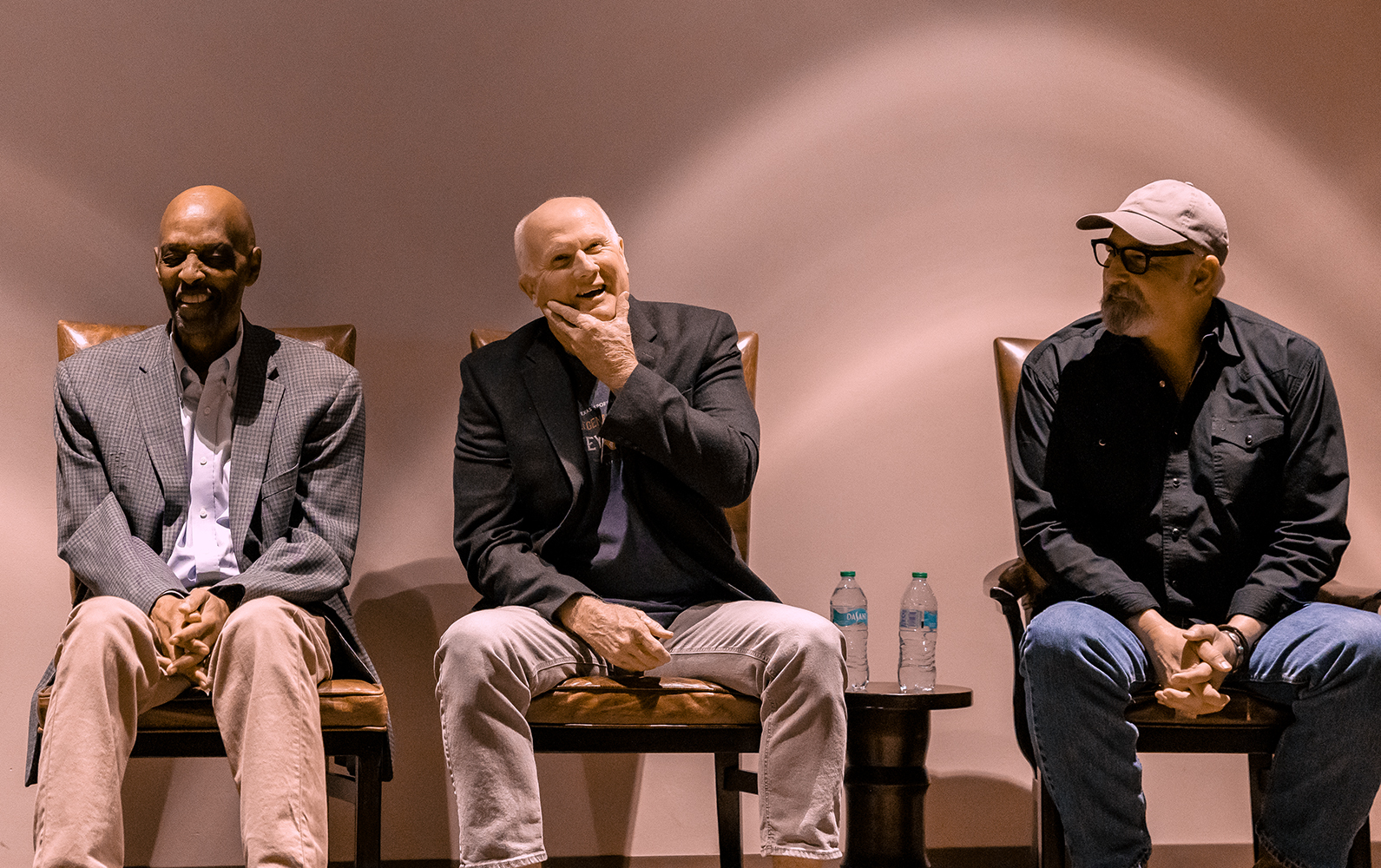
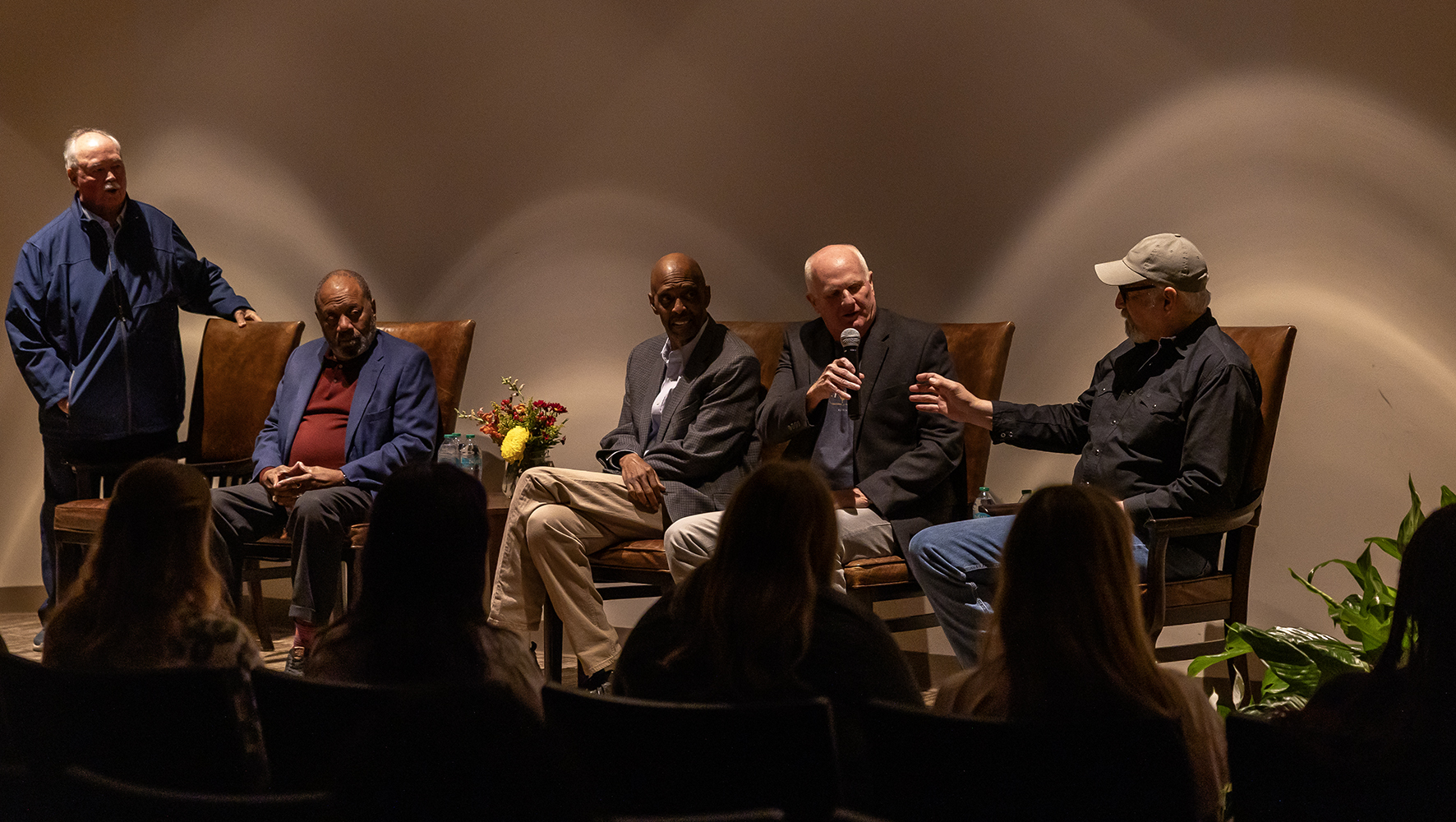
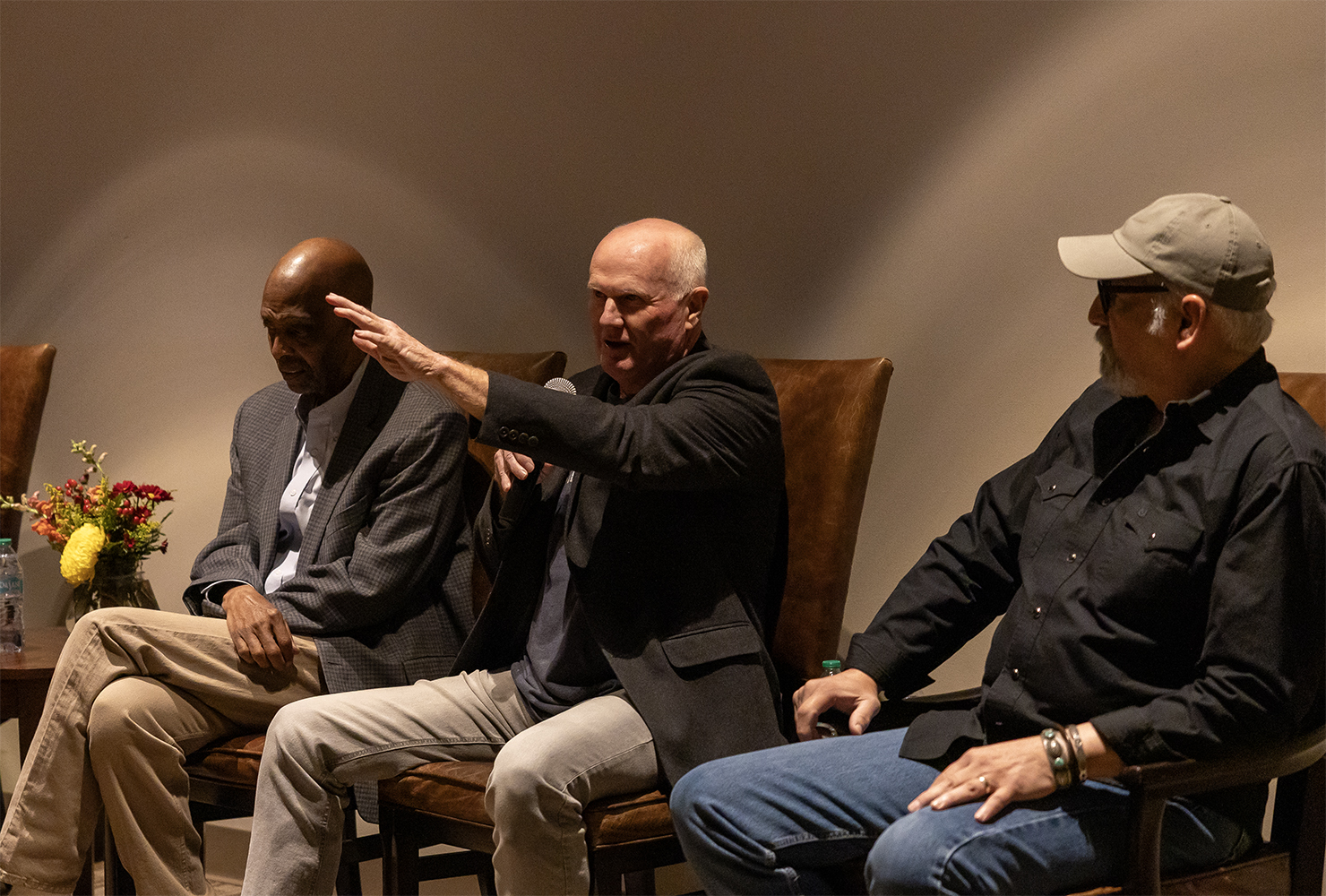
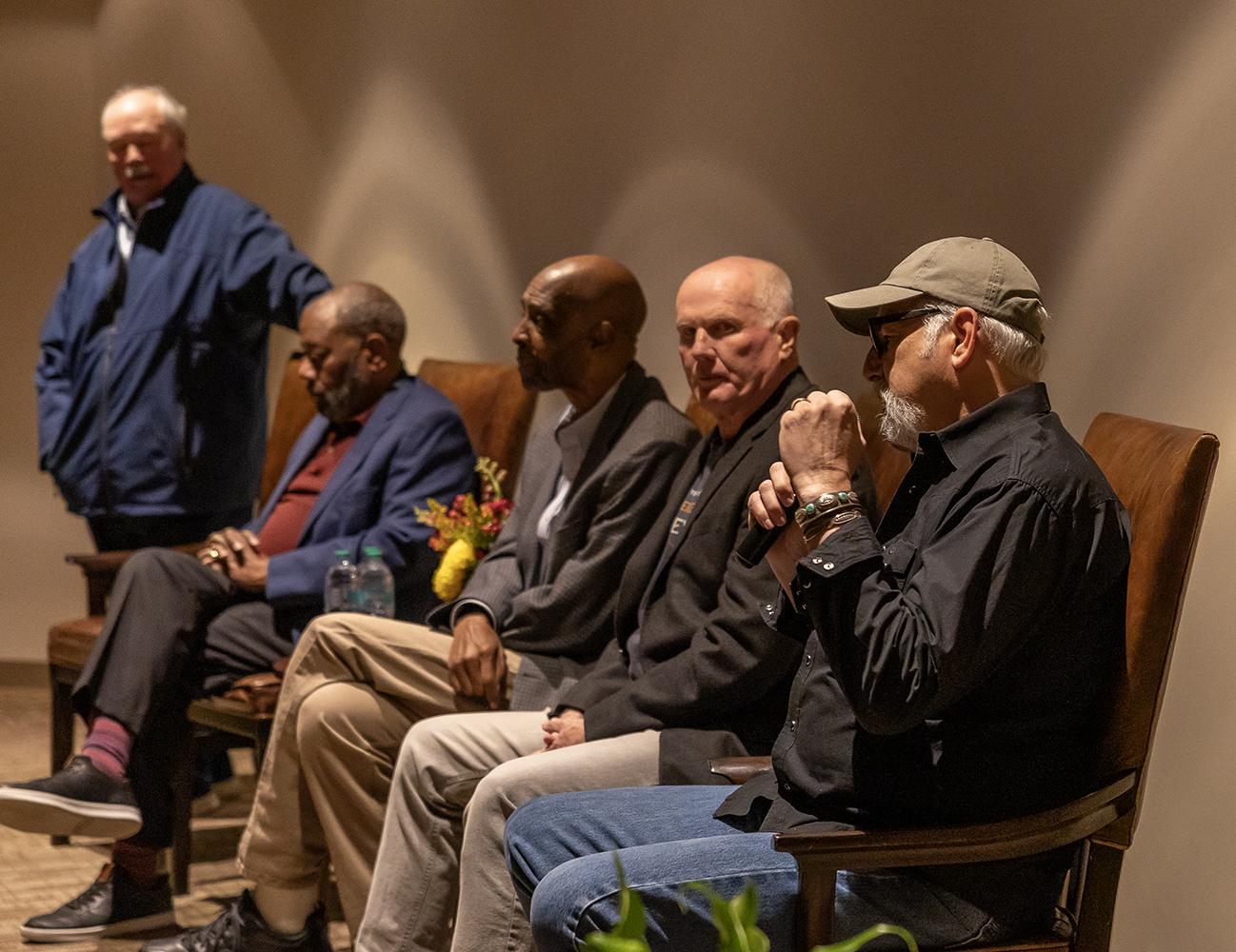
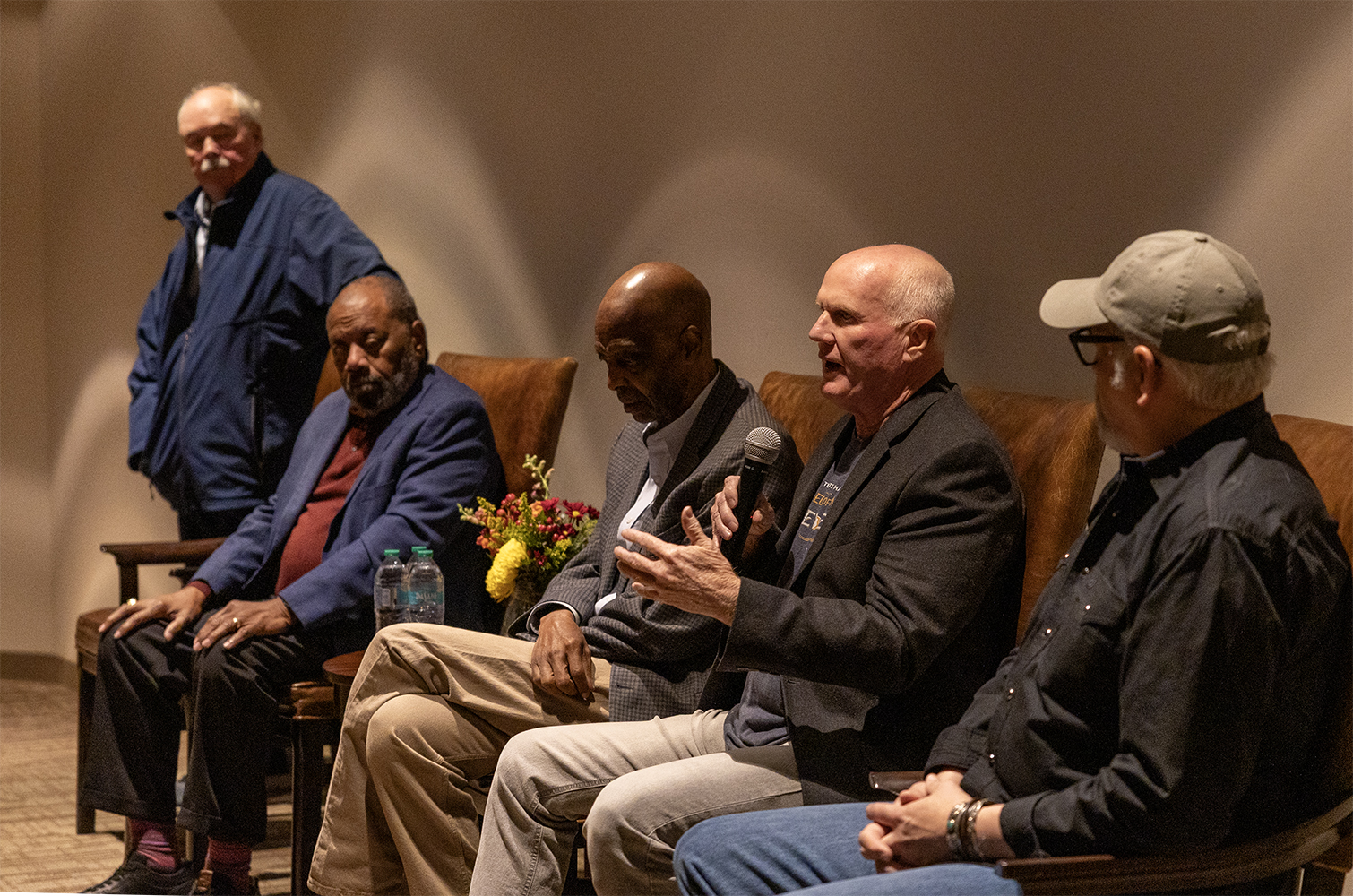
During the discussion, the panelists shared what inspired them to make the film and what stood out most during their research. Hurd talked about how personal the project was for him since he grew up attending a PVIL school in Houston, and he wanted to make sure these incredible athletes finally got the recognition they deserved. Director Mark Burns and producer Rob Lynch shared behind-the-scenes stories of recreating historic moments for the film like using PVC pipes and water hoses to make fake rain so they could show how Joe Greene’s team wasn’t allowed inside the locker rooms during bad weather. Narrator Fred McClure also shared his own experience of attending a segregated school in East Texas until 1970, reminding us how recent this history really is and how the sacrifices of PVIL players paved the way for future generations.
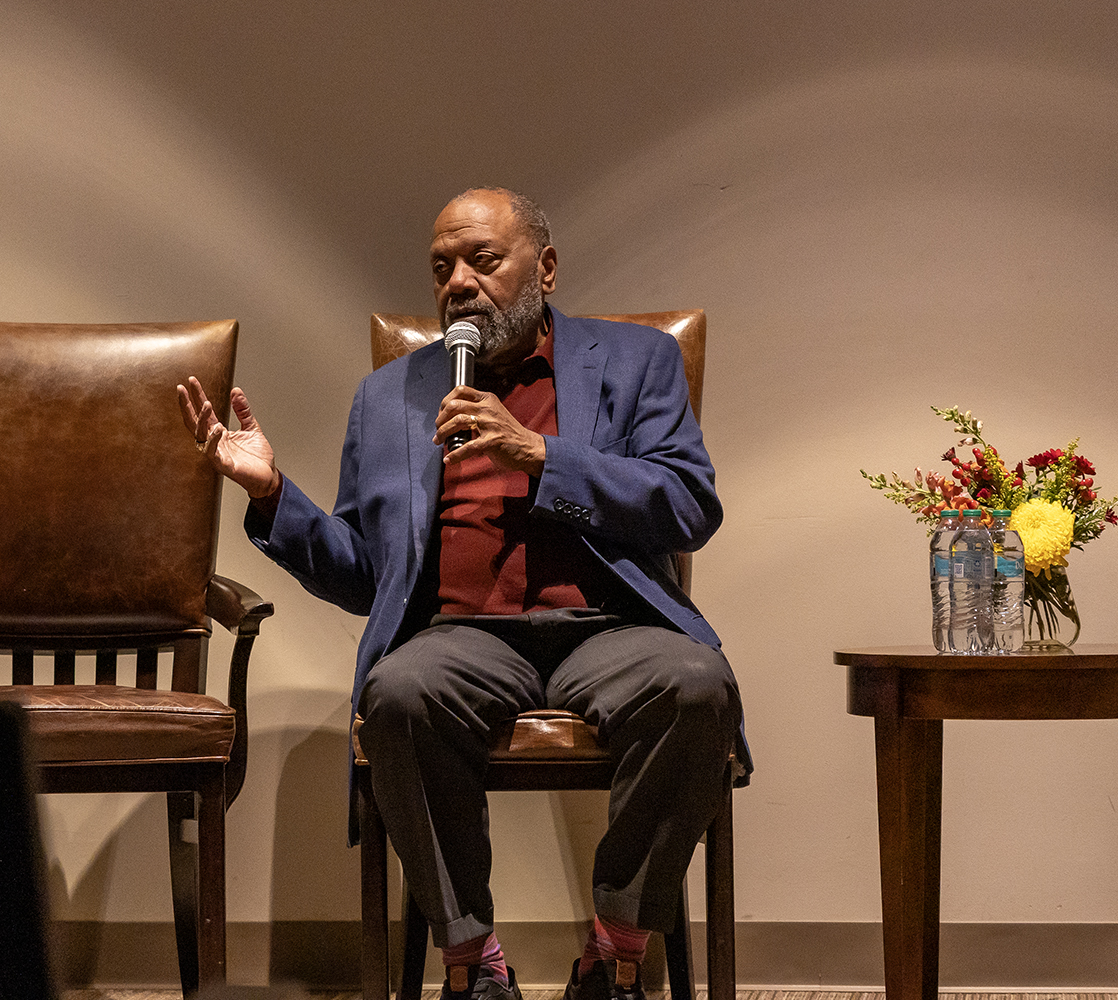
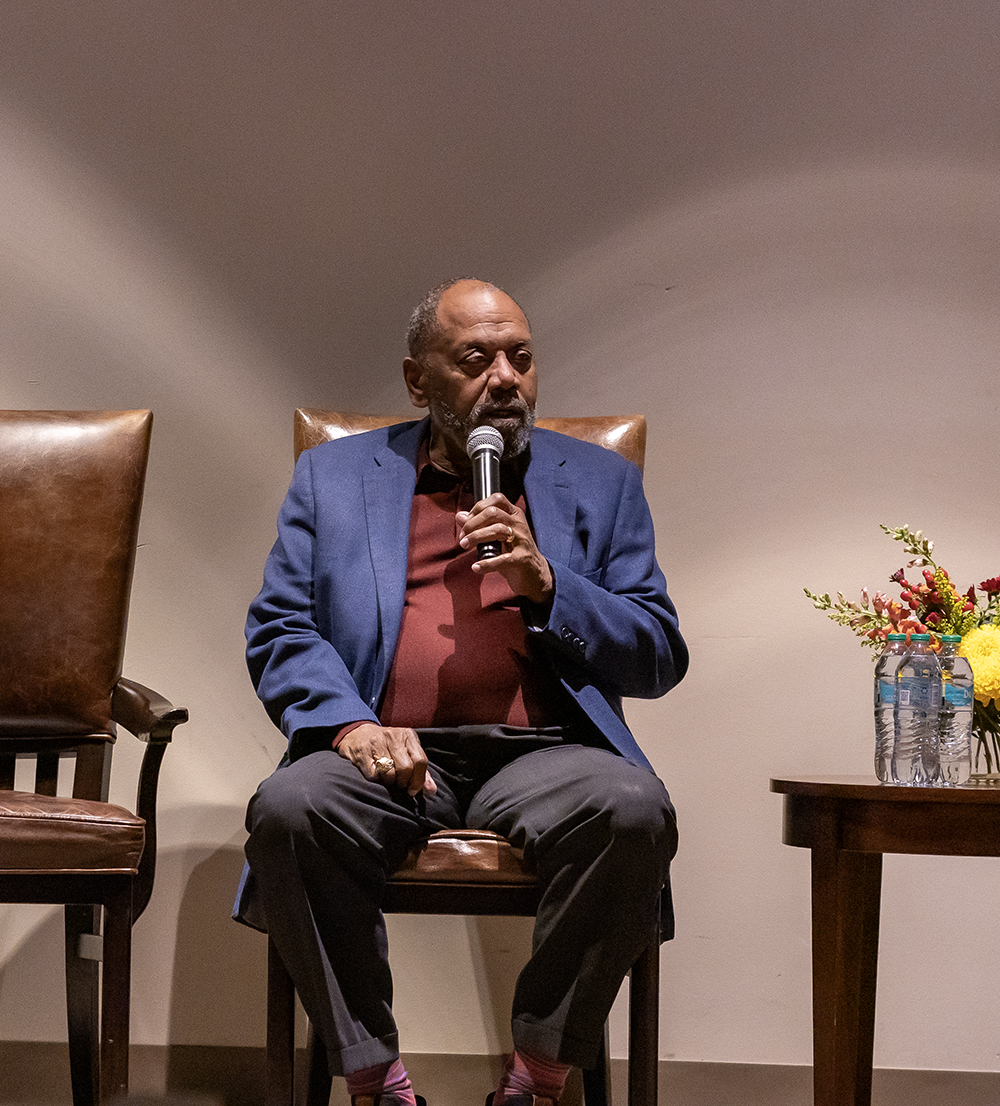
For me, one of the most valuable parts of the evening was realizing just how much history can be overlooked. The PVIL gave generations of athletes a place to compete, build friendships, and represent their communities despite the barriers they faced. Hearing from someone like Hurd, who experienced the league firsthand, made the stories feel much more personal than simply
reading about them. It was a reminder that sports can foster incredible camaraderie even during times of prejudice, and that the people who built the PVIL deserve to have their contributions remembered.
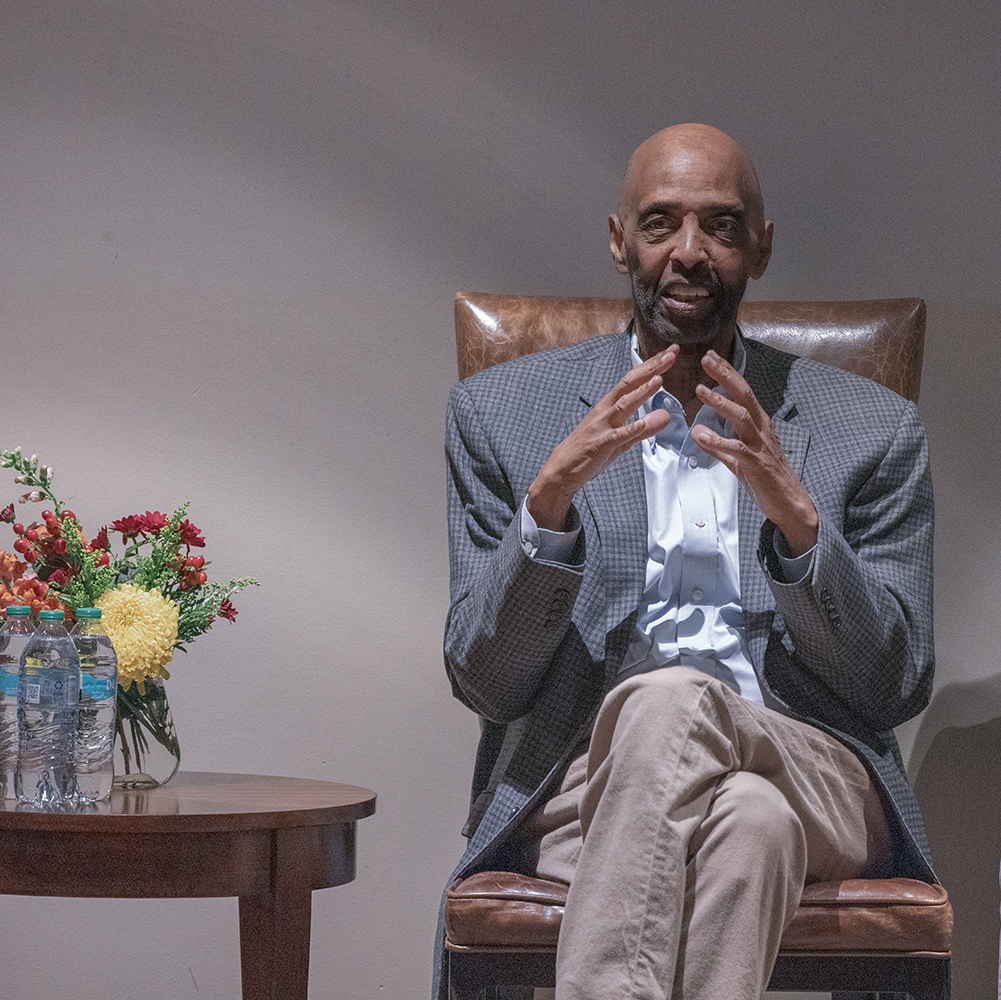
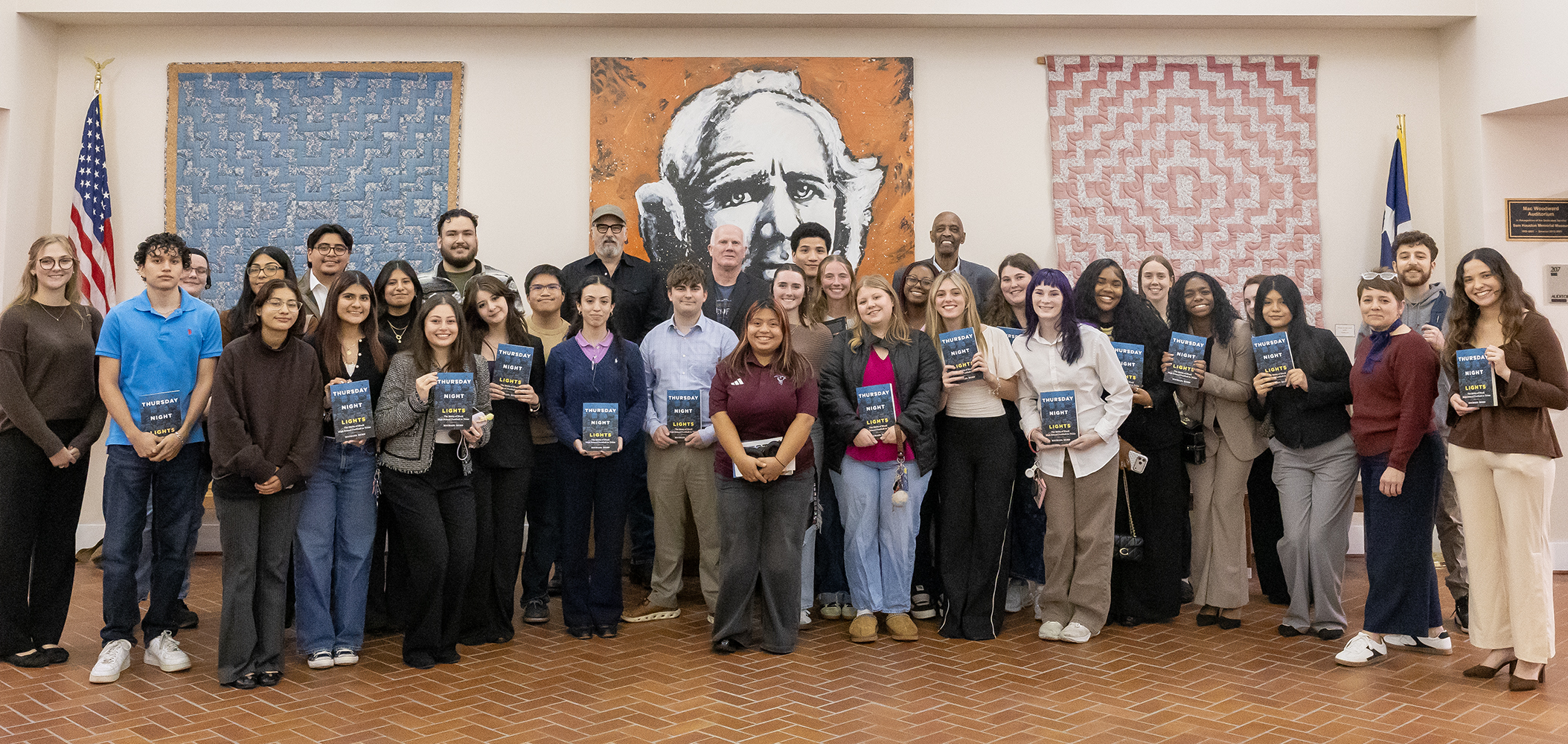
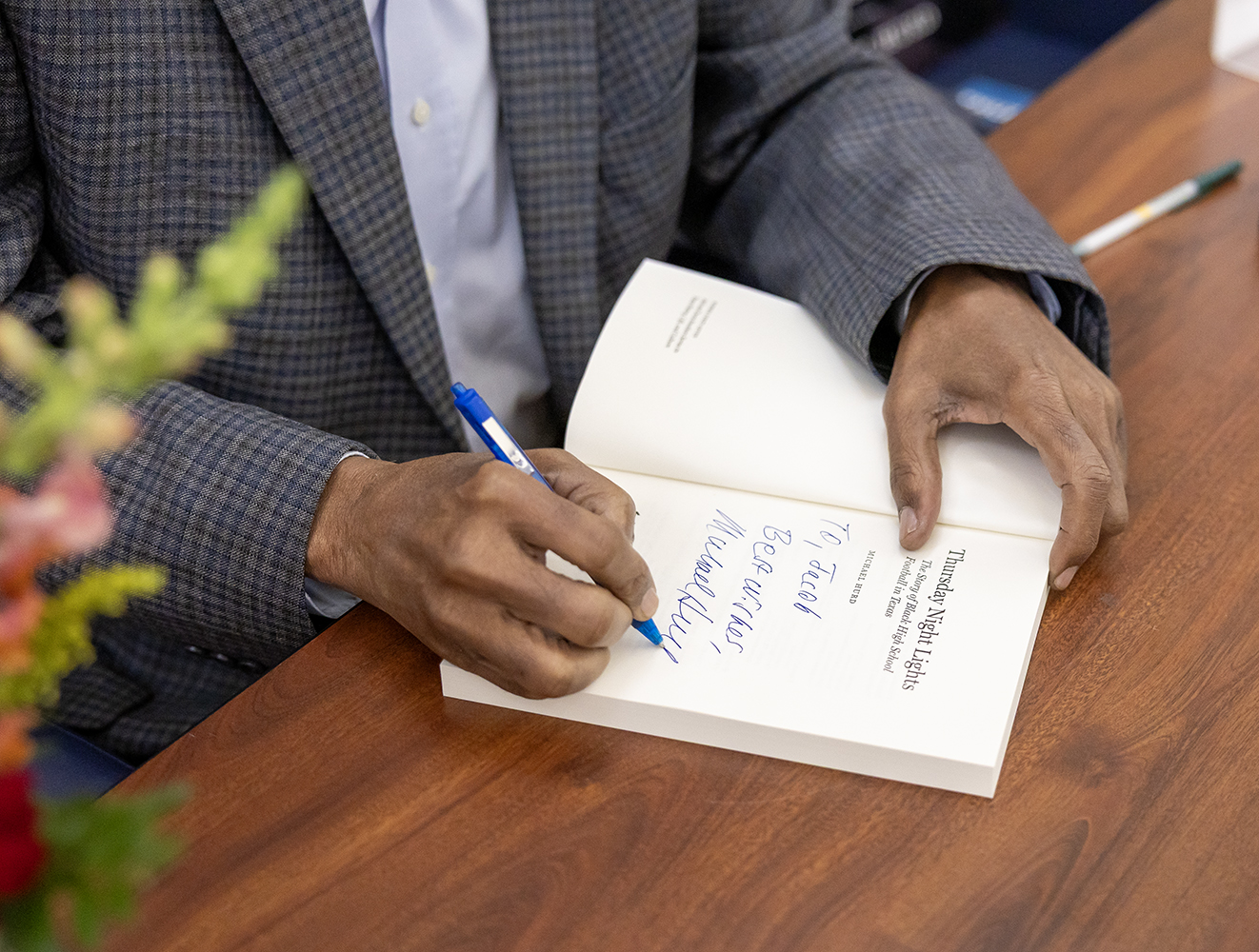
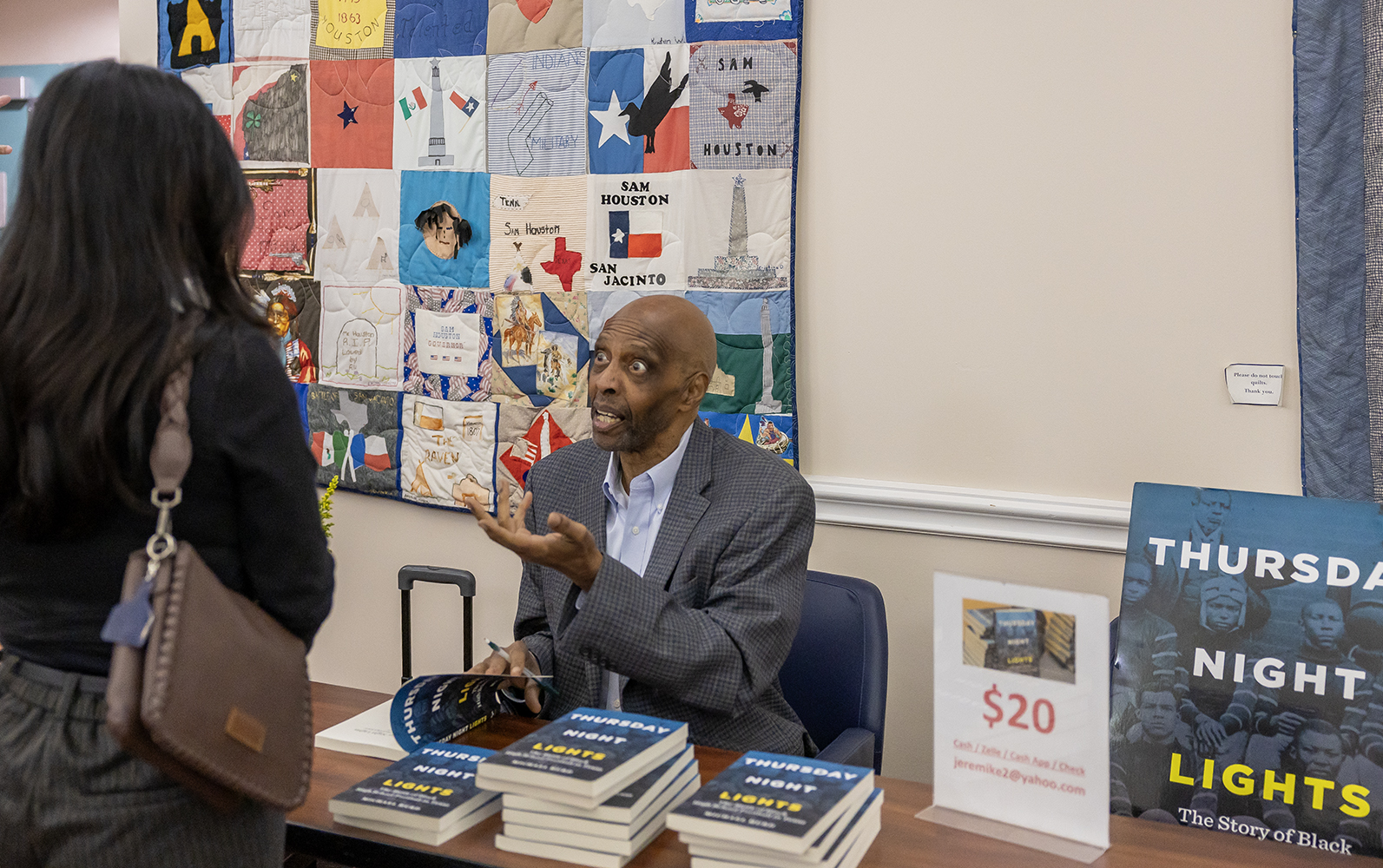
Following the event, Hurd signed books, while the crowd and the panelists mingled, providing everyone an opportunity to learn more, build community, and enjoy the evening.
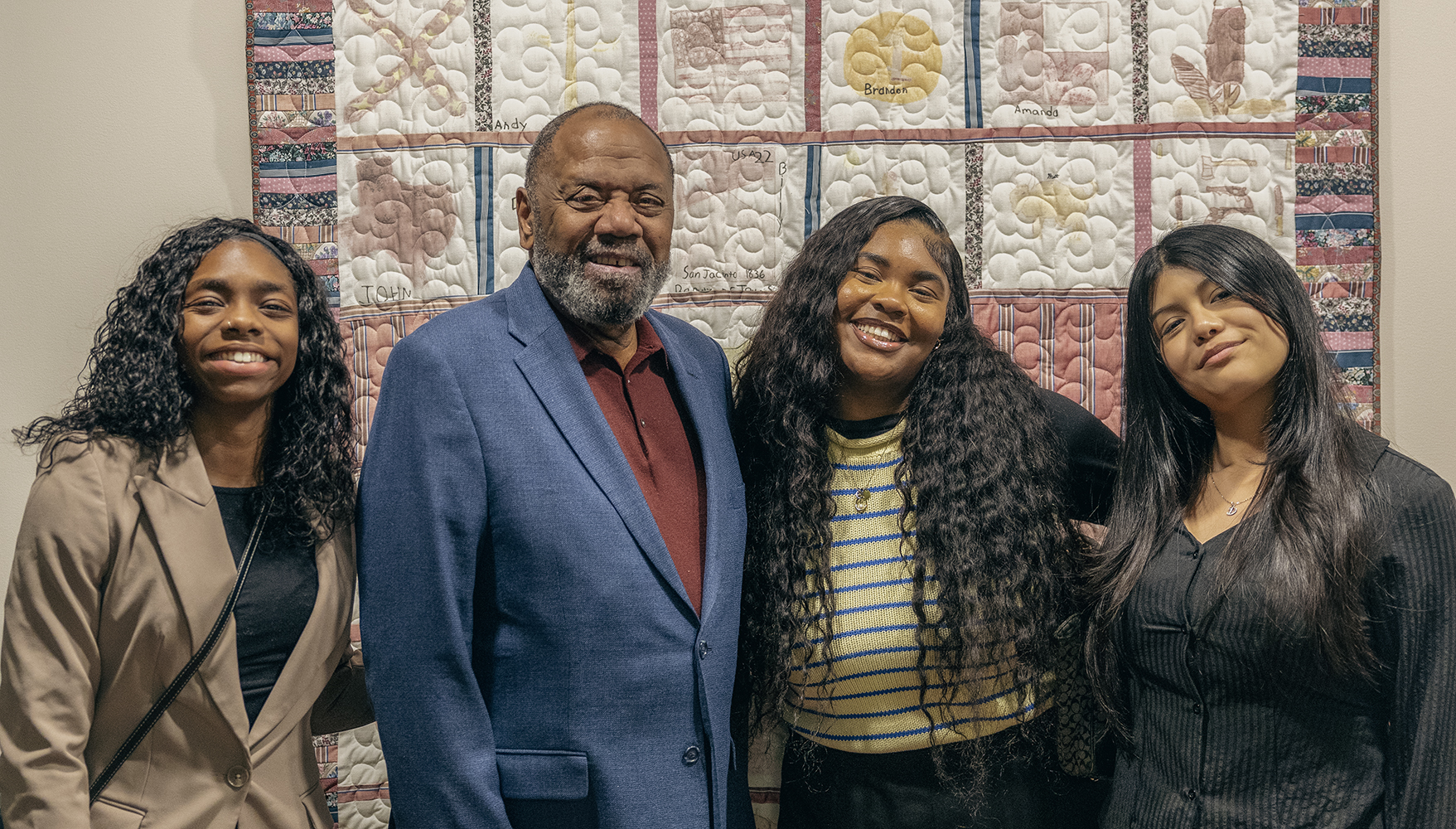
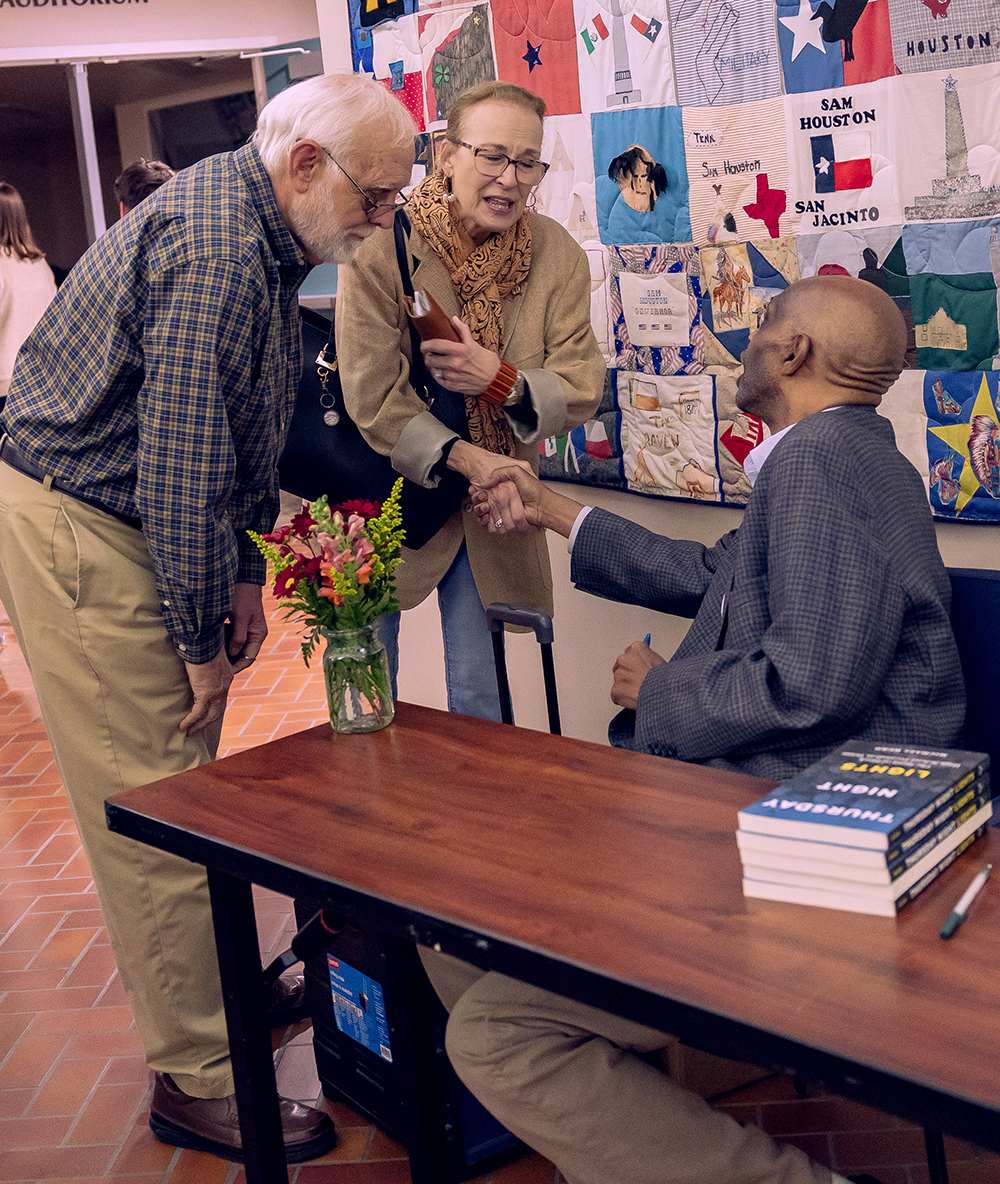
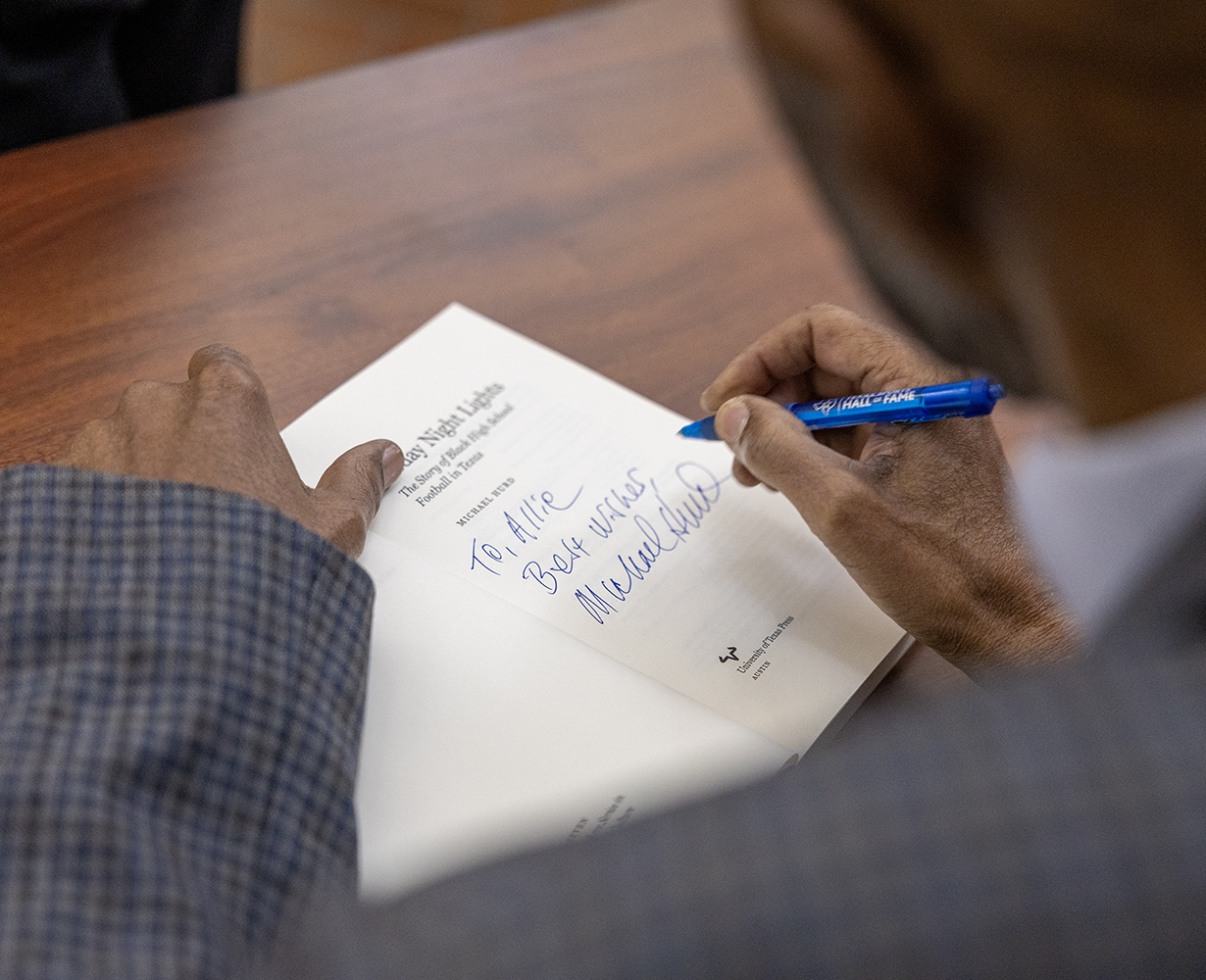
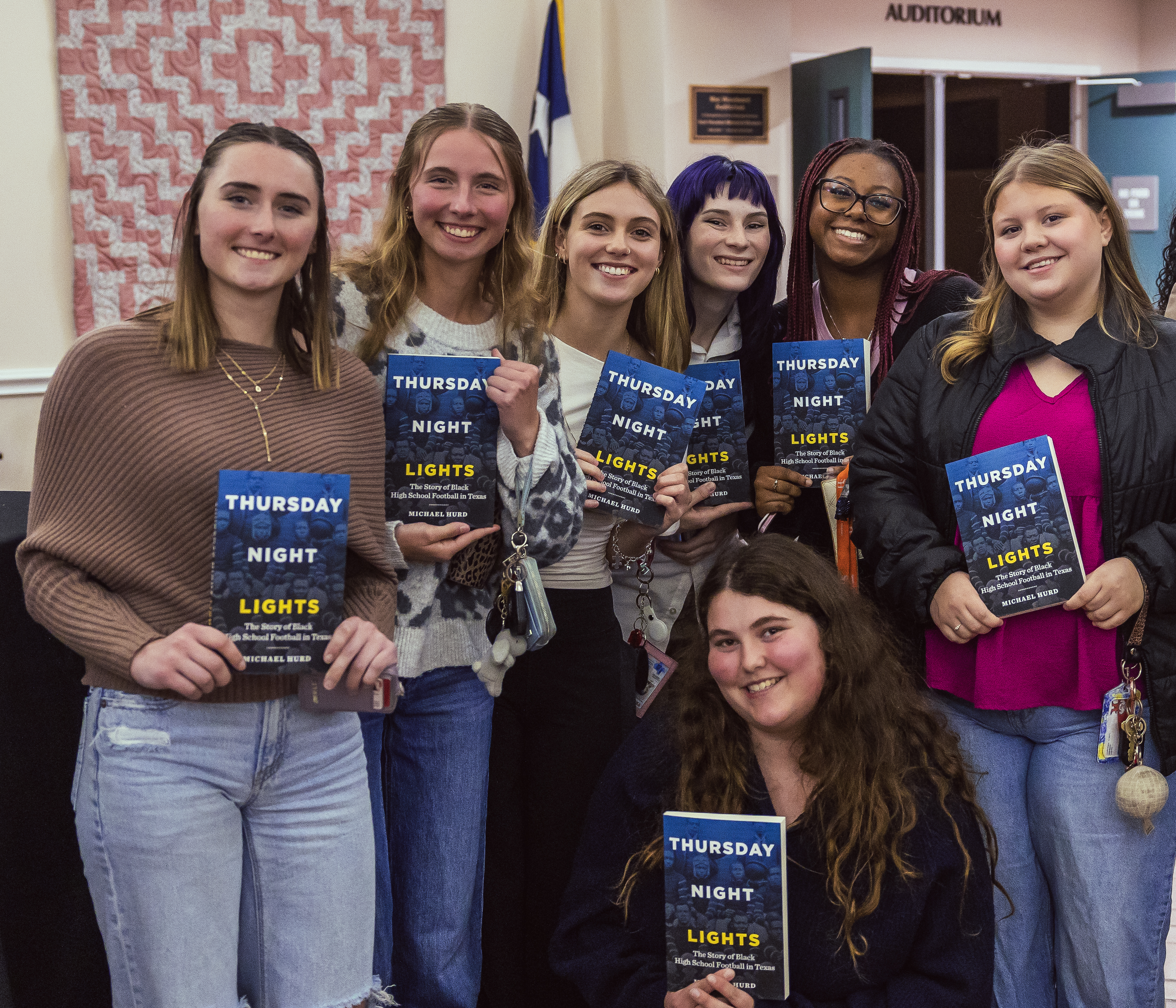
The screening was a great reminder that sports are about more than just what happens on the field. The PVIL provided opportunities for Black students to compete and represent their communities during a time when those opportunities were often denied to them. Hearing directly from the filmmakers and people connected to the league made the history even more meaningful. We appreciate everyone who joined us and the panelists who helped share this important part of Texas history.