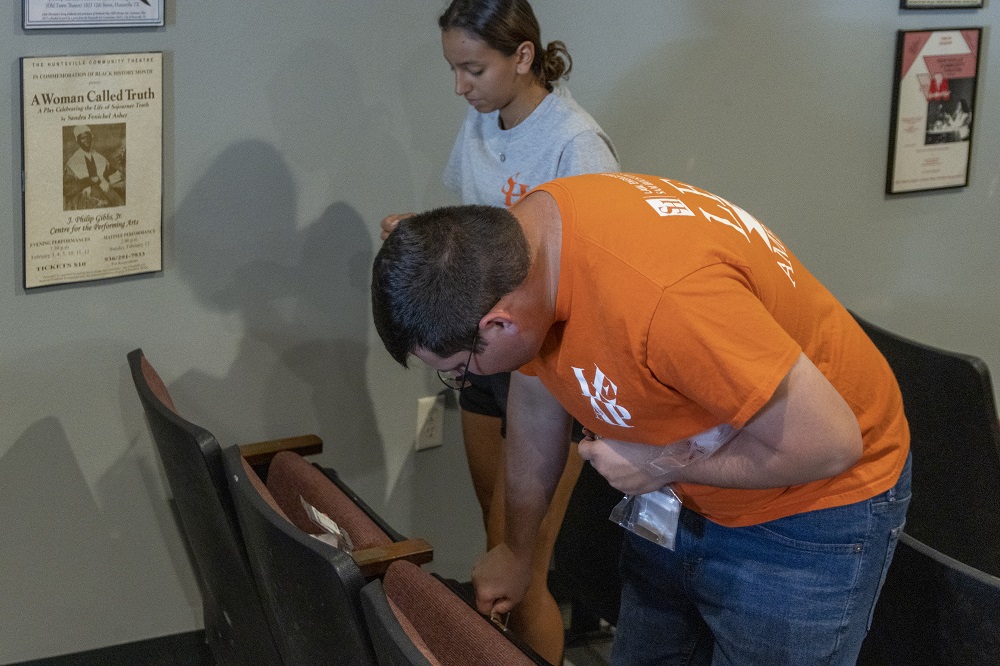
Fresh off volunteering at the Wynne Home Arts and Visitor Center, we also wanted to help out in the downtown area. So, with rivet-gun in hand, we headed to the Old Town Theatre to do some light cleaning and affix numerals to the Theatre’s chairs.
The theatre is the only vintage venue in Huntsville, and it is the community’s finest example of Art Deco architecture–while also featuring the art work of world-renowned muralist Richard Haas.
And while it may be an local architectural treasure and a work of art in itself, it also had a disordered numbering system on the seats, which makes ushering pretty difficult.
So, we set about correcting that. With only one rivet gun, we set up a system of three people helping: one advance man putting in the number plates and rivets, one riveter, and one person taking left-over parts….
While three were riveting, others were cleaning, and we took turns doing all the tasks, so that we’d all be cross-trained. Stephanie did her best Carol Burnett impression….
…Quinn tried to get a break from Yvette and Morgan, and Morgan even tried her hand at vacuum repair.
About three hours later, we had a mostly-clean theatre, seats with a correct numbering system, and more skilled volunteer force….
…and some ideas for some fall activities–all of this in time for our sold-out Gene Watson show!
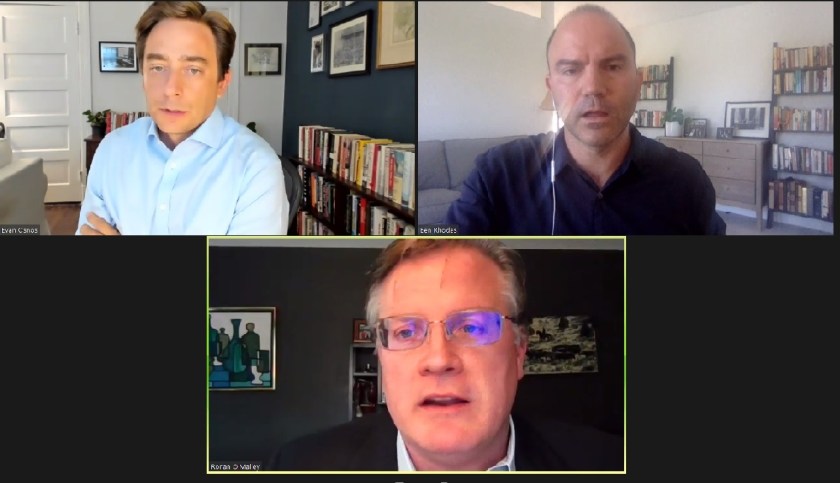
LEAP is always eager to hear from World Affairs Council speakers, and that is especially true when Ben Rhodes presents to the Council. Rhodes, a former speechwriter and advisor to President Obama, discussed his latest book, After the Fall: Being American in the World We’ve Made, with the New Yorker’s Evan Osnos as the moderator.
Following eight years of working long hours for the Obama administration, Rhodes found himself with a lot of time on his hands, a need for decompression, and wrestling with the Presidency of Donald Trump. So, he decided to write a book and, as he says, announce himself as a writer to the world.
What struck Rhodes, as he reflected and traveled and reflected some more, is how parts of the world were “turning to nationalism and authoritarianism,” particularly Hungary, Russia, China, and the United States. Key to this period, according to Rhodes, was the great recession of 2008, which is “when the narrative of liberalism and democracy collapsed.” With this narrative, Osnos readily and frequently agreed.
Rhodes is, at times, a bit morose, identifying this period as “the fall” to which the title alludes. This fall emboldened China and Russia, freeing them to mock capitalism and democracy, and emboldening nationalistic elements in Europe (particularly Hungary). He characterizes presidents from GHW Bush to Obama as “collectively wrong” and “hubristic,” while also criticizing the NBA, the media, and “the entire mass entertainment industry.” (see here for other views he’s expressed about the media).
Rhodes responded best during the Q&A period, during which Ronan O’Malley stepped in.
Rhodes argues that the China-Russia relationship is “shallow,” united by their “interest in the discrediting of democracy.”
When asked about the “personalization” of politics and regimes, Rhodes suggests that the rise of social media contributes to this movement, while also noting that the election of Biden was a countermovement to this trend.
Rhodes struggled to find silver linings. “There is one megatrend in the world,” he lamented, “and it’s not good.” But he argues, not entirely convincingly, that the “mass mobilization” in the world is happening and good; that people “are much more aware” (polls indicate otherwise); and there are civil rights in certain world regions than there were 30 years ago. It’s not a lot to hang on to, but it’s what we can look to, he says, “after the fall.”
On Saturday, June 27, the LEAP Ambassadors drove in from most parts of Texas to help out our adopted community of Huntsville. One of us drove from San Antonio, one drove from Tyler, one drove from Houston. Our destination was the Wynne Home, for an afternoon of painting and cleaning.
To build some energy, we stopped by the friendly and local confines of Mr. Hamburger, where some of had our first taste of this local favorite. We enjoyed the burgers and shakes!
Apart from exploring local culinary options, our mission today was to help out at the Wynne Home. The Wynne Home has a staff of 2.5 employees, and is, therefore, heavily reliant on volunteers. And in this regard, the Wynne Home is a hub of sorts in the community. The Texas Thyme Unit of the Herb Society of America assists the Wynne Home with its Ella Ruth Herb and Children’s Sensory gardens, the Friends of the Wynne support the arts at the Wynne Home (and in the community), and numerous citizens volunteer their time to serve on the Wynne Homes committees. So, it was an honor to help out by doing some touch-up painting in the children’s garden and some basic cleaning.
The Children’s Sensory Garden has a number of plants, and students are invited to touch, smell, taste, and even hear the plants and each of those sensory sections.
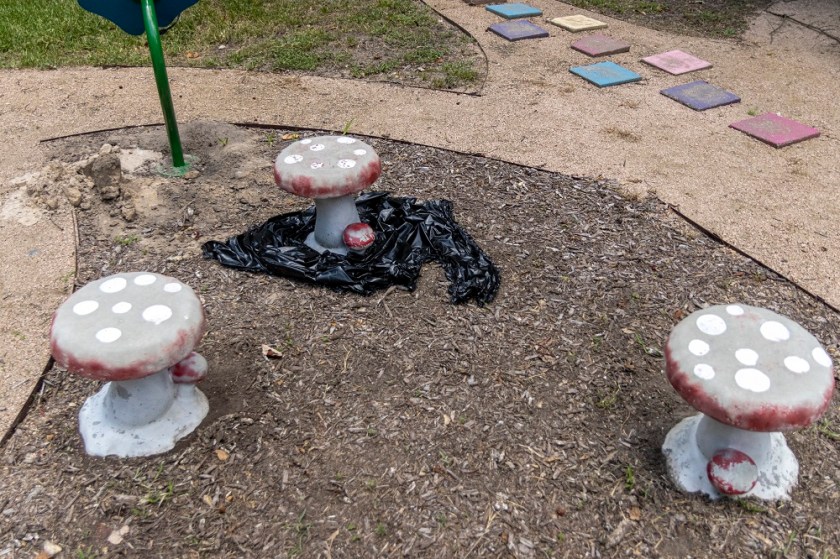
Among those plants are stones for hopscotch, and these were a little worse for the wear.
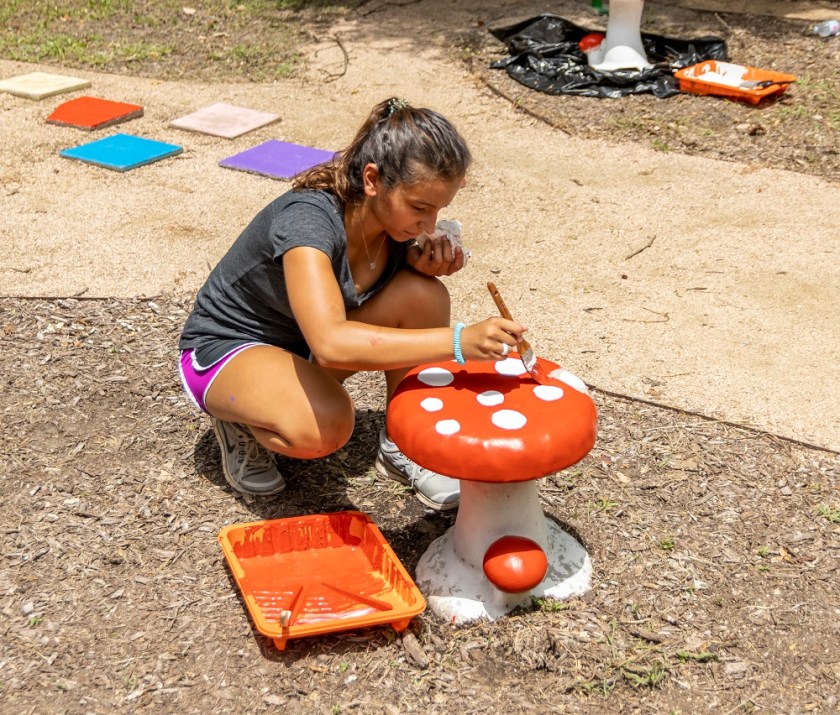
Concrete mushrooms also grow throughout the garden, and these, too, had seen better days.
With improvement in mind, we tackled the easy ones first: the stones.
The colors chosen by the Wynne Home staff were vivid, and even with just the first coat of paint, the colors were popping.
Although the temperature was only 93, it seemed much warmer. We estimated the humidity to be approximately 4,000,000, and so an unexpected challenge was having our sweat drip into the paint and dilute the colors. Fortunately, the Ms. Sarah Faulkner kept us hydrated, and we continued to plug away.
We quickly learned who was in the best shape, and to protect reputations, we will not discuss this matter further. Although we would note that we had to help Professor Yawn up the Wynne Home stairs after about an hour…
One of the nice things about painting is that it provide some immediate gratification, as you see the designs take shape and the colors become more vivid.
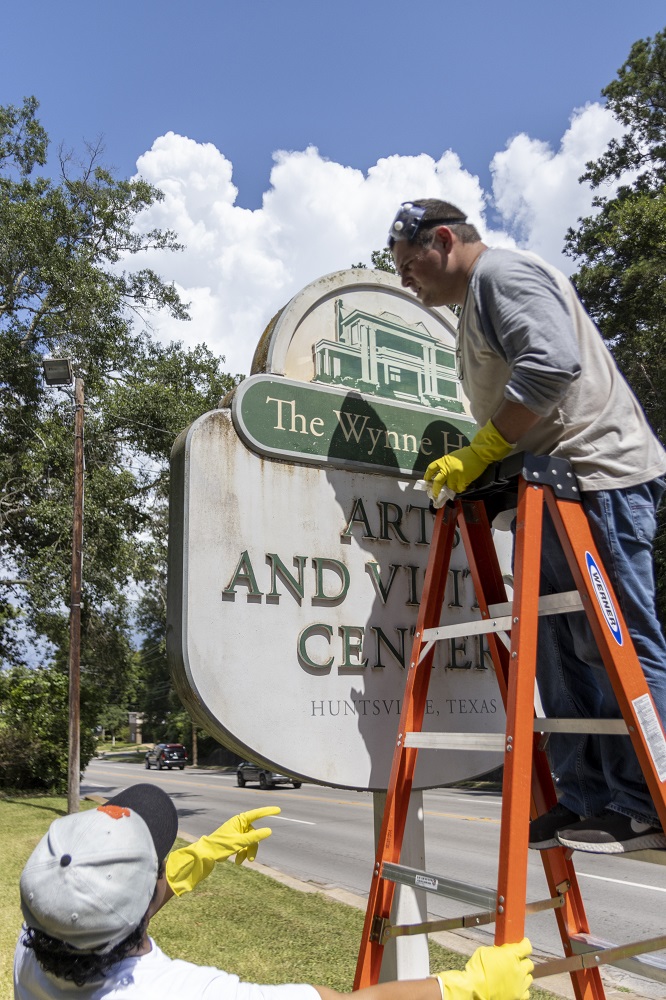
Following the painting, we turned our attention to the Wynne Home sign up front, which had weathered snow, ice, heat, humidity, and high winds, just in the last six months!
After much scrubbing, we were happy with the new-ish look, and we at times felt we were in the clouds!
It was a wonderful day. The Wynne Home was beautiful prior to the touchups, and we felt we had a little role in beautifying it further!
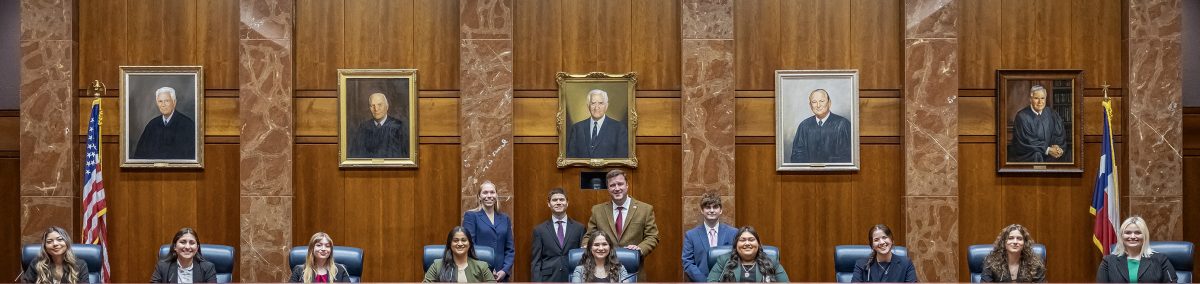
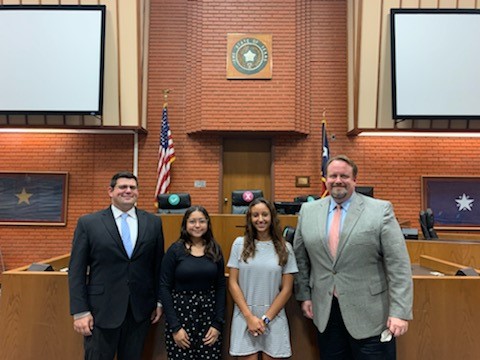
As the spring semester came to a close, the LEAP Ambassadors were invited to an event by Gene Roberts, Director of SHSU’s Student Legal and Mediation Services. As many of us are aspiring attorneys, we were thrilled to accept his invitation to a cross-examination simulation of several of Dr. Conroy’s Forensic Psychologist PhD students, as they practiced rendering their professional opinions on whether defendants were mentally competent to stand trial.
This event took place inside the Kerper Courtroom, where Mr. Roberts cross-examined the students, who all prepared and presented different cases. To kick off this event, one of the students conducted a direct examination of the first witness, asking them to explain what it means to be mentally competent and how they came to the conclusion that the defendant was not competent. Once the direct examination was over, the witness was passed to Mr. Roberts to be cross-examined.
His questioning was intense and intimidating, even for those of us just watching, but he explained to us that he firmly believes that a “tough practice makes for an easy performance.” Having to come up with different cross-examination questions for each of the students and improvise questioning tactics seems like a challenging thing to do, but Mr. Roberts’ performance was impressive.
This was not just an amazing opportunity for us to spectate, but also for the PhD students, since they got a “free trial” of what they may have to endure in their careers, should they decide to work as forensic psychologists. Mr. Roberts mentioned that he likes to “take a bold and theatrical approach to the cross-examination for these students,” which he says “provide[s] them with something unexpected to handle themselves better under intense pressure.”
Mr. Roberts told us that he has “been impressed that these students always do a good job with that pressure,” and even though the judge, jury, and Mr. Roberts would not condone his belligerent behavior in actual practice, he has observed attorneys who have behaved in such a manner, and therefore wants for SHSU students to be prepared for anything.
After Mr. Roberts finished his cross-examination, he provided feedback and advice to each of the witnesses on how they can do better in the future. We learned a lot that evening about the process of determining competency, but it was also a great opportunity to see how to question a witness.
The LEAP Ambassadors want to thank Mr. Roberts for the invitation and Dr. Conroy for letting us observe the event.
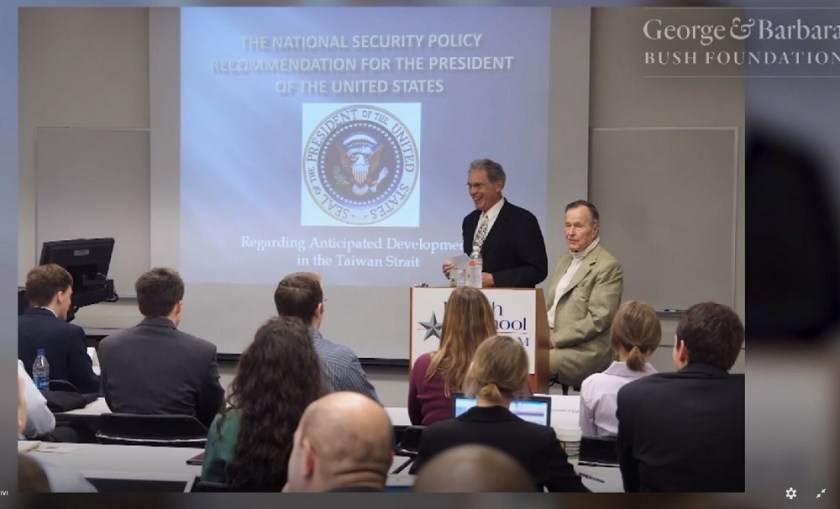
On June 3, 2021, the LEAP ambassadors joined in virtually from their hometowns to watch President’s George H. W. Bush Chief of Staff, Jean Becker, discuss “the man she knew.” During the Pandemic, Jean Becker wrote the book, The Man I Knew, focusing on the post-presidency and personal life of former President Bush, who she believes “lived a bigger than life, life.”
Max Angerholzer, CEO of the George & Barbara Bush Foundation, had the honor to interview Jean Becker about her book and ask questions that both he and the public would want to know. During this event, a reoccurring theme that Becker was how President Bush left us all a “blueprint” on how to live our lives, including his iron-clad rule that “a successful life must include serving others.” She mentions that her book is meant to be inspirational, and it is symbolic to how she would want to live her life as well.
Becker discussed a few of the stories she in her book, one of those being how the special friendship between Former Presidents Clinton and Bush came to be. She recounts how President George W. Bush called upon his father, G. W. H. Bush and President Clinton to raise money and support for Asia following the Boxing-Day Tsunami. Not only was this trip successful in terms of fundraising, but also in forming a friendship. Becker notes that the former Presidents returned to the US “best of friends,” and even quoted Barbara Bush as observing that Bill Clinton “found the father he never had.”
This friendship is a prime example of “putting country before party” or making personal sacrifices. One minor example of the latter, according to Becker, was exemplified by a photo of President Bush and the five-year old son of a Secret Service agent. This young person was suffering from Leukemia, and had lost his hair from chemotherapy. As a sign of solidarity, President Bush shaved his head, too.
The biggest takeaway from this event is that former President George H.W. Bush was big on family, friends, and relationships. Most who knew him said he was a kind man, a man of action, and someone to who they were thankful for his service. Including but not limited to President Obama, Germany’s Chancellor Angela Merkel, and James Baker, former Secretary of State, President Bush’s best friend.
I found out that he is buried at Texas A&M College Station and that he was transported in the Union Pacific Train 4141, which is exhibited in their library, neither of which I knew!
As Max Angerholzer and Jean Becker prepared to close this event, Becker read to us 10 life lessons that President Bush left us with. The three that most stood out to me were to (1) always give others credit when things go well for you; (2) to learn from friends and mentors, (3) and to always be kind to people and thank those who helped you along your path.
This event ended with an exclusive video composed of clips of Former President Bush and First Lady Bush’s life, altogether it was a great insight to their behind-the-scenes life, legacy, and a learning experience for those of us who were not present during our 41st president’s presidency.
My favorite quote being from a call President H.W. Bush received and said, “I’m not THE president, A president, I’m number 41.”
On behalf of the LEAP Center, we would like to thank the George and Barbara Bush Foundation and Jean Becker for presenting us with the opportunity to attend this event.
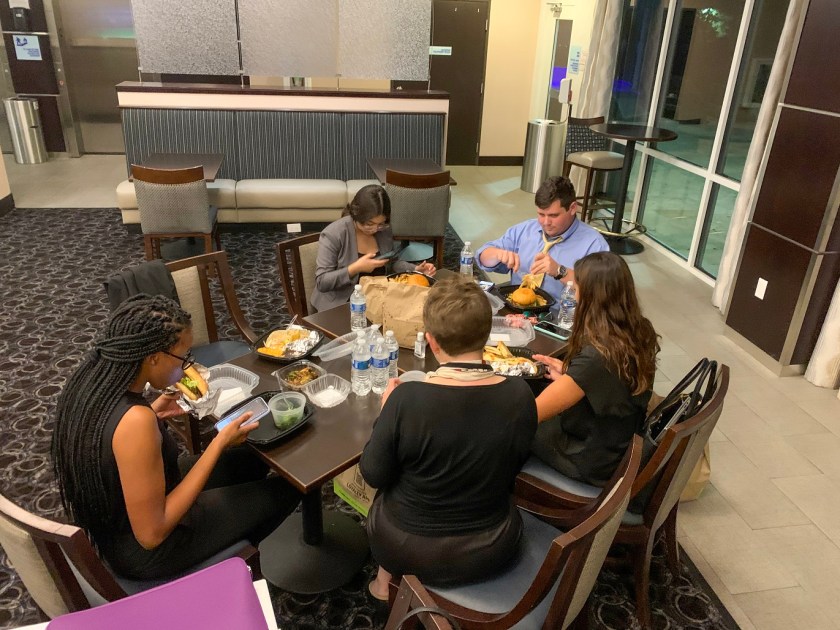
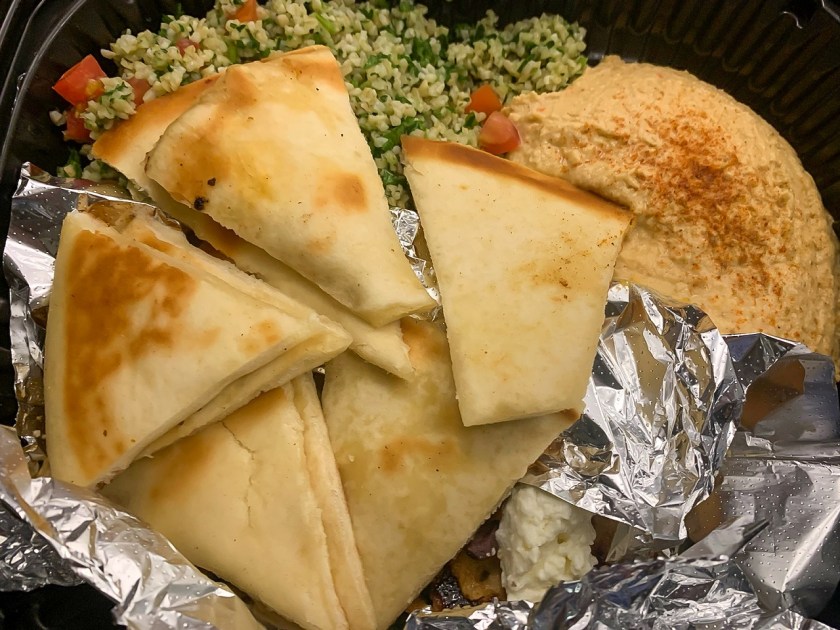
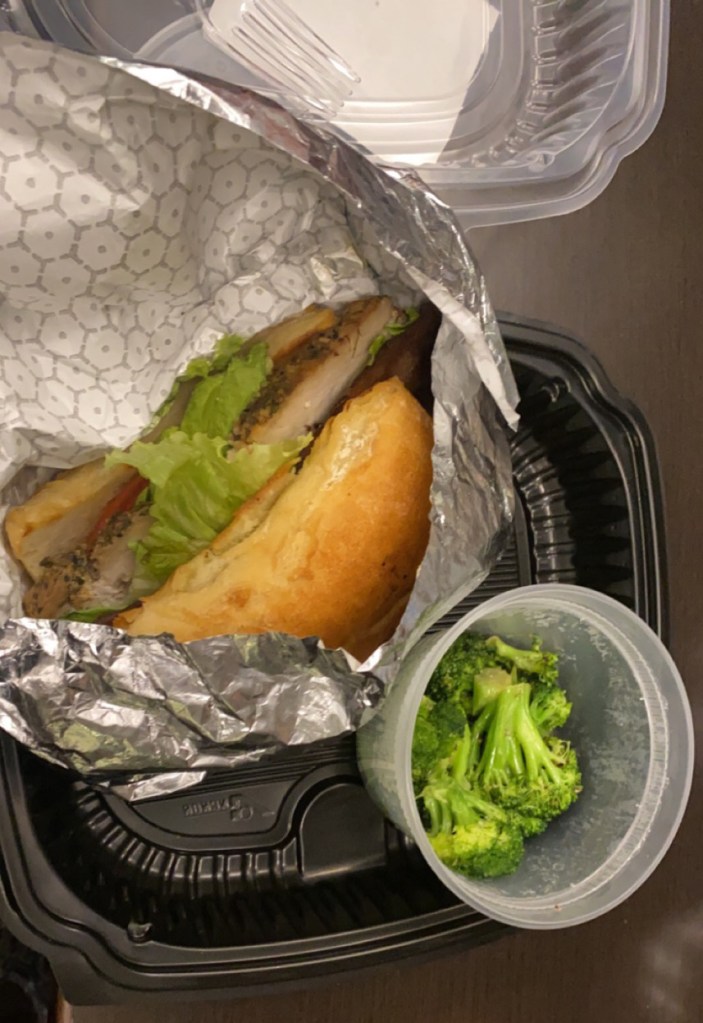
Although the major objective of our trip to Austin was to attend the New Politics Forum’s Boot Camp, we always search for ways to enhance our experiences. On this trip, one of those ways was to try as many ethnic foods as possible, and we started on our first day!
As we picked up Yvette Mendoza, who is half Puerto Rican, we celebrated by having lunch at The Point Panaderia & Cafe. While we generally enjoyed the food, the forty minute wait (for sandwiches!) was not appealing.
We made it up for it somewhat with some Austin food, from Kerbey Lane Cafe, which is also something of a LEAP tradition.
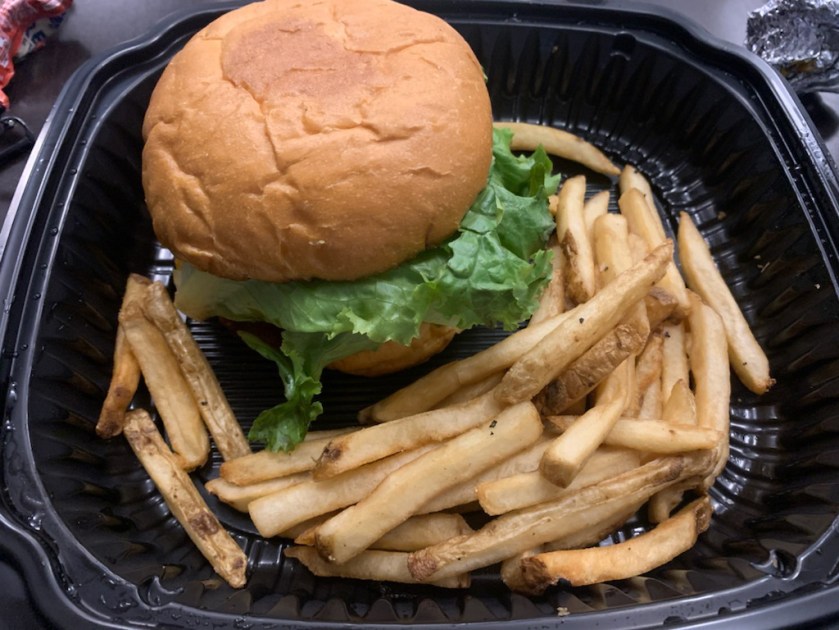
We did try different foods from KLC, including queso, burgers, and sandwiches.
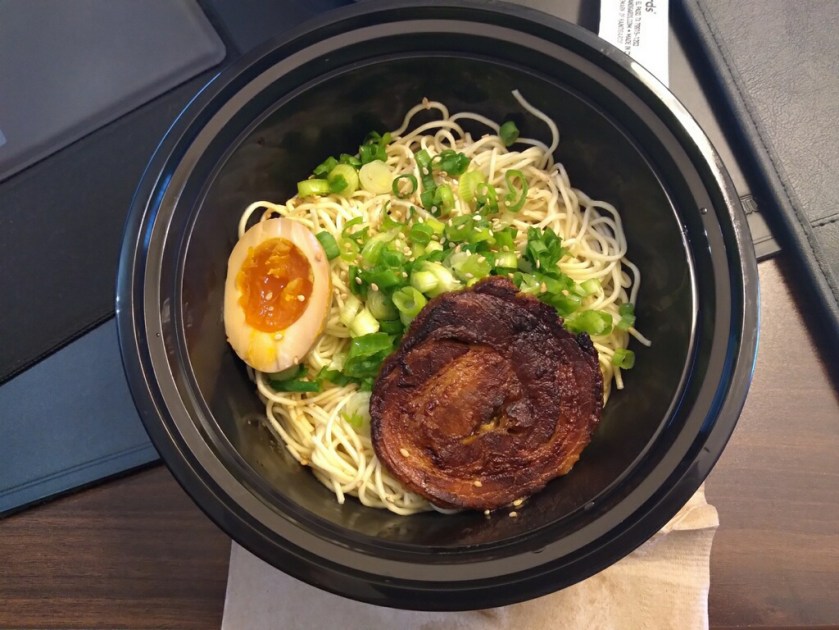
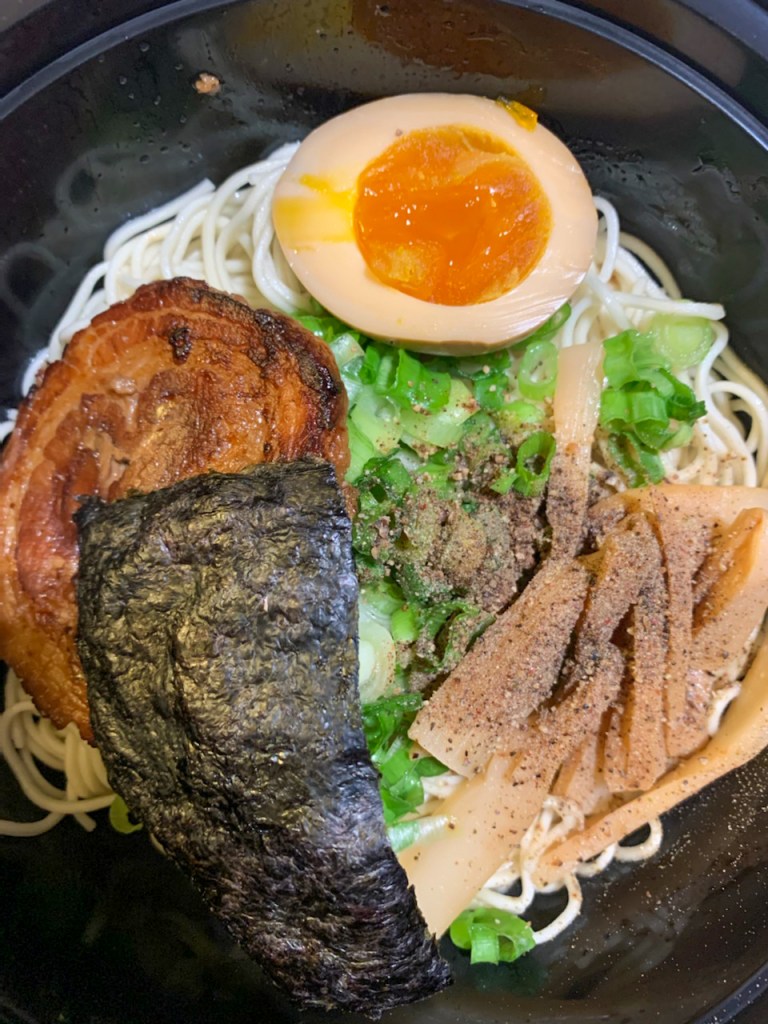
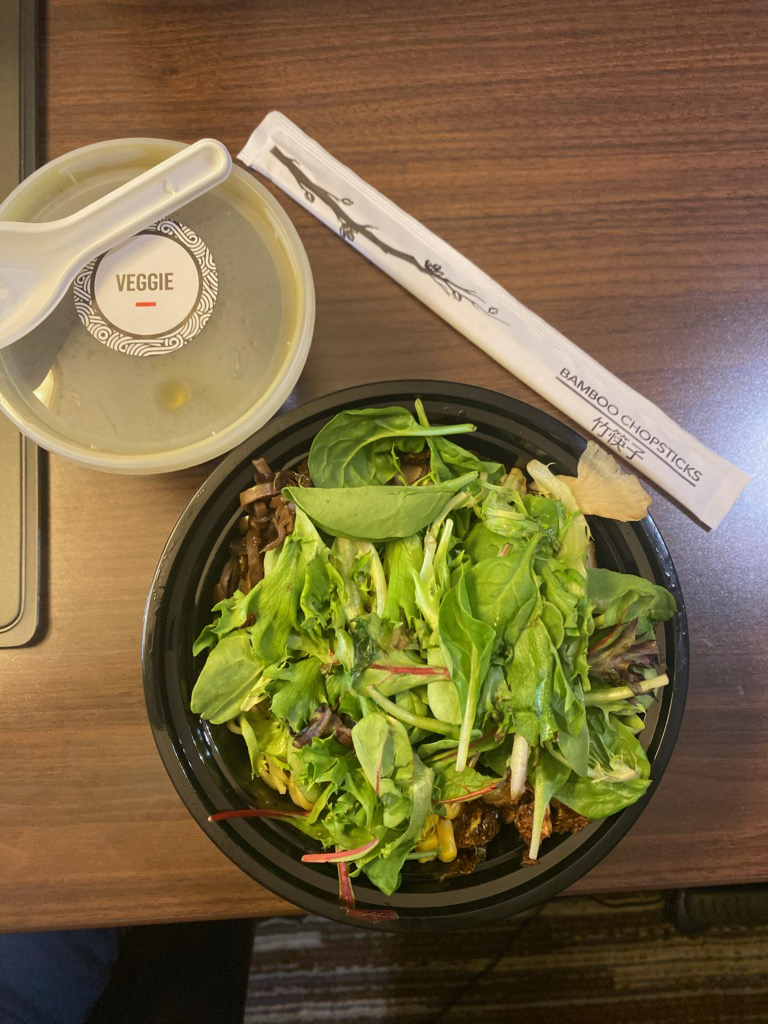
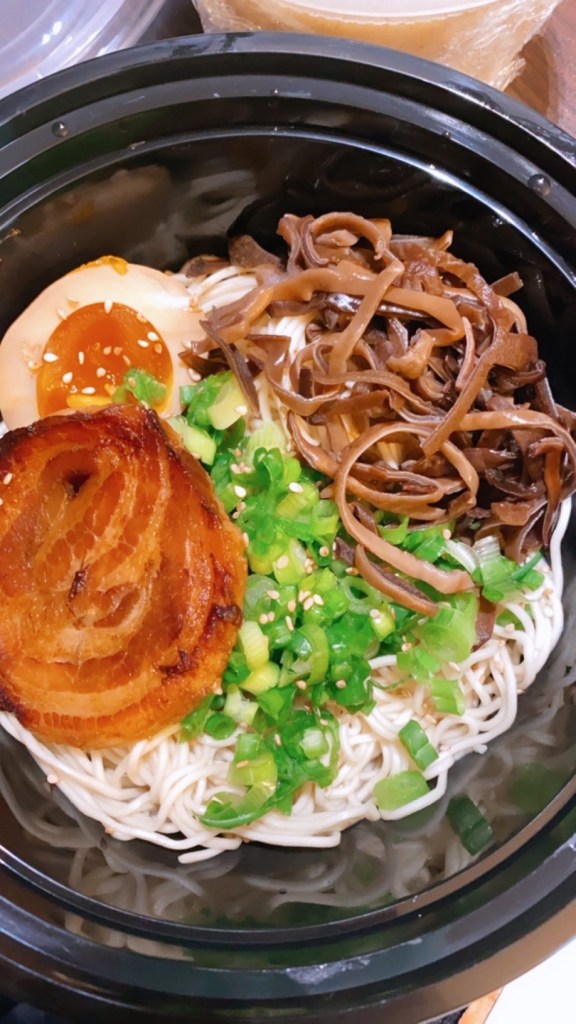
On Saturday, the most grueling day of the Boot Camp, we dug into some lunch from Ramen Tatsu-Ya, which was a first for many of us. The food included eggs, meat, noodles (of course), and salad. It was, in a word, delicious.
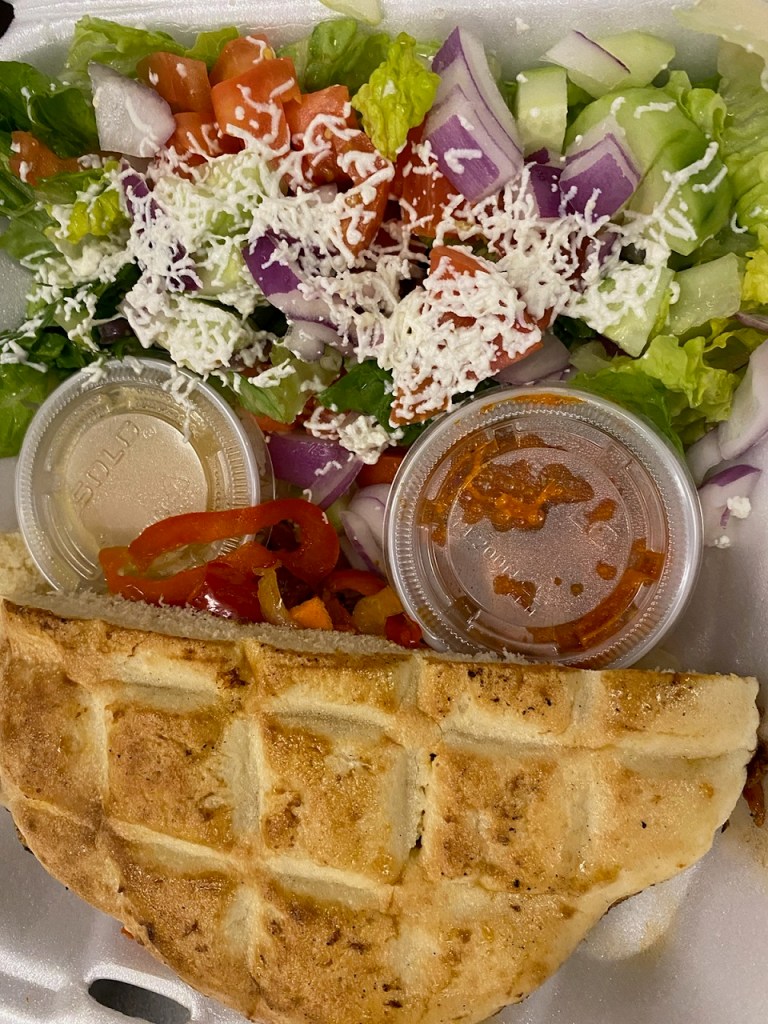
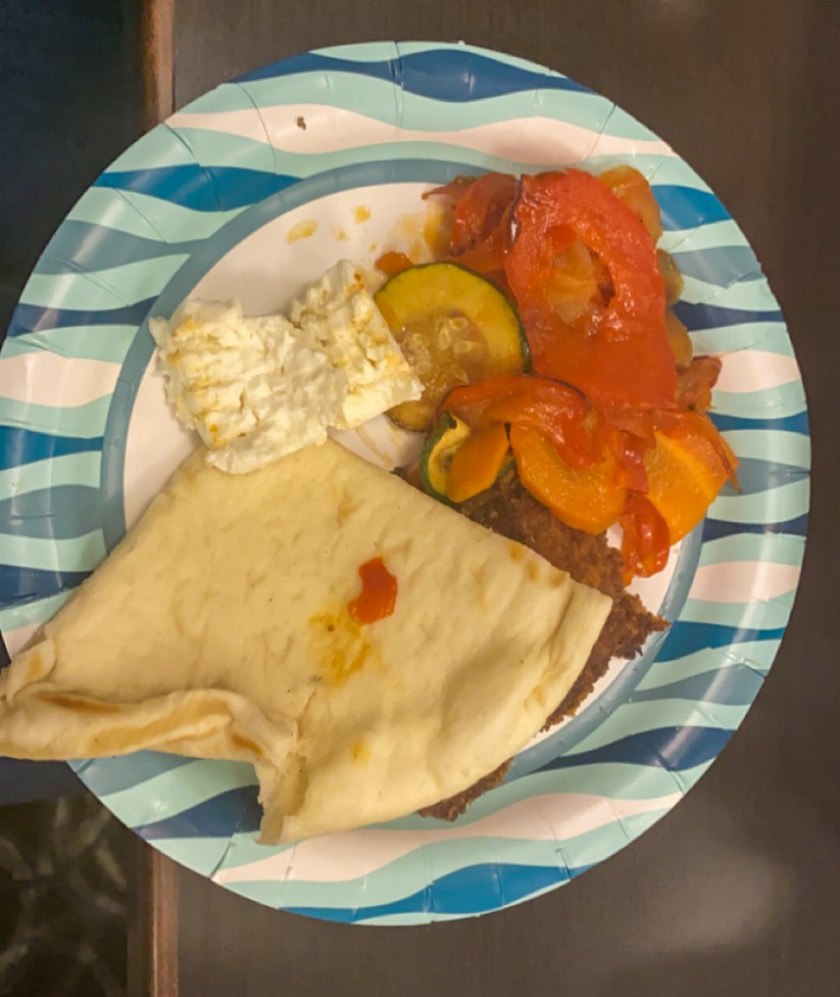
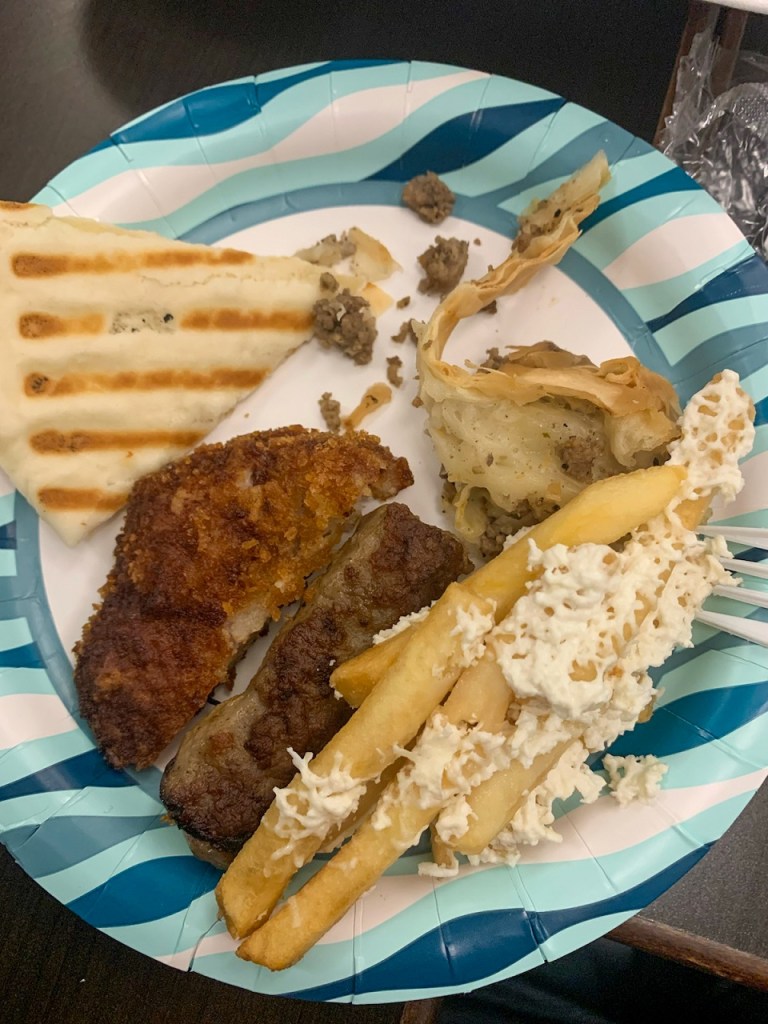
Not to be outdone, following the long day of Boot Camp, we topped off our night with Balkan food. This consisted primarily of various types of meat: pork, beef, chicken, in the form cutlets, various sausages, and bacon. We also managed some wonderful veggies and eggs, as well.
For our final day of Boot Camp, we began with lighter fare: Swedish Hill bakery, with sandwiches and pastries. This gave us sufficient fuel for the filming of our Campaign Pitches.
Our big meal, however, came in the form of a Brazilian Steakhouse, Estancia. (No public funds were used for this meal.)
Brazilian Steakhouse: Estancia
By Yvette Mendoza
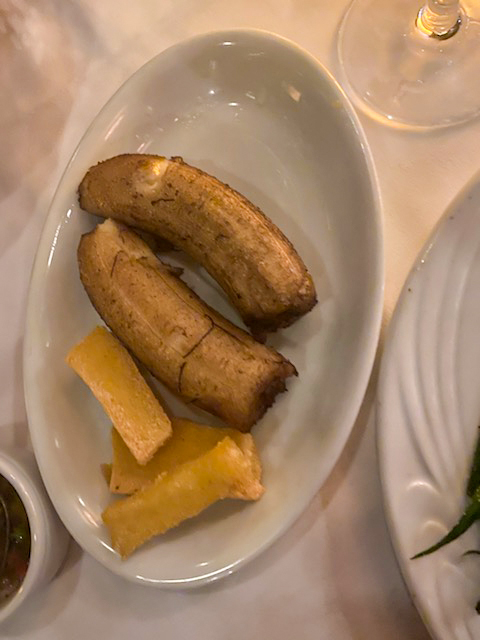
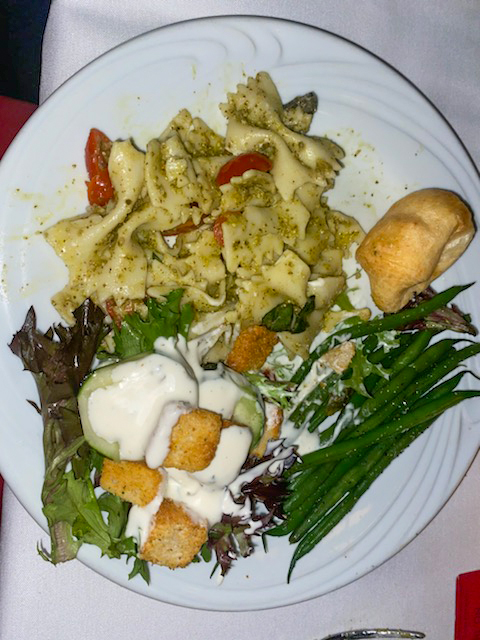
Wrapping up our final day of Campaign Bootcamp, LEAP Ambassadors were treated to a premiere Brazilian steakhouse called Estância. A few Ambassadors had actually never been to a Brazilian steakhouse before, but it was a brand new experience for two of us. There were an array of options to choose from, including various salad greens and toppings and freshly cut cheese. As for the appetizers, we sampled plantains, mash potatoes, pão de queijo (Brazilian bread), and yuca fries.
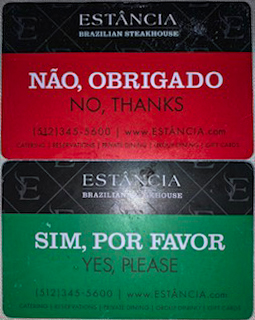
For the main entree, a selection of Brazilian meat was brought out for us, and whether or not we were served depended on whether our card on the table was flipped to green or red.
Since some of us (aka, Yvette) never flipped the card over to red, we had delicious meat pouring onto our table continuously.
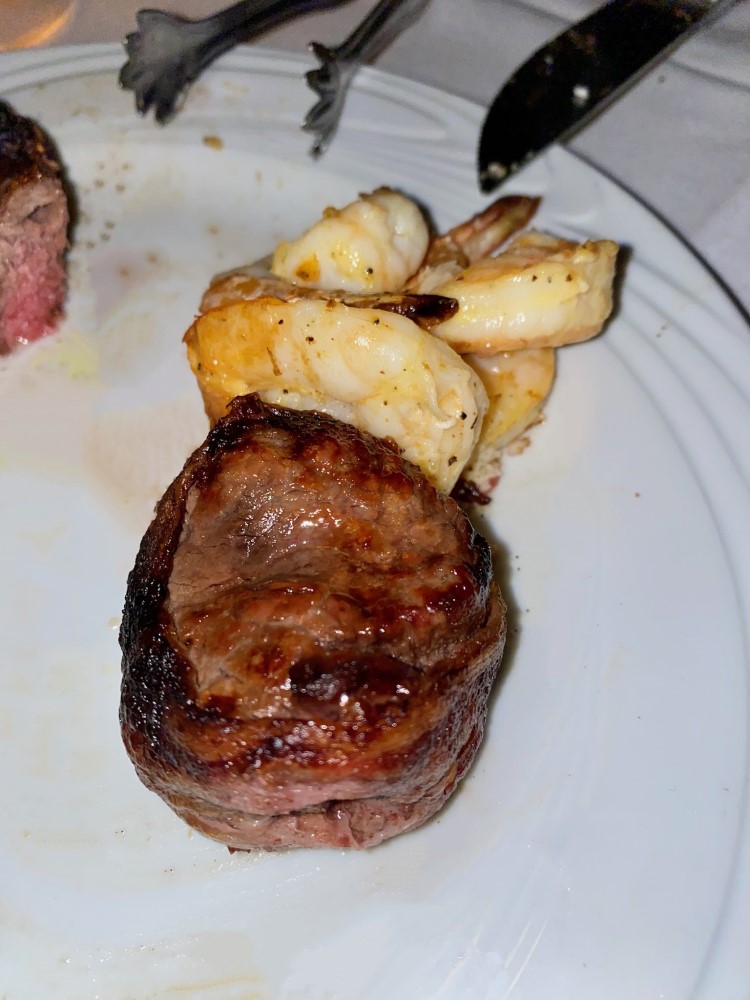
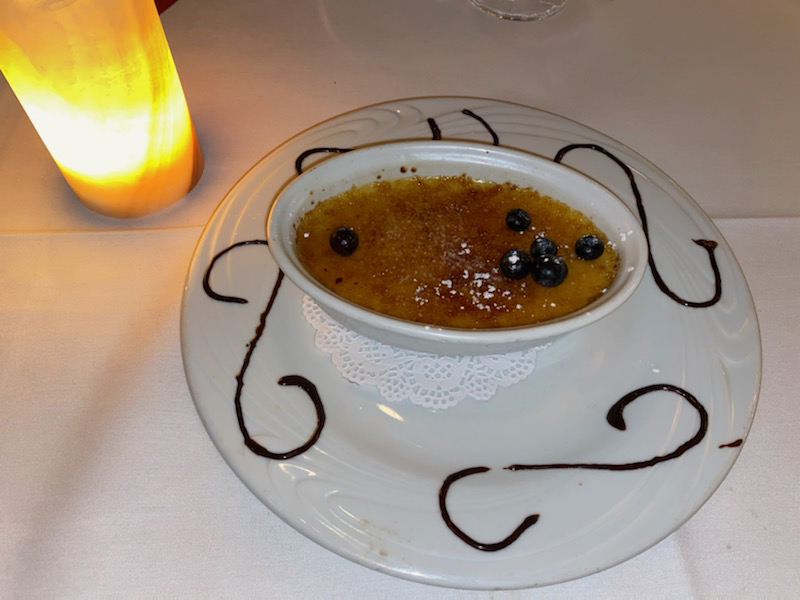
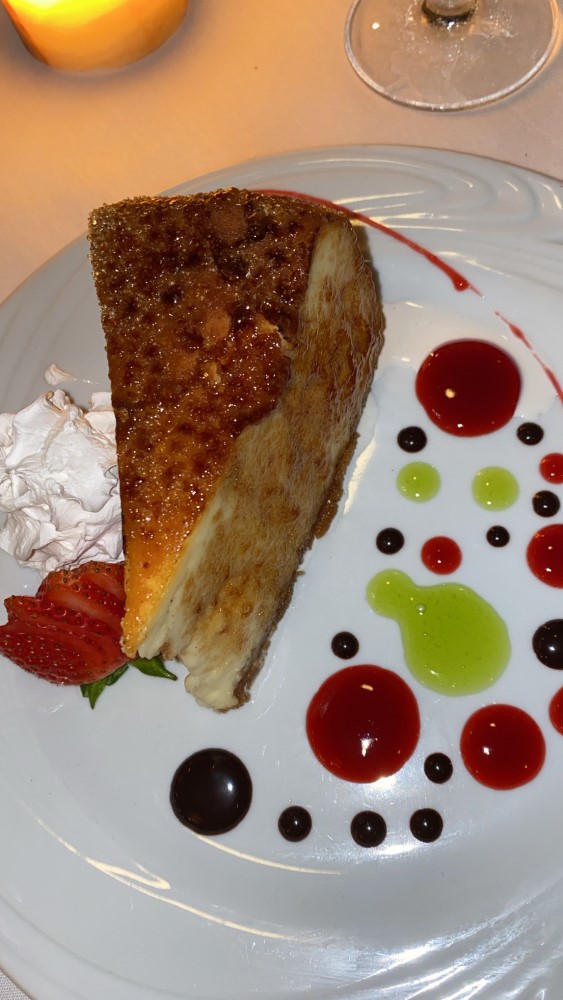
The favorite foods of the evening consisted of filet mignon wrapped in bacon, grilled shrimp, juicy linguica pork, and the flavorful fraldinha. Our stomachs were full but we made room for dessert being the creme brulee, Papaya Cream…
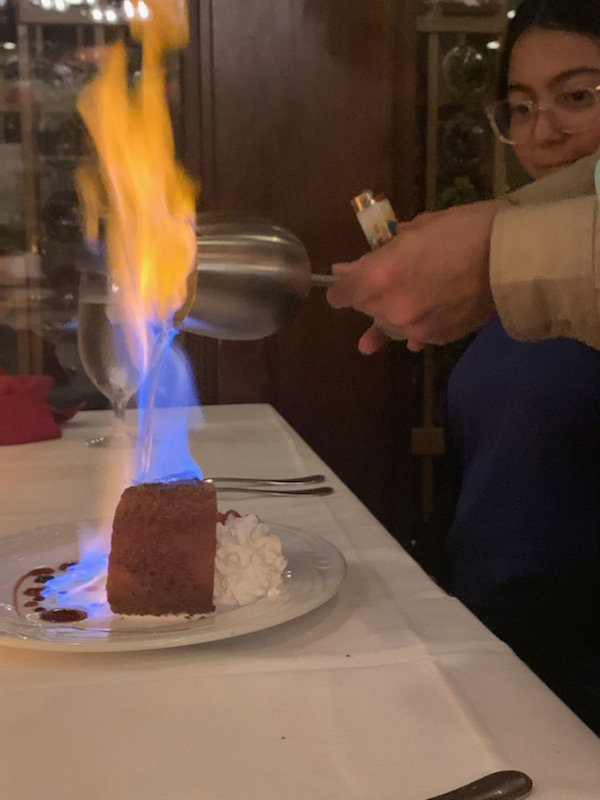
…and the Fire New York style cheesecake, which for some was truly mind-blowing.
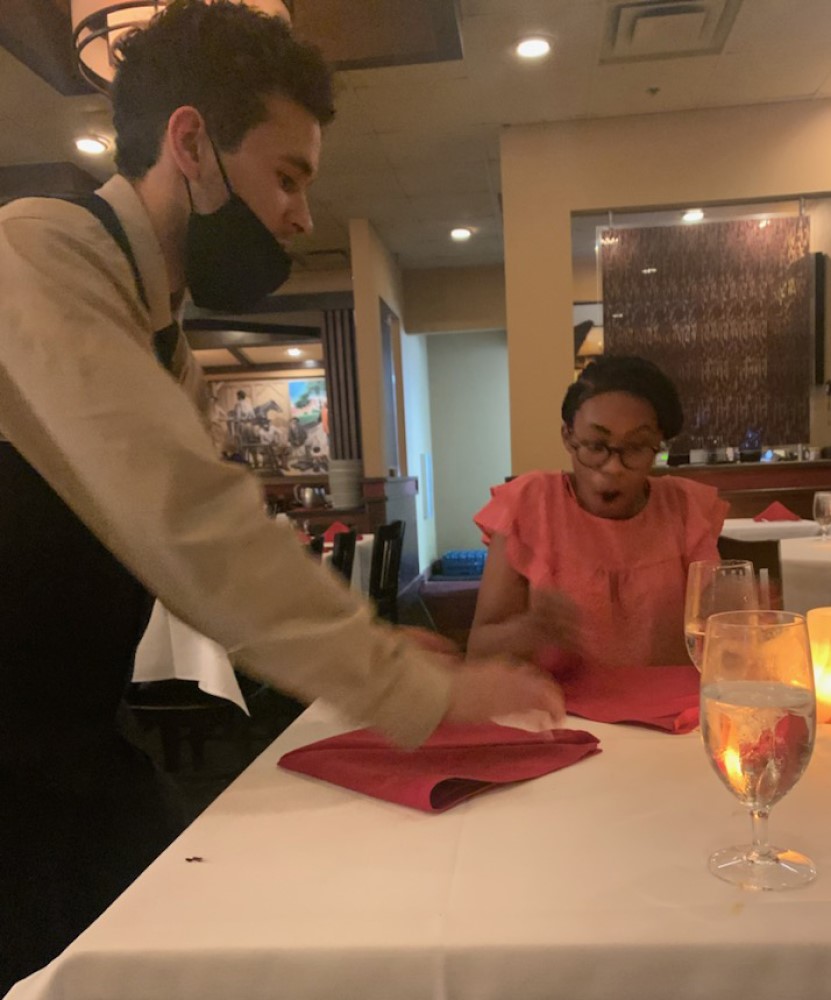
After dessert, one Ambassador was taught how to properly fold a cloth napkin.
Not only was this dinner filled with an amazing amount of endless foods, but we also still managed to continue opening our minds to learn something new.
Final Day
By: Jessica Cuevas
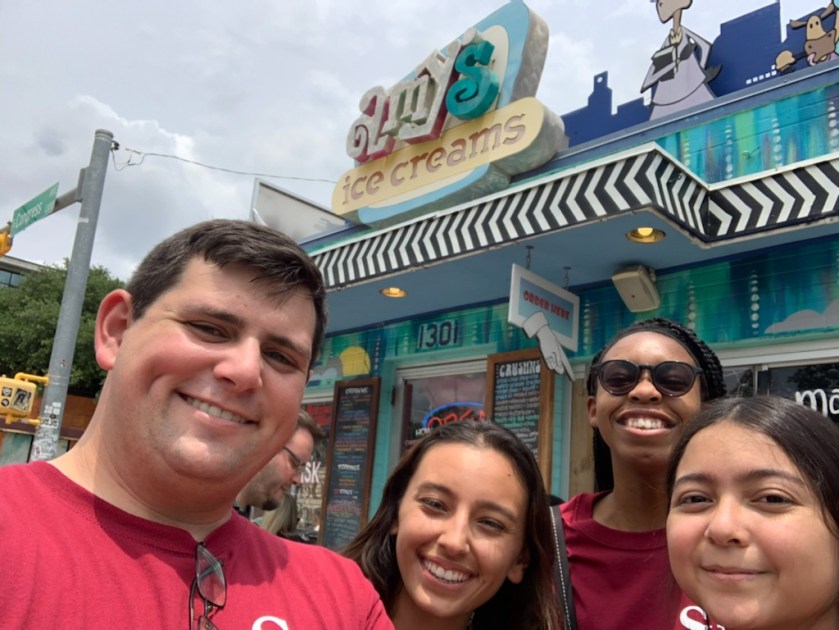
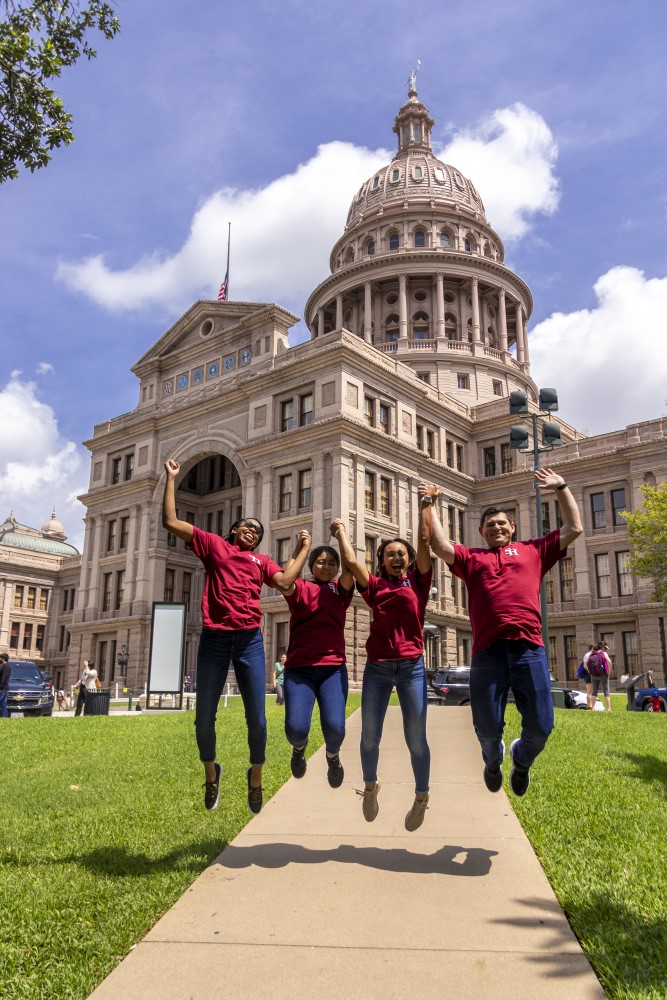
After a great tour of the Texas Capitol, the LEAP students were in for a nice cold and creamy treat from a local favorite ice cream shop: Amy’s Ice Creams.
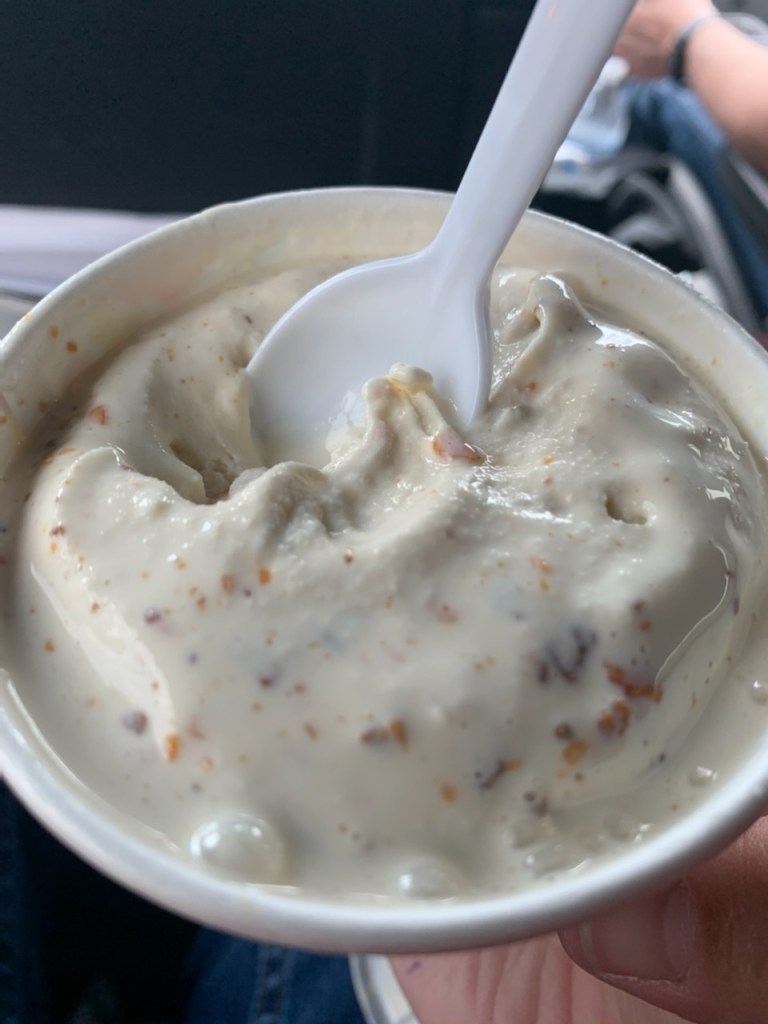
This shop had a variety of different flavors, including Oreo, Mexican Vanilla, Dark Chocolate and many more.
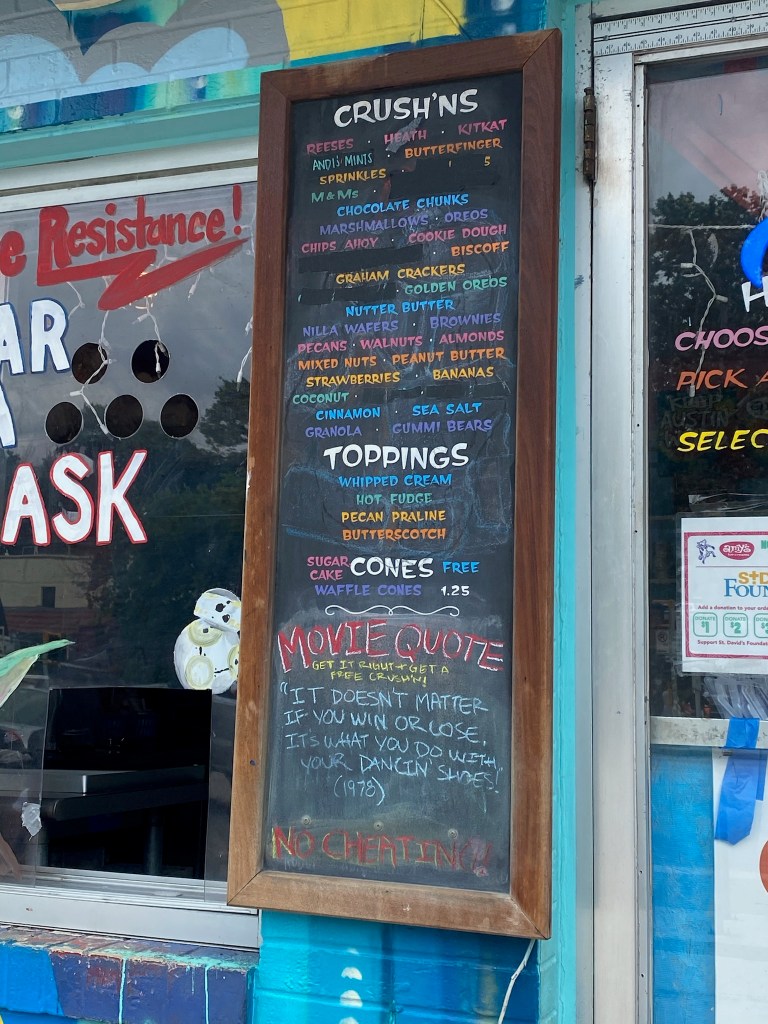
It even had a good selection to choose from when it came to “crushins” or toppings, which allowed for many different combinations.
Despite it being a first-time place for most of us, we really savored the sweet and delectable treat, although we did wonder why they could only do one order at a time….
Right after Amy’s, we were taken to JuiceLand. This was my first time here, and I was excited to try something new. Juice Land offered a variety of smoothies, juices, coffee, and other drinks. After looking through the whole menu, I battled between getting the Peachy Green Smoothie or the Morning Sunshine Smoothie, but ultimately ended up getting the Morning Sunshine along with Yvette. Quinn ordered a honey lemonade, and Jade had a Blue Hullabaloo.
Our trip came to an end as we drove back to Huntsville drinking our flavorful drinks and reflecting on a fun and educational weekend.
The big day has finally come! The 2021 New Politics Forum Campaign Bootcamp has concluded, and the LEAP Ambassadors headed out to tour yet another historical facet of Texas, the State Capitol.
Amidst the buzz and excitement of Sine Die—the conclusion of the legislative session—the Ambassadors toured and learned a great deal about the historic building.
We enjoyed seeing where the former Supreme Court was located and hearing our voice echo in the rotunda.
We even got to visit the chambers of House of Representatives and the Senate!
I particularly enjoyed learning about the important historical context of many prominent figures that were distinguished in portraits throughout the Capitol. There included people such as former Governor Ann Richards, Tennessean David Crockett, and our university namesake, Sam Houston.
While Quinn was especially familiar with the Texas Capitol, this was the first time for Jessica, Yvette, and me, so we had some fun.
I was in awe the entire time, as I was learning the history of my state in a most prestigious classroom. Furthermore, I was overwhelmed with the knowledge that I was on grounds where decisions are made that affect the day-to-day life and wellbeing of myself and people throughout the state. My favorite part of the entire tour of the Capitol my favorite part was learning more about various former governors and visiting the Texas House of Representatives and Senate Chambers.
It was a great history lesson, while also getting to see current affairs. We saw some action on the House and Senate floor, while also seeing Rep. Senfronia Thompson and other lawmakers.
And, outside, we even saw some protesters.
It was a real treat for us, and with some discussion from Professor Yawn, we learned about ways to return as interns…
In wrapping the up the 2021 Annette Strauss Campaign Bootcamp, we had the opportunity to hear from two final speakers—Crystal Perkins, a Democratic finance director, and Dustin Tropp, a Republican recruitment manager—to discuss and advise us on how to build our resumes and land a job in the industry.
To begin, Ms. Perkins spoke to the importance of being involved in the community in any way possible, be it through volunteerism or internships, so long as we are giving back and supporting a cause that we believe in. She suggested doing internships, following local media (newspaper, radio, and social media), and finding a mentor.
Lea
After their presentations, they opened the floor to questions about resumes or campaigns. A fellow participant asked if a resume should be nonpartisan or not. Both responded by saying that when applying for a campaign, they would prefer it list all your experiences while only going into depth about one or two to keep the resume at the preferred length of one page. This, of course, only applies to jobs with partisan employers.
Then came Mr. Tropp, who reiterated the importance of being involved, but also emphasized that we must learn how to advocate for ourselves. He mentioned how fellow Generation Z’ers must learn how to hold a conversation with the more experienced and older colleagues since it is a big deal breaker when trying to become more involved in politics.
At last came the moment we were all awaiting: it was time to film our pitch with our teams. Although we were all vying for first place, the experience gained from this event is a win on its own, as it will be applicable and extremely beneficial in our future academic and career paths.
The Campaign Pitch
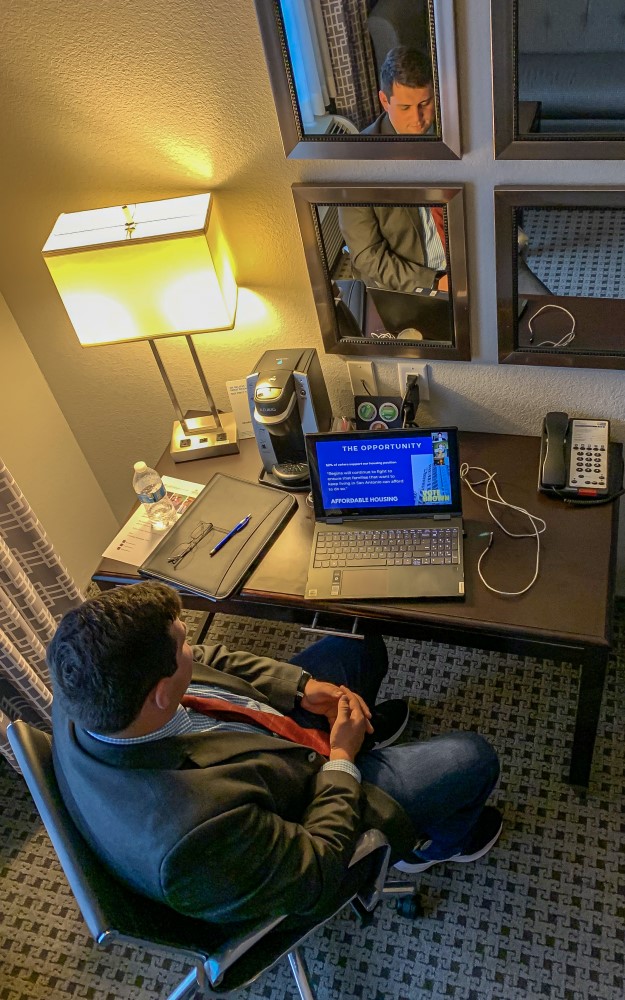
With the exception of Quinn Kobrin, all of us found ourselves stretched–in a good way–by the Campaign Bootcamp. As our advisors mentioned, we drank water from a firehose, and on Saturday night and Sunday, we tried to assimilate the information, process it, and re-present it in a way that would work for our candidate.
By “our candidate,” we are referring to a hypothetical candidate assigned to each team by NPF staff. NPF created competing candidates, and it was a matter of chance which team got which candidate. By having both hypothetical candidates running for the same position, at the same time, over the same jurisdiction, the teams had very nearly identical tasks. The difference in outcomes, then, are the result of the team’s creativity, incorporation of knowledge learned at bootcamp, dedication of time and energy, and intelligence.
We began with something close to 45 or so participants, but by Sunday, we suspect there were more like half that, divided among six teams (we’d like to note that all four SHSU students stayed on camera, were present for every presentation, and all made at least one comment or asked a question).
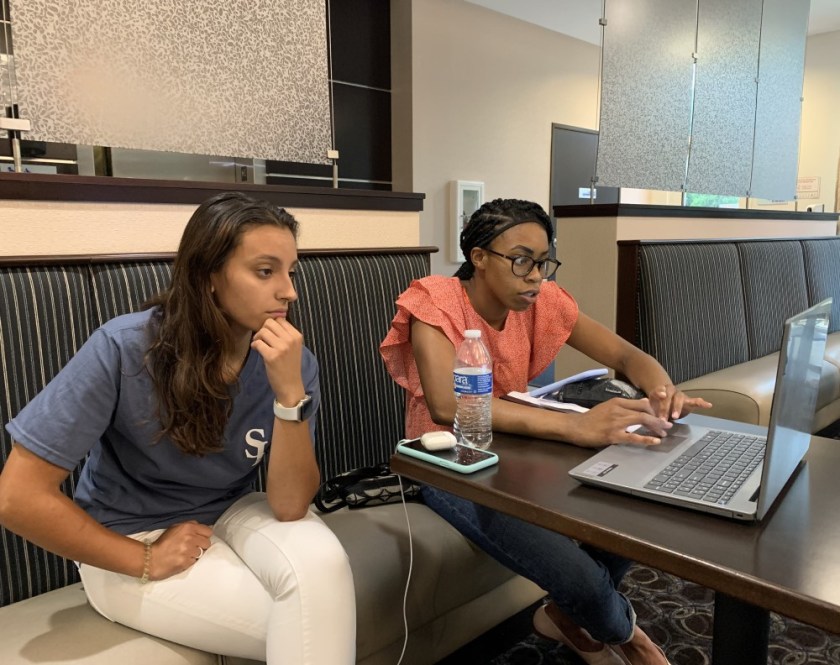
Although we all began on different teams, Quinn and Jessica ended up on one team, and Yvette and Jade ended up on another team. We each, however, had time allocated to working and studying on our own, while also working dually and having breakout sessions with our entire teams.
Our presentations, which were filmed on Zoom, incorporated an overview, our team members, our fundraising strategies, the issues we would emphasize, our branding/marketing, a campaign strategy grid, and the like. Although we had been provided much of this information over the previous twenty-four hours, it was certainly different thinking of these things on our own and applying them to a different scenario!
We learned much, not only about campaigns, but also ourselves. It’s one thing, for example, to hear guidelines and understand them in the abstract; it’s another thing to put those to a test in a (simulated) real-world scenario. We also learned about our strengths and weaknesses with regard to attention spans, engaging and speaking up when in sessions; and working with team members, not all of whom put forth the same amount of effort. This, of course, is true of every enterprise, and this fact makes the experience all the more valuable.
Our goal was to get the presentation together by Saturday night…
… and then do the filming Sunday afternoon.
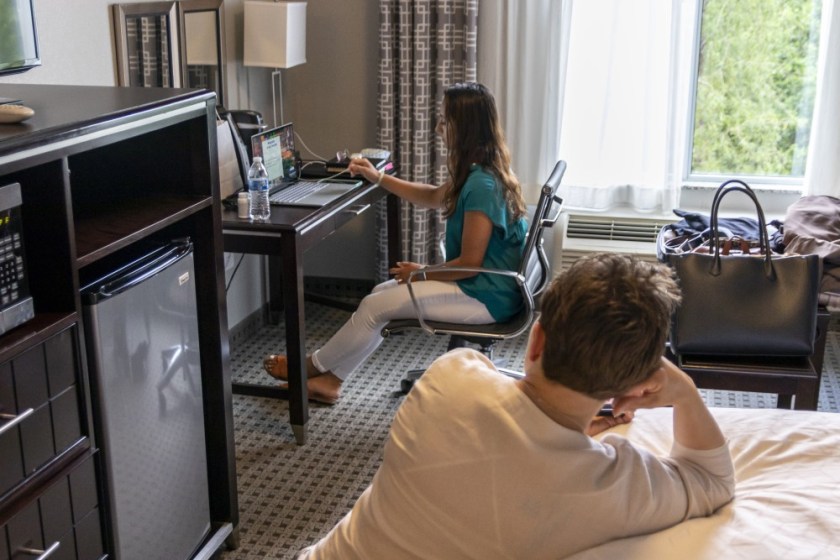
This worked pretty well, and we were able, in our separate rooms, to do our portion of the filming.
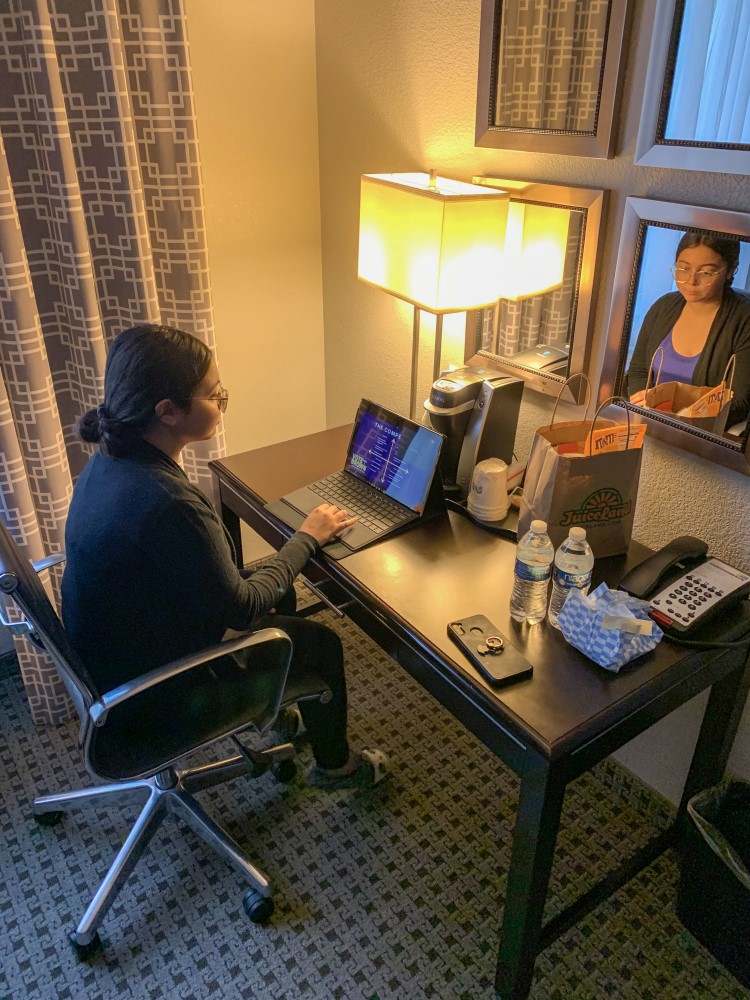
Notes, tissues (for allergies, not tears….), coffee, phones, water, and more coffee were called for and on hand.
In the end, all of us would have liked to have added to or changed aspects of our presentation, but all also felt as though we had done the best we could in the time allotted and with the energy we had.
Campaign Bootcamp – Final Thoughts
By: Jade Jones
And just like that, day three of the 2021 New Politics Forum Campaign Bootcamp is complete. This was my very first event with LEAP, and I am more than ecstatic to say that I had an amazing experience. Every day was filled with a plethora of advice and information from keynote speakers such as Judge Cyndi Krier and many campaign managerial specialists like Meagan Gardner.
Gardner’s comments of “Run for something one day!” and “Campaigns are really hard but they are fun!” resonated with me throughout the entirety of the bootcamp as I, equipped with newfound campaign management skills, was placed in a position to manage my own campaign through the weekend.
My experience was also shaped by keynote speaker Secretary Julián Castro. He tailored his speech towards the younger demographic of individuals that are coming into politics. He made me feel as though he understood the challenges faced by young, aspiring politicians such as dealing with feelings of uncertainty and doubt.
While my experience was shaped by Secretary Castro, the other ambassadors enjoyed a wide range of our speakers, including fundraising expert, Nancy Bocskor. Bocskor’s presentation about the art and technique of fundraising was consistently engaging and informative, and will be extremely beneficial to us in the future.
One of the most memorable moments was the unexpected twist of Nancy’s battling cats, during which a pair of scissors may or may not have been thrown.
Overall, this weekend was incredibly educational and extremely enjoyable. We would like to extend our sincere thanks to Cole Wilson, Bianca Solis, and the rest of the team at the New Politics Forum, for once again putting on a successful Campaign Bootcamp. We appreciate the effort they put into bringing in the top professional political minds from all over the country, and every year we look forward to learning something new.