When LEAP Ambassadors have the opportunity to travel, they follow a process that is in line with their approach to education: prepare, experience, and reflect–sometimes called the P.E.R. model. In this manner, the Center promotes learning, while also providing the flexibility and individual discretion to have fun and find their experiences personally rewarding.
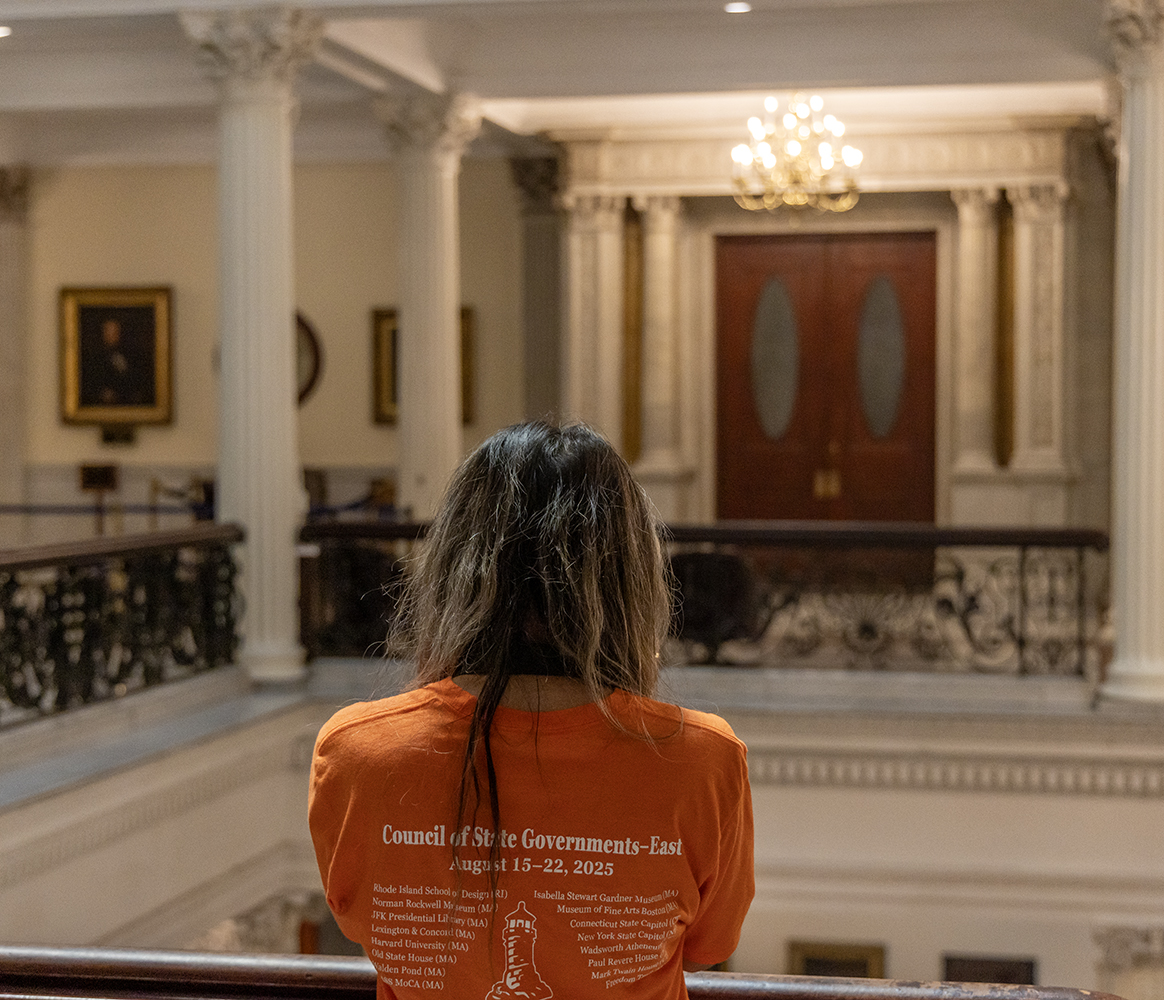
In advance of the students’ participation in the Council of State Governments Conference, they prepared by doing various levels of research on the many sites, people, and locations they would explore. For the students, this also involves research the sites, the costs, allocating their own funds, and creating the trip-themed t-shirt.
The central aspect of the learning process, however, is the experience, and there were many on this eight-day trip. To help with the refection, the students write blogs such as this one, of course, but they also select their favorite experiences from a trip–like all LEAP travel–that involved much diversity in experiences, perspectives, and geography.
Restaurants
The overwhelming favorite among restaurants was Boston’s ‘Fox & the Knife,” which is no surprise in that Chef Karen Akunowicz won the “Best Chef: Northeast,” in 2018. The service was impeccable, and the food was even better, with the Carne Cruda Crostini and the Tagliatelle Bolognese standing out as favorites, with the fried chickpeas as a surprise favorite snack.
Another favorite was Track 15 in Providence, Rhode Island, a refurbished railroad station with half a dozen restaurant choices. We made the most of these, and the combination of the food and the environment made this a favorite.
Art Museum
The clear favorite of the art museums was the Boston Museum of Fine Arts, owing no doubt in part to the Van Gogh exhibit on display when we arrived. The students had a chance to see three different Van Gogh self portraits (Olivia has seen 5-6 or at different museums across the country), a giant piece by Dale Chihuly, and explore some others that became favorites.
Most LEAP Ambassadors come into the program with little knowledge of art, and with varying degrees of art affinity. Olivia came in with a love of art, but with very little experience visiting museums. She had only visited one museum in her life–a science museum–and she has now visited approximately 80 museums across 18 states, all of which she visited on LEAP trips.
Favorite ArtPieces
A favorite among both Michelle and Olivia was Rodin’s “Eternal Springtime,” on display at the Boston Museum of Fine Arts. Interestingly, Olivia was exposed to this at both the Metropolitan Museum of Art in NYC and the High Museum of Art in Atlanta, GA, making this her third viewing of a version of this sculpture.
Another favorite was Thomas Cole’s “Expulsion from the Garden of Eden,” a good example of the Hudson River School–appropriate, since we crossed the Hudson River on this trip!
And of course, there were some “comfort favorites” from the Norman Rockwell Museum, including a rendering of Stockbridge, MA, where we stayed; his famous self-portrait; “Freedom from Want,” a copy of which hangs in Huntsville’s Wynne Home Arts Center; and “New Kids in the Neighborhood,” by Norman Rockwell.
Literary Sites
New England is rich in literary landmarks, and Ambassadors carefully planned their travel maximize their exposure to such sites. While many of these involved mere photo ops, they were able to see the homes of Herman Melville, Edith Wharton, Ralph Waldo Emerson, and Mark Twain, while also seeing the graves of Nathaniel Hawthorne, Henry David Thoreau, Emerson, and Louisa May Alcott–not to mention Thoreau’s cabin and Walden Pond!
But the favorite literary site of the trip was Mark Twain’s Hartford home.
Our enthusiastic tour guide (Josh), the home’s beauty, and the monumental stature of Mark Twain separated this site from the others we visited.
State Capitols
As students of political science, the Ambassadors made a point of visiting the capitols of the states they were in: Massachusetts, Rhode Island, Connecticut, and New York. While it’s perhaps not fair to compare (we didn’t receive full tours of all; some were self tours), the overwhelming favorite was the Rhode Island Capitol building.
Our tour guide, Tony was very knowledgeable, and when a special tour arrived, other staff from the tour office came in to relieve Tony, showing us the Museum portion of the capitol. It was a beautiful building, well complemented by the tour, and we believed, a microcosm of the state’s beauty and interesting history.
Favorite Activities
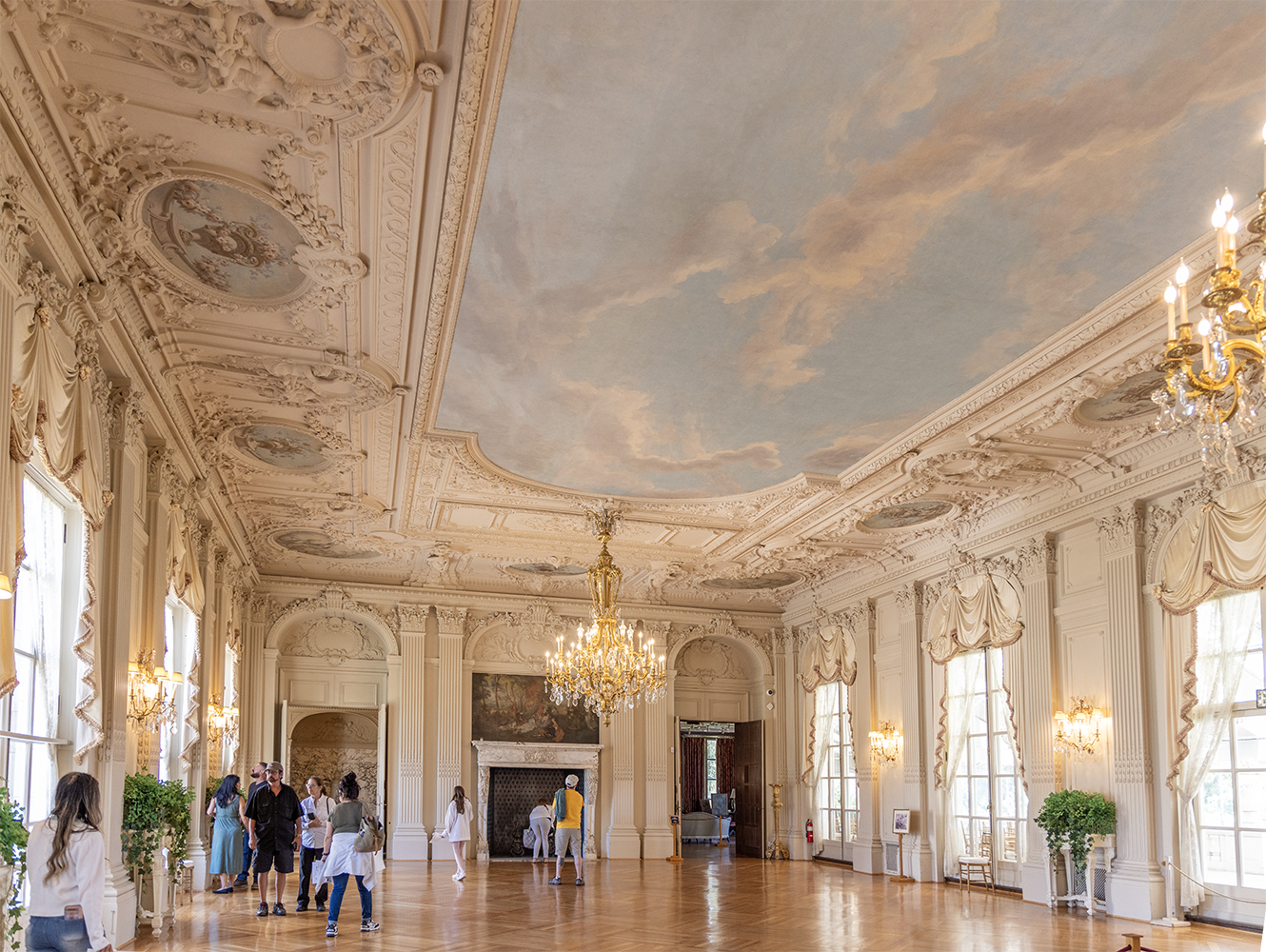
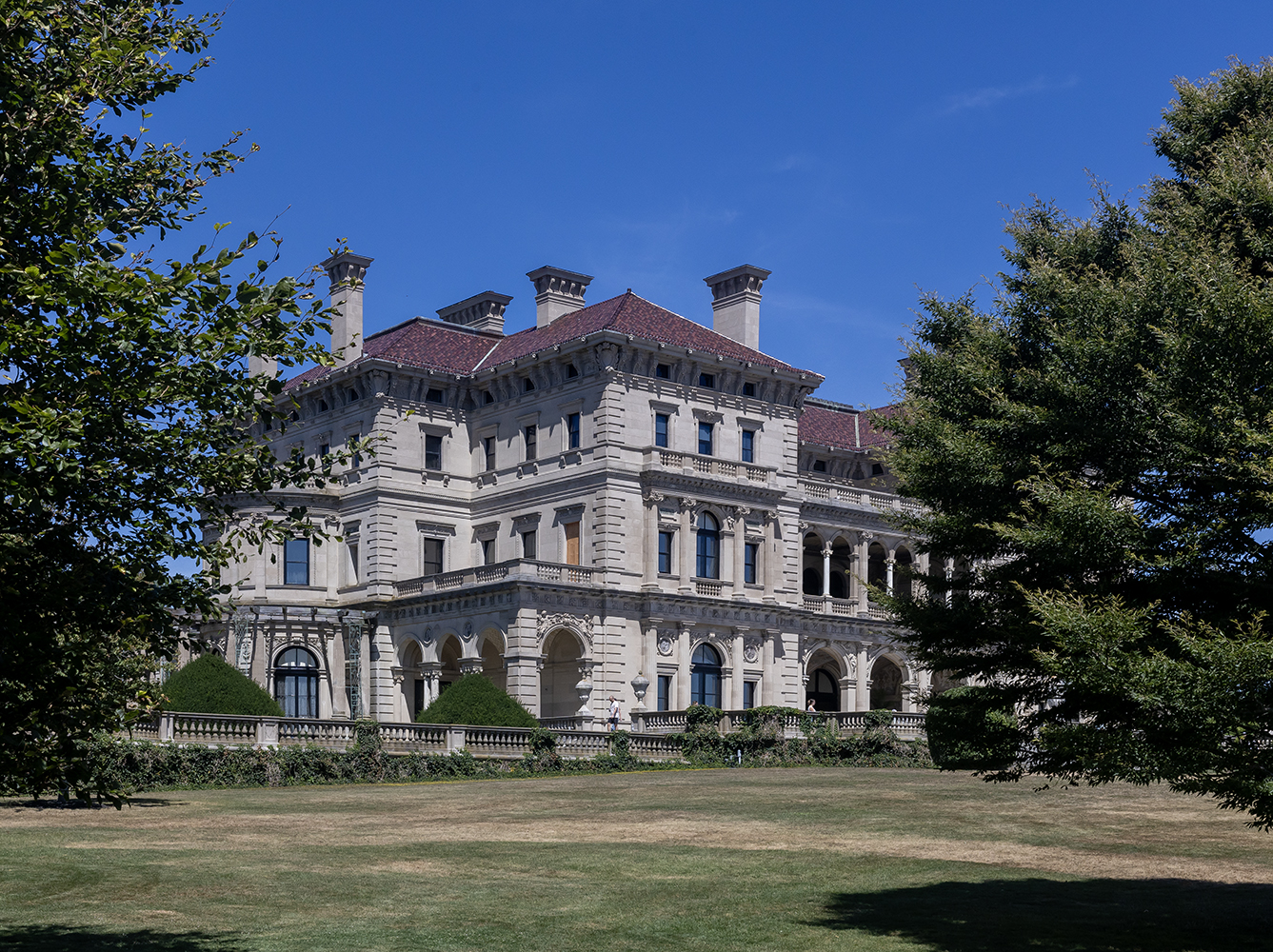
When the students weren’t engaged in conference activities or scheduled tours, they made time for additional fun and educational activities. Their favorites among these including touring the Breakers and Rosecliff (students were split on their favorite).
Of course, when Parasailing in the Atlantic Ocean is one of your activities, it is likely to be a favorite. It was both students’ first time to parasail, and it was Olivia’s first time on a boat!
They made the most of it!
Concluding Thoughts
“They made the most of it,” might just be the best phrase for capturing LEAP Ambassadors’ approach to their college education. These trips can be difficult, involving much preparation, many activities, a lot of writing, photography, and both writing and photo editing, but this is the work that goes into making the travel rewarding.
This program, however, only works with the help of generous donors and a small group of bright, motivated, and civic-minded students who are truly interested in “making the most of it.”
Our latest day in Boston was a blend of history, art, literature, and even a little fine dining. It was a journey of exploration: a first look at the pivotal battlegrounds of the Revolutionary War; a reflection on the legacy of literary giants; an in-depth look at the presidency of John F. Kennedy, and even a foray into the halls of Harvard. In short, it was a look at much of what has been and a glimpse into what can be.
This is the third presidential library I have visited, and it is the fifth that Olivia has visited. Progress in our educational travels!
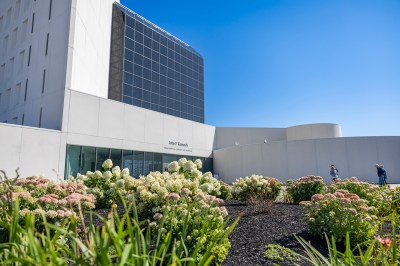
The Kennedy family is central to Boston’s identity, and this library serves as both a monument and a memorial to the 35th president. Designed by I.M. Pei and completed in 1979, the Library’s striking glass pavilion overlooks Boston Harbor, creating a contemplative atmosphere with natural light flooding the museum.
We began with Young Jack, a candid look at Kennedy’s childhood and school years. Rather than presenting a sanitized version of his youth, the exhibit honestly portrayed his struggles as a student, making his later achievements feel all the more inspiring.
From there, we watched an introductory film narrated by Kennedy himself. The film offered a clear overview of his early life, political rise, and the moment he realized his presidential ambitions, essentially guiding us through the museum experience that followed.
This led naturally into the Campaign Trail exhibit, one of my favorites, which captured the energy of the 1960 election. We explored Democratic National Convention memorabilia, many of Kennedy’s campaign signs, and a large map illustrating Kennedy’s narrow victory over Nixon–an interesting way to understand the election results in context.
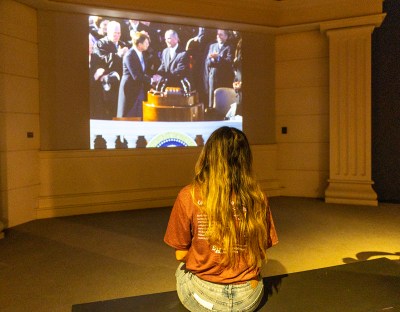
The museum then shifted focus to Kennedy’s presidency, offering multiple perspectives on his time in office. This exhibit showcased footage of his inauguration in 1961, Chief Justice Earl Warren administering the oath of office, and many stages in his life as president.
Particularly fascinating was the exhibit on Kennedy’s literary achievements, including his Pulitzer Prize–winning book Profiles in Courage, which celebrates political leaders such as Sam Houston and John Quincy Adams.
Equally impressive was the museum’s full-scale replica of the Oval Office, complete with Kennedy’s presidential desk, which gave a tangible sense of life in the White House.
The “Presidential Pets” special exhibit was an unexpected highlight, revealing the lighter side of life in the White House. From FDR’s Scottish terrier Falla to Clinton’s cat Socks–the first “First Cat” to capture widespread media attention–these animals brought warmth and personality to the presidency. The exhibit ended with an interactive display where we could add our own pet’s name, creating a fun, personal connection to the exhibit.
We wrapped up our visit with a photo in front of the American flag with Boston Harbor stretching behind us-a perfect ending to what had become my new favorite presidential library!
Boston Public Library
By Olivia Discon
Following our visit to the Kennedy Library, the torch was passed to a different type of library. The Boston Public Library rivals the best libraries in the country, and it is my favorite stop thus far in our trip.
Designed by Charles Follen McKim, the Library possesses a grandeur that leads visitors to expect much from the interior.
The entrance was breathtaking. Much like the Library of Congress in Washington, DC, the high ceilings are covered in mosaic tiles with the names of some of the greatest minds in history. In the context of this trip, it was especially meaningful to see the names of Nathaniel Hawthorne…
…and Thoreau, as well as Charles Bulfinch, the architect of the Massachusetts State House. With its yellow Siena marble, the entire building is just unbelievably beautiful.
At the top of the stairs, we were met with two lion sculptures. Stephanie, who took the lead on this tour, told us that they were actually memorials to two Massachusetts Civil War volunteer infantry units. Tradition says that rubbing the lion’s bottoms brings good luck, and with the LSAT coming up, I figured I could use all the good fortune I could get, so I did not pass up the chance.
The murals along the staircase were painted by Pierre Puvis de Chavannes. Interestingly, he refused to paint them in Boston and instead created them in France, then had them shipped to the library.
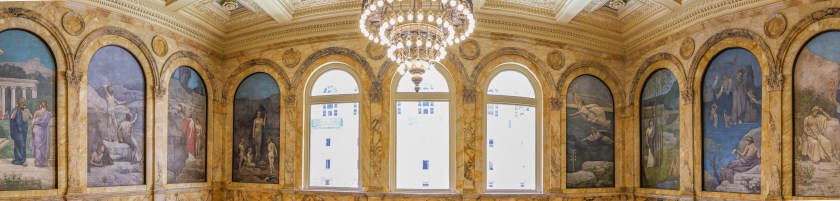
We then went into the Abbey Room, which used to be a waiting room for people requesting books. Its walls are filled with Edwin Austin Abbey’s mural cycle, The Quest and Achievement of the Holy Grail. Even the waiting rooms here are more elaborate and impressive than most buildings today.
The third floor was the most awe-inspiring of all. Covering the ceiling is John Singer Sargent’s monumental series, The Triumph of Religion. It consists of 19 panels that capture key symbols and stories from different religions. In true Sargent style, the figures are powerful and striking, and the work overall is stunning.
It was moving to see a public space created with such thought and artistry during the early years of the nation. It makes sense that a young country trying to define its cultural identity would invest so heavily in these kinds of spaces.
Wusong Road
by Olivia Discon
For lunch, we stopped at Wusong Road, a tiki bar and restaurant that brought a little Hawaiian flair into our day. The bright, tropical theme made for a fun change of pace. Even if we weren’t having tiki adventures, we certainly had a culinary one!
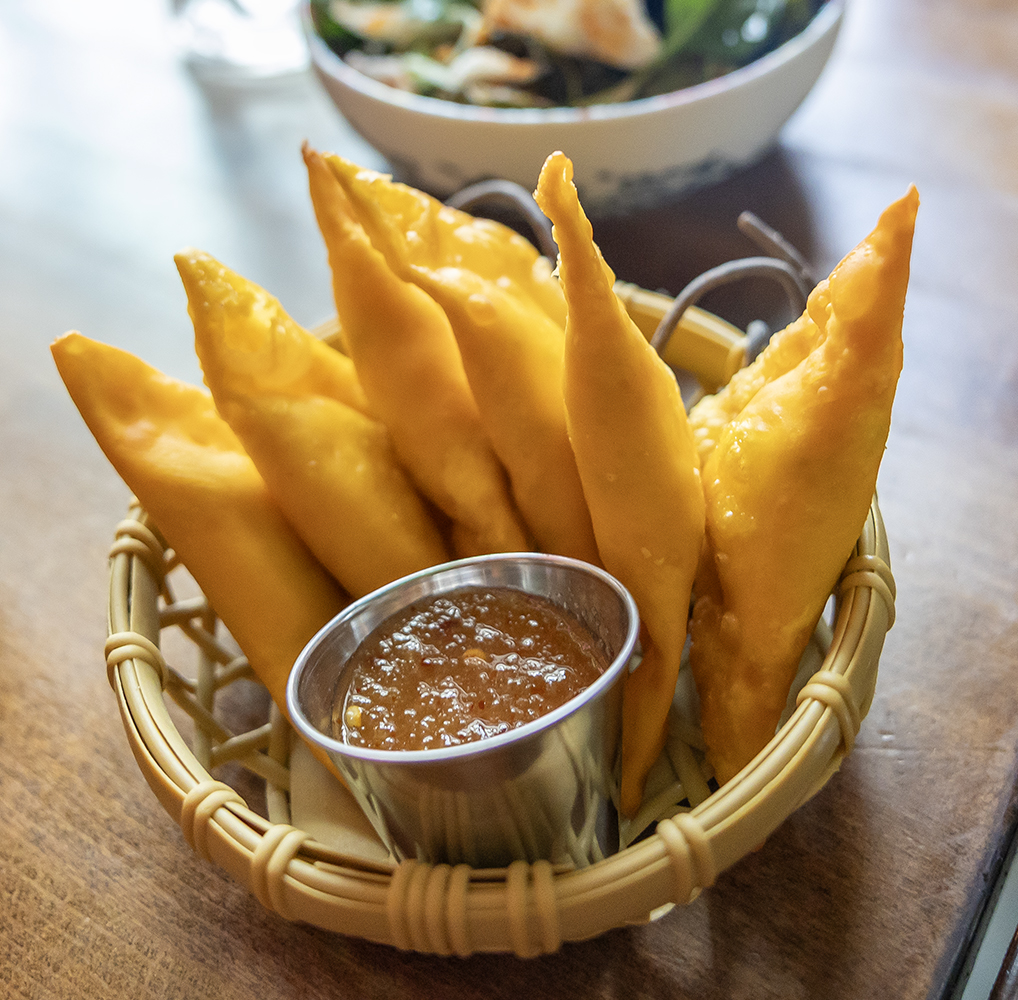
Our table shared a mix of dishes: crab rangoon, brussels sprouts, pork fried rice chicharrón, and ceviche.
Michelle, true to her love of seafood, especially enjoyed the ceviche. Professor Yawn and I leaned toward the crab rangoon as our favorite, while Stephanie was pleasantly surprised by how much she liked the ceviche. With a mix of productivity and good conversation, we felt ready to take on the rest of the day.
A Walk Through Harvard’s Campus
On a trip filled with recurring themes of idealism, it felt fitting that Michelle, Stephanie, Professor Yawn, and I walked through Harvard University. The campus has shaped some of the greatest minds in American history, and it naturally invites reflection on what kind of nation we have become. It was also a nice touch that JFK, one of Harvard’s most famous graduates, helped us connect the political and educational themes of the trip.
The campus itself is gorgeous. The red brick buildings, many of which date to the 18th century, add the appropriate sense of history, while the modern buildings remind visitors that this is a cutting-edge educational institution.
And the campus is punctuated by green space, public art (although less than we expected), and myriad monuments.
Nearby, we saw Harvard Law School, which, for aspiring law students, is a surreal experience. It is hard to process fully how much influence this one institution has had: nearly 19 percent of U.S. Supreme Court Justices and almost 18 percent of U.S. Presidents have graduated from Harvard Law.
Harvard Art Museum
The impressive history of Harvard Law is matched by its Art Museums, which are free and open to the public! (But don’t even ask about parking.) The structure itself is impressive. Designed by Richard Morris Hunt (who also designed Biltmore, the pedestal to the Statue of Liberty, and MOMA’s fifth avenue building.
The art equaled the architecture in impressiveness. In one gallery alone, we found three Van Goghs, three Degas, two Monets, two Renoirs, and three Picassos. All of the pieces were part of Maurice Wertheim’s collection, and he, a class of 1906 graduate, donated the work to Harvard. It’s good to have successful alumni.
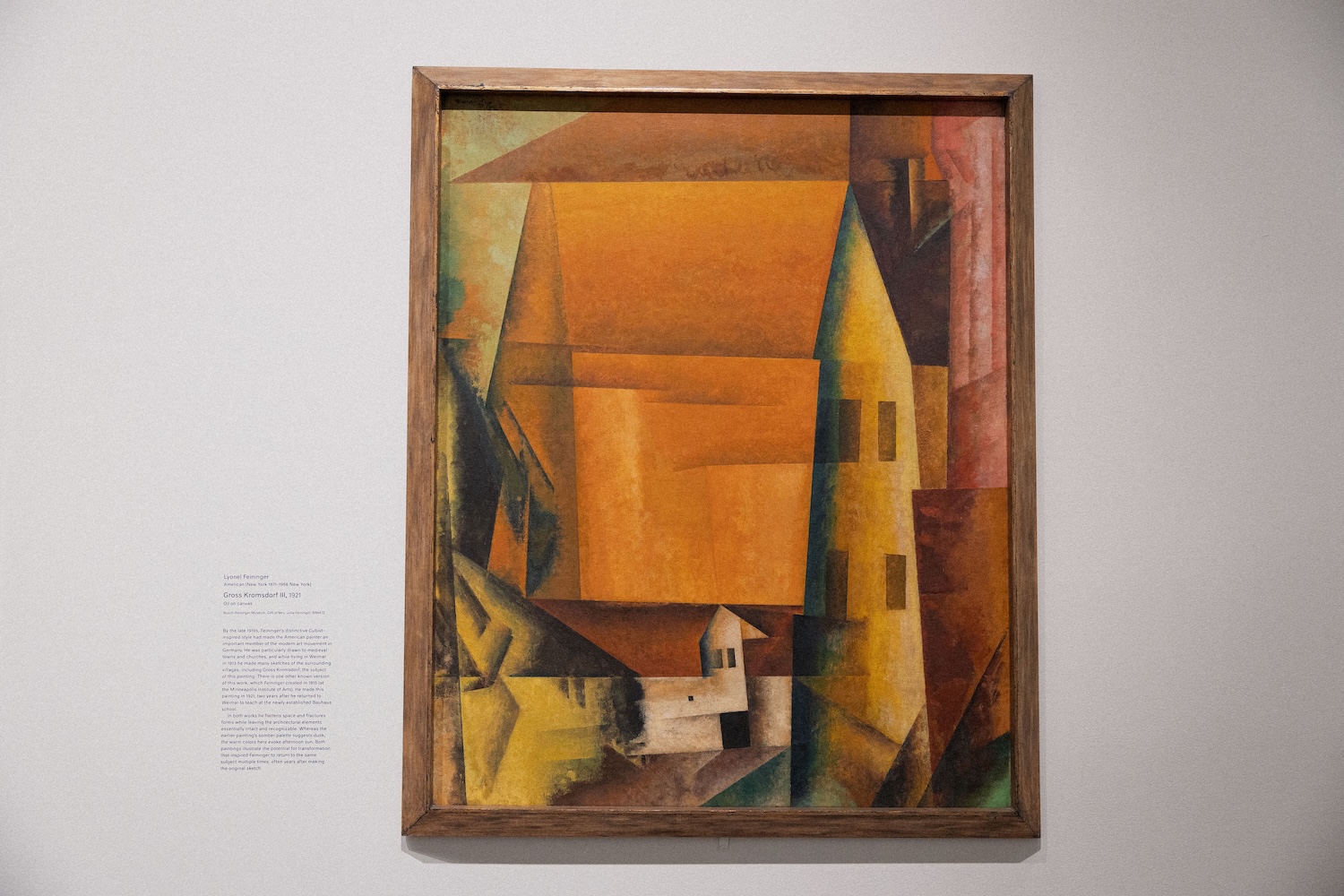
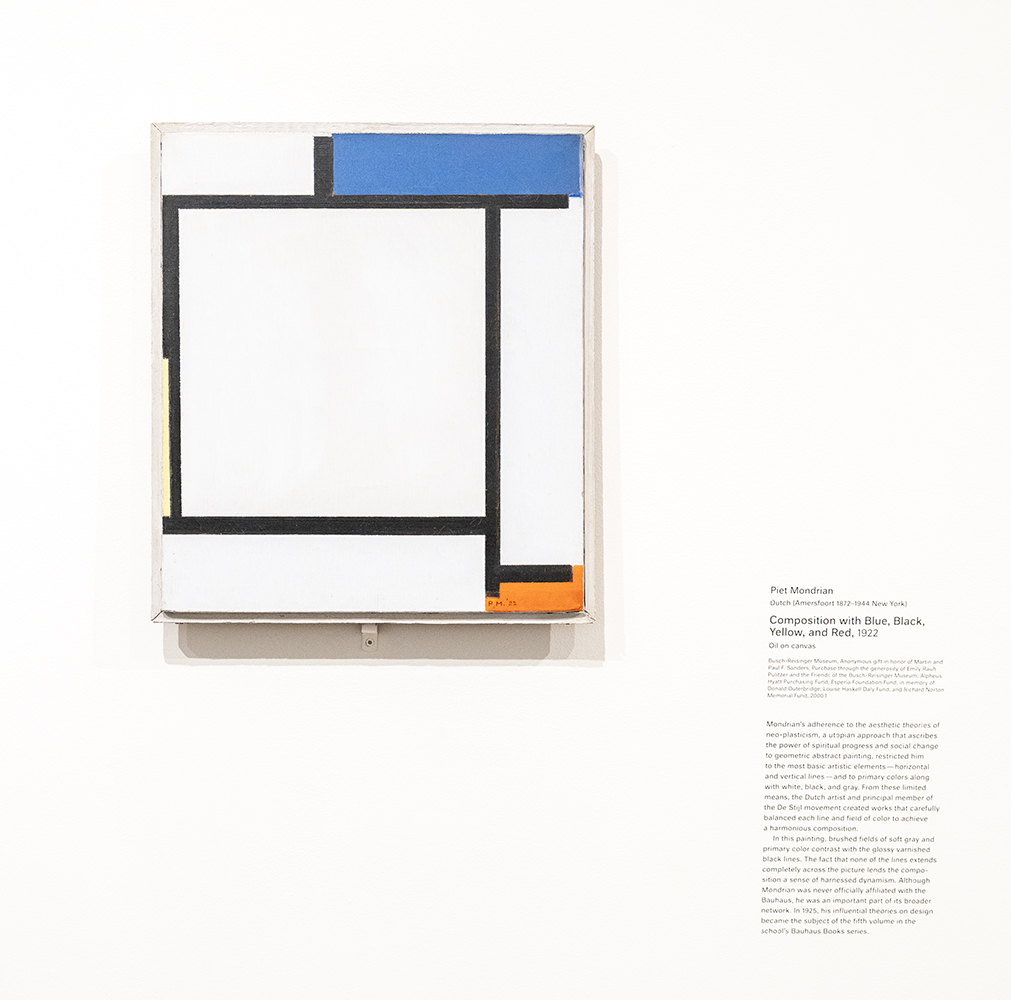
From there, the names just kept coming. Klimt, Munch, Fenninger, Pollock, Moore, Mondrian.
Olivia, on her first guess, identified the Gustav Klimt piece, an impressive feat considering its atypical color scheme.
For Professor Yawn, a favorite was by Lionel Fenninger, “The Bird Cloud.”
…while Olivia most enjoyed the Hopper piece, “Schumann House”…
…and Michelle found a favorite in Jehan Vibert’s “Apotheosis of Louis-Adolphe Thiers.”
With an art collection as impressive as Harvard’s, it was impossible to not find art to like.
The Shot Heard Around the World
Our third educational leg of the day involved a mix of history and literature, which connected in ways we did not anticipate prior to our preparation for this trip. We drove to Lexington, MA, where the first battle of the Revolutionary War took place. Having seen Paul Revere’s House yesterday, we travelled somewhat in his footsteps today, visiting the Hancock-Clarke House.
This is the home where John Hancock and Samuel Adams were staying as guests on April 19, 1775, when they were roused from sleep as Paul Revere rode by shouting, “The Redcoats are Coming.” Indeed, much of the town was roused, answering the call to arms. Later that day, the Colonial Militia—Minutemen–faced off against the professional British Army on the town’s Lexington Green, where “the shot heard round the world” was fired. Eight colonists were killed, and while the British suffered no significant casualties, the colonists believed—correctly–that they had performed creditably.
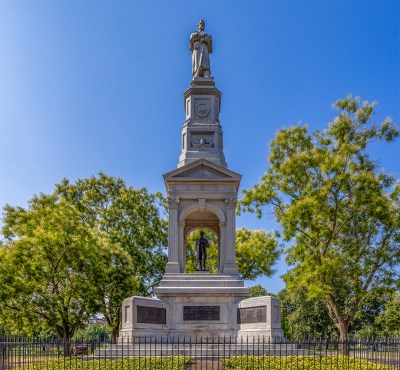
To commemorate this “shot heard ’round the world,” Lexington has preserved the space on which the battle occurred and erected a statue in honor of the colonial soldiers.
While the militia did not offer impenetrable resistance, the action helped galvanize the colonists. When the British reached Concord, they faced more aggressive, reflecting the increased preparation, enhanced training, and stiffer resolve of the colonial militias.
Some two months later, when the British moved on Boston and the colonial redoubt on Bunker Hill, the colonists were ready. Twice the British charged the hill, faced extensive casualties, and were rebuffed. Only on the third advance did the British make significant ground, and the colonial militia withdrew in organized fashion. Ultimately, the British took the Hill but at a prohibitively expensive cost: 1,000 dead or wounded.
Today, this battle site is marked by a large obelisk monument that was originally erected in 1825, on the 50th anniversary of the battle. It is 221 feet high, composed of 3,000 stones, and it weighs more than 7,000 tons. Standing on a hill overlooking the City of Boston, however, it appears even more imposing, supplemented too by the symbolic weight of the event that it memorializes.
This struggle for independence had long-lasting ramifications, not only for democratic movements the world over, but also in the spheres of philosophy and literature. Born in the aftermath of this revolution, men such as Ralph Waldo Emerson, Henry David Thoreau, and Nathaniel Hawthorne would forge their own literary path. Emerson, born in 1803, explicitly called on Americans to break with their European traditions and draw upon the “beauty, convenience, grandeur of thought, and quaint expression” of the American systems and culture to forge a “transcendent destiny”.
Henry David Thoreau took Emerson’s advice, forsaking custom and, to a large extent, society, by leaving on July 4 to live at Walden Pond, where he would remain for two years, two months, and two days.
And with Nathaniel Hawthorne, the United States would produce its first great novelist. Drawing on the young country’s history, Hawthorne explored the world of Puritan New England and themes of how the past impinges on the present and, of course, the future.
Collectively, these writers helped lay the foundations for a distinctively American literature and philosophical thought. And it was forged in the same New England atmosphere as that which spurred the citizens to revolt against the British. Emerson, Thoreau, and Hawthorne lived in Massachusetts, in and around Boston, and remarkably, all three are buried within 100 feet of one another (and from Louisa May Alcott) on “Author’s Ridge,” in Sleepy Hollow Cemetery.
And much to our delight, we had the opportunity to visit Walden Pond. Although it has suffered from development in recent years, we were able to get some photos that captured some of the magic that must have drawn Thoreau to the site in the mid-19th century.
Walden Pond, 2025
This beauty and its corresponding history prompted us to pause and to reflect on the importance of self-reliance, in both government and literature.
Winding Down
We closed a productive day with more productivity: dinner at Fox & The Knife. Although Boston has a rich Italian culinary heritage, The Fox & The Knife has set itself a part. Indeed, Chef Karen Akunowicz, a James Beard Foundation “Best Chef” winner, is known as “The Queen of Boston Pasta.”
It wasn’t that we doubted this designation; we just wanted to confirm it. We took our spirited waiter’s advice on starters, trying fried chickpeas, which were wonderfully snackable; carne cruda crostini, which offered a riot of flavors, with steak tartare, leeks, and parmesan somehow creating a balanced, intriguing, and pleasurable taste; the bietola & burrata, which was creamy and flavorful; and the prosciutto e melone, with a melange of melons and tender, savory prosciutto.
For entrees, we split two items: the arrosto di maiale vignorola, a tender fried pork dish; and the tagliatelle bolognese, which featured “wild boar” complemented by thyme and the restaurant’s flavorful parmesan.
The restaurant, we confirmed, was as advertised: a wonderful Italian culinary experience, a lively atmosphere, and a taste of the best of Boston, straight from the Queen of Pasta. It was a great way to end the day.




















 Center for Law, Engagement, and Politics