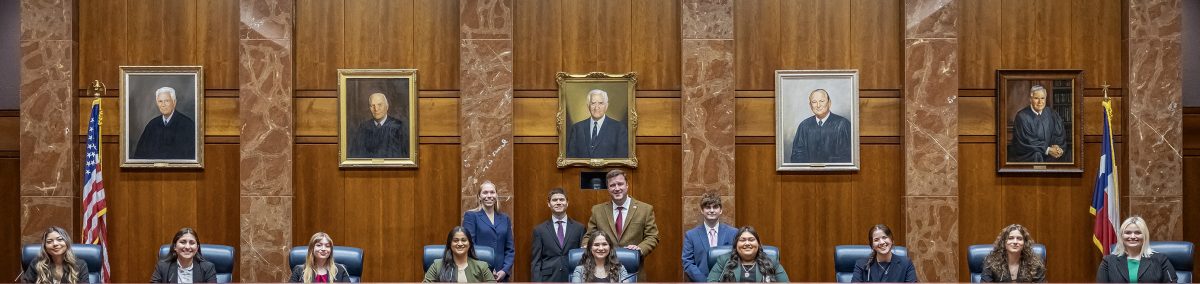
After a morning devoted to taking our LSAT Prep Course, we headed out to Charleston, the capital of West Virginia. This was a chance to build on some of the relationships we had built at the Southern Legislative Conference, and also to learn about the workings of other state capitals–the latter being of particular interest to those of us interested in the Austin Internship Program.
West Virginia State Capitol Building
by Michelle Cardenas
The West Virginia State Capitol Building, designed by the renowned architect Cass Gilbert, is a testament to the state’s resilience and rich heritage. Gilbert, who also designed the nation’s Capitol in Washington, D.C., which we visited during our spring break, was commissioned to construct the West Virginia Capitol in 1921. His style is unique, and you can see the similarities with many of his works.

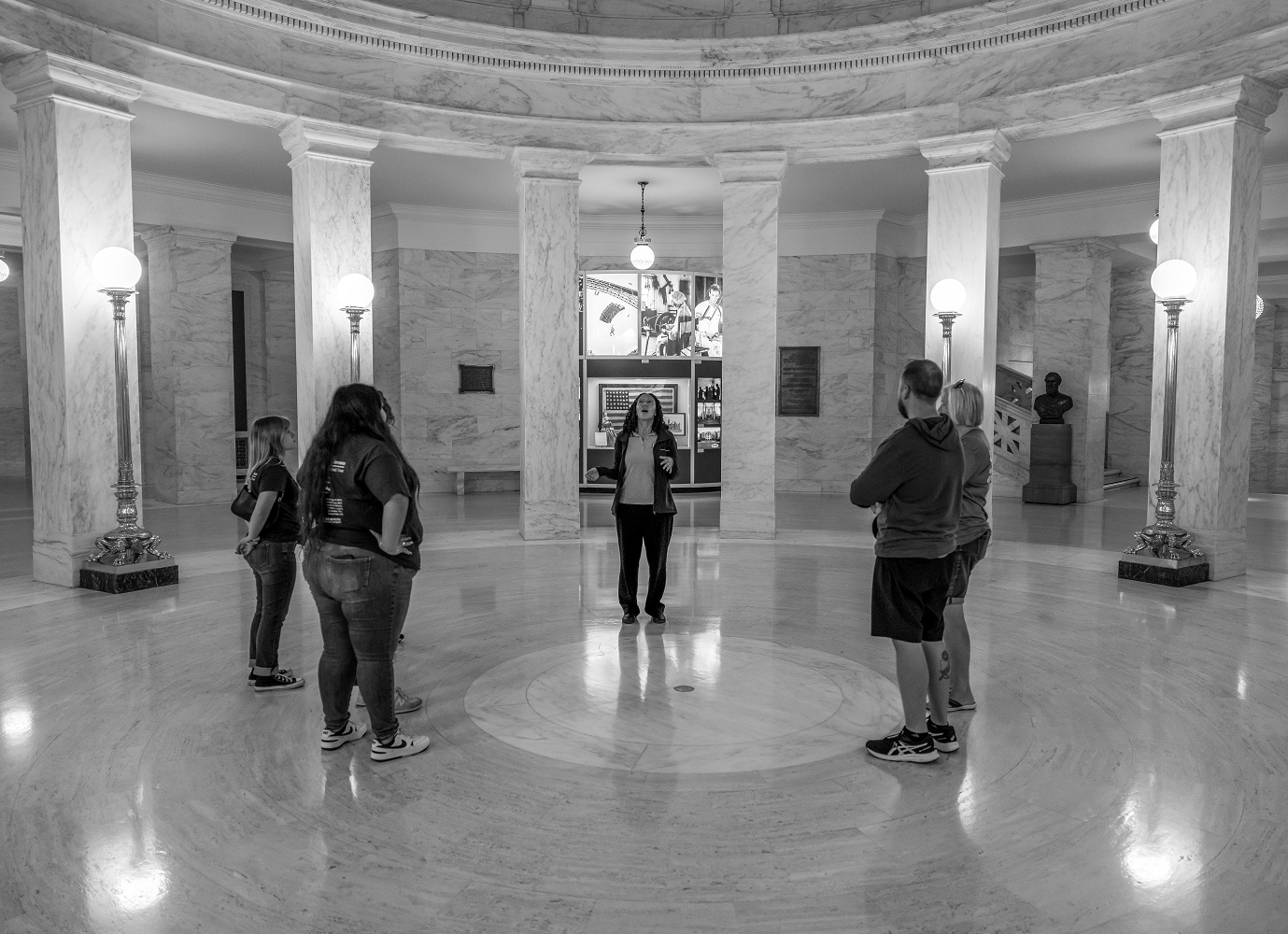
Upon entering the Capitol, we were immediately struck by the grandeur of the dome. The murals here vividly depict various significant stages in West Virginia’s timeline, including the Civil War…

…the scenic beauty of Seneca Rocks, the historical significance of Harpers Ferry, and even the contemporary state of West Virginia.

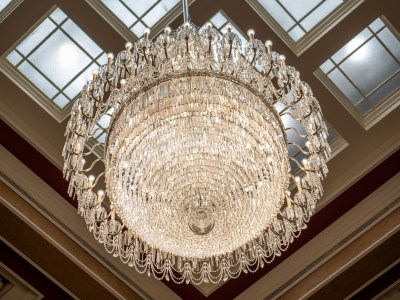
The intricate design elements throughout the Capitol reflect West Virginia’s unique character. Gold leaf is a recurring theme in the chandelier and lamps inside, mirroring the golden dome on the exterior.

Some of the ceilings are adorned with floral motifs resembling the magnolia, oak, and sugar maple trees, symbolizing the state’s natural beauty.

Our visit even included a House of Representatives and Senate tour. In the House, the room is divided by party lines and organized by committee memberships, leadership, and seniority.

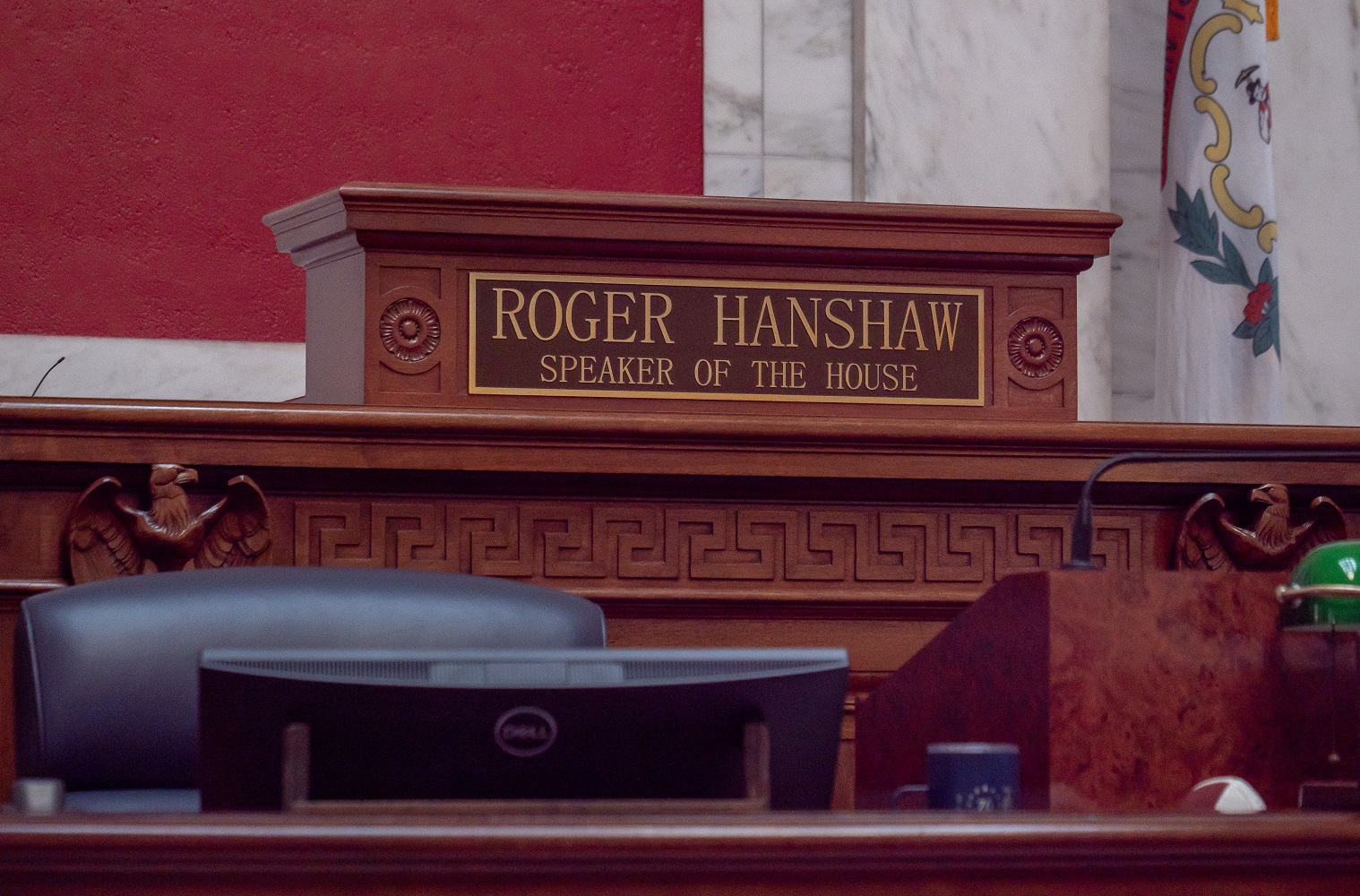
The layout and décor, including more gold leaf accents, highlight the importance and formality of the legislative process. We also had a chance to stand where Speaker Hanshaw presides over the House Chamber, a point that had special meaning since we have met Speaker Hanshaw.
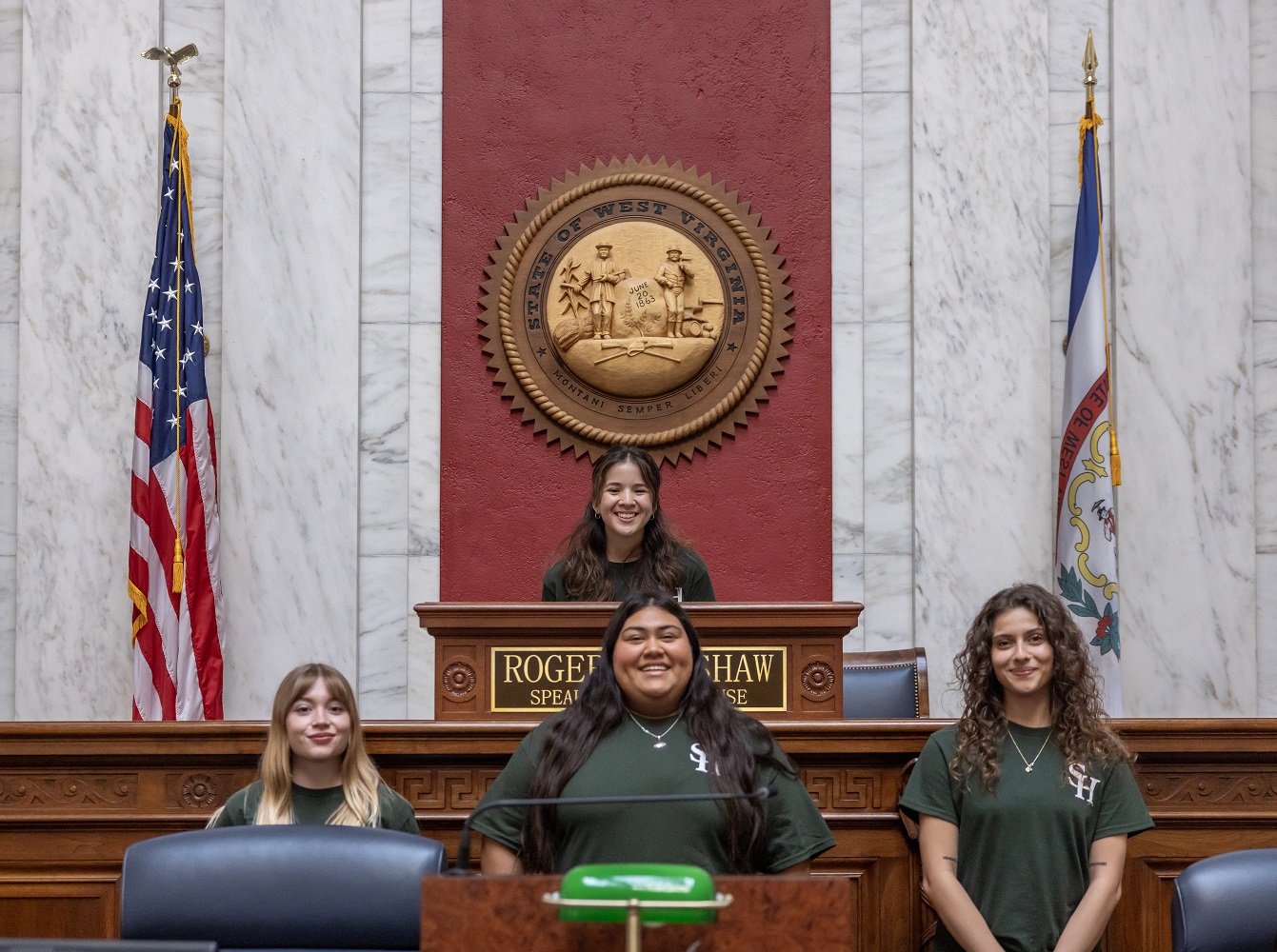


The Senate chamber was equally impressive, seating a total of 34 senators.
We observed intricate decorations outside the chamber with a border on the ceiling representing various disciplines central to West Virginia’s identity: the bull symbolizes agriculture, the eagle with books represents education and art, the shield stands for coal and mining, and the scales of justice denote the legal system. We also admired their state seal, which has two figures representing agriculture and industry; the date that West Virginia was admitted to the Union; and their motto, “Mountaineers are always free.”

Adding to our understanding of West Virginia’s history, we learned that it became the 35th state due to its decision to remain loyal to the Union during the Civil War, primarily influenced by President Lincoln. Due to Lincoln’s role in the formation of the state, there is a large monument depicting the former president in front of the Capitol.
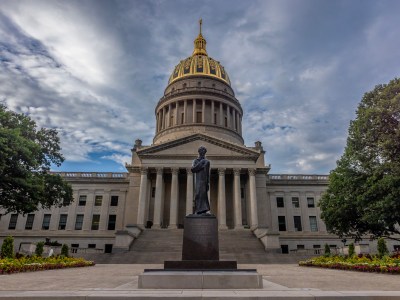
The West Virginia State Capitol has a fascinating yet tumultuous history; six buildings have served as the state’s government seat over time, and these buildings have experienced various expansions, relocations, and even two tragic fires. Each element of the Capitol, from its design to its décor, tells a part of West Virginia’s story, seamlessly connecting its storied past with its vibrant present. This rich history adds to the significance of our visit, making our exploration of the current Capitol a deeply enriching experience.


West Virginia State Museum
by Cinthia Villarreal
After visiting the beautiful West Virginia State Capitol Building, we stopped by the West Virginia State Museum. After driving through the state for the past few days, we looked forward to learning more about West Virginia’s rich and varied history.

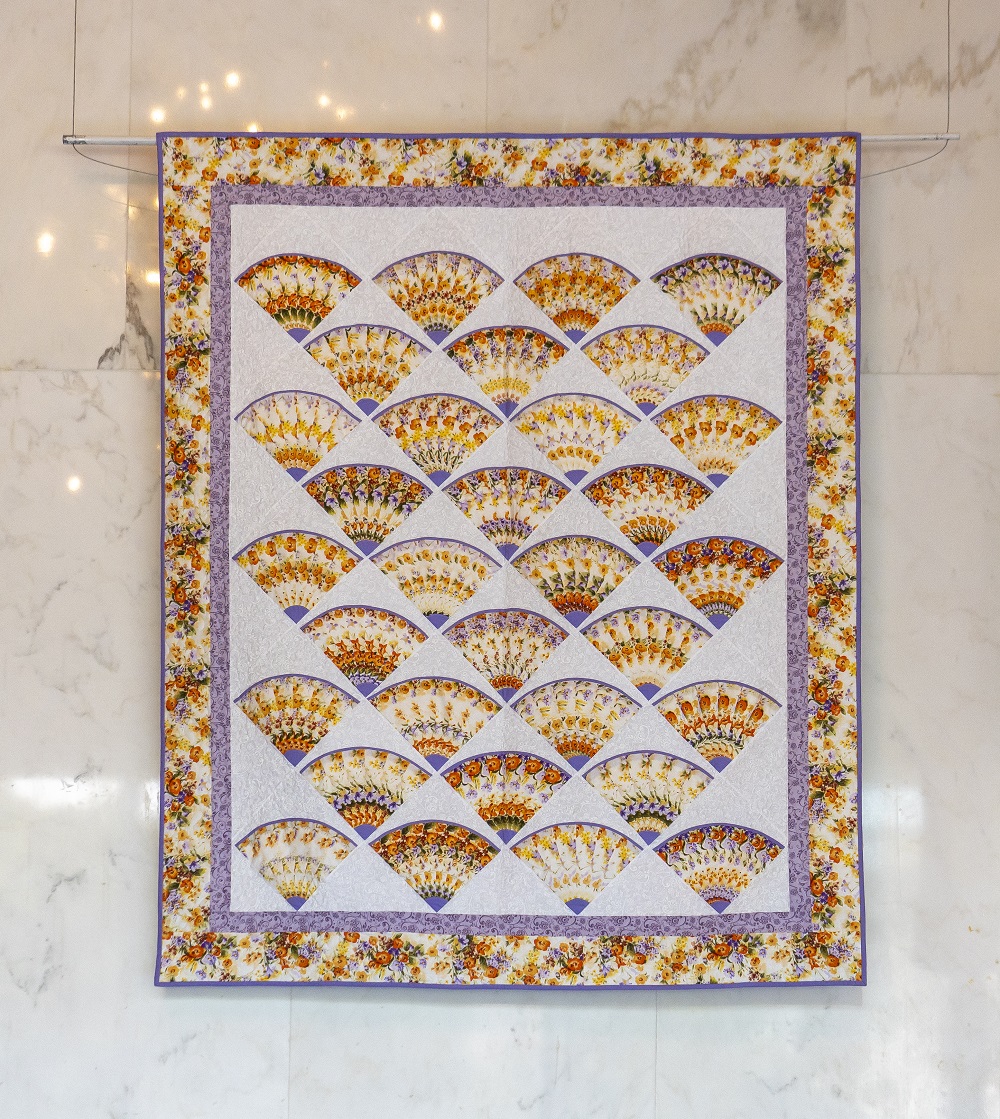
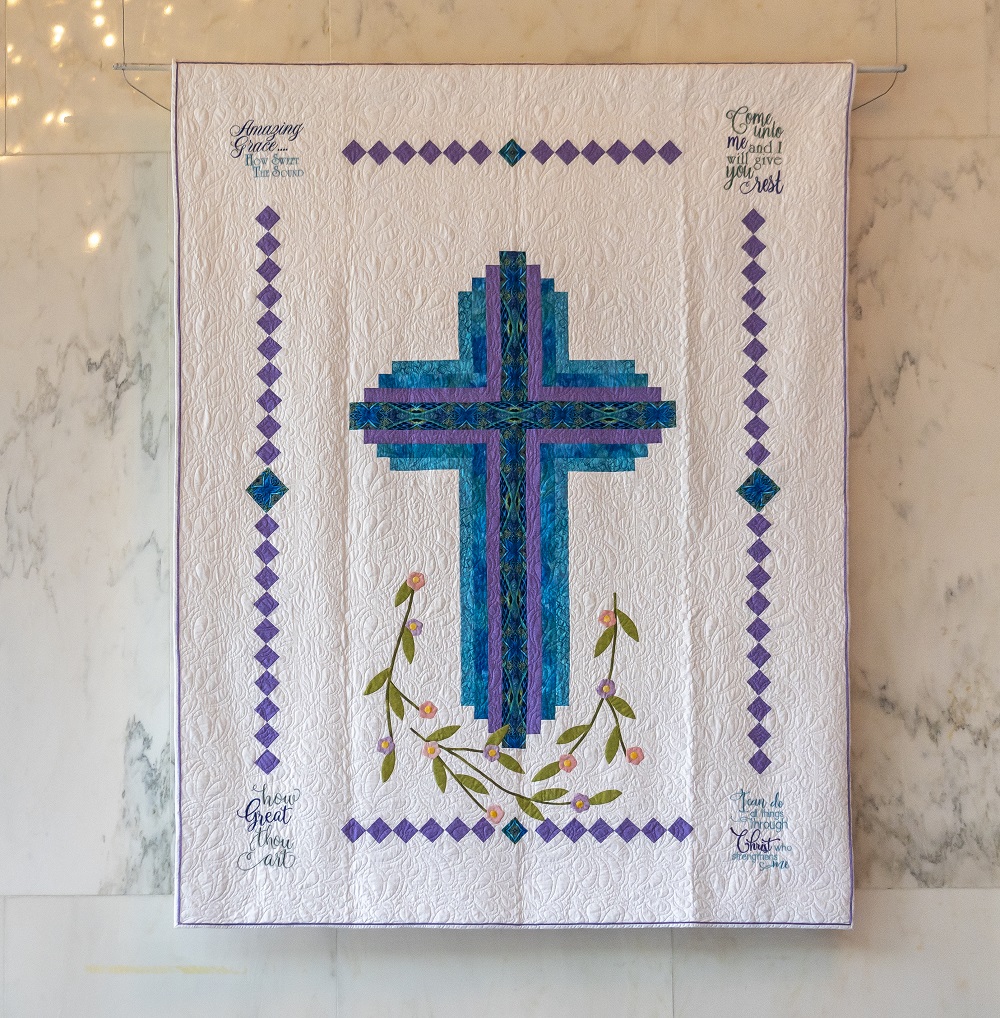
As we entered the front doors, the museum greeted us with a magnificent exhibit of colorful quilts.

Founded in 1892, West Virginia has a storied past that reflects its resilience and unique cultural heritage.
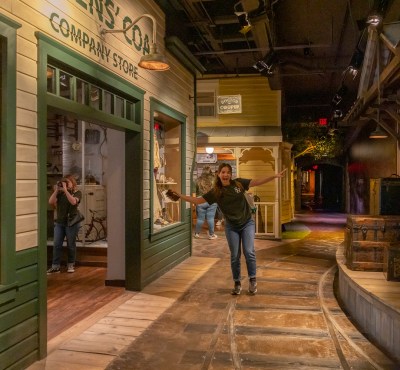
The museum meticulously chronicles this narrative, from the Native American tribes who first inhabited the land to European settlers’ arrival and the state’s eventual formation during the Civil War.

One of the museum’s exhibits pays homage to John Brown, a pivotal figure in American history and a passionate abolitionist whose raid on Harpers Ferry in 1859 marked a significant turning point in the fight against slavery. Brown’s legacy is intricately woven into West Virginia’s history, showcasing his commitment to justice and equality.
No aspect of West Virginia’s identity resonates more deeply than its connection to coal mining. From the early 19th century to today, coal has been vital to the state’s economy, fueling industrial growth and shaping communities.

The museum’s section on coal mining explores the industry’s evolution, labor struggles, technological advancements, and environmental impact, providing a nuanced perspective on its complex legacy.

A highlight is the 4,000-pound piece of coal, once enclosed in glass and used as a reception desk.
West Virginia’s blown glass industry is cherished in its cultural tapestry. The museum celebrates this tradition with a dedicated exhibit showcasing beautiful glassworks crafted by skilled artisans.

Whether you’re a history enthusiast, a nature lover, or simply curious about West Virginia’s rich past, the West Virginia State Museum highlights pivotal moments and key figures that shaped the state’s identity.



Cathedral Falls
On our return to Lewisburg, WV, we stopped at Cathedral Falls. Despite literally being a road-side stop about a mile from Gauley Bridge, it offered a great view.

The falls are approximately 60 feet, and they descend from a concave area in bluffs–likely the reason for the name “Cathedral.” We stopped for about 20 minutes, savoring the beautiful site that capped an activity-filled day.


 Center for Law, Engagement, and Politics