Following five months in Austin, the eight participants in Sam Houston State University’s Austin Internship program approached their final day of work with bittersweet feelings.
While the end of the session meant a welcome relief from the 140-day legislative session and long work hours, it also meant leaving recently-formed friendships, expanded professional networks, and the adrenaline high of working under public pressure.
Sadie Mclaughlin, for instance, filled the semester with procedural work, assisting constituents and helping keep the schedule for Rep. John Otto, chairman of the appropriations committee.
For Ariel Traub, the end of the session brought resolution to the bills on which she worked, including one pertaining to court costs that failed, and another that streamlined the application process for job seekers, which passed.
Intern Sadie McLaughlin filled her internship semester by assisting constituents and helping keep the schedule for Rep. John Otto.
Their final day, however, turned out to be more sweet than bitter, involving a meeting with Gov. Greg Abbott and receiving recognition from the House floor.
Austin Interns with Governor Abbott
“That was a nice way to end the internship,” said Guadalupe Cuellar, who interned for Rep. Will Metcalf. “We weren’t expecting that.”
The meeting was arranged after members of the governor’s staff contacted Mike Yawn, AIP director, asking for a meeting to “thank the interns for their work this session.”
“I don’t like to speak for the interns,” Yawn said, “but this seemed like a pretty easy decision.”
The meeting was brief, with Abbott asking about SHSU, the interns’ work over the session, their offices, and other small talk. It ended with a photograph and the governor thanking the students for their work.
Although the students would have liked to linger in the governor’s reception room, they had other places to be. Reps. John Otto and Armando Martinez had scheduled a recognition of the interns from the House floor, and the students made haste to the House gallery.
Describing the interns as “noteworthy Texans,” the resolution thanked the students for their “outstanding service” and for capably handling their “important responsibilities” with “skill and dedication.”
Otto, whose district includes SHSU, commended the university for its “wonderful” work with the internships and recognized each student from the House floor for a job well done.
Hours later, their jobs ended with the formal close of the 84th legislative session—but not before Abbott signed into law the bill streamlining the process of applying for government jobs, a final victory for Traub and the bill’s sponsor, Sen. Charles Schwertner.
But the real victory for the students was laying the foundation for a promising future, according to Yawn.
Shelby O’Brien was hired as Rep. Todd Hunter’s district scheduler in Corpus Christi; Traub accepted a position as field representative for Congressman Kevin Brady; Oscar Aguilar was offered several campaign jobs and is mulling over the one for which he would like to work; and Jessica Rodriguez is headed to Chicago to attend DePaul Law School this fall.
“This is a great foundation to build on,” McLaughlin said. “I can’t wait to see what happens next.”
Today was the last day of the New Leadership Texas, and in preparation for our mock committee hearing, the group’s energy level started out remarkably elevated this morning. As usual, everyone met for breakfast in the eating hall where we discussed the day’s plans and our feelings about the end of the conference before tackling the day.
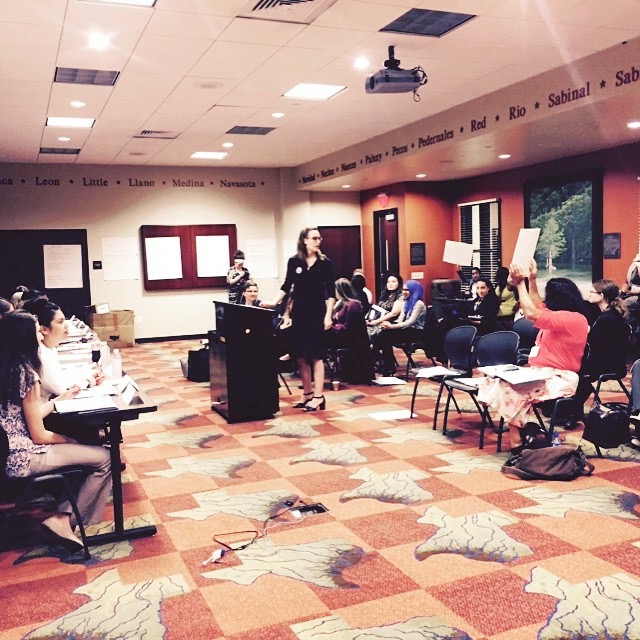
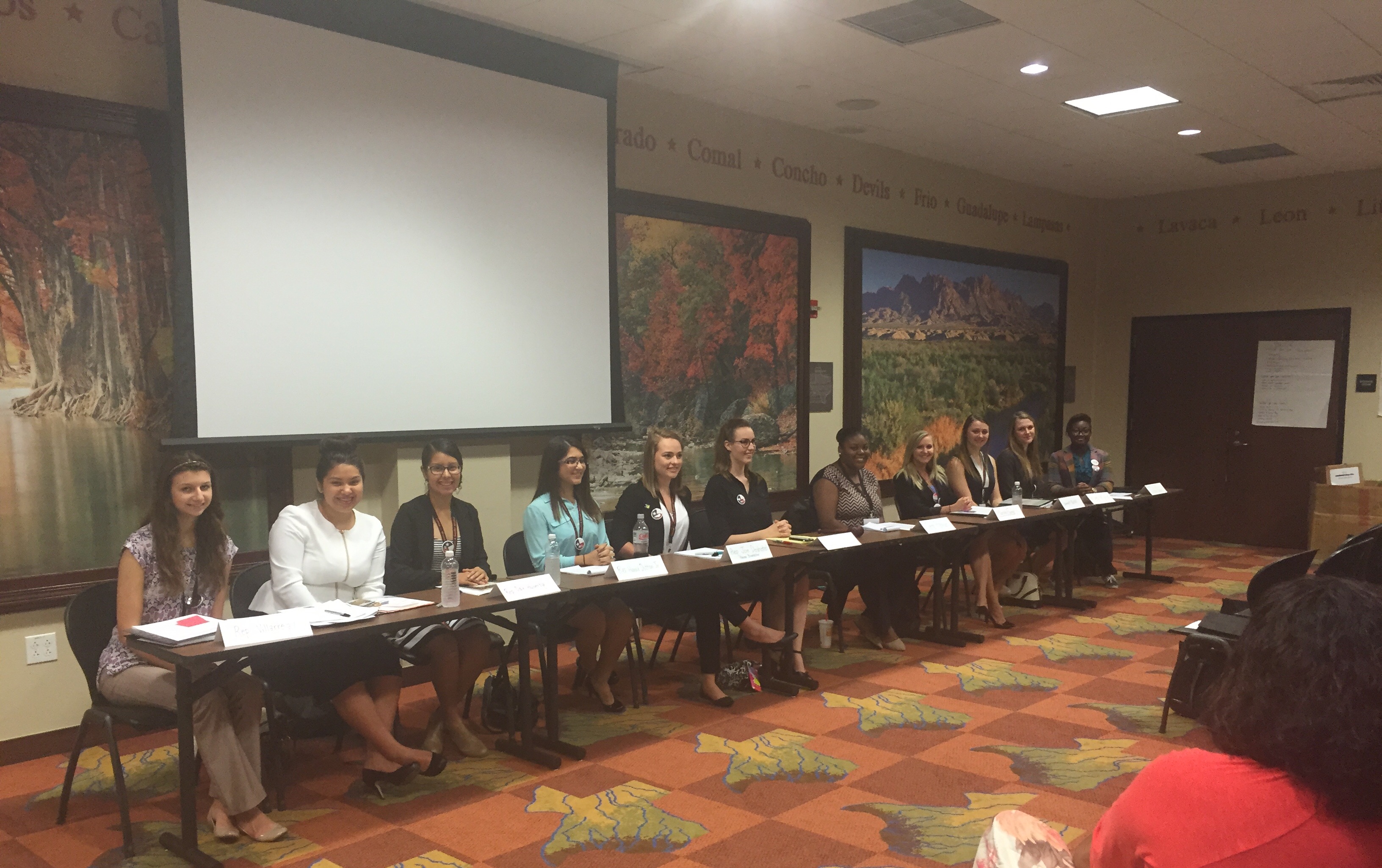
Our major session of the day focused on our political action project over House Bill 5. Throughout the week, we have been preparing to reenact the House committee meeting discussing HB5. Each participant was assigned to represent a member of the committee, a member of the press, or a constituent who testified during the committee hearing. I was assigned to portray Representative Mike Villarreal, a member of the Public Education Committee during the 2013 legislative session and a co-author of HB5. As a committee member, it was my responsibility to ask questions of those testifying in order to make an informed decision when deciding my vote.
It was intriguing to listen to the various experts, and constituents testify to explain and defend their views on HB5. After listening to all the constituents, the committee voted with a 7-4 vote in favor of HB5. If our committee was part of the real Texas Legislature, HB5 would proceed to the House floor to be voted on by the House of Representatives. By participating in a mock committee hearing, it contributed to a better understanding of the process and what being on a committee truly encompasses.
During our last meal as NLT participants, the conversation boomed while participants reflected on their experiences and future plans to run for office. Our group of participants were diverse yet still encouraged each other’s political and career aspirations.
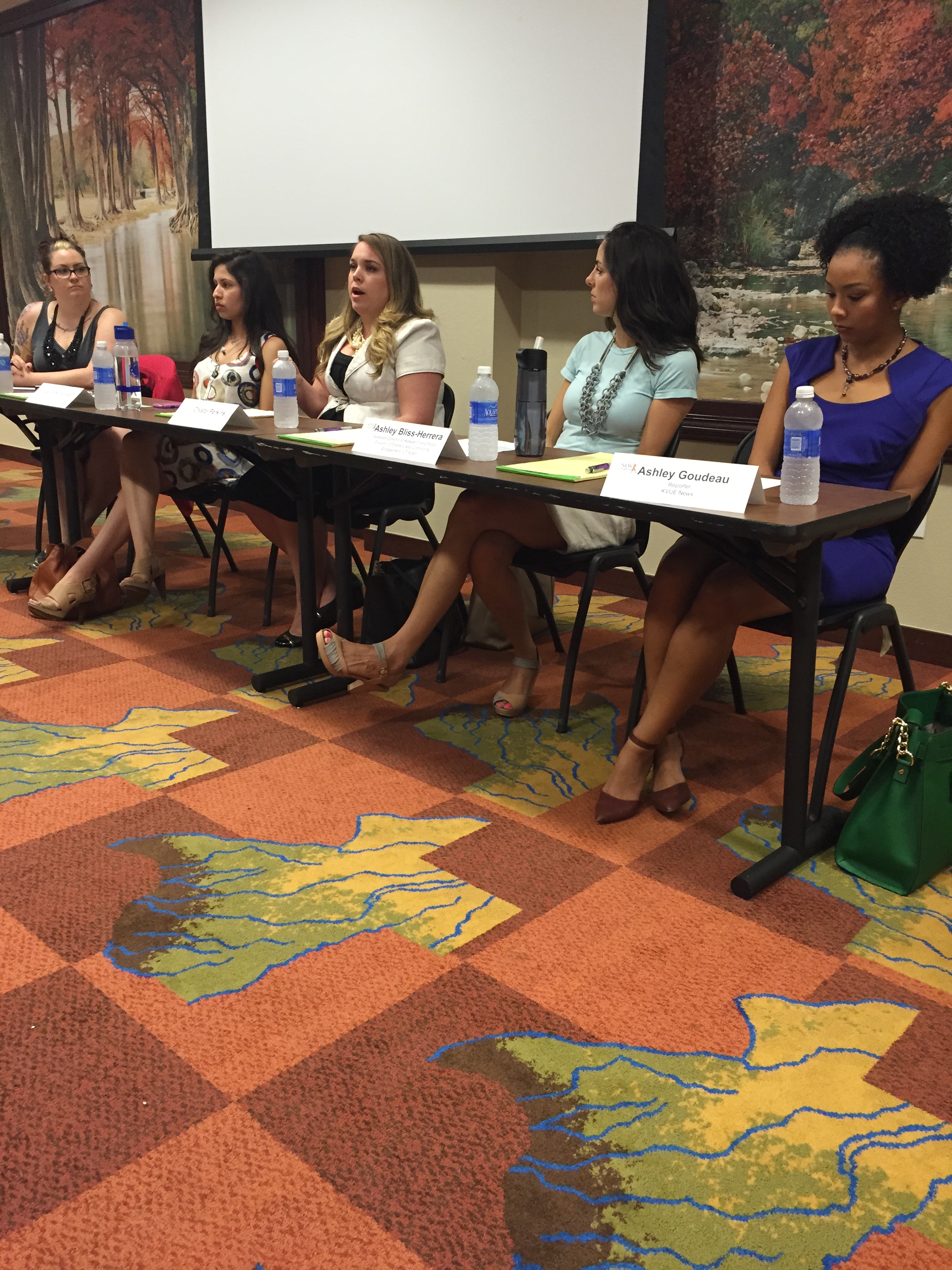
Our final panel discussion consisted of emerging leaders of the next generation. These women were able to give us their wisdom and advice on how to be successful at a young age. Ashley Goudeau, a reporter from KVUE News and SHSU alum, encouraged us to “stay ready, so you don’t have to get ready.”
Similarly, Ashley Bliss-Herrera, Assistant Director of Research and Policy, Office of Vice President Division of Diversity and Community Engagement at UT Austin, encouraged us to reach out to potential mentors and role models. In addition, the panel discussed taking time to refresh in order to take care of your health. This was an important reminder as it was not discussed in previous panel discussions. As college students, it is easy to get caught up in the chaos of balancing school, work, and extracurricular activities. It was helpful to hear how each of these successful women schedule time into their day to exercise and stay active. More personal, it was a positive session to end NLT.
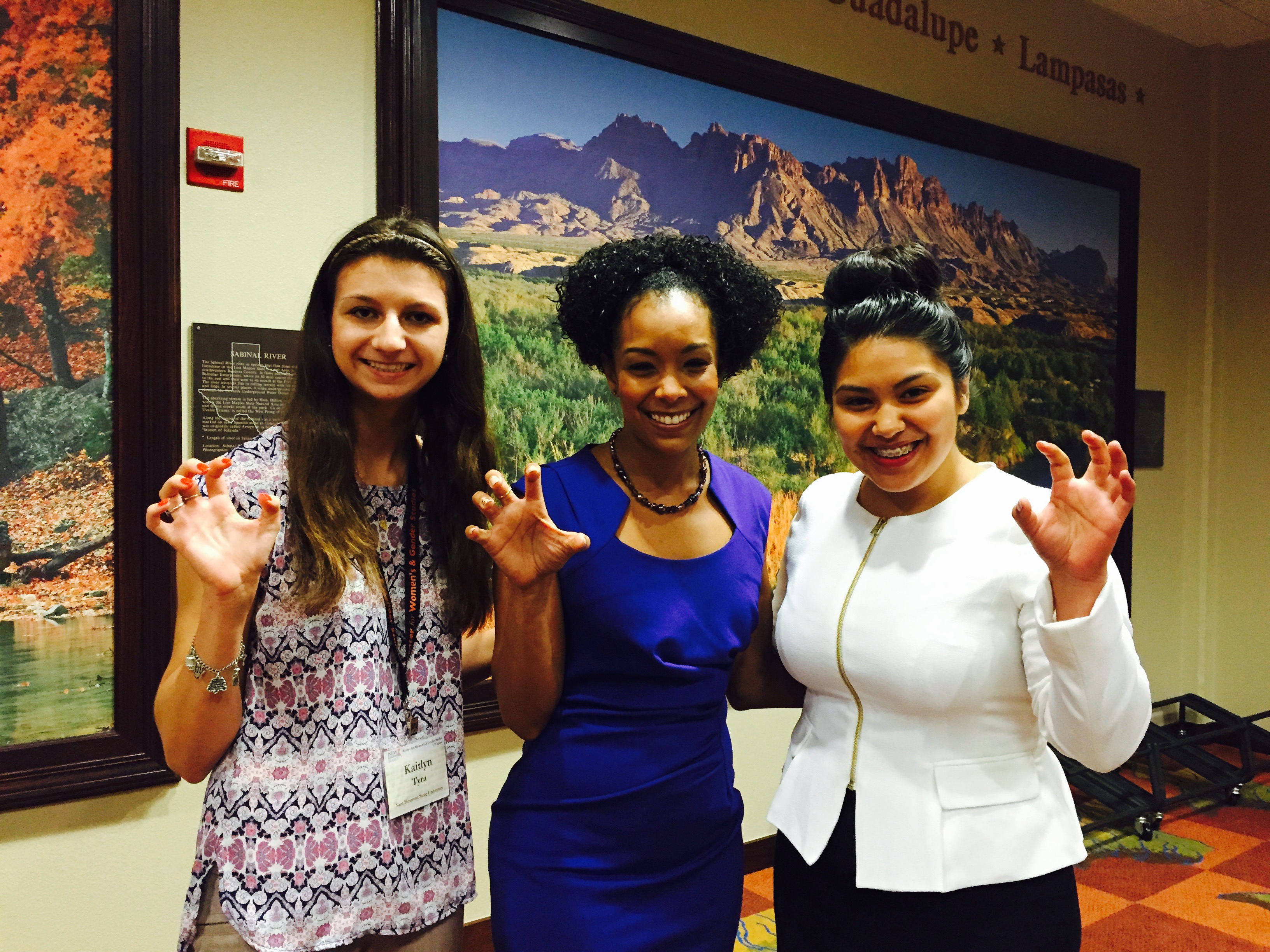
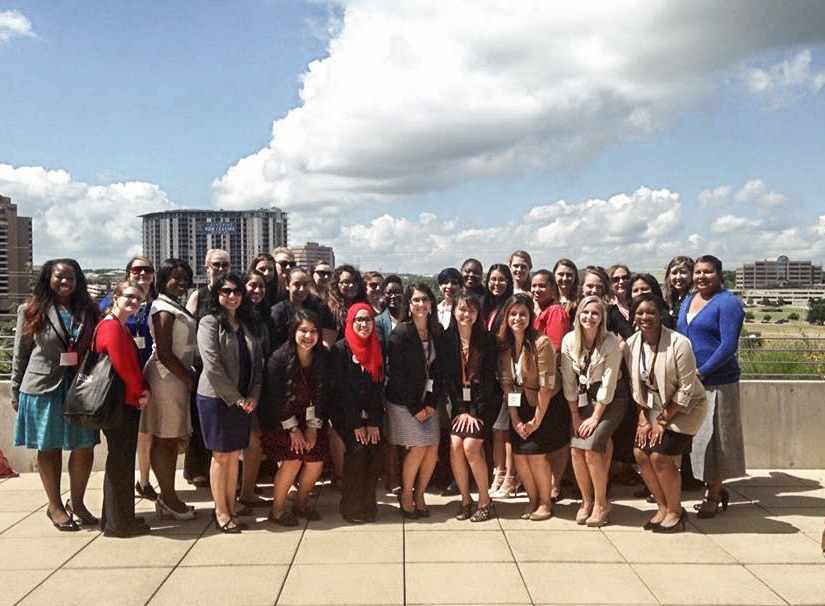
Graduation and faculty-in-residence farewell ended our time at NLT. Reflecting back on our eventful week, we learned an immense about ourselves, our leadership styles, how to impact our community, and how to successfully run for elected office. The program allowed us to meet many women from around the state of Texas who have similar aspirations as we do, which was a pleasant experience. For imparting their knowledge and wisdom, thank you to the faculty-in-residence: Nancy Bocskor, Mavis Knight, and Ryane Ridenour. In addition, thank you to Dr. Ewert, NLT Program Coordinator for organizing this wonderful program. Lastly, many thanks to the SHSU Political Science Department and the LEAP Center for sponsoring Megan Chapa and me to represent Sam Houston State University for the first time at New Leadership Texas.
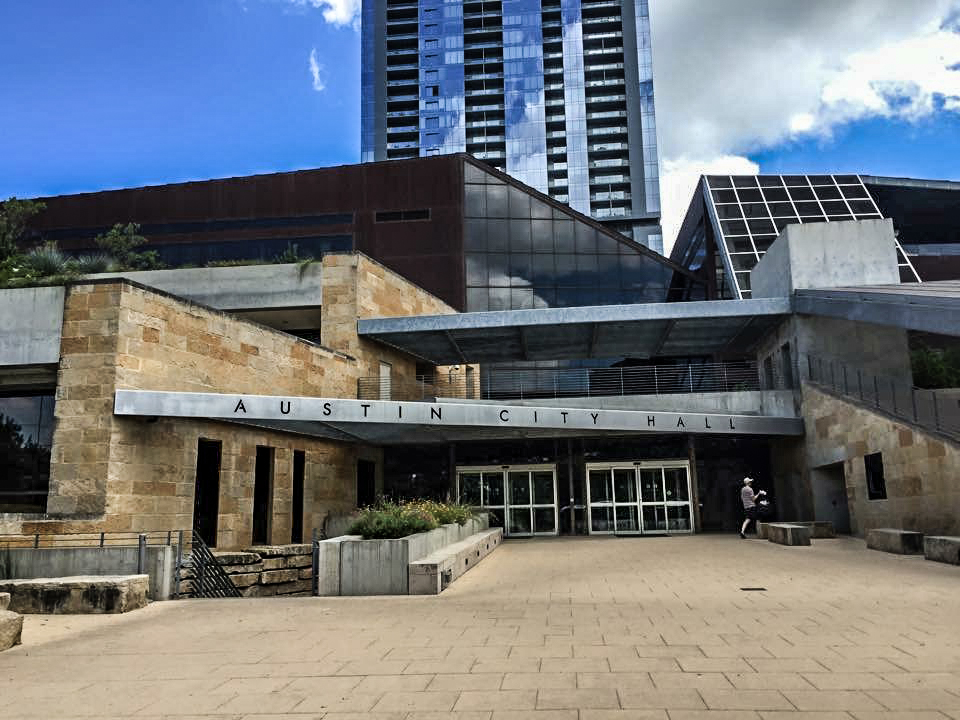
This morning started earlier than usual, but that was just fine because we were headed to Austin City Hall.
The inside of the building was just as beautiful as the outside! The modern architecture combined with the intricate art pieces made City Hall an enjoyable place to spend the day. As we began to shuffle inside the building we were led to a meeting room. Here we were served a light breakfast that consisted of breakfast tacos, fruit, and coffee. We ate quickly because the Women in Leadership panel was only a few minutes from starting. The panel began with the introductions of the panelists. Present was Austin’s Fire Chief, Rhoda Kerr; Law Department Division Chief, Deborah Thomas; Director of Small and Minority Business Resource Department, Veronica Lara; Elena Ball, VP for Power Production at Austin Energy; and lastly SHSU alumni Margo Fraiser, Austin Police Monitor. The panel spoke about dynamics of their careers, experiences that have shaped them, and gender inequalities (the latter dynamic was overly emphasized, we felt).
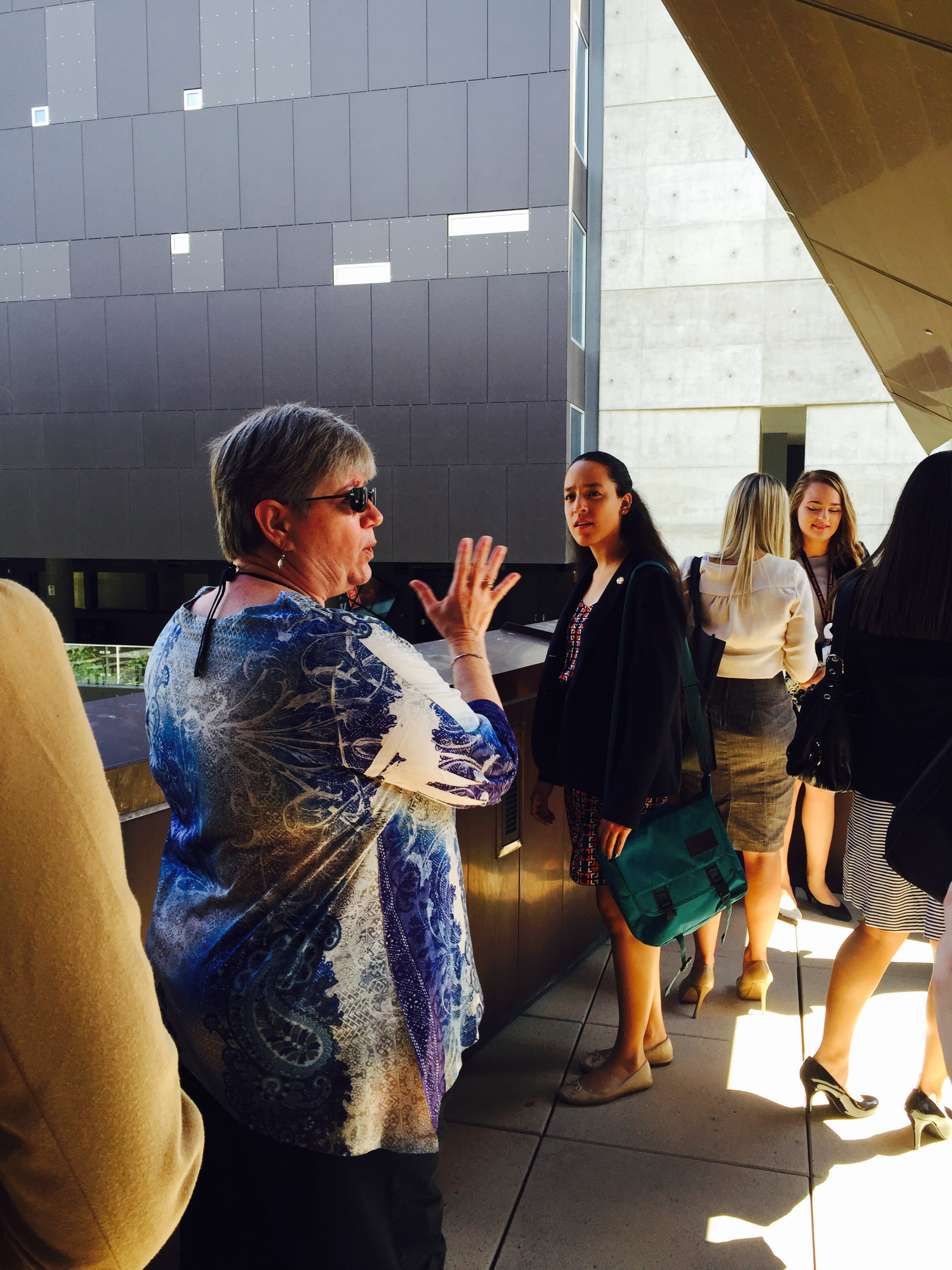
Following the panel was a tour of City Hall by Ms. Melodye Foust.
We learned interesting facts about the infrastructure and history. The building began its planning and renovation is 1999 and was completed in 2004. Austin City Hall is four stories high and was structure to capture nature. Each floor includes double-sided balconies that overlook the city, and on the fourth floor, Lady Bird Lake.
Ms. Foust also informed us about the partnership made with an art gallery that allowed them to house their art work. This makes City Hall not only community center, but a museum.
In conclusion of the tour, we loaded on the bus for lunch at Scholz Garten. Lunch was delicious and meaningful because this is a restaurant where “politicians” frequent!
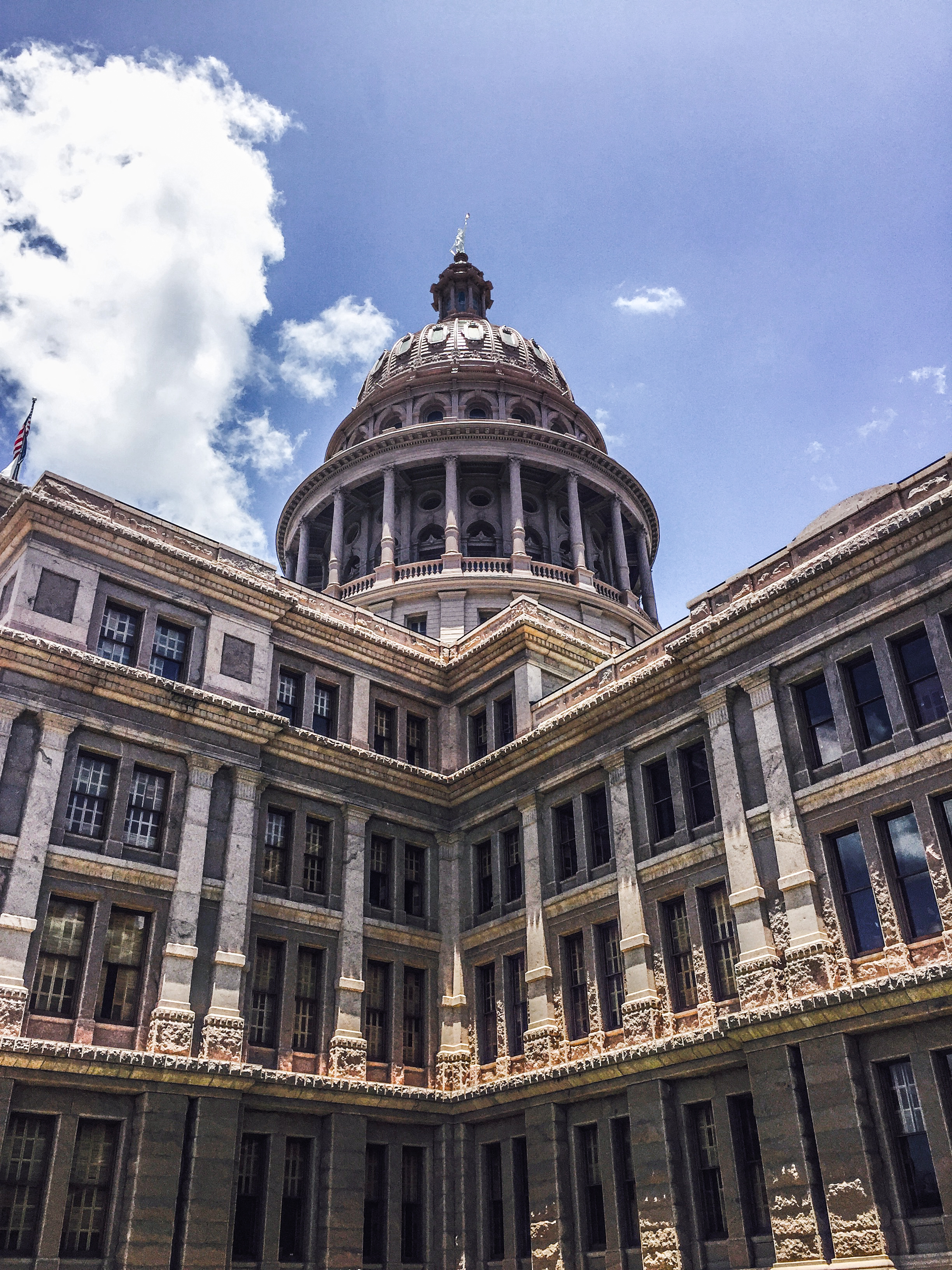
The most exciting part of the day was the tour of the Capitol. Each time I go to the capitol I learn something new.
My favorite fact during this tour was that funds for the capitol building were raised by selling off 3,000,000 acres of land! After the wonderful tour, we gathered in the House Committee Room and awaited our guest speakers. They were an assortment of representatives, legislative directors, and policy analysts. We also gained insight of the work done at the capitol in and out of session for policy and legislation. Most policy work is done during the session and most constituent work is done immediately following session.
After a long day of learning and exploring we made our way back to our temporary residence. We jumped into comfy clothes and left for dinner. Dinner was quieter than usual because we were all exhausted from the long day of exploration.
To end the night, we made last minute touches to our HB5 presentations that we would deliver first thing the next morning in the mock hearing. I was anxious to hear everyone’s provisions of the bill!
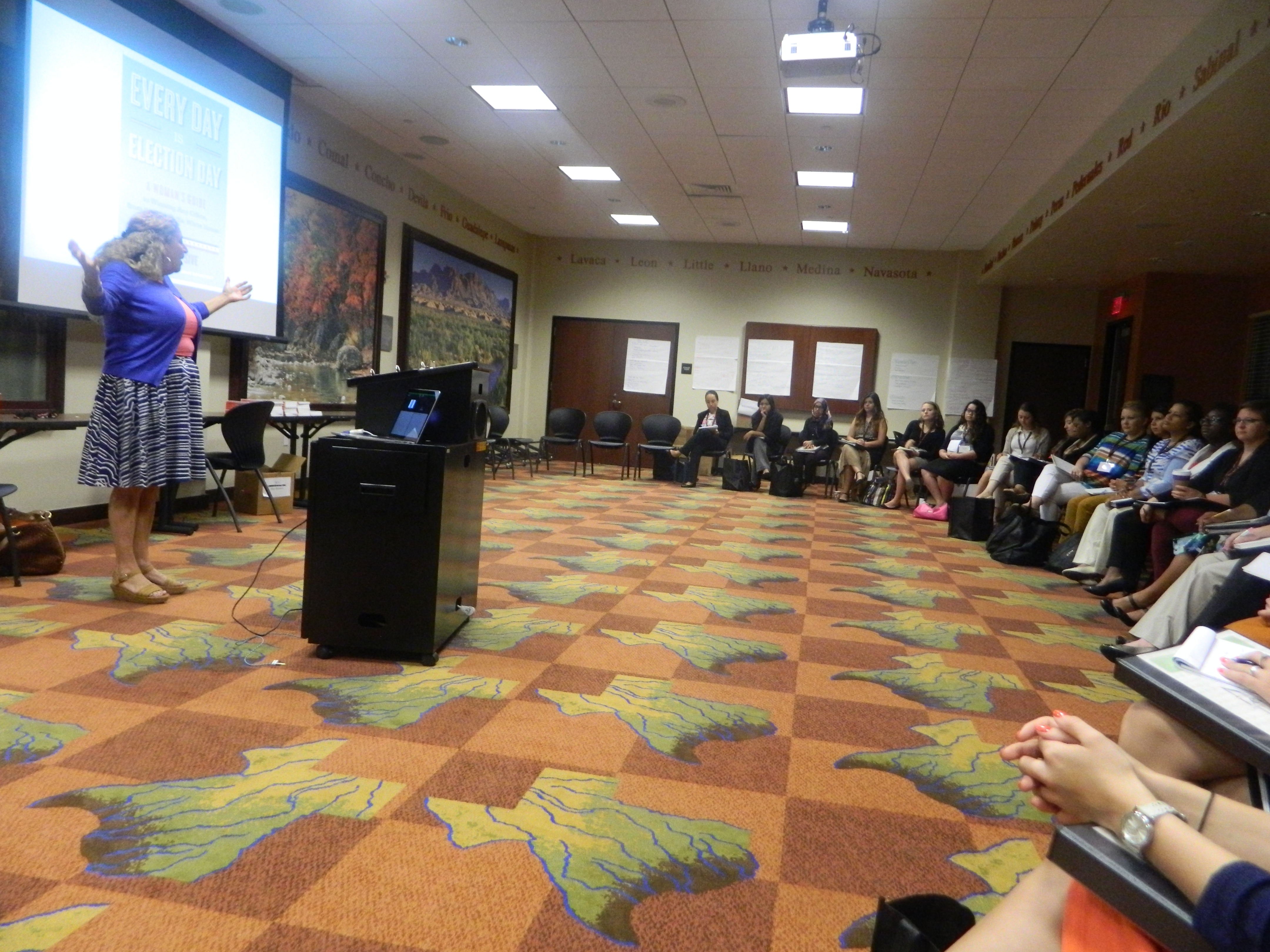
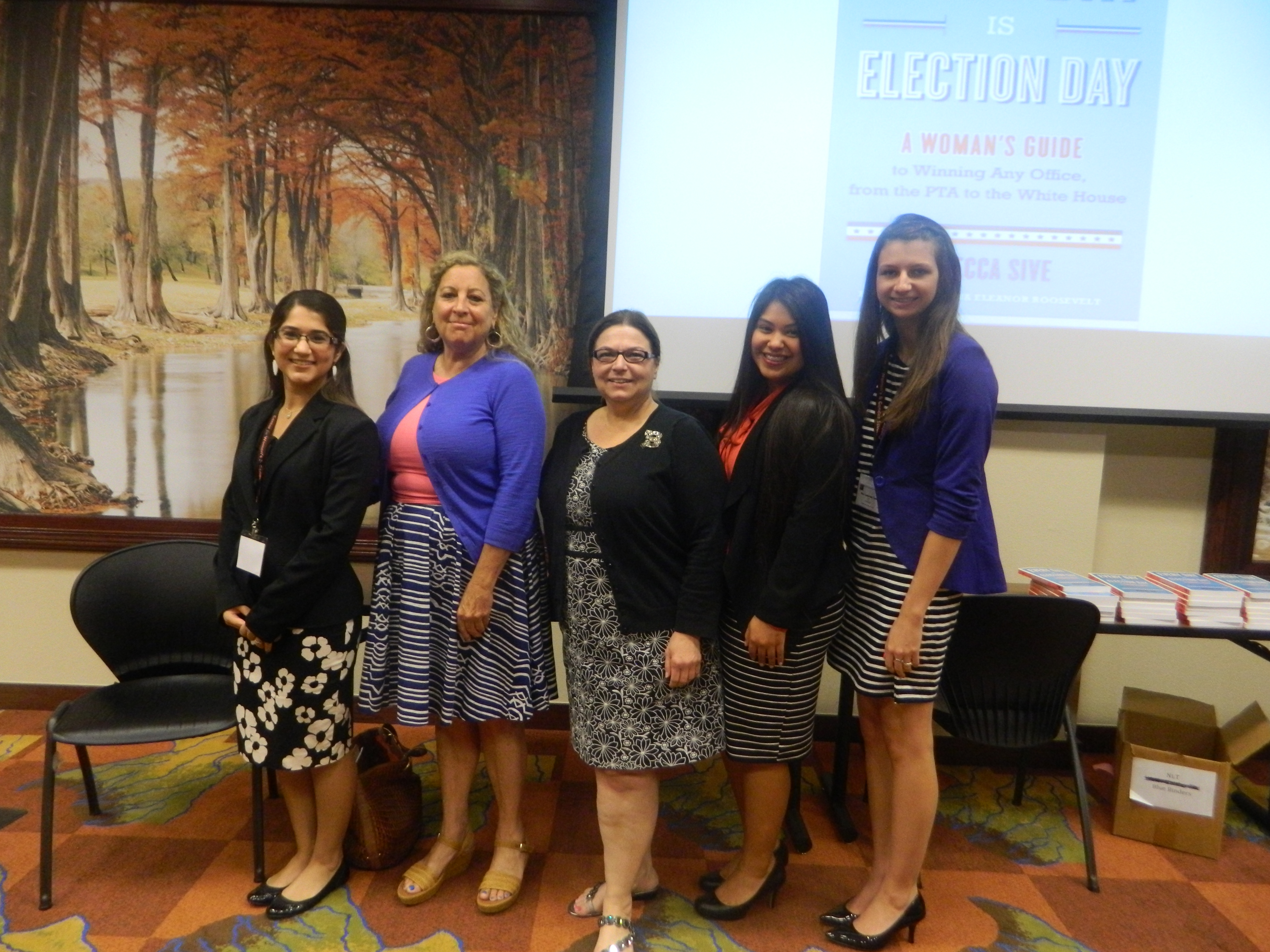
Wednesday began with our normal quick, yet nutritious breakfast before our morning session of classes began. Our first speaker, Rebecca Sive, is a lecturer and academic director at the University of Chicago where she teaches Women in Public Leadership. Ms. Sive is also the author of Every Day is Election Day: A Women’s guide to Winning Any Office, from the PTA to the White House. During Ms. Sive’s lecture, she stressed turning on our own internal GPS and creating our own paths. Essential to her discussion, she reinforced the fact that everyone has their own path in life. For some, that may be to public office, but sometimes it isn’t.
Ms. Sive’s discussed her six “easy” steps to run and win for office which provided helpful guidelines for NLT participants to think about. In addition, Ms. Sive was nice enough to sign copies of her books for everyone. Personally I found the session extremely helpful because it laid out concrete steps to help candidates run for office.
After Ms. Sive’s presentation, we paused for lunch. Unsurprisingly, lunch time is everyone’s favorite time of the day because it gives us the opportunities to continue our discussions about controversial topics, our common experiences as college students, and about our career goals.
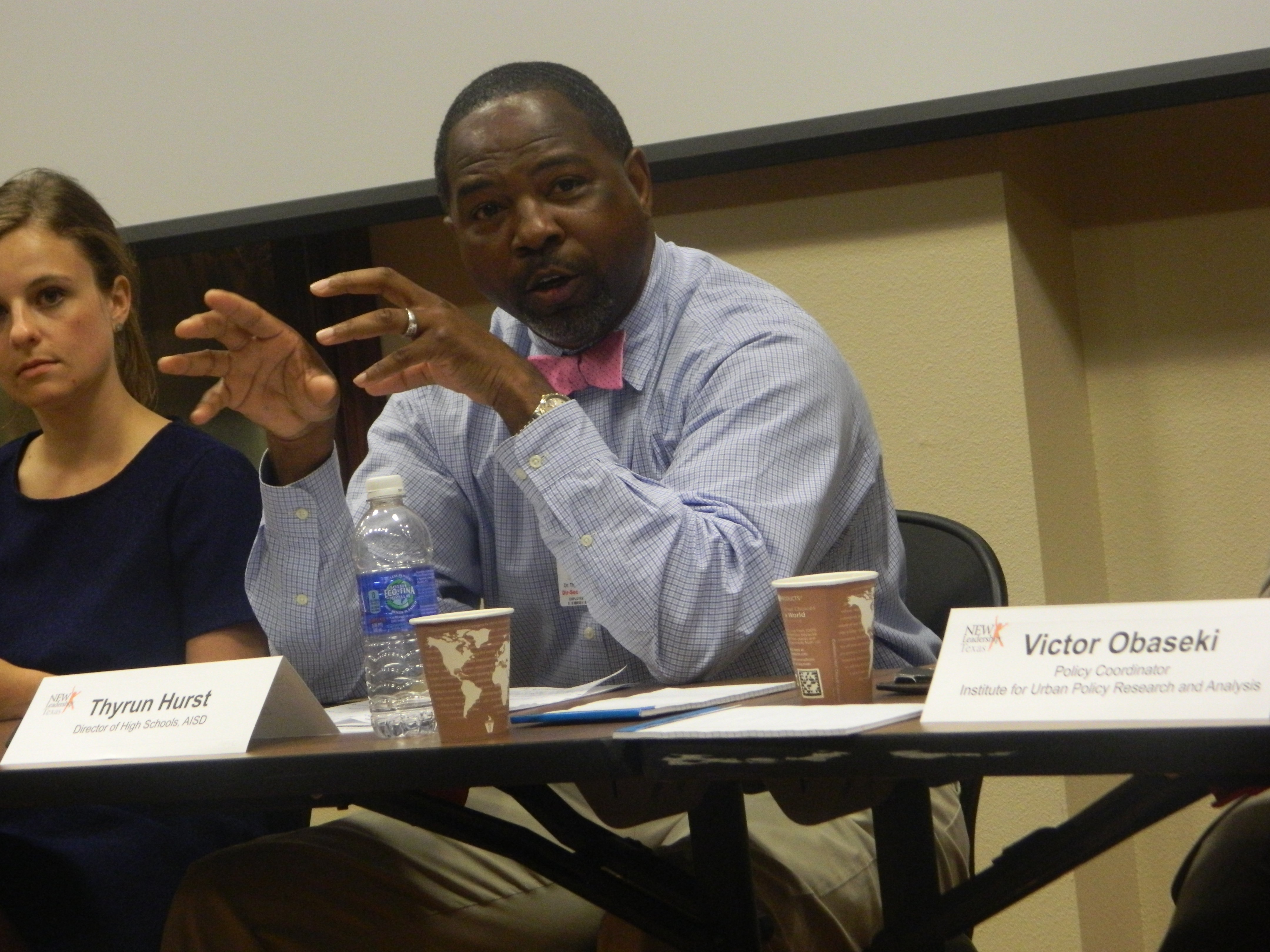
Following lunch, we had the opportunity to work our political action project and prepare for the HB5 panel of experts. The panel consisted of experts from various perspectives concerning HB5. The distinguished panel included the current High School Director from Austin Independent School District…
…an attorney previously in the Texas Legislature who assisted in writing the bill for various House Representatives, a Texas Tribune Education Reporter, and an Educational Administration Professor from UT. Each provided a unique perspective and helped prepare NLT participants for our mock committee hearing on Friday by answering questions and addressing concerns on the specific details of HB5.
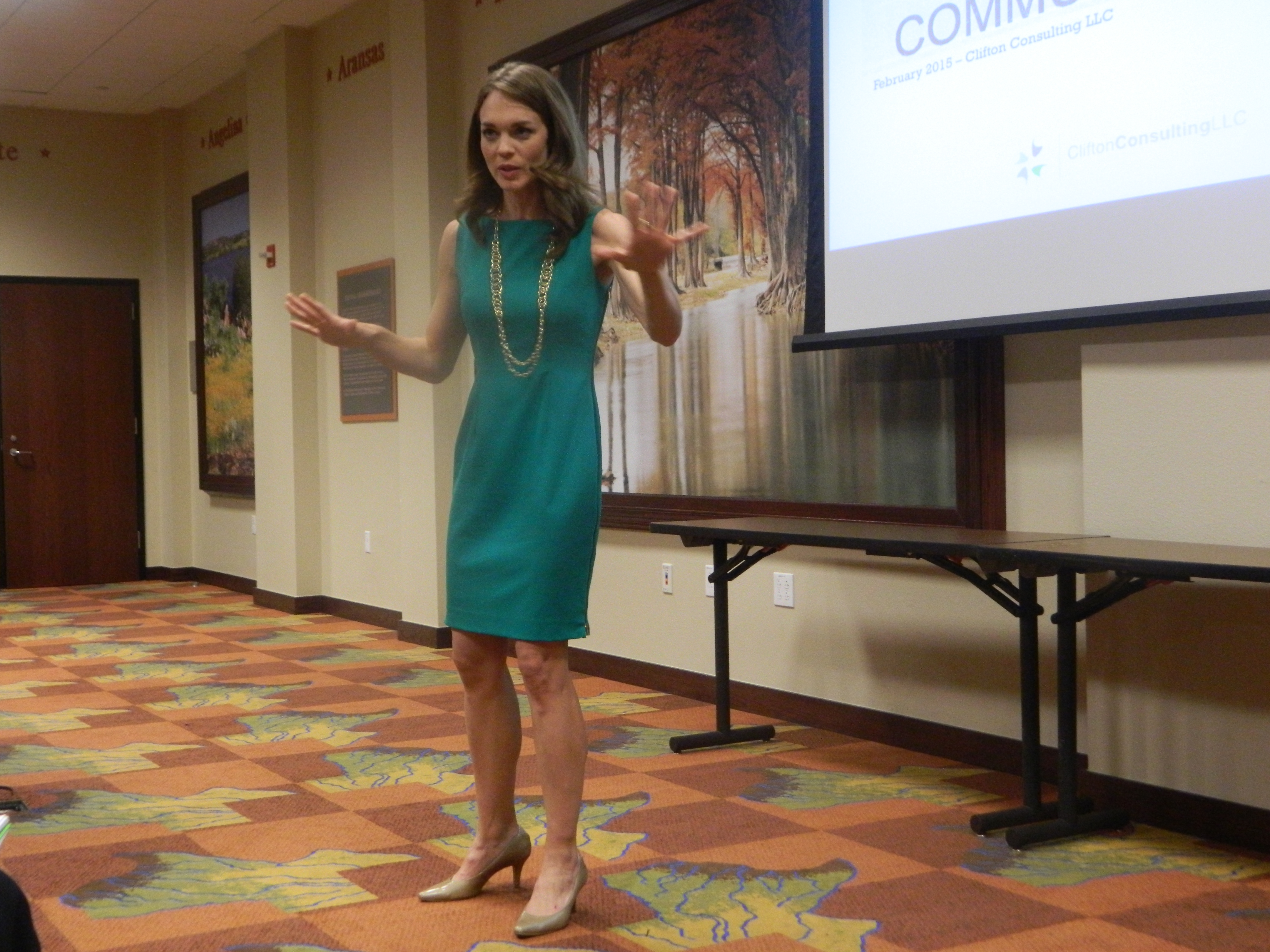
The last presentation of the day focused on managing your message as a candidate. Marjorie Clifton, CEO of Clifton Consulting, provided extremely helpful advice on effective communication and how to achieve it. She provided us with three key components to address while speaking: who is your audience? What is your message? How are you going to deliver it? Ms. Clifton noted that personal experience helps make you more credible and gives the candidate the opportunity to connect with voters. Ms. Clifton’s presentation was engaging and an upbeat way to end our sessions for the day.
The evening was devoted to dinner and finishing up our political action project. Tomorrow is an exciting day because we get to tour the capitol and meet with influential women within the Texas Legislature. In preparation of an eventful day, and mentally drained from learning an extensive amount knowledge in such a short time, we headed up to our rooms to end the evening.
Breakfast started at 8 a.m. and there we chatted about the past day’s events and the one before us. It was interesting to exchange opinions about the presentations and workshops and how we were going to practice them in our communities.
Next, was a fundraising workshop, Go Fish: How to Catch (and keep) Contributors, by Ms. Nancy Bocskor. This was an interesting presentation where we learned many fascinating strategies on how to raise money. This was not only beneficial to those interested in politics, but also those who plan to work with non-profits organizations. We also learned the investor triangle and how to access low, mid, and big dollar donors. Fundraising goes hand-in-hand with relationship building and asking for what you want. Furthermore, without mastering the art of negotiation, it’s not possible to raise funds.
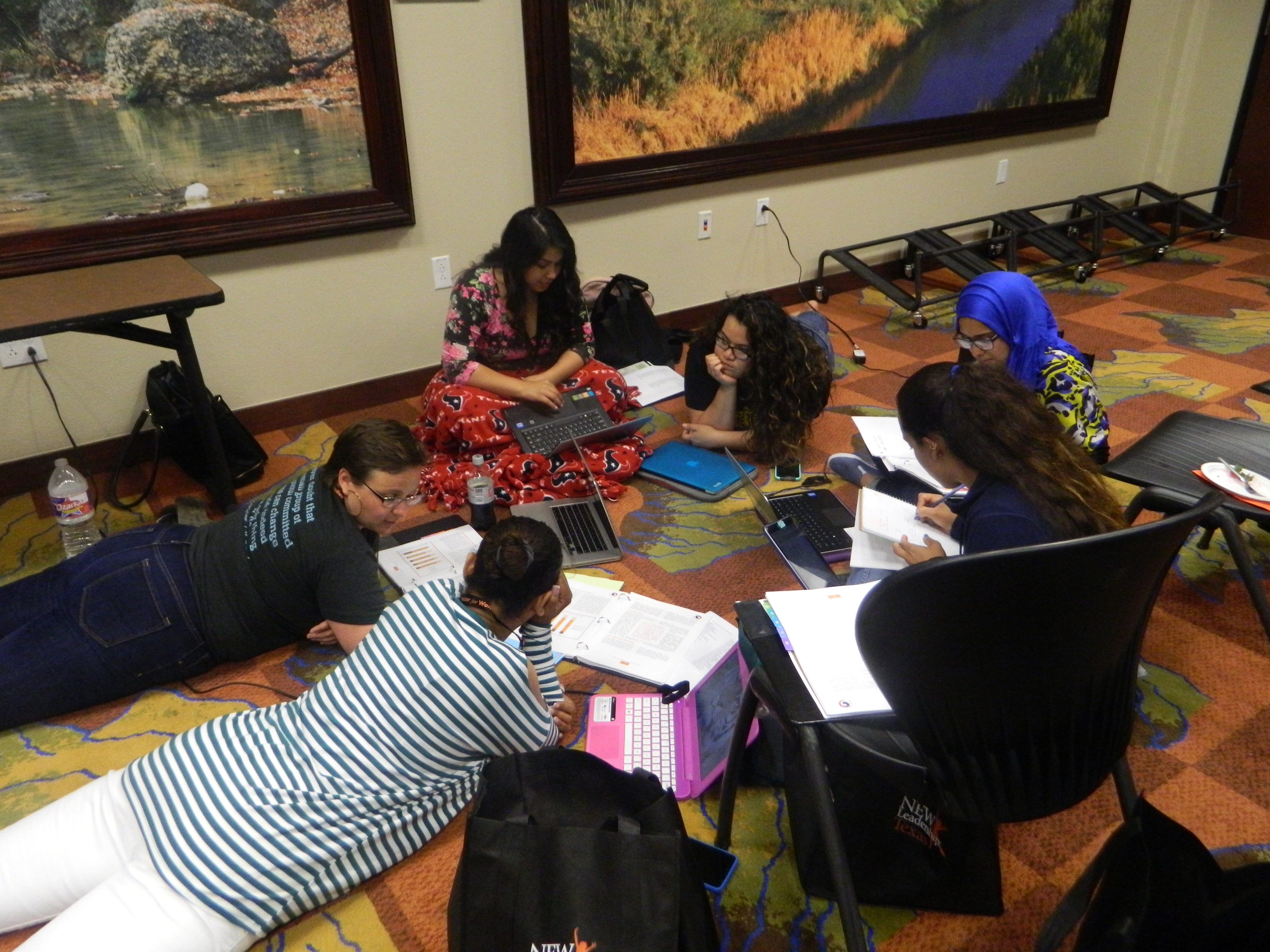
After a short break, Ms. Whitney Harp, introduced the Political Action Project that was assigned to us. For the next few days we will be studying House Bill 5 (HB5) and reenacting the committee hearing. This house bill changes graduation plans and introduces endorsements that will replace some of the previous required courses like algebra II. Everyone was assigned someone who played a significant role in respect to this bill. For example, some were arguing in favor of the bill, others against, and even some neutral. I was assigned Representative Alma Allen of District 131, who was in favor of HB5 with the exception that records be kept on the demographics of graduation plans selected by students. This amendment was added to ensure that HB5 was fair and did not serve as a hindrance or disadvantage for lower socioeconomic students. All were excited to see the future of this project. (editor’s note: the Governor signed this bill the day following this blog.)
Chicken wraps were served for lunch with a side of chips and fruit. We mingled and I conspired with others to help overcome those against HB5. After lunch there was also time reserved to work on our projects. I did some research on Honorable Alma Allen to get a feel of her character and moral integrity, both of which I plan to embody with grace and vigor. She is inspiring who has impacted policy in a positive way.
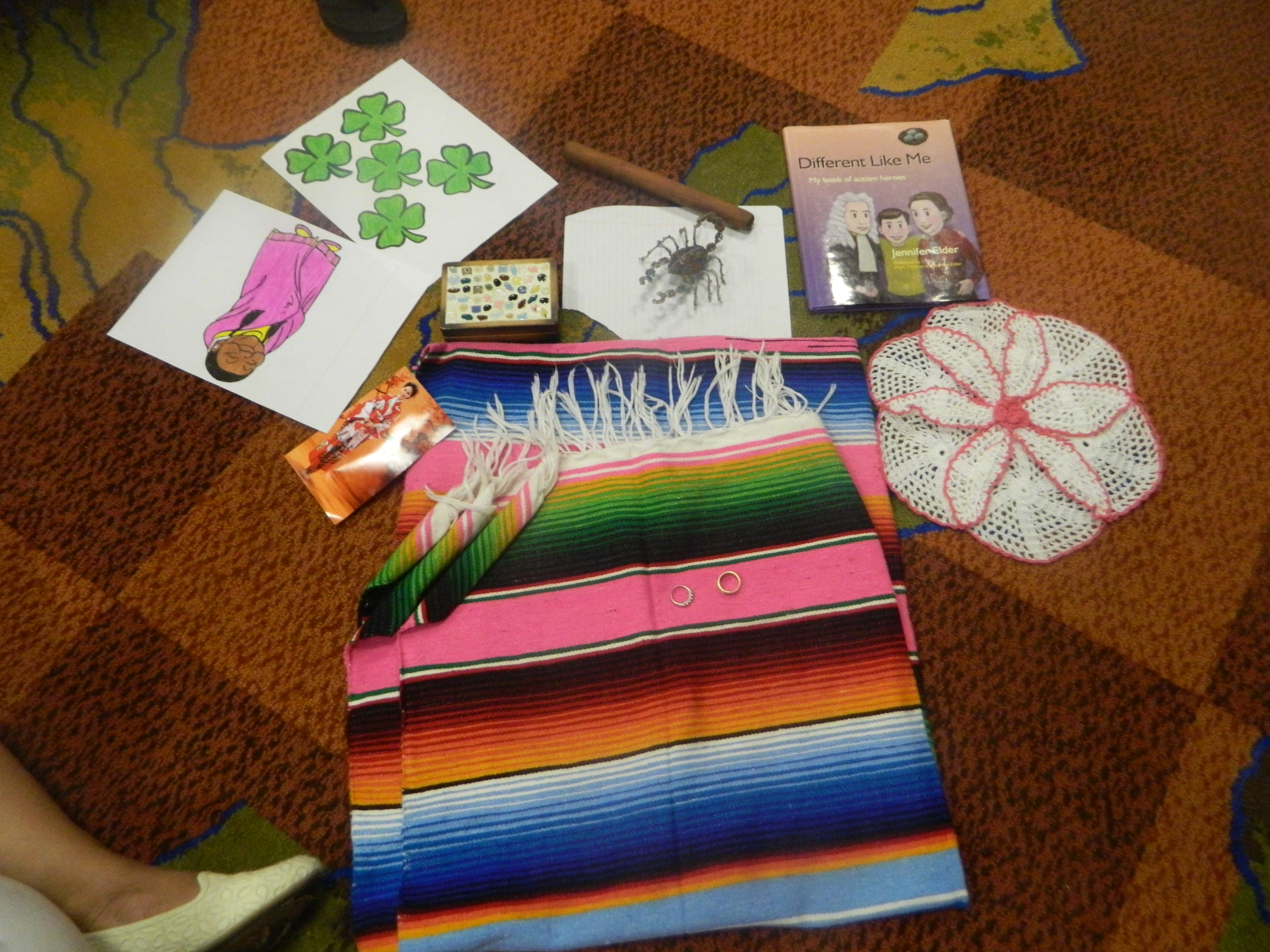
The afternoon was quite interesting and personal. The concept was to understand others and not be consumed by stereotypes. The theme was “The Danger of the Single Story.” We watched videos of women from Nigeria who have overcome the difficulties and are now represented in parliament. Their story was to defeat the stereotypes and overthrow corruption in Nigeria. This also segued into sharing cultural artifacts we were asked to bring.
We broke up into groups of eight and shared a little piece of our culture or background. This time was memorable and moving. I learned about victories, defeats, and most importantly, the growth that was developed through our experiences. I was inspired by Alyssa Davenport-Herbst. Alyssa struggles with a disability that has affected her speech. Despite all, she thrives in her academics and community involvement. She is a brilliant physicist who aspires to write science policy. She brought a book that tells the success story of many innovators and explained how this was where she draws inspiration to make a difference. Cultures are expansive.
We had dinner and after a brief discussion on Political Decision Making with Representative Mary E. Gonzales. She told us her story and the difficult situations that have affected her life. It was great insight on what to expect in and out of the political arena.
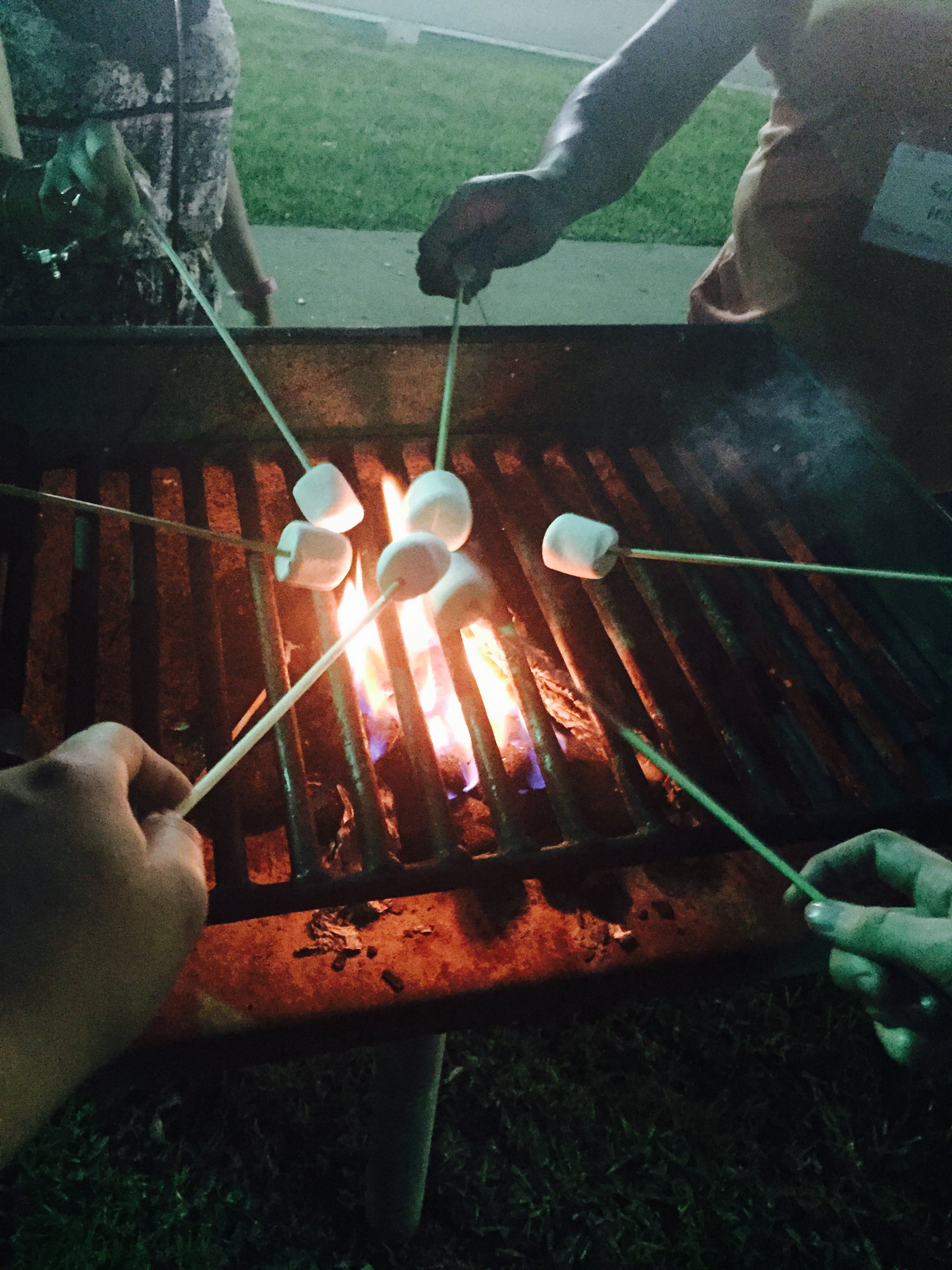
To end the night we gathered around the fire and made s’mores!
I thought it was pretty “sweet” to mingle with my new friends; people who began to unmask and be themselves. I am grateful for their diverse views and their representation across the political spectrum.
For the eighth consecutive year, the LEAP Center (and its forerunner, the Junior Fellows) partnered with the Huntsville Public Library to lead a spring Citizenship class to immigrants. The class is five weeks long, one night a week, and it covers the major material on the Naturalization Exam.
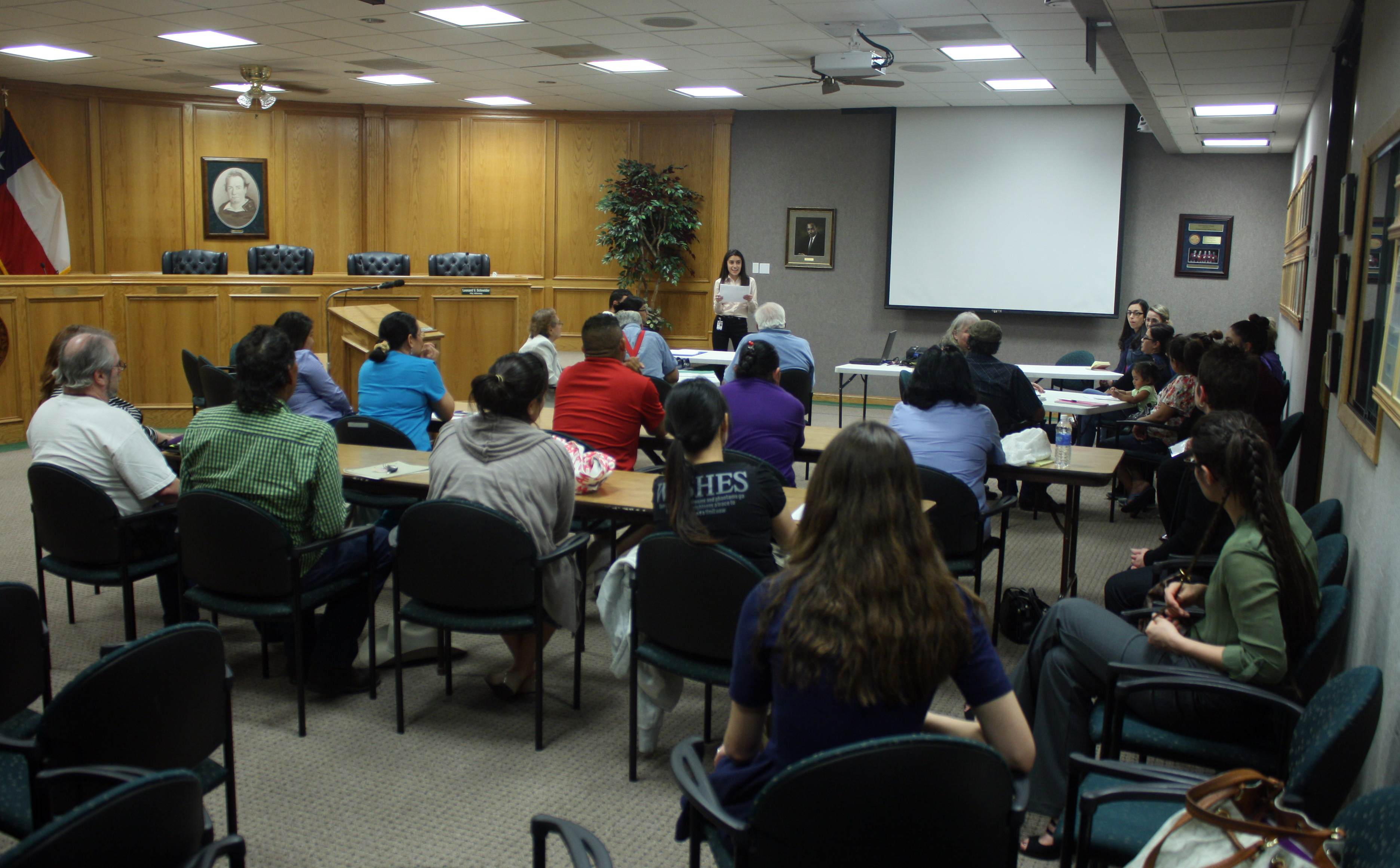
This year, we had more than 30 people sign up, but scheduling difficulties reduced the number of immigrants who actually attended. With a core of about 10-15 immigrants per night, the LEAP Center students and volunteers (thank you Terry Stivers, Roberta Plant, and Carol Hayes) worked with these immigrants to help them learn American history and government. We had a fun kick-off, with the Mayor and council members stopping by on the first night (on their way to the parade):
LEAP Center Students & Councilmembers
To become a citizen, an immigrant must meet certain legal requirements. They have to be in the country for a specific length of time (which varies by whether you are married to a US citizen), have generally followed the law, and not have any egregious moral failings.
The test itself includes an oral section, where immigrants read statements; a written section, where immigrants write down sentences read to them; an oral interview, in which immigrants are asked about their past and behaviors (“are you often drunk?“, “have you ever been a prostitute?”); and they must answer correctly at least six out of ten questions pertaining to American government and history.
These questions range from naming one of the two longest rivers in the US to knowing three cabinet posts to knowing the name of the national anthem.
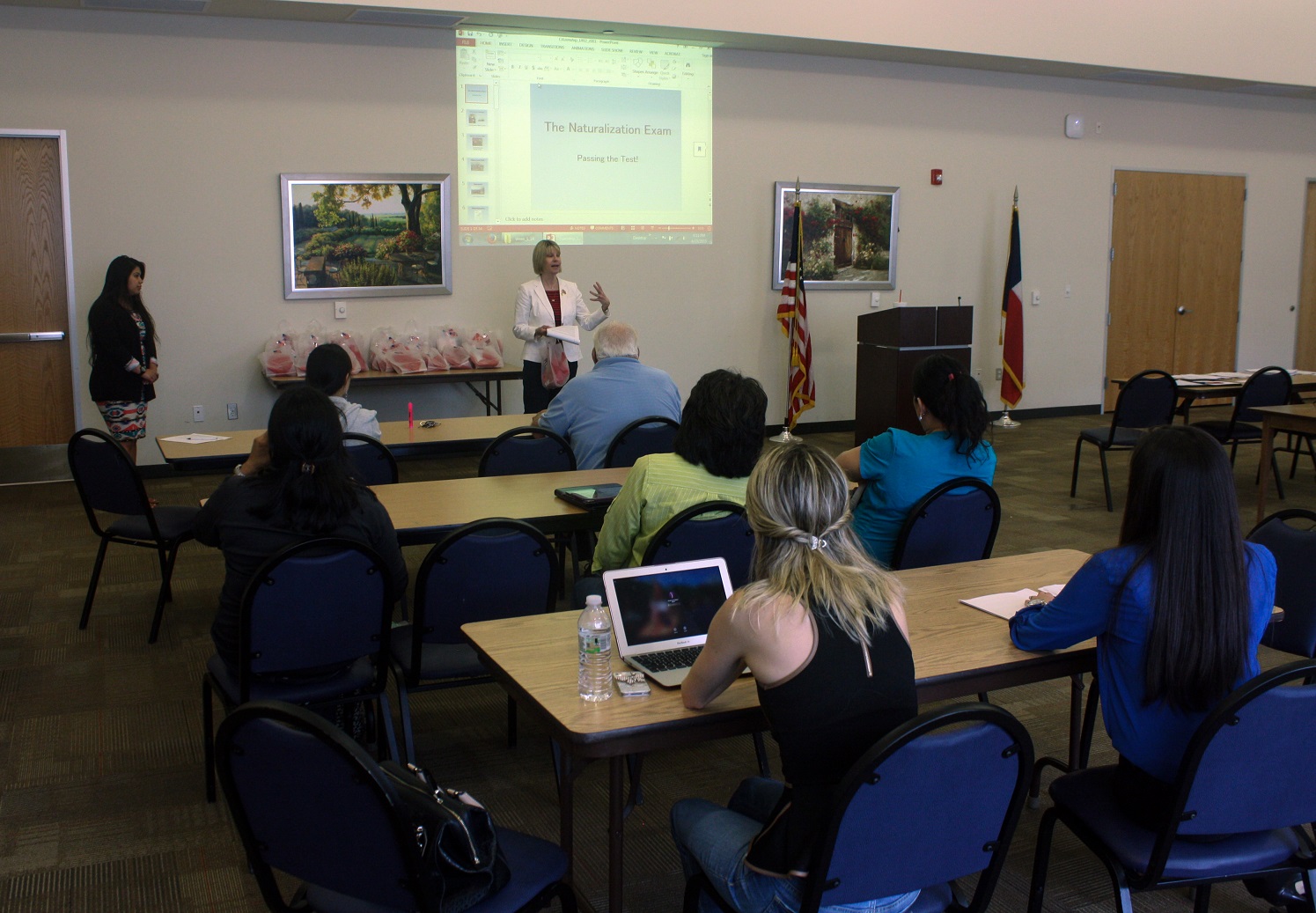
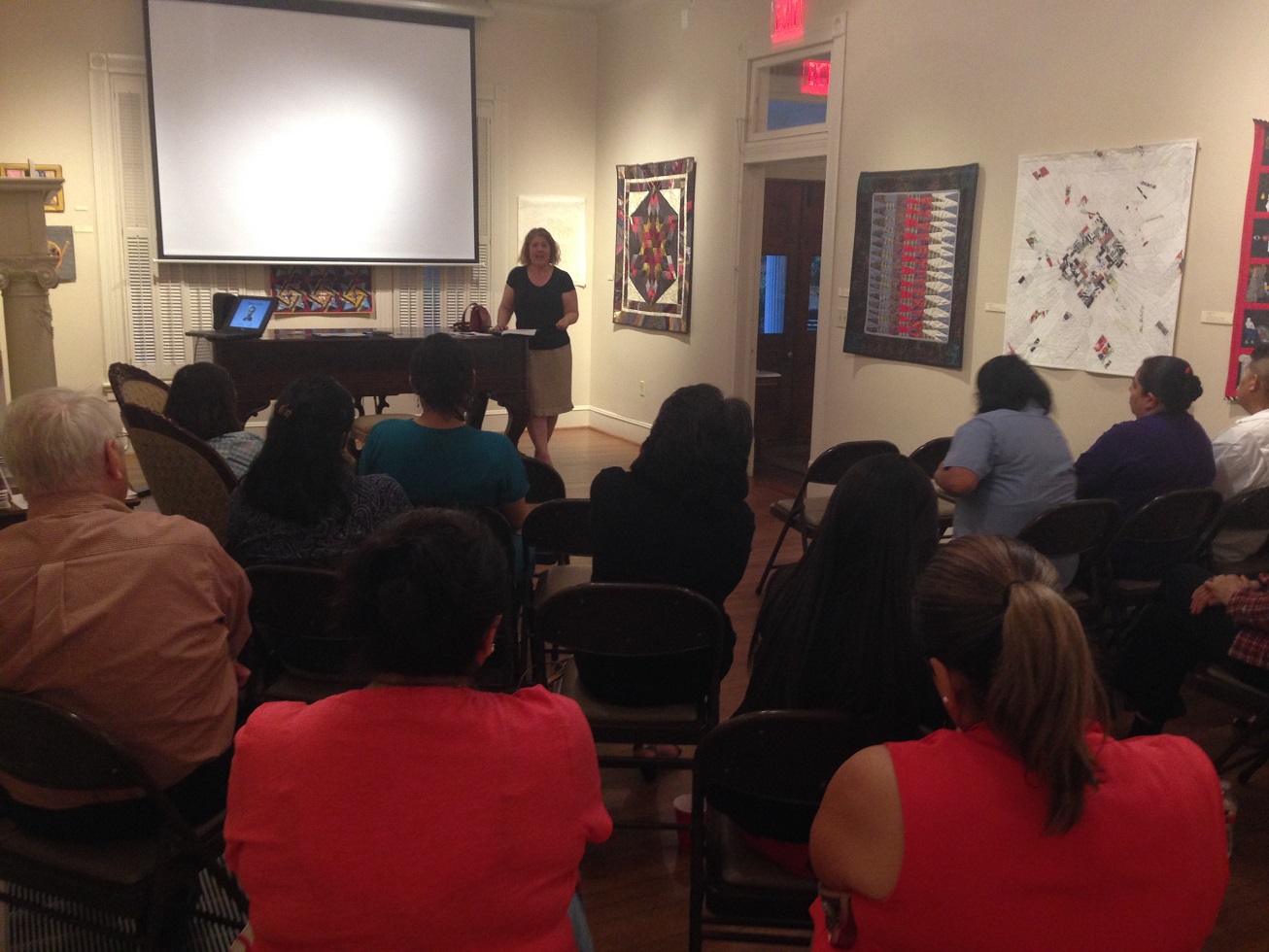
We covered these major topics over the course of the first four weeks. Karla Rosales, who took a leadership role in the program by virtue of her internship with the Huntsville Public Library, led off the proceedings with a bit of instructions…
Karla Rosales Presents to Immigrants
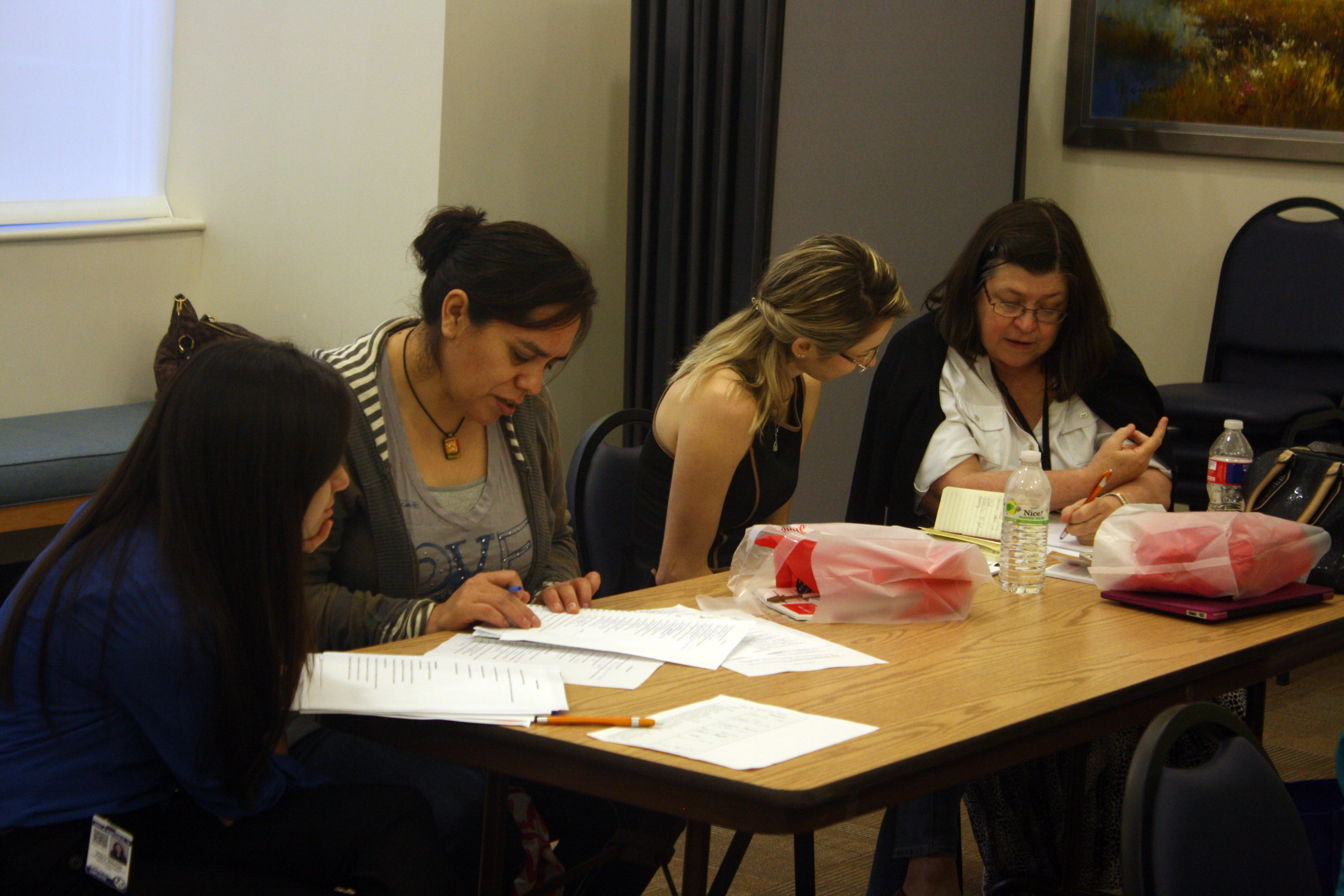
Although most of the presentations were led by Professor Yawn, the students worked with small groups of immigrants throughout the program.
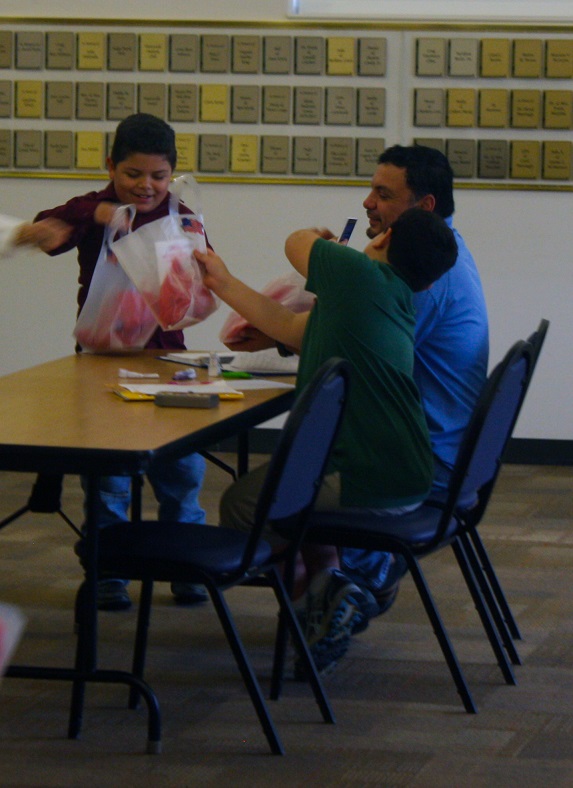
It was also nice to receive community support. On week four, for example, the Daughters of the American Revolution attended and provided American-themed gifts to the immigrants–flags, pocket constitutions, pencils, and other fun things.
Patsyann Reed on Behalf of DAR
This was a big hit, especially among some of the immigrants’ children:
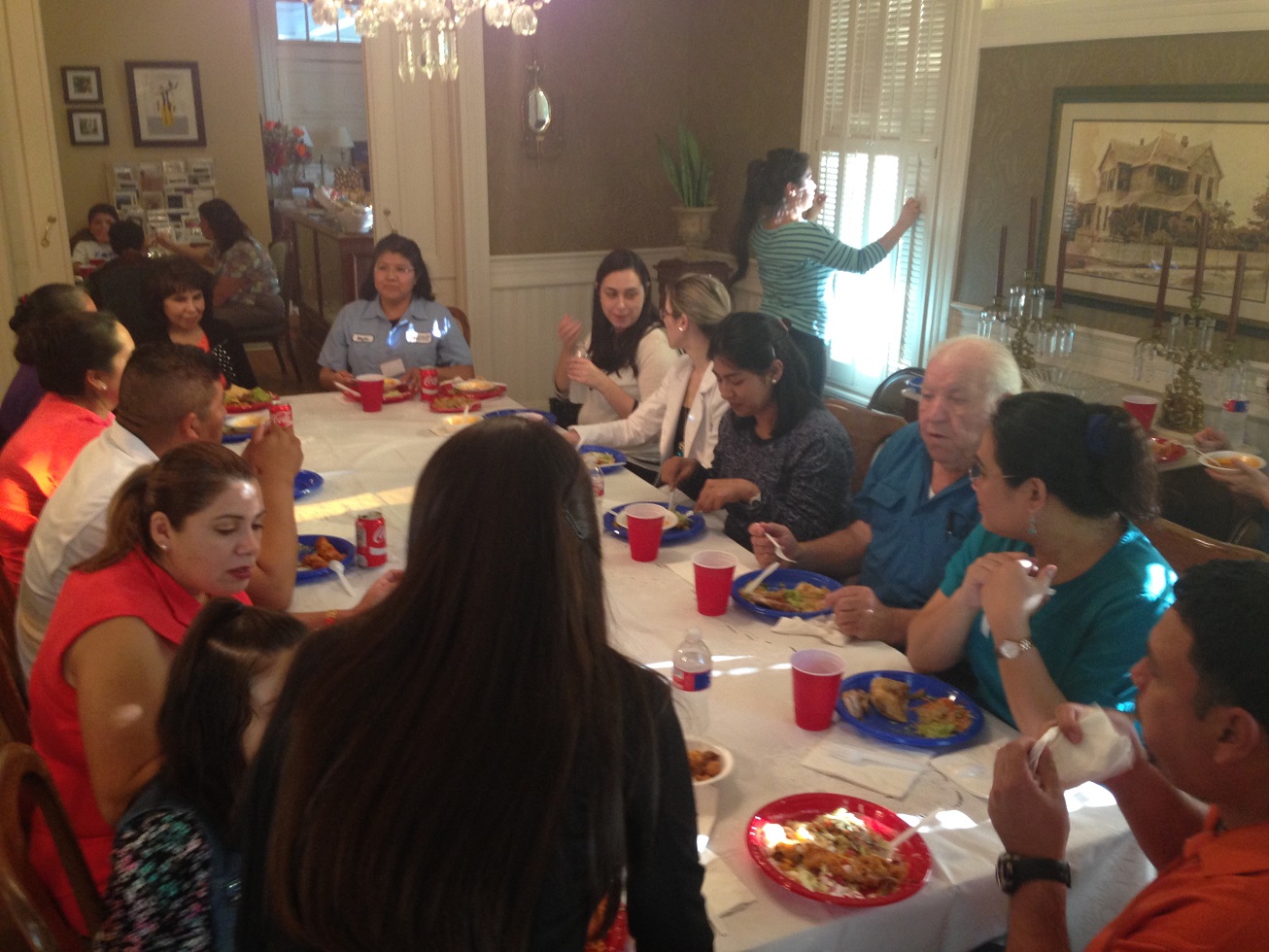
On the final week of the immigration class, the immigrants and volunteers relive the first Thanksgiving, with all participants bringing dishes from their native country and joining in a celebratory feast. The food is great!
Thanksgiving Dinner
Another special feature of the final week is the presentation made by Audrey Biggar, a local immigration attorney. She graciously agrees to assist the immigrants and provide advice for navigating the process. (She is also President of the Walker County Bar Association, making her one of the more civic-minded of the local bar.) She also brings great Thai food to the dinner!
Audrey Biggar Presents
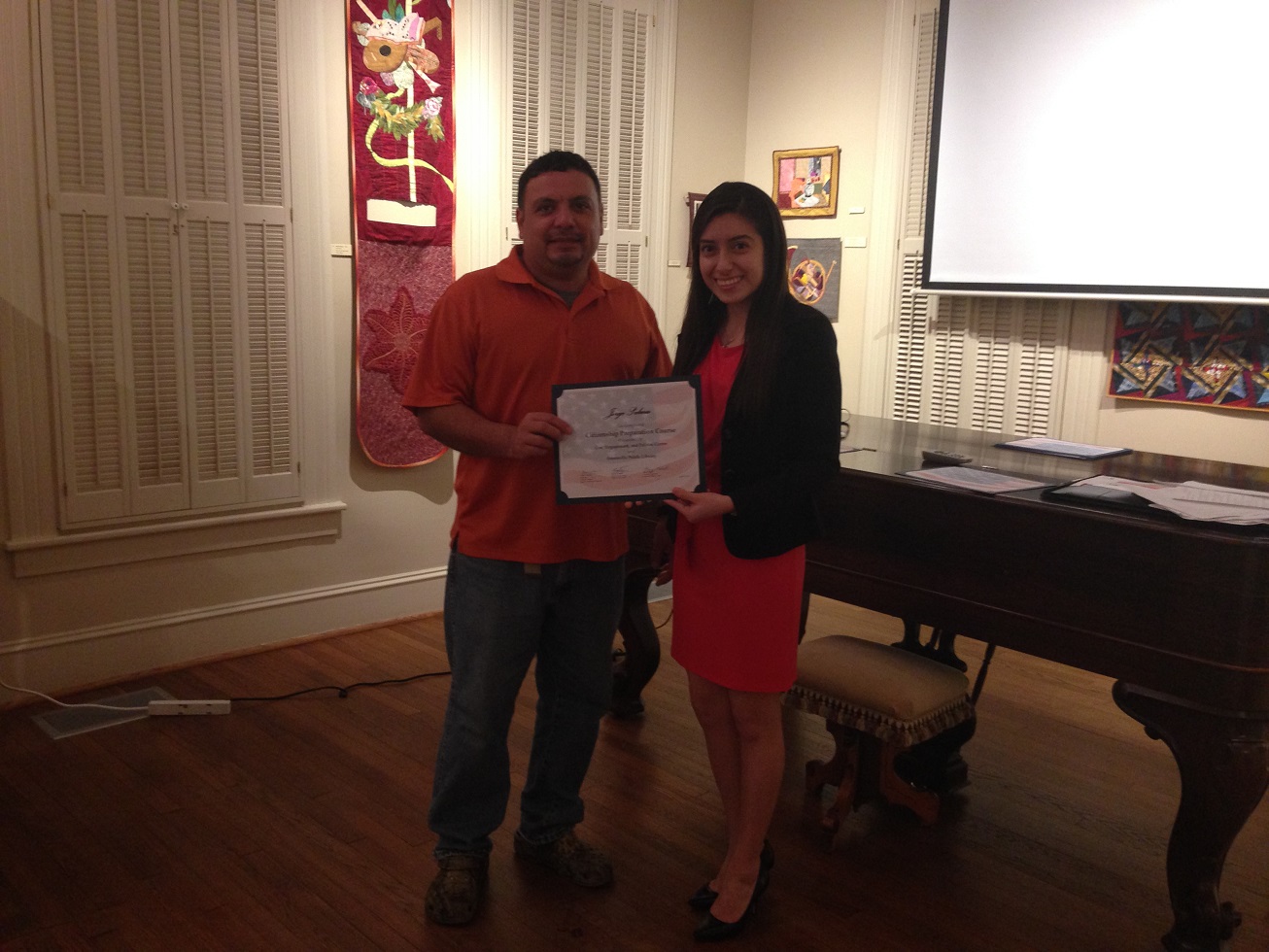
Finally, the immigrants receive a certificate of completion, a prelude, we hope, to citizenship.
Jorge and Karla
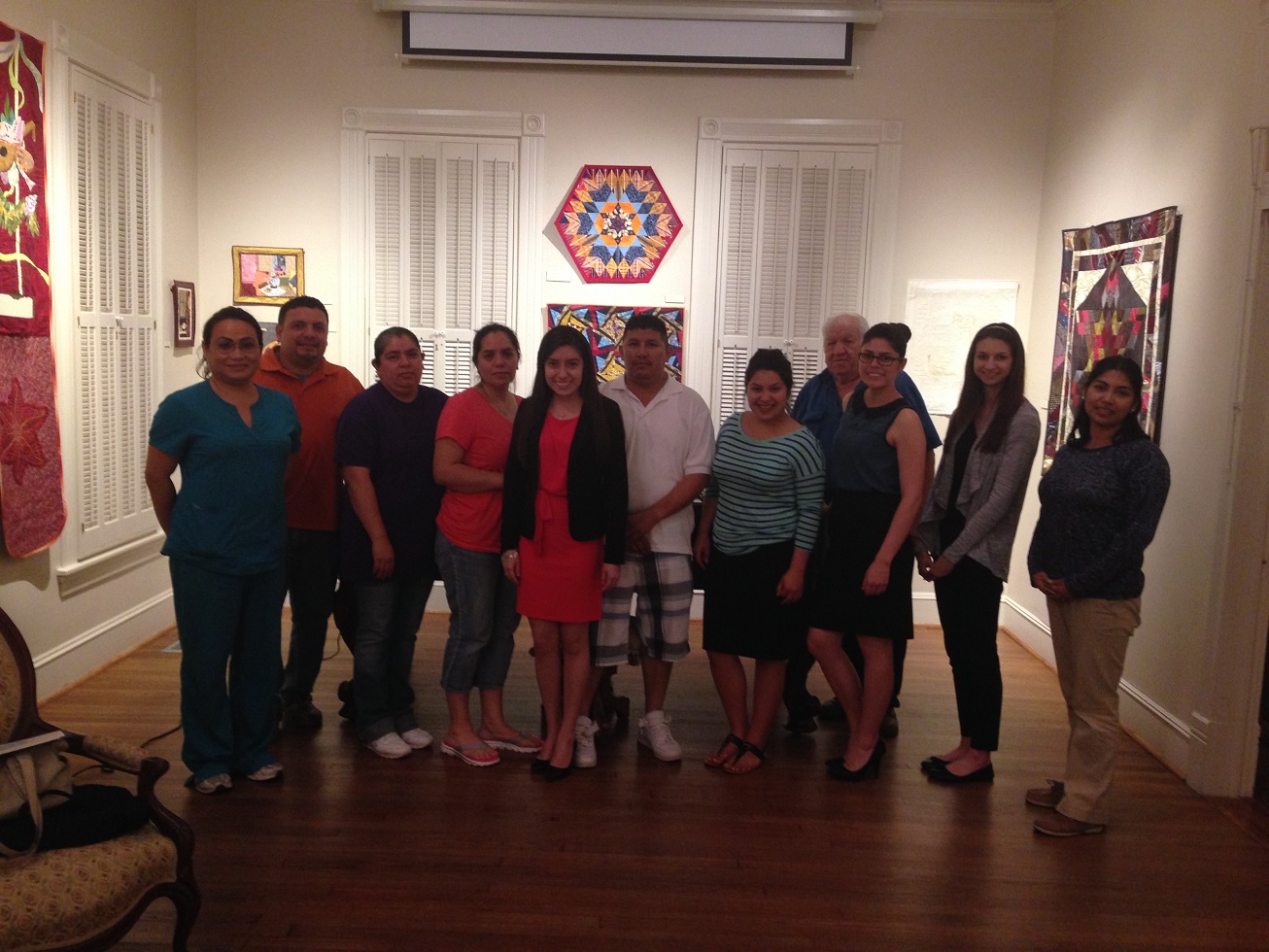
And with one final group photo, the class is over.
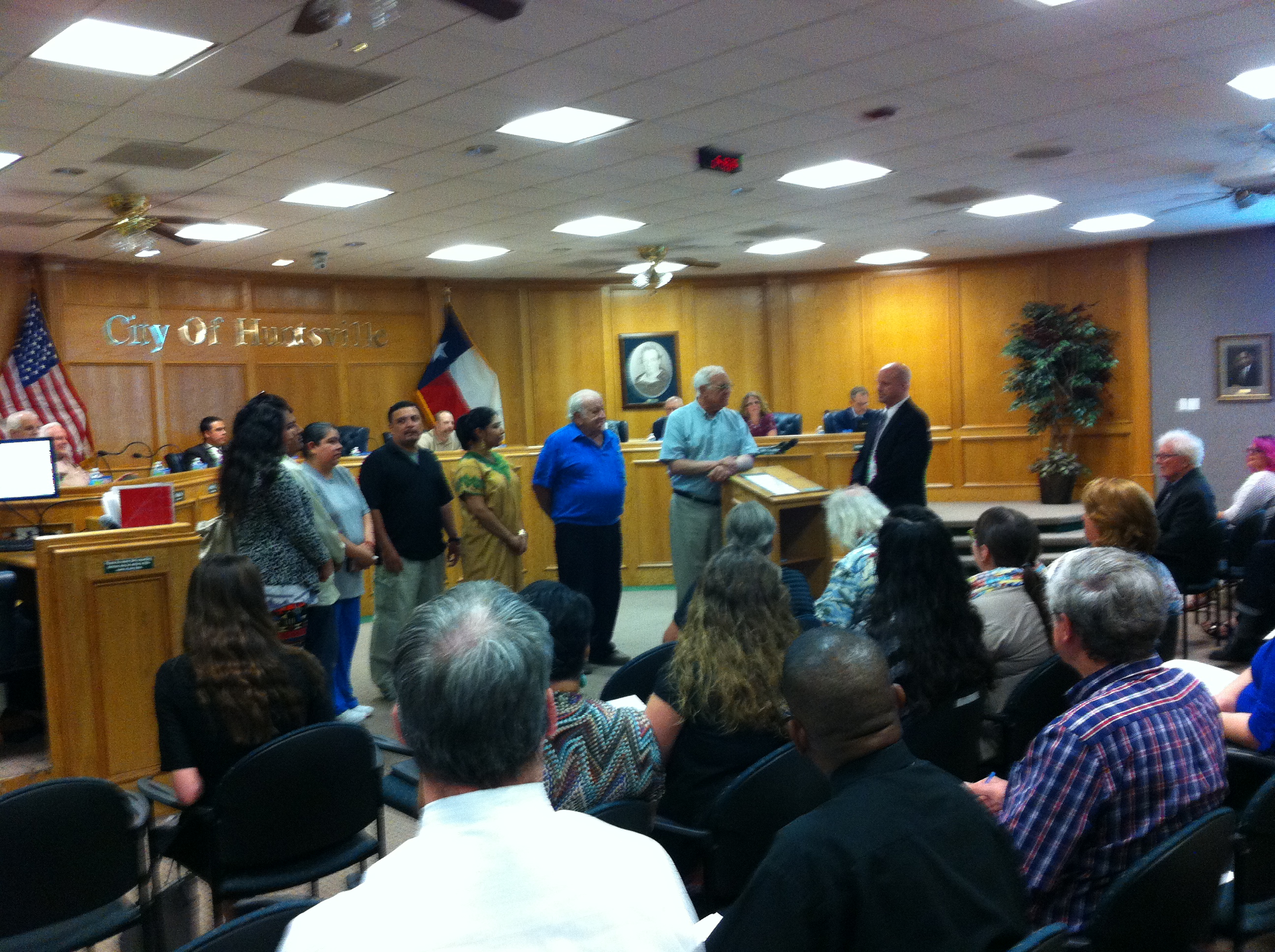
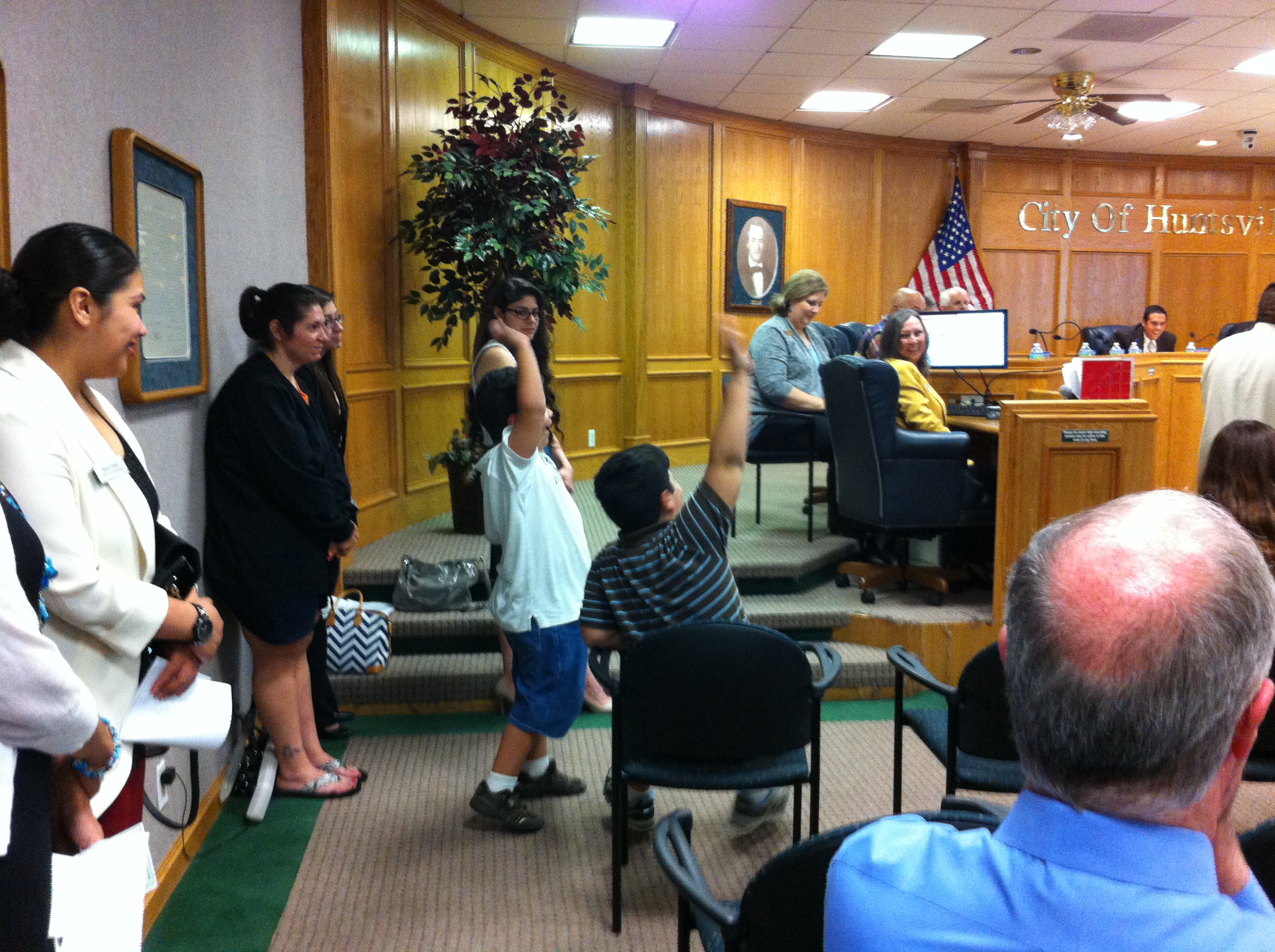
Fortunately, it wasn’t long before the students and immigrants got back together. The Huntsville City Council invited the immigrants to a City Council meeting to be recognized for their efforts.
For the immigrants and the students, it was their first-ever City Council meeting and, again, a big hit among the kids.
Over the past eight years, the LEAP Center has worked with about 150 immigrants from more than 20 countries. Approximately 40 have obtained their citizenship.
LEAP Students were eager to start our final day in Austin. After grabbing a quick breakfast at the hotel, we headed to the Capitol to meet up with the Austin Interns. For the interns and capitol staff, today was an exciting day because it marked the end of Texas’s 84th Legislative session. For LEAP Students, it was an exciting opportunity to see the Texas Legislature in action.
A Junior Fellow Alum and present Advance Aide for Governor Abbott, Blake Roach arranged a photo opportunity for the Sam Houston Interns and LEAP Students! It was such an exciting opportunity for us as we were invited to meet Governor Abbott.
As we entered the Governors Reception Room, many students were eager, with maybe a few jittery nerves as they admired the intricate detailing from the molding to the door hinges. Shortly after we arrived, Governor Abbott entered and asked about us our majors and goals and such, and then we took a photo:
Meeting Governor Abbott was the highlight of our weekend and made our trip unforgettable. Not only did Governor Abbott schedule time out of his busy day to take pictures with us, but he also was very personable and friendly. Many thanks to Governor Abbott for taking time out of his incredibly busy day and to Blake Roach for arranging this memorable meet and greet.
After meeting Governor Abbott, LEAP Students and the Austin Interns hurried over to the House Gallery to hear the resolution and recognition of the Sam Houston Interns by Representative John Otto. It was a memorable experience for the Austin Interns to be recognized for all their hard work during the session. For visiting LEAP students, the entire experience should provide much motivation to work hard and stay focused on the goal of interning during the next legislative session.
After watching all of the Austin Interns get recognized by Representative Otto, Sadie McLaughlin, one of the Interns, gave us a tour of Representative Otto’s Office.
While at Representative Otto’s office we met up with Melva Gomez who was a previous intern and is now serves as an administrative aid for Representative Otto. Melva shared her adventures as a staff member with all of us, while crediting the Austin Internship program and the Junior Fellows for all of her wonderful opportunities.
Invited by Alexis Gonzales, another Austin Intern from SHSU, to take a tour of Armando Martinez’s office, we left Representative Otto’s office on a mission. In Representative Martinez’s office, Scott Jenkines, the chief of staff for Armando Martinez, kindly greeted us. We were able to sit down with Mr. Jenkines while he answered any questions that we had and gave us insight about what occurs during the 140 days in session.
Jenkines also showed us his black Lucchese cowboy boots that were stitched with the House of Representatives logo, which I thought were pretty cool. Alexis was also there to give us information about her life as an Intern at the Capitol. She told us about her extremely rare experience of walking on the House floor without begin stopped and let us know that anyone wanting to be a future Austin Intern must be able to work with a flexible schedule. The tours of the offices allowed us to learn more about what happens in the capitol and gain great insight into the experiences of the current Austin Interns.
We left the Capitol overwhelmed by the awesome opportunities awaiting us in our future endeavors, although that did not stop us and our grumbling bellies in search for lunch. We made a quick stop at Whole Foods Market to eat, after windy through the huge amount of Austonians aiming to satisfy their hunger as well. Satisfied, we got back in the car and made our way home, whilst discussing the weekend and everything we had learned. Not many college students can say they understand the running of a campaign or have met the governor, but we can attest to both. Safely in Huntsville once again, we left each other ready for some good sleep and hopefully the next adventure LEAP throws at us.
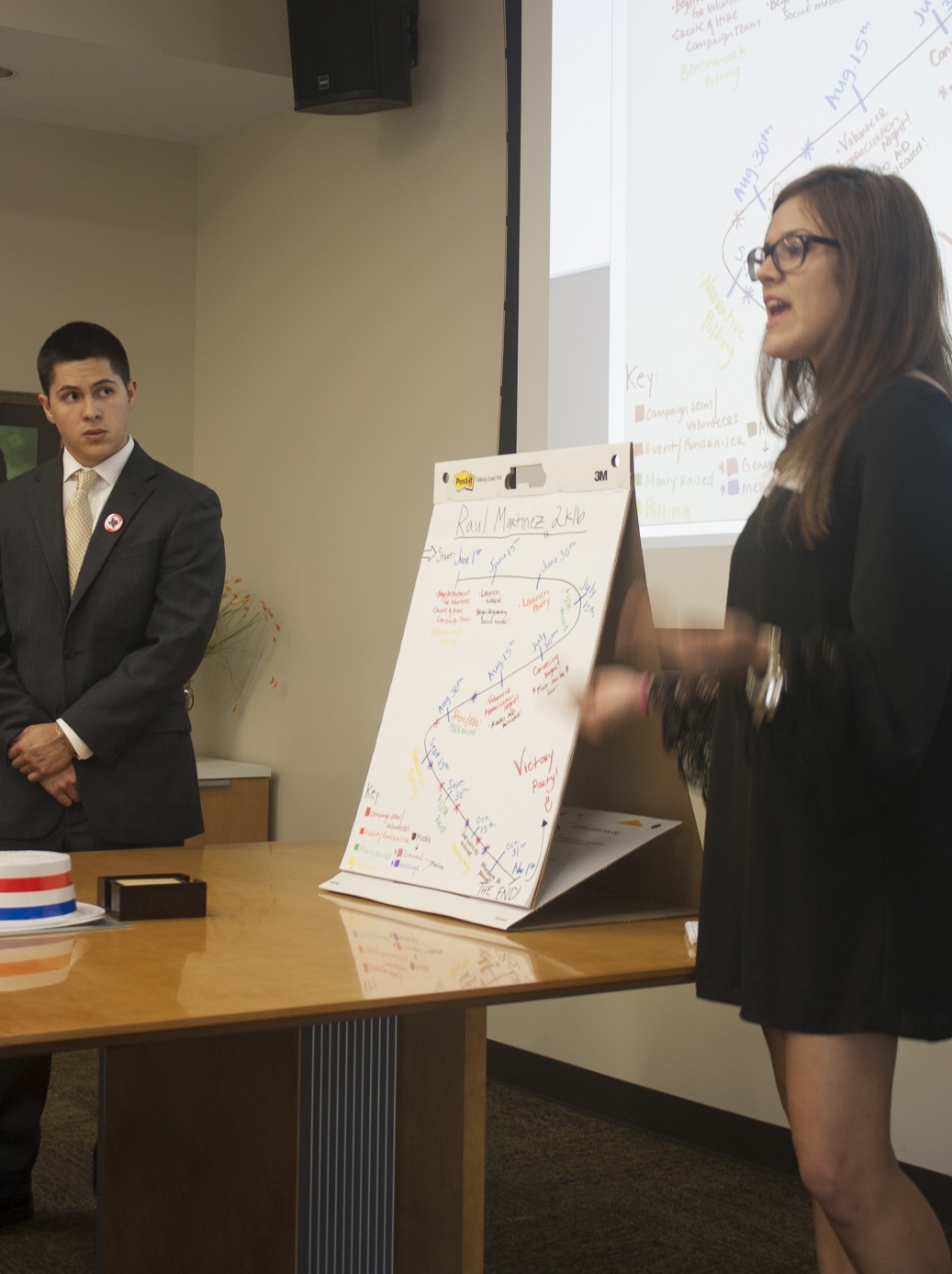
LEAP students woke up to nerves this morning, looking ahead to a day of preparation and presentations. After roughly forty-eight hours of learning the ins and outs of campaign management, fundraising, budgeting, and direct voter contact, we finally had the chance to present our path to victory for our fictional candidates to an esteemed panel of expert judges, most of who had been lecturing us this weekend on the same topics.
We worked for the beginning hours of the day to practice and make finishing touches to our presentations, with jitters pervading most group sessions.
In the early morning, we made some last-minute revisions to our projects, working in groups or, occasionally, alone.
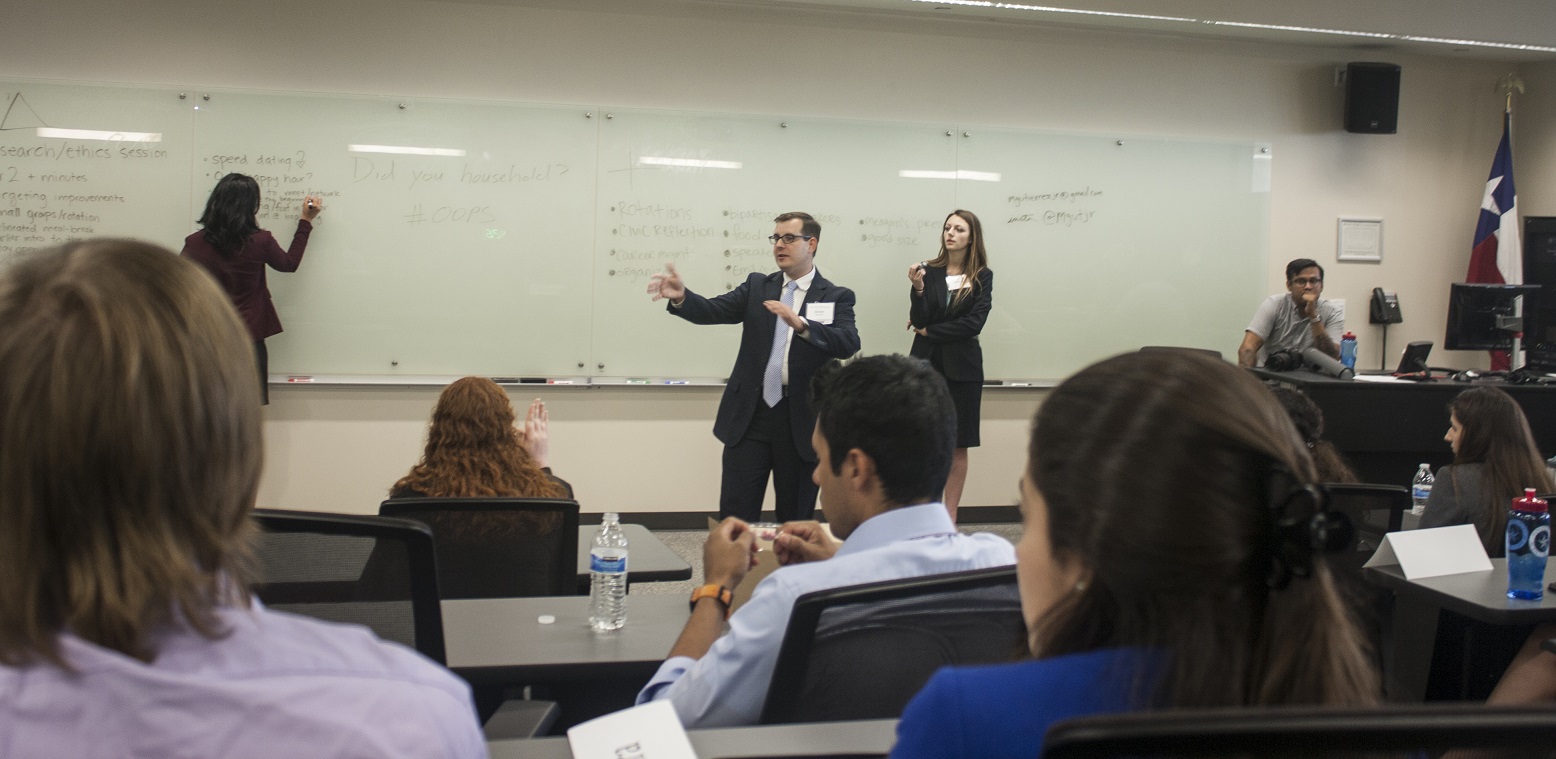
By 10:30 we had to turn in our finished products and hope that everything would go well. After getting a group picture with the whole Campaign Bootcamp group, we split up into three different groups of three different rotations: presenting, a session on getting your foot in the door in the workplace, and a workshop over civic reflection and engagement in young people.
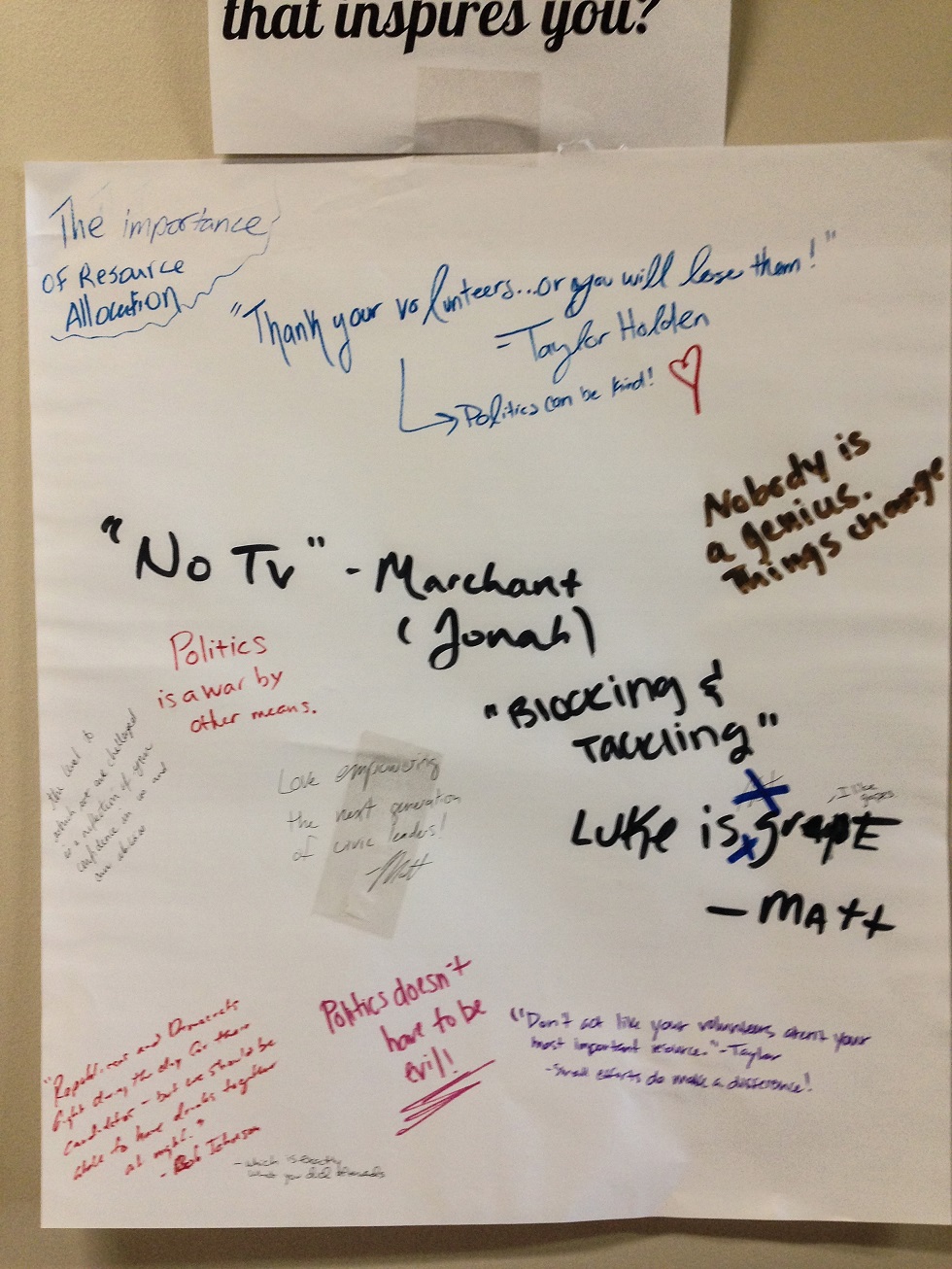
After the group photos, all of the groups were separated into three rooms, one of which was meant for civic reflection. Deborah Wise, the director of educational outreach for the Annette Strauss Institute for Civic Life was there to guide the session and explained to us that civic engagement is how the community gets involved with politics.
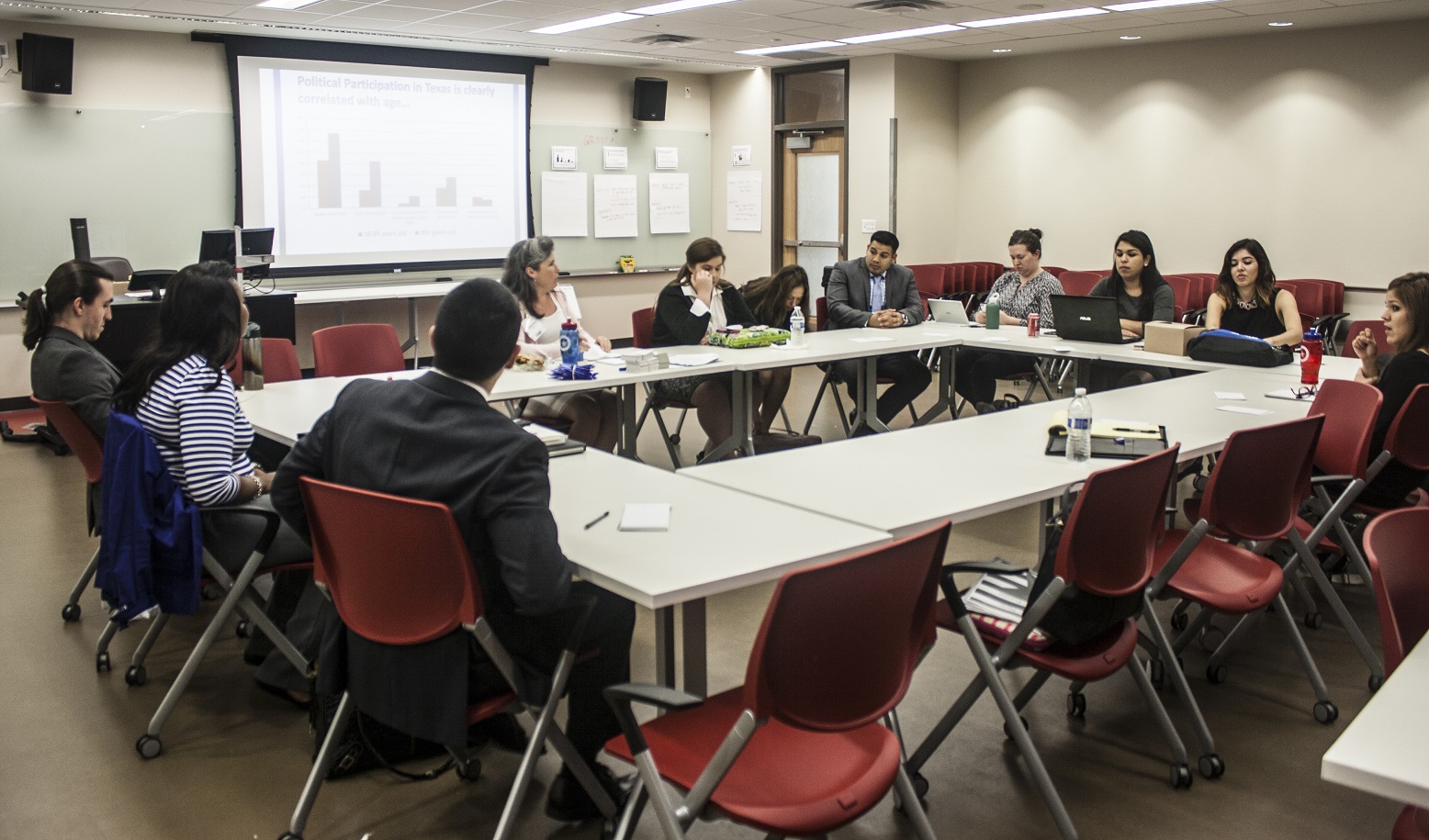
Once in the room she separated us randomly into three different groups where we discussed the lack of civic engagement as well as solutions for it. The topics revolved around the age gap in voters, why people don’t go out to vote and the impact of the media. Once we had enough time to discuss the issues and possible solutions, all of the groups sat together as a whole and we went into a deep brain storming session. Everyone had their own opinions for targeting younger people to get involved in politics but the main ones were to target education, parents, and how politics are viewed. I shared my opinion about the lack of education over local politics in high schools and giving politics a “young face”. Others shared their opinions of targeting the parents and educating them in politics. Deborah Wise then separated us into groups of 2-3 to discuss plans to boost civic engagement for younger people in communities. Once we had time to discuss our plans in the small groups we went back to our whole group and discussed them with everyone. The group as a whole agreed that the reasons that young people do not participate in politics is because they believe their vote doesn’t matter, they are undereducated in regard to local government and they believe it is an old mans game and its out of their reach. Solutions for this were showing younger people that they CAN vote by setting an example and being civically engaged ourselves, local government having a bigger part in high school other than just federal government and targeting issues in politics that affect the 18-29 year olds.
The Civic Reflections section was a great session that provided a more hands-on learning environment that we really enjoyed. Everyone was vocal and loved sharing and hearing different opinion. It showed us that people could really come together to solve an issue.
Heading to the conference room to present between the two different sessions, each group was given just eight minutes for their presentation and an additional seven minutes to answer questions from the judges.
As a student, the presentation was intimidating because groups were given relatively little time to prepare and practice. Although daunting, presenting to our judges proved to be a useful learning tool and a valuable public speaking experience.
In addition, each group had the opportunity to observe various other groups present and learn from what they did well and ways they could improve. Stressed the whole weekend, the hard part did not end once the presentation was over, but instead the Q & A proved to be almost more strenuous, as the judges asked questions and probed for questions that could have been left out during the presentation. The group presentations may have been stressful, however; it was arguably the best hands on learning experience and preparation for a career within political campaigns.
Continuing with rotations we moved on to a presentation by Maegan Stephens, a communications lecturer at the University of Texas at Austin. We learned about the major steps for getting our feet in the door in political campaigns. We started with an interesting and fun activity of searching for the person sitting next to us on the internet and finding anything that could affect their possibility of getting hired. It was a fun way to learn about tactics professionals use to search job candidates and tips for us to remember when posting on social media. Next, we signed up for a LinkedIn account. Our trainer gave us tips for developing our account such as customizing our URL, and developing a strategic headline and summary. She also gave us great tips for building our endorsements and recommendations on our profile. After developing our LinkedIn accounts we moved on to interview tips. We learned that Interviews would be a very important part of an employer’s decision. We learned great ways to answer commonly asked questions in a strategic way and ideas about our goals to have clear in our mind before an interview. Clear goals will help us build a story and may brand our name. Interview delivery tips are also of great importance. We should be able to deliver effectively even if we might be nervous during an interview. Lastly, we discussed networking and the importance of making connections in political careers. Sometimes networking may be hard, but we learned excellent tips on how to approach it and overcome challenges. Networking should be the next step for getting our foot in the door.
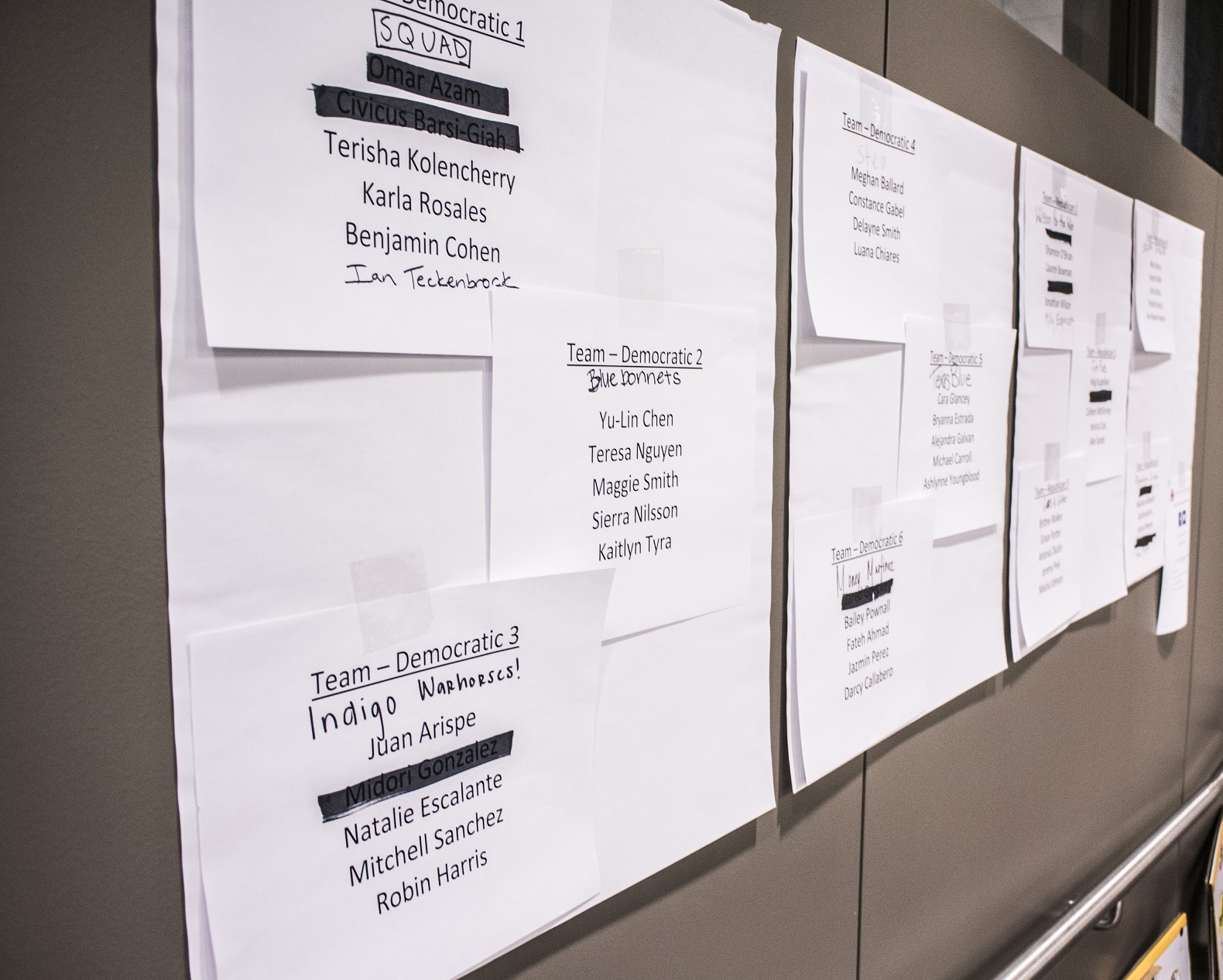
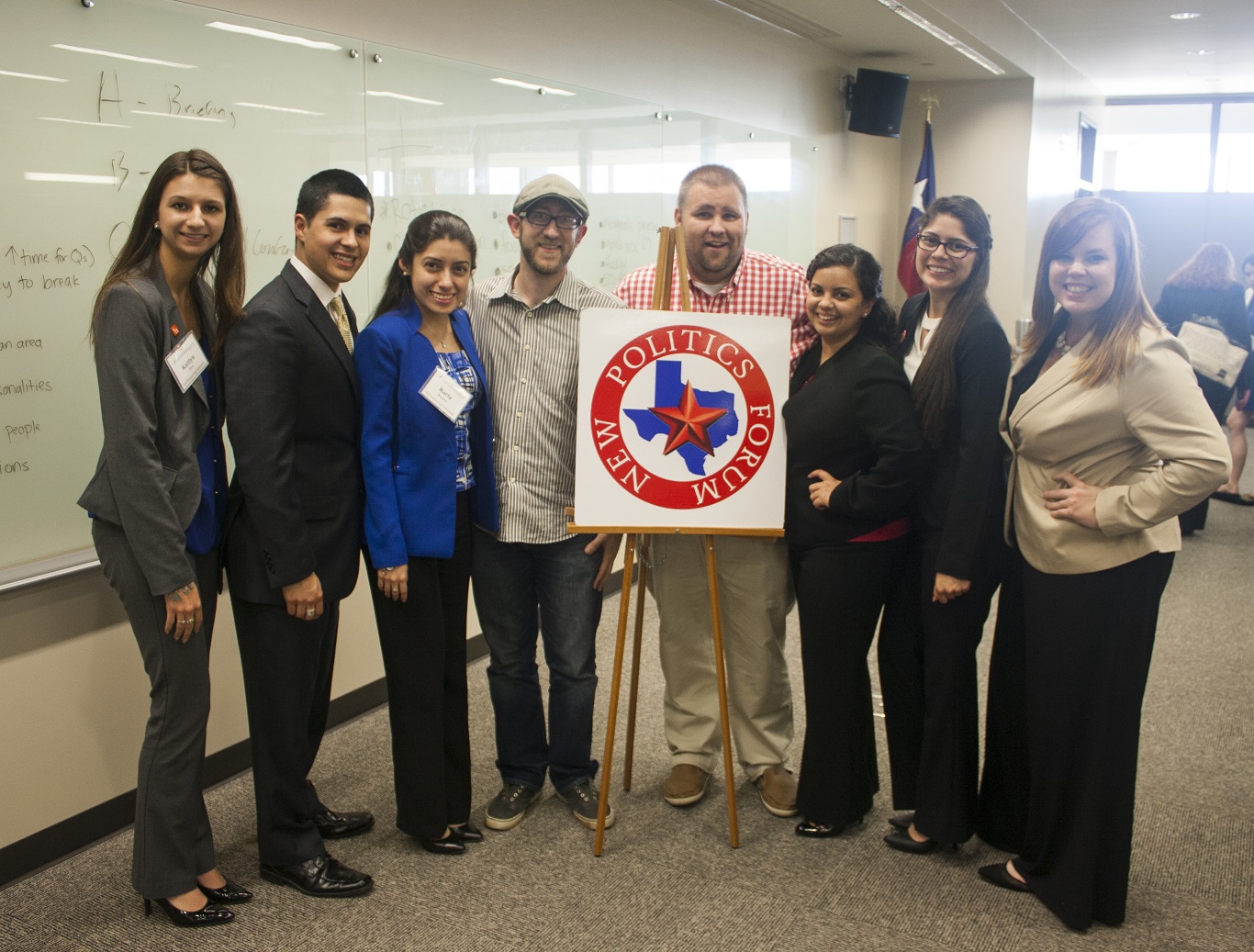
After our rotations and regrouping in the main conference room, we were able to give some feedback as a large group about what was good and what could improve for next year. Following the opinion piece, we finally received the judge’s decisions on the different categorical winners for the campaign plans and also the overall winner. Representing Sam Houston State University, Constance Gabel and her group Democratic Team 4 won the “Get Out the Vote”/voter contact category over the other teams efforts in the same area. Needless to say after much networking techniques, knowledge, and tools for campaigning presented to us, we left the New Politics Forum Campaign Bootcamp completely different students.
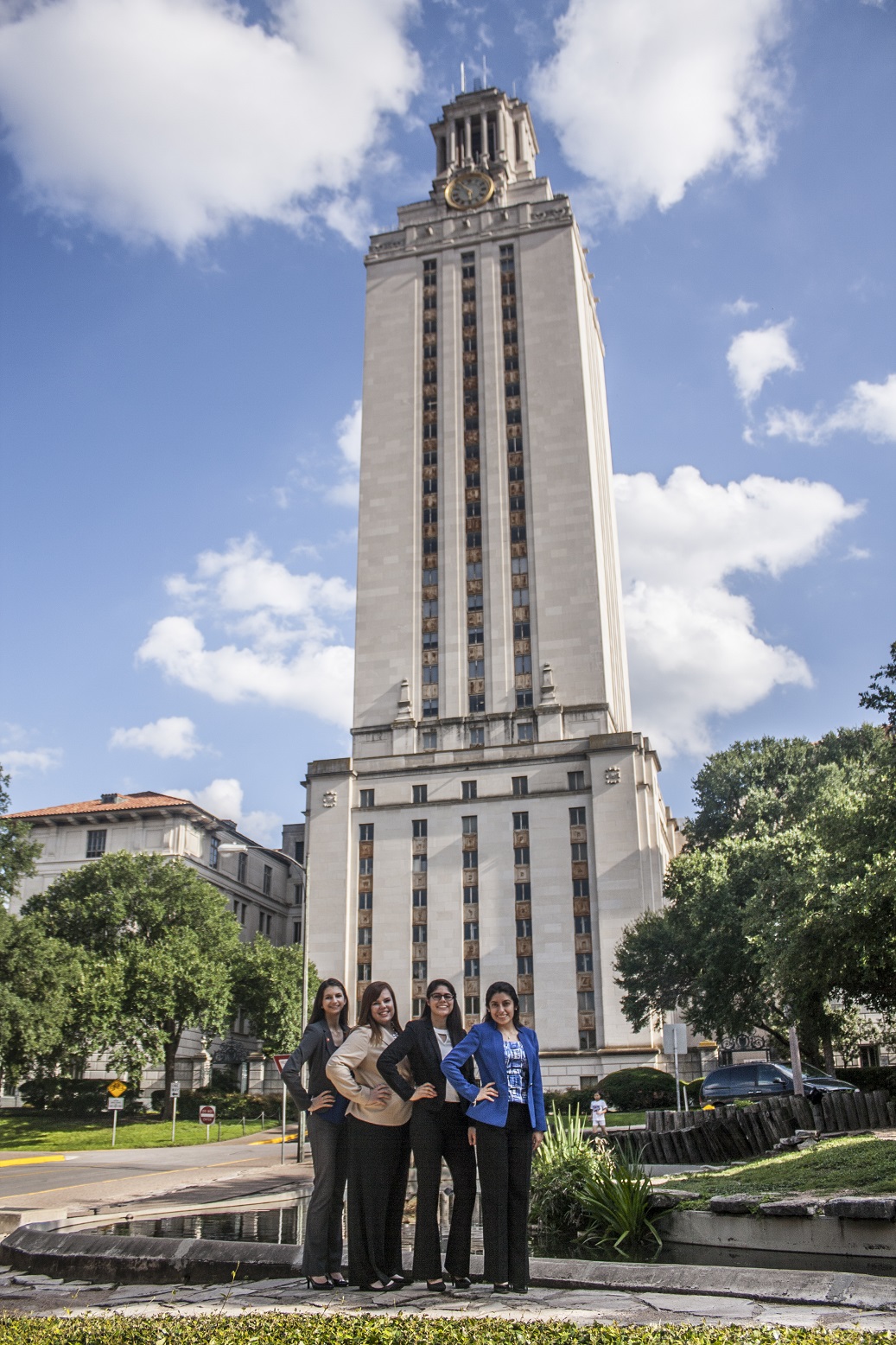
We did some brief site-seeing around campus…
…and then headed back to the hotel.
At this point, Jazmin Perez and Mitchell Sanchez had to leave, going back to Huntsville to begin work the next day. The rest of us, however, stayed on in Austin for another day to watch the House and Senate in their final day of the session.
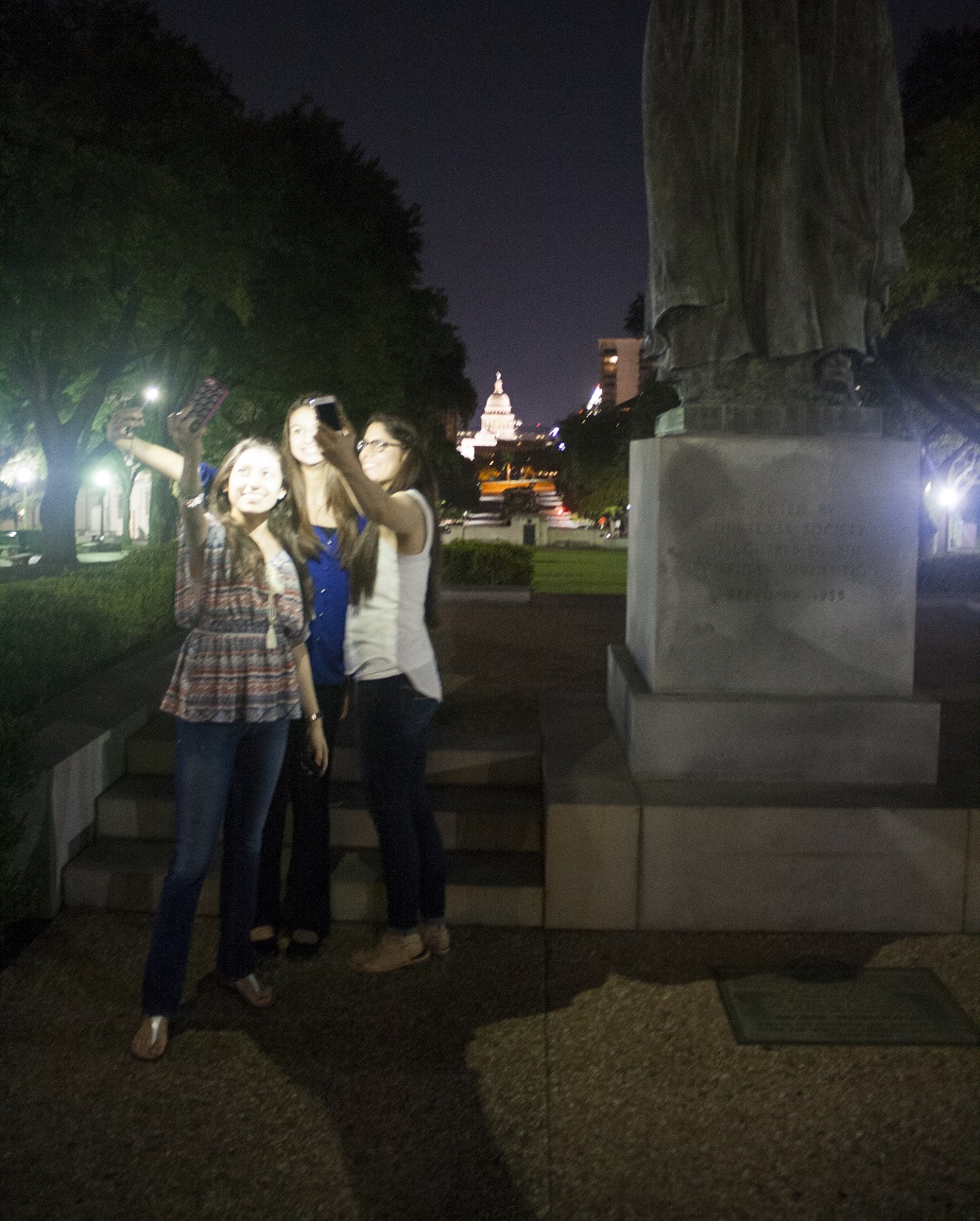
To finish the day, we ate dinner at The Clay Pit, a wonderful Indian restaurant in the heart of Austin’s downtown. Most of us not ever having tried Indian, it was such a blessing to have a waitress that clearly walked us through the menu and gave suggestions that turned out to be delicious. We tried many different kinds of dishes including Naan, a pita bread type of dish, a seafood grill, Tikki Masala, a red sauce, Khuroos-E-Tursh, a chicken dish stuffed with cheese and spinach in a sweet, almond sauce, and Lamb Roganjosh, a lamb dish in an onion sauce that might have been the table favorite. We finished with a dessert of Chai Spice Crème Bru Lee, rice pudding, and vanilla pudding with a side of grated carrot pudding. Stuffed, we left the restaurant to take a late night stroll through some of the older parts of UT’s campus.
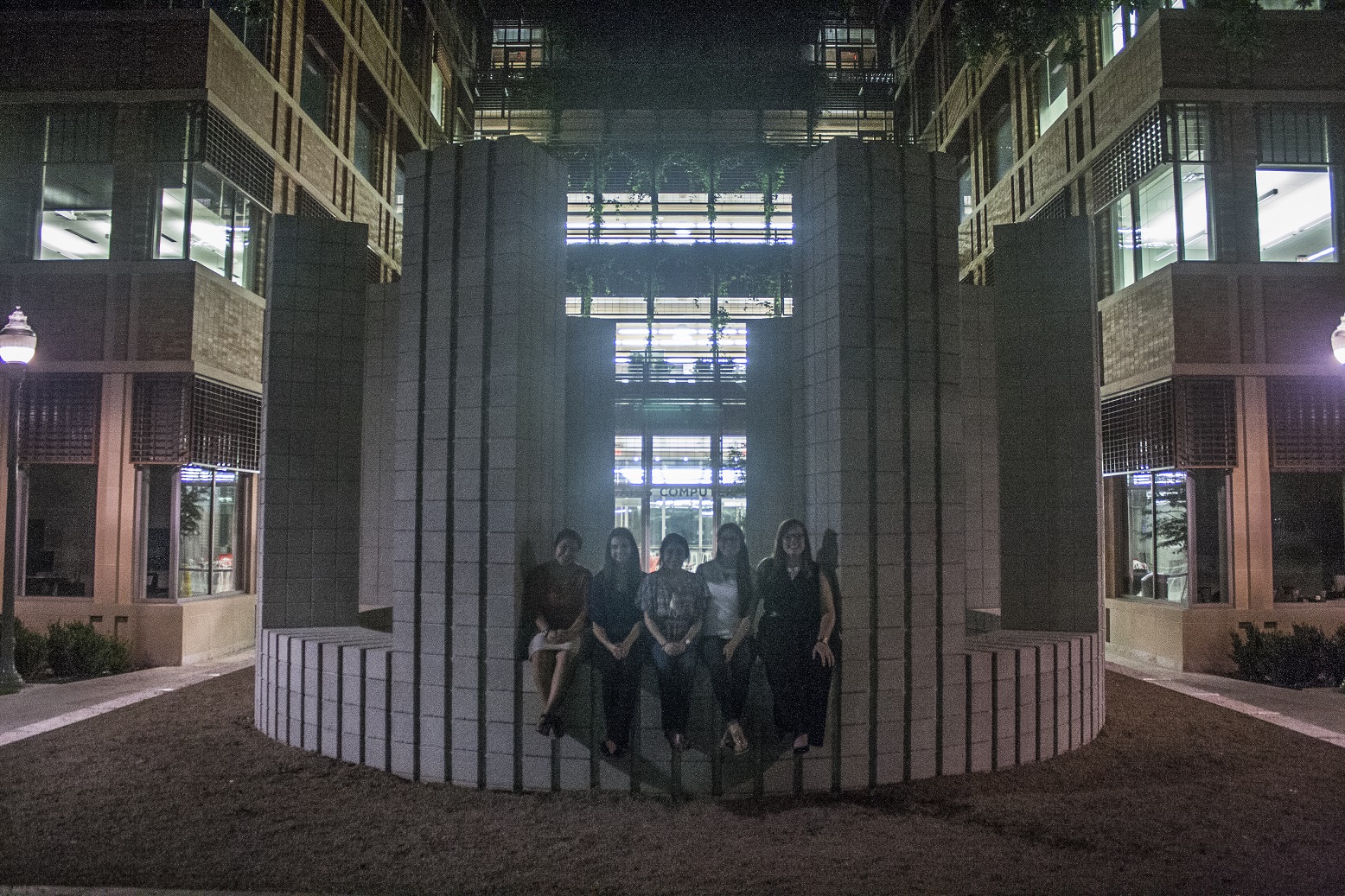
Selfies at Night
We spotted some art and some strategically placed greenery, but the evening and the whole weekend culminated standing between the UT Tower and the Capitol, feeling the immensity of the city and our civic purpose as college students in a time full of political apathy. We also ended the weekend a much closer group, better prepared to tackle future challenges and opportunities.
We ended the evening exhausted and drove back to the hotel ready to tackle the last day of our weekend trip.
Glazer, Marchant, and LEAP Students
LEAP Center Students would like to thank Emily Einsohn, Drew Galloway, Luke Marchant, and Matt Glazer for leading such a great program!







 Center for Law, Engagement, and Politics