LBJ Presidential Library

Ashlyn Parker

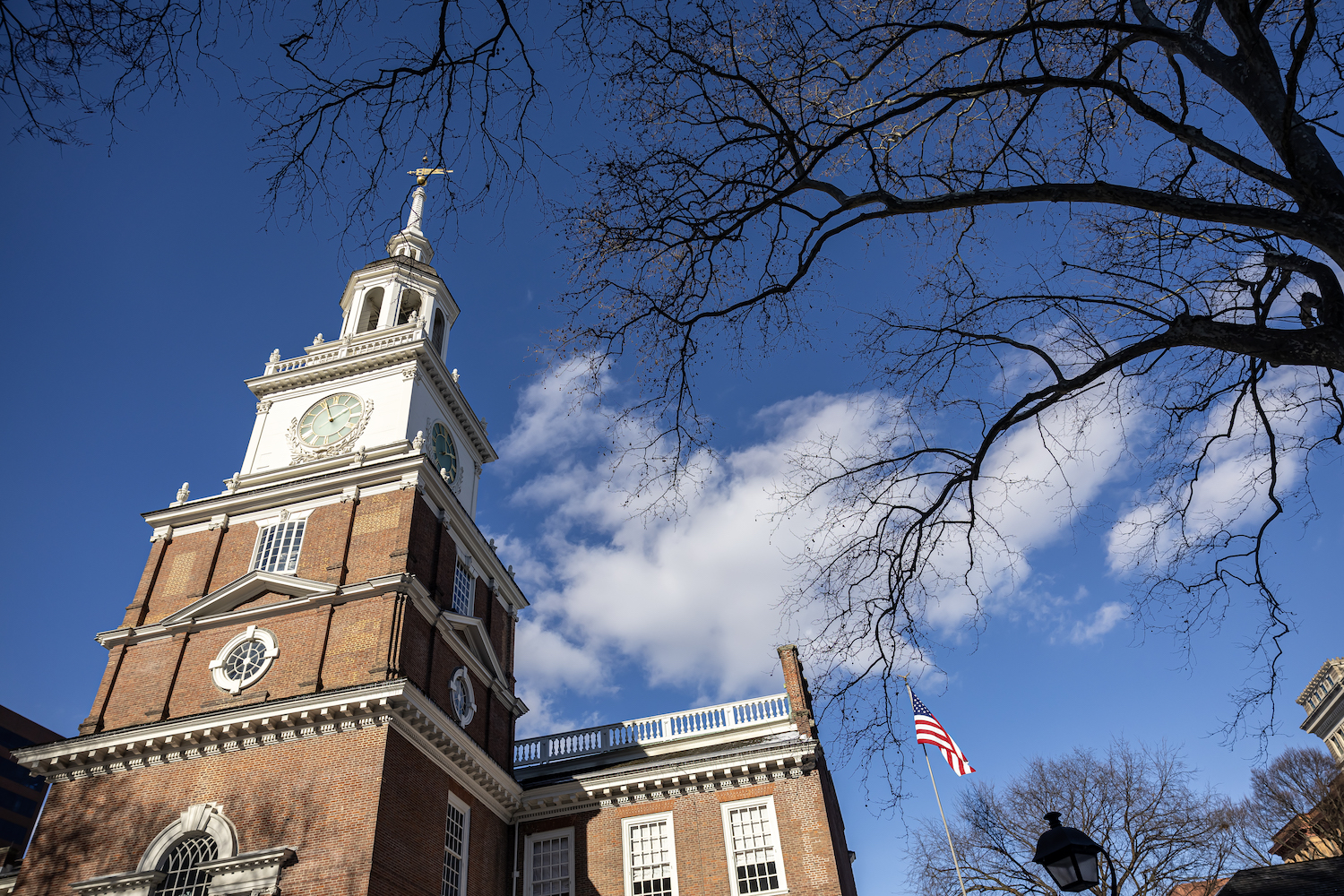
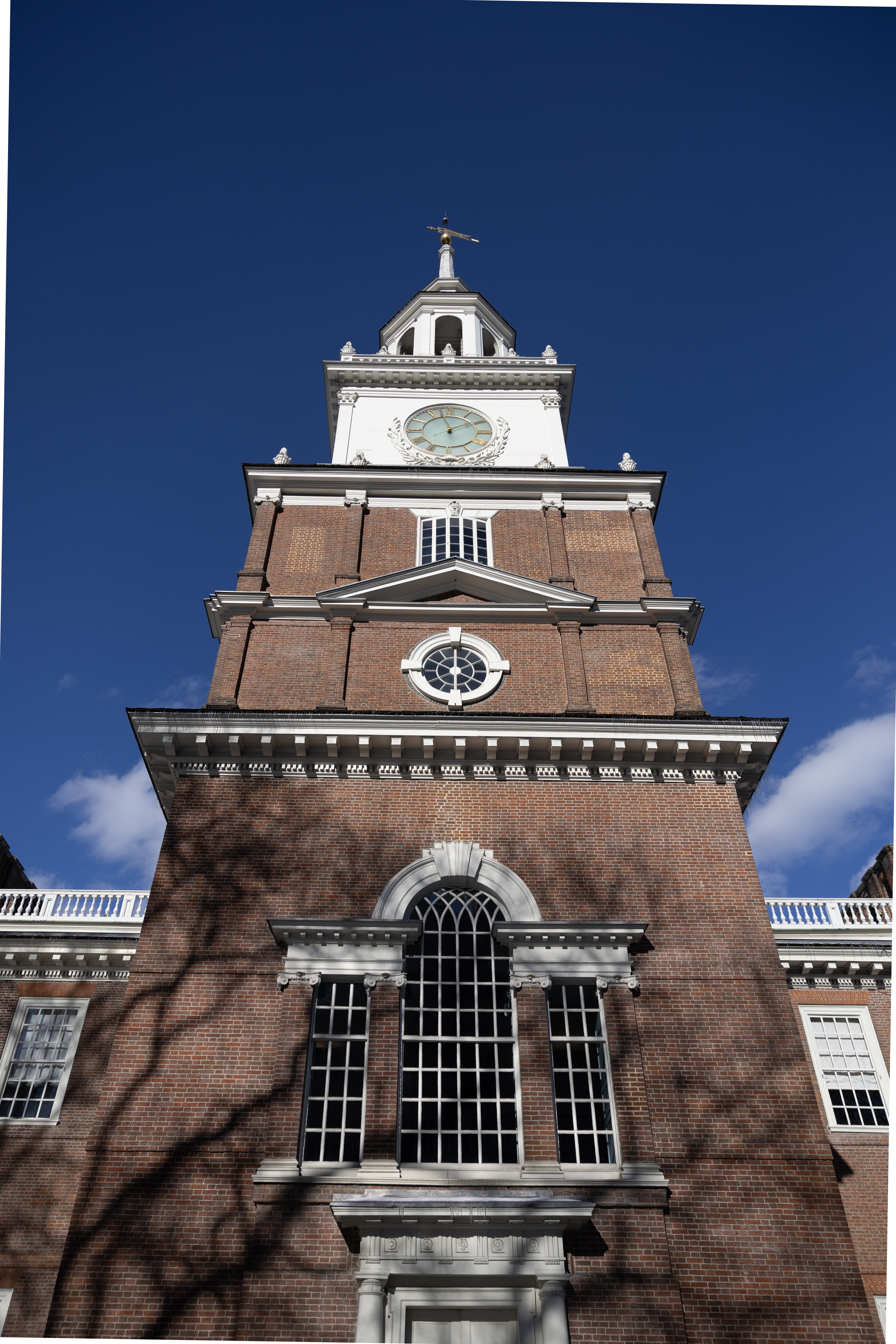
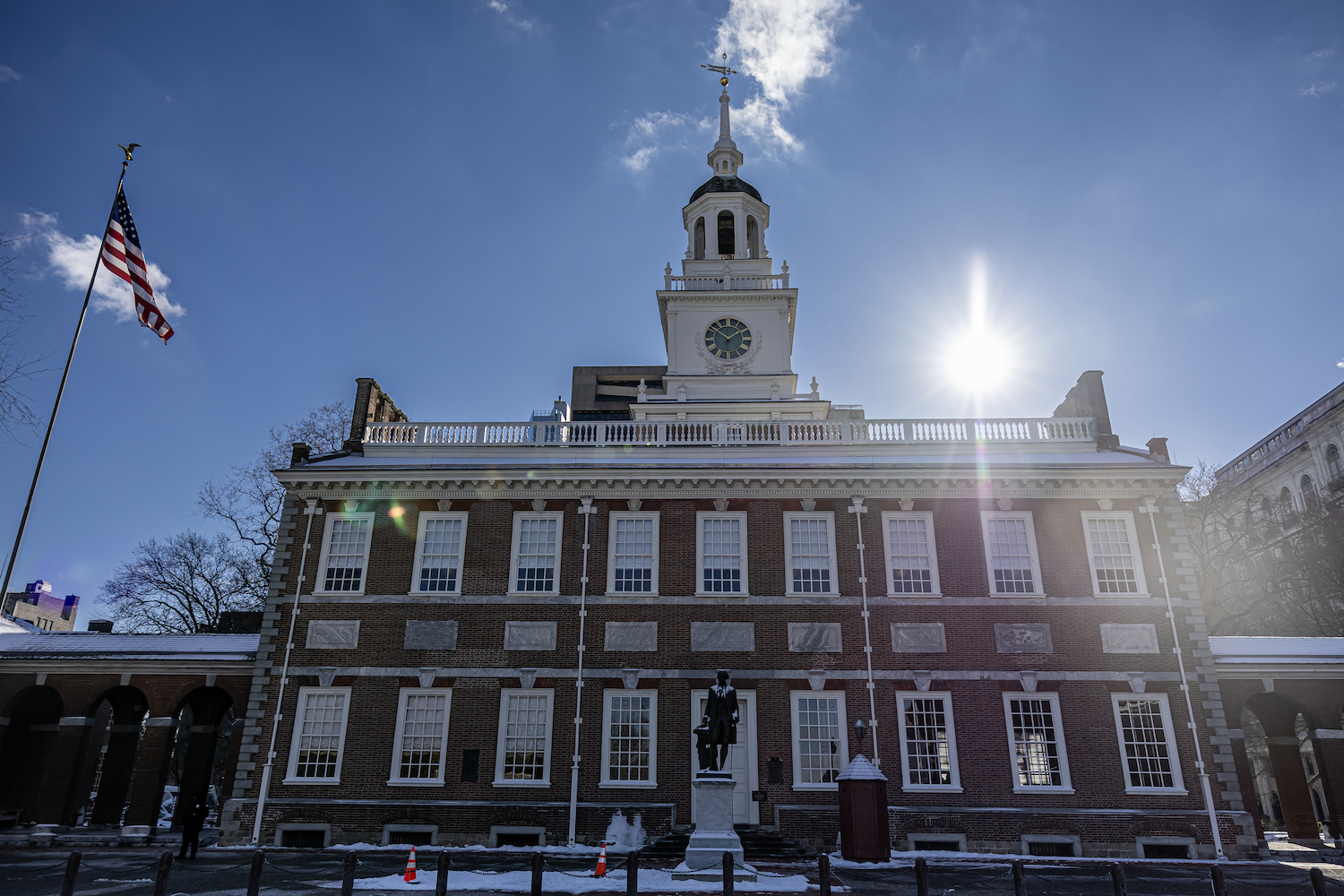
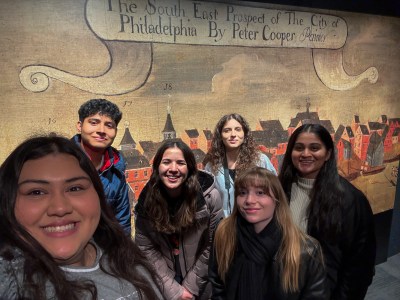
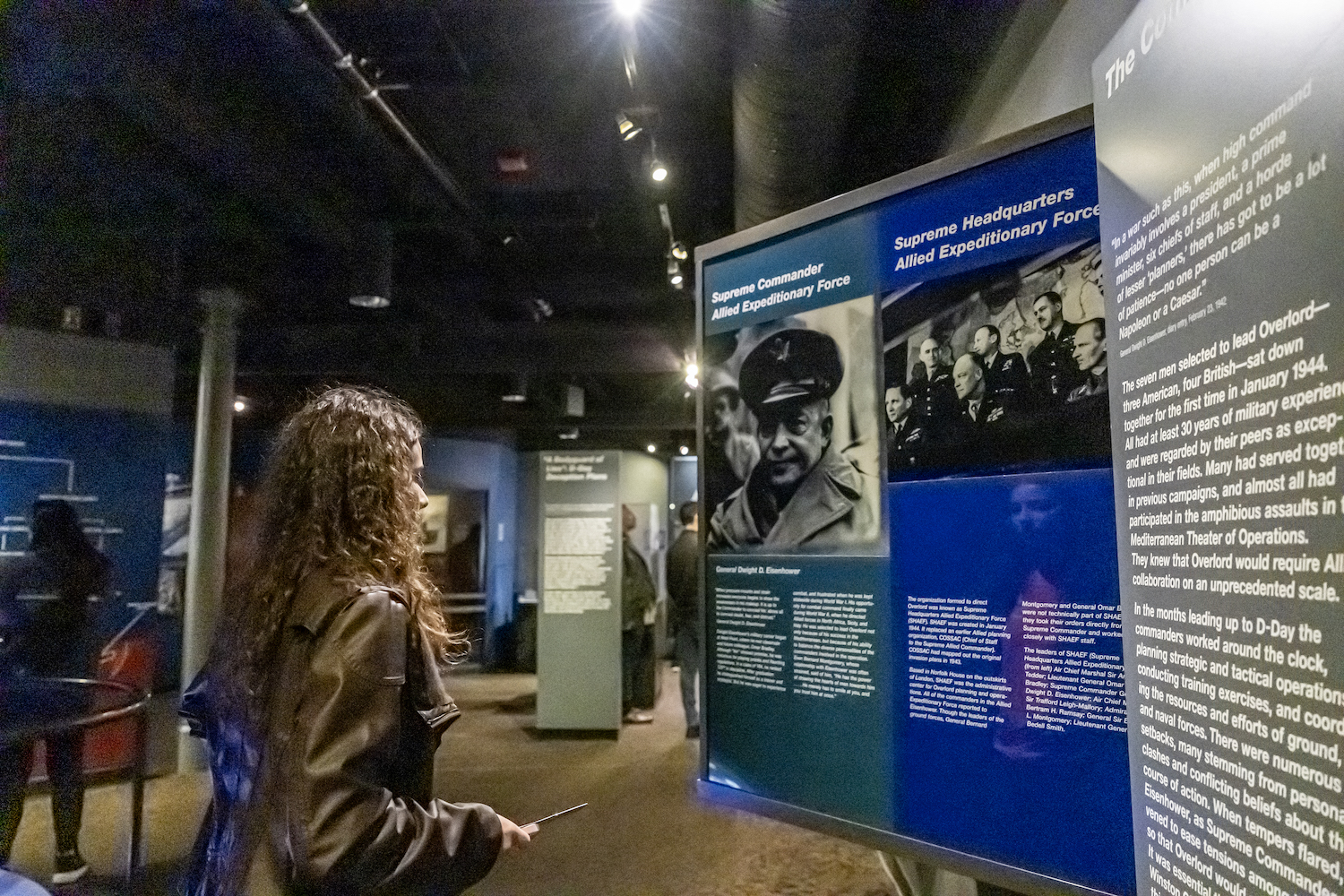
On the final day of the trip, we made sure to stop by the Lyndon B. Johnson (LBJ) Presidential Library. This will be the third presidential library we have been to since we have also seen Harry S. Truman’s and George H. W. Bush’s Presidential Libraries.

Lyndon B. Johnson was a small-town Texas boy born in 1908. His dad worked in the Texas legislature and his mom was a college-educated woman who was ahead of her time. He was very involved throughout his time in public school including being class president of his 6-student class. He ended up graduating from Southwest Texas State Teachers College with a bachelor’s in education. During his teaching years near the border, the job was able to open his eyes to true poverty and discrimination even among young kids.

Because of the struggle he observed in his students, they inspired him to get into politics to be able to make changes for the underserved communities. He soon started working for a US Congressman in Washington, D.C. while attending law school. He shortly became a senator himself preparing him for his goal to become president. When he lost the Democratic nominee in 1963, John F. Kennedy took him in as a vice president.

Due to the unfortunate assassination of John F. Kennedy, LBJ became a United States president from 1963-1969. Through his library, we learned about this extraordinary man who accomplished so much in 6 years that inspired so much change for the better in America.

The memories of his students boosted his motivation to deal with these issues he saw back home to get them handled now. He extended the new deal made by Franklin Roosevelt which would help provide better access to healthcare and education for low-income families. For example, the Headstart program promotes education to young children in low-income families.

One cause LBJ is notable for is helping certain populations who did not have a voice, such as minority or poverty-ridden groups. During his presidency, he was able to pass acts that enacted a lot of social change, like the Civil Rights Act of 1964. This act prohibited discrimination on race, color, religion, sex, or national origin in any instance. Thus, ending segregation which became a huge victory for the Civil Rights movement.

Even though the U.S. did not land on the moon during LBJ’s Presidency he contributed many efforts to make it happen. Therefore, in the museum, they have a section dedicated to America winning the space race and putting a man on the moon. They even have a real moon rock!

LBJ’s most infamous move in the presidency was getting America more involved in the Vietnam war. He was increasing the military presence in Vietnam, which resulted in many young lives being lost in the battle against communism. Many people protested our involvement ultimately taking a big toll on the president.

All of his conversations were recorded in the White House office telephone, so in the Presidential library, you can listen to over 100 phone calls via a wall-mounted phone throughout the library. We each got to experience different phone calls with him some being from other people in government and his mistress.

He was good with people but did not know the definition of personal space. He can be seen in many photos leaning over people with his 6’4’’ frame laughing or yelling, otherwise known as “the Johnson Treatment”. We were actually able to get a feel for the experience ourselves with a picture of LBJ leaning over us.

Lucky for us, we were also able to see the special exhibit of Lady Bird: Beyond the Wildflowers. It featured all kinds of memorabilia from her life including books, diplomas, letters, outfits, and more. This exhibit was made to hone in on who Mrs. Johnson really was and give a broader focus on her life outside of LBJ. My favorite part of this exhibit was getting to see all the elegant dresses she would wear to all sorts of different social events.

Not many other college students can say they have gone to three presidential libraries, so we are always thankful for these opportunities to learn more about our nation’s history. We are always impressed by the artifacts and stories told in the libraries that really in-body the person they are representing.

Distinguished Alumni Gala: 2022

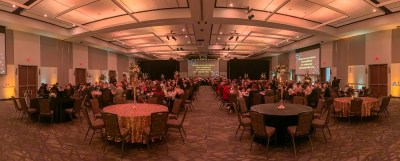
If it’s October at SHSU, there is probably a Distinguished Alumni Gala occurring at SHSU. Charlie Vienne, Associate Vice President of Alumni Relations, and his staff do a great job of recognizing many of SHSU’s distinguished graduates and also putting on a wonderful event. This year, with MC duties once again taken by Chris Tritico…

…Alumni Relations recognized Kelly Dehay and Mary Ellen Thornton for their service; named Constance Jones Simmons the “2022 Outstanding Young Alumni;” and designated Houston Police Chief Troy Finner, Kyle Lehne, and Jill Sharp Vaughn as the 2022 “Distinguished Alumni.”

Following the Color Guard and an outstanding musical performance of the National Anthem by Lucianna Astorga…

…Tritico led off with some jokes, including one directed at our advisor, Professor Mike Yawn.

Apparently, the two had spoke on the phone once while Yawn and his “long-suffering girlfriend,” Ms. Stephanie, were on vacation in Oklahoma, and Tritico thought this was hilarious. He introduced Yawn to the crowd, mentioned his favored “vacation spots, and then asked, rhetorically, “Who vacations in Oklahoma?”

When he got done with his funny business, we were free to eat and enjoy each other’s company. Two of us, Ingrid Cuero and Jessica Cuevas, sat at the LEAP Table, with Yawn, Stephanie, Mr. and Mrs. Roberts, Mr. and Mrs. Holland, and Blake Roach. Two of us, Morgan Robertson and Ashlyn Parker, sat at a table with Mr. and Mrs. Frosch, Mac and Leanne Woodward, and Judge Danny Pierce and his wife, Cindy. And three of us sat at a table sponsored by Rick Hanna and Larry and Marsha Corley. We were fortunate to have people sponsor us, and we were fortunate to be at tables with great conversations and great conversationalists!

Of course, the real purpose of the evening was to showcase the alumni, and Tritico, President White…

…and Larry Larrison (President of the Alumni Association) did that very well.

They introduced each of the speakers, showed a brief bio of each, and then the honored guests spoke briefly. For us, as students, it was a great opportunity to see role models who had also spent time learning at SHSU. Whether it was the philanthropy of Kelly Dehay…

…or the innovative teaching of Mary Ellen Thornton…

…or amazing screen presence of Constance Jones Simmons…

…the public leadership of Troy Finner…

…the business acumen of Kyle Lehne…

…or the multi-faceted leadership of Jill Sharp Vaughn…

…there was a model (or several) for us.

Indeed, we had a diverse crew of students, with a POLS major, two HIST majors, three CRIJ majors, and a Public Health Major. We all had a chance to spend time with Mr. Tritico;

…we met and took photos with Chief Finner;

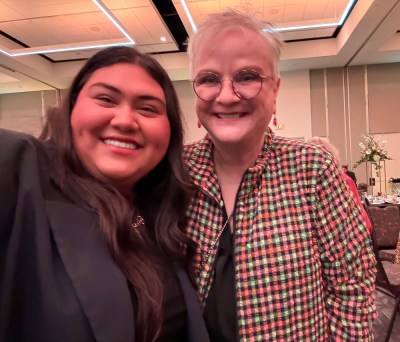
…Ashlyn Parker had a chance to meet her Dean, Dean Emily Roper; and we all had a chance to meet President White again.

And we all had an excellent time, learning from those who have been here before us…

…and in whose paths we hope to follow (and chart a few of our own)!

Serving in the Community: One Grave at a Time

The LEAP Ambassadors spent their Saturday morning in an unusual manner: photographing graves in Oakwood Cemetery.

We were moved to participate in this activity through Just Serve, a program that seeks to match volunteers with projects. So we met our main contact, Judy Webb (a former SHSU employee), and got down to work.

The concept was to help researchers, particularly those involved with genealogy. We downloaded the “Billion Graves” app, and Judy showed us–and about 20 more volunteers, including Jeff Gardner from SHSU–how things worked. Our job is to take photos of graves, and the app then marks the location of that grave. Later, we uploaded the photos, and we transcribed the grave information for 281 graves: name, date of birth, date of death, and the epitaph. This information then becomes available for researchers online.

Grave site of William Franklin Baldwin (1847 – 1911), Elizabeth Jane Baldwin (1854 – 1944)

After a bit of wandering as we tried to figure things out, we settled into teams, with one team taking the north side and one team taking the south side. In addition to the photography, there was some light cleaning, such as picking up trash or cleaning off the tombstone so that it was legible.

Aside from our operational duties, we also tried to learn about Huntsville and its history. So, we learned about the Thomason family…

Grave site of Dr. John W. Thomas0n (1864 – 1942)

…the Adickes family…

…we found the graves of Joshua and Samuel Walker Houston, and, of course, visited Sam Houston’s grave.


Some of our discoveries were somber. We saw the graves of a family who lost four children: one died at 25, one died at 3, one died at 2, and one died the day of birth. We saw the grave of Mary Bobbitt; she was an English Professor at SHSU who went in for surgery over Spring Break, and she didn’t survive. The students found out in class the week after Spring Break.

Grave site of Mary E. Bobbitt (12 Oct 1916 – 17 Mar 1988)

We saw the recent grave of Judge Bill McAdams, and we saw the grave of James Patton, also fresh. It is, of course, appropriate that he is resting in the cemetery he did so much to research and preserve.

Grave site of James D. Patton (2 Sep 1947 – 5 Aug 2022)

We finished with a selfie with Judy Webb (from Just Serve) in front of Sam Houston’s grave. The epitaph, from Andrew Jackson, reads “The World Will Take Care of Sam Houston’s Fame.” And that is true, but sometimes his grave, and the entire cemetery, needs some tending to.

A Gala Night: The Smith-Hutson Banquet, 2022

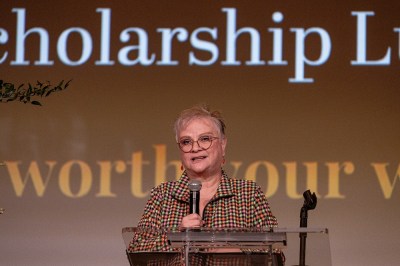
The Smith-Hutson is a wonderful program, one made possible by the generosity of the “Smith-Hutson” partnership. This generous donation is funding 162 SHSU students–as well as students from other Universities–a full ride. The students receive these scholarships if they meet certain qualifications–it is a need-based scholarship with a thorough application–and are selected following an extensive interview process. The result is impressive in terms of both the students and what they accomplish.

The LEAP Ambassador President, Jessica Cuevas, is also Secretary for the Smith-Hutson Scholars Council.

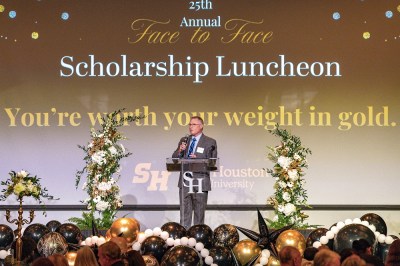
The Smith-Hutson program is administered by Chris Garcia, who served as MC for the evening.


With 310 people on hand, numerous speakers, food to be served, a PowerPoint with photos of Smith-Hutson activities rolling, and a two-hour time limit, Chris had his hands full. He introduced three Smith-Hutson alumni…

…who spoke movingly about the way that the scholarship program affected their lives.

President White also spoke, communicating words of encouragement to the students and many, many thanks to the donor.

Jerry Hutson also spoke, providing much detail about the program, its broad purposes, and the impressive number of Smith-Hutson scholars who had graduated, who made the Dean’s List, and whose lives were changed by the program.

And the students themselves spoke briefly. The President of the SHS Council (Sandy Schoeneberg), for example, read out the name of (1) every officer, (2) every team, group, and subgroup leader, and (3) the different “houses” of the Smith-Hutson group.

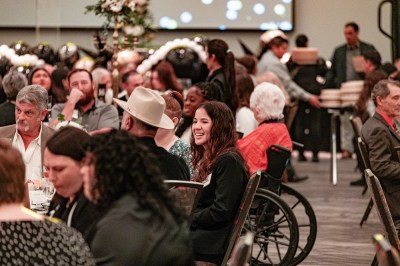
This is a large group, perhaps as many as 40 students, some of whom are shown below.

The final speaker of the night was Provost Stephenson, who promised to make his comments “short and sweet, like Chris…”–to much laughter. The Provost emphasized the role that supporting one another can play in all of their success, while also drawing on the University culture of providing just that type of care.

On those words of encouragement, the night ended for the guests, while Smith-Hutson scholars took cohort photos, took photos with some stragglers…

…and helped tidy up after the event–armed anew with models of generosity and with the spirit of gratitude.

A Four-City Trip through the Midwest–in a day

Day Two-Saturday, July 9, 2022

We started the day with a bit of a split, to maximize our short time this morning in OKC. That split involved Ashlyn and me visiting the Oklahoma City National Memorial & Museum and Yvette and Morgan visiting the National Cowboy & Western Heritage Museum.

National Cowboy & Western Heritage Museum

By Yvette Mendoza

Morgan and I stopped by the best place to learn about Midwest culture and tradition: the National Cowboy & Western Heritage Museum in OKC! Its variety of artists and different styles of artwork perfectly immortalizes the West from the 1800s-present. With a museum as unique as this one, we had the perfect opportunity to expand our learning on renowned, international, and local artists, while also being exposed to famous cowboys (and cowgirls) throughout history.

Throughout the space we found some magnificent sculptures by James Earl Fraser. At the heart and grand atrium of the museum, The End of The Trail displays a defeated Native American hanging his head while riding his horse.

We walked through the museum’s 50th annual “Prix de West” invitational art exhibition and sale. We saw not only the various aspects of life in the West, but also where the artists hail from and if they were cowboys or cowgirls themselves. “Hometowns” ranged from Iowa to New York, but they all showed their love for Western art and culture in their various media.

While most followed similar Western themes, some were vastly different in terms of color or composition. I loved a vibrant water-colored painting of a Native American mother and child painted by Sonya Terpening, titled Securely Bound. 

On the other hand, Professor Yawn found the cool colors of an impressionist painting (Grace by Daniel W. Pinkham) one of his favorites.

And Morgan was mysteriously intrigued by one of the sculptures, a roadrunner by Kent Ullberg titled BEEP-BEEP!

 The further we moved through the museum, the more artists we discovered or rediscovered: Frederic Remington, Albert Bierstadt, Charles Russell, Allan Houser, and Thomas Moran.

Collections of Frederic Remington and Charles Russell are truly the embodiment of Western heritage pride, and this museum has a lot of pride, with rooms dedicated to the works of these artists. We saw sculptures and paintings showing the thrill and action of a stampede and of working cowboys raising cattle to put food on the table. (Quite literally—one of Charles Russell’s paintings is called Meat’s Not Meat ‘Till It’s in the Pan (Hunters Luck).)

The painting of canyons and national parks especially reeled us in. Specifically, Ed Mell and his Canyon Flow collection were some of Stephanie’s favorites. Mell’s art-deco-ish treatment of canyons, big skies, and sunsets in his unique style made them truly stand out. 

Not only did we experience Western art come to life, but we also walked through an old western town with everything an old western town could—or should—have: saloon, chapel, law office…and, its very own jail that Morgan just might have been trapped in… 

The National Cowboy & Western Heritage Museum was not what we were expecting.

It is a beautiful place to saddle up and take a trip to the Old West while getting to experience artwork that has a different take on the meaning of the wild, wild West.


Oklahoma City National Memorial & Museum (Ashlyn Parker)

Meanwhile, Jessica and I started our day off at the Oklahoma City National Memorial & Museum, which captures the deadliest act of domestic terrorism in U.S. history. The museum is set up in chronological order from the beginning of that fateful day, April 19, 1995, through the conviction of Timothy McVeigh. 

“Just like communities everywhere, it is the start of a day like any other day.” The museum exhibits start off with an innocuous, yet ominous, greeting. We saw images of all the different “everyday” events going on throughout the city, with everyone walking through their normal, mundane lives, the usual hustle and bustle of a city’s downtown. 

We were led into an enclosed room that was dimly lit. We were unsure what to think until the recording began. We heard voices over the speakers, the starting of a meeting of the Oklahoma Water Resources Board. Everything sounds completely normal, then… BOOM. Listeners hear the bomb exploding at the Alfred P. Murrah Federal Building. We heard the building shake and people panicking. The lights in the room flickered, then the doors opened to the rest of the museum. That room, the recording, the lighting—it immortalizes 9:02 a.m. on that fateful day.

Next came artifacts from the destruction of the building—and so many lives and families. It’s overwhelming.

There are many visual and audio effects– and for some, many tears. The bombing killed (what is believed to be) 168 people, including 19 children. On display are keys, shoes, watches, and parts of the building recovered from the site, but what really hit home for me was a planner. The planner belonged to Terry Smith Rees, a HUD supervisor on the 7th floor. To me, it symbolized the horrific crime that took place, that took the future away from 168 people and their families. 

Several rooms are dedicated to the direct aftermath of the horrific scene: first responders from all over rushed to help; the many, dead and alive, who were stuck in the rubble of the building or parts that did not initially collapse;

…support letters written by children to survivors and families. Much space is dedicated to images of what you would have seen at the location, or on the news from around the world. One display includes all the different news stations playing at once, creating a movie-like moment where you can feel the impact of the event just by listening.

Along with the chaos and confusion of rescue efforts, police and other law enforcement had to shift focus to finding the cause of the bombing. The museum exhibits display this well, too, with many evidence artifacts: original police sketches of Timothy McVeigh and Terry Nichols;

…various other relics from the case; and, even the yellow Mercury Marquis Timothy McVeigh was driving when he was pulled over and arrested just 90 minutes after the bombing (for not having a license plate and having a concealed gun). And we saw a more “local” connection: one of Timothy McVeigh’s defense attorneys interviewed was Chris Tritico, a good friend to the LEAP Ambassadors (and also a Sam Houston State University alum!).

The museum is not just an inside space though. It is truly a memorial. We saw some of the original rubble from the site behind a glass wall. There is a “chair” memorial to those who lost their lives, with one chair per person designating which floor they were on when the bomb went off. We walked along the shallow reflecting pool that glistens between the 9:01 and 9:03 walls, symbolizing two extremely different moments in time, just a moment apart, on either side of that fateful detonation.

And the memorial continues. Outside the memorial proper is a fence with some items from the families of the victims (flags, wreaths, pictures, and stuffed animals) in memoriam to their lost loved ones.

And across the street, a statue placed by the nearby Catholic church, Weeping Jesus, further memorializes the tragedy.

Overall, it was one of the best museums I have been to…

…with displays and a chronological order that allows visitors to understand what happened that day, creating in some spaces what it must have felt like had you been there.

And with those sobering thoughts, we resumed our trip of the Midwest, aware that tragedies occur all over, even in the country’s heartland.

Law & Order in Madison County

By Jessica Cuevas

Although it is summer, and we are all working in various jobs, LEAP Ambassadors current and former carpooled to Madison County to witness, first-hand, an attempted murder trial in Madison County. This opportunity came at the invitation of Judge David Moorman, the presiding judge in the case.

As in almost all trials, the defendant was present in the court, along with the victim and her family. Our experience with the Courts has been restricted mostly to witnessing the 10th Court of Appeals, where attendance by defendants or victims is rare, so this was a new experience for us.

Judge Moorman began by reading all the charges–all ten counts–that the jury would have to determine whether the defendant (Alex Carter) was (1) not guilty, (2) guilty of a lesser charge, or (3) not guilty for each count. The key charge was aggravated assault with a deadly weapon, stemming from incidents allegedly occurring in early May 2021. In sum, the charges could result in imprisonment for more than 20 years.

Following the opening argument from the state, Frank Blazek, a well-known criminal defense lawyer (and former Walker County DA), opened the final arguments for the defense side by disputing the prosecution’s argument and presenting photo evidence to the jury, focusing on the technicalities of the events.

Robin Whitney, an ADA for Madison County, ended the final arguments for the trial. Her deliberation was very different from the rest, probably one of the best, with a compelling rebuttal speech and heartfelt performance. Robin’s main focus was to “redirect” the jury, encouraging them to focus on the most compelling evidence for the prosecution side. These tactics, of course, are staples of our adversarial court system.

After the jury broke for deliberation, we had the ability to speak to Judge Moorman and lawyers Whitney and Blazek. We even had the opportunity to see the photo exhibits as we waited for the jury to decide! All of these experiences help guide us in our path through pre-law, and we are immensely grateful for the attorneys’ willingness to spend time helping undergraduates.

Not knowing how much longer it would take after already being there for six hours, unfortunately, we said our goodbyes and began our trip back to Huntsville, pondering on what we thought the verdict would be–which, as of this writing, is still not decided!

Wrapping Up in OKC

Segway Tour 

Saara Maknojia 

To conclude our trip for Oklahoma, the LEAP members attended a Segway tour! Our instructor Mr. Skip, began with refreshment courses for Yvette since she had already ridden a Segway. For Morgan, Erin and me Mr. Skip taught us how to move the Segway using our bodies by leaning forward and stopping by leaning back and keeping the Segway upright. 

The beginning of the tour consisted of a visit around Bricktown. Mr. Skip informed us about the Sonic Headquarters, Cincinnati Park and Dodger stadium where we saw sculptures of many famous baseball players, such as Mickey Mantle! 

Other parts of Bricktown included the first restaurants to ever be opened in the area, such as Chenlinos and Abuelos. Mr. Skip gave us a brief history about how businesses were incentivized to open in the area to encourage foot traffic and tourism. We were also fortunate enough to see one of the murals painted to resemble a timeline of the history of Oklahoma.

Leaving Bricktown, we rode our Segway’s fast and fluently towards downtown Oklahoma City. We were welcomed by the view of tall glass skyscrapers and modern architecture. 

The LEAP Members followed Mr. Skip to a bridge crossing the main road. As we looked up, we were able to see a very large sculpture of a scissor-tailed bird. Other views of downtown consisted of the Marriot Garden, a skating ring, a large koi fishpond and a river walk! 

Mr. Skip took us to the large bronze “Sooners” sculptures to end off our amazing tour. We were very thankful to have such an intimate and adventurous tour of Oklahoma City. The breath-taking views of downtown Oklahoma allowed us to witness the modern and contemporized infrastructure of the city, whereas historic Bricktown allowed us to travel back into the beginning years of Oklahoma.

Cattlemen’s Steak House  

Erin Juarez 

After touring Oklahoma City while riding on Segways, we found that we had built up quite the appetite. So, we decided to stop at Cattlemen’s Steak House.  

We walked into the restaurant, and were greeted with an old-timey Western feel. To our surprise, the restaurant has been serving steak for one hundred years and continues to promote Western Folklore.  

We looked at the menu to see what sounded appealing to each one of us. The restaurant had many options: burgers, steak, lamb, and more. For starters we chose lamb fries and onion rings. Yvette got a steak, and the rest of us elected to eat steak burgers.  

After we tried the appetizers, Professor Yawn mentioned that the lamb fries were in fact lamb testicles. This made me a little uncomfortable knowing what I had consumed, but they were too tasty to not keep eating.  

The appetizers were good to say the least. When we saw our meal making its way to the table, we became very excited. Who would have thought riding a Segway would be a workout? The steak was delicious and so were the burgers. Everything was appealing, and this was as good as a restaurant could be to try lamb testicles.

Overall, the food was amazing, and the service was fast. The restaurant provided a nice meal to end our journey through Oklahoma!
An Ex-Soldier’s View of World Events

By Yvette Mendoza, November 16, 2021

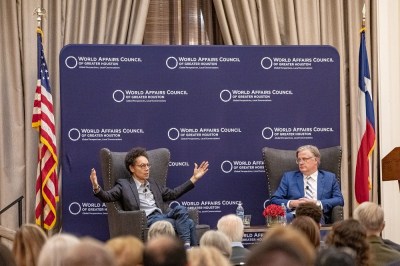
With another semester wrapped up, a few of the LEAP Ambassadors headed to Houston for–of course–another World Affairs Council event. We arrived a bit early, as we try to do, and we enjoyed the Christmas ambience.

As with all WAC events, we were learning about foreign affairs, but this time it was from an ex-soldier’s point of view. And not just any former soldier: Dan Crenshaw.

Representative Crenshaw was introduced by WAC Director, Maryanne Maldonado, who welcomed us all to a wonderful lunch and program.

Congressman Crenshaw was a part of SEAL Team 3 that served in both Iraq and Afghanistan. He was injured while serving, leaving him with only one working eye, an outcome resulting in his ever-present patch–and two Bronze Star Medals, the Purple Heart, and the Navy and Marine Corps Commendation Medal with Valor.

After retiring in 2016 from the military as Lieutenant Commander, Congressman Crenshaw began to consider a political run, and in 2018, he was elected Congressman for Houston’s 2nd Congressional District.

Moderator Ronan O’Malley, the World Affairs Council’s Program Director, asked questions written by the attendees and directed them towards Congressman Crenshaw.

He began by discussing a few issues within our government: specifically, the adverse effects of withdrawing from Afghanistan “too soon.” Another topic discussed was the situation at the border, as the number of undocumented immigrants has increased in recent months.

Congressman Crenshaw spent part of his youth in Ecuador and Columbia, is proficient in Spanish, and he believes the US is currently spending insufficient resources developing relationships with countries in South America. Doing so, he believes, would alleviate some of the current problems, at least in the long term.

On all of the issues discussed, Representative Crenshaw noted that he is grateful for being a veteran, which he believes has given him a different approach when addressing issues.

He also reminded the audience several times about the book that he published, Fortitude: American Resilience in the Era of Outrage, noting, somewhat jokingly, that it would be an excellent gift for a loved one for the holidays.

When asked about his potential future ambitions in the political spectrum, he left the audience with a cliffhanger: “We’ll see what comes.” And, with that, he left for his next event, leaving many in the audience wondering what the future, in fact, holds for Representative Crenshaw.