By Mayra Sofia Soto
Today we joined an exciting virtual session hosted by the Houston Area ACFE Chapter of the Association of Certified Fraud Examiners and the world’s largest anti-fraud organization and premier provider of anti-fraud training and education.
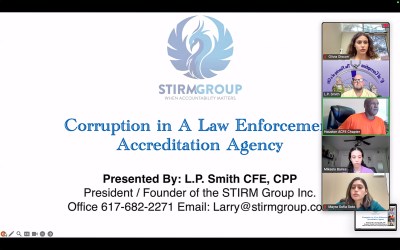
The event was led by Lawrence P. Smith, President and Founder of the STIRM Group Inc, which conducts complex investigations for law enforcement, legal entities, and private clients.
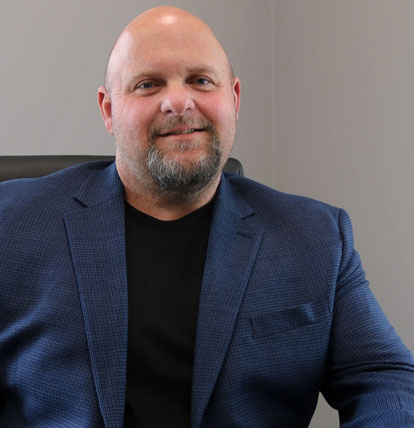

Smith, who also hosts the podcast Bribes, Lies & Alibis, is releasing a new book this fall– Six Degrees of Corruption: The Fleecing of a City– detailing corruption at the heart of institutions designed to protect the public.

The case began when a police chief approached Smith in late 2021 to investigate a forged training record tied to a former Methuen Police Department officer. What seemed at first like a simple case of document fraud unraveled into something much larger: a pattern of systemic corruption involving fraudulent certifications, fake officers, conspiracy, and significant Brady v. Maryland implication. Smith’s background in document fraud, including years with Homeland Security, allowed him to immediately spot the forgery. But the deeper he dug, the more the issue grew– from one fake cop to institutional complicity at the highest levels.

Central to the scandal was the Massachusetts Municipal Police Training Committee (MPTC), the body responsible for overseeing municipal police training statewide. Smith initially gavethem a professional courtesy call, as is customary in law enforcement when an officer is under investigation. Instead of honesty, he encountered what he believed was direct involvement andcriminal negligence by the executive director. Despite presenting overwhelming evidence such as forged academy records, evidence tampering, and false arrests. The case was rejected 11 times by the Attorney General’s Office, the District Attorney, and even the Department of Justice.

The report was not only turned down, it was impounded. Officials cited “not enough evidence” and tried to use prosecutorial discretion to avoid action. Smith detailed how elected officials and politically connected figures shielded the MPTC leadership from accountability. The MPTC agency stripped metadata from requested records, withheld documents from investigators and the media, lied to investigators and tampered with evidence. Those responsible, including Robert Ferullo, the MPTC’s executive director, faced no charges even as evidence of their active involvement increased.
These failures rippled outward. Every officer trained by the MPTC, every conviction they played a role in, now comes under question. The legal, financial, and reputational damage is profound. The scale of corruption and political protection in the state as Smith noted “is mind-numbing.”

When an accreditation body is compromised, the entire justice system is at risk ranging from civil rights violations to erosion of public trust. The fallout includes not just criminal liability, but also obstruction of justice, conspiracy and accreditation loss.
Smith emphasized that this case isn’t about money or value but it’s about protecting human rights. At the end of the day, the greatest badge of honor is honesty.


 Center for Law, Engagement, and Politics