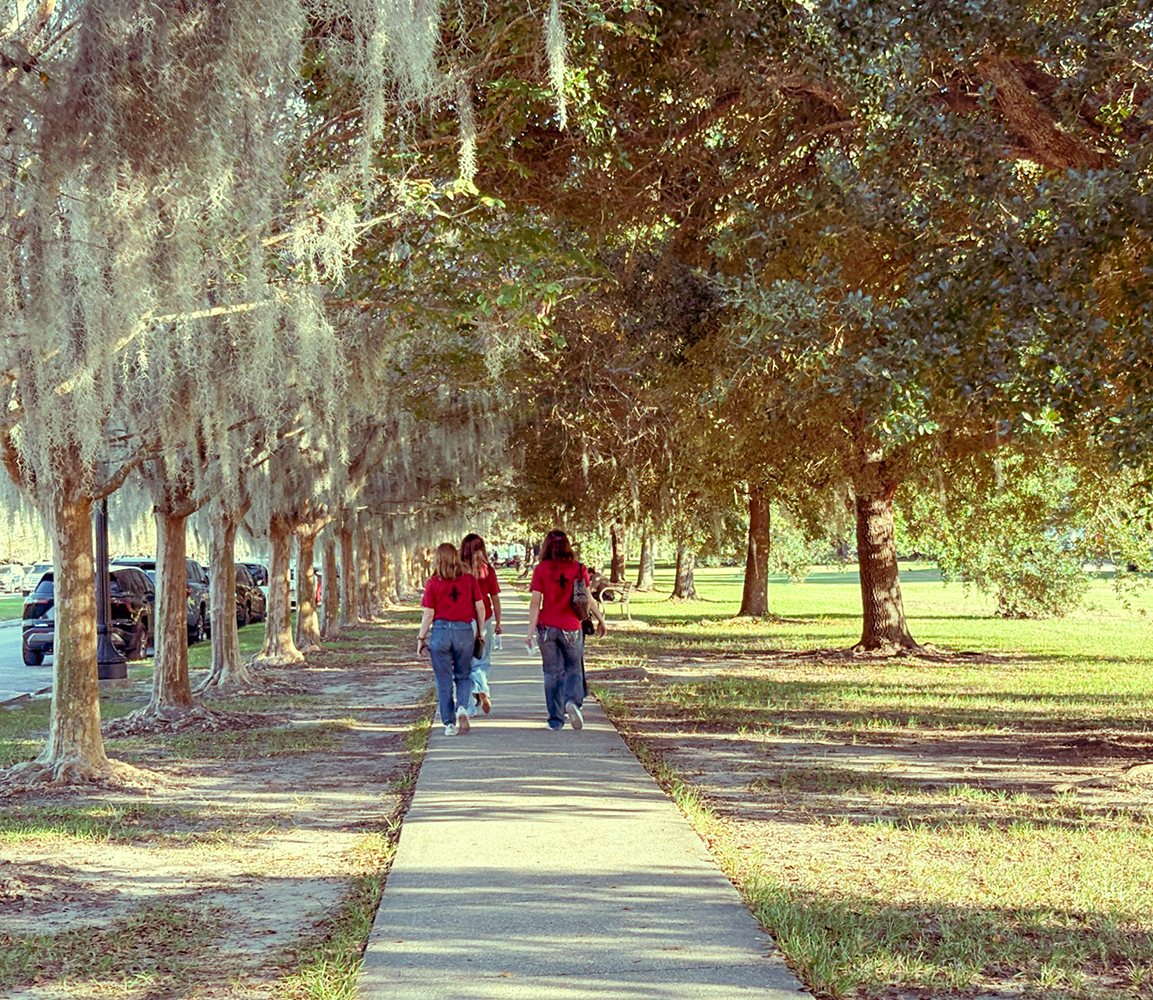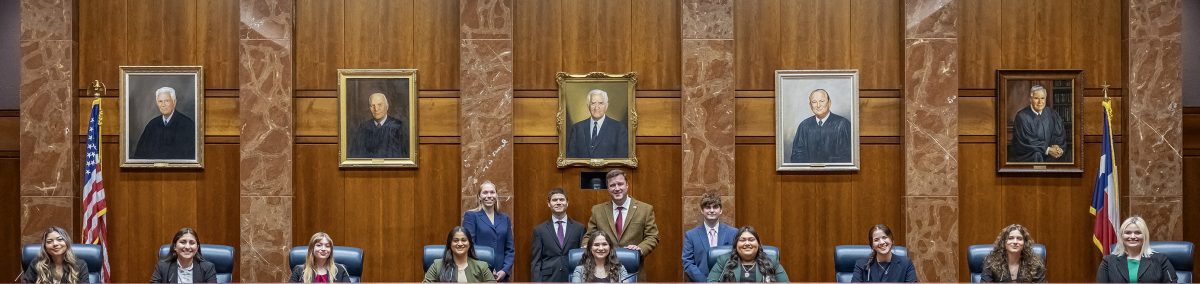
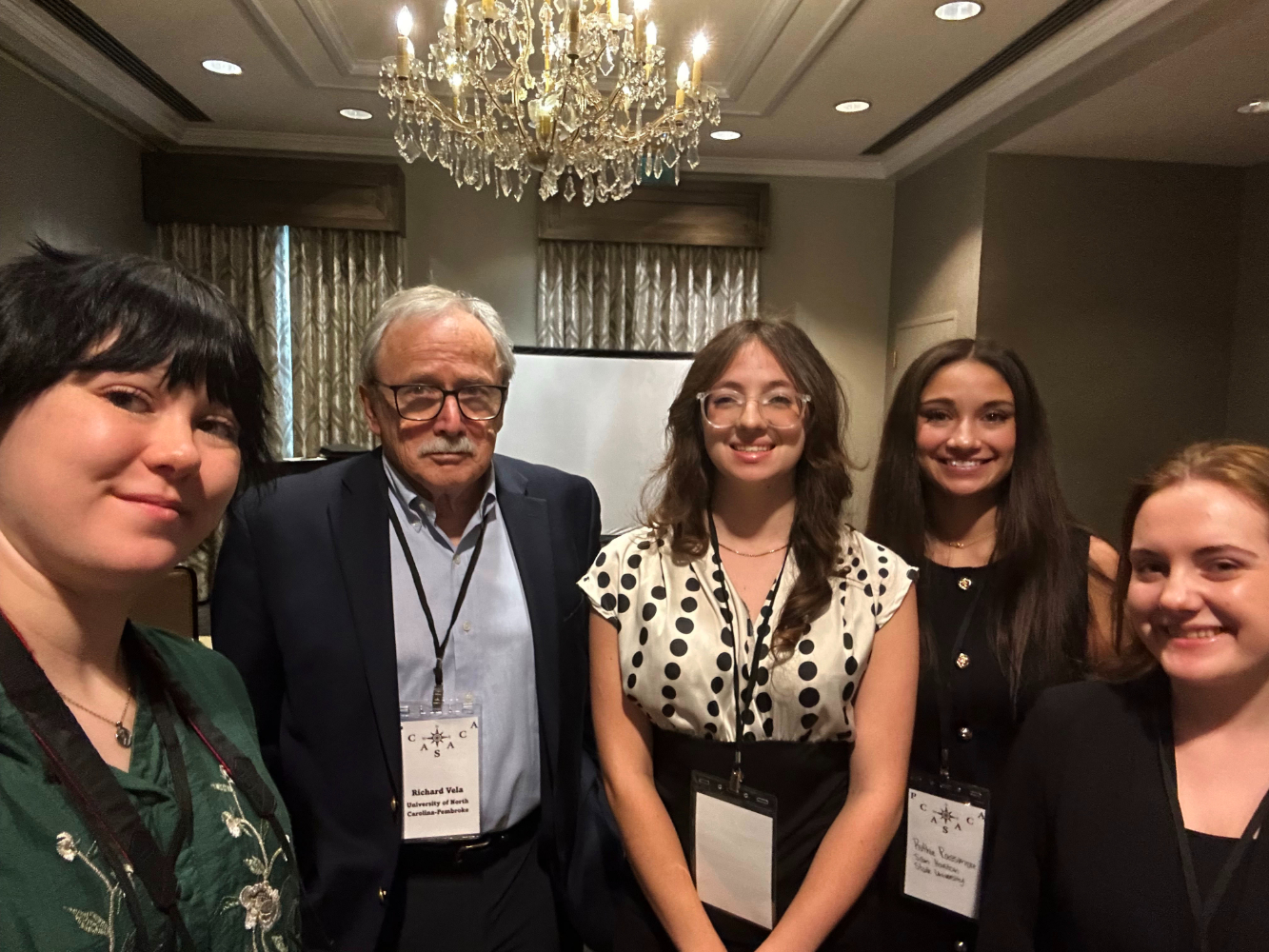
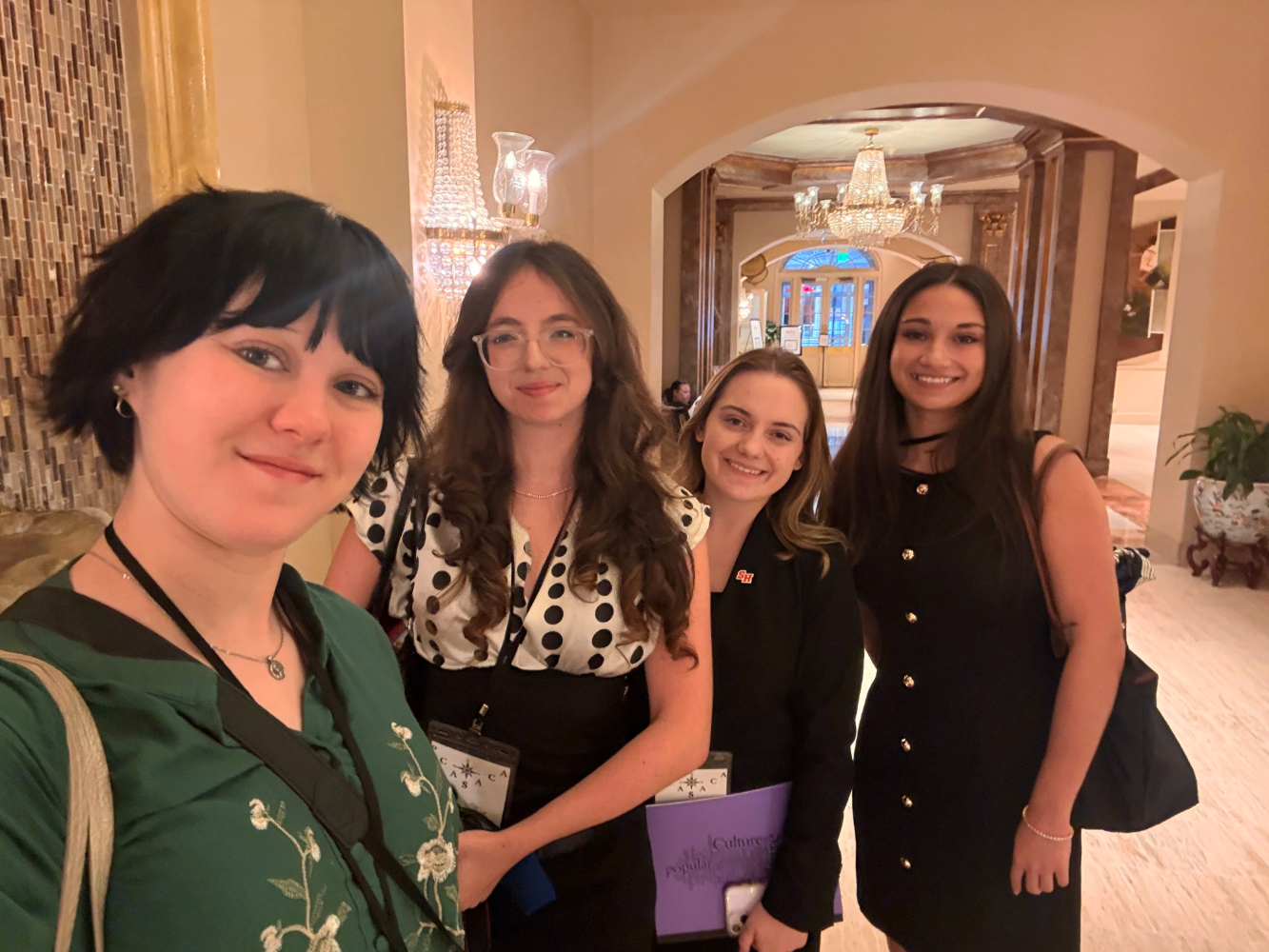
It’s not easy having a part-time job, taking a full-time class schedule, volunteering in the community, and presenting research at a conference, but that’s what some LEAP Ambassadors and LEAP friends this this past weekend. While there, the students made the most of things, exploring NOLA’s culinary arts, cultural offerings, art, and, of course, participating in the Popular Culture Association (South) annual conference. Below, we provide an overview of some of our favorite things about the trip.
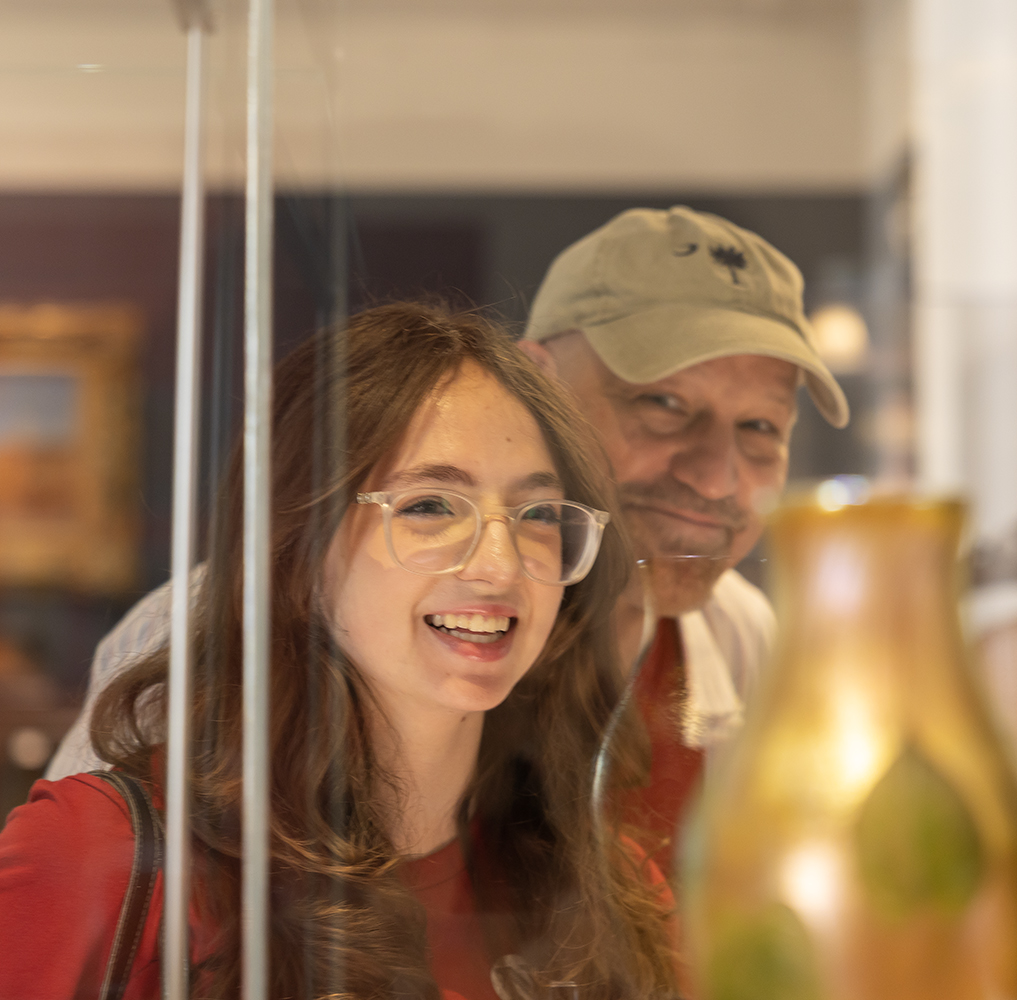
Restaurants and Food
In terms of food, the clear winner was Saffron NOLA, which a “recommended restaurant by the Michelin Guide, and which is managed by Chef Vilkhu, who has twice been nominated for a James Beard Award.
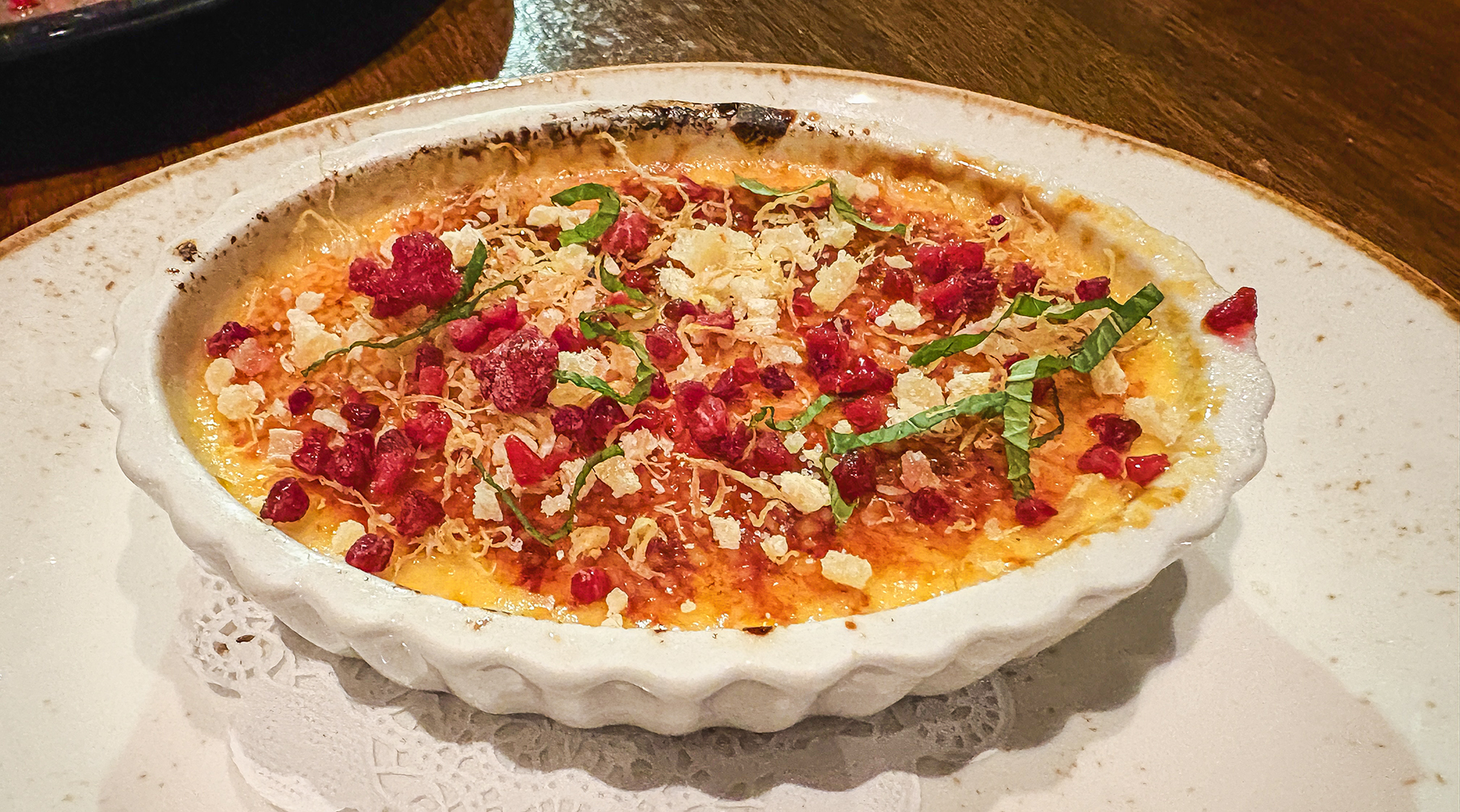
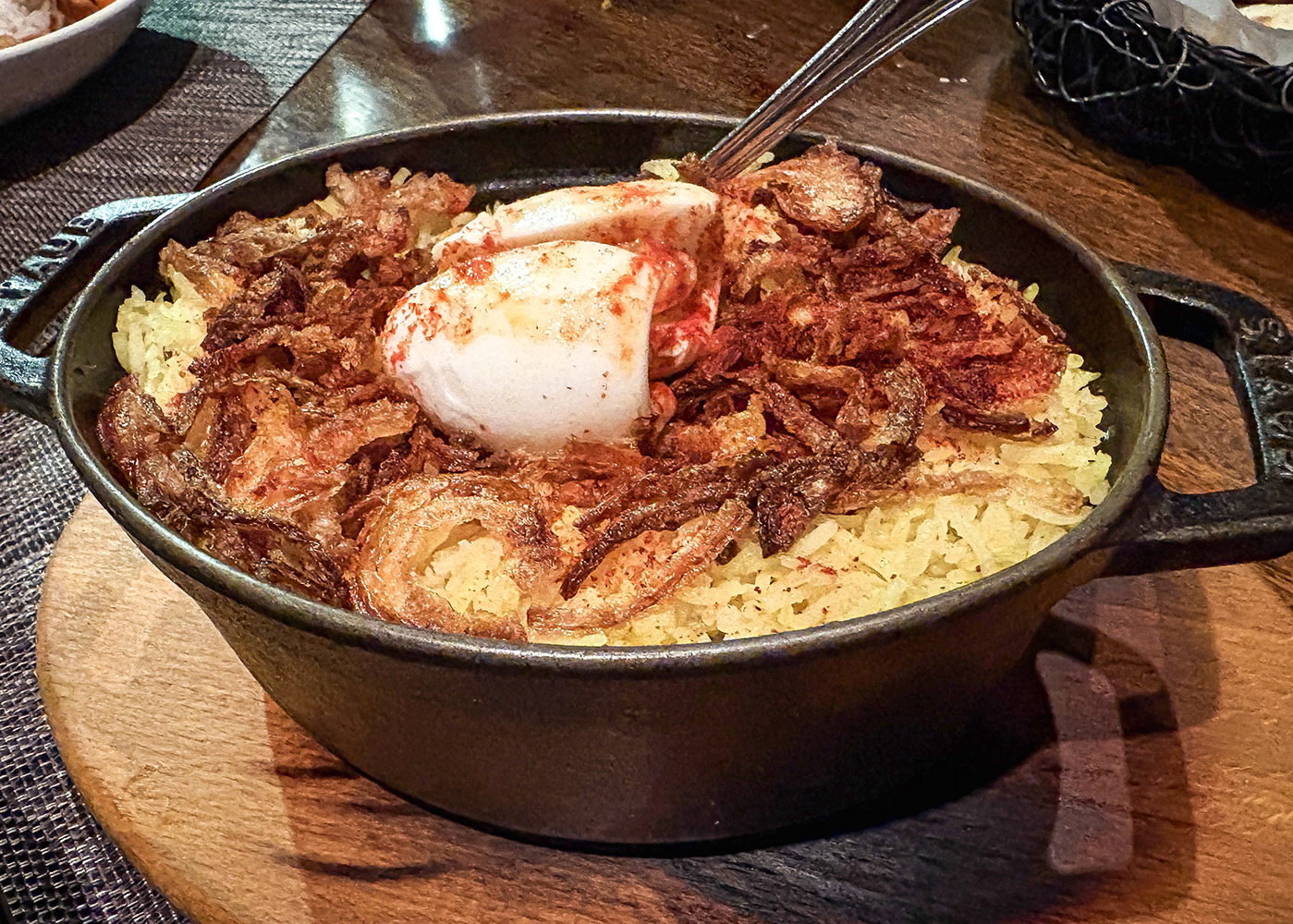
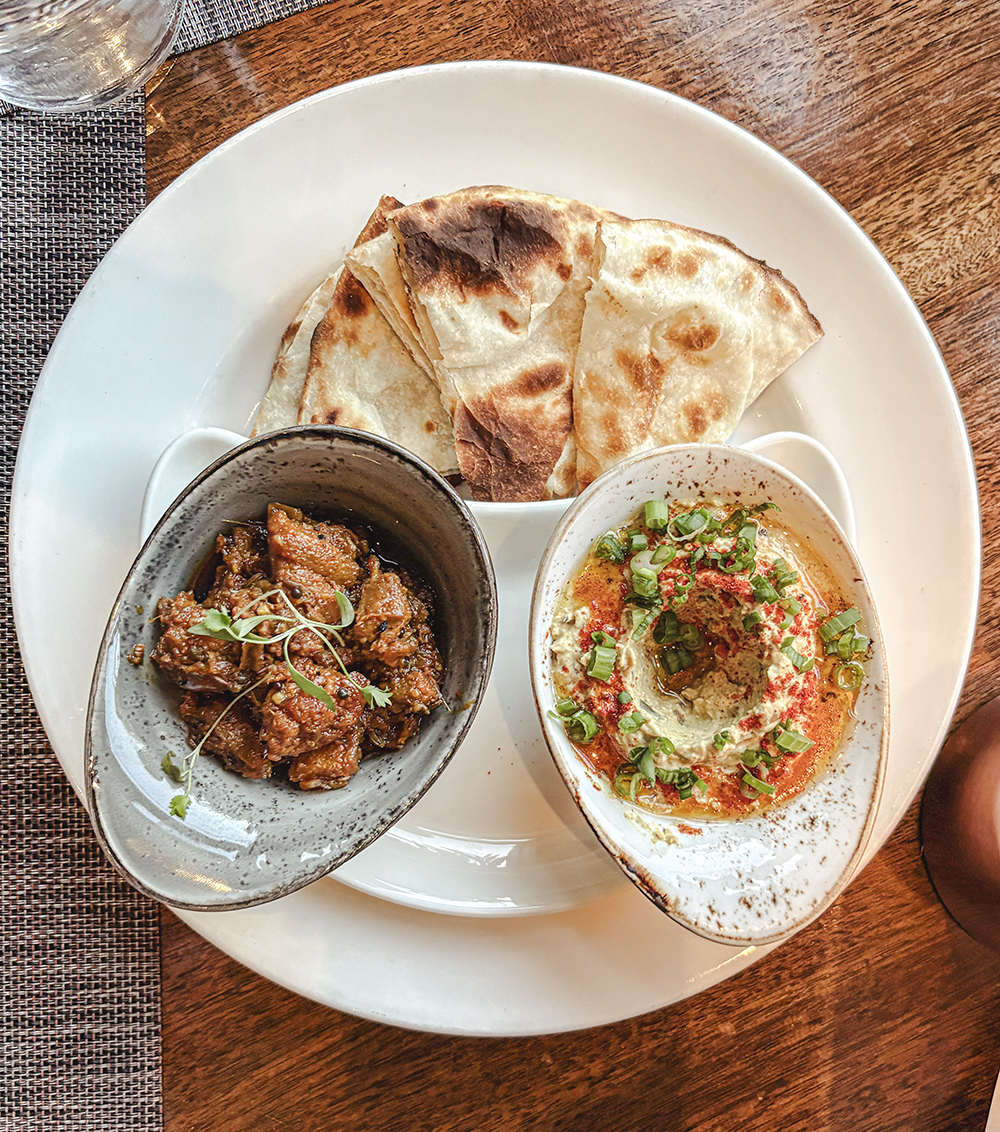
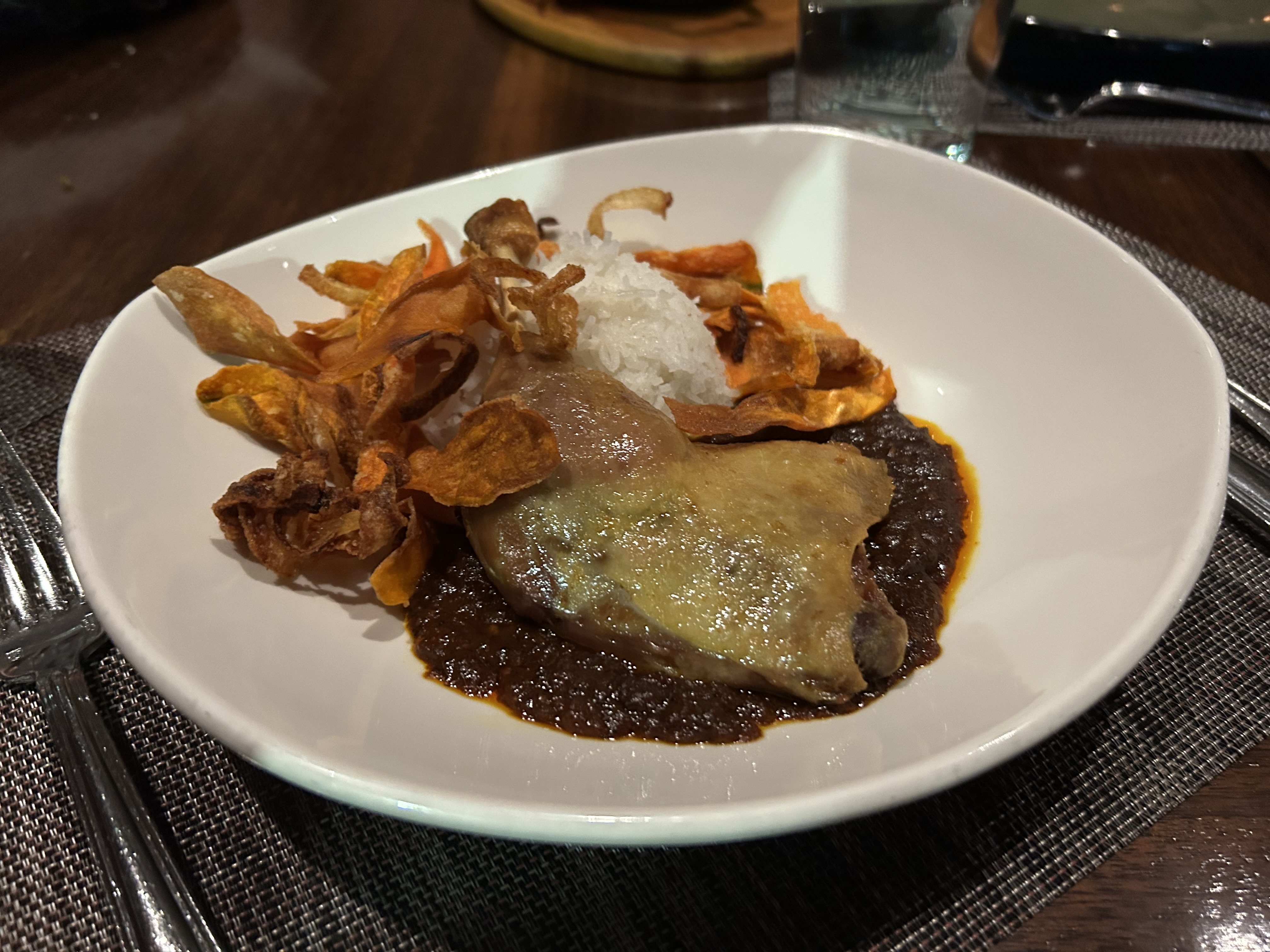
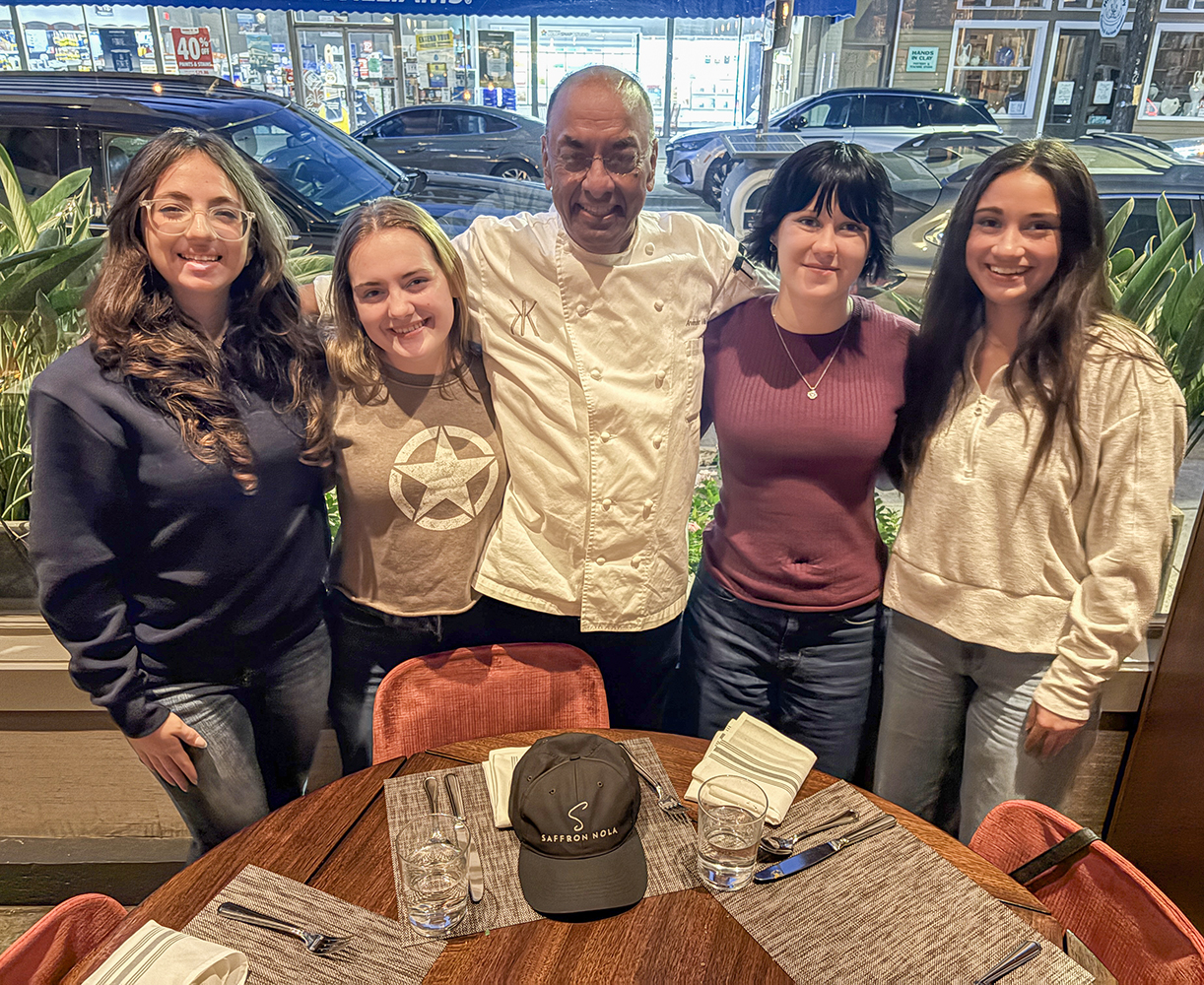
In second place was Arnaud’s, a James Beard “Classic,” where the students tried an amazing assortment of food, including escargot, various types of oysters, and frog legs.
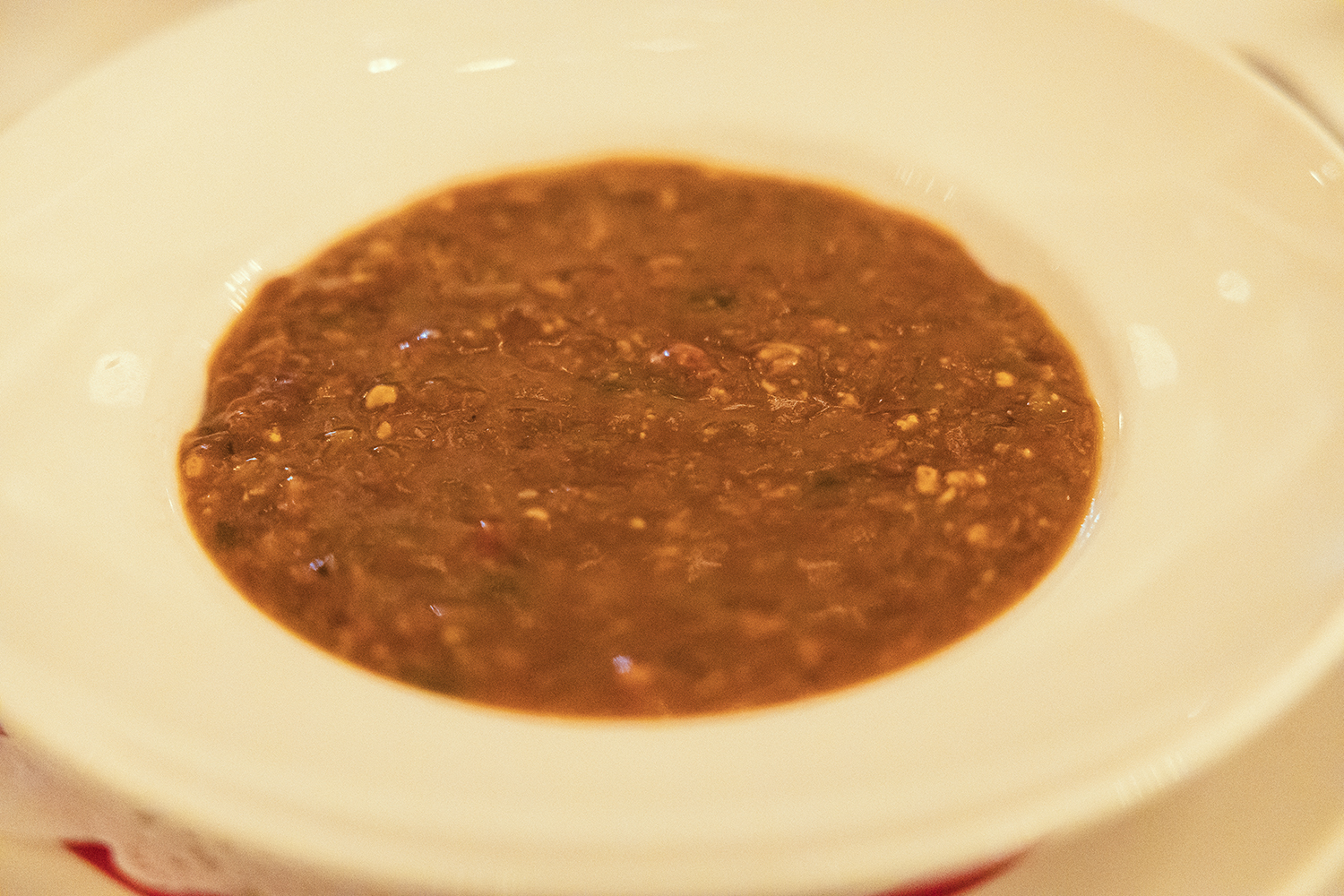
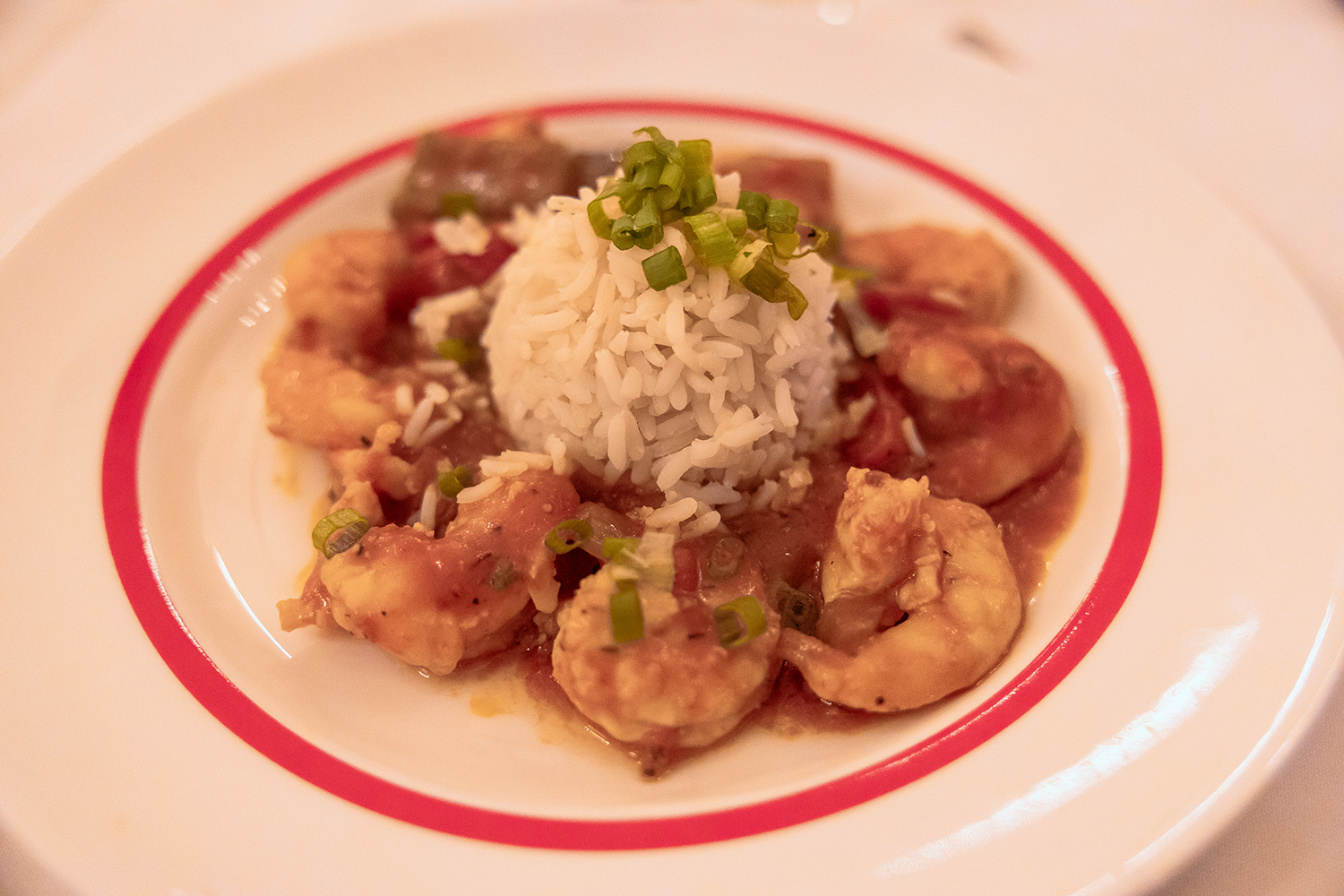
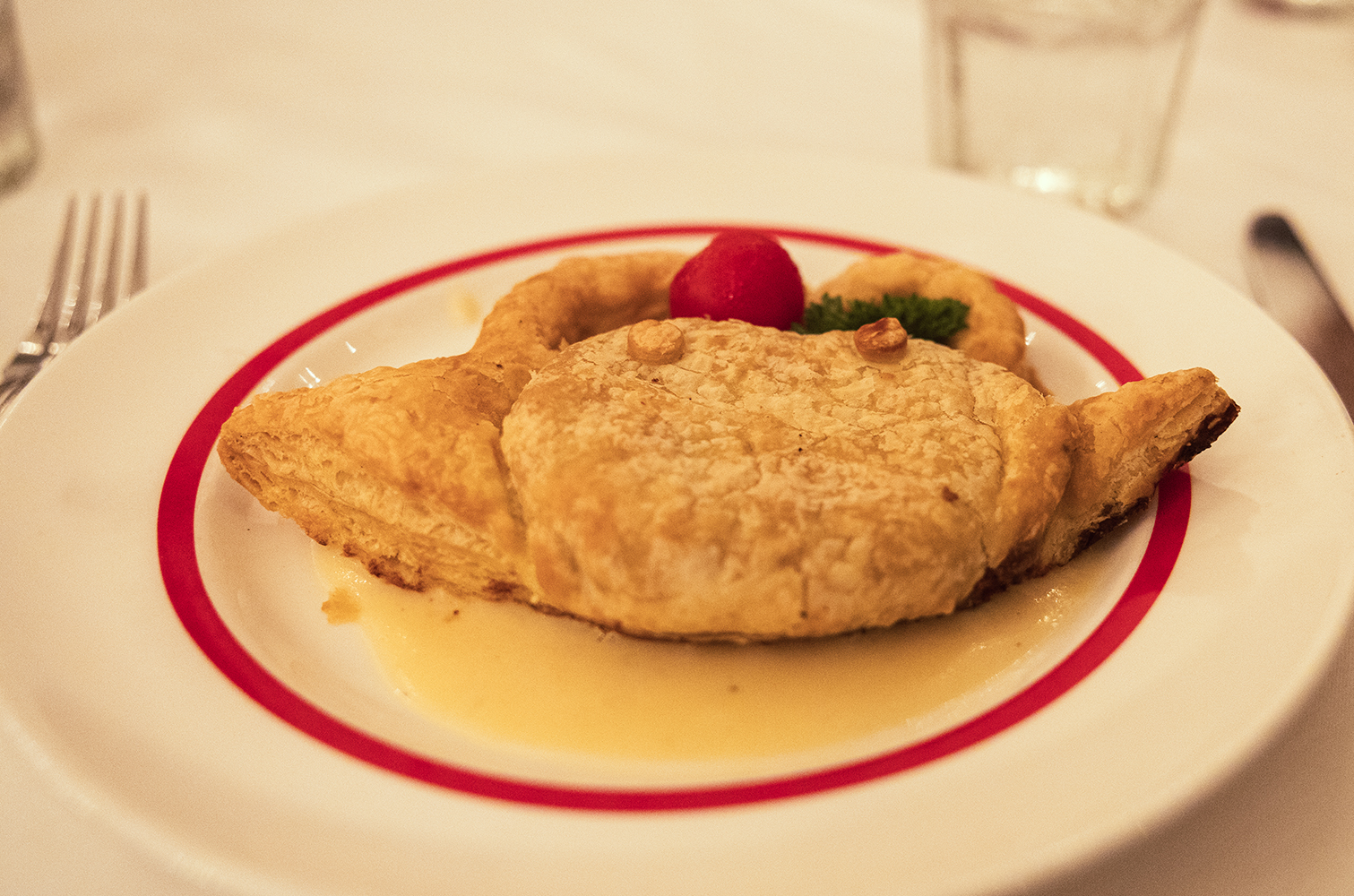
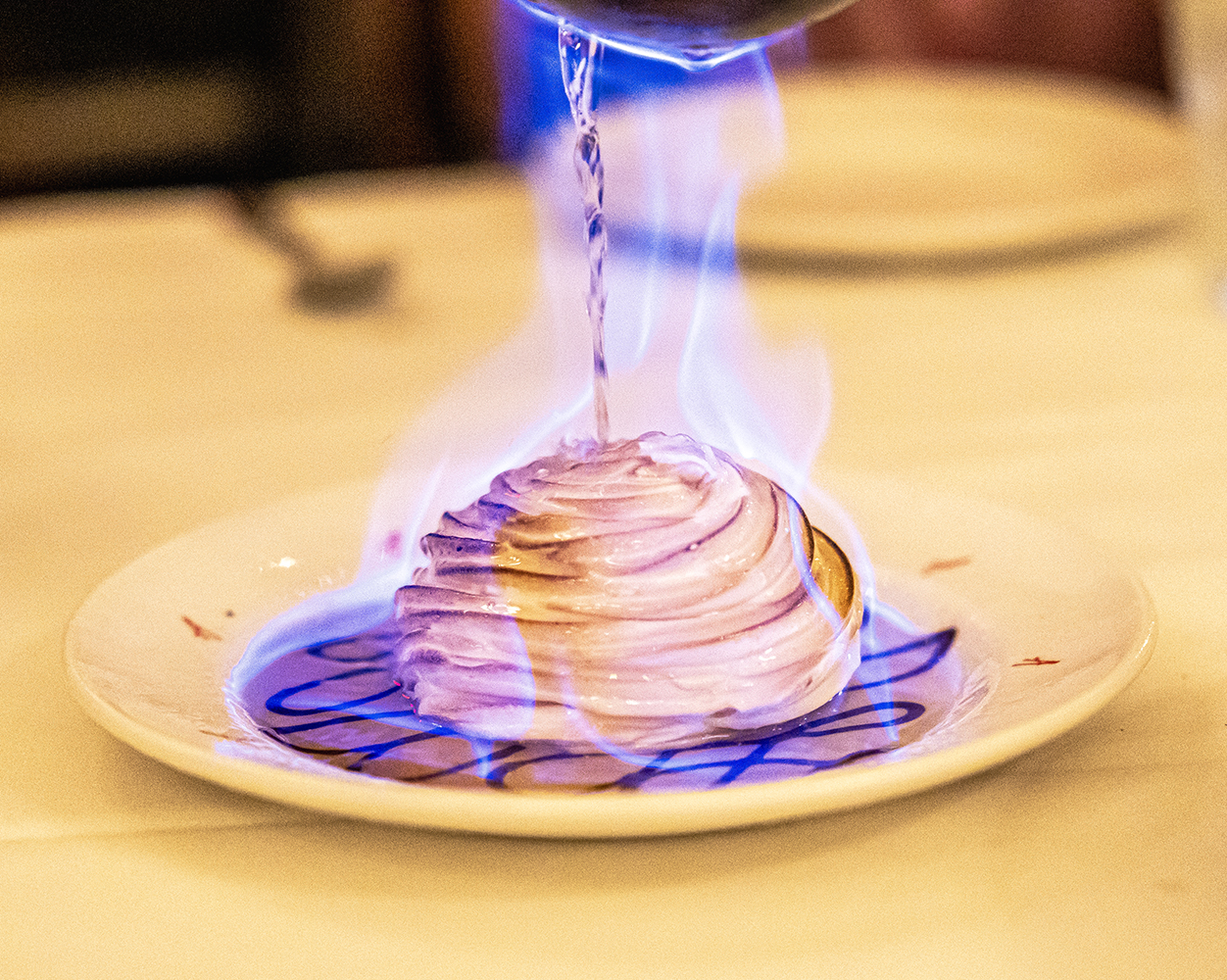
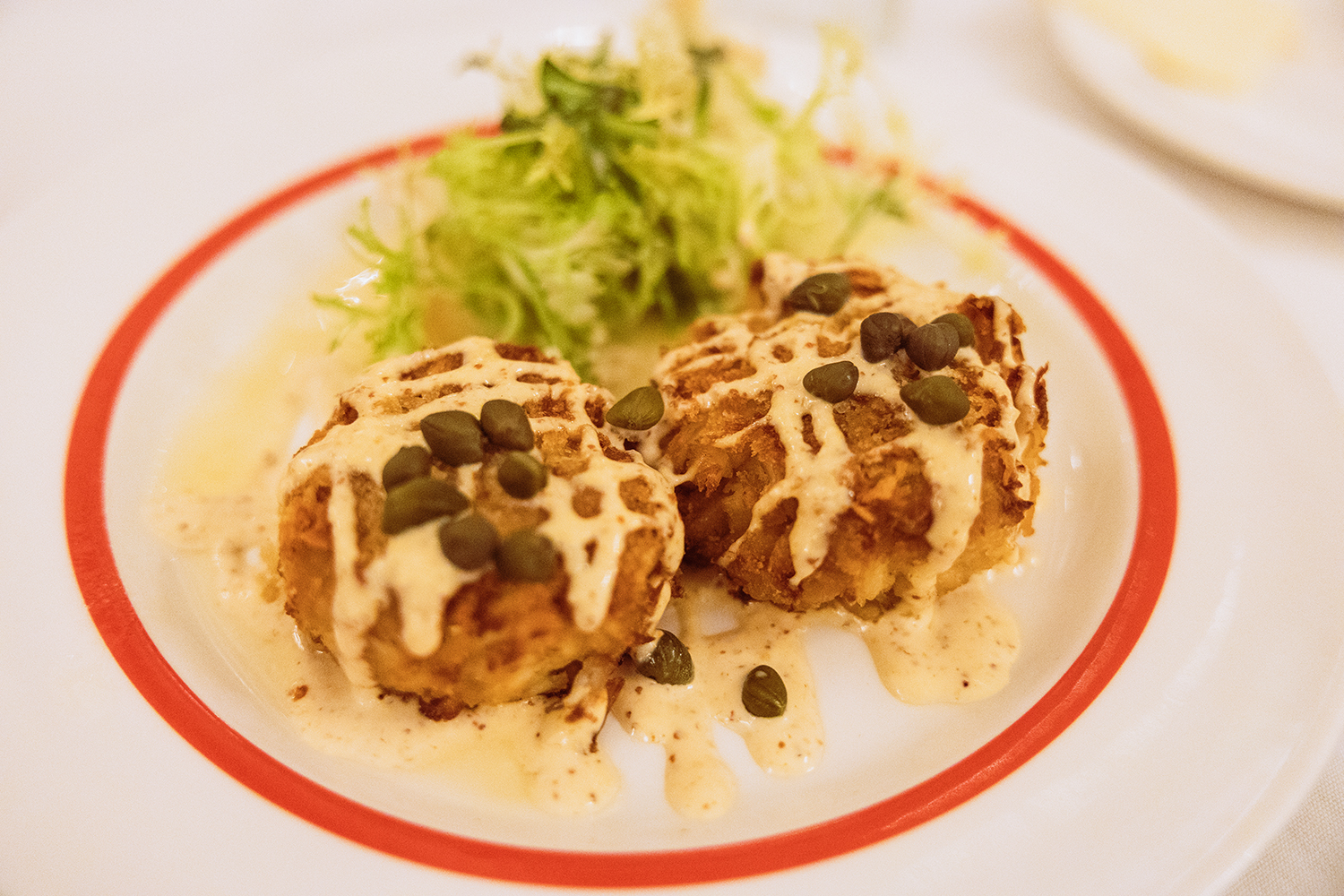
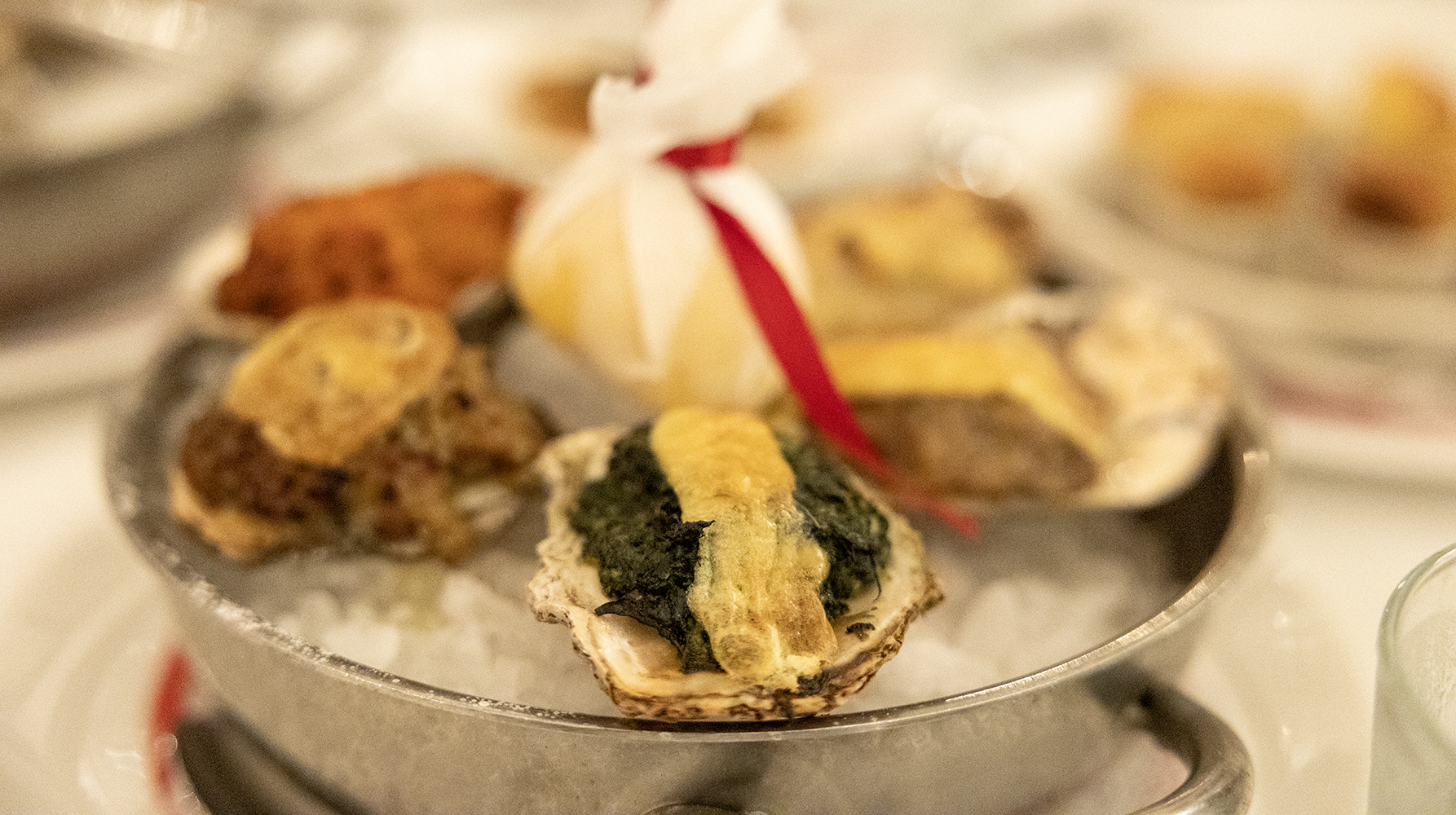
As Robin noted, it was difficult to select the “best” restaurant when all the restaurants were good. They emphasized that the other restaurants (Cafe Reconcile and Heard Dat) were all very good, but they didn’t quite rise, on this trip, to Arnaud’s or Saffron’s level.
Cultural/Historical Attractions
With an itinerary that included visiting the St. Louis Cathedral, Jackson Square, the French Market, the World War II Museum, the Garden District, the New Orleans Museum of Art, and the Louisiana State Capitol. Students enjoyed the latter very much, but it was under construction, preventing the students from visiting the “sky deck”–which may have cost it a spot on our “best of” list.
The favorite for most of the students was the massive World War II Museum, where the students spent three-plus hours–and still ran out of time! They spent most of their time in the Pacific Theatre, which they hadn’t learned as much about in school. But they enjoyed the entire museum, and they left with new information and greater appreciation for what college-age individuals were doing from 1941-1945.
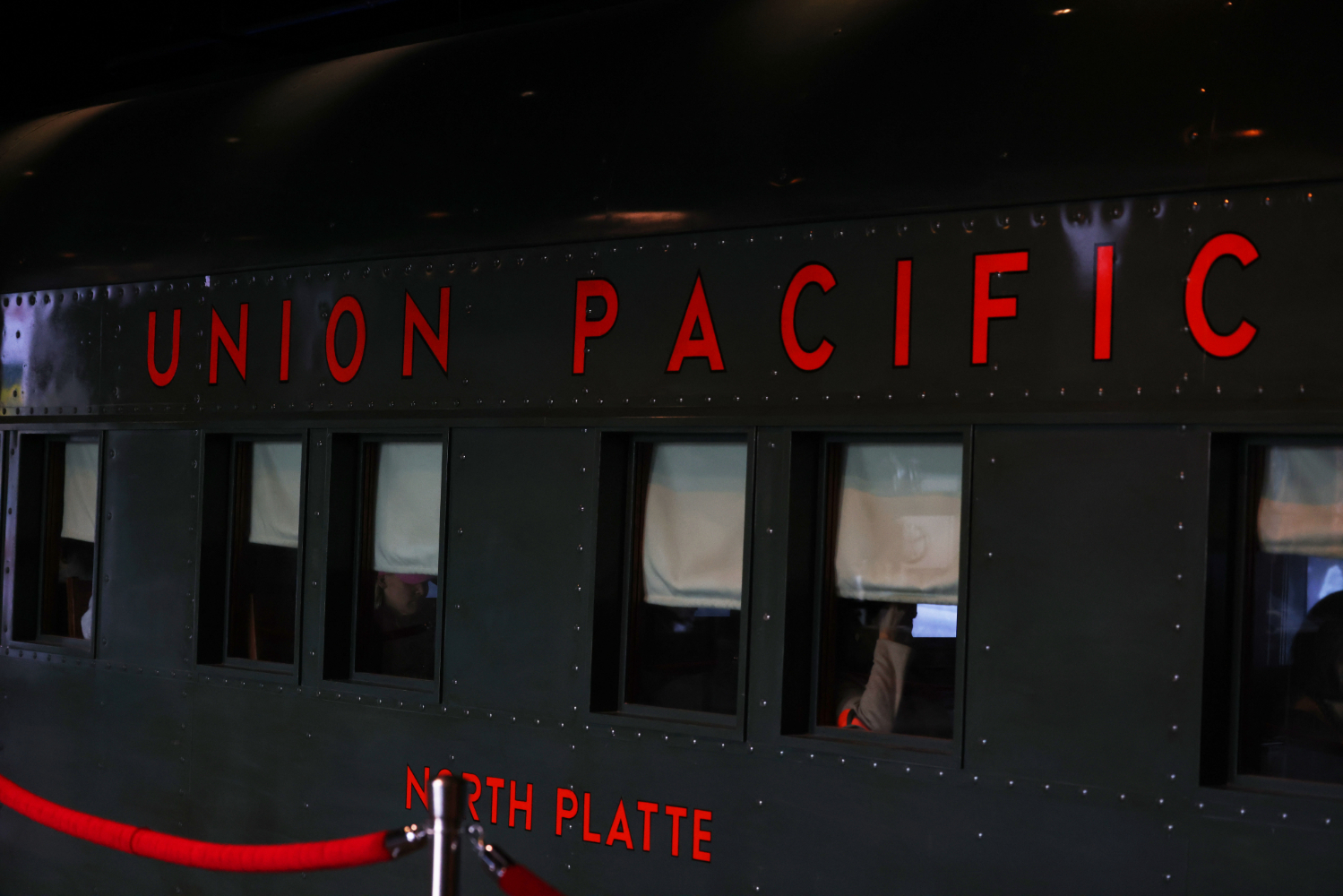

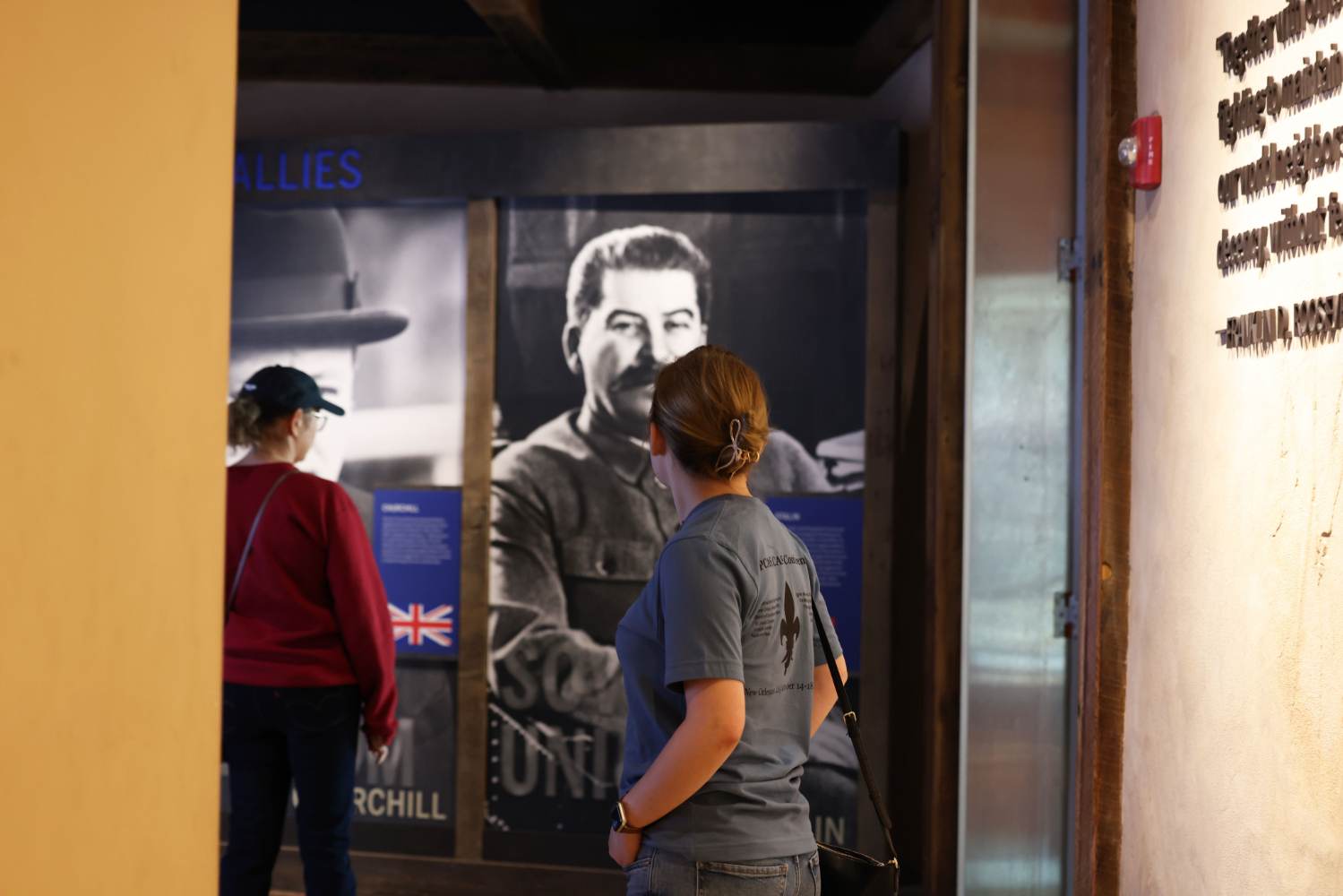
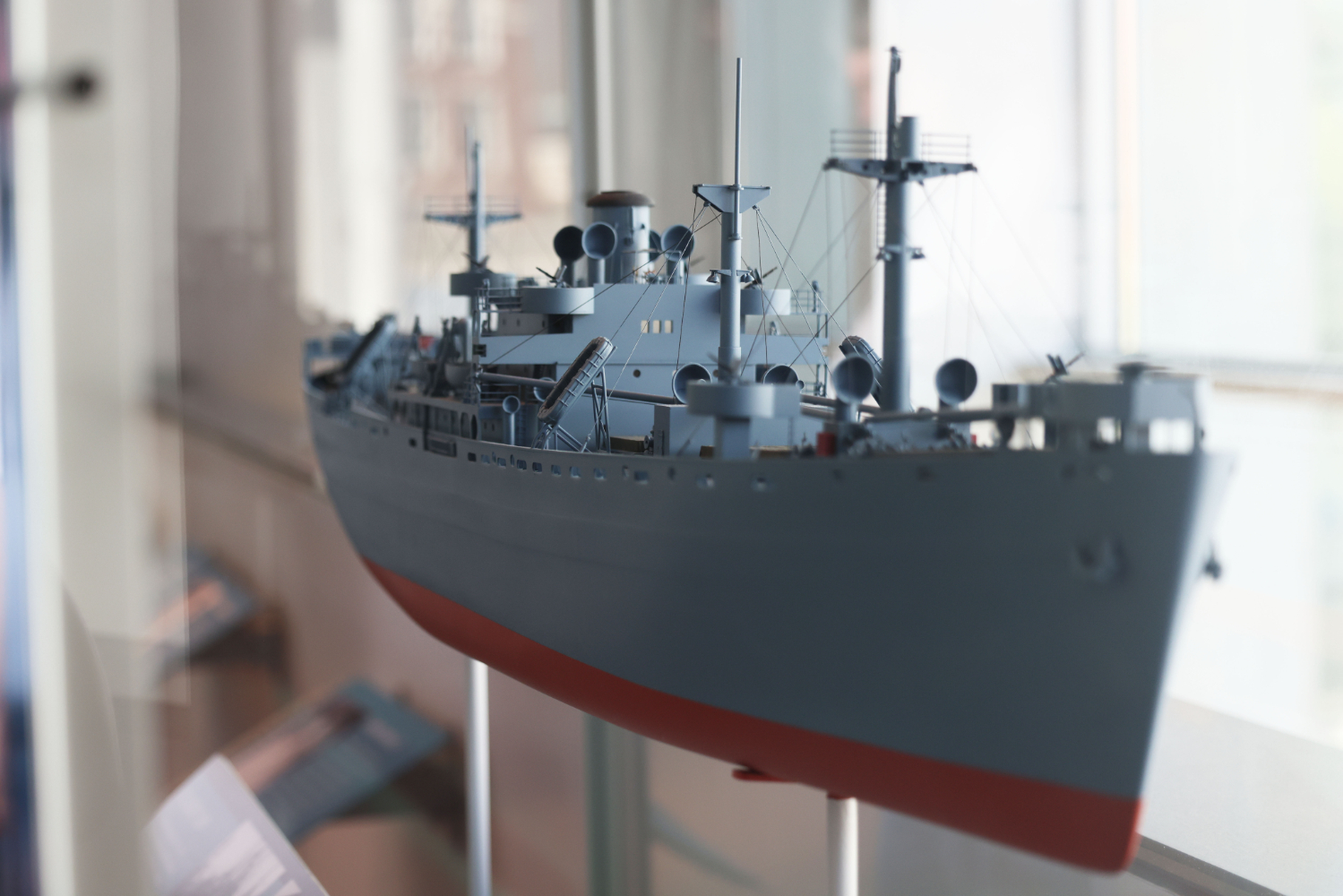

One thing that stood out to the students was that they could alternate between the Museum’s massive scale and a small artifact that told a human story, allowing time for reflection and perspective.

The New Orleans Museum of Art was also a favorite, even without the Sculpture Garden (which we weren’t able to see). Students enjoyed seeing the decorative arts section, learning more about Degas (who lived in NOLA)…
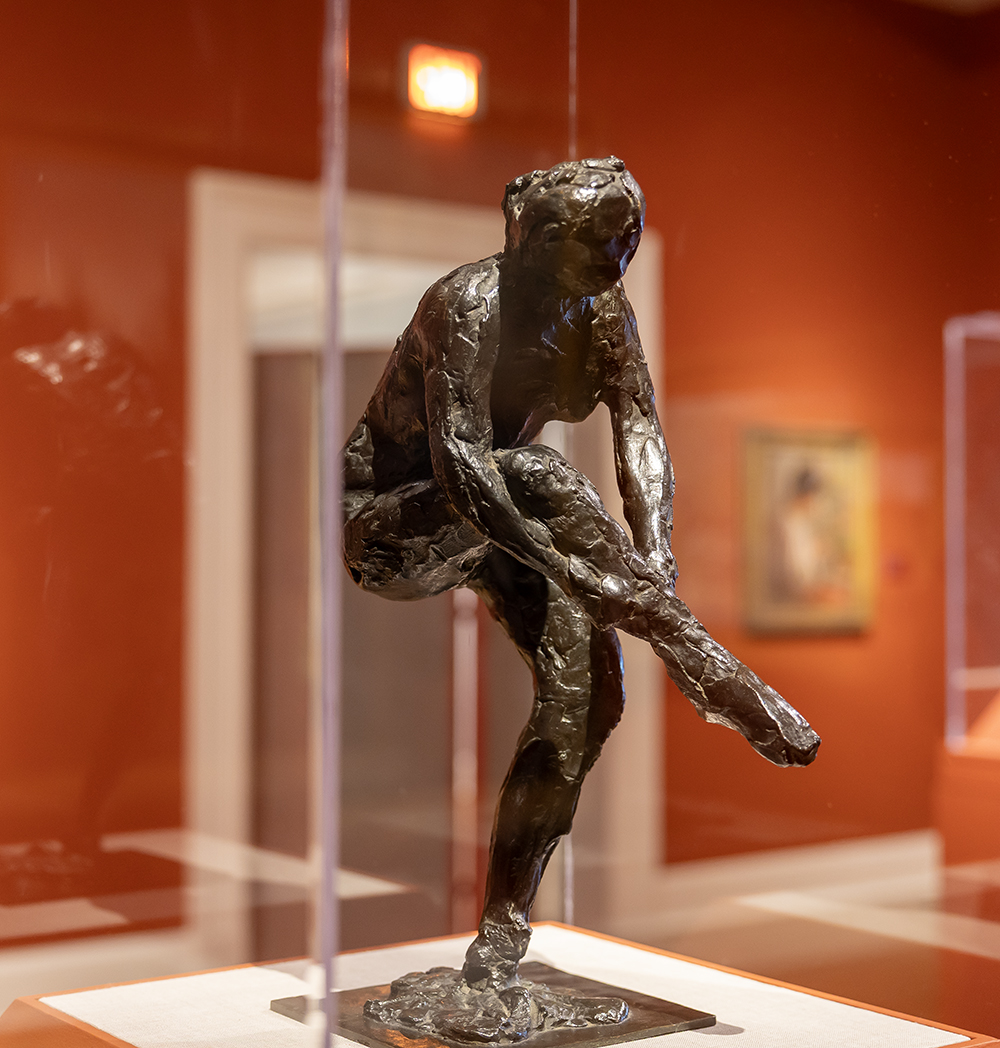
…and seeing the blue-chip artists such as Monet, O’Keeffe, Pollock, Picasso, and Gilbert Stuart’s George Washington.
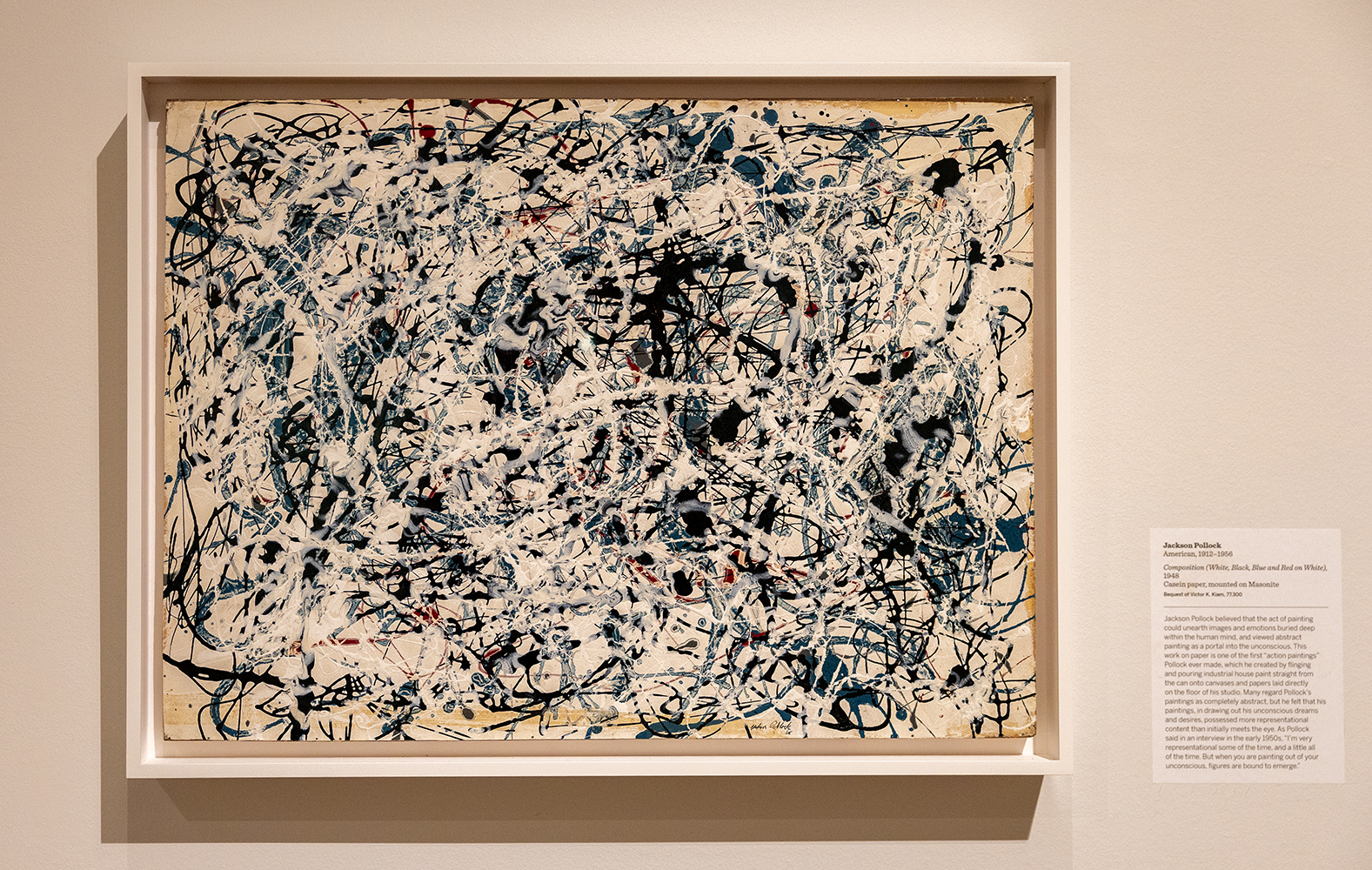
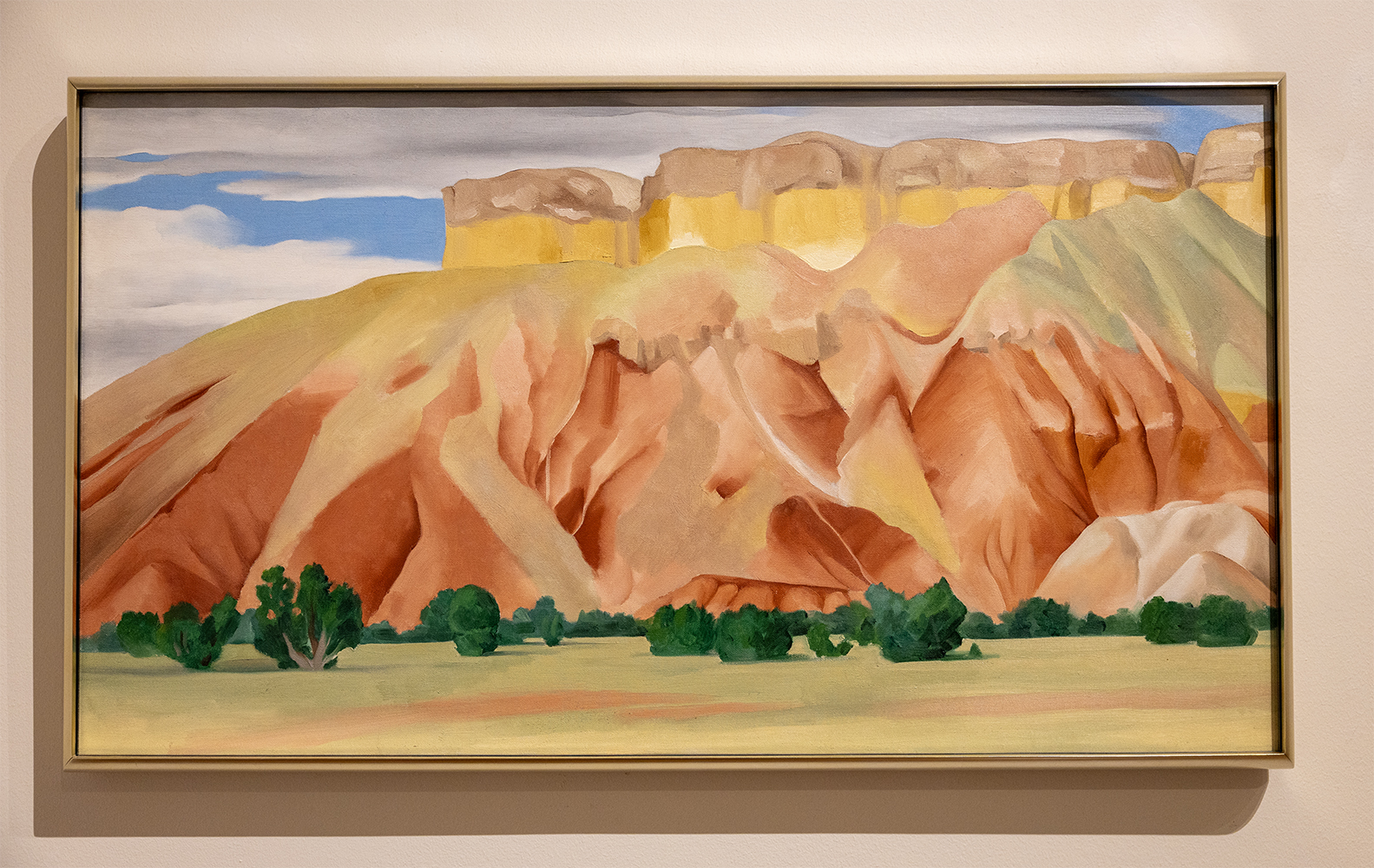
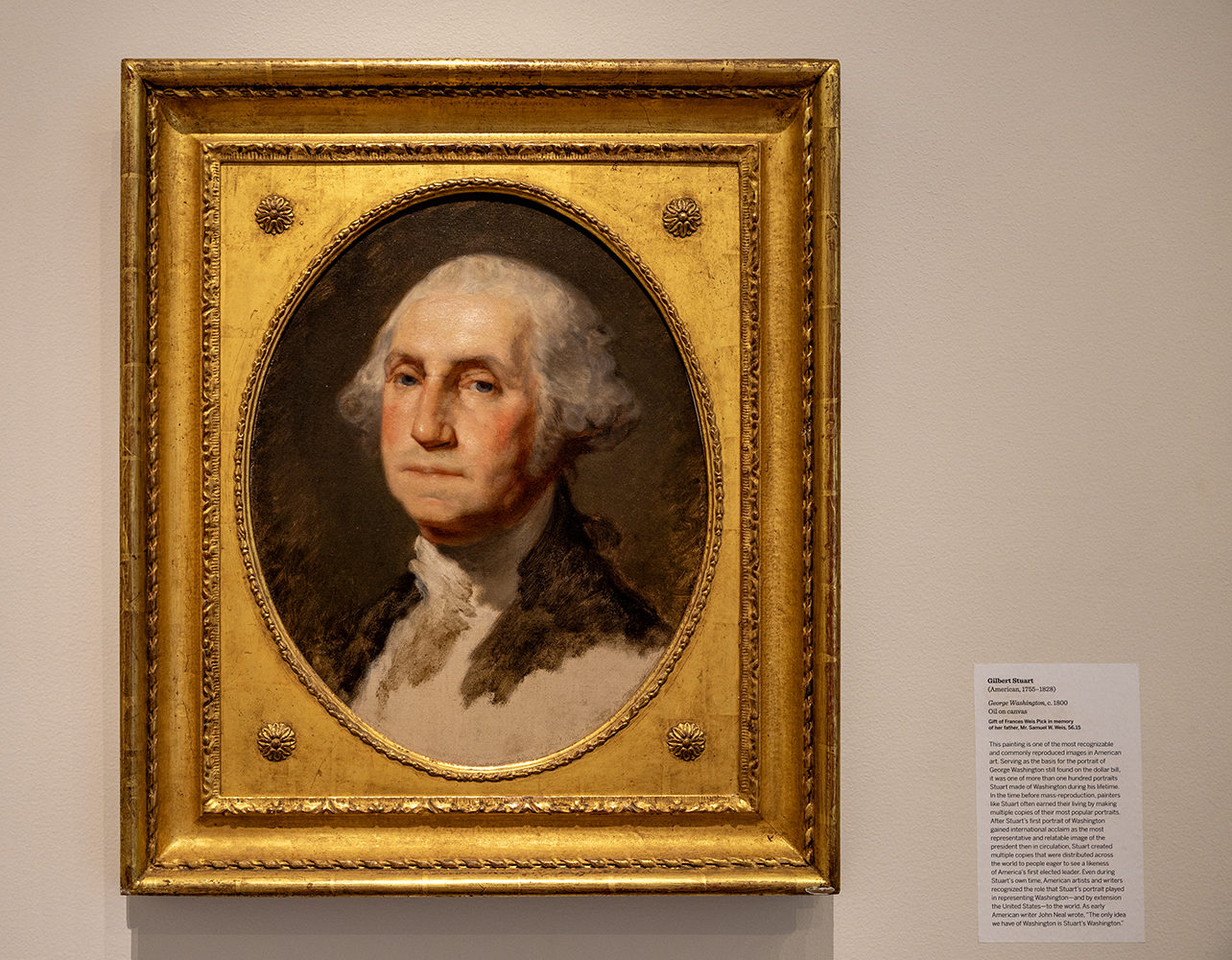
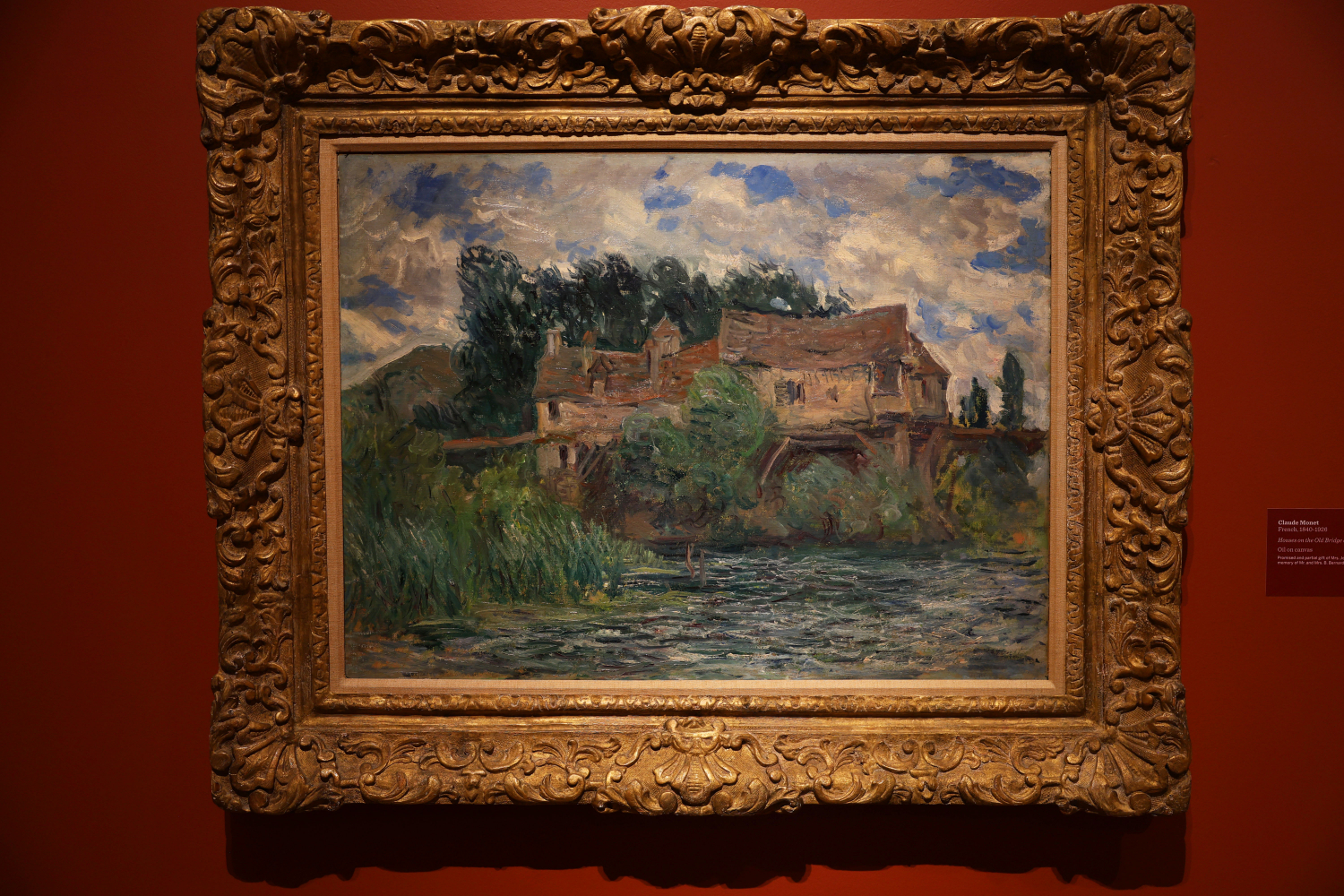
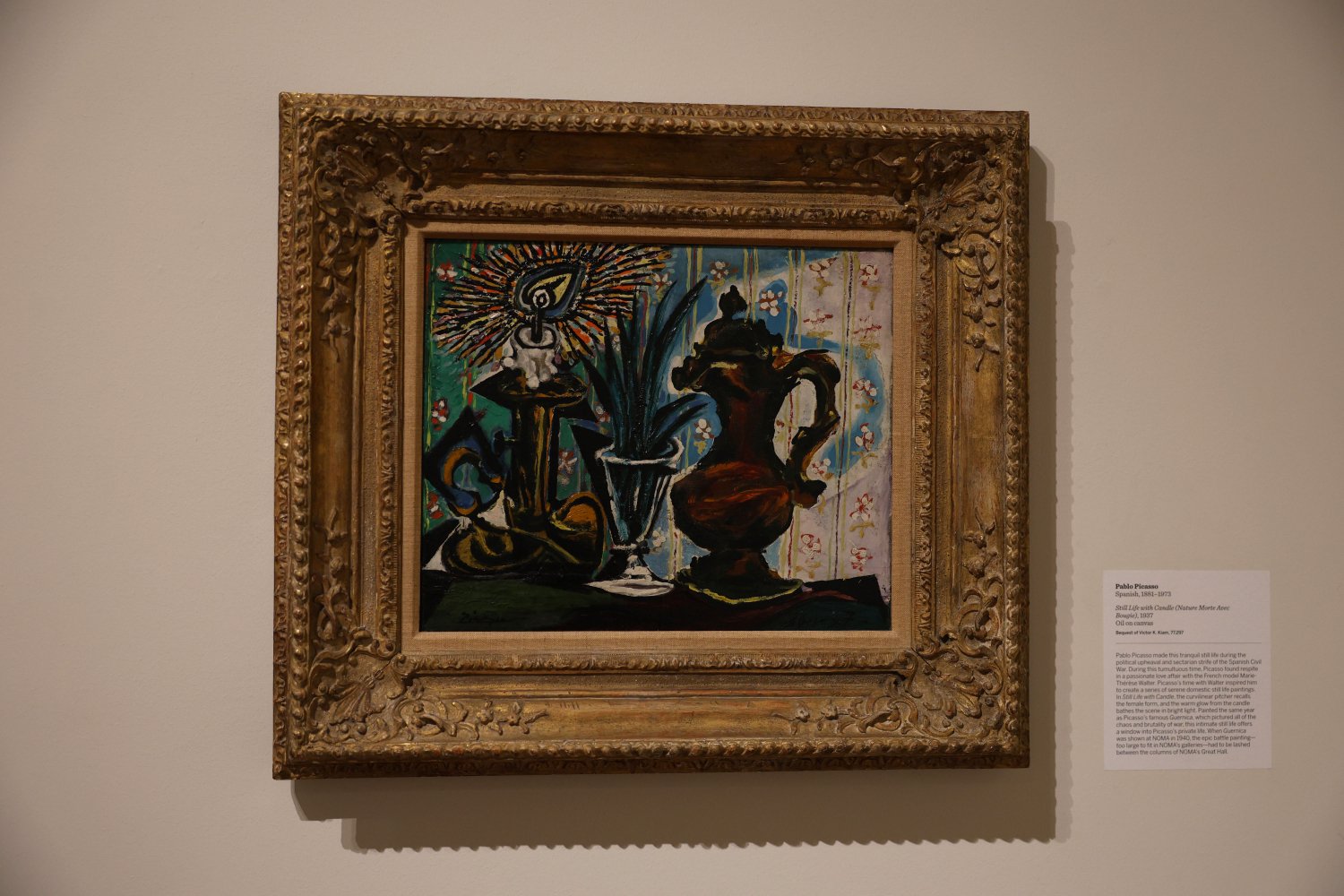
While these are pretty standard artists for large collections, the museum was sufficiently small to really engage with the art, and for some of the students, it was their first time to see such artists.
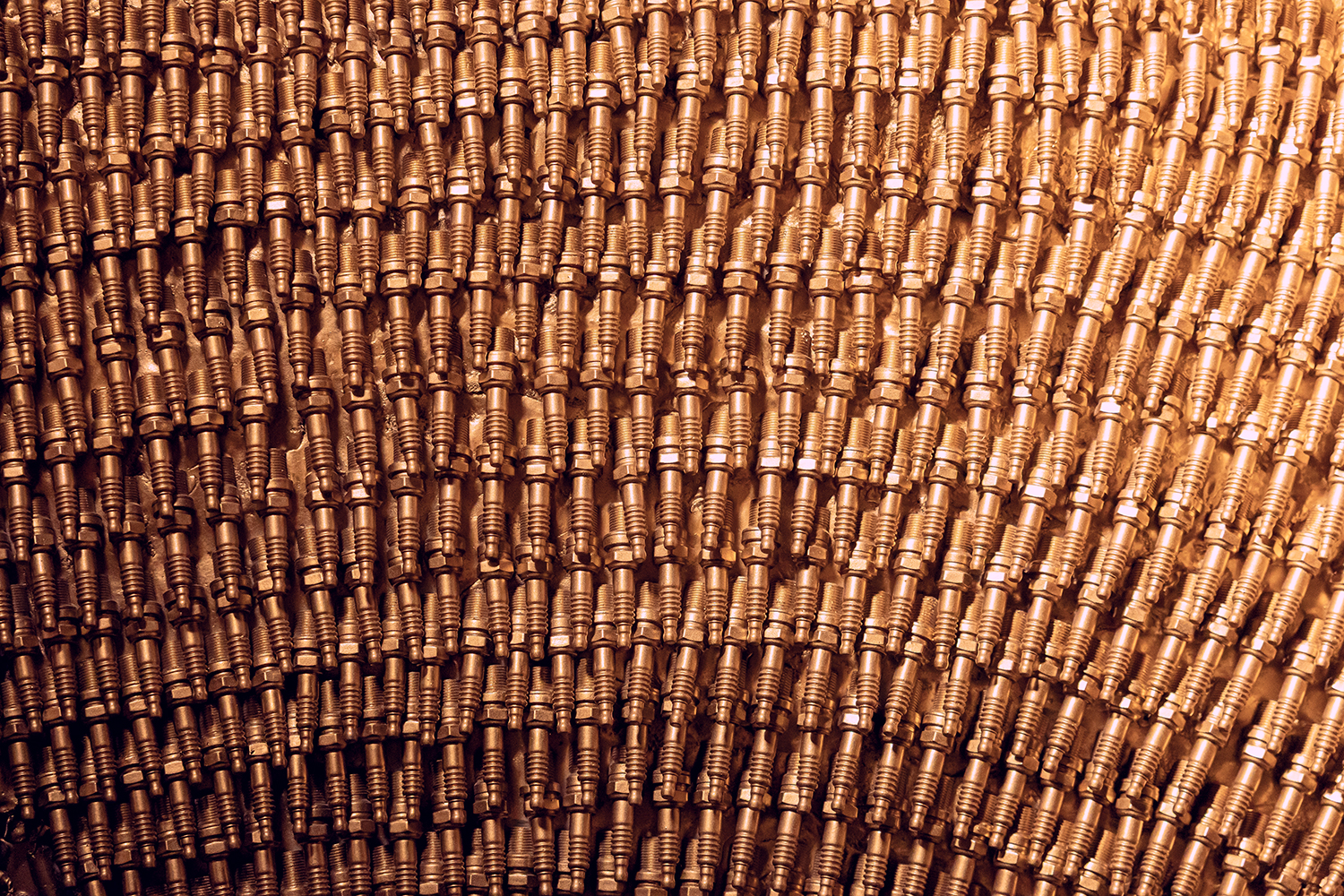
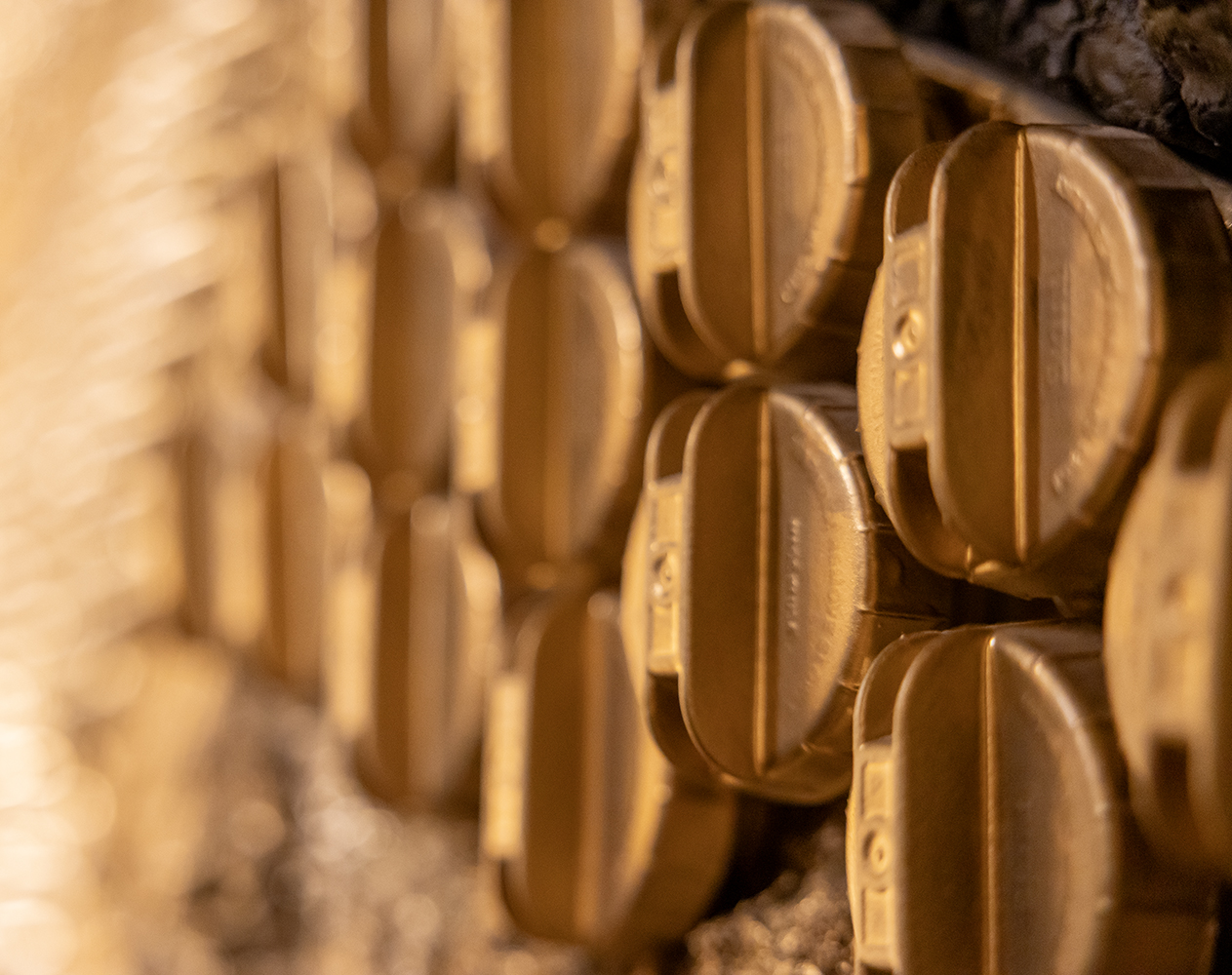
Perhaps the most interesting piece was Will Ryman’s replica in Gold of Abraham Lincoln’s Log Cabin.
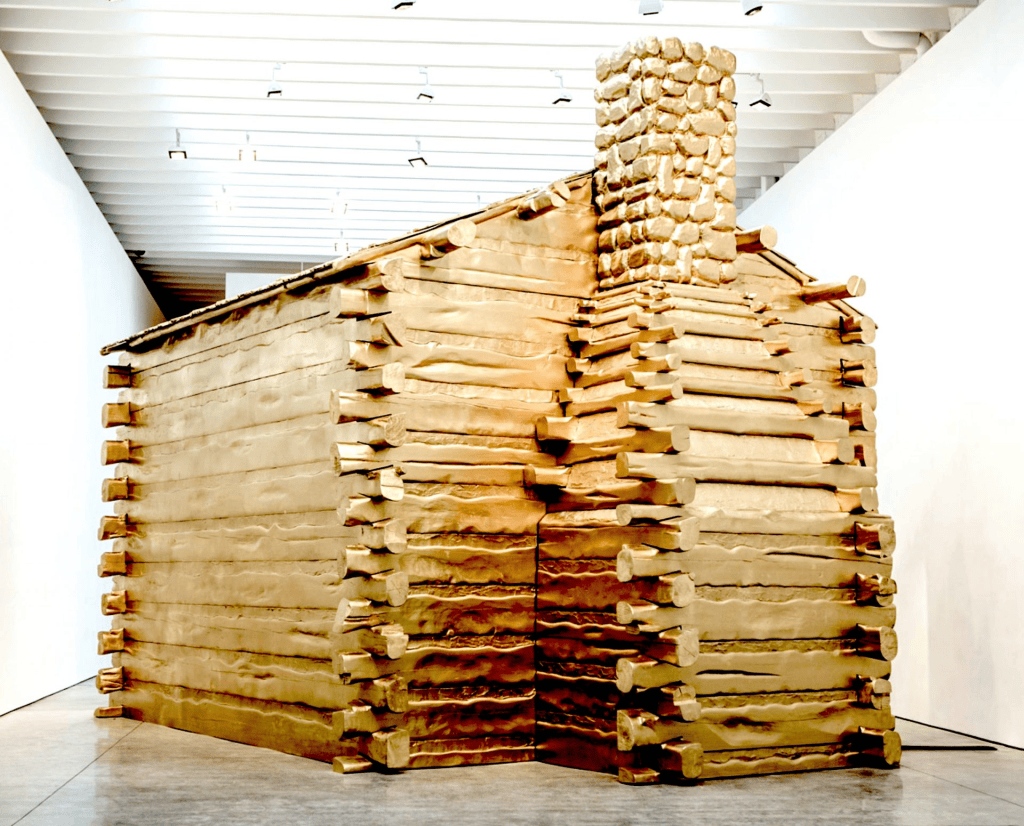
It was made gold to reflect America’s quest for riches, while being literally constituted by many of the things that have formed America’s largest industries: spark plugs, railroad spikes, pharmaceuticals, iPhones, gasoline caps, and phone cords. On the ground–the foundation–were manacles and chains.
Conference
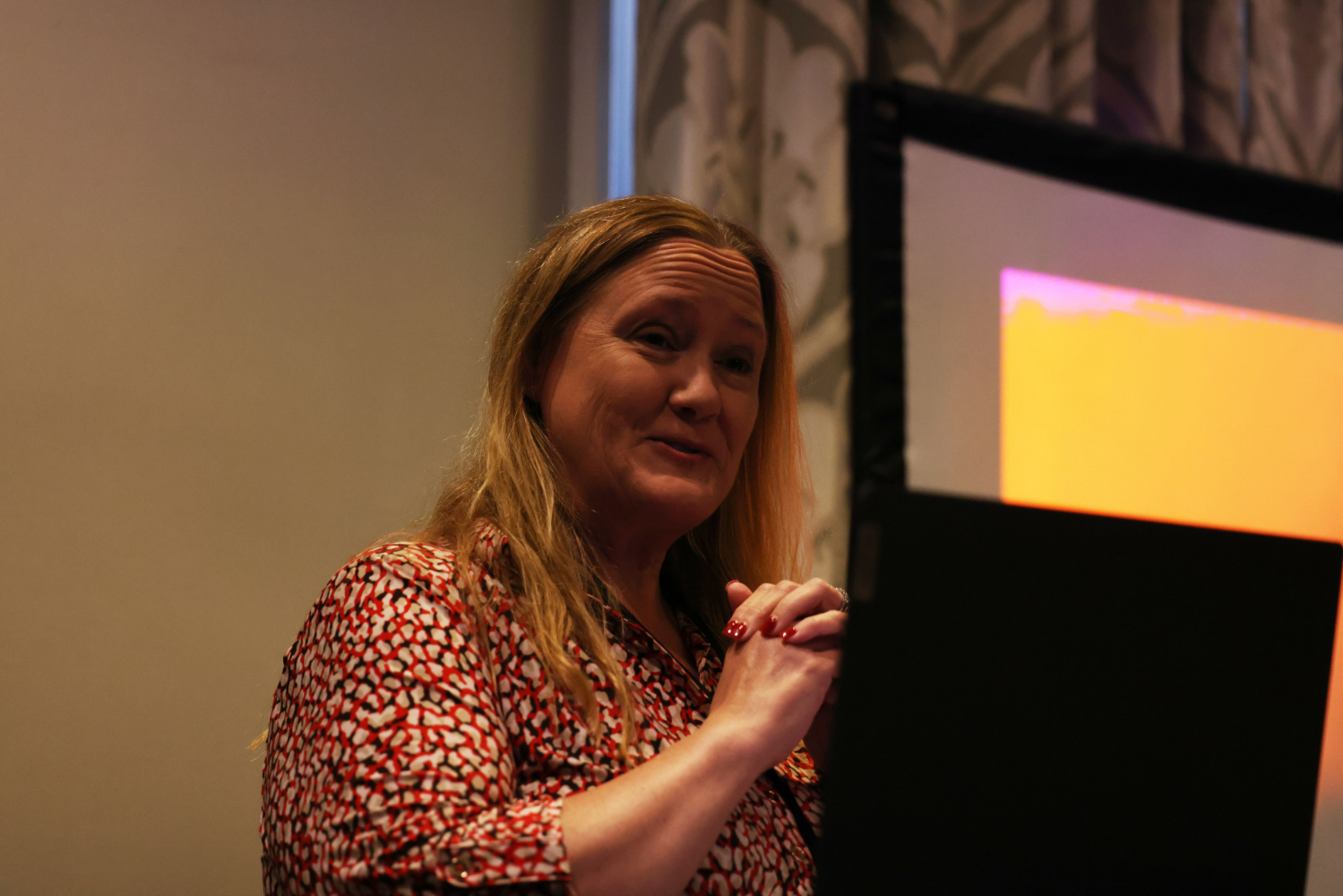
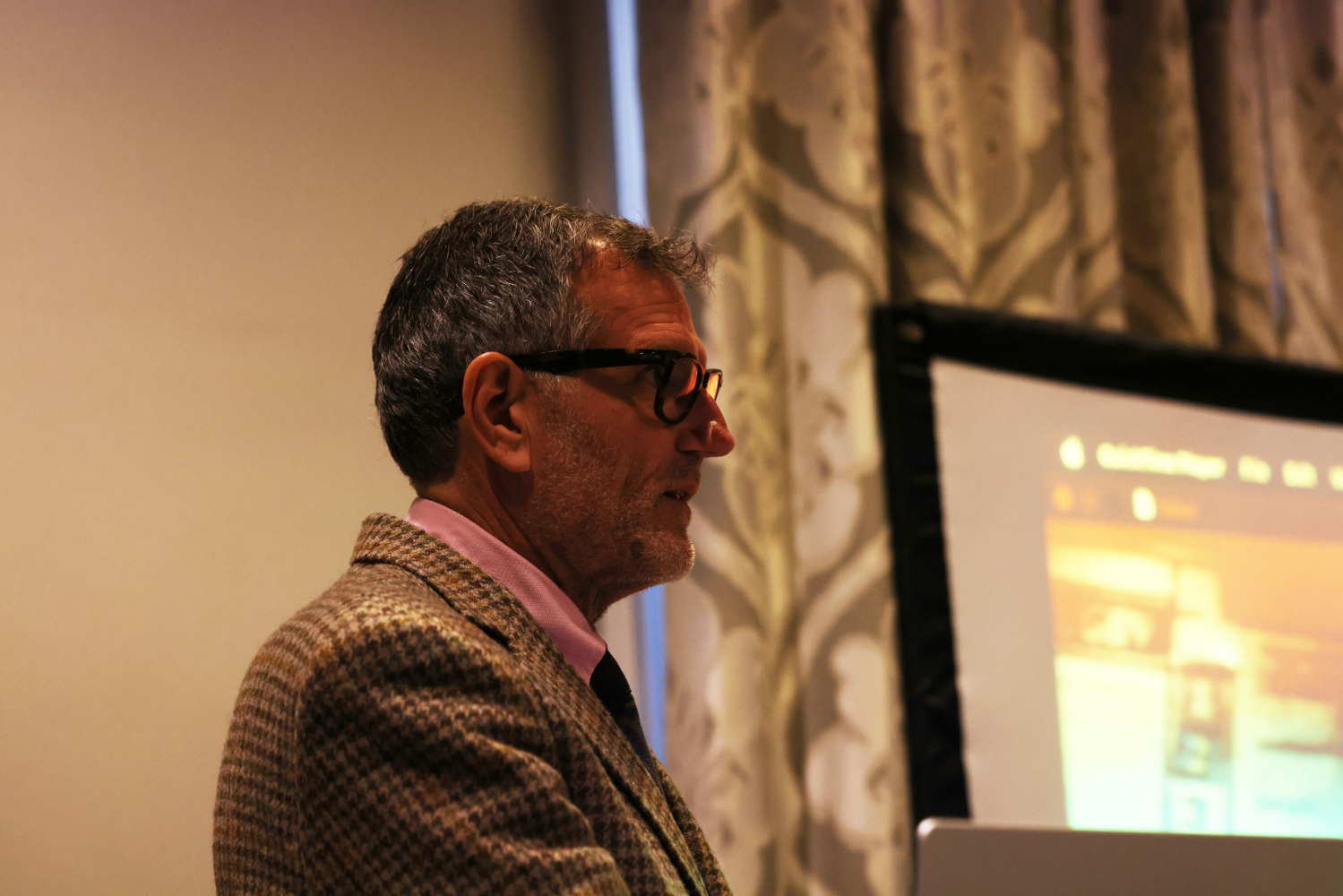
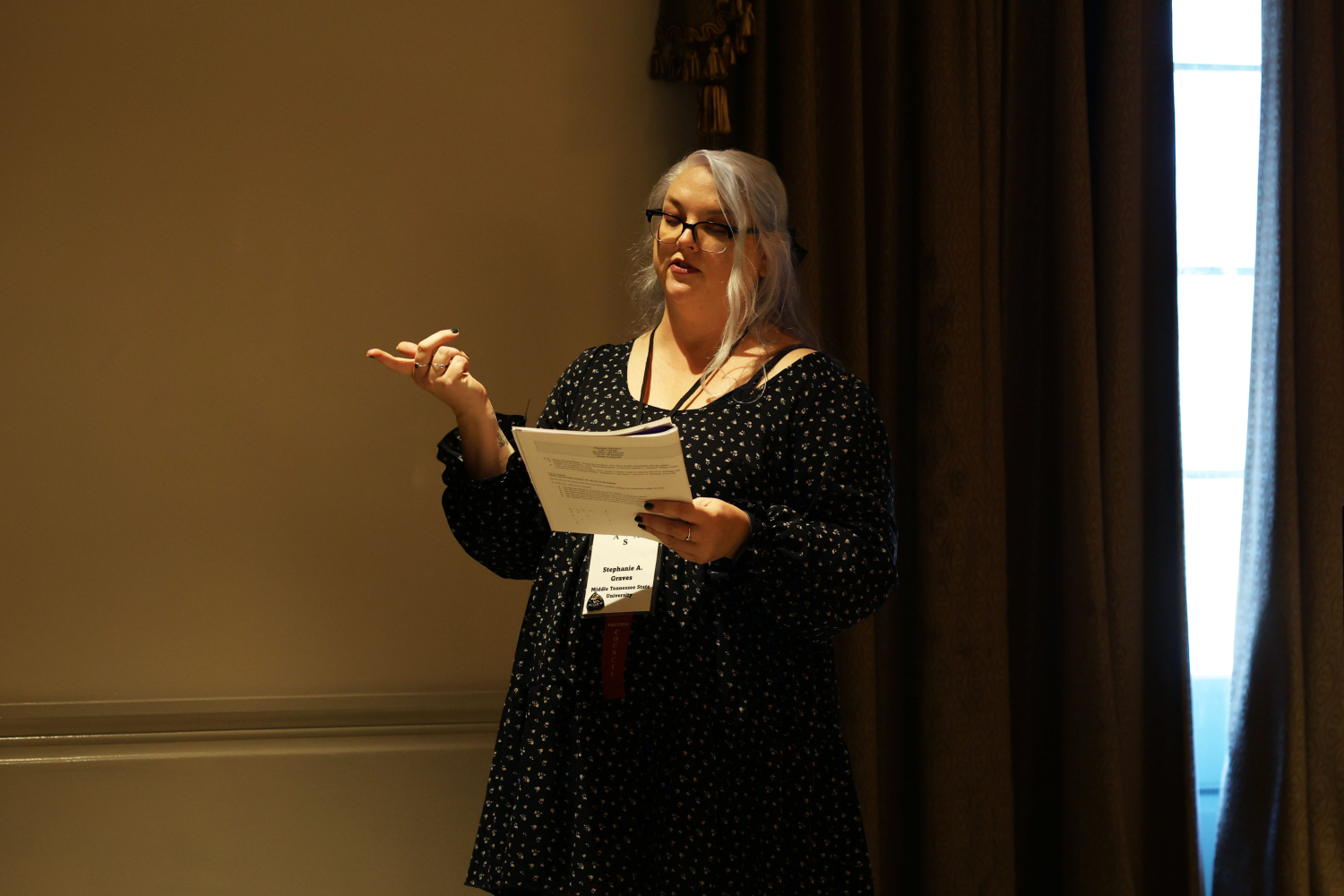
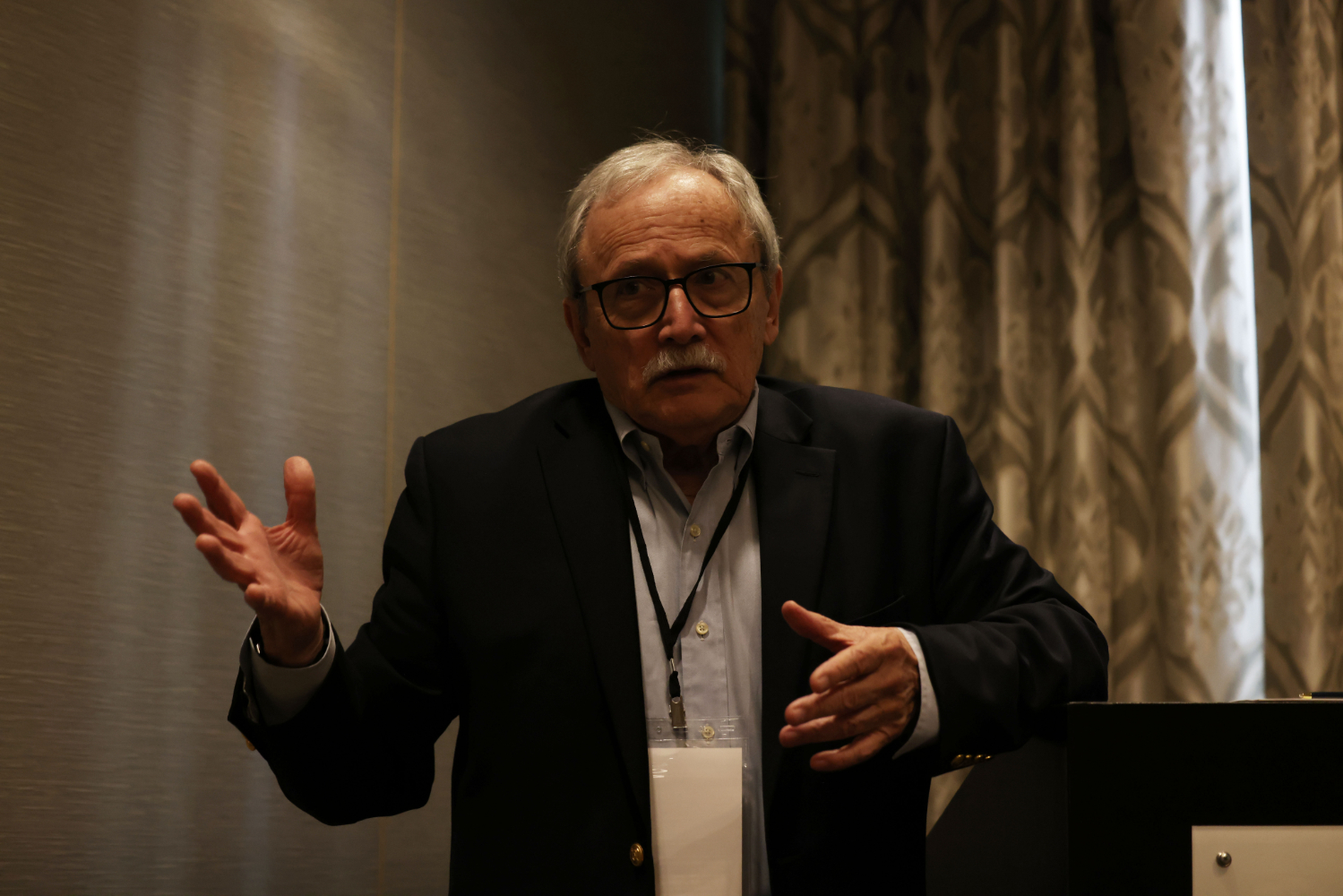
LEAP students’ favorite session at the PCAS/ACAS conference was “Reflecting Society,” which explored how films illuminate social issues. Daniel S. Traber examined Trainspotting, connecting its portrayal of drug addiction to broader dependencies, including gambling and consumerism. Kathleen Hardesty discussed negative depictions of social workers in children’s films, suggesting that more positive portrayals could reduce stigmas surrounding adoption and social services. Professor Mike Yawn concluded with an analysis of free will in The Manchurian Candidate, drawing parallels to the Oresteia trilogy and its tensions between family loyalty and moral responsibility. Together, the presentations offered students a thought-provoking conclusion to their conference experience.
Miscellaneous
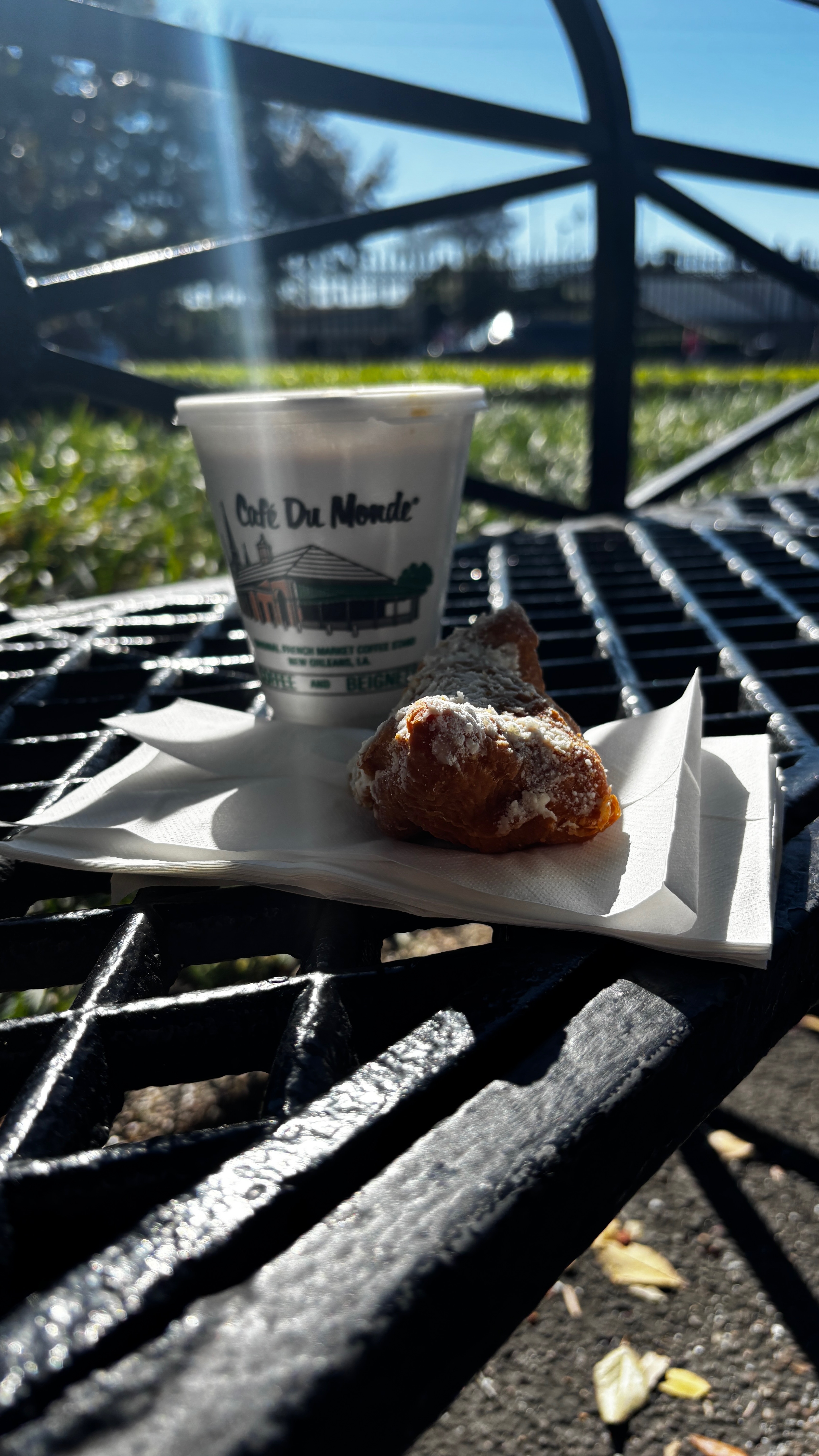
Apart from the formal parts of the conference, the students greatly enjoyed beignets at “Cafe du Monde” and doing some French Quarter shopping, although the architecture of NOLA also stood out to the students.
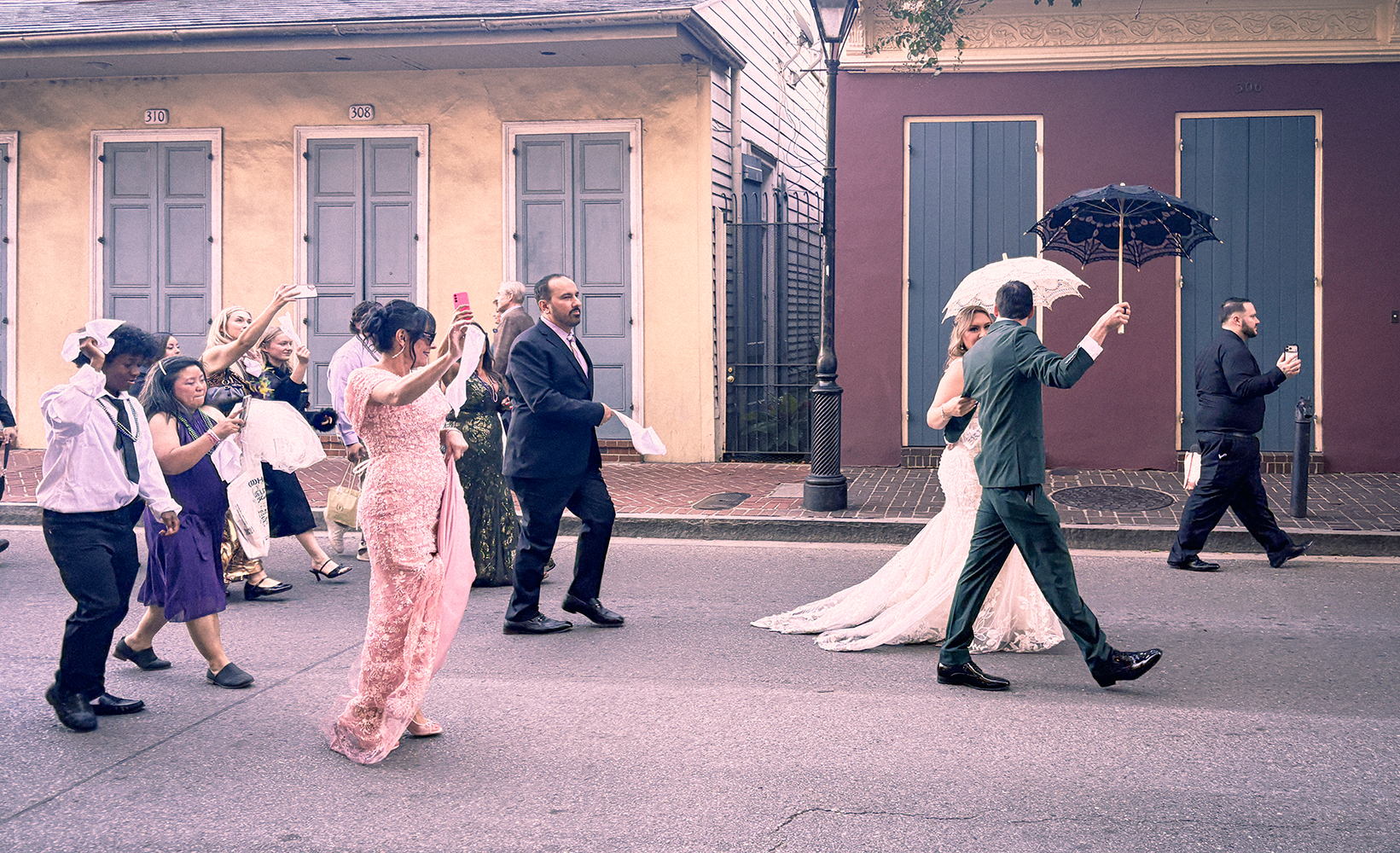
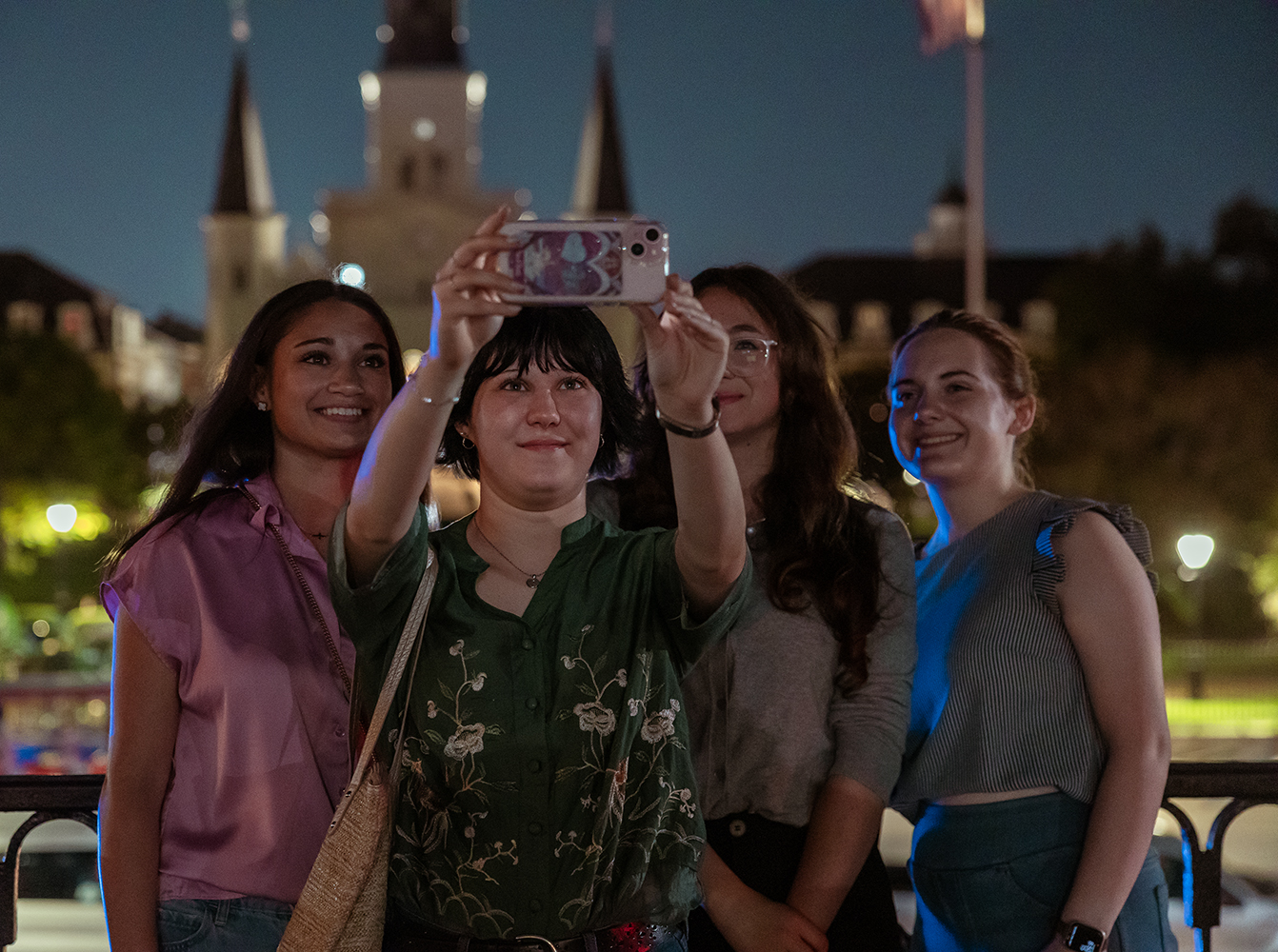
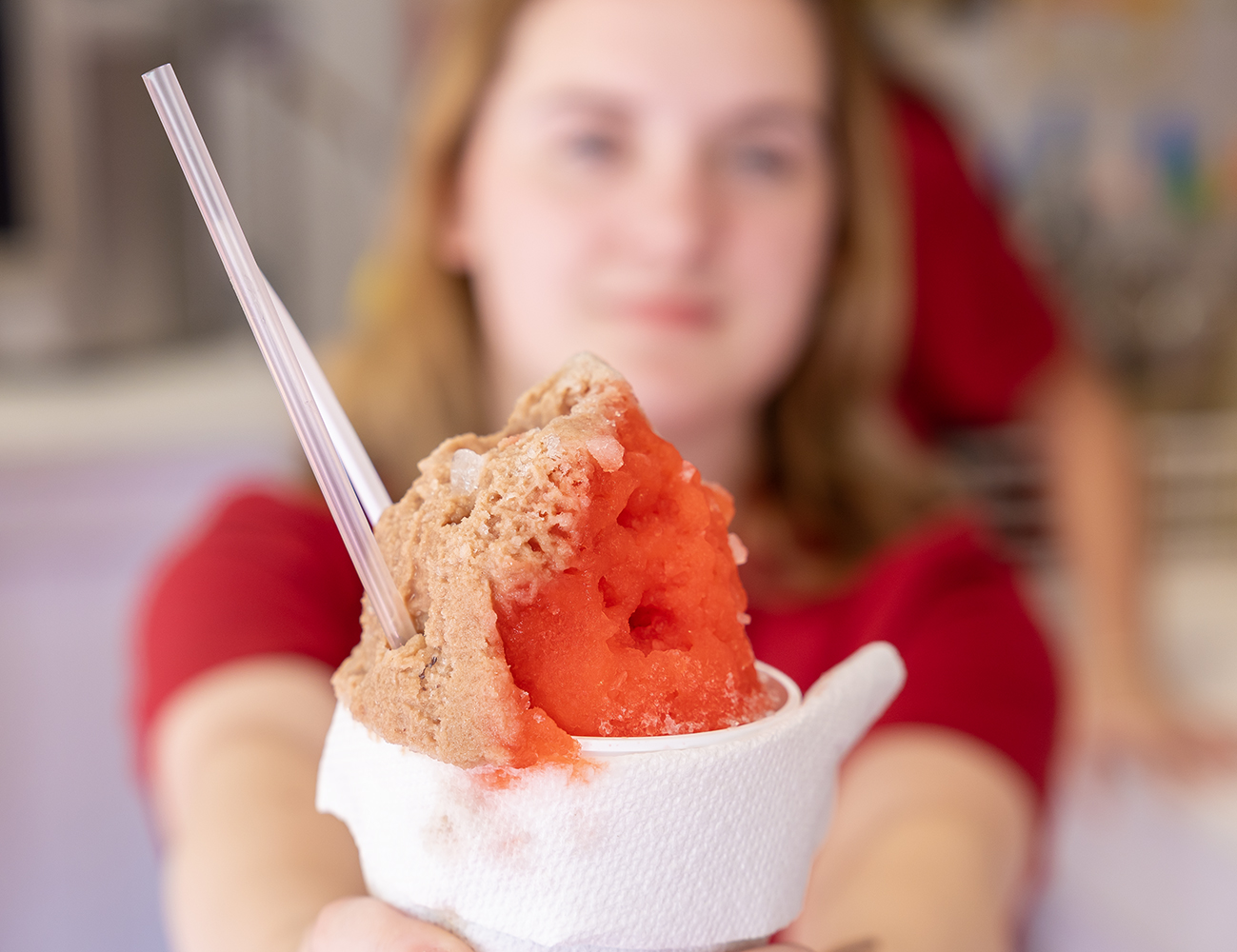
But it was also just the diversity of the experiences that was impressive. The “Sno Bliz,” from a company founded in 1934, was amazing…
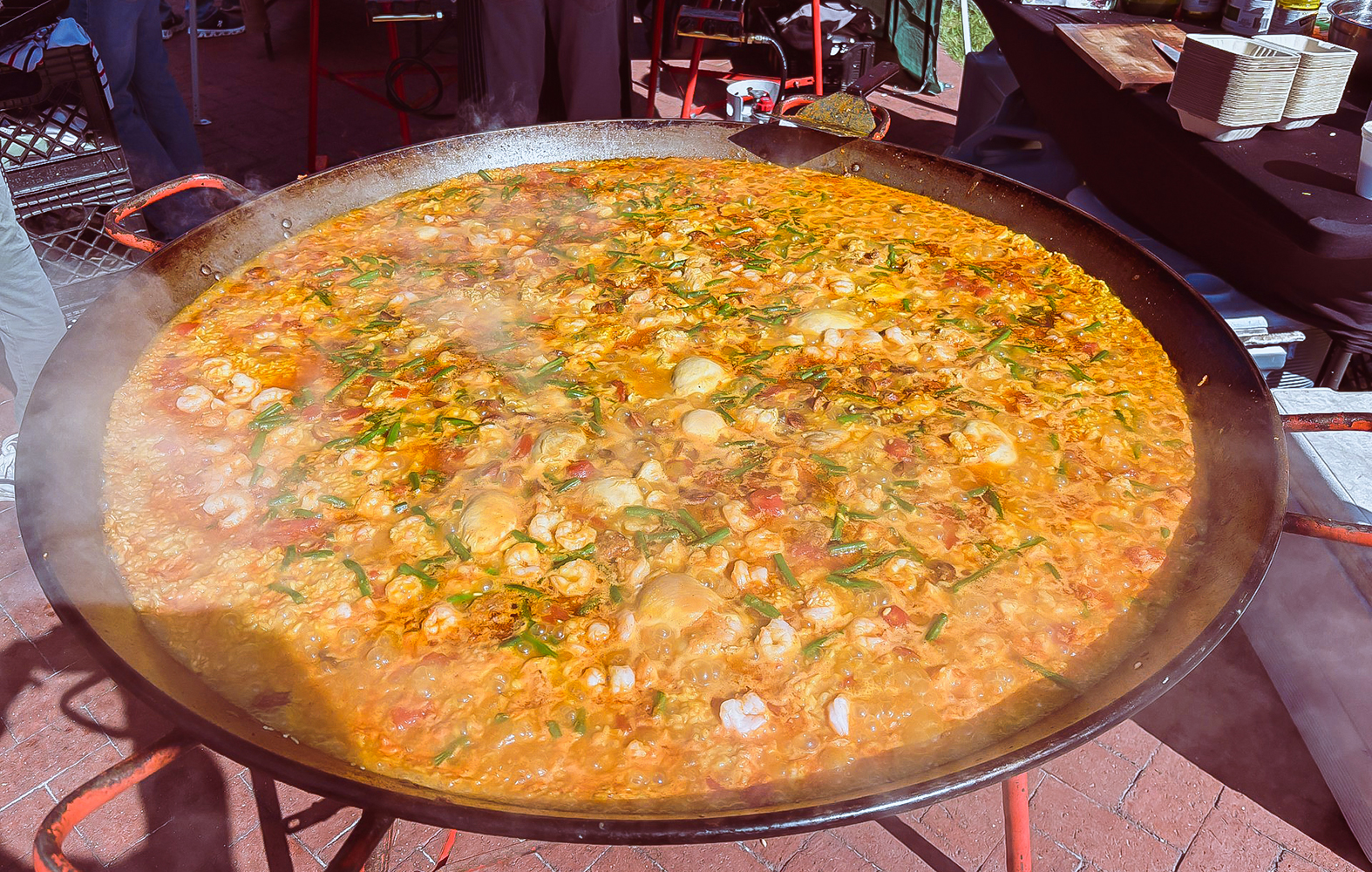
And we had a chance to see perhaps the world’s largest pot of paella, which looked delicious.
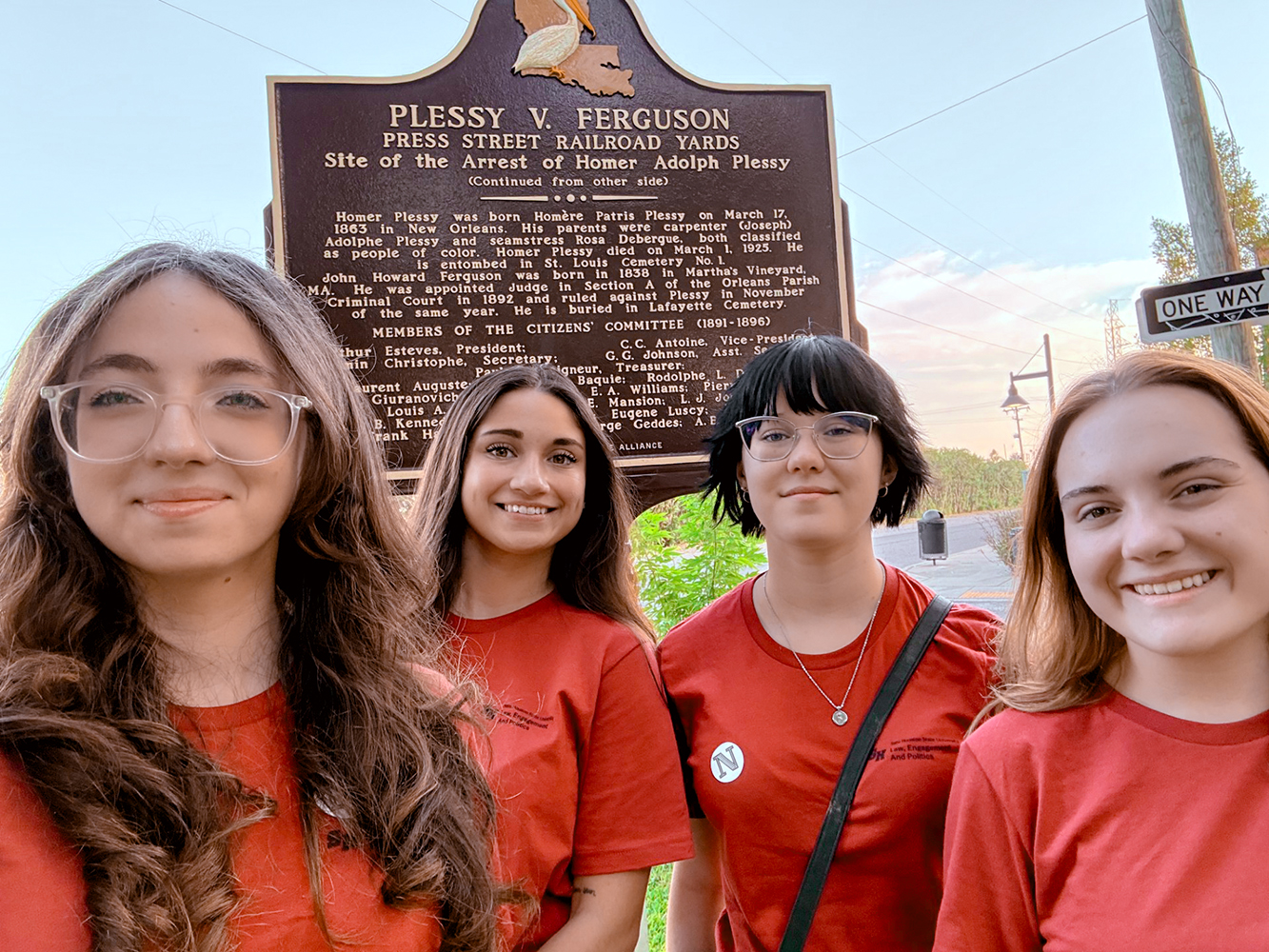
Yet we also had a chance to walk where Homer Plessy caught his train in 1896 in what proved to be a futile attempt to overturn segregation.
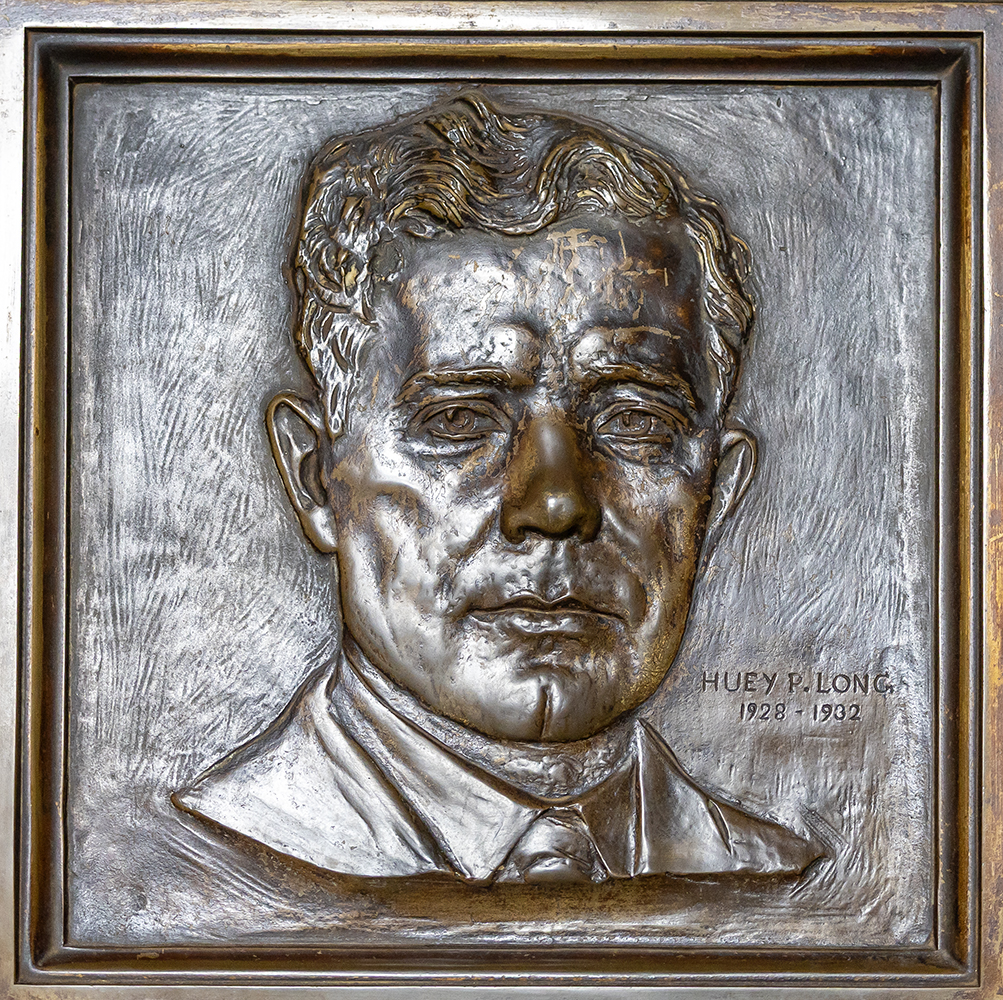
And learn about Huey Long, a populist whose corruption didn’t keep him from winning a majority of votes in every election in which he competed.
Conclusion
Most important, the students had a wonderful opportunity to expand their cultural horizons: they explored a new place (or for those returning, explored it with new eyes), tried new foods, enjoyed seeing different types of architecture, presented (or attended) at their first-ever professional academic conference, and visited new museums. It was a good time, punctuated by numerous opportunities to learn, appreciate the LEAP Center and SHSU, and enjoy the many amenities that unique cities across the United States have to offer.