Skip to content

Center for Law, Engagement, and Politics

Leap At SHSU!

  • About LEAP
  • LEAP Ambassadors
Center for Law, Engagement, and Politics

Category: Civic Engagement

Jefferson Memorial at Night

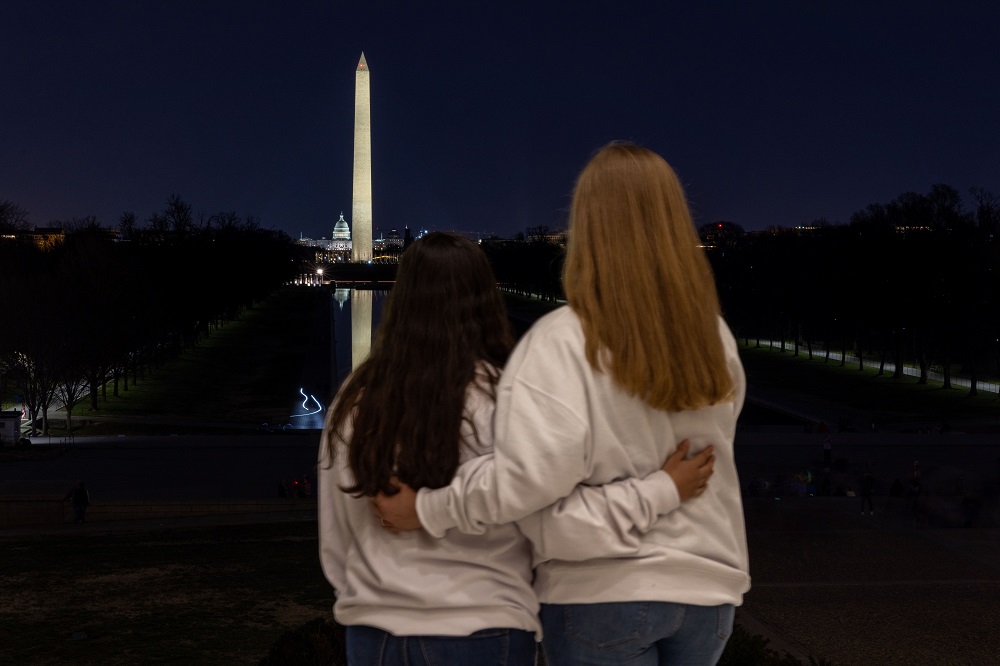
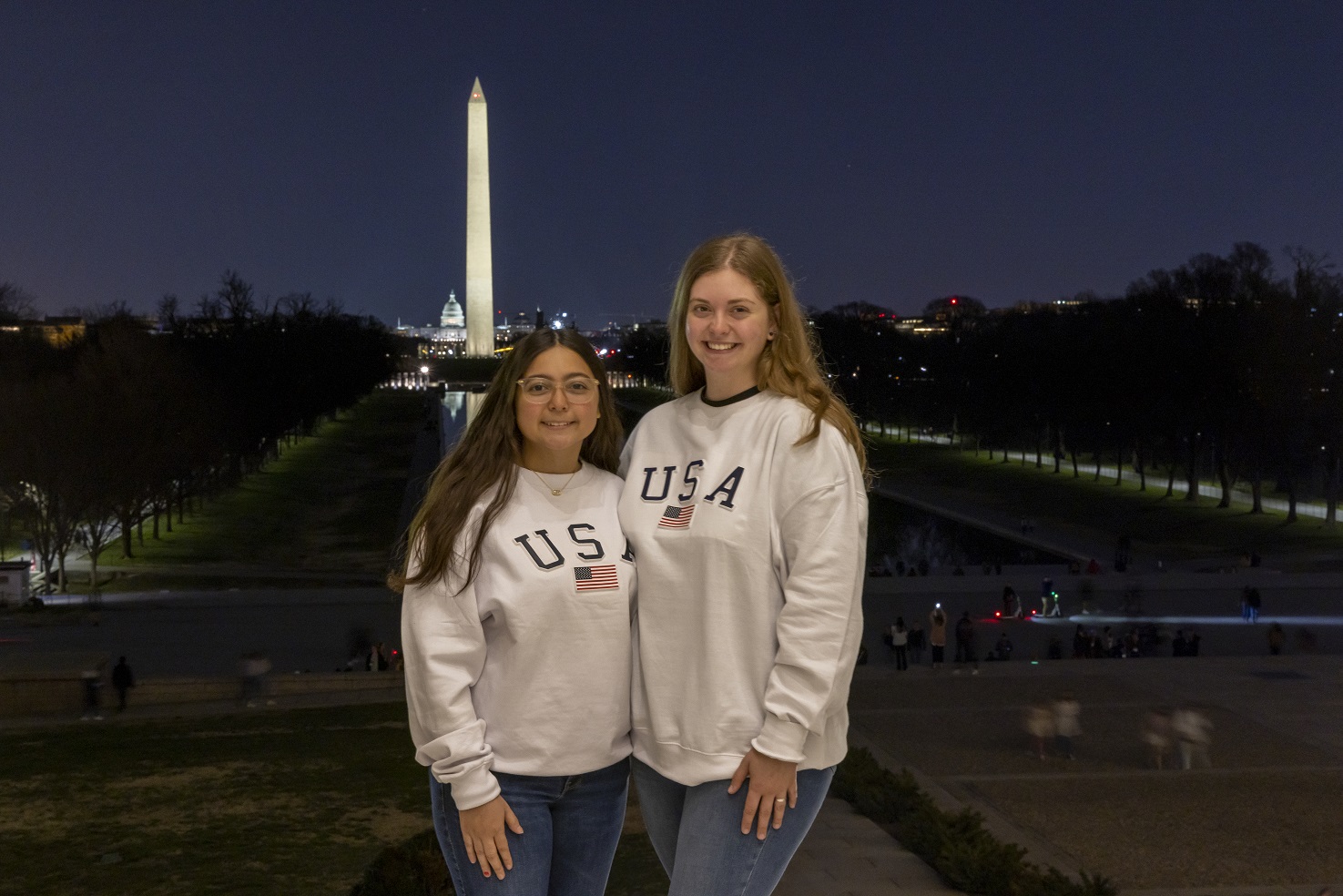
This shot was taken after a long day, full of experiences. The students and I had walked more than 30,000 steps that day, and we couldn’t make it to the Jefferson Memorial. We didn’t have it in our legs. But I wanted the shot.

To make matters more difficult, however, I didn’t have a tripod. To compensate, I placed the camera on a bridge railing to stabilize and hoped for the best.

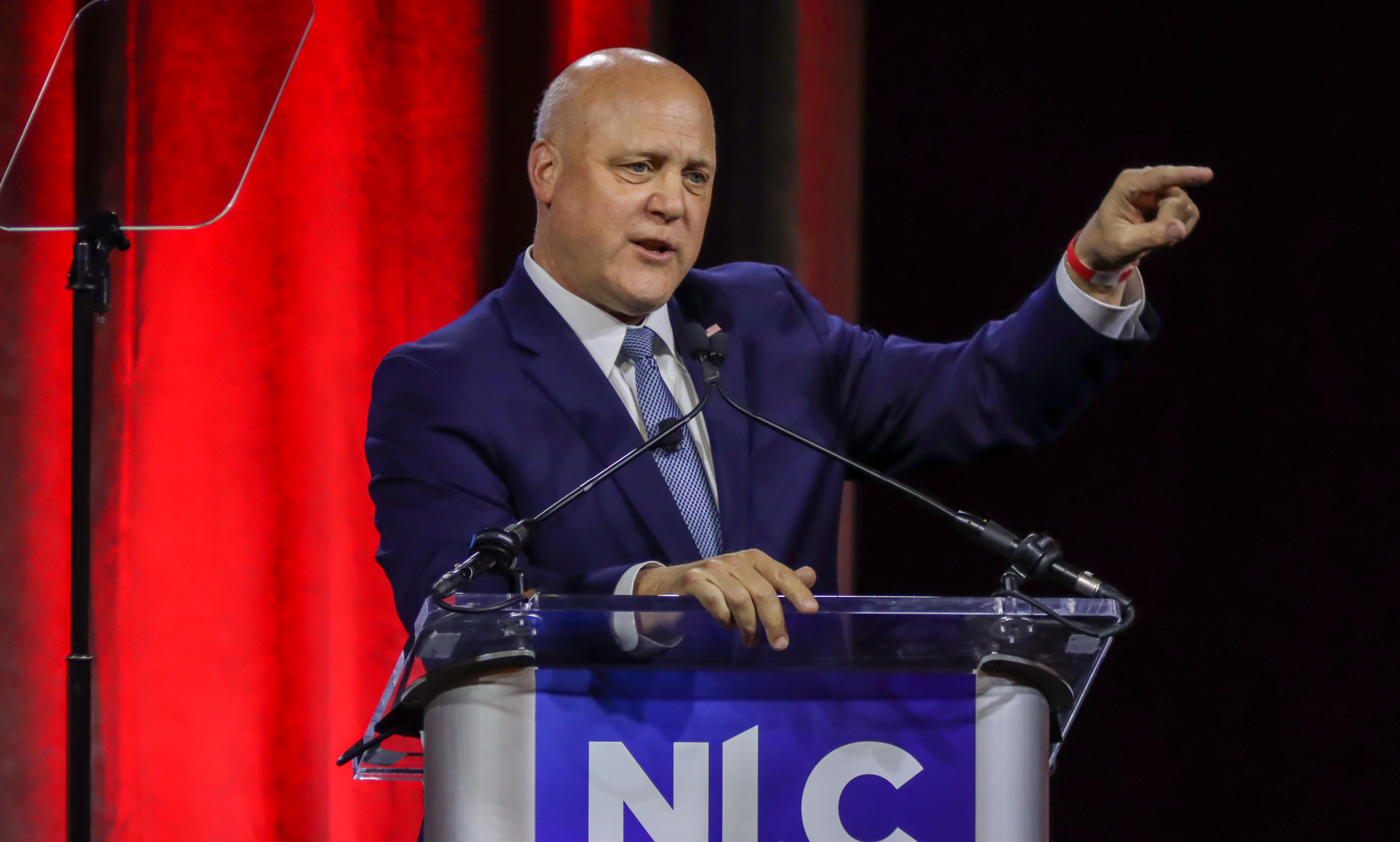
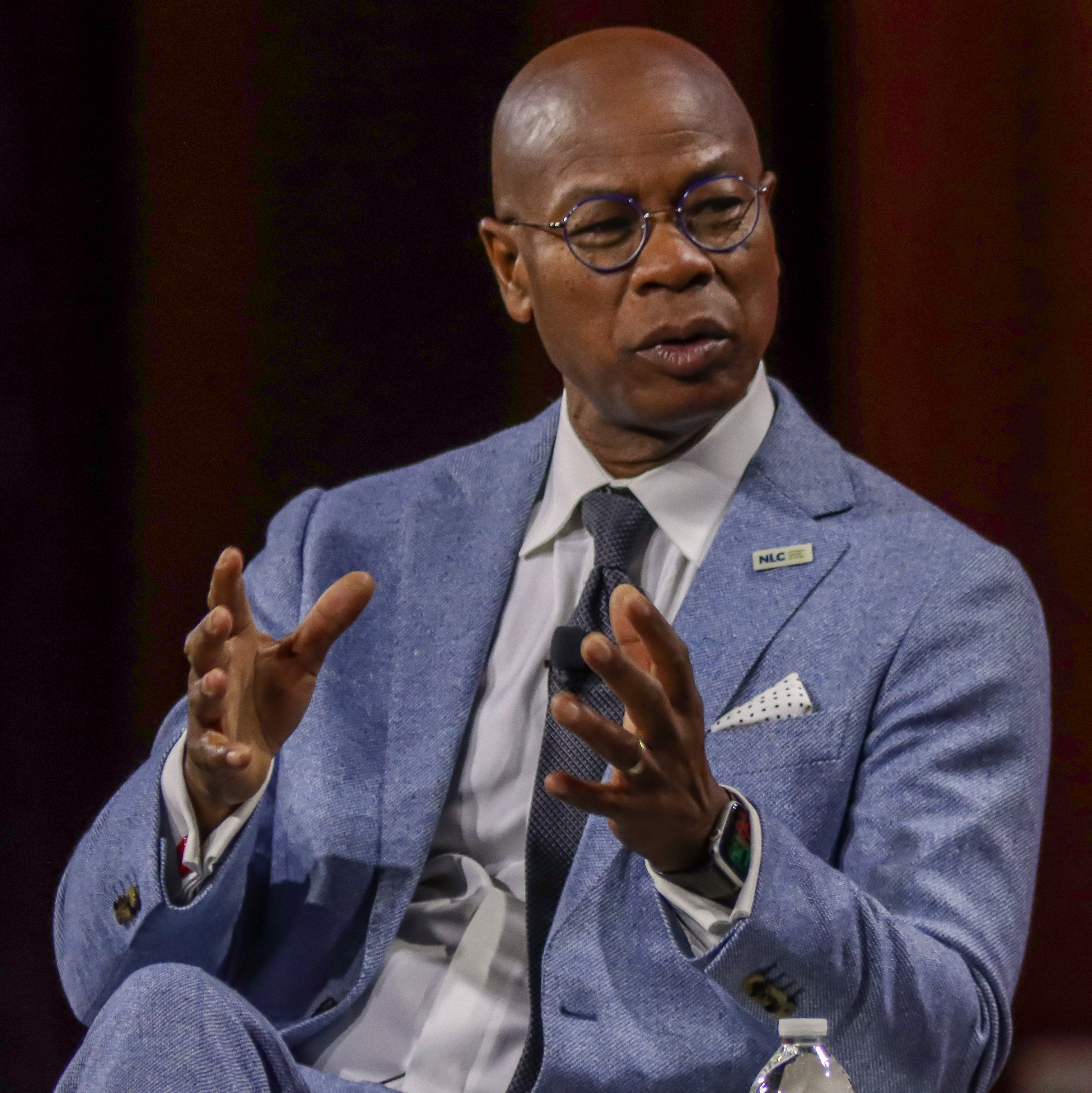
This is the only photo from this trip to make it in the exhibit, and it is a bit minimalist. But it’s a photo that reflects (pun not intended) a whole slew of activities that capture, I hope, the learning experiences that LEAP offers. On this single day, the students heard from Nancy Pelosi and other public figures at the conference they were attending…

…and also spent the day exploring the National Mall.

In short, behind each of the photos included in the gallery are–literally–20,000 more photos reflecting an incredible diversity and richness of educational offerings.

Unknown's avatarAuthor mikeyawnPosted on March 25, 2024Format AsideCategories Civic Engagement, Photography, Politics, TravelTags Center for Law Engagement And Politics, LEAP Ambassadors, Sam Houston State University, Washington DCLeave a comment on Jefferson Memorial at Night

A Texas Tradition: The Governor’s Inauguration

Gubernatorial Inaugurations are much more relaxed than Presidential Inaugurations. You can get closer to the action, there’s a smaller crowd, and the inauguration committee serves everyone lunch!

The Governor’s Inauguration is a prime opportunity for LEAP, because the Center also administers the Sam Houston Austin Internship Program. So, when the Governor is being inaugurated, we have interns in Austin, working at the Capitol Building–where the inauguration takes place.

The inauguration, then, is a good opportunity for me to check in on the interns, help other students experience the peaceful transfer of power that occurs in democracies, and to expose these new students to the possibility of doing an Austin Internship themselves at the next legislative session.

Even Peaceful Transfers of Power Need Security

During the ceremony, the students had a chance to see some Texas notables and their elected officials…

…while also capturing some great photographs…

…and enjoying the experience with other SHSU students and some alumni–one of whom was helping put the program on!

In this manner, the students were able to network, enjoy a new experience, capture some great photos, and elevate the profile of Sam Houston State University in Austin.

Unknown's avatarAuthor mikeyawnPosted on March 25, 2024Format AsideCategories Civic Engagement, Politics, TravelTags Austin TX, Center for Law Engagement And Politics, Gubernatorial Inauguration, LEAP Ambassadors, Sam Houston State UniversityLeave a comment on A Texas Tradition: The Governor’s Inauguration

Elvis in the Building

Morgan Robertson

After doing two internships with the City of Huntsville, I took a position as marketing assistant–and jack of all trades–with the Old Town Theatre. It was my first time working with a non-profit (other than as a volunteer), and it was an educational experience. It was also very enjoyable, largely because I had the chance to work with Lois Stehlik, who is simply a wonderful person to know.

But it was also interesting to assist with the many events the Old Town Theatre offers to the community. This included Andy Gross, Gary P. Nunn, Gene Watson, the Texas Tenors, and Johnnie Lee.

But the most fun act, and the best photo I took during this internship, was Travis Powell, an “Elvis Tribute” performer.

I quietly moved behind the stage, moved the camera through the curtains, and took a few quick snaps, hoping not to distract from the performance. I was happy with the shot, and it was a great show!

Unknown's avatarAuthor mikeyawnPosted on March 25, 2024March 25, 2024Format AsideCategories Art, Civic Engagement, JobsTags Center for Law Engagement And Politics, LEAP Ambassadors, Old Town Theatre, Sam Houston State University, Travis PowellLeave a comment on Elvis in the Building

DC Institutions: A Capitol, A Court, and a Library

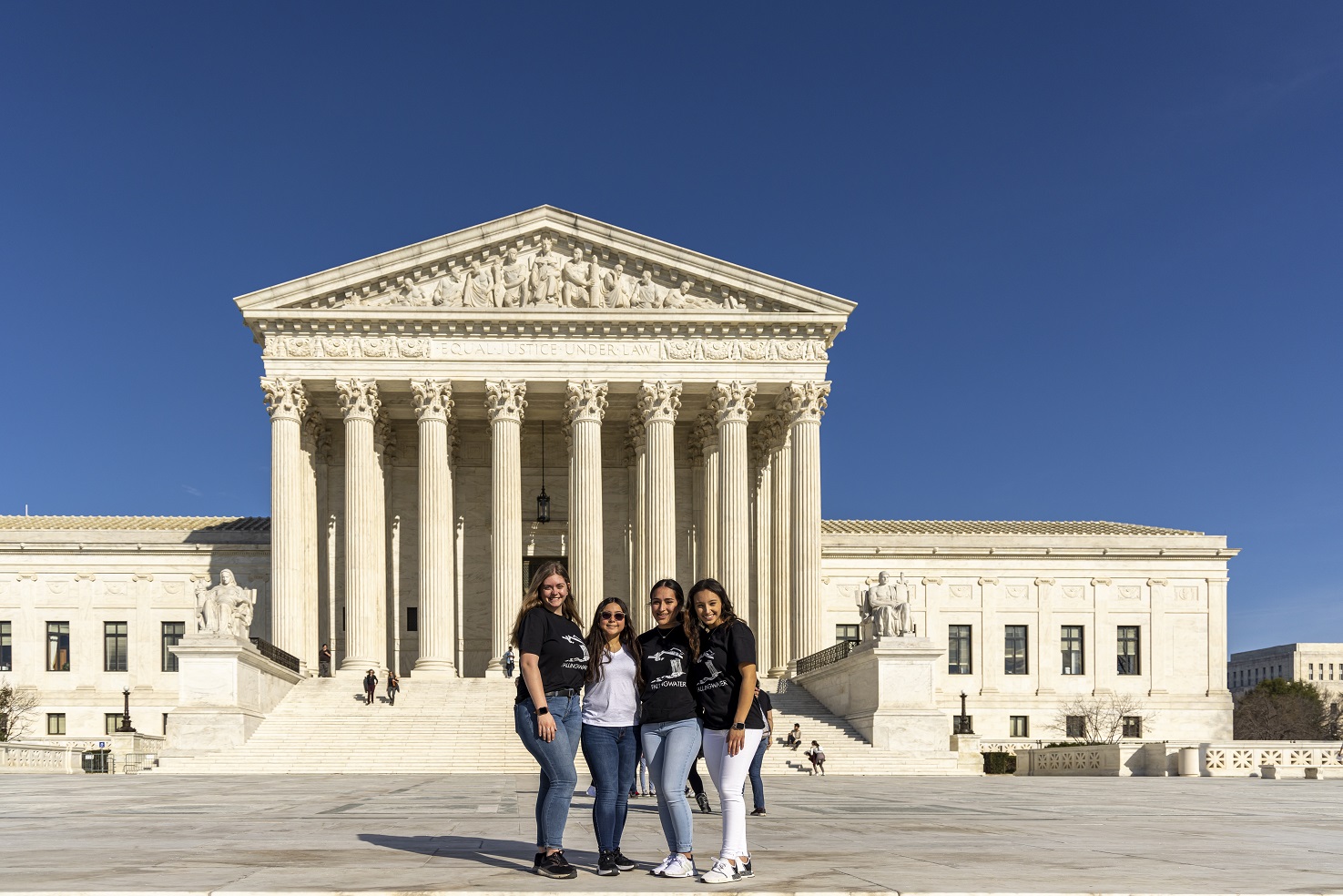
For three pre-law students who are considering legislative internships in Austin, and who (mostly) enjoy reading, you couldn’t ask for a better afternoon than seeing the US Supreme Court, the Library of Congress, and the US Capitol building. All three were amazing.

Supreme Court

Cinthia Villarreal

As we walked to the Supreme Court, we absolutely marveled at the building’s architecture, which was designed by Cass Gilbert. The building greeted us with a long hallway which had panels describing the judicial branch’s history and responsibilities.

This is a great introduction for anyone who is not familiar with the functionality of the Supreme Court, since it went into detail from the Court’s jurisdiction to landmark cases that we rely on to this day.

Personally, I was able to identify various cases I have read and briefed for my Constitutional Law course with Dr. Domino. This feeling of excitement overtook me as I was able to put my studies into practice and make connections from the textbooks to real life.

The end of the entry way included a statue of the Chief Justice John Marshall, the fourth and longest serving Chief Justice of the Unites States.

Chief Justice Marshall is known for his famous decisions that established not only key legal precedents, but also precedents for how the court would operate.

The main hall intersections with another hall that held some of the former Justices’ portraits. Including, of course, well-known Justices such as William Rehnquist, William Howard Taft (the only Justice to also be a President!), and Sandra Day O’Connor, the first female to be a Justice.

At the other side of the hallway, we were greeted with the special exhibition: “The Rise of Women Attorneys and the Supreme Court.” For aspiring women attorneys like ourselves, it was truly significant to learn about the women that began this movement. Reading their stories helped us put into perspective achievements and the work they undertook to be taken seriously in the field of law. They are the reason we are able to even imagine being attorneys.

We were also able to witness the Court’s spiral staircase, which is an architectural marvel, a mysteriously self-supporting elliptical five-story staircase. Moreover, the staircase’s railing were adorned with a series of rich symbols highlighting the care that builders put into their work, the classical influences on our government, and the beauty of the building.

We exited the building with more knowledge and respect for the Judicial Branch, excitement for our future as women in law, and further admiration for the beauty of the American government.

Library of Congress

Olivia Discon

Walking through the grand halls of the Library of Congress is like stepping into a literary treasure trove. As the world’s largest library, it houses millions of books, manuscripts, maps, photographs, and recordings, making it a pilgrimage for scholars, researchers, and book lovers alike.

Entering the Thomas Jefferson Building, the primary building of the Library of Congress, felt like walking into a palace. The grandeur of the Great Hall, with its marble columns, ornate decorations, and stunning dome, left us completely in awe. Some of the world’s greatest minds are featured along the walls, such as Shakespeare, Aristotle, Francis Bacon, Homer, and Petrarch.

One of the most fantastic sights was the Gutenberg Bible, the first printed books in the world. To see this meticulously crafted book was a profound moment.

Jefferson’s initial donation to the Library of Congress included his personal collection of over 6,000 books, which he had spent years acquiring.

This collection covered a wide range of subjects, reflecting Jefferson’s diverse interests in philosophy, science, literature, and history. Among the books were rare and valuable editions, some of which were the only copies in North America at the time. Notable works included Shakespeare’s plays, Sophocles’ tragedies, Plato’s “The Republic,” and many other classical and contemporary works. I couldn’t help but comb through the titles and geek over Jefferson’s vast collection!

The Library of Congress is not just a repository of books, it is also a beautiful exhibit space. In fact, we were able to revisit some of our previously studied Dorothea Lange in one of their exhibits on photography.

it is also a place of artistic beauty. The stunning architecture, intricate mosaics, and colorful murals that adorn the walls and ceilings of the building are a testament to the contribution of art and culture to our society.

Visiting the Library of Congress is an experience like no other. It is a journey through time and space, a chance to immerse oneself in the richness of human creativity and ingenuity. This was, by far, my favorite experience of the trip thus far!

US Capitol

One of the benefits of visiting DC during Spring Break is that we don’t miss any classes. One of the drawbacks is that we are in DC at approximately the same time as 1,000,000 eighth graders. Despite this deterrent, we trudged to the US Capitol for a bit of much-needed lunch (the Cafe was much better than the one at the Holocaust Museum) and to do a short tour.

The tours are not extensive. It involves watching a well-done film that lasts about twenty minutes, followed by visits to Statuary Hall and the Rotunda. Both of these are magnificent, if crowded.

Statuary Hall has an eclectic display of statues. Each state is allowed to choose two statues to be in the Hall, and we such interesting figures as Amelia Earhart (KS), Senator Barry Goldwater (AZ), astronaut Jake Swigert (CO), Robert Fulton (PA), and, of course, Sam Houston!

At the risk of delaying the tour, we rushed to the statue and took our photo. The statue was designed by Elizabet Ney, and we’ve seen it before; it is also in the Texas Capitol.

We also had a chance to see the beautiful rotunda, which is highlighted by the “Apotheosis of Washington,” by Constantino Brumidi. It is 4,664 square feet, and it’s a good thing, because it has to be seen from about 180 feet away.

The mural took almost a year to complete, and it was completed when–like now–the nation needed a unifying figure: 1865, the end of the Civil War.

Concluding Thoughts

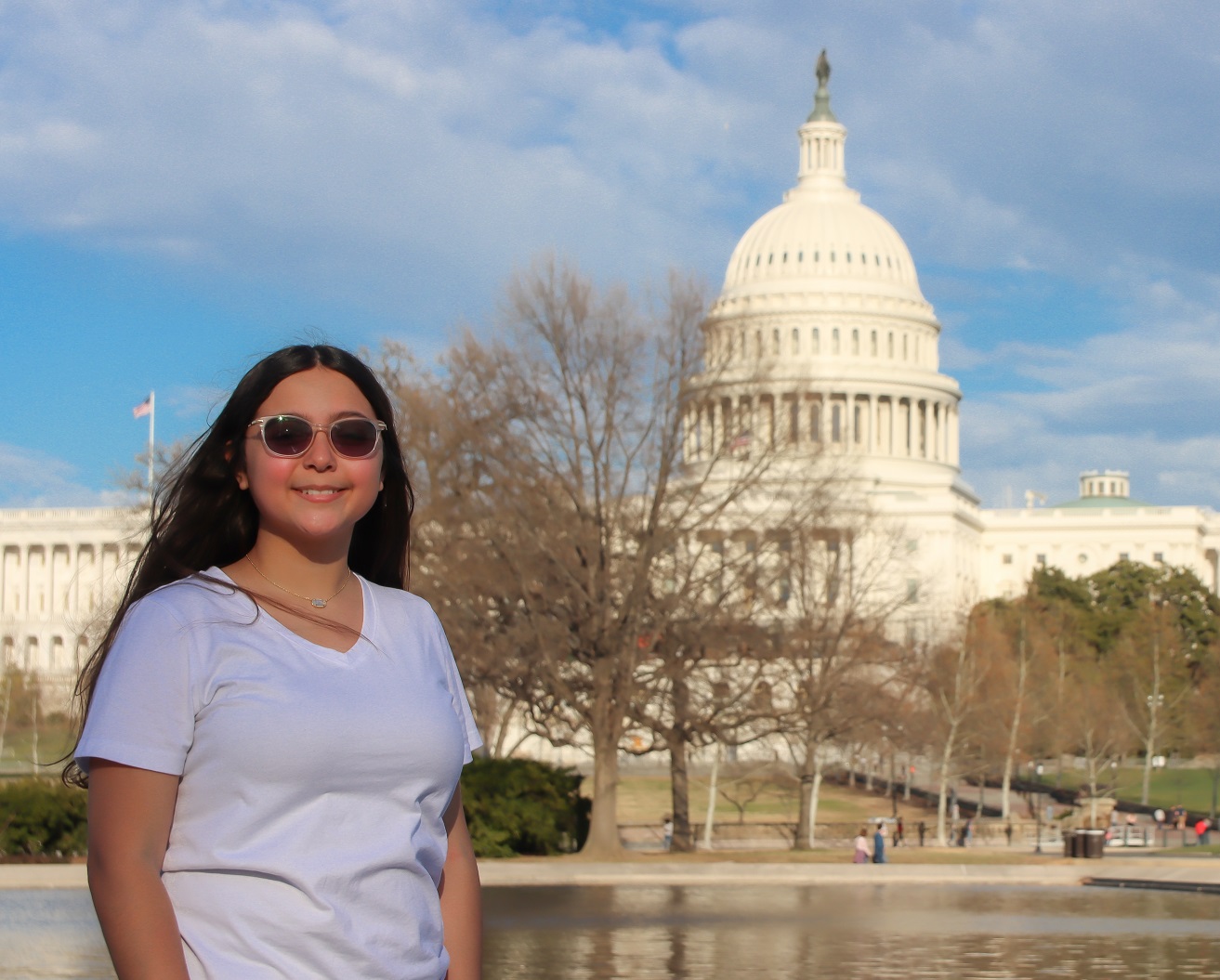
Our afternoon tour ended with the Capitol Building, and it is appropriate. Washington, DC is divided into quadrants, a feature of Pierre L’Enfant’s design. And in the middle of those quadrants is the people’s branch: the US Congress.

Today, with changed voting laws and immediate communications, we may take interaction with elected officials for granted. But when the government was established in 1789, US Representatives were the only federal officials elected directly by the people. Today, of course, this would also apply to the US Senate and, aside from pro forma technicalities, the President as well. So, it was an appropriate place for us to end our tour. But as aspiring attorneys and newly-formed fans of architecture, it is really tough to beat the awe-inspiring majesty of the Supreme Court and the beauty of the Library of Congress.

Unknown's avatarAuthor mikeyawnPosted on March 24, 2024Format AsideCategories Architecture, Art, Civic Engagement, Civil Rights, Law, Politics, TravelTags Center for Law Engagement And Politics, LEAP Ambassadors, Library of Congress, Sam Houston State University, US Capitol, US Supreme Court, Washington DCLeave a comment on DC Institutions: A Capitol, A Court, and a Library

Visit Huntsville: LEAP Day and Wynne Home Arts & Visitor Center 

by Jessica Cuevas

In honor of LEAP year, the LEAP Ambassadors wanted to capture a leap in front of one of their favorite historic homes in the City of Huntsville – The Wynne Home Arts & Visitor Center!

And by bringing us back to this beautiful home, it reminded us of what a great Huntsville destination it is!

The Wynne Home opened to the public in 2006 after it underwent years of renovations to turn it into an arts and visitor center following its donation to the City of Huntsville by Samuella Wynne Palmer in 1998.  

This beautiful Queen Anne home is open Monday-Friday from 9:00 AM to 5:00 PM and 10:00 AM to 2:00 PM on Saturdays. It is open to the public to visit and tour. Year-round, the Wynne Home hosts a variety of art and cultural events, workshops, and classes available for the community to attend and participate in.

Recently, for example, the Wynne Home hosted Empty Bowls, which raised more than $6,000 to fight hunger while promoting the arts.

Moreover, the Wynne Home is offering the annual Easter Egg Hunt on Saturday, March 30th from 11:00 AM to 1:00 PM, and I encourage you all to attend.  

Within the home, there is also an art gallery currently featuring the work of Mary Ann Vaca Lambert, an SHSU Alum who was able to study under Charles Pebworth, and whose art was influenced by Georgia O’Keeffe and Frida Kahlo. Her exhibit, Out of the Comaleros: The Art of Mary Ann Vaca Lambert, features several quilts from flowers, animals, and abstracts and will be up for you to see until the end of March! 

Note: While Mary Ann Vaca Lambert’s “Out of the Comaleros: The Art of Mary Ann Vaca Lambert” will be coming down soon, Kahne Smith’s artwork will be going up soon after. The opening reception for her work will be on April 5th from 6:00-8:00pm.

Unknown's avatarAuthor mikeyawnPosted on March 20, 2024Format AsideCategories Art, Civic Engagement, VolunteeringTags Center for Law Engagement And Politics, City of Huntsville, LEAP Ambassadors, Sam Houston State University1 Comment on Visit Huntsville: LEAP Day and Wynne Home Arts & Visitor Center 

A Monumental Day in Washington, DC

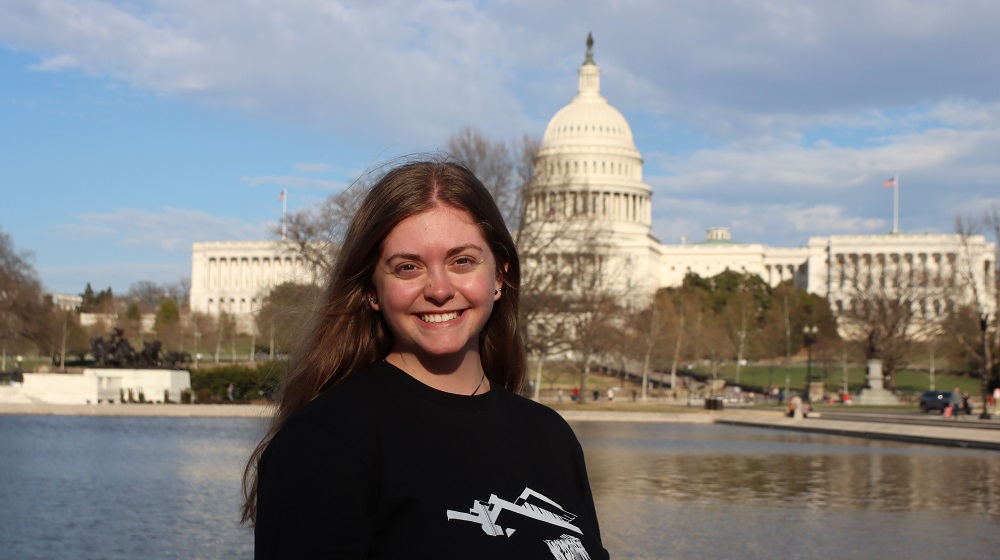
Following an epic day in the National Gallery of Art, we wanted to also fit in a trip along the National Mall. Given the size of the Mall, we knew this would be a challenge. But we were motivated, and we were determined, so we looked back on the Capitol–the major site we could see looking East…

…and set out for the first stop on our Mall tour: The Washington Memorial.

Washington Memorial

Cinthia Villarreal

The Father of His Country, The American Cincinnatus, and the Sage of Mount Vernon. These are all nicknames that George Washington has been called throughout history. For millions of Americans, the prestige for Washington does not stop at his title as first president of the nation or as commander of the Continental Army. For millions of Americans, Washington represents freedom and courage, and he was a trailblazer. It was an honor to witness the monument built in remembrance of the man that founded the nation.

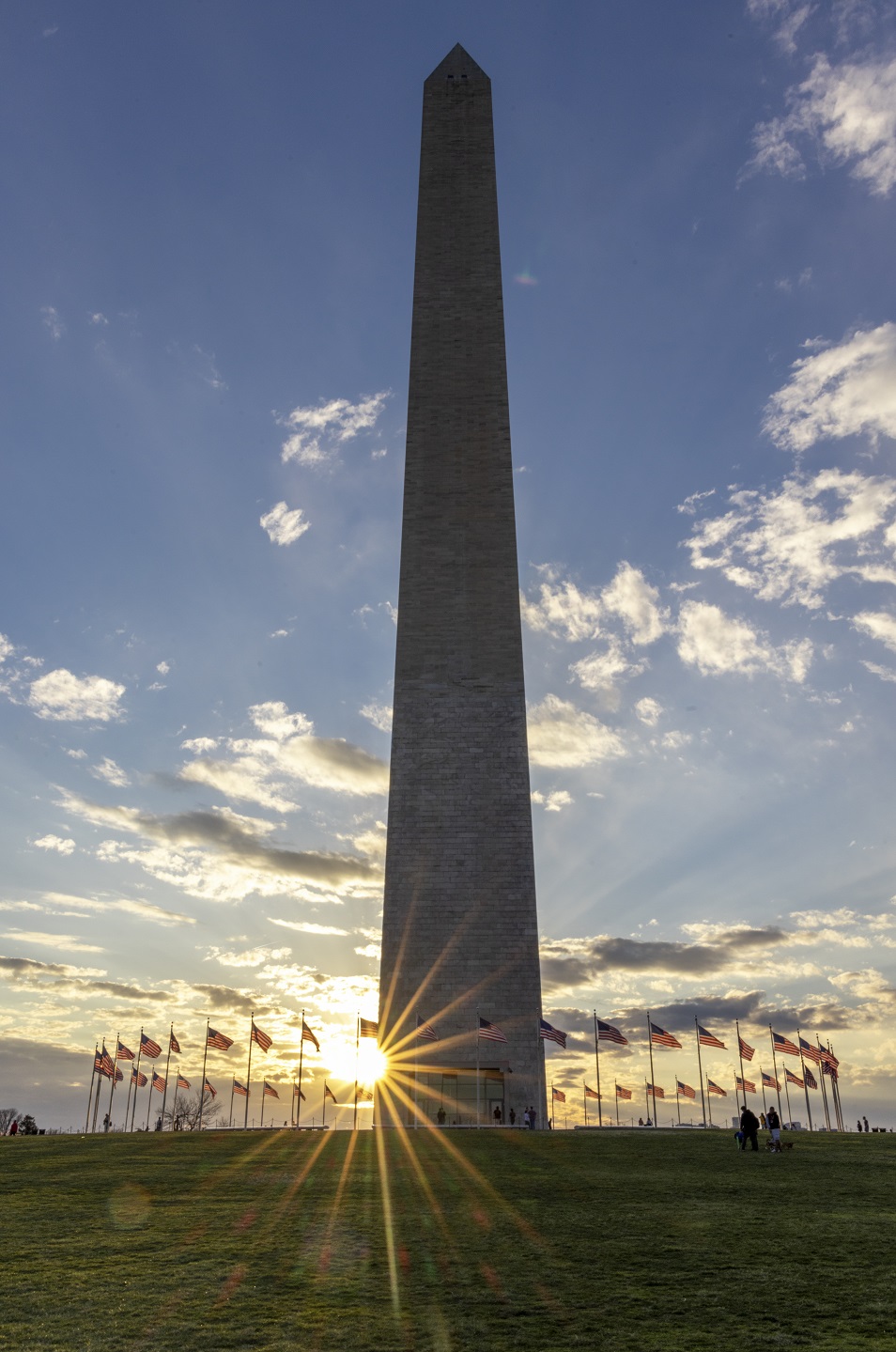
The Washington Monument towered over the busy city as we walked to it.

As we got closer to the memorial, our excitement grew and our ability to form sentences vanished.

From up close, the 555-foot marble obelisk is absolutely incredible and left all of us in awe.

The monument was built in two phases, starting in 1848, the use of different types of bricks is visible from afar.

Around the obelisk, dozens of American Flags decorate the exterior of the monument, flapping through with the wind’s breeze, reminding us of Washington’s central role in forming United states.

Vietnam Memorial

Olivia Discon

Making our way further down the Mall, we took a stroll through the Vietnam Memorial. The structure is not without controversy, especially at its inception. Like all commemorative art, there is incredible importance in doing the subject justice, and when it comes to the perils of war, honoring the lives of those who have fallen is a difficult task. To learn more about the origins of the Vietnam Memorial, I read “A Rift in the Earth” by James Restin Jr. prior to our trip. The title is extremely fitting, as both the appearance of the memorial and the Vietnam War caused a rift in many senses of the word.

Designed by Maya Lin, the striking memorial has numerous symbolic elements. The granite sculpture protrudes from the ground in the shape of a ‘V’, with the 58,000 names of the men and women who lost their lives in the Vietnam War (in chronological order). The mirrored nature of the 200-foot-long memorial evoked a profound sense of loss in what felt like a never ending list of soldiers. This monument is paired with two other sculptures, “Three Servicemen” by Frederick Hart and the Vietnam Women’s Memorial by Glenna Goodacre.

Walking through the list of names, we saw a small crowd of people surrounding part of the display. As we approached the scene, we quickly realized that Maya Lin herself was at the memorial!

To hear from the artist regarding some of the triumphs and struggles she endured while working on this project was a surreal, completely unexpected moment.

We were extremely grateful for the rare opportunity to speak with the artist alongside her work. And also, to snap a quick photo with her!

The odds of such a meeting were astronomical, and the excitement of meeting Ms. Lin combined with the sobering substance of the Wall was overwhelming.

Lincoln Memorial

At the far west end of the National Mall–we had made it half way!–we met with what turned out to be one of our favorite monuments: the Lincoln Memorial.

Architect Henry Bacon designed the memorial, drawing inspiration from the Greek Parthenon. The giant temple form is adorned with 36 Corinthian columns–one for each state in the Union at the time of the Civil War.

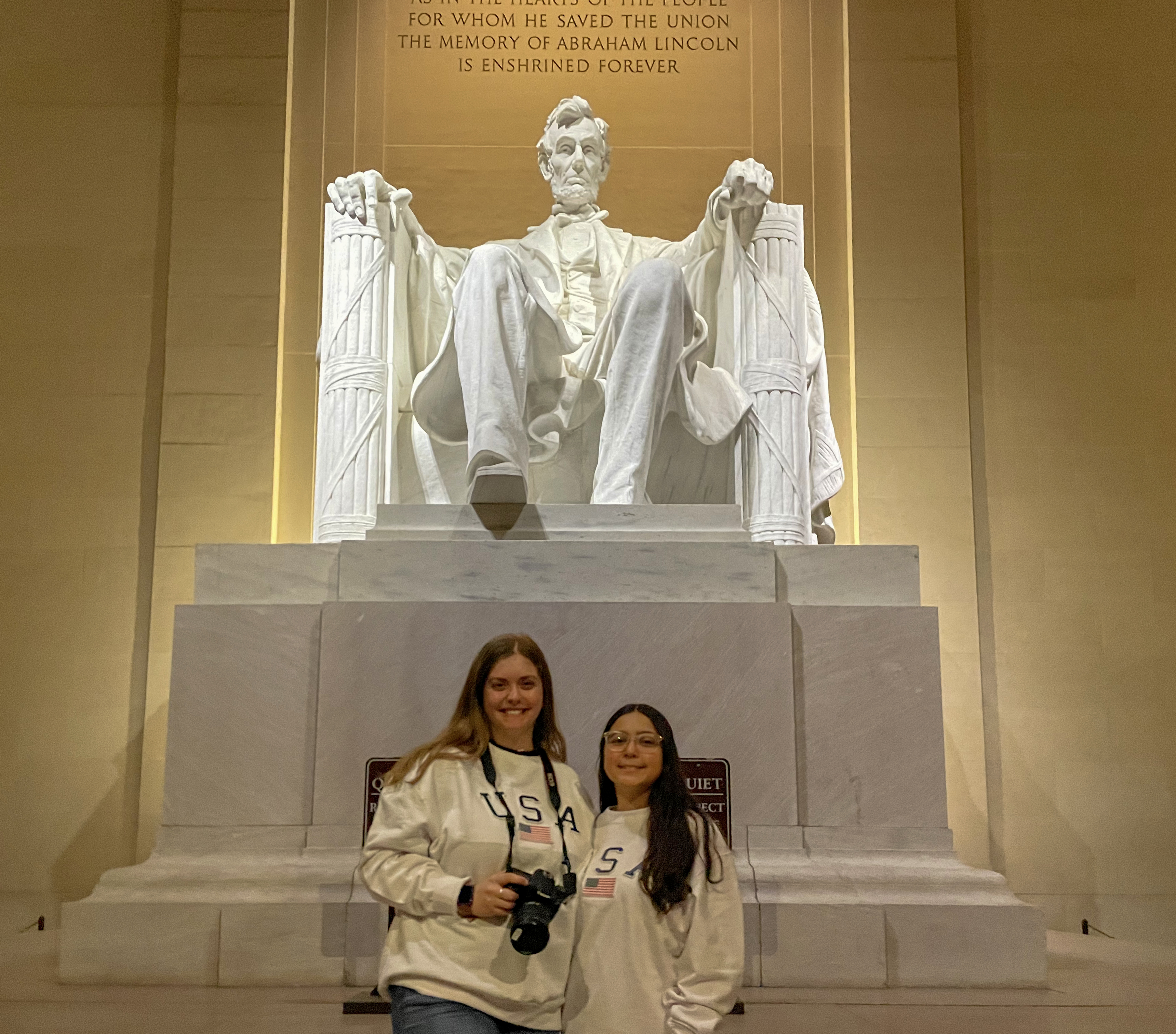
Daniel Chester French designed the actual statue that looms so grandly in the Memorial’s interior. It is 19-feet tall, and it’s impossible to walk into the temple without feeling small in the face of the statue and all that Lincoln meant to American democracy.

The view from this Memorial is amazing…

…and, in fact, this was such a momentous experience for us, we returned to the Memorial after dark.

Korean War Memorial 

Cinthia Villarreal 

The Korean War took place from 1950 to 1953, where 36,574 Americans and more than 7,200 members of the Korean Augmentation to the U.S. Army gave their lives for democracy. In commemoration to the war, the Korean War Memorial displays 19 stainless-steel soldiers in the deadly grounds of the war. Next to them, the Wall of Remembrance shows the name of the thousands of servicemen and the portraits of those unidentified.  

The memorial simulates the experience of the troop on the battle ground. Their facial expressions were masterfully done, reflecting a mix of worry with fear and the heavy-looking bags on their backs, and wearing ponchos which they used during the cold winter nights.

Additional to the Wall of Remembrance, there is another granite wall with the quote “Freedom is not free” and around it, the Pool of Remembrance provides a place of reflection.

Even though this was very different from the other monuments and memorials that we visited, this spoke volumes to me. The Korean War Memorial reminds the day-to-day citizen that the freedom we enjoy today is a privilege and did not come out of nowhere. Millions of people have volunteered and died for the rights that we have today and it should not be taken for granted.  

MLK  Memorial

Michelle Cardenas

Washington DC is known for all of its memorials and dedications to different significant American events and leaders. Amongst these is Dr. Martin Luther King Jr’s Memorial, a timeless tribute to the iconic civil rights leader. The granite monument was unveiled on August 28, 2011, and was designed by Lei Yixin. The memorial features a couple of Dr. King’s famous quotes, but the most spectacular part of the memorial is the great carving of Dr.King on what artist Yixin calls the “Stone of Hope”.  

When we saw the great statue we stood there in awe due to its grandeur. The statue is carved onto the “stone of hope” which is rising from the “mountain of despair” symbolizing the triumph over adversity and relentless pursuit of justice. We walked around and read all the quotes that were on the crescent-shaped granite walls behind the statue, drawing inspiration from his words as well as from his legacy.

FDR Memorial

Olivia Discon

President Franklin Delano Roosevelt (FDR), the 32nd President of the United States, has a longstanding legacy of service and heart for the American people. Having served 4 terms, during World War II and The Great Depression, FDR’s initiatives were instrumental in navigating America through some of its darkest days. The memorial features a series of outdoor spaces, each representing one of his four terms in office and the trials he and the country faced during his tenure.

One of the prominent sculptures is a statue of Roosevelt seated in a wheelchair, while wearing a robe, which largely obscured his wheelchair. At the time of FDR’s Presidency, disabilities were not widely accepted, and he took pains to hide the extent of his disability from the public.

FDR’s Memorial is laid out as more of a linear park, allowing visitors to explore different aspects of his presidency. We learned about World War II, the rise of media–especially radio (and his fireside chats)–and, of course, the Great Depression.

In fact, one of our favorite sculptures on the Mall was of the soup lines during the Depression. Forged by George Segal, these sculptures looked right in place alongside similar media used throughout the memorial…

…while also evoking many of the images we had seen by Dorothea Lange earlier in the day in the National Gallery of Art.

Jefferson Memorial

We found the location of the FDR Memorial, which was located along the Tidal Basin, allowed for great views of the Mall.

We could see the Washington Monument as well as the Jefferson Monument.

Eventually, we decided to make our way to see the Jefferson Memorial, which we hoped would begin to shine some light on a man whose life we would come to know over the course of the trip.

Designed by John Russell Pope (who also designed the National Archives and Constitution Hall), the Monument was completed in 1943, the 200th anniversary of Jefferson’s birthday. With grounds designed by Frederick Law Olmsted, Jr a large statue designed by Rudolph Evans (completed four years later, owing to material shortages during WWII)…

…and a front pediment featuring the Declaration of Independence designed by Adolph Wienman, there is much to admire in this neoclassical marvel.

We would learn much more of Jefferson later in the trip, as we visited the Library of Congress, Monticello, and the University of Virginia, but this was a wonderful introduction to Jefferson–and to the National Mall.

Concluding Thoughts

There are few sites as majestic as the National Mall, even in a City that is full of marvelous sites.

We differed in which monument we liked most, but we all agreed that the National Mall was one of our favorite sites among all trips we had taken, and it whet our appetite for days full of additional site-seeing.
Unknown's avatarAuthor mikeyawnPosted on March 17, 2024November 3, 2024Format AsideCategories Architecture, Art, Civic Engagement, Politics, TravelTags Center for Law Engagement And Politics, Frederick Law Olmsted, John Russell Pope, LEAP Ambassadors, National Mall, Sam Houston State UniversityLeave a comment on A Monumental Day in Washington, DC

Exploring the Nation’s Capital: A Day in DC

It was, for all of us (students), our first time in Washington, DC. So, despite the rain, wind, and cold, it was an exciting morning, promising adventure and wonder.

That sense was deepened on our very first stop of the morning: the White House. We did not know it, but our brief stop on Saturday morning was a foreshadowing of things to come!

And as we made our way to the Holocaust Museum, which would be our first official stop of the morning, we also passed the Smithsonian American Art Museum, where we saw one of our favorites: Luis Jimenez!

United States Holocaust Memorial Museum

by Michelle Cardenas

As we continued our journey through Washington DC, we made a stop at one of the most significant historical institutions, the United States Holocaust Memorial Museum. Of all of the historic landmarks, the Holocaust Museum stands as a testament to the resilience of humanity and a reminder of some of the darkest chapters of human history.

As soon as you step foot in the museum the solemn atmosphere instantly engulfs you. The building itself is designed to make you feel like you’re a part of the industrial 1930s, everything from the elevators to the layout of the museum transports you to the times of World War 2 and Nazi Germany.

The museum is displayed in chronological order, effectively tying in personal stories of survivors, artifacts, and video presentations. The different kinds of media provided a new, deeply moving understanding of the Holocaust. The museum began with information about Adolf Hitler and the formation of his ideology and vendetta against Jews…

…moving swiftly into the discrimination Jews faced during 1933 due to their patriotism. Jews were being singled out since the beginning of the German regime and by 1939 most of them had already been prosecuted and taken to concentration camps where they would be either killed or worked to death.

There were many interesting and sobering artifacts on display at the museum. One that particularly caught my attention was the train cart where Jews were stuffed in and transported to concentration camps and gas chambers. It is one thing to read about these atrocious events but it’s completely different to see the items in real life and grasp the full concept of how awful this genocide was.

As we made our way through the museum we found something new that we had never really heard of. The Night of Glass was repeated throughout the museum and it referred to the day that Nazis burned down and destroyed all of the Jewish homes, businesses, and synagogues that remained. On a display, they had rolls and half-burned remainders of the Torah that had survived the Night of Glass. Along with this was a door frame that belonged to a Jewish synagogue; the frame was cut up and the Nazis made sure to carve out any writing that was on them. This was incredibly interesting and peculiar to see because you could sense the feeling of hatred the Nazis had towards these people, that they went to the extent of destroying something so holy and pure to them.

The museum concluded with America’s response to the genocide and killings of all the Jews. In this part, there were many exhibits of all of the findings and evidence that these concentration camps were indeed real. There were piles of hair, dentures, jewelry, and other personal belongings that were stripped away from Jews.

Interestingly, art by Ellsworth Kelly, Richard Serra, Joel Shapiro, and Sol LeWitt is incorporated into the museum, adding to the sense of the sublime, while also suggesting a sense of hope. And this was made more vivid by the fact that the Jewish prisoners also sensed this, often creating art in the form of paintings, sketches, literature, or poetry as a way to alleviate or express the horrors of their experiences.

One of the more interesting finds for us was the photography of Roman Vishniac, who captured many scenes of Jewish culture from before the Holocaust. Because photography is a theme of sorts of this trip, this was particularly captivating for us.

It was very sad to see how much the Jewish community lost and the pain they suffered through. But this also underscored the importance of museums such as these, highlighting past atrocities and, we hope, making them less likely in the future.

Indeed, Dwight Eisenhower–whose forces liberated Europe–seemed to suggest this when he ordered his troops to film the horrors of the concentration camps, so that the tragedy would be preserved in history.

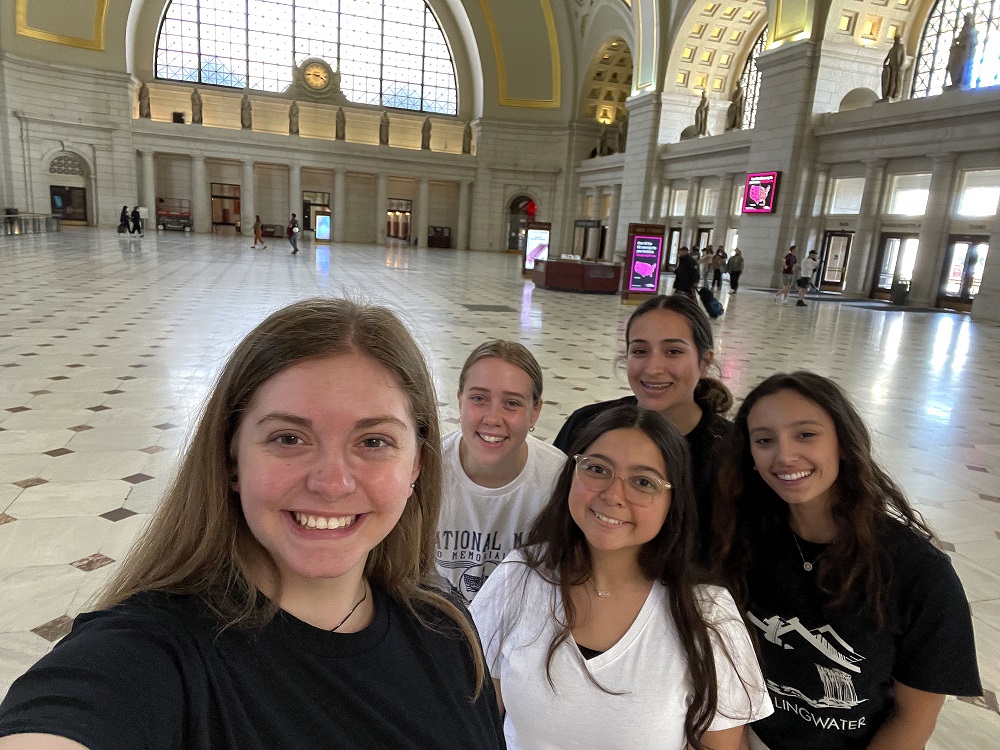
Union Station

by Cinthia Villarreal

After walking through Washington D.C.’s beautiful streets and admiring its impressive collection of art, we headed into Union Station D.C. Before going inside the building, we were able to marvel at the striking architectural design of the building. The towering columns and the Roman-inspired arches gave the station an intimidating yet alluring character. Nonetheless, when we walked inside the building, we became completely speechless.

Washington’s Union Station, which was opened in 1907, is a restored train station and shopping center and during its most thriving moments, it would transport up to 42,000 passengers daily. Even though it deteriorated over time because of high usage and low budget, the awe-striking creation by the architect Daniel Burnham was designated an historical landmark in 1969. Several rehabilitation programs throughout the years have worked on the station in order to keep attracting both alike tourists and locals.

The ceiling, which is what captured most of our attention, has been recently renewed and beautified. The contrast of the white and the 23-karat gold leaf of the design is extremely intricate. From the second floor, life-size statues overlooked the lobby we were standing in and the windows throughout the building truly amplified the space, even though not necessary.

After walking around the station and seeing the variety of stores they had, we settled down to have a great dinner to finish our eventful first night at the national capital.

Unknown's avatarAuthor mikeyawnPosted on March 12, 2024March 12, 2024Format AsideCategories Architecture, Art, Civic Engagement, Civil Rights, Law, Politics, TravelTags Center for Law Engagement And Politics, Holocaust Museum, LEAP Ambassadors, Sam Houston State University, Washington DCLeave a comment on Exploring the Nation’s Capital: A Day in DC

Empty Bowls: The Arts, Culinary and Otherwise, for a Good Cause

Every spring, the Wynne Home sponsors “Empty Bowls,” a program that manages to promote ceramics, the culinary arts, and to fight hunger–all in the same event. This year, the event–organized by Angela Robinson–was particularly successful, with a record number of attendees and a lot of fun! And for approximately the 15th year in a row, the LEAP Ambassadors were there to help.

The primary purpose of the event is to raise funds to fight food insecurity. The program, which is international in scope, is administered fully by local communities, and in Walker County, the program is administered by the Wynne Home, and the funds raised go to the “Meals on Wheels” program at the Senior Center.

Wynne Home staff reach out to businesses and other organizations to donate soup while HEB also offers finger foods, giving “customers” many food options. This year, soups were donated by Sam’s Table, City Hall Cafe, Huntsville High School, Fives Loaves Deli and Potato Shack.

Each customer, then, buys a lunch for a suggested donation of $15, and these funds are then donated to the Senior Center.

If this is all there was, it would still be a worthwhile program, but there is much more to it. Throughout the year, ceramicists offer training courses, helping local residents shape and glaze materials into pottery. Some locals reserve their pottery, which means they can pick it up on (or around) the Empty Bowls date, while others donate their product to the event.

LEAP Ambassadors Prepare Their Bowls for Glazing

Then, as “customers” purchase soup at Empty Bowls, they receive one of the pieces of pottery, not only as a work of art to keep, but also as a reminder that some people face empty bowls every day.

Those with the most skill at crafting bowls–many of SHSU Professor Lauren Clay’s students, for example–donate their bowls for silent auction, which raises additional funds.

Beyond the record crowds this year, much fun was involved. People enjoyed the decor in the wonderful Wynne Home as well as the art from the latest exhibit featuring the work of Mary Ann Vaca-Lambert.

Aron Kulhavy, the City Manager, was in attendance…

…and his fun-loving staff were sure to pick out a bowl for him.

Speaking of his staff, they were, as usual, hard at work, while being surrounded by all their friends and supporters.

For everyone else, the companionship and satisfaction of joining a good cause was enjoyable…

…as it was for the LEAP Ambassadors.

Congratulations to the Senior Center, and many thanks to the Wynne Home for strengthening our Huntsville community through this noble cause!

Unknown's avatarAuthor mikeyawnPosted on March 11, 2024Format AsideCategories Art, Civic Engagement, VolunteerTags Center for Law Engagement And Politics, LEAP, LEAP Ambassadors, Sam Houston State University1 Comment on Empty Bowls: The Arts, Culinary and Otherwise, for a Good Cause

Posts pagination

Previous page Page 1 … Page 25 Page 26 Page 27 … Page 106 Next page

LEAP Ambassadors Are Involved!

This slideshow requires JavaScript.

Follow Us On Facebook!

Follow Us On Facebook!

Catch Up With Us

  • Firearm Possession, Sexual Abuse, and Drug Possession on Tap for SHSU Courtroom March 19, 2026
  • Past as Prologue: An Evening with Jon Meacham March 18, 2026
  • Pre-Law Society hosts Dr. Rhonda Beassie March 16, 2026
  • Filling Empty Bowls: A Community Tradition March 13, 2026
  • CHSS Wall of Honor ceremony and Speakeasy celebration March 11, 2026

Join The Conversation!

Multi-Platform Media… on Fun and Flavor: Chilly at the…
Highlights from the… on Glazing-A-Trail with Lauren…
The Civic Leadership… on Foundational Activities of the…
The Civic Leadership… on The Philosophical Foundations…
LEAPing Into Action… on The Philosophical Foundations…

Find Previous Posts

We also have Twitter!

My Tweets

LEAPing Into LEARNing

This slideshow requires JavaScript.

  • About LEAP
  • LEAP Ambassadors
Center for Law, Engagement, and Politics Blog at WordPress.com.
  • Subscribe Subscribed
    • Center for Law, Engagement, and Politics
    • Join 490 other subscribers
    • Already have a WordPress.com account? Log in now.
    • Center for Law, Engagement, and Politics
    • Subscribe Subscribed
    • Sign up
    • Log in
    • Report this content
    • View site in Reader
    • Manage subscriptions
    • Collapse this bar
 

Loading Comments...