by Olivia Discon
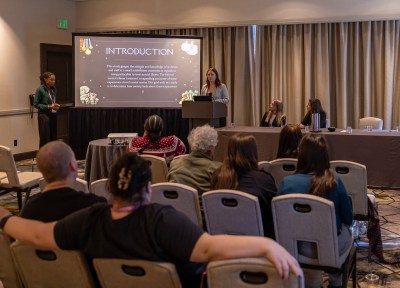
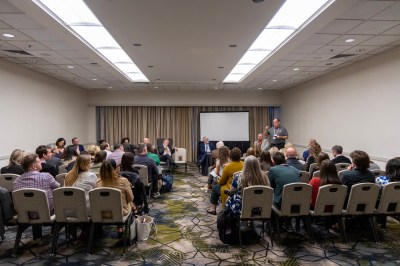
After months of compiling data, conducting interviews, and researching, Professor Yawn, Chrissy, and I finally had the opportunity to present our work at the ACJS Conference in Denver, CO. This experience was unlike anything I’d encountered before, and presenting research at an academic conference as an undergraduate was both exhilarating and nerve-wracking.
So, what is our research about? In short, our group is examining the implementation of police technology in home-rule cities across Texas. Contrary to common perception, innovation in cities isn’t driven by a single department, organization, or state entity. Instead, it emerges from a complex interplay of governance. Our primary focus is on Automatic License Plate Readers (ALPRs), which rapidly scan license plates to aid in crime prevention. From a policy perspective, ALPRs are particularly interesting because they raise important questions about efficiency, privacy, and local governance.
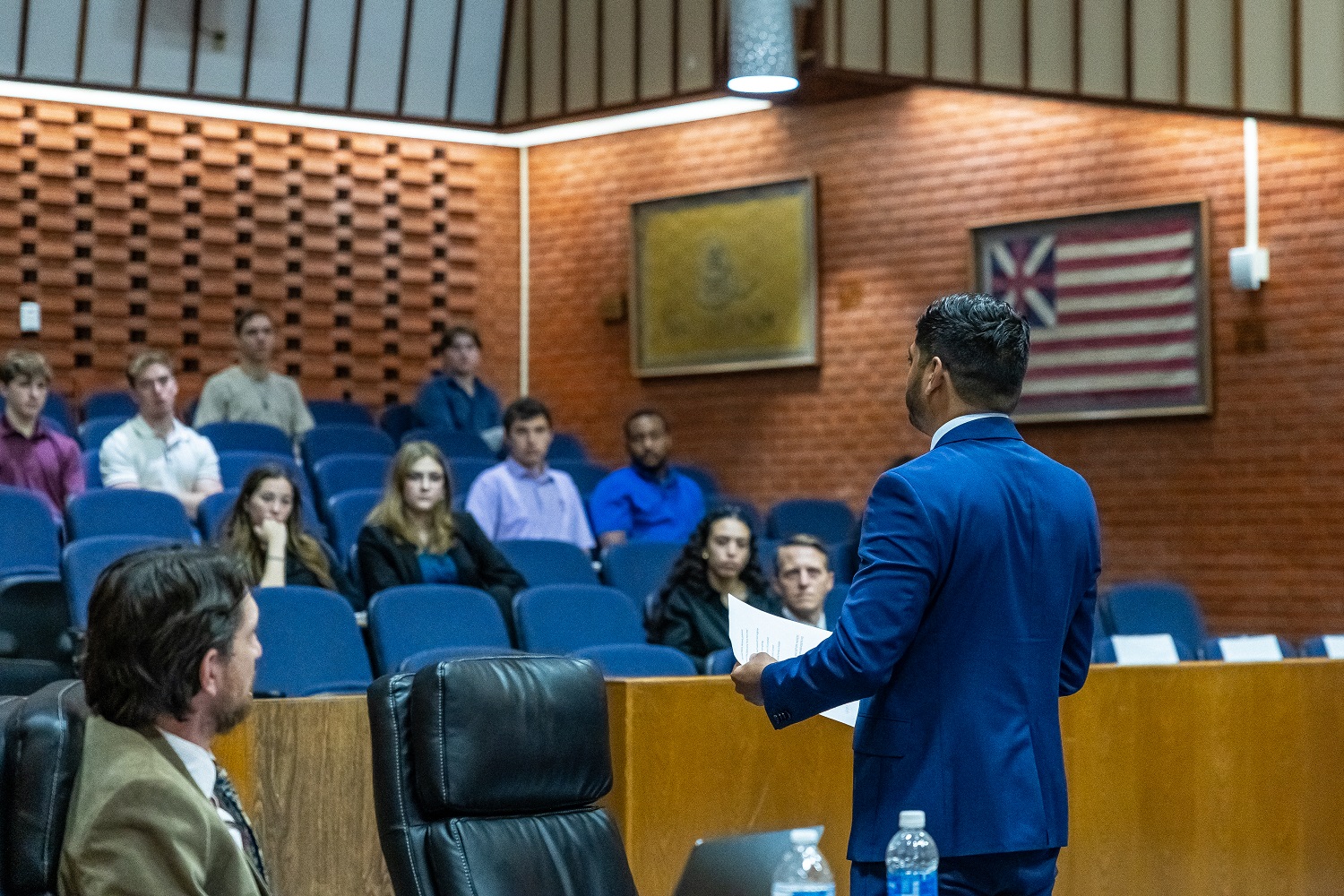
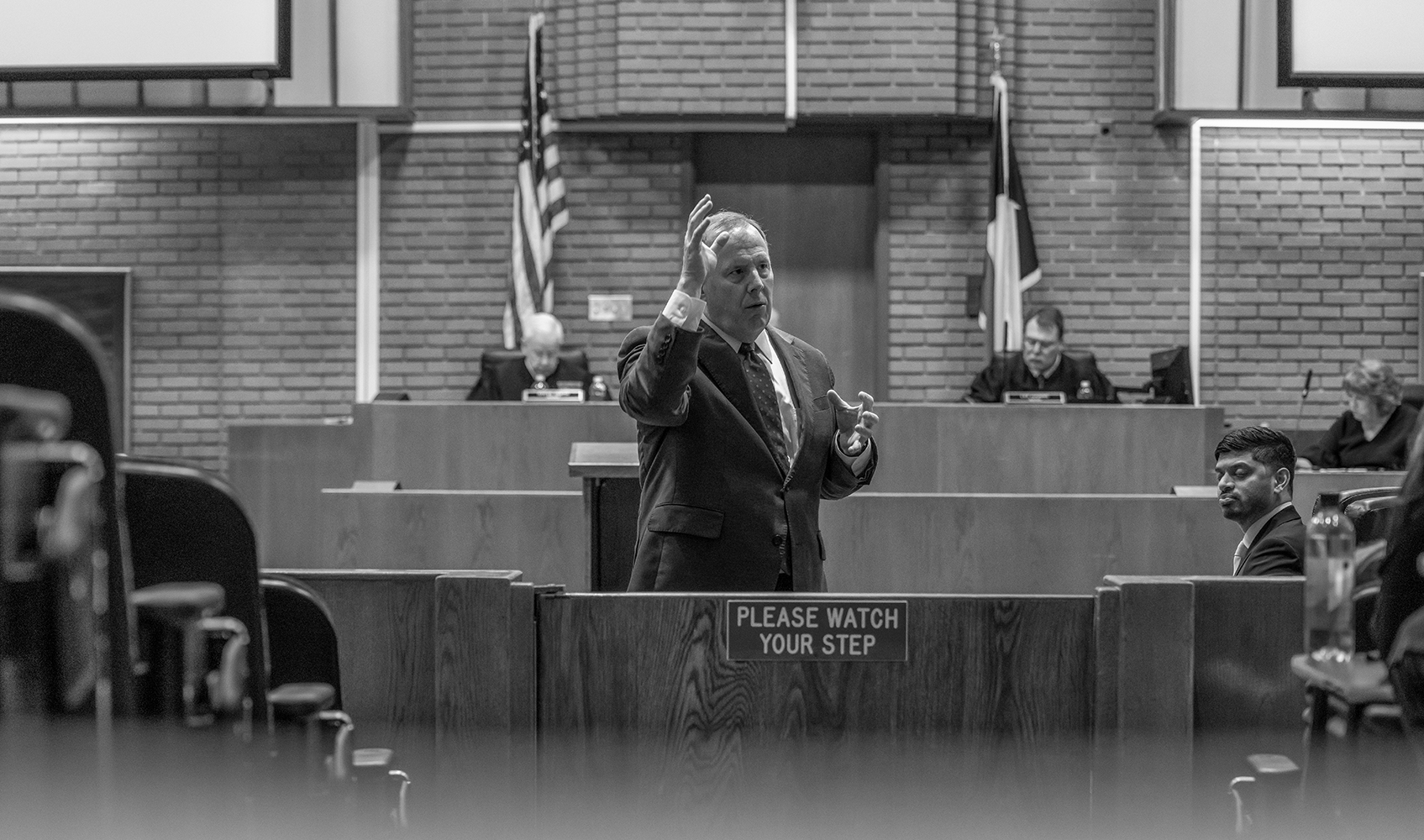
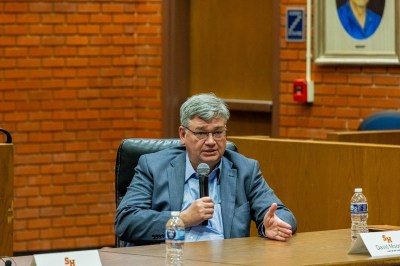
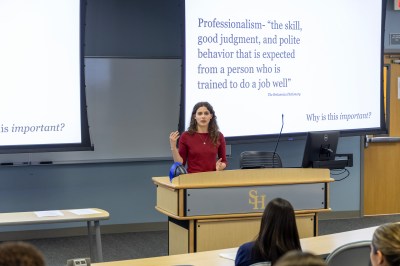
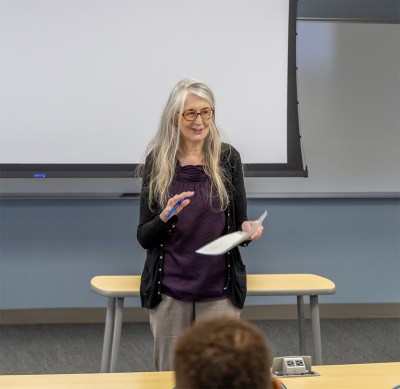
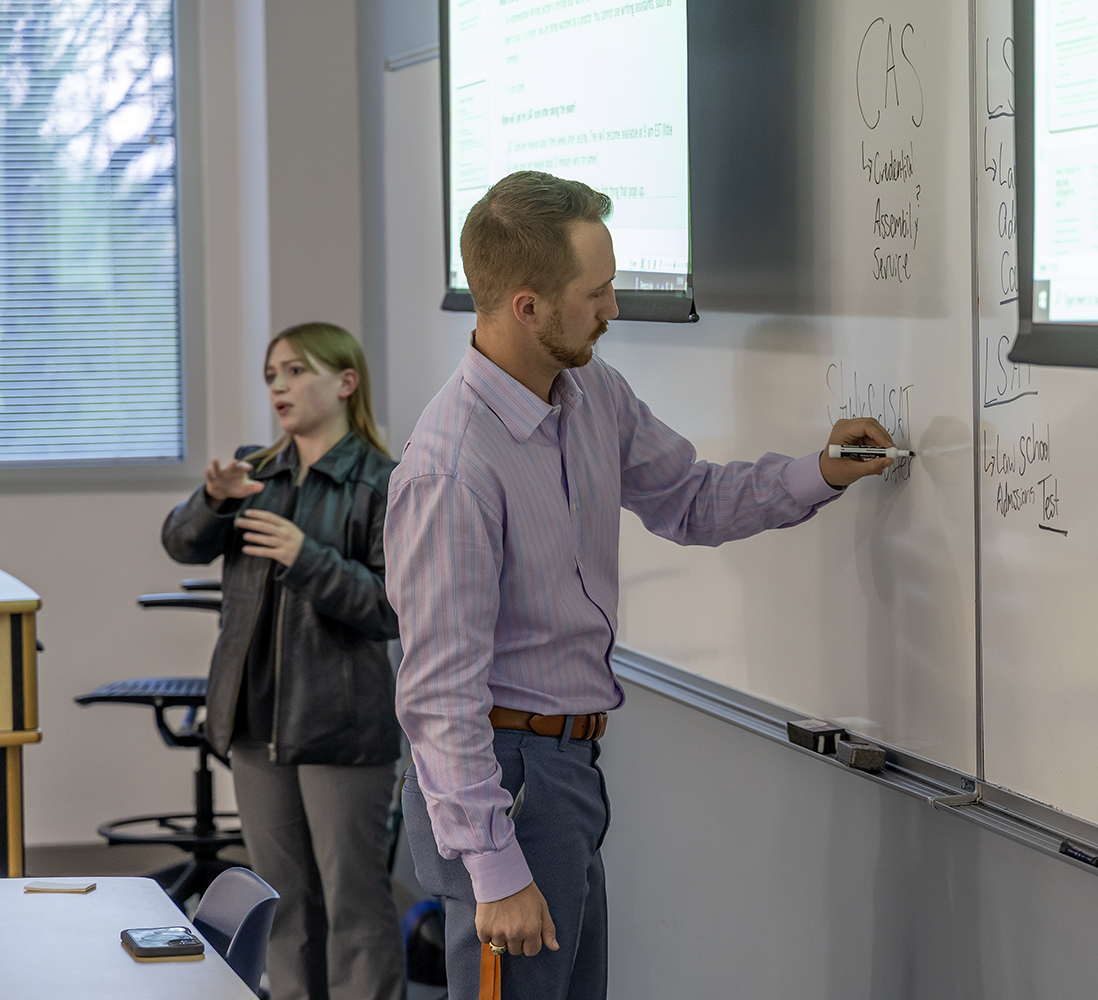
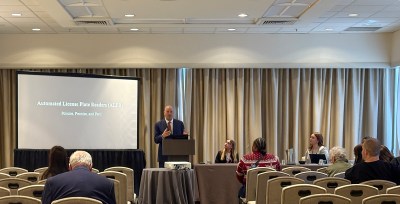
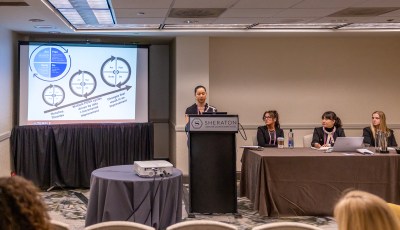
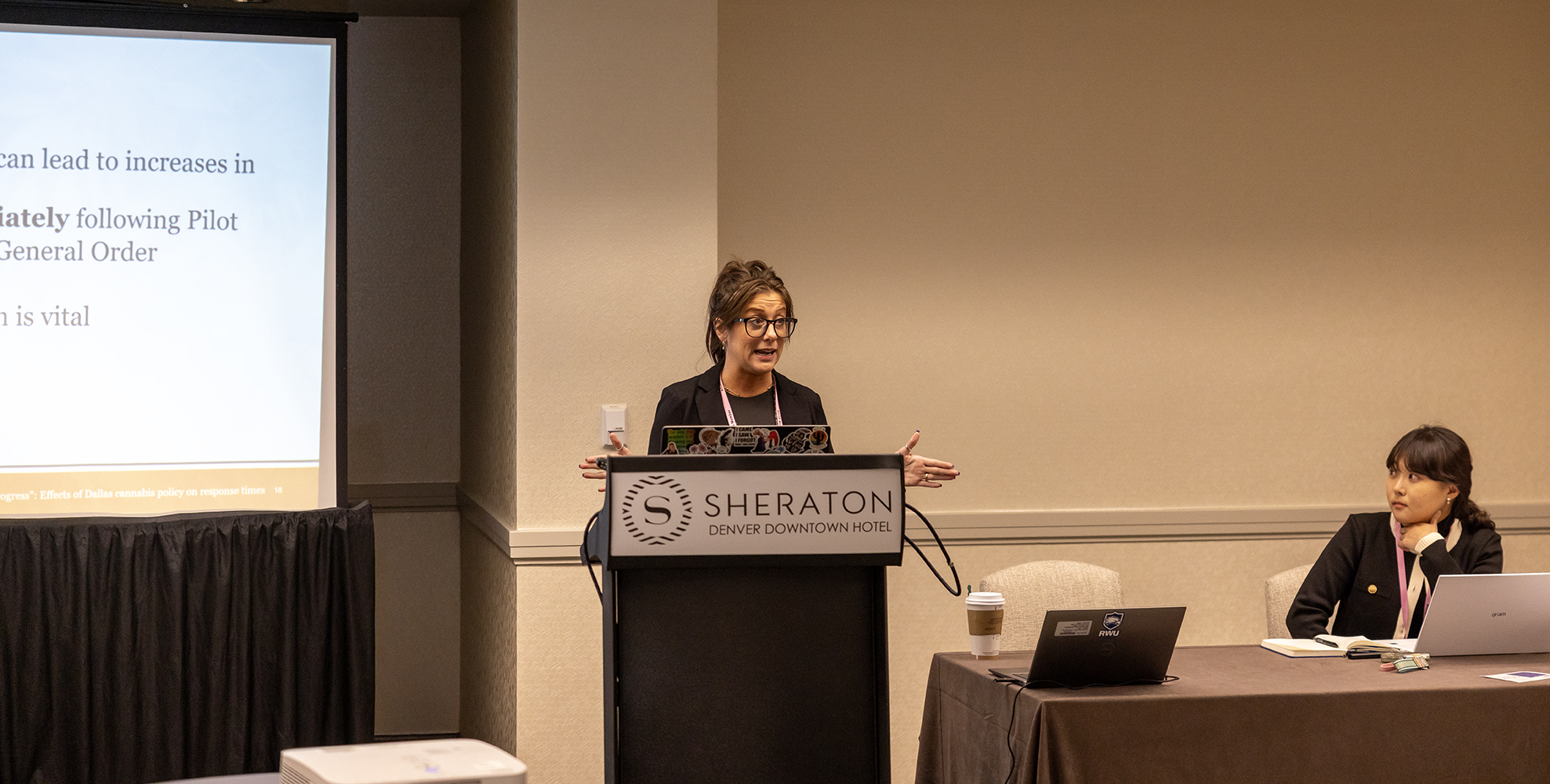
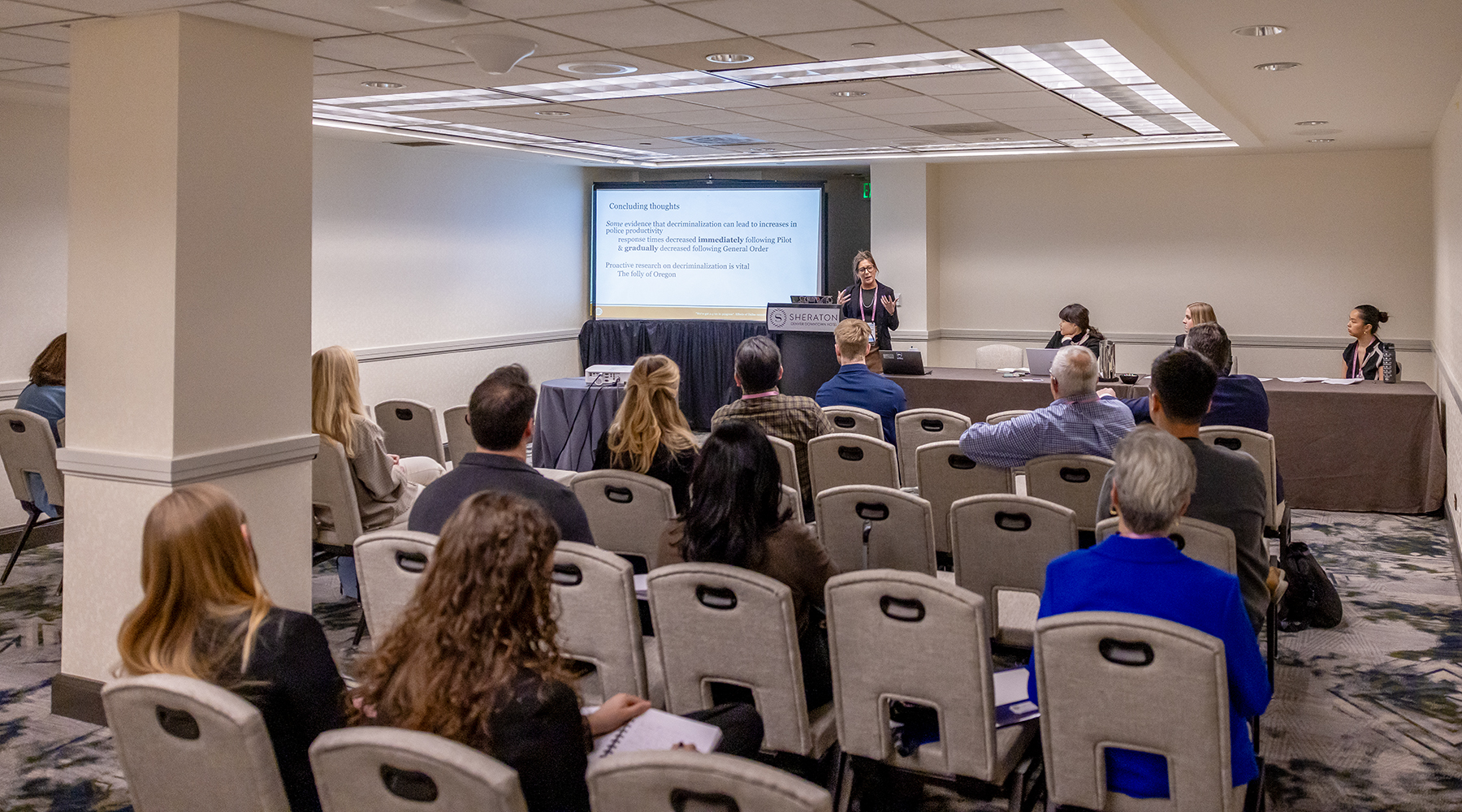
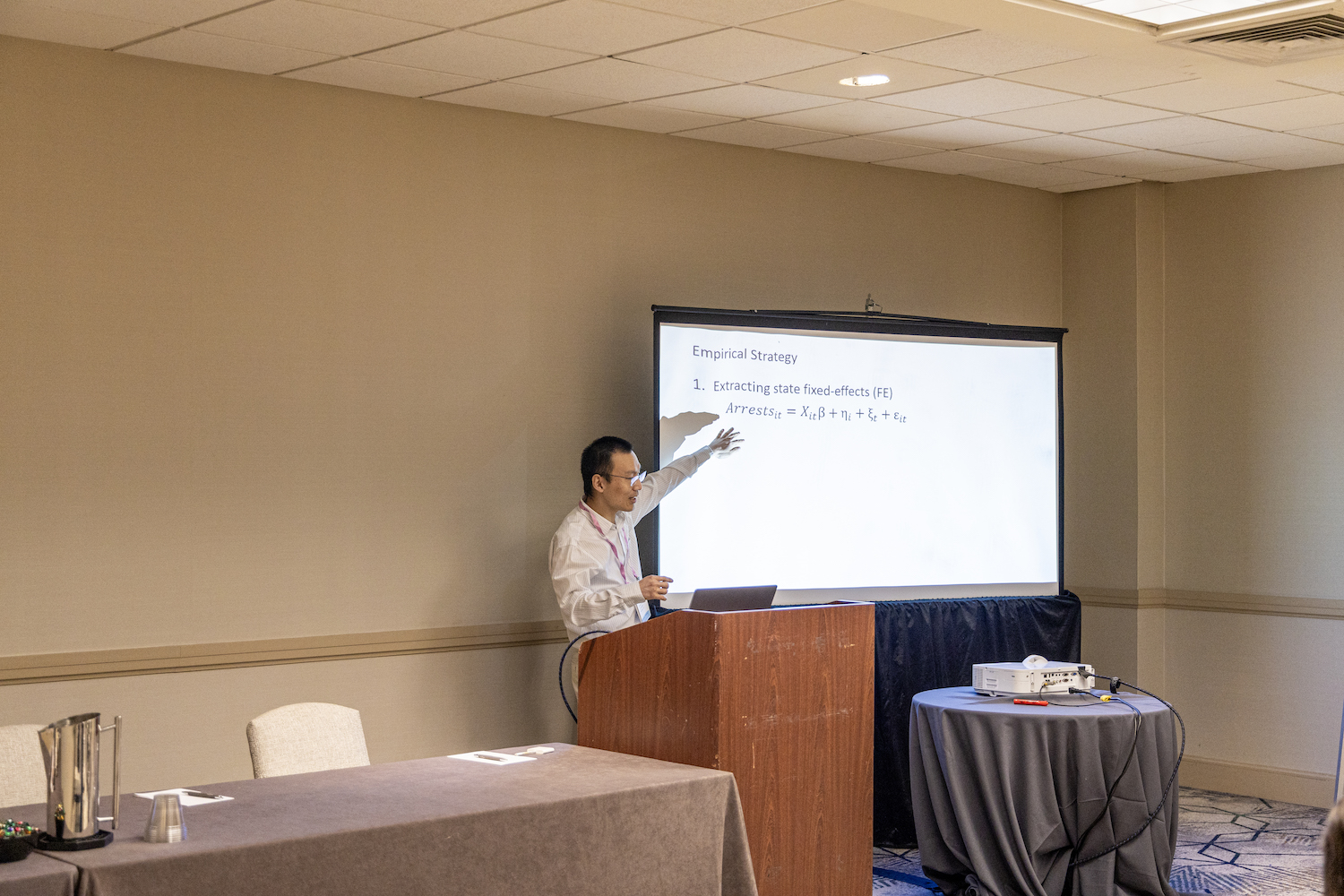
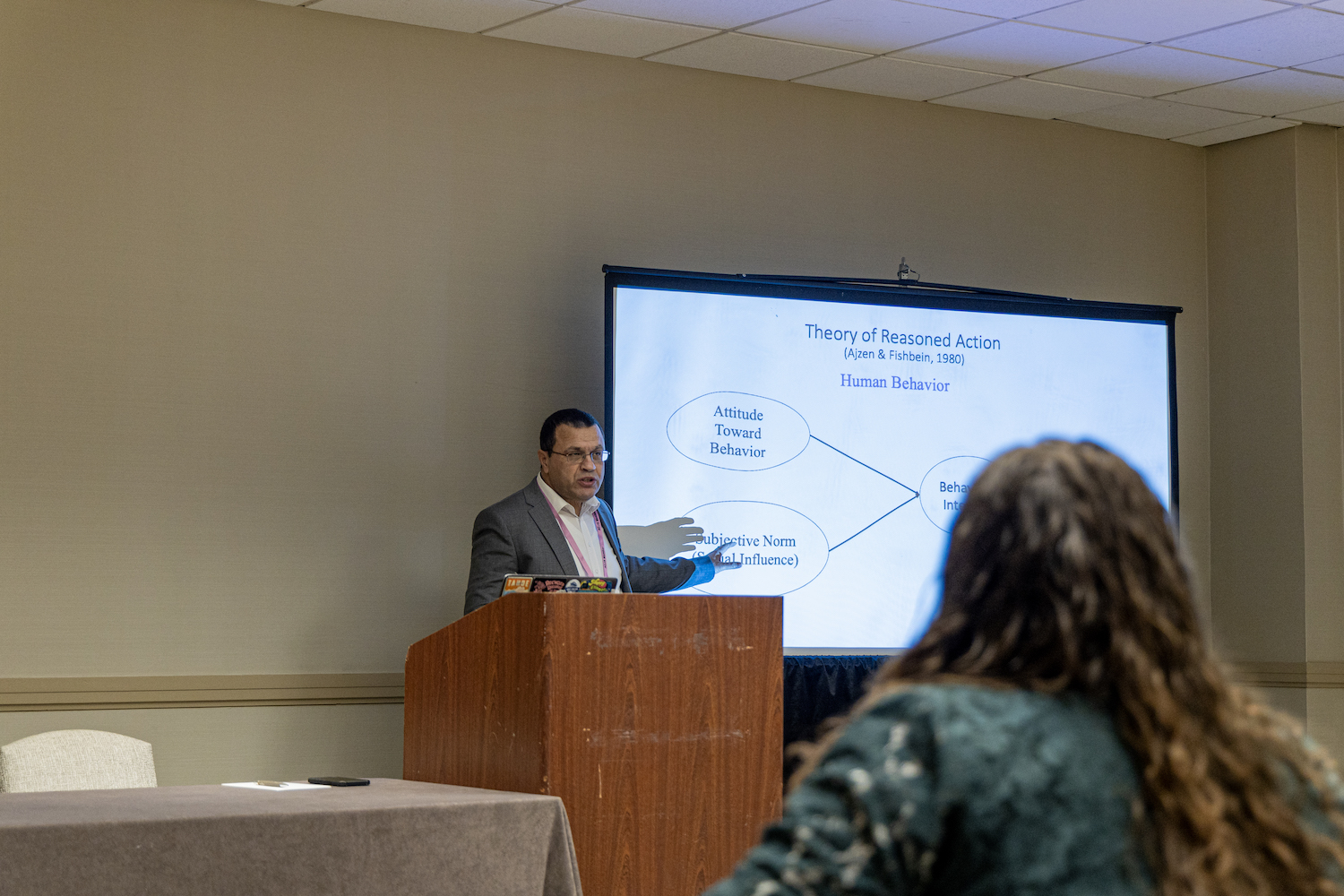
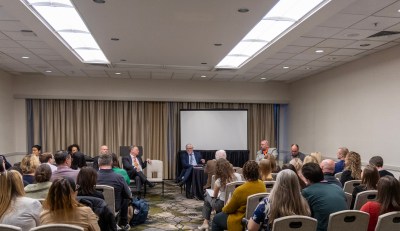
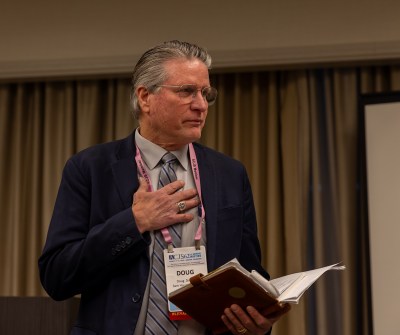
Professor Yawn, who chaired the panel, led the presentation. As the primary researcher on this project, he has created an incredible opportunity for Chrissy and me to contribute meaningfully to the work.
While we still have a way to go before we “reach saturation” in our research, presenting at ACJS and receiving feedback from an engaged audience was invaluable.
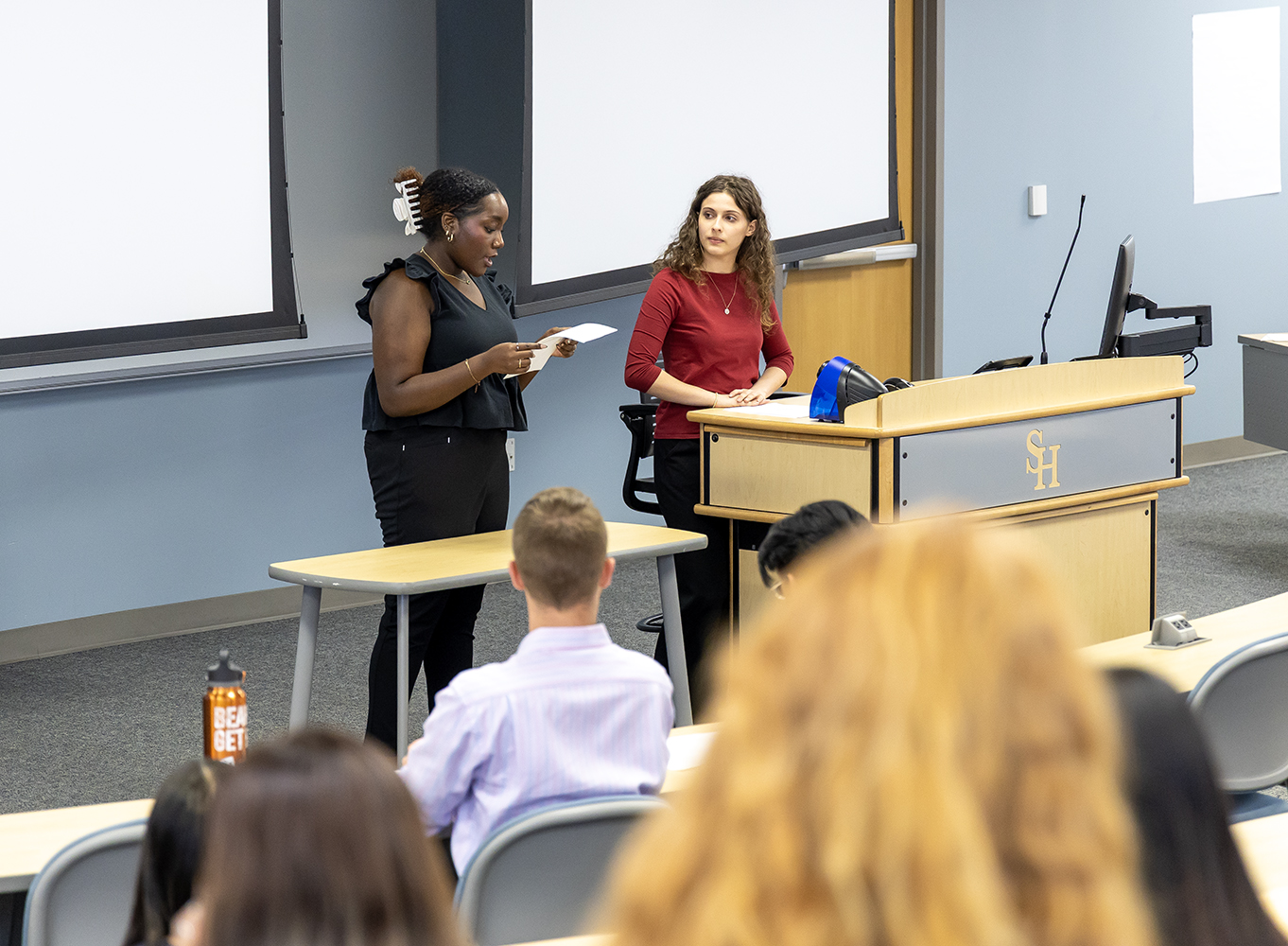
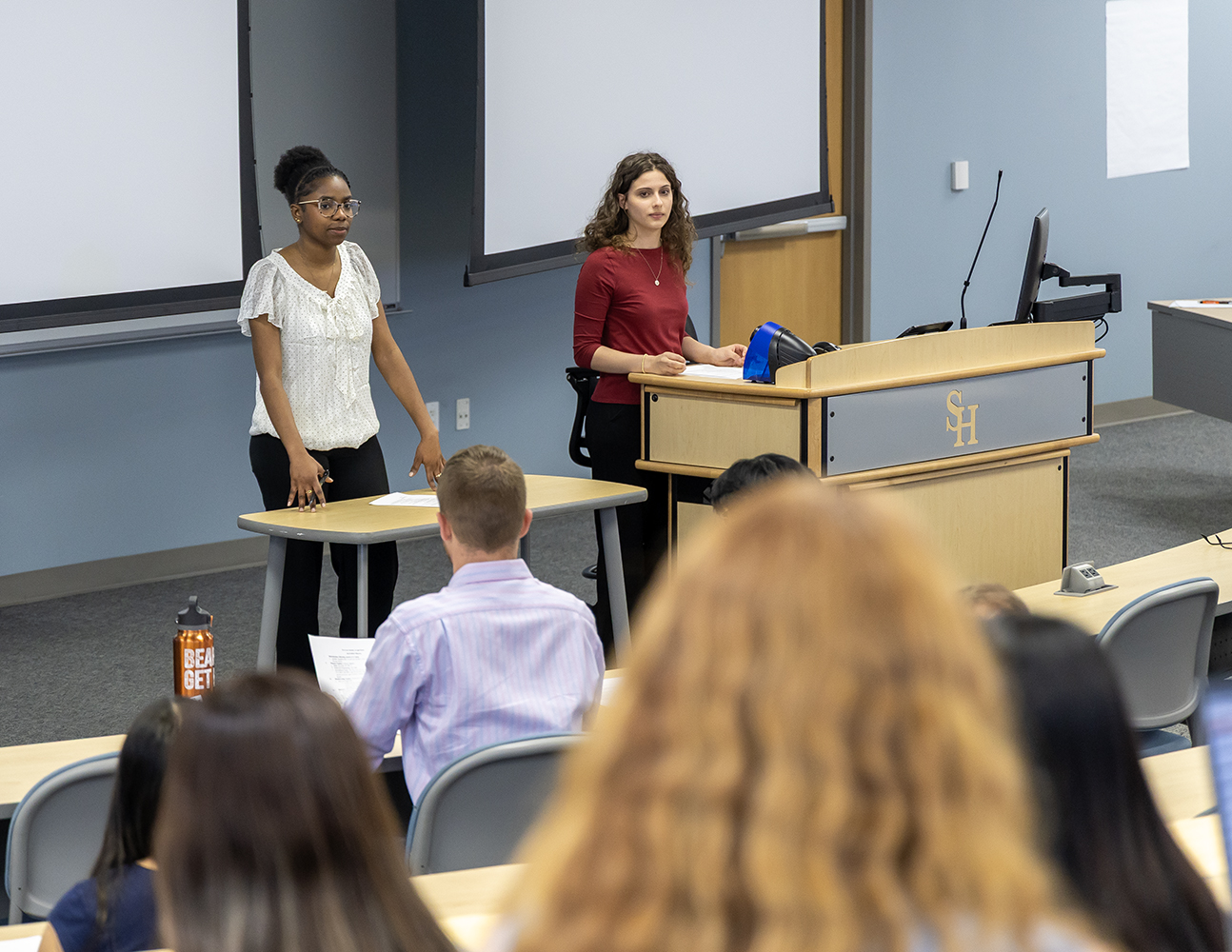
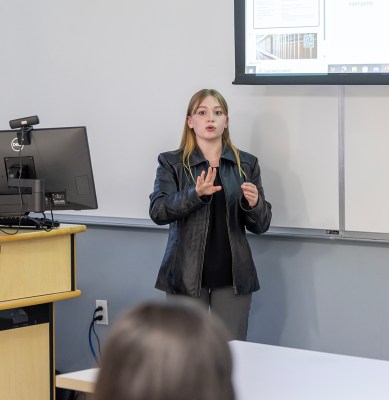
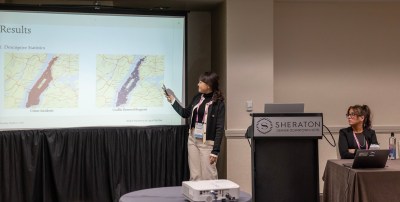
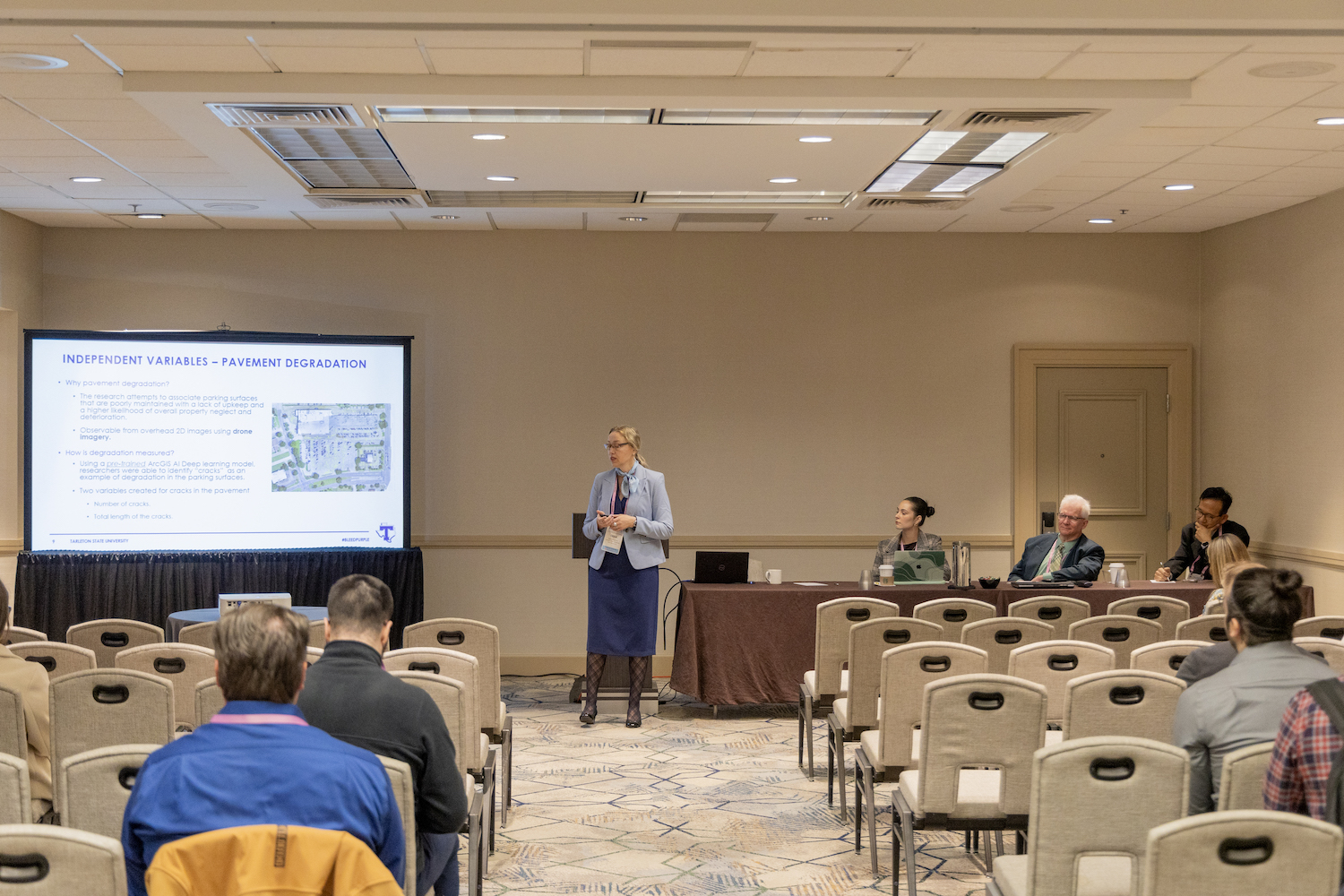
Chrissy, who spearheaded our quantitative data collection, presented the methodology and preliminary findings. She did an excellent job of breaking down the statistical nuances and translating them into clear, digestible insights for us common folk.
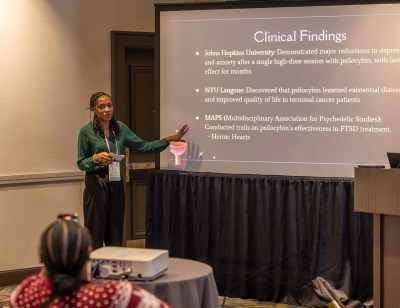
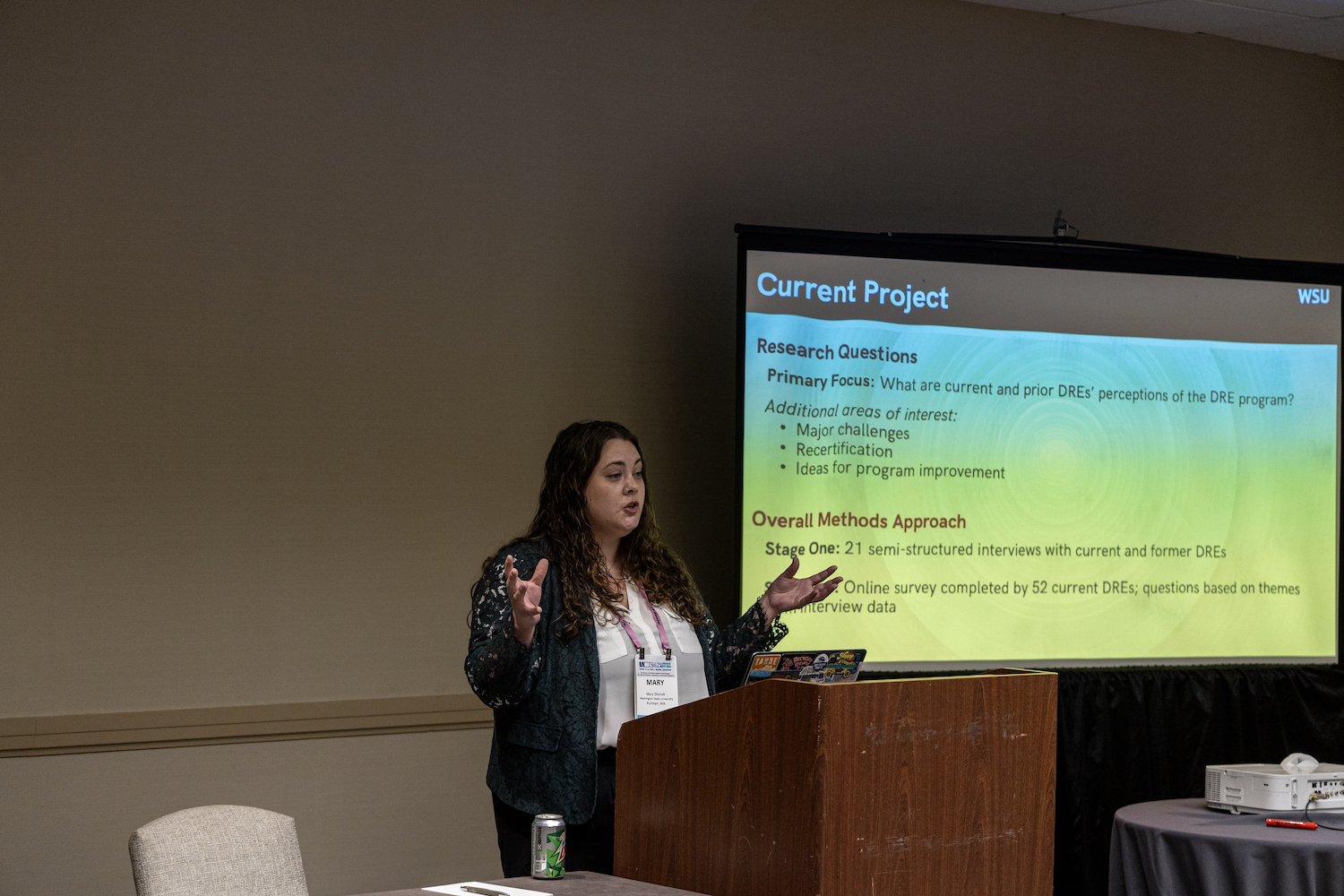
Our session also featured a presentation from Tiffin University (TU), where undergraduates Zaria Moore…
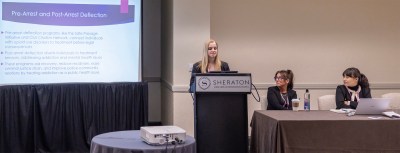
…and Lauren Swartzlander…
…shared their public health study on mental health and alternative treatments.
They pursued this research voluntarily with strong mentorship support from TU faculty.
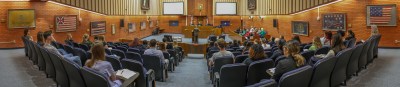
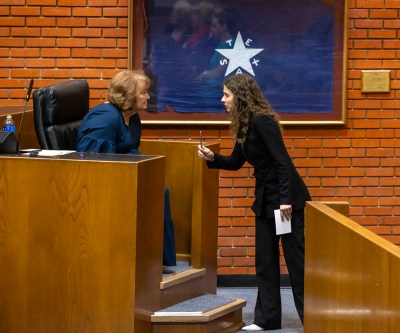
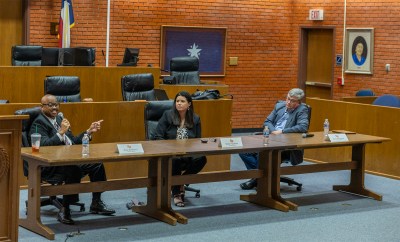
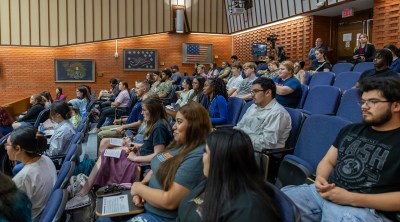
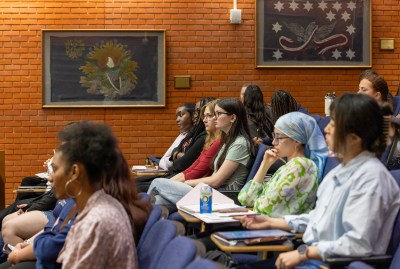
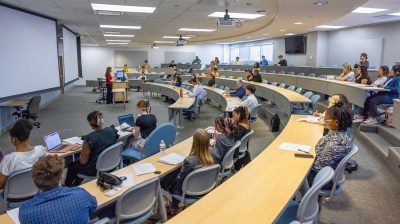
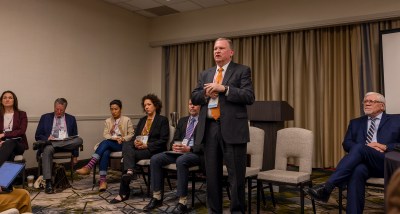
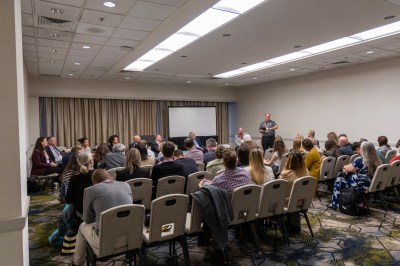
After both presentations, we engaged in a Q&A session with the audience…
…whose thoughtful questions and feedback left us excited to refine and expand our work further.
Safety, Crime, and Health in Urban Spaces
After our presentation, we attended another fascinating session on urban crime patterns and community development. One standout presentation came from Lauren Perron of Temple University, who examined agency collaboration in response to opioid use disorder.
She explored how organizational structure, leadership, and policy decisions impact the outcomes of the opioid crisis, particularly in the context of steering committees.
My favorite presentation of the session was Broken Windows in the Age of Big Data, which focused on Graffiti-Free NYC, a program led by the New York Sanitation Department. The study examined the correlation between quality-of-life indicators—such as graffiti removal and cleanliness—and crime rates.
While perceptions of crime can be subjective, this research provided compelling data-driven correlations that reinforced the impact of environmental factors on urban safety.
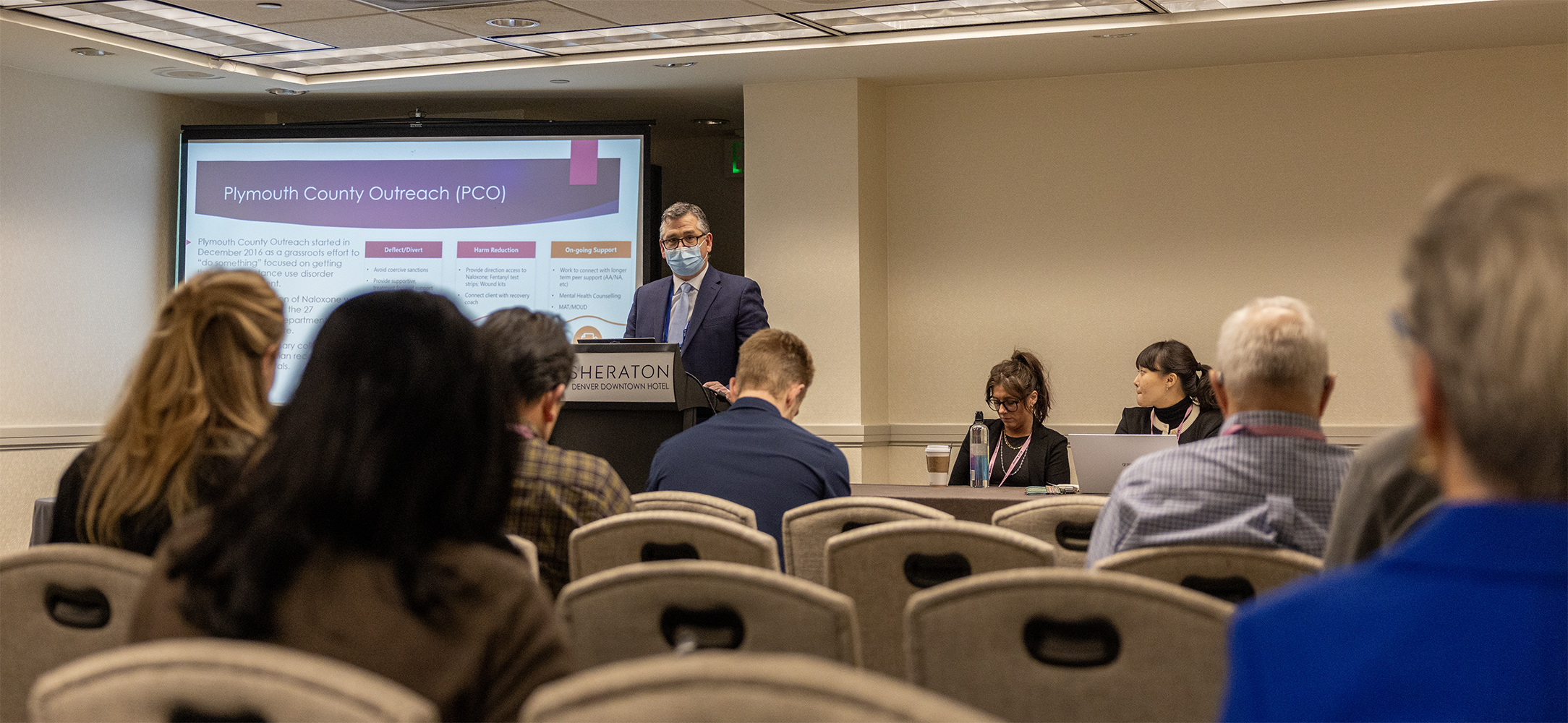
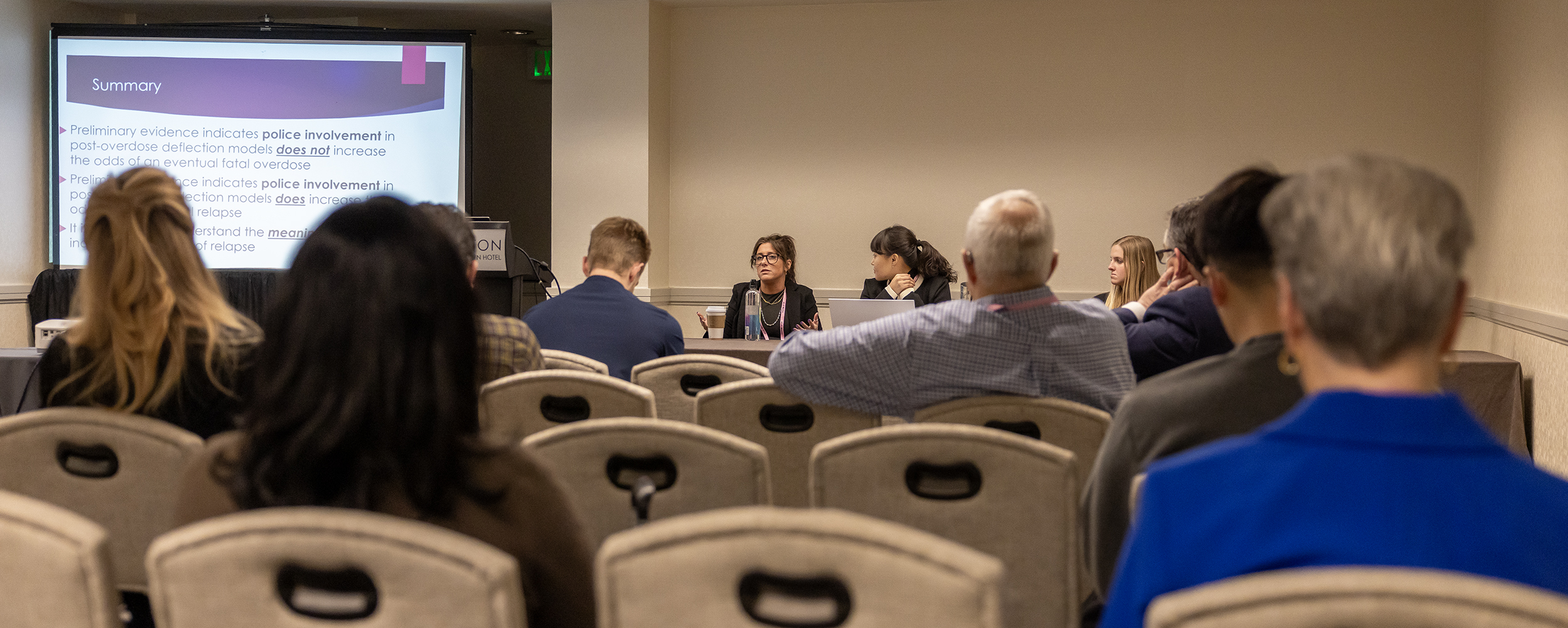
Chrissy’s favorite session was Policing the Opioid Crisis, which analyzed police-led deflection programs in Plymouth County, Massachusetts.
This case study, conducted by Professor Sean Verano and student Niki Poutre, explored the effectiveness of these programs in helping individuals struggling with addiction and how police officers ranked the anticipated success of different approaches.
One particularly striking finding was that while deflection programs increased the odds of relapse, they did not significantly impact fatal overdoses.
This session was our favorite of the conference—not just because we could finally relax after our own presentation, but because the discussions were incredibly thought-provoking. The insights we gained from these panels will undoubtedly inform our research moving forward.
Presenting at ACJS was a milestone experience, giving us the chance to engage with experts in the field, refine our work, and gain a deeper appreciation for the complexity of crime, policing, and policy implementation.
Dinner at Le French
by Chrissy Biello
Feeling the weight lifted off our shoulders, we headed to Le French for dinner. Founded by Senegalese-French sisters Aminata Dia and Rougui Dia, Le French is known for its combination of many worldwide influences and modern French cuisine. As semifinalists for the James Beard Best Chef in the Mountain Region in 2024, the Dia sisters have brought their culinary expertise to the forefront, making this dining experience even more exciting.
Through LEAP, my peers and I have had the unique opportunity to dine at James Beard-nominated and award-winning restaurants, and this was another highly anticipated experience for Olivia and me. Having not eaten much due to nerves, we were more than ready to indulge in what promised to be a great meal after a long day.
With little experience in French cuisine, Olivia and I found many menu items intriguing. To sample a variety of dishes, Olivia opted for the prix fixe menu. For her starter, she chose French Onion Soup, a dish she had never tried before.
When it arrived, she was thrilled with her choice. Not only did she enjoy a new experience, but she also discovered a dish she truly liked.
Professor Yawn and Stephanie ordered the escargot as their appetizer, and they were equally pleased with their selection.
For our main courses, I ordered the Saumon Fumé Savory Crepe, Olivia got the Suprême de Poulet Sauce Champagne (chicken breast with champagne sauce), Professor Yawn chose the Colorado Bass et Plantains, and Stephanie decided on the French Onion Soup.
When our meals arrived, we were all delighted with our choices. In true LEAP fashion, we made sure to sample each other’s dishes. Every selection turned out to be excellent, giving us a variety of flavors to experience.
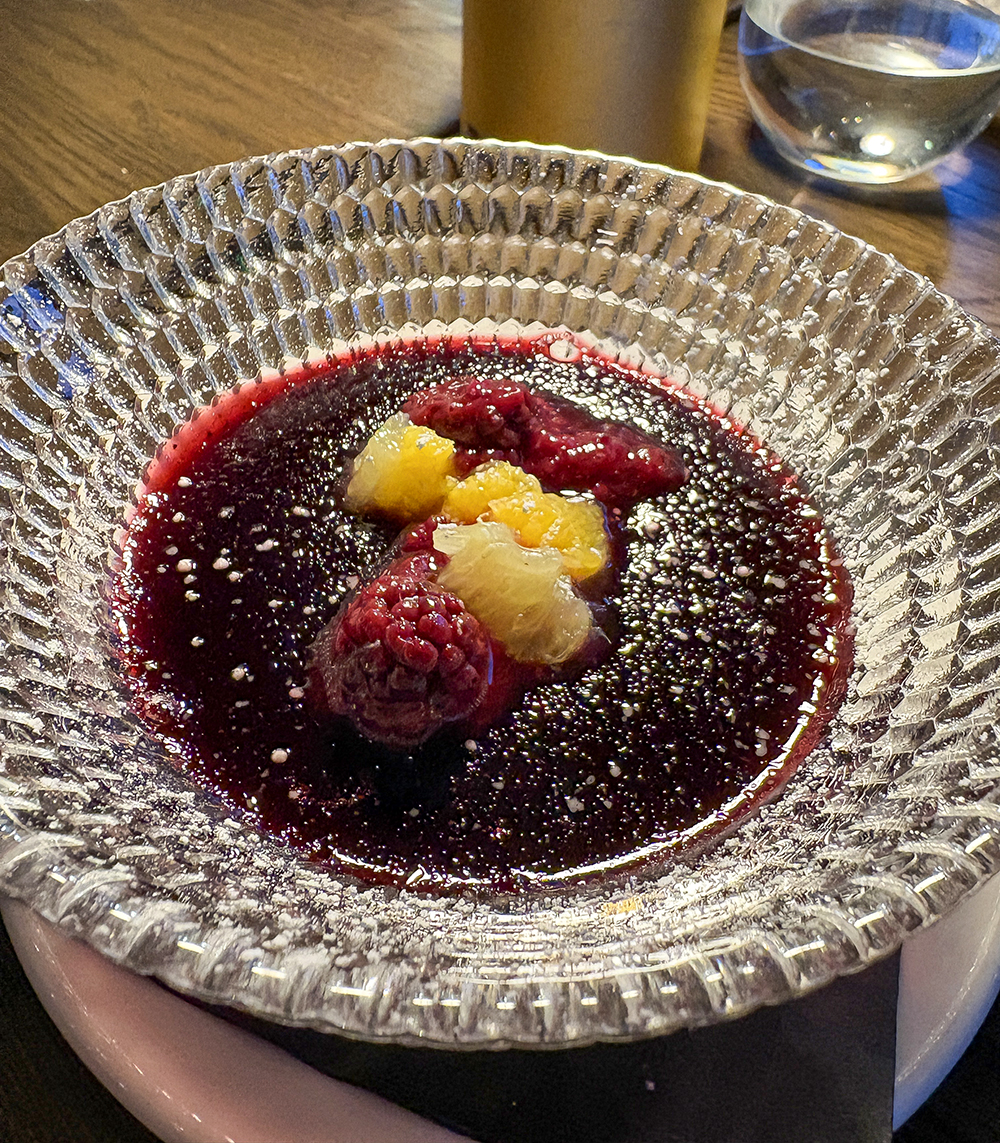
For dessert, Olivia had the Panna Cotta, a dish featuring hibiscus, citrus, and marmalade berries. This was another first for her. Additionally, we shared a crème brûlée as a table.
It was a day full of firsts, from trying great new foods to presenting at our first academic conference. Nevertheless, we are especially grateful for the guidance of Professor Yawn and Stephanie. Their insights and encouragement, even their lighthearted stories to ease our nerves, were invaluable and something we could not have found elsewhere.
The Yard Milkshake Bar
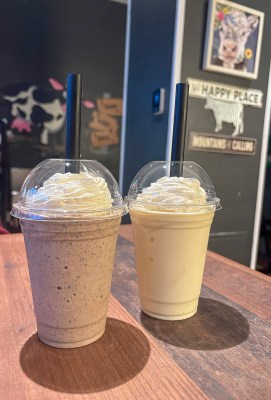
Later in the night, after doing some laundry, Olivia and I walked to The Yard Milkshake Bar for another sweet treat. I chose the Cookies and Cream Cheesecake milkshake, while Olivia went for the Cake Batter milkshake. Both were delicious and well worth the walk from our hotel.
With the stress behind us, we are excited to continue our trip, filled with fun, learning, and new experiences.












































 Center for Law, Engagement, and Politics