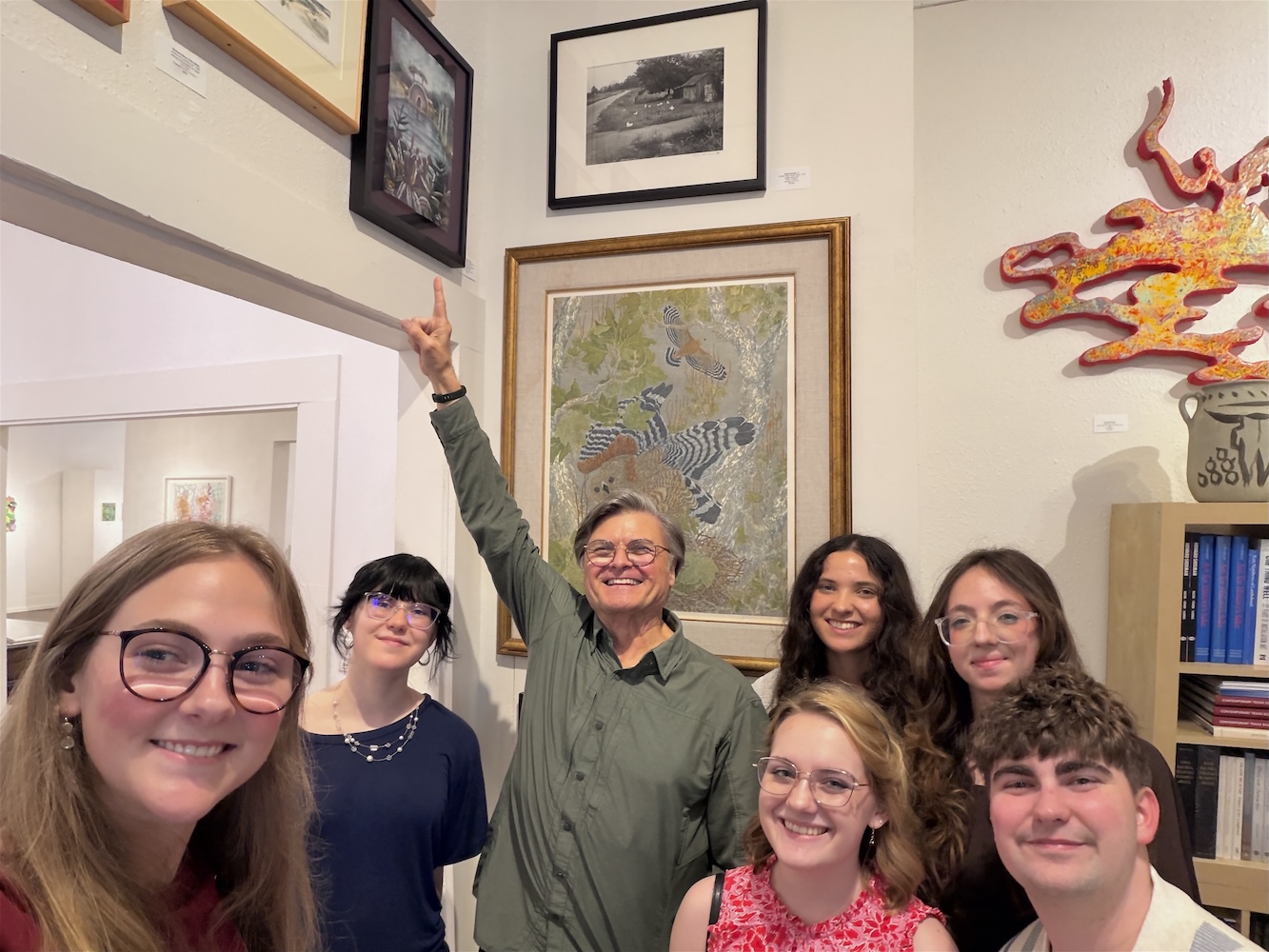
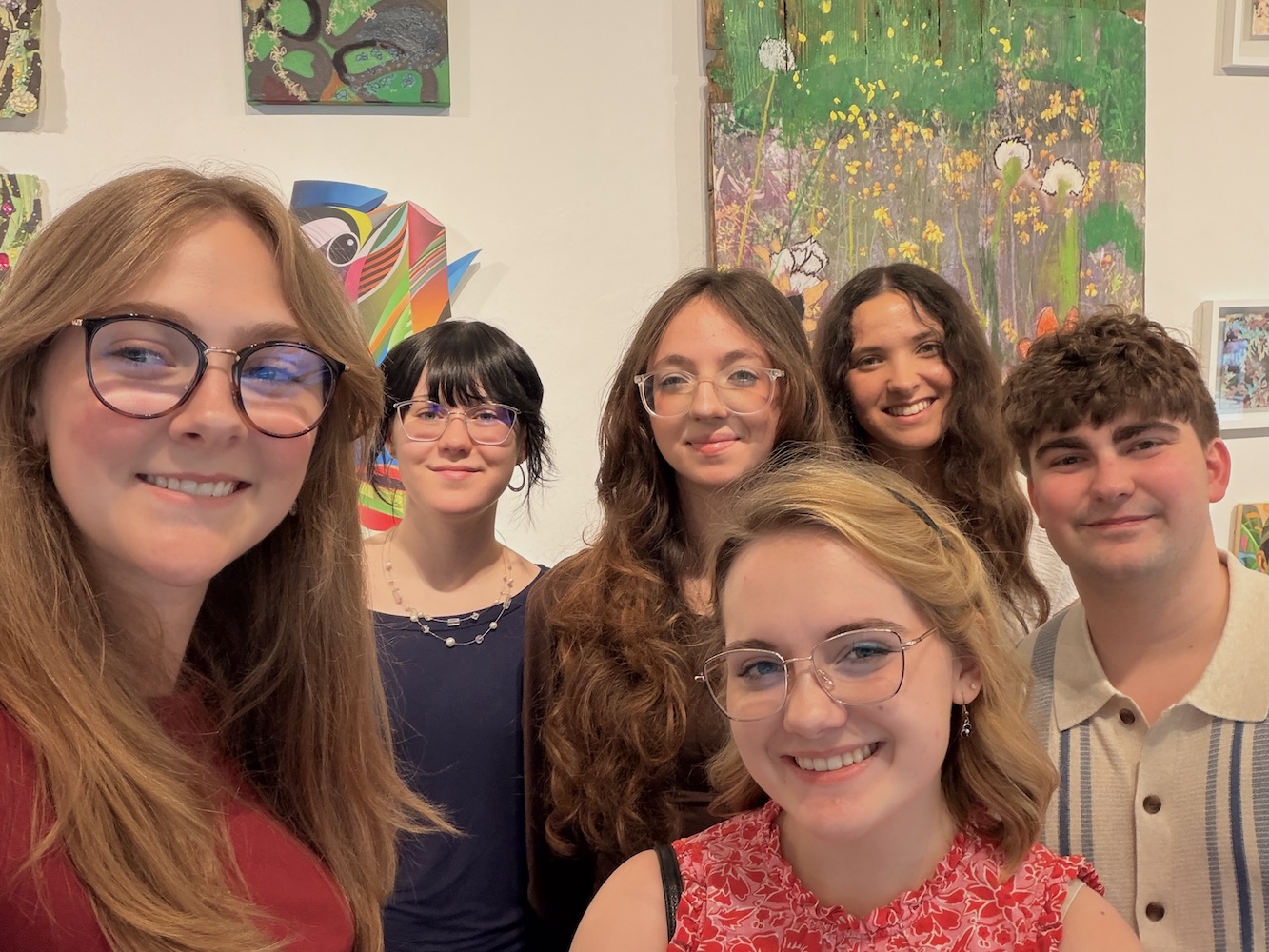
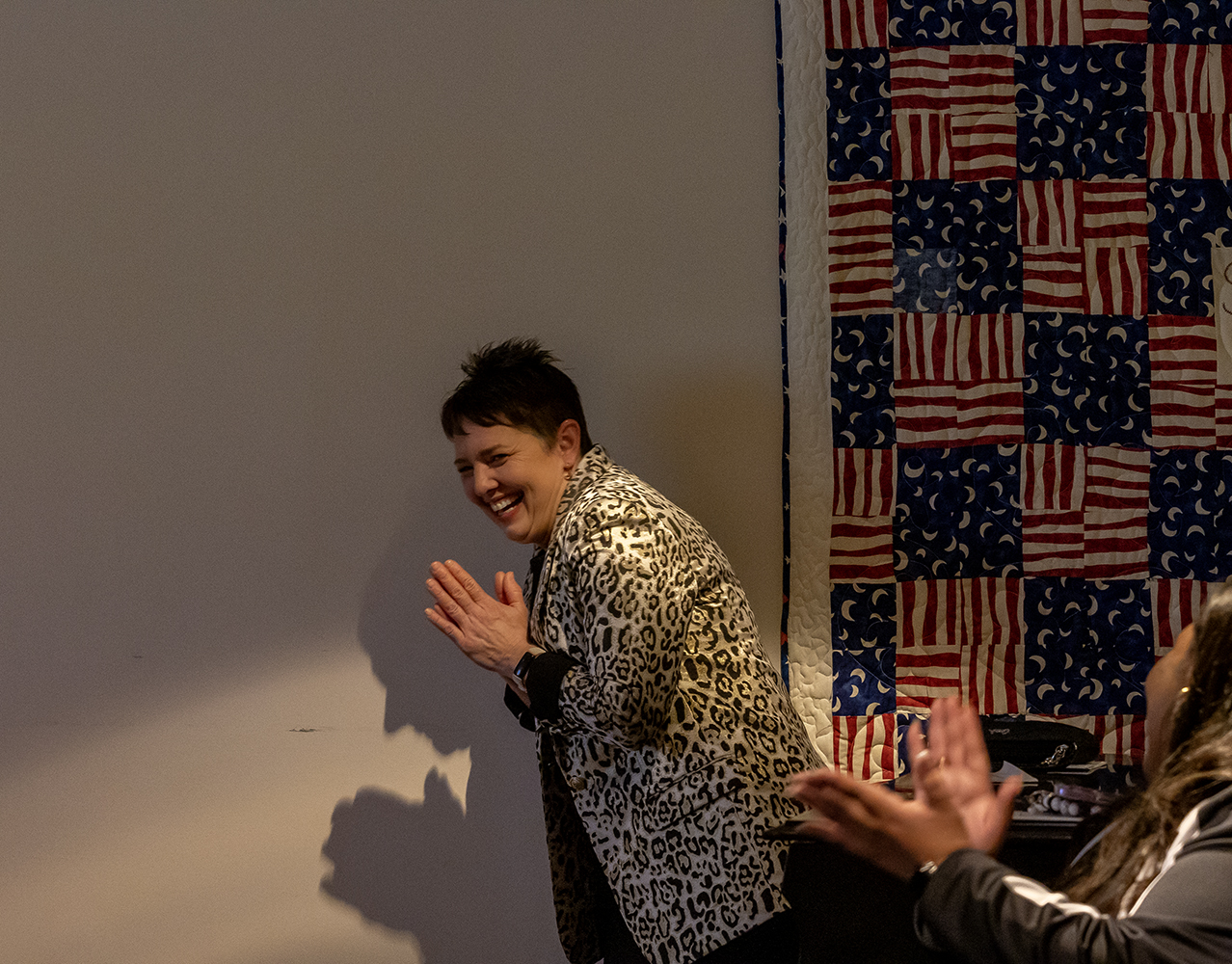
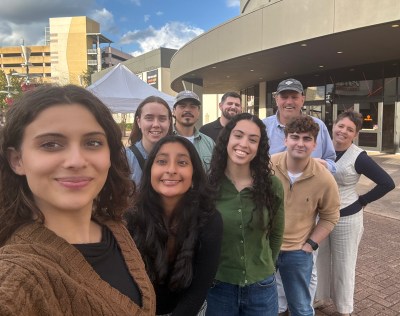
Even though it’s summer, LEAP Ambassadors still find ways to stay engaged! This past weekend, the ambassadors kicked off a fun trip to Houston by enjoying good food and appreciating artwork from an array of talented artists.
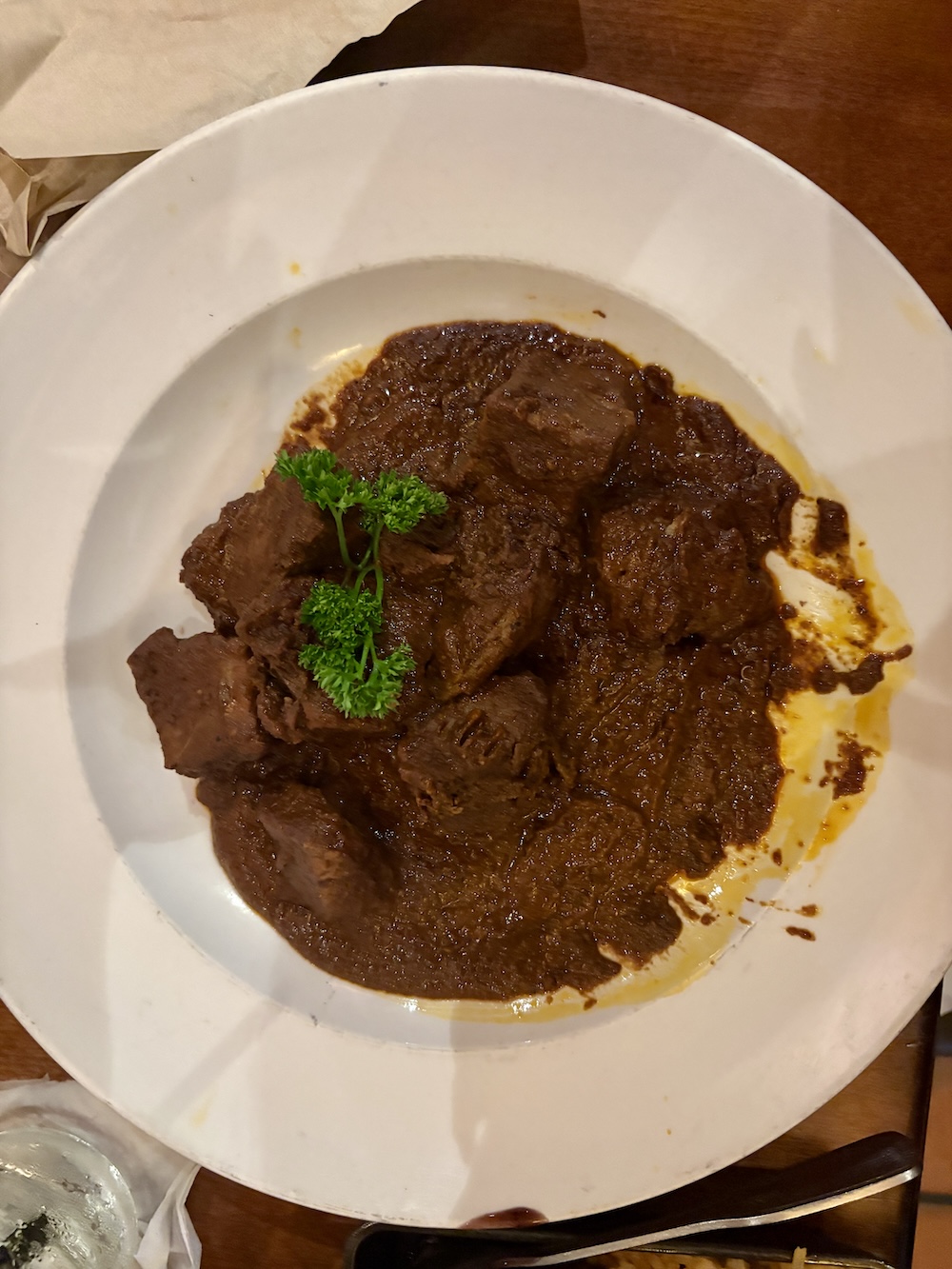
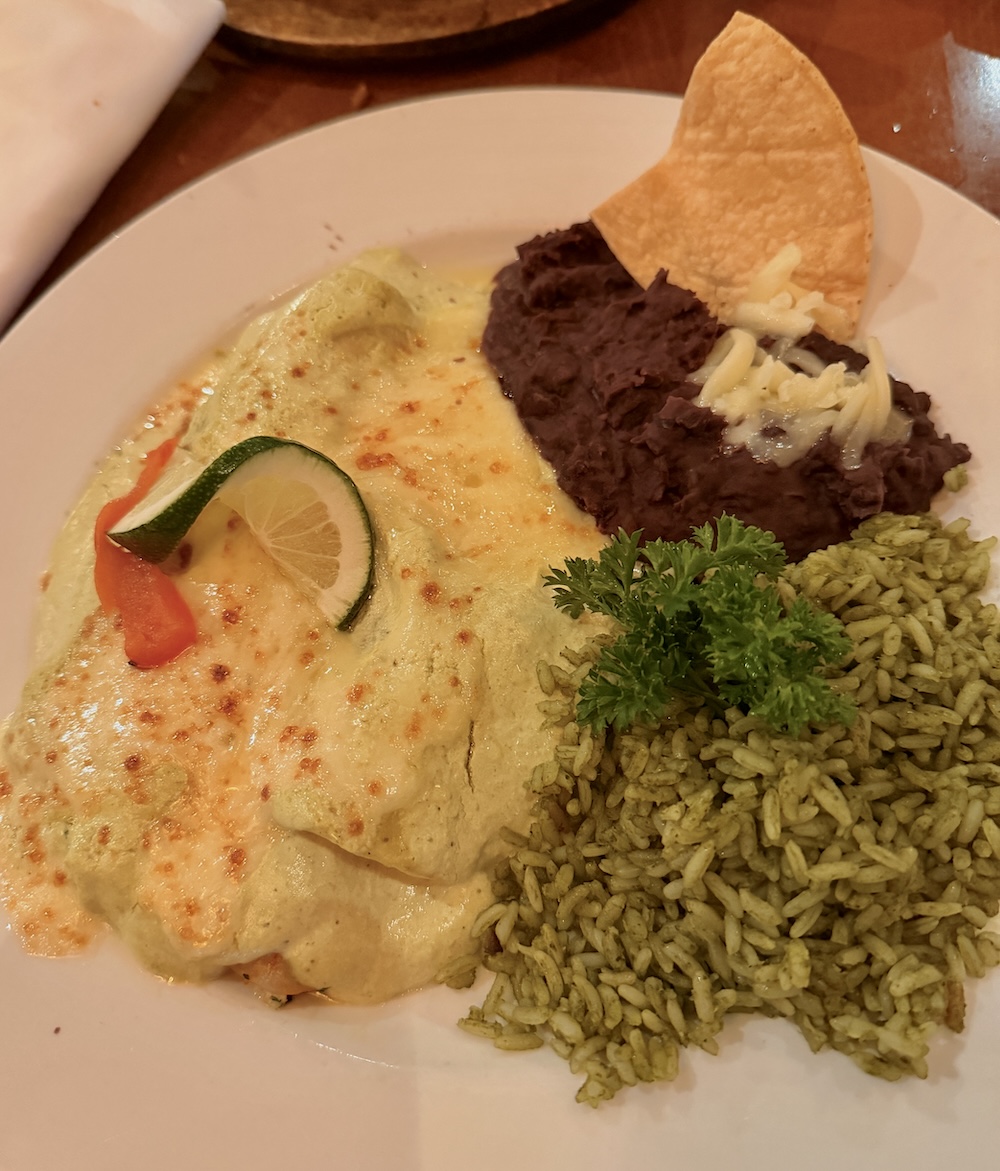
Picos, a restaurant known for representing the 7 regions of Mexican cuisine, has been a favorite among LEAP Students so we decided to start there for lunch! The diverse flavors and famous Mole (a traditional Mexican sauce filled with spices, nuts, and sometimes chocolate) appealed to many of our senses. The presentation of the food matched the complexity of taste including the Carne Asada A La Tampiquena, which Jacob noted had a savory but spicy flavor, and the seafood enchiladas that Kayla mentioned had a surprising umami flair. Robin tried the red Mole to which she quickly understood why it is a staple at Picos!
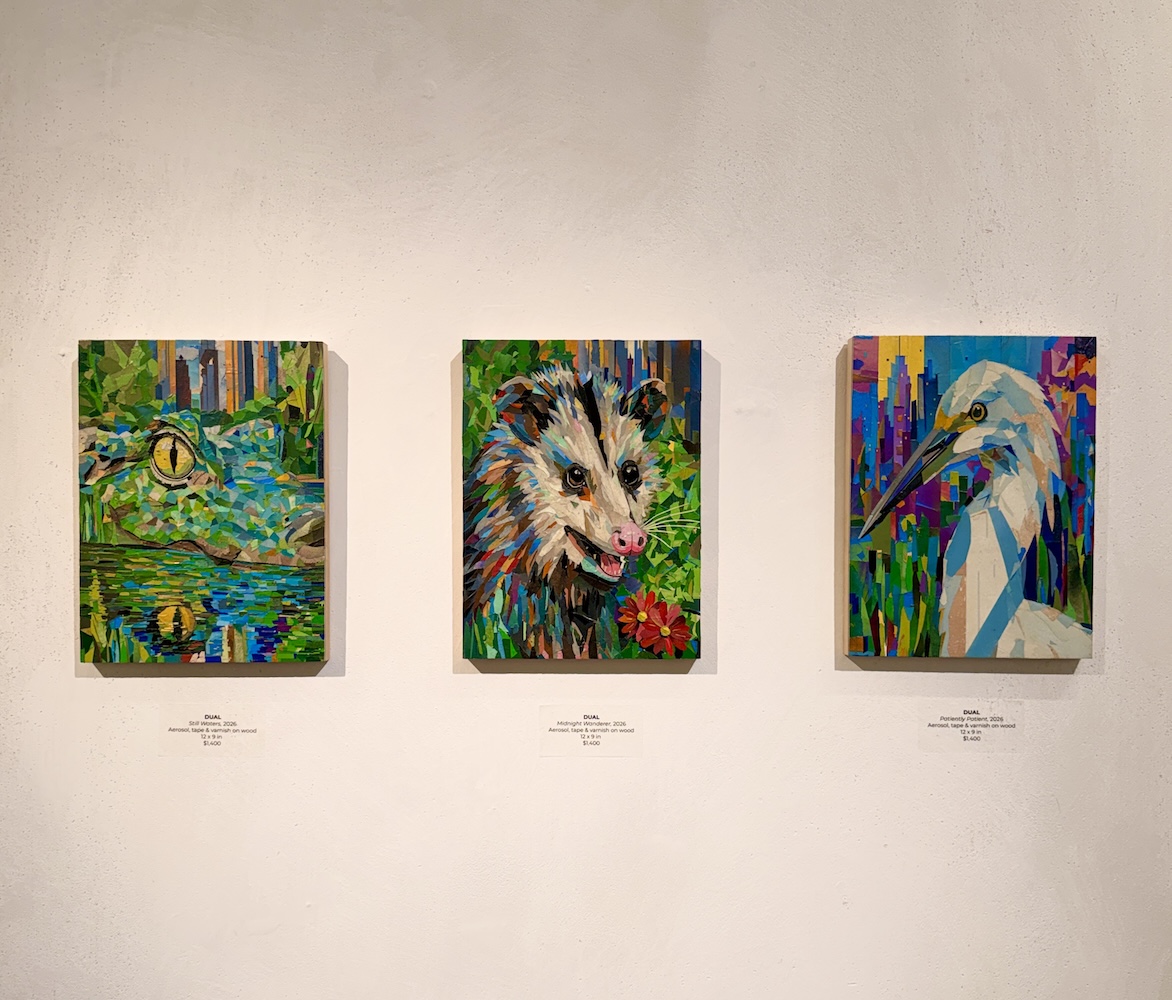
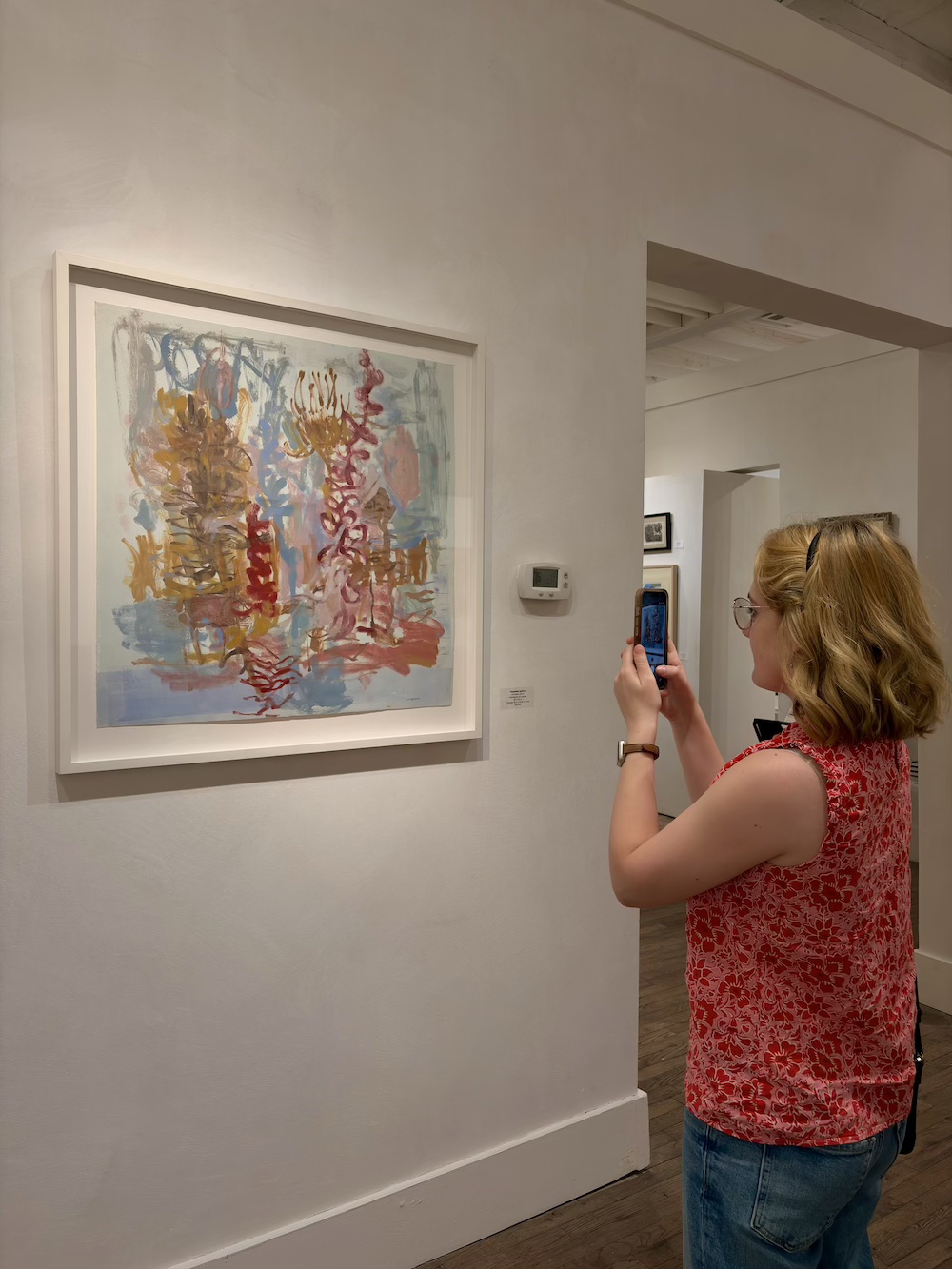
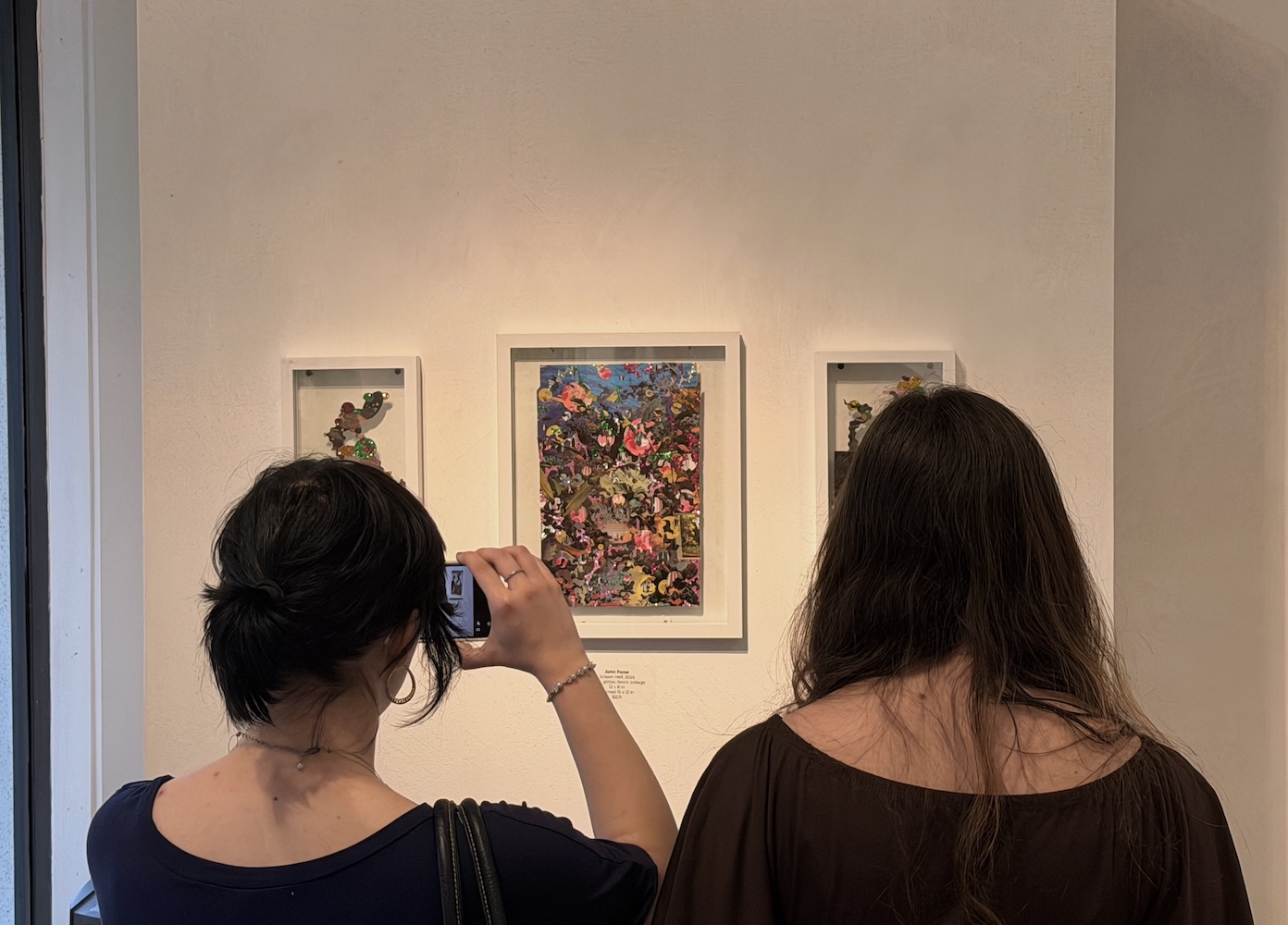
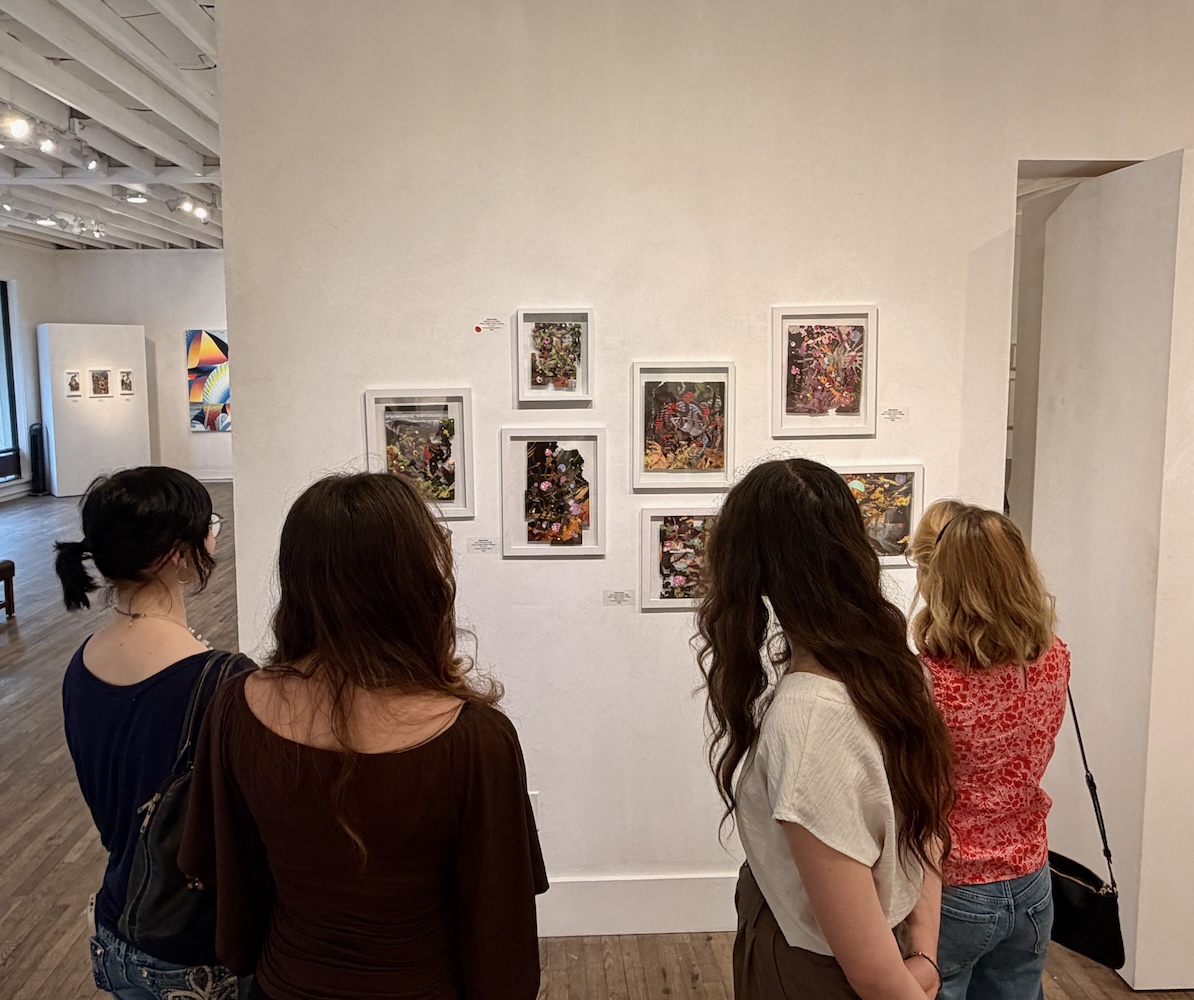
After a fulfilling lunch, we viewed art from both new and familiar faces at the Foltz Gallery! The current exhibition on display is Controlled Collisions featuring the works of Dual, J. Paul Jackson, and John Forse. Allie and I particularly enjoyed the textured, natural feeling of J. Paul Jacksons’ pieces.
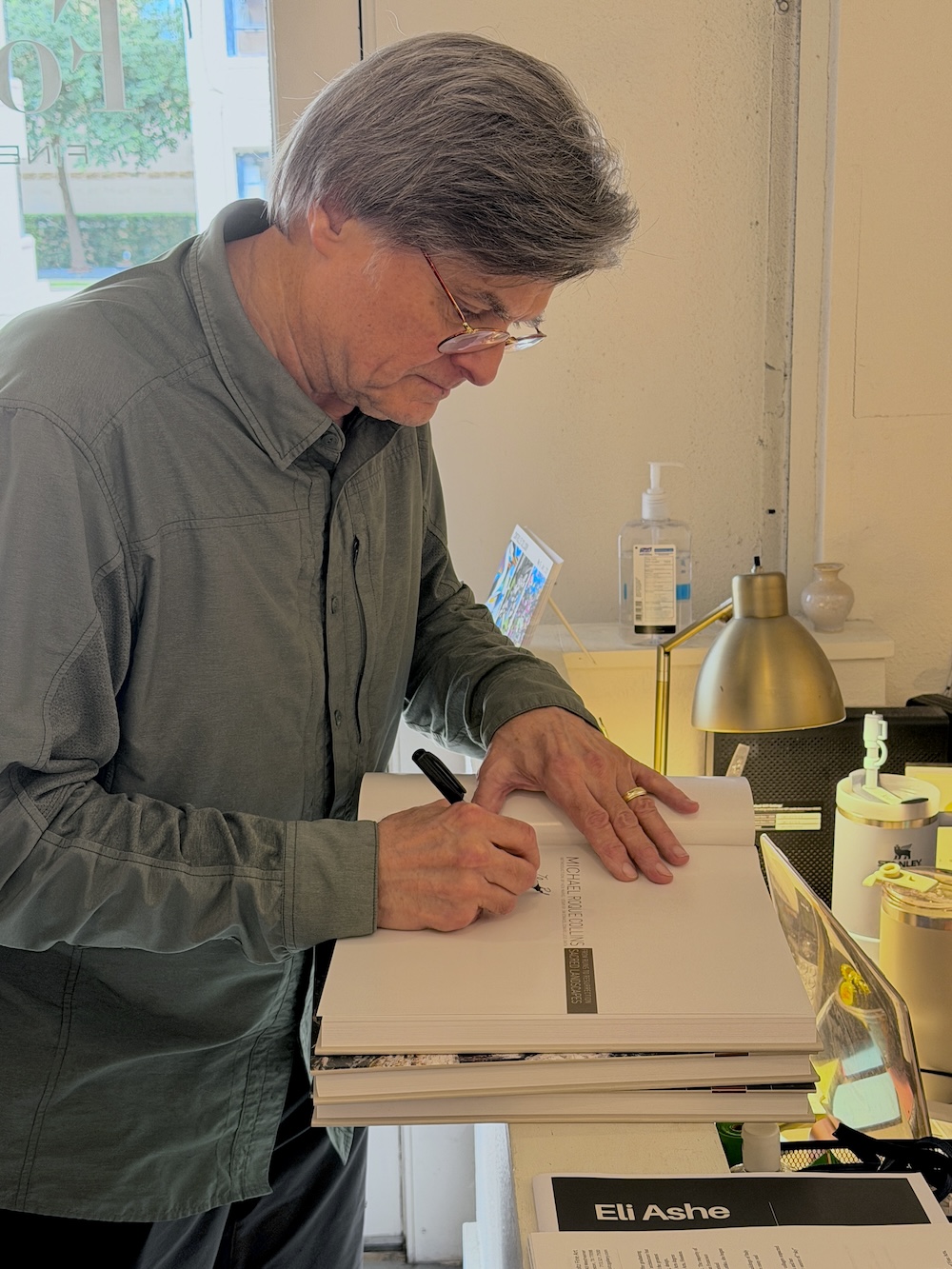
The eye-catching exhibitions are not the only thing the Foltz Gallery has to offer, they specialize in supporting Texan artists, many of them local to the Houston area. The ambassadors recognized David Adickes, Charles Pebworth, Lee Jamison, and even got to meet Micheal Roque Collins! For many of us, it was our first time in an art gallery and the experience left us even more excited for the artsy weekend ahead!
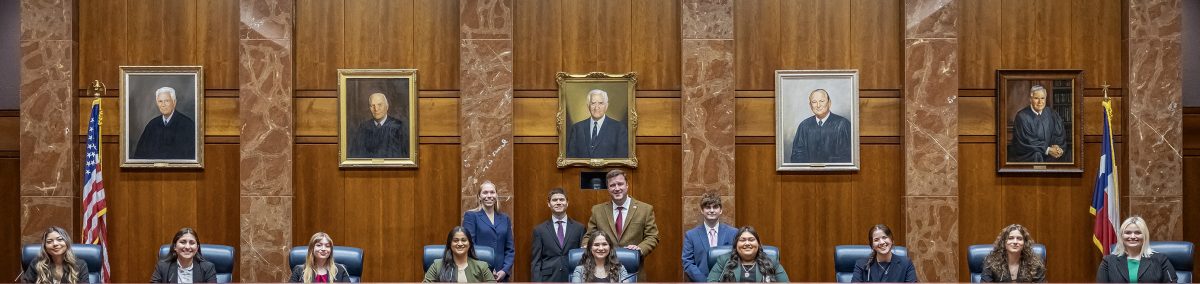
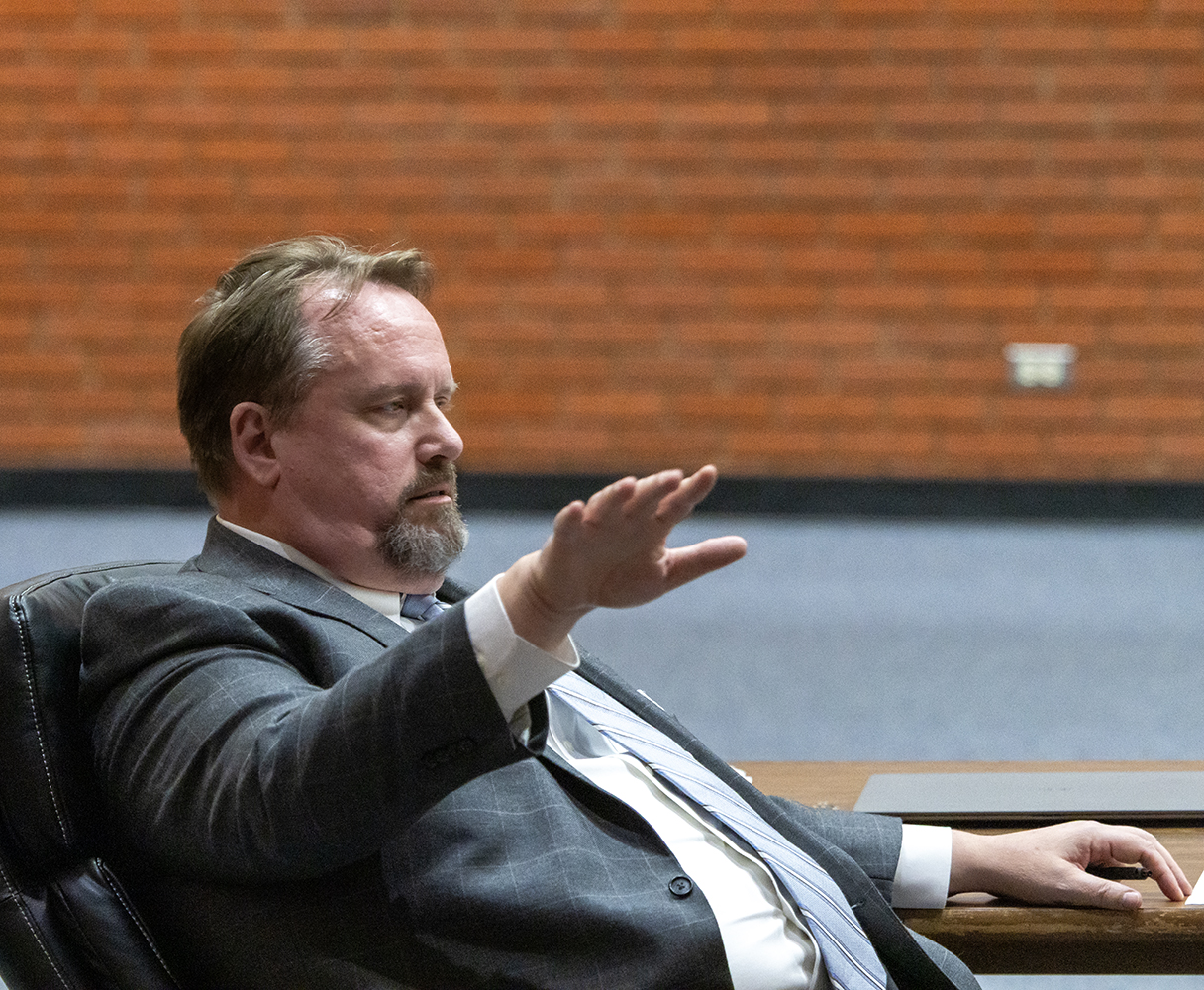
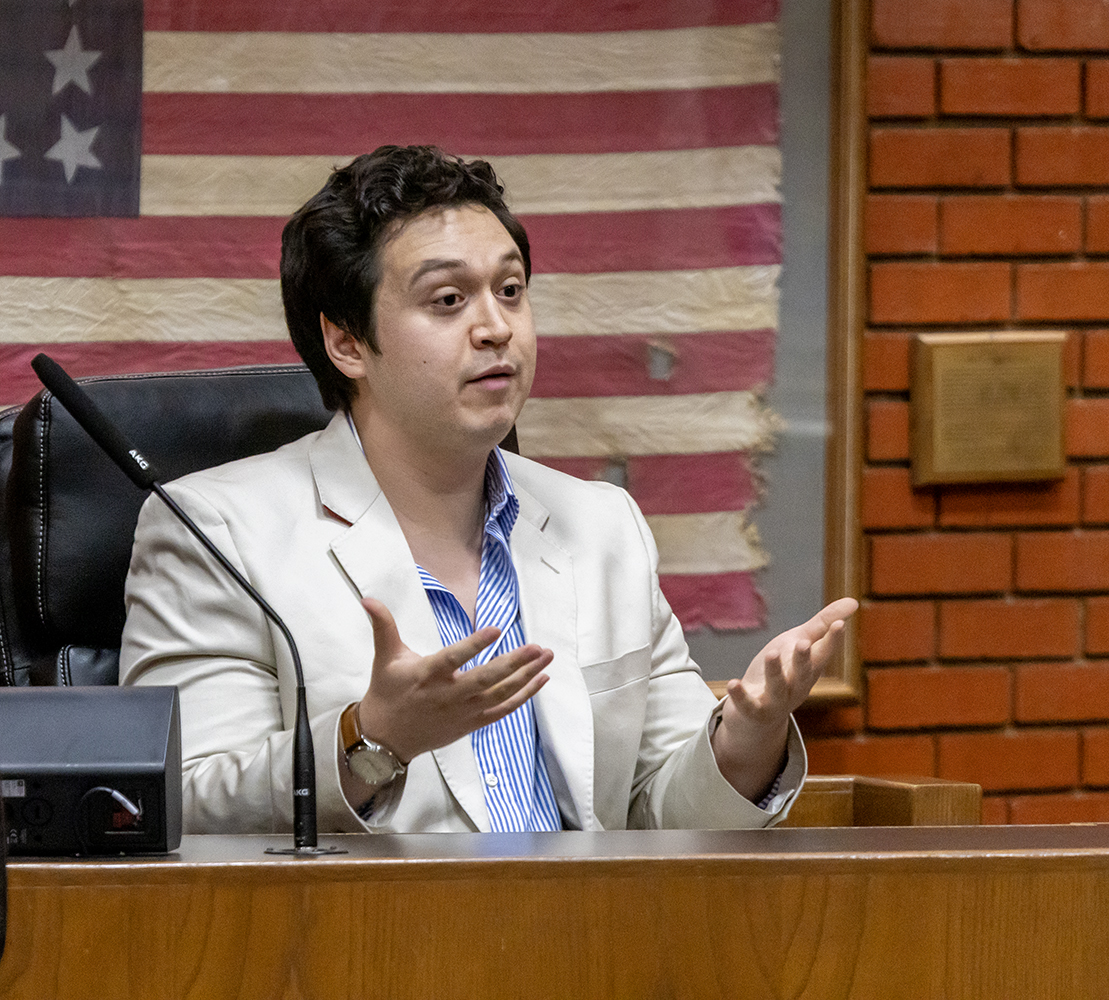
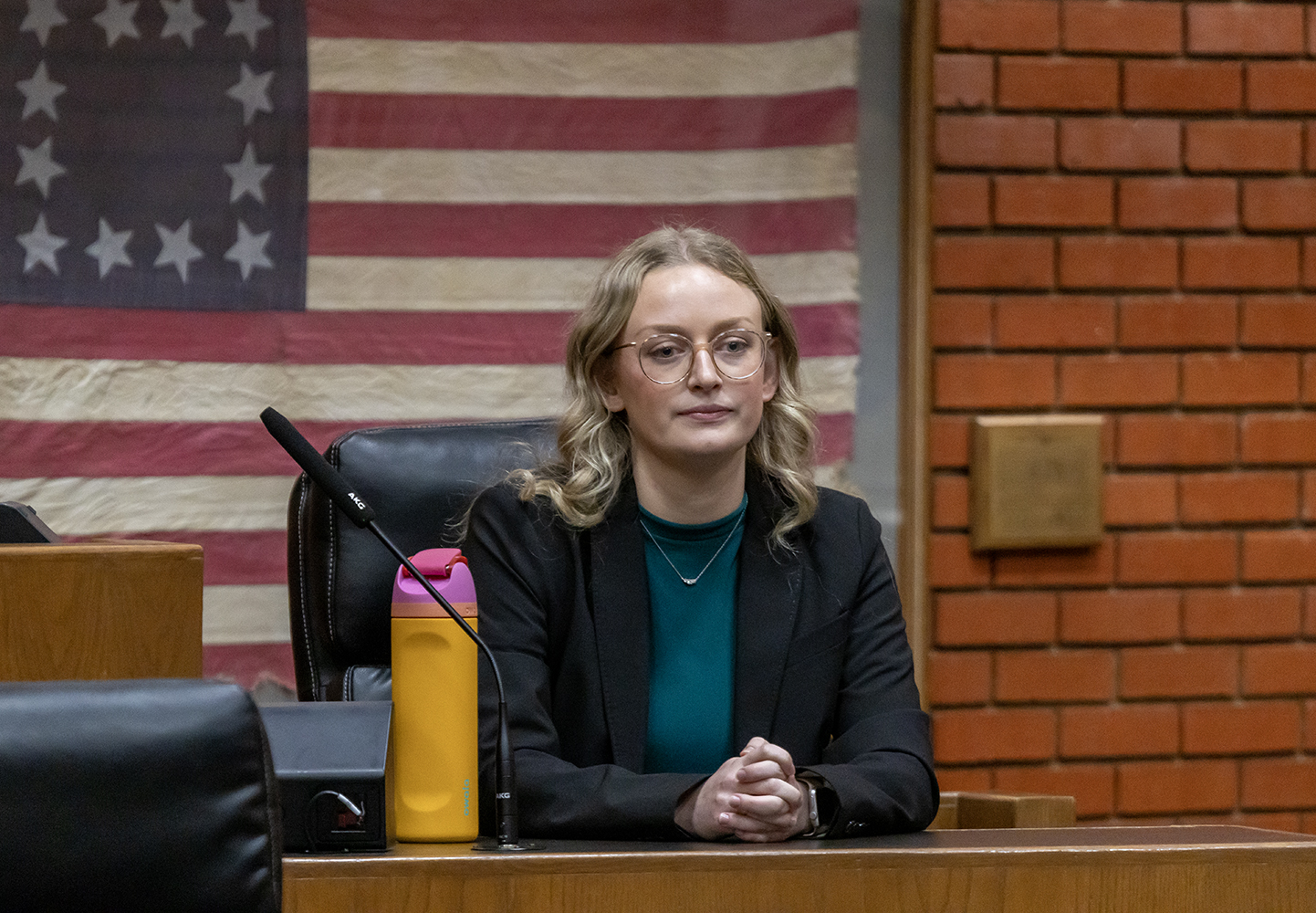
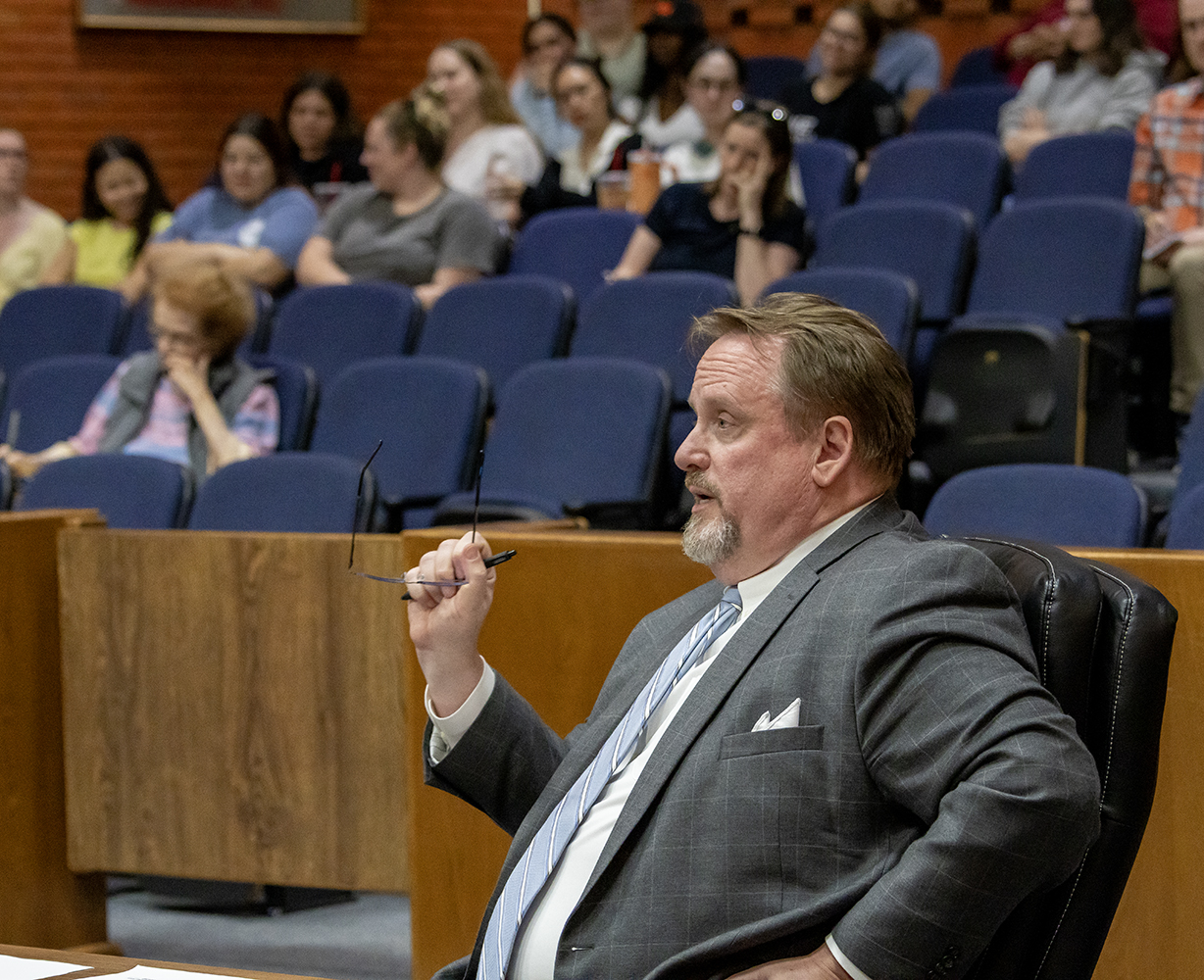
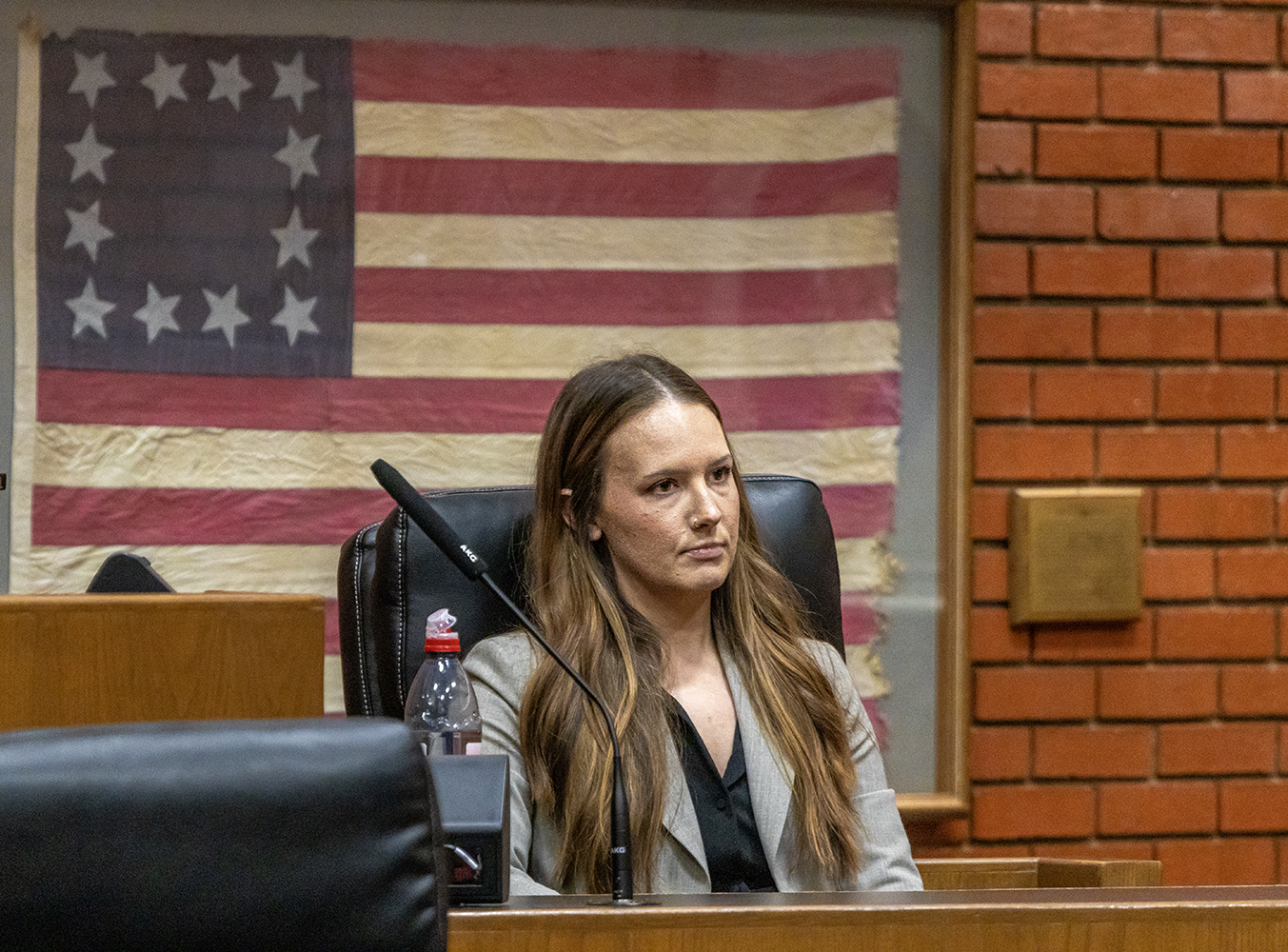
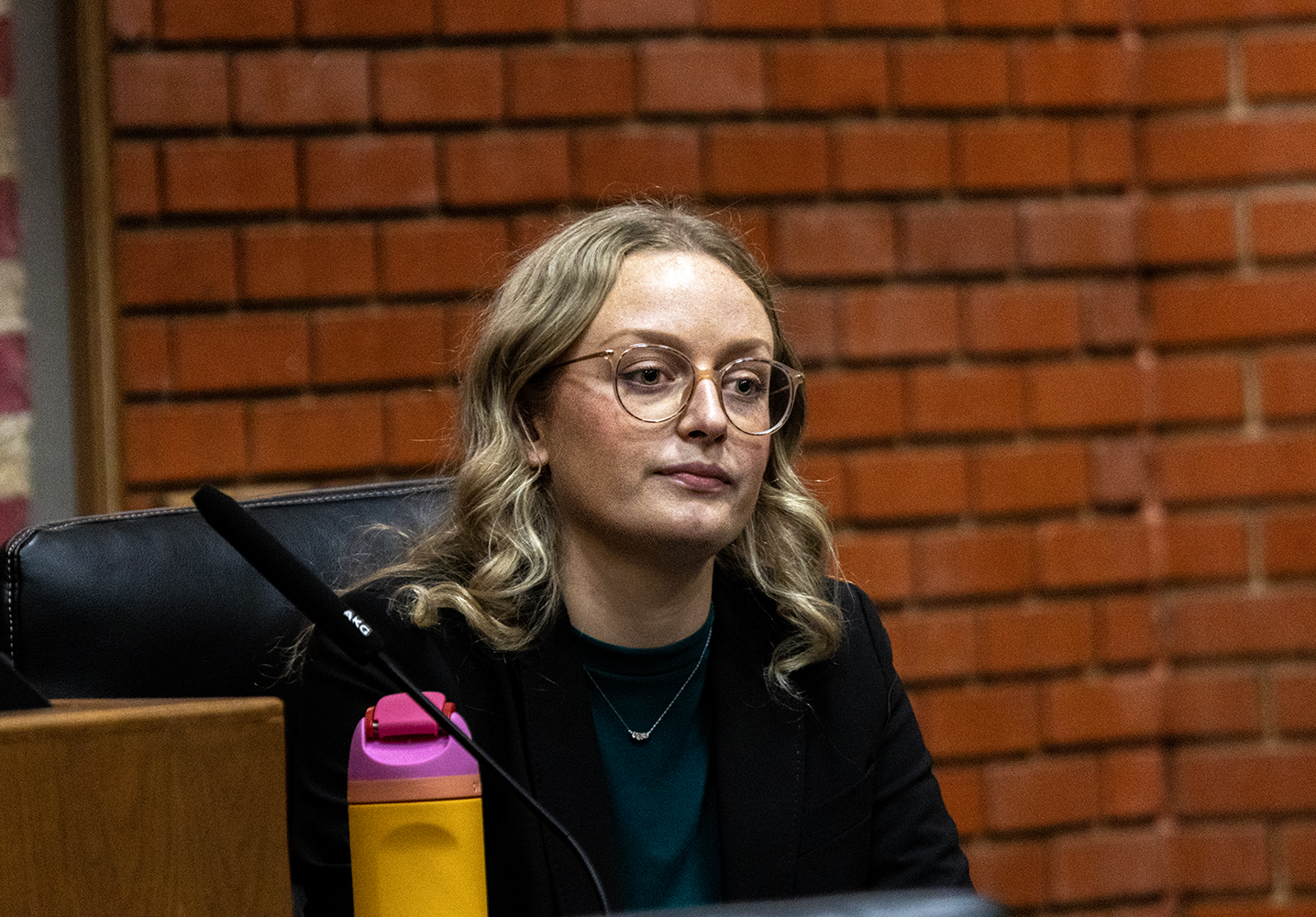
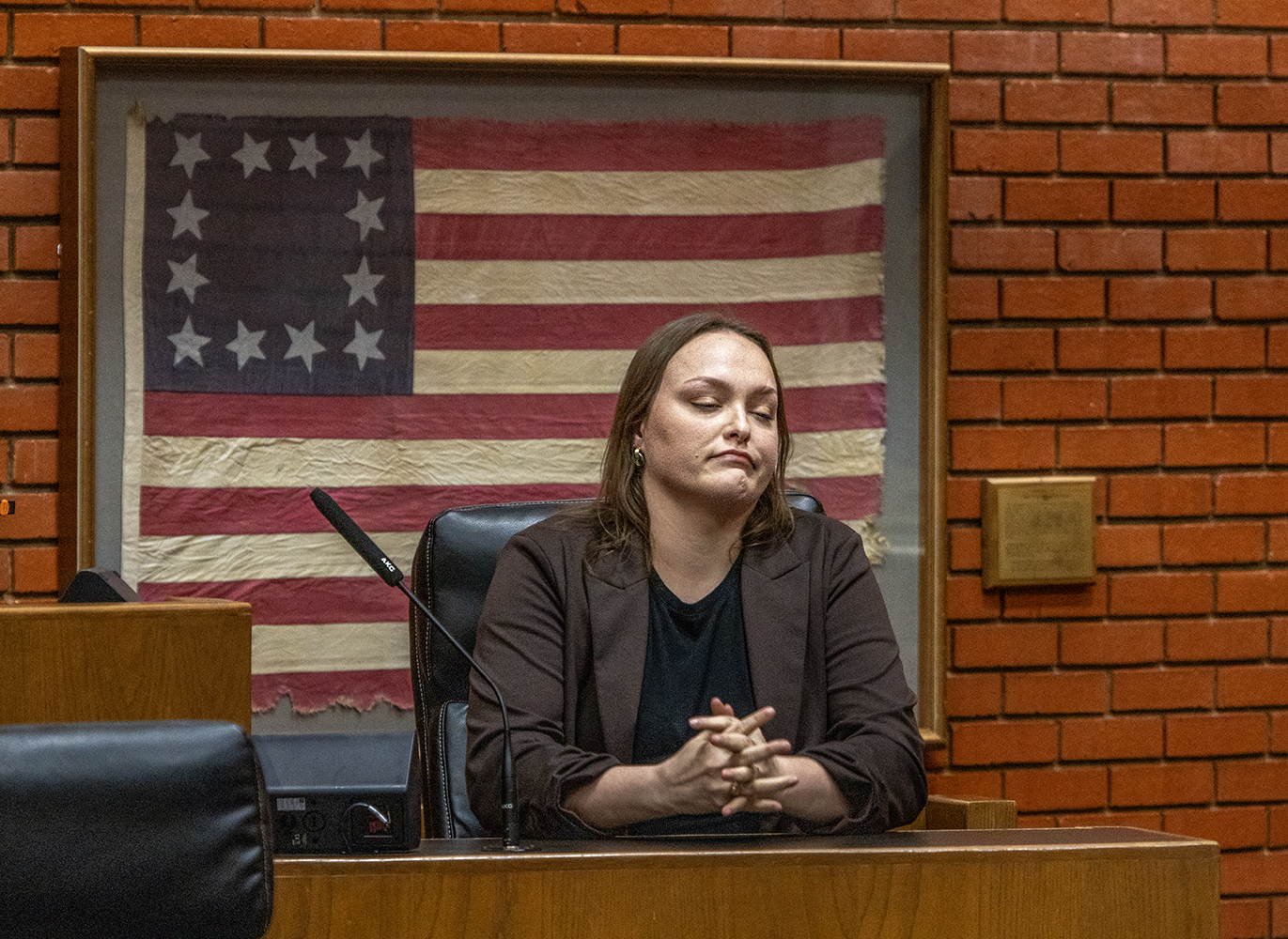
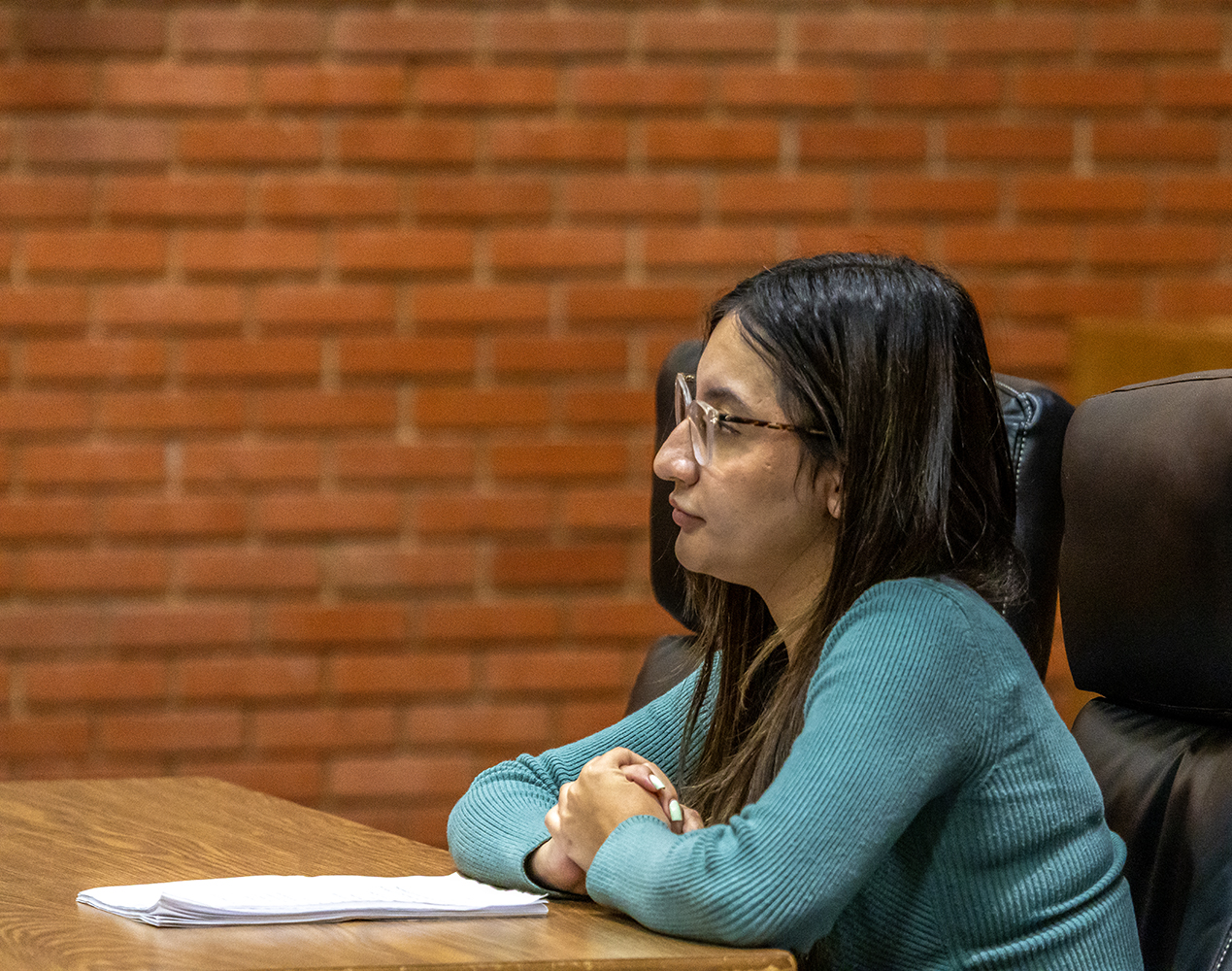
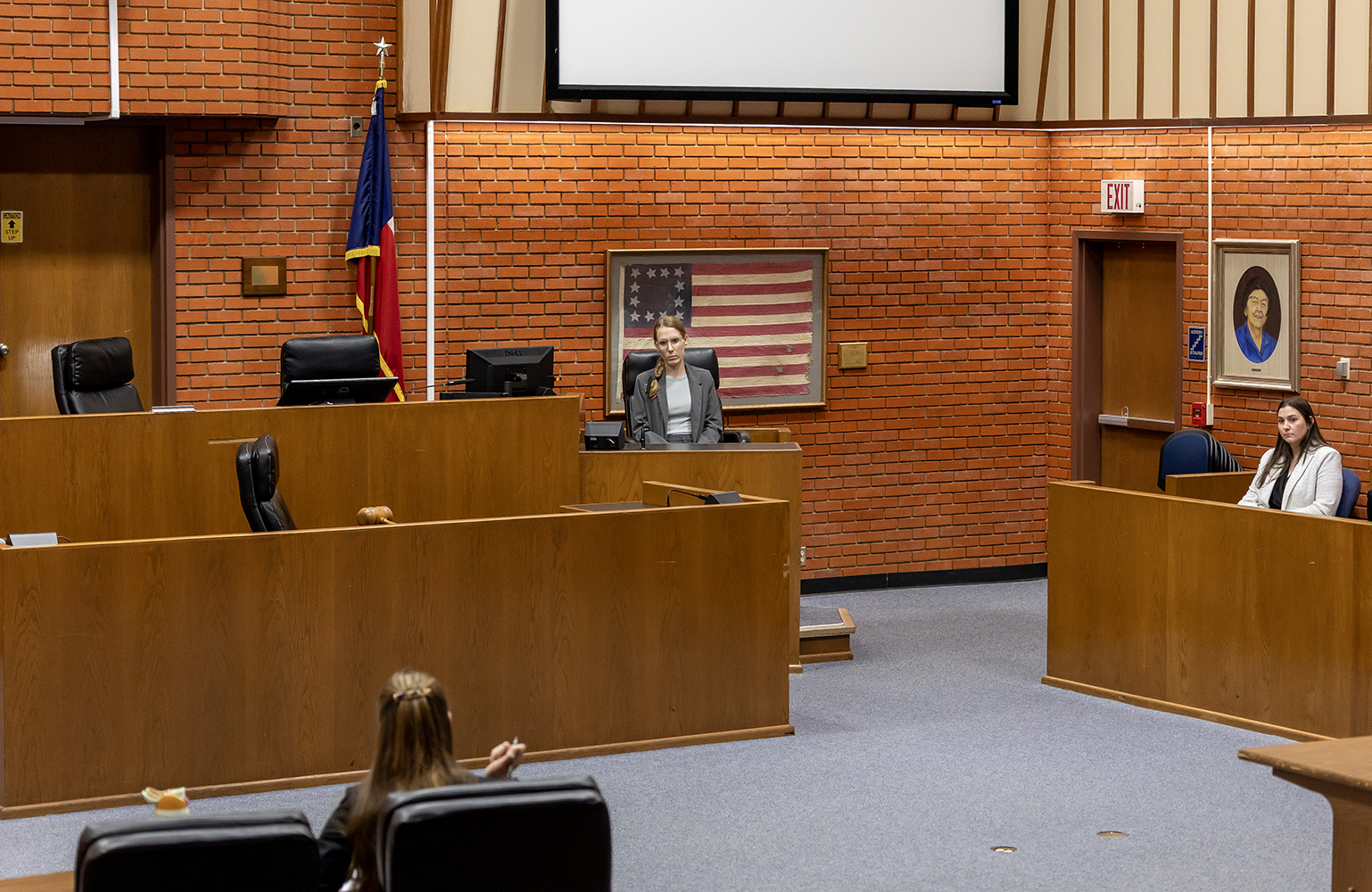
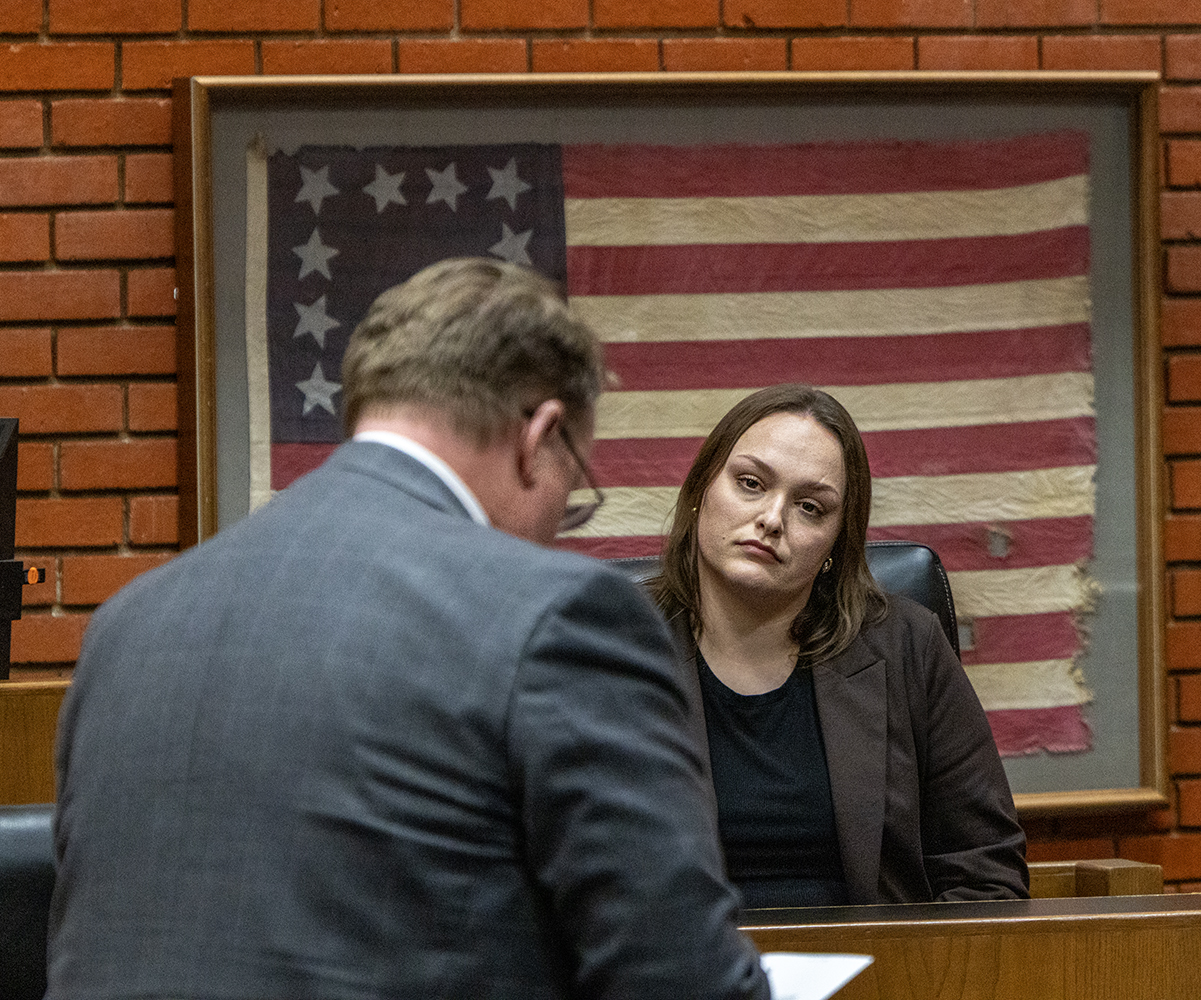
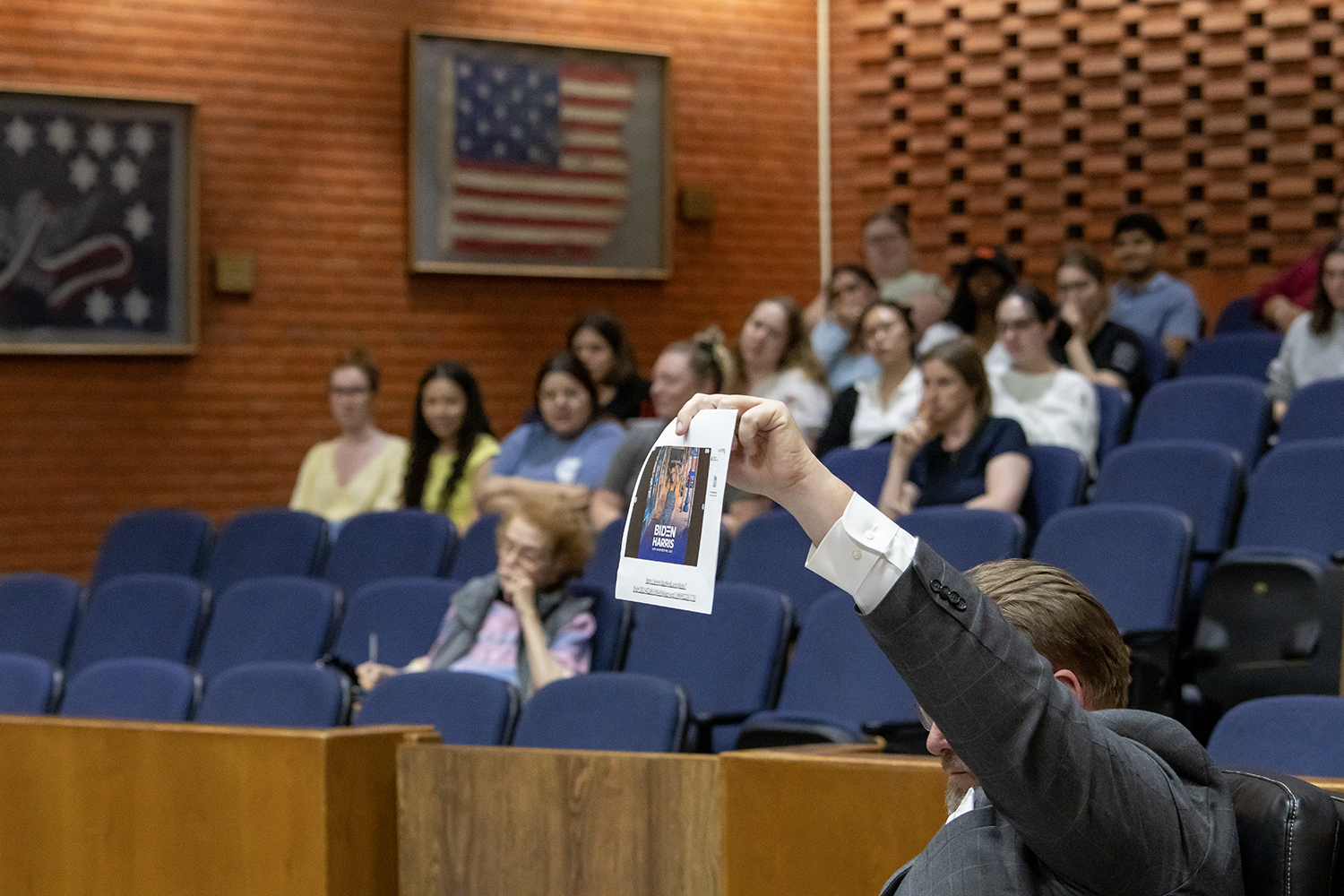
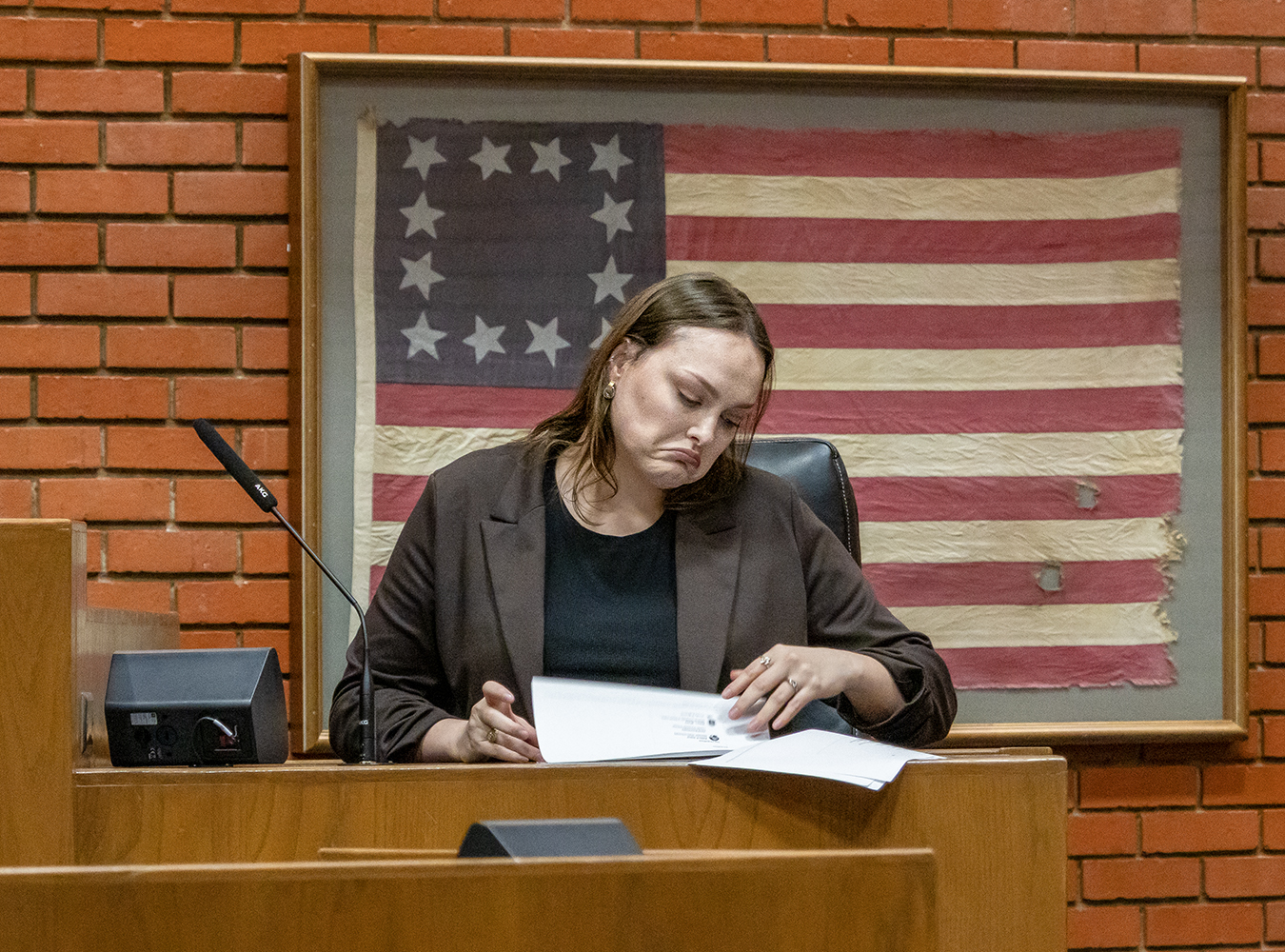
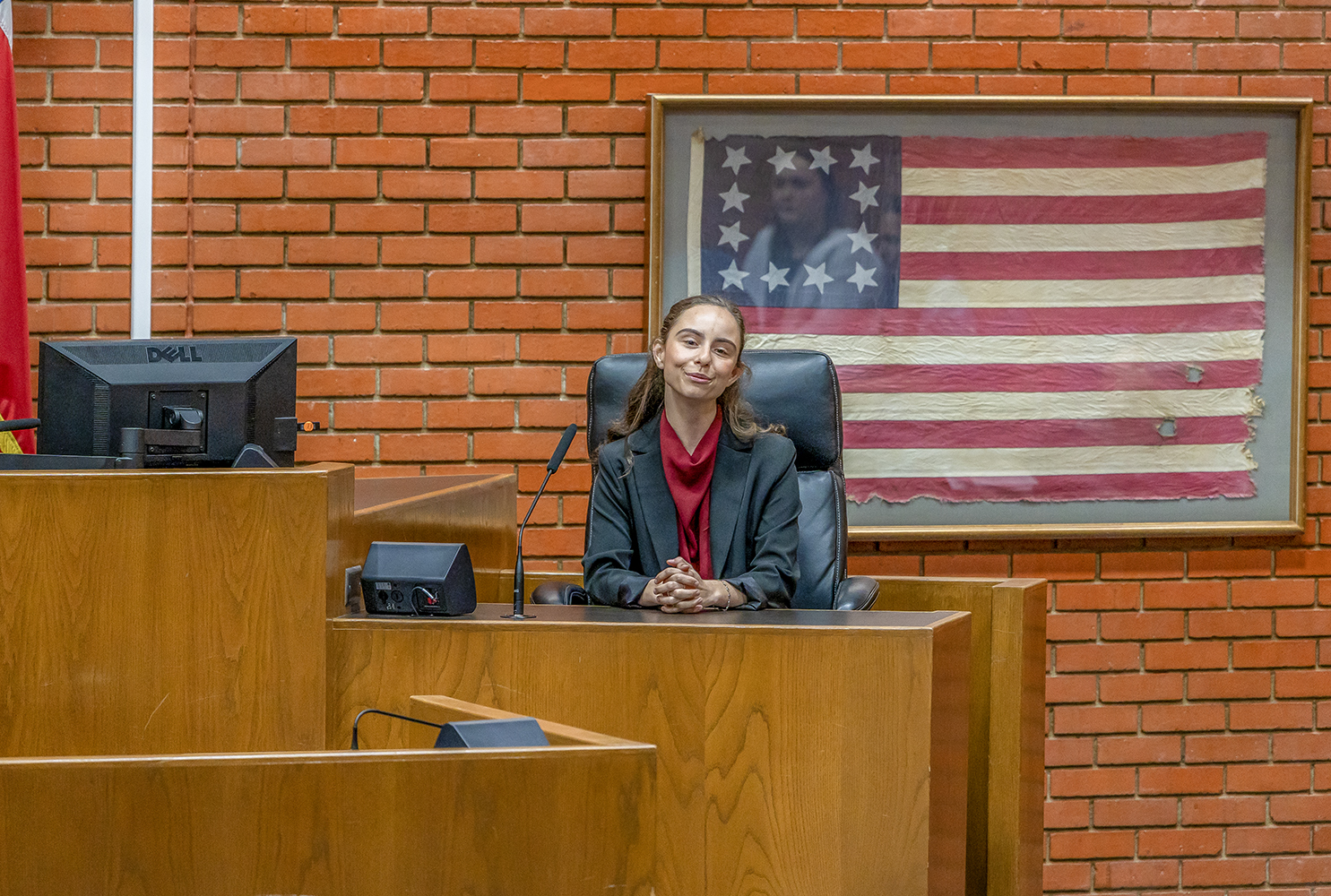
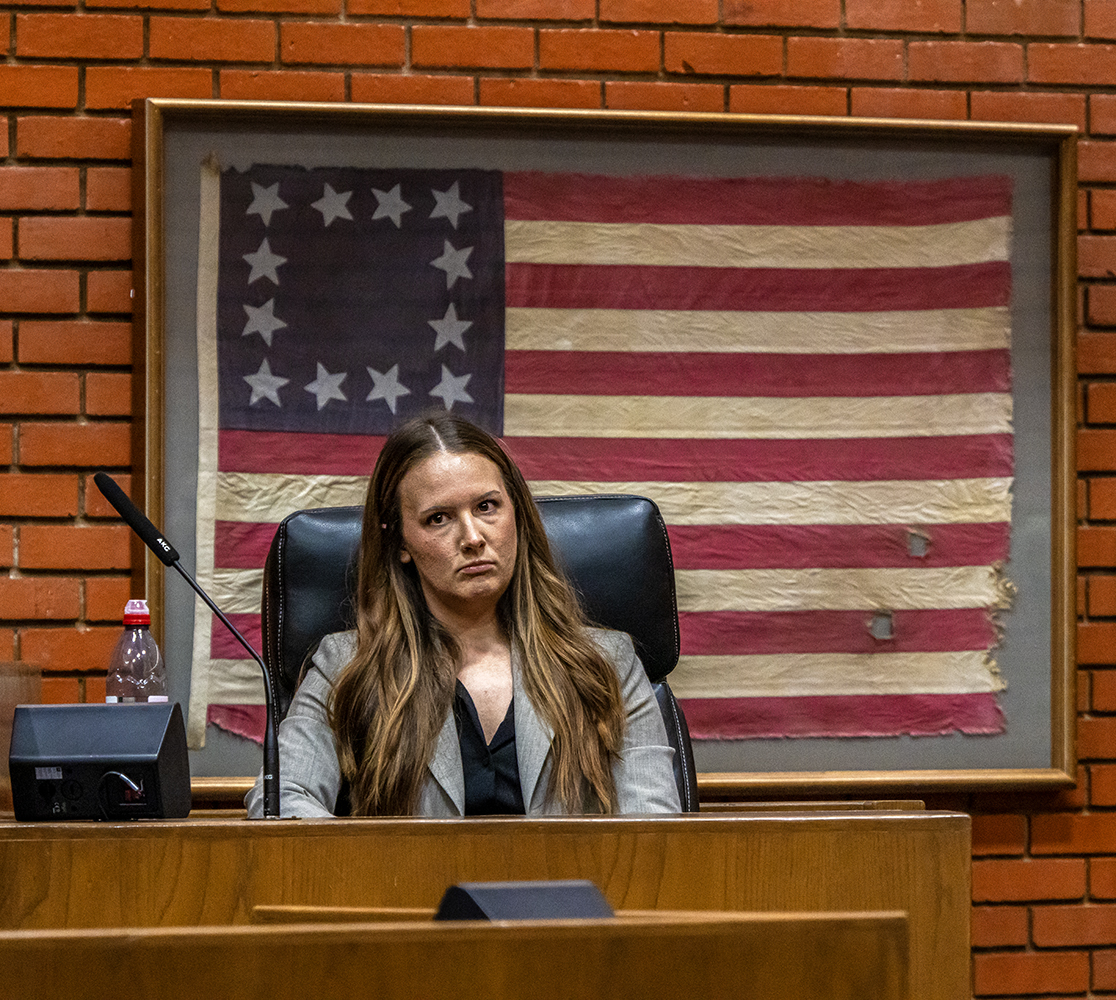
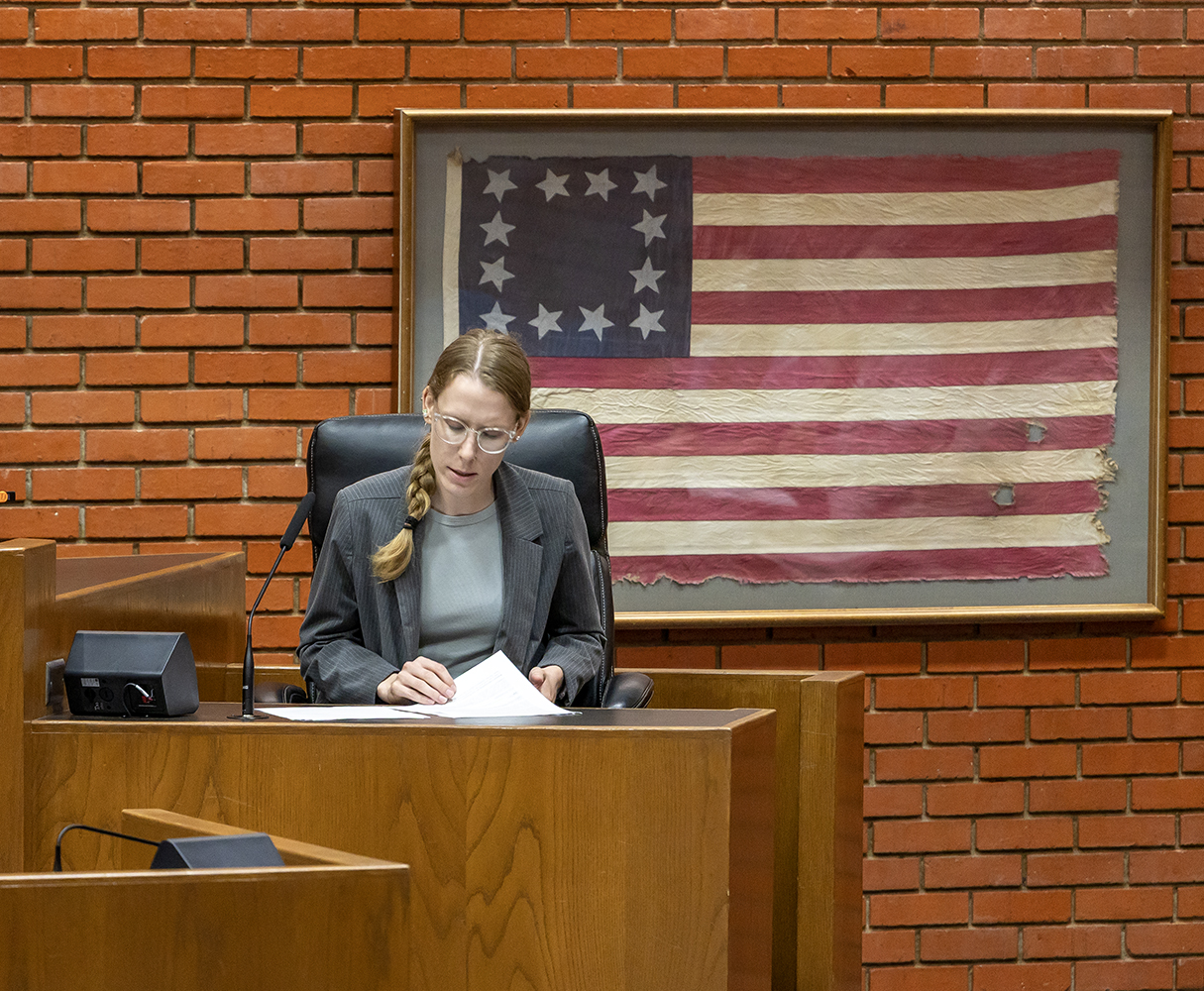
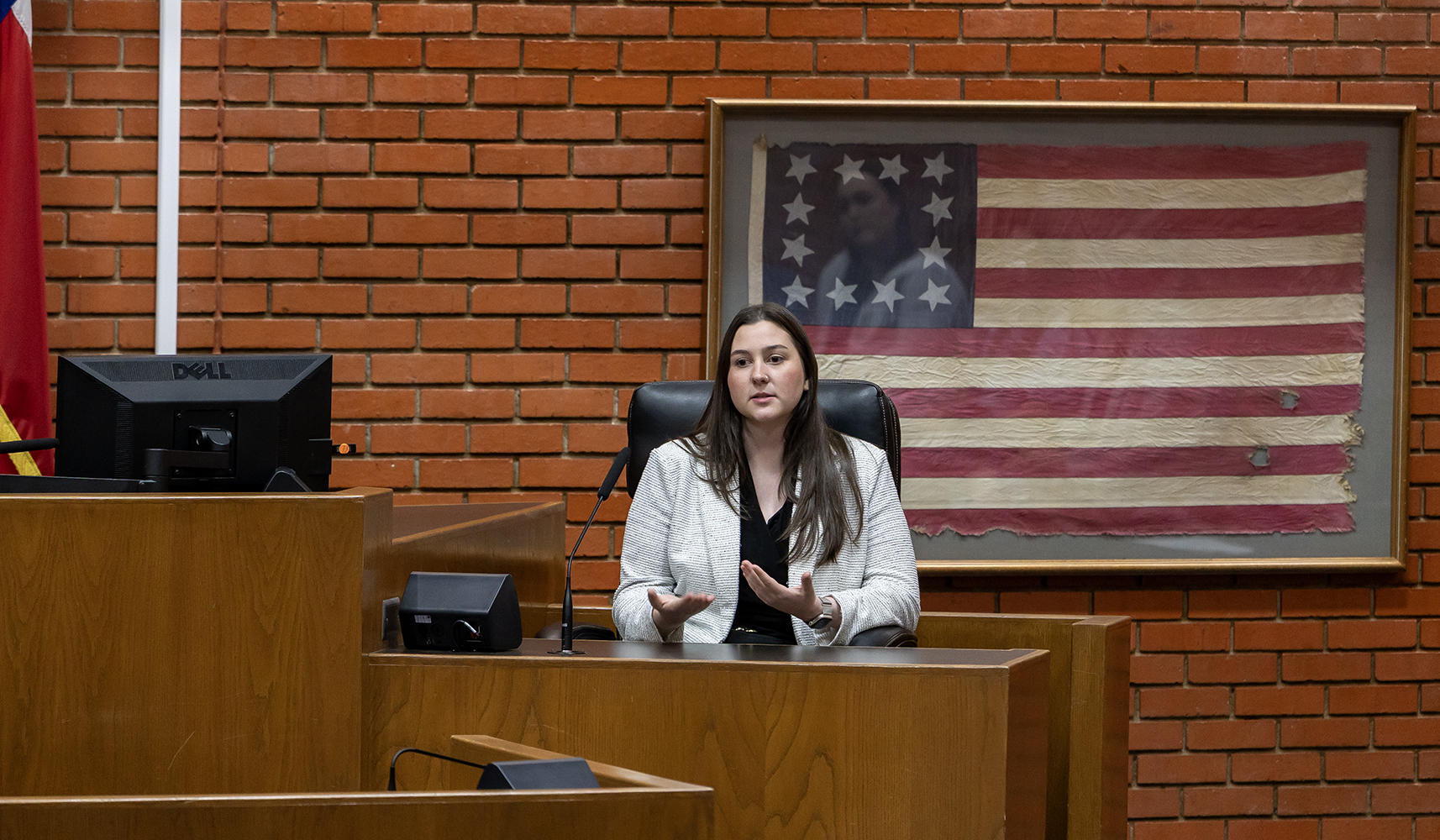
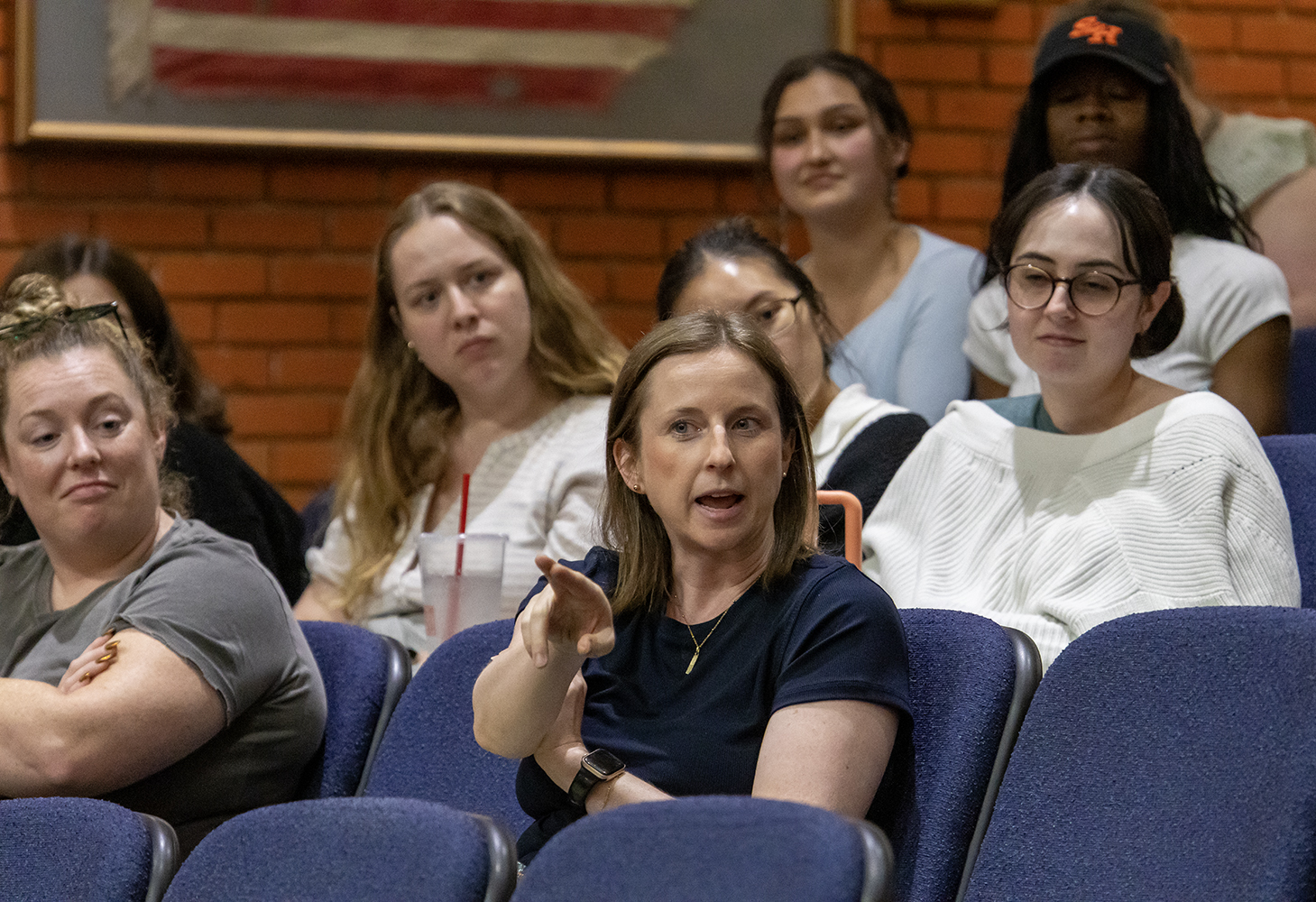
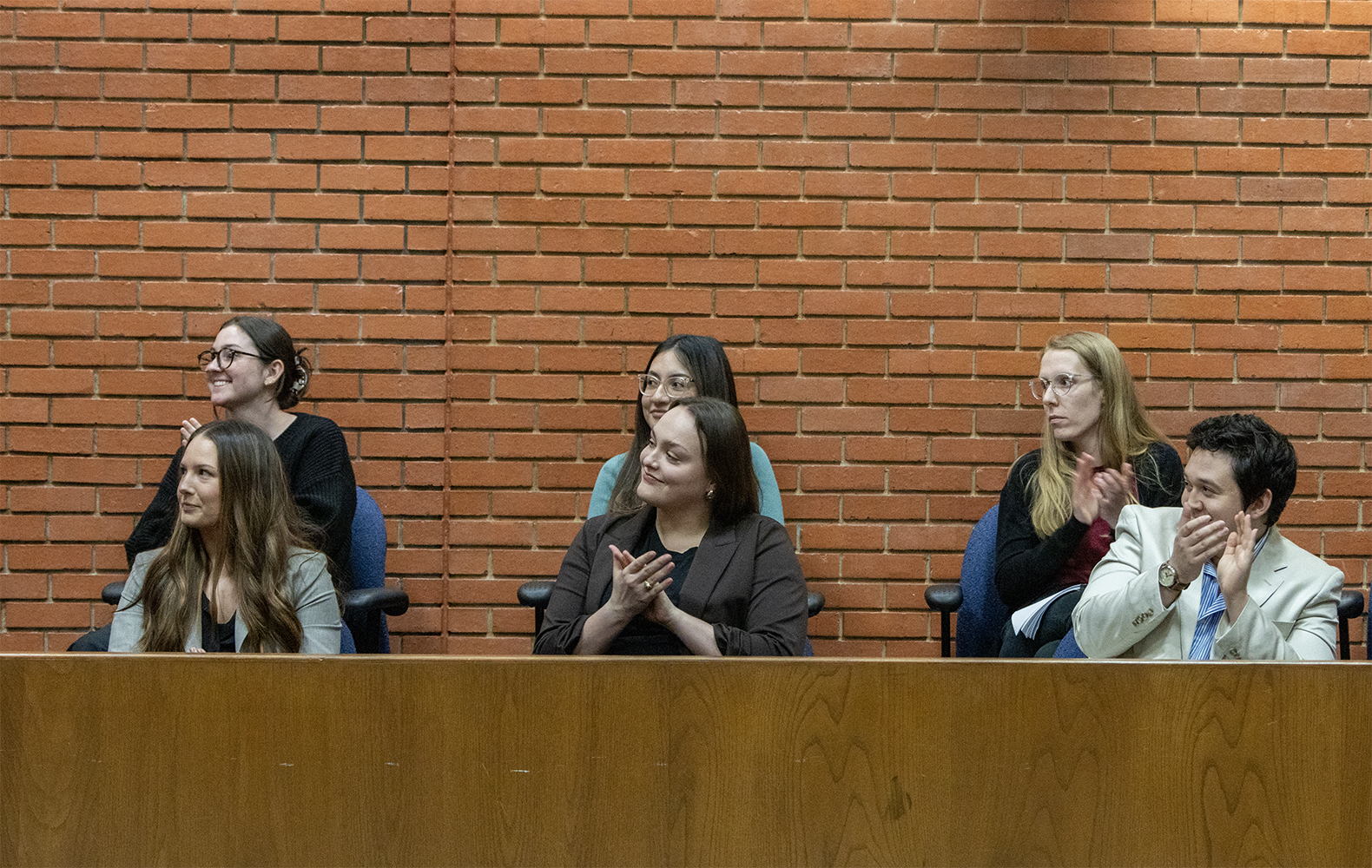
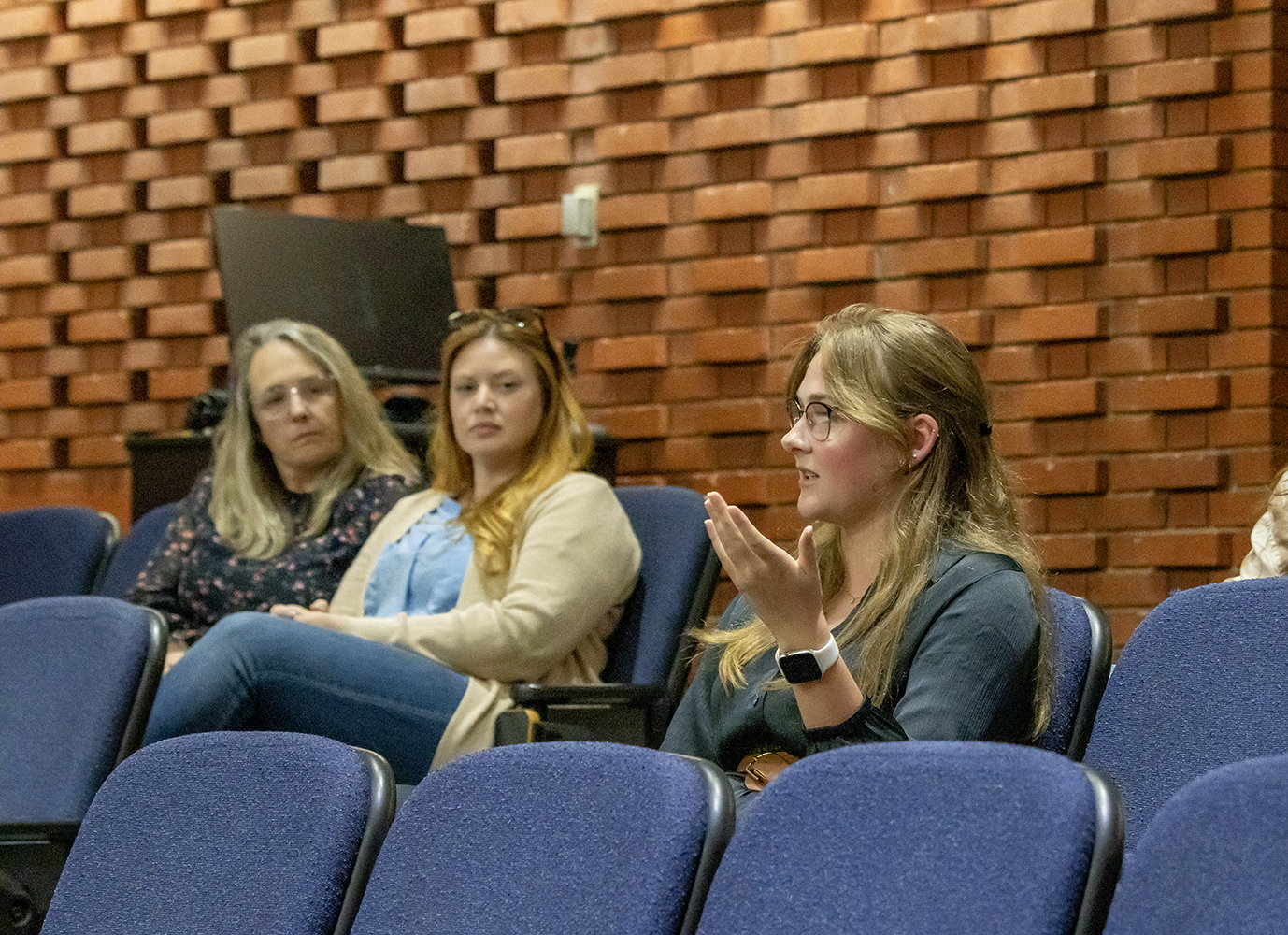
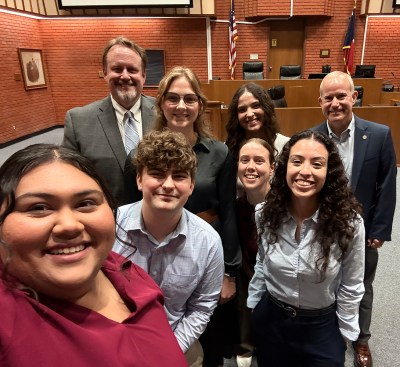
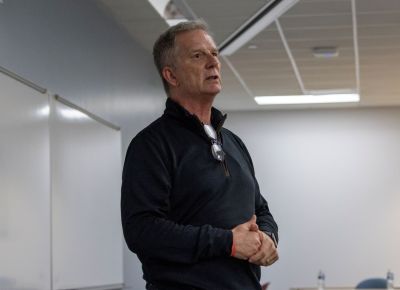
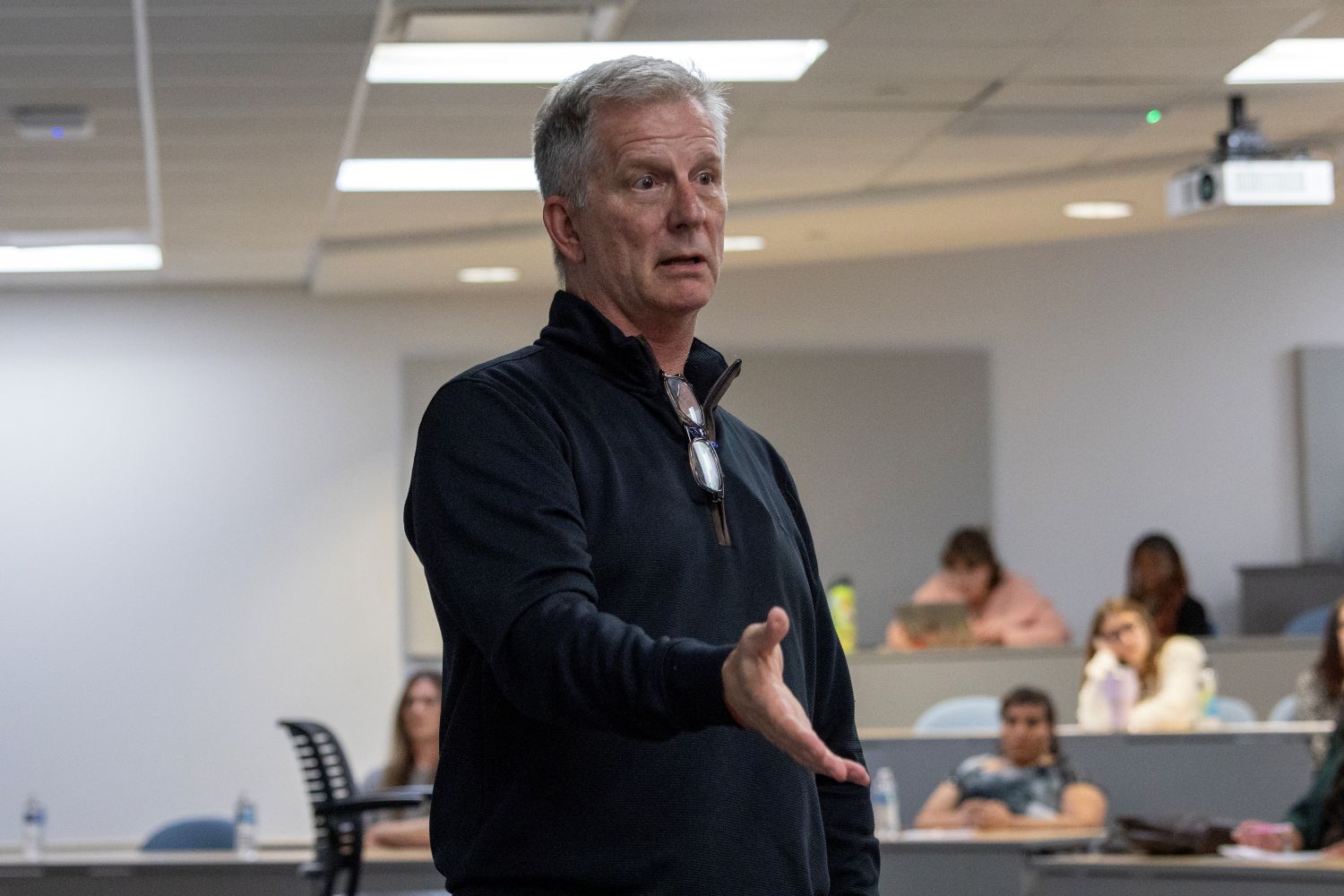
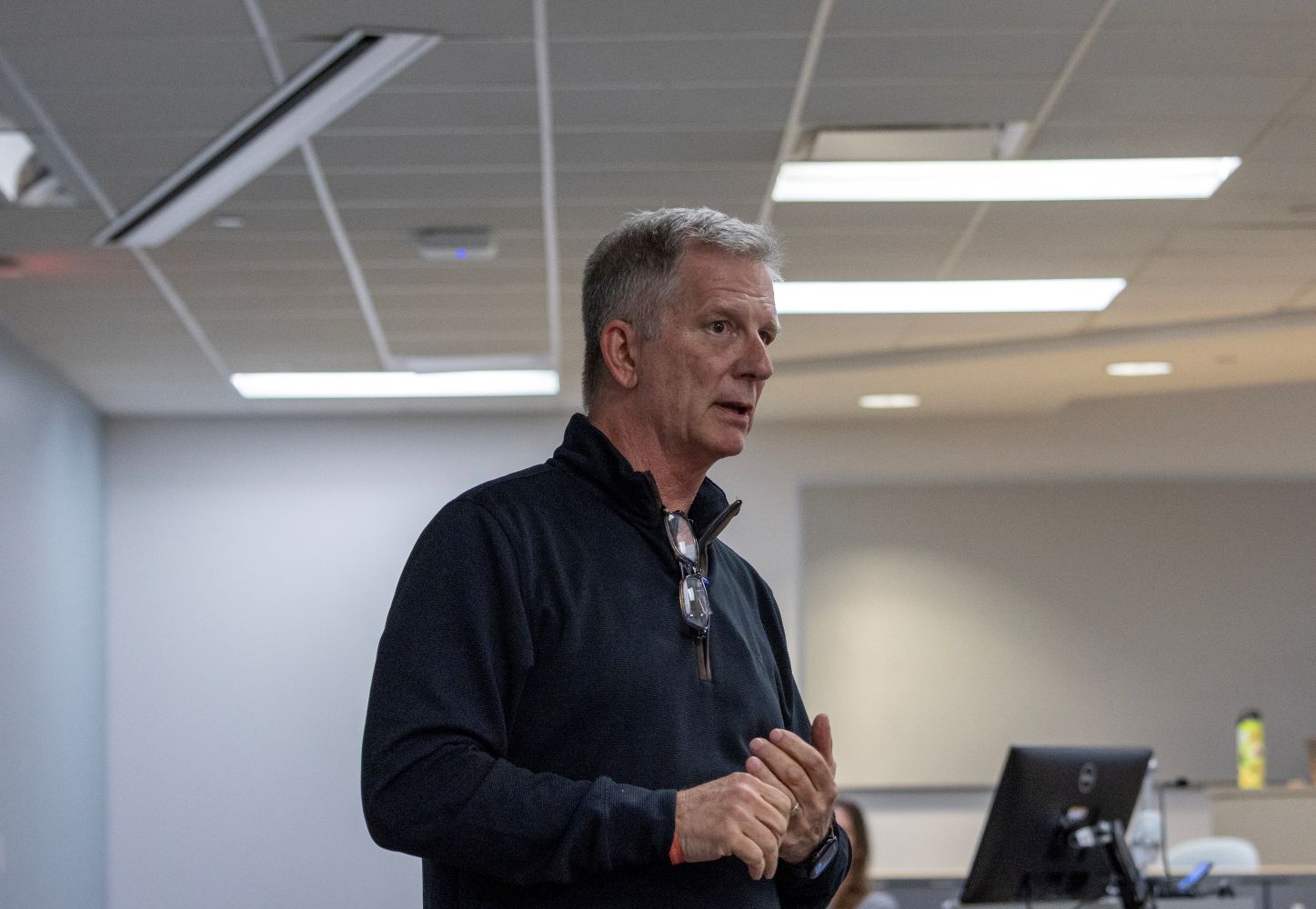
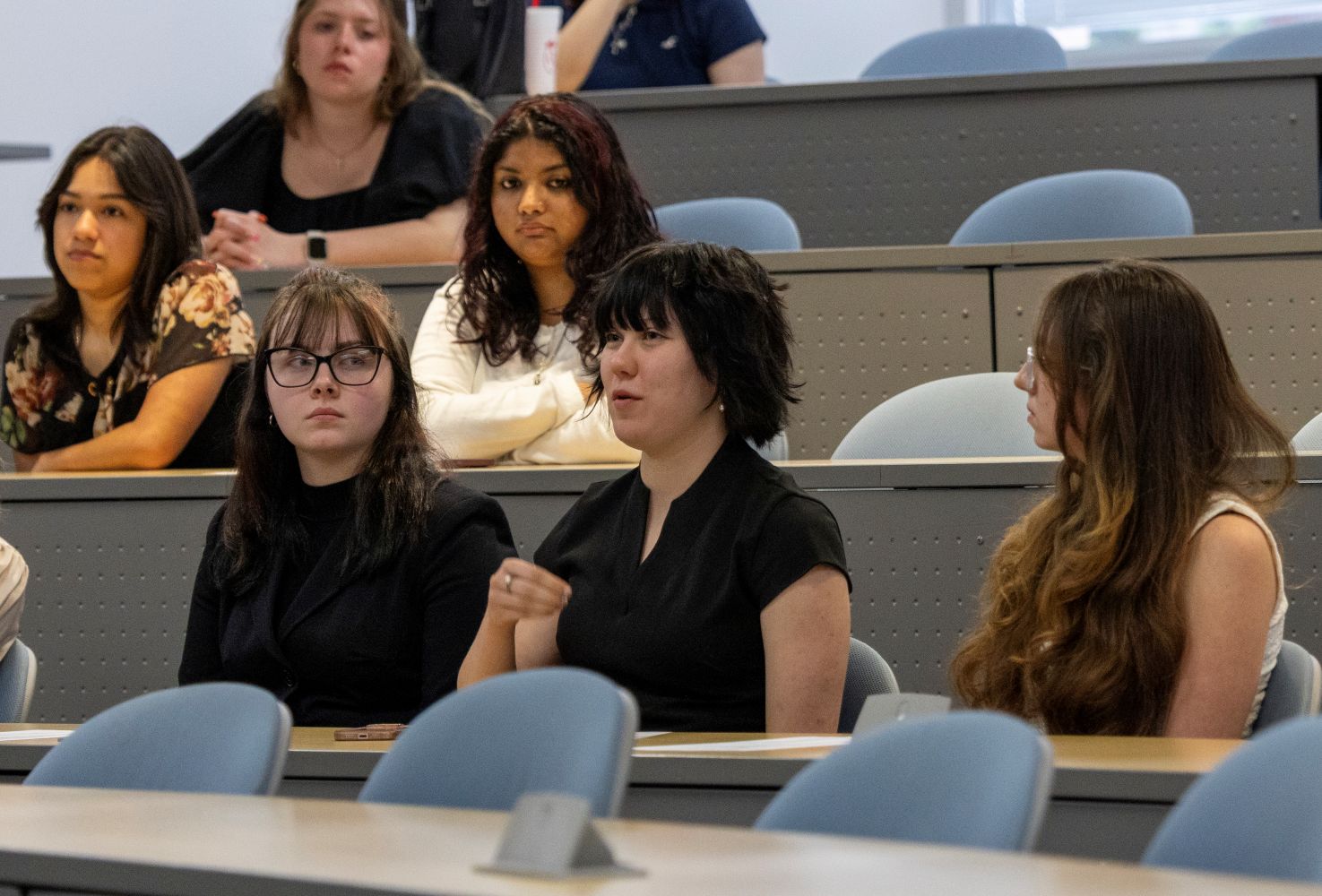
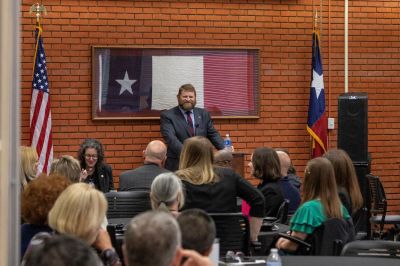
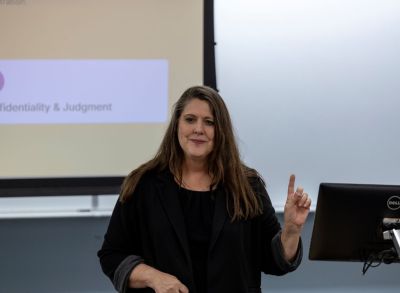
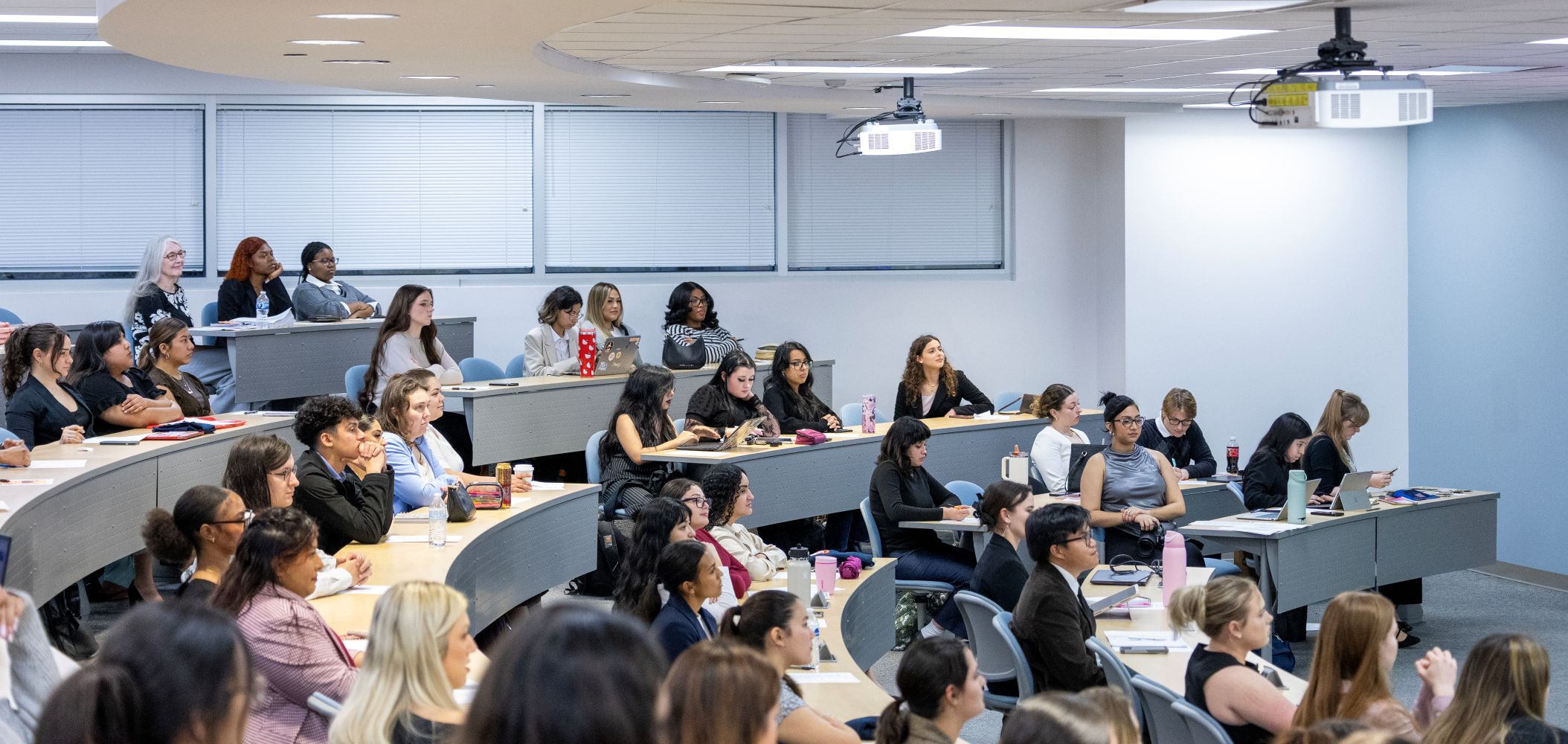
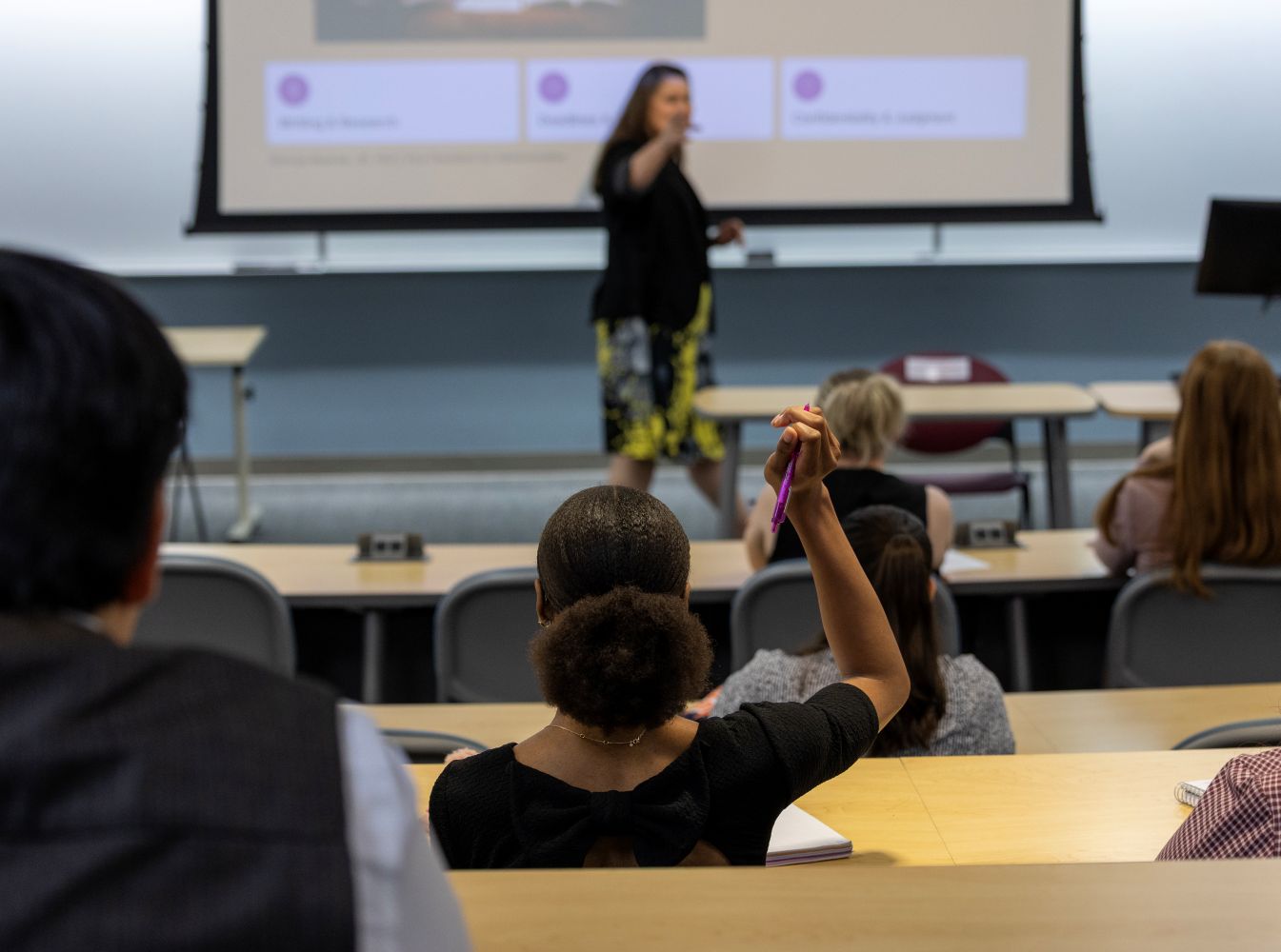
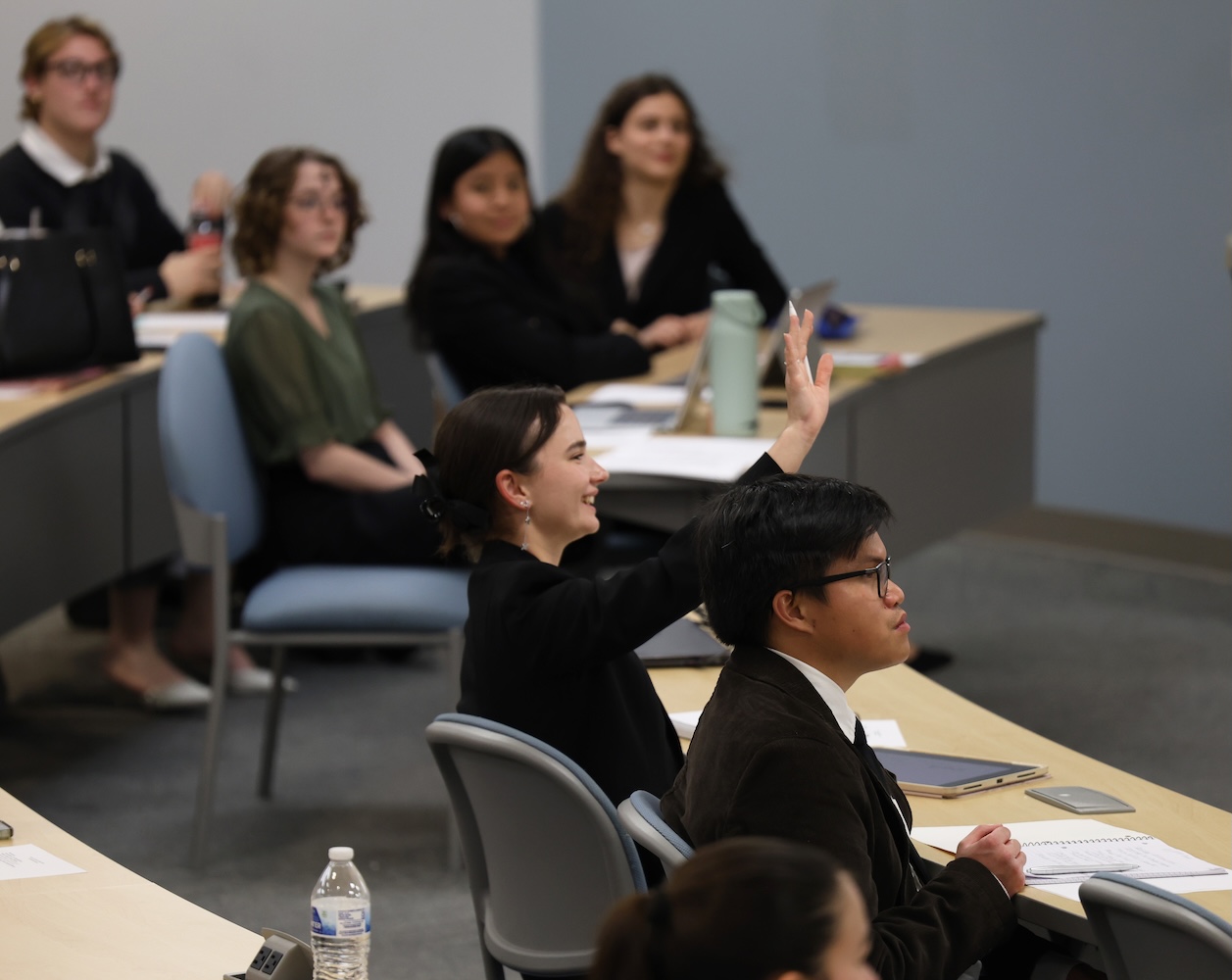
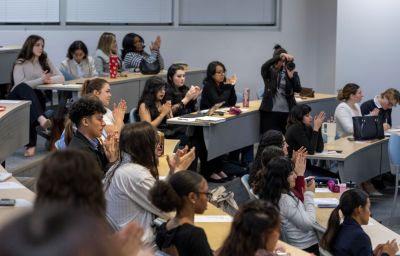
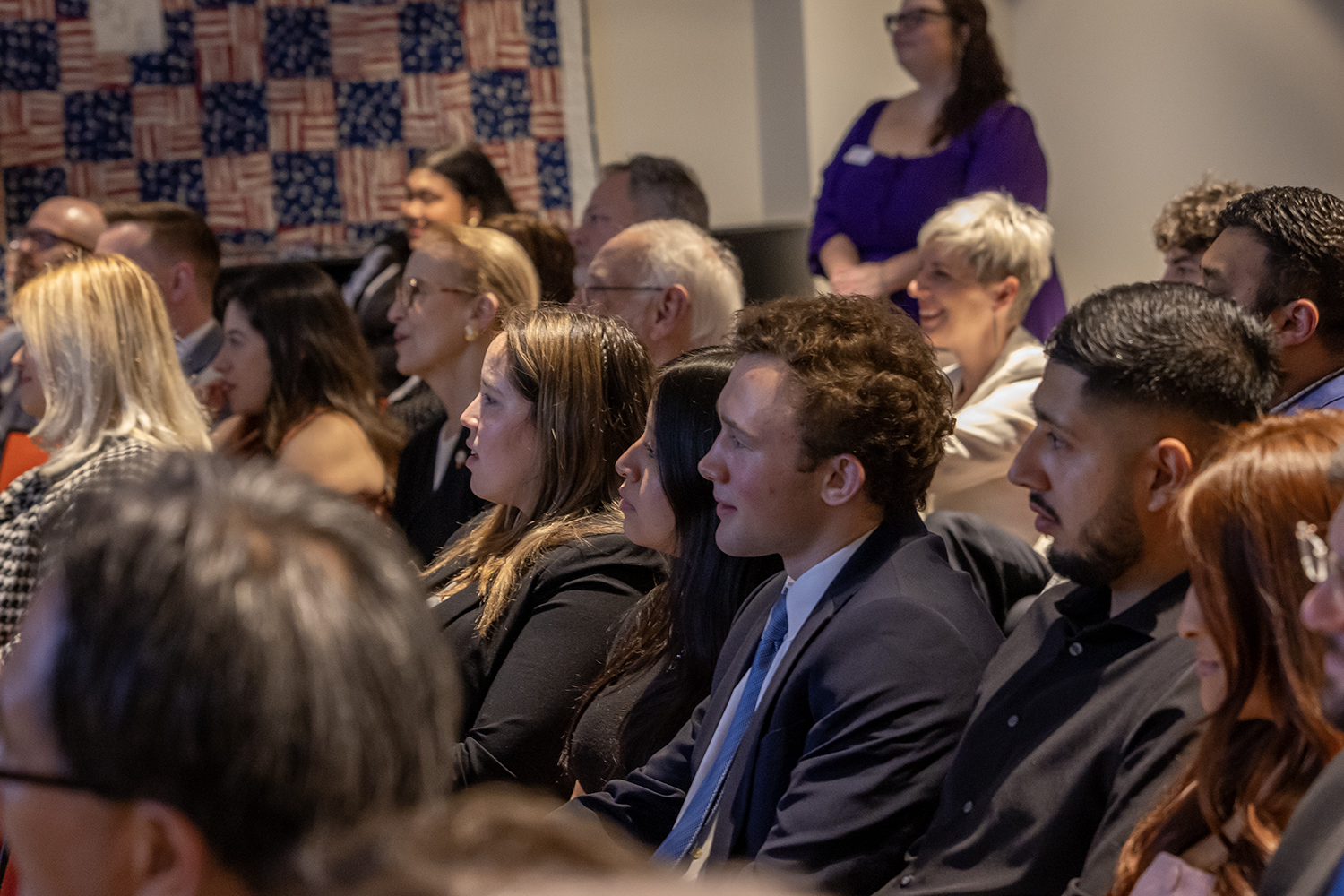
Recently, the LEAP Ambassadors had the opportunity to attend a unique and eye-opening event held in the Kerper Courtroom at Sam Houston State University. The event involved a simulated cross-examinations of “expert witnesses” (Forensic Psychology PhD students in Dr. Mary Conroy’s class) and was led by Dr. Roberts, the Director of Student Legal Mediation Services at SHSU, and members of the Texas Special Prosecution Unit staff.
At first, many of us were intrigued just to be part of something so different from our usual experiences. We expected it to be interesting and informative, but we quickly realized it was much more than that. It was a serious and highly structured simulation that gave us a real look into how psychological expertise is challenged in legal settings.
The purpose of the exercise was to prepare PhD students to serve as expert witnesses in court. Their job was to take the stand and, under direct and cross-examination, clearly explain their thought process, justify their evaluations of competency, and walk through why they chose the specific diagnoses they did based on the case scenarios they were given.
What really stood out was the cross-examination portion. After presenting their initial assessments, the students were then put under pressure by Dr. Roberts. He did not make it easy on them. The questioning became more intense and detailed, often pushing into areas like their professional publications, academic background, and even social media presence. The goal was to realistically simulate how an opposing attorney might attempt to challenge or discredit an expert witness in court.
Even under pressure, most of the students remained composed, answering all the questions with clarity and, perhaps to a slightly lesser extent, confidence. It was impressive to watch how they maintained their professionalism while being challenged so directly.
After everything concluded, the students took time to reflect on the experience. They discussed what they felt they did well, what challenged them, and what they could improve moving forward. That reflection piece really helped tie everything together and showed just how important communication and preparation are when serving as an expert witness.
We also had the chance to hear from Jack Choate from the Special Prosecutions Unit and other experts and audience members, who shared helpful insight and practical advice. His perspective helped connect what we had just seen to real world legal practice and gave the students additional guidance on what to expect in the field.
Overall, the event was incredibly informative and genuinely engaging. It gave us a deeper understanding of the intersection between psychology and law and highlighted how demanding it is to stand as an expert in a courtroom setting. Dr. Roberts and Erin Faseler and her staff at SPU did a great job facilitating the entire experience, leaving all of us with a new appreciation for the level of preparation and skill this kind of work requires.
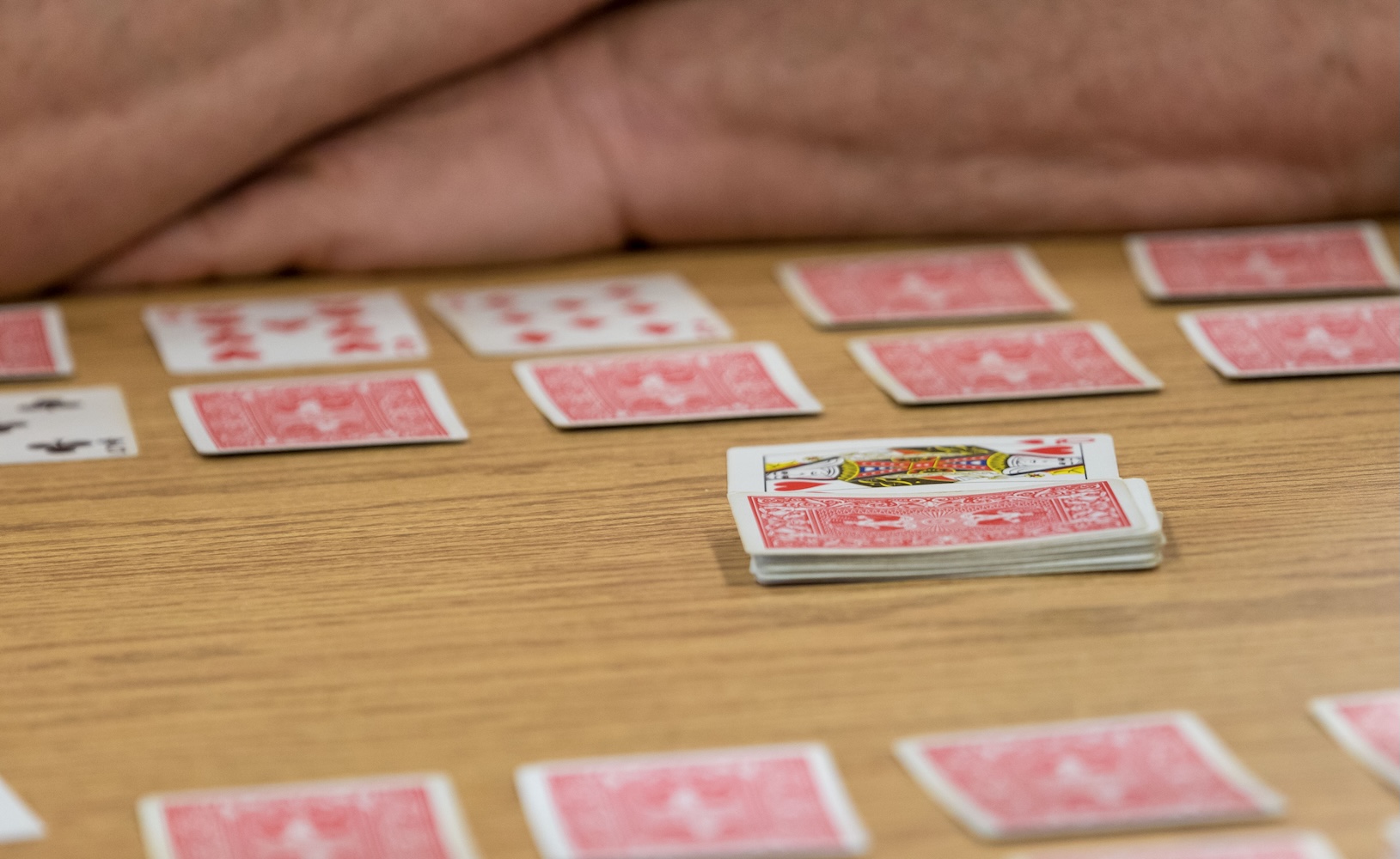
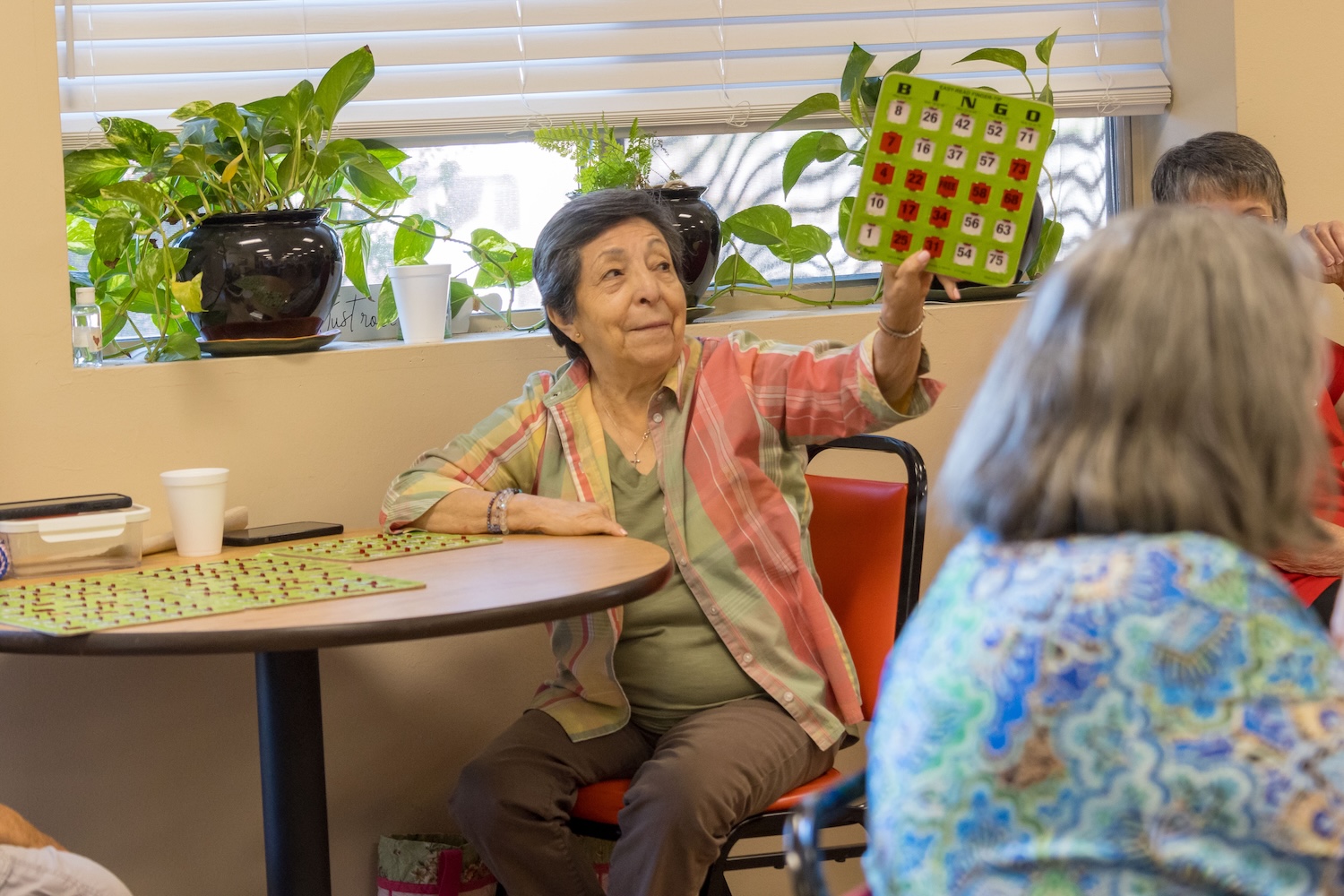
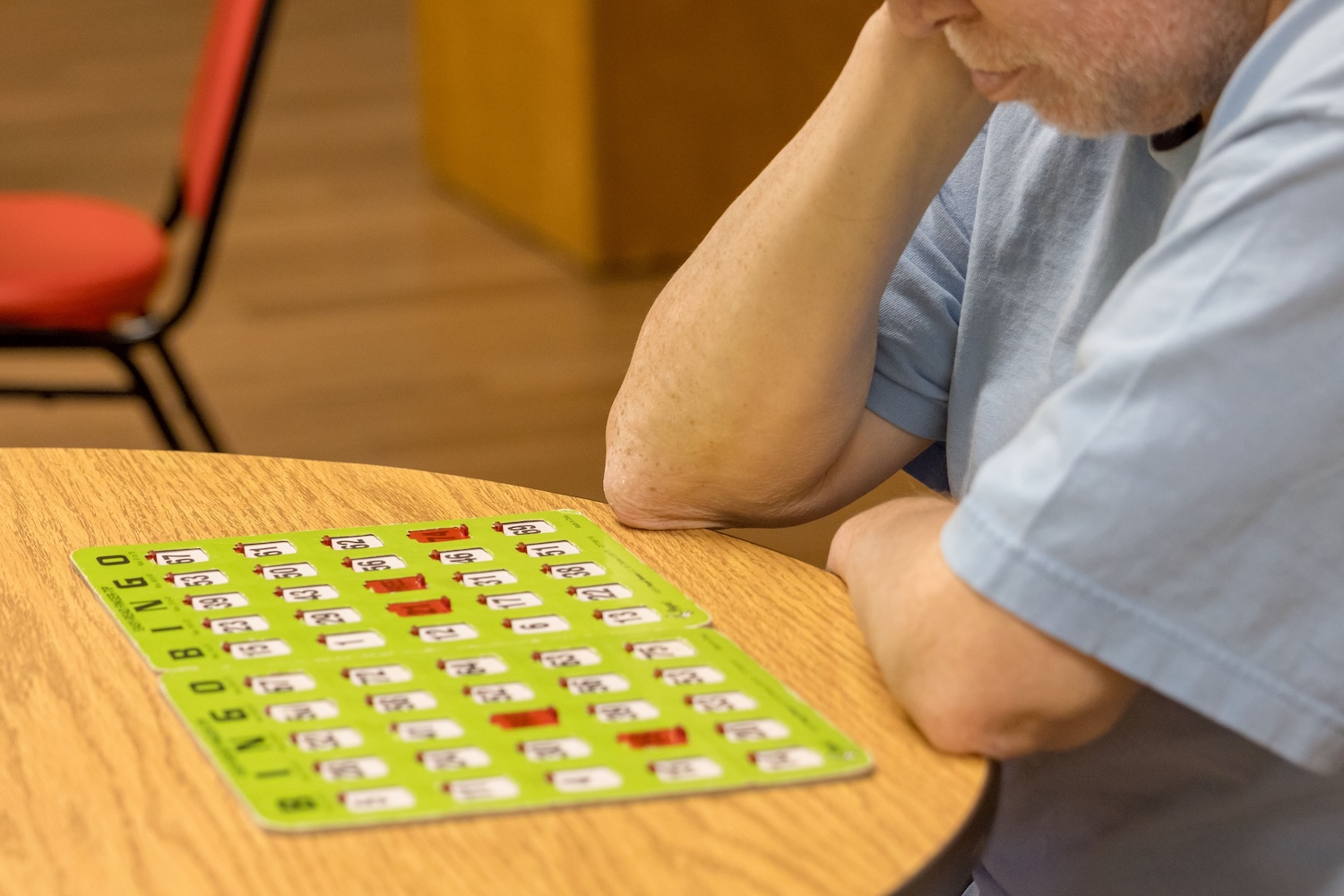
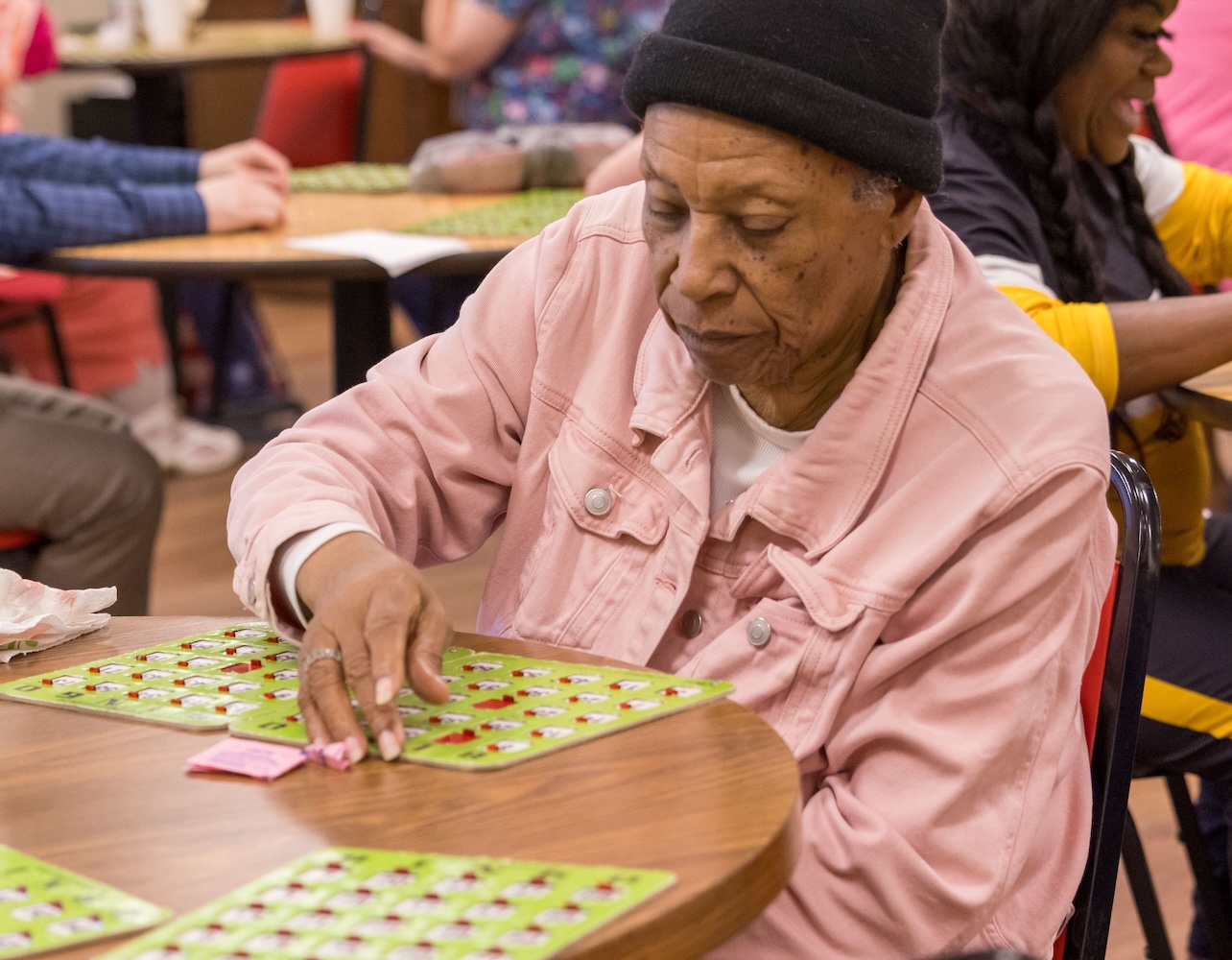
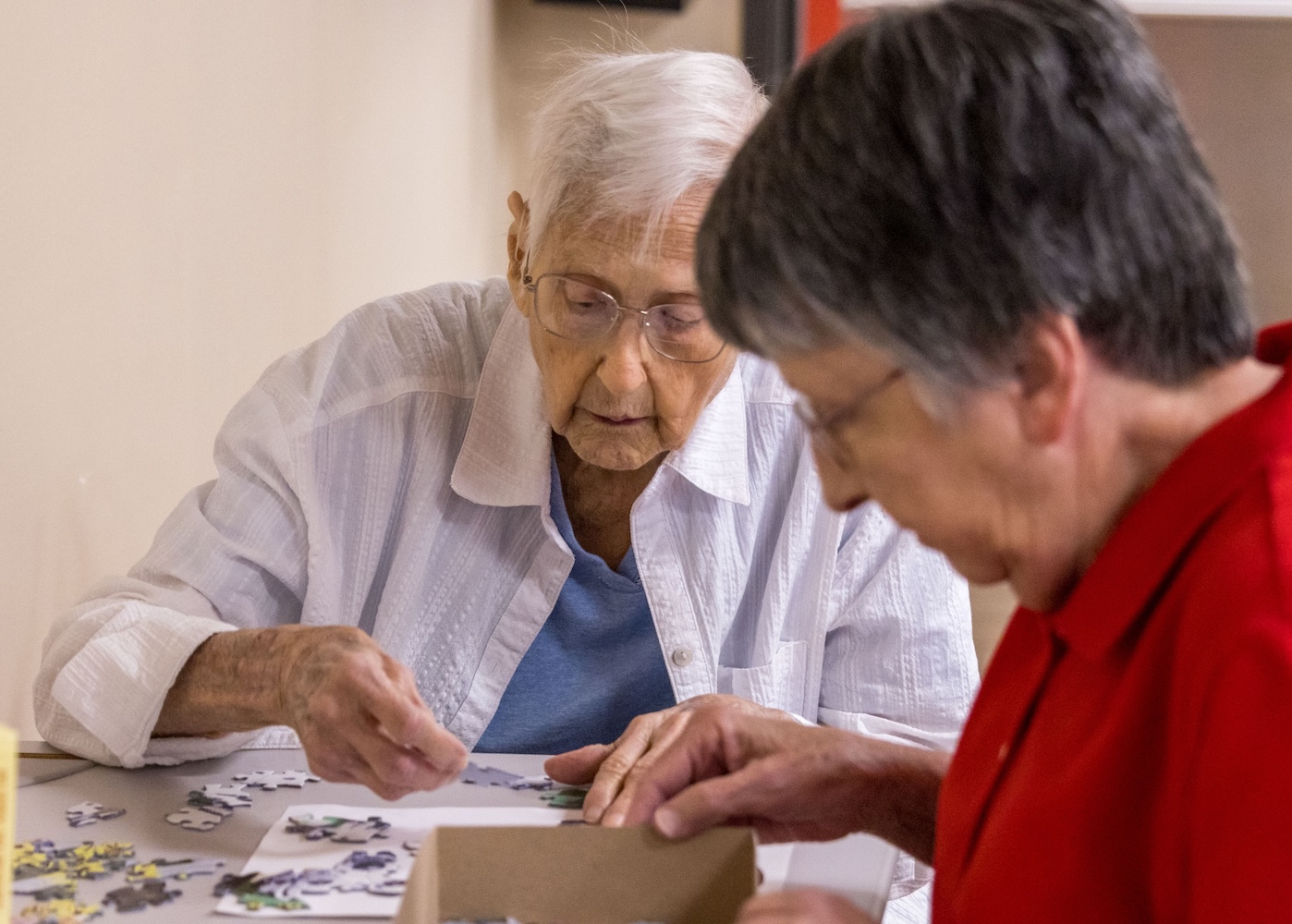
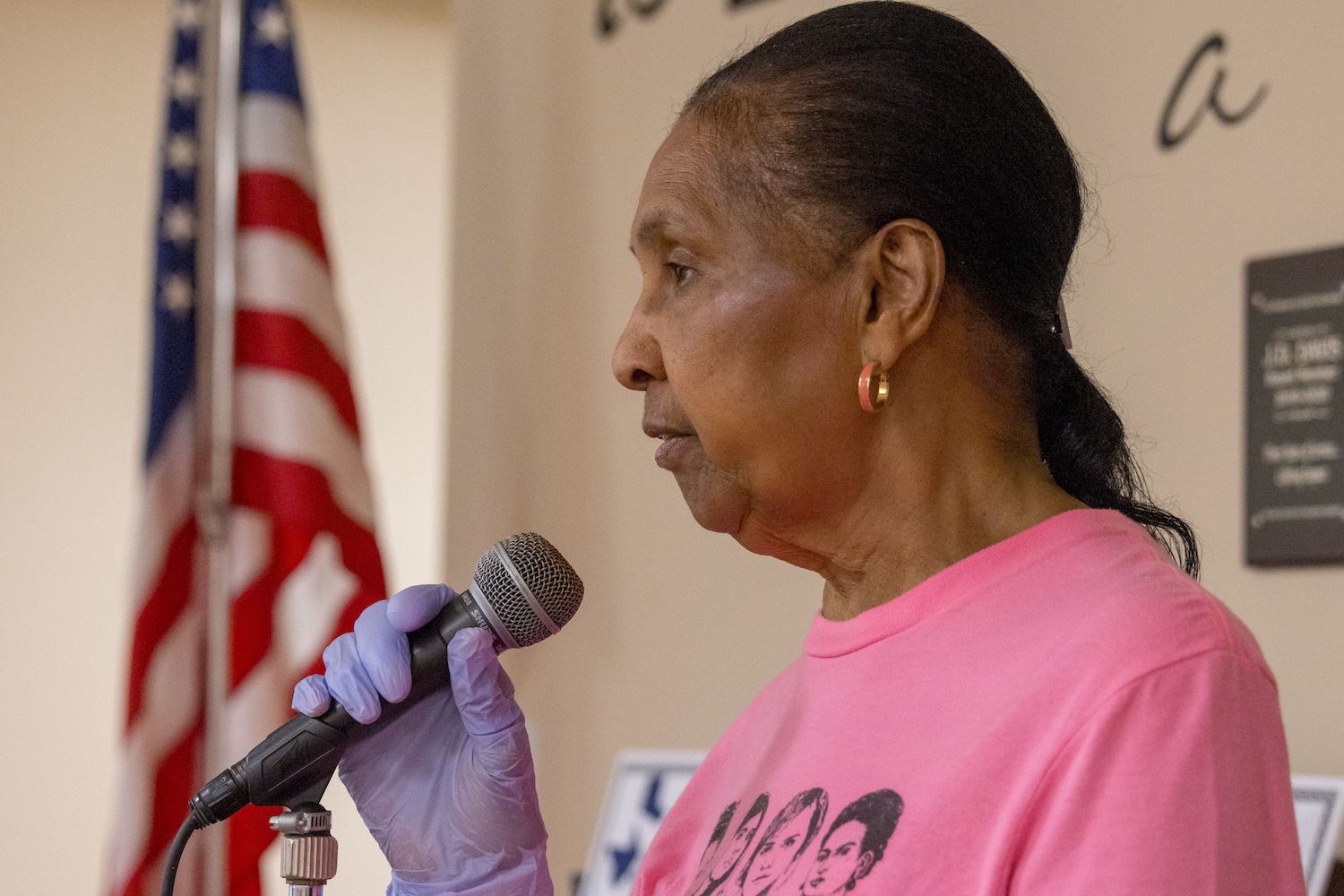
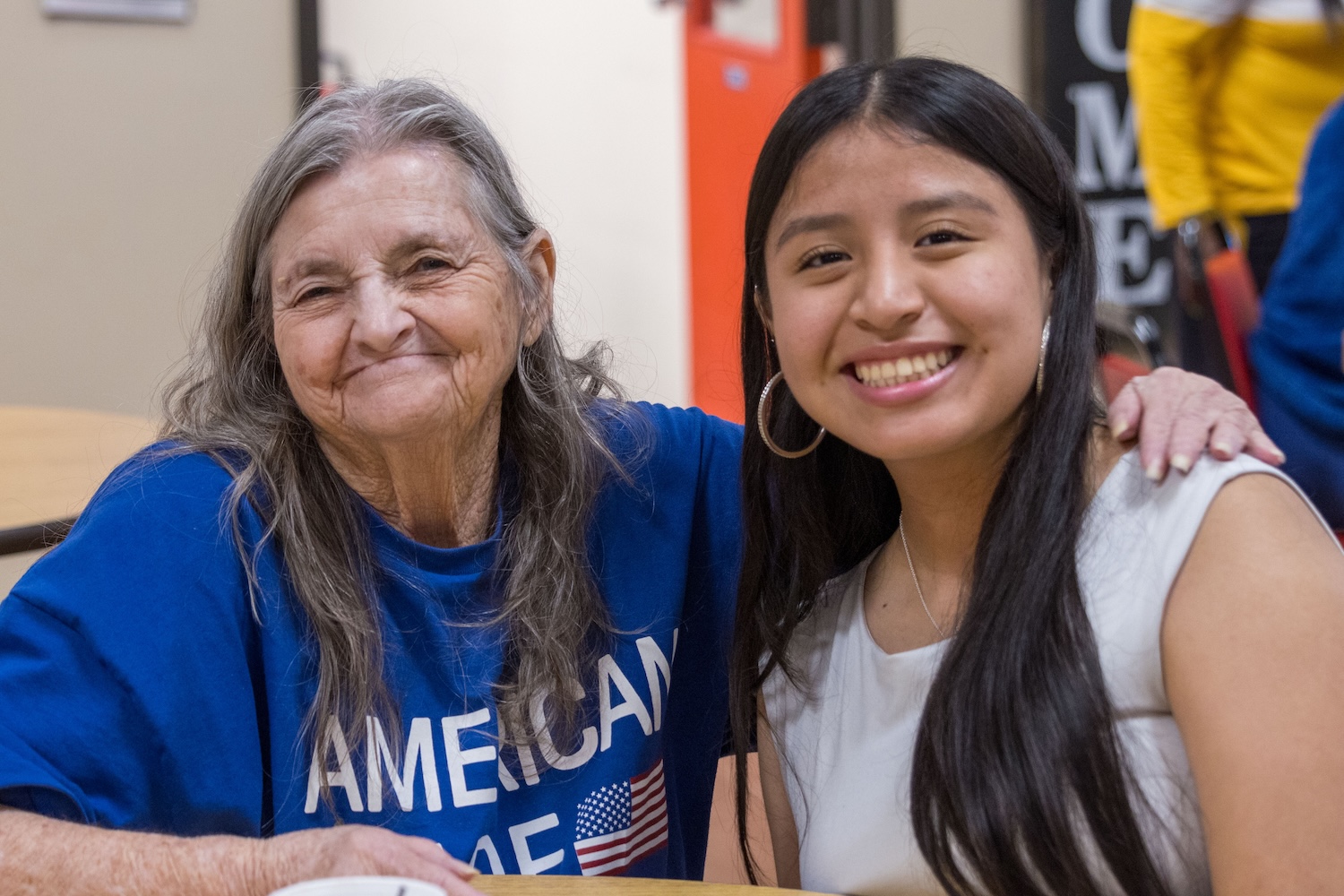
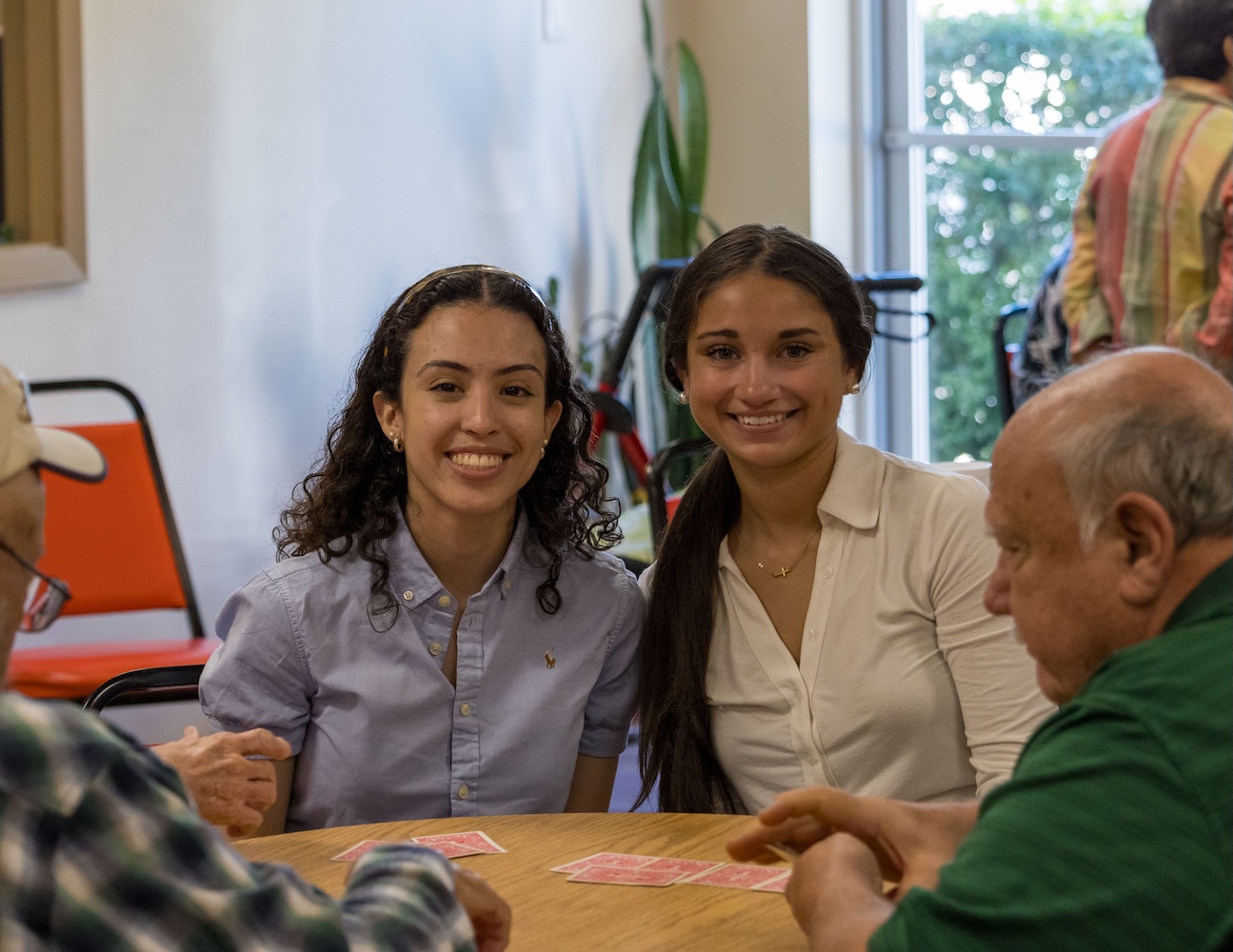
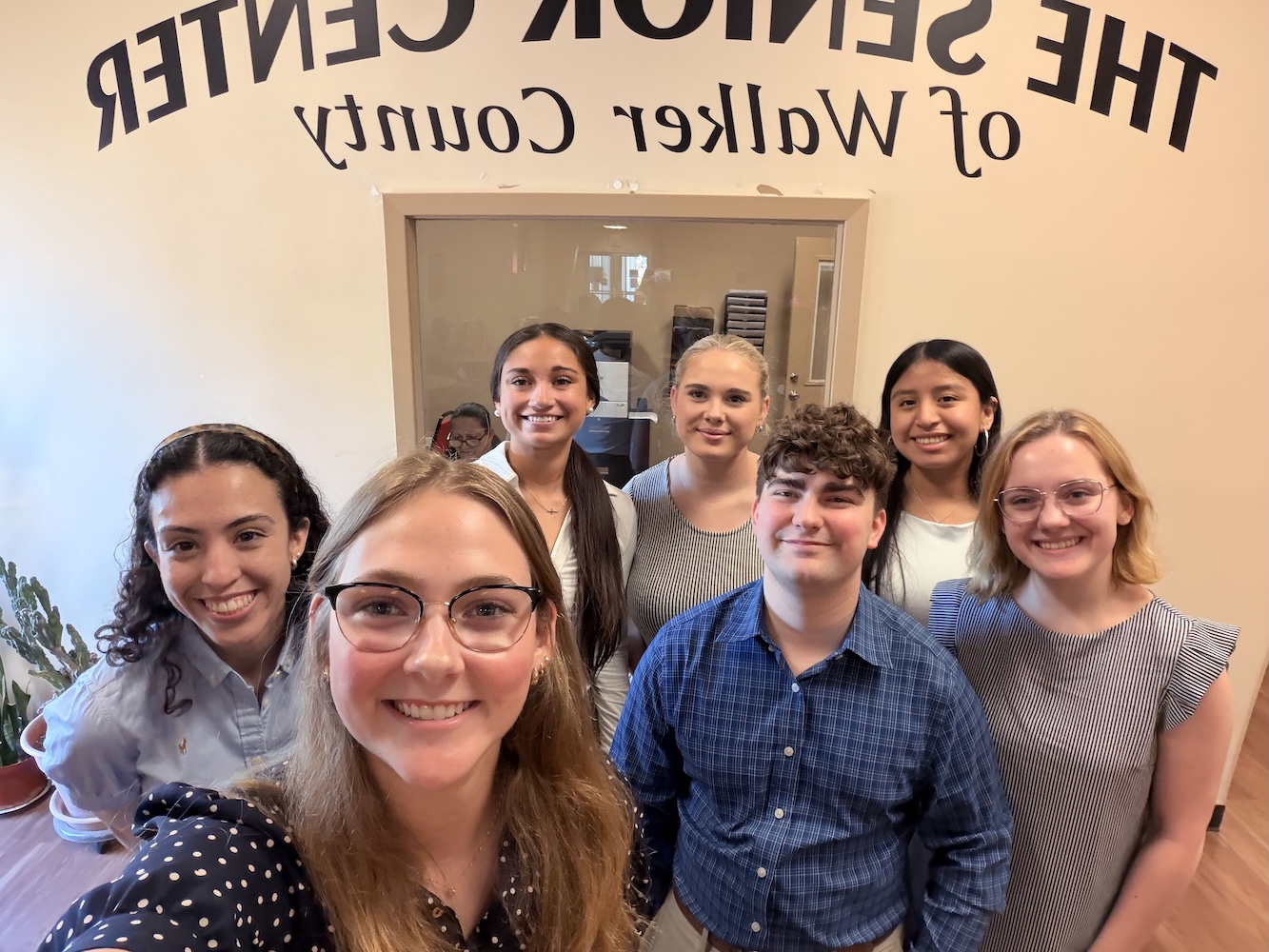
Between the shuffling of cards and the high-stakes intensity of bingo, the Walker County Senior Center truly serves as an amazing place for seniors to get together and support each other. This week balanced the usual fun and laughter with some very important conversations about safety in the digital age.
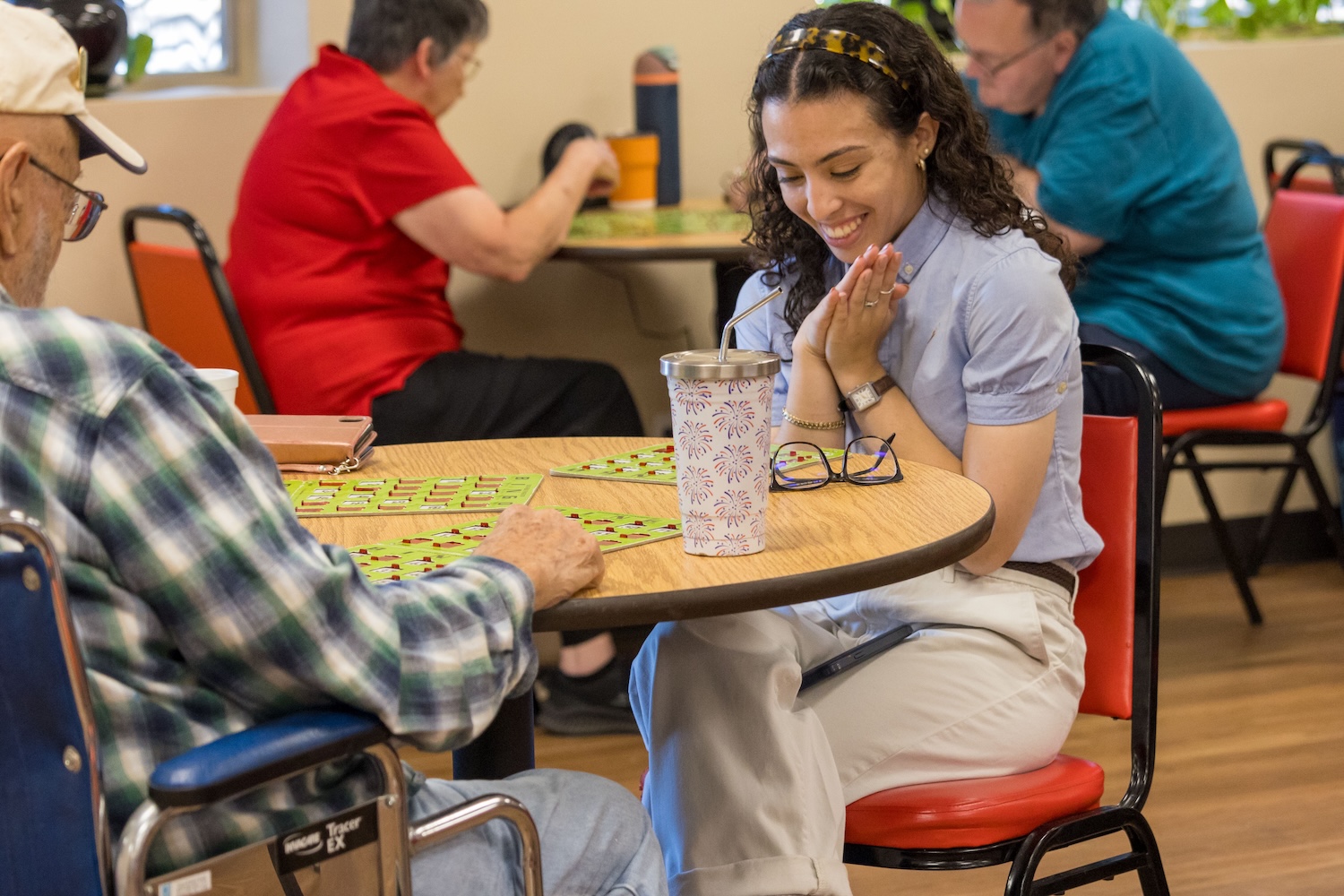
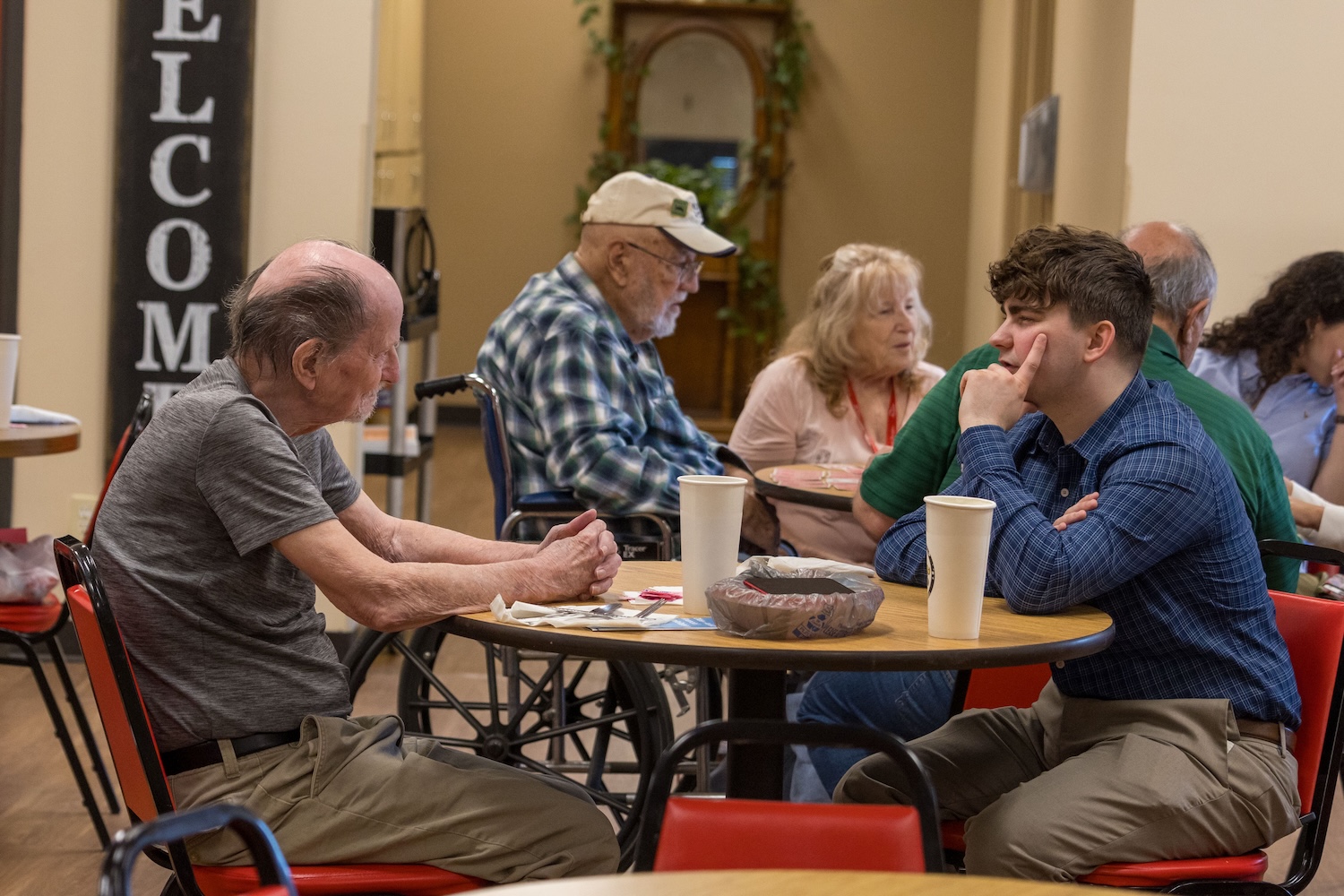
Before the presentation, we spent the morning playing bingo with the seniors, which is always one of the highlights of our visits. There is something special about sitting together, sharing laughs, and enjoying the friendly competition. It is always a great experience whenever we get the opportunity to visit the Senior Center, and I especially enjoy hearing perspectives and life experiences from a different generation. Every conversation carries wisdom, humor, and stories that you simply cannot learn anywhere else.
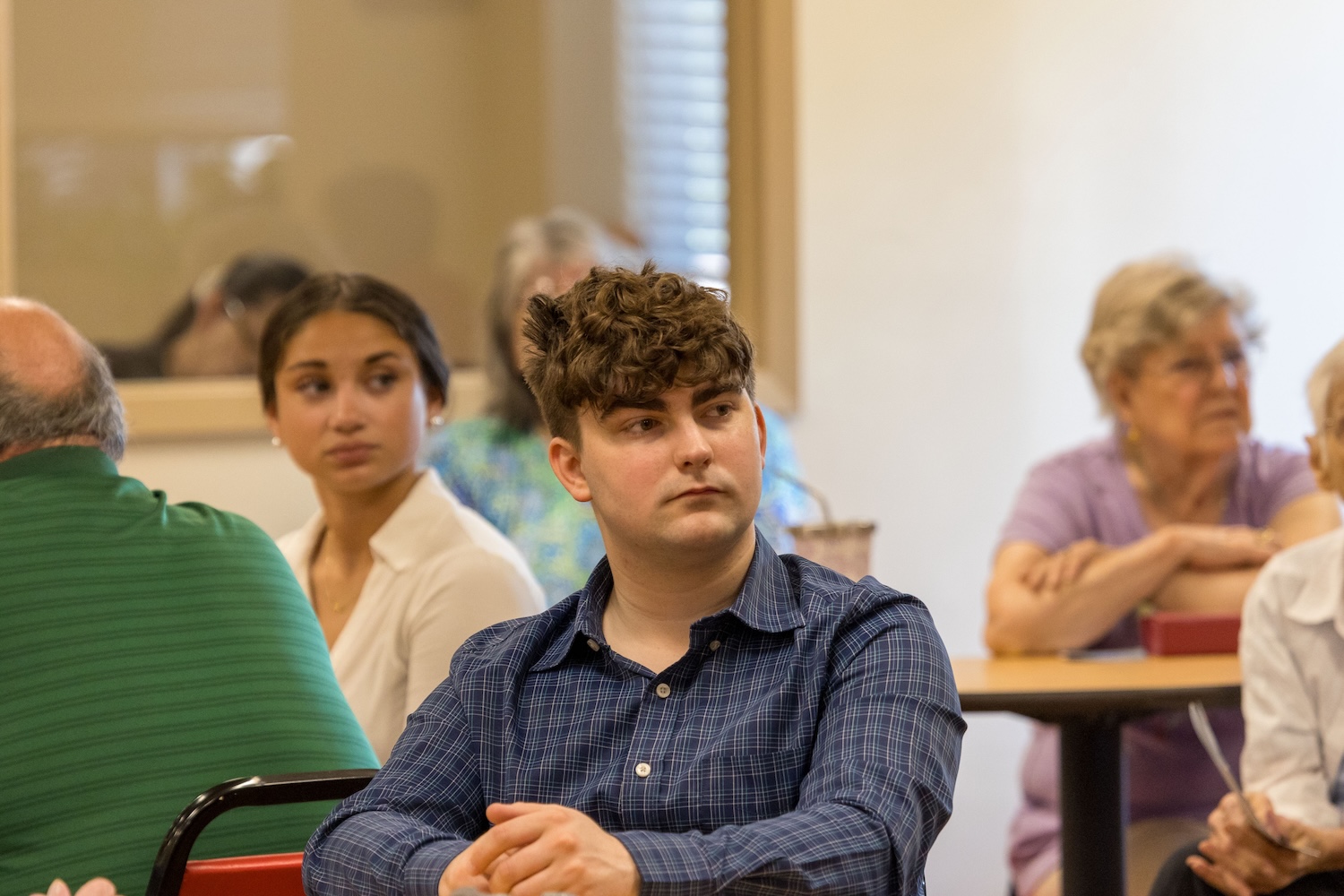
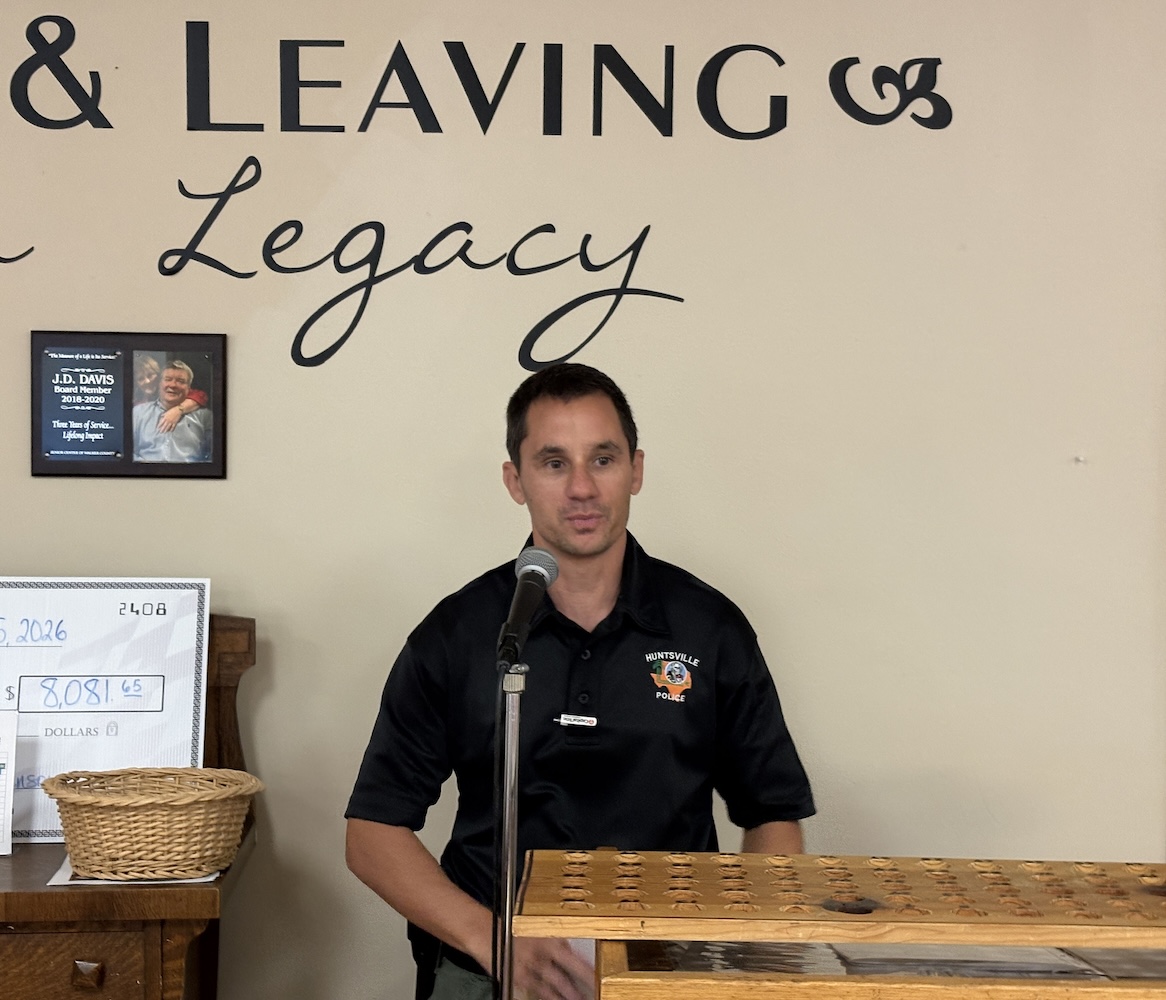
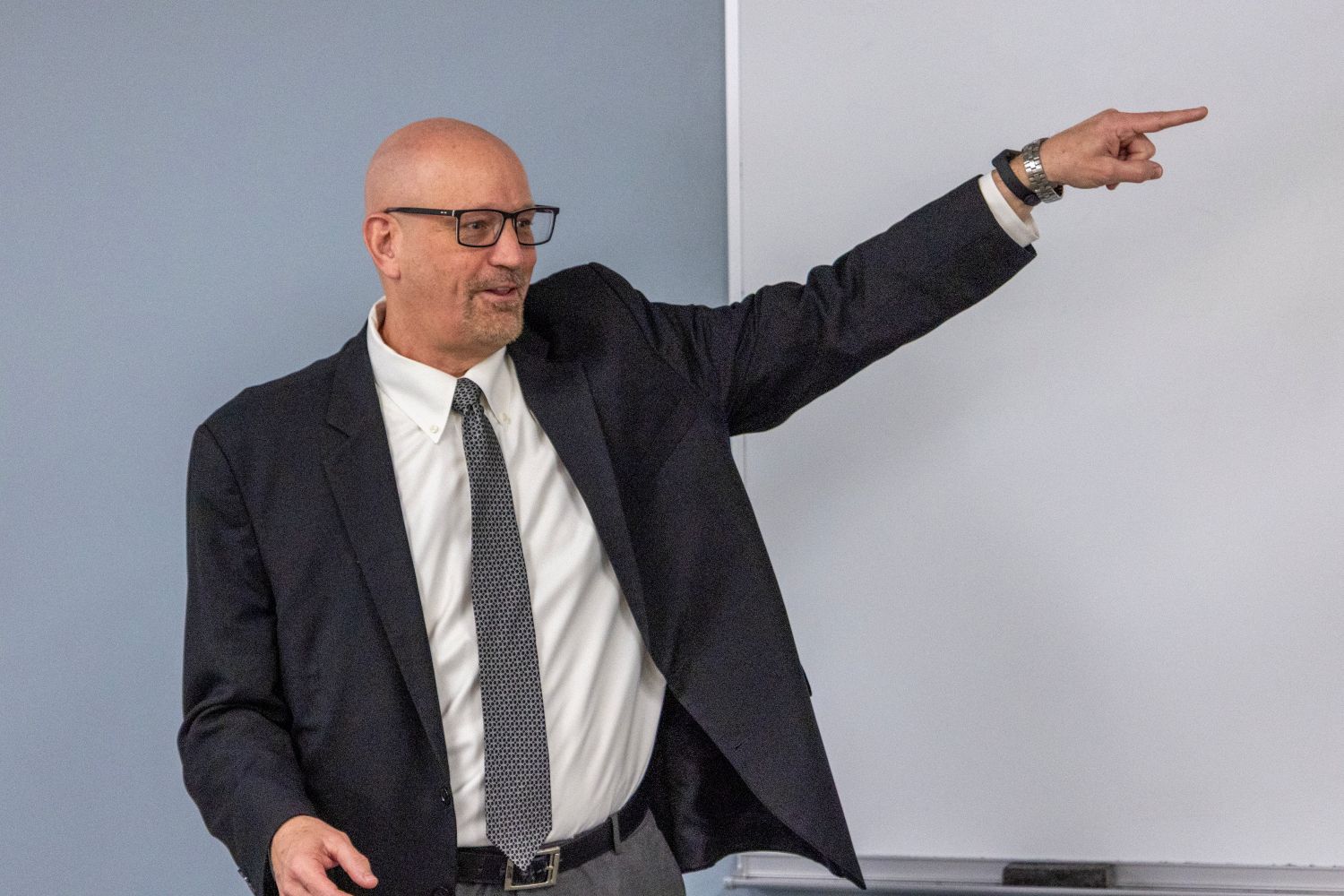
Today, the Senior Center had a guest speaker, Detective Roberts, who stopped by to give both the seniors and LEAP students the “lowdown” on elder fraud. While we like to think of the Senior Center as a safe haven, the world of text messages, emails, and even the traditional mailbox can sometimes harbor unwanted guests.
Detective Roberts explained some of the most common tactics scammers are using today, including the “Urgent” Text messages claiming your bank account has been locked or that a package is “pending delivery,” even when you have not ordered anything. He also warned about the “Phony Check” scam, in which scammers send “refund” checks for more money than expected and then ask victims to wire back the “extra” funds before the check eventually bounces. Another growing threat is the “Digital Imposter,” where AI-generated emails are designed to look exactly like they came from a grandson, family member, or trusted business.
The detective’s biggest piece of advice was very simple “If it feels urgent, it’s probably a scam.”
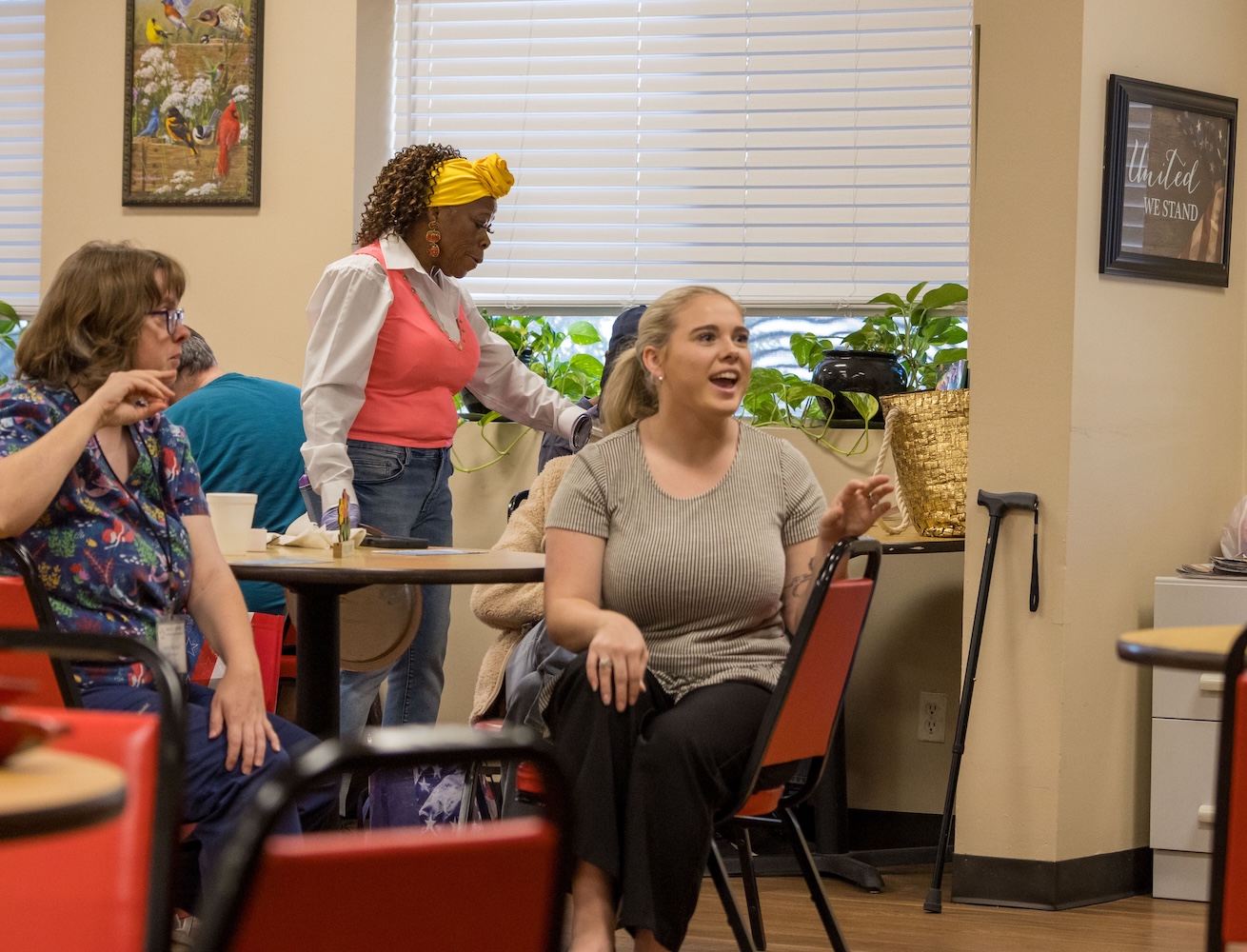
After the presentation, everyone gathered together for lunch, giving us more time to continue conversations and enjoy one another’s company. Days like this remind us that the Senior Center is more than just a place for activities — it is a community built on connection, learning, and shared experiences.
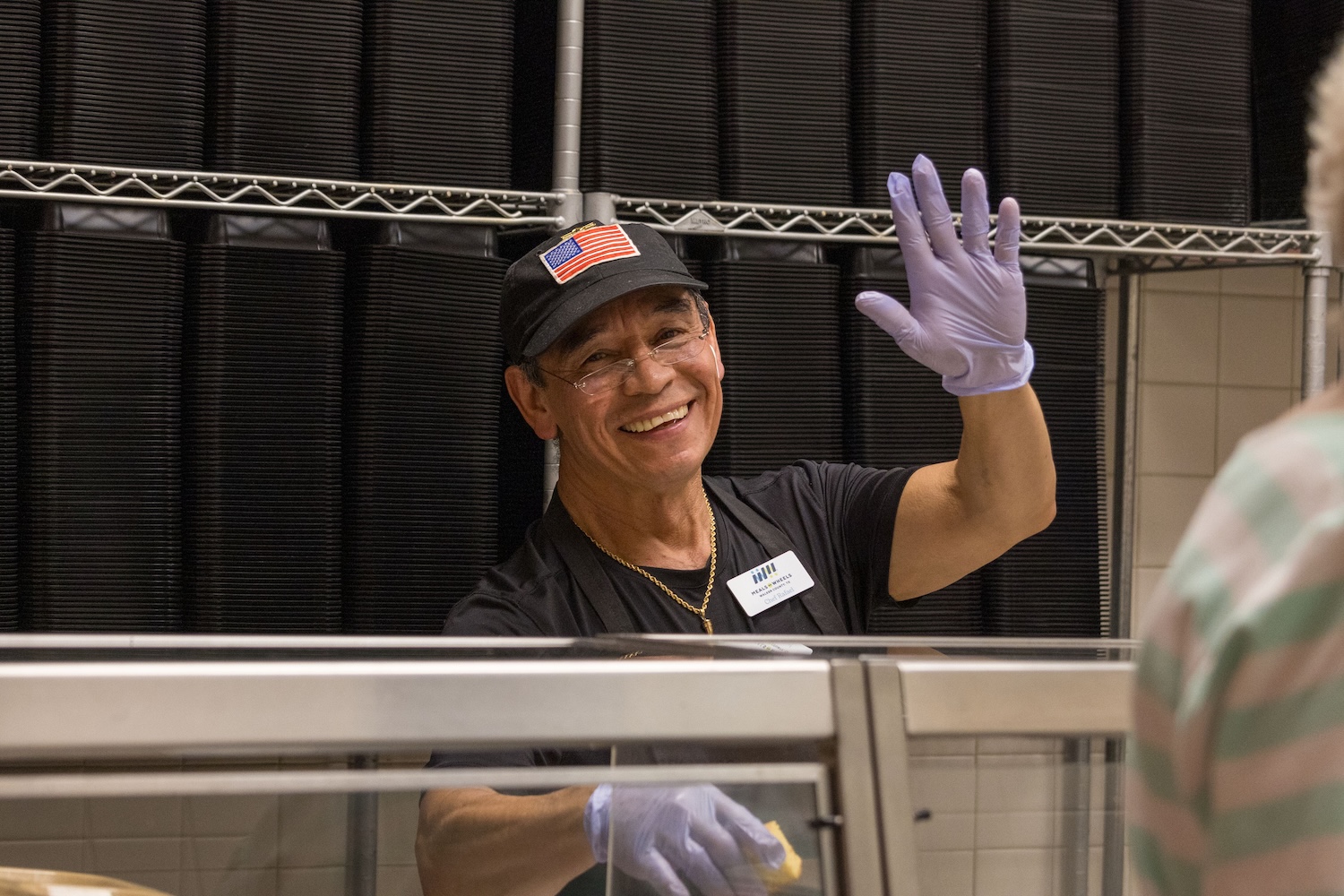
The Senior Center is a lifeline for many in our community. Through programs like Meals on Wheels, volunteers work every day to alleviate hunger, promote independence, and ensure that no senior in Walker County feels isolated or forgotten. Spending time here reminds us just how important these connections and services truly are, not only for the seniors but for everyone fortunate enough to be part of the experience.
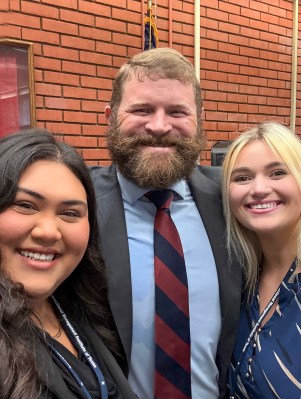
Pre-Law Society members gathered for our final meeting of the semester, and what we thought would be a typical guest speaker quickly turned into an alumnus reliving his college days and sharing his fascinating career experience. We welcomed Lane Thibodeaux back to SHSU, with Professor Mike Yawn moderating, and for those of us who had just seen him earlier this month at the 10th Court of Appeals at SHSU, we knew we were in for a good discussion.
Instead of a perfectly scripted “how I became a lawyer” story, Thibodeaux gave us a story of his failures and how he succeeded from learning from them. He didn’t start out on a clear path to law school. In fact, he began in animal science here at SHSU before realizing his strengths were in writing, argument, and critical thinking. It wasn’t until taking classes like philosophy and legal philosophy—especially with Professor Jim Carter—that everything clicked. His biggest takeaway? Sometimes one class (or one professor) can completely change your direction.
He also didn’t sugarcoat the realities of law school or the profession. From the cost of law school to the emotional demands of legal work—especially in criminal defense and capital cases—he made it clear that this career is not for the faint of heart. But at the same time, he showed why you should do this, because the work matters.
One of the most interesting parts of the meeting was hearing him break down the difference between trial work and appellate work. Trial law is fast-paced, people-centered, and unpredictable, while appellate work focuses more on writing, research, and analyzing the law itself. For him, appellate work offered something unique: the ability to help shape the law, not just work within it.
Now working with the Public Defender’s Office in Brazos County, Thibodeaux also gave insight into public defense and the importance of providing quality representation for all clients. He even mentioned internship opportunities, which definitely caught the attention of students looking to get involved.
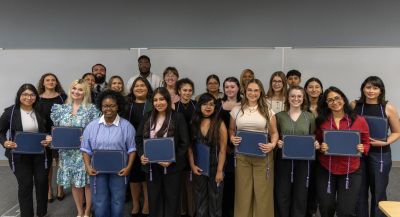
To close out this wonderful meeting, we held our cording ceremony, recognizing one of the largest graduating classes in Pre-Law Society history. We had the pleasure of wishing 34 of our students, including four officers, the best of luck in their future journey, turning May 2026 into a real blessing for everyone.
As the semester comes to an end, we’re excited to see what’s ahead—both for a new executive board and for new members joining the organization. If this meeting showed us anything, it’s that there’s no single path to law, but there’s always something to learn along the way.
Tune in to next semester–we have a game night on September 2, and a “How to Get Into Law School” on September 16.
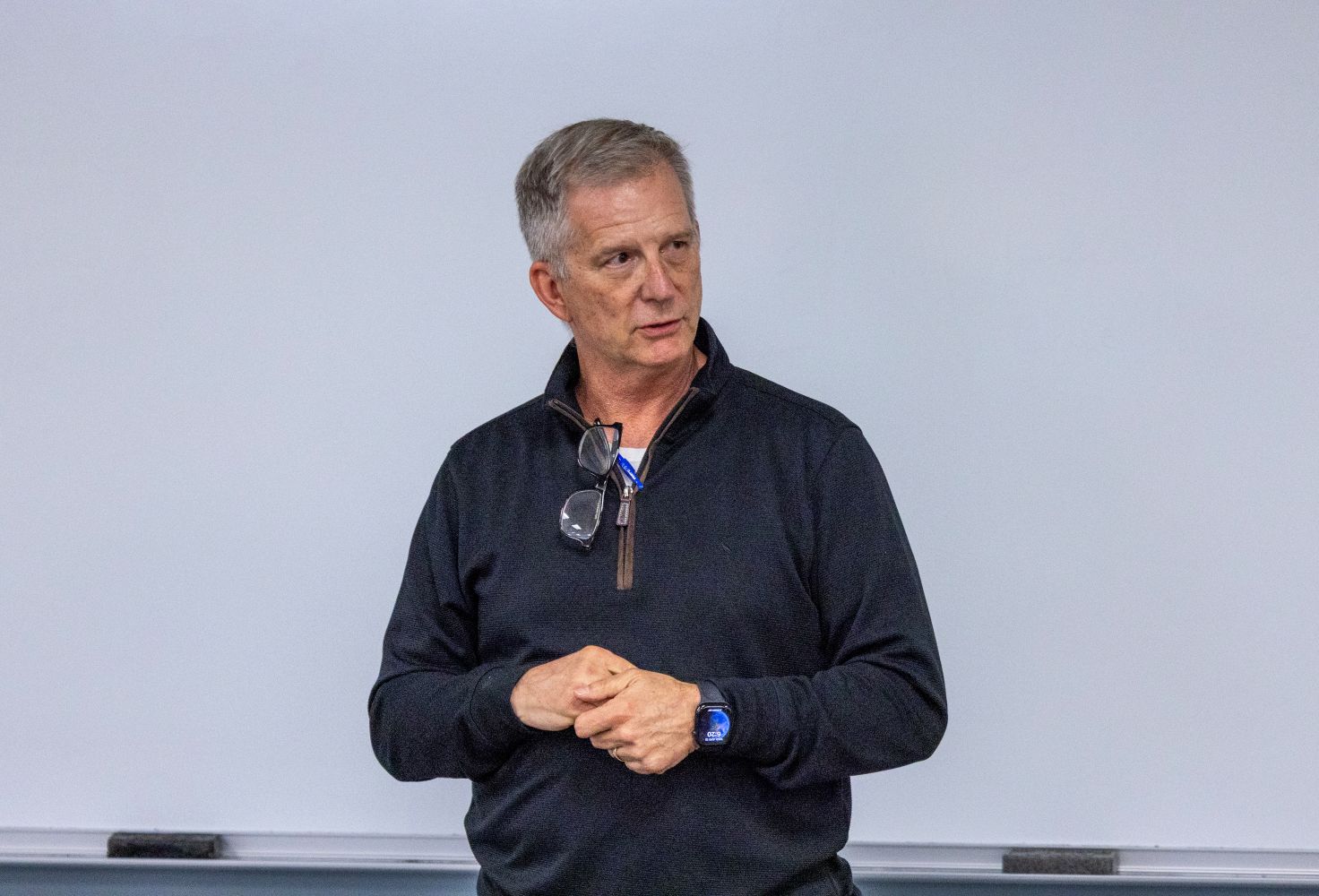
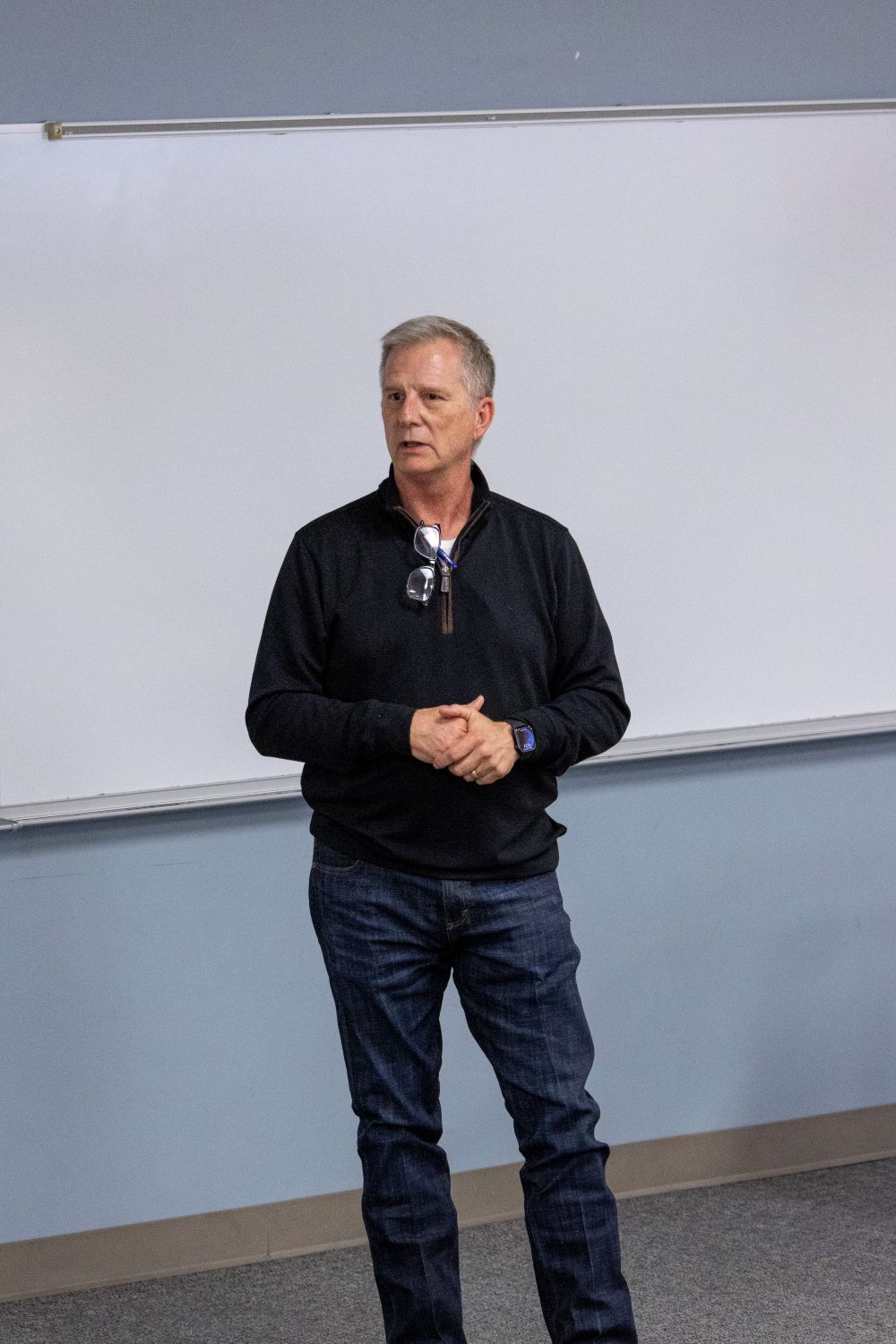
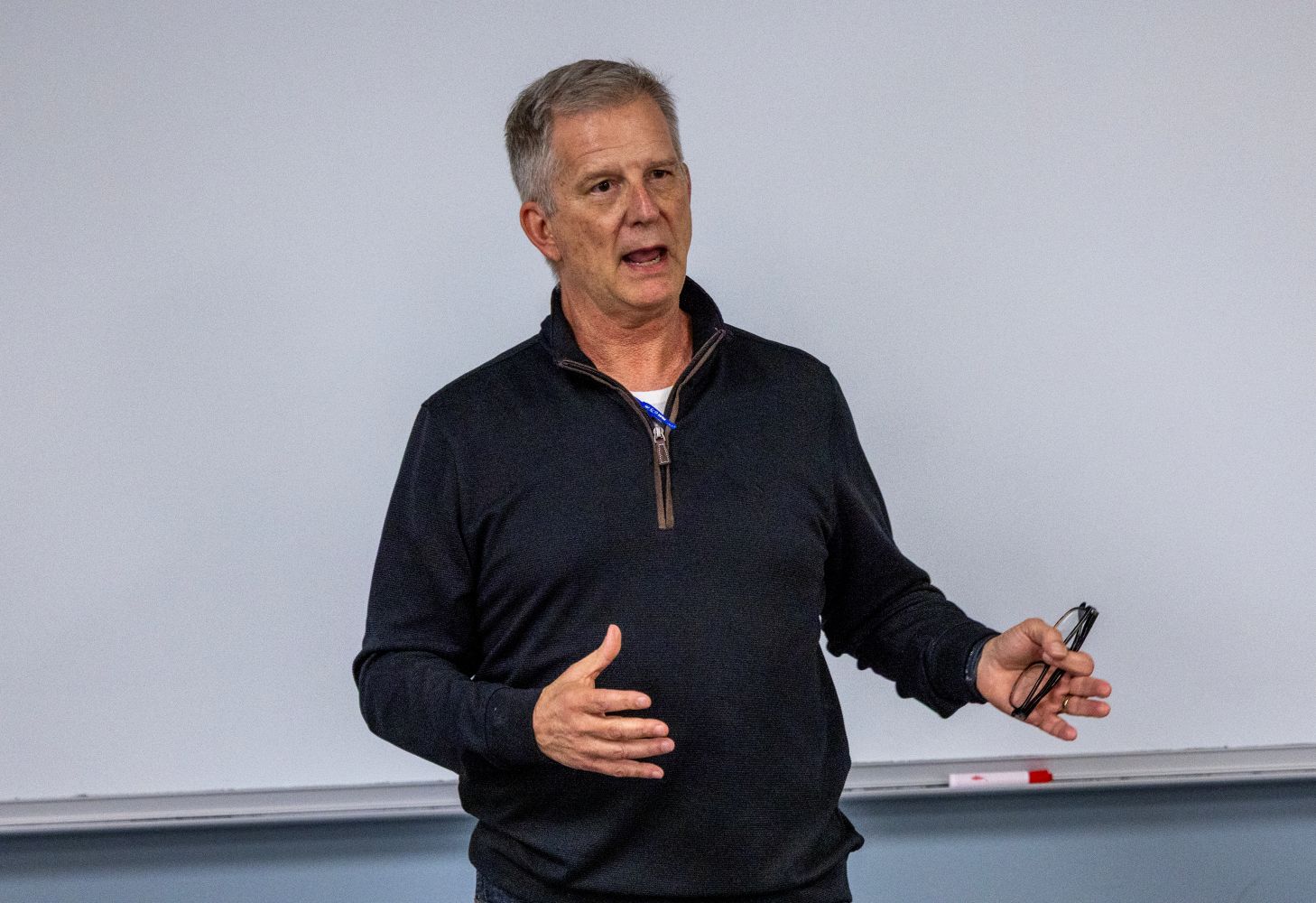
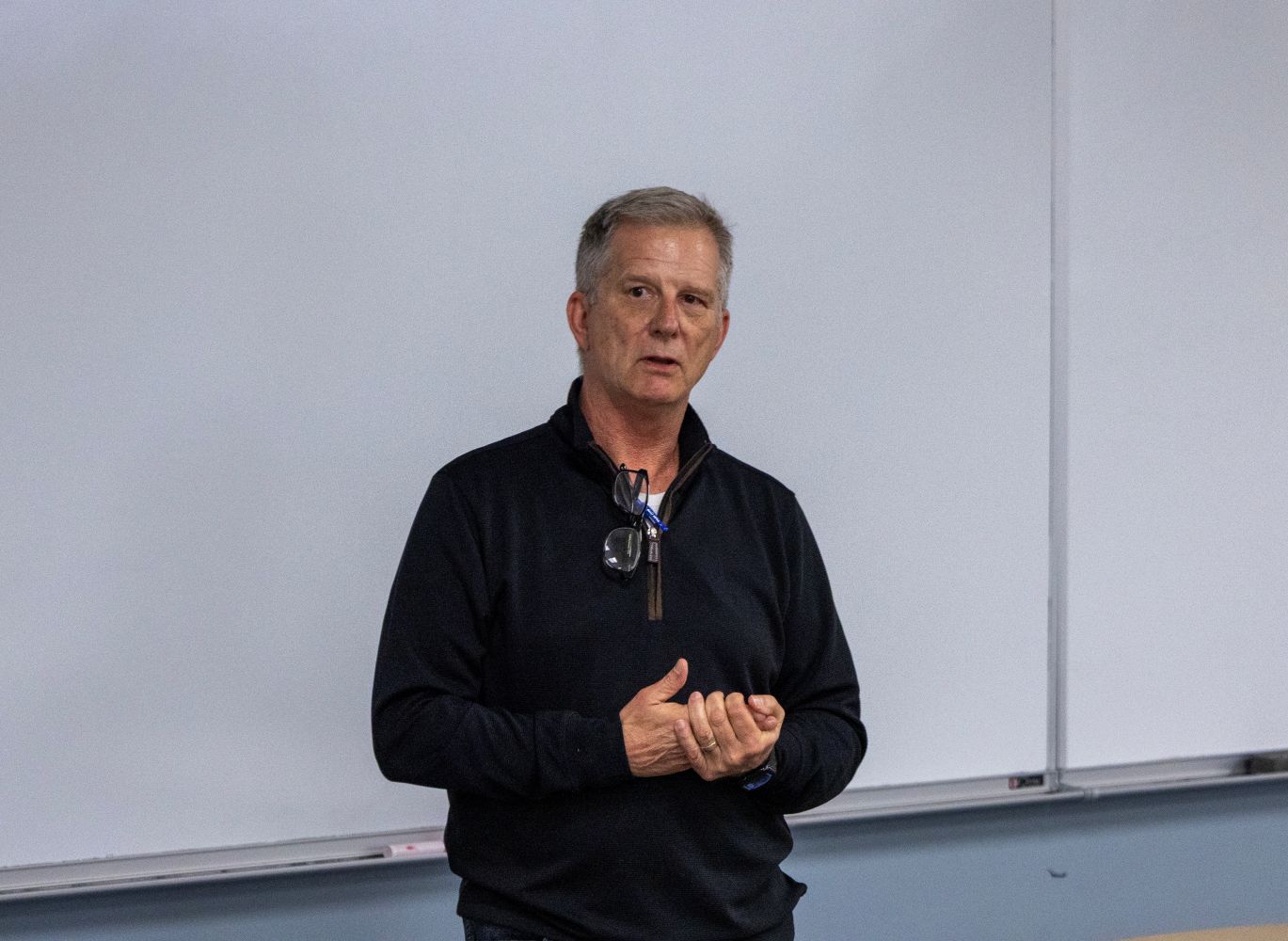
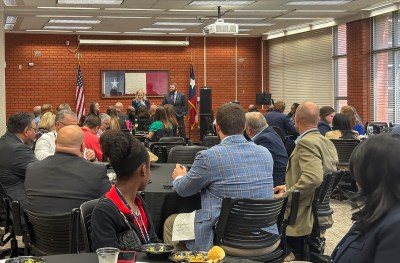
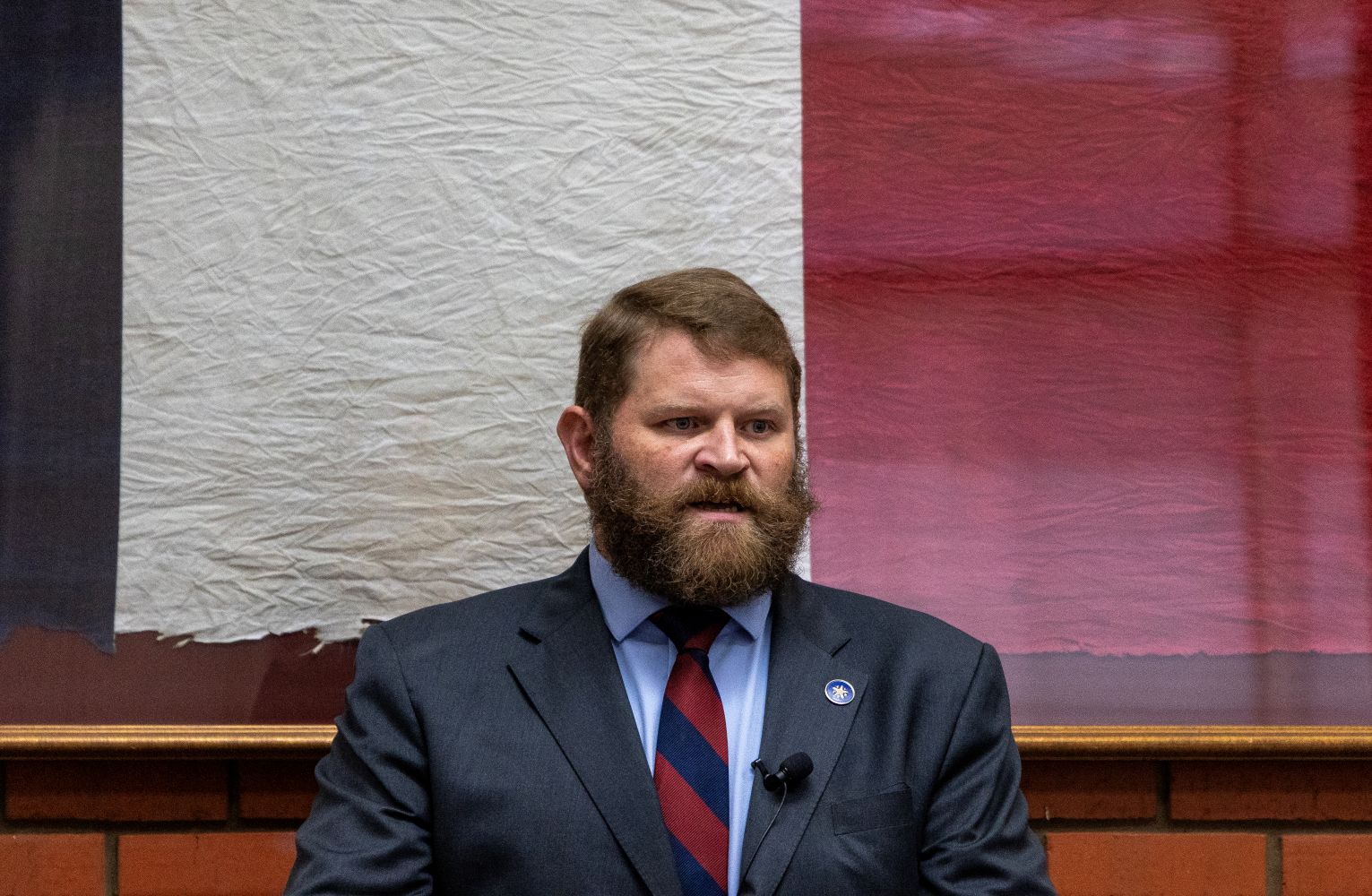
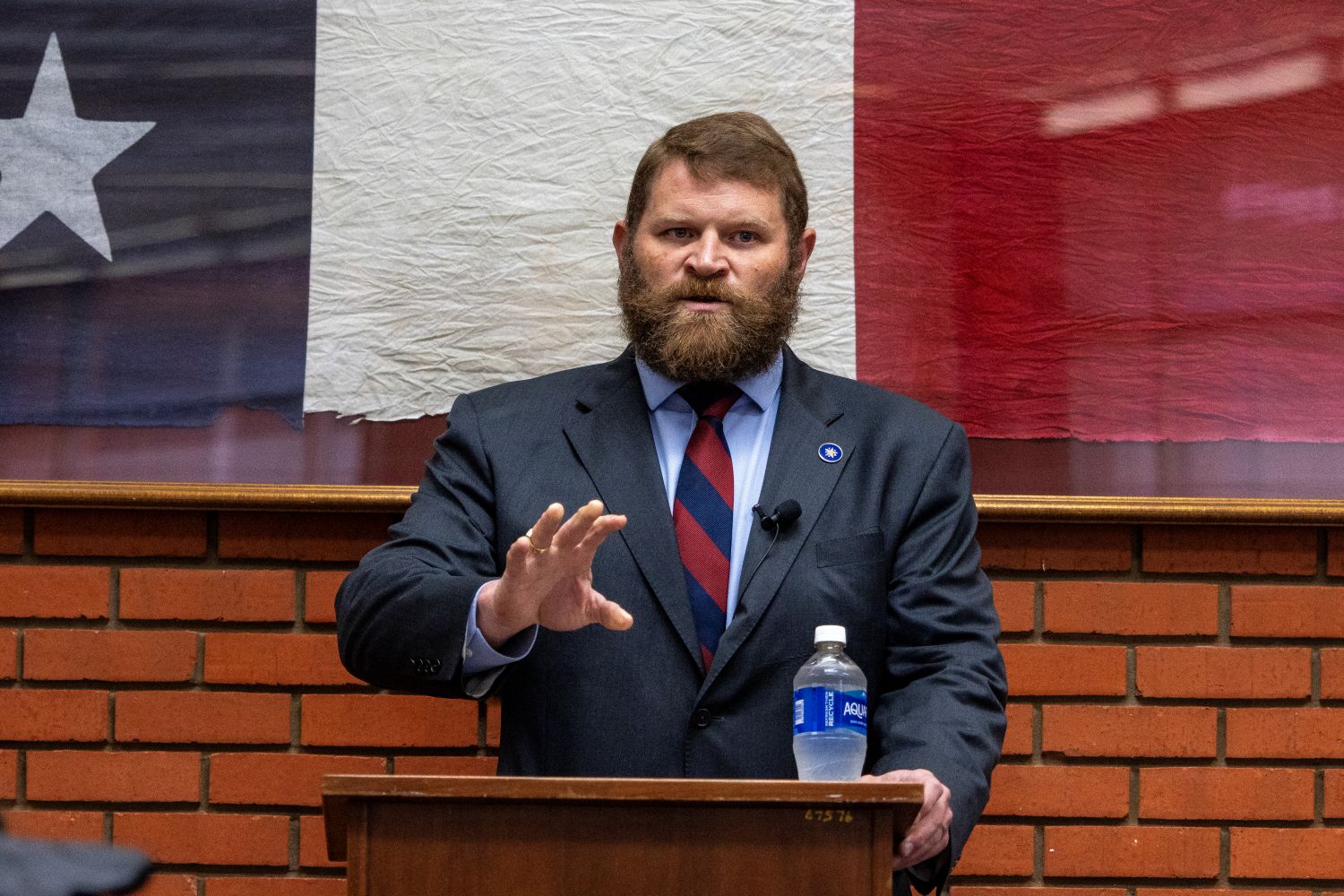
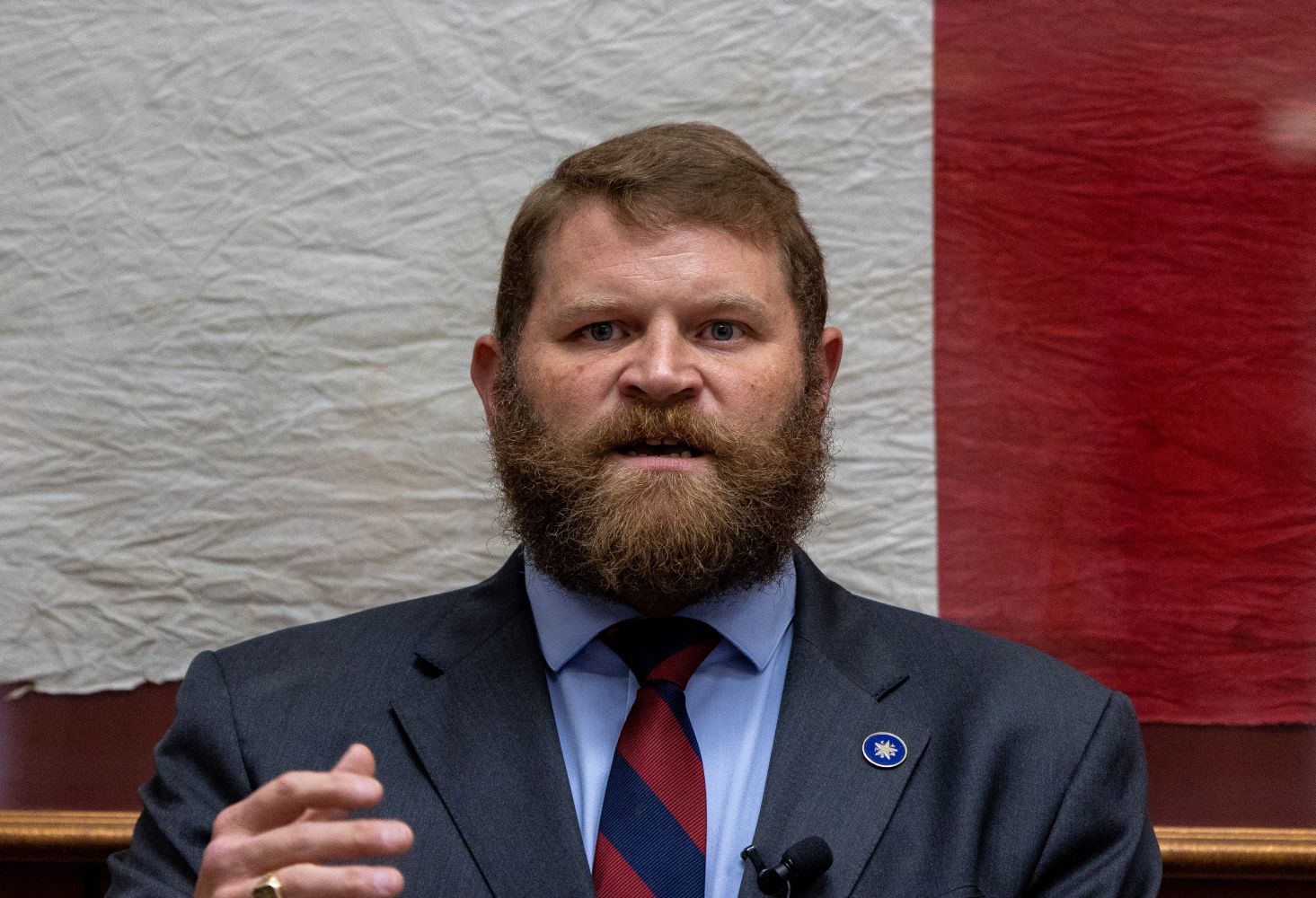
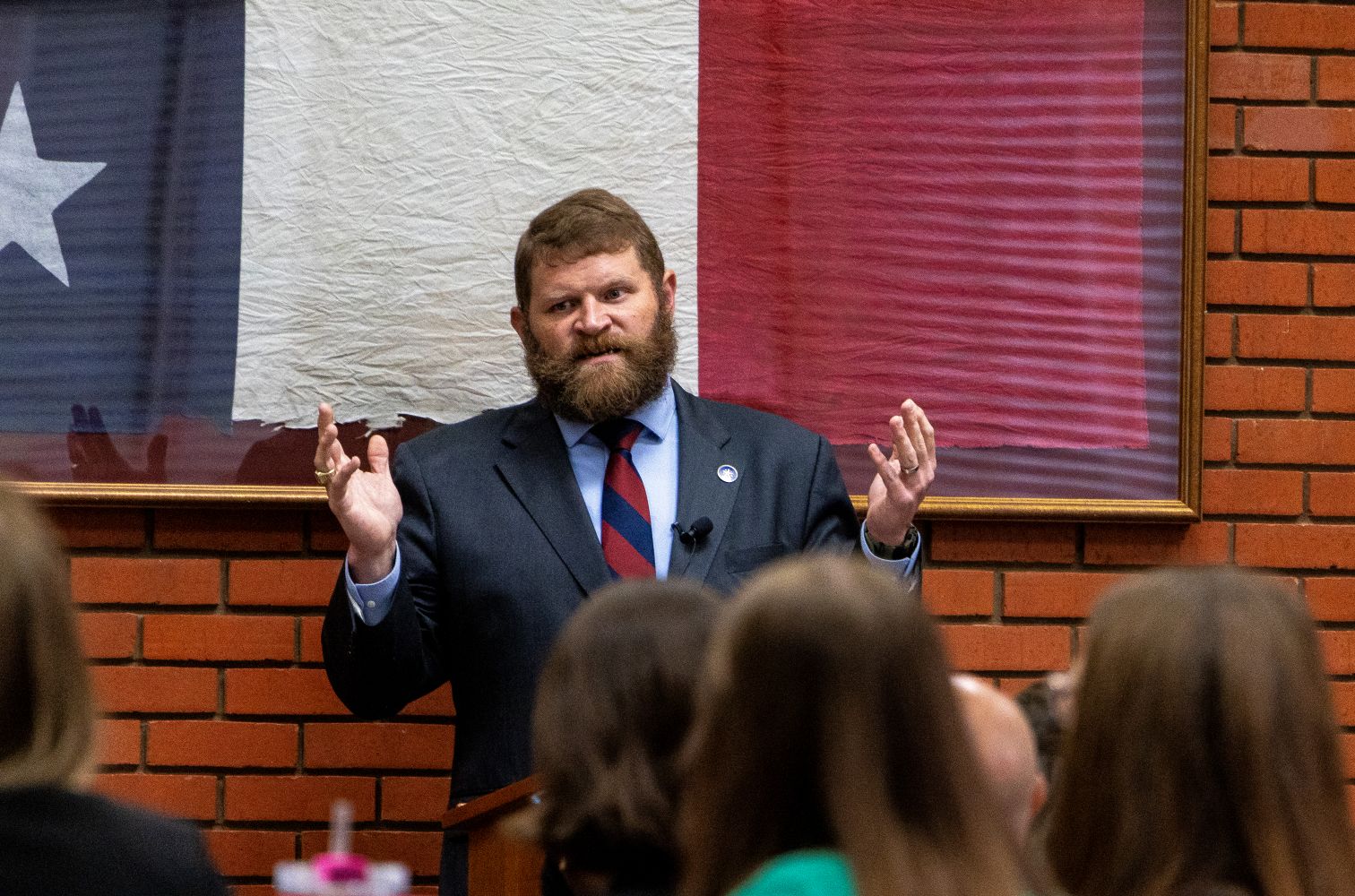
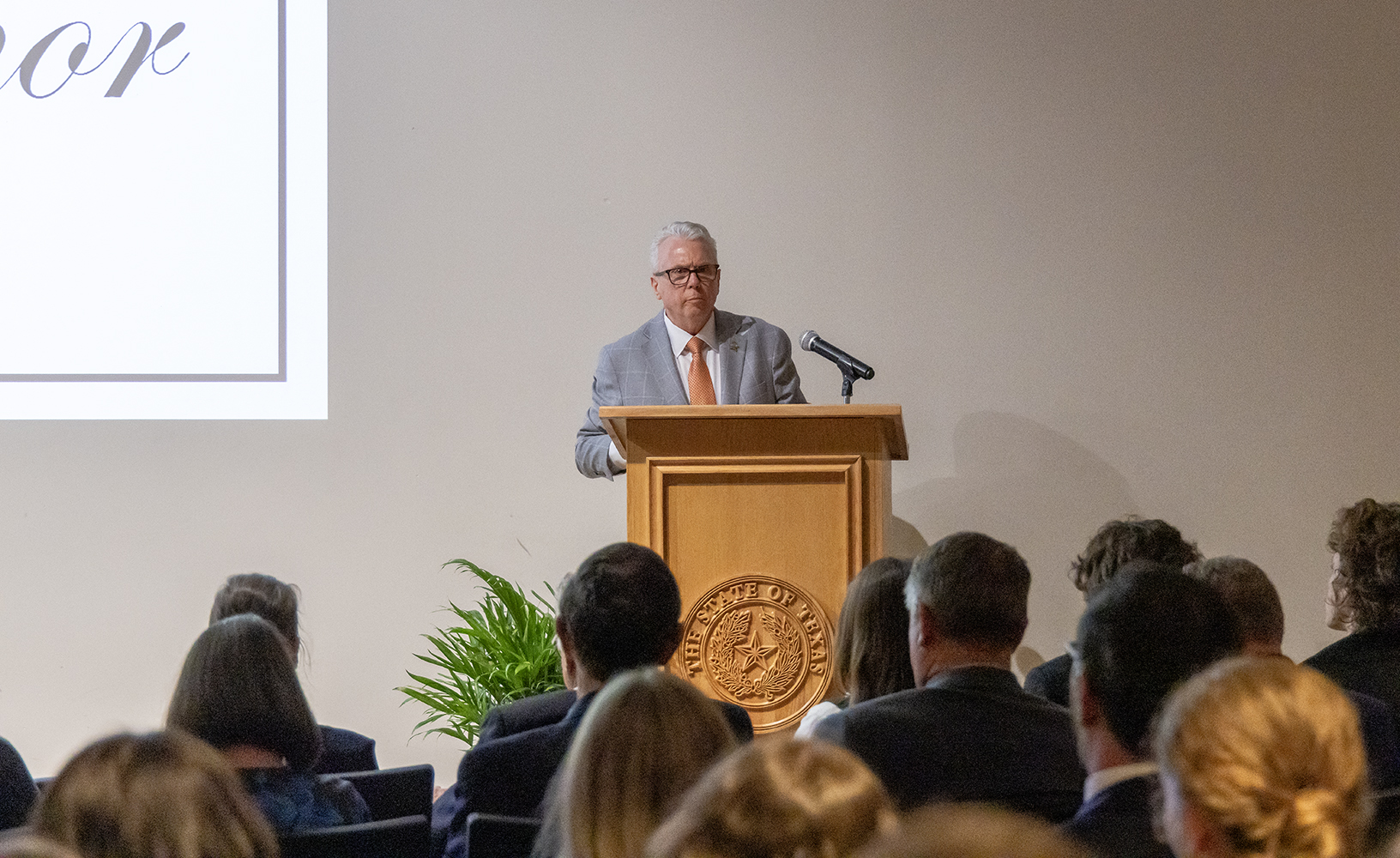
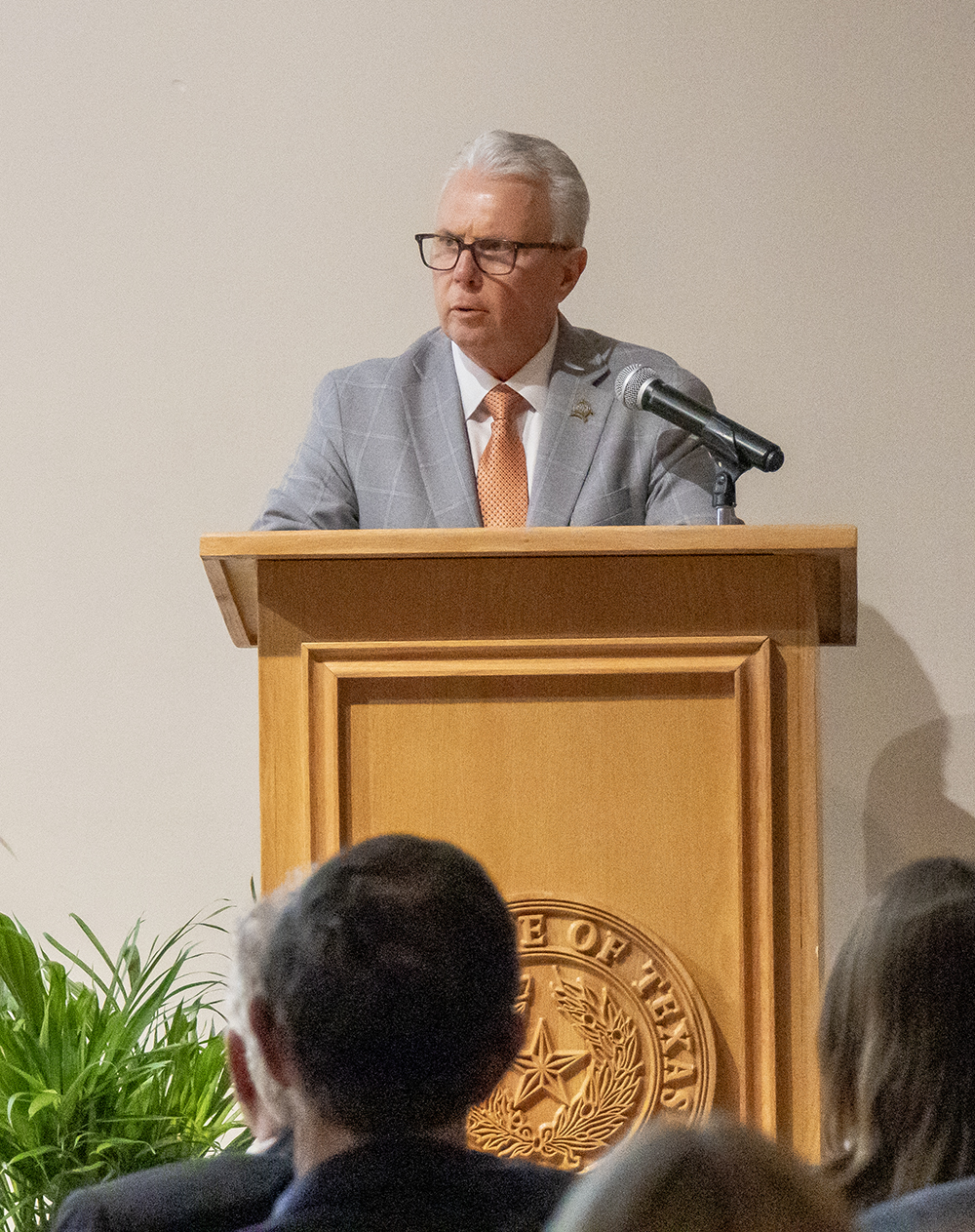
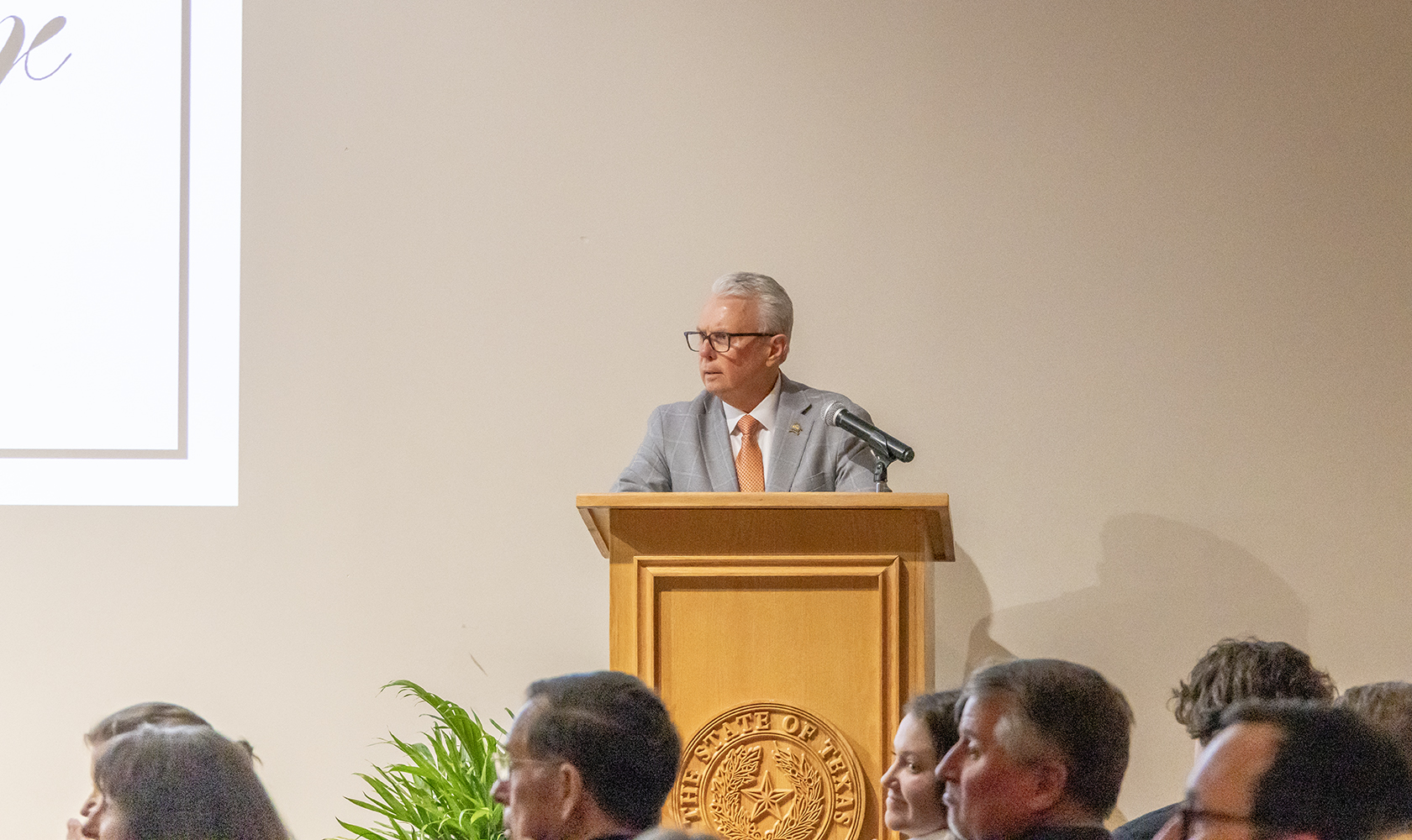
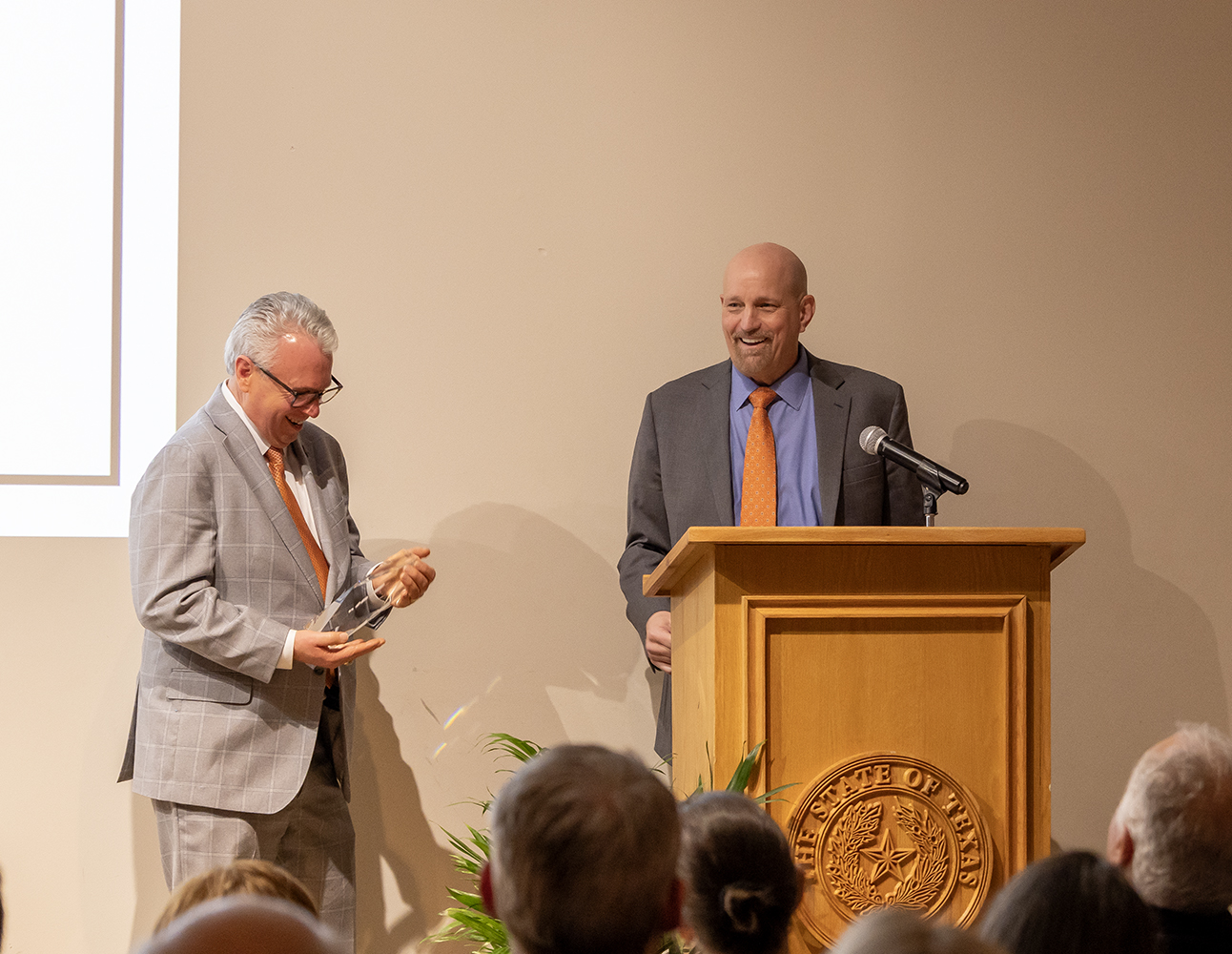
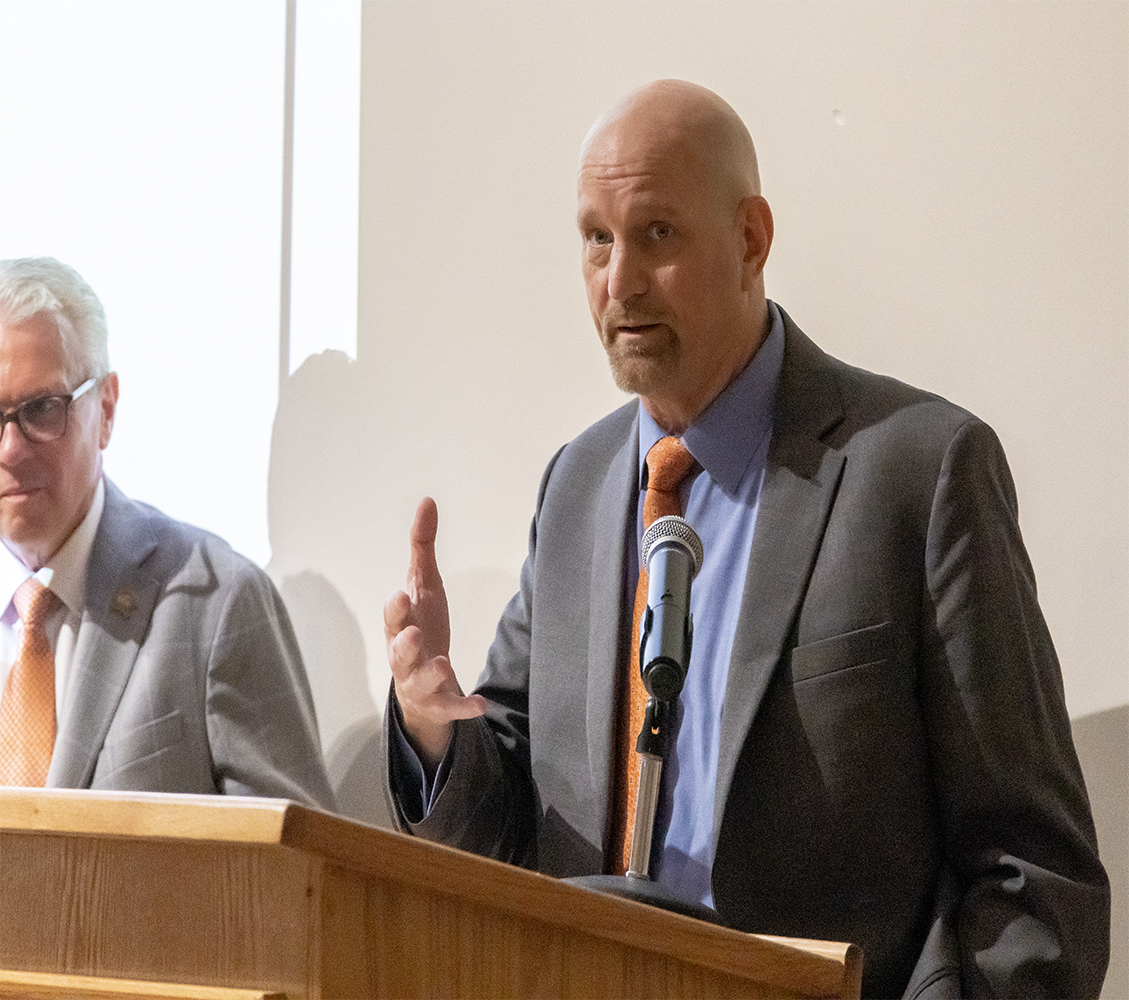
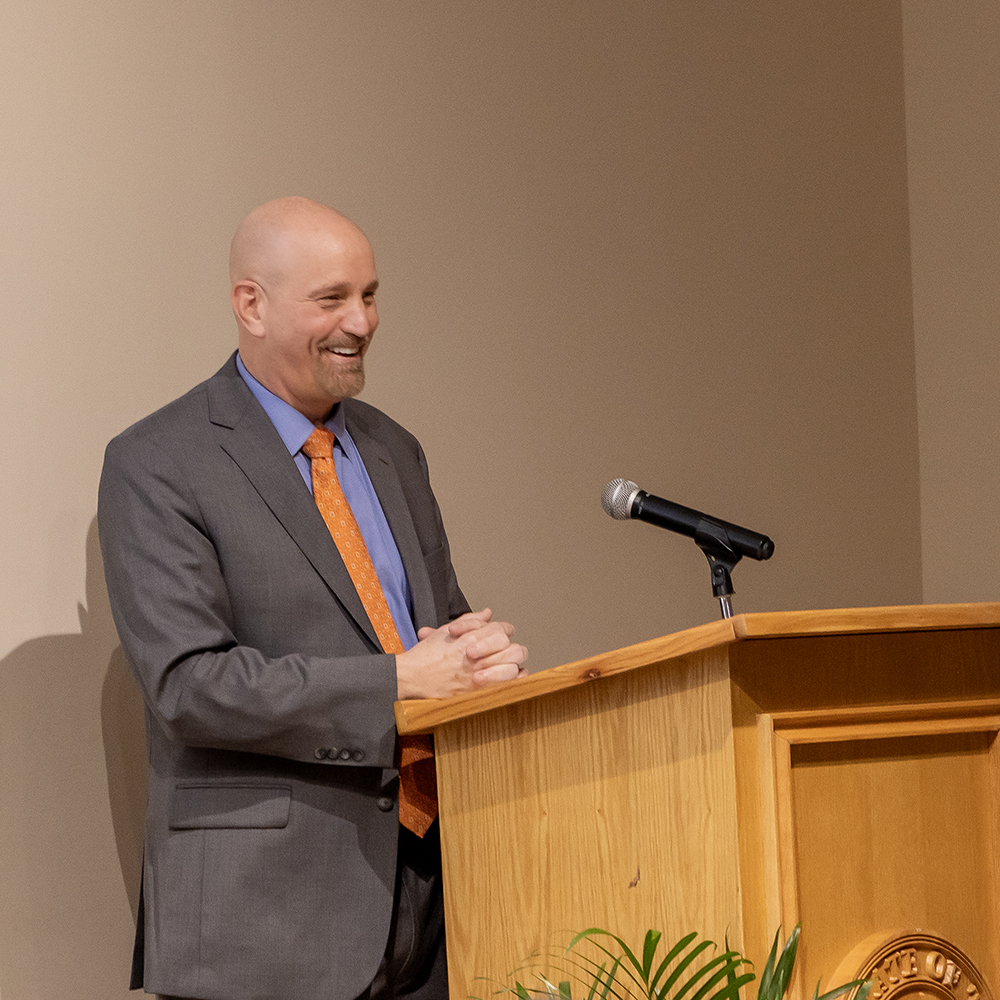
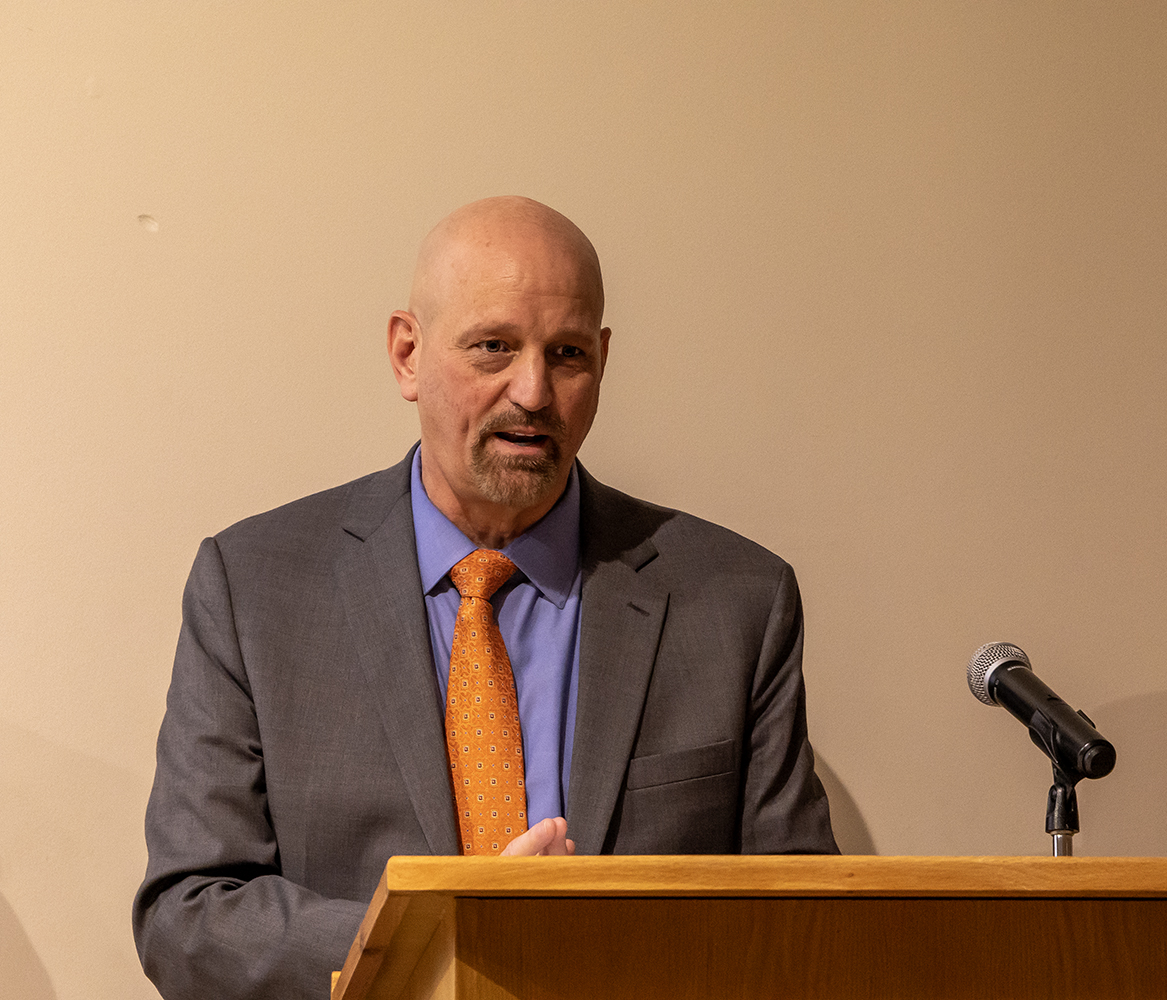
One of the advantages of attending SHSU is the opportunities afforded by the College of Criminal Justice, whose activities continue deep into the semester and even the summer. And so it was we found ourselves at lunch with 74 professionals from the legal and corrections community across the state of Texas–while listening to Texas Supreme Court Justice James Sullivan.
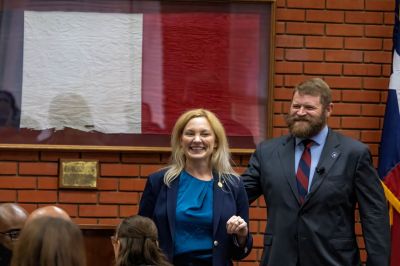
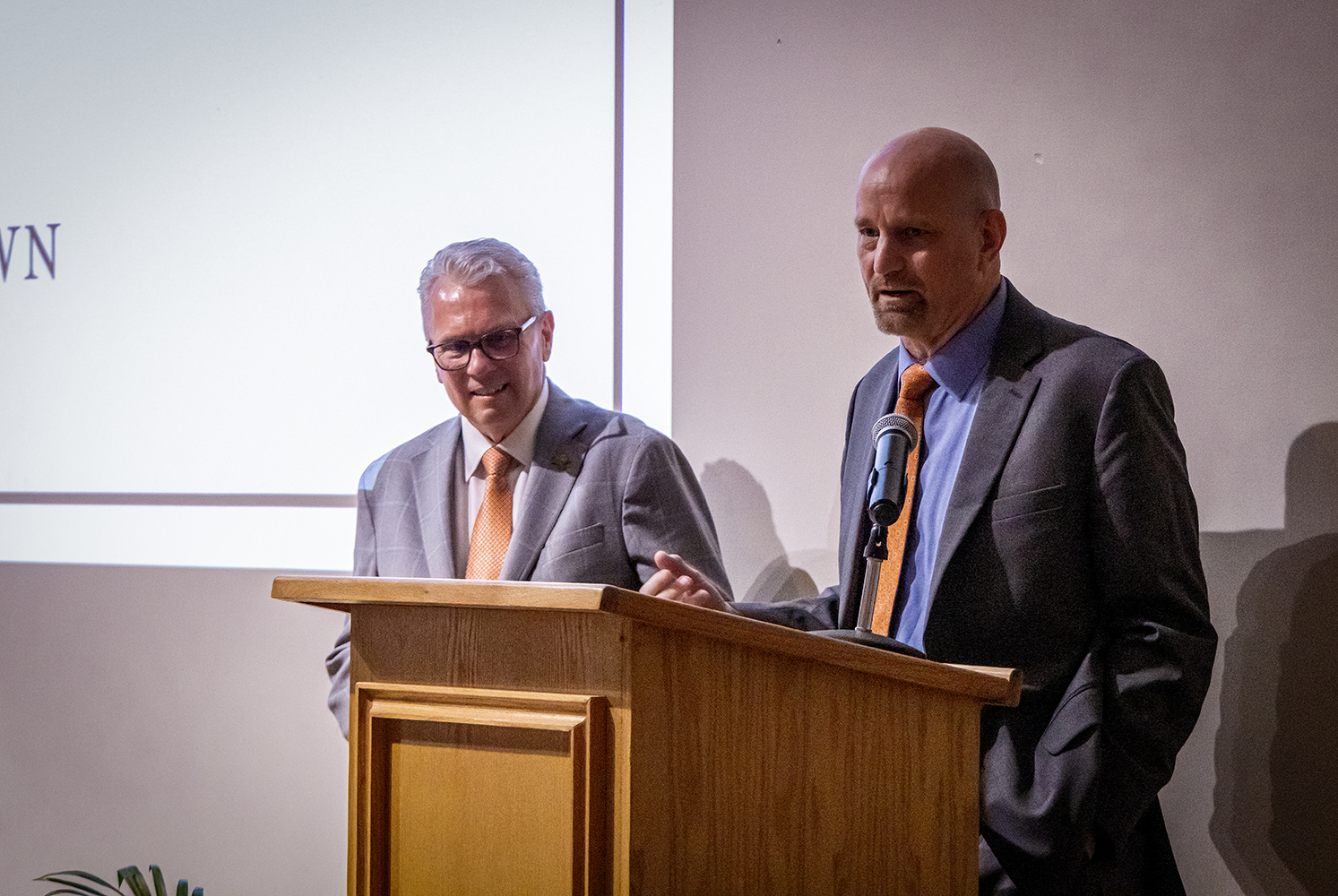
After an introduction by TDCJ General Counsel Stephanie Greger…
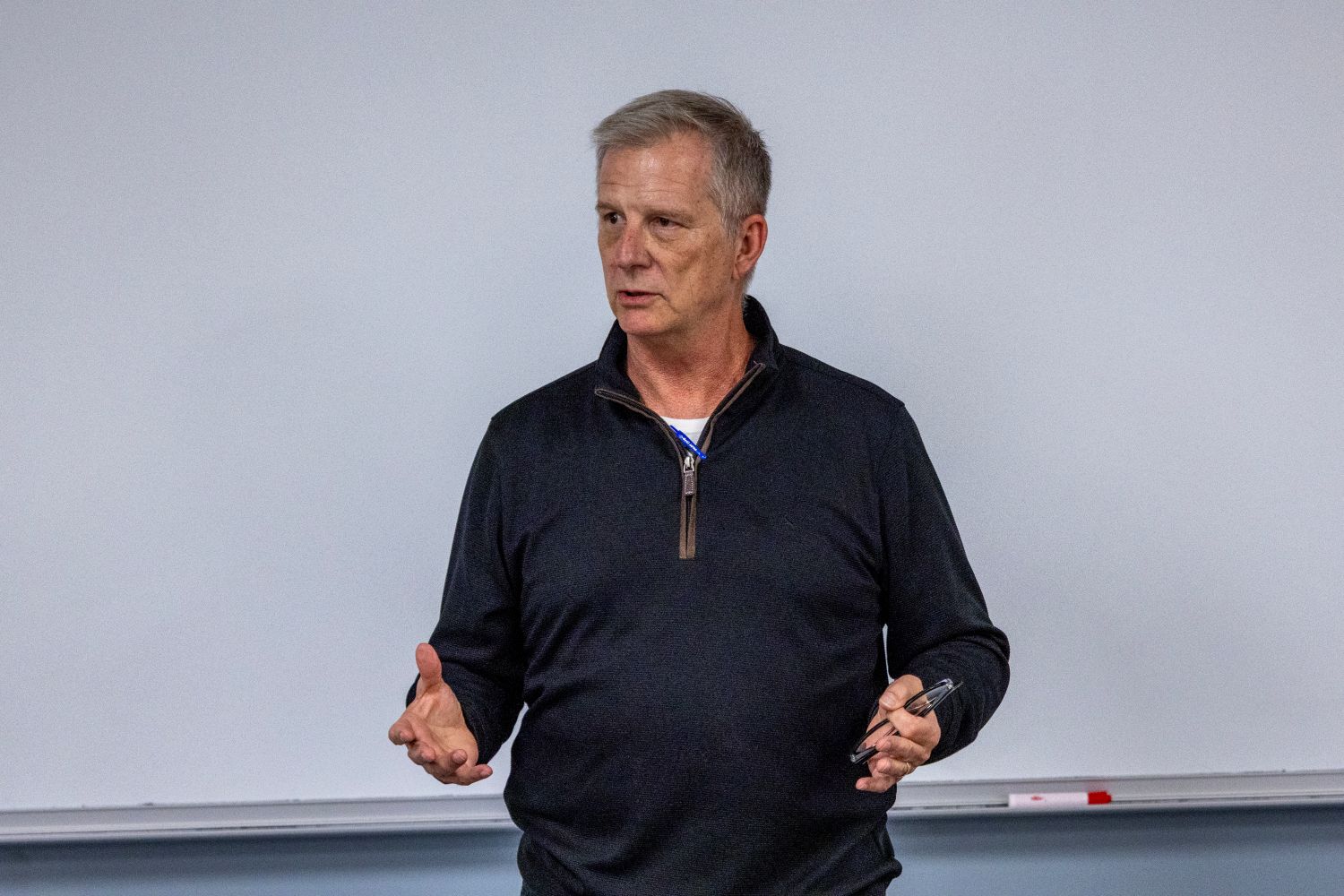
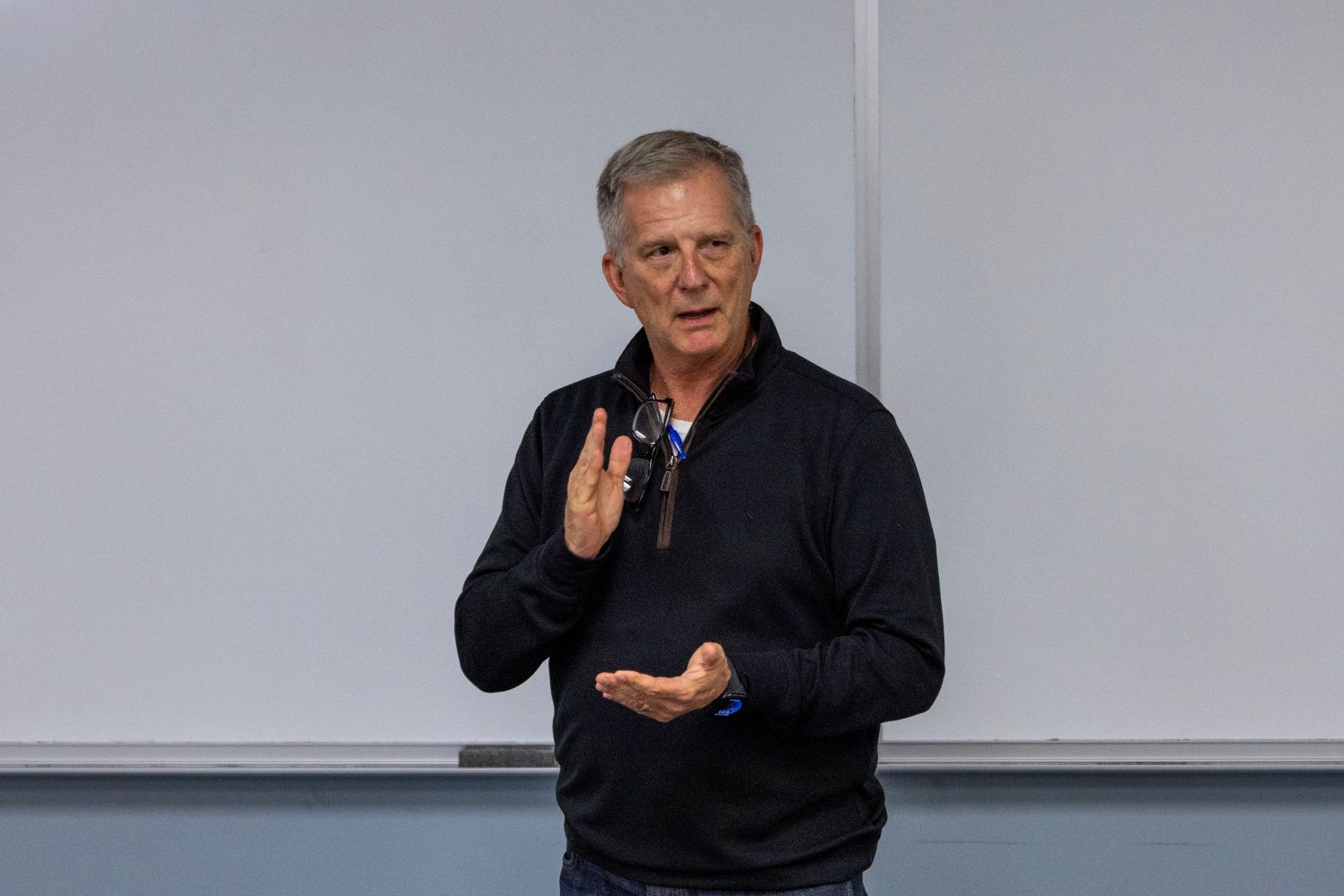
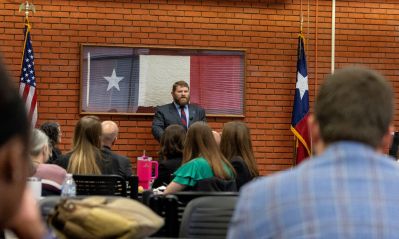
…Justice Sullivan highlighted five keys to leading teams of public servants.
Hire people smarter than you;
Grow a coaching tree;
Lead from the front;
Show people you care;
Build resilience.
He offered examples from his career, which he often shared tinged with traces of humor and a lot of common sense. He described his career as a government attorney and noted that while he didn’t earn as much as his private-practice counterparts (his wife, he says, “funds my government attorney hobby”), he was part of a team that produced successful leaders. This involves, he noted, disruption: good attorneys come in and work for the state; after a couple of years, they get better offers; and they move on to higher-paying jobs with greater influence. This creates turnover, but it is a product of a good strategy: hiring good people. And while those people leave eventually, they become coaches in their own spheres of influence, producing leaders that go on to serve.
Sullivan’s audience was on hand at SHSU to attend the Texas Criminal Justice Legal Conference, where leading practitioners were present to collaborate, think, and act to make Texas a better place. There were numerous attorneys present, including our friend Jack Choate and his excellent staff, and some new people we met, such as Rachelle White, Chief of Staff for TDCJ; Sean Groves, Deputy Executive Director of Texas Juvenile Justice; Eric Nichols, attorney at Butler Snow and Chairman of the Texas Board of Criminal Justice; and Wyvonne Long, Director of TDCJ Independent Office of Inmate Counsel. In short, there were a lot of people present from whom we could learn.
And learn we did! Between the conversations at the table and in the room, and the presentation by Justice Sullivan, we were exposed not only to tips for managing public servants, but also to the many careers in the law that also allow for public service.
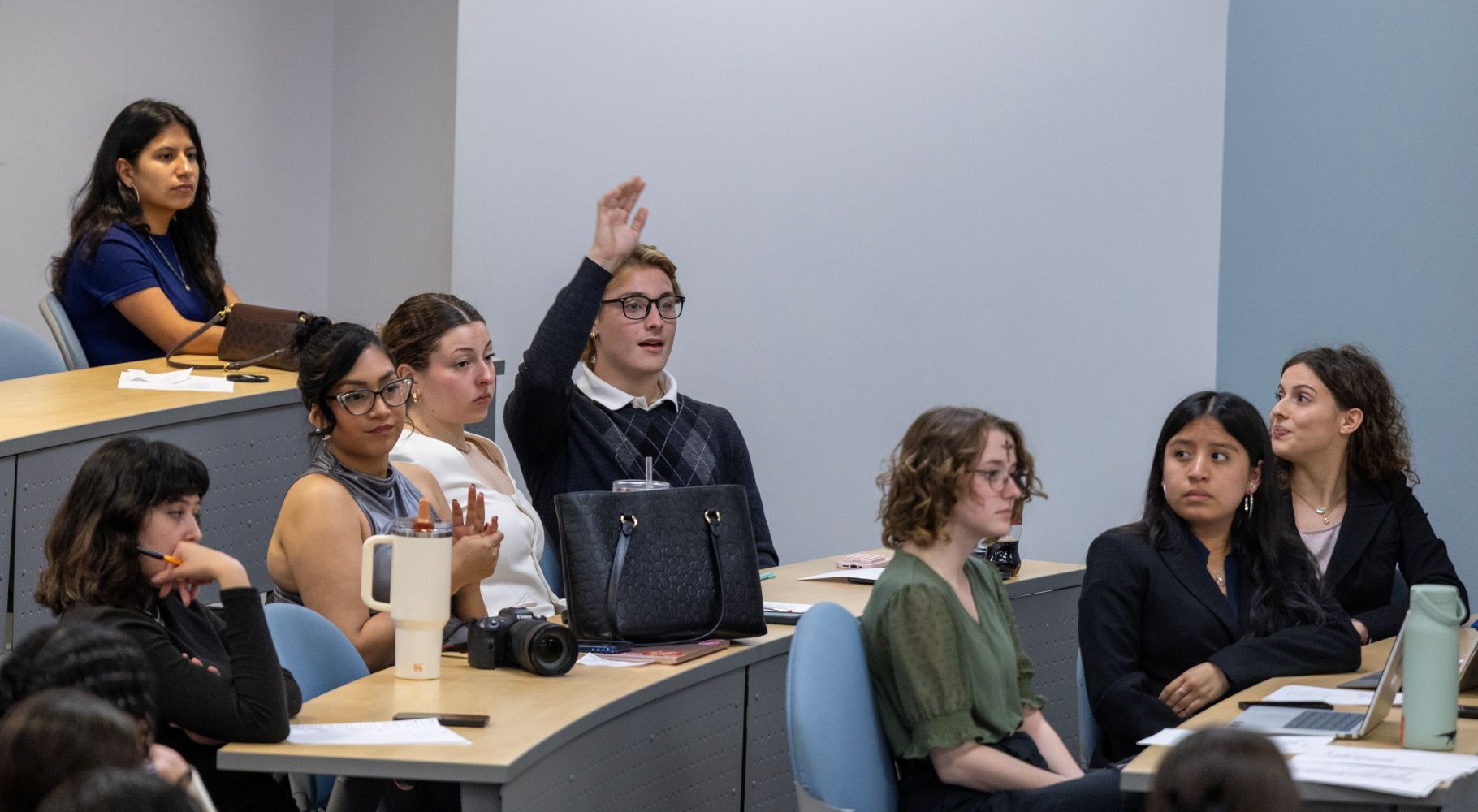
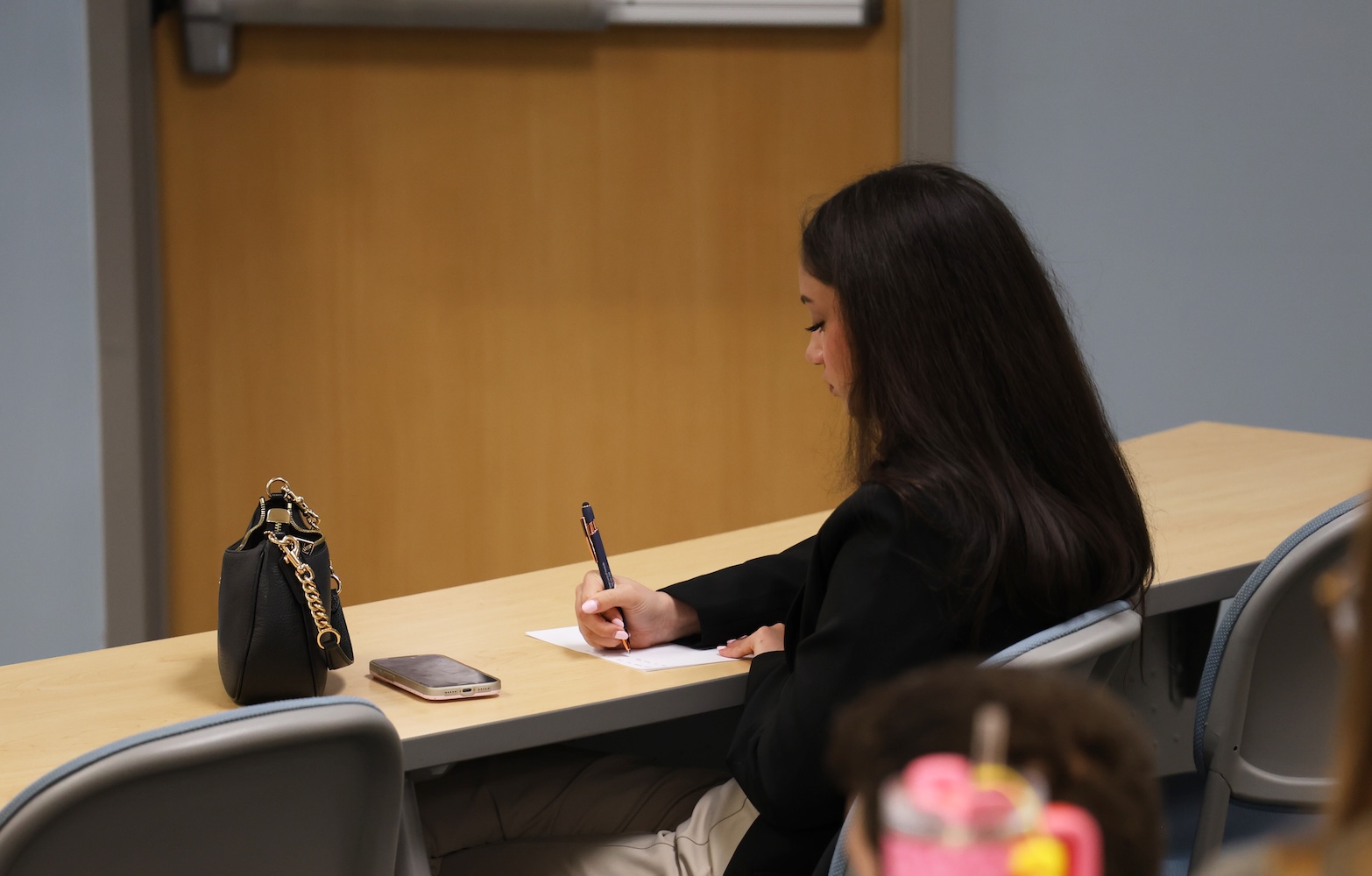
Pre-Law Society is back in session for Spring 2026! PLS held its first meeting of the semester and welcomed 133 members, who came back in style. As part of a goal to promote professional development in our students, Pre-Law Society members were encouraged to participate in the “Bearkats in Blazers” initiative—with many students doing so!
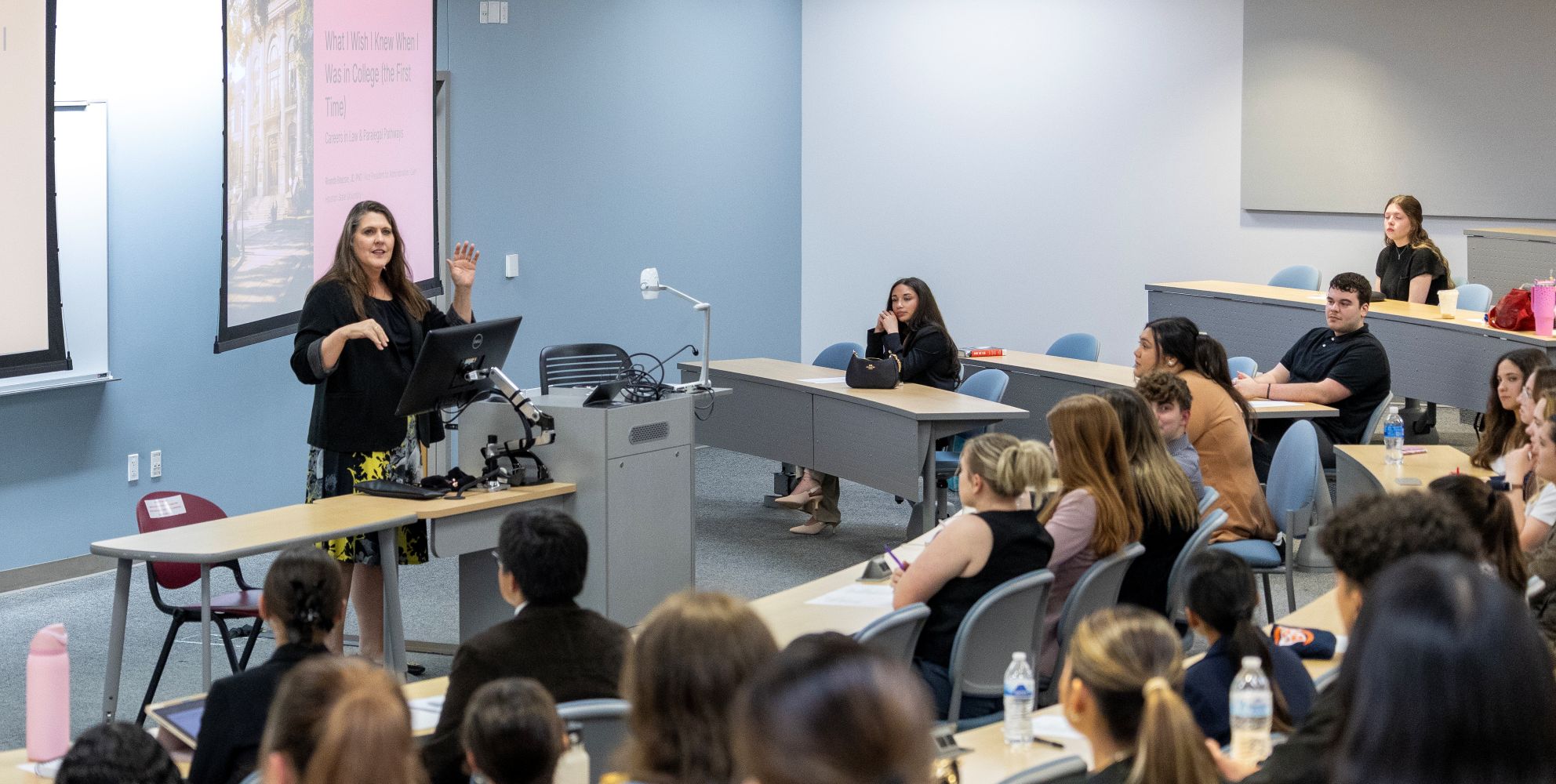
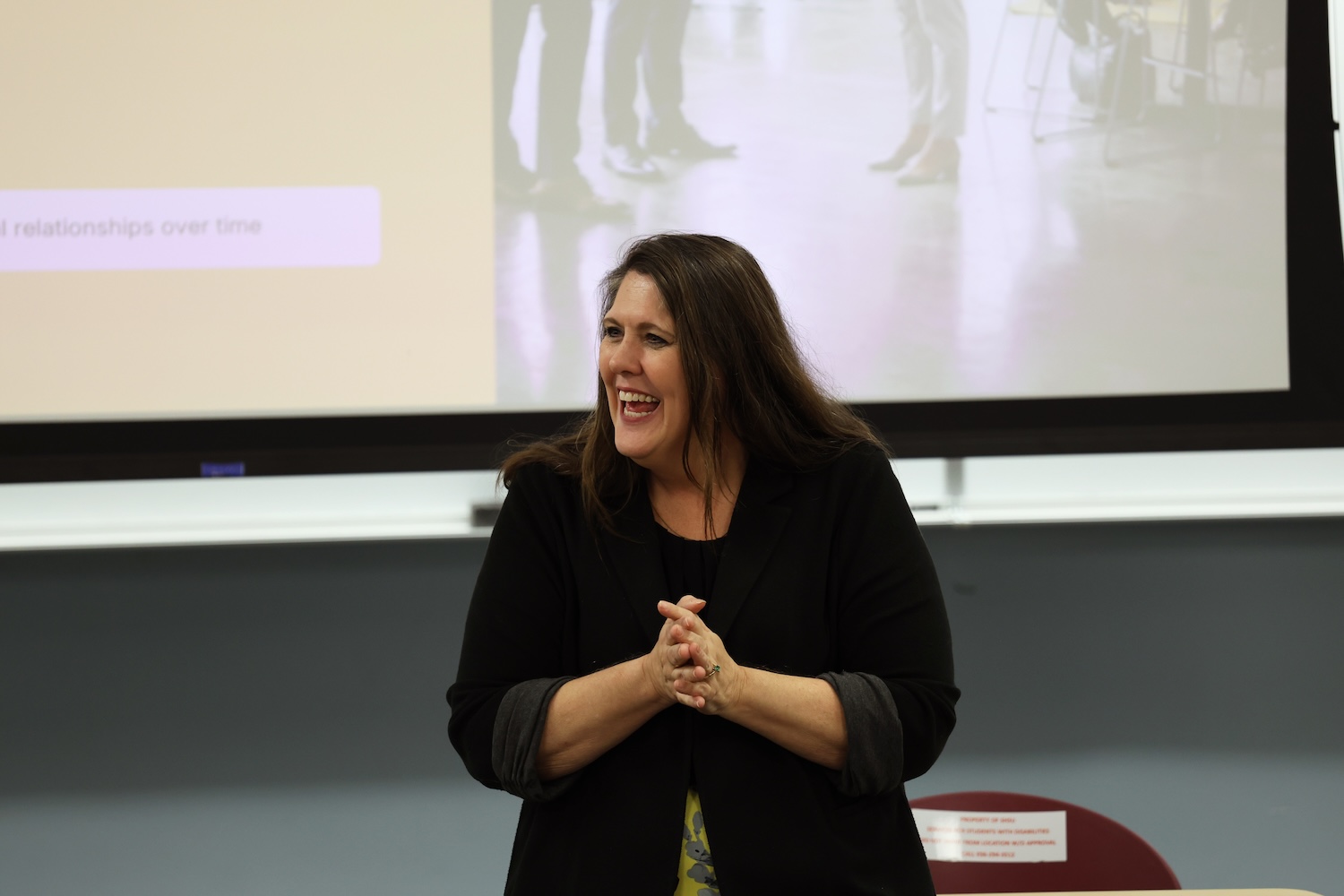
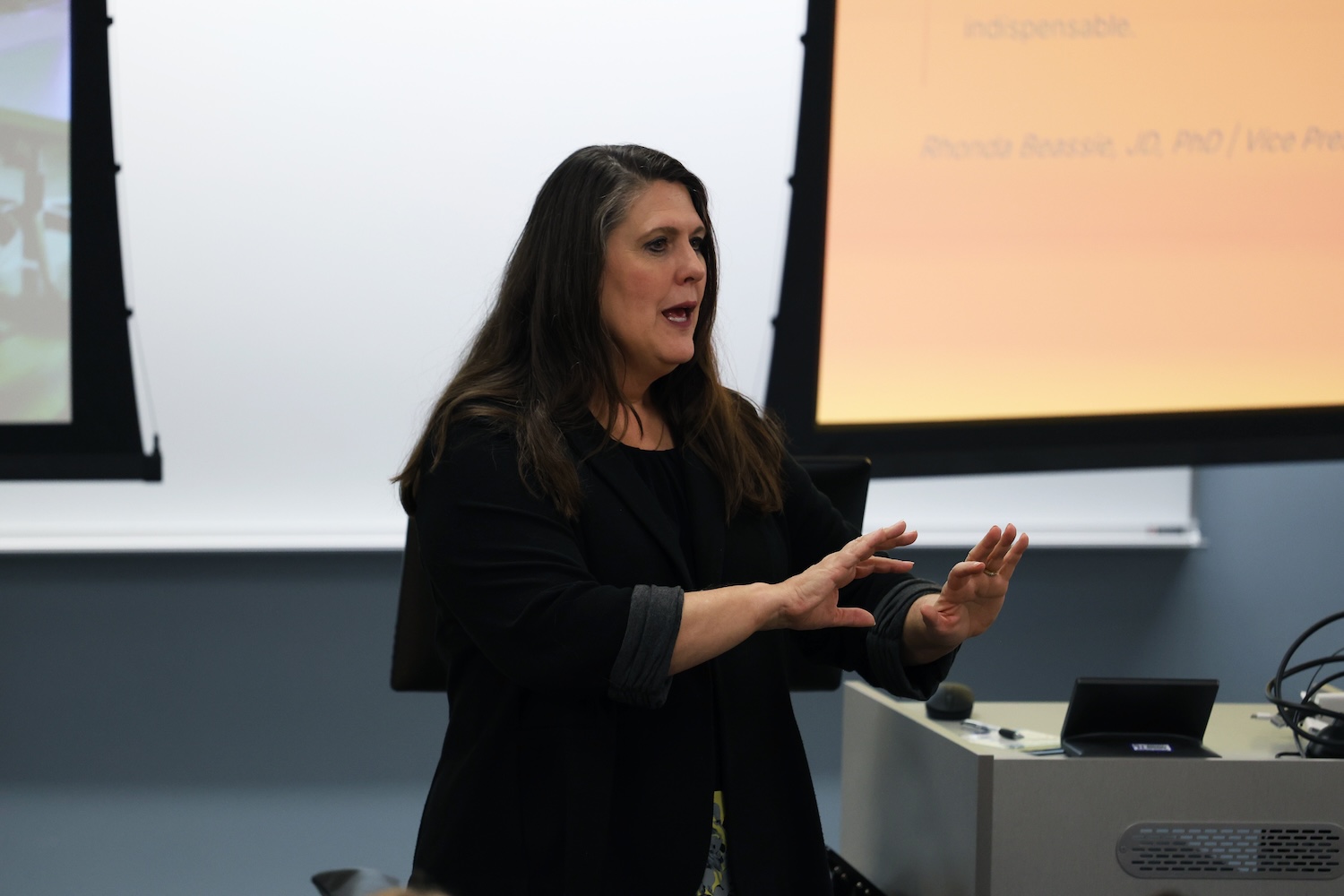
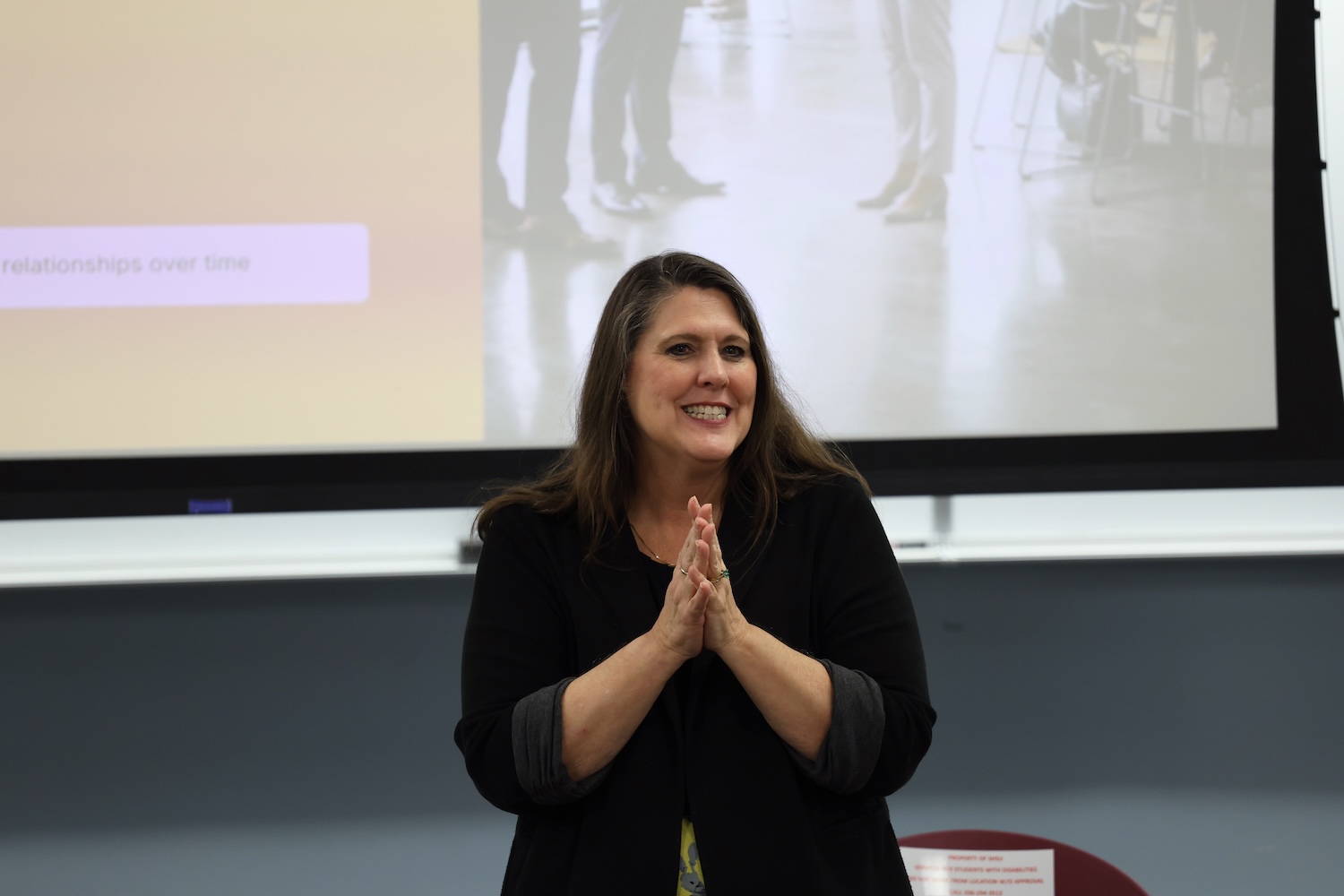
Once the meeting officially began, President Olivia Discon introduced our guest speaker for the evening, Dr. Rhonda Beassie, Vice President for Administration at Sam Houston State University. While her current role covers a diverse range of departments such as procurement, human resources, Title IX, and many more–it only begins to shine a light on the breadth of her impressive career. Indeed, she explained that her career was truly a “non-linear” path to where she is today.
Dr. Beassie highlighted her career, emphasizing that paths in law and related fields are rarely linear. She described her journey as “circuitous,” in that she began in real estate, then moved into various levels of the legal—without the initial plan to attend law school.
After working as a legal secretary, Dr. Beassie earned her paralegal degree and worked as a paralegal, a role she described as one of her most fulfilling due to the collaborative nature of litigation. She later returned to school for her undergraduate degree before attending law school.
Once she completed law school, Dr. Beassie worked in legal education and student legal services, then served as General Counsel for the Texas State University System. Her advisory experience led to leadership roles in administration at Sam Houston.
Dr. Beassie emphasized that flexibility and openness to opportunities shaped her career and encouraged students not to feel pressured to follow a traditional path directly from undergraduate studies to law school.
Dr. Beassie encouraged students not to let uncertainty or lack of confidence prevent them from pursuing opportunities in the legal field, reminding members: “You deserve a seat at the table.” She highlighted the importance of initiative, networking, and embracing new challenges, even when they seem intimidating. Many of her own career advancements, she explained, came from accepting opportunities that required extra research, preparation, or learning new subjects.
After her presentation, students asked various questions about Dr. Beassie’s career path and her experiences in legal and leadership roles.
Members asked about:
how she decided to pursue law school after initially working in other fields
Managing responsibilities such as family while attending law school
Whether a paralegal background strengthens a law school application
What roles did she find more fulfilling throughout her career
Dr. Beassie said that while law schools focus on GPA and LSAT scores (most important), practical experience, such as paralegal work, can help applicants stand out when qualifications are similar or competitive, and provides valuable preparation for legal work. She also encouraged students to pursue internships and volunteer opportunities, and that even unpaid roles build professional credibility and transferable skills.
Dr. Beassie concluded her presentation at 7:15 PM. President Olivia Discon thanked her and transitioned to the business portion of the meeting…
Treasurer Nataly Elizondo provided a finance update, Secretary Madison Cawthon presented the meeting minutes, and VP of Membership McKenna Nonnenmann and VP of Marketing Jackie Balbuena shared their updates as well. Pre-Law Advisor Jean Loveall also informed members of upcoming changes to the LSAT beginning in August 2026, noting that while the exam’s structure will remain the same, students will be required to take the LSAT in person, with the option to test either on computer or paper.
With a lot of good information and high spirits, the meeting adjourned with excitement for the semester and our futures ahead.
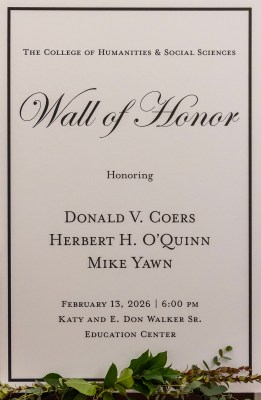
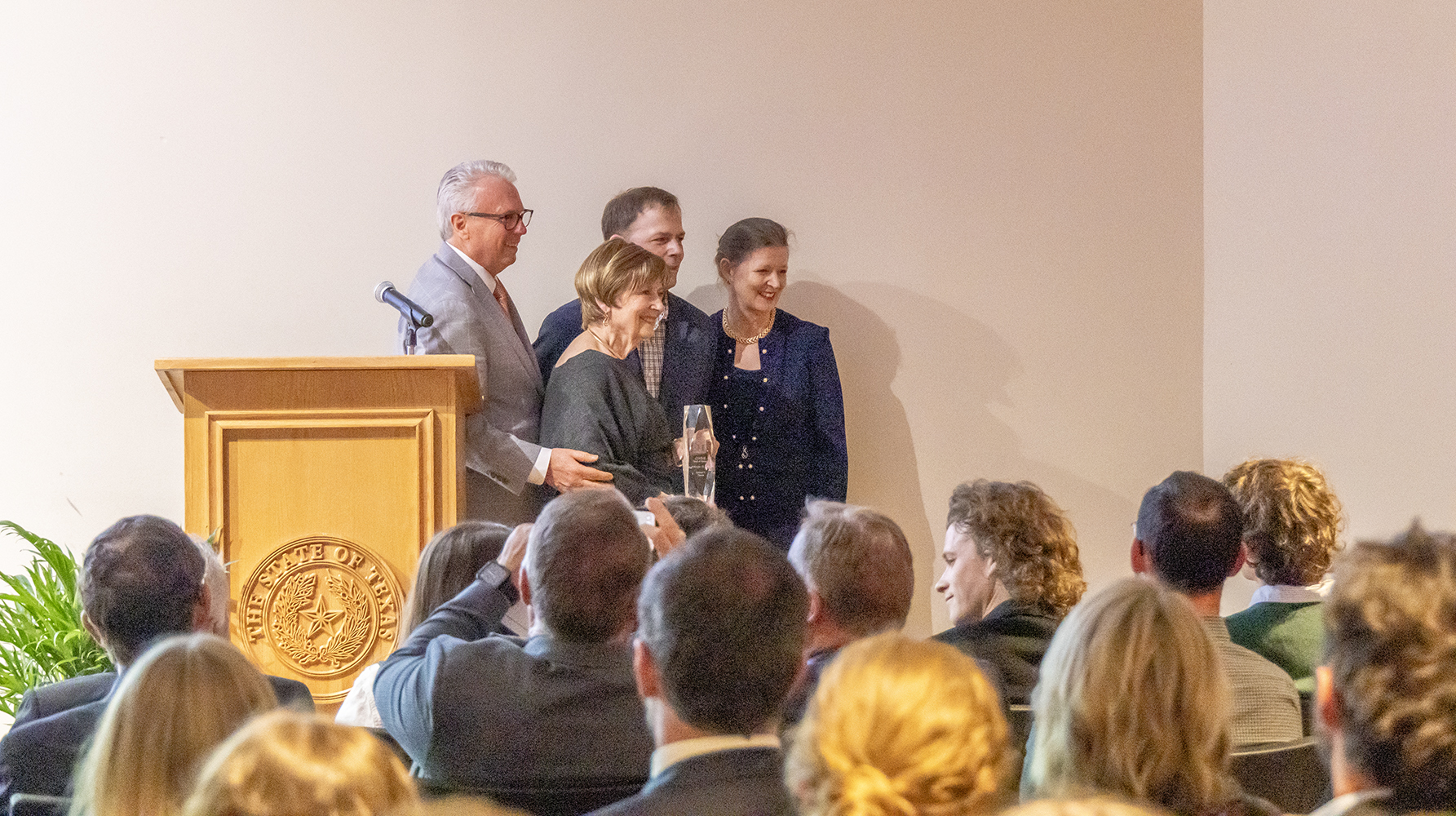
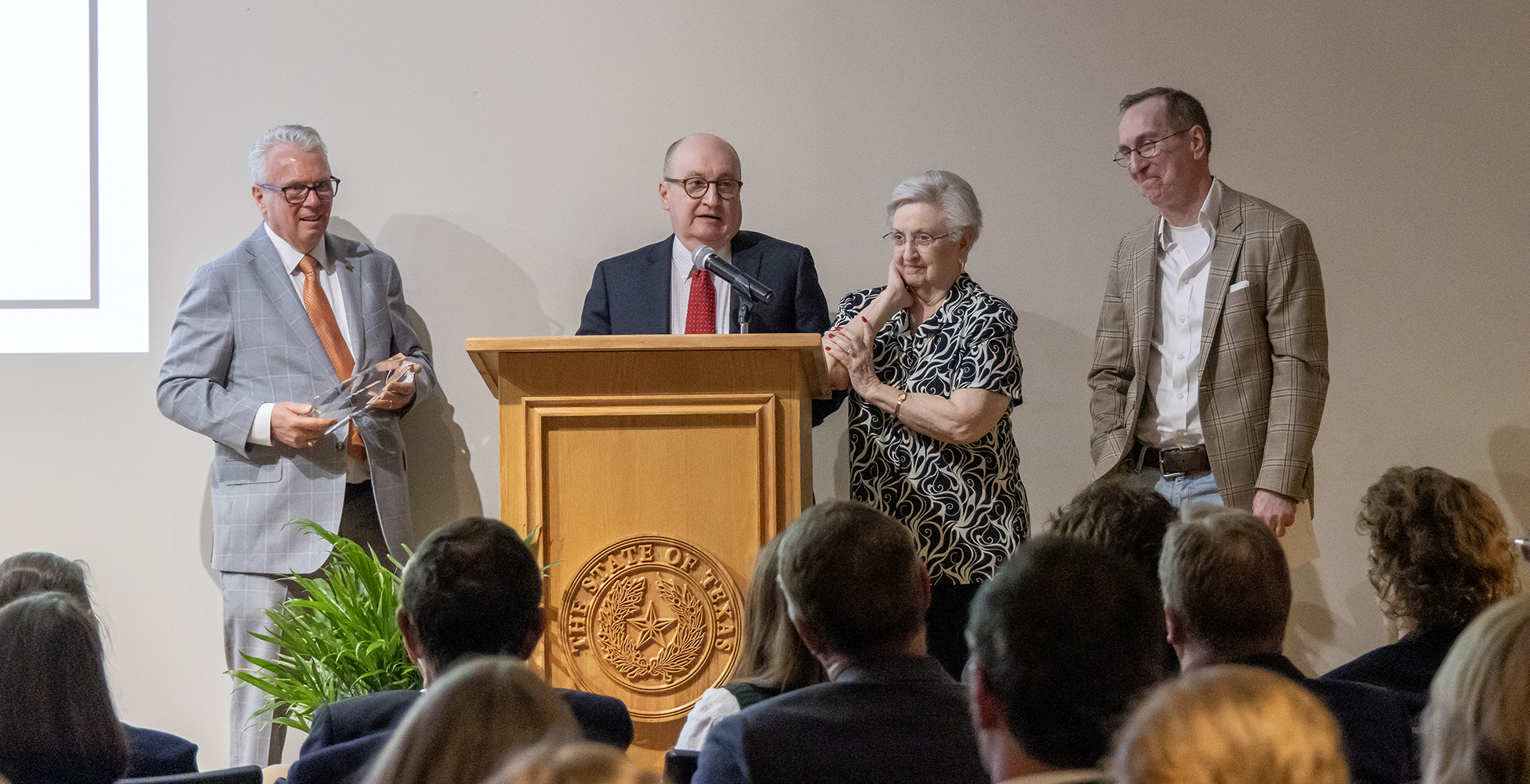
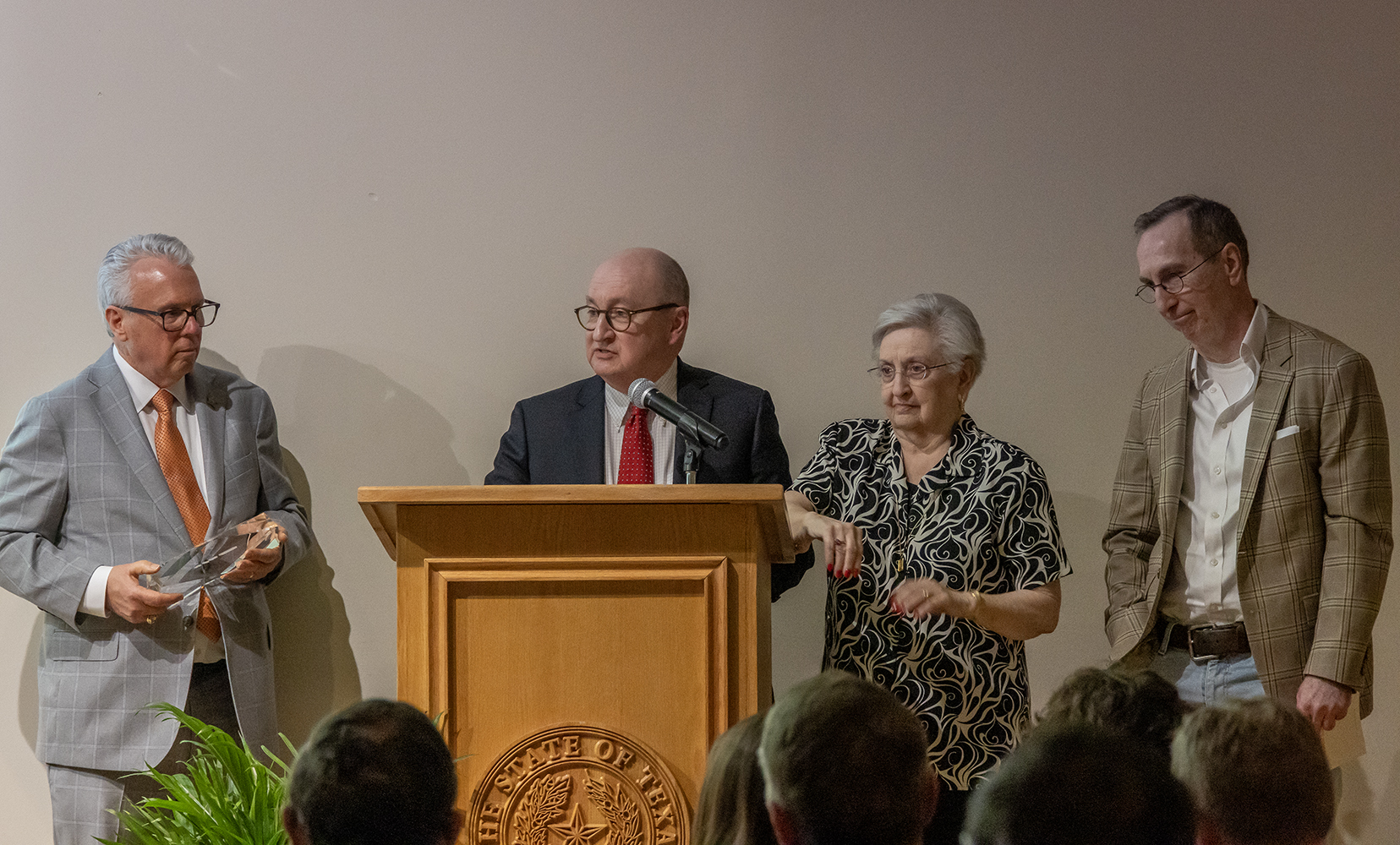
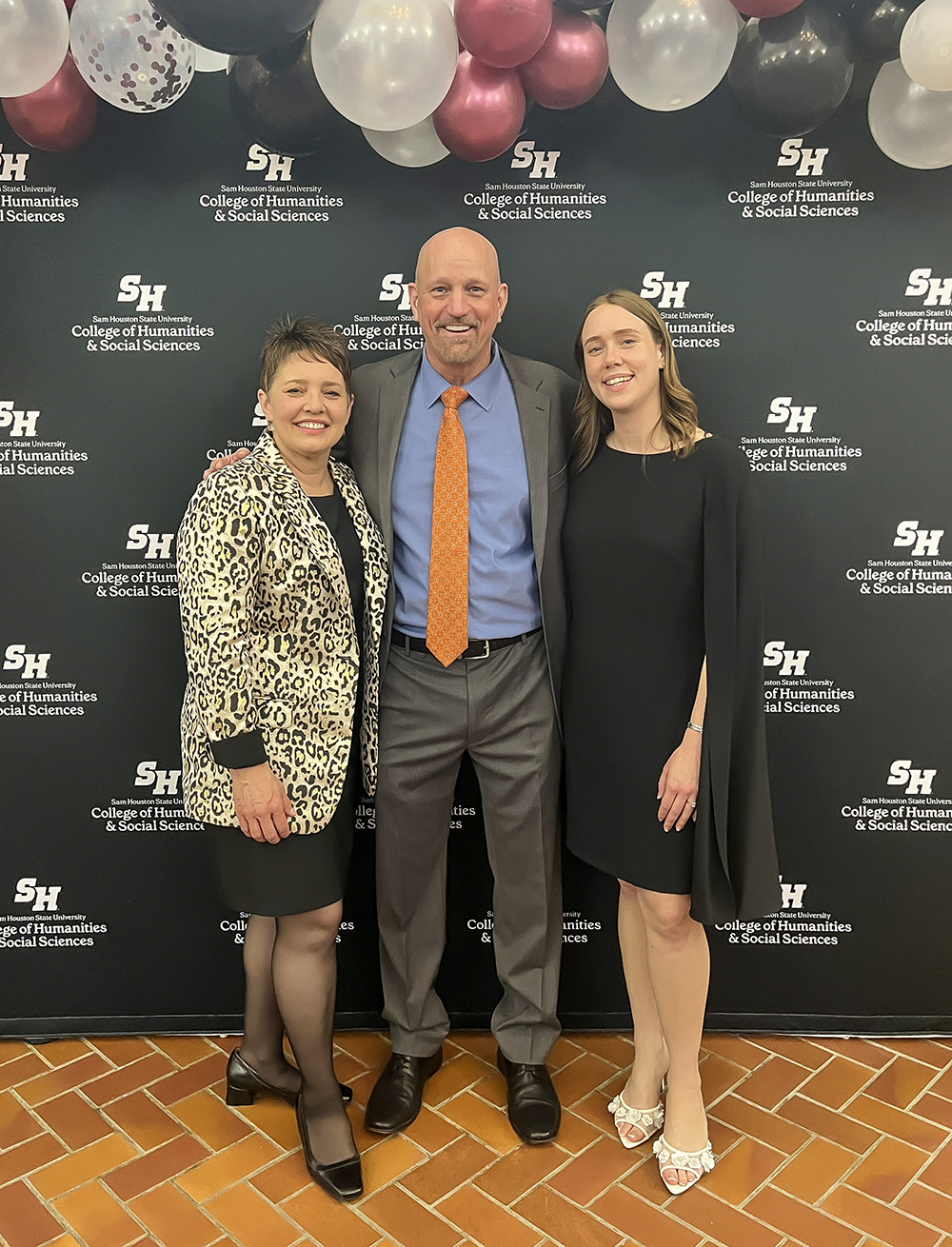
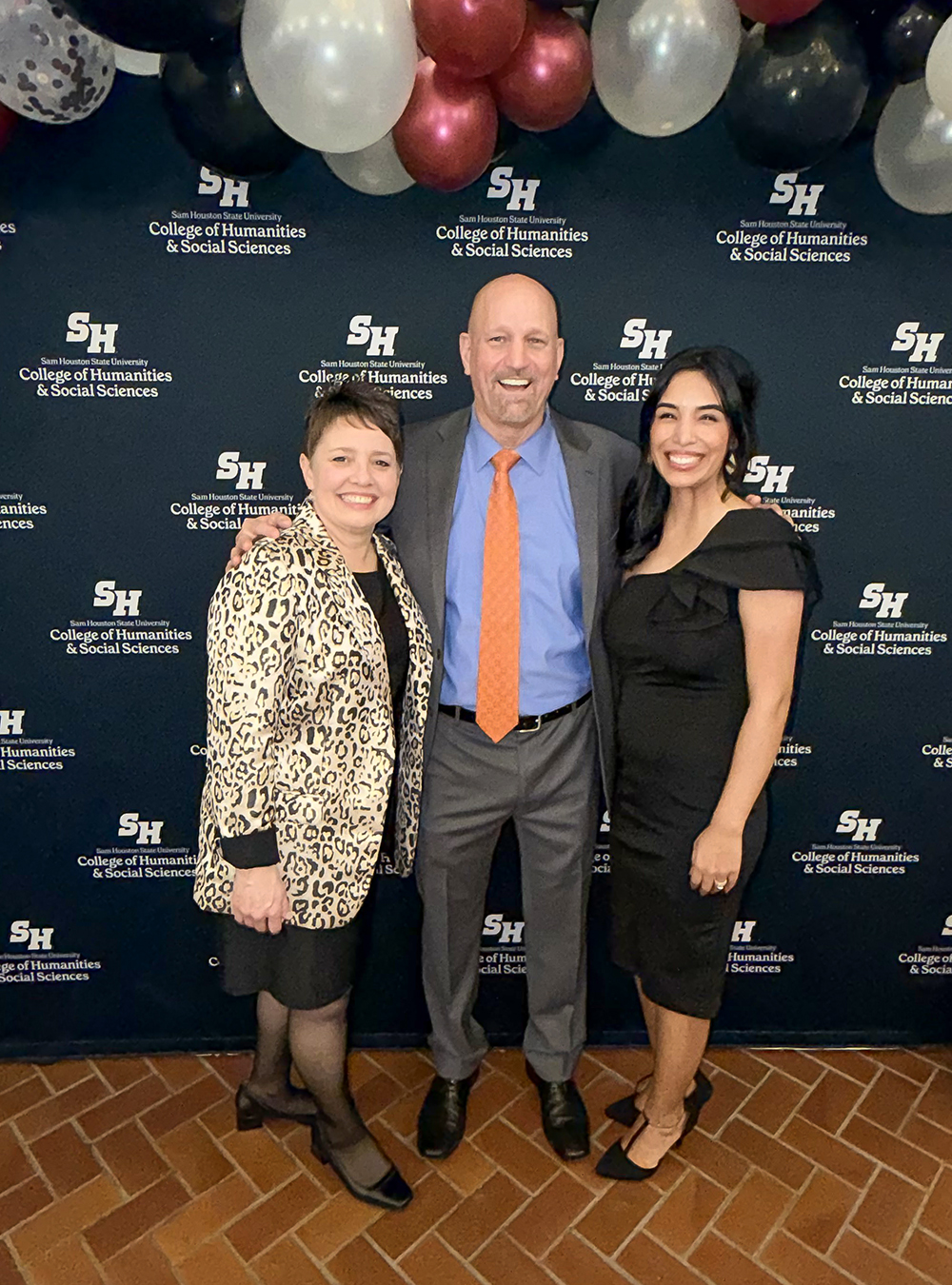
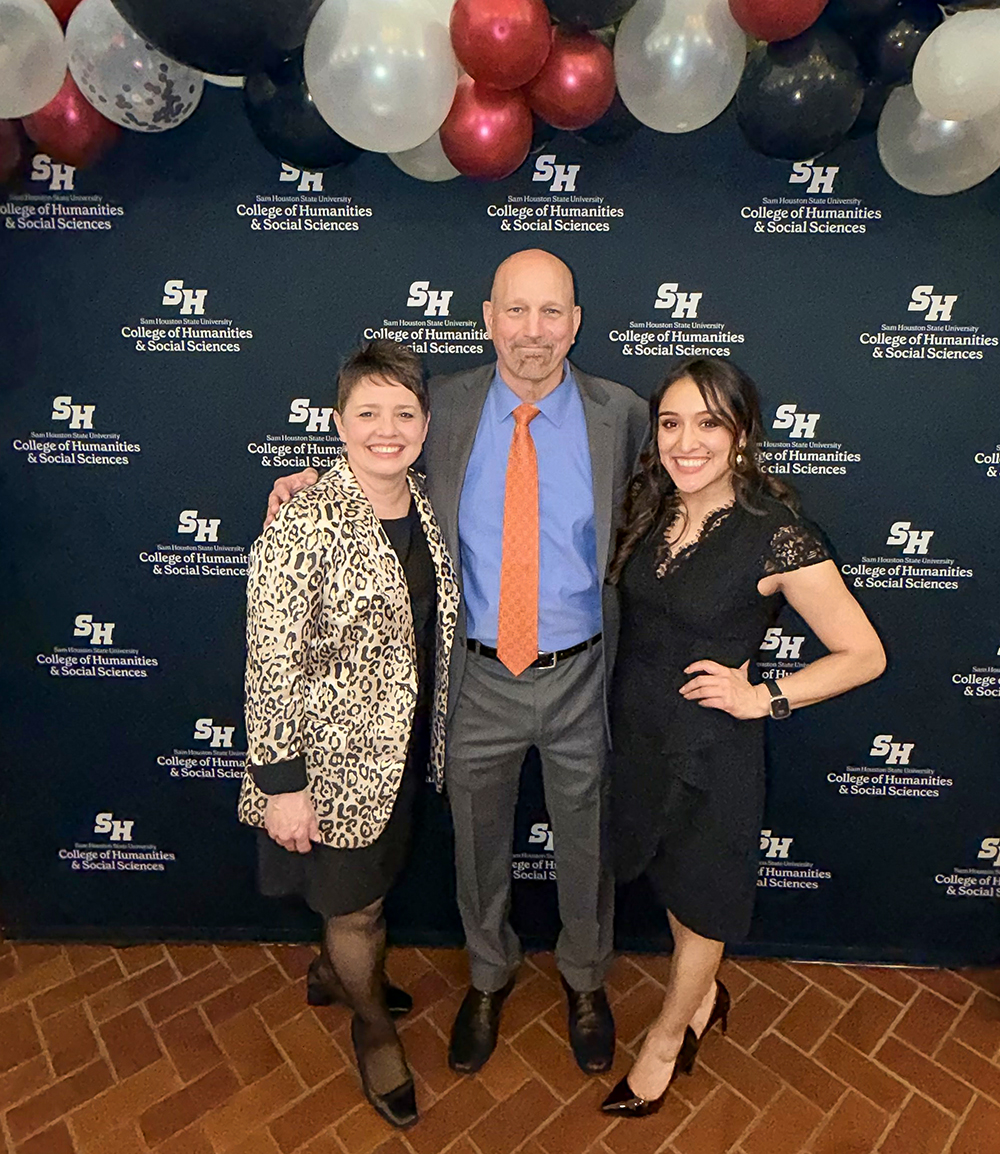
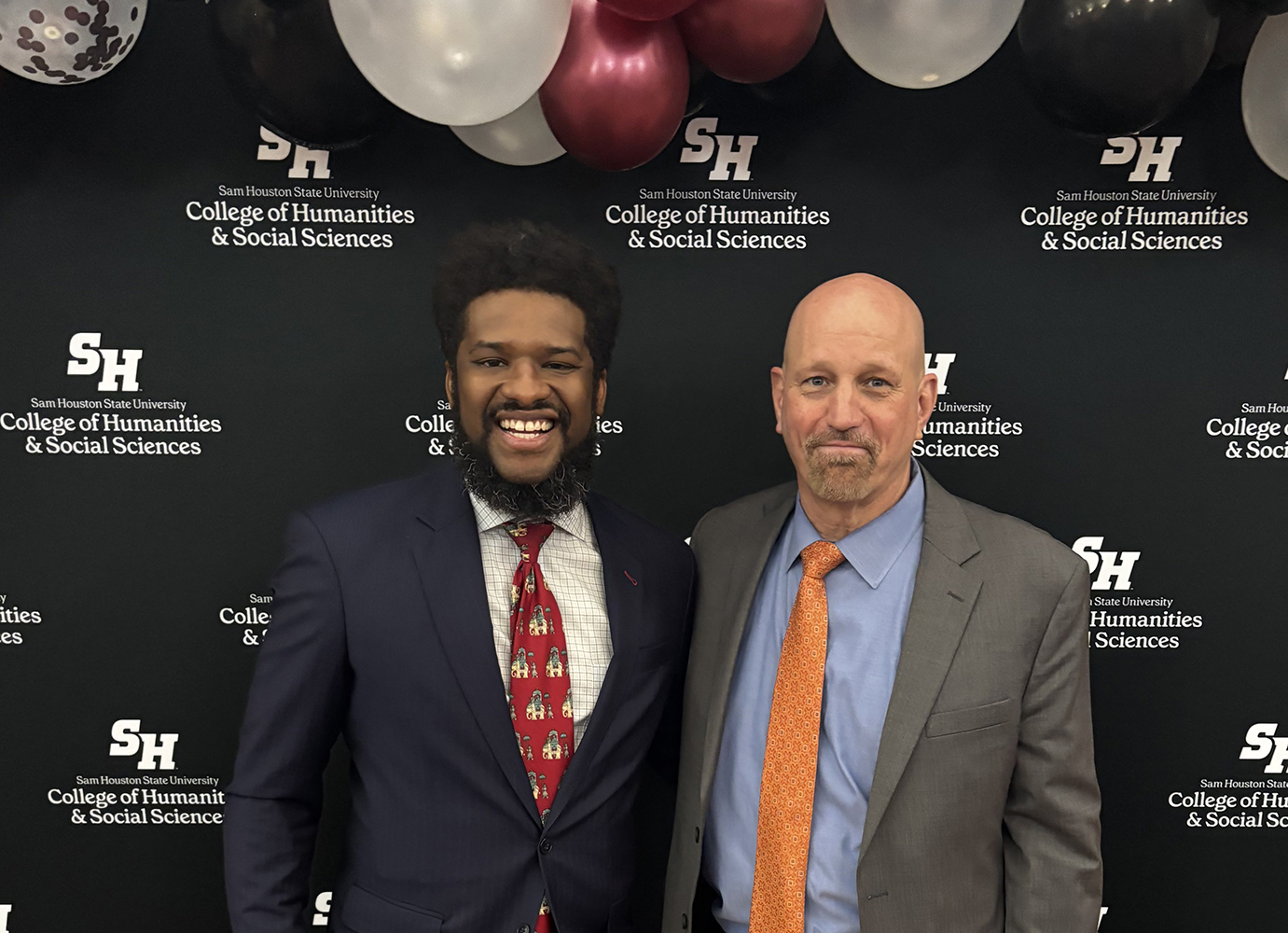
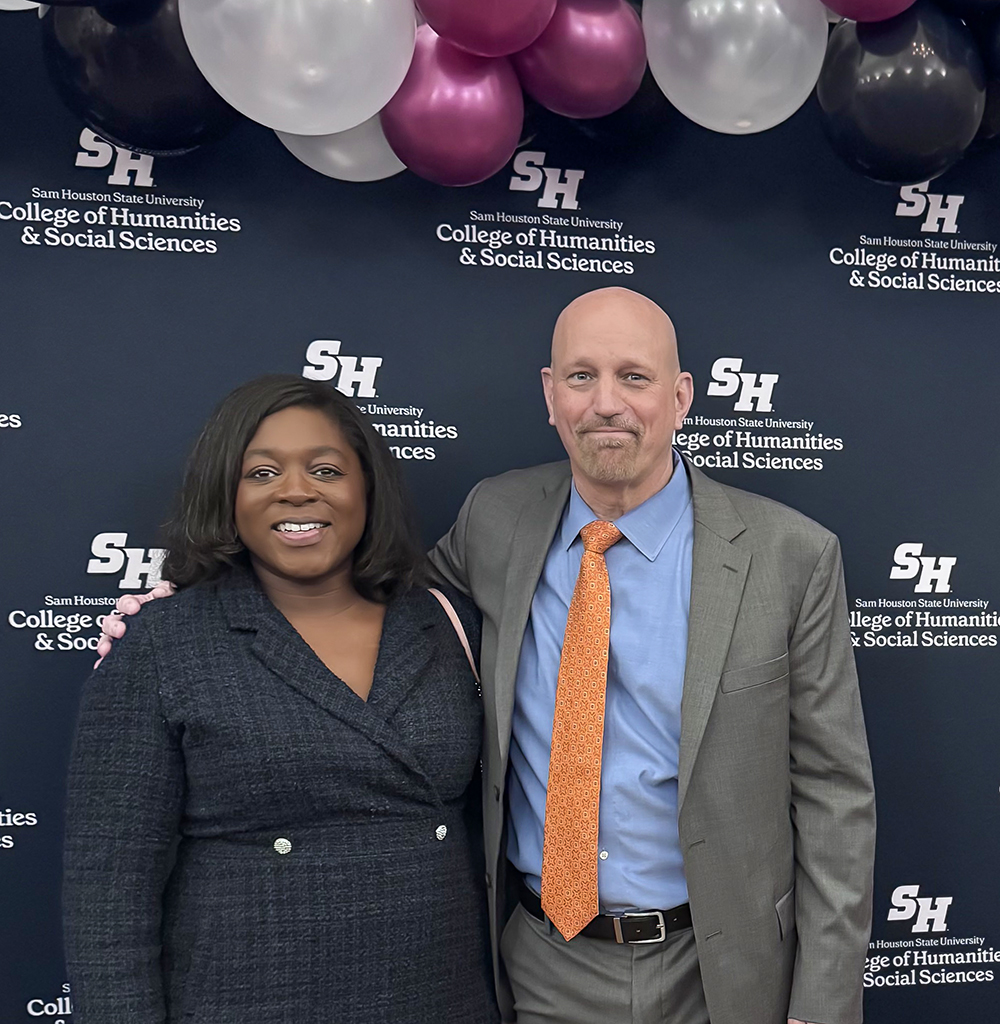
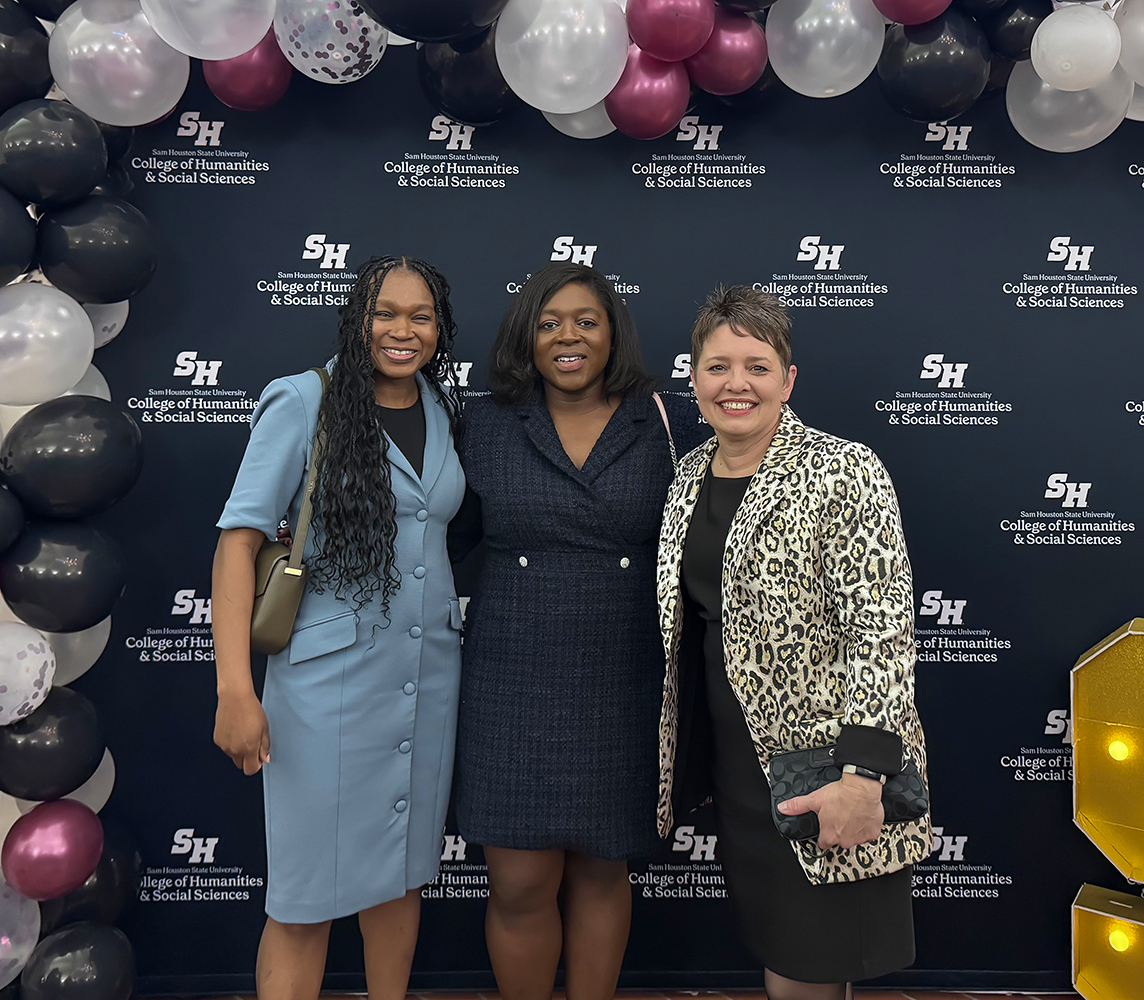
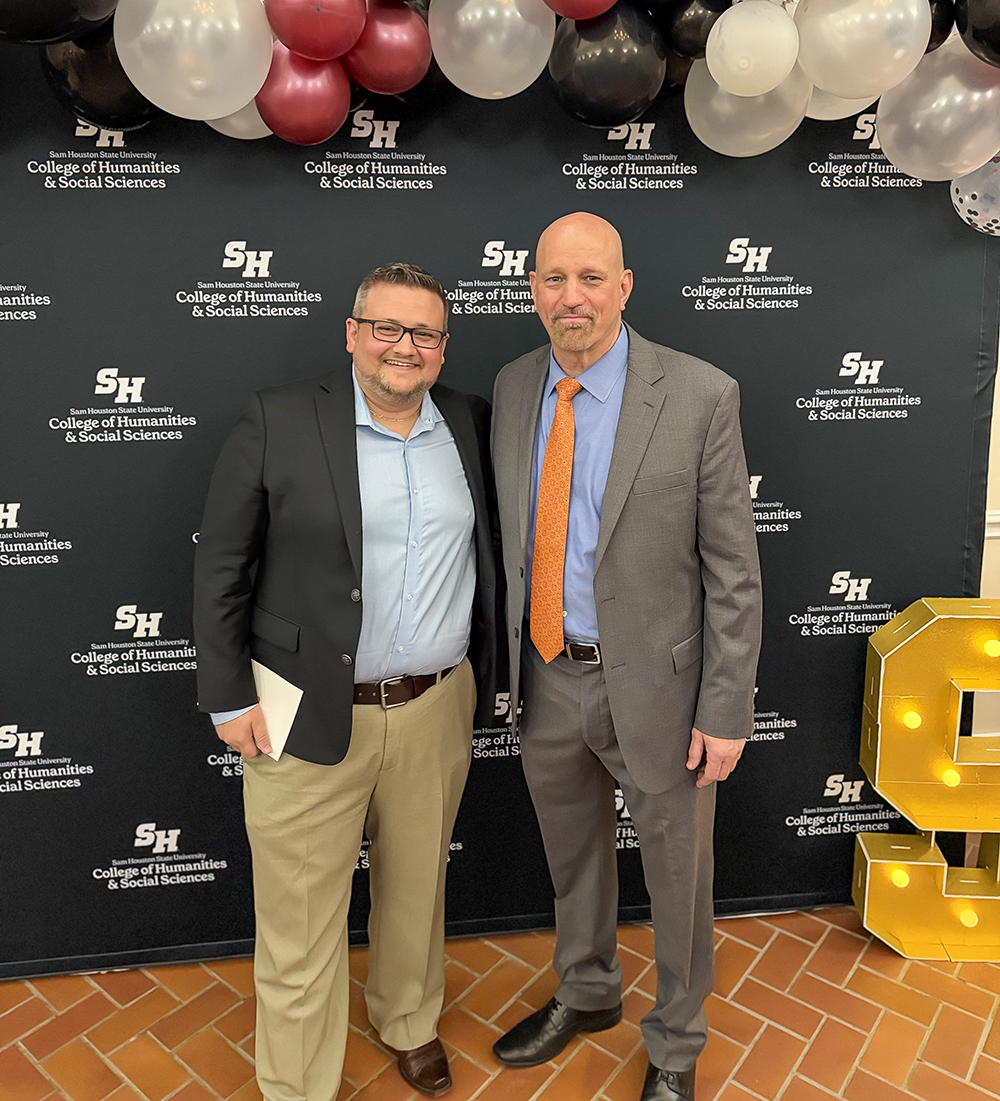
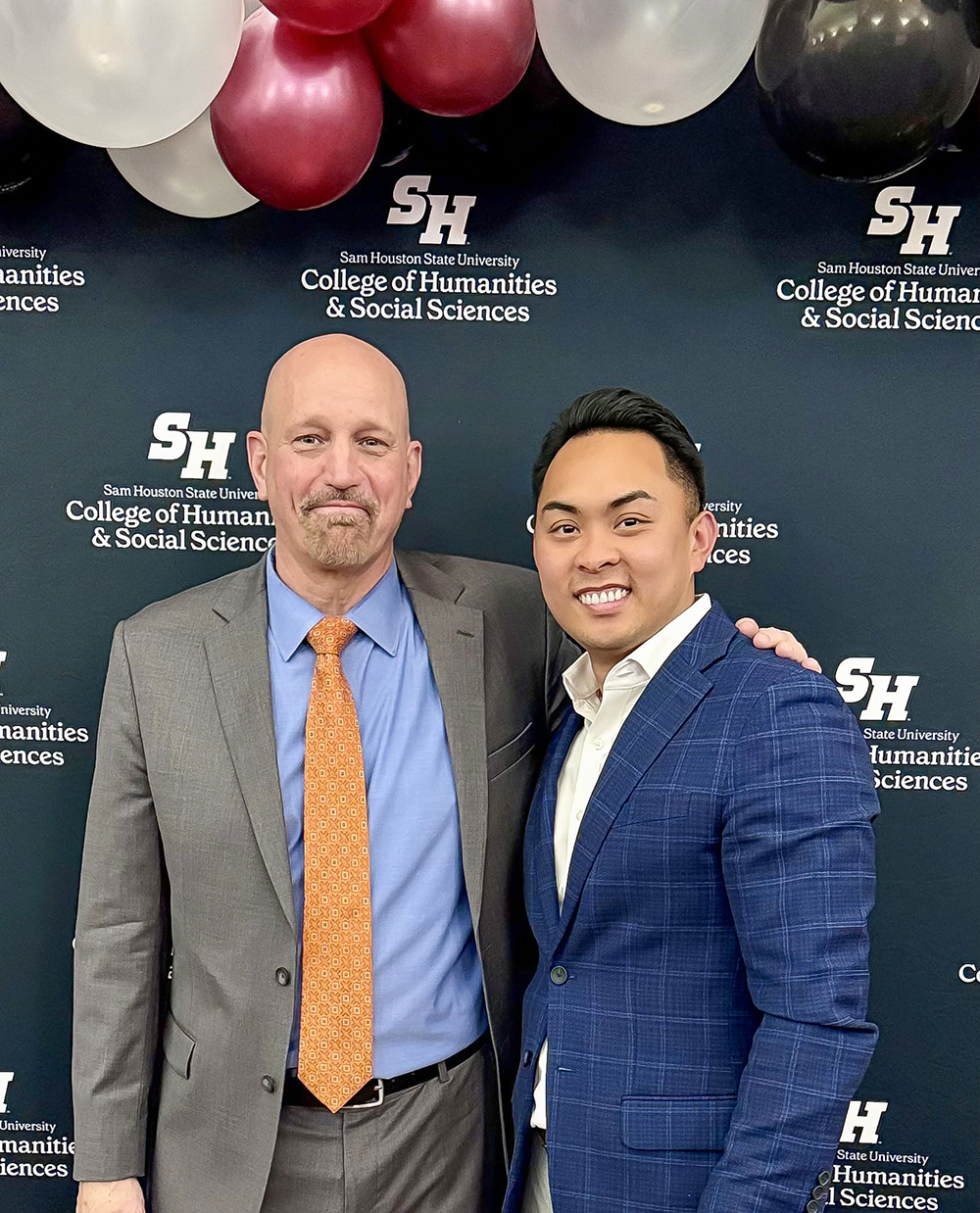
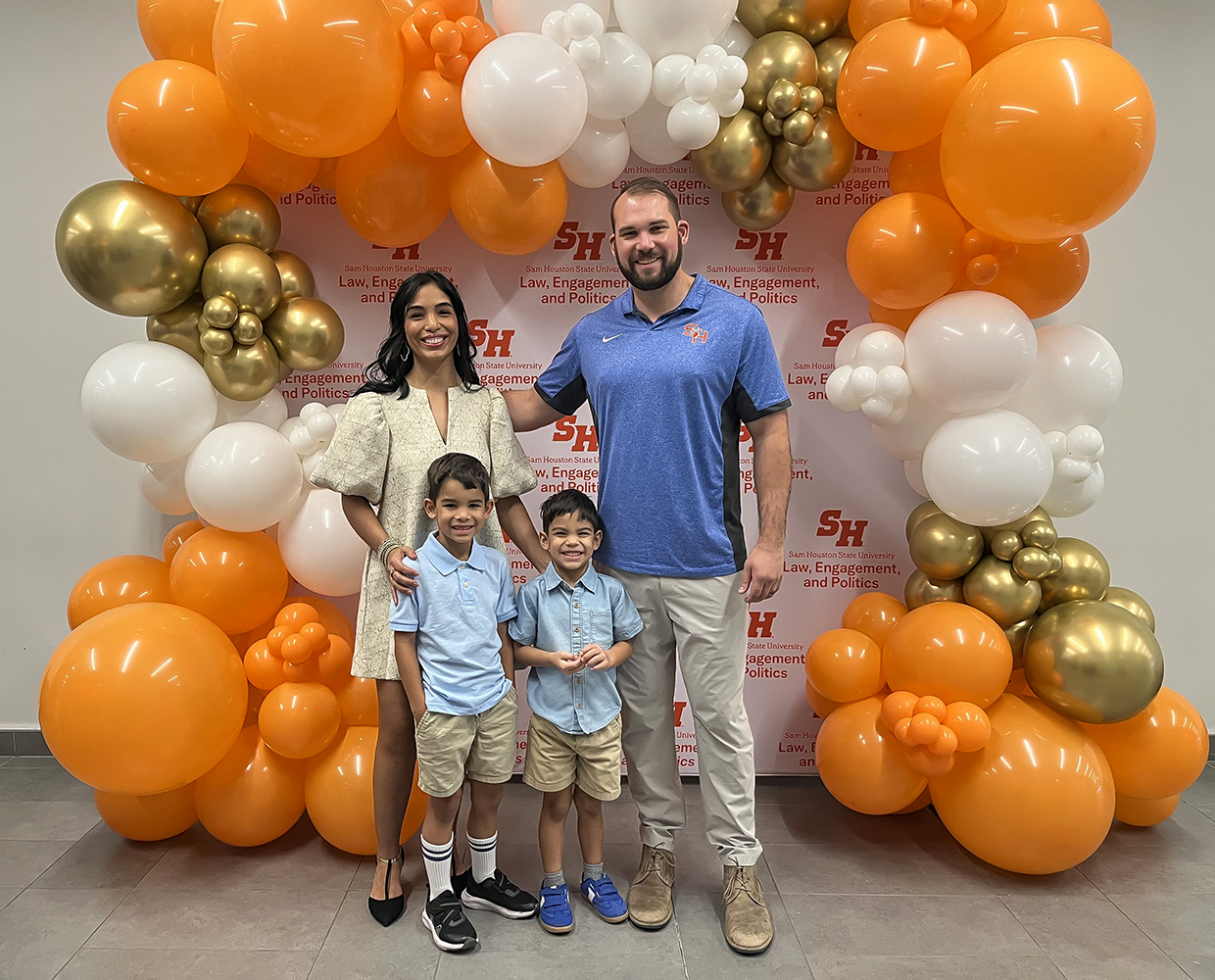
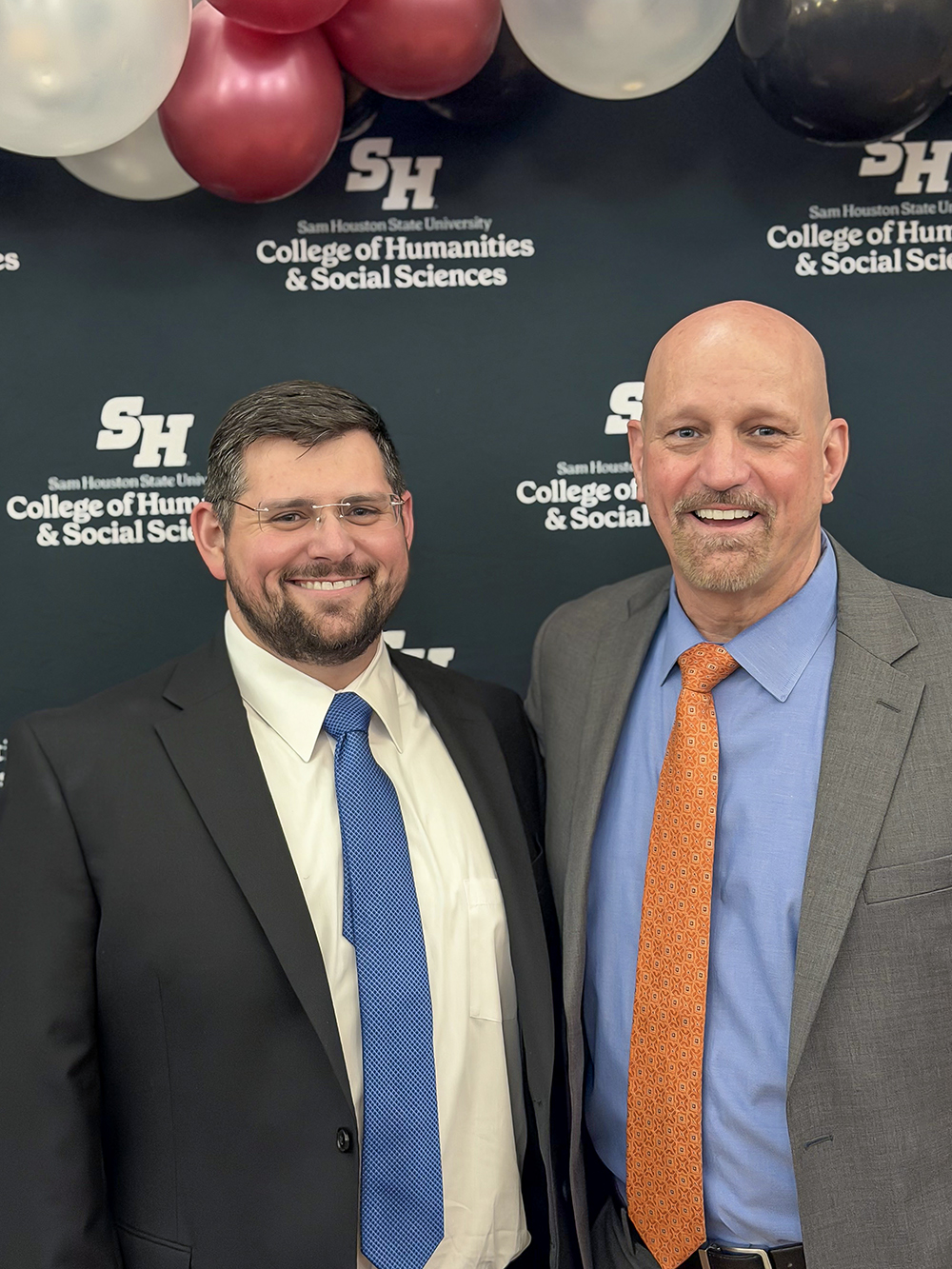
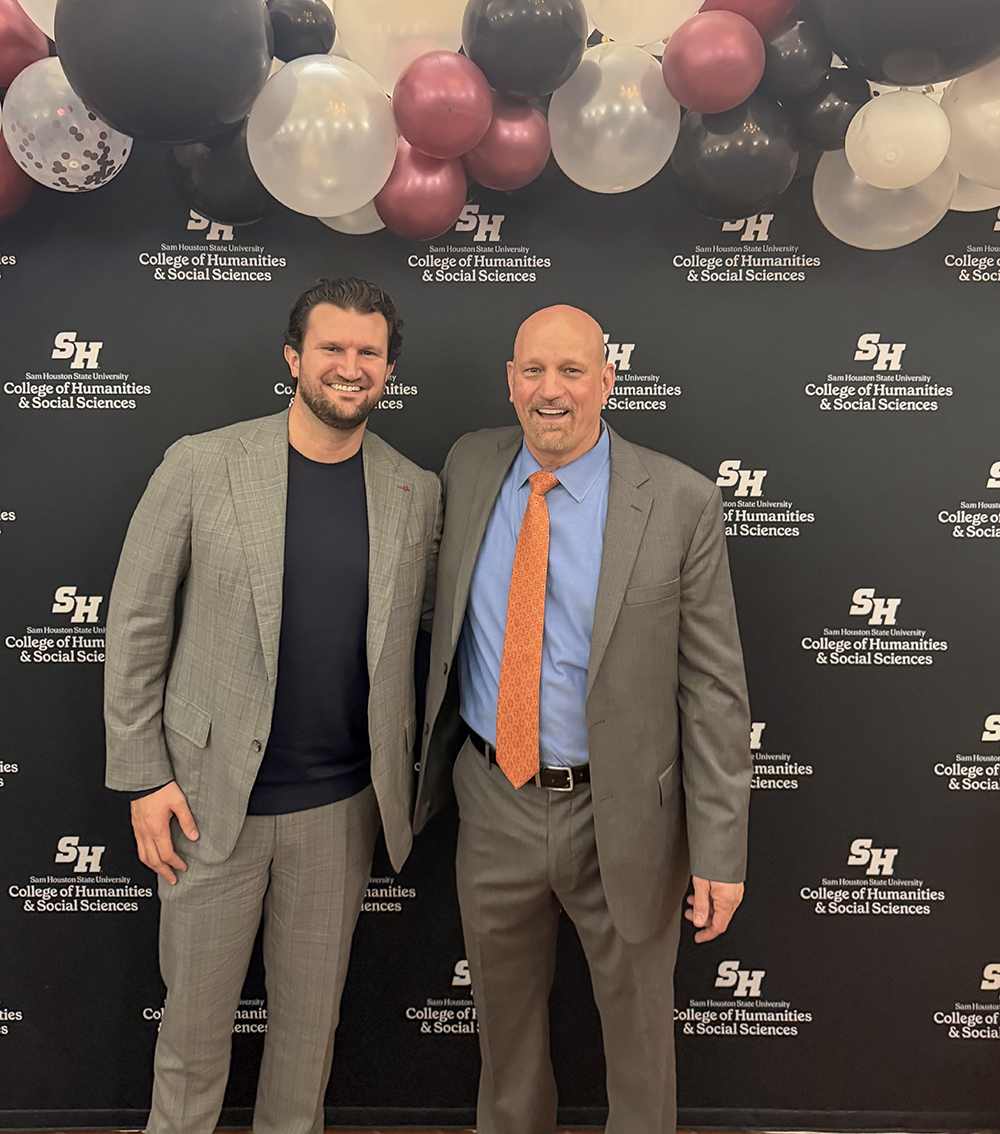
LEAP’s mission has always been to stay engaged. For us, that does not mean just attending events. It means showing up fully, celebrating others, and honoring the people who have shaped our lives, university and our communities. That is exactly what we had the privilege of doing at the College of Humanities and Social Sciences Wall of Honor ceremony this year.
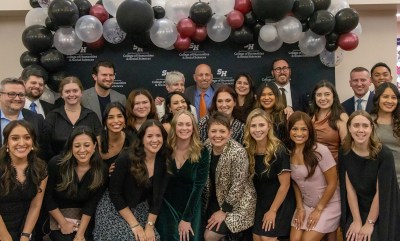
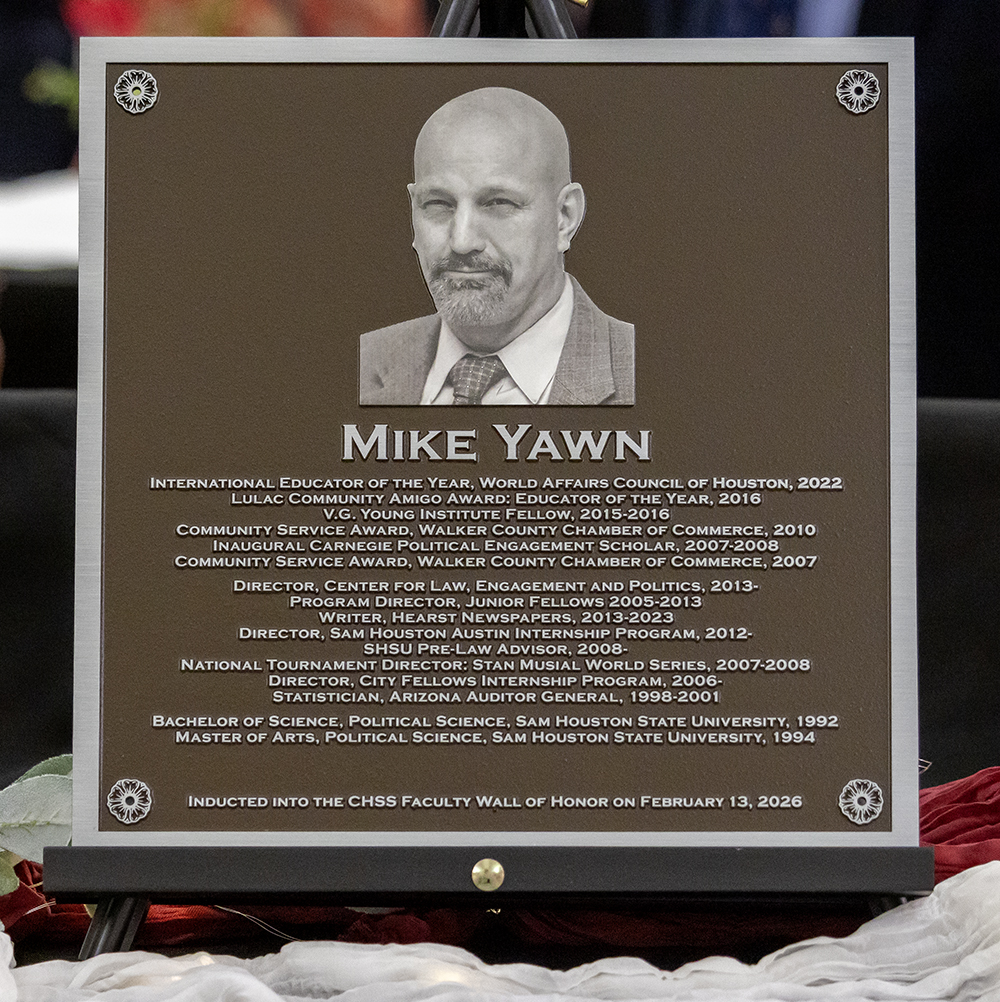
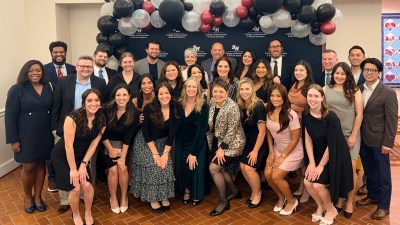
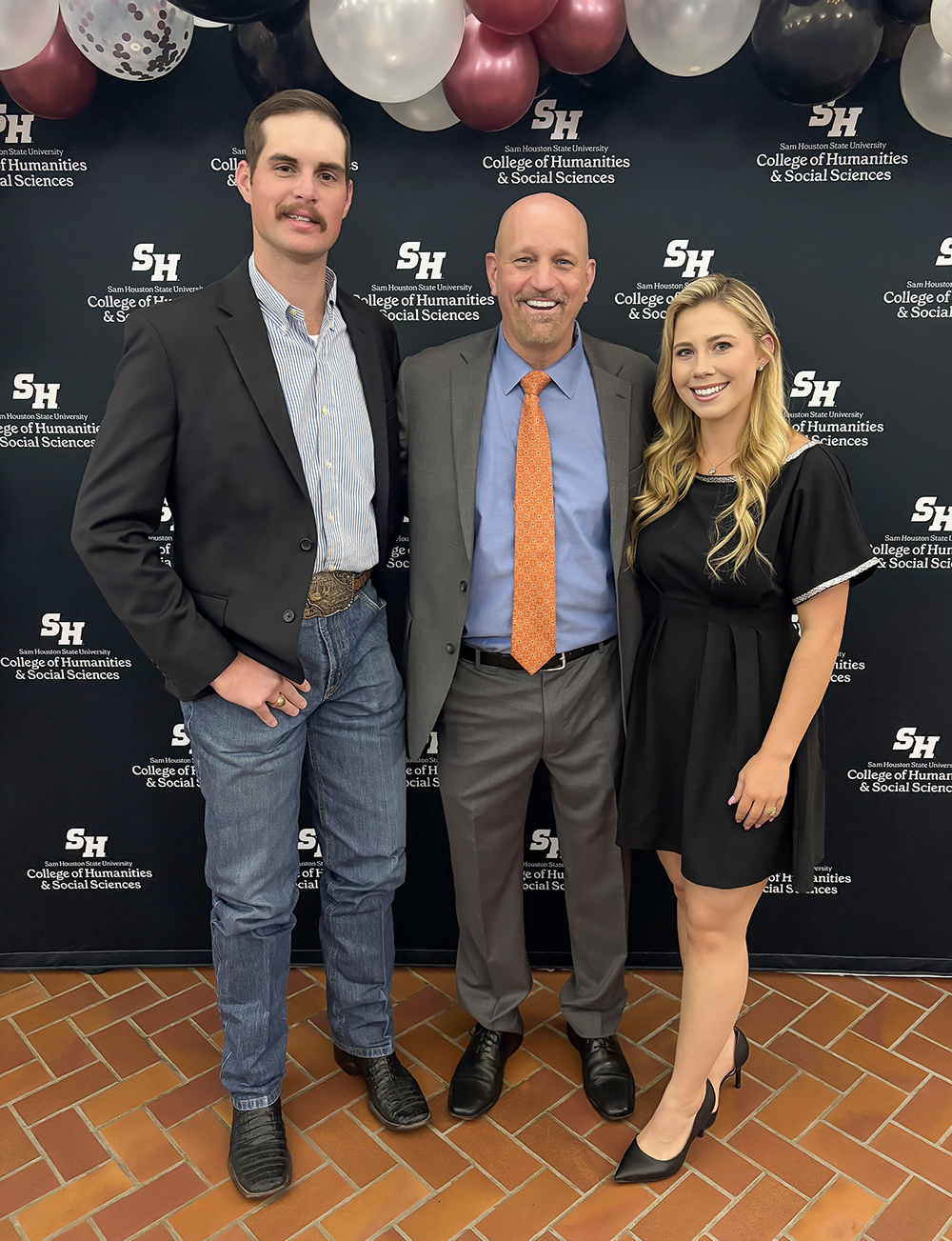
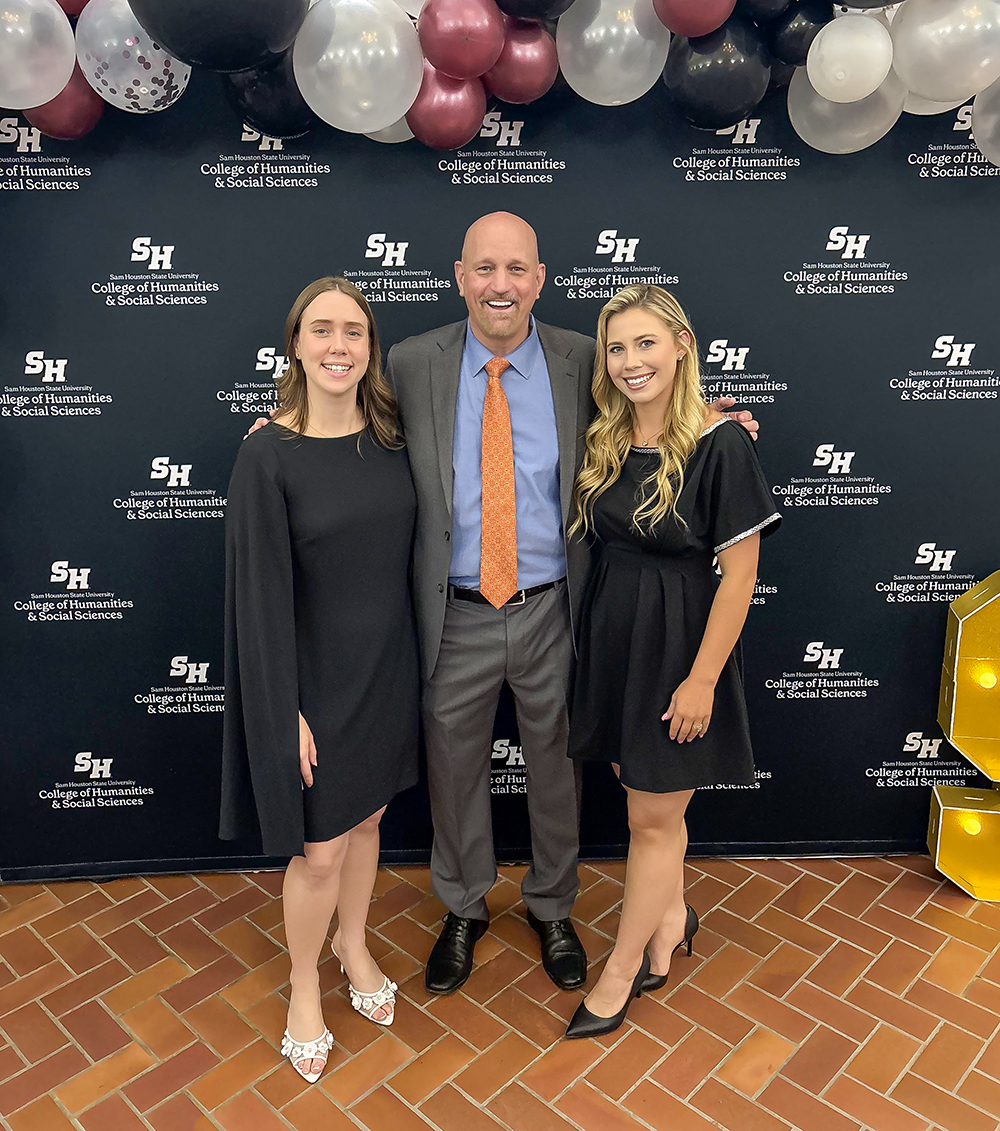
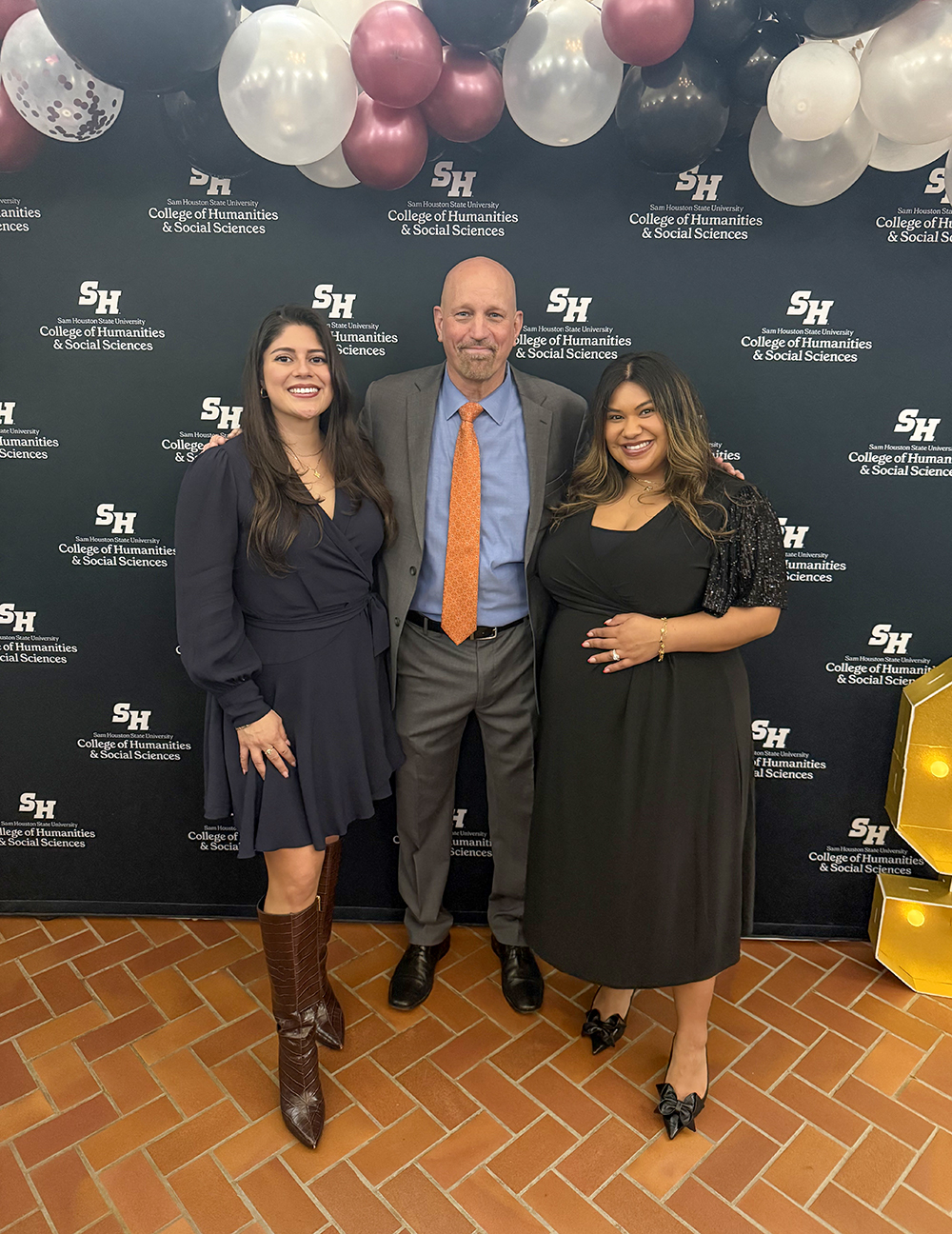
This year’s ceremony felt especially personal. Among the honorees was our own advisor, Professor Mike Yawn, and the halls were filled with former LEAP Ambassadors, current students, and family members of the honorees.
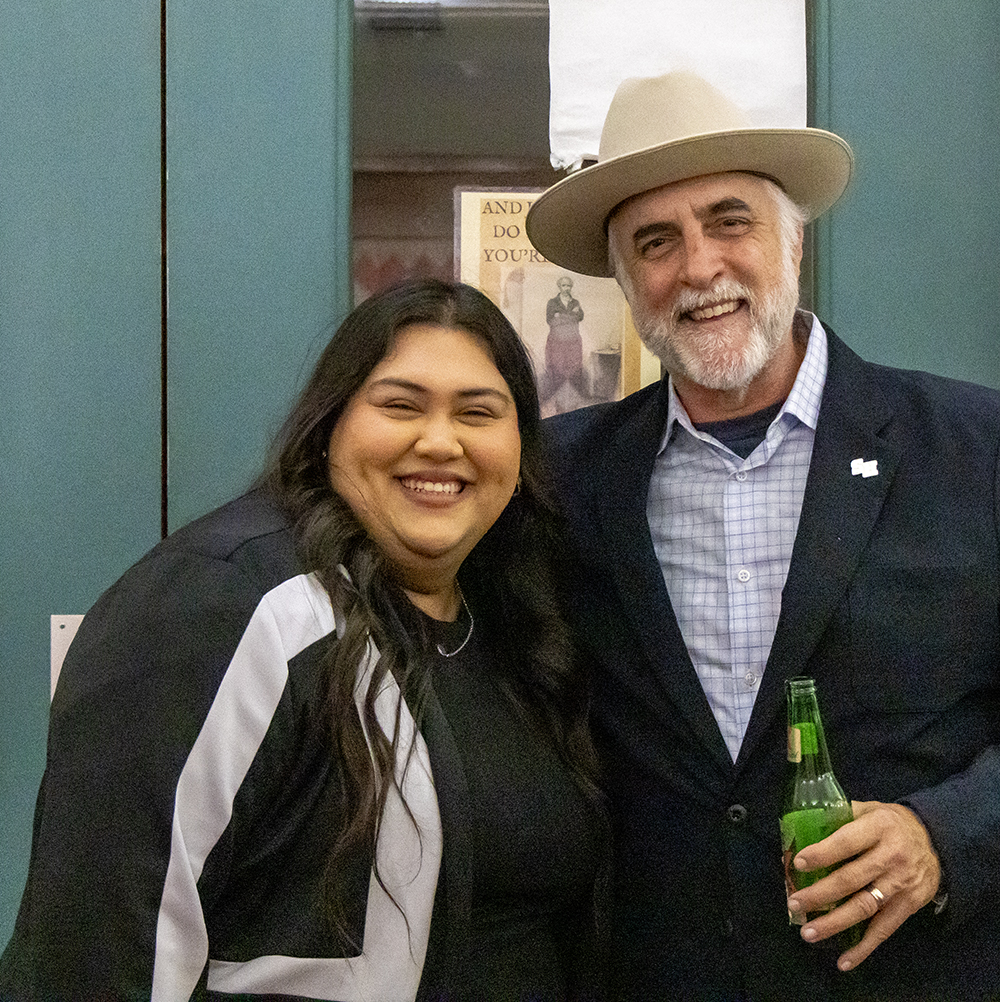
Professor Yawn with Former Ambassadors
What began as a formal university event quickly turned into something that felt like a reunion, homecoming, and celebration of legacy all at once.
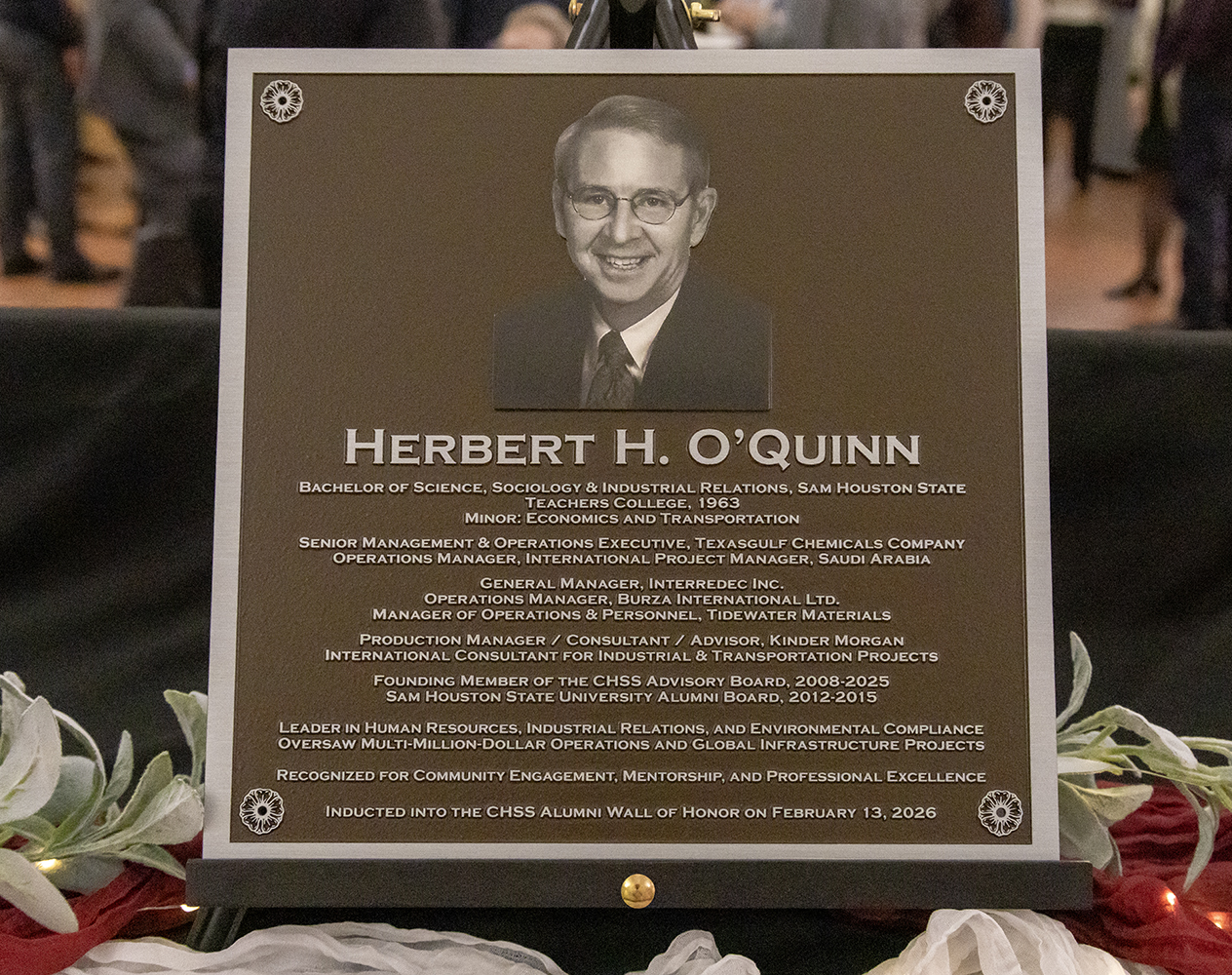
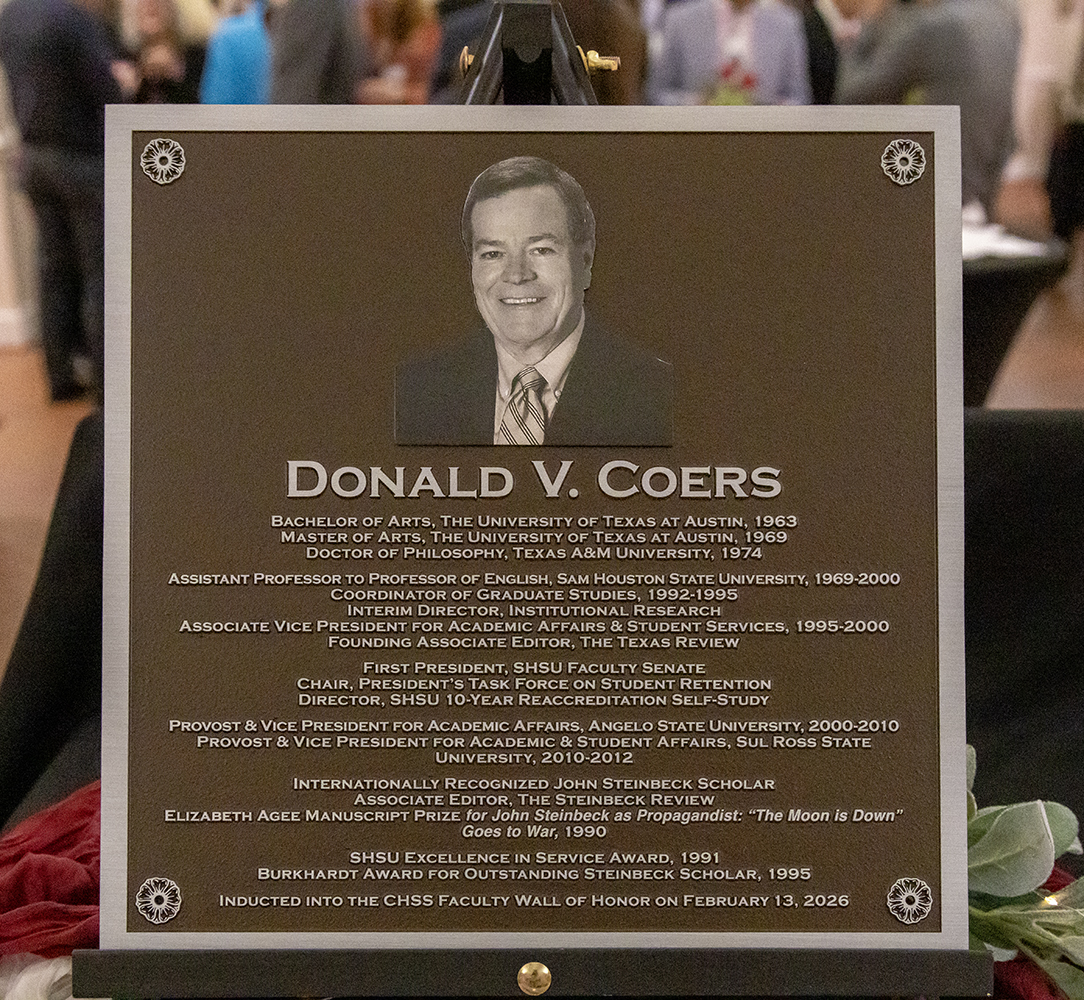
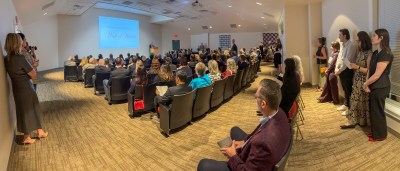
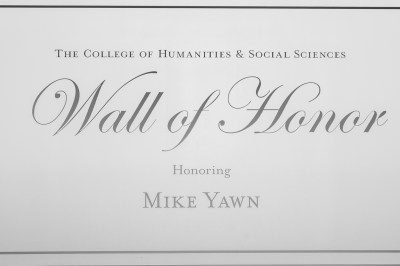
The Ceremony took place at the Katy and E. Don Walker Education Center. As we walked into the foyer, the plaques of the evening’s honorees, Herbert H. O’Quinn, Dr. Donald Vernon Coers, and Professor Mike Yawn, stood proudly on display. Soon the space came alive with conversation. Alumni embraced, former ambassadors reconnected, and community members gathered to celebrate. It was one of those moments where you look around and realize how leaders rooted in service have the ability to connect people from all walks of life.
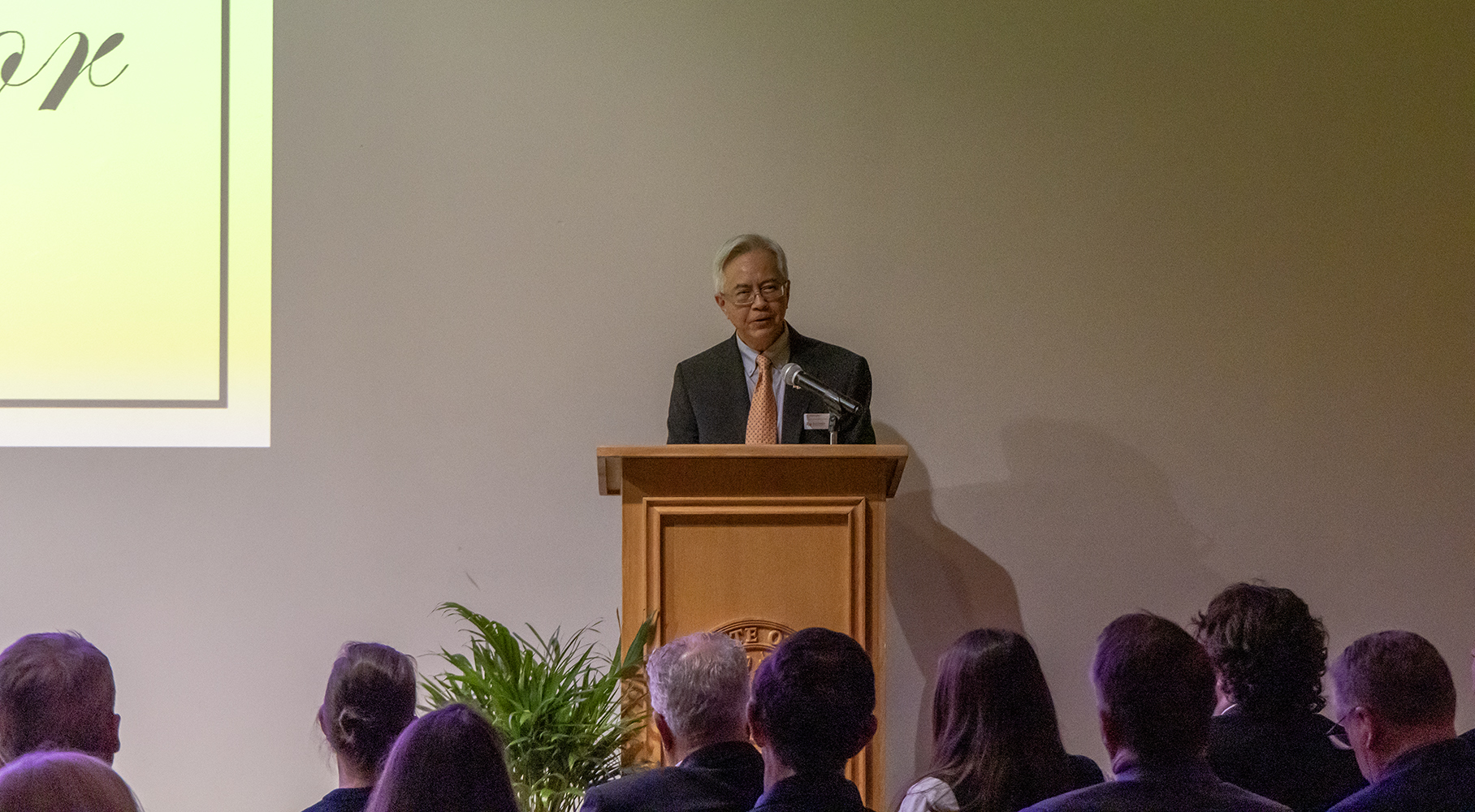
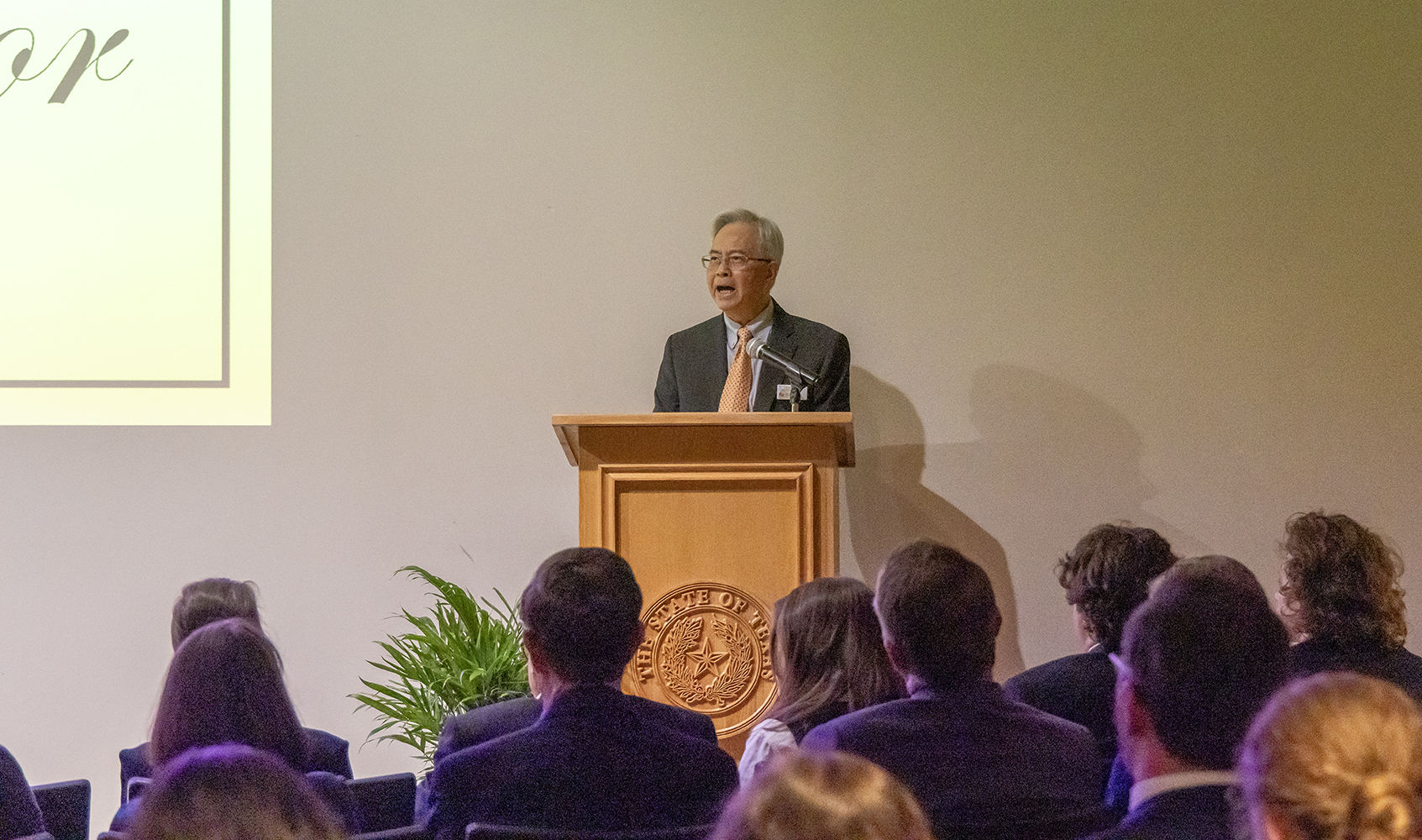
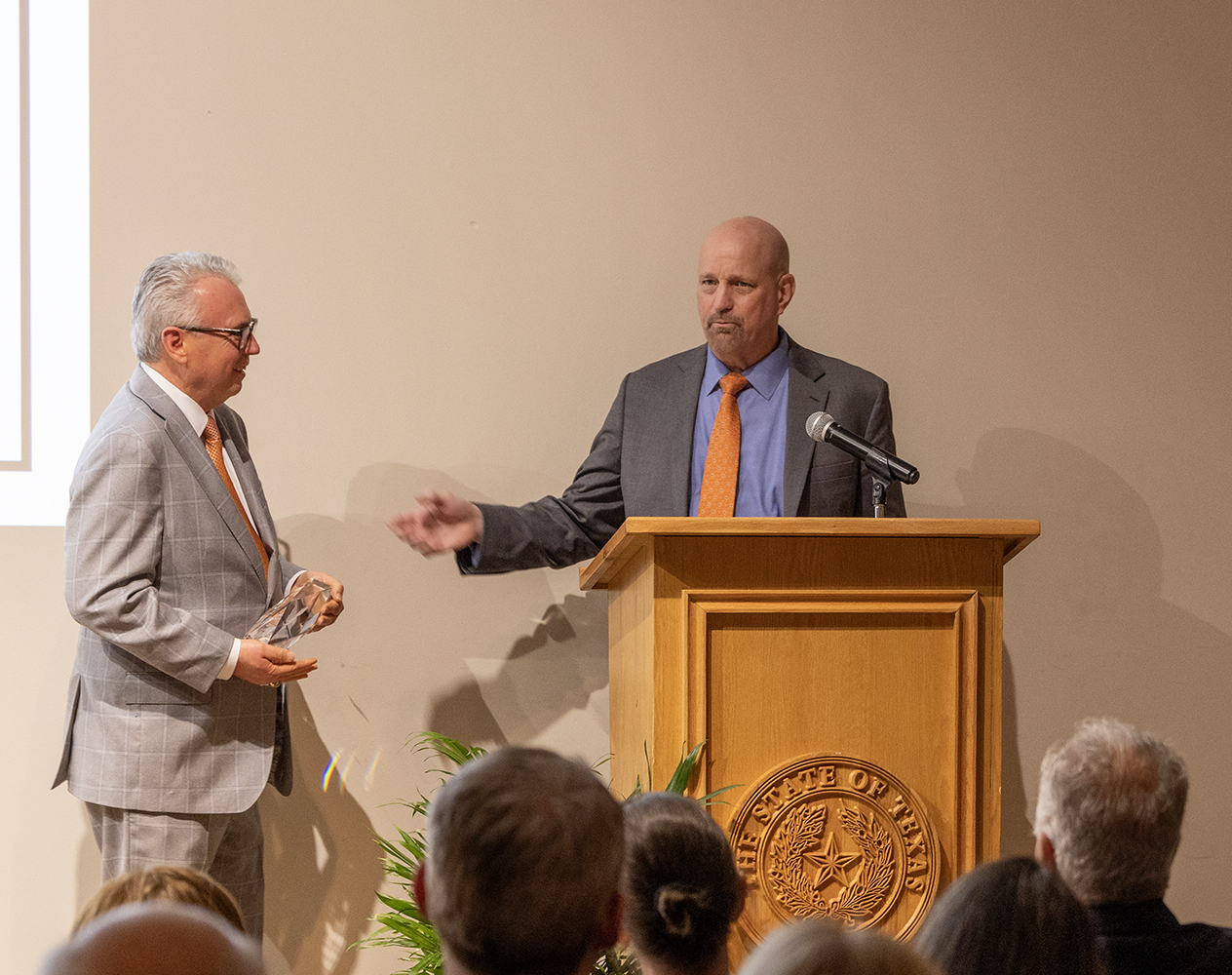
When we moved into the auditorium, Dean Li introduced the proceedings, congratulated the winners…
…and turned over the proceedings to the emcee, Chris Tritico. He reminded us that the Wall of Honor recipients are individuals who have dedicated their lives to serving others and strengthening their communities.
As the evening unfolded, it became clear that each honoree embodied that description in a profound way.
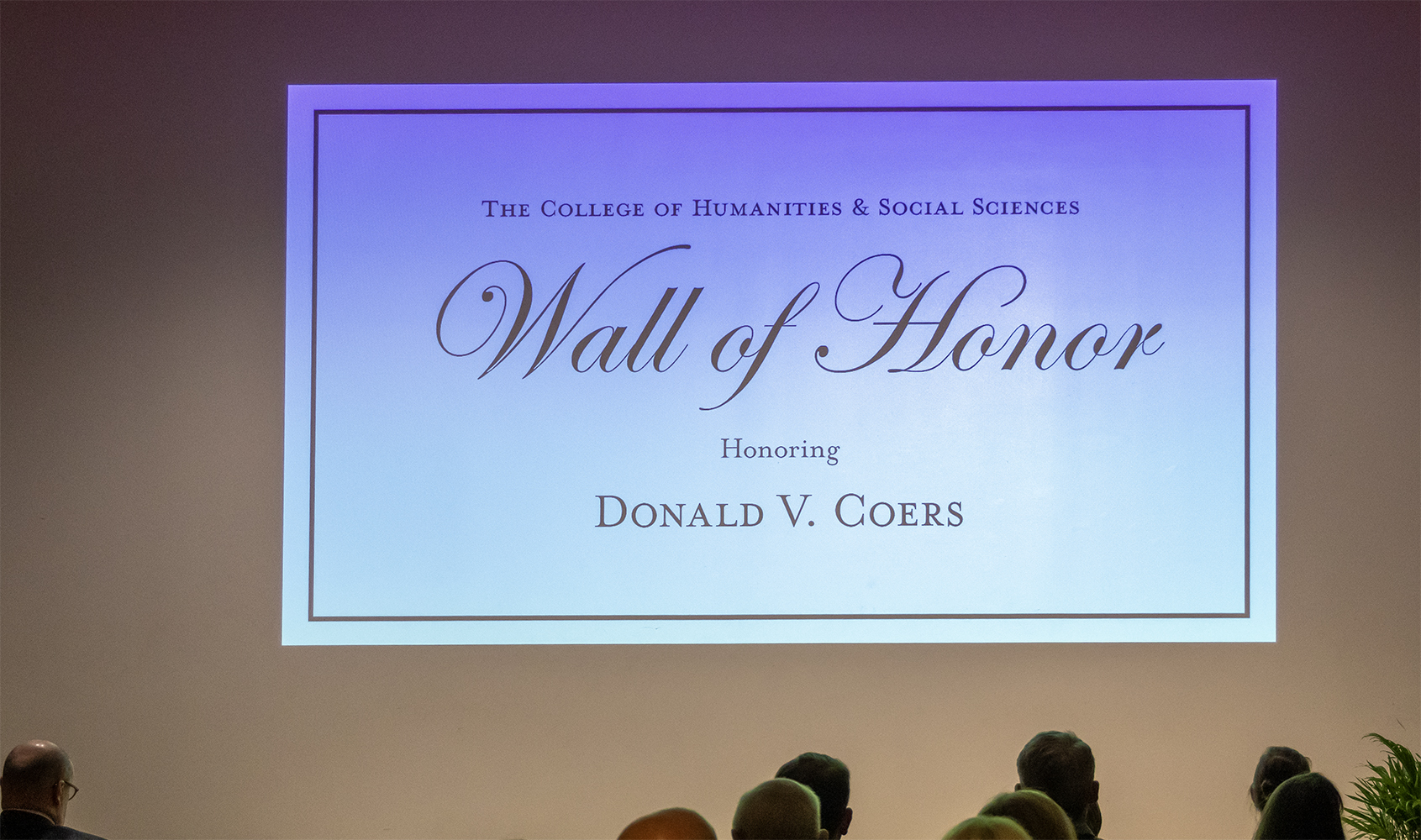
First, we honored Dr. Donald Vernon Coers, a scholar and academic leader whose impact on Sam Houston State University spanned three decades.
After earning his doctorate in English Literature, he joined SHSU in 1969 and later served in key leadership roles, including Associate Vice President for Academic Affairs and Student Services. He was also the first President of the SHSU Faculty Senate and a nationally recognized scholar on John Steinbeck. Beyond his professional accomplishments, he was deeply engaged in the Huntsville community and devoted to his family. His legacy lives on through the many students and colleagues he mentored.
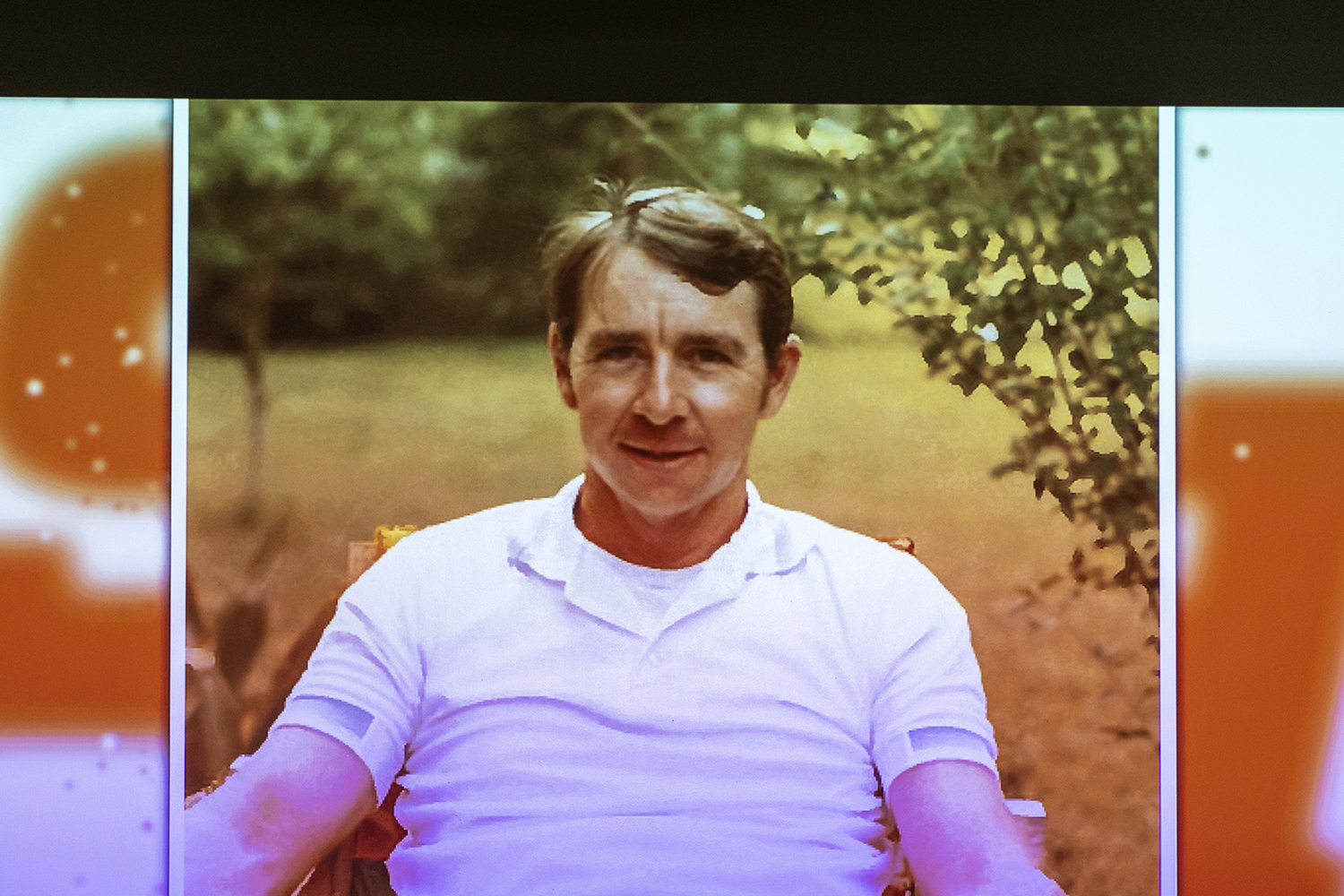
Herbert H. O’Quinn was also recognized. A proud Bearkat alumnus, he graduated in 1963 with a degree in Sociology and Industrial Relations.
He went on to build a 40-year career in human resources and operations management, leading large-scale projects both in the United States and internationally. Throughout his life, he remained closely connected to Sam Houston State University, serving on the Alumni Board and as a founding member of the CHSS Advisory Board.
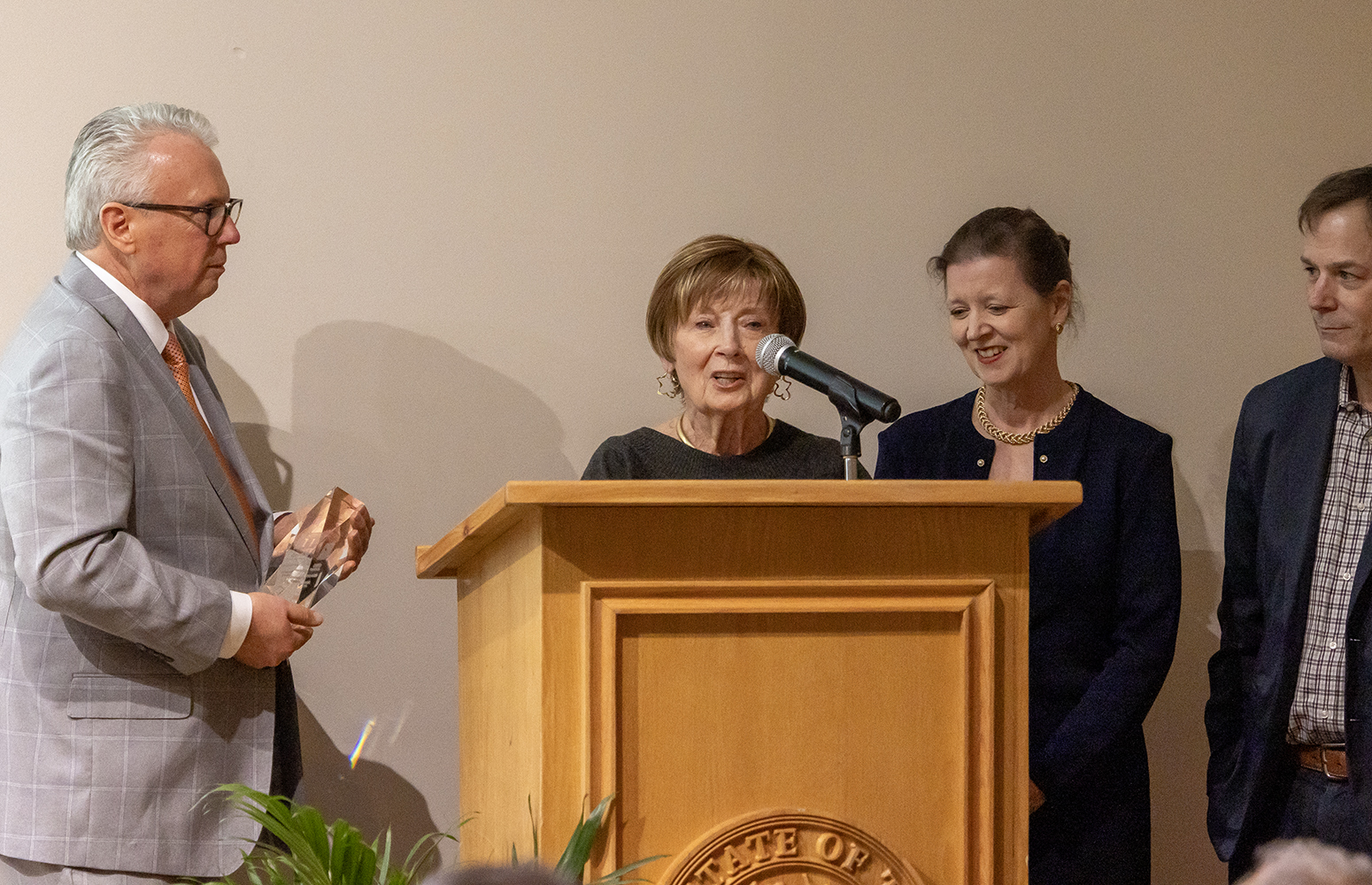
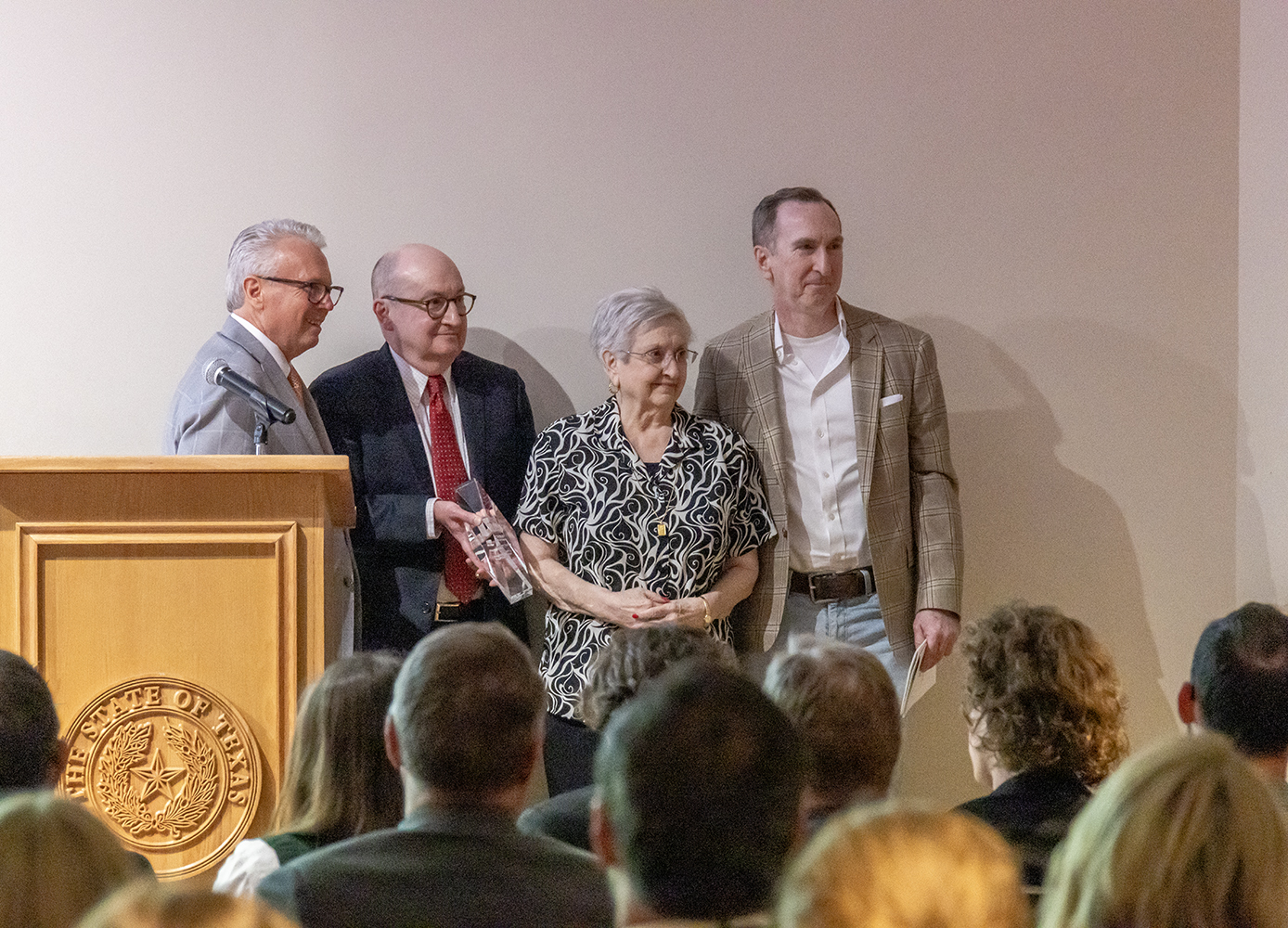
Above all, he was remembered as a devoted husband, father and man of faith whose legacy reflects integrity, service, and commitment to community. His family accepted the award on his behalf, honoring a life well lived.
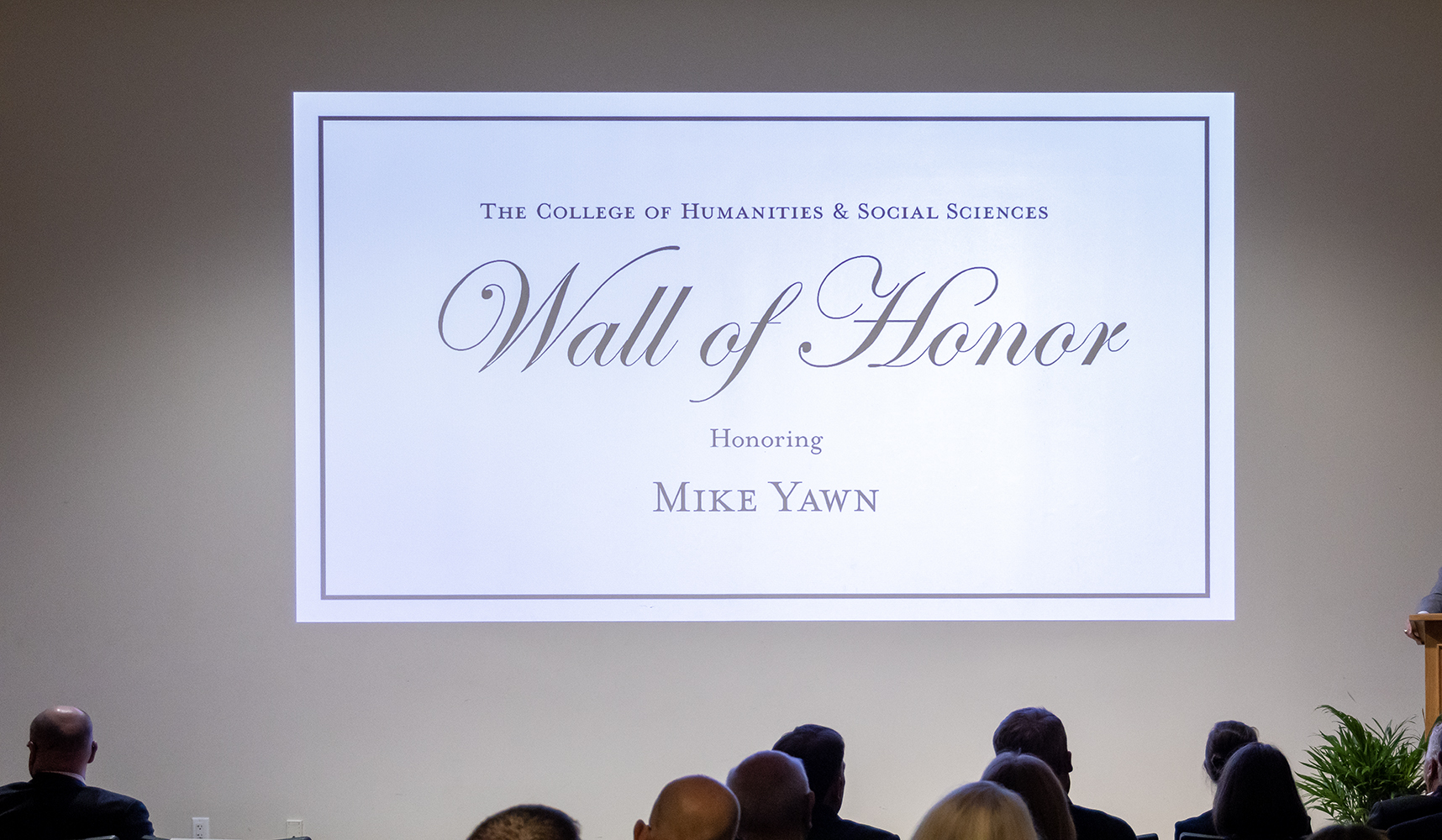
Then it was time for Professor Mike Yawn to be inducted into the Wall of Honor.
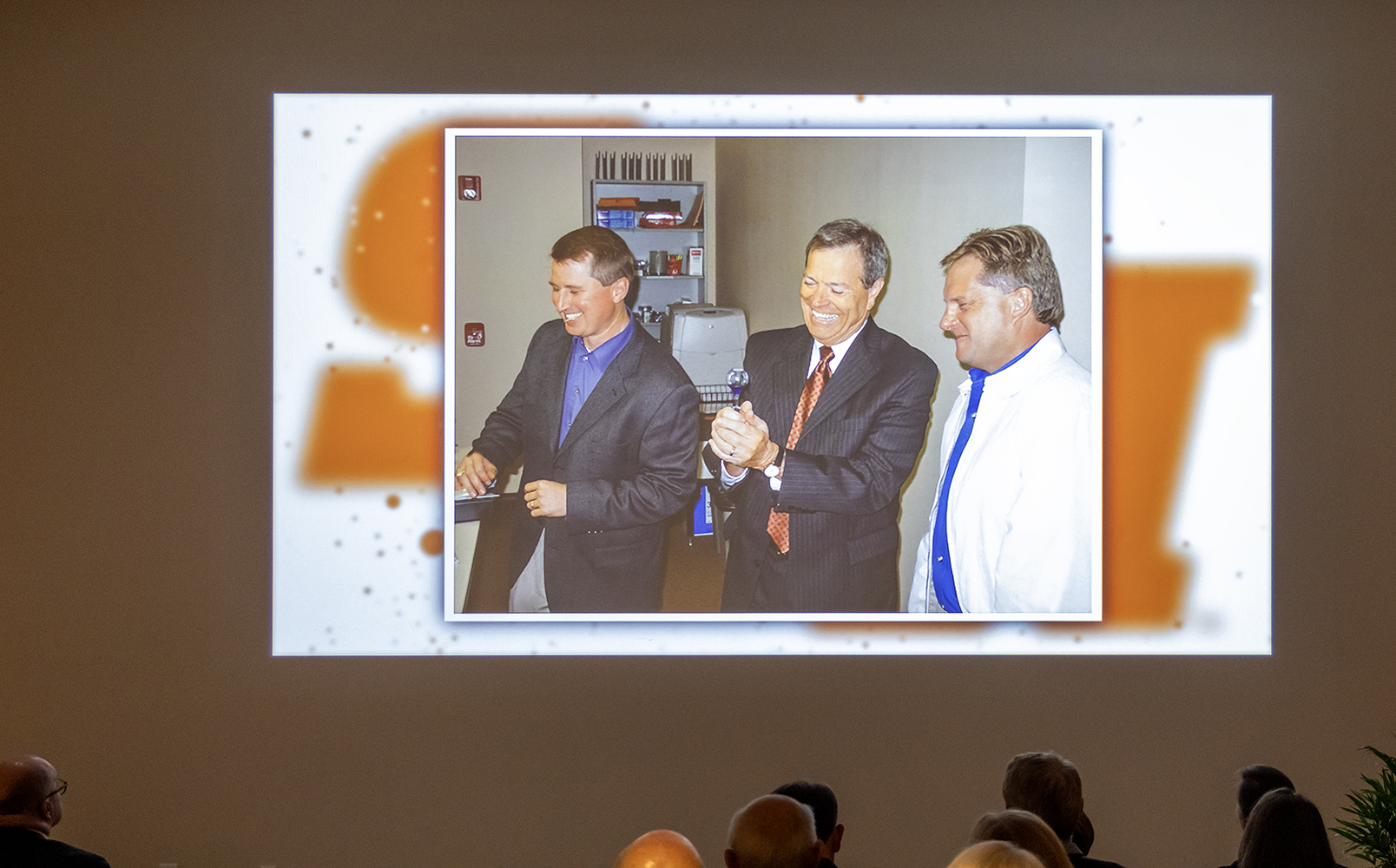
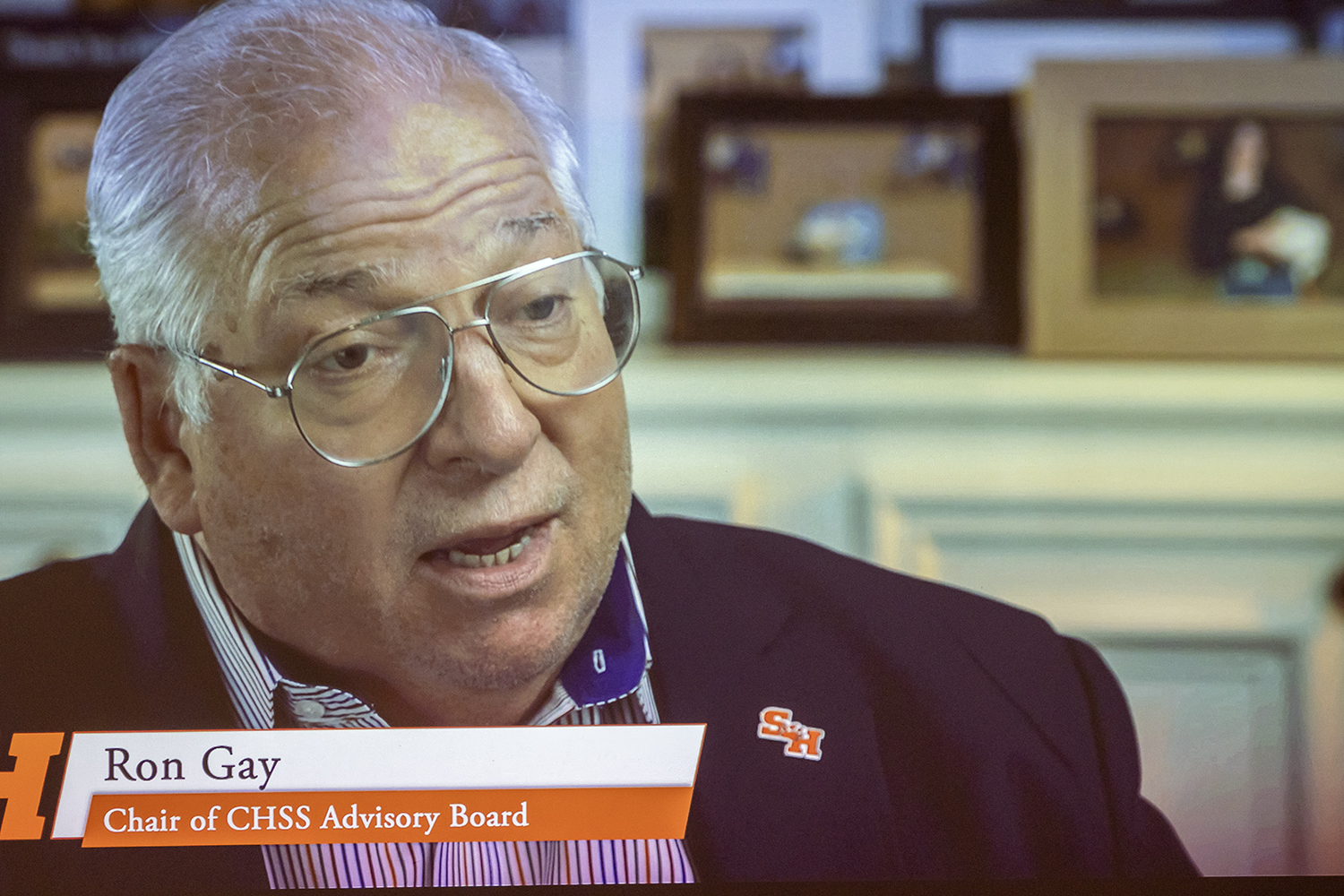
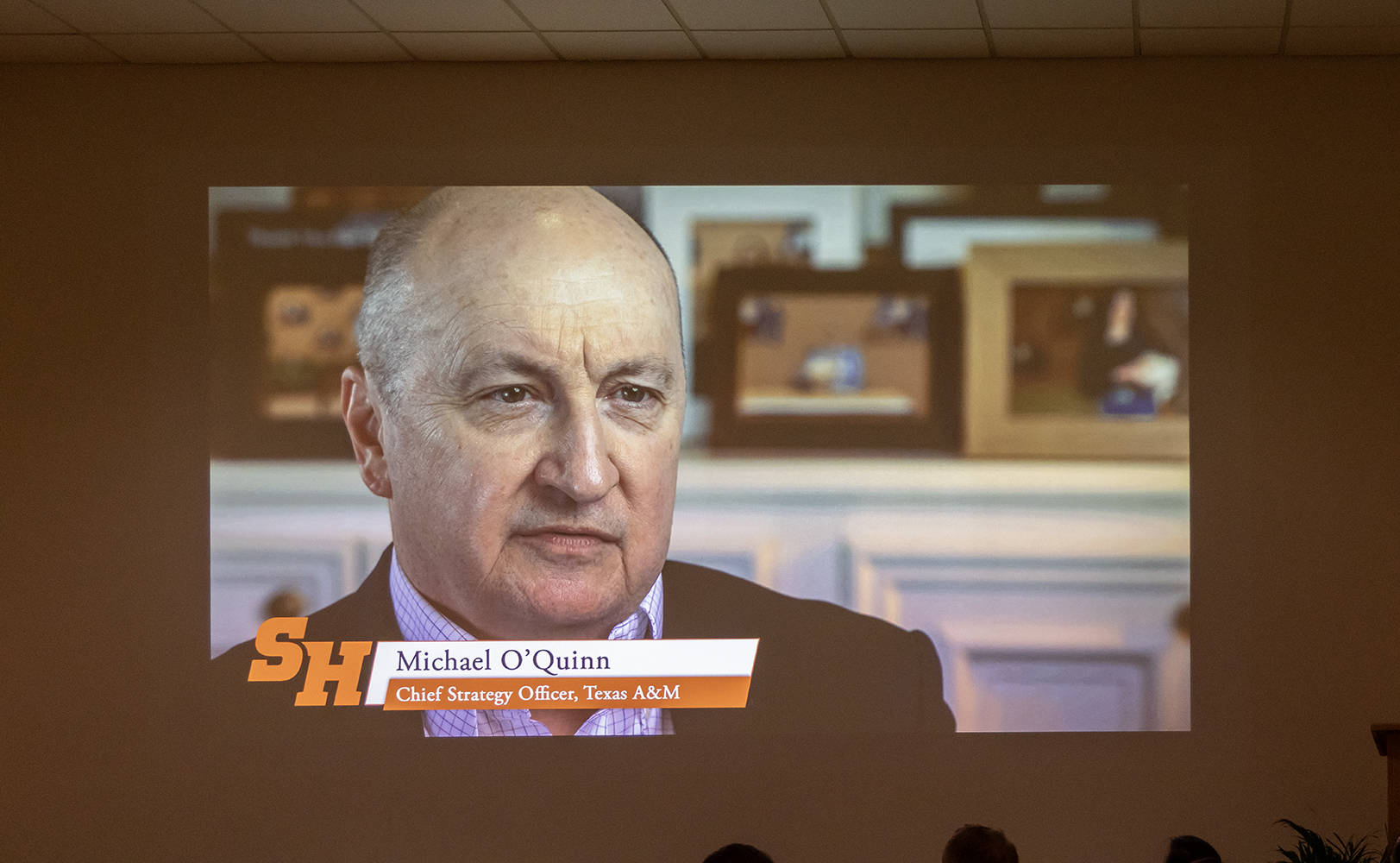
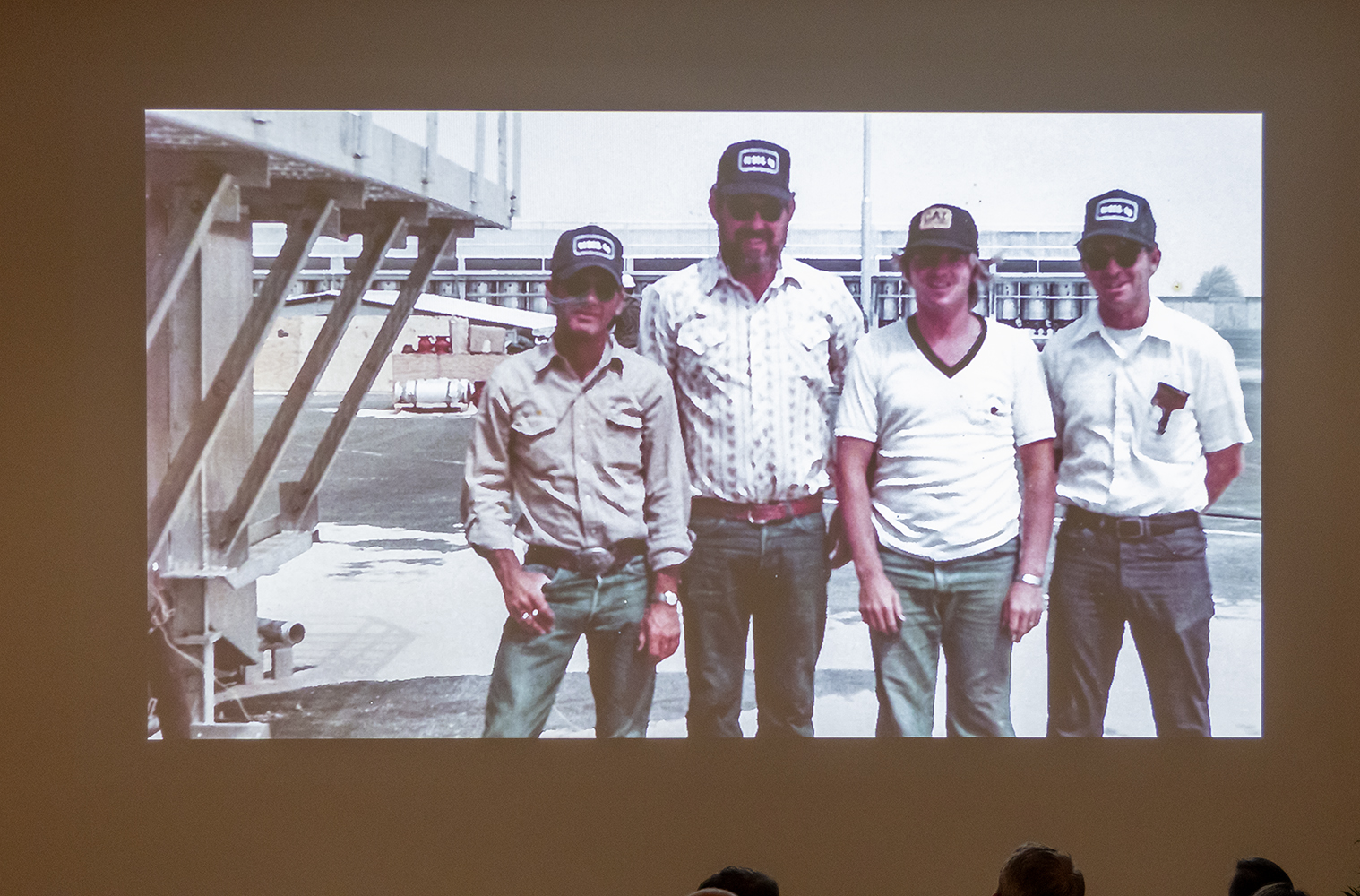
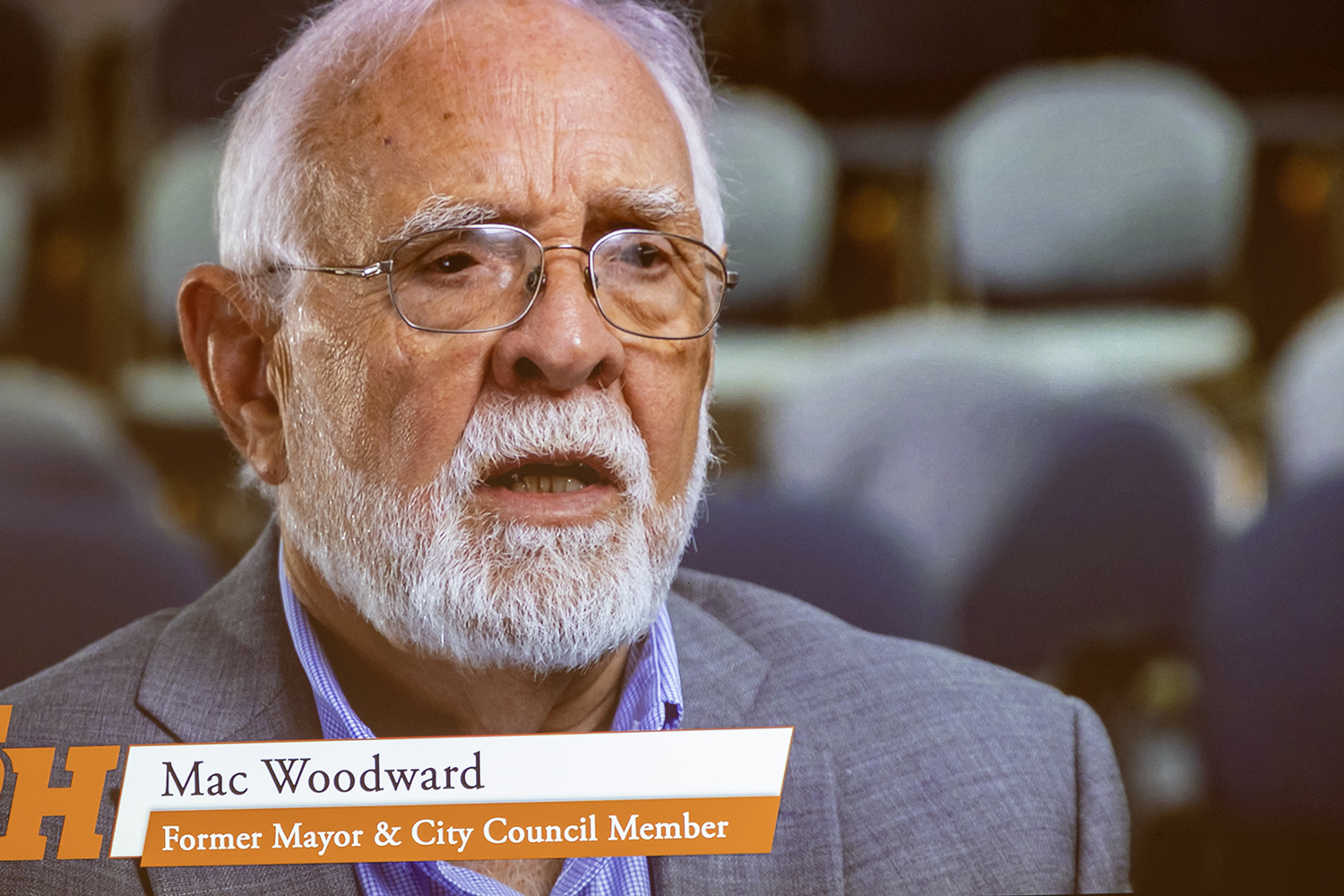
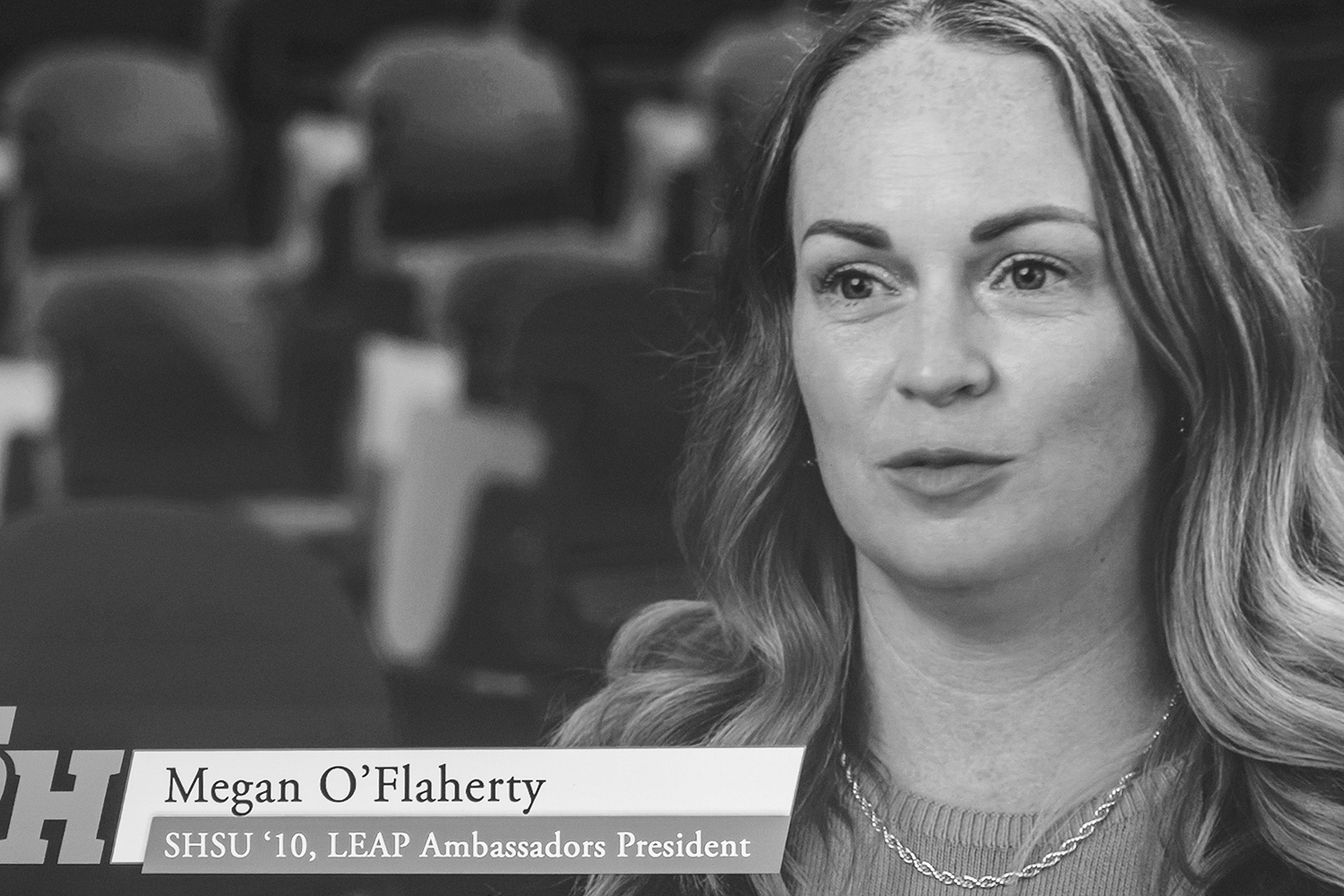
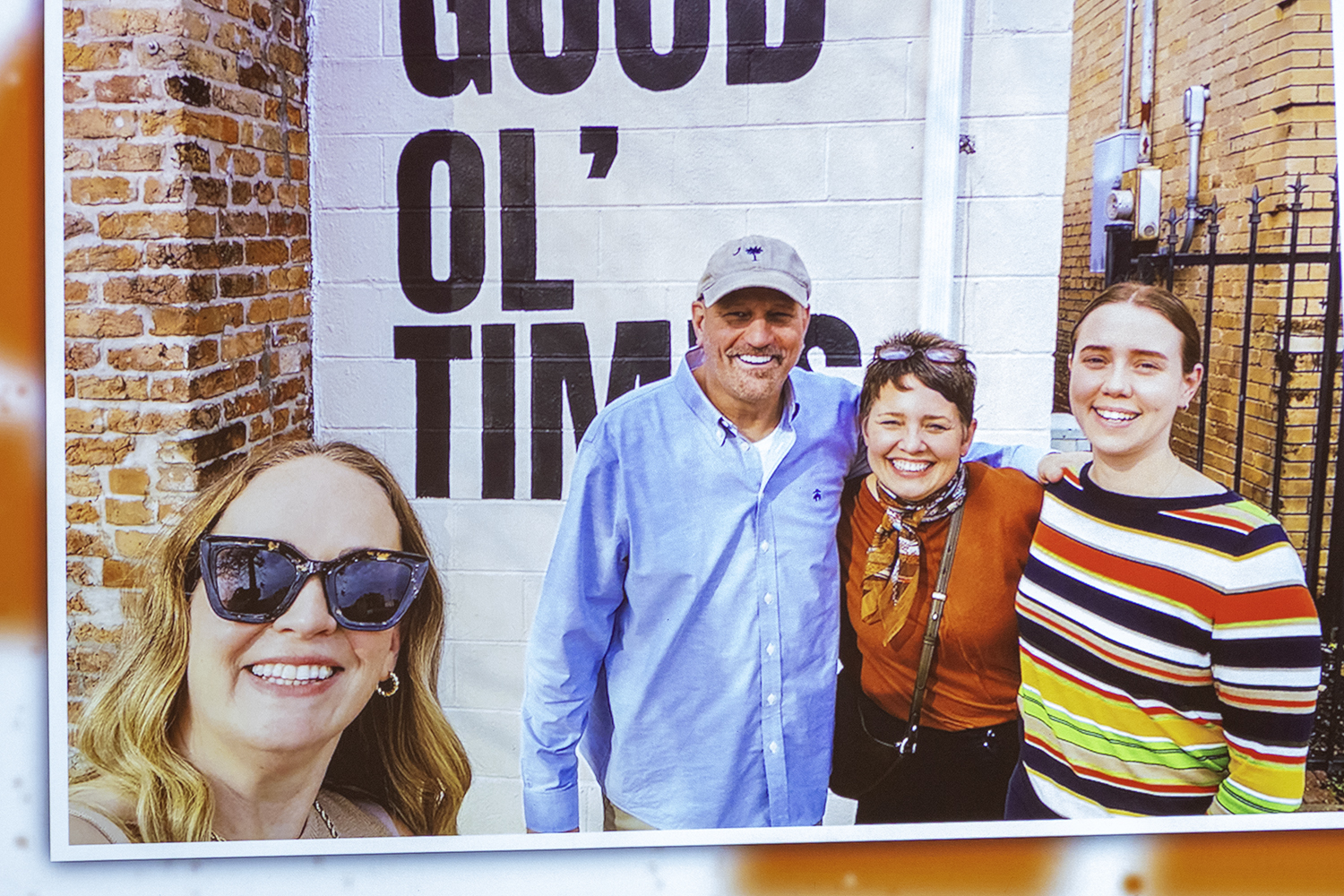
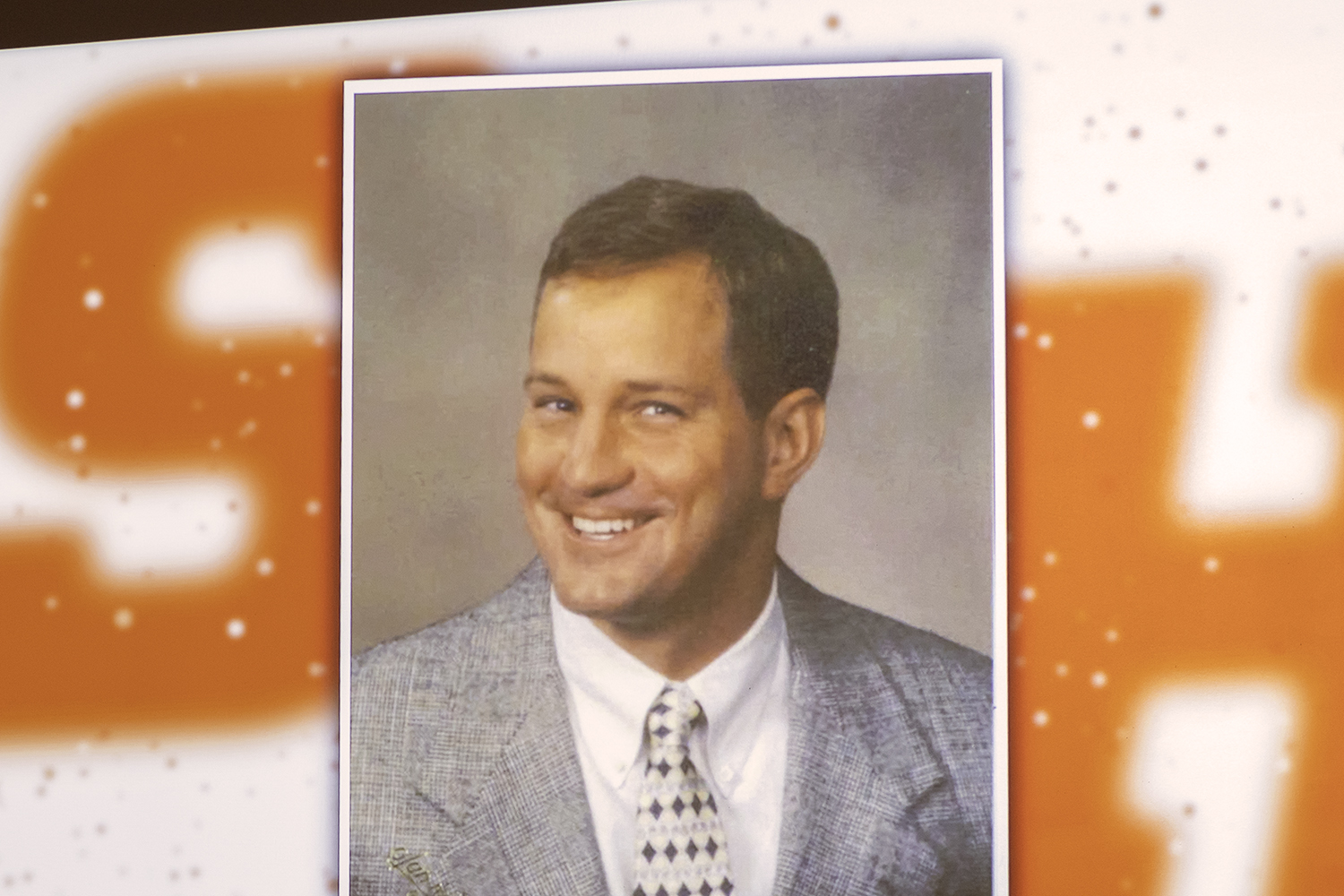
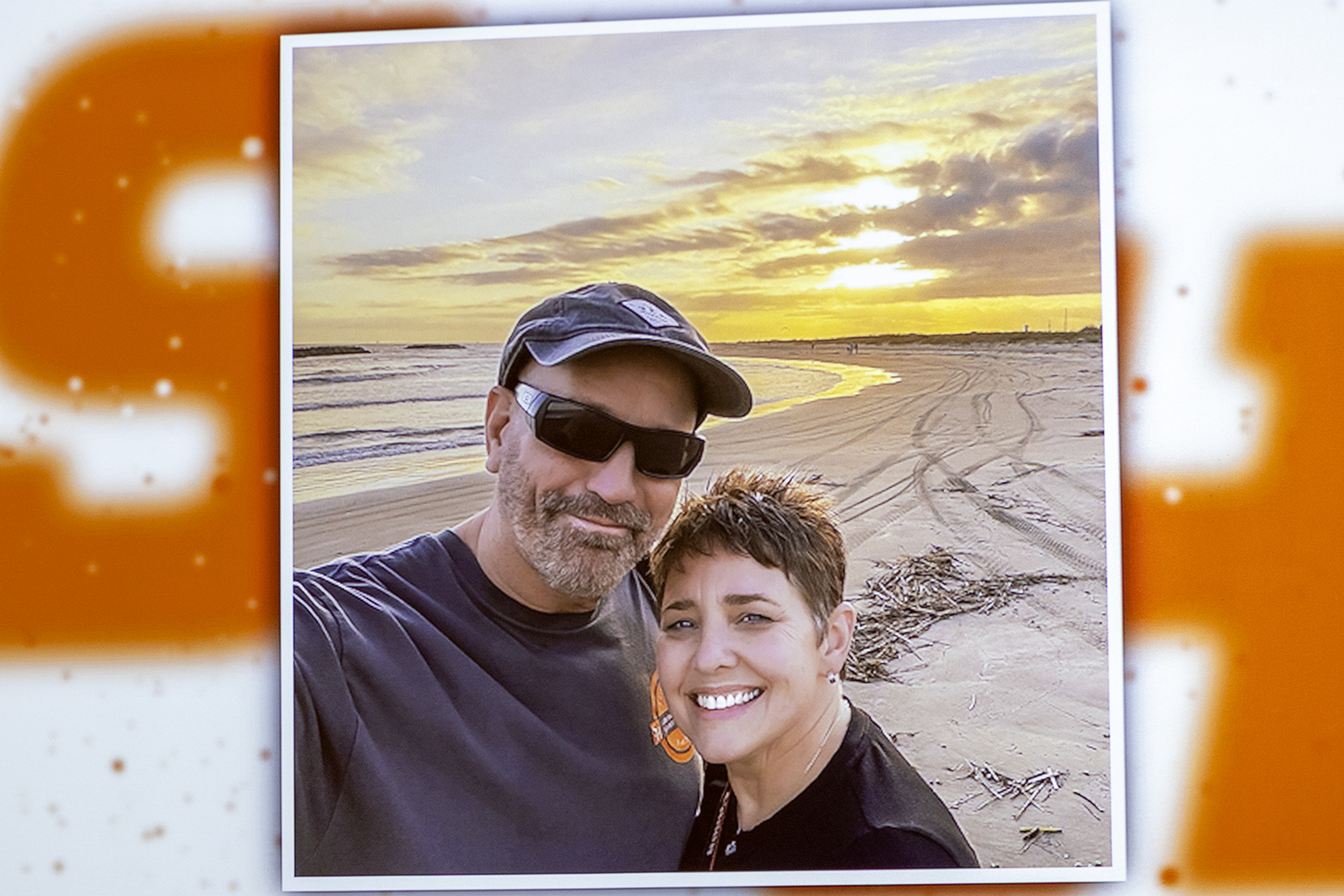
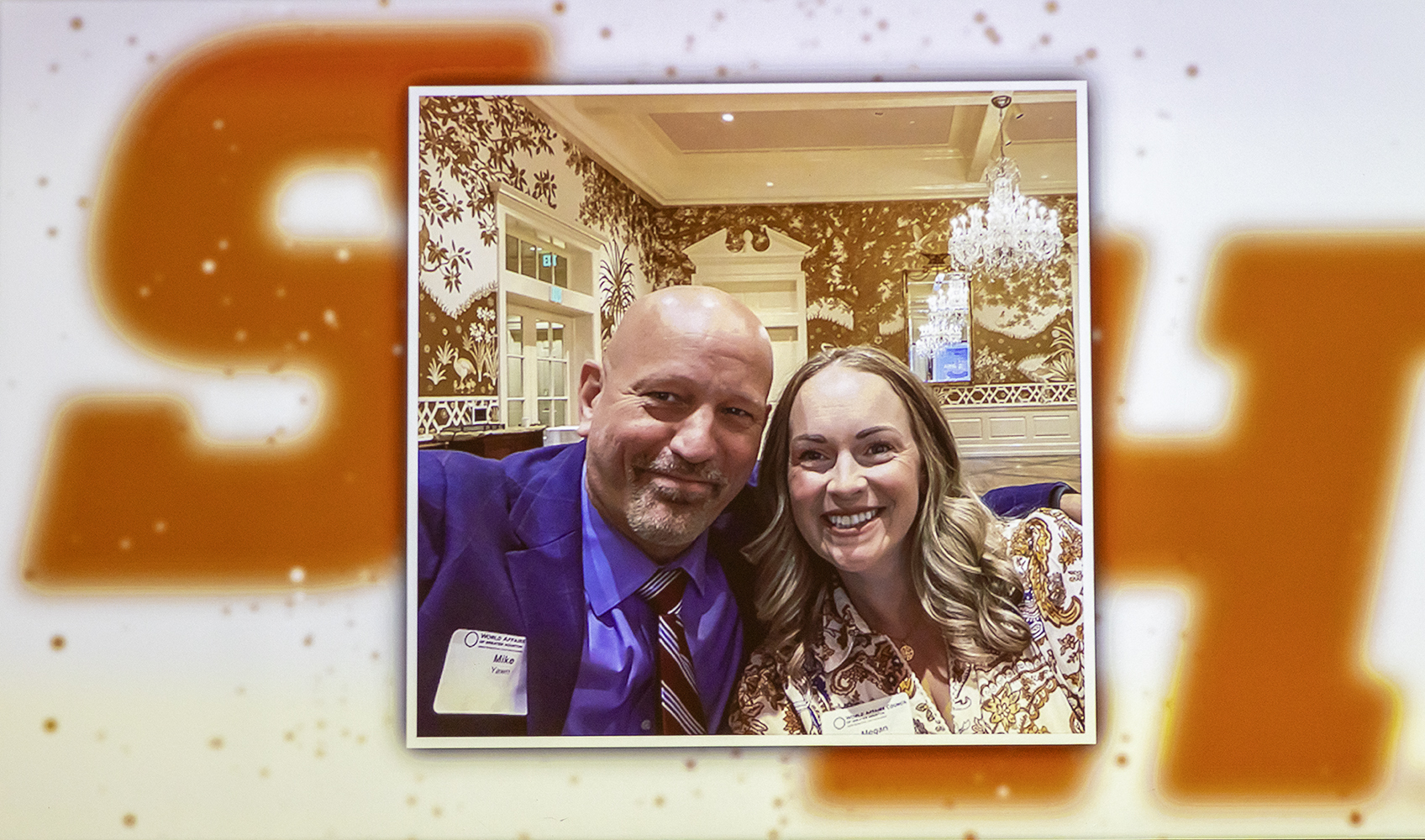
As the video began, the screen filled with testimonials and memories, including words from Megan O’Flaherty and Mac Woodward–not to mention some fun photos from earlier years.
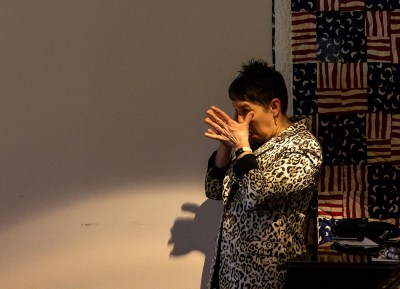
It was difficult not to become emotional.
For those of us in the room who have been shaped by LEAP, this was more than a professional milestone. It was a reflection of the man who has poured decades into mentoring students, creating opportunities, and teaching us what engaged citizenship truly means.
Professor Yawn founded and led programs that have transformed student experiences, including the Center for Law, Engagement, And Politics. Through internships, civic programming, travel opportunities, and community partnerships, he has shown generations of students that leadership experience is gained through serving others. Watching him receive this honor was one of the most meaningful moments many of us have experienced as ambassadors.
When he spoke, he did what he typically does. He redirected attention to others. He highlighted the contributions of O’Quinn and Coers in his own life and reflected on the people who helped shape his journey. His words were heartfelt and sincere, and the room was filled with pride and gratitude. There was a deep sense that we were witnessing something bigger than an award ceremony. We were celebrating lives that reflect the very best of Sam Houston State University.
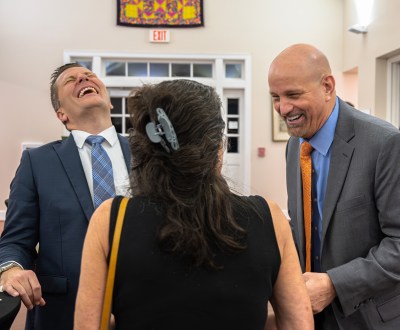
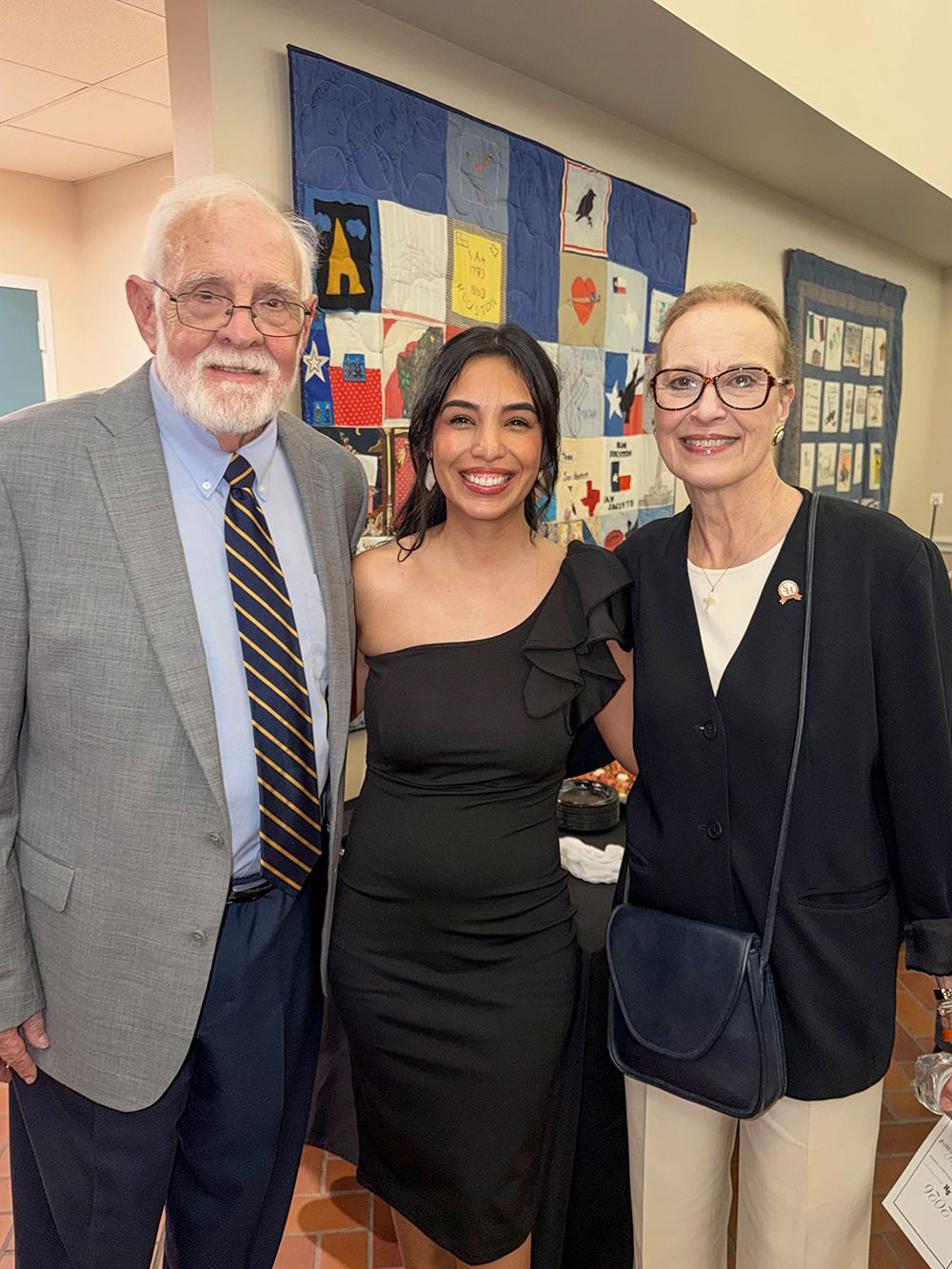
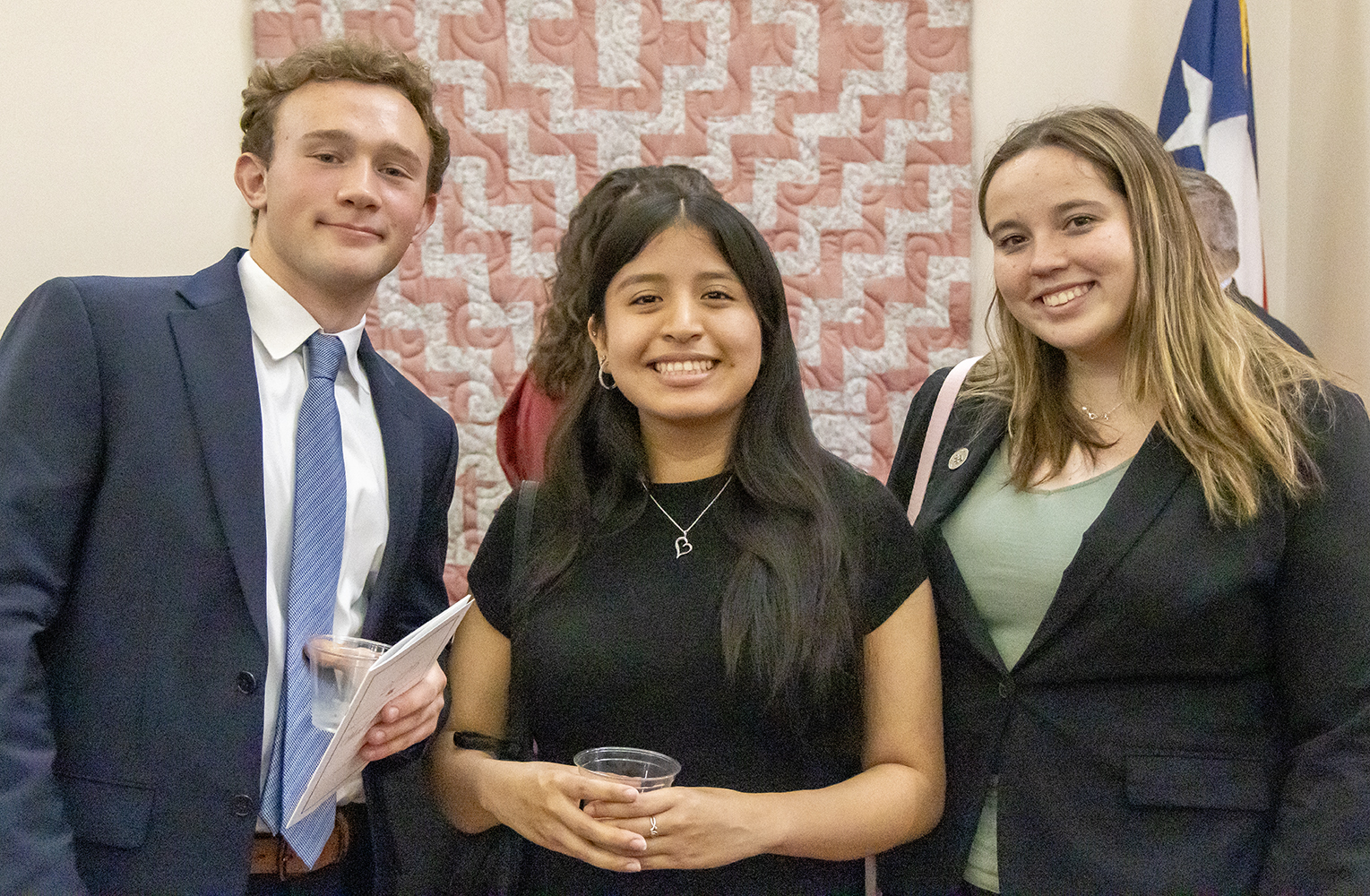
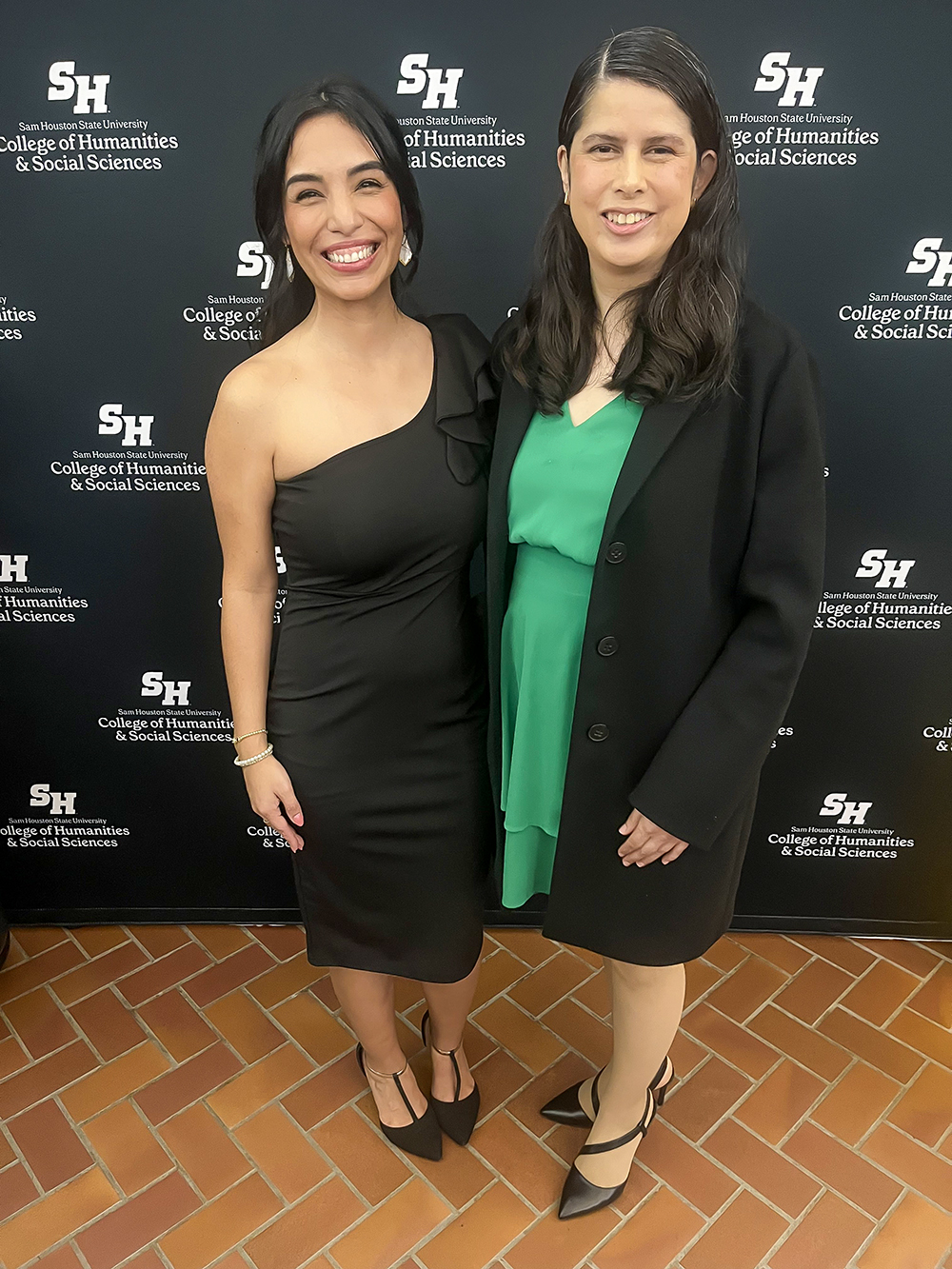
With such a large LEAP presence in town, we knew the night could not end there, although we did make the most of photo opportunities…
Professor Yawn with Current Students
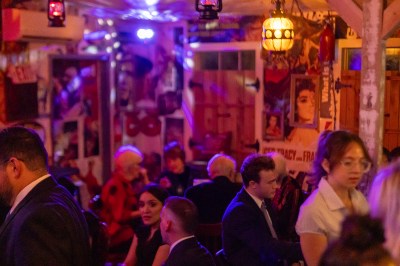
…we decided to continue the celebration with a LEAP style after party at the speakeasy at Sam’s Table. What followed was everything you would expect from a room full of current and former ambassadors. Laughter, storytelling, and the kind of conversations that pick up right where they left off, even if years have passed.
One of my favorite parts of the night was playing LEAP Bingo, a game I created filled with classic LEAP experiences we all know too well. From memorable trips to unforgettable classroom moments, it was a reminder of the shared experiences that connect us across graduating classes. Watching alumni laugh and point at squares that described moments from years ago was such a full circle moment.
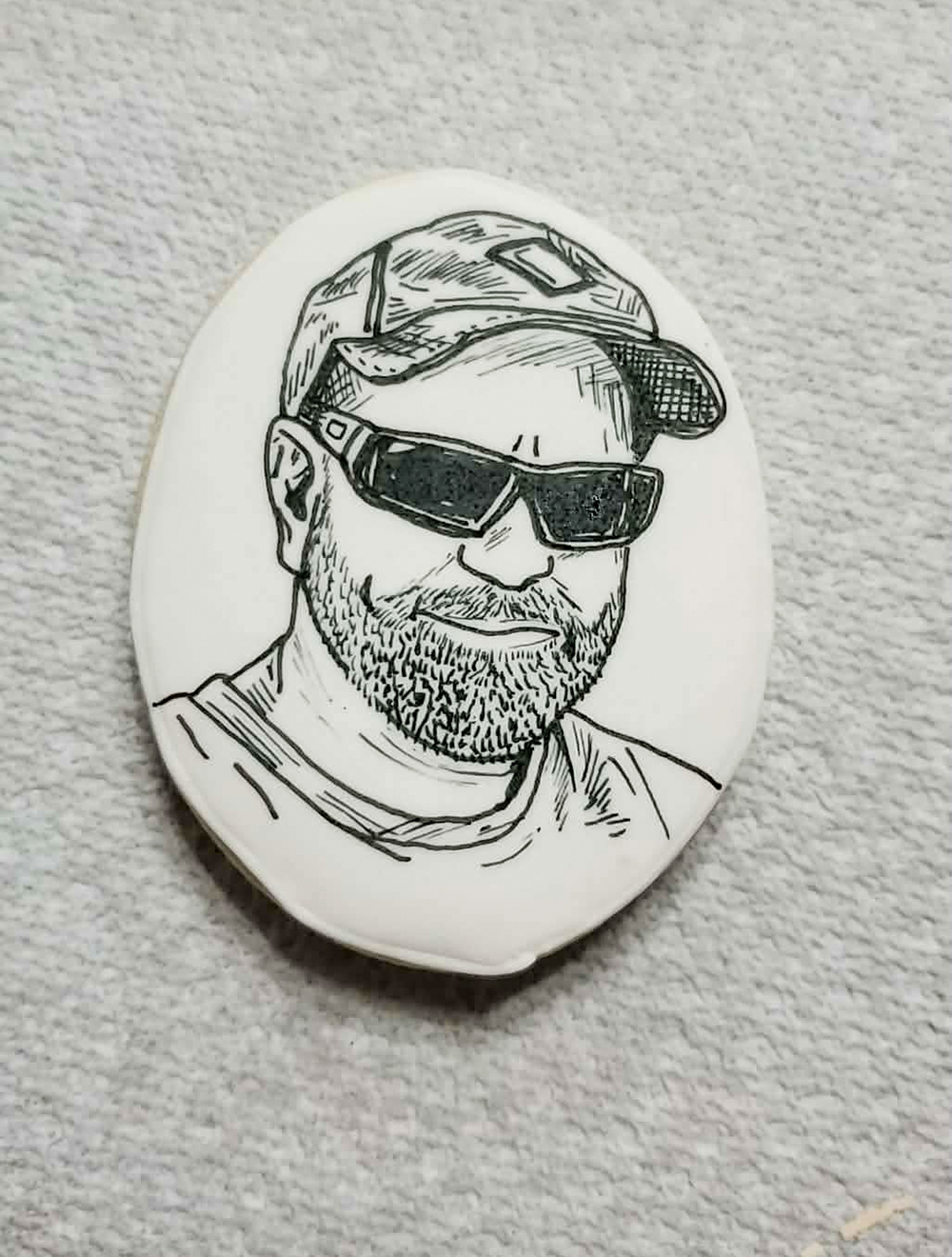
Also fun were the cookies that alumna Maggie Denena commissioned from Denley Sweets & Decor, featuring various facets of LEAP, including a “Yawn Cookie,” modelled after a photo of him taken at Acadia National Park.
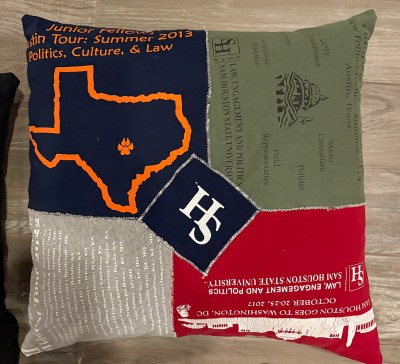
We also had a chance to take home pillows stitched by “Team Mom” Stephanie, who made them out of LEAP t-shirts, fashioned from prior trips and activities.
It was a fun night, one that validated a lot of time and effort into a program that produces real results in people and communities.
The Wall of Honor Ceremony reminded us why we stay engaged. It reminded us that leadership is not about titles but about service, relationships, and lasting impact. And the speakeasy after party reminded us that LEAP is more than a program. It is a family.
Professor Yawn with Former Ambassadors
It was a night focused on legacy, gratitude, and community. And for all of us who have been shaped by LEAP and the College of Humanities and Social Sciences, it was a night we will not forget.
As part of the LEAP Center’s ongoing work to expose students to the broader culture, a group of alumni and current students gathered in Houston to see Stanley Kubrick’s “The Shining.” Originally released in 1980, the film is being re-released on IMAX theatres across the country as part of its 45th anniversary.
For about half those attending, it was a first exposure to a Stanley Kubrick film. Accordingly, we began with a brief background of Kubrick and his films. Of all the great directors, Kubrick produced the fewest films (13 over a 45-year career), a fact that has not deterred scholars from giving as much thought and ink to Kubrick’s work as that of Hitchcock, Welles, Spielberg, or Martin Scorsese.
Of Kubrick’s films, “The Shining” has received perhaps the most attention. The film is based on Stephen King’s novel of the same title, and it was met with a mixed critical reception on its release, although its stature has grown, and it is now considered a horror classic.
It embodies several cinematic traits of the Kubrick oeuvre: a longish running time, attention-grabbing visuals, riffs on various literary themes, and an enigmatic approach to storytelling that occasionally leaves viewers unsure what they just watched. All of these were on display in “The Shining.”
In this viewing, the visuals were most prominent, perhaps because we were watching this on an IMAX screen. The opening scenes, shot from a helicopter, including a scene where we (perceiving things through the camera) seem to pass the Torrance family on the “sidewinder” road…
…on the way to the Overlook Hotel.
Kubrick also made full use of the Steadi-Cam, which had been introduced on film in 1976. Kubrick used it throughout “The Shining,” and he innovated with it, devising an apparatus that could shoot from about 18 inches above the ground–most notably used in the film to follow Danny on his tricycle, as he traversed the maze-like corridors of The Overlook.
Kubrick’s films are often sprawling affairs and they are deeply studied by scholars and enthusiasts, so it’s no surprise that all manner of symbols and themes have been “discovered” in the director’s body of work. This is probably most true in “The Shining,” as reflected in the interesting and bizarre theories expressed in the documentary Room 237.
Professor Robert Kolker, an author of several Kubrick books and an expert on cinema, suggests that the film can be seen through an Oedipal lens (spoiler alert). Danny’s “shining” is a type of oracular vision not unlike that of the prophecies offered at Delphi, including the one offered to Oedipus. And while Danny wasn’t as close to his mother as was Oedipus, she serves as his caretaker and protector; in the end, she carries him to safety, saving his life.
Danny doesn’t proactively kill his father at a crossroads as does Oedipus, he does leave his lame father to die of exposure in a labyrinth. Of note: Jack Torrance suffers from a foot/ankle injury following a fall down stairs; he literally embodies the term “Oedipus,” which means “swollen foot.”
Whether such messages were intentional or not (it’s worth noting that Kubrick mentioned he read a lot of Freud prior to filming “The Shining”), the film is replete with sufficient ambiguities to provide fodder for the active imagination.
There are some imponderables in the film; it does, after all, involve the supernatural. But even in the logic of the supernatural, what is the purpose of the bathroom scene…
…in which Nicholson embraces a young, naked and beautiful woman, only to find her decay into a rotting but living corpse? Why is there a parlor full of fully-dressed corpses in the hotel? And what about the scene involving a man in a bare-backed bear costume and a man in a tuxedo?
This latter question was posed by many in our group (answered by none), and such questions may reflect Kubrick’s very approach to filmmaking: “if you can get people to the point where they have to think a moment what it is you’re getting at, and then discover it, the thrill of discovery goes right through the heart.”
While we probably didn’t reach “discovery” on many of the scenes, we did “think a moment” or more on the film and its many scenes. The experience offered an accessible and exciting introduction to Stanley Kubrick and his work, gave us all an excuse to get together during the holiday break, and provided us endless material for reflection (and, for some of us, concern…)!