With the fall rapidly approaching, LEAP Ambassadors gathered together–along with alumni and friends–for some entertainment, food, and planning. It was our quarterly(ish) get together with alumni for theater entertainment and a meal, combined with our planning retreat. And when the Houston Post Market and the Alley Theatre are involved, you know it’s going to be fun.
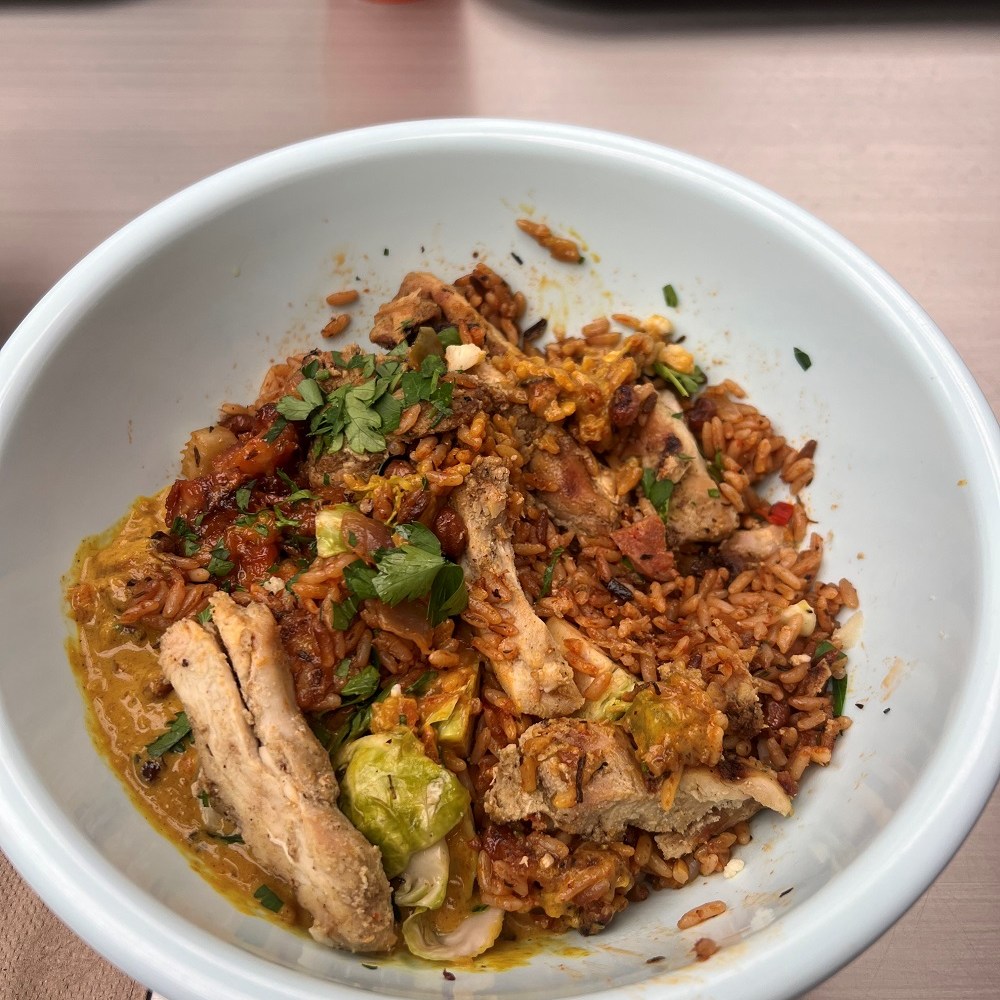
As has become something of a tradition, we began at the Houston Post Market, a suggestion once made by Bryan Phillips (thank you!), which offers something for everyone and a great view from the top. The food hall offers more than 10 types of ethnic foods, plus other ice-cream, coffee, and juices. Orders tended to cluster among the Italian, West African, and Mexican options, and no one was disappointed.
Meanwhile, we also had the opportunity to spend times with “friends of LEAP,” such as Maggie Betancourt, Katherine Burnett, and Victoria Medrano (and Victoria’s mom, Sandra), and the chance to catch up with alumni Victoria McClendon (and her amiable fiancée Nick Cardenas), newly-minted alumna Morgan Robertson (and her long-suffering boyfriend Tommy Ward).
Professor Yawn even brought a gift for Morgan, who in her years in LEAP, distinguished herself as a klutz of the first order, often impersonating a pinball, bumping into angle, corner, wall, or furniture item within a stride’s reach. She is safer now, thanks to a bright yellow wrist-band reading “Fall Risk.”
This should alert safety personnel that an emergency is imminent, and it should warn passersby to give wide berth, for Morgan’s safety and their own.
After making Morgan feel at home, as though she had never left the LEAP fold, we headed off to the ostensible main attraction, our annual attendance at the Alley’s “Summer Chills,” where our group was joined by alums Bianca Saldierna and Quinn Kobrin and his fiancée, Jessica Madry. With an assist from the Alley’s always-helpful Laura Perez, we had 17 tickets for “And Then There Were None,” a suspenseful, fun, and–at times, frightening–adaption of the Agatha Christie classic.
The plot is familiar, but largely because Christie’s work has spawned so many conceptual copy-cats.
Ten people are invited to an isolated island under false pretenses, and then they are killed off one-by-one until “there were none.” The play, a type of locked-room mystery, is a technical masterpiece, and the Alley’s professional staff did a great job of pulling it off with freshness and humor and with a moody atmosphere that occasionally raised goosebumps.
And while the play was wonderful, the real treat was spending time with new students, the LEAP Ambassadors, and alumni. In many respects, these outings embody the LEAP approach to learning–fun, education, and long-term relationships rolled into one event.
It is a formula we hope to repeat throughout the fall–er, autumn (sorry, Morgan)–and, indeed, for many autumns to come.
The Texas Prison Museum recently hosted a panel to mark the 50th anniversary of the Fred Carrasco prison siege of 1974. Moderated by Robert Riggs, the host of the True Crime Reporter® Podcast…
…and introduced by museum director David Stacks…
…the discussion brought together several panelists, each with a unique and harrowing experience during those 11 days in Huntsville.
To provide some context: in July 1974, Fred Carrasco, a notorious drug lord, led one of the most dramatic prison sieges in Texas history. Along with two accomplices, Carrasco took 15 hostages in the prison library, demanding safe passage and an escape vehicle. The standoff lasted for 11 tense and terrifying days, culminating in a violent showdown that resulted in multiple deaths, including Carrasco’s.
One of the notable panelists was Wayne Scott, who was a lieutenant at the Texas Department of Corrections (TDC) during the siege. Scott was there throughout the crisis and shared his firsthand account of the intense and dangerous situation. He recounted moments when he and another panelist were shot at, emphasizing the life-threatening reality and high stakes of the situation.
Maurice C. Cook, a Texas Ranger involved in the siege, provided his perspective on the events. Cook’s insights added depth to our understanding of law enforcement strategies and the challenges they encountered while trying to resolve the crisis. His stories about coordinating efforts and facing down Carrasco’s threats were gripping.
The panel also included a Benji Aguilar, translator for Carrasco, who shared a unique and often overlooked perspective on the siege. Interestingly, Carrasco didn’t even need a translator; it was deemed to be more of a power play. The translator’s experiences highlighted the intense psychological pressure of the situation and the manipulative tactics employed by Carrasco.
One of the most dramatic moments of the siege was the Trojan Horse incident. Carrasco orchestrated a false promise of surrender by using a makeshift Trojan Horse, a desperate maneuver to gain leverage and shift the dynamics of the standoff. This ploy was a critical and nerve-wracking phase, showcasing Carrasco’s audacity and the high-stakes environment faced by the authorities.
Photo courtesy of the Texas Department of Criminal Justice
Maurice C. Cook recounted the most courageous act he witnessed in his career: a corrections officer cutting the hostages loose after the Trojan Horse incident.
During this intense situation, the officer, fully aware of the risks, the officer acted decisively to free the hostages from their bindings. He was later awarded for his act of bravery.
The 50th anniversary panel at the Texas Prison Museum was a powerful reminder of the historical significance of the Fred Carrasco siege and the personal experiences at its core. Despite the intensity of the recollections, it was clear that these men had shared an experience that left them inextricably linked. Indeed, after half a century, they were able to reflect and laugh over their actions as young men, solidifying their experiential bonding.
And they were not the only ones who shared in that experiences. The standing-room only crowd, many of whom were living in Huntsville in 1974, shared in the experience and had the chance to ask questions at the end.
For us, it was a great learning experience, to meet new people…
……see people we know and respect…
…and an honor to be part of a fitting tribute to the courage and tenacity of those who lived through one of the most challenging events in Huntsville’s history.
The Altom family has been a driving force in the Huntsville business community. Karen and Wes Altom, alongside their son Marshall, have dedicated their careers to helping local businesses thrive through their expertise in marketing and advertising. As the owners of Postcards Magazine and seasoned marketing consultants, they have played a crucial role in helping countless businesses in Huntsville and the surrounding areas grow their brands and navigate the complex landscape of modern marketing.
In this landscape, a robust and strategic marketing plan is essential for businesses to stand out. Olivia and I recently had the opportunity to gain valuable insights on this topic at a Lunch and Learn event hosted by the Huntsville Chamber of Commerce, where the Altom family were the featured presenters.
The event kicked off with an introduction by John Fletcher, a business advisor for the Sam Houston State University Small Business Development Center (SBDC) in Huntsville. Speaking primarily to small business owners in the room, he shed light on the SBDC’s mission to support current and future businesses in their growth and success. It was eye-opening to learn more about the SBDC’s role in our community and how it helps maintain the unique character of Huntsville.
When the Altoms took the floor, they began by explaining fundamental marketing concepts: brand and targeted response. They described a brand as the feeling you want consumers to associate with your product and company. Targeted response, they explained, is the specific action you are aiming for – whether it’s a click, a call, or a sale.
One of their most striking points was the “marketing rule of 7.” This concept, which originated in the 1930s, suggested that consumers needed to see a brand 7 times before making a purchase. However, the Altoms revealed how an ever-changing market and evolving technology affected this prospect. In the 1970s, the average consumer was exposed to 500-1600 advertisements. In 2024, this figure has shot up to 6,000-10,000 advertisements a day.
Next, they spoke on the intricacies of Search Engine Optimization (SEO) and Search Engine Marketing (SEM), explaining the two types of SEO: local and organic. Local SEO focuses on improving visibility on platforms like Google, stressing the importance of regularly updating and engaging with your Google Business profile. Organic SEO, on the other hand, deals with on-site factors and content that help grow the website itself.
They also broke down the hierarchy of search results, with SEM (ads) at the top, followed by local results, and then organic results. An interesting tidbit they shared was that while appearing in SEM costs nothing upfront, businesses pay per click – a tactic some competitors use against each other!
The Altoms then discussed various types of ads, highlighting programmatic displays as the most popular due to their simplicity, cost-effectiveness, and visual appeal. They reminded us that seeing ads is not the end of the consumer journey; people will also look at reviews, illustrating the interconnected nature of digital marketing.
While it is essential to be mindful of digital marketing, the Altoms pointed out that having mixed media is needed to be all encompassing in the business world.
Today, as we constantly check our phones and scroll through feeds, businesses need to find clever ways to grab our attention and become the brands we remember and choose in our daily lives. The Altoms, with their years of experience and deep understanding of both traditional and digital marketing, continue to be an invaluable resource for businesses looking to thrive in today’s competitive landscape.
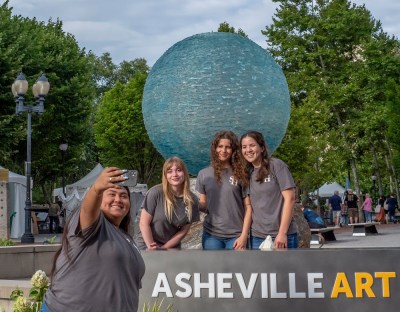
Following a full day of driving, a visit to “Chihuly at Biltmore” and the Biltmore Estate, we still found time to visit the Asheville Art Museum, which offers a diverse and interesting collection. Our visit to this Museum was our last activity on the last day of our trip, and it served as a pleasant, relaxing way to reflect on an enjoyable seven days of learning, networking, and fun.
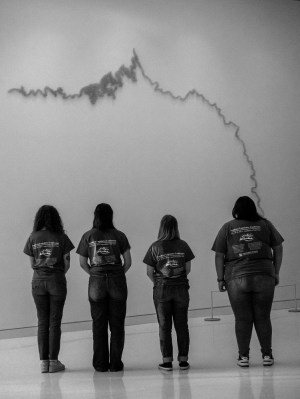
Our visit began with a surprise: a piece by Maya Lin, who rose to fame after designing the Vietnam War Memorial. Intriguingly, on our trip to DC, we met Ms. Lin!
We never would have guessed that this piece in the Asheville Museum, a minimalist depiction of the French Broad River, lined with steel pins, was her work! It was exciting to see her style in a different form.
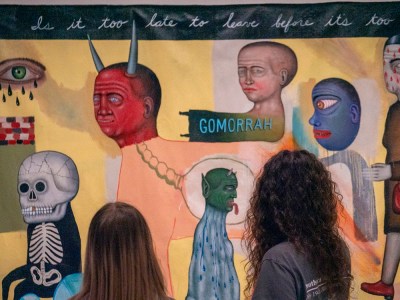
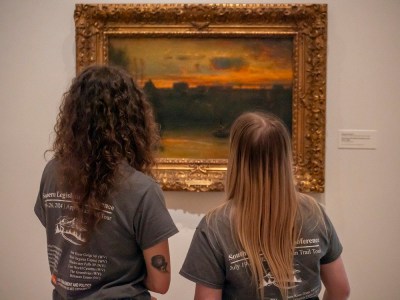
Continuing, we explored a contemporary take on an art salon filled with unique, disturbing, and thought-provoking works. Many of these artists attended the same school as Andy Warhol, and their deviation from the norm was clear. The pieces really challenged our notion of art.
One of my favorite pieces was Andrew Wyeth’s mold of his hands, paired with a painting of the very same hands in a snowy landscape. It was simple yet so detailed and personal.
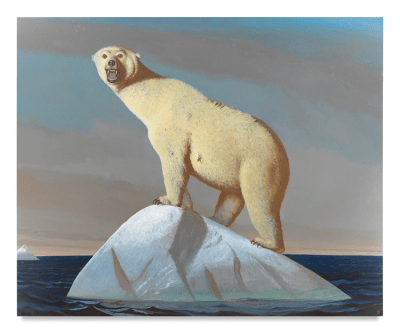
Another favorite was “Dominion” by Bo Bartlett. This painting immediately grabbed our attention with its vivid portrayal of a polar bear. The clearly disturbed animal atop a melting icecap was visibly wounded. The bear’s demeanor made us pontificate about the tragic backstory. Whether it be a commentary on climate change, or the aftermath of sublime nature taking its toll, the piece was striking and moving all the same.
And of course, Chrissy couldn’t help but be intrigued by a photograph of the Highland Hospital, where Zelda Fitzgerald, F. Scott Fitzgerald’s wife, died in a fire. Chrissy has a bit of a thing for death-related themes in art, so this piece was right up her (dead-end) alley!
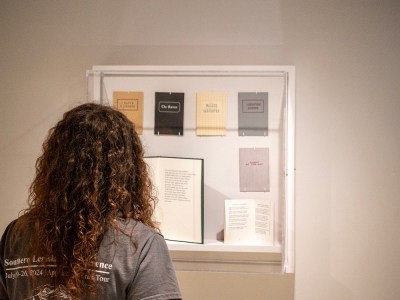
And it was also just one of several pieces with a literary theme…
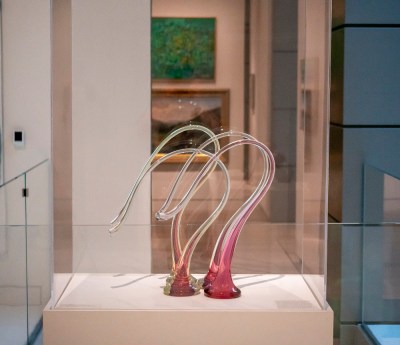
They also had an impressive glass collection, including works by Harvey Littleton and his son, John.
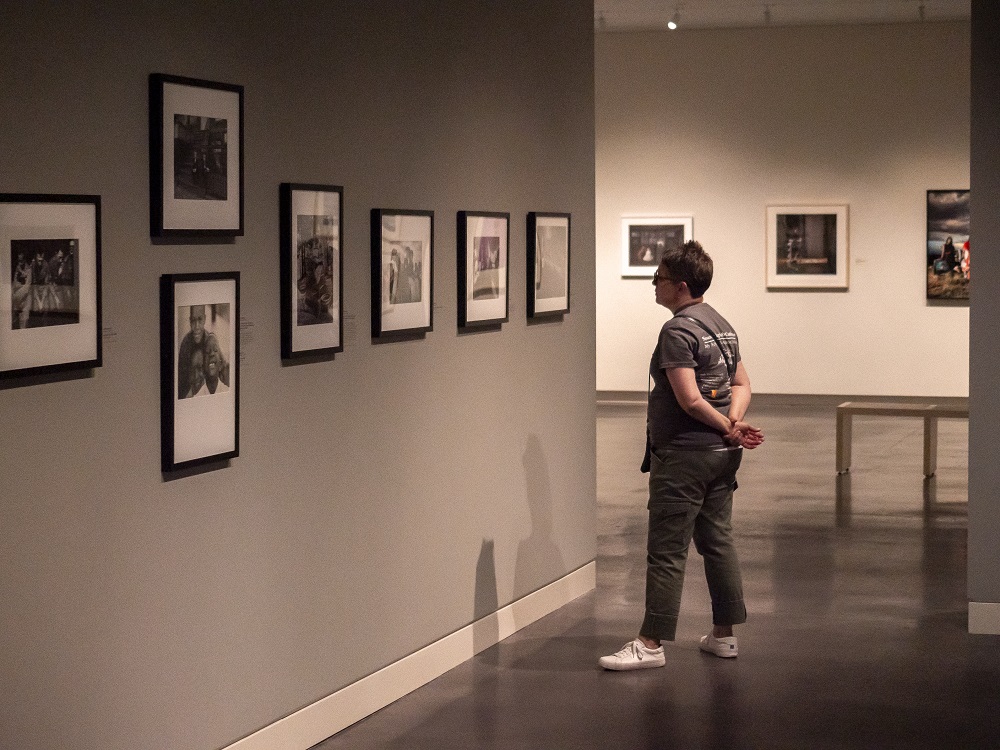
They also had an impressive photography exhibit on display, and these photos were alternately provocative and beautiful.
After exploring the museum, we thoroughly enjoyed immersing ourselves in the vibrant and trending city of Asheville. From the eclectic art scene to the lively streets, Asheville offered a perfect mix of culture and excitement that made our visit unforgettable.
After an eventful night at the State Dinner, we drove about four and a half hours to Asheville, North Carolina, to enjoy Chihuly at the Biltmore and the Biltmore Estate itself. As someone recently introduced to Dale Chihuly, I was excited to see more of his work and learn about the techniques he used.
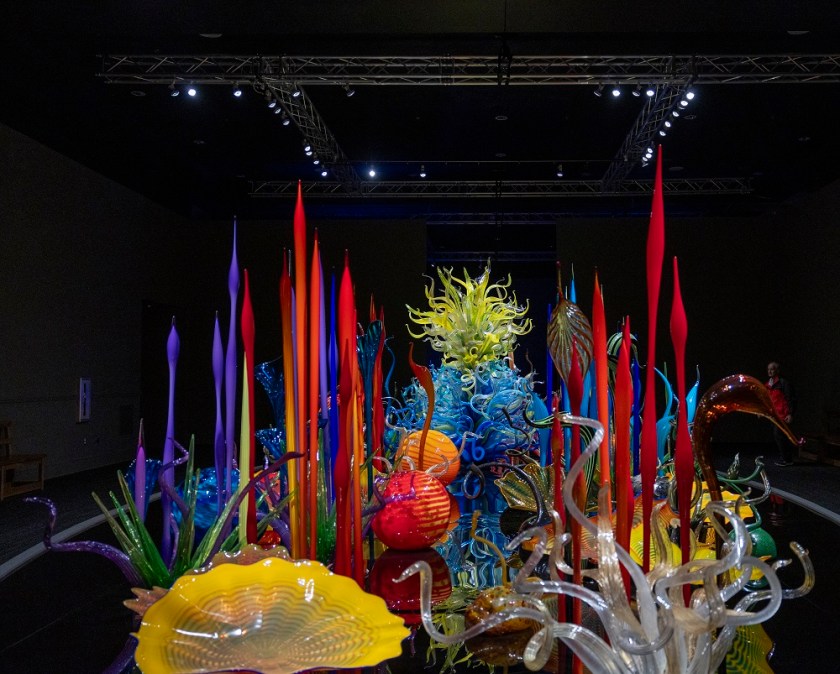
When we entered the exhibit, we first went to a screening room where we learned more about Chihuly and his work. The video explained the creation of one of his most famous works, “Mille Fiori;” it showed various colors, shapes, and glass configurations. It also clarified Chihuly’s techniques, like heating the glass so it can be stretched to look like natural forms. We even learned that around 40-50 different colors of glass are used in his pieces!
However, one room with colorful and intricate cylinders caught our attention. While we spoke about the artwork, a staff member shared how these pieces were created. Each cylinder features a design inspired by Navajo patterns, with molten glass rolled over threads of these designs so they fuse onto the glass.
We also saw a wall with Western Trade Blankets that had similar designs. The staff member explained that Chihuly wanted to pay tribute to the influence of Native cultures on his art and show his respect for Indigenous tribes of North America.
We then walked into the next room and immediately started looking up. This was the Persian Ceiling, an art installation featuring a colorful display of hand-blown glass pieces arranged on a transparent ceiling, creating an eye-catching mix of colors and shadows. We enjoyed trying to spot more of the intricate details that comprised this work; sitting at 5000 pounds, there was plenty to look at. We spotted cherubs, shrimps, conch shells, and more!
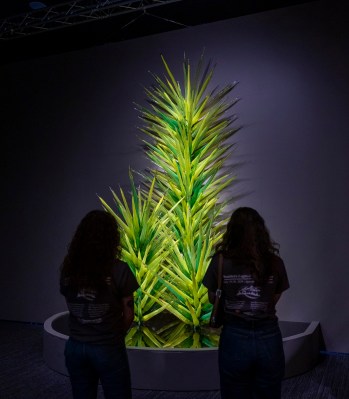
Next, we saw an impressive display of chandeliers and towers. These were not your typical light fixtures; instead of emitting light, they ingeniously reflected it.
Each piece was so captivating that I found myself wishing I could take them all home.
It was hard to choose a favorite, but I was particularly drawn to the striking blue chandelier and the red one that seemed to float effortlessly from the ceiling.
With much anticipation from myself, we went into the room with the Mille Fiori exhibit; it was incredible to have the chance to see it in person! As you walked around all of the pieces, each one was different in its own way. While some had similar styles, they always had different colors and overall appeals towards them.
Having seen his work at the Phipps Conservatory in Pittsburgh earlier on the trip, I was thrilled to find another chance to enjoy his art. Now, I look forward to recognizing more of Dale Chihuly’s pieces in the future!
Biltmore Estate
After exploring the Chihuly exhibit, we took the trolley for a 3-mile scenic ride through the Biltmore grounds and to the Estate. Completed in 1895, this impressive house was designed by Richard Morris Hunt for George Vanderbilt II. As we made our way to the mansion, we admired the beautiful landscape created by Frederick Law Olmsted. His winding paths built up our excitement, making that first glimpse of the house even more special.
Stepping inside, I was immediately drawn to the Winter Garden with its lush greenery and a beautiful dome letting in streams of light. It was then I knew we were in for a treat exploring Biltmore House.
Our tour took us through a series of fascinating rooms. The Billiard Room, Michelle’s favorite, featured two grand pool tables where George and his guests would unwind by playing games.
The Banquet Hall, stretching seven stories high, left us imagining the dinners once held there. I could not dream of having a normal family dinner in a dining room such as this one!
In the Breakfast Room, Olivia pointed out several notable paintings. There were two by John Singer Sargent: one of Virginia Bacon (George’s cousin) and another of Mrs. Benjamin Kissam (George’s aunt). She also pointed out two works by Renoir: “Young Algerian Girl” and “Child with an Orange.”
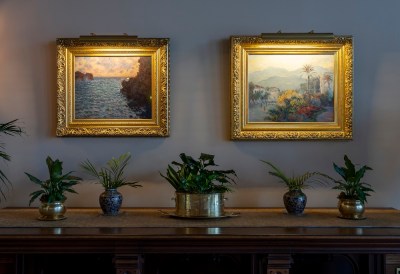
The Salon displayed souvenirs from George’s travels, including landscape paintings by Claude Monet.
Looking out the windows, we could appreciate how Olmsted had transformed the estate’s grounds, creating a perfect backdrop for the house.
Further, we discovered an intriguing piece of history about the Music Room. In 1942, during World War II, the Director of the National Gallery of Art reached out to Edith Vanderbilt with a request; they asked if Biltmore could safeguard over 80 valuable paintings from their collection. Edith agreed, and the Music Room was transformed into a secret art vault. Protected by large steel doors, these priceless works remained hidden there until 1944!
With its exquisite ceiling painting of the Chariot of Aurora and an impressive collection of over 10,000 books from George’s original collection of about 24,000, the Library was Olivia’s favorite.
A large ladder and spiral staircase made each of us wish we could go on them! It was clear to all of us that Olivia could have spent hours exploring all of the books that George Vanderbilt once read.
As we continued our tour, we heard about the family’s dedication to preserving the estate. After George’s death, his wife Edith refused to sell anything, and their daughter Cornelia later opened the home to visitors in 1930 with help from the local Chamber of Commerce. This dedication was evident from the house looking the same way as it did when the family lived there.
Additionally, the cohesive bedrooms with intricate details and colors, along with the basement filled with drawings by Cornelia and her husband, helped us imagine what life was like for the Vanderbilt family.
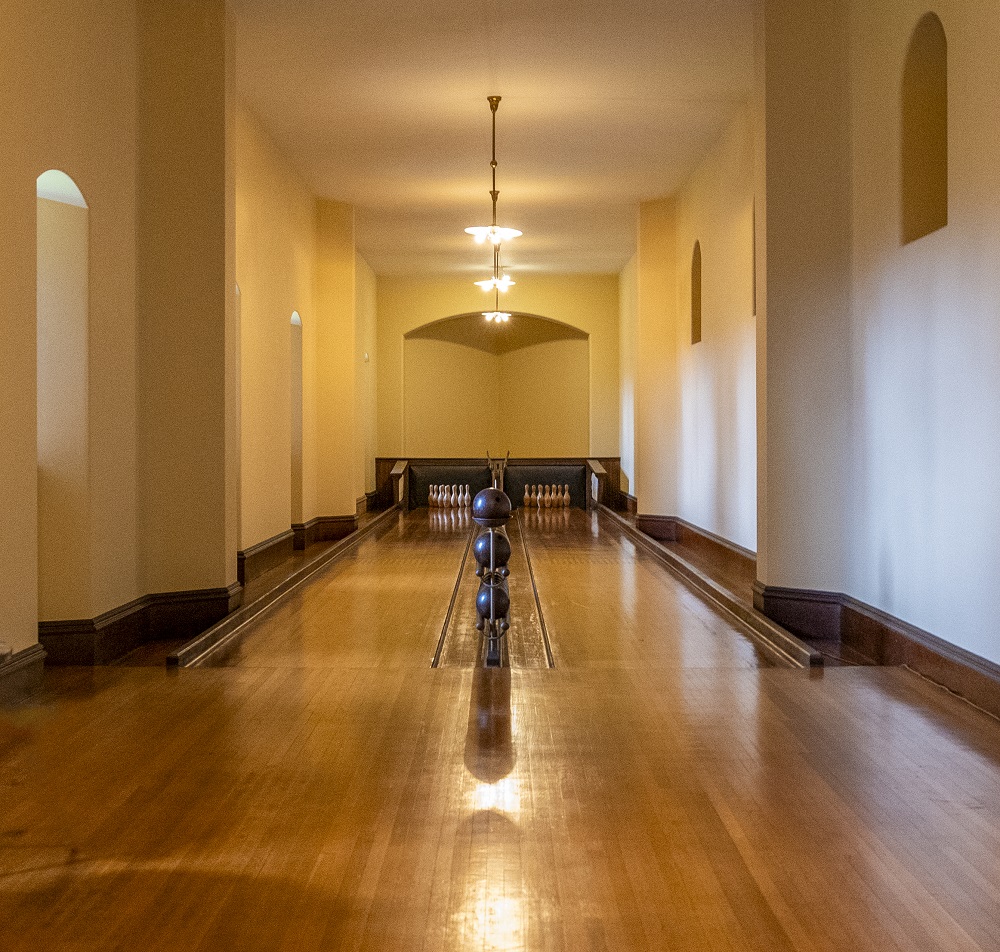
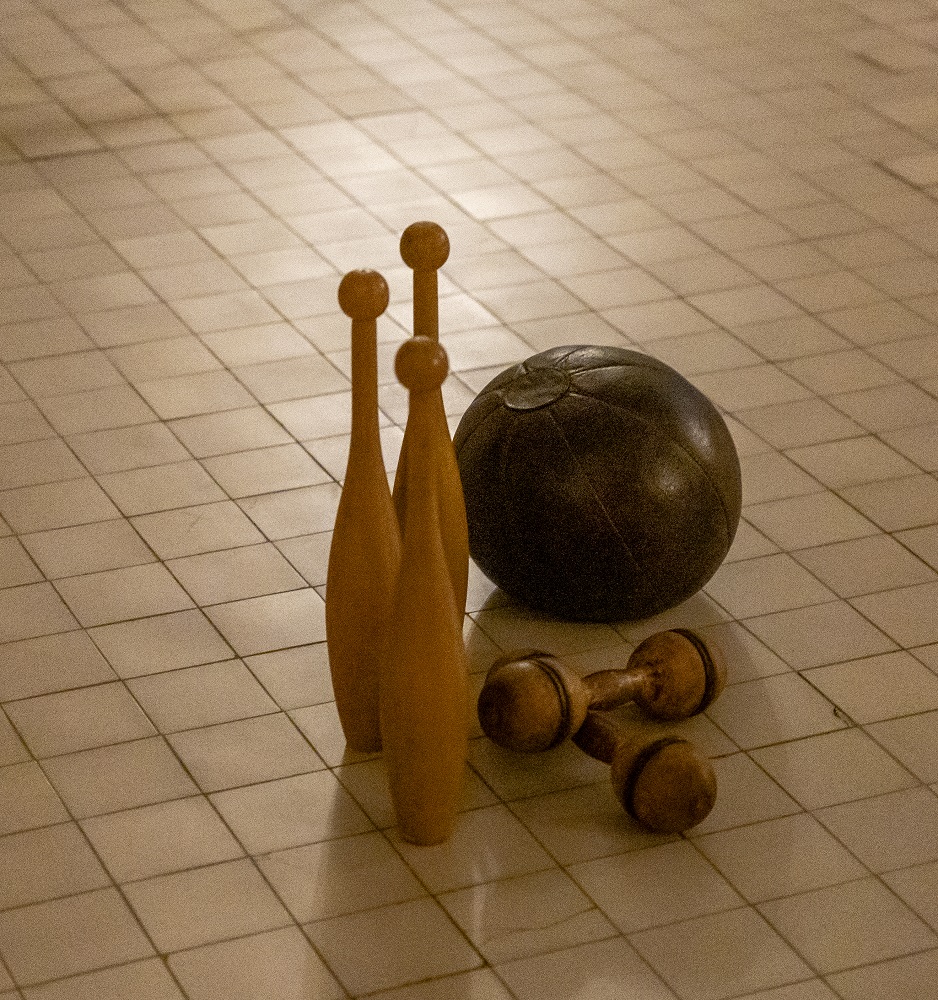
Unique features like the bowling alley and indoor pool showed how much they valued having activities at home that brought them together with family and friends.
Wrapping up our visit, I gained a new appreciation for how art can transform a space. Though I had not been too involved with art in the past, my interest has grown, and this home truly helped with that. Also, I am sure Olivia will continue to think about the Library for many years to come!
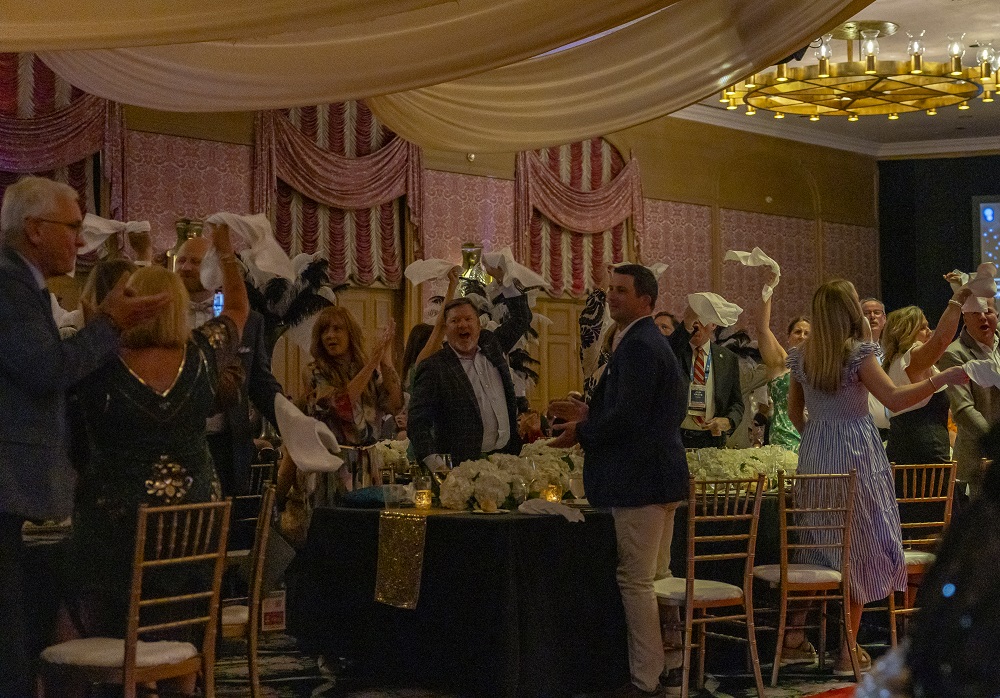
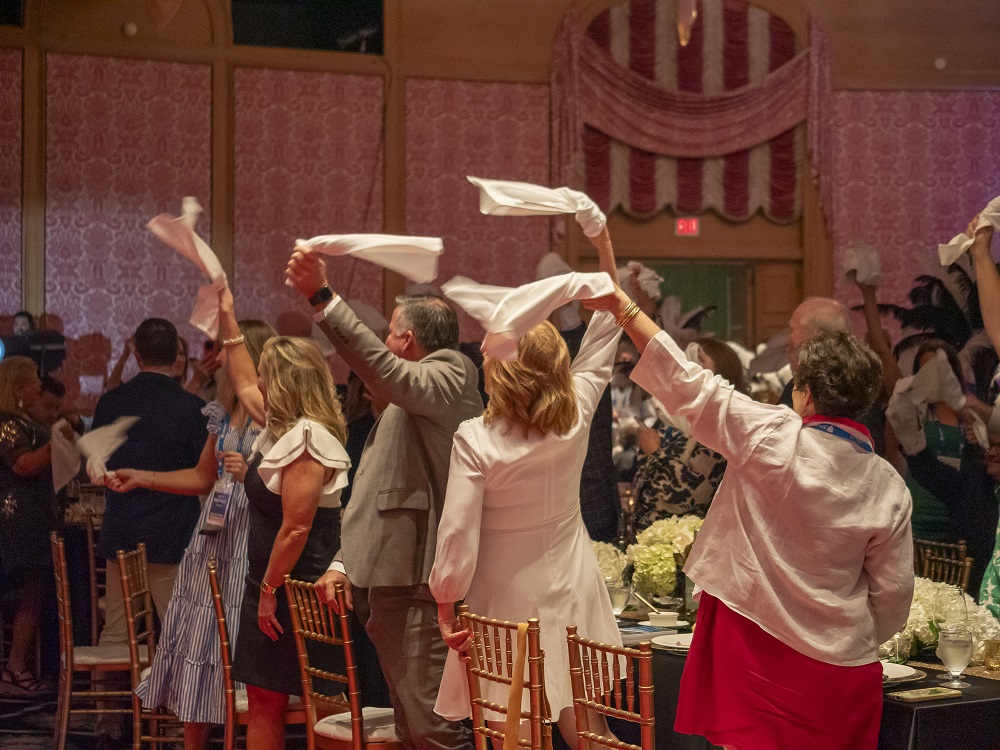
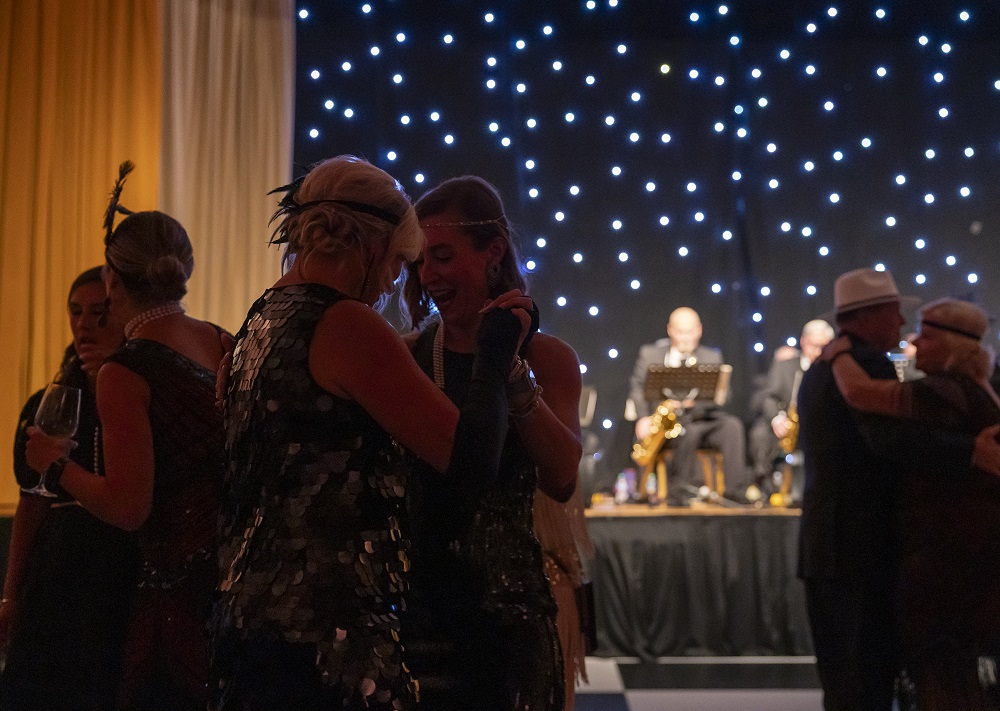
For our last night at the Greenbrier, we stepped back in time to the roaring 1920s for an unforgettable State Dinner. From the moment we walked in, the atmosphere transported us straight into the vibrant spirit of the Jazz Age. Most guests embraced the theme wholeheartedly, arriving in flapper dresses, tailored suits, and dapper accessories. We, of course, could not let this opportunity pass and decided to go all out.
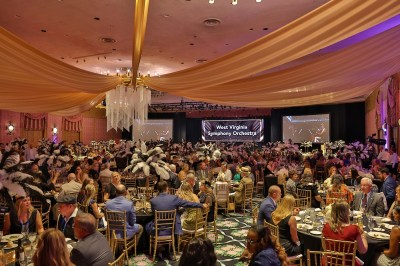
The venue itself was transformed into a scene straight out of a classic 1920s party. At the heart of the room hung a dazzling disco ball that casted playful reflections across the venue. The tables were adorned with centerpieces featuring cascading feathers, capturing the essence of the era. We were all highly impressed of the attention to detail in the decorations as it was nothing short of spectacular.
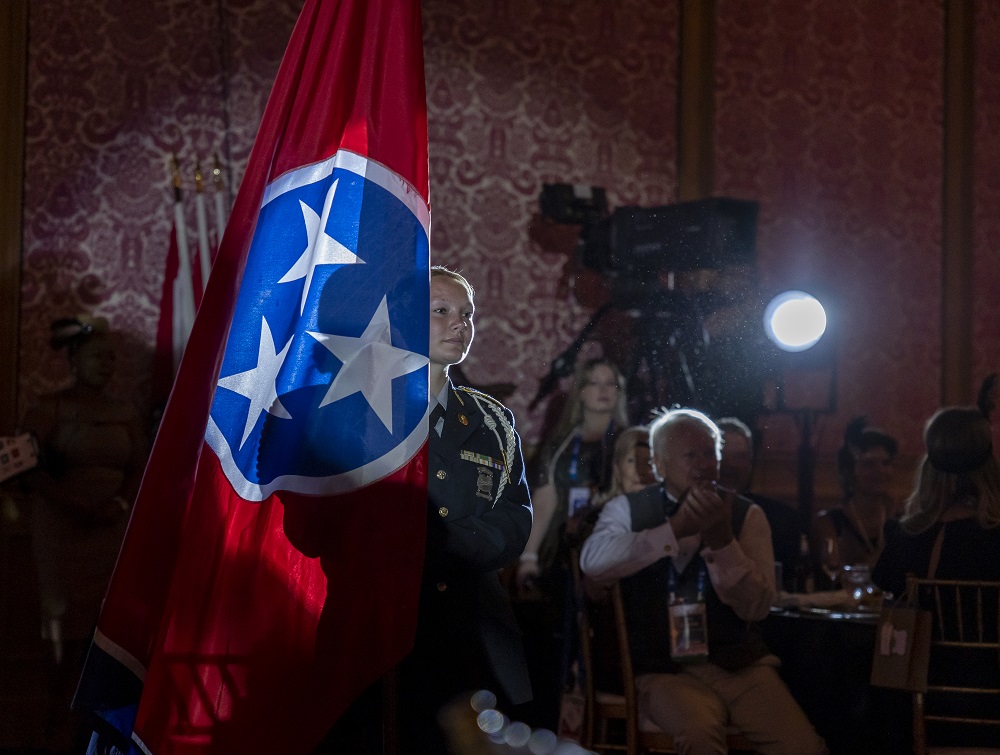
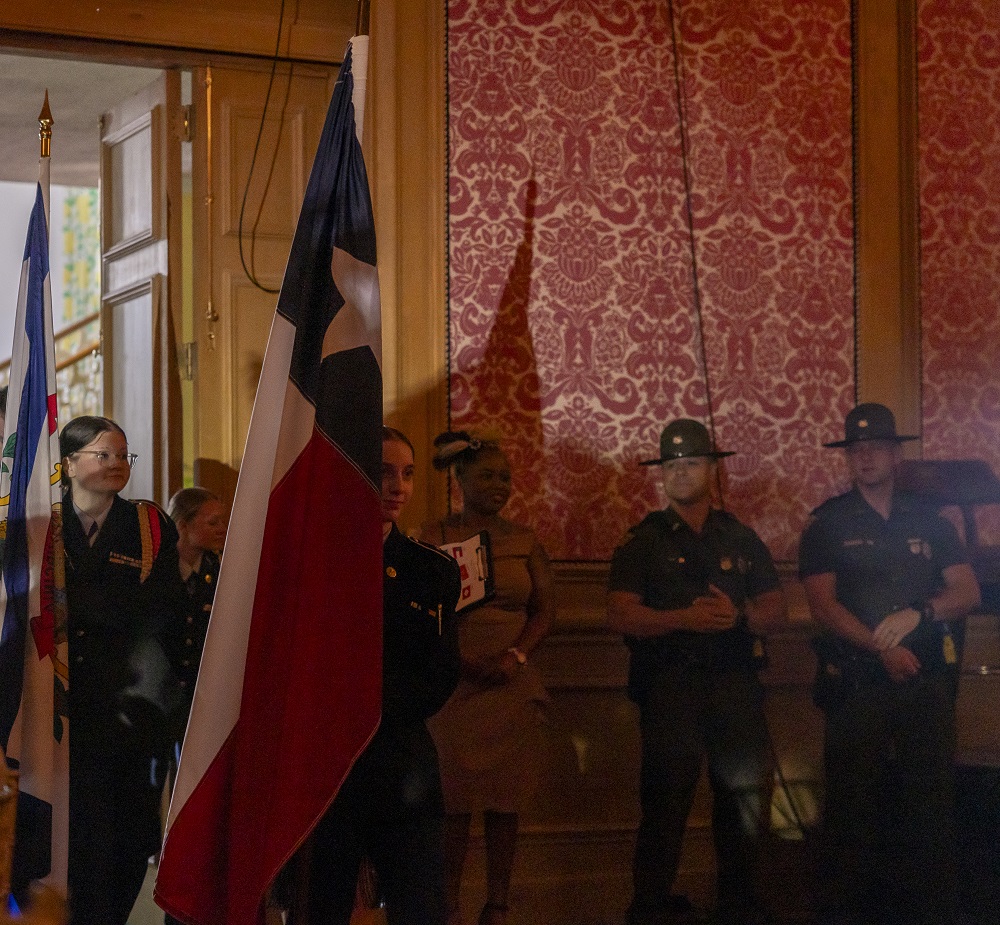
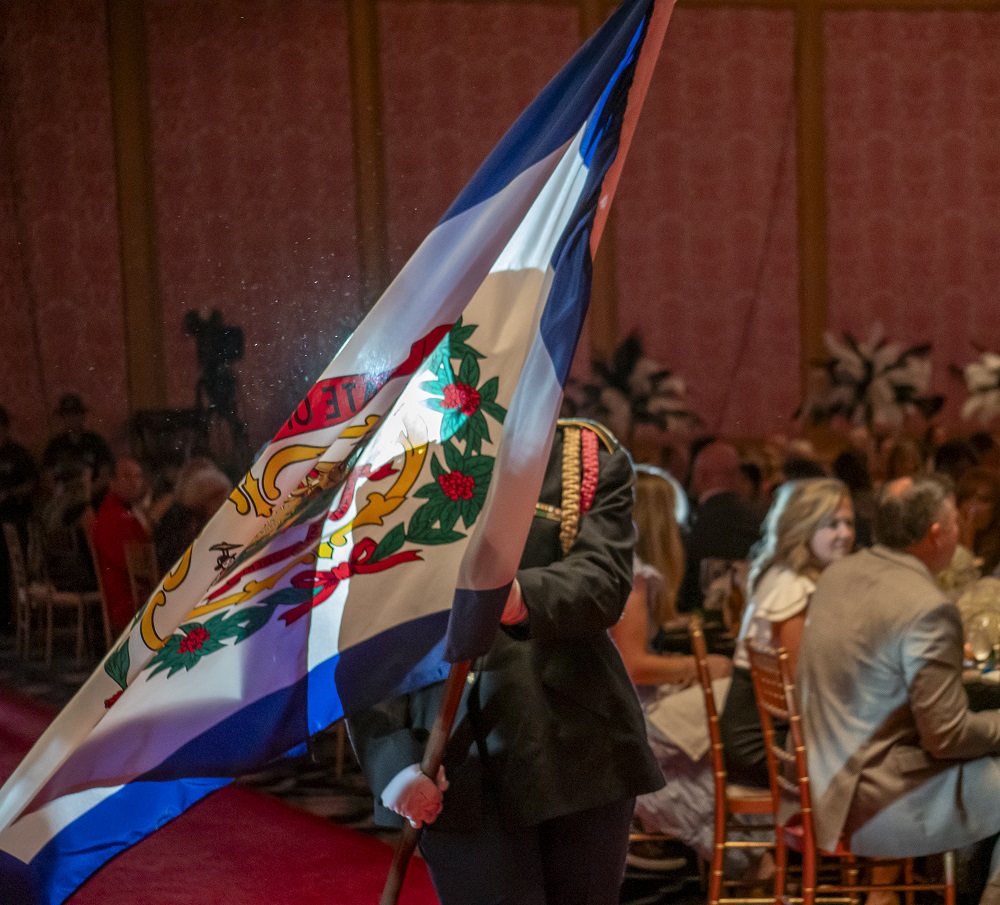
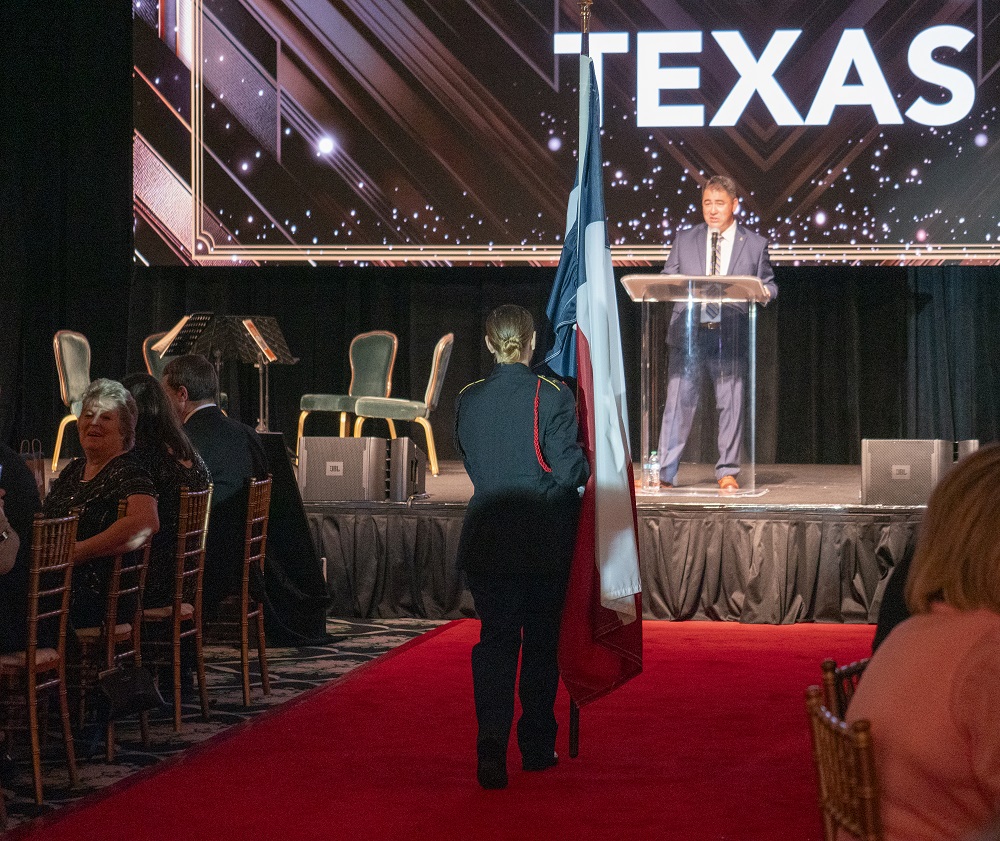
One of the evening’s standout moments was the grand presentation of the state flags, representing each southern state. The Greenbrier High School ROTC marched each of the 15 flags to the stage, accompanied by their respective songs.
The crowd’s enthusiasm was palpable, with cheers and applause resonating throughout the room as each flag made its way across the room.
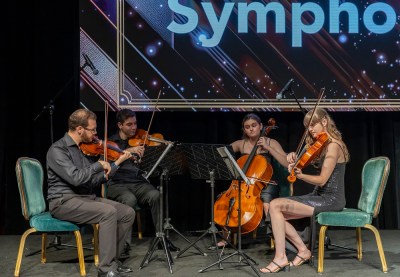
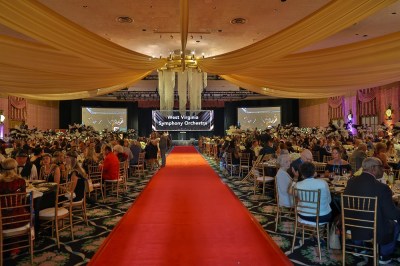
As dinner was served, we were presented with a mix of greens with feta cheese and a slice of pear. As for our entrees, meticulously place mashed potatoes adorned the plate next to a sirloin cooked to perfection on top of a handful of asparagus. While we ate, the West Virginia Symphony serenaded the guests with the sounds of beautiful music…
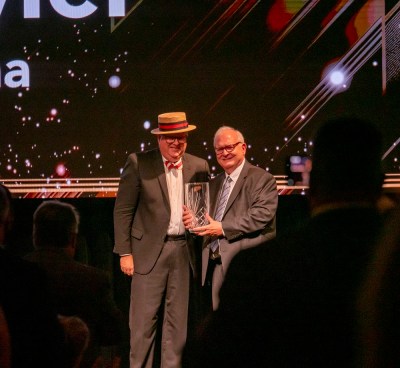
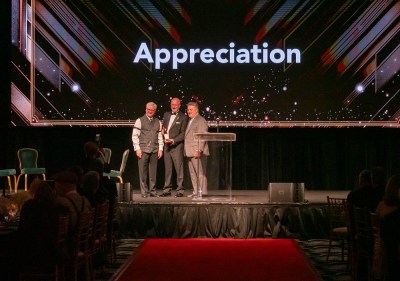
…before giving way to an awards ceremony emceed by West Virginia’s very own Senate President, Craig Blair.
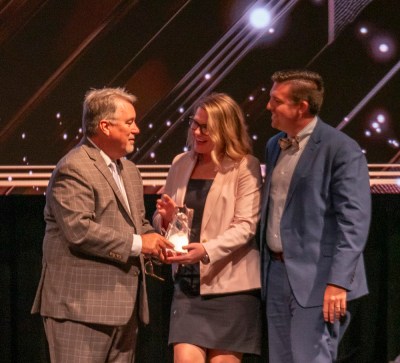
The Carter Hellard Award, which recognizes dedicated staff members across the southern states, was awarded to Thomas L. Tyler, Sr, who has devoted decades of his life to serve the Louisiana Senate.
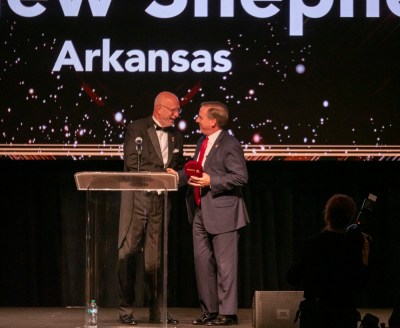
Arkansas’s Speaker of the House, Matthew J. Shepherd was also recognized as he received the Thomas B. Murphy Legacy Award, which is presented to a Southern state legislator who has dutifully served their people throughout the year.
The State Transformation in Action Recognition (STAR) celebrates innovation and creativity by recognizing programs that offer transferable solutions to state governments. The North Carolina Department of Public Instruction won the award by presenting its Elementary and Secondary Schools Emergency Relief (ESSER) Funding Cliff Toolkit.
President Blair ended the night by thanking the Council of State Governments Southern team, specifically Director Lindsey Gray. He acknowledged their exceptional dedication and tireless efforts throughout the conference and noted how their commitment played a crucial role in the conference’s success. And, of course, Senator Blair was given an award for his leadership over the past year.
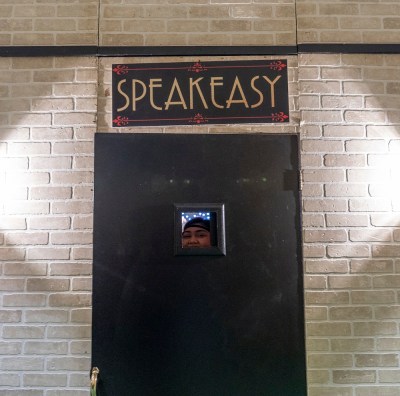
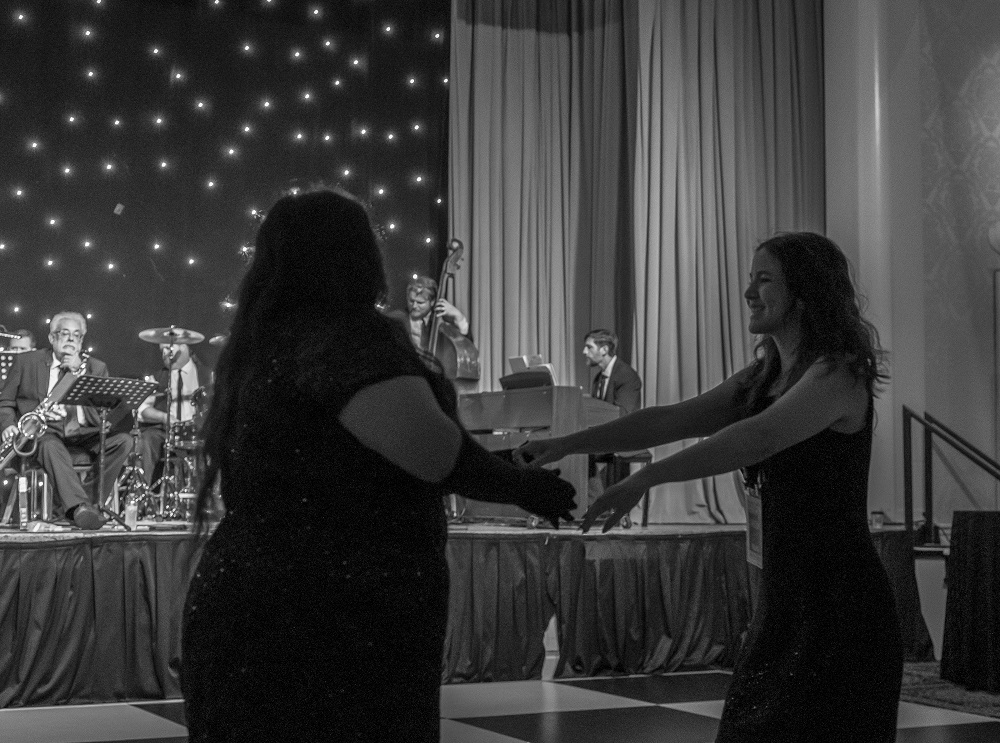
After the awards, the evening continued at the “speakeasy,” where the atmosphere shifted to an intimate jazz lounge.
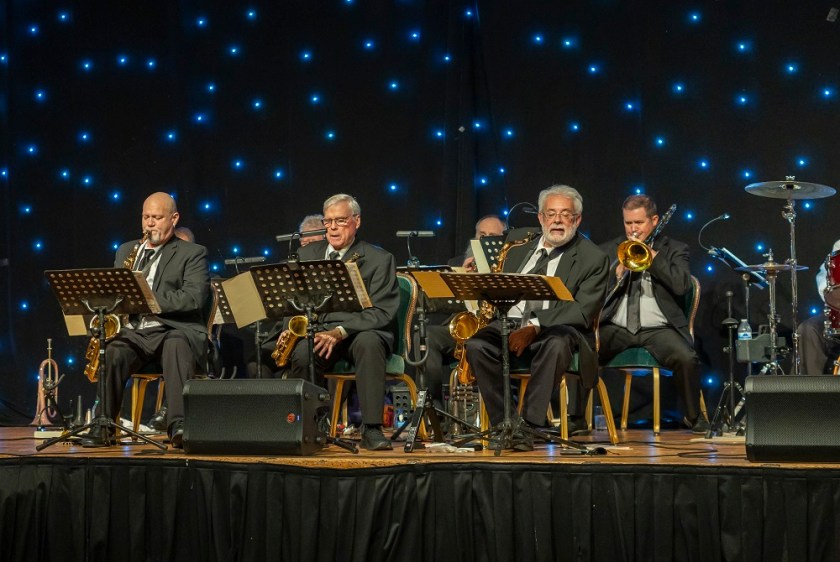
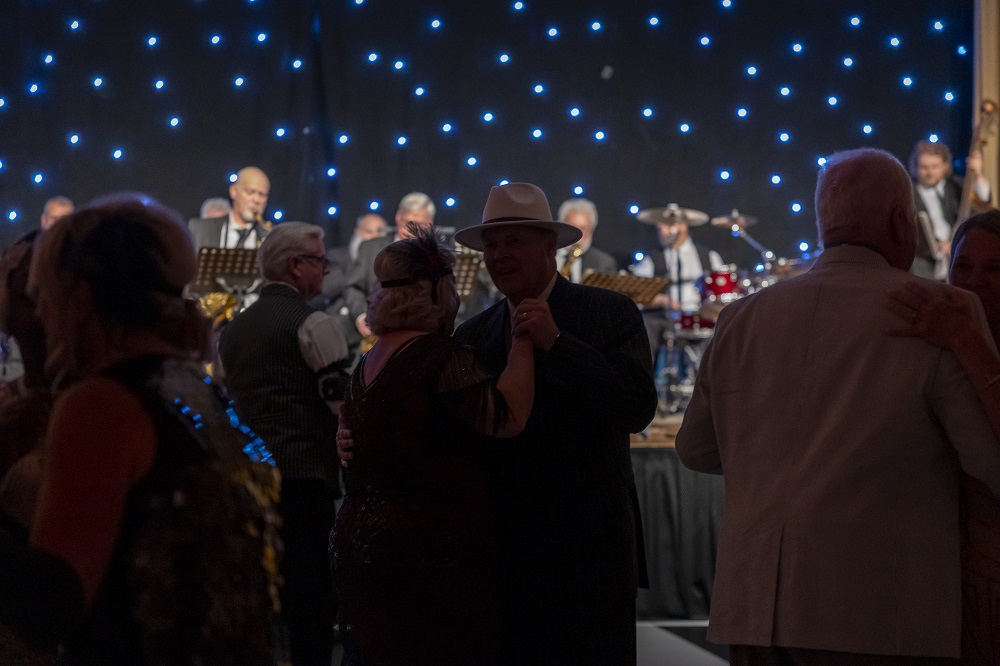
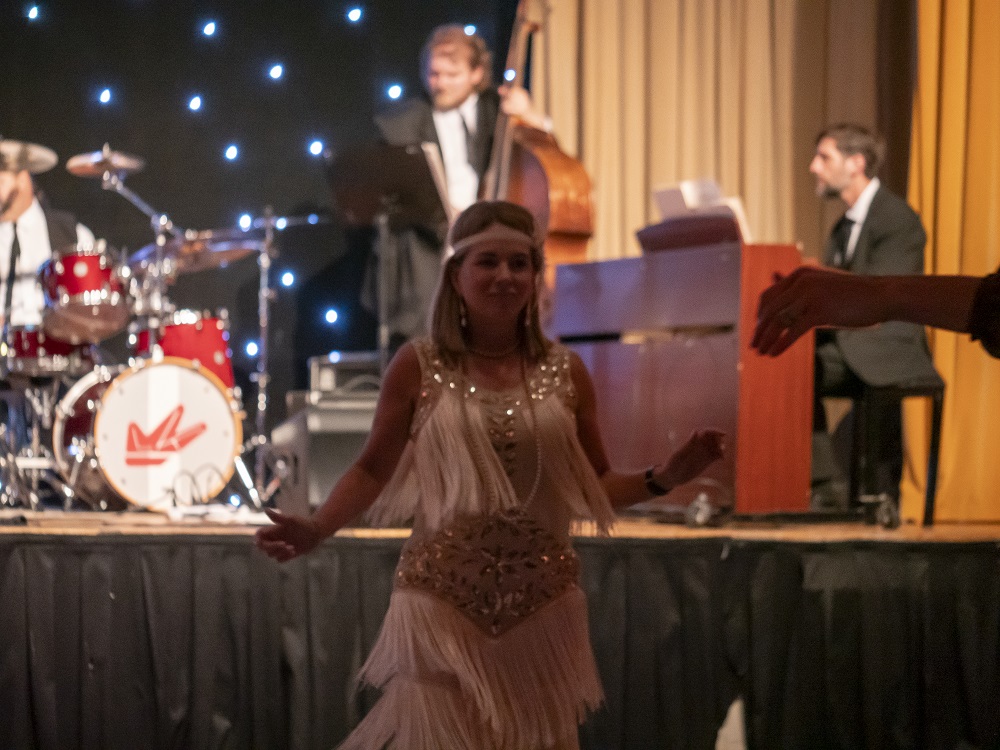
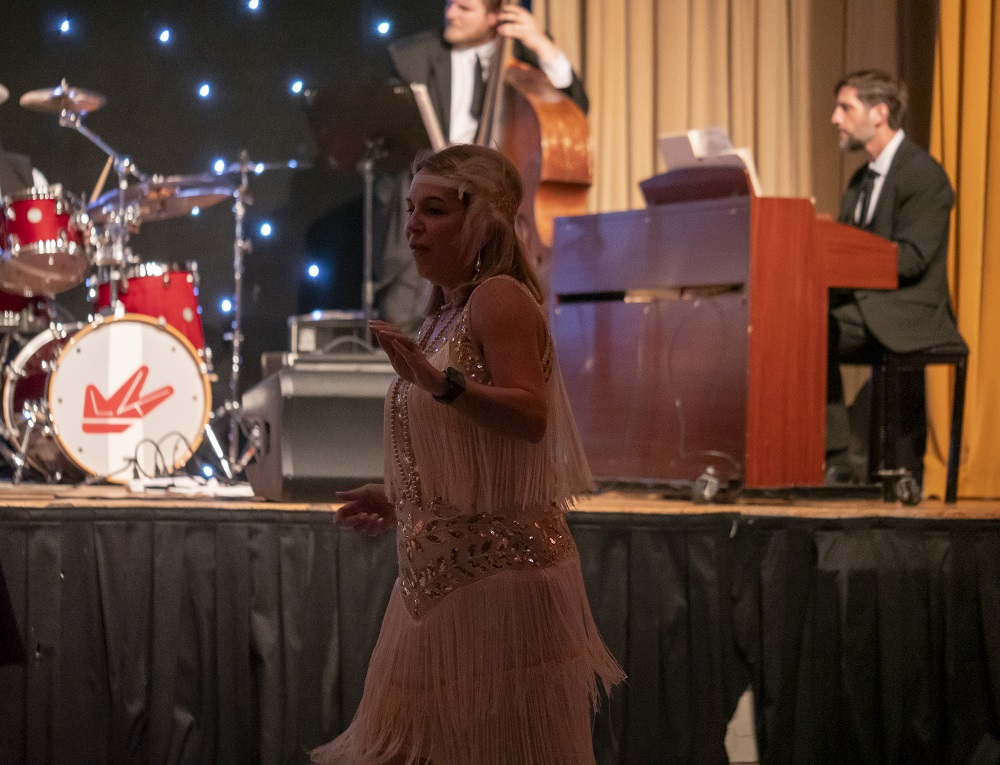
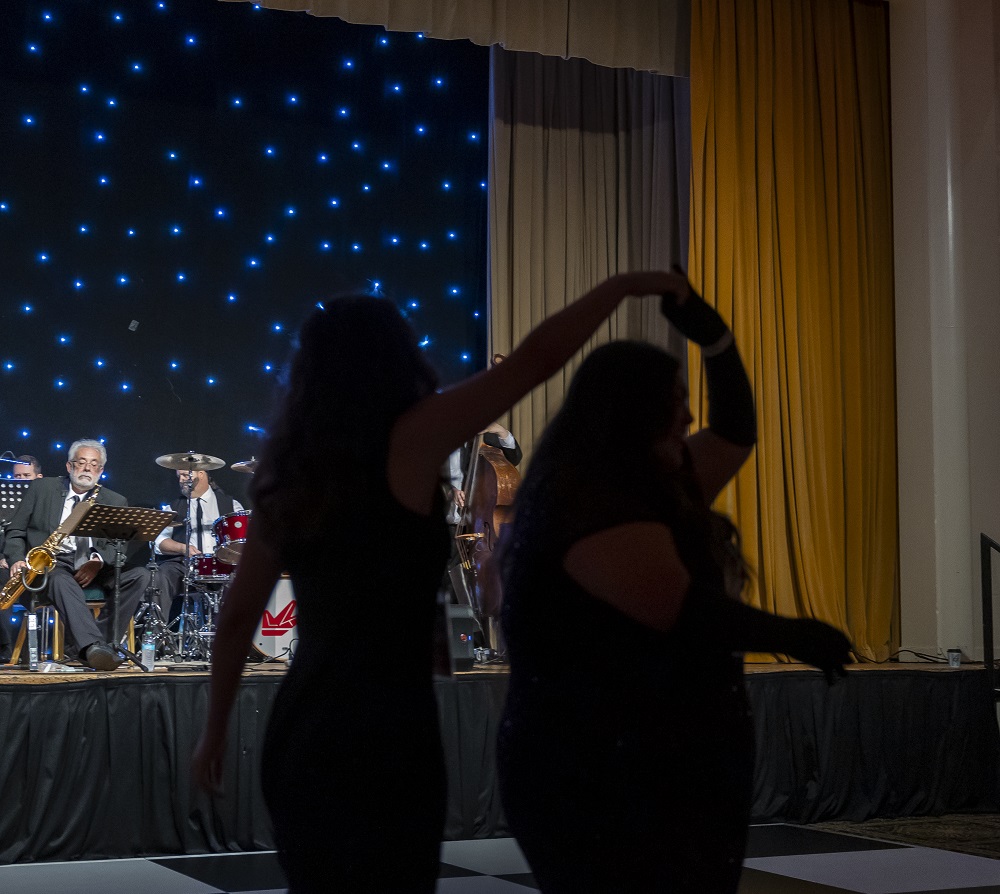
A live jazz band performed, their smooth melodies filling the room with the soulful sounds of the 1920s.
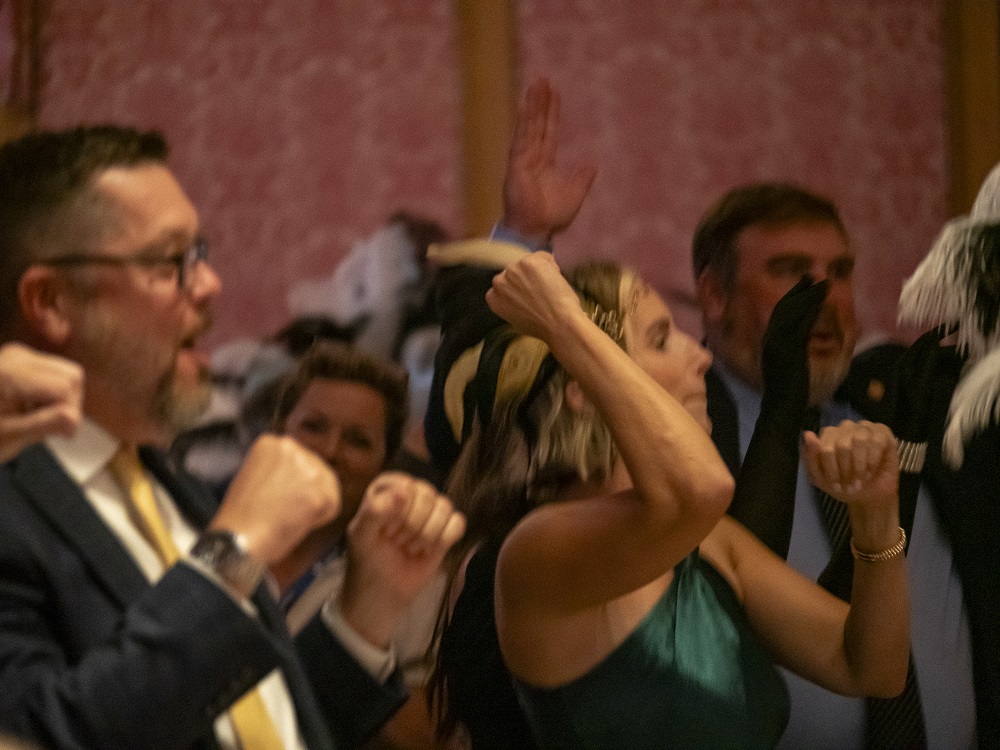
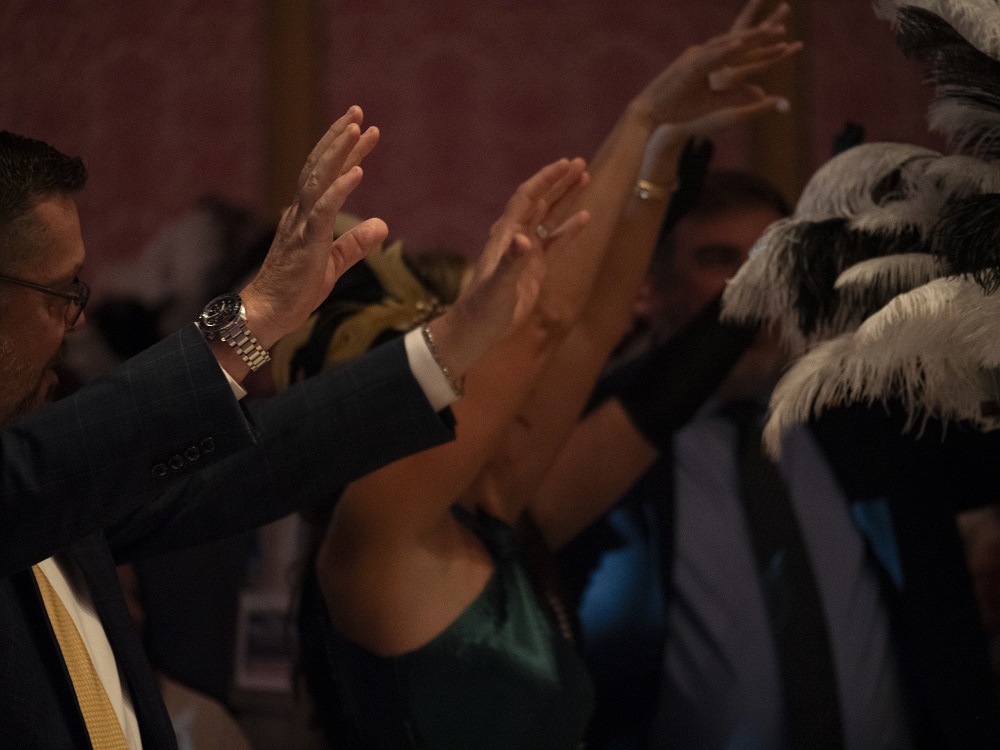
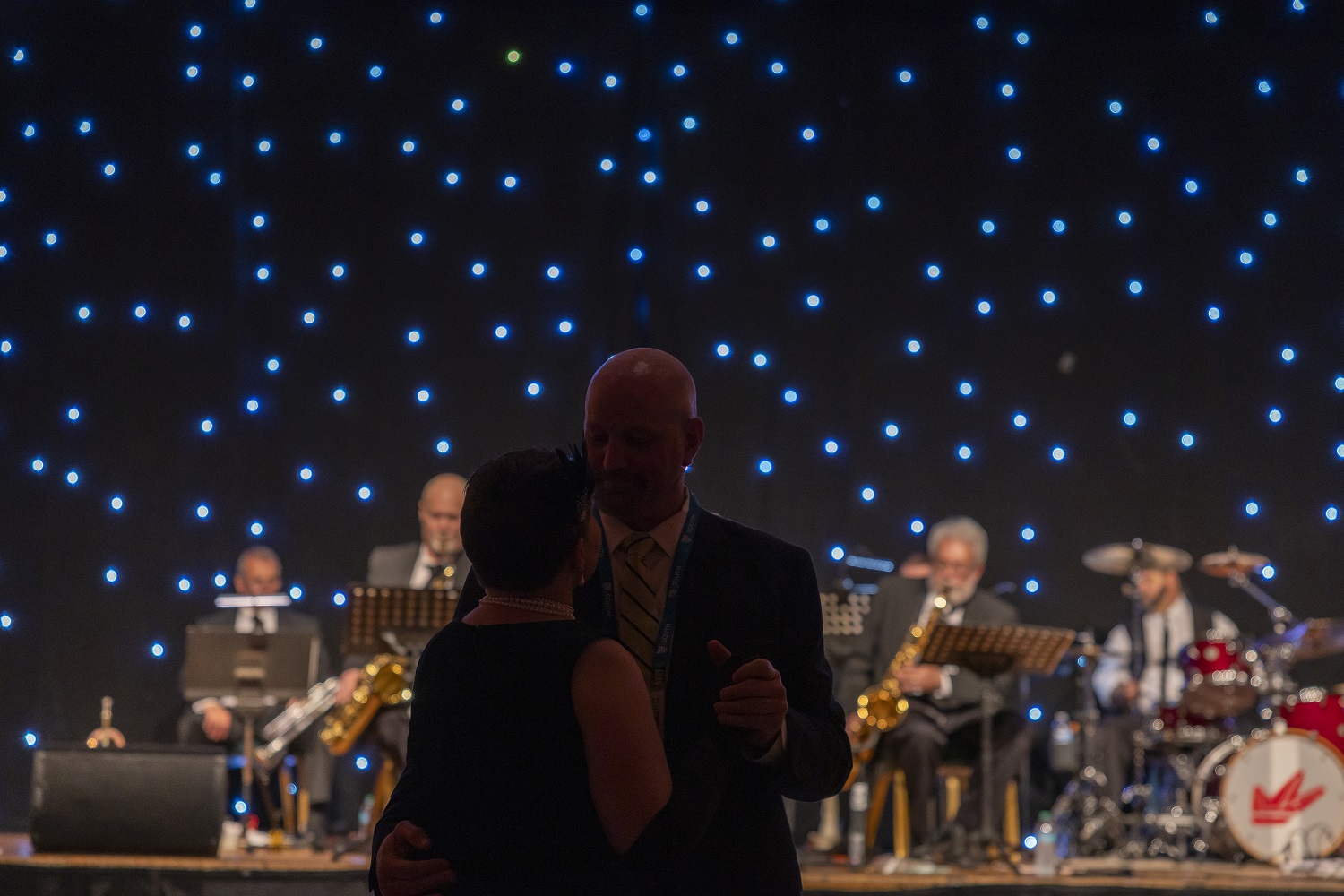
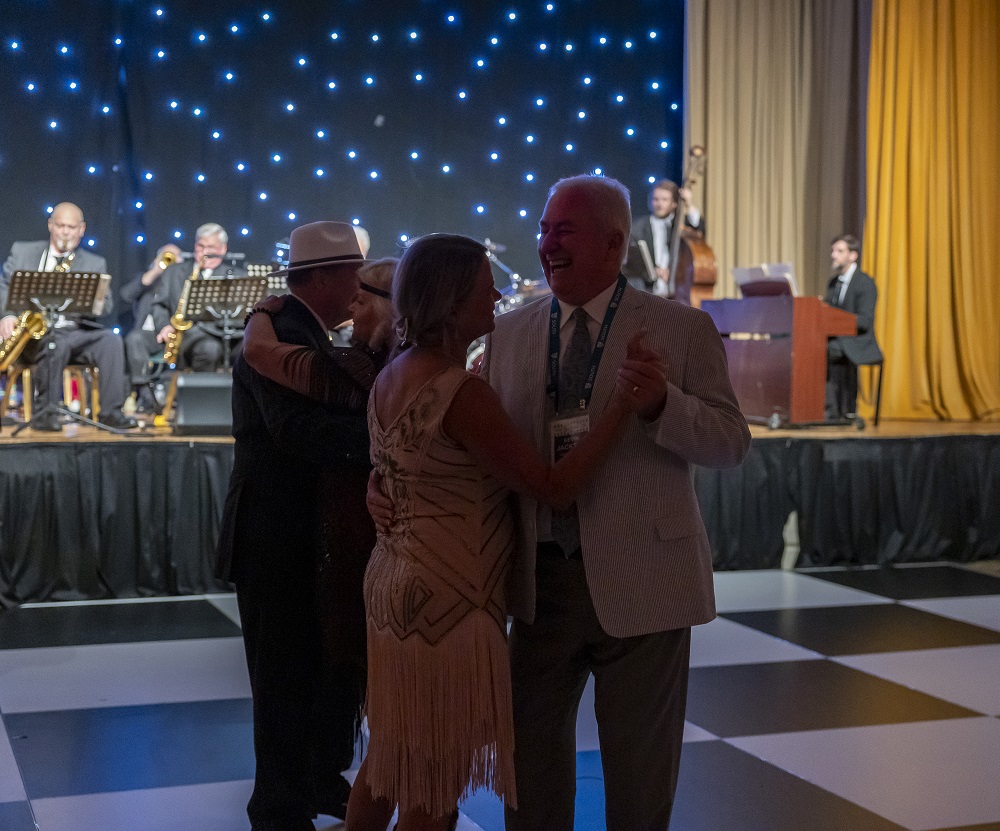
Couples took to the dance floor, gracefully moving to the rhythms of the era, creating an enchanting and entertaining atmosphere.
Michelle and I joined in, stepping onto the captivating jazz tunes. It was a delightful way to end the night and our visit to the Greenbrier.
The fantastic blend of retro charm and joyous celebration gave an experience that made us feel like we were truly living in the Roaring Twenties.
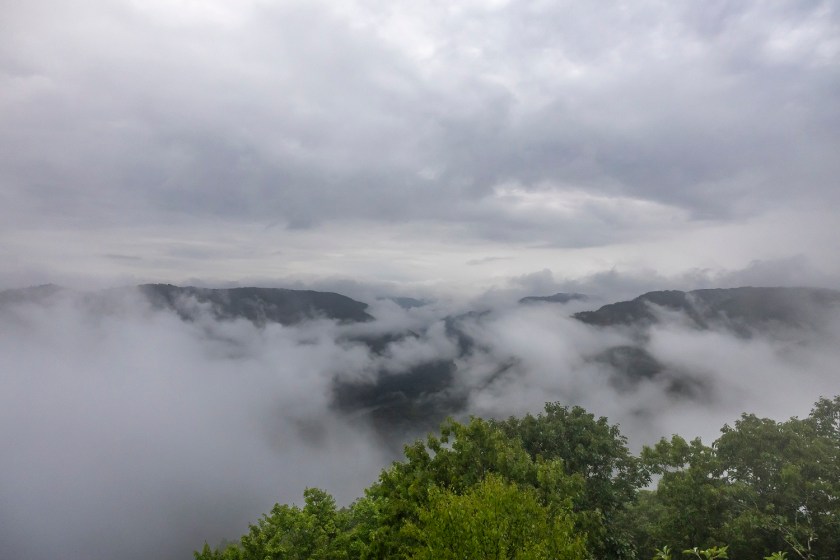
Established as a national park in 2020, New River Gorge is one of the newest additions to the national park system, and it provided us with some memorable firsts. The park is renowned for its rugged beauty, rich history, and the New River, which is one of the oldest rivers on the continent. Spanning over 70,000 acres, the park boasts over 100 miles of trails, offering a variety of experiences from strenuous hikes to scenic walks–although on the rainy, overcast morning we visited, the view was somewhat obstructed until later in the day.
We began our journey by taking a quick look around the Visitor Center, where we familiarized ourselves with the park’s history and features. The park ranger provided valuable information about safe exploration routes, ensuring our hike would be both enjoyable and secure. From the Visitor Center, we headed to the section of the New River Gorge that houses the Castle Rock Trail and the Grandview Rim Trail. These trails, totaling about 3.2 miles out and back, promised a mix of strenuous and scenic experiences.
Our group split up to tackle the different trails. Professor Yawn, Cinthia, Olivia, and Chrissy set out on the Castle Rock Trail, navigating its more strenuous, rocky terrain.
Meanwhile, Stephanie and I took the Grandview Rim Trail, which led us through a beautiful tunnel of luscious vegetation.
The trails eventually converged, and we all continued together toward our final destination, the Turkey Spur Overlook. When we arrived at the “overlook,” we were mostly looking over clouds.
But the sky slowly cleared, and we were able to see some of the river and train tracks in the gorge.
There were also stairs (150, to be exact) to a lookout that gave us an additional perspective.
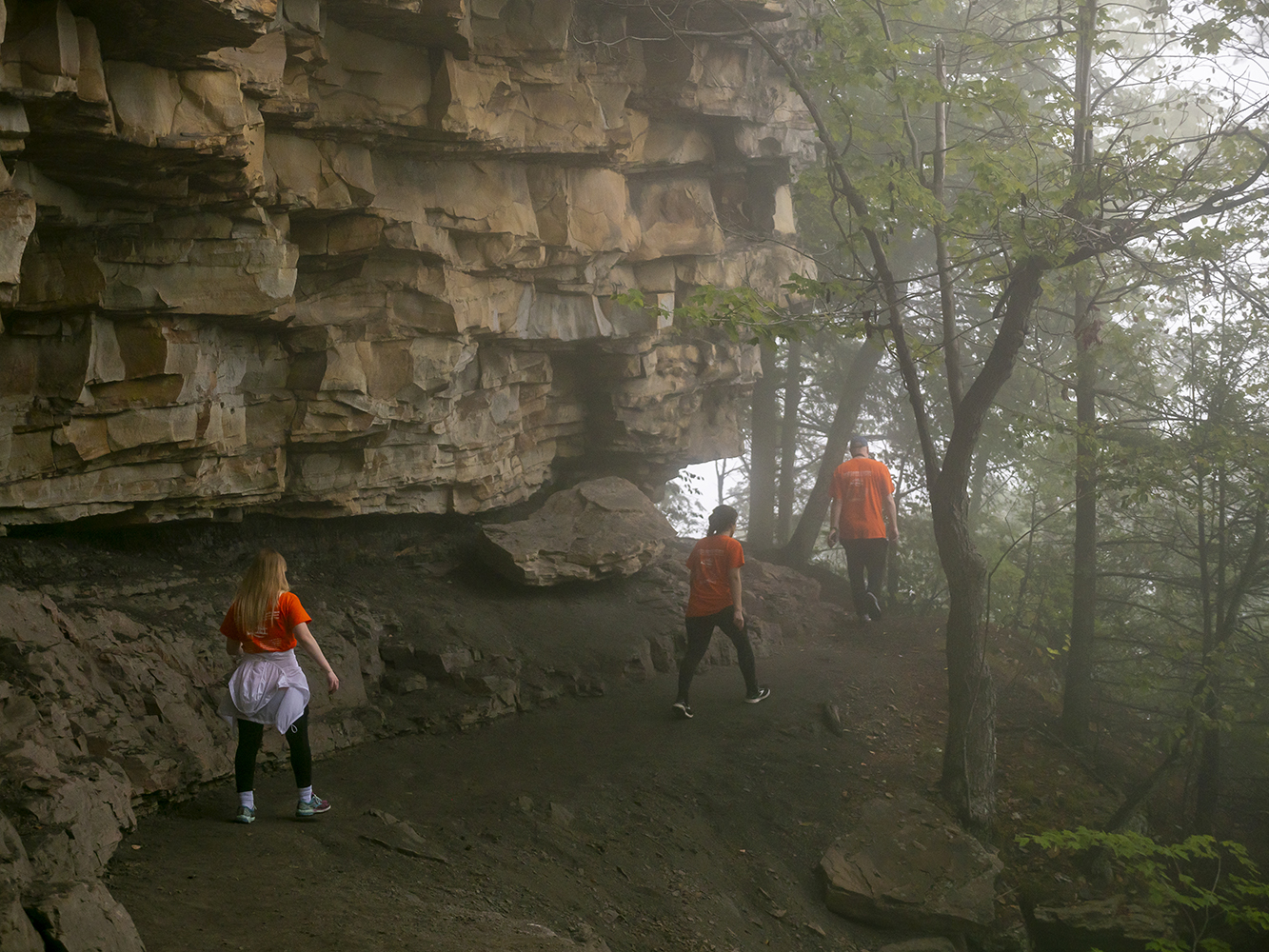
But with the rain returning, we took shelter briefly under an overhang….
…and then returned to the car….
…while making the most of nature views along the way…
We even gave Flat Sammy a chance to explore!
…Although he didn’t much appreciate the rain.
New River Gorge is a National Park with multiple units, consisting of not only the “Grandview” area, but also Sandstone Falls and the Bridge. We were unable to visit the Falls, but we did make sure to see the Bridge, which was pretty magnificent.
It is the longest (3,030 feet) steel span bridge in the United States, and the third highest (876 feet), and it is really an architectural marvel and beauty from multiple perspectives.
Looking away from the bridge, visitors are graced with beautiful views of the gorge and a distant bridge.
The smaller bridge in the photo above was the former means of traversing the gorge, a route that takes some 45 minutes to drive. With the New River Gorge Bridge, that trip is now less than a minute.
The natural beauty of the area shone through, even in less-than-ideal conditions. Most importantly, this trip allowed me to check off another first with LEAP, creating lasting memories with a wonderful team and making my first national park visit an unforgettable experience.
After a morning devoted to taking our LSAT Prep Course, we headed out to Charleston, the capital of West Virginia. This was a chance to build on some of the relationships we had built at the Southern Legislative Conference, and also to learn about the workings of other state capitals–the latter being of particular interest to those of us interested in the Austin Internship Program.
West Virginia State Capitol Building
by Michelle Cardenas
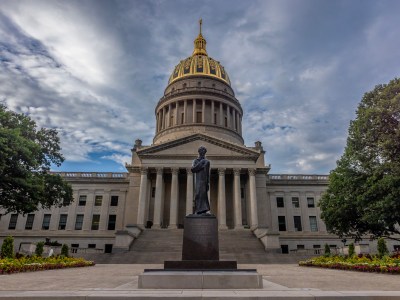
The West Virginia State Capitol Building, designed by the renowned architect Cass Gilbert, is a testament to the state’s resilience and rich heritage. Gilbert, who also designed the nation’s Capitol in Washington, D.C., which we visited during our spring break, was commissioned to construct the West Virginia Capitol in 1921. His style is unique, and you can see the similarities with many of his works.
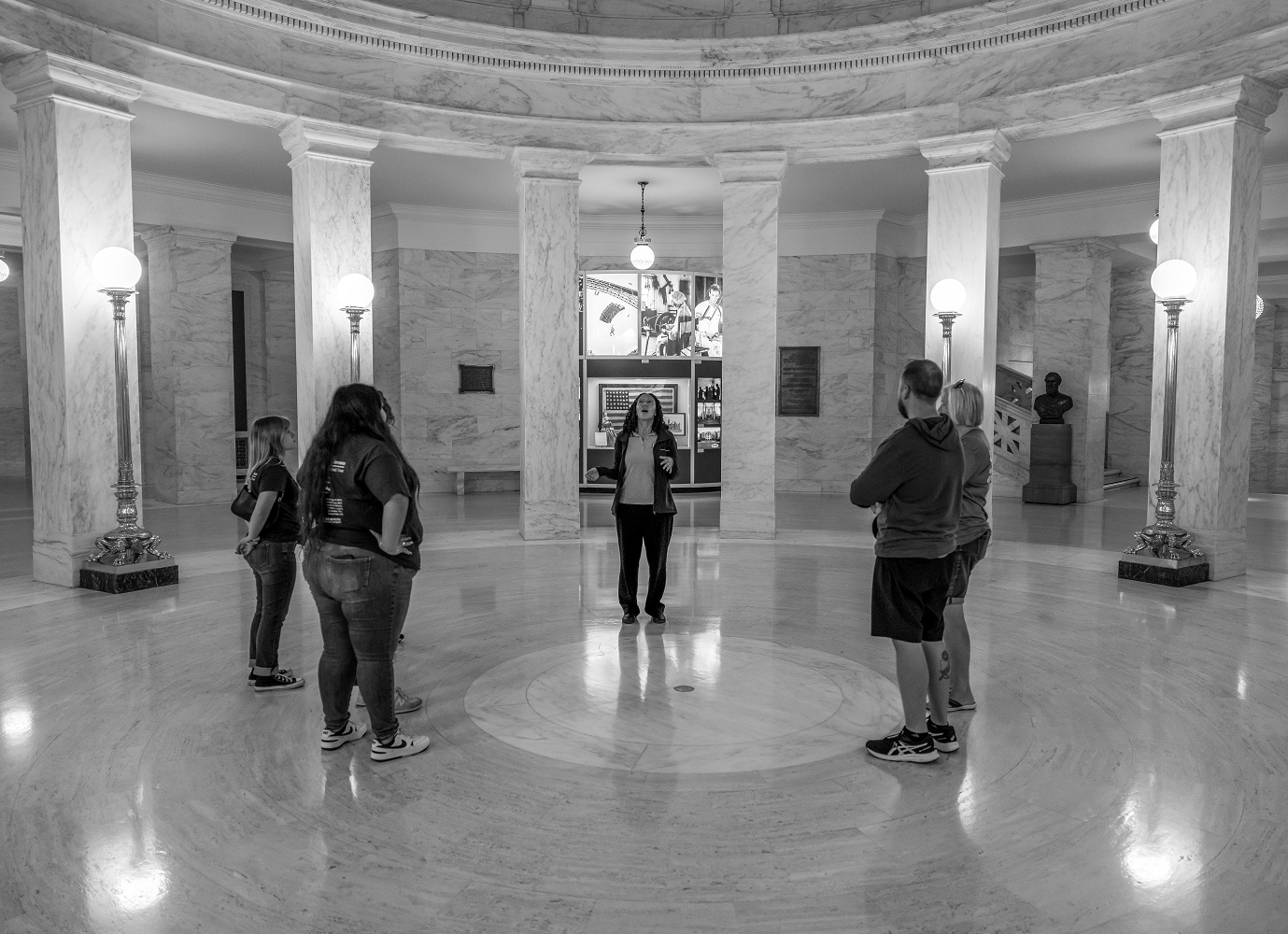
Upon entering the Capitol, we were immediately struck by the grandeur of the dome. The murals here vividly depict various significant stages in West Virginia’s timeline, including the Civil War…
…the scenic beauty of Seneca Rocks, the historical significance of Harpers Ferry, and even the contemporary state of West Virginia.
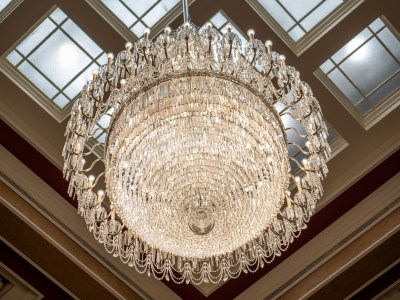
The intricate design elements throughout the Capitol reflect West Virginia’s unique character. Gold leaf is a recurring theme in the chandelier and lamps inside, mirroring the golden dome on the exterior.
Some of the ceilings are adorned with floral motifs resembling the magnolia, oak, and sugar maple trees, symbolizing the state’s natural beauty.
Our visit even included a House of Representatives and Senate tour. In the House, the room is divided by party lines and organized by committee memberships, leadership, and seniority.
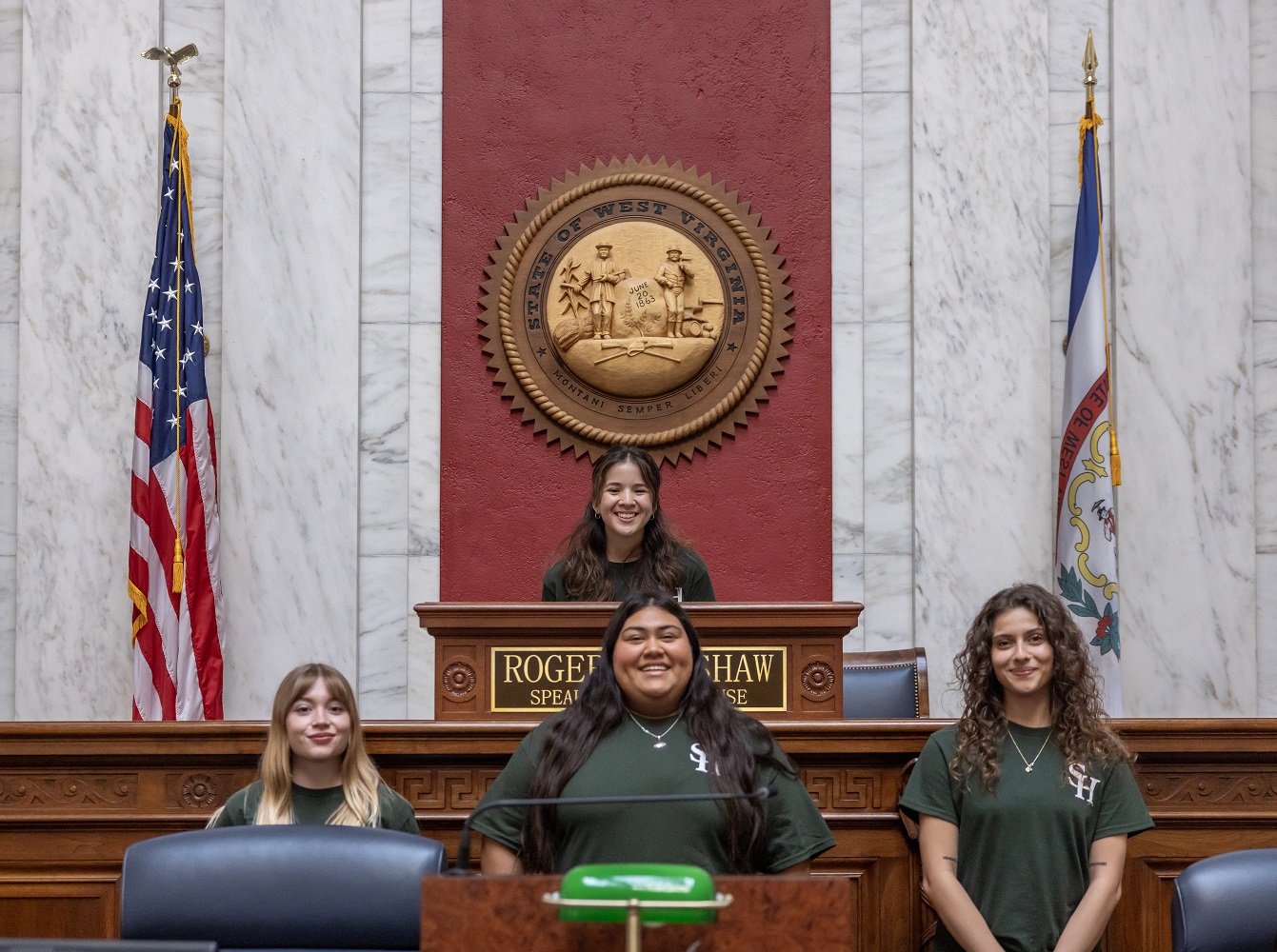
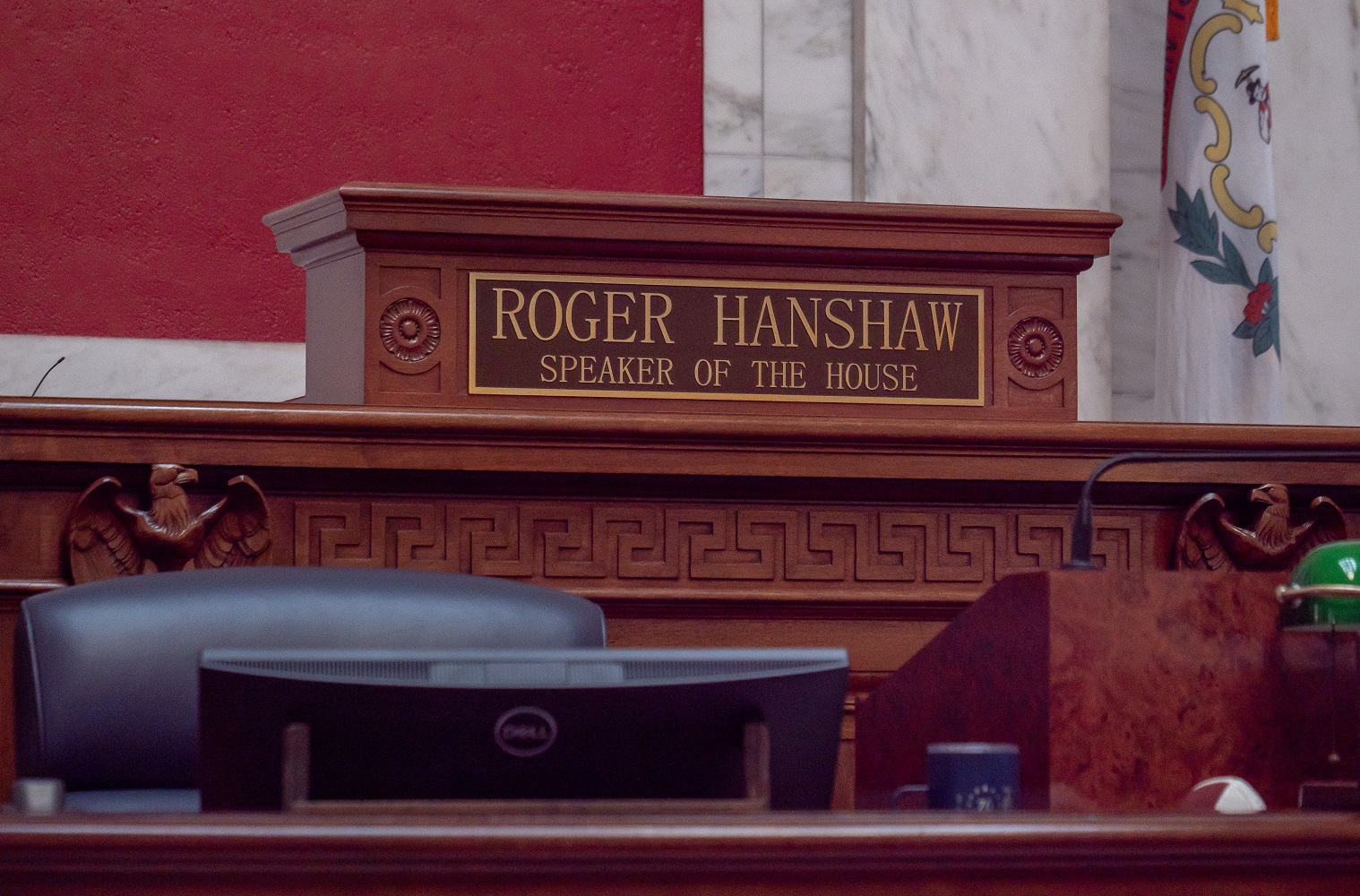
The layout and décor, including more gold leaf accents, highlight the importance and formality of the legislative process. We also had a chance to stand where Speaker Hanshaw presides over the House Chamber, a point that had special meaning since we have met Speaker Hanshaw.
The Senate chamber was equally impressive, seating a total of 34 senators.
We observed intricate decorations outside the chamber with a border on the ceiling representing various disciplines central to West Virginia’s identity: the bull symbolizes agriculture, the eagle with books represents education and art, the shield stands for coal and mining, and the scales of justice denote the legal system. We also admired their state seal, which has two figures representing agriculture and industry; the date that West Virginia was admitted to the Union; and their motto, “Mountaineers are always free.”
Adding to our understanding of West Virginia’s history, we learned that it became the 35th state due to its decision to remain loyal to the Union during the Civil War, primarily influenced by President Lincoln. Due to Lincoln’s role in the formation of the state, there is a large monument depicting the former president in front of the Capitol.
The West Virginia State Capitol has a fascinating yet tumultuous history; six buildings have served as the state’s government seat over time, and these buildings have experienced various expansions, relocations, and even two tragic fires. Each element of the Capitol, from its design to its décor, tells a part of West Virginia’s story, seamlessly connecting its storied past with its vibrant present. This rich history adds to the significance of our visit, making our exploration of the current Capitol a deeply enriching experience.
West Virginia State Museum
by Cinthia Villarreal
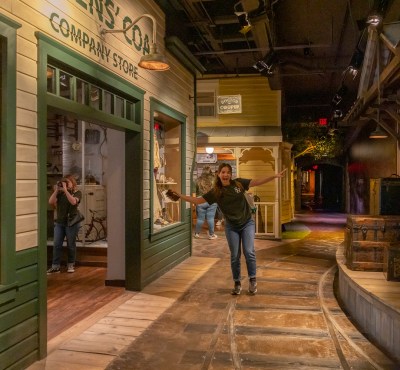
After visiting the beautiful West Virginia State Capitol Building, we stopped by the West Virginia State Museum. After driving through the state for the past few days, we looked forward to learning more about West Virginia’s rich and varied history.
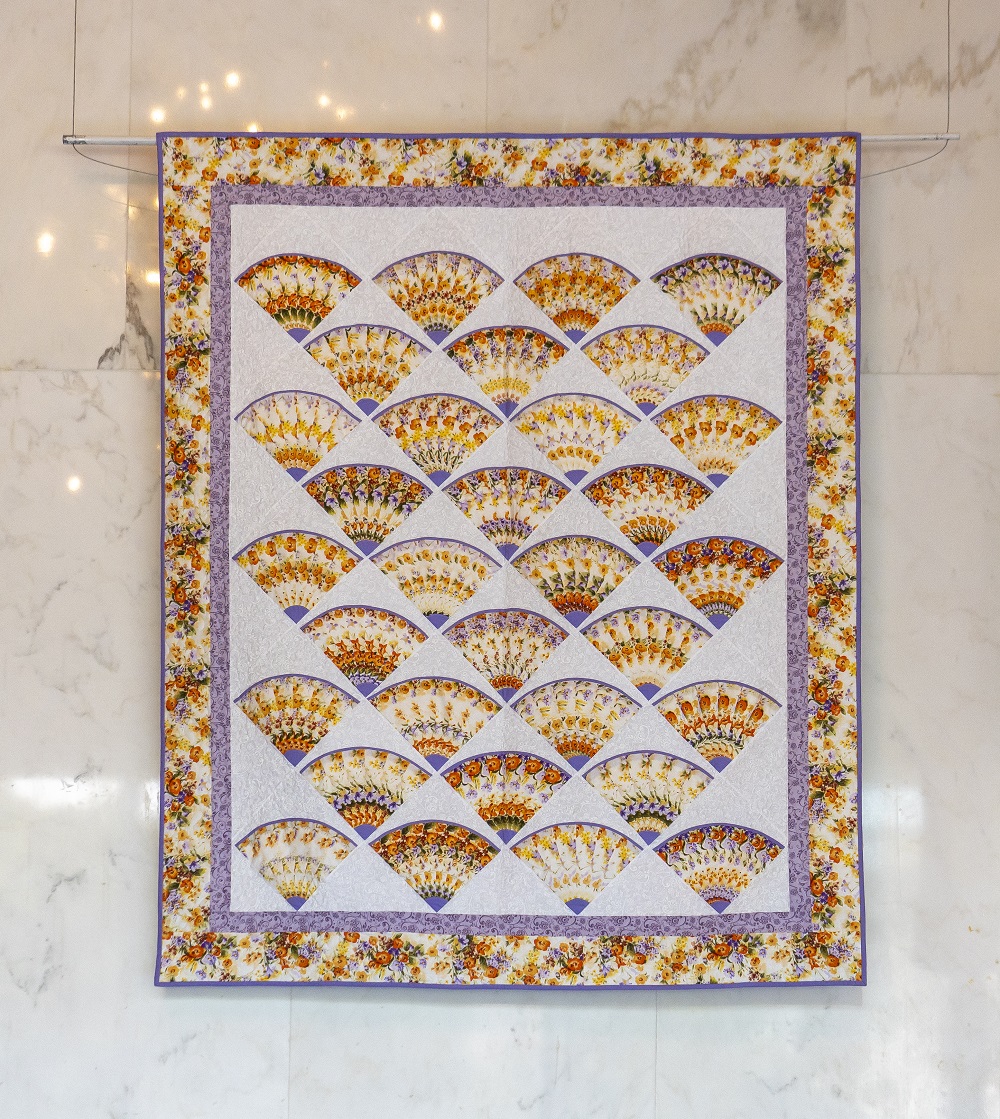
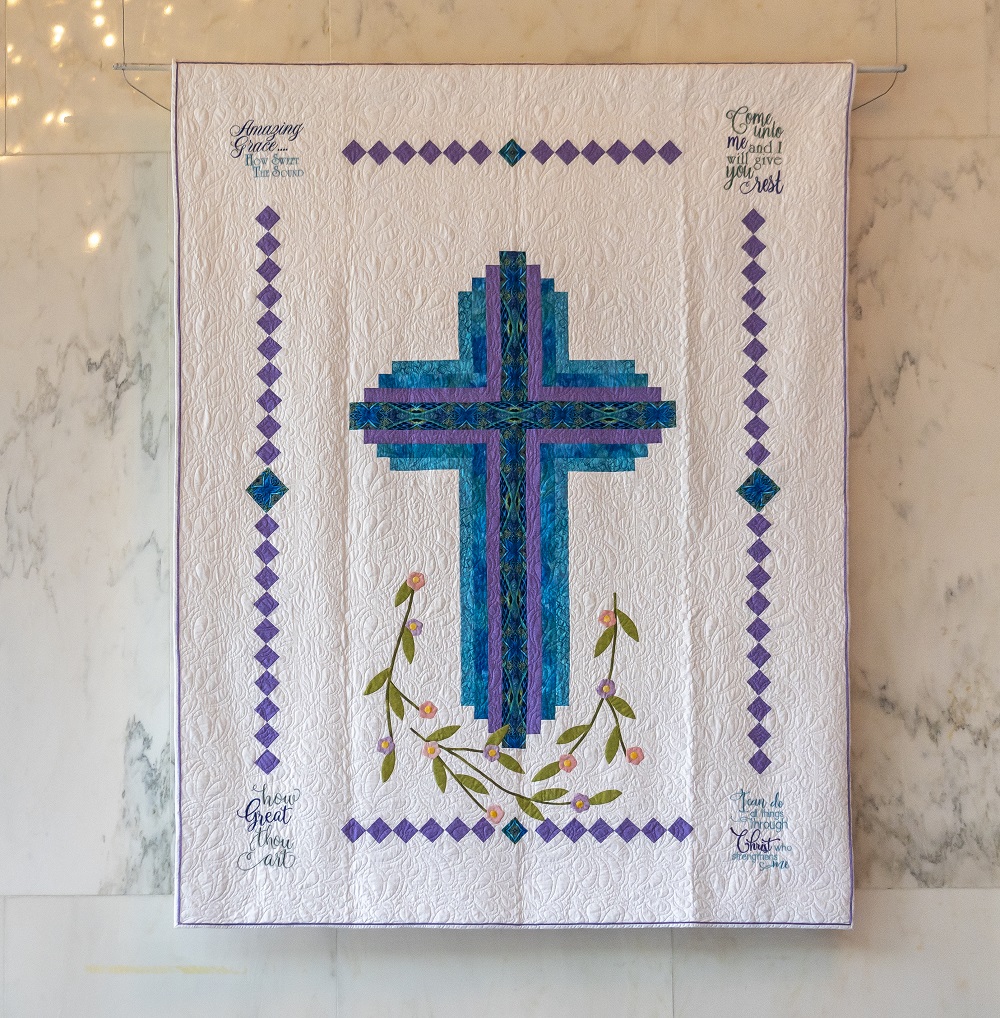
As we entered the front doors, the museum greeted us with a magnificent exhibit of colorful quilts.
Founded in 1892, West Virginia has a storied past that reflects its resilience and unique cultural heritage.
The museum meticulously chronicles this narrative, from the Native American tribes who first inhabited the land to European settlers’ arrival and the state’s eventual formation during the Civil War.
One of the museum’s exhibits pays homage to John Brown, a pivotal figure in American history and a passionate abolitionist whose raid on Harpers Ferry in 1859 marked a significant turning point in the fight against slavery. Brown’s legacy is intricately woven into West Virginia’s history, showcasing his commitment to justice and equality.
No aspect of West Virginia’s identity resonates more deeply than its connection to coal mining. From the early 19th century to today, coal has been vital to the state’s economy, fueling industrial growth and shaping communities.
The museum’s section on coal mining explores the industry’s evolution, labor struggles, technological advancements, and environmental impact, providing a nuanced perspective on its complex legacy.
A highlight is the 4,000-pound piece of coal, once enclosed in glass and used as a reception desk.
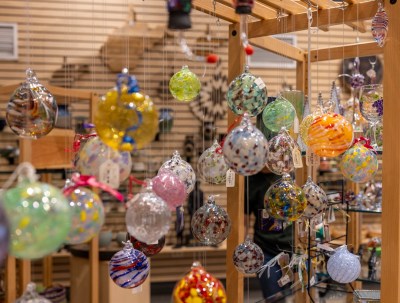
West Virginia’s blown glass industry is cherished in its cultural tapestry. The museum celebrates this tradition with a dedicated exhibit showcasing beautiful glassworks crafted by skilled artisans.
Whether you’re a history enthusiast, a nature lover, or simply curious about West Virginia’s rich past, the West Virginia State Museum highlights pivotal moments and key figures that shaped the state’s identity.
Cathedral Falls
On our return to Lewisburg, WV, we stopped at Cathedral Falls. Despite literally being a road-side stop about a mile from Gauley Bridge, it offered a great view.
The falls are approximately 60 feet, and they descend from a concave area in bluffs–likely the reason for the name “Cathedral.” We stopped for about 20 minutes, savoring the beautiful site that capped an activity-filled day.










































 Center for Law, Engagement, and Politics