“How do we get into law school?” is the most common question Pre-Law Society members ask . There are many factors that go into a competitive application.
The two most important factors are the LSAT and GPA. Beyond that, law schools look at letters of recommendation, the student’s resume, and their personal statement.
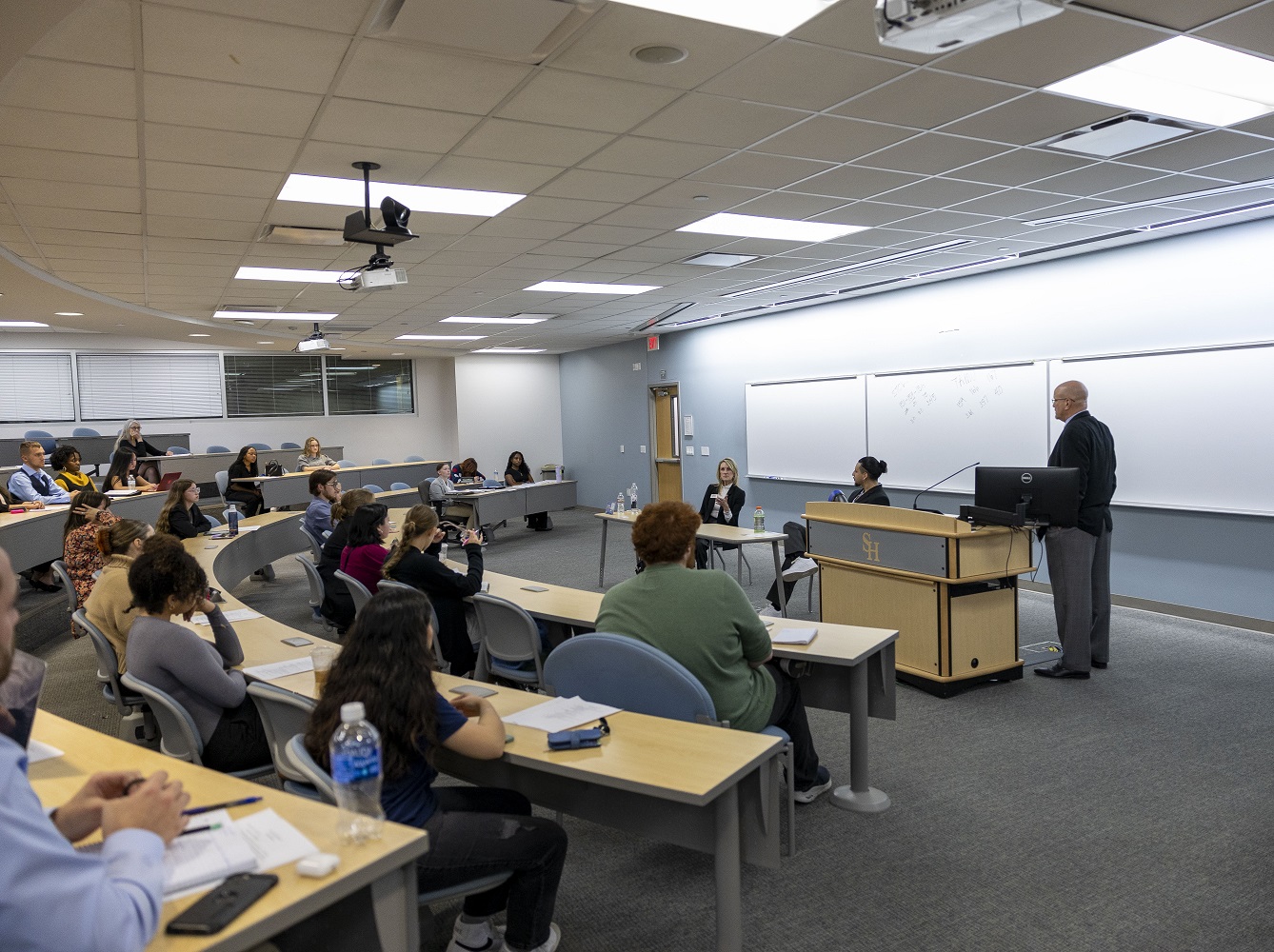
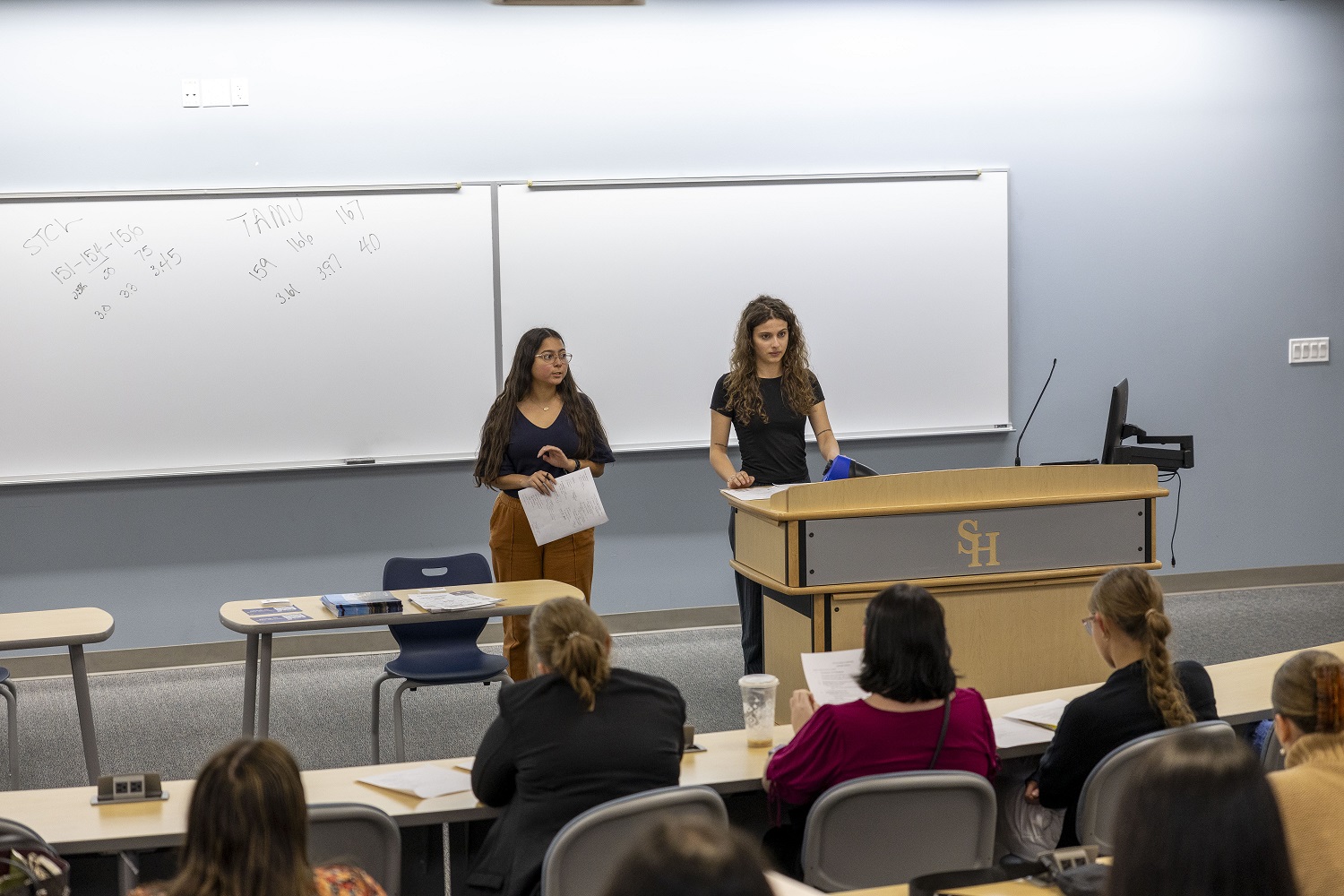
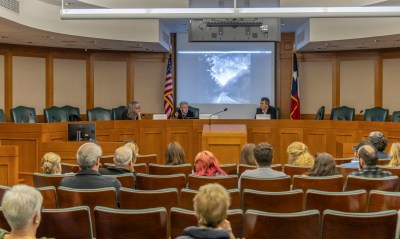
For the last meeting of the year, the Pre-Law Society invited South Texas Law School and Texas A&M Law School to answer burning questions about the law-school admission process.
The entrance requirements are different for these schools. On average, TAMU Law has an incoming class with a 167 LSAT and a 3.9 GPA, while South Texas has a 154 LSAT and a 3.45 GPA. Despite these differences, the process for selecting applicants is much the same.
LSAT and GPA are the two most important factors, and one way to think of their impact is in terms of categories. A student with a higher than median LSAT and GPA is in the “likely admit” category, ” a student just below average might be “possible,” while a student with scores significantly below the median LSAT and GPA would be “unlikely.”
The law schools stress that the applications are looked at holistically, meaning that other factors: resumes, personal statements, letters of recommendation, and the like can matter. These are, however, more likely to matter if you are “on the bubble.” If you have a 2.2 GPA and a 130 LSAT, it’s very unlikely that a strong personal statement will get you serious consideration at either STCL or TAMU Law.
Both schools stressed that it is important to build relationships with professors and work supervisors, as letters of recommendations from them can be helpful in the process. And work experience can convey important qualities: punctuality, responsibility, a strong work ethic–and, in some jobs, critical thinking, writing, leadership, and management skills as well.
In the LEAP Center, we encourage progressive development:
First Year: Solid grades, take the Mock LSAT, find an organization or two;
Second Year: Develop study plan for LSAT, improve grades, begin looking at internships, consider officer positions in organization;
Third Year: Begin serious study for LSAT, have interesting college experience (study abroad, professional internship), show leadership potential; deepen relationships from potential letter writers;
Fourth Year: Take LSAT beginning Senior Year; apply for law school; round out college experiences.
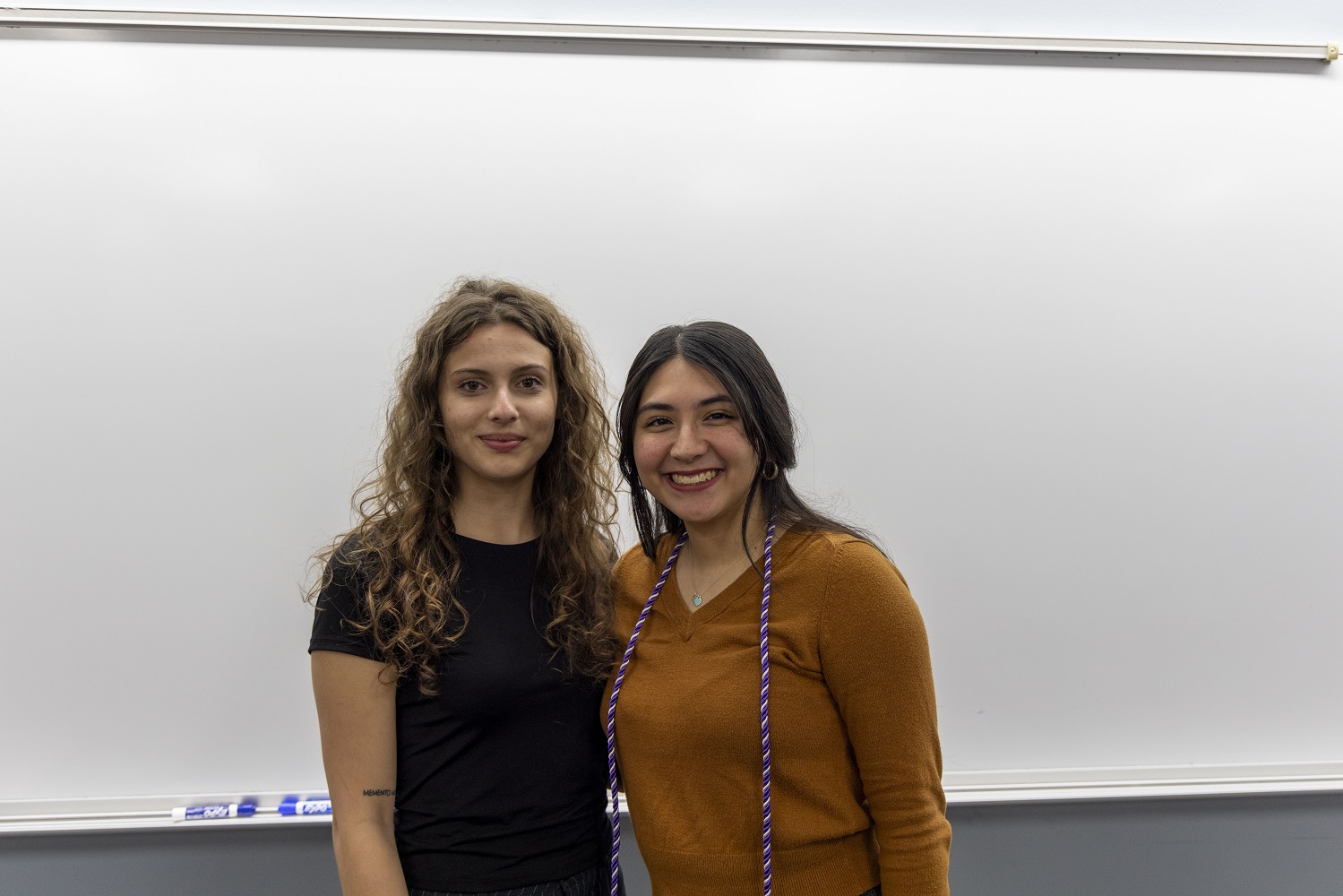
During this final meeting, we also took the time to celebrate this semester’s graduating seniors. Tyrielle Bradford, Tonya Le, Ariza Martinez, Rylee Smith, and Brad Williams are our graduating seniors! All received a cord to reflect their time and dedication to the Pre-Law society.
Continuing the celebrations, Mark Harkrider, America Santillan, Christina Biello, and Noah Gilbert were awarded a $250 scholarship each! Their names were pulled at random in a small raffle game.
We would like to thank South Texas Law School and Texas A&M Law representatives for taking time out of their schedules to join us today. We have learned a lot and hope to use this advice beyond our law applications. Thank you to all new and old members for joining us on this journey through the semester. Good luck to all this semester’s graduates from now and to the future. Please follow us on our socials for more information and future events with the Pre-Law Society! Happy holidays and see you next semester!
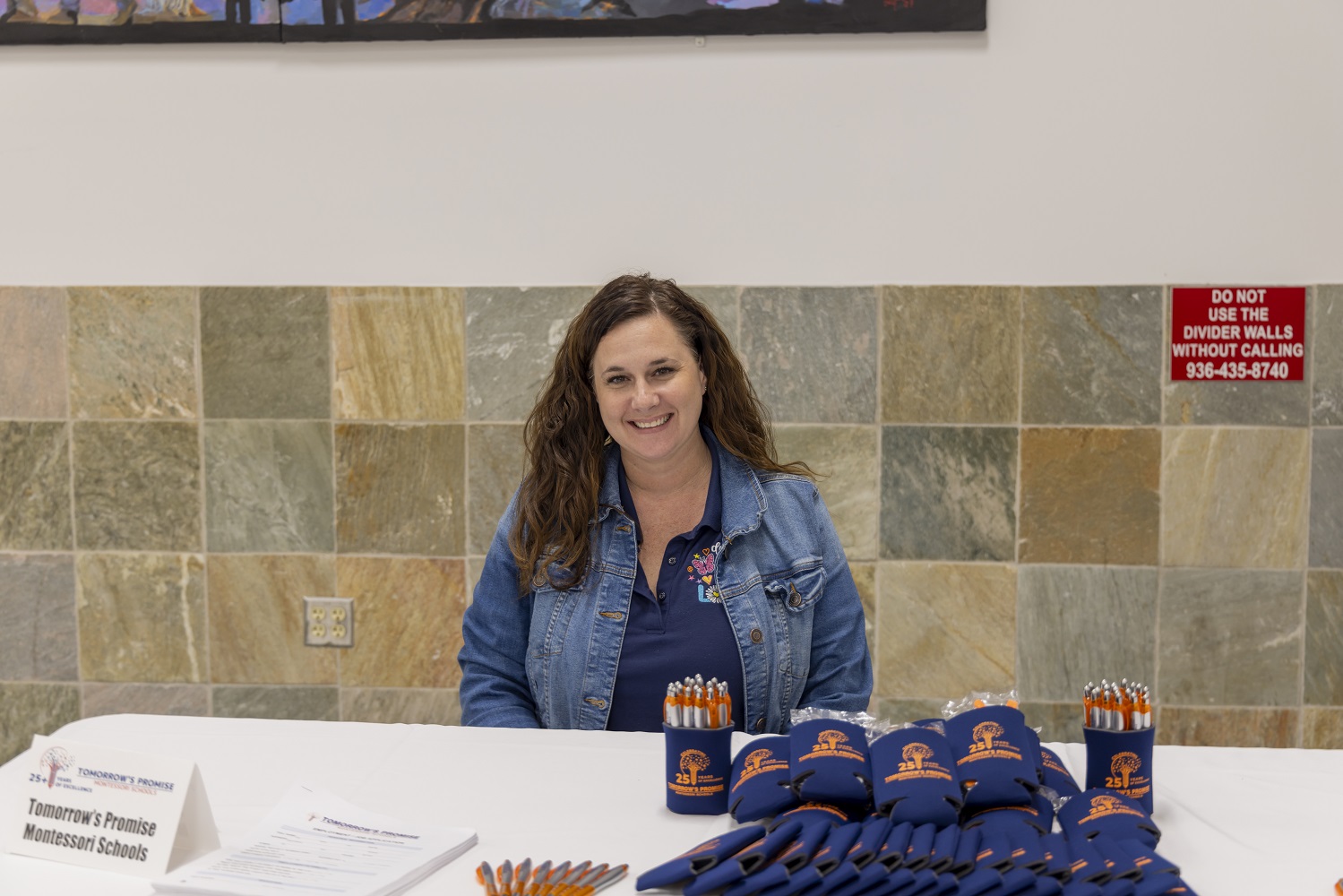
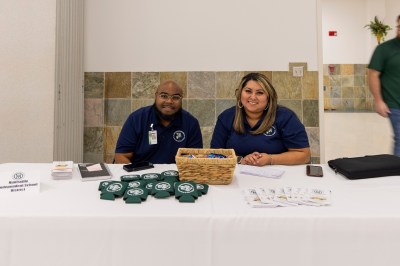
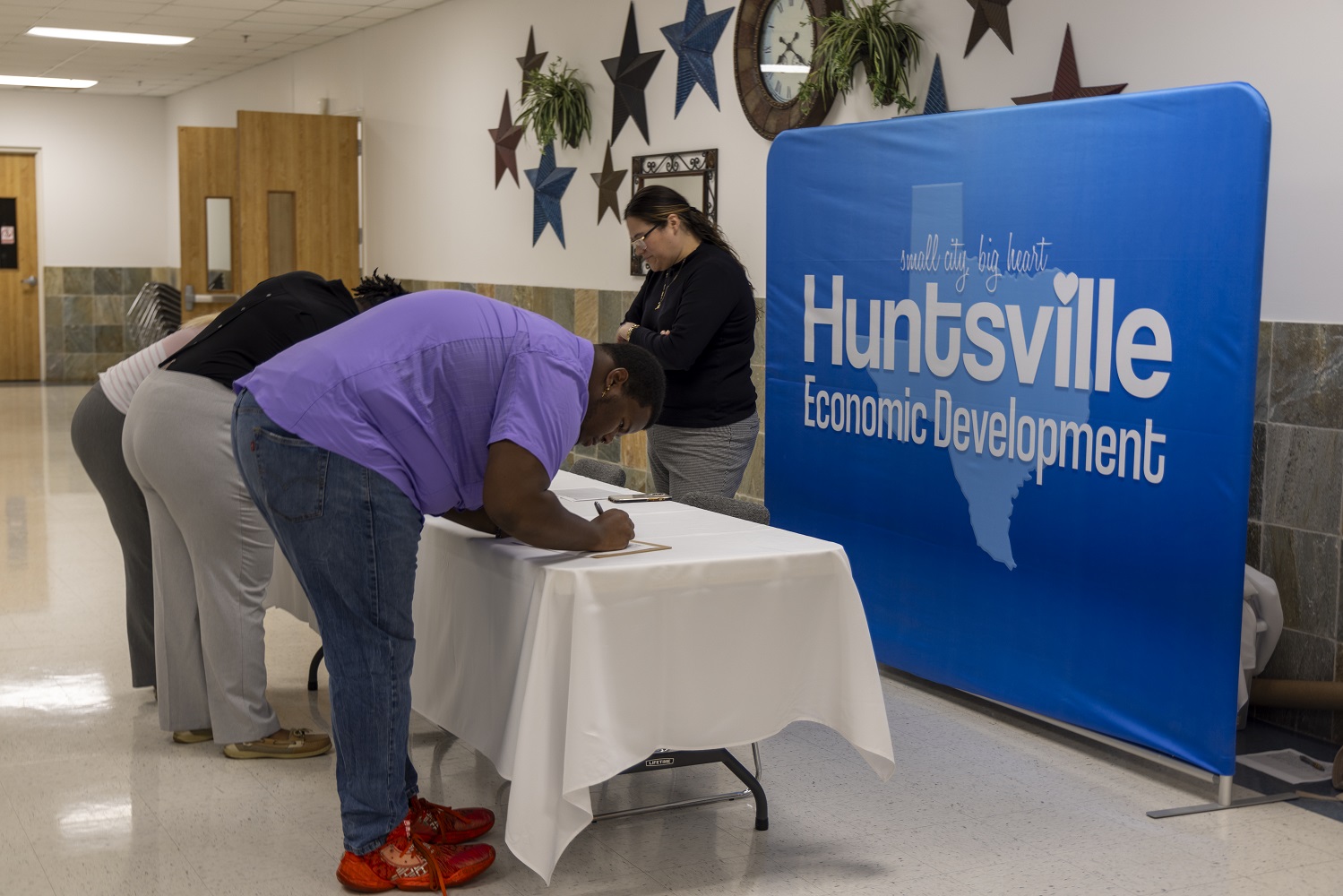
As the intern for the City of Huntsville’s Economic Development Department, I have had the privilege to learn about what makes Huntsville, Huntsville. From what I’ve come to understand, Huntsville’s unique quality comes from the community’s eagerness to support each other. This was further reinforced by The City of Huntsville’s Community Hiring Event, hosted by the city’s Economic Development Department. This event, which was a first for the department, allowed local businesses to showcase their businesses, and hopefully, fulfill some of their vacant positions!
There was a vast array of businesses that participated in this event. From local businesses such as Advantage Specialties and Carolina Creek, to local manufacturers such as Zenner USA and Rock MFG, there was a broad range of opportunities for people to inquire about.
There were even businesses that focus on workforce and staffing, such as Express Employment Professionals and Workforce Solutions, the latter of which provided resources for participants actively seeking employment.
Throughout the evening, businesses had the opportunity to conduct onsite interviews, and participants had the opportunity to show off their resume. With over 150 people in attendance, this event was a resounding success! Events such as these are incredibly valuable to both businesses and potential employees alike, as it helps to reinforce the community support that makes Huntsville so special.
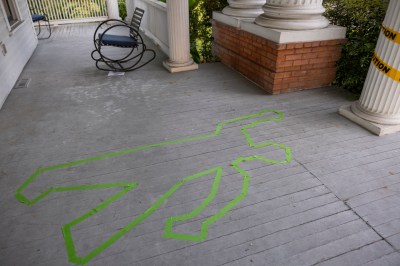
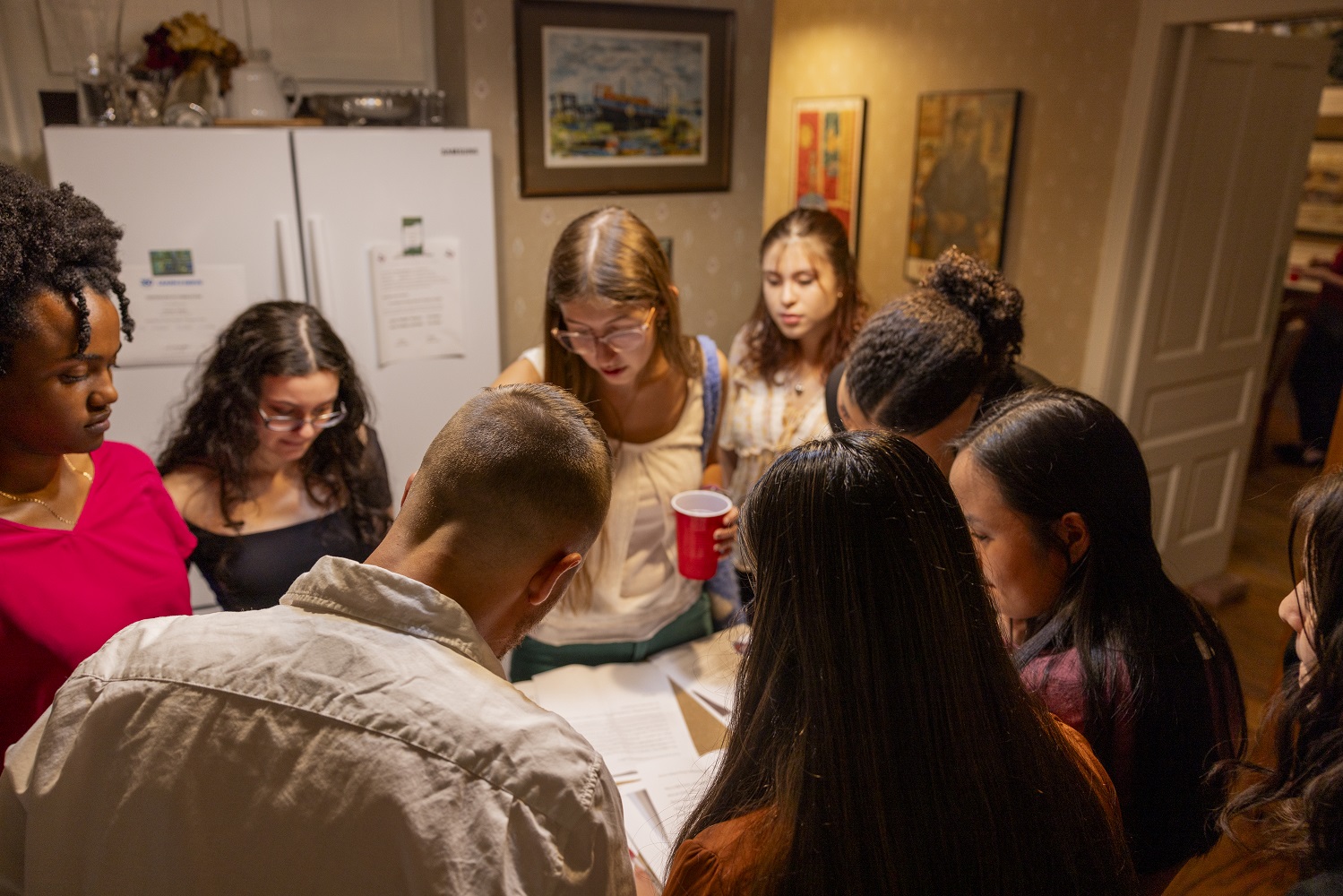
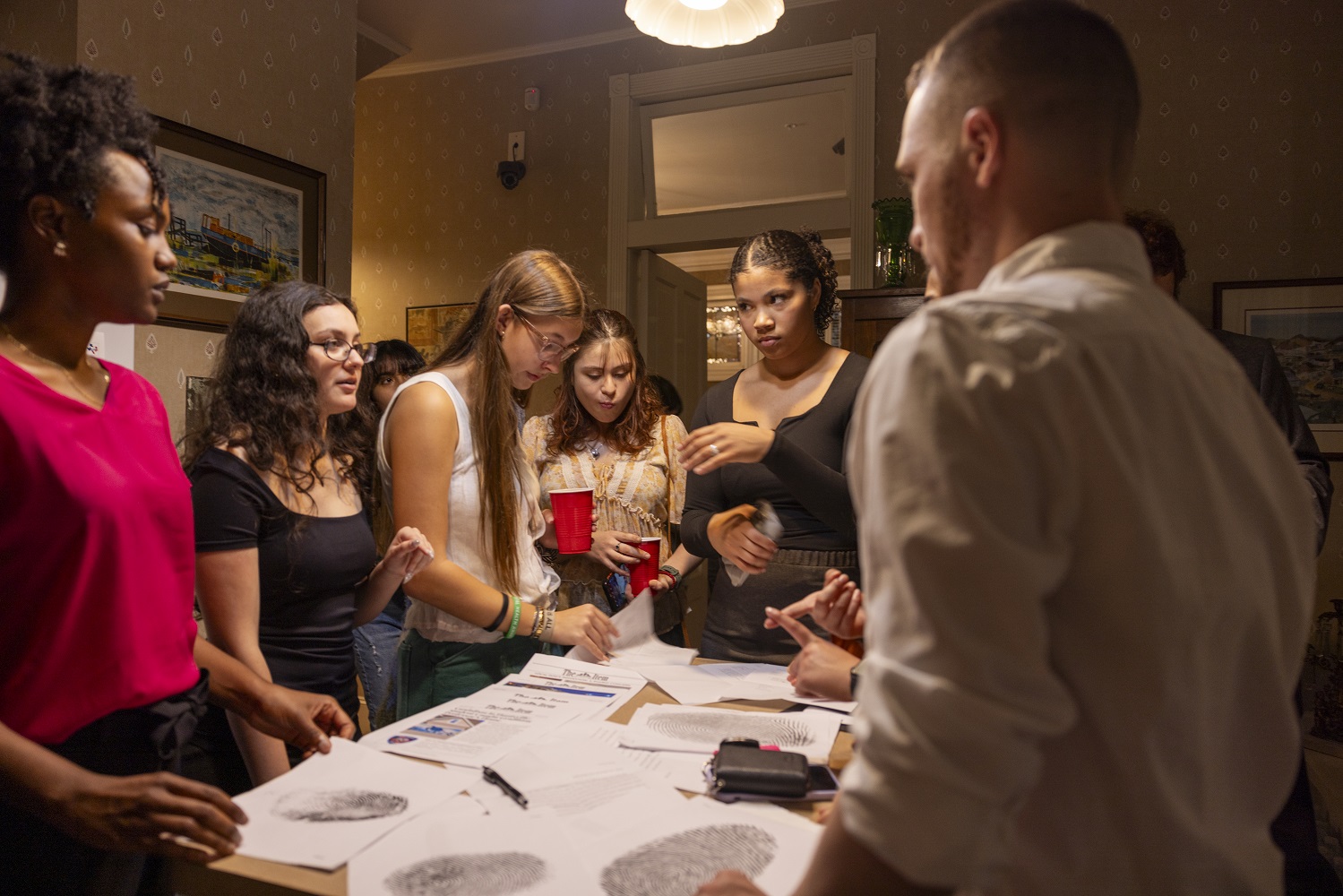
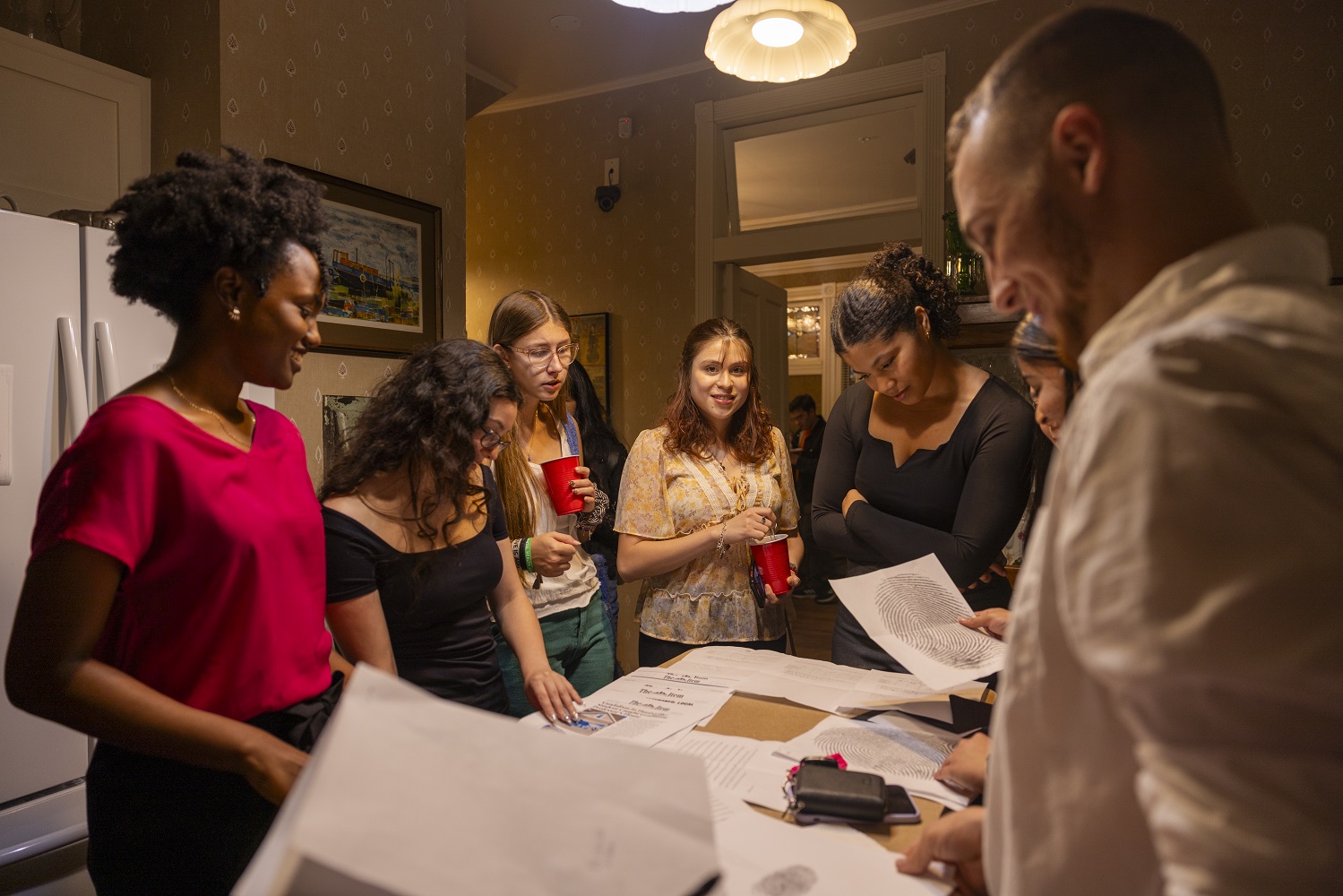
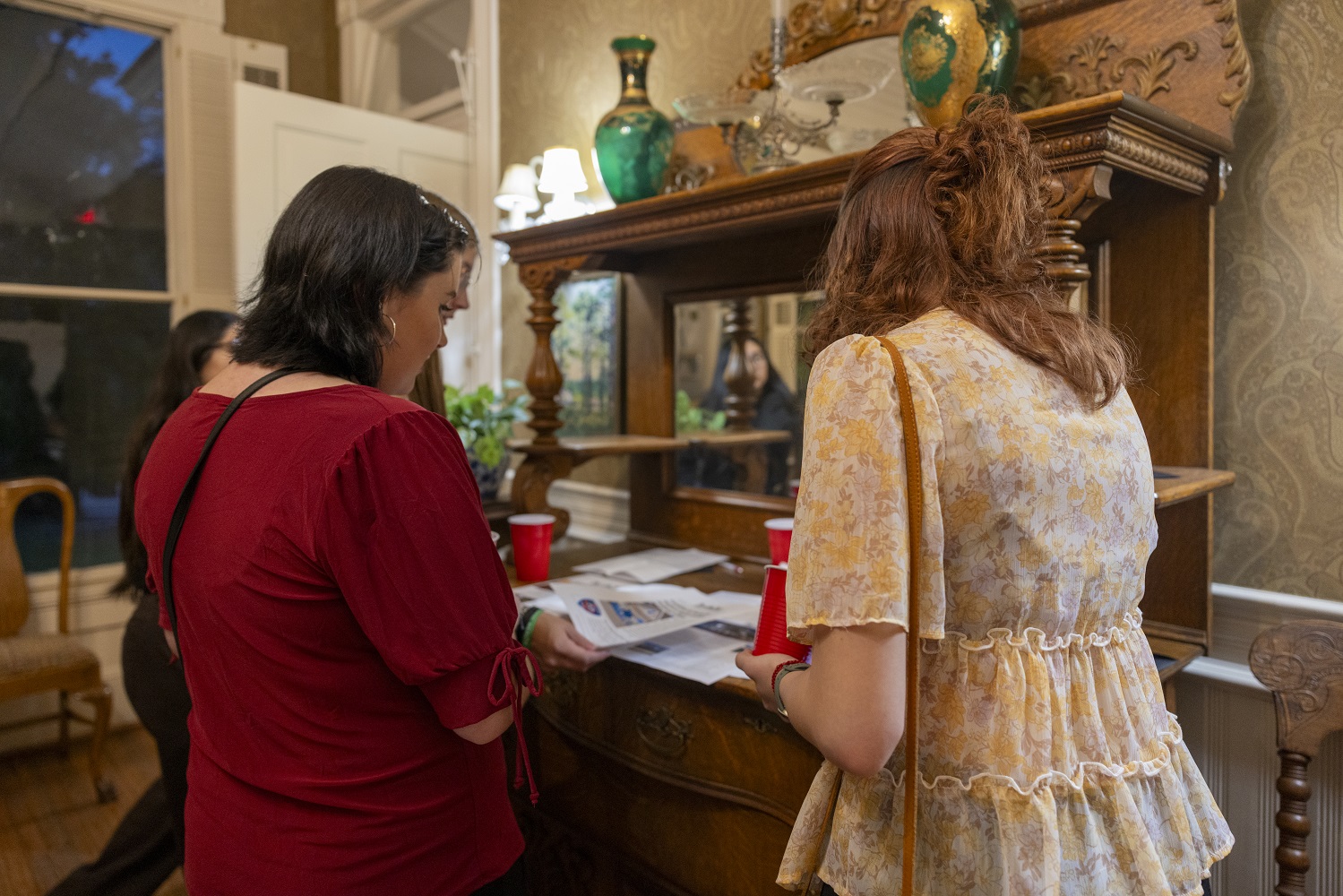
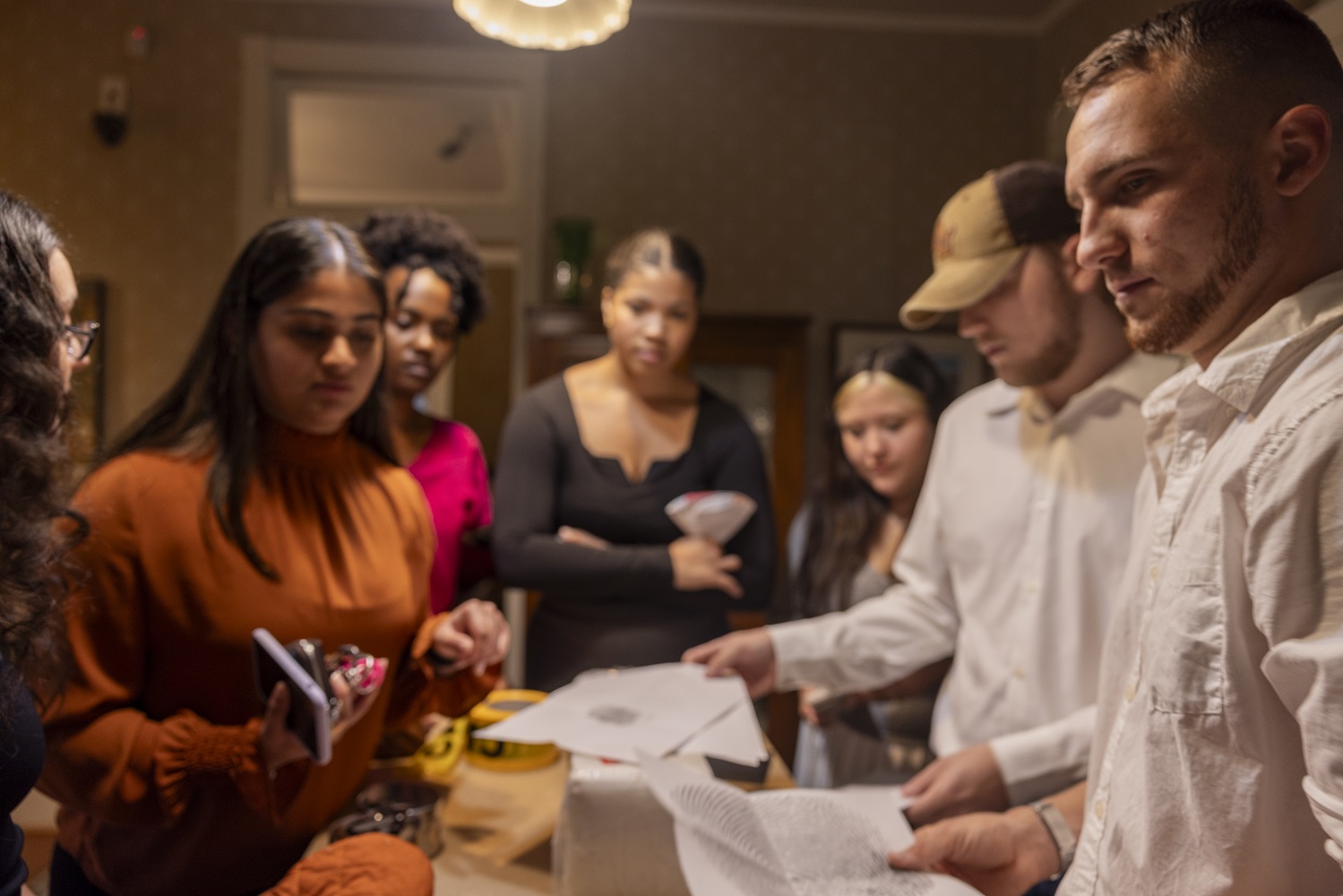
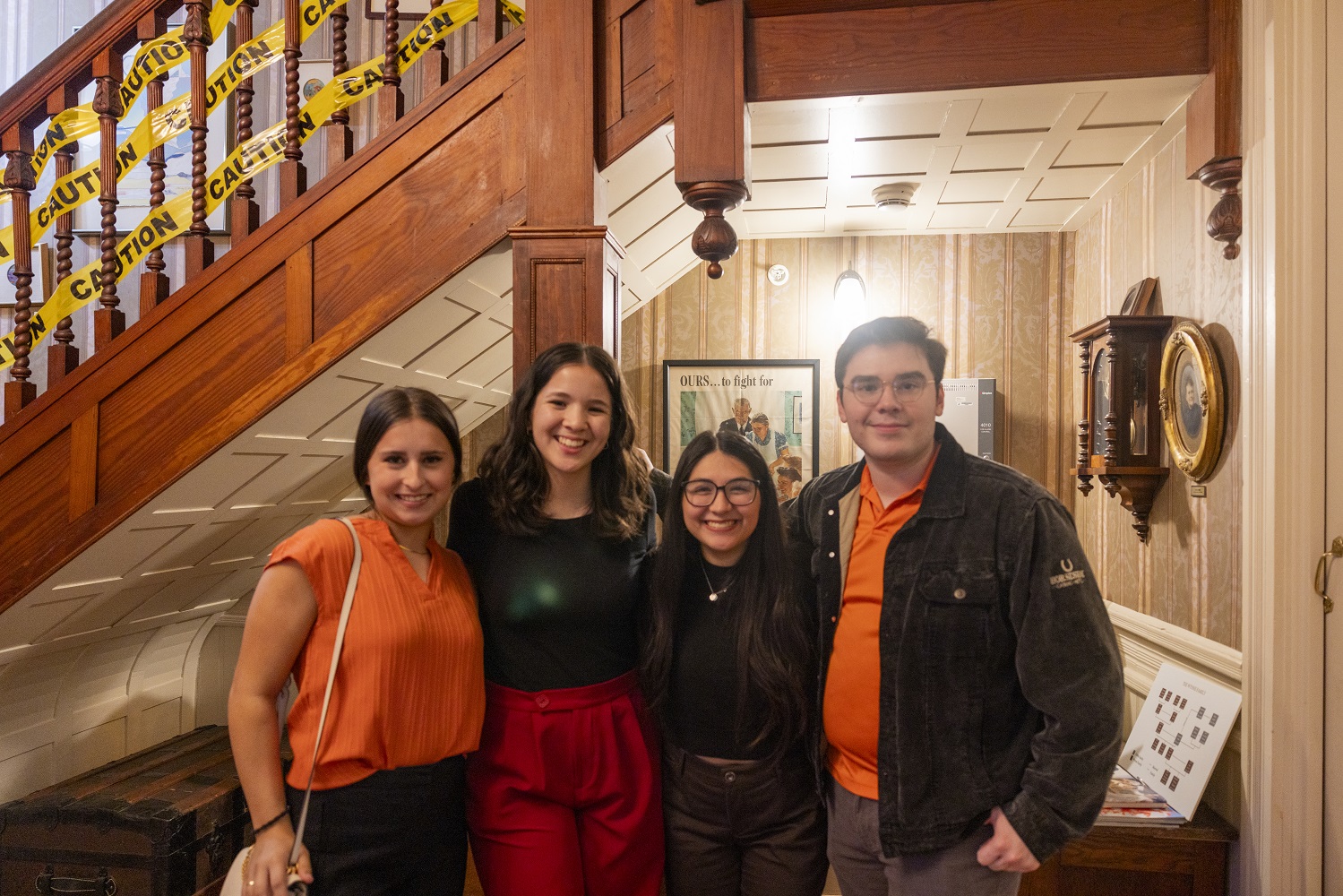
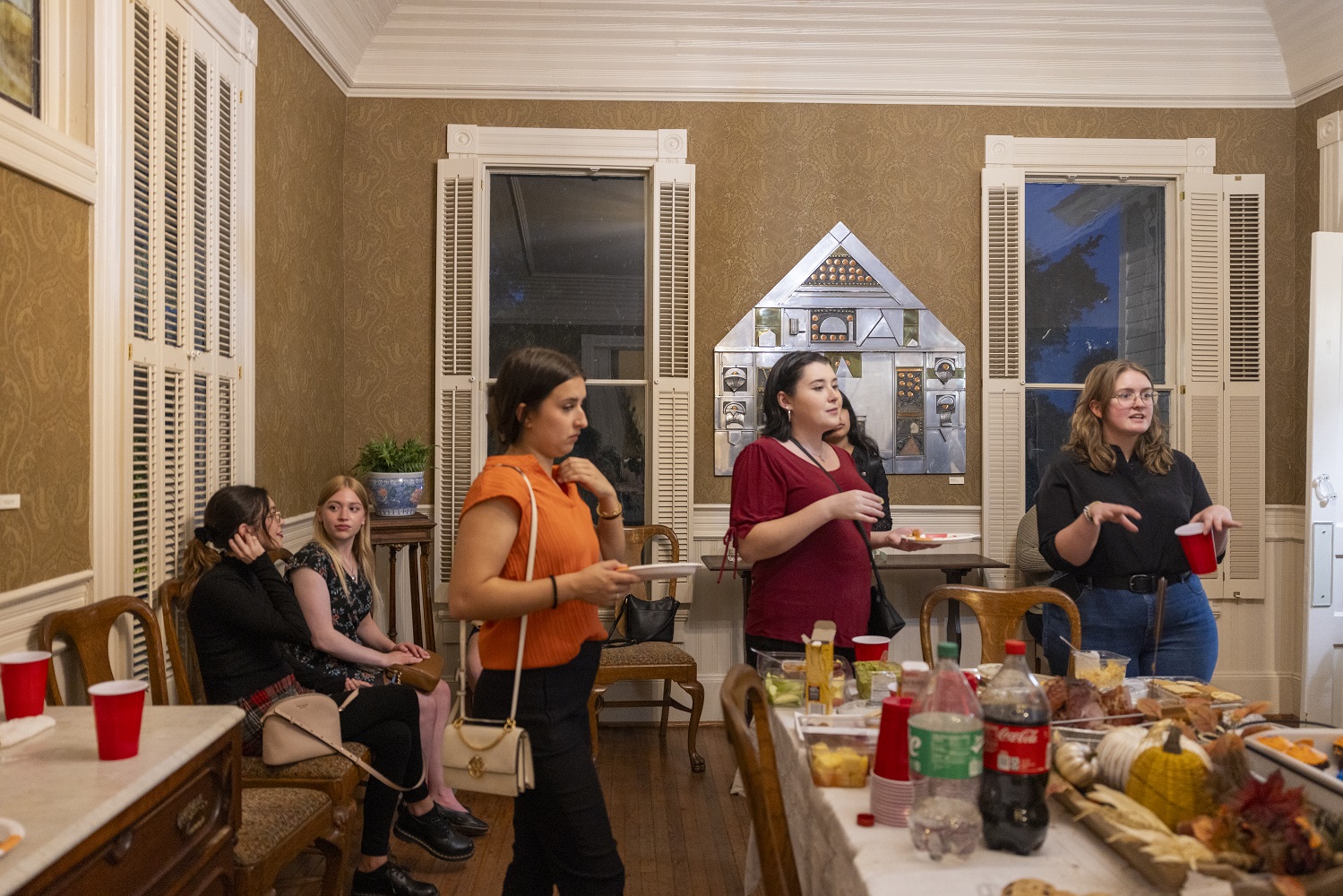
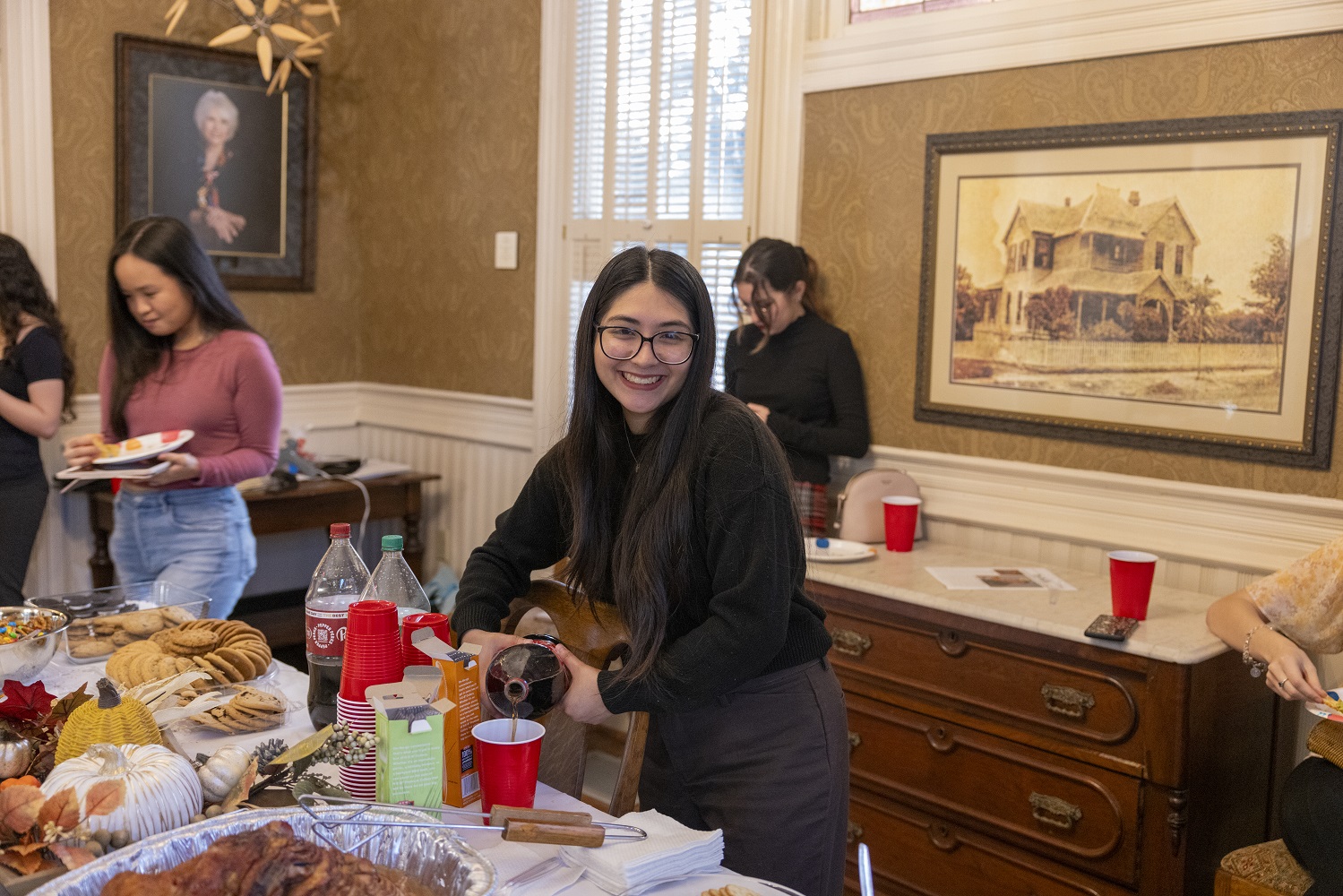
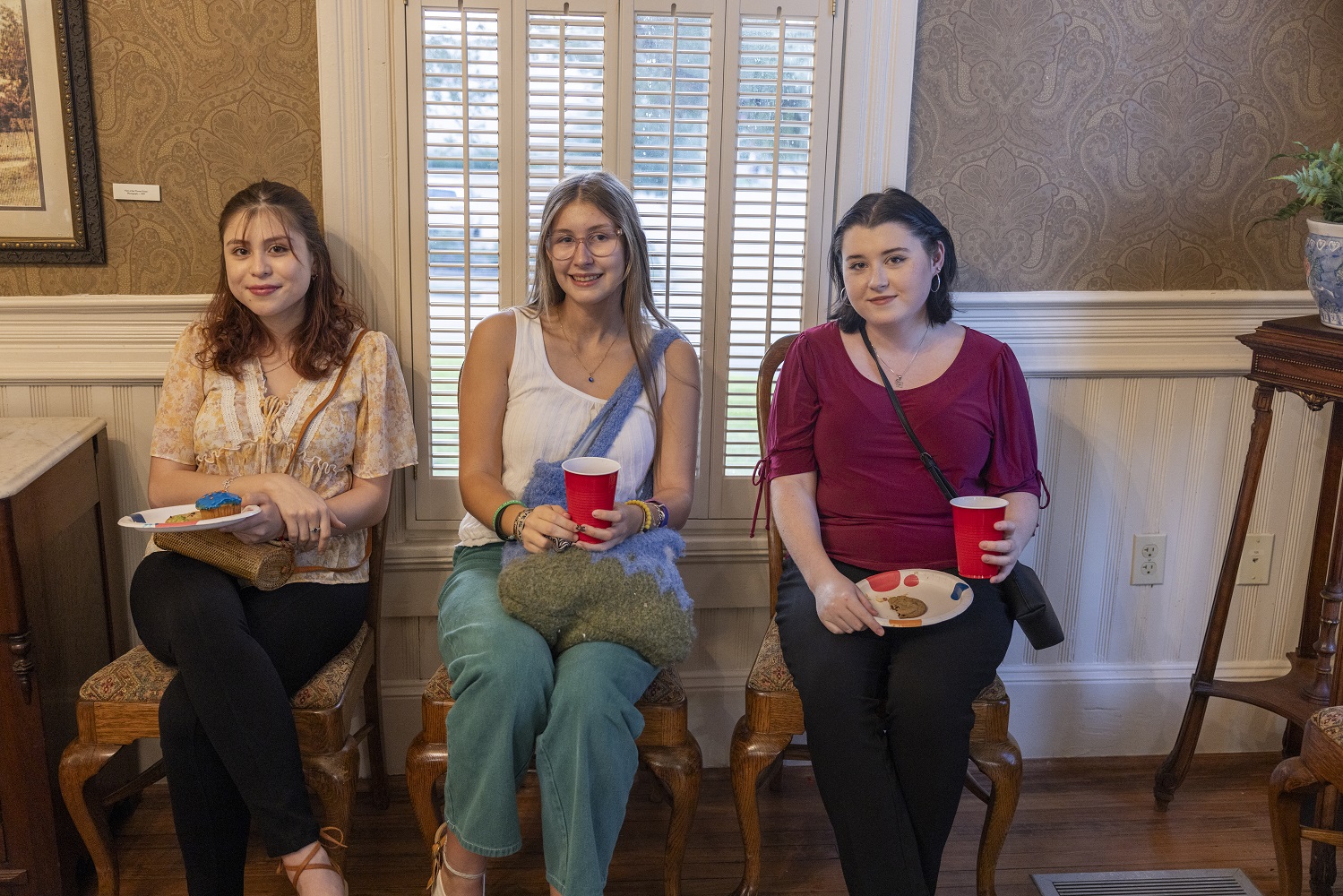
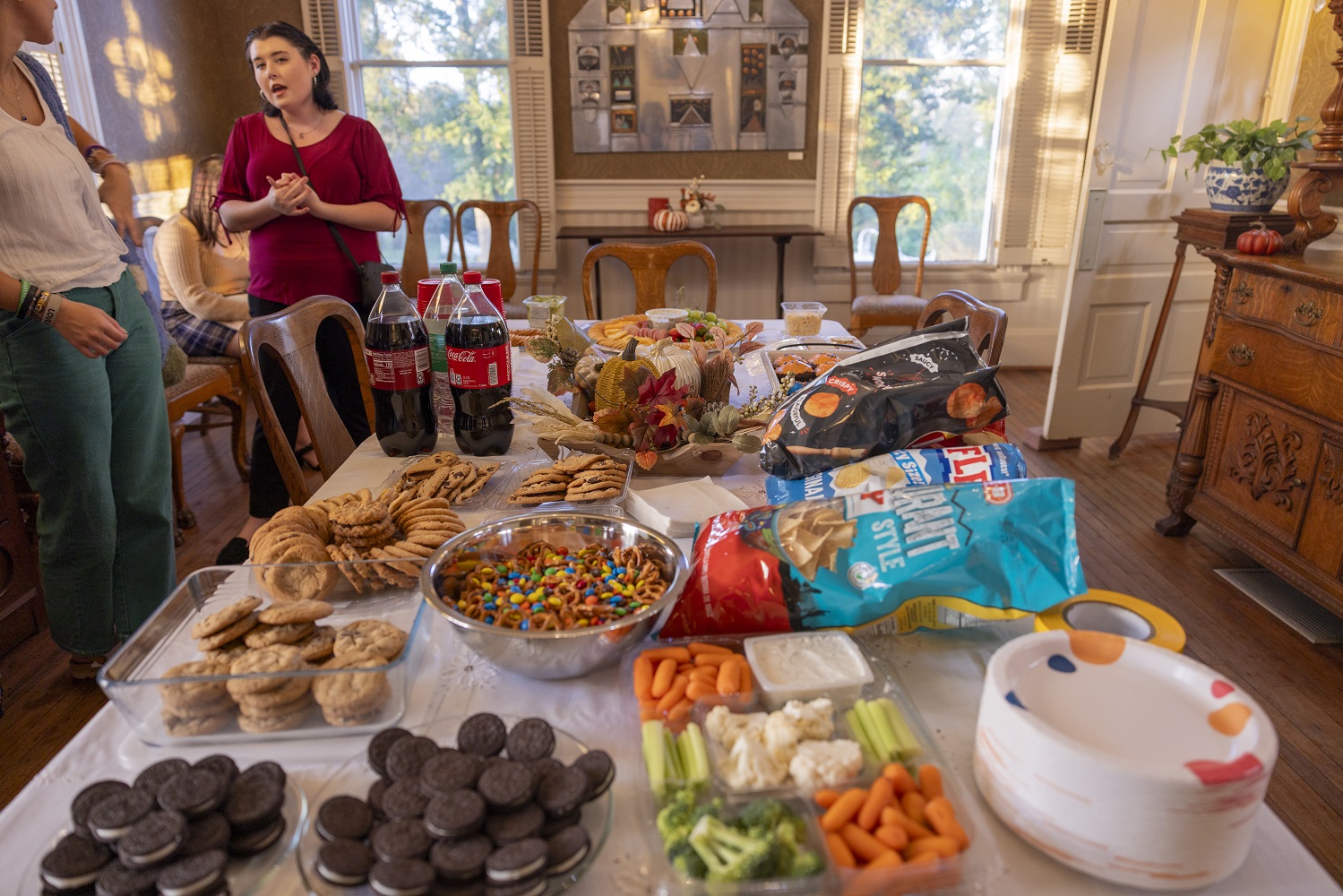
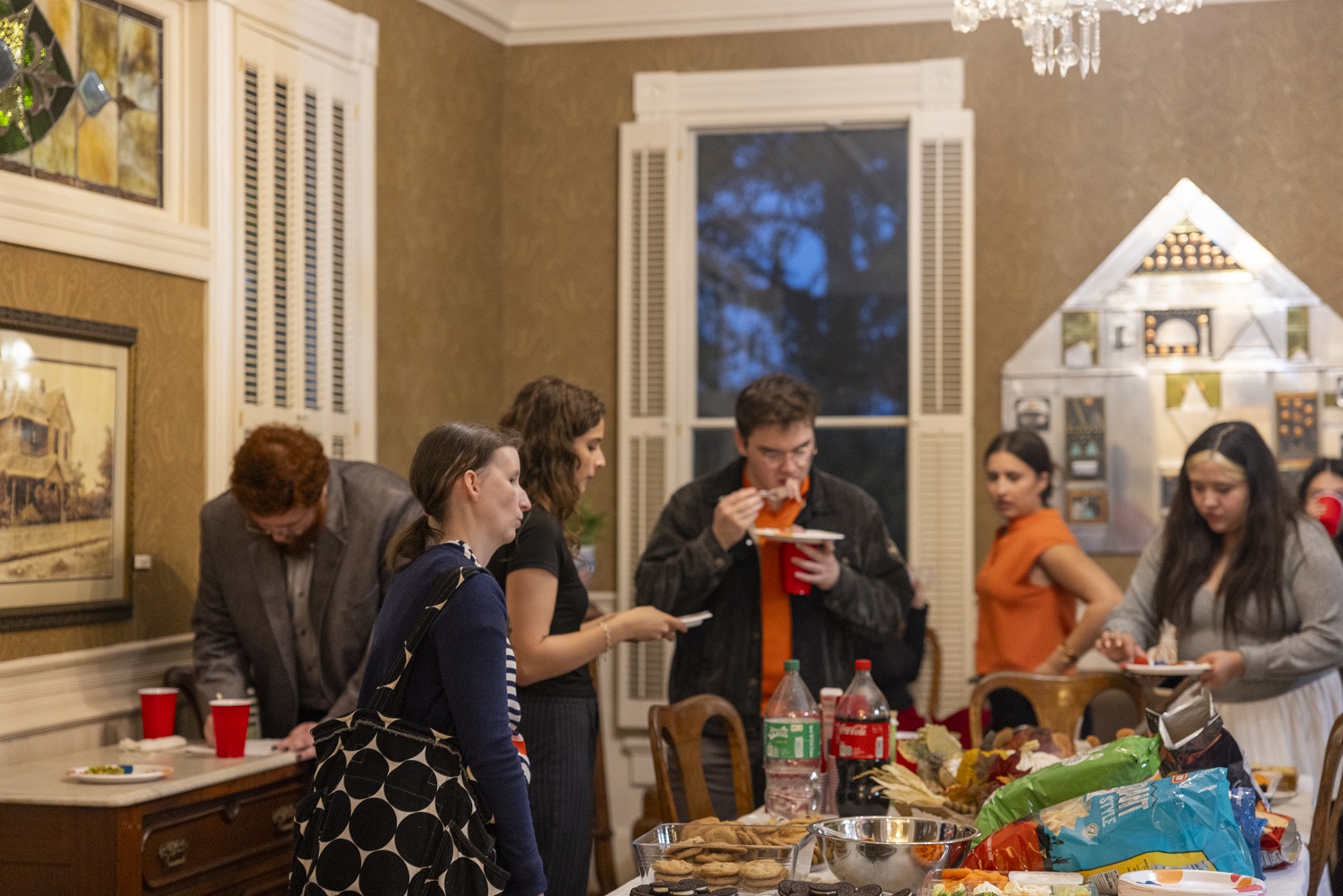
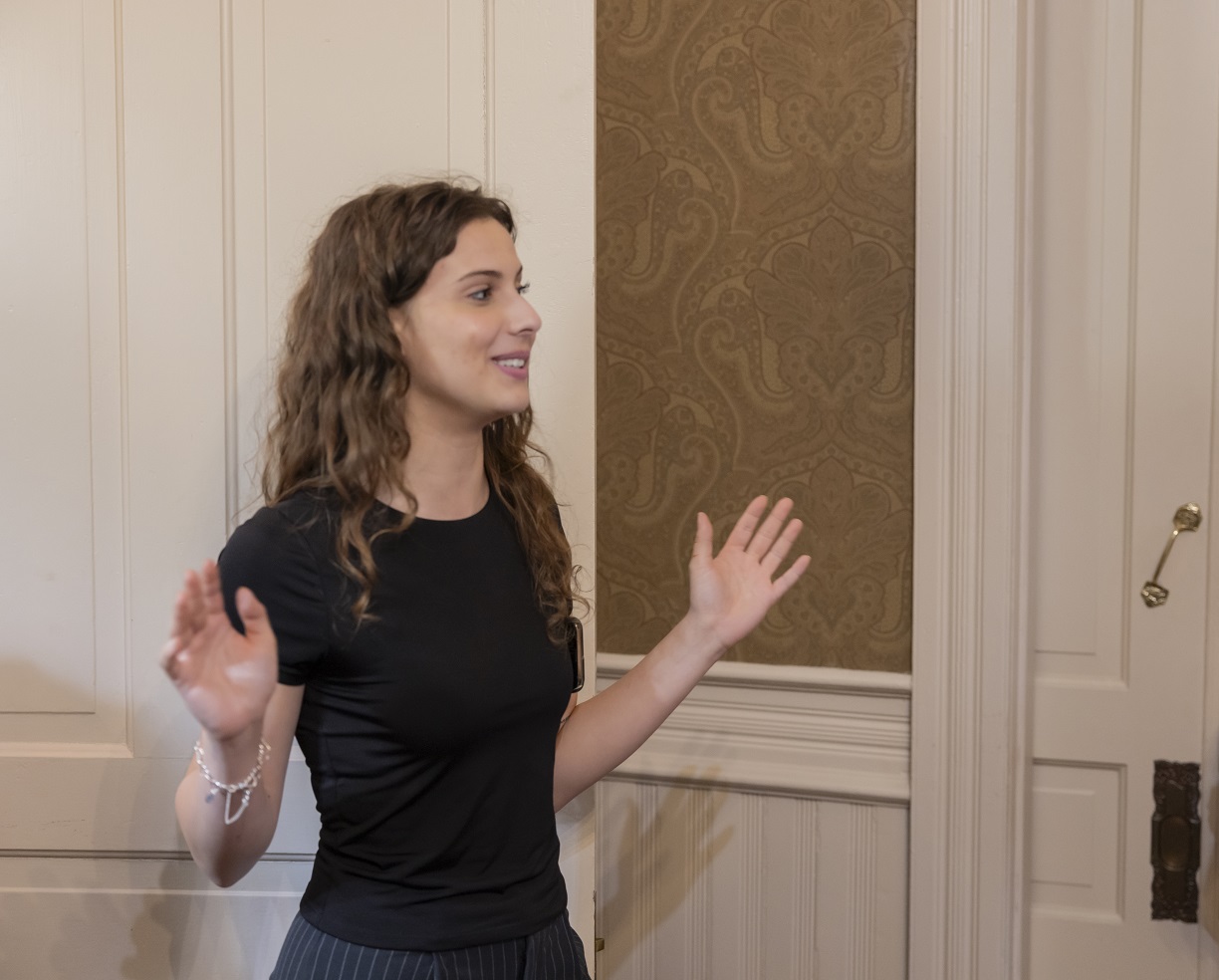
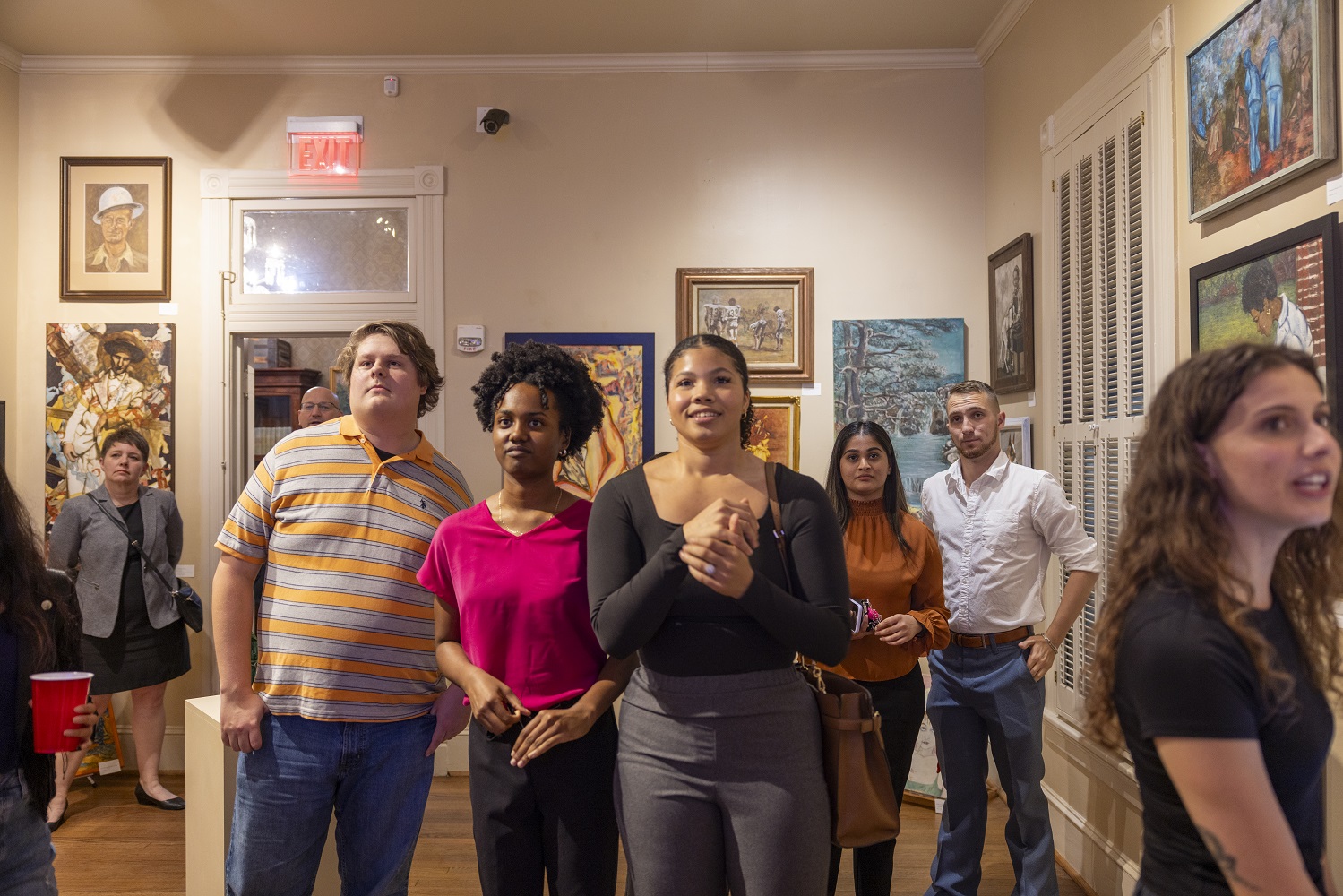
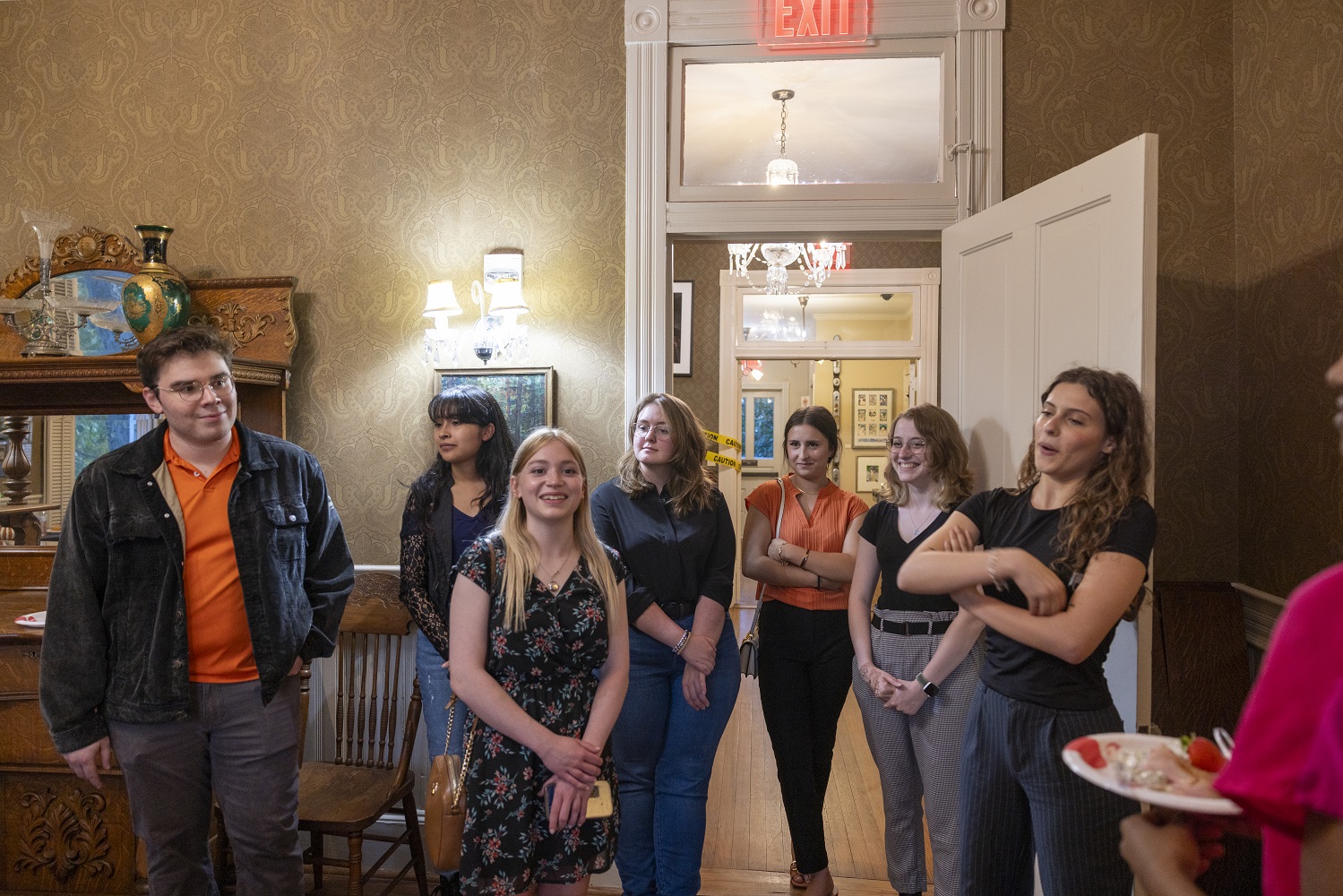
The Pre-Law Society kicked off the semester with a bang at the Wynne Home Arts and Visitor Center, hosting a festive potluck imbued with the spirit of the holidays. Little did we know, our evening of laughter and camaraderie would take an unexpected turn when tragedy struck! Professor Yawn, our beloved advisor, met an untimely demise, and we found ourselves in the midst of a gripping murder mystery.
An ominous note to the otherwise beautiful Wynne Home
In a thrilling twist, the Pre-Law members became detectives, working collaboratively to uncover clues scattered throughout the Wynne Home and unveil the motives of five suspects. Revelations surfaced as members stumbled upon incriminating emails exposing each suspect’s top law school choices, with one, in particular, catching our attention. Mark Harkrider, known for terrorizing children and pilfering their Halloween candy, found himself barred from law school by Professor Yawn.
Professor Yawn and Harkrider in happier times
As the night unfolded, conflicts between the suspects and the late professor emerged through the discovery of evidence.
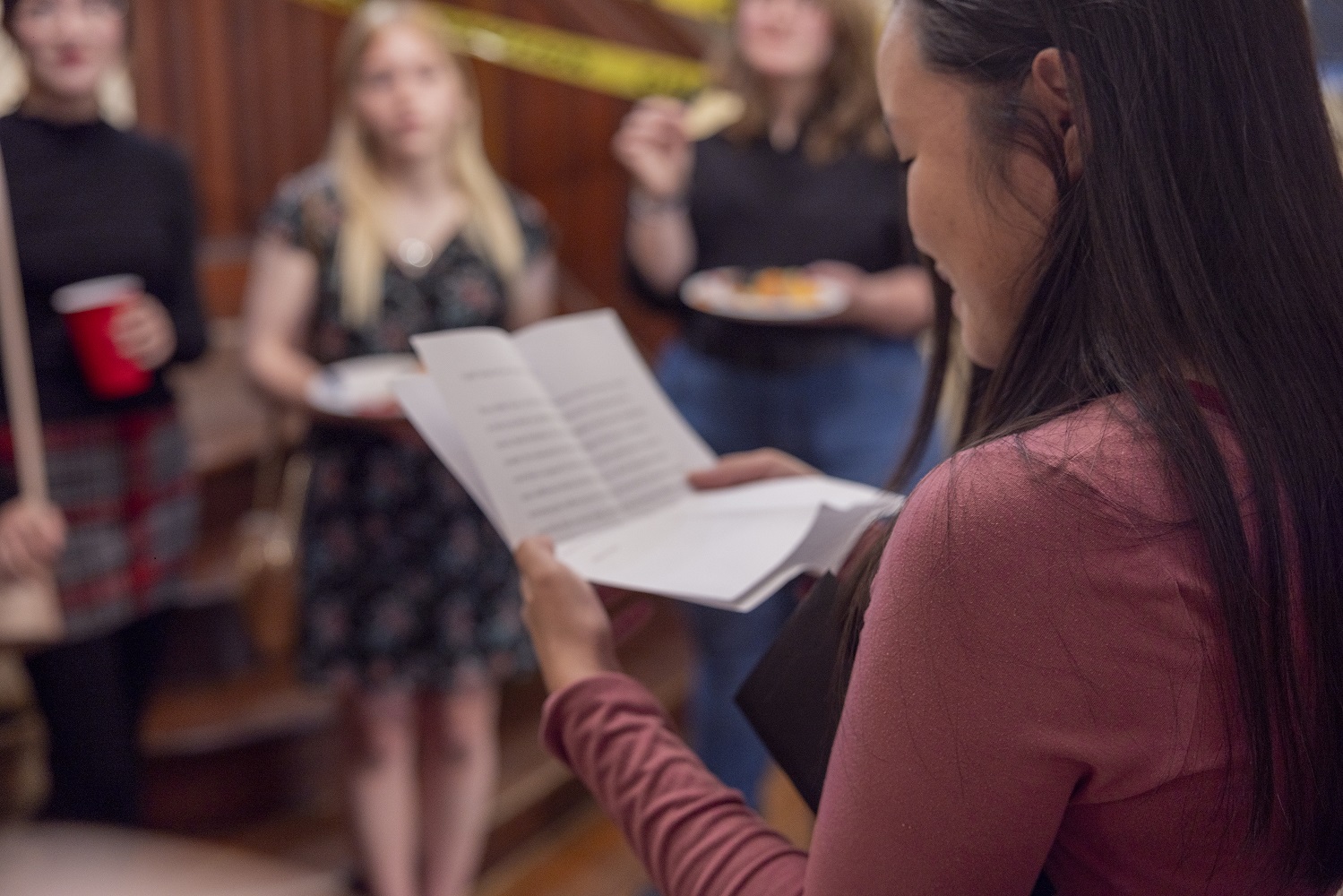
My own motive, as McKenna Nonnenmann, was revealed to be Professor Yawn’s disdain for cats, particularly my beloved feline companion, Loki. The tension reached its peak when the autopsy report was revealed, tying all the pieces together. The verdict was unanimous—Mark Harkrider was responsible for Professor Yawn’s demise, and justice prevailed.
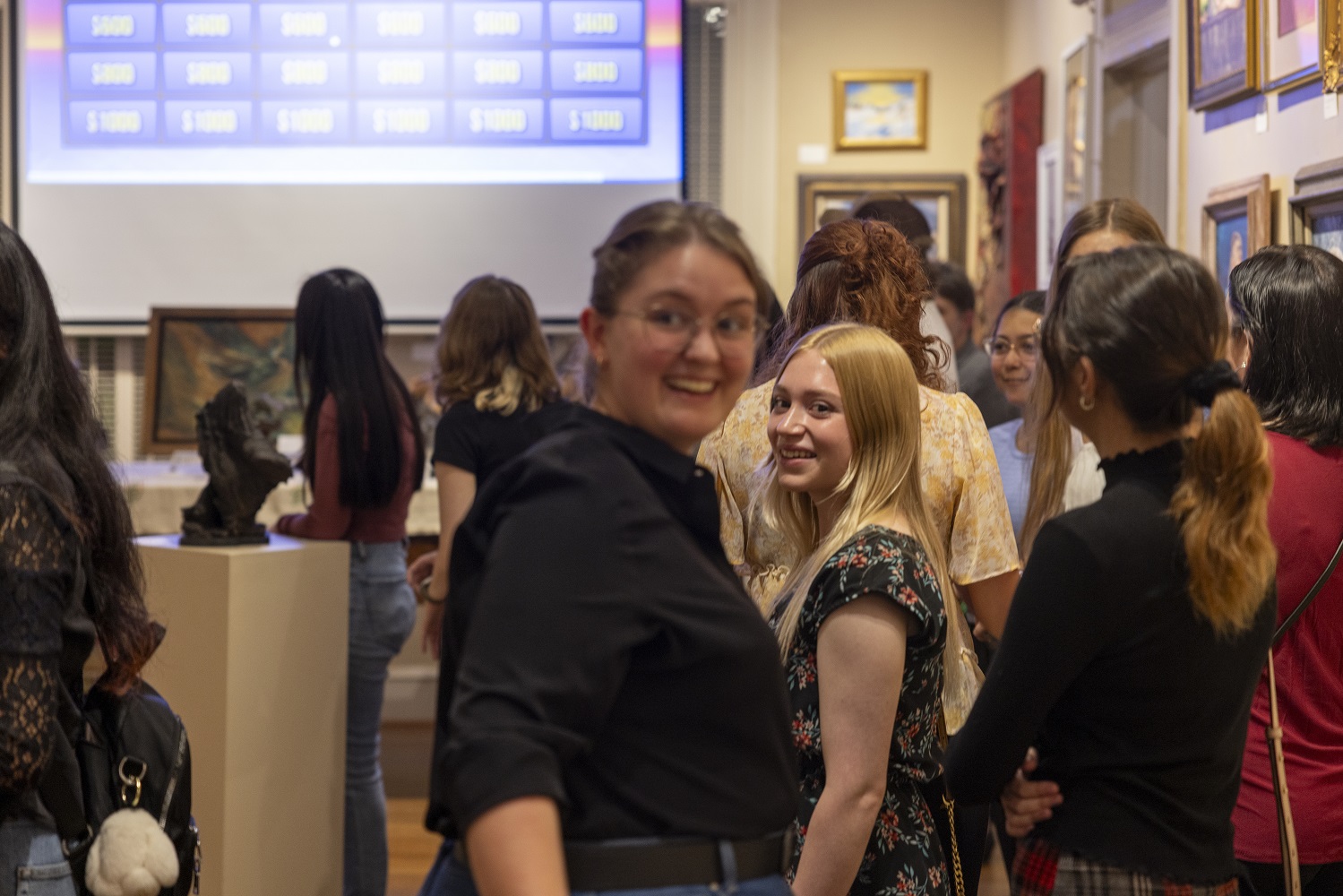
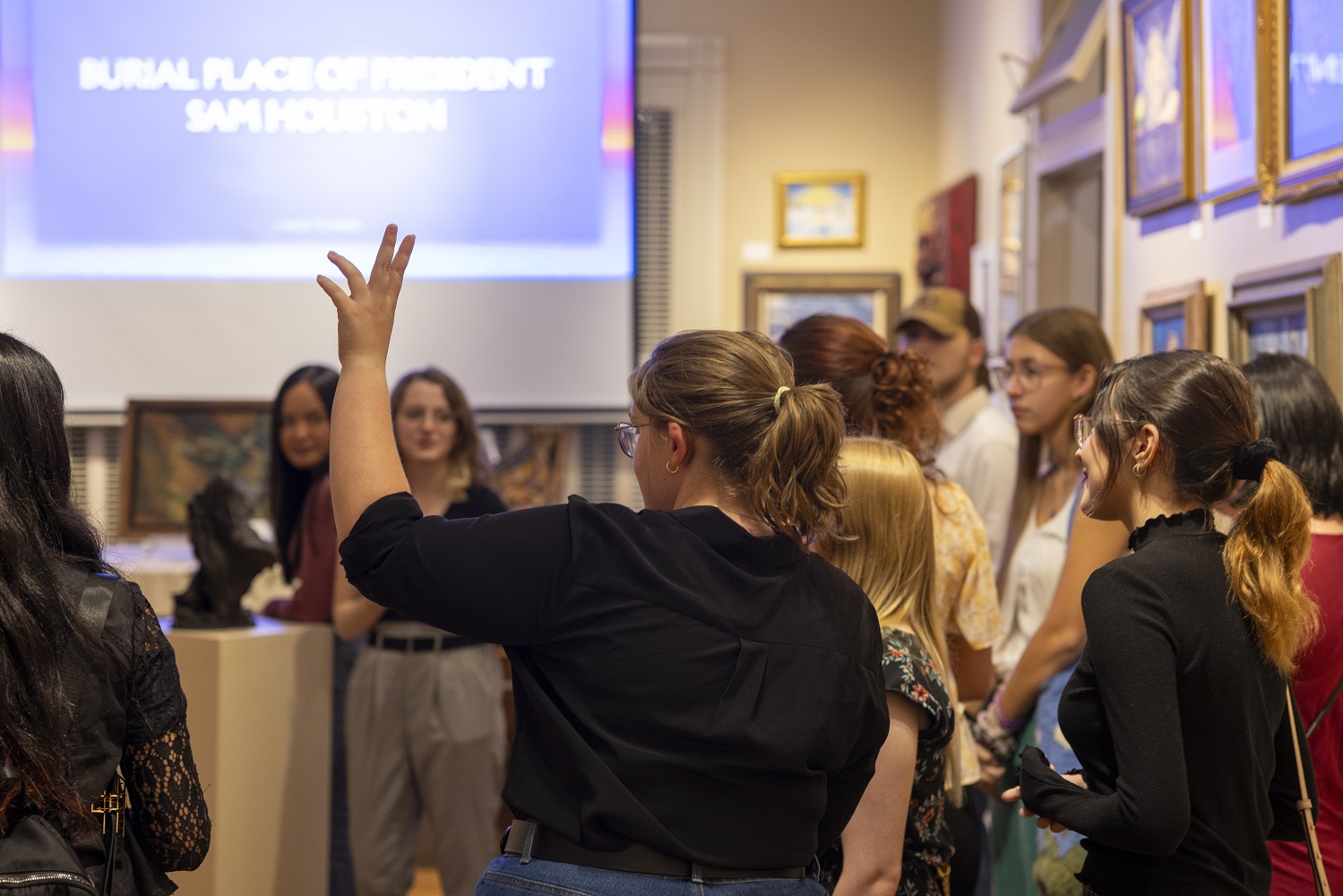
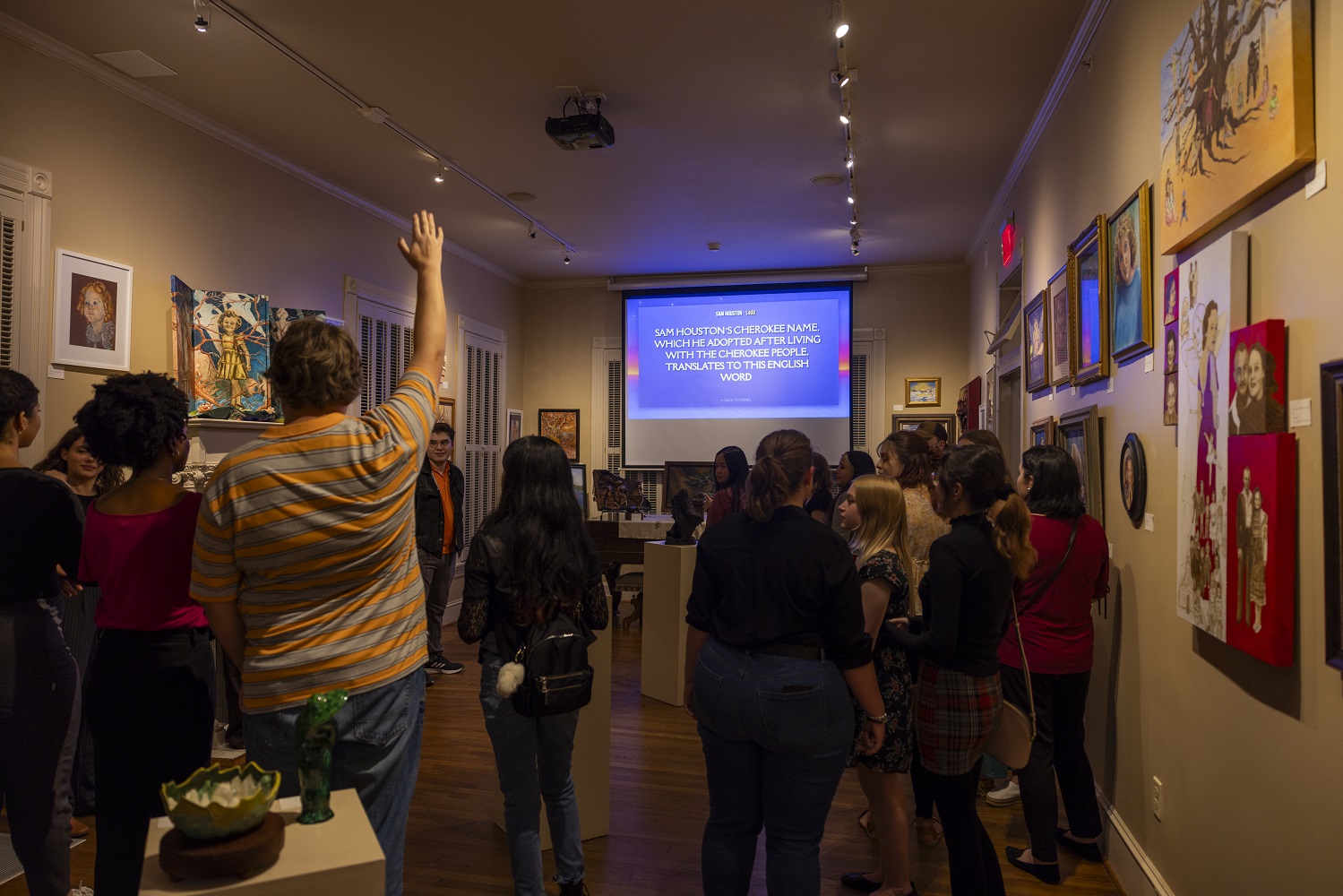
Following the gripping murder mystery, the Pre-Law Society embraced the competitive spirit in a game of Jeopardy, vying for a coveted Target gift card. Questions ranged from pop culture to the society’s own meetings, sparking excitement as members tried to outwit each other. Ariza Martinez, Cinthia Villarreal, Nicole Erazo, and Mark Harkrider emerged victorious, claiming the prize amidst cheers and applause.
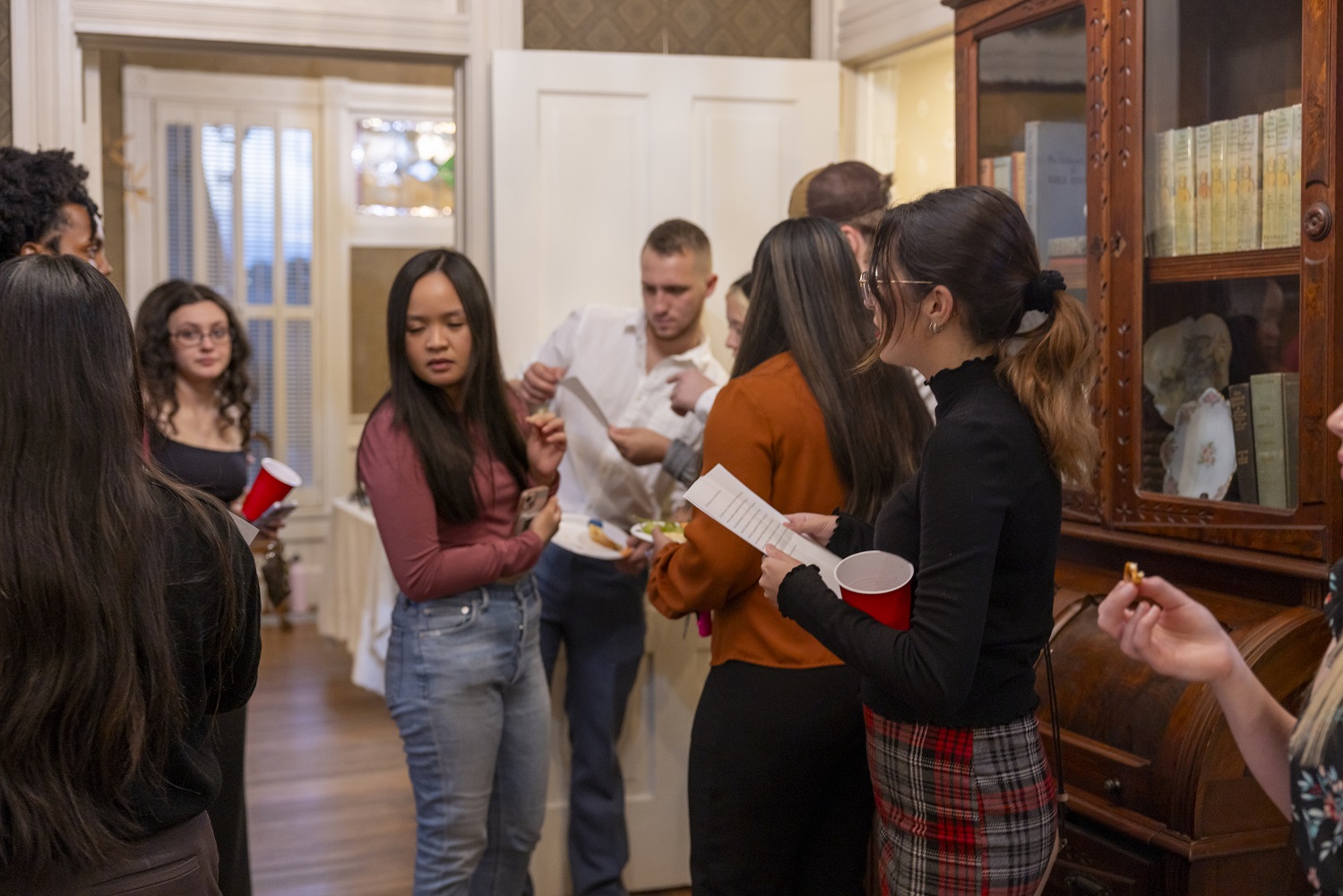
The evening, filled with suspense and laughter, concluded with members relaxing at the Wynne Home, sharing food, and engaging in lively conversations.
Special thanks were extended to the Wynne Home Arts and Visitor Center for graciously hosting our social, and heartfelt appreciation was directed to the Pre-Law Society fall planning committee for orchestrating the memorable activities.
To all the members who attended, your enthusiasm and participation made the night unforgettable. This was truly a night to remember, and we hope to make future events such as these a habit, with the exception of harm to Professor Yawn.
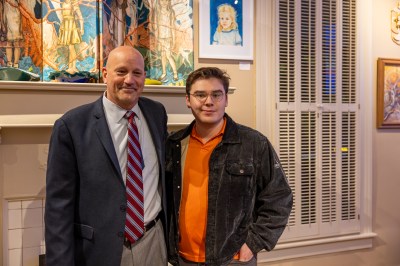
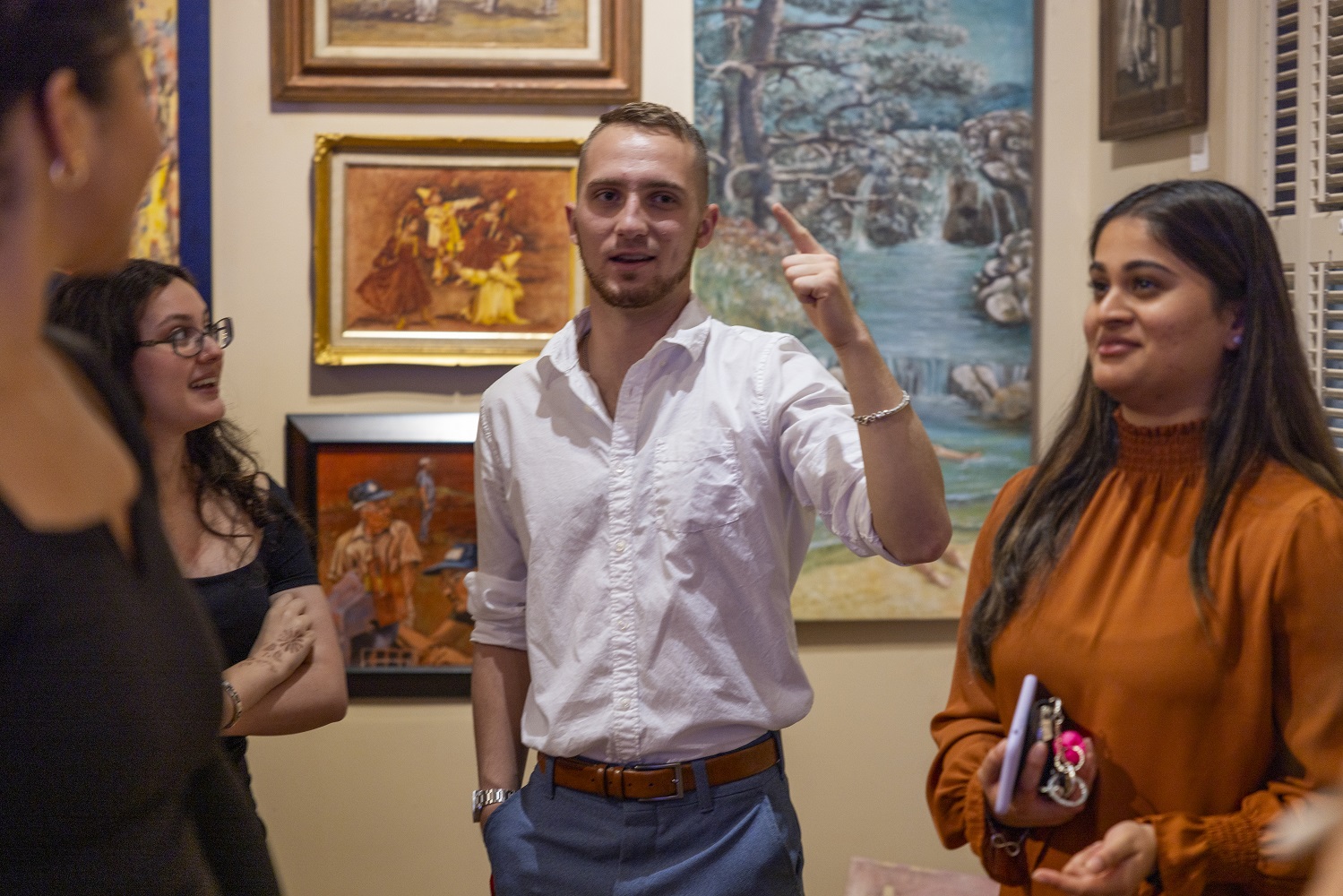
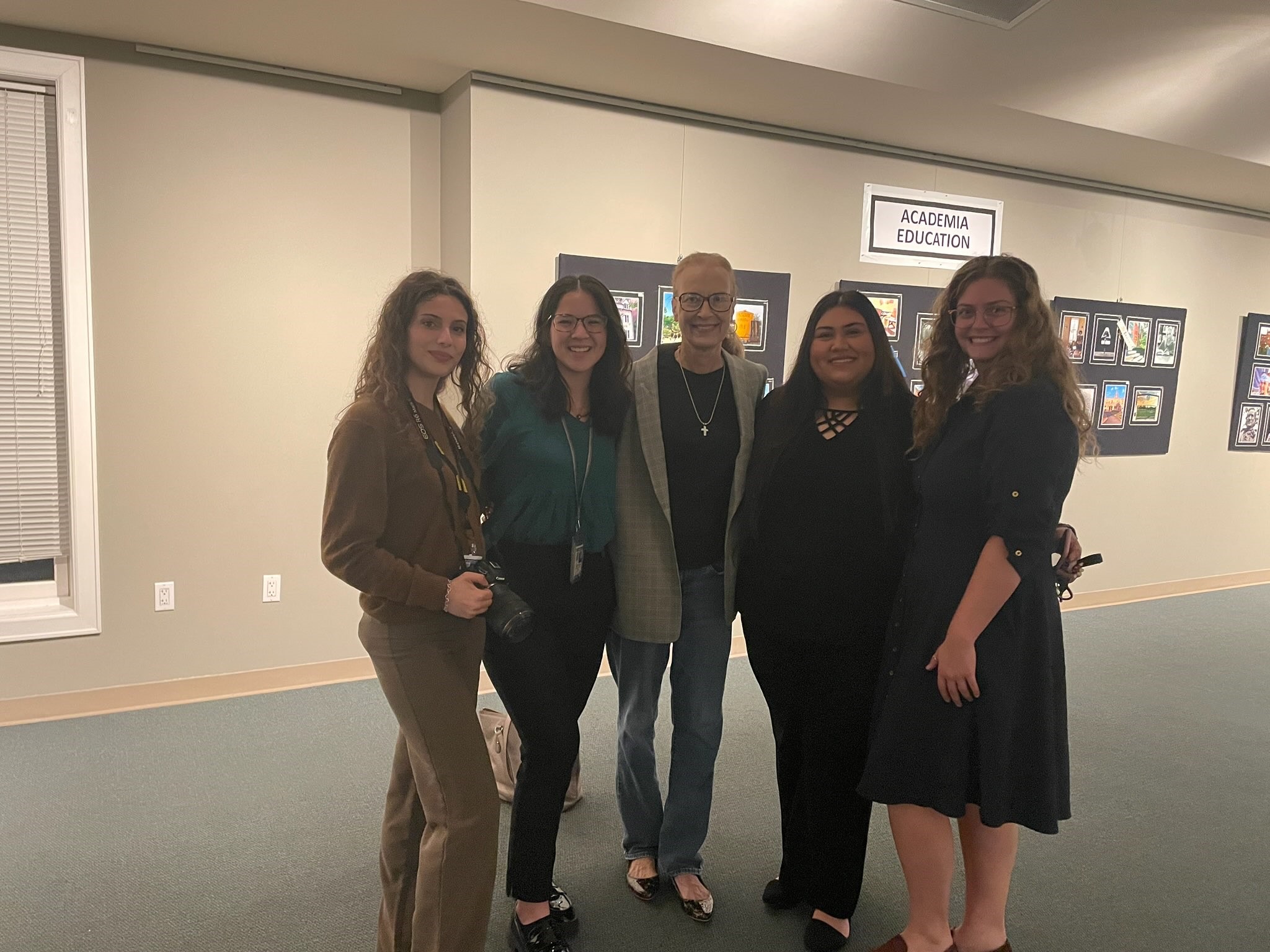
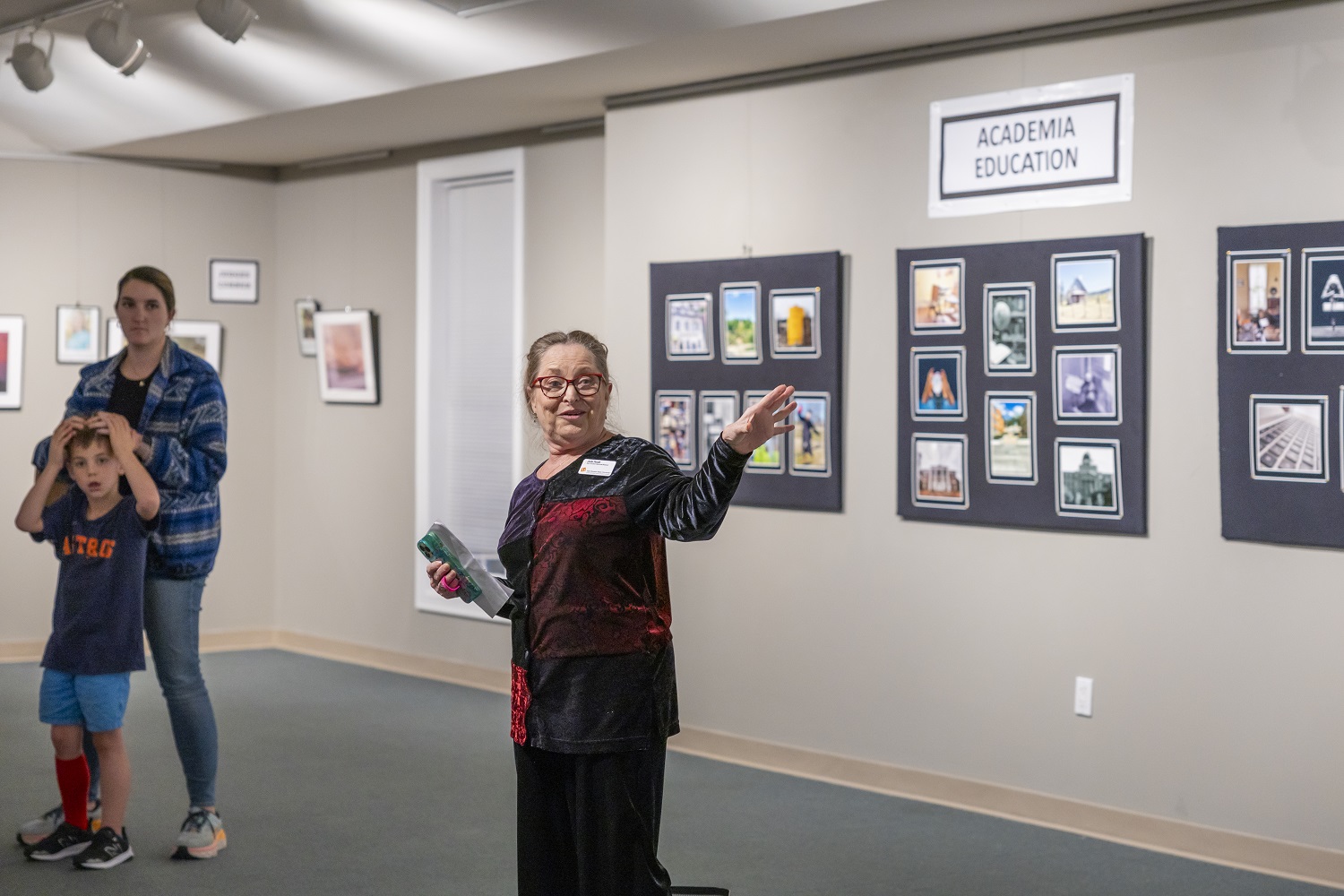
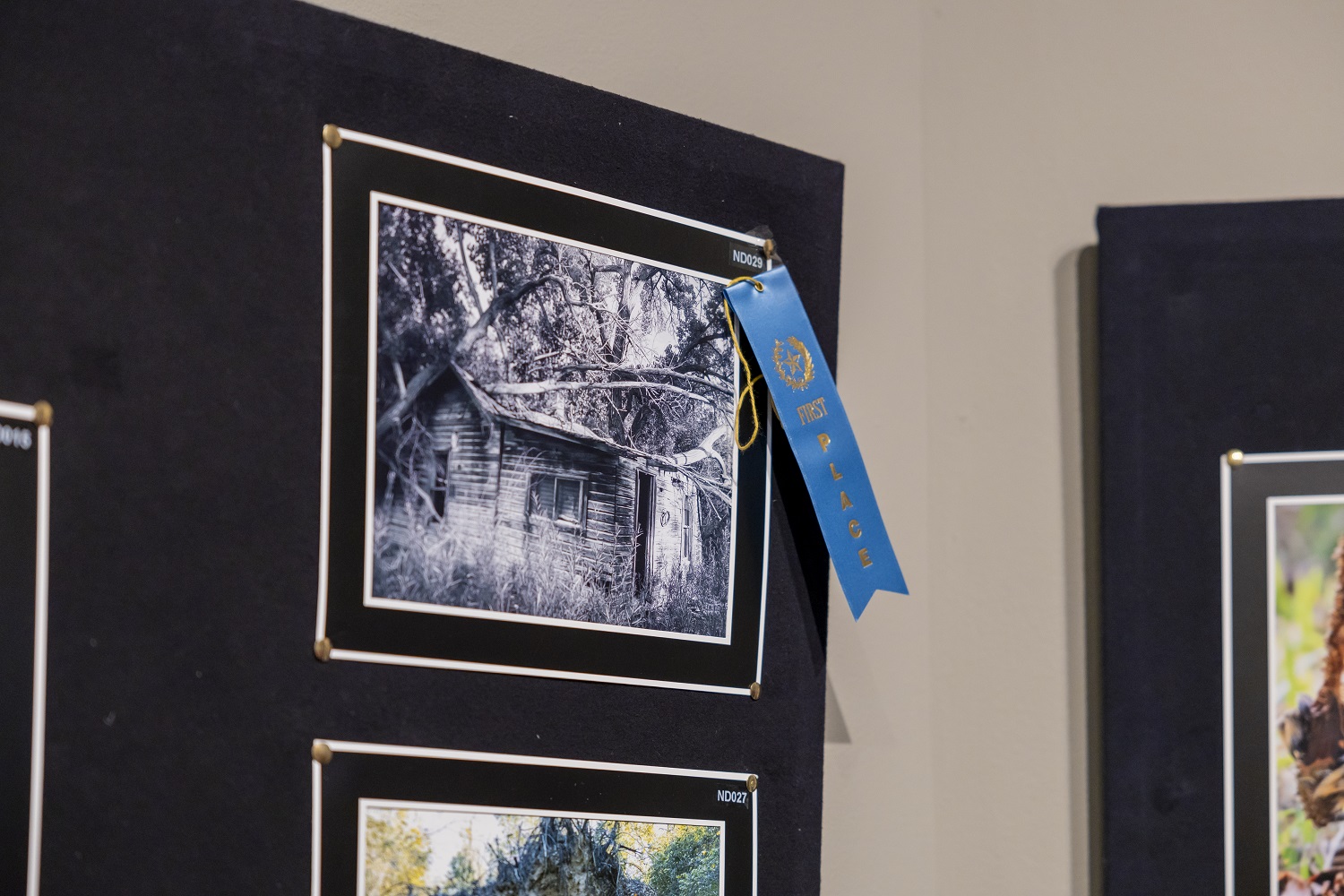
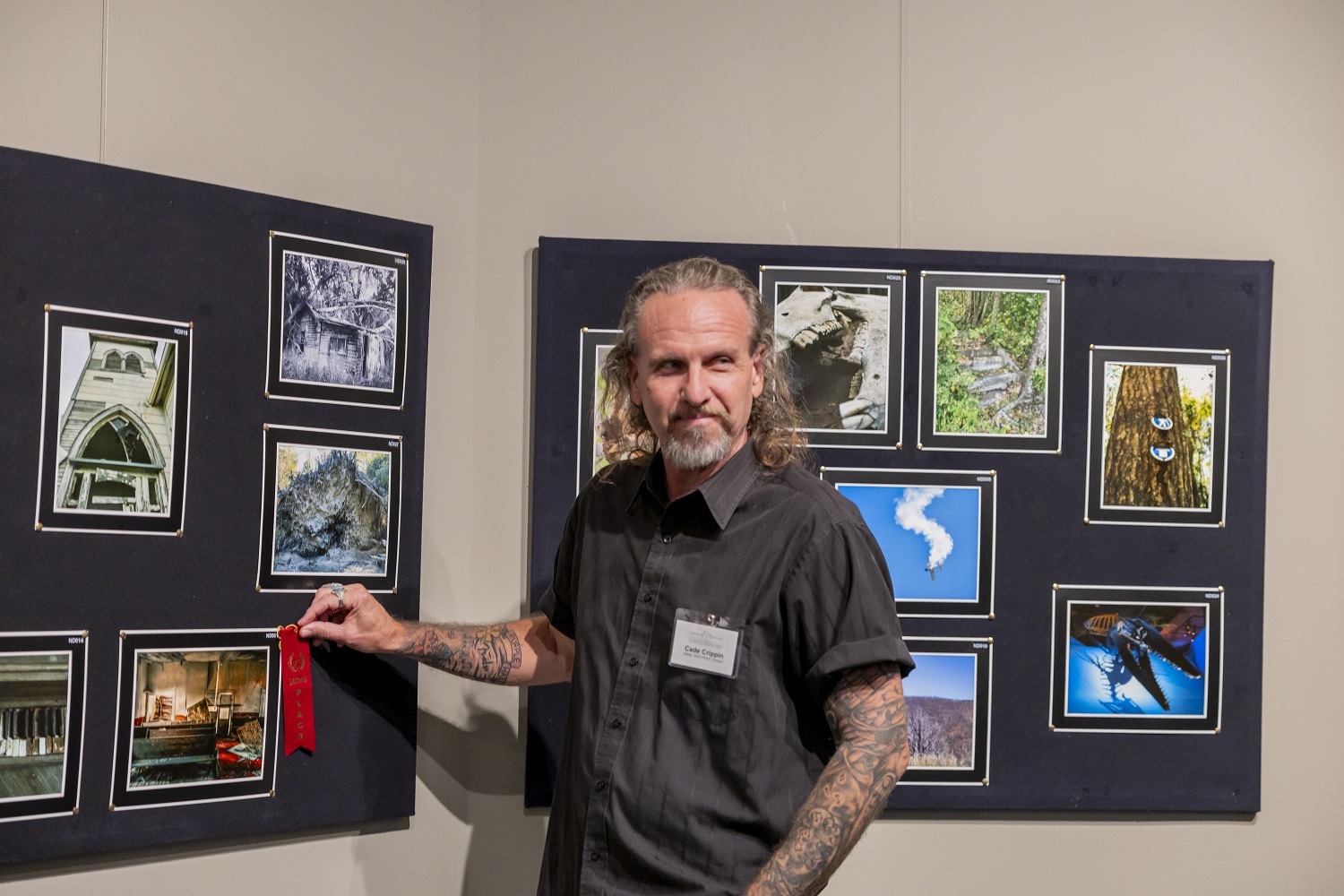
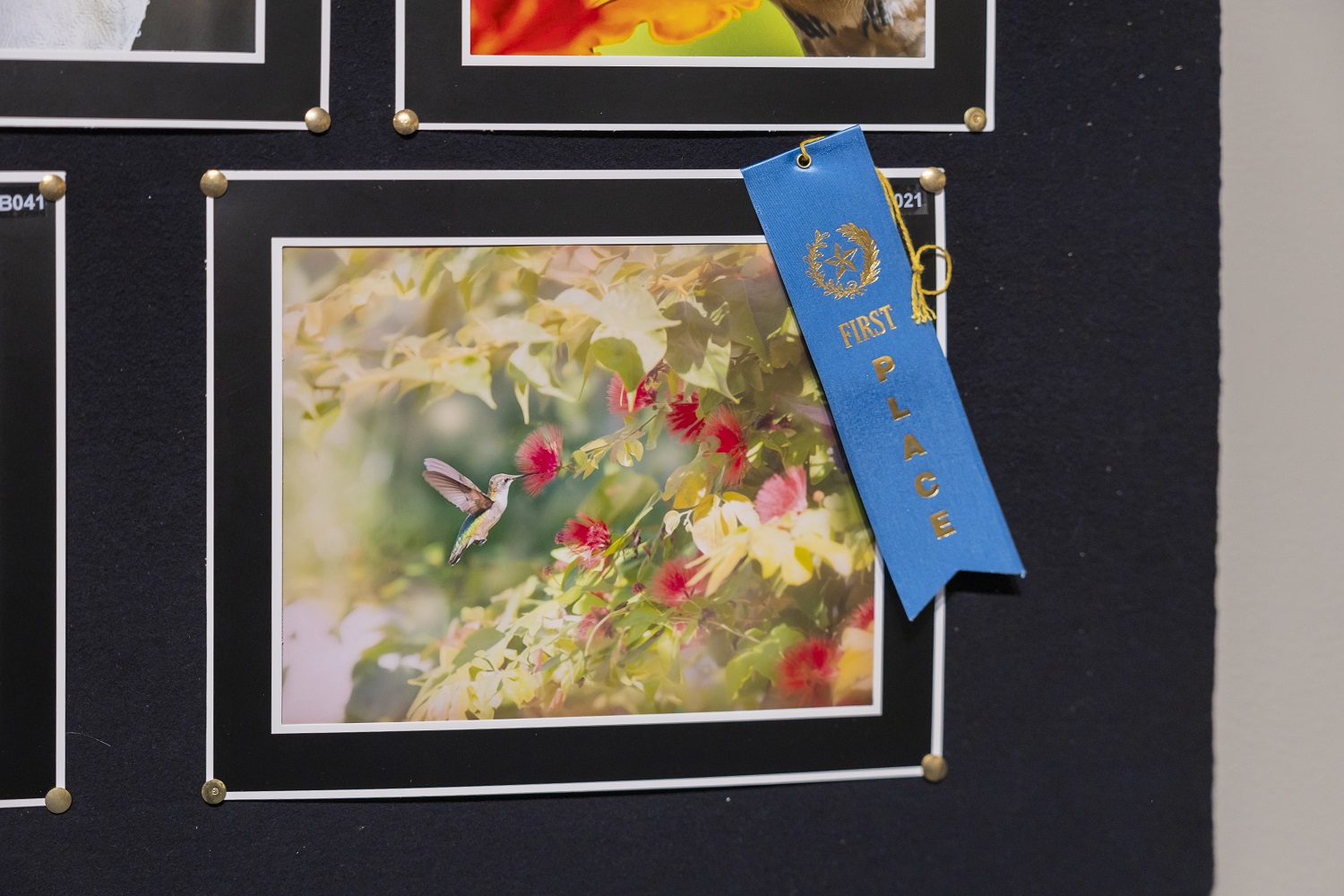
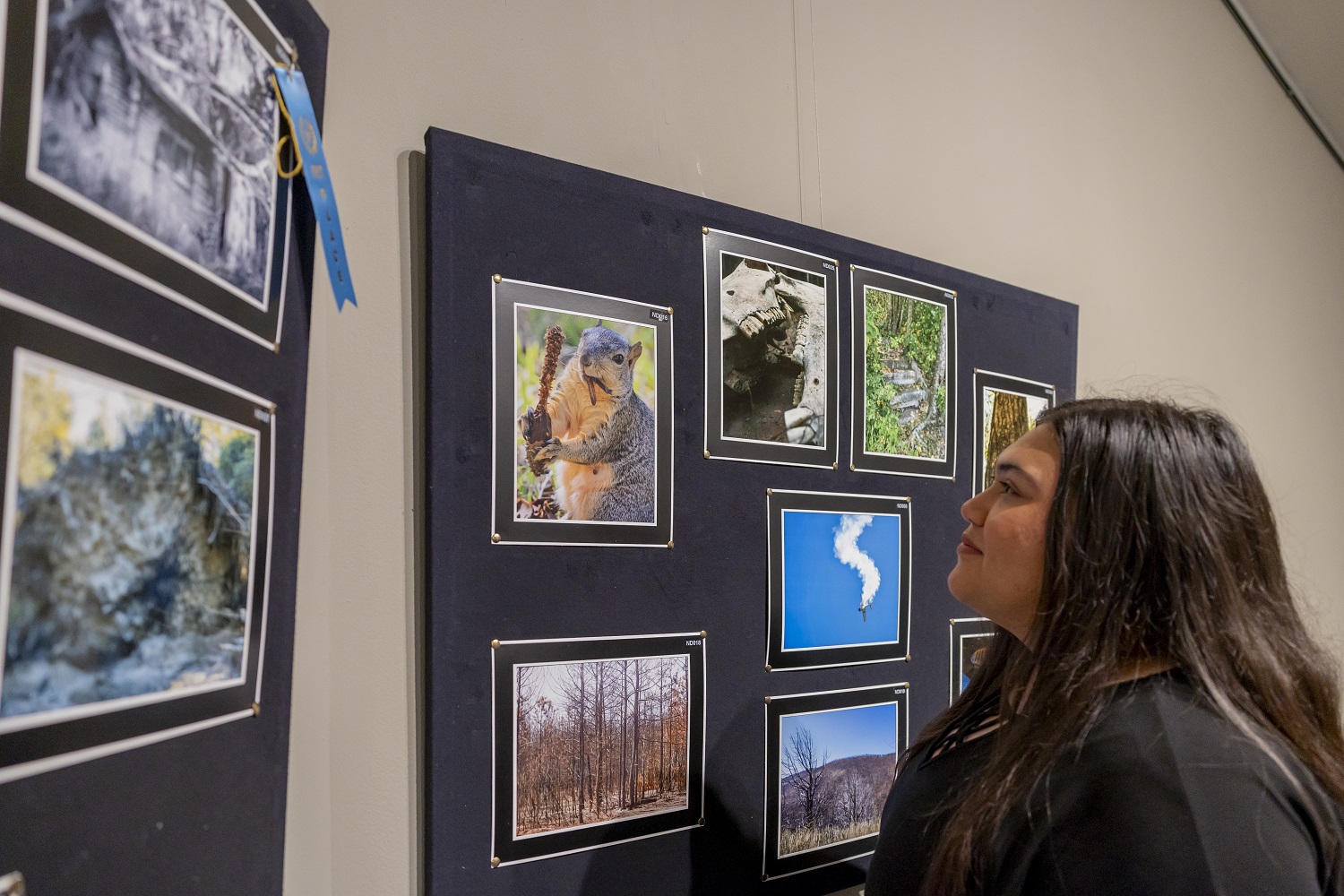
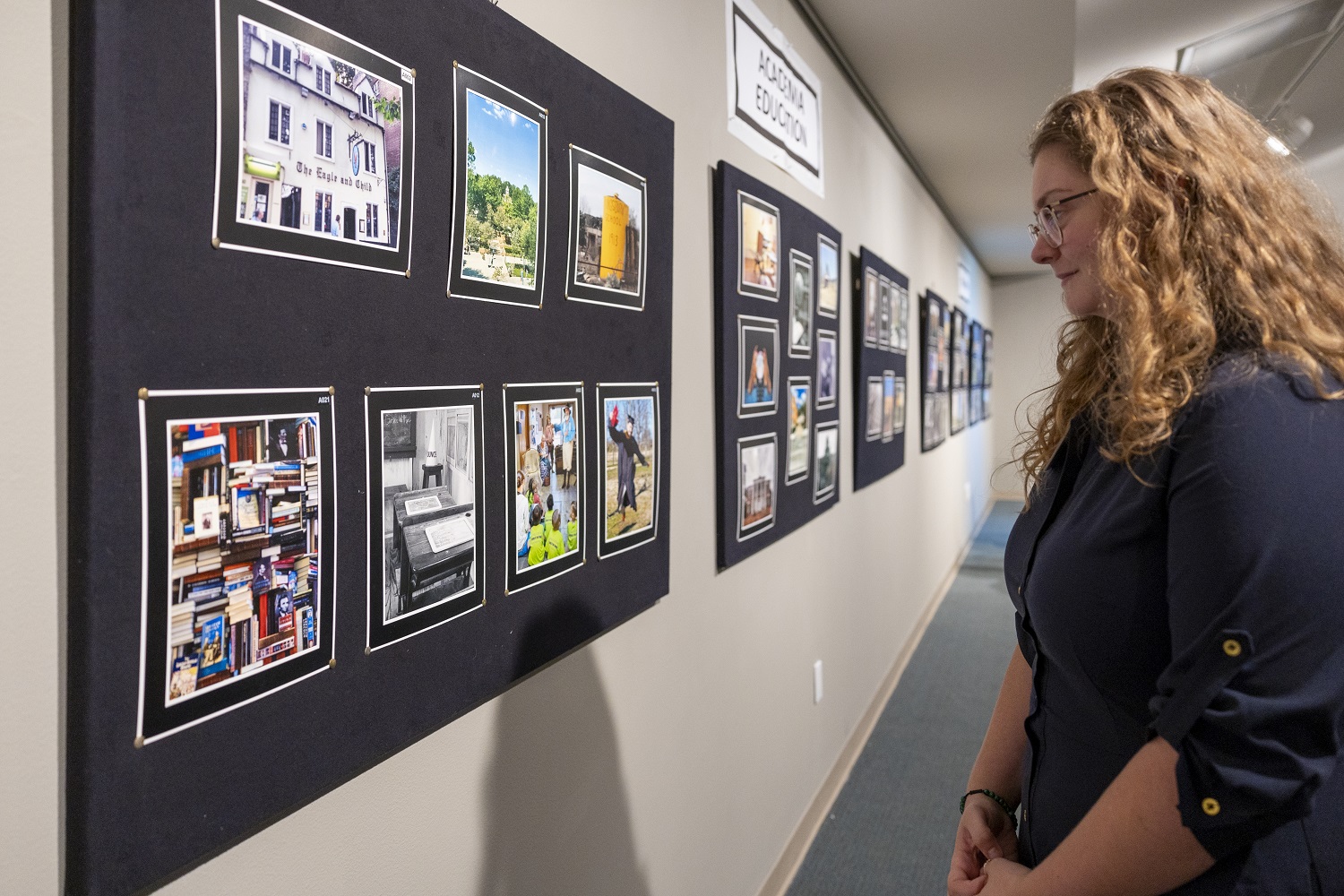
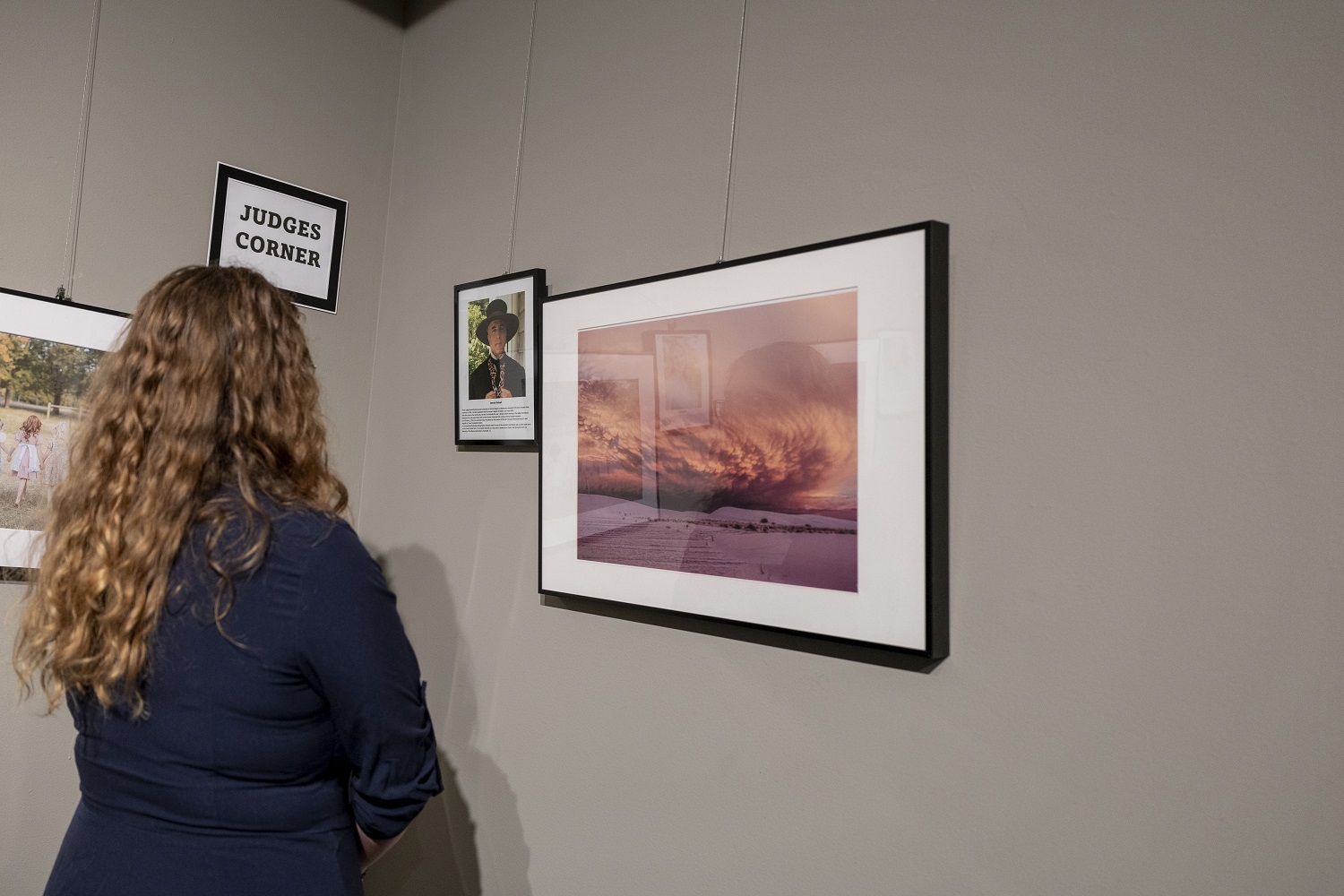
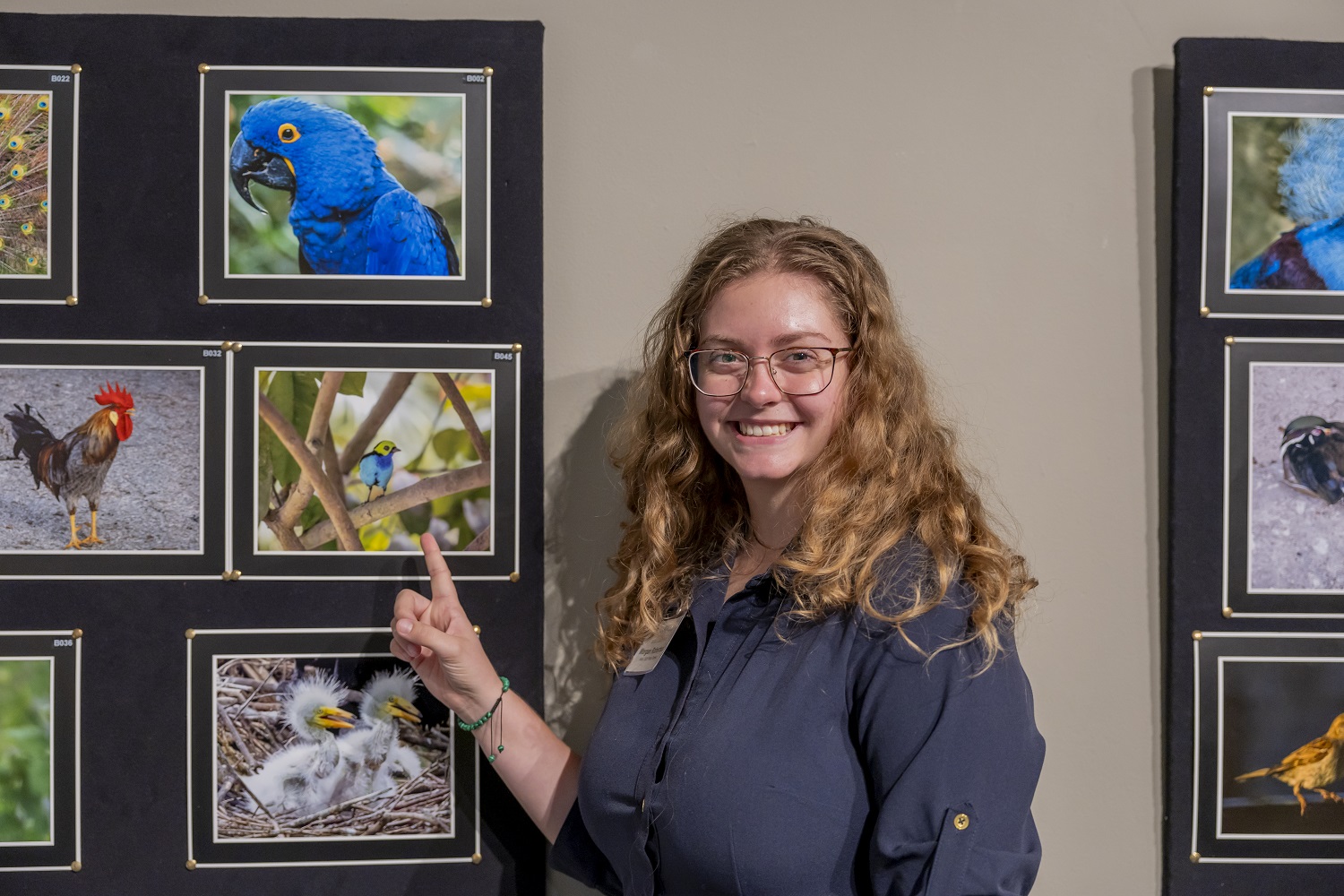
When the year nears the end and the sun sets earlier, it is time for the Sam Houston Memorial Museum’s Annual Photography Contest! Stephanie, Michelle, Cinthia, Olivia and I joined the museum patrons for a wonderful exhibit. There were many submissions, which showcased the community’s talent, and we enjoyed chatting with friends and perusing the different photos.
This year, I chose to try my hand in the contest and submitted three photos! There was great competition; although I didn’t walk away with a ribbon, I was still honored to have been in the ranks of some amazing photographers.
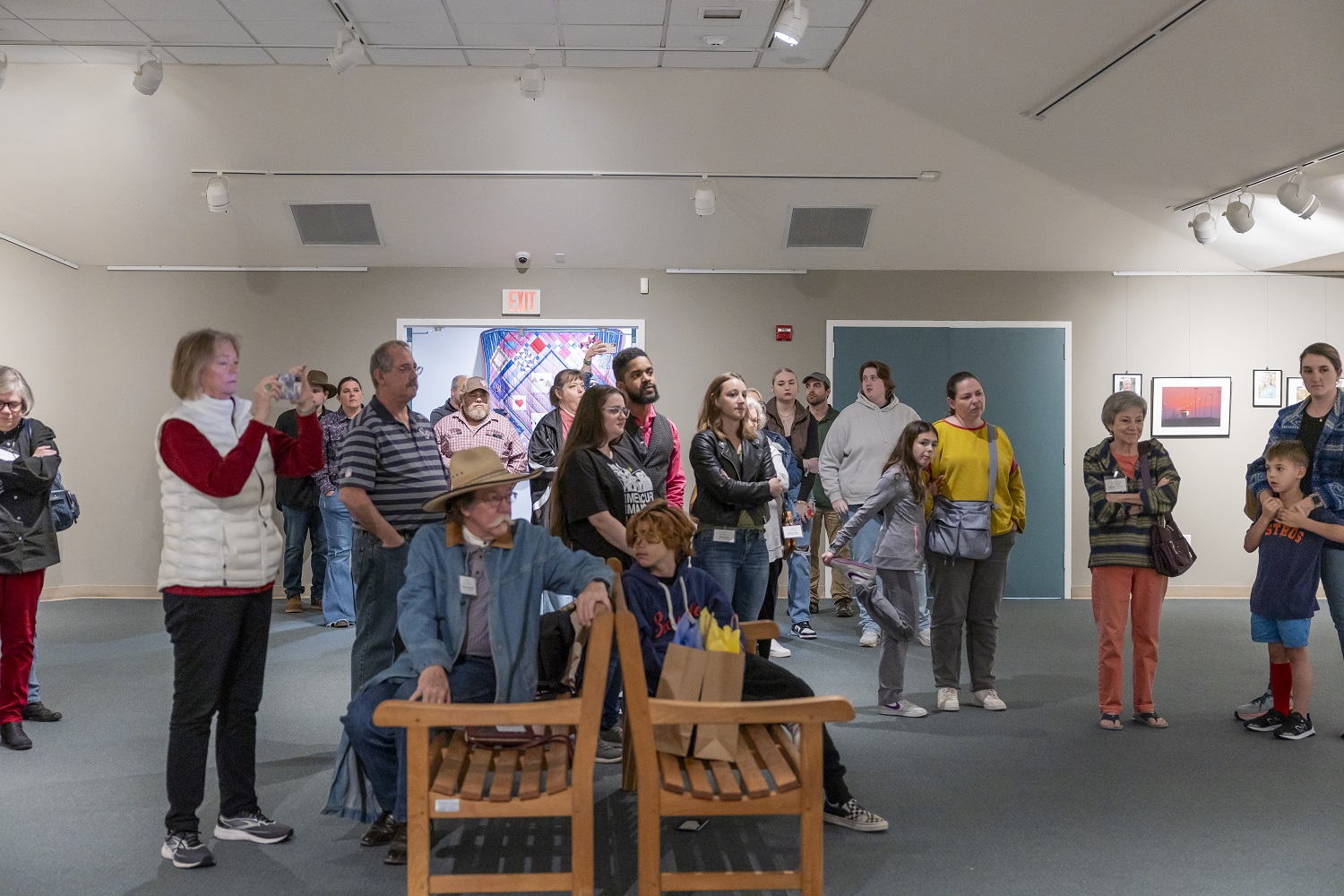
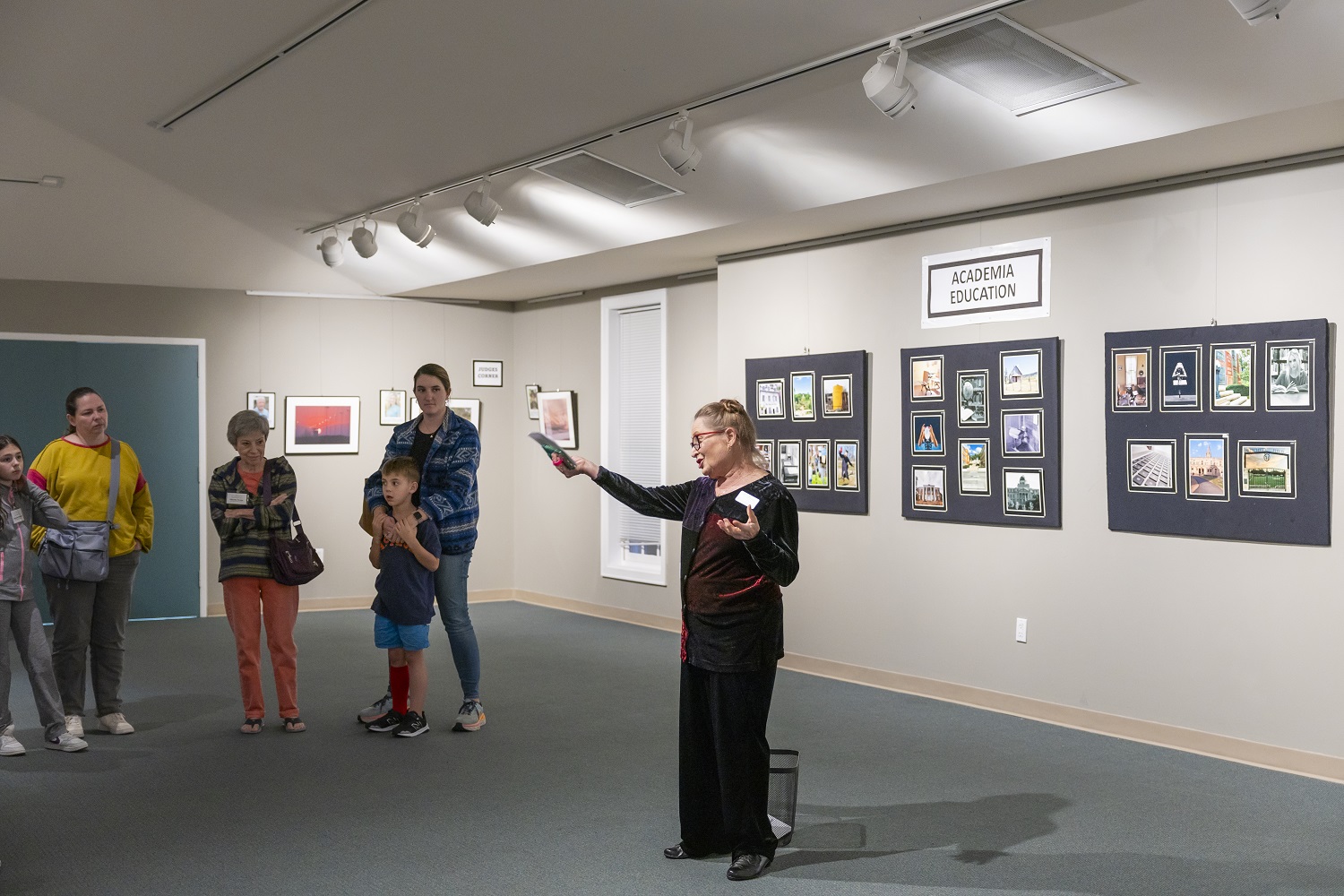
This event is enjoyable for many reasons, but by far the best reason is to see the world through the eyes of each photographer. After a brief reception, Curator of Exhibits, Jude Routh, addressed the audience and explained that the photos were ranked by a committee, with winners being selected by overall ranking.
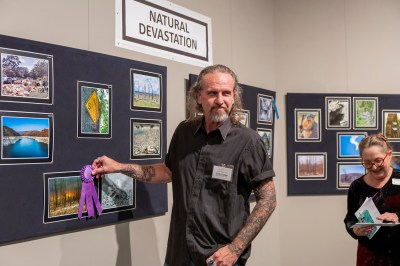
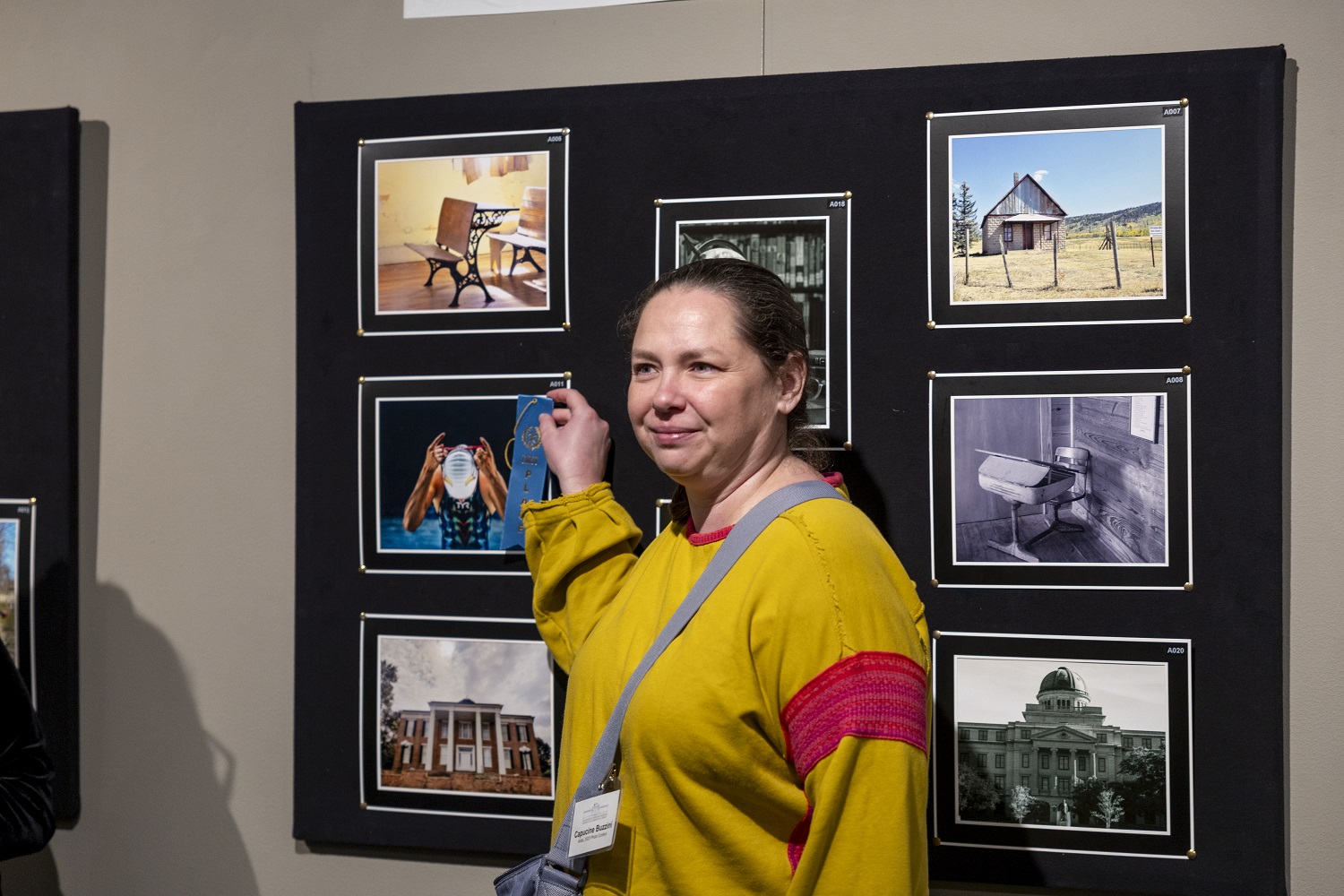
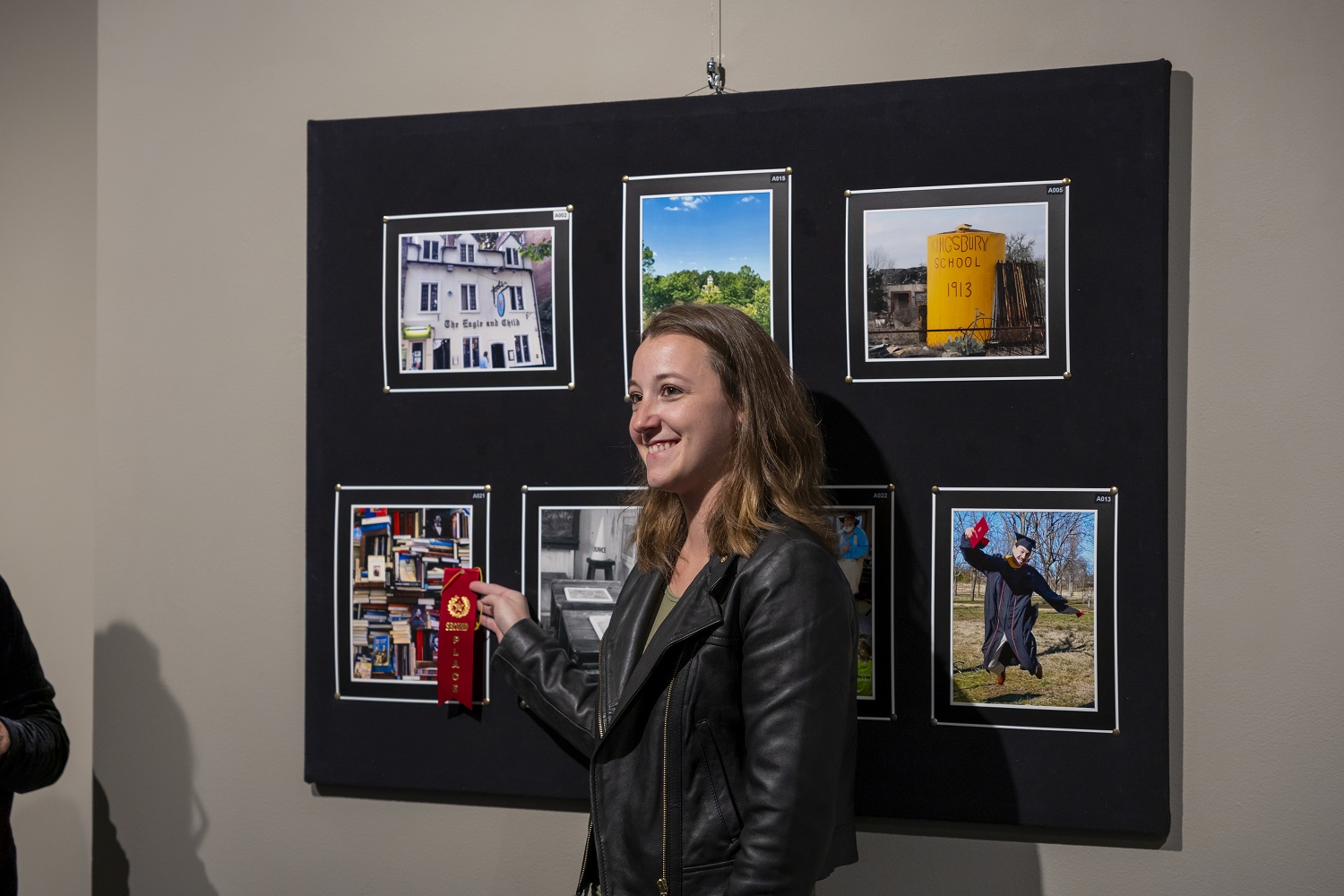
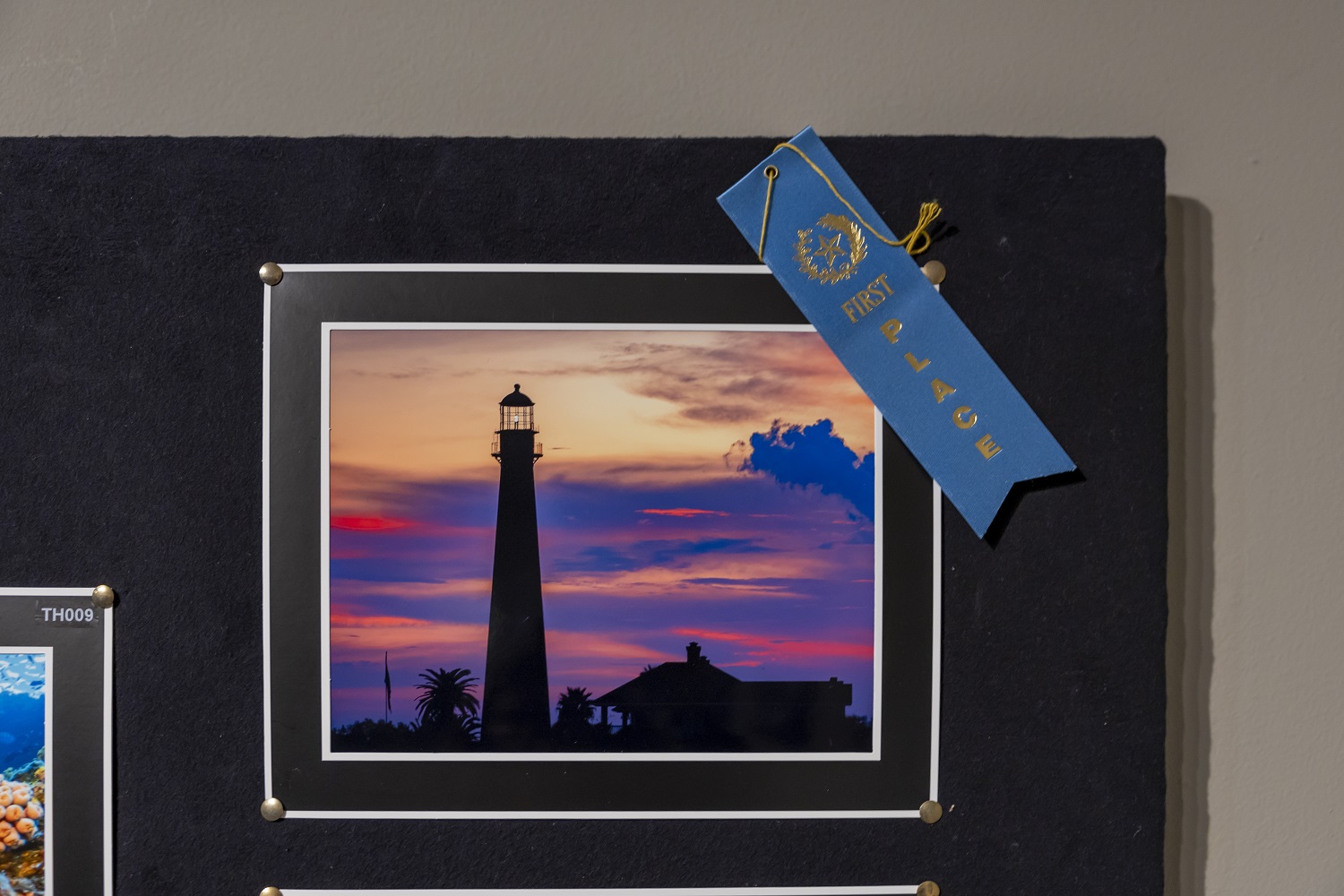
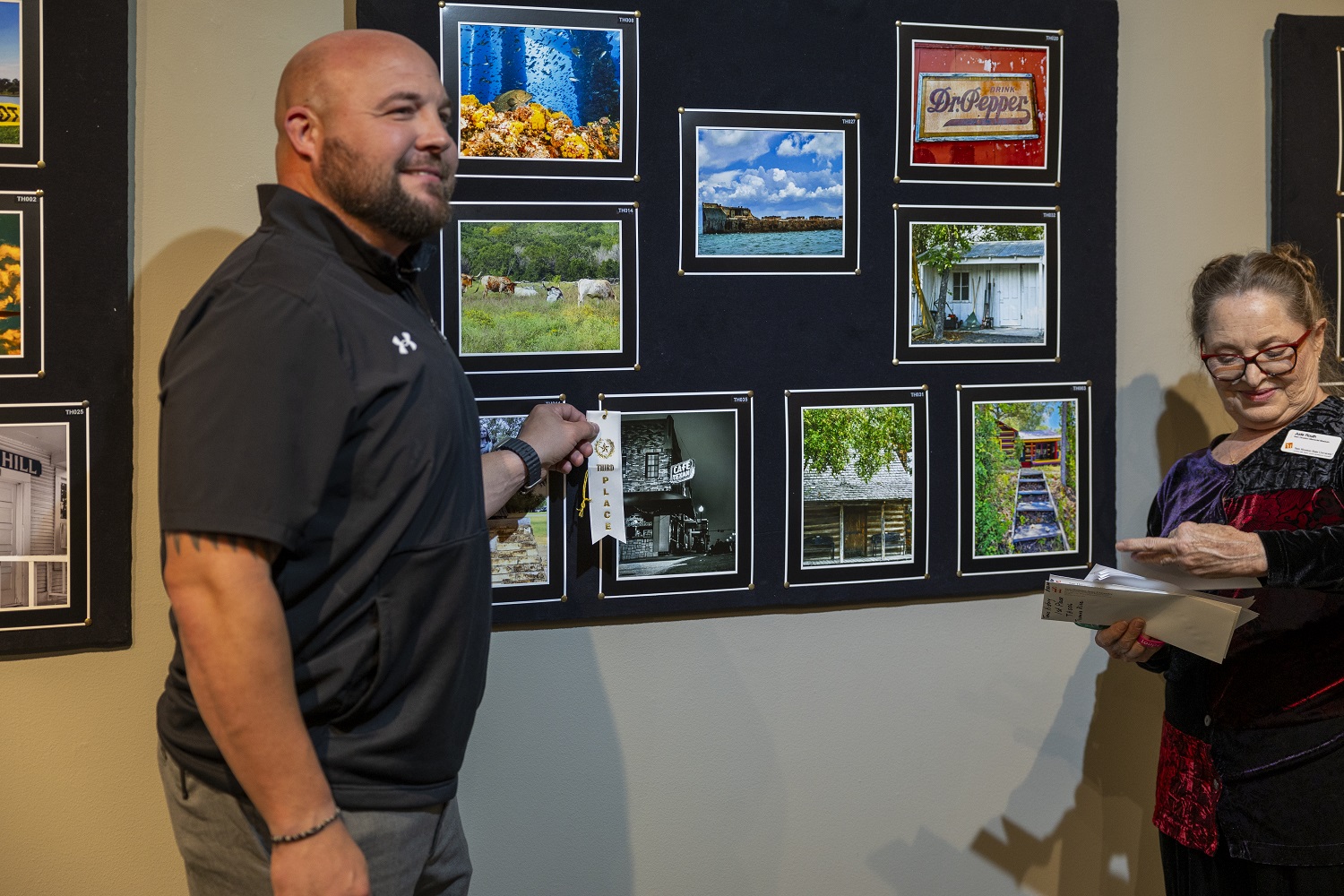
In addition to Curator’s Choice and Best in Show, rankings occurred across the following categories: Academia, Texas History, Natural Devastation, Love and Birds.
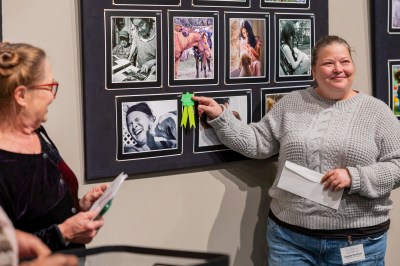
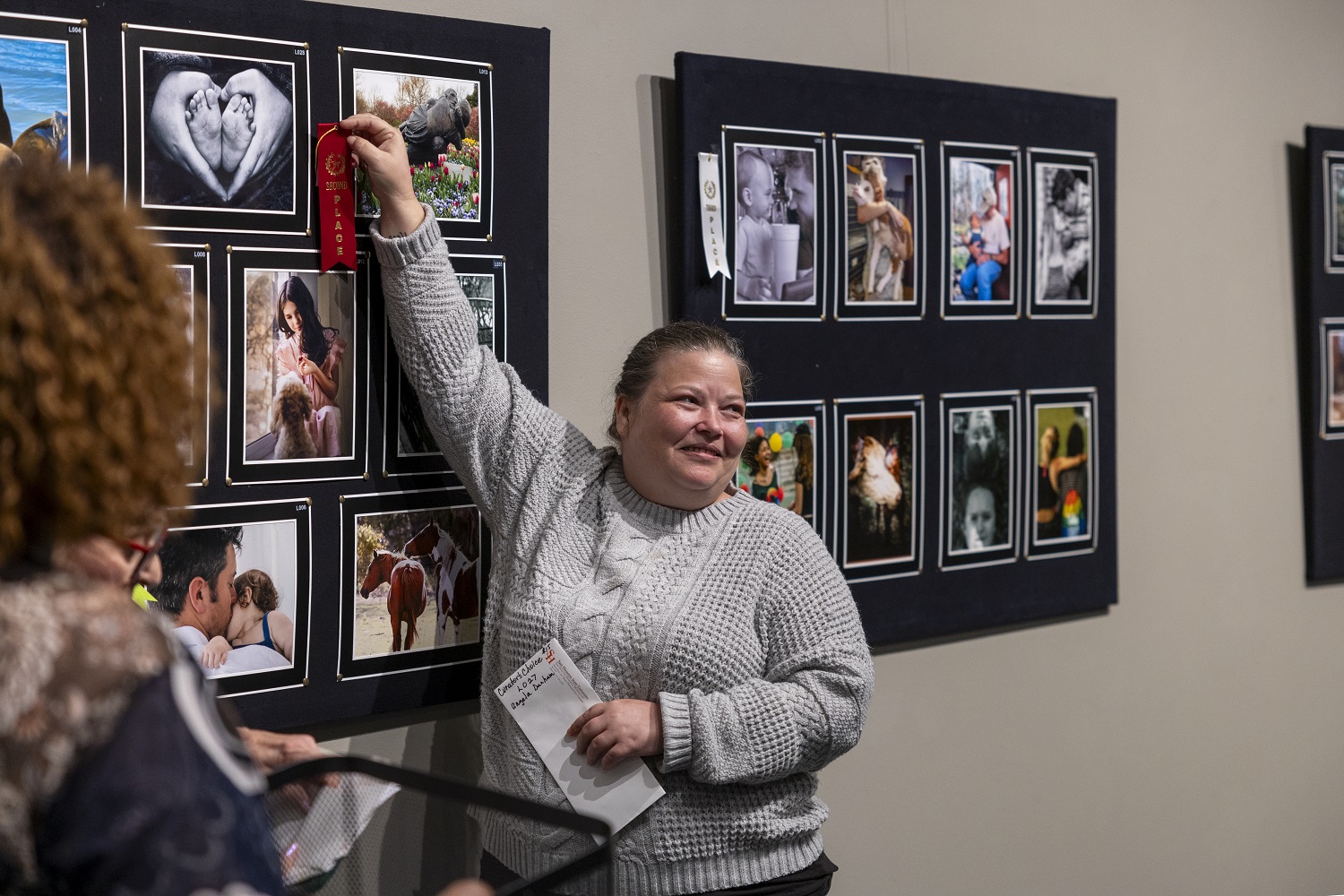
Curator’s Choice: Angela Dunham (submitted in the “Love” Category)
Best in Show: Cade Crippin (“Natural Devastation”)
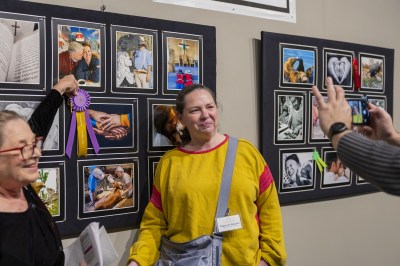
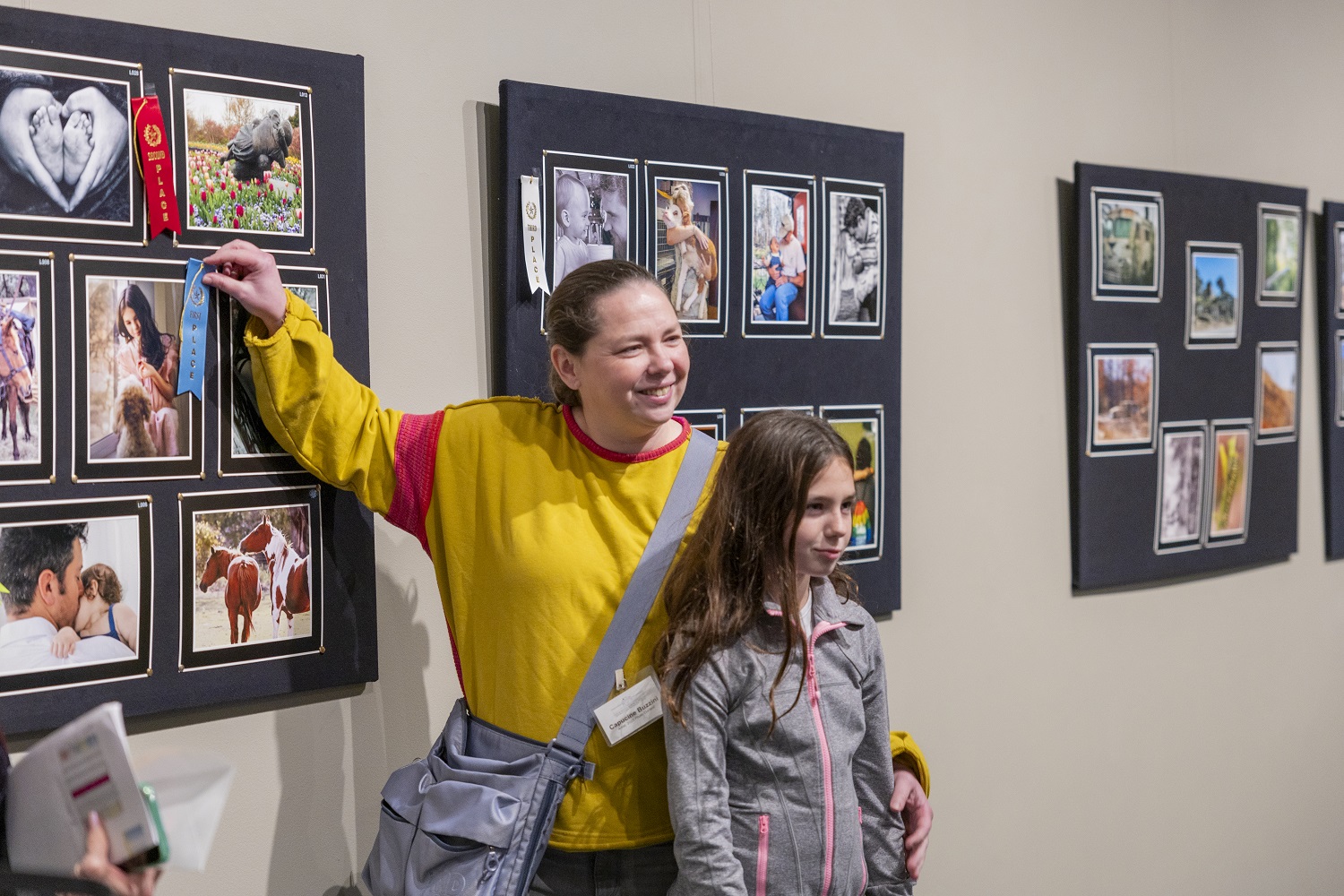
Reserve Champion: Capucine Buzzini (“Love”)
Academia/Education category: C. Buzzini (3rd place) E. Day (2nd place) and C. Buzzini (1st place)
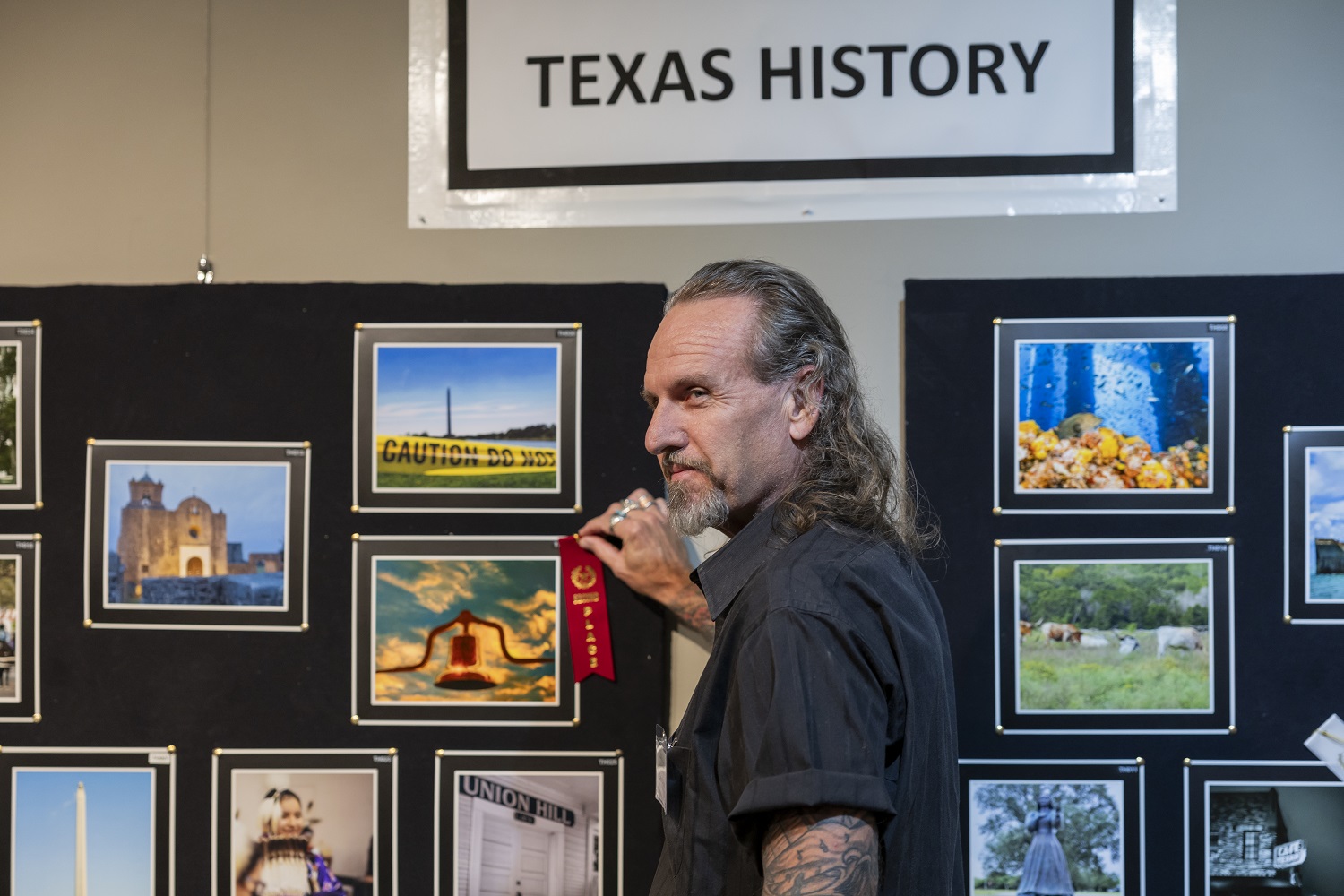
Texas History category: Thomas Rice (1st), Cade Crippin (2nd), and Dustin LeNorman (3rd).
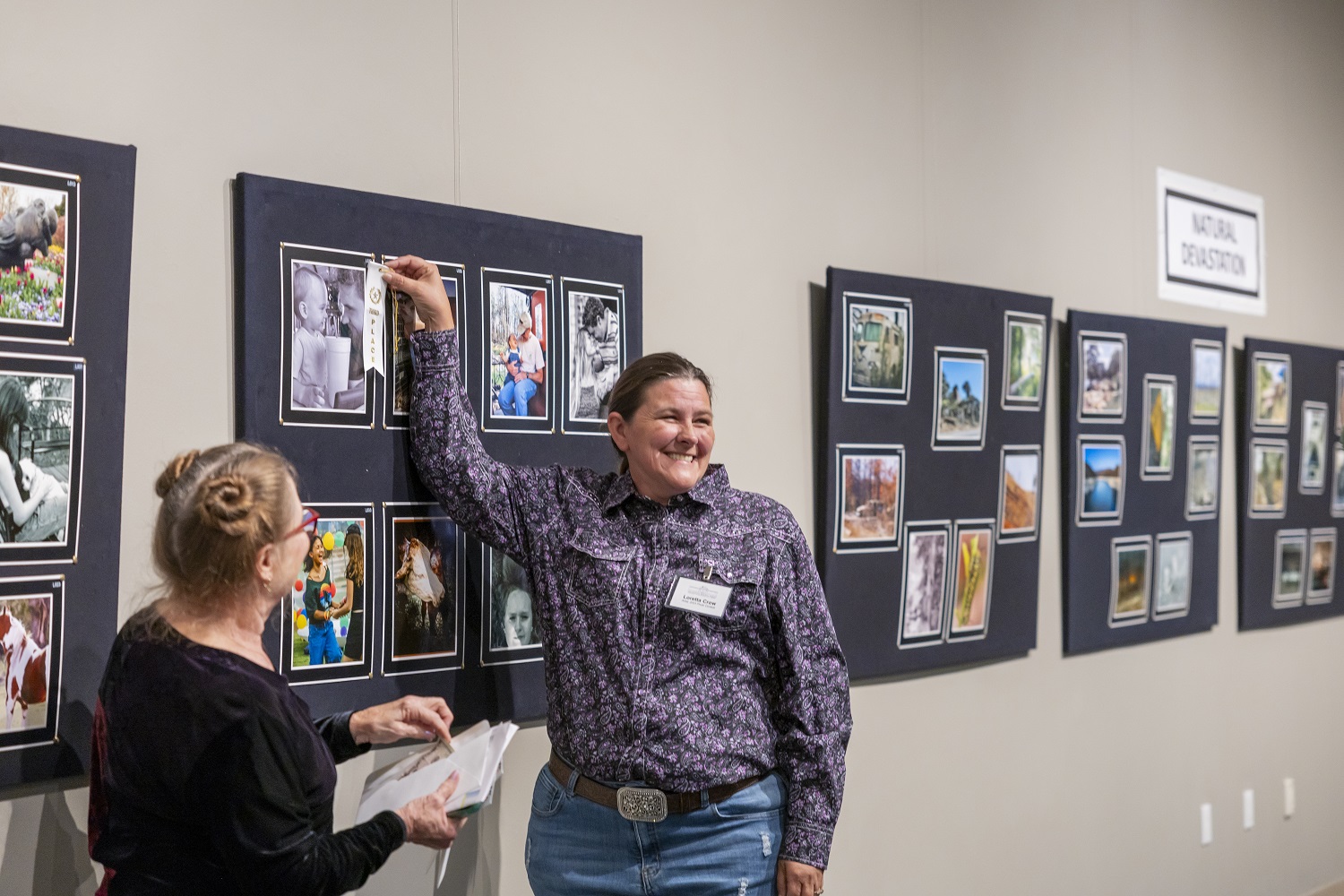
Love category: Capucine Buzzini (1st), Angela Dunham (2nd), and Loretta Crow (3rd).
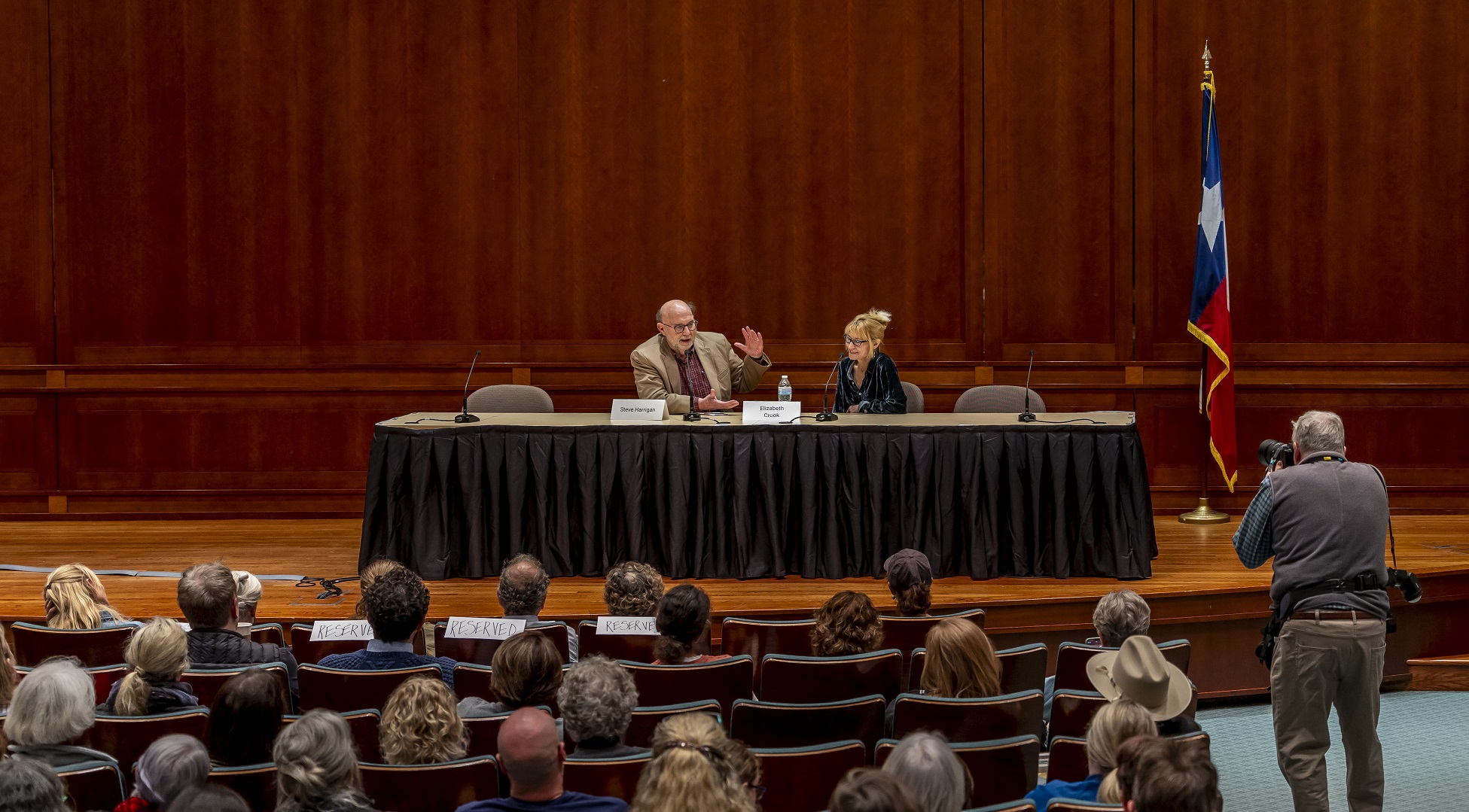
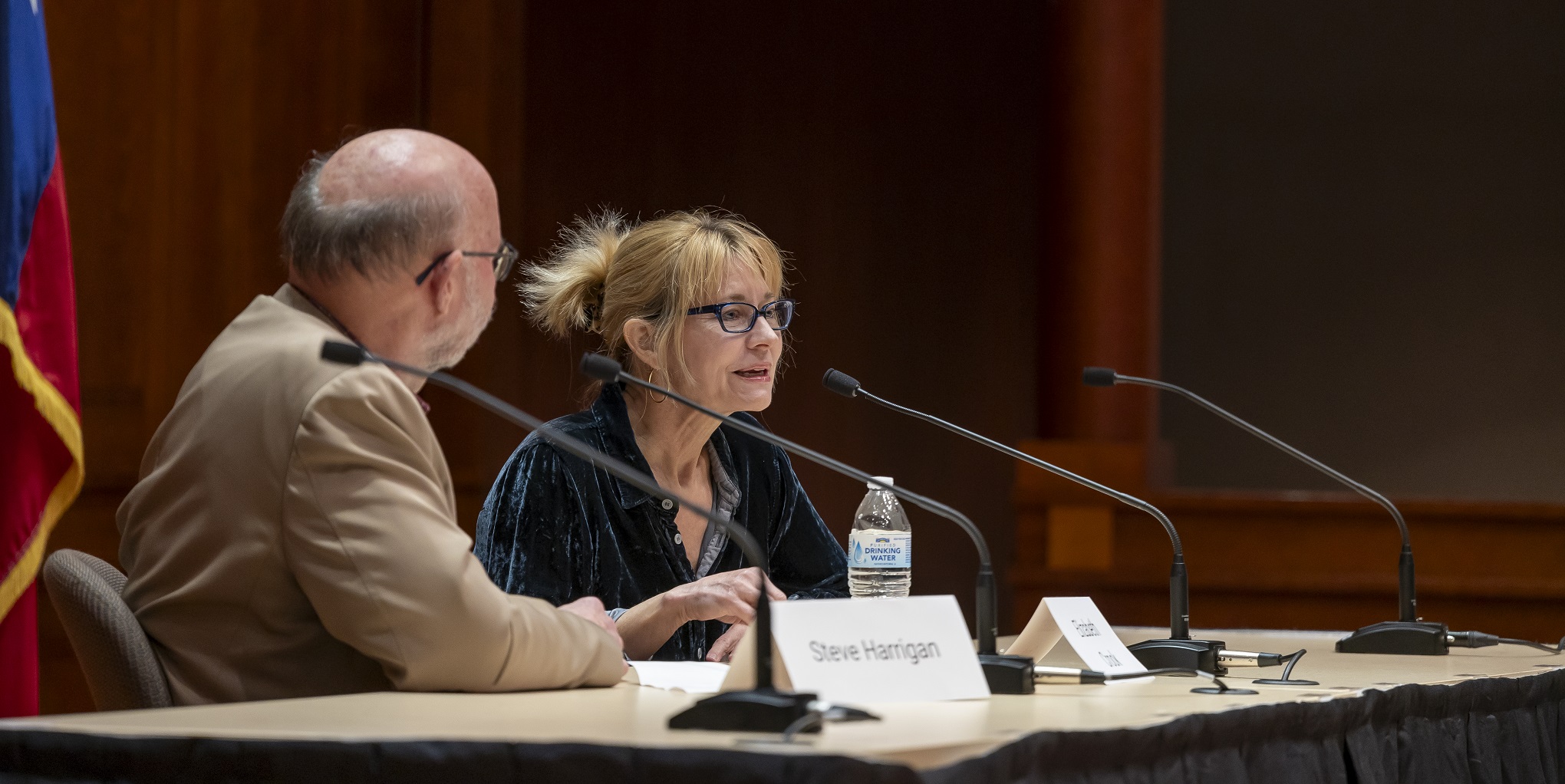
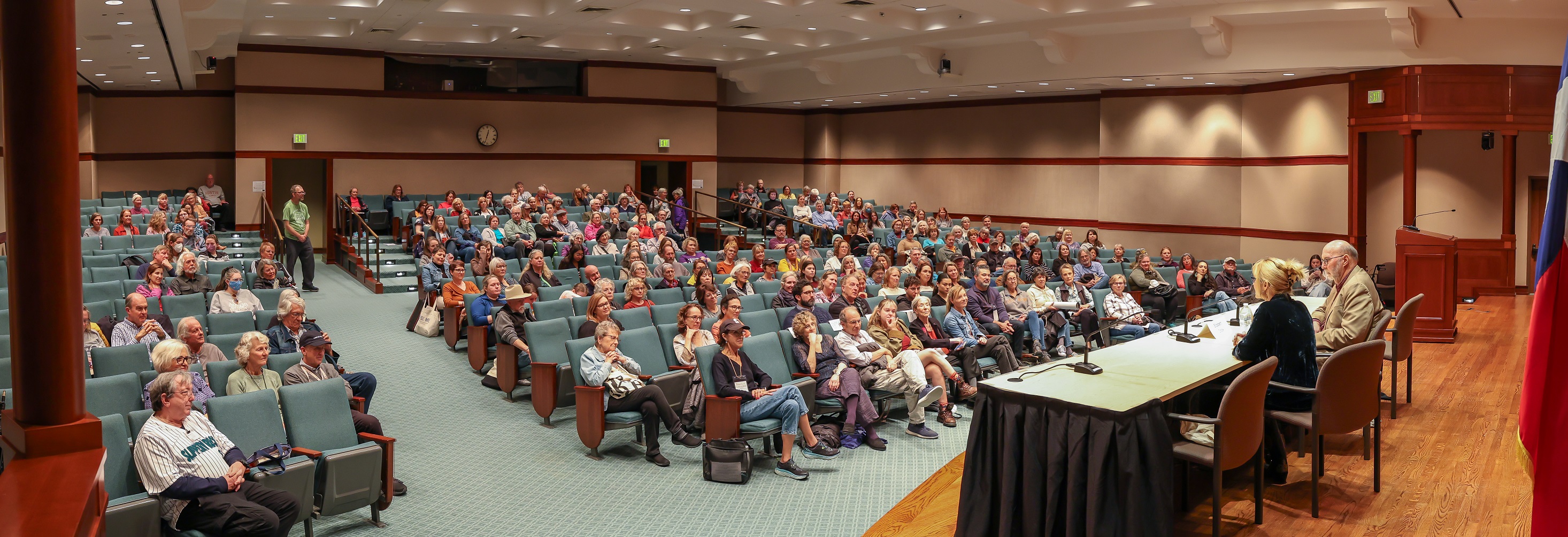
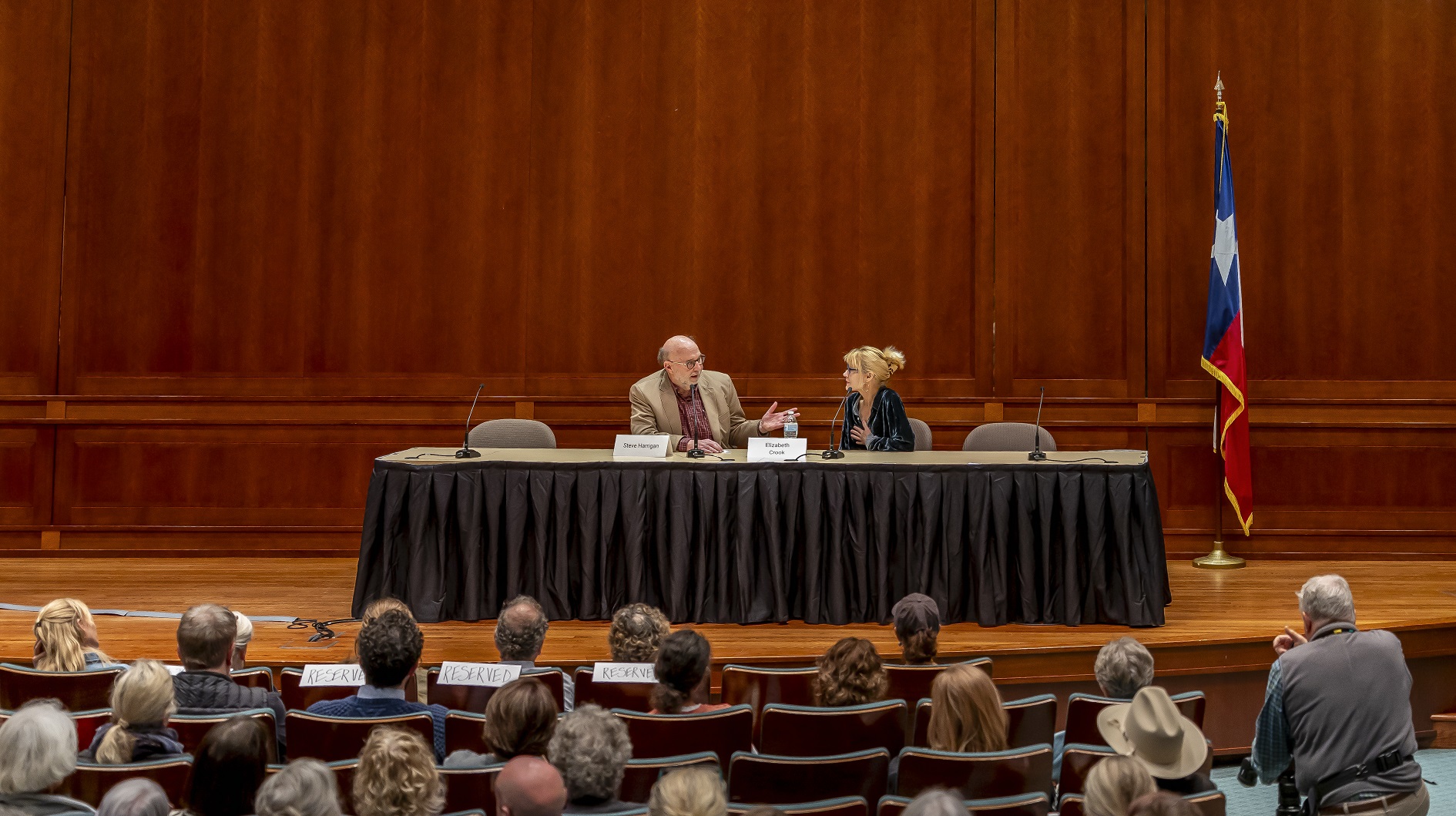
More than 100 authors descended on Austin this past weekend for the Texas Book Festival, but only one was there to receive the 2023 Texas Writer Award. That author was Elizabeth Crook, and her session at the Festival was, in many respects, the highlight of the weekend.
Hannah Gabel, the Literary Director for the TBF, introduced her…
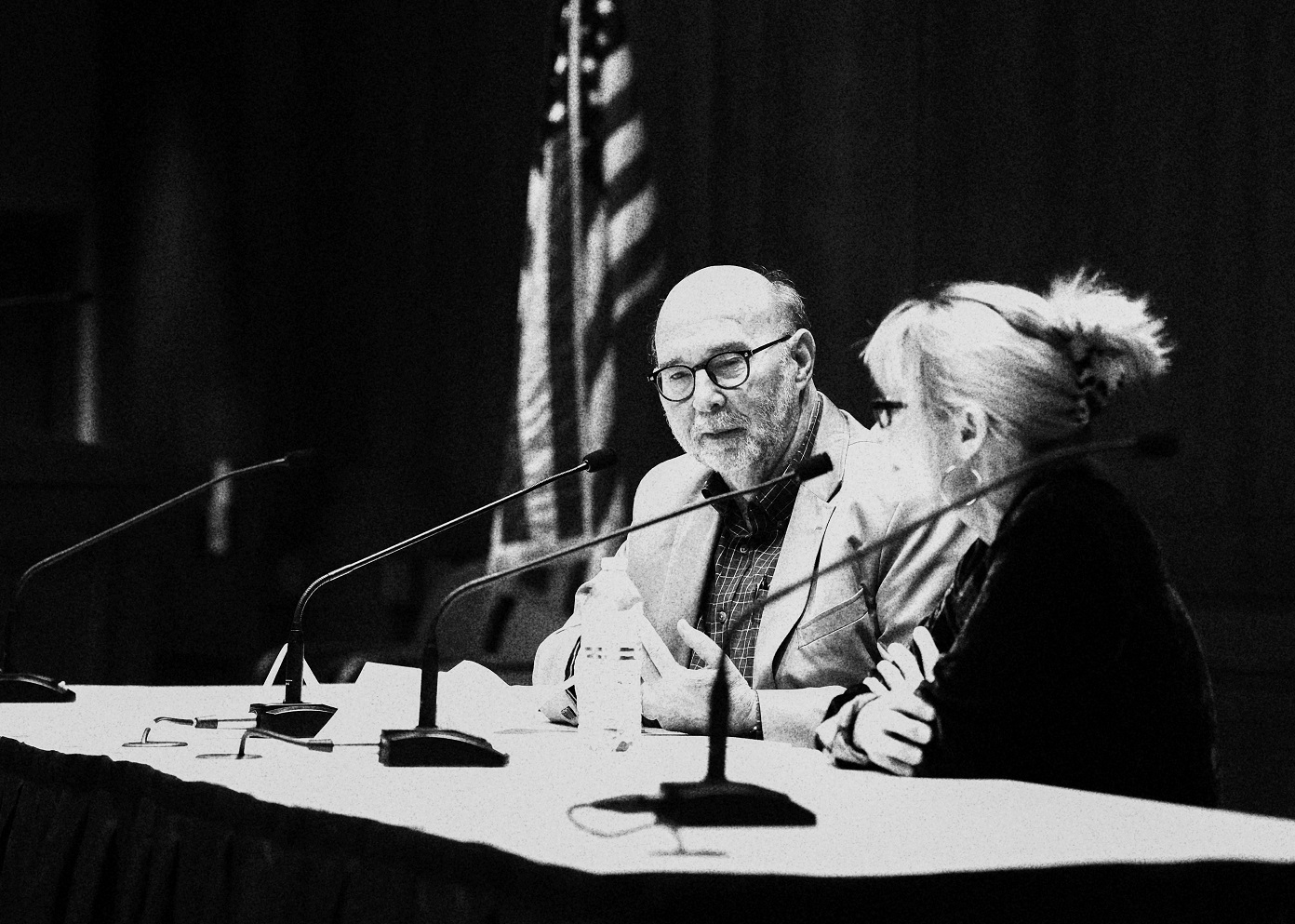
… and on hand to lead the discussion was her friend, Stephen Harrigan–the Texas Writer Award winner in 2011. They discussed the literary life, their writing processes and their work on “The Which Way Tree,” a screen adaptation (optioned by Robert Duvall) of Crook’s 2018 novel of the same name.
Crook’s latest novel, “The Madstone,” features the lead character in “The Which Way Tree,” Benjamin Shreve. And in both novels, Shreve offers what Harrigan calls “one of the most distinctive and appealing characters in all of fiction.”
That distinctive voice comes from a lot of hard work, as well as an ear for speech. Crook is a relentless researcher. While writing her first book, The Raven’s Bride (published by Jackie Kennedy at Doubleday), she travelled to different cities in Tennessee; to Huntsville, TX; to the cemeteries where Houston and Eliza Allen are buried; and talked to dozens of historians and family members of the subjects. For Madstone, she followed a similar approach, and she and Harrigan laughed about her efforts to ascertain accurate stagecoach schedules to and from Texas towns. Put simply, she wants historical fiction to be accurate history.
And that history is almost always set in Texas. “I love Texas,” she says. “Texas is home for me.” But she also relies heavily on imagination to create characters and scenarios, and it is this creative world–rooted in reality–that draws comparisons to Charles Dickens, Mark Twain, Cormac McCarthy, Larry McMurtry, and Stephen Harrigan.
And once you read The Which Way Tree and Madstone, you’ll understand the comparisons–and her deserving win of the Texas Writer Award.
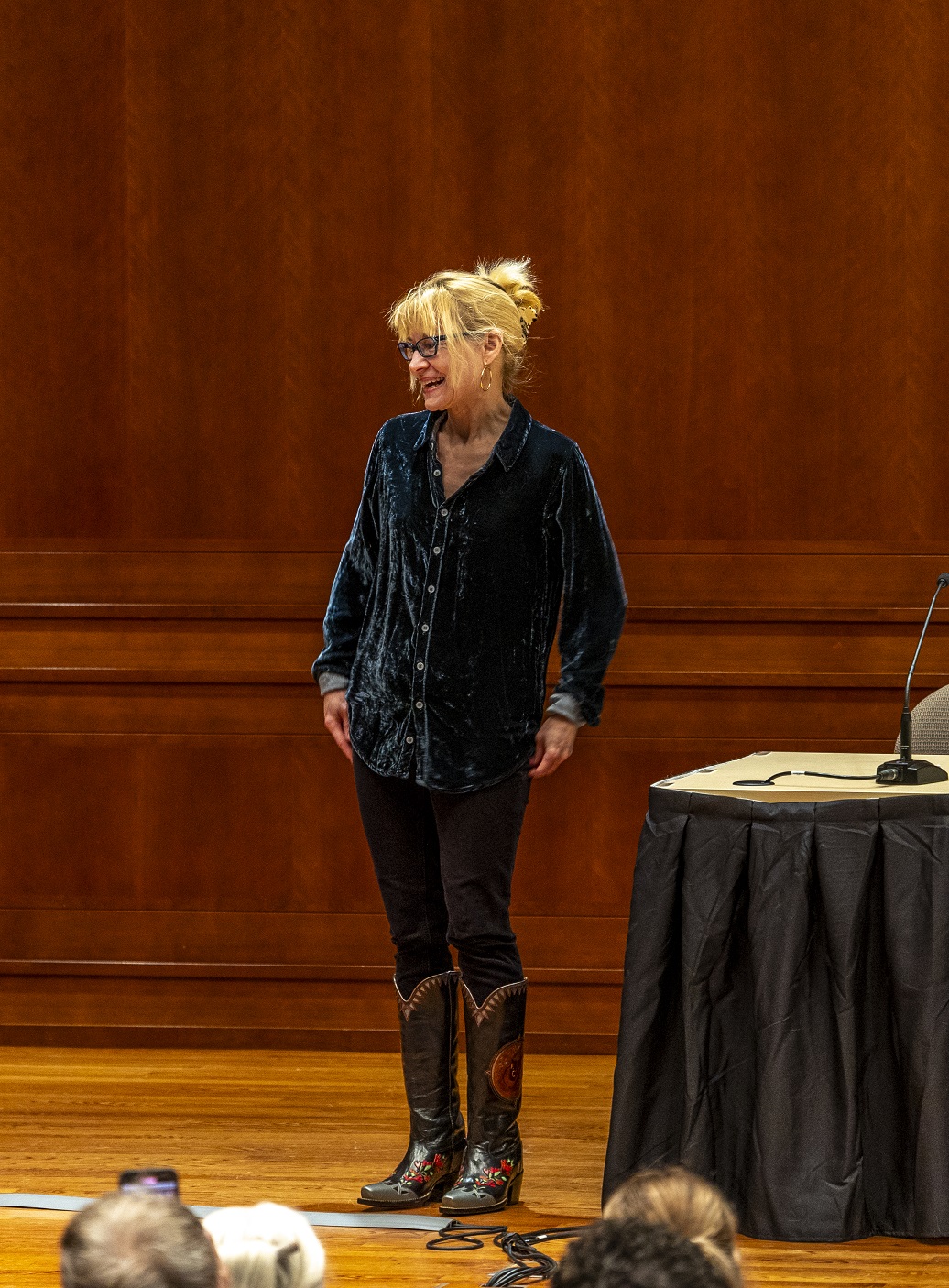
Note: Ever wonder what tangible “trophy” the Texas Writer Award winner receives? Well, according to Stephen Harrigan, it “used to be a bookend, one resembling a gravestone.” No longer. It is a pair of boots, individually fitted!
We were eager to begin our second day of the Texas Book Festival. Having attended the first day, we were no longer rookies, and we had a better idea of how to navigate the lines, accommodate the back-to-back schedule, and, in short, what to expect.
Poking Around the TX Book Festival
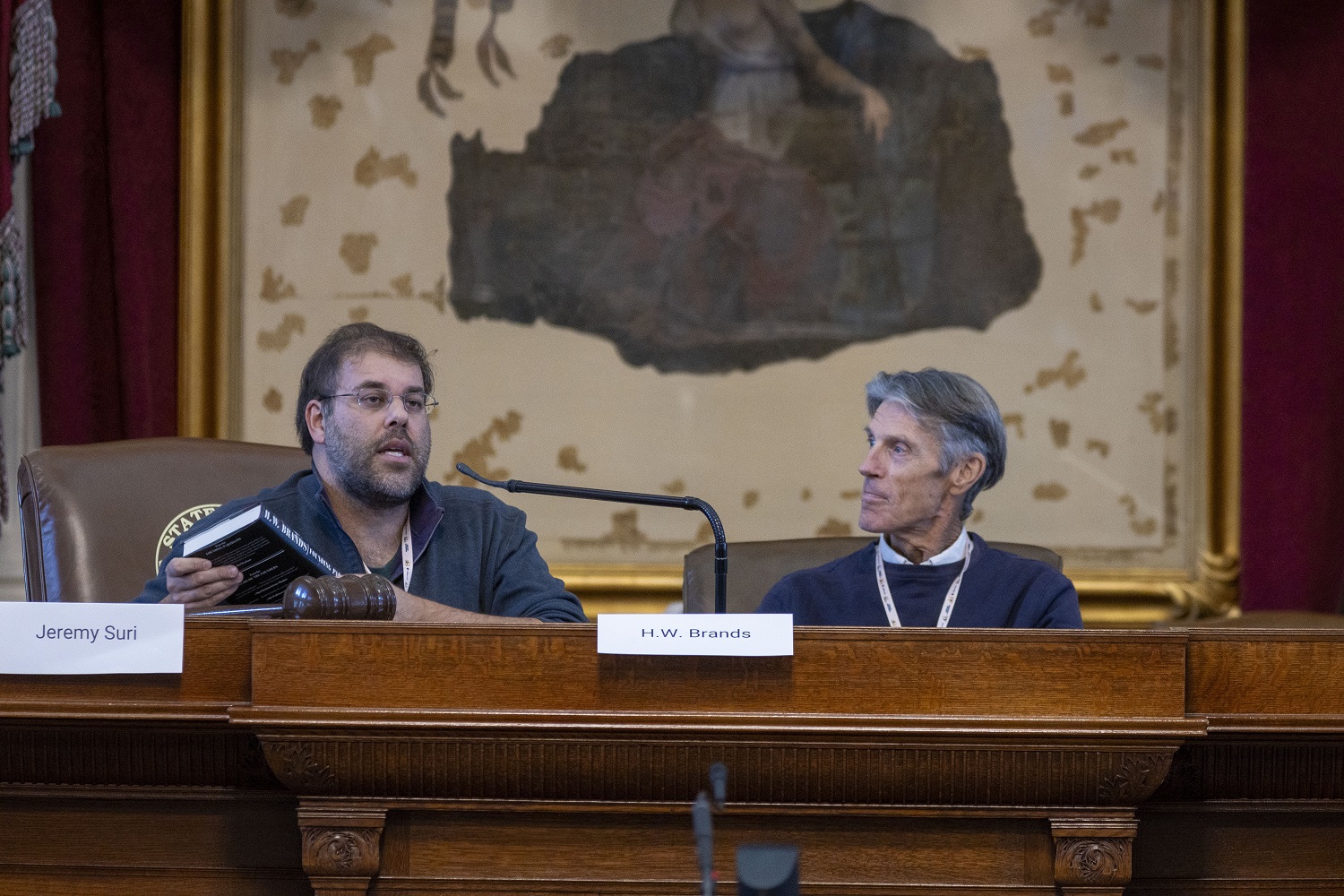
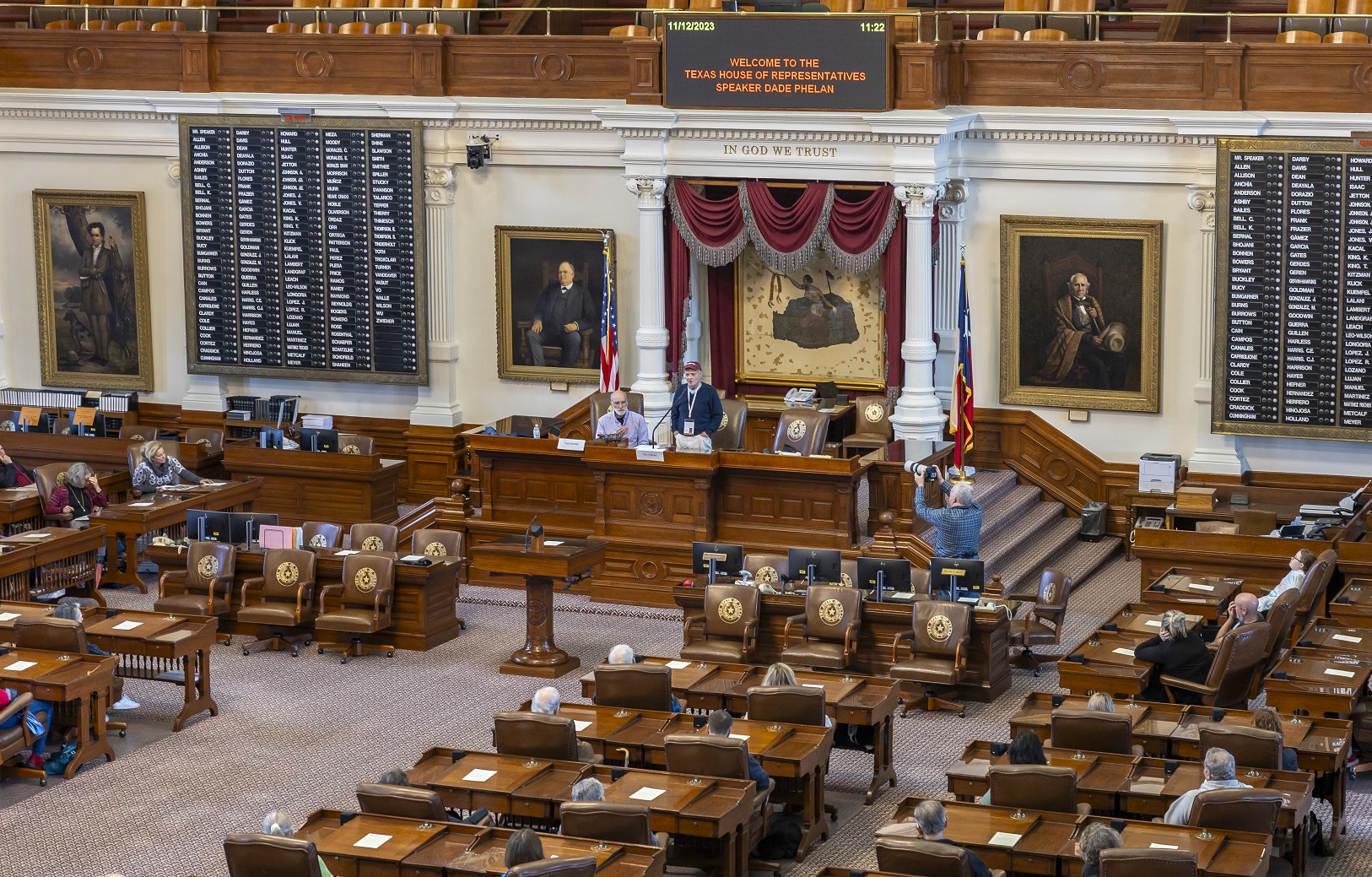
Much of what we learned at the festival came from just breathing in the book culture. We peaked in on some panels just to see if the author could capture our attention. We were exposed to books, ideas, and authors we would not have sought out, but then found they had something interesting to say and something to teach us. We had a chance to see some of the most respected authors in the nation, and in two cases, we had a chance to see hear them discuss their work for the floor of the House of Representatives!
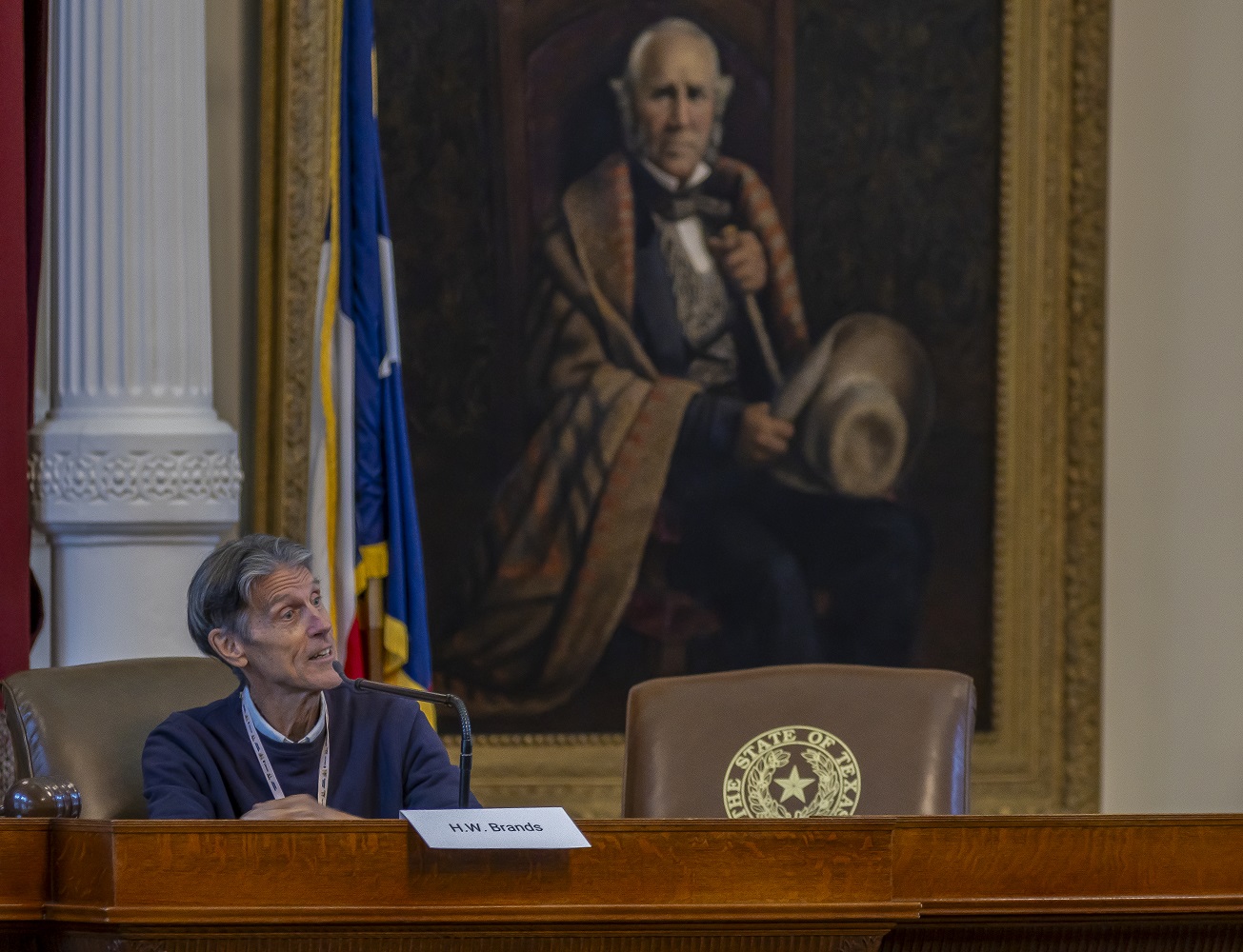
One of these was H.W. Brand, the UT Historian and best-selling author of numerous books.
Sam Houston Assessing H.W. Brands
He discussed his latest book, Founding Partisans, and he revealed the founding father he thought most interesting (James Madison).
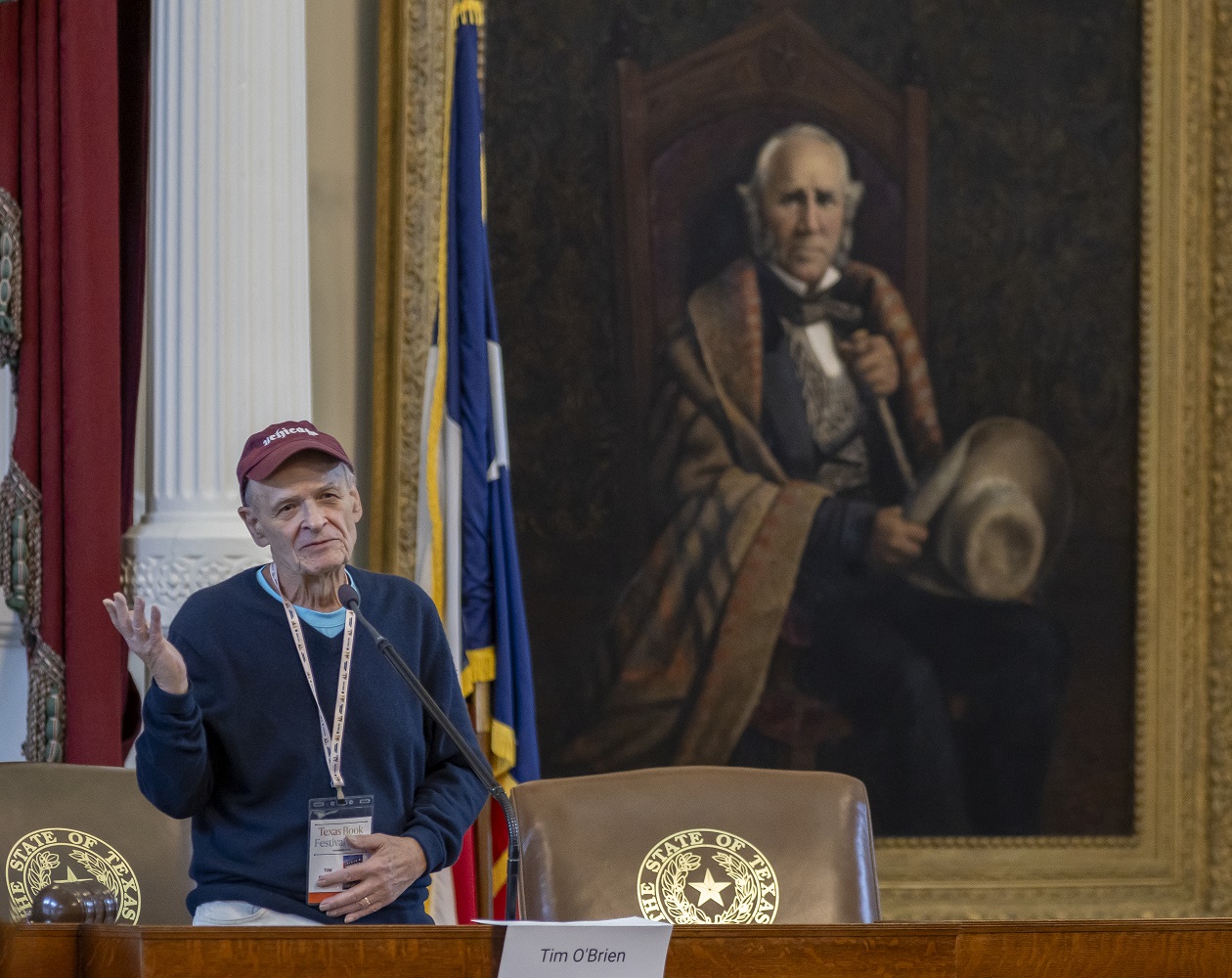
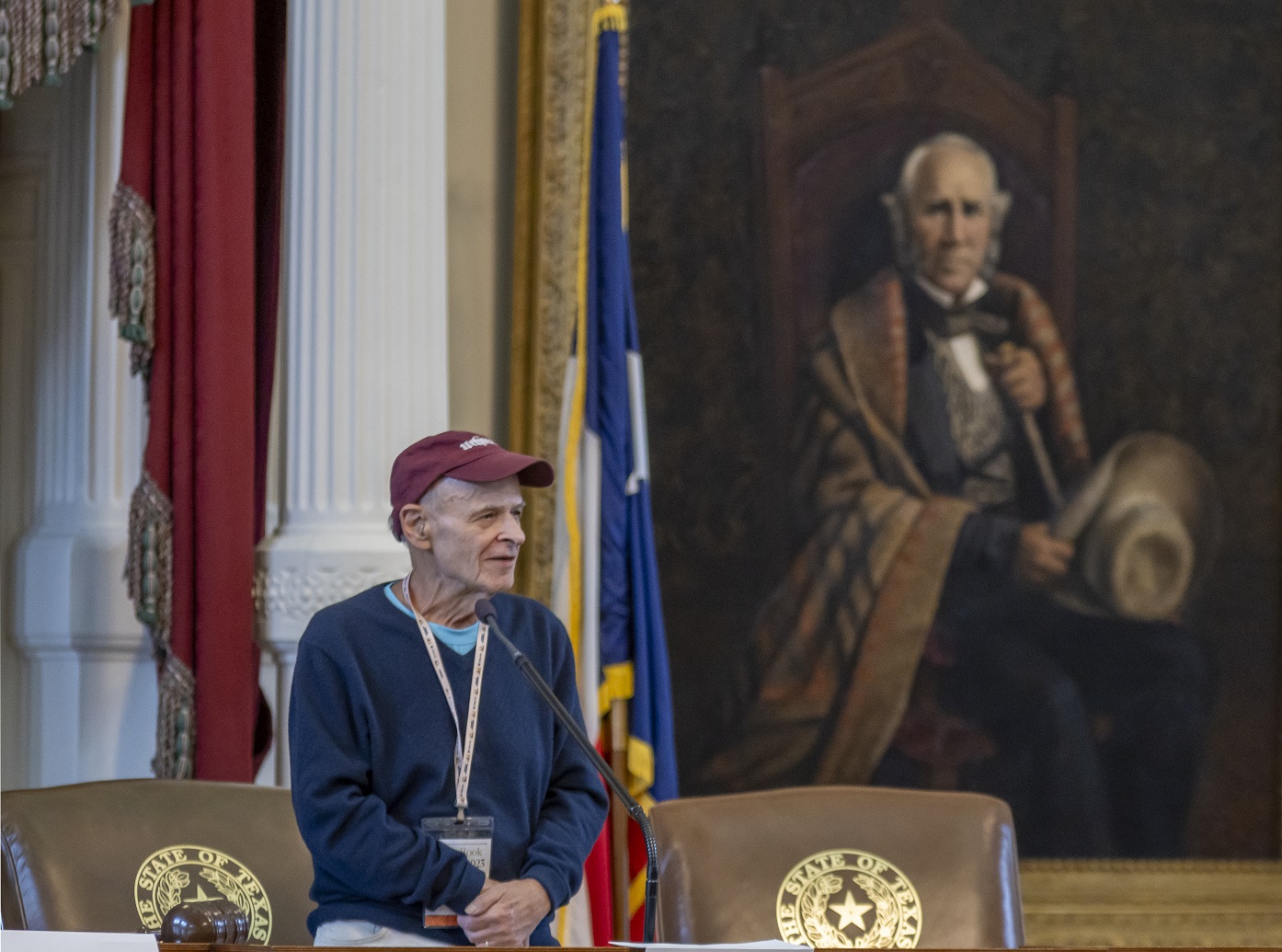
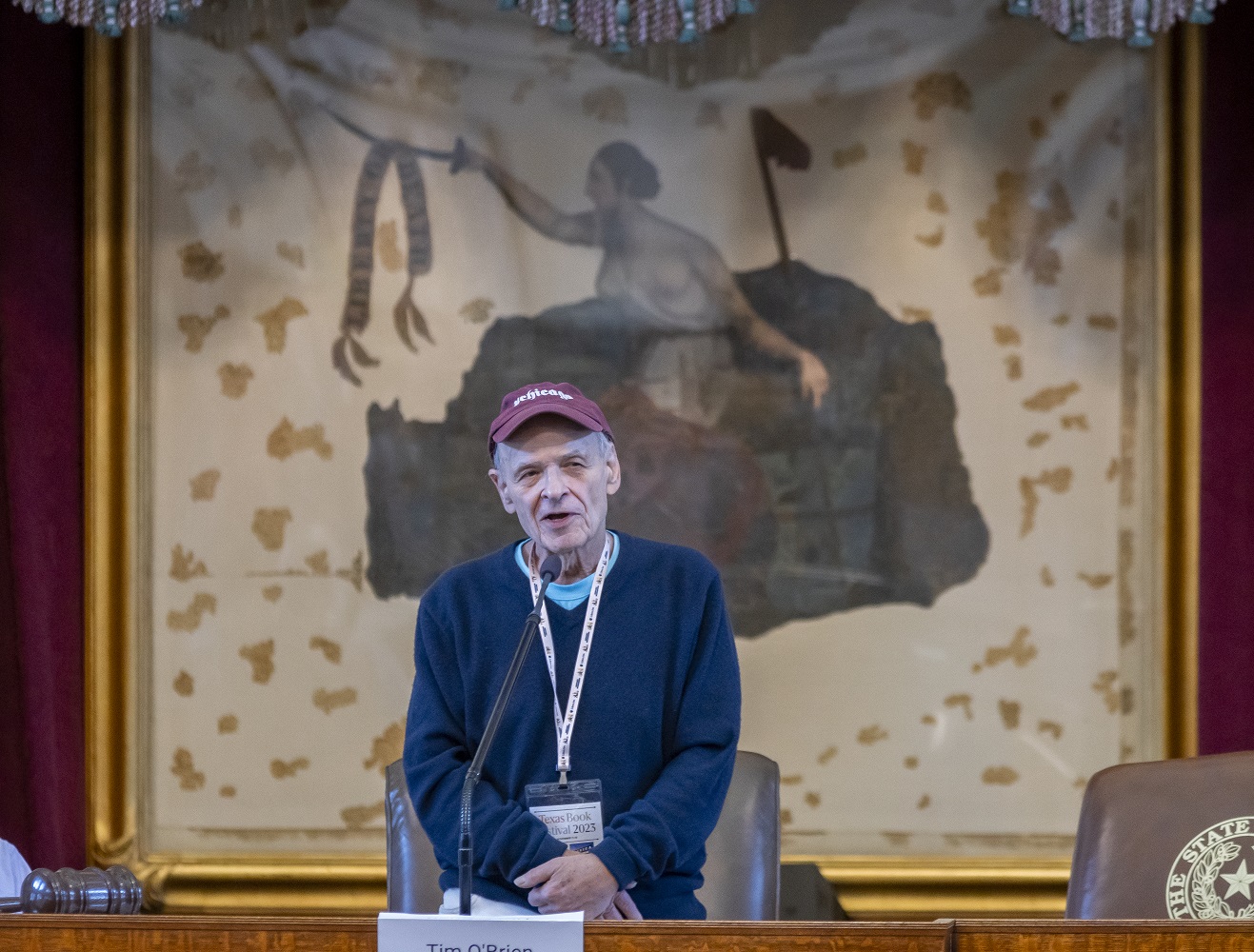
Tim O’Brien, the celebrated author of The Things They Carried and the National Book Award winning Going After Cacciato, also spoke from the House floor–standing at the Speaker’s dais!
Although O’Brien was born in Austin, it was Austin, MN, not Austin, TX. Nonetheless, he lives in central Texas and is considered a “Texas author.”
In fact, for many years, he taught at Texas State University, and he donated his papers to the Harry Ransom Center.
Beyond these unique experiences, we each wrote about a panel that stood out to us, which you can find below.
Fighting to Survive: Rebellions in Epic Fantasy
Madison Cawthon
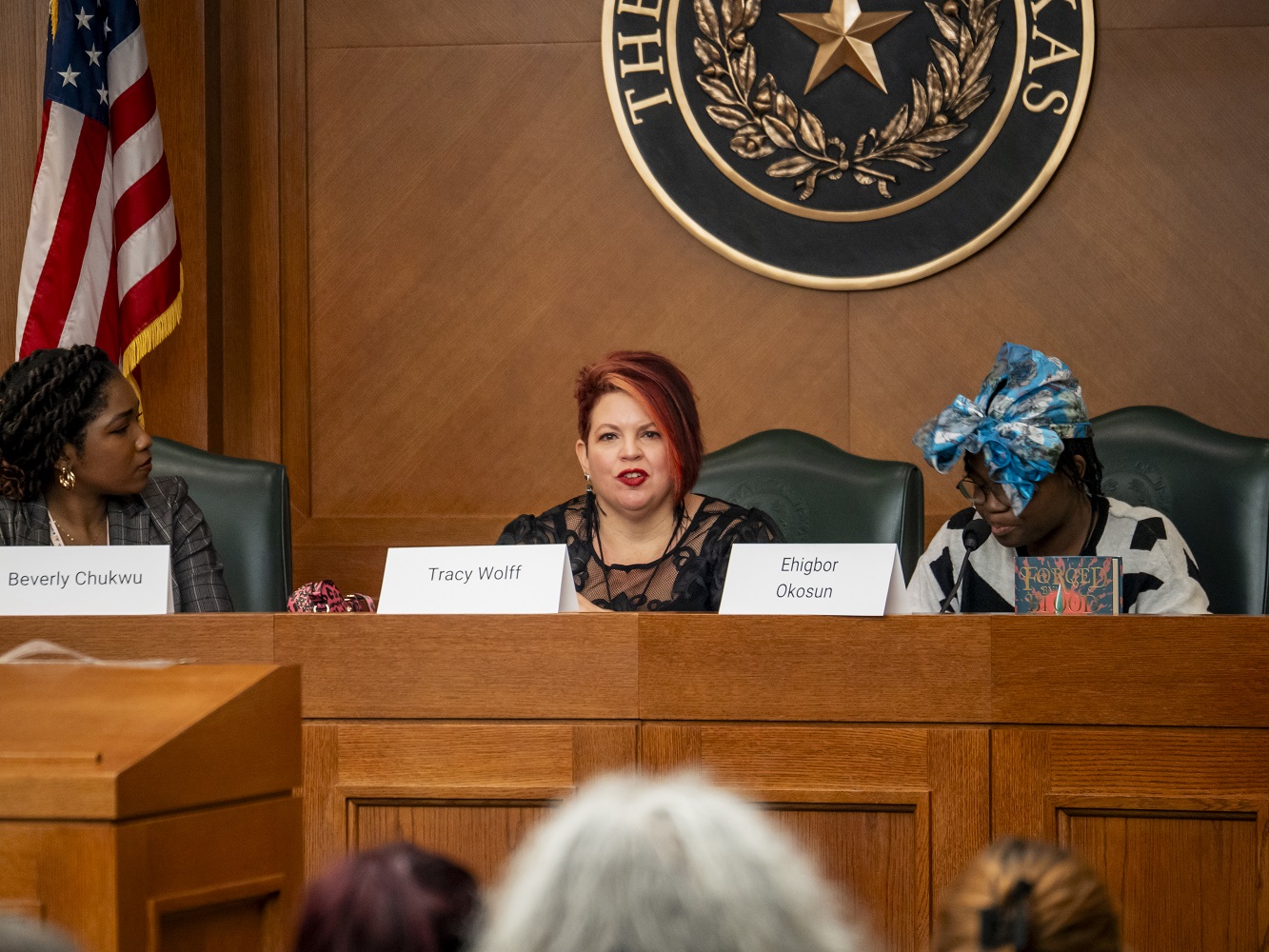
Our first panel was an interesting exploration of fantasy books, featuring Tracy Wolff and Ehigbor Okosun. Their discussion unveiled the intricate process of world-building, emphasizing how their characters acted as architects of the realms within their books.
Both authors revealed that their characters organically guided the storytelling process. Okosun notably delved into the incorporation of Nigerian culture, shedding light on how its appreciation often relies on readers’ familiarity with its nuances. It was interesting to hear about all the planning and behind-the-scenes work that went into writing their novels. Ultimately, this panel was one of my favorite panels of the festival.
A Night of Screams: Latino Horror Stories
by Jessica Cuevas
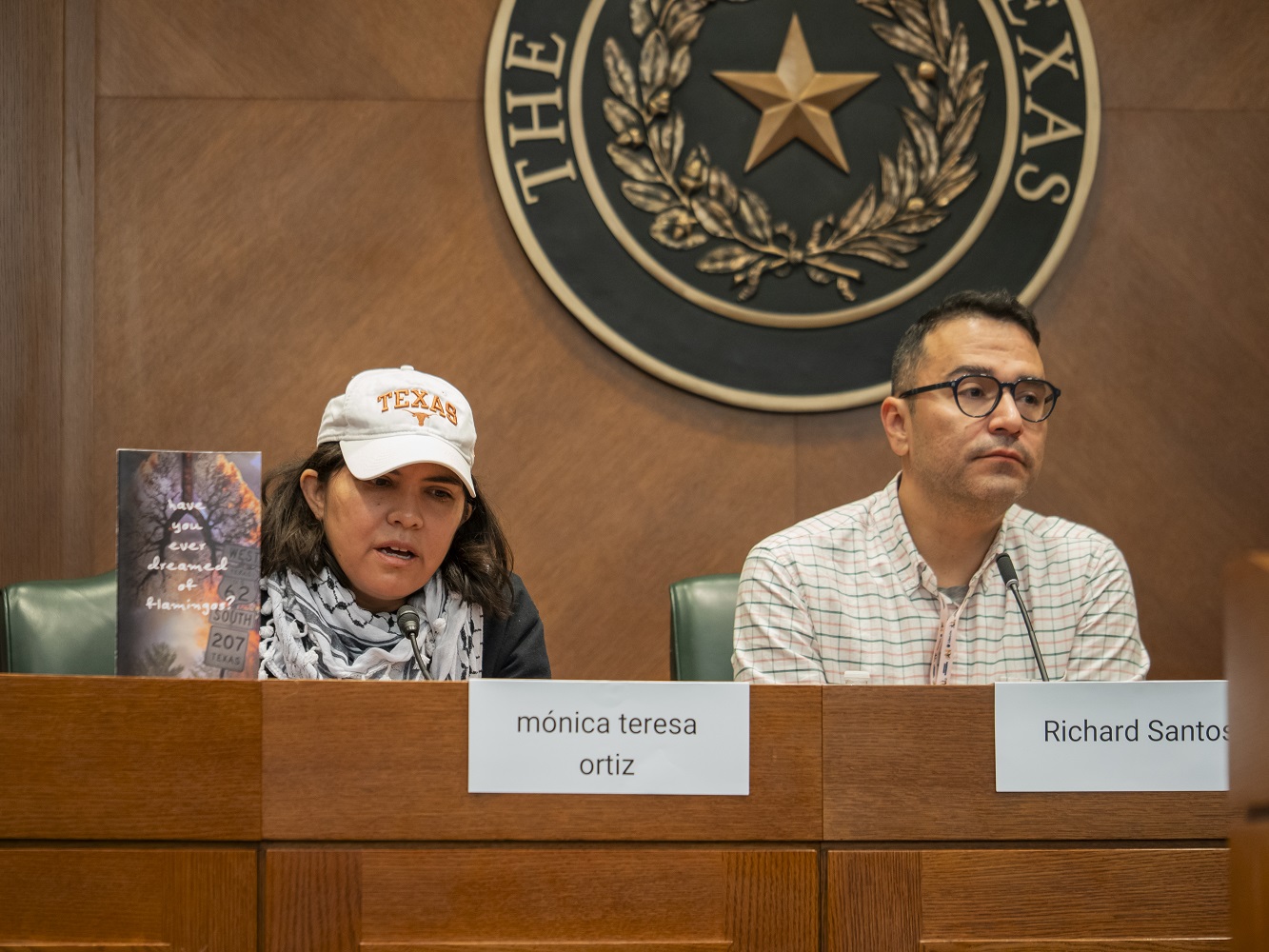
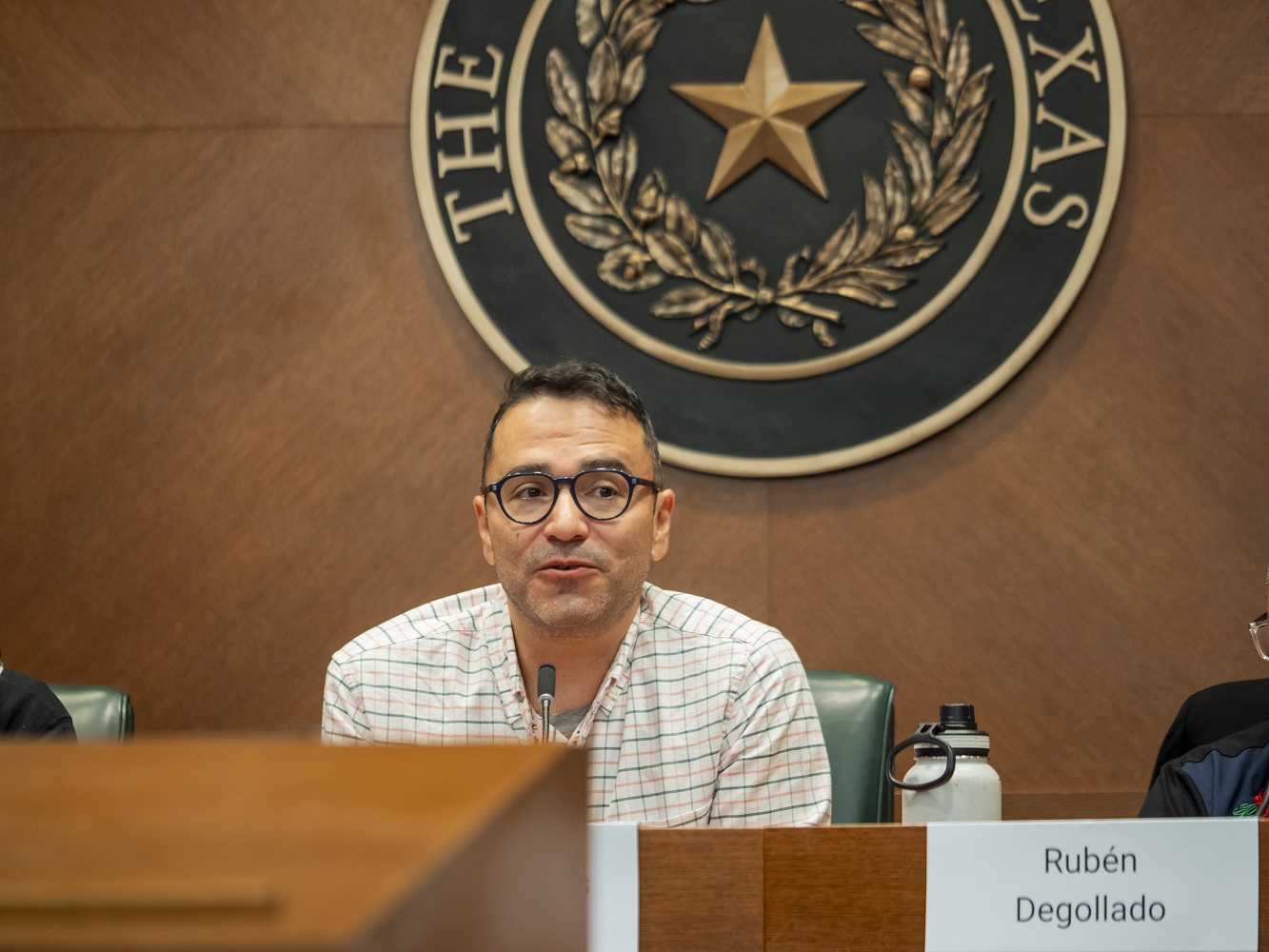
Growing up, I heard different versions of Latin American lore, such as La Llorona (the weeping woman), El Cucuy (the Boogeyman), and La Chupacabra (a goat sucker). All of these stories, perhaps not coincidentally, reminded us to behave and listen to our parents. When I was a child, these stories instilled a fear in me, and if my parents or siblings just mentioned these names, I knew I was in trouble. With a large Hispanic membership in LEAP, this background influenced our decision to attend the session, “A Night of Screams: Latino Horror Stories.” Richard Santos, himself a novelist, moderated the event, in conversation with Leticia Ortiz, Ruben Degollado, and Monica Teresa Ortiz.
When asked to gather Latino artists to create the First Anthology of Latin Horror Stories, Richard Santos jumped at the opportunity. Although unsure of who he would ask at first, he knew it was something he could get done, and he was right! Together, they put together an anthology of some of the most common and traditional horror stories, but they took some liberty in writing their own version and creating other stories. Mónica shared an anecdote about her grandfather and father in a near encounter with La Chupacabra, while Rubén took this opportunity to create a story about zombies down at the US-Mexico Border, and Leticia wrote about body horror and generational trauma in her book, “Las Criaturas”. Together they filled the room with laughter as many Hispanics in the room related to the authors’ experiences that influenced their stories.
Fortunately for the panelists, their book sold out at the event. Unfortunately for the LEAP Ambassadors, the books sold out before they could get copies!
The Security of a Free State & The Distortion of the Second Amendment
by Michelle Cardenas
One of the timeliest panels of the day was The Security of a Free State & The Distortion of the Second Amendment. This panel featured Cameron McWhirter, author of American Gun: The True Story of the AR15, and Jeff Sharlet, author of The Undertow: Scenes from a Slow Civil War. Both authors shared a bit about their books and tackled the topic of the origin of guns and how much change they have brought to society over time.
Cameron McWhirter focused on explaining the creation of the AR15 and how its original purpose has been distorted over time. McWhirter explained that the AR15 was designed to provide military troops with a more accessible and easy weapon in combat. Despite its original intent, the AR15 is the most common gun used in mass shootings and other high-profile criminal cases. One of the most shocking details he gave during the talk was his very own experience purchasing an AR15. According to Cameron McWhirter, it only took him 38 minutes to buy such a deadly weapon; it was that quick!
Jeff Sharlet took a different approach to the conversation and asked the crowd to reflect on how we accept guns in our everyday lives. He explained how over the years guns have become a huge part of our social norm. Owning a gun is no longer uncommon or odd, instead, it is deemed a necessity to protect oneself. He shared with us a staggering statistic; the United States is the country with the most civilian-owned guns with a ratio of 120 guns to every 100 civilians.
Both authors acknowledged the issues the United States is currently having with firearms ending up in the hands of the wrong people. They did a phenomenal job educating the public on the real purpose of firearms and the reality of the world we live in today. They embraced the topic and encouraged us to enjoy and protect the freedom that we have been blessed with.
Wrapping Up the Book Festival
These were far from the only sessions we experienced. We also learned about the State Parks, which just this week received a windfall from voters, who voted to create a Conservation Fund for State Parks. This 1 billion is sorely needed, a fact elaborated on by George Bristol and Andrew Sansom, both of whom have written books on the State Parks.
Intriguingly, Andrew Sansom’s book, on the Art in Texas State Parks, features the work of one of our favorites: Lee Jamison.
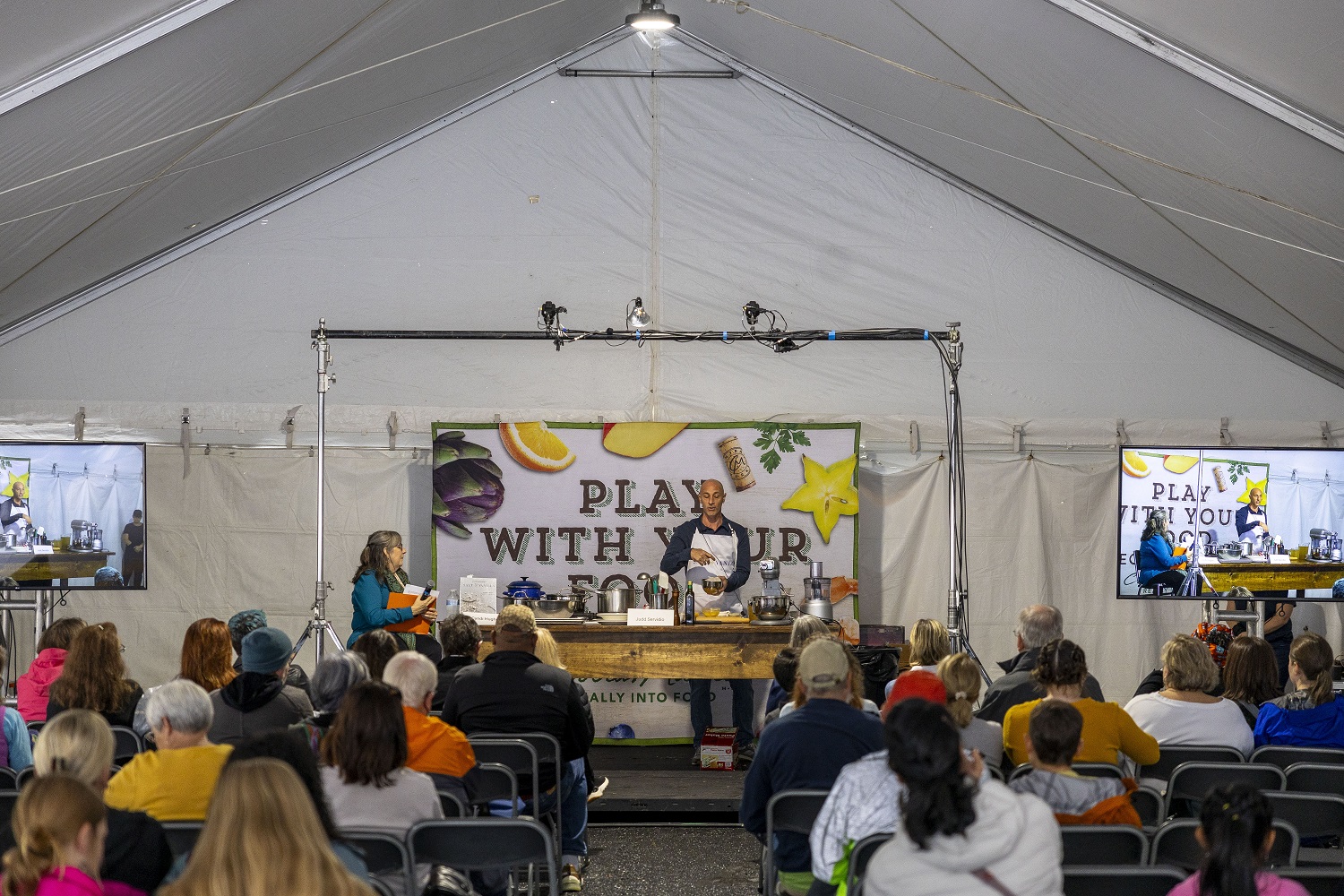
We also had a chance to see a cooking demonstration by Judd Servidio, whose book, Salt & Vanilla, offers both recipes and some stories about cooking for the rich and famous.
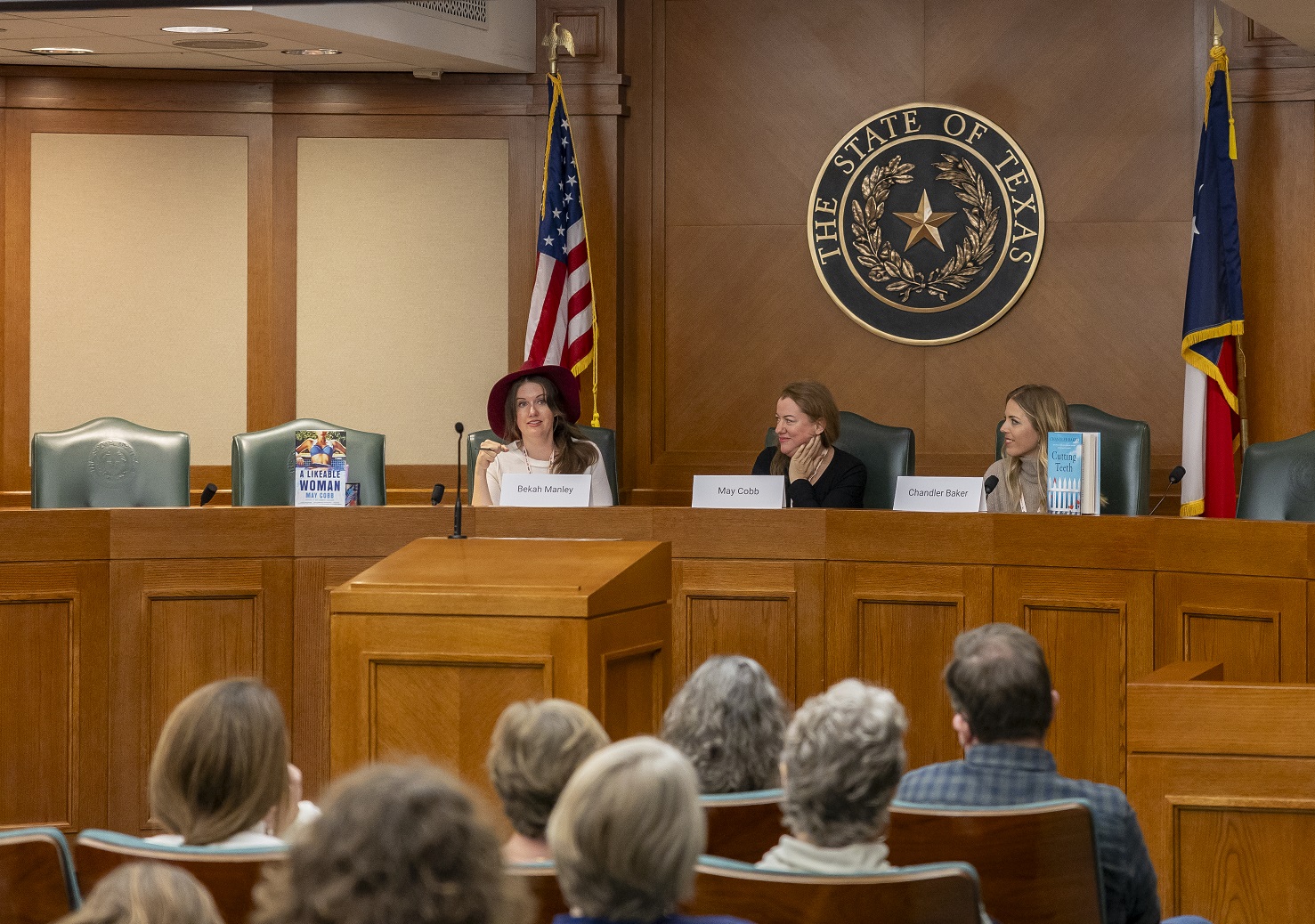
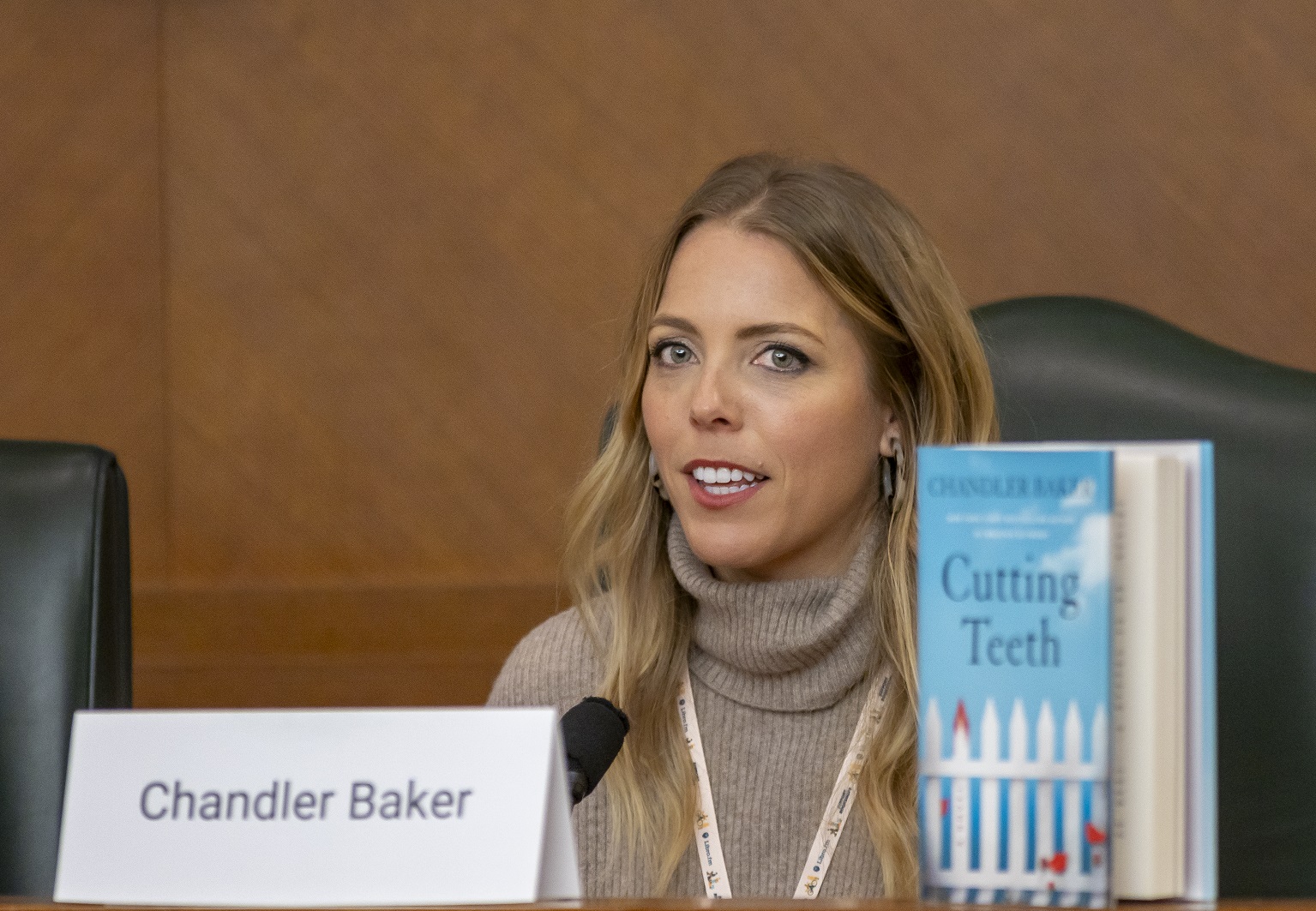
And where besides the TX Book Festival can you go from a cooking demonstration to a panel on “family thrillers…”
…and then go to a panel about women in law enforcement?
In the latter case, we had a chance to see author–and former CIA agent–Jana Monroe, whom we saw last month at Murder By the Book.
In short, it was a weekend full of learning and enrichment, and we look forward to next year’s Book Festival, which we hope is the beginning of a LEAP Tradition.
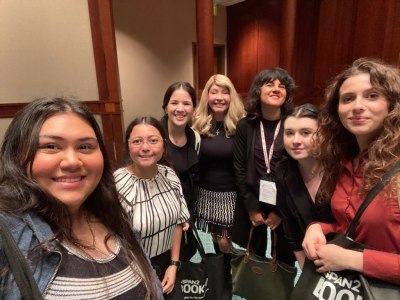
Following our morning of art with Daniel Arredondo, LEAP students made their way to day one of the Texas Book Festival!
We were thrilled to enter a space in which we could gain firsthand accounts from authors from a wide range of genres.
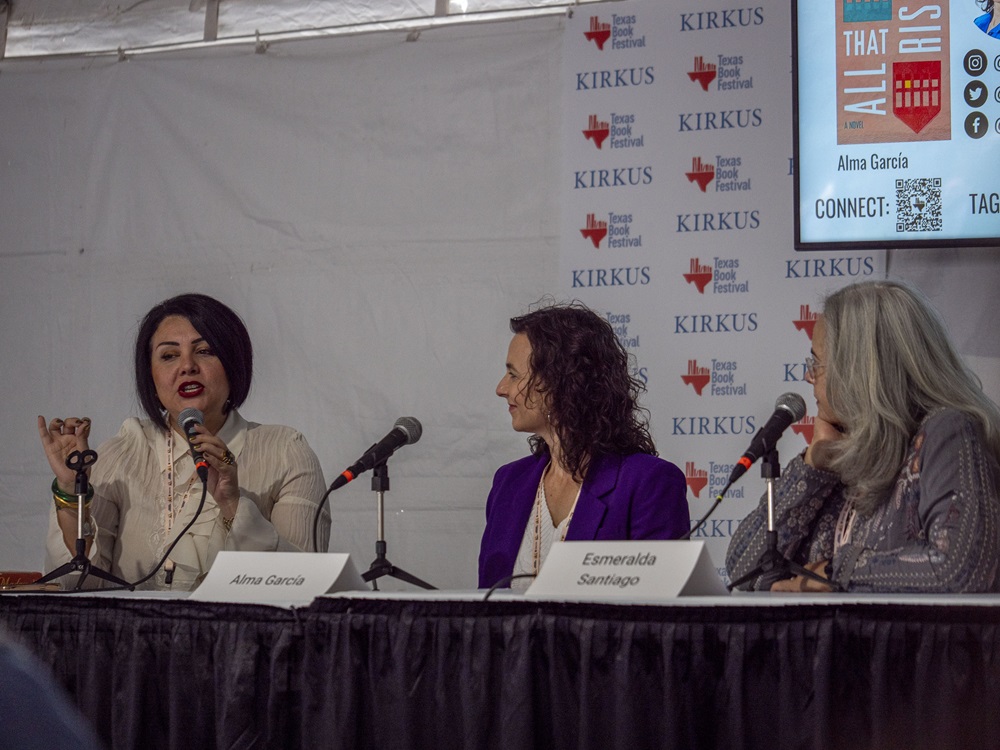
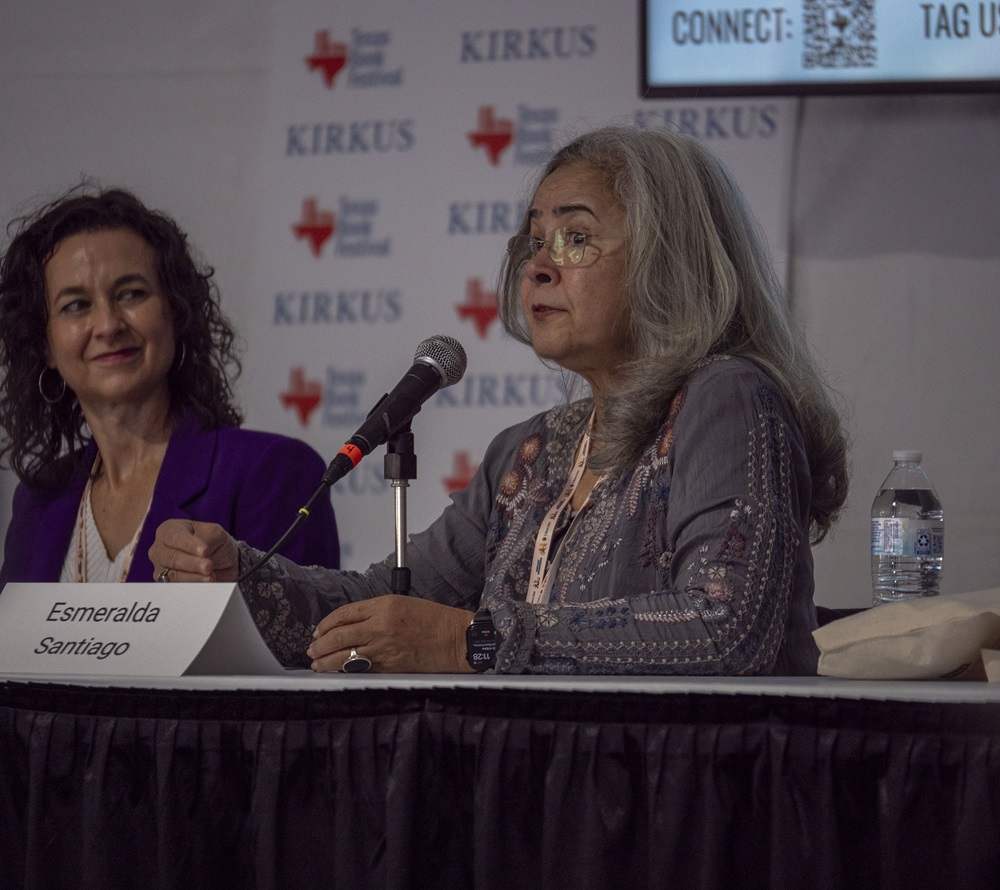
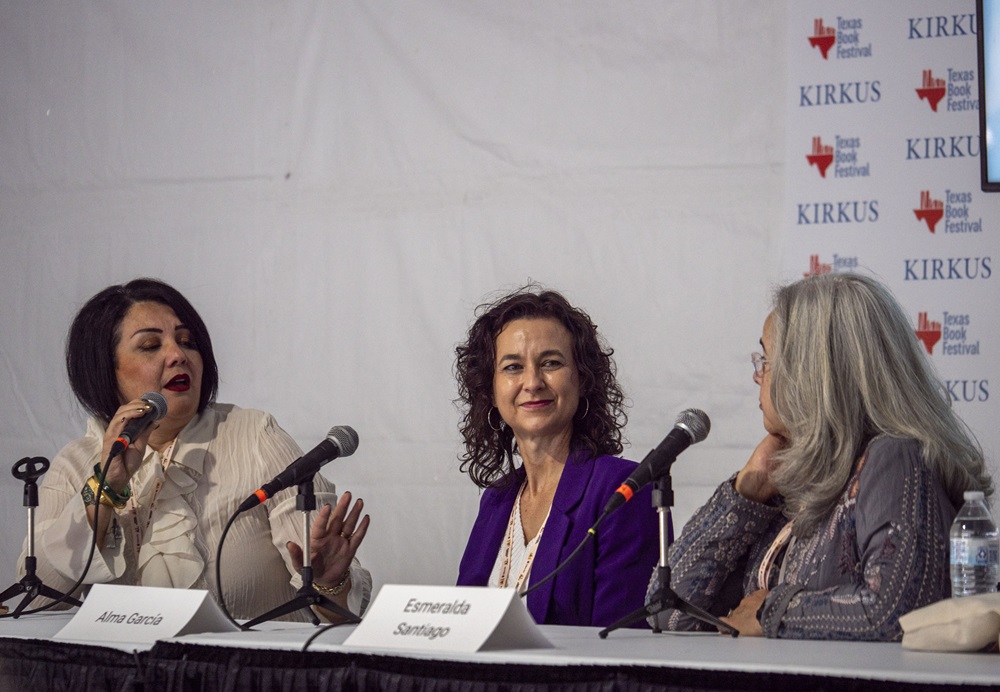
Our first session was titled “What We Lost: Stories of Family & Womanhood” hosted by the authors Alma Garcia and Esmeralda Santiago. In this session, the authors talk about the emotional complexity of the Puerto Rican diaspora, tragedy and healing, and the sacrifices made by women.
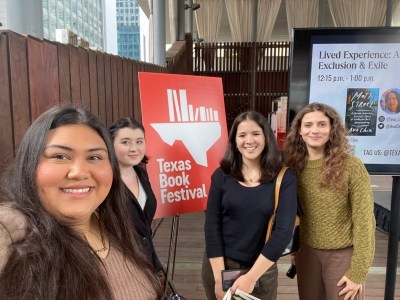
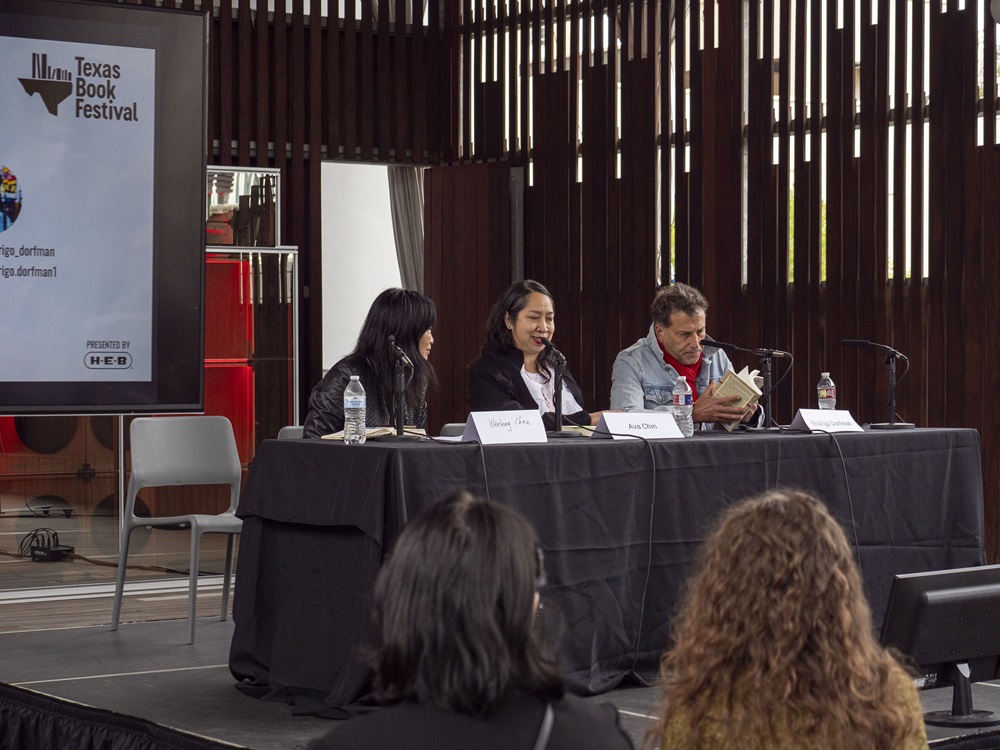
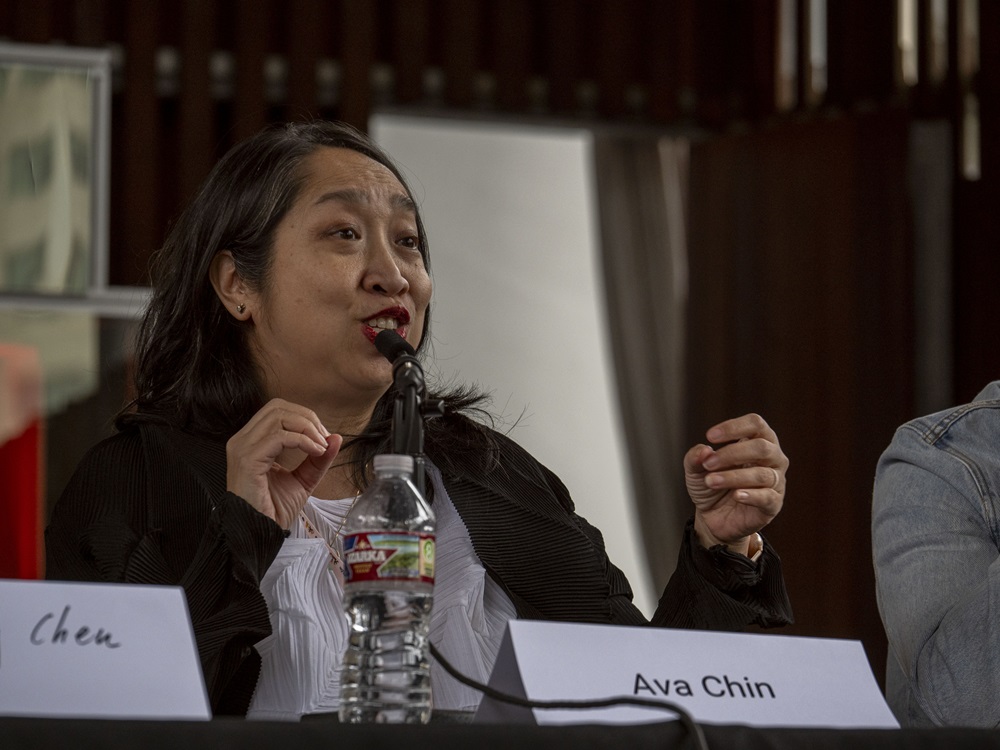
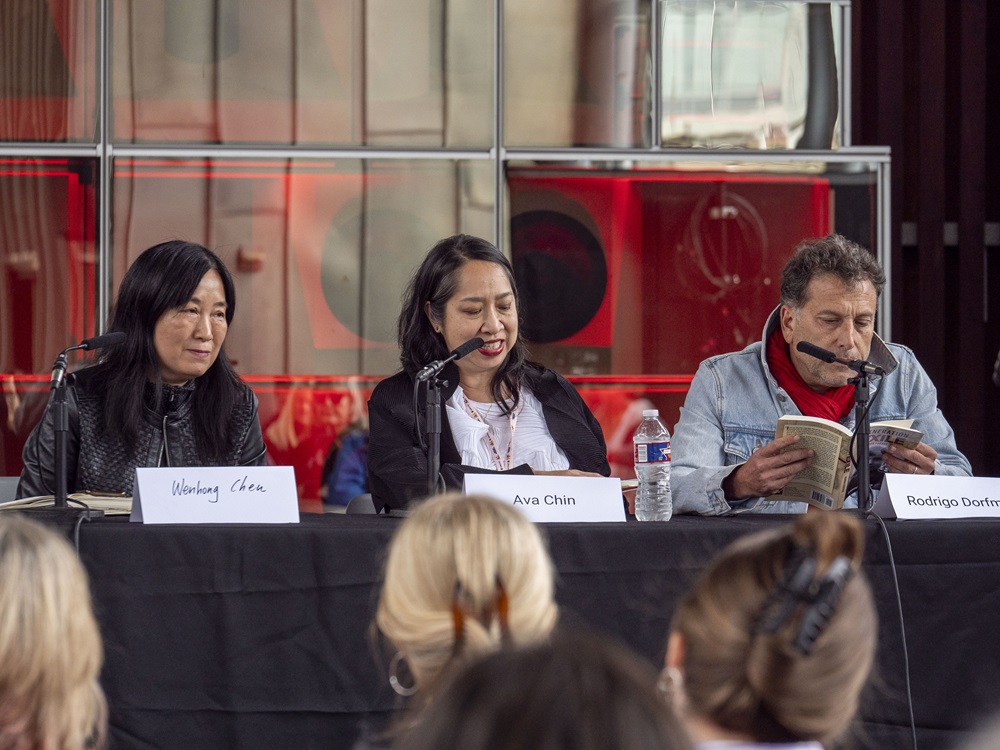
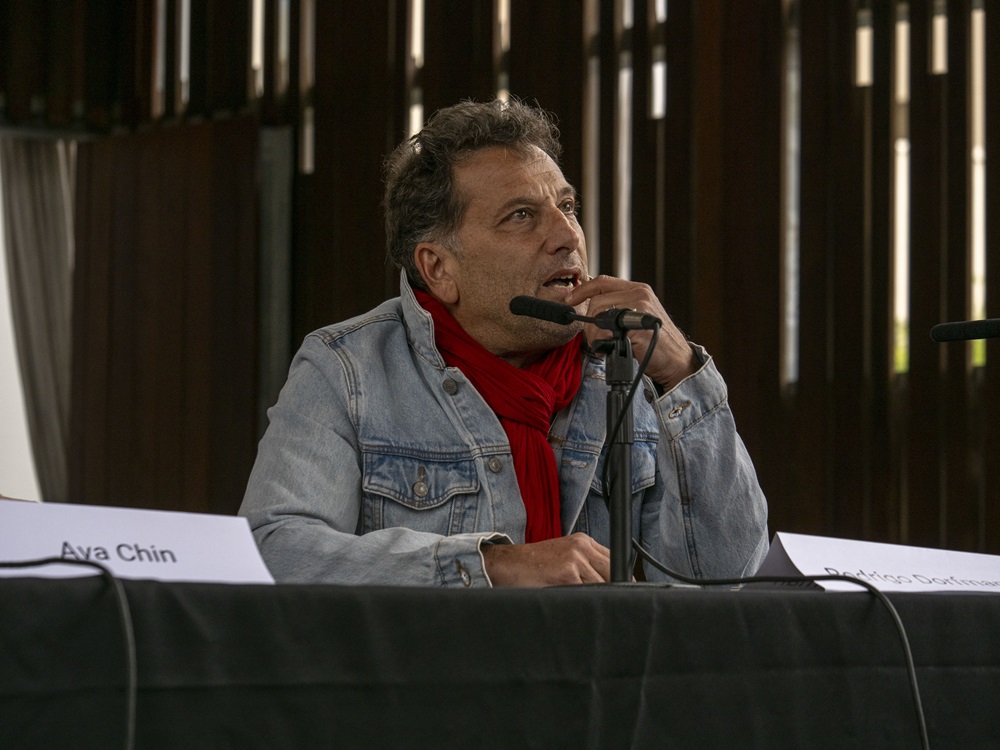
Continuing the theme of hard-hitting conversations, we visited Contemporary Art Museum’s Rooftop to listen to Ava Chin and Rodrigo Dorfman at their panel titled; “Lived Experience: a Legacy of Exclusion and Exile”. This was Olivia and Michelle’s favorite session of the day. Chin, in her book “Mott Street” covers the longstanding impact the Chinese Exclusion Act had on her family and the Chinese community, as a whole, for generations. On the other hand, Dorfman read an excerpt from his memoir “Generation Exile: the Lives I Leave Behind” which had a few people in tears by the time he finished reading. Dorfman talked about a “generational curse” in his family where his grandfather, father and himself were all exiled from their country by the age of seven years old.
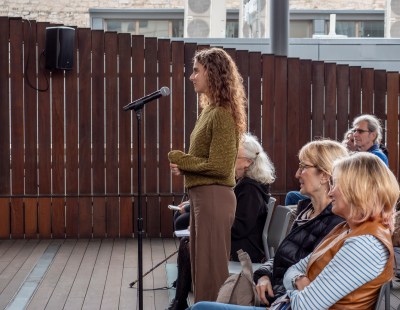
During the Q&A space, Olivia asked Chin and Dorfman about the reaction their families had about their writing and how they approach the various complexities of their perspective.
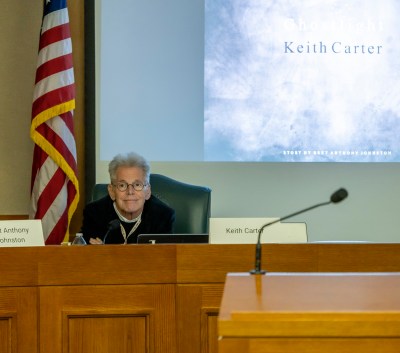
After this highly emotive session, we went on to attend the “Pictures & Words: Bret Anthony Johnson & Keith Carter on Ghostlight”, a photography book with filled with Carter’s “Bayou-Gothic” aesthetic.
He made use of a vision problem in one eye, influencing his style of photography with a short depth of vision. Carter’s oblique positioning and his sense of light and “aberrations” makes for a style that truly tells a story for the viewer to contemplate.
While some of our photographs possess aberrations, they are not nearly as intentional or as visually appealing as Carter’s mastery.
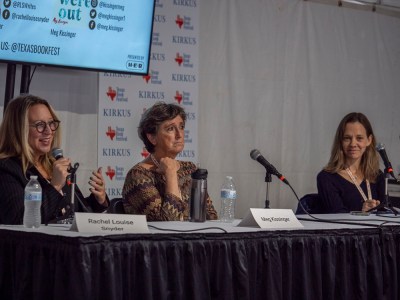
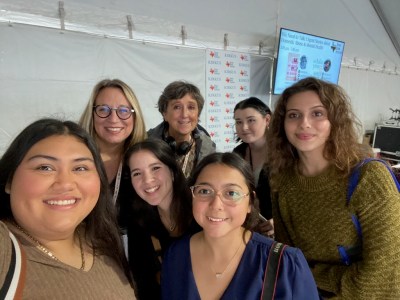
Following the informational session, we went straight to listen to another group favorite panel, Rachel Louise and Meg Kissinger at “We Need to Talk: Urgent Stories about Domestic Abuse & Mental Health”. She emphasizes the stigma mental illness had in her early years and the impact it had in her family as a whole.
This panel allowed us to see where generational perspectives of mental health and violence intersect, which provided a poignant reminder of open dialogues such as these.
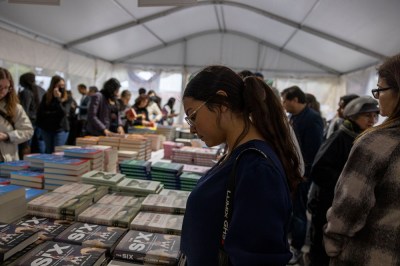
Our excitement, though boundless, was met with the sobering realization that our enthusiasm outmatched our wallets. BookPeople, the largest independent bookstore in Texas, was the seller of all books discussed throughout the weekend. We picked out some titles that piqued our interest, along with books from the panels we had visited throughout the day.
Blanton Museum of Art
by Madison Cawthon
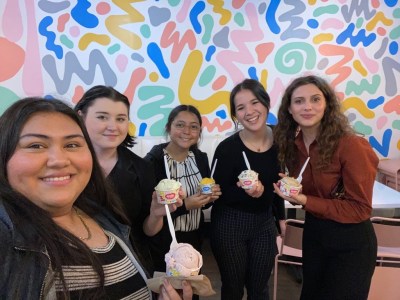
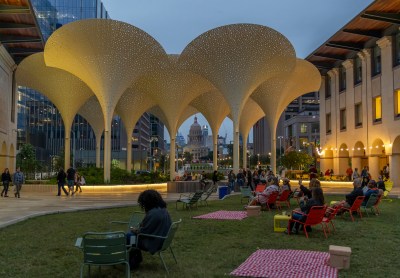
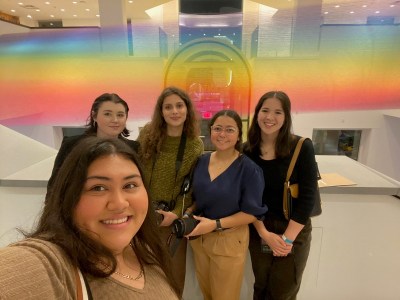
After we wrapped up at the Texas Book Festival, we had the chance to check out the Blanton Museum of Art.
This was a first for many of us, including myself, but the live music upon entry indicated that we were in for a fantastic experience.
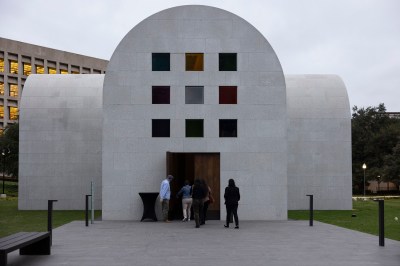
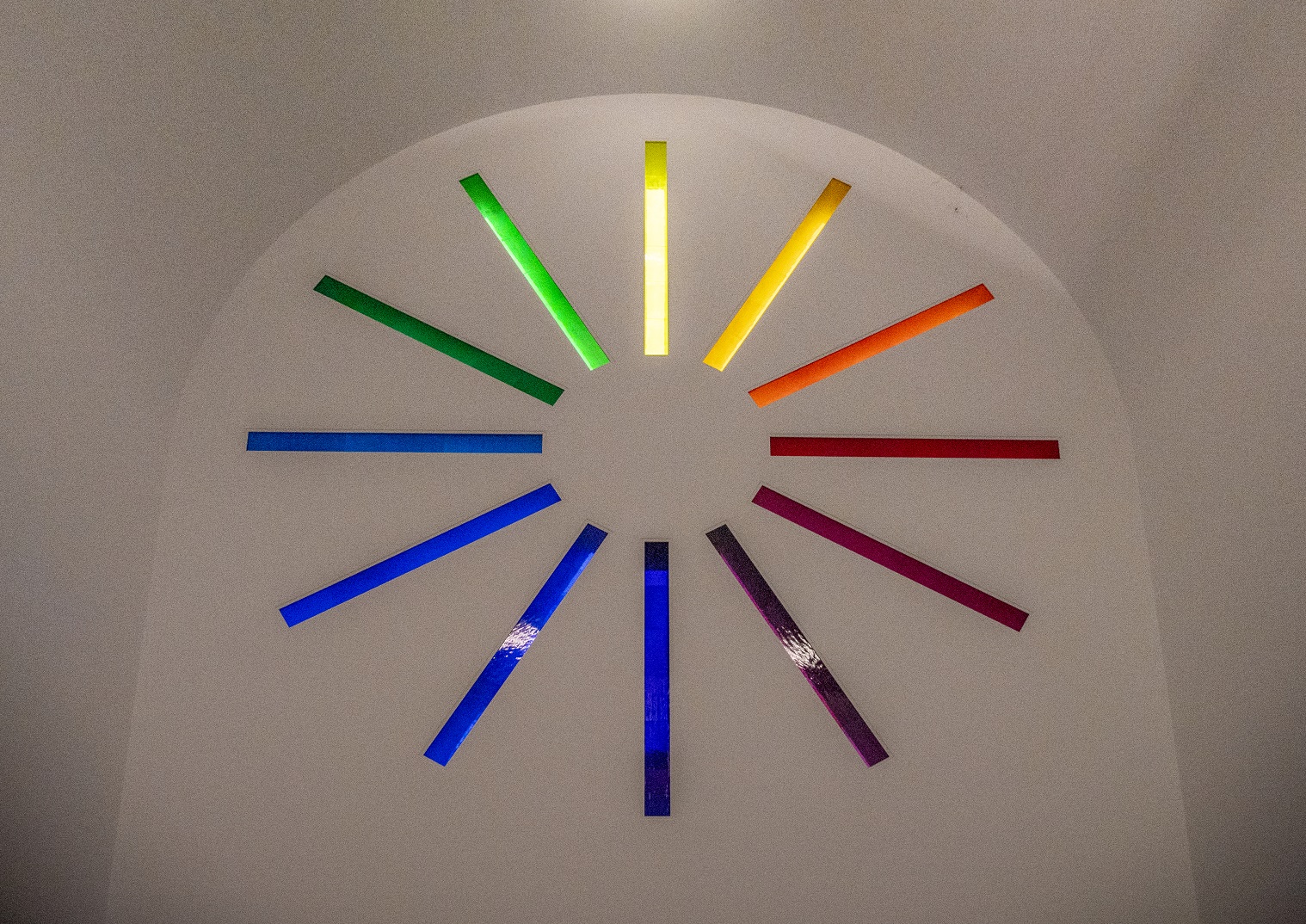
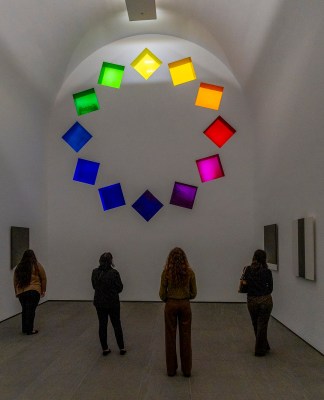
After checking in at the museum, we ventured to Ellsworth Kelly’s Chapel, otherwise known as Austin.
The Austin Chapel is a cruciform architectural structure that was originally designed by artist Ellsworth Kelly. Known for his use of color and shape, this chapel can be considered one of his grandest designs.
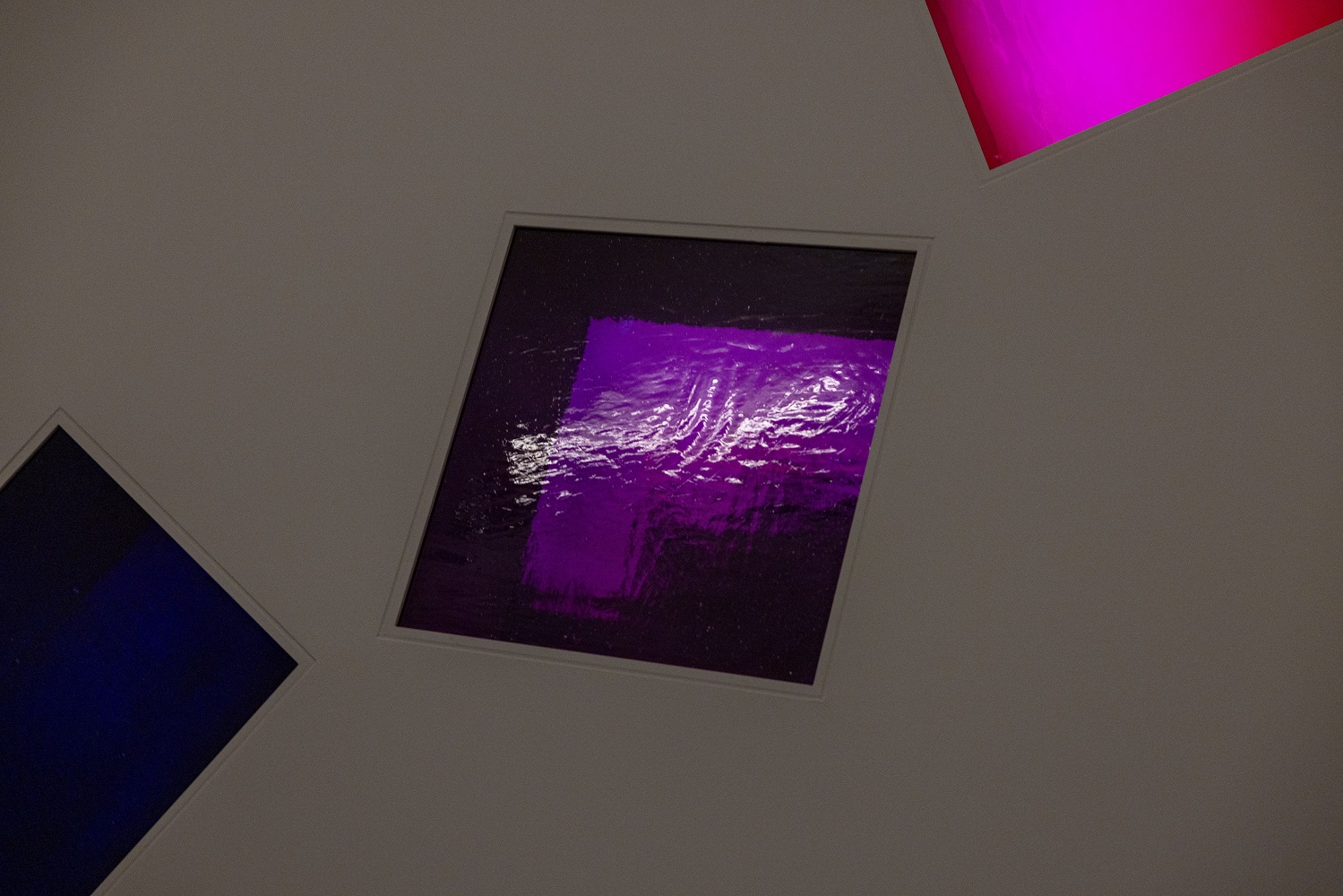
Geometric black and white canvases adorned the walls, while vibrant rainbow-stained glass designs graced each corner of the structure.
After experiencing the Austin Chapel…
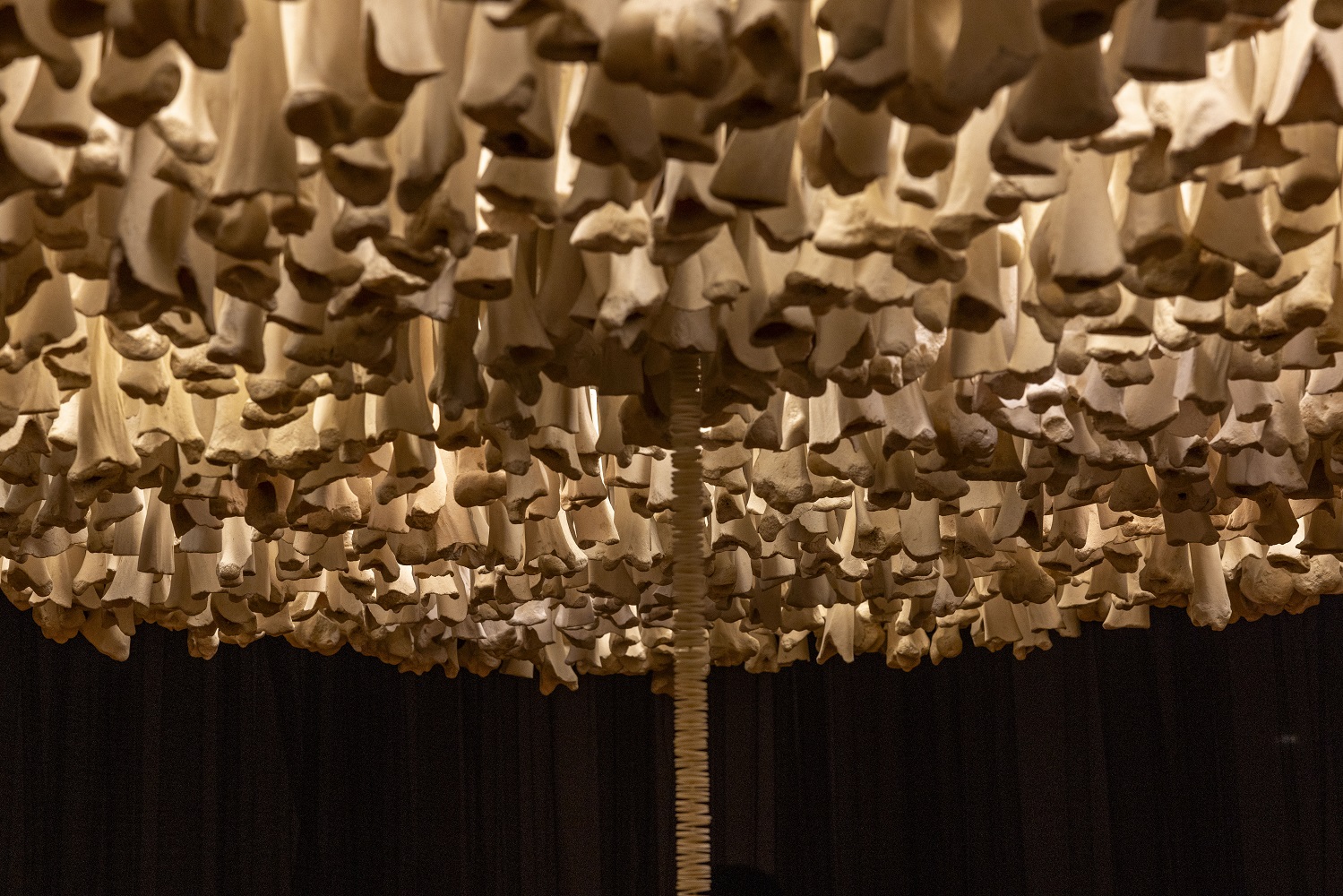
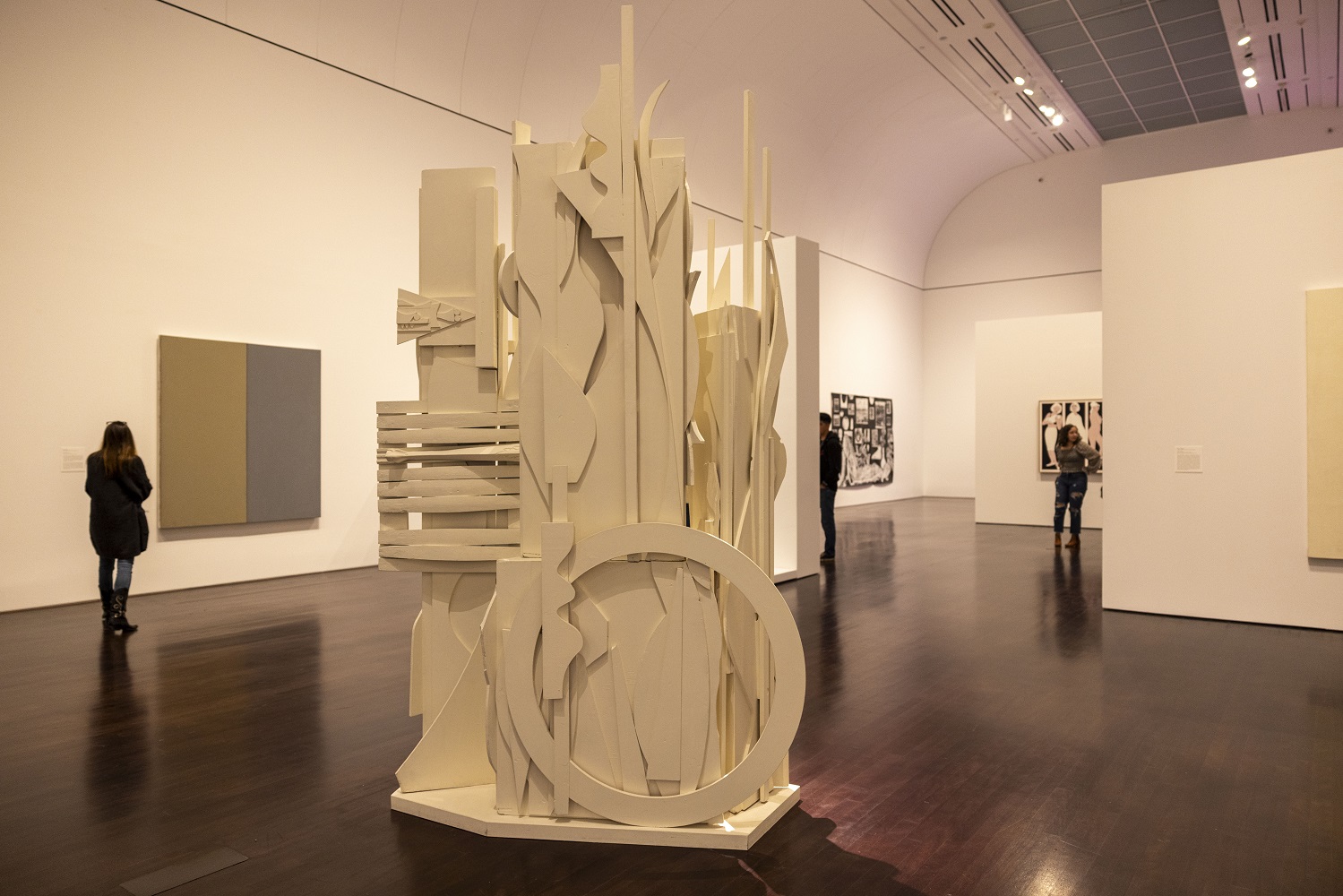
…we then made our way inside the art gallery. There were several different exhibits to ponder, so the group made haste to absorb as much as possible.
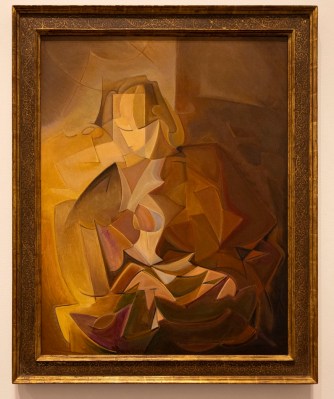
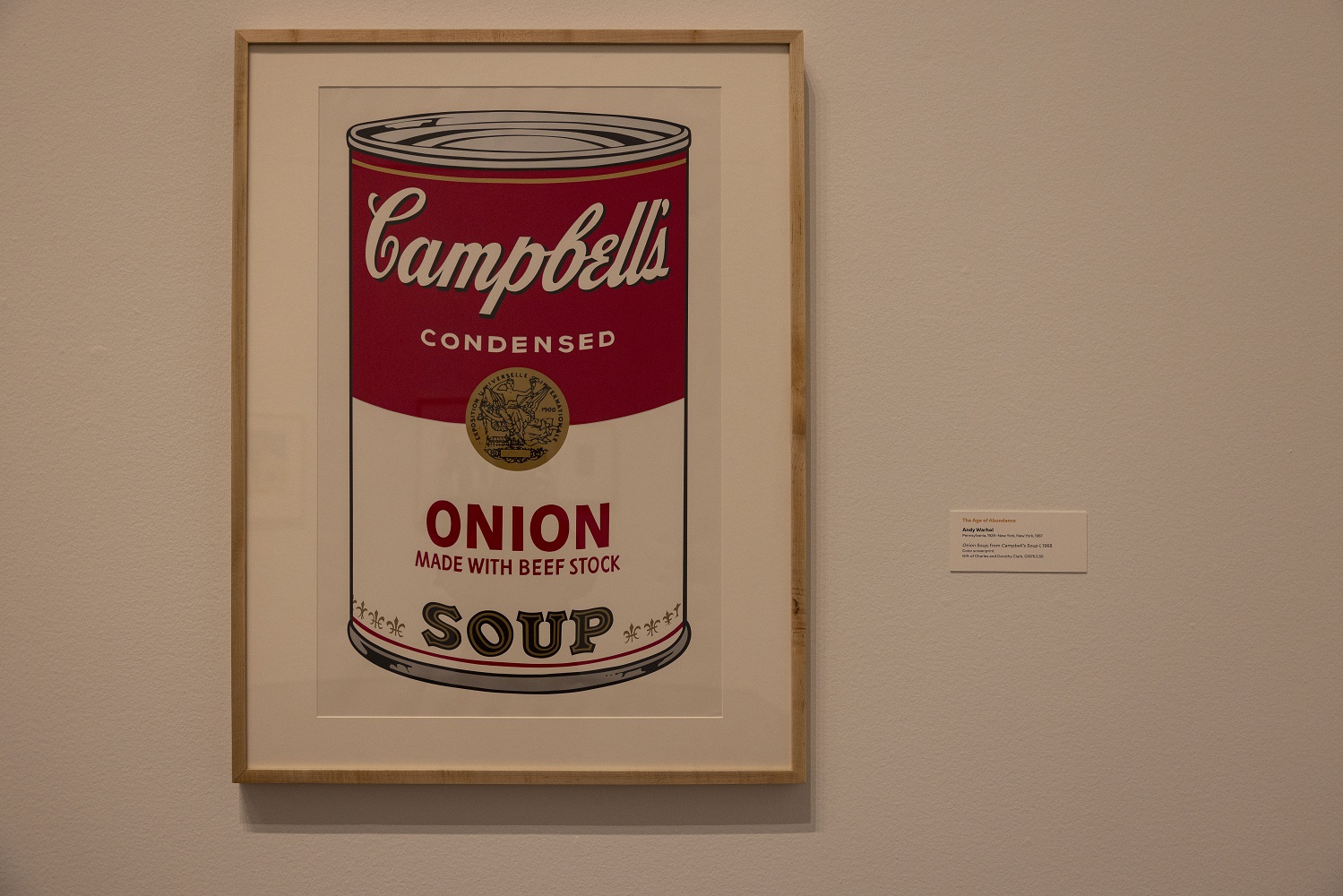
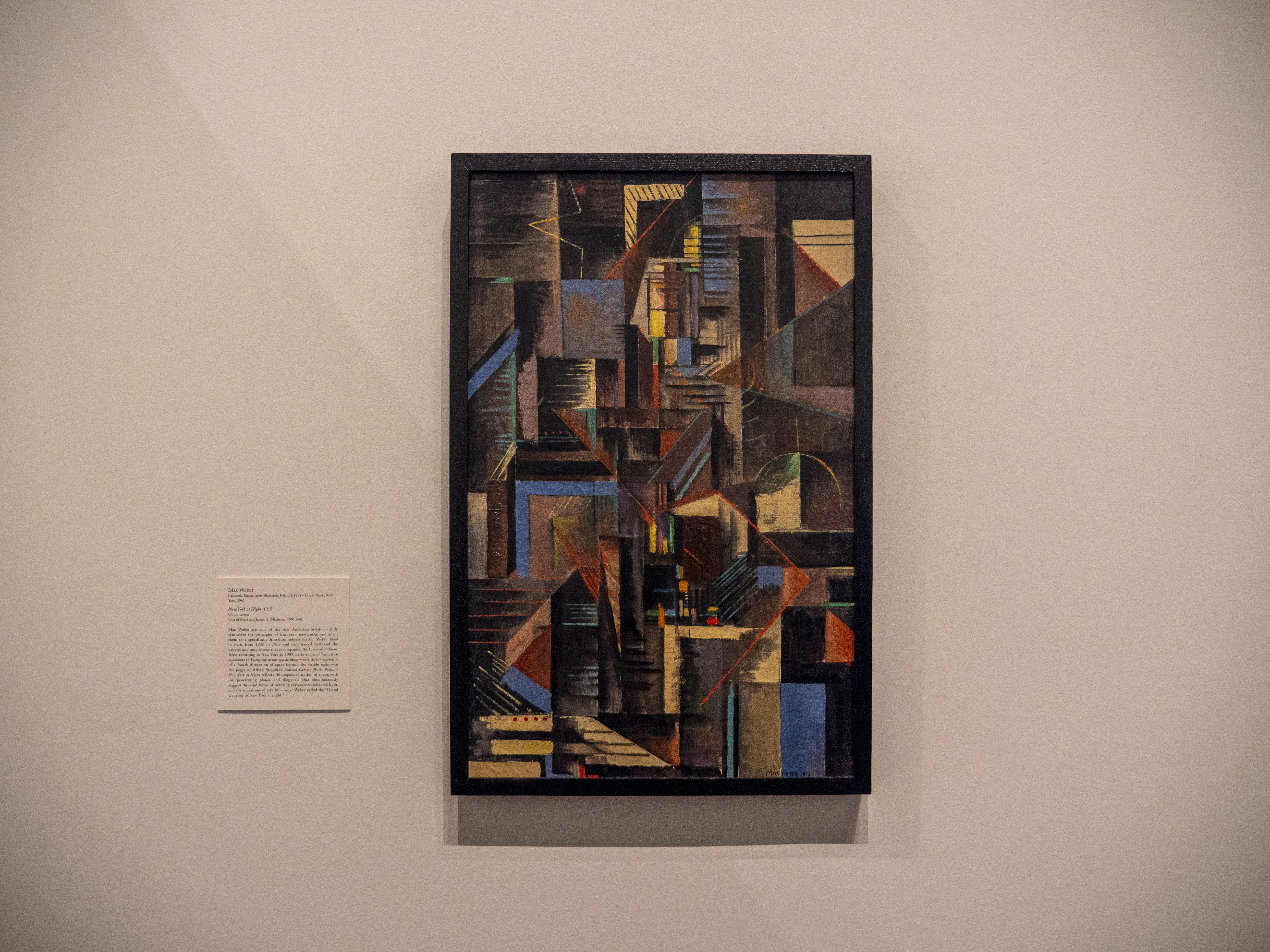
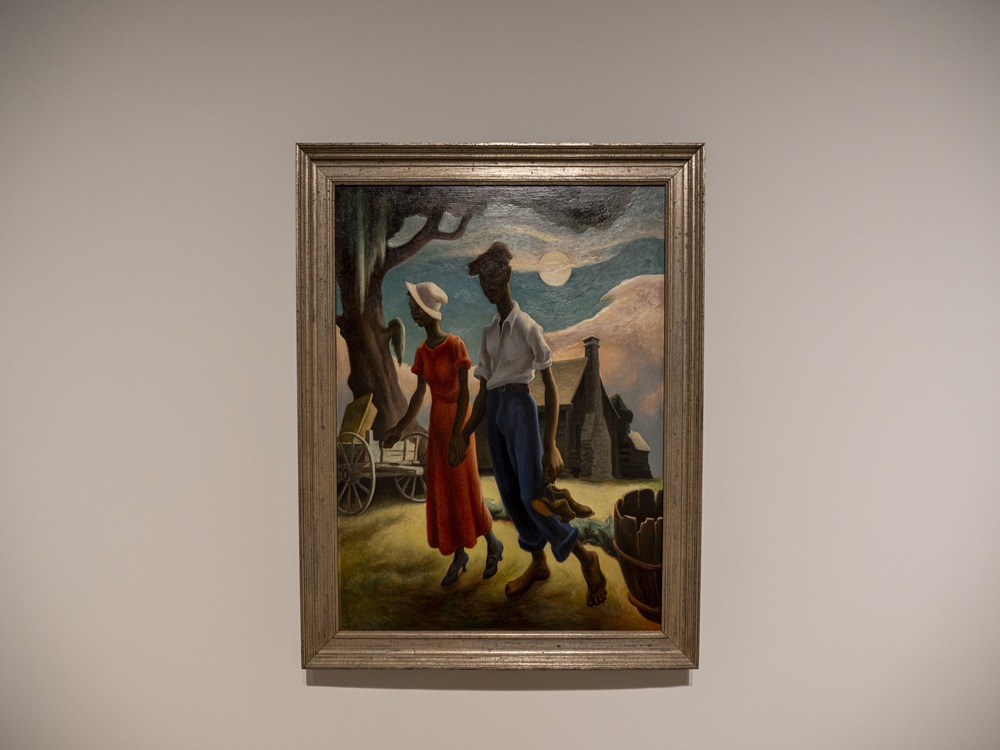
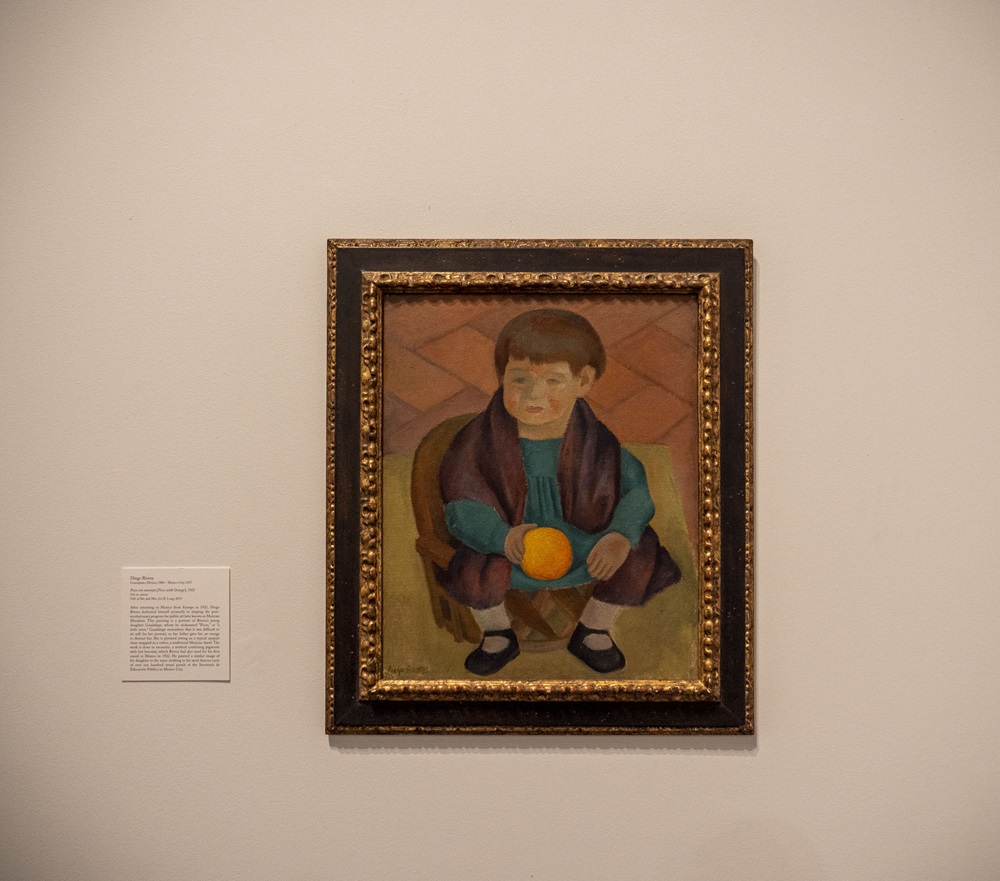
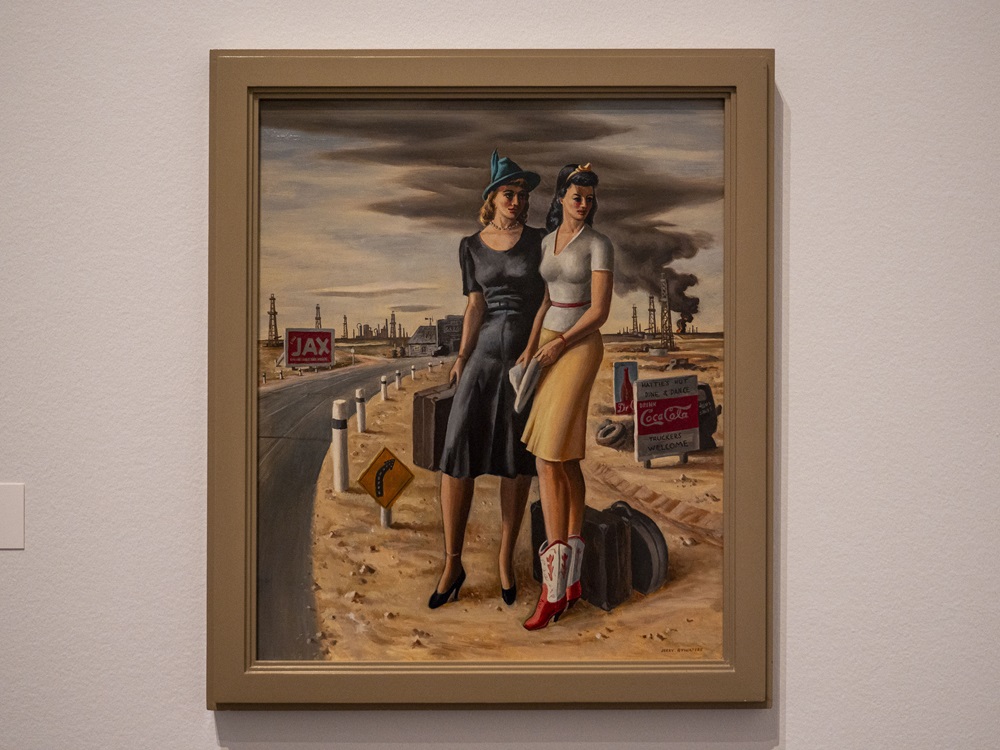
The Art of the United States exhibit was split into various time periods. As we walked through the exhibit, we were able to notice the changes that occurred in the art world as time went on. “Woman in Brown” by Manierre Dawson, which was among various abstract and cubist paintings, was one of my personal favorites!’
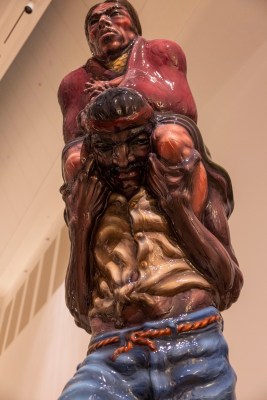
Another exhibit we explored was the Latin American art exhibit. One piece of art Michelle particularly liked was the “Cruzado El Rio Bravo” by Luis Jiminez, as she felt it captures the sacrifices many immigrants have to make in order to better their lives. This sacrifice was perfectly encapsulated in the faces of those who have experienced this firsthand, forging a powerful connection with those who have shared a similar journey.
For some of us, this was a near first in an art museum, while others were veterans, but we all found news and interesting things.
The day was filled with several emotional and intellectual evocations, and we left the day with a newfound appreciation for the human condition.
LEAP is in Austin for the Texas Book Festival this weekend, but if you know us well, you know that we did plenty of exploring of the state’s capital as well. The conversations and experiences we shared deviated from some of our typical topics, but was a completely rewarding and thought-provoking way to spend our Saturday!
A Visit to Daniel Arredondo’s Art Studio
by Michelle Cardenas
Rewarding is certainly the appropriate work for the art of Daniel Arredondo, a renowned artist and friend of LEAP. Mr. Arredondo was kind enough to give us a tour of his studio and walk us through his creative process.
The journey to the studio was a little rocky, but we were soon blown away with the serene views surrounding his property. We were warmly greeted and welcomed in by Mr. Arredondo himself.
Walking into Mr. Arredondo’s studio was beyond incredible, and it felt as though we were transported to a new world. We were met by his extensive collection of cigar boxes decorated with his art and impeccable craftsmanship.
Daniel Arredondo is known for his paintings of landscapes that focus on trees and the stories they tell. He uses the trees as a metaphor to tell the story of life and emit some of the emotions in the human experience. He explained to us that just like our individual experience, each tree is unique. As an artist, his central focus is to go beyond the surface, which is pronounced in the inclusion of the tree’s roots in each painting.
To our amazement, Daniel Arredondo does not arrange the composition of his paintings before he starts. Everything that he wishes to express comes out in real time, even using the canvas as a palette to mix the colors. In response to our astonishment, he read us a quote from Mark Rothko: “A painting is not a picture of an experience, it is an experience”. While we were already incredibly grateful to have just witnessed his many pieces, Mr. Arredondo very generously gave us 6 prints of some of his favorite works, along with an original small-scale painting as a keepsake, and many of us also made a purchase!
Personally, this was the first piece in my art collection, unlike Jessica, who after today’s trip now has a total of 12 Arredondo pieces!
We were humbled by his generosity, hospitality, and willingness to share his perspective and his artistic process. We had a wonderful time and left with beautiful mementos that we will cherish as young art collectors!




















































 Center for Law, Engagement, and Politics