Law Schools Ask: To ChatGPT or not to ChatGPT?

ChatGPT was released for public use on November 30, 2022. Because law firms are starting to use ChatGPT, some law schools, such as the University of Tulsa College of Law, are incorporating how to use ChatGPT ethically into their law school required legal research and writing courses.

There is no consensus among law schools, however, regarding the issue of allowing applicants to use ChatGPT in the law school admissions process, especially in the personal statement requirement. Dean Sue Ann McClellan, Assistant Dean of Admissions at the University of Memphis Cecil C. Humphreys School of Law, explains that the Memphis law school now asks applicants to acknowledge that the personal statement is their own work product and that the applicant did not utilize AI/ChatGPT. The University of Michigan University Law School bans ChatGPT in law school applications. In contrast, Arizona State University Sandra Day O’Connor College of Law allows law school applicants to use ChatGPT in their law school applications, including in their personal statements. Arizona State’s law school requires that law school applicants must disclose if they used AI tools, similar to the requirement to acknowledge if they used a professional consultant.

 Interestingly, Troy Lowry, Senior Vice President of Technology Products at lsac.org, compared law school applicants’ personal statements with the proctored, timed LSAT writing samples written by the same students. Lowry found that “AI managed to predict correctly better than two-thirds of the time whether the author was the same or not and provided reasons to support its predictions.”

Therefore, what are the best practices for a law school applicant regarding the issue of using ChatGPT?

First, an applicant should always review and follow the policy regarding use of ChatGPT for each law school to which the student is applying. Secondly, and most importantly, understand that your personal statement, written by you as opposed to ChatGPT, will be more authentic because it is your unique story. Your personal statement will allow the law school admissions committee to understand, and remember, the real you.

Just imagine, if Taylor Swift chose ChatGPT to write her songs instead of writing her own songs, would Billboard Magazine be announcing that Taylor Swift now holds the all-time record for the most #1 hits on Billboard’s Pop Radio Chart?

Exploring Law School Options: Charleston

By Jessica Cuevas

On our final day in Charleston, we had a special treat in store: a tour of the Charleston School of Law. One of the advantages of SHSU as a “law-school feeder,” is that we have an active pre-law society, engage in many activities relevant to the law, and we have opportunities to visit and explore law schools.

Charleston School of Law

On this trip, we were set to visit the Charleston School of Law, a visit that included a meeting with the Director of Admissions, visiting with law-school students, and sitting in on a class.

So, while Ingrid and Morgan did various tours of Charles, Olivia, Michelle, and I met with Marisa Banke, who graciously organized our tour, and Michael Banks, Director of Admissions, on the second floor of the building. Mr. Banks covered all bases of our general questions, including an overview of Charleston’s School of Law, its application process, and what they look for in a personal statement and financial aid.   We then met with a 2L student and a 3L student, the latter of whom is studying for her Bar exam, to show us around the school.

Although it is quite small, it consists of everything a Law School student might need: a library and plenty of study areas. The tour was unique in that it was Olivia and Michelle’s first law school visit, which allowed them to build a point of reference for potential schools they may be interested in including Charleston School of Law.

The Law School Journey

One important thing to know for pre-law students: most schools follow the same admissions processes. Almost all law schools are going to look at your LSAT score, GPA, personal statements, letters of recommendation, resume, as well as volunteer service and organizations. Of these factors, LSAT and GPA are, by far, the most important.

Different law schools do have somewhat different clinics, programs, or specialties. And law schools have different cultures. A visit allows you to experience those factors that do differ and help to see if you “fit in,” while also experiencing the city in which you might be living.

As a senior, I have visited and toured three law schools: Belmont College of Law, Chicago Kent College of Law, and Charleston School of Law. In fact, with the Chicago Kent College of Law, I was able to do their PLUS program and really learn a lot about the process.

If you are interested in law school at SHSU, I recommend you meet with either Professor Mike Yawn or Ms. Jean Loveall, enroll in the Pre-Law Society, and take the Mock LSAT as early as possible. Once those things are done, you will have the opportunity to hear more from law school representatives through the Pre-Law Society and, we hope, visit your own preferred law schools!

Pre-Law Activities and Mock LSATs at SHSU

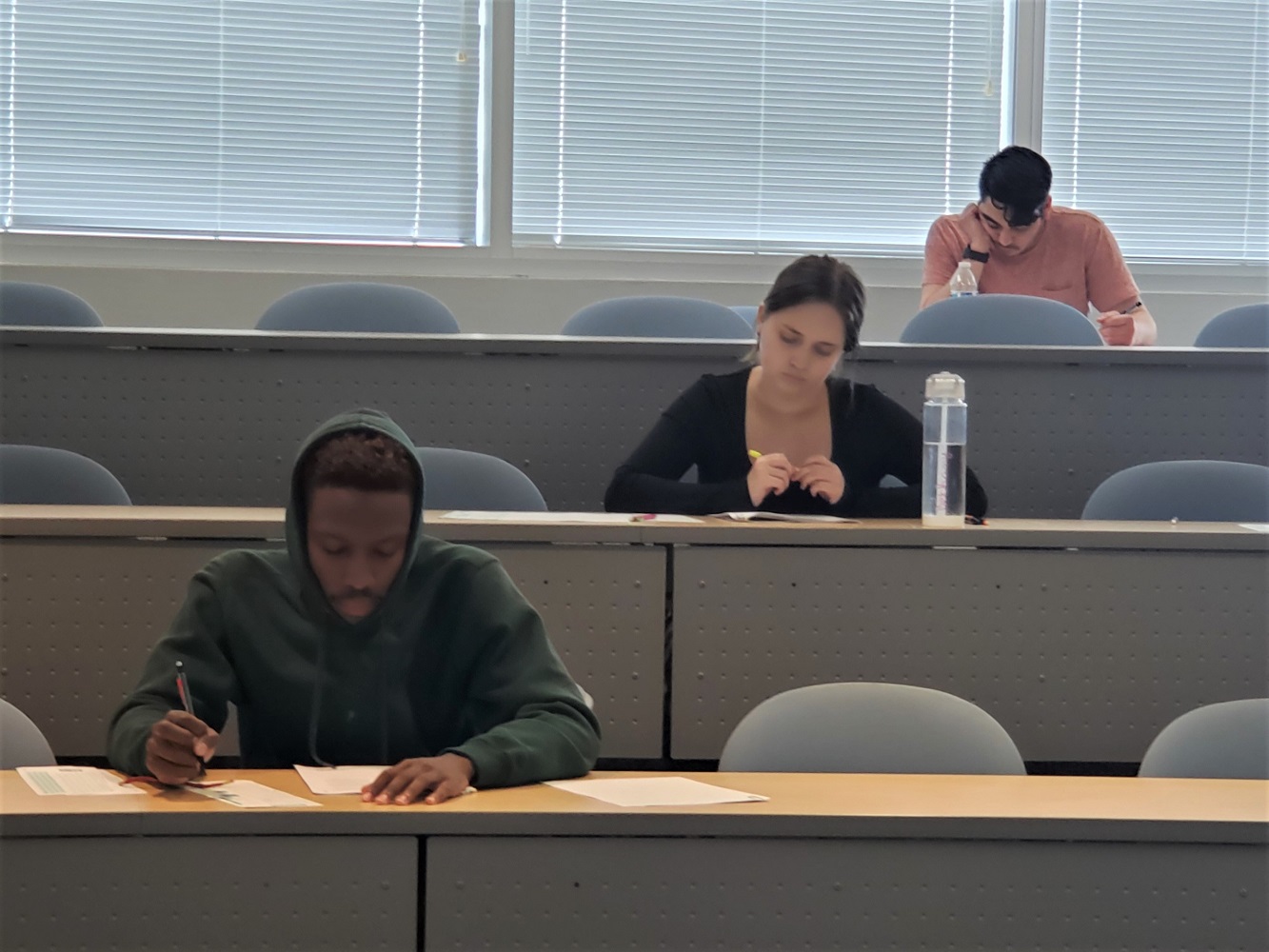
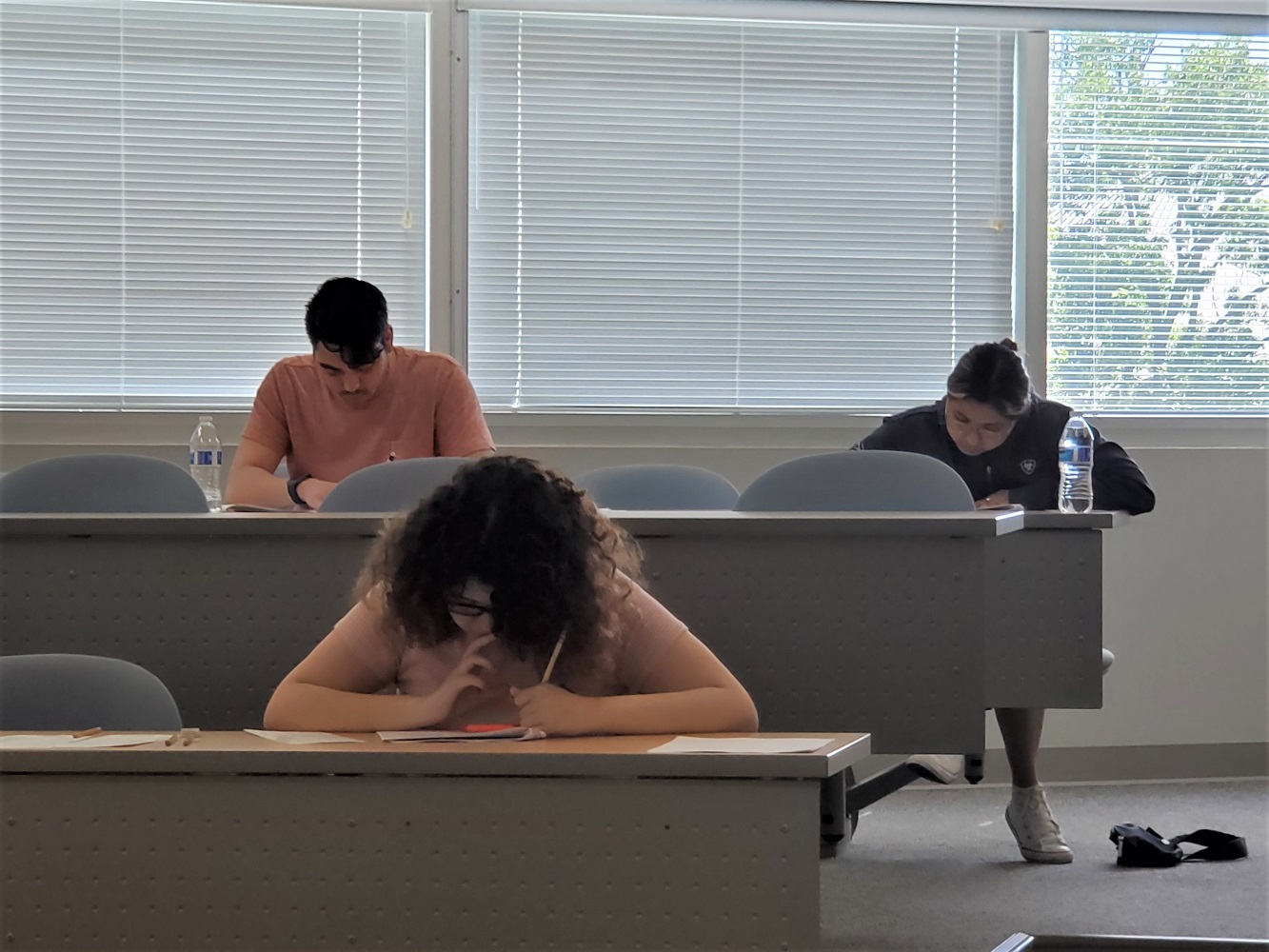
On Saturday, April 1, a beautiful spring day, the LEAP Center continued with a packed schedule of both community and academic events. While LEAP Center Ambassadors and volunteers assisted in the annual Wynne Home community Easter Egg Hunt, 17 Pre-Law Society students showed up at 9:30 am on Saturday to take a Mock LSAT, the Law School Admission Test.

Students applying to law school will take the actual LSAT in a fall semester, a year before they plan to start law school. Students who are freshmen through seniors are encouraged to take the Mock LSAT.

A Mock LSAT score provides helpful information to aspiring pre-law students early in a student’s academic career. First, a baseline Mock LSAT score allows students to see how close they are to their goal LSAT score. Then, students can work with a pre-law advisor at the LEAP Center to develop a study plan to prepare for the LSAT, an important first step in their journey to law school. Second, students experience taking an actual LSAT under LSAT timing conditions.

In addition to administering the Mock LSAT twice a year, the LEAP Center offers pre-law advising and various pre-law activities, such as the provision of a Mock law school taught by a law professor from Houston’s South Texas College of Law. These pre-law activities contribute to Sam Houston State University’s continued ranking in the top 200 nationally as a top law-school feeder among almost 3,000 four-year universities and colleges in the United States.

How to Get Into Law School–A Texas Tech Case Study!

McKenna Nonnenmann, October 29, 2022

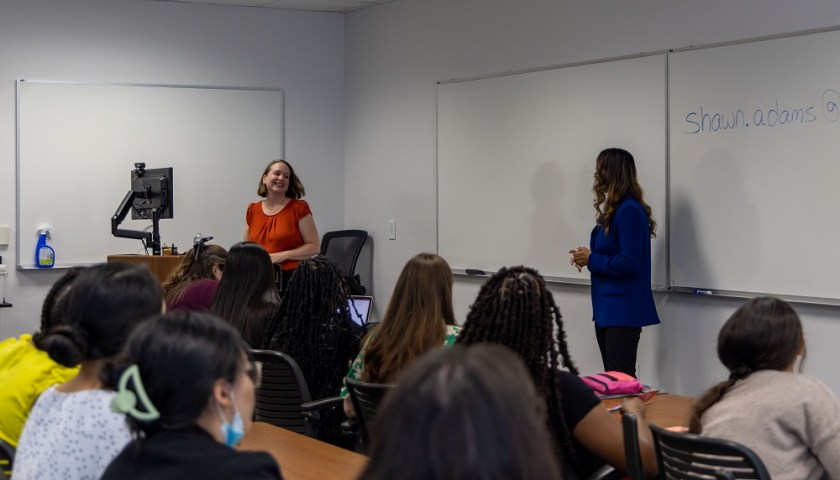
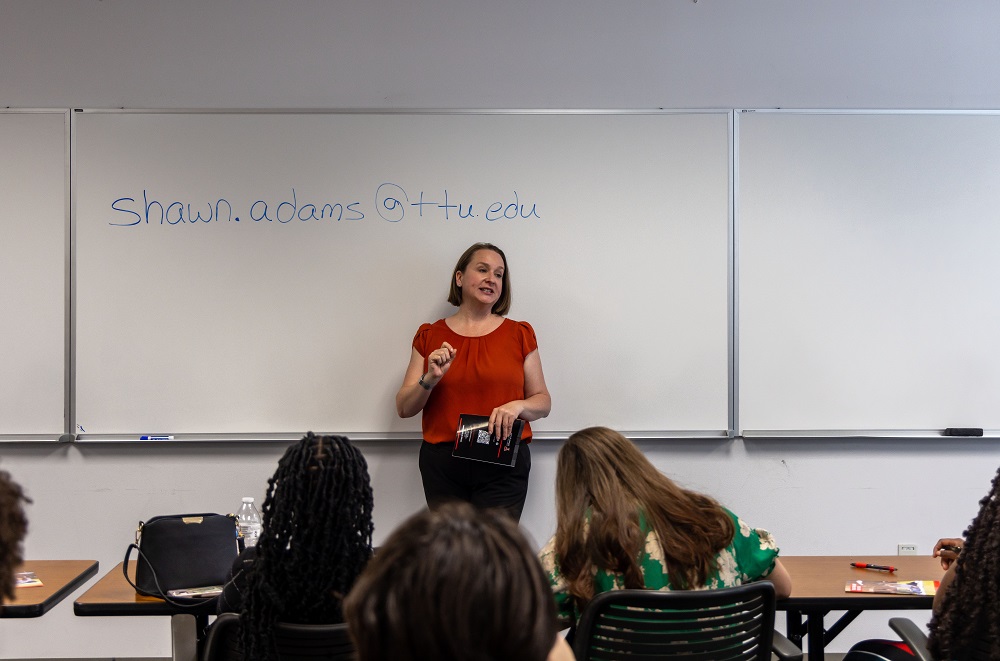
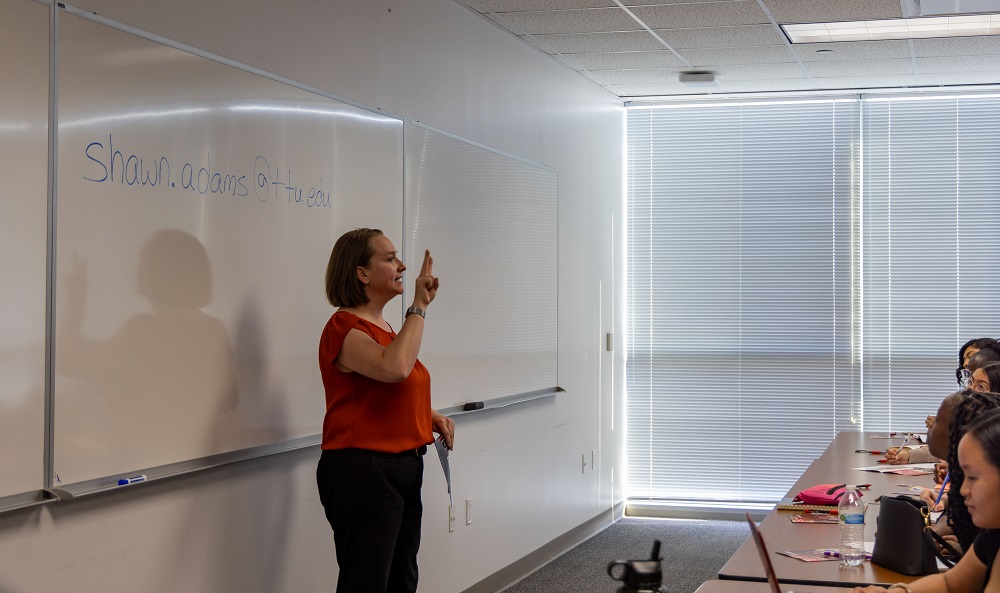
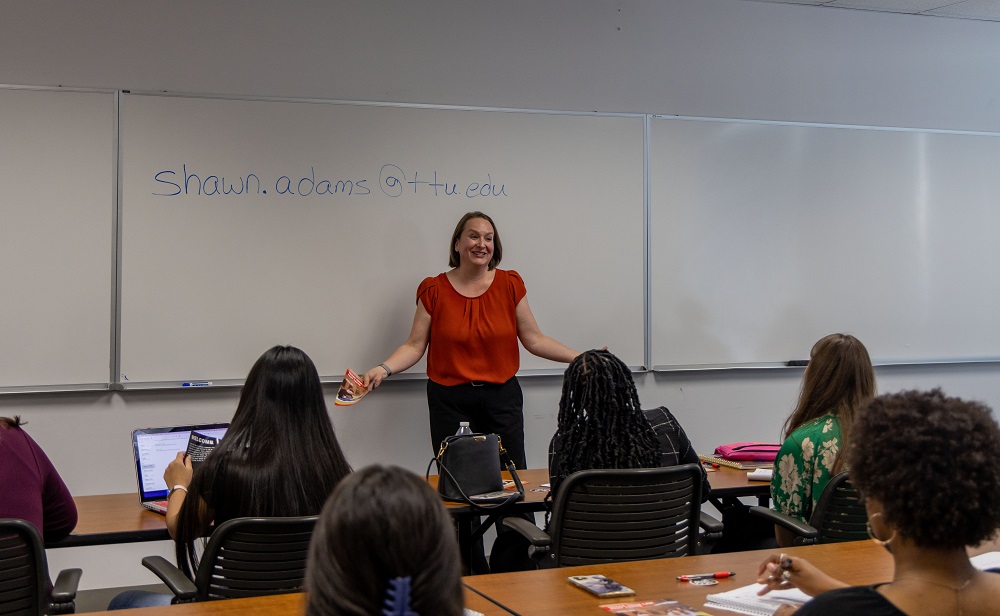
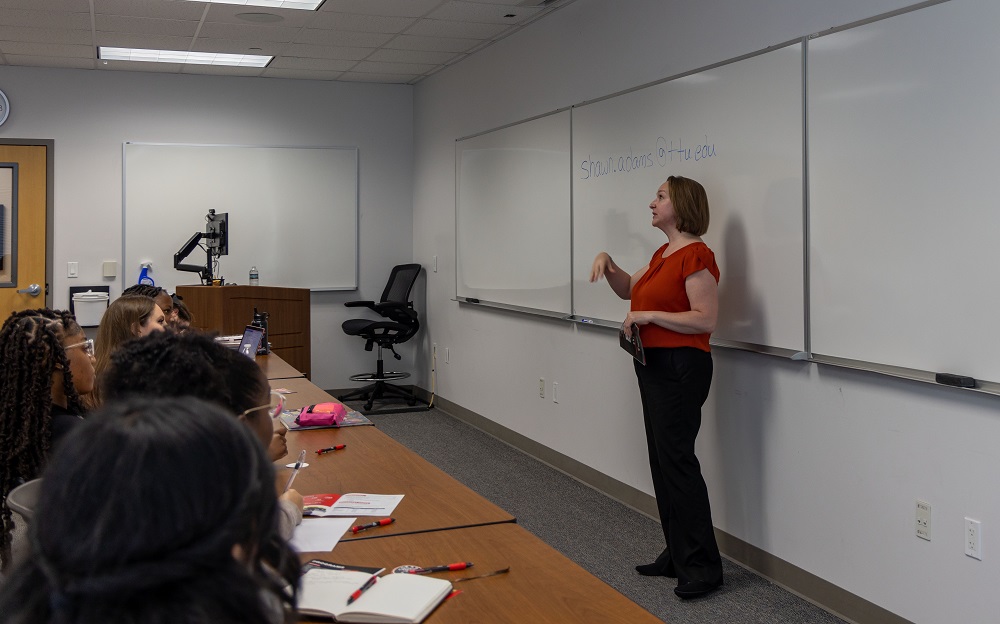
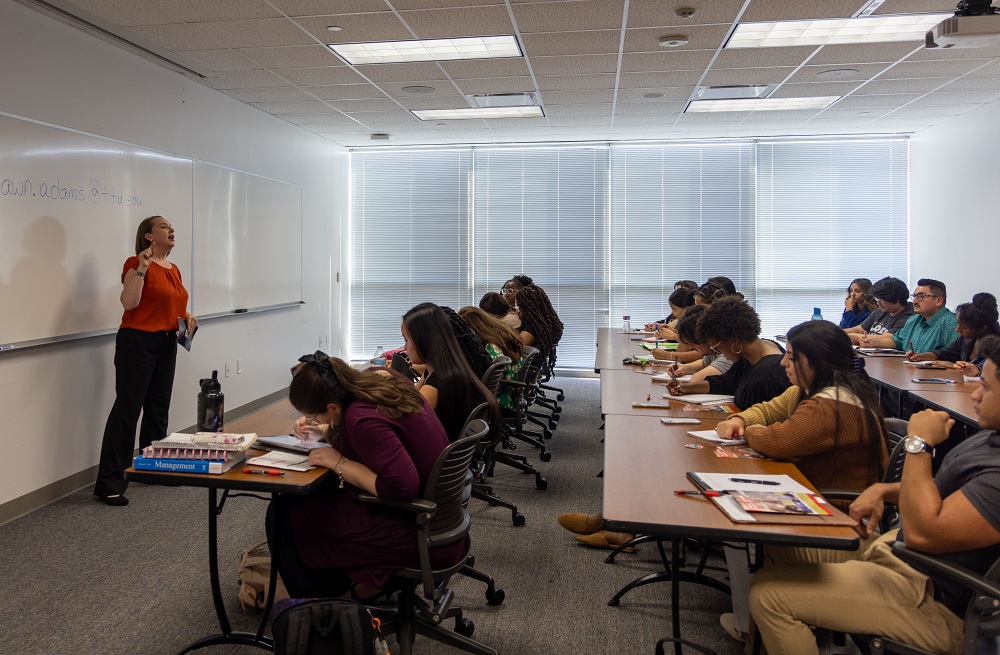
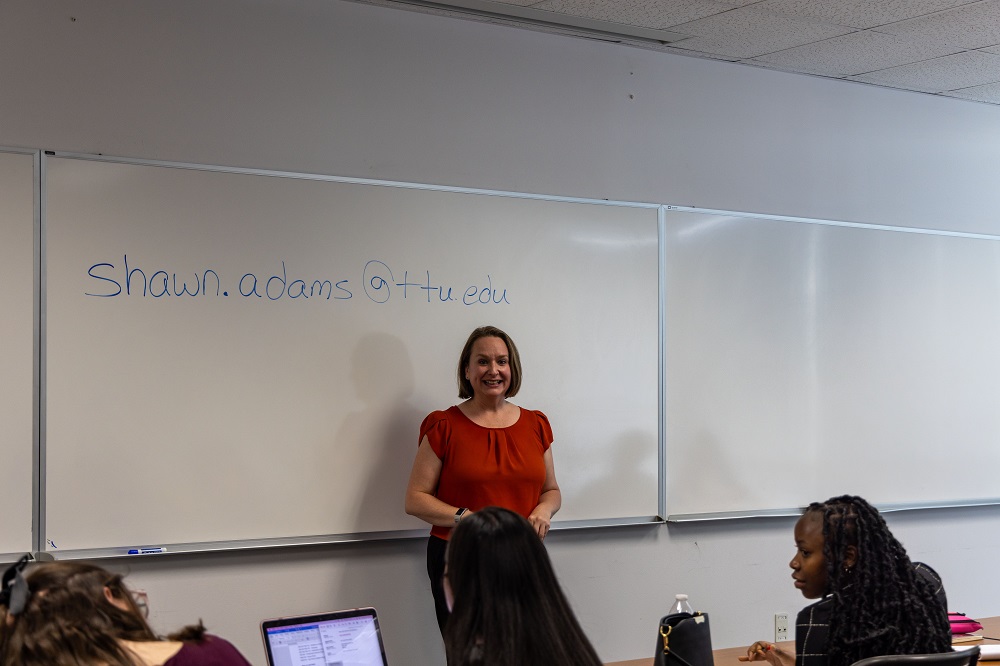
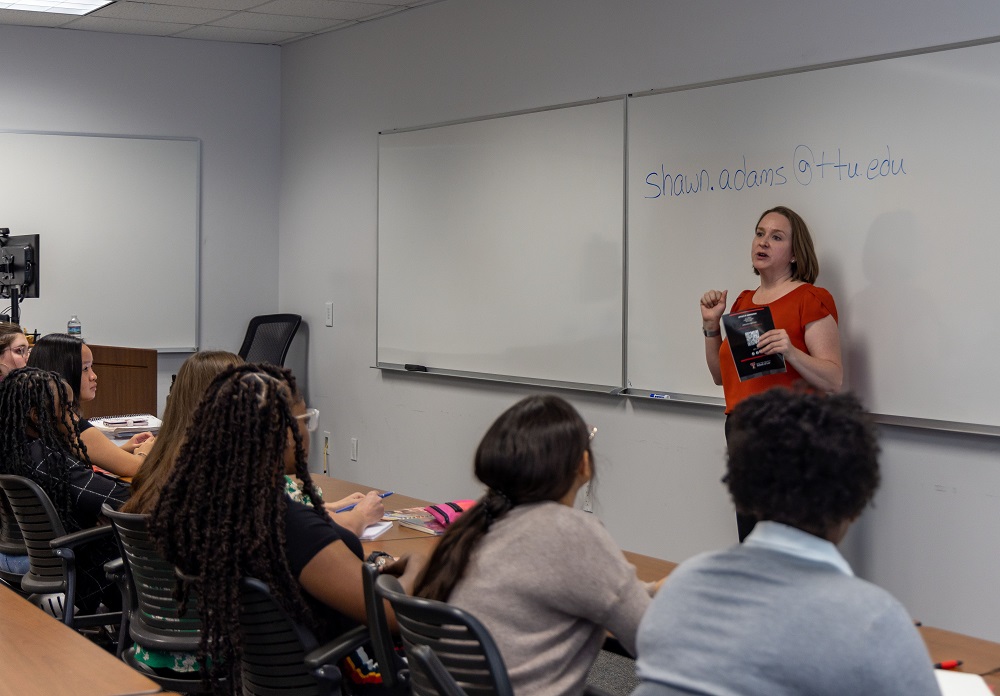
This past week at the Pre-Law Society meeting, we welcomed Ms. Shawn Adams, the director for recruitment at Texas Tech School of Law.

Ms. Adams graduated from Texas Tech with a Master’s in Business Administration and a JD! We learned a lot from her educational background and experience as a practicing attorney.

On this evening, her goal was not only to recruit students to Texas Tech School of Law, but also to give us loads of advice regarding the law school application process and what to look for in law schools. She started by looking for three main things when choosing a law school. 

  1. Looking at what the cost of living will be at the school apart from tuition
  2. Bar passage rate
  3. Post-graduate employment rate

All three items can be located on the law school’s 509 reports!

Ms. Adams covered what is needed in a law school application: transcript, letter of recommendation, personal statement, LSAT score, and resume–and how those are weighted at Texas Tech.

We also learned more about what Texas Tech school of law offers and how beautiful and engaging their campus life is! In addition, they offer many great resources for students interested in criminal defense and even have a dual degree program.

As the meeting ended, Ms. Adams stressed that it is essential to go at our own pace, and it is okay if we do not make straight A’s in law school because of how rigorous it is. And she encouraged us, noting that if we continue to work hard and have our hearts in the studying, we can go far. 

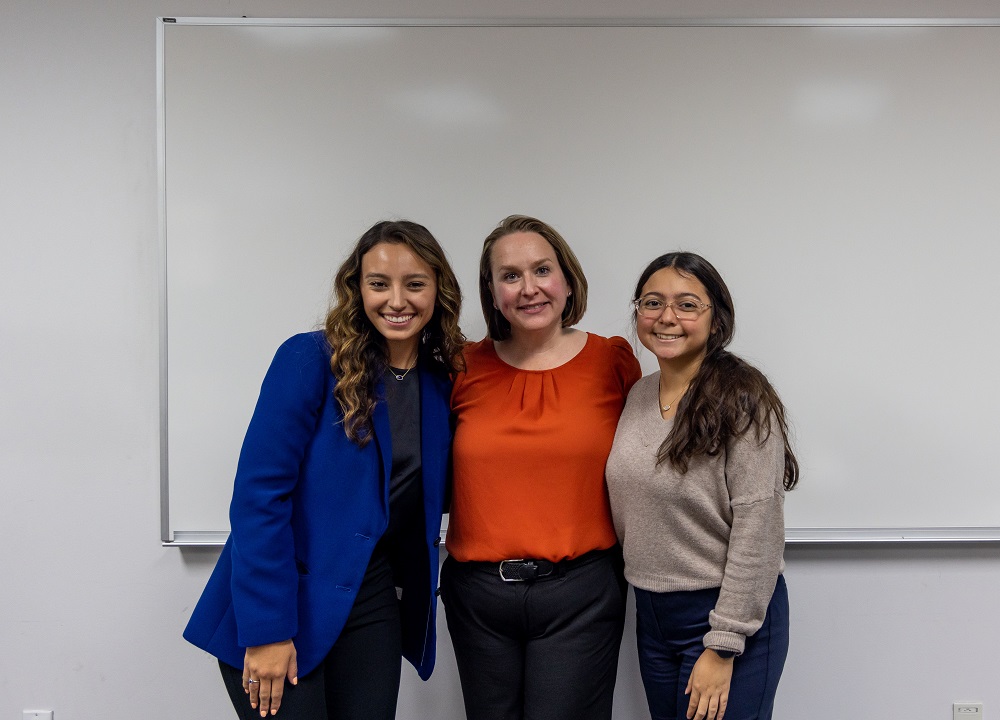
Many thanks to Ms. Shawn Adams for her continual support of the LEAP Center and Pre-Law Society at Sam Houston State University.

“How to get into Law School,” with UT Law

For our first official meeting of the semester, we welcomed all the new and returning members, it was a very informational, yet fun meeting. Heather Barodi, President of the PLS made an introduction by voting on the new officers to be approved as well as the update of the signature card. She introduced the new officers, discussed orglink, upcoming meetings and upcoming activities like the Kat Safety Bash, Old Town Theatre Cleanup/Pizza Party/ showing of “My Cousin Vinny” and the Scare on the Square.

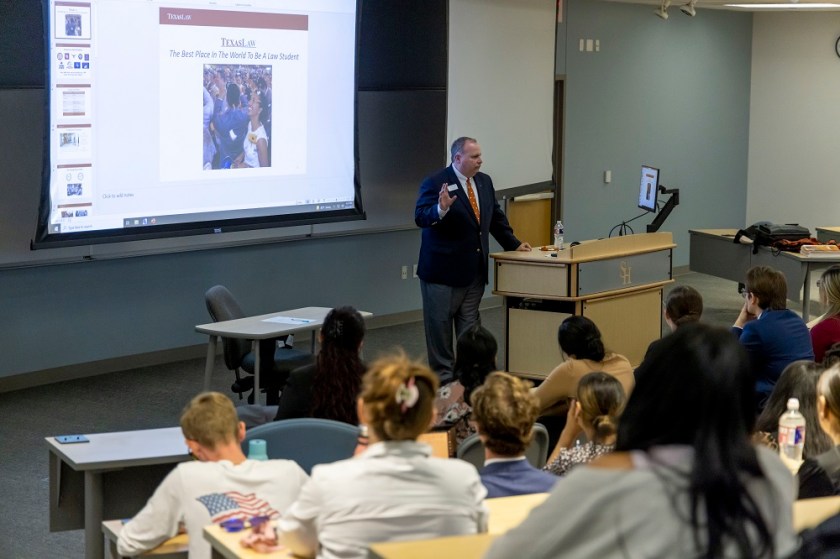
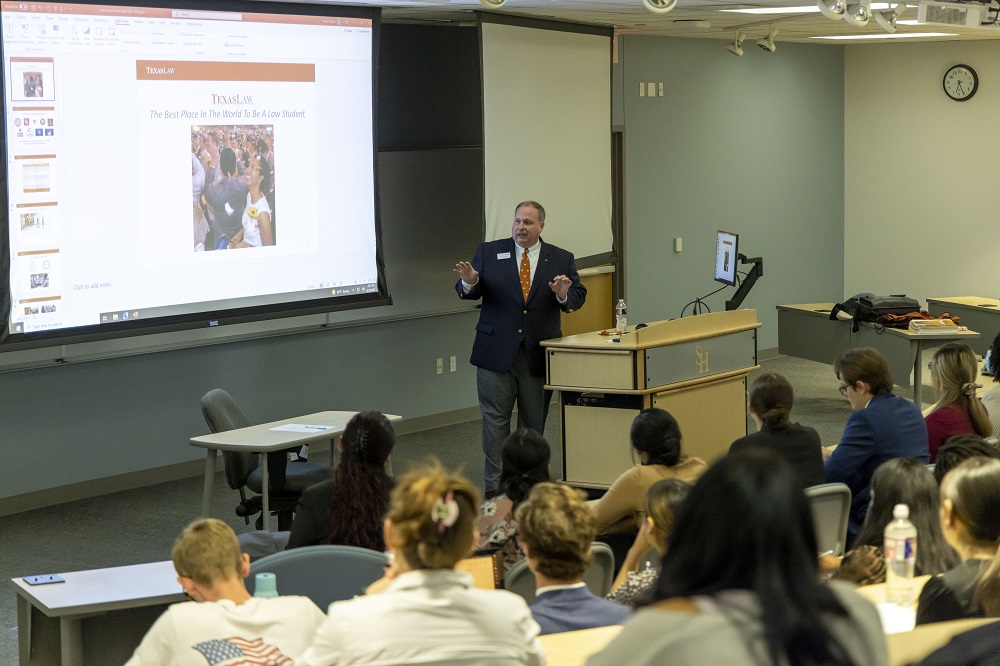
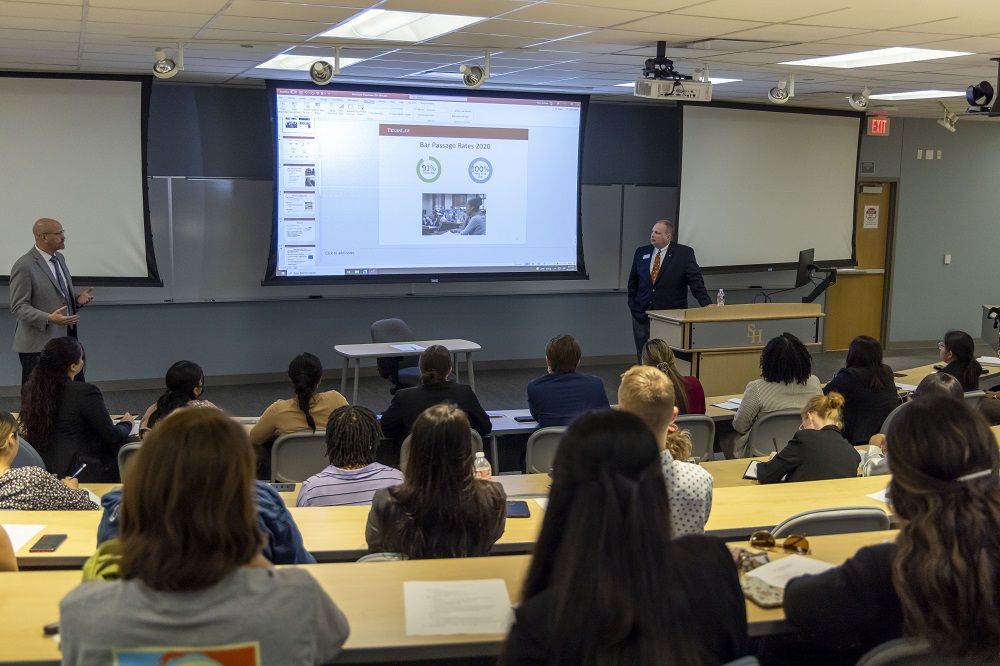
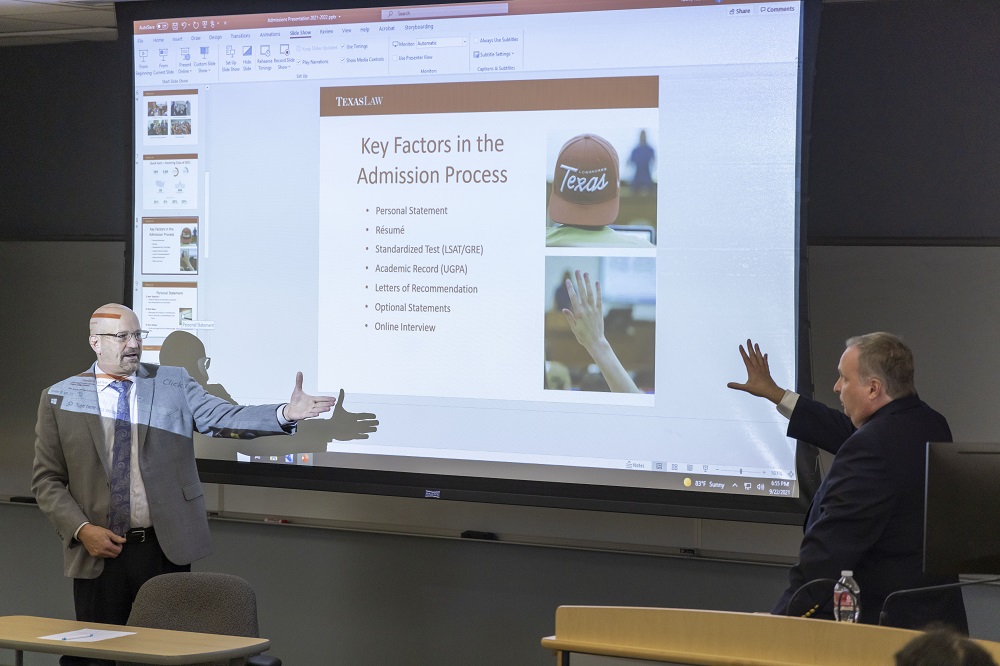
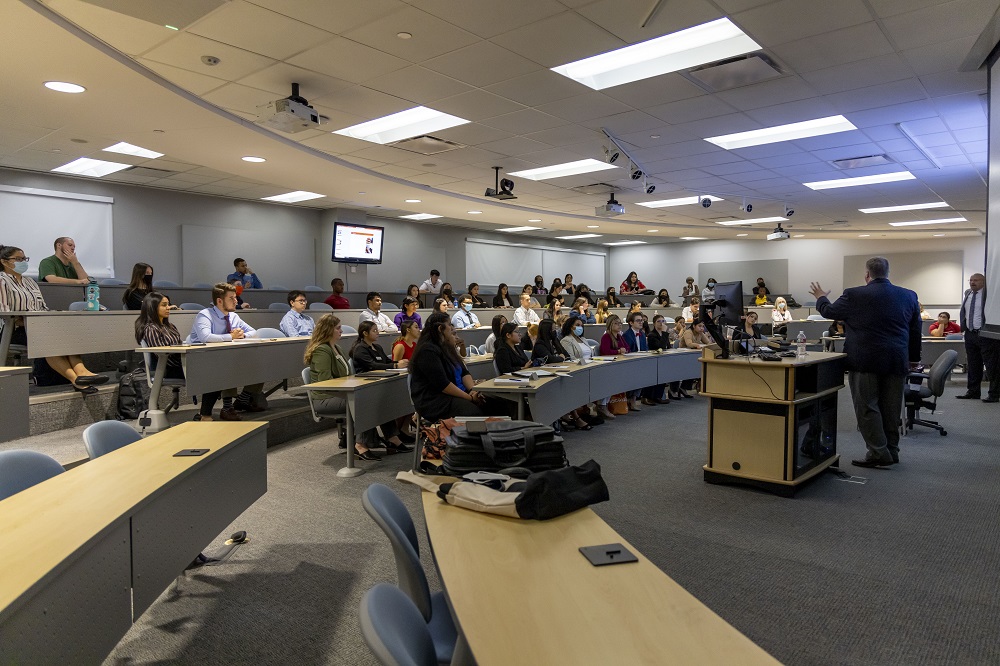
Next, she introduced our guest speaker for the evening, Dave Farnum, the Assistant Director of Recruitment at the University of Texas Law. Farnum is from Rhode Island and moved here for his career at UT. He is immensely proud of his school and even more proud to be a Longhorn. He visited our organization to give us insight on how to get into UT’s prestigious law school, and for the most part, how to get into any law school. It was definitely worth listening to.

After he described the school as the “Top Law School in Texas,” he went on to discuss employment after attending the school. Seventy-five percent of students that graduate from the law program choose to work in Texas after they complete school. Twenty-five percent of students that graduate leave Texas , usually going to New York, Washington D.C or California.

Some unique facts he shared about UT:  

Bar Passage Rates in Texas were at 91%, while the state average is only about 75%.

There is a 10:1 professor to student ratio, with 201 courses offered, suggesting they have plenty of options for students . They have an alumni-mentor program that is hand-selected to match uniquely to the student.

Lastly, UT Law offers many experiential learning opportunities. Examples of this included working with immigrants, indigent suspects, and assistance with the Innocent Project.

Some quick facts are that his year’s class had a median score of 169 on the LSAT, a median GPA of 3.80, and more women than men (for the first time ever!).

Next, he discussed the key factors in the admission process: the LSAT, GPA, personal statement, resume, and letters of recommendation.

Consistent with a philosophy that emphasizes admitting “humans, not robots,” UT tries to delve deep into the applicants’ backgrounds. Indeed, they will accept up to a three-page resume, and Farnum encouraged us to “make use of that space.” Farnum further recommended to freshmen and sophomores to (1) get GPAs as high as possible, (2) make connections with professors, (3) and to stay out of trouble.

For juniors and seniors who may not be ready to apply, Farnum noted that it’s okay to take a gap year, although he did encourage students to ensure that gap year is productive.

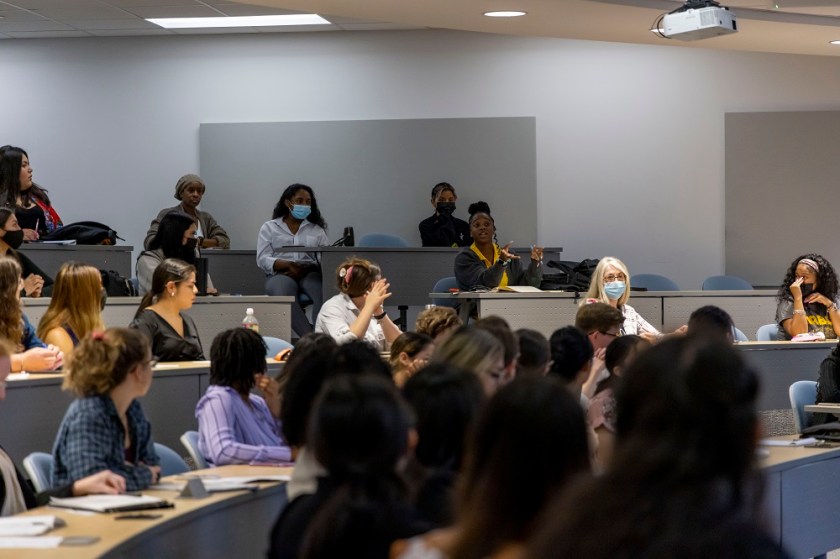
During the Q & A, Jade asked whether it was better to get her supervisor at her law firm or a professor to write a letter of recommendation. Farnum suggested that the person who knows the student best would write the best letter, but that the student should submit a letter from at least one professor.

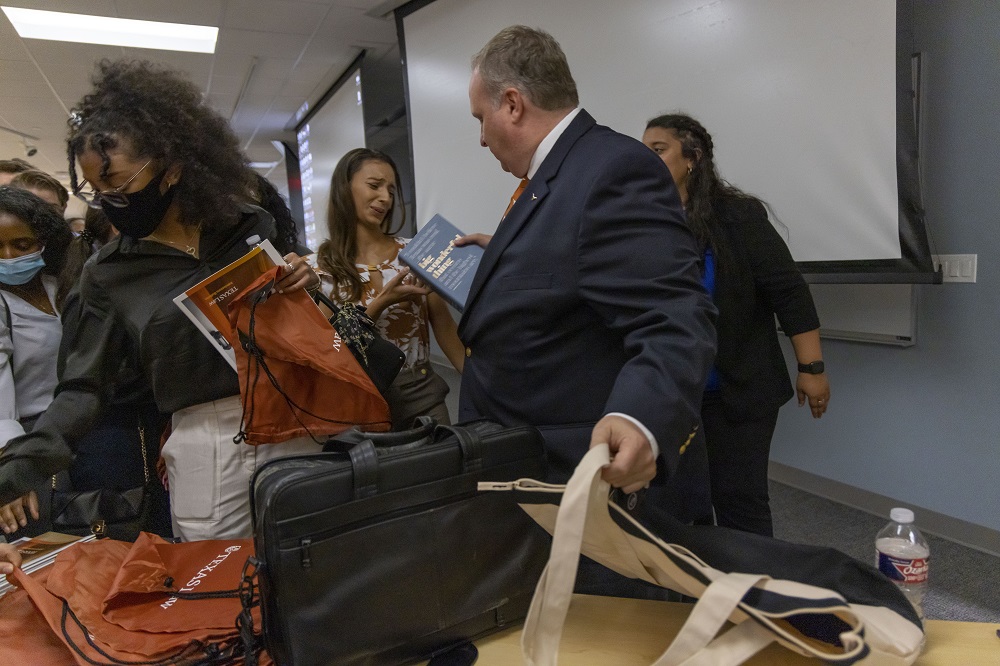
Mr. Farnum concluded with offering the students some swag from UT Law–items that proved very popular!

We are incredibly grateful that he came out to give us this very useful knowledge of all the things to expect when applying to law school.

The Dos and Don’ts of Your Law School Application: PLS in October

Photos and text by Heather Barodi

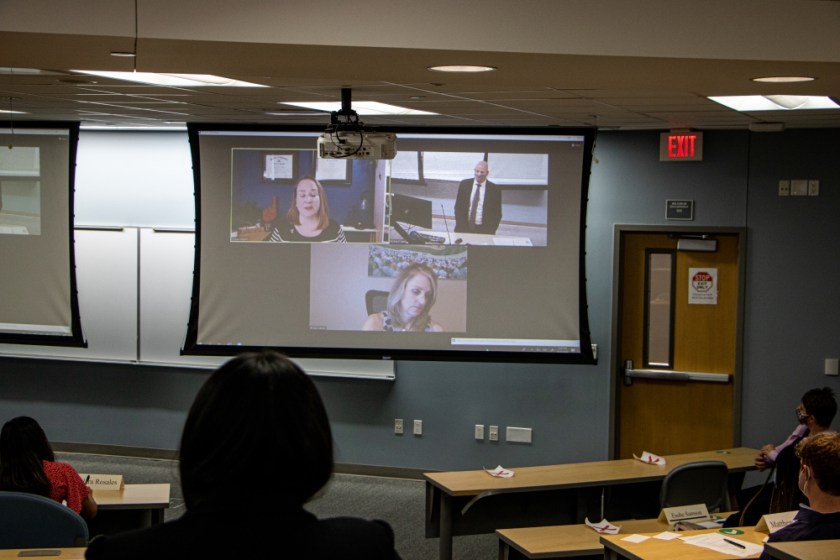
Our second meeting of the semester went on without skipping a beat. There were very few minor things to take care of before we got right down to business with our guest panel, which included three law school deans or recruiters.

We started our meeting with some housekeeping, which included an acknowledgement and congratulations for our most members (yet) and ended with a discussion on our upcoming volunteer event, Scare on the Square.

Afterwards, we were introduced to our admissions panel. We had Megan Henson (Associate Director of Admissions at University of Tulsa), Shawn Adams (Assistant Director for Recruitment at Texas Tech Law), and Jens Sandberg (Admissions Recruiter at South Texas College of Law).

SHSU, Pre-Law Society, LEAP Center, Center for Law, Engagement And Politics, Texas Tech Law, University of Tulsa Law, South Texas College of Law, Pre-Law

Our president, Sawyer Massie, started our Q&A with a few basic questions, but our members quickly jumped in and had some interesting questions of their own.

SHSU, Pre-Law Society, LEAP Center, Center for Law, Engagement And Politics, Texas Tech Law, University of Tulsa Law, South Texas College of Law, Pre-Law

Our panelist informed on things to put on our applications, what not to put, how to write the “perfect” personal statements, retaking LSATs, and many other things.

SHSU, Pre-Law Society, LEAP Center, Center for Law, Engagement And Politics, Texas Tech Law, University of Tulsa Law, South Texas College of Law, Pre-Law

Each panelist offered their own unique advice fit for their school, as well as their own personal advice that they endeavored when they applied for law schools.  They were very informative, while also injecting some humor into the discussion.

SHSU, Pre-Law Society, LEAP Center, Center for Law, Engagement And Politics, Texas Tech Law, University of Tulsa Law, South Texas College of Law, Pre-Law

The common denominator for that all three came into agreement on one thing: be yourself. That is the one thing most applicants miss on because they focus on what they think the admissions office wants to hear rather than the truth.

SHSU, Pre-Law Society, LEAP Center, Center for Law, Engagement And Politics, Texas Tech Law, University of Tulsa Law, South Texas College of Law, Pre-Law

At the end of this meeting, we can all say we left with more than we expected know and feel a little less nervous for our applications. Our final meeting of the fall semester is November 20, and we expect to have another exciting and educational meeting!

SHSU, Pre-Law Society, LEAP Center, Center for Law, Engagement And Politics, Texas Tech Law, University of Tulsa Law, South Texas College of Law, Pre-Law