Written by Kayla Fleming
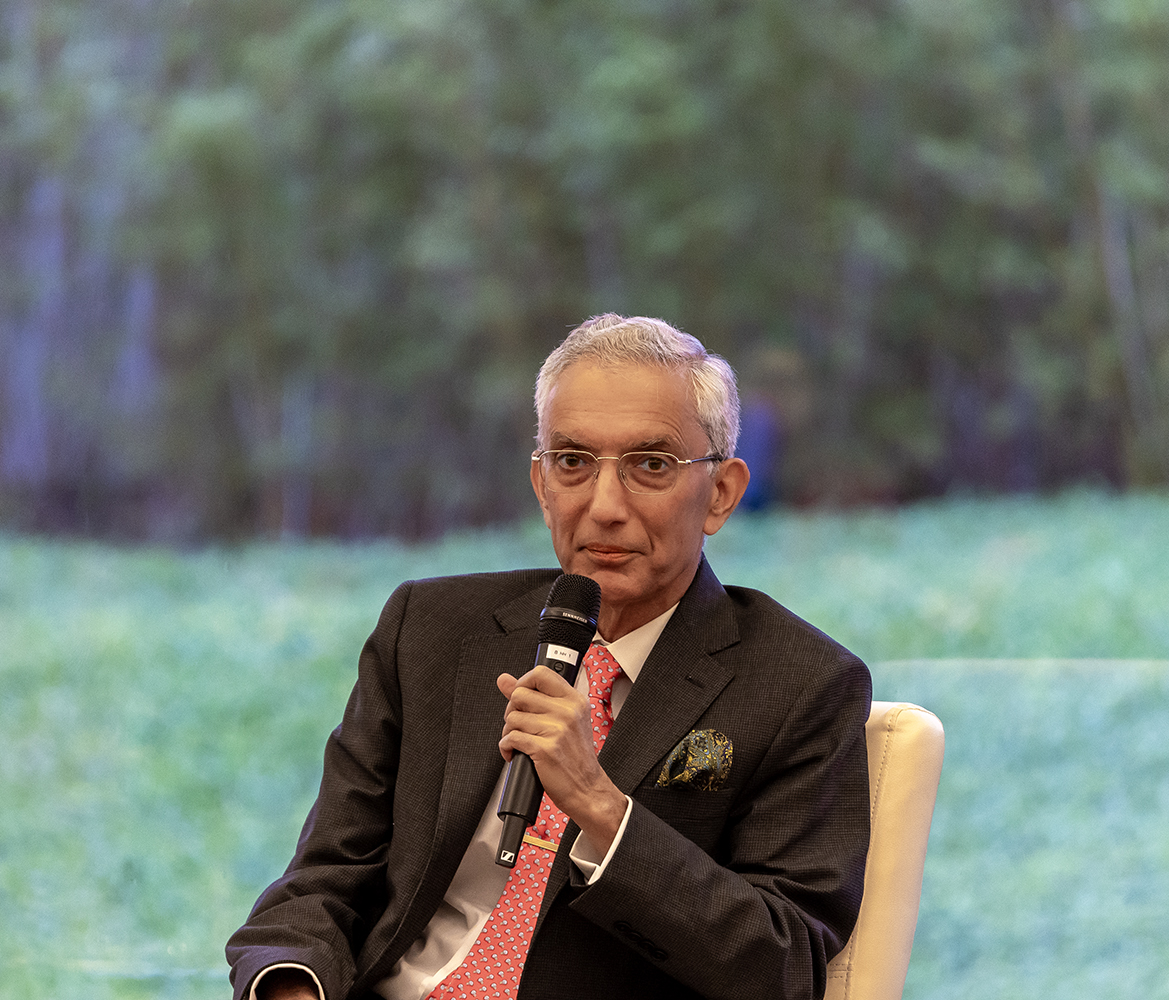
Thursday, April 9th, was an exciting day for LEAP students. We traveled to the Asia Society Texas Center to hear Ambassador Rahul Chhabra speak on India’s place in global leadership, hosted by the World Affairs Council. The event provided new learning opportunities and deeper insight into the world’s largest democracy, India.
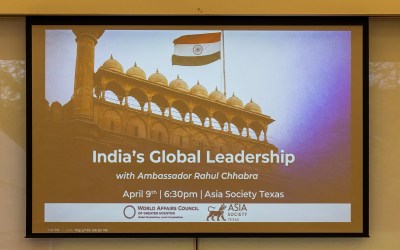
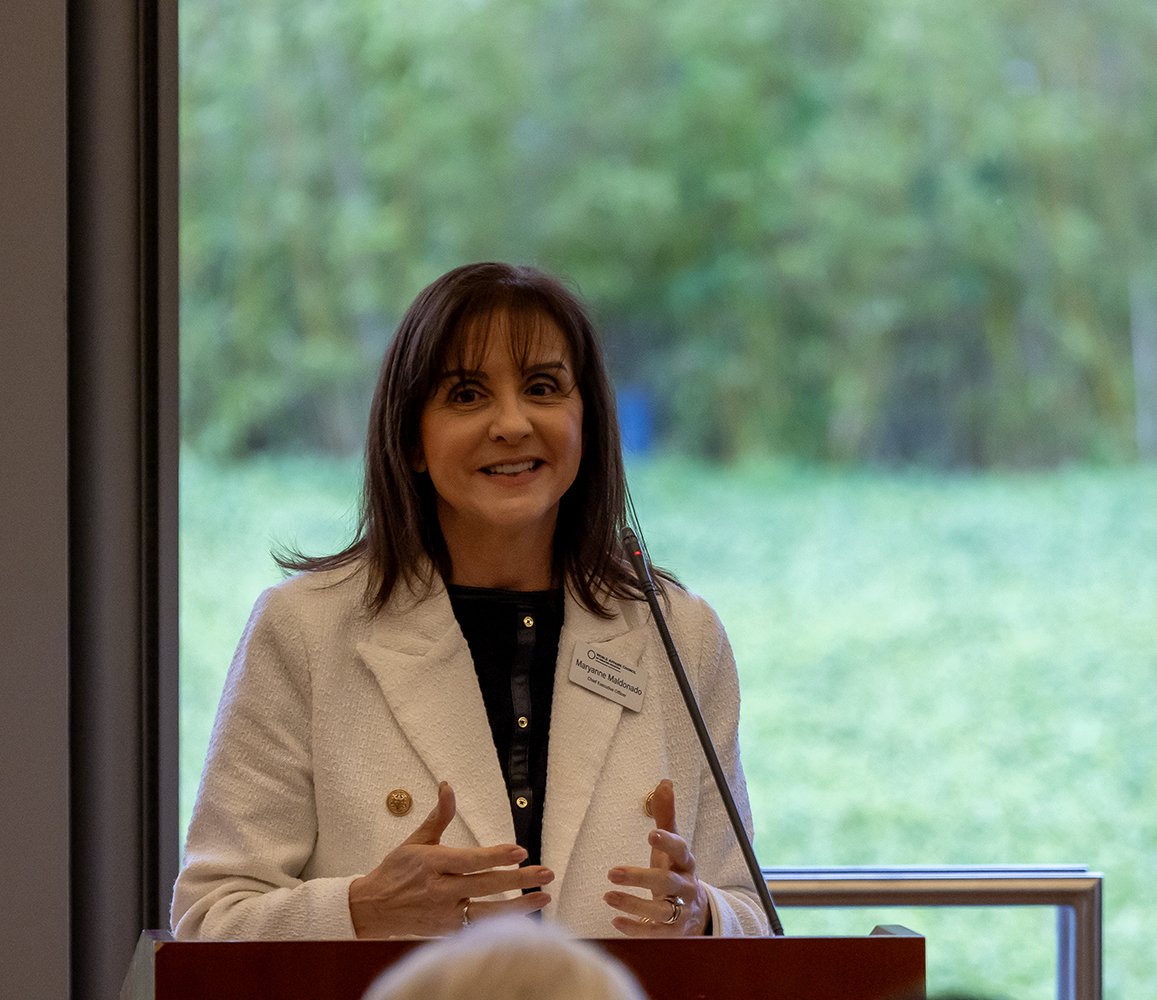
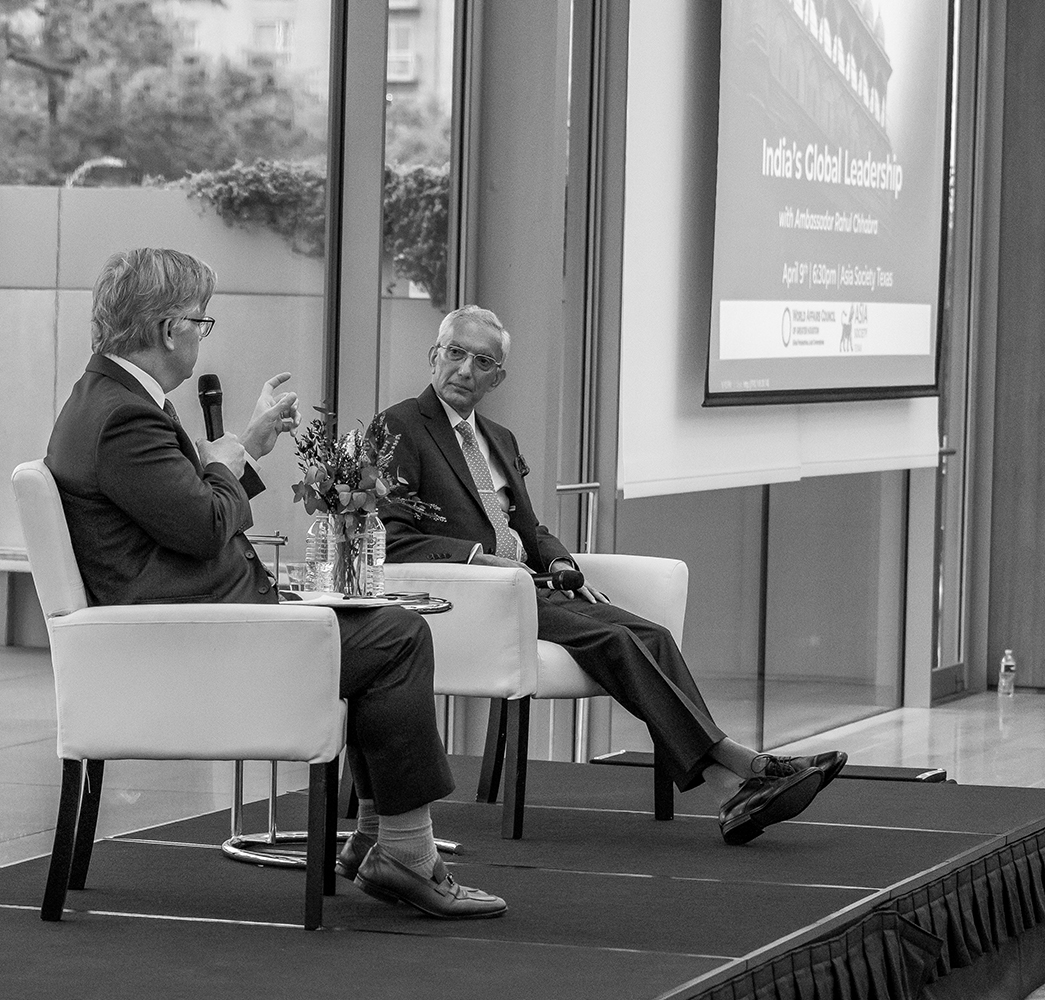
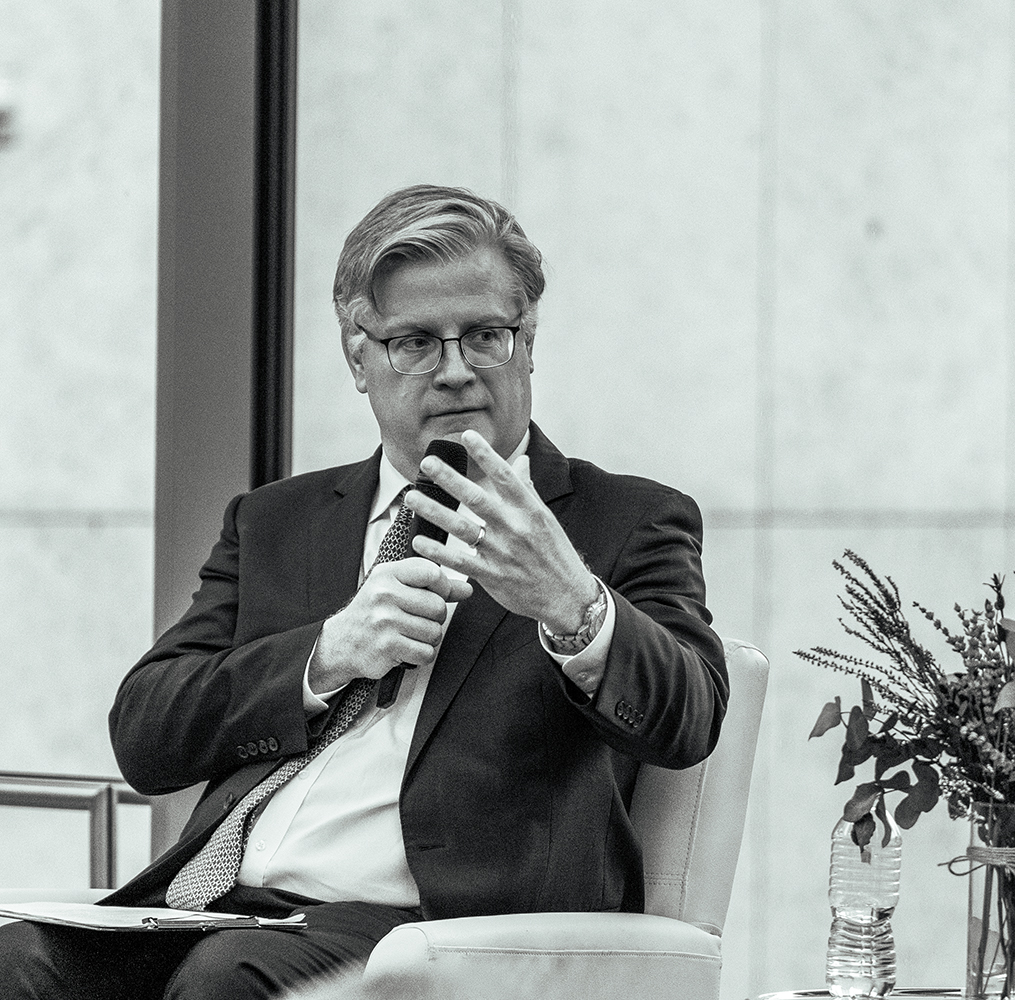
Following a warm welcome from Matthew Fuller, the director of Business and Politics at the Asia Society Texas and CEO of the World Affairs Council, Maryanne Maldonado introduced Ambassador Chhabra, setting the stage for a lively and informative discussion moderated by Chief Programs Officer Ronan O’Malley.
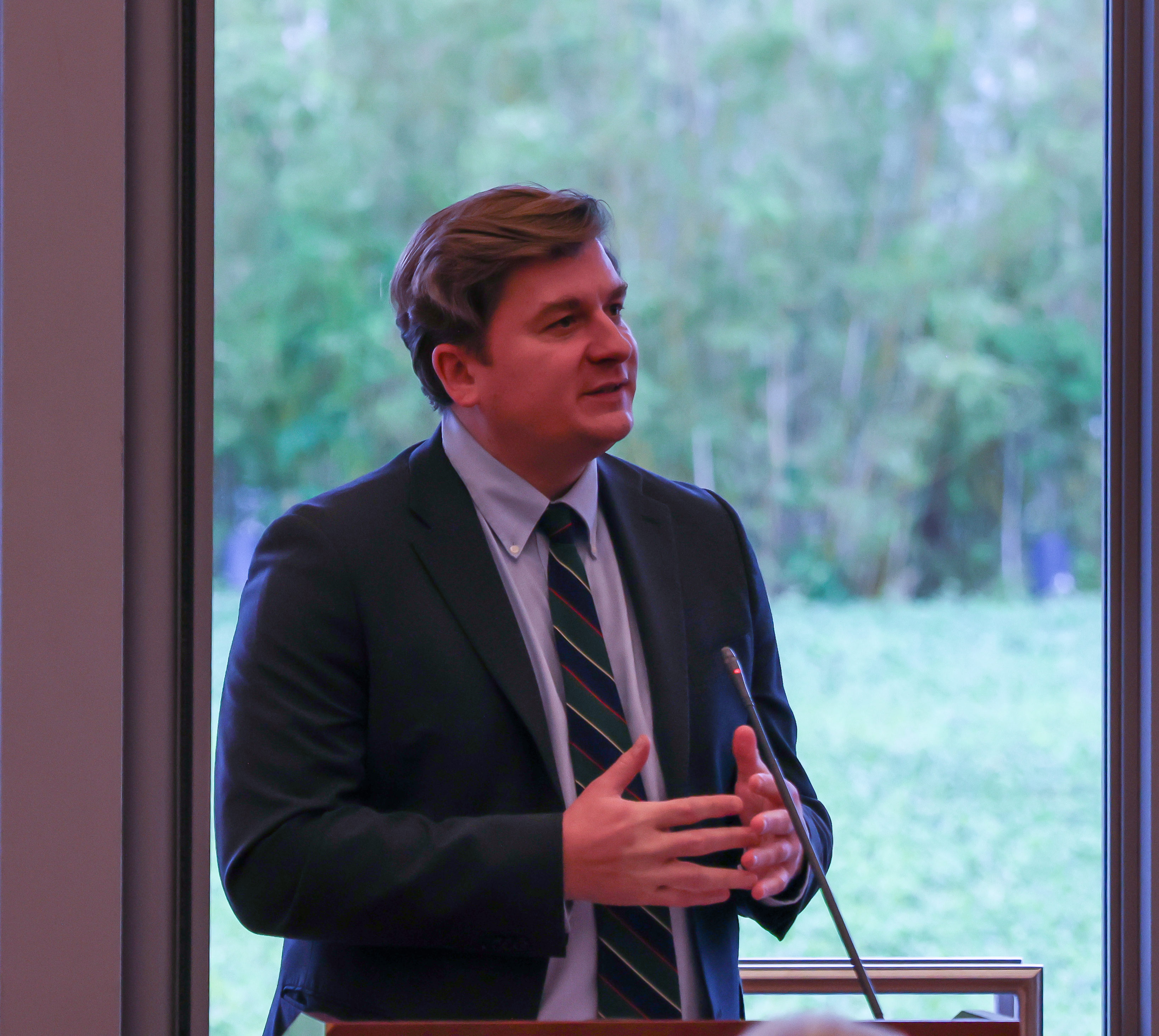
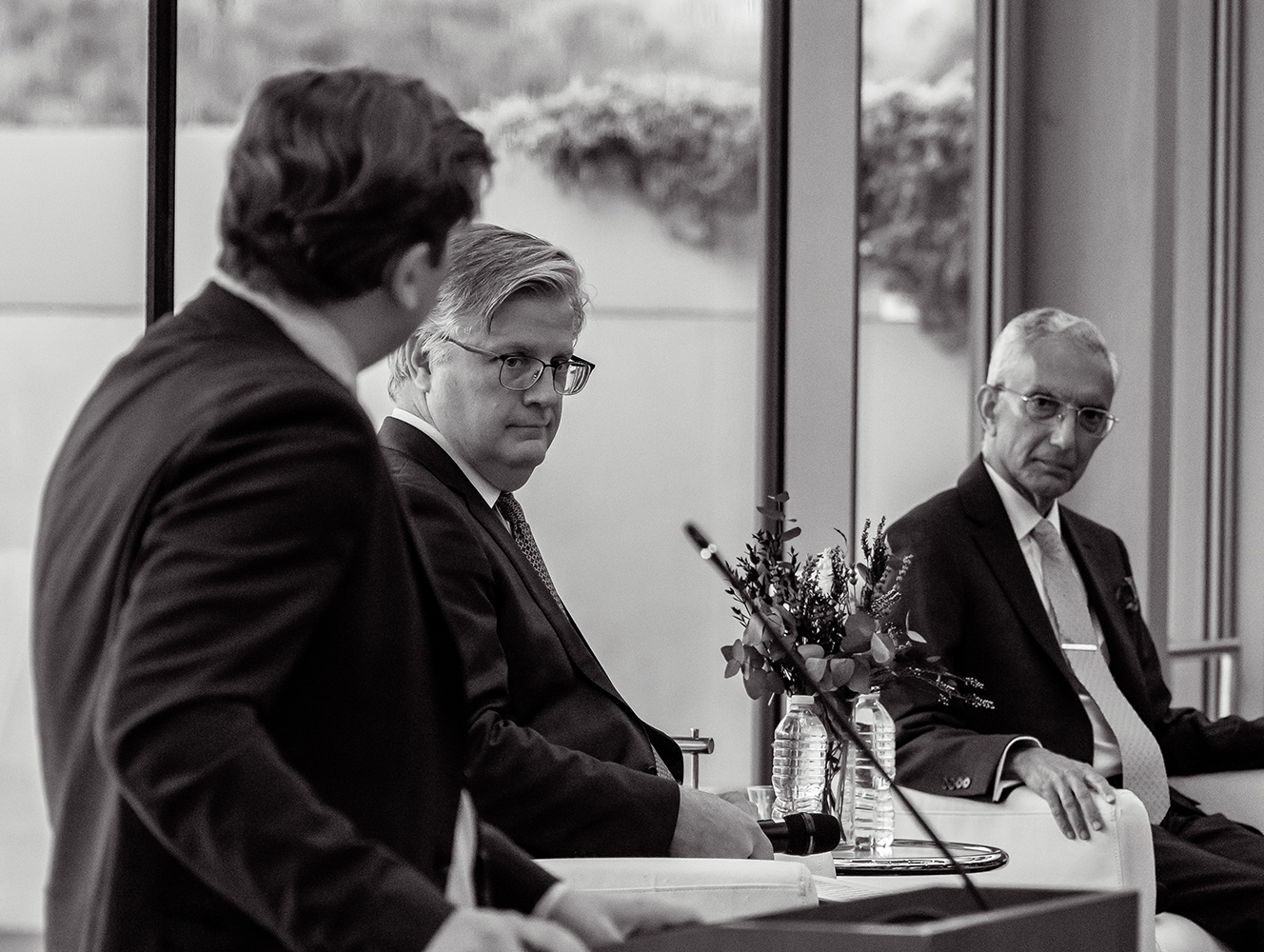
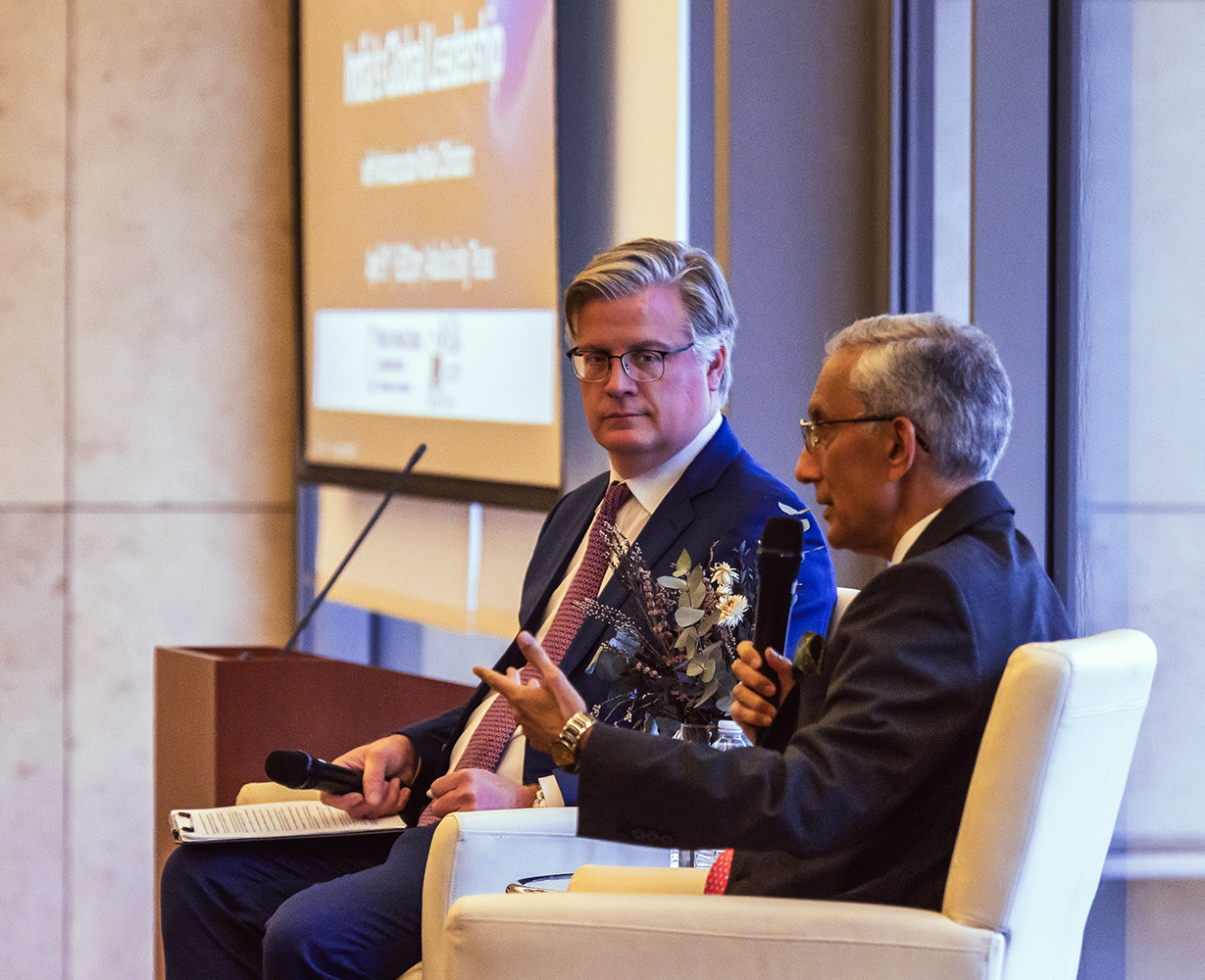
Ambassador Chhabra was the perfect blend of entertaining and educational. He discussed India’s rise on the global stage and its relations with other countries. He also highlighted the “economic miracle” of India’s GDP growth, especially in comparison to China, as well as the U.S.
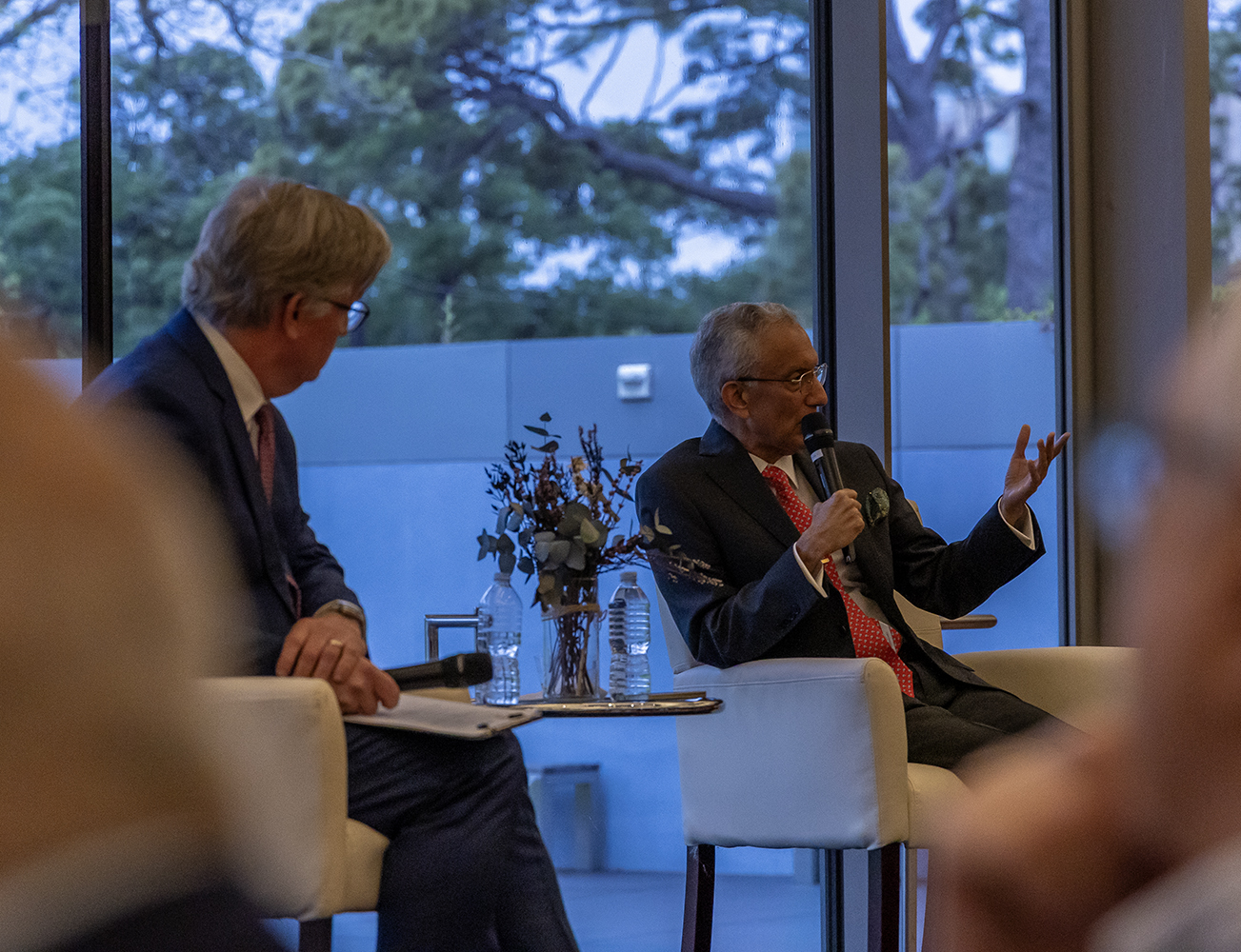
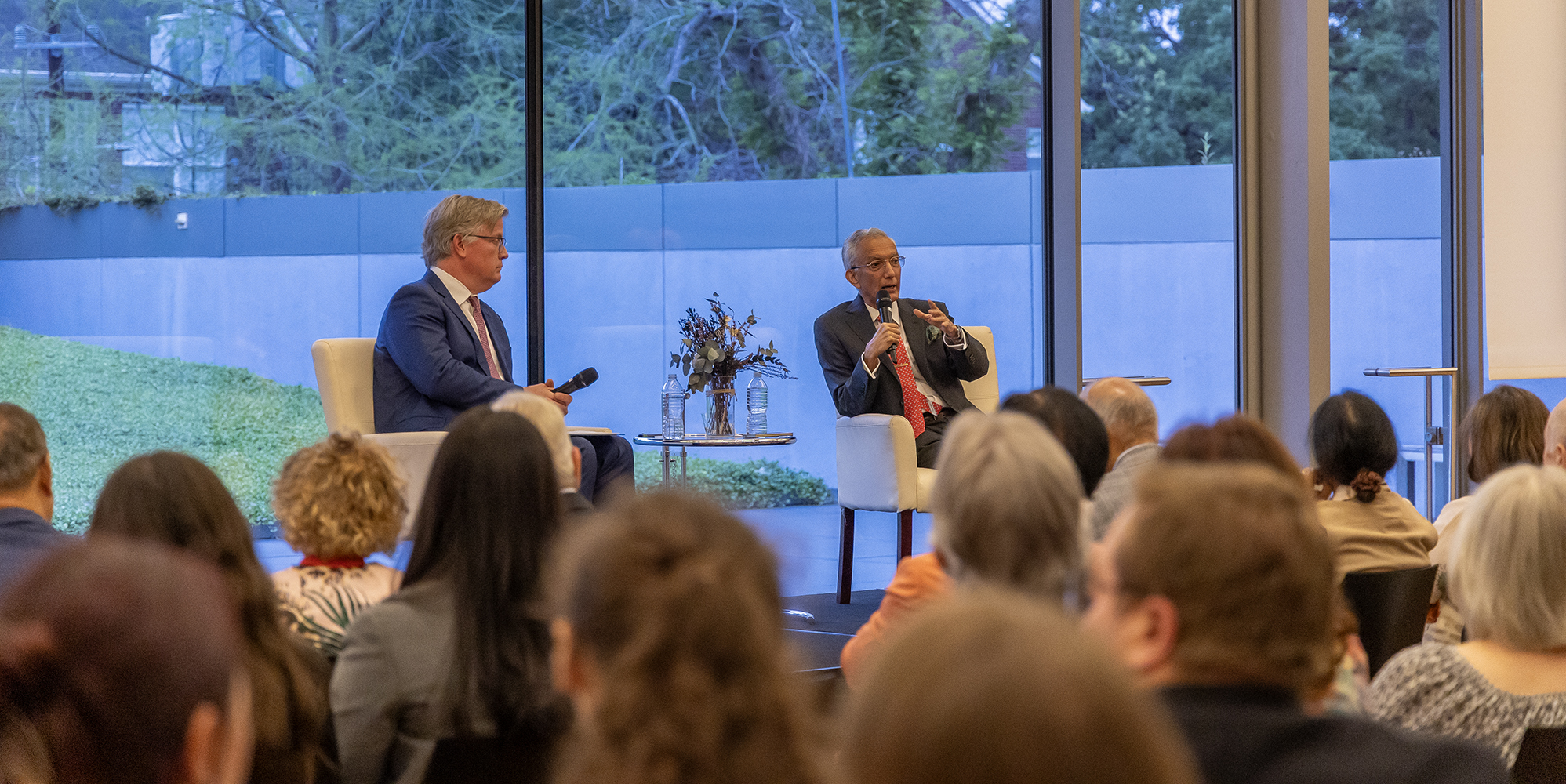
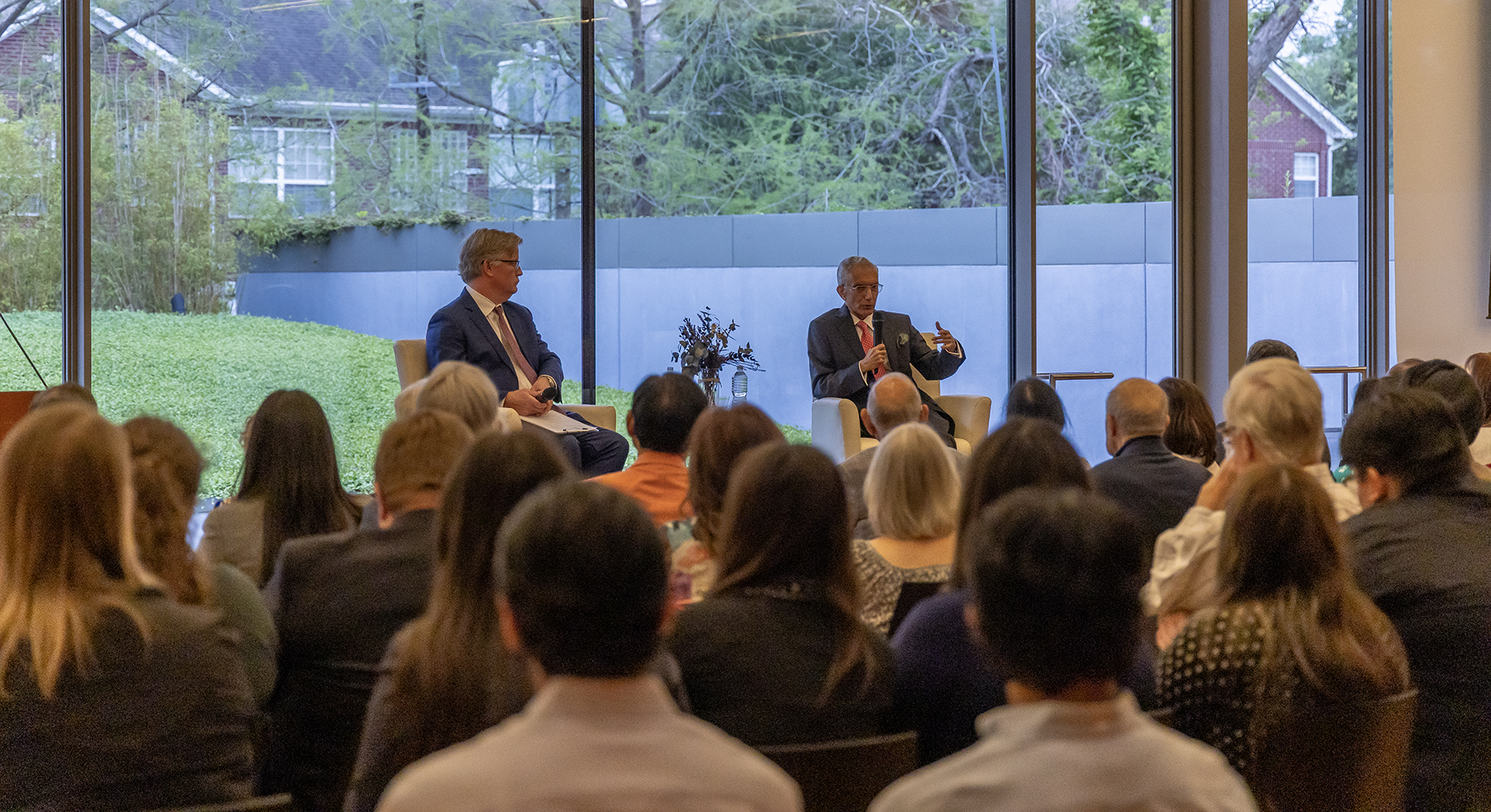
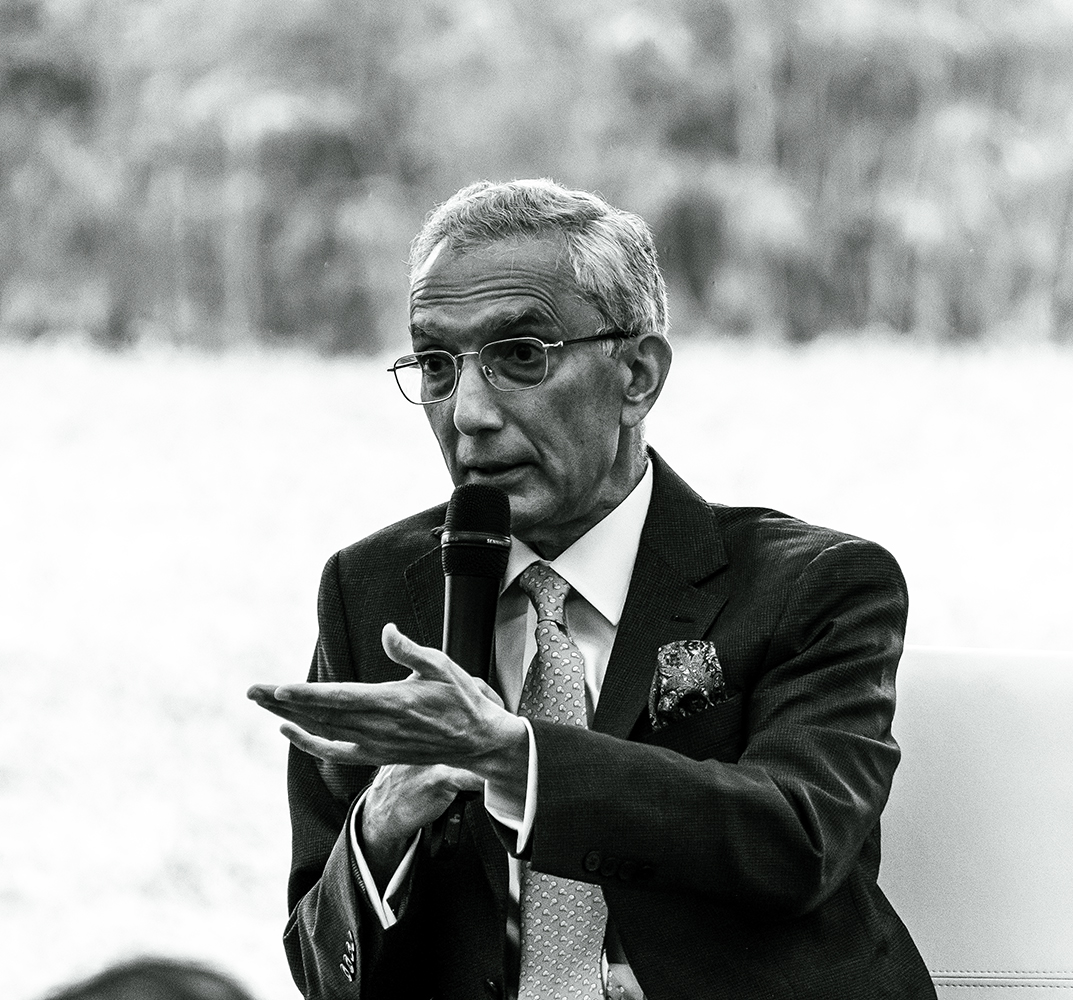
Ambassador Chhabra began by reflecting on India’s early years, following their independence from Britain at the end of the Second World War. He mentioned India’s first choice of ally was the United States, but they refused to be overly tied into diplomatic entanglements as a developing country.
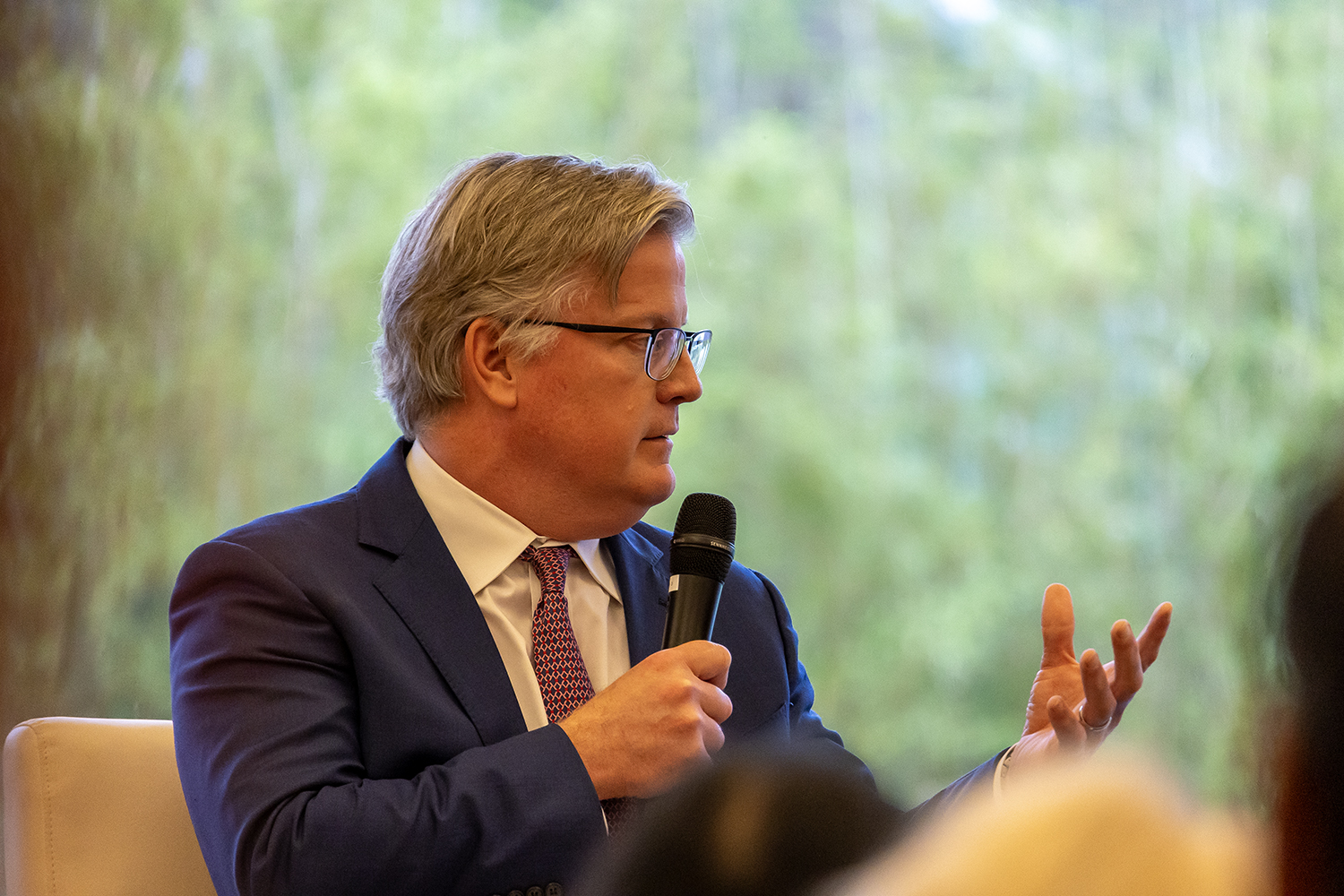
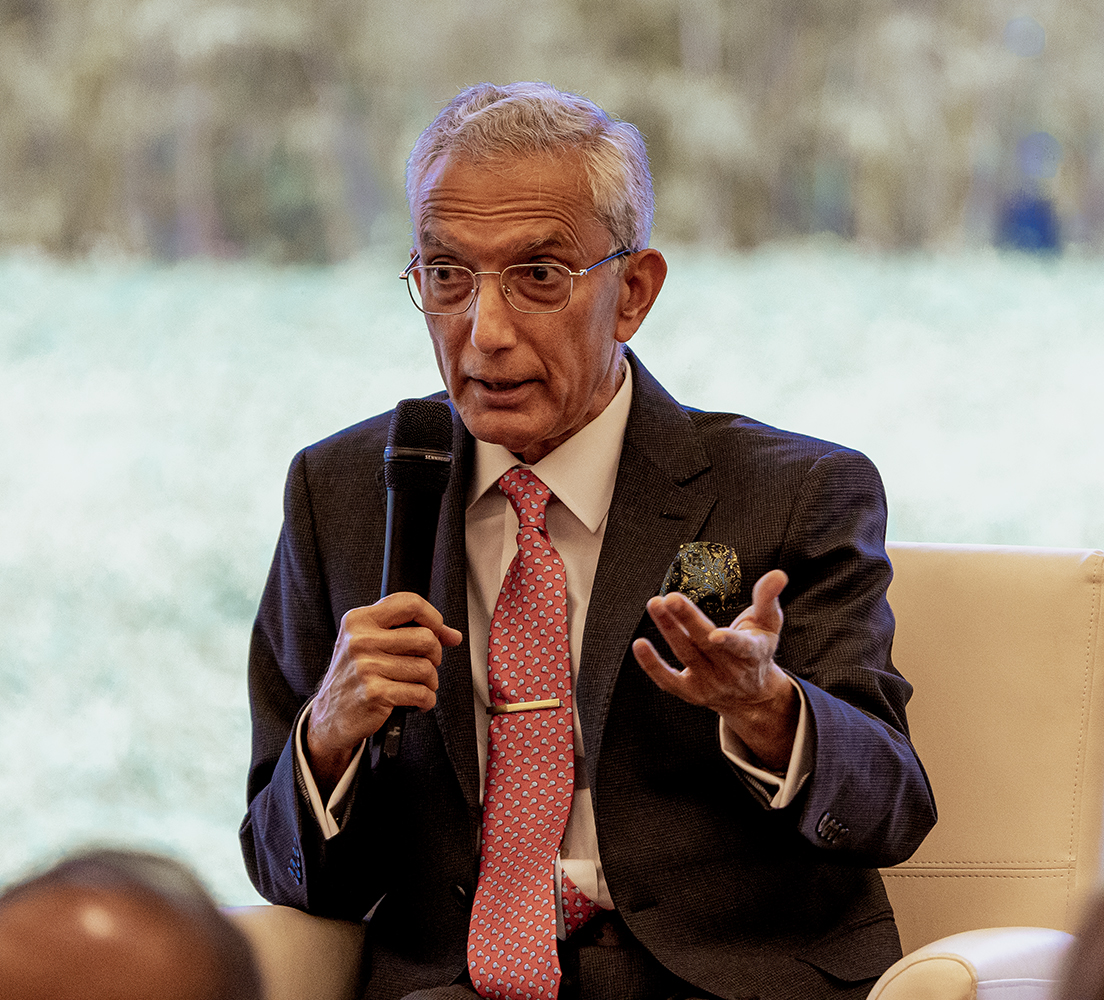
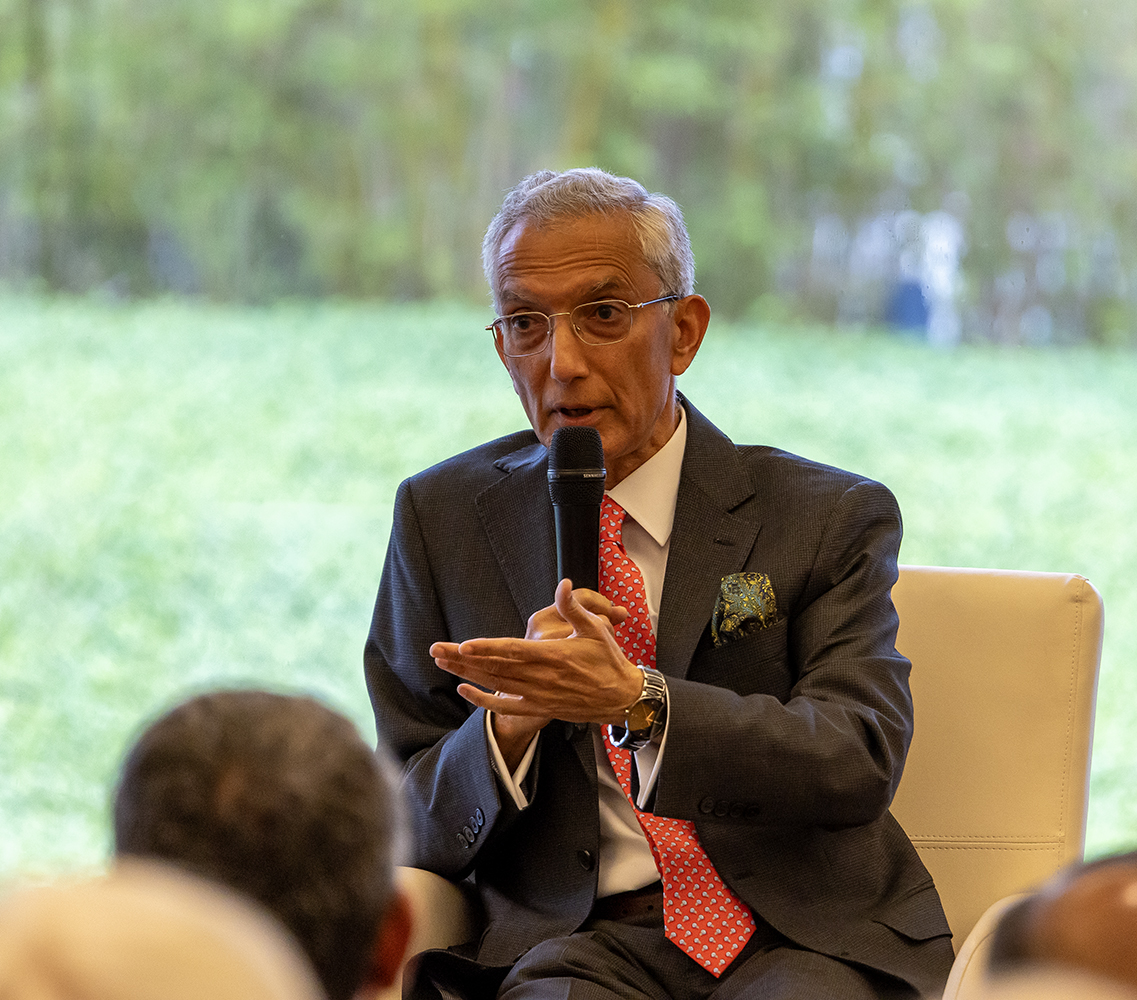
This independent spirit was exemplified by the concept of “nonalignment” and India’s continuous choice to forge its own pathway rather than strictly aligning with the West, China, or Russia. He attributed this concept to “India’s economic miracle.” Ambassador Chhabra mentioned India’s choice to expand into the IT sector instead of manufacturing, which was the proven path to development that China underwent.
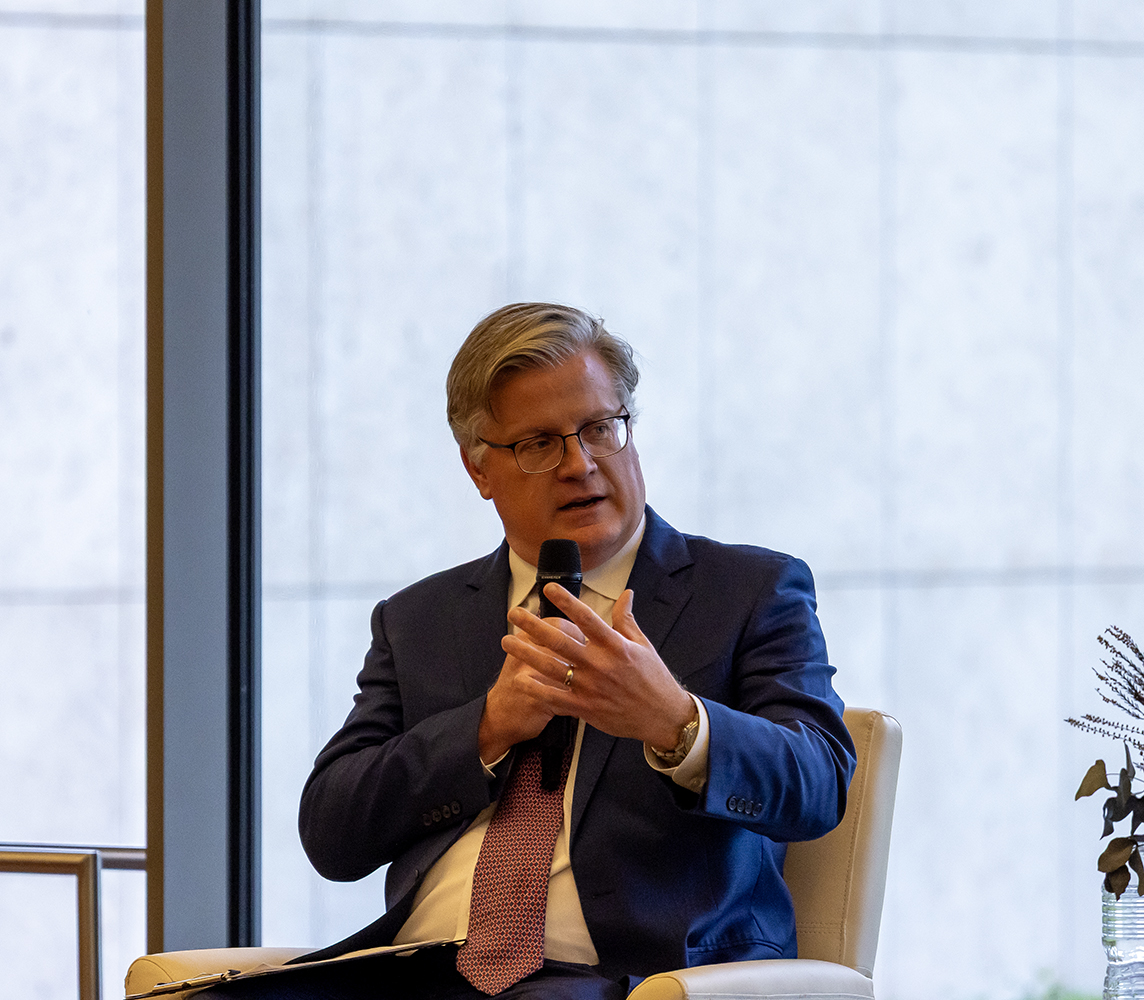
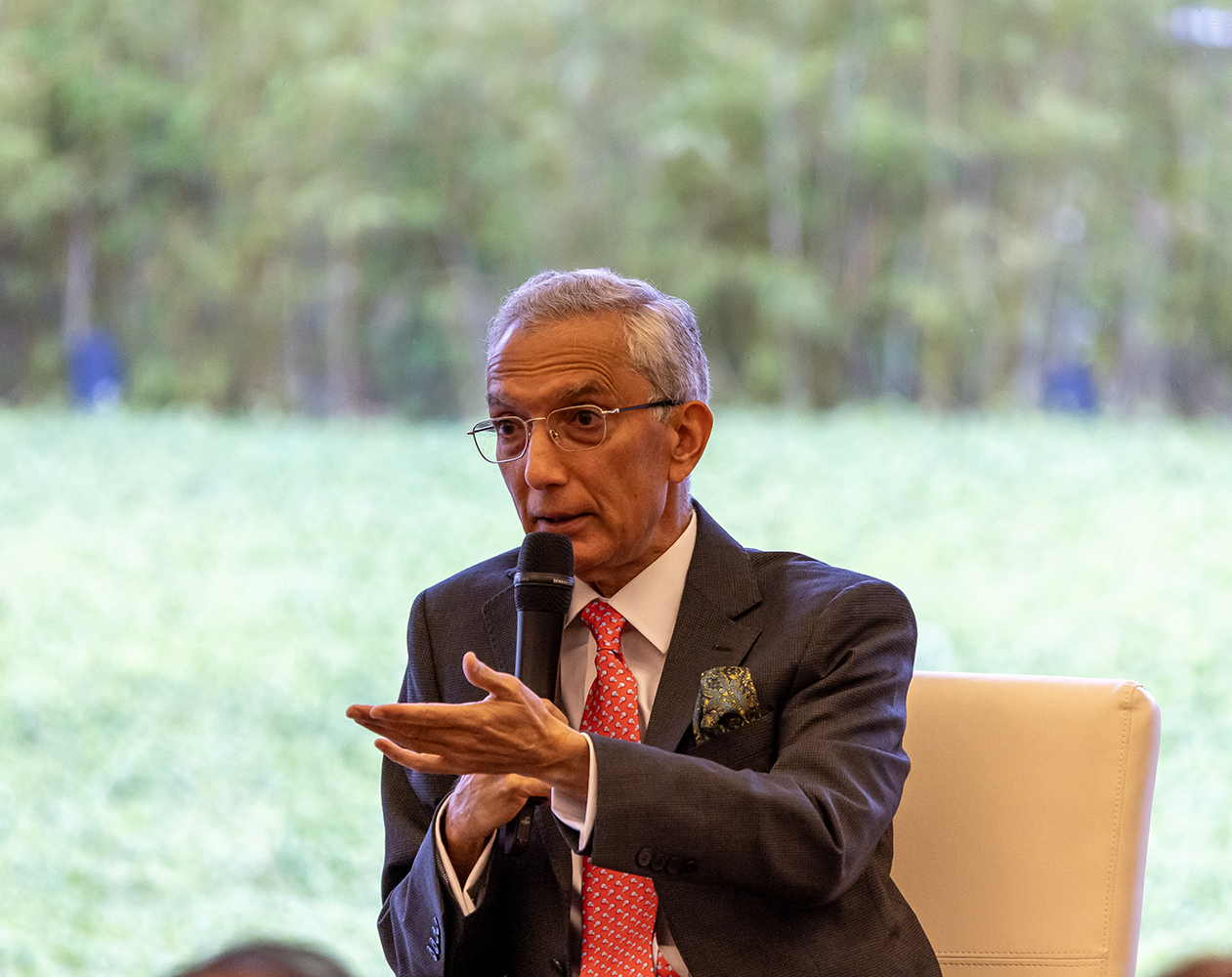
Another key topic Ambassador Chhabra explored was the significance of the “123 agreement,” which reversed the previous sanctions on nuclear trade with India. Under George W. Bush, India and U.S. relations increased significantly as India was the only country with which the United States had an arrangement like this. He attributed a large portion of this success to the Indian-American population and their unwavering support.
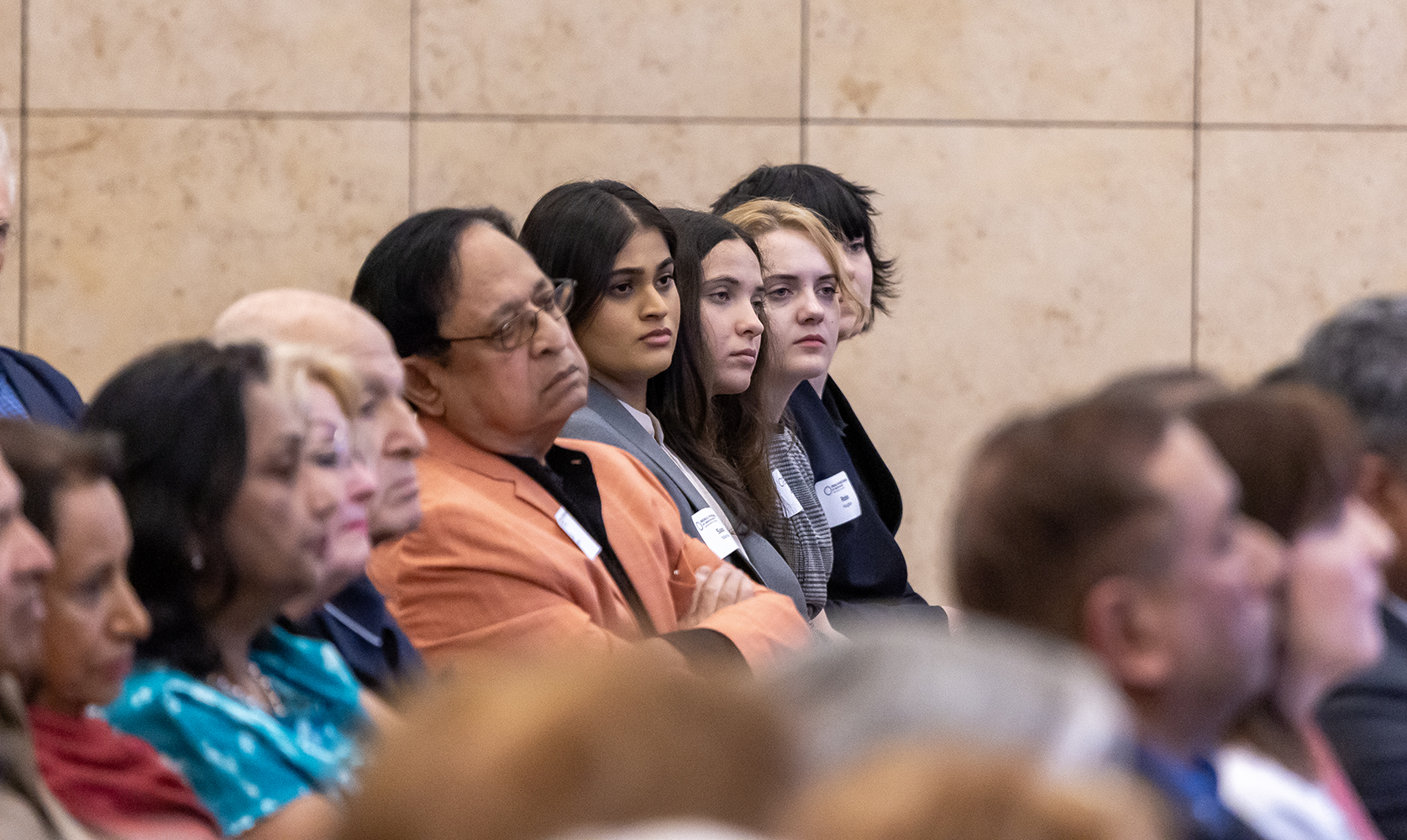
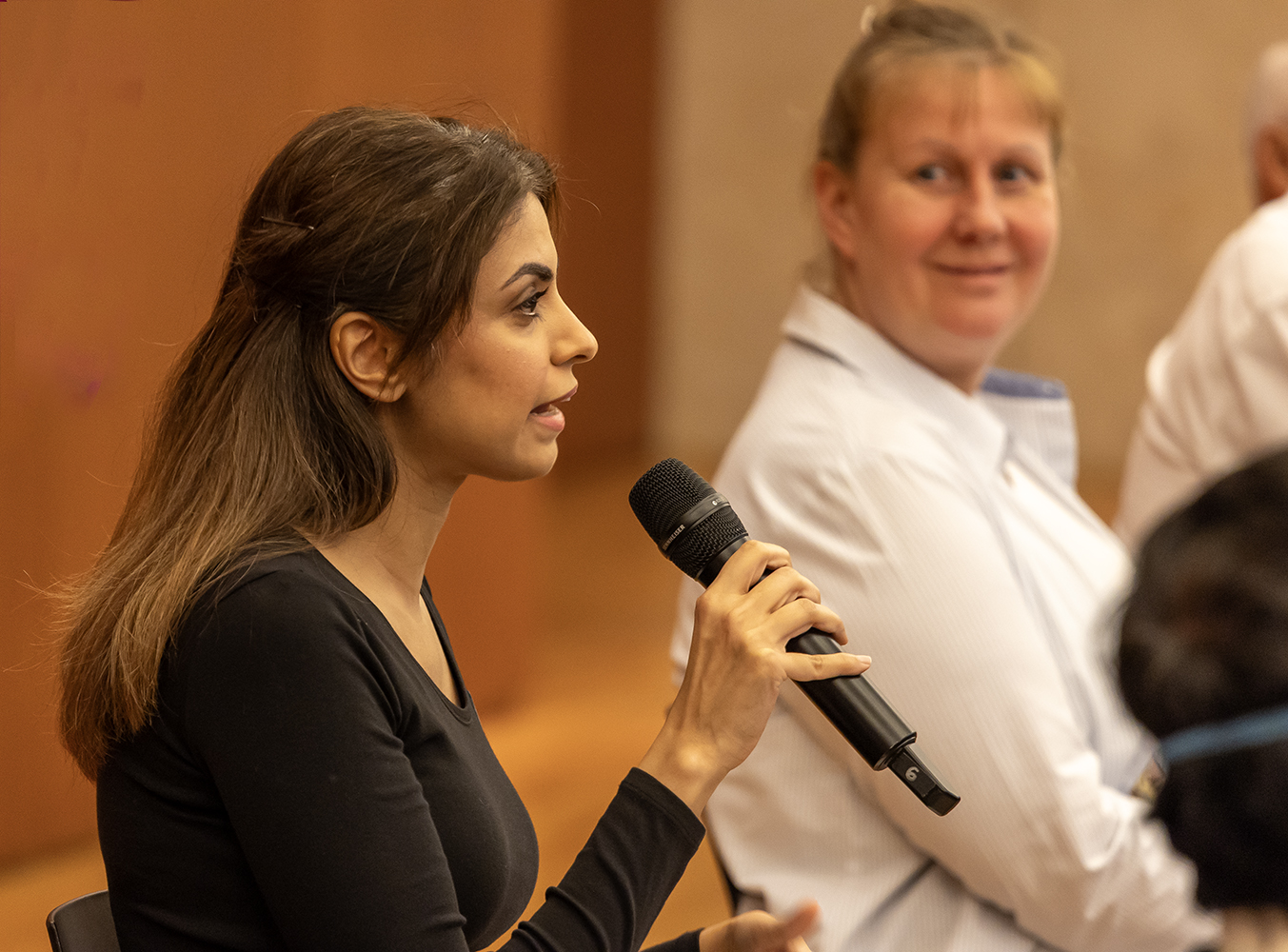
Nearing the end of the event, O’Malley opened the floor to questions, and Ambassador Chhabra answered multiple questions from the audience regarding India’s global strategy and international partnership.
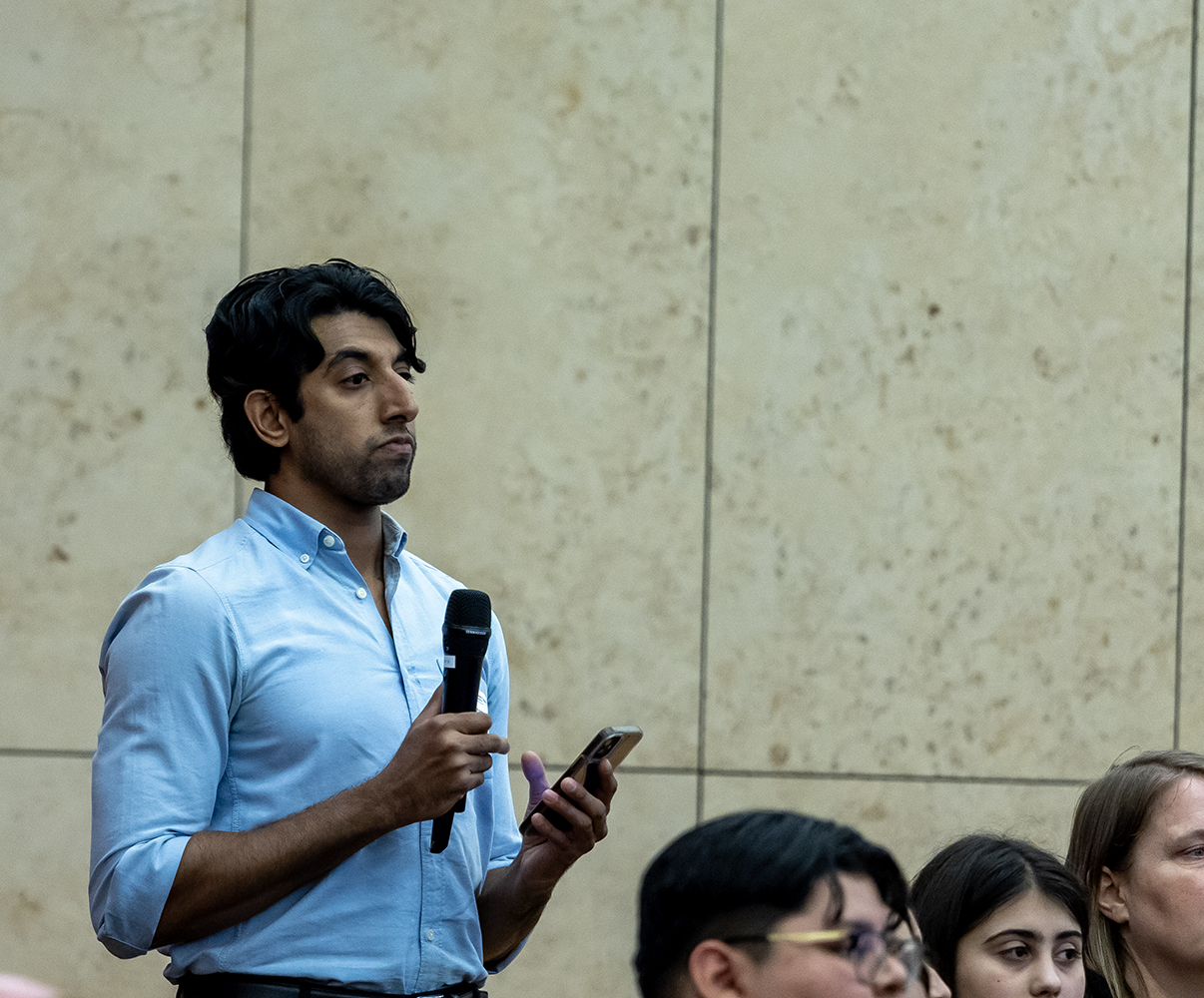
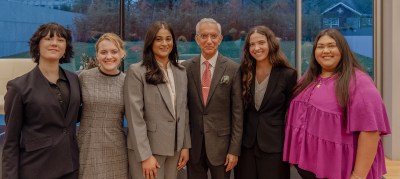
Listening to his vast experiences and India’s point of view over the last several decades was particularly interesting, and left the audience pondering the effects of American policies on the rest of the world, for better or worse. After the event finished, Ambassador Chhabra was kind enough to take a photo with LEAP students, providing a memorable end to an insightful day.