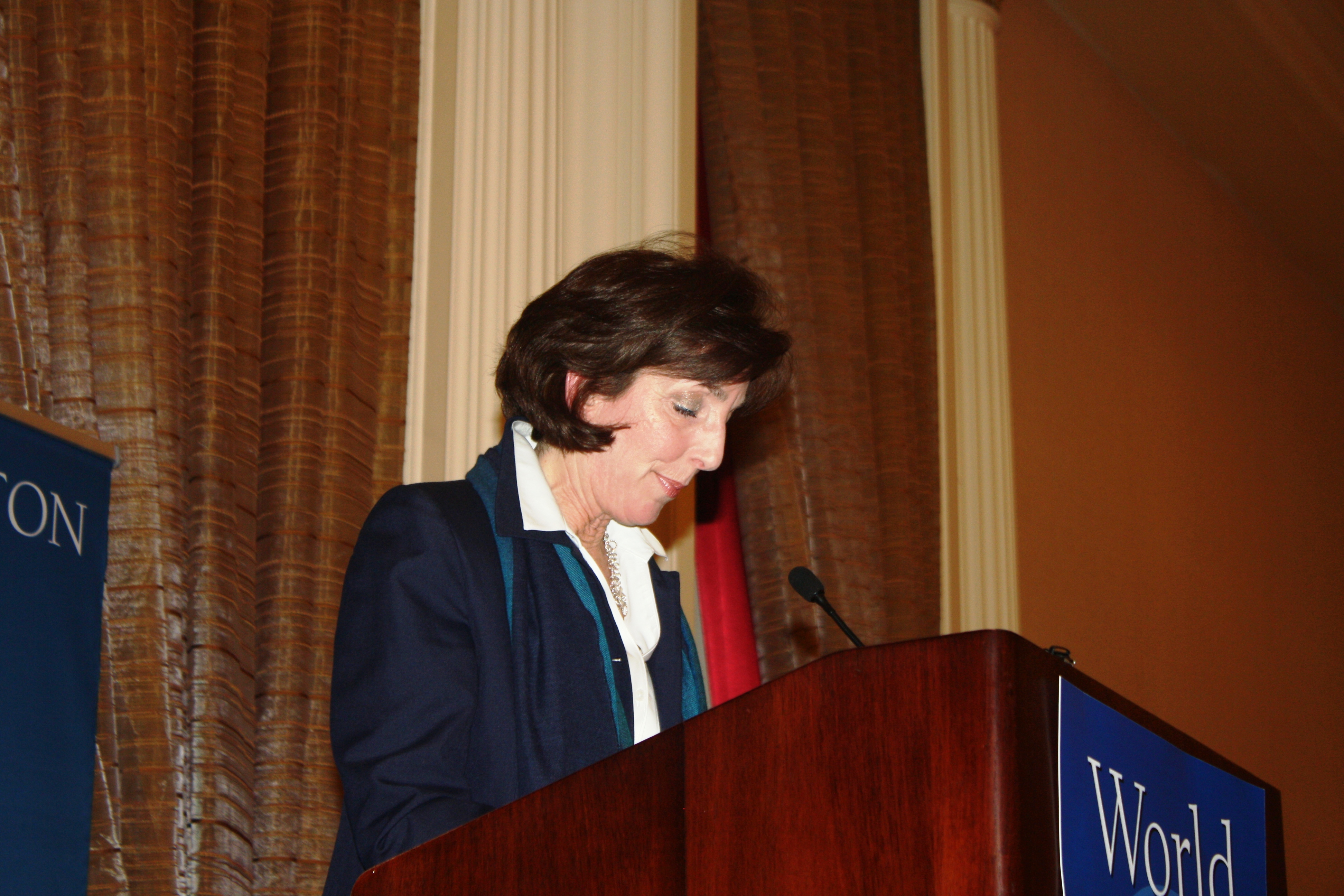
Students with the LEAP Center engaged in a global discussion with a well-positioned source early in the spring semester. Roberta Jacobson, the Assistant Secretary of State, tackled topics such as democracy, energy, relations with Cuba, and democratization, giving SHSU students insight into diplomacy at the highest levels.
“It was a great opportunity to meet with one of the President’s key advisers,” noted LEAP Center Vice President Megan Chapa. “And to complement our classroom learning with a practitioner’s view.”
Indeed, Secretary Jacobson recently returned from historic talks in Cuba, becoming the highest-ranking official to visit Cuba in 40 years. Her visit included an exchange with dissidents, a meeting that drew criticism from Cuba’s leaders, but which was part of a larger odyssey to thawing relations with its Communist neighbor.
In her speech, Secretary Jacobson stressed the importance of trying a new approach in Cuba, after more than a half of a century of stagnant relations. Ms. Jacobson also discussed happenings in South America, where she had hopeful things to say about Argentina and Colombia. She tempered these hopeful comments, however, with an overview of the history of Latin America and the difficulties the region has faced with corruption, the drug trade, and achieving basic democratic objectives.
Although the bulk of her speech addressed the Americas, Ms. Jacobson also touched on China. Rather than seeing China’s growth as a threat to US power, she argued that growth would likely open China, and increase its demands for US products, helping both China and the US.
For the students, the discussion was an opportunity to hear from an extremely knowledgeable “guest lecturer,” while also serving as a call to learn more about international relations.
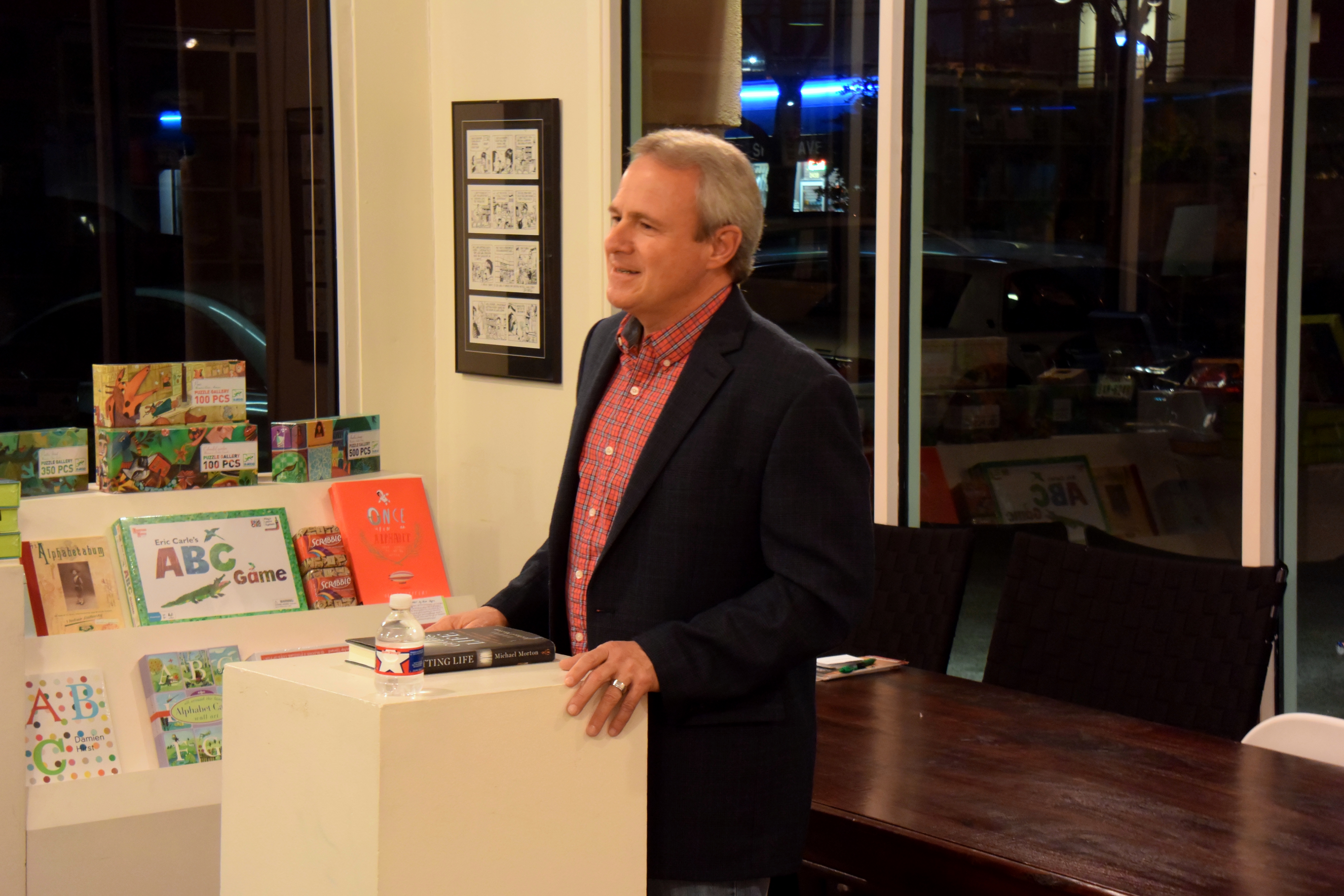
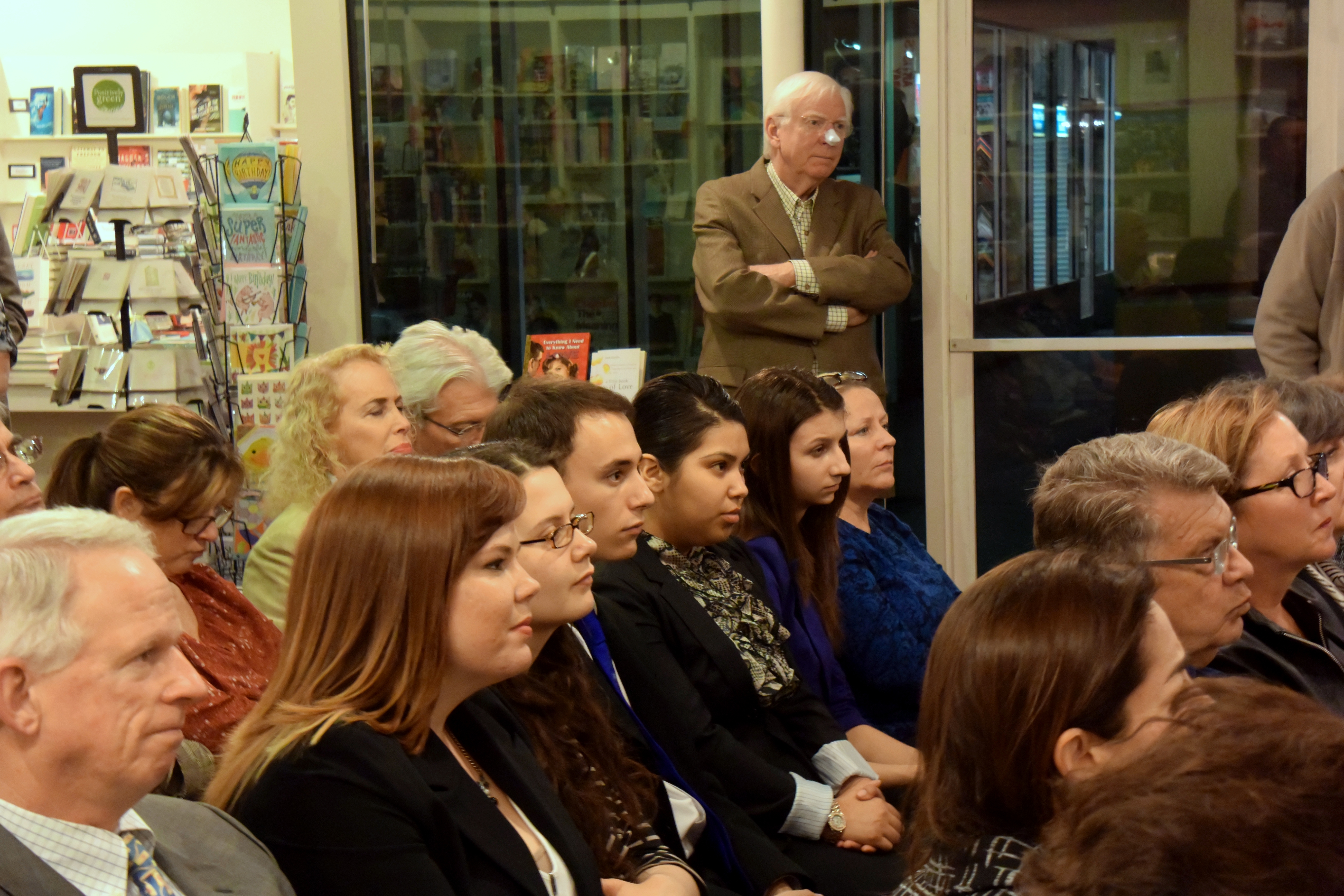
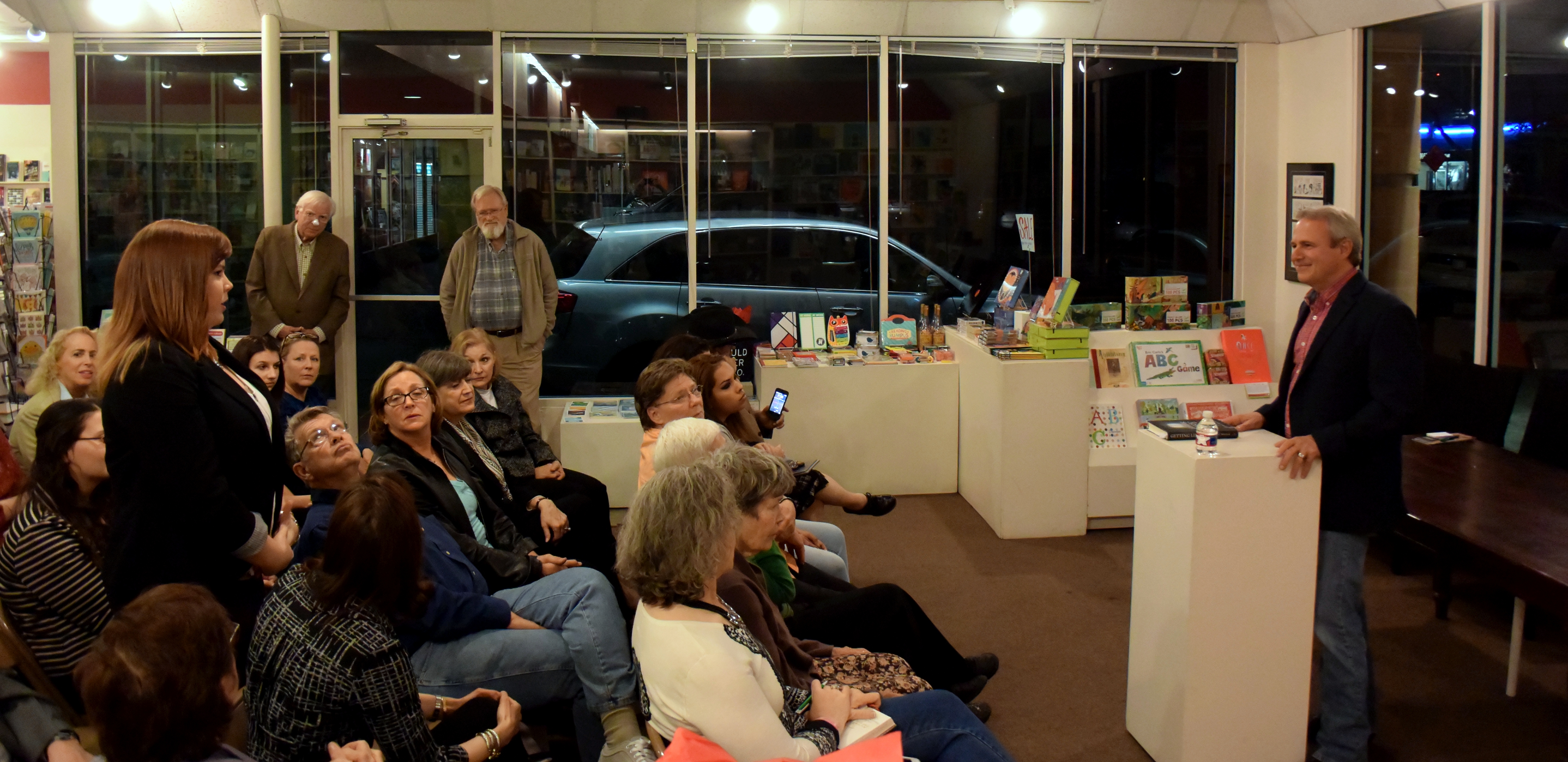
This week’s LEAP Center event offered students a rare opportunity: the chance to listen and ask questions of an average citizen thrust into incredible circumstances. Michael Morton, famous for his new-found freedom after being wrongfully convicted for his wife’s murder, spoke at the Brazos Bookstore in Houston before one of his book signings for his memoir, Getting Life.
During his remarks, Morton stressed two major themes: (1) his humility and gratitude to those who assisted him, such as the Innocence Project and attorney John Raley, (2) forgiveness as a means of re-gaining control of life. For a man who spent 25 years in prison after being wrongly convicted, Morton seemed remarkably well adjusted, friendly, and lacking in bitterness.
Michael Morton
For us as college students living in a world of constant stimulation, the monotony of prison life described by Morton seem unthinkable. To survive a quarter of a century under those conditions seems impossible. Morton endured this imprisonment, while also mourning the vicious murder of his wife, and the loss of a relationship with his son. Morton’s courage in the face of such daunting circumstances provided us with some real perspective, and we left the event reflecting on our lives, feeling grateful for our freedom and other privileges.
As students of the law, many of us felt a keen sense of shame and disbelief that the criminal justice system could fall so short of the ideals set for it, that justice could sometimes be corrupted, even if in isolated incidents. For those students considering criminal law as a possible career, Michael Morton’s words served as a reminder of the ethics necessary to call oneself a member of the Bar and the challenges facing practitioners in putting society before self.
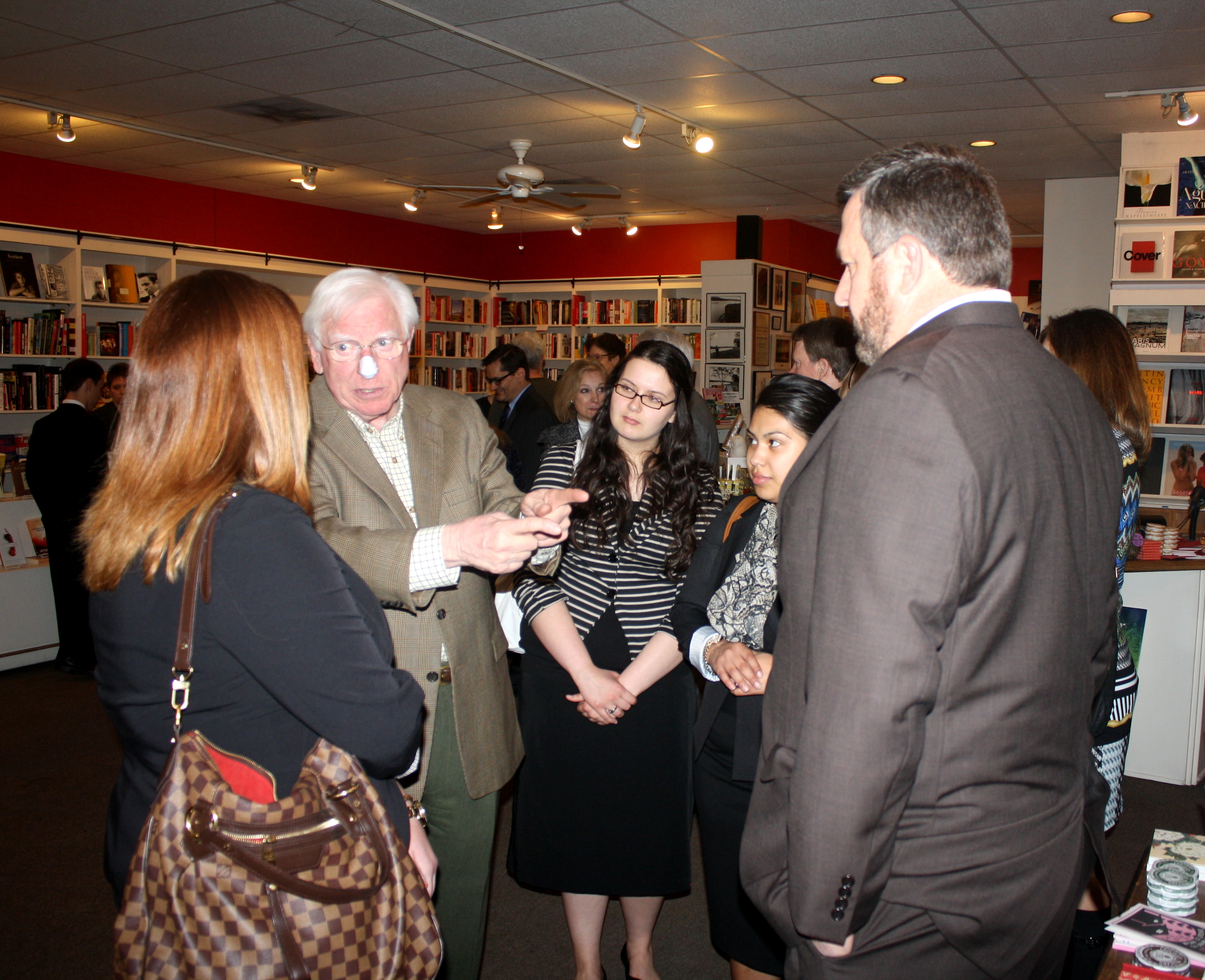
Indeed, the speech provided “CLE”—continuing legal education—units for the attorneys there, and there were many. Governor Mark White introduced Morton. Representative Sissy Farenthold was there, almost seventy years after she was one of three women admitted to UT Law School. There were 797 men admitted that year. And attorney John Raley, who helped free Morton, was also there. It was a good night for people watching.
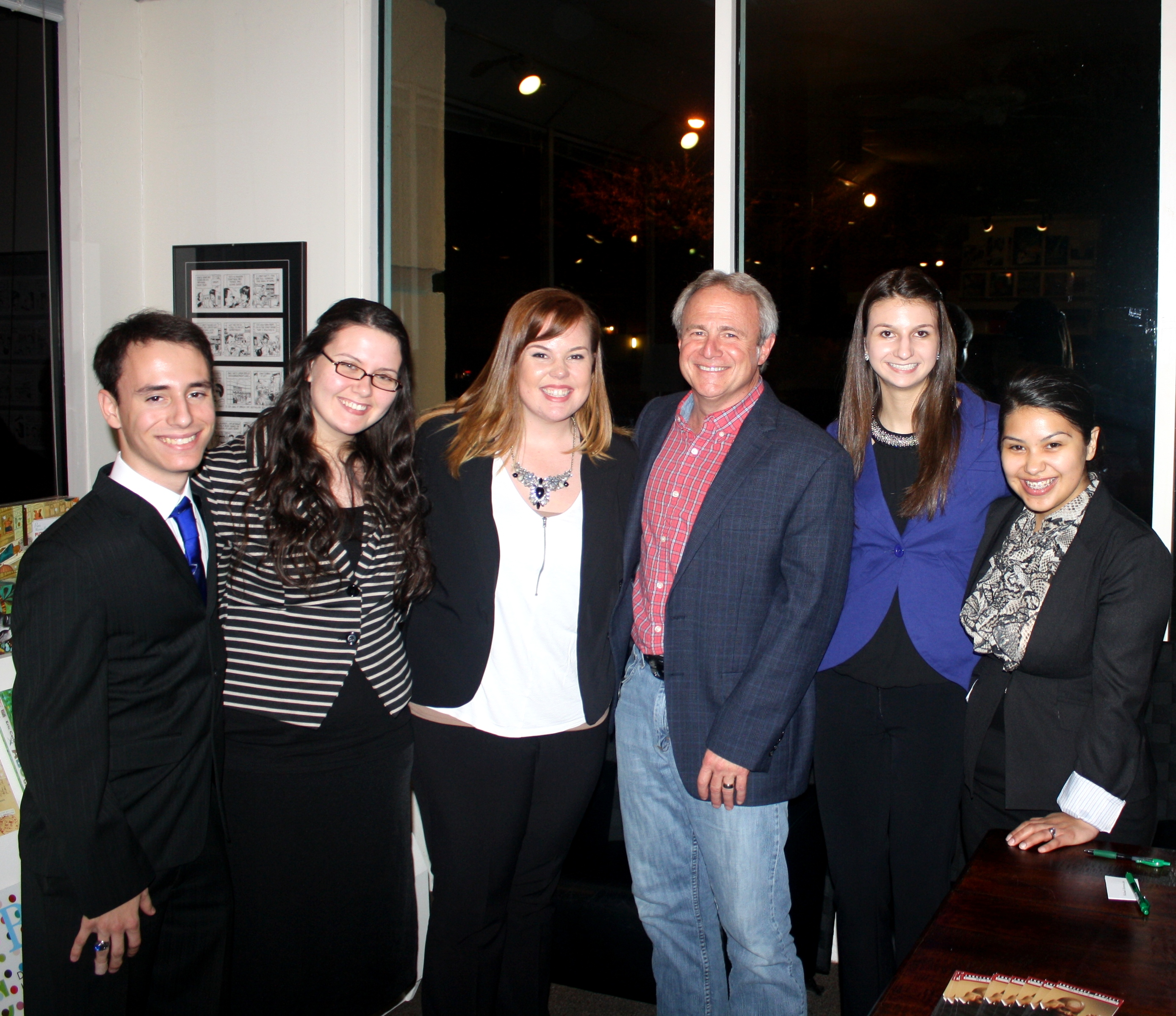
Governor Mark White & Students
And for conversing. LEAP Center Vice-President Constance Gabel asked Morton what advice he might give to students who aspired to become lawyers. He responded, “Be one of the good guys.”
Governor White jumped in, arguing that once Gabel read Morton’s book, the difference between good lawyers and bad lawyers would be clear. After the event, Governor White, Attorney Raley, and other judges and attorneys engaged us with real-life examples of the good and bad. Interestingly, Carol Vance, the former Harris County DA who was a speaker at a previous LEAP Center event, featured prominently in the stories of good attorneys.
Governor Mark White, John Raley, And LEAP Center Students
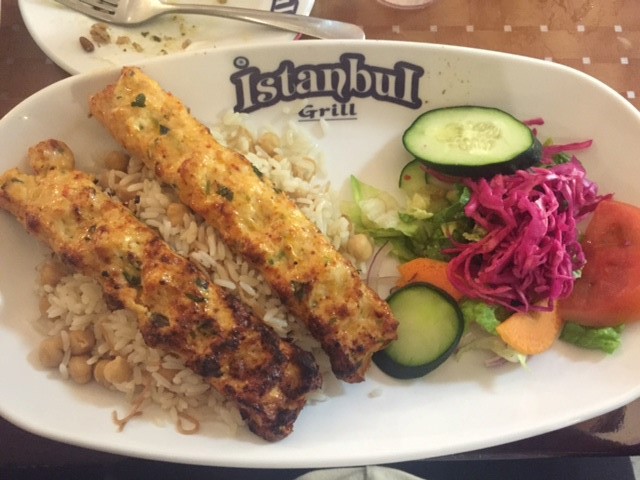
Following the book signing at Brazos Bookstore, we took a short drive down the street to the Istanbul Grill and Deli to enjoy some authentic Turkish food. Representative of Turkey, the restaurant décor was simplistic, yet incorporated traditional elements of the Turkish culture such as the eye of protection and the hamsa displayed throughout the restaurant. Before the main course, we sampled many different types of meze, similar to relishes or small appetizers. The tzatziki sauce was a crowd favorite when paired with the warm pita bread fresh from the brick oven. We also sampled the humus, tabuli, ezme, and various other types of meze. All had a distinct flavor and were delicious.
For our main course, the group ordered various meals. Some enjoyed the vegetarian options such as the mantar (stuffed mushrooms); another tried the donor (gyro) sandwich; and another tried the iskender, which involved both a yogurt base and a tomato-sauce topping. Most dishes were served with rice and a garden salad.
After everyone finished their meals, most indulged by enjoying baklava for dessert. The popular sweet and buttery pastry was the perfect way to end an eventful night in Houston. With full stomachs and a sense of gratitude, we departed for Huntsville.
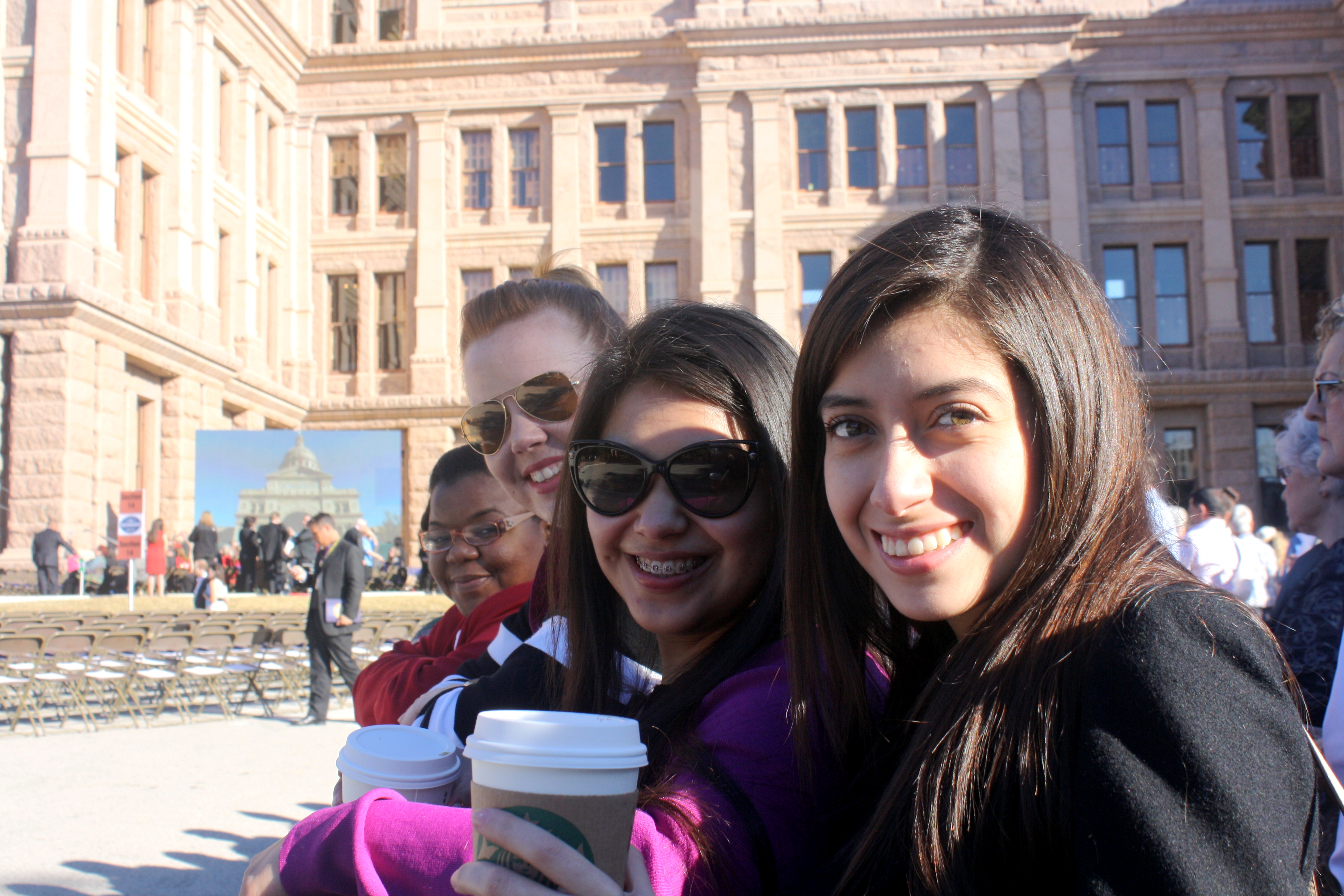
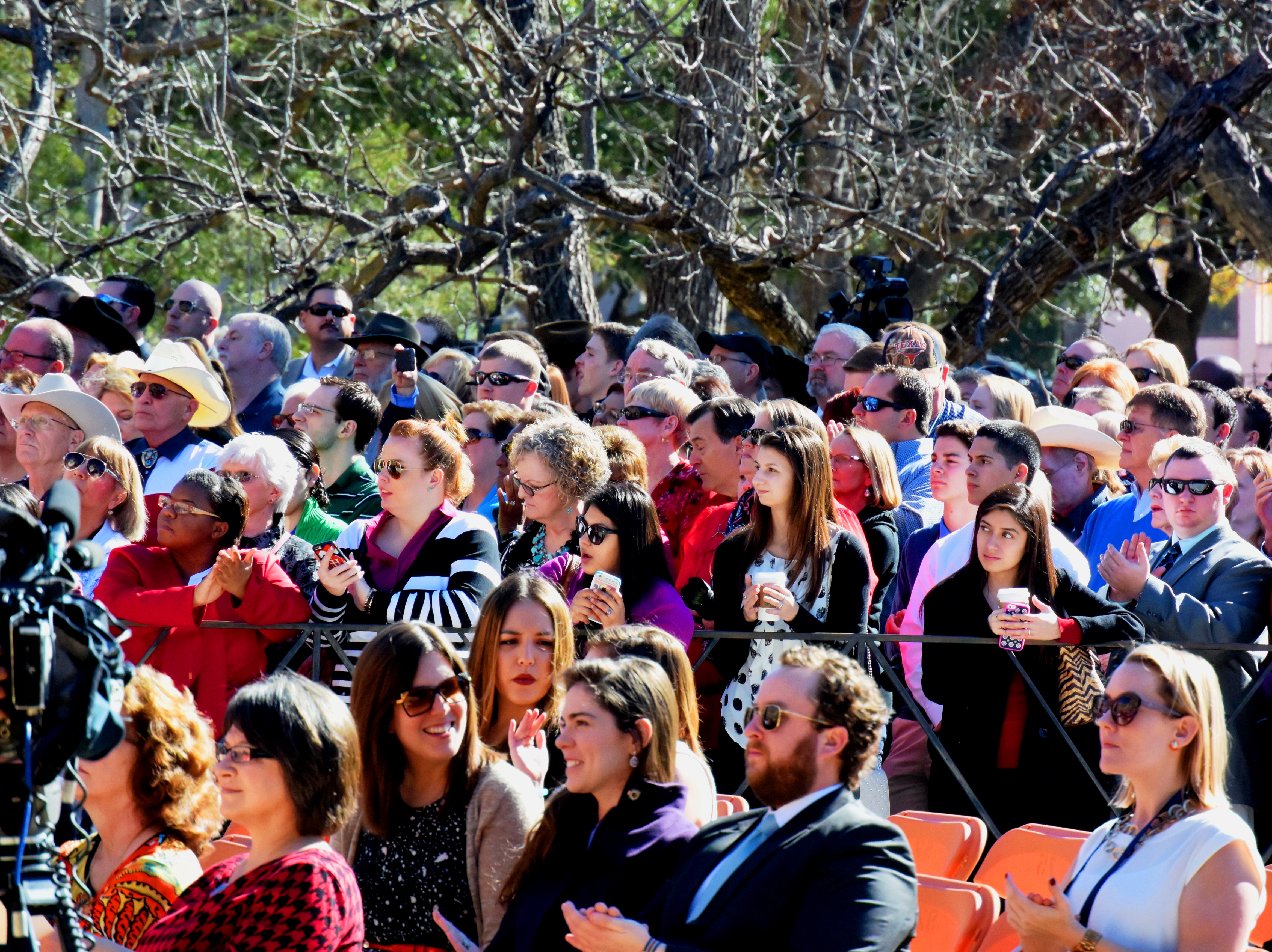
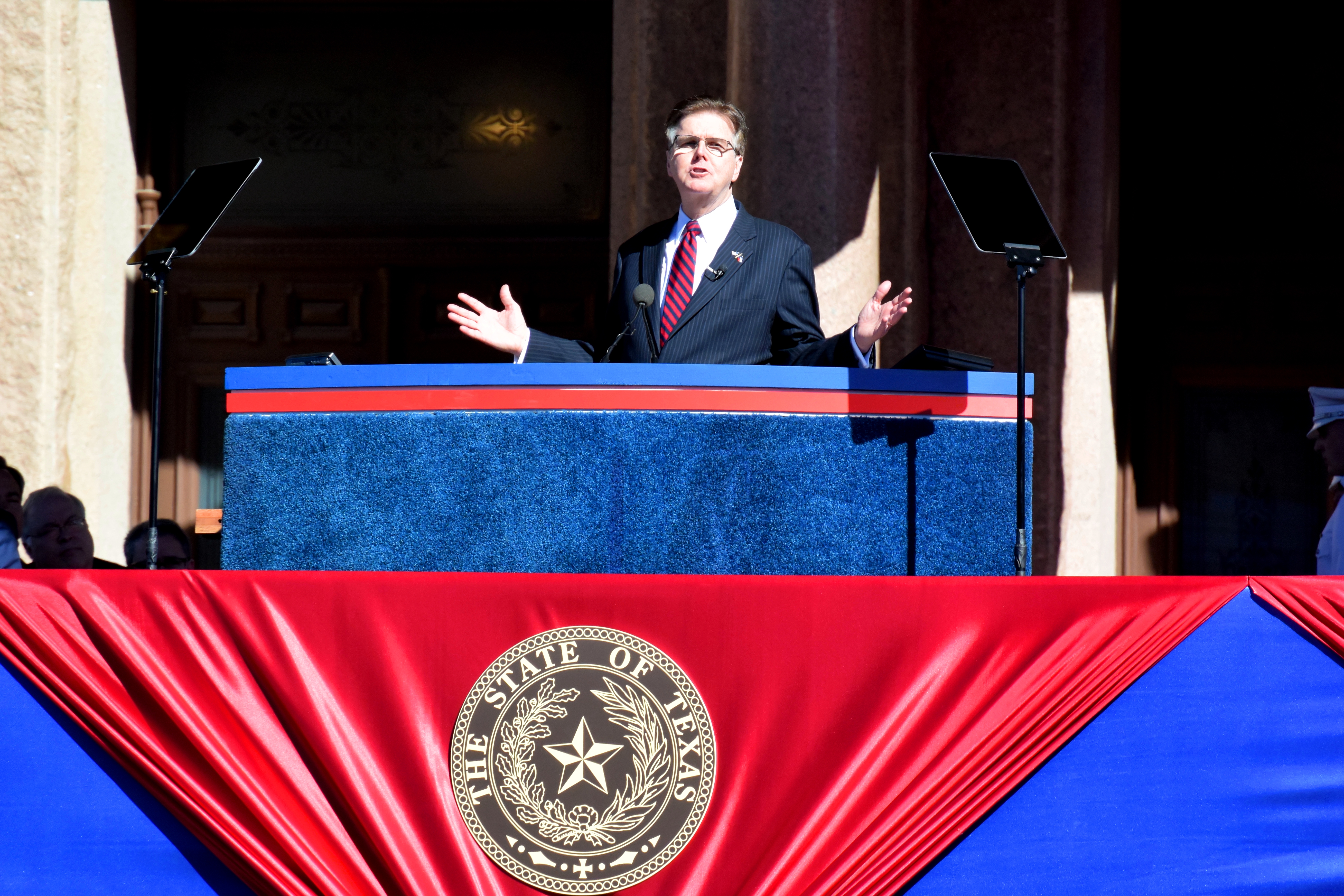
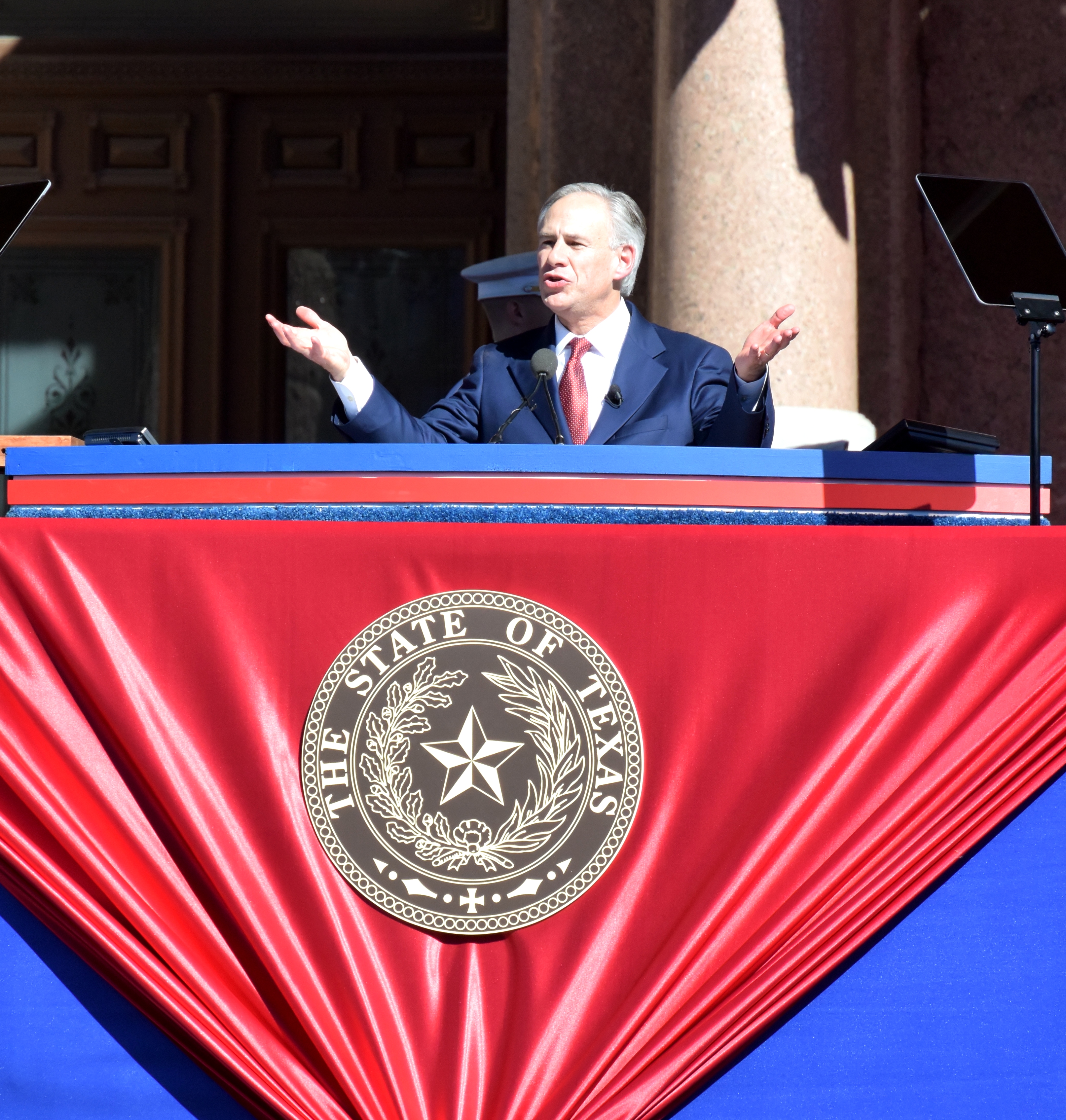
We left the hotel this morning excited to be attending the historic inauguration of Greg Abbot and Dan Patrick. For it being our first inauguration, we were fortunate to get some of the best seats, right behind the VIP section. Standing for hours before the event…
…we had the opportunity to watch the audience fill in, witness anxious news reporters parade around, and get views of snazzy Texan attire.
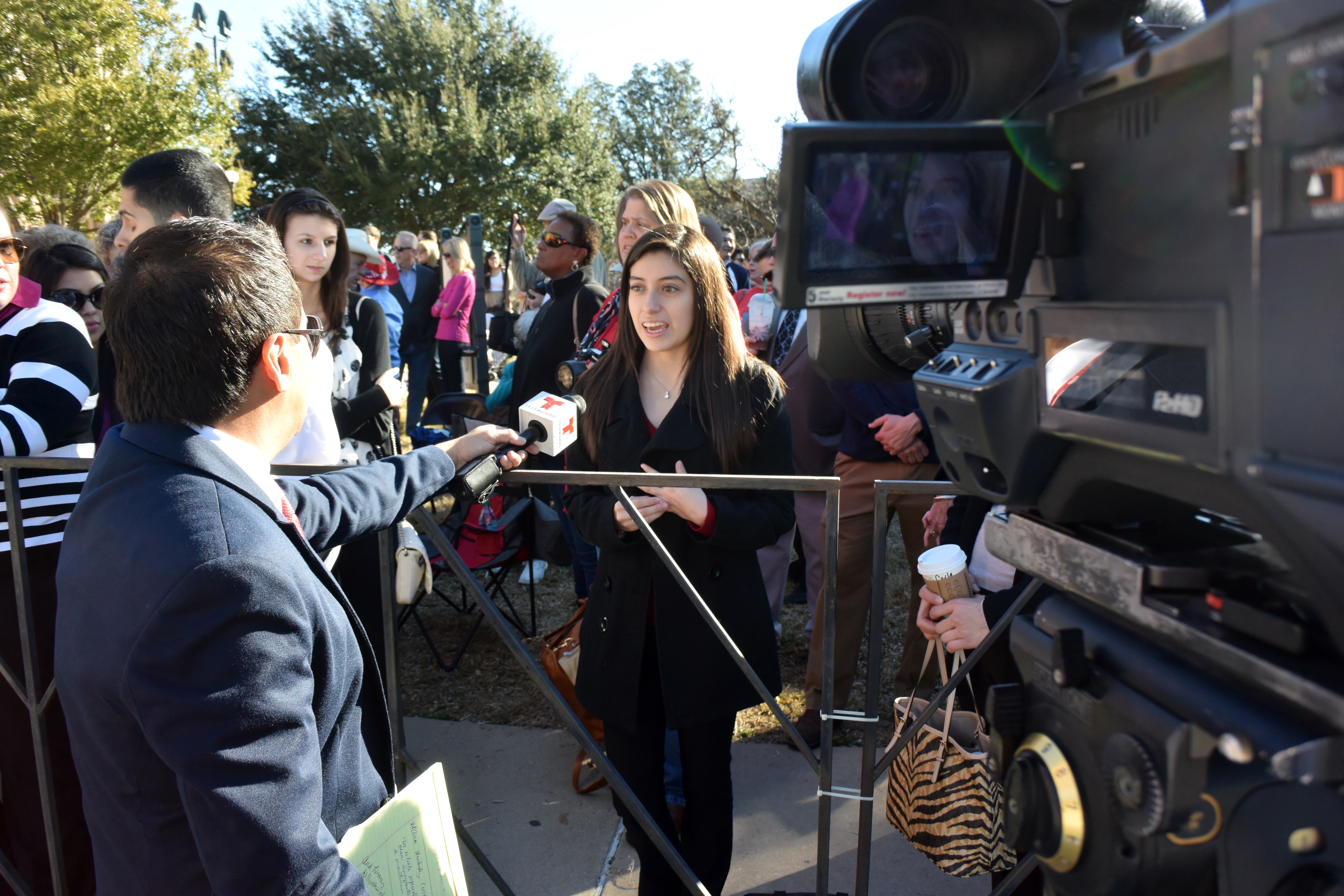
The festivities helped put us in the political spirit, with an F-16 flyover, the UT band playing patriotic songs, and a choir performing Texas-themed music. Karla Rosales, one of our freshmen members, was also interviewed for television!
We watched as Dan Patrick and his wife strutted under the swords and across the stage, to a solid round of applause. Governor-elect Greg Abbot and his family, however, received resounding applause, and the crowd—and the candidates—were ready.
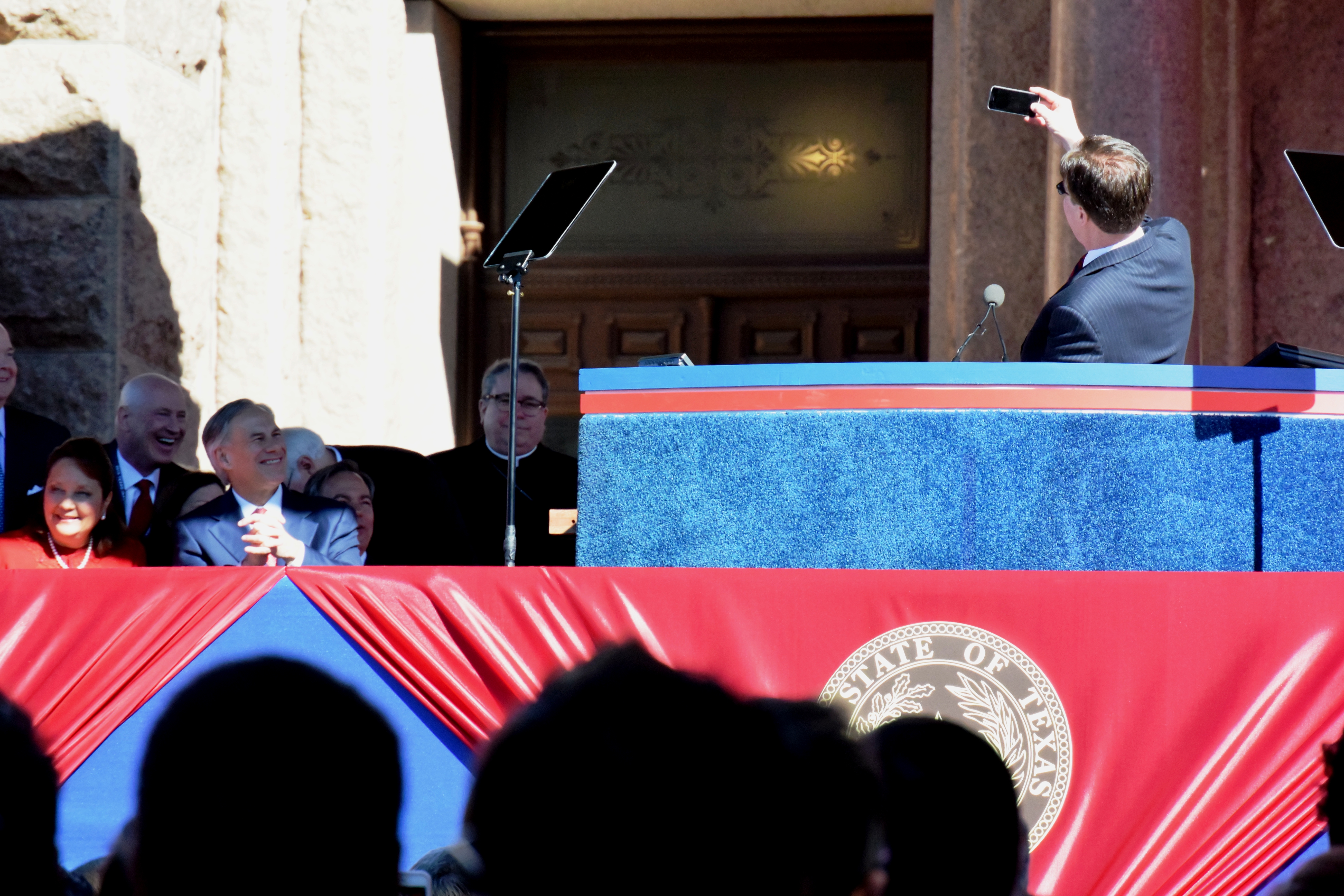
Lieutenant Governor Dan Patrick was sworn in by his son, Judge Ryan Patrick. Prior to his speech, he greeted the crowd with a selfie, and vowed that every day would be a “New Day in Texas”…
…while also suggesting he would be the “best Lieutenant Governor ever.”
Governor Abbot’s inaugural speech was preceded by a 21-cannon salute, and the cannons had a loud, percussive effect. Our cameras shook. Abbott focused on his family and inclusion, stating that “Family everything,” and congratulating his wife on being the first Latina First Lady. Abbott discussed his injuries, which resulted from an accident some thirty years ago, and gave thanks go God and the upward-mobility culture of Texas for his ability to rise to Governor.
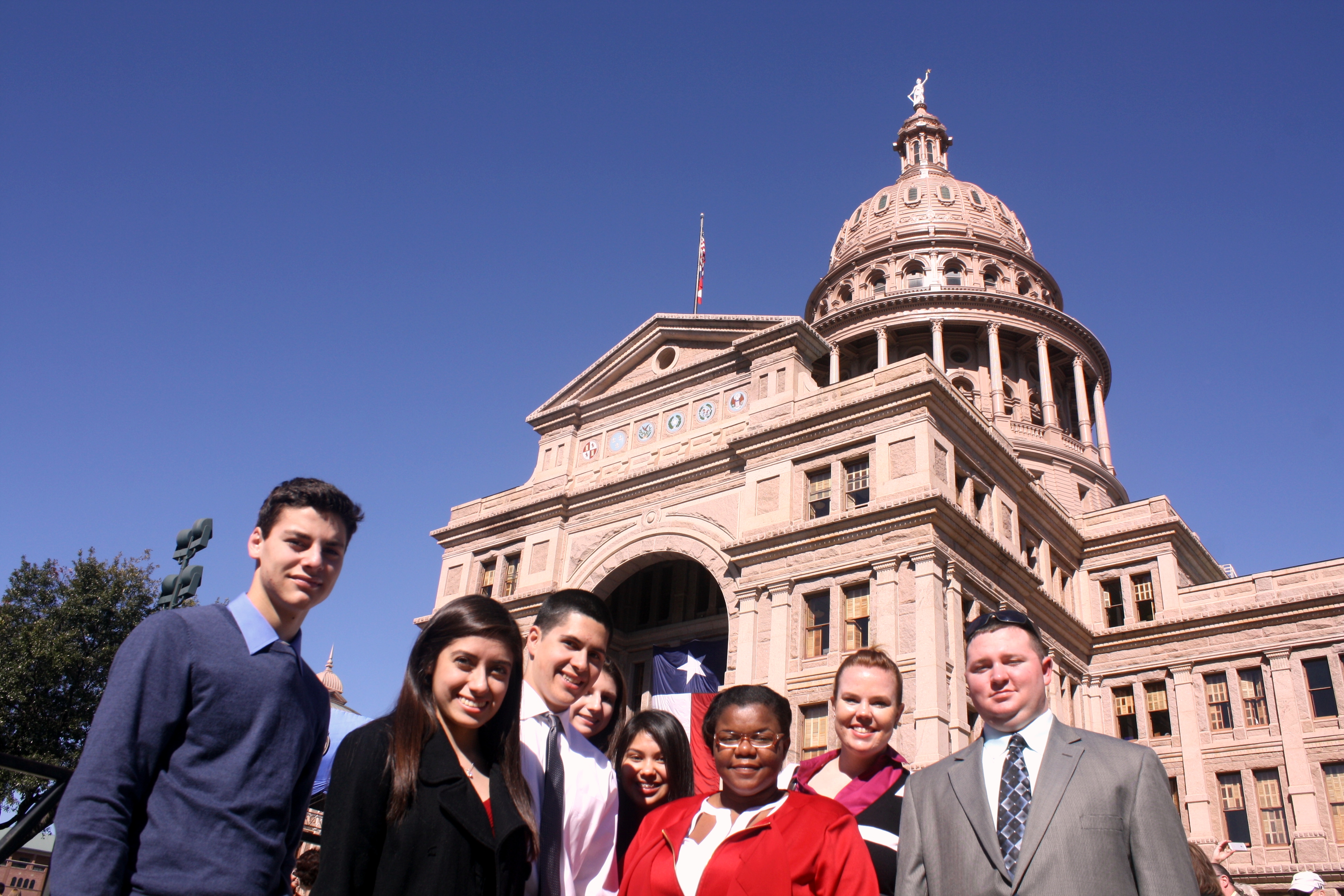
The inauguration was followed by a BBQ on the front lawn. Being a Texas BBQ, it was big—with helpings for 17,000. We ate picnic style in front of our state’s capitol building—what a tale for our kids one day.
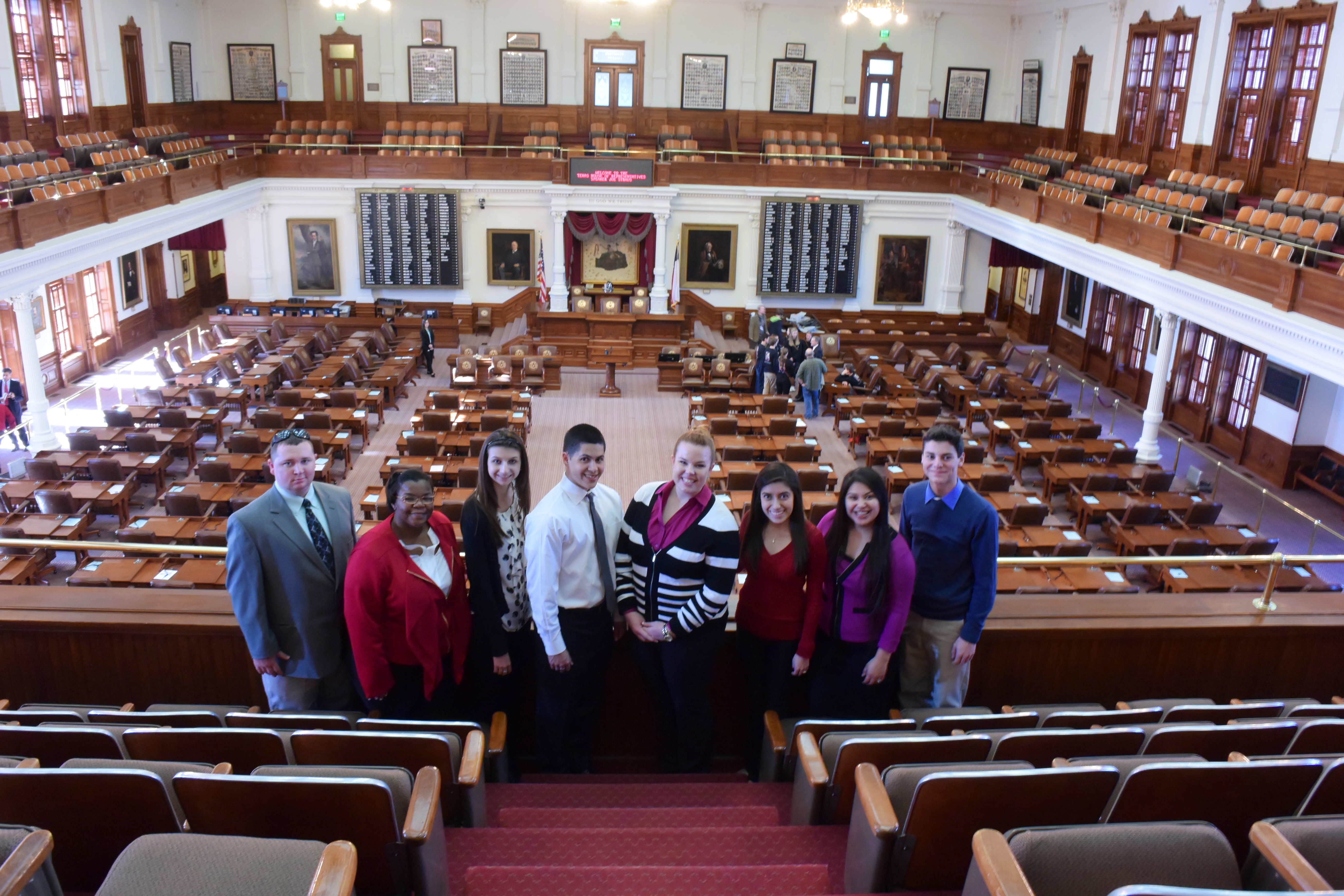
After enjoying the Inaugural Barbecue lunch, we headed into the Capitol building for a quick tour. Awed by the architecture of the building, we noted how intricate many of the details were, such as the door hinges and the ornate wooden molding. We traveled up one of the historic staircases to the second floor to enter the House of Representatives and then the Senate. Since the legislature was not in session today due to the Governor’s Inauguration, visitors were able to admire the chambers.
We also searched among the Governor’s portraits in the rotunda, finding our favorites (Sam Houston, of course!). We also visited the courtroom where the Texas Supreme Court met until 1959 when the Supreme Court moved to a building of its own near the capitol.
We took the opportunity of conveniently being at the Capitol during legislative session to visit some of the legislative interns from Sam Houston. We visited the office of the second-longest serving member of the Texas legislature (Rep. Senfronia Thompson), where Jessica Rodriguez is interning. We also visited Lexi Gonzales in Representative Armando “Mando” Martinez’s office, and stopped by to Melva Gomez and Sadie McLaughlin in Representative John Otto’s office.
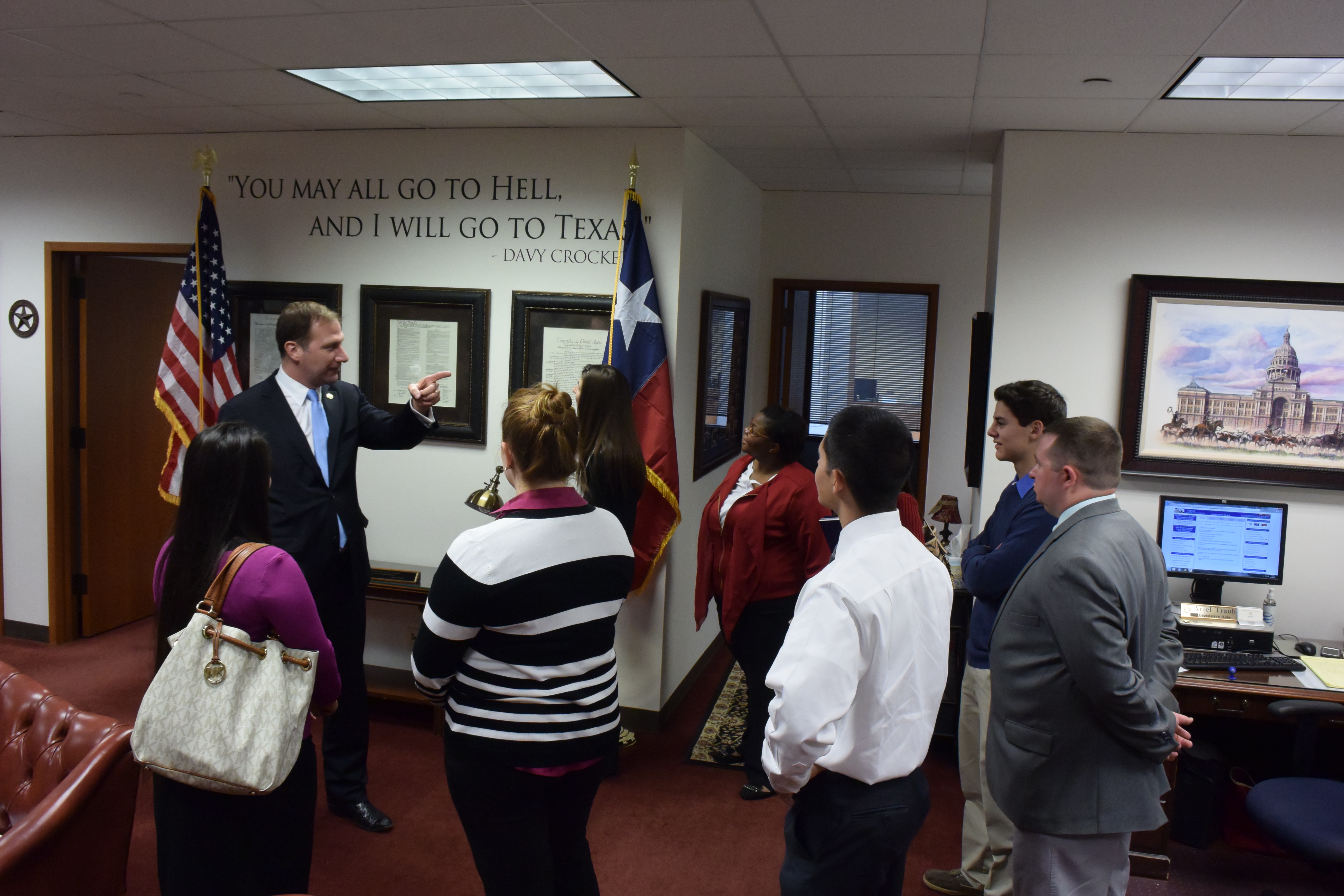
We also stopped by to see Ariel Traub, but she was hobnobbing at the Inaugural Parade, but we were fortunate to get a tour of the office by Senator Charles Schwertner himself! Very personable and friendly, Senator Schwertner was a great person to end our tour of the Texas Capitol and such an awe-inspiring day.
We left the Capitol, sadly, to head back to Sam Houston and Huntsville. On the way out of town we had the chance to stop at Quack’s 43rd Street Bakery. There we re-caffeinated for the drive home and enjoyed some delicious treats, such as their Raspberry Tart and Ginger Crinkle cookies. We then embarked on the three-hour drive home, reminiscing about our fast-paced trip to the Capitol and looking forward to our chances of maybe representing Sam Houston as interns on the hill one day soon.
LEAP Center Students had a great chance to explore international careers as they met with representatives from the State Department, NASA, FBI, and the non-profit organization Pangea. It was a rare chance to get face time with representatives from these groups, and the LEAP Center students were the only college students on hand to take advantage of this opportunity.
Although the students knew much about opportunities with the FBI and the State Department, the students were exposed for the first time to the work of Pangea, which provides resources to women in developing countries. And while the students were familiar with NASA, they hadn’t thought of NASA as an international career option. But after hearing of their hiring practices and the International Space Station, we realized that NASA was not only Interstellar, but also International!
SHSU Students Listen to NASA’s Grier Wilt
Students received numerous tips for how to achieve a career in international affairs, including:
Make good grades
Learn about another culture, by studying abroad, if possible
Learn a second language
Do internships, particularly those with international connections
An advanced degree is preferred but not necessary
Happily, these tips fit right into the LEAP Center’s mission, which is to broaden horizons, stress academics, and gain internships in the professional world.
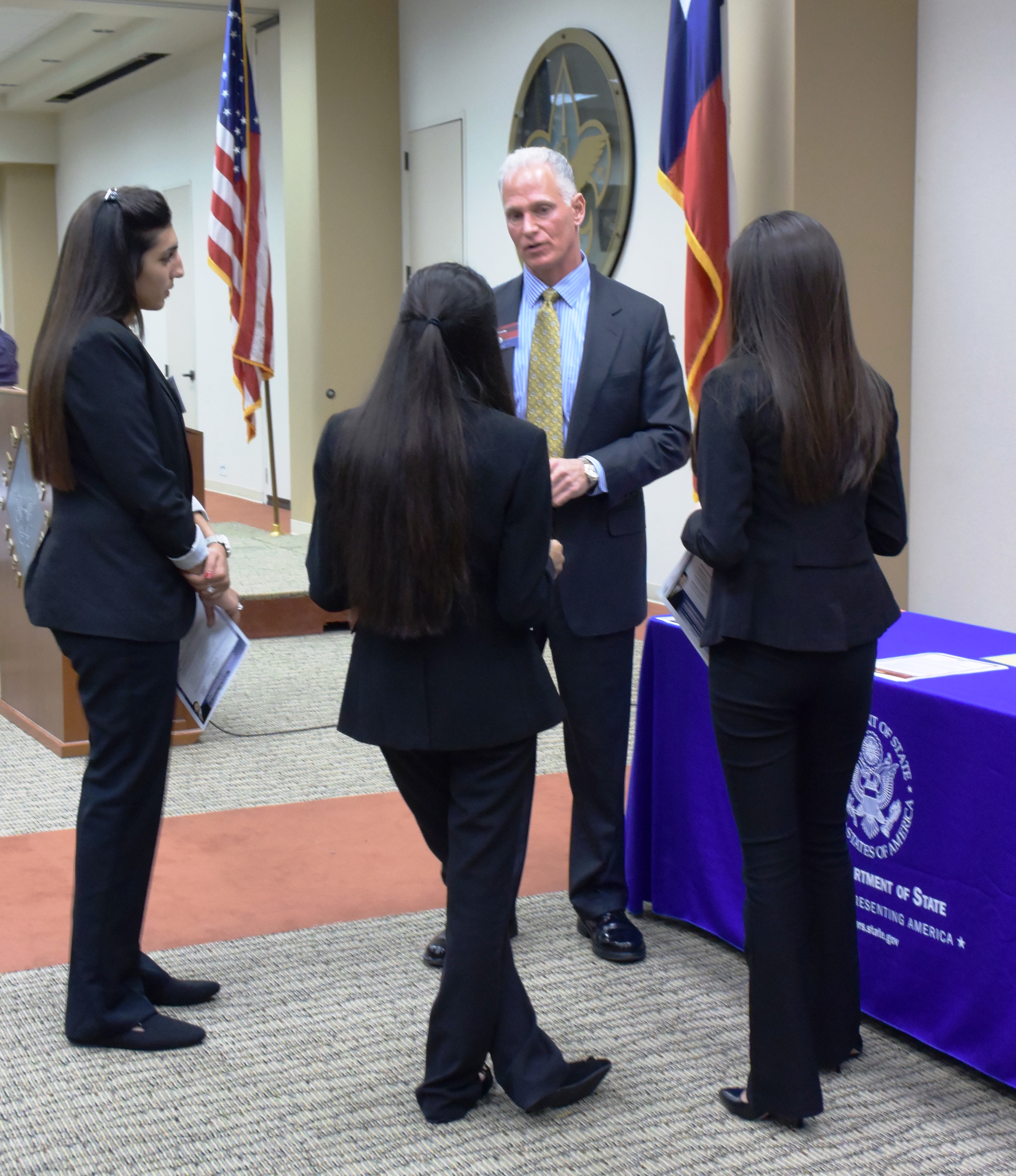
The students spent the bulk of their time with the always generous John Roberts, from the State Department…
John Roberts & LEAP Center Students
…who amplified on these tips, and encouraged the students to apply to the State Department. In fact, he discussed the possibility of coming to SHSU with the hopes of following up and recruiting additional students!
Although she died at the age of 36 in 1962, Marilyn Monroe’s appeal has been both timeless and classic. During her lifetime, her life was the subject of six books, mostly brief works, quickly done to capitalize on her popularity. Since her death, however, there have been some 300 books written about her. Two of these were written by Dr. Carl Rollyson, the LEAP Center’s guest speaker during a screening of “Some Like it Hot” at the Walker Education Center.
Students and local citizens dropped in for a pre-screening reception, where the guests enjoyed cookies, candy, and punch.
Dr. Rollyson was on hand during the reception to sign books…
which included not only the two Marilyn Monroe books, but also a well-received book on Huntsville native Dana Andrews.
Following an introduction by Dr. Rollyson…
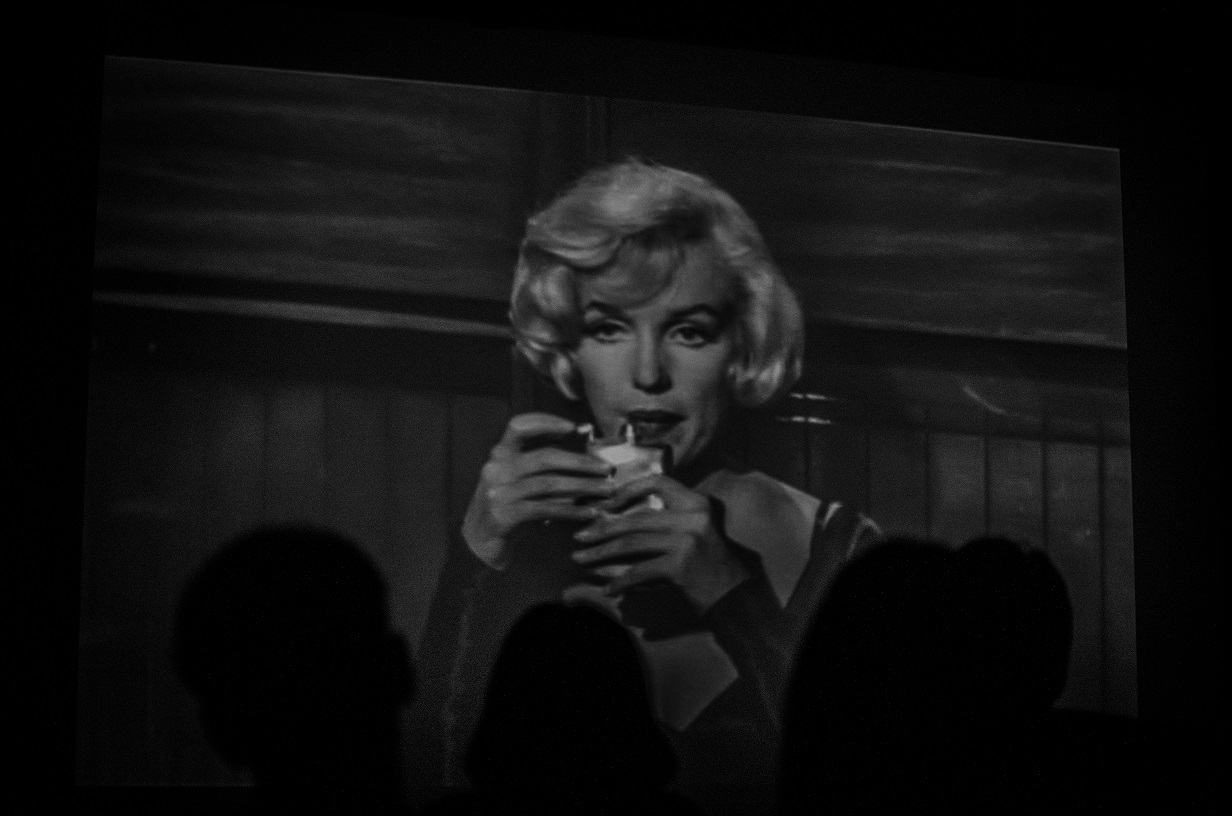
…”Some Like it Hot” proved to be a crowd-pleaser, as it has been for the fifty-five years since its release in 1959. According to the American Film Institute, Some Like it Hot is the greatest film comedy of all time, and with a cast of Monroe, Tony Curtis, Jack Lemmon, George Raft, and Joe E. Brown, some great songs by Monroe, and an enduring appeal, it’s tough to argue with that choice.
The film was directed by Billy Wilder, one of the great Hollywood Directors. In addition to what may be the film industry’s greatest comedy, he also directed what might be the industry’s greatest film noir (Double Indemnity) and one the great romantic comedies (Sabrina) and melodramas (Sunset Boulevard), as well as one of the first films to deal seriously with alcoholism (The Lost Weekend). Some Like it Hot was his second film with Monroe; they previously did The Seven Year Itch; and Wilder knew how to direct Monroe.
Rollyson discussed the reversal motif apparent throughout “Some Like it Hot,” from the gender reversals to the literal reversals that recur throughout the chase scenes.
Most people know that Tony Curtis adopts a Cary Grant persona when wooing Marilyn Monroe, but it may be less known that he also used his Grant impersonation to ask out his most famous Hollywood date: Janet Leigh. According to Leigh in her memoir, Curtis called her up and pretended to be Cary Grant asking for a date. Leigh was speechless, and as she stammered, Curtis revealed the gag. This might be something of a questionable tactic, seemingly setting up the date for a letdown, but it seemed to work for Curtis, who ended up marrying Janet Leigh.
Dr. Rollyson also noted that, while Curtis was doing his Cary Grant impersonation in Some Like it Hot, Jack Lemmon adopted the mannerisms of Joe E. Brown, his co-star (and film love interest!). The introduction added to the enjoyment of an already-enjoyable film.
Following dinner, the group enjoyed dinner and additional conversation at The Homestead. While sampling the Spicy Tomato and Red Pepper Soup and the Fresh Mozzarella and Garlic stuffed Tenderloin Filet, a handshake deal was made to bring Dr. Rollyson back in 2015, when his biography of Walter Brennan will be published. Tune in!
The LEAP Center brought students to the Annenberg Conference Center at the Bush Presidential Library to celebrate the 25th Anniversary of the fall of the Berlin Wall.
Among those on hand was Dr. Jeffrey Engel, Director of SMU’s Director of the Presidential History Center. Although Dr. Engel is a distinguished scholar, he was not the most distinguished person in the room. Within a dozen feet of the students sat former Bush (43) Chief of Staff Andy Card, former Bush (41) National Security Advisor Brent Scowcroft, Barbara Bush, and President George H. W. Bush.
(L-R) Brent Scowcroft, Barbara Bush, President Bush, and Dr. Engel
President Bush received an award for his work in promoting freedom throughout the world…
…and the LEAP Center students received the treat of being in close of proximity of former President Bush.
Although she’s been to numerous Bush Presidential Library events, it was the first time Jessica Rodriguez has seen President Bush. “It was so nice to be able to see him. It was particularly nice to have a lecture on presidential history while sitting next to one of history’s makers. I enjoyed it very much.”
It was the fifth president Rodriguez has met while at SHSU while participating in LEAP Center events.
David Berg has been an attorney for more than four decades, becoming an internationally renowned specialist in white-collar crimes. But as he became more successful legally, he found himself reflecting more on the death of his brother, which occurred when he was a fledgeling Houston attorney in 1968. Alan Berg was killed, according to David, by Charles Harrelson (the father of Woody Harrelson) but never convicted.
David revisited the events leading up to the murder in his non-fiction book, “Run, Brother, Run,” which received very favorable reviews by the New York Times, the Christian Science Monitor, NPR, and others. He also dropped by SHSU to discuss the book and the murder with SHSU faculty, staff, students, and local citizens.
David Berg Speaking at SHSU
Berg mixed his presentation with a discussion of crime, law, family relationships, and boom days of Houston, Texas, providing substance for everyone in the audience. Many in the crowd had their own recollections of Harrelson, who spent time in Trinity and Huntsville (in and out of prison). Eventually, Harrelson was convicted of murdering Judge John Wood in San Antonio in 1979. It was the first assassination of a federal judge in the 20th century.
Afterward, Berg spent time speaking with the crowd, giving encouragement to pre-law students…
Today was the second day of the 2014 Film & History Conference. As yesterday, the featured panels were many, and the titles all appeared to be interesting topics. What appealed to me the most was a panel titled “Jimmy Stewart for president and Ronald Reagan for best friend: Star Image and Political Campaigning,” by Amit Patel. Amit began his presentation by introducing Ronald Reagan’s initial career as a B movie star. In fact, he starred in low-budget films such as Love is on the Air and Santa Fe Trail. In 1942, the film Kings Row finally gave him some recognition as a movie “star.” Interestingly, Reagan was initially a Democrat, but later switched to the Republican party. In 1976, he embarked in a campaign for the Republican presidential nomination against incumbent Gerald Ford. Amit focused on Ronald Reagan’s use of Jimmy Stewart in his campaign. In fact, Stewart strongly supported Reagan, and even participated in a political ad were he stated that Ronald Reagan was his friend, therefore, the American public should vote for him. Reagan lost the nomination, but campaigned again in 1980, and became president. I thought it was an interesting panel because a candidate’s image is probably the most important thing during a campaign, and if the candidate was a known public figure beforehand then that plays in his favor. In addition, the use of famous actors or public figures to support a political candidate is common nowadays, and it is interesting that it was used in Reagan’s campaign, too.
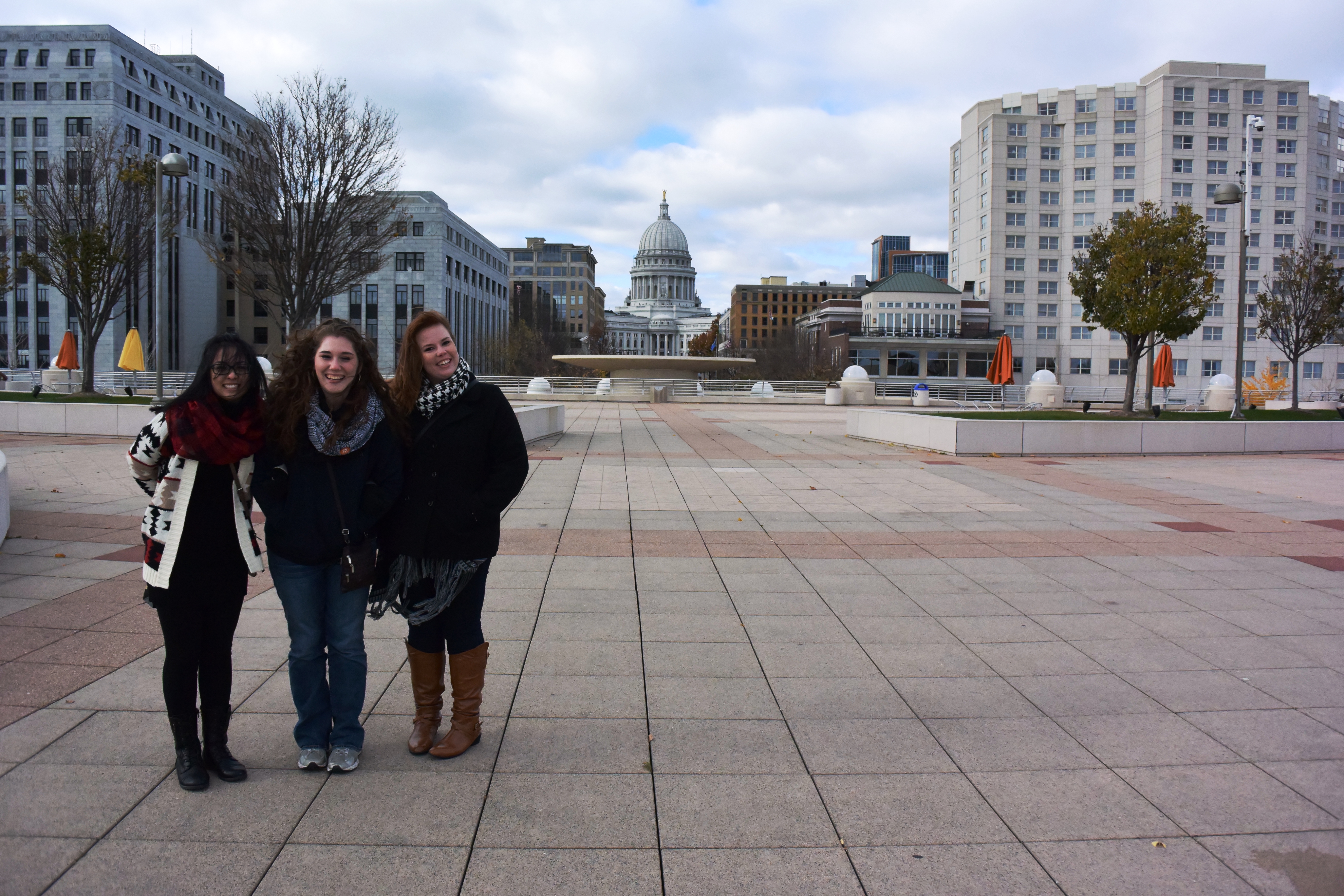
After attending the Film & History Conference, in the morning, we headed to the Wisconsin State Capitol, in Madison.
Wisconsin Capitol Building
A tour guide showed us the most important features of the Capitol, and shared the details of its construction. What interested me most was that Madison had previously had other two state capitols, but they both burned down. The second time around, the Capitol had recently discontinued its fire insurance, so the state did not have enough money to rebuild it. Ingeniously, the state had the idea to tax railroads that were passing through Wisconsin at the time, and with that revenue, they rebuilt the Capitol between 1906 and 1917. The architecture of the capitol is mesmerizing, featuring marble from many different countries, such as Greece, Italy, France, and Germany, as well as some beautiful mosaics.
Wisconsin Capitol, Interior
Perhaps most interesting, the capitol staff apparently have a very liberal speech code in the building. Numerous exhibits were posted around the capitol rotunda protesting the performance of Governor Scott Walker, and one impressively vocal protester’s shouts could be heard throughout the building.
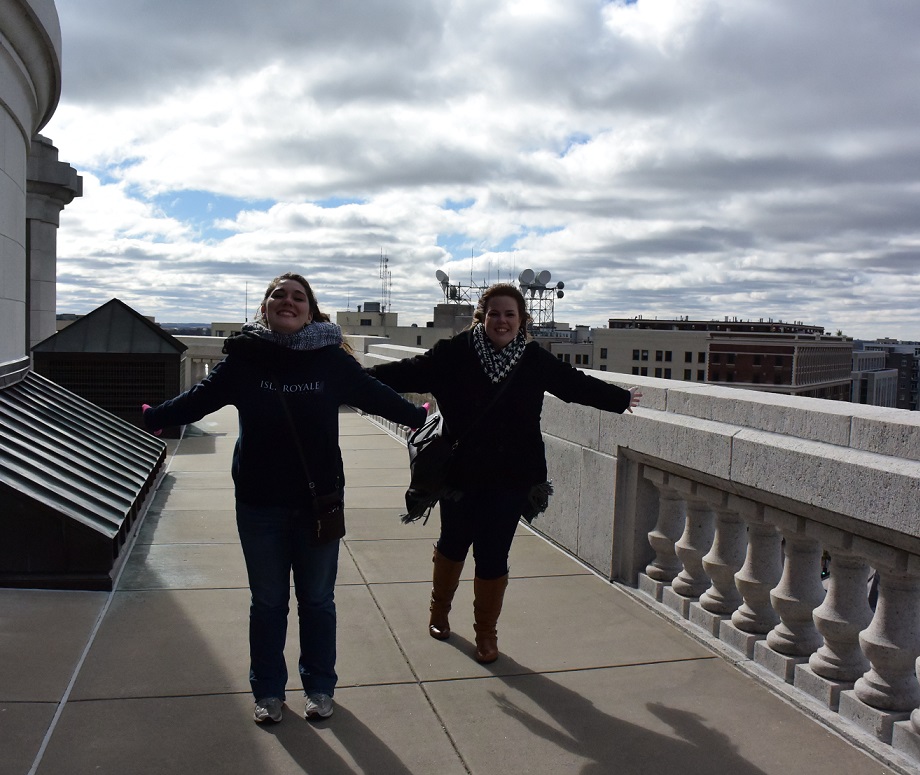
After the tour, we decided to go to the observation deck at the top of the building, and experienced true cold for the first time on our trip.
The winds were so strong that it was hard even to close the door behind us. Nonetheless, it was worth it because the view was beautiful.
Leaving the Capitol, we took a stroll in the brisk Wisconsin air to find ourselves some nourishing lunch. We finally settled on Marigold’s, a local deli, where we reveled in the many options available. Among the delights we delved into were lavender white mocha and grilled ham and cheese with a hint of strawberry jelly. Packed with locals, Marigold’s was definitely a winner.
Out into the invigorating weather we went again to make our way to another of Frank Lloyd Wright’s masterpieces, the Monona Terrace. Opened in 1997, the Terrace was built posthumously and served as the cause of much strife and contention during his career. Using Wright’s design of the exterior, Wisconsin contractor J. J. Findorff and Son Inc. carried out the great architect’s dream, while his previous apprentice, Anthony Puttnam, designed the interior.
Once inside Madison’s event center, we explored the gift shop full of Wright memorabilia before embarking on a tour with guide, John.
Frank Lloyd Wright Bust
Pointing out certain Wrightian things, such as the dome on the west side of the building and the arches in the grand ballroom, John proved to be a formidable docent as he never ran out of interesting facts and stories to regale. Braving the gusty winds, we had the chance to view Lake Monona, which Monona Terrace balances precariously over, thanks to the intricacies of Wright’s design.
Awed by the view and many selfies taken, we headed inside to embrace the warmth it offered and finish our tour.
Seeing it was getting late, we rushed back to the car in order to make it to a few last minute shops, original to Madison. Among those, we re-caffeinated and browsed a wonderful cheese boutique, Fomagination. Overwhelmed by the many options and tastes, we took in Wisconsin’s finest and tried to contain our enthusiasm at all that was available. It was incredibly exciting to see so many things unavailable in the great state of Texas. We loaded up on cheeses and cheese accessories before tumbling back into the car to begin the final leg of our trip.
We admired the beautiful fall landscape of Wisconsin; the rolling hills and deep yellows, greens, and reds created the perfect ambiance for our drive to Dubuque, Iowa. There, we enjoyed the Fenelon Place Elevator, or Dubuque Incline, claimed to be the shortest and steepest railroad in the world.
Gripping the seats…
…up we went on the side of the hill to eventually reach one of the most inspiring views of the trip so far. Known as “the magic hour” in film circles, we caught the sun setting on the horizon, creating beautiful red and orange tones in the sky and on the trees off in the distance.
Proud to say we had viewed three states at once (Iowa, Illinois, and Wisconsin) from the top of the incline, we got back in the cable car built in 1882 to return to our vehicle and carry on to the next leg of the journey.
After a short drive, we arrived at our final destinations: The John and Mary Pappajohn Sculpture Park and the Des Moines capitol building. The 4.4-acre sculpture garden is unique and home to 28 sculptures from 22 different artists. Various paved paths provided a route for us to take through the garden, however, curiosity and the lure of new art, propelled us forward.
Man of Letters, Jaume Plensa
Many of the sculptures were created by artists that were foreign to us, however, one sculpture in particular provided us with the comfort of familiarity: Painted Steel by Mark Di Suvero. Di Suvero also has an art piece called “Proverb” in Dallas, Texas, which we were able to relate to. “Painted Steel” was made out of steel and painted in the same red that “Proverb” is painted. Both statues have similar characteristics, but varying dimensions and structure.
Another interesting sculpture that we saw was, “Back of Snowman (Black)” and “Back of Snowman (White).” These sculptures were created by artist Gary Hume and were located side-by-side in the middle of the park and held a spectacular gleam given off from the surrounding lights. Each of the statues consisted of two round pieces of bronze covered in enamel, one in white enamel and one in black. These statues were especially appealing because each round piece of bronze was perfectly symmetrical and smooth, giving the piece a unique trait of looking seamlessly perfect.
The last sculpture that really caught our eye and our interest was “The Thinker on a Rocky” created by Barry Flanagan. This piece was a large rabbit sitting upon a boulder in the same pose as Rodin’s “The Thinker.” The piece was clearly a satire on Rodin’s famous statue, which only added to its appeal!
While the statue garden was a fantastic experience, we had to continue our night and head to the Des Moines capitol building. The Renaissance style capitol, designed by John Cochrane and Fred Piquenard, was absolutely stunning! The capitol building featured a 23 carat gold dome in the middle of the building and was accompanied by two smaller domes on either side of the building. The capitol took expansive resources and large amounts of time to build and open to the public. The building took fifteen years and a staggering amount of $2,873,294.59 to complete. On June 29,1886, the capitol was ready to be open for use!
Iowa Capitol
Both the capitol and the sculpture garden trips were the perfect ending to day five of the trip!

 Indeed, Secretary Jacobson recently returned from historic talks in Cuba, becoming the highest-ranking official to visit Cuba in 40 years. Her visit included an exchange with dissidents, a meeting that drew criticism from Cuba’s leaders, but which was part of a larger odyssey to thawing relations with its Communist neighbor.











 Center for Law, Engagement, and Politics