This was–we thought–our last day, and we were determined to enjoy it! In that spirit, we had planned out a day of history and art, with a tour of the Virginia Museum of Fine Arts, the Capitol, the Old City Hall, the Edgar Allan Poe Museum, and some interesting restaurants.
Lehja Indian Restaurant
Saara Maknojia
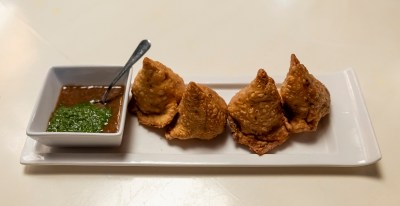
Keeping our streak alive of eating at (affordable) James Beard nominated restaurants, LEAP Ambassadors stopped by Lehja, a contemporary take on Indian food. Indian food is not a foreign concept for the Ambassadors so knowing the classics we ordered a plate of aloo (potato) samosas.
For a change we also experienced a new dish, as our server recommended the Chef’s Daily Selection, Chaat Du Jou. The chaat consisted of flashed fried curry leaves with various species, topped with a tangy tamarind yogurt chutney, paired with refreshing pomegranate seeds. Although both appetizers were tasty, the consensus favored the Chaat Du Jou!

Olivia, being the biryani connoisseur, ordered the classic chicken biryani, which is additionally paired with raita, a spiced yogurt sauce.

Bringing out the contemporary aspect of Lehja, Cinthia and Michelle ordered a plate of Tandoori Chicken Tikka. Traditionally, chicken thighs are marinated in yogurt with various tandoori spiced to bring out a smoked flavor when grilled. Lehja, however uses chicken breasts and serves with a platter of grilled market vegetables. To my surprise Cinthia, who is not the biggest fan of spicy food enjoyed the chicken tikka without breaking a sweat.

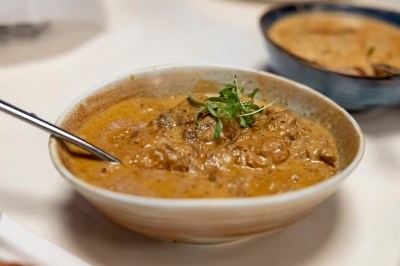
The Regional Classics for Lehja’s include various curry dishes. I found the Kofta Chaman Dilkhush appetizing, mainly because the term “Dilkhush” refers to a happy heart and what better way to leave a restaurant than with a happy heart! The vegetable kofta’s in this dish were perfectly fried with a soft potato filling, complementing the cashew-tomato curry base. Kicking the spice level up a notch, I found spice level three to best for this hearty meal.
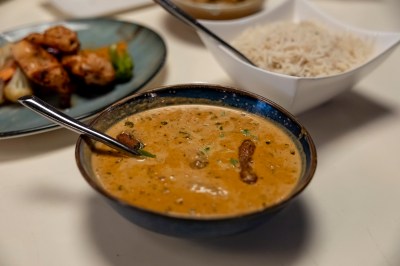
Professor Yawn and Stephanie also tried a Regional Classic dish, the spicy garlic, ginger, and chilly based curry included tender goat meat which fell right off the bone. Eating the meal in a traditional Indian fashion way, we shared our entrees with each other to fully taste the flavor spectrum and enjoy the company of one another.
Eating Indian food always makes me personally happy, but it is always a much better experience when those around you have the willingness to try new foods to enhance their understanding of cultures, apart from theirs. Lehja’s serves its purpose as a contemporary Indian restaurant but also keeps its traditional roots with the hospitality given to us during our visit. We are grateful to have a shared experience at yet another James Beard nominated restaurant.
Virginia State Capitol Building
by Saara Maknojia
Marking off yet another Capitol building, LEAP Ambassadors spent the afternoon touring the Virginia State Capitol. Rich with history, the Virginia Capitol reflects the vision of Thomas Jefferson, who was the primary architect for the structure.

Our tour guide, Mrs. Snellings, took us through the Museum, showcasing the wonderful architecture, functions, and art. In the Rotunda, is a Jean-Antoine Houdon sculpture of George Washington.

This sculpture is considered the best likeness of Washington. Houdon took a plaster cast of the first President’s face and exact measurements of his body–no other statue of Washington reflects this level of detail.
We had a chance to peek into the House Chambers…

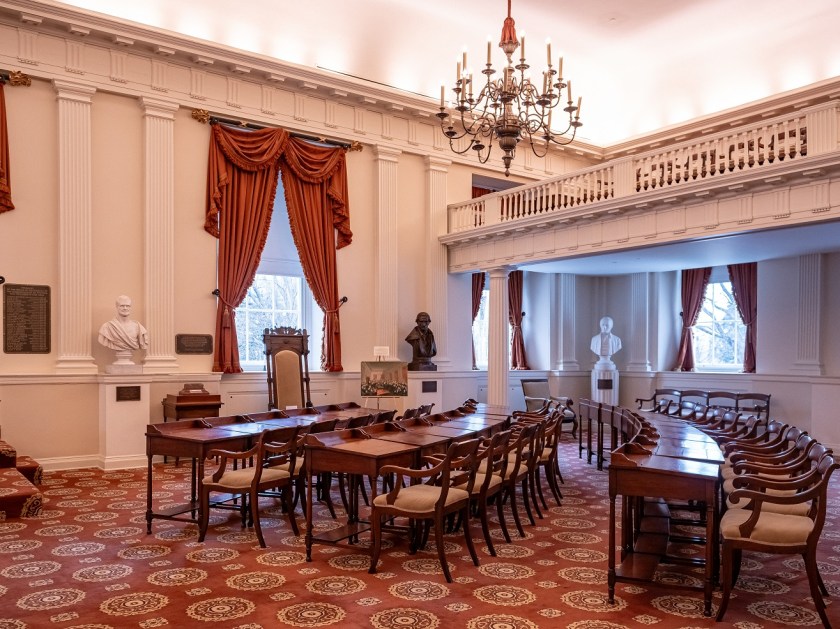
…and we also had a chance to visit, and spend more time in, the Old House Chambers, the largest room in the structure.
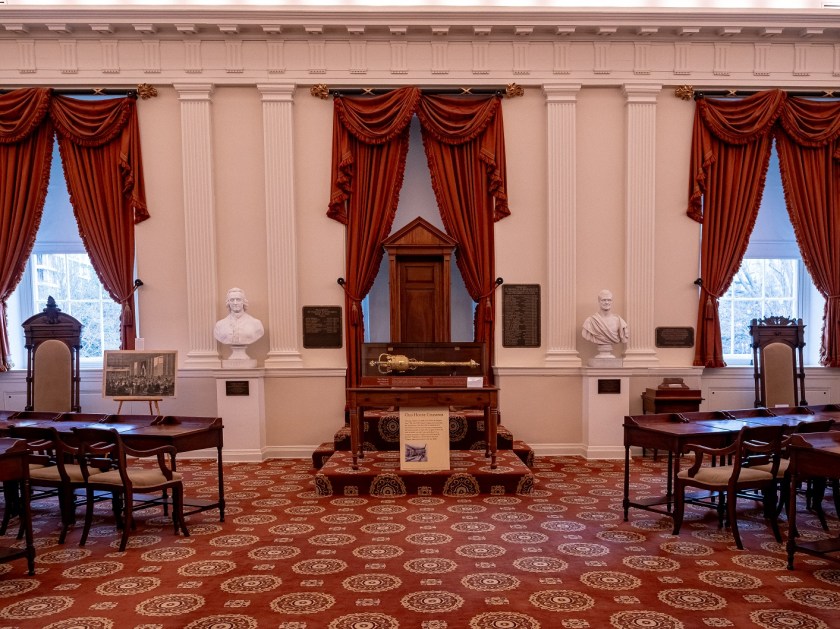
The center of the room features a ten-pound mace, made from solid silver with a 24-karat gold finish. Also gracing the room are busts of Chief Justice John Marshall and Patrick Henry, both of whom served in the VA House of Delegates.
On the opposite side of the room out of reach of our cameras, are busts of Sam Houston (who was born in Virginia) and Cyrus Hall McCormick (born in the same county as Sam Houston!).
This room also hosted the 1807 trial of Aron Burr, who was charged with treason. As Chief Justice of the United States Supreme Court, John Marshall returned to the building in which he once served as Representative, and he presided over the trial.
Walking into the Old Senate Chambers, we noticed many artworks on the walls. One piece that Mrs. Snellings highlighted was a painting of Pocahontas.

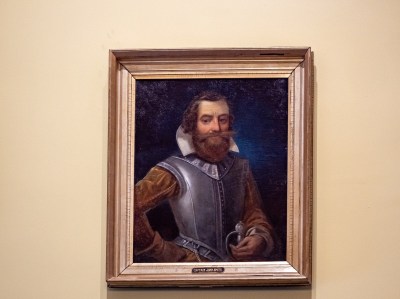
She explained the true history behind her story, correcting the common myth that Pocahontas was married to Captain John Smith (also pictured in the room).
In fact, she was married to John Rolfe, a tobacco planter.
Next, Mrs. Snellings directed our attention to the back of the room, where she pointed at a painting by Griffith Bailey Coale. The painting depicted three ships: the Susan Constant, the Godspeed, and the Discovery. Mrs. Snellings explained that this scene represented the arrival of these ships in 1607, marking the beginning of the first permanent English settlement in America at Jamestown, Virginia. She pointed out the flags atop the ships, noting that they symbolized the United Kingdom.

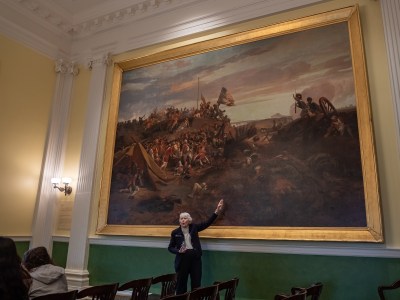
The largest painting in the room, by Eugene Louis Lami titled Storming a Redoubt at Yorktown captures the Battle of Yorktown 1781, as British Troops approach the American forces. Mrs. Snellings pointed to a small figure in the painting and asked if we had any guesses for who it might be. After waiting for a response, she exclaimed with excitement, “It’s General George Washington!”
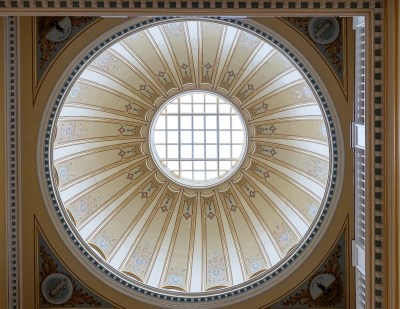
The architectural features of the building were beautiful, from the central rotunda…
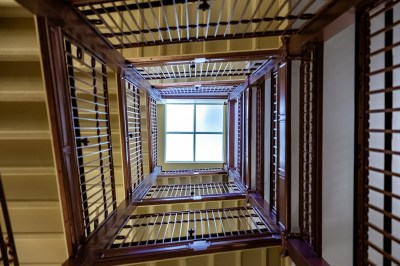
…and the stairwell, which at one time, housed a steam-powered elevator.
Although our time at the Capitol was brief, we left with a valuable history lesson about the foundations of American democracy and the fight for independence! We would like to thank our tour guide, Mrs. Snellings, for providing a fantastic tour and sharing insights that many of us had not known before.

Old City Hall
Also on the Capitol Square–with the Capitol and Executive Mansion–is the old City Hall, a Gothic Revival Structure built in 1894.

For more than seven centuries, it housed city offices and courts, but as early as the 1920s, there were calls to tear down this beautiful structure and replace it with a more modern city hall. These calls were partially heeded in the 1970s, when a new City Hall was built, but, thankfully, the Historic Richmond Foundation led efforts to save it. The structure re-opened in the 1980s and in the 2010s, the building was restored to its original look–a restoration that required approval from the Virginia Department of Historic Resources, Architecture Review Board, and Capitol Square Preservation Council.
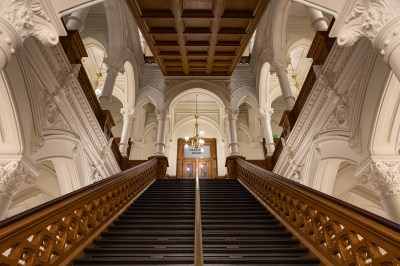
At 30,000 square feet, it remains the largest granite building in Richmond, while also being the city’s finest example of Gothic architecture.
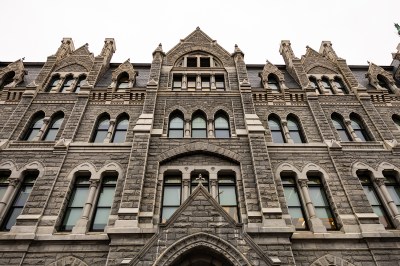
It was designed by architect Elijah Myers, who also designed the TX Capitol building (where three of the LEAP Ambassadors currently work) and the Colorado Capitol Building (which two of the Ambassadors will visit in March), as well as the capitol buildings of Utah, Idaho, and Michigan.
Today, the structure is used for state offices, and only the first floor is accessible to visitors.

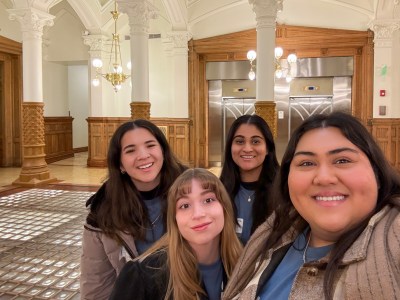
But even a restricted visit is worth it for the view of the impressive clock tower on the exterior of the building, the four-story atrium…

…detailed faux-graining of the bases of the Corinthian columns…

…and the exquisite detailing of the interior.
Virginia Museum of Fine Arts
by Michelle Cardenas
The Virginia Museum of Fine Arts (VMFA) offered an experience that was both exciting and full of discovery. Originally opened in 1936, the museum has continued to evolve, with a major renovation in 2010 and plans for further expansion to accommodate even more incredible works of art. The museum’s location carries historical significance as well, sitting on what was once a Confederate camp, adding another layer of depth to our visit.
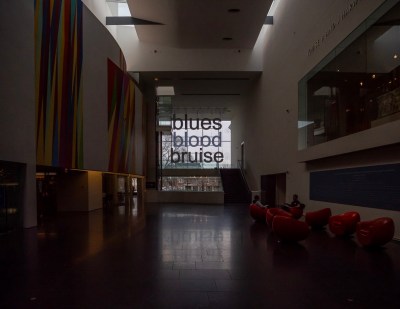
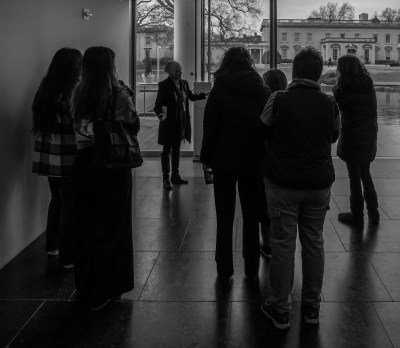
Instead of our usual self-guided exploration, we opted for a highlights tour, which provided an excellent overview of the museum’s diverse collection. Before even stepping inside, we were captivated by the stunning outdoor sculptures by renowned artists such as Dale Chihuly and Henry Moore, which set the tone for what was to come.
One of the standout sections for me was the American Art collection, where I was particularly drawn to Moonlight in Yosemite by Albert Bierstadt. Seeing one of his pieces with muted colors–almost black and white in places–was unexpected and fascinating, offering a different perspective on his usual style.

Another highlight was the Fabergé collection, featuring beautifully intricate Easter eggs that showcased incredible craftsmanship and history.

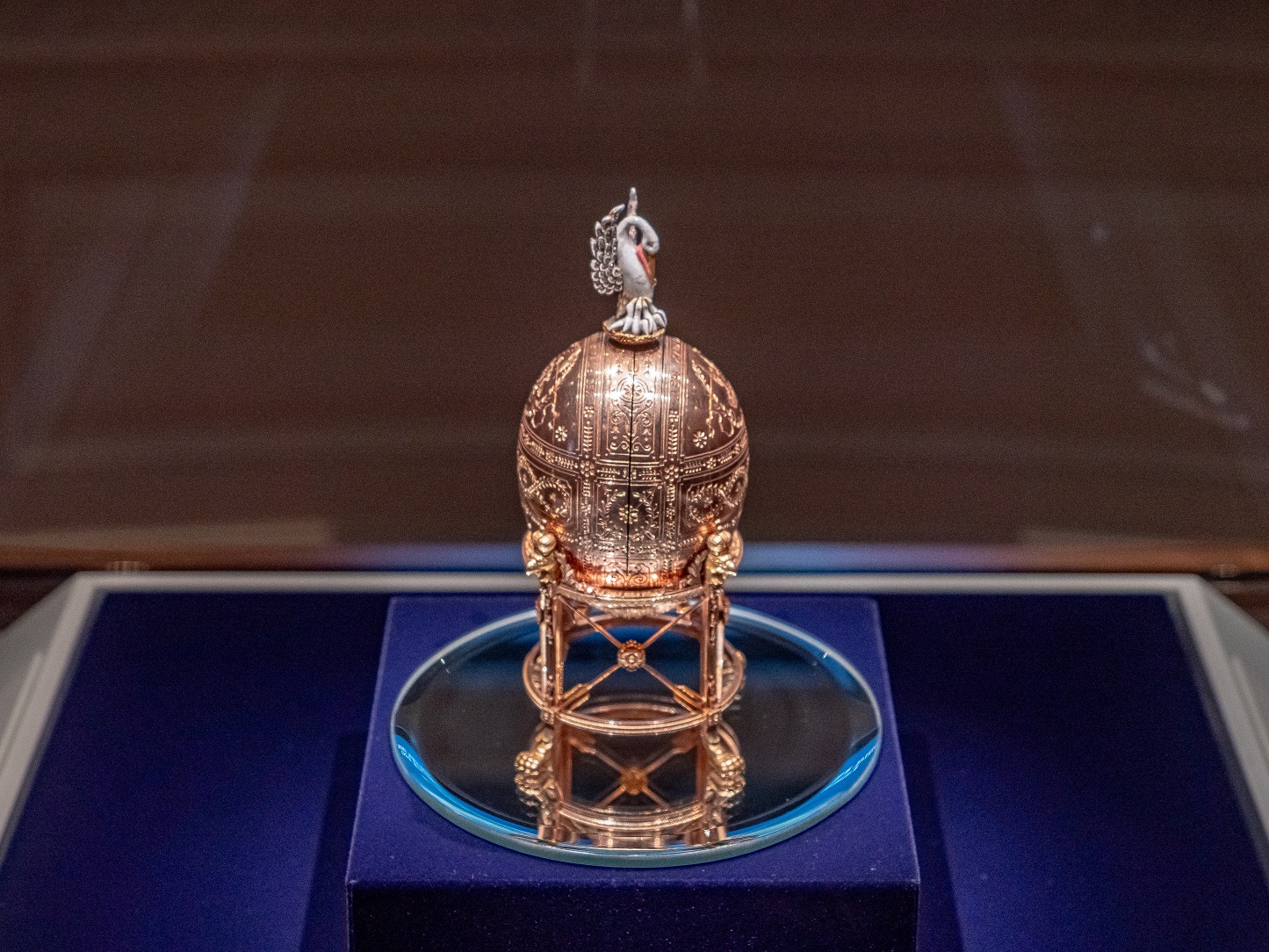
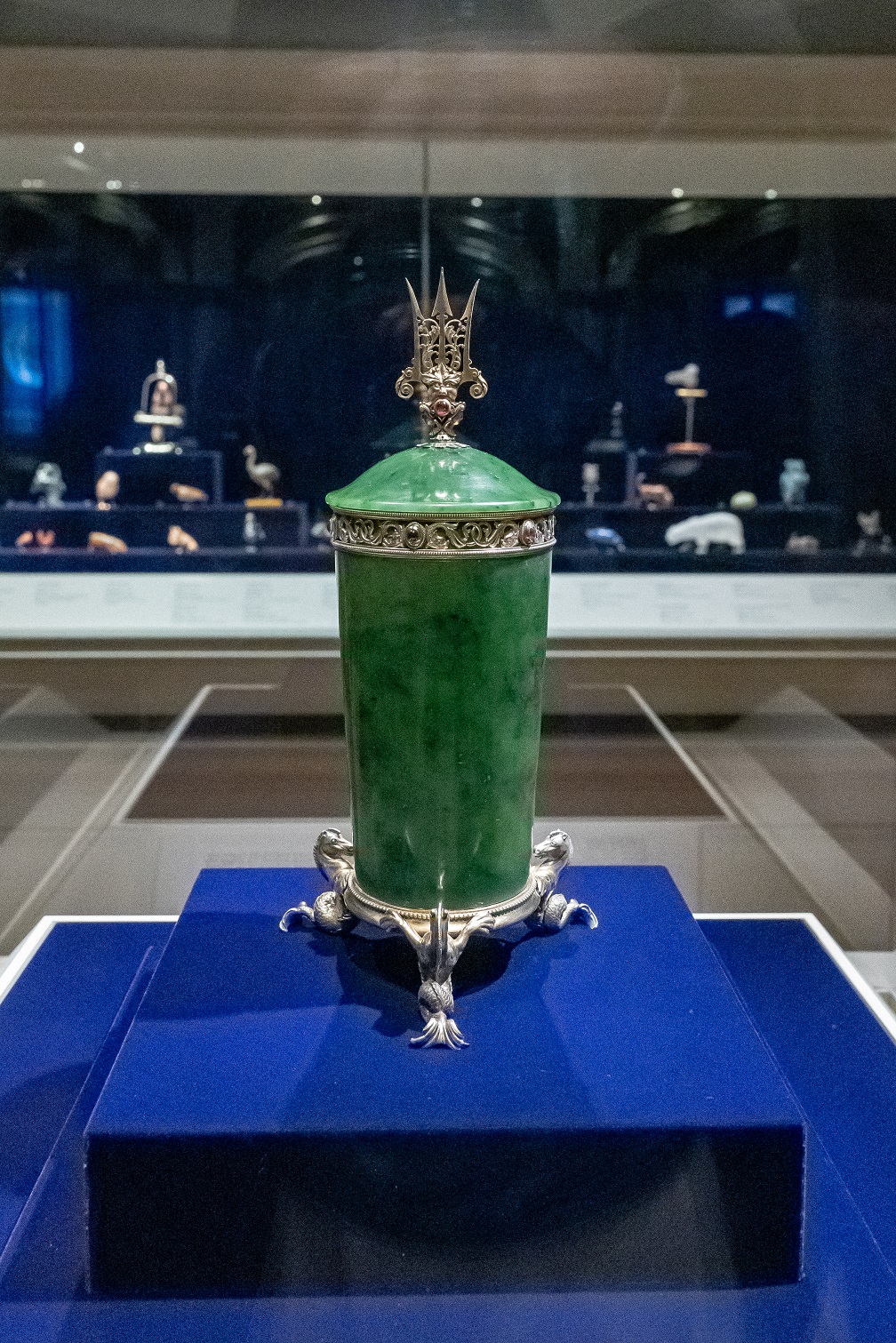
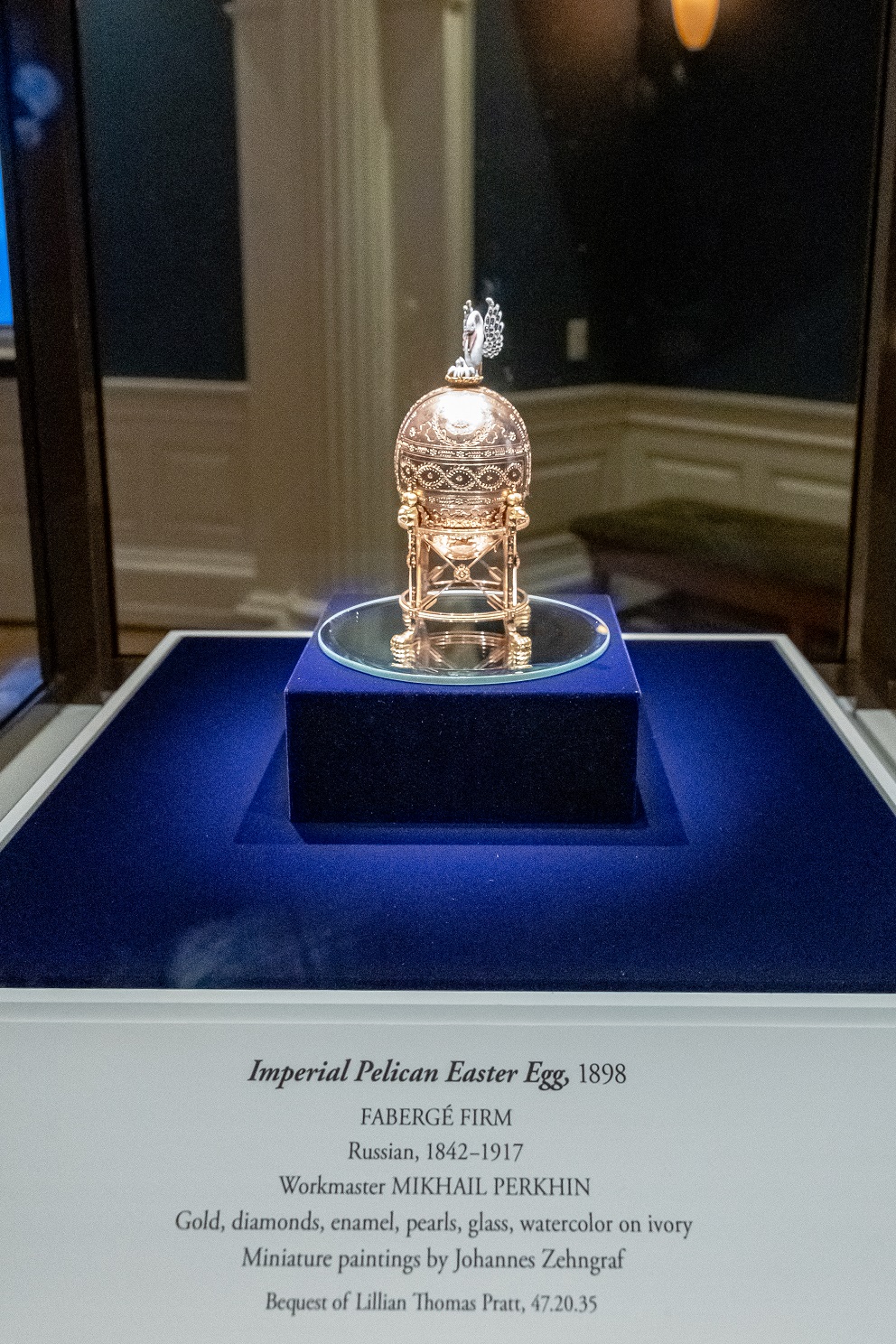
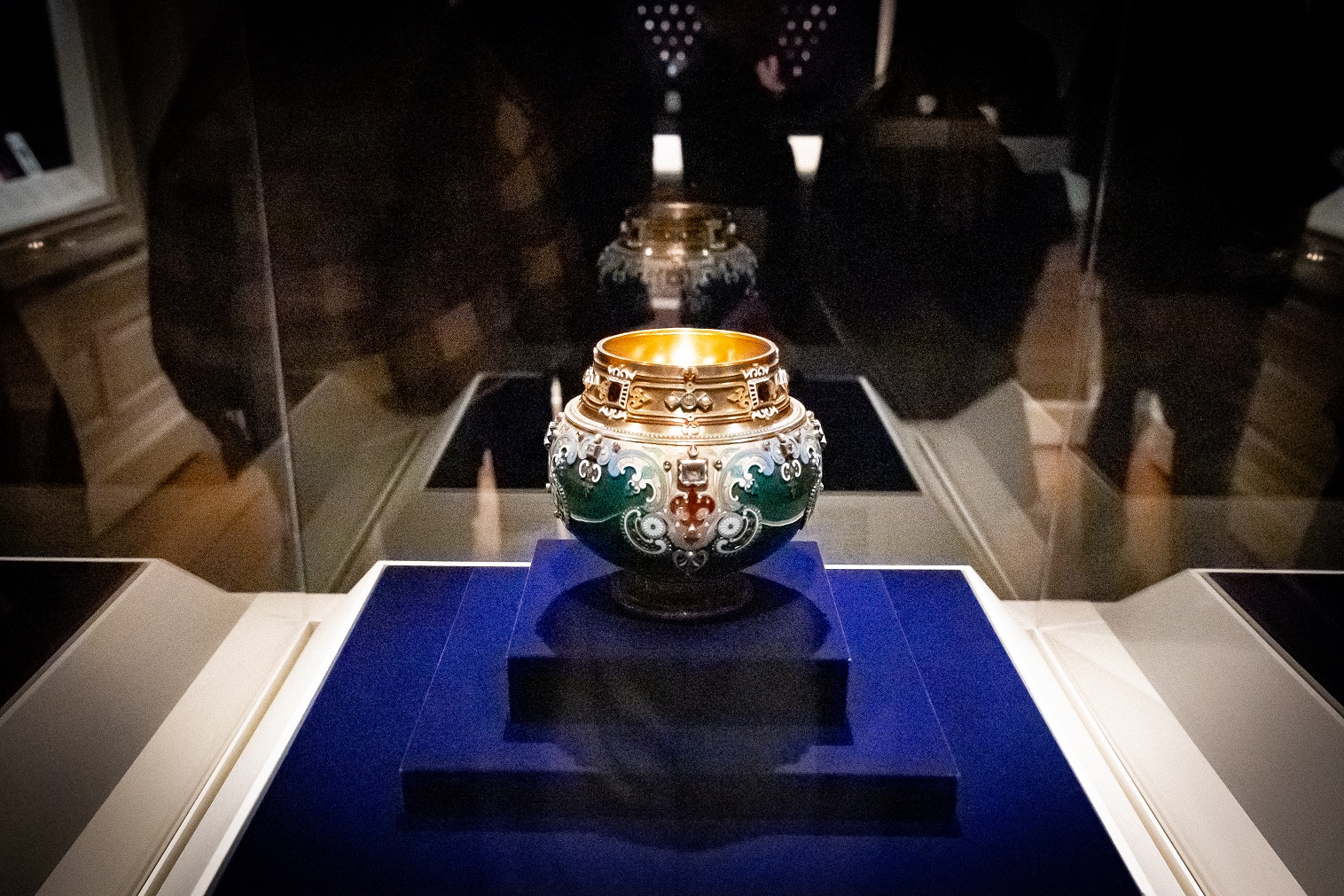
As we continued through the museum, we encountered works by well-known artists such as John Roberts, Kehinde Wiley, Ellsworth Kelly, Andy Warhol, Van Gogh, Degas, and Monet. Recognizing these names and seeing their masterpieces up close is incredibly rewarding—especially when I think back to when I first started and hardly knew any artists at all.
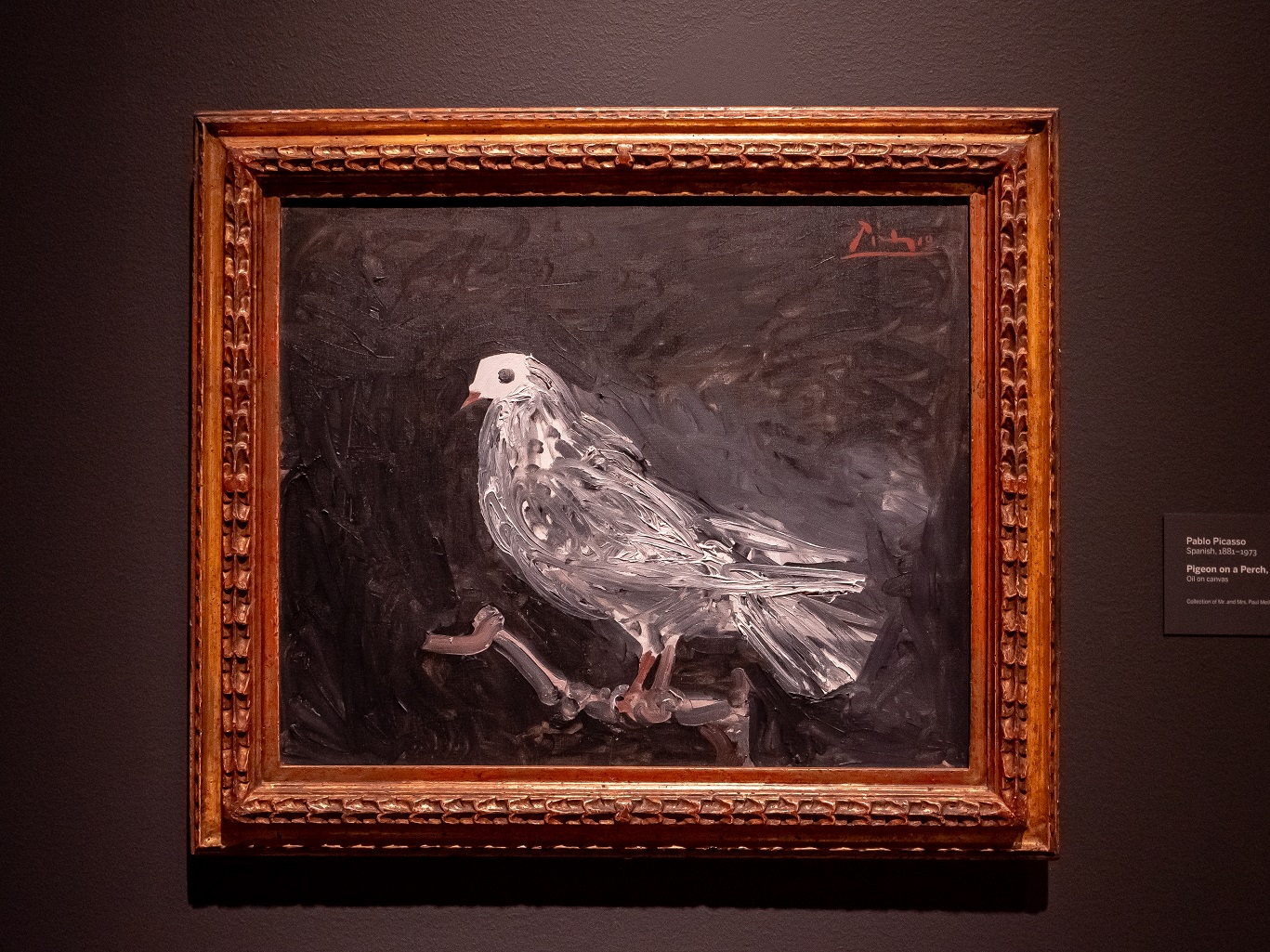
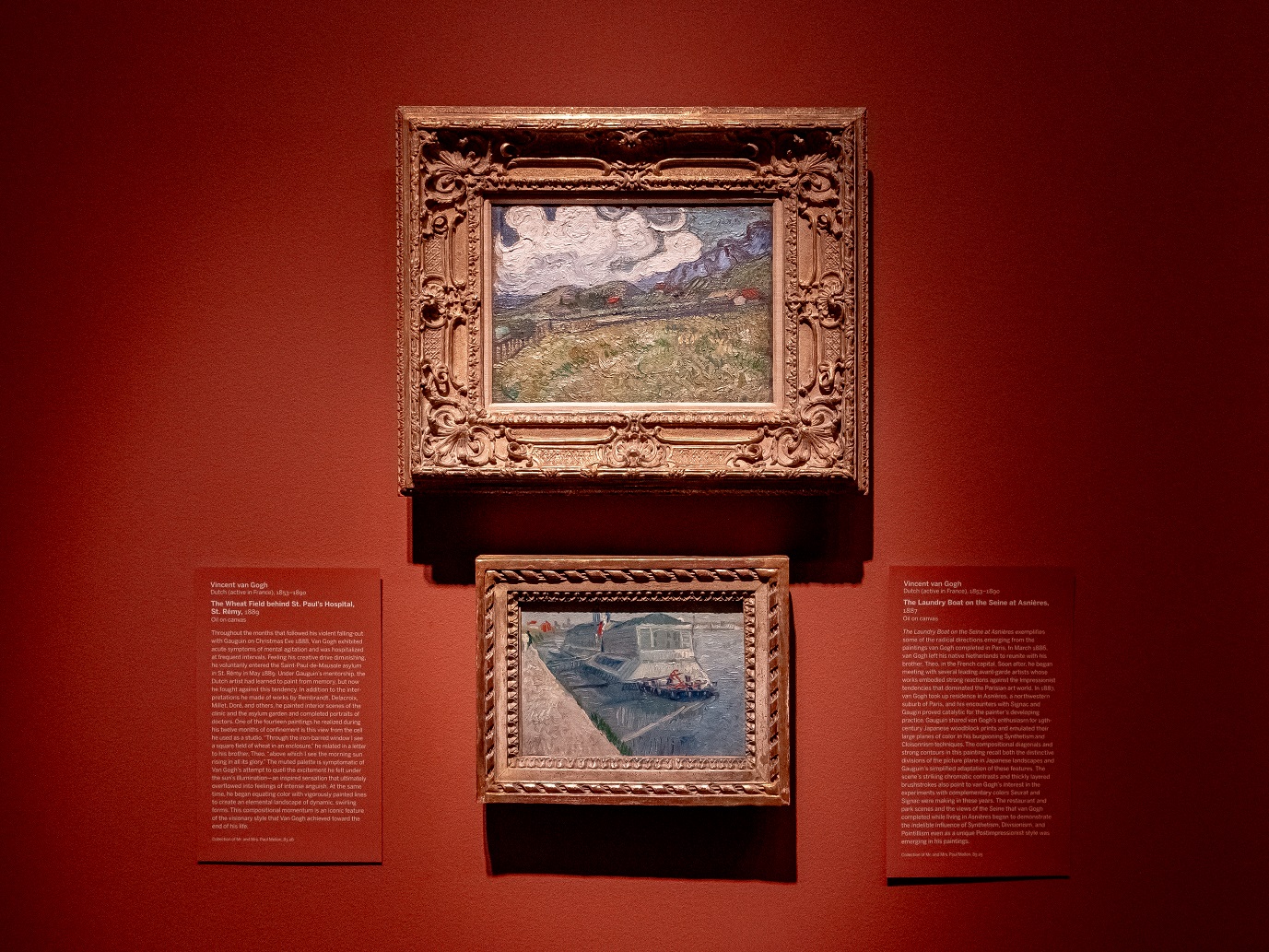


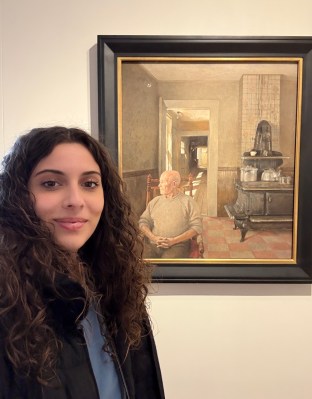
Each of us found pieces that resonated on a personal level. Cinthia was drawn to Edward Hopper’s House at Dusk, appreciating its quiet and reflective atmosphere. Olivia enjoyed the works of Andrew Wyeth, admiring his detailed and emotional portrayals.
Saara was captivated by Edwin Lord Weeks’ The Hour of Prayer at Moti Masjid…

…which stood out due to its rich colors and cultural depth. Chrissy’s favorite was John Singer Sargent’s The Sketchers, which impressed her with its lively and spontaneous feel.
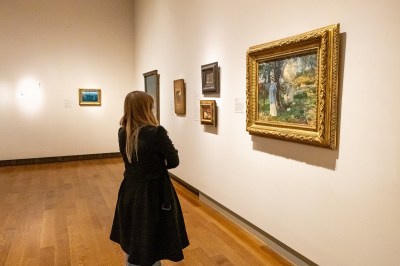
Visiting museums like the VMFA is always a rewarding experience. No matter how many we explore, there’s always something new to learn and appreciate. Each visit offers a chance to see the world through different perspectives, and we’re grateful for the opportunity to continue discovering and growing through art.

The Poe Museum
by Chrissy Biello
Mystery, Madness, and Mayhem, three words that many would use to describe Edgar Allan Poe. Nevermore, that might not be the full story….
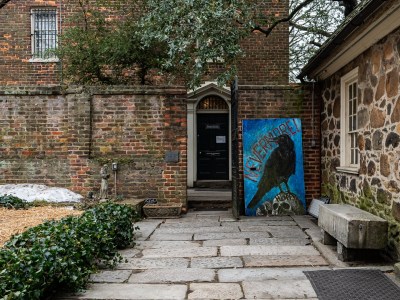
Edgar Allan Poe is known by many as an American short story writer and poet. His themes largely center around darkness, such as death, despair, and fear. He is widely credited with pioneering the modern detective story and significantly contributing to the emerging genre of science fiction.

Today, we had the chance to visit his home in Virginia, where we learned much about him. The museum began on a particularly somber note, discussing how his mother passed away when Poe was only two years old, leaving him orphaned.

Upon seeing a coffin, Olivia could not resist the urge to climb in. Surprisingly, it fit her perfectly, not to mention befitting her increasingly pallid complexion!

To give you some context, this coffin was placed here to symbolize the intense fear people in Poe’s era had of being buried alive. Due to this widespread anxiety, special coffins were designed with a mechanism that allowed the occupant to ring a bell from inside to call for help. However, when Olivia got inside, she chose not to ring the bell…
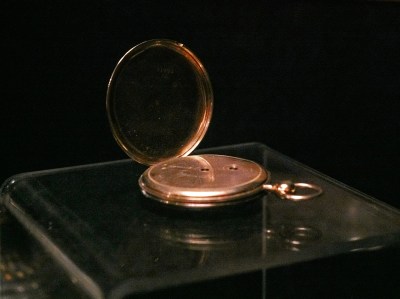
One aspect of the exhibit that I found especially intriguing was the pocket watch that Poe heard while writing “The Tell-Tale Heart.” I have always found this short story engaging and mysterious, as I tend to be drawn to darker subjects.
And, there has been considerable debate surrounding whether Poe was the artist of a watercolor painting or simply the gifter. The painting, which depicts a weeping woman, is quite interesting to observe. I appreciated the detailed wrinkles in her dress and the overall droopy appearance of the painting.

Another fascinating mystery in the museum concerns Poe’s hair. After his death, locks of his hair were cut from his head. Although the cause of his death remains a mystery, many have attempted to solve it. In 2002, a sample of his hair was analyzed, revealing the presence of many heavy metals, which were believed to have contributed to his death.
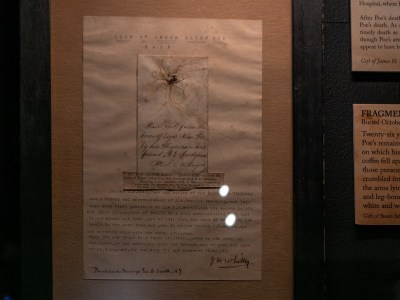
The museum also shed light on Poe’s posthumous reputation, largely shaped by his adversary, Rufus Griswold. Griswold painted Poe as a madman and drunkard in a posthumous biography. Ironically, this portrayal fueled Poe’s fame, but as mentioned earlier, we learned that Poe may not have been as crazy as everyone believed, leaving his legacy steeped in mystery and intrigue.
Before leaving the museum, we visited an upstairs section of the house featuring paintings. One painting, in particular, was quite amusing. It was titled Vincent Van Poe by Chris King and depicted Starry Night in the background, with Poe, a black cat, and a raven in the foreground.

As a fan of Poe, I thoroughly enjoyed the museum, especially since it was Poe’s actual home. It was also delightful to see a black cat, aptly named Edgar, moving around the building, setting the perfect atmosphere for reading and learning about Poe!
Metzger Bar and Butchery
For our last planned dinner of the trip, we opted for Metzger Bar and Butchery, whose chef, Brittany Anderson, is a two-time James Beard semi-finalist.
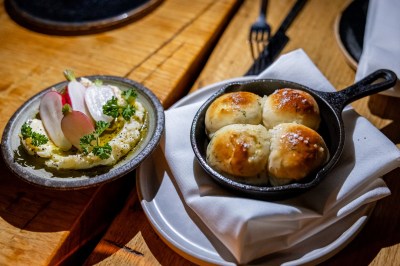
We started the evening with a recommendation of our server, the Charred Cabbage, whose menu description was enigmatic: “Miso Bagna Cauda, Cured Egg, Gremolata, Calabrian Chili.” Whatever it was, it was great! We also had a bread baked in house (“cottage-cheese rolls”), which came with house-made butter adorned with radish slices.
Three of our party went with the Pork Schnitzel, and the general consensus was that this was the best dish available. But we also tried the Chicken and the Steak, and all of it was excellent.


Although we were full, we were willingly talked into dessert, which included an Olive Oil Cake, the Heirloom Corn Funnel Cake, and a Honeynut Squash Sundae. The latter dessert made us pause–a squash sundae? But it was the favorite of the group!


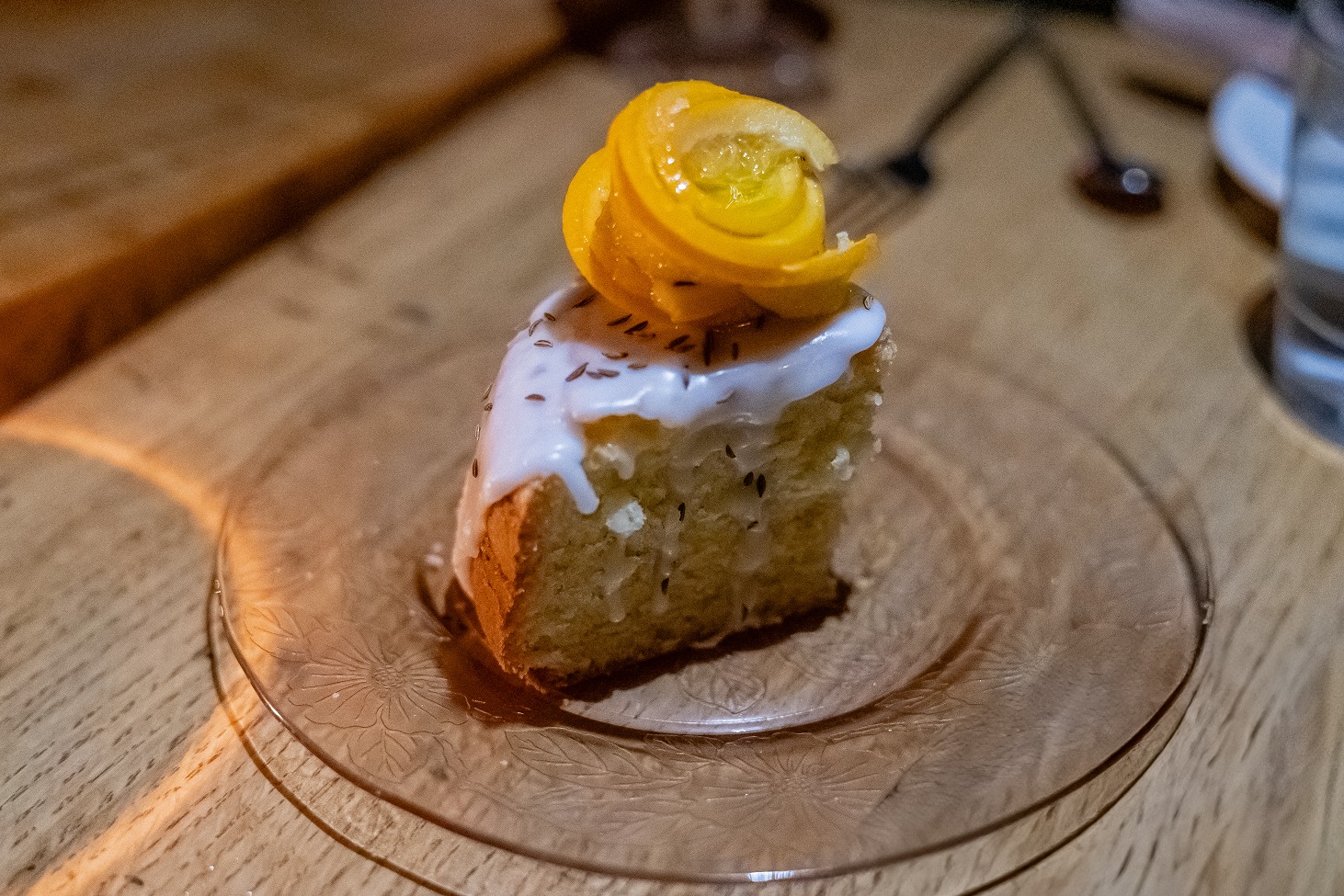
It was a rich and fulfilling end to a busy and rewarding day.


 Center for Law, Engagement, and Politics