Reflections from the Capitol: A Day of Service, History, and Perspective in Austin

by Olivia Discon

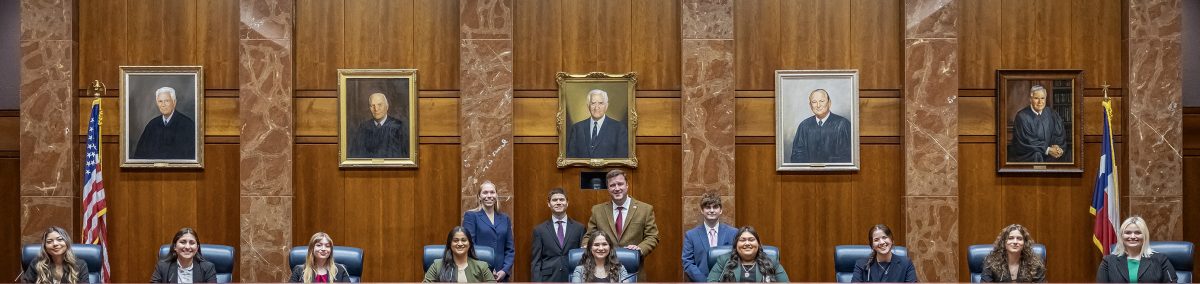
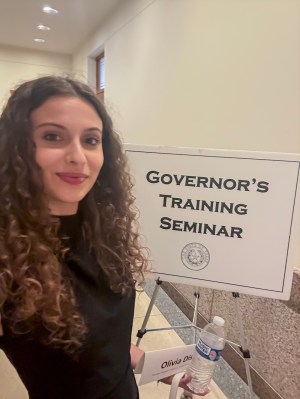
I recently had the opportunity to visit the Texas Capitol and share a few reflections from my term as student regent. I was invited by the Governor’s Appointments Office to speak to the newly appointed student regents, which was a real honor—and a full-circle moment I didn’t take lightly. I wanted to make the most of the opportunity and my time in Austin.
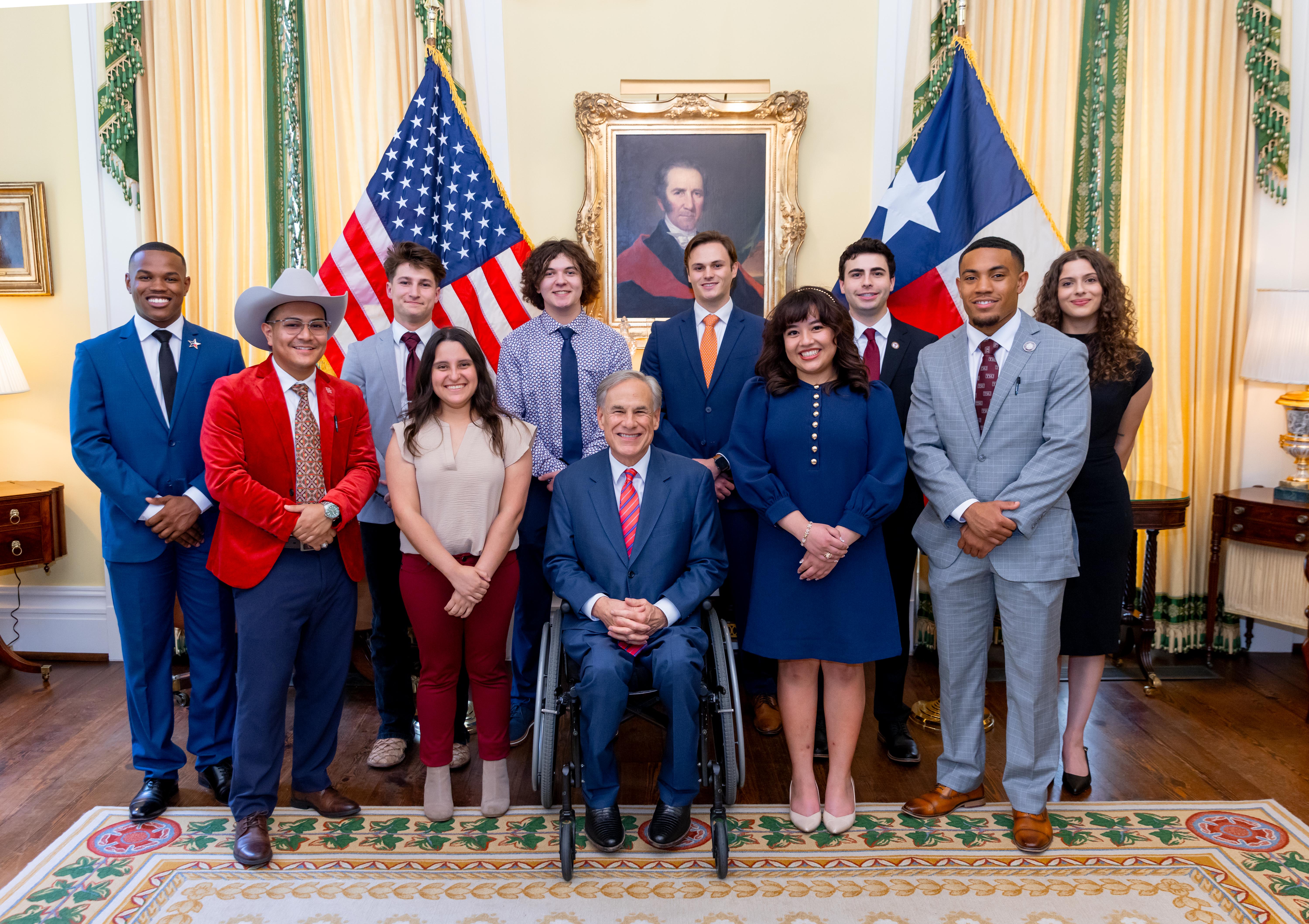
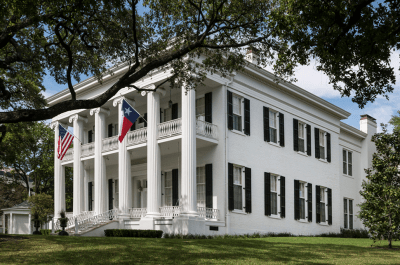
One of the biggest highlights of the day was being invited to the Governor’s Mansion. After a quick security check by DPS, I had the chance to tour one of the most historic and iconic buildings in Texas. The Greek Revival-style mansion was designed by Abner Cook—who, interestingly, also supervised the construction of the Walls Unit in Huntsville. That connection alone was enough to trigger my compulsive need to tie Sam Houston into everything.
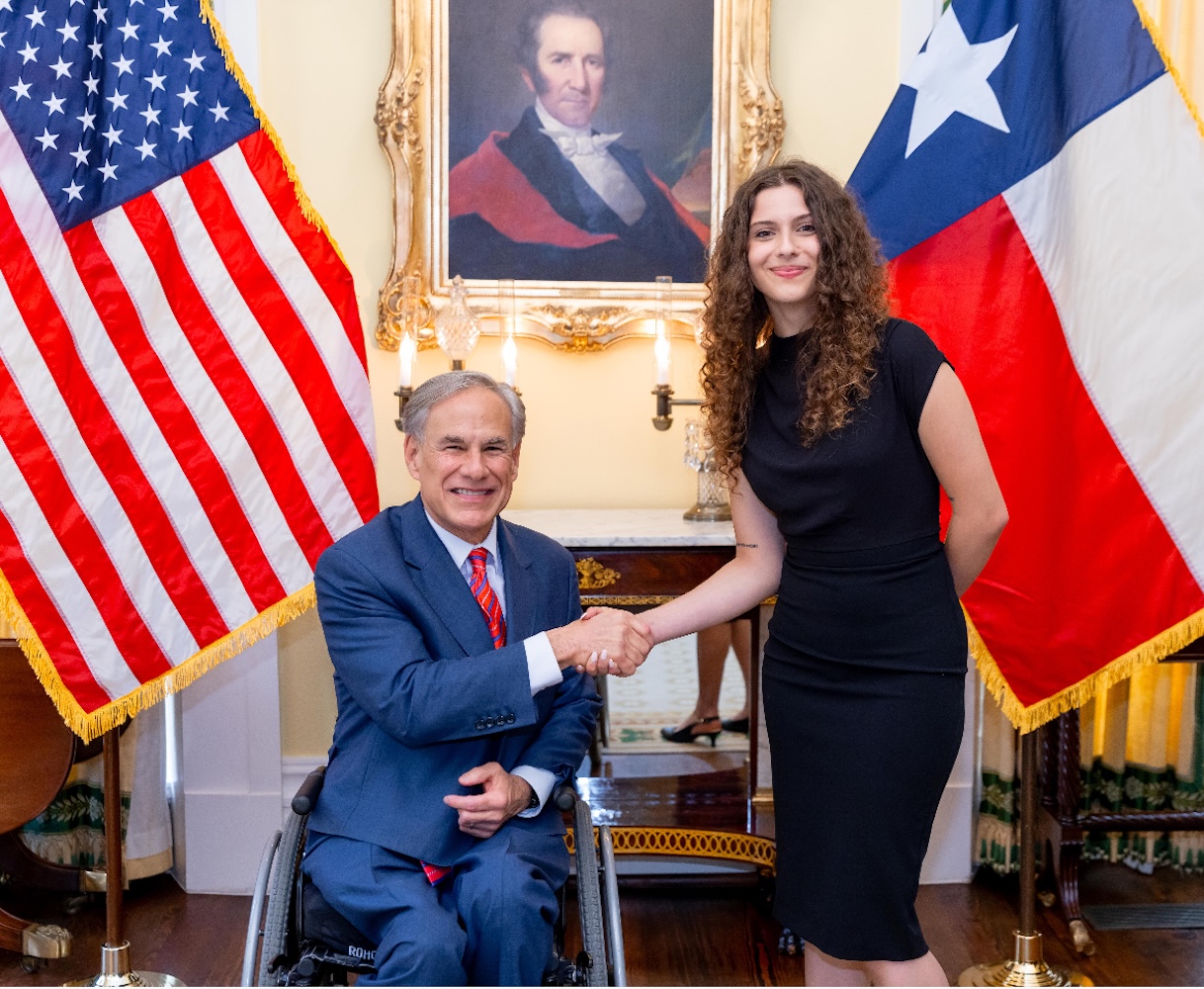
I’ll admit I was a little photo-shy walking through the mansion, but that didn’t stop a few photos from happening. To my surprise, I got to greet Governor Abbott again and take a quick photo with him—inside his house, no less. In that moment, I felt an overwhelming sense of gratitude. Being appointed as a student regent during my undergrad was an incredible opportunity, and I’ve felt supported at every level of my college experience. That support made moments like this possible.
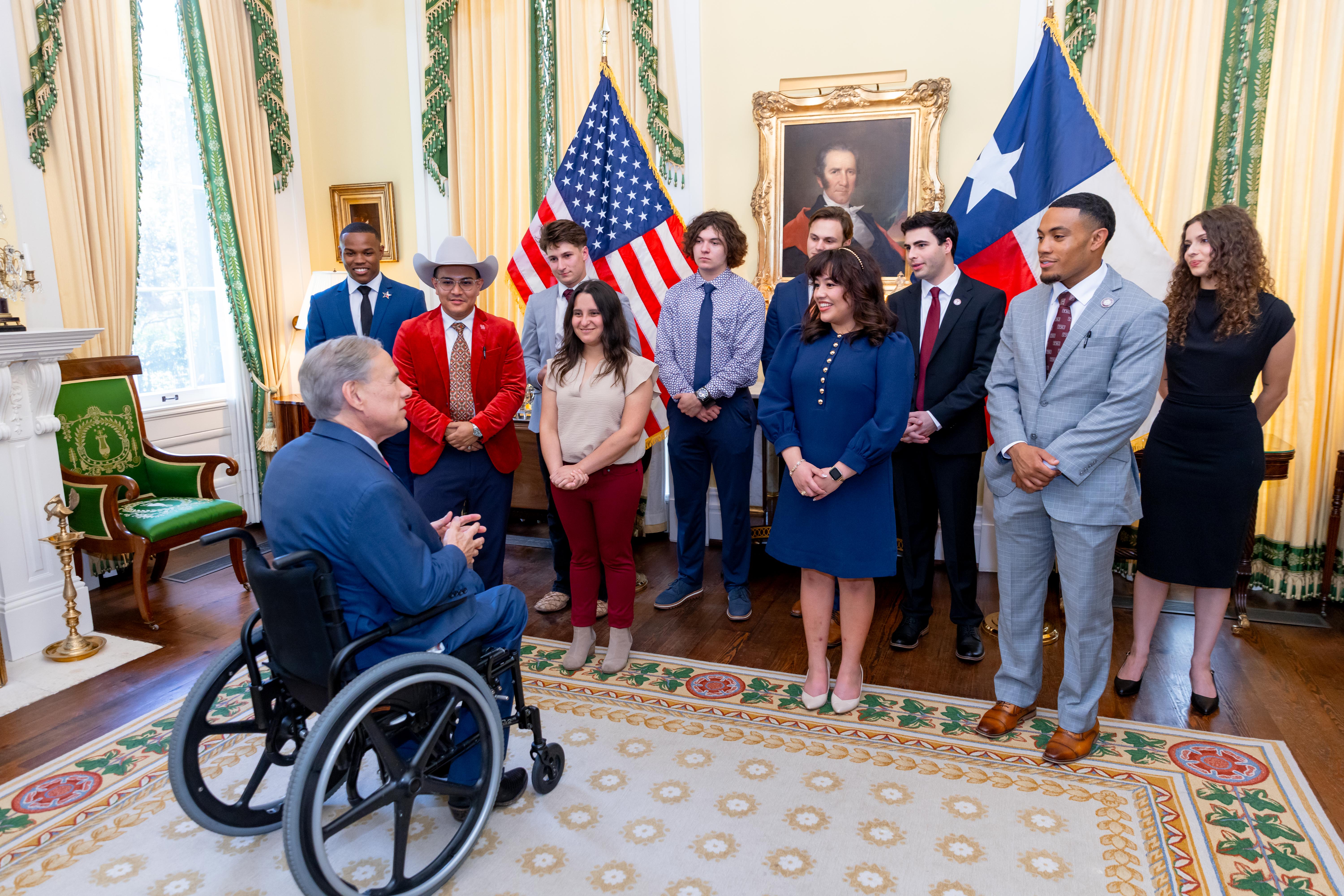
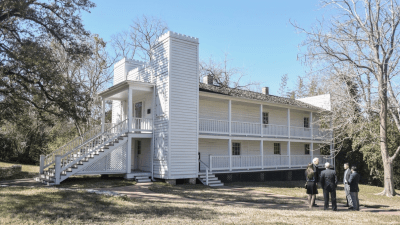
As we made our way through the mansion, we passed through rooms filled with stunning 18th-century furniture—and, of course, nods to Sam Houston in almost every one. They even have a room named after him. Seeing this more glamorous side of Houston’s life, and then comparing it to his final years at the Steamboat House in Huntsville, was oddly moving. He was so committed to his principles that he gave up comfort for conviction. It’s just one of the reasons Huntsville has such a strange charm to me. Somehow, all roads in Texas lead back to it.

Even though the Governor’s Mansion is a historic landmark, it’s still a lived-in space. Just outside the window, we caught a glimpse of the Abbott family’s three golden retrievers playing in the yard. The timing of the visit couldn’t have been better—it was a great reminder of how historic homes can still be part of everyday life, thanks to organizations like the Friends of the Governor’s Mansion.
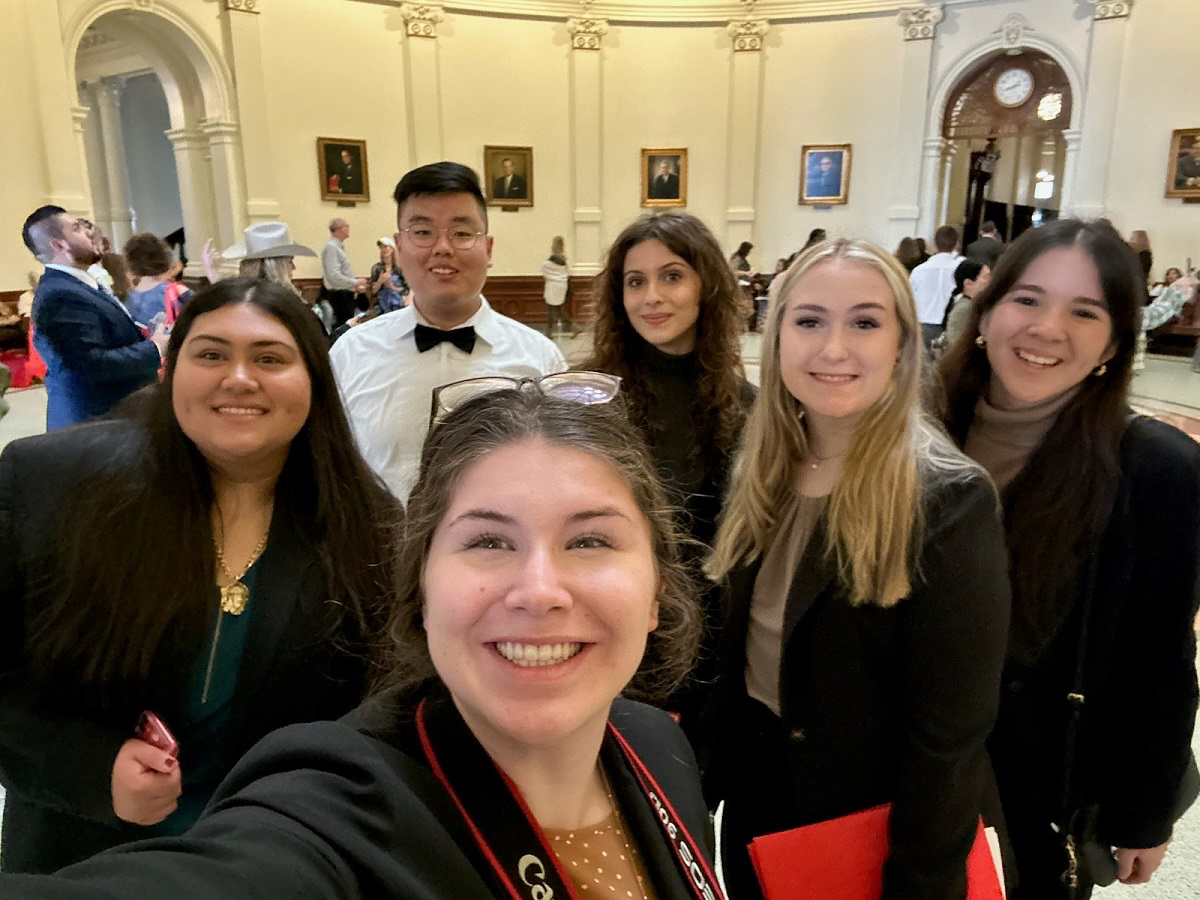
Later that afternoon, I joined Chris Covo, a former student regent for the Texas State University System, and Luke Shwartz, who was recently appointed student regent for the UT System (congrats again, Luke!). We sat down with Brent Connett for a moderated conversation about the role, what surprised us, and what advice we’d offer.

For me, the biggest takeaway was this: being a good representative can open more doors than you might expect. Investing in your professionalism, doing your research, and showing up prepared—not because you’ve “made it,” but because you’re serious about learning—goes a long way. When you present yourself as someone competent and curious, people take notice. You get to be in the room for real conversations and real opportunities.

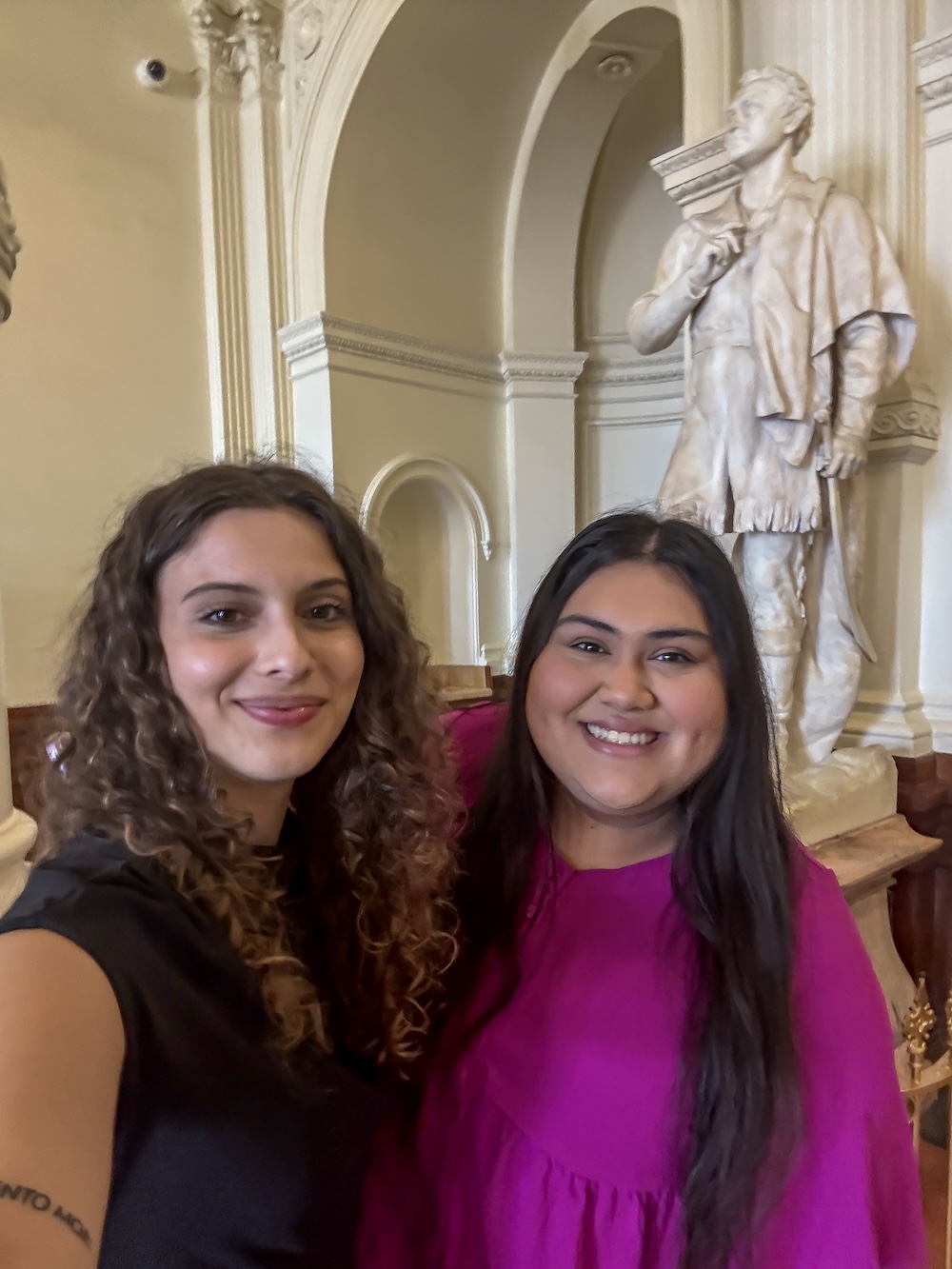
After the panel, I stopped by to see my good friend Michelle Cardenas, who was deep in the legislative trenches as session wrapped up. She took a much-needed breather and walked me through the Governor’s Reception Hall. Watching her in action, compared to where we started—back when we walked into the Capitol for the first time with LEAP—was surreal. We’re in completely different places now, but there’s something meaningful about knowing LEAP brought us both here.
Electric Gravy
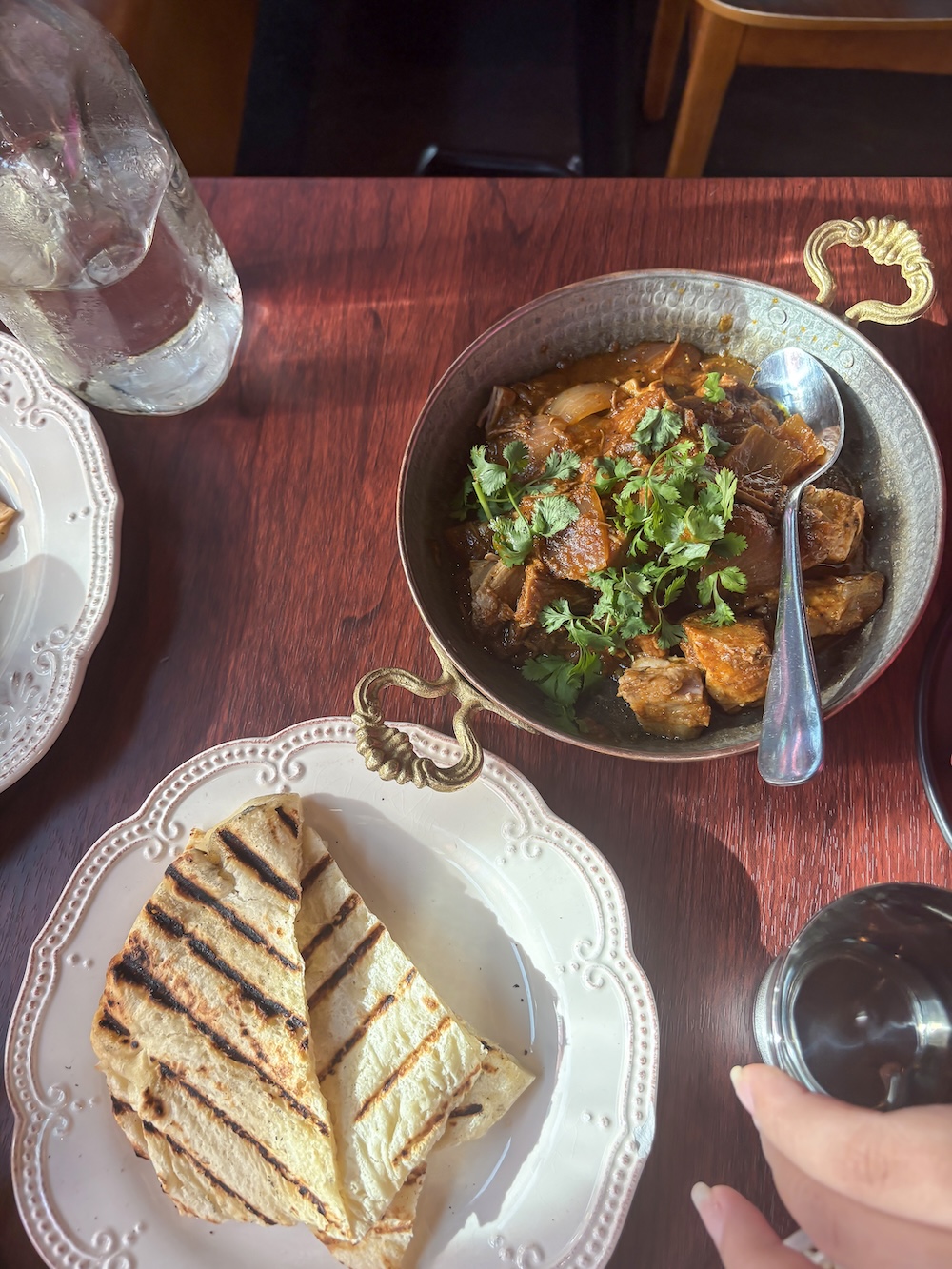
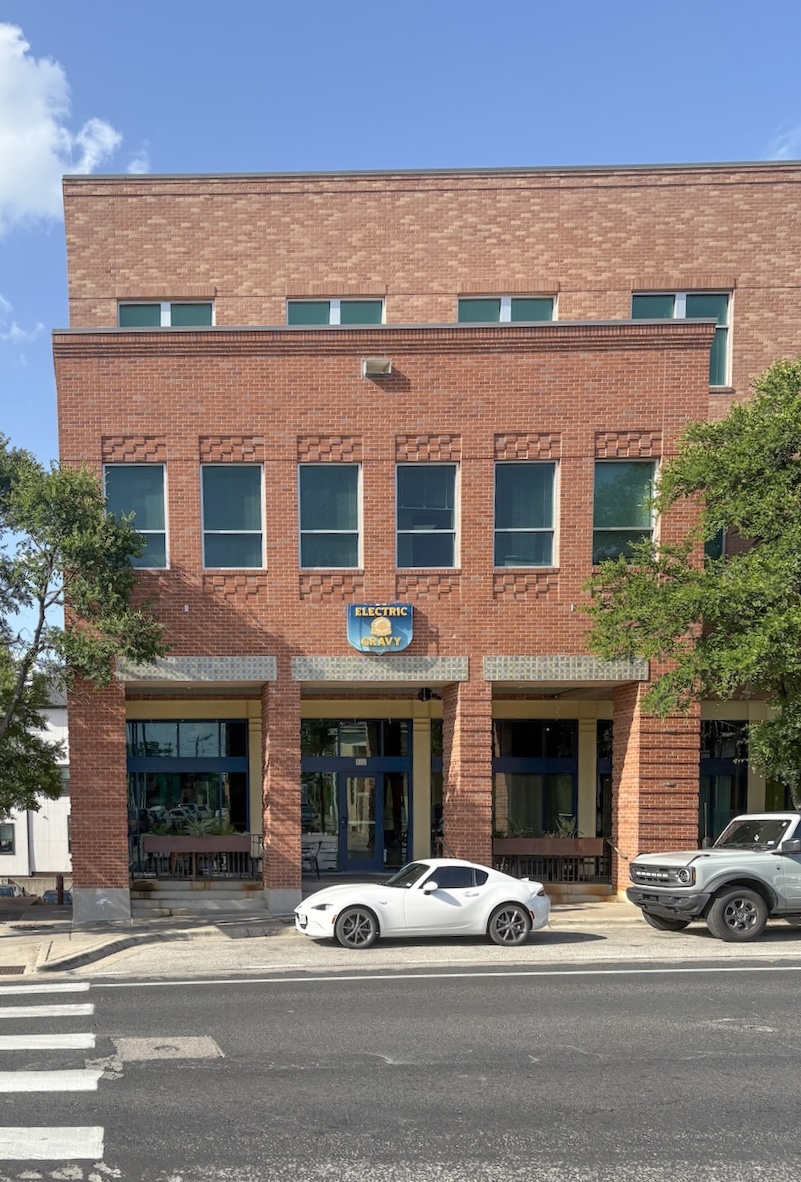
For dinner, I continued on my sappy tirade by joining Cinthia Villarreal and Michelle Cardenas at an Indian fusion restaurant—Electric Gravy.
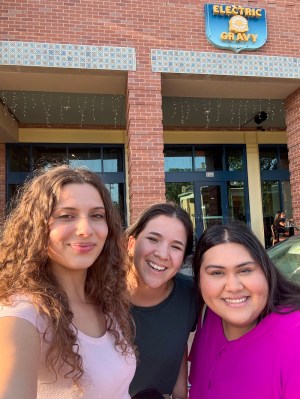
It’s been getting a lot of local attention, including a recommendation from former LEAP Ambassador Saara Maknojia.
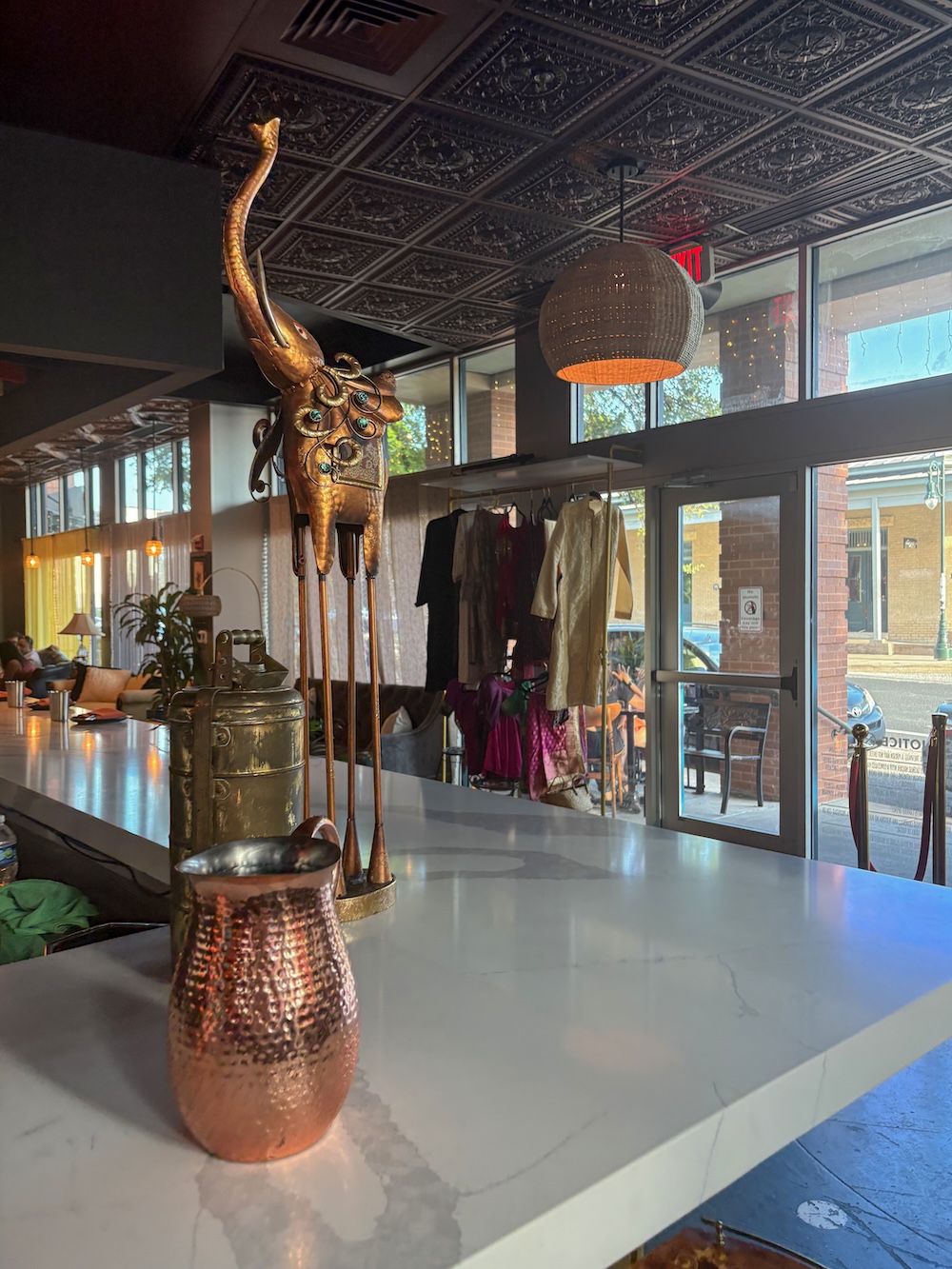
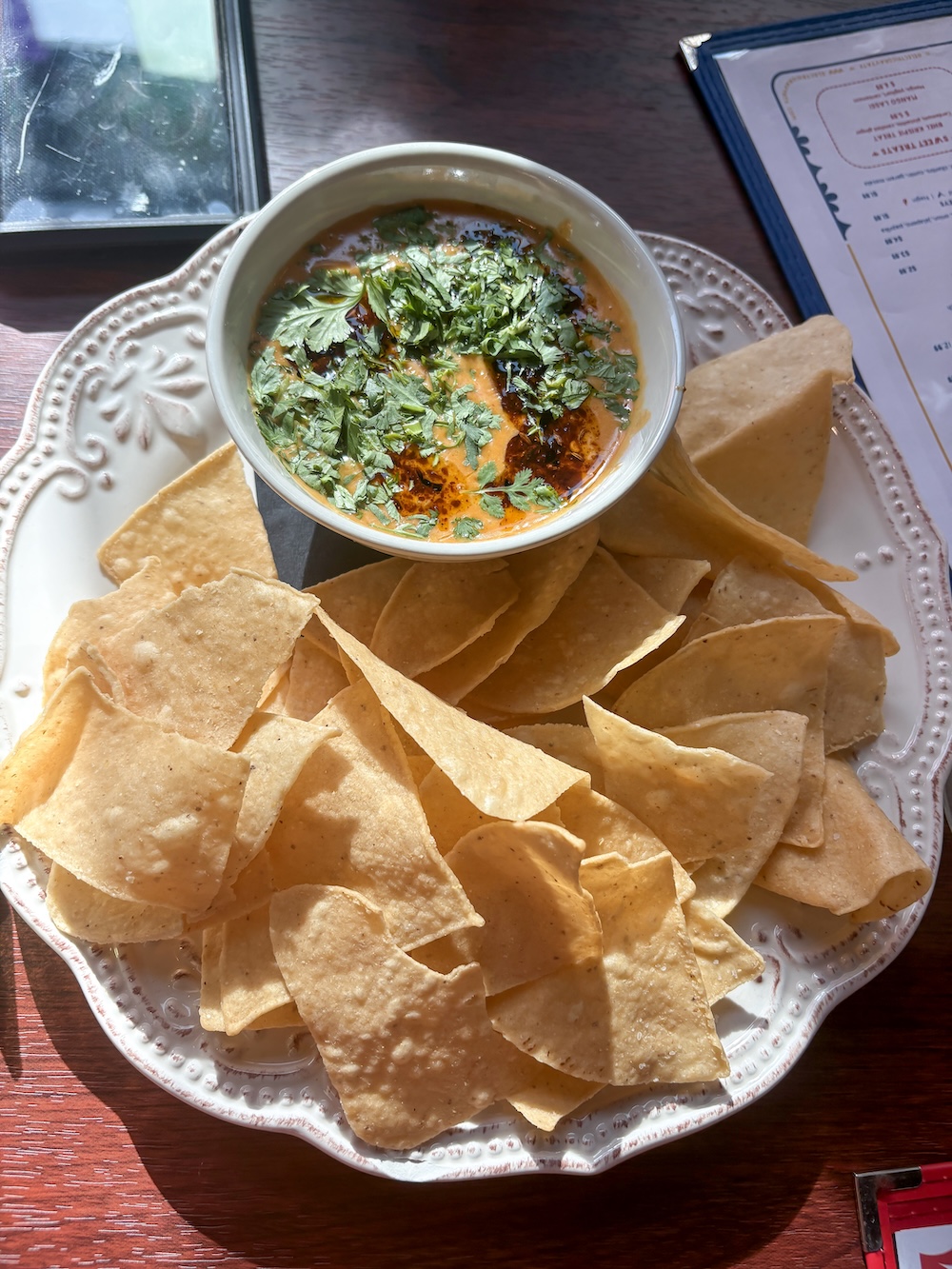
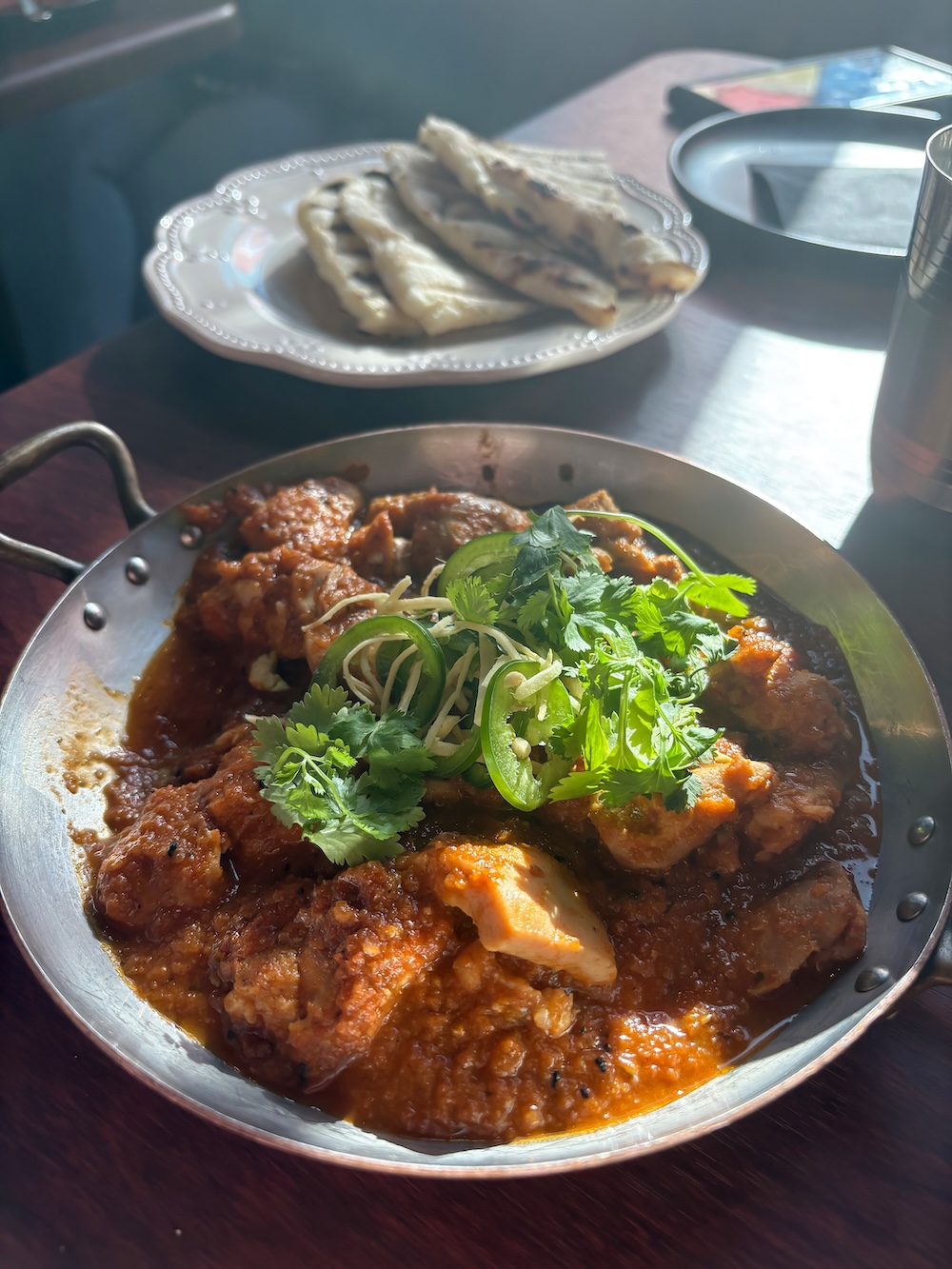
We started with the curry queso (which was excellent), and then I had the chicken tinga curry, Cinthia got the chicken masala, and Michelle went with the pork vindaloo. All of it was solid—definitely a fun place worth checking out.
Mount Bonnell
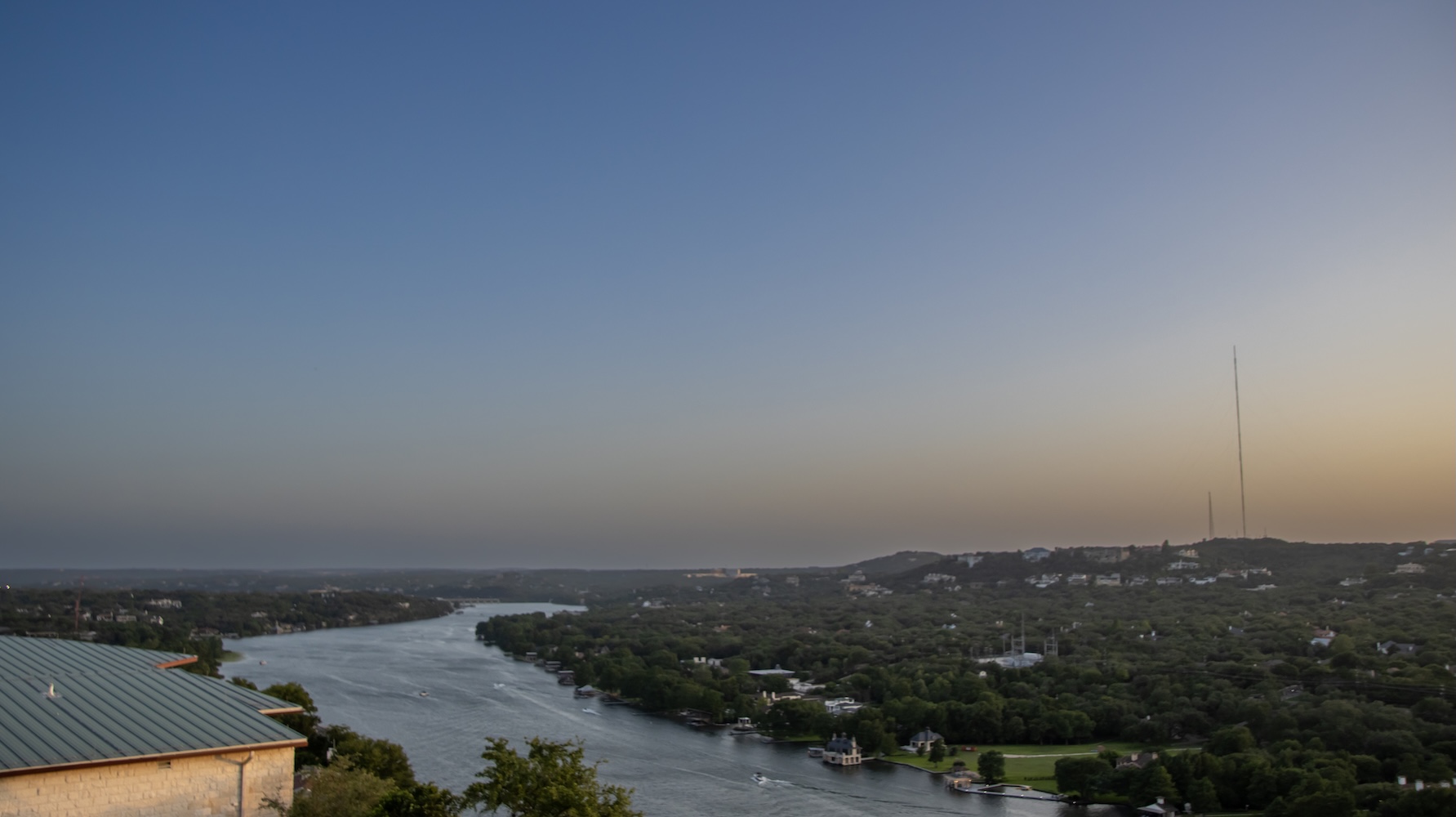
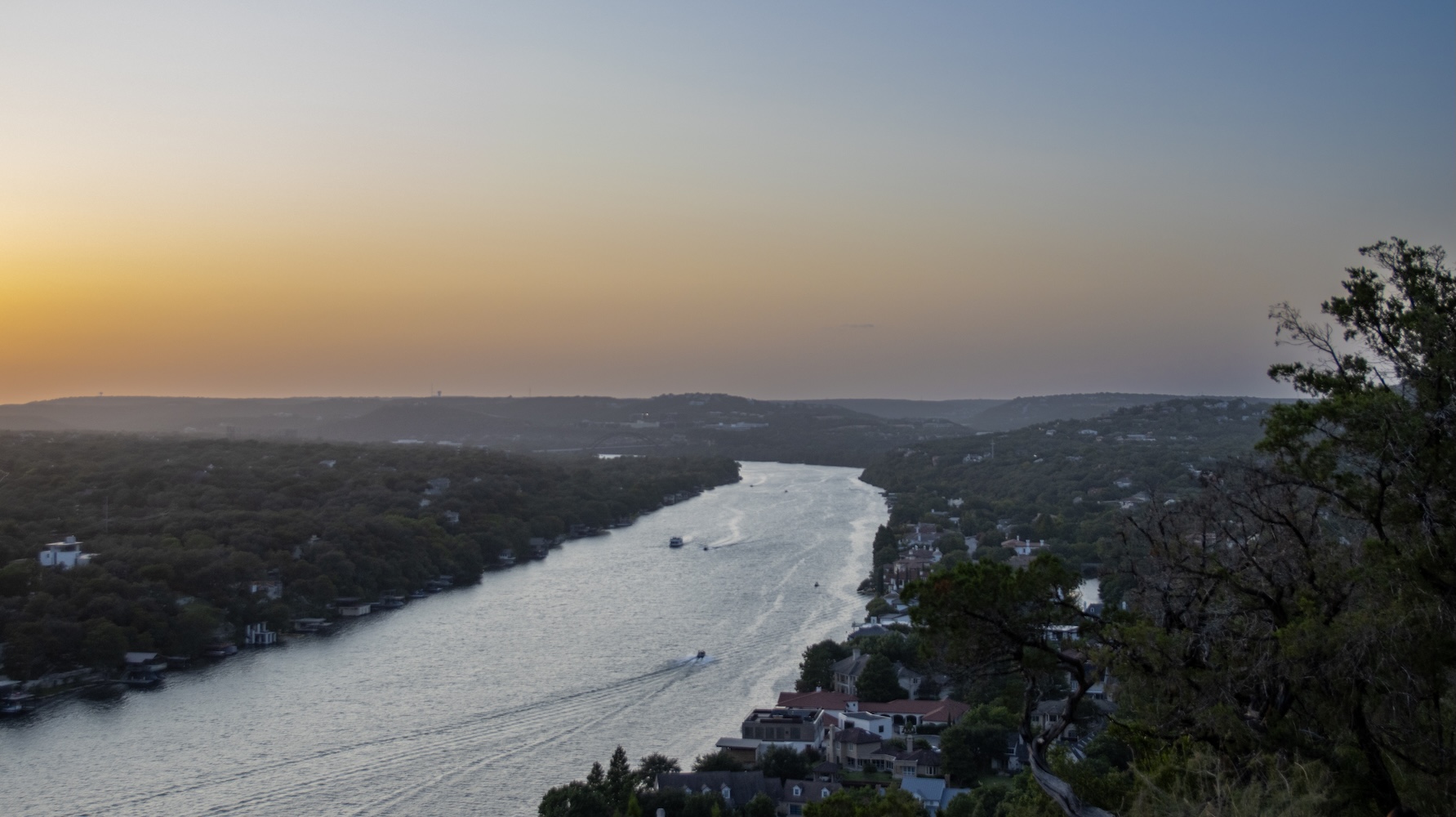
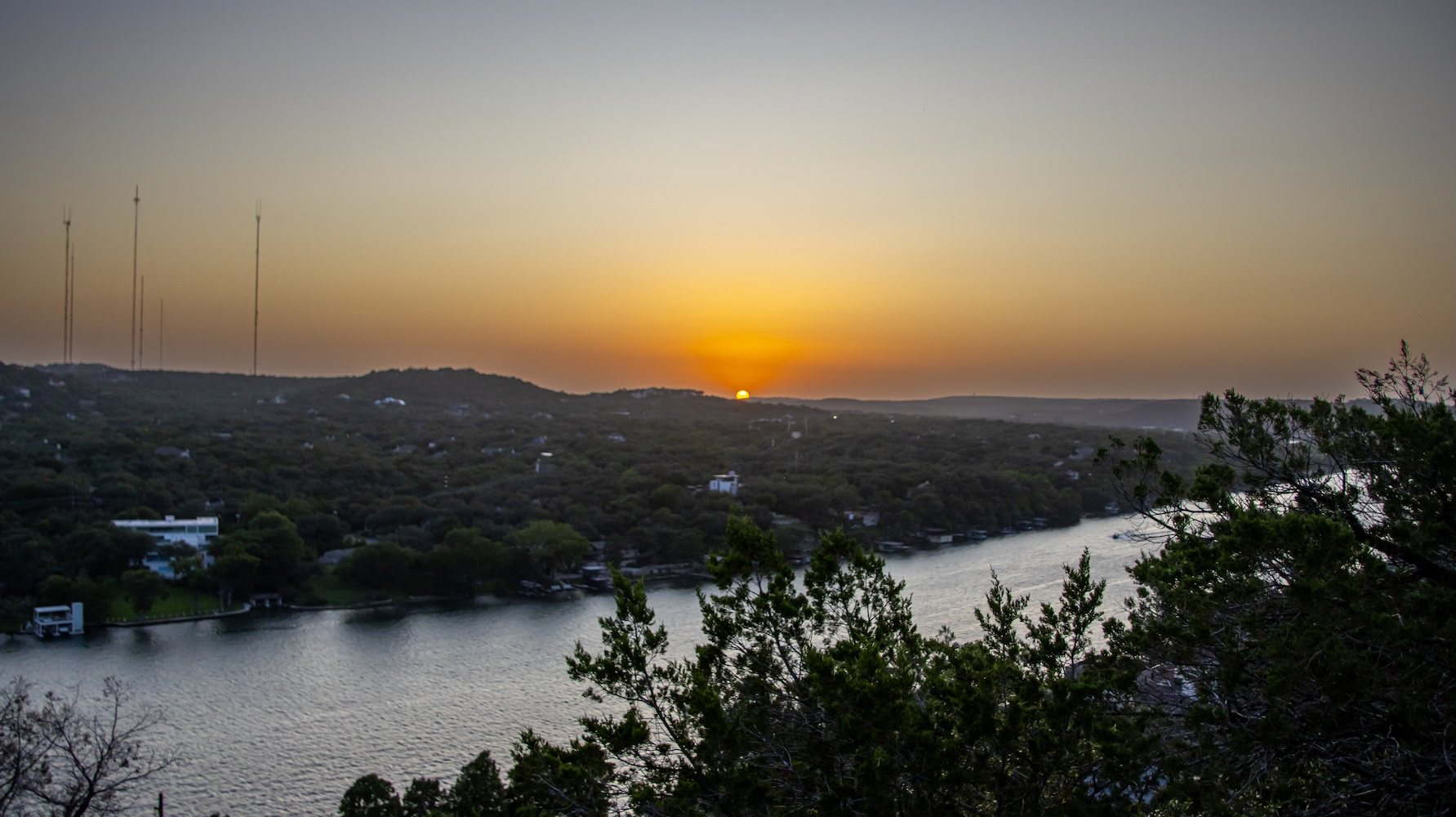
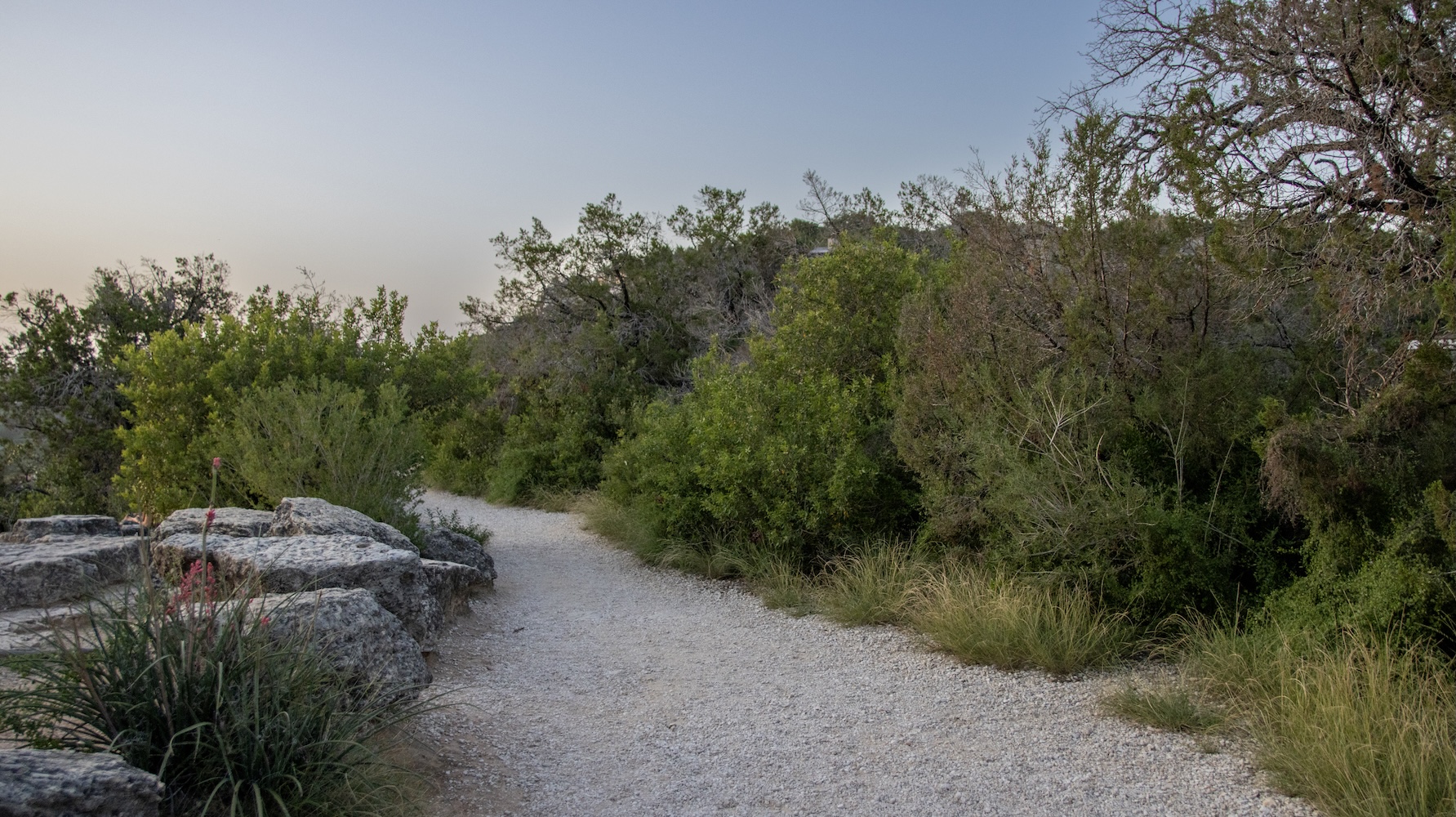
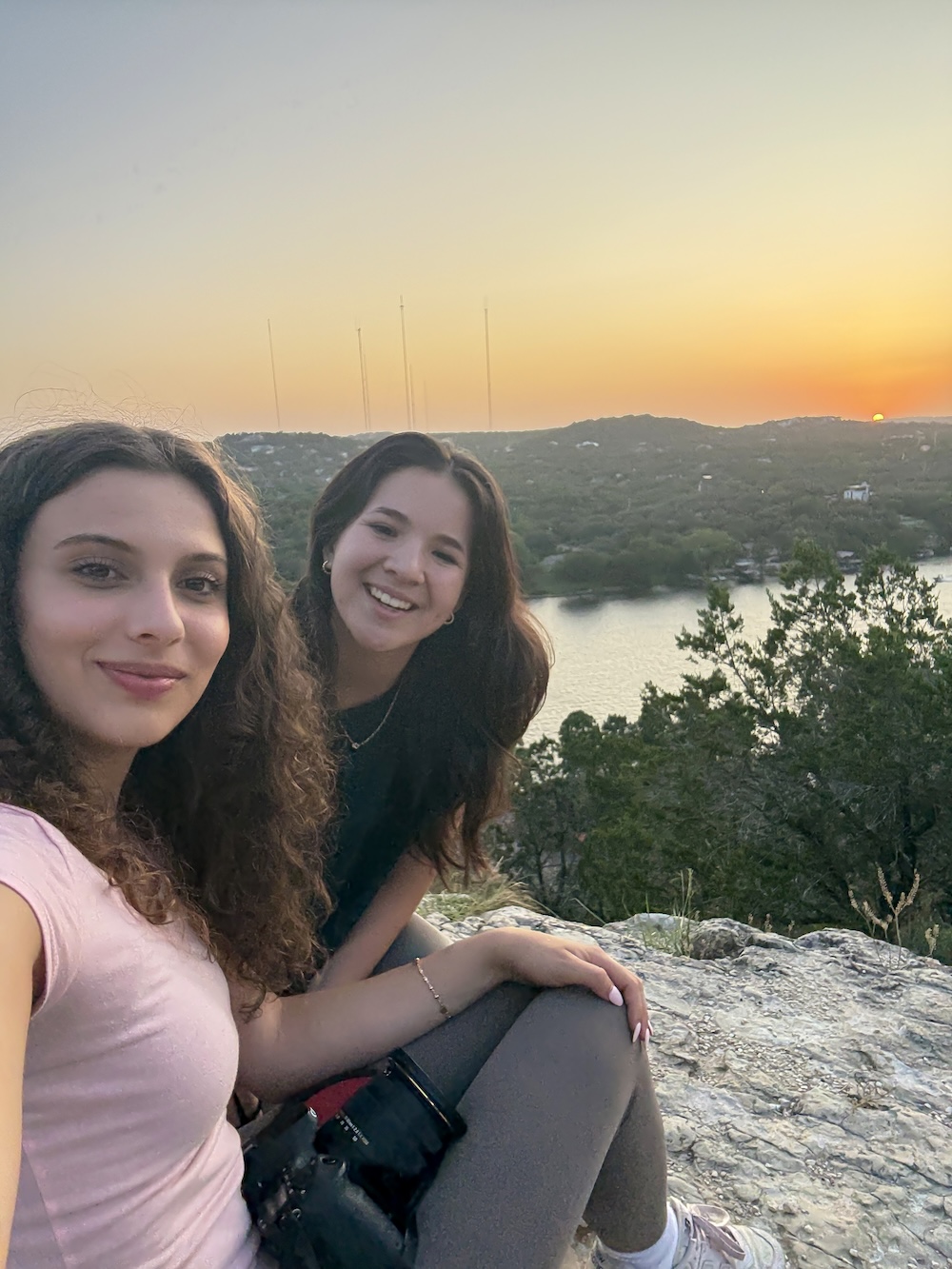
To wrap up the day, I visited Mount Bonnell for a great view of Lady Bird Lake. It ended up being the perfect spot to close out a long day—quiet, scenic, and full of the kind of quirky passersby you can only find in Austin.
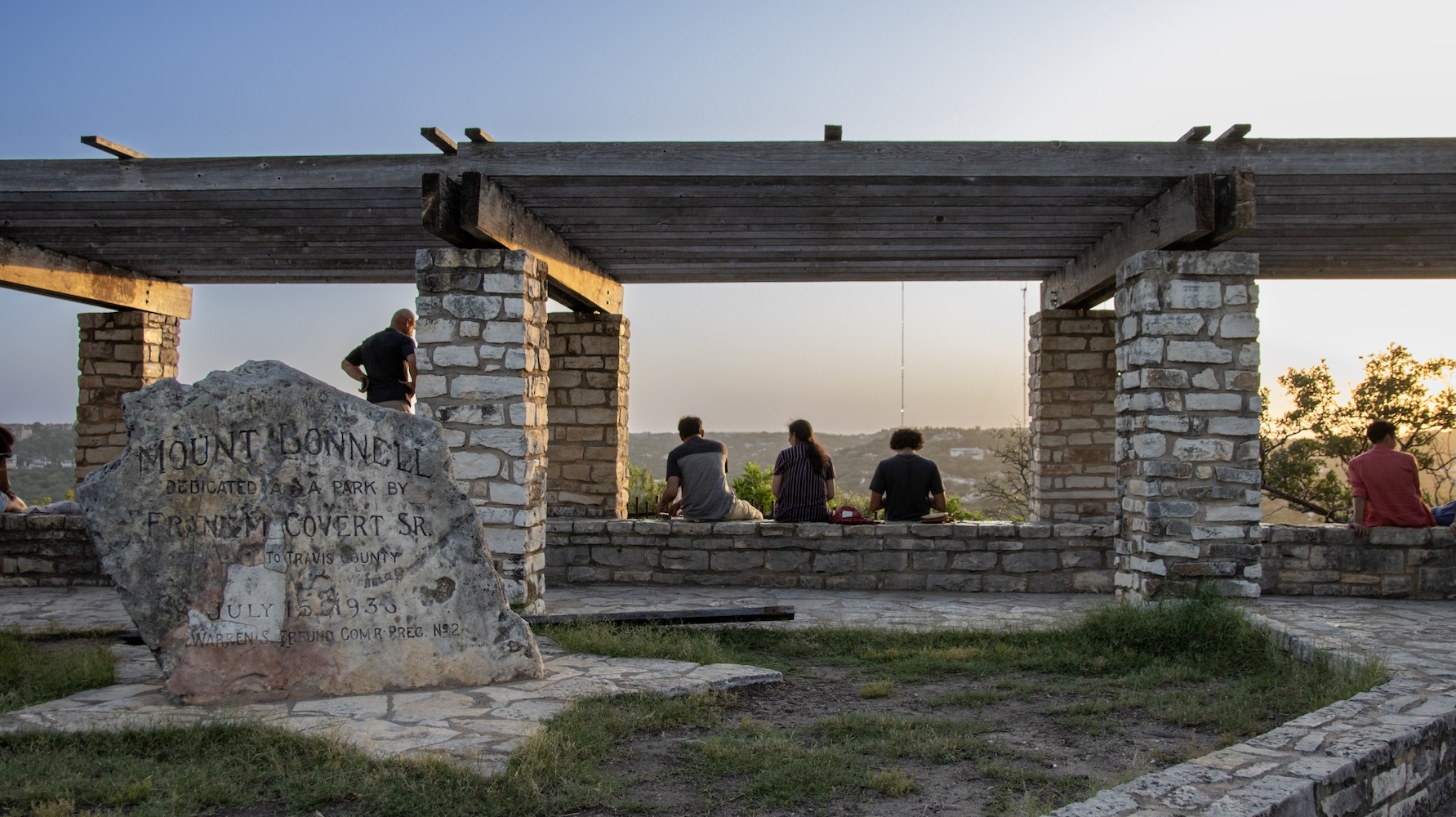
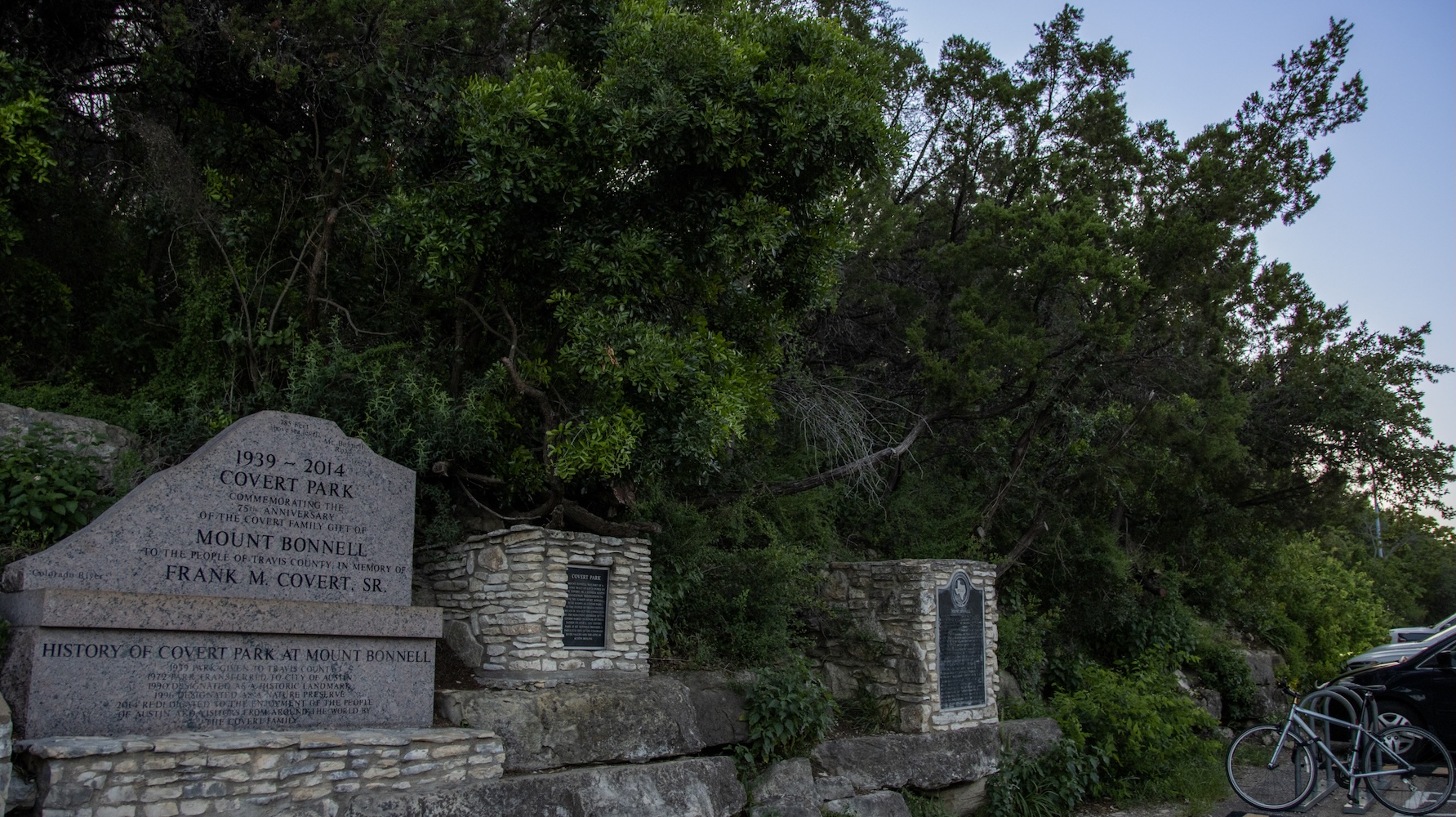
The sun didn’t set until about 8:30 p.m., but once it started going down, it dropped fast.
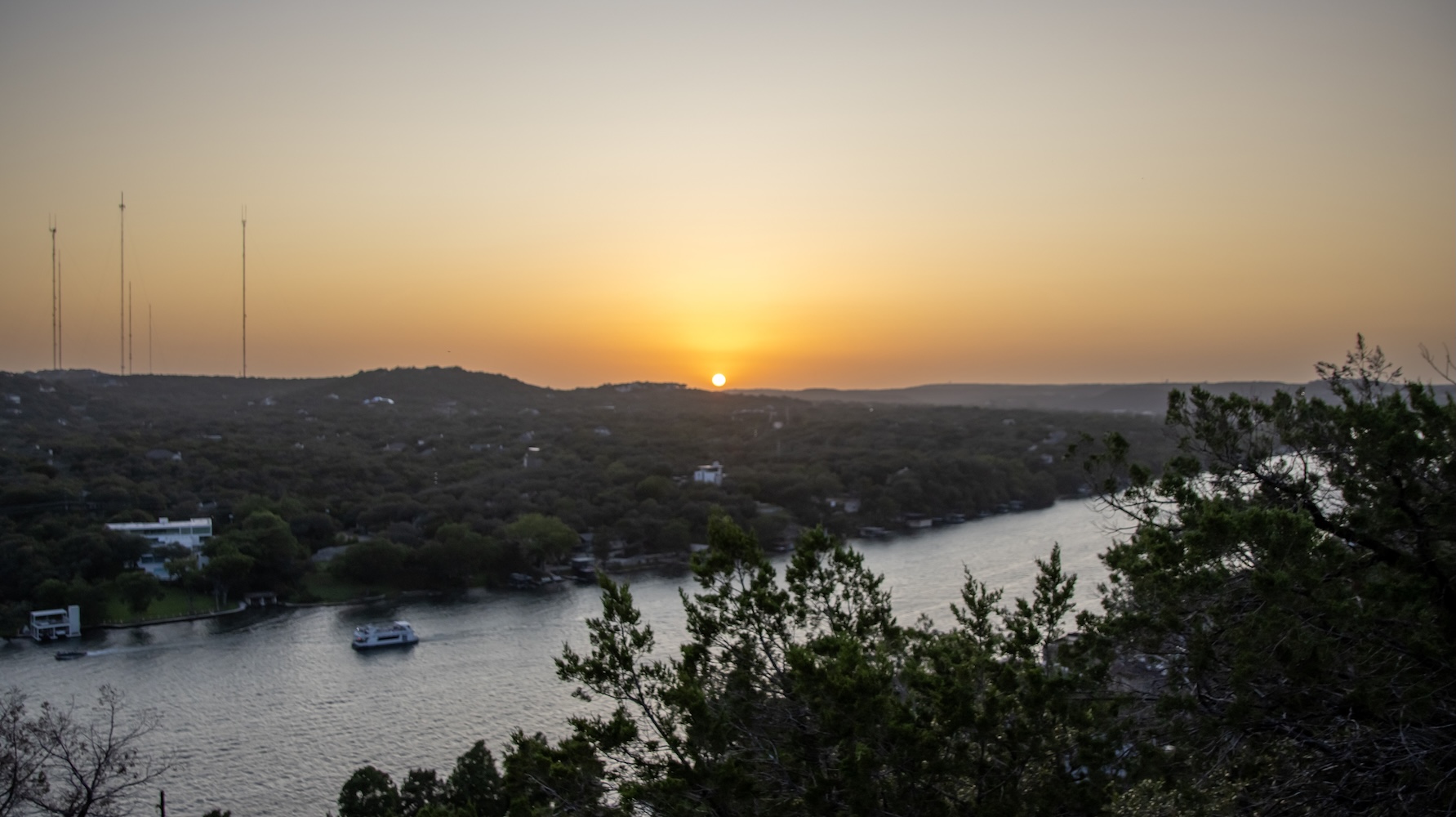
I might be wrong, but I think this was the first time I ever intentionally watched a sunset. It was a nice experience!

Where Texas Rests: A Visit to the Texas State Cemetery

by Sarah-Hope Parohl

I visited the Texas State Cemetery in early February for the first time since I was in fourth grade. Growing up in Austin, I visited almost every historical site in town, but before I could absorb and make connections between the material I was learning at the site and the material I learned in classes.

Upon arriving at the Cemetery, I walked through the Visitor’s Center, reading about the lives of some of the folks buried there and seeing memorabilia to highlight them. There is also a short video in the Visitors Center that goes into detail about the history of the Cemetery, the recent restoration projects, and the geography of the grounds. The grounds, divided into sections, are so named to highlight the individual’s achievements. For example, Confederate Field is home to the headstones of Texas Confederate soldiers; Republic Hill is the resting place of Texas Revolutionaries, Justices, Legislators, Governors, and old Texas Legends; while Monument Hill is home to astronauts, District Judges, and Texas State Cemetery Committee members, to name a few.

The most fascinating aspect was, of course, the stories of individuals that the kind lady at the Visitor’s Center (who happened to be from Calgary, Canada!) shared with me. She informed me that the oldest individual buried in the Cemetery is not a Texan but a French explorer estimated to have died in the late 1600s in a shipwreck in the Gulf of Mexico. A delegation from Texas even reached out to French preservationists to see if they would like the remains back in his home country, but they let him rest in Texas. On the highest point of the Cemetery lay an astronaut, Eugene Cernan, the second American to walk in space.

The Texas State Cemetery is not just a collection of headstones; it’s a place of diverse and deeply meaningful memorials. These memorials pay tribute to those who can never return to Texas. There is a monument recognizing those who lost their lives in the 9/11 terrorist attacks in New York and those who traveled to help New York rebuild. The monument contains two steel columns from Ground Zero, serving as a solemn reminder of the tragedy. There is a monument for Texans who have received the Medal of Honor, those who fought in the War of 1812, received a Purple Heart, fought in World War II, or Vietnam. Each of these monuments is a testament to the courage and sacrifice of these individuals. There is a monument that honors the African American legislators who served during the Reconstruction Era, a tribute to their contribution to Texas history.

While learning about others’ history, I was able to take a trip down memory lane. The only time I remember being at the Texas State Cemetery was for a guided tour that my Girl Scout Troop took in 2012. I do not remember much from that trip, but I have always remembered the story of Josiah Wilbarger.

Wilbarger is one of the few to survive scalping after Native Americans ambushed him and some others. His friends, thinking he was dead, rode away, and the only reason Wilbarger survived with an untreated open wound was because blowflies laid eggs in his wound, and once the maggots hatched, they ate away the infection. While he survived, he never truly recovered from his wound, so his wife made him a raccoon skin hat to protect his skull and brain. Wilbarger died over a decade after his scalping when he hit his head on his workbench without wearing the hat his wife made him. I do not remember much from my fourth-grade trip, but I remember the tour guide saying, “This is why wives are always right” after finishing the tale of Josiah Wilbarger. 

Falling for West Virginia

Hiking Adventures

Exploring the great outdoors offers a fantastic sense of adventure and discovery, especially when it involves chasing waterfalls. Accordingly, we embarked on a series of hikes to some of West Virginia’s most picturesque trails, each boasting its own unique charm and natural beauty.

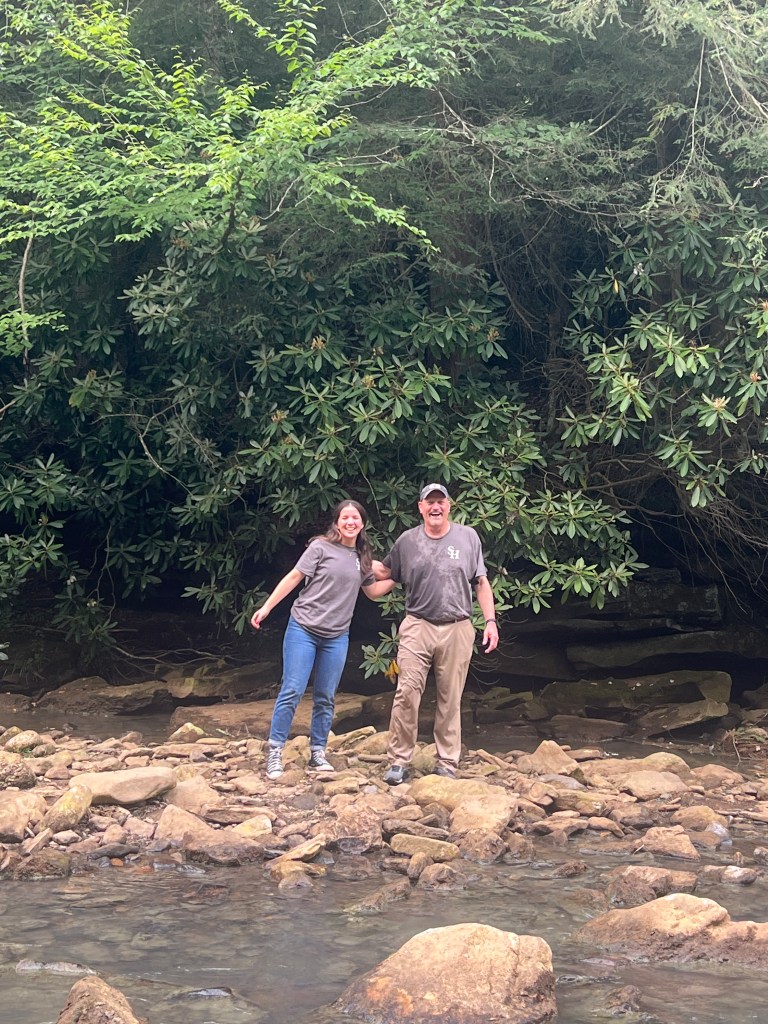
Albert Falls, nestled in the formidable forests of West Virginia, captivated us with its tranquil atmosphere and stunning cascades of water. The trail meandered through lush greenery, and despite an amusing mishap where our professor took an unexpected plunge (much to everyone’s amusement), the experience was unforgettable.

Sammy, our trusty hiking companion, added to the camaraderie, making it a day filled with laughter and shared memories. 

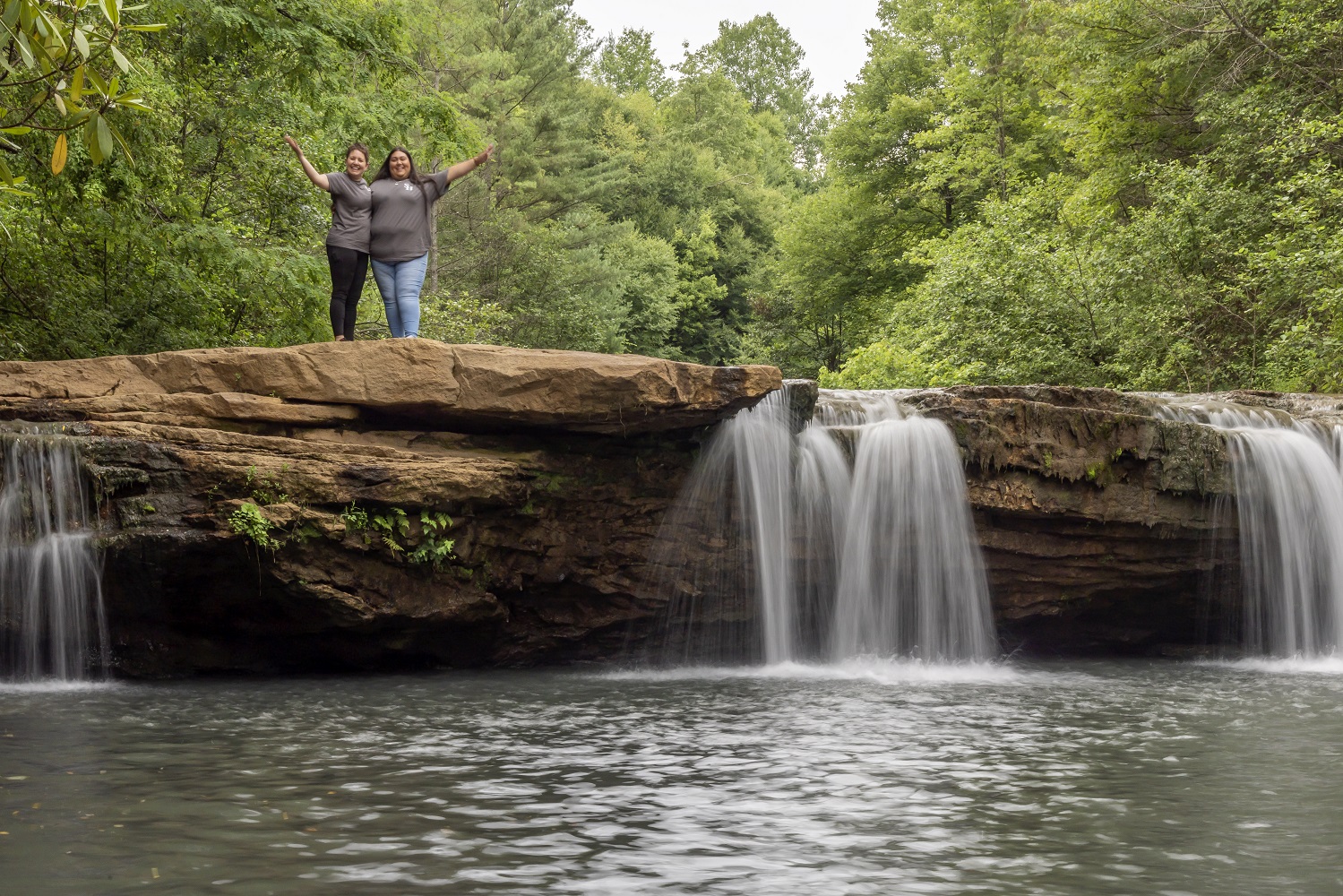
At Blackwater Falls State Park, anticipation built as we approached the main attraction: Blackwater Falls–a breathtaking, thundering waterfall framed by rugged cliffs. The name, “Blackwater,” derives from the water, which is darker because of the chemicals in the leaves that populate the trees in the State Park.

We made our way down a boardwalk that leads to several overlooks, offering views of the 57-foot tall waterfall. While there, we had opportunities to (1) race our professor and (2) see a beaver doing its thing. We even saw its home, a dam downstream from the waterfall, prompting Chrissy to say, “It has its own little Fallingwater”!

But our water fall adventures were not complete. Also in Blackwater Falls State Park is Elakala Falls, which provided a more tranquil yet equally captivating adventure. The trail wound through a tranquil forest, leading us to a smaller but still beautiful waterfall. Venturing into the river’s edge, we explored underneath the falls, marveling at the sheer power of nature. The slippery rocks added an element of excitement, reminding us to tread carefully while soaking in the beauty surrounding us.

Before the night ended, and before we left the Park, we also had the opportunity to enjoy the sunset!

Each of our adventures offered a glimpse into the natural wonders of West Virginia, from serene forest trails to dramatic waterfalls to a beautiful sunset. These experiences not only rejuvenated our spirits but also strengthened our bond as adventurers seeking to uncover the beauty of our world, one trail at a time.

Visit Huntsville: Eastham-Thomason Park

By Cinthia Villarreal

With today being International Earth Day, the City Fellows and LEAP Ambassadors decided it was a good time to explore one of the City of Huntsville’s Parks: the Eastham-Thomason Park. But it’s not just Earth Day that makes for a good time to hike, walk, or stroll in Huntsville, any day is a great opportunity to take advantage of the natural hills, beautiful wooded areas, or one of the many hiking trails in the area.

Eastham-Thomason Park first opened in 1993 and now consists of a total of 143 acres, including the donation from the estate of Marguerite Eastham-Thomason, for who the park is named.

As we embarked on our journey, the park welcomed us by displaying a variety of Texas’s beautiful wildflowers, including the our state’s flower, the Bluebonnet.

Throughout our hike, we were able to encounter different ecosystems that the park is home to. We saw an array of plants which went from the colorful wildflowers to prickly cacti, a variation of footprints from the wildlife that reside in the park, and the change of terrain, which at one point, involved us jumping over Town Creek.

On any given day, you might see a photo shoot (as we did)…

…any number of birds or other wildlife…

The Park also has a surprising varieties of trails, which offer new experiences each time you visit, from tight trails covered by low-hanging canopies…

…to wide-open prairies.


Eastham Thomason has many amenities for all City of Huntsville residents and visitors and it quite literally has something for everyone. It includes an incredible dog park for dog owners to take their pet out, an aquatic center for hot summer days, and a playground for kids to play. For athletic enthusiasts, the park also includes a variety of bike and foot trails, a nine-Frisbee golf course, a Basketball court and a Volleyball court. The park has three parking lots and restrooms for the visitor’s convenience.

A map of the Park, including the different trails, parking, restrooms, and more can be found here.

Leaving the trail behind, the City Fellows and LEAP Ambassadors left with a deeper understanding of wildlife, the knowledge of why cities like Huntsville promote and appreciate green spaces, and a much bigger gratitude of our home, the earth.

LEAP Center Midwestern Tour (Day 5): Madison, WI; Dubuque, IA; Des Moines, IA

Today was the second day of the 2014 Film & History Conference. As yesterday, the featured panels were many, and the titles all appeared to be interesting topics. What appealed to me the most was a panel titled “Jimmy Stewart for president and Ronald Reagan for best friend: Star Image and Political Campaigning,” by Amit Patel. Amit began his presentation by introducing Ronald Reagan’s initial career as a B movie star. In fact, he starred in low-budget films such as Love is on the Air and Santa Fe Trail. In 1942, the film Kings Row finally gave him some recognition as a movie “star.” Interestingly, Reagan was initially a Democrat, but later switched to the Republican party. In 1976, he embarked in a campaign for the Republican presidential nomination against incumbent Gerald Ford. Amit focused on Ronald Reagan’s use of Jimmy Stewart in his campaign. In fact, Stewart strongly supported Reagan, and even participated in a political ad were he stated that Ronald Reagan was his friend, therefore, the American public should vote for him. Reagan lost the nomination, but campaigned again in 1980, and became president. I thought it was an interesting panel because a candidate’s image is probably the most important thing during a campaign, and if the candidate was a known public figure beforehand then that plays in his favor. In addition, the use of famous actors or public figures to support a political candidate is common nowadays, and it is interesting that it was used in Reagan’s campaign, too.

Conference_Girls_Rollyson

After attending the Film & History Conference, in the morning, we headed to the Wisconsin State Capitol, in Madison.

Wisconsin Capitol Building
            Wisconsin Capitol Building

A tour guide showed us the most important features of the Capitol, and shared the details of its construction. What interested me most was that Madison had previously had other two state capitols, but they both burned down. The second time around, the Capitol had recently discontinued its fire insurance, so the state did not have enough money to rebuild it. Ingeniously, the state had the idea to tax railroads that were passing through Wisconsin at the time, and with that revenue, they rebuilt the Capitol between 1906 and 1917. The architecture of the capitol is mesmerizing, featuring marble from many different countries, such as Greece, Italy, France, and Germany, as well as some beautiful mosaics.

Wisconsin Capitol Building, Interior
Wisconsin Capitol, Interior

Perhaps most interesting, the capitol staff apparently have a very liberal speech code in the building.  Numerous exhibits were posted around the capitol rotunda protesting the performance of Governor Scott Walker, and one impressively vocal protester’s shouts could be heard throughout the building.

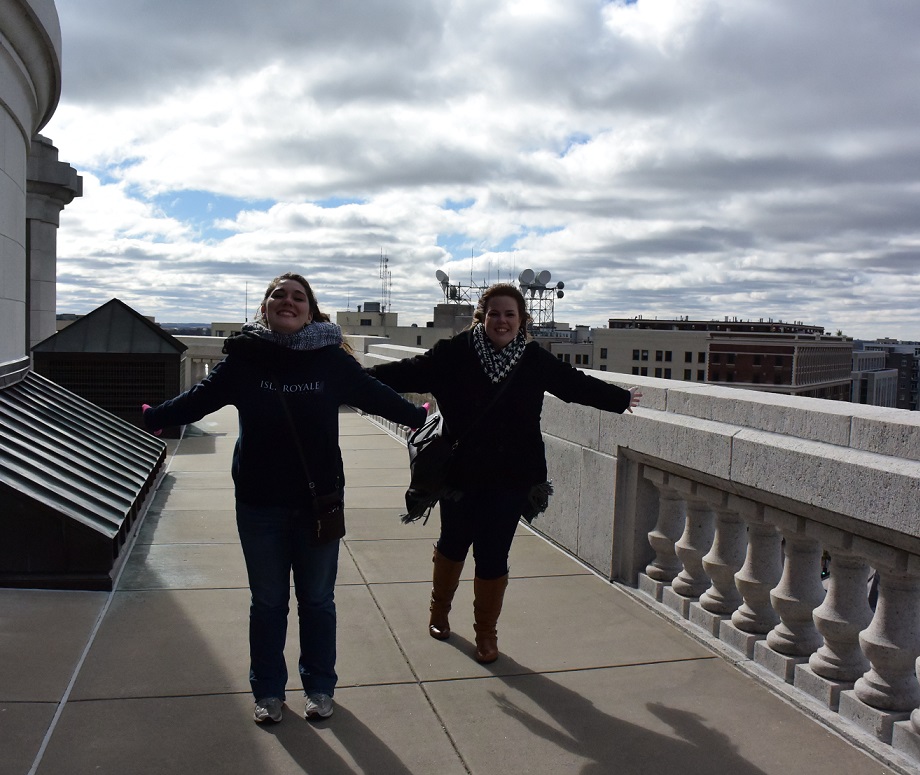
After the tour, we decided to go to the observation deck at the top of the building, and experienced true cold for the first time on our trip.

Ariel_Constance_Wind

The winds were so strong that it was hard even to close the door behind us. Nonetheless, it was worth it because the view was beautiful.

Wisconsin_Capitol_View

Leaving the Capitol, we took a stroll in the brisk Wisconsin air to find ourselves some nourishing lunch. We finally settled on Marigold’s, a local deli, where we reveled in the many options available. Among the delights we delved into were lavender white mocha and grilled ham and cheese with a hint of strawberry jelly. Packed with locals, Marigold’s was definitely a winner.

Out into the invigorating weather we went again to make our way to another of Frank Lloyd Wright’s masterpieces, the Monona Terrace. Opened in 1997, the Terrace was built posthumously and served as the cause of much strife and contention during his career. Using Wright’s design of the exterior, Wisconsin contractor J. J. Findorff and Son Inc. carried out the great architect’s dream, while his previous apprentice, Anthony Puttnam, designed the interior.

Once inside Madison’s event center, we explored the gift shop full of Wright memorabilia before embarking on a tour with guide, John.

Frank Lloyd Wright Bust
                Frank Lloyd Wright Bust

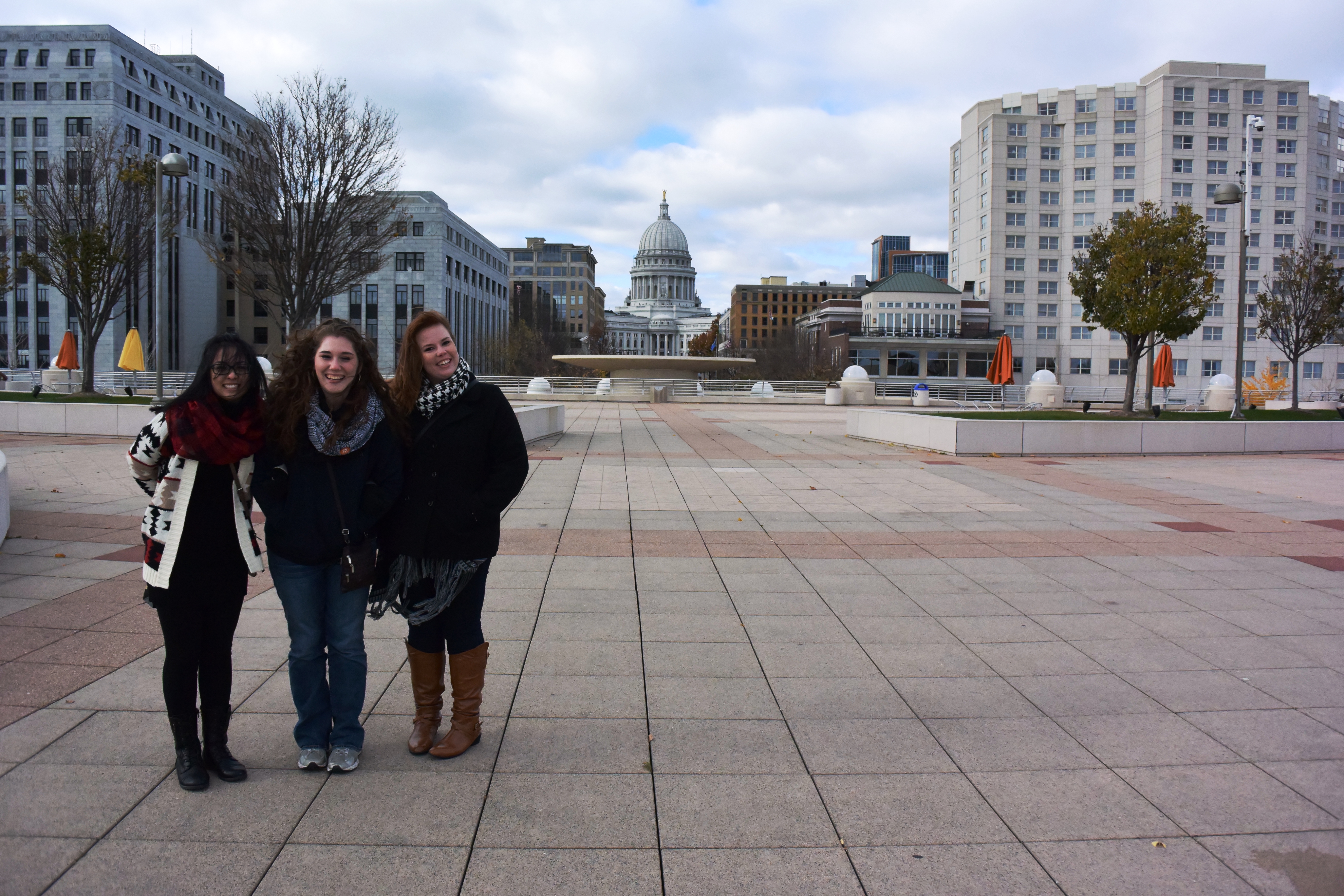
Pointing out certain Wrightian things, such as the dome on the west side of the building and the arches in the grand ballroom, John proved to be a formidable docent as he never ran out of interesting facts and stories to regale. Braving the gusty winds, we had the chance to view Lake Monona, which Monona Terrace balances precariously over, thanks to the intricacies of Wright’s design.

Monona_Terrace_Girls

Awed by the view and many selfies taken, we headed inside to embrace the warmth it offered and finish our tour.

Capitol_Building_Girls

Seeing it was getting late, we rushed back to the car in order to make it to a few last minute shops, original to Madison. Among those, we re-caffeinated and browsed a wonderful cheese boutique, Fomagination. Overwhelmed by the many options and tastes, we took in Wisconsin’s finest and tried to contain our enthusiasm at all that was available. It was incredibly exciting to see so many things unavailable in the great state of Texas. We loaded up on cheeses and cheese accessories before tumbling back into the car to begin the final leg of our trip.

We admired the beautiful fall landscape of Wisconsin; the rolling hills and deep yellows, greens, and reds created the perfect ambiance for our drive to Dubuque, Iowa. There, we enjoyed the Fenelon Place Elevator, or Dubuque Incline, claimed to be the shortest and steepest railroad in the world.

Incline_Dubuque

Gripping the seats…

Incline_Constance…up we went on the side of the hill to eventually reach one of the most inspiring views of the trip so far.  Known as “the magic hour” in film circles, we caught the sun setting on the horizon, creating beautiful red and orange tones in the sky and on the trees off in the distance.

Dubuque_Panorama_Girls_2

Proud to say we had viewed three states at once (Iowa, Illinois, and Wisconsin) from the top of the incline, we got back in the cable car built in 1882 to return to our vehicle and carry on to the next leg of the journey.

After a short drive, we arrived at our final destinations: The John and Mary Pappajohn Sculpture Park and the Des Moines capitol building. The 4.4-acre sculpture garden is unique and home to 28 sculptures from 22 different artists. Various paved paths provided a route for us to take through the garden, however, curiosity and the lure of new art, propelled us forward.

Man of Letters, Jaume Plensa

Many of the sculptures were created by artists that were foreign to us, however, one sculpture in particular provided us with the comfort of familiarity: Painted Steel by Mark Di Suvero. Di Suvero also has an art piece called “Proverb” in Dallas, Texas, which we were able to relate to. “Painted Steel” was made out of steel and painted in the same red that “Proverb” is painted. Both statues have similar characteristics, but varying dimensions and structure.

Another interesting sculpture that we saw was, “Back of Snowman (Black)” and “Back of Snowman (White).” These sculptures were created by artist Gary Hume and were located side-by-side in the middle of the park and held a spectacular gleam given off from the surrounding lights. Each of the statues consisted of two round pieces of bronze covered in enamel, one in white enamel and one in black. These statues were especially appealing because each round piece of bronze was perfectly symmetrical and smooth, giving the piece a unique trait of looking seamlessly perfect.

The last sculpture that really caught our eye and our interest was “The Thinker on a Rocky” created by Barry Flanagan. This piece was a large rabbit sitting upon a boulder in the same pose as Rodin’s “The Thinker.” The piece was clearly a satire on Rodin’s famous statue, which only added to its appeal!

While the statue garden was a fantastic experience, we had to continue our night and head to the Des Moines capitol building. The Renaissance style capitol, designed by John Cochrane and Fred Piquenard, was absolutely stunning! The capitol building featured a 23 carat gold dome in the middle of the building and was accompanied by two smaller domes on either side of the building. The capitol took expansive resources and large amounts of time to build and open to the public. The building took fifteen years and a staggering amount of $2,873,294.59 to complete. On June 29,1886, the capitol was ready to be open for use!

Iowa Capitol
Iowa Capitol

Both the capitol and the sculpture garden trips were the perfect ending to day five of the trip!